A new filing made by the Cupertino based giant and Broadcom earlier this week, has urged the court to overturn the results of the Caltech WiFi patent trials. As per an AppleInsider report, the brief suggests that the original trial was conducted with “”multiple legal errors.” Back in January 2020, the patent trial ruling had found both Apple and Broadcom guilty of infringing on patents owned by the California Institute of Technology for WiFi. Notably, Apple tried to invalidate the patent back in March, but ultimately failed.
For those unaware, Caltech’s lawyers even argued that a hypothetical licensing deal in 2010 for the chips used in iPhones, iPads, Macs, Apple Watches, and more would have brought in some 1.4 US Dollars per device from Apple and 26 cents each from Broadcom during the trial. When calculated, this figure translates to the jury applying an 838 million US Dollars fine on Apple and 270 million US Dollars on Broadcom.
In the appeal, both companies stated that “These rulings unfairly prejudiced appellants, and greatly hampered their ability to rebut Caltech’s repeated emphasis at trial on the supposed importance of the patents-in-suit, which led to an enormous — and unwarranted — damages award.” Caltech has called both firms conduct as “truly egregious” and even asked the court to raise the payment up to 2.2 billion US Dollars, after taking the lawyers and damages into account.
Vivo is buckling up to launch the Vivo X60 series of Smartphones in China. Although the Chinese giant hasn’t really stood firm on a launch date yet, it could be on December 28. In the run-up to the official reveal, an unboxing video has now joined the train of Vivo X60 Pro leaks.
A YouTube user has uploaded a short unboxing video of the upcoming Vivo X60 Pro. The video opens up to the retail packaging that looks a lot like the Vivo X60’s retail box we saw a few days back. It appears to have a Dark bluish color with a Vivo X60 Pro written on it.
Opening it up reveals the device itself. The device has a Gray rear panel with a rectangular camera layout up top and Vivo branding at the bottom. Speaking of which, the layout, as seen in some of the official renders, has the quad-camera setup. Three of the lenses are arranged like a triangle while the fourth periscope lens sits at the bottom beside the ZEISS logo.
There is an LED flashlight at the tail end(vertically) of the rear camera stack. Turning it up, we see the power and volume buttons to the right, and the curved screen with centered punch-hole upfront. We must admit that Vivo’s curved screens have come a long way(eg. 120-degree curves on Apex 2020). And it looks like the X60 series’s curves feature subtle curves like Samsung‘s devices.
At the bottom, we see that the device has a microphone, USB-C port, speaker grille, and SIM card tray. It’s worth noting that the unit that’s being unboxed here also has a ‘PROFESSIONAL PHOTOGRAPHY’ slogan and a secondary mic at the top.
The next exciting part here is the UI of the device. As the user unlocks it, we are greeted with the new OriginOS. If you recall, the company unveiled the new UI based on Android 11 on November 18. It’s now almost certain that the X60 series will debut with the new UI corroborating with the earlier leak.
Anyway, the X60 series will mostly include two devices- X60, X60 Pro. However, there’s also a possibility of an X60 Pro+ with Snapdragon 888 SoC. Other than that, the rest of the devices will have an AMOLED 120Hz display, Exynos 1080 SoC, triple cameras(X60) with X60 Pro having an additional 8MP periscope lens, 33W fast charging, and more.
Earlier this week, the German cabinet sent legislation to the Bundestag that will allow Chinese telecommunications equipment provider, Huawei, to build 5G networks in the region but only after strict security measures are guaranteed.
According to an AsiaTimesreport, the proposed legislation would make Huawei and telecom equipment providers financially liable for compromised security. This would also give security agencies complete network access to determine the integrity of the network. In other words, Germany is going ahead with Huawei for 5G building but with strict conditions, despite Washington having lobbied Chancellor Angela Merkel’s government to ban the Chinese tech giant outright.
Notably, American media described the newly proposed German law as a “a setback for the outgoing U.S. administration,” as written in the Wall Street Journal. Furthermore, the Merkel government’s decision might have been different if Donald Trump had been re-elected. Copies of these proposed law had leaked in Germany back in November but it seems that this has now been solidified.
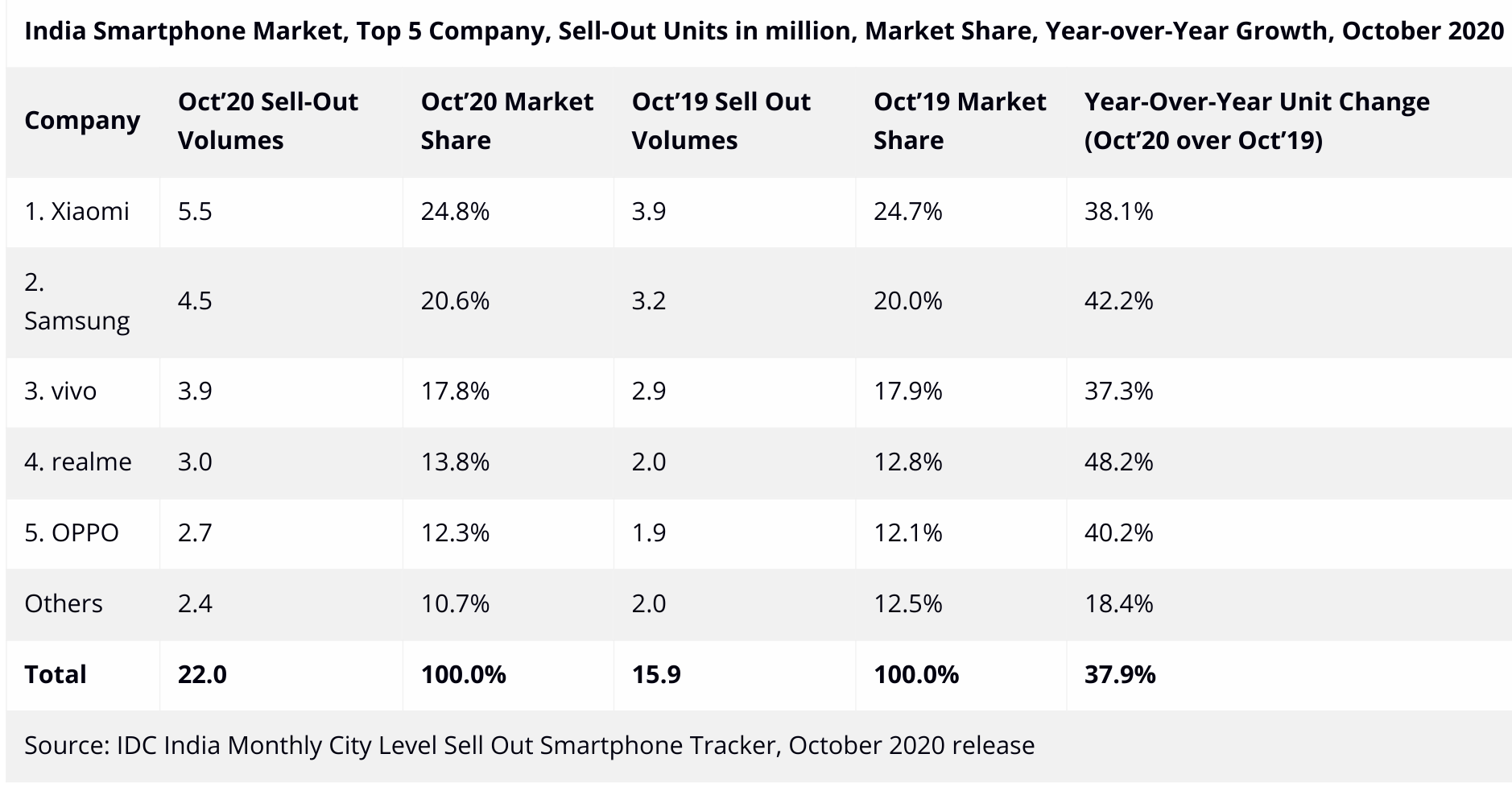
After releasing the report on India Smartphone Market Q3 2020 in early last month, IDC is back again with another report for October 2020. The new report details the growth achieved by OEMs during the pre-Diwali festive season sales in the country. Unsurprisingly, the rankings remained the same with Xiaomi leading the market, followed by Samsung, realme, vivo, and OPPO respectively.
Photo by Rami Al-zayat (Unsplash)
India Smartphone Market October 2020 Shipments
According to the new report by International Data Corporation (IDC), the Indian smartphone market recorded a whopping 42% YoY growth in October 2020 by shipping 21 million units. Above all, it happens to be the highest-ever October shipments and it is only second to the all-time high shipments of 23 million units that took place in September 2020.
Due to the pandemic and great offers, online channels grew 53% YoY and accounted for 51% market share. The offline channels also grew 33% YoY, especially in smaller towns and cities.
The $100-$200 price bracket, which is the hottest segment in India, grew by 60% YoY, and therefore, its market share increased to 58%. Redmi 9, Redmi Note 9, and vivo Y20 were some of the most-shipped handsets. Whereas, the premium segment ($500-$700) was led by iPhone XR, iPhone 11, and OnePlus 8, thanks to exceptional offers.
India Smartphone Market October 2020 Sell-out Units
Taking about sell-out units (finale sale to consumers), a record 22 million units were sold in October 2020 in India, registering more than 38% YoY growth. Approximately 55% of the national demand came from the top 50 cities.
Top-tier cities like New Delhi, Mumbai, Bengaluru, Chennai, and Kolkata grew 50% YoY, and therefore, they accounted for 25% of the entire market. Emerging cities like Jaipur, Gurgaon, Chandigarh, Lucknow, Bhopal, and Coimbatore also grew by ~50% YoY bu the rest of the states (up-country markets) only witnessed an average of ~25% YoY growth due to economic factors.
Online channels accounted for 50% of entire sales by growing 23% YoY. In the top 5 metro cities, it had a 57% share. This happened despite delayed deliveries as supply constraints had impacted offline sales. As for brands, Xiaomi led in 34 of the top 50 cities in the online channel, whereas vivo topped in 44 of the top 50 major cities in the offline channel.
Further, the MOP (Market Operating Price) was $190 in October 2020 and 68% of total sales occurred in the sub-$200 price segment. Almost half of the sales of the $100-$200 price segment happened online, recording 93% YoY growth. Lastly, Xiaomi was the leading brand in the sub-$200 in 30 of the top 50 cities in India.
Whereas, the mid-range segment ($200-$300) accounted for almost a fourth of the smartphones sold in the period. Samsung led this segment in 36 of the major 50 cities. On the other hand, the premium segment ($500+) accounted for only 5% of the total sales in the top 50 cities and less than 1% in the rest of the cities. Apple topped this price bracket in 49 of those top 50 cities. However, it is worth noting that this segment grew 16% YoY.
India Smartphone Market October 2020 5G Sales
Interestingly, half a million 5G handsets were sold in October 2020 and almost 80% of those sales happened in the top 10 cities of the country. Although the report does not mention the best-sellers, the only phone we could think of is the OnePlus Nord.
OnePlus Nord
Because this device was the top-seller in its segment in Q3 2020 and there was not a single phone cheaper than it with 5G connectivity during the period. The only other 5G handsets were flagships.
And since sales in the premium segment were lower compared to budget and mid-range categories, OnePlus Nord is our strong contender for the best-selling 5G smartphone in India in October 2020. Whereas, the runner-ups could have been the OnePlus 8T, OnePlus 8 series, and the then newly launched Mi 10T series.
Anyway, at the end of the day, consumers cannot make use of the 5G radio present in their devices as the Indian government is yet to allocate spectrum to the carriers.
Xiaomi is gearing up to launch the Mi 11 series in China this month. An exclusive tip given to us suggests that the company will unveil the devices on December 29 in the country. Ahead of the launch, leaks regarding Mi 11 has been floating on the internet frequently. Hence, let’s take a look at the possible specs, and price with whatever info we have so far.
For starters, Mi 11 will be a premium flagship series in 2021 that’s coming after the 10th anniversary of Xiaomi. It will succeed the yesteryear Mi 10 series. Although Xiaomi has confirmed only about the Mi 11 so far, we can expect the company to bring Xiaomi Mi 11, Xiaomi Mi 11 Pro just like 2020. Additionally, a report also rumors about a possible Mi 11 Pro+. Xiaomi’s latest flagship that’s selling in China is the Mi 10 Ultra which launched a few months ago.
Mi 11 Series – The basics
To get basics out of the way, Xiaomi Mi 11 will follow a similar strategy to the predecessor. Accordingly, it will boast a premium design with no-compromise on specs and other features. It will also be the first flagship to launch with Qualcomm’s latest Snapdragon 88 SoC as confirmed by Lei Jun.
From the leaked images so far, we can guess that the device might retain the rear Glass body and sport a metal mid-frame for rigidity. Since the devices are tipped to sport a four-curved screen, expect Xiaomi to place a Gorilla Glass(maybe 6) on top of the screen.
Other expected features include water resistance(P2i/any IP rating), USB-C port, dual-SIM card slot, SA/NSA 5G connectivity, Wi-Fi 6, Bluetooth 5.1, GPS, DDR5 RAM, UFS 3.1 storage, fast charging, camera features like OIS, EIS, 4K video recording, slow-mo, night mode, and more.
Xiaomi Mi 11 Features (Expected)
The standard variant Mi 11 is expected to feature a four-curved screen with a top-left punch-hole display. Thus, it’s gonna look a bit similar to the Mi 10 at least from the front. Although dimensions aren’t known yet, it is likely to sport a FHD+ AMOLED display with a 120Hz refresh rate screen.
This is up from the 90Hz refresh rate on the predecessor. However, we will have to wait for other details like peak brightness, JNCD value, contrast ratio, and more. Under the hood, it will be powered by Qualcomm Snapdragon 888 SoC. Xiaomi is likely to up the storage performance with LPDDR5 RAM and UFS 3.1 instead of 3.0 storage.
Mi 11 Concept Render by Ben Geskin
For the optics, the device will have a triple camera setup on the back along with an LED flashlight. This is horizontally stacked inside a squircle housing. As per the concept renders, the layout will also have a Blue Gradient color with a chamfered bump. The triple-camera array will likely have a 108MP main camera, 13MP ultra-wide, and a 5MP macro sensor.
Although few rumors predict the presence of a Telephoto lens, the device will anyway get an upgrade from the 2MP macro on the Mi 10. A 4,780mAh battery will probably back the entire Mi 11 with support for 55W fast charging. For memory variants, we can expect 8/12GB RAM and 128/256/512GB storage. The Mi 11 is expected to start at the same 3,999 yuan($612).
As far as full-fledged renders are concerned, the Mi 11 Pro has been a mystery, to say the least. Although reports predict an identical design throughout the series, a leaked protective casing of the Mi 11 Pro hints at quad-cameras on the Pro.
A different rear layout, if turns true, will be a surprise considering the devices will elsewhere differ very little. Anyhow, the Mi 11 Pro, as per a new tip on Weibo, will feature a 6.76-inch display. It will have a similar four-curved screen with a top-left punch-hole but will sport a QHD+ resolution and 120Hz refresh rate.
1 of 2
Concept by Ben Geskin
Alleged Mi 11 Pro with quad-camera(w/ periscope)
Under the hood, it will feature the same Snapdragon 888 SoC as the Mi 11 and come paired with LPDDR5 RAM and UFS 3.1 storage. As for optics, let’s address the typical scenario first. If Mi 11 Pro were to host the same design as the Mi 11, it will likely have the triple-camera setup. Accordingly, there will be a 48MP OmniVision OV48C sensor, 20MP ultra-wide, 12MP Telephoto with 2x optical zoom.
The main sensor will reportedly capture images at 50MP resolution as well. However, if the device has a revamped layout like the one shown above, it will probably include an additional Periscope lens for higher zoom(maybe 10X or more). A report also shows dual-batteries on the Mi 11 series and suggests that Mi 11 Pro might have a 4,970mAh battery.
This is understandable considering the Pro has a 2K resolution(higher). We can expect other features like the same memory variants, charging from the Mi 11. It is likely to start from 5,299 yuan($811).
The entire series will likely debut with MIUI 12 based on Android 11 out-of-the-box. However, Xiaomi could pull a new MIUI like the 12.5 version as well.
Mysterious Mi 11 Pro+
Apart from the Mi 11, Mi 11 Pro, as mentioned above, a mysterious Mi 11 Pro+ is also rumored to accompany the series at the event. Nothing else has popped up regarding the device leaving us dry with no teaser images. However, the report says it will likely have top-of-the-line specs like a bigger 2K screen and a 120Hz display, Snapdragon 888 SoC, Xiaomi’s 100W charging, and more with premium pricing.
Nevertheless, the Mi 11 series will reportedly go on sale later this month (could be on the launch day). A Xiaomi executive also says that the device will have enough stocks. Let’s wait for the official pricing.
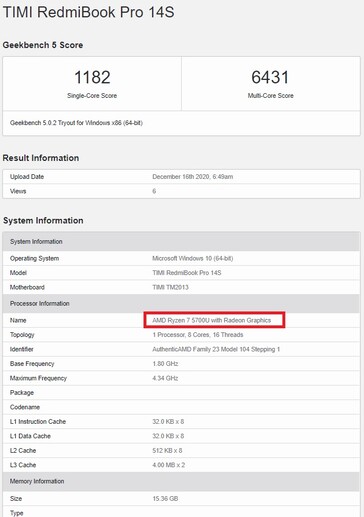
A RedmiBook Pro 14S has just been spotted on Geekbench, the known benchmarking platform. The upcoming laptop sported AMD’s latest Ryzen 5700U mobile chip and managed to outperform its predecessor, the RedmiBook 14.
According to a NoteBookCheckreport, the notebook was spotted on Geekbench and was even benchmarked. The results showcased impressive results as the mobile processor managed to score over 28 percent higher than the last gen Ryzen 4700U. This chip was shipped with RedmiBook 14 that is currently available in the market, so it seems the company is offering a healthy boost in performance with the newer generation.
The laptop was benchmarked on Geekbench 5 and the performance was measured in the multi core test. The Lucienne Zen 2-based Ryzen 5000 APU arrives with a bump in performance along with an improvement with its integrated GPU and SMT support. Recently, the AMD Ryzen 7 5700U has surfaced on numerous laptops from various brands on the platform, but the latest benchmark is for the RedmiBook Pro 14S from the Chinese OEM Xiaomi.
For those unaware, the Ryzen 7 5700U features 8 cores and 16 threads, which helped it achieve a score of 6,431 points over the 4700U’s 5,018 score. Unfortunately, this is just a benchmark so we have no way of confirming any particular specification of the laptop at the moment. Furthermore, we would have to wait for an official company announcement before providing any concrete statements either. However, with the Ryzen 5000 series being Team Red’s latest CPU lineup, we can expect laptops with the same generation to launch sometime in the first half of 2021.
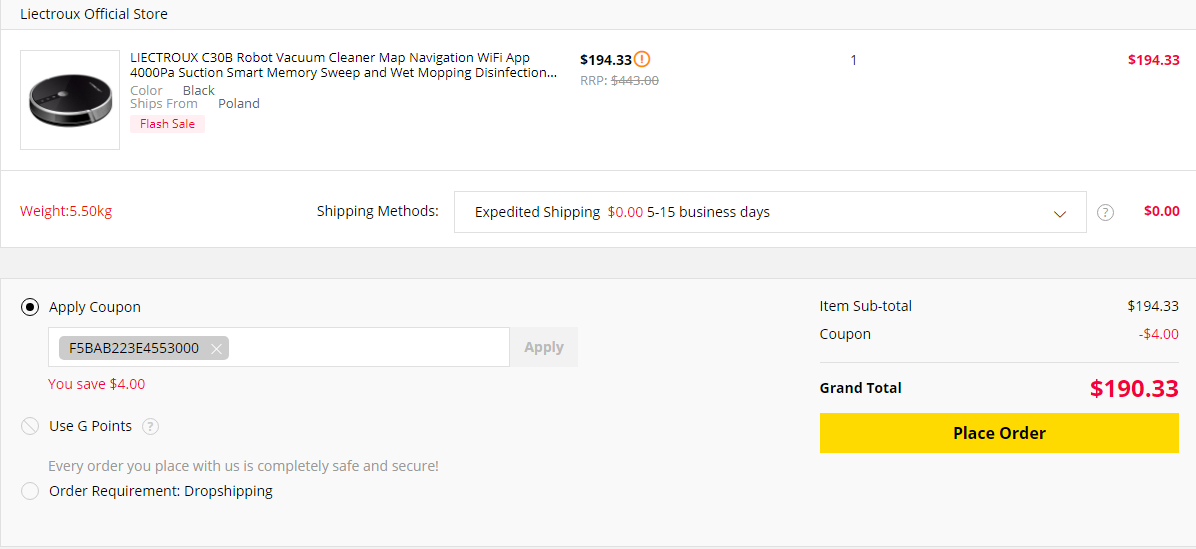
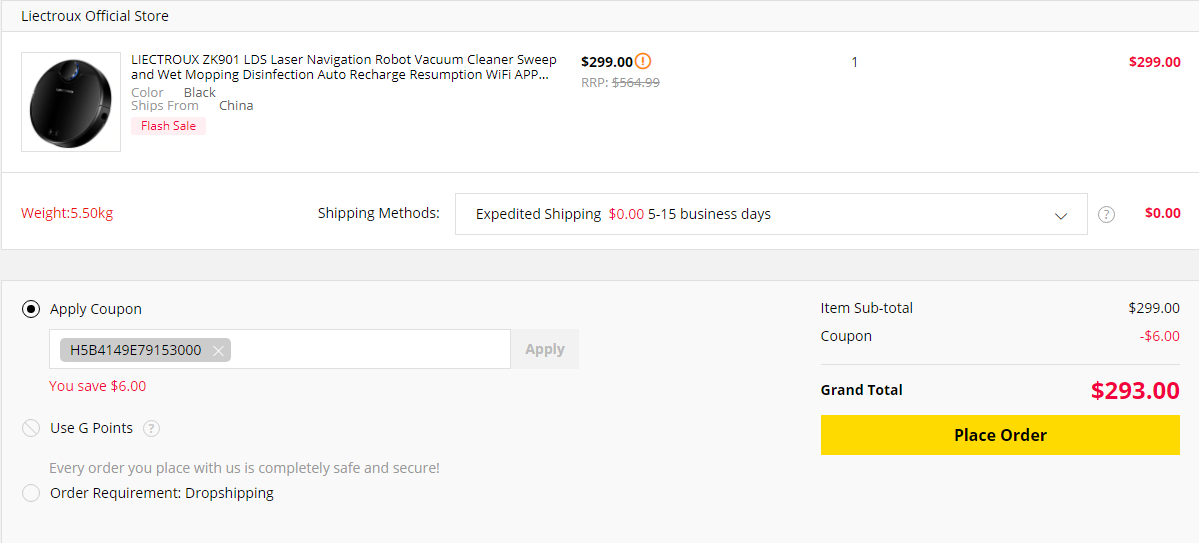
Cleaning is the most boring thing that a person has do. And the current, fast-paced life has made it even more difficult to push through. Hence, robot vacuums were introduced; these units are much smaller, quieter, and basically, work on their own. Liectroux is one such German company that manufactures these devices. They recently introduced C30B and ZK901 LDS that are two exceptionally efficient and well-budgeted models. Currently, these units are on a flash sale with huge discounts at Gearbest. Furthermore, the consumers can also enjoy an additional off via PayPal payments.
Let’s take a look at what these Liectroux robot vacuum cleaners have to offer.
Liectroux C30B Robot Vacuum Cleaner
The highlight of Liectroux C30B is that it works with both Amazon Alexa and Google Assistant. It features a powerful suction where at maximum speed, the power reaches up to 4000pa. This unit is capable of detecting the entire environment around then building up the map inside the CPU for continuous and efficient cleaning. It also retains the memory of cleaned space just after one use. This Liectroux robot vacuum boasts a humanized voice reminder to notify the user for charging, cleaning, loaded dustbin, glitch, and more. This robot vacuum is enhanced with a NIDEC brushless motor and EPSON chip for seamless use.
Liectroux ZK901 LDS is designed to scan the whole room through laser ranging and a 360° radar that draws an accurate and complete map of the space. It is designed to detect the floor status to plan the most efficient cleaning zone. Enhanced with a set of 42 sensors, thoroughly detects the surroundings to prevent any bumps. It has a 4000pa powerful suction and anti-tangle brush to sweep dirt and hair conveniently.
These smart and ultra-versatile Liectroux robot vacuum cleaners are here to make life easy for all. Interested users can buy these units for a much-discounted rate through the Gearbest flash sale. The sale is only for a limited time, so hurry and bank on this opportunity as soon as you can.
For an additional surprise, the website is also offering a $3 on $50 off, if the payments are made through PayPal to further reduce the price.
A South Korean publication recently reported that LG may launch a phone with a rollable display in the first half of 2021. The report even revealed that the device could be debuting in the market as the LG Rollable. Leakster Tron has shared the key specifications and pricing of the LG Rollable.
The South Korean publication had claimed that the LG Rollable has a 6.8-inch rollable screen that can expand up to 7.4-inch. The new leak corroborates with the display size information that was revealed by the publication. It seems that the company has certain screen dimensions for different modes.
In the phone, the LG Rollable may offer a 1080 x 2428 pixels resolution and a 20:9 aspect ratio. In the video mode, it may offer 1366 x 2428 pixels resolution and an aspect ratio of 16:9. In the productivity mode, it will offer a resolution of 1600 x 2428 and an aspect ratio of 3:2.
LG Rollable-like renders based on display patent | Source: LetsGoDigital
The Snapdragon 888 mobile platform will be present under the hood of the LG Rollable. The device may come with 16 GB of RAM and it may draw power from a 4,200mAh battery.
The leak further mentions that the LG Rollable is scheduled to go official in March. It cautions that the launch date may get postponed to June. As far as pricing is concerned, the LG Rollable could carry a hefty price tag of $2,359.
In related news, LG is reportedly on two other phones. The first one is said to be a Snapdragon 888 powered flagship phone codenamed the LG Rainbow. It is expected to arrive with stylus support and a design like the LG Velvet. It may debut in March 2021. The LG Q83 mid-ranger could be coming in the first half of 2021 with a unique rear camera design and 5G support.
The US is apparently planning on adding various Chinese companies to its trade blacklist today (18th December 2020). This would also include China’s largest chipmaker SMIC, as per two sources close to the matter.
According to a Reutersreport, the move is the latest from the Trump administration’s efforts against China. Notably, it arrives just a few weeks before the Democratic President Elect Joe Biden takes the office, on January 20. As per the sources, the US government is aiming to add around 80 additional companies and affiliates to the ‘Entity List,’ which mostly comprises of China based firms.
Furthermore, the US Department of Commerce is also expected to designate some of these Chinese companies as allegedly having ties to China’s military, or are aiding in the construction and militarization of artificial islands in the South China Sea. Some of the companies even have allegedly been involved in human rights violations, as per the source. At the moment, the Trump administration has added more than 275 China based companies and their affiliates to the Entity List to target key Chinese industries.
This most notably includes Huawei Technologies and ZTE, two major consumer electronics and telecommunications equipment providers. Now, even SMIC is reportedly the latest target for Washington, as the Commerce Department previously mandating suppliers to the company to apply for export licenses after stating that there was an “unacceptable risk” with its equipment being possibly used for military purposes.
Unfortunately, SMIC, the Commerce Department, or even the Chinese Embassy in Washington has yet to respond to this report. Similar to other Chinese firms, SMIC has denied the accusations of ties to China’s military. If the chipmaker is put on the Entity List, the company would be forced to seek a special license from the Commerce Department before being supplied with key components or materials from US based firms.
According to a Reutersreport, the new site will initially employ 300 people, which will eventually grow to 500 in the longer term. Furthermore, the products manufactured in the plant will go to Huawei’s European customers. The Chinese tech giant has considered the plans for a factory in the region since back in March, regardless, of the French government’s crack down against telecom operators that used its equipment.
The factory is also a part of the company’s initiative to tone down the concerns and allegations against it, which began with the US. At the moment, various governments worldwide consider Huawei and other Chinese telecom equipment providers as a risk to their national security due to possible ties with the Chinese government. The US accused the company of espionage and being a front for Beijing, which Huawei has denied on multiple occasions.
Currently, France has not outright banned mobile telecom carriers from using Huawei’s networking gear. Although, the authorities did announce to network operators the bought the Chinese firms equipment, that they would not be able to renew their license for the gear once they are expired back in July 2020. This effectively phases out Huawei’s equipment from the country’s mobile networking infrastructure.
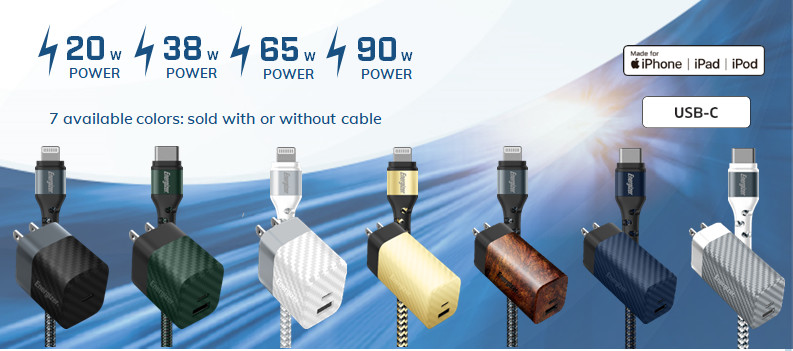
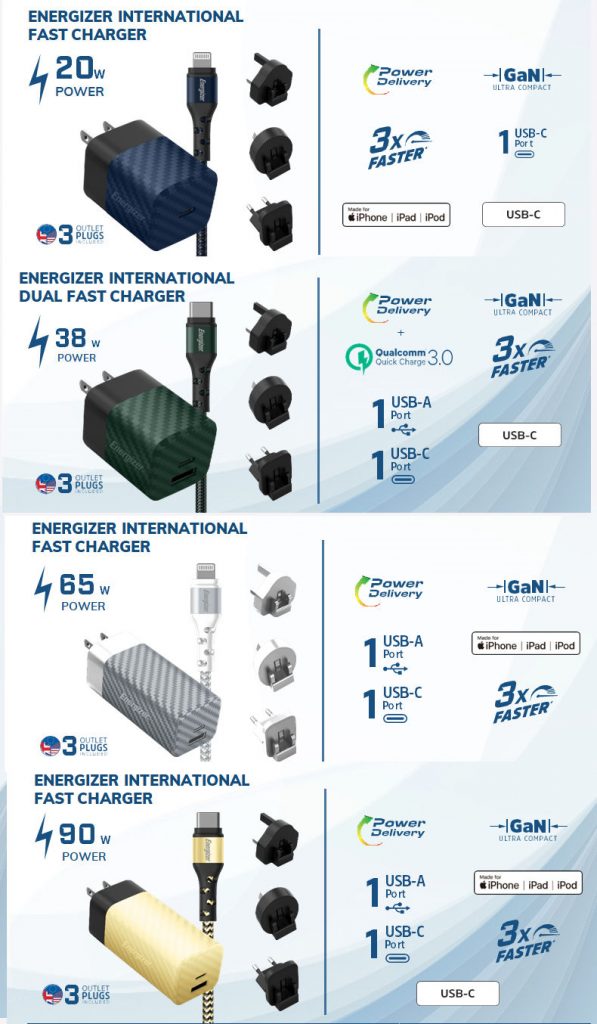
Avenir Telecom which holds the Energizer brand license has announced arrange of new Power Delivery (PD) wall chargers in India. The wall chargers’ ratings range from 20W, – 90W. There are four new PD chargers one with 20W, another with 38W, a third with 65W rating and the top mode with 90W rating.
The chargers use GaN (Gallium Nitride) semiconductor material. Just like other GaN chargers in the market, Energizer’s 20W, 38W, 65W and 90W GaN chargers are manufactured using gallium nitride semiconductors. The use of gallium nitride semiconductor materials has the advantages of super thermal conductivity, high-temperature resistance, acid and alkali resistance, and greatly reduces the size of the charger.
Truly, the chargers adopt a compact build that can easily fit into your bag. Apart from a USB-A port, there is a USB-C port which supports USB-C to Lightning cable. The charger recognizes your devices: gaming consoles, tablets, laptop, smartphone, and charges it at the maximum speed, thanks to the last generation of USB Power Delivery. The 65W and 90W chargers a5re capable of charging compatible laptops.
Power Deliver brings more intelligence to the charger and enables the detection of the device connected to it. This allows the charger to deliver the precise amount of power needed to charge it in the shortest possible time. Charger with GaN (Gallium Nitride) increases the efficiency and lowers the heat, and decrease each product’s size. The new Energizer well charger range is one of the tiniest on the market, said the company.
Further, the chargers also come with multi-plug for the UK, US or even Europe,and will be available in seven stylish colours including white and black. You get the option of buying it with or without charging cables.
Unfortunately, Avenir Telecoms is yet to announce the pricing or availability of the chargers.
Xiaomi has launched the MIJIA Double-port Induction Cooker under crwodfunding. The induction cooker is now open for backing at Xiaomi’s online mall – Mi.com. It will retail for 899 yuan (~$137) during the crowdfunding exercise but will later be sold for 999 yuan (~$152) after the exercise.
The MIJIA Double-port induction cooker features independent temperature control on both sides. It also has a 2200W high firepower and 100-level precision fire control. The induction cooker also comes with a 63cm large baking pan.
In terms of design, the new MIJIA Double-port induction cooker continues the minimalist design which the Xiaomi/MIJIA brand is known for. There are two knobs on the side to control the temperature separately. In addition, there are four touch buttons that can be used to time and turn off the induction cooker.
What makes this product stands out is that it can be used to perform various functions such as stir-frying and stewing at the same time, and supports frying, roasting and stewing. In addition, the Mijia double-port induction cooker supports low-power continuous heating.
The cooker uses a large-size microcrystalline panel, supports IH electromagnetic heating, and cooperates with dual-side independent temperature control technology to achieve a hot pot and a barbecue grill at th same time.
In other respects, the Mijia double-port induction cooker also has an external temperature sensor, which can achieve accurate temperature measurement and automatic adjustment of firepower. It also has multiple safety protection technologies that can automatically stop heating when there is nothing on top. It also has a built-in temperature sensor and an overheating protection system.
The smart induction cooker can be connected to the MIJIA app to provide dual-mode recipes. It also supports the synchronization of the Mijia app recipes, and custom cooking in the cooking mode through the Mijia app.
Xiaomi has got quite a few induction cookers under its sleeves before this new product. As early as 3 years ago, Xiaomi launched the MIJIA Induction Cooker, priced at only 299 yuan, and it comes with “low-temperature cooking technology”, “dual-frequency fire control technology”, “custom cooking mode” and other functions.
The following year, the Mijia Induction Cooker Youth Edition came out, priced at 199 yuan. Compared with Mijia Induction Cooker, Mijia Induction Cooker Youth Edition is equipped with timing keys, function keys, and an LED display. There are only one rotary matte button and one-key control among other features. Last year, the MIJIA Induction Cooker S1 was also launched.
POCO, a sub-brand of China-based Xiaomi, has been focused on expanding its product lineup after being silent for a few months. And moving forward, the company isn’t limiting itself to just smartphones.
It appears that the company is soon going to launch its own laptops in the Indian market. As per the report, two battery models — R15B02W and R14B02W have passed through the BIS certification process, hinting towards imminent launch.
Xiaomi’s Mi Notebook Pro
The battery models are from POCO and Xiaomi, which means that the upcoming laptops from the POCO brand are likely to be the rebranded model of the Redmi laptops. We expect to get more details in the coming weeks.
Xiaomi has already launched its own laptop in the Indian market but the Redmi-branded laptops, which have been launched in China, are yet to debut in India. But now it seems that the Redmi laptops will go official in India under the POCO brand, as the company.
In line with the company’s plan of expanding the product portfolio in India, along with the laptops, POCO is also expected to launch its own TWS earphones. Given that POCO is positioned as a budget brand, both the upcoming products — laptop and TWS earbuds are likely to be priced aggressively.
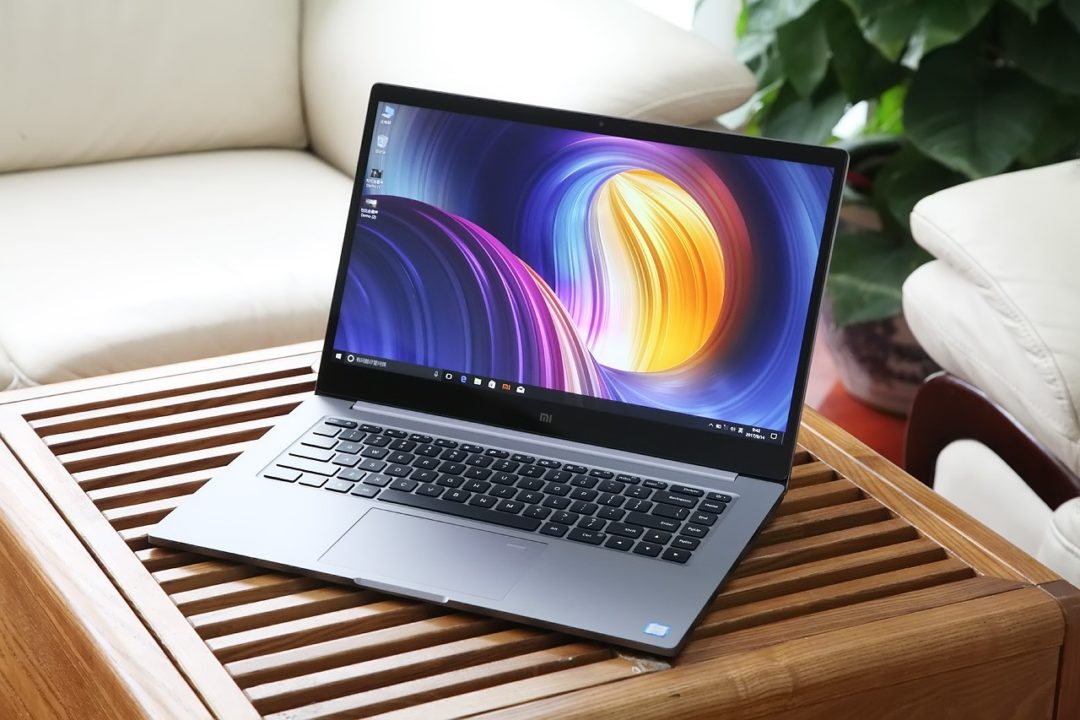
The R15B02W battery seems to be powering the Xiaomi Pro 15.6-inch laptop that has been launched in China. This could mean that the same device could go official in India under the POCO brand but it’s just speculation at this point in time. To know for sure, we will have to wait for the official launch.
It’s noteworthy that while POCO is positioning itself as an independent brand, the company is still relying on Xiaomi for supply chain, manufacturing facilities, and software, and more.
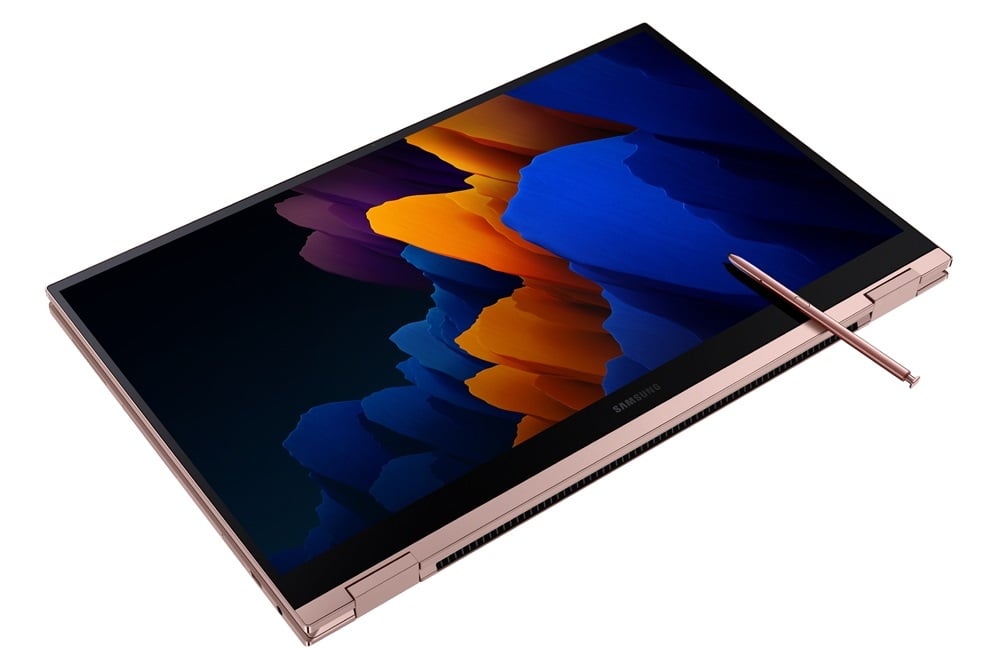
Earlier this year, in May, Samsung had launched its Galaxy Book Flex 2-in-1 laptop, and recently, in September, the company released Galaxy Book Flex 5G in the market. Now, a successor of the original Galaxy Book has been launched.
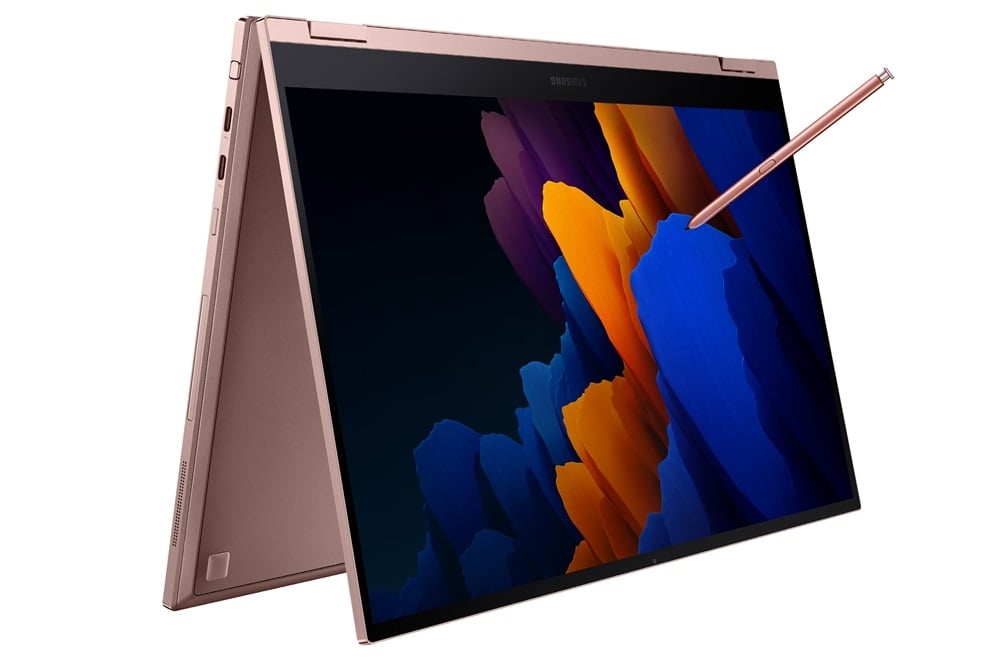
Samsung has today launched the Galaxy Book Flex 2 in South Korea. The device has the same 2-in-1 design with a 360-degree rotatable screen. It also comes with support for the Smart S Pen stylus.
It comes in two options for the display size — 13.3-inch and 15.6-inch, offering a QLED Full HD+ touch screen panel. Under the hood, the laptop is powered by the latest 11th-generation Intel Core i5 or Core i7 processor.
The 13.3-inch model packs Intel Iris Xe graphics while the 15.6-inch model comes with NVIDIA MC450 GPU for handling the graphical tasks. It can be configured with up to 16GB LPDDR4X RAM and up to 1TB SSD for storage.
There are two 5W AKG stereo speakers and the device also comes with support for fingerprint recognition. It also features a 13MP camera which should come in handy, especially during these times when people are working from home and relying on webcams to attend meetings and collaborate with colleagues.
The device is powered by a 69.7Wh battery. The Samsung Galaxy Book Flex 2 comes in two color options — Black and Purple. It’s pricing starts at 1.845 million yuan (approximately $1683) and goes up to 2.83 million yuan (~$2581).
Along with this, the company has also launched the Galaxy Flex 2 5G, which as the name indicates, comes with built-in support for 5G connectivity. This model was announced in September but the company had not revealed its pricing. It will be offered in just Royal Silver color, for a price of 2.725 million won which roughly converts to $2,468.
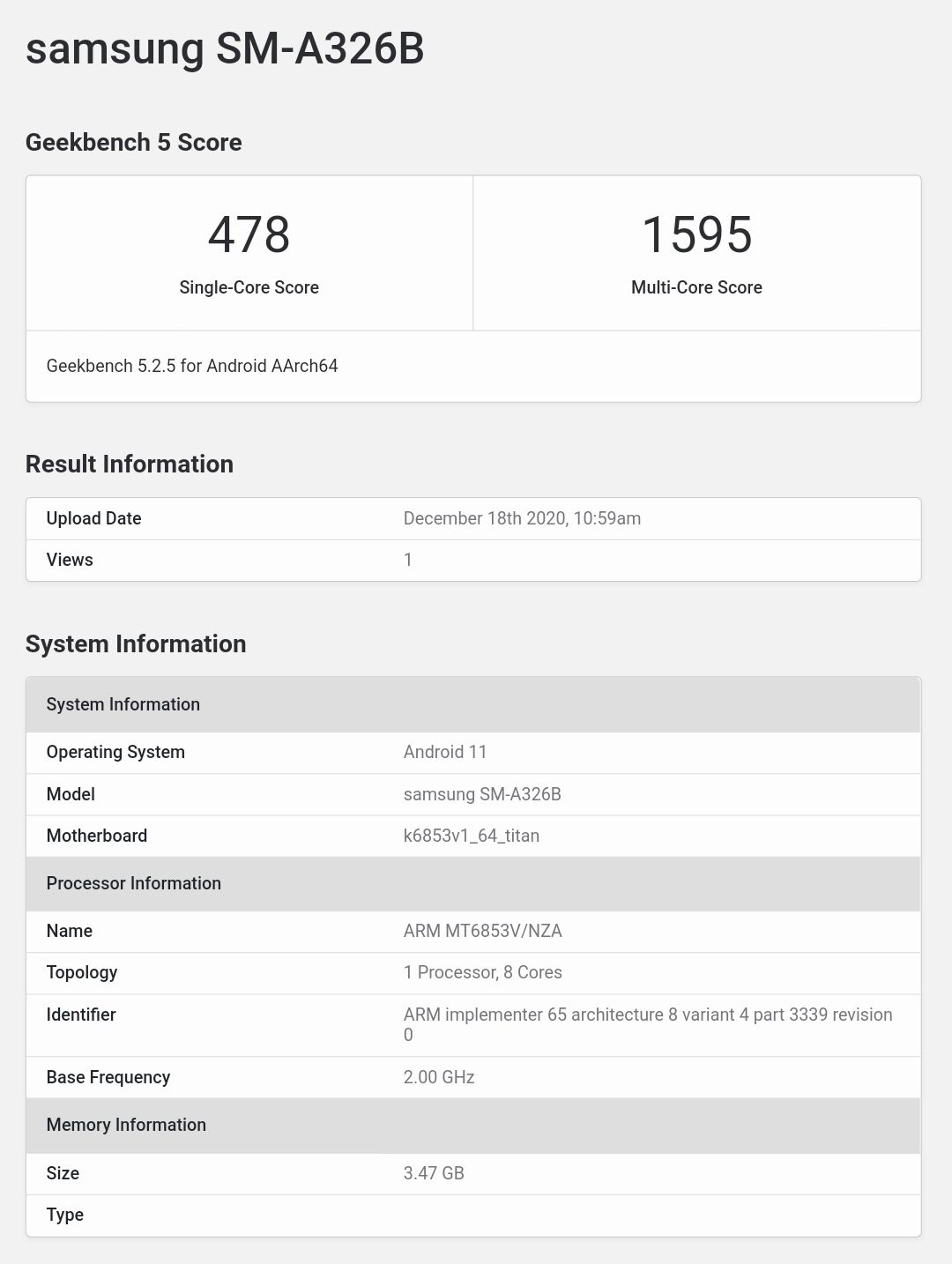
Samsung’s upcoming Galaxy A32 5G smartphone has surfaced at the Geekbench (via) benchmarking site today. The listing has revealed which processor will be powering the smartphone. It is the second major leak on A32 5G after the CAD renders that had emerged at the beginning of this month.
The Galaxy A32 5G listing has appeared with its SM-A326G model number on the benchmarking platform. The listing shows that the MT6853V chipset by MediaTek is present under its hood. This chipset is nothing but the Dimensity 720 that powers a couple of low budget 5G phones such as the OPPO A53 5G, OPPO K7x, OPPO A72, Vivo Y52sv, Vivo Y73s, Realme V5, Realme V3, Huawei Enjoy 20, and some others.
The listing further reveals the presence of Android 11 OS and 4 GB of RAM on the device. In the single-core and multi-core tests of Geekbench 5, the handset scored 478 and 1595, respectively.
The CAD render of the phone had revealed that it has a waterdrop notch display with a fairly thick chin. It is expected to arrive with a 6.5-inch display. The glass-like polycarbonate rear of the phone features a uniquely designed triple camera system. With FCC certification, Samsung is likely to launch the Galaxy A32 5G. It is expected to debut as the most affordable 5G phone by Samsung.
A few days ago, OPPO had launched its new OPPO Reno5 and Reno5 Pro smartphones in China, both of which went on sale today at 10:00 AM local time. Now, the official data released by OPPO shows the popularity of the devices.
The company has shared that in just 10 minutes of sale going live, the Reno5 series models generated revenue of 100 million yuan.
The Reno5 8GB + 128GB model is priced at 2,699 yuan (~$412) while the 12GB + 256GB model costs 2,999 yuan (~$458). On the other hand, the 8GB + 128GB model of the Reno5 Pro is priced at 3,399 yuan (~$519) while the 12GB + 256GB model costs 3,799 yuan, which is about $581.
Coming to the specifications, the Reno5 features a 6.43-inch Full HD+ OLED display with a 90Hz refresh rate and is powered by the Qualcomm Snapdragon 765G SoC. On the other hand, the Pro variant comes with a 6.55-inch OLED display with a 120Hz refresh rate and is powered by the MediaTek Dimensity 1000+ chipset.
In the camera department, both the devices have a quad-camera setup on the back. The standard model features 64 MP + 8 MP + 2 MP + 2 MP sensors and the same configuration is present on the Pro model. On the front side, the devices come with a 32 MP snapper.
Both the smartphones are running the latest Android 11 operating system out-of-the-box with the company’s own ColorOS 11 on top. While the OPPO Reno5 is powered by a 4,300mAh battery, the Reno5 Pro is powered by a 4,350mAh battery. Both of them come with the support of 65W SuperVOOC 2.0 fast charging.
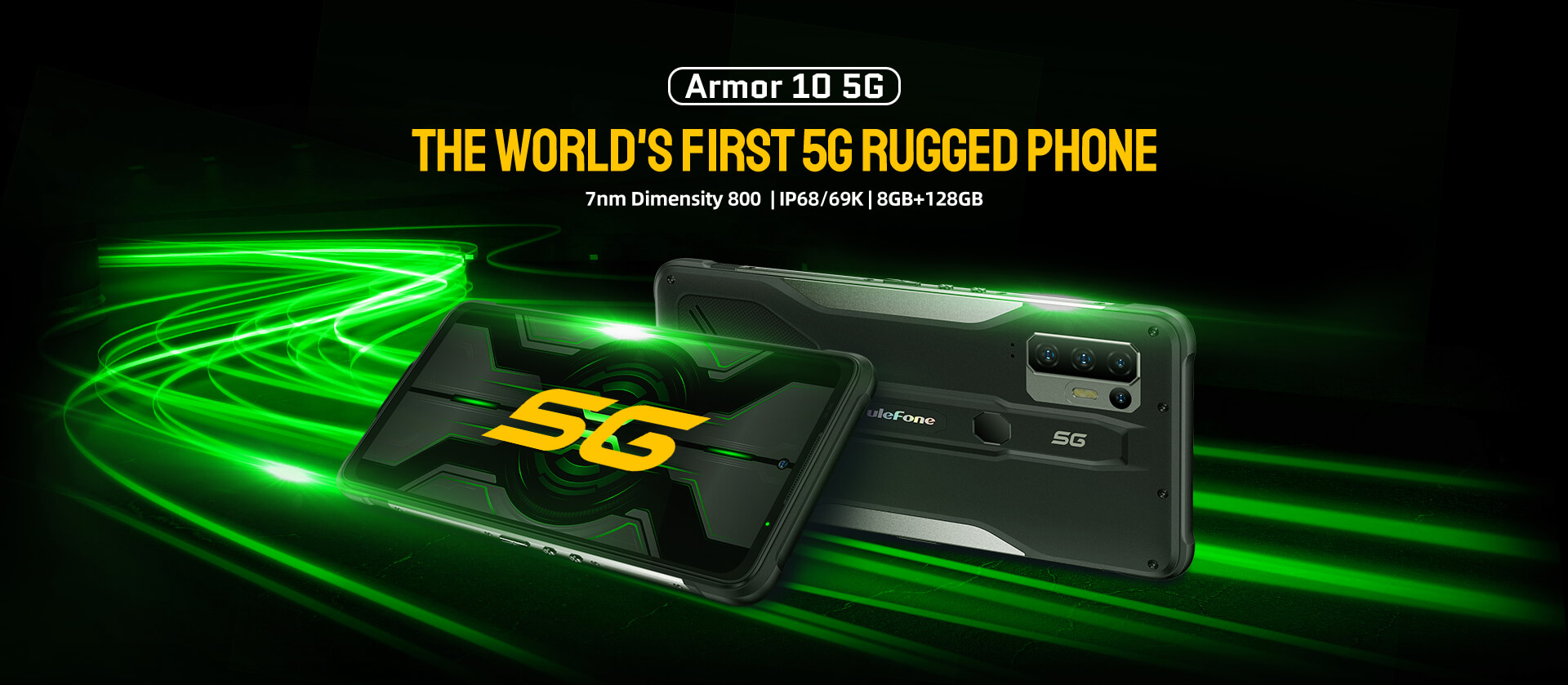
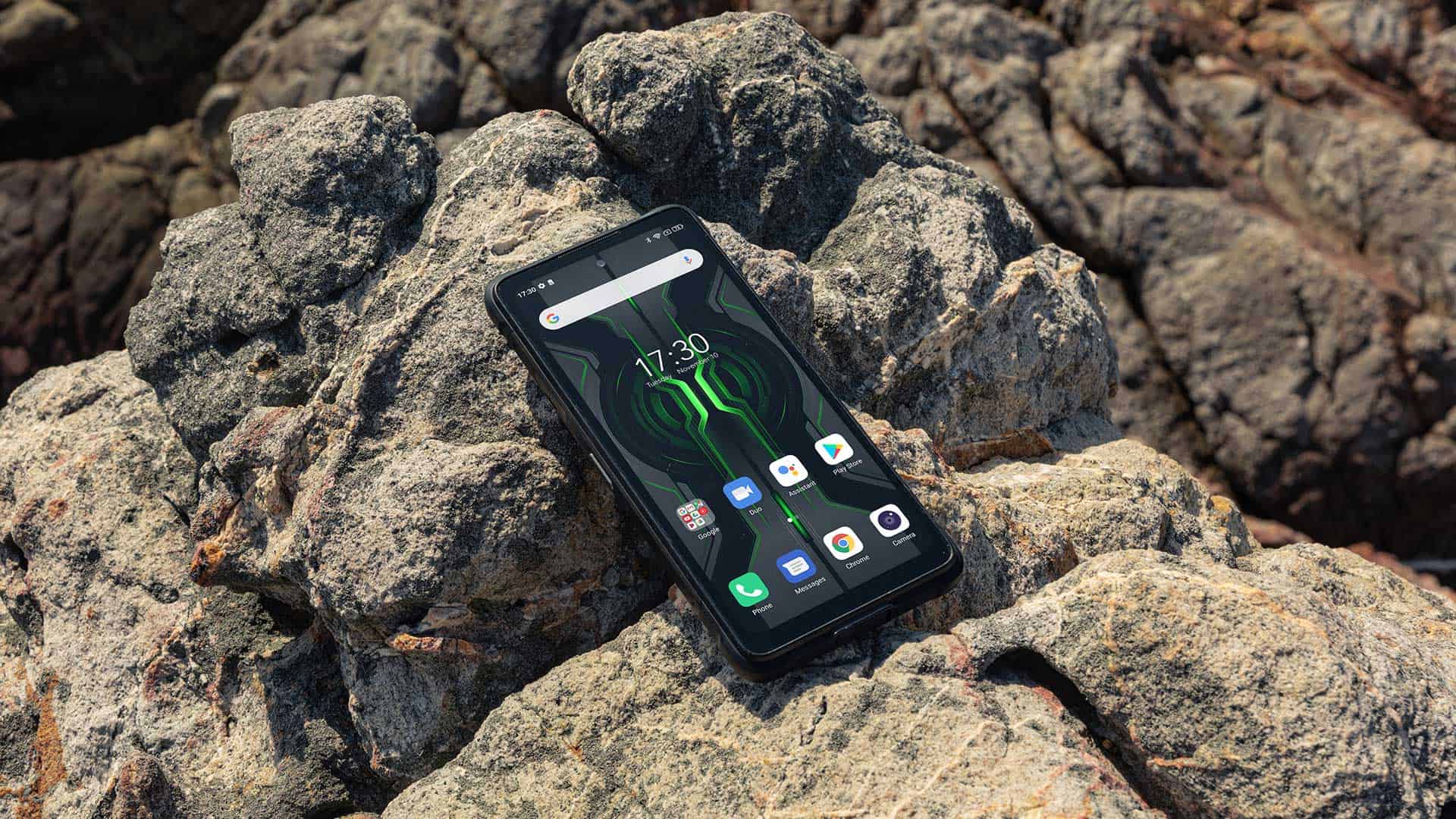
Ulefone recently introduced their first 5G rugged phone – Armor 10 5G. Since durability is one of the most significant factors of a rugged smartphone, the company released a video showing the consumers what this device looks like from the inside and why is it worth. This was done to show that ruggedness depends not only on the process of manufacturing or material but also on the internal structure. Let’s take a look at the video.
The above clip clearly shows the complete process of the teardown of Armor 10 5G. Its internal design is quite compact, reasonable, and well laid-out with no extra space. This rugged smartphone is made using a metal frame on both sides where its internals are well protected by a waterproof seal ring. Its 5800mAh battery, on the other hand, is protected by a metal plate on the back and is secured with numerous screws to prevent damage caused by accidental drops.Apart from its exceptional built and ruggedness, Armor 10 5G boasts hardware configurations like MediaTek Dimensity 800 5G SoC and 64MP quad-rear camera, and 16MP front camera. This smartphone runs on Android 10 and will upgrade to Android 11 via OTA next year. Other highlights include 8GB RAM and 128GB ROM, 15W wireless charging ICs, NFC antenna, 2 SIM card slots, and more.
Packed with an ideal combination of top-notch features and durability, Ulefone Armor 10 5G sets an ideal standard for smartphones. Currently, this rugged smartphone is up for sale at Banggood e-shop for just $399.99, where the first 700 buyers get a chance to win Ulefone Watch for free. So hurry and make the most of this opportunity.
OnePlus is known for making smartphones, which started its journey with “flagship killer” devices and then gradually started offering premium phones. However, in the recent past, the company has expanded its offerings to accessories and other products.
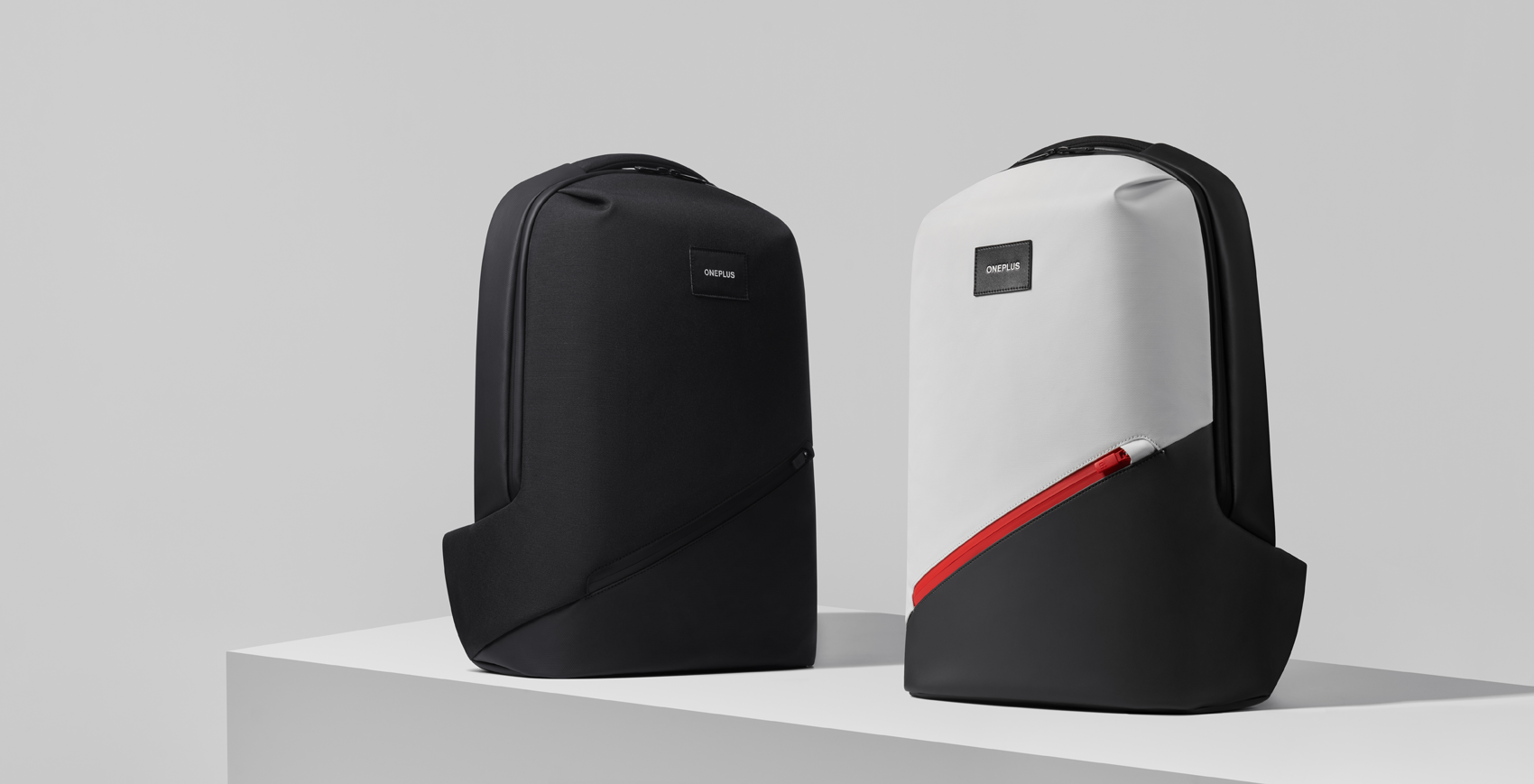
Now, the company has announced a new product — OnePlus Urban Traveler Backpack. It will be available in two color options — Black, and a combination of Black and White. The backpack is set to go on sale from 8th January but the company is giving away a few of them early as part of its User Festival.
It has a 20L capacity and comes with nine pockets. The main compartment has a partition and a zippered back. There are two pair of elastic bands which can hold water bottles. Towards the backside, there’s a separate compartment for a laptop, which the company says can hold a device with up to a 16-inch display.
On the front side, there’s a diagonal line that opens a small storage area. Interestingly, it also has a secret compartment at the bottom. For those who travel a lot, the backpack comes with a luggage pole belt.
The shoulder straps on the OnePlus Urban Traveler backpack have a plastic loop, which can be used for attaching items, such as sunglasses or keyrings. The company says that zippers and lining are waterproof and the white color has been treated to prevent stains.
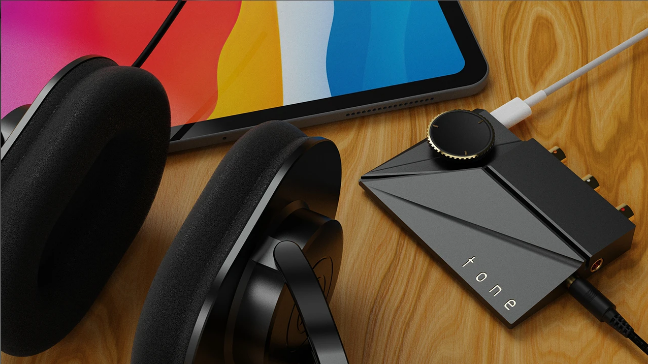
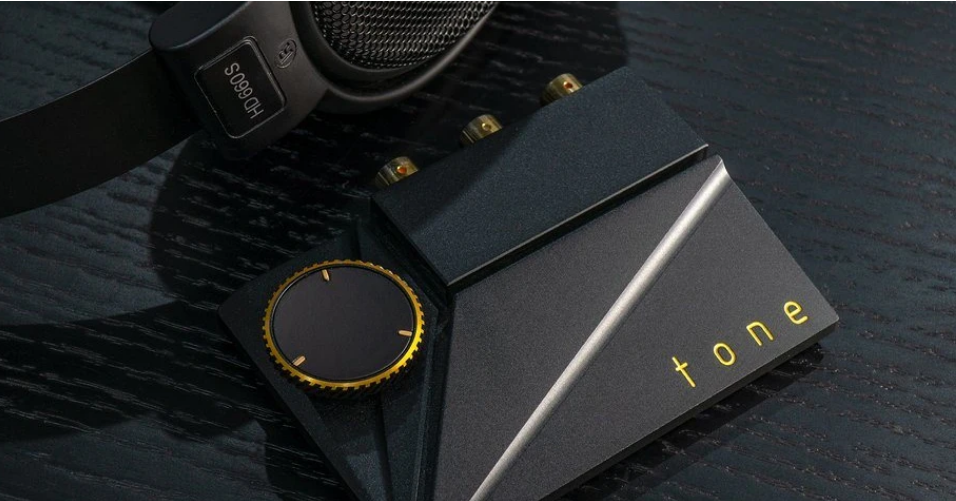
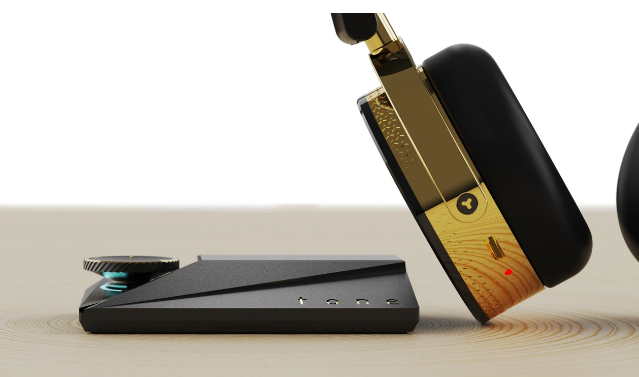
After the much-anticipated wait, Khadas officially launched their latest Hi-Fi DAC, Tone 2 Pro on December 16th. It is an ultra-slim desktop DAC that features a high-end ES9038Q2M DAC chip from Sabre technologies along with four high-performance OPA1612 Operational Amplifiers. This unit is fully up to date with MQA decoding support to offer a high-quality audio experience. However, the highlight of Tone 2 Pro is the Balanced RCA plugs that have three layers to provide better connectivity and functionality while maintaining their compact size.
Just before the launch of Khadas Tone 2 Pro, the company released all its technical parameters; let’s check them out.
Built-in Intel Altera MAX V CPLD, Pre-shaping Technology
Accusilicon AS318-B Series Professional Audiophile Crystal Oscillator
OS Compatibility
Windows 7, 8, 10(Khadas USB ASIO driver required)
MacOS
Linux(with UAC2 compliant kernel)
Android(Support OTG function)
iPadOS & iOS
Rated Voltage
DC 5V
Compliances
CE, FCC, RoHS
High-Grade Output
Tone 2 Pro has a distortion rate of around 0.000126% (Bal RCA) /0.000158% (4.4mm) and low noise levels of less than 4.2uVrms to offer superior sound quality. One can expect a crisp output with ultra-low distortion and a pitch dark, noise-free background in their audio.
Compatible Gears
Tone 2 Pro has 4.4mm and 3.5mm output ports with 2.4Ω and 1.2Ω super-low output impedance. It can be conveniently paired with sensitive IEMs or headphones without facing any issues.
Sturdy Built
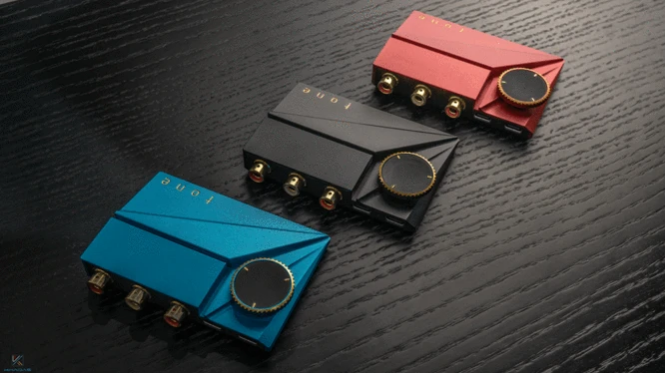
Each part of Tone 2 Prois made using high-grade materials to offer durability. Its volume knob and casing are constructed from aircraft-grade aluminum, while the bottom cover is built from ABS plastic and polycarbonate. With a silicone footpad, this unit retains its position and prevents scratching the surface. This Hi-Fi DAC comes in 3 colors- Black, Red, Blue.
Tone 2 Pro is already up for sale and can be pre-ordered for just $179.90 (early-bird price) till January 2nd, 2021. Post that, it will go up to its retail price of just $199. Shipments for the first batch will begin from 29th December. So hurry, and grab yours now.
Vivo is expected to launch the Vivo X60 series by the end of this month. While a recent leak claimed that it may go official on Dec. 28, the Chinese firm is yet to confirm it. Ahead of the launch, the official renders of the Vivo X60 and Vivo X60 Pro smartphones have surfaced once again.
The Vivo X50 series that debuted in June came with 6.56-inch Samsung E3 AMOLED displays that offered 1080 x 2376 pixels resolution. The same display is tipped to be available on the Vivo X60 with some changes. Instead of the top-left corner selfie camera cutout available on the X50 models, the successor editions will have a top-centered punch-hole. Instead of 90Hz, the Vivo X60 will support a higher refresh rate of 120Hz. The renders show that the Vivo X60 will have a flat-screen, whereas the Pro model’s display has curved edges.
The rear appearance of the Vivo X60 series is not hugely different from the X50 lineup. The Vivo X60 has a triple camera system that includes a 48-megapixel main camera with f/1.6 aperture, a 13-megapixel ultrawide lens, and a 13-megapixel portrait snapper.
On the other side, the Vivo X60 Pro will offer users a quad-camera setup that is said to include a 48-megapixel main camera with f/1.48 aperture, a 13-megapixel ultrawide lens, a 13-megapixel portrait lens, and an 8-megapixel periscope zoom lens. The Exynos 1080 chipset will be fueling the Vivo X60 and X60 Pro will up to 12 GB of RAM. The X60 series will be the first Vivo phones to come loaded with the all-new OriginOS flavored Android 11 OS.
The Vivo X60 family also includes the Vivo X60 Pro+, which is likely to be powered by the Snapdragon 888. While it may feature the same display as the other X60 models, it may come equipped with an advanced rear camera system. The X60 series phones could be coming with 33W fast charging.
We use cookies on our website to give you the most relevant experience by remembering your preferences and repeat visits. By clicking “Accept”, you consent to the use of ALL the cookies.
This website uses cookies to improve your experience while you navigate through the website. Out of these, the cookies that are categorized as necessary are stored on your browser as they are essential for the working of basic functionalities of the website. We also use third-party cookies that help us analyze and understand how you use this website. These cookies will be stored in your browser only with your consent. You also have the option to opt-out of these cookies. But opting out of some of these cookies may affect your browsing experience.
Necessary cookies are absolutely essential for the website to function properly. This category only includes cookies that ensures basic functionalities and security features of the website. These cookies do not store any personal information.
Any cookies that may not be particularly necessary for the website to function and is used specifically to collect user personal data via analytics, ads, other embedded contents are termed as non-necessary cookies. It is mandatory to procure user consent prior to running these cookies on your website.






















 Apart from its exceptional built and ruggedness, Armor 10 5G boasts hardware configurations like