Advertisement

Alivecor files lawsuit on Apple for infringing its patents on ECG feature

A Medical device and an AI company Alivecor has filed a lawsuit against Apple. The company claims that Apple has infringed three of its patents and gained an advantage on its ECG feature on the Apple Watch.
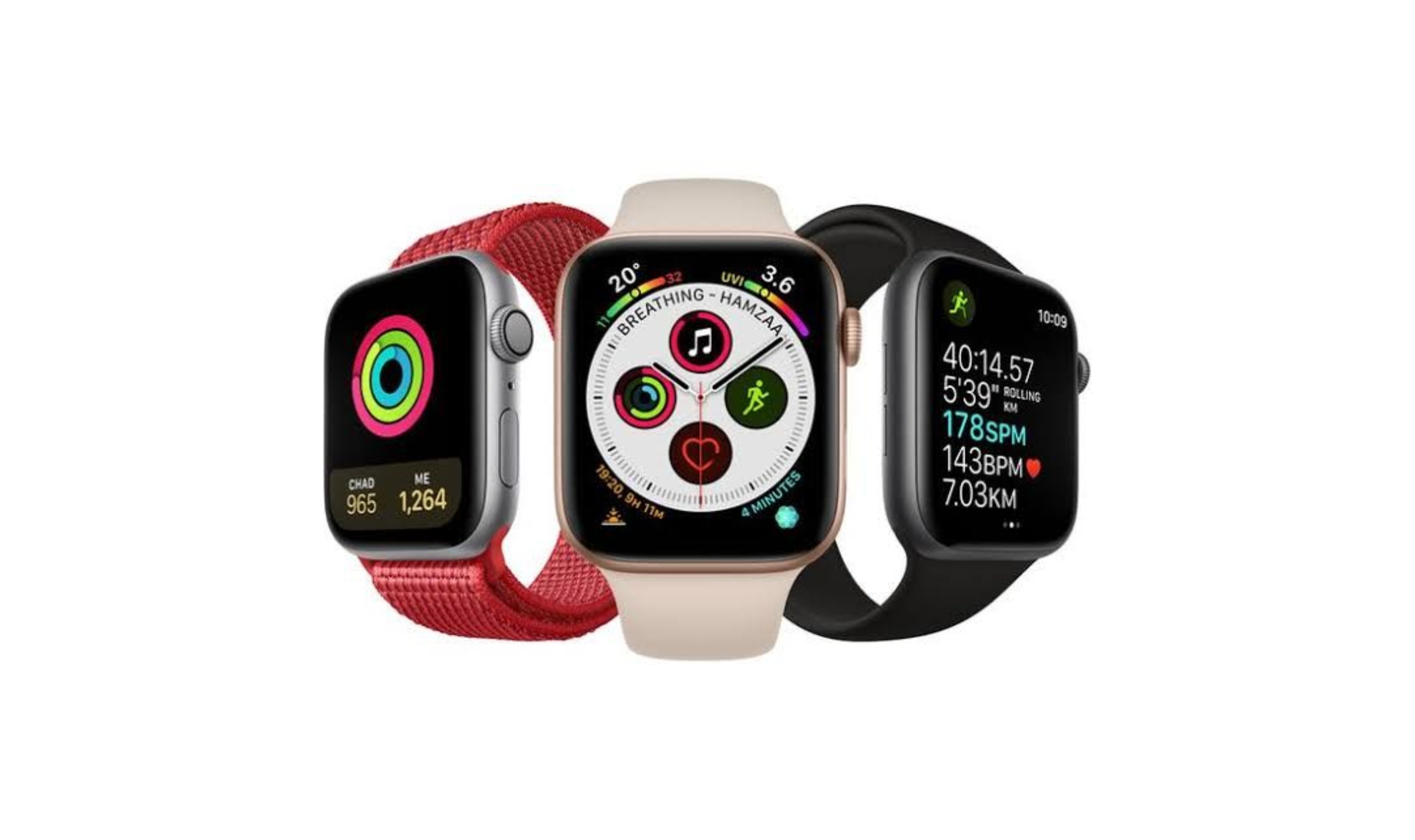
Apple Watch Series 5 Featured

As reported by AppleInsider, Apple has reportedly infringed Alivecor’s following patents. You can take a look at the patent numbers and its designation below:

  • 10,595,731- Methods and systems for arrhythmia tracking and scoring(state of the art diagnosis).
  • 10,638,941- Discordance monitoring(limitations in techniques and equipment).
  • 9,572,499- Methods and systems for arrhythmia tracking and scoring(inventors’ improvement in techniques and equipment).

Alivecor has filed the complaint in a District Court in Western District of Texas, U.S.A. Accordingly, Apple’s ECG feature on Apple Watch 4, (specifically) Apple Watch 5, and above infringes the above patents. It basically deals with how to use wearable sensors to improve cardiac monitoring using specific methods.

What is interesting here is the Alivecor’s claims of Apple being aware of the above infringement. As per the statement, the company says that the Cupertino giant is doing this purposefully. If you recall, Apple introduced the ECG feature with Apple Watch Series 4.

The ECG app uses a heart rate sensor to detect the electrodes built into the Digital Crown and a new electrical heart rate sensor in the back crystal. Thus, it can tell if a heartbeat is normal or is experiencing any Atrial Fibrillation (AFib). The Apple Watch Series 5, had the same feature but with an improved Always-on Display made possible by LTPO technology.

Lawsuit

Coming back, the lawsuit says that Apple’s watches which detects irregular heartbeat(Cardiac Arrhythmia) is using the data the same way to diagnose the condition. For the unware, Alivecor is a well-known company that sells ECG hardware& software for mobile & wearables. And it is the first to get US FDA approval to be used as a medical-device accessory to Apple Watch.

The company, however, stopped selling the ECG-enabled Kardiaband after Apple introduced the feature for itself on Watch 4. Now, in the lawsuit, it says it needs compensation. Precisely, as per the prayer of the relief section on the lawsuit, it asks for enjoinment(prohibit from infringement).

Additionally, it is also asking for damages, attorney fees, and other equitable reliefs. Let’s wait and see how this pans out in the future.
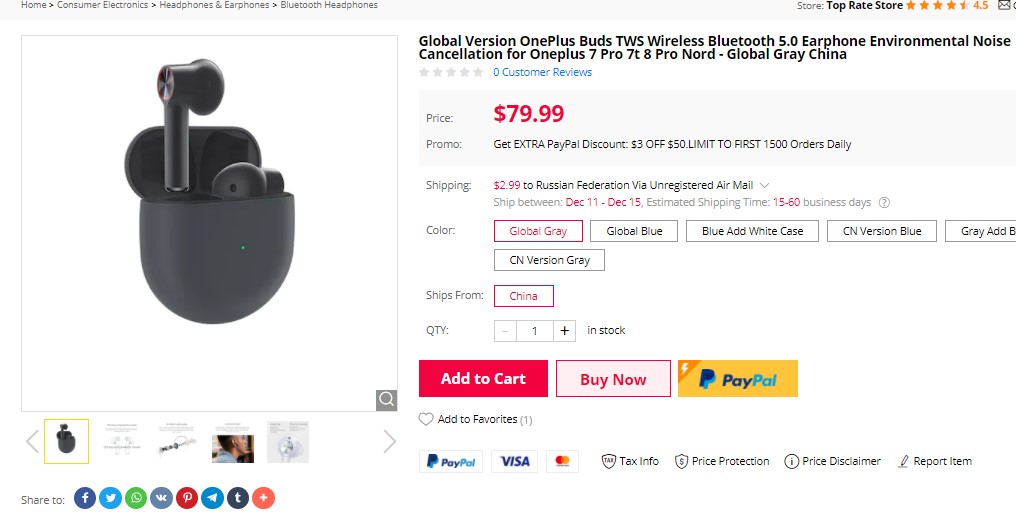

OnePlus Buds and Realme Buds Q on sale for $76.99 and $21.99, respectively

Its raining discounts on several earbuds this season. After exceptional discount on Redmi AirDots 2, the Gearbest is offering a 50% off on Realme Buds Q and significant discount is applicable on OnePlus Buds too. The Realme Buds Q is available for an effective price of $24.99, but you can get additional $3 off if you pay via Paypal. Meanwhile, the OnePlus Buds is available for $79.99 in several different colors.

Must See: Best Cheap Smartwatch Black Friday Deals on Gearbest

The offer is applicable for the users across the globe. The Paypal discount becomes applicable once you checkout with Paypal payment option.

Realme Buds Q Wireless Earbuds

Realme Buds Q is the company’s most affordable earbuds The device uses a lightweight PC + ABS special polymer material and each earbud weighs only 3.6 grams. It provides a comfortable to wear design along with ergonomic sound cavity structure. The earbuds separately carries 40mAh battery and large 400mAh battery in the case. It has 10mm super-size unit coupled with PEE and PU special polymer diaphragm.

The Realme Buds Q come wit Bluetooth 5.0 support and carries a powerful R1Q chip. It also supports different gestures like double click, triple cluck , long press. It carries IPX4 waterproof certification.

Grab Now

OnePlus Buds TWS

Globally acclaimed for premium Android smartphones, the OnePlus recently stepped in to the earbuds market and introduced OnePlus Buds. The buds offer 7 hours of continuous music playback support with 420 mAh battery. Meanwhile, each earbud carries 35 mAh battery.

It carries Bluetooth 5.0 support for efficient and seamless connectivity. The OnePlus Buds comes with a 13.4 mm dynamic driver for good quality sound.

Grab Now

Must See: OnePlus to sell OnePlus Buds for $1 tomorrow; 7T discounted to $349

Xiaomi Airdots 2 TWS Wireless Earphones available for $17.99 from Gearbest

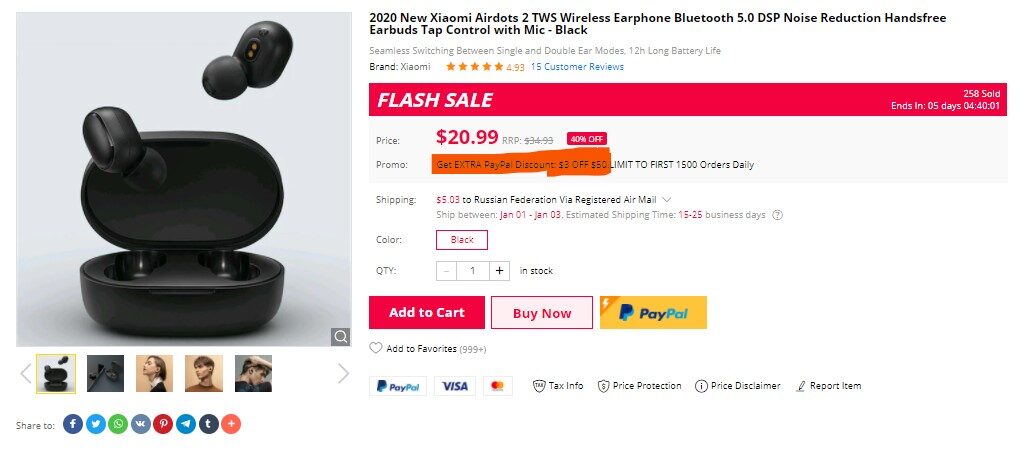
Earbuds are becoming a must-have accessory for smartphones after trending wearables. After Apple, several Chiense electronics maker adapted the earbuds and made them available at much competitive prices around the globe. Simiarlarly, Xiaomi has launched plenty of Earbuds to compete in the earbuds market. The company came with Xiaomi AirDots 2 TWS Earbuds thisyear featuring some advancements over its predecessor. Now, the Gearbest is offering these new Earbuds at the best price of $20.99.

Must See: Nokia Power Earbuds Lite (Nokia BH-405) is 37% cheaper in China

The users will get additional $3 off while paying with Paypal. However, the offer is limited to the first 1500 orders. It is available in black color on gearbest and the shipping is available for all major countries in Europe, Asia and North America.

Xiaomi AirDots 2 TWS earbuds are stylish and comfortable to wear. It is designed to work with single and double ear as it support mono and stereo audio. The presence of Bluetooth 5.0 makes connectivity seamless by providing fast and stable connections. It eve energy efficient and enables the device to serve for 12 hours upon a single charge.

Its 7.2mm sound unit is effective to provide middle and low frequencies. The DSP digital noise reduction technology filter out noise and brings a transparent premium quality sound. Airdots 2 comes with one-key control for music and calls. It hosts a lightweight body and a single earbud measures 26.65x 16.4x 21.6mm in size.

You can get it at all-time low price of $17.99 from Gearbest. You can hurry as the discount is applicable for a limited-time.

Grab Now ($17.99)

Related: [Hot Deal] Grab Poco M3 global variant in a limited-time sale from Gearbest for $121.99

Xiaomi cancels MIUI 12 update for Redmi Y3, Redmi 7, Redmi 6, and Redmi 6A

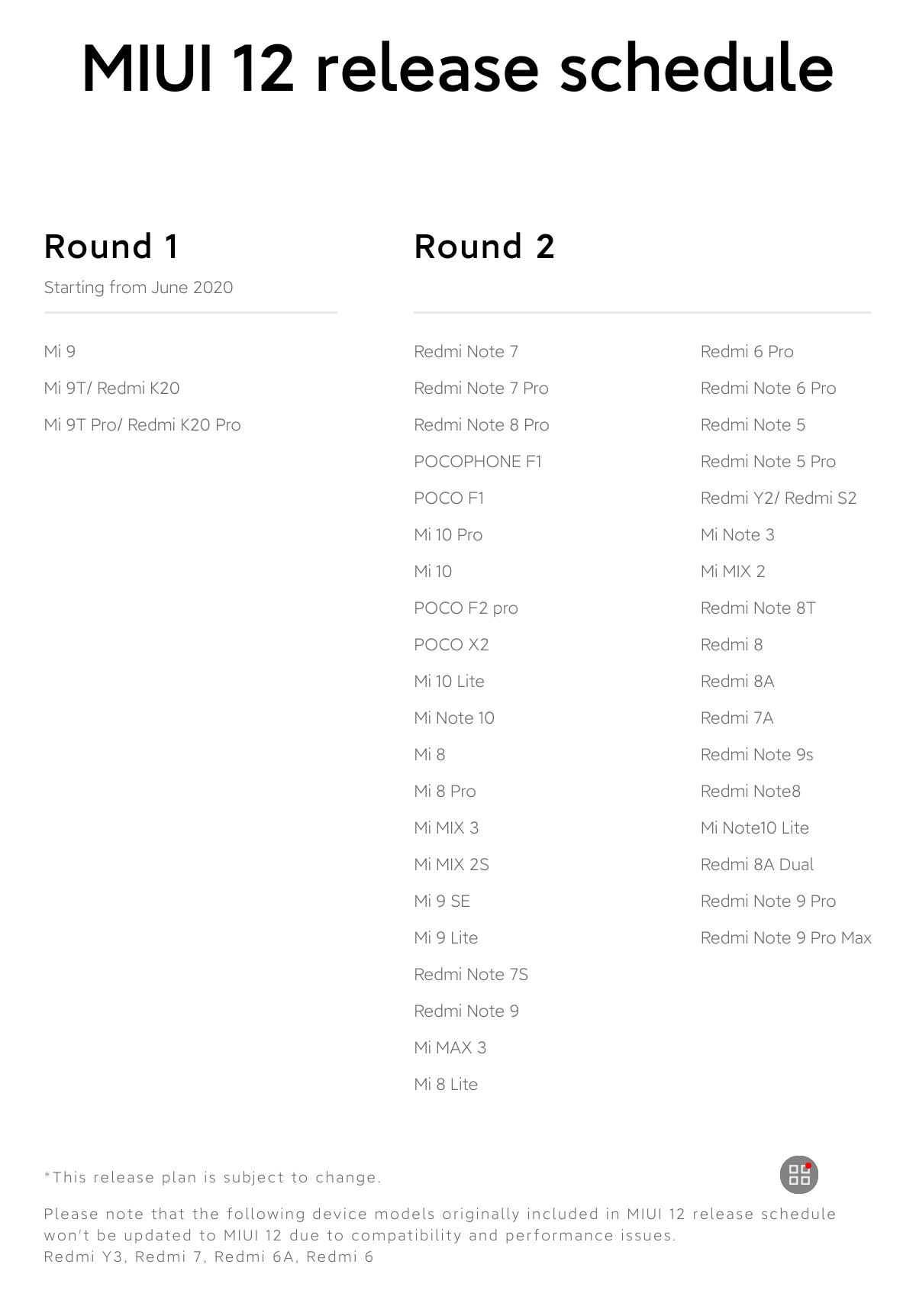
Xiaomi unveiled MIUI 12 in late April in China. Since then, the company has been pushing the update in the form of beta and stable builds worldwide. Now, eight months later, the firm silently reveals that Redmi Y3, Redmi 7, Redmi 6, and Redmi 6A will not be updated to MIUI 12.

Xiaomi Redmi 7 All Colors Featured

A month after the Chinese MIUI 12 launch conference, Xiaomi held a separate online event for global markets. At the end of this event, the company revealed the complete list of smartphones that will be getting MIUI 12.

The list included almost all the devices that launched in the last two years. Therefore, Redmi Y3, Redmi 7, Redmi 6, and Redmi 6A were part of it. But unfortunately, Xiaomi has removed these four handsets from the eligibility list after seven months since publishing it. 


The company claims that these devices will not be updated to MIUI 12 due to ‘compatibility and performance issues’. 

For those unaware, MIUI 12 on Xiaomi, Redmi, and POCO smartphones differ by models. Not all devices support every feature and the availability of certain features differs by region as well. Because MIUI is a heavy Android skin like any other Chinese mobile UI, it requires more horsepower. 

MIUI 12 Eligible Supported Devices Updated List December 2020
Source / Via

This is the primary reason why vivo OriginOS is limited to flagship as well as select mid-range smartphones.

Having said that, these four Redmi phones have been notorious for performance issues since their launch. Having personally used the Redmi 7 with MIUI 10 and MIUI 11, I know the pain. 

But still, it’s terrible that these global best-sellers from Xiaomi have only received a single MIUI as well as Android updates. Also, the latter update (Android 10) is yet to roll out globally for Redmi 7 and Redmi Y3.


Alleged ROG Phone 4 with Snapdragon 888 and Android 11 OS spotted at Geekbench

The ASUS ROG Phone 3 that debuted in July has a model number of ASUS_I003D. A new ASUS phone with a similar model number ASUS_I005DA has appeared on Geekbench. Also, the ASUS_I005DA and ASUS_I005DB model numbers have appeared at the HTML5 test page. The newly spotted phone could be the successor to the ROG Phone 3.

Ideally, the successor model of the ROG Phone 3 should have an ASUS_I004D model number. However, instead of the number “4”, the model number has “5” in it. This suggests that it may break cover as the ROG Phone 5.

Various smartphone OEMs are known for skipping the number “4” in the model numbers and monikers of their devices as it is considered a bad omen in some Asian countries. It is advisable to wait for further reports to know whether the ROG Phone 3’s successor will be called ROG Phone 4 or ROG Phone 5.

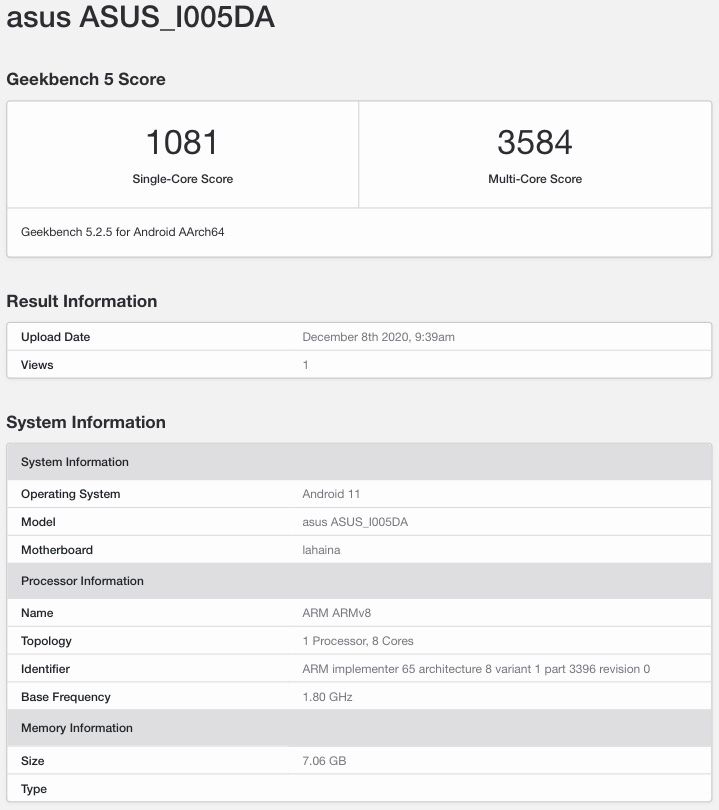
The ROG Phone 4’s Geekbench listing reveals that it is powered by a Qualcomm chipset, which is codenamed Lahaina. The codename is associated with the Snapdragon 888 5G mobile platform. The SoC is coupled with 8 GB of RAM and it is preloaded with Android 11 OS. In the single-core and multi-core tests of Geekbench 5, the handset scored 1081 and 3584 points, respectively.

The ROG Phone 2v was announced in July 2019 and it was replaced by the ROG Phone 3 in July this year. Hence, it is too early to talk about its successor model.

(via)

Google rolls out the last-ever system update for Pixel 2 and Pixel 2 XL

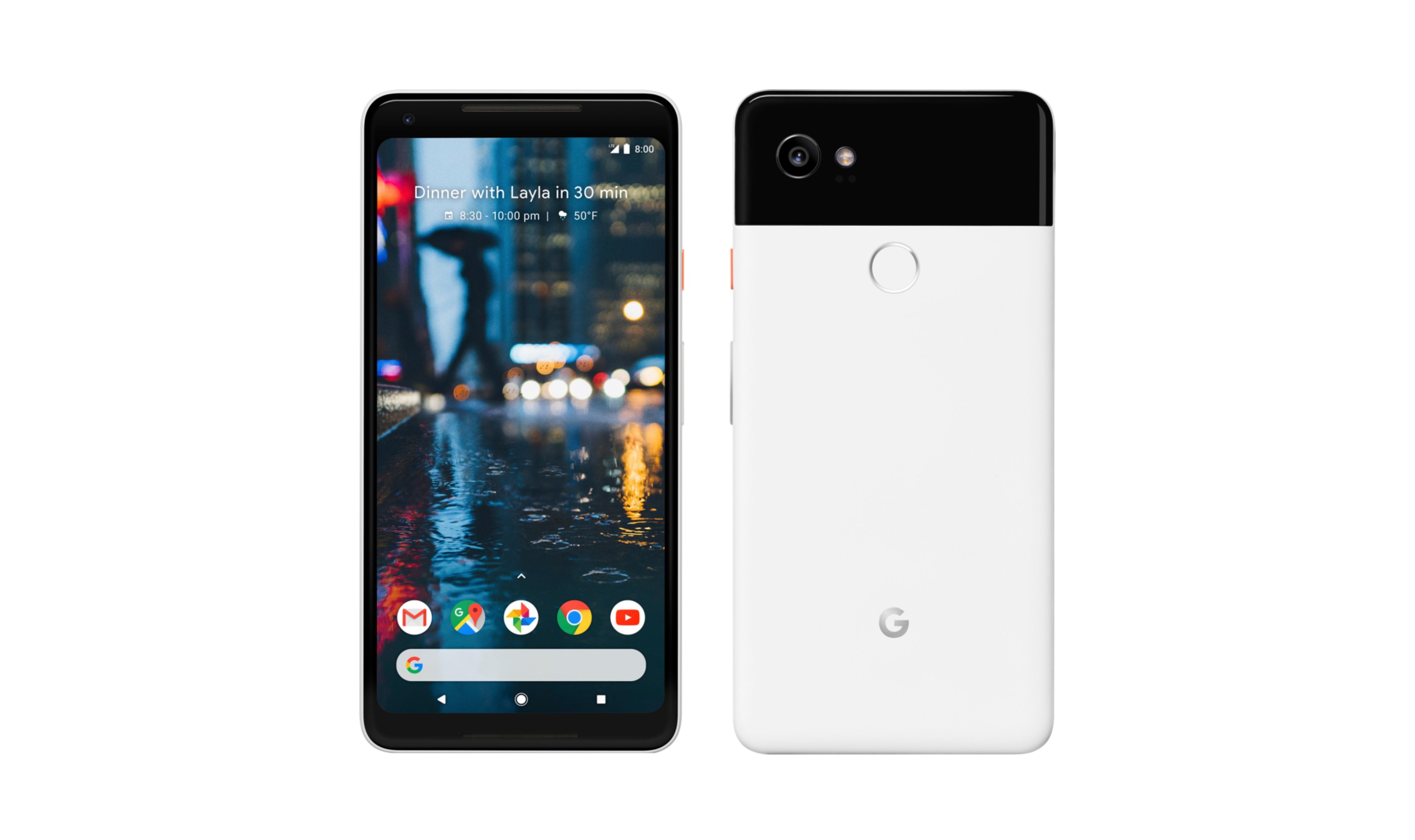
Yesterday, Google started rolling out December 2020 security patch update to eligible Pixels. This update also brought a new set of Pixel Feature Drops. At the same time, the search giant also released the last-ever system update for Pixel 2 and Pixel 2 XL, thus ending the software support for these smartphones.

Google Pixel 2 XL Black & White Featured

Most smartphones in the world run Google’s Android operating system, however, the search giant’s phone business never took off. The company introduced the Pixel lineup of first-party smartphones as the spiritual successor to the Nexus initiative in 2016.

That said, the current-gen Pixel 5 has a couple of most-used features like ‘Now Playing’ and ‘Always-on Display’, both of which were introduced with the Pixel 2 and Pixel 2 XL. That’s not all, the Pixel 2 series of handsets were also the first Google devices to feature called ‘Active Edge’, a feature the company has abandoned for the Pixel 5.

Also, the Pixel 2 and Pixel 2 XL were the first Google phones to come with Pixel Visual Core, a self-developed image processor. A new version of this chip called Pixel Neural Core debuted in Pixel 4 and Pixel 4 XL but unfortunately, the firm ditched it for the Pixel 5 just like the Soli radar face authentication system. Thankfully, both of them are reported to return in future products.

Anyway, what we are trying to say is that despite being plagued with various hardware issues, the Pixel 2 and the Pixel 2 XL laid the foundation for many loved Pixel features.

Having said that, as promised, Google has supported these handsets for three years, which included three Android updates and three years of monthly security patches. The last update that is currently being pushed to users bumps up the security patch level to November 2020. One might be wondering why November and not December. That’s because Google delayed these phones’ last-ever system update to this month.

We hope that one day Google increases the support cycle from three years as Apple iPhones on average are eligible for five years of iOS updates.


Alleged Xiaomi Mi 11’s 3C certification suggests 55W fast charging support

Rumors have it that Xiaomi may introduce the Xiaomi Mi 11 series later this month. Just as the predecessor series included two phones, the Xiaomi Mi 10 and MI 10 Pro, the company is expected to soon announce the Xiaomi Mi 11 and Mi 11 Pro as successor models. A mysterious Xiaomi phone with model number M2011K2C was seen in the database of China’s MIIT authority in October. Now, the same phone has received 3C approval. This device could be the forthcoming Xiaomi Mi 11 or Mi 11 Pro smartphone.

The 3C appearance of the M2011K2C reveals that it is a 5G-enabled smartphone. The listing indicates that the device could ship with a new charger with model number MDY-12-EQ. This charger was spotted last month at the 3C platform It supports up to 55W fast charging.

M2011K2C 3C listing

This indicates that the M2011K2C could be an upcoming flagship phone. Recent reports have claimed that the Mi 11 series could be shipping with a 55W fast charger. Hence, there is a possibility that the M2011K2C model number may belong to the Mi 11 or Mi 11 Pro. It is likely that the phone may soon surface in TENAA’s database with full specs and images since it has bagged 3C certification.

The Xiaomi Mi 11 and Mi 11 Pro could be the first flagship smartphones from the brand to support a QHD+ resolution and a 120Hz refresh rate. Both models are expected to come preinstalled with the latest Android 11 OS. Also, they are expected to flaunt a horizontal camera array. It is speculated that the Mi 11 may house a 4,780mAh rated battery, while the Mi 11 Pro may have a 4,970mAh rated battery.


Jio to launch 5G service in India in second half of 2021: Mukesh Ambani

Reliance Industries Chairman and Managing Director Mukesh Ambani has revealed that its telecom unit, Jio, will be launching its 5G service in India by the second half of next year.

Reliance Jio

As per the Indian billionaire, Jio will launch its 5G services in the company’s home country, which will stand as a “testimony” to the government’s Atmanirbhar Bharat (self-reliant India) policy. Apart from being one of the first to launch 5G services in the region, the company is also working on launching an affordable lineup of Android smartphones in collaboration with Google, which will likely debut in the arriving months.

According to an NDTV report, Ambani believes that the policy steps were needed to to accelerate the roll out of 5G networking in India. He further added that, “I assure you that Jio will pioneer the 5G revolution in India in the second half of 2021. It will be powered by an indigenously developed network, hardware, and technology components.” For those unaware, Reliance Jio has been working on 5G network for a while now and is promising nationwide LT exclusive network coverage as well.

Jio

The company is also expected to be ahead of its rivals and other major carriers like Airtel and Vi. To bring the newer and faster bandwidth to the region, the telecom based firm will have to collaborate with industry giants like Qualcomm and Samsung, as stated by Ambani in the 43rd annual general meeting of Reliance Industries earlier this year. Jio already has the biggest market share in the Indian telecom market with a 35 percent share. The addition of 5G would only boost this further, with applications in areas like education, healthcare, agriculture, infrastructure, financial services, and new commerce.


Huawei MateStation B515 PC for enterprises officially launched, arrives with AMD Ryzen 4700G and 23.8 inch Display

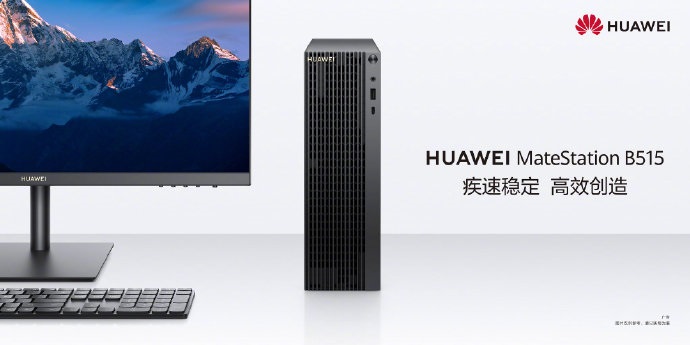
It is no secret that Huawei had been working on a desktop grade PC for a while now. While leaks and rumors had revealed most of its key specs already, the company has now officially launched the MateStation B515 for the government offices and other enterprises.

Huawei

The new desktop PC is not available for the commercial market and is being aimed at businesses only. Although, this doesn’t mean that the PC is by any means just basic, as it arrives with a powerful AMD Ryzen 7 4700G processor and a capable Ryzen 5 4600G, both of which are APUs that feature integrated Radeon graphics. Although, an option to upgrade to high performance discrete GPUs is also being offered. It is paired with either 8GB or 16GB of dual channel 3200MHz DDR4 RAM and the cabinet arrives as a set with a smart keyboard and mouse, and display as well. For storage, 1TB of memory is offered via hard drives along with 256GB or 512GB of SSD storage as well.

Huawei

The cabinet that houses the PC components adopts a grille design on the front but otherwise features a minimalistic aesthetic with a single color scheme. It arrives in matte black, which adds to its business and formal look. The cabinet’s total capacity is just 8 liters, which saves about 2/3 of space over a traditional desktop PC. Huawei also paid special attention to thermal management, equipping hte system with an intelligent temperature control system, which can automatically adjust fan speeds to manage temperatures.

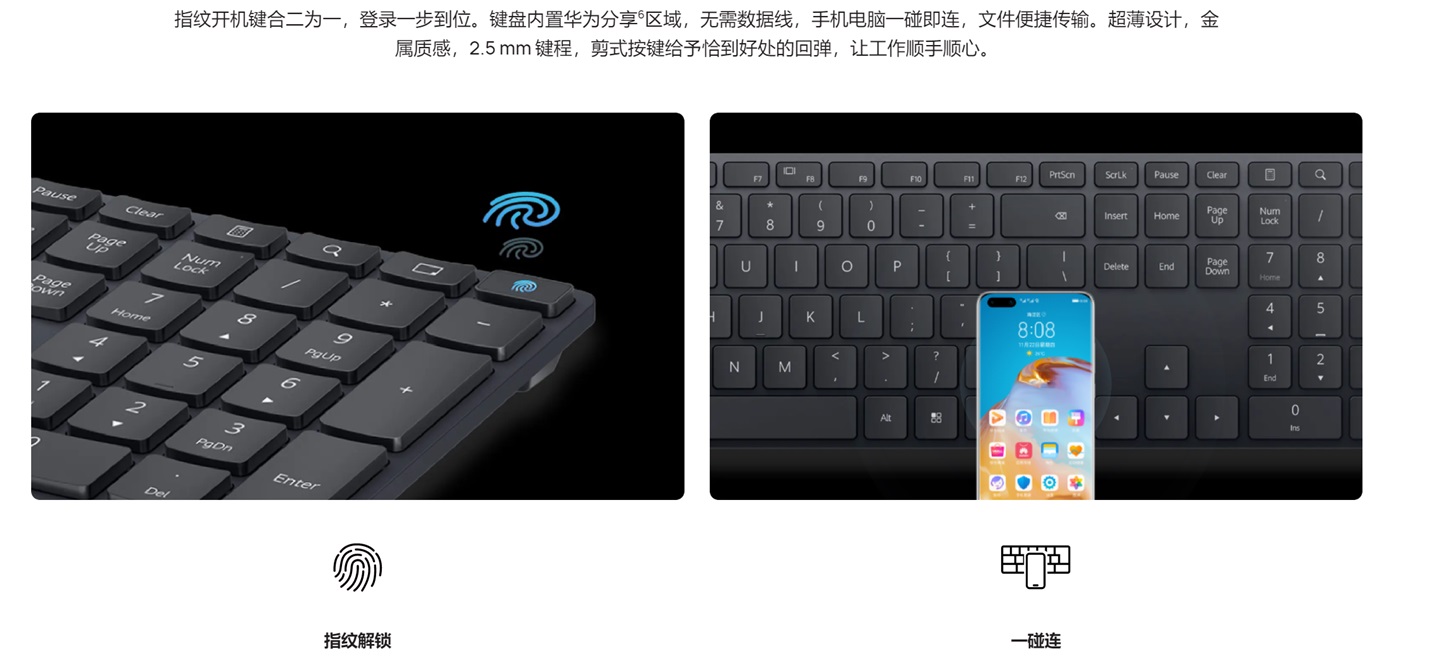
Arriving at the monitor, it is a 23.8 inch display with narrow bezels on every side and a high screen to body ratio of 90 percent, and a resolution of 1920x1080px. This display arrives with eye protection as well and has even passed the TÜV Rheinland international certification standards. Furthermore, the keyboard also arrives with a compact body with 2.5mm keystrokes on a scissor switch design and 16.05mm large keycaps.

Notably, the keyboard also has built in NFC, which can connect with smartphones through the shift key area, allowing for wireless data transfers from the smartphone to the computer. For security, the keyboard also offers a fingerprint scanner on the power button to safely boot up and unlock the system in a seamless manner.

For connectivity, the Huawei MateStation B515 offers USB Type C, support 9V/2A mobile phone fast charging, USB, HDMI, VGA serial port, and 2×2 dual antenna WiFi and Bluetooth 5.0 as well. Unfortunately, since the desktop PC is only available for enterprises, its official pricing was not revealed to the consumer market. But the estimate ranges from 4,999 Yuan to 8,999 Yuan (roughly 760 US Dollars to 1,370 US Dollars) over 5 different configurations.


Smartphone OLED display prices to drop due to oversupply: Report

The prices of OLED panels for smartphones are expected to drop due to the extreme oversupply caused by the Coronavirus pandemic. The situation is further made worse due to the sanction against Huawei.

Smartphone

An UBI Research report stated that the global smartphone market slowed in the first half of 2020 because of the viral outbreak. This led to the fall of demand for OLED panels. In the third quarter of this year, 113 million smartphones with OLED displays were shipped, which is down by 17.9 percent from 2019. In the fourth quarter, a similar result is expected, as per UBI Research CEO Choong Hoon Yi.

According to TheElec report, there was one positive factor despite the overall decline as Apple shifted production of its latest iPhone lineup to include LED panels. In this year, around 50 percent of all iPhones will use OLED panels, and the number is only expected to rise to 75 percent by 2021 and 100 percent by 2022. The report also states that it previously believed that COVID-19 will have Apple only ship 180 million iPhone units in 2020, but this number has since increased to 220 million as the latest iPhone 12 is seeing healthy demand, with the Cupertino based giant seemingly overcoming the pandemic.

Smartphone

On the other hand, Huawei’s smartphone business is in decline and is expected to negatively affect the smartphone OLED market. In the second quarter of 2020, the Chinese tech giant accounted for 53.4 percent of all OLED smartphones in China, having a higher share than its competitors Oppo, Vivo, and Xiaomi combined. However, sources close to the matter have stated that the company is only expected to ship 50 million smartphone units in 2021.


Cyberpunk 2077 Badges on sale for $99 via Giztop

The Chinese smartphone maker  – OnePlus recently partnered with CD Project Red and introduced OnePlus 8T Cyberpunk 2077 edition. The smartphone hosts several design changes including bigger camera module and tint of yellow across different elements on the device. The crafty design of the smartphone makes it more interesting and different from others. Cyberpunk 2077 game is already out and now the badges are on sale via Giztop. A set of Cyberpunk 2077 badges including 6 PCS badges are on sale for $99.

Must See: OnePlus 8T Cyberpunk 2077 Edition goes for sale on Giztop

The new game fans can grab the exciting six different badges. You can ship them anywhere around the globe from Giztop.

OnePlus 8T CyberPunk 2077 Edition ships with modified UI including new system icons, animations, live wallpapers and much more. Even the charging animation gives it a unique look. The fingerprint unlock dynamic effect gives impression of artificial eye scanning. There’s a new Night City feature on the smartphone camera app. However, the CyberPunk 2077 Edition is limited to China.

These UI changes are currently not available for standard OnePlus 8T device.

The OnePlus 8T Cyberpunk 2077 Edition features same specifications as that of original OnePlus 8T. These new badges will be an addition to the Cyberpunk 2077 game.

Grab Now

Related: Malaysians can get the OnePlus 8T Cyberpunk 2077 for only RM49 ($12)


Samsung launches new smart monitors powered by Tizen OS

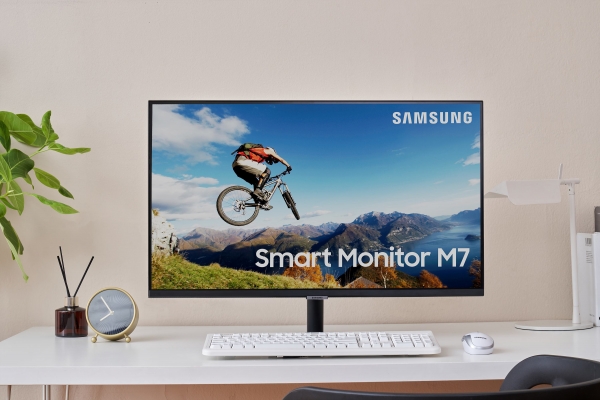
Earlier this week, Samsung Electronics announced that it plans on starting sales of its latest lineup of smart monitors in South Korea. This includes two new models, both of which run the Tizen OS.

Samsung

The new launch includes the 32 inch UHD M7 smart monitor and the FHD M5 smart monitor, which arrives in either a 27 inch or 32 inch variant. These monitors run Tizen OS and can act as a smart hub and can even offer content without being connected to a computer. Furthermore, these smart monitors can also directly connect to the internet via Wi-Fi and also offers popular streaming services like Netflix, YouTube, and Wave, as per TheElec report.

Other features include support and remote access to Microsoft’s Office 365 cloud service, along with a remote control that supports Bixby voice recognition as well. The new smart monitors arrive with support for Samsung DeX, which allows smartphones to be mirrored on the display, with tap view that allows smartphone screens to be loaded on the monitor. Apple AirPlay 2 is similarly supported as well.

A 65W charger that connects via a USB Type C port powers the M7 model and even offers 10Gbps data transfer speeds. Additional connectivity options include USB 2.0 and Bluetooth 4.2. A notable feature of the new monitors is that both arrive with an adaptive picture and eye saver to protect users’ eye sights. For audio, both models sport 2 channel 5W speakers that are built into the monitor.


Gionee K30 Pro with 6.53-inch display, 16MP triple cameras, and 4,000mAh battery launched in China

Gionee had declared bankruptcy in December 2018. However, the Chinese brand has been gradually launching mid-range phones in markets like China and India. In August, the company unveiled the Gionee K3 Pro phone and today it has silently unveiled another K-series phone called the Gionee K30 Pro.

Gionee K30 Pro specifications and features

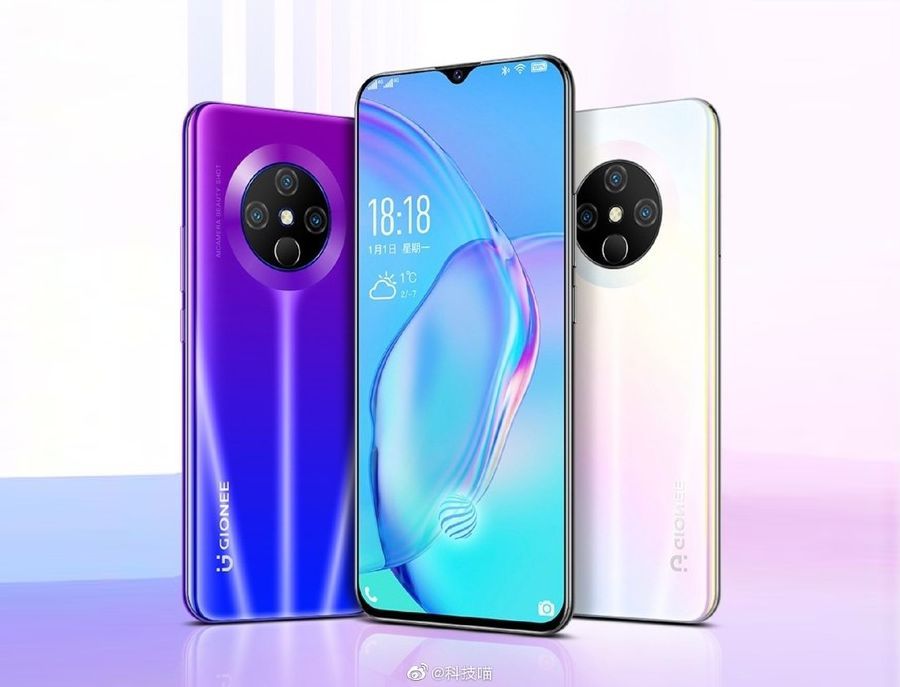
The Gionee K30 Pro has a 6.53-inch LCD screen with a teardrop notch. It supports an HD+ resolution of 720 x 1520 pixels. The back panel of the device is said to be made of glass. The phone measures 164.3 x 77.7 x 9.7mm and it weighs 204.2 grams. It is the same phone that had appeared with its GSE1020 model number at TENAA recently.

Gionee K30 Pro
Gionee K30 Pro

An unknown MediaTek chipset that ticks at 2.0GHz is present under the hood of the Gionee K30 Pro. The phone is backed by a 4,000mAh battery. It is unclear whether the phone supports fast charging.

The Gionee K30 Pro has a front camera of 8-megapixel. The back panel of the K30 Pro has a round-shaped camera module. While it seems to house quad cameras, the setup has only three cameras, an LED flash unit at the center, and a fingerprint reader. All that is known about the camera capabilities of the K30 Pro is that it has a 16-megapixel main camera, real-time AI beauty, macro shooting and 120-degree wide-angle shooting. Unfortunately, the phone runs on the obsolete Android 7.1.1 OS.

Gionee K30 Pro pricing

The Gionee K30 Pro comes in two variants such as 6 GB RAM + 128 GB storage and 8 GB RAM + 128 GB storage. They are priced at 699 Yuan (~$107) and 799 Yuan (~$122), respectively.


France, Germany, and 11 other EU nations join hands for semiconductor development

13 European nations including Germany, France, Spain, and others are teaming up to invest in processors and semiconductor technologies. The countries are making this move to grow in semiconductors and related fields, which will also include technology key to interconnected devices and data processing to rival the likes of the US and Asia.

France

At the moment, Europe’s share of the global semiconductor market, which is valued at 440 billion Euros (roughly 533 billion US Dollars), is just 10 percent. Furthermore, the EU relies on chips that are made overseas. According to a Reuters report, this dependence on foreign suppy for semiconductor technology came into spotlight during the Coronavirus pandemic. Furthermore, the concerns were further backed with increasing sensitivity towards security.

Certain nations are more concerned over security over some foreign governments. Thus, the group also have security minded reasons for joining hands to shift away from relying on foreign chips that are required in core areas like cars, medical care equipment, mobile phones, and networking as well. Earlier this year, the European Union had agreed to allocate 145 billion Euros, which is equal to a fifth of its virus economic recovery fund for digital projects.

France

These 13 nations will work together to boost Europe’s electronic presence and value in the global market. In a joint statement, the group stated that “This will require a collective effort to pool investment and to coordinate actions, by both public and private stakeholders.” The group wiil be reaching out to various companies to form industrial alliances for the purpose of research and investment for future projects and the development of processors while seeking further fundings as well.


Apple could use Samsung’s parts for camera module in iPhone launching in 2022

Smartphone photography has been reaching new heights for the past few years, thanks to the premium flagship smartphones. While companies like Samsung and Huawei are leading with the new innovative camera features, Apple is lagging behind.

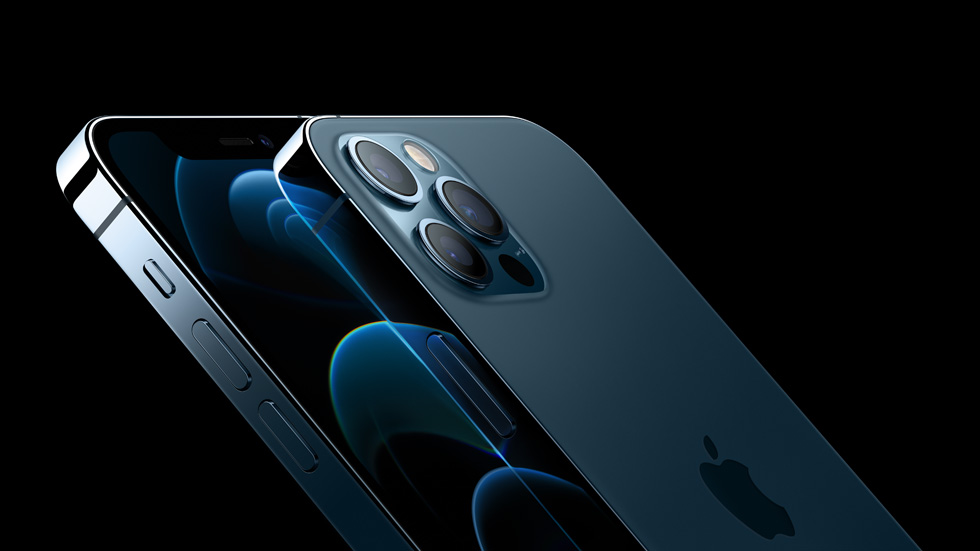
For the iPhone models launching in the year 2022, the Cupertino-based giant is expected to opt for a folded zoom camera module. And for that, some of the components could be supplied by Samsung.

Apple iPhone 12
Apple iPhone 12 Pro

EDITOR’S PICK: Samsung has reportedly started working on its ambitious 600MP smartphone camera sensor

As per the report coming from Korea, Samsung won’t be supplying the components, such as actuators and lens, directly to Apple but will supply them to LG, and then LG Innotek will use them in the folded zoom camera module.

A folded zoom camera structure includes a mirror or prism that sits in the middle of the lens to reflect light. It works similar to the periscope technology but allows the camera to use the phone’s length and width rather than the thickness of the body and camera bump for the enhanced zoom feature.

Several smartphone companies, including Samsung, Huawei, and OPPO have already adopted this technology for their own flagship smartphones. For the Galaxy S20 Ultra, Samsung’s subsidiary Samsung Electro-Mechanics provided the folded zoom module.


Moto G9 Power for Rs 11,999 (~$162) offers 64MP triple cameras, 6,000mAh battery, SD662, and more

Last month, Motorola announced the Moto G9 Power and Moto G 5G phones in the global markets. Both phones are now official in India. While the Moto G 5G got introduced as the cheapest 5G phone in India earlier this month, the Moto G9 Power went official today.

Moto G9 Power price in India

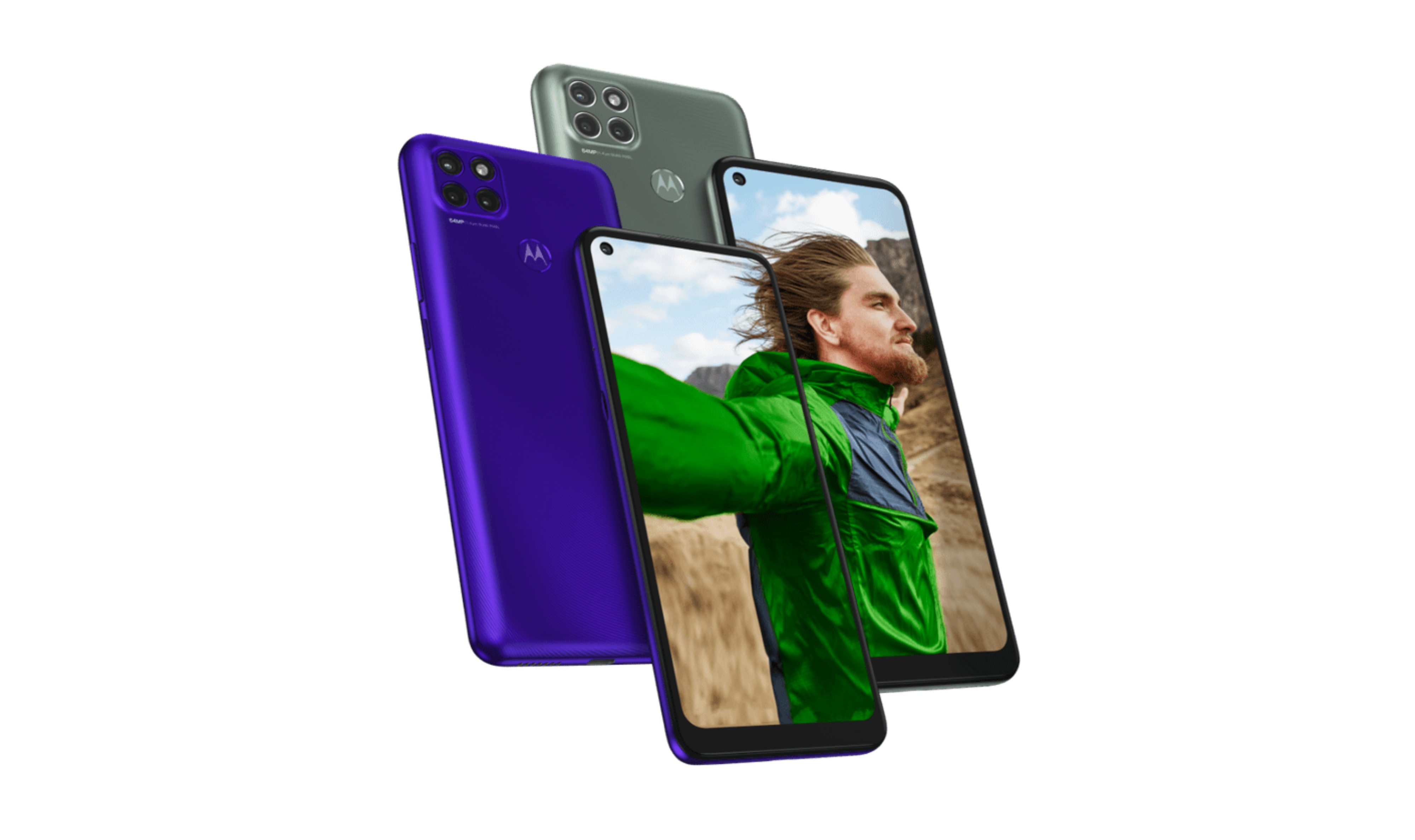
The Moto G9 Power for India comes with 4 GB of RAM and 64 GB of storage. It is priced at Rs 11,999 (~$162) and it comes in two colors such as Sophisticated Metallic Sage and Vivid Electric Violet. Flipkart will begin the sales of the Moto G9 Power from Dec. 15 at 12 PM. Users with HDFC Bank cards can avail Rs 1,750 (~$24) instant discount, whereas Axis Bank credit card users can avail 5 percent unlimited cashback.

Motorola Moto G9 Power Featured
Motorola Moto G9 Power

Moto G9 Power specifications

The Moto G9 Power has a 6.8-inch IPS LCD HD+ display with a punch-hole design. It has an IP52 rated splash-resistant rear shell. A fingerprint scanner is integrated with the Moto logo on the rear.

The Snapdragon 662 SoC fuels the smartphone and it carries support for 20W fast charging for its 6,000mAh battery. The My UX based Android 10 OS comes preinstalled on the smartphone. There is a microSD card slot onboard for more storage.

The front side of the Moto G9 Power features a 20-megapixel selfie camera. The square-shaped camera module on its rear has a 64-megapixel main lens, a 2-megapixel depth helper, and a 2-megapixel macro sensor. It comes with other specs like dual 4G VoLTE, Wi-Fi 802.11ac, Bluetooth 5.0, GPS, USB-C, and a 3.5mm audio jack.


Samsung reportedly starts working on 600MP camera sensor

Samsung has been making impressive progress when it comes to camera technology, being the first to launch a few high-megapixel count sensors. Now, the company has an ambitious plan to make a camera sensor that goes beyond the human eye.

Earlier, Yongin Park, Executive Vice President of Samsung’s Sensor Business had expressed that the company could create a camera sensor that can go beyond the human eye, which in camera technology, said to have 576-megapixels.

Samsung Logo

EDITOR’S PICK: Nokia has been appointed to lead European Union’s Hexa-X 6G technology research project

Now, it seems that Samsung has started working on the same. The South Korean giant is developing a 600-megapixel camera sensor which features 0.8µm pixels and is 1/.0.57″ big. But, the company has a long way to go as the current prototype takes up about 12 percent of the smartphone’s area and results in a 22mm bulge.

The company is reportedly looking to employ the ISOCELL pixel binning technology to keep the camera bump in check. However, before we see the 600MP camera, we expect to see sensors like 150MP and 250MP.

Samsung’s focus for such a high-megapixel count camera sensor isn’t just smartphone photography but much beyond that. It believes that the technology could have several other use-cases, such as in the medical field and agriculture.

The company is also expanding the categories of its camera sensors usage from smartphones. It is now planning to provide camera sensors for including autonomous vehicles (AVs), drones, and other IoT (Internet of Things) devices.


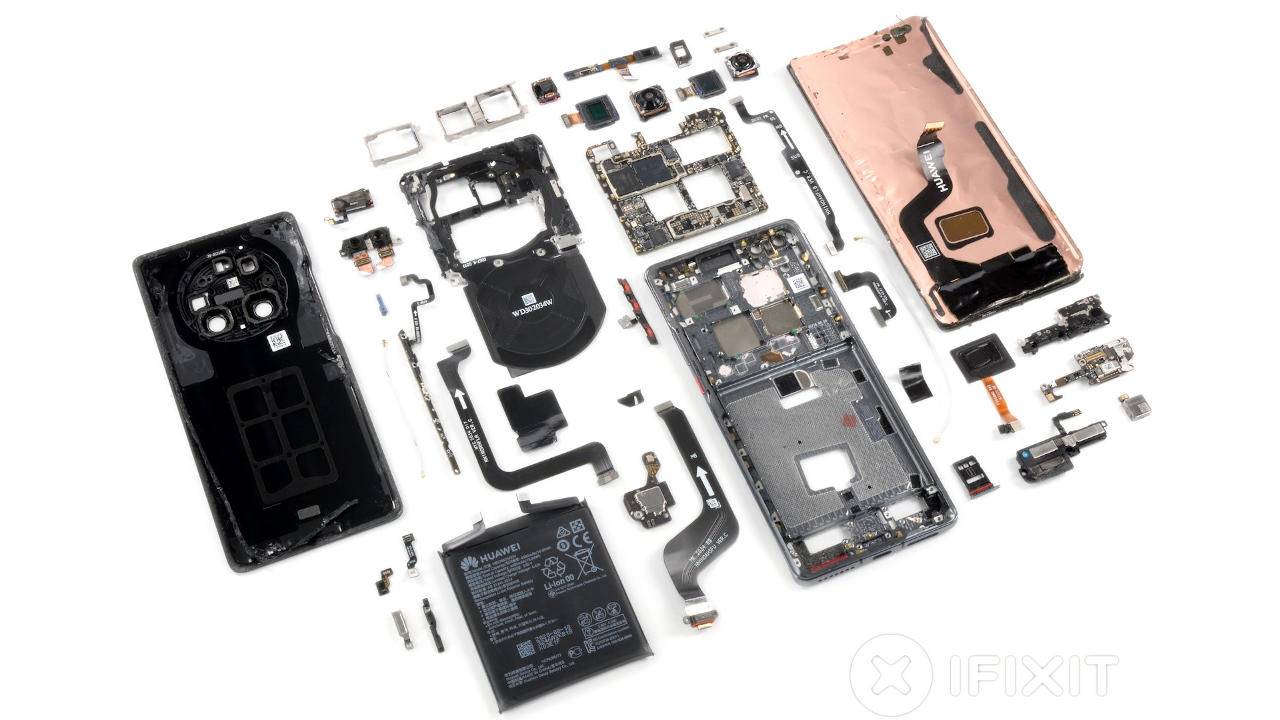
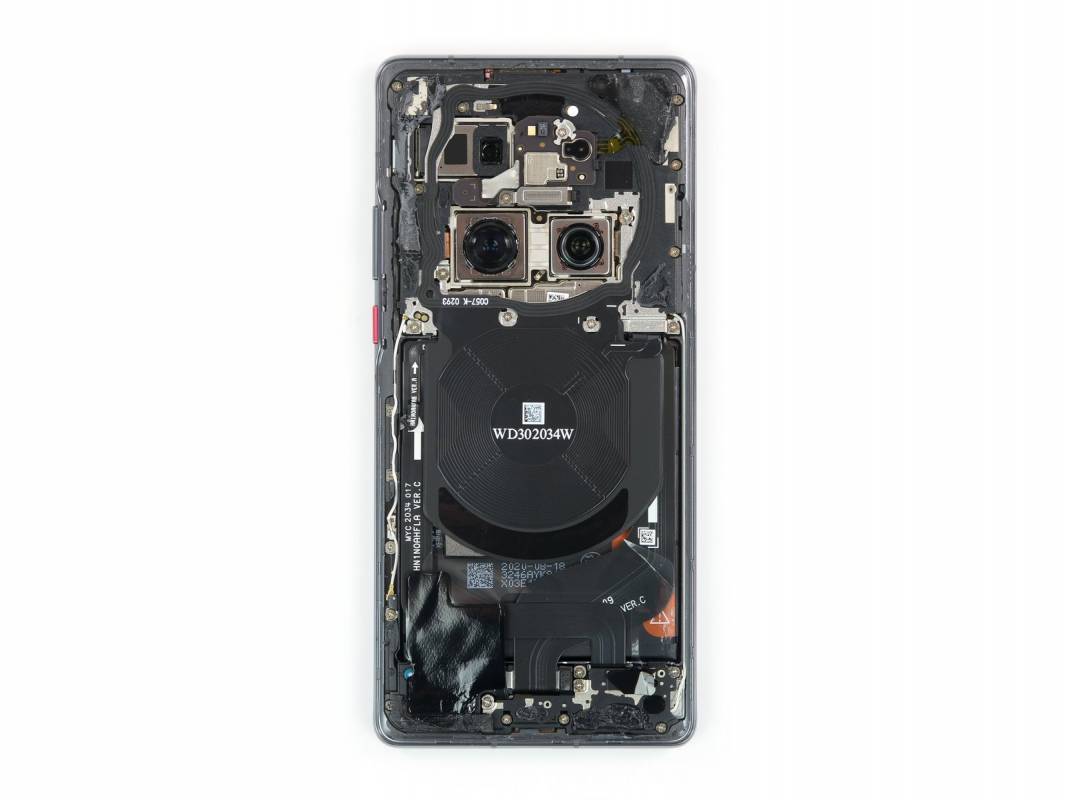
Huawei Mate 40 Pro iFixit teardown reveals messy internals and difficult repairs

It is a well known fact that companies prefer that customers only reach out to them or their authorized partners for repairs of their smartphones. Apple takes an aggressive approach to this philosophy with near impossible third party repairs. Now, it seems that Huawei might have also unintentionally made repairs of the Huawei Mate 40 Pro impossible as well after a recent iFixit teardown revealed a mess of its components on the inside.

Huawei

Generally, smartphones with glass on the front and back are usually more likely to face more visible damage from hard drops. However, this also makes it harder for repairs as well, since trying to pry off the glass panels might cause them to break. iFixit tried to remove the Mate 40 Pro’s back panel by heating, prying and even slicing, although, the screen wasn’t as easy. This already makes the repairs for the most commonly broken part of Huawei flagship’s quite difficult and even expensive.

The issues with repairs don’t just stop there as the teardown discovered that the layout of the internal components also makes repairs hard. Due to the messy placements of certain parts, like the hidden flex cable that iFixit experts accidently cut off due to its close proximity to the power button. While OEMs sometimes focusing on packing the components neatly like art, it seems like Huawei just dumped the internal components into the housing and crammed everything in, as per a SlashGear report.

Huawei

Notably, iFixit didn’t just find negative aspects for repairs, with many parts being modular and easier for replacing in case of damage. Even the top speaker and the periscopic telephoto camera are also modular. So, switching out damaged components is easier, although, that depends on if one can get this deep enough for repairs without breaking anything in the first place. iFixit gave the Huawei Mate 40 Pro a 4 out of 10 in terms of repairability, which is even below the Apple iPhone 12 series.


Redmi 9 Power launch teased in India

Xiaomi India has started a microsite for an upcoming Redmi phone. The listing only reveals that the phone will be packed with a huge battery and it will sport a quad-camera setup. Based on recent reports, the company could be teasing the launch of the Redmi 9 Power.

The Redmi 9 Power is speculated to debut on Dec. 15 as a modified version of the Redmi Note 9 4G that launched in China last month. Apart from an inclusion of an additional camera, the Redmi 9 Power is expected to sport identical specs as the Redmi Note 9 4G.

Redmi 9 Power specifications (Rumored)

The Redmi 9 Power could be arriving with a 6.53-inch IPS LCD FHD+ display with a waterdrop notch. The Snapdragon 662 SoC may fuel the device with a 6,000mAh battery that will support 18W fast charging and reverse charging.

Redmi Note 9_4G
Redmi Note 9 4G

For shooting selfies, it may possess an 8-megapixel snapper. The rear-mounted quad-camera system of the phone may include a 48-megapixel primary lens, an 8-megpaixel superwide sensor, a 2-megapixel depth assist lens, and a 2-megapixel macro shooter as an extra camera.

The Redmi 9 Power is expected to land in India in options like 4 GB RAM + 64 GB storage and 4 GB RAM + 128 GB storage. It will be available in three colors like black, blue, and green.

Xiaomi is yet to confirm the launch date for the Redmi 9 Power. There is no word on its pricing. The Redmi 9 Prime is the most powerful Redmi 9 series smartphone in India. Since the Helio G80 powered phone starts at Rs 9,999 (~$135), it is likely the Redmi 9 Power may cost Rs 10,999 (~$149) at launch.


OPPO Find X3 Pro leak reveals 120Hz adaptive refresh display, 50MP quad cameras, SD888, and more

At the beginning of this month, Qualcomm announced the Snapdragon 888 mobile chipset for 2021’s flagship phone. After the launch, OPPO confirmed that its Find X3 series of flagship smartphones will be driven by the SD888 SoC. The Find X3 and Find X3 Pro phones are expected to get announced in the first quarter of 2021. Well ahead of the launch, popular tipster Evan Blass has revealed the key specifications and features of the Find X3 Pro.

The tipster revealed that the Find X3 Pro is codenamed as Fussi and the device could be promoted with an “Awaken Color” tagline to highlight its 10-bit color support. The leak reveals that the Find X3 Pro will carry support for a full-path color management system that will make it possible for its display to natively support 10-bit color depth. In other words, the Find X3 Pro will be able to produce images in 1.07 billion colors just as the images captured by its quad cameras.

OPPO Find X3 Pro specifications

The Find X3 Pro has a 6.7-inch curved OLED display that will support 1440 x 3216 pixels resolution, a 525ppi pixel density, and an adaptive refresh rate ranging from 10Hz to 120Hz like the Samsung Galaxy Note 20 Ultra. It is unclear whether the smartphone has a punch-hole display. The curved back of the Find X3 Pro could be available in ceramic glaze or matte-frosted glass options. The thickness of the device is 8mm and it weighs 190 grams. It is expected to arrive in blue and black color variants. The company may release a white version a bit later.

OPPO Find X2 and Find X2 Pro

The Snapdragon 888 5G mobile platform powers the Find X3 Pro. It is fueled by a 4,500mAh dual-cell battery that supports 65W SuperVOOC 2.0 fast charging and 30W VOOC Air wireless charging. It will come with a new NFC module with a dual-body antenna design. This new tech will allow users to make payments not only by touching the phone’s back to the reader but also by placing the front to the rear. The ColorOS 11 based Android 11 OS comes preinstalled on the smartphone.

The rear-facing quad-camera system of the Find X3 Pro will include two 50-megapixel Sony IMX766 cameras, one will be a primary lens and the other one will be a superwide sensor. It will have a 13-megapixel telephoto lens as the third camera that will carry support for 2x optical zoom, and the setup will also feature a 3-megapixel macro camera encircled with lights. The macro lens will function as a microscope as it will carry support for 25x zoom. The leak has no information on the front camera of the Find X3 Pro.