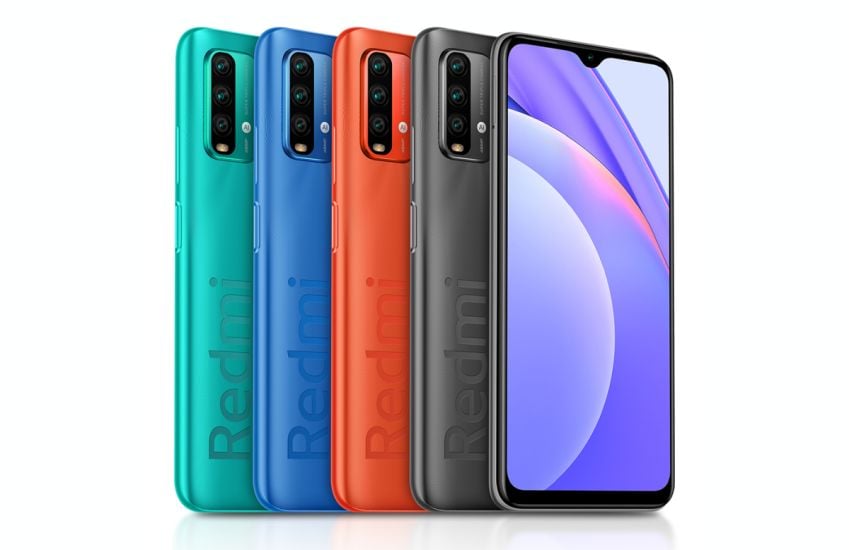
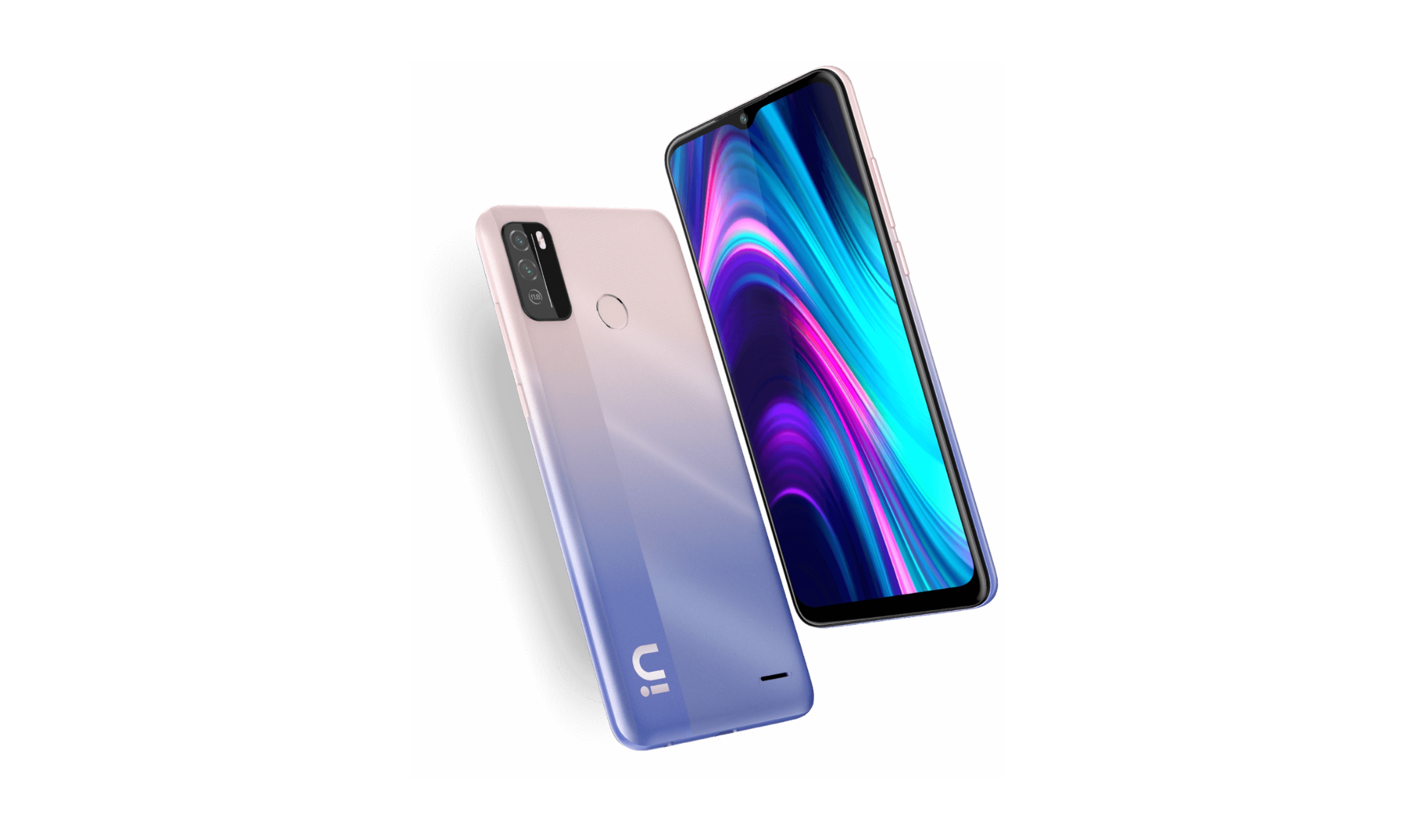
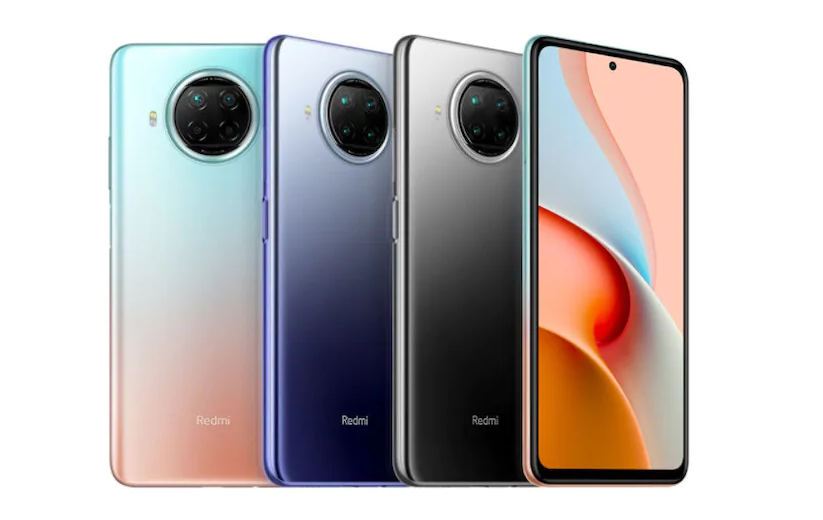
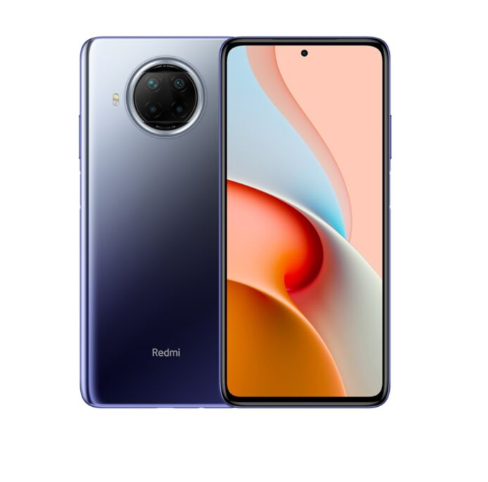
The Chinese tech giant Xiaomi has recently unveiled three new phones in the Redmi Note 9 series, with one of them being, Redmi Note 9 Pro 5G. Despite its recent launch, this device is already up for pre-orders at Giztop for just $269. The phone boasts upgraded specs and supports ultra-fast 5G connectivity. It comes in 3 color variants- pink, black, and blue that the consumers can choose from.
Xiaomi Redmi Note 9 Pro 5G is powered by Qualcomm Snapdragon 750G, an octa-core CPU and Adreno 619 GPU. It runs on Android 10 based MIUI 12 and has up to 8GB RAM and 256GB storage options to choose from. Featuring 6.67-inch Full HD+ punch-hole screen with 2400 x 1080p resolution, this device offers an immersive viewing experience. Furthermore, it has a 120Hz refresh rate and is certified for HDR10 playback. The Gorilla Glass 5 layer on the top offers added protection against drops.
This Xiaomi flagship packs a 108MP+8MP+2MP+2MP quad-camera setup with a 16MP selfie camera housed within the notch cutout. The rear cameras can record 4K UHD videos at 30FPS with support for EIS. Redmi Note 9 Pro 5G also has stereo speakers, a side-mounted fingerprint sensor, and a Type-C port for charging. Its 4,820mAh battery supports 33W fast charging out-of-the-box, which the company claims can take the phone from 0-100% in 58 minutes tops.Versatile, fast, and well-budgeted are some of the adjectives that best describe the Xiaomi Redmi Note 9 Pro 5G. This smartphone is already up for pre-ordering at Giztop for just $269.
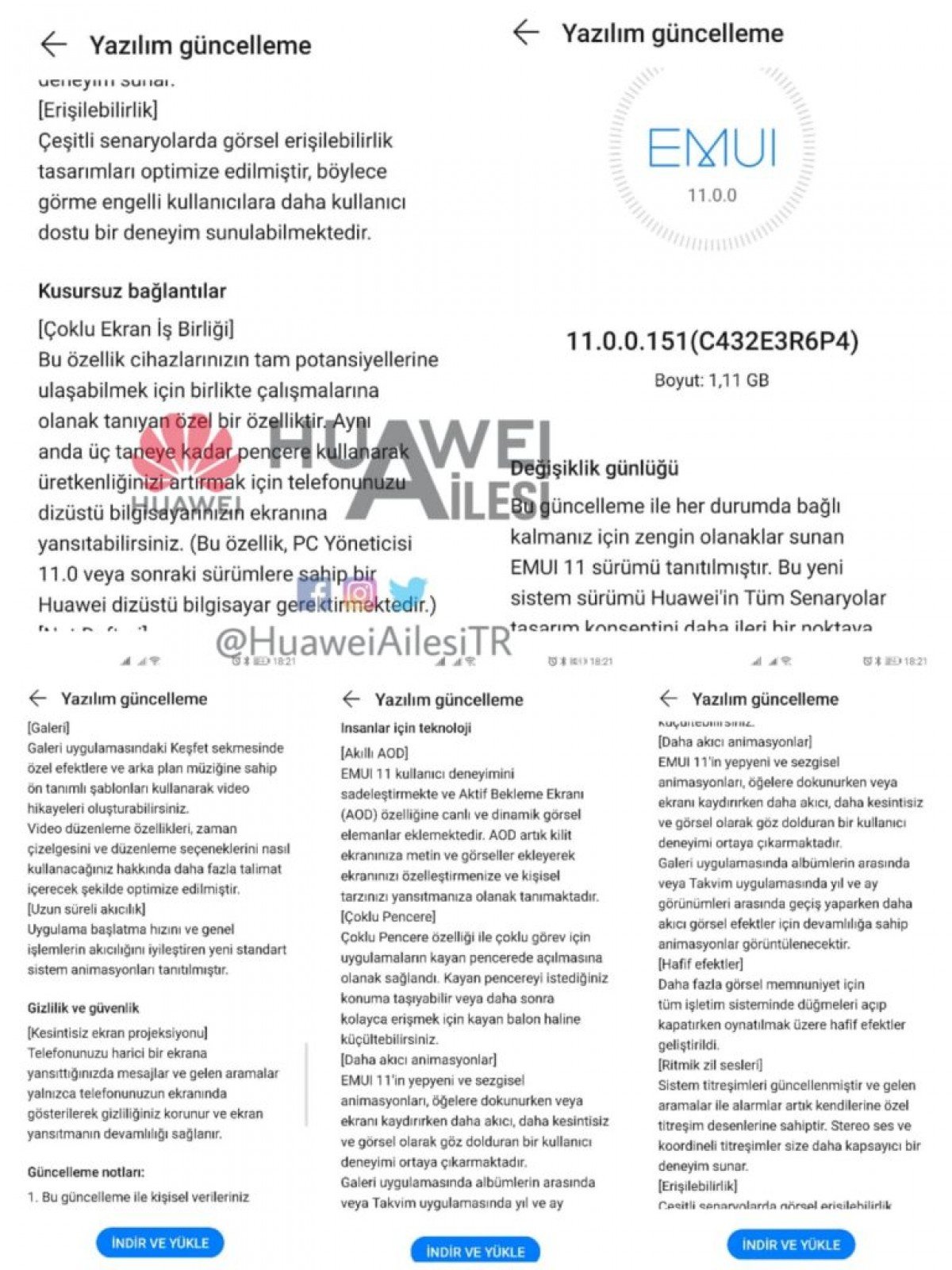
Chinese tech powerhouse Huawei has just commenced the rollout of its EMUI 11 stable for the Huawei P40, P40 Pro, and the Mate 30 Pro, respectively. A screenshot of the update was posted by the Turkish blog Huawei Ailesi. Though the changelog is in Turkish, we can see some of the notable updates, which are not too different from what has been available on the Beta version.
The most notable changes are certainly the subtle ones that further signify Huawei’s reliance on Android is a switch to Huawei’s Harmony OS. For example, in the boot-up screen, the EMUI splash display still comes up with the statement “Powered by Android” but has now jettisoned the green Android logo previously seen on start up.
The other important change is in the wording of the security patch level, which now gives the statement “Security patch level” thereby leaving out the word ‘Android’, as was the case previously.
Some new air gestures that were introduced on the Huawei Mate 40 series have now been extended to the P30 with the present update. Also, there is now a new EMUI theme called ‘Starry Night’ that is now available in all the stated models.
The update has version number 11.0.0.151 and will take up around 1.1 GB of memory space. With the subsisting US embargo on Huawei and its subsequent inability to secure a Google Services license, EMUI 11 is expected to be the last version of “Android” for this set of Huawei smartphones, and the first release of Harmony OS is set to be its successor. EMUI 11 lays the groundwork for some of the Huawei brand’s most popular smartphones to be updated to Huawei’s new Google-free OS.
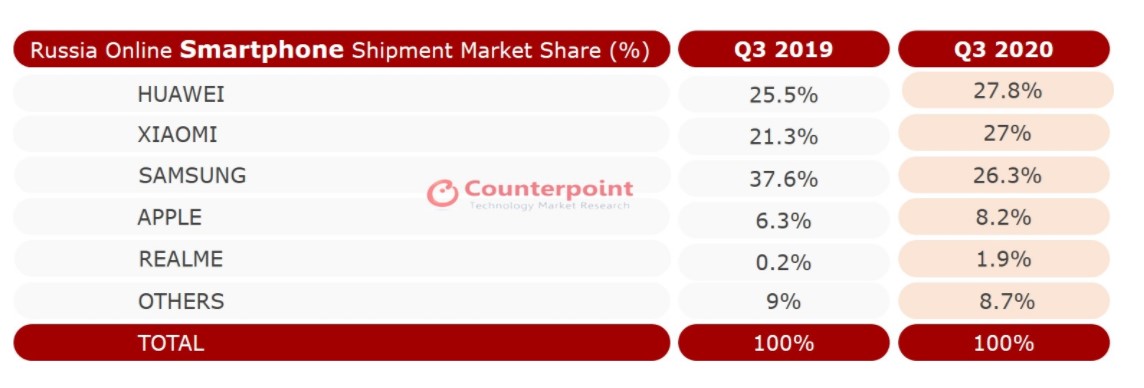
Huawei must have a mixture of emotions now. The company is facing the heat as a result of US sanctions on one side but manages to survive in certain markets on the other. One such market is Russia where the company has maintained the top spot in online smartphone shipment share consecutively in Q3 2020.
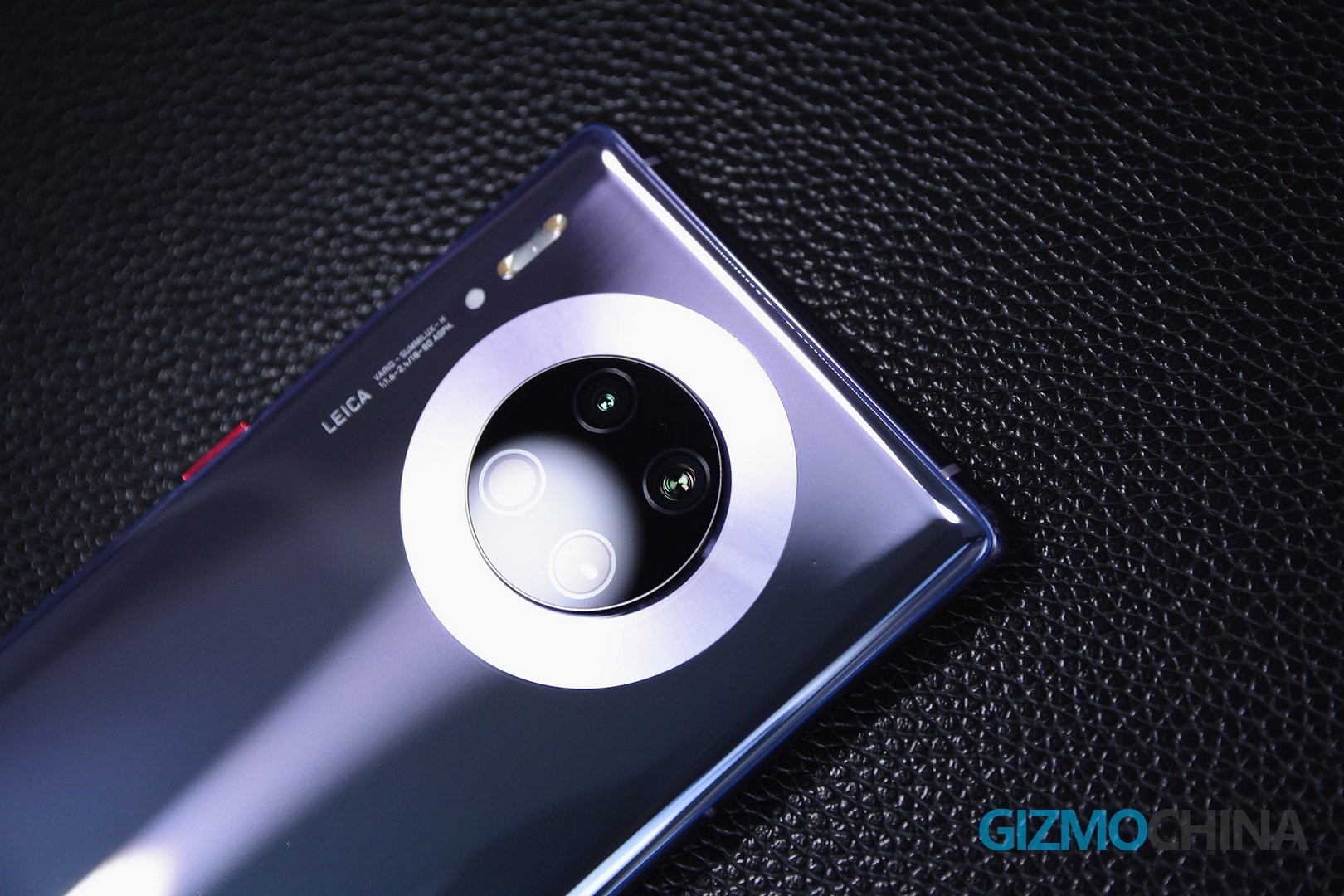
Huawei Mate 30 Pro is one of the best smartphones in the market today but does not come with Google apps because of the U.S. BAN
Counterpoint Research has released a report on the Smartphone market in Russia for Q3 2020. Although things are looking bad for Huawei overall, it maintains the lead in the Online Smartphone shipment market list with a share of 27.8%. This is a 2.2% YoY increase from 2019 but a 7.2% decline QoQ. Among this, the ex-sister brand‘s Honor 30 series helps it bag most of the online share in 5G models.
Overall smartphone sales get an increase of 5% YoY(Year on Year) in Russia whereas the online smartphone sales hit 34% in Q3 2020. This is a 2% QoQ(Quarter over Quarter) increase from Q2. Report says that strict public distancing norms along with promotional offers like gifts, cashback drove online sales.
Credit: Counterpoint Research
Precisely, Honor offered cash coupons to boost its sales whereas companies like Xiaomi managed to crack Samsung with aggressive models. In fact, it has five of the top-10 online smartphone models with Redmi Note 8 Pro, 8A, Note 9 being its top three devices. Chinese company realme managed to enter the top-5 for the first time with a 1.7% YoY increase in share.
Although Samsung leads overall revenue in offline and online segments, it lost the online share to Huawei. In fact, its Galaxy A51, A31 are among the top-selling devices online and offline but its online shipment market share for Q3 is 26.3% making it trail behind Xiaomi and Huawei. The report says that Samsung’s decision to focus more on offline is the reason for this.
Anyway, the list also has Apple sitting at 4th place with an 8.3% online market share. As for the online platforms, M.Video-Eldorado, Russia’s biggest consumer electronic chain, leads the online platform in Russia with a share of 32.5%.
Research Associate Soumen Mandal says that Chinese brands are strengthening their position in lower and mid-price segments. This is evident in Q3 2020 report as the report says that the average price of smartphones dropped 5% YoY in Russia and sits at $224 in Q3 2020.
Earlier this month, Huawei sealed the sale of its Honor smartphone brand to a group of about 30 Honor agents and dealers including China Telecom and some state-run businesses. The motivation behind the deal is the stringent restrictions that the U.S. has clamped on Huawei. The embargo extends to blocking the company from accessing its U.S. suppliers, including Google Mobile Services which has now been replaced by its own ecosystem. The restrictions also prevented Huawei from using Google’s core apps like Gmail, YouTube, the Play Store, Search, Maps, etc on its international models.
In a well-scripted move one year after the U.S. first placed the company on the Entity List, the Commerce Department initiated an export rule volte-face that prevents manufacturers from exporting chips to Huawei if they were manufactured using U.S. technology unless a license was sought. The Commerce Department recently modified the rule to say that it would allow Huawei to receive chips but only those suitable for 4G, not 5G. Of course, this rule has significantly slowed the company’s progress in meeting production milestones.
Yesterday, Huawei founder Ren Zhengfei, in a message to Honor employees leaving Huawei, urged them to be more industrious to surpass expectations for the new company. Huawei has already set the mark in excellence as the second-largest smartphone manufacturer in the world. Ren also stressed that it was indeed a difficult decision to let go of Honor so as to safeguard the jobs of millions of Honor’s agents and salespeople.
Counterpoint Research analyst Flora Tang says that the chances of survival of Honor are bright if it can resume production. As expected, Huawei’s rivals in China are taking advantage of the U.S. sanctions by scaling up production massively while Huawei is unable to build new phones. Of the 51.7 million handsets that Huawei built in Q3 2020, about 26% were Honor phones.
During the speech, the Huawei founder also said, “Wave after wave of severe U.S. sanctions against Huawei has led us to finally understand, certain American politicians want to kill us, not just correct us.”
However, when President-elect Joe Biden is sworn in as the 46th U.S. president, U.S. policy toward Chinese interests could be relaxed. It will be interesting to see whether the new administration continues to ban Huawei devices and networking equipment based on yet-to-be-established concerns that Huawei uses backdoors on its products to collect data from U.S. consumers and corporations and shares it with government workers in Beijing. (via)
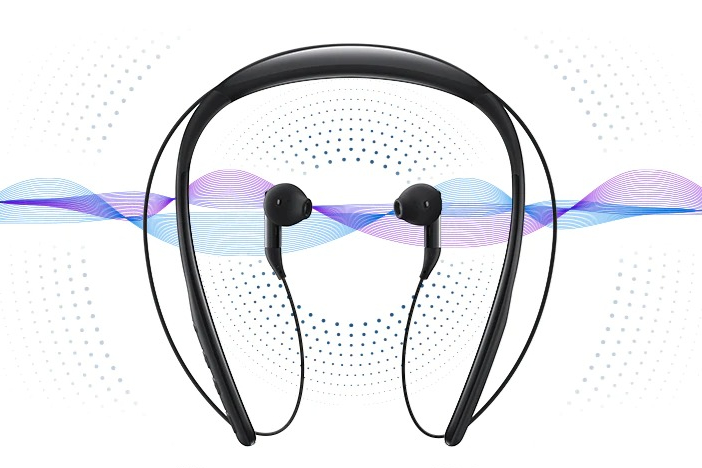
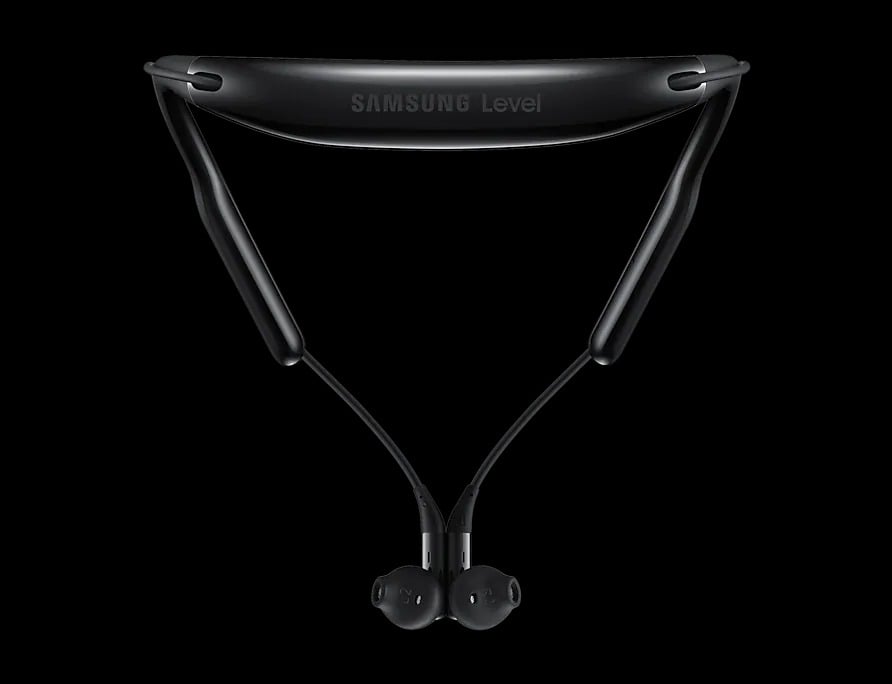
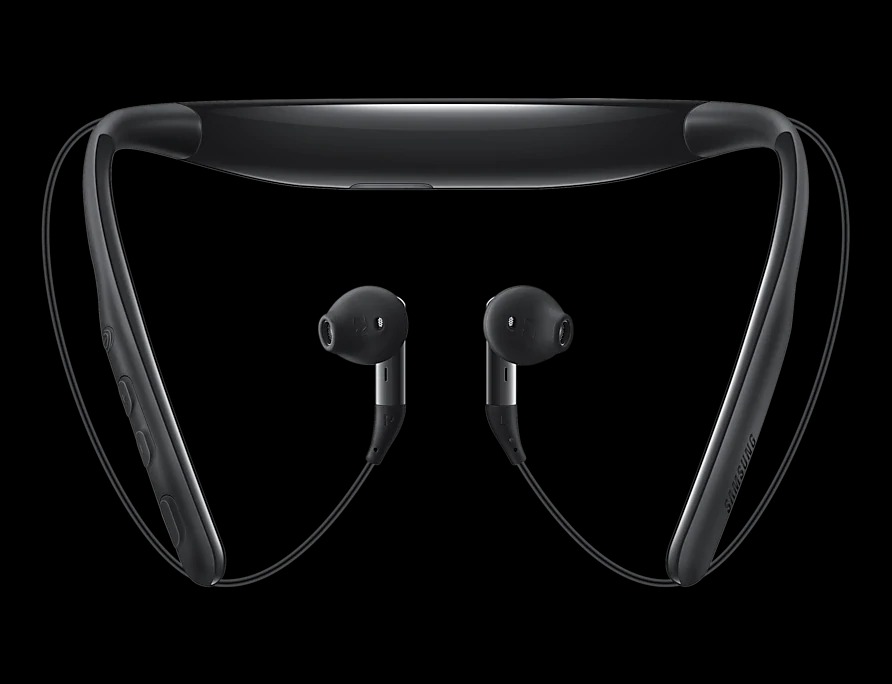
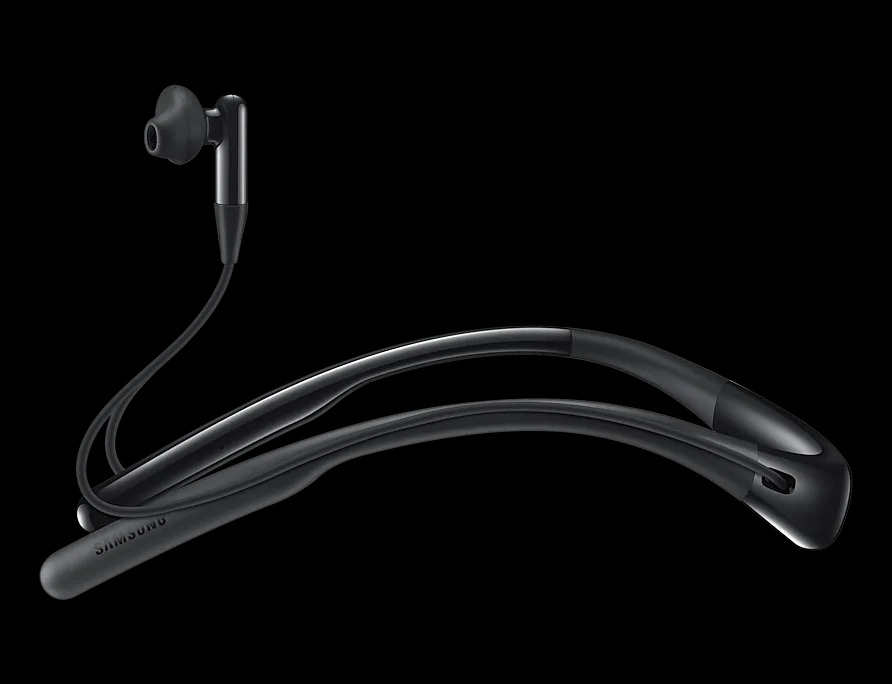
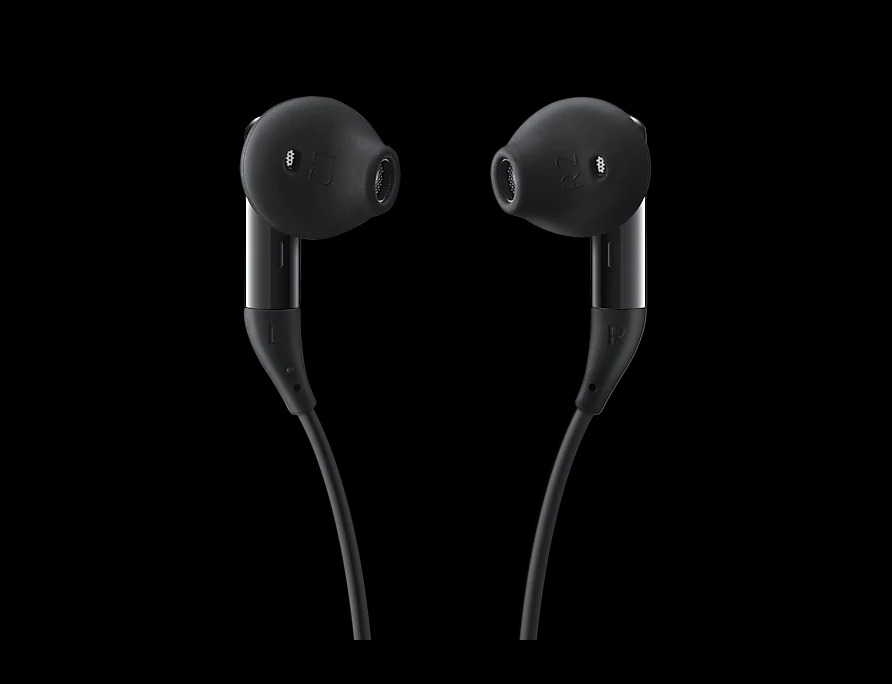
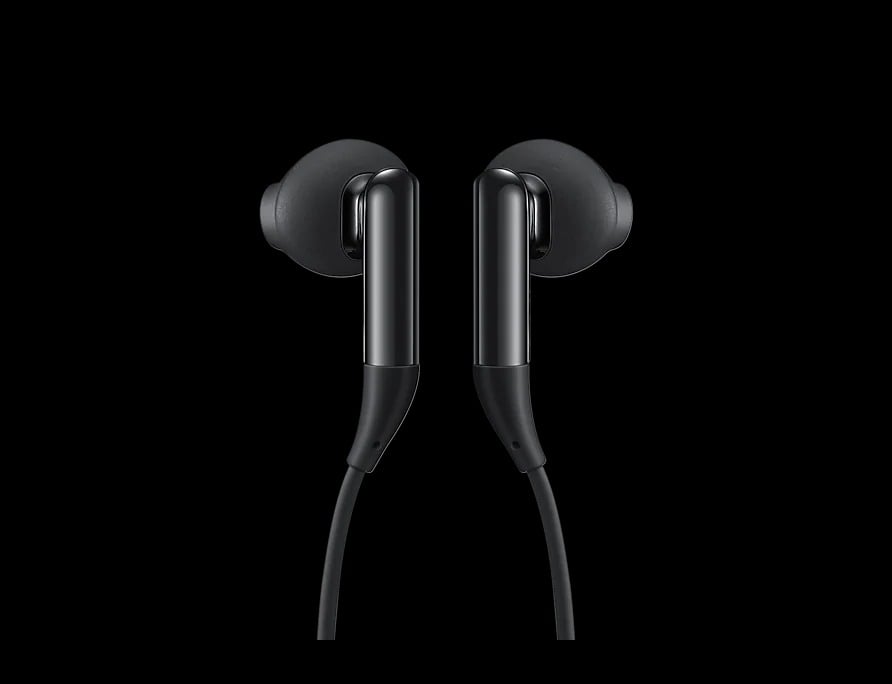
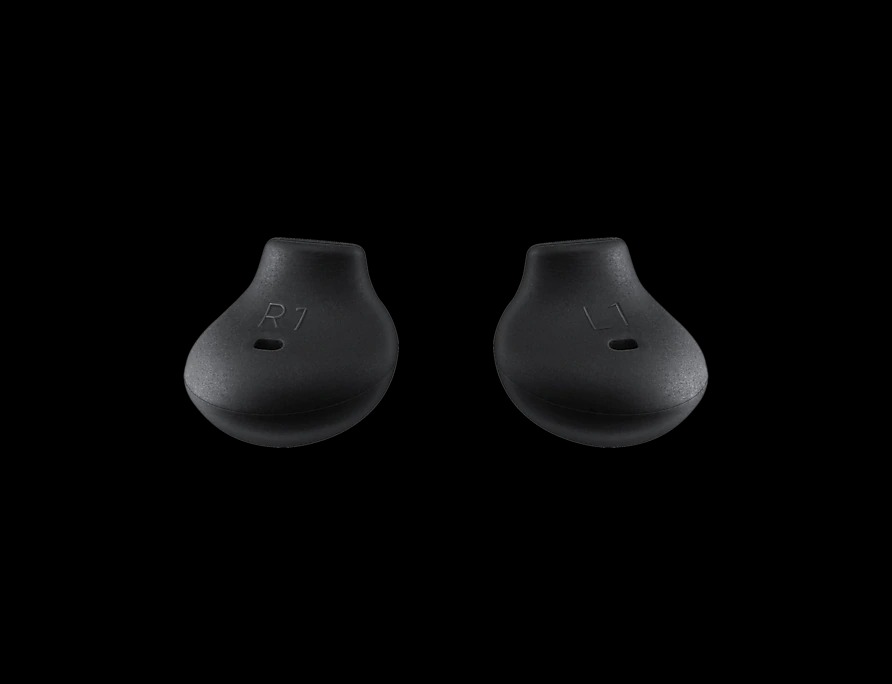
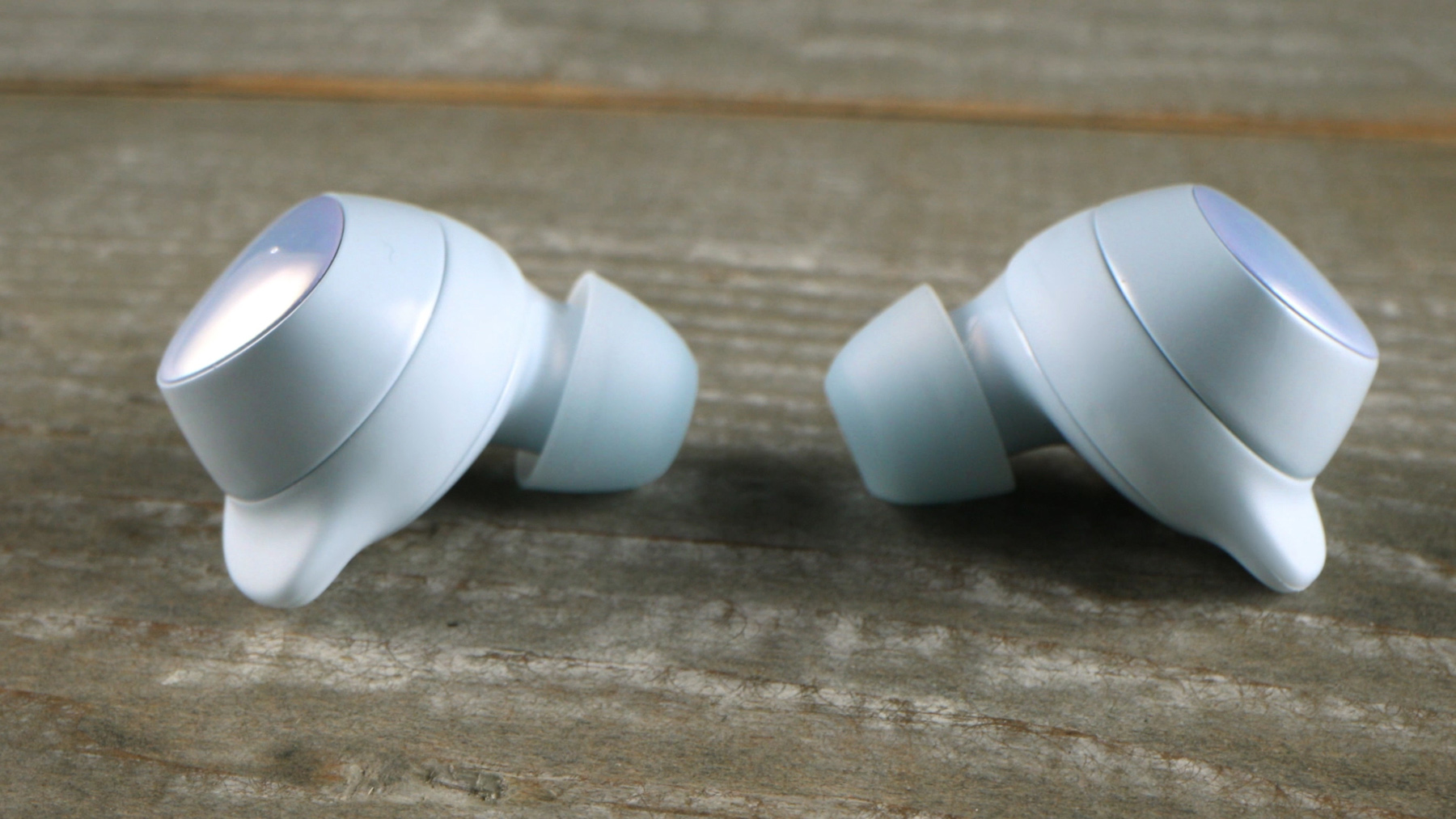
Samsung is reported to launch a new TWS called Galaxy Buds Pro alongside the Galaxy S21 series. Ahead of it, the company has released the successor to its popular neckband-style Bluetooth earphones known as Level U. The new model is simply called ‘Samsung Level U2’.
The South Korean tech giant launched the original Level U Bluetooth wireless earphones more than five years back, as per SamMobile. Usually, audio products don’t need an upgrade annually. But with the advent of more smartphone companies entering this segment, the competition became intense, and therefore, brands began to update their portfolio within a short span of time.
As a result, truly wireless earphones aka TWS have now become cheaper than ever before. Hence, more customers are now preferring them over neckband-style Bluetooth earphones. Despite that, Samsung has launched Level U2 after all these years. This new audio product from the company is currently available in South Korea priced at KRW 55,000 ($50). It should hit other markets as well.
Talking about specs, the new earphones from Samsung feature 12mm drivers and connect via Bluetooth 5.0. It supports HFP, HSP, A2DP, AVRCP, and SSC (Samsung Scalable Codec) audio profiles. The last one is only compatible with Samsung smartphones and tablets with Android 7.0 Nougat or later.
Samsung Level U2
1 of 8
The product weighs 41.5g and has a 4-button remote control on the right side. Further, it is backed by a battery, which the company claims to offer 18 hours of music playback or 13 hours of talk time on a full charge. Last but not least, this battery charges via USB Type-C port.
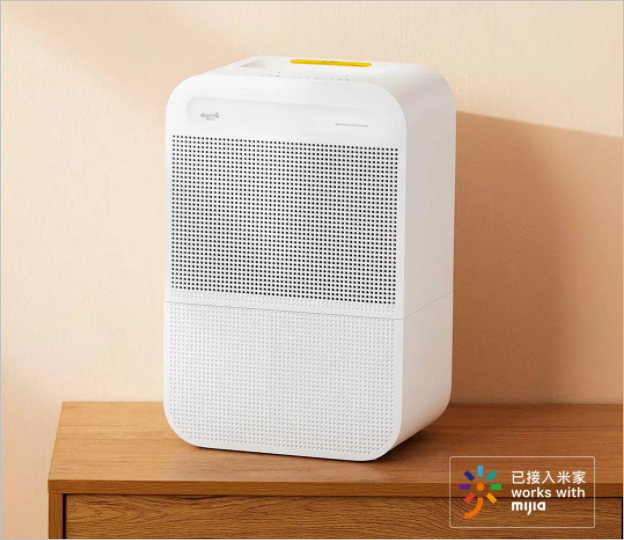
Humidifiers add moisture to the air to prevent dryness that can cause irritation in many parts of the body. This can be particularly effective for treating dryness of the skin, nose, throat, and lips. They can also ease some of the symptoms caused by the flu or common cold. Xiaomi has launched the Deerma Smart Fog-free Humidifier.
The Deerma Smart Fog-free Humidifier has as its main selling-point a running water spray with a 510ml/h capacity. The device also comes with a running water spray. The humidifier also comes equipped with a 21-layer folding filter element and can be controlled via the MIJIA app.
Humidifiers in the market presently can be divided into three categories: pure evaporation type, thermal evaporation type, and an ultrasonic type. The first two use fans and heating to evaporate water, and do not care about the water quality. The ultrasonic type can only use pure water, otherwise, it is easy to release the minerals in the tap water and mineral water into the air and cause white powder.
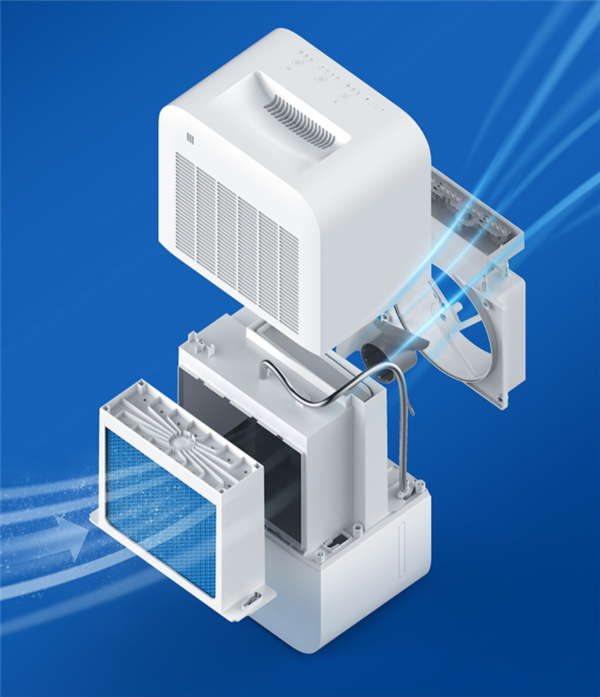
The design of the Deerma Smart Fog-free Humidifier is inspired by the evaporation of natural water, which transforms water into nano-water molecules thereby making bacteria and particles unable to attach. It only outputs a humid and clean airflow without polluting the room environment.
A circulating water pump structure is added inside the machine to divert water to the top of the filter element and spray it from top to bottom. This action fully moistens the filter element to ensure that the water in the water tank circulates. It also makes it difficult for the water tank to be breeding for bacteria.
In addition, the humidifier uses a filter element composed of high-density absorbent fiber and resin which has a strong self-cleaning ability. The 21-layer structure can also fully intercept water impurities.
The Deerma spray-type fog-free humidifier can also be controlled using a smartphone via the MIJIA app. Users can switch on/off the machine and adjust the humidification volume with one button. If the water level is too low, it can also remind users to replenish water in time.
The humidifier carries a price tag of 499 yuan (~$75) but is presently on pre-order at Xiaomi Youpin for 469 yuan(~$71)
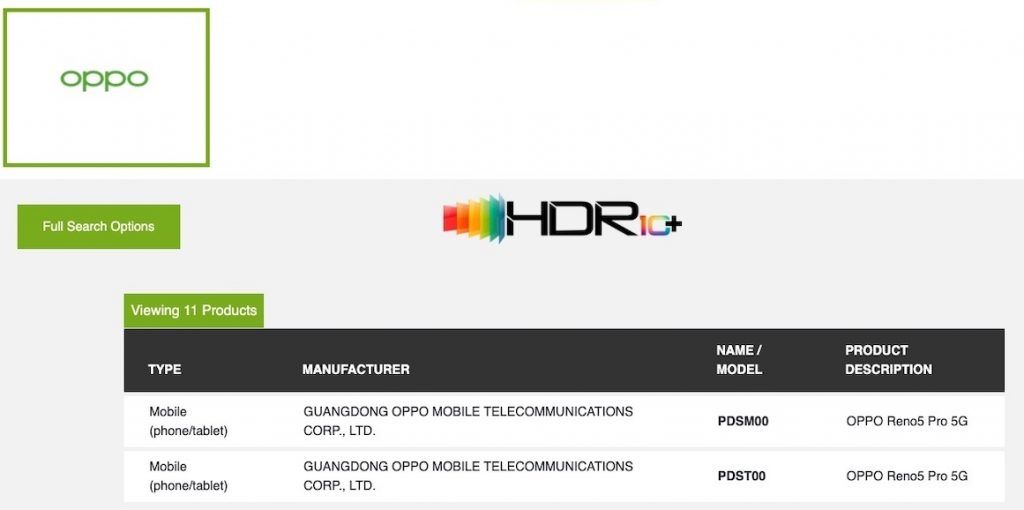
OPPO is gearing up to launch successors of the Reno4 series of smartphones. Three models are likely in the pipeline- Reno5, Reno5 Pro, and Reno5 Pro Plus. After the TENAA listings, the ‘Pro’ model has now appeared on HDR10+ specification. According to the listing, both the PDSM00 and PDST00 appear as the “Reno5 Pro 5G” confirming the device’s moniker and 5G support.
As reported by MySmartPrice, the listing on the HDR10+ websiteshows two model numbers under the OPPO branding. And regarding the display of the Reno5 Pro 5G, the listings on TENAA reveal that the OPPO device with model number PDSM00/PDST00 will have a 6.55-inch display with a resolution of 2400×1080 pixels. Considering the predecessors, we can expect an AMOLED display with a high refresh rate screen.
Now that it has got the HDR10+ certification, the device will likely play supported content in HDR10 out of the box. Although HDR10+ doesn’t quite match the Dolby Vision, it’s certification means that the Reno5 Pro 5G’s display will enhance colors/contrast according to the scene.
Reno5 Pro 5G Specifications(Expected)
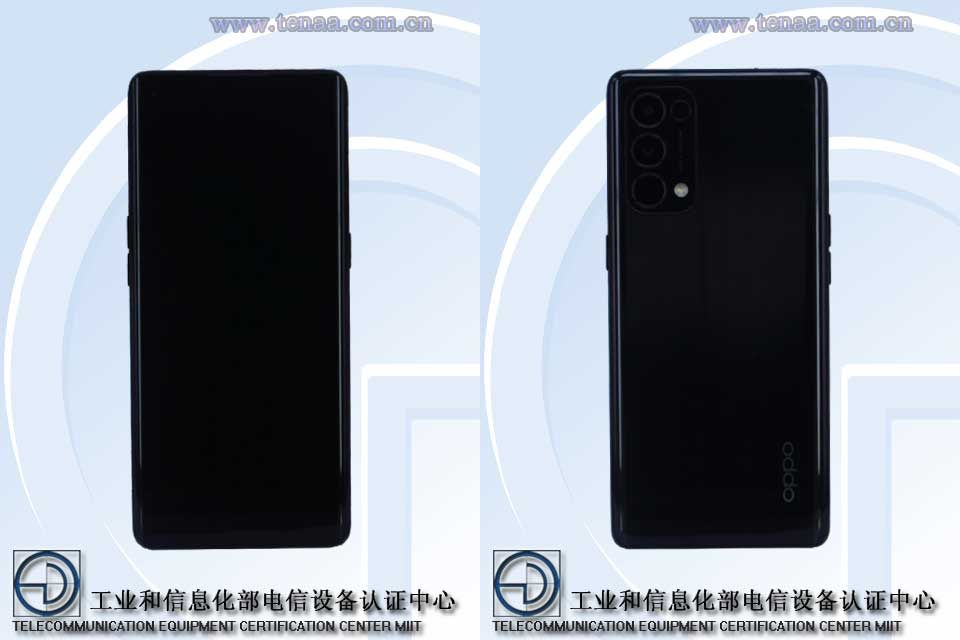
Apart from the HDR10+ certification and marketing name, the listing doesn’t have any other info. However, thanks to TENAA we know what to expect from the device. The Reno5 Pro will likely have a curved display at the front, and a rectangular layout with quad-cameras on the back.
The images on TENAA listed under PDSM00/PDST00 look to have a notch-less punch-hole design although we don’t have a clear picture on the website. Measuring 159.7×73.2×7.6mm, the device weighs 173g. Recently, the device with model number PDSM00 / PDST00 appeared on Geekbench benchmarking platform.
The results suggested that the device will have MediaTek Dimensity 1000+ SoC. Besides, the other two models of the series are likely coming with Snapdragon 765G, and 865 SoCs. Other specifications on TENAA listings are 4,250mAh battery(2×2,125mAh), quad-cameras with 64MP main lens, 8MP ultra-wide, and two 2MP sensors. Upfront it will likely host a 32MP selfie shooter.
Being a flagship device, we can also expect 8/12GB RAM, 128/256GB storage, features like 65W Charging, Android 11, and more. Let’s wait for more details as the launch doesn’t seem that far now.
Yesterday, a report revealed that Samsung will be releasing a new Galaxy Buds model alongside the Galaxy S21 series. Now, we know that these new pair of truly wireless earphones will be called ‘Galaxy Buds Pro’. The revelation of the branding comes from Indonesia’s telecom certification bureau.
Samsung Galaxy Buds+
According to the certification (via MySmartPrice), the upcoming Galaxy Buds Pro will come with model number SM-R190. Turns out this very same product was recently even certified by China’s 3C. As per that, this TWS will be backed by a 472mAh battery.
Additionally, Korea’s NRRA certification for these earbuds reveals them to be manufactured in Vietnam. This goes in line with another report from earlier this week, which said that the new Galaxy Buds codenamed ‘Attic’ will be initially mass-produced in Vietnam in the month of December and January. Also, it noted that the manufacturing will be further extended to Brazil in February.
Having said that, these certifications haven’t revealed any specifications of these upcoming wireless earphones except for their model number and battery capacity. But as per yesterday’s report, we know that they will feature a similar in-ear design as the Galaxy Buds+ and Galaxy Buds.
However, unlike the other two models, the new Galaxy Buds Pro is said to come with ANC (Active Noise Cancellation) and improved ‘Ambient Mode’.
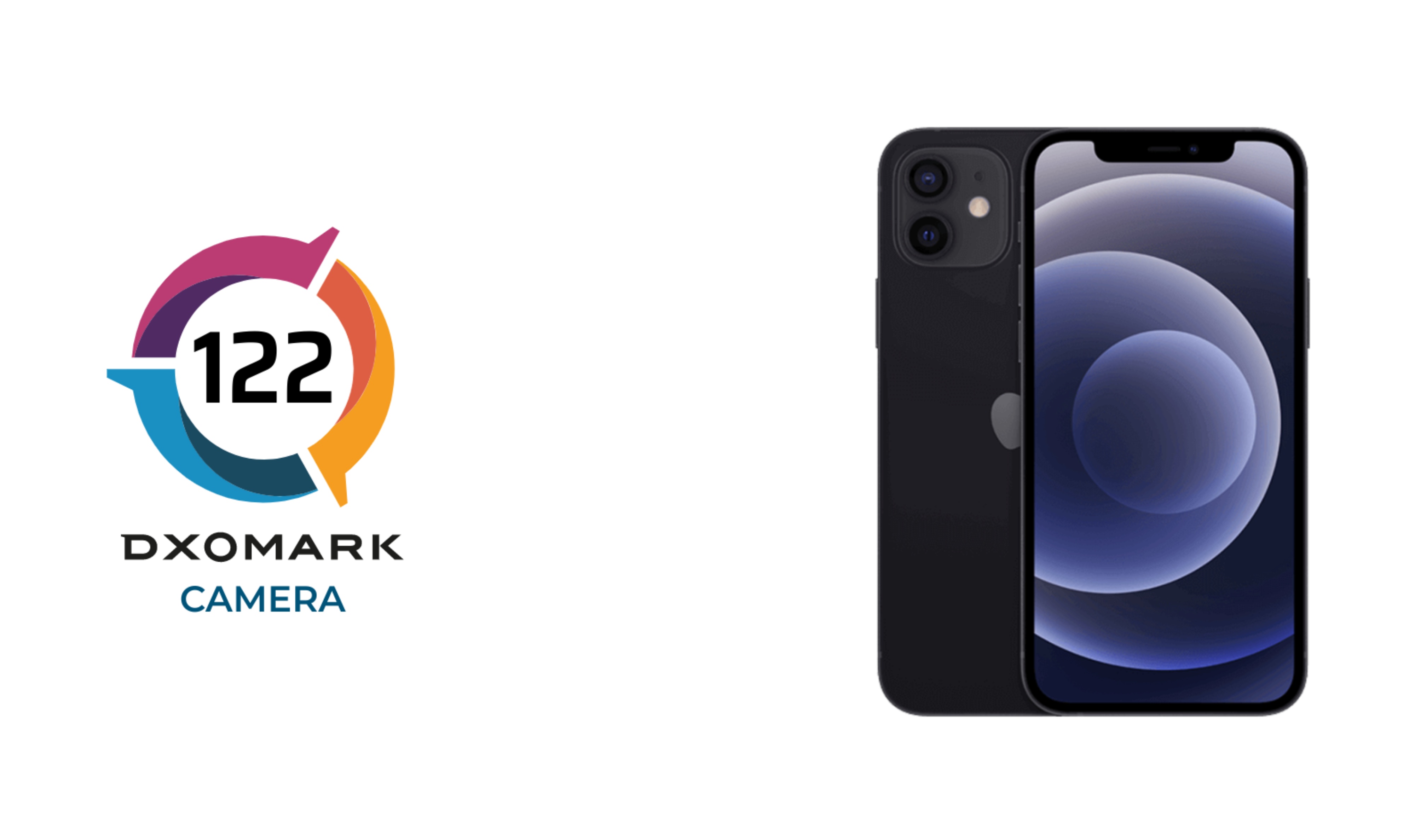
Earlier this month, DXOMARK reviewed the audio performance of the Apple iPhone 12. The smartphone scored 73 points, which happens to be two points more than last year’s iPhone 11 Pro Max (71 points) but lower by one point of iPhone XS Max (74 points). Now, the company has published the camera review of this handset.
The iPhone 12 ranks distant 13th by scoring 122 points on DXOMARK. The device not only falls behind the iPhone 12 Pro Max (130 points) and the iPhone 12 Pro (128 points) but also scores fewer points than the iPhone 11 Pro Max (120 points).
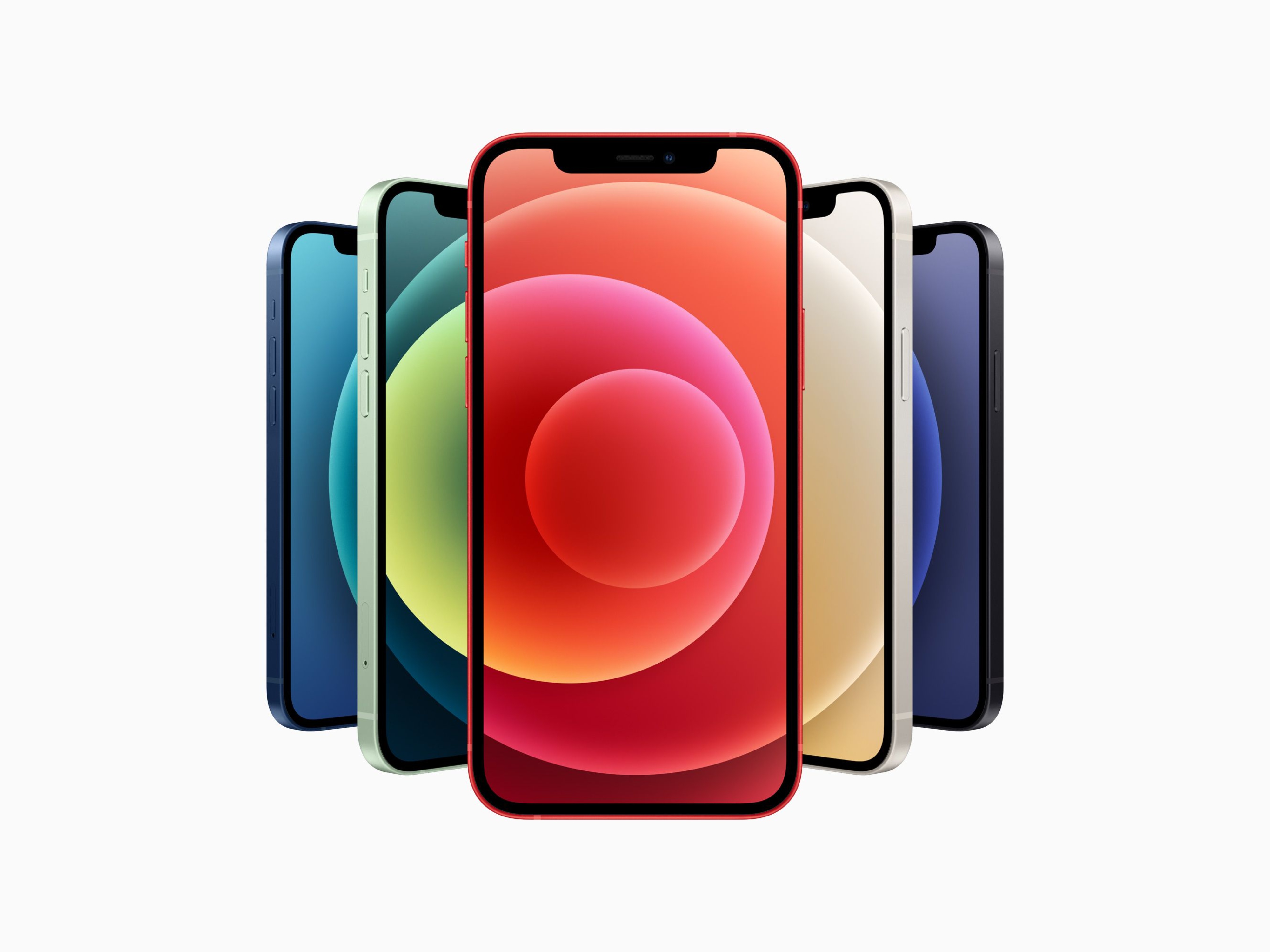
Out of four new 5G smartphones launched by Apple in 2020, the iPhone 12 can be considered as the iPhone for most users. It features a dual-camera setup consisting of a primary 12MP sensor with 1.4µm pixels, f/1.6 lens, OIS, and PDAF. Whereas, the f/2.4 lens-equipped secondary unit sports a 12 MP 1/3.6-inch sensor.
This camera setup is capable of recording 4K videos at 24/30/60 fps, 1080p videos at 30/60/120/240 fps, Dolby Vision HDR videos(up to 30 fps). Lastly, it supports gyro-EIS and is paired with a dual-LED flash.
Talking about performance, the iPhone 12 scores 132 points for camera (pictures), 112 points for videos, and a mere 41 points for zoom capability as it lacks a telephoto lens.
In a nutshell, according to DXOMARK, the iPhone 12’s cameras perform well overall but falls behind the flagships from Samsung, Huawei, Xiaomi, OPPO, and even Apple’s own higher-end iPhones. However, its video performance is much better than most smartphones, In fact, it ranks third in this department by typing with the iPhone 12 Pro.
Apple iPhone 12
The camera system on the phone offers accurate and consistent autofocus, exposure, and colors (indoors). It also outputs detailed images both outdoors and indoors. Further, the videos recorded on this handset have a wide dynamic range, pleasant color and skin tones, and effective stabilization even while walking.
The above-mentioned pros do not mean iPhone 12’s camera performance is flawless. Because the cameras also have cons such as limited dynamic range in stills, visible noise in stills (especially lower light), color quantization, hue shift, visible ringing artifacts in stills, sub-par zoom performance, white balance casts in outdoor stills as well as videos, and low-detailed videos in low-light scenarios.
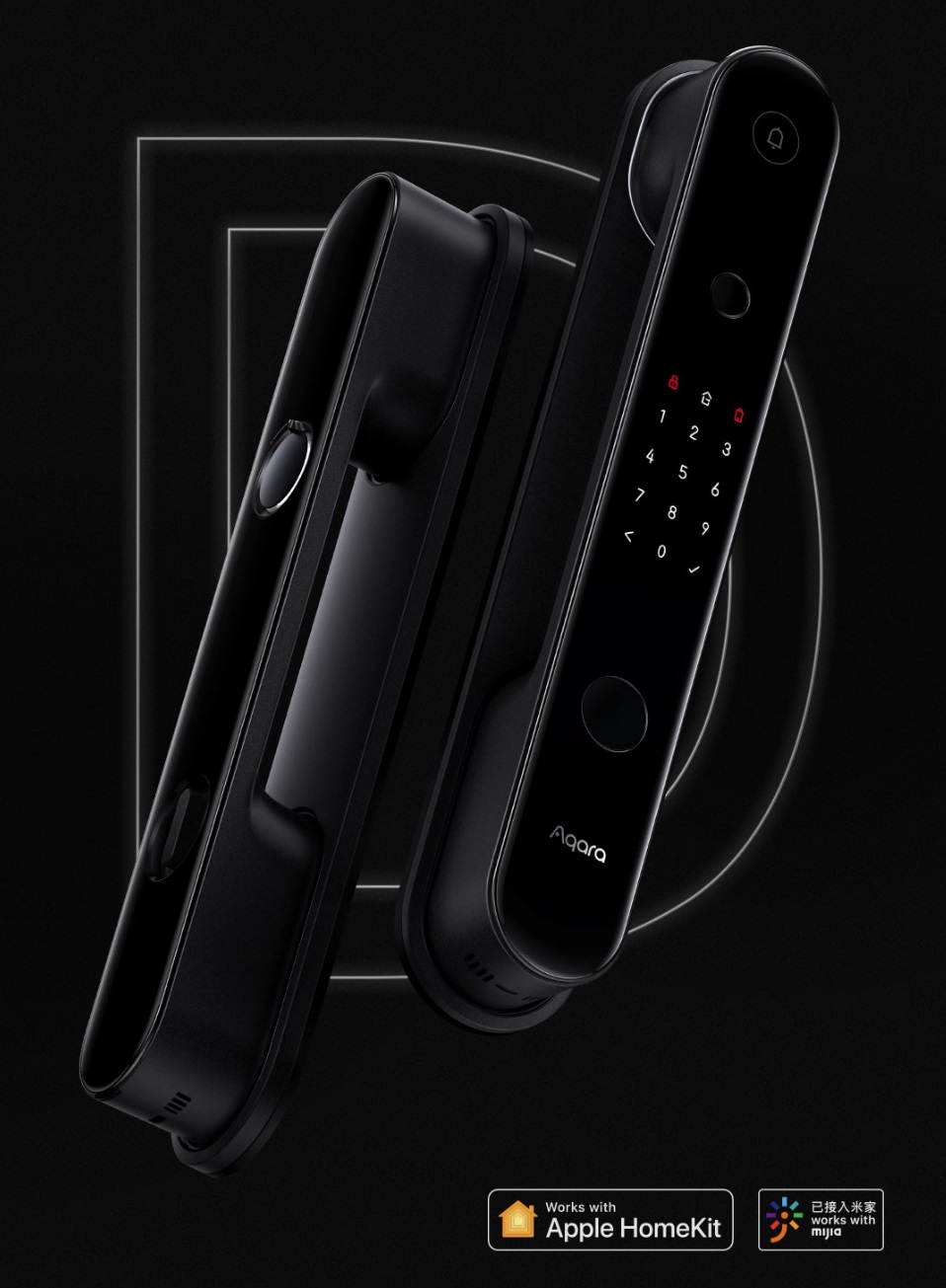
Xiaomi‘s ecological chain company Lumi technology which manufactures smart home products under the Aqara brand has launched a new product for the home. The product is dubbed Aqara D100 Smart Door Lock and is presently listed for sale on Xiaomi Youpin. It carries a price tag of 1899 yuan (~$288).
The Aqara D100 Smart Door Lock does not have a traditional horizontal door handle, which reduces the steps of pressing and pulling. It can be opened after fingerprint recognition with the thumb, making the process shorter.
According to the official description, the Aqara D100 smart door lock uses Apple and Xiaomi dual security chips, meaning it can be connected to Apple’s HomeKit and Mijia smart home IoT platforms. The fingerprint recognition uses the 3D semiconductor fingerprint recognition module of the Swedish PB company, with a financial-grade fingerprint detection algorithm.
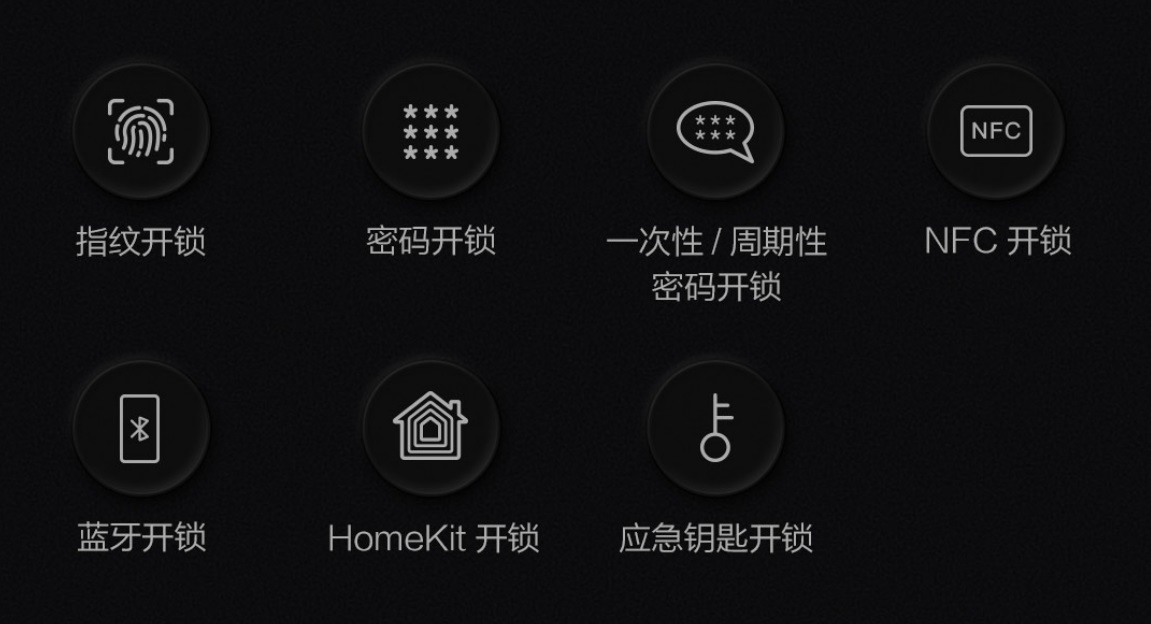
In order to facilitate the needs of different users in the whole family, the D100 has seven different unlocking methods. One-time/periodical password unlocking can be used for on-site service with convenient maintenance personnel and nanny, NFC unlocking is suitable for the elderly and children with shallow fingerprints, and the NFC function supports compatible Xiaomi mobile phones/bands and Aqara NFC cards. In addition, the traditional lock cylinder of this door lock adopts a C-level cylinder, which has certain anti-technical unlocking capabilities.
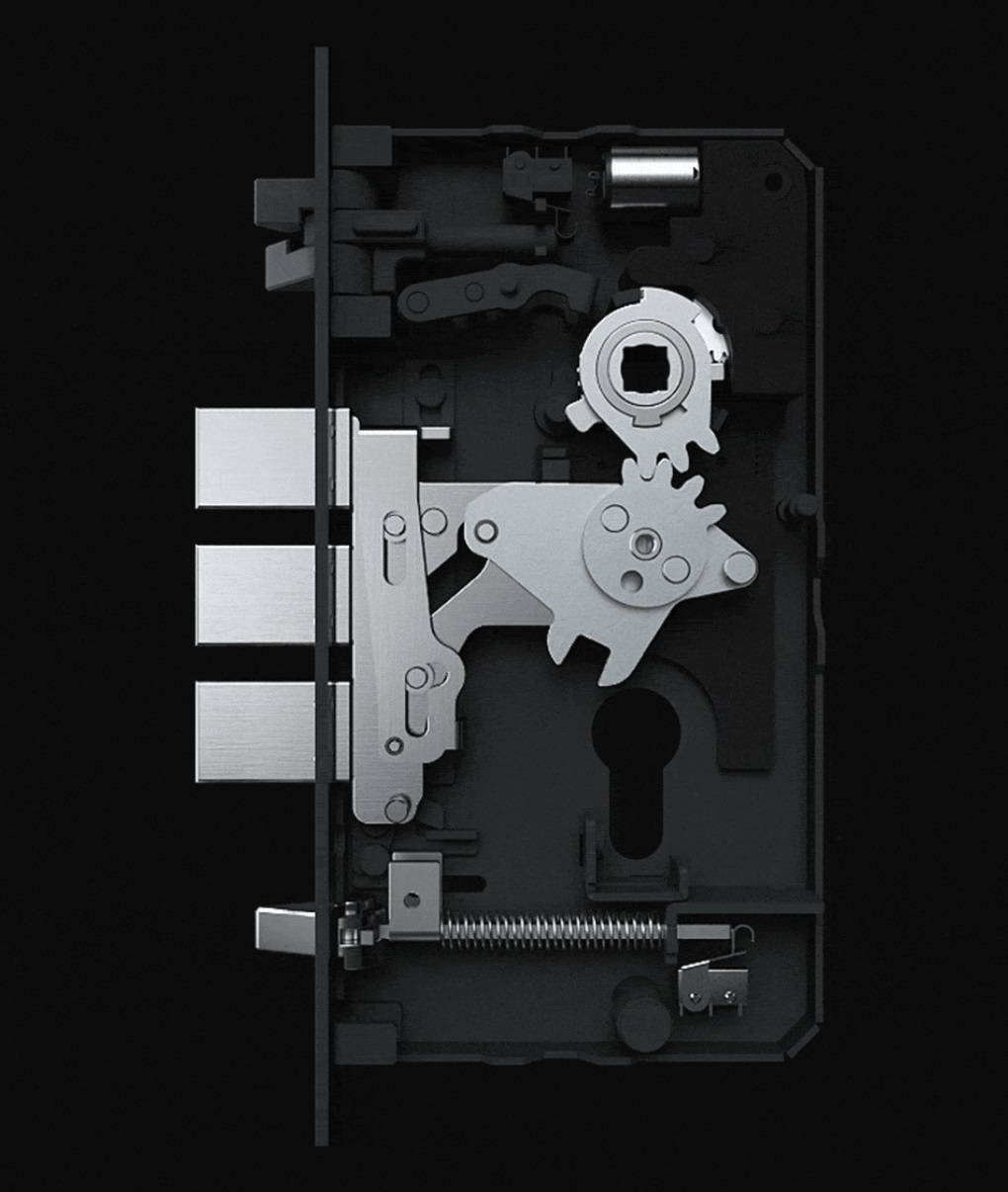
Different from traditional motors, the Aqara D100 smart lock embeds the motor into the lock body, which greatly improves the response rate of the lock body. According to Greenmi Lab tests, the unlocking time of D100 can be as fast as 1 second.
According to the official description, this smart lock is equipped with a two-cell battery and lasts up to 12 months; there is a Type-C interface on the door that can be charged directly.
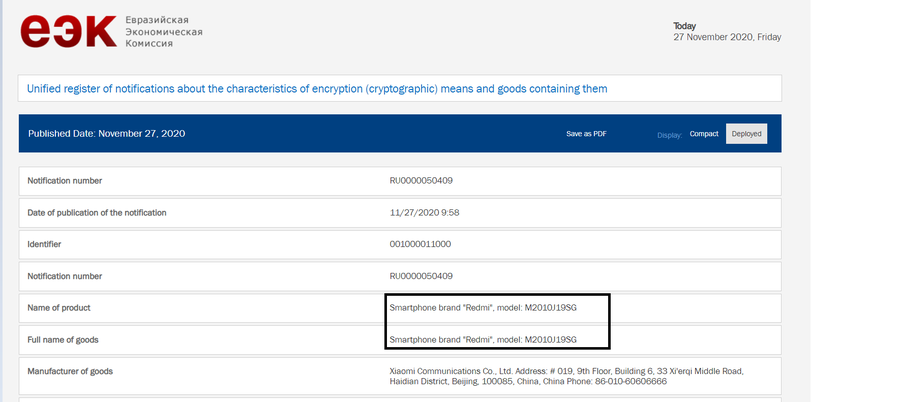
On Thursday, Redmi unveiled the Xiaomi Redmi Note 9 4G, Redmi Note 9 5G, and Redmi Note 9 Pro 5G. The Eurasian Economic Commission (EEC) has recently approved a Redmi phone with model number M2010J19SG. The ECC certification (spotted by popular tipster Mukul Sharma) suggests that the device could be heading to the global market soon.
The ECC listing of the M2010J19SG has not revealed any information on its specs. However, a recent report has revealed that this model may launch as the Redmi 9T in global markets. Moreover, it is believed that this device will be arriving with a quad-camera setup instead of the triple camera system found on the Redmi Note 9 4G of China.
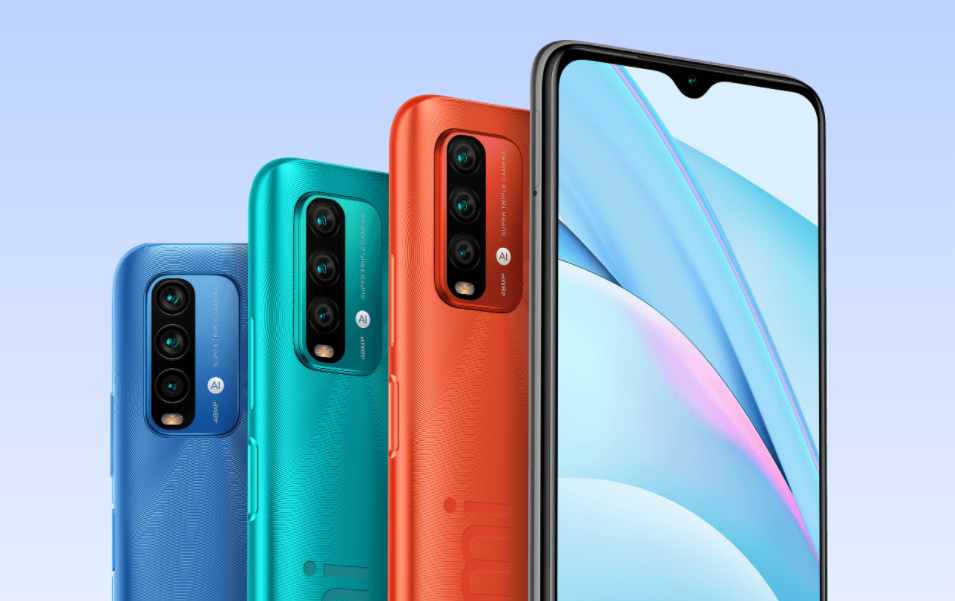
The Redmi 9T is reportedly coming with a 48-megapixel (main) + 8-megapixel (ultrawide) + 2-megapixel (macro) + 2-megapixel (depth) quad-camera system. In comparison, China’s Redmi Note 9 4G is equipped with a 48-megapixel (main) + 8-megapixel (ultrawide) + 2-megapixel (depth) triple camera system. It is advisable to wait for further reports to know whether the M2010J19SG will be arriving to global markets as the Redmi 9T.
The Redmi Note 9 4G has a 6.53-inch IPS LCD panel that produces a Full HD+ resolution of 1080 x 2400 pixels. The Snapdragon 662 mobile platform is fuelled by up to 8 GB of RAM and up to 128 GB of storage. The MIUI 12 based Android 10 OS runs on the device.
Redmi Note 9 4G
It has an 8-megapixel camera for capturing selfie shots. The phone houses a 6,000mAh battery with 18W charging. It has a side-facing fingerprint reader.
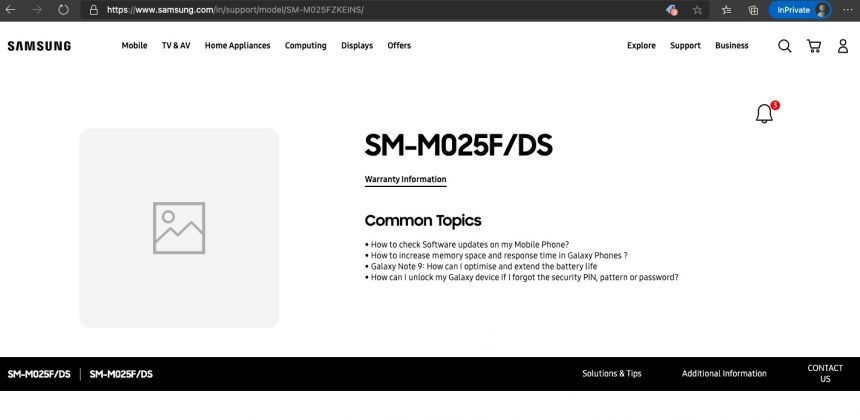
Recent reports have revealed that the launch date of the Galaxy M02 could be nearing as its SM-M025F/SD model number has surfaced at various places like Wi-Fi Alliance, Bureau of Indian Standards (BIS), NEMKO AD, and Geekbench. It appears that the handset could be launching soon as its support page has gone live on Samsung India’s website.
The support page listing has only the SM-M025F/DS model number mentioned on it and it has no information on its specs. In December 2019, Samsung unveiled the Galaxy A01 smartphone and in June came the Galaxy M01. The only major difference between the two handsets was that the M01 featured a larger battery.
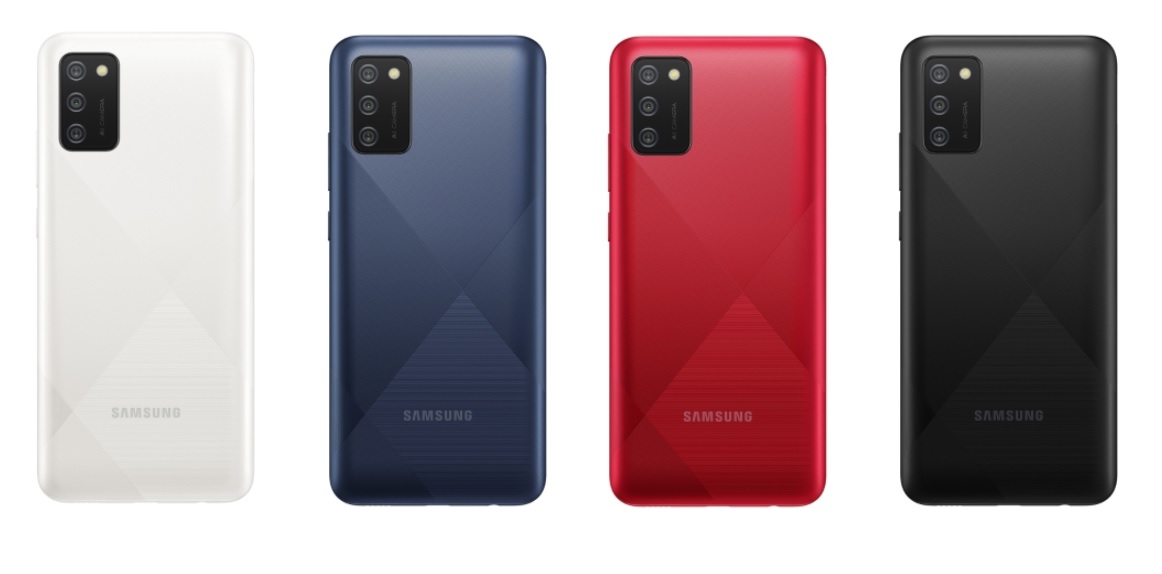
Speculations are rife that the recently unannounced Galaxy A02 phone could be coming to some markets as Galaxy M02. At present, there is no information on the differences between the Galaxy A02 and Galaxy M02. On Geekbench, the Galaxy M02 was spotted with a Snapdragon 450 chipset and 3 GB of RAM.
In related news, Samsung has recently announced the Galaxy A02s has a 6.5-inch HD+ display with a waterdrop notch. It is powered by an unknown 1.8GHz octa-core processor. The device has arrived with 3 GB of RAM and 32 GB of storage. It has a dedicated microSD card slot for more storage.
The Galaxy A02s has a 5,000mAh battery with 15W fast charging support. It has a 5-megapixel front camera and a 13-megapixel (main) + 2-megapixel (macro) + 2-megapixel (depth) triple camera system. It lacks support for a fingerprint reader.
The Galaxy A02s has arrived in Europe with a price tag of 150 euros (~$179). It comes in colors like blue, navy blue, red, and white.
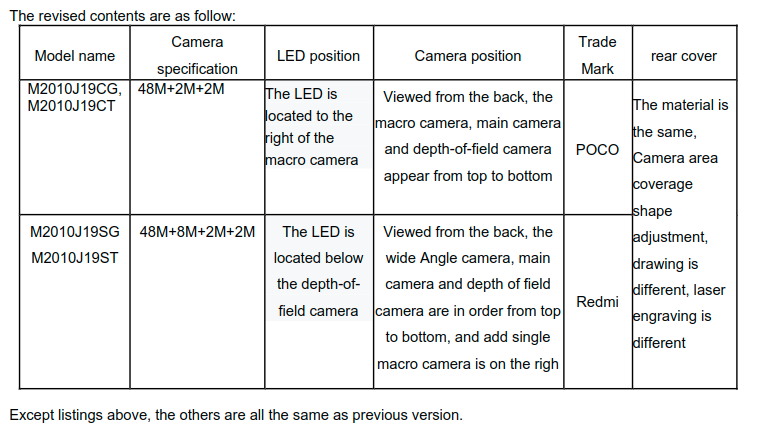
On Nov. 24, POCO announced the POCO M3 smartphone for global markets. On Thursday, Redmi unveiled the Redmi Note 9 4G, Redmi Note 9 5G, and Redmi Note 9 Pro 5G. According to the information found through the Federal Communications Commission (via tipster Sudhanshu Ambhore), China’s Redmi Note 9 4G (M2010J19SC) will be rebranded as Redmi 9T in global markets. While the Note 9 4G has a triple camera system, the Redmi 9T is expected to house a quad camera setup.
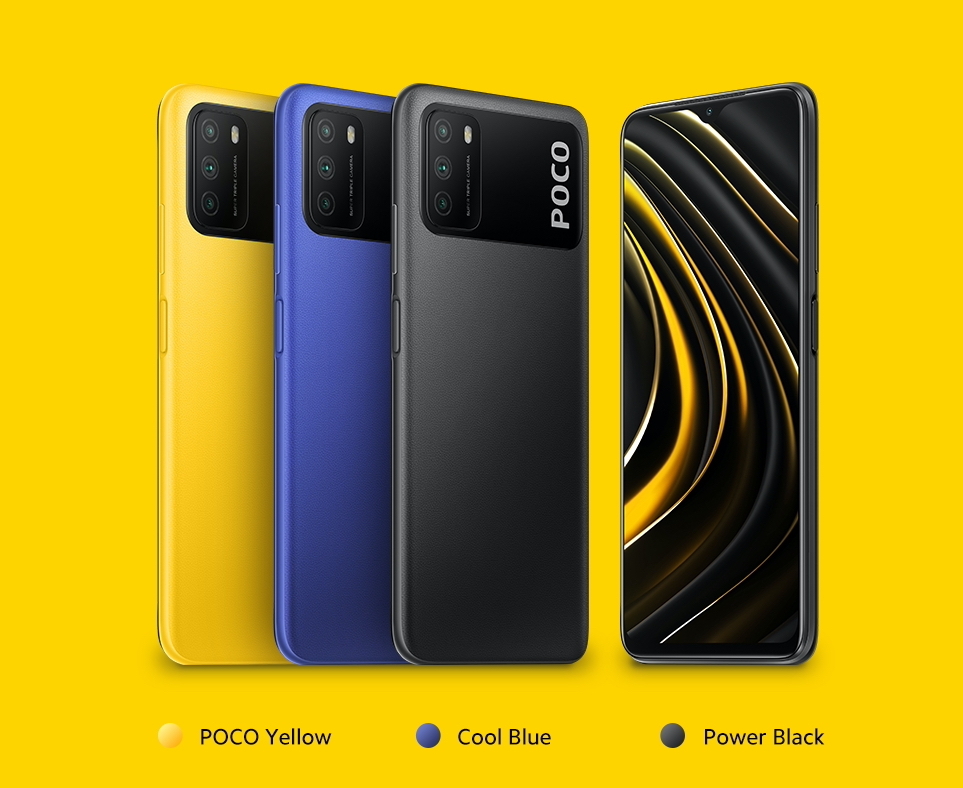
A screengrab of the chart shared by the tipster shows the comparison between the POCO M3 and the upcoming Redmi 9T. The M2010J19CG and M2010J19CT model numbers belong to the POCO M3 that has a triple-camera system that comprises a 48-megapixel main camera, 2-mgeapixel depth-of-field lens, and a 2-megapixel macro camera.
POCO M3
On the other hand, the Redmi 9T moniker is associated with model numbers M2010J19SG and M2010J19ST. The listing shows that this phone has a quad-camera setup that includes a 48-megapixel primary shooter, an 8-megapixel ultrawide lens, a 2-megapixel depth-of-field lens, and a 2-megapixel macro camera.
In comparison, the Redmi Note 9 4G that debuted in China came with a triple camera setup that has a 48-megapixel primary lens, an 8-megapixel ultrawide shooter, and a 2-megapixel depth-of-field lens. To summarize, the POCO M3, Redmi Note 9 4G, and Redmi 9T have the same hardware specifications and they only differ in the camera department.
All three phones are equipped with common specs such as 6.53-inch displays with waterdrop notch and they have 8-megapixel front-facing cameras. They are driven by Snapdragon 662 chipset and 6,000mAh batteries with 18W charging support.
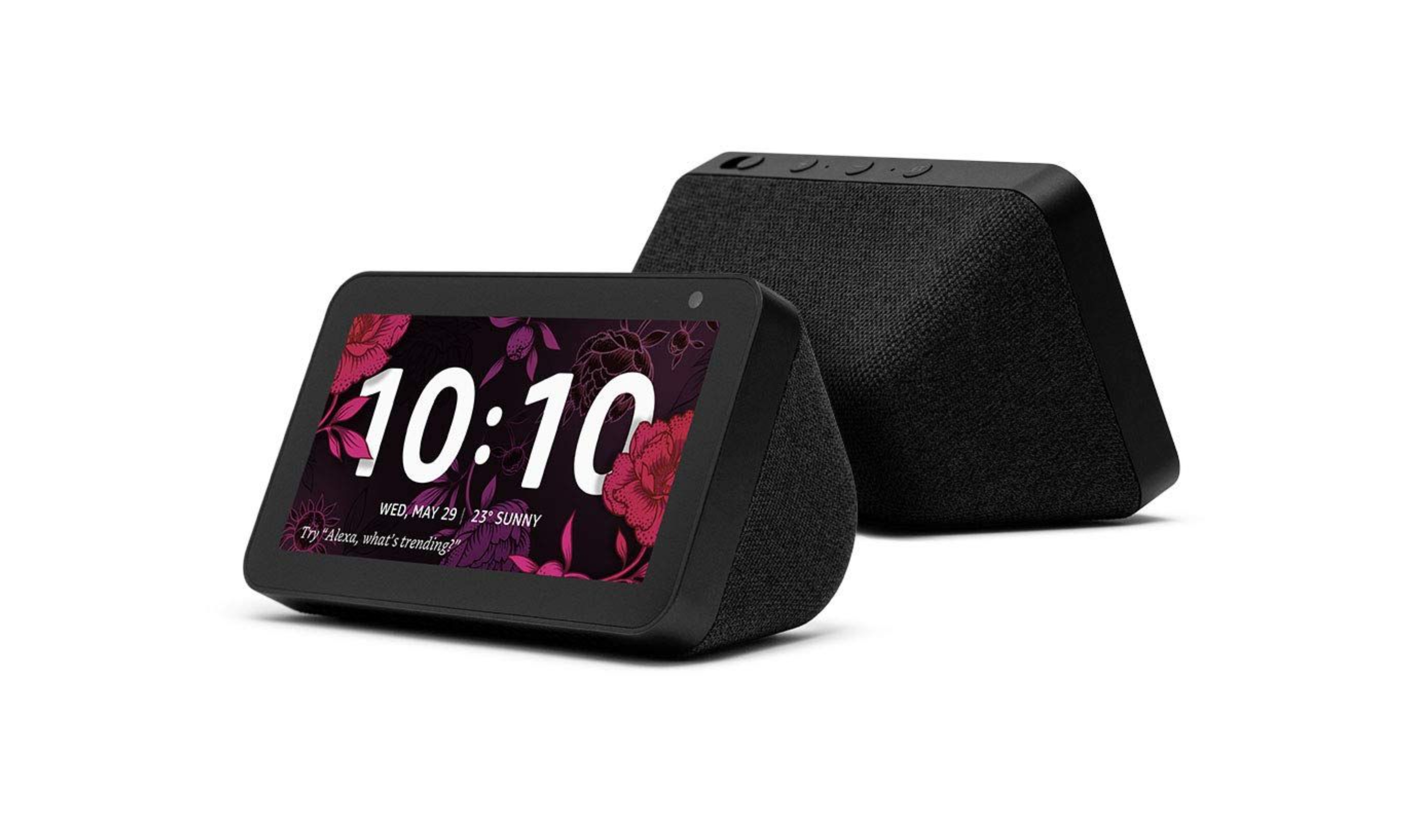
Strategy Analytics has published a report on the Global Smart Speaker Market Q3 2020. According to it, the sales increased by a mere 2.6% YoY. However, smart speakers with a display aka smart displays showed a huge improvement over the last year as more customers preferred them over regular smart speakers.
Amazon Echo Show 5
As per the report, the sales of smart displays hit 9.5 million units in the third quarter of 2020. In other words, it grew by 21% YoY. As a result, the market share of this product category rose to 26% from 22% last year.
Talking about brands, Amazon and Baidu led the smart displays market. The Amazon Echo Show 5 and the Baidu Xiaodu Zaijia 1c were the best-selling smart display products worldwide in Q3 2020. Further, Amazon also retained its position as the overall global smart speaker market leader with a 28.8% share of total shipments.
Other brands also witnessed an increase in their sales and market share, except for Xiaomi, which had a ‘disappointing quarter’.
Having said that, like smartphones, the global smart speaker market was also severely affected in the first quarter of 2020. But Q4 is expected to bring more sales, thanks to new models and economic as well as consumer sentiment improvements in certain regions.
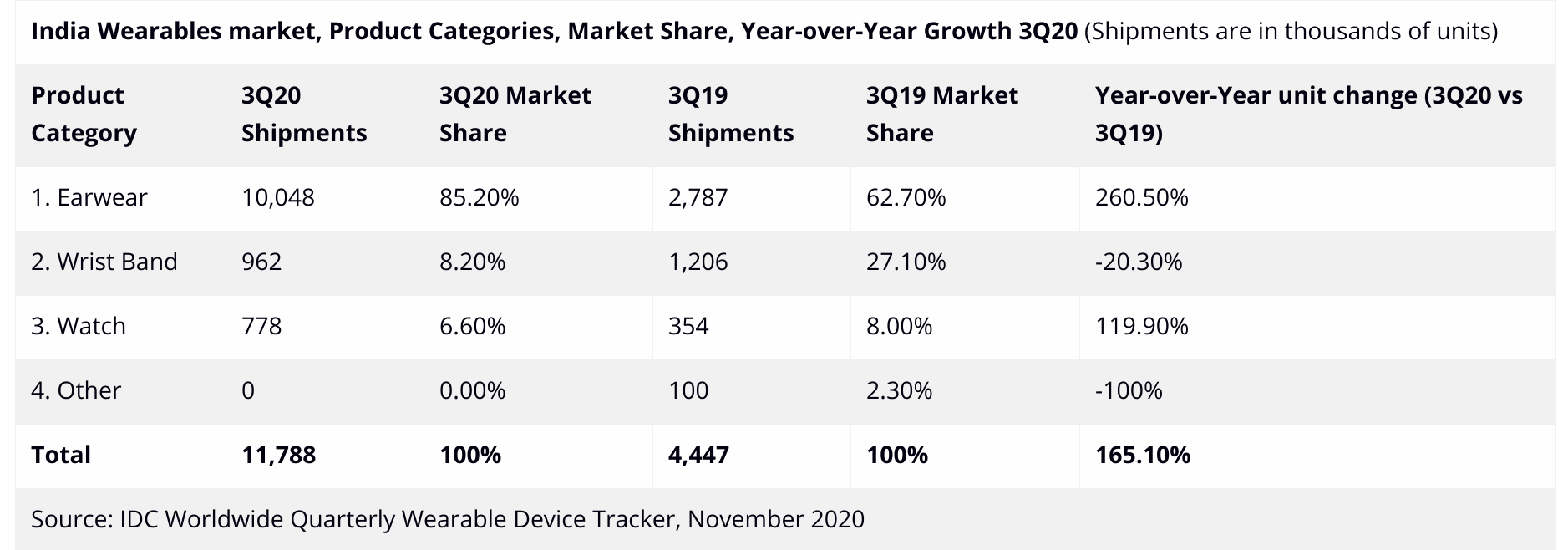
After releasing a report on India Smartphone Market Q3 2020, IDC has now published a report on India Wearable Market for the same period. According to it, the market shipped a record 11.8 million units accounting for 165.1% YoY growth.
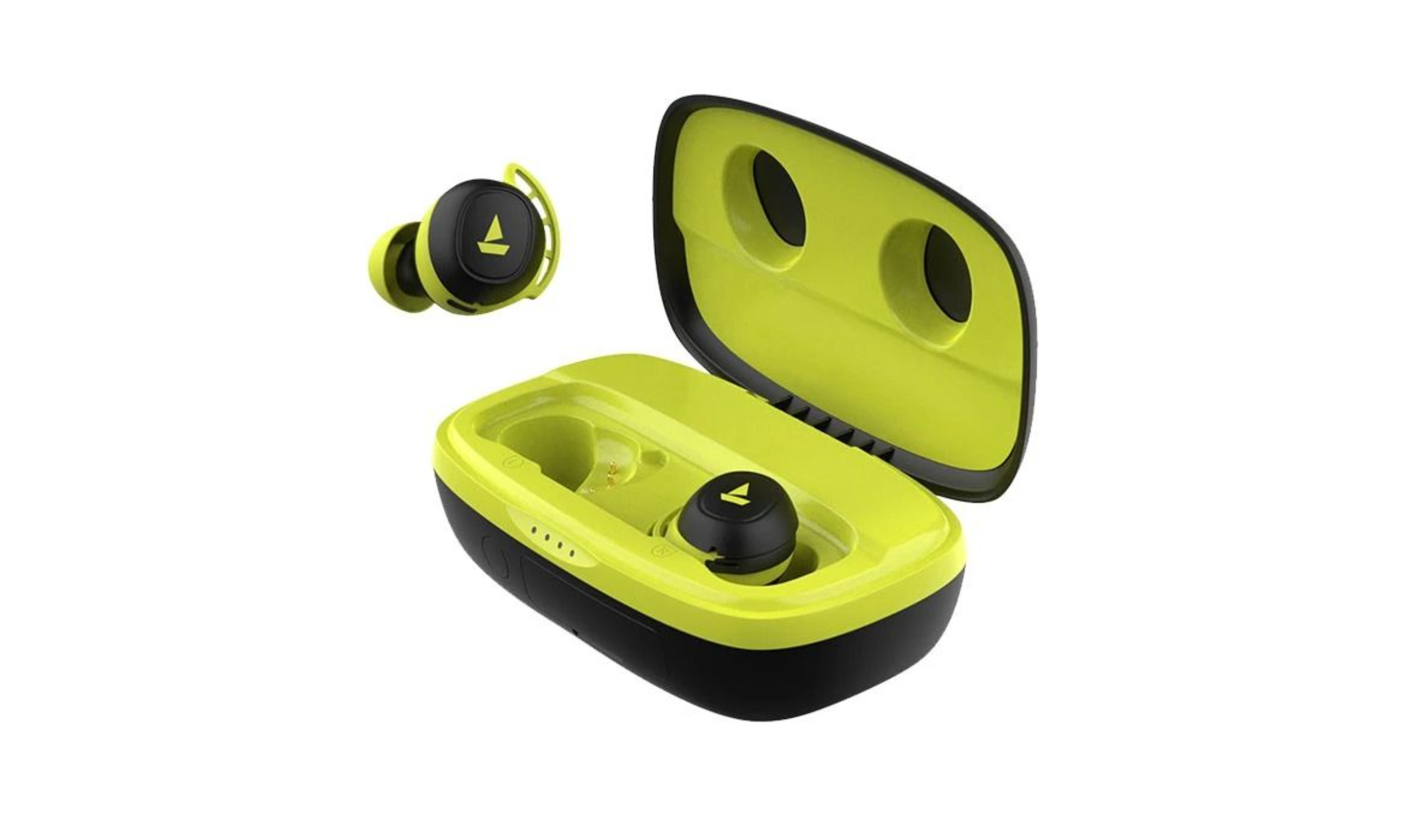
boAt Airdopes 441 Pro
Though India is one of the largest smartphone markets in the world, the wearable market of the country is still a work in progress. However, in the last quarter, companies managed to ship a ton of units, thanks to increased demand.
The demand for these products rose as a result of people working and students continuing their education from the comfort of their homes. Another reason is that they became more affordable than ever before.
For instance, the average price of smartwatches dropped to $111 in Q3 2020, compared to $175 a year earlier in Q3 2019. Similarly, the average price of TWS declined by 48.6% YoY to $57.
Therefore, the shipments of TWS reached almost 4 million units in the last quarter with a whopping 1156.3% YoY growth. This product category alone contributed to 39.7% of the entire wearable market. Indian brand boAt led the market with a 26.1% share and realme came second with a 15.5% share.
Whereas, the smartwatch shipments grew by 119.9% YoY with 778,000 units making Q3 2020 the strongest quarter ever since the product category’s debut in India. Domestic brand Noise led the market with a 28.5% share, followed by realme, which beat Huami for the second position with a 24.2% share.
On the other hand, although the shipments of smart bands grew by 83.3% QoQ with 962,000 units, its growth actually declined by 20% YoY. Xiaomi led this segment with a 52.4% share, followed by realme with a 14.6% share.
Lastly and most importantly, the whole earwear category recorded its all-time high shipments of 10.048 million units in Q3 2020, and hence, it grew by 260.5% YoY. boAt led the market with a 32.4% share, followed by Samsung (Samsung, Infinity, Harman Kardon, and JBL) with a 15% share.
Earlier this month, Micromax unveiled its first competitive smartphones in a long time in the form of IN 1b and IN Note 1. Both were made available for pre-order a few days ater the launch and the company even started shipping the former device to the customers shortly. However, the first sale for the former phone has been postponed. The firm is yet to announce the new sale date but ahead of it, new information about his handset’s software has emerged.
Micromax IN 1b
The Micromax IN 1b is a budget smartphone powered by MediaTek helio G35 chipset paired with LPDDR4X RAM and eMMC 5.1 storage. This device comes in two storage configurations – 2GB + 32GB and 4GB + 64GB priced at ₹6,999 ($95) and ₹7,999 ($108) respectively. These are known facts but what was unknown is its software.
According to Gadgets360, the base 2GB + 32GB variant of the phone runs Android 10 Go Edition. On the other hand, the higher 4GB + 64GB model runs the regular Android 10 operating system.
The publication found this difference in the official Flipkart listings of this phone dnd even Micromax has confirmed the same. For some reason, the company did not reveal this dissimilarity between the two memory variants at the virtual launch event.
Anyway, we should have seen this coming. Because a report from July revealed that phones launching with 2GB RAM or less must run Android Go Edition from Q4. That said, Android 10 Go Edition is not bad software per se since it is well-optimized for lower RAM devices.
Are you looking for the best 5G phone sold at an affordable price? Then you should check the OnePlus Nord N10 5G. It looks like it won’t receive more than one major Android update, but its specifications are very interesting as well as its price. If you are wondering whether or not this is the best 5G mid-ranger released recently, you are in the right place. We decided to compare the OnePlus Nord N10 5G with the other 5G affordable phones released in the last period: the Xiaomi Mi 10T Lite and the Samsung Galaxy A42 5G. Let’s discover together the differences between their specifications.
Xiaomi Mi 10T Lite 5G vs OnePlus Nord N10 5G vs vs Samsung Galaxy A42 5G
Quad 64 + 8 MP + 5 + 2 MP f/1.8, f/2.3, f/2.4 and f/2.4
16 MP f/2.1 front camera
Quad 48 + 8 + 5 + 5 MP f/1.8, f/2.2, f/2.4 and f/2.2
32 MP f/2.2 front camera
BATTERY
4820 mAh, fast charging 33W
4300 mAh
Fast charging 30W
5000 mAh, Fast charging 15W
ADDITIONAL FEATURES
Dual SIM slot, 5G
Dual SIM slot, 5G
Dual SIM slot, 5G
Design
The nice advantage of several Xiaomi affordable phones is their glass back: the Xiaomi Mi 10T Lite looks more premium thanks to that. But its look is not exactly the most beautiful, due to its big rectangle-shaped camera module placed at the center. The OnePlus Nord N10 5G is a bit more modern and elegant with its less invasive camera module, but that fingerprint reader on the rear side makes it look a bit outdated. But I still prefer the OnePlus Nord N10 5G not only for its look but also because it is more compact and lighter. Samsung Galaxy A42 5G has a nice design and even an in-display fingerprint scanner, but that waterdrop notch…
Display
Most people prefer AMOLED displays due to their more vibrant colors and deeper blacks, even when they could choose LCD displays with incredibly high refresh rates. That is why Samsung Galaxy A42 5G wins the display comparison: it is the only one to feature an AMOLED display in this trio. Further, it has an in-display fingerprint reader, unlike its rivals. But you should not underestimate the Xiaomi Mi 10T Lite as it offers a high 120 Hz refresh rate and the HDR10 certification improving the image quality. I would not go for the 90 Hz IPS display of the OnePlus Nord N10 5G.
Hardware/Software
Xiaomi Mi 10T Lite and Samsung Galaxy A42 5G are powered by the Snapdragon 750G mobile platform, while OnePlus Nord N10 5G is fueled by the Snapdragon 690 5G. There are no huge differences between these processors, that is why you would better focus on the memory configurations. If you consider the memory configurations, the Samsung Galaxy A42 5G wins because it offers up to 8 GB of RAM while you can only get 6 GB of RAM with Xiaomi Mi 10T Lite and OnePlus Nord N10 5G. All feature Android 10 out of the box, but OnePlus Nord N10 5G will only get one year of major updates.
Camera
The best rear camera setup belongs to the OnePlus Nord N10 5G packing a 64 MP quad camera with an f/1.8 focal aperture. Xiaomi Mi 10T Lite comes right after with very similar specifications, while Samsung Galaxy A42 5G is actually inferior due to its 48 MP main sensor.
Battery
With the Samsung Galaxy A42 5G you get the biggest battery and even the longest battery life. Given that it sports an OLED display, it has lower energy consumption. But with the Xiaomi Mi 10T Lite you get a faster charging technology.
Price
You can find the Samsung Galaxy A42 5G for about €300/$360, OnePlus Nord N10 5G costs €350/$420, and Xiaomi Mi 10T Lite sells for about €250/$300. Despite its lower price, the Xiaomi Mi 10T Lite is the most complete device from the trio, but some may prefer the Samsung Galaxy A42 5G due to its AMOLED display. What would you choose?
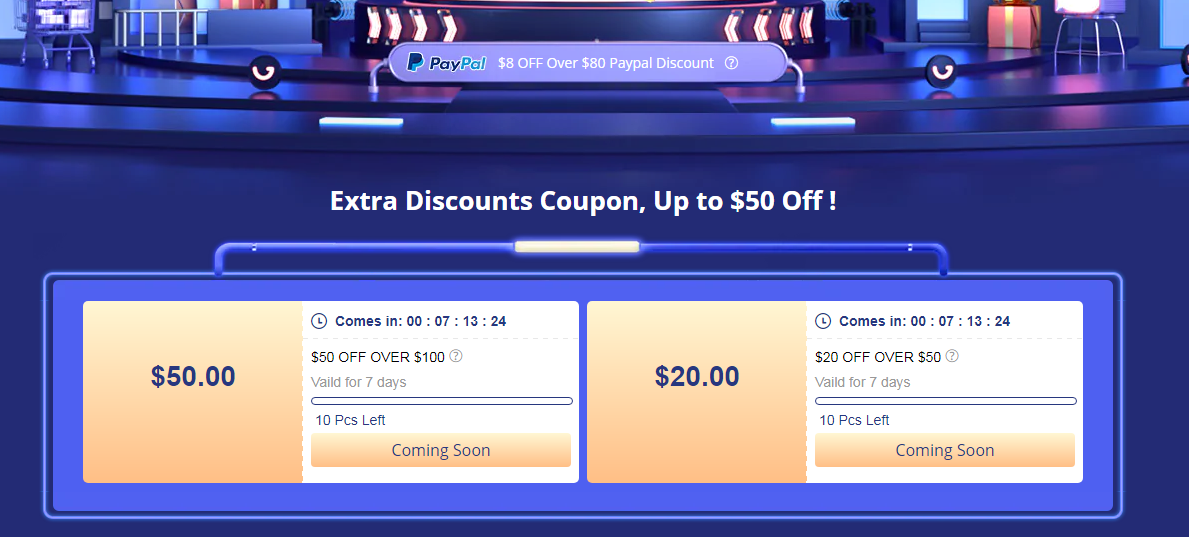
What’s more fun than owning a smartwatch; buying one at a much-discounted price. From the ongoing 48-hour Black Friday sale on Gearbest, we have compiled a list of feature-rich smartwatches that you can buy without shelling out much. And to add more fun to your purchases, Gearbest is also offering an additional $8 and up to $50 discount on various purchases (keep reading to know more).
Below is the list of smartwatches that you can buy at a resonable price.
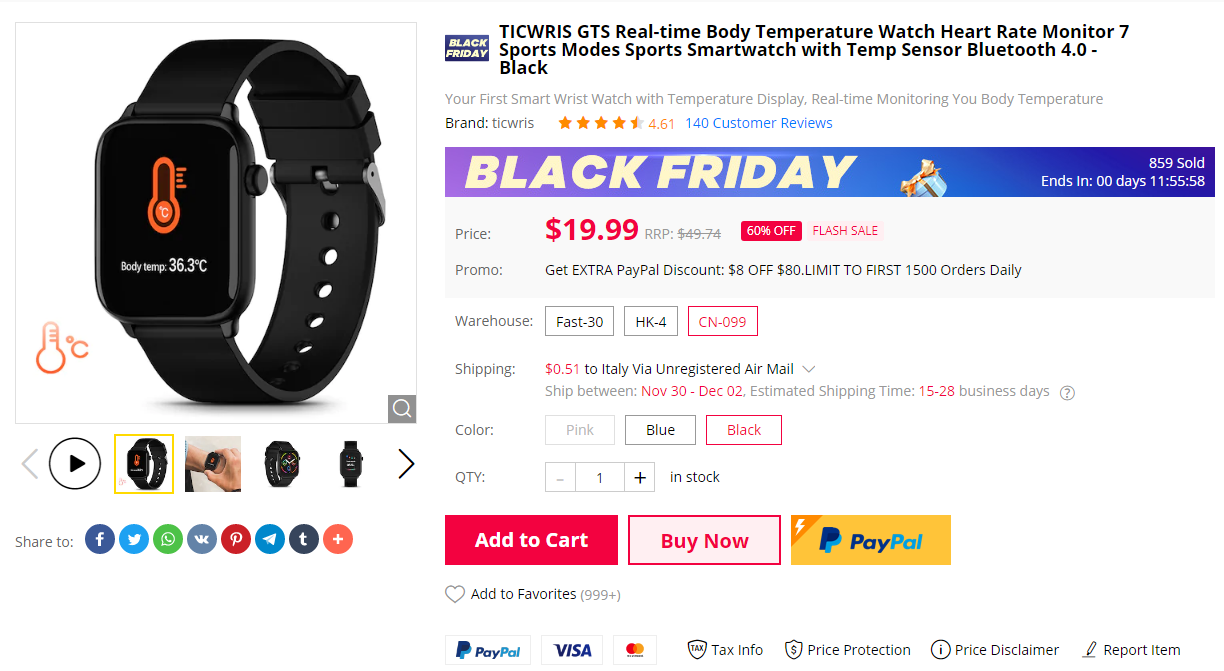
TICWRIS GTS
TICWRIS GTS can monitor heart rate, blood pressure, blood oxygen, temperature, and sleep. It has 7 sports modes that include power walking, walking, running, indoor running, cycling, and climbing. The 1.3-inch TFT screen offers comfortable viewing while IP68 rating withstands water. Other functions include step counting, distance measurement, calorie consumption management, and notification push.
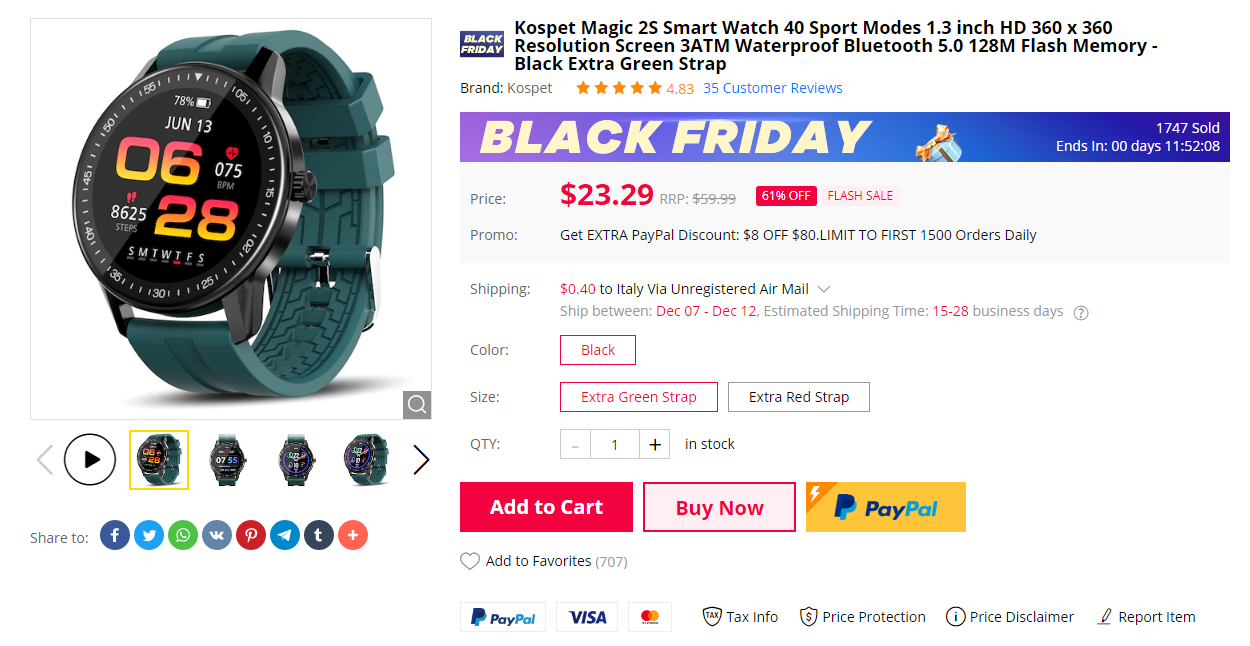
Kospet Magic 2S boasts 40 sports modes that include outdoor running, trail running, outdoor cycling, indoor cycling, and mountain biking. It has an IP68 rating and is 3ATM waterproof to support non-professional diving, swimming, and surfing. Functions like notification push, sleep management, pedometer, sedentary reminder, calorie consumption, blood oxygen, and heart rate monitoring make it versatile.
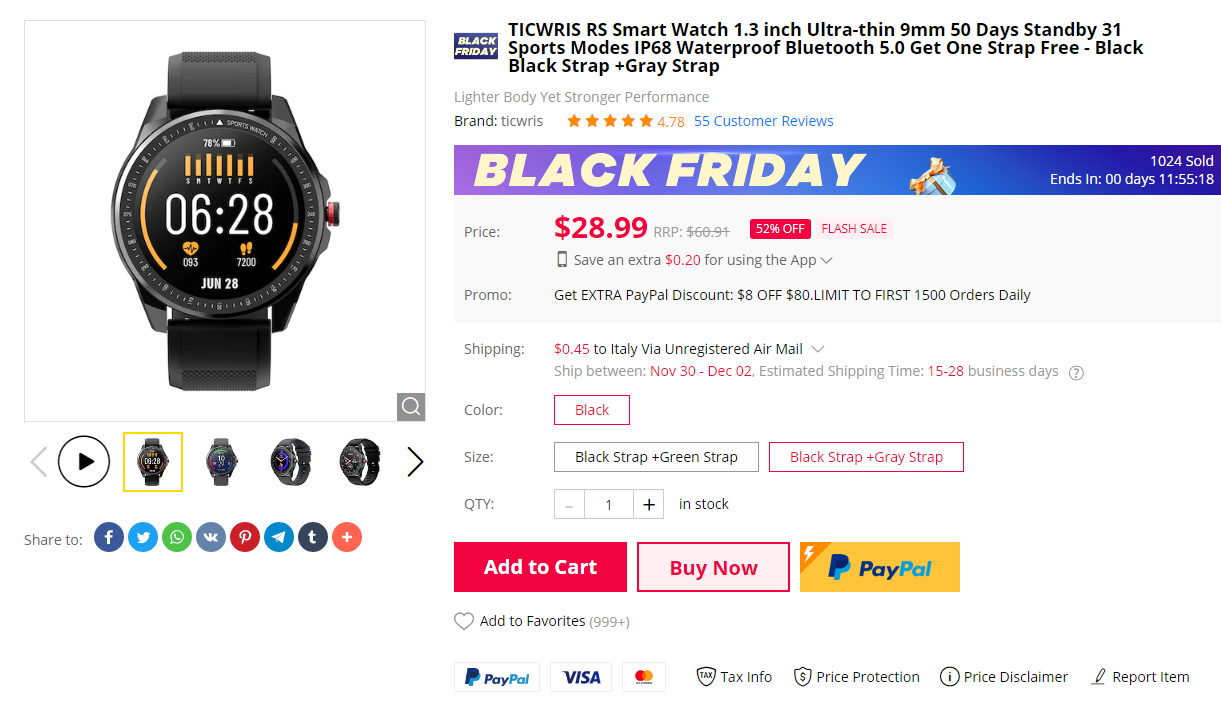
TICWRIS RS features 31 sports modes that include running, cycling, mountaineering, yoga, basketball, football, and badminton. It boasts an IP68 rating and is ideal for indoor swimming. Heart sensor keeps the user aware of any irregularities. Other features include blood oxygen, notification push, weather application, music control, photo control, and distance- and calorie-counter.
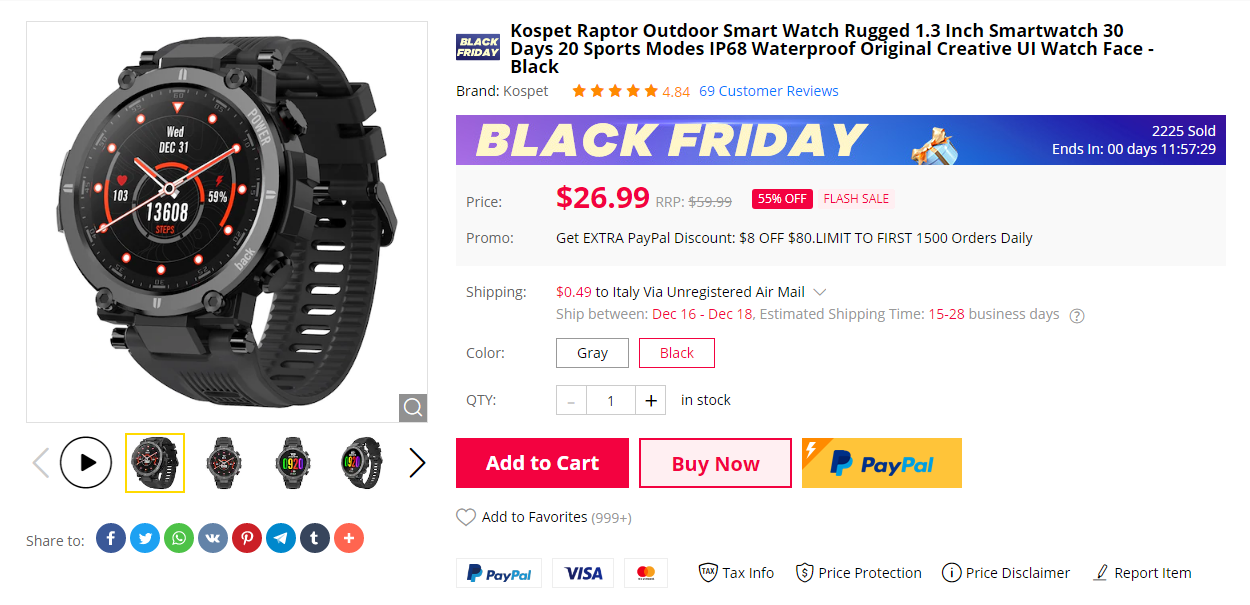
Kospet Raptor is waterproof, dustproof, and can easily withstand a minor collision. It boasts 20 Sports Modes, including walking, trail running, outdoor cycling, mountaineering, and skiing. 50+ original creative UI faces enable the user to customize its look. Its 230mAh battery offers up to 12 days of use and 30-days standby. Other functions include sleep monitoring, pedometer, sedentary reminder, calorie counter, notification push, and more.
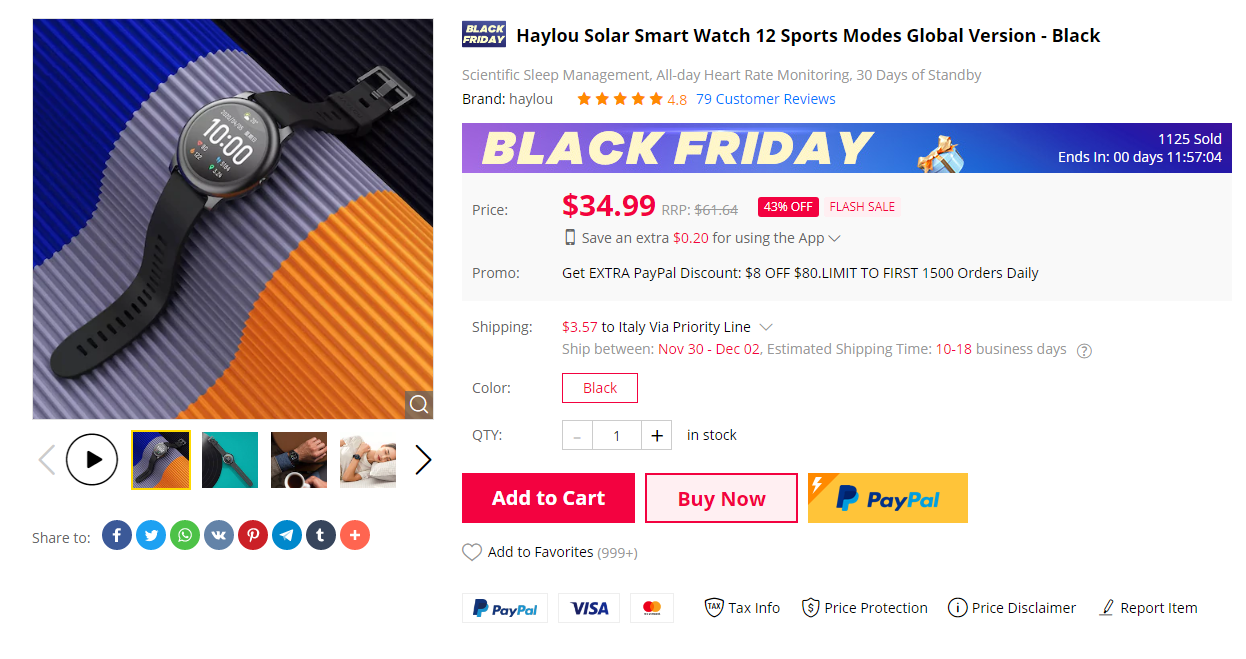
Haylou Solar features an IP68 waterproof rating and 12 sports modes that include running, walking, cycling, climbing, spinning, yoga, indoor running, and rowing. 1.28-inch TFT high definition screen with brightness, offer enhanced readability. All-day continuous heart rate monitor keeps a health check. Othe functions include call/SMS reminder, sedentary, goal achievement reminder and vibrating alert. It can be synchronized and controlled with Haylou Fit app.
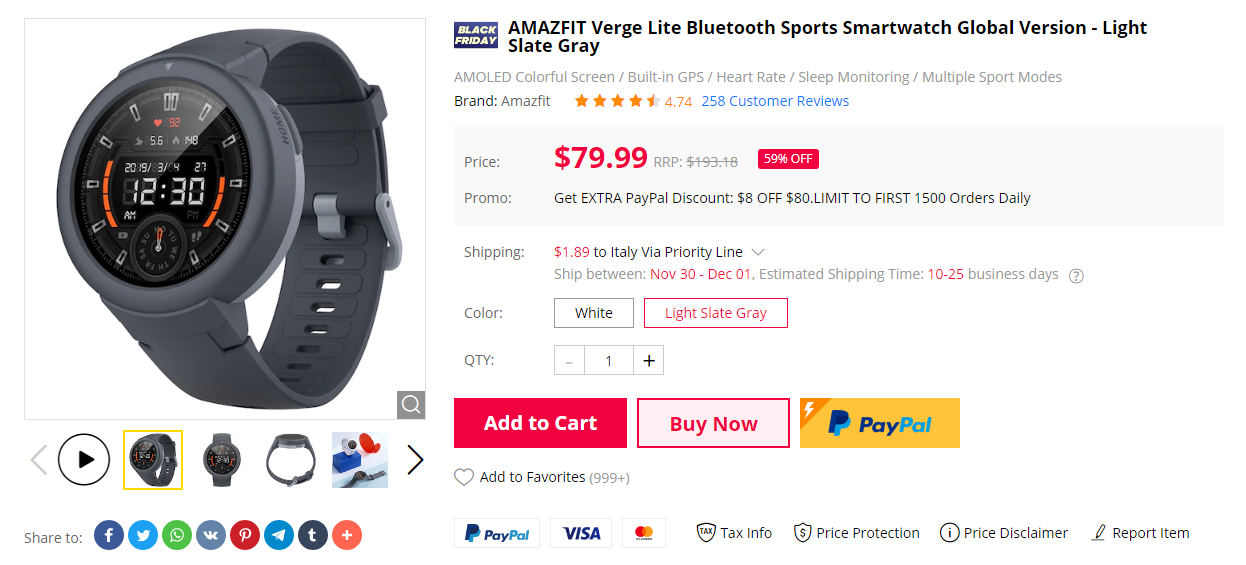
Amazfit Verge Lite has built-in 7 sports modes that include outdoor running, treadmill, walking, outdoor, and indoor cycling. It has high-precision optical sensors and algorithms for accurate heart monitoring. IP68 rating offers resistance against water while the 1.3-inch AMOLED HD screen provides comfortable viewing. 20 day ultra-long standby time offers added versatility. Other features include call and SMS reminder, pedometer, and sleep monitoring.
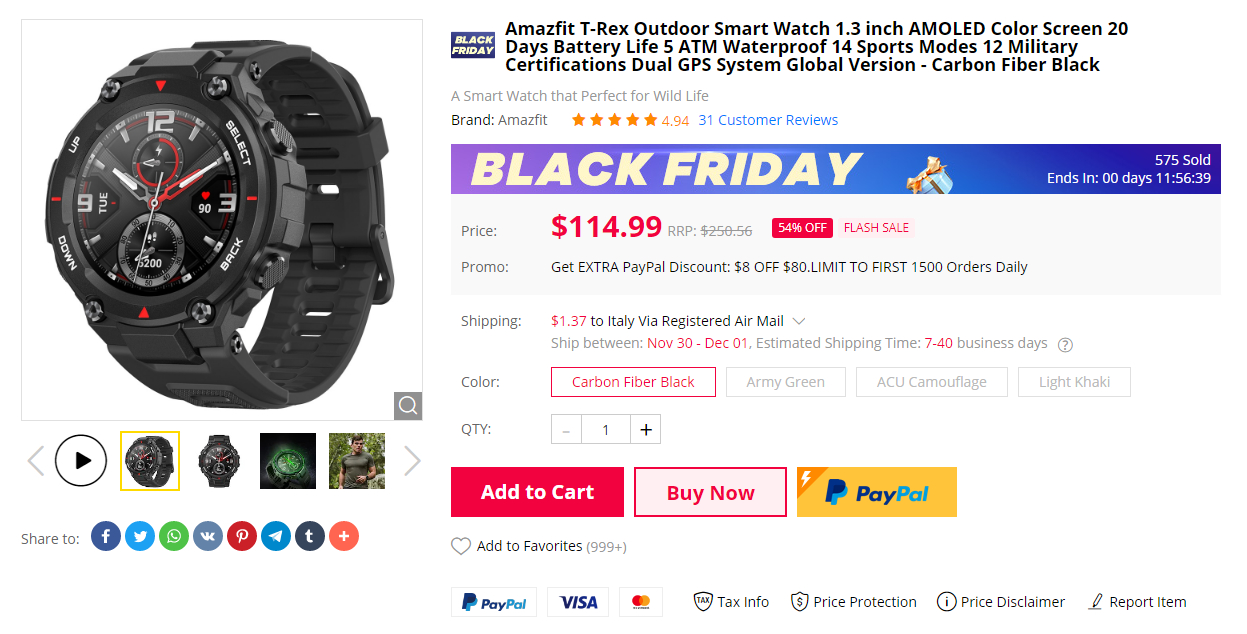
Amazfit T-Rex has a MIL-STD-810 certification and is 5 ATM water-resistant. It has 14 sports modes that include walking, outdoor cycling, treadmill, mountaineering, trail running, treadmill, indoor cycling, elliptical trainer, and more. BioTracker PPG optical sensor provides 24h heart rate monitoring; it also offers sleep monitoring. Sony GPS chip with 40-hour continuous working time and 20-day battery life offer versatility. Other sensors include a 3-axis acceleration, geomagnetic, and ambient light sensor.
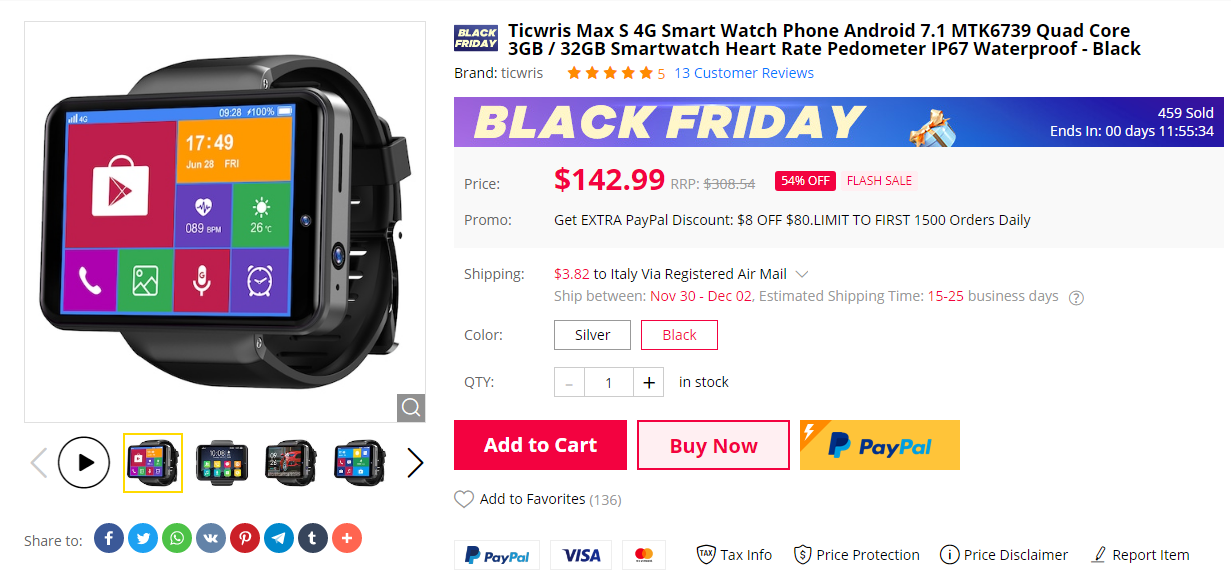
TICWRIS Max S boasts a waterproof design to offer durability. It allows HD video calling and facial unlocking with 8MP camera. 2.4-inch with 640 x 480p resolution offers enhanced readability. Other versatile attributes include noise-free HD 4G calling, music, photography, pedometer, heart rate measurement, music sync function, map, weather, alarm, and more.
The above deals are exclusive for the Black Friday Sale that ends on November 28th. Consumers can also enjoy an additional $8 off via PayPal payments. Moreover, Gearbest is also offering $50 and $20 off, which will be valid for 7 days. Save huge bucks while making your Black Friday purchases on Gearbest; to know more visit their official website by clicking here.
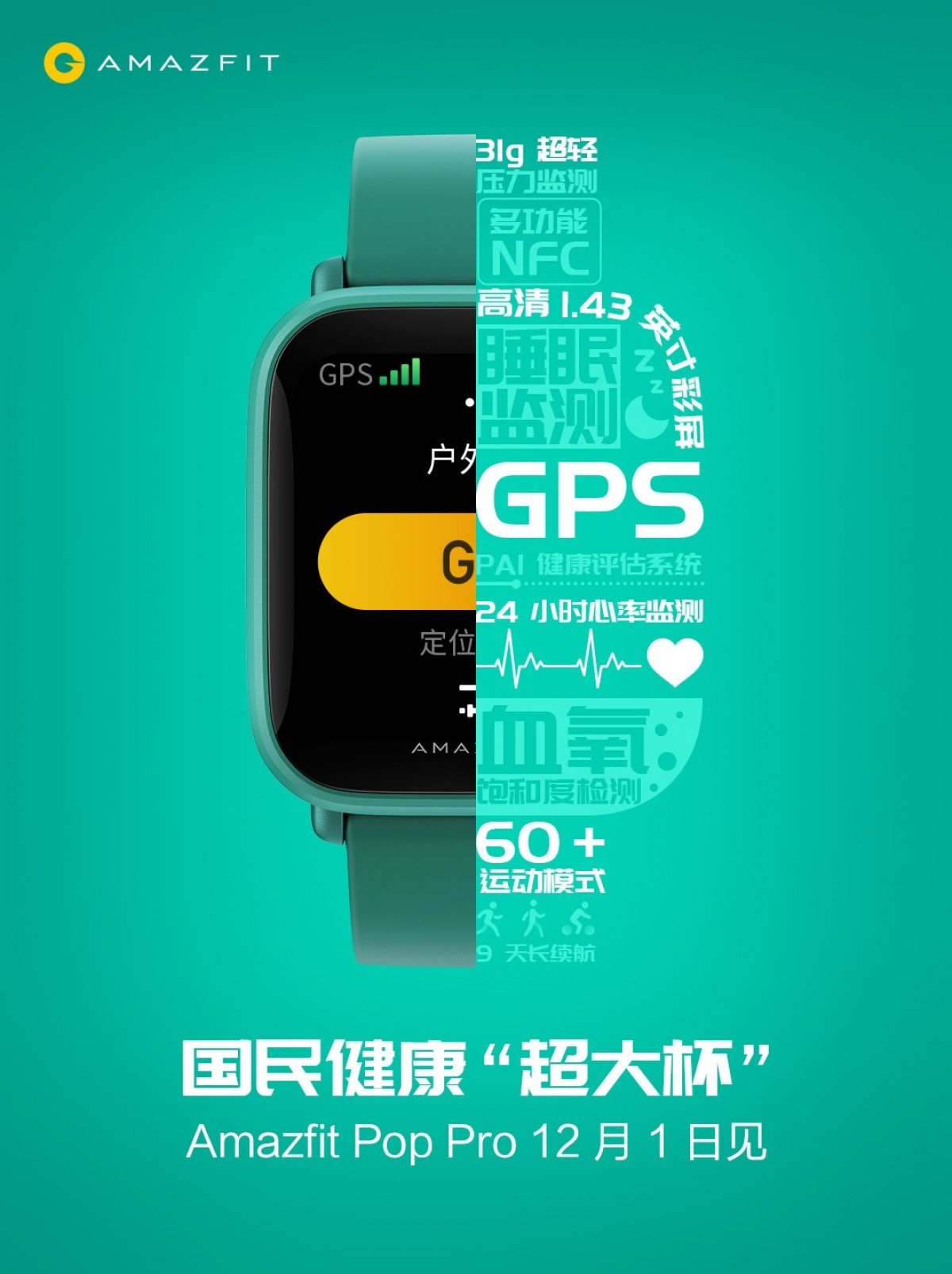
Last month, Huami unveiled a new smartwatch dubbed Amazfit Pop in China. The watch which has a square-shaped design features several impressive health-tracking options. The Chinese company has now teased the impending launch of a Pro version soon. The company released a teaser that shows the wearable device will be launched on December 1.
The teaser also reveals some of the key specs of the wearable device. The company also promised to make bare the entire specs on the scheduled launch date. Among the listed specs, there is a 1.43-inch OLED screen. The watch is also expected to feature NFC and 24-hour heart-rate tracking. The smartwatch will equally arrive with Amazfit’s PAI algorithm to keep you active and motivated, and the wearable will have over 60 different sports modes.
The revealed specifications are found on the Amazfit Pop which was also launched as Bip U in some markets. However, where the Pop Pro will stand out is the presence of built-in GPS which means the watch won’t rely on a phone for positioning. The upcoming watch will equally feature a microphone onboard.
Huami is yet to reveal the pricing details of the Pop Pro but the smartwatch’s price is expected to be slightly higher than the 349 yuan (~$60) price tag that the Pop carries. The Pro version may likely sell for 399 yuan (~$60). We also expect the watch to be available in three color options just like the Pop – that is green, black, and pink. The model on the poster has a green color.
LG Corporation has announced that it will spinout some of the affiliates to a new holding company next year. The decision regarding restructuring the company comes at a time when conglomerates are growing in size. And are reaching the transitional period of a new generation of leaders.
As reported by Reuters, according to the regulatory filings, the affiliates will be spun-off in May 2021. The existing holding firm of the affiliates is LG Corp and it will reportedly hold assets worth 9.8 trillion won($8.85 billion). However, the new holding firm will have assets worth 900 billion won. Following are the companies that will spinout from LG Corp.
LG International Corp
LG Hausys Ltd
Silicon Works Co Ltd
LG MMA Corp.
unlisted Pantos Logistics Co Ltd
Currently, affiliates of LG Corp.involve in a lot of business including batteries & displays in automobiles, household products, cosmetics. Some of its clients include General Motors, Tesla, and Apple. With this restructuring, LG Corp. hopes to concentrate more on its core-business: consumer electronics, chemicals, telecommunication & services.
Koo Bon-Joon is likely to head the new holding company. He is one of the LG Founder’s sons and a nephew of Koo Kwang-mo who is currently the chairman of LG Group. Talking about the group, LG Corp. is the fourth-largest “Chaebol” in South Korea. For the unware, Chaebol is an industrial conglomerate that is run and controlled by an owner or family in South Korea.
LG was founded in 1947 by Koo In-Hwoi. Accordingly, he first started Lucky Chemical(now: LG Chem) and it just expanded into a big conglomerate. However, on the verge of a new century, it broke up into several conglomerates. That said, the current development is another round of restructuring where the company sees the third generation of family leaders(Grand Children of Founder).
We use cookies on our website to give you the most relevant experience by remembering your preferences and repeat visits. By clicking “Accept”, you consent to the use of ALL the cookies.
This website uses cookies to improve your experience while you navigate through the website. Out of these, the cookies that are categorized as necessary are stored on your browser as they are essential for the working of basic functionalities of the website. We also use third-party cookies that help us analyze and understand how you use this website. These cookies will be stored in your browser only with your consent. You also have the option to opt-out of these cookies. But opting out of some of these cookies may affect your browsing experience.
Necessary cookies are absolutely essential for the website to function properly. This category only includes cookies that ensures basic functionalities and security features of the website. These cookies do not store any personal information.
Any cookies that may not be particularly necessary for the website to function and is used specifically to collect user personal data via analytics, ads, other embedded contents are termed as non-necessary cookies. It is mandatory to procure user consent prior to running these cookies on your website.

 Versatile, fast, and well-budgeted are some of the adjectives that best describe the Xiaomi Redmi Note 9 Pro 5G. This smartphone is already up for pre-ordering at Giztop for just $269.