Advertisement

Wahoo Elemnt Rival multisport GPS watch launched as a fitting rival to Garmin’s lineup

Fitness brand Wahoo has launched its first multisport GPS watch, named the Elemnt Rival. It allows the user to seamlessly make transitions between various activity modes, which is quite ideal for multiple events like triathlons and any other fitness activity comprising different tasks. The watch is on sale now for $380.Wahoo Elemnt Rival
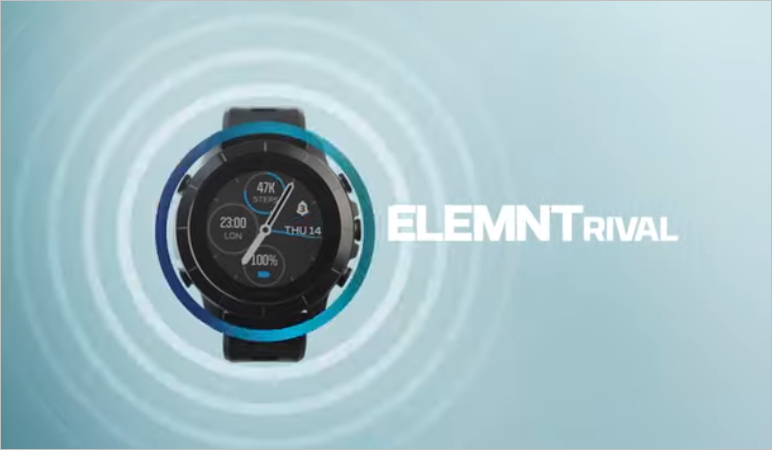
Since its inception in 2009, Wahoo had carved a niche for sports and fitness enthusiasts for its bike computers and heart monitors among a few other products. However, the company is now ready to take on more established sport watch brands like Garmin and Polar. 

The Elemnt Rival is targeted at individuals and athletes who engage in regular multiple sports activities like a triathlon, bike-to-run workouts as well as any other combination of several sporting activities.Wahoo Elemnt Rival multisport GPS watch
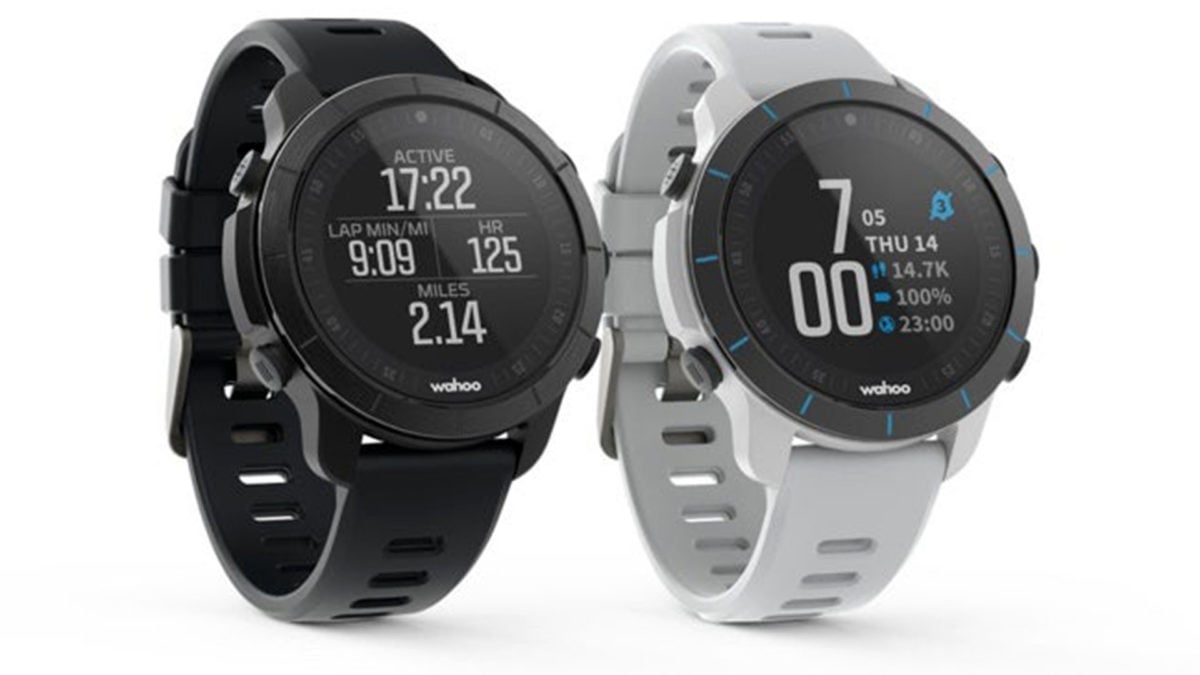
The rival’s key talking point is its “Touchless Transition” that enables automatic switching between running, cycling and any other task without any input by the user. The mobile app of the watch allows for syncing thus offering an interface for other Wahoo products like bike computers. It also enables the user to focus on the task without unnecessary distractions. A manual option makes it possible the lap button to switch profiles without disrupting the main activity tracking.

The multisport GPS watch is primed to track body fundamentals like the heart rate and the likes. However, its performance is enhanced with a Tickr X heart monitor that provides an extra layer of data like the run cadence. 

As should be expected, the Elemnt Rival can interface well with OS-level fitness data in Apple Health and Google Fit as well as other external platforms like Strava, Training Peaks, Today’s Plan, Train Xhale, and Relive.Wahoo Elemnt Rival
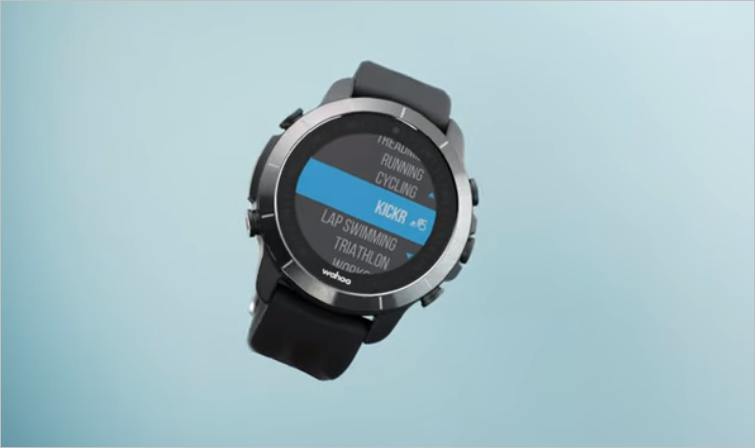
The Rival watch has a decent battery life of 14 days in standard operation mode and 24 hours of continuous GPS use. This means that you might not have to recharge for several days, even with an extensive training regimen.

The price shows that It’s not the most affordable multisport GPS watch you can get, but it’s clearly priced to compete with the lower-priced similar products from Garmin and other competitors. Its edge of these alternatives is that it may be ideal for triathletes and multiple tasks athletes in general.

The smartwatch is presently available to buy on Wahoo’s official store for $379. It comes in Stealth Grey and Kona White strap colours.

UP NEXT: Xiaomi XiaoAI Speaker Art Battery Edition launched for 399 yuan ($59)

 

Realme sold over 8.3 million devices in 30 days during the Festive Days promo

Realme is one of the fastest-growing smartphone brands and there is data to back up that claim. the company recently announced that it has shipped up to 50 million smartphones. For a company that opened shop in 2018, this makes it the fastest brand to hit such a milestone. Realme was founded in India but has now spread its tentacles to Europe and even China. The Indian market is key to the brand’s growth with the recent figures from Realme’s Festive Days Promo affirming this.

Data released by Realme shows that it sold a cool 8.3 million units of its products cutting across smartphones, smartwatches, smart bands, earbuds and others during the promo period from October 16 to November 15. Out of this staggering figure, smartphones cornered the lion share with over 6.3 million phones making up the entire sales. This represents a year-on-year growth of over 20%.

Realme expanded its product portfolio this year with the launch of several smartphones as well as wearables and smart TVs. The company equally introduced a smart plug, security camera, electric toothbrushes, and a few Active-noise cancelling wireless earphones.

The company equally hinted that of all the smartphones sold, the Realme 7 series took the front seat with over 1.6 million units sold in both offline and online channels. The Realme 7 series comprises the Realme 7 and Realme 7 Pro. Realme is expected to expand the lineup further with the launch of the Realme 7 5G on Thursday (November 19). The device is said to be a rebranded Realme V5 5G for the global markets. The phone is expected to pack a 6.5-inch FullHD+ LCD display with 90Hz refresh rate. It will be powered by a Dimensity 720 SoC and co equipped with a 48MP quad-camera setup. There will also be a 16MP selfie camera and under the hood, a 5,000 mAh battery with 30W charging will keep the lights on.

Apart from India, the Chinese company is also looking to expand its market base to other regions. Realme recently partnered with Dutch retailer Belsimpel to sell its phones and other gadgets in the Netherlands.

UP NEXT: Xiaomi XiaoAI Speaker Art Battery Edition launched for 399 yuan ($59)

 

Samsung could be working on a ‘Lite’ version of Galaxy Z Flip clamshell phone

Samsung unveiled the Galaxy Z Fold 2 in September, the next iteration of the company’s Fold series. That aside, the company is also innovating various concepts of foldable displays through its patents. Now, a tip suggests that the company could also be working to get the foldable devices affordable to the masses.

Galaxy Z Flip featured

The latest tip comes from DSCC’s Ross Young who says(via AH) that there’s no information regarding Galaxy Z Fold Lite anymore. This is in response to an older tweet that said Samsung could be working on multiple foldables including a Fold ‘Lite’ version. However, Ross says that he is hearing info about a Galaxy Z Flip Lite smartphone.

That’s surprising considering early rumors didn’t spoil anything about a ‘Lite’ version of the clamshell phone. But emphasized more on the Z Fold Lite. In fact, the latter was even mentioned in the recent rumors under the naming Galaxy Z Fold FE. Anyway, Ross goes on to say that the Galaxy Z Flip Lite will adopt the UTG(Ultra-Thin-Glass) like the predecessor.

If we recall, Samsung introduced the UTG technology with the Galaxy Z Flip back in February. Accordingly, it replaces the CPI(Colorless Polyimide) and promises more durability and scratch resistance. After this, Samsung has never looked back at the cost-cutting CPI solution. In fact, it has included the extra UTG layer on the Z Fold 2 as well. That said, it is very appreciative of Samsung not to compromise a cheaper foldable phone.

This is because Ross has replied to the user on Twitter agreeing that the Galaxy Z Flip Lite will be a cheaper foldable smartphone. And apparently, Samsung will make many of them to drive sales. Having said that, there is no information on the specs and launch date of the device.

Nevertheless, it will be interesting to see if Samsung brings both the affordable Z Fold Lite or just the Z Flip Lite to the masses. In any case, if previous reports are true, we won’t see a ‘Lite’ version of the Z Flip anytime soon as the Z Flip 2 itself is likely postponed to Summer 2021.

Gionee M12 with 6.55-inch display, 48MP quad cameras, and 5,100mAh battery launched for ~$196

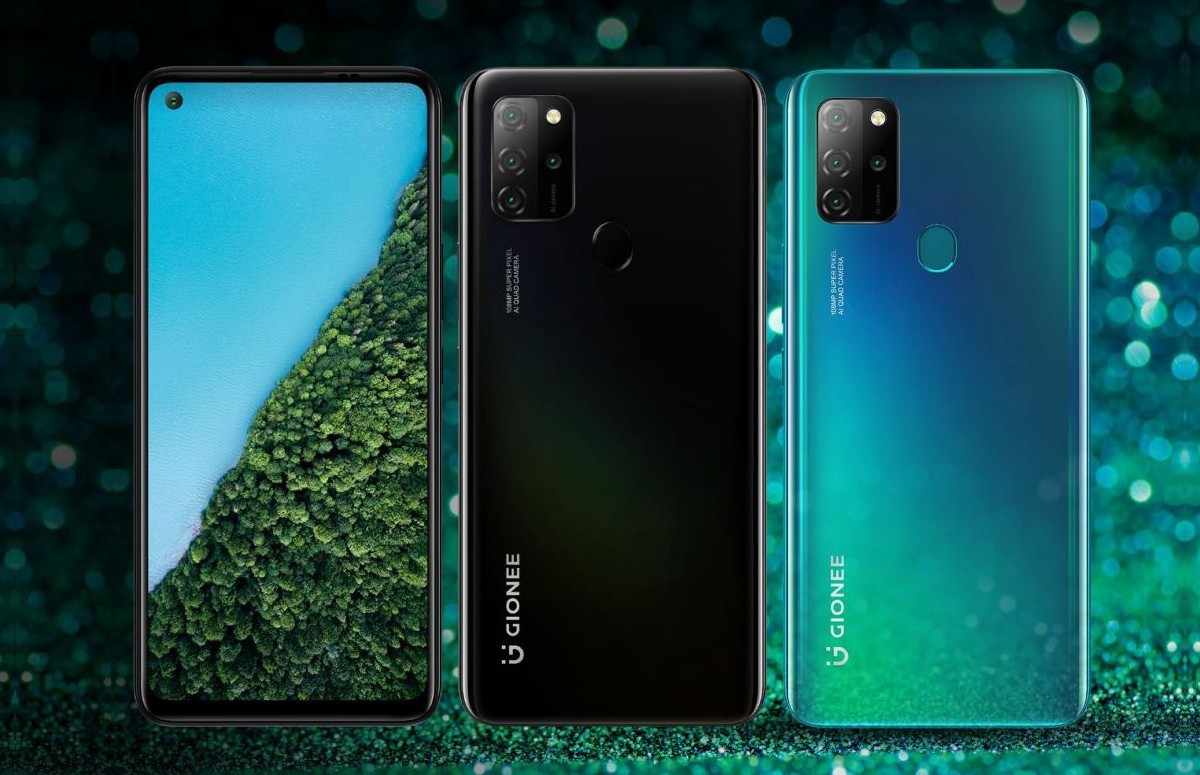
In September, the Helio P60 SoC powered Gionee M12 Pro went official in China. Today, Gionee announced the arrival of the Gionee M12 phone. Launched in Nigeria, the M12 is a budget phone that comes in two chipset versions. It comes with a trendy punch-hole screen and a 48-megapixel quad camera setup.

Gionee M12 specifications and features

The Gionee M12 is fitted with a 6.55-inch IPS LCD screen that delivers an HD+ resolution of 720 x 1600 pixels and a 20:9 aspect ratio. The phone offers a screen-to-body ratio of 91 percent. The upper-left corner positioned punch-hole features a 16-megapixel front-facing camera.

The backside of the device has a vertical camera setup that includes a 48-megapixel Samsung GD1 lens with f/1.79 aperture, a 5-megapixel ultrawide shooter with 115-degree FOV, and a pair of 2-megapixel auxiliary lenses. The handset is preinstalled with Android 10 OS. It has a microSD card slot for additional storage.

Gionee M12
Gionee M12

The Helio A25 chipset edition of the Gionee M12 has 4 GB of RAM and 64 GB of storage. The Helio P22 powered model has 6 GB of RAM and 128 GB of storage. The device is backed by a 5,100mAh battery that supports 10W charging. It comes with other features like dual 4G VoLTE, Wi-Fi 802.11ac, Bluetooth, GPS, USB-C, a rear-facing fingerprint reader, and a 3.5mm audio jack.

Gionee M12 pricing and availability

The Nigerian online retailer site Jumia is selling Gionee M12’s Helio A22 variant for NGN 75,000 (~$196) and the Helio P22 model for NGN 85,000 (~$223). Dazzling Black and Magic Green are the two color variants of the Gionee M12. It is unclear which other markets will be receiving the smartphone.


New update for OnePlus Game Space app brings OxygenOS 11 UI

One of the main changes that OxygenOS 11 brings is a new user interface for stock OnePlus apps. While a lot of OnePlus phones are still running older versions of OxygenOS, OnePlus has updated some of its apps with the redesigned user interface. The latest app to get that treatment is the Game Space app.

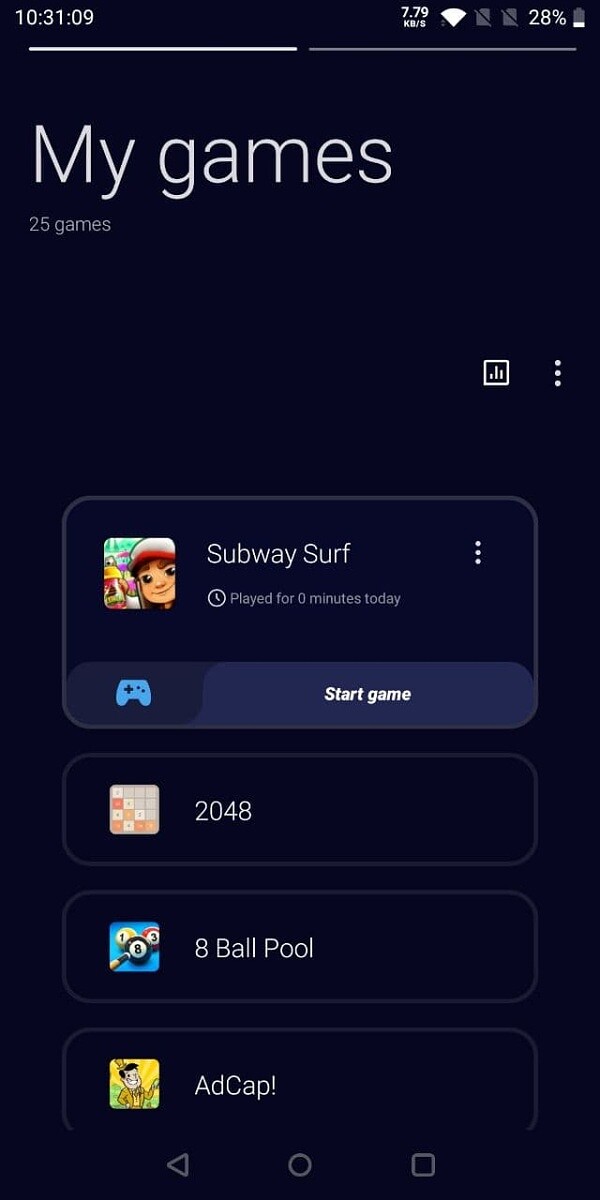
The Game Space app has received an update to version 2.5.0 that brings with it the new user interface that we have seen on other recently updated apps such as the Weather app, Notes app, and Gallery app.

Image source: XDA-Developers

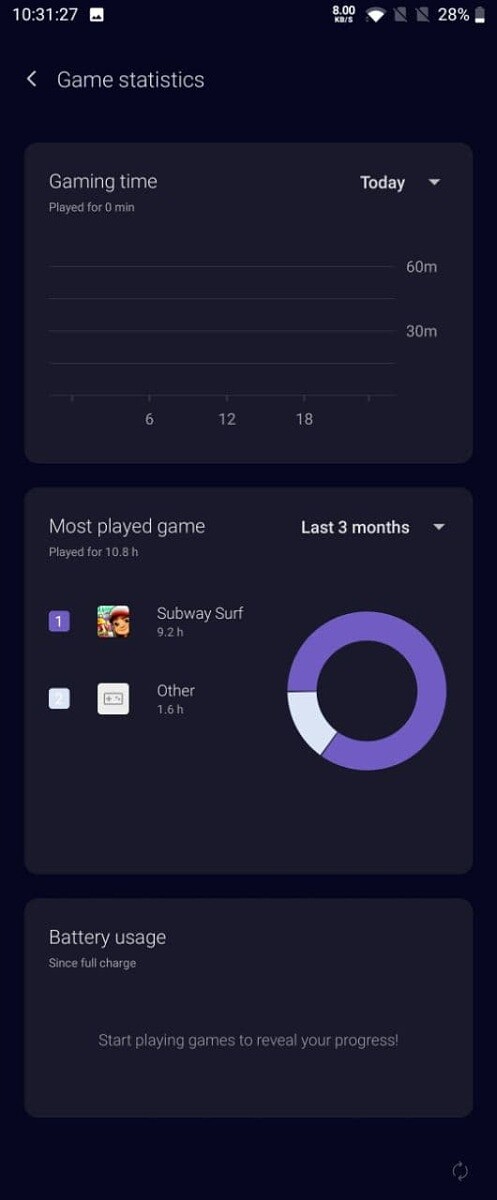
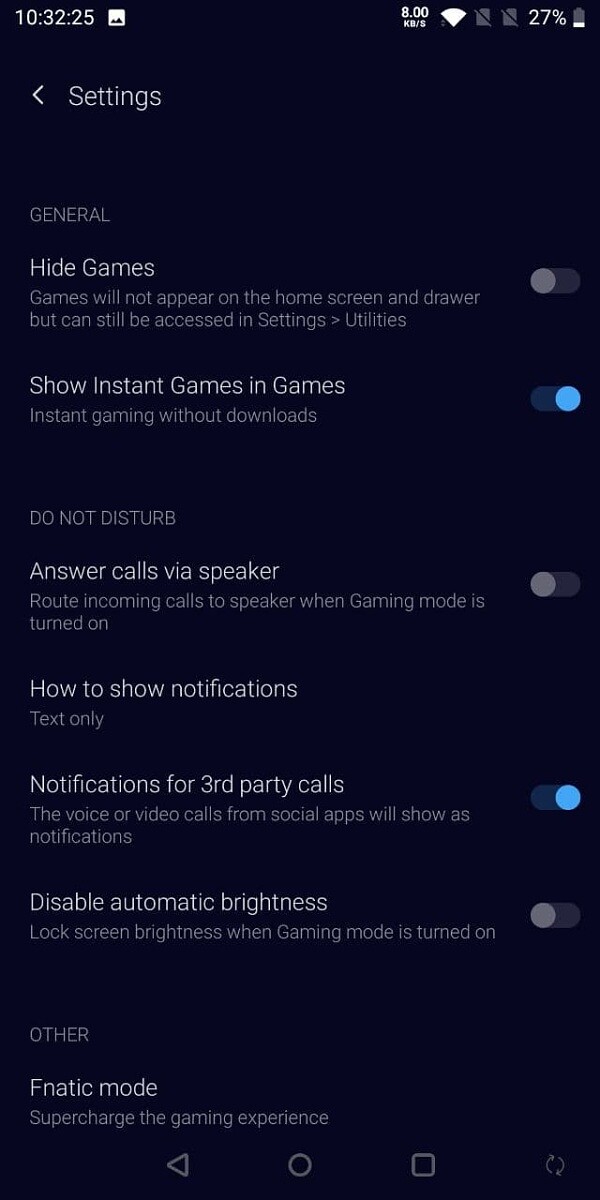
The new UI replaces the carousel with a vertical card-based arrangement. The overflow button and game statistics button have also been brought closer down to make them easy to reach. The Game Space app also drops the color-shifting background (based on the color of the game’s icon) for a solid color (navy blue) wallpaper. This color change also applies to the game stats menu and settings menu of the app which used to be black on the old version of the app.

According to XDA-Developers, the new version of the app is already rolling out for users. I’m yet to get it on my OnePlus 7 Pro which has version 2.3.9 of the Game Space app. I already checked the Play Store and there is no update yet. There is also no APK of the new version of the app available yet for sideloading.

OnePlus’s plan is to make its default apps uniform across devices even if the Android version number is different. With the weather, gallery, and game space app out of the way, we hope the messaging and phone app are next in line to bring the new UI to older phones.


Jio Phone price in India to shoot up soon

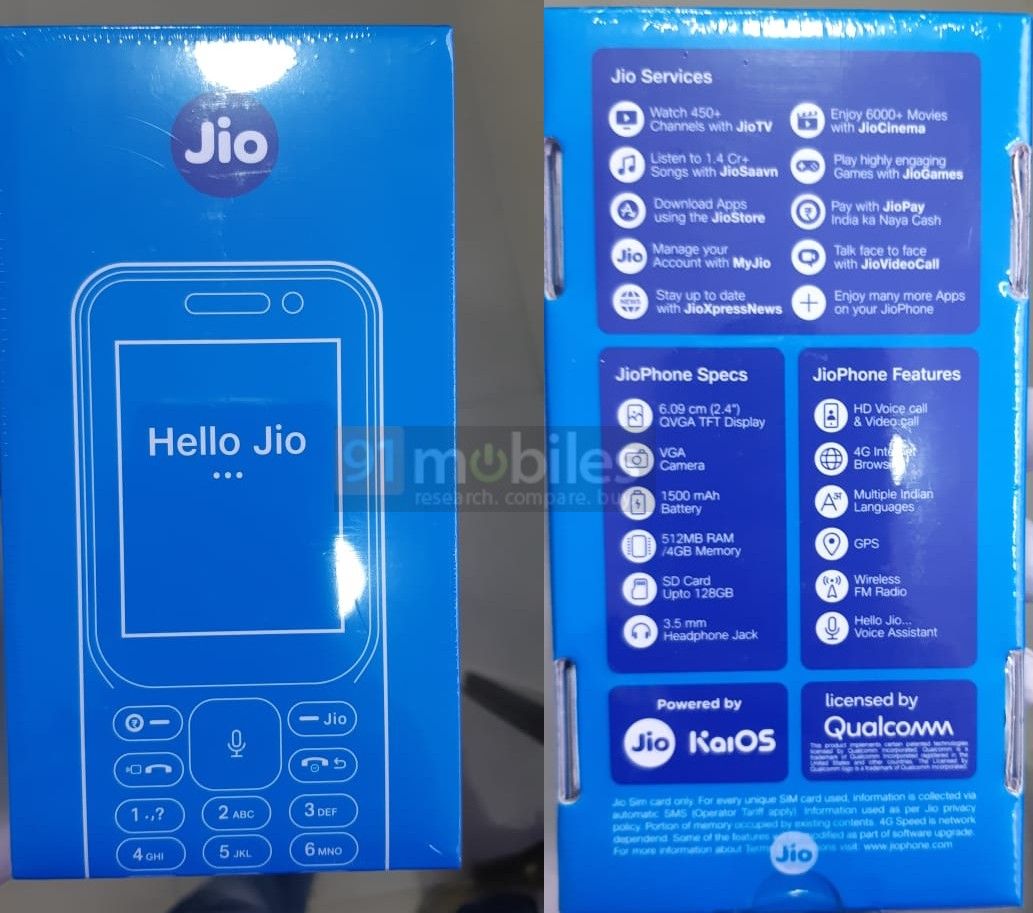
In 2017, Reliance Jio announced the Jio Phone feature that came with support for 4G VoLTE. Currently, the handset is priced at Rs 699 (~$9). However, due to stock issues, it is easily available for purchase. Fresh information shared by 91mobiles reveals that it will be soon available for purchase easily. The only gripe is that its price will increase by Rs 300.

The publication revealed that the Jio Phone will soon be available with a price tag of Rs 999 (~$13). Reliance Jio is likely to make an official announcement on the price hike in the coming days. The publication has learned through its sources that the Jio Phone will be sold with a recharge pack of Rs 125 (~$2), which means the handset’s cost will shoot up to Rs 1,124 (~$15).

While some units of the Jio Phone were sold with Spreadtrum chipset, others were driven by Qualcomm’s chip. The images of the new retail packages of the JioPhone shows that all its units will be featuring the Qualcomm SoC.

Jio Phone specifications

Jio Phone 4G is a feature phone with a candybar form factor. It has a 2.4-inch display that supports a resolution of 320 x 240 pixels. On its back is a 2-megapixel shooter and it has a front camera of 0.3-megapixel

The device runs on KaiOS that brings support for apps like WhatsApp, Facebook, YouTube, and so on. As far as connectivity is concerned, it comes with VoLTE, Bluetooth, and Wi-Fi support. It is backed by a 2,000mAh battery. The phone ships with 512 MB of RAM and 4 GB of native storage.


Google patents a Smart Ring with an integrated selfie camera module

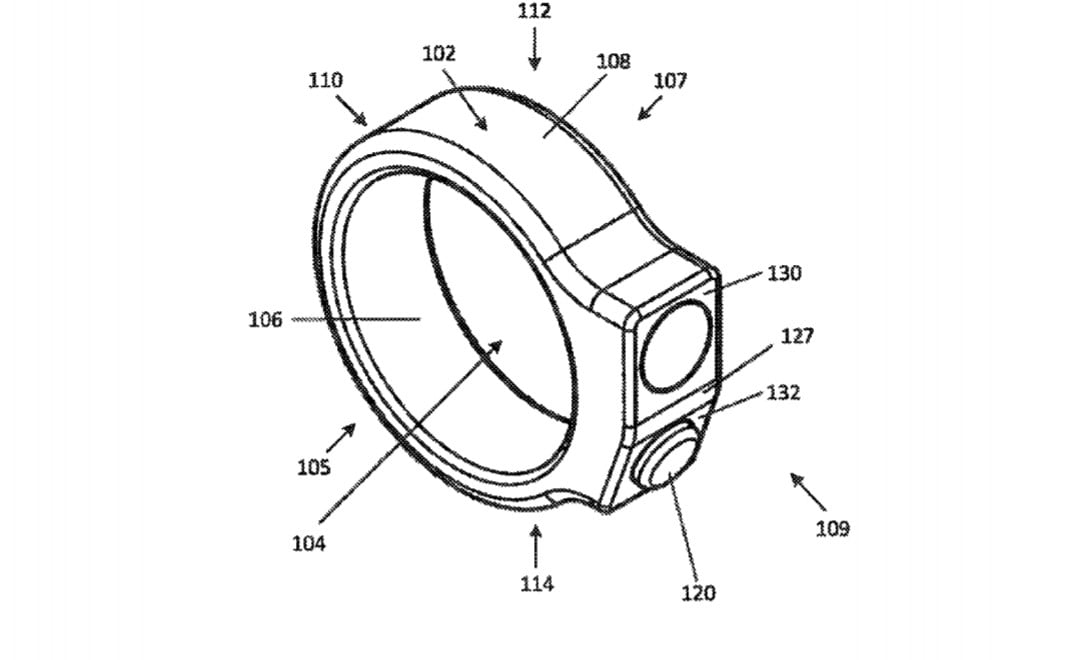
Amidst a bucket load of patents by companies, Google’s unique patent shows that users can take capture a picture/selfie without a smartphone. Accordingly, it’s new patent shows a smart ring that can take selfies as you wear it.

Google Smart Ring Patent
Credit: Google/USPTO

As spotted by Protocol(via Softpedia news), Google has applied for the patent at USPTO way back in May 2019. However, it got published only on November 10, 2020. USPTO is a United States Patent and Trademark Office. First, the abstract of the patent pretty much confirms that it’s a smart wearable device with a selfie camera.

Google Smart Ring- Structure & Functions

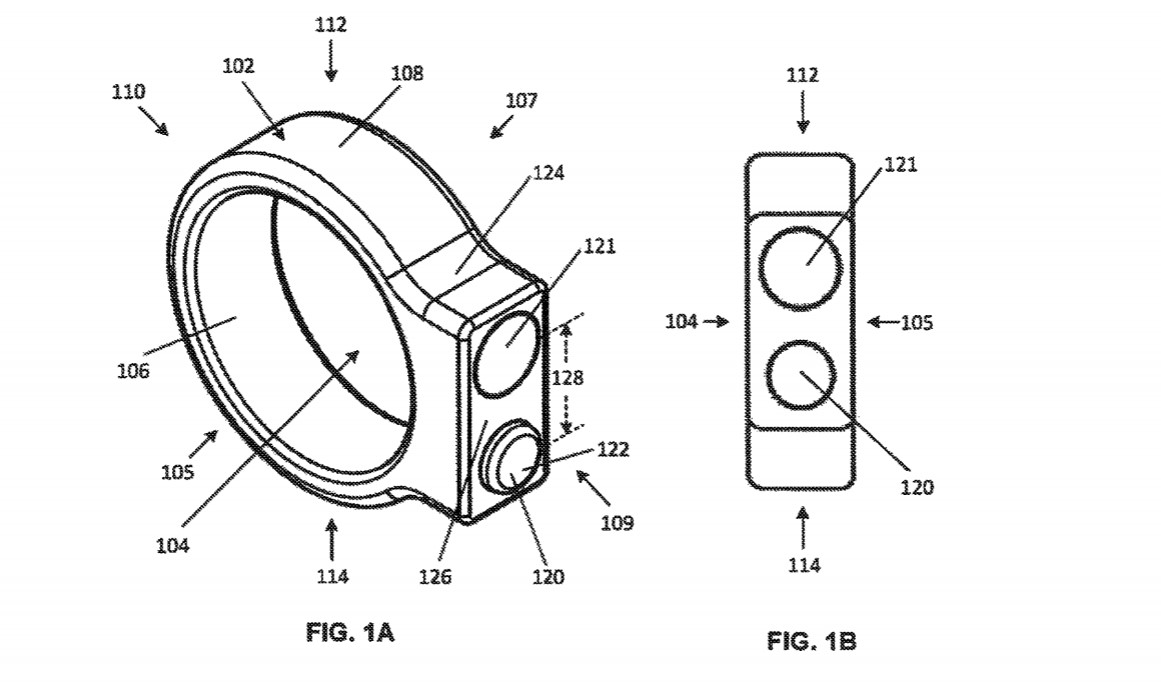
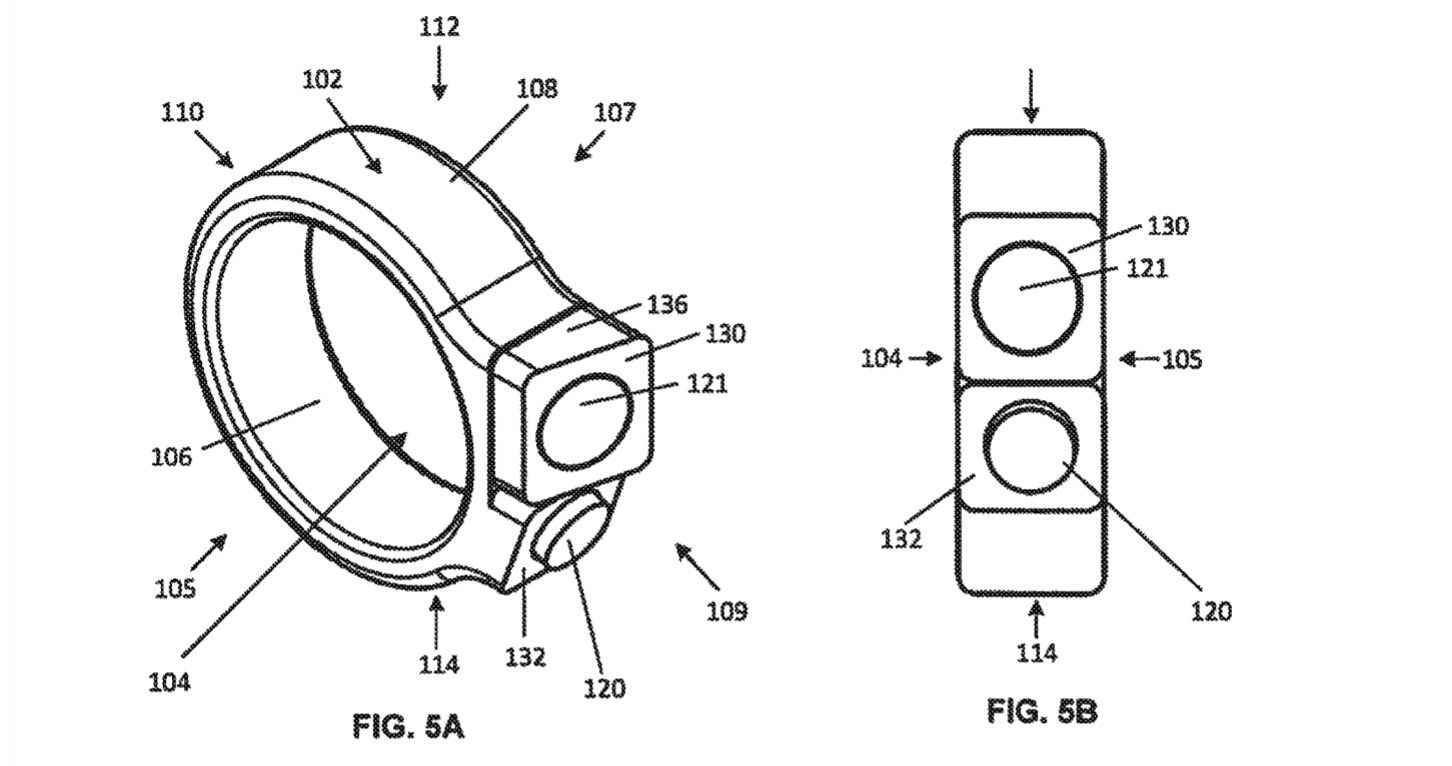
As per the patent description, the smart ring houses an aperture(opening) that is enough to fit a finger. Precisely, it says the aperture is shaped to fit the first finger(finger where the ring sits) of the user. Further, the smart ring has the following components housed inside:

  1. A processor(to process, coordinate, transmit data)
  2. An input device(button/joystick/touch sensor/lever/dial)
  3. An optical sensor(Normal/autofocus camera- to capture images)
  4. Transmitter(Transmit the image to an external device- Wireless)
  5. Power Source(Optional- battery/fuel cells/ultra-capacitor)- to power processor, transmitter & autofocus camera.
  6. An indicator(light source/speaker/haptic feedback device)

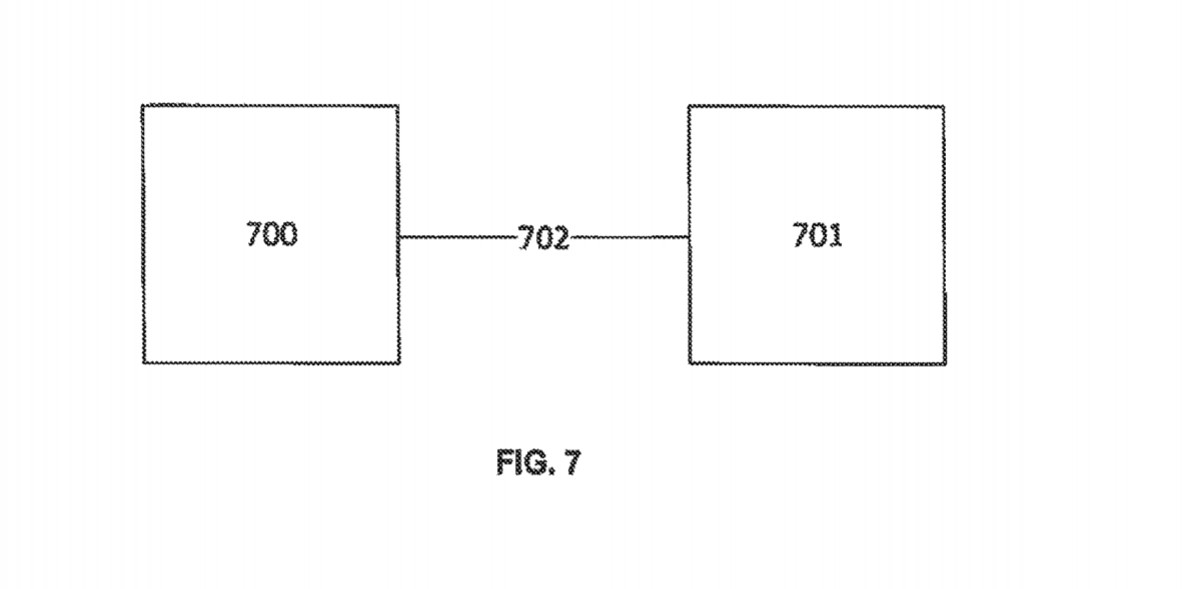
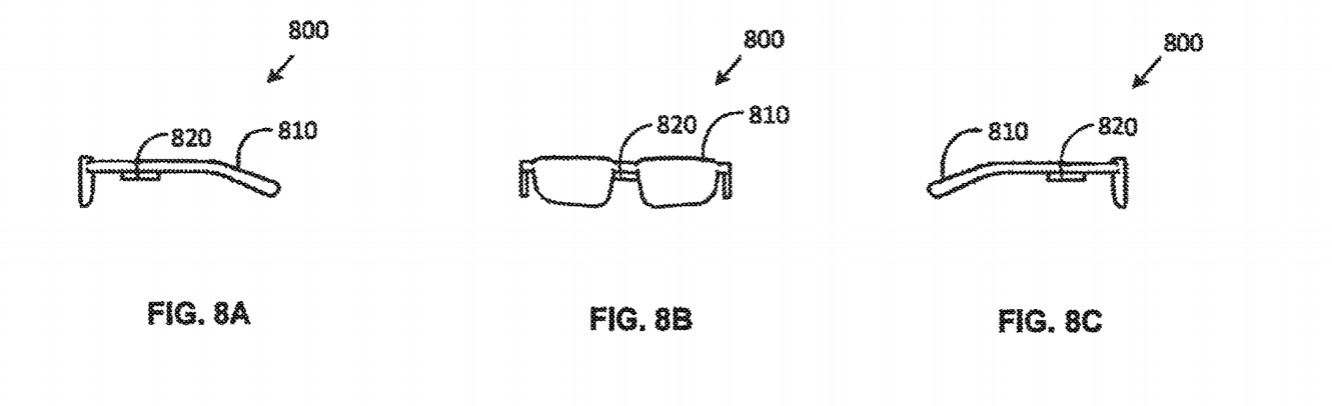
Additionally, the smart ring also requires a second wearable device typically a HUD(Heads-Up Display) for transmitting, displaying the images. For representation purposes, Google has shown Smart Glass schematics. Basically, the company says it has not included other implementations to avoid obscuring(keeping it secret) the embodiments.

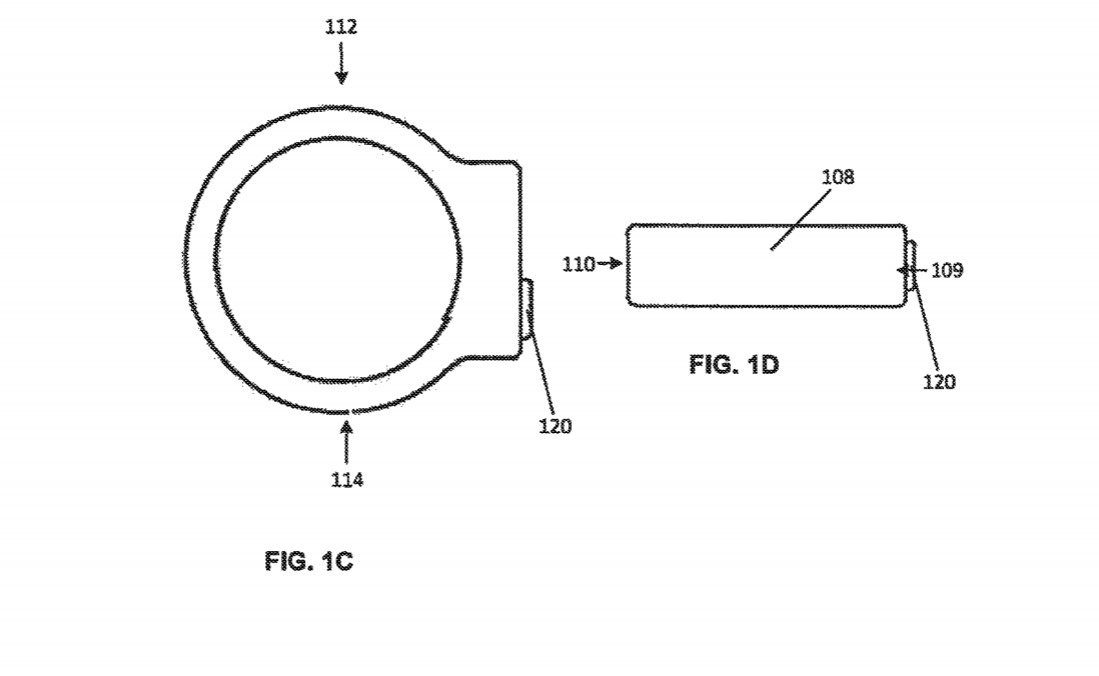
To begin with, Google says that the smart ring comprises two surfaces apart from the ring- One which houses the camera, and the other housing the input device. Additionally, both the surfaces are designed to tilt sideways to comfort the user and his/her finger range. Also, the housing that has a camera is capable of protruding out of the platform and beyond the ring.

This is according to the finger it is worn(eg: left index/ring finger). Typically, the finger may be anyone on either hand. Google even mentions that the circular body may also be a helix/spiral shape with a break. Accordingly, it will expand to tolerate the fingers of different sizes.

Function

As for the input device, a user can perform different actions with different levels of pressure(if button) to it. However, in the case of a touch sensor, it can detect different tap levels, and the right input finger to avoid accidental presses. Other actuation mechanisms can be can also be from a laptop/mobile, response from a human stimulus, eye-tracking via Smart Glass, and more.

Thus on actuating, the sensor captures the image and sends it to the processor. The camera may be a fixed/autofocus camera. According to the position, Google says the camera projects upwards, tilts sideways to capture the image. Also, the possibility of connecting to a HUD hints that it may also live feed the contents to a screen.

That said the processing unit has a CPU, RF circuitry(RF transceiver/DSP/SIM), I/O, Power. The ring may also include a gyroscope, accelerometers for vibration/shock impact. Additionally, Google also talks about an optional control module. The smart ring may use either wired, Wi-Fi, WiMax, Bluetooth, NFC one-way/bi-directionally to send the data to the second device.

Secondary wearable device(HUD)

Talking about the second wearable device, Google says it could be anything from a smart Glass to a HUD(Heads Up Display). Precisely, it should have a display for viewing contents, processes, and a transmitter to communicate with the smart ring.

Also, other implementations of Google’s secondary wearable device hints at the possibility of a Helmet, Headbands etc. Nevertheless, this looks like an interesting patent from Google and we hope it becomes reality someday.

The 5-year-old Galaxy S6 series and Galaxy Note 5 are receiving a new update

The year 2020 is bizarre in many ways. This year we have witnessed many out of support Android smartphones receiving updates. The Galaxy S6, Galaxy S6 Edge, Galaxy S6 Edge+, and Galaxy Note 5 are the latest devices to join this elite list. All these four handsets launched five years back in 2015.

Samsung Galaxy S6 Edge Featured

The official support for the 2015 Samsung premium smartphones ended in 2018, three years from their release. Despite that, the Galaxy S6 series received January 2019 security patch earlier last year in UAE.

Now, the South Korean tech giant is rolling out another update to this trio along with Galaxy Note 5. This new update neither bumps up the security patch level nor brings new features. The changelog does not say much but according to SamMobile, it includes some security-related stabilization code.


In a nutshell, Samsung might have discovered a vulnerability and the company is addressing it by released a new patched build for these 5-year-old phones.

The update comes with the following firmware versions.

  • Galaxy S6 – G92xSKSS3ETJ1
  • Galaxy S6 Edge / Galaxy S6 Edge+ – G928SKSS3DTJ3
  • Galaxy Note 5 – N920SKSS2DTJ2

The surprise update is available in South Korea and some countries in Europe and Latin America. It may roll out in other regions as well. If you still own any of these devices and use it as your daily driver, then do head over to Settings to check for update.

After the installation of the update, these phones will continue to stay on Android Nougat with no new features.


Logitech G PRO X Superlight wireless gaming mouse weighing just 63g launched

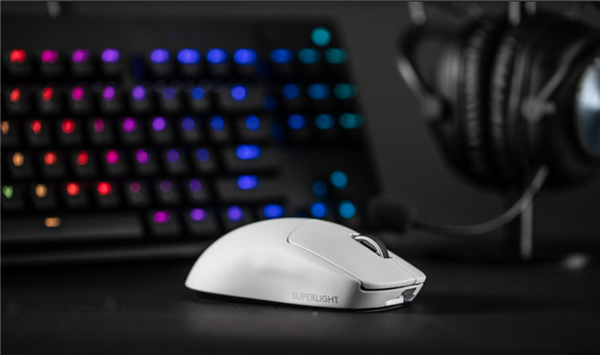
Logitech is fast gaining a formidable reputation for its amazing products, usually computers and smartphones peripherals and accessories. The company has now launched a new wireless mouse. The Logitech G PRO X Superlight wireless gaming mouse which happens to be the brand’s lightest and fastest professional gaming mouse to date. The gaming mouse weighs only 63g.Logitech G PRO X Superlight wireless gaming mouse

As a way of promoting the gaming mouse, Logitech revealed that the ASTRARIS team used this mouse to win the S12 season ESL PRO league championship, and G2 used this mouse to win the LOL European championship.

In terms of configuration, the G PRO X Superlight uses a Hero 25K sensor with a DPI of 25600. It can be connected via a 2.4GHz adapter and features a standard battery life of 70 hours.

The G PRO X Superlight is scheduled to go on sale on December 3 and is priced at US$149.99. The mouse comes in black and white. The price in China is yet to be revealed. At this price, some critics believe that the Aerox 3 wireless mouse which weighs 66g is more cost-effective. The Aerox 3 comes with USB-C charging, Bluetooth dual-mode connection and more lighting effects. It equally comes with an IP54 waterproof rating.

Do recall that earlier this year, Logitech unveiled the Powered 3-in-1 Dock which is described as a fitting replacement for the discontinued Apple AirPower wireless charger. The $129 charging dock has the capability to wirelessly fuel an iPhone, Apple Watch, and a pair of AirPods all at once. The design includes two wireless charging zones: one stand-style pad meant for a phone and a flat pad for a pair of headphones. There is equally an extension to the right of the phone charging pad which houses a watch charger, also wireless.

UP NEXT: Xiaomi XiaoAI Speaker Art Battery Edition launched for 399 yuan ($59)



Samsung Galaxy A50s has started receiving One UI 2.5 update

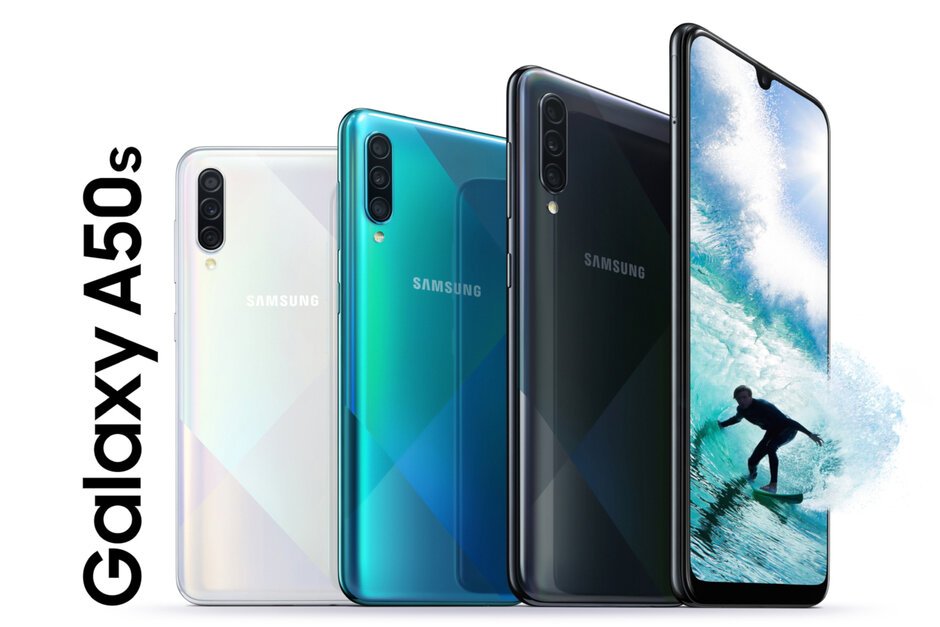
After updating its premium smartphone to One UI 2.5, Samsung has begun to roll out the same update with fewer features to its budget devices. Starting with the Galaxy A series, the update has been also extended to the Galaxy M series. Now, Galaxy A50s has become the latest phone to get the new One UI update.

Galaxy A50s featured

The Galaxy A71 was the first Samsung budget smartphone to receive One UI 2.5. The update was spoon made available for Galaxy A51. Later, even Galaxy M21 and Galaxy M31 received it but in the form of One UI Core 2.5

Now, a few days later, the update is also live for Galaxy A50s units in Vietnam with firmware version A507FNXXU5CTK3 (via SamMobile). Apart from bringing new features, the new system update for the handset bumps up the security patch level to November 2020.

Talking about new features, they are exactly the same ones that were delivered to Galaxy A51 and Galaxy A71. Hence, the changelog is identical. The only difference is that the build for those two devices came with the October 2020 security patch.

That means we are looking at the features like Network Quality Information Display, Request WiFi Password, Bitmoji stickers as AOD, split keyboard mode in landscape in Samsung Keyboard, enhancements for Pro Video feature, and SOS functionality in the Messages app.

Having said that, this update should be available for users in other regions in the coming days. To check if the OTA build has hit your device, head over to Settings > Software update.


[Update Roadmap Revealed] Vivo officially unveils OriginOS; it’s a complete system overhaul from FuntouchOS

UPDATE: Vivo has revealed the OriginOS update roadmap for its phones in China. You can take a look at the list here.


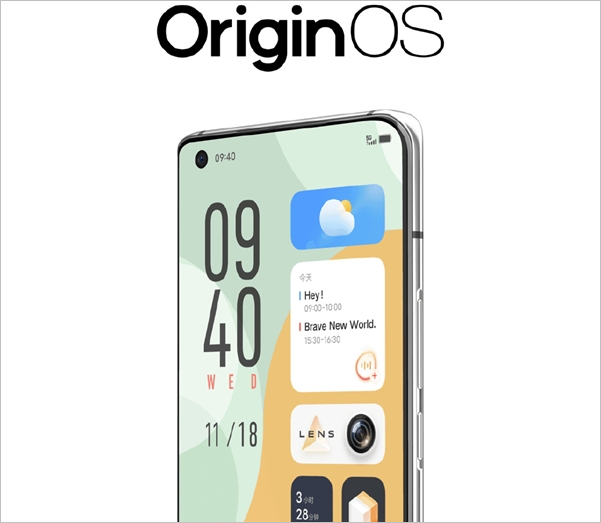
Vivo has officially unveiled its new UI dubbed OriginOS. The new skin has been completely remodeled from the ground up, making it quite distinct from FuntouchOS. Vivo aims to create a new digital world with OriginOS. We’ll take a look at some of the features of the new custom ROM.Vivo OriginOS

OriginOS promises several enhancements in terms of performance. Vivo says it has enhanced the overall mobile phone experience – from the home screen to the wallpapers and from pictures to the game board; almost all functions have been upgraded. The overall experience is said to be smooth, convenient, and secure.

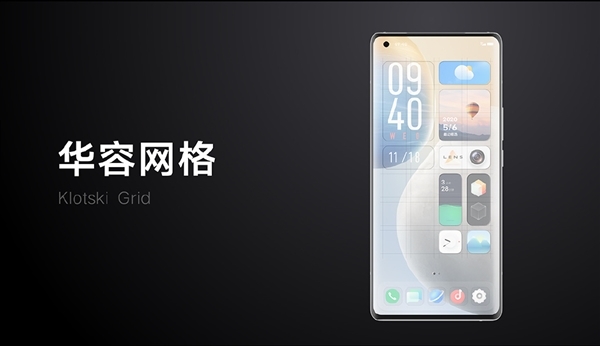
On the home screen, OriginOS introduced a brand new desktop grid system, bringing the Huarong Grid. It can flexibly and freely show the charm of every element of the desktop, and you can create a variety of imaginative layout combinations through each basic unit.

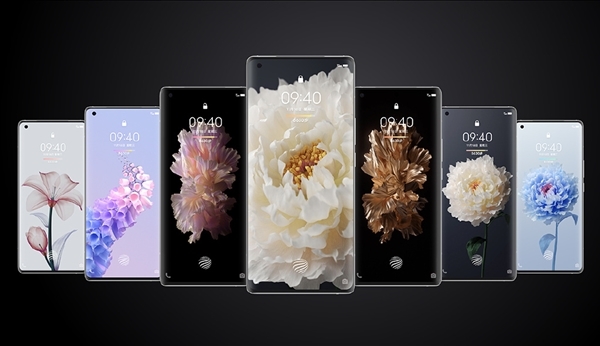
On the wallpaper, OriginOS brings behavioral wallpaper which is officially called performance wallpaper. Vivo engineers condensed the blooming process of flowers into just a few seconds, making the scenery that is usually scattered in the rush of time extraordinary and full of vitality.

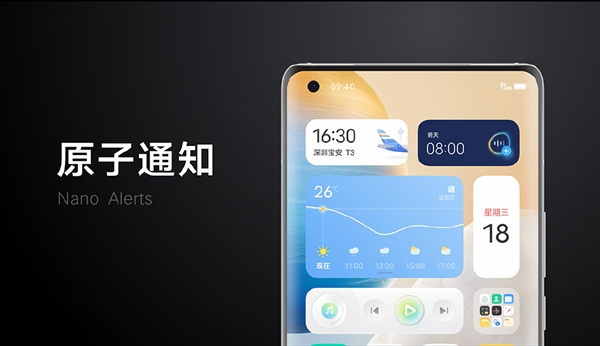
The message notification also saw some improvement as OriginOS brings atomic notifications which can extract key information and can always tell you what you care about at the right time. It covers typical life scenes, and sends reminders in an elegant way, so as not to disturb the user and yet to avoid missing a message.

In terms of operation, OriginOS comes with brand new navigation gestures. There is no need to read complicated guides as the gestures are easy to understand. OriginOS arrives with 26 navigation combinations that can be completed by just clicking and operating, which almost covers mainstream operation methods.

In addition, OriginOS brings an atomic component library which carefully summarizes all atomic components and provides a variety of simple and convenient ways to retrieve them. In addition, dragging icons from the component library and placing them in the application interface can quickly generate small windows to meet multi-task operation scenarios.

The weather widget is also updated to optimize the weather information display form. It also intuitively display the temperature information. With a temperature color card with 90 color values, you can clearly perceive changes in cold and warm at a glance.

Further, OriginOS brings a brand new super card pack. Whether the phone is in the off-screen state or the interface has been navigated away from the home screen, the card pack can be called up with a single swipe. At the same time, the card package can customize the payment types that can be displayed.

For the core system optimization, OriginOS supports the latest Multi-Turbo 5.0 which brings three new technologies – memory fusion, process optimization, and application preloading. In terms of memory integration, Vivo innovatively integrates RAM and ROM through algorithm optimization. Part of the idle ROM space can be called to assume the function of RAM operation, which greatly improves the experience in background multi-application scenarios. In this way, more applications can be opened and run without the phone freezing.

Specifically, on a mobile phone with 8GB of RAM + 128GB of storage, the experience is equivalent to when the memory capacity is equivalent to 11GB, while on a mobile phone with 12GB+256GB, it is equivalent to 15GB of RAM, which greatly increases the availability of equivalent memory.

The second technical process optimization is in-depth control and optimization of system resident processes which reduces the memory usage of 100-200MB system operations. It also reduces system concurrency conflicts, increases concurrency capacity by 20%, and creates more room for mobile application operation.

The third point is application preloading. Through the application of preloading technology, users can intelligently preload applications that are ready to be opened, greatly reducing application startup time. This in turn increases application opening speed and reduces cold starts by 40%.

In addition, in terms of photography, games, and parallel worlds, Vivo’s OriginOS also brings many new features. Check out more of these features from the image below.

UP NEXT: Xiaomi XiaoAI Speaker Art Battery Edition launched for 399 yuan ($59)
 

Sony Xperia 10 III tipped to feature Snapdragon 690

In February, Sony announced the Snapdragon 865 mobile platform powered Xperia 1 II and Xperia Pro smartphones. Both phones debuted as the company’s first 5G-ready handsets. Alongside these phones, the Japanese tech giant also unveiled the Xperia 10 II mid-ranger driven by the Snapdragon 665. Twitter user NodSikharulidze has claimed that the ley details of the upcoming Sony phones.

It was recently reported that the Snapdragon 720G SoC powered Xperia 10 II Plus was canceled so that the company could focus on 5G. According to the tipster, Sony is working on two phones powered by the Snapdragon 875 and Snapdragon 690 chipsets.

The flagship phone could be arriving in the market as the Xperia 1 III. Sony is yet to offer a quad-camera setup on its smartphone. It is speculated that the Xperia 1 III could be equipped with quad rear cameras.

On the other side, the Snapdragon 690 powered phone could be called Xperia 10 III. The same Twitter had claimed earlier that the company is working on an Helio P35 powered phone. This phone is hitting the shelves as the Xperia L5.

There is no word on the other specifications of the upcoming mid-range phones. It is likely that the Xperia 1 III, Xperia 10 III, and Xperia L5 smartphone may go official in February.

In September, Sony announced the Xperia 5 II flagship phone. Since its successor is likely to arrive in the second half of 2021, there is no information available on its specs. The Xperia 5 II came with a 6.1-inch FHD+ OLED display that supports 120Hz refresh rate, Snapdragon 865 chipset, 8 GB of RAM, up to 256 GB of storage, 12-megapixel triple rear cameras, 8-megapixel front camera, a side-facing fingerprint reader, and a 4,000mAh battery with 21W fast charging support.


Apple confirms that MagSafe Duo Wireless Charger can charge only up to 14W

A few days ago, Apple revealed the prices of MagSafe Duo Wireless Charger along with iPhone 12 leather cases. Now, it has confirmed via listing that the MagSafe Duo Wireless Charger will charge at less rate than the regular MagSafe Charger.

Credit: Apple

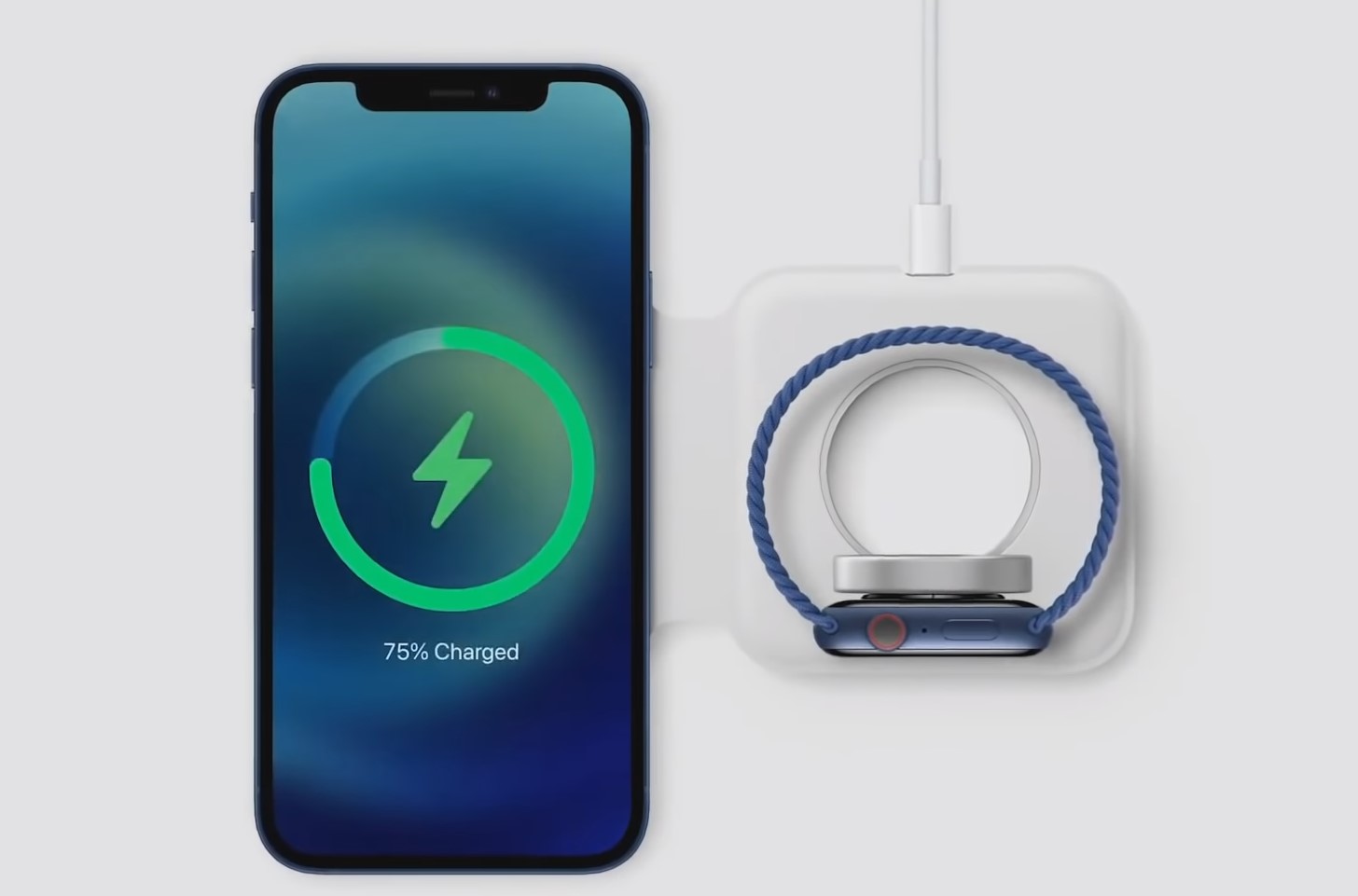
Mark Gurman of Bloomberg was quick to note(via Macrumors) the changes on Apple’s listing of the wireless Charger. As he says, Apple’s listing shows that MagSafe Duo Charger provides wireless charging up to 14W. Precisely, if you use a 20W charging USB-C adapter, the charger will give you Wireless charging up to 11W. Instead, if you use a 27W or higher adapter, you can get a maximum output of 14W.

That’s disappointing considering Apple’s MagSafe regular charger which costs lesser($₹4,500/$39) than the Duo, charges the iPhone 12 series at 15W(for iPhone 12 mini– 12W). Also, at the time of writing this news, Apple has updated the info only on the USA website and not on the Indian page.

For the unware, MagSafe is a proprietary standard that charges the iPhones wirelessly through a magnetically-attached charger. MagSafe Duo Wireless Charger is priced at $129/₹13,900 and can charge an iPhone(12 series), and an Apple Watch simultaneously. While buying the Duo charger in the future you will get only the charger and a USB-C to lightning cable.

Hence, you have to buy a separate charging adapter(if you don’t have one) to use the wireless charger. Apple recommends a 20W or higher brick for the 11W output and a 27W or higher for the 14W output. Interestingly, as Gurman says, Apple doesn’t sell a 27W adapter but has a 30W USB-C power adapter priced at $49/₹4,900. This shows that to use the MagSafe Duo Charger at 14W, you have to shell out $178 in the USA and ₹18,800 in India effectively(Wireless Charger+ Adapter).

Although a regular MagSafe Charger doesn’t always output the 15W, it doesn’t cost you more to buy a higher output charger. Anyway, let’s wait for real-world testing as the charger comes out. Right now, it is still listed as “coming soon”.

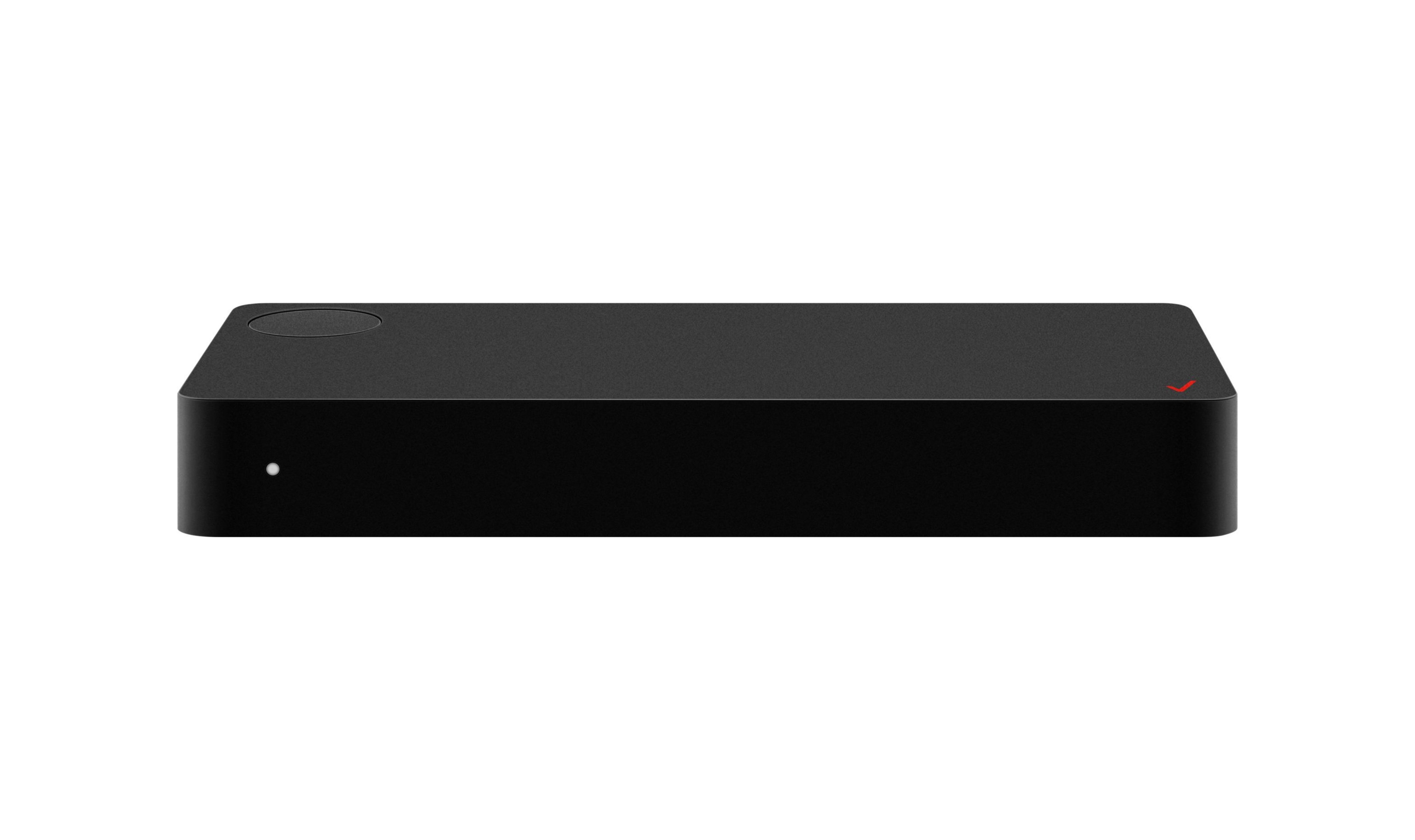
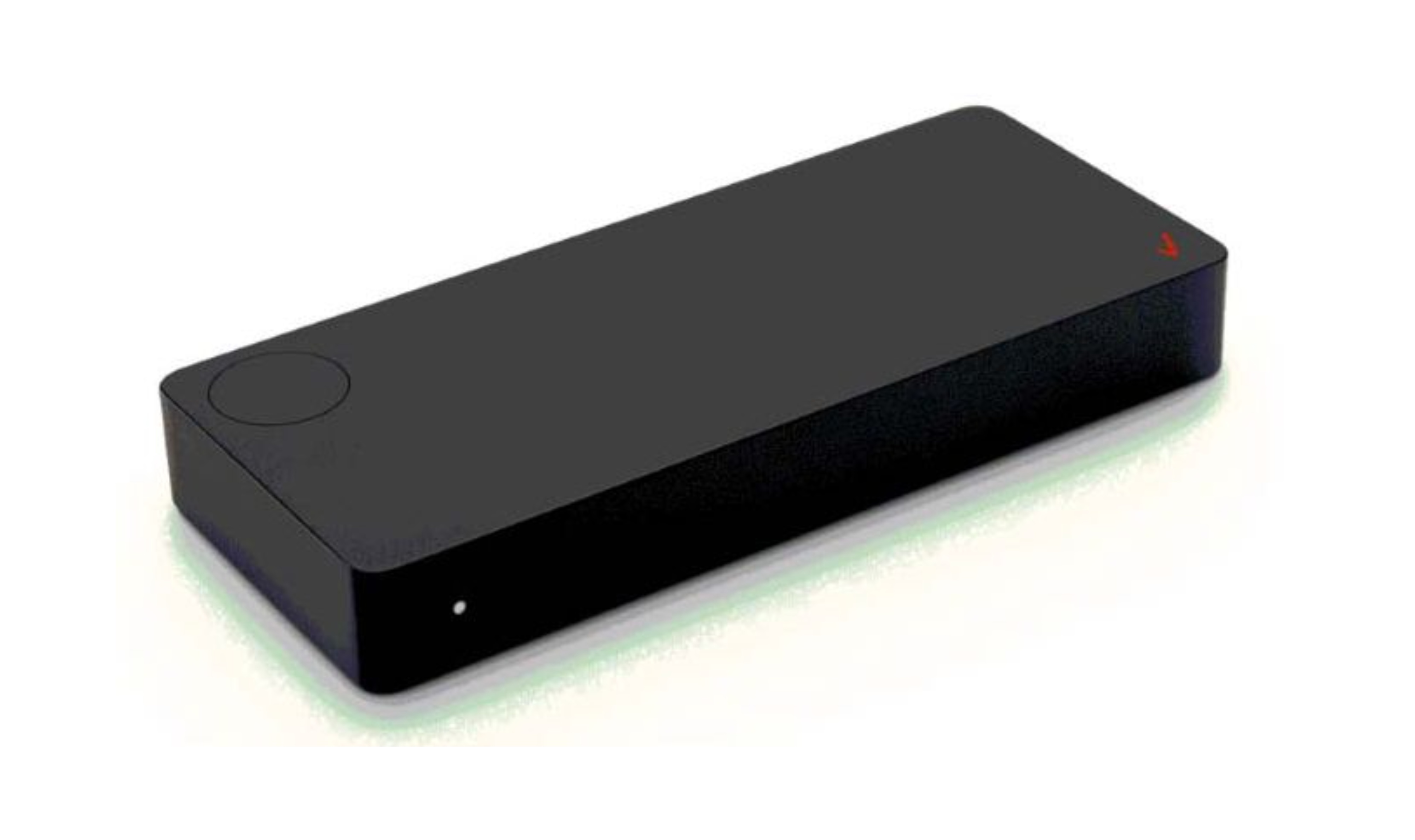
Verizon Stream TV Gen 2 comes with WiFi 6 and costs $69.99

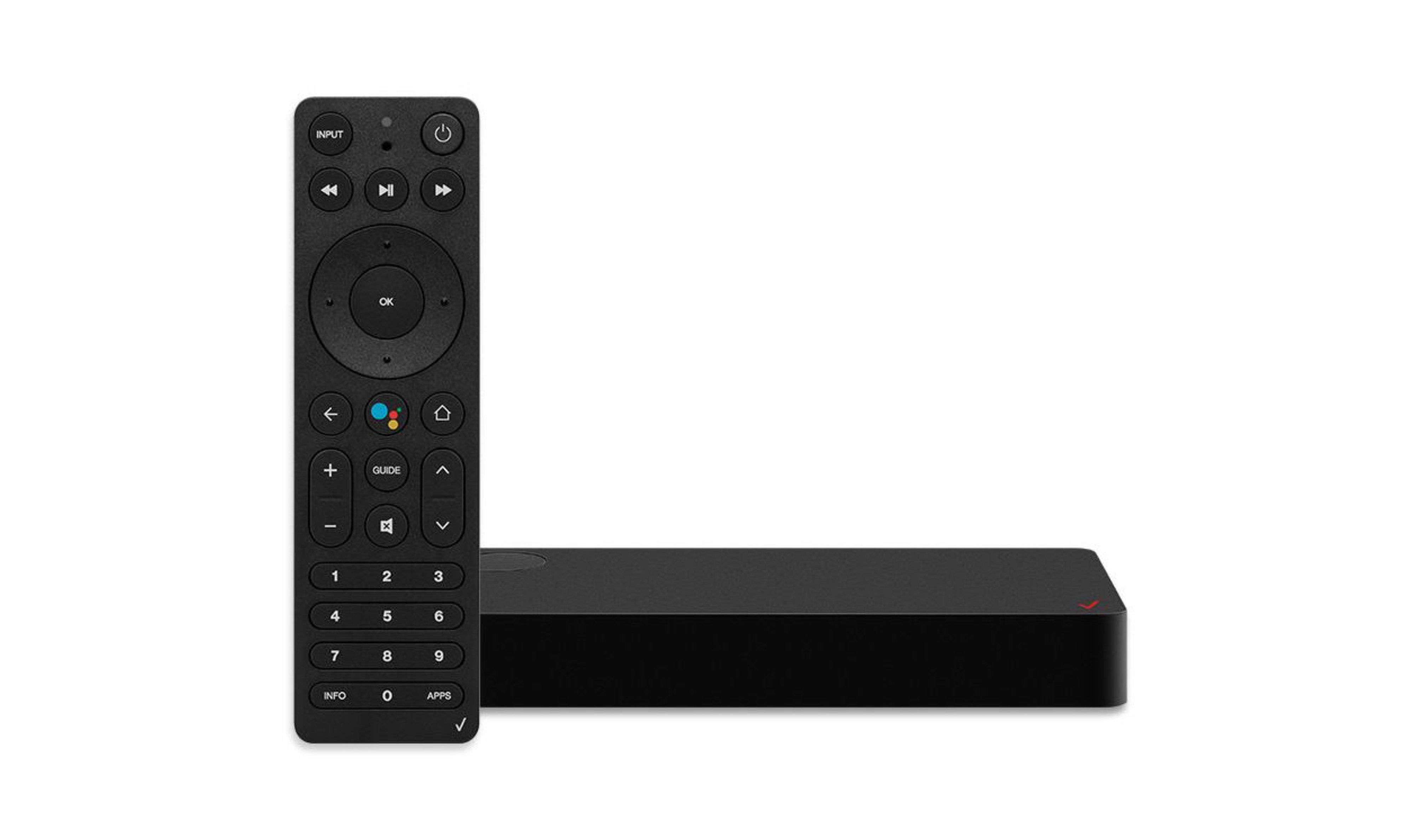
Verizon Wireless has launched Stream TV Gen 2 streaming device powered by Android TV. It comes with a new Verizon UI and is already up for sale priced at $69.99. The software on the original model released in February will also be updated to bring new UI and navigation improvements.

Verizon Stream TV Gen 2 Featured

The Verizon Stream TV Gen 2 is sleeker than the original model from earlier this year. In case you are not aware, the first Stream TV looked like a normal set-top box. However, the latest version resembles a mini soundbar.

That said, the exact specifications of this device are not available. But it is said to support 4K streaming, HDR10, and HDR10+. Unlike the previous model, which got certified for Netlfix after launch, the new model ships with Netflix out of the box.


The streaming device is also certified for other platforms like YouTube TV, Amazon Prime Video, Disney+, ESPN+, Yahoo, Pluto TV, HBO Max, and Starz. In addition to these services, users can install several other apps and games from the Google Play Store.

Further, the Verizon Stream TV Gen 2 also comes with dual-band WiFi 6, which is uncommon in this segment. Lastly, being an Android TV-powered device, it also features Chromecast Built-in and ships with a Google Assistant remote control as well as a wall mount bracket.

Having said that, new Verizon Fios and 5G Home customers can get this streaming device for free. Additionally, the company has also released an app called Stream TV Mobile, through which customers can browse, buy, and watch VOD purchases.


(Source, Via)

Tipster hints that Xiaomi Mi 11 Pro’s main camera could capture 50MP images

Xiaomi’s Mi 11 series is expected to be the first Snapdragon 875 flagship smartphones. Accordingly, the devices(Tentatively: Mi 11, 11 Pro) are under the radar of leaks frequently. And now, a recent tip hints at the camera specs of the “Pro” device.

Mi 11 Pro Camera

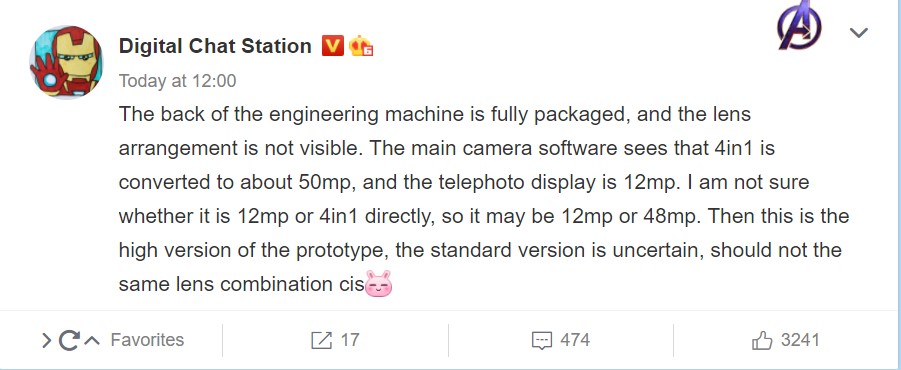
Tipster Digital Chat Station on Weibo has said that Xiaomi Mi 11 Pro he got to know had the camera layout and rear shell fully covered. Hence, he couldn’t spot the arrangement of cameras. However, from the system software settings, he reportedly found that the main camera of Mi 11 Pro shows 50MP resolution. Precisely, according to him, the output is a result of the 4-in-1(pixel binning) process.

Mi 11 Camera Specifications(Expected)

From what he says, it is understood that the marketing MP count of the sensor is not known yet. But the device’s main lens produces 50MP output. Moving on, tipster also mentions about a Telephoto lens on the Mi 11 Pro. Like the main lens, he says the software settings for Telephoto shows a 12MP output. However, he isn’t sure if it’s a proper 12MP lens or a 48MP sensor with a pixel binning technique.

Now, if you consider the specs of Mi 10, Mi 10 Pro, or even the Mi 10 Ultra, they have 108MP Primary sensor. Also, if we recall, the Mi 10 Pro has auxiliary sensors like the 8MP Telephoto, 20MP ultra-wide, and a 12MP portrait lens. Hence, in any case, Mi 11 Pro’s is likely to bring an upgrade in Telephoto lens.

That said, the above specs are only for the “Pro” version of the Mi 11 as the tipster says the camera specs of the Mi 11 non-Pro version is uncertain. Anyway, both the flagships are likely to darn different sensors(apart from Main lens) combination just like the predecessors.

From what we know, Xiaomi Mi 11 Pro is expected to feature a QHD+ display with a 120Hz refresh rate, punch-hole screen, Qualcomm Snapdragon 875 SoC. It could also have 120W fast charging that Xiaomi revealed this year.

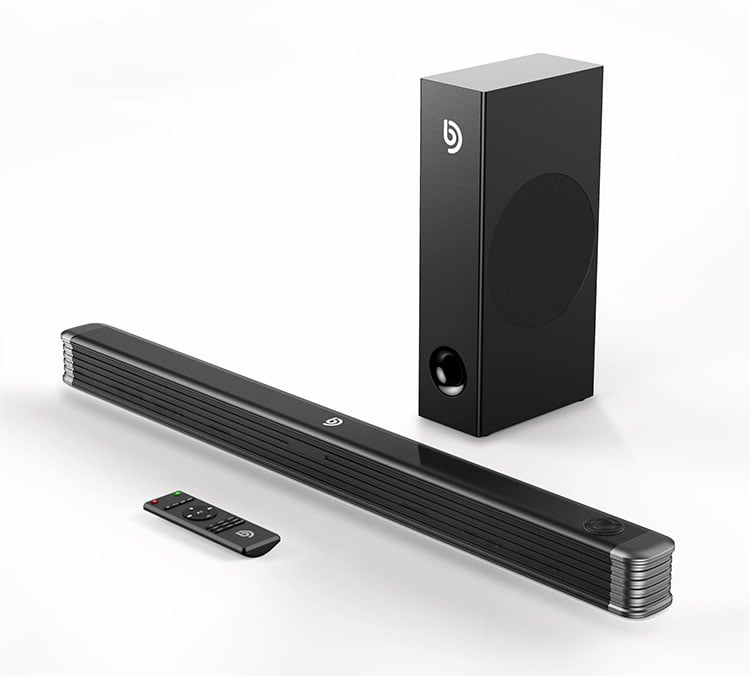
Giveaway: Win 2 Units Bomaker 2.1 Channel Soundbar

Recently, Bomaker runs a Polaris 4K laser projector campaign on Indiegogo. It is an ultra-short-throw laser projector that produces 4K native resolution using full-color laser technology to deliver crisp imagery and an immersive viewing experience. Bomaker Polaris laser projector features a tri-color technology that blends red, green, and blue light from 3 individually calibrated light sources to cover 193% NTSC and deliver vivid pictures with precise color accuracy and incredible contrast. It is equipped with high-end Ricoh lenses and 3840 x 2160p resolution to deliver a better picture quality than HD projectors.

Gizmochina along with Bomaker is conducting 2 units of Bomaker 2.1 Channel Sound Bar as giveaway gift to a lucky reader. Like always, you just have to follow the steps mentioned on the Gleam widget to get a chance to win this amazing gift.

Bomaker Soundbar

How to enter this giveaway? Just follow these steps:

  1. Visit Bomaker Polaris 4k laser projector campaign and Subscribe;
  2. Subscribe on Gizmochina’s Youtube channel;
  3. Share this giveaway contest on Facebook, Twitter, and Reddit.

The winner will be posted on Gizmochina’s twitter and Gizmochina’s Facebook, so please follow us on Twitter and Facebook, so that you don’t miss the winner announcement.

Terms & Conditions:

1. The giveaway is an international giveaway.
2. We are not responsible for lost shipments.
3. We are not responsible for any duties, import taxes that you may incur.
4. We reserve all rights to make any changes to this giveaway.
5. The prize will be shipped in a month when the giveaway ends.

Just follow the steps mentioned in the Gleam widget to participate in the giveaway.

Once again, good luck.

Win 2 Units BOMAKER Sound Bar

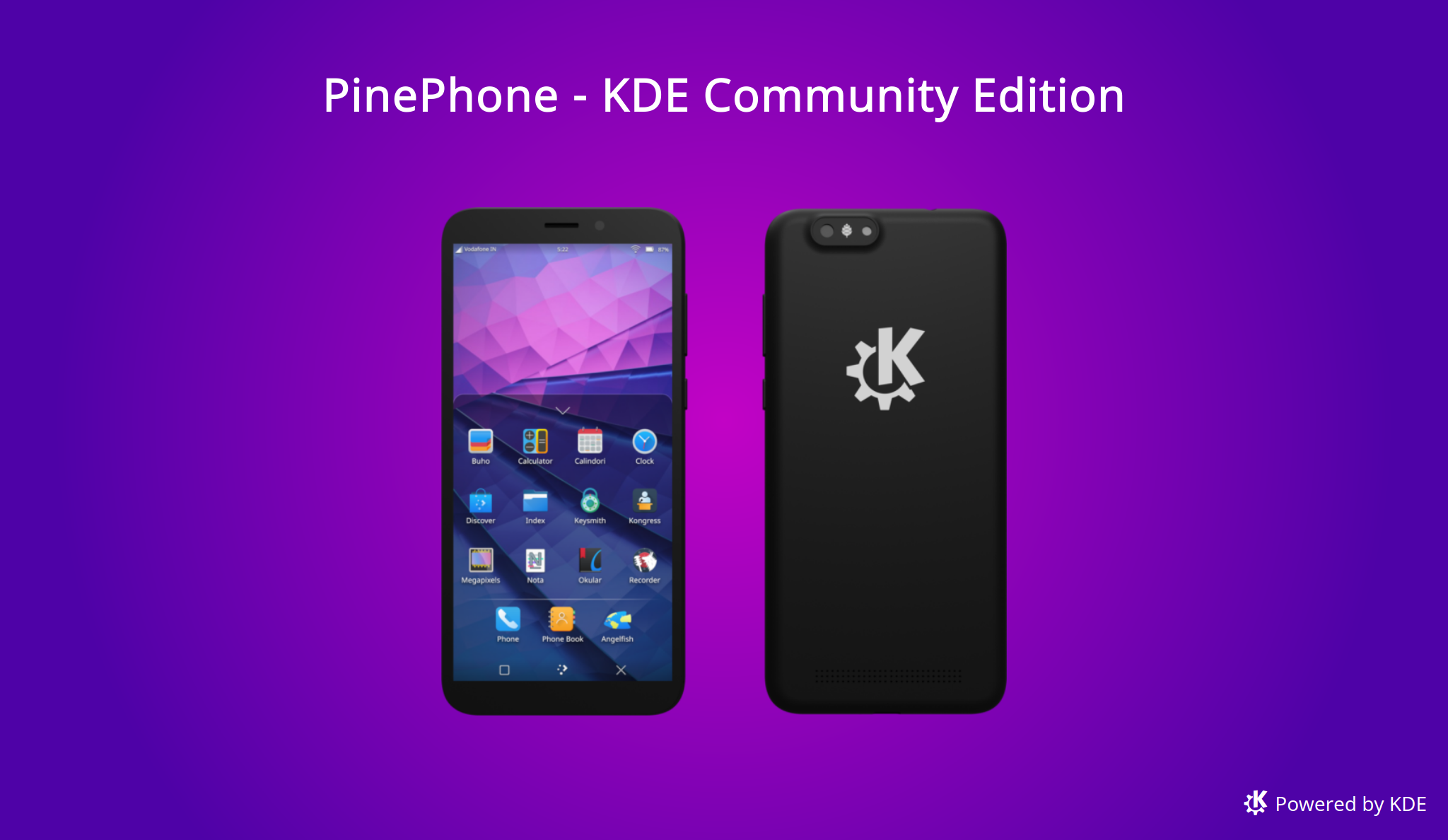
PinePhone KDE Community Edition announced for $149

Pine64 is known for its Linux-based ARM-powered smartphones, tablets, smartwatches, laptops, server clusters, and other products. The company’s first production-ready PinePhones began to ship earlier this year. The firm partners with different OS vendors every few months for its phones. It has now joined hands with KDE to launch PinePhone KDE Community Edition.

PinePhone KDE Community Edition

The PinePhone by Pine64 uses a different Linux-based operating system with each batch. The name of the model is determined by the OS that comes pre-installed, in addition to the logo of the system software on the device’s rear panel.

Since the new batch of PinePhone will run KDE Plasma Mobile, the handset is called PinePhone KDE Community Edition. It will be available in two storage configurations – 2GB + 16GB and 3GB + 32GB (with USB Type-C dock), priced at $149 and $199 respectively.


As far as specs are concerned, the smartphone is powered by Allwinner A64 chipset with a quad-core ARM Cortex-A53 CPU and ARM Mali 400 MP2 GPU paired with 2GB/3GB LPDDR3 RAM and 16GB/32GB eMMC storage. It flaunts a 5.95-inch HD+ (1440 x 720 pixels) display (LCD) with 18:9 aspect ratio.

It includes all the necessary sensors like accelerometer, gyro, proximity, barometer, ambient, and compass. Whereas, for connectivity, it features 4G, single-band WiFi, Bluetooth 4.0, GNSS (GPS, A-GPS, GLONASS). It also has a 5MP rear camera, a 2MP front-facing camera, a 3.5mm headphone jack, and a USB Type-C port.

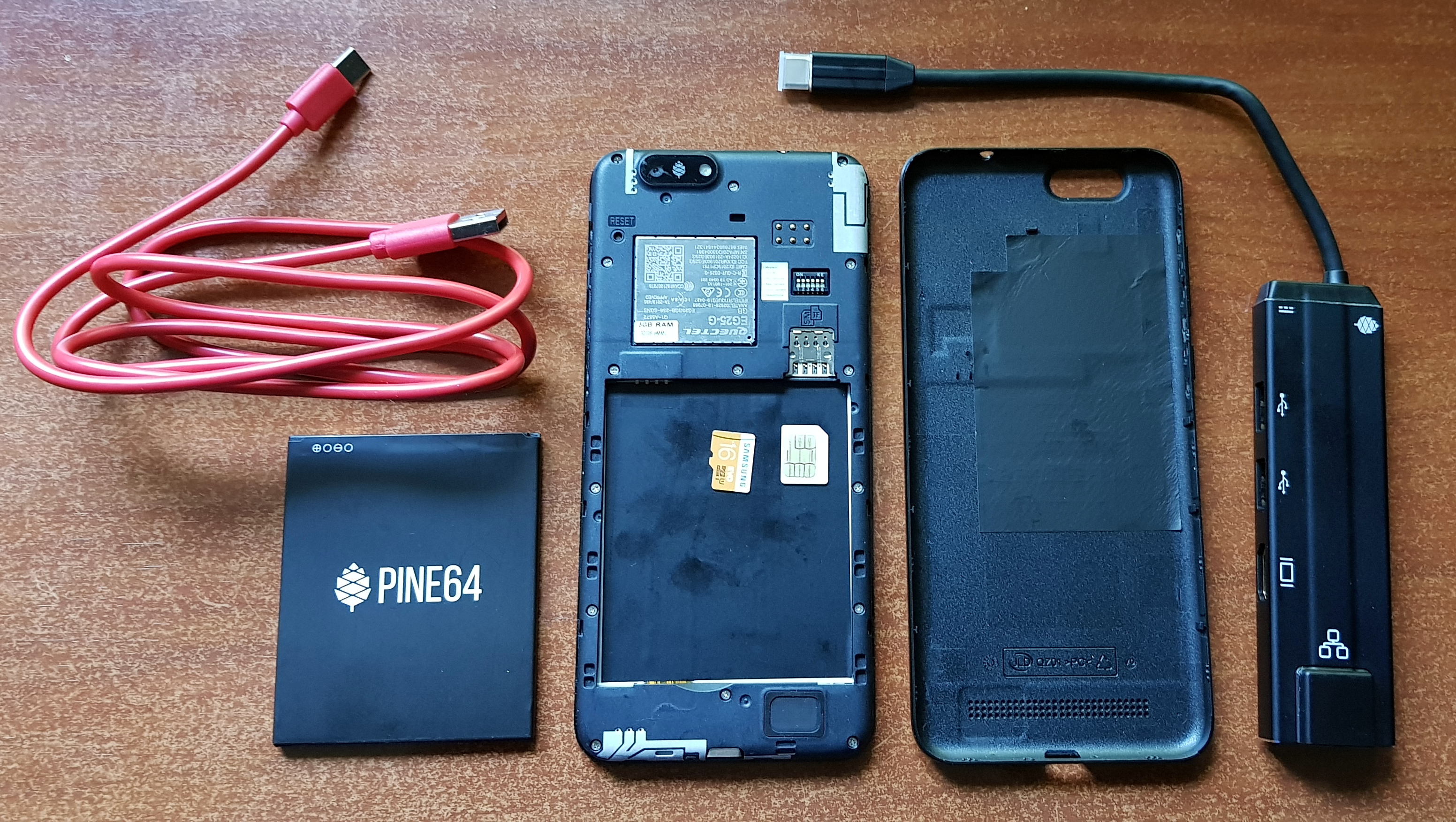
PinePhone KDE Community Edition Hardware

Last but not least, the device measures 160.5 x 76.6 x 9.2mm in dimensions, weigh 180-200g, and is backed by a 3,000mAh battery, which can be replaced with any Samsung Galaxy J7 battery.

The PinePhone KDE Community Edition will be available for pre-order starting December 1 on Pine64’s official website. The company is also working on a replacement back for this phone, which will add support for Qi wireless charging. This additional accessory will be available early next year.


(Via)

Redmi Note 9 Pro gets Android 11 update in India

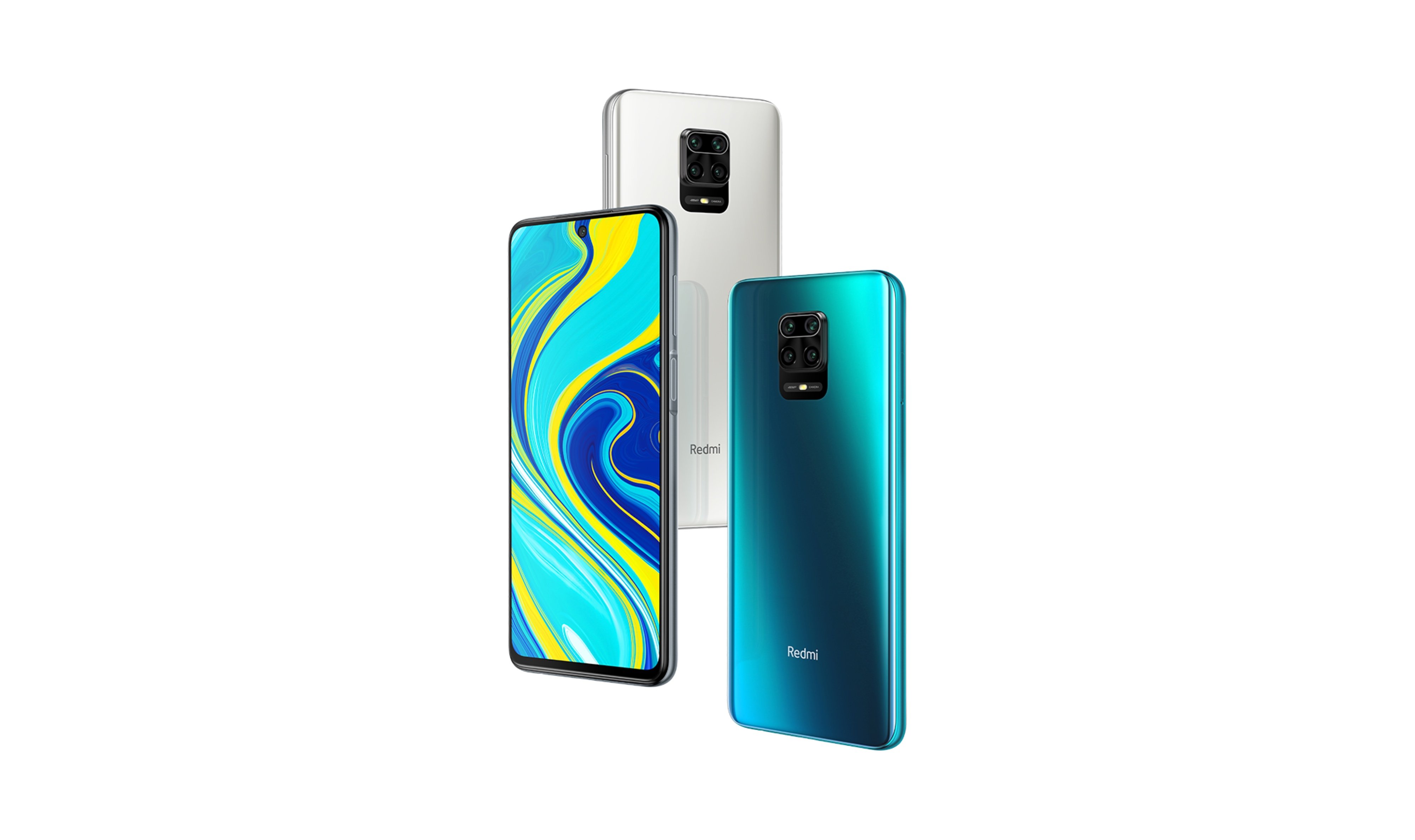
Xiaomi initially launched the Redmi Note 9 Pro in India in March. Later, in the same month, this smartphone was announced for other global markets with the Redmi Note 9S moniker. The handset was released with MIUI 11 based on Android 10 and was only recently updated to MIUI 12. Now, it has even started receiving Android 11 update in India.

Xiaomi Redmi Note 9 Pro Redmi Note 9S Featured

Chinese smartphone maker Xiaomi started rolling out the long-awaited MIUI 12 update to Redmi Note 9 Pro in India in mid-September. The company later began to push the update to global Redmi Note 9S in the next few weeks and by the end of October, the rollout was almost complete.

Now, certain Redmi Note 9 Pro users in India have begun to receive Android 11 update as well. The new system update comes with build number V12.0.1.0.RJWINXM. It is currently in the stable beta stage and therefore, it is only available for select users.

If the early adopters don’t face any major issues, the same build will be rolled out as stable for more users in the coming days. Hence, we can expect all the Redmi Note 9 Pro users in India to enjoy Android 11 in December.

That said, since the global Redmi Note 9S is basically the same device, it should also start getting Android 11 update very soon.


Samsung shuts research facility after positive cases of COVID-19 surfaces

Samsung Electronics announced earlier today (18th November 2020) that it would be temporarily shutting down one of its research centers after a positive case of the COVID-19 infection surfaced.

The South Korean tech giant is ordered all of its employees that worked in the facility to work from home till at least the end of this week. This move is done to prevent the further spread of the infection. Similarly, another South Korean company, LG, also reported a positive case of coronavirus at its own research facility in Seoul, as per a SamMobile report. The Samsung research center was located in Suwon, where one of the workers was tested positive for the virus earlier this week.

The company has stated that it would follow all the procedures to curb the virus from spreading further. Samsung will sanitize the entire building and test every worker who were in contact with the employee that tested positive. Notably, this is the second case of the coronaviorus infection in the same facility, with the first case surfacing about five months ago. The quick and decisive move from the company is understandable as the virus is highly contagious. Samsung has been quick to adapt to COVID-19 situation and has even recovered well, with it reporting its highest ever quarterly earning in Q3 2020, despite the initial impacts of the virus on its operations.


Huawei denies reports of its partnership with Leica expiring

A new rumor had recently surfaced, which suggested that Huawei and Leica‘s partnership had expired. However, the Chinese tech giant has denied the rumor, despite the source being a prominent Weibo leakster.

Huawei

For those unaware, Huawei had first partnered up with Leica back in 2016, for its the flagship Huawei P9. The known camera company even contributed towards the image processing, UI design, and camera module design and has since been a staple partner of the smartphone maker for its flagship lineups. But now, it was rumored that this partnership had come to an end, when known leakster, DigitalChatStation revealed the information on Weibo, a Chinese microblogging website.

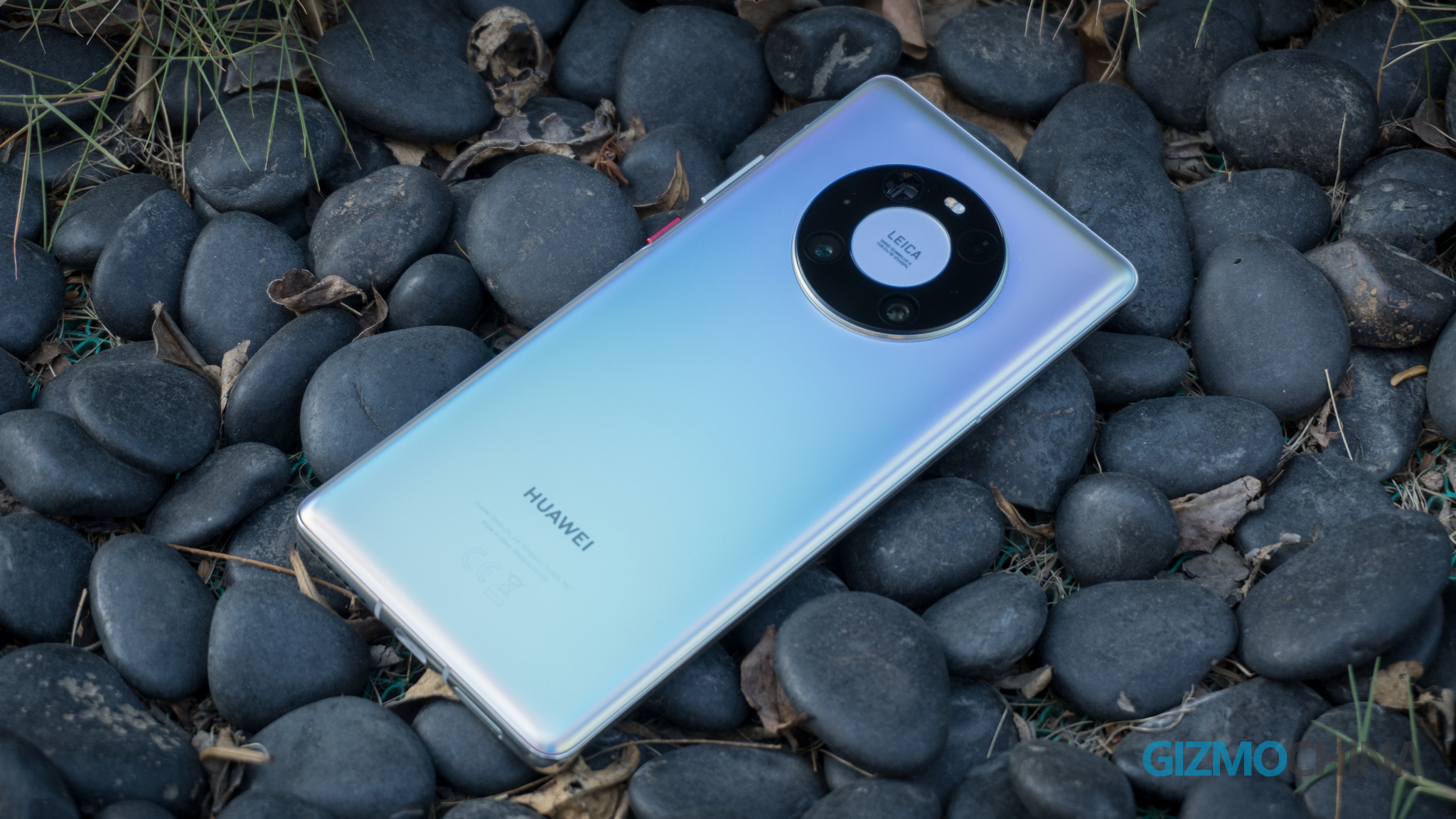
Huawei Mate 40 Pro featured 2

The leakster claimed that Leica has been contacted by a different Chinese smartphone manufacturer and had decided to end the partnership. Although, Huawei has since responded to AndroidAuthority regarding this matter and called the rumor “absolutely fake news,” while a Leica representative stated that they “have no information about the termination of the partnership.” So for the moment, it seems that the partnership is still holding strong. Even the latest Huawei Mate 40 series featured Leica branding on the rear for its camera lenses.