Advertisement

Here’s the list of most-shipped smartphones in Q3 2020

In late October, Canalys published a report on Global Smartphone Market Q3 2020. According to that, Xiaomi beat Apple to become the world’s third-largest smartphone brand for the first time. Now, more than a week later, the research firm has revealed the most-shipped devices in the same period.
Apple iPhone 11 All Colors Featured

As per Canalys, Samsung was the world’s largest smartphone brand in the third quarter of 2020 with a 23% market share by shipping 80.2 million units. Then, came Huawei at the second spot with a 14.9% share and 51.7 million shipments, followed by Xiaomi in the third place with 47.1 million shipments and 13.5% market share.

Lastly, the fourth and fifth positions were captured by Apple and vivo respectively. The American tech giant shipped 43.2 million units with a 12.4% market share, whereas the Chinese smartphone maker gained 9.1% share with 31.8 million units in shipments.

Talking about the most shipped smartphones, five of them were Samsung, three devices were by Xioami, and two from Apple.

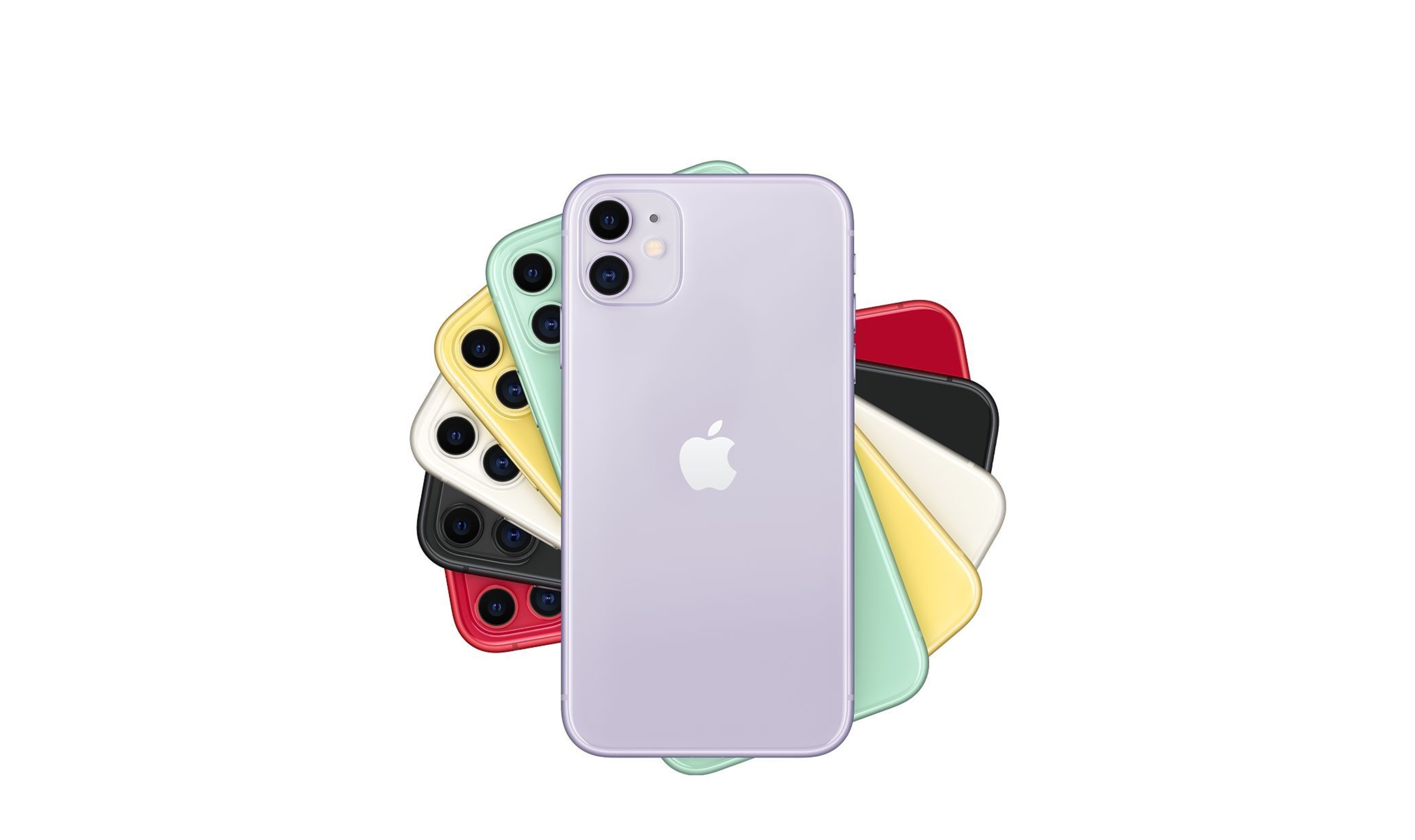
The iPhone 11 and iPhone SE 2020 acquired the first two positions. Whereas, the Samsung Galaxy A21s, Galaxy A11, Galaxy A51, Galaxy A31, and Galaxy A01 Core captured third, fourth, fifth, eighth, and tenth places respectively.

On the other hand, Xiaomi obtained sixth, seventh, and ninth positions with Redmi Note 9/Redmi 10X 4G, Redmi 9, and Redmi 9A respectively.

Most Shipped Smartphones in Q3 2020 – Canalys

  1. iPhone 11
  2. iPhone SE 2020
  3. Galaxy A21s
  4. Galaxy A11
  5. Galaxy A51
  6. Redmi Note 9 / Redmi 10X 4G
  7. Redmi 9
  8. Galaxy A31
  9. Redmi 9A
  10. Galaxy A01 Core

What are your thoughts on this list? Did you expect any of these devices? Do let us know in the comment section below.


MIUI Health app can now track four sports activities without fitness tracker or smartwatch

At the MIUI 12 launch event earlier this year, Xiaomi announced a number of features for the MIUI Health app that would normally require a fitness tracker or a smartwatch. These features are now finally available for users in China seven months after the announcement.

MIUI Health App Track Running Walking Cycling Treadmill Featured

Xiaomi has recently updated the MIUI Health app to v2.9.12 in China. This latest version of the app can be installed on supported Xiaomi and Redmi smartphones from the first-party app store.

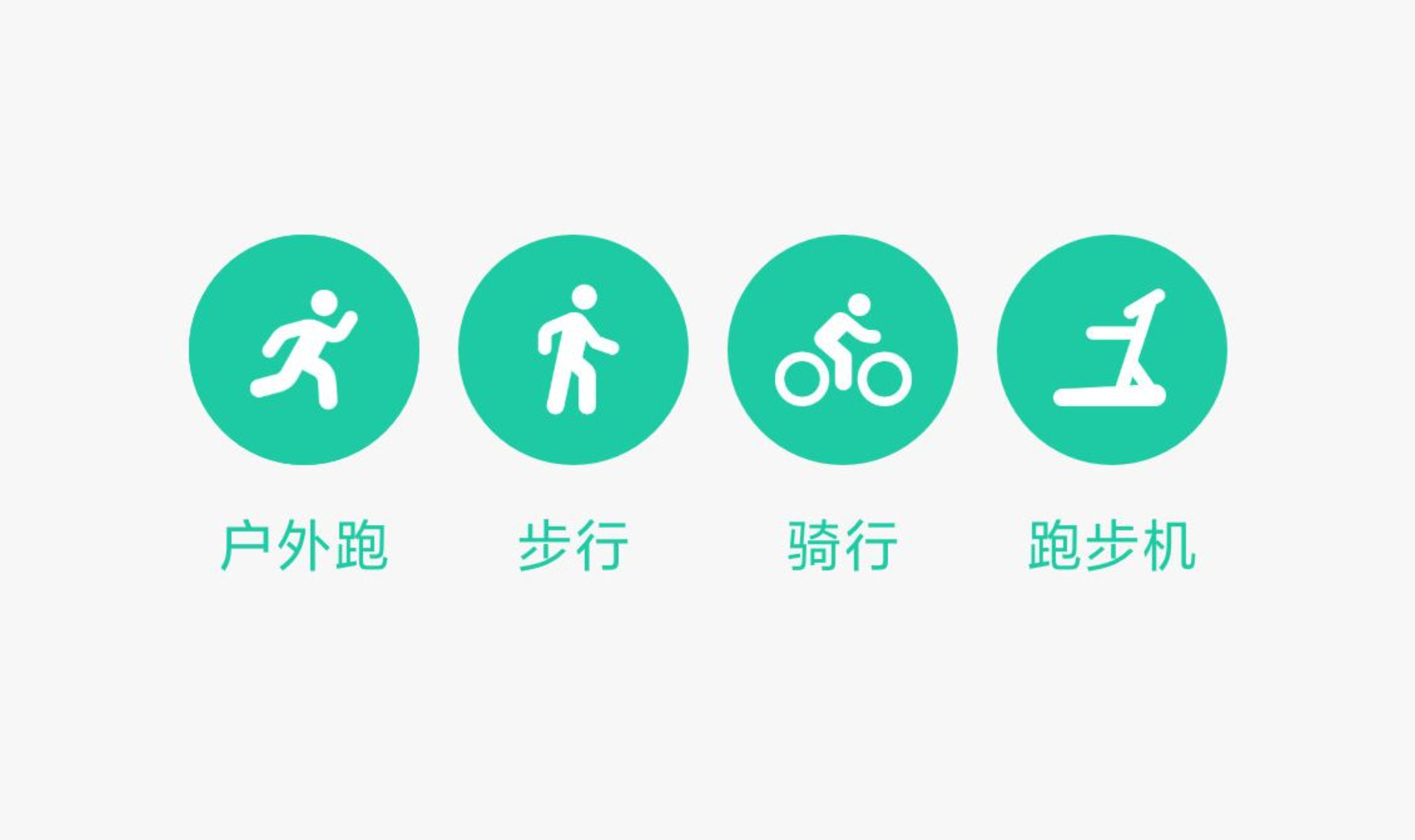
The new update for the MIUI Health app finally brings the sports modes that the company showcased at the MIUI 12 launch conference back in late April. Interested users can now use the app to track the following four activities.

  • Outdoor Running
  • Walking
  • Cycling
  • Treadmill

In addition to tracking, users can also set goals and share their results with friends and family.

Having said that, we are not sure how accurate the readings from the app is. However, it is worth noting that the same app added a function to measure heart rate using the phone’s camera and LED flash in September. In our testing, we found it to be on par with Xiaomi’s own Mi Band 4.

Therefore, we expect the app to provide similar readings for the sports modes as well. Anyway, we would not recommend it for daily usage as fitness trackers and smartwatches also provide other stats like heart rate and blood oxygen levels while working out, which is not possible using the MIUI health app.


OnePlus 8 Pro offers a “Solid” Selfie camera performance: DxOMark

The OnePlus 8 Pro was recently reviewed again by DxOMark. This time, the known testing firm reviewed the selfie camera of the 2020 OnePlus flagship, offering praises for its “solid performance.”

OnePlus

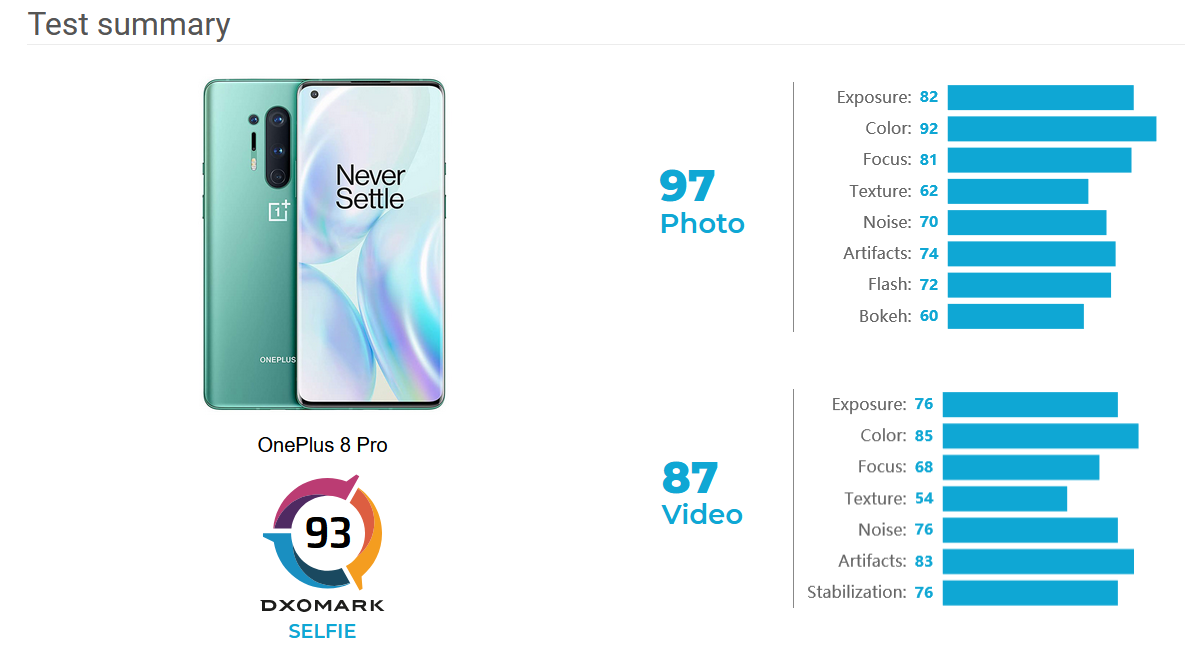
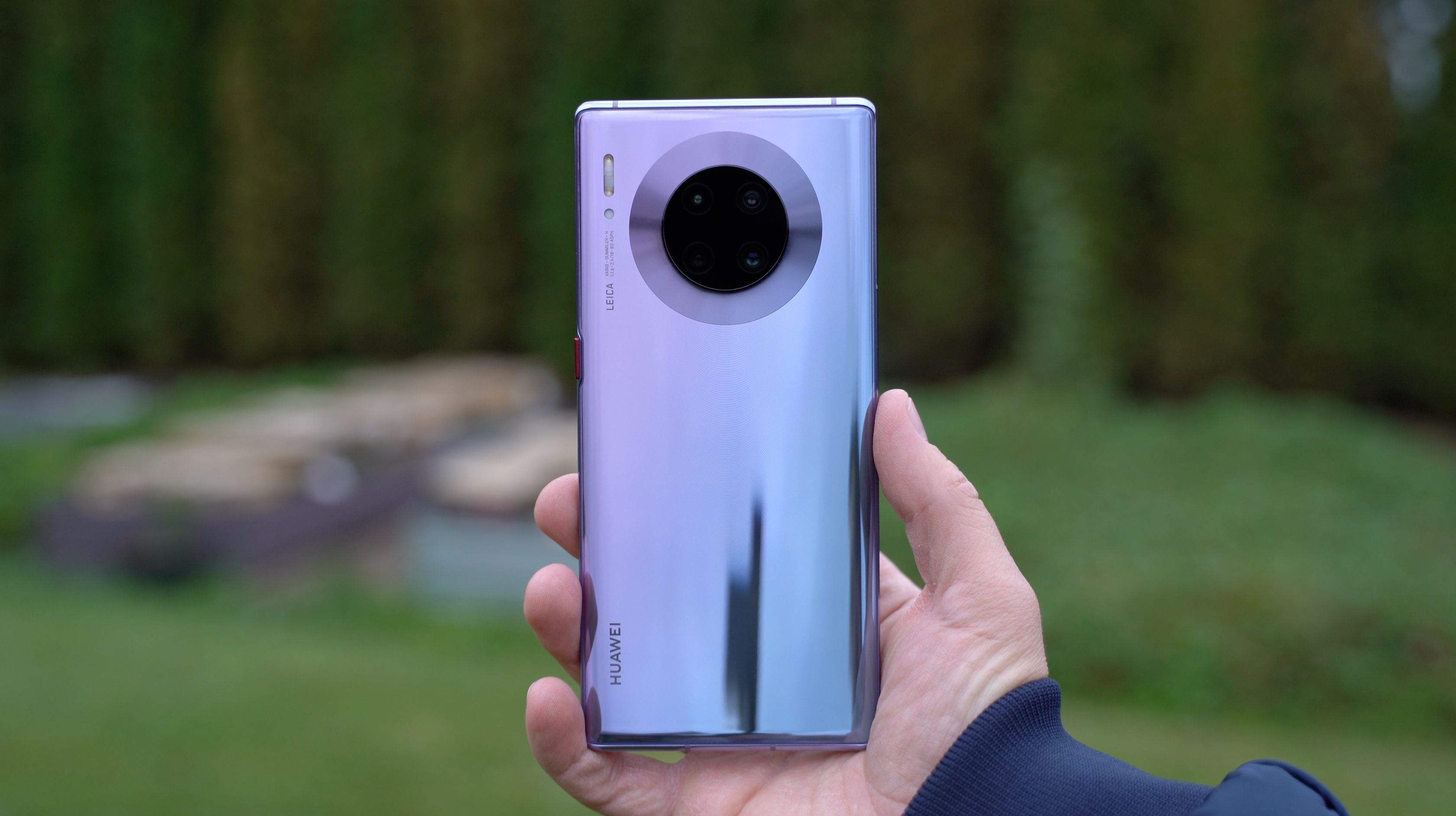
The OnePlus 8 Pro achieved a high score of 93 points on the selfie camera testing. This gives the device a ranking of 12th in the DxOMark rankings, just below the Huawei Mate 30 Pro, which scored a similar 93 points and above the Apple iPhone 11 Pro Max that scored 92 points. For photography, the premium grade handset scored 97 points while in the video the device received 87 points.

It received praise for its accurate color reproduction and good exposure when taking pictures. However, the OnePlus 8 Pro tended to overexpose or blow the highlights out of proportion during certain well lit scenarios. Furthermore, noise being visible during the day was another major weak point of the 16 megapixel selfie shooter that sports an F/2.5 aperture.

OnePlus

On the video front, DxOMark tested the selfie shooter in its highest resolution and framerate, which is 1080p at 30 frames per second. Here, the negative aspects of the camera became more apparent, with it facing noticeable difficulty in adapting to certain scenes or changes in conditions. Despite this, the color was generally bright and vivid, with accurate white balance and well controlled noise levels as well. All in all, the device offered a solid performance on both stills and videos, which should satisfy most users.


Lenovo to launch Lemon branded entry-level phones soon in China

Few years ago, Lenovo used to sell Lemon-branded budget phones to target the youth in China. Soon, other brands like Xiaomi, OPPO, and Vivo flourished in the home market while Lemon phones started disappearing from the market. There is good news for people who have missing Lemon branded phones. Last evening while interacting with netizens, Lenovo’s General Manager for Mobile Business Department Chen Jin said in an interview that the company will once again sell Lemon branded phones.

Last year, Lenovo actively launched phones like Lenovo Z6 Pro, Z6 Pro 5G, Z6 Youth, K10 Note, and a few more. This year, the brand has only launched the Legion Pro gaming phone in China. Motorola has been under the wing of Lenovo since the time it was acquired in 2014. In 2019, it launched the Motorola P50 phone, and this year, it unveiled the Motorola Razr 5G.

So, in the past two years, China has received only two Motorola phones.  It appears that there has been some confusion in the company on how to manage the two brands for selling phones in the home market.

Lemon brand coming back

Jin said Lenovo’s mobile phone product line for China has been sorted out clearly. Lenovo and Motorola now have different focuses in terms of positioning their products. Motorola will cater to the mid-to-high-end audience, while Lenovo’s Legion line will focus on selling performance-driven phones. The Lemon phones will be aimed at the entry-level market.

Priced at around 1,000 Yuan, the Lemon K3 from 2014 was a well-received phone. It was rivaled by Redmi 2. Later, Lenovo released the Lenovo K3 Note to rival take on the Redmi Note series. Motorola has launched plenty of phones this year in the global markets. It is likely one of the cheaper Motorola phones could be rebranded as a Lemon named device soon.

In related news, Motorola XT2091 was approved by the FCC in October. The handset recently debuted as the Moto G 5G upper midrange phone. Interestingly, the FCC listing also revealed that it could be coming to some market as with Lenovo branding.


(via)

Coolpad withdraws patent infringement lawsuits against Xiaomi

Earlier today (10th November 2020), Coolpad released an official statement through its Weibo account, a Chinese microblogging website, saying that it would actively be withdrawing its series of patent infringement lawsuits against Xiaomi.

Coolpad Logo

For those unaware, Coolpad had filed for a series of patent infringement lawsuits against Xiaomi back in 2018. The company’s CEO had alleged that Xiaomi had infringed on over 200 of its patents and sought to ban the latter from selling any device, which infringed on its patents as well. The former had filed a lawsuit and took Xiaomi to court, which lasted till this date.

According to Coolpad’s official statement, “We deeply feel that the country’s development is still in a period of important strategic opportunities, and the domestic and international environment is undergoing profound and complex changes. Breaking through technological bottlenecks and promoting the industry’s better and faster development is the top priority for industry Coolpad and Xiaomi.”

Coolpad

Thus, the company has decided to voluntarily terminate all patent infringement lawsuit against Xiaomi and cancel any related cases as well. Coolpad also added that it would carry out “various forms of technical exchanges and cooperation with excellent companies inside and outside the industry.” Furthermore, it would respect technological innovation and intellectual property rights, following the principle of “technological self-reliance and self-reliance.”


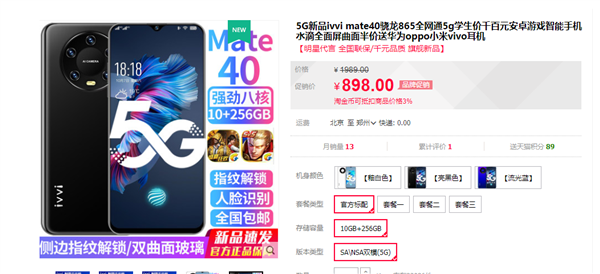
Huawei Mate 40 clone called ivvi Mate 40 listed online, features SD865 for just 898 Yuan ($135)

Clones and imitations of popular smartphones from major brands are not uncommon. The Apple iPhones are usual targets, and now, a Huawei Mate 40 clone called ivvi Mate 40 has been spotted on an online listing as well.

Huawei

Huawei had launched its 2020 flagship Mate 40 series just last month. But now, a copycat version of the device has launched, which also features a Qualcomm Snapdragon 865 SoC but is priced at only a fraction of the cost of the actual Mate 40 series. The device was listed online for a price of just 898 Yuan (roughly 135 US Dollars).

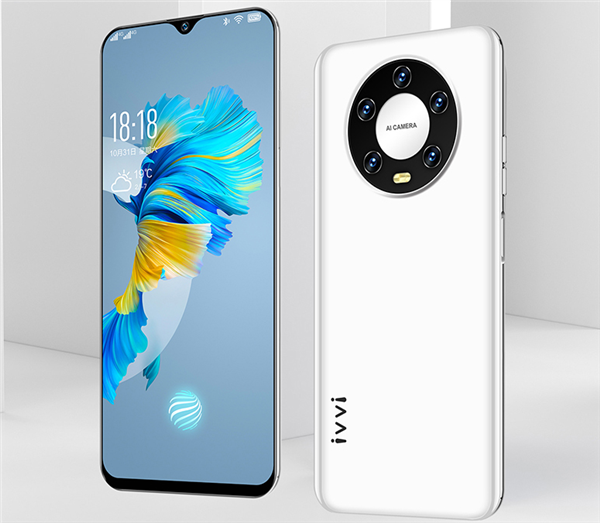
The online listing also states that the device sports a 50 megapixel penta camera setup. Furthermore, it houses 10GB of RAM and 256GB of internal storage. The handset also sports dual mode 5G and features a design that is quite similar to the original Huawei Mate 40. Notably, the “LEICA” branding for the circular camera lenses has been replaced by “AICAMERA” on the rear along with a different position for the LED flash as well.

Huawei

On the front, a water drop styled notch can be found on the display, which has minimal bezels on every side. Unfortunately, while this deal seems too good to be true, it probably is as well. These copies of smartphone models from big name companies always try and take advantage of the popularity and brand name of established OEMs.


OnePlus Nord N10 5G gets its first-ever system update before hitting the shelves

A few days back, OnePlus announced the OnePlus Nord N10 5G as its most-affordable 5G handset alongside OnePlus Nord N100, which is the brand’s cheapest smartphone of 2020.  Both of them are yet to go on sale but the company has already pushed the first-ever system update to the former device.

OnePlus Nord N10 5G Featured

In case you do not know, the OnePlus Nord N10 5G and OnPlus Nord N100 are limited to Europe and the US only. However, the company has only announced the pricing and availability for Europe. No one knows how much these devices will cost and when will they go on sale in the US.

Therefore, the first-ever system update for OnePlus Nord N10 5G has only been released (via PiunikaWeb) for the European variant with build number OxygenOS 10.5.5. As per the changelog, the new build bumps up the security patch level to October 2020, optimizes power consumption, and optimizes camera shooting experience.

Hence, if you are going to going to get this handset, make sure to update the phone to the latest available software on booting up.

OnePlus Nord N10 5G OxygenOS 10.5.5 Official Changelog

  • System
    • Optimized power consumption of the system
    • Updated Android Security Patch to 2020.10
  • Camera
    • Optimized the camera’s shooting experience


Alleged Apple AirTag accessory made with Saddle Brown leather leaks online

Apple has been rumored to be working on a new product named AirTag that will allow users to track any object the device is attached to using the company’s Find My system. Now, the upcoming Apple AirTag accessory has been leaked online.

The leak, coming from Fudge, showcases an alleged Apple AirTag carrying accessory. It looks like a small leather sleeve for the AirTag which can allow users to easily place them within the leather cover, which is attached to the stainless steel keyring.

EDITOR’S PICK: Huawei to reportedly sell Honor for $15 billion to Digital China and Shenzhen government

Further, it has the text “Designed by Apple in California” and “Assembled in China” written over the ring. The leather used for this product seems to the same Saddle Brown color that Apple introduced for the official iPhone 12 Leather Sleeve.

However, the leaker also cautioned to take this information with a pinch of salt as it may not be an official Apple product but a Chinese replica based on Apple’s schemes.

The Apple AirTags has been a bit of a mystery. The product was first reported in April 2019 and since then several reports have claimed different launch schedules. Even Apple itself had confirmed that the company is working on it. However, the product still remains unannounced and there’s no information available about its launch date.

Apple is holding a launch event today (10th November) but the company is unlikely to reveal anything about AirTags. It is expected to launch the highly anticipated MacBooks powered by the ARM-based Apple Silicon chipset.


Apple India sees 29% rise in revenue, bringing in almost $2 billion in FY20

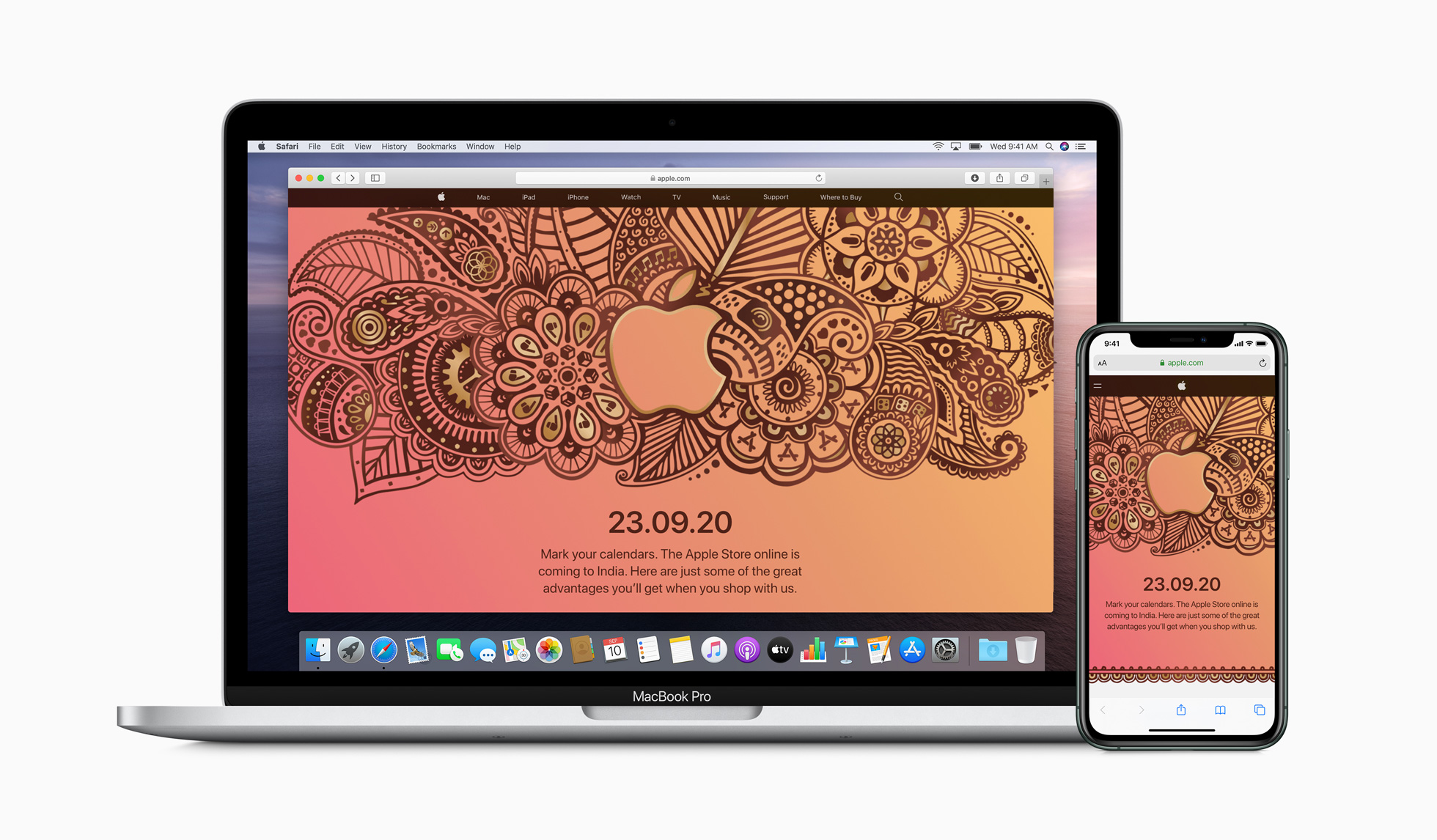
Apple is seeing a sizeable jump in revenue in India. The Cupertino based giant saw a rise of 29 percent, bringing the revenue to 13,755.8 crore INR (roughly 1.85 billion US Dollars) in the financial year of 2020.

Apple Online Store India September 23 2020

According to a DeccanHerald report, the smartphone manufacturer also saw notable growth in net profits as per documents sourced by business intelligence platform Tofler. Apple had reported a revenue of 10,673.7 crore INR (roughly about 1.43 billion US Dollars) in India for the fiscal year that ended on 31st March 2019. Furthermore, the company recorded a net profit of 926.2 crores INR (roughly 124 million US Dollars) in FY20 in the Southeast Asian nation.

This is a sizeable jump from the 262.27 crores INR (roughly 35 million US Dollars) net profit that Apple recorded in the previous year. Unfortunately, the company has yet to respond to this report at the moment. Although, it does mark the iPhone maker’s growth in the premium smartphone segment in India, which has been dominated by companies like OnePlus and Samsung in recent times.

Apple

In other words, Apple is aggressively pushing for a better footing in the high end market. Tim Cook, Apple CEO had recently stated that the company had “set a September quarter record in India, thanks in part to a very strong reception to this quarter’s launch of our online store in the country.” Back in September, the company also finally launched its first online store in India, while also ramping up local production of its iPhones in the region. Its profits were backed by strong iPhone sales, which were supplemented by Mas and iPads due to strong demand for remote working or work from home in the nation amid the lockdown.


HUAWEI Mate30 Pro starts receiving EMUI 11 stable update in global markets

Chinese telecom giant Huawei announced EMUI 11 as the latest version of its mobile operating system in September. Since then, the company has been beta testing this software on a number of its devices. Last week, the firm even began to roll out stable builds to HUAWEI P40 & Mate30 series in China. Now, the stable update is also available for HUAWEI Mate30 Pro in global markets.

For those unaware, apart from running a beta program in its home country China, Huawei has also been running a similar initiative in select global markets for HUAWEI P40, HUAWEI P40 Pro, HUAWEI P40 Pro+, and HUAWEI Mate30 Pro. Now, weeks later, the last device in the list has become the first to get EMUI 11 stable in international markets.

The information regarding the availability of this update was shared by Twitter user @RODENT950 (via XDA Developers), who is known for his HUAWEI and HONOR-related leaks.

The latest system update for HUAWEI Mate30 Pro brings all the new features of EMUI 11 as it is a flagship smartphone. However, the update does not bump up the Android version to 11. That’s because EMUI 11 is based on Android 10 just like EMUI 10 and EMUI 10.1 before it.

Anyway, Huawei has promised to bring select Android 11 features to the EMUI 11 eligible devices before upgrading them to HarmonyOS next year.


Google faces antitrust investigation in India over its payment service

Google is facing an antitrust investigation in a couple of countries, including the United States and China, and now yet another country has joined the list — India, which is also one of the biggest markets for the company.

India’s antitrust watchdog, the Competition Commission of India (CCI) has opened an investigation into allegations about Google using its dominant position as an app store to promote its payment service in the country.

Google

Now, CCI will be reviewing the claims of whether the tech giant prominently promotes its payment service named Google Pay during the setup of an Android smartphone and if Play Store’s billing system is designed “to the disadvantage of both i.e. apps facilitating payment through UPI, as well as users.”

The complaint against Google alleges that the Play Store’s billing system favors the Google Pay app and the in-app purchases for apps downloaded through Play Store are also mandated to support Google Pay service “if they want to be listed on the Play Store” and are required to pay a “high commission” for the same.

In response to this, the company has told CCI that Android is not dominant in the Indian market as it faces significant competition from feature phone operating systems as feature phones now come with functions and performance that attributes to a smartphone.

EDITOR’S PICK: Huawei to reportedly sell Honor for $15 billion to Digital China and Shenzhen government

The search engine giant also says that its 15 percent and 30 percent service fee is not arbitrary and is market-based, legitimate, and pro-competitive as it covers third party fees and supports investments in Play Store, including resources for developers.

For those who are unaware, Google Pay was launched in India around three years back but at that time, the service was called Google Tez. Currently, Google Pay is the second-largest online payment service in India, slightly behind Walmart’s PhonePe.

Apart from this investigation, the company is also facing two other antitrust inquiries in the Indian market which includes allegations about abusing its dominance of Android in the Smart TV market and another regarding its dominance of Android in the mobile market.


LG Display to increase its OLED supply to Apple for 2021 iPhones

LG Display is set to grow the production rate of its OLED (organic light emitting diode) panel factory lines. The primary reason for the expansion in capacity is to dedicate the expanded lines to Apple.

LG Display now apple secondary supplier

According to TheElec report, the company is going to expand its E6-1 and E6-2 factory lines in Paju, South Korea. Here, LG Display will set up low temperature polycrystalline oxide (LPTO) thin-film transistors (TFT) equipment that can add about 25,000 substrates per month within the monthly production rate into the lines by 2021.

This LPTO kit would also be able to add 5,000 substrates per month in the production rate, which is already being installed. So, by May next year, 10,000 substrates will be added and another 10,000 substrates in the following month. Suppliers of the equipment are currently standing by for the South Korean tech giant, waiting for the orders for the May deliveries.

LG Display

Reportedly, Apple is planning on using LTPO TFT panels for its high end iPhone models in 2021. The company has already used the low-temperature polycrystalline silicon (LTPS) TFT process and is basically adding an oxide TFT process as well now. LG Display will be supplying these panels to Apple and is likely to have already gotten approval for its expansion plans, which will have it supply two out of the four iPhone models that are planned to launch next year.


Huawei to sell Honor for $15 billion to Digital China and Shenzhen government: Report

Huawei is planning on selling its budget smartphone brand unit Honor for a 100 billion Yuan (roughly 15.2 billion US Dollars) deal which will include the Digital China Group, and the local government of the brand’s home town, Shenzhen.

Previously, we had provided a closer look at the Digital China Group, which was just a potential buyer of the Chinese tech giant’s Honor subsidiary. Now, a new report from Reuters has arrived, which states that the company is planning on selling its subbrand for a large sum to the local government and others. For those unaware, Huawei had apparently been looking into selling its Honor unit as it has been facing various supply constraints due to US sanctions. It has lost its chip supply and having a budget oriented line would put further strain on its already dwindling chip inventory as well.

Honor logo

This report also arrives amid the US Presidency, which has had a change in leadership. Although, Huawei is clearly not hoping for any imminent changes in policy that would be favorable to its position. In other words, the security risk allegations might still persist despite Joe Biden taking over. The transaction is said to be “all cash” and will include almost every asset, branding, research and development capabilities, and even supply chain management as well.

While this hasn’t been officially been announced, sources believe that the company might unveil this news by Sunday (15th November 2020). As per sources, the Digital China Group will be among the top two shareholders of Honor with a near 15 percent stake in Honor Terminal Co Ltd, which was previously fully owned by Huawei. The transaction will have Digital China finance the bulk of the deal through bank loans, which will further be supplemented by at least three investment firms that are backed by the government of financial technology hub Shenzhen. These firms would each hold about 10 to 15 percent of the shares.

Huawei Logo MWC 2019

After the deal goes through, Honor still plans on retaining most of its management and over 7,000 employees and workforce. Furthermore, it plans on going public within the next three years as per a source. At the moment, Honor has declined from commenting on the matter, while Huawei, Digital China, and the Shenzhen government have yet to respond on the matter.


Apple Silicon could lead to low-cost Mac devices

Apple has quite a successful lineup of computing devices under its Mac lineup, which includes laptops as well as desktops. But, the company’s market share in this space is nowhere near to Windows computers because of the premium pricing.

However, that could change soon. Apple is now switching to Apple Silicon — it’s own chipset based on ARM processors. This means that the pricing for the Mac devices could go down, helping the company to increase its market share.

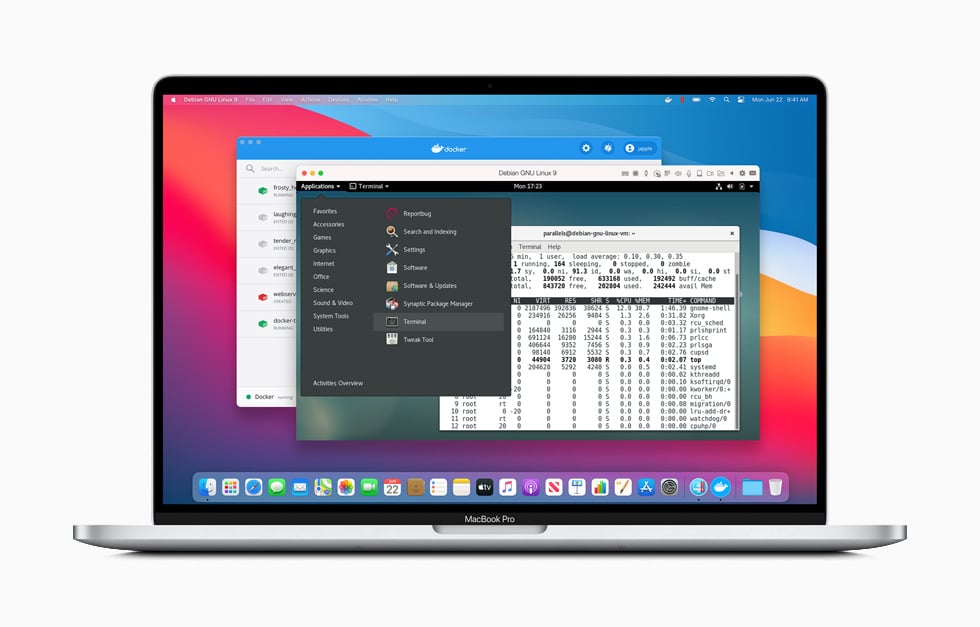
MacBook Apple Silicon

The Cupertino-based giant has confirmed the “One More Thing” event for today, i.e. 10th November where the company is expected to launch its highly anticipated MacBook devices powered by its own Apple Silicon chipset.

The usage of Apple’s own ARM-based processors for the MacBook is expected to offer better performance and more battery life compared to the existing Intel-powered laptops. At the same time, the pricing is also expected to get lower.

EDITOR’S PICK: Sweden halts 5G auctions after Huawei gets relief from court

To know how much the pricing is getting impacted because of this transition in the chipset, we will have to wait for the official launch announcement which will happen in a few hours. However, reports indicate that the pricing could go down by around $200.

According to Analyst Samik Chatterjee (via AppleInsider), Apple has a market opportunity of around $15 billion, which will “assure a multi-year growth in a lackluster PC market.” Further, it is said that Apple’s usage of its own chipset could lead to a reduction in BOM costs of about $75, offering a growth opportunity.


Sweden halts 5G auctions after Huawei gets relief from court

Ever since the United States imposed restrictions on Huawei, the Chinese giant has been struggling to get into the 5G communications market in several countries and the latest country to ban Huawei is Sweden.

After being excluded from the 5G networks, Huawei filed a lawsuit against the Swedish telecoms regulator PTS, and to the relief of the Chinese company, the court has now granted a stay order against the decision.

Huawei Logo MWC 2019

As per the report coming from Reuters, some parts of PTS’ decision prior to the upcoming 5G auction will not apply until further notice and it would allow Huawei’s involvement in the 5G spectrum auction in Sweden.

EDITOR’S PICK: China launches the world’s first 6G experimental satellite

After the court’s decision, the auctions have been halted by the authorities, which would have benefited Nokia and Ericsson. PTS is now planning to review the possibilities of starting the process as soon as possible while Huawei is trying to have a dialogue with them to become a certified vendor.

For those who are unaware, Chinese telecom equipment manufacturers — Huawei and ZTE were banned by Sweden from taking part in the upcoming 5G auction, citing security concerns. Also, PTS had asked companies that are taking part in the auction to remove Huawei and ZTE from existing in the central functions by 1st January 2025.

After the United States banned Huawei in the country for the telecom networks, it is also pressuring other nations to follow the suit with the ban. Several countries bowed down to the pressure, including the UK which banned the Chinese giant and ordered companies to replace all Huawei equipment from the country’s infrastructure by 2027.


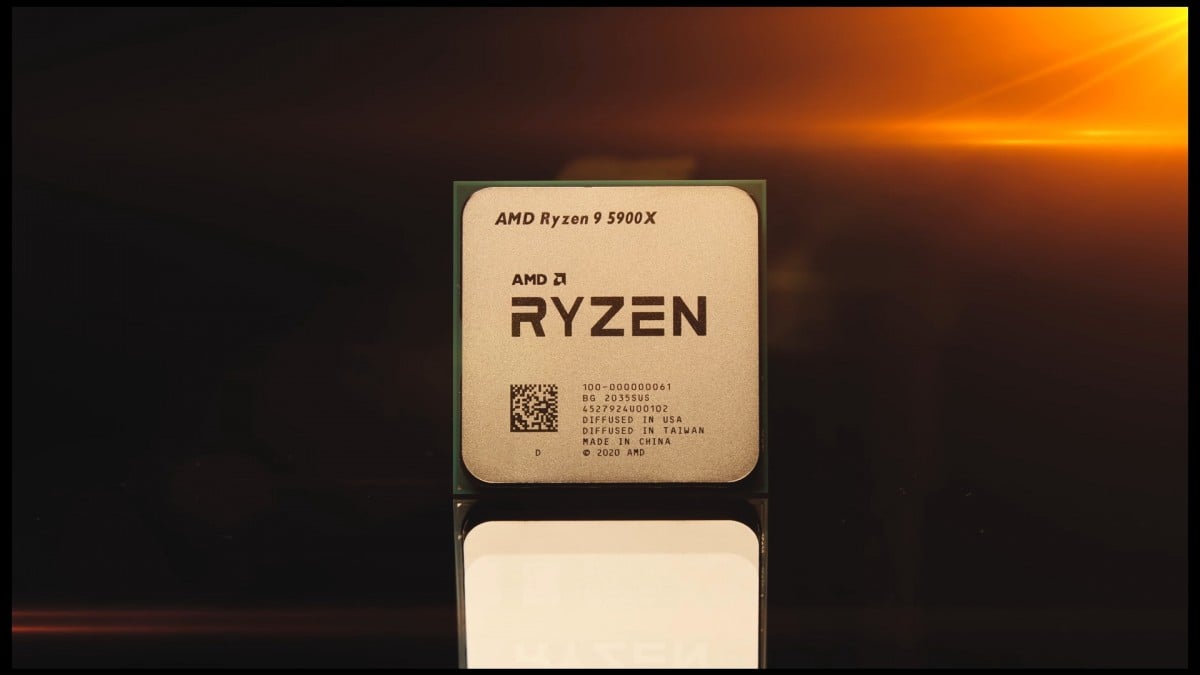
AMD insists it shipped tons of Ryzen 5000 CPUs despite it being sold out everywhere

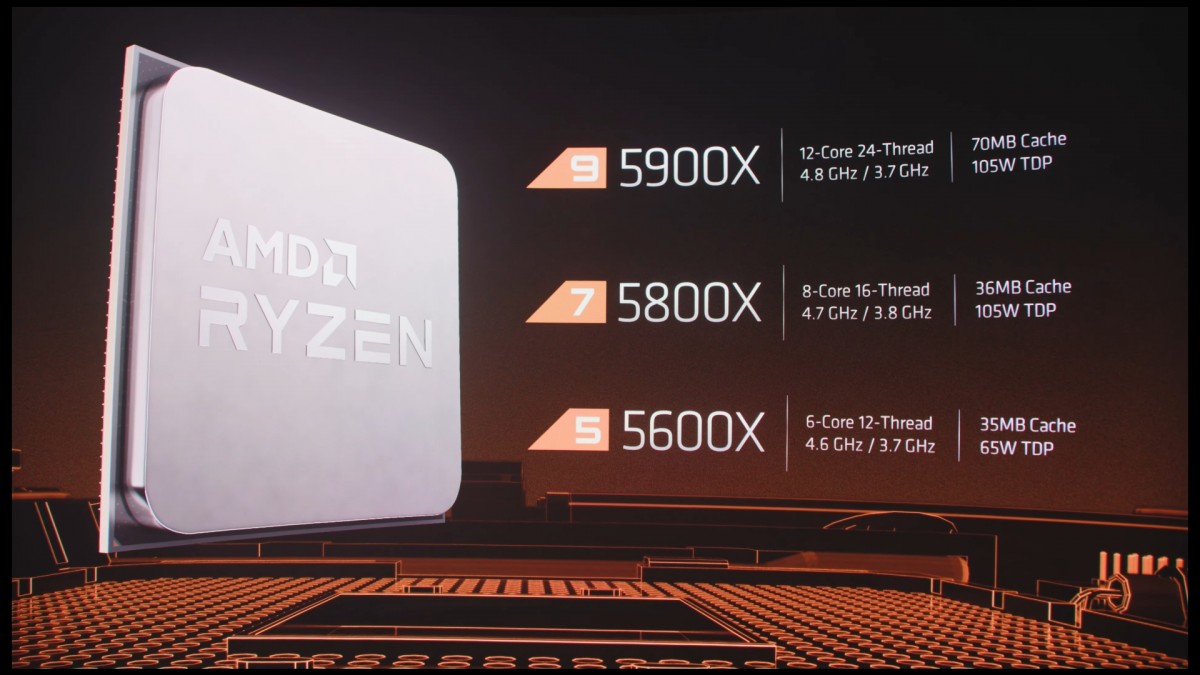
The new AMD Ryzen 5000 series of desktop processors had recently launched to a market that was eagerly awaiting its arrival. However, despite the company stating it shipping out “tons of units,” the new CPUs have already been out of stock across the globe.

AMD

The shortage of new chips arrives amid the stocking issues being faced by NVIDIA, which has also left many people frustrated. For those unaware, Team Green’s new RTX 3000 series GPUs have been struggling to keep up to supply the large demand for the new graphics cards. Notably, AMD had stated that it would be facing the same supply constraints as NVIDIA did for its new Radeon 6000 series of GPUs, but it seems that its CPUs are already being sold out everywhere.

According to a TechRadar report, it is being speculated that Team Red’s recent Ryzen CPUs might be a part of a “paper launch” strategy. Meaning that the new release arrived just as a PR stunt with very little inventory to begin with. Although, Frank Azor, AMD’s chief architect of gaming solutions and marketing have assured that this would not be the case and insists that a large demand is the cause of the problem.

AMD

Unfortunately, this does not seem very convincing as the infamously low stock from NVIDIA also prompted the company to blame the demand rather than its own supply issues. In other words, the statement from the official might frustrate its patient buyers that are looking forward to a CPU upgrade even further. So stay tuned for more as we will be providing updates when more information is available.


MediaTek MT689X 6nm chipset details appear, expected to score 600K+ at AnTuTu

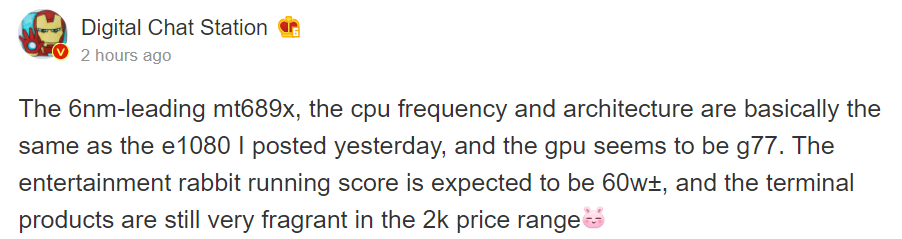
Since November last year, MediaTek has been releasing a wide range of Dimensity chipsets such as Dimensity 1000, Dimensity 1000L, Dimensity 1000+, Dimensity 820, Dimensity 720, and Dimensity 800U to power mid-range to high-end phones in China. Fresh information reveals that the Taiwanese chipmaker is working on a new chipset with the model name MT689X. A tipster has revealed that it is a 6nm chipset that will be arriving with the same architecture as the upcoming Exynos 1080 chip by Samsung.

According to the tipster, the CPU frequency and architecture of the 6nm MT689X are basically the same as the Exynos 1080. He added that the MediaTek SoC could be equipped with Mali G77 GPU.

MediaTek MT689X

When it comes to performance on AnTuTu benchmarks, the MT689X is expected to score around 600K+. The tipster is of the view that the SoC will be powering devices that will cost around 2,000 Yuan (~$302) in China.

On Nov. 12, Samsung will be taking off covers from the Exynos 1080 chipset. The SoC is expected to power the Vivo X60 series that is expected to break cover in November or December. The 5nm Exynos 1080 was seen at AnTuTu benchmarks with a score of 693K+. It managed to outscore the Snapdragon 865 Plus, which is an overclocked version of the Snapdragon 865 that fuel most Android flagship phones in 2020.

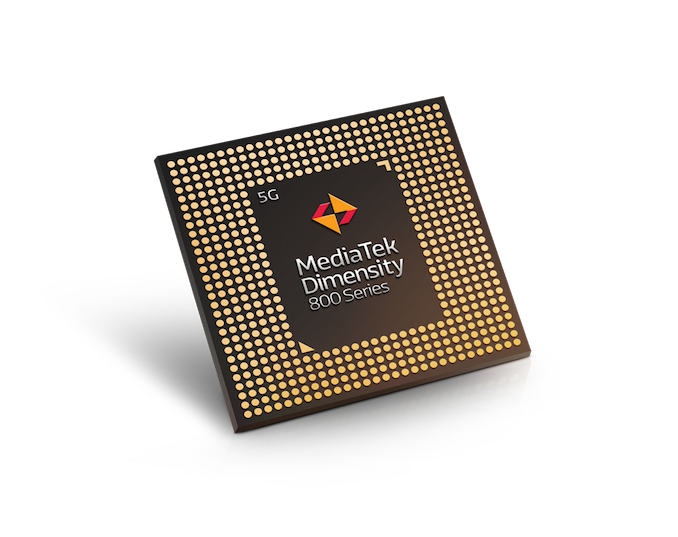
MediaTek Dimensity 800
MediaTek’s Dimensity series looks promising this year!

Since the MediaTek MT689X is expected to come with the same architecture as Exynos 1080 and score around 600K+ on AnTuTu, it is likely to offer a stellar performance like the Snapdragon 865. At present, there is no word on when MediaTek will be announcing the MT698X SoC.


OPPO to reportedly launch its tablet and notebook next year

OPPO, the China-based smartphone manufacturer, has been trying to diversify its portfolio of products by entering into new categories. After entering the wearables space, the company is now looking to launch tablets and notebooks.

As per the latest report, OPPO is gearing up to launch two of its new products, a tablet and a laptop. Both the devices are expected to go official next year but the specific timeline for the same is not yet known.

oppo logo

EDITOR’S PICK: China launches the world’s first 6G experimental satellite

OPPO entering the tablet market is quite interesting given that there are a handful of brands that are launching Android tablets. While companies like Lenovo are focusing on the budget segment, only brands like Samsung and Huawei have premium devices. Xiaomi used to have tablets but there has been no update for the past few years.

Currently, the tablet market is being dominated by Apple’s iPad lineup and the company has multiple offerings in this space. It will be interesting to see what OPPO has up its sleeves and what price range the company is targeting for its tablet.

As for the laptop, the company will be competing against the likes of Samsung, Huawei, and Xiaomi which have already expanded their offerings from smartphones to laptops. However, there’s no information available about the upcoming notebook from OPPO but we expect to know more about it in the coming weeks or months.


China has just launched the world’s first 6G experimental satellite

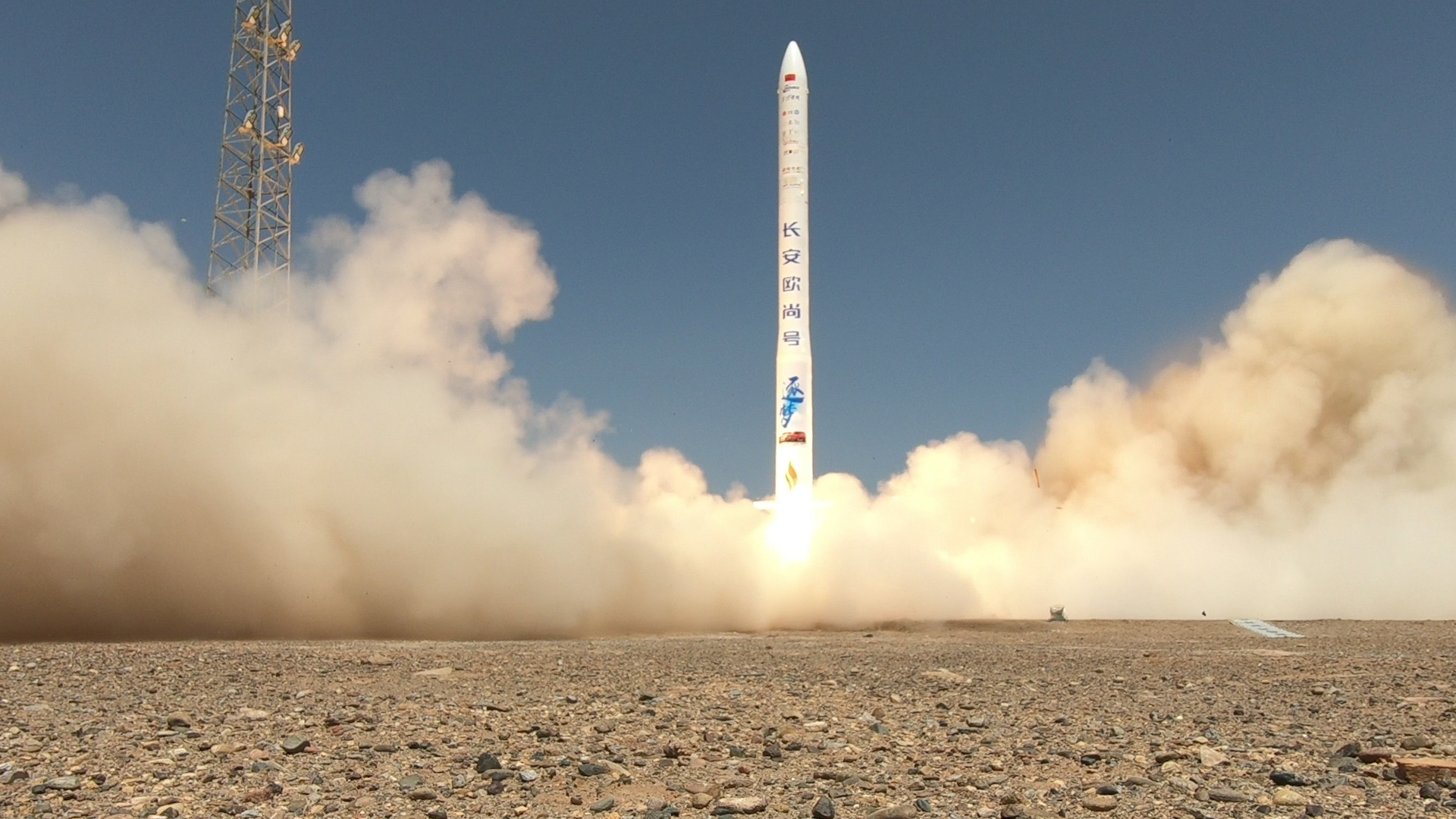
At 11:09 am on November 6, a Long March 6 carrier rocket slowly lifted off from the Taiyuan Satellite Launch Center in northern Shanxi province. Later on, it was announced on the official WeChat platform of China’s University of Electronic Science and Technology that the world’s first 6G experimental satellite named after the university, was successfully lifted off the Long March 6 and entered the scheduled orbit that same day.6G

The report (via) states that the satellite is equipped with a terahertz satellite communication payload jointly developed by the University of Electronic Science and Technology of China and a number of top domestic laboratories. It will establish a transceiver link on the satellite platform and carry out the “world’s first experiment of terahertz communication technology in space”, according to the university’s announcement on its WeChat channel.

“This marks China’s breakthrough in exploring terahertz communication technology in the aerospace,” Professor Xu Yangsheng, academician of the Chinese Academy of Engineering and academic director of the university’s Satellite Technology Research Institute, said in a statement.6G

The official also disclosed in the statement that the satellite will also be used for intelligent city applications, disaster prevention, land planning, environment protection, and the monitoring of major infrastructure construction in addition to 6G experiments.

This project is yet another monumental effort by China to stay ahead of the pack in the race to 6G connectivity even when 5G is yet to be rolled out on a wider scale. China is a leader in 5G technology and the race for 5G is largely responsible for the heightened US/China trade dispute, including sanctions imposed on Huawei, the leading 5G gear manufacturer. If the US had aimed to slow down the pace of China’s technological advancement, it failed to achieve that aim. China, just like Japan and a few other countries is already working on 6G.

UP NEXT: Xiaomi XiaoAI Speaker Art Battery Edition launched for 399 yuan ($59)


Sony launches Airpeak drone project aimed at professional camera drone users

Drone technology has caught on in recent time and has given us access to previously unseen images. There is no doubt the advent of commercial drones is built around aerial photography which it enables. Sony, a renowned brand when it comes to camera technology recognises this and has launched its first drone project dubbed Airpeak project. The project is Sony’s contribution to the field of camera drones and as should be expected, it will be based on the company’s imaging and sensing expertise as well as “3R” technology (Reality, Real-time and Remote).

A press release announcing the launch of the project details the project as aimed at the entertainment and “various” other industries. It equally confirmed that it is aimed at professional uses rather than consumer products. We could see deployment in the entertainment industry as well as to improved efficiency and savings in various industries. Airpeak will also promote this project to enable drone-use with the highest level of safety and reliability in the environments where this has been difficult in the past, Sony says.

Sony didn’t explicitly reveal if it will launch its own drone or offer camera and sensor modules to drone makers. However, the various use cases envisioned by the company points to the company releasing its own customized drones. Also, the video teaser released also points to the brand releasing a drone harmed with its powerful camera technology. In the near future, we’ll be seeing more details on Airpeak’s website but the project is scheduled to launch in Spring of 2021.

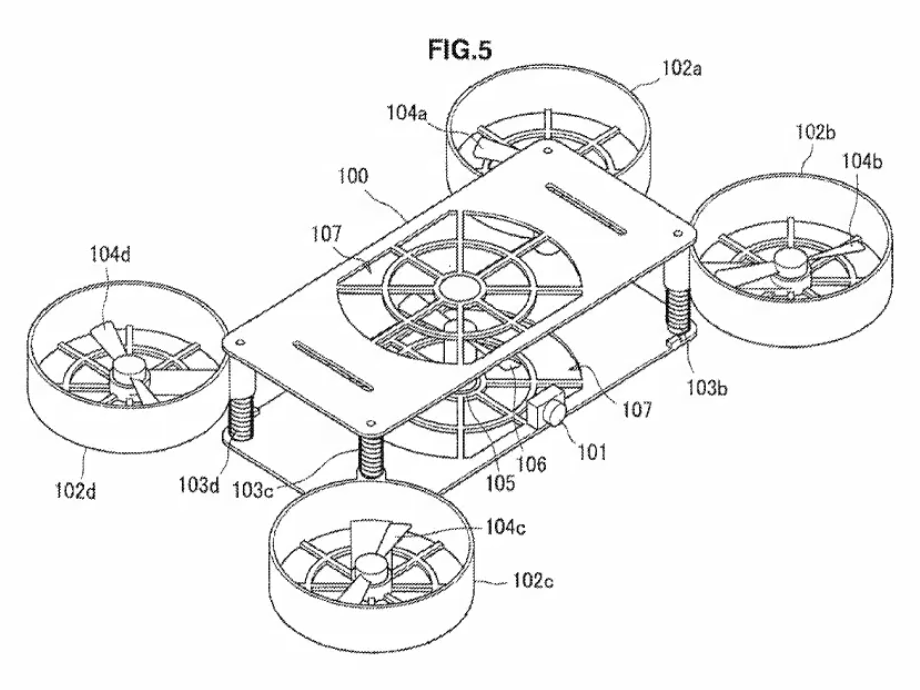
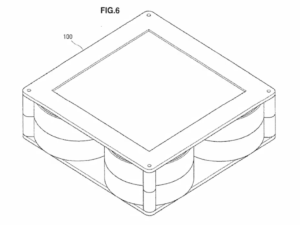
Sony had filed a patent for a foldable drone in January this year, lending credence to expectations of the company releasing its own drone. The patented design is somewhat unusual and includes ducted fans that are mounted on pillars so that they can be rotated into the drone’s body for transport and easily deployed before flights.

We expect more details to emerge in the coming days on the dedicated Airpeak website.

UP NEXT: Xiaomi XiaoAI Speaker Art Battery Edition launched for 399 yuan ($59)