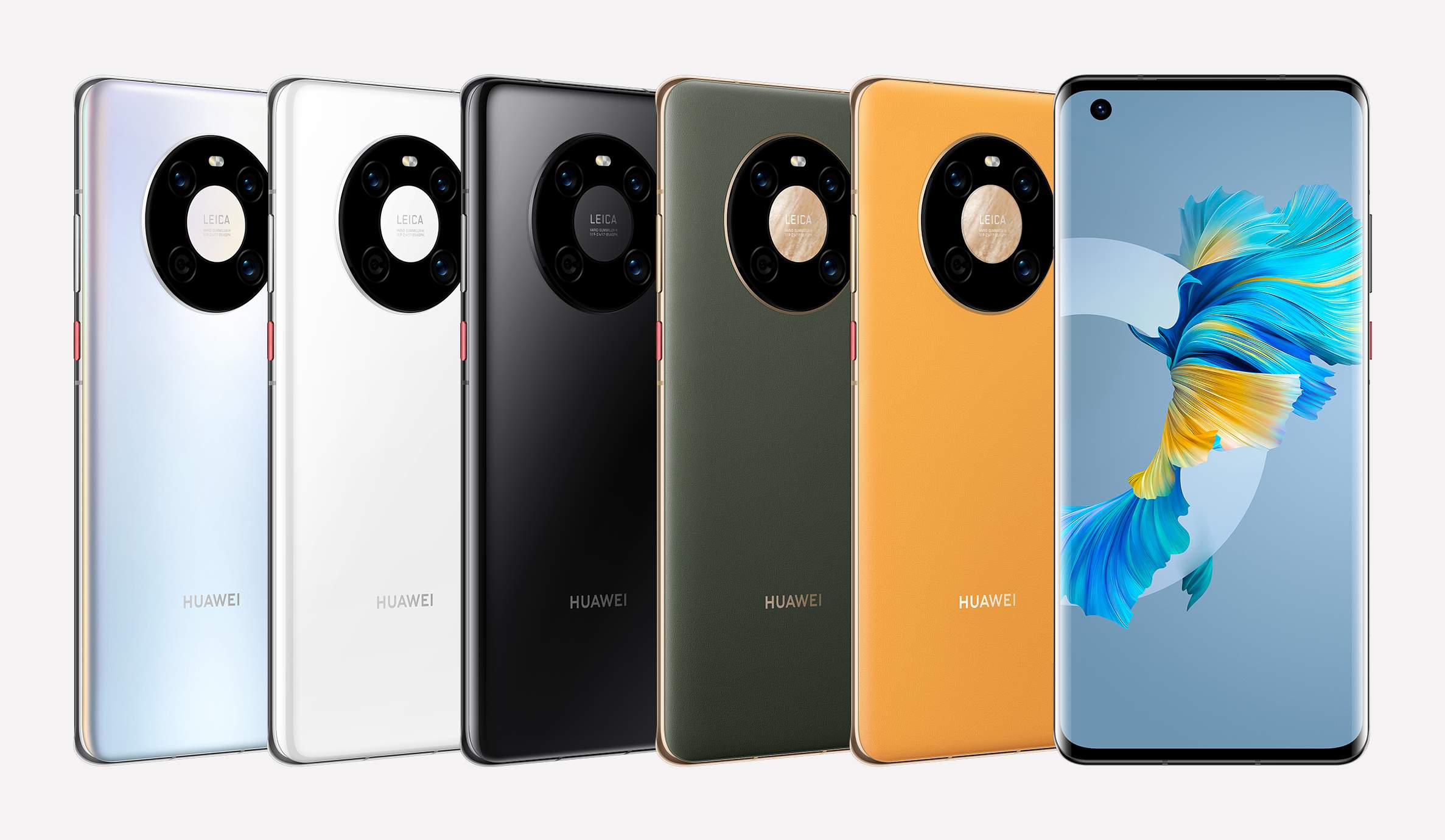
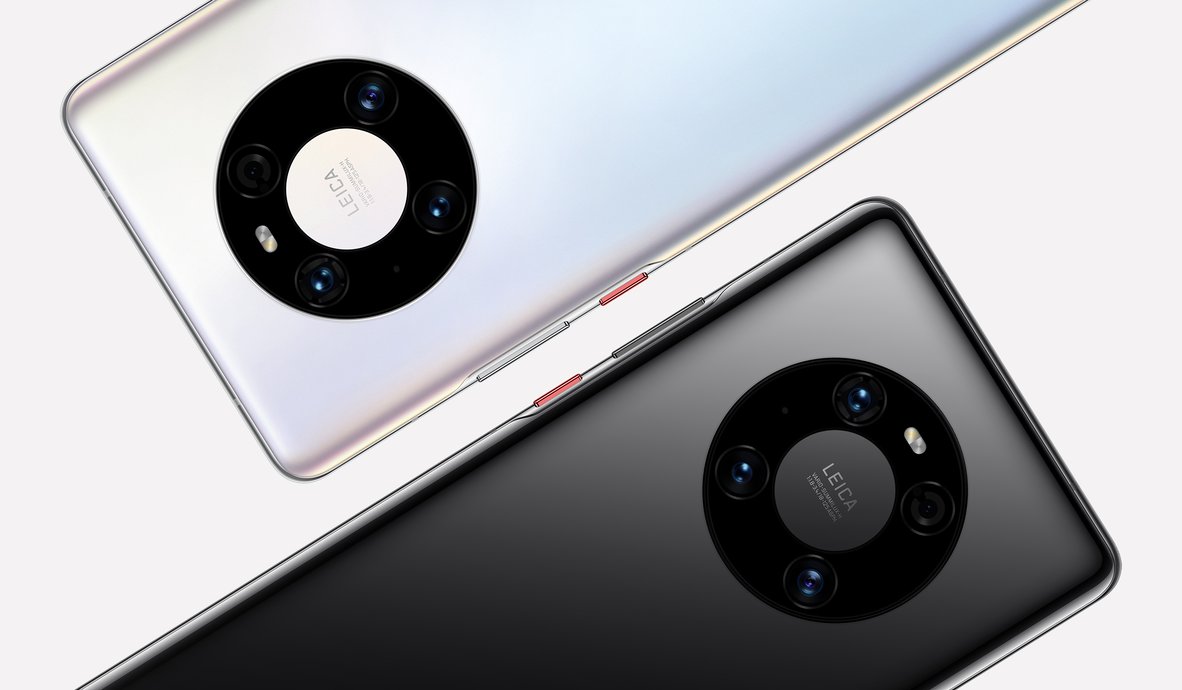
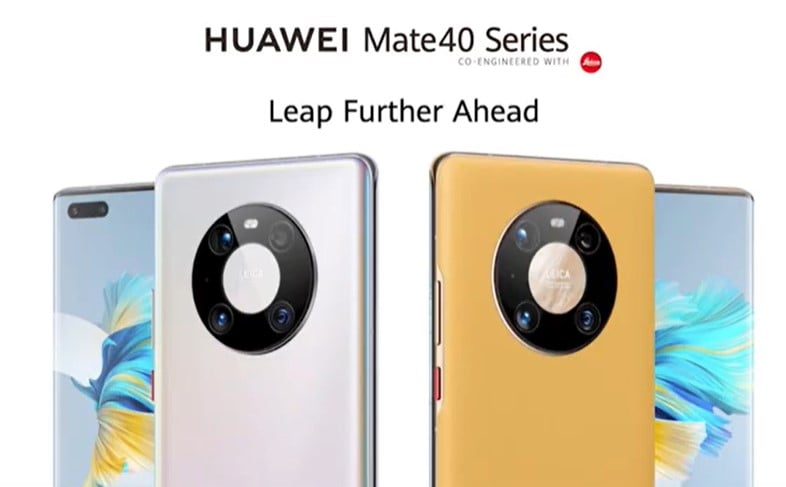
Huawei recently launched its much-awaited next-generation Mate lineup flagship smartphones — the Huawei Mate 40 series which includes three models — Mate 40, Mate 40 Pro, and Mate 40 Pro+.
Soon after the announcement, the devices were up for pre-order in Chian through JD.com. Now, JD.com has officially announced that the Huawei Mate 40 series was sold out on the platform in just 28 seconds.
However, the company has not revealed the number of units booked during this pre-sale period. Apart from the impressive attention of the customers, it is claimed that the live launch event was viewed by over four million people on the e-commerce platform.
As for those who are interested in buying the smartphone, JD.com has clarified that the company will continue the pre-sale process at 10:08 AM every day till 30th October. It seems that only two models are available for pre-order — Mate 40 Pro and Mate 40 Pro+.
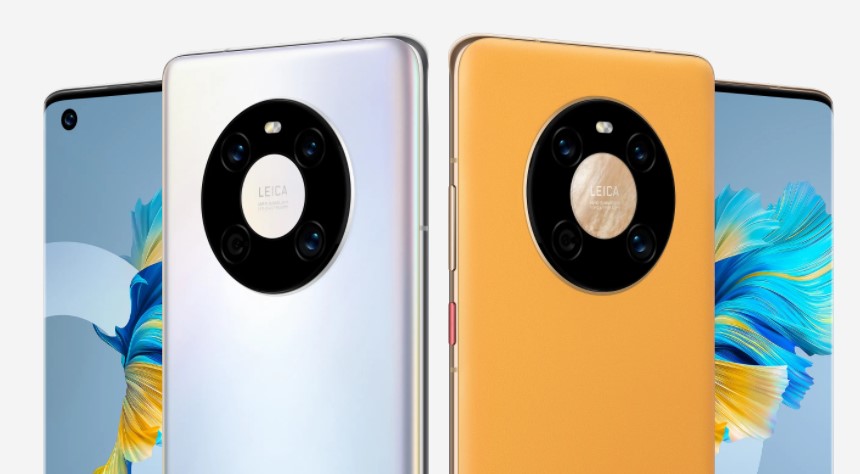
The Huawei Mate 40 Pro has been announced in five color options — Black, White, Mystic Silver, Vegan Green, and Vegan Yellow while the Mate 40 Pro+ variant comes in two options, which include Ceramic White and Ceramic Black.
Both the smartphones come with a 6.76-inch Flex OLED display with a 2722 x 1344 pixels screen resolution, DCI-P3 HDR, a 90Hz refresh rate, and a 240Hz touch sampling rate. The panels are curved (88°) but the company still offers physical volume rocker keys.
Under the hood, the devices are powered by the company’s own Huawei HiSilicon Kirin 9000, which is a 5nm chipset with a built-in 5G modem. The Chinese giant claims it to be the most powerful 5G processor in the world.
In the camera department, the Mate 40 Pro has a 50MP f/1.9 1/1.28” main camera along with a 20MP f/1.8 Cine Camera (ultrawide angle), and a 12MP f/3.4 telephoto camera. On the other hand, the Pro+ model has the same 50MP main camera and 20MP ultrawide Cine Camera but includes an 8MP f/4.4 periscope lens and a 12MP f/2.4 telephoto camera along with a ToF sensor for depth sensing.
The smartphones are running the Android 10 operating system with the company’s own EMUI 11 on top. The Mate 40 is powered by a 4200mAh battery with 40W fast charging while the Mate 40 Pro+ is powered b a 4400mAh battery having support for 66W wired SuperCharge and 50W wireless SuperCharge.
Xiaomi, which has entered into almost all categories of consumer electronics products, has been trying to establish its presence in the gaming space. After launching its gaming laptops, the company is now focusing on monitors.
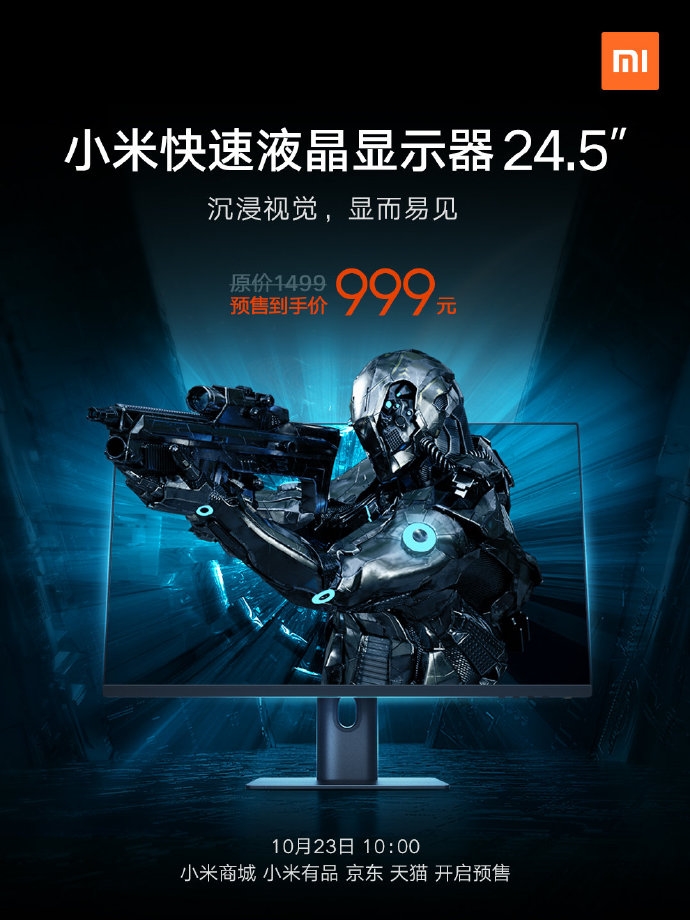
Today, Xiaomi has announced a new monitor in its home country China, dubbed as Xiaomi Fast LCD Monitor. It is currently available for pre-order through JD.com and is priced at 1,499 yuan, which is approximately $224.
However, those who pre-book the device in China with a deposit of 100 yuan (~$15) will be able to purchase it for just 999 yuan (~$149). The company is expected to start shipping the product from 2nd November.
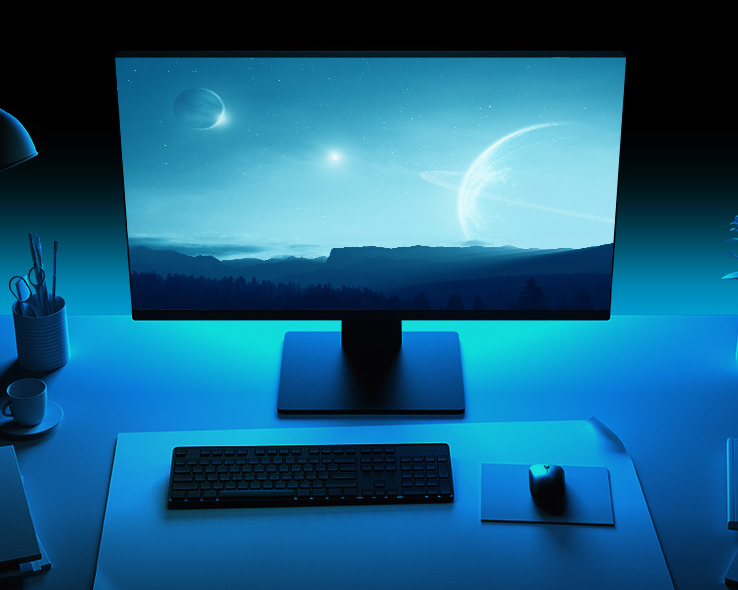
The newly announced Xiaomi Fast LCD monitor comes with 24.5-inch IPS display with support for a Full HD screen resolution of 1080. Justifying the “fast” branding in its name is the support for the 144Hz refresh rate and rapid response of GTG 2ms.
The display offers a maximum brightness of 400cd/m2 and has support for 95 percent DCI-P3 wide color gamut and 100 percent sRGB. It also has support for Adaptive-Sync smart display technology that keeps the display refresh rate in sync with the number of frames transmitted by the video card.
Further, the company adds that the monitor‘s display is also HDR400 certified and supports HDR for ultra-high-quality images that offer a better viewing experience. It has two HDMI 2.0 ports, one DisplayPort 1.2, a headphone connector, and a power port.
As for the design, this new monitor from Xiaomi comes with support for lifting and rotating the panel for adjusting the display angle on the stand. In line with the design of other productions from the company, this one also looks minimal and sleek.
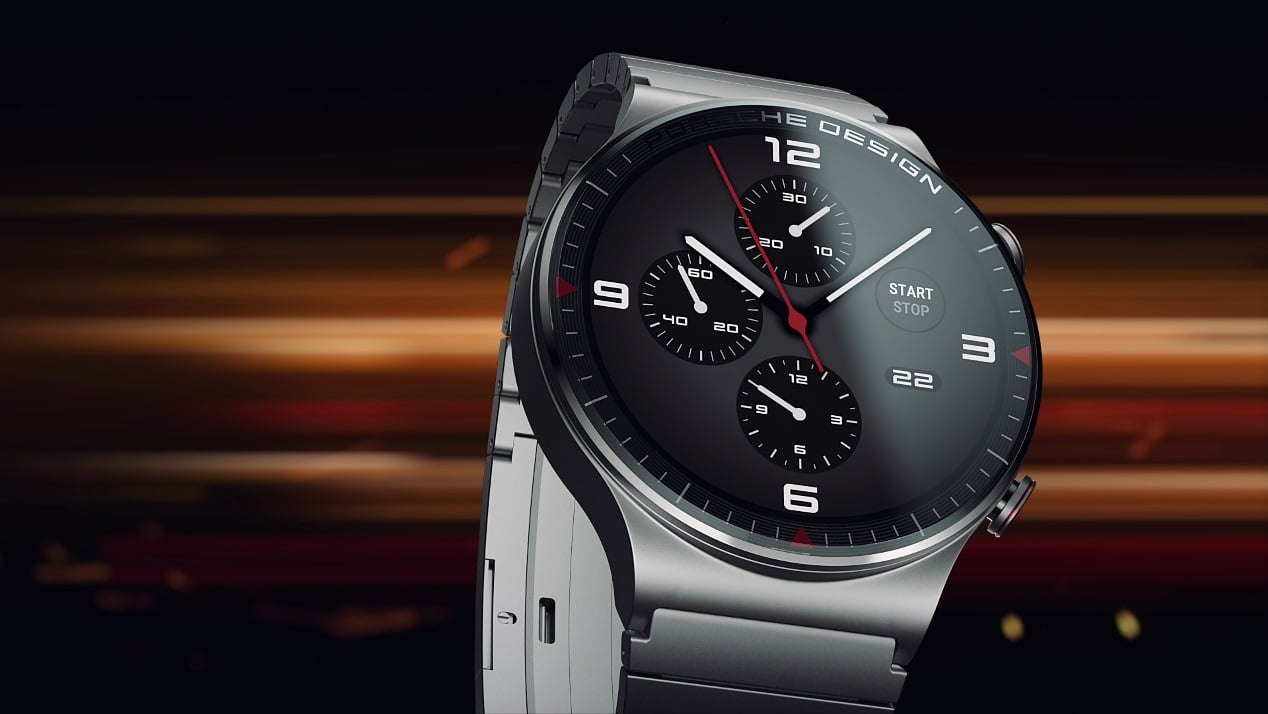
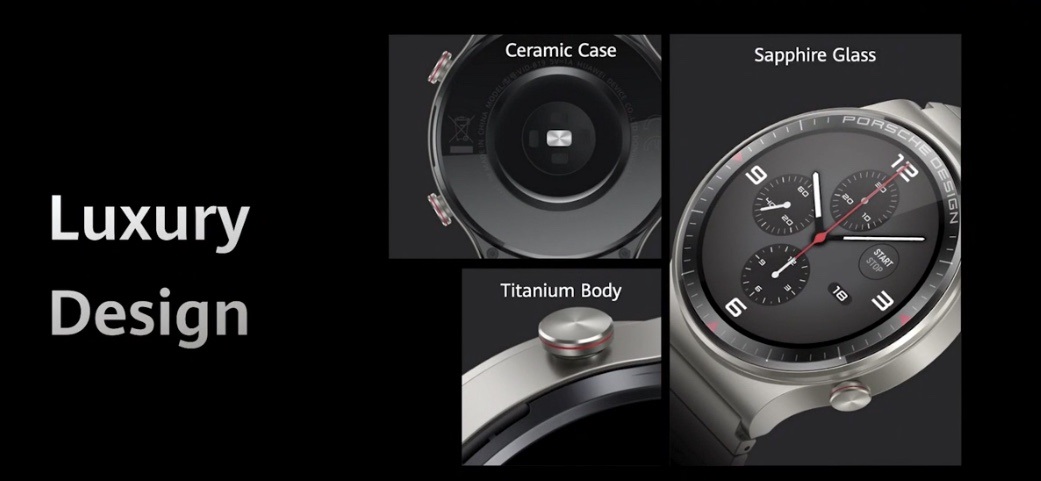
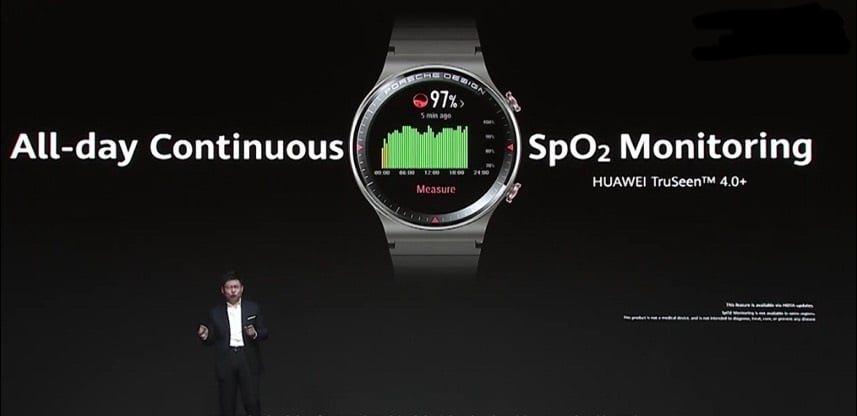
At the Huawei Mate 40 series global conference, Huawei launched a host of other products one of which is the Huawei Watch GT2 Porsche design. The new smartwatch takes a cue from the Watch GT2 but this time around, it utilises a more premium all-titanium metal build and sapphire glass screen and equally supports all-weather blood oxygen saturation monitoring. The watch will be sold in Europe for 695 euro.
The Huawei Watch GT2 Porsche Design is based on the functions of the Watch GT2 Pro. It comes with an enhanced design and is built using more sophisticated materials. The Sapphire glass screen has the characteristics of high-temperature resistance, good thermal conductivity, high hardness, and infrared transmission. It is also scratch resistance up to Mohs level 9.
The all-titanium watch body design and high-tech precision ceramic materials make the watch look more advanced, lighter, less susceptible to corrosion, and strong. The titanium butterfly buckle of the Watch GT2 Porsche Design is a one-piece design. It automatically locks when you press the buckle lightly, and it can be released quickly by pressing the bayonet on both sides at the same time.
In terms of sports health, Huawei Watch GT2 Porsche Design has added 2 professional sports modes: skiing and golf driving range, as well as professional trajectory return function, and supports more than 100 sports types, 17 professional sports modes, and 6 sports mode automatic recognition. And continued sleep monitoring, pressure monitoring and other functions. In addition, this product is newly upgraded to TruSeenTM 4.0+, an all-weather heart rate monitoring technology, with more than ten types.
The Huawei Watch GT2 Porsche Design is also the first to support all-weather blood oxygen saturation monitoring. Users can also check their blood oxygen data for multiple periods of the day through the Huawei Sports Health APP to better understand their physical condition.
Huawei Watch GT2 Porsche Design will officially go on sale at 0:00 on November 1.
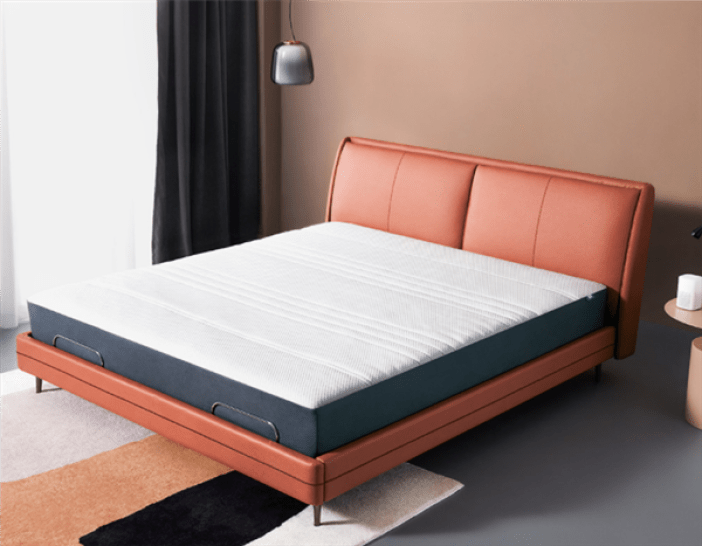
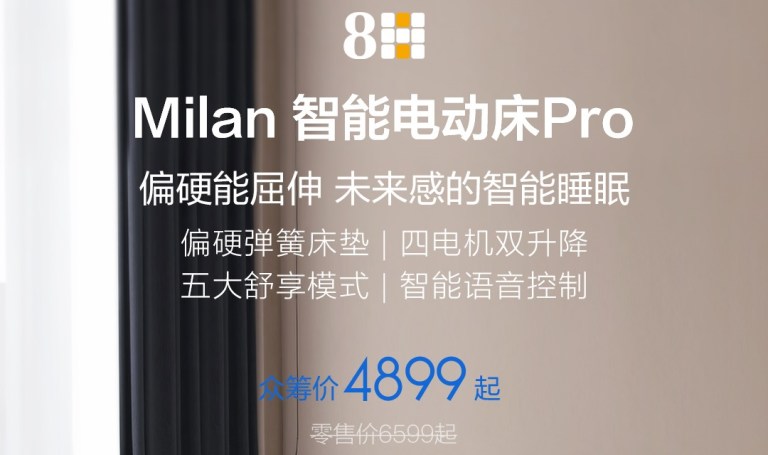
Xiaomi has launched the 8H Milan Smart Electric Bed Pro under the Youpin crowdfunding platform. The smart bed is a direct successor to the 8H Milan smart electric bed which was launched under crowdfunding in December 2019, priced at 1999 yuan (~$300). The 8H Milan Smart Electric Bed Pro carries a crowdfunding price of 4899 yuan ($735) and is expected to start shipping before December 1.
The original 8H Milan smart electric bed features support for five (5) kinds of comfort modes, intelligent voice control, and other functions. The new Pro version brings an upgrade in the aspect of the motor which moves from dual motors to quad motors. The smart bed is also equipped with dual-zone lifting, strong power, slow rise, and slow fall. It also features several functions aim at enhancing your sleep.
The 8H Milan Pro bundles a rigid spring mattress and equally supports intelligent voice control. Design-wise, it also features a high leg design and an innovative spring mattress made of solid materials that match the sleeping habits of users. The mattress comes with different support for different parts of the body, exerting the right pressure in different places.
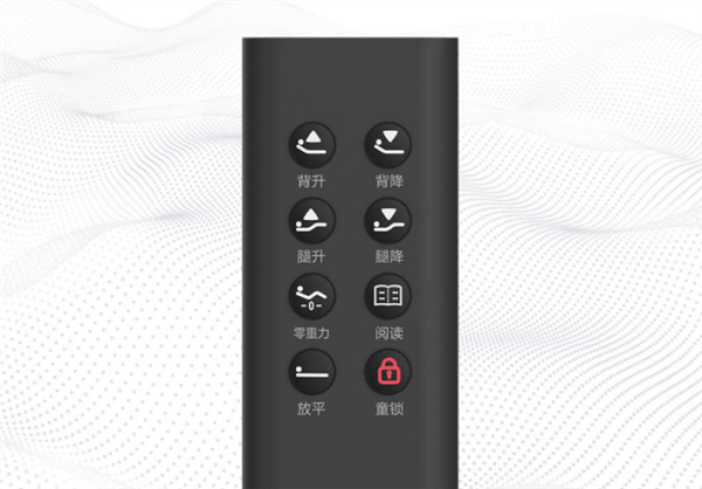
Further, the 8H Milan Smart Electric Bed Pro comes with support for three smart control modes. It can be controlled via remote control, the MIJIA app and through the XiaoAI voice assistant using voice prompts. The mattress supports reading mode, snoring mode, flat-lying mode, zero-gravity mode, and TV mode
Huawei’s new phones come along with a bunch of accessories that you should consider getting if you plan to pick up any of the new devices. The list of new accessories includes fast chargers, a power bank, and nifty cases.
Huawei SuperCharge Wireless Car Charger and Huawei SuperCharge Car Charger
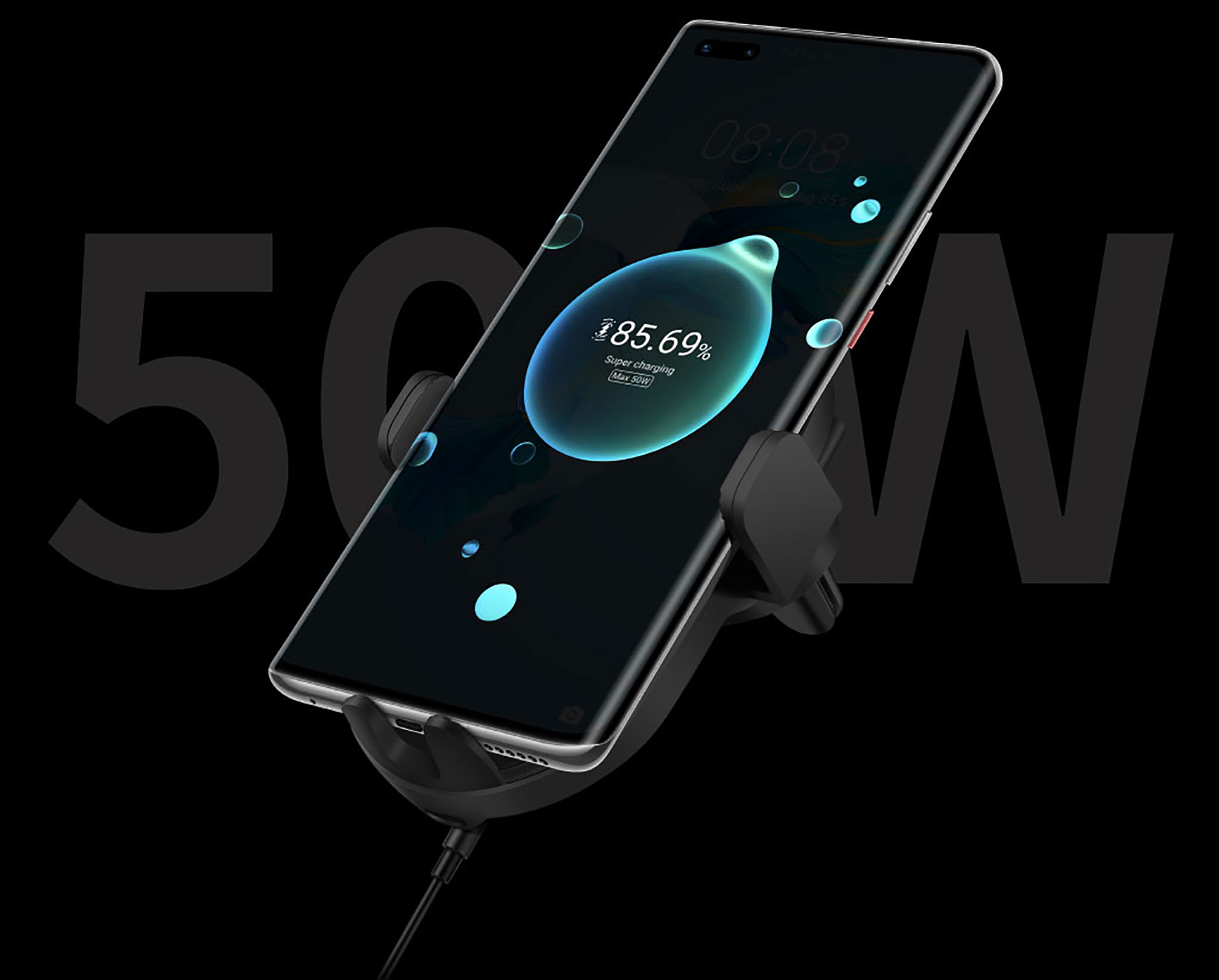
The Huawei Mate 40 Pro, Mate 40 Pro+, and Porsche Design Mate 40 RS all support 50W wireless charging. However, a wireless charger isn’t included in the box and you have to purchase one yourself.
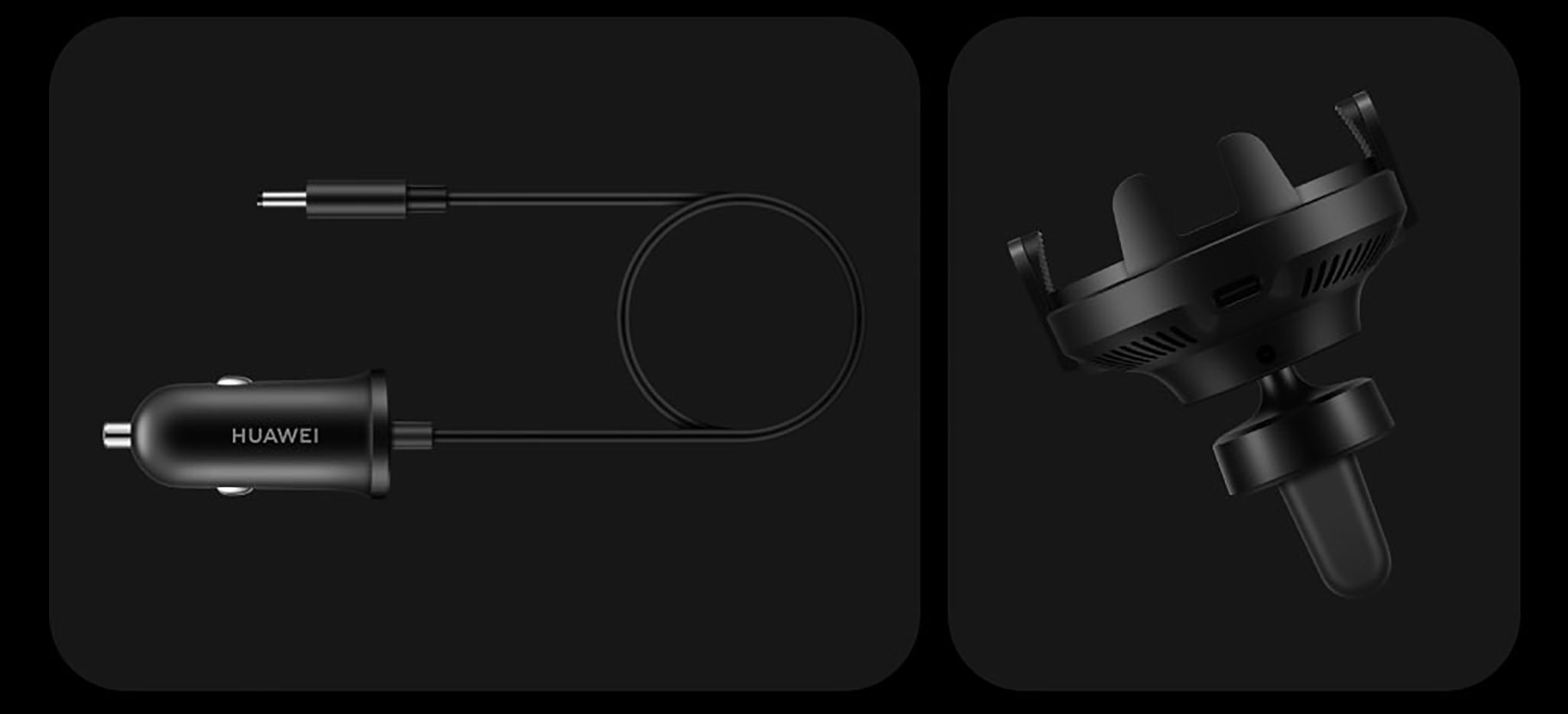
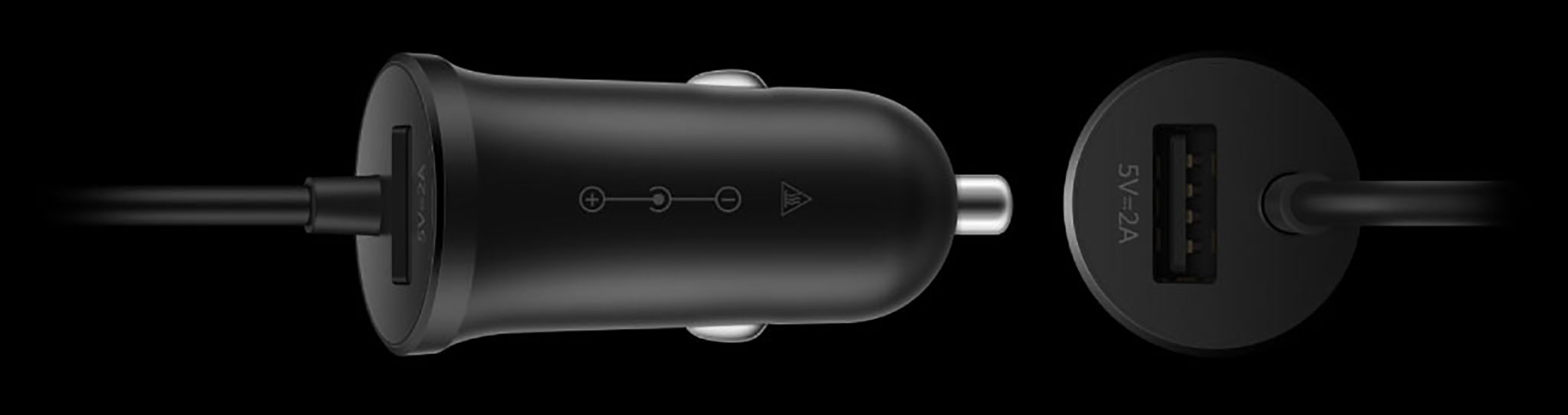
The Huawei SuperCharge Wireless Car Charger features upgraded proximity sensors on both sides that control the clamp, making it easy for users to mount and retrieve their phones. Huawei says the charger also has a power storage feature that allows you to keep charging your phone for up to 30 minutes after your car stalls.
The cigarette lighter adapter bundled with the SuperCharge Wireless Car Charger has an extra port with a 5V 2A rating, so you can connect an extra device such as a dashcam. The wireless charger itself has a DC input port and a USB-C input port.
The charger features a 3D air cooling system that absorbs air to cool the charging coils, the stand, and your phone. Huawei claims the air volume has been tripled and the fan runs quieter than the previous generation. Worried about safety? The car charger is TÜV Rheinland-certified safe and has 15 layers of protection including overvoltage, under-voltage, overcurrent, and temperature protection.
The charger is not only compatible with Huawei’s Mate 40 series but also works with the P40 series, Mate 30 series, iPhone 12 series, iPhone 11 series, Galaxy S20 series,Galaxy Note 10 series, and a bunch of other models.
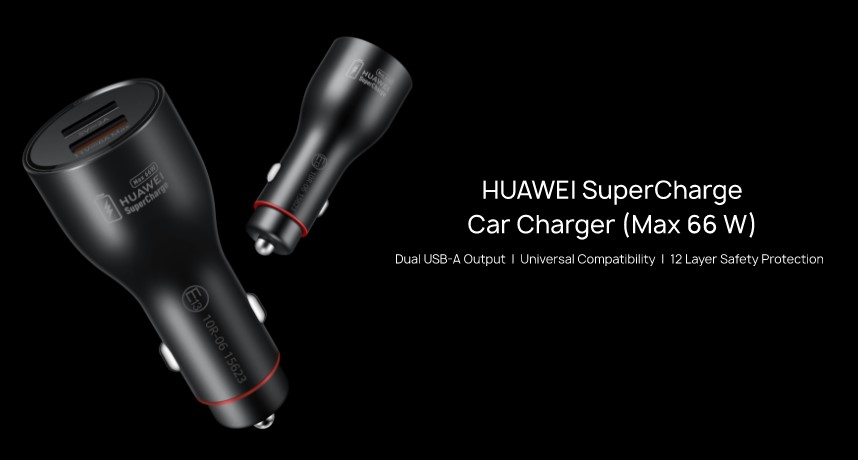
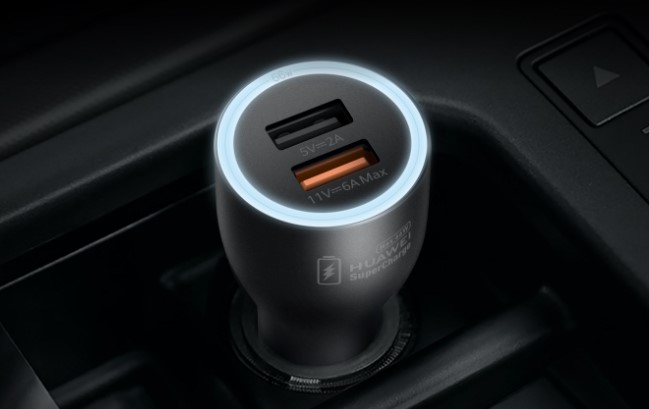
If wireless charging is not your style, then you can grab the 66W SuperCharge Car Charger to charge your new Mate 40 Pro/Pro+/RS phone even faster at 66W. The car charger which is clad in anodized aluminum has a ring light to make it easy for you to locate it in the dark.
It also has two outputs, both of which have a combined output of 76W. However, only the orange port can output 66W as the black port maxes out at 10W. Below are the power output ratings for the ports:
Port 1 (Black) – 5V 2A
Port 2 (Orange) – 11V 6A, 10V 4A, 9V 2A, and 5V 3A
The charger has twelve-layer safety protection including ESD protection, over-voltage protection, and short circuit protection. Huawei ships a 6A USB-C cable with the car charger which we think is pretty generous.
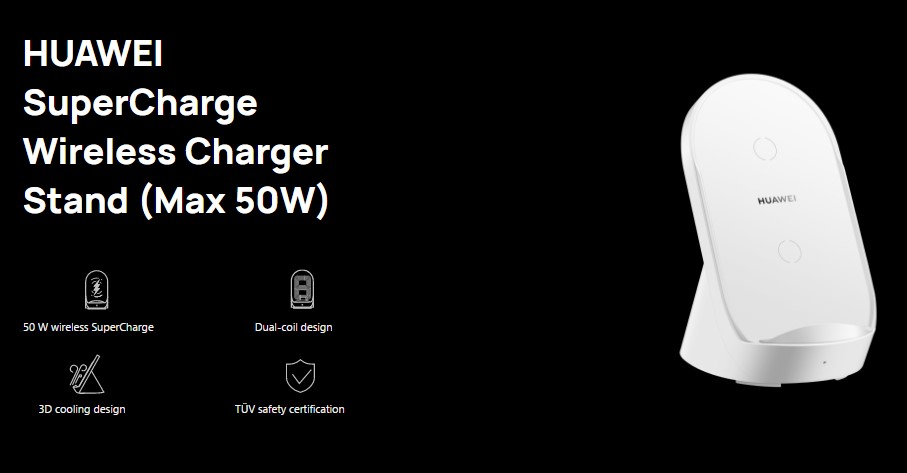
Your car is not the only place where you can enjoy Huawei’s 50W SuperCharge Wireless Charging. You can also purchase the Huawei SuperCharge Wireless Charger Stand to charge your phone at up to 50W at home or at the office.
The charger which has a vertical design with a 60° tilt allows you to charge your phone or compatible device both in landscape and portrait positions. It features dual coils and a larger sensor area. Huawei also claims the charger automatically detects the time on your phone and switches to an ultra-silent mode at night (between 9 PM and 7 AM).
The Huawei SuperCharge Wireless Charger Stand (50W) has a 3D cooling air design to keep the fan and phone cool during charging. Other features include foreign object detection, overcurrent and overvoltage protection, and wide compatibility with several devices including the MatePad Pro, FreeBuds 3, FreeBuds Pro, and all Qi-compatible devices.
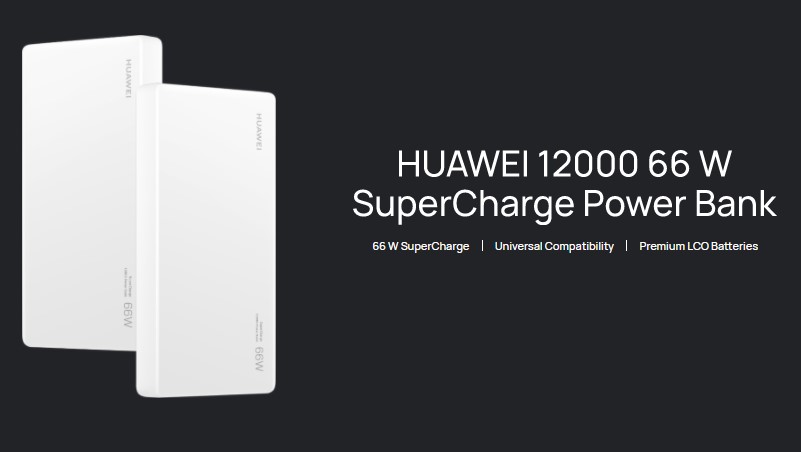
Huawei 12000 66W SuperCharge Power Bank
If you don’t have a need for a car charger, then you can pick up the 66W SuperCharge Huawei announced today so you can charge your phone at the maximum power supported.
The Huawei 12000 66W SuperCharge Power Bank has three 4020mAh Lithium Cobalt Oxide batteries that make up its 12000mAh battery capacity (rated capacity is 6600mAh). The power bank has a USB-A output port and a USB-C output port that allow serves as the input port. There are four LEDs to indicate battery level.
The power bank not only supports 66W output but also 66W input, so you can use a 66W charger to refill it from empty to full in just 1.8 hours. Below are the power ratings for the power bank:
Huawei has designed the charger to charge not only phones but also compatible laptops. It also has a trickle charge mode for small devices such as smartwatches, earbuds, and smartbands.
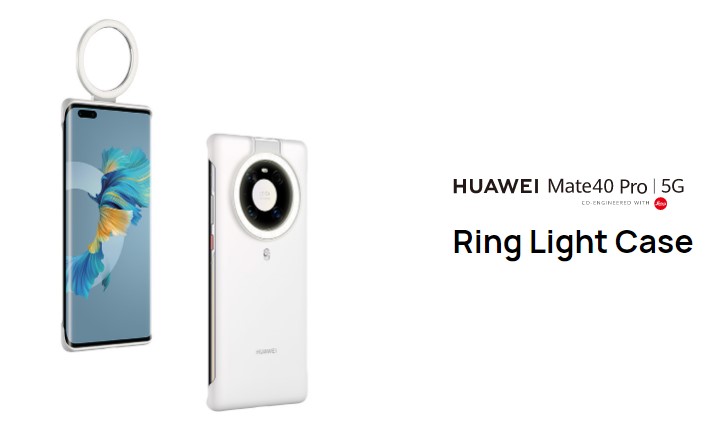
Huawei Mate 40 Pro Ring Light Case
The Huawei Mate 40 series has no shortage of cases but the most interesting one of them all is the Ring Light Case for the Mate 40 Pro.
This case which comes in Pearl White has a ring light that folds neatly at the back and can be turned on when you want to take a selfie or record a video in low light. The ring has a total of 52 LEDs which means it should pretty bright and great for vlogs.
There is a button on the back of the case that you can use to control the ring light. Apart from turning on the ring light, the button also allows you to switch between brightness level and light modes. There are three levels of brightness (low, medium, and high) and three light modes (mixed, cool, and warm).
Curious about how it is powered? The ring light case draws power wirelessly from your phone thanks to the Mate 40 Pro’s support for reverse wireless charging.
Huawei is yet to reveal the prices of all these accessories save for the Mate 40 Pro Ring Light Case which is priced at €69.
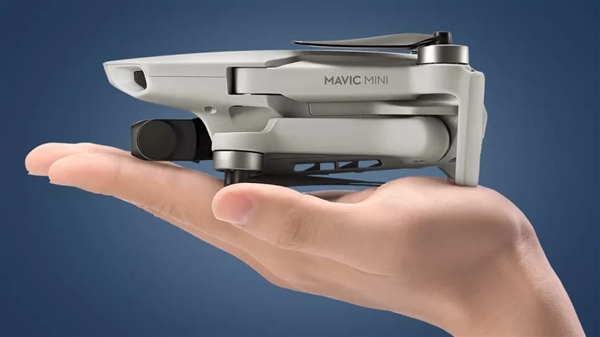
About this same time last year, renowned drone maker DJI launched the Mavic Mini, a portable and affordable drone. The product arrived with a price tag of $399 for the standard version which includes the Mavic Mini, a remote controller, one battery, extra propellers and all necessary tools and wires. DJI may soon update the portable aerial drone with the Mavic Mini 2.
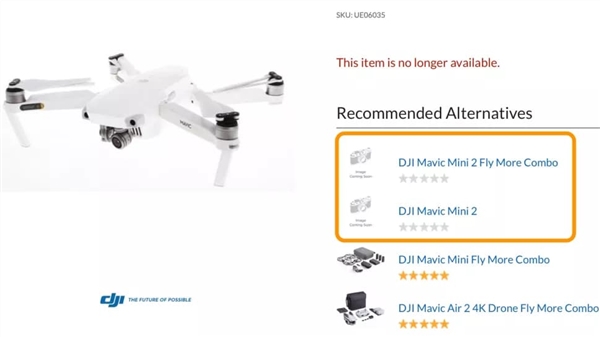
The Mavic Mini 2 has reportedly been listed on the website of U.S-based camera, electronics, and film equipment retailer Adorama. The page even revealed the likely retail price, suggesting the Mavic Mini 2 stand-alone is $449 while the Fly More Combo will retail for $599. This represents an increase of 12% over the previous-gen Mavic Mini which retail for $399 and $499.
We can’t adduce a better reason for the price increase rather than a possible upgrade in the specifications. Talking of the specs, the Mavic Mini 2 will feature support for 4K video recording.
There are also reports that the Mavic Mini 2 camera will be upgraded from 2.7K/30P to support 4K/30P video shooting. At the same time, the old micro-USB interface on the body and remote control has finally been changed to USB-C interfaces.
However, the core CMOS of the Mavic Mini 2 is still 12 megapixels with 1/2.3 inches, the same as the previous generation. The DJI Mavic Mini packs high-grade motors that deliver up to 30 minutes of flight time. We expect the Mavic Mini 2 to have an extended flight time.
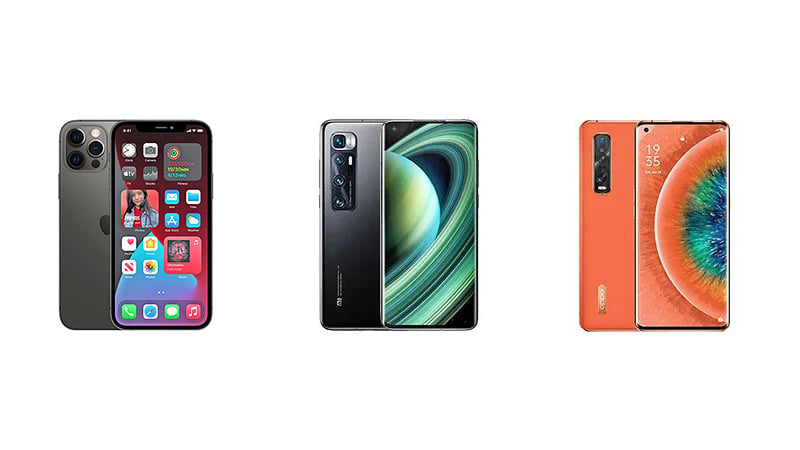
In a bunch of hours, the new iPhone 12 Pro will go on sale in a lot of countries. But is it worth spending all that money for the latest Apple phone or you can get something better with other flagships? In order to let you find out, given that the phone is going on sale all around the world, we decided to compare the iPhone 12 Pro with the best Chinese flagships out there. We decided to start with the Xiaomi Mi 10 Ultra and the OPPO Find X2 Pro, two of the hottest devices of this year. Through this specs comparison, you should be able to learn which one is better for your needs.
Apple iPhone 12 Pro vs Xiaomi Mi 10 Ultra vs OPPO Find X2 Pro
OPPO Find X2 Pro
Xiaomi Mi 10 Ultra
Apple iPhone 12 Pro
DIMENSIONS AND WEIGHT
165.2 x 74.4 x 8.8 mm, 217 g
162.4 x 75.1 x 9.5 mm, 221 g
146.7 x 71.5 x 7.4 mm, 189 g
DISPLAY
6.7 inches, 1440 x 3168p (Quad HD+), AMOLED
6.67 inches, 1080 x 2340p (Full HD+), OLED
6.1 inches, 1170 x 2532p (Full HD+), Super Retina XDR OLED
Quad 12 + 12 + 12 MP + LiDAR scanner, f/1.6 + f/2.0 + f/2.4
Dual 12 MP + SL 3D f/2.2 front camera
BATTERY
4260 mAh, fast charging 65W
4500 mAh, fast charging 120W Quick Charge 5, fast wireless charging 50W and reverse wireless charging 10W
2815 mAh, fast charging 20W, fast wireless charging 15W
ADDITIONAL FEATURES
Dual SIM slot, 5G, waterproof IP68
Dual SIM slot, 5G
Dual SIM slot, 5G, waterproof IP68, optional eSIM
Design
With that big notch, the iPhone 12 Pro does not offer the most beautiful front panel, but its overall design and its materials are amazing (Ceramic Shield and stainless steel frame). Further, it is one of the most compact flagships in the market and it is waterproof. Despite all these qualities, I personally prefer the design of the OPPO Find X2 Pro: it is built with unique materials including leather back and a ceramic body (depending on the chosen color variant). It has a single punch-hole display instead of an ugly notch, and a curved screen with a very high screen-to-body ratio. Xiaomi Mi 10 Ultra is a classic glass sandwich with an aluminum frame like most of the flagships out there.
Display
The most impressive display belongs to the OPPO Find X2 Pro. The iPhone 12 Pro has a display with perfect colors, but the 10-bit panel of the OPPO Find X2 Pro has a higher resolution and higher refresh rate (up to 120 Hz), as well as the HDR10+ certification. The Xiaomi Mi 10 Ultra has an amazing display as well, but it is inferior to its rivals. In each case, you get a flagship-class OLED display, but the iPhone 12 Pro has a way smaller diagonal with just 6.1 inches. OPPO Find X2 Pro and Xiaomi Mi 10 Ultra rely on an in-display fingerprint reader for authentication, while iPhone 12 Pro supports 3D facial recognition (Face ID): that is the reason why it has a so big notch.
Hardware/Software
The king of hardware is the iPhone 12 Pro because it boasts a more powerful chipset and a better optimized operating system. The SoC is the Apple A14 Bionic: the first built with a 5 nm production process, paired with 6 GB of RAM and up to 512 GB of internal storage. Right after, on the paper, we got the Xiaomi Mi 10 Ultra with a Snapdragon 865 chipset and up to 16 GB of RAM, but there are just marginal differences between it and the OPPO Find X2 Pro offering a Snapdragon 865 and 12 GB of RAM.
Camera
Unfortunately, no one had the chance to test the cameras of the iPhone 12 Pro. The Xiaomi Mi 10 Ultra and the OPPO Find X2 Pro come with impressive camera departments, so it is very hard to establish which phone is the best only by looking at the specs on the paper. Xiaomi Mi 10 Ultra and OPPO Find X2 Pro are more or less at the same level, but the former looks more interesting with its 48 MP periscope sensor paired with a 48 MP main camera boasting laser autofocus. The OPPO Find X2 Pro has a better front camera and a better ultrawide sensor.
Battery
The Xiaomi Mi 10 Ultra should be the best battery phone of the trio with its 4500 mAh battery. It is also the fastest charging phone with its 120W fast charging technology, and it even supports fast wireless charging with 50W power.
Price
iPhone 12 Pro has a €939/$999 starting price, Xiaomi Mi 10 Ultra begins at €785/$929 (China), and OPPO Find X2 Pro costs €1199/$1417 globally. Which one you should go for? It mostly depends on your needs. OPPO Find X2 Pro offers a better design and display, Xiaomi Mi 10 Ultra has amazing cameras, battery, and charging speeds, iPhone 12 Pro is compact and it boasts the highest performance, while its camera performance is still unknown. Which one would you pick?
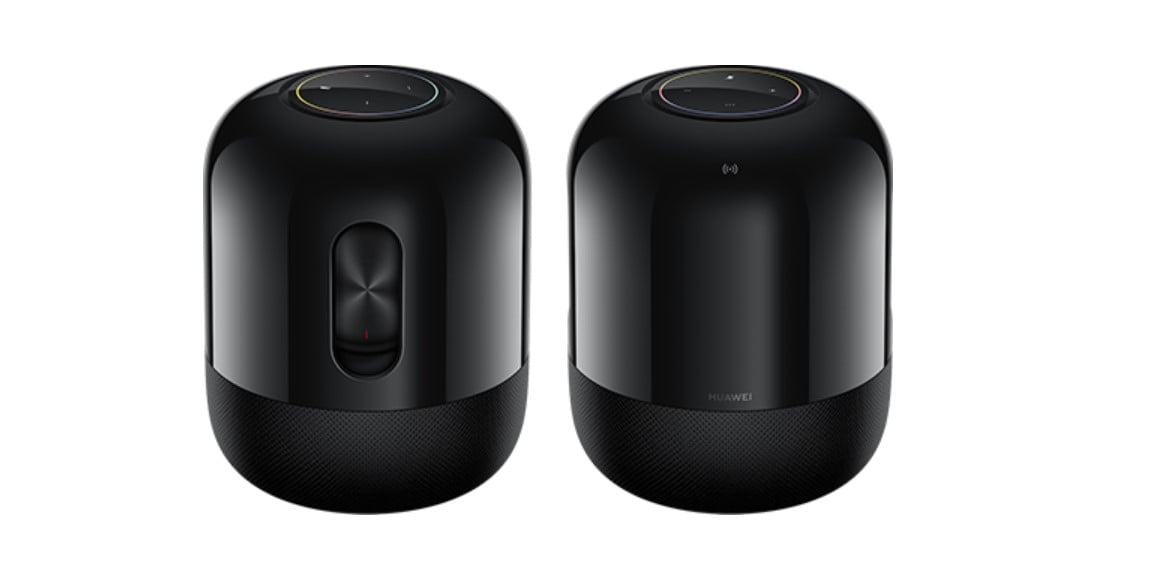
Alongside the Mate40 series, Huawei launched a number of other products including the HUAWEI Sound today(October 22). On paper, it looks like a stripped-down version of the HUAWEI Sound X whilst retaining the Devialet’s acoustic design. Accordingly, the Bluetooth Speaker starts at a lesser price.
Just like the Sound X, the watered-down variant is also co-engineered with ‘DEVIALET‘. For the unaware, it is a French Audio company that makes speakers and amplifiers with Hi-Fi audio. Also, Design-wise, it borrows the design, shape, color, buttons from the Sound X. However, it measures slightly different at 147mm(D)x186.7mm(H), and weighs 2.2kg as opposed to 3.5kg of Sound X. Huawei tags it as smaller, yet powerful speaker.
HUAWEI Sound Specifications
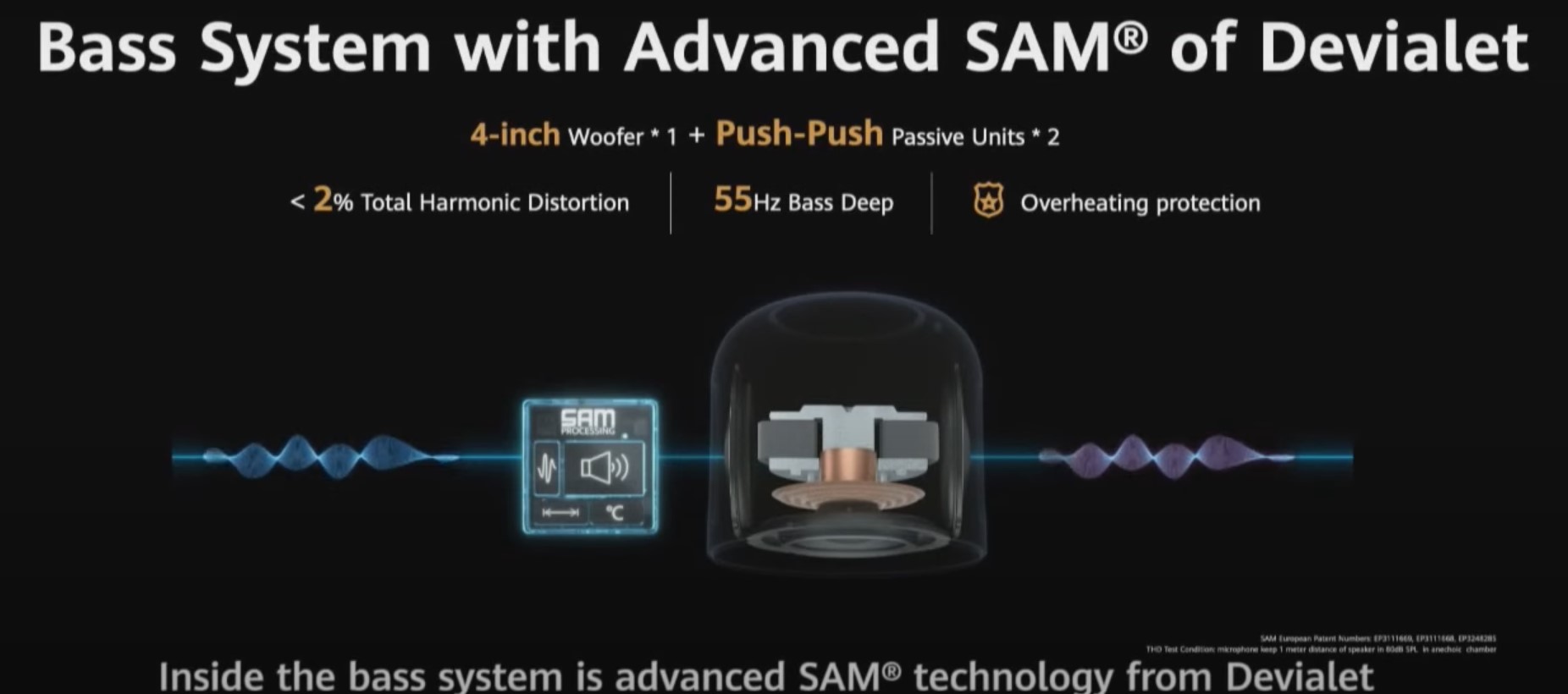
Internally, it has a 4-inch 40W woofer and 3x full-range 5W speakers to work in conjunction with the woofer. Huawei says the speaker incorporates Devialet’s SAM 2.0 technology and a 1-woofer + 2-passive unit structure. Huawei calls them Push-Push units and says they offer 55Hz-40kHz deep bass with features like overheating protection, <2% THD. There is 512MB RAM, and 8GB ROM onboard.
Further, the speaker also supports Hi-Res audio with three full-range evenly placed apart) speakers. Huawei calls it a “Devialet’s SPACETM immersive Technology. This means users can feel 360° surround-sound because the SPACE intelligently classifies sound into direct sound, reflected sound, and ambient noise, via algorithm. And, this is aided by the three speakers resulting in spatial audio. That is, it supports SPACETM 360-degree Soundstage, Vocals, Hi-Fi, and Bass audio. These settings can be altered via Huawei AI Life App.
Other features, and Price
In terms of audio codecs, it supports Bluetooth LDAC codecs with transfer speeds up to 990kbps. Huawei says this is 3x faster than other BT speakers. For connectivity, we have Wi-Fi 802.11ac, Bluetooth 5.0, UPnP(BubbleUPnP, VLC, Hi-Fi cast), NFC, 3.5mm aux-in, connection guide lights, and multi-function keys at the top.
The HUAWEI Sound is priced at€199. This is cheaper than the current retail price of HUAWEI Sound X(€269.99)
Google is known for more than its search engine. One of the most used services by the internet giant is Google Docs. It is a cloud-based word processor that comes free with every Google account. Now, the Android app for this service has hit 1 billion installs on the Play Store.
The Google Docs Android app was released in 2014. This app is not part of the mandatory GMS package and therefore, it took 6 years to reach 1 billion downloads on the Google Play Store.
The application crossed 500 million downloads in October 2018 after 4 years from its launch, however, it achieved to surpass the next 500 million just within 2 years. As Android Police suggests, this could be mostly because people around the world have been working and continuing their education at home since the beginning of 2020.
As Google Docs is a free-to-use service, it is the most preferred word processor. Mostly because of its cloud-based features. Also, there are numerous institutions and enterprises that use Google Workspace (formerly G Suite) which includes Google Docs.
All of these above-mentioned factors could have made people download this app on your Android smartphones, tablets, and Chromebooks.
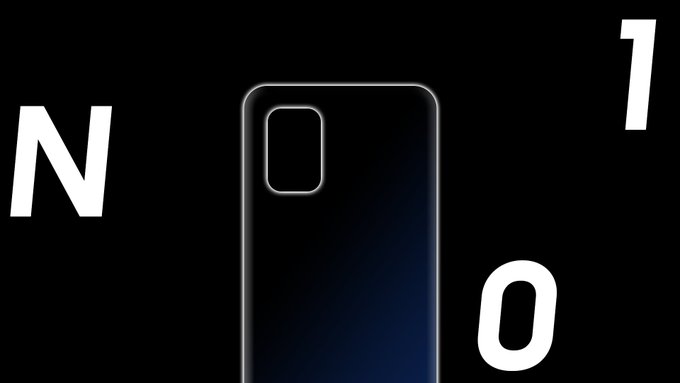
OnePlus Nord N10 5G and N100 are quietly making their way up the radar of leaks despite a silence from the company’s side. The company’s official Instagram handle hasn’t really broken anything apart from a #comingsoon poster. However, Steve from Onleaks is on a mission to bring them to the limelight. His new tip reveals details including the display and battery of the devices.
Nord N10 5G Specifications(Expected)
Jumping right in, according to Steve, OnePlus Nord N10 5G will have a 6.49-inch FHD+ display with a 90Hz refresh rate. Now, he hasn’t revealed if it’s an AMOLED or LCD here. Moving on, he says the device will come in 6GB RAM and 128GB storage. Apart from the known specs, it is said to have a 4,300mAh battery that probably charges via the USB-C port.
However, the most highlight of all is the inclusion of a headphone jack. Now, we aren’t really sure about this one but if it’s true, OnePlus better explains this well as to why they had to bring it back considering it recently launched the budget OnePlus Buds Z.
The device will reportedly feature Qualcomm Snapdragon 690 5G SoC, and boast a 64MP main lens which we already know. Alongside the main lens, an 8MP ultra-wide, two 2MP sensors will reportedly complete the rear squircle layout that leaked earlier.
Nord N100 Specifications(Expected)
Talking about the N100, Steve says the device will be a 4G-only and not 5G. According to him, it will feature a 6.52-inch HD+ LCD display(yes! you heard it right). This is surprising considering we haven’t seen an LCD display smartphone from OnePlus since the OnePlus 3. Further, the device will reportedly sport Qualcomm Snapdragon 460 SoC paired with 4GB RAM and a 64GB storage variant. All these falls in line with the Geekbench score that leaked a device with codename “clover“.
As for the optics, the rear camera will reportedly feature 13MP Primary, and two 2MP macro, and bokeh lenses. Upfront, an 8MP sensor is likely to take the selfies. Steve says the Nord N100 will feature a 5,000mAh battery which is negated by the earlier leaks that said 6,000mAh. Anyway, it will also have USB-C, and headphone jack ports.
While we wonder why OnePlus hasn’t really teased the devices yet, tipster Max J. thinks that the Nord N100 doesn’t exist and says there isn’t any evidence apart from a Geekbench score. Let’s wait and see if the leaks by Steve turn true in the coming days.
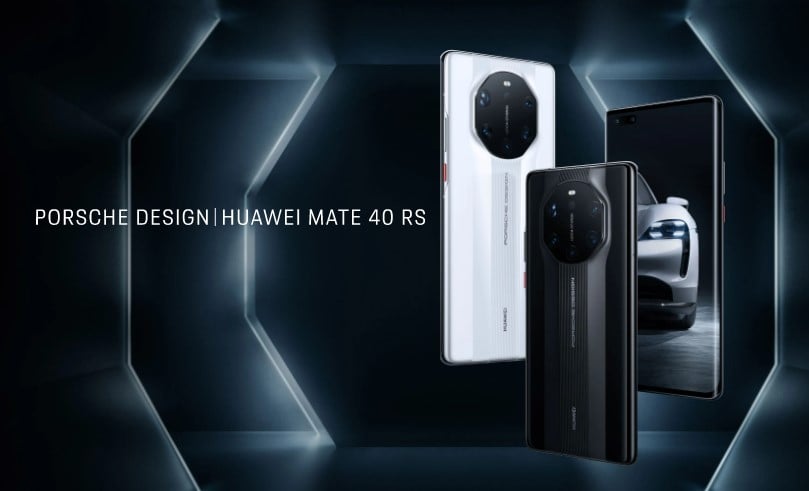
Huawei has partnered with Porsche Design to launch a special edition of the Mate 40. Called the Porsche Design Huawei Mate 40 RS, the phone shares some specs with the Mate 40 Pro series but also differs in its own way.
The Porsche Design Huawei Mate 40 RS has a high-strength nano-tech ceramic back which Huawei says has a “diamond-like shine and a sapphire-like toughness”. The stand out part of the design is the octagonal camera housing, and we won’t be surprised if we see other manufacturers copy the design in the near future. This is ceramic, so what you get is a glossy finish. There is no mention of an oleophobic coating, however, the white variant should be better at hiding smudges.
Porsche Design Huawei Mate 40 RS Specs
The Porsche Design Huawei has a 6.76-inch OLED display with a 90Hz refresh rate. There is a pill-shaped punch hole in the top left corner of the screen that houses a 13MP primary camera and a 3D depth-sensing camera.
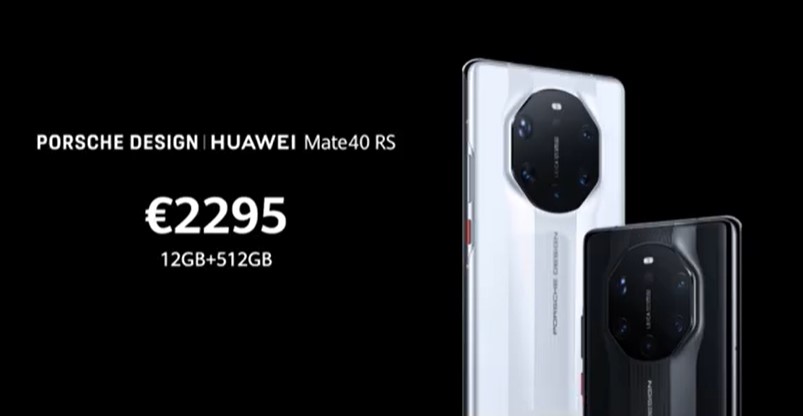
Under the hood is a Kirin 9000 processor with 12GB of RAM and 512GB of storage. It has a 50MP Ultravision main camera, a 20MP ultrawide Cine Camera, a 12MP telephoto camera with 3x optical zoom and OIS, an 8MP SuperZoom Camera that brings 10x optical zoom and also has OIS, and a 3D depth-sensing camera support for autofocus.
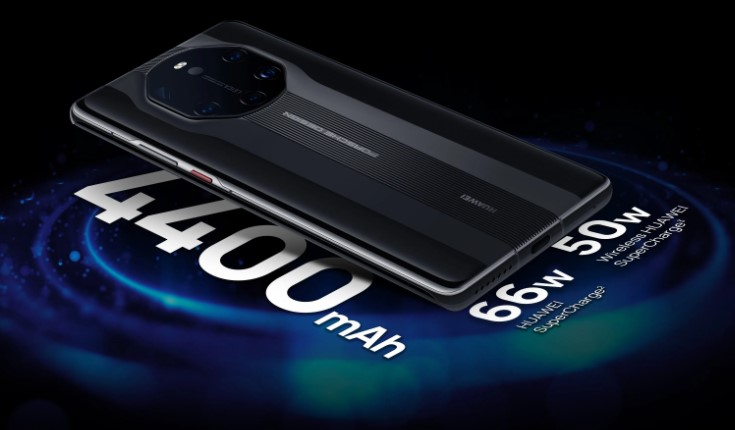
There is a 4400mAh battery inside the phone with support for 66W Wired Huawei SuperCharge and 50W Wireless Huawei SuperCharge. The Porsche Design Huawei Mate 40 RS has stereo speakers, Bluetooth 5.2, NFC, Wi-Fi 6, and a USB 3.1 Type-C port.
The phone runs EMUI 11 based on Android 10 out of the box.
Porsche Design Huawei Mate 40 RS Price
The Porsche Design Huawei Mate 40 RS is priced at €2295. This is quite expensive and will take some serious convincing for buyers to choose this over other phones such as the foldable Galaxy Z Fold 2.
Huawei has officially launched its latest flagship smartphones in the form of the HUAWEI Mate40 series. Like their predecessors, they feature impressive camera hardware. In fact, the HUAWEI Mate40 Pro scored 136 points and 104 points in DXOMARK Camera and Selfie tests claiming the first position from Mi 10 Ultra and HUAWEI P40 Pro respectively.
The newly launched HUAWEI Mate40 Pro brings an upgraded camera setup.
Rear Camera Setup
50 MP Ultra Vision Camera
Wide Angle
1/1.28″ Sensor
23 mm-equivalent
f/1.9 Aperture
20 MP Cine Camera
Ultra-Wide Angle
1/1.54″ Sensor
18mm-equivalent
f/1.8 Aperture
12 MP Telephoto Camera
1/3.56″ Sensor
125mm-equivalent
f/3.4 Aperture
5x Optical Zoom
OIS
Multispectral Color Temperature Sensor
Front Camer Setup
13 MP Ultra Vision Selfie Camera
Wide Angle
1/2.8″ Sensor
18mm-equivalent
f/2.4 Aperture
3D Depth Sensing Camera
ToF Sensor
Some of the pros of the phone’s rear camera setup include wide dynamic range, fast and accurate AF for both photos as well as videos, good depth estimation in bokeh mode, accurate wite balance in videos, and more.
As for cons, the ultra-wide camera offers a narrow field of view, occasional color quantization and ghosting artifacts in videos, variations in sharpness in videos when walking, and more.
If you’re familiar with OnePlus smartphones, you already know that the T series best fits the company’s early philosophy of giving you the best value for an affordable price tag. Compared to the Pro series, T models have cheaper prices but reserve the core experience and performance of a flagship. We are increasingly hearing complaints about the Pro’s expensive price tag, which no longer aligns with the philosophy of Flagship Killer once popularized by OnePlus. So now the Pro models are just flagships instead of flagship killers.
On the contrary, the more affordable T models can be called as flagship killers. But, how about the new OnePlus 8T? Let’s check out in this quick review of the OnePlus 8T.
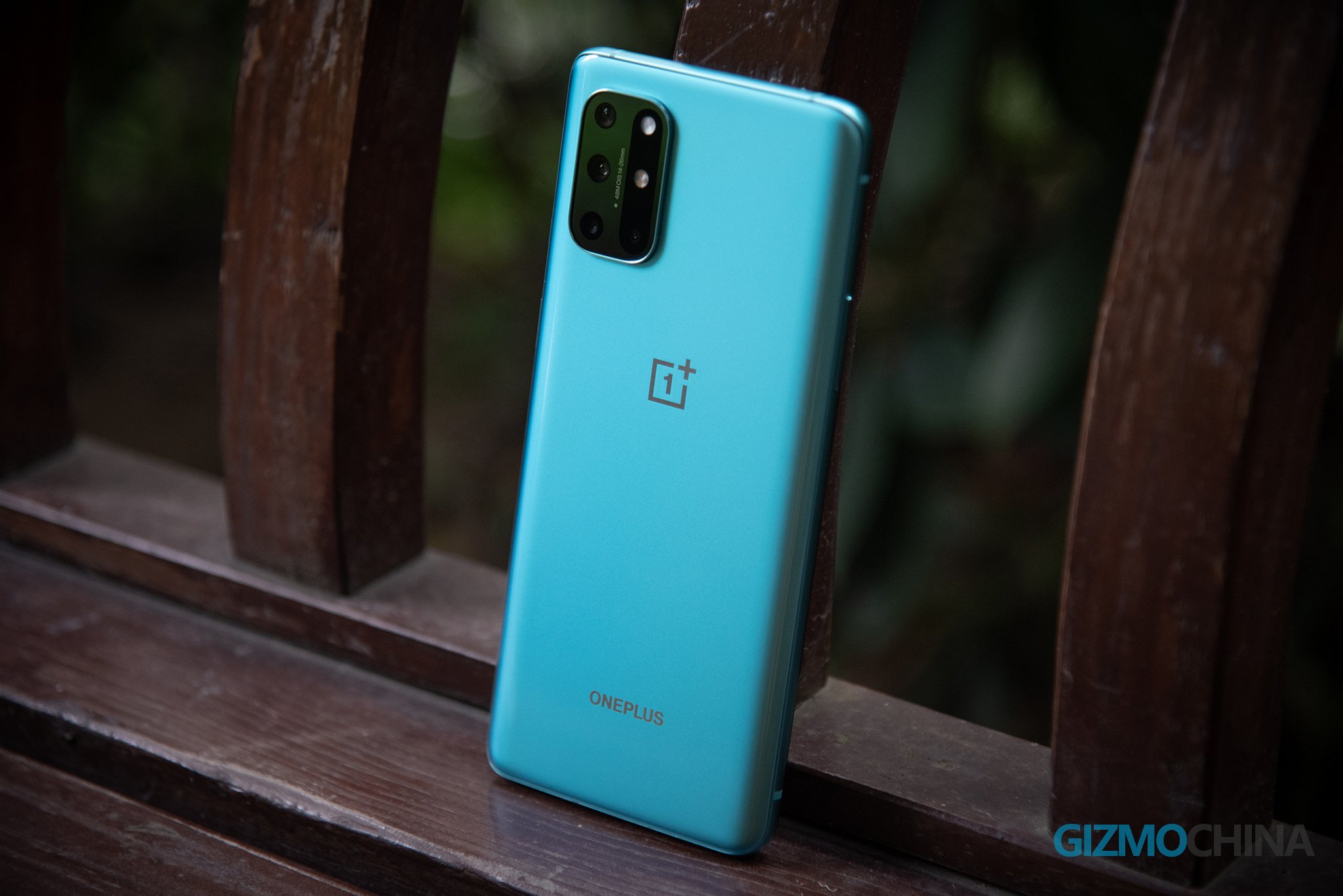
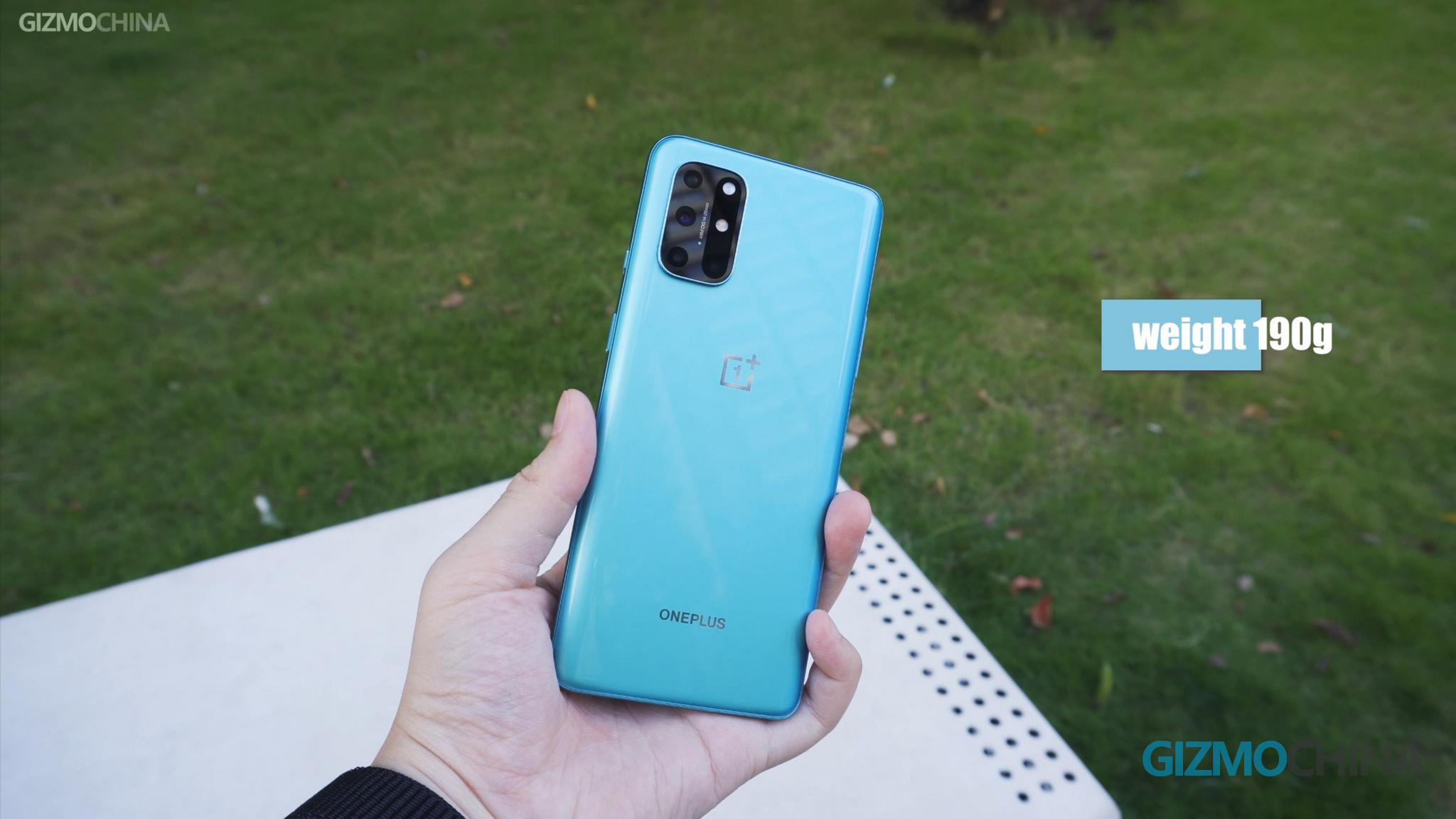
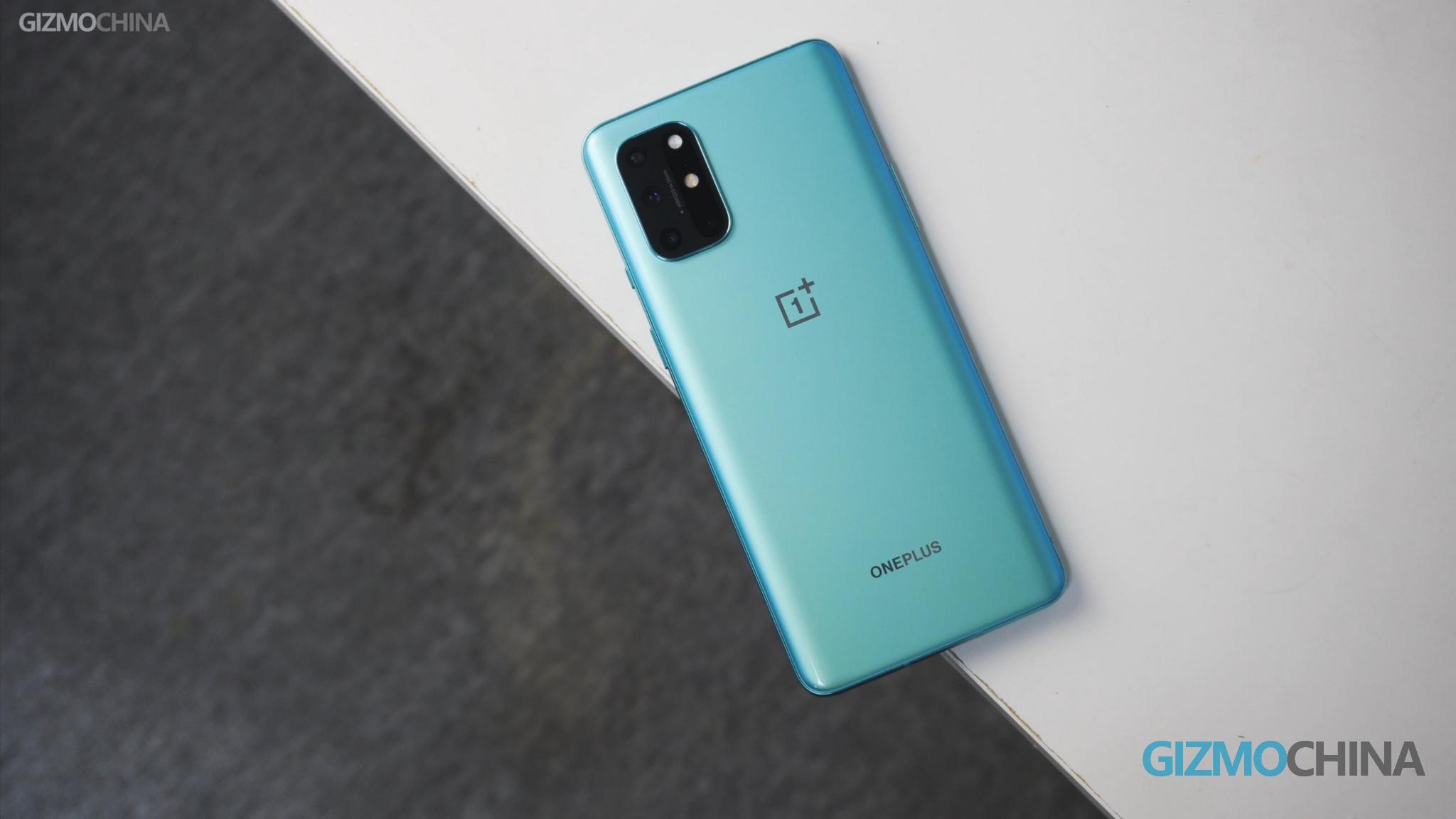
Let’s look at its design first. The OnePlus 8T comes with a different design philosophy than the previous models. The camera setup no longer lies at the top center of the back. Instead, like what we’ve seen on most 2020 flagships, it has been moved to the upper left corner. But to be honest, the design of the camera combination looks a bit ordinary and boring. Nothing really catches my eyes here.
But OnePlus has still used a fantastic glass finish at the back, which does lead to both outstanding visual and holding experience, whether it’s the Aquamarine Green that we have in our hands or the Lunar Silver color. At first glance, what really impressed us is the lightweight and thin body. The weight of around 190g is really unusual for a 2020 flagship smartphone and feels refreshing.
OnePlus 8T Review Display
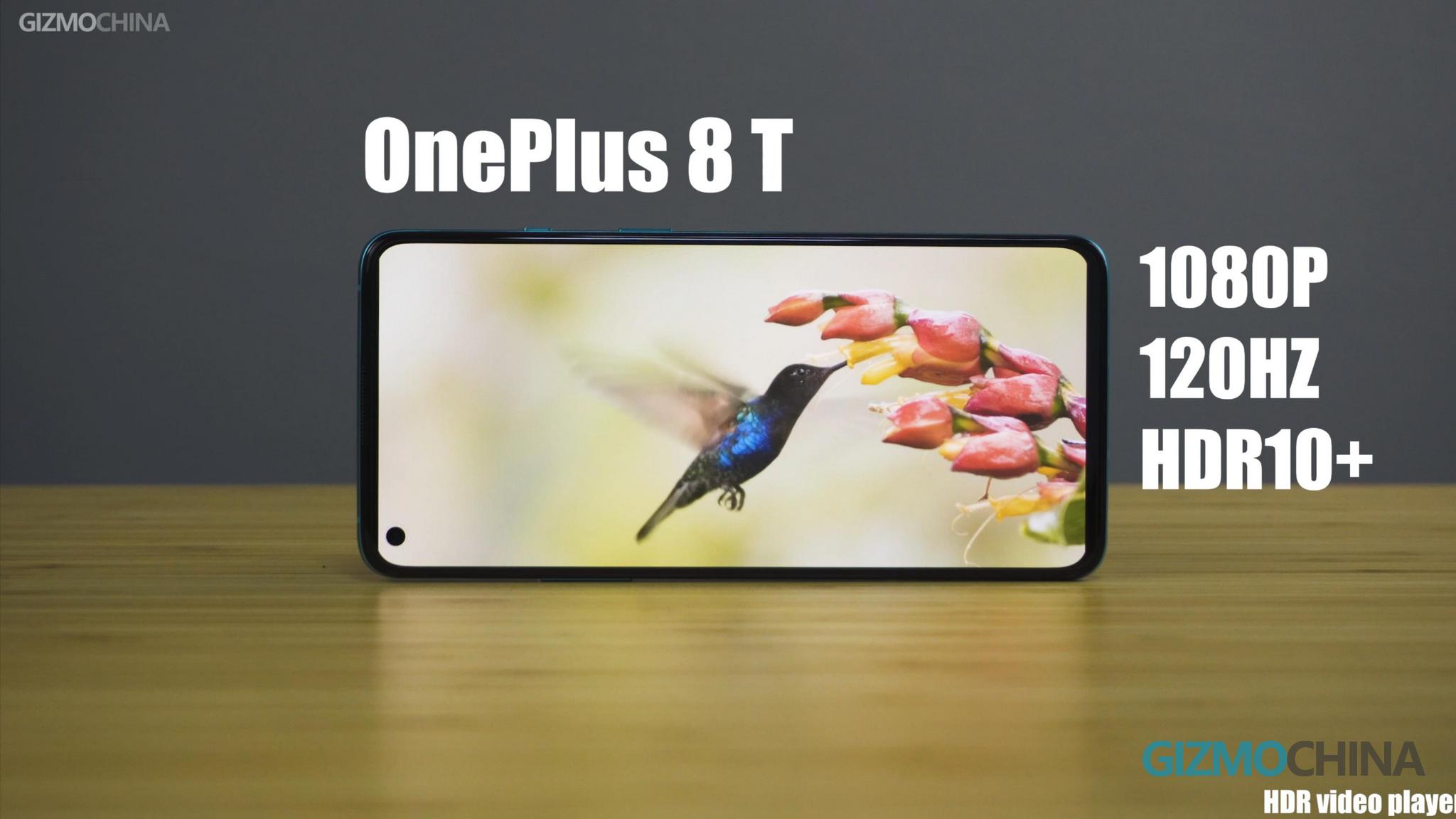
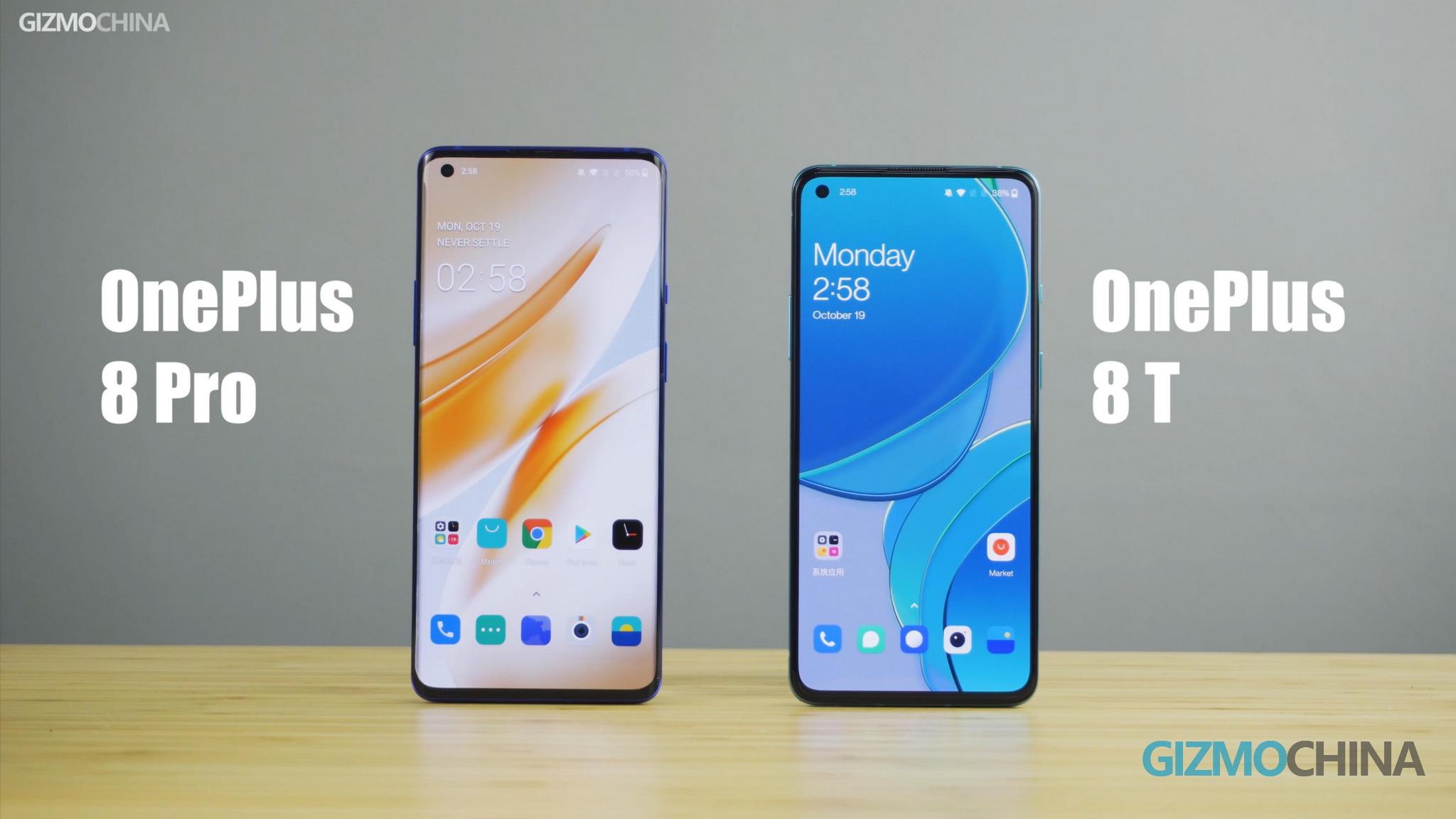
Over the past few years, OnePlus has invested heavily in its display, making it a huge selling point for its flagship models. And from what we can see on the OnePlus 8T, we can indeed experience the high-quality display. So clearly the company’s efforts have paid off and the screen deserves praise. Compared to the 2K display on the OnePlus 8 Pro, the 1080P display of the 8T can be considered as a downgrade. However, it’s still one of the best 1080P smartphone displays in the market. To us, the biggest surprise of the 6.55-inch 1080P Fluid display is neither the 120Hz refresh rate nor the certified HDR10+ support, but the smooth automatic brightness. With the maximum 1100nits and 8192-level adjustable brightness, viewing dynamic contents on this display turned out to be a great experience no matter in indoor low light conditions or bright outdoors.
In addition, unlike the 8 Pro’s curved display, the 8T uses a flat panel, which is definitely a good message for those who were worried about miss touches from curved displays on its predecessor. However, the flat display is not as immersive as the curved screens on the OnePlus 8 and 8 Pro models.
As for the cameras, I think most of you won’t be so excited. From the hardware perspective, the 8T applies a 2019 flagship setup, a common quad-combination led by a Sony IMX586 main-camera sensor. Apart from this, the combination contains a 16MP wide-angle camera, a 5MP Macro camera, and another 2MP Monochrome camera. Unfortunately, there is no telephoto camera on the 8T. Anyway, let’s look at some samples shot from these cameras.
1 of 6
Camera OnePlus 8T (1)
Camera OnePlus 8T Pro (5)
Camera OnePlus 8T (5)
Camera OnePlus 8T Pro (4)
Camera OnePlus 8T (4)
Camera OnePlus 8T Pro (3)
Well, we actually didn’t expect the Sony IMX586 to give us surprises as it has been in the market for almost 2 years. But when we compared the samples shot on the 8T and the 8 Pro, we found that the 8T is much more competitive than what we imagined.
It’s probably because when we compared it to newer flagship sensors, the IMX586 has got mature software optimization and now is able to maintain stable performance under most conditions. Under good lighting, the samples shot on the 8T have no big difference from what we shot on the 8 Pro. From the color contrast to color preference, they shared a close image style and both produced excellent resolution. And the 48MP original resolution of the IMX 586 also allows users to catch more detailed images with the 48MP high-resolution mode.
1 of 4
48MP Camera OnePlus 8T (1)
48MP OnePlus 8T Pro (1)
48MP Camera OnePlus 8T (2)
48MP OnePlus 8T Pro (2)
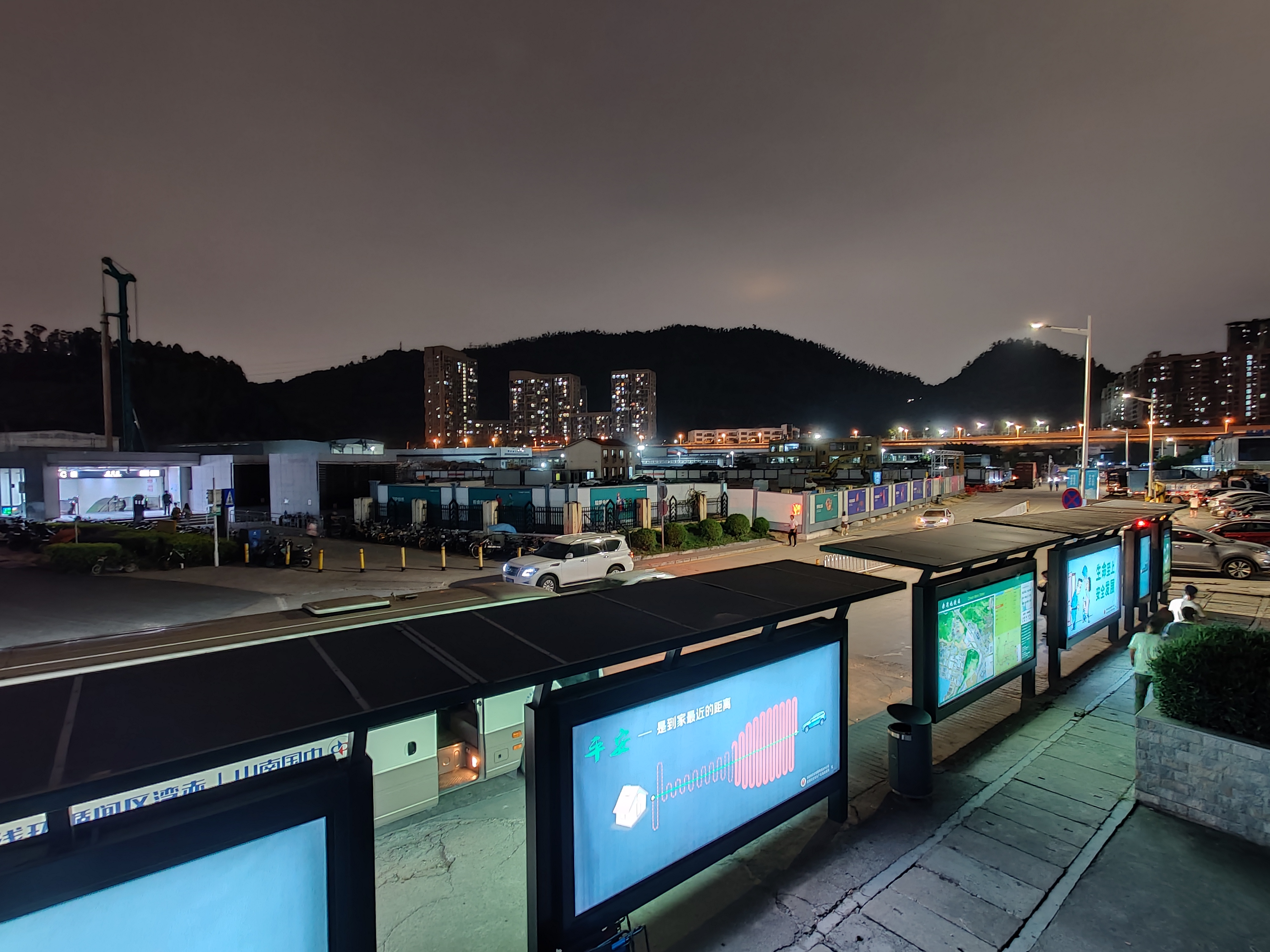
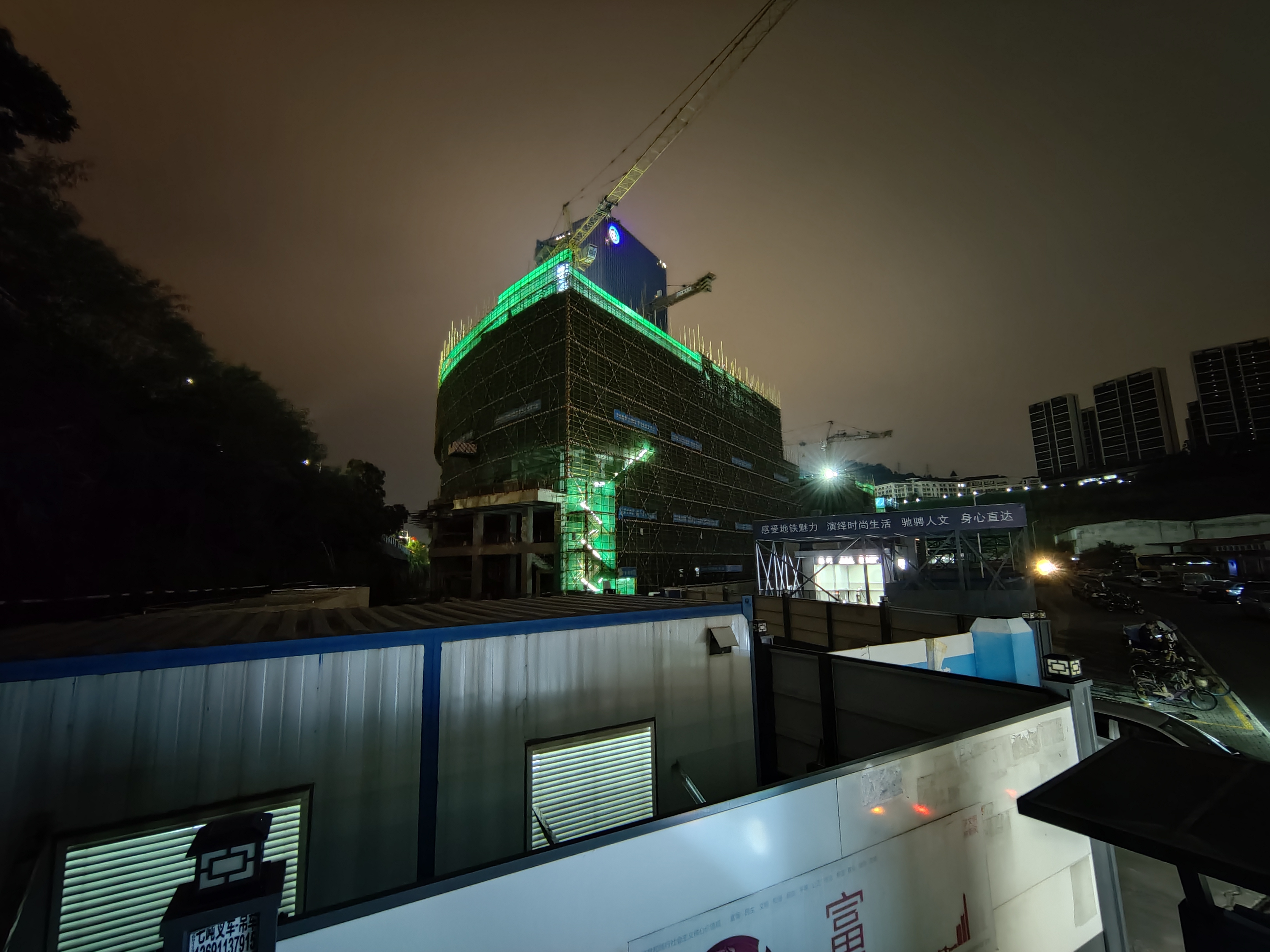
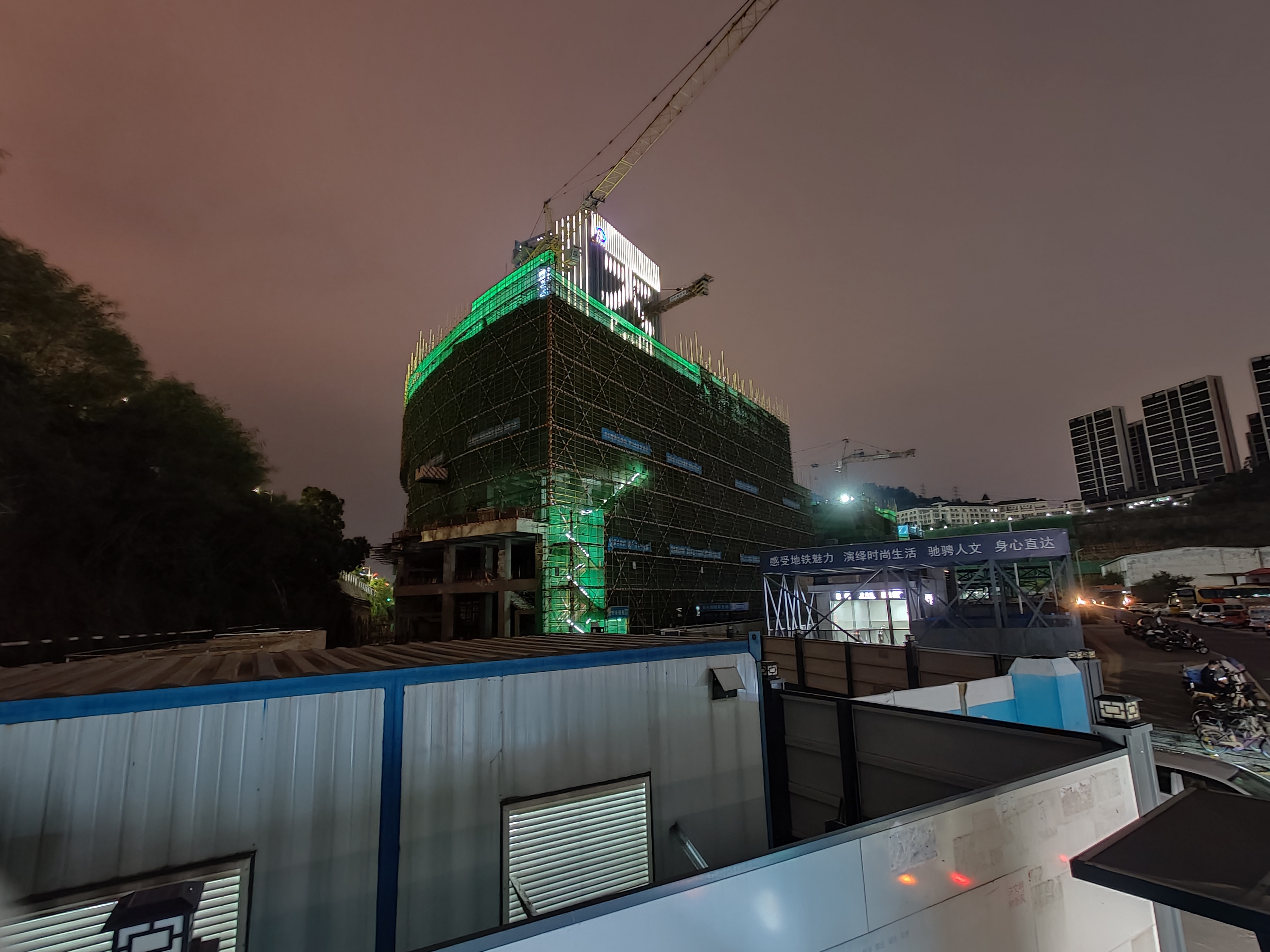
And the true difference appears in their night shooting. Under night scenes, the insufficient noise control of the IMX586 was showing on the 8T. Otherwise, the brightening strategy used by the 8T’s camera is not so smart. It’s more like a process to simply improve the overall image brightness without correcting its exposure.
1 of 6
OnePlus 8T Night Camera (4)
OnePlus 8T Pro Night Camera (1)
OnePlus 8T Night Camera (2)
OnePlus 8T Pro Night Camera (4)
OnePlus 8T Night Camera (1)
OnePlus 8T Pro Night Camera (2)
Now let’s look at its wide-angle camera. As the 48MP IMX 586 sensor is used for the 8 Pro’s wide-angle camera, no doubt it took a huge lead in this round. The 8T’s 16MP wide-angle camera has good color reproduction and good contrast, and also has a slightly wider angle. Otherwise, it couldn’t surprise us over resolution and noise control. When you compare it with the samples shot by the IMX586 on the 8 Pro, which is using a 4-in-1 pixel technology, the samples from the 8T are much noisy.
1 of 12
OnePlus 8T wide angle (3)
OnePlus 8T Pro wide angle (3)
OnePlus 8T wide angle (2)
OnePlus 8T Pro wide angle (2)
OnePlus 8T wide angle (1)
OnePlus 8T Pro wide angle (1)
OnePlus 8T wide angle night (3)
OnePlus 8T Pro wide angle night (1)
OnePlus 8T wide angle night (1)
OnePlus 8T Pro wide angle night (2)
OnePlus 8T wide angle night (2)
OnePlus 8T Pro wide angle night (3)
When we moved to night scenes, the gap was much smaller. But the Pro still has an advantage in overall brightness and clarity. But the 8T is a bit better at extreme brightness control.
Let’s look at the macro samples now. Although the 8T has a dedicated macro lens, the 5MP resolution didn’t show much strength over the image details and pureness. And in low lighting, the noise turned out to be worse.
1 of 2
Macro OnePlus 8T
Macro OnePlus 8T Pro
The monochrome camera is mainly used to help record information between black and white in the monochrome filter. We can see that the contrast and gray gradient are pretty good from the samples.
1 of 3
OnePlus 8T Pro Monochrome
OnePlus 8T Monochrome (1)
OnePlus 8T Monochrome (2)
Finally, we shot a few video samples on the 8T, and also on the 8 Pro for reference. Well, it didn’t exceed our expectations. Check our OnePlus 8T review video added on top to see the video sample.
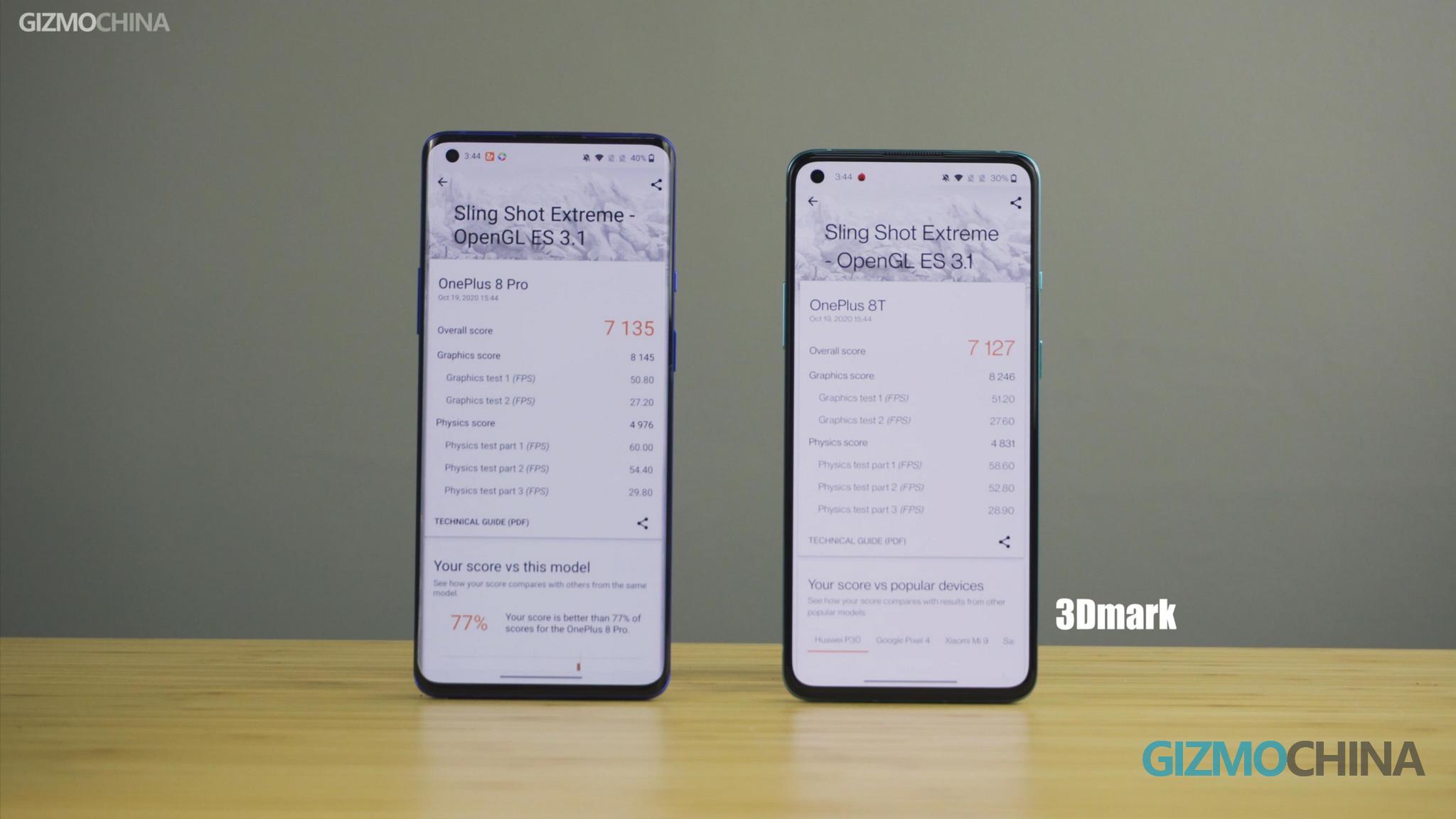
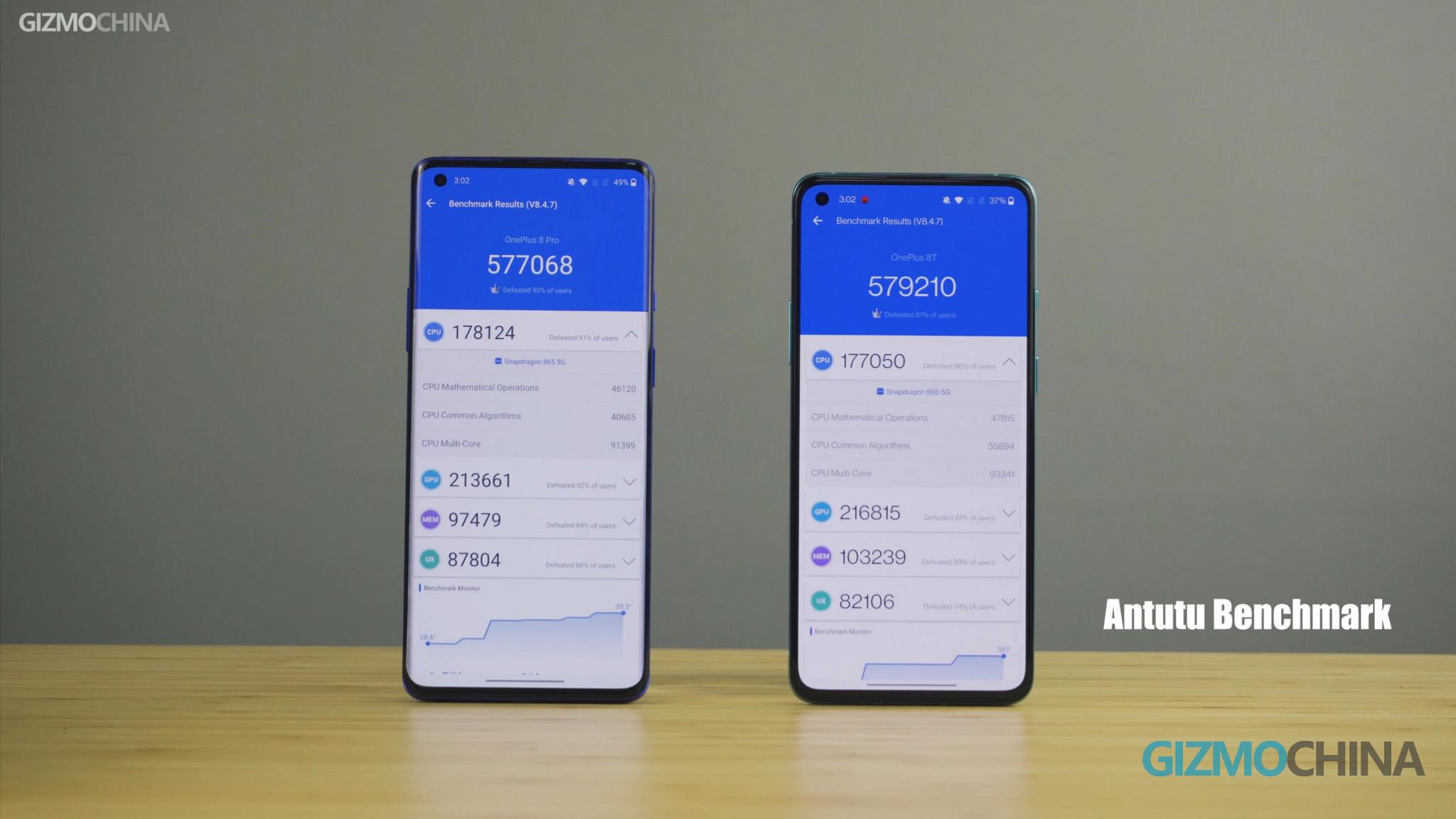
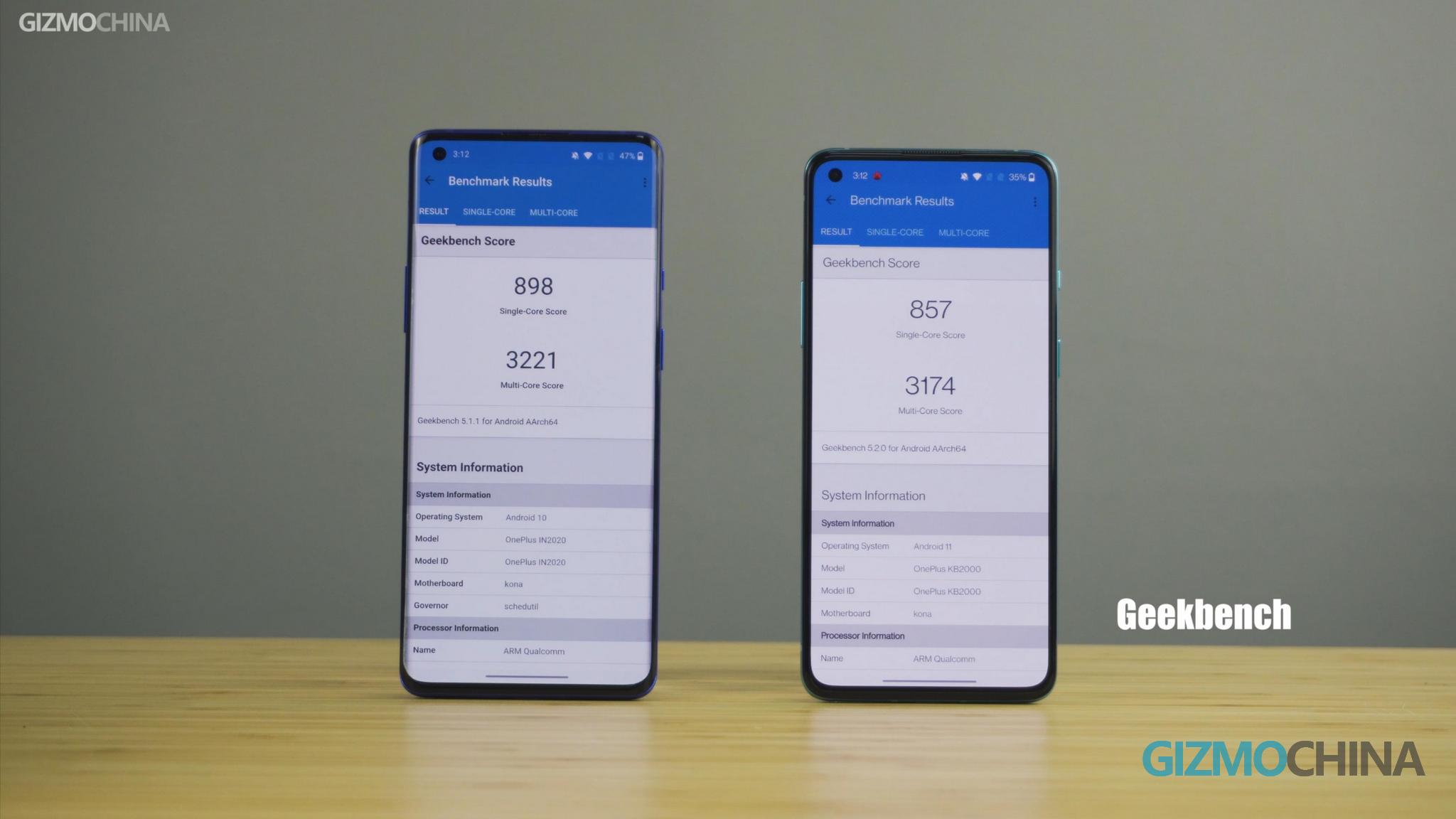
The 8T also equips a snapdragon 865 chipset, which should lead to a very close performance to the 8 Pro. From the results of the benchmarks, we found that there’s really nothing different about the CPU and GPU performance. All the results were so close to each other. But comparing it with all the smartphones running the snapdragon 865, their results were not so outstanding.
1 of 3
Then we moved on to actual gaming.
OnePlus 8T Review: Gaming
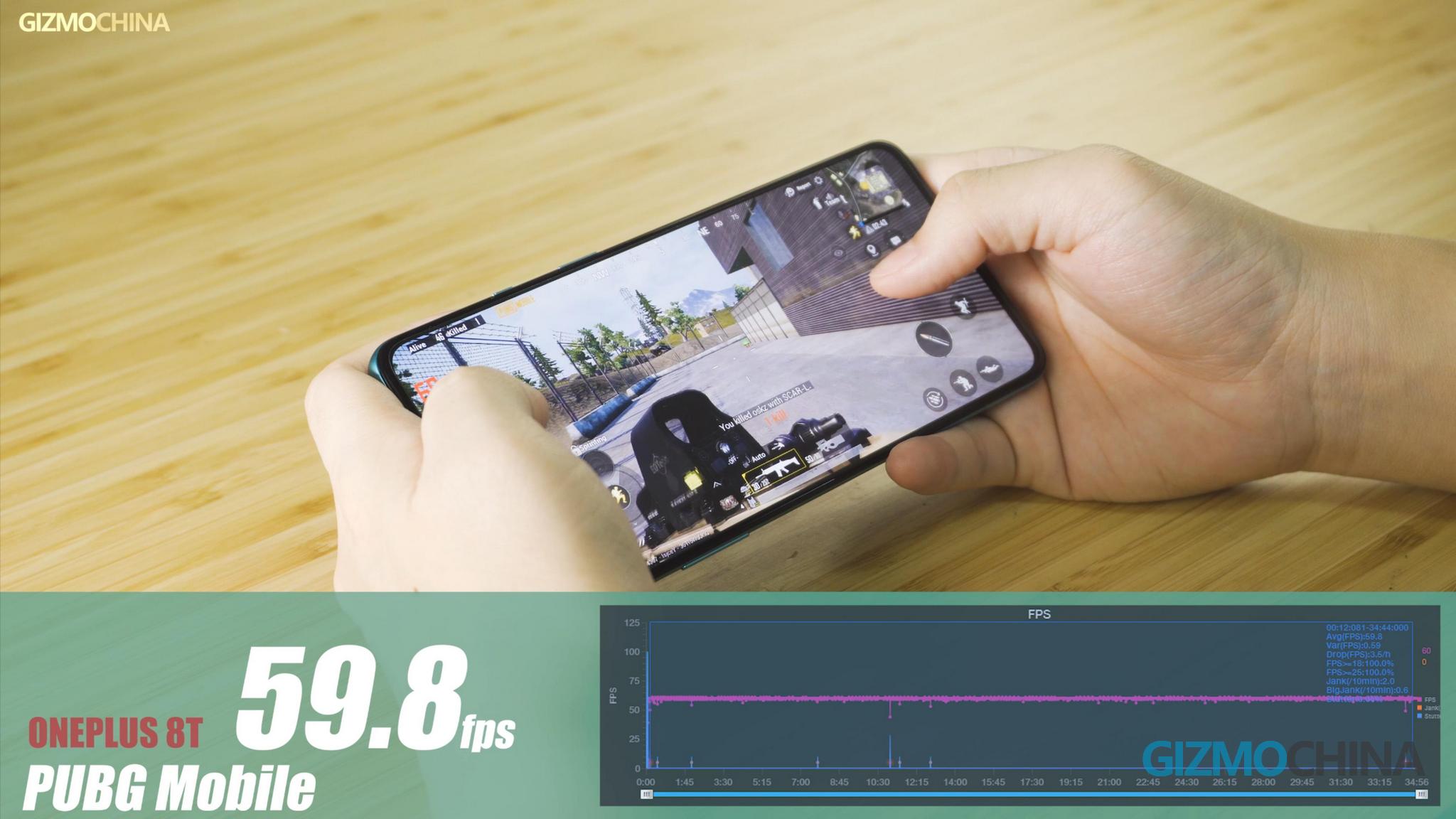
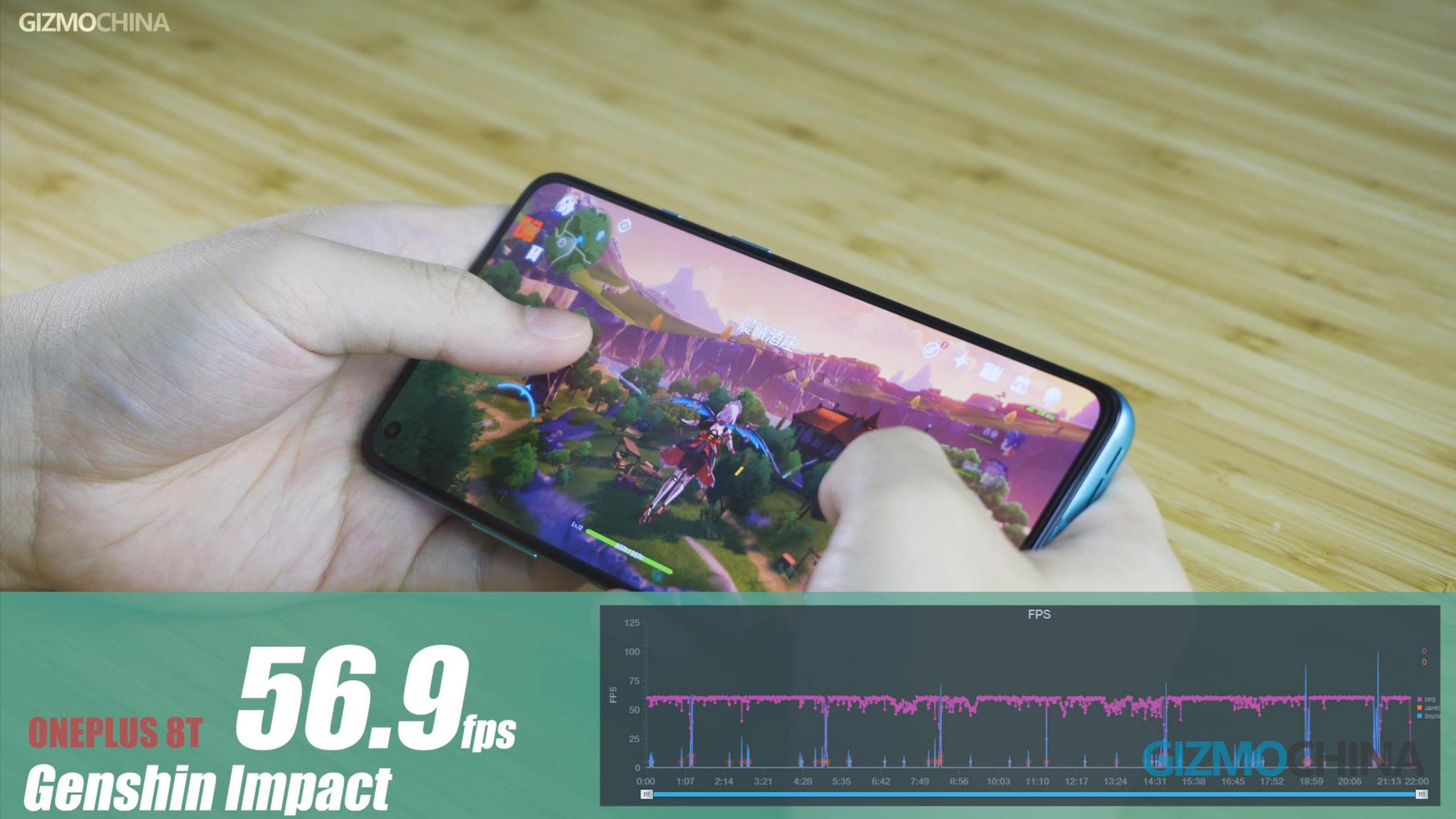
Unfortunately, we didn’t really have access to the best gaming performance of the 865-chipset on the 8T. It seems that for some reason, the software would have a 60-framerate limit in some games. So in PUBG Mobile, although we unlocked a 120Hz mode, the phone could only run it under 60fps without much fluctuation. The next game we played is Genshin Impact, which is a new game run on multiple platforms. For a fluent gaming experience, it extremely requires the high performance of CPU, and the game itself has a framerate lock of 60fps. Under the highest graphics, most of the time the 8T maintained a high-level framerate, but the visual experience got a bit more fluctuated than what we expected.
1 of 2
We then tried several other games and the 8T is still able to give us an excellent gaming experience. After all, the Snapdragon is still one of the best chipsets for Android phones. And surprisingly, it had an excellent cooling effect during our 30mins gaming test, which is quite impressive for such a lightweight phone.
OnePlus8T-full-charging
OnePlus 8T Review: Battery
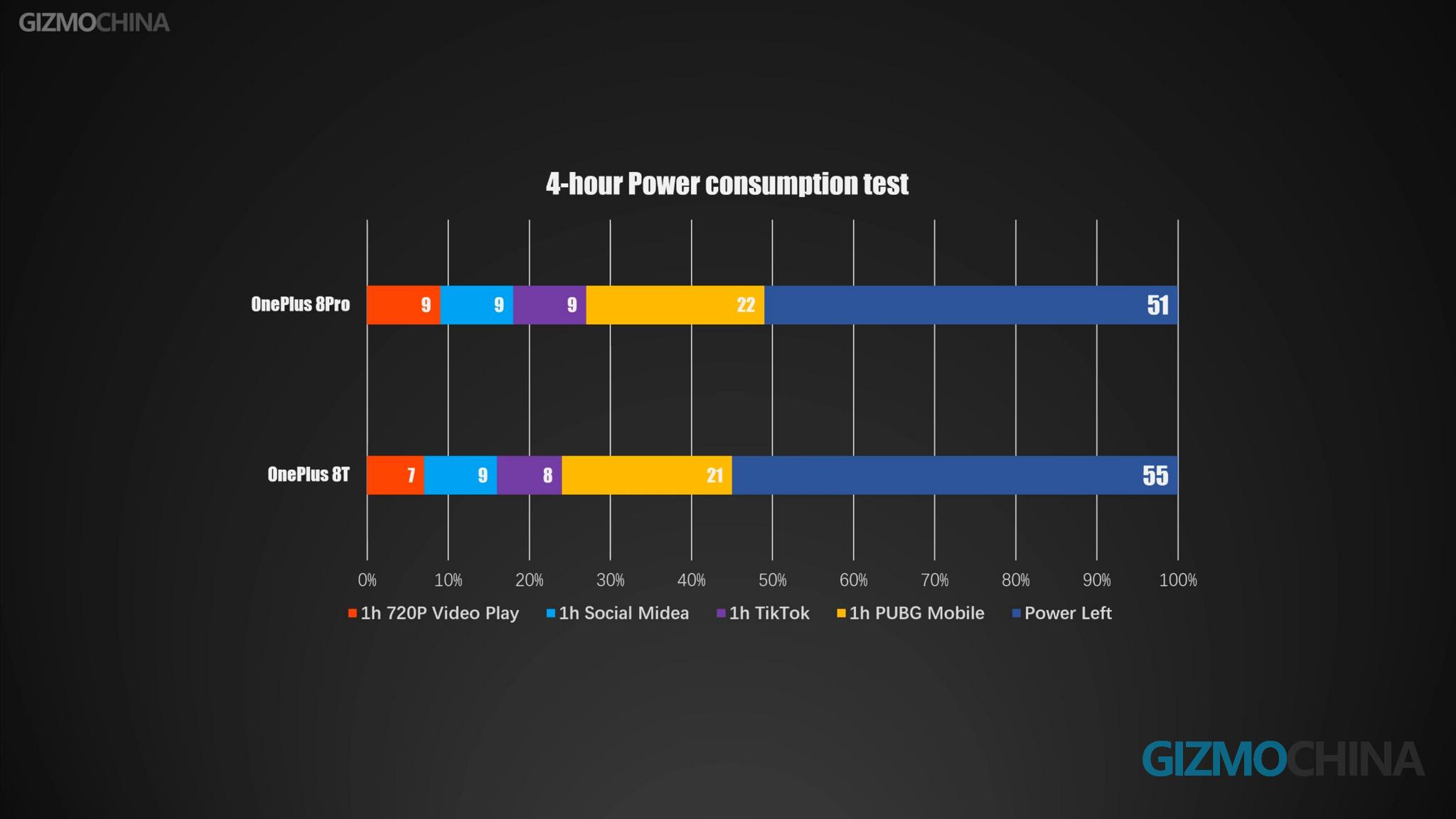
The performance of battery and charging is one of the few upgrades for the 8T. They both equip a 4500mAh battery. And we did a 4-hour power-consumption test between the 8T and the 8 Pro. Starting with full power, we continuously used these two models to play 720P videos for an hour, then used social media apps for another hour, spent another hour on TikTok, and finally played PUBG Mobile for the last hour. Due to the higher display resolution, the OnePlus 8 Pro eventually consumed 4 percent more power than the 8T in the test. After the test, the 8T still had 55% of power left, which is a pretty good battery result for a snapdragon 865 phone, and we have to mention that it also has a 120Hz display.
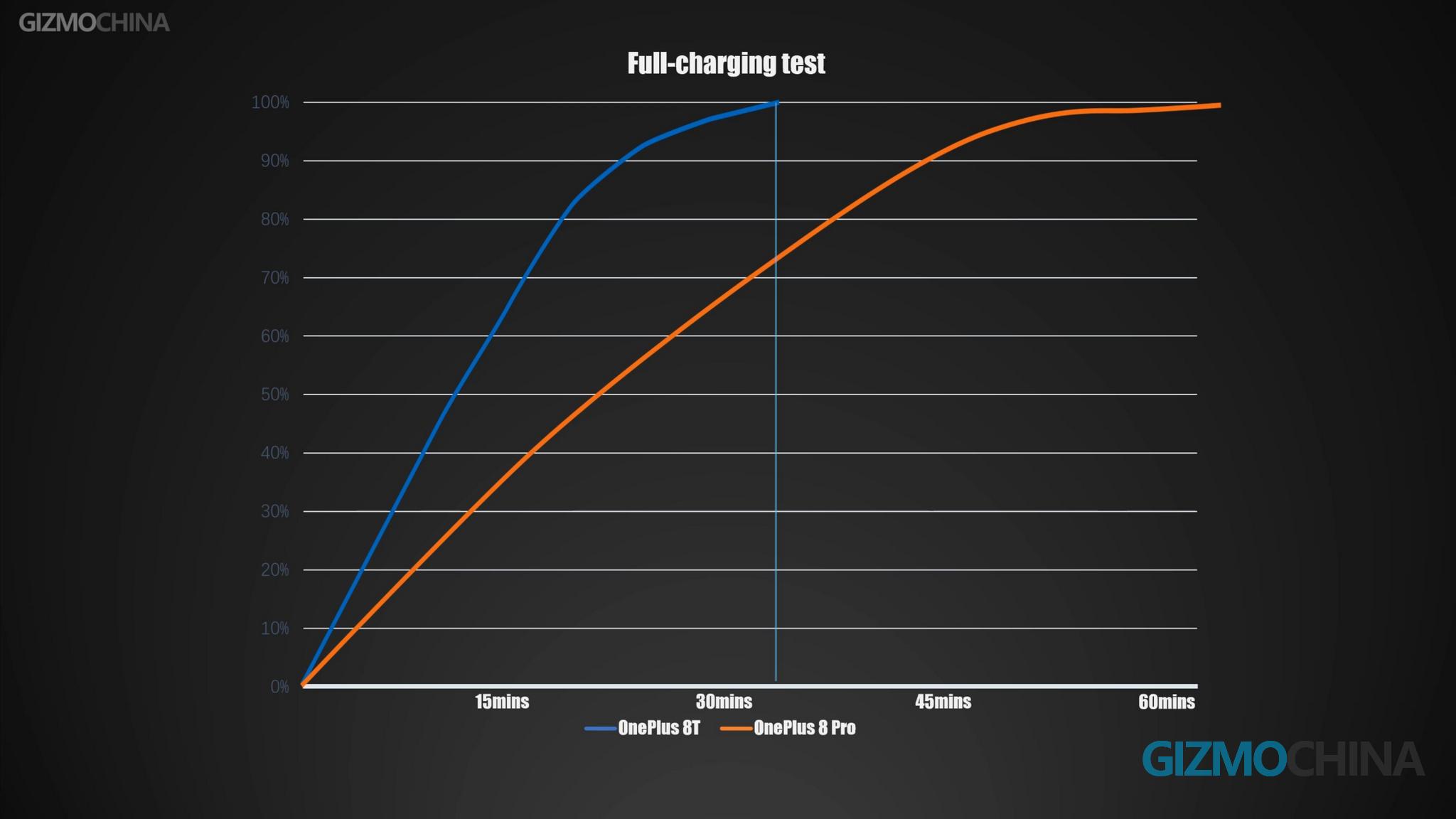
The greatest upgrade should be the 65W fast-charging efficiency. The full-charge test only took us 33mins, which was much faster than the 8 Pro’s 30W charging efficiency. But a disappointing downgrade in the charging department is that there is no wireless charging.
OnePlus 8T
So that’s it. If I had to pick one model which adheres to OnePlus’ core philosophy in 2020, I will pick the OnePlus 8T. It has flagship-level performance, one of the best 1080P displays, upgraded charging efficiency, lighter body design, and good camera performance that went beyond our expectations. And most importantly, it has a reasonable price as a ‘flagship killer’.
The OnePlus 8T is up for grabs for a discounted price of $549. If interested, check it out on Oppomart.
So how do you like the OnePlus 8T? Is it the best 2020 OnePlus Phone For you?
realme has started rolling out a new update for the realme 7 Pro. The October 2020 OTA update for the device brings the latest security patch, improvements in the camera. And fixes some bugs in the system.
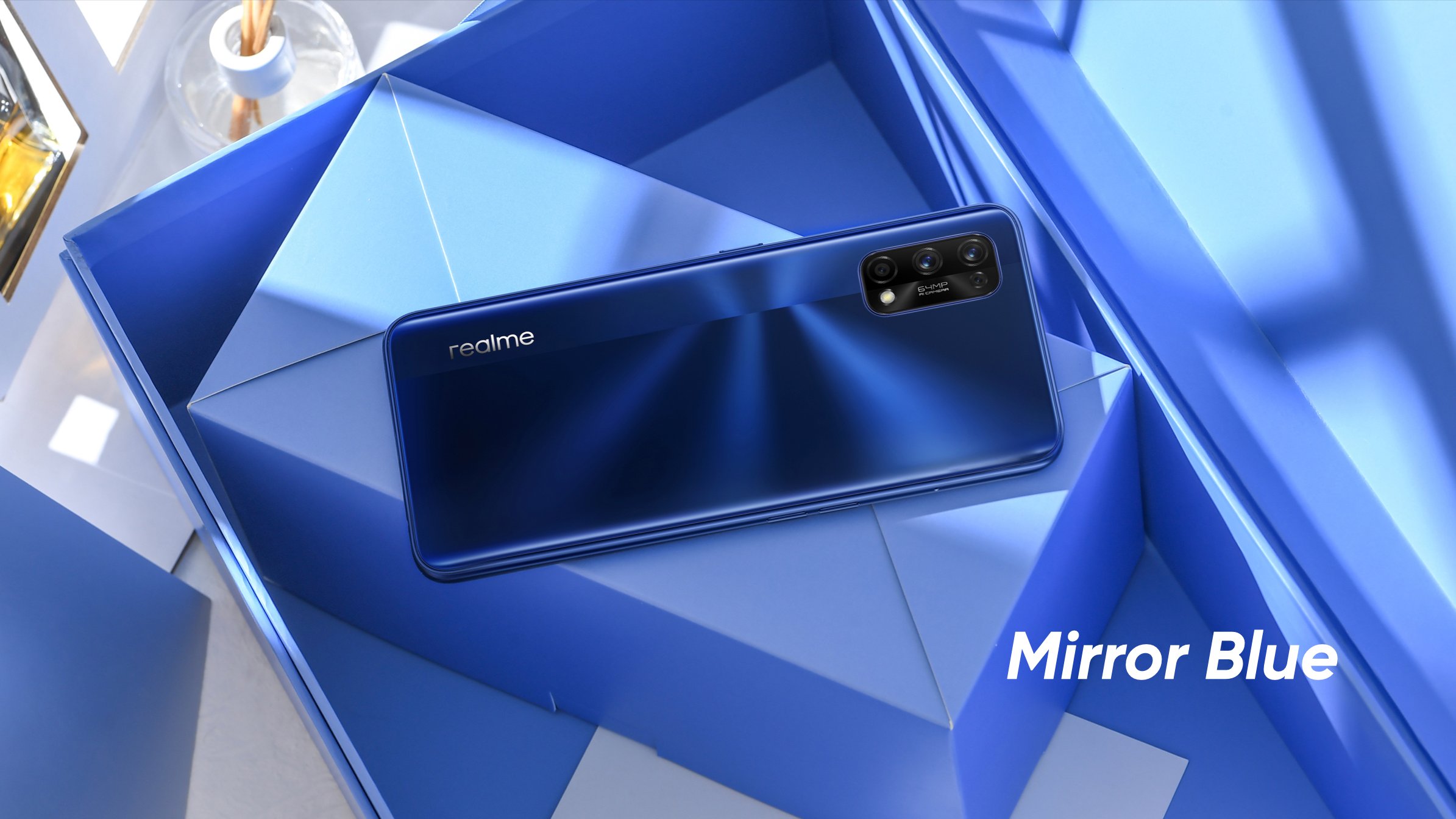
Realme 7 Pro Mirror Blue
The new OTA(Over The Air) update for realme 7 Pro has a firmware Version RMX2170PU_11_A.17. It comes with the latest October 2020 security patch. And a few other improvements for the Camera and System. The changelog for camera optimization is as follows:
Camera
Front camera- Over Exposure
Rear Camera- Color Shifts, Dynamic range of 64M mode.
Additionally, the update also carries fix for the issues like low brightness and fast charging. The changelog for fixing the issues and optimizations is as follows:
System
Minimum brightness on video streaming
Screen dim after unlocking fingerprint outdoors – Fixed
Unable to fast charge in certain scenarios – Fixed
Having said that, realme says the update is a staged rollout. And this means it will be pushed to certain users randomly first before ensuring there are no bugs. Once that’s out of the way, you can expect a wider rollout that should happen in the coming days.
While you wait for the update, you can also try going into the update section inside the settings and check if you are one of the early ones to get the OTA. Also, if you do get it early, don’t forget to report for bugs, if you found any, on the realme’s bug report board.
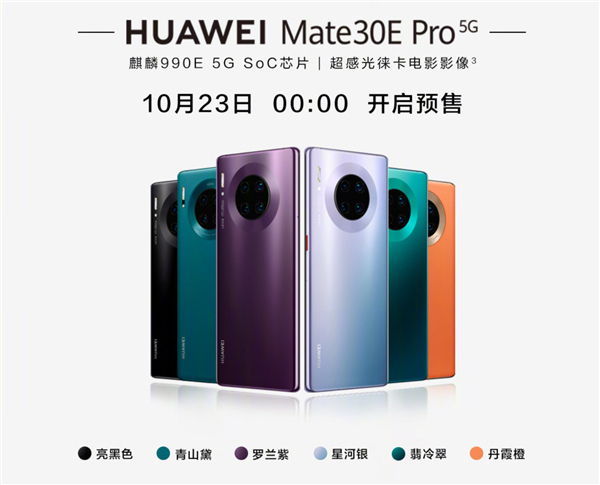
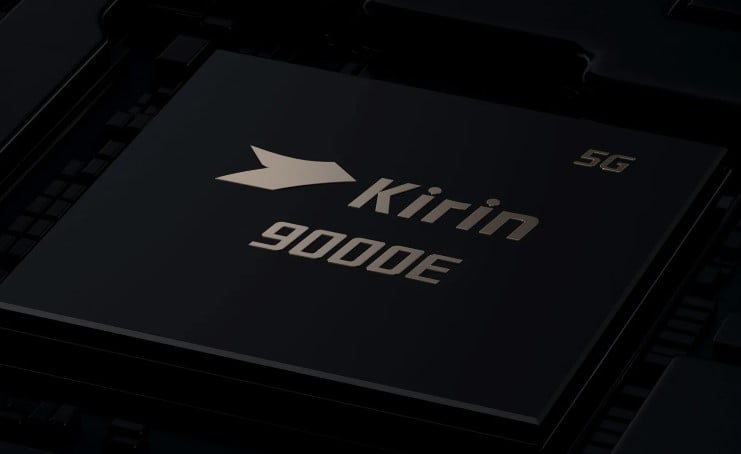
Huawei has officially launched the Mate 40 series today powered by the Kirin 9000 chipset. The tech giant also unveiled the Kirin 9000E SoC. Huawei has now revealed the Mate 30E Pro 5G, powered by an unannounced Kirin 990E.
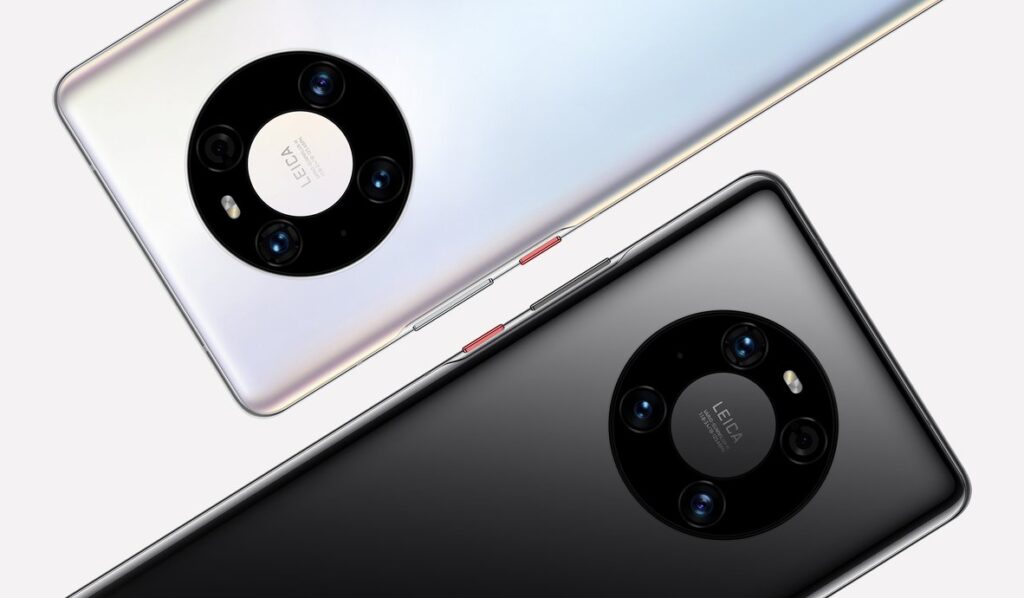
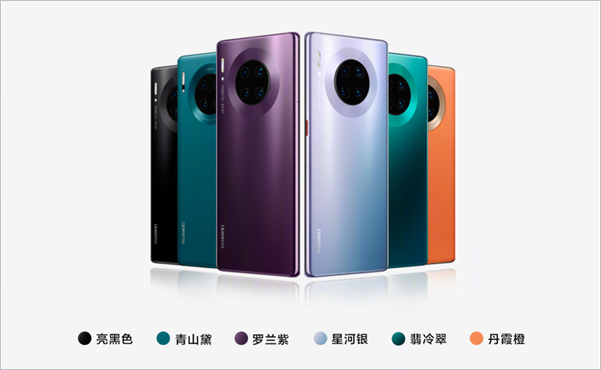
Huawei is yet to reveal many details of the Mate 30E Pro. However, from the limited information, the design of the Mate 30E Pro 5G is exactly the same as that of Mate 30 Pro 5G. It packs an “Oreo ring” shaped Quad-camera setup with the Leica badge. The device is available in six different colour options including bright black, purple, silver, emerald green, and orange.
As stated earlier, the Mate 30E Pro is powered by the Kirin 990E 5G chipset. Details of the processor are yet to be revealed but it is believed to be an underclocked version of the Kirin 990 just the same way the Kirin 9000E chip is a trimmed-down version of the 5nm Kirin 9000. We can’t confirm that since Huawei is yet to release the details of the unannounced chipset. It may as well be the same as the Kirin 9000E.
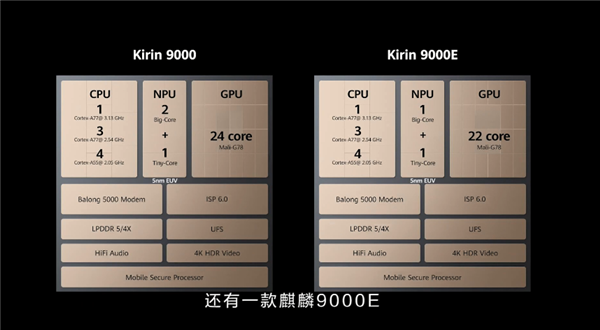
As a reminder, the Kirin 9000E comes with a 22-core Mali-G78 GPU. It adopts an Octa-core design, which includes a Cortex-A77 super core clocked at 3.13GHz, three 2.54GHz Cortex-A77 large cores, and four 2.05GHz Cortex-A55 energy efficiency cores. In terms of NPU, Kirin 9000E has dual cores (one large core and one small core).
The processor also integrates the Balong 5000 5G baseband, ISP 6.0, security module, etc. It supports LPDDR5/4X memory and UFS flash memory, HiFi sound quality, and 4K HDR video.
The Mate 30E Pro will go on presale starting from 0:00 on October 23. The price is yet to be announced
Huawei unveiled the Mate 40 series today at an online event that was live-streamed. The new smartphones are Huawei’s latest flagships and they bring new features including an all-new powerful processor, improved cameras, and faster charging technology.
The Huawei Mate 40 series includes the Mate 40, the Mate 40 Pro, and the Mate 40 Pro+. There is also the Porsche Design Mate 40 RS which is covered in another post.
Mate 40 Series Design and Specs
The Mate 40 series ditches the notch for a punch-hole screen. The standard model has a smaller hole as it only has a single front-facing camera while the Pro models have a pill-shaped hole for two cameras.
The Mate 40 has a 6.5-inch Flex OLED panel with a 2376 x 1080 resolution, DCI-P3 HDR, a 90Hz refresh rate and a 240Hz touch sampling rate. The screen also has a 68° curve, 2D face unlock, and an in-display fingerprint scanner.
The Mate 40 Pro and Mate 40 Pro+ both come with a 6.76-inch Flex OLED panel with a 2722 x 1344 resolution, DCI-P3 HDR, 90Hz refresh rate, and 240Hz touch sampling rate. Their screens are more curved (88°) than the standard variant but you still get physical volume control buttons on the side. Huawei has also kept the software volume buttons from the Mate 30 Pro so that users who are left-handed can easily adjust the volume. There is a fingerprint scanner under the screen of both phones too.
Wondering why Huawei didn’t go for a 120Hz refresh rate? It was revealed during the launch that they settled for 90Hz as a result of battery life.
Mate 40 series cameras
The Mate 40 series features a ring-like camera design, however, the configuration is different across models.
The Mate 40 Pro has a 50MP f/1.9 1/1.28” main camera with OIS. It comes along with a 20MP f/1.8 Cine Camera (ultrawide angle), and a 12MP f/3.4 telephoto camera with OIS and a 125mm periscope lens that brings 5x optical zoom.
The Mate 40 Pro+ has the same 50MP main camera and 20MP ultrawide Cine Camera. However, its 8MP f/4.4 periscope lens offers up to 10x optical zoom. There is also a 12MP f/2.4 telephoto camera with OIS that brings 3x zoom too. Huawei says the Mate 40 Pro+ has a 17x optical zoom range. The phone also has a ToF Camera for depth sensing.
For the front, the Mate 40 Pro models have a 13MP f/2.4 camera and a 3D depth-sensing camera that comes in handy for motion gestures and face unlock. The front cameras also have an ultrawide angle mode. The standard Mate 40 has a single 13MP wide-angle camera.
Kirin 9000 Processor
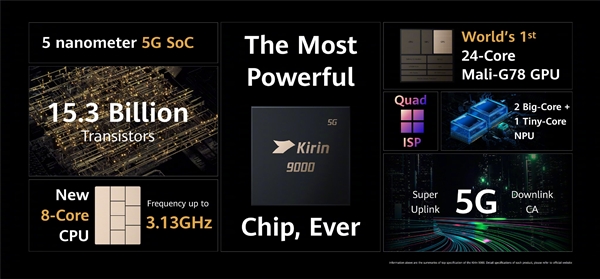
The Mate 40 series comes with a brand new processor called the Kirin 9000. The new HiSilicon processor is a 5nm chipset with a built-in 5G modem and Huawei claims it is the most powerful 5G processor in the world.
According to the Chinese tech giant, the Kirin 9000 has 15.3 billion transistors, 30% more than the Apple Bionic 14 processor has. The new chipset also boasts a faster 8-core CPU, faster GPU, faster NPU, and better power efficiency than Qualcomm’s Snapdragon 865+ processor. Below are the specs of the Kirin 9000 and the slightly-less powerful Kirin 9000E that powers the standard model:
Kirin 9000
5nm EUV
Octa-core CPU in a 1+3+4 configuration – 1x Cortex-A77 clocked at 3.13GHz + 3x Cortex-A77 clocked at 2.54GHz + 4x Cortex-A55 clocked at 2.05GHz
Triple-core NPU – 2 Big cores + 1 Tiny Core
GPU- Mali-G78 24 core GPU
ISP 6.0
Balong 5000
LPDDR5/4X
Kirin 9000E
5nm EUV
Octa-core CPU in a 1+3+4 configuration – 1x Cortex-A77 clocked at 3.13GHz + 3x Cortex-A77 clocked at 2.54GHz + 4x Cortex-A55 clocked at 2.05GHz
Dual-core NPU – 2 Big cores + 1 Tiny Core
GPU- Mali-G78 22 core GPU
ISP 6.0
Balong 5000
LPDDR5/4X
The Mate 40 has a 4200mAh battery with support for 40W wired charging while the Mate 40 Pro and Mate 40 Pro+ have a 4400mAh battery with support for 66W wired SuperCharge and 50W wireless SuperCharge. Surprisingly, the Mate 40 doesn’t have support for wireless charging even though its predecessor, the Mate 30, has support for 27W Wireless SuperCharge.
Other features of the phones are NFC, Wi-Fi 6, Bluetooth 5.2, stereo speakers, dual SIM support, audio jack, dual-frequency GPS, and NavIC support.
Price and Availability
The Mate 40 and Mate 40 Pro will be available in five colors – Black, White, Mystic Silver, Vegan Green, and Vegan Yellow. The Mate 40 Pro+ will be available in Ceramic White and Ceramic Black.
The Mate 40 will sell for €899 and will have 8GB of RAM and 128GB of storage while the Mate 40 Pro will sell for €1199 and will have 8GB of RAM and 256GB of storage. The Mate 40 Pro+ will sell for €1399 and will have 12GB of RAM and 256GB of storage.
Huawei today officially announced the Mate 40 series and alongside, the Hisilicon Kirin 9000 5G SoC which powers the new flagship models was also unveiled. Huawei equally unveiled the Kirin 9000E, both chipset built on TSMC’s 5nm architecture.
The Kirin 9000 Series is a 5G chip design with the capability to handle intensive computations and multi-tasking operations with ease. The chip is the most sophisticated 5nm 5G SoC available, delivering vastly improved performance and power efficiency over its predecessor. It takes over from the Kirin 990 5G built on a 7nm silicon.
The new processor is said to have more than 15.3 billion transistors, the first processor to break the 15 billion transistors mark. This makes it the densest and most full-featured 5G SoC to date. The powerful processor packs a three-level power efficiency architecture with cores running at clock frequencies of up to 3.13GHz. The CPU part has eight cores, including a 3.13GHz Cortex-A77 large core, three Cortex-A77 medium cores each clocked at 2.54GHz. The SoC also has four Cortex-A55 small cores clocked at 2.04GHz each. The base frequency of the chipset is slightly higher than that of the Snapdragon 865 Plus which is clocked at 3.1GHz. Thus, Kirin 9000 is currently the highest frequency mobile phone processor.
Also integrated into the SoC is a 24-core Mali-G78 GPU, as well as an innovative NPU featuring two big cores and one tiny core, taking on-device AI to a new level. The 24-core Mali-G78 GPU is touted to be the most powerful GPU ever seen on a Huawei device. This delivers advanced graphics performance and is complemented by an amazing audiovisual experience for immersive gaming. The architecture exceeds the Kirin 990’s Mali-G76 in that the number of cores is increased by half and the performance is upgraded by 60% over the Mali-G76.
In terms of 5G, the industry’s first four-network synergy technology can efficiently integrate Wi-Fi 2.4GHz, Wi-Fi 5Ghz, main card 5G, and secondary card 4G, bringing aggregated high network speed, stable low time under changing network conditions, network optimization or concurrent download.
On its part, the Kirin 9000E GPU cores drop to 22. In terms of CPU architecture, both Kirin 9000 and Kirin 9000E adopt 8-core designs, which are a 3.13GHz Cortex-A77 super core, three 2.54GHz Cortex-A77 large cores, and four 2.05GHz Cortex-A55 energy efficiency cores.
In terms of GPU, Kirin 9000E is a 22-core Mali-G78. In terms of NPU, Kirin 9000E has dual cores (large core and one small core). In other respects, the two chipsets seem to be the same, including the integration of Balong 5000 5G baseband, ISP 6.0, security module, etc. In addition, they are all manufactured with 5nm EUV process, support LPDDR5/4X memory and UFS flash memory, support HiFi sound quality, 4K HDR video, etc.
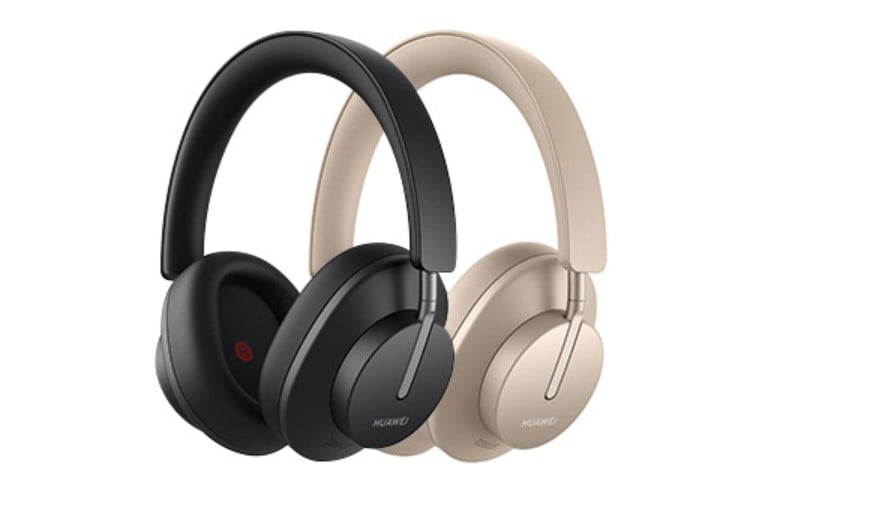
After announcing it almost ten days back, HUAWEI has launched the FreeBuds Studio alongside the Mate40 series today(October 22). The over-the-ear Wireless headphones have Active Noise Cancellation(ANC), touch controls, 24hrs battery life, and is priced at €299.
The new FreeBuds Studio from Huawei will be available in two color options- Gold, and Black. They have oval-shaped ear cups with soft ear paddings. Also, Huawei says the design is minimal, exquisite with a 7mm Stainless Steel arm holding the ear cups. And, they measure 165mmx150mmx81.5mm and weigh about 260 grams.
The first premium wireless headphones from Huawei have a 40mm dynamic driver unit. Huawei says it’s a four-layer diagram driver that has a frequency range of 4Hz-48kHz. Additionally, it also supports a 24bit/96kHz high-resolution audio codec which is the L2HC code for high-fidelity music and file transfer speeds up to 960 kbps.
HUAWEI FreeBuds Studio Features
The highlight of the FreeBuds Studio headphones is the ANC. It says the scenario-based intelligent dynamic ANC can cancel noise up to 40dB. There is a Hear-through mode(Ambient mode) that helps you be aware of what’s happening around. Also, it has a six-mic matrix with three mics on each side which helps in phone calls and cancels out noise. The headphones also have dual-antennas for 360-degree signal coverage without interference.
As for battery life, Huawei says the FreeBuds Studio will give up to 24hrs on a single charge. Also, it has fast charging and a quick 10min juice will give up to 5hrs, and 8hrs with ANC ON, and OFF respectively. There is a 410mAh battery that charges via Type-C and a complete charge takes 60 minutes.
Other features include simultaneous dual-device connection, Bluetooth 5.2, pop-up pair(on Huawei phones with EMUI 10.1+), wear detection, and Capacitance sensor, IMU sensors. The touch controls are on the right ear cup. Double-tap to play/pause mic and answer/end calls, swipe left/right to skip tracks, swipe up/down to control volume.
India’s largest online retailer Flipkart held its biggest sale recently called Big Billion Days. A number of new products like Pixel 4a and Galaxy F41 launched on the occasion of this sale. Above all, some of the popular as well as old devices like LG G8X ThinQ and iPhones were discounted heavily. That said, now as the sale has ended, POCO has officially announced that it sold over a million smartphones during this period.
Earlier this year, POCO was spun-off into an independent brand under the Xiaomi Group. In India, its devices are sold exclusively on Flipkart. The brand currently sells the following five handsets in the country.
POCO X2
POCO X3
POCO M2 Pro
POCO M2
POCO C3
All the above-mentioned smartphones were discounted except for the latest POCO X3. Buyers were also able to avail additional bank discounts.
These phones are highly recommended by media houses even at their launch prices. With discounts, they flew off the shelves that POCO managed to sell above a million (10 lakh) units of them during the Flipkart Big Billion Days sale that ran from October 16-21, as per the brand’s internal data.
Having said that, all the new POCO-branded smartphones launched so far (except POCO X3) are rebadged Redmi devices with slightly better configuration and cheaper price tags. We hope the brand to soon release phones with original design starting next year.
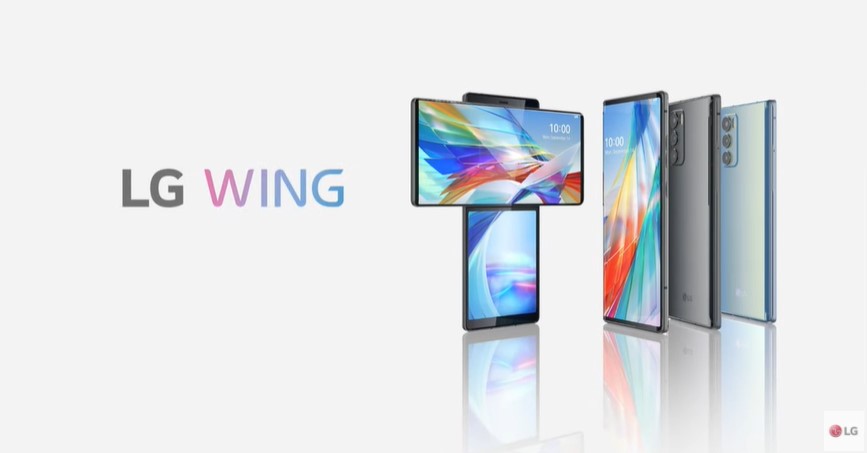
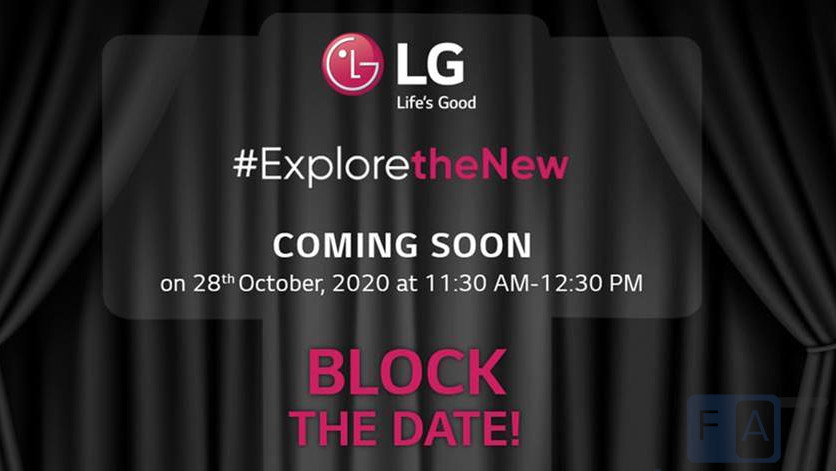
LG has finally set the launch date for its Swivel screen smartphone in India. The company has reportedly sent an invite that hints the launch event of the LG WING smartphone will take place on October 28.
The invite that’s sent to a few of the media shows(via Fonearena) the hashtag, “#ExploretheNew” with LG WING’s design in the background. As per the invite, the launch event will happen on October 28 at 11:30 AM-12:30 PM IST. To assert this, LG India’s official Twitter account has already started teasing the new LG WING with the #LaunchingSoon tag. If we recall, LG first announced the WING smartphone on September 14. It later went on sale in South Korea for 1,098,990 won($940) and in the USA for $999.99. That said, the availability and Price in India is something we will have to wait till the launch event.
For the unware, LG WING is the first smartphone from LG that came out of it’s LG Explorer project. It has a dual-screen, but unlike the LG G8x, both are attached to the same body. A swivel holds the outer screen that rotates clockwise by 90-degrees while the secondary screen is fixed behind. It features a 6.8-inch FHD+ P-OLED rotating display with a resolution of 2460×1080 pixels. The secondary screen is a smaller 3.9-inch and has a resolution of 1240×1080 pixels. Both the screens have 395 and 419 PPI respectively.
Powering the device is Qualcomm Snapdragon 765G 5G SoC. It is paired with 8GB RAM and 128/256GB storage variants. On the back, the LG Wing has an Oppo Reno4-inspired triple-rear camera setup. It features a 64MP f/1.8 primary sensor, a 12MP f/1.9 ultra-wide with 120° FOV, and a 13MP f/1.9 sensor with 117° FOV. Further, there is a 32MP pop-up selfie camera at the front.
Besides, the camera has various features like a Gimbal mode through which users can control the angle of the lens virtually. In addition to this, Other features include a 4,000mAh battery with support for 25W wired and 10W wireless charging, a MicroSD slot for storage expansion up to 2TB.
That said let’s wait and watch if LG overcomes the lackluster pre-orders scenario after launching the device in India.
We use cookies on our website to give you the most relevant experience by remembering your preferences and repeat visits. By clicking “Accept”, you consent to the use of ALL the cookies.
This website uses cookies to improve your experience while you navigate through the website. Out of these, the cookies that are categorized as necessary are stored on your browser as they are essential for the working of basic functionalities of the website. We also use third-party cookies that help us analyze and understand how you use this website. These cookies will be stored in your browser only with your consent. You also have the option to opt-out of these cookies. But opting out of some of these cookies may affect your browsing experience.
Necessary cookies are absolutely essential for the website to function properly. This category only includes cookies that ensures basic functionalities and security features of the website. These cookies do not store any personal information.
Any cookies that may not be particularly necessary for the website to function and is used specifically to collect user personal data via analytics, ads, other embedded contents are termed as non-necessary cookies. It is mandatory to procure user consent prior to running these cookies on your website.