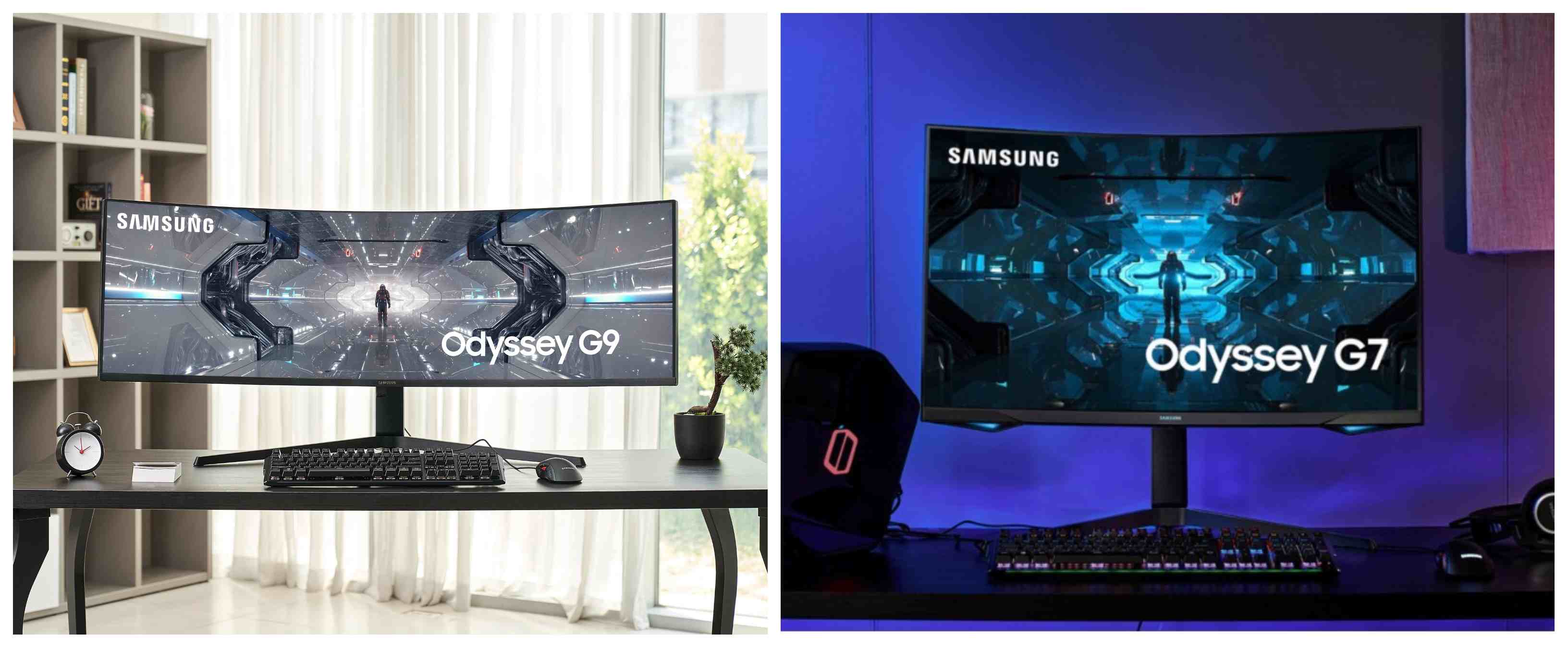
Samsung introduced the Odyssey lineup of curved QLED gaming monitors at the CES2020 earlier this year. Later, itlaunched the Odyssey G7 and G9 monitors Globally including its home country South Korea. Today, the company has finally brought the monitors to India.
Samsung through a press release, announced the arrival of G7 and G9 curved gaming monitors in the country. Accordingly, the Odyssey G7(G75T) comes in two variants- 27-inch and 32-inch. However, the G9(G95T) has a sole 49-inch model. Samsung says that the Odyssey monitors are the world’s first DQHD(only on G9) and 1000R QLED monitors with a curvature radius of 1,000mm. Additionally, the monitors have a 240Hz refresh rate, TÜV Rheinland certification for eye-comfort, NVIDIA G-SYNC compatibility, and more.
Odyssey G7 and G9 Curved Gaming Monitors India Price, Availability
The Odyssey G7(27 and 32-inch), and G9(49-inch) will be available for pre-booking starting today(November 25). Users can pre-book the device till December 31, 2020, on Samsung stores.
Although we don’t have an exact pricing for the monitors, Samsung says that the price will range from ₹49,000($663.52) to ₹1,99,000($2694.71). That said, Samsung doesn’t provide any info on whether the Monitors will be available in other e-commerce sites like Flipkart, Amazon.
Samsung Odyssey G7 and G9 Curved Gaming Monitor Similarities
The Samsung Odyssey G7 and G9 monitors have a few similarities. You get the same I/O like 1x HDMI (2.0), 2X DP (1.4), USB 3.0X2(Down) on G7 and G9 models. In the box, you get a 2.0 meter DP cable and a 1.5 meter USB Hub Cable as an accessory. They also have a sleek rear design with color changing rear core lighting for aesthetics.
First, both of them are QLED displays. Precisely the have a VA(Vertical Arrangement) QLED(Quantum Dot LED) panel. Additionally, the panels on G7 and G9 have a contrast ratio of 2500:1 with a response time of 1ms(GTG). Here GTG is a pixel speed measurement which is Gray-to-Gray. It is a measurement of how long a pixel takes to go from one gray level to the next one.
Moving on, both the panels also have a 240Hz refresh rate with a wider viewing angle of 178 degrees. Other common features are Free Sync premium Pro Eco Saving Plus, Eye Saver Mode. Flicker-Free, PIP, PBP, VESA, HAS stand, and NVIDIA G-SYNC compatibility.
G7 and G9 Curved Gaming Monitor Differences
As mentioned earlier, G7 comes in two sizes 27, and 32-inches whereas the G9 comes in a solo 49-inch model. Also, regarding the display G9 has a HRD1000 VA panel with a peak brightness of 1000cd/m2, 32:9 aspect ratio. It is also the world’s first DQHD(Dual-QHD) with a picture resolution of 5120×1440 pixels. The G9 has a Black color at the front while white accents on the back and come with an external adaptor.
The G7 models on the other hand have an HDR600 VA panel with a QHD resolution of 2560×1440 pixels. Unlike the G9, this panel has an aspect ratio of 16:9 and a peak brightness of 600cd/m2. The G7 has only Dark Gray accents and it comes with an Internal SMPS adaptor.
With the introduction of MILIN Air Fryer, everyone can now enjoy fried crispy food without going on a full guilt-trip. This unit is designed to help reduce oil intake to keep people healthy. It is currently up with a 50% discount and being sold for just $54.99 ($109.99 being the original price) on Amazon. The discount is a combination of 2 deals where 20% off is provided by the Amazon page itself, and 30% off can be availed by adding a coupon code- DSUFX4FU.
MILIN air fryer features an airflow and air hole design to offer even heat dissipation for quick cooking. This unit uses up to 85-95% less fat than traditional deep-frying methods and also manages to filter excess oil. With LED touch controls, this unit is pretty straightforward and easy to use. Various functions like air frying, roasting, baking and cooking, make this unit a one-stop-shop item.
MILIN air fryer is designed to switch off automatically after 3 minutes of inactivity and pause if the basket is removed while frying. It also prevents the need to preheat, saving extra time while cooking. Moreover, its 5.8-quart container can easily fit 5-6 lbs. whole chicken that can serve up to 3-5 people. The basket is detachable, non-stick, and dishwasher safe to offer added versatility.
MILIN air fryer is a versatile unit that allows one to enjoy all the crispy snacks without putting health at risk. This unit is currently up with a discount of 50% and can be purchased at just $54.99 by using the coupon code- DSUFX4FU. The deal is a Black Friday special and starts on 25th November at 1:00 AM PST and ends on 30th November at 11:59 PM PST. Make the most of it while the offer lasts.
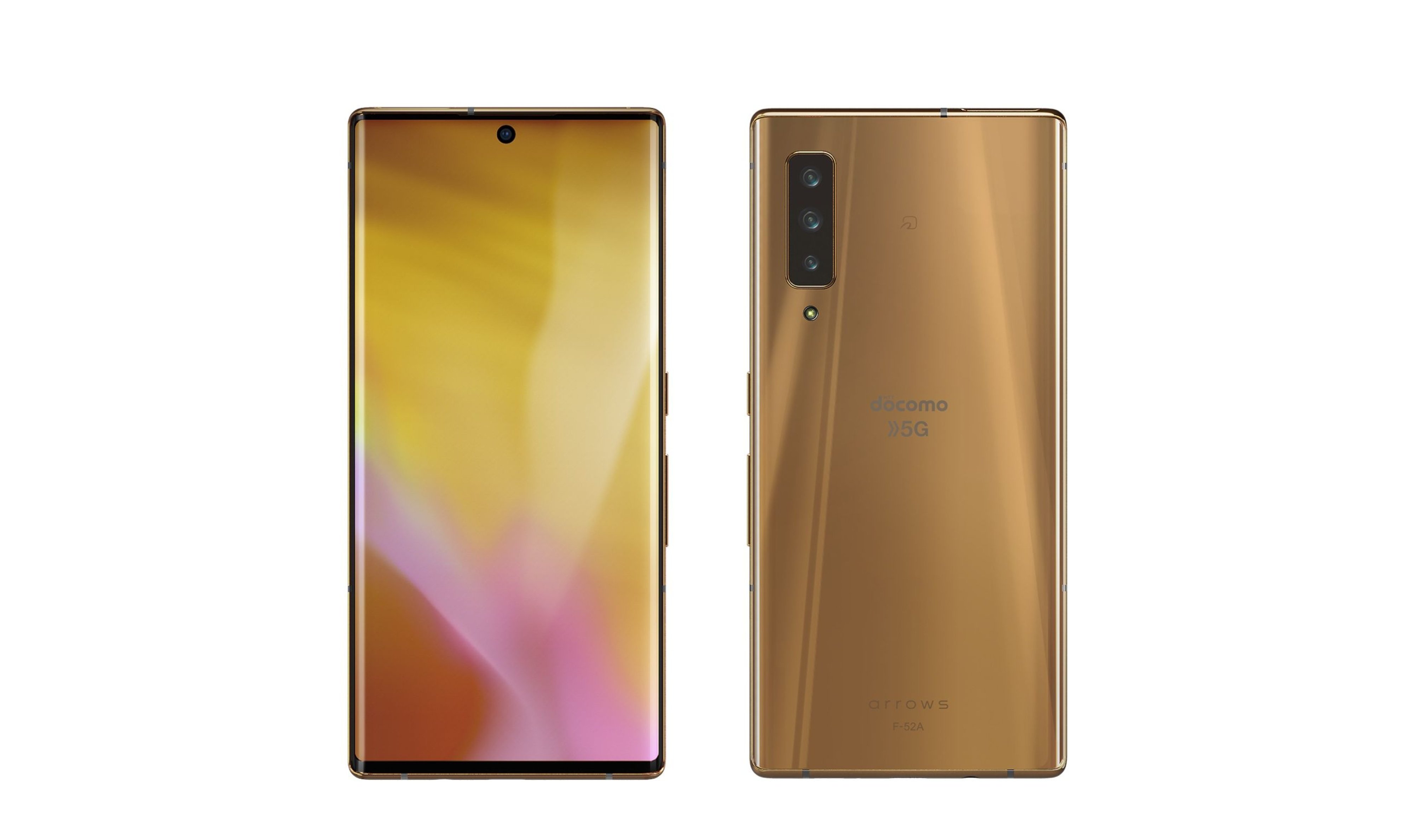
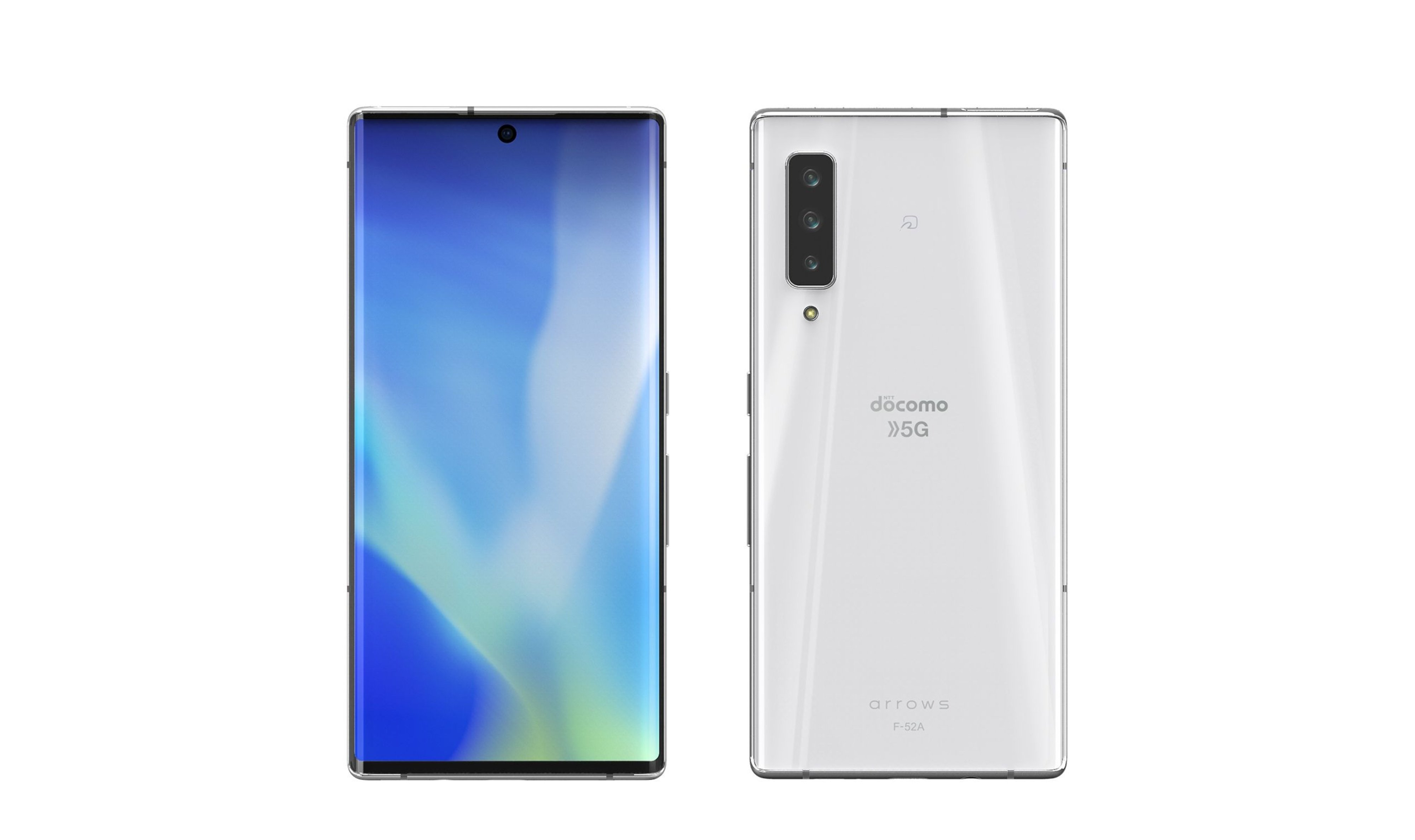
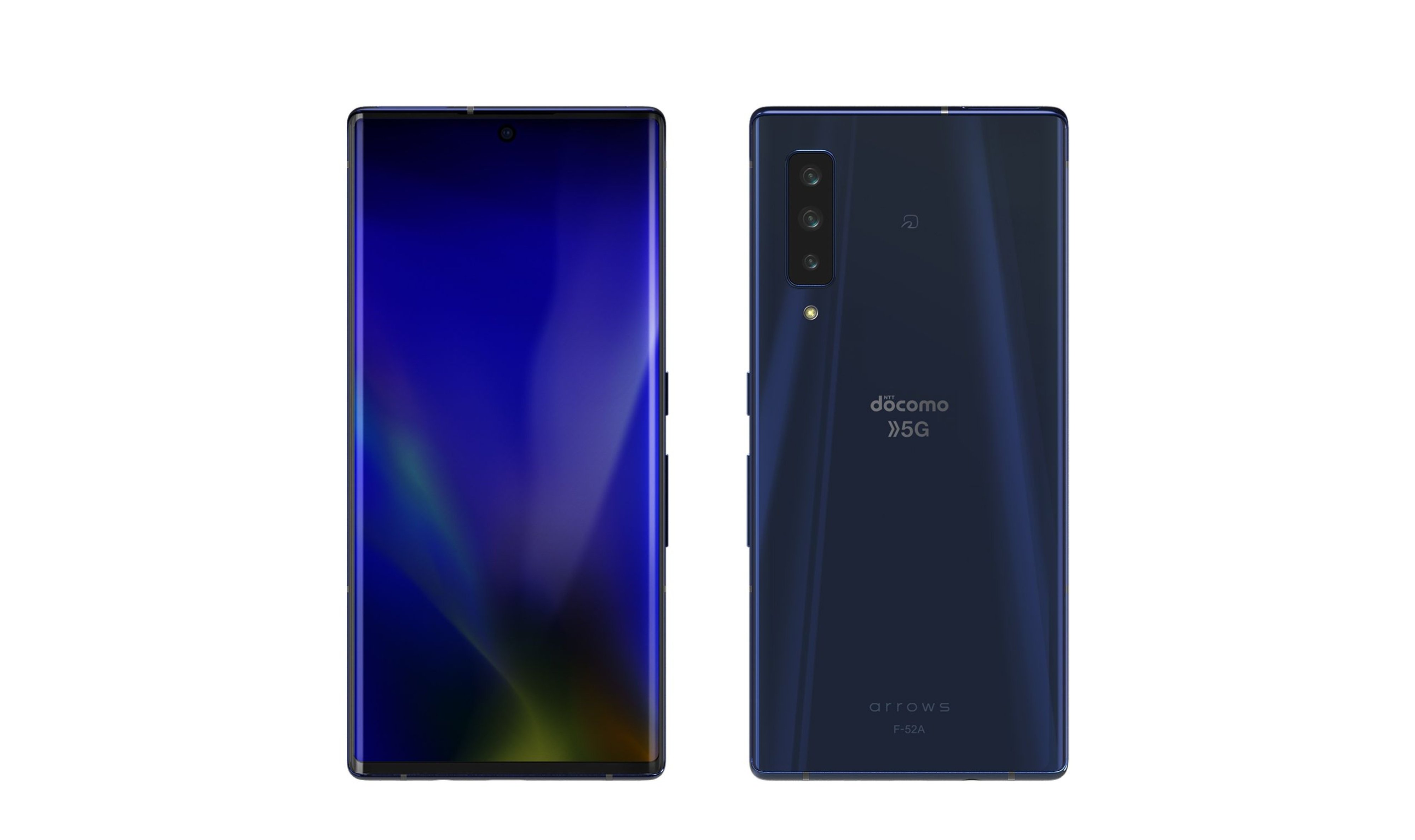
Fujitsu Arrows NX9 F-52A announced in Japan as the latest 5G smartphone from the Japanese IT giant. The handset features modest specs but its design is similar to Galaxy Note10. Above all, it is the first non-Samsung smartphone with a centered punch-hole OLED display.
The Fujitsu Arrows NX9 F-52A is powered by Qualcomm Snapdragon 765G just like LG Velvet and OnePlus Nord. This chipset is further paired with 8GB RAM and 128GB internal storage. Since there’s no info on the microSD card slot, we don’t think that the device has it.
On the front, the phone flaunts a 6.3-inch FHD+ OLED display with a punch-hole at the top center nesting a 16MP selfie camera. There’s also a fingerprint sensor underneath this screen. Whereas, the back of the device houses a vertically aligned triple camera setup consisting of a 48MP primary sensor, an 8MP ultra-wide unit, and a 5MP depth sensor.
As for the build, the handset features a glass sandwich design with a metal frame. It is also IP65-certified for dust and water resistance. Unlike most phones in the market, it also sports a 3.5mm headphone jack and supports Dolby Atmos.
For connectivity, the smartphone comes with dual-band WiFi 5, Bluetooth 5.0, and SA/NSA 5G. It also features GPS and NFC for contactless payments. Last but not least, the device measures 152 x 72 x 8.5mm in dimensions, weighs 162g, runs Android 10, and is backed by a 3,600mAh battery that charges via USB Type-C port.
1 of 2
The Fujitsu Arrows NX9 F-52A is priced at ¥76,032 ($729) and will be released on January 31, 2021. Interested customers can already pre-order it from Docomo in either White, Navy, or Gold color option.
Last month we saw a rumor roundup for the upcoming Redmi Note series in China. While we thought it could be the Note 10 series, subsequent leaks led us to believe that it should be the Redmi Note 9 series. Later, Xiaomi themselves confirmed that the series will indeed darn the ‘Note 9’ moniker. The company will launch three new smartphones in China tomorrow (November 26). Ahead of this, let’s look at the expected specifications, price of the devices.
Redmi Note 9 Series China- What’s New
Xiaomi has indirectly confirmed that the Note 9 series in China will have three devices. Multiple posters and invites shared by the company has a “three musketeers” slogan indicating the same. Accordingly, the company will unveil two 5G devices- Redmi Note9 5G and Redmi Note9 Pro 5G.
Although the company is teasing the devices with the “Note 9 Series” tagline, hints on the Jingdong listing suggests that there won’t be any spacing between the name and number. Anyway, the third device is likely a 4G variant with Redmi Note9 4G moniker.
Precisely, 5G and Camera are expected to be the big upgrades for the Note 9 series in China. As usual, you can expect 2020 hype-trains like the high-refresh-rate screens, bigger camera sensors, faster charging, at least on the higher variant.
Redmi Note9 Pro 5G Specifications(Expected)
The highest variant of the series is likely the Redmi Note9 Pro 5G(M2007J17C). Earlier leaks said that the device will be a tweaked version of the Xiaomi Mi 10T-Lite. Accordingly, Redmi’s official teaser images show a similar design with Mi 10T Lite’s Rose Gold Beach, Atlantic Blue, and Pearl Grey colors.
Besides, leaked information so far shows that the device will retain the majority of the Mi 10T Lite’s specs. The Redmi Note 9 Pro 5G will likely feature a 6.67-inch IPS LCD FHD+ 120Hz display, Snapdragon 750G chipset, a 4,820mAh battery with 33W fast charging. Further TENAA listings also reveal that the device will measure 165.4 x 76.9 x 9mm and weigh 214.5 grams.
However, the significant difference is said to be the main camera. It is expected to the first Redmi smartphone to sport a 108MP camera sensor instead of 64MP on the Mi 10T Lite. For Selfies, it will likely have a 16MP sensor under the centered punch-hole. Other features likely are 6/8/12GB RAM, 64/128/256GB storage, stereo speakers, 3.5mm audio jack, NFC, IR blaster, and Z-axis linear motor.
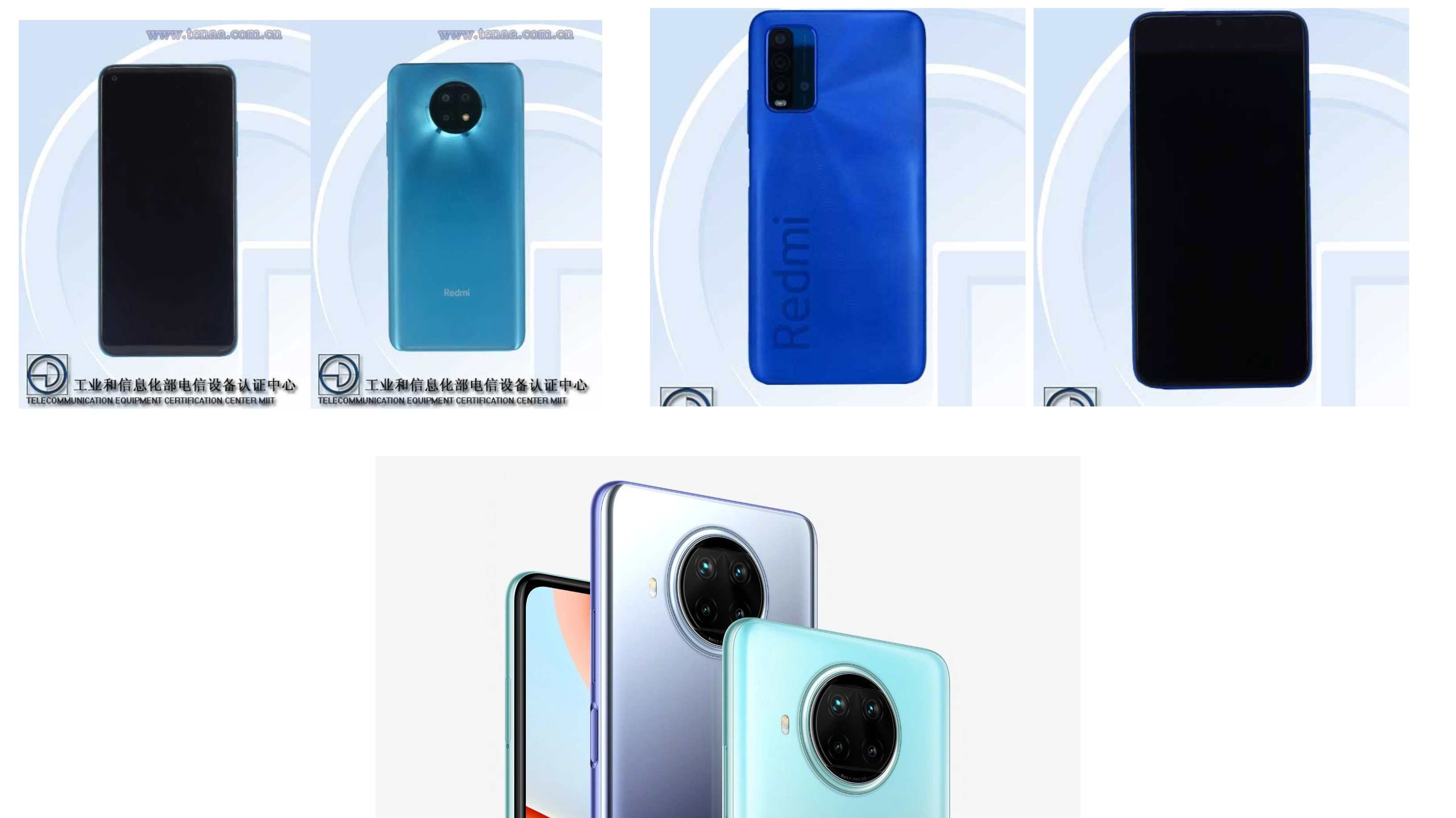
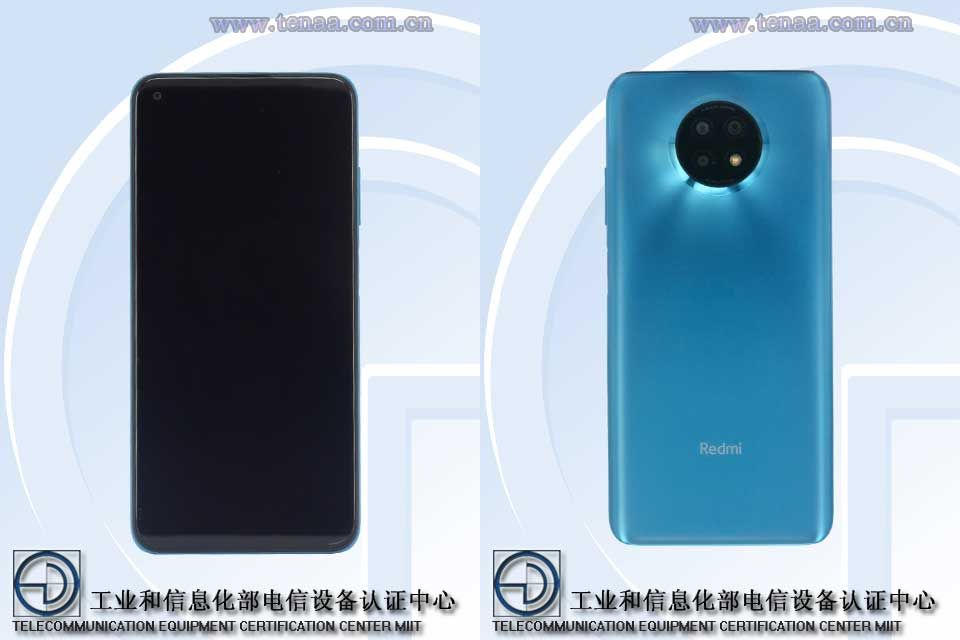
Redmi Note 9 5G will likely be a slightly watered-down sibling(M2007J22C) in terms of Camera, fast charging measuring 161.96 x 77.25 x 9.2mm and weighing 200 grams. That said, TENAA renders showed that the device will have a similar rear panel as Redmi Note 9 Pro 5G but a top-left punch-hole display.
Talking about specs, it is likely to feature a 6.53-inch IPS LCD FHD+ display, MediaTek Dimensity 800U SoC, 48MP triple camera setup, 13MP punch-hole selfie camera, MIUI 12 based on Android 10. Other expected features are 4GB/6GB/8GB RAM, 64GB/128GB/256GB internal storage, NFC, a 5,000mAh battery, and 22.5W fast charging.
As for the 4G variant of the Redmi Note 9, the TENAA listing shows similar specs to the recently launched POCO M3. It measures 162.29 x 77.24 x 9.6mm and weighs 196g. However, the images show that the device doesn’t have the big black housing around the camera and leather-like finish of POCO M3.
Anyway, Xiaomi surprisingly hasn’t revealed anything about the device yet. That said, the device will likely feature a 6.5-inch FHD+ display, Snapdragon 662 SoC. As for the optics, For cameras, it will likely have a 48MP main lens, two 2MP sensor on the rear, and an 8MP selfie shooter.
Other specifications expected are 4/6/8GB RAM, 64/128/256GB storage, side-mounted fingerprint sensor, 4G, USB-C port, 6,000mAh battery with 22.5W fast charging but the POCO M3 only has 18W charging support.
Redmi Note 9 Series: Expected Price
The Redmi Note 9 Series in China is expected to start at 1,000yuan($152). Precisely, leaks say that the 4G variant will start around 1,000yuan. However, the Note9 5G will likely start slightly about the 1,000yuan mark and the Note9 Pro is expected to be around 1,500yuan($228.5).
If that happens, Redmi Note9 Pro 5G will be one of the cheapest 108MP camera smartphones out there. Anyway, let’s wait for the official pricing as the event is scheduled for tomorrow at 20:00 China time.
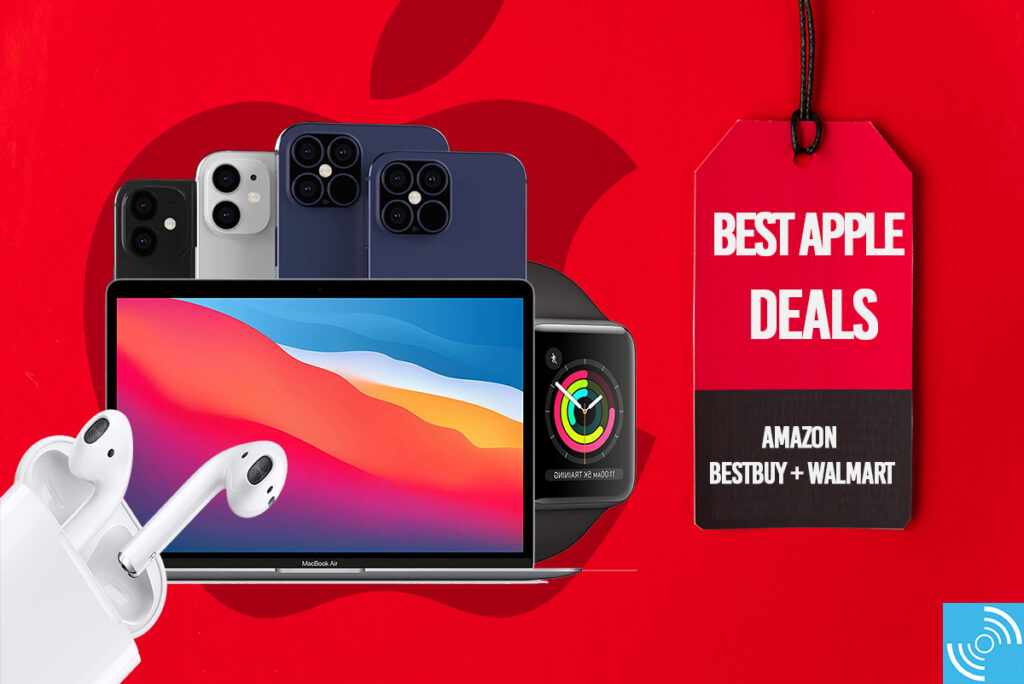
It’s raining discounts from several major consumer electronics giants across the globe this Black Friday. Already, there are plenty of offers going on for smartphones, but it’s hard to beat the deals from the Cupertino giant. The company is offering massive discounts on its popular smart electronics such as AirPods, MacBook, iPad, iPhone, and several other products.
Please note that most of the deals are applicable in the US.
Most of the businesses have remained in the troubled waters throughout the year due to the COVID-19 pandemic, but nothing is stopping them from offering huge discounts during the ongoing Black Friday festivities. However, Apple is a bit later in joining the sale extravaganza, but it’s always better late than never.
We have concluded some best deals from the Cupertino giant this Black Friday. You can grab your favorite device at the lowest offered price from the list below.
Best Black Friday Deals from Apple
iPhone Deals
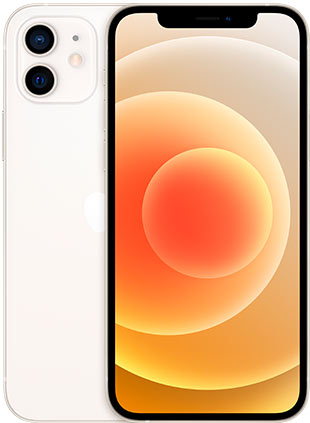
Apple iPhone 12 /12 Mini
Apple Store Offer – The Cupertino Giant’s latest offering – Apple iPhone 12 and iPhone 12 Mini can be yours at $250 less than the actual retail price if the user’s Trade-In old Apple devices. The offer is applicable only on the official Apple Online Store.
BestBuy Offer with Verizon, AT&T, and Verizon – However, the users can save $800 on activation and qualified trade-in with AT&T and can save $440 on activation and trade-in with Verizon and T-Mobile.
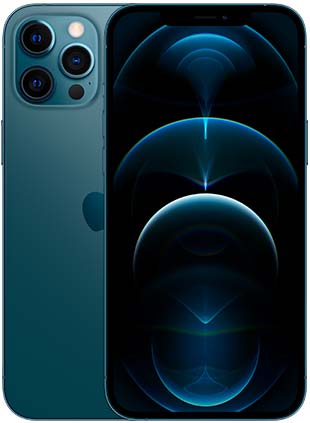
Apple Store Offer – The bigger siblings of iPhone 12 and iPhone 12 Mini are available at bigger discounts. The trade-off value of these two smartphones is $370 if we opt for Apple Official Store.
BestBuy Offer with Verizon, AT&T, and Verizon – However, the users can save $800 on activation and trade-on with AT&T. Verizon and T-Mobile are offering $440 off if you trade-in device via Best Buy.
Verizon Online Store and Walmart- iPhone 11 and iPhone 11 Pro are available at a 50% discount on contract with Verizon. The users can available for discounts on monthly installments. The iPhone 11 64GB variant is available for$24.99 $12.49/mo from Verizon online Store and Walmart.
Verizon Online Store – The iPhone 11 Pro is available from Verizon at $41/mo and an additional $350 off online, plus $850 off with eligible trade-in at Verizon.
It is a favorite among the creators and coders. MacBooks are daily drivers for users across different fields. On the occasion of Black Friday, several retailers are offering massive discounts on MacBooks.
Apple MacBook Pro (M1, 13-inch)
It is the premium range of laptops from the Apple offering powerful performance. It carries a 13-inch display, 8GB RAM, 256gB SSD Storage for $1249. Amazon is offering $50 off on its actual retail price.
The fanless notebook providing exemplary performance is available for $899. Apple MacBook Air in Gold color is available at a $100 discount from Amazon.
The 4th generation Apple iPad Pro with a 12.9-inch display is available for $899. It is available for a discount of $99 over the actual retail price. It is the 128GB and WiFi-only variant.
It is a bargain deal as a renewed product. Apple iPad Air 2 with 128GB storage and Space Gray color is available for the price of $324. The company is offering a discount of $75.99 over the actual price.
If you’re waiting for the Black Friday sale to upgrade your smartphone, then keep your wallet ready as Black Friday smartphone deals are finally here. Major smartphone manufacturers are bringing popular smartphones under the sales category to recover from the yearlong losses amid the Covid-19 pandemic.
There are multiple options in the smartphone market which the buyer can choose as per the needs. We have listed all the popular smartphone deals from Apple, Samsung, Motorola, OnePlus, and other major OEMs. The flagship devices such as Samsung Galaxy S20FE, OnePlus 8, Pixel 5, and other smartphones are available at up to 55% discounts.
We have categorized deals into two categories – locked and unlocked to make it easy for the readers to distinguish easily.
So without wasting any more time, let’s head to the top smartphone deals this festive season.
Best Smartphone Deals This Black Friday
Locked
The list below consists of all the unlocked devices from various manufacturers.
Apple iPhone 12 /12 Mini
Apple Store Offer – The Cupertino Giant’s latest offering – Apple iPhone 12 and iPhone 12 Mini can be yours at $250 less than the actual retail price if the user’s Trade-In old Apple devices. The offer is applicable only on the official Apple Online Store.
BestBuy Offer with Verizon, AT&T, and Verizon – However, the users can save $800 on activation and qualified trade-in with AT&T and can save $440 on activation and trade-in with Verizon and T-Mobile.
Apple Store Offer – The bigger siblings of iPhone 12 and iPhone 12 Mini are available at bigger discounts. The trade-off value of these two smartphones is $370 if we opt for Apple Official Store.
BestBuy Offer with Verizon, AT&T, and Verizon – However, the users can save $800 on activation and trade-on with AT&T. Verizon and T-Mobile are offering $440 off if you trade-in device via Best Buy.
Verizon Online Store and Walmart- iPhone 11 and iPhone 11 Pro are available at a 50% discount on contract with Verizon. The users can available for discounts on monthly installments. The iPhone 11 64GB variant is available for$24.99 $12.49/mo from Verizon online Store and Walmart.
Verizon Online Store – The iPhone 11 Pro is available from Verizon at $41/mo and an additional $350 off online, plus $850 off with eligible trade-in at Verizon.
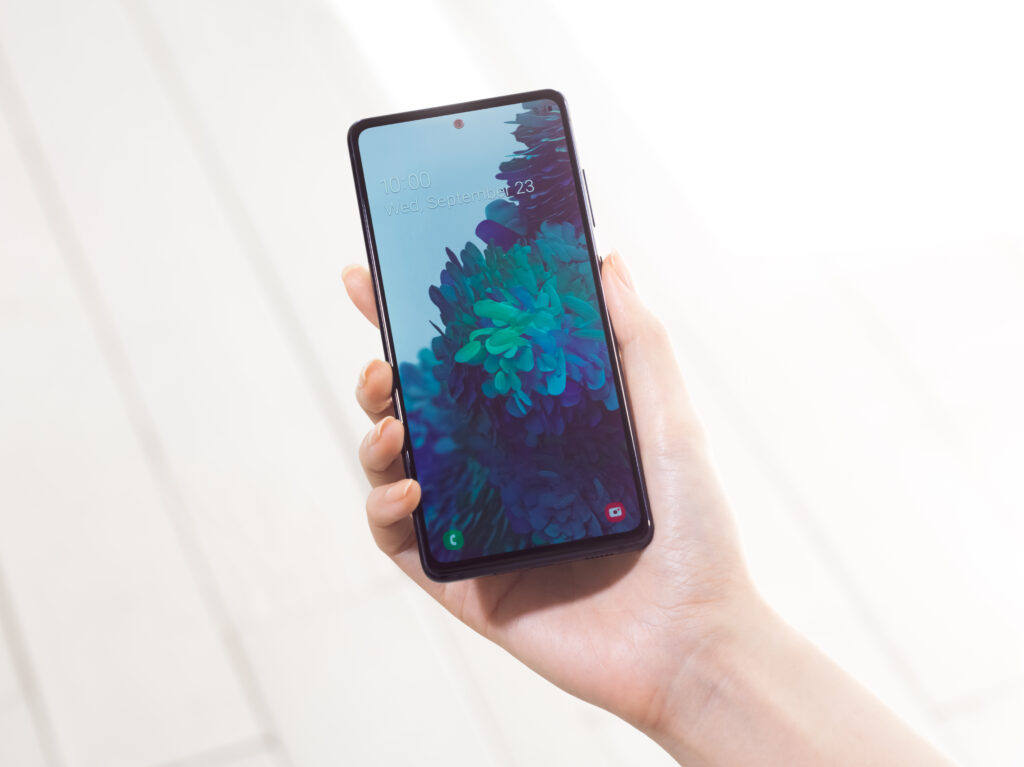
Factory Unlocked Galaxy S20 FE is now available for $549 with a 22% discount via Amazon. It is $150 off the actual retail price.
The smartphone carries a triple rear camera module featuring a 12-megapixel primary sensor, an 8-megapixel telephoto, and a 12-megapixel ultrawide sensor. There’s a 32-megapixel front camera for quality selfies. The 30X space Zoom, Night Mode, Single-Take AI are some exceptional features out of its Pro-Grade Camera.
The smartphone support 5G connectivity. Furthermore, the device features a 6.5-inch FHD Infinity-O display, a 4500 mAh battery with 25W fast charging, 6/8 GB RAM, and 128/256GB internal storage. You can know more details about the Galaxy S20 FE edition here.
The Korean giant is offering a 20% direct discount for Galaxy S20 Unlocked device. The users can grab it for $799 which usually retails for $999.
The smartphone packs a 6.2-inch Dynamic AMOLED with 1440 x 3200 pixels resolution. Its display supports Corning Gorilla Glass 6. Samsung Galaxy S20 5G packs Qualcomm Snapdragon 865 chipset with 8GB RAM and 128GB storage. A triple camera module with a 12MP primary lens, a 64MP telephoto lens, and a 12MP ultrawide sensor is available on the rear side. There’s a 10MP sensor on the front side for selfies. Know more details about the device here.
The Korean giant is offering a massive discount on its latest flagship device. The 128GB storage variant is available for the price of $1049.
The magic of the S Pen even more magnified in the latest offering from Samsung. The device carries an intelligent battery and super fast charging. The adaptive Dynamic AMOLED 2X display, 5G support, and advanced processor are some exclusive features of the device.
There’s a large 108MP primary camera on the rear side triple-camera module. Furthermore, there’s a 12MP telescope camera and a 12MP ultrawide sensor. The user can snap beautiful selfies with a 10MP front shooter.
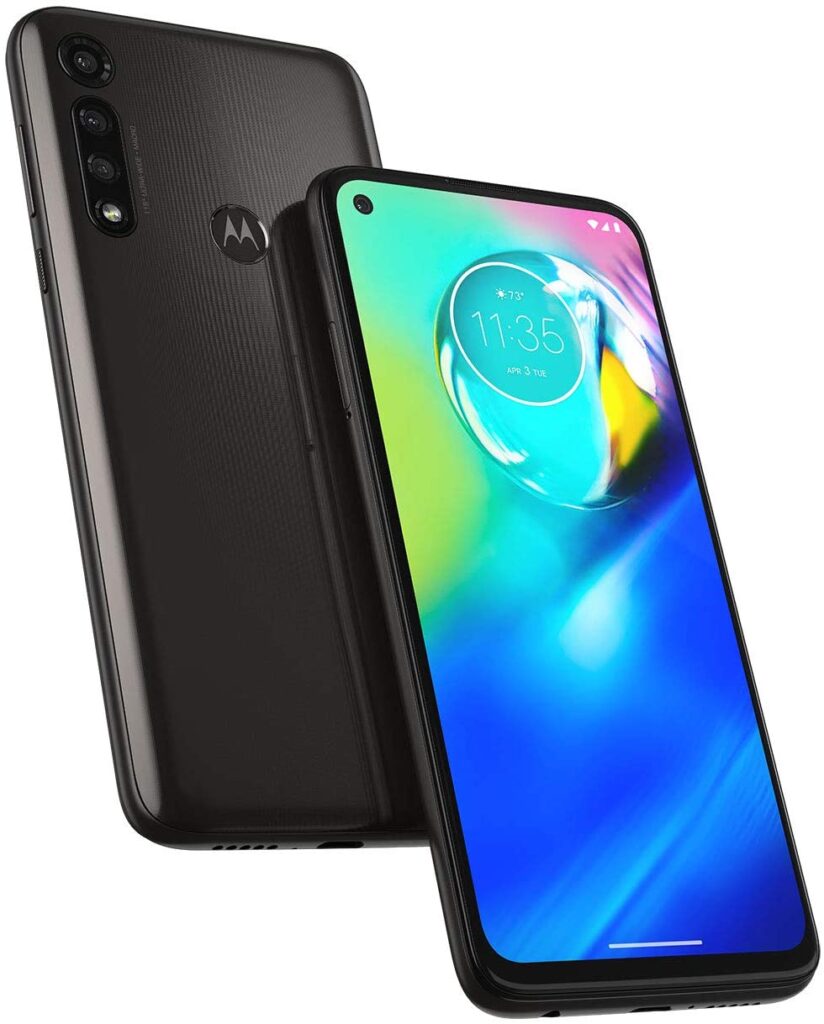
It is a mid-range Android smartphone from Motorola offering value-for-money. It is available for the reduced price of $179.99.
Motorola smartphone packs a 16MP triple rear camera module for beautiful panoramas and standard photography. The device carries a 5000 mAh battery which can withstand for 3 days upon a single full charge. A 6.4-inch Full HD+ display is present on the board. It is powered with Qualcomm Snapdragon 665 SoC coupled with 4GB RAM and 64GB storage.
Motorola Moto G7 Power is available for $131 at a 47% discount. However, the device carries a 6.2-inch HD display, Octa-Core processor with 3 GB RAM, a dual-rear camera, and a 5000 mAh battery.
It’s a popular smartphone running Qualcomm Snapdragon 865 chipset coupled with 128GB storage and 8 GB RAM. It features a triple-rear camera featuring a 48MP primary camera, 48MP Ultra wide-angle, 16MP front camera, and 5 MP color filter camera. The user can enjoy a 16MP front camera or selfies. A 4510 mAh battery is present with Warp Charge technology.
Google Pixel 3 is now available from Amazon for $379. This not so old device is still a favorite device among several Android users. The camera prowess and smooth user interface enhance the overall experience.
These are some best smartphone deals available this Black Friday. You can even head over to the above mentioned respective stores for more smartphone deals. You can enjoy Black Friday Deals on other products by heading to our dedicated portal.
In early October, Realme announced a handful of new IoT and lifestyle products in India and one of them is the N1 Sonic Electric Toothbrush.
The toothbrush was announced in White and Blue color variants but it appears only the former has been available for purchase until now. Realme has announced that the toothbrush is now available in blue. The announcement was made earlier today by the Realme Link Twitter account.
The blue-tiful colour variant of your favourite realme N1 Sonic Electric Toothbrush is up for grabs! Buy yours today and get ready for #EveryDayBetterCleaning.
The new blue variant will sell for the same ₹799 (~$11) price tag as the white version and can be purchased on the Realme India website.
The N1 Sonic Electric Toothbrush comes with DuPont antibacterial bristles with blue bristles which remind you to change the head when their color fades. It has three cleaning modes – soft mode for sensitive teeth, a clean mode for daily use, and a polish mode for shinning teeth. It also has a memory function that remembers the last mode you used and a 30-second interval reminder that tells you to switch to a different area.
It is powered by a high-frequency sonic motor that can vibrate up to 20,000 times per minute. There is an 800mAh battery inside the toothbrush that will last up to 130 days on a single charge if you brush twice a day for 2 minutes each time in soft mode. Realme has also added a USB-C port at the bottom for charging with over-voltage and over-charge protection.
While it sure is good news to know that you can pick up the toothbrush in a new color, Realme has failed to list replaceable heads on the site, instead, it says that it can be purchased at authorized service centers. Sure, offline availability is great but listing it online is very necessary. There are folks who want to purchase the toothbrush with extra heads right away, why make them go to a store to do that?
BlackFriday is the best time to make a purchase and save the most. TV buyers can easily save large a lot of capital by simply buying during the festive season. All the major TV manufacturers like Samsung, LG, Sony, and others offer humongous discounts via offline and inline retailers like BestBuy, Amazon, Walmart, and Target. The users can grab Ultra HD smart TVs in varying sizes – 50, 55, 65, 75, 85-inch, and others.
The Black Friday Sale is now live and the shoppers can grab a good TV for as low as $268. There’s something for everyone ranging from a normal HD TV to QHD smart TV. LG’s OLED is also on sale and is available at the best prices. Below, we have listed some best TV deals which are currently available and in stock. We are not sure whether these deals will stand against the demand till November 27 or not.
Best Black Friday TV Deals
Every type of TV is available on sale with varying display type, OS, resolution, and size. The users can choose between different TVs as per their budget needs.
LEDs
(Price Low > High)
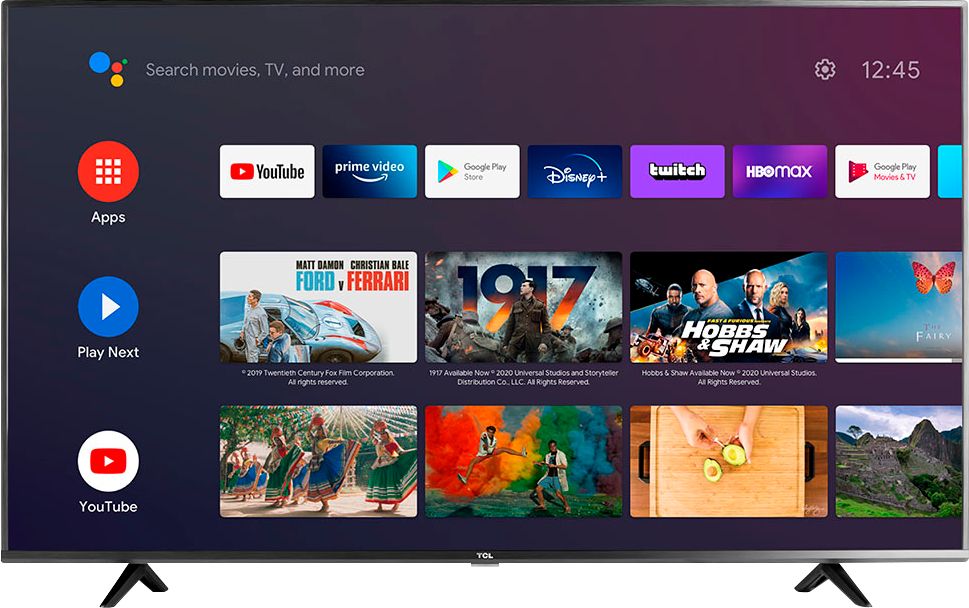
TCL – 50″ Class 4 Series LED 4K UHD – $229
It is the cheapest 4K UHD Android smart TV available at a price of $229. It is the best fit for users who love to enjoy movies in living rooms or larger bedrooms. TCL Class 4 Series TV supports built-in Android Assistant with Google Cast. It supports Dolby Digital+ Audio Technology and houses 3HDMi ports.
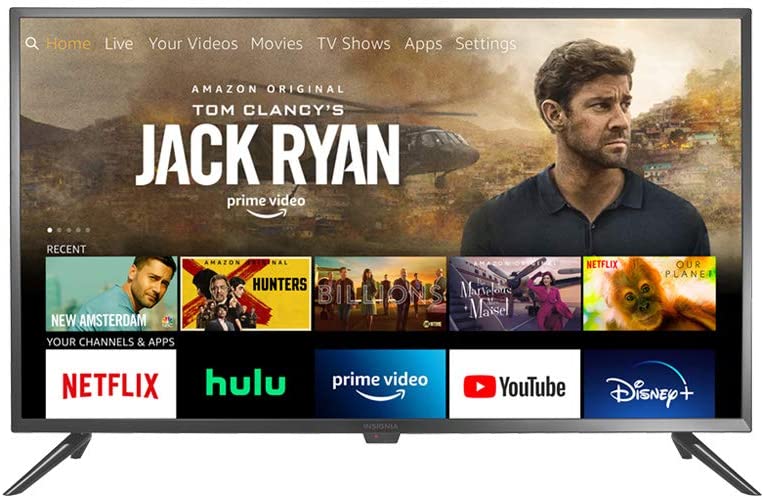
It is the best seller smart TV available at the cheap price of $339. The smart TV supports Alexa and integrates Fire TV Edition seamlessly. Insignia TV offers value-for-money as it supports endless entertainment with 500000 streaming movies and TV episodes.
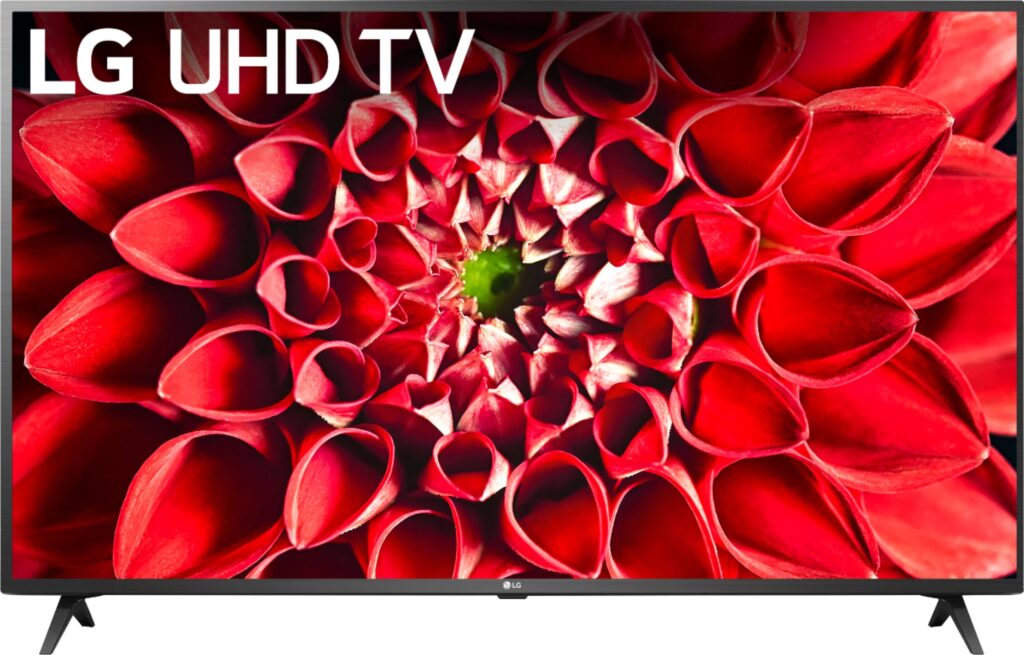
LG UHD TV is the best smart TV available in the budget range. The smartTV packs a quad-core processor to process 4K Ultra HD resolution. It carries Active HDR support more immersive viewing experience. The smart tv supports Apple Airplay 2 and Apple HomeKit. It even works with Google Assistant and Amazon Alexa.
Samsung – 50″ Class 7 Series LED 4K UHD Smart Tizen TV
Samsung always bundles a wonderful processor along with an impressive panel to provide stunning performance. The same is true with the Class 7 Series LED 4K UHD Tizen TV. It packs Crystal Processor 4K, Crystal Display, Boundless design, and OneRemote functionality. The smart TV support 4K Ultra HD resolution along with HDR.
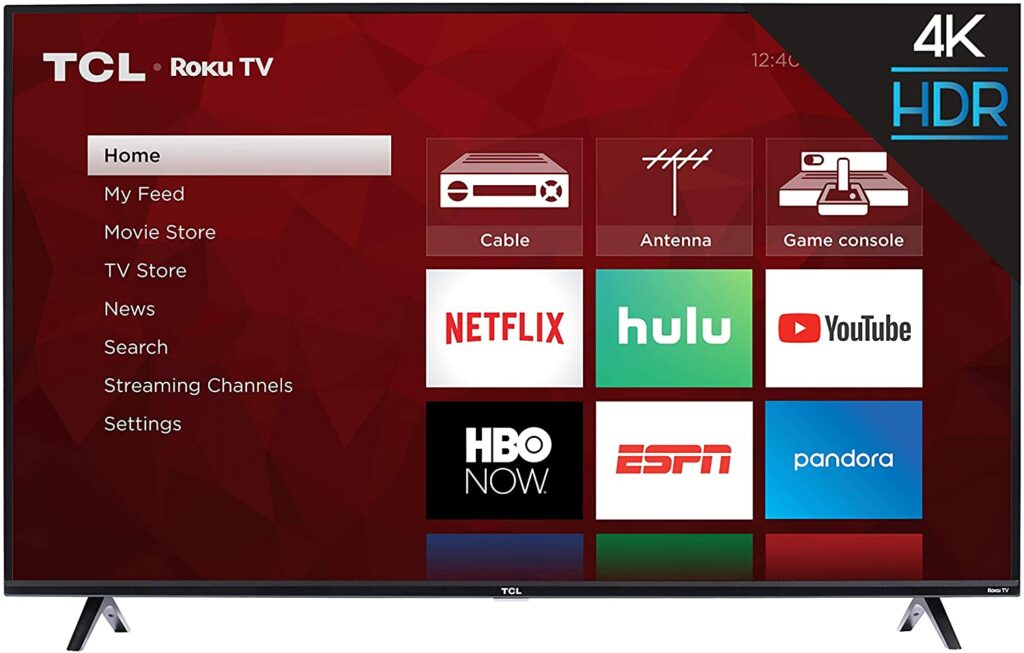
TCL 50S425 offers 4K UHD video quality along with some other splendid features. The smart TV features 4K Creative Pro technology which upscales HD content to near 4K quality. The TV supports 3x HDMI ports, a headphone jack, Optical Audio Out, an Ethernet port, a 1USB port, and a Composite.
It is another 55-inch TV from LG available at a dirt-cheap price of $499 from Amazon. The smart TV features support for Google Assistant and Alexa. Better contrast with local dimming technology is some major advantages of the TV. You can grab at a 29% discount price of $499.
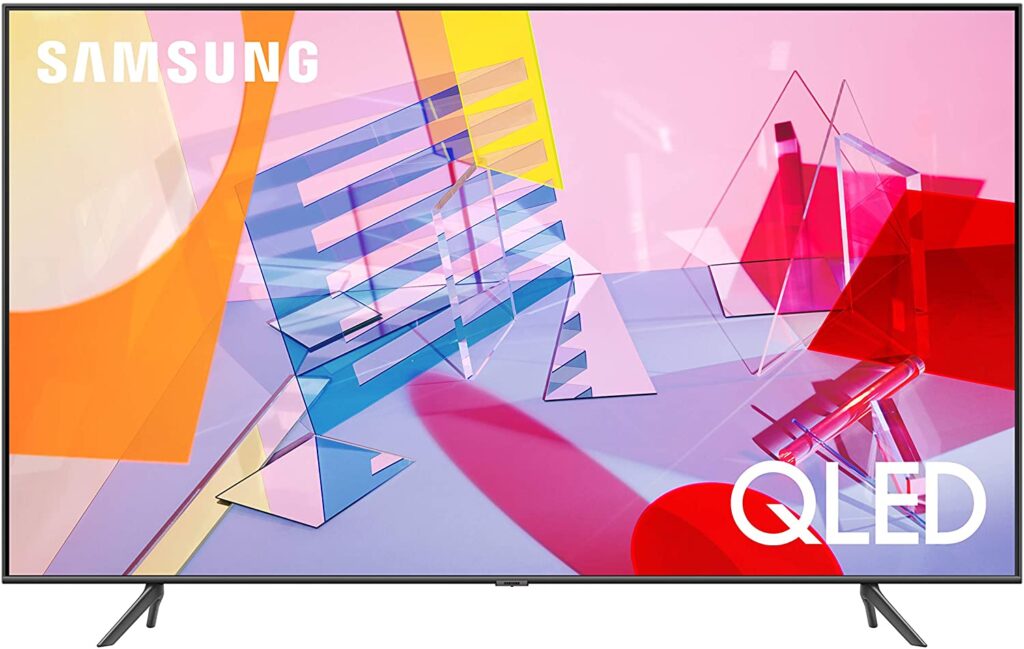
It is a mid-range 4K UHD smart TV and supports HDR for vivid color range and details. Samsung Q60T is based on Tizen and packs Quantum Processor 4K Lite, Quantum HDR, Digital Clean View, Contrast Enhancer, LED Clear Motion, and Ambient Mode. It supports a 60Hz refresh rate. There are 3HDMI ports, 2USB ports, and 1 digital audio port.
It is one of the best TV from Samsung with support for built-in Alexa. The users can grab the same TV in different sizes – 85″, 75″, 65″ & 55″. The smart TV packs feature such as Quantum HDR, Objective Tracking Sound, and Quantum Processor.
It uses QLED LED panel for better picture quality.
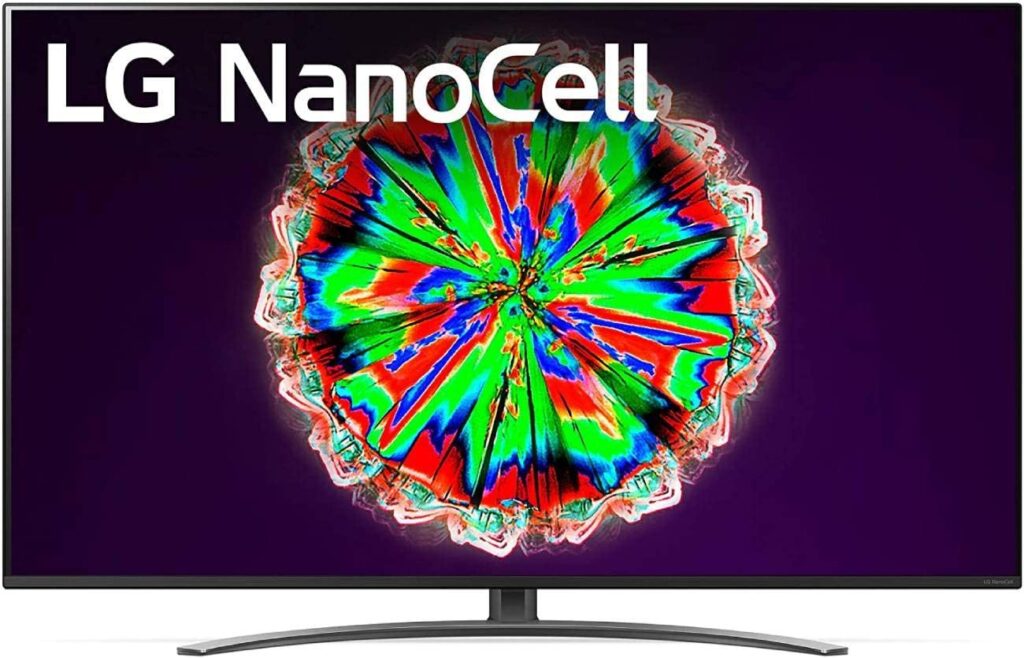
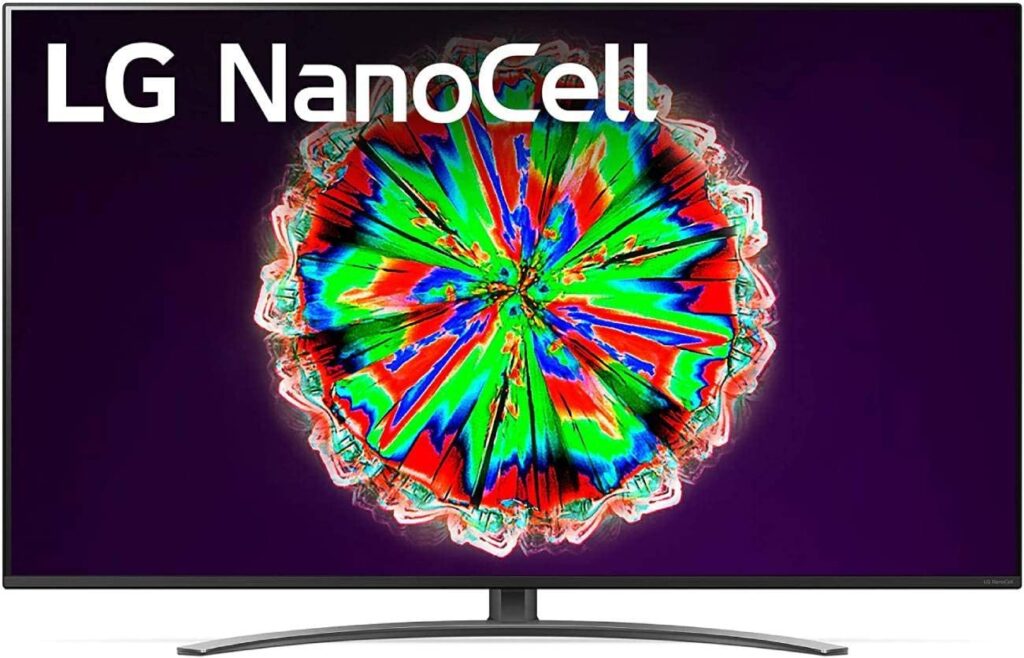
LG 55NANO85UNA Alexa Built-In NanoCell 85 Series 55″
It comes in a premium range of Smart TVs with Realm 4K NanoCell Display. The smart TV carries over 8.3 million active pixels to deliver natural, lifelike colors. It also features Local Dimming technology to provide better visuals while watching movies or playing games. The TV runs on WebOS and supports Magic Remote. It packs an Alpha Gen 3 processor. The TV supports Dolby Vision, HDR10, HLG technologies to support Cinema HDR. Supports Google Assistant and Alexa.
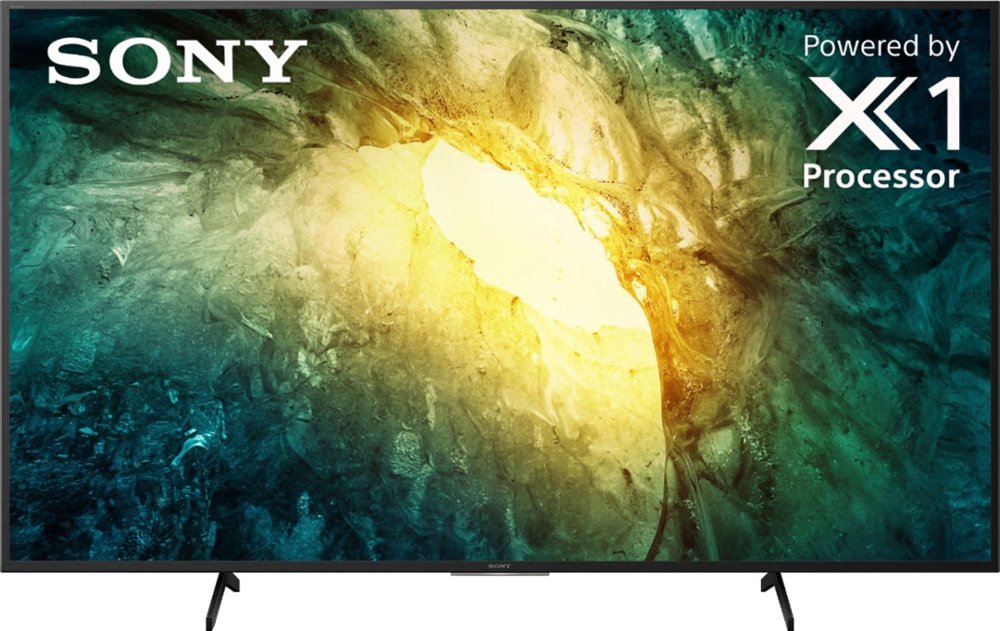
It is an exciting smart TV with a Triluminious Color display which produces more colors than a conventional display. Sony X750H is powered with a 4K processor X1 and 4K X-Reality Pro which upscales HD content to 4K resolution. It even packs Motionflow X# 240 technology to reduce any motion blur.
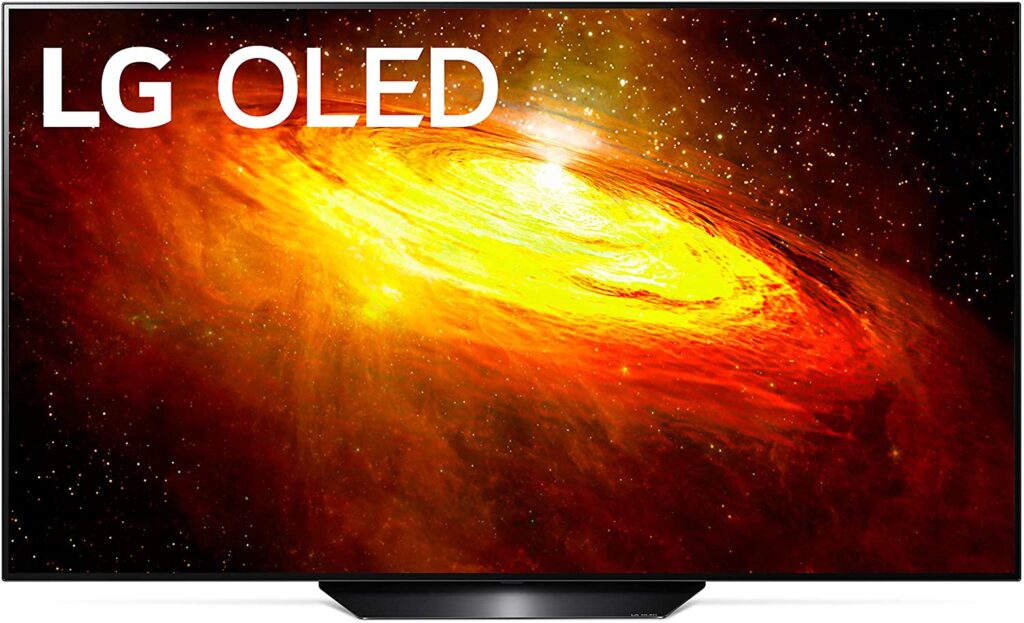
It is an affordable smart TV offering 4K resolution and an OLED display panel. Some primary advantages of the LG 55-inch BX OLED 4K TV are the best picture quality and the offer price of $1298. It fares well against the Vizio OLED which is the cheapest OLED TV available this season. You can grab the TV at a 13% discount from Amazon.
LG OLED55CXPUA Alexa Built-In CX 55″ 4K Smart OLED TV
It is the flagship OLED model from LG at the moment. It is available at the discount price of $1349 which is $300 off than its actual retailing price. The amazing display, built-in Google Assistant, Amazon Alexa support are some features among the lot. Its powerful processor and Dolby Vision IQ technology boost the visual experience.
There are several other TVs that are on sale and might fit in your budget. You can head over to Amazon, BestBuy or Walmart dedicated Smart TV sale portals to grab massive discounts. You can stay connected with us for more such deals!
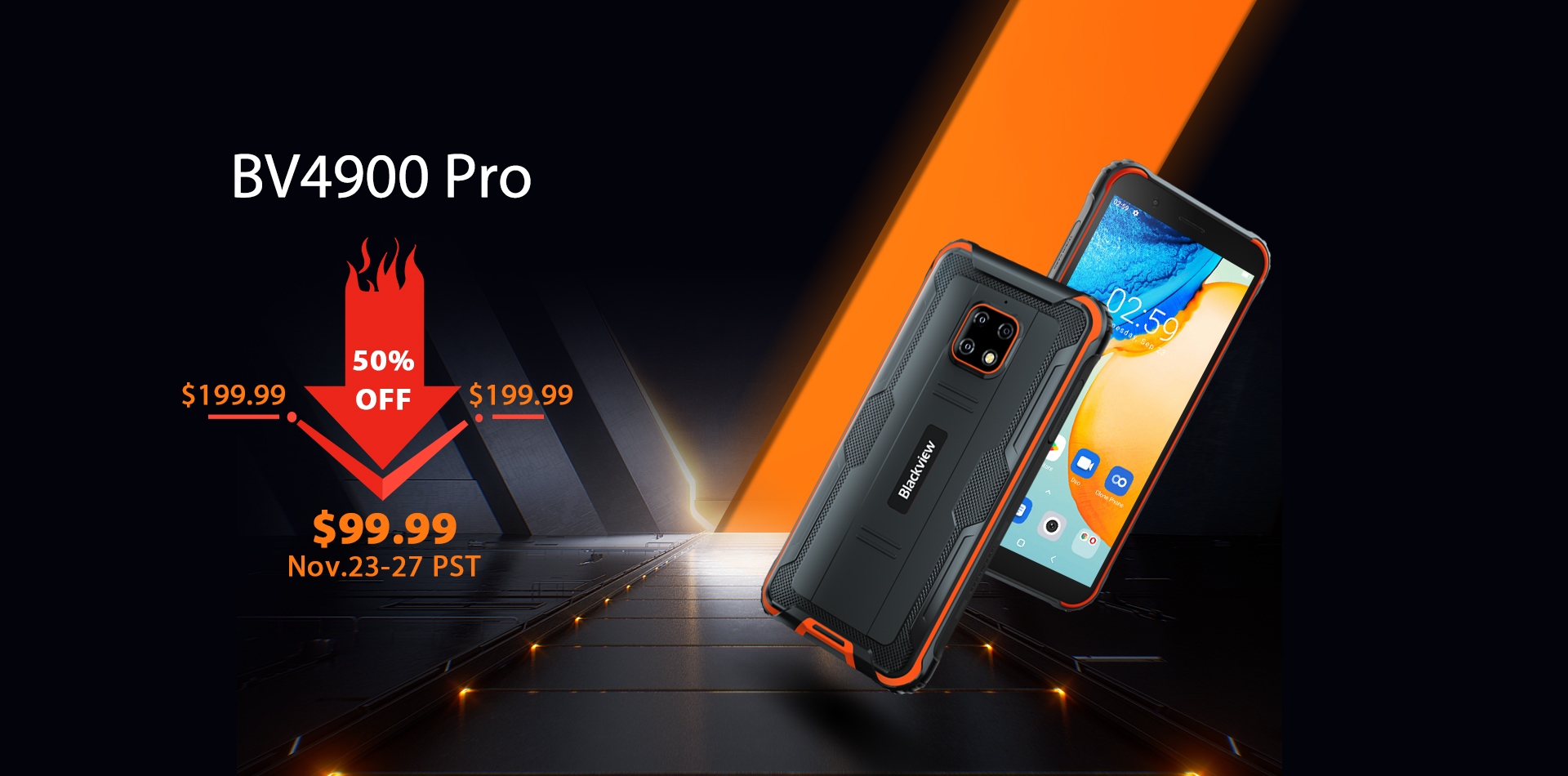
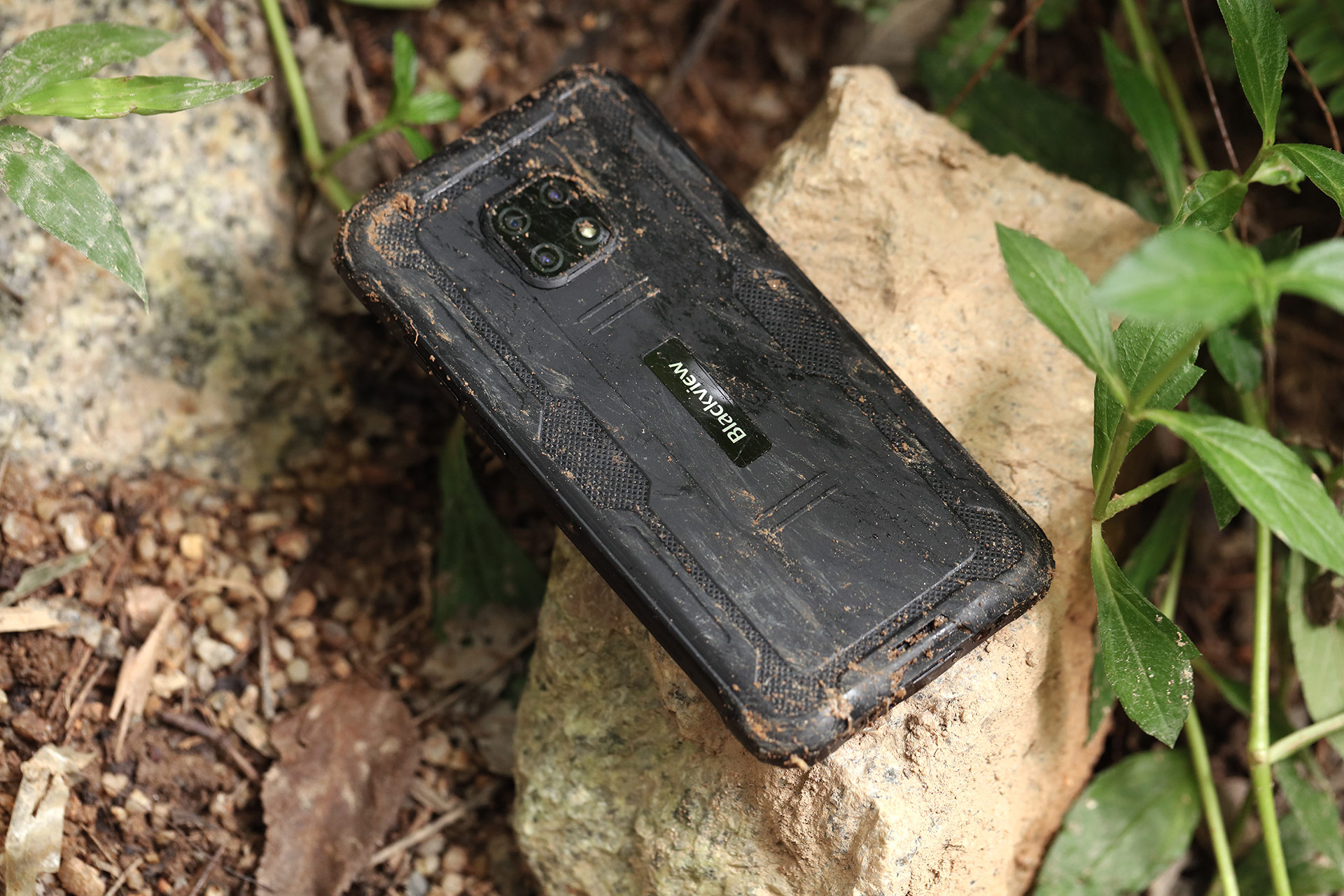
Smartphones are a necessity these days and, honestly, quite a prized possession for every owner. Users always try to find ways to keep it protected from regular wear and accidental splashes. Clubbing all these issues and turning it into a versatile solution, Blackview recently introduced Blackview BV4900 Pro, a rugged smartphone that meets all these needs. This Blackview flagship will make its debut in the upcoming Black Friday Sale with a massive 50% discount and will be available for just $99.99. This phone will be up for sale only from 23rd November to 27th November PT.
Being a Blackview BV4900 successor, BV4900 Pro shares a similar appearance but has enhanced many of its functions. Let’s take a look-
Model
BV4900
BV4900 Pro
Processor
MediaTek Helio A22 quad core, 12nm
MediaTek Helio P22 octa core, 12nm
Storage
3GB RAM 32GB ROM
4GB RAM 64GB ROM
Camera
Sony® IMX134 8MP rear camera
Samsung® S5K3L2 13MP rear camera
Since Blackview BV4900 Pro is a rugged smartphone, it features IP68 and IP69K rating that can withstand water up to 1.5m for 0.5 hours. It is also enhanced with a MIL-STD-810G certification that protects the device from drops, bumps, and shocks to offer durability.
Blackview BV4900 Pro runs on Android 10 and has a 5.7-inch HD+ display that offers an immersive viewing experience. This rugged smartphone has a 5580mAh battery that will offer seamless all-day use. Other functions include GPS, GLONASS, Beidou, Galileo, NFC payments, OTG, and reverse charging for added versatility.
For its $99.99 price tag, Blackview BV4900 Pro offers decent specs and features that one can find in the market. Thanks to its ruggedness and versatility, this smartphone is durable and can be carried to all your beach vacations. This Blackview flagship is perfect for all kinds of users ranging from businessmen to adventurous people. It is currently up with 50% off for the Black Friday sale. Since this offer is limited only from 23rd to 27th November, make the most of it before the time runs out.
A massive criminal investigation is ongoing at Apple whose global security director has been charged with bribery for allegedly offering 200 hundred iPads to police officers in California in exchange for weapons permits for four employees of the company.
Apple’s Chief Security Officer Thomas Moyer was said to have promised to give the Santa Clara County Sheriff’s office the 200 iPads, whose worth is about $70,000, in exchange for being issued concealed weapons permits (CCW) for employees of the company. This deputation was made by Santa Clara county’s district attorney in a statement this week. The proposed deal was jettisoned at the last minute.
Also charged for complicity in the alleged crime, is Captain James Jensen and Undersheriff Rick Sung for soliciting the gifts, the statement also said. The investigation spanning two years also revealed that the permits were going to be withheld until the iPads had been delivered to the police officers.
District Attorney Jeff Rosen, in the statement further stated that “Undersheriff Sung and Captain Jensen treated CCW licenses as commodities and found willing buyers,” Furthermore, Rosen said; “Bribe seekers should be reported to the District Attorney’s Office, not rewarded with compliance.”
Also implicated in the bribe-for-permit criminal web is an insurance broker who offered $6,000 in luxury sports seats in exchange for weapons permits that usually cost less than $400 in most cases, according to the district attorney’s office.
It is unclear yet the names of the four employees that sought the weapons permit with Moyer’s assistance.
According to the district attorney’s statement, the group abandoned the plans “when Sung and Moyer learned of the search warrant that the District Attorney’s Office executed at the Sheriff’s Office seizing all its CCW license records.”
Moyer’s lawyer, Ed Swanson in a written statement said “Tom Moyer is innocent of the charges filed against him, He did nothing wrong and has acted with the highest integrity throughout his career. We have no doubt he will be acquitted at trial.”
The lawyer, however, did not deny the iPads gift, saying they were not part of a bribe. “Apple did offer to donate iPads. And Apple did apply for CCW permits. But those two things are unrelated. There was no quid pro quo,” he insisted.
“Ultimately, this case is about a long, bitter, and very public dispute between the Santa Clara County Sheriff and the District Attorney, and Tom is collateral damage to that dispute.”
Swanson recalled Tom Moyer’s unblemished record of service with the Navy and his 14 years of work at Apple, stating that he was “a hardworking, decent man. He does not deserve to have his good name tarnished by these baseless charges.”
The four accused persons will be arraigned on January 11, 2021, in a San Jose court, according to the district attorney’s office. They could face jail time if convicted.
Apple had yet to put out an official statement and did not immediately respond to a request for comment from AFP.
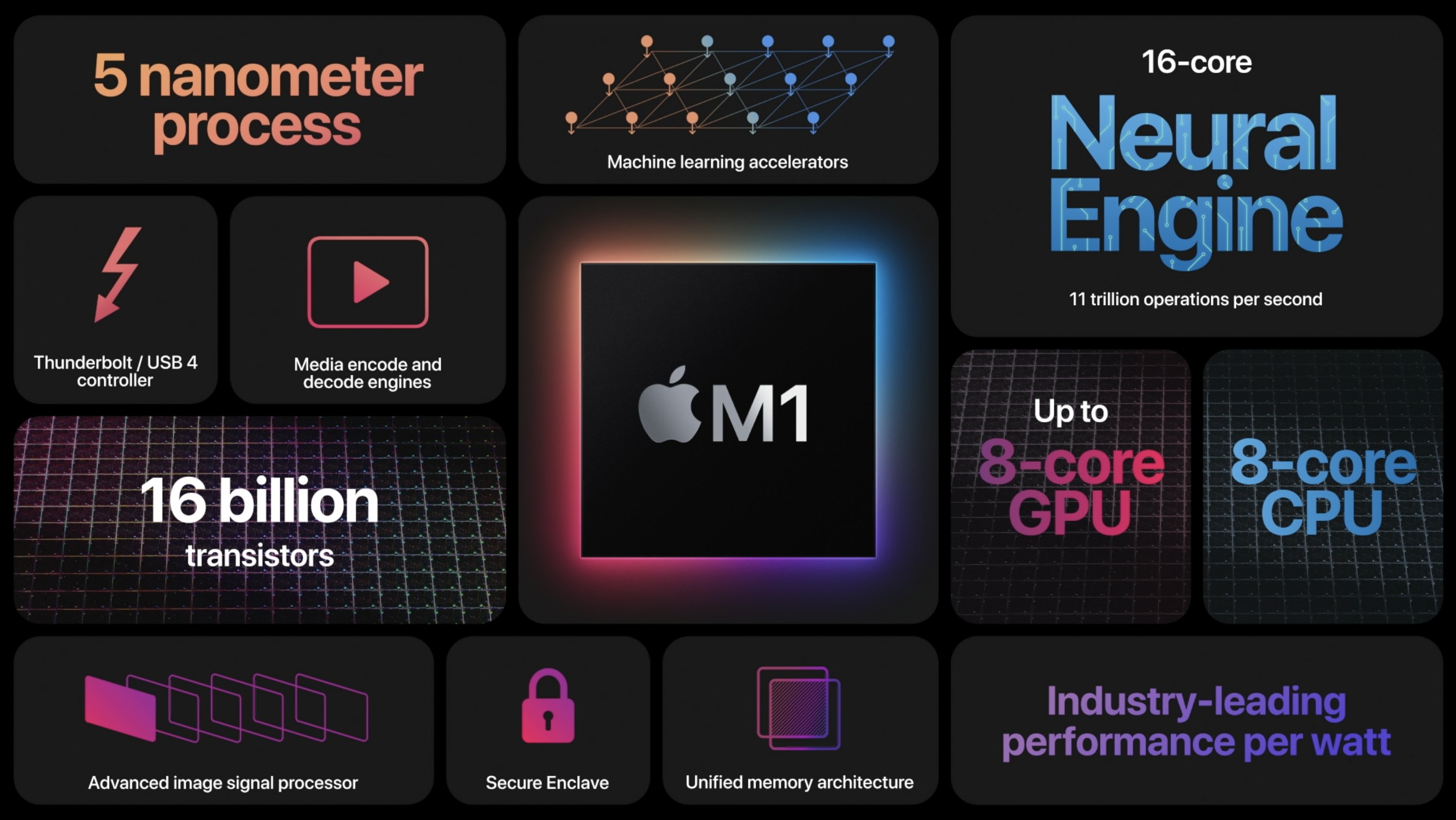
Apart from the iPhone 12 series, Apple‘s new MacBook series also share the limelight this year, especially due to the M1 chipset onboard. The chipset is a powerhouse CPU whose innovative design and performance could provide a huge boon for Apple. The processor has already appeared on Geekbench with a score that dwarfs all other laptop processors in its category including the Intel Core-i9.
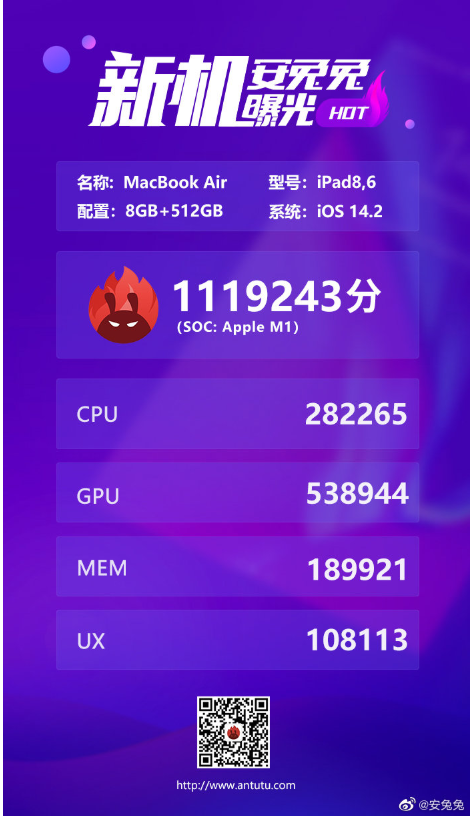
The Apple M1 has now been spotted on AnTuTu benchmark with a stunning and record-breaking 1.1 million score. As far as we know, this is the first time any device will be scoring over a million points on AnTuTu. For starters, the upcoming Qualcomm Snapdragon 875 AnTuTu score had leaked with the chip pulling 847,868 points.
The score is said to have been found on AnTuTu’s database onboard MacBook AIr listed in disguise as an iPad Pro. The data shows that the M1 chip score reached 1119243 points, of which the CPU score is 282265 points, the GPU score is 538944 points, and the MEM score is 189921 points. The device also had a UX score of 108,113 points.
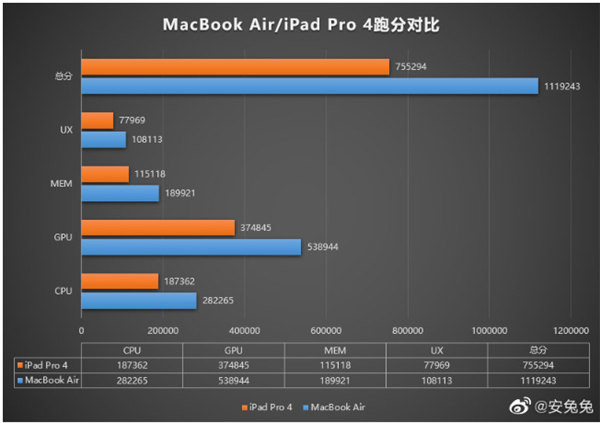
When the benchmark performance is compared to the Apple A12Z-powered iPad Pro 4 512GB version, the MacBook Air’s CPU score leads 50.65%. The GPU score is also 43.78% better, MEM is 64.98% higher as well as the UX which improves over that of the iPad Pro 4 by 38.66%. The iPad Pro 4 has a total score of 755294 which the M1 surpasses by 48.19%.
The M1 chip AntuTu score is said to be the first to have surpassed 1 million points under the current AnTuTu V8 iOS version. The M1 chip is manufactured using the 5nm process technology. It has an 8-core CPU, including 4 high-performance cores and 4 high-efficiency cores, with a power consumption of only 10W.
In terms of graphics cards, Apple M1 has an 8-core GPU that can perform 25,000 threads of work simultaneously. Through Apple’s neural engine and ARM architecture classic large and small core design, coupled with excellent GPU performance, the new MacBook series has a significant performance improvement. (via)
POCO’s latest budget flagship comes with a redesigned back and a Snapdragon processor. We have already posted our hands-on with the POCO M3, taking a look a quick look at its design and specs. But today, let’s take a deeper look into the POCO M3 and see whether it meets our expectations as a budget smartphone.
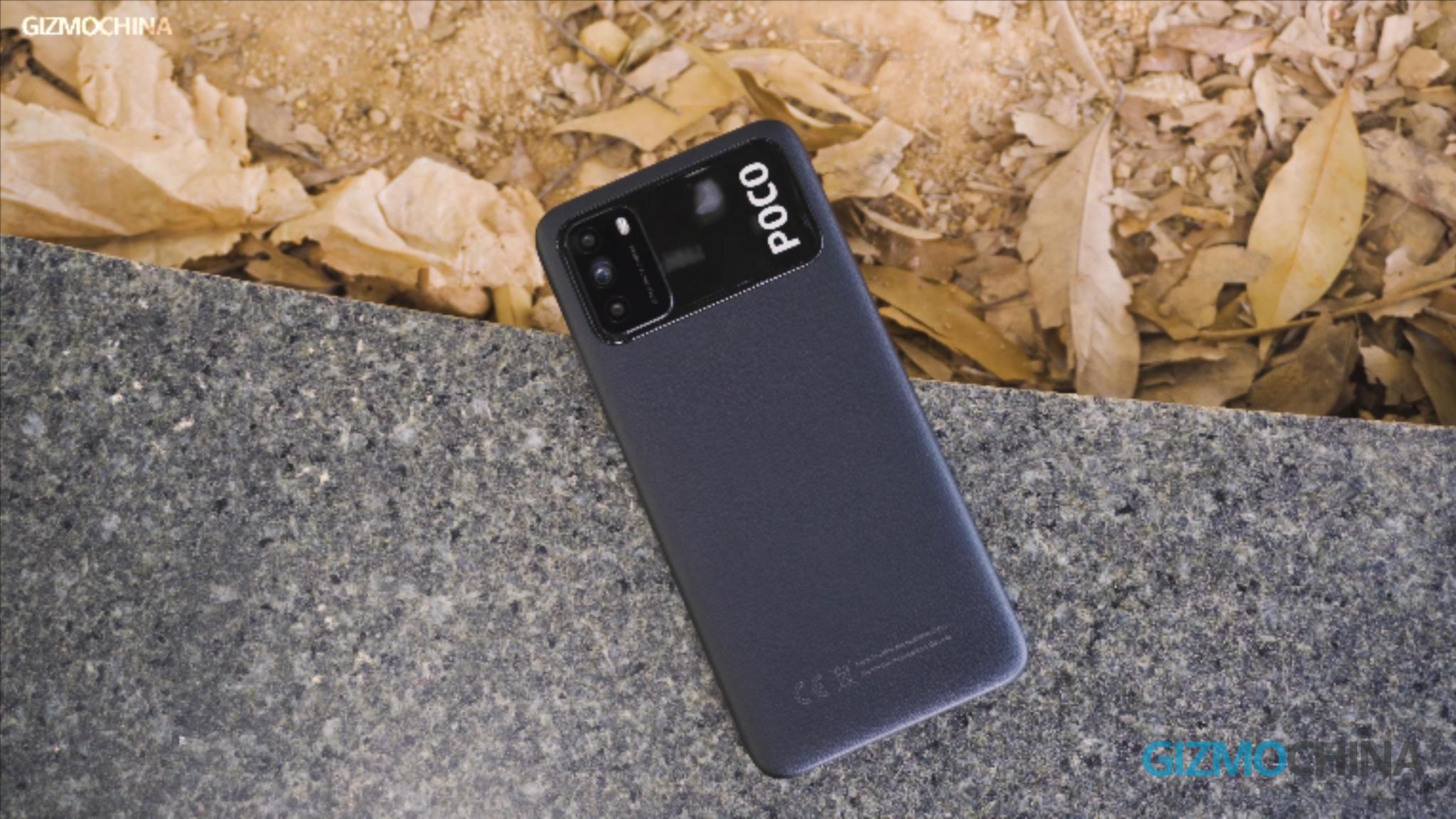
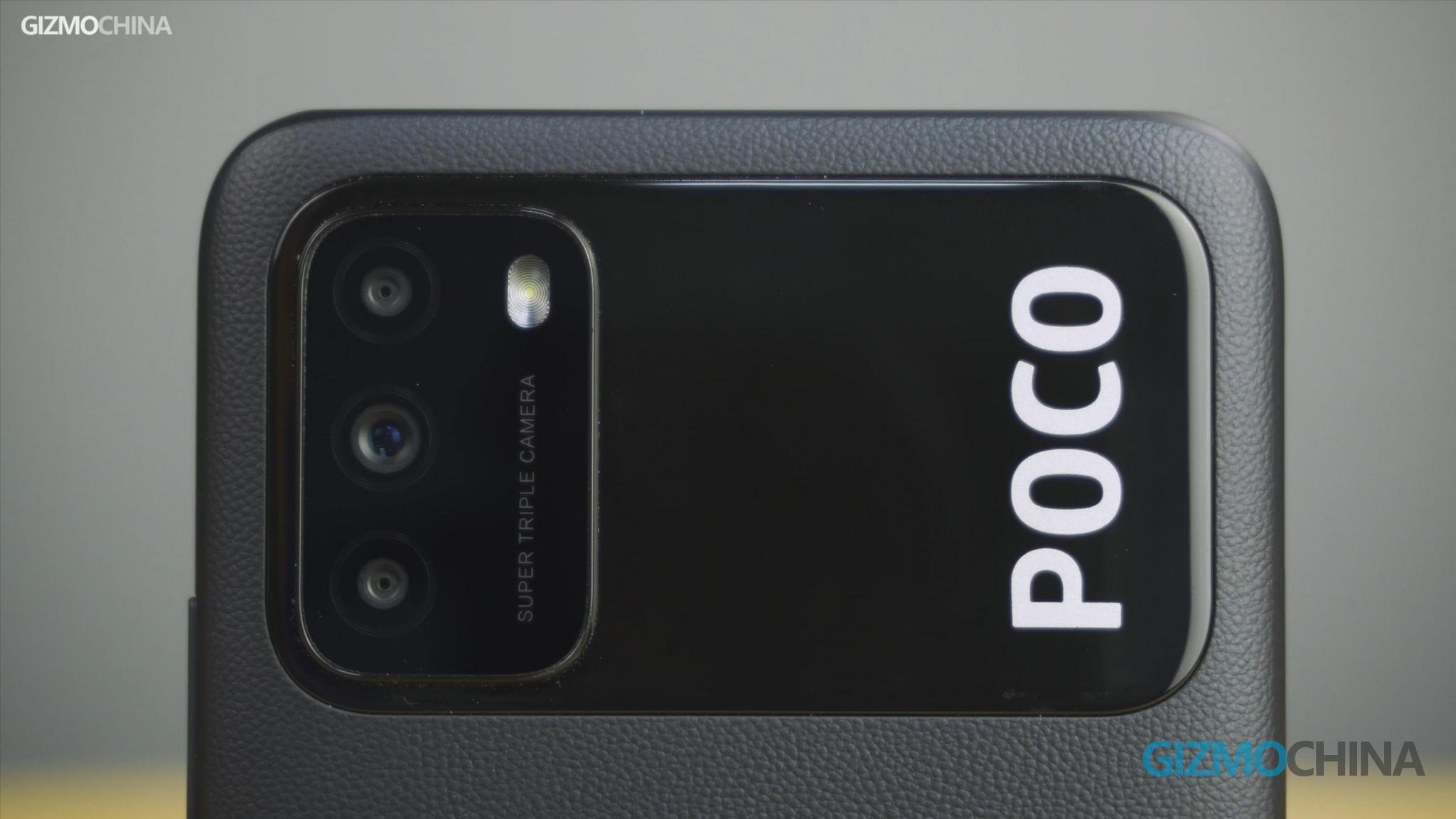
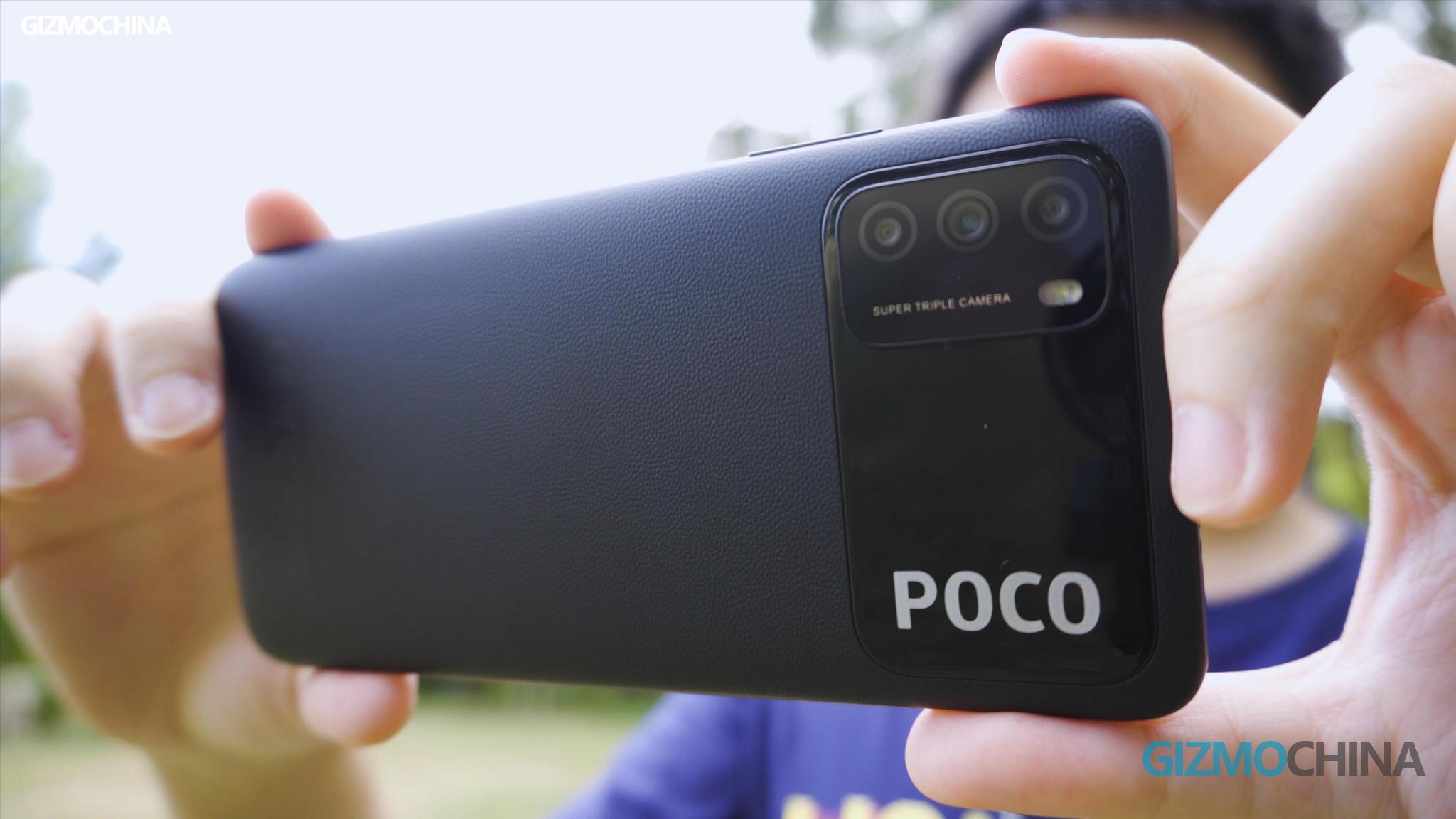
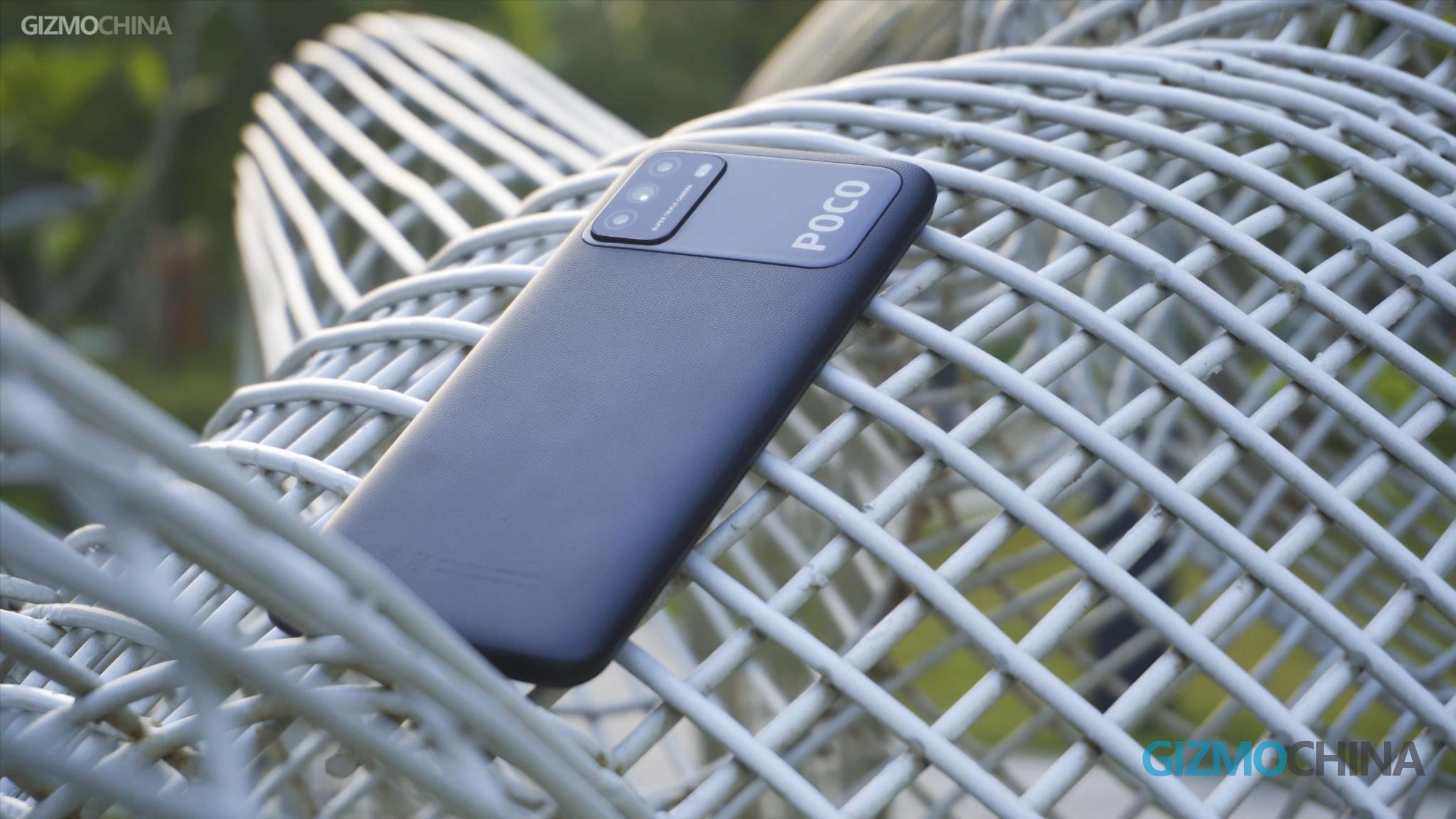
First, let’s look at its design. When compared to most budget phones, the M3’s design definitely deserves the word ‘VALUE FOR MONEY’ and features excellent build quality. We’ve seen a lot of budget models that share very similar designs. But the rear design of the M3 is much more unique and recognizable. Although the back cover isn’t glossy or made out of metal, it does not feel cheap at all. The textured leather cover finish is a nice touch, which at first glance makes the phone stand out from boring budget model designs.
And the camera module is arranged on the left side of the upper embedded glass. To achieve visual balance, Poco’s logo is shown on the opposite side. The model in our hand is the black edition. Thanks to the One-piece molding of the back cover and the frame, the elegant black appearance brings a sense of unity.
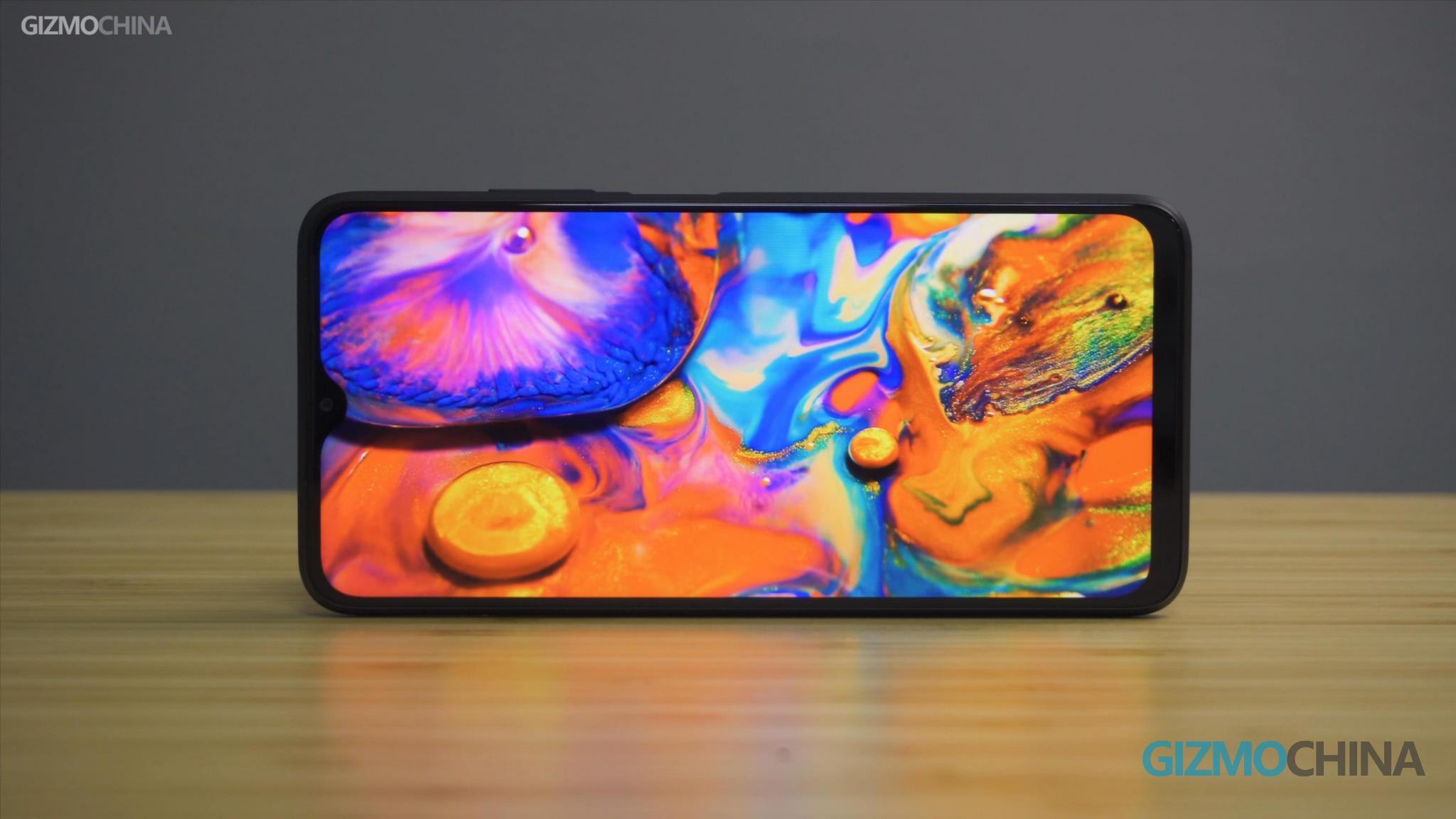
When you turn the phone around, the front face reminds us of its budget placement – featuring a water-drop 1080P LCD display. Of course, the display isn’t really crisp but for an affordable phone, we are not complaining.
The consolation is that the screen-to-body-ratio is well controlled without leaving an unpleasant chin. To be honest, we were a bit worried about the display quality at the beginning, but the moment that we turned on the phone, its good color representation restored our faith in the M3.
POCO M3 Review: Hardware & Specs
In this price segment, hardware compromises are common due to cost reduction. Although the Snapdragon 662 SOC running inside the Poco M3 is not a power-packed performance choice, users still can have a complete and fluid experience using the global version of Xiaomi Mi UI 12 OS. Besides, the Snapdragon 662 is an upgraded chipset from Snapdragon 660 and has been optimized for better camera performance.
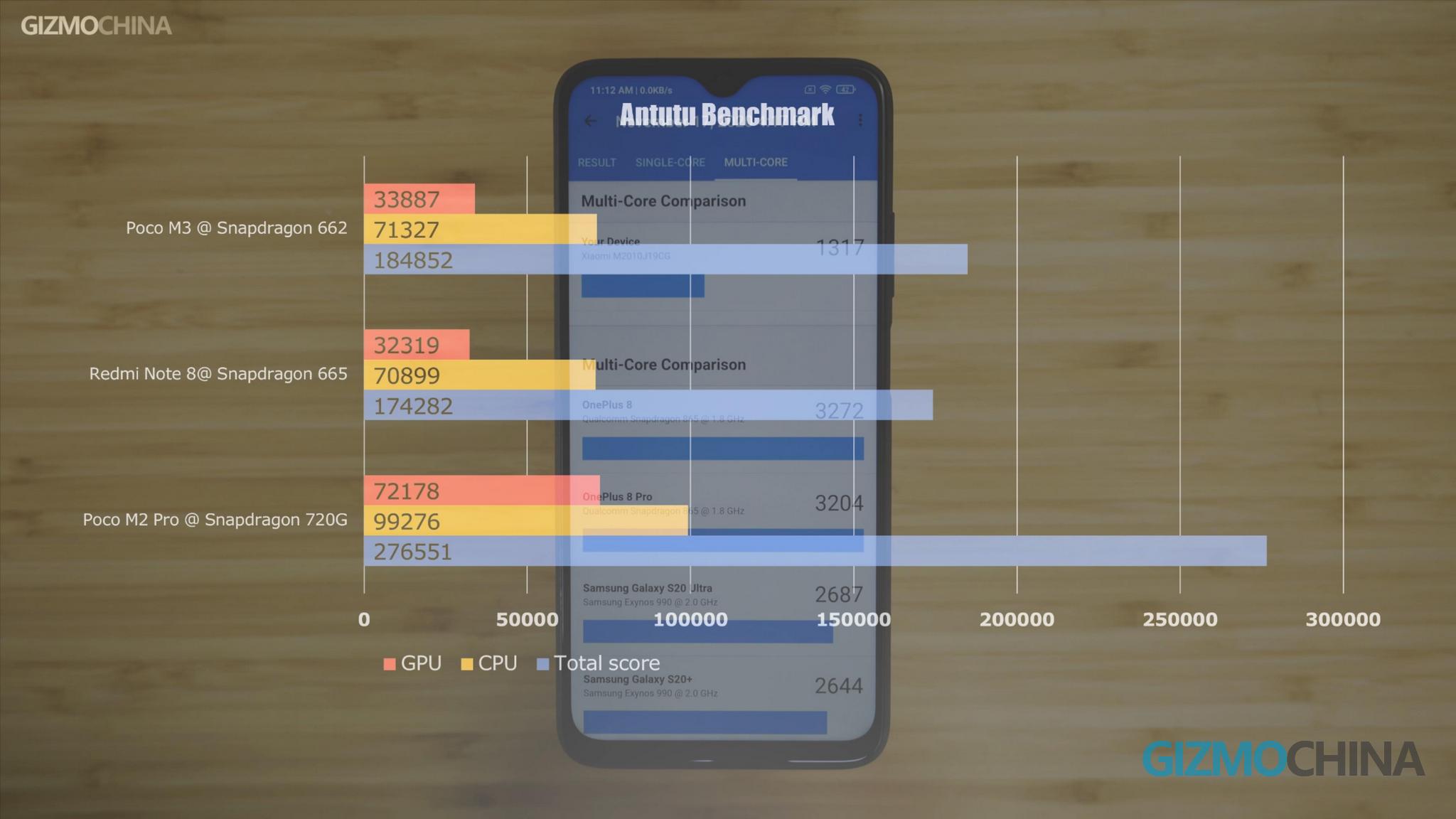
According to the benchmark results on Geekbench 5 and Antutu, the Poco M3’s CPU performance is almost equal to some models running the snapdragon 665. So we can at least say that the software optimization of this chipset is pretty good. Another detail that’s worth noting is the multi-core performance, which is relatively impressive when compared to its single-core performance.
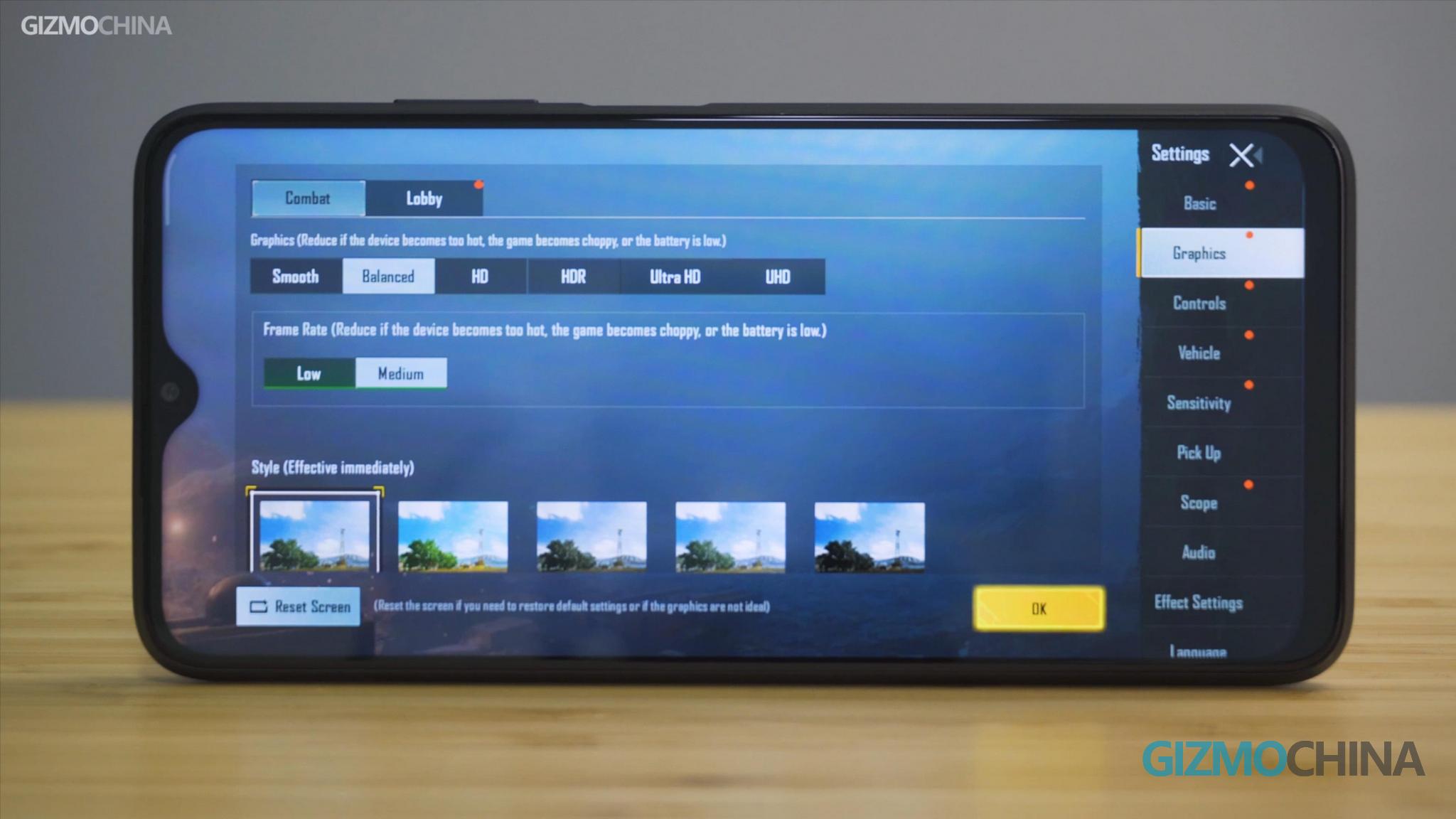
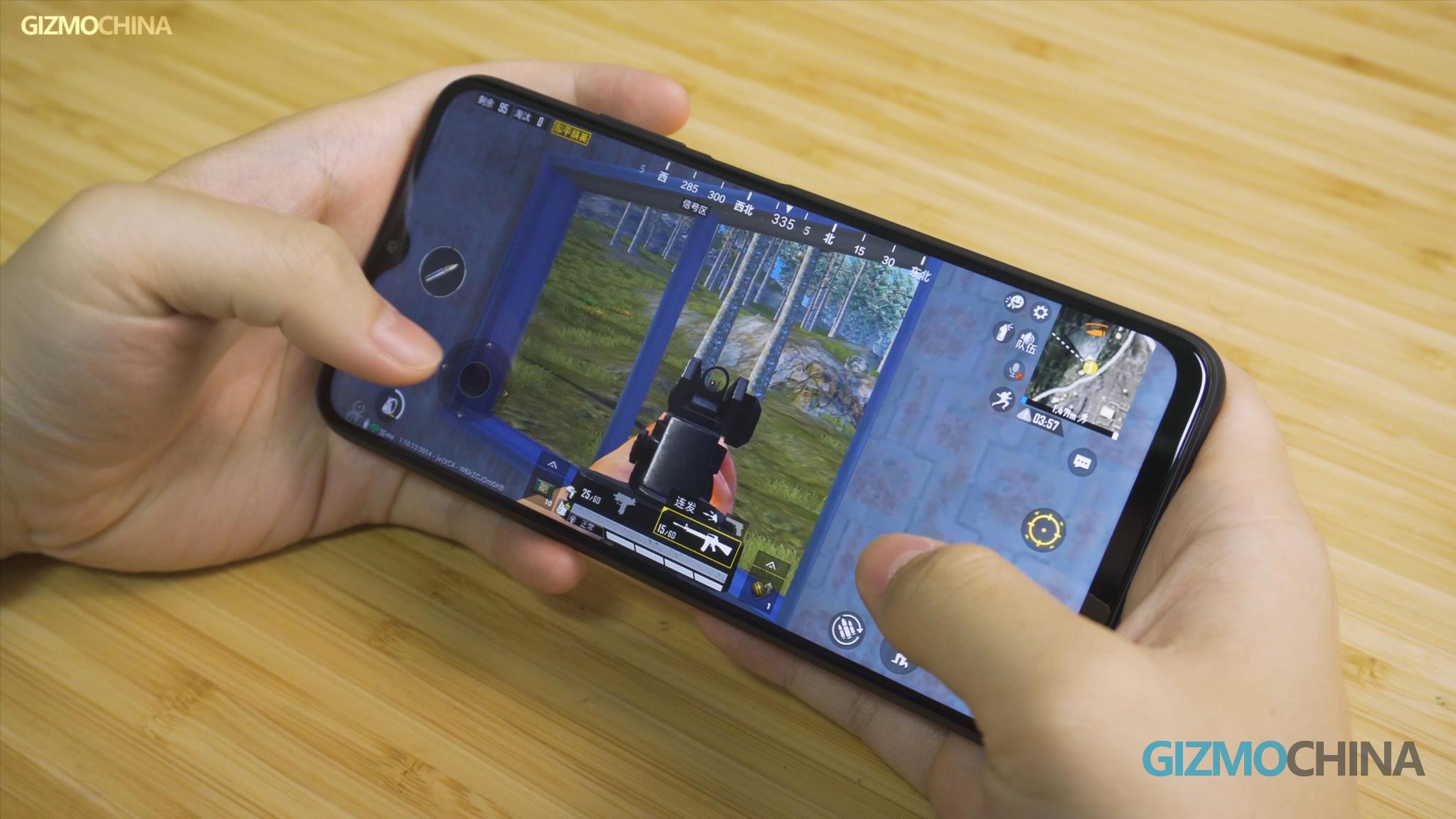
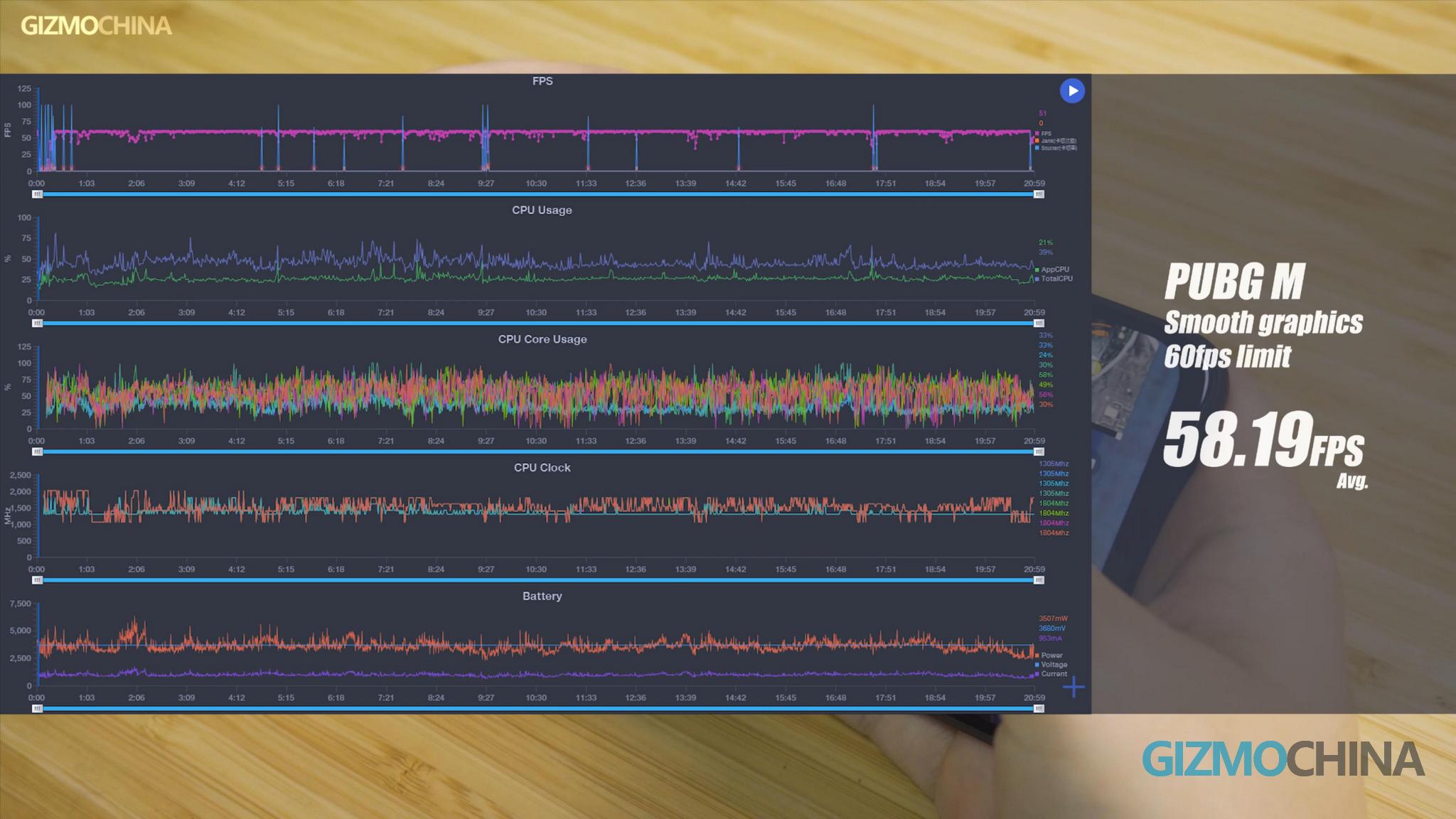
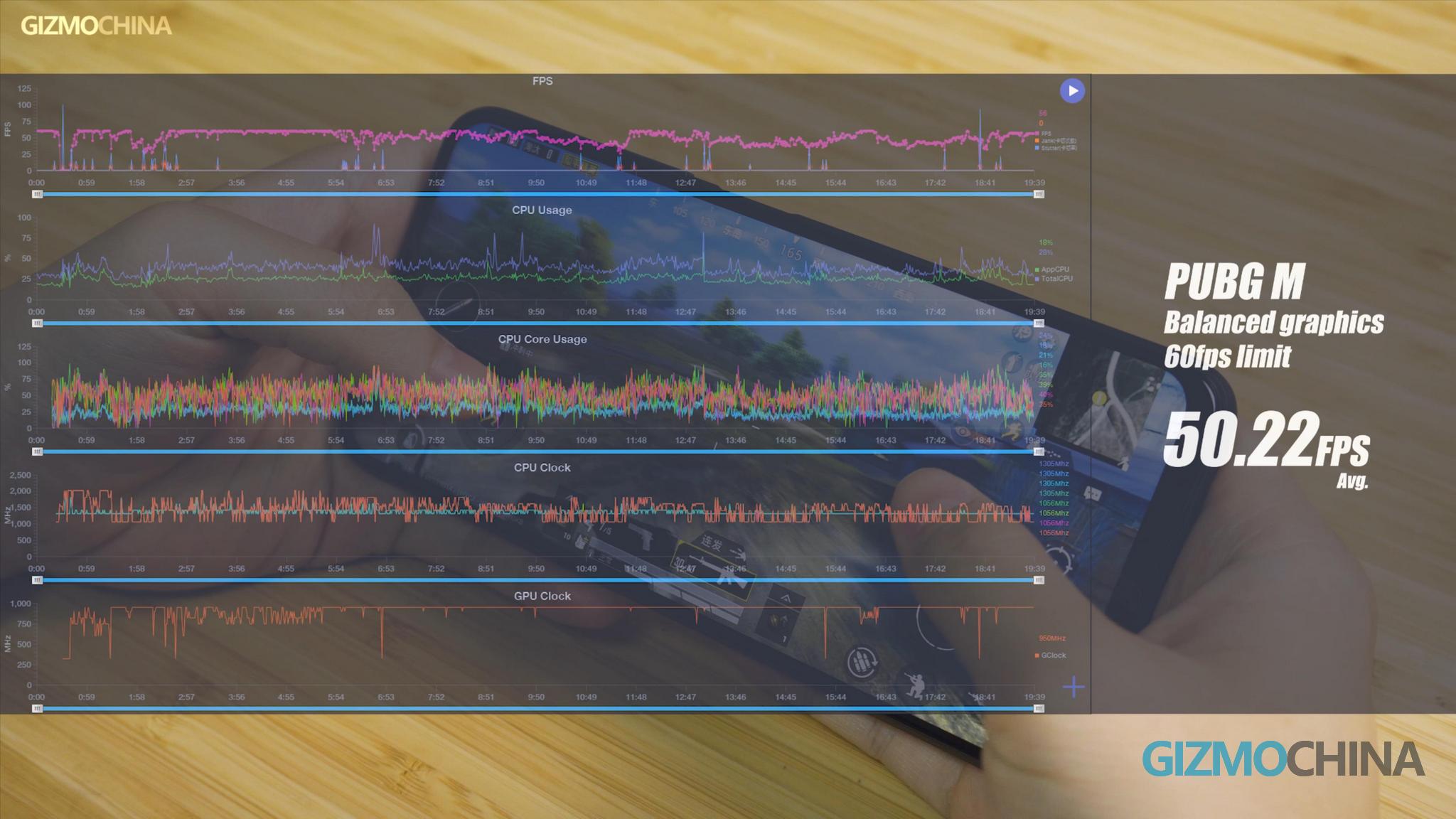
Given this chipset, we were curious whether the phone could fluently run popular games like PubG Mobile. When running PubG, the game doesn’t allow players to turn on HD or higher graphics on this phone — it only can run at a Medium-frame-rate option under balanced graphics. But the frame rate can go higher under smooth graphics settings. In order to access its highest performance, we broke through the frame limit in the PUBG China version to 60fps with a third-party tool. Under balanced graphics mode, although the running is not completely smooth, we still were able to get a good gaming experience with an average framerate at 50.22fps. When we shifted to smooth graphics, the M3 could smoothly run the game at above 50fps with less fluctuation. And surprisingly the average framerate of 58.19 is better than what we expected before.
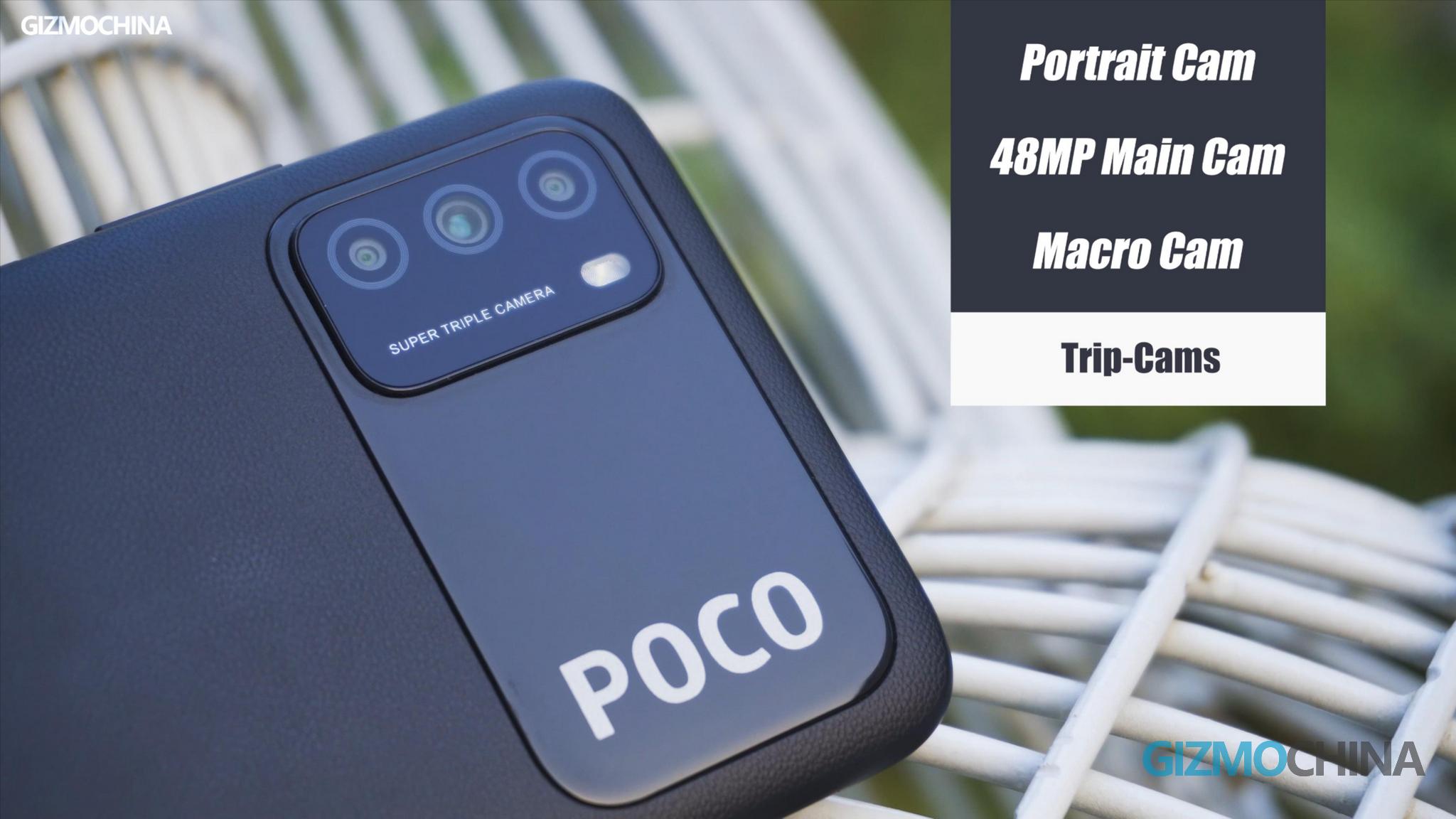
And now let’s look at its camera performance. Likely to keep the cost down, the ultra-wide-angle lens was sacrificed for a better-quality 48MP primary lens. Although somehow, it’s a kind of compromise, in light of past experience, we do prefer a more practical camera module led by a better main camera rather than a relatively useless wide-angle camera with poor quality.
The other two cameras, the macro lens and the portrait depth of field lens complete the camera setup on the phone.
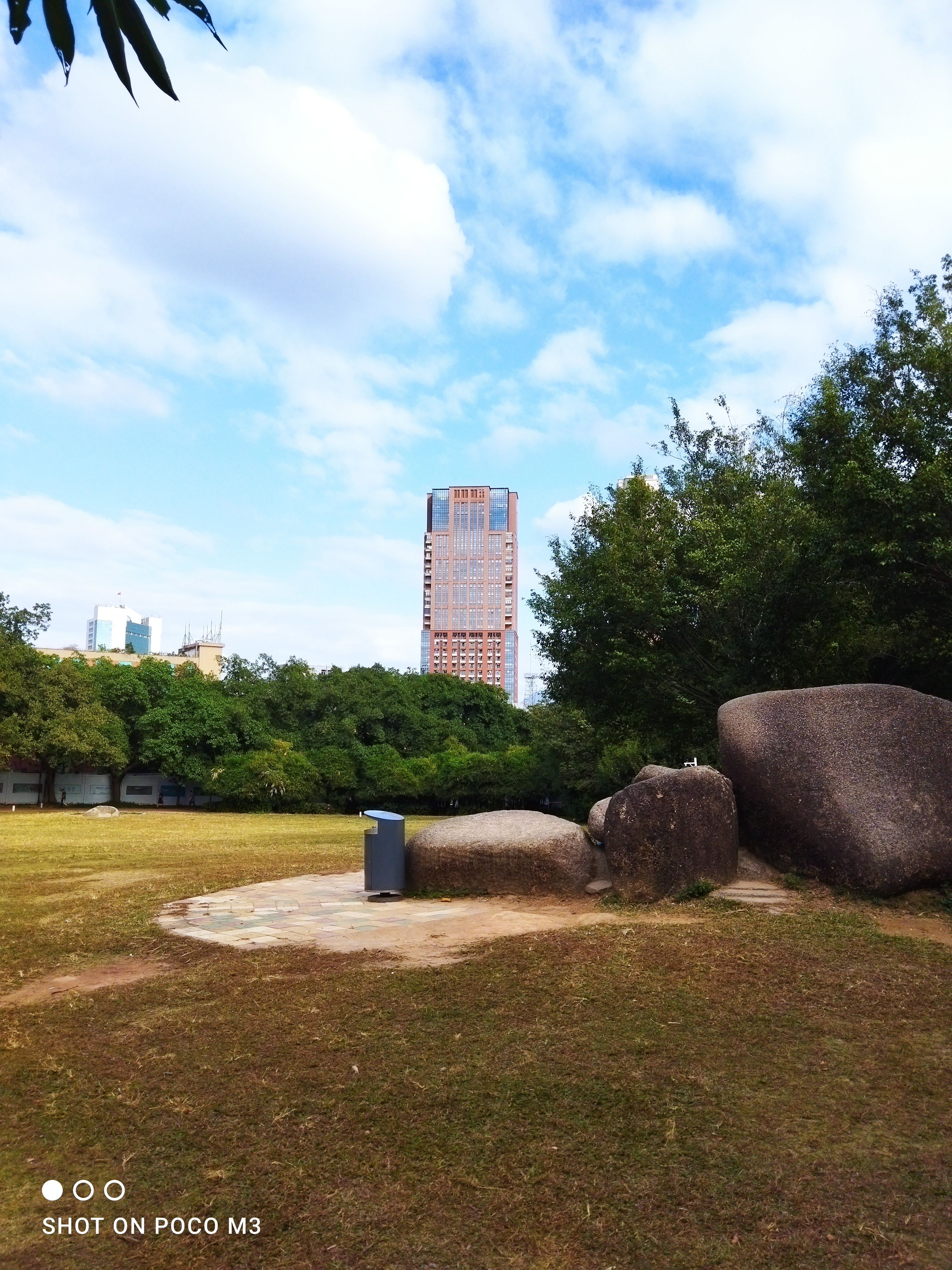
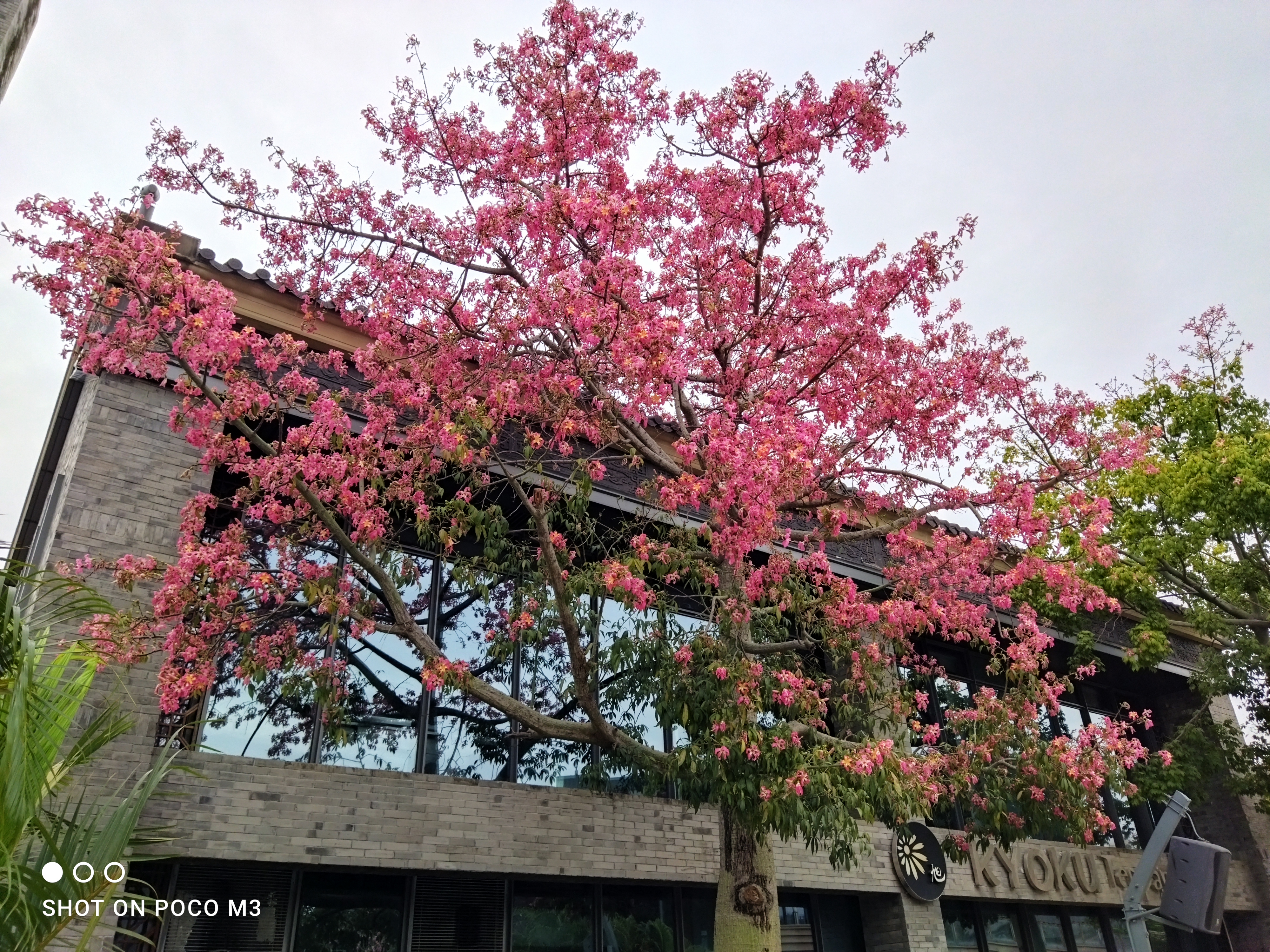
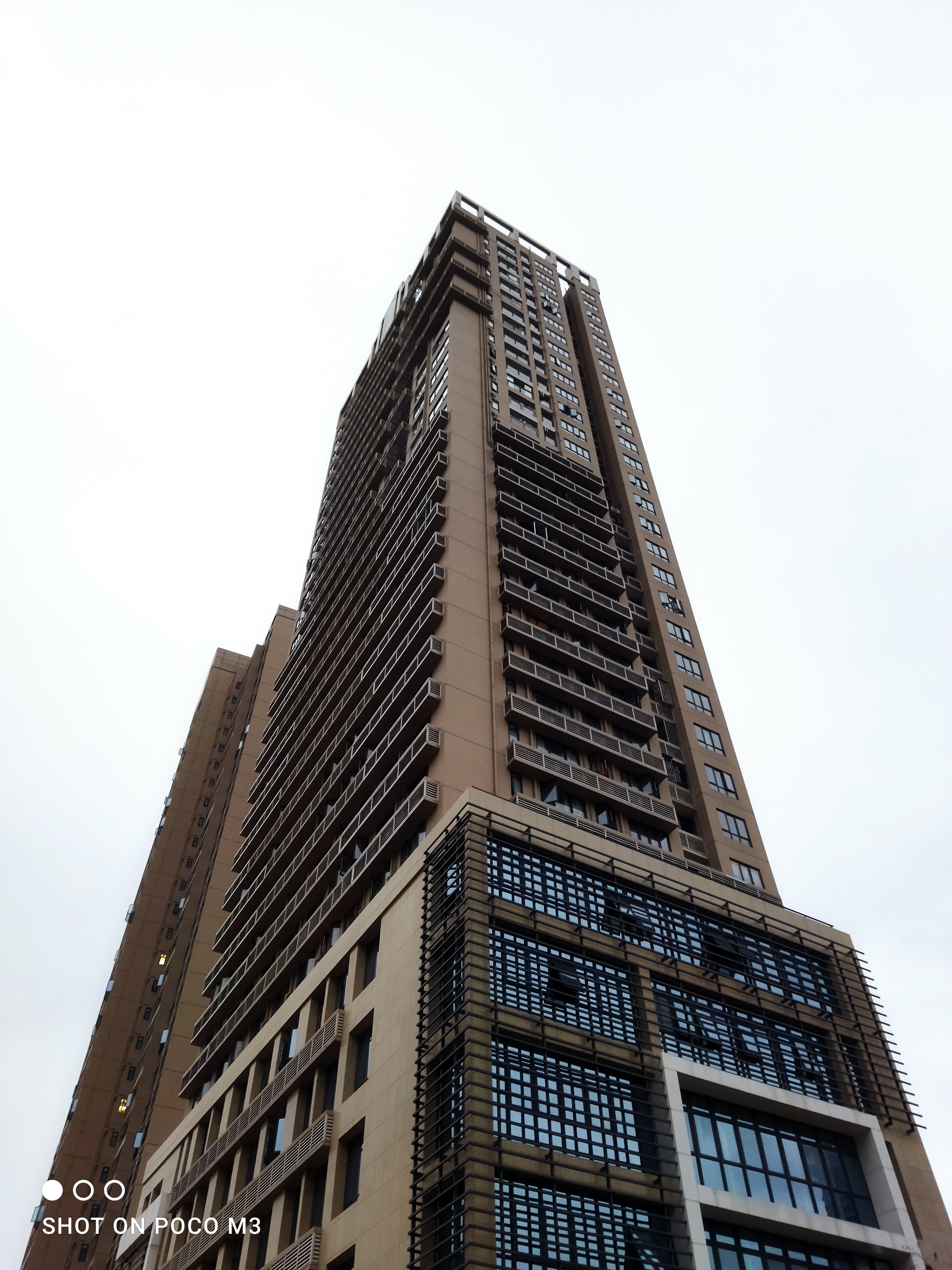
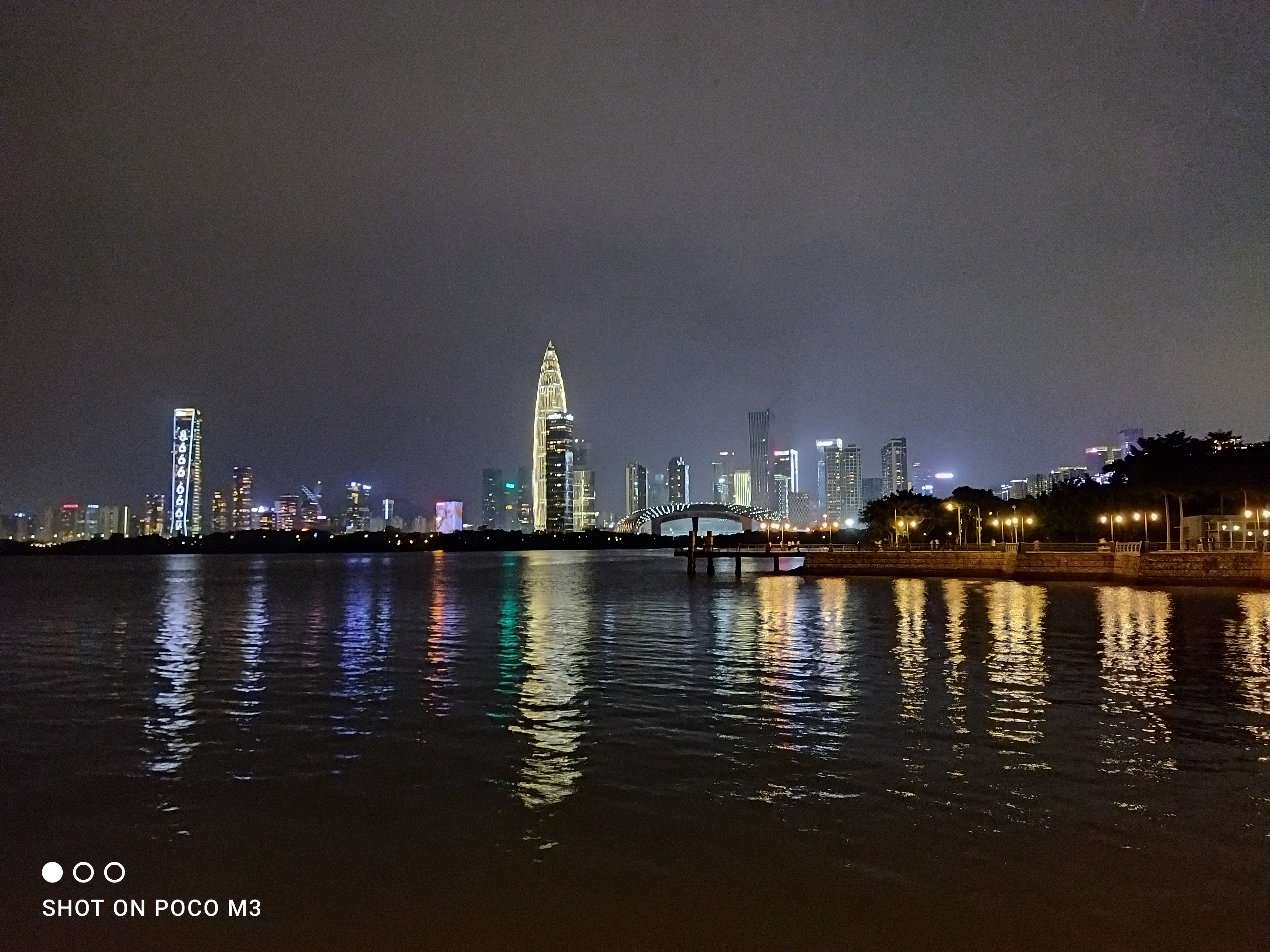
Among these three cameras, the main camera is the one that gave us the biggest surprise. From the samples shot from the main camera, we can see that under good lighting conditions, the images presented decent colors with good dynamic range. And thanks to the 48MP original resolution, the main camera could shoot high-resolution photos with rich details, and even for normal modes, most samples also had good clarity.
But due to the lack of OIS anti-shaking, users have to be careful to hold the phone firmly when shooting photos in low lighting conditions. Another problem is that sometimes the exposure strategy is too aggressive in some complicated scenes, which could lead to detail loss of some extreme brightness in the corners.
Most of the time, the main camera has stable performance in capturing good night photos with its useful night mode. Most of the night shots showed good control with a balanced exposure.
But when we moved to extreme dark scenes, the drawbacks of this sensor were exposed. For example, to offer more detail in extremely dark conditions, the exposure is so aggressive that the whole image turned out to be much noisier.
But overall, we did admire Poco’s efforts in optimizing the camera software as it has already shown a lot more potential than what we expected from the hardware.
As for the macro lens and the portrait one, their performance is not as impressive as the main camera, although they did make macro and portrait shooting much easier. The macro samples have close focus and good color presentation but didn’t present satisfactory clarity. In portrait mode, the phone allows users to edit the original photo with the reselected focus and aperture. But from the samples, we found that the edge detection was not accurate, especially when you look closely at the samples.
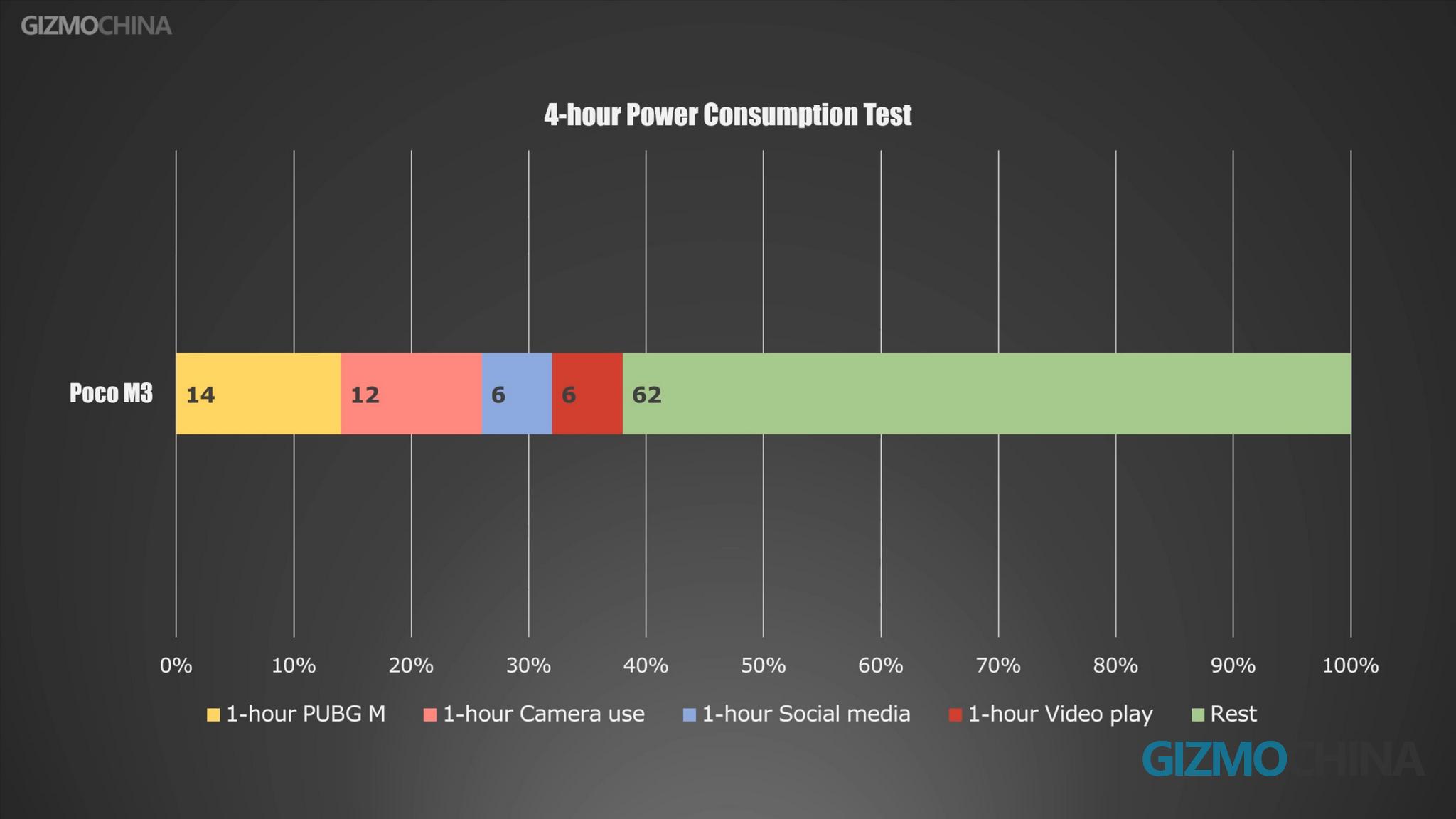
The 6000mAh battery of the M3 far exceeded our expectations for an affordable device. To check its battery life in daily use, we did a power-consumption test to simulate our daily use.
In one-hour of PUBG gaming, it consumed 14% of power. Another 12% power dropped after an hour of camera use; 6% after one hour of social media use and a further 6% drop in the battery after one-hour of video playback. After the test, there was 62% of power left.
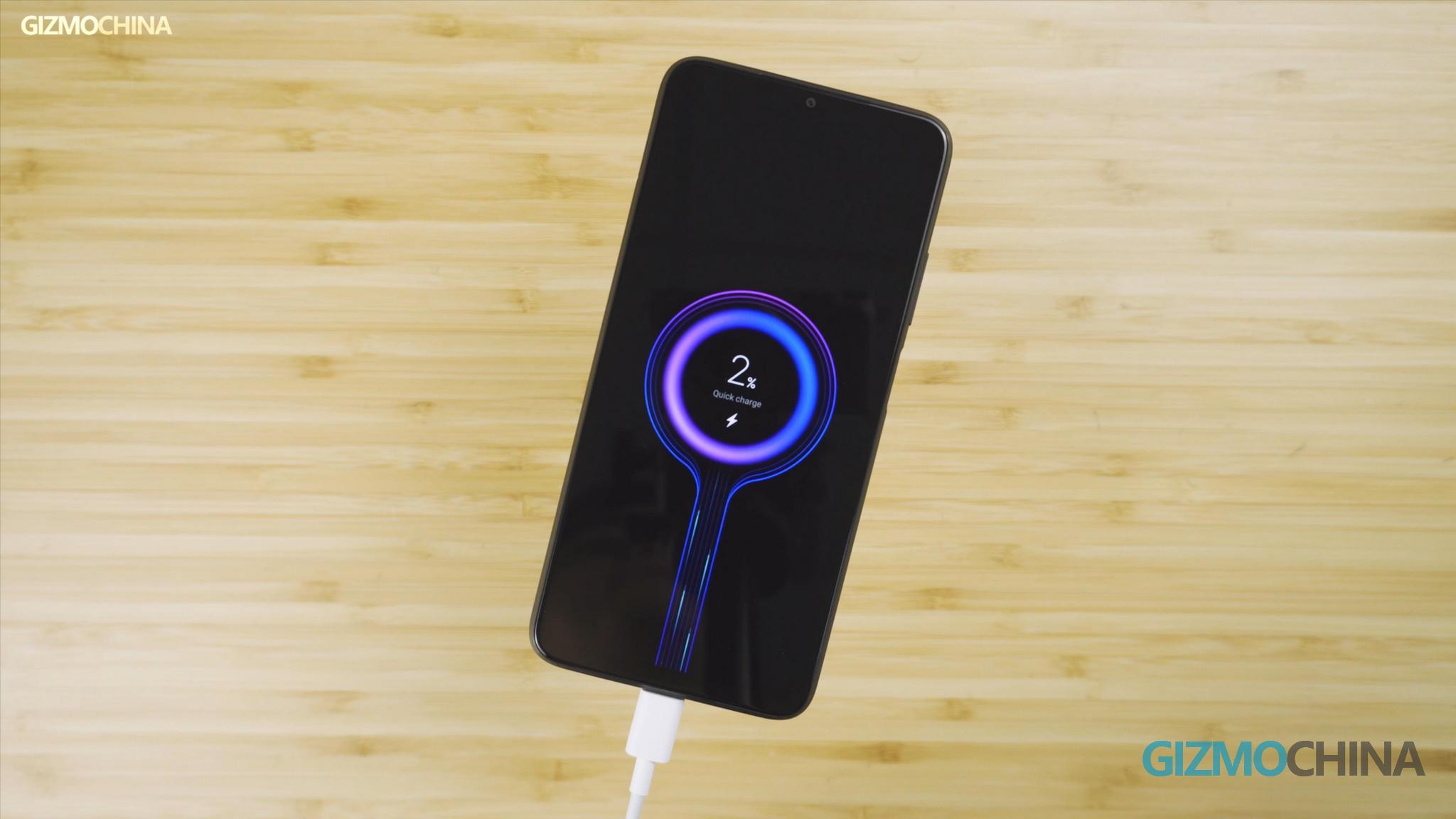
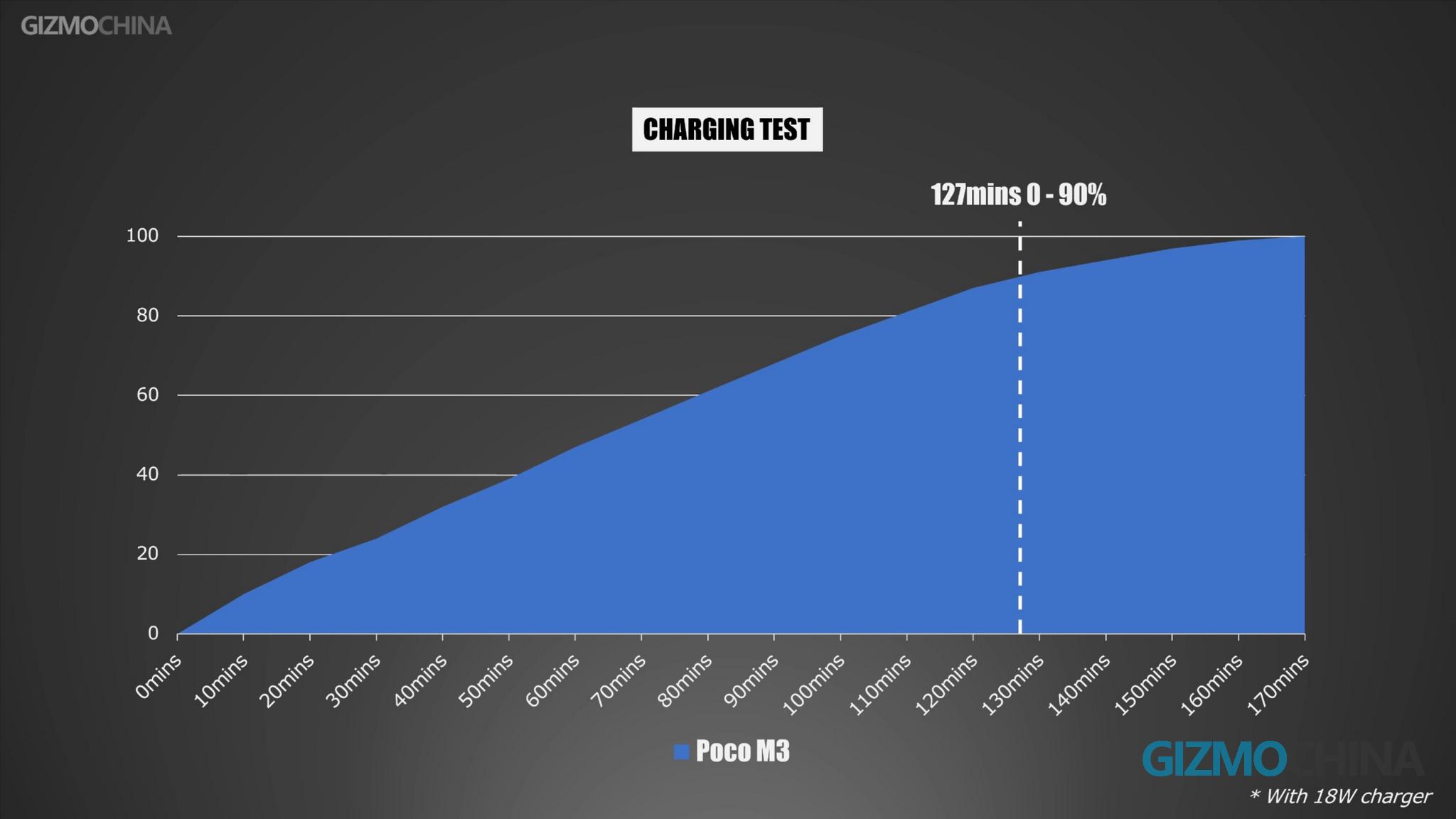
The Poco M3 is equipped with 18W charging efficiency, which is not really a remarkable fast charging solution for an Android phone. It took us over 2 hours to fully charge the phone, which doesn’t really match its super large battery capacity. But considering the latest iPhone is also using an 18W fast charging solution, we are not gonna complain about this affordable model.
POCO M3 Review: Verdict
Overall, after all the tests we’ve done on the Poco M3, we can definitely recommend this phone in its price segment. Although the phone could not be praised for its performance and charging, some features like its excellent build quality, good camera performance, and long battery life, makes it stand out from the boring budget phones.
So this was our review of the Poco M3. What else do you want to know about the phone? Please let us know and leave your comment below.
Poco M3 is available for $129 on AliExpress on November 27, grab it before it restores to regular price.
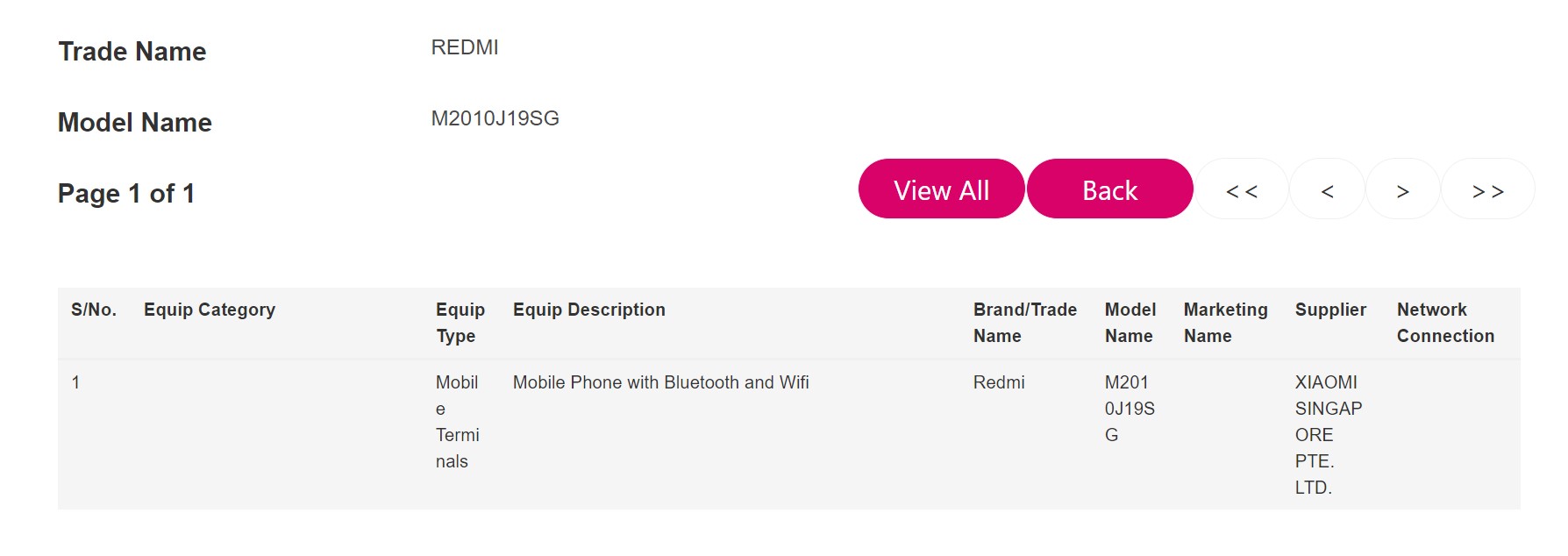
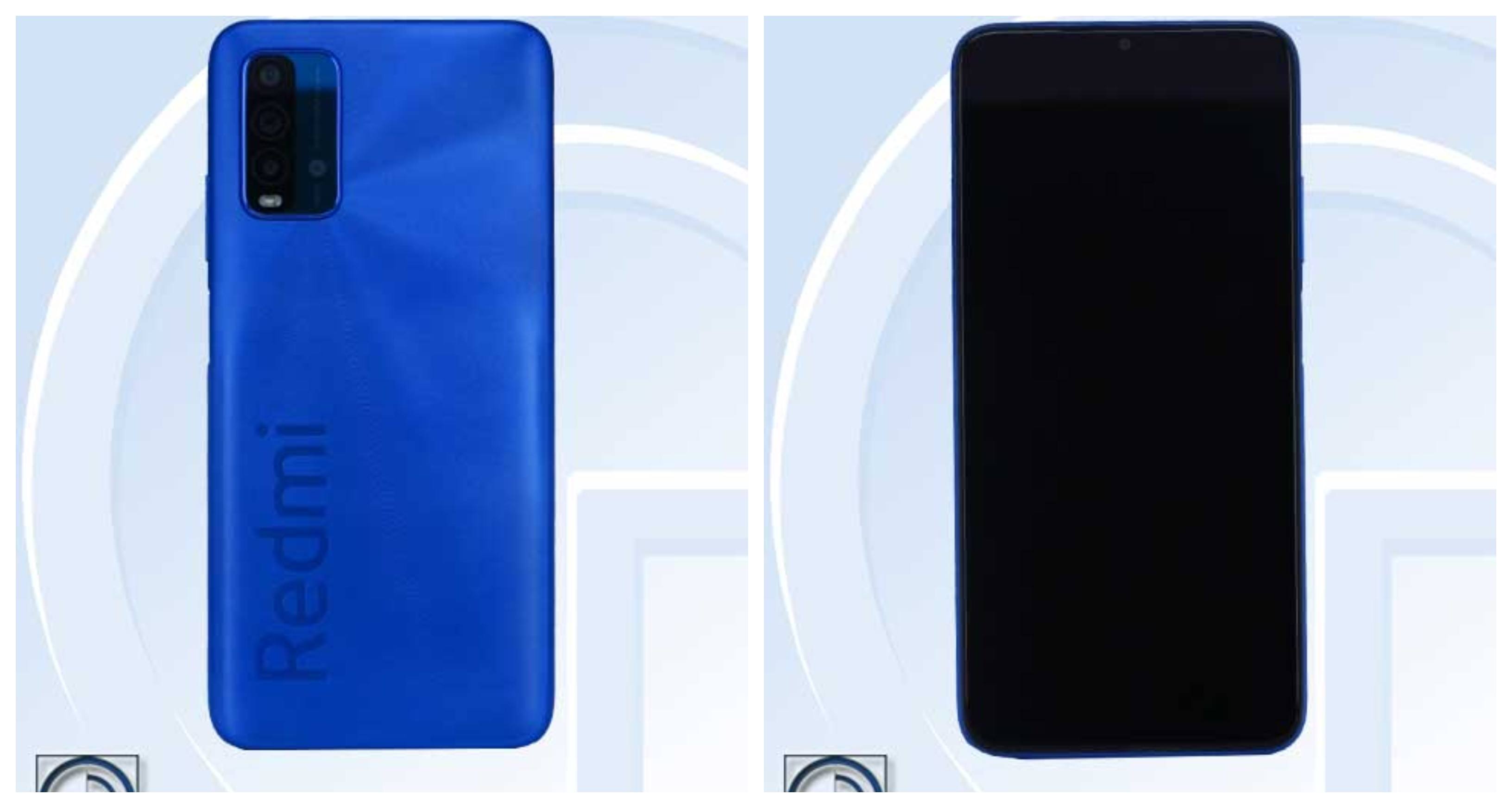
Xiaomi is gearing up for the launch of the Redmi Note 9 series in China tomorrow. The company will likely unveil the following three models- Redmi Note 9 5G, Redmi Note 9 Pro 5G, and Redmi Note 9 4G. The 4G variant has already launched as the POCO M3 globally yesterday. While one of the 5G variants is likely to darn the Redmi Note 9T 5G naming Globally, the 4G variant has now visited Singapore’s IMDA certification under ‘Redmi’ branding suggesting a global launch.
The latest tip comes from Mukul Sharma. As he says, a Redmi Mobile Phone with model number M2010J19SG appears on the IMDA database. Now, if you recall, a device with a similar model number(M2010J19SC) visited TENAA recently. This is believed to be the Redmi Note 9 4G in China. Additionally, a device with similar model number M2010J19CG turned out to be the POCO M3 for Global markets.
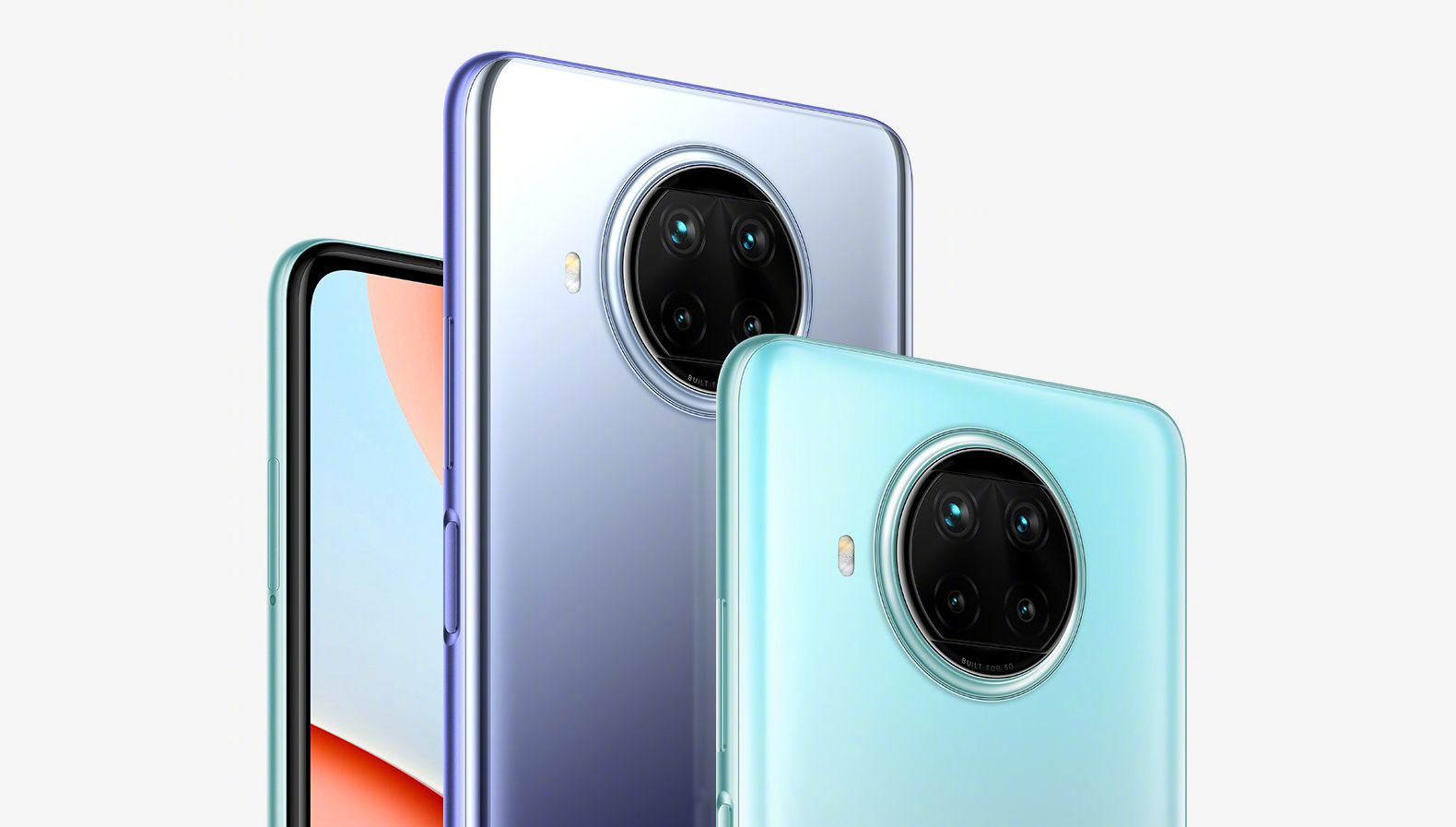
That said, the 4G device under Redmi branding appears at a time when the 5G variant has also received Malaysia and Singapore’s certifications. It is likely to come under Redmi Note 9T 5G moniker with MediaTek’s Dimensity 800U SoC. Anyway, talking about the 4G variant, it’s TENAA renders in China show a lot of similarities to the POCO M3.
Redmi Note 10 4G Specifications(Expected)
However, it doesn’t have the big camera shade and leather-like finish at least looking from the images on TENAA. It features a 6.53-inch display with 2400×1080 resolution. From the launch of POCO M3, it’s clear that the 2.0GHz CPU listed on TENAA is the Snapdragon 662 SoC. For cameras, you get a 48MP main lens, two 2MP sensor on the rear, and an 8MP selfie shooter up front.
Other features expected are a 6,000mAh battery with 22.5W fast charging, 4G, Wi-Fi, Bluetooth, GPS, 4/6GB RAM, 64/128GB storage, side-mounted fingerprint sensor, MIUI 12 based on Android 10, and more. Let’s wait for the official launch in China tomorrow to know more about the device.
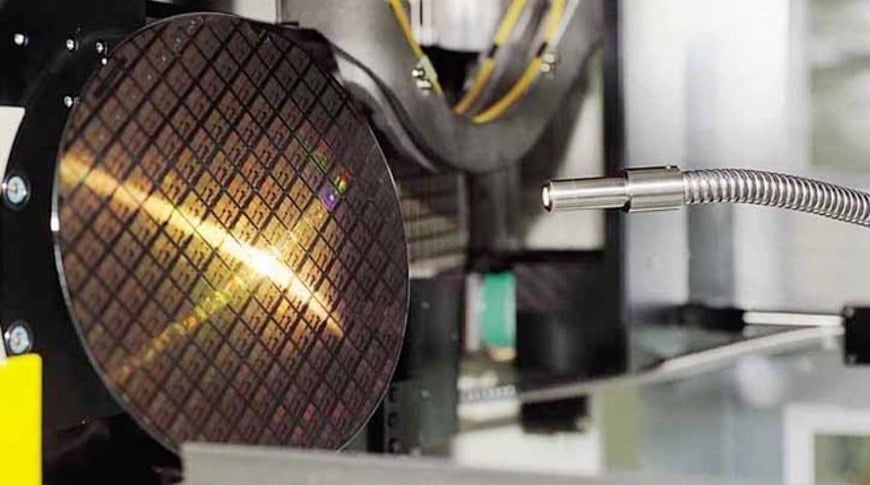
TSMC (Taiwan Semiconductor Manufacturing Company) recently held a ceremony, which marked the completion of its plant structure for its 3nm fab at the Southern Taiwan Science Park (STSP). This brings it closer to start production of 3nm process based chips.
This foundry house is expected to begin commercial mass production through the 3nm fab by the year 2022. Furthermore, with quotes for processing memory application going up in the semiconductor backend sector, the material costs have also risen. Notably, the world’s largest contract chip maker had also signed an agreement with Arm, which will have Taiwanese academic and research based firms enjoy free access to the latter’s processor IPs for research purposes, as per a DigiTimesreport.
Previously, we had also reported on the chip maker being on track with its schedule for the 3nm process. But soon after, the company announced a delay that shifted its risk production to next year and its mass production stage to 2022, as stated above. At the moment, TSMC stands at the forefront of the 3nm process, with other semiconductor giants like Samsung struggling to catch up with its progress. We’ll provide updates when more information is available so stay tuned.
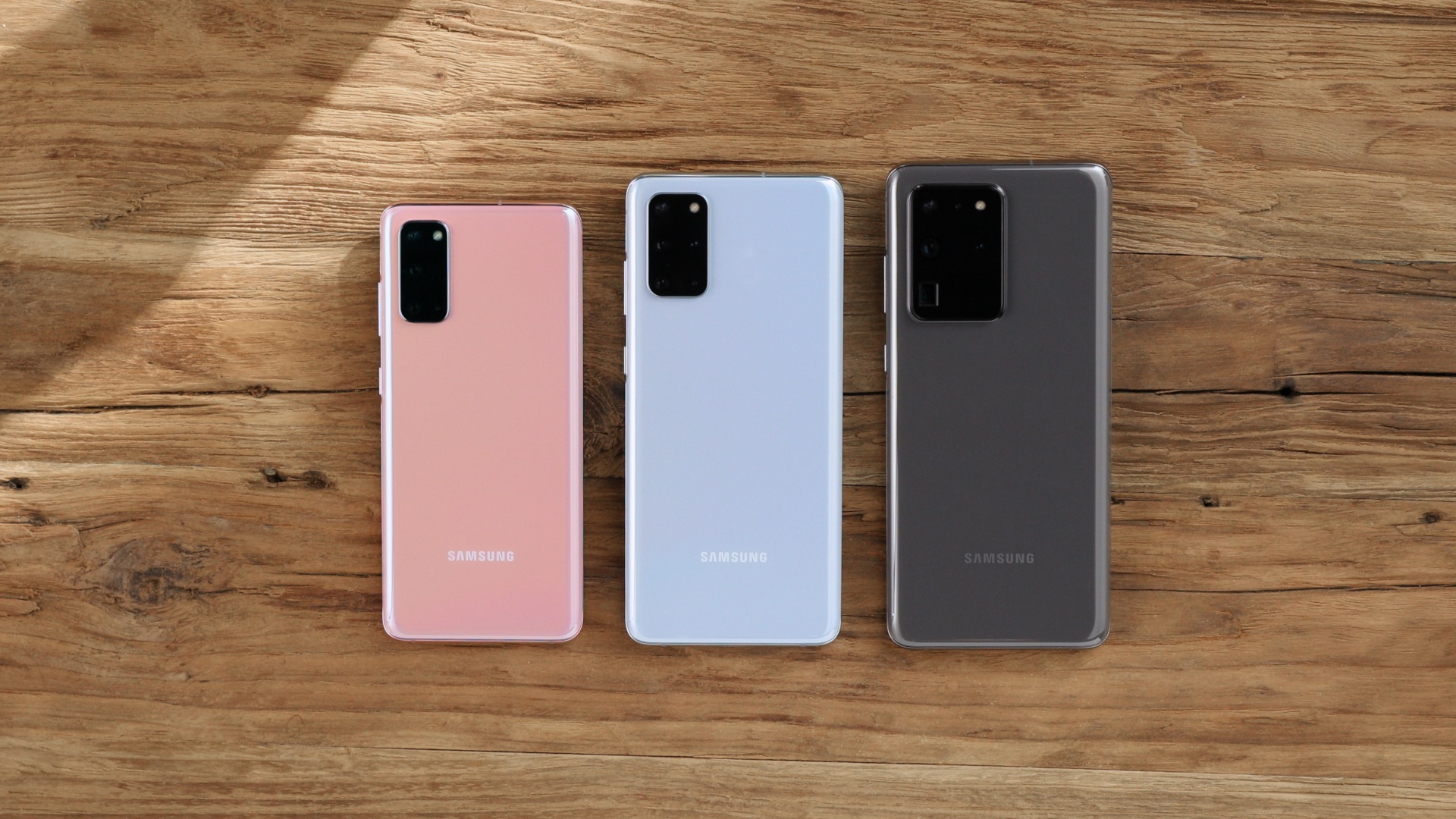
The Galaxy S20 series of flagship smartphones did not sell well as a result of the global pandemic and higher price tags. Hence, Samsung launched Galaxy S20 FE in the second of 2020 at a much affordable price tag. Though the smartphone market has now improved, the South Korean tech giant is reported to produce only 6 million units of Galaxy S21 series initially.
Yesterday, a report by The Elec said that Samsung has postponed the launch of Galaxy Z Flip2 (tentative branding), the successor to the popular Galaxy Z Flip. This is said to help the company to prevent cannibalizing the sales of the Galaxy S21 series.
The same report also revealed some more details of the next-gen Galaxy S series phones. First and foremost, Samsung is said to start manufacturing the Galaxy S21 series next month (December) itself and the initial production batch will only include 6 million units. The firm is expected to produce more units based on demand.
Further, the Galaxy S21 will be available in four colors namely gray, pink, violet, and white. Whereas, the Galaxy S21+ will come in three colors – black, silver & violet. And finally, the Galaxy S21 Ultra will only sell in two colors – Black and Silver respectively. Anyway, Samsung may introduce new colors (limited to certain regions) after the launch of these phones just like every year.
Last but not least, the report also says that Samsung will be manufacturing 1.5 million units of Galaxy Buds 2 (tentative branding) codenamed Attic in December and January respectively. The company’s next-gen TWS will be initially made in Vietnam but the production will be further extended to Brazil in February.
1 of 2
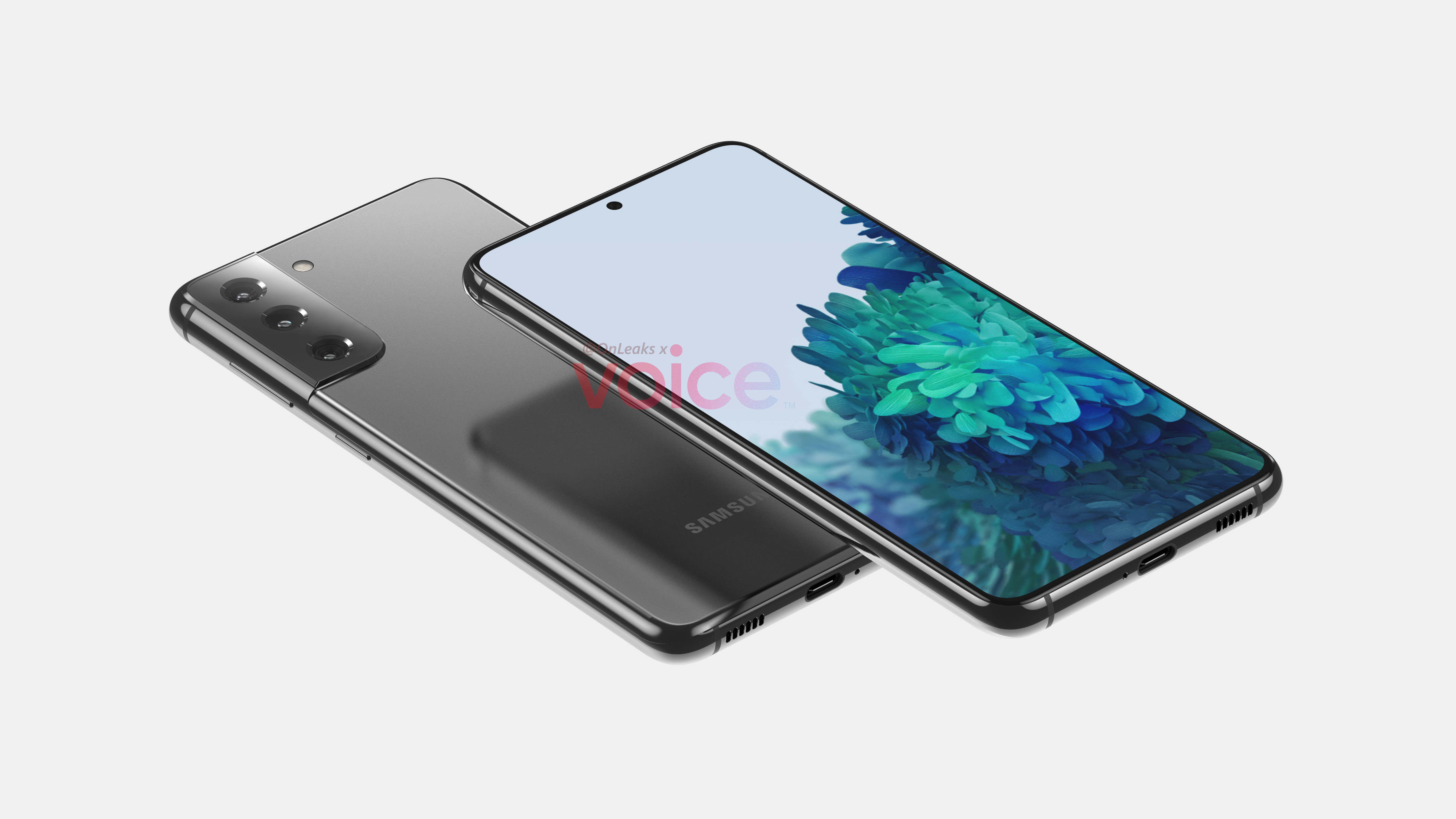
Samsung Galaxy S21 3D CAD Render by OnLeaks
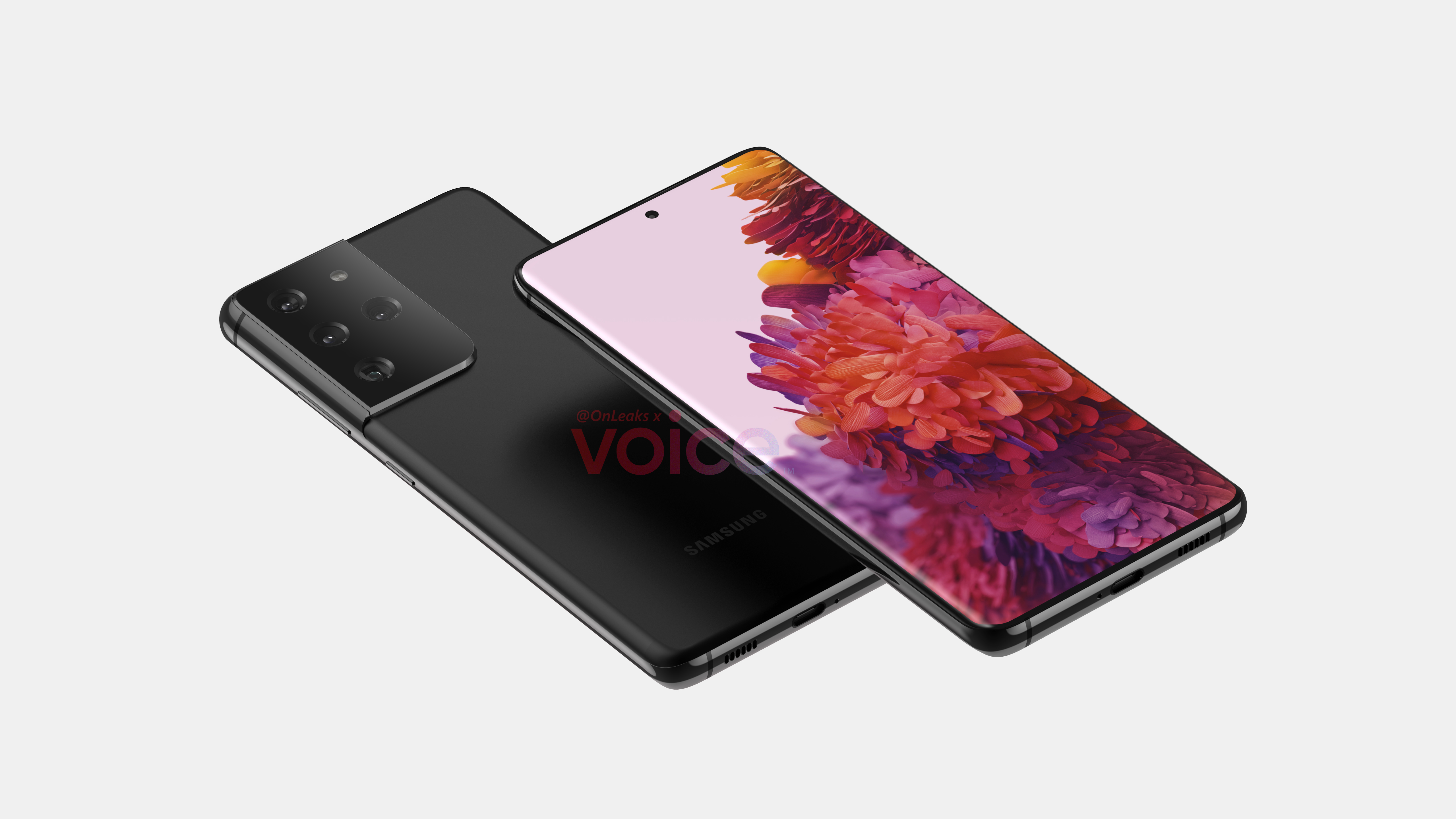
Samsung Galaxy S21 Ultra 3D CAD Render by OnLeaks
The Galaxy S21 series is expected to launch in January. Samsung is yet to confirm the exact date, which the company may reveal in December.
Huawei is apparently focusing on 4G smartphones again. A new report suggests that the company is planning on restarting 4G handset production and has begun placing orders with its suppliers for related components.
A source from the Chinese tech giant revealed this information, as per a Yicaireport. Apparently, Huawei is stocking up on components for 4G smartphones at the moment and “Currently, small batches of rolling orders are placed, and there is no way to estimate the specific order volume.”
The source also stated that at the pace of market order shipments, the first finished smartphones are expected to hit the market in the first half of next year, with the earliest being within the first quarter of 2021. Notably, the source added that some of the component makers within Huawei’s supply chain will be receiving a notice from the company stating that they will resume purchasing motherboard and other components products this month.
Interestingly, this would be in line with our previous reports as Qualcomm was recently given the green light to supply the company with mobile processors. Although, the chip maker would only be able to supply Huawei with 4G chips and not 5G SoC. Unfortunately, Huawei has yet to respond to this matter. So, we have no means of confirming the report at the moment and will have to wait for an official company announcement to know for sure.
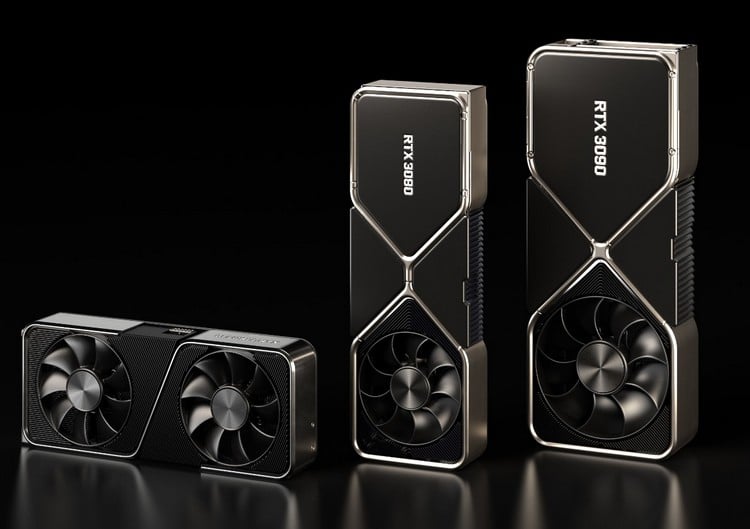
NVIDIA is apparently gearing up to launch its latest GeForce RTX 3080 graphics cards for gaming laptops. A new report suggests that these laptops will arrive sometime in January 2021 and will be paired with AMD Ryzen CPUs.
The RTX 30 series cards
According to a WCCFTechreport, the new mobile range of the NVIDIA RTX 30 series will arrive in laptops soon. This will include mobile versions of the RTX 3080. RTX 3070, and even the yet unannounced RTX 3060 GPUs. The RTX 3080 and RTX 3070 laptops will launch first in January, with partners like ASUS and MSI, as per the report. While the pricing of these laptops are currently unknown we can expect the RTX 3060 powered laptops to start from 999 US Dollars.
Similarly, a laptop with an RTX 3070 would likely start from around 1,299 US Dollars while the high end RTX 3080 gaming laptops could be around 1,999 US Dollars. Furthermore, these mobile GPUs would also arrive in their Max-Q and Max-P variants as well, with the former running on lower clocks for thin and light laptops and the latter offering performance near to a full sized desktop variant. Although, the report also states that the RTX 3080 will be the sole exception to this and will only arrive in a Max-Q variant, which is likely due to its high power draw requirements.
Unfortunately, this is still an unconfirmed report and NVIDIA has yet to announce any such plans at the moment. But with the launch of the first RTX 30 series card being a couple of months old, their mobile GPU counterparts should be just around the corner. Additionally, AMD Ryzen 4000 series chips on laptops had been held back by entry to mid range cards like RTX 2060. So, we can expect the Zen 2 chips to have more to offer with higher performing cards from this generation. But, we may also see the upcoming AMD Cezanne mobile CPUs, making their way to these laptops under the Ryzen 5000 series branding as well. So stay tuned for more updates.
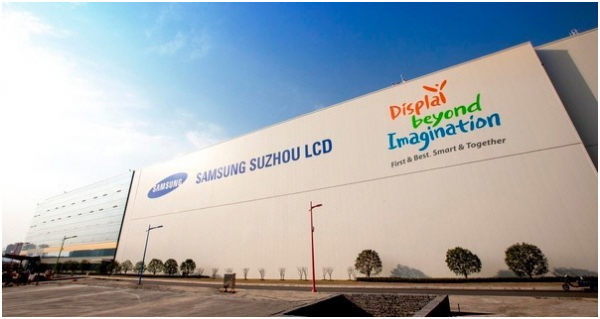
The reason for the delay in shutting down its LCD operations is to continue production at its L8 fab in the Asan plant for at least the next three months. According to an AndroidHeadlinesreport, the primary reason for the delay in shut down is due to the rise in demand for LCD panels caused by the ongoing Coronavirus pandemic. With various governments enforcing work from home policies and staying indoors has become encouraged, entertainment, workloads, and more has shifted to homes.
Thus, the South Korean tech giant has reportedly informed all related firms regarding its change of plans due to recent developments. For those unaware, Samsung has been producing LCD panels at its Asan Plant in its home country and its Suzhou plant in China. The company has already struck a deal with CSOT (China Star Optoelectronics Technology) for the sale of its Suzhou plant and has apparently also sold some equipment from its Asan plant to another Chinese firm as well.
The company is also in talks with two additional Chinese companies to sell the remaining equipment and is hoping to strike a deal by February 2021 and is hoping to shut down the LCD production by March. Samsung has been making LCDs since the early 1990s but had decided to shut production to make room for OLED panels, which have increasingly grown in popularity and demand in recent years.
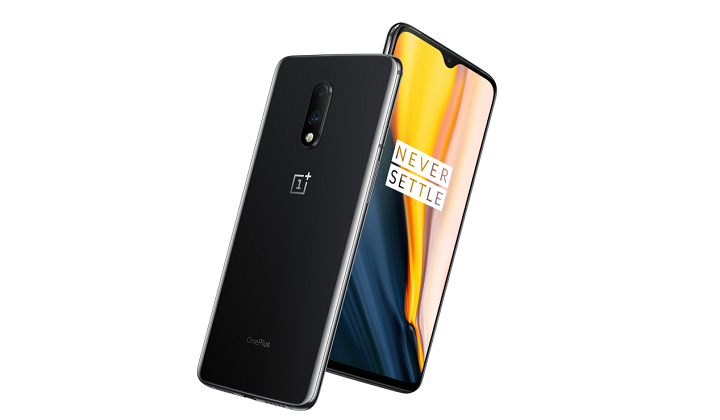
OnePlus launched the OnePlus 7 and OnePlus 7 Pro as its flagships smartphones for the first half of 2019. The handsets debuted with Android Pie (OxygenOS 9) and were later updated to Android 10 (OxygenOS 10). They are also expected to get Android 11 (OxygenOS 11) next month. Ahead of it, the duo is receiving a new system update with November 2020 security patch.
OnePlus 7
The OnePlus 7 got two stable updates and a single Open Beta update last month. However, none of the stable builds bring October 2020 security patch. But now, with the new stable build that has been released in late November, the security patch level has been promoted directly from September 2020 to November 2020.
That’s not all, the GMS (Google Mobile Services) package has also been updated to October 2020. Apart from these two changes, the latest build also optimizes the status bar in the call scene to reduce mistouches and fixes a small probability flashback issue with the Phone app.
The new update comes with build number OxygenOS 10.3.7 for the Indian and Global versions of OnePlus 7 and OnePlus 7 Pro. On the other hand, the same update bears the build number OxygenOS 10.0.10 for the European (EU) variant of these smartphones.
OnePlus 7 / 7 Pro OxygenOS 10.3.7 / 10.0.10 Official Changelog
System
Optimized the user experience of the status bar in the call scene to reduce mistouches
Updated GMS package to 2020.08
Updated Android Security Patch to 2020.11
Fixed small probability flashback issue with the Phone app
As always, the update is being rolled out in batches. Hence, it may take time to reach your device.
Huawei, the known consumer electronics maker, is expected to see a sharp decline in its global smartphone market share in 2021. A new report has revealed that the company might have its market share fall to just 4 percent next year.
For those unaware, the Chinese tech giant is one of the most popular smartphone manufacturers in the world. However due to recent obstacles, the company is expected to only account for 14 percent of the global market share this year, which will drop to less than a third of that by 2021, as per a BusinessStandardreport. Researchers at TrendForce stated earlier this week that a sustained campaign of sanctions against the company is the primary reason for such a sizeable decline.
The TrendForce projection also points at other Chinese smartphone manufacturers like Xiaomi, Oppo, and others that would take advantage of Huawei’s current predicament to fill in the market gap. Additionally, Honor and the other Chinese OEMs would also likely raise their production targets and compete for the vacant space more aggressively next year. While this does paint a bleak year for Huawei, it remains to be seen how the company navigates its way through the rough situation at hand.
We use cookies on our website to give you the most relevant experience by remembering your preferences and repeat visits. By clicking “Accept”, you consent to the use of ALL the cookies.
This website uses cookies to improve your experience while you navigate through the website. Out of these, the cookies that are categorized as necessary are stored on your browser as they are essential for the working of basic functionalities of the website. We also use third-party cookies that help us analyze and understand how you use this website. These cookies will be stored in your browser only with your consent. You also have the option to opt-out of these cookies. But opting out of some of these cookies may affect your browsing experience.
Necessary cookies are absolutely essential for the website to function properly. This category only includes cookies that ensures basic functionalities and security features of the website. These cookies do not store any personal information.
Any cookies that may not be particularly necessary for the website to function and is used specifically to collect user personal data via analytics, ads, other embedded contents are termed as non-necessary cookies. It is mandatory to procure user consent prior to running these cookies on your website.












 Being a Blackview BV4900 successor, BV4900 Pro shares a similar appearance but has enhanced many of its functions. Let’s take a look-
 Since
Since 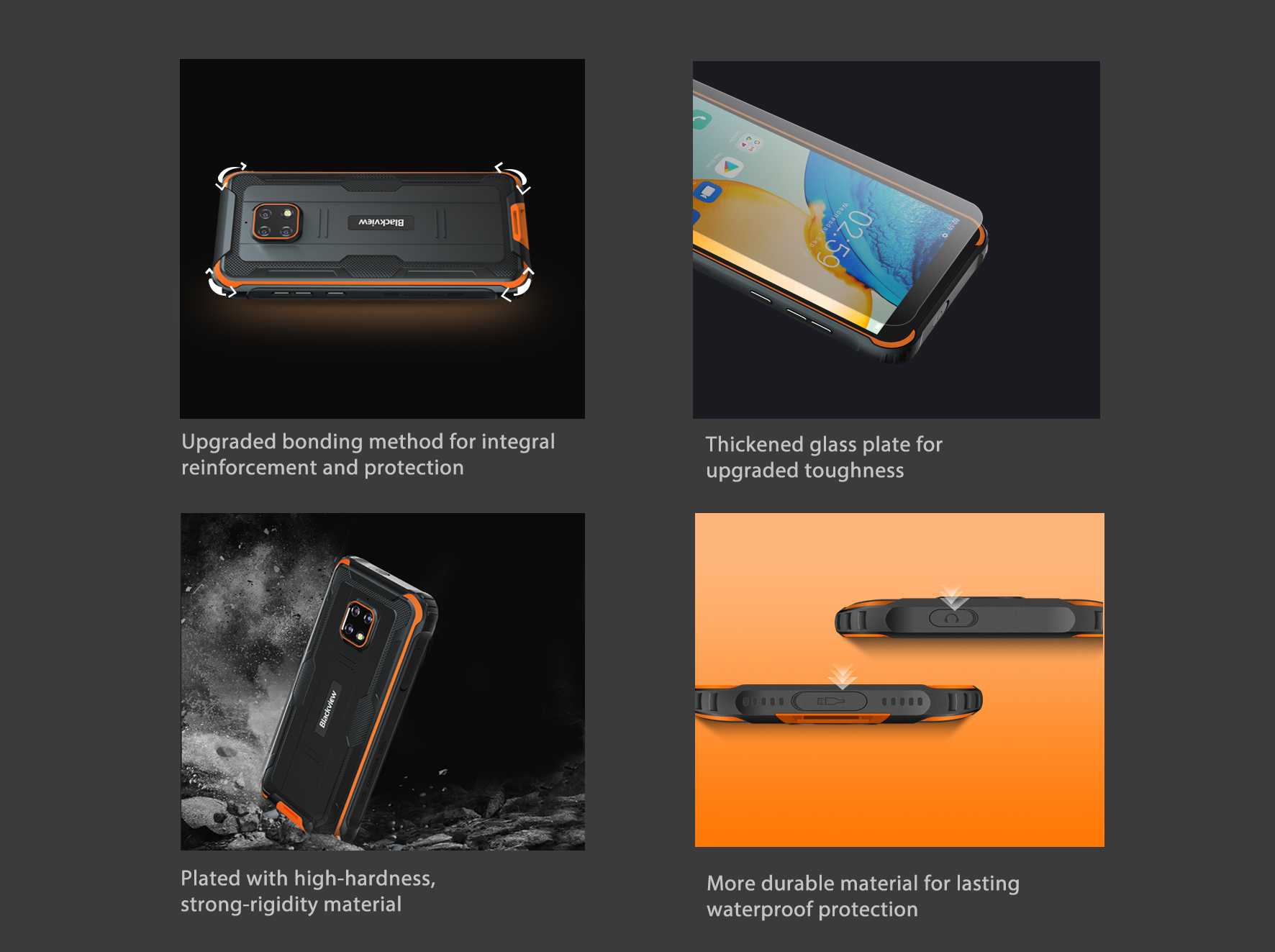 For its $99.99 price tag, Blackview BV4900 Pro offers decent specs and features that one can find in the market. Thanks to its ruggedness and versatility, this smartphone is durable and can be carried to all your beach vacations. This Blackview flagship is perfect for all kinds of users ranging from businessmen to adventurous people. It is