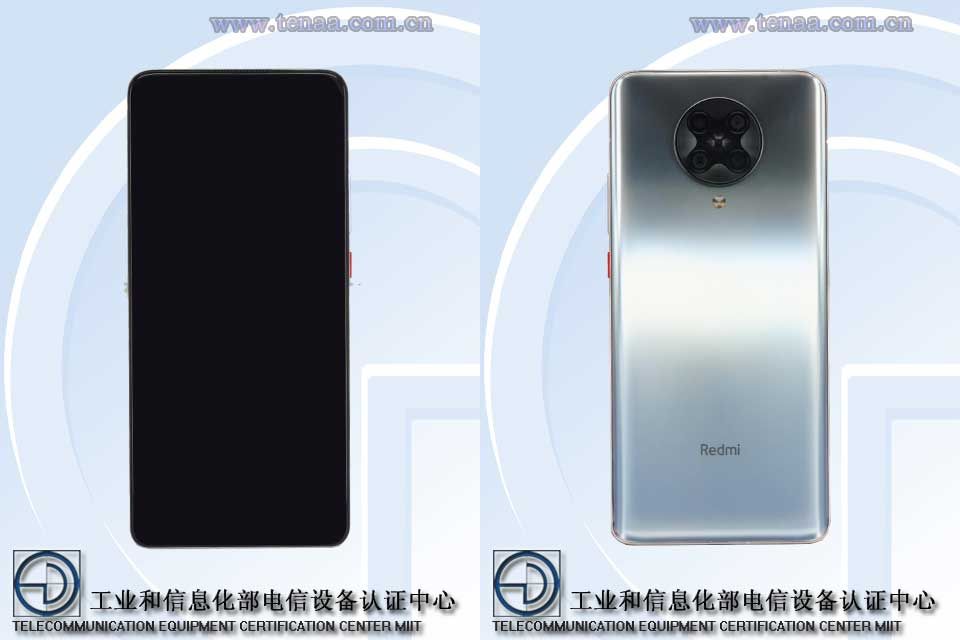
The Redmi K30 series already has six members but it will be adding a seventh one soon. Of these six, only the Redmi K30 Pro and Redmi K30 Pro Zoom have AMOLED displays. They are also the only ones with a 60Hz refresh rate. It has now been reported that the upcoming Redmi K30 Ultra will not only have an AMOLED display but also have a 120Hz refresh rate.
The info comes from ITHome which cites unknown sources. Prior to the info being revealed, Redmi GM, Lu Weibing, had revealed that the Redmi K30 Ultra will fix the shortcomings of the Redmi K30 Pro, and the lack of a high-refresh-rate was one of the cons of the device.
The Redmi K30 Ultra will keep the pop-up selfie camera design of the Pro and Zoom models which means there won’t be a punch hole or notch interrupting that buttery smooth scrolling.
The K30 Ultra will come with MediaTek’s new Dimensity 1000+ processor and paired with up to 8GB of RAM. It has also been reported that it has a 64MP quad-camera setup on the back, a 20MP selfie camera, and a 4500mAh battery. It is expected to be announced alongside the Mi 10 Ultra at Xiaomi’s 10th-anniversary event on Tuesday, August 11.
The Redmi Note 8 Pro already got a successor but it appears Xiaomi (read Redmi) isn’t done with the phone yet.
The official Xiaomi Twitter account has announced that the Redmi Note 8 Pro will get a new Special Edition. Actually, it is a new color variant and the tweet even hints at the color being related to Xiaomi. Since Xiaomi’s official color is orange, it means the new colorway is most likely orange.
A new special edition is about to join our #RedmiNote8Pro family. Can you guess the name of the color?
Back in January, a Twilight Orange color variant of the phone was released in China. At the moment, the color variant is no longer available for purchase. We presume Xiaomi will relaunch the color option, globally this time around and maybe with a special retail box to mark its 10th-year anniversary.
Redmi Note 8 Pro in Twilight Orange
The Redmi Note 8 Pro has a 6.53-inch FHD+ display with a waterdrop notch. It is powered by the Helio G90T processor with up to 8GB of RAM and 256GB of expandable storage. There is a 64MP + 8MP + 2MP + 2MP quad-camera setup on the rear and a 20MP sensor in for the front-facing camera.
The device has a 4500mAh battery with support for 18W fast charge, a rear-mounted fingerprint scanner, NFC, an audio jack, and a USB-C port. It launched with Android 9 Pie but has been upgraded to Android 10.
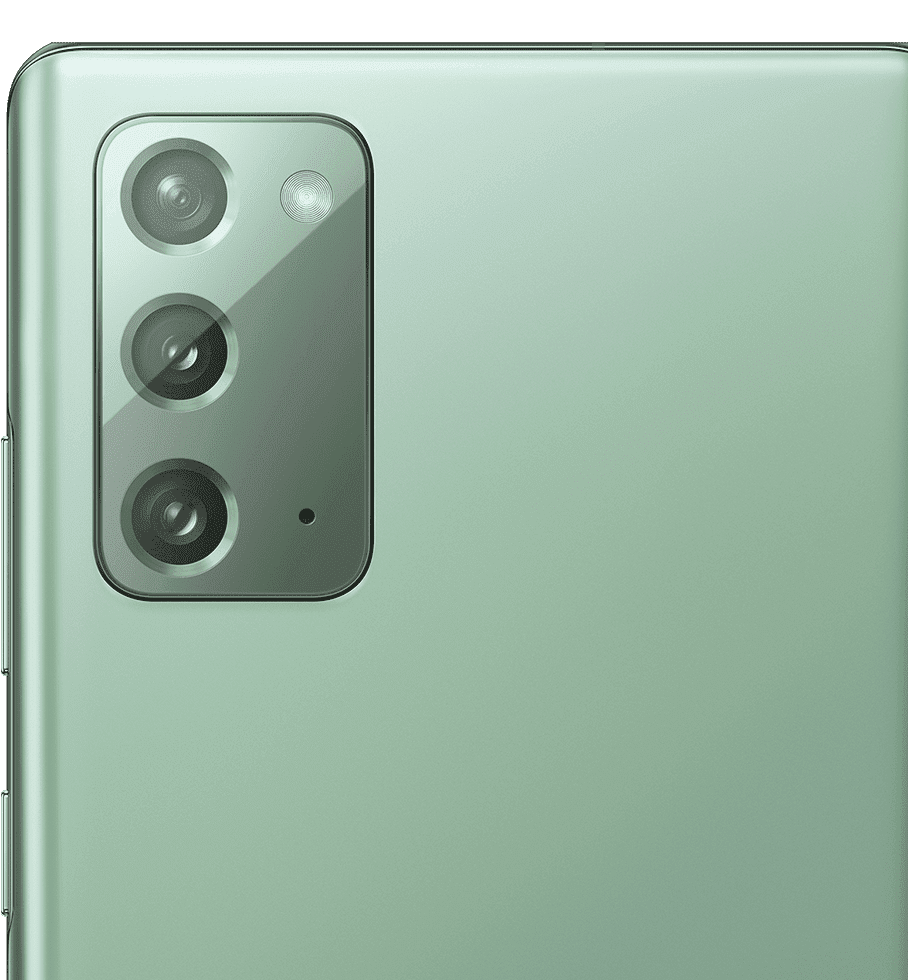
Samsung announced the Galaxy Note20 last week and it was a surprise when it was revealed that the $999 phone has a plastic back and not glass, like phones in that price range are expected to have.
The smartphone industry has evolved in the past few years. There was a time phones mostly had a polycarbonate body. Later, having a metal unibody was the cool thing, and now a glass back is the reigning design.
There are still a number of phones with plastic bodies, most especially those in the budget segment but we have also seen some mid-range phones (especially from Samsung) come with a plastic back polished to appear like glass (glasstic).
For this week’s poll, we want to know which material you prefer to be used on a phone? Do you prefer the trusted and reliable polycarbonate, the cold feel of metal, or the fragile but beautiful glass? Do take the poll below and also include a comment telling us why you prefer one over the other.
Renowned Japanese video game hardware and software company SNK Corporation, owner of the Neo Geo video game platform made its debut on Xiaomi Youpin platform in March this year when it launched the Asian version of the NEOGEO Mini Game Console priced at 699 yuan (~$100). The hardware came with a free game pad worth 179 yuan (~$25).
SNK has now launched the international version of the NEOGEO Mini game console on the Xiaomi Youpin. This version still retains the original price of the first model and is presently on sale.
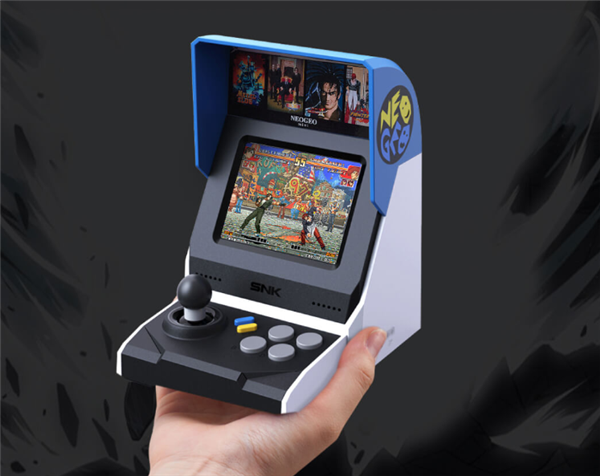
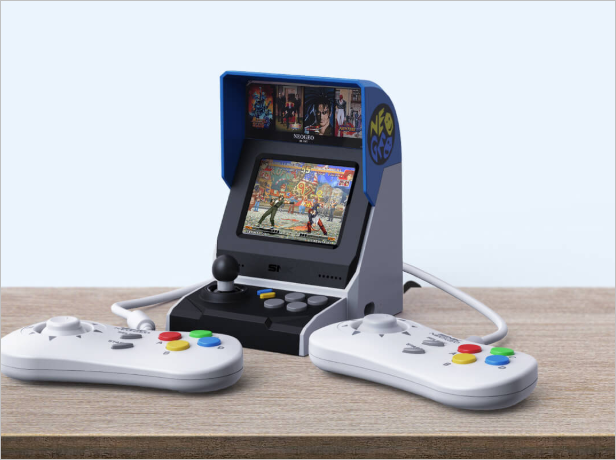
The Neo Geo Mini game console is all about classics right from the design to the software inside. The console’s design is reminiscent of the arcade machines of the 1990s. The portable console even has a classic joystick and several sensitive buttons. The design looks like a miniature version of the NEO GEO MVS arcade machine that was popular all over the world.
It has a dimension of 108x135x162mm, weighing in at 390g. It is equipped with a 3.5-inch LCD screen with 4:3 aspect ratio. The console is also equipped with stereo speakers, making it easy to use it on the go coupled with the joystick and buttons.
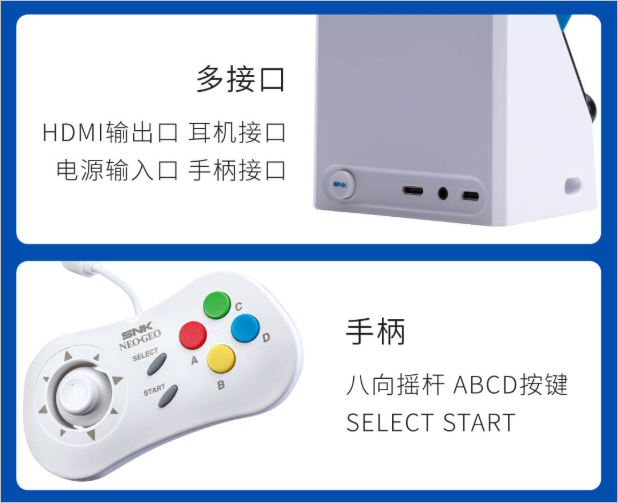
You can also connect the game console to an external TV and pads. There is an HDMI mini port for output to the TV, a 3.5 mm headphone jack and a power input port (USB-C) at the back of the device. A USB-C cable is included in the box, but there is no charging adapter.
On the software side, the NeoGeo Mini comes preinstalled with 40 popular SNK games including classics such as “The King of Fighters”, “Legend of Hungry Wolf”, and “Metal Slug”.
If you are one of those waiting for a new Mi MIX phone to launch this year, then you will be disappointed to know that there will not be one this year. If you are also waiting for the Mi MIX Alpha to be available for purchase, that won’t be happening either. The info comes from the CEO of Xiaomi, Lei Jun.
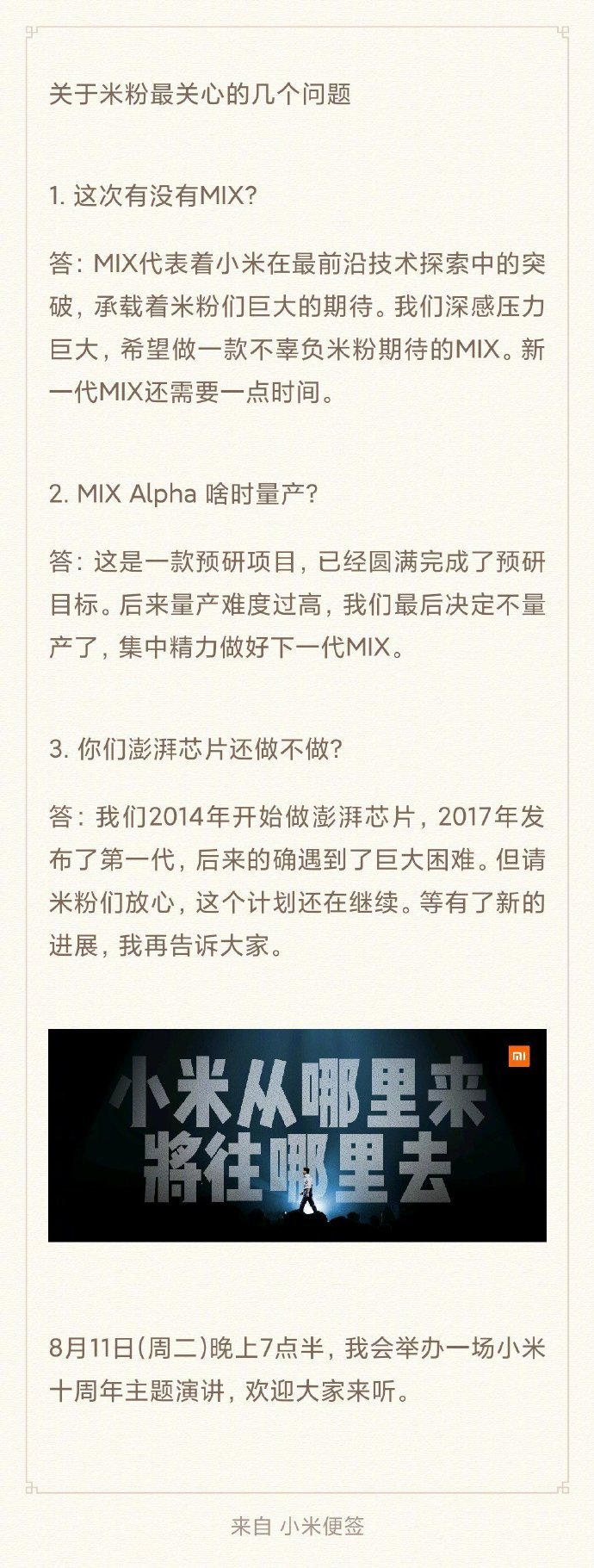
The top executive has answered three of the most asked questions by Xiaomi fans. The first question answered is if there will be a Mi MIX this year. In his response, he revealed that the Mi MIX series brings new cutting-edge innovations and that they are working hard to make a new model that will live up to expectations. However, a new MI MIX model will take some time before it arrives.
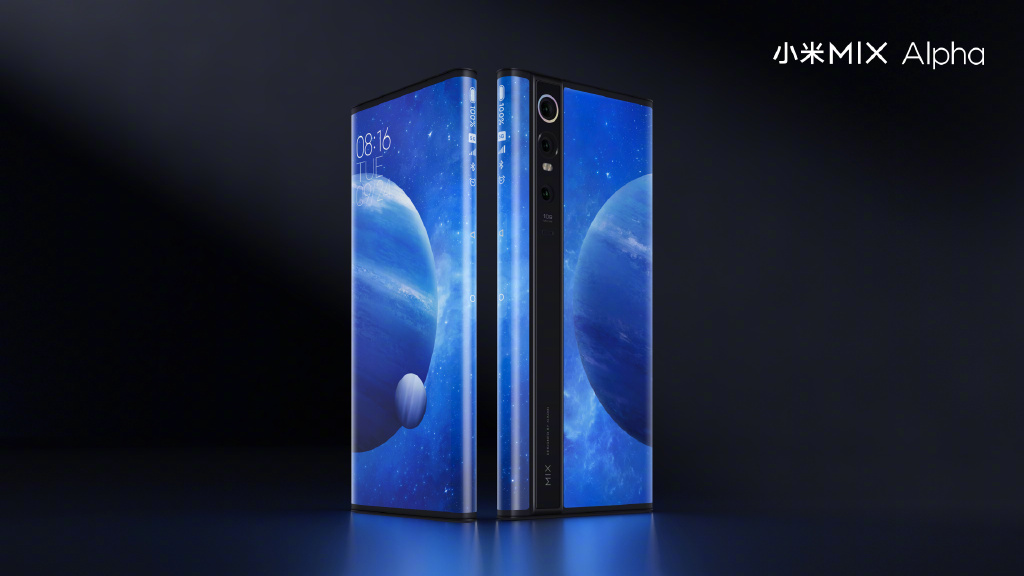
In his answer to the frequently asked question about when the Mi MIX Alpha will be mass-produced, Lei Jun clarified that the phone was a research project and they attained their goal. However, the challenges of mass production are too high which is why the device will not be mass-produced. Instead, they have decided to focus on making the next-gen Mi MIX phone.
The third question answered was about the future of Xiaomi’s Surge chips. In his response, he revealed they have encountered some major difficulties, despite that, they have not ceased the development of new processors.
Nr. Lei Jun said more questions will be answered at the 10th-anniversary launch on August 11.
iQOO is Vivo’s sub-brand and it has already announced a handful of smartphones since its debut last year. However, smartphones may not be the only product we will be getting from the brand based on recent trademark applications.
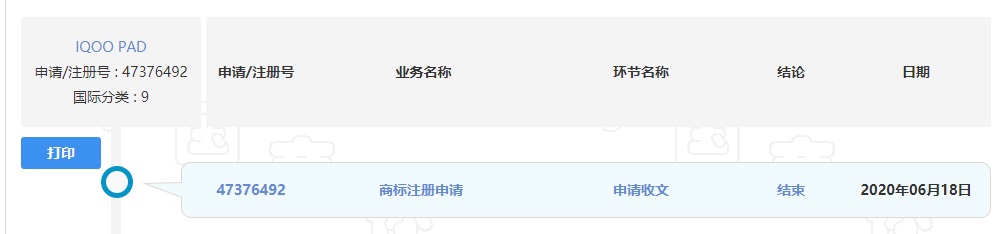
It turns out that Vivo has filed trademark applications for “iQOO PAD” and “iQOOBOOK”, and there are speculations that they point at new product categories – tablets and notebooks respectively to be precise. The trademark applications were filed in June according to the image below from ITHome.
iQOO planning to launch products other than smartphones should not come as a surprise as there is hardly any Chinese smartphone manufacturer that only makes phones. Take Redmi for example, whose portfolio now includes washing machines, notebooks, and TVs.
It is important to state that these iQOO products may not launch anytime soon and this may just be a plan by Vivo to secure the trademarks. Nevertheless, we look forward to their arrival and to what new features they will bring to the market.
The Mi Note 10 Lite launched in April as a more affordable version of the 2019 Mi Note 10. To keep the price low, Xiaomi made some tradeoffs mainly in the camera department. For example, the 108MP primary camera is replaced with a 64MP sensor.
Xiaomi didn’t launch the original Mi Note 10 series in India and neither did the Mi Note 10 Lite get an Indian launch. However, a new finding has revealed the Mi Note 10 Lite will be coming to India but under the name Mi 10i.
Evidence of this was found in a bit of code, part of which is shown in the image below. As you can see, the Mi Note 10 Lite with its 64MP quad-camera setup is codenamed “toco”. Right below it is another phone with a 64MP quad-camera setup too, the codename “tocoin”, and the product name “Mi 10i”.
One can deduce that “tocoin” is short for “toco india” which means an Indian version of the Mi Note 10 Lite but that will be launching as the Mi 10i.
The source of the info, @_the_tech_guy, didn’t say when the device will launch but we expect it will be announced this quarter. Those who live in India and who have set their eyes on the Mi Note 10 Lite will surely be excited at the news.
The Mi Note 10 Lite launched in Europe for €349 (~INR 30,845) for the 64GB model and €399 (~INR 35,264) for the 128GB version. That sure is pricey considering there are more powerful devices selling for less in India right now. For example, the 6GB+64GB OnePlus Nord launching next month is priced at INR 24,999. The 12GB + 256GB version is even INR 29,999 which is still cheaper than the base model of the Mi Note 10 Lite. We are curious to see how the Mi 10i will be priced in India.
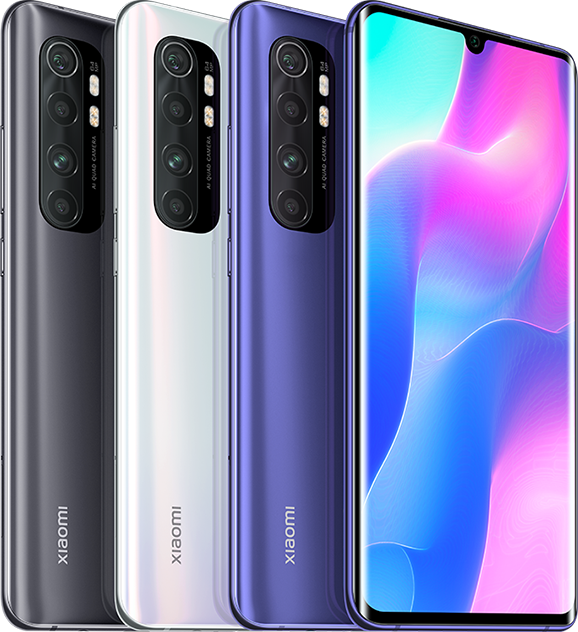
Xiaomi Mi Note 10 Lite
The Mi Note 10 Lite has a 6.47-inch curved AMOLED display with an FHD+ resolution. It is covered with Gorilla Glass 5, has a 91.4% screen-to-body ratio, TUV Rehiland low blue-light certification, and supports HDR10. There us a Snapdragon 730G processor under the hood with 6GB of RAM and 64GB or 128GB of storage.
The quad-camera setup includes a 64MP primary camera, an 8MP 120° ultra-wide-angle camera, a 5MP depth sensor, and a 2MP macro camera. The selfie camera inside the notch is a 16MP sensor. The device can record in 4K and also supports 960fps slow-motion recording. Other features are NFC, an in-display fingerprint scanner, an IR blaster, and audio jack, and a 5260mAh battery with support for 30W fast charging.
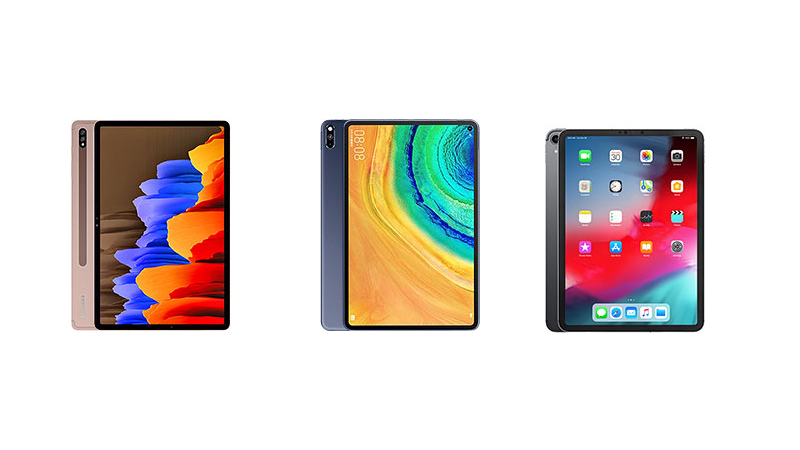
Samsung released its new lineup of flagship tablets and it seems this time the Korean giant is very serious about providing the best productivity tablet despite it runs the Android operating system. We think there are no better ways to understand the potentialities of the Samsung Galaxy Tab S7+ (the higher-end variant of the new lineup) than comparing it with the flagship tablets from other smartphone manufacturers. If we exclude Samsung tablets, the best tablets released from the top brands in the smartphone market are the Huawei MatePad Pro and the latest iPad Pro. Note that the iPad Pro 2020 comes in two variants with 11 and 12.9-inch displays which obviously carry different prices.
Samsung Galaxy Tab S7+ vs Apple iPad Pro vs Huawei MatePad Pro
Huawei MediaPad Pro
Samsung Galaxy Tab S7+ 5G
Apple iPad Pro 11 2020
DIMENSIONS AND WEIGHT
246 x 159 x 7.2 mm, 460 g
285 x 185 x 5.7 mm, 575 grams
247.6 x 178.5 x 5.9 mm, 468 g
DISPLAY
10.8 inches, 1600 x 2560p (Quad HD+), IPS LCD
12.4 inches, 1752 x 2800p (Quad HD+), Super AMOLED
All of these tablets come with amazing aesthetics and the most beautiful designs seen in the tablet market. They all feature very narrow bezels around their displays, as well as an aluminum unibody design. I personally love the Samsung Galaxy Tab S7+ because it is thinner than its rivals. The Apple iPad Pro is lighter, while the Huawei MatePad Pro is more compact due to its smaller display. They all support a stylus, but the one of the Galaxy Tab S7+ comes with more advanced features and amazing performances, including a 9 ms response time just like the Samsung Galaxy Note 20 Ultra.
Display
The most advanced display belongs to the Samsung Galaxy Tab S7+. First of all, it is the only one to sport an AMOLED panel. Further, it has a 120 Hz refresh rate, while Huawei MatePad Pro does not. The iPad Pro is 120 Hz as well, but it comes with an IPS panel. It is a very nice IPS, but the colors provided by the AMOLED panel of the Galaxy Tab S7+ and its HDR10+ certification are able to provide a better image quality. Note that Huawei MatePad Pro has a smaller 10.8-inch panel, while Galaxy Tab S7+ sports a 12.4-inch and iPad Pro is available in two variants with 11 and 12.9-inch panels.
Hardware/Software
On the paper, the most advanced hardware department belongs to the Samsung Galaxy Tab S7+ which is powered by the new Snapdragon 865+ mobile platform paired with up to 8 GB of RAM and up to 256 GB of UFS 3.0 internal storage. But despite that, iPad Pro is able to provide very similar performance thanks to the better optimization of the iPadOS operating system. It even comes with more interesting productivity features and more productivity apps than Android. Several professional apps are available only for iPadOS, at least for now. But you should not forget that Samsung Galaxy Tab S7+ offers an amazing desktop experience, especially while connected to external monitors.
Camera
The iPad Pro wins the camera comparison. It packs a triple camera arrangement on the rear side, including a LiDAR scanner which is able to track depth in a very accurate way for AR and VR appliances. The silver medal goes to the Samsung Galaxy Tab S7+ which comes with an ultrawide dual camera. The Huawei MatePad Pro still comes with a decent rear camera, but it is inferior to both. Note that in each case, we are far from top camera phones and close to mid-rangers in terms of camera performance.
Battery
Samsung Galaxy Tab S7+ has the biggest battery and it should provide a longer battery life on a single charge. Right after, there is the iPad Pro which still comes with a great battery. But the Huawei MatePad Pro is the only one to support wireless charging, as well as reverse wireless charging. Further, its wired charging technology is faster with the power of 40W.
Price
Samsung Galaxy Tab S7+ starts from $849/€900, Huawei MatePad Pro (4G version) can easily be found for less than $589/€500, and iPad Pro starts from $749/€899. The Huawei MatePad Pro allows saving a lot of money, but it does not stand a chance against its rivals. The iPad Pro has better cameras, a more interesting OS for productivity, and amazing performance, while Samsung Galaxy Tab S7+ provides a better pen, display, and probably even longer battery life.
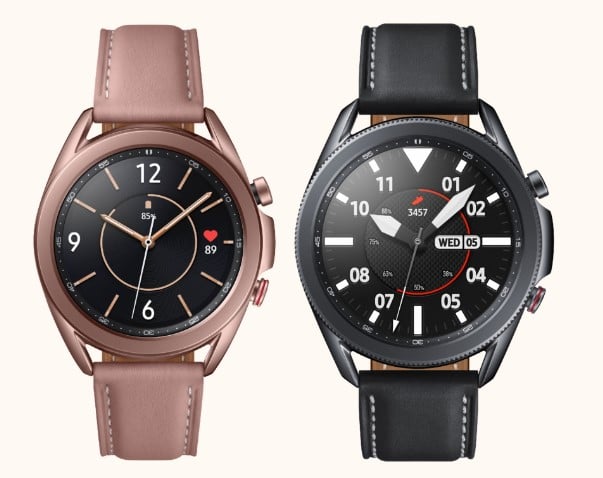
The Galaxy Watch3 is just a few days ago and it has already received an update. The update brings some of the features that were announced at launch including blood oxygen monitoring.
First reported by SamMobile, the 80MB update brings blood oxygen monitoring so users can see how well their respiratory system carries oxygen around their body. Samsung states in the changelog that the feature is not available in Algeria, Angola, Canada, France, Iran, Japan, Libya, South Africa, and Thailand.
Another feature that the update brings is Advanced Running Analysis which provides a detailed insight into how you run and how to improve.
There is also support for VO2 max and Sleep Score. The former will provide a reading for the amount of oxygen used during exercise to improve your endurance while sleep score will provide a new way to understand your sleep pattern.
ECG Monitoring is not live yet in a lot of countries including the US. However, the FDA has granted Samsung approval for it.
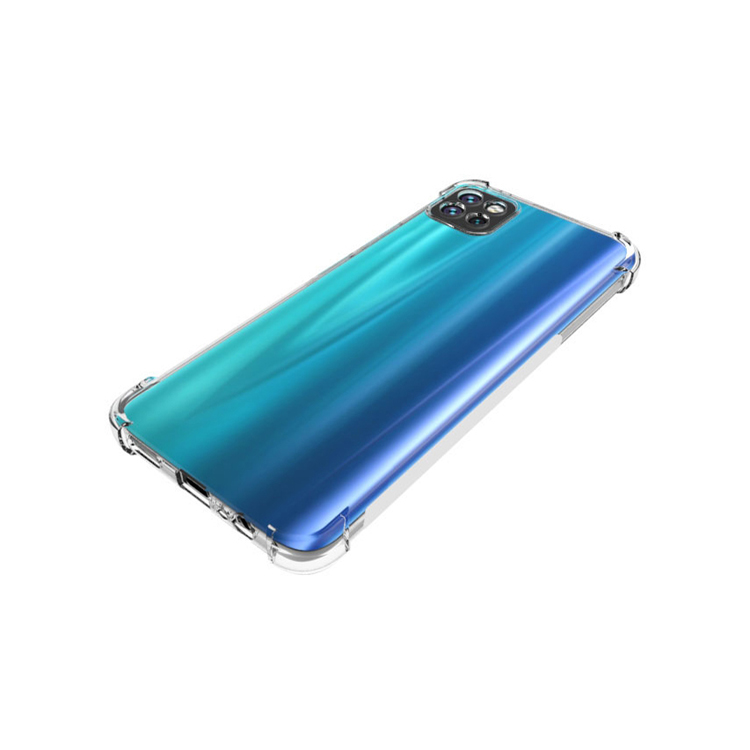
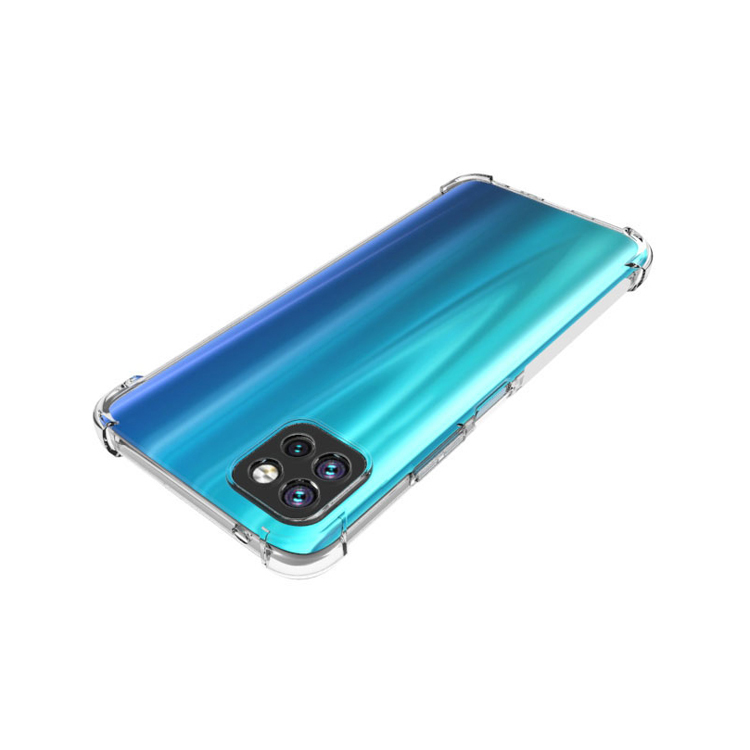
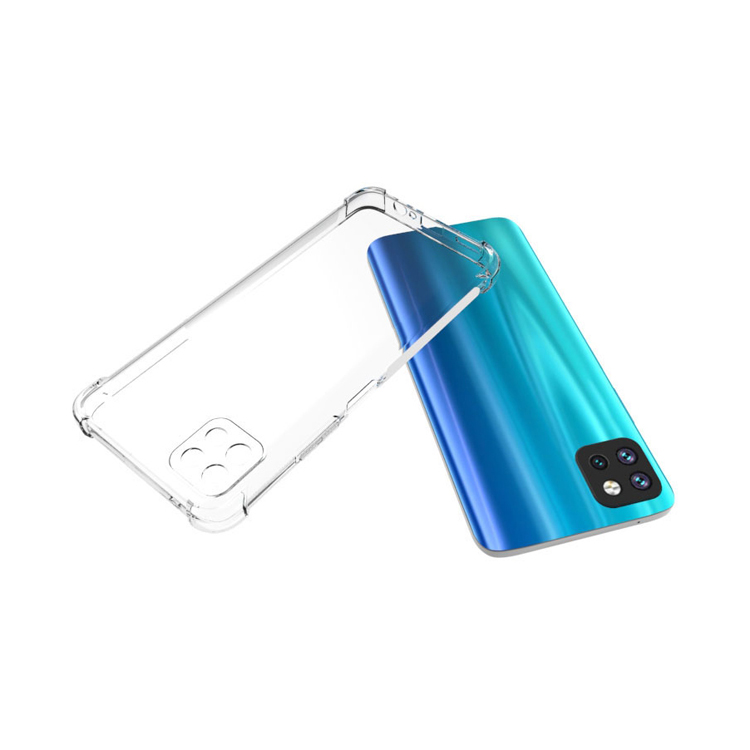
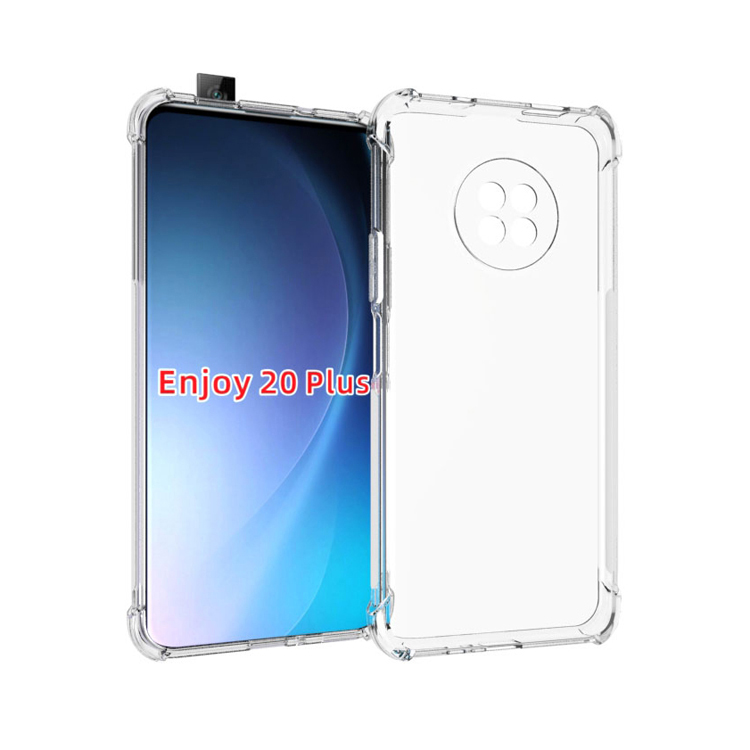
The Huawei Enjoy 20 Pro 5G debuted in June as the first Enjoy 20 series phone. Recent reports have revealed that there are three more devices in the series such as Huawei Enjoy 20, Enjoy 20s, and Enjoy 20 Plus. Recently, the Chinese firm unveiled the Maimang 9 phone in China. Reports surrounding it have revealed that the Enjoy 20s is the other name of the phone. Enjoy 20 is believed to be the WKG-AN00 / TN00 that was recently approved by TENAA whereas the FRL-AN00a / AN00 / TN00 model number belongs to the Enjoy 20 Plus. The case images of the Enjoy 20 and Enjoy 20+ have surfaced on Chinese retailer Alibaba to reveal their front and rear design.
Huawei Enjoy 20
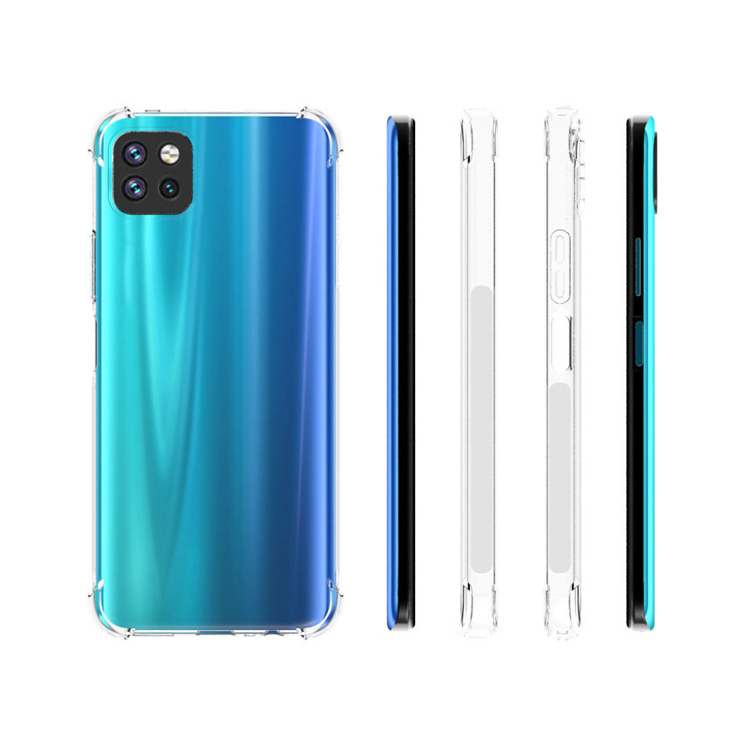
The Huawei Enjoy 20 case images show that it has a waterdrop notch display and a square-shaped triple camera system on the rear. It also reveals that the phone has a side-facing fingerprint reader.
1 of 5
The TENAA listing of the Huawei Enjoy 20 revealed that it has a 6.6-inch HD+ 20:9 display. It could be powered by Dimensity 800 or Dimensity 720 chipset. The 5,000mAh battery of the phone supports 10W charging. It will come with 4 GB / 6 GB / 8GB of RAM and 64 GB / 128 GB storage editions. It has a 13-megapixel + 5-megapixel + 2-megapixel triple rear cameras and an 8-megapixel front camera.
Rumors surrounding the Enjoy 20+ have revealed that it has a 6.63-inch FHD+ display and it is powered by Kirin 820 chipset. Its rear-facing triple camera setup is speculated to be equipped with a 48-megapixel main camera. The phone may come with up to 8 GB of RAM and up to 128 GB built-in storage. It may house a 4,300mAh battery with 22.5W fast charging support.
One major argument put forward by the US administration in its major clampdown on Chinese companies such as Huawei, TikTok, WeChat and others is that they could transfer data of US citizens to the Chinese government. Apparent, there seems to be nothing wrong if the US government spies on its own citizens. That is what it looks like going by a recent report by the Wall Street Journal.
The report reveals that the US government has a contractor who embeds tracking software in over 500 mobile applications used by US citizens. The contractor is named as Anomaly Six LLC and is based in Virginia. According to the report, the contractor pays mobile app developers to include a self-developed tracking code within their apps. The trackers then collect anonymous data from phones running such apps. Anomaly Six then collates the data and sells it to the US government.
If this were to be Chinese apps carrying such tracking codes, the internet would be on fire right now but it is what it is. The report even clarifies that there is apparently nothing legally wrong in what the company is doing as long as the data is not being sold for commercial purposes such as advertising or marketing.
However, there are reasons to be worried even though the data is said to be anonymized. The WSJ notes that there are several ways by which such “anonymous” data could be used to figure out who owns the device. For example, the device will likely be idle at night while the owner sleeps, and the device’s location at that time is likely the owner’s home. Once that information is gotten, it is no difficult to start decoding other user habits, such as where they work, what they use to commute, where they go out to eat, etc. In other words, individuals can be tracked using such data.
Although Anomaly Six has confirmed the report, it refused to mention the apps with which it has partnerships. The Wall Street Journal has not been able to also get information on the apps by any other means. There is no available information on what the US government does with such data. The usual guesses will be law enforcement purposes or counter-terrorism.
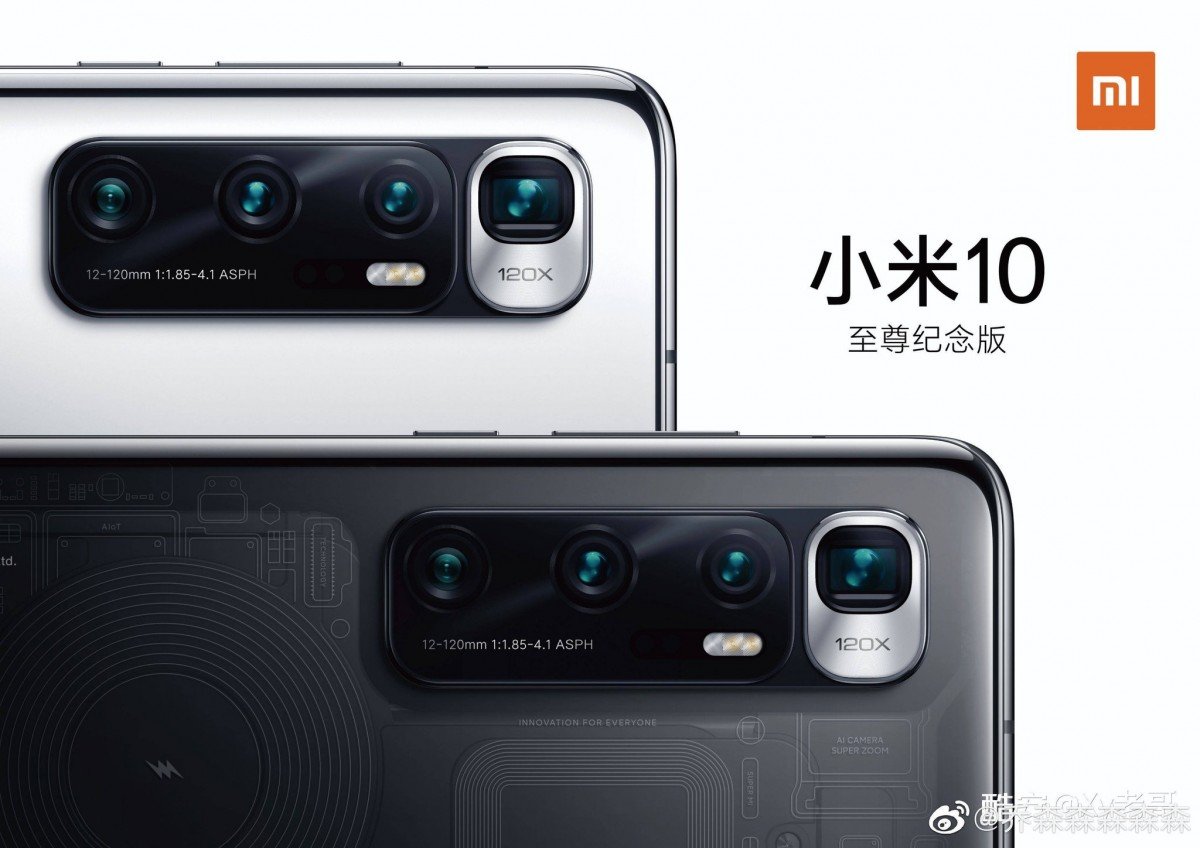
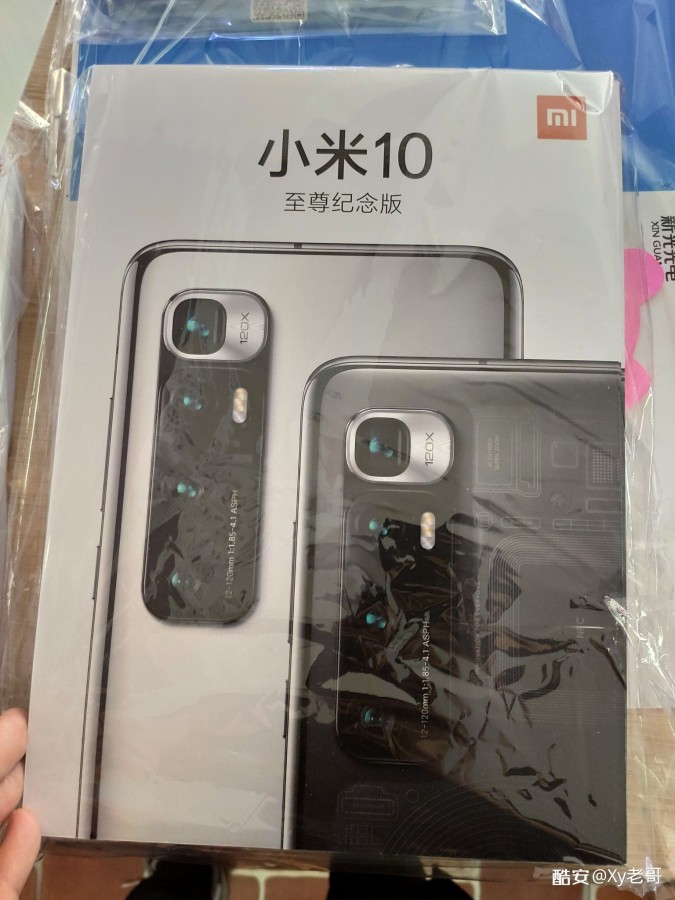
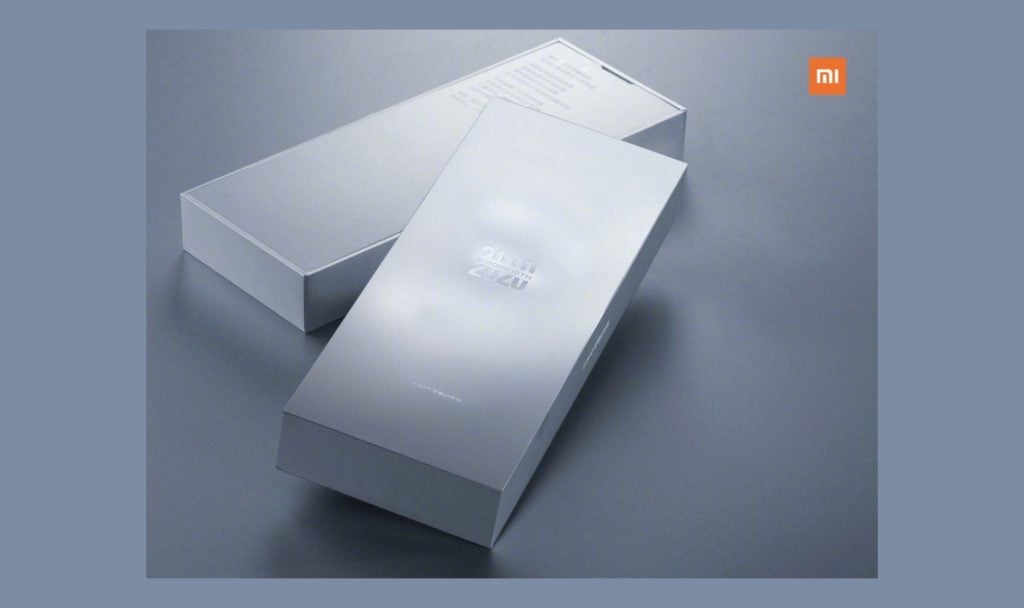
Xiaomi Mi 10 Ultra is the name of the international variant of the upcoming Xiaomi Mi 10 Extreme Commemorative Edition debuting on Aug. 11. The rumor mill has started spilling information on the specs of the Mi 10 Ultra phone. Leaked banners and an image of the Mi 10 Ultra’s box package have once again revealed its design.
As can be seen, the images show that the Xiaomi Mi 10 Ultra has a ceramic variant and a transparent edition. It is unclear whether the latter is truly transparent or if it is a sticker placed under the glass.
The images show that the Xiaomi Mi 10 Ultra has a quad-camera setup with a periscope telephoto lens at the top. The handset will arrive with support for a remarkable 120x zoom. Samsung had offered a 100x Space Zoom feature with the Galaxy S20 Ultra. However, since users found it to be gimmicky, Samsung downgraded from 100x to 50x Space Zoom on the recently unveiled Galaxy Note 20 Ultra.
The Xiaomi Mi 10 Ultra is capable of capturing shots between 12mm to 120mm focal lengths. The megapixel count of the each of the four lenses is not mentioned in the leak. Previous reports have claimed that the Mi 10 Ultra could be sporting a 48-megapixel main shooter. Its ultrawide lens could be capable of capturing macro shots. It is also expected to support 8K video recording.
Recent reports have revealed that the Mi 10 Ultra will be available in variants such as 8 GB RAM + 128 GB storage, 8 GB RAM + 256 GB storage, 12 GB RAM + 512 GB storage, and 16 GB RAM + 512 GB storage. Apart from Transparent Edition and Ceramic Black, it is also expected to arrive in Bright Silver color.
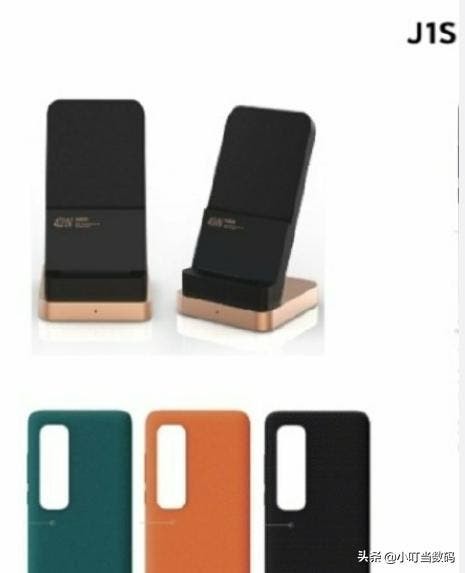
It is speculated that the Xiaomi Mi 10 Ultra has a 6.67-inch AMOLED display, Snapdragon 865 SoC, UFS 3.1 storage, LPDDR5 RAM, 4,500mAh battery, next-generation in-display fingerprint reader, advanced heat dissipation system, and Hi-Res Audio with a custom algorithm. The MI 10 Ultra is also expected to support 100W or 120W fast charging and 55W wireless charging. The above image gives a look at the wireless charger for Mi 10 Ultra.
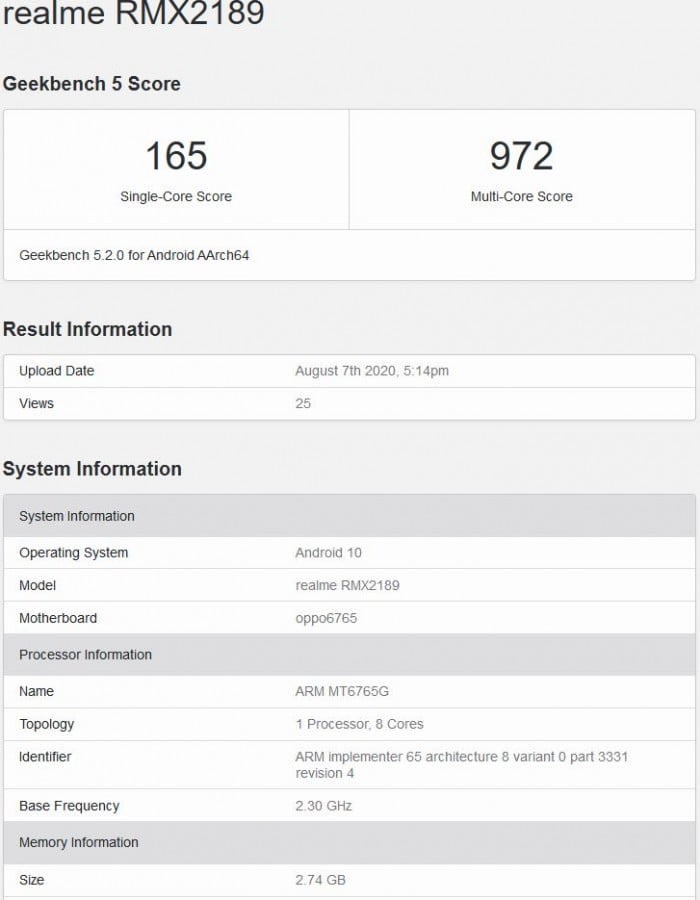
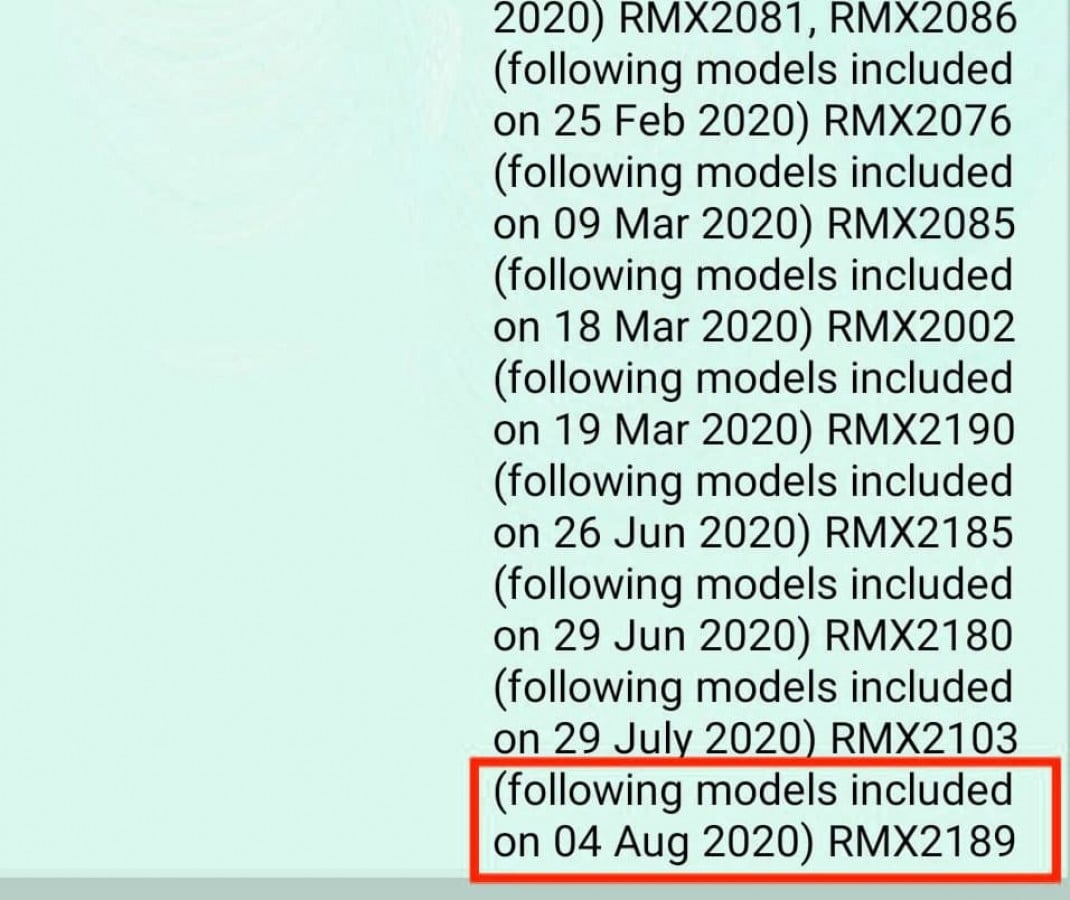
A few days back, a new Realme phone with model number RMX2189 was certified by several regulatory agencies. One of the certificates shows the model will launch as Realme C12. The device has now been benchmarked on GeekBench.
The device appears as RMX2189 which is already known to be the Reame C12. It will be powered by a MediaTek MT6765G processor which is the Helio P35 chipset. The SoC is paired with 3GB of RAM. The device also runs on Android 10 OS.
The Realme RMX2189 model has also appeared on the Bureau of Indian Standards (BIS) website which is an indication that the model will be launched in India at some point. Recall that the model was also certified in Indonesia, China, Thailand, and Malaysia which shows the model will be launched in several markets.
The Realme C series is a budget series with models such as the C11 and C15. The Realme C12 is expected to feature an HD+ display having a waterdrop notch. The phone will also come with 4G-only connectivity. The mobile device is also expected to cram a 6,000mAh battery under its hood and feature support for 10W, 5V/2A charging.
There is no word yet as to when Realme will take the wraps off the C12.
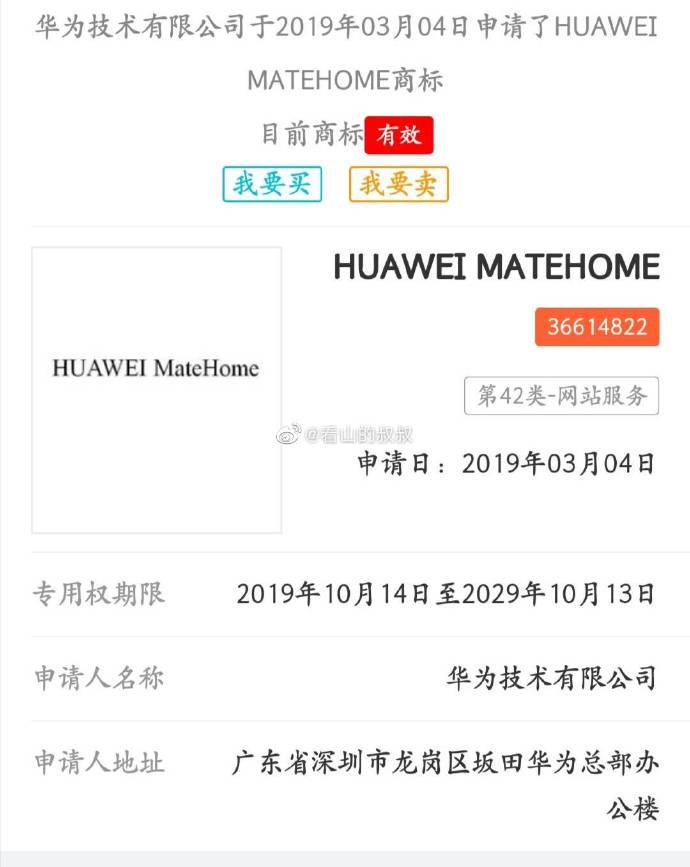
Huawei is taking its Mate branding very seriously with new trademarks and product releases. Just last month, we reported that it filed a trademark application for “Huawei MateStation” which we believe is a dock of some sort similar to Samsung’s DeX Station. Now it has been revealed that it has filed another trademark application for “Huawei MateHome”.
The trademark for “Huawei MateHome” was filed more than a month ago, 4th of March, 2019 to be precise and was granted in October of the same year.
Image source: Weibo (@看山的叔叔)
We have no idea what Huawei MateHome is. We are not sure if it is a product, a line of products, an app, or a service. However, from the name, you can tell it has to do with the home.
Huawei is one of the manufacturers expanding its presence in the home. It has already announced a number of smart TVs and smart speakers, and we expect it to launch new smart home products soon.
What do you think Huawei MateHome is about? Let us know in the comment box.
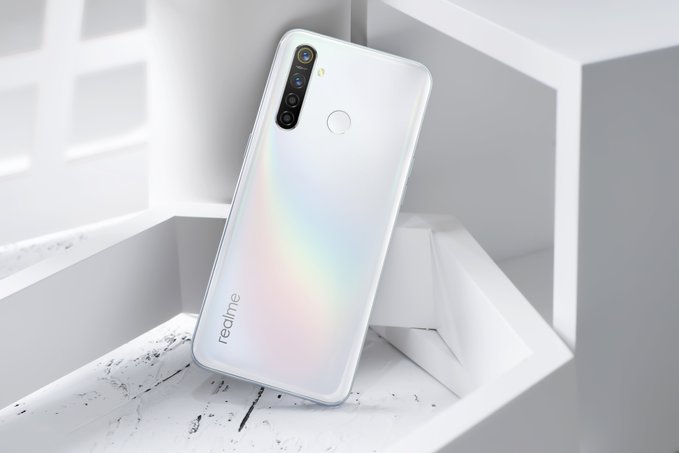
The Realme 5 Pro is just a few weeks short from being a year old. Its successor is even almost six months old already. Surprisingly, Realme has announced a new colorway for the phone.
When it was announced in India last year, the Realme 5 Pro was available in Crystal Green and Sparkling Blue. Now, you can pick up the phone in Chroma White.
The new color variant is already on sale on Realme.com and is available for both the 6GB+64GB and 8GB+128GB versions.
The Realme 5 Pro has a 6.3-inch FHD+ display with a waterdrop notch. There is a Snapdragon 712 processor inside the phone and it draws power from a 4035mAh battery with support for 20W fast charging.
The device packs a 48MP + 8MP + 2MP + 2MP quad-camera setup on the rear while the notch is home to a 16MP camera. Other features include a rear-mounted fingerprint scanner, Bluetooth 5.0, and FM radio. The phone launched with Android 9 Pie but has been updated to Android 10 with Realme UI.
The Xiaomi Mi 10 Ultra is expected to launch soon. The flagship will be packing some pretty impressive specs and features to take on the competition. In addition to these, Xiaomi has also confirmed the phone will be shipped with antimicrobial accessories.
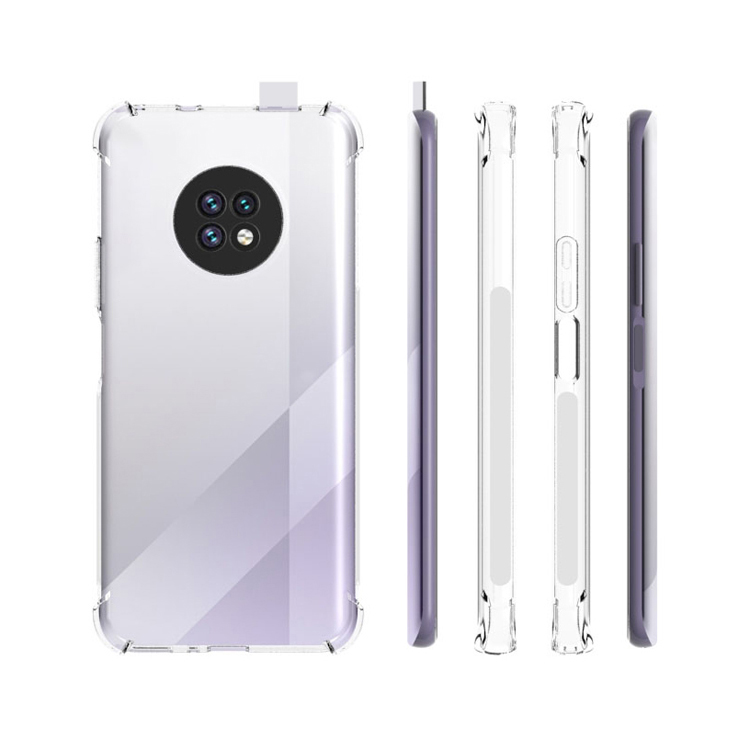
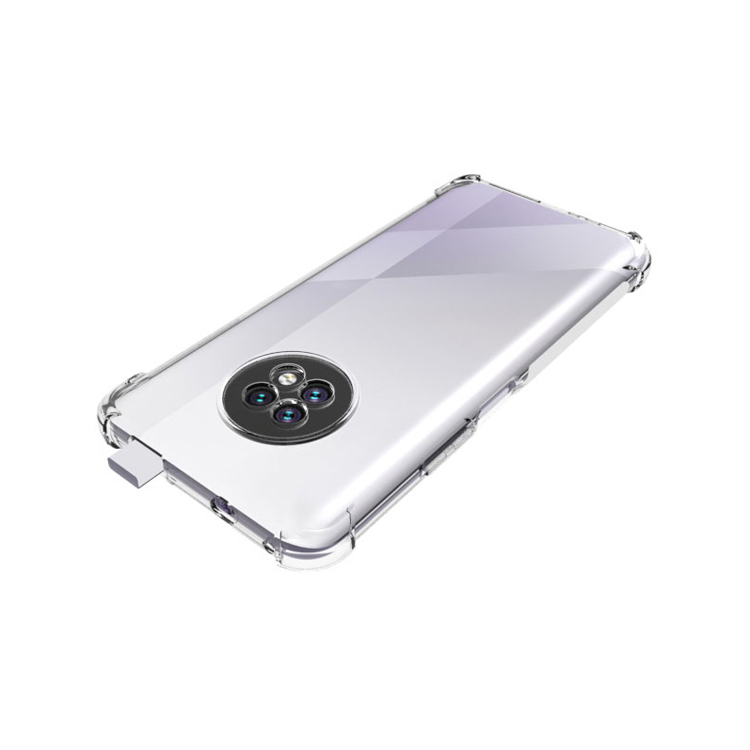
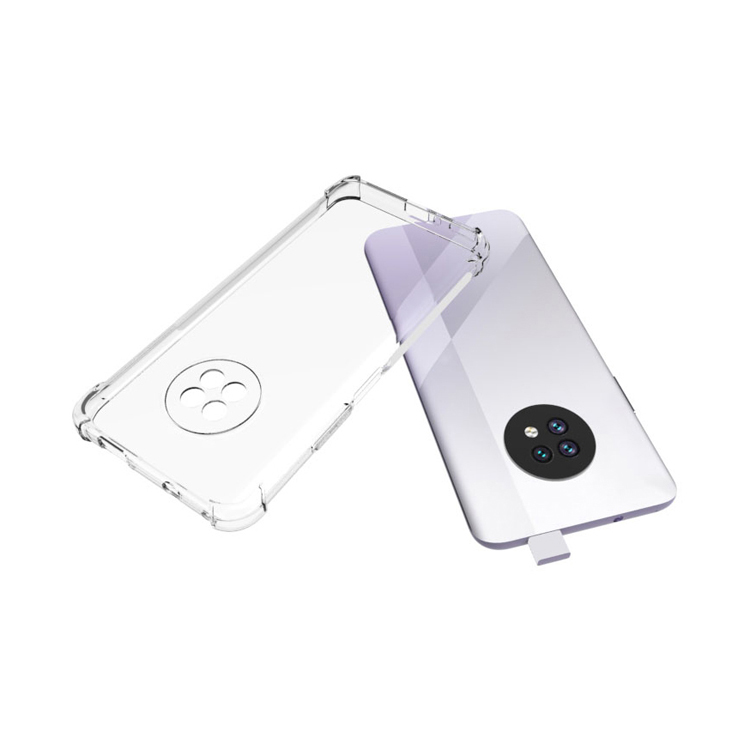
The info was revealed by Lei Jun today. The top executive said in a post on Weibo that the Mi 10 Ultra will come with an antimicrobial protective film (on the display) and an antimicrobial case in the box.
It has been reported that the case uses silver ion antimicrobial technology which is used in coatings and textiles to provide continuous protection against bacterial growth. The silver ions work by creating holes in the essential components of the microbes such as the DNA and prevent them from performing even basic functions.
Xiaomi isn’t the first to apply antimicrobial coatings to accessories. Last month, Samsung applied for a trademark for “Antimicrobial Coating” and now a number of the accessories it announced for the Galaxy Note20 series have an antimicrobial coating such as the smart LED View cover and the smart Clear View Cover.
Antimicrobial coatings have become necessary following the COVID-19 pandemic. The coronavirus can survive on surfaces which is why phone owners are advised to disinfect their phones regularly. However, with antimicrobial cases and films, it means phone owners have one less thing to worry about.
We expect this will be the standard going forward. We also expect cases and film protectors made by third-party manufacturers will also have antimicrobial coatings.
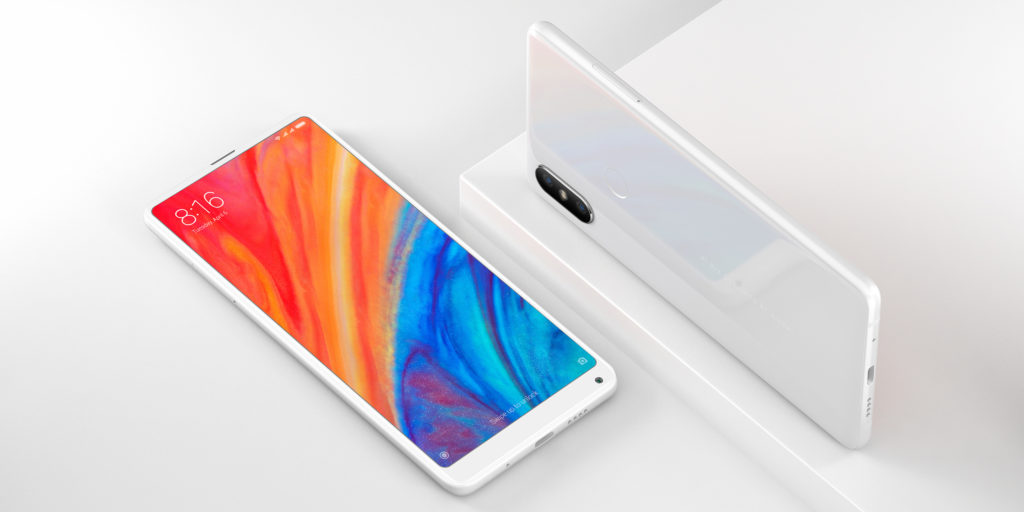
After updating its current-gen flagships and mid-range smartphones to MIUI 12 stable in China, Xiaomi has begun to roll a similar update to budget as well as older flagships. The company’s 2018 premium smartphones – Mi Mix 2S and Mi Mix 3 have now begun to receive the update in its home country.
Xiaomi Mi Mix 2S
The Mi Mix 2S launched with MIUI 9 based on Android Oreo out of the box. On the other hand, the Mi Mix 3 debuted with MIUI 10 based on Android Pie. Currently, both the devices are on MIUI 11 based on Android 10.
That means the latest MIUI 12 stable update is third and second MIUI update for these handsets respectively. Unfortunately, none of them is eligible for Android 11 update according to the preliminary official support list. And it is not sure if they will get MIUI 13 next year.
Hence, MIUI 12 could be the last major update to these handsets. As mentioned in the beginning, the update is currently limited to the Chinse variants of these phones and their build numbers are as listed below.
Mi Mix 2S – V12.0.1.0.QDGCNXM
Mi Mix 3 – V12.0.1.0.QEECNXM
We expect Xiaomi to roll out this update to the global variants of these devices in the coming days.
Earlier this week, Xiaomi announced to host a launch event on August 11. The company even confirmed the product that it will be unveiling at the conference – Mi 10 Ultra and Redmi K30 Ultra. The firm or any of its executives is yet to tease the specifications and features of these two handsets. But the storage configurations and color variants of these phones have now leaked beforehand.
The leak regarding Xiaomi’s 10th-year anniversary celebration smartphones comes from well-known leaker Ishan Agarwal in partnership with 91Mobiles.
According to the tipster, the upcoming Mi 10 Ultra will be available in four storage configurations and three color variants. Similarly, the Redmi K30 Ultra will come in three memory variants and three finishes respectively.
Xiaomi Mi 10 Ultra Storage and Color Variants
Storage Configuraions
8GB + 128GB
8GB + 256GB
12GB + 256GB
16GB + 512GB
Colors
Ceramic Black
Bright Silver
Transparent Edition
Redmi K30 Ultra Storage and Color Variants
Storage Configurations
6GB + 128GB
8GB + 128GB
8GB + 512GB
Colors
White
Black
Mint Green
The latest leak also confirms ceramic back on the Mi 10 Ultra, which was suggested in another leak yesterday. Also, it is tipped to support 55W wireless charging as Xiaomi will be launching a wireless charger with a similar specification at the very same event.
One the other hand, the Redmi K30 Ultra will neither come in 256GB variant nor with 12GB RAM. This is weird as the Redmi K30 Pro comes in both these variants.
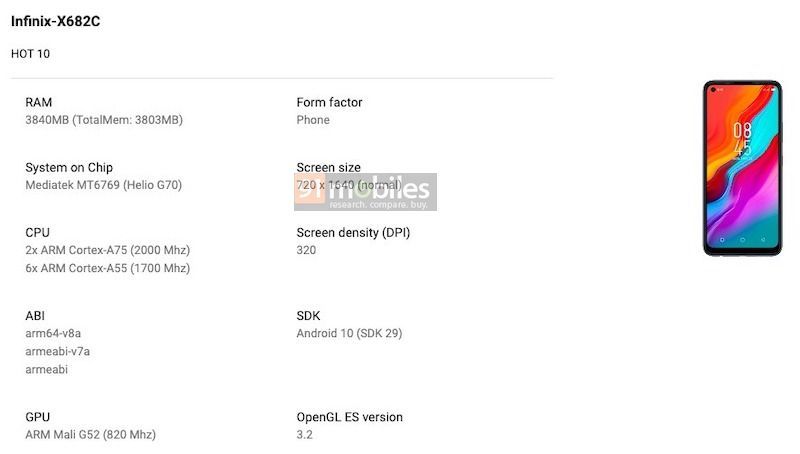
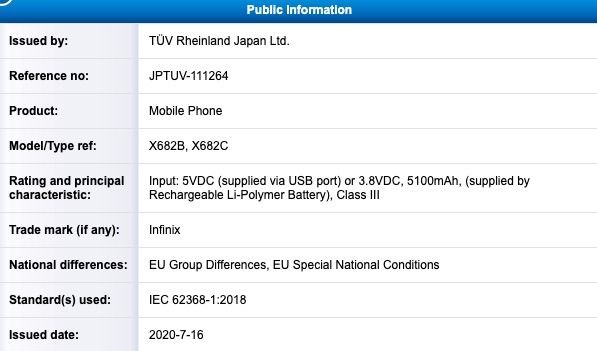
Infinix seems to be planning to launch a new phone called Infinix Hot 10. The said device has appeared on Google Play Console with some of its key specs by 91mobiles. Moreover, the handset’s battery capacity has been revealed through its TUV Rheinland certification.
The Google Play Console listing shows that the display of the Infinix Hot 10 supports HD+ resolution of 720 x 1640 pixels and offers 320ppi pixel density. The image of the phone in the listing reveals that it has a punch-hole display. The phone is powered by Helio G70 and 4 GB of RAM. It is preinstalled with Android 10 OS.
The TUV Rheinland certification has revealed that the model numbers X682B an X682C are associated with the Infinix Hot 10. It has also revealed that the capacity of its battery is 5,1000mAh. The other details of the smartphone are currently under wraps. The appearance of the Hot 10 on Google Play Console is a good hint that it may debut as early as this month.
1 of 3
The Infinix Hot 10 will be arriving as a successor for the Infinix Hot 9 that debuted in May. The Hot 9 was announced along with Infinix Hot 9 Pro. It is unclear whether the company will be also launching Infinix Hot 10 Pro along with the Hot 10.
The Infinix Hot 9 debuted in India with a price tag of Rs. 8,499. It came with a 6.6-inch HD+ IPS LCD display that supports a 20:9 aspect ratio. The Helio P22 chipset powered the phone along with 4 GB of RAM. It came with a native storage of 64 GB. The handset arrived preinstalled with XOS 6.0 based Android 10. The phone was backed by a 5,000mAh battery.
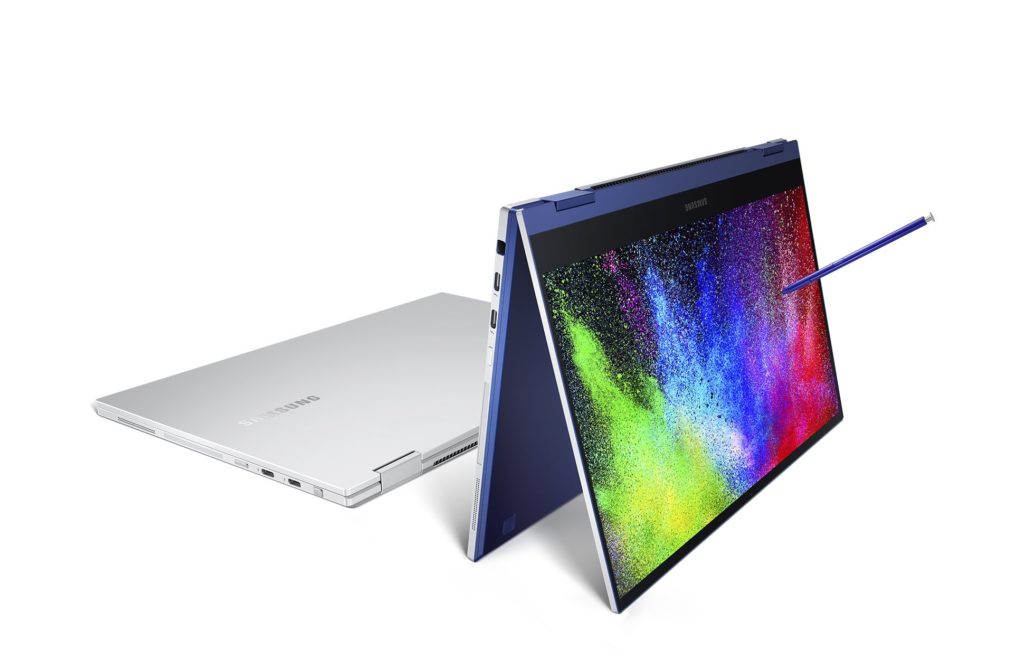
Samsung just launched the Galaxy Note 20 series, Galaxy Tab S7 series, Galaxy Watch 3, and Galaxy Buds Live at Galaxy Unpacked event earlier this week. The company even teased Galaxy Z Fold 2, which is expected to launch sometime later in October. At around the same time, the company may also launch Galaxy Book Flex 5G at SDC (Samsung Developer Conference) 2020.
The original Galaxy Book Flex and Galaxy Book Ion debuted in October 2019 as the world’s first laptops with QLED display. Later, the company announced another model in the series called Galaxy Book 𝛂 (Alpha) at CES 2020.
Now, the South Korea tech giant files a trademark application (via LetsGoDigital) at the EUIPO (European Union Intellectual Property Office) for the branding “Samsung Book Flex 5G”. This suggests the company may launch an updated 5G variant of Galaxy Book Flex on its first anniversary.
The trademark was filed by a firm going by the name of Abril Abogados on behalf of Samsung. This very same company was responsible for filing trademarks for the Galaxy Ax1 series in July 2019.
Further, though the trademark does not cont include the word “Galaxy”, the product will be indeed called “Samsung Galaxy Book Flex 5G”. For those unaware, some of the trademarks for Galaxy products have lacked the keyword before so it is not a big deal.
Anyway, it will be not the world’s first 5G laptop as that mantle goes to Lenovo Flex 5G powered by Qualcomm Snapdragon 8cx.
We use cookies on our website to give you the most relevant experience by remembering your preferences and repeat visits. By clicking “Accept”, you consent to the use of ALL the cookies.
This website uses cookies to improve your experience while you navigate through the website. Out of these, the cookies that are categorized as necessary are stored on your browser as they are essential for the working of basic functionalities of the website. We also use third-party cookies that help us analyze and understand how you use this website. These cookies will be stored in your browser only with your consent. You also have the option to opt-out of these cookies. But opting out of some of these cookies may affect your browsing experience.
Necessary cookies are absolutely essential for the website to function properly. This category only includes cookies that ensures basic functionalities and security features of the website. These cookies do not store any personal information.
Any cookies that may not be particularly necessary for the website to function and is used specifically to collect user personal data via analytics, ads, other embedded contents are termed as non-necessary cookies. It is mandatory to procure user consent prior to running these cookies on your website.








 As can be seen, the images show that the Xiaomi Mi 10 Ultra has a ceramic variant and a transparent edition. It is unclear whether the latter is truly transparent or if it is a sticker placed under the glass.