The upcoming Mate40 series has been confirmed to be the last Huawei smartphone to feature HiSilicon Kirin chipset for the time being. But the company is still working on a number of products including three smartphones, a foldable, a TWS, and a smartwatch.
The information regarding the existence of these products comes from popular leakster Evan Blass aka @eveleaks on Twitter. Unfortunately, he did not reveal anything but the codenames and they are as listed below.
Product
Codename
HUAWEI Mate X2
Teton
Next-gen HUAWEI nova (nova 8 series?)
Jessica/Barbie
HUAWEI Y9a
Franklin
HUAWEI FreeBuds Pro
Mermaid
HUAWEI Watch Fit
Stia
That’s not all, Ross Young, the founder and lead research of DSSC and DisplaySearch revealed further details about the Mate X2 in a reply to Evan’s tweet.
According to him, the upcoming Huawei foldable smartphone will feature an inward folding display just like Samsung Galaxy Fold and Galaxy Z Fold 2. Also, he mentioned that the Chinese telecom giant will be sourcing panels from Samsung Display and BOE, however, it will lack UTG (Ultra Thin Glass), which is kind of a bummer.
Anyway, if this smartphone ever releases, then it will be the first non-Samsung foldable to come with Samsung Display panel.
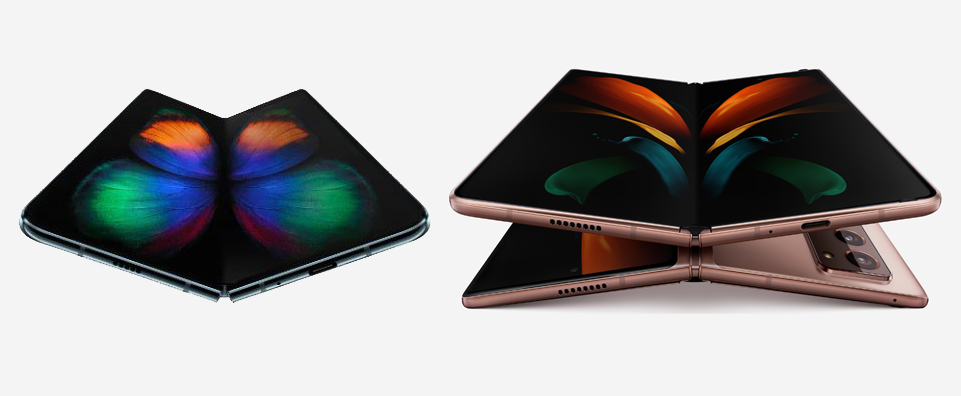
The second generation of the Galaxy Fold lineup is official: alongside the Galaxy Note 20 lineup, Samsung announced the Galaxy Z Fold 2. The new revolutionary phone gets rid of all the issues and imperfections of the previous model: is it the definitive foldable phone? In order to answer this question, we decided to compare it with the original Galaxy Fold, so that you can know what changed, what has been improved, and which are the main upgrades of the new foldable phone which can turn into a tablet.
Samsung Galaxy Fold vs Samsung Galaxy Z Fold 2
Samsung Galaxy Fold
Samsung Galaxy Z Fold 2
THICKNESS
Max 17 mm
16.8 mm when folded, 6.9 mm when unfolded
DISPLAY
Main display: 7.3 inches, 1536 x 2152p (Full HD+), 414 ppi, 16:10 ratio, Dynamic AMOLED
External display: 4.6 inches HD+, 21:9 ratio, Super AMOLED
7.6 inches, 1768 x 2208p (Quad HD+), Foldable Dynamic AMOLED 2X
External display: 6.23 inches, Super AMOLED, 816 x 2260 pixels (HD+)
PROCESSOR
Qualcomm Snapdragon 855, octa-core 2.8 GHz
Qualcomm Snapdragon 865+, octa-core 3.09 GHz
MEMORY
12 GB RAM, 512 GB
12 GB RAM, 256 GB
SOFTWARE
Android 9 Pie, One UI
Android 10, One UI
CONNECTIVITY
Wi-Fi 802.11 a/b/g/n/ac, Bluetooth 5.0, GPS
Wi-Fi 802.11 a/b/g/n/ac/ax, Bluetooth 5.1, GPS
CAMERA
Triple 12 + 12 MP + 16 MP f/1.5-2.4 and f/2.4 and f/2.2
Dual 10 + 8 MP f/2.2 + f/1.9 front camera
Triple 12 + 12 + 12 MP, f/1.8, f/2.4 and f/2.2
10 MP f/2.2 selfie camera
10 MP f/2.2 cover camera
BATTERY
4380 mAh
Fast charging 18W
4500 mAh, Fast Charging 25W and wireless charging 11W
The form factor of the Galaxy Z Fold 2 remains exactly the same as its predecessor. We are not talking about a phone that folds to become extremely compact like the recently-unveiled Galaxy Z Flip 5G. The new Galaxy Z Fold 2 is a foldable phone which turns into a tablet. Just like the original Galaxy Fold, it has a foldable display placed internally, while a standard smartphone panel is placed externally. The foldable display of the Galaxy Z Fold 2 has improved resistance compared to the Galaxy Fold, thanks to the Ultra Thin Glass technology (UTG aka the same found on the Galaxy Z Flip). Both the handsets come with a glass back and an aluminum frame like most of the flagships.
Display
Samsung put a lot of effort into the displays of the new Galaxy Z Fold 2 which are a lot better than the ones found on the vanilla Galaxy Fold. The external display is bigger: while Galaxy Fold had a very compact 4.6-inch panel including thick bezels, the Galaxy Z Fold 2 has a borderless 6.23-inch external display with better quality and resolution. Even the resolution of the internal display increased. Further, Samsung added the 120 Hz refresh rate, which is amazing and unexpected for a foldable panel.
Specs & Software
The original Galaxy Fold is powered by the Snapdragon 855 chipset and it does not support 5G connectivity, but there is a 5G variant with 5G connectivity thanks to an external modem. The Galaxy Z Fold 2 brings 5G connectivity as well, but it has a more powerful chipset: the Snapdragon 865+ which is currently the best Qualcomm’s chipset. The Galaxy Z Fold 2 also comes with a faster UFS 3.1 internal storage (Galaxy Fold is UFS 3.0) and Android 10 out of the box (Galaxy Fold ships with Android Pie). But you should note that while Galaxy Fold has a 512 GB native storage, Galaxy Z Fold 2 offers just 256 GB and its storage can not be expanded through a micro SD.
Camera
On the paper, the original Galaxy Fold seems to sport better cameras. It has a main sensor with a variable focal aperture, as well as an additional 8 MP depth sensor for the front camera. The rest of the camera specifications are more or less the same: Samsung Galaxy Z Fold 2 lacks a variable focal aperture (so it may shoot worse photos in low light conditions) and the 8 MP additional sensor for the front camera.
Samsung Galaxy Z Fold 2 has a bigger battery, but this does not mean that it will last more on a single charge. The Samsung Galaxy Fold has more efficient components and it should last more in several scenarios. It has a smaller external display with lower energy consumption, it lacks the 120 Hz refresh rate and it even lacks 5G connectivity. These three things should make it last longer. But if you avoid using 120 Hz and 5G on the Galaxy Z Fold 2, then it will naturally be the opposite in the same usage scenarios. Samsung Galaxy Z Fold 2 has a faster charging technology, while Galaxy Fold has faster wireless charging. Both support reverse charging.
Price
You can actually find the Samsung Galaxy Fold for less than $1500/€1700 thanks to online street prices, while Samsung is yet to unveil the price of the Samsung Galaxy Z Fold 2 (it is expected to cost €2,000 or more). At the end of the day, the original Galaxy Fold is able to provide similar camera performances and battery life to its new sibling, but the Galaxy Z Fold 2 has improved displays, hardware and build quality. These features make it a valid upgrade you should opt for.
Samsung Galaxy Fold vs Samsung Galaxy Z Fold 2: PRO and CONS
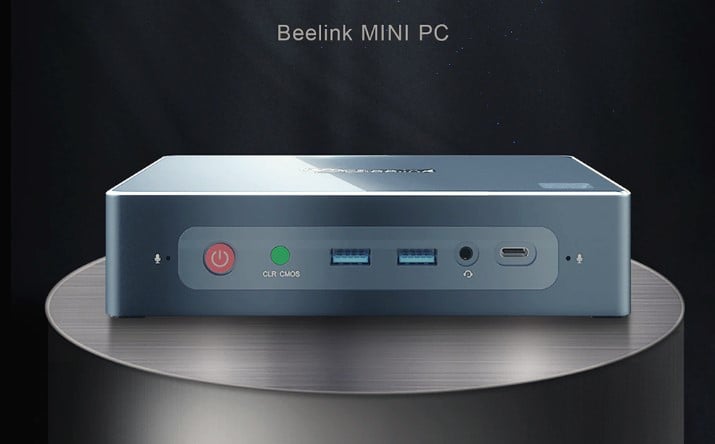
Are you looking to own a Mini PC as the demand for portable workstations has arisen due to the ongoing COVID-19 crisis? Some users are looking for a laptop while others are here for a Mini PC which can offer portability and better value-for-money. Here’s Beelink GT-R 4K Mini PC unit which can provide you a useful experience with its high-end hardware.
There are multiple storage variants like 8GB RAM and 256GB SSD with 1TB Hard drive for $499, and a 16GB RAM and 512GB SSD with 1TB Hard drive for $569. However, you can even grab barebone for $379.99.
Beelink GT-R 4K Mini PC comes powered with AMD Ryzen 2550H processor coupled with 8/16GB DDR RAM. You also get an ample amount of SSD and HDD storage to store your media content. You can even expand the storage by connecting a new SSD, HDD, and TF expansion card.
Moreover, a Radeon Vega 8 GPU is present to handle graphics-intensive tasks easily and provide a fully-packed gaming experience. The Mini PC inbuilt heat dissipation mechanism for continuous performance.
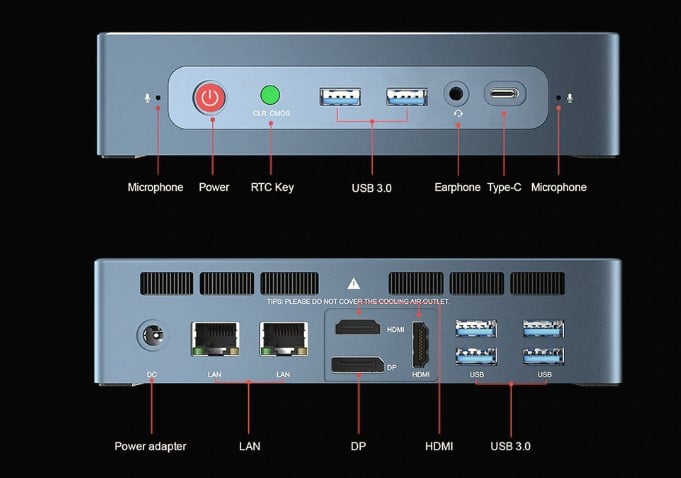
It provides seamless connectivity with multiple ports including 6x USB 3.0, 2x HDMI, 2x LAN, 1x DP and a 1x Type C port. It can be a perfect hub for all you digital needs. It can even be used to enable touch screen function. You also get 2x microphones, a power button, and an RTC Key.
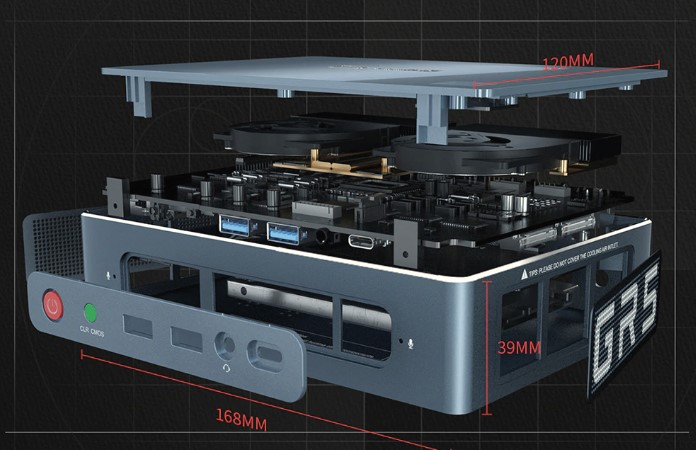
It measures 168 x 120 x 39mm in size. You will find a secure and reliable fingerprint sensor to safeguard your data.
The device houses support for M.2 NVMe PCIe 4x 2280 SSD and M.2 SATA3 2280 SSD. However, it is available in two preconfigured storage version s – 8GB RAM + 256GB SSD + 1TB HDD and 16GB RAM + 512GB SSD + 1TB HDD.
In Connectivity, you get a dual Gigabit Ethernet ports and dual-band WiFi 6 with speeds of up to 2400 Mbps. It is 3x faster than the WiFi 5 and reduces latency of about 75%. However, the ethernet port can give you 1000 Mbps speeds.
Beelink GT-R 4K Mini PC can support up to 4x display at once using 2x HDMI ports, 1x DP, and 1x USB Type-C port. It comes preinstalled with Windows 10.
6 x USB3.0 + 2 x HDMI + 2 x LAN + 1 x DP + 1 x Type-C, etc.
Support for NAS functions
WiFi6 support
Product size (L x W x H): 16.80 x 12.00 x 3.90 cm / 6.61 x 4.72 x 1.54 inches
Product weight: 0.7000 kg
HDMI version: 2.0
5.1 surround sound support: Yes
Pricing
You can grab the Beelink GT-R 4K Mini PC PC for the starting price of $379. While the 8GB RAM variant is available for $499 and 16GB + 512GB SSD for $569. The company is offering a limited-time discount via AliExpress.
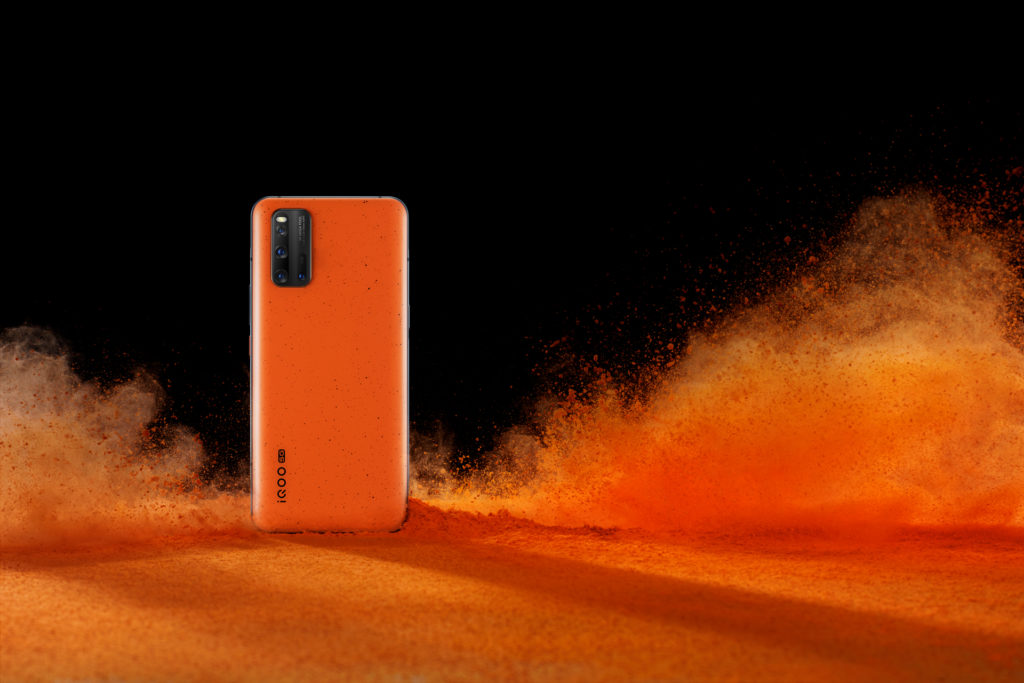
Vivo is rumoured to launch the iQOO 5 5G later this month and perhaps, the main highlight of the device is the 120W fas charging support which it brings. The device is expected to arrive as the first smartphone that will bring support for over 100W fast charging speed and before it hits the market, the phone will have to go through several tests by regulators.
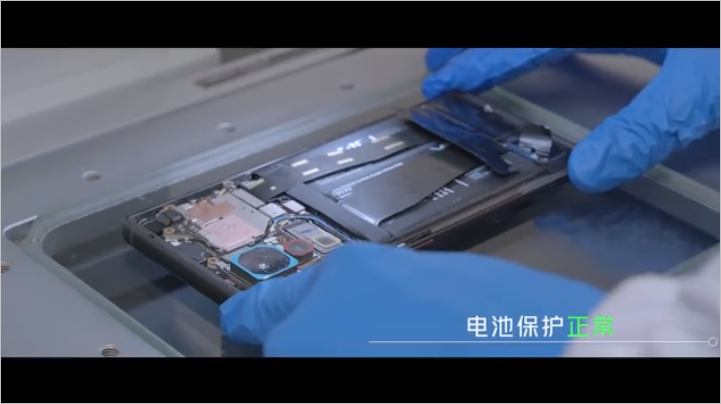
The iQOO 5 has just scaled one of such tests and that is the one by TUV Rheinland. The company has shared a promo video of the next-gen iQOO flagship undergoing several physical tests by TUV Rheinland.
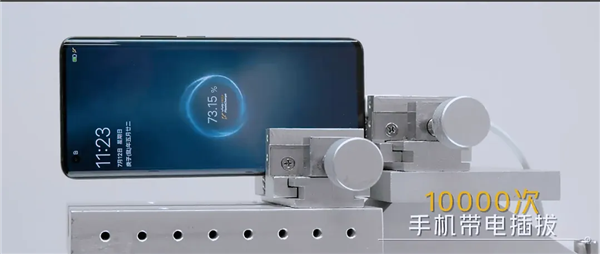
The test shows us how the battery performs and the state of the phone when it is subjected to such extreme charging speed. The company says the phone will “normal temperatures” in a test environment of room temperature of about 25 degrees. Also, the adapter plug is capable of withstanding up to 10,000 plug-ins and plug-outs of a cable.
Furthermore, the battery is capable of taking up to 600 charge and discharge cycles and the battery life will remain “normal”. Vivo even claims that the battery will stay “as strong as ever”. The device also has some battery protection features while the new 6C cells onboard are said to be of the highest standard. TUV Rheinland, therefore, certified the voltage and current as safe.
The video also reveals the device will pack a triple camera setup at the rear while at the front will be a curved display which Vivo says will be an AMOLED screen with 120Hz refresh rate and 240Hz touch sampling rate. The DCI-P3 color gamut will be 100% which is more than the industry standard.
The iQOO 5 5G is also expected to pack a Snapdragon 865 chipset paired with an LPDDR5 RAM, and UFS 3.1 storage.
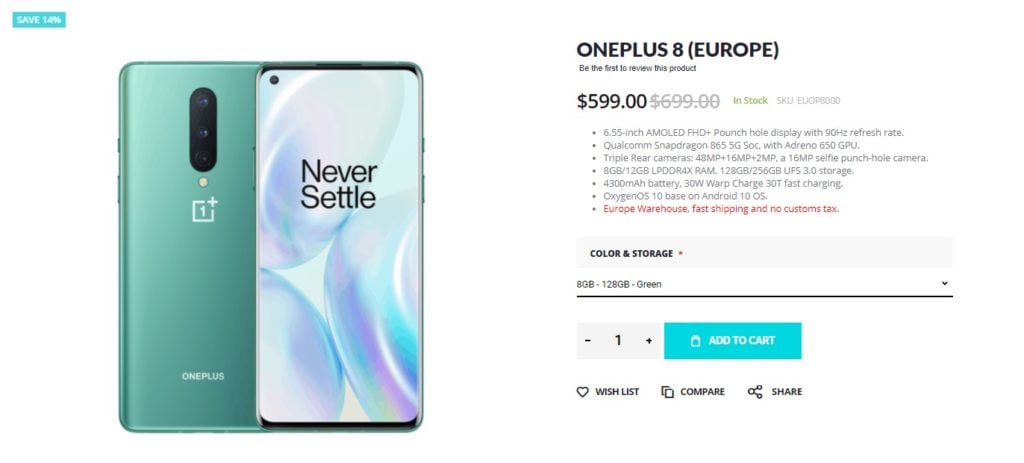
OnePlus 8 and 8 Pro are two flagship devices from OnePlus which were launched a few months ago. Both the smartphones features a Qualcomm Snapdragon 865 5G SoC along with other high-end specifications. OnePlus 8 Pro advances over its younger sibling with slight changes in its hardware. Both the smartphones are out of stock in Europe due to their massive popularity. However, you can still grab OnePlus 8 and 8 Pro via Giztop at the discounted price of €503 ($599) and €678 ($799).
OnePlus 8 and 8 Pro are available at the Giztop European warehouse means the devices will ship within a few days. Moreover, there won’t be any additional customs charges.
Performance
OnePlus 8 and OnePlus 8 comes with Qualcomm Snapdragon 865 SoC coupled with an octa-core processor and Adreno 650 GPU. Both the devices are available in the same memory configurations of 8GB RAM + 128GB and 12GB RAM + 256GB Storage.
Display
OnePlus 8 houses a 6.55-inch Fluid AMOLED display with 1080 x 2400 pixels resolution. IN order to bring better gaming experience, the smartphone houses a 90Hz refresh rate, On the other side, the OnePlus 8 Pro features a 6.78-inch DIsplay having 1440 x 2168 pixels resolution and Corning Gorilla Glass 5.
Camera
In the camera department, OnePlus 8 Pro houses a quad-rear camera module featuring a 48-megapixel primary sensor, an 8-megapixel telephoto lens, another 48-megapixel ultrawide sensor a and a 5-megapixel color filter camera. Meanwhile, the OnePlus 8 embeds a tripel rear module consisting of a 48-megapixel primary sensor, a 16-megapixel ultrawide sensor, and a 2-megapixel macro sensor. A 16-megapixel single shooter is available on the front on both the smartphones.
Battery
OnePlus 8 Pro houses a 4500 mAh battery with support for 30W Warp Charging (Wired + Wireless). It even supports 3W reverse charging. OnePlus 8 houses a 4300 mAh battery with 20W fast charging.
The elder sibling is available three color options of Glacial Green, Ultramarine Blue, and Onyx Black. Whereas there are four color options for OnePlus 8 including Onyx Black, Glacial Green, Interstellar Glow, and Polar Silver.
Pricing
If you’re looking to buy OnePlus 8 series smartphone, then here’s the golden chance to grab your favorite smartphone at a discounted price from Giztop. You can get OnePlus 8 Pro 128GB variant for $799 and 256GB for $899. Meanwhile, OnePlus 8 with 128GB storage is available for $599 and 256GB variant for $649.
Vivo is one of the few OEMs to partner with Google to offer its users the latest version of Android before release. Though it is primarily meant for developers to test their app, any user can install it if they want to. The company released Android 11 Beta 1 for iQOO 3 4G/5G and Vivo Nex 3S in June. Now, after two months, the company releases Beta 2 for these devices.
Going by the build number of the update files, the Android 11 Beta 2 for the supported Vivo handsets were released in late July after OnePlus 8/8 Pro got them. Since Vivo is not popular among tech enthusiasts, the update remained under the hill until PiunikaWeb spotted it.
The installation procedure is simple as users don’t need PC or any knowledge of flash tools. All they have to do is download the update package from the link provided from the below on their phone.
Then, simply open any file manager app and tap on the downloaded file to initiate the installation procedure. This will factory reset the phone and therefore, make sure to create a backup of important files beforehand.
In a similar manner, users can return back to the stable Android 10 build by downloading and installing the rollback package provided below.
As for bugs, the company says that the battery level indicator is blocked by the punch hole camera on iQOO 3. Whereas, on Nex 3S, users cannot use Vivo Wallet feature.
Download Android 11 Beta 2 for Vivo iQOO 3 4G/5G and Nex 3S
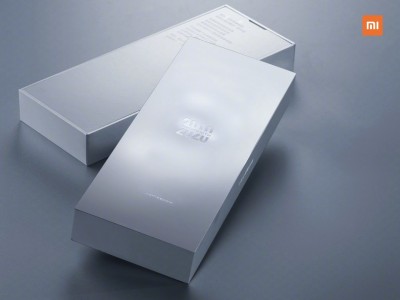
Xiaomi is expected to roll out the drums on August 11 in China to launch a number of products as part o activities to mark its 10th anniversary. One of the products, as confirmed by CEO Lei Jun, is the Mi 10 Extreme Commemorative Edition which will bear the moniker Mi 10 Ultra on the global turf.
Ahead of the launch, several details have emerged in quick succession regarding the features the special edition model will pack. Perhaps, the most interesting of all the details we came across the one by tipster Ice Universe that the Mi 10 Ultra will shock the world, without specifying why. A second leakster ross Young then added under the same tweet that the device will come with an under-display camera.
However, don’t go rejoicing Mi fans that you’ll soon lay your hands on an under-screen camera-packing Mi phone as the source also added that the production volume for the model will be very small. That is attributed to the phone being more of a demo product than one intended to be commercialized. Anyway, this contradicts Lei Jun’s promise of making plenty of units available.
It will likely be the first phone with an under panel camera. But volume will be (shockingly) small…:) Mostly a demo product from what I hear.
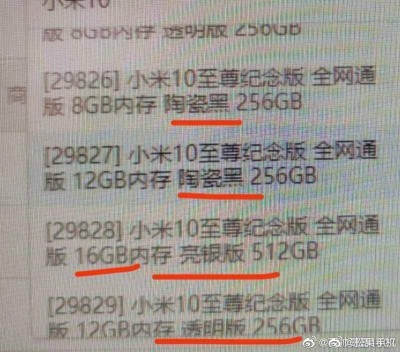
A separate leak also suggests that Xiaomi will release two versions of the Mi 10 Ultra. One will come with a ceramic panel while a second variant will have a transparent back panel. The leak also shows that the version with a ceramic back panel which should be the base variant will come in 8GB+256GB and 12GB+256 GB configurations. On the other hand, the model with a transparent back panel will be available in 12GB+256 GB and 16GB+512GB options.
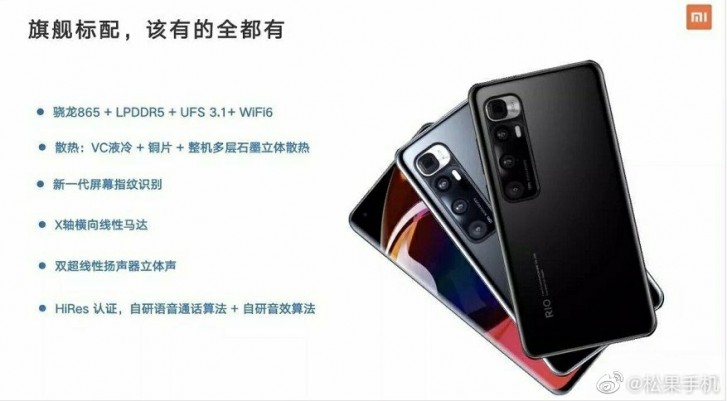
Other topnotch features the epoch marking flagship is expected to bring with it includes an improved vapor chamber cooling, HiRes audio with a custom algorithm, next-gen FP reader and a periscope lens.
The Mi 10 Ultra is expected to feature an AMOLED display with FHD+ resolution and 120Hz refresh rate support. The device is powered by a Snapdragon 865+ chipset with a customizable GPU. It is also expected to pack a 4,500 mAh battery with 100 or 120 W fast wired charging and 55 W wireless charging.
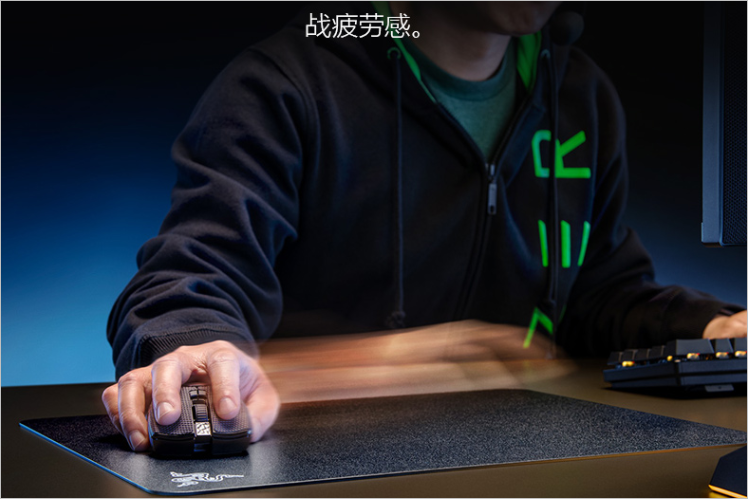
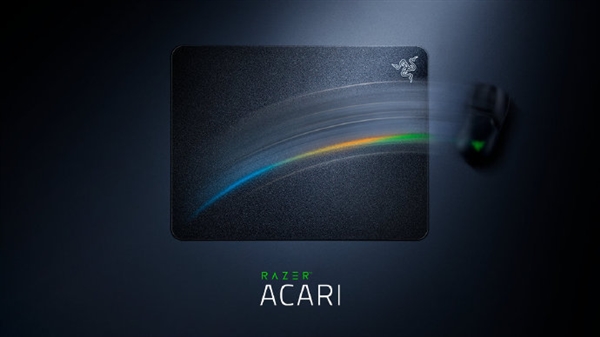
Razer has launched a new product in China designed for e-sports players dubbed Razer Acari gaming mouse pad. The computer accessory carries an official price of 499 yuan (~$71).
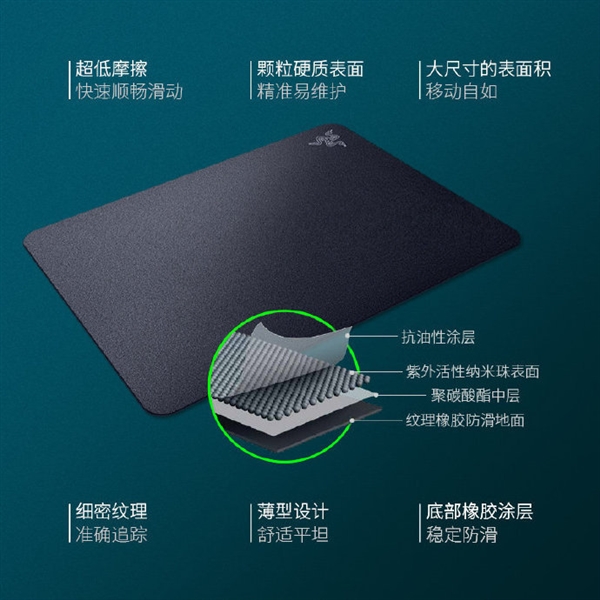
Razer described the product as “super smooth, designed for those who desire speed and smooth sliding. The pad has a sparkling surface and is made from an ultra-low friction particle-coated hard surface. The large size ensures that there won’t any inhibition to free movement of the mouse during use.
The pad is also comfortable as it is made of four layers of texture. All the layers from top to bottom include an oil-resistant coating on the outer surface, a UV-active nanobead surface, polycarbonate middle layer and textured rubber non-slip base. The fine texture can help accurate tracking while the rubber base provides slip resistance. Also, the thin design is comfortable and flat.
The mouse pad comes with a dimension of 420×320 mm which is larger than a general medium-sized gaming mouse pad. It is also about 1.75 mm thick and provides a 1-year warranty.
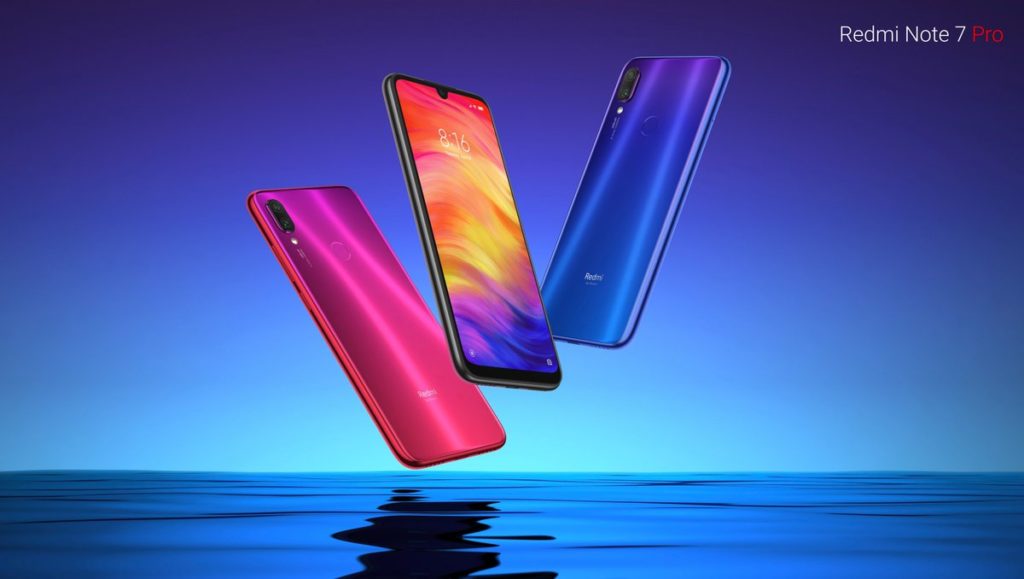
Xiaomi has been updating its devices to MIUI 12 for months. So far, all the premium and mid-range handsets gave got it in China. Hence, the company has begun to roll out the update to budget and older phones. Redmi Note 7 Pro is one of those smartphones, which has now started to receive MIUI 12 stable update in the firm’s home country.
If you are our regular reader, you might be aware that Redmi Note 7 Pro was only recently updated to Android 10 in China. Unfortunately, the device is yet to get it in India, the only country where it is available other than the former. But users in China has also begun to receive MIUI 12 stable update.
The update comes with build number V12.0.2.0.QFHCNXM and weighs 686MB in size. The device gets all the features of MIUI 12 such as new animations, Dark Mode 2.0, control centre, granular privacy controls, revamped settings app, new MIUI camera app, and more. But it misses out on AOD+ due to the lack of OLED display.
Having said that, it is not sure when the Indian variant of the handset will get this update as it is yet to receive Android 10.
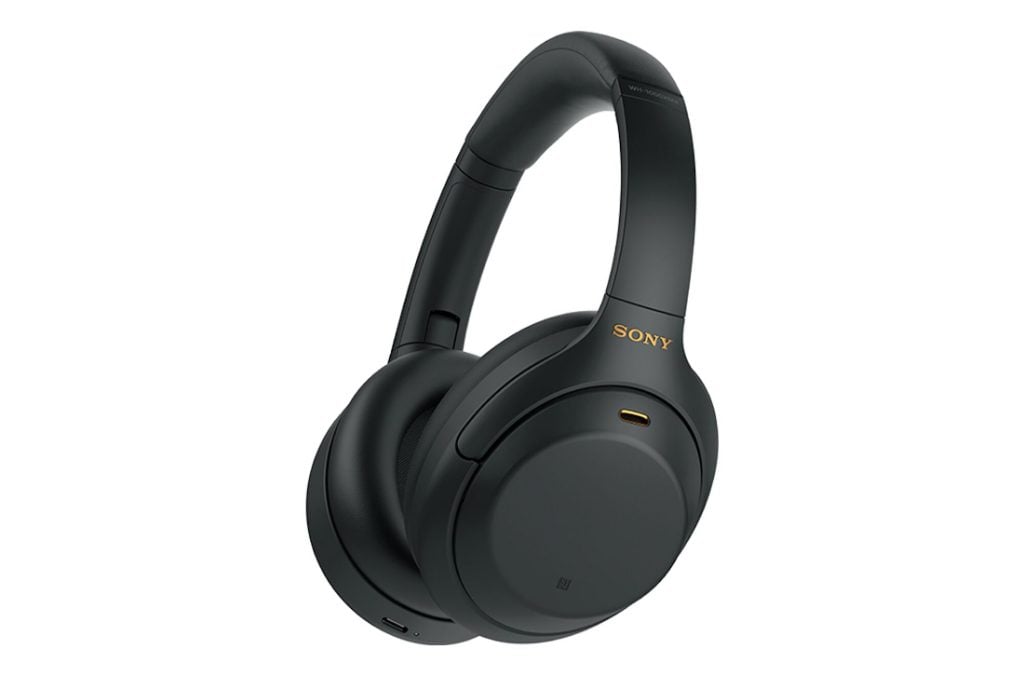
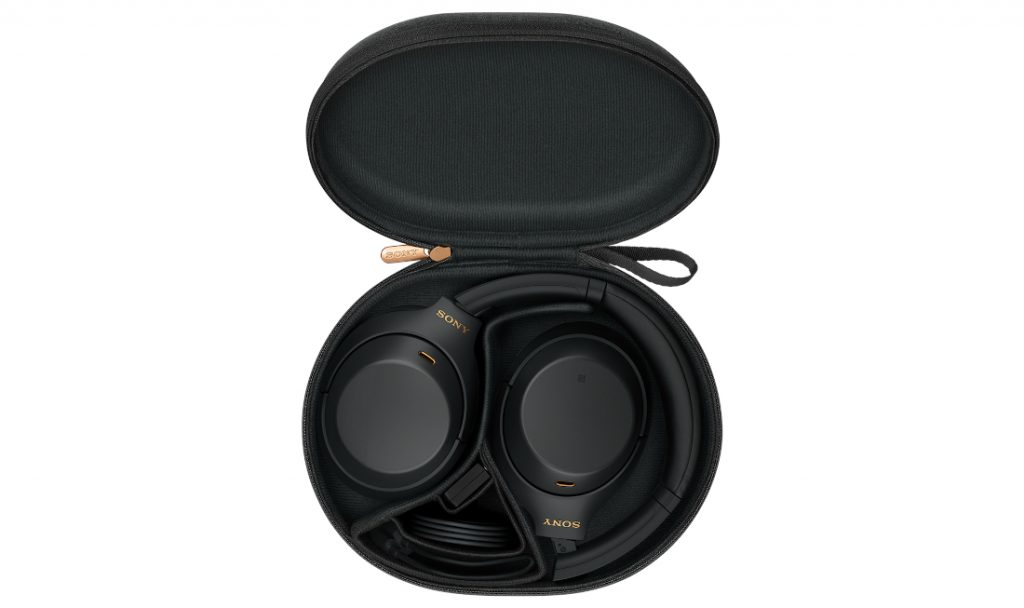
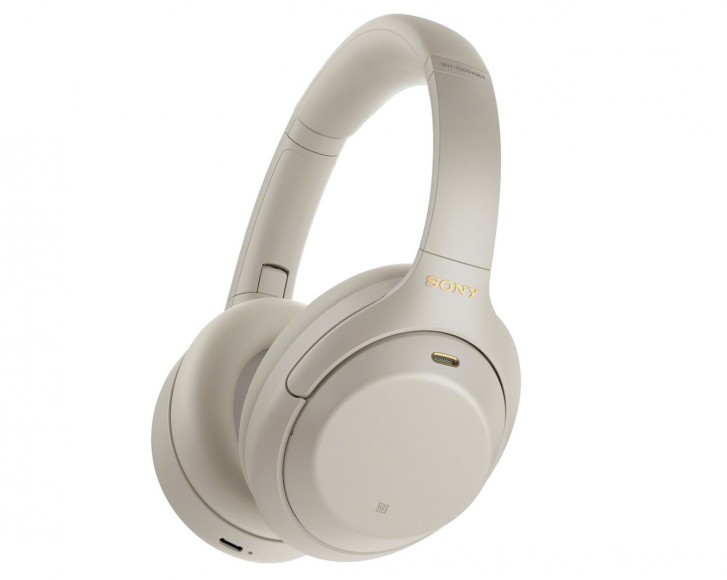
When it comes to noise-cancelling headphones, Sony‘s WH-1000XM3 is perhaps the top contender for the best option available. The tech giant has now launched an upgraded version, nearly two years after the WH-1000XM3 was unveiled. The new model is dubbed WH-1000XM4 and brings several new smart functionalities like on-ear detection, multiple device pairing, adaptive sound control, along with better noise cancellation and more. As a result of the launch, the WH-10000XM3 has even gotten a price cut.
As a result of the WH-1000XM4 being an upgraded version of WH-1000XM3, it naturally features improved noise cancellation with its Dual Noise Sensor technology and updated HD Noise Canceling Processor QN1. The sound quality has also been improved with a new Edge-AI used by the DSEE Extreme (Digital Sound Enhancement Engine) and with support for 360 Reality Audio.
There are a number of smart features added to the WH-1000XM4, including Speak-to-Chat feature where the headphones will recognize if the user is having a short conversation and automatically reduce the volume and let in ambient sound. The Adaptive Sound Control feature can be configured in the Headphones Connect App where the headphone will automatically detect the surrounding of the user and adjust the ambient sound settings accordingly.
Other features include an improved 5-mic system for clearer calls, NFC, Bluetooth 5.0, Fast Pair, wearing detection and the headphones claim a battery life of 30 hours with support for Quick Charging.
The Sony WH-1000XM4 carries a price tag of $349 and will be available for pre-order at retail stores and online stores in the US in both black and silver colours.
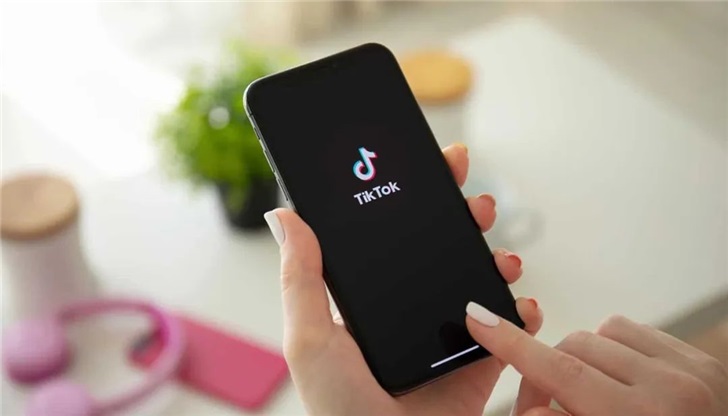
Earlier this week, it was reported that Microsoft was in negotiation with TikTok to acquire its operations in the US, Canada, Australia and New Zealand. Reuters has carried a report that the US software giant is setting its eyes on expanding the scope of the deal. The company is now looking to include Europe and India in the deal and perhaps even acquire TikTok’s global operations.
A separate report by the Financial Times indicates that Microsoft and TikTok’s parent company ByteDance were in negotiations to add India to the deal. That was reported to have hit the brick wall. However, the source of the new rumour also hinted that Microsoft is yet to approach ByteDance with the offer to fully acquire the social network.
Microsoft has indicated that negotiations to acquire the social media app’s US concerns will be concluded by September 15 even if a deal could not be struck. US President, Donald Trump further emphasized on the sacrosanct nature of that deadline with the signing of an executive order to close TikTok’s US arm on September 20, five days after the deal day. Apart from TikTok, WeChat is also affected by the executive order.
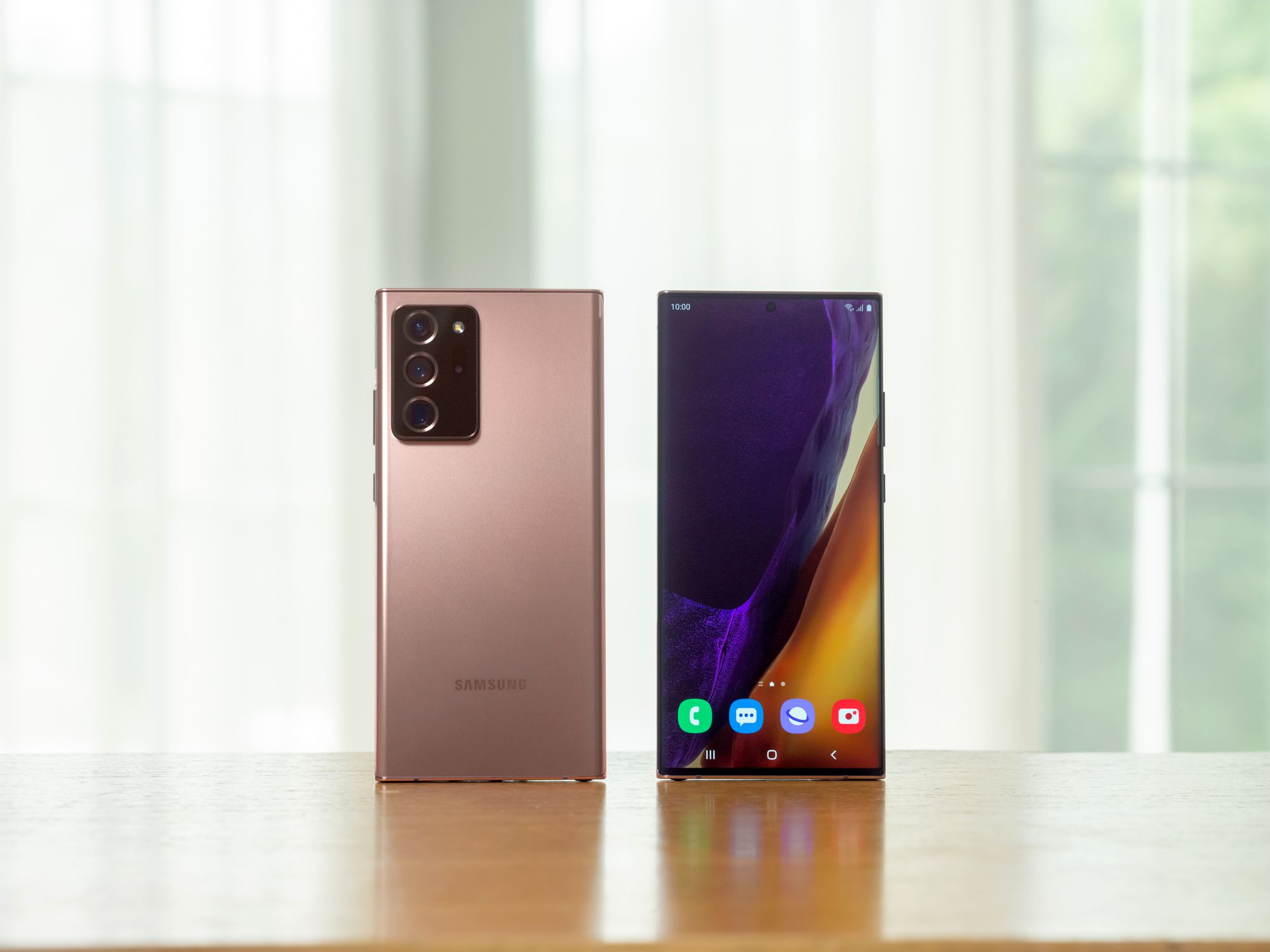
A few days ago, Samsung officially launched the Galaxy Note20 Ultra flagship smartphone. Although there are several new and powerful features on the device, the Galaxy Note20 Ultra isn’t as powerful as the Galaxy S20 Ultra which was launched earlier this year.
It is the first device to come with Samsung Display’s Lower Display Power Technology named HOP and the newly launched Corning Gorilla Glass Victus.
For the display, there’s low-temperature polycrystalline oxide (LTPO) thin-film transistor (TFT) technology, reports The Elec. It is a combination of the best qualities of low-temperature polycrystalline silicon (LTPS) TFT and oxide TFT.
The LPTO technology is claimed to reduce the power consumption of OLED panels by 15 percent to 20 percent compared to LTPS. It even saves battery life when using AR and VR technology, as well as 5G connectivity.
The technology was first used by LG for the OLED panels on Apple Watch in 2018 and then Samsung used the same tech for the Galaxy Watch Active2 a year later. Now, Samsung is expected to use this HOP technology for next year’s Apple iPhone as well.
As for the camera, the Note20 Ultra packs 108-megapixel wide-angle lens, a 12-megapixel telephoto lens, and a 12-megapixel ultra-wide sensor on the back. In comparison, the S20 Ultra features a 48MP telephoto lens. The Note20 Ultra also lacks a 3D ToF sensor and instead, comes with a laser auto-focus sensor.
Also, the company has reduced the 100x Space Zoom feature of the S20 Ultra to just 50x Space Zoom on the Note20 Ultra. But, the 5x optical zoom support remains intact. While the camera output may offer better results, on paper, the camera configuration doesn’t seem as powerful as S20 Ultra.
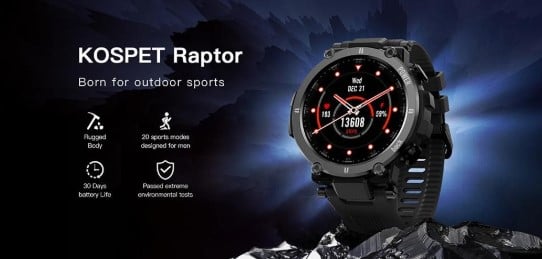
Kospet has launched its’s first rugged smartwatch – Kospet Raptor carrying outstanding features like IP68 waterproof, long standby, rugged design at an affordable price. Kospet Raptor houses a massive 1.3-inch display with a clear and intuitive User Interface. It is comfortable to wear and houses a permeable skin-friendly TPU strap. The rugged design enhances its durability and saves the smartwatch from a harsh outdoor environment.
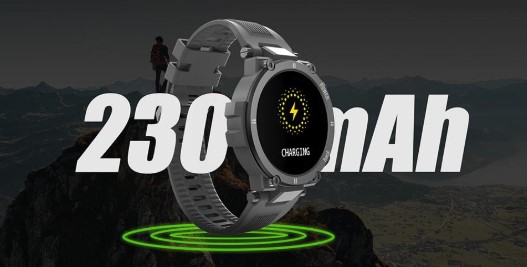
Among other primary features, long-standby time of up to 30 days with Bluetooth-off is another splendid aspect of the new watch. It can work for 10 days upon extensive usage with Bluetooth turned-on, while it sustains for 20 hours if Sports Mode is active to track any physical activity. However, there’s a 230mAh battery that powers the smartwatch.
Waterproof and Rugged
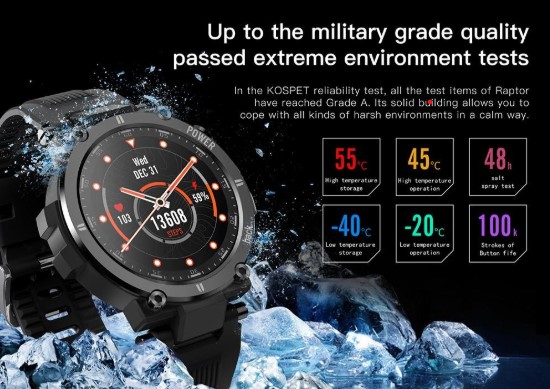
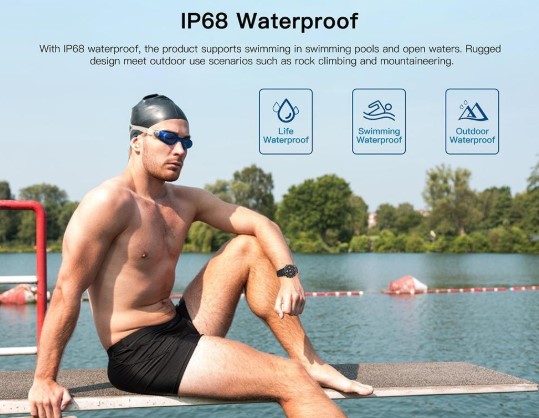
Furthermore, the smartwatch is fully sealed to protect from dust, shock, and water as it is also 5ATM certified. It has gone through rigorous lab testing and outdoor testing to prove its metal as a rugged smartwatch. Kospet Raptor was salt spray tested for 48 hours and was kept under -40 degrees Celcius temperature. The IP68 Waterproof body allows the user to flawlessly use the smartwatch while swimming, under the rain and enables it to sustain any type of water splashes.
The military-grade certification allows the watch to easily sustain high-temperatures of up to 55-degrees.
Display and Design
Kospet Raptor houses a beautiful round 1.3-inch TFT LCD display with a resolution of 320 x 320 pixels. The full touch interface allows the user to interact in a better way with its intuitive User Interface. Moreover, the display brightness enough to read texts easily even under sunlight.
The smartwatch is carved out of metallic material along with hexagonal screws which improve the overall build quality. It even enhances the shockproof design to prevent any damage from accidental collisions. It weighs 47 grams.
Software
Kospet Raptor is fully capable to track different fitness activities like running, walking, skiing, swimming, basketball, bowling, dumbbells, sit-ups, rowing machine, elliptical machines, and free training. It even supports 24 hours of real-time heart rate monitoring throughout the day. Other features like sedentary reminders, sleep tracking, and message notifications are part of the package.
It houses alarm, weather, and timer functions along with the ability to control music and camera.
The smartwatch UI houses 50 original UI watch faces to give you a better feel and look.
The user can easily download Da Fit APP to manage the app features easily.
Technical Specifications
Dimensions: 4.7 x 5.2 x 13.3cm
Weight: .50 grams
Display: 1.3″ inch TFT LCD 320 x 320 pixel resolution
Processor: nRF52832
Memory: 64 KB + 64 M
Bluetooth: Bluetooth 4.0
Battery Capacity: 230mAh with 30 days of standby time, 8-12 days of daily usage
Water Resistant Rating: IP68 Waterproof
Compatible OS Version: IOS9.0 and above, Android 5.1 and above
Pricing
Kospet Raptor rugged smartwatch is an absolute package made available for the price of $37.99. It is a perfect companion for the users who often go on hiking and on other adventure activities.
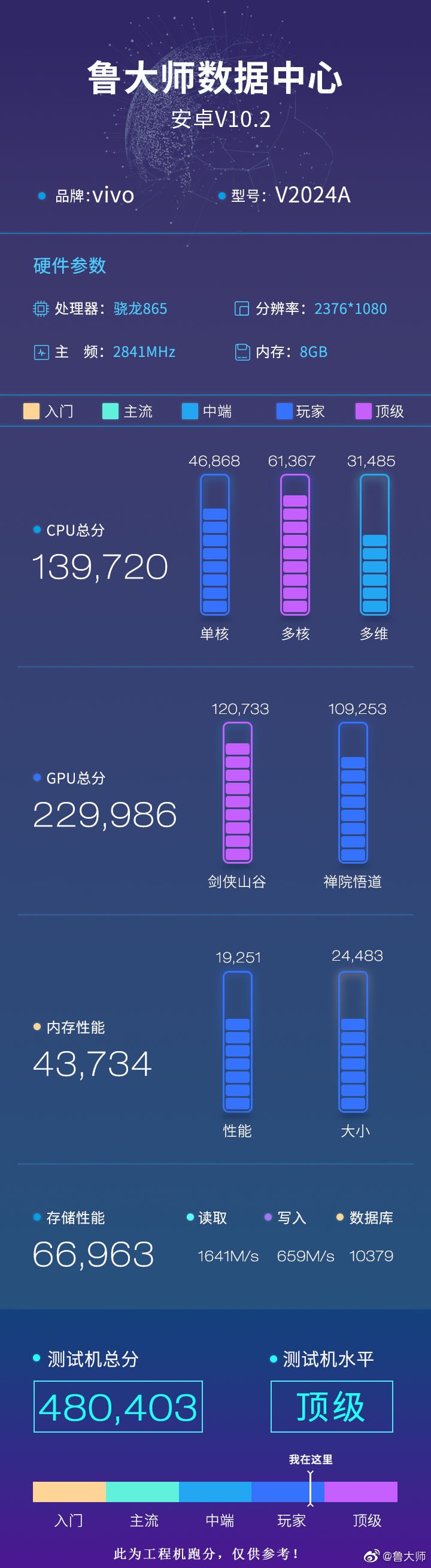
It is speculated that the iQOO 5 series debuting on Aug. 17 has iQOO 5 (V2024A model number) and iQOO 5 Pro (V2025 model number). The Pro model appeared at the 3C certification earlier today with a 120W fast charging. Ahead of the launch, the iQOO 5 has appeared on Master Lu benchmarks with key specifications.
The listing reveals that the smartphone has recorded 480,403 on Master Lu. This score is an average of 139,720, 229,986, 43,734, and 66,963 points that the iQOO 5 scored in CPU, GPU, RAM, and storage tests, respectively.
The Master Lu listing reveals that the iQOO 5’s display supports 1080 x 2376 pixels resolution and it is powered by 2.84GHz Snapdragon 865, and not SD865+. The SoC is coupled with 8 GB of RAM and the device has 128 GB of native storage.
The Vivo X50 Pro+ that debuted in June in China has a 120Hz refresh rate supporting curved AMOLED display whereas the Vivo X50 has a flat AMOLED display. Hence, it appears that the iQOO 5 may sport a flat display of 6.56 inches whereas the Pro model could be coming with a curved 120Hz display of the same size. Like the X50 lineup, the iQOO series will have a punch-hole design on their screens.
The 3C listing of the Vivo V2024A iQOO 5 phone had revealed that it could be shipping with a 55W rapid charger. The iQOO Pro 5’s 3C appearance has revealed that it will arrive with the ultrafast 120W fast charger. Both phones could be packed with a 4,000mAh dual-cell battery.
Xiaomi has been rolling out MIUI 12 in both beta and stable channels to the eligible devices in China since its announcement in late April. Lately, the global variants of supported handsets also begun to receive stable update including POCO F2 Pro. Now, POCO X2 becomes the first POCO-branded smartphone in India to join this bandwagon.
The MIUI 12 stable update for POCO X2 comes with build number V12.0.1.0.QGHINXM and weighs 813MB in size. Since Mi Community India has been disabled, users of the handset who got the update shared the good news on Twitter.
Going by the tweets and replies on Twitter, only a few users have received it so far. If these users don’t face any problem, we expect the company to seed it out to more units.
The Xiaomi Mi 8, which is identical to POCO F1 received the MIUI 12 stable update in China last week. Therefore, we expected the original POCO smartphone to get the update this week but that did not happen.
Anyway, since the X2 has got the update, we believe the company will soon roll it out to F1 and the latest POCO M2 Pro in the coming days. Also, except the brand’s first phone, the latter two, F2 Pro, and the upcoming C3 are also eligible for Android 11.
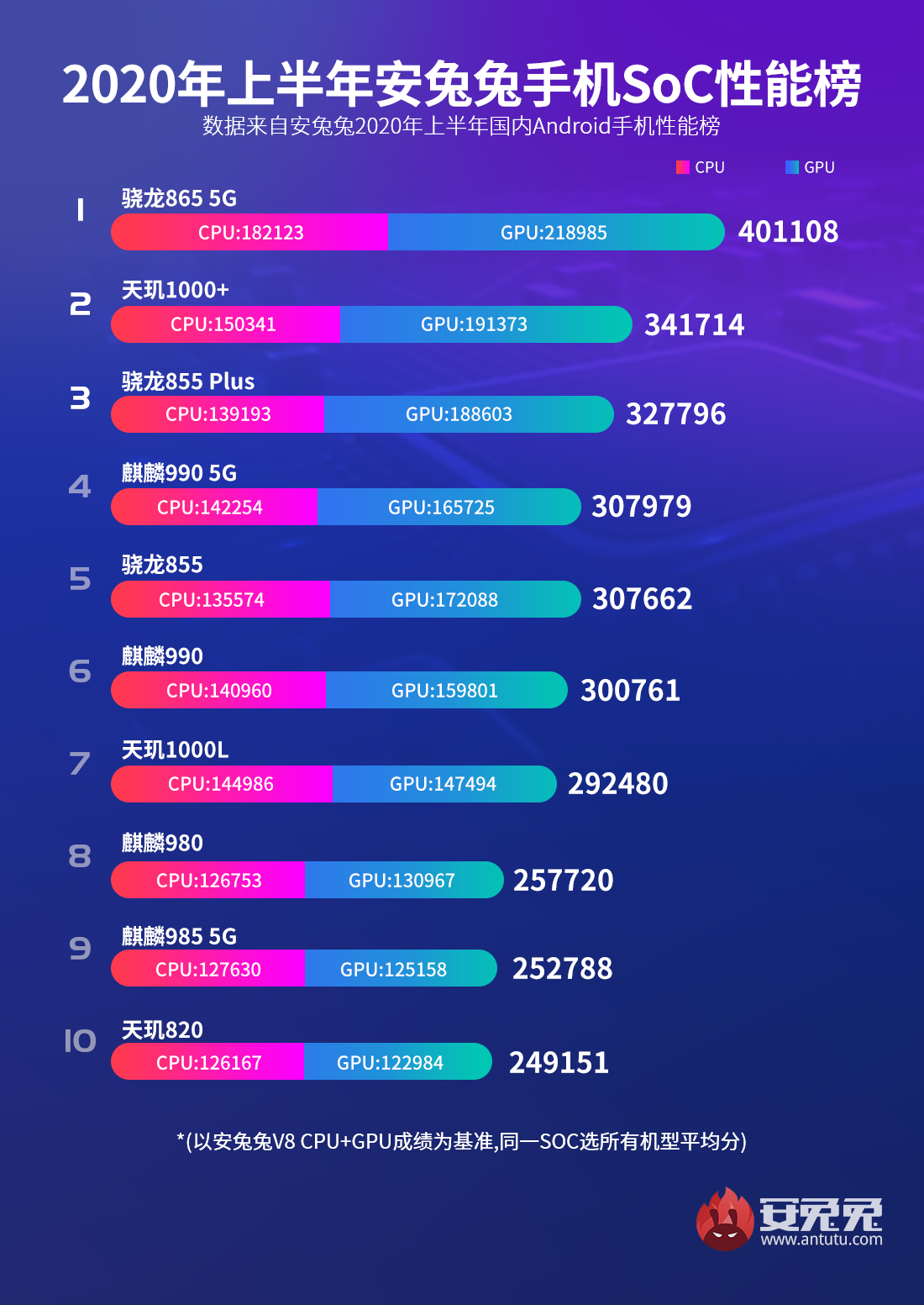
With half of the year gone by, benchmarking platform AnTuTu has shared a list of top-performing smartphone chipsets for the first half of the year, i.e. H1 2020, in which, Qualcomm has taken the lead position.
To compile this list, the company counts the CPU score and GPU score only and makes an average for the chipset with all the models powered by the same processor.
As said, leading the list is Qualcomm Snapdragon 865 which has scored 401,108 points with a CPU score of 182,123 points and a GPU score of 218,985 points. Notably, this is the only chipset in the list to have scored more than 400,000 points.
The second position is grabbed by MediaTek Dimensity 1000+ SoC with an overall score of 341,714. With this, MediaTek makes an entry in this list after many years. It is then followed by Qualcomm Snapdragon 865 Plus chipset with 327,796 points.
The Huawei Kirin 990 and Qualcomm Snapdragon 855 chipset in the fourth and fifth position completes the list of top five chipsets with a score of 307,979 points and 307,662 points respectively.
Other chipsets in the list, making the top-ten chart include Huawei Kirin 990, MediaTek Dimensity 1000L, Huawei HiSilicon Kirin 980, Kirin 985 5G, and MediaTek Dimensity 820.
Although Huawei has a few chipsets in the list, that may not be the case for future listings given that Huawei is now ceasing to make flagship Kirin processors from 15th September, after getting banned by the United States.
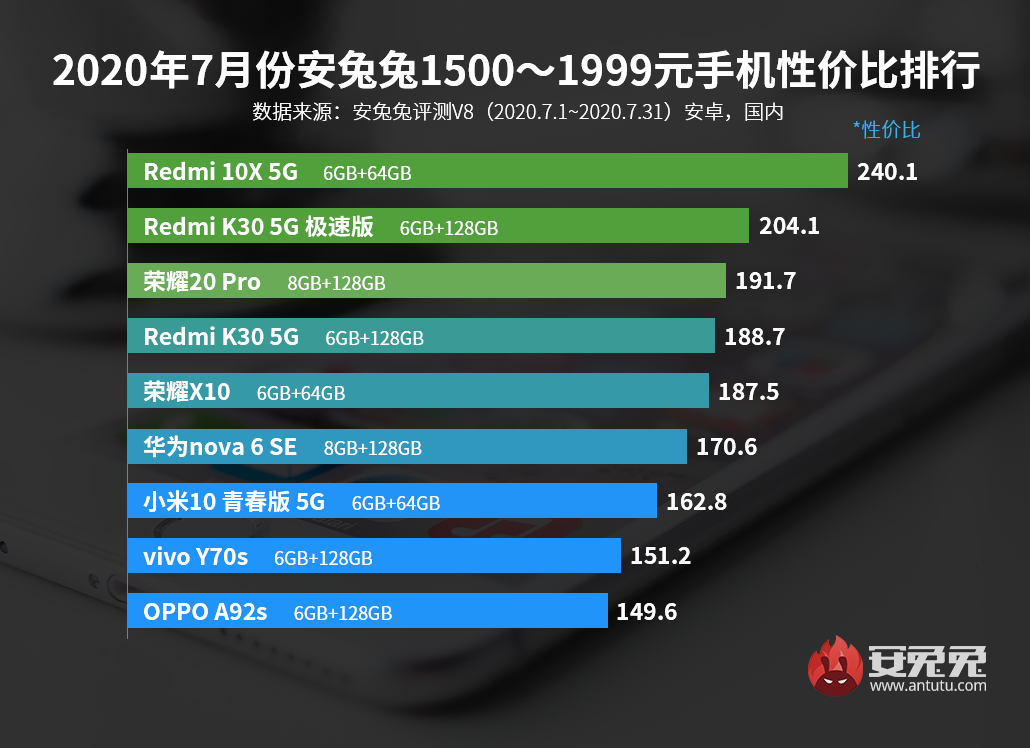
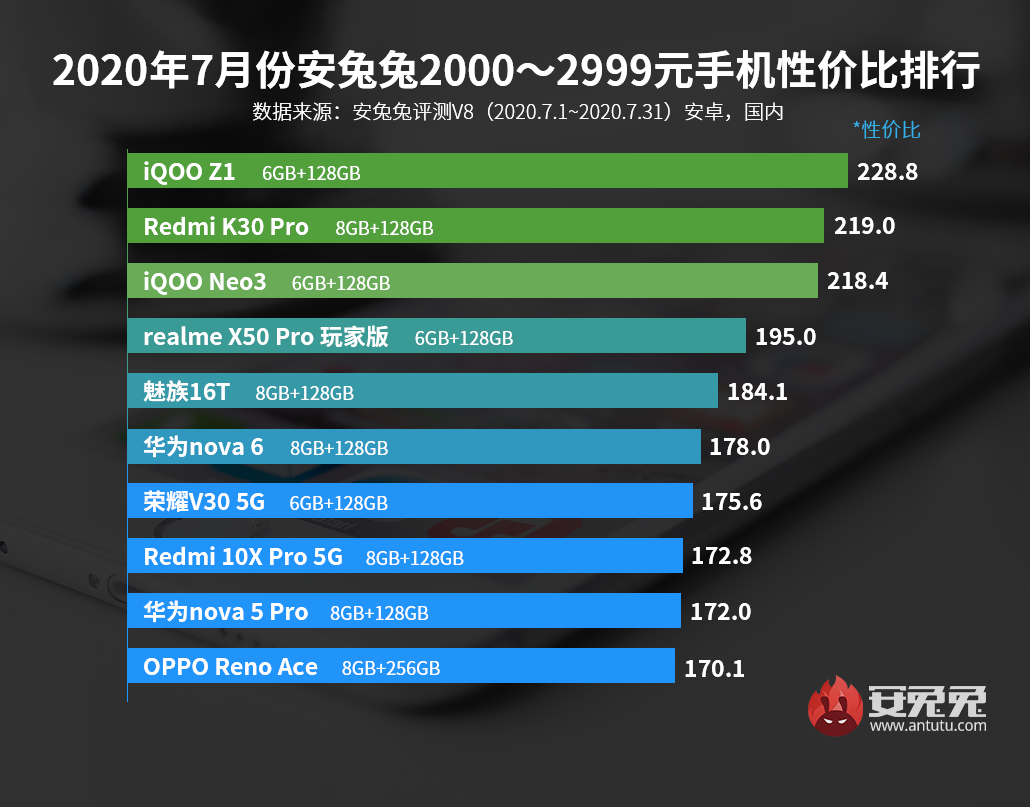
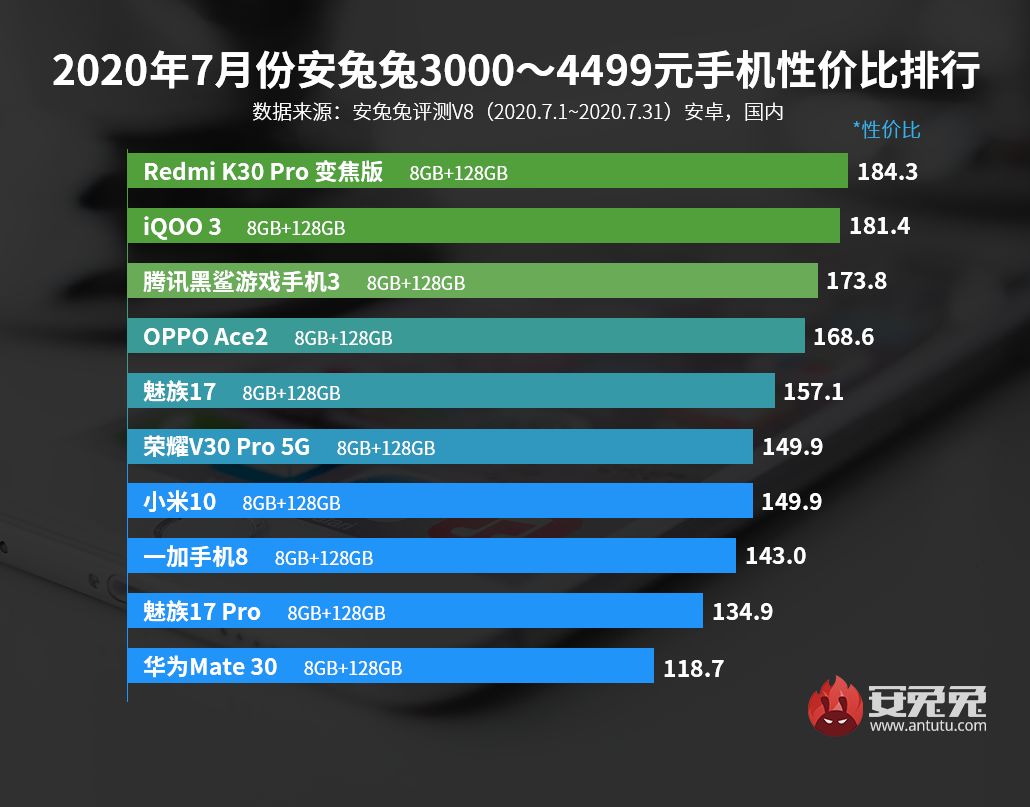
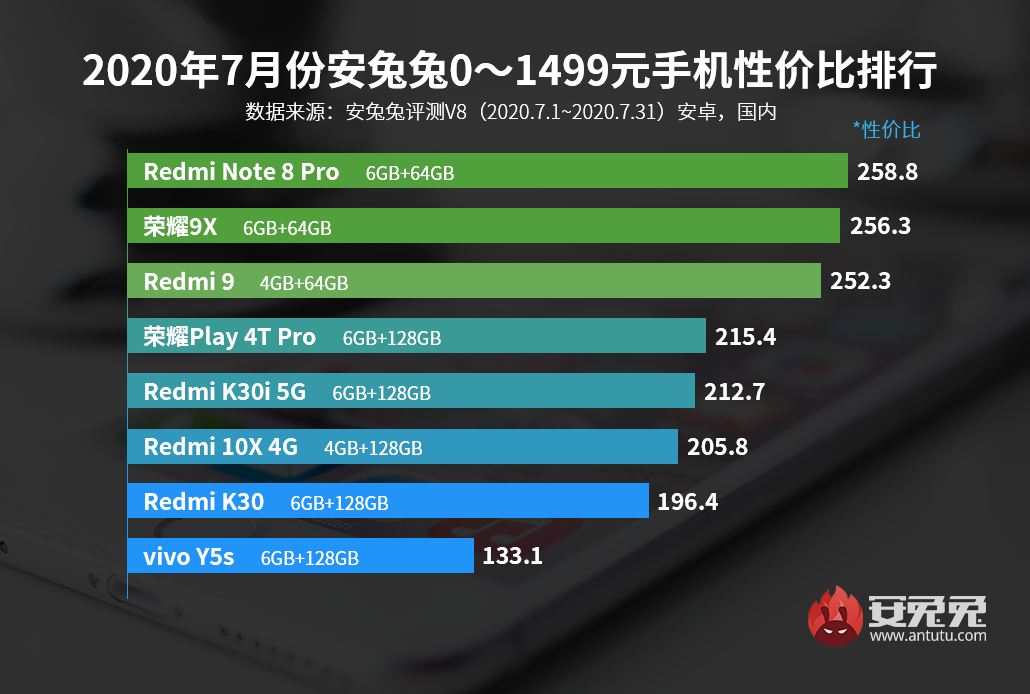
AnTuTu has published the list of top 10 smartphones in July in China that offer the best value for money experience in different price segments. The list mainly includes phones released in the first half of the year and some of them are phones from last year. This indicates that such phones are still popular in the Chinese market thanks to their competitive pricing. The list for July is led by the Redmi Note 8 Pro.
In the 0 to 1,499 Yuan (~$215) price range, the Redmi Note 8 Pro’s 6GB+64GB version can be leading the pack. It is followed by 6GB+64GB Honor 9X and the recently announced 4GB+64GB Redmi 9 phone. These phones are followed by Honor Play 4T Pro, Redmi K30i 5G, Redmi 10X 4G, Redmi K30, Redmi Note 8, and Vivo Y5s.
Next comes the 1,500 Yuan to 1,999 Yuan (~$287) price range. The list is led by Redmi 10X 5G’s variant 6GB+64GB model, Redmi K30 5G’s 6GB+128GB model, and Honor 20 Pro’s 8GB+128GB edition. The remaining devices in the list include Redmi K30 5G, Honor X10, Huawei Nova 6SE, Xiaomi Mi Youth Edition 5G, Vivo Y70s, and OPPO A92s.
The 2,000 Yuan to 2,999 Yuan (~$431) price range is led iQOO Z1’s 6GB+128GB edition. It is followed by Redmi K30 5G’s 8GB+128GB variant and iQOO Neo3’s 6GB+128GB variant. The other phones that are present in the list include Realme X50 Pro Player Edition, Meizu 16T, Huawei Nova 6, Honor V30 5G, Redmi Note 10X Pro 5G, Huawei Nova 5 Pro, and OPPO Reno Ace.
The 3,000 Yuan to 4,499 Yuan (~$646) price category is led by Redmi K30 Pro’s 8GB+128GB edition, iQOO 3’s 8GB+128GB variant and Black Shark 3’s 8GB+128GB model. The other phones mentioned in the list are OPPO Ace2, Meizu 17, Honor V30 Pro 5G, Xiaomi Mi 10, OnePlus 8, Meizu 17 Pro, and Huawei Mate 30.
Coming to the costliest 4,000 Yuan and above segment, the Xiaomi Mi 10 Pro’s 8GB+256GB variant can be seen pioneering the pack followed by OPPO Find X2’s 8GB+128GB edition and Vivo X50 Pro+’s 8GB+128GB model. The list comprises of other phones such as Vivo NEX 3S 5G, OnePlus 8 Pro, OPPO Find X2 Pro, Honor 30 Pro+, Vivo NEX 3 5G, Huawei Mate 30 and Samsung Galaxy S20 5G (SD865).
Huawei seems very much focused on being self-reliant for making its consumer electronics devices — ranging from smartphones to tablets to laptops. From the new reports, it looks like the process is going at a rapid pace after the U.S. government banned the company.
Soon after getting banned in the United States, Huawei had launched its own operating system — HarmonyOS. Now, the company is slowly moving to adopt HarmonyOS on its devices instead of Google’s Android.
Yu Chengdong, CEO of Huawei Consumer Business has confirmed that the upcoming Huawei Smart Watch will come packed with the HarmonyOS. Soon after that, the company will start using the software on other products as well, including IoT, computers, tablets, and smartphones. The company’s executive says that HarmonyOS will become the “worldwide operating system” in the future.
This was announced at the same event where the company confirmed to launch its upcoming Mate40 flagship smartphone this fall. Huawei is likely to launch its Kirin 1000 flagship SoC on 5th September at IFA 2020.
However, the company has said that the upcoming Mate40 could be the company’s last smartphone to come powered by the Kirin-series flagship chipset. This is because of the U.S. ban, making it impossible for the company to manufacture chips.
Previous reports indicate that the company could announce a second-generation version of the operating system in September this year — HarmonyOS 2.0, aimed at computers, smartwatches, and even cars. Last month, Huawei and BYD showcased the world’s first car running HiCar system, which is powered by the Chinese giant’s self-developed HarmonyOS.
Amid ongoing talks between Microsoft and TikTok for the possible acquisition of the short-video social media platform, U.S. President Donald Trump signed an executive order banning American firms from transacting with ByteDance, owner of TikTok.
This is a step forward for the Trump administration, which has been trying to ban the Chinese application, citing national security concerns without providing any proof. Based on the Forbes report, it looks like TikTok is no mood to go down so easily.
The short video platform has warned going to court over the order. In a statement, the company said: “We are shocked by the recent Executive Order, which was issued without the due process. This Executive Order risks undermining global businesses’ trust in the United States’ commitment to the rule of law, which has served as a magnet for investment and spurred decades of American economic growth.”
The company has been a target of the U.S. lawmakers over allegations that the company could share app’s user with the Chinese government, a claim which TikTok has denied several times, citing that the data is stored in the U.S. and the Chinese government has no authority over that data.
Prior to this Executive Order, the U.S. government had threatened to ban TikTok in the country unless Microsoft acquires the application by 15th September. The ban on TikTok comes after the United States has effectively banned the telecom giant Huawei for over a year now, citing similar national security concerns, without any proof. This time, the government has not only targeted TikTok but also WeChat, owned by Tencent.
China’s foreign ministry spokesman, Wang Wenbin, said to Reuters: “The U.S. is using national security as an excuse and using state power to oppress non-American businesses. That’s just a hegemonic practice.”
TikTok has more than 100 million users in the United States while WeChat has been downloaded more than 19 million times in the U.S. Despite getting banned in India and ongoing issues in the U.S., TikTok was the most downloaded app on both the Apple App Store and Google Play Store in July 2020.
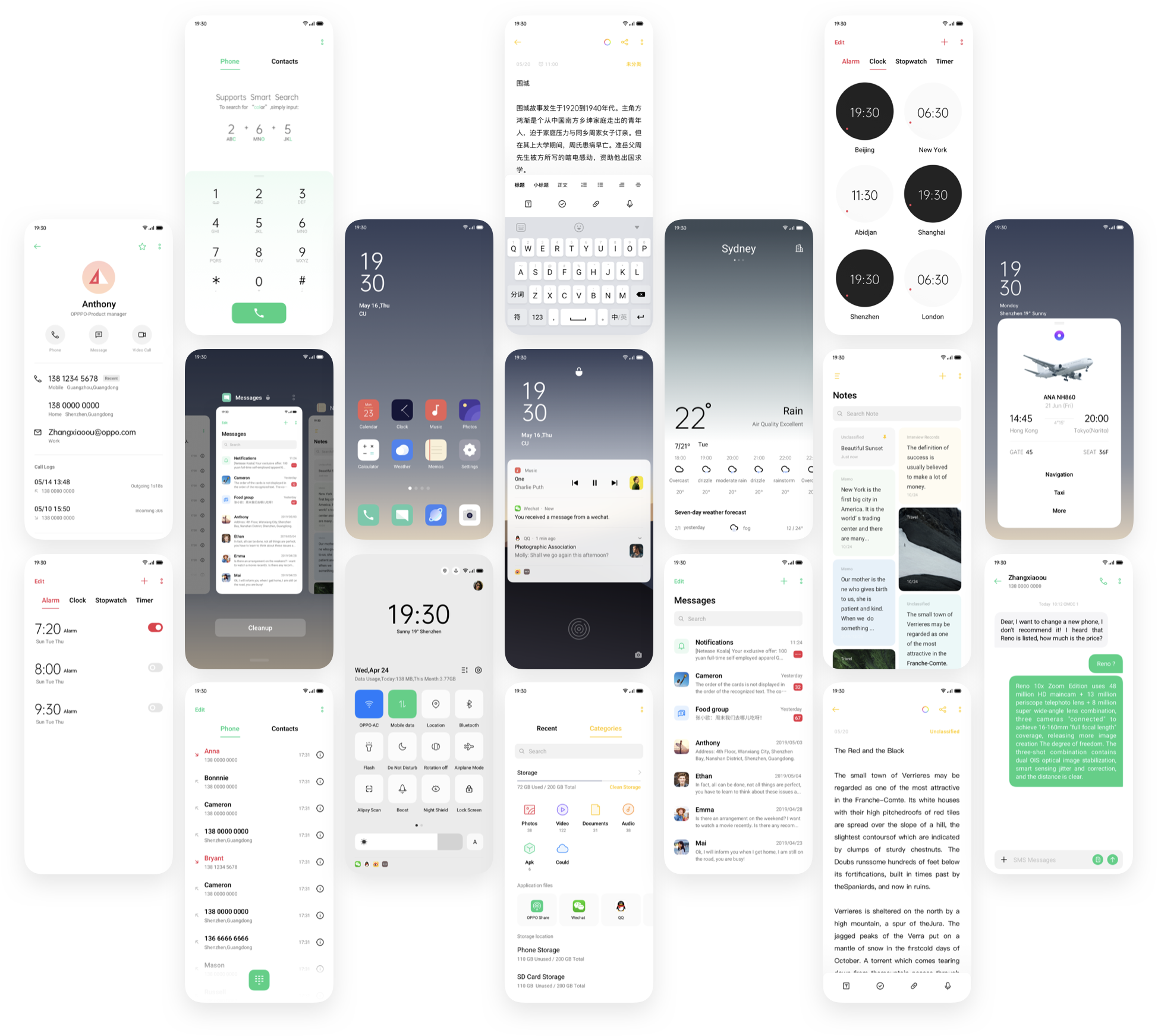
Chinese tech giant OPPO has officially announced the rollout of its latest Android 10-based ColorOS 7.2 in India. The new software version which arrives with an array of new topnotch features is bundled with the Reno4 Pro. Sadly, that is the only phone you can get the new OS on right now. The Reno4 went on sale in India on August 5 marking the rollout of the OS in the country.
The new version of ColorOS 7 offers a slew of new and improved features which improves the functionalities making the device smarter, more efficient, and versatile. ColorOS 7.2 offers new features that make the use of the smartphone easier, richer, and fun. It is built on Android 10, the latest version of Google’s operating system, and comes with the most used Google apps pre-installed, including calls and messages. Building on top of the lightweight design approach of ColorOS 7, the new version offers a richer and fun experience with new features such as the AI App Preloading, Super Power Saving Mode, OPPO Lab, Quick Return Bubble and more.
We use cookies on our website to give you the most relevant experience by remembering your preferences and repeat visits. By clicking “Accept”, you consent to the use of ALL the cookies.
This website uses cookies to improve your experience while you navigate through the website. Out of these, the cookies that are categorized as necessary are stored on your browser as they are essential for the working of basic functionalities of the website. We also use third-party cookies that help us analyze and understand how you use this website. These cookies will be stored in your browser only with your consent. You also have the option to opt-out of these cookies. But opting out of some of these cookies may affect your browsing experience.
Necessary cookies are absolutely essential for the website to function properly. This category only includes cookies that ensures basic functionalities and security features of the website. These cookies do not store any personal information.
Any cookies that may not be particularly necessary for the website to function and is used specifically to collect user personal data via analytics, ads, other embedded contents are termed as non-necessary cookies. It is mandatory to procure user consent prior to running these cookies on your website.


 In the 0 to 1,499 Yuan (~$215) price range, the