Advertisement

Huawei MatePad Mini’s design officially revealed, key details emerge

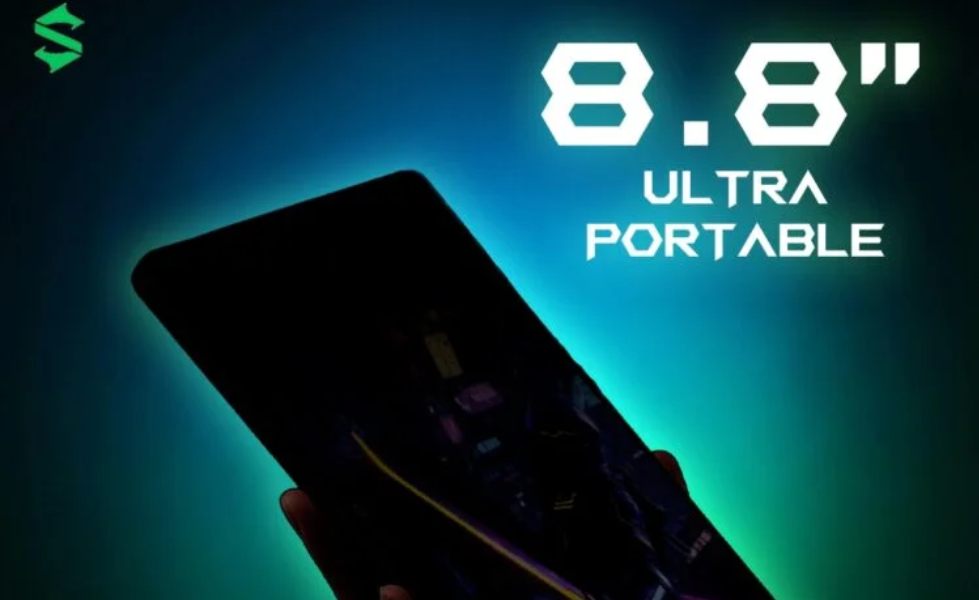
On Sept. 4, Huawei will hold a launch event in China to unveil the Huawei Mate XTs, a tri-foldable device. Alongside it, the brand will unveil a compact tablet called the MatePad Mini. Today, the brand released a poster to confirm the design of the compact tablet.

Huawei MatePad Mini design revealed

Huawei MatePad Mini
Huawei MatePad Mini

The MatePad Mini carries the tagline “Small tablet, big phone, light and portable as promised” (machine-translated). The teaser reveals that it features a dual rear camera setup with a camera deco design consistent with the MatePad Pro series, keeping in line with the Mate family’s design language.

From the side view, the device looks slim and lightweight, with only a minimal camera bump, making it more convenient for daily use. The front bezels are also well controlled, resulting in a higher screen-to-body ratio and delivering a strong sense of visual immersion when the display is lit up.

On the software side, the MatePad Mini will support Huawei Notes and the Born to Draw app, offering users a smooth writing and drawing experience when paired with a stylus. A network indicator in the top-right corner confirms support for a SIM card slot. Since no “4G” label is shown, it likely points to 5A-level speeds, ensuring reliable connectivity. The tablet also supports NearLink (XingLian) technology, which enables faster connections with lower latency.

Huawei MatePad Mini specifications (rumored)

According to reports, the MatePad Mini will arrive with an 8.8-inch OLED panel that offers a 16:10 aspect ratio and a 120Hz refresh rate. Under the hood, the device will feature the Kirin 9020 chipset and a 6,500mAh battery with 66W fast charging. It will measure 5mm in thickness and weigh around 260 grams. It will be available in shades like Snow White, Obsidian Black, and Spruce Green.

For more daily updates, please visit our News Section.

Stay ahead in tech! Join our Telegram community and sign up for our daily newsletter of top stories.

Oppo Find X9, Find X9 Pro officially confirmed to arrive with significantly improved batteries with 55W PPS fast charging

Several reports have suggested that Oppo will launch the Find X9 series of smartphones in October in China. With the unveiling approaching, it is natural for Oppo and its executives to begin teasing or revealing details about the upcoming lineup. In fact, a recent Weibo post by Oppo Find-series Product Manager Zhou Yibao has already revealed some key information regarding the battery capacity and charging capabilities of the Find X9 series.

Oppo Find X9 series to offer significantly improved battery life

find X9 series to offer significantly improved battery performance

According to Yibao, Oppo conducted a survey last year with more than 5,000 Find X8 series users, asking what upgrades they were looking forward to, and they all mentioned that they hoped to have a longer battery life experience. Keeping in line with people’s requests, Yibao revealed that the Find X9 series will indeed offer significantly improved battery life.

As per recent leaks, the Oppo Find X9 will house a 7,025mAh battery, whereas the Find X9 Pro will pack an even bigger 7,550mAh battery. Both phones are said to support 80W wired and 50W wireless charging.

Oppo Find X9 series to support 55W PPS fast charging

Oppo Find X9 series to support 55W PPS charging

As can be seen above, Yibao has revealed that the upcoming Find X9 series will support 55W PPS fast charging, a significant upgrade as compared to the 33W PPS charging available on the Find X8 lineup. With PPS (Programmable Power Supply) technology, the charger and phone can dynamically adjust voltage and current in real time, ensuring faster charging speeds, reduced heat, and better battery health compared to traditional fixed-voltage charging methods. This makes the Find X9 series not only powerful in performance but also optimised for long-term battery reliability.

The Find X9 series also includes the Find X9 Ultra, but it is expected to launch in the first half of 2026. While the X9 and X9 Pro will feature the Dimensity 9500, the Ultra variant will feature the Snapdragon 8 Elite Gen 5 (aka. Snapdragon 8 Elite 2).

For more daily updates, please visit our News Section.

Stay ahead in tech! Join our Telegram community and sign up for our daily newsletter of top stories.

Google Pixel Watch 4 vs Galaxy Watch 8: Which Wear OS watch is better?

After Samsung revealed the Galaxy Watch 8 lineup in July, Google followed up with the Pixel Watch 4 at its August 20th Made by Google event. Now that both are officially on sale, Android users have two of the most polished Wear OS 6 devices in 2025.

At first glance, both watches look like natural upgrades from last year. Google’s Pixel Watch 4 features a new Snapdragon W5 Gen 2 processor, paired with a Cortex-M55 coprocessor. It results in overall smoother performance and better efficiency. 

In fact, Google claims that the base Pixel Watch 4 can last 30 hours with an always-on display. It also supports fast charging, which can juice it up to 50% in just 15 minutes. 

Samsung’s Galaxy Watch 8, on the other hand, sticks with its Exynos W1000 chip but introduces a thinner, wave-like “cushion” design. It’s just 8.6mm thick, which makes it noticeably more comfortable during workouts and even while sleeping. 

But which among the two could be a better buy? Let’s take a look. 

1. Specs and performance

Google made the biggest internal change this year by moving to Qualcomm’s Snapdragon W5 Gen 2, paired with a Cortex M55 coprocessor that handles lighter tasks more efficiently. That combo allows the Pixel Watch 4 to last up to 40 hours on a single charge in its larger 45mm size, without needing a much bigger battery. 

Samsung, meanwhile, retains its in-house Exynos W1000 chip from the predecessor. It offers similar battery life as the Pixel Watch 4 but takes about 30 minutes to recharge to 50%. Both smartwatches have 2GB of RAM and 32GB of storage. 

2. Design and display

The differences are most obvious on the wrist. The Pixel Watch 4 keeps its domed look but now uses a curved OLED screen with slimmer bezels, making it feel more immersive. Google has also moved its charging pins to the side, which changes how the watch docks.

Samsung took a bolder step with the Galaxy Watch 8, introducing a wave-shaped “cushion” design that spreads out components and makes the 8.6mm case surprisingly thin. The display is brighter too, peaking at 3,000 nits, with a touch-sensitive digital bezel for navigation.

3. Health and fitness

Samsung and Google continue to lean on their ecosystems. The Galaxy Watch 8 gets new tricks like Running Coach, which builds training plans based on your performance, and an Antioxidant Index that uses skin sensors to suggest dietary adjustments. All of this is tied into Samsung Health, which is free but works best with Samsung phones.

The Pixel Watch 4 keeps Fitbit at the center of its health features, offering over 40 workout modes and a new Fitbit Morning Brief that summarizes your activity and sleep. But unlocking advanced insights still requires a Fitbit Premium subscription.

4. The bottom line

Both watches bring meaningful updates, but in different ways. The Pixel Watch 4 focuses on performance gains and faster charging, while the Galaxy Watch 8 doubles down on sleek design and Samsung Health’s expanding toolkit.

Which one’s right for you may come down to aesthetics and ecosystem. The Pixel Watch 4 is minimalist and tightly integrated with Fitbit, while the Galaxy Watch 8 feels more technical and fitness-driven. Either way, Android users finally have two flagship smartwatches that feel equally premium.

Please Note: When you buy something using the links in our articles, we may earn a small commission at no cost to you.

Please Note: When you buy something using the links in our articles, we may earn a small commission at no cost to you.

5. Google Pixel Watch 4 vs Samsung Galaxy Watch 8: Specs comparison

Google Pixel Watch 4Samsung Galaxy Watch 8
Display41mm or 45mm, Actua 360 AMOLED LTPO, 3000 nits, 1-60Hz40 mm (1.34″, 438×438) or 44 mm (1.47″, 480×480), Super AMOLED
ProcessorSnapdragon W5 Gen 2 + Cortex M55 coprocessorSamsung Exynos W1000
ProtectionCorning Gorilla Glass 5, 5ATM, IP68Sapphire Crystal Glass, 5ATM, IP68, MIL-STD-810H
MaterialsRecycled aluminum housingArmor Aluminum case
ConnectionBluetooth 6, Wi-Fi 2.4/5 GHz, NFC, UWB, LTE (optional), dual-frequency GPS, Galileo, Glonass, Beidou, QZSS, NavIC, satellite SOSBluetooth 5.3, Wi-Fi 2.4/5 GHz, NFC, LTE (optional), GPS, Galileo, Glonass
SensorsCompass, altimeter, barometer, magnetometer, 3-axis accelerometer, gyroscope, ambient light sensor, multi-patch optical heart rate sensor, cEDA, SpO₂, ECG, far-field skin temperature sensorSamsung BioActive (optical, electrical, bioimpedance), temperature sensor, accelerometer, barometer, gyroscope, geomagnetic sensor, light sensor
Battery41mm – 325 mAh (30 hrs with AOD, 48 hrs in Battery Saver mode); 45mm – 455 mAh (40 hrs with AOD, 72 hrs in Battery Saver mode)325 mAh / 435 mAh
Charging41 mm: 15 min – 50%, 25 min – 80%, 45 min – 100%; 45 mm: 15 min – 50%, 30 min – 80%, 60 min – 100%Fast charging
RAM / Memory2 GB / 32 GB2 GB / 32 GB
OSWear OS 6One UI 8 Watch (based on Wear OS 6)
ColorsMatte Black, Polished Silver, Champagne Gold (41 mm), Satin Moonstone (45 mm)Silver, Black

For more daily updates, please visit our News Section.

Stay ahead in tech! Join our Telegram community and sign up for our daily newsletter of top stories.

Vivo X300’s primary 200MP camera officially confirmed, periscope, ultra-wide camera details tipped

Vivo is expected to unveil the Vivo X300 series of flagship phones in October in China. The brand has started to gradually reveal details about the X300 lineup. Today, Vivo Product Manager Han Boxiao officially confirmed the details of the Vivo X300’s primary camera. Additionally, reliable tipster Digital Chat Station shared key details about the phone’s periscope telephoto and ultra-wide cameras.

Vivo X300 primary camera details confirmed

Vivo X300 primary camera

The Vivo X300 will feature a 200-megapixel main camera, which is an upgraded version of the Samsung HP9 sensor. Instead of calling it HP10, it is dubbed the HPB, where the “B” stands for Blue, as it is exclusively tailored for the Vivo brand.

Vivo X300 primary camera-
Vivo X300’s 200MP main camera placed alongside 50MP Sony IMX921 and 200MP Samsung HP5

This 1/1.4-inch large sensor supports 23mm 200-megapixel ultra-clear output as well as 50mm 50MP high-resolution shots, while also offering CIPA 4.5-level optical image stabilisation. To further improve clarity, the module features blue glass and Zeiss T* coating for better control of glare and ghosting. This new camera sensor replaces the Sony IMX921 primary camera that was used on the Vivo X200 last year.

Vivo X300 periscope, ultra-wide camera details emerge

According to tipster Digital Chat Station, on the periscope telephoto side, Vivo uses the Sony IMX885, a 1/2-inch sensor paired with a 70mm 3X optical zoom lens. Unlike the ship-style periscope designs seen in some competitors, this one uses a light-folding prism structure and even supports telephoto macro photography.

Rounding out the system is a 50-megapixel ultra-wide camera. Rumours suggest that it could feature the Samsung JN1 or JN5 camera sensor.

As for the Vivo X300 Pro, leaks have revealed that it will feature a Sony LYT-828 50-megapixel primary camera, a 50-megapixel ultra-wide lens, and a 200-megapixel periscope telephoto camera.

The Vivo X300 and X300 Pro are expected to debut as the world’s first Dimensity 9500-powered phones next month (October).

For more daily updates, please visit our News Section.

Stay ahead in tech! Join our Telegram community and sign up for our daily newsletter of top stories.

XMG CORE 15 and CORE 16 Gaming Laptops launched with Ryzen AI CPUs, RTX 5070 graphics

Schenker‘s gaming brand, XMG, has introduced two new aluminium laptops, the 15.3-inch CORE 15 (M25) and the 16-inch CORE 16 (M25), designed as lightweight yet powerful systems. Both models feature AMD’s latest Ryzen AI processors, with options ranging from the 8-core Ryzen AI 7 350 to the 10-core Ryzen AI 9 365 and the 12-core Ryzen AI 9 HX 370. Graphics are handled by NVIDIA’s GeForce RTX 5070 or RTX 5060, configurable for up to 115 watts of sustained power, including 15 watts of Dynamic Boost.

XMG CORE 15

Slim and Portable Build

The CORE 15 weighs 1.95 kg with dimensions of 342 × 237 × 21.9 mm, while the CORE 16 comes in at 2.1 kg and 355.5 × 254 × 23 mm. Both integrate a 99.8 Wh battery that delivers over eight hours of video playback at 150 nits brightness and longer for light office use.

Redesigned Cooling

XMG has reworked the thermal design to prevent hot air from venting onto the mouse hand. Two rear outlets with copper heatsinks replace side vents. The CORE 15 uses dual 70 mm fans, while the CORE 16 combines one 84 mm and one 70 mm fan. Phase-change Honeywell PTM-7958 thermal pads on CPU and GPU further stabilize performance.

Performance

On the Ryzen AI 9 HX 370, the CORE 15 can sustain 90 W CPU power, while the CORE 16 reaches 100 W. GPU power is locked at 115 W, with combined CPU-GPU limits of 150 W and 160 W respectively. The XMG Control Center allows adjustment of GPU wattage between 50 and 100 W plus Dynamic Boost, alongside custom fan curves.

Display and Memory

Both laptops feature 2,560 × 1,600 IPS panels with 300 Hz refresh rates and 500-nit brightness. The CORE 15 covers 100% sRGB, while the CORE 16 extends to full DCI-P3. Memory is expandable up to 128 GB DDR5-5600, with dual PCIe 4.0 M.2 slots supporting up to 16 TB of SSD storage.

Ports and Connectivity

The CORE 15 offers two HDMI 2.1 outputs, while the CORE 16 includes one. Shared features include Mini DisplayPort 2.1, USB4 with 140 W power delivery, USB-C 3.2 Gen2, three USB-A ports, Gigabit LAN, audio jack, SD Express reader, and Wi-Fi 6E or Wi-Fi 6. The CORE 15 supports five external displays; the CORE 16 supports four.

Pricing and Availability

Base configurations with Ryzen AI 7 350, RTX 5060, 16 GB DDR5 RAM, and a 1 TB SSD start at €1,549 for the CORE 15 and €1,579 for the CORE 16. Upgrades include €125 for the Ryzen AI 9 365, €290 for the Ryzen AI 9 HX 370, and €195 for the RTX 5070. Both models are available now on bestware.com with a 5% launch discount.

(Source)

For more daily updates, please visit our News Section.

Stay ahead in tech! Join our Telegram community and sign up for our daily newsletter of top stories!

Framework announces Laptop 16 with NVIDIA Blackwell GPU and latest AMD Ryzen AI processors

Framework has announced a major refresh for its flagship Laptop 16, introducing AMD’s new Ryzen AI 300 Series processors and an upgrade option to NVIDIA’s GeForce RTX 5070 Laptop GPU. Pre-orders are open now, starting at $1,499, with first shipments scheduled for November.

The company first introduced the Laptop 16 in 2023 as a 16-inch modular, high-performance system designed around repairability and upgradeability. One of its core promises was generational graphics upgrades, something many competitors have abandoned. Two years later, Framework has delivered on that commitment. The new NVIDIA-powered Graphics Module is fully backwards compatible, meaning existing Laptop 16 owners can install it to access next-generation performance.

Framework Laptop 16

The GeForce RTX 5070 Laptop GPU is based on NVIDIA’s Blackwell architecture, with 8GB of GDDR7 memory. Framework claims a 30–40% jump in gaming performance over the Radeon RX 7700S module. Additional improvements include support for display output and power input through the rear USB-C port, a new thermal system with Honeywell phase change material, and a re-engineered fan design for quieter cooling at 100W sustained TGP. The GPU connects directly to the laptop’s display via a mux, and the 165Hz 2560×1600 panel now supports NVIDIA G-SYNC.

For processors, customers can choose between the 8-core Ryzen AI 7 350 and the 12-core Ryzen AI 9 HX 370, both running at 45W sustained TDP. Integrated graphics remain capable enough to power the system when using the Expansion Bay Shell without a GPU module. Memory and storage remain fully upgradeable, with support for up to 96GB DDR5-5600 RAM and 10TB of storage across two M.2 slots.

To power these upgrades, Framework is introducing a new 240W USB-C adapter with USB-PD 3.1 support. Other refinements include the 2nd Gen webcam, a stiffer CNC aluminum top cover, updated keyboard firmware to prevent accidental wake, and new keyboard designs tailored for both Linux and Windows users.

The original Laptop 16 remains available, now starting at $1,299. Both the refreshed and original models are offered pre-configured with Windows 11 or as DIY editions with user-supplied memory, storage, and OS.

For more daily updates, please visit our News Section.

Stay ahead in tech! Join our Telegram community and sign up for our daily newsletter of top stories!

(Source)

MSI Introduces MLG Series Gaming Hardware with RTX 5070 Ti and Accessories

MSI has introduced the MLG Series, a product lineup built around its original character universe. At the center is Loong: Nia, also called MLG (Mo-Loong-Gi, meaning “Dragon Princess” in Chinese), the youngest daughter of the Ancient Dragon King. Her story inspires the series’ bold red design, which represents her determination and adventurous spirit. The collection includes a full range of gaming hardware and peripherals carrying the MLG theme.

MSI MLG Series Gaming Gear

The GeForce RTX 5070 Ti 16G MLG Edition comes in a premium red finish with MSI’s TRI FROZR 4 cooling system for optimized airflow and thermals. It includes a collector’s backplate etched with Nia’s design, along with a red GPU support stand and an MLG keycap set with a gold-crest ESC key. The B850 MLG Edition motherboard features Nia’s silhouette and tribal emblem, a 14+2+1 Duet Rail Power system, EZ DIY functions for easier assembly, and connectivity through 5G LAN and Wi-Fi 7 with 320 MHz bandwidth.

The PANO 130R MLG Edition chassis has a mecha-inspired finish with panoramic airflow and ARGB wing-style lighting. It supports ATX and Micro-ATX back-connect motherboards and comes with reverse-blade fans that allow daisy-chain connections. The CORELIQUID A17 MLG Edition liquid cooler uses a larger copper base, enhanced pump, and Cycloblade fans with ARGB Gen 2 lighting. It also includes a Dragon’s Blessing Plate engraved with sacred phrases, a display stand for figures, and an exclusive Nia figurine.

The A850GLS MLG Edition power supply is ATX 3.1 ready, delivers 850W with Gold efficiency, and supports 220 percent total power excursion. It includes embossed cables and a pre-installed organizer. The VERSA Wireless MLG Edition mouse weighs 65 grams, has MSI Diamond Lightgrips, Mystic Light RGB, a PixArt PAW3395DM sensor with 26,000 DPI, and OMRON switches rated for 60 million clicks. It offers 200 hours of battery life and supports 2.4G, Bluetooth 5.3, and USB. The FORGE TKL Wireless MLG Edition keyboard comes in a tenkeyless design with hot-swappable linear switches, PBT keycaps, gasket-mounted sound dampening, and tri-mode connectivity through 2.4G, Bluetooth, and USB-C.

To celebrate the launch, MSI has announced a redemption program. Customers who meet purchase criteria can receive an exclusive large-scale MLG collectible figure, available in limited quantities. Full details are available on MSI’s official event page.

(Source)

LG Launches Robot, Stick, and Wet-Dry Vacuums for Europe at IFA 2025

LG Electronics is presenting four new vacuum cleaners at IFA 2025 in Berlin, designed for the European market. The lineup includes a robot vacuum with steam mop, a built-in robot vacuum station, a stick vacuum, and a wet-dry stick vacuum.

The new robot vacuum has over twice the suction power of the previous model. It includes a steam mop that removes grease and liquid spills. The docking station sterilizes the mop with hot water and steam after each use and has a furniture-like design that blends with home interiors. The vacuum is equipped with an AI chip that identifies dirt, dust, furniture, and other obstacles for precise navigation. An AI carpet detection system returns the unit to the docking station to detach the mop before cleaning carpets. The robot also features LG Shield security to protect user data.

The built-in robot vacuum station is designed for European homes and fits beneath the kitchen sink. It has an auto-opening door and uses an air circulation system to reduce noise during automatic dust disposal. It provides a hands-free experience with auto water supply, draining, and mop washing. A turbidity sensor monitors mop cleanliness and starts washing when needed.

The new stick vacuum maintains strong suction using Micro Cyclone technology and a filter cleaning system that prevents clogging from pet hair and fine dust. It features an auto dust disposal system that reduces contact with allergens and comes with a compact freestanding charging station.

The wet-dry stick vacuum is lightweight and reduces wrist strain during use. It includes AI Roller Control for smoother operation and adapts to cleaning patterns. It removes both liquids and solids, with LED lighting for low-light cleaning. The mop head is washed with hot water, steam sterilized, and hot air dried to stay clean.

LG will display the new vacuum lineup at IFA 2025 in Hall 18, Messe Berlin, from September 5 to 9.

For more daily updates, please visit our News Section.

Stay ahead in tech! Join our Telegram community and sign up for our daily newsletter of top stories!

(Source)

MSI MAG 272QP QD-OLED X50 Monitor With 500Hz Refresh Launches for $749.99

MSI’s MAG 272QP QD-OLED X50 gaming monitor is now available at retailers, with Best Buy listing it for $749.99. First introduced in May 2025, it is MSI’s first 27-inch 2K esports monitor using Samsung Display’s 3rd-generation QD-OLED panel.

MSI MAG 272QP QD-OLED X50

The monitor offers a 500Hz refresh rate and a 0.03ms gray-to-gray response time, paired with ultra-low input lag for accurate performance in competitive games. The QD-OLED panel improves brightness and contrast, with deep blacks that make in-game details easier to see. It is certified with VESA ClearMR 21000 for motion clarity and DisplayHDR True Black 500 for high dynamic range quality.

MSI has upgraded its OLED Care features to extend panel life. The latest firmware allows the Panel Protect refresh interval to run up to 24 hours before a refresh is required. For users who prefer more frequent maintenance, there is also an Auto mode that prompts a refresh every 4 hours. This change lets players use the monitor longer without interruption while still protecting the panel.

The MAG 272QP QD-OLED X50 also includes multiple HDR modes. Options include True Black 400, True Black 500, Peak 1000 nits, and the newly added EOTF Boost. EOTF Boost increases brightness compared to Peak 1000 under the same average picture level conditions, giving players a brighter image when needed. This feature was added in response to feedback from users who wanted more control over brightness levels during HDR use.

For more daily updates, please visit our News Section.

Stay ahead in tech! Join our Telegram community and sign up for our daily newsletter of top stories!

Moondrop Launches Space Travel 2 Ultra TWS Earbuds with Advanced ANC, LDAC, and AI Features

Moondrop has launched the Space Travel 2 Ultra (MD-TWS-043), a new addition to its budget-friendly TWS lineup. Priced at $39.99, the earbuds will be sold through Moondrop’s Amazon store and authorized distributors.

Moondrop Space Travel 2 Ultra earbuds

Noise Cancellation and Audio Quality

The Space Travel 2 Ultra offers a 36% improvement in effective noise cancellation area compared to the previous model. Unlike traditional hybrid ANC designs, it uses a feedforward-only ANC system to avoid bass distortion while providing wideband coverage.

Moondrop Space Travel 2 Ultra earbuds

At its core is a 13mm patented single-magnetic annular planar driver, using N55 magnets and ultra-thin CCAW coils for high energy efficiency, superior treble extension, and low distortion. The tuning follows Moondrop’s VDSF Target Response, resulting in a natural sound profile with less than 0.05% total harmonic distortion.

Codec and Connectivity

The earbuds support LDAC, AAC, and SBC, delivering up to 24-bit/96kHz high-resolution playback. Bluetooth 6.0 ensures faster response and more stable connections.

Battery life is rated at 7 hours per earbud (AAC) and 24 hours with the charging case.

Smart Features

The Space Travel 2 Ultra includes multiple intelligent functions:

  • Seamless switching between mono and stereo use.
  • Dual-device connectivity for easy pairing with two devices at once.
  • AI Yuki Beta 0.1 for adaptive sound tuning.
  • Custom touch controls for ANC, transparency, and playback.
  • One-button EQ and DSP graphic interface for tuning.
  • Online tuning community for sharing and downloading EQ profiles.
  • 55ms low-latency game mode.
  • Built-in NPU for hardware-level AI ENC, improving call clarity.

Comparison with Previous Models

  • Space Travel 2 Ultra: 13mm planar driver, patented single-magnetic annular planar design, LDAC/AAC/SBC, wideband ANC with 36% improvement, Bluetooth 6.0, NPU-based AI noise cancelling, 7+24 hours battery life.
  • Space Travel 2: 13mm dynamic driver with beryllium-plated dome diaphragm, AAC/SBC codec support, wideband ANC with 31% improvement, Bluetooth 6.0, NPU-based AI noise cancelling, 7+24 hours battery life.
  • Space Travel: 13mm dynamic driver with titanium dome diaphragm, AAC/SBC codec support, wideband ANC, Bluetooth 5.3, ENC for calls, 4+12 hours battery life.

For more daily updates, please visit our News Section.

Stay ahead in tech! Join our Telegram community and sign up for our daily newsletter of top stories!

(Source)

XMG EVO 15 Laptop debuts with Ryzen AI 9 HX 370, Intel Core Ultra 7, and 1600p display

Schenker‘s gaming brand, XMG has launched the EVO 15 (E25, M25), a 15.3-inch aluminium ultrabook that expands on the EVO 14 with more processor choices, stronger cooling, and higher storage and memory capacity. The laptop comes in both AMD and Intel versions and is the most configurable ultrabook from XMG so far.

XMG EVO 15

Processor Choices and Performance

The EVO 15 (E25) can be configured with AMD’s Ryzen AI 9 HX 370, Ryzen AI 9 365, Ryzen AI 7 350, or Ryzen 7 H 255. The Ryzen 7 H 255 does not have an NPU and also serves as the new entry-level option for the EVO 14. The Intel-based EVO 15 (M25) includes the Core Ultra 7 255H.

Both AMD and Intel models can sustain 90 watts in Overboost mode, supported by a cooling system with two 70 mm fans, 79 blades each, two rear air outlets with 130 copper fins, and Honeywell PTM7958 thermal pads. In Enthusiast mode, AMD processors run at 54 W while Intel runs at 45 W. In Balanced mode, both platforms run at 35 W.

Display and Build

The laptop has a 15.3-inch IPS panel in 16:10 format with a resolution of 2560 × 1600 pixels, 500 nits brightness, and 100 percent sRGB coverage. Refresh rates differ by platform: up to 300 Hz on AMD models and up to 240 Hz on Intel models with Arc Graphics.

It also supports FreeSync on AMD and Adaptive Sync on Intel. A 60 Hz mode helps save power. The hinge allows the screen to open 180 degrees. A Full HD webcam with Windows Hello support and a physical shutter is placed above the display. The aluminium chassis measures 342 × 240 × 22 mm and weighs 1.75 kg.

Memory, Storage, and Ports

Both versions include two M.2 PCIe 4.0 slots for up to 16 TB SSD storage and two SO-DIMM slots for up to 128 GB of RAM. The Intel model also supports CSO DIMM modules up to 6400 MT/s in addition to DDR5-5600.

XMG EVO 15

Rear ports include Gigabit LAN, HDMI, and USB-C with 140 W Power Delivery. The Intel version offers Thunderbolt 4 with DisplayPort 2.1 (DP80) and HDMI 2.0. The AMD version provides USB4 with DisplayPort 2.1 (DP40) and HDMI 2.1. Side ports include USB-C 3.2 Gen2 with DisplayPort 1.4a and 100 W PD, three USB-A 3.2 Gen1, a 2-in-1 audio jack, and an SD Express card reader. Wireless support is Wi-Fi 7 on Intel or Wi-Fi 6E on AMD.

Battery and Input

The 99.8 Wh battery charges only through USB-C. The rear port supports 140 W charging, and the left port supports 100 W. The compact 150 W power supply is the same as in the EVO 14 and weighs 495 g with the EU plug.

The edge-to-edge keyboard has a four-row number pad, full-size arrow keys, and navigation keys. It has white LED backlighting with multiple levels and comes in ISO or ANSI layouts. The glass touchpad measures 123 × 77.5 mm.

Pricing and Availability

The base configuration includes a Ryzen 7 H 255 or Core Ultra 7 255H, 16 GB DDR5-5600 RAM, a 500 GB SSD, and the 1600p 500-nit display. Prices start at €999 for the E25 and €1,279 for the M25 with 19 percent VAT. Upgrades include €150 for the Ryzen AI 7 350, €275 for the Ryzen AI 9 365, and €440 for the Ryzen AI 9 HX 370.

For more daily updates, please visit our News Section.

Stay ahead in tech! Join our Telegram community and sign up for our daily newsletter of top stories!

(Source)

Xiaomi Issues Global Recall for 33W 20000mAh Power Bank Over Fire Risk

Xiaomi has extended the recall of its 33W Power Bank 20000mAh (Integrated Cable) to global markets after first announcing it in China. The recall applies to model PB2030MI, manufactured between August and September 2024.

Xiaomi PB2030MI power bank

Reason for recall

Xiaomi says a small batch of these power banks used the 126280 version 2.0 battery cell, which may overheat under certain usage conditions and pose a fire risk. Although the number of incidents is limited, the company decided to recall the affected units to maintain safety standards.

Units affected and verification

The recall covers nearly 146,891 units worldwide. Customers can check if their product is included by verifying the serial number (SN) printed on the back of the power bank. Xiaomi has provided an online tool for this purpose. Units with missing or damaged SN codes are not eligible for a refund.

Refund process

Customers with eligible devices can get a full refund of 159 yuan (about $22). There are two ways to complete the process:

  1. In-store: Visit any Xiaomi Home store, where staff will verify the device and provide the refund.
  2. Online: Safely drain the power bank, upload proof of proper disposal, and submit product details through the official website.

Other products not affected

Xiaomi confirmed that all other power banks in its range use different battery cells and remain safe to use.

Company statement

In its international safety notice, Xiaomi apologized for the issue and said it remains committed to making safe and reliable products. The company stressed that the recall is voluntary and precautionary, aimed at avoiding potential risks before they occur.

Customers who own the PB2030MI model should check their device and, if it falls under the recall, start the refund process without delay.

(Source)

Amazfit Balance 2 XT Heads to Europe With Health and Fitness Tracking Features

Amazfit has confirmed the European rollout of its Balance 2 XT smartwatch (via Notebookcheck). Initially launched in the US, the device will be sold via Amazfit’s official online stores in Spain and Italy, with shipping available to other European countries. An official release date and pricing remain unannounced, though one retailer has listed it at €189.91.

The Balance 2 XT is positioned as a more affordable alternative to the standard Balance 2 model. It features a 47mm case with a 1.5-inch AMOLED display and boasts a battery life of up to 21 days. Core health tracking functions for heart rate, blood oxygen, stress, and sleep are included, alongside over 170 sports modes.

However, the XT model makes specific compromises to achieve its lower cost. It omits the Golf app and reduces water resistance to 5 ATM, making it unsuitable for diving. Furthermore, the device features mineral glass rather than Sapphire glass. The case is made of Fiber-reinforced polymer, while the bands are Silicone. The watch is also listed on Best Buy US for $199.99.

In related news, Amazfit has recently introduced the Balance 2 smartwatch and Helio Strap in India, designed to work independently or together for fitness and health tracking. The Balance 2 focuses on sports, navigation, and everyday use with advanced workout features, coaching tools, and 24/7 health monitoring. The Helio Strap is a lightweight tracker built for athletes, offering detailed heart rate, recovery, and training analysis while syncing with popular fitness apps and accessories. Used together, they provide a complete training and recovery system through the Zepp App without extra subscriptions.

For more daily updates, please visit our News Section.

Stay ahead in tech! Join our Telegram community and sign up for our daily newsletter of top stories!

(Source: Notebookcheck & Epto)

SanDisk launches WD Blue SN5100 SSD with up to 4TB storage & 7100MB/s read speeds

SanDisk has introduced the WD Blue SN5100 NVMe SSD series, targeting creators, professionals, and AI-assisted workflows with a focus on high-speed performance and broad compatibility.

SanDisk WD Blue SN5100

SanDisk WD Blue SN5100 Specs

The SN5100 SSDs adopt SanDisk’s latest 3D CBA NAND architecture and are built on the PCIe Gen 4.0 standard. They come in the M.2 2280 form factor, support PCIe 4.0 x4 lanes, and remain backward compatible with PCIe 3.0 systems

The new SSDs come in 500GB, 1TB, 2TB, and 4TB capacities. The 1TB and 2TB variants deliver peak sequential read speeds of up to 7100MB/s, while the 500GB model offers 6600MB/s, and the 4TB model tops out at 6900MB/s. Sequential write speeds reach up to 6700MB/s across the lineup, and random read/write performance peaks at 1300K IOPS.

SanDisk WD Blue SN5100

The SN5100 series is DRAM-less, utilizing Host Memory Buffer (HMB) technology and SanDisk’s nCache 4.0 SLC caching system. These technologies help sustain high transfer speeds during large file operations and enhance performance for demanding tasks like video editing, software compilation, and AI asset loading.

SanDisk includes a 5-year limited warranty, Acronis True Image software for data migration, and the SanDisk Dashboard utility for performance monitoring and firmware management.

Pricing and Availability

In China, SanDisk has priced the SSDs competitively, with the 500GB model retailing for 399 yuan, the 1TB version for 499 yuan, and the 2TB option at 999 yuan. The 4TB model is expected to launch soon.

In the United States, pricing starts at $54.99 for 500GB and reaches $299.99 for the 4TB model.

In related news, TerraMaster has introduced the F4 SSD all-flash NAS featuring four M.2 NVMe slots and an Intel N95 processor, while Acer Predator has launched the GP30 RGB portable gaming SSD with a compact form factor and read speeds up to 2000MB/s.

For more daily updates, please visit our News Section.

Stay ahead in tech! Join our Telegram community and sign up for our daily newsletter of top stories! 💡

Meizu 22 pre-orders go live in China with added perks

Meizu has opened pre-orders for its upcoming flagship, the Meizu 22. The phone is set to begin shipping in early to mid-September and comes with several promotional benefits for early buyers.

Customers who place a pre-order can unlock a “1 yuan benefit package” that includes eight perks. These range from a four-year warranty and one year of screen breakage insurance to 12-month interest-free installments, a PANDAER protective case, and 365 days of replacement without repair. Buyers also get 50 yuan in Jingdou credit, a 1,200 yuan trade-in subsidy, and access to an AI ecosystem package.

The Meizu 22 comes with a 6.3-inch LIPO OLED display, slightly smaller than the 6.55-inch panel on the Meizu 21, and features 1.2mm symmetrical bezels, a white front, and a slim 71mm body for easier one-handed use. Under the hood, it’s expected to run on Qualcomm’s Snapdragon 8 Elite chip, paired with 12GB of RAM and up to 512GB of storage. Power comes from a 5,500mAh battery (up from 4,800mAh on its predecessor) with 80W fast charging.

The company shared camera samples from the Meizu 22 alongside the vivo X200 Pro Mini, vivo X200 Ultra, Huawei Pura80 Ultra, OPPO Find X8s, OPPO Find X8 Ultra, and Xiaomi Mi 15 series, highlighting its progress in image processing. You can also check out our comprehensive camera test of the vivo X200 Ultra here.

The phone ships with Android 15 and Flyme AIOS, bringing features like real-time translation and AI-assisted photography. It’s also speculated to carry an IP68 rating, an upgrade from the Meizu 21’s IP54.

With its compact design, flagship hardware, and aggressive pricing, the Meizu 22 could be one of the more interesting alternatives in the Android flagship space this fall.

Don’t miss a thing! Join our Telegram community for instant updates and grab our free daily newsletter for the best tech stories!

For more daily updates, please visit our News Section.

(Source | Via)

Realme GT 5 Pro gets major Realme UI 6 update with AI features & multitasking upgrades

Realme has started rolling out the Realme UI 6 version 15.0.0.1210 update to the GT 5 Pro (full review) in China. The update introduces new AI features, multitasking tools, and several quality-of-life improvements. The rollout is staged and may take up to two weeks to reach all users.

Realme GT 5 Pro

The update enhances Xiaobu Assistant with a new Deep Research tool that lets users create research outlines, pull data from public internet sources, and export the results in PDF, HTML, or PPT formats. Additionally, Realme has introduced an AI Best Expressions feature that automatically detects and replaces facial expressions in group photos to generate the best final result.

The Xiaobu Assistant now shows hotel bookings, movie tickets, and food delivery history in its suggestions. It supports voice commands for reordering meals and booking tickets via Tao Piao Piao. Realme has also improved OCR formatting, image extraction quality, and AI translation through a large language model.

The update brings some neat multitasking improvements. You can now adjust how transparent floating windows are, switch between floating and full-screen apps more quickly, and even use Multi-screen touch to run one app full-screen while using another in a floating window.

Realme GT 5 Pro

For a cleaner home screen experience, there’s Smart Card stacking that helps organize your widgets better. You can also convert videos into live photos now, group your call recordings by contact, and even batch delete calendar events. These small changes make a big difference in daily use. It also comes with a new Sound Track Separation feature, which lets you control vocal and background music volumes independently.

The update also includes changes such as improved mini-window behavior, document previews in the Smart Sidebar, and easier app lock toggling. Realme has also expanded autofill support and allowed unlimited file uploads to Document Safe.

As with all major updates, this one includes the latest August 2025 Android security patch to keep your device secure.

In related news, Realme shifts focus away from foldables to prioritize mainstream smartphones and accessories.

For more daily updates, please visit our News Section.

Stay ahead in tech! Join our Telegram community and sign up for our daily newsletter of top stories! 💡

(Via)

Galaxy Buds 3 FE vs Galaxy Buds 3: Why Going Affordable Makes Sense Here

Samsung recently expanded its audio lineup with the launch of the Galaxy Buds 3 FE, arriving as the most affordable option from the premium Galaxy Buds 3 lineup. While the regular Galaxy Buds 3 bring a sleeker design and extra premium features, the Buds 3 FE pack impressive value at a lower price point. If you’re wondering which pair makes more sense for you, the budget model could surprise you.

1. Design and Comfort

Galaxy Buds 3 (right) next to the Galaxy Buds 3 Pro

Both earbuds feature a similar stem design that resembles the Apple AirPods. The Galaxy Buds 3 have an open-type design like the base AirPods 3, while the Galaxy Buds 3 FE feature silicon eartips like the AirPods Pro and Galaxy Buds 3 Pro. The open-ear style is still popular for many, but many still prefer the silicon eartips.

Open-ended earpieces can be uncomfortable and might not offer a snug fit. So the silicon tip on the Galaxy Buds 3 FE could be comfortable and offer you a more secure fit. This difference in design alone also brings another advantage to the Buds 3 FE.

2. Noise Isolation

Samsung Galaxy Buds 3 FE

With the open-type eartip, there is noticeable audio bleed from the Galaxy Buds 3. Meaning, any audio at high levels might be audible to people near you. While these types of earbuds typically don’t offer ANC, Samsung has managed to bring this feature on this premium earbuds. However, the experience is more inconsistent compared to the Galaxy Buds 3 FE since it features those silicone eartips.

This also leads to another advantage, which is passive noise isolation. Even with ANC disabled, the Galaxy Buds 3 FE can double as a regular earplug as it fits with your ear canal, which is impossible on the base Galaxy Buds 3.

3. Battery Life

This is another where the Galaxy Buds 3 FE shines. With up to 30 hours of playback with the case (ANC disabled) and 8.5 hours from the buds alone, they outperform the standard Buds 3, which lean closer to 20 hours with the case and 6 hours of playback from just the buds. The battery life is better even with ANC enabled.

4. Value for Money

Samsung’s Fan Edition is known for its affordable pricing. The Galaxy Buds 3 FE carries a 9,999 INR price tag. This makes it more affordable than the Galaxy Buds 3, which was announced for 14,999 INR. But in many markets like the US and India, both models are priced around 149 US Dollars since the Galaxy Buds 3 often go on discount. So the choice is still subjective. Some prefer the better audio quality of the Galaxy Buds 3, while others might place more importance on better ANC, sound isolation, and a better fit.

For more daily updates, please visit our News Section.

Don’t miss a thing! Join our Telegram community for instant updates and grab our free daily newsletter for the best tech stories!

Amazon Great Indian Festival 2025 Coming Soon, Up to 80% Off on Mobiles & Electronics

Amazon Great Indian Festival marks the grand online shopping spree season in India. Every year, shopaholics eagerly await this announcement, and for 2025, the official news is finally live! Adding to the excitement, here are the major deals and sales you can look forward to.

Amazon Great Indian Festival 2025 Details

Amazon Great Indian Festival 2025 Details

Though we don’t know the exact date on which the festive sales will Kickstart, we expect it to be any day in the 4th week of September (around 26th September). However, what we know is that Amazon promises excellent discounts across top categories like smartphones, electronics, home appliances, fashion, and other categories.

For Prime Members, the sale will be open a day earlier as a special advantage. Also, Prime Members are entitled to some exclusive discounts as well. 

Amazon Great Indian Festival Sale 2025 Offers

Amazon is offering discounts up to 80% for select items from certain categories, such as Electronics. The discounts even apply to over 25,000 new product launches from top brands like Apple, Samsung, Xiaomi, Sony, and others.

On top of the regular discounts on the items. There are additional discounts for the following payment methods, and in some cases, in exchange for smartphones or electronics.

  • SBI Card Discounts: 10% instant discount on SBI credit and debit cards for transactions above a certain amount. Maximum discount likely be capped at around ₹5,000, including bonus offers.
  • Amazon Pay ICICI Credit Card: 5% unlimited cashback, with up to ₹2,500 welcome rewards for new sign-ups.
  • No-Cost EMI and Pay Later: Available on credit cards, Bajaj Finserv, and Amazon Pay Later.
  • Exchange Offers: Up to ₹19,999 (expected) off on exchanging old smartphones or appliances

Deals and Discounts: Categorical Breakdown

  • Smartphones and Electronics: Up to 40% off on mobiles and accessories, with no-cost EMI options starting at ₹999/month for budget smartphones and ₹1,999/month for premium ones. Expect 10% to 20% off on flagship phones, 20% to 35% on mid-range, and 30% to 40% on budget phones.
  • Home & Kitchen Appliances: Up to 40% to 50% off on air conditioners, washing machines, refrigerators, and more. Free extended warranties and installation services may be included.
  • Fashion and Home Products: Amazon Bazaar offers affordable fashion and home goods starting at ₹8, with daily deals from ₹49 and UPI cashbacks.
  • Everyday Essentials: Up to 70% off on food, beverages, baby care, cleaning, and health products.
  • Travel Bookings: Up to 65% off on flights, hotels, and bus tickets with zero payment gateway charges and free cancellation options.

The Festival Sale teases incredible discounts on smartphones from all the brands. Some of the notable smartphone deals to expect, though the correct deals are not revealed yet, include. Kindly note, Amazon hasn’t revealed the actual discounts but hints, so we have listed the expected offer price, which is based on our speculation and recent trends.

Festival Sale discounts on Amazon India
  • Apple iPhone 15 (128GB)
    • Expected Price: ₹55,299–₹60,000 (MRP ~₹69,900)
    • During the Great Freedom Festival 2025, the iPhone 15 (128GB) was discounted to ₹58,249 with SBI credit card offers and exchange discounts from ₹69,900. Expect a similar or slightly better savings during the Great Indian Festival, with a 10% SBI card discount (up to ₹5,250) for transactions above ₹5,000 and exchange deals up to ₹19,999. The iPhone 15 has a 6.1-inch Ceramic Shield display, an A16 Bionic chip, a 48MP primary camera, a 12MP ultra-wide camera, 12MP selfie camera, IP68 rating, and iOS 18.

Please Note: When you buy something using the links in our articles, we may earn a small commission at no cost to you.

  • Samsung Galaxy S24 Ultra 5G
    • Expected Price: ₹78,999 – 85,999 (MRP ₹1,39,999)
    • In 2024, it dropped to ₹79,999. Features Snapdragon 8 Gen 3, 200MP camera, and S Pen. Likely to include SBI card discounts and exchange offers up to ₹20,000.

Please Note: When you buy something using the links in our articles, we may earn a small commission at no cost to you.

  • OnePlus 13R (8GB RAM, 256GB)
    • Expected Price: ₹36,999 – ₹39,999 (MRP ₹44,999)
    • In the Great Freedom Festival 2025, the OnePlus 13R was listed at ₹39,999, with a starting price of ₹36,999 after a ₹3,000 SBI credit card discount. For the Great Indian Festival, expect a similar deal, with prices around ₹36,999–₹39,999 after a 10% SBI card discount (up to ₹3,000) and exchange offers up to ₹20,000. The OnePlus 13R features a 6.78-inch 1.5K LTPO AMOLED display (120Hz, 4,500 nits, Gorilla Glass 7i), a Snapdragon 8 Gen 3 processor.

Please Note: When you buy something using the links in our articles, we may earn a small commission at no cost to you.

  •  Apple iPhone 13 (128GB)
    • Expected Price: ₹39,999 – ₹42,999 (MRP ₹79,900)
    • A top seller in 2024 at ~₹39,999. Features A15 Bionic chip, dual-camera system, and iOS 18 support. Expect 10% SBI card discount (up to ₹5,250) and exchange offers up to ₹20,000.

Please Note: When you buy something using the links in our articles, we may earn a small commission at no cost to you.

Many more never-before-seen discounts are expected to be available. We will closely monitor the Amazon Great Indian Festival Sale, along with its rival, the Flipkart Big Billion Days, which is also expected to run concurrently this season. Do check out our deals section for more discounts on various products.

Source

Harman Kardon launches Aura Studio 5 with 160W output & new projection lighting

Harman Kardon has officially launched the Aura Studio 5 speaker in China, with pre-orders now open on platforms like JD.com. The speaker is priced at 2,499 yuan ($349) and introduces a redesigned lighting system and upgraded acoustic hardware.

Harman Kardon Aura Studio 5

Harman Kardon Aura Studio 5 Specifications

The Harman Kardon Aura Studio 5 introduces a new projection lighting system that casts dynamic visual effects onto surrounding walls or ceilings. It includes five ambient themes: Snowy Fireplace, Sunrise, Blossom, Aurora, and Ocean, that can be customized through the Harman Kardon One app, which also allows users to adjust the brightness of the lighting.

Harman Kardon has equipped the speaker with a three-way audio system. It includes six 40mm midrange drivers, one 25mm tweeter, and a 143mm subwoofer. The total RMS output reaches 160W, divided into 20W x 2 for the midrange, 20W for the tweeter, and 100W for the bass unit.

The speaker supports a frequency response range of 45Hz to 20kHz and delivers an 80dB(A) signal-to-noise ratio. Harman Kardon’s proprietary sound field technology ensures consistent audio performance throughout the room.

The new model supports Bluetooth 5.4 and includes support for A2DP 1.4 and AVRCP 1.6.2 profiles. It allows users to connect two devices simultaneously and switch between them with ease.

The speaker also supports Auracast stereo pairing, which enables users to wirelessly link two Aura Studio 5 units for true left-right stereo playback.

The design includes a recessed waistline with touch-sensitive controls arranged in a ring layout. The speaker measures 306.4 x 234 x 234 mm and weighs 4.2 kilograms. Harman Kardon has used recycled materials in the build and FSC-certified packaging with soy-based ink to reduce environmental impact.

In related news, TCL recently launched its Z100 Wireless Speaker System in the US, featuring Dolby Atmos FlexConnect, while Portronics introduced the Nebula X 150W party speaker with RGB lighting and a karaoke mic.

For more daily updates, please visit our News Section.

Stay ahead in tech! Join our Telegram community and sign up for our daily newsletter of top stories! 💡

(JD)

Huawei MatePad Mini display, processor, and battery details leak

Huawei is preparing to expand its tablet lineup with something smaller. The MatePad Mini is set to debut on September 4, but thanks to a reliable Weibo tipster who goes by Panda is very bald, we already have a good sense of what to expect.

Huawei MatePad Mini Specifications

The MatePad Mini will reportedly feature an 8.8-inch display with a 16:10 aspect ratio and a 120Hz refresh rate. The screen is said to include a hole-punch cutout and ultra slim bezels.

Inside, the tablet is expected to run on Huawei’s Kirin 9020 chipset, the same processor found in the Huawei Pura 80 series. The chip is built with a 2.5GHz prime core, 2.15GHz performance cores, and 1.6GHz efficiency cores. Fueling the device will be a 6,500mAh battery with support for 66W fast charging.

At around 260 grams and just over 5mm thick, the MatePad Mini looks to be both light and compact. Huawei is also said to be offering it in three colors: white, black, and green.

In addition to the standard model, Huawei is reportedly planning a “soft light” version of the MatePad Mini, likely featuring an anti-glare display. 

We will have confirmation once the company makes the announcement on September 4. The tablet will be launching alongside Huawei’s second tri-fold, Mate XTs.

Tech enthusiast? Get the latest news first! Follow our Telegram channel and subscribe to our free newsletter for your daily tech fix!
For more daily updates, please visit our News Section.