Vivo launched X50 Pro Plus as its new flagship smartphone in June. The handset will go on sale starting July 11 in China. Ahead of it, the brand teases an Alexander Wang Limited Edition on Weibo.
That said, the company now teases X50 Pro Alexander Wang Limited Edition in collaboration with the American designer. Unfortunately, the brand did not reveal the design of this variant.
This is not the first time Vivo is partnering with the said designer. Just a few months back in March, the brand launched X30 Pro in association with him.
That variant has similar specifications as the regular X30 Pro but features a distinct mirror finish. As for X50 Pro Plus, we can expect the limited edition to feature artificial leather finish like the Camel color variant but with some design tweaks.
Though it is expected to be no different than the regular version, there are certain customers who would like to buy it. In fact, Vivo X series is targeted at fashion-loving customers and it makes sense for the company to cooperate with a celebrity designer to launch a special variant.
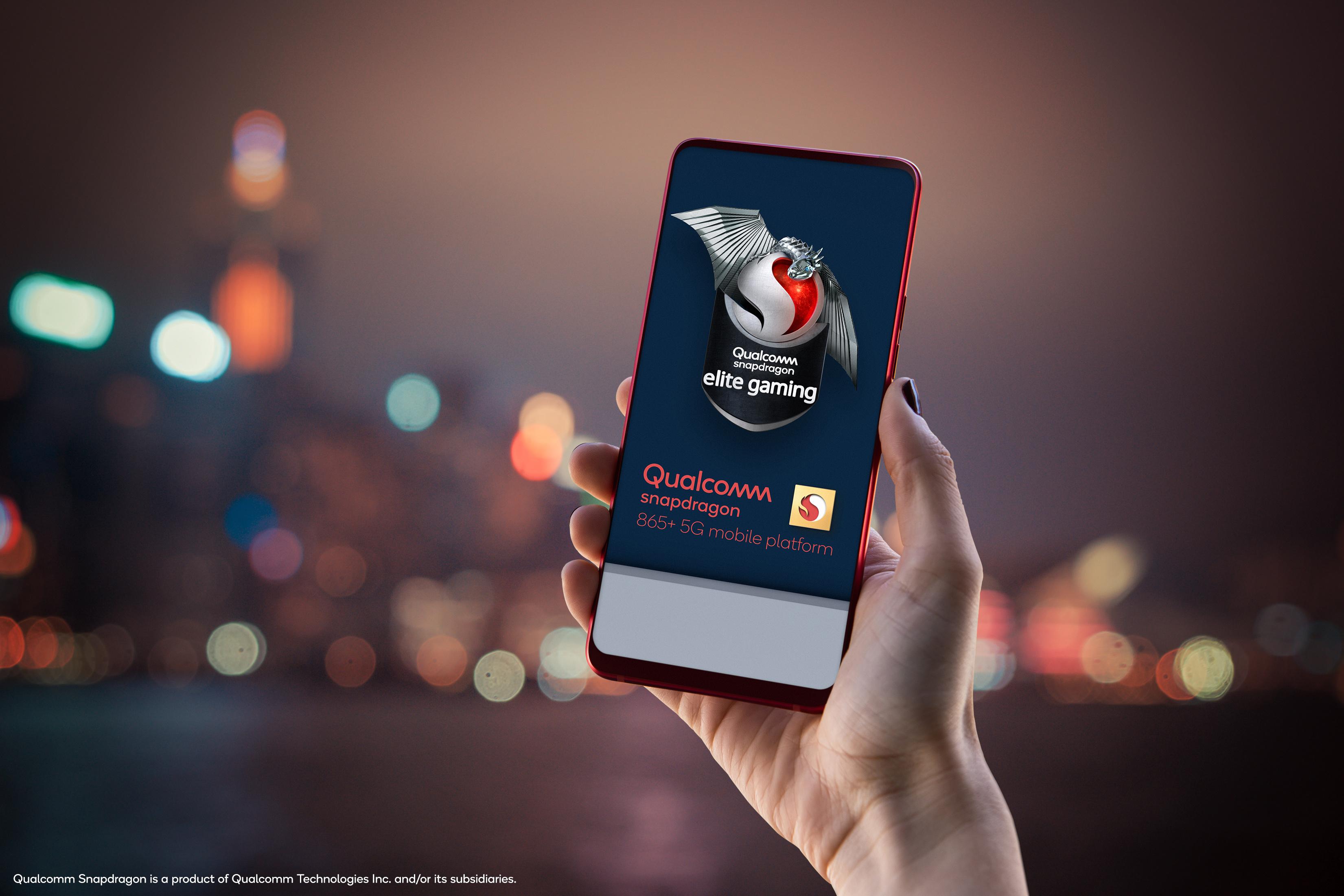
Qualcomm has announced a new flagship processor today. The Snapdragon 865 Plus 5G Mobile Platform (SM8250-AB) is an upgraded version of the Snapdragon 865 that powers a lot of this year’s flagship phones. The new processor will be found in quite a number of flagships scheduled for launch in the second half of this year.
What is new?
Increased performance: The new chipset has its Kryo 585 prime core clocked at 3.1GHz and it brings a 10% increase in CPU performance over the Snapdragon 865 5G according to the San Diego-based company. The Adreno 650 GPU also gets a 10% performance boost.
WiFi 6E: The new processor has support for the new Wi-Fi 6E standard thanks to FastConnect 6900. This means phones powered by this new processor can operate on 2.4GHz, 5GHz, and 6GHz spectrums. You can read our explainer article on Wi-Fi 6E here.
Bluetooth 5.2, Dual Bluetooth Antennas, aptX suite, and new LE audio features.
4-stream (2×2 + 2×2) Dual Band: allows for simultaneous harnessing of multiple antennas and bands to provide faster speed or latency performance.
Confirmed Devices
The official press statement released by Qualcomm confirms that the upcoming ASUS ROG Phone 3 and the Lenovo Legion Gaming Phone will be powered by the Snapdragon 865 Plus 5G. The general manager of ASUS’s smartphone business unit said the full specifications of the ROG Phone 3 will be announced in the coming weeks. We already know the phone will launch on July 22.
More devices powered by the processor will be announced too. Surprisingly, there is no confirmation that the chipset will appear in Samsung’s upcoming Galaxy Note20 series flagship.
If you’ve been following OnePlus since its inception, you’d see that the company has grown steadily, step by step, over the past few years. OnePlus started off its journey as a startup focused on a single flagship smartphone in a year. But within three years of its formation, the company changed the strategy to two flagship smartphones in 12 months. And a year later, in 2017, OnePlus released a special edition model – the OnePlus 5T Star Wars edition, in addition to the regular OnePlus 5 and 5T.
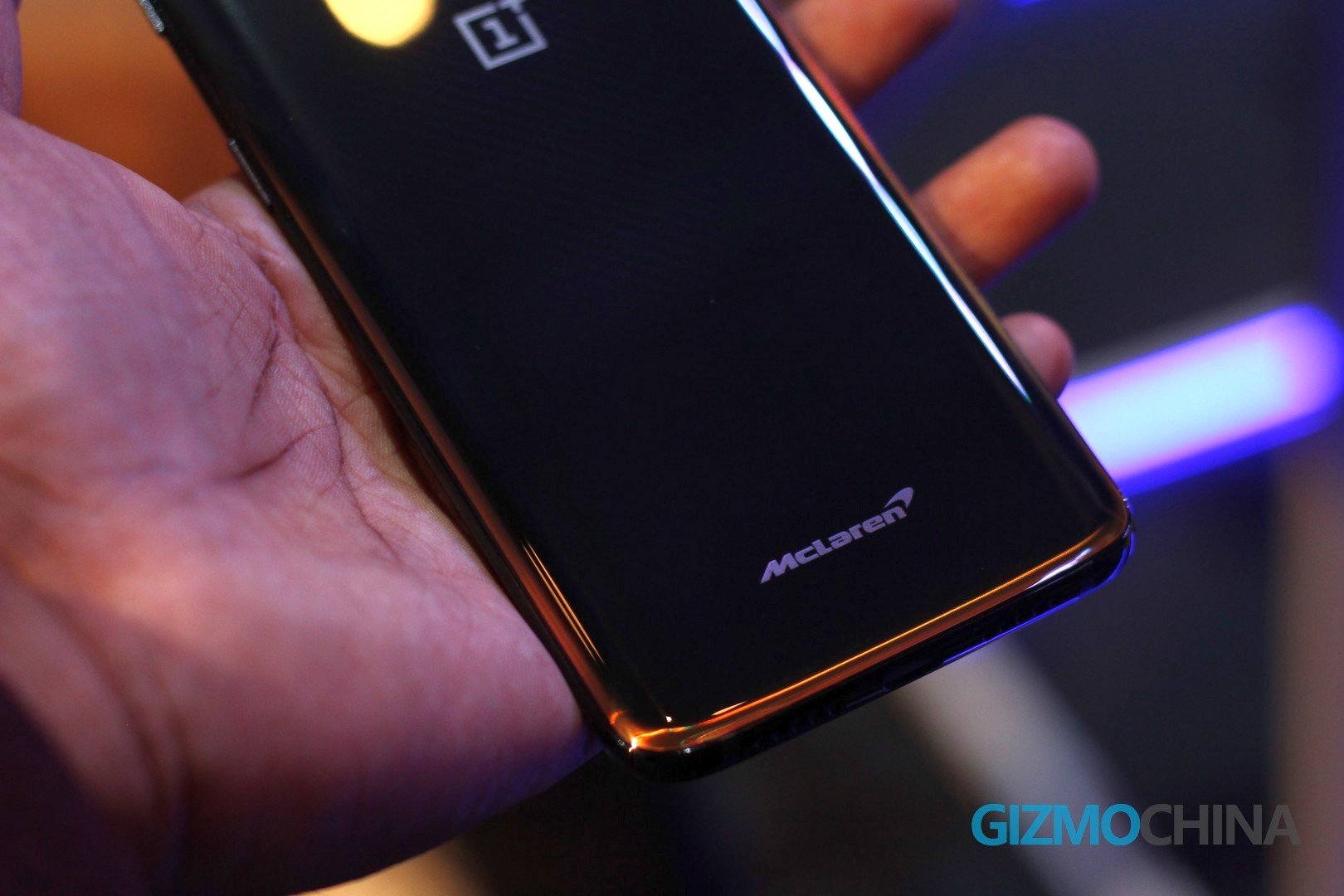
OnePlus 6T McLaren Edition – Gizmochina
In 2018, the company partnered with the British Motor Racing company, McLaren for the special McLaren edition of the OnePlus 6T. And in the following year, i.e. within six years of its inception, OnePlus released a total of six smartphones in 12 months including the OnePlus 7 duo, 7T duo, 7 Pro 5G, and the 7T Pro McLaren Edition. Finally, in 2020, OnePlus hit another key milestone with the launch of the Verizon branded OnePlus 8 (OnePlus phones were previously exclusive to carrier T-Mobile in the US). It also started selling directly through Amazon US this year.
As you can see already, OnePlus has been gradually expanding its operations ever since its inception. But after a period of slow and restrained growth, it looks like the Chinese smartphone maker is all set to spread its wings this year. In the past few months, OnePlus has launched a set of premium QLED Q series TVs along with a number of cheaper LED TVs in the Y and U series lineup.
But what’s next for OnePlus?
OnePlus was already the number one premium brand in India by the end of 2018 and for the entire 2019 with a YoY growth of 28%, capturing one-third of India’s premium segment. According to Counterpoint, OnePlus was also one of the top 5 premium smartphone makers in most of the global smartphone markets (except for Latin America and China) in Q1 2020.
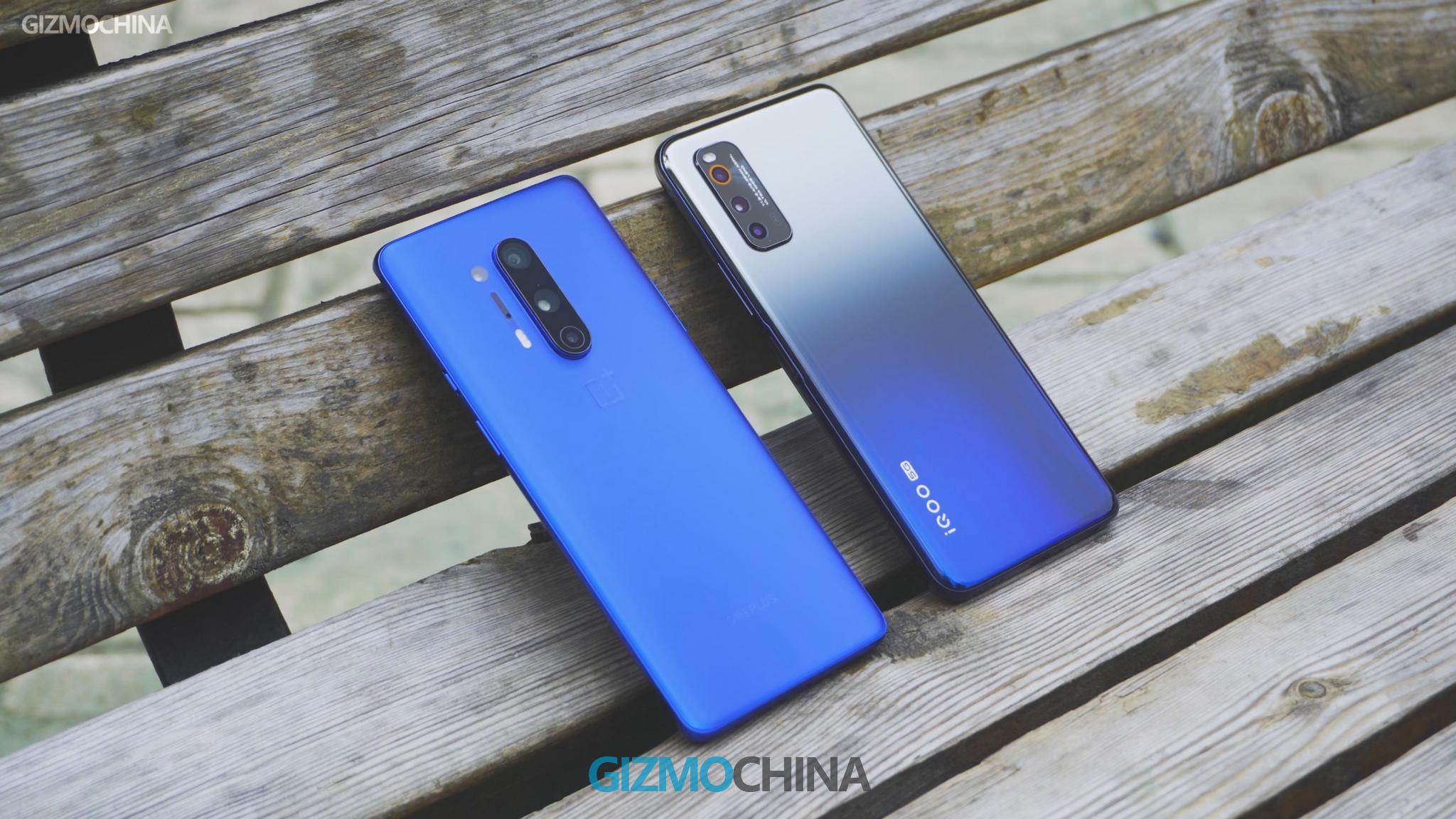
OnePlus 8 Pro (Left) vs iQOO Neo 3 (Right)
So can it further grow in the premium smartphone segment?
Compared to the record-breaking shipments registered by phones in the budget category, the premium and ultra-premium segments where the OnePlus 8 and OnePlus 8 Pro belong to respectively don’t pull those kinds of numbers. The sales in this segment would further decline due to the ongoing pandemic as consumers are restricting nonessential purchases.
So, for a smartphone maker that’s completely focused on the premium segment, a cheaper and affordable mid-range smartphone was inevitable.
Increasing Prices created a void in the Affordable Smartphone Segment
The first OnePlus smartphone, the OnePlus One was priced at just $300. The next couple of iterations, the OnePlus 2 and the OnePlus 3 were still priced under $400 (Rs. 30,000). If you remember, the OnePlus 3 series was the one to bring the company into the spotlight globally with an invite-free sales strategy. And the phone offered flagship specs for an unbeatable $400 price tag!
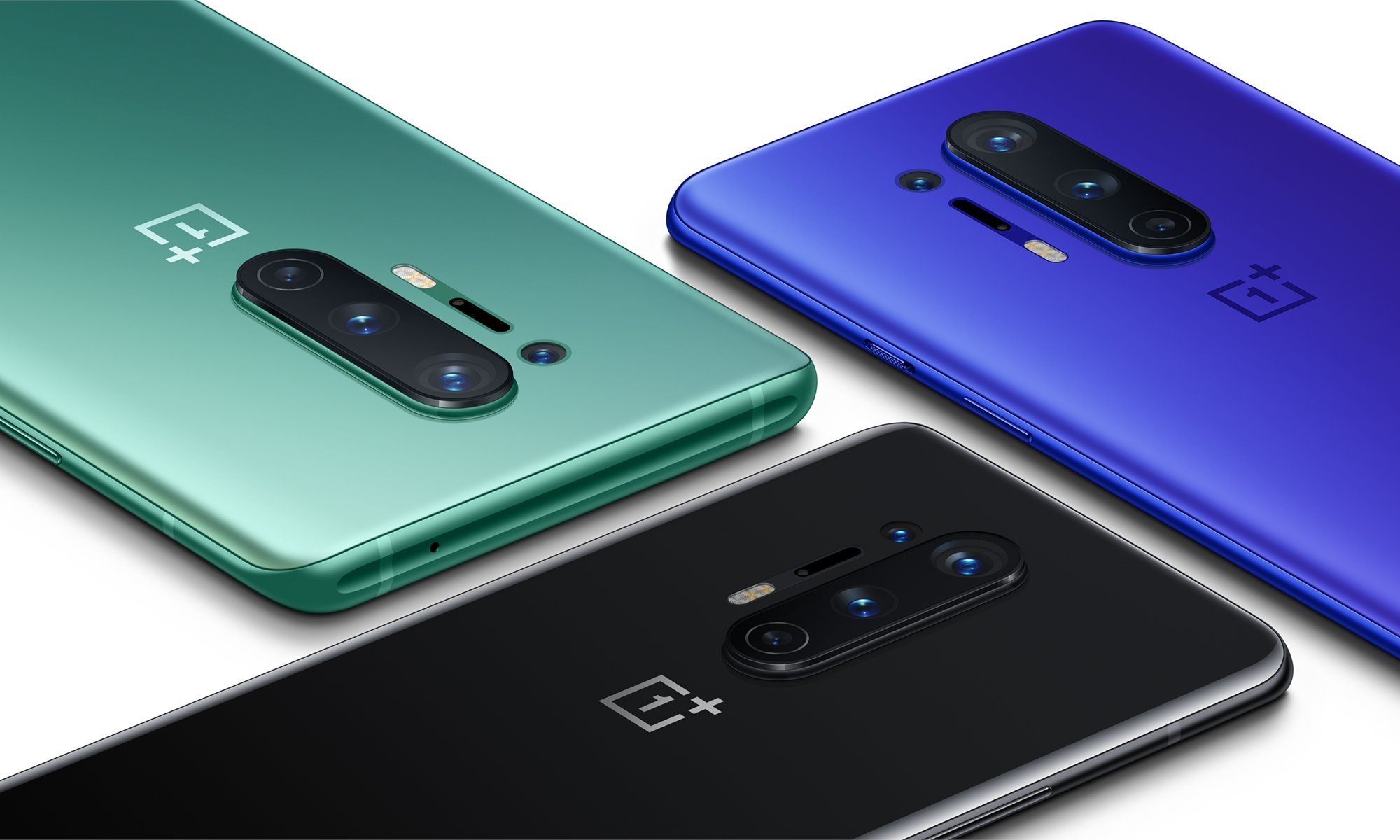
The Oneplus 8 pro starts at Rs. 54,999 in India!
But if you look at the latest OnePlus 8 and the 8 Pro models, the cheapest variant starts at $700! In India, the same base variant starts at Rs. 44,999.
So, OnePlus, which traditionally sold phones in the sub-$400 price segment, has no product catering to the price segment where it started off – leaving a subset of its fanbase disappointed.
Lite Variants are the New Trend in the Market
OnePlus’ strategy to release the Nord series is in line with the current trend. The two other brands focused on the premium segment – Apple and Google have tweaked their strategies recently.
Both these brands have released a mid-range, affordable model in the market in the past 12 months – a deviation from their traditional focus on the premium segment. And the mid-range models from both these brands have done exceptionally well.
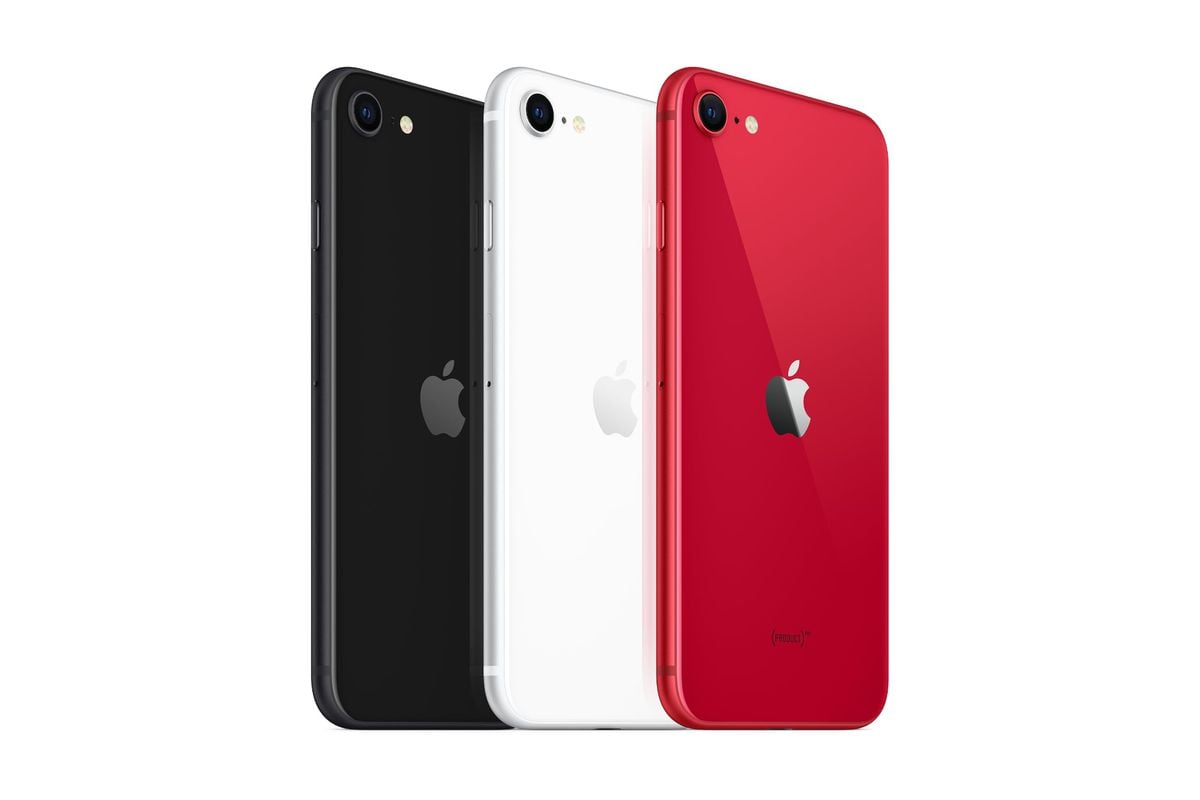
Apple is tapping into a new market segment with the iPhone SE 2020
When big brands like Apple and Google, which were premium-only for the past few years, have launched affordable models to drive more sales from the mid-range segment, it was only natural for OnePlus to follow suit.
Mid-Range Phones are exceptionally good this year!
If a premium brand was looking to launch a mid-range smartphone, for a cheaper price tag, 2020 would probably be a good year.
Why?
Because of the Snapdragon 765G.
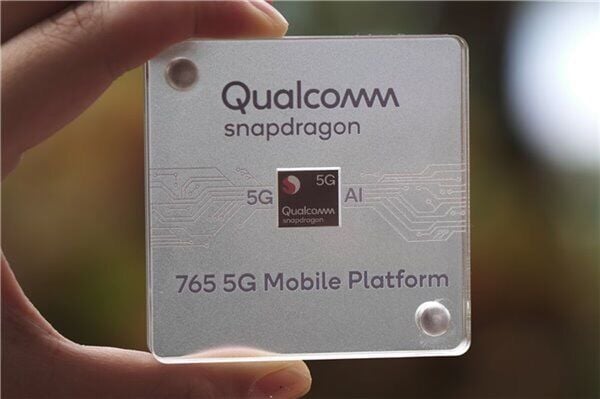
The new chipset from Qualcomm comes delivers flagship-like experience in the mid-range market. You get premium features on an upper mid-range chip like an integrated 5G modem, the latest 7nm manufacturing process, 120Hz display support, Wi-Fi 6, Quick Charge 4+, and 4K 30 fps video recording.
This means, even though the Snapdragon 765G is cheaper than the flagship Snapdragon 865, you don’t have to sacrifice on the premium features. This is also what OnePlus’ founder Carl Pei mentioned in the interview with Android Authority last week.
He said, “We wanted to do the right thing for the consumer, and we really believe that putting this 765G processor here is the right thing for a product at this price point. It can now deliver the experience we wanted to deliver.”
For a fan base that’s not ready to ‘Settle’, the Snapdragon 765G is a competent processor to power the OnePlus Nord.
OnePlus needs to rope in More Users into its Ecosystem
OnePlus is no longer just a smartphone maker. It’s a headset and TV manufacturer as well, and in the coming years, its likely to diversify its product portfolio with wearables and smart products.
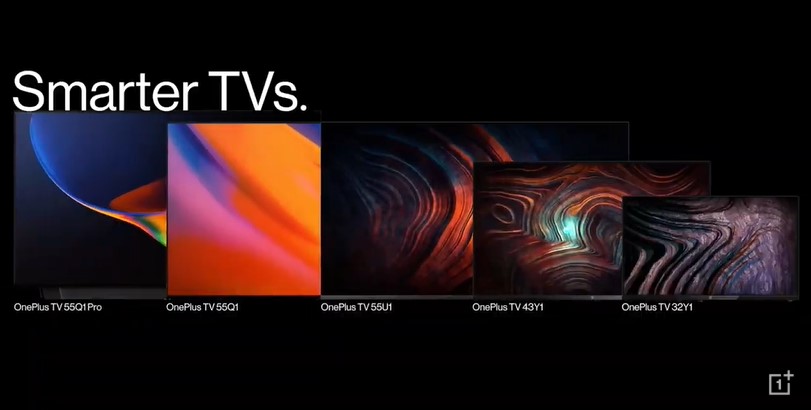
OnePlus’ new TV series ropes in a new set of users to its ecosystem
With a cheaper device like the OnePlus Nord, it will be able to sell more units and get the OnePlus experience in the hands of more users. With this, OnePlus wants users to be hooked to its OxygenOS ecosystem. After all, if you like a particular ecosystem, you are likely going to experiment with its other products too. For example, if you are a OnePlus smartphone user, you are likely to check out and get the brand’s TV lineup as well for a seamless experience. This is exactly what Xiaomi has been doing for the past few years in China and India.
While launching the mid-range OnePlus Nord makes perfect sense, whether it’ll be a successful launch is a different story altogether. The OnePlus Nord is all set to face stiff competition in the sub-$500 segment in India as well as Europe. There are a lot of competitive devices in this price range like the Mi 10 lite, Mi Note 10, Realme X2 Pro, and even the Poco F2 Pro (€499) with the flagship Snapdragon 865. So it won’t be an easy road for the brand’s new mid-ranger.
But history reveals that OnePlus has had a sound product strategy so far and it’s very likely that they have a solid plan in place for an important device like the OnePlus Nord too.
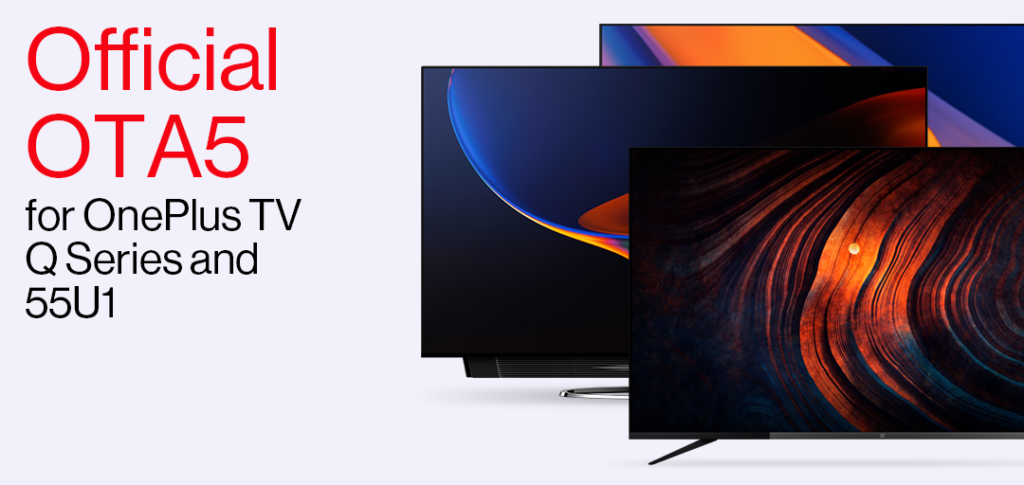
OnePlus ventured into smart TV category with the launch of OnePlus TV Q1/Q1 Pro. A few days back, the brand introduced three new TV models – OnePlus TV 55U1, 43Y1, and 32Y1. Now, the brand is rolling out OnePlus TV OTA 5 update for Q and U series with the features promised at the virtual launch last week.
OnePlus finally launched its budget TV models after teasing it for a while. At the launch event, the brand introduced a number of new features. It said that they will be made available for both the new 55U1 and the old QLED-equipped Q1/Q1 Pro.
Keeping up with its words, it has begun to seed these features to the mentioned TV models in the form of OnePlus TV OTA5 update. Here’s the official changelog provided by the company on OnePlus Community.
OnePlus Connect support for iOS devices.
Data Saver Plus: An enhanced version of the Data Saver feature, this will help keep a check on data usage through bandwidth control. This will also enable data usage alerts and will monitor monthly usage.
Kids Mode: With this we introduced parental control on apps, limited watch times, and an eye protection function to provide a more kids-friendly experience on the OnePlus TV.
OxygenPlay: You can now long press any poster in the OxygenPlay homepage to see a pop-up window with information; enhanced UI
As you can see from the changelog, all the listed four points are sort of major update. And all of them, improve the overall experience of the users. That said, the update is being rolled out in a phased manner and thus, may take time to reach all the units
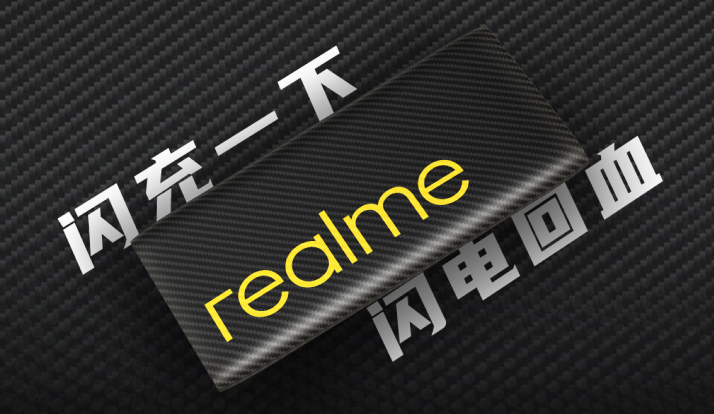
Apart from smartphones, Realme is also known for accessories like power banks. The brand currently sells two models in India and both are capped at 18W. But, in May, it launched a new 30W Dart Charge power bank in China. Now, the same has been spotted on the brand’s support page in India suggesting an imminent launch in the region.
Realme ventured into a number of product categories sooner than any other new brand. At present, it sells products like smartphones, TWS, fitness trackers, power banks, smart TVs, earphones, and backpack.
Since the brand began its operation in India, it still continues to debut some of its products first in the country. But the same cannot be said for this 30W Dart Charge power bank, which launched first in its home country China.
But now, it seems this accessory will be soon launching officially in India as it was briefly listed on Realme India support page (spotted by FoneArena). However, it is not known when the bran will unveil it in the country.
Realme’s next Indian launch is expected to be the entry-level Realme C11. The brand has even begun to tease the same. Maybe, this power bank will be announced alongside it or will launch separately.
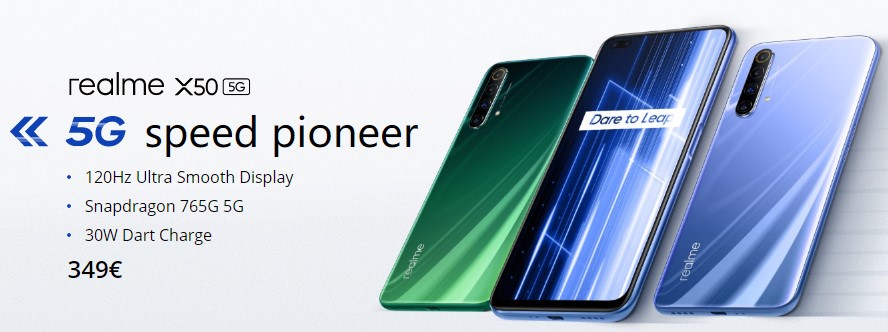
If you live in Europe and you are on the search for a new mid-range phone with support for 5G, you just got one more option to choose from. The Realme X50 5G is now official and it has the same price tag as the Moto G 5G Plus that launched yesterday.
Realme X50 5G specifications
The Realme X50 5G is actually the same device as the phone sold as the Realme X50m 5G in China. So you get a 6.57-inch FHD+ display with a 120Hz refresh rate and a punch hole for dual-selfie cameras. There is Gorilla Glass 5 for protection against scratches.
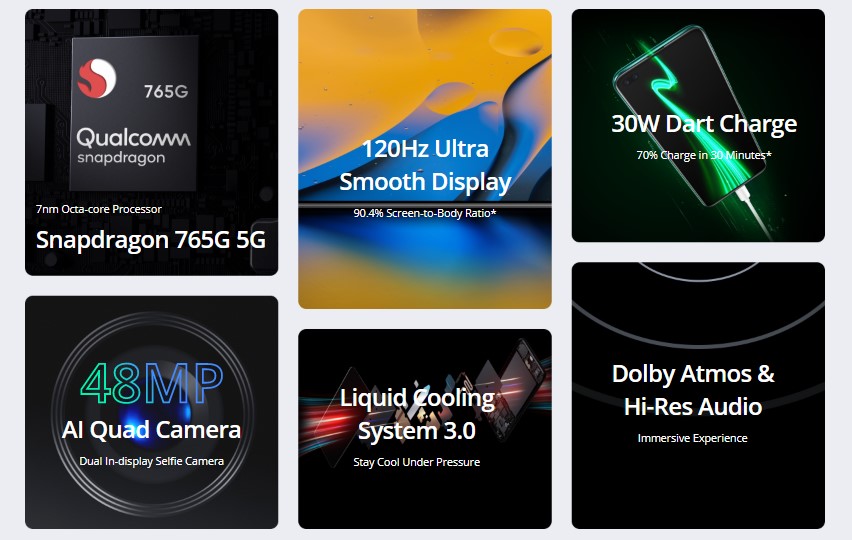
There is a Snapdragon 765G processor under the hood along with 6GB of RAM and 128GB of storage. There is also a variant with 8GB of RAM and 128GB of storage. There is no support for storage expansion.
For selfies, you get a 16MP Sony IMX471 primary camera paired with a 2MP portrait lens while on the back of the phone is a 48MP + 8MP ultrawide + 2MP macro lens + 2MP portrait lens quad camera setup.
The camera app has an Ultra 48MP mode, Super Nightscape mode, Pro mode, Portrait mode, Ultra Macro mode, and Chroma Boost. The phone can record in 4K at 30fps and has UIS and UIS Max video stabilization.
The Realme X50 5G has dual nano-SIM slots but only one SIM slot can use 5G. The device also has support for Bluetooth 5.1, dual-band Wi-Fi, and NFC. There is no audio jack but you get Dolby Atmos Hi-Res Audio. A fingerprint scanner is buried under the power button.
The phone packs a 4200mAh battery and supports 30W Dart Charge that allows you to charge the phone from empty to 70% in just 30 minutes. Realme includes a 30W adapter along with a protective film and case in the box. The Realme X50 5G also has liquid cooling and ships with realme UI based on Android 10.
Realme X50 5G price and availability
The phone is already available for purchase on Realme.com in Ice Silver and Jungle Green for €349 for the 6GB RAM version. The 8GB RAM version is not yet available for purchase.
If you order the phone along with the realme Buds Q earbuds that also launched today, you can get the earbuds for €19.99 instead of €29.99. The Buds Q is only available in Quite Black in Europe.
In addition, if you are a student, you can also get 5% off any order. Just make sure you have a StudentBeans account and apply the code you get when you make your purchase.
Realme says it is only shipping to Belgium, France, Germany, Luxembourg, Netherlands, and Portugal and delivery takes 7 to 10 working days.
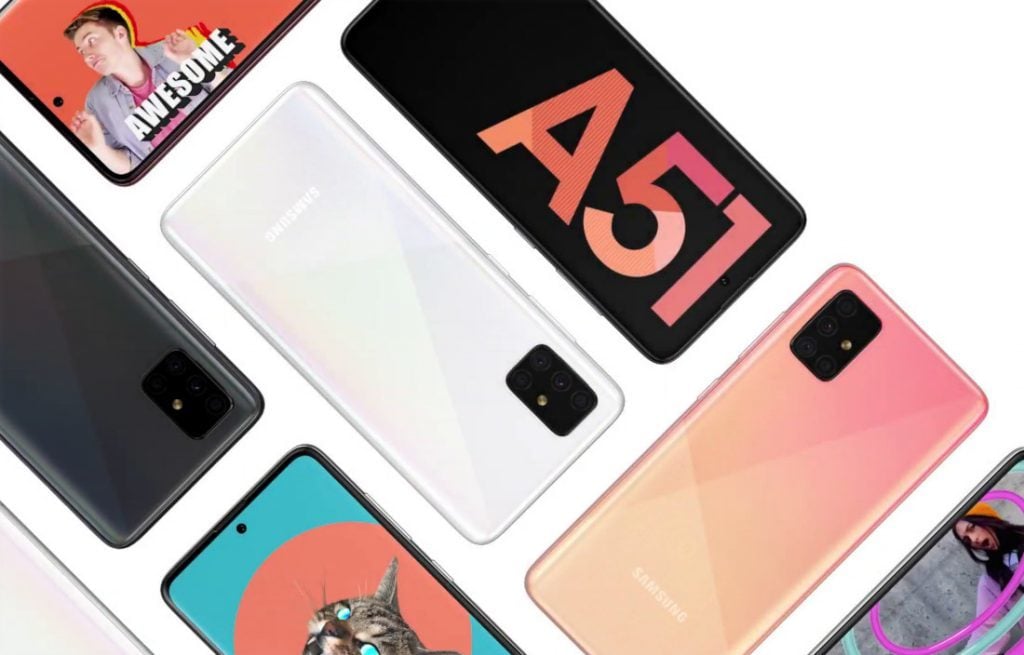
Though Samsung’s flagship Galaxy S20 series is not doing well, its mid-range devices like Galaxy A51 and Galaxy A71 are selling like hotcakes across the world. In fact, the former was the world’s best-selling Android smartphone in Q1 2020. That said, to further improve the experience of users, the company is seeding out new system update, which brings a bunch of features from its flagship phones.
Talking bout cameras first, both the Galaxy A51 and Galaxy A71 users can now enjoy a ton of camera features from the Galaxy S20 series. The new update whose build number will vary by regions will bring features like “Single Take”, which allows users to record quick 10 second videos with various modes like Live Focus, Smart Crop, and AI Filter.
Other camera features that come with the new update include more Pro Mode functionalities like Manual Focus as well as Shutter Speed control, Night Hyperlapse, and My Filters.
Further, the update also brings Quick Share and Music Share to seamlessly share pictures, videos and music with other users. Also, it adds features like translations directly from the keyboard, swipe left/right gestures to undo/redo keyboard actions, enhanced search bar in the app drawer, and Clean View as well as Quick Crop in the Gallery app.
Samsung has begun to roll out this update and it will be reaching all the variants of Galaxy A51 and Galaxy A71 very soon.
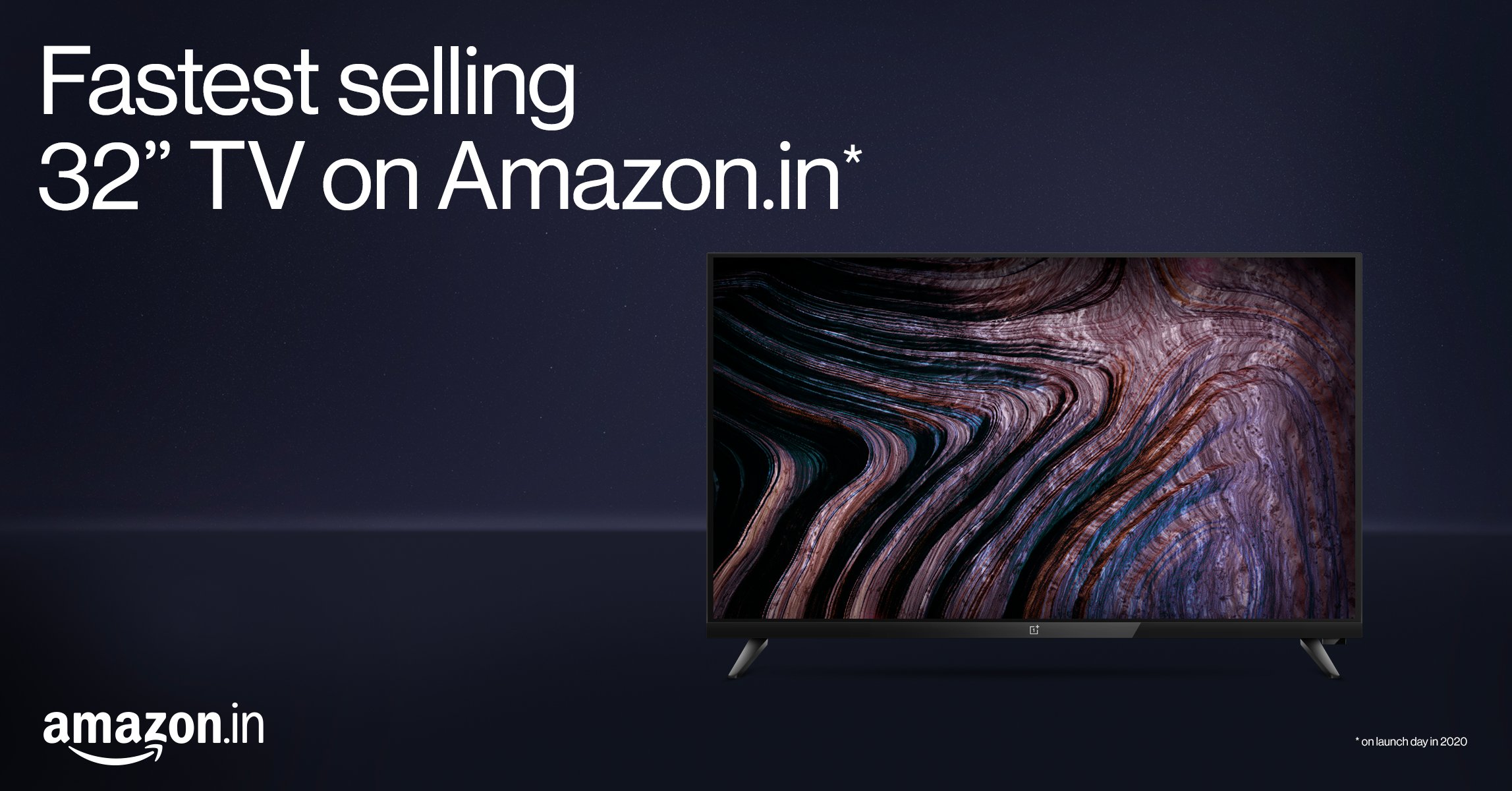
OnePlus first made a debut in the smart TV market in India last year but just a few days back, the company unveiled a new U-series and Y-series Android TVs for the Indian market. The 32-inch model went on sale for the first time and it turns out the enthusiasm for the product is pretty high. The smart TVs were sold out in just a minute. This was disclosed by the company via a tweet from its official Twitter handle. However, there is no word on the number of units sold or when the next sales would take place.
The new series is made up of a 55-inch 4K model belonging to the U series, as well as a 43-inch full HD model and 32-inch high-definition model both in the Y series. These TVs all run the Android TV Pie system and have OnePlus’ customized content recommendation interface called OxygenPlay.
Our Community’s love never ceases to surprise us. Owing to the overwhelming response for today’s #OnePlusTV flash sales the TVs were sold out in a minute. But, we’ll be back soon. Stay tuned to know about the next sales. Here’s to achieving new milestones together 🙌#SmarterTVpic.twitter.com/Z5PDPzLXO0
The HD OnePlus TV 32Y1 model is obviously the most affordable out of the three new smart TVs. The 32-inch Y1 model is priced at Rs 12,999 (~$174) while the 43-inch model comes in at Rs 22,999 (~$308). The top-end OnePlus TV 55U1 model is priced at Rs 49,999 (~$670).
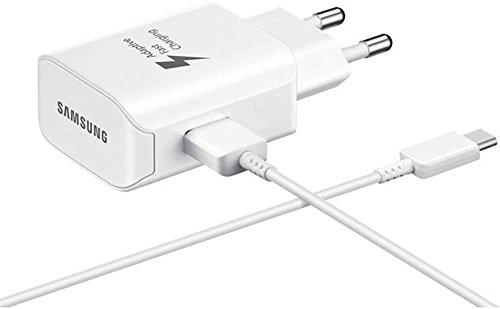
A new report from South Korea has revealed that Samsung smartphones in the near future will not arrive with a charger in the box. Chargers being bundled in the box is a norm in the industry but recent rumors may say otherwise.
Samsung is one of the largest smartphone manufacturers in the world. It ships hundreds of millions of smartphones each year. So, if the South Korean tech giant decided to drop the chargers that were bundled in the box, the company would see a major reduction in cost. This, on the other hand, would enable the company to price its handsets even more aggressively.
According to the report, Samsung might implement this change to select smartphone models. And unfortunately, we may see this change implemented as soon as next year, which is just barely 6 months away. Unlike earphones, which also used to be bundled in the box, a charger is downright essential for a smartphone owner.
At this day and age, charging ports and standards have more or less unified across the board. And it seems Samsung is banking on this uniformity to no longer ship chargers to new devices. Notably, Samsung isn’t the first company that has had this rumor go about as Apple’s upcoming iPhone 12 series was also rumored to drop the charger from the box. Similar to the headphones jack, if Apple does so, Samsung may follow as well.
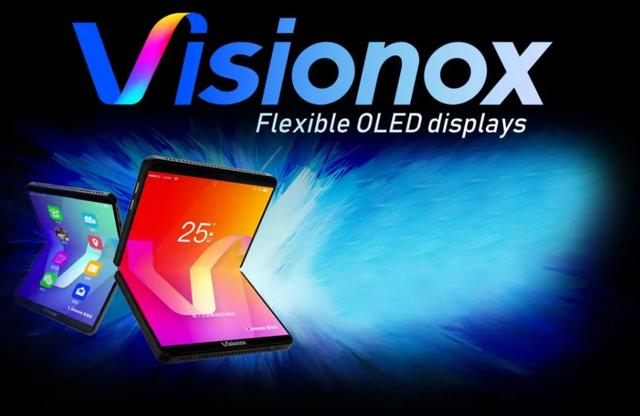
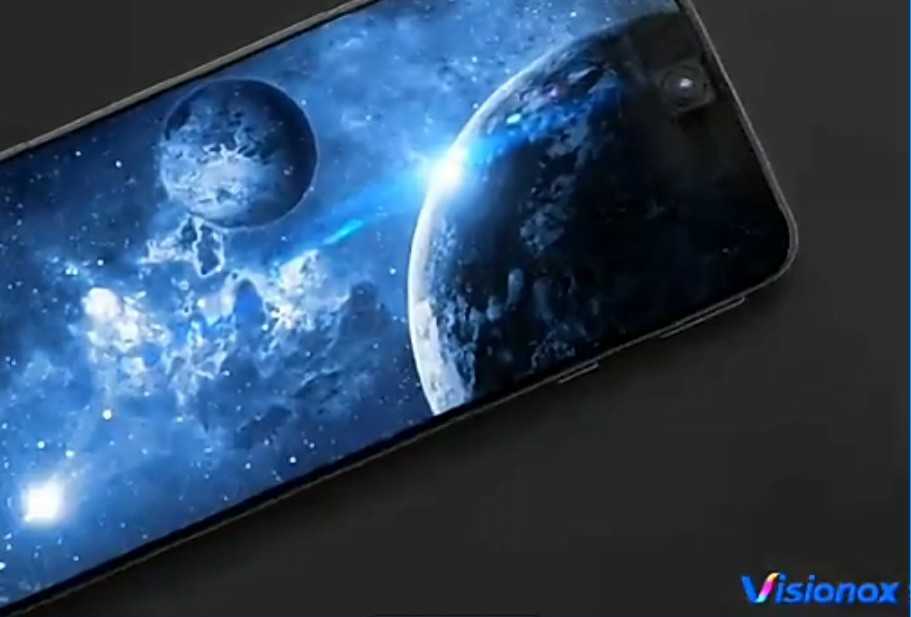
Visionox has apparently shipped OLED displays worth over 3.5 billion Yuan (roughly 500 million US Dollars) to Chinese vendors, Huawei and Xiaomi, since the second half of 2019. The company’s response to these rumors has also revealed that smartphones with Under Display camera technology will be launched very soon.
According to a recent report, Visionox had shipped OLED displays worth 2.5 billion Yuan to Huawei and over 1 billion Yuan worth of display panels to Xiaomi. When reached out for confirmation, Visionox replied by stating that it has entered into the supply chains of multiple vendors China and overseas customers. Furthermore, delivery is being done in batches and did not disclose the deal due to confidentiality requirements.
Visionox displays have been used by industry giants like Xiaomi, Oppo, Huawei, and various others. The company’s response to the rumor also revealed that Visionox is currently in the phase of mass production and will supply a number of other brands for its under display camera solution; and that its smartphones with the new technology should be released soon.
Visionox InV See (Under Screen Camera Display)
Back in June, Visionox unveiled the world’s first OLED display with the new technology. While rumors had also surfaced that Huawei will be the first to launch with the technology through the upcoming Mate series, newer reports said otherwise. However, this news does indicate a separate device from Huawei that may feature the technology. Unfortunately, it is still too soon to tell, so stay tuned for more updates.
OnePlus has been teasing Nord, its next smartphone for a very long time. The company had announced to release a 4-part documentary series about the making of this handset. Yesterday, the brand dropped the second episode on IGTV and it happens to give us the first glimpse of all the color variants.
As spotted by Android Authority, the latest episode of the OnePlus documentary titled “New Beginnings Episode 2” showcases possible four paint jobs of the upcoming OnePlus Nord starting at 8:40.
We can see Black, Gray(already revealed), Blue (like the new OnePlus logo for Nord), and OnePlus 8-like Glacial Green colored OnePlus Nords in the new video. However, they are blurred to not disclose the entire back design of the handset.
Anyway, these four colors may not be the final choice as brands tend to look for a number of options before settling down with a few. Even OnePlus itself revealed a plethora of OnePlus 6 colors, which it did not release ahead of OnePlus 6T launch.
But in the case of OnePlus Nord, these four colors could be final as the brand has been revealing every aspect of this phone with each new promoted interview, leak, and teaser.
Huawei Technologies have apparently filed for a large number of trademark applications. These new trademarks are all related to its proprietary HarmonyOS (also known as HongMeng OS in China).
The list of trademark applications includes HarmonyOS, HarmonyOS Connected, HarmonyOS Linked, and more. This news arrives after rumors were surfacing of Huawei smartwatches that will soon be launched along with the company’s own operating system. For those unaware, HarmonyOS is a proprietary operating system that the Chinese tech giant has been working on ever since it lost Google support on Android.
While it had been rumored to launch on multiple occasions it has yet to make a commercial appearance. Furthermore, a new recent trademark application also revealed that a Huawei Mate Watch is also in the works and will launch alongside the flagship Mate 40 series. In response to the trademark application surfacing, Huawei reached out to one Chinese reporting agency to verify the news. The company stated that the application for HarmonyOS is just a part of the normal business process.
With the world moving towards the adoption of 5G networking, India had also planned 5G trials with various operators partnering with either Huawei or ZTE. However, the planned 5G trials are on uncertain grounds since strict new conditions from the Government might have the Chinese vendors pull out.
The 5G trials were to take place with a very limited spectrum and a few base stations that would fix any glitches. But, the recent friction of the geopolitical relations between India and China has brought about strict rules. Reportedly, the Intelligence Bureau (IB) is against remote access from a foreign land and data storage overseas. This would make operations in the region difficult for both Huawei and ZTE.
In other words, if the Government doesn’t ease its stance on the matter, the 5G trials might not follow through. For those unaware, foreign telecom firms have their hubs located overseas, through which they oversee the network and fix any issues in the system. According to experts, no vendor would want to relocate hubs to a remote location, especially for 5G trials since India has yet to auction the 5G spectrum at the moment.
Additionally, 5G enabled handsets aren’t available in India either, so bringing local data storage or relocating remote access servers doesn’t seem like a possible outcome. Notably, the Indian government has yet to give the final verdict on whether Huawei or ZTE would be allowed to participate in the 5G trials in the first place. So stay tuned as we will be providing more updates.
Back in June, George Zhao, the president of Honor brand revealed that they will be soon launching gaming laptops. A few days back, a report also confirmed the same, which also added that Huawei will be joining the bandwagon as well. Now, new teasers on Weibo confirm the silicon that will be used in these notebooks.
1 of 2
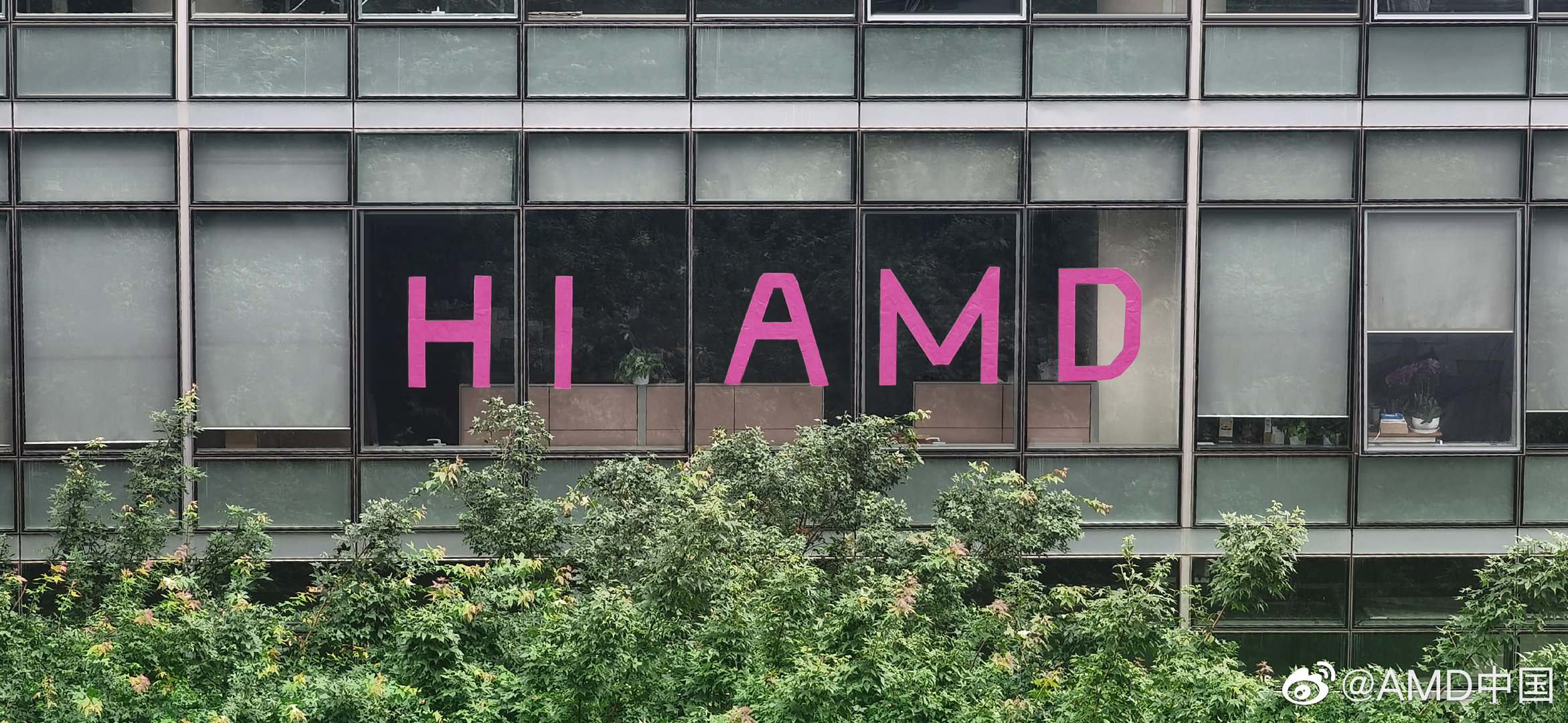
Earlier today, AMD China’s official Weibo account posted a picture of a building with “HI AMD”. Similarly, an hour later, Honor’s Weibo account shared an image of another building with “HI Honor” marking.
We believe these two buildings are nothing but offices of Honor and AMD greeting each other. Above all, it teases a collaboration between the two companies.
This could mean only one thing and that is none other than Honor using AMD chips in its upcoming gaming laptops. As per recently, these gaming laptops will launch as early as this month.
Since the teasers have begun, we can expect Honor to soon drop features of its forthcoming notebooks in the coming days. If they do, the brand’s first gaming laptops will be indeed launching by the end of July or maybe in August.
Honor will not be the first smartphone maker to launch gaming laptops as Xiaomi has already introduced its own lineup last year.
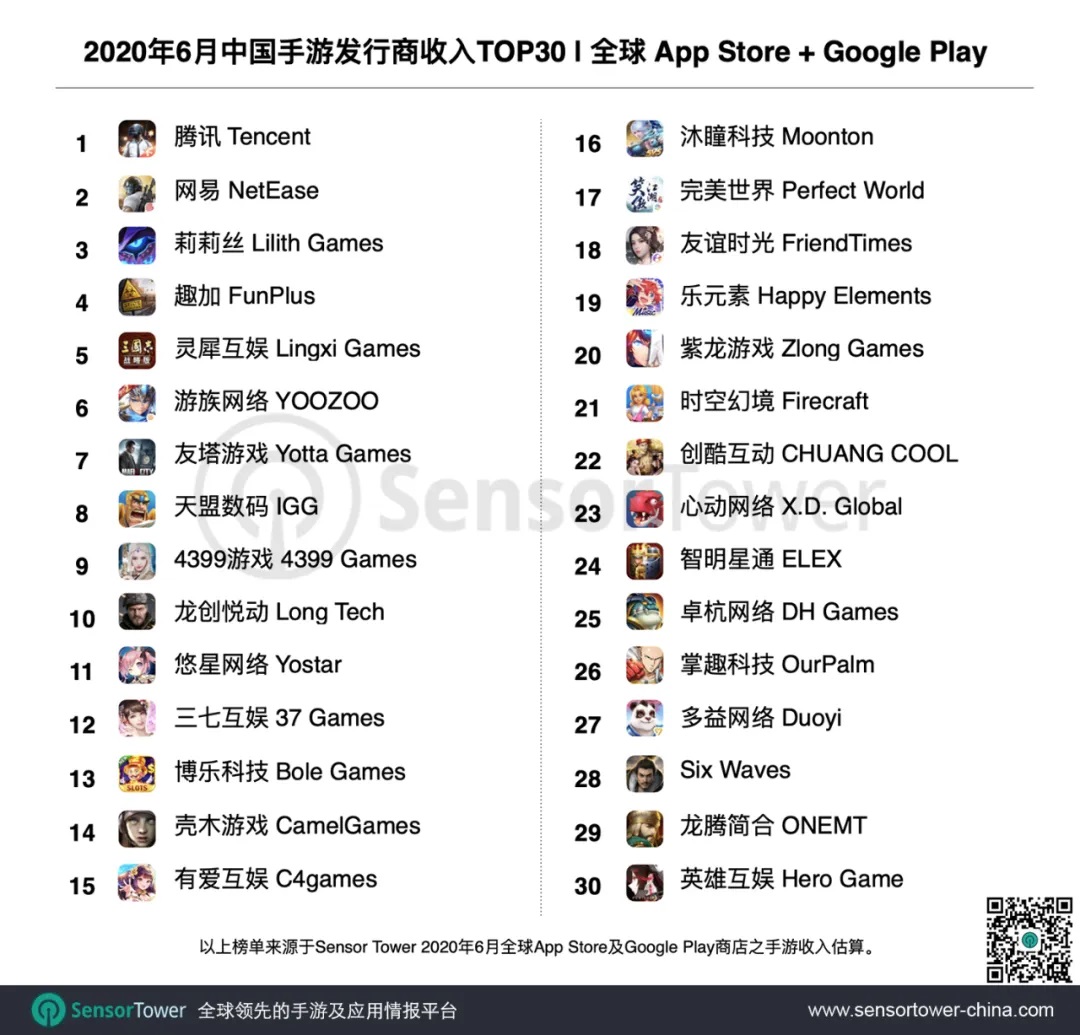
Earlier today (8th July 2020), SensorTower China announced the ranking for the top Chinese mobile game publishers for both AppStore and Google Play by revenue. In the report, it was revealed that the top 30 video game publishers in China roped in more than 1.65 Billion US Dollars in revenue in June alone.
According to SensorTower listing, the top 30 Chinese game publishers accounted for 26 percent of the global mobile gaming revenue for June 2020. Popular brands like Tencent and NetEase topped the charts while other familiar names include Lilith Games, FunPlus, Lingxi Games, and more. Despite bringing in such large figures in revenue, the analyst noted that the mobile gaming market revenue was declining overall in China, Europe, and even the US. Only the Japanese market saw a rise in revenue.
However, it is expected that the following months could possibly bring in record breaking figures. Furthermore, the latest mobile game title from Tencent, “The Outcast Mobile,” is also seeing a great success at the moment. The new IP, which is based on a popular comic series, is already bringing in a sizeable amount of revenue that is second to only industry giants like PUBG Mobile and King of Glory. But these are two well established games, and we can expect to see more from the new release.
For those unaware, the mobile gaming market has overtaken the PC gaming and console gaming market combined in terms of sheer revenue that is being brought in. With the Chinese market being one of the largest for mobile gaming, it comes as no surprise that developers from that region are roping in such impressive figures. Notably, this success is also the reason why various AAA game publishers from consoles and PCs are also now taking the mobile gaming market more seriously and have been launching their own mobile ports of their respective popular titles.
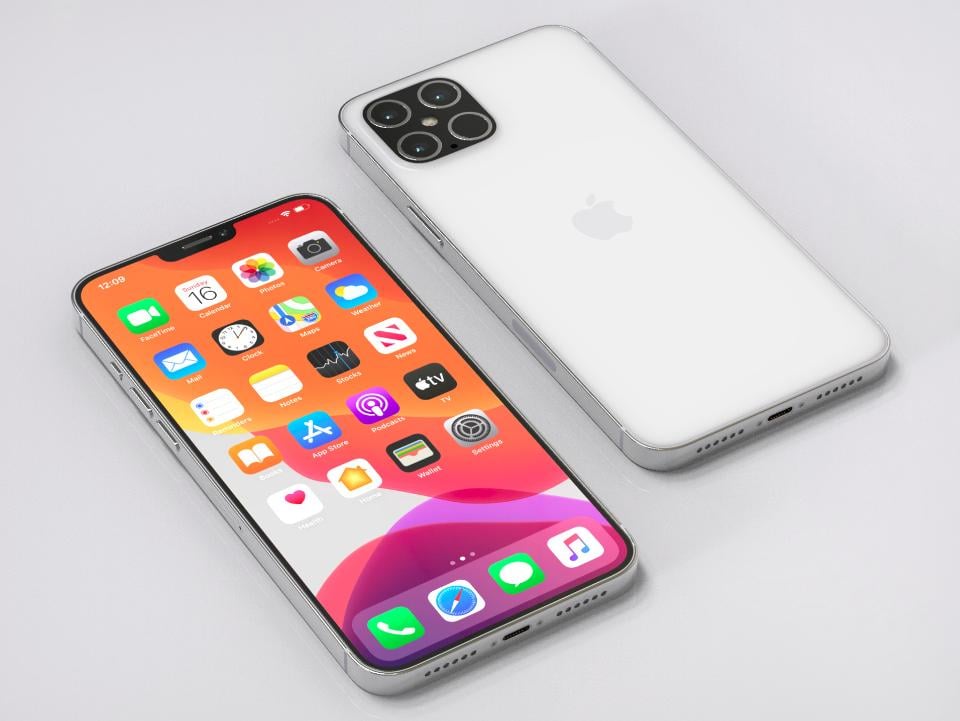
Earlier, there were reports claiming that Apple could be using OLED displays for the upcoming iPhone 12 series. Now, a new report has surfaced online which reaffirms that the 5G iPhone series getting launched this year will indeed have OLED screens.
Although Apple has used the OLED display on its iPhone X which was launched back in 2017. However, this will be the first time that Apple will be using the OLED screen for all the models in the new iPhone lineup.
Apple iPhone 12 Render
All the major smartphone makers, including Samsung, Huawei, OPPO, and Vivo are already using OLED display on their premium smartphones. Even for Apple, the iPhone 11 Pro and 11 Pro Max feature OLED screen.
The report further adds that Apple iPhone will continue to have a notch on top of the display for housing the Face ID sensors. This is because Apple was not able to integrate the module into the display itself.
The company is expected to launch four variants this time, which include iPhone 12, iPhone 12 Max, iPhone 12 Pro, and iPhone 12 Pro Max. The standard iPhone 12 will have a 5.4-inch display while the Max and Pro models will have a 6.1-inch screen. The top-end model in the form of the iPhone 12 Pro Max will reportedly have a 6.7-inch display.
BOE, the China-based display maker, which already is a display supplier for MacBook and iPad, could be supplying OLED screens for the upcoming iPhones as Apple tries to reduce dependence on Samsung. Some report claims that the Chinese firm has not yet met Apple’s standard but could enter the supply chain later.
Apple shifting from LCD panels of OLED could be a major blow to Japan Display, the company’s long-terms display supplier as almost 60 percent of its revenue was generated through LCD panel sales to Apple. The company has been making losses for a few years and is much behind others in manufacturing OLED panels but that has not stopped Apple from investing $200 million in the company.
However, Samsung is expected to dominate the OLED display market with around 74 percent market share while BOE should get around 9 percent market share in 2020. Almost half of all smartphones getting launched by 2022 are expected to have OLED screens.
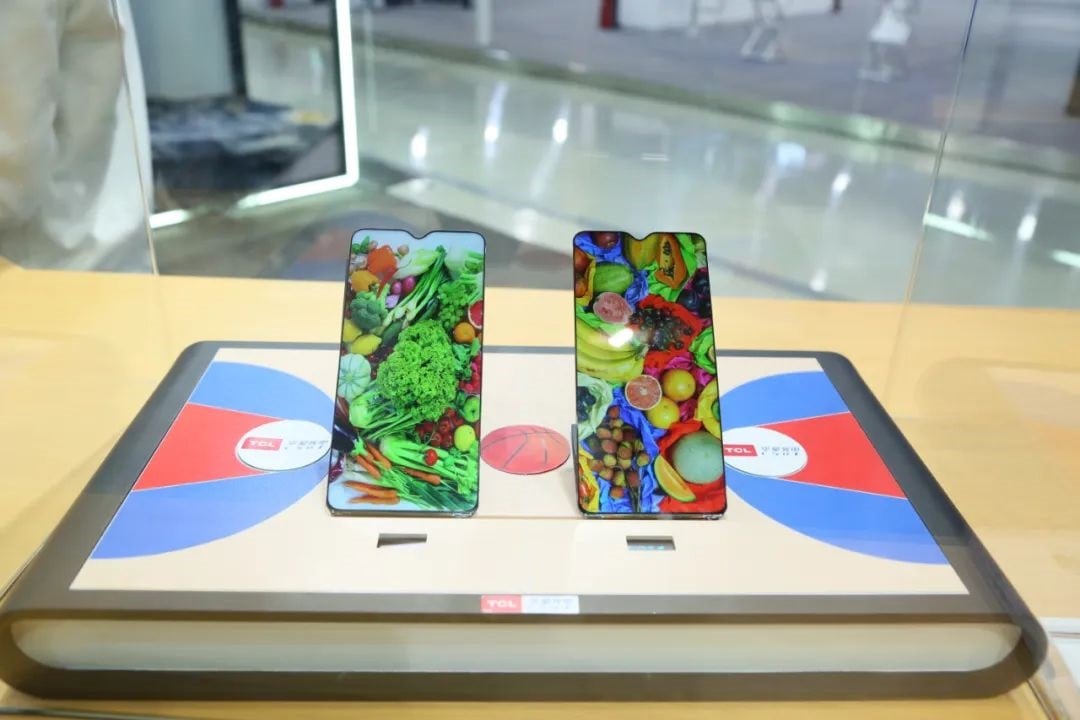
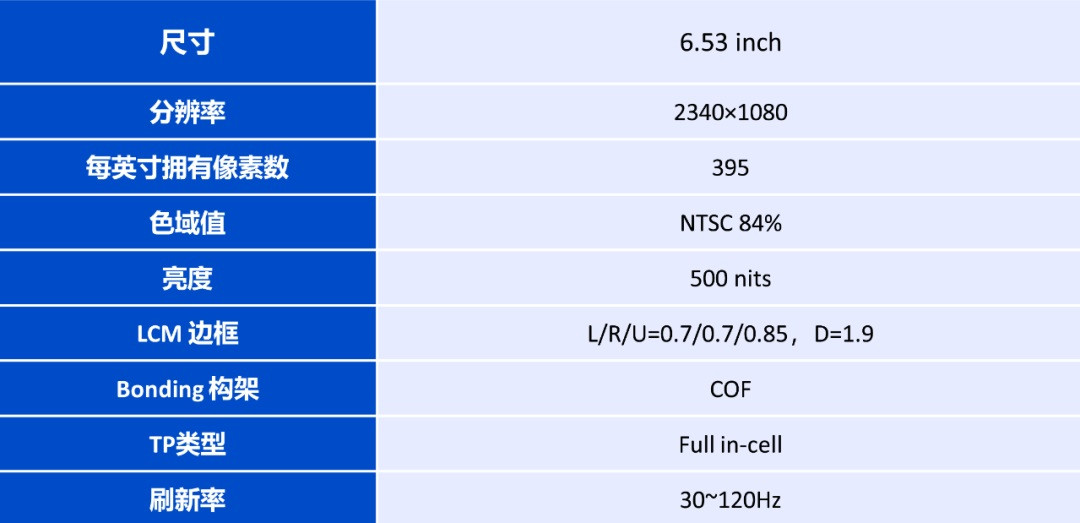
TCL subsidiary CSOT (China Star Optoelectronics Technology, AKA Huaxing Optoelectronics) has just developed a new display technology that will be capable of dynamic frame rate switching. The new display technology can switch between the traditional 60Hz refresh rate to 30Hz or even 120Hz.
The new display panels have already entered into mass production and the product will be launched soon. Similarly, the 144Hz technology has also entered mass production and will also be available by the second half of this year. According to China Star Optoelectronics Technology, the display uses a 30Hz refresh rate when in reading more or viewing static images, which can save up to 18 percent of battery.
This ensures that the device will have a more durable standby time, while the 120Hz refresh rate mode will be used for gaming, watching videos or movies, and more. The higher refresh rate will also have a 240Hz touch sampling rate that should solve the issues regarding motion blur or high speed trailing. The display has a resolution of 2340 x 1090px and a maximum brightness of 500 nits.
ASUS will be launching the ROG Phone 3 gaming smartphone in multiple markets on July 22. Various reports have revealed that it could be the first phone fueled by the Snapdragon 865 Plus mobile platform, an improved version of the SD865 that powered most of the Android flagships this year. Earlier today, an AnTuTu listing of the upcoming Lenovo Legion gaming smartphone had surfaced to confirm that it is equipped with Snapdragon 865+. However, the Chinese firm is still mum on its launch date. A few hours ago, ASUS seemingly shared a teaser of the ROG Phone 3 that almost revealed the presence of Snapdragon 865+. While the tweet has been taken down, the Tech Elucidations Facebook page seems to have shared the same teaser.
The 10-second clip states that the ASUS ROG Phone 3 will be the most powerful gaming phone. A closer look at the chip’s image reveals ‘865+’ mentioned on it.
The Snapdragon 865+ is expected to higher CPU and GPU clocking speeds than the SD865 chip. It is known through Legion gaming phone’s AnTuTu listing that it has one 3.09GHz Kryo 585 Prime CPU, three 2.42GHz Kryo 585 Gold, and four 1.8GHz Kryo 585 Silver CPU. The SoC also includes Adreno 650 graphics. There is a possibility that the ROG Phone 3 launch event may feature a soft unveiling of the SD865+ SoC.
Recent reports have revealed that the ROG Phone 3 has a Full HD+ 6.59-inch AMOLED display with support for 19.5:9 aspect ratio. The screen may support up to 144Hz refresh rate and it could be embedded with a fingerprint reader. It may arrive with up to 16 GB of RAM and up to 512 GB of native storage. The Android 10 OS along with ROG UI will run on the device. It has a front camera of 13-megapixel and a 64-megapixel triple camera system on its back. It could be coming with 30W rapid charging support for its 6,000mAh battery.
OnePlus is currently rolling out OxygenOS 10.5.8/10.5.9/10.5.10 to OnePlus 8/8 Pro users worldwide. Despite being different build versions for various regions, they come with a common changelog. This new system update is all about fixes and optimizations for a number of things including the infamous “photochrom filter”.
Though the “photochrom filter” was added back in June as promised, now, with the latest update, it no longer uses the color filter sensor. Because the company has now implemented this filter on the ultra-wide camera. Hence, users cannot see through thin plastics and clothes anymore.
But now, a big question arises as noted by XDA Developers. If this feature is possible without the color filter sensor, then why include it in the first place?
That said, here’s the official changelog for OnePlus 8/8 Pro OxygenOS 10.5.8/10.5.9/10.5.10
System
Optimized the touch and interaction experience
Optimized the power consumption performance of the system, battery life extended to be longer than ever
Optimized the high temperature warning to improve user experience
Fixed the failure to full-charge when battery was charged to 90% and above in a few circumstances
Fixed the issue with Netflix and Amazon Prime Video unable to play HD video on some machines
Fixed known issues and improved system stability
Updated Android Security Patch to 2020.06
Camera
Adjusted Photochrom filter (OnePlus 8 Pro only)
Improved the shooting experience with camera and improved stability
Cloud service
Added the file disk section in file manager: now conveniently upload and store all your files on OnePlus Cloud seamlessly (India only)
Network
Band 46 CA combo enabled for India Network (India only)
Improved the stability of communication
Improved the performance and stability of Wi-Fi transfers
Optimized network latency for online games and improved the smoothness
Arm has just announced that it is planning to spin off two of its IoT businesses. Earlier today, the known chip designer said that it would be transferring these divisions to SoftBank Group, who had also acquired Arm back in 2016.
With the announcement, Arm also mentioned that it would be focusing on its core business, which is its semiconductor IP business. The firm is a known chip designer and its architecture has been used by various different companies. Furthermore, the transfer of these two businesses is currently pending additional review from the company’s board, although, this process is expected to be completed before the end of September.
The move from Arm will have it see its way out of the IoT Platform and Treasure Data businesses, but, the company said that it would continue to cooperate with the ISG (IoT Services Group) businesses. In other words, Arm will retain its business on the compute IP aspect of the IoT, while the data software and services aspects will be handled by the two divisions individually.
According to ARM CEO, Simon Segars, “Arm believes there are great opportunities in the symbiotic growth of data and compute. SoftBank’s experience in managing fast-growing, early-stage businesses would enable ISG to maximize its value in capturing the data opportunity. Arm would be in a stronger position to innovate in our core IP roadmap and provide our partners with greater support to capture the expanding opportunities for compute solutions across a range of markets.”
We use cookies on our website to give you the most relevant experience by remembering your preferences and repeat visits. By clicking “Accept”, you consent to the use of ALL the cookies.
This website uses cookies to improve your experience while you navigate through the website. Out of these, the cookies that are categorized as necessary are stored on your browser as they are essential for the working of basic functionalities of the website. We also use third-party cookies that help us analyze and understand how you use this website. These cookies will be stored in your browser only with your consent. You also have the option to opt-out of these cookies. But opting out of some of these cookies may affect your browsing experience.
Necessary cookies are absolutely essential for the website to function properly. This category only includes cookies that ensures basic functionalities and security features of the website. These cookies do not store any personal information.
Any cookies that may not be particularly necessary for the website to function and is used specifically to collect user personal data via analytics, ads, other embedded contents are termed as non-necessary cookies. It is mandatory to procure user consent prior to running these cookies on your website.