Advertisement

Xiaomi Mi Band 5 launched with a Larger OLED Display, Better HR monitoring & Magnetic Charging

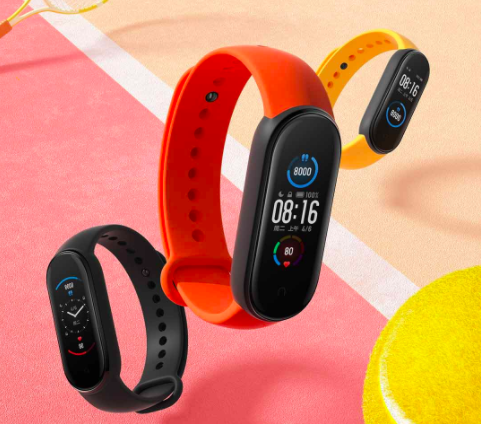
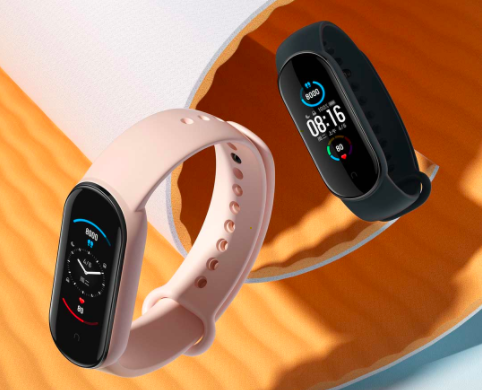
Xiaomi’s best selling Mi Band lineup has got a new update today: the Mi Band 5. The new wearable brings significant upgrades to the company’s smart band family, including a new magnetic charging design, a larger dynamic OLED display, and new sports modes. The band also comes with a brighter display that goes up to 450 nits, improving its visibility outdoors.
v

Larger Display with 100+ Animated Watchfaces

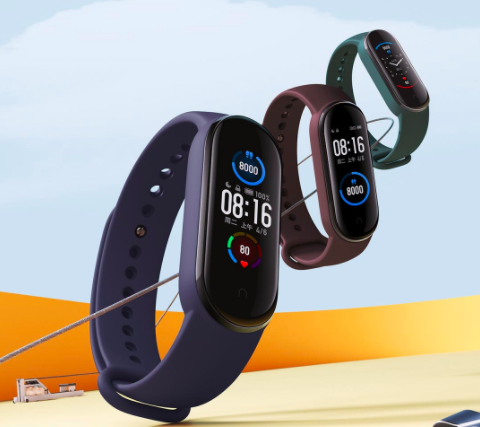
The new Mi Band 5 retains the same pill-shaped design of the Mi Band 4 and has a variety of wristband colors. You can choose the TPU wristband in eight different colors which include – graphite black, deep space blue, dynamic orange, bronze purple, vibrant yellow, light green, dark cyan, and ivory.
Xiaomi Mi Band 5

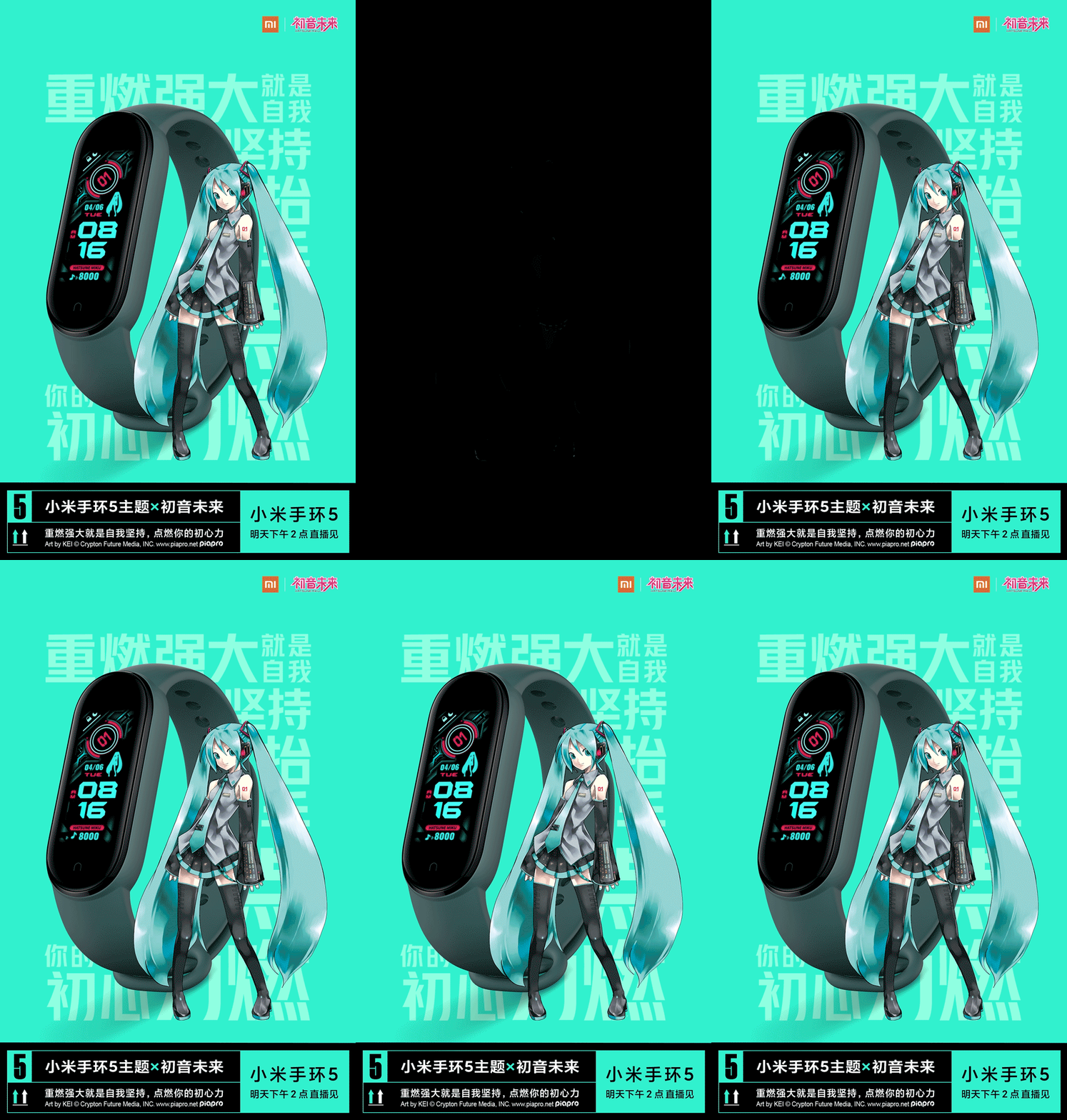
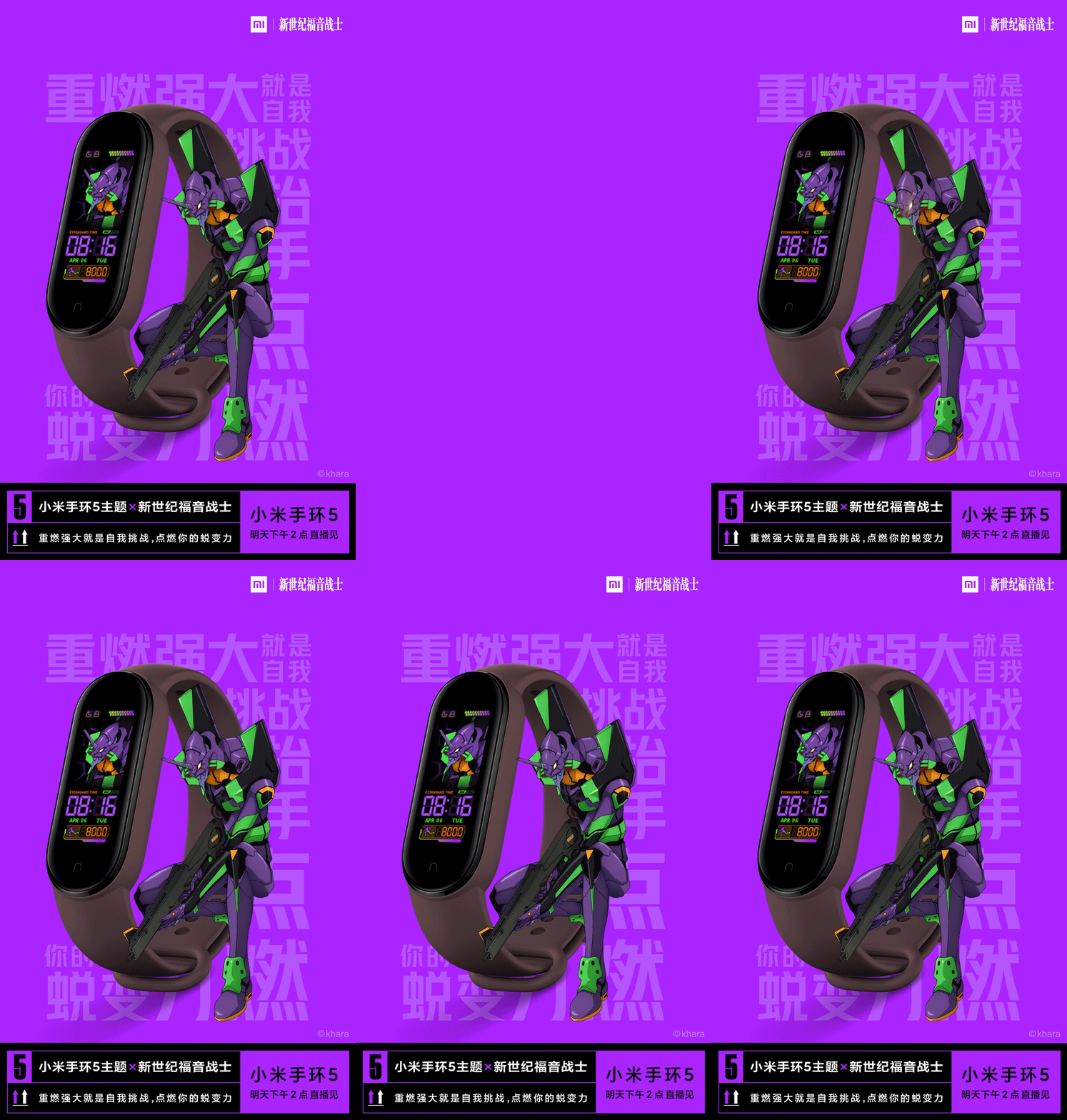
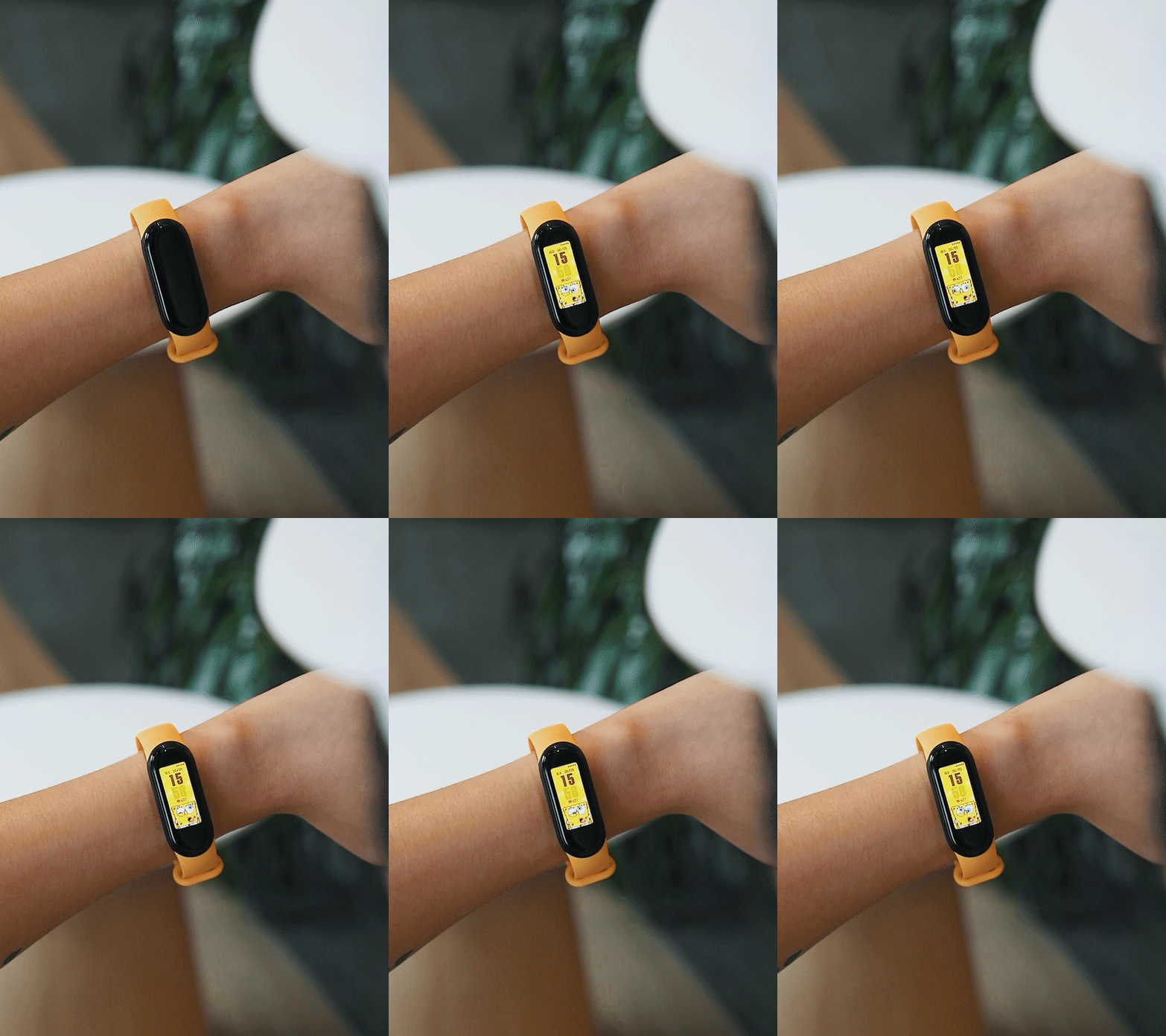
The Xiaomi Mi Band 5 comes with a large 1.2-inch dynamic color AMOLED display, protected by a scratch-resistant 2.5D glass on top. This marks a significant increase in its screen size (more than 20%), allowing more information to be displayed at a glance. Another highlight of the new display is the support for new dynamic animated watchfaces. You get over 100 new animated watchfaces and there are some special ones based on characters from popular series’ like Neon Genesis Evangelion (EVA), Hatsune Miku, SpongeBob SquarePants, and Case Closed.

As mentioned above, Xiaomi has also increased the peak brightness of the Mi Band 5’s AMOLED panel, increasing it to 450 nits from 400 nits on its predecessor. You also get five levels of brightness adjustment.


Better Health Tracking

New Indoor Sports Modes

Considering the current situation across the globe where indoor / home exercises are gaining popularity, Xiaomi has added five new indoor modes for the newly launched Mi Band 5. This includes indoor machine and floor exercises like rowing machine, elliptical machine, skipping rope, yoga, and indoor cycling /spinning. This combined with the already available six exercise modes like swimming, walking, cycling, etc gives you a total of 11 specific tailor-made sports modes on the new wearable.
Xiaomi Mi Band 5 01

 More Accurate Heart Rate and Sleep Tracking

The Mi Band 5 comes with a photoplethysmogram (PPG) biosensor for accurate 24 x 7 heart rate monitoring. Xiaomi claims that the new wearable increases the accuracy of irregular heart rate monitoring by up to 50%. Sleep tracking also gets an upgrade and its accuracy has gone up by 40%. It can also show you how many hours of REM sleep you’ve had every night, in addition to deep and light sleep.

Mi Band 5 featured

Xiaomi Mi Band 5, for the first time, will also calculate your Personal Activity Intelligence (PAI) score. PAI is calculated by monitoring your heart rate and gives you a fair idea of your physical activity every week. A PAI score of 100 or more in a week indicates that you have an active lifestyle.


 Magnetic Charging solves the biggest Pain Point of its Predecessors

Each generation of the Mi Band has had at least 2 weeks of battery life. But charging the device was a painful process – you had to manually remove the device from the wristband and place it in the charging cradle. Plus, there were a lot of complaints regarding the charger’s design.
Xiaomi Mi Band 5 magnetic charger

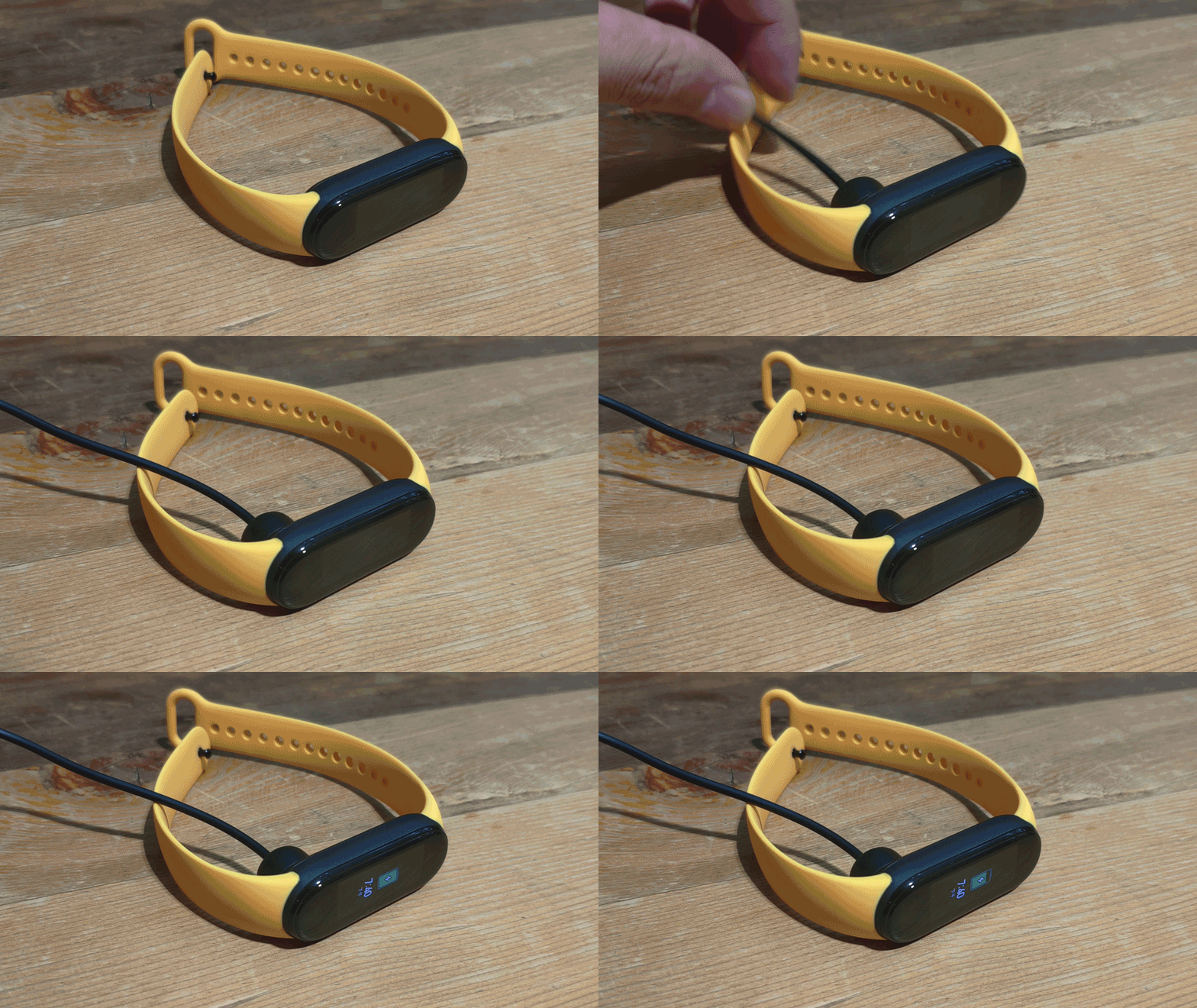
The Xiaomi Mi Band 5 finally solves this pain point by using a magnetic charger. The charger easily connects to the two charging pins on the device, so you no longer have to remove it from the wristband.

The new Mi Band comes with 14-day battery life, so you just have to do it once every two weeks. It’s also waterproof up to 50 meters – just like its predecessor.


Xiaomi Mi Band 5 Pricing & Availability

The Mi Band 5 comes in two variants – NFC and non-NFC. The NFC variant is slightly more expensive at 229 yuan (~$32) but the non-NFC variant is priced at just 189 yuan (~$27).

The Mi Band 5 will go on sale on June 18 at 10 AM in China.
Mi Band 5 2

Honestly, the new Mi Band 5 raises the bar for smartbands this year. With a larger display and better health tracking, you get a lot of features for its sub-$30 pricing!


Love the new Mi Band 5? Don’t forget to participate in our Mi Band 5 giveaway for a chance to win it!
Huawei could get exclusive access to Visionox’s under screen camera solution this year

Last year, there was a competition between Huawei and Samsung about who would be the first among them to launch a smartphone with a foldable display. Soon after Samsung Galaxy Fold was announced, Huawei announced its Mate X.

Now, the same type of competition is for under-display camera technology. Several companies are working on the tech and the likes of OPPO and Xiaomi have already showcased their prototype.

Huawei Logo MWC 2019

But, as per the reports coming from China, Huawei could be the first smartphone company to launch a device having an in-display camera sensor. Not just that, it seems that the Chinese giant could also monopolize the market.

Visionox, which is known for supplying display panels to smartphone makers, recently announced that it is ready for the mass production of its under-screen camera display and showcased a video of the same.

If the reports are to be believed, then it looks like Huawei is trying to get its hands on the panels exclusively for its devices. Also, the Honor Magic series is expected to be the first to adopt the new under-display camera technology this year.

Apparently, other smartphone manufacturers are not expected to launch their flagship smartphones with under-display front-facing camera sensors as the technology is not yet ready for this, at least that’s what the executives from Meizu and OPPO claim.

While Visionox will be providing the hardware part for the in-screen camera technology, there’s still another important part for it to work — software. The company is reportedly working with phone makers for a special algorithm that will handle glare, brightness, and eliminate the fogging effect.

It will be interesting to see the implementation of the under-display camera technology and see where this new tech leads the smartphone market. Soon after the launch of a Huawei smartphone with an in-screen camera, we expect other brands to follow the suit.

(Sources – 1, 2)

Xiaomi Mi Notebook 14 series Launched in India, starts from 41,999 INR ($550) and features Intel 10th gen processors

Xiaomi has just launched its first laptop series in India. The Mi Notebook lineup, which was previously rumored to be a rebranded RedmiBook, is a standalone series with distinct features that arrive with an aggressive pricing strategy the Chinese tech giant is known for.

Mi Notebook 14 Horizon Edition

The Mi Notebook 14 Horizon Edition is the company’s entry into the popular light and portable ultrabook category. With work from home becoming a new norm in India’s professional sectors, Xiaomi has launched the product that will specifically cater to the large demand of portable personal computers. In other words, the new laptop boasts decent multitasking capabilities through its impressive specs within its thin and light form factor.

Xiaomi

The Xiaomi Mi Notebook 14 Horizon Edition is built to be premium, with a compact and metallic design. It is light, weighing just 1.35 kilograms and has been made with ease of carrying in mind. As the name suggests, it sports a 14 inch FHD Horizon display, that has thin bezels on the sides and a high 91 percent screen to body ratio. The Mi Notebook features a scissor switch keyboard, stereo speakers, USB 3 ports and a multi touch trackpad.

Xiaomi

Its display arrives with an anti glare coating for ease in use during night time and the laptop arrives in two variants. The higher end Xiaomi Mi Notebook 14 Horizon Edition features Intel’s Core i7 10th Gen processor, while the more affordable variant features the Core i5 10th Gen processor. According to Xiaomi, the laptop can last up to 10 hours on battery and the 65W charger can charge the device from 0 to 50 percent in just 35 minutes.

The latter houses a 512GB of SATA SSD storage and 8GB of RAM, while the premium version has a 512GB PCI Express Gen 3 NVMe SSD and 8GB of RAM as well. Impressively, both variants will also sport NVIDIA’s GeForce MX350 mobile graphics card, which will offer impressive gaming in the lightweight laptop. The laptops run on Windows 10 OS and come with one month free trial of Microsoft Office 365.

Mi Notebook 14

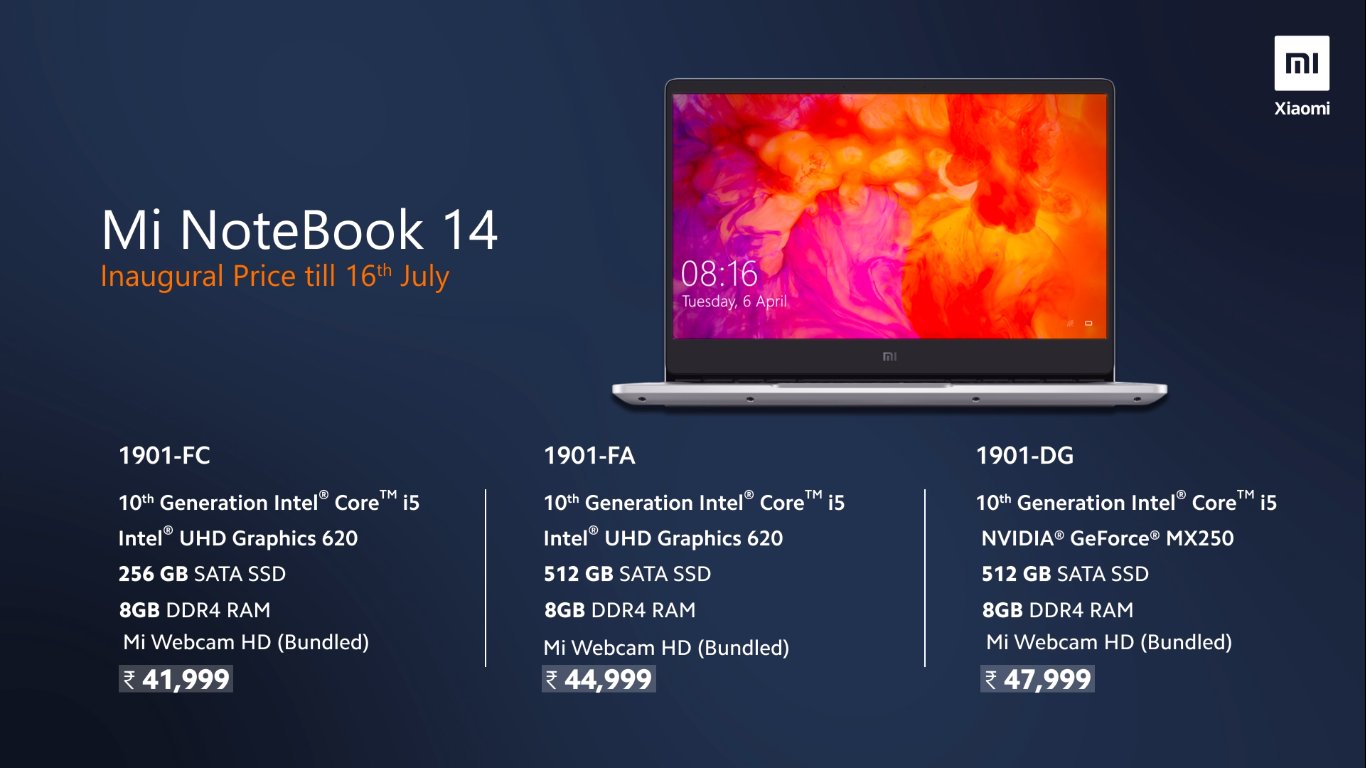
The base Mi Notebook is a more affordable laptop offering from Xiaomi. This version also sports the 14 inch Horizon display, with FHD resolution and a high 91 percent screen to body ratio. It arrives in three different models with the base version having 256GB of SATA SSD storage. The higher priced models include a 512GB SATA SSD storage variant. Both of these variants feature Intel’s UHD integrated graphics, while the entire lineup sports Intel’s 10th gen Core i5 processor.

Xiaomi

The most premium version of the base Mi Notebook 14 includes 512GB SATA SSD storage along with an NVIDIA MX250 mobile graphics processor, which should offer decent gaming performance as well. All variants feature 8GB of RAM and also sport a Mi Webcam HD. Similar to the Horizon Edition, the base model also features a multi touch trackpad, scissor switch keyboard, and same ports like an HDMI and USB 3 port.

Pricing and Availability

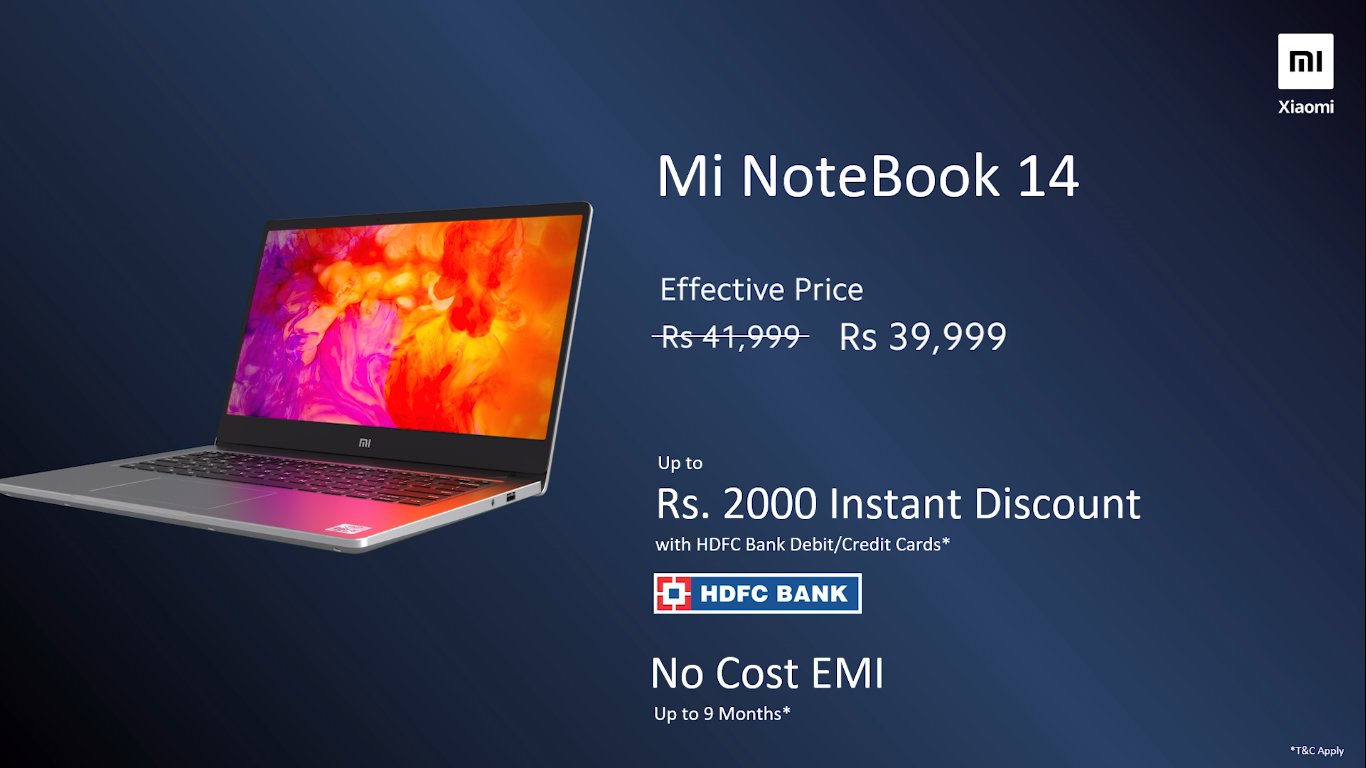
Xiaomi has unveiled the pricing for its entire laptop lineup. The base Mi Notebook 14’s inaugural prices till 16th July 2020 are:

  • Mi Notebook 14 inch (256GB SATA SSD version) – 41,999 INR (roughly $554)
  • Mi Notebook 14 inch (512GB SATA SSD version) – 44,999 INR (roughly $593)
  • Mi Notebook 14 inch (512GB SATA SSD + NVIDIA MX250 GPU) – 47,999 INR (roughly $633)

Xiaomi

For the Mi Notebook 14 Horizon Edition:

  • Mi Notebook 14 Horizon Edition (512GB SATA SSD version) – 54,999 (roughly $725)
  • Mi Notebook 14 Horizon Edition (512GB PCI Express Gen 3 NVMe SSD version) – 59,999 (roughly $791)

The entire lineup will go on sale on 17th June 2020 and will be available through online retailers like Amazon, or the company’s official Mi.com website.


Xiaomi and Oppo to import smartphones from China to meet market demands in India

The Coronavirus pandemic has impacted various economies and industries. The smartphone business is no exception with OEMs struggling to restart production in many parts of the globe, especially in India. Now, Xiaomi and Oppo are starting to import smartphones from their home country of China to meet the market demands as their Indian factories are still struggling to resume operations.

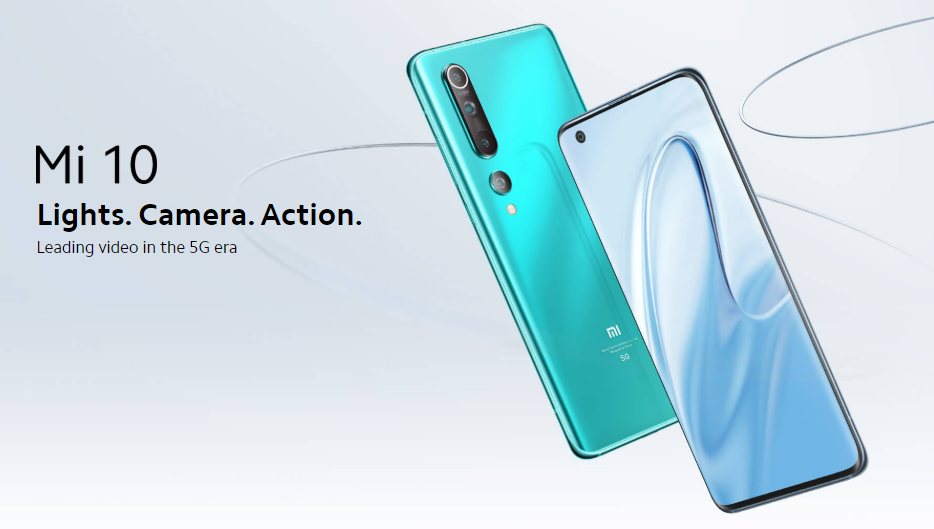
Xiaomi Mi 10 India

For those unaware, the Indian government had imposed a nationwide lockdown two months prior, which even saw factories being shut down due to the ongoing crisis. However, unlike with the case of China, smartphone vendors have been struggling with the resumption of operations in the region, with various resumed production sites being sites of confirmed COVID-19 infections, thus causing another closure.

Two of the most popular brands in the Indian market, Xiaomi and Oppo are also suffering from this issue. The latter’s plant in Great Noida also closed down last month, only to recently open but with a 30 percent capacity. Similarly, other vendors like OnePlus and Realme are also considering importing as an option during this time. Although, this move would have the companies facing a 22 percent import duty, which will inevitably raise their handset offerings’ prices.

Xiaomi India officials have recently stated that the company is currently at a 40-45 percent production capacity, with Vivo being at a similar level. Notably, the Chinese tech giant has already raised the cost of a few of its affordable low end smartphones in the market, and this trend could soon be reflected in its other offerings as well. Although, we will have to wait and see as to how the situation plays out in the near future as the Indian government is slowly easing its restrictions within the country.


(Via)

MIUI 12 stable update rolling out to Mi 10/Mi 10 Pro in China

Xiaomi announced MIUI 12 at the end of April in China. A separate global event was later held in mid-May. A few days back, the company rolled out a  stable beta update to Mi 9 series and Redmi K20/Mi 9T series globally. Now, according to Chang Cheng, VP of Xiaomi, the stable update is also available for Mi 10/Mi 10 Pro, however, only in China.

Xiaomi Mi 10 color variants

MIUI 12 marks the 10th anniversary of MIUI as well as Xiaomi’s existence. It brings overhauled design focussed on privacy. To know more about it, do check our launch coverage.

Having said that, MIUI 12 stable update for Mi 10/Mi 10 Pro in Cina weighs only 820MB and comes with build number MIUI 12.0.1.0. Being the flagship product from the brand, it gets all the features that were announced including animated AOD+, Super Wallpapers, partial screenshot, new MIUI camera app, and more.

Anyway, we are not sure if it is really a stable build or a stable beta release that requires beta authorized Mi account. Either way, the rollout for global units is yet to be announced by Xiaomi.

But if you are a power user and have an unlocked bootloader, you can install MIUI 12 China Stable ROM on your global Mi 10/Mi 10 Pro via custom recoveries like TWRP. Unfortunately, we don’t have access to the download link yet.


Huawei Mate 40 powered by 5nm Kirin 1000 may debut in October

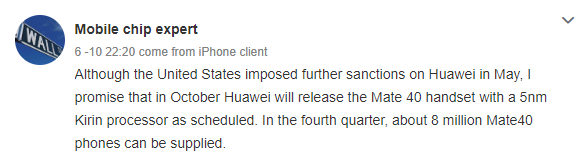
The Huawei Mate 40 series arriving in the second half of the year is said to be powered by a new flagship chipset. Early rumors had dubbed it as Kirin 1020, but recent reports have claimed that it could be arriving as Kirin 1000. It was reported in the previous month that the latest sanctions by the U.S. Commerce Department will not affect orders that have been already placed by Huawei. Hence, the 5nm Kirin chipset that is rumored to power the Mate 40 is said to be on its track. Fresh information shared by an industry expert from China states that the Kirin 1000 powered Mate 40 series will debut in October.

Last year, Huawei launched the Kirin 990 5G chipset in September, and it announced the Mate 30 series later in the same month. According to the tipster, the Huawei Mate 40 is scheduled to go official in October featuring the all-new 5nm flagship chip. The tipster added that the company is expected to ship around 8 million Mate 40 units by the last quarter of this year.

Huawei Mate 40 Kirin 1000

Rumors surrounding the Kirin 1000 have revealed that it has a “Baltimore” codename. The 5nm SoC is being built by TSMC. It could be equipped with a Cortex-A78 CPU. The SoC may go official in September.

International analyst Ming-Chi Kuo had revealed in April that the Mate 40 will be equipped with free-form lens design. Huawei will patent the design to ensure that it remains available exclusively on its devices. There is no word on the specifications of the Mate 40 series.

The Chinese manufacturer is reportedly working on the Huawei P50 series that is likely to go official in Q1 in the coming year. The P50 and P50 Pro could be also driven by the 5nm Kirin 1000 SoC. The camera-centric P50 series is expected to set a new DxOMark record.


(source)

Realme X50t Google Play Console reveals key specs like SD765, 6GB RAM and more

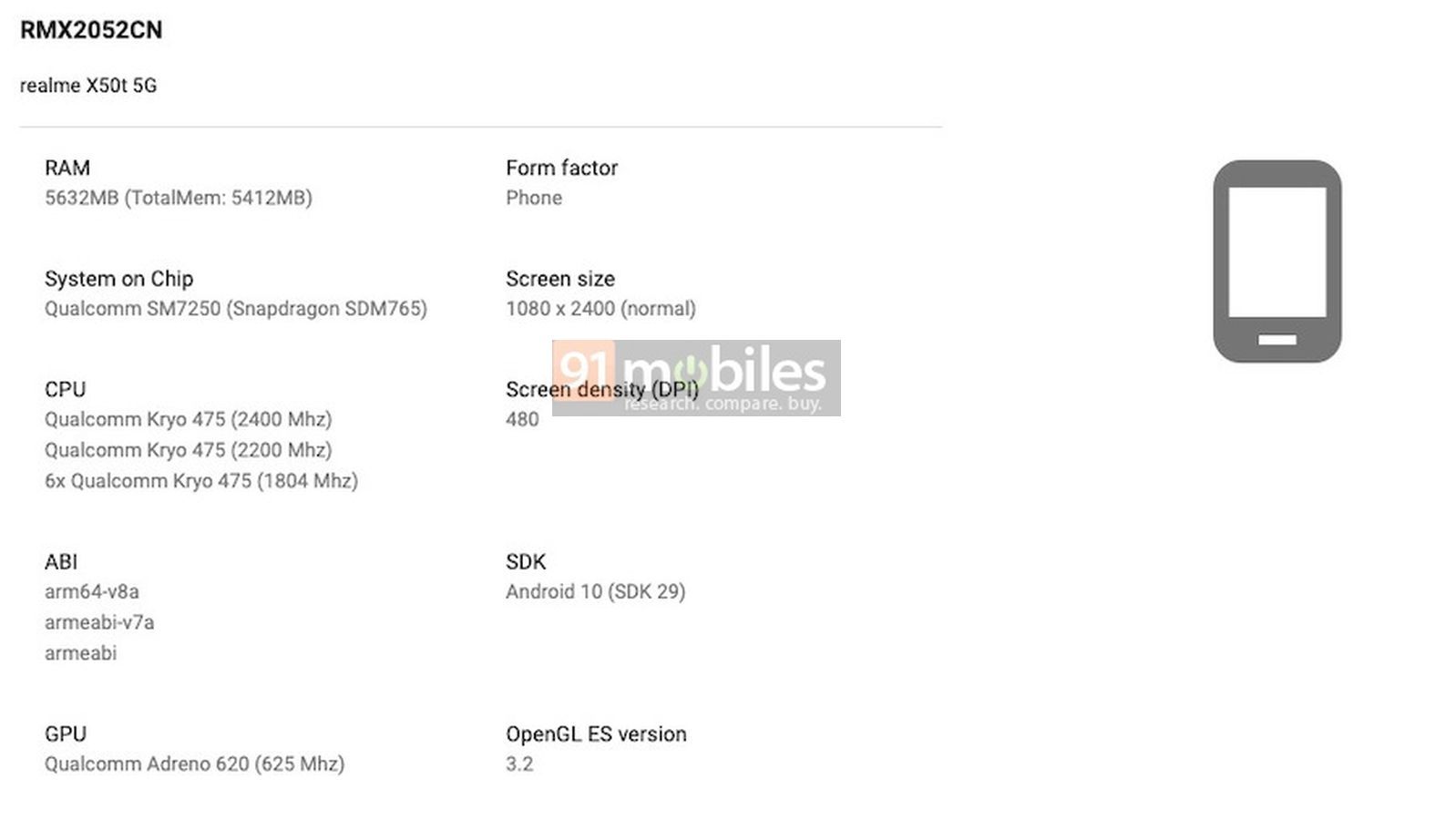
Recent reports have revealed that Realme is gearing up to launch a phone called Realme X50t 5G in China. While Realme is yet to confirm its existence, it is speculated that its launch could be around the corner. The handset is a network variant of the Realme X50m 5G phone that debuted in May. 91mobiles has come across the Google Play Console listing of the Realme X50t. The listing suggests that it may break in the next few days.

The Google Play Console listing confirms the Realme X50t 5G moniker and it reveals that it is powered by Snapdragon 765G SoC and 6 GB of RAM. The display of the phone supports 1080 x 2400 pixels and it is preinstalled with Android 10 OS.

realme-x50t-specifcations-google-play-console

A recent leak had revealed that compared to the X50m, the X50t will support fewer 5G network bands like n41, n78, and n79 in China. The X50t seems to weigh 202 grams and has a thickness of 9.3mm. The X50t weighs 193 grams and its thickness is 8.9mm. The rest of the specs of the Realme X50t 5G could be identical with Realme X50m 5G. There is no word on the pricing of the smartphone.

Realme X50t 5G specifications (Rumored)

The Realme X50t may house a dual punch-hole totting IPS LCD display of 6.57 inches. The Full HD+ resolution supporting display may offer an aspect ratio of 20:9. The Realme UI based Android 10 will come preloaded on the smartphone. It is expected to feature a 16-megapixel + 2-megapixel dual selfie camera system.

Realme X50m 5G
Realme X50m 5G

The back panel of the Realme X50t could be fitted with a 48-megapixel + 8-megapixel + 2-megapixel + 2-megapixel quad-camera system. It could be sporting a side-facing fingerprint reader. The phone may feature a 4,200mAh battery that supports 30W fast charging.


(via)

Huawei MatePad Pro 5G goes on sale in China

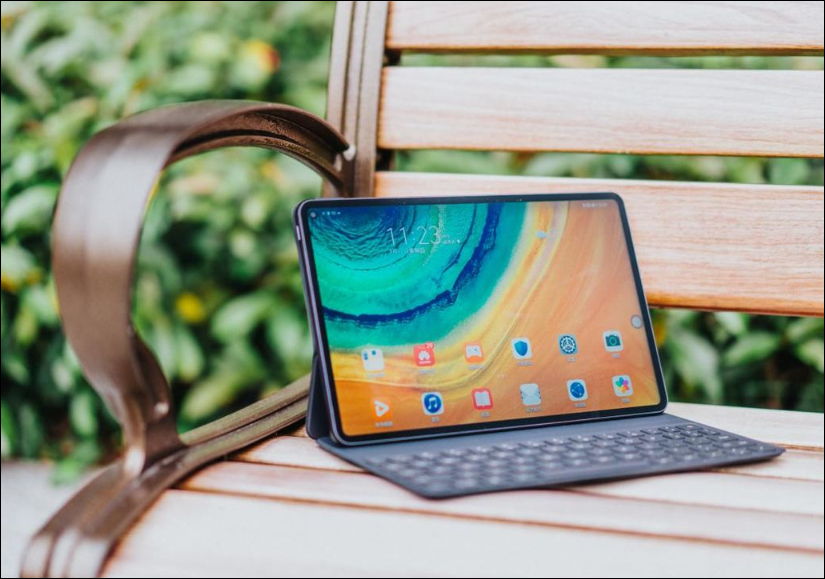
Huawei unveiled the MatePad Pro 5G premium tablet in Europe in February this year. The device was made official in China at the end of May. As scheduled, the MatePad Pro 5G is now up for purchase in the home market. Huawei is offering the tablet with a discount of 300 Yuan (~$42) on its first sale.

The Huawei MatePad Pro 5G went official in China on May 27 in two variants like 8 GB RAM + 256 GB storage for 5,299 Yuan (~$750) and 8 GB RAM + 512 GB storage for 6,799 Yuan (~$963). With a discount of 300 Yuan, the buyers in China can avail the MatePad Pro 5G at a starting price of 4,999 Yuan (~$708).

Huawei MatePad Pro 5G

The device can be bought through Vmall in colors like green and orange. The retailer is selling the tablet in Wi-Fi only, LTE and 5G versions.

Huawei MatePad Pro 5G specifications

The Huawei MatePad Pro 5G weighs 460 grams and has a thickness of 7.2mm. The aluminum-bodied slate has a 10.8-inch IPS LCD display with punch-hole design. The 16:10 aspect ratio screen offers 1600 x 2560 pixels resolution. The device does not feature a fingerprint reader and it also lacks a 3.5mm audio jack.

The flagship tablet is driven by Kirin 990 SoC and it is backed by a 7,250mAh battery that supports 40W fast charging, 15W wireless charging and 7.5W reverse wireless charging. It has a front camera of 8-megapixel and its rear is fitted with a 13-megapixel lens. The EMUI 10.1 based Android 10 OS comes preinstalled on the tablet.


(source)

Redmi K30 Pro’s new 12 GB RAM + 128 GB storage edition goes on sale in China

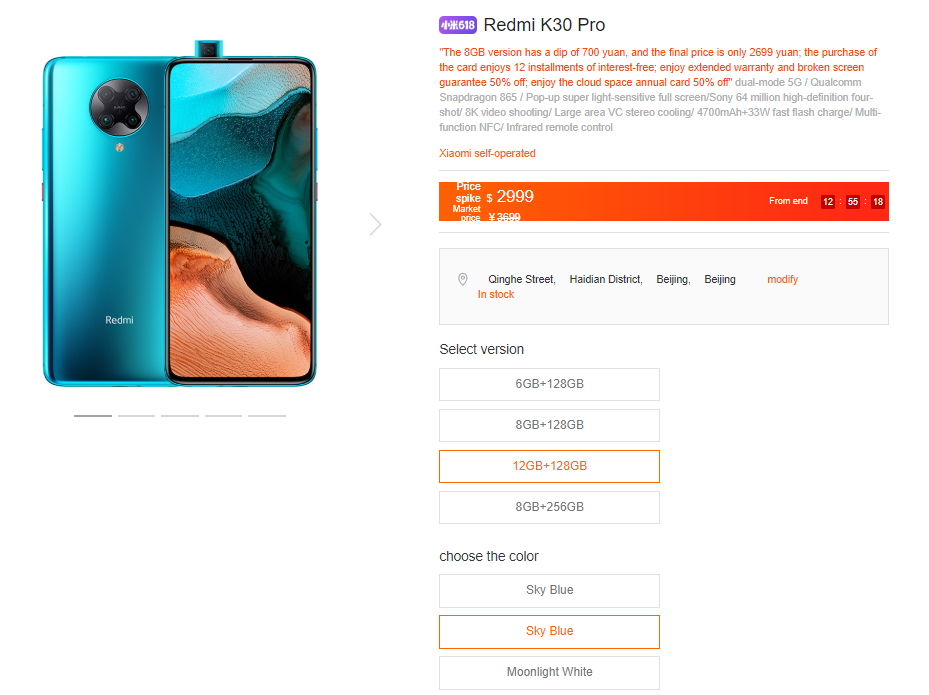
The Redmi K30 Pro series was introduced in China in March. The lineup includes Redmi K30 Pro and Redmi K30 Pro Zoom Edition. Both handsets are available in three kinds of RAM and storage versions. Today, the Chinese firm began with the sales of the fourth variant of Redmi K30 Pro in the home market.

The Redmi K30 Pro was unveiled in China in options like 6 GB RAM + 128 GB storage, 8 GB RAM + 128 GB storage and 8 GB RAM + 256 GB storage versions. The new variant that is now up for purchase through the official Xiaomi Mall and JD.com has 12 GB of RAM and 128 GB of storage. It carries a pricing of 2,999 Yuan (~$429).

The 8 GB RAM + 256 GB storage edition of the K30 Pro carries the same price tag. The newly introduced model is not available in purple color, that means it can be availed in hues such as gray, blue, and white.

Redmi K30 Pro 12+128

Currently, the Redmi K30 Pro’s 6 GB RAM edition is priced at 2,397 Yuan (~$340). The 8 GB RAM + 128 GB storage variant of the phone costs 2,699 Yuan (~$383).

Redmi K30 Pro specifications

The Redmi K30 Pro has a 6.67-inch OLED display with notch-less design. The 20:9 aspect ratio screen is integrated with a fingerprint reader. It produces Full HD+ resolution and 60Hz refresh rate. The Snapdragon 865 SoC powers the device along with LPDDR5 RAM and UFS 3.0 storage.

It has a pop-up selfie camera of 20-megapixel. The quad-camera setup placed on its back includes a 64-megapixel Sony IMX686 primary lens, a 13-megapixel ultrawide sensor, a 5-megapixel telephoto macro shooter and a 2-megapixel depth sensor. The phone houses a 4,700mAh battery with 30W fast charging support. The Android 10 OS based MIUI 11 UI runs on the device.


Realme Band’s new update brings Music Control, Stopwatch and Heart Rate Reminder

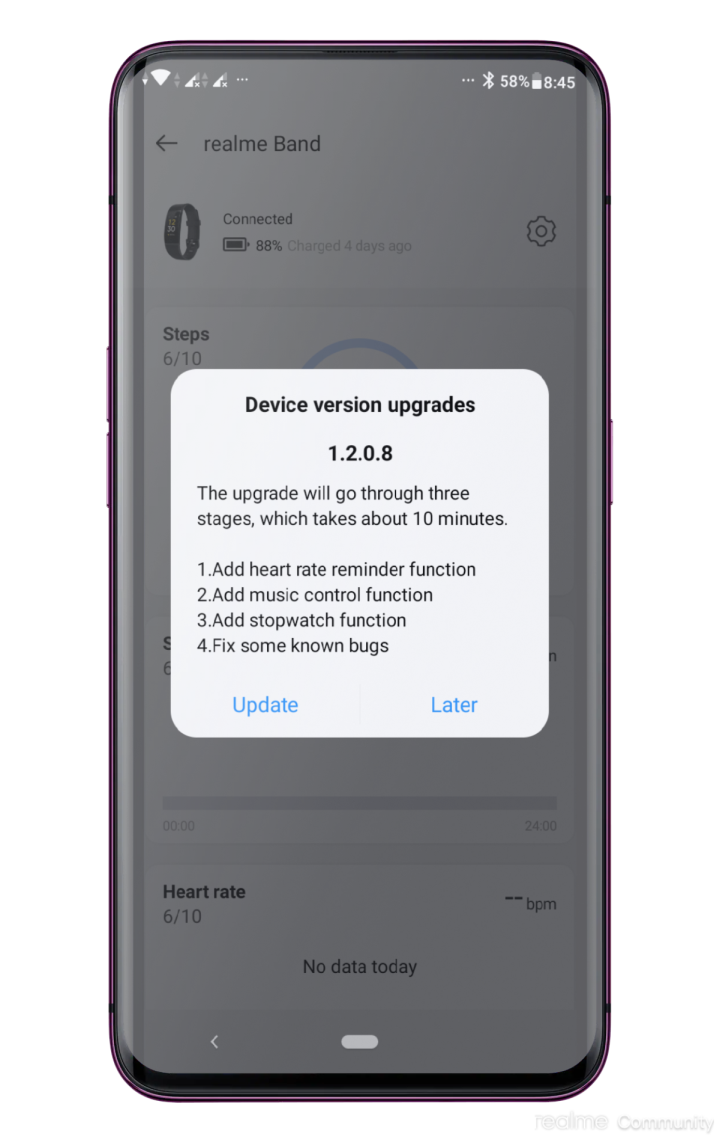
Realme announced the Realme Band fitness tracker in March. In the following month, it released a major software update for the device that brought along features like Weather and Find my Phone. The Chinese firm has now released another update for the device to add features like Music Control and Stopwatch.

The new features are available in the version 8.0 update. In order to install it on the Realm Band, one needs check for the update through Realme Link app on the paired smartphone. It takes around 10 minutes to install the update.

After installing the update, the Music Control and Stopwatch functions will be available along with other features like Weather and Find my Phone in the ‘Custom functions’ menu in the Realme Link app. Users can activate any two features simultaneously from the custom functions menu. The new update also fixes some bugs and brings a new heart rate reminder function. It will notify the user when the pulse rate goes above or below a threshold for 10 minutes when the user is not active.

Realme Band - v8.0 update-

Realme Band specifications and pricing

The Realme Band features a 0.96-inch color display that offers 80 x 160 pixels resolution. There is a touch-sensitive button for accessing the different functions of the fitness band. The display comes with a flat protective glass and it features a TPU wrist band. It is an IP68 rated water-resistant and dustproof device.

In order to charge the device, one needs to detach the band from the device to use its USB-A plug. It is packed with a 90mAh battery that can last for u to 10 days with the heart rate sensor activated. It can track nine kinds of sports mode.

The Realme Band is priced at Rs. 1,499 (~$20) in India. It can be bought in colors like Black, Yellow, and Olive Green.


(source)

Samsung Galaxy Fold 2 key features appear in infographic

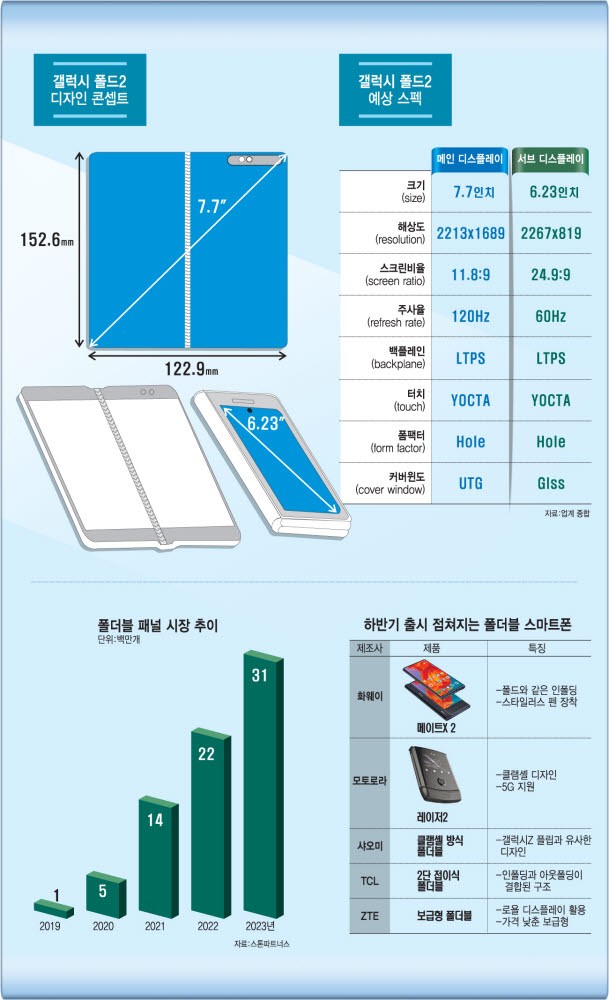
South Korean media recently reported that Samsung may hold an Unpacked event on Aug. 5 to announce new smartphones like Galaxy Note 20 series, Galaxy Z Flip 5G and Galaxy Fold 2. The latter is expected to arrive with some improvements over the Galaxy Fold that debuted last year in August as the company’s first foldable smartphone. ET News publication from South Korea has published an infographic through which some of its key details have been revealed.

The Galaxy Fold came with a 7.3-inch inner screen. The infographics of the Fold 2 reveals that the successor edition will have a larger 7.7-inch screen. It will offer up to 120Hz refresh rate whereas the original model can with the traditional 60Hz refresh rate support for its inner screen.

The Galaxy Fold 2’s internal display will have a punch-hole design and it will offer 1689 x 2213 pixels resolution along with an aspect ratio of 11.8:9. The internal screen of the Galaxy Fold 2 will be equipped with Ultra-Thin Glass (UTS).

Samsung Galaxy Fold 2 infographic

The original Fold came with a 4.6-inch outer display. The infographic reveals that the Fold 2 will come with a much larger 6.23-inch external display. It will be a 60Hz refresh rate supporting a punch-hole display that will produce 819 x 2267 pixels resolution. It will produce an aspect ratio of 24:9:9. A report from yesterday claimed that the cover glass of the Fold 2 is not durable enough for folding and pressure from S Pen. Hence, the Fold 2 may not come with a built-in S Pen stylus.

The graph on the bottom half of the infographic states Samsung is planning to manufacture 300,000 units of the Galaxy Fold 2 in a bid to sell 3 million units a year. The bottom-right of the infographic shows what kind of foldable devices the competitor brands will offer.

The Huawei Mate X2 may come with an inward folding design and it is likely to come with stylus support. Motorola is reportedly planning to launch a 5G edition of the Motorola Razr. Xiaomi may launch a clamshell foldable phone. TCL is working on foldable devices with inward and outward folding designs. ZTE is aiming to bring affordable foldable devices to the market.


(source)

OPPO Find X2 and Find X2 Pro to get Android 11 beta this month

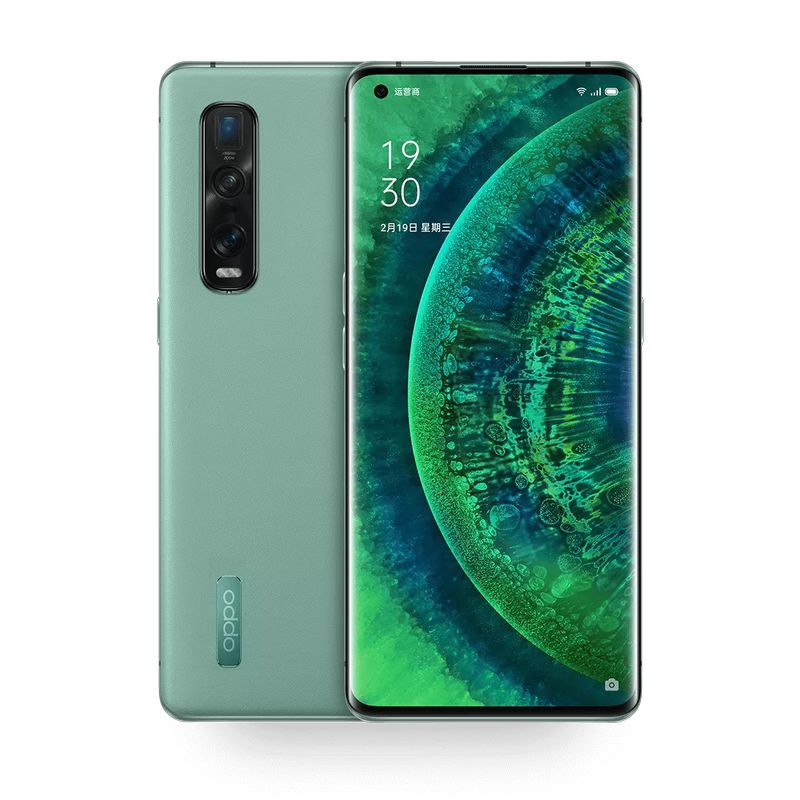
Google quietly announced Android 11 Beta today. Unfortunately, the list of devices that are eligible for the beta is yet to be released. Nevertheless, we now know two non-Pixel phones that will get it.

OPPO Find X2 Pro
OPPO Find X2 Pro

According to a tweet by Mishaal Rahman, the editor-in-chief of XDA-Developers, OPPO confirmed to him that the Find X2 and the Find X2 Pro will get the beta later this month.

This should be good news for owners of the two flagships as they will be able to get a taste of what Android 11 has to offer ahead of other devices. Last year, the OPPO Reno was one of the devices eligible for Android Q beta.

We expect more manufacturers will announce which of their devices will also get Android 11 beta in the coming days or weeks. The manufacturers that were part of the beta program last year include ASUS, Nokia, Huawei, LG, OnePlus, Realme, Sony, Tecno, Vivo, and Xiaomi.

Android 11 is said to focus on People, Controls, and Privacy. Some of the features it brings include One-Time Permissions, Permissions Auto-Reset, a revamped media control, and an improved Voice Access that lets you easily control your device with just your voice.

The video above by The Verge’s Executive Editor, Dieter Bohn, shows Voice Access in action. Pretty neat, right?


(Sources: 1, 2)

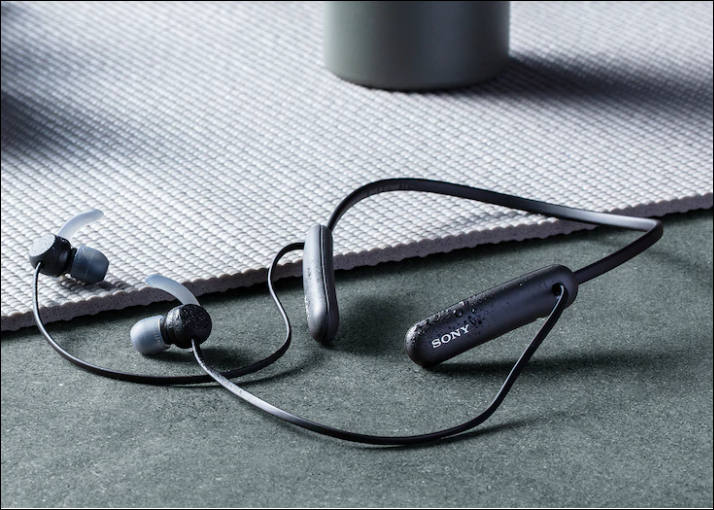
Sony WI-SP510 In-ear Sports Headphones with up to 15 hours of playback, IPX5 launched in India

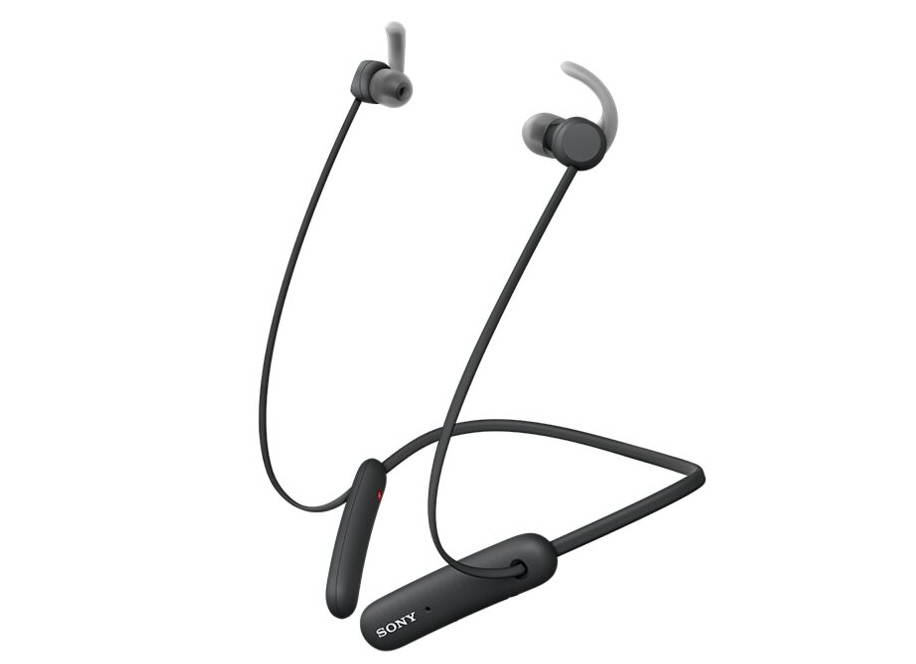
Sony has launched a new WI-SP510 In-ear Sports Headphones in India. The wireless headset features several features targeted at sportspersons such as a lightweight design, IPX5 water resistance, 15 hours battery life, EXTRA BASS for great bass performance and more.Sony WI-SP510 wireless sports earphones

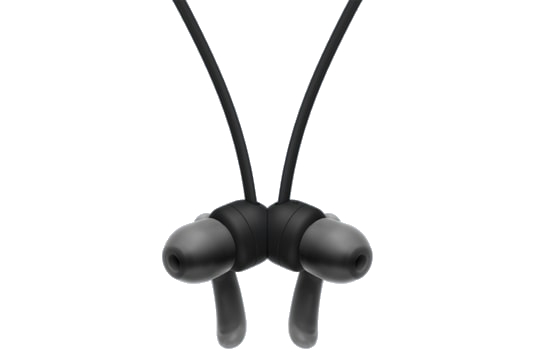
The Sony WI-SP510 In-ear Sports Headphones adopts a soft, flexible and lightweight neckband design which is suitable for long listening sessions. The earbuds have ear-fins which give it a secure, comfortable fit. The headphones also come with IPX5 water resistance rating meaning it gets protection against sweat and accidental splashes. This makes it a fitting companion for outdoor or indoor exercises which can make you all sweaty.

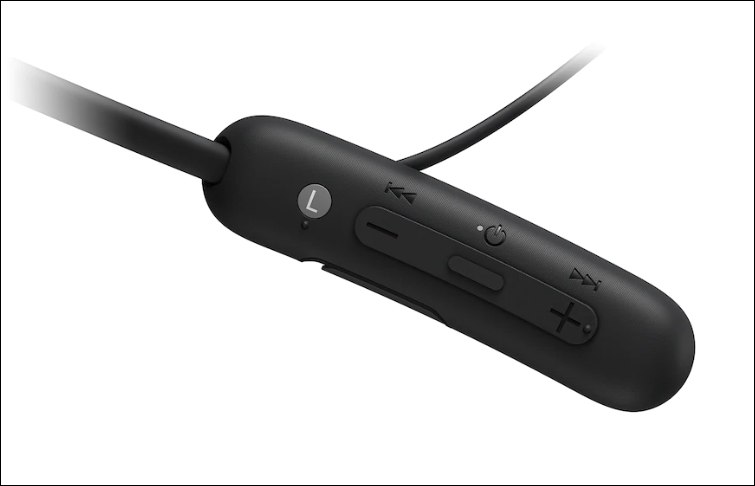
Furthermore, Sony included its proprietary EXTRA BASS technology that helps outputs a powerful, punchy low-end sound. The headphones also feature control buttons on the neckband and the headphones connect via Bluetooth. It has in-built microphones that enable hands-free calling and voice assistant support. As for power, Sony touts the headset of having a durable battery which can deliver up to 15 hours of playback from a single charge.

The Sony WI-SP510 wireless headphones come with a price of Rs 4,990 (~$66). The wearable will be sold across Sony retail stores as well as other retail and e-commerce platforms. It will be available in two colours, Black and blue.


(source)


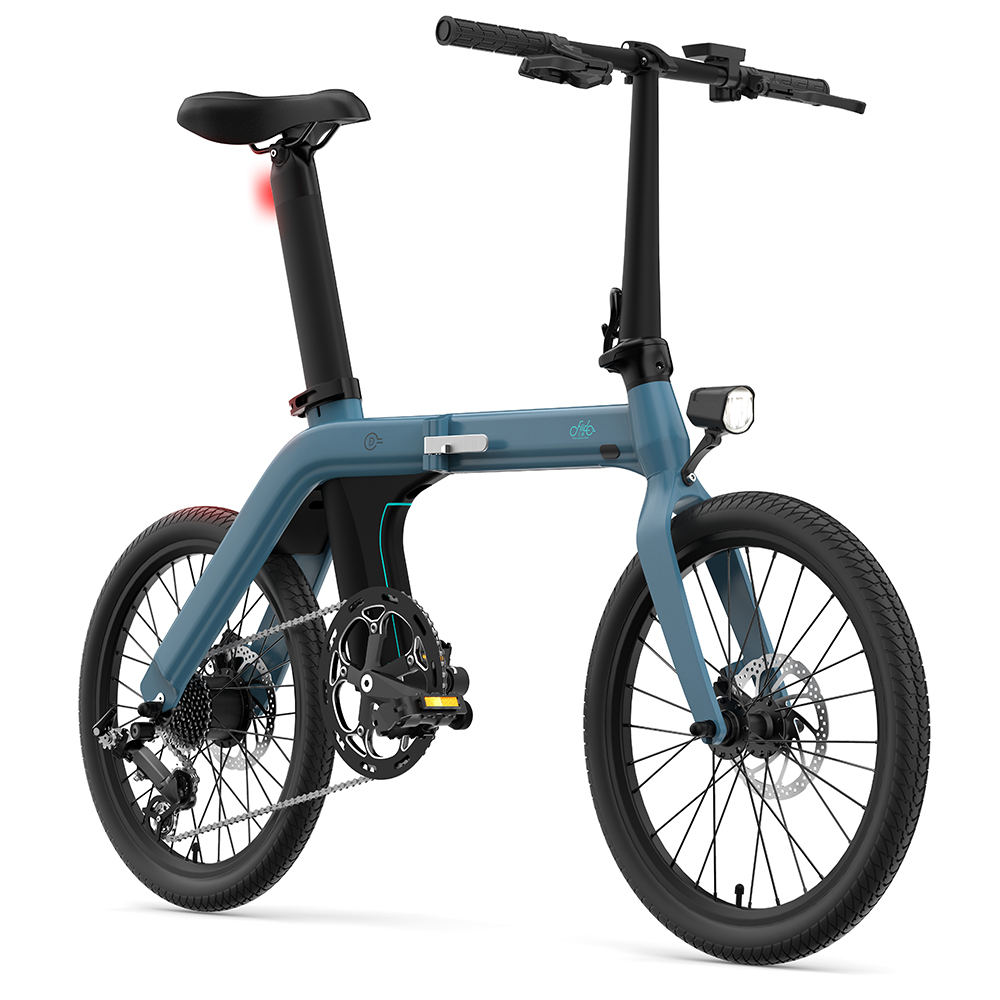
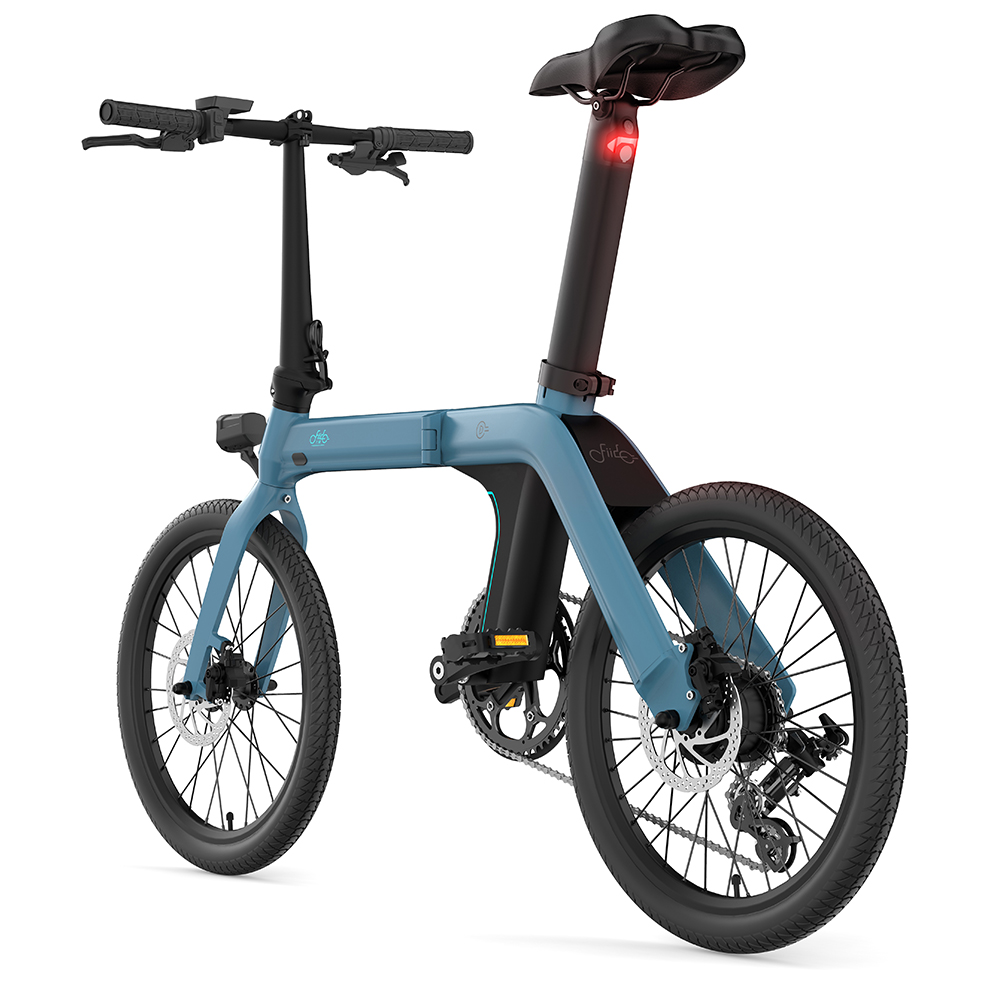
FIIDO D11 Foldable eBike with 100km range coming soon on Indiegogo

The ongoing COVID-19 Pandemic has thrown life out of gear. Most of the people are undergoing various problems since the onset of the pandemic across the globe. It has become quite difficult to travel alone without worrying about safety. However, FIIDO has brought D11 foldable eBike for such people who often travel a lot within the city premises to earn a daily livelihood, or for any casual or usual work. FIIDO D11 can also work as a normal bicycle to keep to healthy and refreshing through the ongoing difficult times.

FIIDO D11 bike is set for global debut in June via Indiegogo crowdfunding platform The new bike is well-designed and ultra-efficient to bring engaging and smart riding experience. It uses green technology and has zero emissions with the riding range of up to 100kms. It is a way to redefine the urban cycling experience.

fiido d11 ebike

The beautiful frame weighing over just 12.9 kg offers wonderful performance and ultra-long mileage upon fully charging its Removable Seat Tube Battery. It is carved out of Aluminium alloy with simple design aesthetics providing excellent riding experience. The ergonomically designed bike fully fit for the daily users and unwinds unlimited possibilities.

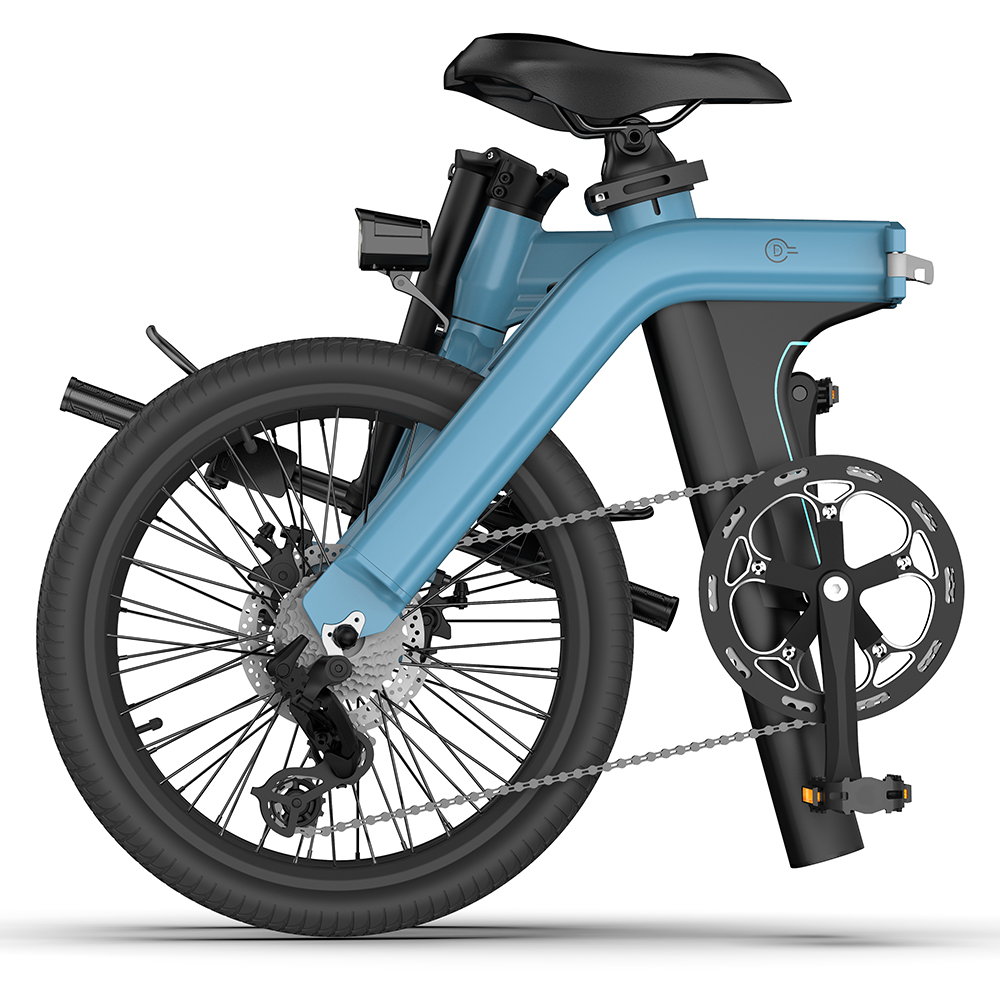
It can be taken anywhere after folding it within 5 seconds.

The modern minimalist design has made the FIIDO D11 win German Red Dot Award. It can cover a distance of 100 Km upon the full charge of its 36v 11.6Ah battery which is hidden under within the cycle frame. It is perfectly designed to fit city riding with the longest riding distance support.

D11 folding

FIIDO D11 folding bike features a Shimano 7-speed gear and 3-levels in a moped mode. It has a 250W highly efficient motor with a maximum speed limit of 25km/h.

It is a cost-effective electric bike scheduled for launch in June. The new eBike offers great riding experience with ergonomic design and provides long endurance and variable speed.

The interested users can prebook FIIDO D11 bike at Indiegogo and grab a 38% discount.  You can also win a free FIIDO D11 by participating in a giveaway.

Meizu 17/17 Pro will get stabilization for video recording from all cameras via OTA update

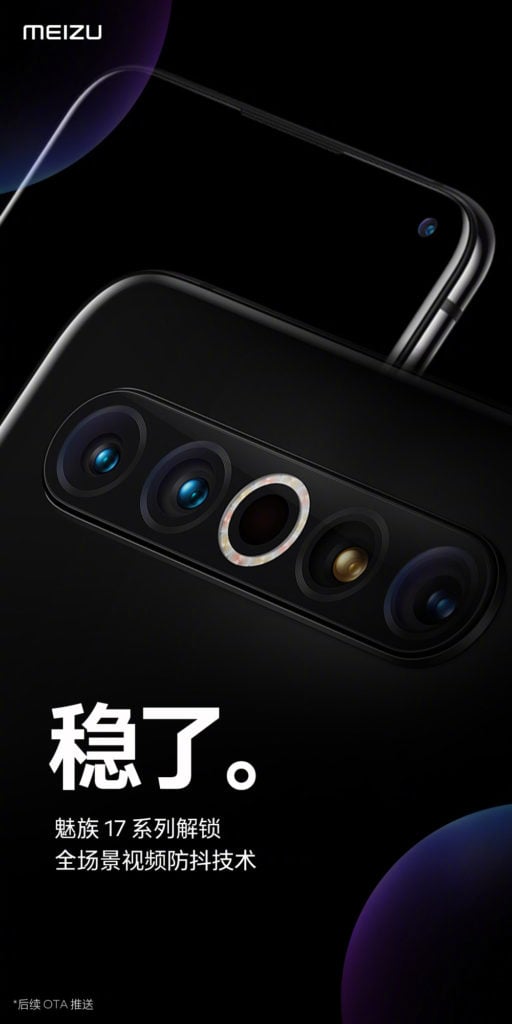
Meizu launched the Meizu 17 series in early May in China. The duo is only limited to its home country and it is not sure whether if it will be ever made available in global markets. These handsets feature a unique design and specifications to match it. But they lack OIS and hence the company has announced to fix it by adding stabilization for video recording from almost all the cameras present on them.

Meizu 17 Pro Stabilization All Cameras OTA Update

Meizu is one of the bizarre smartphone makers in the market. The company launched the Meizu 17 and 17 Pro with 90Hz refresh rate out of the box, albeit the phones support 120Hz. It was later enabled via an OTA update.

Now, the brand has announced to enable stabilization for video recording at all the available resolution and frame rates. More importantly, it will be applicable for all the cameras including wide, ultra-wide, telephoto, and even front.

The regular Meizu 17 also has a macro camera but we are not sure if it will also get the stabilization feature as the company did not mention it in the Weibo announcement post.

The stabilization for video recording on Meizu 17 series will be added via an OTA update. It will be rolled out in batches to all the units in the coming days.


Rumor: SuperVOOC 3.0 to bring 80W fast charge to OPPO phones

OPPO’s SuperVOOC 2.0 is currently the fastest charging technology available on a commercial device. Devices with support for the technology support 65W fast charging and can be charged from empty to full in a little over less than half an hour. Next year, OPPO intends to take it higher next year according to new info.

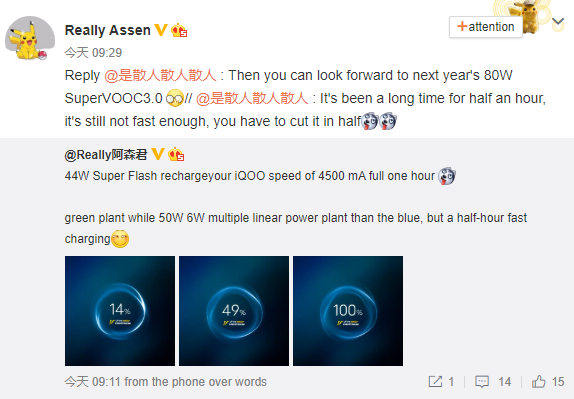
A Weibo post by the Chinese blogger that goes by Really Assen revealed OPPO’s SuperVOOC 3.0 will have a power output rating of 80W. That is an increase of 18.75% over SuperVOOC 2.0’s 65W.

SuperVOOC 3.0

SuperVOOC 2.0 charges at 10V and 6.5A. With SuperVOOC 3.0, we speculate OPPO will go with a higher voltage similar to what we saw on the 120W Xiaomi charger. So SuperVOOC 3.0 chargers should have a voltage output of 20V and current output of 4A to achieve a maximum power output of 80W.

While the leak says SuperVOOC 3.0 will arrive next year, we won’t be surprised if OPPO announces before the end of the year. Notwithstanding, we advise you to take the info with a pinch of salt until more concrete info surfaces.


(Source)

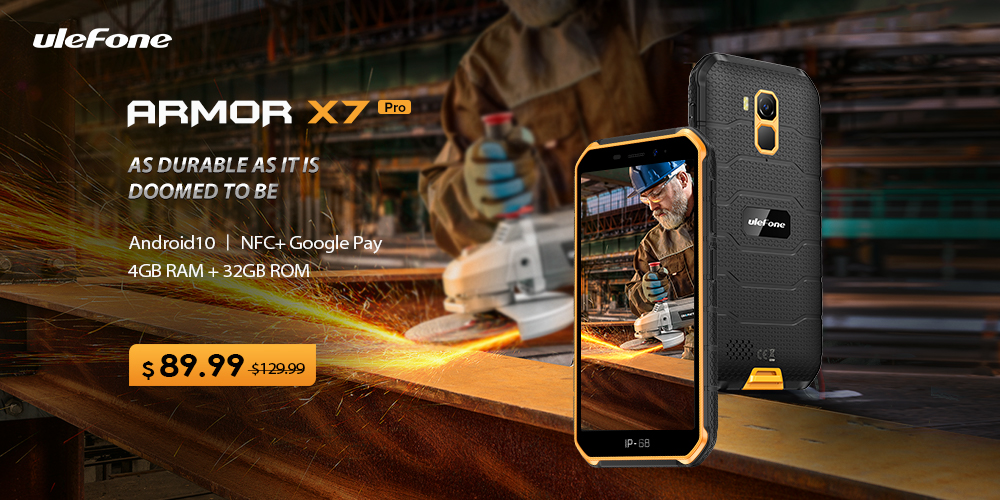
Ulefone Armor X7 Pro rugged smartphone launched with 5-inch display, 4000 mAh battery for $89.99

Ulefone has launched a new budget segment 4G rugged smartphone at an affordable price of $79.99. Ulefone Armor X7 Pro features optimal hardware specifications at such a competitive price. The famous Ulefone Armor series has received a new and the most affordable sibling. It packs slight upgrades over the Armor X7.

ulefone armor x7

Must See: Ulefone Armor 7E remains fully functional even in extreme temperatures [Test Video]

UleFone Armor X7 Pro houses a 12nm MediaTek Helio A20 SoC could with a quad-core Cortex-A53 CPU and Power VR GE8300 GPU. The smartphone embeds a dual camera module on the rear consisting a 13-megapixel primary camera for taking quality photos. There’s a 5-megapixel snapper on the front for selfies and video calling. The ultra water-proof case of the smartphone helps the users to do underwater photography.

A beautiful 5-inch display with HD resolution of 1280 x 720 pixels is present with 294 ppi and 16:9 aspect ratio. The software provides convenient single-hand operation. It houses a high-rigidity glass to keep the screen scratch-proof and shatter-proof.

Ulefone Armor X7 Pro offers easy unlocking with Face recognition and Fingerprint ID. It supports Dual SIM Dual Standby so that you can easily separate private and personal conversations. The presence of VOLTE enables the users to receive a phone call and surf the internet without interrupting each other.

The presence of NFC and support for Google Pay enables contactless payments and relieves you from the hassles of physical payments. A 4000 mAh battery is present on the board to keep the smartphone running even after a rigorous usage. The new smartphone can be a perfect Outdoor toolkit as offers all the necessary equipment or sensors like Compass, Flashlight, Gadienter, Hanging Painting, Height Meter, Magnifier, Alarm Bell, Plumb Boc and Sound Meter.

In the connectivity, you will get a triple navigation system like Galileo + Glonass + GPS, MicroUSB port, and a 3.5mm headphone jack. Meanwhile, the Gloves Mode enables the display work with gloves on your hands.

UleFone Armor X7 is available two different colours of Orange and Black. The global presale is live on the AliExpress, and you can buy it for the price of $89.99. Moreover, you can grab at the reduced price of $79.99 upon using a Coupon Code X7PRO10 till June 14. You can know more about the device by heading to the official Ulefone website. 

Related: Ulefone Armor 7E remains fully functional even in extreme temperatures [Test Video]


Redmi 9 vs Realme 6i vs Moto G8: Specs Comparison

Xiaomi just unveiled the Redmi 9: an amazing affordable phone with no serious weak points, at least for the price at which it is offered. But is it really the best sub-€200 budget phone out there or there is something better from the other brands? In order to establish that, we decided to compare it with two other affordable handsets sold for less than €200: the ones we consider among the greatest phones in that segment. We are talking about the Moto G8 and the Realme 6i which, just like the Redmi 9, come with well-balanced specs sheets and no important cons at very affordable prices.


Xiaomi Redmi 9 vs Realme 6i vs Motorola Moto G8

Xiaomi Redmi 9 Realme 6i Motorola Moto G8
DIMENSIONS AND WEIGHT 163.3 x 77 x 9.1 mm, 198 grams 164.4 x 75.4 x 9 mm, 199 grams 161.3 x 75.8 x 9 mm, 188 grams
DISPLAY 6.53 inches, 1080 x 2340p (Full HD+), 395 ppi, IPS LCD 6.5 inches, 720 x 1600p (HD+), 270 ppi, IPS LCD 6.4 inches, 720 x 1560p (HD+), 268 ppi, IPS LCD
PROCESSOR Mediatek Helio G80, octa-core 2 GHz Mediatek Helio G80, octa-core 2.0 GHz Qualcomm Snapdragon 665, octa-core 2 GHz
MEMORY 3 GB RAM, 32 GB – 4 GB RAM, 64 GB – micro SD dedicated slot 3 GB RAM, 64 GB – 4 GB RAM, 128 GB – micro SD dedicated slot 4 GB RAM, 64 GB – micro SD slot
SOFTWARE Android 10, MIUI Android 10, Realme UI Android 10
CONNECTIVITY Wi-Fi 802.11 a/b/g/n/ac, Bluetooth 5.0, GPS Wi-Fi 802.11 a/b/g/n/ac, Bluetooth 5.0, GPS Wi-Fi 802.11 b/g/n, Bluetooth 5.0, GPS
CAMERA Quad 13 + 8 + 5 + 2 MP f/2.2, f/2.2, f/2.4 and f/2.4
8 MP f/2.0 front camera
Quad 48 + 8 + 2 + 2 MP f/1.8, f/2.3, f/2.4 and f/2.4
16 MP f/2.0 front camera
Triple 16 + 8 + 2 MP f/1.7, f/2.2 and f/2.2
8 MP f/2.0 front camera
BATTERY 5020 mAh, fast charging 18W 5000 mAh, fast charging 18W 4000 mAh
ADDITIONAL FEATURES Dual SIM slot Dual SIM slot, splash resistant Hybrid Dual SIM slot

Design

In my honest opinion, the king of the design in this trio is the Motorola Moto G8 because it offers a more futuristic punch-hole display while still providing a similar screen-to-body ratio to its two rivals. But if you are looking for amazing build quality you should not underestimate the Realme 6i as it is the only splash resistant phone in this comparison. But in each case, do not expect a premium design. All the devices from this trio have a plastic body instead of a glass back like higher-end phones. So if you want a more impressive design, you should move to something else such as devices from the Redmi Note 9 family, if you want to stay in a similar price segment.


Display

The display is not the strongest point of these handsets, just like the design. The Redmi 9 wins because it is the only to offer a Full HD+ resolution, so it provides a higher level of detail. Moto G8 and Realme 6i come with a below-average HD+ resolution, despite they have wide displays, so their pixel density is all but high. Redmi 9, Moto G8, and Realme 6i are equipped with average IPS panels, nothing so exciting. The only element making the difference is the Full HD+ resolution on the Redmi 9.


Specs & Software

While most of the people prefer having a phone with a Snapdragon chipset inside like the SD665 found on the Moto G8, the Helio G80 found on the Redmi 9 and Realme 6i actually scores more points on the most reliable benchmarks and it comes with high GPU performances. But the difference is not abyssal and the Snapdragon 665 chipset is built with a more efficient production process (11 nm vs 12 nm). Moto G8 also offers a lighter experience thanks to stock Android, while Redmi 8 and Realme 6i have highly-customized user interfaces. Note that you can get Realme 6i with up to 128 GB, while Moto G8 and Redmi 9 come with max 64 GB. But in each case, you can expand the internal storage through a micro SD slot (it is shared on the Moto G8 and dedicated on Realme 6i and Redmi 9).


Camera

The most impressive rear camera belongs to the Moto G8. Despite it has a triple camera instead of a quad camera, it sports an awesome main sensor with a bright f/1.7 aperture and laser autofocus boosting the photo quality. It is even able to record videos with a 4K resolution, unlike Realme 6i and Redmi 9. On the other hand, Realme 6i is still able to offer a great photo quality thanks to its 48 MP main sensor and a great 16 MP selfie camera. Redmi 9 should be the most disappointing one as a camera phone.


Battery

Realme 6i, Redmi 9, and Moto G8 are very good battery phones. But the longest-lasting one in most of the scenarios is the Realme 6i because it has a bigger battery than Moto G8 and a less energy-demanding display than Redmi 9 due to its lower resolution. Realme 6i is the king of battery life, but keep in mind that all of these phones offer a very long-lasting battery. Realme 6i and Redmi 9 support 18W fast charging, while unfortunately, Moto G8 does not provide any kind of fast charging technology.


Price

Redmi 9 and Realme 6i start from €179/$203 in their base variant with 3 GB of RAM (Redmi 9’s price varies depending on the market), while Moto G8 is only available in a version with 4 GB of RAM and it costs €199/$225. There is not a definitive winner of this comparison and you should make a choice based on your personal needs. Realme 6i has a longer battery life and pretty nice cameras for photos (it is my favorite one), Moto G8 has a great rear camera for photos and videos, and Redmi 9 has a better display.


Xiaomi Redmi 9 vs Realme 6i vs Motorola Moto G8: PROs and CONS

Realme 6i

PROs

  • Longer battery life
  • Great cameras
  • Splash resistant
  • Micro SD dedicated slot

CONS

  • HD display


Motorola Moto G8

PROs

  • Great design
  • Nice rear cameras
  • Best design
  • Stock Android

CONS

  • HD display


Xiaomi Redmi 9

PROs

  • IR sensor
  • Full HD display
  • Big battery
  • Micro SD dedicated slot

CONS

  • Inferior cameras


Galaxy Note9 gets One UI 2.1 update along with the latest security patch

Samsung is rolling out a new update to its 2018 flagship, the Galaxy Note9. The update brings an updated UI as well as the latest security patch to the device.

The Galaxy Note9 is one of the phones that ran Samsung’s old Experience UI out of the box. However, it got the new One UI interface along with Android 10 a few months ago. This new update brings One UI 2.1, the version that shipped with the Galaxy S20 series, so owners should get some new features.

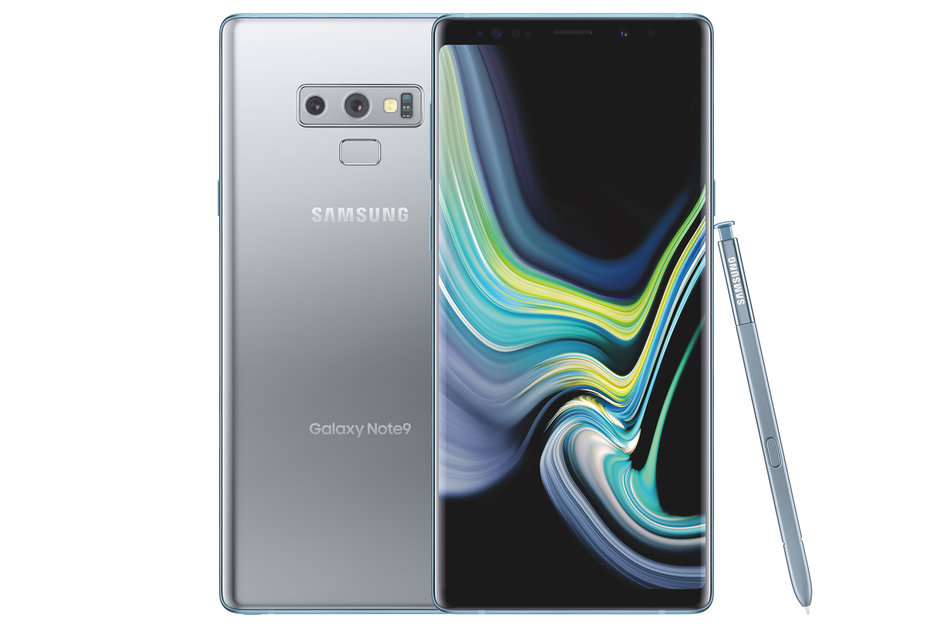
Samsung Galaxy Note 9 Cloud Silver

The update arrives as version N960FXXU5ETF5 with a file size of 1.25GB and has already begun rolling out to users in Germany. It has been reported that this version is for the international version of the phone that has the Exynos 9810 chipset powering it.

The changelog doesn’t say much but the update comes with June 2020’s security patch. The new features One UI 2.1 brings include Quick Share which is Samsung’s answer to Apple’s AirDrop. There is also Music Share which allows a friend’s phone to play audio to a speaker or headphones that is connected to your own phone without the need for the friend to connect directly to the speaker or headphones. Other features worth mentioning are a new UI for the camera app and Live Caption.

Do you own the Exynos 9810 version of the Galaxy Note9? You may want to check for the update over the next couple of days.


(Source)

Four reasons why the PlayStation 4 is still worth buying

The PlayStation 5 (PS5) was scheduled to launch last Thursday, June 4. However, the launch had to be postponed to tomorrow, June 11, due to the ongoing protests as a result of the murder of George Floyd, and in a larger picture, the racism against Black people.

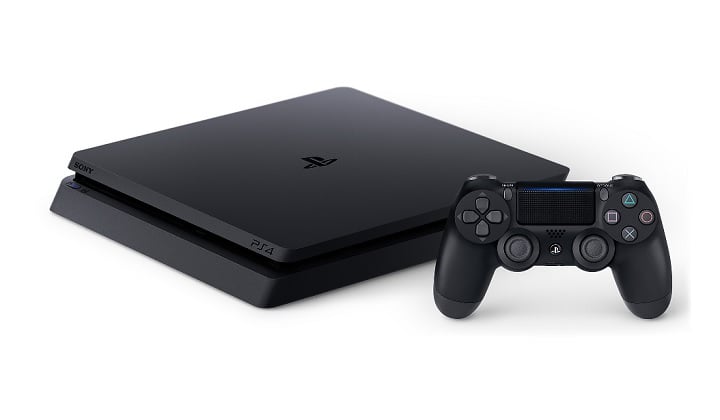
PlayStation 4 featured

While a lot of folks are excited about Sony’s next-gen console, the PlayStation 4 (PS4) is still a great console to pick up. Here are four reasons why the PS4 is still worth buying even though the PS5 is on the horizon.

  • Price

    With the launch of the PlayStation 5, we expect the PS4 will get a price cut. And if you don’t want to pick up a brand new unit, you will also find great deals on used and refurbished units. A significant percentage of these used units will be from owners of the PS4 who want to purchase the new PS5, and some may even list their consoles with their collection of games.

    PlayStation 4
  • An Impressive Game Library

    Talking about games, the PS4 has an impressive library filled with hundreds of games. With exclusive titles such as God of War, Marvel’s Spider-Man, Uncharted 4, Days Gone, Horizon: Zero Dawn, The Last of Us Remastered, and several others. Be rest assured you won’t be in a short supply of quality games to play for a long while.
    Upcoming PlayStation 4 Games
  • New Games Coming Soon 

    Still talking about games. Just because the PS5 is coming doesn’t mean the PS4 will no longer get new games. There are a number of big titles that are coming soon such as The Last of Us II, Ghost of Tsushima, Marvel’s Avengers, Cyberpunk 2077, and Assassin’s Creed Valhalla. 

  • Continued Support 

    Sony discontinued the PlayStation 3 (PS3) in 2016, roughly 3 years after the PS4 was announced. Also, the last game for the PS3 (FIFA 19) was released in September 2018, five years after the PS4 was announced. Based on these two dates, we expect the PS4 will get new games and support for a few more years, making it a worthy buy even in 2020.

If you have been considering purchasing the PS4, the aforementioned points should help you make up your mind. So go ahead, pick one up and have some fun.