Xiaomi has released the Truclean W30 Pro in Europe, a wet dry vacuum that vacuums, mops, and self-cleans simultaneously. The device targets dry debris, hair, liquids, and stains without requiring separate passes.
The unit operates with an 18,000Pa motor driving a roller brush at 450 scrubs per minute with 20N downward pressure. Suction performance increases 20 percent over previous models. Standard Mode handles daily cleaning while Water Absorbing Mode removes standing water. Holding the mode button for 1.5 seconds activates boosted suction for heavy dirt.
Hair management uses a four-stage system capable of handling 3,000 long hair strands. Extended shark tooth comb teeth are 400 percent longer than standard designs, paired with 4mm flexible polymer teeth protecting the roller, a constant-pressure metal scraper, and a 168-degree V-shaped suction port with turbo intake.
Five water stain prevention measures reduce floor slipperiness: controlled water dispensing, 12 percent improved absorption through high-density roller fibers, 322 percent increased dirty water collection via TPE scraper, even water removal with metal scraping, and wider suction reducing residual stains by 62 percent. Drying time decreases 9 percent.
The self-cleaning system soaks and washes the roller with hot water, rotates bidirectionally for edge scrubbing, then dries with 80°C hot air. Fast drying completes in 15 minutes at 47dB. A 100°C heating plate irons the roller to restore texture.
The vacuum lies flat at 180 degrees, reaching 104cm under furniture while maintaining suction through active water-air separation. Edge cleaning works on both roller sides. The repositioned clean water tank improves balance, requiring 18 percent less hand strength and delivering 45 percent more downward pressure.
A 4,000mAh battery provides 40 minutes runtime. Tank capacities are 1,000mL clean and 700mL dirty water. The 5.15kg unit runs on 200W at 21.6V with upgraded solid-liquid separation.
Pricing & availability
The Truclean W30 Pro sells for £299.99 in the UK and €349.99 in mainland Europe through Xiaomi’s online stores.
For more daily updates, please visit our News Section.
If you are on the hunt for a new pair of truly wireless earbuds, then you ought to check this deal on boAt Airdopes 131 TWS at Amazon. Carrying an MRP of ₹3290, you can now own the Active Black variant of the TWS for just ₹699 during this offer period.
The boAt Airdopes 131 is meticulously designed for the modern listener on the go. Its headline feature is the colossal 60 hours of total playback (coupled with the charging case), ensuring your music or podcasts never stop. No matter whether you’re commuting, working out, or on a long trip. Literally on this TWS, battery anxiety will be a thing of the past, especially with the game-changing ASAP Charge technology. boAt claims that just a few minutes of charging gives hours of listening time.
These Truly Wireless Stereo (TWS) earbuds deliver the signature boAt immersive sound experience. The built-in microphone offers clear, hands-free calling. They offer seamless Bluetooth connectivity, instantly pairing with your devices the moment you open the case.
While the Active Black color is leading the charge with the ₹699 price tag, you can also explore other attractive options like Carbon Black and Ice Blue. However, they are slightly expensive, retailing now at ₹799.
Head over to the Amazon product list link below and secure your pair of boAt Airdopes 131 at this offer price before it ends!
Rivian, a U.S.-based electric vehicle maker known for its premium electric trucks, SUVs, and delivery vans, has made a bold new claim about the future of driving. The company, which focuses heavily on advanced software and clean-energy technology, says its cars could become so autonomous that owners won’t even need to be inside them.
According to CEO RJ Scaringe, Rivian aims to reach this level of full driverless capability by 2030, allowing vehicles to run errands, pick up friends, and travel completely on their own.
Rivian R2
Steps Toward Full Autonomy
Scaringe explains that Rivian’s next major features include “hands-off everywhere” driving and point-to-point navigation similar to Tesla’s FSD. These systems will still require driver attention at first. But he believes that soon after, cars will no longer need monitoring. By 2028 or 2029, he suggests Rivian vehicles could complete solo trips while owners stay at home.
Why This Matters
Robotaxis like Waymo already drive without humans in certain cities, showing how quickly the field is advancing. Driver-assist systems such as GM’s Super Cruise and Tesla’s FSD (Supervised) allow hands-free driving but still depend on human supervision.
The challenge now is to make fully driverless technology safe, affordable, and available in everyday cars. Whoever achieves this first will gain a huge advantage, giving people extra time to rest, work, or relax while commuting.
AI-generated Image
Tesla’s Driverless Claims
Tesla CEO Elon Musk is also pushing hard toward this goal. According to Reuters, Tesla is testing fully driverless Model Y vehicles in Austin and aims to deliver the first units by June. Musk says these cars will operate with no driver involvement. Further reports say that Tesla will soon launch unsupervised FSD in Austin, allowing vehicles to navigate without human monitoring. These updates show that Tesla remains a major competitor in the race toward full autonomy.
Major Challenges for Autonomous Cars
Developing safe and reliable driverless cars has proven far harder than early predictions suggested. Many challenges remain, including safety validation, rare road scenarios, and regulatory approval. Still, rapid progress in AI is pushing the industry forward.
Old rule-based approaches are being replaced with AI models that learn, adapt, and generalize better. With Rivian, Tesla, GM, and Waymo all improving their autonomous systems, the dream of personal driverless cars is closer than ever, though not guaranteed.
Realme is gearing up to launch its next-gen Narzo lineup. The Narzo 90 series was just teased in the Indian market, confirming its availability in the region and offering us a glimpse of its design as well. So here’s everything you need to know.
Realme Narzo 90 series: Biggest battery in segment teased
To recall, the Narzo family of smartphones from Realme often target the mid range and budget segments. So with the teaser confirming the Narzo 90 series, we can expect these models to also compete in India’s highly competitive value phone market. Looking at the image poster, Realme hasn’t revealed any key details regarding these devices like the specs, features, and, pricing.
Realme Narzo 90 Series
Even the launch window is still at large. However, it does confirm the Amazon availability owing to the new microsite on the e-commerce platform and the imminent release. There are only two aspects of the upcoming smartphones revealed in the teasers, namely the battery and design. Unfortunately, exact information like the battery capacity and a clear view of the smartphones weren’t shared.
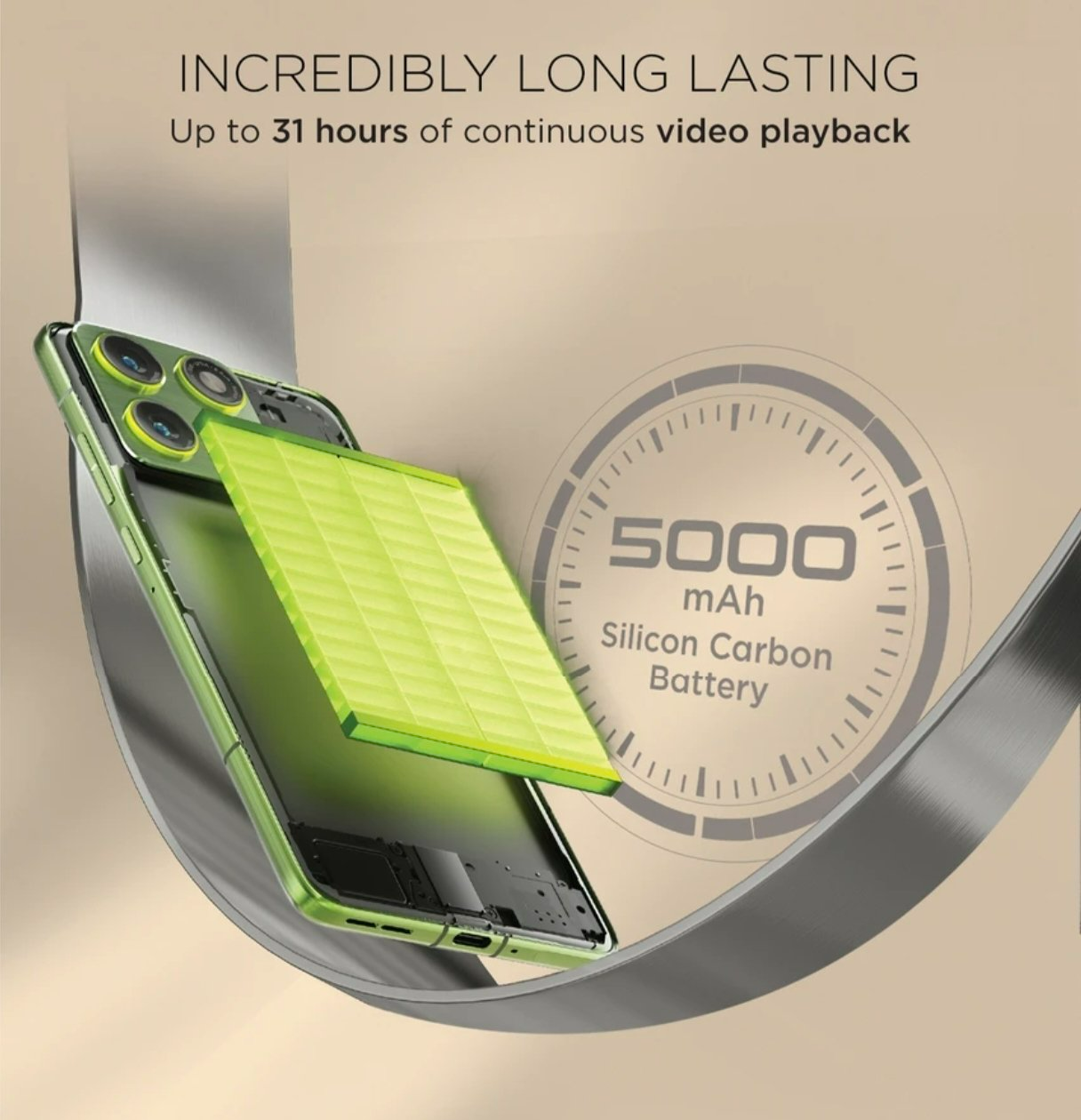
Realme claims that the Narzo 90 series would offer the segment’s largest battery pack. So the capacity is likely to offer 6000mAh. We can also see two models with a distinct rear camera module design. One appears to be inspired by Apple’s iPhone 16 Pro models that have a triangular triple camera setup, while the other seems similar to Samsung’s Galaxy S25 Ultra with three vertically stacked sensors. The brand is expected to unveil the Narzo 90 and Narzo 90 Pro. This is all the information we have at the moment, so stick around for more.
For more daily updates, please visit our News Section.
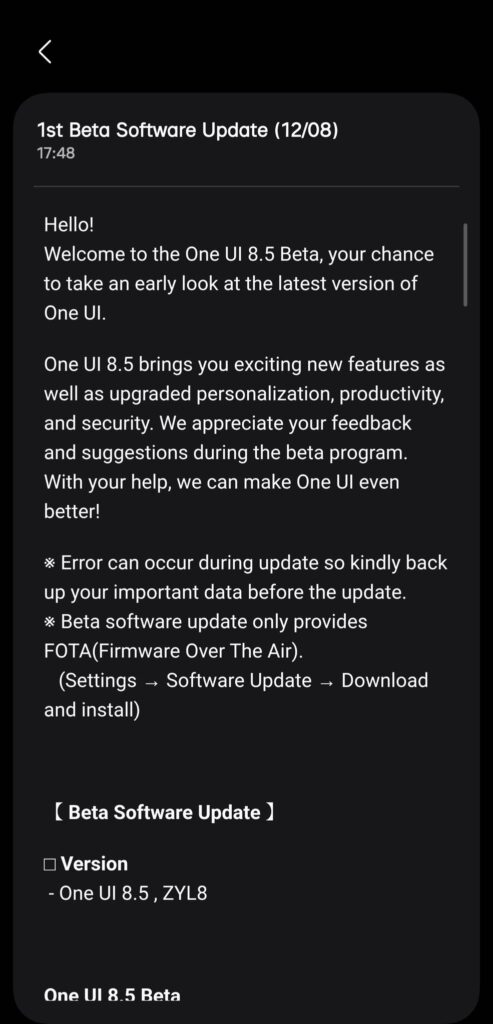
After weeks of testing One UI 8.5 internally, Samsung has finally opened public access to its One UI 8.5 beta program. The beta update is currently available for the Galaxy S25 phones (except S25 Slim and S25 FE), which bring a huge list of enhancements across nearly every corner, along with many new features.
At the time of writing this post, the first One UI 8.5 beta for the Galaxy S25 series is available in South Korea, Germany, and the US. It will also expand to India, Poland, and the UK very soon.
If you live in any of these regions and have a Galaxy S25/S25+/S25 Ultra, you can register for the One UI 8.5 beta program for early access to the latest features and enhancements. The process is simple. Open the Samsung Members app and tap the One UI beta program banner to complete the registration. Then, navigate to Settings > Software update > Download and install to get the latest update.
In the One UI 8.5 beta announcement post on Samsung Newsroom, Samsung hasn’t revealed if the beta program will reach beyond the Galaxy S25 series. However, based on the company’s past track record, it could release the beta update to a few more Galaxy models.
The first One UI 8.5 beta rollout has just gone live, and there will likely be a couple more on the way before we get to the stable release sometime in the first half of 2026. Before that, we’ll see One UI 8.5 debuting on the Galaxy S26 series early next year.
Don’t forget to visit our Samsung section regularly for the latest One UI updates. Or, if you prefer your news instant and on the go, hop into our Telegram channel for instant notification about the latest software updates and all the biggest tech headlines.
Xiaomi has quietly kicked off internal beta testing of HyperOS 3.0.34.0 for the Xiaomi 17 Pro series, and it aims to make the phone’s secondary rear screen more useful.
The update, which ranges from 568 MB to 1.2 GB depending on the device, is rolling out in phases through Xiaomi’s improved HyperOS 3 OTA logic. Users who check for updates frequently are being prioritized, with new batches pushed every 1–2 days. As always with Xiaomi’s gray-scale strategy, manually checking often guarantees earlier access.
The update enables a new personalized wallpaper feature for the rear display on the 17 Pro and 17 Pro Max, called “Sugar Cube” (translated from Chinese), which supports live photo and even video formats. It is described as a “fun wallpaper for the back screen.”
Other back-screen enhancements include a three-finger swipe-down gesture for screenshots (with multiple styles and screen-cover support), one-click saving of newly generated AI wallpapers to the album (requires Themes and Wallpapers app version 10.5.7.5 or higher), and fresh anime IP and 3D wallpapers added to the Theme Store specifically for the rear screen.
Beyond the fun additions, the update brings practical improvements:
Optimized gaming performance
Fixed network compatibility issues that caused abnormal calls
Resolved occasional static noise during screen-off music playback
Corrected abnormal probability display bugs
Improved camera image quality, shooting smoothness, and overall stability
While the update is currently in internal beta and reaching devices gradually, the combination of performance fixes and the undeniably interesting “Sugar Cube” personalized wallpaper gives Xiaomi 17 Pro and 17 Pro Max owners something fresh to look forward to this holiday season.
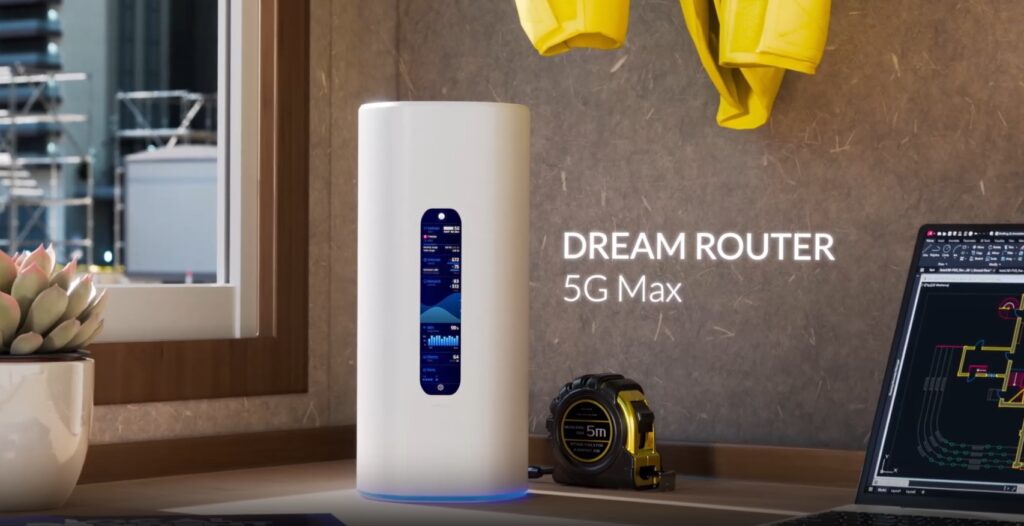
Ubiquiti has announced the Dream Router 5G Max (UDR-5G-Max), a new multi-functional 5G CPE that supports cellular, LAN, and Wi-Fi connectivity. The device is priced at $499 and will be available in February 2026.
The Dream Router 5G Max acts as a desktop cloud gateway with integrated 5G connectivity, tri-band Wi-Fi 7, and UniFi OS support. It features a cylindrical design measuring 110 × 110 × 250 mm and includes one NanoSIM slot alongside a NanoSIM/eSIM hybrid slot. On 5G NSA networks, the device delivers up to 3.4Gbps downlink and 560Mbps uplink speeds. On standalone 5G SA networks, it reaches 1.8Gbps downlink and 650Mbps uplink.
Dream Router 5G Max
The router comes with one 10GbE SFP+ port and four 2.5GbE RJ45 ports, including one PoE output. The Wi-Fi system is rated BE10700, with speeds of 688Mbps, 4.3Gbps, and 5.7Gbps across the three bands. Coverage extends to approximately 160 square meters. Ubiquiti includes a 64GB microSD card for video storage and application use, with support for up to five HD, two 2K, and one 4K stream through UniFi Protect.
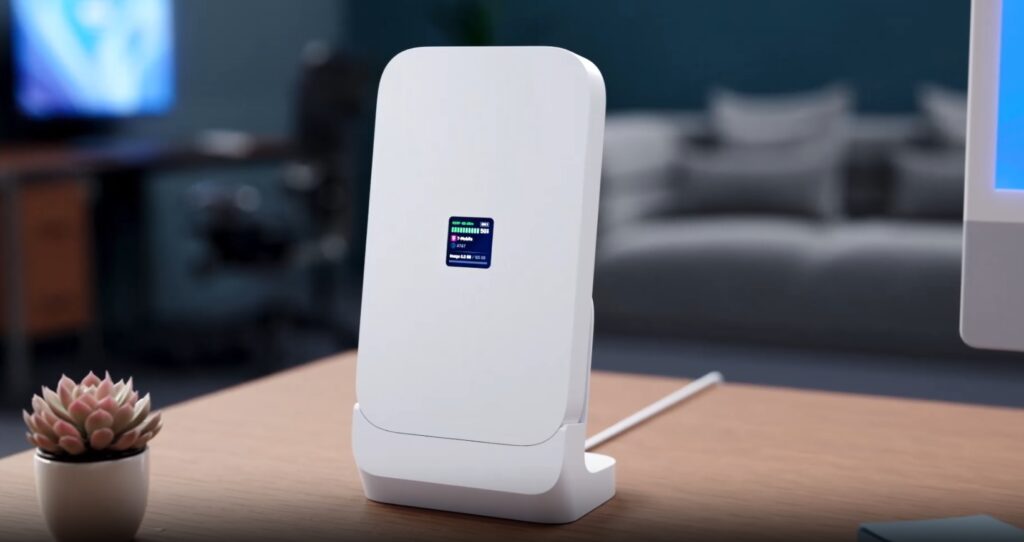
UniFi 5G Max
Ubiquiti has positioned this model as the flagship of its newly expanded UniFi 5G Max lineup. The company also introduced two additional models. The UniFi 5G Max indoor modem is a PoE-powered unit priced at $399. It supports dual SIM and eSIM with up to 3.4Gbps throughput. Ubiquiti lists compatibility with AT&T and T-Mobile, with Verizon certification expected by the end of December.
UniFi 5G Max Outdoor
The outdoor version, UniFi 5G Max Outdoor, is designed for harsh environments. It features an IPX6 rating by default and reaches IP67 with an optional cable-gland door kit. It maintains the same 5G performance as the indoor version and will be available in January 2026 for $459.
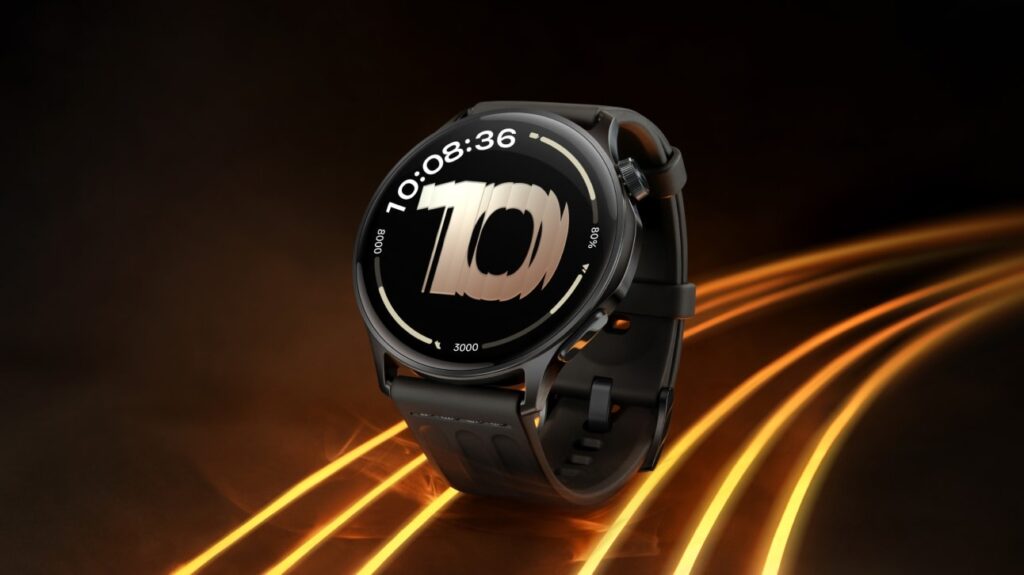
OnePlus is preparing to launch three new products on December 17. The company will introduce the OnePlus 15R smartphone and the OnePlus Pad Go 2 tablet in India and Europe. On the same day, European markets will also get the OnePlus Watch Lite. Ahead of the event, OnePlus has shared key details about the Watch Lite, while reports have outlined what to expect from the OnePlus 15R.
OnePlus Watch Lite features
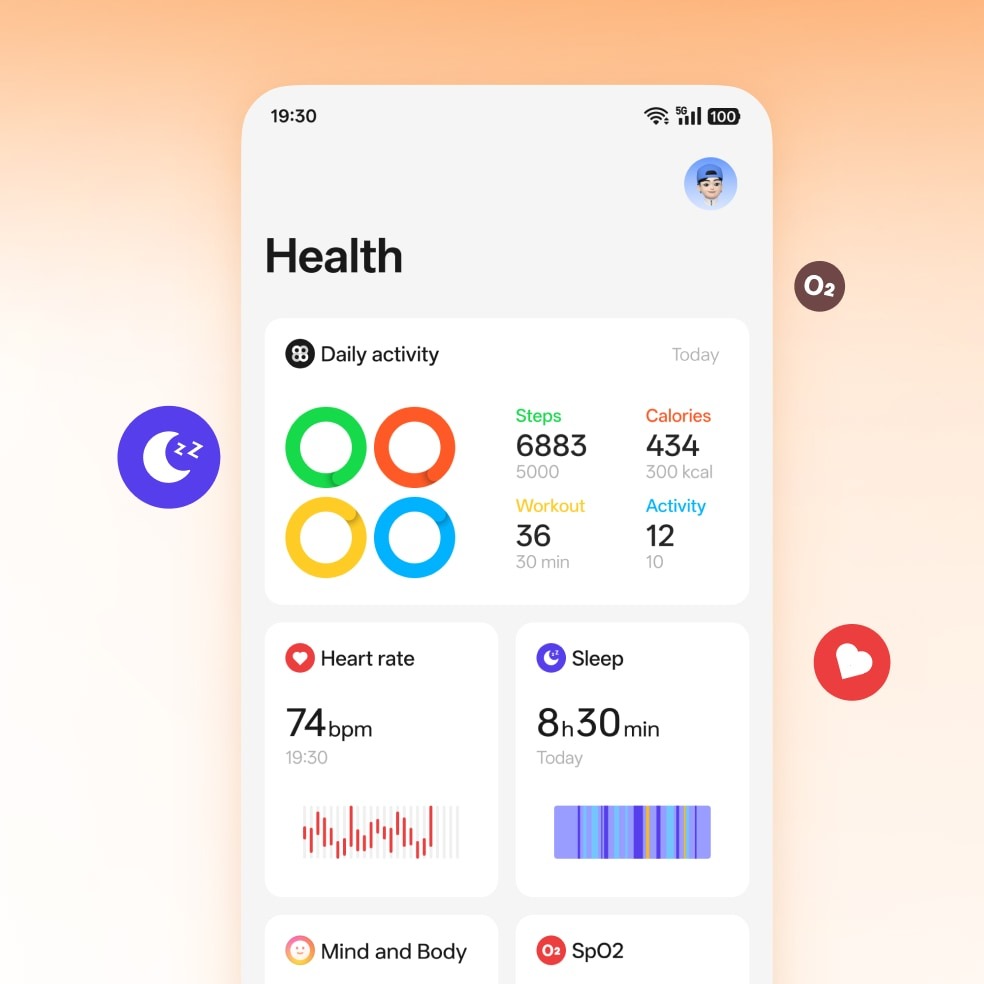
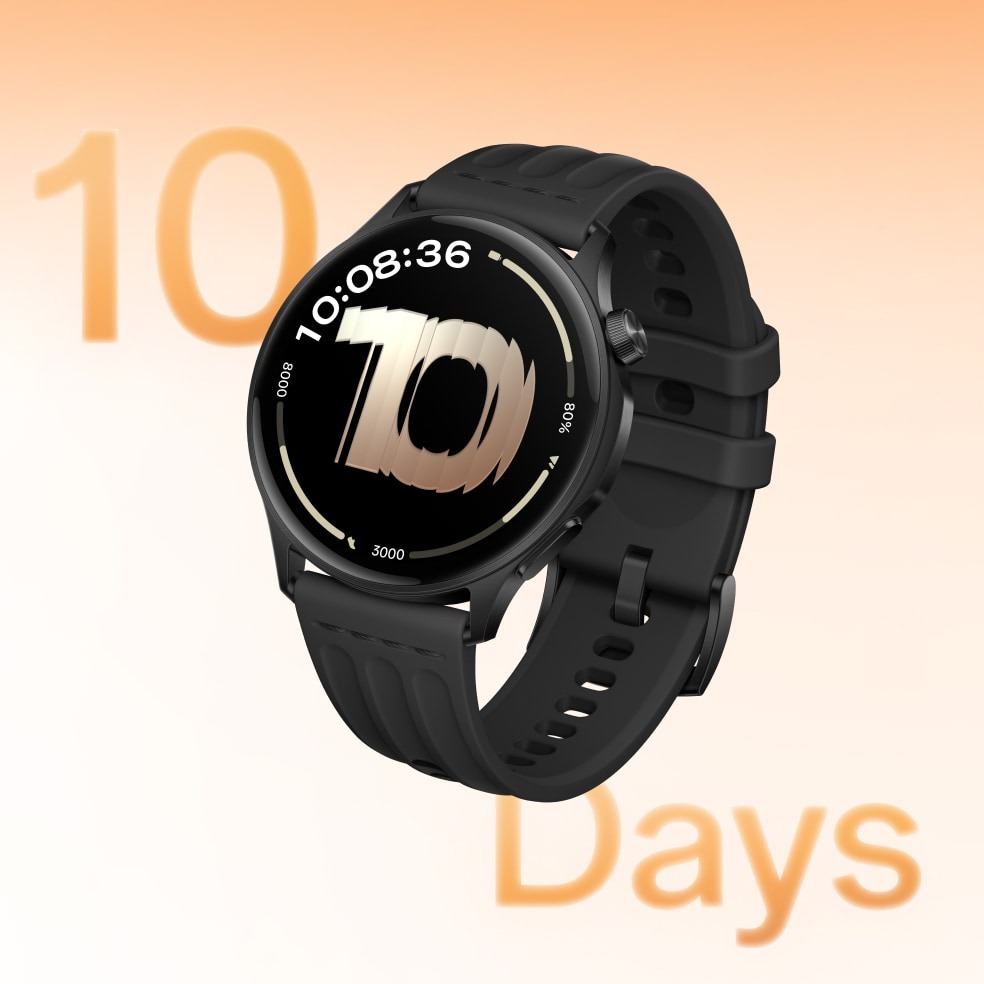
The OnePlus Watch Lite is designed with a slim and lightweight build. It offers a 60-second wellness overview that brings together daily activity tracking, heart rate data, sleep tracking, SpO2 readings, and Mind and Body insights in one view. OnePlus claims the smartwatch can deliver up to 10 days of battery life on a single charge.
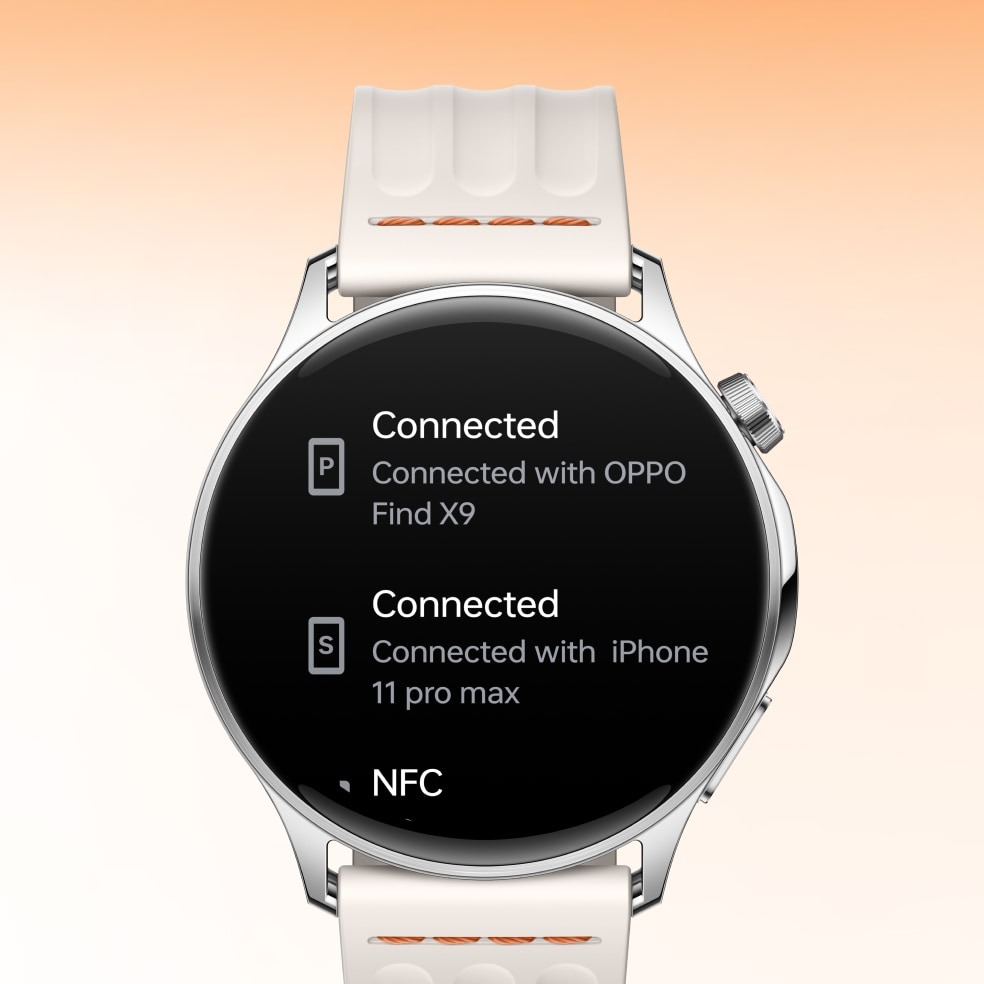
The watch is rumored to run on a non-WearOS platform, as no WearOS smartwatch currently offers this level of battery life. It will work with both Android and iOS devices, allowing users to receive notifications from two phones on one watch. NFC support is included for contactless features. The Watch Lite also comes with enhanced dual-frequency GPS for improved location accuracy. It will be available in Black and Silver color options.
Reports suggest the Watch Lite features a 1.46-inch AMOLED display. The screen is said to reach 3,000 nits of peak brightness in Sports mode and 600 nits during regular use. The smartwatch is reportedly 8.9mm thick and weighs 35 grams.
Alongside the wearable, OnePlus will launch the OnePlus 15R as the value-focused model in the OnePlus 15 series. The device is expected to be based on the OnePlus Ace 6T, which recently debuted in China, powered by the Snapdragon 8 Gen 5 chipset. The OnePlus 15R features a flat frame and a camera module placed at a 45-degree angle in the top-left corner. It carries IP66, IP68, IP69, and IP69K ratings for dust and water resistance. Confirmed color options include Charcoal Black and Mint Breeze. The device will also feature a massive 7,400mAh battery with 80W fast charging.
As for display, the phone is expected to feature a 6.83-inch 1.5K OLED panel with a 165Hz refresh rate, and an optical fingerprint sensor. The phone will also carry TÜV Rheinland Intelligent Eye Care 5.0 for eye protection. The camera setup could include a 50-megapixel main sensor, an 8-megapixel ultrawide camera, and a 32-megapixel front camera. As for videography, the brand has confirmed 4K recording capability at 120fps.
For more daily updates, please visit our News Section.
AGIBOT celebrates the rollout of its 5,000th mass-produced humanoid robot.
AgiBot A2 enters the Guinness World Records after walking 66 miles in three days.
China accelerates its position in the global humanoid robotics race with major advancements and industry support.
5,000-Unit Milestone
AGIBOT has officially rolled out its 5,000th mass-produced humanoid robot, marking a major milestone for the company and the broader robotics industry. The achievement reflects years of work in solving key challenges related to robot stability, reliability, and durability. According to Mr. Zhihui Peng, Co-Founder, President, and CTO, the company remains committed to listening to industry partners and delivering practical, general-purpose robots that can be deployed across real-world scenarios.
The 5,000 units include a diverse product portfolio:
A-Series (full-size robots): 1,742 units
X-Series (agile, half-size robots): 1,846 units
G-Series (task-optimized robots): 1,412 units
agibot.com
Robots Deployed Across Multiple Industries
AGIBOT’s humanoid robots are being used commercially in eight major applications, including guided reception, exhibition services, entertainment, intelligent manufacturing, logistics sorting, security inspection, commercial cleaning, data-collection training, and scientific research. These deployments demonstrate how embodied AI can support industrial upgrades, reshape service workflows, and accelerate digital transformation across multiple sectors.
The widespread adoption of AGIBOT robots also shows growing global demand for practical humanoid solutions that can integrate into existing business operations.
AgiBot A2 Walks Into the Guinness World Records
In a separate milestone for the company, the AgiBot A2 humanoid robot has officially entered the Guinness World Records after completing a 66-mile (106 km) walk over three days. The robot began its journey in Suzhou on the evening of November 10, 2025, and arrived at Shanghai’s Bund waterfront on November 13. The route covered highways, city streets, and various terrains, with the robot following traffic rules throughout the trek.
Standing 5 feet 6 inches tall, the A2 model is designed for customer service roles and is equipped with chat interaction features and advanced lip-reading technology. Videos of the walk show the robot navigating alongside cyclists, scooters, and busy urban environments.
AI Generated Image
China’s Rapid Expansion in Humanoid Robotics
China’s rapid expansion in humanoid robotics is being driven by major government deployments, rising investment, and growing adoption across non-tech industries. Large contracts are putting humanoid robots to work in border control, logistics, and public-service roles, while new funding is accelerating robots with advanced sensing for delicate, human-like tasks. Automakers are entering the field with plans for prototypes and in-vehicle robots, signaling that robotics is becoming a core industrial priority. National tech fairs are drawing big crowds with agile, performance-ready humanoids, reflecting expanding commercial and consumer interest.
With production costs falling and manufacturers preparing massive output increases, China is shifting from experimental showcases to true large-scale deployment, positioning itself as the fastest-moving force in the global humanoid robotics race.
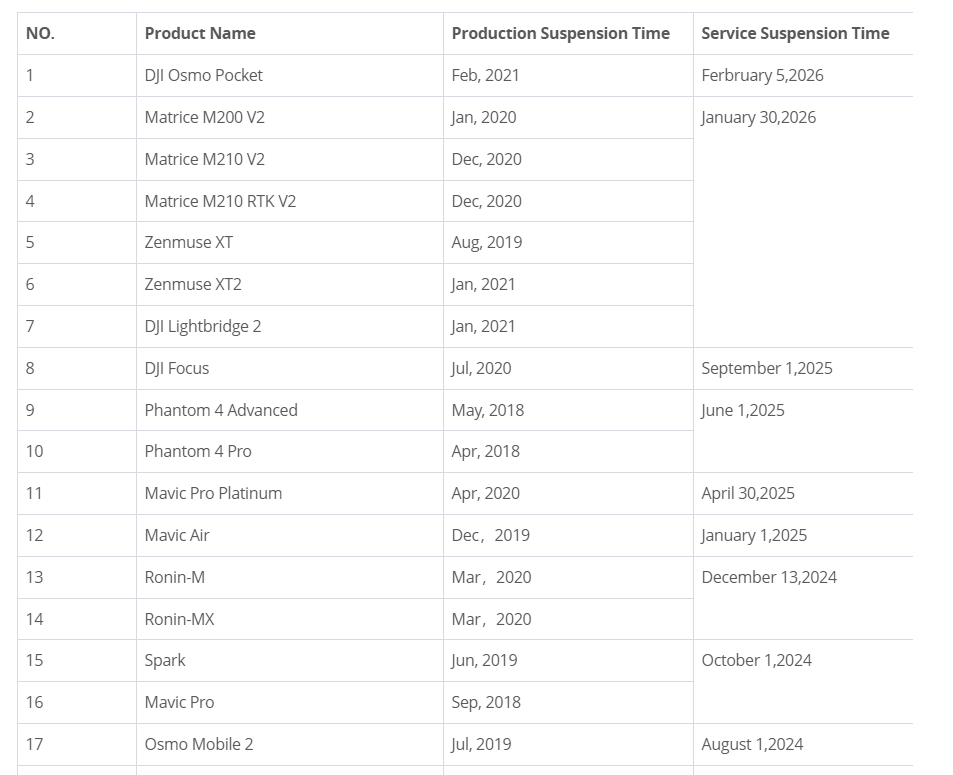
DJI has quietly expanded its list of products that are no longer getting official support — and it’s a long one. The company now counts 111 of its products that have either already reached end-of-service status or will hit that point soon.
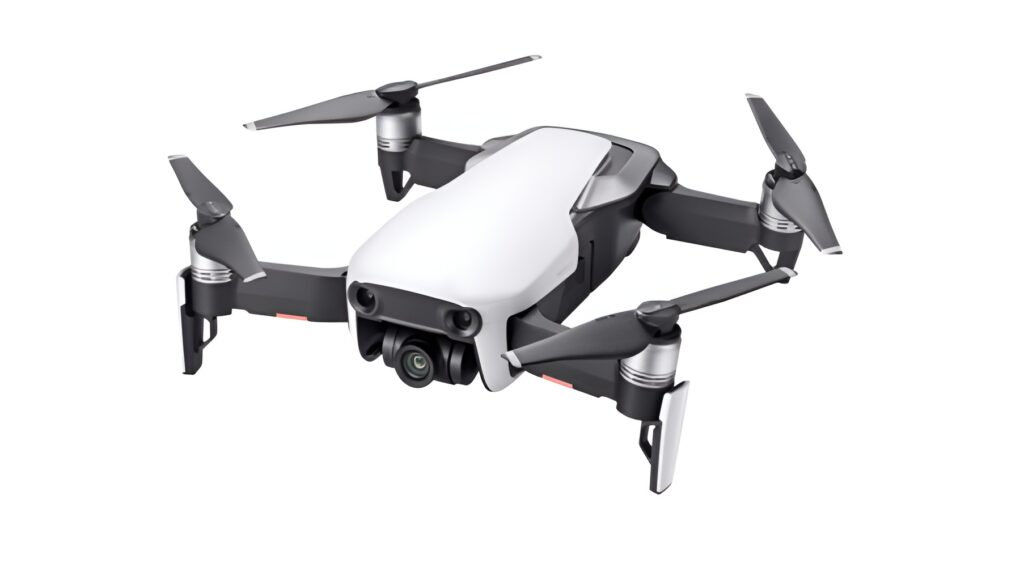
DJI Mavic Air
Some of DJI’s most recognizable drones are on the chopping block. The Phantom 4 Advanced and Phantom 4 Pro stopped receiving support in June 2025. The 2017 Mavic Pro Platinum followed earlier this year, with support ending in April. And the original Mavic Air — the compact drone that helped push folding designs into the mainstream when it launched in 2018 — was officially cut off on January 1.
Those models join several well-loved classics that have already been retired: the first-gen Mavic Pro and the tiny DJI Spark lost support in October 2024, while even older Phantom 3 and early Phantom 4 variants were phased out way back in January 2023.
Next up: DJI’s enterprise lineup. The Matrice 200 V2 series — including the M200 V2, M210 V2, and M210 RTK V2 — will no longer be eligible for repairs or updates after the end of January 2026. DJI is warning owners to check their exact model so they’re not caught off guard.
Once a device lands on the suspension list, that’s it — no more repairs through official channels, no spare parts, no firmware updates, and no tech support. DJI says the move lets them focus more on newer tech and keep current-generation products better supported.
Still, the news stings for hobbyists and working pilots who rely on these older drones. Many of them remain perfectly airworthy, but with official support disappearing, their long-term survival becomes a bit more uncertain. It’s another reminder of how fast even high-end gadgets can reach the end of the line.
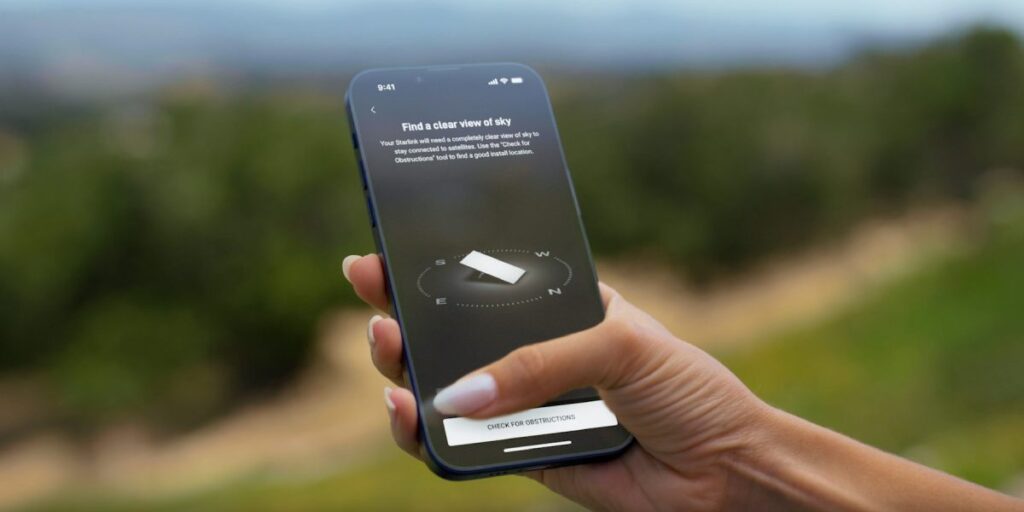
Update: Starlink representative in India, Lauren Dreyer, confirmed that the Starlink India website is currently not live, and the said Rs 8,600 price is dummy test data published due to a glitch on the website. That implies the company is yet to launch its services in India.
Original story continues….
Elon Musk–run Starlink is finally going residential in India. Five months after securing approval from India’s space regulator, the company today revealed the pricing for the Indian market on its official website.
Starlink is launching with a single residential plan in the country. It’s priced at Rs 8,600 per month, but, as with most satellite internet setups, there’s an additional hardware cost.
Starlink’s network relies on its own proprietary equipment, so you’ll need to buy the hardware kit to get started. The bundle includes the antenna, router, cables, and power supply, and it’s priced at Rs 34,000 in India. As a result, the initial setup costs total Rs 42,000.
Just like Starlink’s residential plans in other countries, the Indian tier promises unlimited data, 99.9 percent uptime, and support for all-weather operation. The company is also offering a 30-day trial period.
Naturally, Starlink costs more than a standard home broadband connection. But it’s also a fundamentally different kind of service. Running the internet from space comes with its own set of trade-offs and its own price tag.
Additionally, while Starlink has revealed pricing for its residential plan, the cost of its business tier is still under wraps. The company hasn’t shared details yet, but we’ll likely see that information surface in the coming days, possibly alongside a clearer rollout schedule for the service in India.
Starlink is not alone in this race
So far, India’s Department of Telecommunications has cleared three companies to move forward with satellite communication services. Alongside Starlink, Bharti Group–backed Eutelsat OneWeb and Jio’s satellite arm have also received the green light. All three are still waiting for spectrum allocation before they can begin commercial rollout.
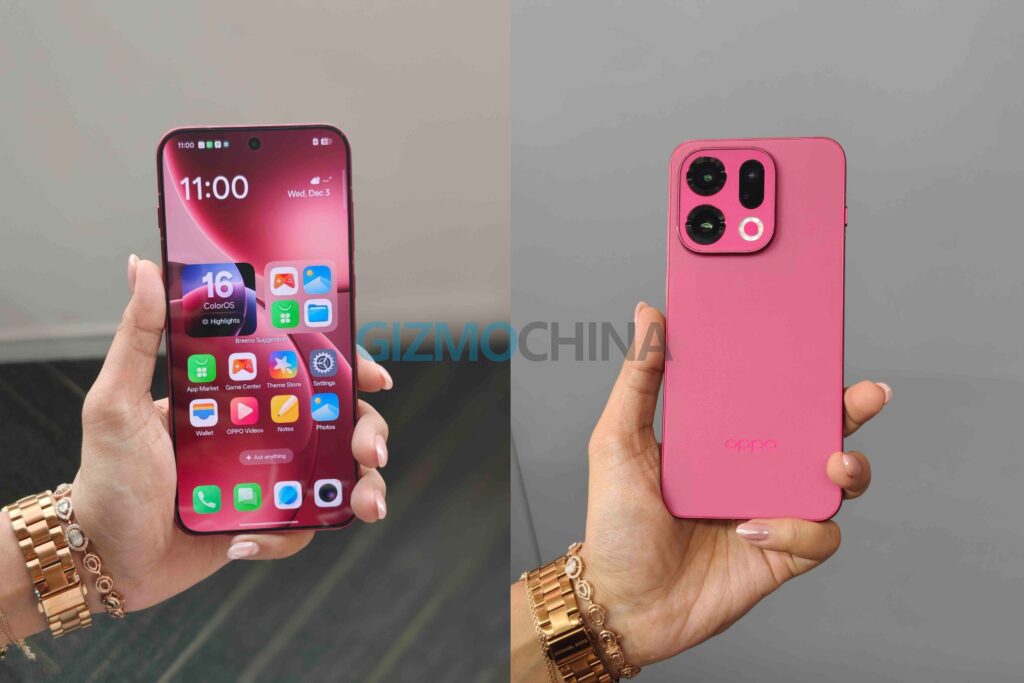
Oppo recently unveiled its latest generation of flagship smartphones in India, with the new Find X9 (Review) and Find X9 Pro. But soon after the initial announcement, the brand confirmed that the base model is getting a bold new makeover in the form of a new colorway. Now, the Find X9 is finally available in this elegant new Velvet Red option, which arrives with a few special perks as well. So here are all the details.
Oppo Find X9 Velvet Red First Sale: Price, Offers, & Free Gifts
The Chinese tech giant just started the sale of the Velvet Red Find X9 model in India. To recall, the brand had first released this model in Titanium Gray and Space Black options. But we are also getting the Velvet Red color from the initial Chinese release as well. Apart from the bright hue that stands out, the Velvet Red version is practically the same as the other Find X9 models.
Oppo Find X9
Oppo’s new Find X9 Velvet Red Edition was just announced in a single storage configuration in the region. For Rs 74,999 (roughly 833 US Dollars), you get 12GB of RAM and 256GB of internal storage, the all new Dimensity 9500, powerful 50MP quad cameras with Hasselblad tuning, a bright OLED display, a massive battery pack, and much more.
There is even a special bank offer that brings the price down to just Rs 67,499. Oppo has even bundled the Find X9 Velvet Red Edition with a Black gold Gift Box that is worth Rs 5,198. This gift box includes the new Oppo Enco Buds 3 Pro+ and a premium case for the flagship smartphone. The device is currently available for purchase via the brand’s official website, authorized retailers, and Flipkart.
For more daily updates, please visit our News Section.
Exclusive GoT collectible design with dragonfire leather, Targaryen elements, themed UI, and premium collector’s box.
Powerful performance with Snapdragon 7 Gen 4, 12GB RAM, 512GB storage, and a 144Hz AMOLED display.
Massive 7000mAh battery with 80W fast charging and an advanced 50MP triple-camera system.
A Limited Edition Inspired by Game of Thrones
The Realme 15 Pro Game of Thrones Limited Edition stands out as a uniquely crafted smartphone designed for fans of the iconic series. Its back panel features heat-sensitive dragonscale leather that shifts from black to red when warmed, symbolizing dragonfire. Golden accents, dragon claw-styled camera housing, and House Targaryen insignias complete this dramatic aesthetic. The device also includes an Ice & Fire-inspired UI with custom wallpapers, icons, animations, and sound effects that bring Westeros to life.
Premium Collector’s Experience
This Limited Edition arrives in an elaborate collector’s box that transforms into a miniature Iron Throne stand. Realme also includes themed collectibles, such as a Hand of the King pin, Westeros map, exclusive postcards, and UV-reactive secret letters, making it an immersive, fan-worthy treasure. While the phone shares hardware with the standard version, the packaging and presentation elevate the experience into a true collectible item.
Flagship-Level Performance with Snapdragon 7 Gen 4
Under the hood, the Realme 15 Pro GoT Edition is powered by the efficient Snapdragon 7 Gen 4 octa-core processor paired with 12GB LPDDR4X RAM. This combination ensures seamless multitasking, smooth app performance, and reliable gaming capabilities. With 512GB of internal storage, users have ample space to store photos, videos, apps, and files without worrying about running out of space.
Immersive 6.8-inch AMOLED Display
The device sports a stunning 6.8-inch AMOLED FHD+ display with a 144Hz refresh rate. This ensures ultra-smooth scrolling, crisp visuals, and an excellent viewing experience whether you’re gaming, streaming, or browsing. The screen also reaches up to 1800 nits of brightness and houses an under-display fingerprint scanner for quick, secure unlocking.
Advanced 50MP Triple-Camera Setup
Photography gets a major boost with a 50MP Sony IMX896 OIS-backed primary camera, a 50MP ultrawide lens, and a 50MP selfie shooter. This setup delivers detailed, stable images, while special GoT-themed AI filters allow users to create fantasy-style imagery. Whether shooting landscapes or portraits, the phone ensures sharp and vibrant results.
Massive Battery with Fast Charging
The Realme 15 Pro GoT Edition packs a large 7000mAh battery, supporting 80W fast charging for minimal downtime. This ensures long hours of gaming, streaming, and productivity without frequent recharges. It runs Realme UI 6.0 based on Android 15, providing an optimized, fast, and user-friendly software experience.
Price & Availability
The Realme 15 Pro Game of Thrones Limited Edition is available now on Giztop for just $499, making it a highly affordable collectible flagship. The store offers global shipping, with express delivery options available for faster international arrival. This ensures fans worldwide can easily get their hands on this exclusive GoT-themed edition.
It looks like Xiaomi isn’t waiting around for 2026 to roll out its biggest flagship. A new leak out of China claims the Xiaomi 17 Ultra could actually launch in December — which would be a big shift from the company’s usual schedule.
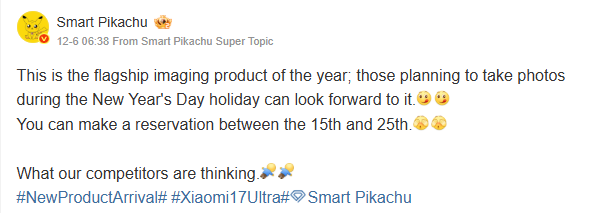
The rumor comes from reliable tipster “Smart Pikachu” (translated from Chinese), who posted on Weibo that Xiaomi is gearing up to announce the Xiaomi 17 Ultra this month. Pre-orders are said to open sometime between December 15 and December 25, meaning at least some buyers in China may get the phone before the year ends.
That’s a bold change. The Xiaomi 14 Ultra and 15 Ultra were announced towards the end of February. It definitely suggests Xiaomi wants a show-stopping finale for 2025.
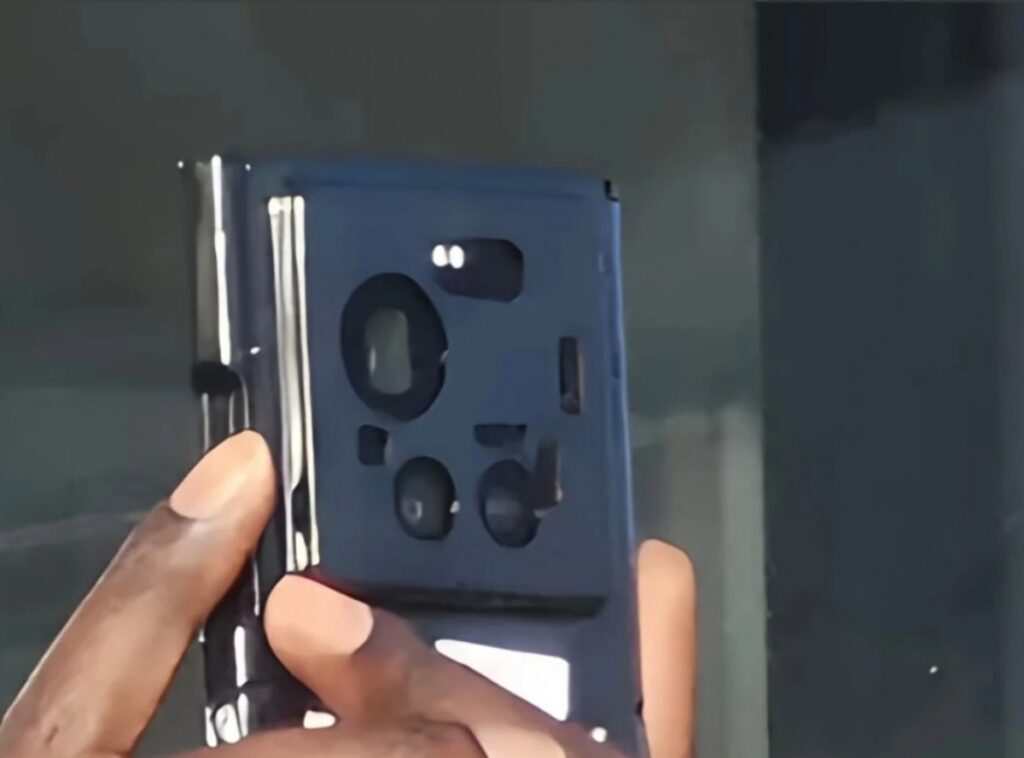
Camera-wise, the Xiaomi 17 Ultra is still expected to deliver what photography lovers want most: a 1-inch-type main sensor. That alone could make it one of the last true “big sensor” flagships before the industry shifts to slightly smaller, more advanced technologies. However, some leaks suggest the phone may drop the secondary telephoto lens in favor of a single, 200MP telephoto — a setup similar to the vivo X200 Ultra.
Inside, the hardware will match the rest of the Xiaomi 17 family, including the Snapdragon 8 Elite Gen 5 chip. Pricing is also rumored to be close to the Xiaomi 15 Ultra.
As for global customers — nothing’s changing there. Most sources still expect an international launch around February, likely during MWC.
So if this leak pans out, Xiaomi fans in China could be unwrapping a brand-new Ultra as early as Christmas week. Everyone else will just have to wait a little longer.
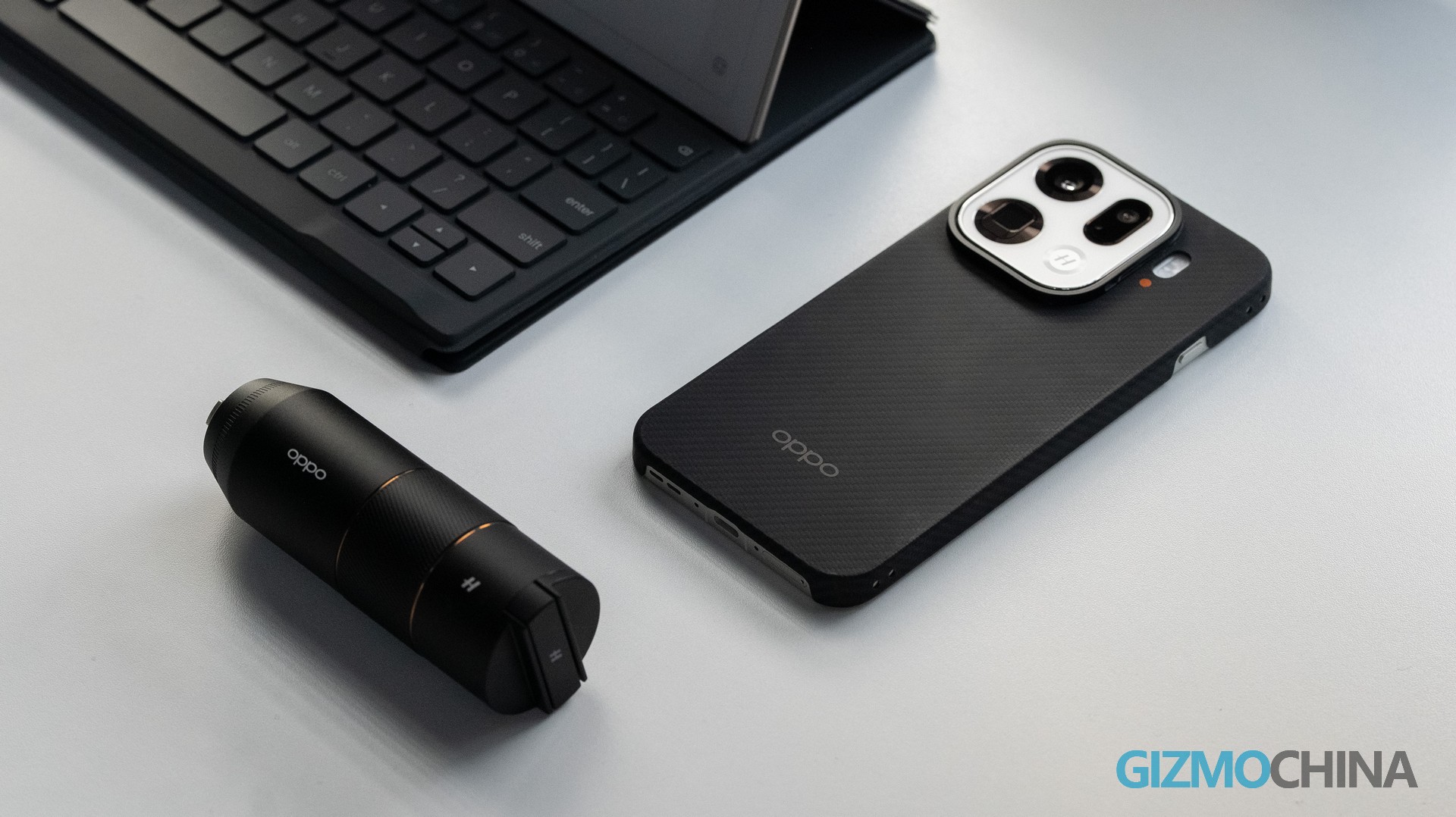
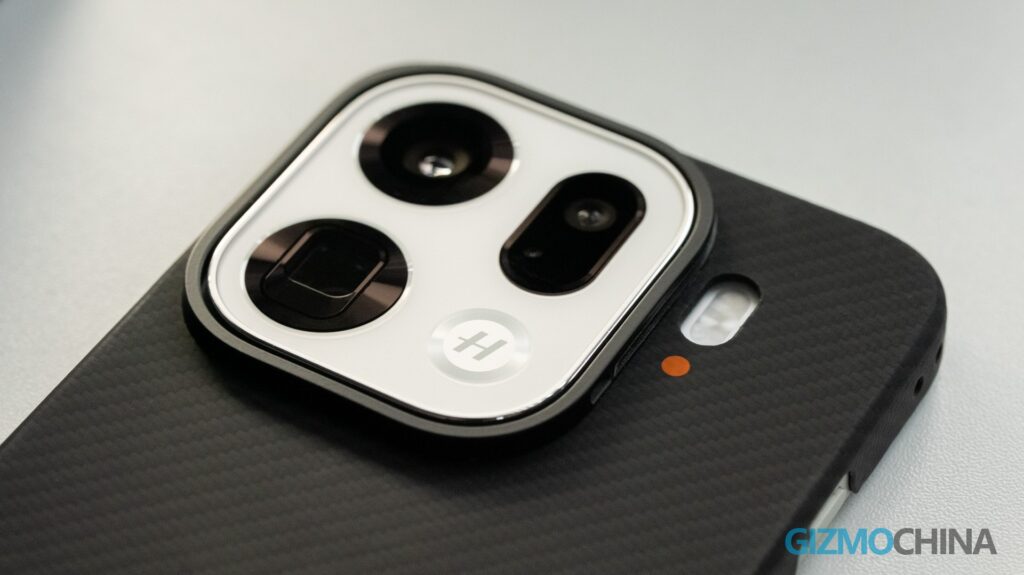
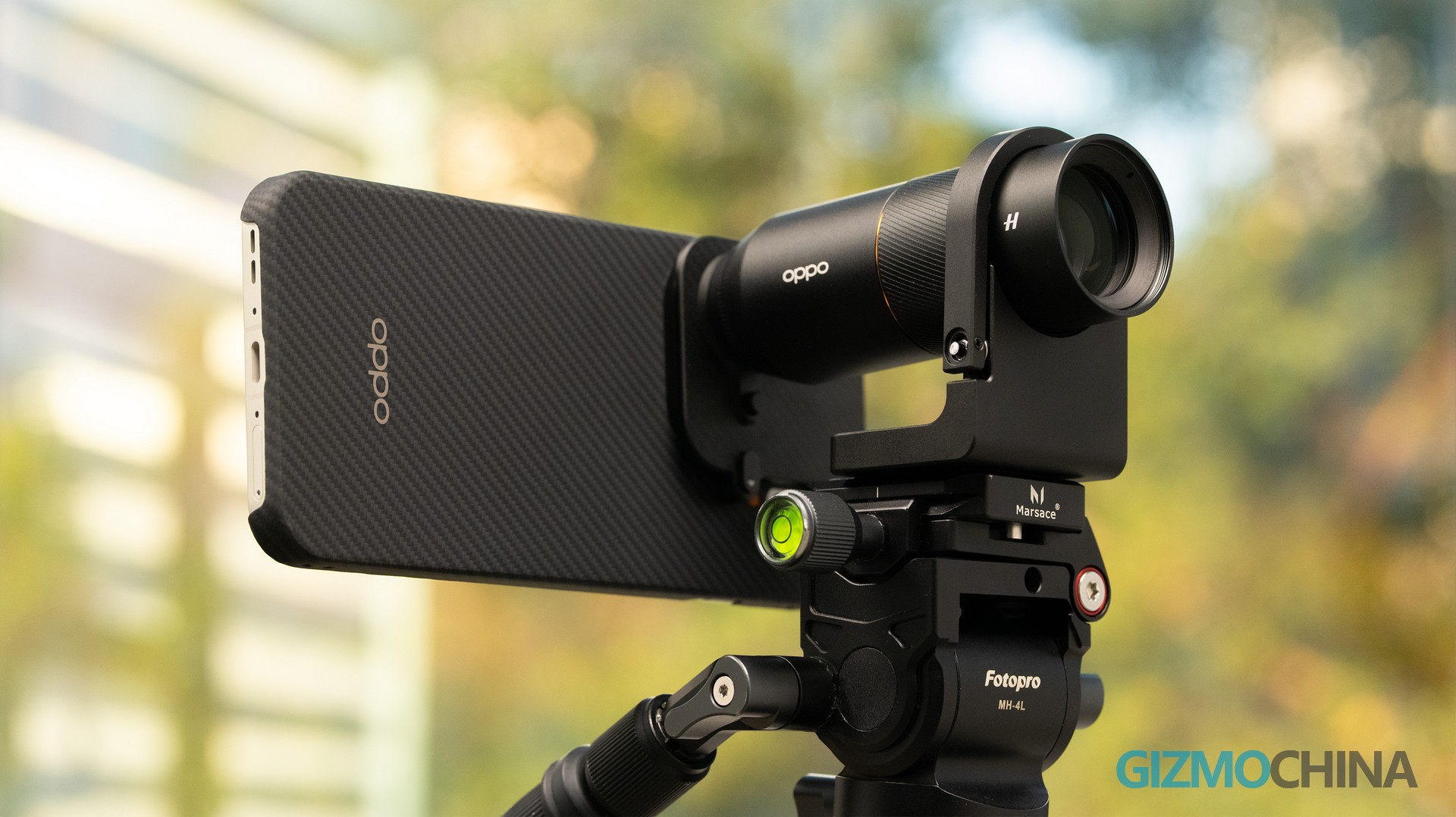
We previously tried out the photography kit in our OPPO Find X9 Pro review. In that video, we briefly introduced it but didn’t go into detail about its advantages. In this article, I want to fill in the parts we didn’t mention in the video. So if you haven’t watched it yet, you can check out the video below. After getting a general idea from the video, this article will help you decide whether the kit is worth buying.
First of all, this phone case included in the kit, is my favorite among all photography kits from any brand. It’s made of aramid fiber, which protects the phone without making it bulky. You can easily use it as an everyday case.
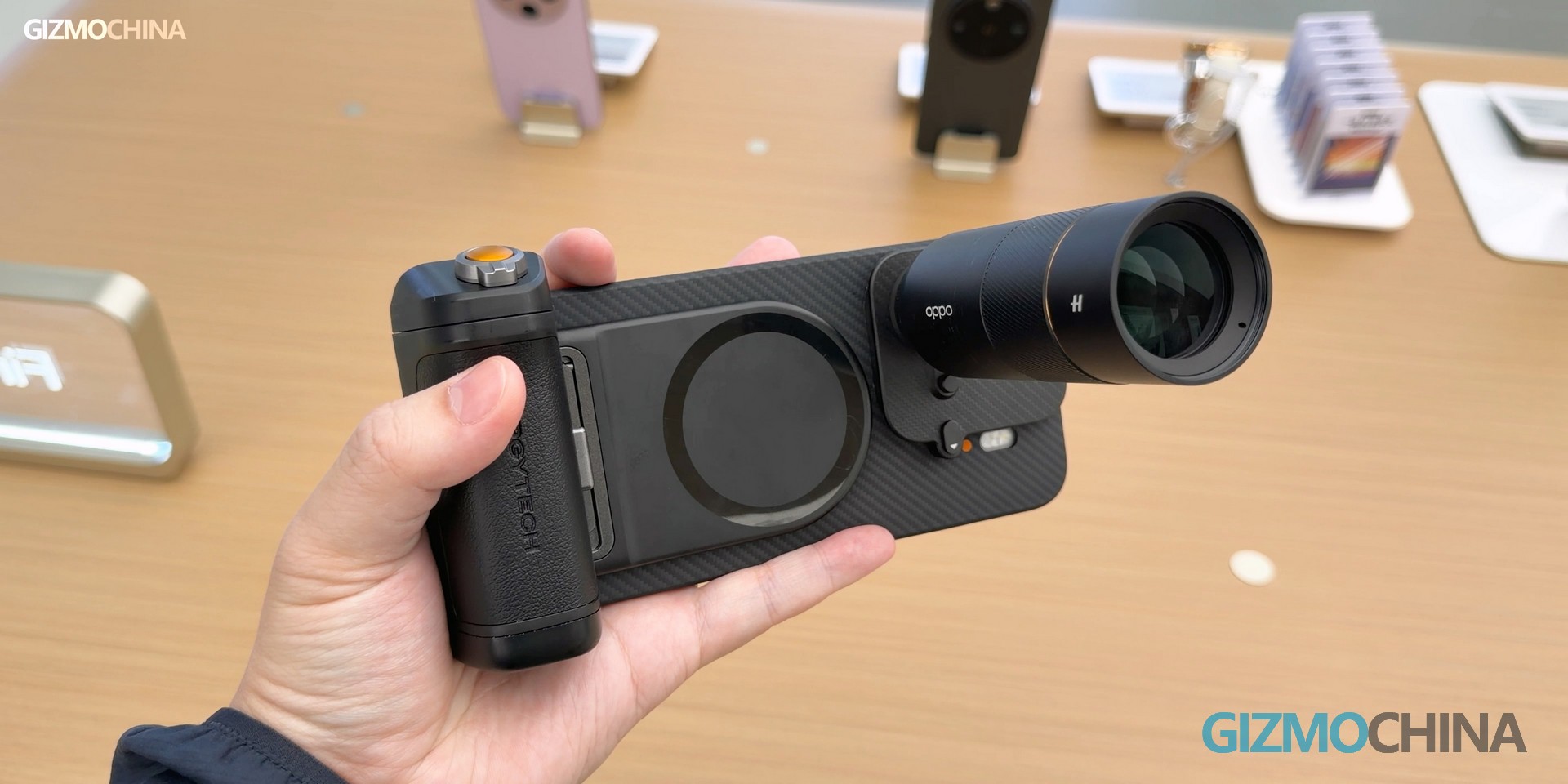
It also has a magnetic ring on the back, so it works with all MagSafe accessories. But its biggest purpose is still to attach the handle.
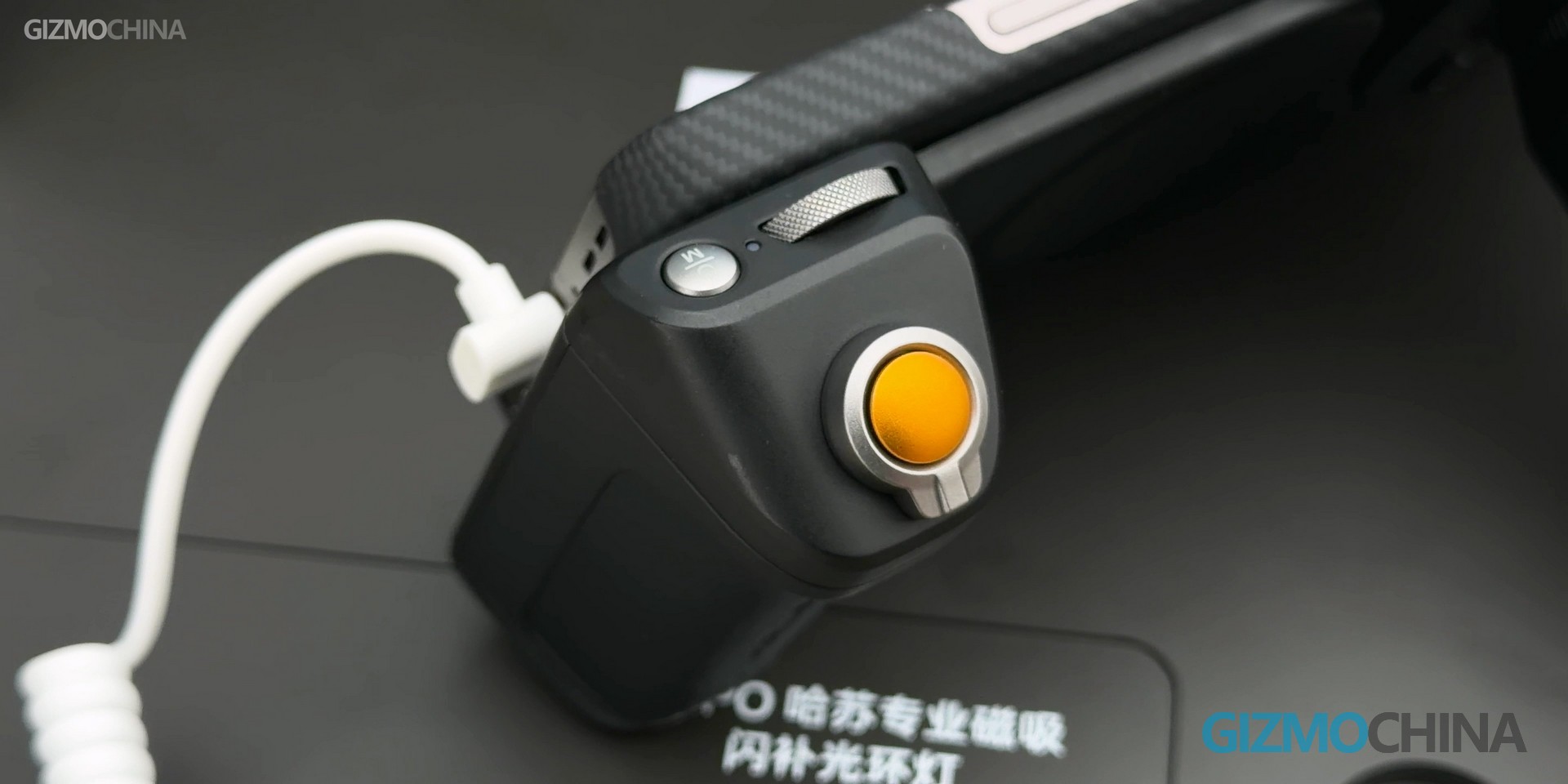
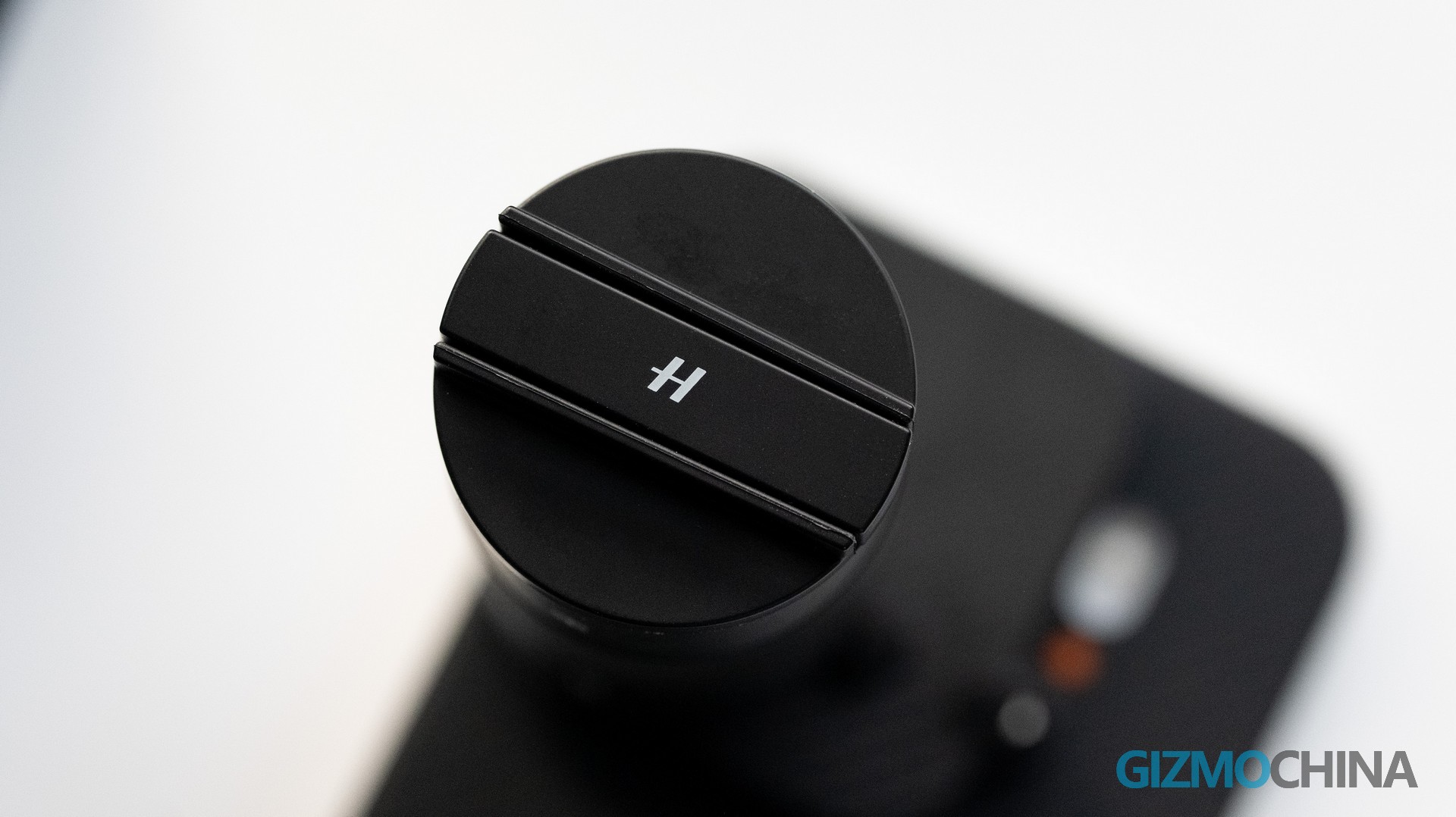
The handle can be quickly detached, supports vertical shooting, and even wireless charging. The orange shutter button and the lens cap with the “H” logo also highlight the collaboration between OPPO and Hasselblad.
The photography kit also includes a metal lens holder. This helps keep the setup balanced when mounted on a tripod.
The teleconverter lens has a diameter of around 4 cm and a length of about 12 cm. Inside are 13 glass elements, with a magnification of 3.28x. Once attached to the phone, it provides 10x magnification—equivalent to a 230 mm focal length—and can go up to 40x. Because the extended focal length comes from an actual optical lens group, the image quality is noticeably sharper compared to digitally zooming the phone to 10x.
To sum up: if you need ultra-long-distance shooting and want something lightweight—without buying a large, heavy telephoto lens and camera—the OPPO × Hasselblad photography kit is definitely one of the best options. Especially in situations where you can’t bring a tripod (such as concerts or product launches), this kit can deliver surprisingly good results.
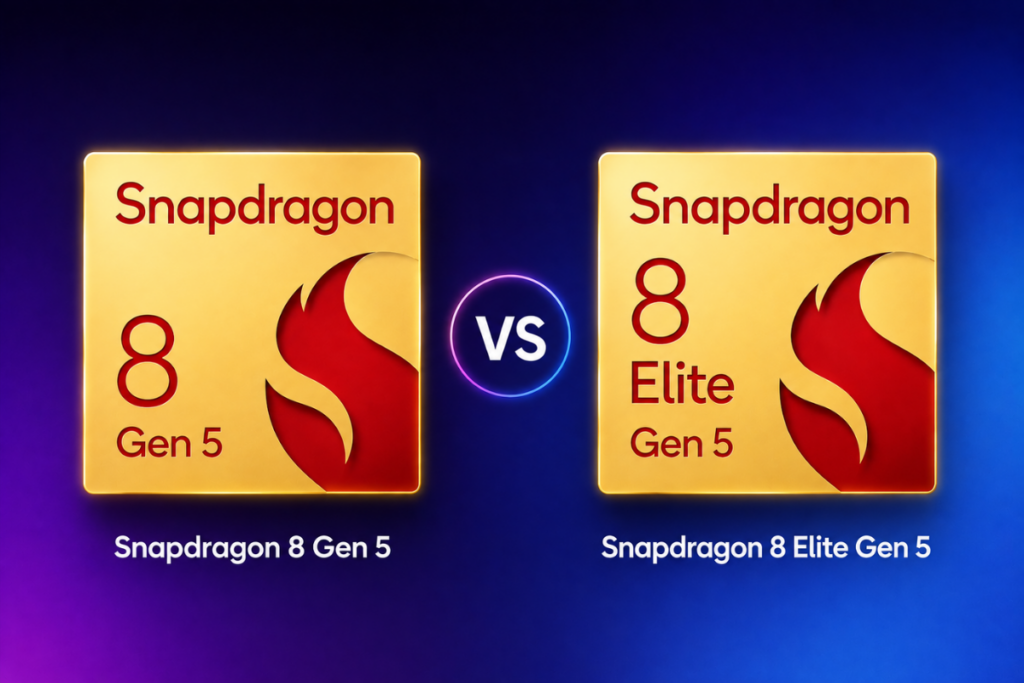
The Snapdragon 8 Gen 5 and Snapdragon 8 Elite Gen 5 are both high-end Android chipsets, but due to Qualcomm’s confusing naming scheme for recent 8-series chips, many find it difficult to predict which one delivers superior capabilities, which one is actually faster, and by how much.
For those seeking a quick answer: the Snapdragon 8 Elite Gen 5 offers superior performance and capabilities over the Snapdragon 8 Gen 5. However, things start to become clearer as you dive into the detailed comparison.
Where does Snapdragon 8 Gen 5 fit into the lineup?
It’s important to understand, if you don’t already.
Until the Snapdragon 8 Elite, the naming scheme was sorted, but then Qualcomm announced the Snapdragon 8 Elite Gen 5. It felt like the company skipped multiple generations in between. Qualcomm justified this naming strategy by saying the Snapdragon 8 Elite represents the fourth generation in the Snapdragon 8-series.
Then came the Snapdragon 8 Gen 5 in November 2025. It’s a toned-down version of the Snapdragon 8 Elite Gen 5, but still a very capable chipset. Here’s where it gets interesting: At the launch, Qualcomm didn’t compare the Snapdragon 8 Gen 5 to the Snapdragon 8 Elite, but to the Snapdragon 8 Gen 3 launched in 2023. In other words, the Snapdragon 8 Gen 5 is an upgrade over the Snapdragon 8 Gen 3, but sits below the Snapdragon 8 Elite.
Here’s the correct order of these chips (performance-wise):
Snapdragon 8 Gen 3
Snapdragon 8 Gen 5
Snapdragon 8 Elite
Snapdragon 8 Elite Gen 5
Snapdragon 8 Gen 5 vs 8 Elite Gen 5: Benchmark score
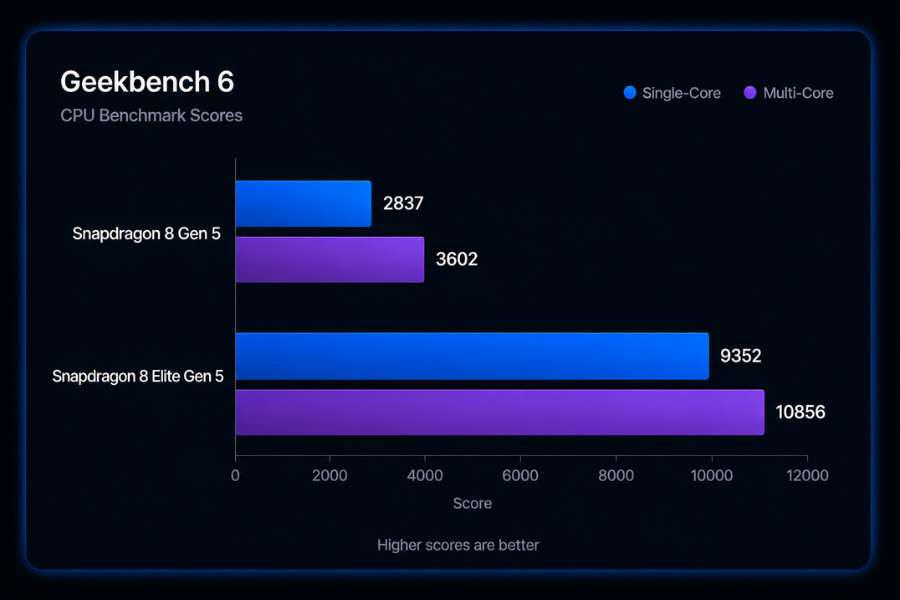
Note: We’ve performed benchmark tests on OnePlus 15R (Snapdragon 8 Gen 5) and OnePlus 15 (Snapdragon 8 Elite Gen 5). Since both phones have the same software, the final scores will have a negligible difference because of software optimizations.
The Snapdragon 8 Gen 5-powered OnePlus 15R achieves 2837 points in the single-core test and 3602 points in the multi-core test. The OnePlus 15, powered by Snapdragon 8 Elite Gen 5, pulls ahead with much higher scores: 3602 single-core points and 10856 multi-core points.
In other words, the Snapdragon 8 Elite Gen 5 scores 26% higher in the single-core test and 16% higher in the multi-core test. This won’t show any difference in low-resource tasks, but things like gaming, video editing, and other resource-intensive tasks will see notable uplift on the 8 Elite Gen 5-powered devices.
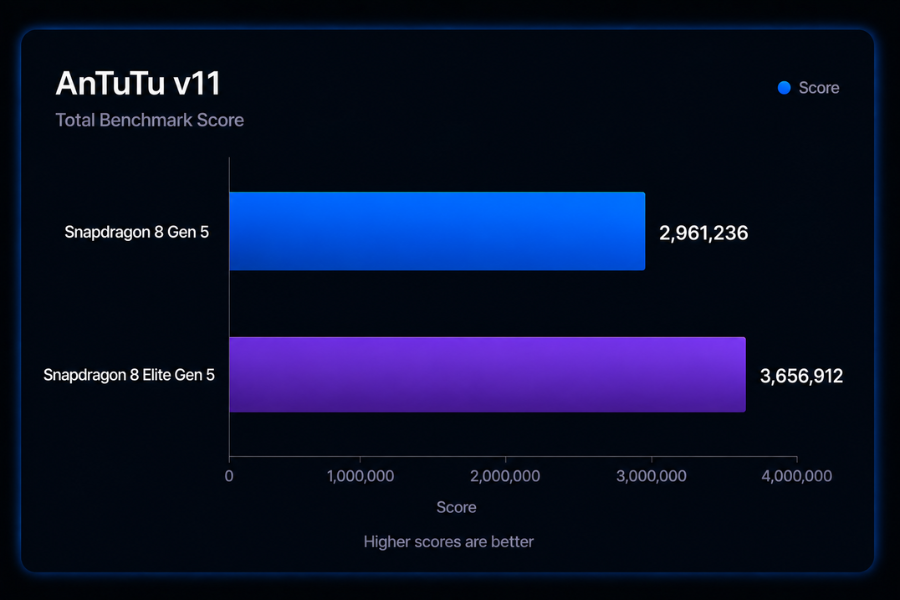
The Snapdragon 8 Gen 5 scores just below the 3 million mark on AnTuTu v11, whereas the Snapdragon 8 Elite Gen 5 pulls off well over 3.5 million points. The breakdown offers much better insights.
The Elite chipset outclasses the standard Snapdragon 8 Gen 5 across every test: the CPU score is 24% higher, the GPU score is 37% higher, the memory score is 15%, and the UX score is 7% higher.
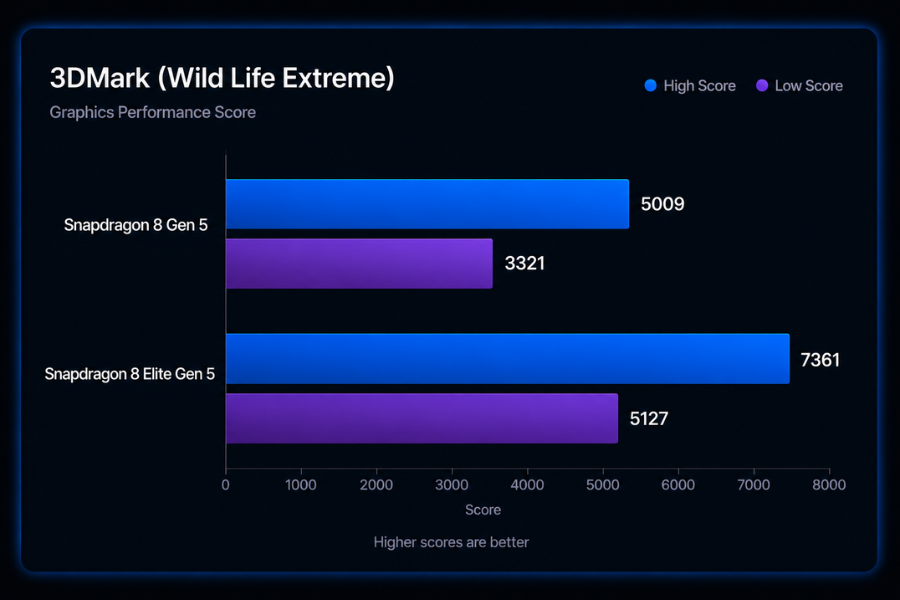
The Wild Life Extreme Stress test is specifically designed to evaluate sustained GPU performance and thermal throttling under heavy graphical loads. In our testing, the Snapdragon 8 Elite Gen 5 achieved 30% higher scores in both the best loop performance and the lowest loop performance tests. Plus, the chip delivers slightly better stability.
In simple words, the Snapdragon 8 Elite Gen 5 delivers much better peak performance than the Snapdragon 8 Gen 5. Also, the chip doesn’t throttle to the Snapdragon 8 Gen 5’s level, which means the Elite chip delivers better sustained performance.
SD 8 Gen 5
SD 8 Elite Gen 5
Best loop score
5009
7361
Lowest loop score
3321
5127
Stability
66.30%
69.65%
Snapdragon 8 Gen 5 vs 8 Elite Gen 5: Major differences
Despite not bearing an “Elite” moniker, the Snapdragon 8 Gen 5 still features an Oryon CPU, and luckily, that’s the same CPU used in the top-tier Snapdragon 8 Elite Gen 5 chip. The CPU configuration also remains unchanged: two prime cores and six performance cores. But the Elite chips offer larger cache memory and higher CPU speeds to maintain a performance edge.
The Snapdragon 8 Gen 5 has two prime cores clocked at 3.8 GHz, while those in the 8 Elite Gen 5 can reach up to 4.61 GHz. The remaining six performance cores in the Elite chip also run at higher clock speeds (3.63 GHz vs 3.32 GHz).
The two Qualcomm chipsets have major differences in their GPUs. The Adreno 829 GPU on the Snapdragon 8 Gen 2 has two GPU slices, while the Adreno 840 on the Elite chip gets an extra GPU slice. This means the Elite chip can process 50% more graphical instructions simultaneously, and that’s why it handles ray tracing so much better.
Furthermore, the Snapdragon 8 Elite Gen 5 features 18 MB of Adreno high-performance memory (HPM) exclusively for the GPU, while the standard 8 Gen 5 chip has just 2MB of Adreno HPM. The Elite chip also benefits from an aggressive 768 MHz peak boost mode for demanding graphics sequences, while the Snapdragon 8 Gen 5 lacks any boost, capping the clock speed much lower at 384 MHz
The Snapdragon 8 Gen 5 features a Snapdragon X85 5G modem, while the Elite chipset uses a newer, more advanced X85 5G modem with higher peak speeds and more seamless multi-carrier network aggregation. The newer modem uses an updated version of Qualcomm’s communication algorithms to deliver marginally faster handover times when moving quickly between cell towers.
Snapdragon 8 Gen 5
Snapdragon 8 Elite Gen 5
Announced
November 2025
September 2025
Process node
TSMC’s 3nm (N3P)
TSMC’s 3nm (N3P)
CPU cores
8-core
8-core
CPU cores
2 x 3.8 GHz — Oryon (3rd gen) 6 x 3.32 GHz — Oryon (3rd gen)
2 x 4.61 GHz — Oryon (3rd gen) 6 x 3.63 GHz — Oryon (3rd gen)
GPU
Adreno 840 Ray tracing support Snapdragon Elite Gaming features
Adreno 840 Ray tracing support Snapdragon Elite Gaming features
NPU
Qualcomm Hexagon NPU Agentic AI support
Qualcomm Hexagon NPU Agentic AI support
Memory
LPDDR5X, up to 4.8 GHz
LPDDR5X, up to 5.3 GHz
Storage
UFS 4.1
UFS 4.1
Camera
Qualcomm Spectra Triple ISP (20-bit) Up to 320MP single camera up to 108MP single camera (MFNR, ZSL, 30fps) Up to 48MP triple camera (MFNR, ZSL, 30fps) Up to 8K video recording real-time semantic segmentation (limitless)
Qualcomm Spectra Triple ISP (20-bit) Up to 320MP single camera up to 108MP single camera (MFNR, ZSL, 30fps) Up to 48MP triple camera (MFNR, ZSL, 30fps) Up to 8K video recording real-time semantic segmentation (limitless) Advanced Professional Video (APV) codec
A leaked video shows Tesla’s Optimus robot falling and making a gesture resembling the removal of a VR headset.
The motion has sparked concerns that the robot may still rely on human teleoperation.
The incident challenges Tesla’s claims about Optimus being fully autonomous and ready for large-scale deployment.
A Strange Fall at the Miami Demo
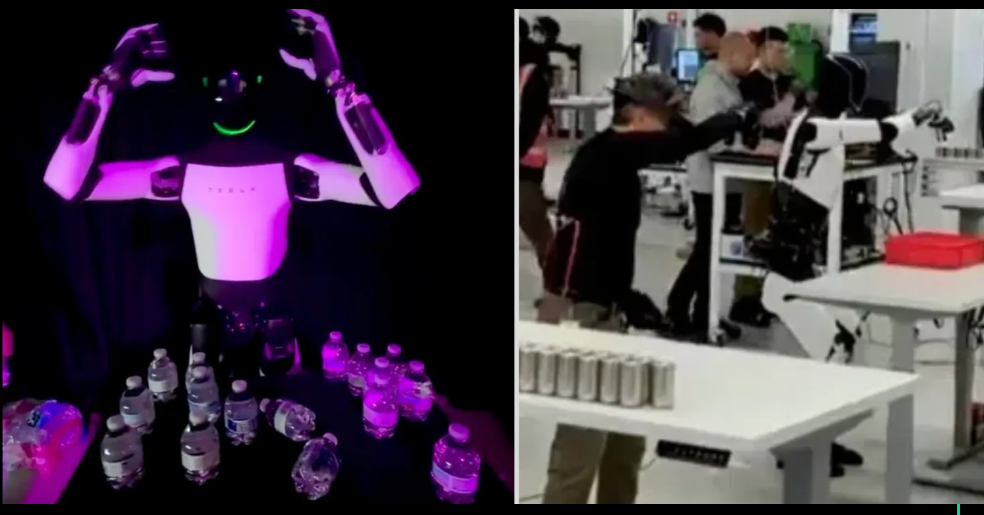
A leaked video from Tesla’s “Autonomy Visualized” event in Miami has triggered fresh debate about the company’s humanoid robot, Optimus. The footage shows the robot falling backward during a live demonstration. While falls are common in robot development, one particular detail raised major concerns: as Optimus fell, it made a very specific hand gesture, reaching toward its face as if removing a VR headset. Since the robot was not wearing anything on its head, the gesture immediately drew attention.
Why the Gesture Matters
Experts and viewers quickly noted that the motion is nearly identical to how humans remove VR headsets when teleoperating machines. This raised suspicions that Optimus was mirroring the actions of a remote human operator rather than acting on its own. Critics say the moment undermines Tesla’s long-standing narrative that Optimus is capable of functioning autonomously.
What Was Shown at the Event
Fans at the Miami event recorded Optimus performing simple tasks: handing out bottled water, posing for photos, and even dancing. However, while distributing water, the robot’s hand movements became unstable, causing it to drop items. Moments later, it lost balance and began to fall backward, leading to the now widely discussed “air headset removal” gesture seen in the leaked clip.
Optimus Training Program
Teleoperation Questions Resurface
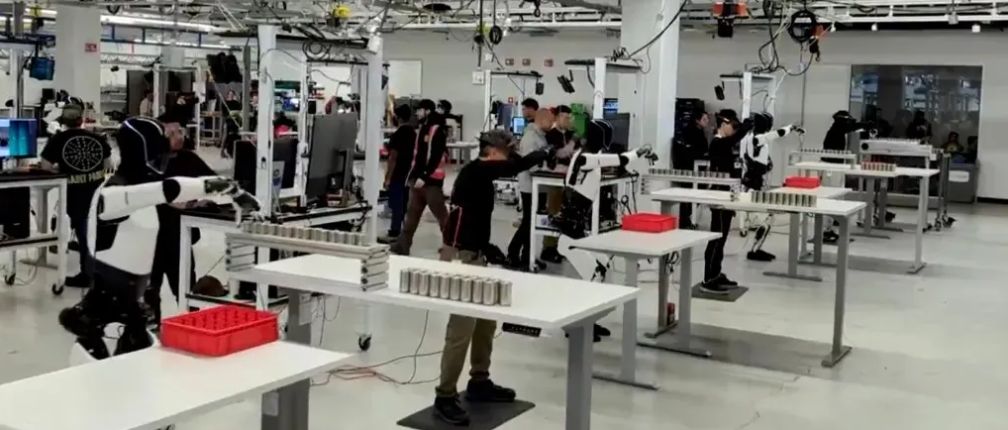
The incident revived long-standing concerns about Tesla’s dependence on remote human control. At a previous “We, Robot” event, Optimus was reportedly heavily teleoperated, although Tesla did not openly acknowledge it. The Miami gesture closely matches the VR-based training methods Tesla has used in the lab, adding further weight to claims that human operators may still be guiding the robot during public demos.
Industry and Media Reaction
Electrek reported that the fall itself is not unusual. Instead, the embarrassment comes from the gesture that appeared to expose hidden teleoperation. Several analysts now question whether Tesla has overstated the robot’s current AI capabilities. Observers say the incident felt like a “Wizard of Oz moment,” breaking the illusion of autonomy.
Musk Denies Any Teleoperation
Elon Musk dismissed the concerns, insisting that Optimus demos are not remotely controlled. He recently claimed that a kung fu performance by the robot at another event was “entirely AI-driven.” Musk continues to promote Optimus as a product with trillion-dollar potential, expecting millions of units to be deployed across Tesla factories in the near future.
Neo – 1X Technologies
A Reality Check for Humanoid Robotics
The global race to build humanoid robots has attracted billions of dollars in investment, with major players such as Boston Dynamics, Figure AI, Agility Robotics, and Apptronik pushing the field forward. Companies such as Figure are showcasing robots for factory work, while Agility’s Digit is already being tested in warehouses.
Another notable example is NEO, a $20,000 humanoid robot now on pre-sale from 1X Technologies, designed for household tasks like carrying groceries and organizing items. Despite these advances, large gaps still exist between robot hardware, software, and reliable autonomous behavior.
The Miami incident suggests that Tesla, like many competitors, is still far from achieving true autonomy. If even simple actions like handing out water require human intervention, Optimus may be much further from Musk’s vision than expected.
For many observers, the Miami demo serves as a reminder of how challenging it is to build a reliable, autonomous humanoid robot. While Optimus remains an ambitious project, the leaked video raises important questions about transparency, readiness, and the pace of AI development within Tesla.
Huawei’s latest foldable, the Mate X7, officially went on sale in China last week. The phone has a starting price of 12,999 yuan, and like most foldables, it’s also quite expensive to repair.
If you’re curious about the prices, Huawei has shared a comprehensive list of repair parts prices for the Mate X7 in the Chinese market.
Huawei Mate X7 repair parts price
The most expensive part to repair is the screen. Huawei says it will cost you 5,199 yuan for a full-screen assembly (including the internal display, mid-frame, and battery). For comparison, that price can get you a Xiaomi 17 Pro. Even the smaller external screen costs 999 yuan on its own.
The Mate X7 has a 6.49-inch outer screen and a large 8-inch inner screen. Both panels support 1–120Hz adaptive refresh rate and 1440Hz high-frequency PWM dimming, with peak brightness hitting 3000 nits externally and 2500 nits internally.
Huawei says the inner display uses an industry-first triple-layer composite ultra-tough structure, which probably explains why it costs so much to repair it.
Other major parts carry expected flagship-level prices. The motherboard costs 3179 yuan, 299 yuan for the battery, and 579 yuan for the back cover.
The rear cameras are also sold separately, with the main 50MP unit costing 759 yuan, while the telephoto module goes for 809 yuan.
Smaller parts, like accessories and connectors, are surprisingly cheap; the SIM tray (Cato) is 10 yuan, while a replacement USB-C cable costs just 11 yuan.
A luxury foldable with luxury options
Huawei is offering several storage and RAM combinations for the Mate X7. The 20GB + 1TB Collector’s Edition with a stylus is the most expensive at 17,599 yuan.
The regular model comes in Obsidian Black, Cloud Brocade Blue, Cloud Brocade White, Cosmic Red, and Phantom Purple.
Despite its large screen, the Mate X7 keeps the weight at 235g and measures 4.5mm unfolded or 9.5mm folded, which is slimmer than many book-style foldables.
For more daily updates, please visit our News Section.
Apple has slashed the prices of the iPhone 17 Pro and iPhone 17 Pro Max in China, introducing a 300 Yuan (~$42) discount as part of a limited-time promotion. This marks the first significant official markdown for the series since launch. The timing of the reduction comes as the iPhone 17 lineup continues to perform exceptionally well in China, with strong sales momentum reported across all models, setting the stage for the full details that follow.
Price cut on the iPhone 17 Pro series
Following the 300 Yuan reduction, the iPhone 17 Pro is now listed at 8,699 Yuan (~$1,230), while the iPhone 17 Pro Max is available at 9,699 Yuan (~$1,370) through Apple’s official online channels in China until Dec. 14. This matches the promotional figures seen during earlier shopping festivals and is expected to remain the lowest official price for some time. However, certain third-party platforms continue to offer even lower subsidized deals during select campaigns.
The two devices were introduced in September with upgraded hardware, a redesigned horizontal camera layout, an integrated aluminum alloy frame and a significantly enhanced thermal solution that pairs a VC chamber with a large internal structure. Both models feature the A19 Pro chipset, a six-core CPU and six-core GPU arrangement, stronger durability through an improved ceramic shield back panel, and three 48-megapixel rear cameras supporting up to 8x optical zoom and 40x digital zoom.
iPhone 17 series selling like hot cakes
Demand for the iPhone 17 family has exceeded expectations, with early sales in China showing exceptional year-over-year growth. Reports tracking the first eleven weeks of availability show that the iPhone 17 Pro Max has already reached 58 percent of the previous generation’s 63-week sales.
The standard iPhone 17 has achieved 56 percent relative to its predecessor, while the iPhone 17 Pro has reached 35 percent. This surge has strengthened Apple’s market presence and helped push its forecasted 2025 global shipments upward, with analysts projecting record figures if the trend continues.
For more daily updates, please visit our News Section.
Motorola has finally confirmed the Motorola Edge 70’s launch date for India. Set to debut on Dec. 15, it will pack the same design and internals as its global version, which debuted last month. However, there will be one major difference between the two, as the Indian version is confirmed to feature a larger battery.
Motorola Edge 70 specifications confirmed
The Motorola Edge 70’s Flipkart page has confirmed that it will feature a 6.7-inch AMOLED screen with a 1.5K resolution, up to 4,500 nits of peak brightness, and Gorilla Glass 7i protection. On the front, it will feature a 50-megapixel camera for selfies and video calls.
Its rear setup will have a 50-megapixel main camera with OIS support and a 50-megapixel ultra-wide lens. The phone will run on Hello UX-based Android 16 and is confirmed to get three years of OS upgrades and four years of security updates.
Under the hood, the Edge 70 will feature the Snapdragon 7 Gen 4 chip. The brand is yet to confirm the RAM and storage configurations of the device. While its global version has a 4,800mAh battery, the Indian edition has a 5,000mAh battery. Despite the increase in battery size, the thickness is 5.99mm, the same as its global version.
The Edge 70 is equipped with 68W wired and 15W wireless charging support. For audio, the device is equipped with Dolby Atmos-powered dual speakers. It is also equipped with a vapour chamber cooling unit for heat dissipation.
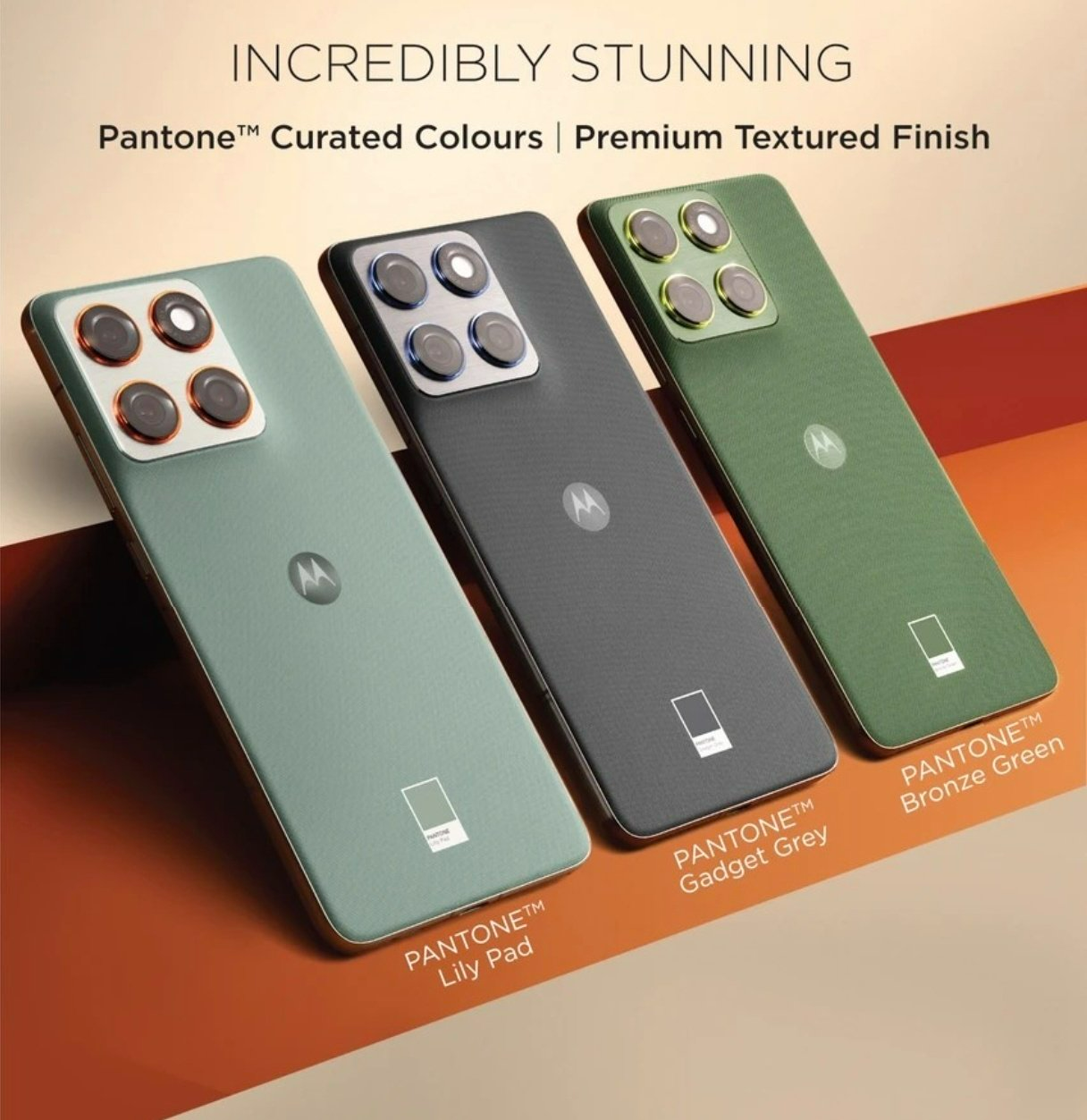
In terms of build, the Motorola Edge 70 has an aircraft-grade aluminium frame. It offers military-grade protection and an IP68/69 rating for dust and water resistance. It will be available in three shades, such as Lily Pad, Gadget Gray, and Bronze Green. A recent leak claimed that the device could be priced under Rs 35,000 in India.
For more daily updates, please visit our News Section.
We use cookies on our website to give you the most relevant experience by remembering your preferences and repeat visits. By clicking “Accept”, you consent to the use of ALL the cookies.
This website uses cookies to improve your experience while you navigate through the website. Out of these, the cookies that are categorized as necessary are stored on your browser as they are essential for the working of basic functionalities of the website. We also use third-party cookies that help us analyze and understand how you use this website. These cookies will be stored in your browser only with your consent. You also have the option to opt-out of these cookies. But opting out of some of these cookies may affect your browsing experience.
Necessary cookies are absolutely essential for the website to function properly. This category only includes cookies that ensures basic functionalities and security features of the website. These cookies do not store any personal information.
Any cookies that may not be particularly necessary for the website to function and is used specifically to collect user personal data via analytics, ads, other embedded contents are termed as non-necessary cookies. It is mandatory to procure user consent prior to running these cookies on your website.