Advertisement

Huawei P40 Lite 5G vs Xiaomi Mi 10 Lite 5G vs Oppo Find X2 Lite: Specs Comparison

Huawei finally launched a 5G mid-ranger in the global market: the Huawei P40 Lite 5G. Unfortunately, it comes without Google services, but it carries a very interesting price tag if we consider that it is a 5G-enabled phone. That is why we decided to compare it immediately to the other 5G mid-rangers from the concurrence. We brought two other “Lite” variants with 5G support to this specs comparison: the Xiaomi Mi 10 Lite 5G and the Oppo Find X2 Lite which recently debuted in the European market.

Huawei P40 Lite 5G vs Xiaomi Mi 10 Lite 5G vs Oppo Find X2 Lite

Xiaomi Mi 10 Lite Huawei P40 Lite 5G Oppo Find X2 Lite
DIMENSIONS AND WEIGHT 164 x 74.8 x 7.9 mm, 192 g 162.3 x 75 x 8.6 mm, 189 grams 160.3 x 74.3 x 8 mm, 180 grams
DISPLAY  6.57 inches, 1080 x 2400p (Full HD+), Super AMOLED 6.5 inches, 1080 x 2400p (Full HD+), 405 ppi, 20:9 ratio, LTPS IPS LCD 6.4 inches, 1080 x 2400p (Full HD+), 408 ppi, 20:9 ratio, AMOLED
PROCESSOR Qualcomm Snapdragon 765G, octa-core 2.4 GHz Huawei Hisilicon Kirin 820 5G, octa-core 2.36 GHz Qualcomm Snapdragon 765G, octa-core 2.4 GHz
MEMORY  6 GB RAM, 128 GB – 8 GB RAM, 128 GB – 8 GB RAM, 256 GB 6 GB RAM, 128 GB – nano memory card slot 8 GB RAM, 128 GB
SOFTWARE  Android 10, MIUI Android 10, EMUI Android 10, ColorOS
CONNECTIVITY  Wi-Fi 802.11 a/b/g/n/ac, Bluetooth 5.1, GPS Wi-Fi 802.11 a/b/g/n/ac, Bluetooth 5.1, GPS Wi-Fi 802.11 a/b/g/n/ac/ax, Bluetooth 5.1, GPS
CAMERA  Quad 48 + 8 + 5 + 2 MP, f/1.8 + f/2.2 + f/2.4 + f/2.4
16 MP f/2.5 front camera
 Quad 64 + 8 MP + 2 + 5 MP f/1.8, f/2.4, f/2.4 and f/2.4
16 MP f/2.0 front camera
Quad 48 + 8 + 2 + 2 MP f/1.7, f/2.2, f/2.4 and f/2.4
32 MP f/2.0 front camera
BATTERY  4160 mAh, fast charging 20W  4000 mAh
Fast charging 40W
4025 mAh, Fast charging 30W
ADDITIONAL FEATURES Dual SIM slot, 5G Dual SIM slot, 5G, reverse charging Dual SIM slot, 5G

Design

This design comparison is like a double-sided medal. You get a better front design on the Huawei P40 Lite 5G because it features a punch-hole display instead of a traditional waterdrop notch, but on the other hand, you get a more attractive rear design on the Oppo Find X2 Lite due to its smaller camera module. Overall, I would go for the Oppo Find X2 Lite because, besides offering a cleaner glass back, it is also more compact and thinner than its rivals. Do you agree with me or your choice would be different?


Display

With the Xiaomi Mi 10 Lite and the Oppo Find X2 Lite you get an AMOLED display with more brilliant colors and deeper blacks, while the Huawei P40 Lite 5G has an IPS panel, but it is HDR-compliant. Each of these devices offers a great image quality despite they are not flagship smartphones, but the AMOLED panels with in-display fingerprint scanners found on Xiaomi Mi 10 Lite and Oppo Find X2 Lite look more interesting. Note that Oppo Find X2 Lite has a smaller diagonal than Xiaomi Mi 10 Lite: 6.4 inches vs 6.57 inches.


Hardware/Software

If we only talk about chipsets, you should not notice differences in performances with any of these handsets, even though the Huawei P40 Lite offers a different Kirin 820, while Xiaomi Mi 10 Lite and Oppo Find X2 Lite pack the Snapdragon 765G mobile platform. In each case, you get a 5G integrated modem, but Xiaomi Mi 10 Lite and Oppo Find X2 Lite offer a higher amount of RAM: up to 8 GB. Note that Oppo Find X2 Lite does not feature expandable storage, while Xiaomi Mi 10 Lite and Huawei P40 Lite do. That is why Xiaomi Mi 10 Lite 5G wins the hardware comparison, at least in its higher-end variant. But we are only talking about marginal differences. All are based on Android 10, but Huawei P40 Lite 5G lacks Google services, replaced by Huawei Mobile Services.


Camera

We had a very nice experience with Oppo’s camera phones, but the rear camera departments of these three handsets should offer similar performances. Huawei P40 Lite 5G has the main sensor with a higher resolution, while Oppo Find X2 Lite has a brighter focal aperture. Oppo Find X2 Lite wins the selfie comparison thanks to a 32 MP front snapper.


Battery

Xiaomi Mi 10 Lite has a bigger 4160 mAh battery and it is likely the longest lasting phone of this trio on a single charge. Huawei P40 Lite 5G has the smallest battery, but it offers two interesting features: a faster 40W charging technology and reverse charging. So it will charge faster and it will be able to charge other devices just like a power bank.


Price

Huawei P40 Lite 5G carries a €399/$432 price tag, while Xiaomi Mi 10 Lite 5G costs €349/$378. You need €499/$540 to purchase the Oppo Find X2 Lite, but note that it is the price for the 8/128 GB configuration, while the price tags of its rivals are the ones for the 6/128 GB variant. At the end of the day, these three devices are very close, so whatever you choose, you will make a good choice. It is essentially a draw with the Xiaomi Mi 10 Lite offering a slightly bigger battery, Huawei P40 Lite 5G offering faster charging and reverse charging, and Oppo Find X2 Lite offering a compact and attractive design, as well as interesting cameras.


Huawei P40 Lite 5G vs Xiaomi Mi 10 Lite 5G vs Oppo Find X2 Lite: PRO and CONS

Xiaomi Mi 10 Lite 

PROS

  • Bigger battery
  • Micro SD slot
  • Wider display
  • Good price
  • AMOLED display

CONS

  • Slightly inferior cameras overall


Huawei P40 Lite 5G

PROS

  • Reverse charging
  • HDR display
  • Punch-hole design
  • Faster charging

CONS

  • No Google services


Oppo Find X2 Lite

PROS

  • More compact
  • Great cameras
  • Very nice design
  • AMOLED display

CONS

  • Price

Geekbench reveals the first Mediatek-powered Redmi 5G smartphones

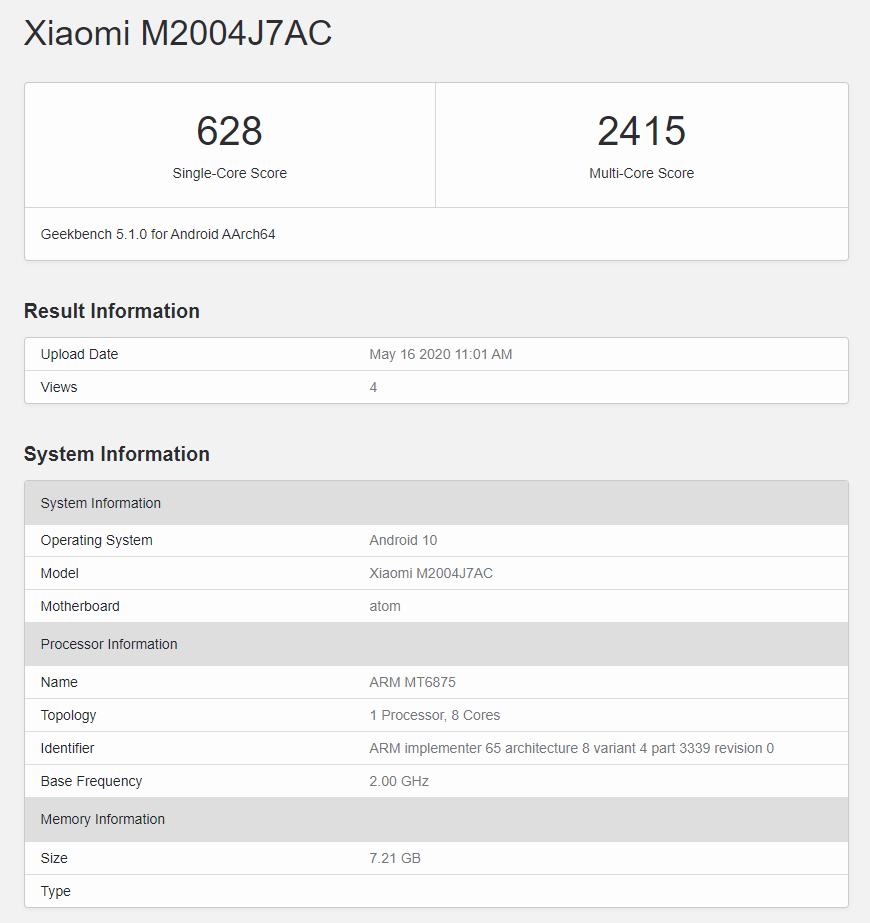
The Redmi Note 9 series is available globally but these handsets are yet to debut in China. According to recent leaks and rumors, it may not launch in this region at all. Instead, the brand might be unveiling handsets with a similar design but different specs along with support for 5G. These alleged smartphones with model numbers M2004J7AC and M2004J7BC are being rigorously tested on Geekbench.

The device with model number M2004J7AC was already spotted on TENAA revealing its entire specifications. Now, it has been benchmarked along with M2004J7BC.

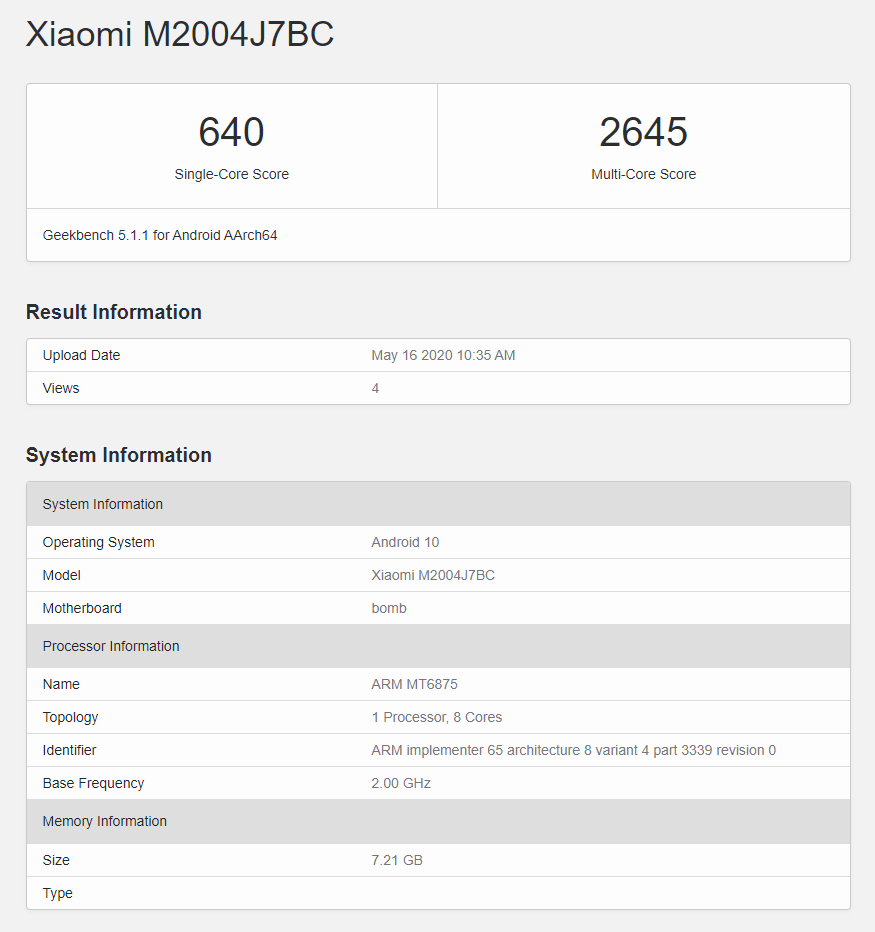
Interestingly both of them have similar specs according to the Geekbench listing. The only difference between them is the name of the motherboard, which happens to be ‘atom’ and ‘bomb’ respectively.

Apart from that, both are powered by the same MediaTek MT6875 octa-core processor clocked at 2GHz. This SoC could be the recently announced Dimensity 800 or the yet to announce Dimensity 820.

Further, the variant that was tested for these two handsets has 8GB RAM and runs Android 10. However, there will be variants with 6GB RAM as per TENAA listing.

As far as scores are concerned, both are rated similarly by Geekbench because they literally have the same processor.

Single-Core Score Multi-Core Score

M2004J7AC

628

2415

M2004J7BC 640

2645

According to the TENAA listing, these phones will have 6.57-inch OLED display, FHD+ (1080 x 2400 pixels) resolution, dew-drop notch, in-screen fingerprint sensor, triple camera setup, up to 8GB RAM + 256GB ROM, microSD card slot, 4,420 mAh battery, and 22.5W fast charging.

We believe this could be the ‘super performance’  smartphones teased by Redmi GM Lu Weibing yesterday. He even shared a camera sample today, which could have come from any of the above two models mentioned above.


(Source 1, 2)

Samsung Galaxy A41 now up for pre-order in the Netherlands priced at €299

Samsung launched the Galaxy A41 in March this year but didn’t reveal the price with the release set for June. The smartphone has now gone up for pre-order on Samsung’s official website in Holland. The device is priced at €299 and is available in threeP colour options- Crush Black, Prism Crush White, and Prism Crush Blue.Samsung Galaxy A41

The Samsung Galaxy A41 features an Infinity-U notch design with a full-screena and triple camera setup aligned vertically at the top left corner of the back panel. The A41 equally packs an under-display fingerprint sensor as opposed to a rear-mounted one on the Galaxy A40.

As for the specifications, the device features a 6.1-inch Super AMOLED display with FHD+ resolution, 20:9 aspect ratio and 89% screen ratio. The Infinity-U notch houses a 25MP selfie camera. At the rear aspect, there is a 48MP main camera paired with an 8MP ultrawide angle shooter and a 5MP depth sensor.

The Galaxy A41 is powered by a MediaTek Helio P65 chipset paired with 4GB RAM and 64GB storage. Keeping the lights on is a 3,500mAh battery with support for 15W fast charging. The device equally comes with IP68 dust and water resistance. The phone runs Android 10 with Samsung’s One UI 2.0 overlay.


(source)


Realme X50 Pro Player Edition specs leaks; comes with downgraded cameras

The Realme X50 family already has three members. There is the Realme X50 Pro 5G, the Realme X50 5G, and the Realme X50m 5G. Yesterday, we reported that a fourth model called the Realme X50 Pro Player Edition is launching in a few weeks. A new leak has now revealed the full spec sheet of the upcoming phone.

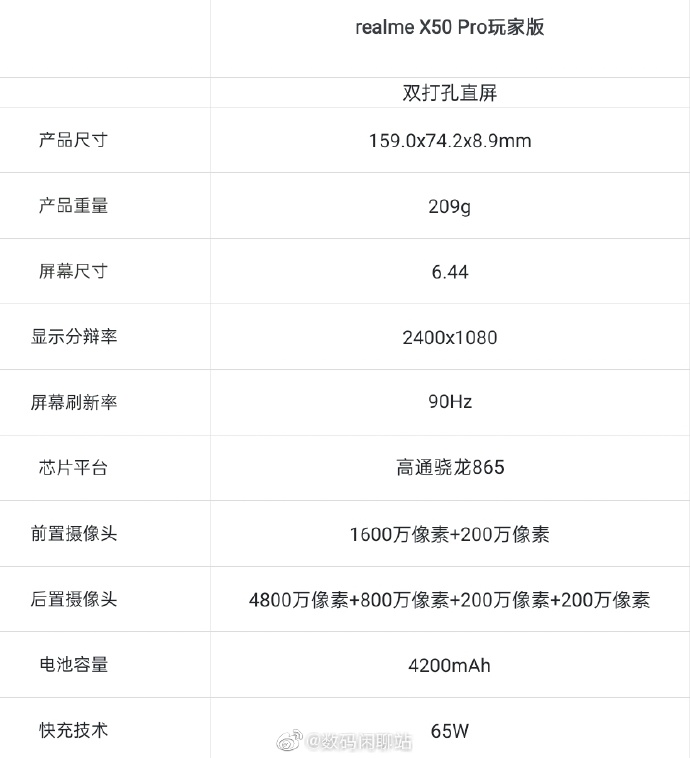
The spec sheet was posted on Weibo by @Digital Chat Station and it shows that the device will come with downgraded cameras compared to the Realme X50 Pro 5G.

Realme X50 Pro Player Edition image

The Realme X50 Pro Player Edition will have a 6.44-inch screen with a 90Hz refresh rate and a 2400 x 1080 resolution. The display will also have a double punch hole for two front-facing cameras.

Just like the Realme X50 Pro, the Player Edition will also have a Snapdragon 865 processor inside it. The leaker adds that it will pack 8GB of RAM and 128GB of storage.

Coming to the cameras, which is where the Realme X50 Pro Player Edition differs from the Realme X50 Pro, we have a 16MP + 2MP dual camera configuration in front, a downgrade from the 32MP + 8MP of the Realme X50 Pro.

Realme X50 Pro Player Edition specs

The number of rear cameras remains unchanged, so you still get four sensors. However, the primary camera is a 48MP sensor, and there is no telephoto camera. However, the ultrawide angle camera is an 8MP sensor and you have two 2MP sensors.

There is a 4200mAh battery inside the device and it packs support for 65W fast charge. The Realme X50 Pro Player Edition will weigh 209 grams and measure 159 x 74.2 x 8.9 millimeters.

With respect to price, the phone is expected to sell for ¥3299 (~$465).

Realme said the phone will be announced on May 25 along with seven other products. We expect these other products include the Realme TV and the Realme Smartwatch too.


(Source)

Lu Weibing shares camera sample of an upcoming Redmi 5G smartphone

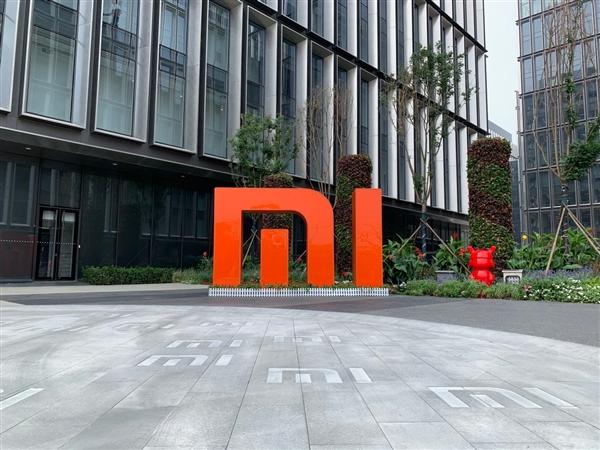
Lu Weibing, the vice president of Xiaomi and general manager of Redmi brand teased the launch of ‘super performance’ smartphone yesterday. Today, he shared a camera sample of this phone on his Weibo account. This could be the same alleged Redmi Note device which was recently spotted on TENAA and Geekench with varying model numbers.

The Chinese microblogging site displays the name of the device from which the post is made. Mr Weibing has been posting from Redmi K30 Pro Zoom Edition for a while now. But the camera sample post has been made from a device called ‘Redmi Android’, which clearly indicates he is currently using an unreleased smartphone on which the picture was captured.

The image shows Xiaomi Science and Technology Park, which is the company’s new headquarters in Beijing. The Redmi brand GM shared two images. The first one seems to be from the primary sensor, whereas the second could be from the telephoto camera or a cropped image from the main camera. The images do have details but the highlights are blown up resulting in a white-colored sky.

According to leaks, this alleged Redmi Note smartphone with model numbers M2004J7AC and M2004J7BC could be powered by MediaTek Dimensity 820 SoC with 5G support. It will sport a 6.57-inch FHD+ (2400 x 1800 pixels) OLED panel with a dew-drop notch and an in-display fingerprint scanner.

Further, the phone will feature a triple camera setup with a similar layout as the Redmi Note 9 series. It will be available in up to 8GB RAM and 256GB ROM configuration with support for microSD card. Lastly, It will run Android 10 and will be backed by a 4,400 mAh battery with support for 22.5W fast charging


Xiaomi India has plans to manufacture IoT products locally

Xiaomi has been doing business in India for almost six years now. The company sells a wide variety of products like smartphones and related accessories, smart TVs, and different sorts of smart-connected IoT products. But not all of them are assembled locally here in the country. But that will be soon changing as the firm has confirmed to manufacture IoT products in India when the market will be ready.

The primary source of revenue for Xiaomi India comes from selling smartphones, which are also monetized through ads that can be disabled. Two years back, it introduced its lineup of smart TVs to the market and now the company is a leading player in both these categories. It even manufactures them (including power banks) locally at five factories with 35,000 employees.

But all other IoT products like air purifiers, water purifiers, fitness trackers, and smart bulbs are imported from China. However, according to Raghu Reddy, Chief Business Officer of Xiaomi India, the company has plans to manufacture them in India when the market will be ready.

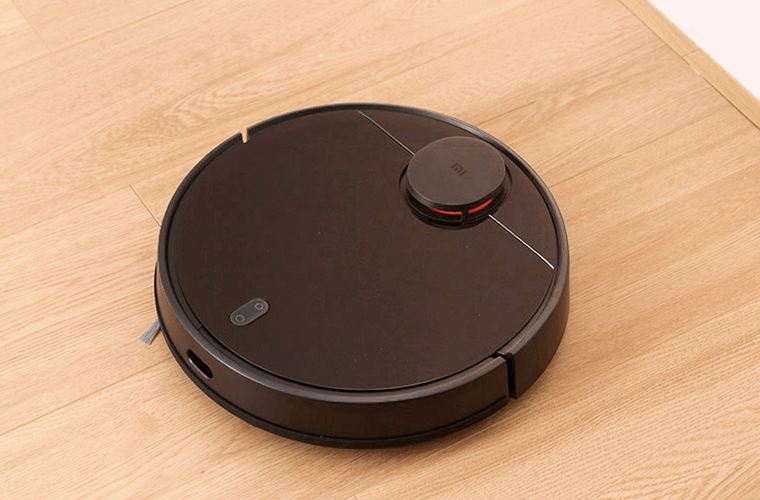
Xiaomi’s latest IoT product offering in India is Mi Robot Vacuum-Mop P. It is currently on crowdfunding for ₹17,999 with no-cost EMI starting at ₹2,999 per month. The company has set a goal of 10,000 units. Unfortunately, only 2,500+ customers have funded for it so far.

According to research conducted by the company, approximately 70% of interested customers are from metros and top 10 cities. Since these areas come under red zones, they are unable to place their order. Hence, Xiaomi India is extending the crowdfunding till June 15.

Mi Robot Vacuum-Mop P Featured

Further, it will be available for pre-order at a cost of  ₹19,999 as an early bird offer from June 16 to July 15 and at ₹21,999 from July 16 to August 15. It will be shipping to customers from September 15. Post official launch, the Mi Robot Vacuum-Mop P will retail for ₹24,999.

Mi Robot Vacuum-Mop P Price in India

Crowdfunding (till June 15)

₹17,999

Pre-order (June 16 – July 15)

₹19,999

Pre-order (July 16 – August 15)

₹21,999

Retail price post-launch

₹24,999

One might be wondering why does it take so much time to ship the order to the customers. Xiaomi has an answer for it as well and here’s the timeline they shared with us.

  • Crowdfunding
  • Adapter Development (with customizations for India market) – 5 weeks
  • Adapter BIS Certification – 7 weeks
  • Mass Production – 2 weeks
  • Shipment and Delivery- 4 weeks


(Via)

China is readying its own ‘Unreliable Entity List’ to avenge Huawei: Apple, Qualcomm could be Targeted

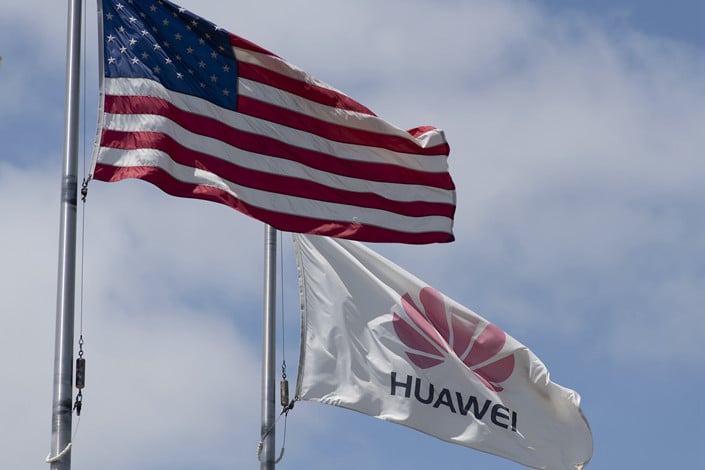
Huawei was added to the US ‘Entity List’ last year. This forced American companies to cease their businesses with the Chinese telecom giant. Now, after a year, the ban has been further extended for another year, in addition to plans that will cut off Huawei from global chip suppliers like TSMC. To counterattack these harsh measures, China is readying its own ‘Unreliable Entity List’ according to a report by Global Times.

The Chinese Ministry of Commerce’s (MOFCOM) Unreliable Entity List will include “foreign organizations, individuals and companies that block or shut supply chains, or take discriminatory measures for non-commercial reasons, whose actions endanger the business of Chinese companies as well as global consumers and companies”.

The listed companies will have to “face necessary legal and administrative measures and the Chinese public will also be warned against it to reduce risks”.

According to insiders, the Chinese government is targeting the following US companies that are largely dependent on China.

The problem for Huawei begun to pile up in early 2018 when AT&T dropped its plans to sell the Mate 10 Pro on account of pressure from the US government. This was later followed by warnings from the FBI, CIA, NSA, and three other US intelligence agencies to stop using or buying products from Huawei and ZTE

Also, these companies were later banned from supplying telecom equipment for 5G infrastructure. The US officials even warned other countries to avoid using technologies from these two brands.

Then in May of 2019, Huawei was finally added to the ‘Entity List’ and this led the company to lose its GMS (Google Mobile Services) license. Since then, the sales of Huawei and Honor branded smartphones tanked globally but it surged high in China.

Huawei has developed its own HMS (Huawei Mobile Services) to fill the void left by GMS for global markets. However, the company’s AppGallery still lacks a number of most-used apps and most users depend on Google apps, which are not available on new Huawei/Honor smartphones anymore.


(Source)

Buy OnePlus 8 Global Version For Just $649 From Giztop [$50 Off Coupon]

OnePlus unveiled the long-awaited OnePlus 8 series of smartphones comprising the OnePlus 8 and the OnePlus 8 Pro via an international online event on Apr. 14.

OnePlus 8

Touted as the year’s most awaited line, the phones have been integrated with top-notch features including a newfangled flagship processor from Qualcomm, an impressive camera module at the back, wireless charging, and more. Before we dive into more details, it might interest you to know that the global version of the OnePlus 8 smartphone is now available on Giztop.

More importantly, the popular Chinese e-tailer is giving its loyal users an unmissable chance to get $50 off the global version of the OnePlus 8 smartphone. So without further ado, let’s check out how you can avail of this discount.

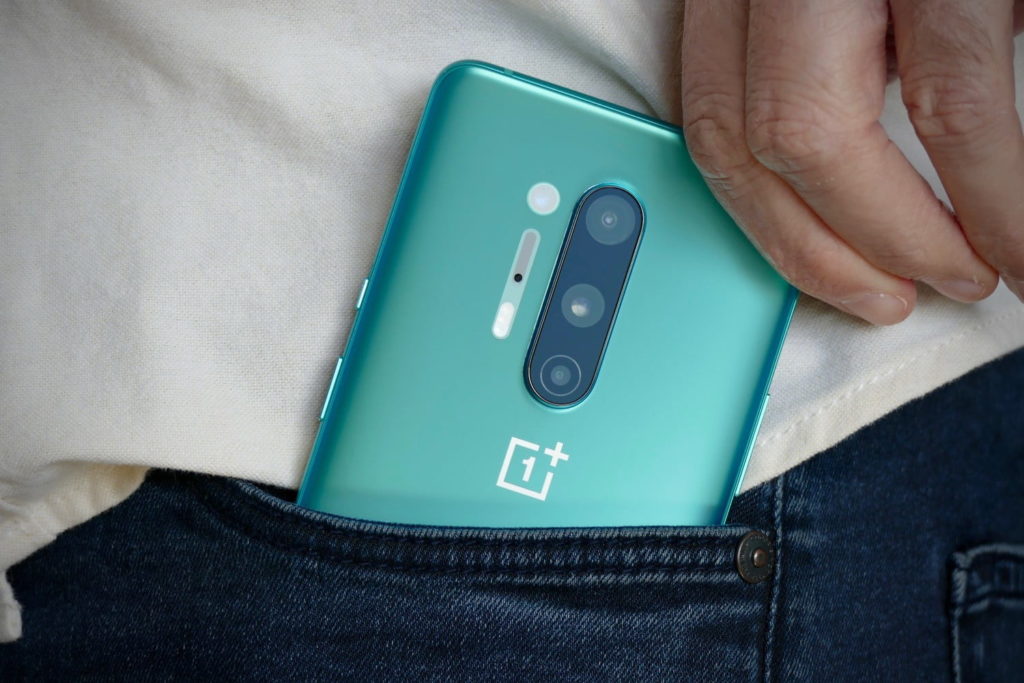
The 8GB RAM+128GB ROM, black-tinted OnePlus 8 would normally set you back $699, but you can apply coupon code OP8GLOBAL to bring the phone’s original asking price down to just $649. In other words, you can save $50 simply by applying the aforesaid coupon at the time of checkout.
OnePlus 8

The irresistible OnePlus 8 smartphone sports a mammoth6.55-inch AMOLED FHD+ Pounch hole display that offers an impressive refresh rate of 90Hz. Aside from that, it packs a powerful Qualcomm Snapdragon 865 5G Soc, along with an Adreno 650 GPU under the hood.

In the optics department, OnePlus 8 houses a triple camera setup comprising a 48MP, a 16MP, and a 2MP camera at the back. Upfront, there’s a 16MP selfie punch-hole camera for selfies and video calling. This is a global edition that runs OxygenOS 10 based on Android 10 OS.

The phone draws its juices from a 4300mAh battery that supports 30W Warp Charge 30T fast charging. It supports an Ultra Power Saving mode that allows you to keep your phone powered on for a longer duration between charges. In this mode, the phone screen changes to black and white, shutting down all unnecessary features to reduce battery consumption.

You can visit this link to check out more details about the OnePlus 8 smartphone and place your order before the coupon expires.

The Gizmochina Coupons is a community that finds, reports, and evaluates deals and coupons of Chinese products from online shops. Please visit it here to find more coupons to save money on mobiles and smart gadgets.


Nokia 6.3 may arrive with Snapdragon 730 and 24MP quad cameras

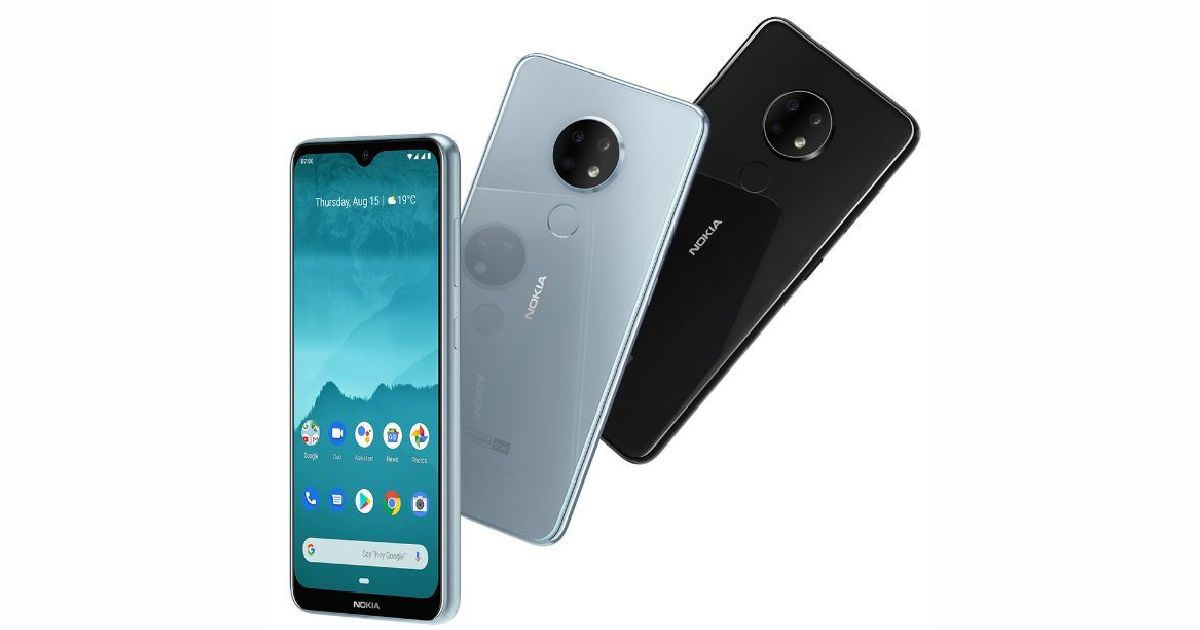
The Nokia 6.2 smartphone from last year is expected to get replaced by the Nokia 6.3 in the next few months. A previous leak by NokiaPowerUser had claimed that the Nokia 6.3 will be fueled by Snapdragon 67X chipset and it will be arriving with ZEISS quad cameras. The publication claims that it has received a new tip that reveals that the Nokia 6.3 is driven by the Snapdragon 7XX processor. The new leak has also revealed more details of the rear cameras of the smartphone.

According to the publication, the new tip that It has received has stated that a prototype of the Nokia 6.3 was found to be powered by Snapdragon 730 mobile platform. The publication claims that the tip does not come from its trusted sources. Hence, there are chances it may not come true.

The same leak reveals that the Nokia 6.3’s quad-camera setup on its back is led by a 24-megapixel main sensor. It is coupled with a 12-megapixel ultrawide sensor, a 2-megapixel macro shooter, and a 2-megapixel depth assist sensor. The leak further stated that the phone has a side-facing fingerprint reader and it will be integrated with a power button.

Nokia-6.2
Nokia 6.2

A recent report had revealed that there are two versions of the upcoming Nokia 7.3 smartphone. One version is powered by a 5G-ready processor while the other one has Snapdragon 7XX SoC. There is a possibility that the prototype spotted in the new leak could be the Nokia 7.3 without 5G.

HMD Global is rumored to hold a mega launch event at some point in Q3 2020. Rumors have it that the Nokia 7.3 and Nokia 9.3 PureView will be made official through the said event. It is unclear whether the Nokia 6.3 will be also showcased at the same event.


(source)

US announces new rule that could cut Huawei off from global chip suppliers

It is absolutely difficult to even remember that Huawei was going to enter the US market. That plan has since been jettisoned as the company fights to wade through the barrage of sanctions the US throws at it.  Just recently, Washington extended the ban which prevents Huawei from accessing US technology.

US authorities are now reportedly mulling the idea of blocking shipments of semiconductors to Huawei Technologies from global chipmakers. The U.S. Commerce Department disclosed recently that it was amending an export rule to “strategically target Huawei’s acquisition of semiconductors that are the direct product of certain U.S. software and technology.”The department added the “announcement cuts off Huawei’s efforts to undermine U.S. export controls.”Huawei logo

The move could see Huawei lose the window to do business with TSMC. Although Huawei manufactures its own chipset, Hisilicon is a fabless manufacturer and outsource final production to TSMC.

Under the rule change, foreign companies that use U.S. chipmaking equipment will be required to obtain a U.S. license before supplying certain chips to Huawei, or an affiliate like HiSilicon. In order for Huawei to continue to receive some chipsets or use some semiconductor designs tied to certain U.S. software and technology, it would need to receive licenses from the Commerce Department.

The rule change is to “prevent U.S. technologies from enabling malign activities contrary to U.S. national security and foreign policy interests,” Commerce Secretary Wilbur Ross said in a statement. He added that Huawei and its affiliates “have stepped-up efforts to undermine these national security-based restrictions.”The Commerce Department said the rule will allow wafers already in production to be shipped to Huawei as long as the shipments are complete within 120 days from Friday. Chipsets would need to be in production by Friday or they are ineligible under the rule.

This action could ramp up tensions with China but has been a long time coming. There have been rumours Trump could extend the ban to prevent companies from supplying Huawei products manufactured using US technology. As a result, Huawei had ramped up inventory orders from TSMC and that was evident in the semiconductor company’s financial report for Q1 2020.  Huawei has been able to wiggle through previous obstacles and may do the same in this case. The company eyes Chinese semiconductor company SMIC based in Shanghai and it was recently disclosed that the Kirin 710A manufactured in a 14nm process is the first SMIC-manufactured chipset for Huawei.


Huawei P40 Lite 5G launched with punch-hole display, Kirin 820 and 64MP quad cameras

The P40 Lite 5G is the latest Huawei phone to go official in the European markets. It joins the Huawei P40 family that includes members like Huawei P40, P40 Pro, P40 Pro+, and P40 Lite. While the Huawei P40 Lite 5G is a new device for Europe, it is a rebranded version of the Huawei Nova 7 SE 5G that went official in China in April.

Huawei P40 Lite 5G specifications

The Huawei P40 Lite has a 6.5-inch IPS LCD panel that has a round-shaped cutout at the top-left corner for the 16-megapixel selfie camera. The display offers a Full HD+ resolution of 1080 x 2400 pixels and an aspect ratio of 20:9. The Android 10 OS along with EMUI 10 runs on the device. It lacks support for Google apps and services.

Huawei P40 Lite 5G
Huawei P40 Lite 5G

The Kirin 820 5G SoC is the driving force of the smartphone. The SoC is coupled with 6 GB of RAM. It has 128 GB of built-in storage. There shared SIM slot supports the NM card for additional storage.

The back panel of the phone has a quad-camera setup that comprises of a 64-megapixel main lens, an 8-megapixel ultrawide shooter, a 2-megapixel macro lens, and a 2-megapixel depth sensor. The device has a 4,000mAh battery that supports 40W fast charging.

Huawei P40 Lite 5G pricing

The Huawei P40 Lite 5G has arrived with a price tag of 399 euros in Europe. The pre-orders of the phone have started, and its sales are expected to begin on May 29.


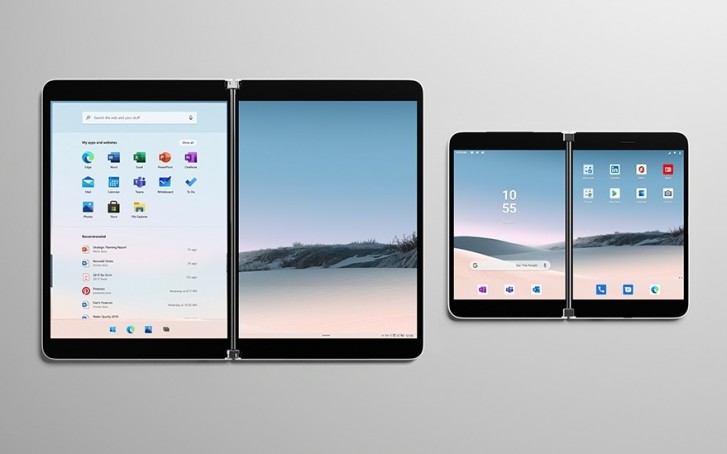
Microsoft Surface Duo specifications leak reveals SD855, 6GB RAM, 11MP camera and more

A recent report had revealed that Microsoft has postponed the arrival of Windows 10X OS and the dual-screen PC named Surface Neo. As far as Surface Duo dual-screen Android phone is concerned, it was reported in March that the company finalized the specs of the Surface Duo and is optimizing its OS. It was speculated that the device may go official in summer. There is no fresh information on Surface Duo release date, but a new report on Windows Central has revealed fresh details on its specifications.

The publication has learnt from its sources that the employees at Microsoft can test the device in real world. This indicates that the device is almost ready and may debut before the end of the year.

Microsoft Surface Duo specifications (Rumored)

The Surface Duo has two equal-sized 5.6-inch AMOLED displays. Each screen offers a 4:3 aspect ratio, 1800 x 1350 pixels resolution, and 401ppi pixel density. The tablet is loaded with Android 10 OS and is expected to come with apps from Microsoft. The company is working on finalizing the apps that will ship with the smartphone by June. Microsoft apps can be spanned across both screens and they will also support drag and drop feature between both screens.

Microsoft Surface Duo

It will not be featuring the latest snapdragon 865 mobile platform.  The company has reportedly settled for last year’s Snapdragon 855 for the dual-screen phone. Hence, it will lack support for 5G connectivity. The SoC will be coupled with 6 GB of RAM.

The Surface Duo is expected to arrive in 64 GB and 256 GB storage sizes. It is unlikely to feature a microSD slot. It will draw power from a 3,460mAh battery that will be coupled with fast charging technology through USB-C.

For security, it will be equipped with a fingerprint reader. It has a rear camera of 11-megapixel with f/2.0 aperture and a pixel size of 1.12micron. It is speculated that the device lacks support for wireless charging and NFC. There is no word on the pricing of the device.


(source)

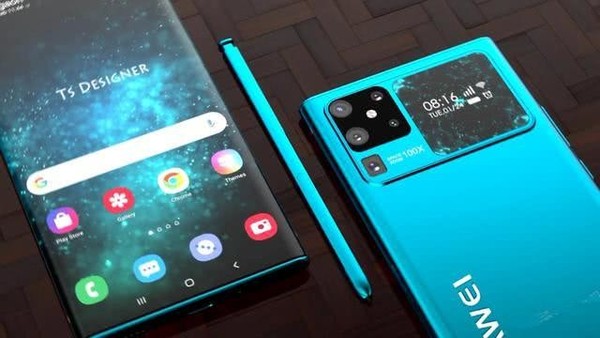
Huawei Mate 40 Pro concept envisions a dual screen design

Huawei has been consigned to another year without Google Mobile services and could face even stricter restrictions but the Chinese tech giant has continued to show resilience. That resilience may likely show up on the Mate 40 series which is expected to be launched later this year with what should be a spectacular design. Huawei Mate 40 Pro

The Mate 40 series will traditionally include the Mate 40 Pro and ahead of time, a concept renders of the Mate 40 Pro has surfaced online. The concept render isn’t anywhere near an official render but created by concept designer TS Designer. huawei mate 40

The renders show the flagship will have a dual-screen design which is alien to Huawei smartphone lineup. The secondary display is located at the upper right side of the panel while at the left side, there is a Penta camera setup. The camera seems to include a Telephoto lens with a stamp which shows it will support 100x zoom. Speaking of the secondary display, it looks like one that would display information such as time, battery power, and for previewing pictures taken by the rear camera. The renders even feature a  stylus pen.

We really don’t think Huawei would venture into such design considering that models such as the Meizu Pro 7 which used such design didn’t really fly.


(via)


Ulefone Armor 7E remains fully functional even in extreme temperatures [Test Video]

Ulefone is always known for its rugged smartphones, especially the ones which are labeled under the Armor series. The Chinese smartphone maker recently unveiled a couple of new additions to its popular Armor series – Ulefone Armor 7E and Armor X7. Both are rugged smartphones and already have undergone multiple video tests to show the ruggedness, waterproofing, and dust proofing. Similarly, a new video about the Ulefone Armor 7E has surfaced featuring the smartphone’s resistance even under extreme temperatures.

The testing was done by professionals taking proper safety measures and used a thermal imager to verify the temperatures. As we can see in the video, the smartphone was placed inside a box filled with dry ice measuring at -33℃. At such freezing temperatures, the smartphone would have shut down but the Armor 7E kept working. All the features and functions were working perfectly without any problem.

However, the smartphone was immersed inside a 90℃ boiling water, but it proved the prowess and kept working without any issue. It is a really impressive and useful feature for the users residing in freezing temperatures.

Umidigi Armor 7E features high-end hardware to offer compelling features to the users. The smartphone features a MediaTek Helio P90 AI processor, 4GB RAM, and 128GB internal storage, and much more. There’s a 48-megapixel triple AI rear camera for detailed pictures even under low-light conditions. Armor 7E hosts a 6.3-inch FHD+ waterdrop display, face unlocks, and fingerprint ID. The smartphone runs on the Android 9 Operating System.

You can grab the Ulefone Armor 7E at a special discount price of $269.99 from AliExpress.


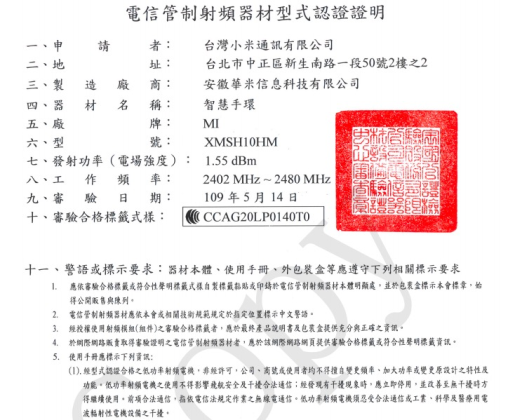
Xiaomi Mi Band 5 certified in Taiwan, Mi Band 4C also certified

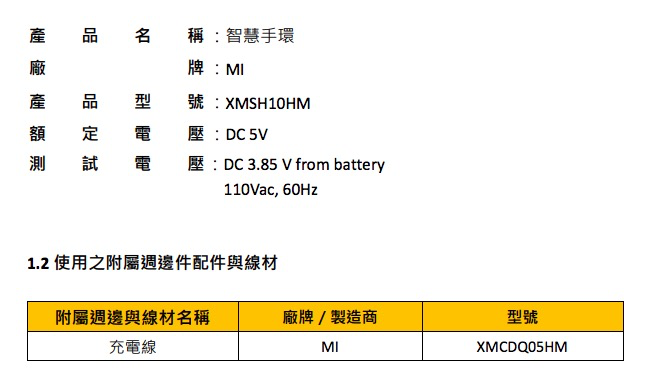
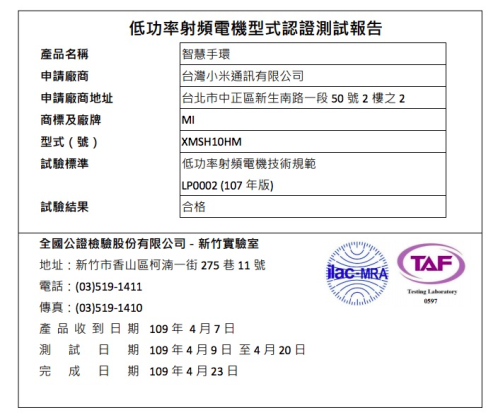
Huami recently disclosed that the Mi Band 5 will be announced in the second half of 2020. The Mi Band 5 has now allegedly been certified by the NCC in Taiwan. The model that got certified isn’t actually listed as Mi Band 5 but appeared with the model number XMSH10HM. Mi Band 5

Last year, when the Mi Band 4 was certified by Taiwan’s NCC, it appeared with the model number XMSH07HM. In the same vein, the Mi Band 3 adopted the model number XMSH05HM. So it is safe to say this the Mi Band 5.Mi Band 5

The upcoming smart band is expected to sport a 1.2-inch OLED display which will be a big upgrade over the 0.95-inch display on the Band 4.

In a related development, another Xiaomi smart band has been certified by Indonesia Telecom. The band is listed as Mi Band 4C with the model number HMSH01GE. The model number is noted to be exactly the same as that of the Redmi Band. Thus, the Redmi Band may be launched in some markets as Mi Band 4C. The certification website doesn’t contain any details of the smart band.

Mi Band 4C
Mi Band 4C

From the listing, we can assume that Indonesia is one of the markets where the Redmi Band will launch as Mi Band 4C. India may as well get this model. The Redmi Band offers a decent specs lineup in including a 1.08-inch color OLED display, 14-day battery life, optical heart rate sensor, and 5 ATM water resistance. It also adopts a cheaper price tag of just 95 yuan.


OnePlus wireless earphones with an AirPods-like design tipped to launch in July

The hearable industry is presently dominated by True wireless earphones. Apple is the undisputed industry leader of this segment. The Airpods has played a significant role in this regard. Since its release, the AirPods have created a massive trend that saw many companies produce either look-alikes or similarly functioning audio gadgets. That trend isn’t fading away soon. OnePlus is reportedly working on its own wireless earphones and they are tipped to look like the Airpods.

Tipster Max J. shared a new teaser which suggests the Oneplus TWS earphones will be launched in July. Interestingly, that is around the same time the company is expected to unveil the OnePlus Z smartphone. The tipster, however. advises that we take it with a pinch of salt since the source is a new one but seemingly reliable.

Although the design looks like the Airpod’s, there is no word yet on the features that OnePlus has planned to include. The likely price of the product is also not in the public domain, but we expect OnePlus to offer it at a cheaper price than the competition. Throwing in active noise cancellation will also be a plus.


(source)


OnePlus 7T gets 960fps slow-motion mode and ultra-wide 4K video recording

OnePlus 7T was one of the best flagship smartphones of 2019. In fact, it is still worth buying in 2020 as its successor OnePlus 8 cost way more similar to premium smartphones from different OEMs, thanks to Qualcomm. Last week, the handset received its third OxygenOS Open Beta build. Now, according to a user on Reddit, the update added 960fps slow-motion mode and 4K 30fps video recording from the ultra-wide camera.

OnePlus-7T-960fps-slow-motion-video

OnePlus 7T was recently added to OxygenOS Open Beta channel. It has received three updates so far. The third one was rolled out last week but the changelog did not mention the major features which were included with the update.

And those major features are 960fps slow-motion mode and ultra-wide 4K 30fps video recording. These two options were promised by the company after the launch of OnePlus 7T last year. And now, they are here but the brand did not acknowledge them in the official changelog for the update.

Maybe, because they need some more tweaks to function properly. Also, according to XDA, the 48 MP Sony IMX586 sensor on the OnePlus 7T does not support 960fps. Hence, the feature on the phone could be using the interpolation method to double the number of frames. That means the ultra slow-motion video shot on this handset will not be smooth as other premium smartphones.

These features will be soon making their way to the OnePlus 7T units running stable OxygenOS build if the feedback from the beta users is positive.


(Via)

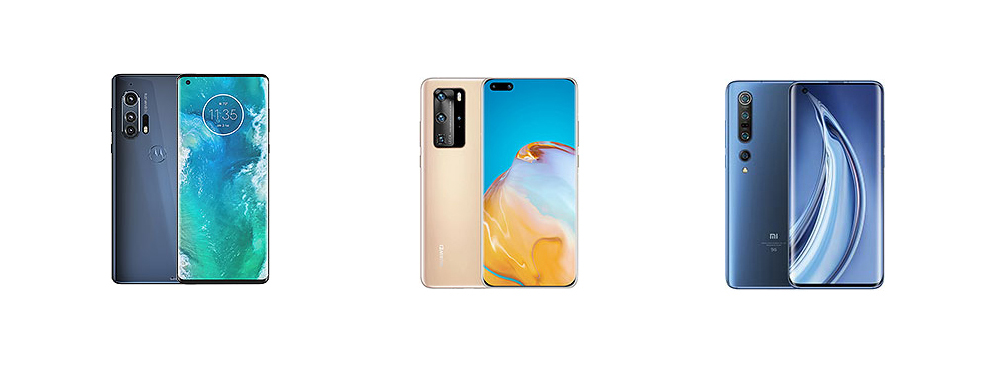
Motorola Edge+ vs Huawei P40 Pro vs Xiaomi Mi 10 Pro: Specs Comparison

In 2020, if you talk about Chinese manufacturers, you are not talking only about affordable flagships anymore. Chinese companies actually release top-tier flagships that have nothing to envy to the most respected brands outside China. After comparing the Motorola Edge+ to the OnePlus 8 Pro and Oppo Find X2 Pro, we decided to compare it to the remaining top Chinese flagships released in 2020: Huawei P40 Pro and Xiaomi Mi 10 Pro. Through this specs comparison, you will learn all their key features, strong and weak points of this amazing trio of flagships. After checking it, you can let us know your opinion and which one would you pick by using the comment box below the post.

Motorola Edge+ vs Huawei P40 Pro vs Xiaomi Mi 10 Pro

Huawei P40 Pro Motorola Edge+ Xiaomi Mi 10 Pro
DIMENSIONS AND WEIGHT 158.2 x 72.6 x 9 mm, 209 g 161.1 x 71.4 x 9.6 mm, 203 g 162.6 x 74.8 x 9 mm, 208 g
DISPLAY  6.58 inches, 1200 x 2640p (Full HD+), OLED 6.7 inches, 1080 x 2340p (Full HD+), OLED 6.67 inches, 1080 x 2340p (Full HD+), Super AMOLED
PROCESSOR Huawei Hisilicon Kirin 990, octa-core 2.86 GHz Qualcomm Snapdragon 865, octa-core 2.84 GHz Qualcomm Snapdragon 865, octa-core 2.84 GHz
MEMORY  8 GB RAM, 128 GB – 8 GB RAM, 256 GB – 8 GB RAM, 512 GB – nano memory card slot 12 GB RAM, 256 GB 8 GB RAM, 256 GB – 12 GB RAM, 256 GB – 12 GB RAM, 512 GB
SOFTWARE  Android 10, EMUI 10 Android 10 Android 10, MIUI
CONNECTIVITY  Wi-Fi 802.11 a/b/g/n/ac/ax, Bluetooth 5.1, GPS  Wi-Fi 802.11 a/b/g/n/ac/ax, Bluetooth 5.1, GPS Wi-Fi 802.11 a/b/g/n/ac/ax, Bluetooth 5.0, GPS
CAMERA  Quad 50 + 12 + 40 MP + TOF camera, f/1.9 + f/3.4 + f/1.8
Dual 32 MP + IR TOF 3D front camera
Quad 108 + 8 + 16 MP + TOF, f/1.8 + f/2.4 + f/2.2
25 MP f/2.0 front camera
Quad 108  + 8 + 12 + 20 MP, f/1.7 + f/2.0 + f/2.0 + f/2.2
20 MP f/2.0 front camera
BATTERY  4200 mAh, fast charging 40W, Fast wireless charging 27W 5000 mAh, fast charging 18W, Fast wireless charging 15W 4500 mAh, fast charging 50W and fast wireless charging 30W
ADDITIONAL FEATURES Hybrid Dual SIM slot, fast reverse wireless charging 27W, waterproof IP68, infrared face recognition, 5G Hybrid Dual SIM slot, reverse wireless charging, 5G, splash resistant Dual SIM slot, reverse wireless charging, 5G

Design

Motorola Edge+ has an astonishing design. It is my favorite one because it offers one of the highest screen-to-body ratios ever seen on a phone. And it is naturally built with premium materials, including glass for the back and aluminum for the frame. Right after, if we only consider the look, there is Xiaomi Mi 10 Pro with a minimalistic design and a curved screen just like the Motorola Edge+. I do not like the Huawei P40 Pro so much because of its huge camera module, but it is the only phone from this trio to be waterproof with the IP68 certification. While Motorola Edge+ is just splash resistant, Xiaomi Mi 10 Pro does not offer any kind of protection against water.


Display

If we talk about displays, it is a very close fight between Xiaomi Mi 10 Pro and Motorola Edge+. They offer very similar specifications on the paper, including the same aspect ratio, a Full HD+ resolution, the HDR10+ certification, and a 90 Hz refresh rate. Huawei P40 Pro offers a high refresh rate and a Full HD+ resolution as well, but its rivals have slightly more interesting front panels and smaller punch holes. On the other hand, Huawei P40 Pro is the only offering infrared face recognition thanks to the additional sensor placed inside is dual punch hole.


Hardware/Software

There is no way the Kirin 990 chipset found on the Huawei P40 Pro can compete with the Snapdragon 865 found on Motorola Edge+ and Xiaomi Mi 10 Pro when it comes to performance. You should get more or less the same performance with the Motorola Edge+ and Xiaomi Mi 10 Pro. The former offers a stock Android experience, while Xiaomi Mi 10 Pro has the highly-customized MIUI 11 out of the box. On the other hand, Xiaomi Mi 10 Pro offers more internal storage in its high-end variant (512 GB). Only the internal storage of the Huawei P40 Pro (which goes up to 512 GB) can be expanded with an external card.


Camera

Despite the lower resolution of its main sensor, Huawei P40 has the highest camera capabilities. Its camera setup co-engineered with Leica is composed of a 50 MP main sensor, a 40 MP ultrawide lens, a 12 MP periscope sensor with 5x optical zoom, a TOF 3D sensor, and dual OIS. It provides a stunning photo quality in every environment. Xiaomi Mi 10 Pro and Motorola Edge+ are more interesting when it comes to video recording (they can record videos up to 6K and 8K resolution, respectively), with the Xiaomi Mi 10 Pro offering a slightly more advanced rear camera department but an inferior front camera. Huawei P40 Pro wins the selfie comparison as well.


Battery

With an amazing 5000 mAh battery, Motorola Edge+ is the king of battery life. It supports both fast charging and wireless charging, but it does not provide blazing charging speeds, unlike Xiaomi Mi 10 Pro and Huawei P40 Pro.


Price

Motorola Edge+ is sold for €1200/$999 globally, Xiaomi Mi 10 Pro sells for €999/$1081, and Huawei P40 Pro begins at €999 as well. On the paper, Huawei P40 Pro looks slightly more impressive since it is waterproof, it has better cameras, 3D facial recognition, and more “exclusive” features. But it lacks Google services in the global market and this is a big issue. Motorola Edge+ and Xiaomi Mi 10 Pro are very close: the former offers a bigger battery and an amazing design, the latter has more internal storage in its higher-end version and potentially better cameras (but this has to be verified). Which one would you choose?


Motorola Edge+ vs Huawei P40 Pro vs Xiaomi Mi 10 Pro: PRO and CONS

Huawei P40 Pro

PROS

  • eSIM
  • Waterproof IP68
  • 3D facial recognition
  • Fastest reverse wireless charging
  • Amazing cameras

CONS

  • No Google services
  • Smaller battery


Xiaomi Mi 10 Pro

PROS

  • Awesome cameras
  • Fastest wireless charging technology
  • Fastest charging technology
  • Stereo speakers
  • Great performance

CONS

  • No water resistance


Motorola Edge+

PROS

  • Splash resistant
  • Amazing hardware
  • Stereo speakers
  • Biggest battery
  • Very nice cameras

CONS

  • Price

Samsung Galaxy A21s launched with a 5000mAh battery & L-shaped Quad-Cameras

Samsung has officially announced the new Galaxy A21S model in Europe today. The phone is yet another lower mid-range offering in the A-series family, offering a very large battery and a capable set of quad-cameras at the back. Conforming to the current trend, the Galaxy A21s also comes with an Infinity-O punch-hole display up front.

The Galaxy A21s brings RAM and camera upgrades as compared to the month-old Samsung Galaxy A21. The phone features a 6.5-inch HD+ Infinity-O Super AMOLED display with a 13MP selfie shooter located on the top-left corner. It runs on an octa-core CPU (Exynos 850) clocked at 2.0GHz and you can select from 3GB RAM to up to 6GB of RAM with 32GB and 64GB storage options.

The biggest difference between the regular A21 and this A21s is in the camera department. The new model upgrades the primary sensor to 48MP paired with an 8MP ultrawide sensor, 2MP macro shooter, and another 2MP depth shooter. The four cameras are arranged in an L-shaped design. You also get a fingerprint sensor at the back.

The Samsung Galaxy A21s gets a huge 5000mAh battery with 15W wired charging. As for software, the phone runs on Android 10 based OneUI.

The phone will launch in Europe for €200 ($217) or 179 GBP (UK) and will go on sale from June 19 in three colors: Black, White, and Blue.


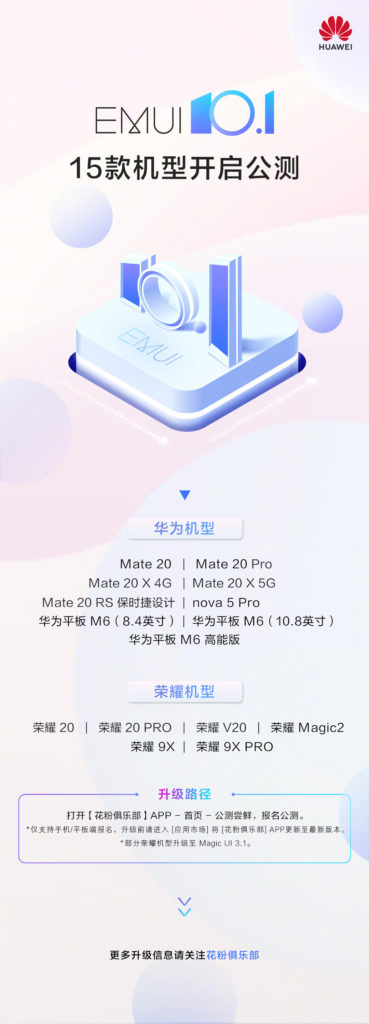
EMUI 10.1 Open Beta builds are now live for 15 Huawei / Honor devices

Huawei has been seeding out EMUI 10.1 Closed Beta builds for eligible devices for past few weeks. Now, finally, the company has announced the rollout of Open Beta builds so that more users can experience the latest version of the company’s mobile software. These public builds are currently available for a total of 15 Huawei and Honor devices. Sadly, these beta builds are still limited to the Chinese version of the handsets and tablets

EMUI 10.1 Open Beta China 15 Devices

For the unaware, EMUI 10.1 is known as Magic UI 3.1 for Honor devices. It is basically the same software with different branding. But the Honor 9X series is an exception as it runs EMUI instead of Magic UI. That being said, here’s the complete list of devices that are eligible for public beta testing.

EMUI 10.1 Open Beta (Public) Eligible Devices

  • Huawei Mate 20
  • Huawei Mate 20 Pro
  • Huawei Mate 20 X 4G
  • Huawei Mate 20 X 5G
  • Huawei Mate 20 RS Porsche Design
  • Huawei Nova 5 Pro
  • Huawei MediaPad M6 8.4-inch
  • Huawei MediaPad M6 10.8-inch
  • Huawei MediaPad M6 Turbo Edition
  • Honor 9X
  • Honor 9X Pro

Magic UI 3.1 Open Beta (Public) Eligible Devices

  • Honor 20
  • Honor 20 Pro
  • Honor V20
  • Honor Magic 2

We are not clearly sure when and which devices will be receiving EMUI 10.1 globally. But once the company announces it officially, we will make sure to write a post to let you know.