Last month, Samsung had hiked the pricing of its smartphones like Galaxy M21 and Galaxy A50s in the previous month after the government of India confirmed an increase in GST rate. Now, both handsets have received price cut in the country.
With the hike in GST rate, the Galaxy M21 smartphone variants such as 4 GB RAM + 64 GB storage and 6 GB RAM + 128 GB storage were selling for Rs. 14,222 (~$188) and Rs. 16,329 (~$216), respectively since last month. The 4 GB and 6 GB RAM variants of the M21 have received price cuts now. They are now selling for Rs. 13,199 (~$174) and Rs. 15,499 (~$204), respectively. The Galaxy M21 was made official in March this year.
Samsung Galaxy M21
As far as Galaxy A50s is concerned, the pricing of its 4 GB RAM + 64 GB storage and 6 GB RAM + 128 GB storage variants had increased to Rs. 21,070 (~$278) and Rs. 26,900 (~$355), respectively. The new pricings of these models are Rs. 18,599 (~$245) and Rs. 20,651 (~$273). The A50s phone was unveiled in September in India.
The Galaxy M21 and Galaxy A50s are listed with their revised pricings on the official Samsung India online store. The government of India has extended the COVID-19 lockdown period until May 17 in the country. Hence, the deliveries of the above-mentioned smartphones are expected to be carried in all regions of India once the lockdown period ends.
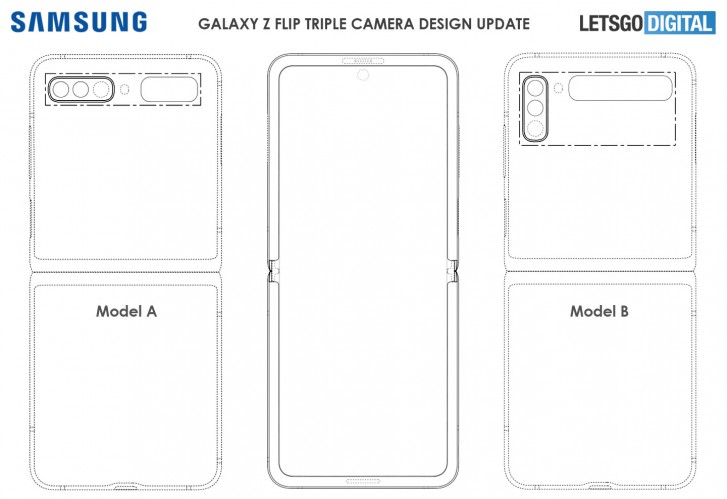
Samsung unveiled the Galaxy Z Flip clamshell device alongside the Galaxy S20 series in February this year. LetsGoDigital has come across a patent filing for a new design that looks suitable for the successor of the Galaxy Z Flip. The patent images suggest that there could be some changes in the rear design of the alleged Galaxy Z Flip 2.
As it can be seen in the patent images, the image shown at the center showcases the foldable display with tall like the Galaxy Z Flip. Show on its either sides as Model A and Model B are the two possible designs of the successor model.
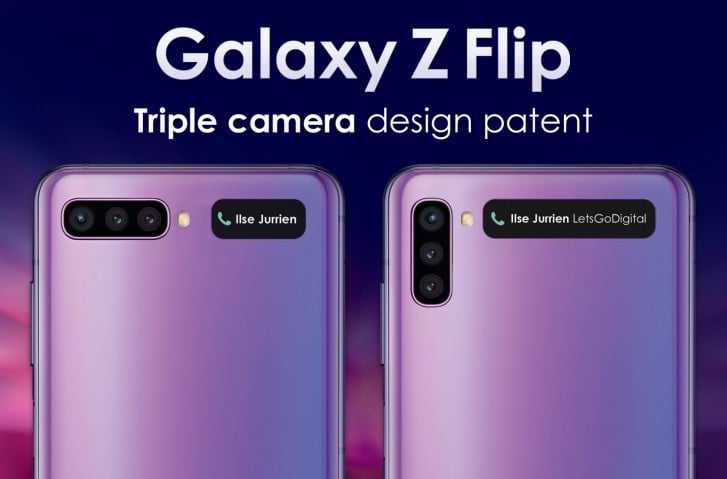
The original Galaxy Z Flip has a dual camera system on its back along with an LED flash and the secondary OLED display. The latter sees an external window for checking notifications. The Model A shows the presence of the horizontal triple camera system. The flash unit and secondary screen is also available alongside the triple shooters.
In the Model B, there is a vertical triple camera system. This arrangement of the cameras allows inclusion of a bigger secondary display. In terms of design, there does not seem to be another major change. The patent filing does not reveal any information on the specs of the device.
Also, it does not guarantee whether the South Korean company will make use of the above shown designs for the purported Galaxy Z Flip 2. However, it would be good to see a triple camera system or a larger rear display on the Galaxy Z Flip 2.
In related news, the South Korean company recently released its financial report. The report revealed that the company could not achieve satisfactory results mainly because of the COVID-19 pandemic. The report also carried some information on its plans for the second half of 2020. It stated that new Galaxy Note and Galaxy Fold models are arriving in second half of 2020. Hence, it is being speculated that Samsung may unveil the Exynos 992 powered Galaxy Note 20 and Galaxy Fold 2 in the third quarter of this year.
Last week, a Portugal tech portal revealed the expected pricing and specifications of the POCO F2 Pro. The existence of the Pro model suggests that there could two handsets in the series. The flagship model could be called POCO F2 Pro, while there could be a vanilla variant named POCO F2. The company is yet to confirm on the existence of the POCO F2 and POCO F2 Pro smartphones. However, it seems that the arrival of the POCO F2 series may not be far away as the company has seemingly started the arrival of the POCO F2 lineup.
The global Twitter account of POCO had been dormant since March 2019. Beginning from day one of this month, the global account became active once again with couple of new tweets with #WakeUpPOCO. It appears that the POCO may soon globally launch a new phone. A tipster had recently speculated that the POCO F2 will debut in May. Hence, it appears that the global launch of the POCO F2 series may not be far away.
The Portugal site had revealed that the upcoming POCO F2 Pro could be a rebranded version of the Redmi K30 Pro. Even some other leaks have claimed the same thing. It is speculated that the 6 GB RAM + 128 GB storage and 8 GB RAM + 256 GB storage versions of the POCO F2 are priced at 649 euros and 749 euros in the European market.
The POCO F2 Pro may come with a 6.67-inch notch-less OLED display with a pop-up front camera of 20-megapixe. Its rear may house a Sony IMX686 64-megapixel shooter, a 13-megapixel ultrawide sensor, a 5-megapixel telephoto sensor and a 2-megapixel depth assist lens.
The Snapdragon 865 mobile platform may drive the POCO F2 Pro. It may draw power from a 4,700mAh battery with 33W fast charging.
Another day, another Meizu 17 teaser poster. Meizu has confirmed that its upcoming flagship has a punch-hole display. The Weibo post also revealed the supplier of the display.
The Meizu 17 will have its punch-hole at the top right corner of the display and Meizu says it is a fully-custom Samsung Super AMOLED display. Based on this, we expect the Meizu 17 to be able to measure up to other flagships such as the OnePlus 8 series in terms of display quality. It has already been confirmed that the display has a 90Hz refresh rate.
Press renders have depicted the punch hole of the Meizu 17 as being pretty small in size, and we can’t wait to see if it is true.
The phone will have a Snapdragon 865 processor, UFS 3.1 storage, 64MP quad rear cameras, stereo speakers, 30W fast charging support, and Wi-Fi 6. It is scheduled to launch on Friday, May 8.
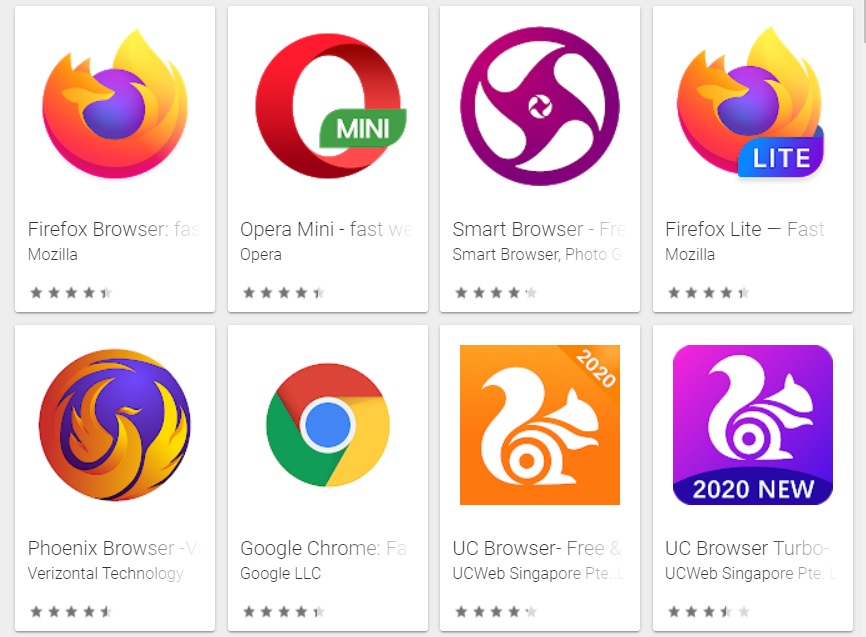
One of the apps that comes pre-loaded with a phone is an internet browser. While most Android phones ship with Google’s Chrome browser out of the box, there are manufacturers that also include their own browsers or other third-party browsers.
Phone owners usually have a particular browser they prefer that doesn’t come with the device but which they proceed to download after setting up their phone.
For this week’s poll, we want to know which mobile browser you use on your phone, so do take the poll below and let us know. There are several browsers listed below but there are a whole lot more. If your browser of choice is not listed, choose “Other” and drop a comment telling us which browser you use. You can also share some of the key features you like about the browser you use.
Xiaomi launched the new Redmi Note 9 series in the global market. It is actually composed of three models: Redmi Note 9, 9S, and 9 Pro. It is not exactly the same lineup we saw in India as the Pro variant is actually different from the Indian Note 9 Pro. Since their prices are close to each other, in order to highlight all the differences between the three models launched in Europe, we decided to bring all the variants in an in-depth specs comparison. Here you will learn all the details about the specifications and you should be able to realize which one has the best value for money depending on your needs.
Xiaomi Redmi Note 9 vs Xiaomi Redmi Note 9S vs Xiaomi Redmi Note 9 Pro (Global)
Redmi Note 9 Pro has a slightly more attractive design than Note 9 and 9S because on its rear side you can find a smaller camera module. The handset has a glass back made of two parts with different hues. Note 9S comes right after with its glass back and the same screen-to-body ratio as the Note 9 Pro. The vanilla Note 9 has a definitely uglier back which includes a fingerprint reader (the fingerprint scanner is side-mounted on the other two variants) and thicker bezels around the display, but it is more compact because its screen has a smaller diagonal.
Display
Redmi Note 9S and 9 Pro are equipped with the same display panel: an IPS screen with a 6.67-inch diagonal and a Full HD+ resolution. Nothing special, but sufficient for a midrange phone. Note 9 has a smaller diagonal, but the display offers the same specifications. In each case, you will get an average IPS and Full HD+ display with a standard refresh rate. If you are looking for high quality in terms of display or smoother user experience, you should opt for something else.
Specs & Software
Redmi Note 9S and Note 9 Pro offer more premium hardware. Both are fueled by the Snapdragon 720G SoC which is a preferred choice over the Helio G85 found on Note 9. They offer up to 6 GB of RAM and up to 128 GB of UFS 2.1 internal storage. The Note 9 pairs the Helio G85 with max 4 GB of RAM and 128 GB of internal storage. Given that they are three variants of the same lineup, it is kinda obvious that you get the same operating system: Android 10 customized by MIUI 11.
Camera
The main difference inside the Redmi Note 9 series regards the camera department. On the rear side, you get a different camera setup depending on the handset you go for. The most advanced is the Note 9 Pro which boasts a better 64 MP main sensor, an ultrawide lens with an 8 MP resolution, a 5 MP macro camera, and a 2 MP depth sensor. Note 9S has the same secondary sensors, but the main lens is an inferior 48 MP sensor. The front camera is the same as well, with a 16 MP resolution. Note 9 has the same rear camera setup as the Note 9S with the exception of the macro sensor (2 MP). It also sports an inferior 13 MP selfie camera.
Battery
With exactly the same battery capacity, you would get a similar battery life with the whole lineup. And it is amazing battery life, given the 5020 mAh capacity. Redmi Note 9 is expected to go out of charge before the other two variants due to a less efficient chipset built with a 12 nm production process against 8 nm. On the other hand, Note 9 can also be used as a power bank thanks to its 9W reverse charging technology. Note 9 Pro wins when it comes to the charging speed thanks to a 30W power.
Price
Redmi Note 9 begins at €180/$200, Note 9S has a €219/$243 starting price, and Note 9 Pro costs €250/$277 in its base variant. If you do not care about the camera at all and you do not need the fastest charging technology, Note 9S gives you all you need. Otherwise, go for the Redmi Note 9 Pro. Note 9 has less impressive hardware and camera than both its rivals, it is a good option only if you want to save the highest amount of money.
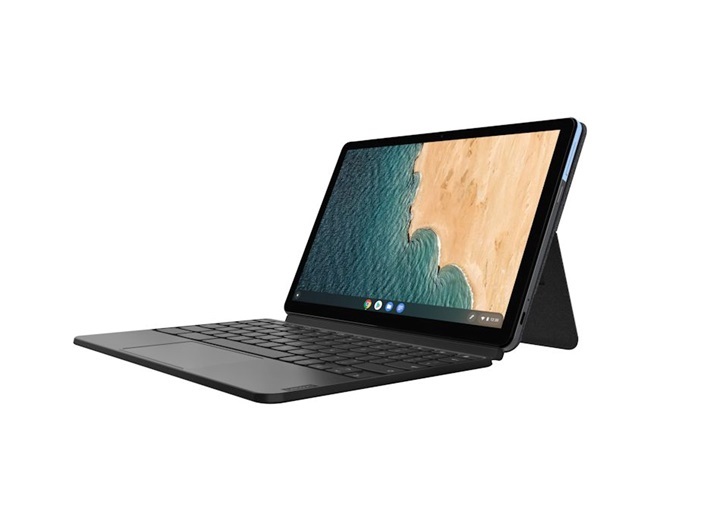
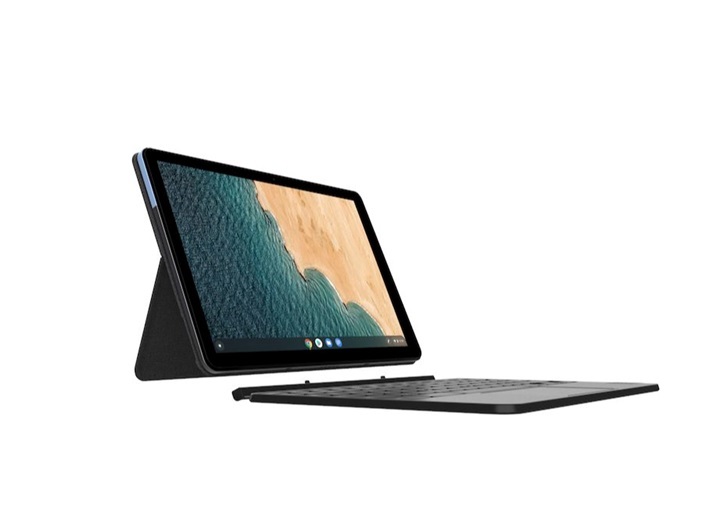
Lenovo first announced the IdeaPad Duet and IdeaPad Flex 5 Chromebooks at CES 2020 in January. Since then, there has been no word about the products. A couple of days back Best Buy listed the Lenovo IdeaPad Duet Chromebook for pre-order. The listing is for the 128GB version and it comes in at $299. Now, this price is pretty unrealistic, considering that the Chromebook 64GB version is priced at $279.
Already, some intending buyers have successfully placed orders for the Duet and it is billed to ship on May 11. Best Buy had removed the pre-order button and replace it with “Coming soon”. The pre-order is back on but the expected shipping date has been moved to May 20. The product page shows that the IdeaPad Duet will go on sale on May 6 but Lenovo is yet to officially confirm the release date.
The Lenovo IdeaPad Duet is a detachable Chromebook that comes with a keyboard base in the box. The 10.1-inch tablet has an FHD display, a single USB-C port, and runs on top of Google’s Chrome OS with “up to” eight years of updates.
The device is powered by a MediaTek Helio P60T processor along with 4 GB of RAM, 64GB storage and 128 GB of storage on the top-tier model. There’s also a 7,180 mAh battery within, an 8 MP camera on the back, and a 2 MP camera on the front.
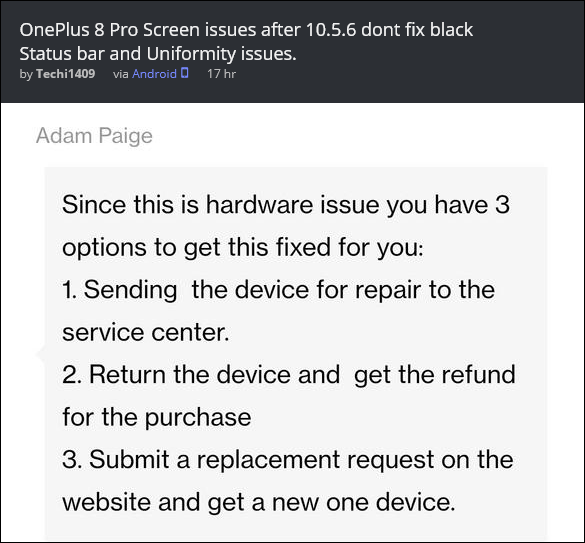
OnePlus 8 Pro officially went on sale on April 29 but before then, the company had shipped units to buyers who made pre-orders. Some of the pre-order units were noticed to have issues with their display, with problems ranging from crushed/clipped blacks and even a “green tint.” The tech giant responded swiftly and promised to push an OTA that’ll fix the issue. Apparently, the OxygenOS 10.5.5 update was seeded to OnePlus 8 Pro units and only fixed the green tint issue.
OnePlus seems to have confirmed that the black crush display issue is a hardware issue. A post by a Reddit user reveals that the company is giving users facing this issue three options. The first is to send in the device for repairs at the service centre. Buyer may also return the device and get a refund. Finally, they could submit a replacement request on the website and get a replacement.
We couldn’t verify the authenticity of this claim but if it is true, it a welcome development. Most buyers will likely opt for the option of getting a replacement or a refund which can then be used to purchase a new one. The OnePlus 8 Pro sells for around $900 and that is so much to shell out and then proceed to get the unit repaired so early.
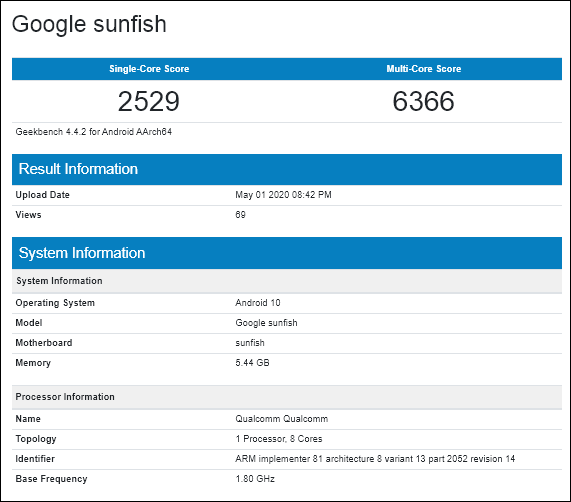
Google has a thing with codenames. Since the birth of the Pixel brand, the company has often given each model a unique codename. It was confirmed in February this year that the Google Pixel 4A is codenamed Sunfish. A device known as Google Sunfish has appeared o the database of GeekBench. This is believed to be the Pixel 4A.
The device ran on GeekBench V4 and as usual, a few specs are listed. The Pixel 4A will run Android 10 out of the box and the model in question features 6GB of RAM. The device is powered by an octa-core Qualcomm processor with a base frequency of 1.80Gz. The Pixel 4A is said to be powered by a Snapdragon 730 processor and the benchmark score is within the range of other SD 730-powered models like the Redmi K20.
Geekbench didn’t reveal any other details but the Pixel 4A is expected to feature a 5.81-inch OLED display with a punch-hole at the upper-left corner. The display has a full HD+ resolution of 1080 x 2340 pixels. A 3,080mAh battery will keep the lights on and the phone supports 18W fast charging.
The Pixel 4a punch-hole houses an 8-megapixel camera while at the rear, it packs a single 12MP sensor and LED flash both housed in a square-shaped module. It has a rear-facing fingerprint reader and a 3.5mm audio jack. The handset is likely to arrive in 64 GB and 128 GB storage sizes and will likely be available in Just Black and Barely Blue colour options. The Pixel 4A’s pricing will reportedly start at $399 and will go on sale from May 22.
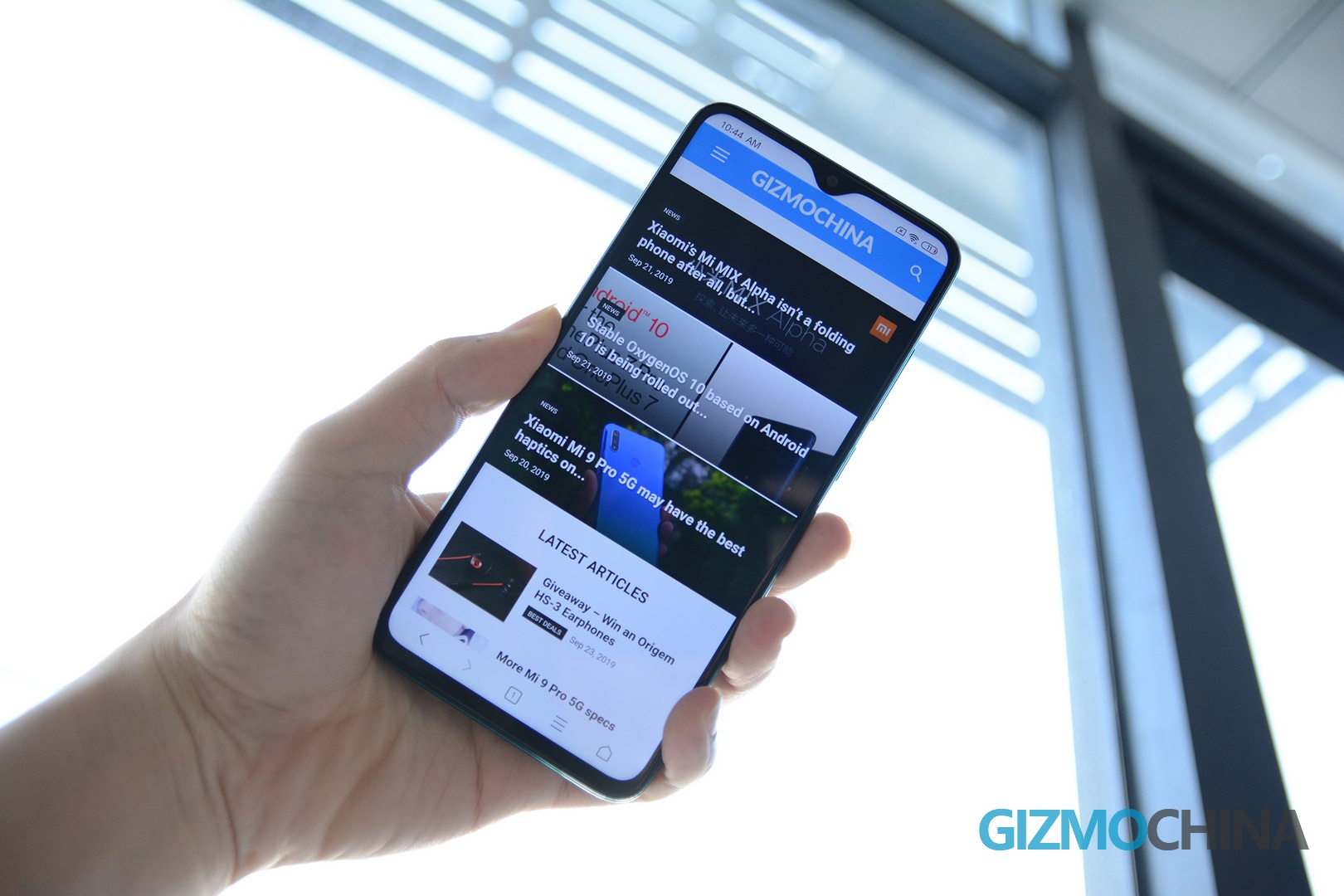
Xiaomi, in a blog post, has revealed that it has added a new option in incognito mode for users to opt-out of aggregated data collection. So Mi users can turn off data collection in private mode, which wasn’t available earlier.
Incognito browsing has always been a mode to opt-out of data tracking, so users should ensure that this feature is TURNED OFF in the private browsing mode.
This new option is available on the latest versions of its Mi browser, Mi browser Pro (v12.1.4), and Mint Browser (v3.4.3).
While this is a good move from Xiaomi, the ideal response would have been to completely remove user data tracking in the private mode, instead of giving a toggle.
A couple of days back, Forbes published a major story about how Xiaomi was collecting browser data including URLs visited by Mi users. While data collection is common among most browsers in the market today, the report highlighted that search terms and URLs were tracked even in the browser’s private aka incognito mode.
Earlier today, Xiaomi published a blog in response to this story, explaining their side of the story. You can read their official response from here.
To better understand what’s happening in this story, I’ve summarized all of the accusations and the responses to each of them. I’ll have also added what the researcher Andrew Tierney had to say about each of the responses.
Finding 1:
Gabriel Cîrlig (he was the first to find this and explain it in the Forbes story) found that Xiaomi’s Mi Browser and Mint Browser tracked all websites visited by a Mi user including search terms on both Google and DuckDuckGo. The tracking was prevalent even when the browser was set to private or incognito mode. The phone also tracked usage data and sent it back to Xiaomi servers.
Xiaomi’s Response:
Xiaomi admits to collecting User Data such as “system information, preferences, user interface feature usage, responsiveness, performance, memory usage, and crash reports”.
It does not explicitly mention search terms but adds that it collects URLs – “The URL is collected to identify web pages which load slowly; this gives us insight into how to best improve overall browsing performance.”
Xiaomi also added that it collects browsing data only when the user is signed into his Mi account and Sync setting is turned on.
Xiaomi also confirmed that it collects User Statistics Data even in Incognito mode. This is surprising given that URLs are also a part of User Statistics Data (as confirmed by their official statement).
In addition to the official statement from the Mi Blog, Xiaomi India’s CEO said in a special video today that Xiaomi only collects data that users have consented too. He also stressed that the data collected in the incognito mode is “encrypted and anonymized”. You can see the video below (some parts are in Hindi but he has explained it in English as well).
Researcher’s Response:
Well, Andrew Tierney wasn’t convinced with Xiaomi’s response.
Firstly, I and several others have re-confirmed the findings today, across multiple devices. There is no doubt that the Mint Browser sends search terms and URLS whilst in Incognto mode.
While Xiaomi denied collecting user data in incognito mode, Andrew released a new video just a few minutes back demonstrating how Xiaomi’s Mint Browser was collecting important user data, even in the private mode. What’s interesting to see here is that the data collected has a UUID (universally unique identifier) which doesn’t change, at least for 24 hours. So the data collected and sent to the servers can be potentially traced to an individual user.
Finding 2:
Mi user data was being sent to remote servers in countries like Singapore and Russia, with web domains registered in Beijing.
Xiaomi’s Response:
“Xiaomi hosts information on a public cloud infrastructure that is common and well known in the industry. All information from our overseas services and users is stored on servers in various overseas markets where local user privacy protection laws and regulations are strictly followed and with which we fully comply.”
Xiaomi India CEO also said in his video that “All data from Mi users in India remains in Indian servers”.
The user data sent to the servers were encoded using base64 – which is easily trackable. So the data could be read, at least on the client-side.
Xiaomi’s Response:
Well, Xiaomi didn’t really touch this point in their blog post. It did mention that the data sent is encrypted using TLS 1.2 encryption. So, the data being transferred cannot be intercepted. But the company didn’t talk about the base64 encoding of the data on the client-side.
This image shared by Xiaomi shows that usage statistic data is transferred with the HTTPS protocol of TLS 1.2 encryption.
Researcher’s Response:
Oh good, it's TLS 1.2. At least some random can't intercept it.
I don't think this was ever disputed. This is transport encryption to servers, sending data I did not consent to send. pic.twitter.com/sENH5OhEzN
The collected user data wasn’t anonymous. Gabi and other researchers found that the user data sent to the Xiaomi servers could potentially be identified to a specific user because it had an assigned UUID (universally unique identifier).
Xiaomi’s Response:
“This screenshot shows the code for how we create randomly generated unique tokens to append to aggregate usage statistics, and these tokens do not correspond to any individuals.”
Researcher’s Response:
Well, Andrew’s demo video revealed that his data collected by the browser was assigned a specific UUID for all data being sent for over 24 hours. He wasn’t convinced by the image used by Xiaomi to show the data was anonymized.
I am particularly interested as this is post-obfuscation code – the c.b etc. shows this isn't raw source.
Why is that?
But, more to the point, calling a UUID "anonymous" does not make it anonymous.
Almost every browser in the world collects user data. Some might restrict this to crash reports while other browsers can be a bit more invasive and collect usage data too.
While we aren’t sure of how much data is collected by browsers like Google Chrome and Firefox, we do know that collecting search terms and URLs, even in the incognito mode isn’t normal.
The private browsing mode or the incognito mode specifically exists to avoid tracking. And Andrew’s demo video clearly shows how much data is being sent back to Xiaomi servers which includes search terms and URLs in the incognito mode. Xiaomi claims that this data is anonymized (probably on the server-side) but it needs to come out and explain this process in detail.
Xiaomi’s official statements have stressed that they only gather data that has been consented by the user. So the company also needs to clarify if their privacy and data collection policies include the gathering of search terms and other user data even in the incognito mode.
Calling this report as fake news isn’t really the best response. Xiaomi has to come forward and refute each of the findings of the two researchers. If Xiaomi is unable to do this, the company should explain itself and revise its data collection policies as soon as possible.
The Meizu 17 series is scheduled to launch this month. Over the past few days, Meizu has confirmed some of the specifications of the phones using posters shared on its official Weibo page. The latest one confirms the type of charger that will come with the phones.
According to the poster, the Meizu 17 series will ship with a GaN charger. The charger is shown to be available in black and white and has a foldable American plug.
Another accessory teased in the poster is a new Meizu power bank that has a USB-C port and a display that shows the battery level. The capacity is unknown but it is expected to not be less than 10000mAh.
Meizu will announce the Meizu 17 series on Friday, May 8, 2020. The phones will have a punch-hole display with a 90Hz refresh rate and be powered by Qualcomm’s Snapdragon 865 processor. Other confirmed features are stereo speakers, mEngine 3.0 linear motor, and quad rear cameras.
According to a popular Chinese tipster, Huawei is set to enter PC industry with products powered by the company’s own HiSilicon Kunpeng processors. The most interesting thing is they will run the newly announced HamrmonyOS.
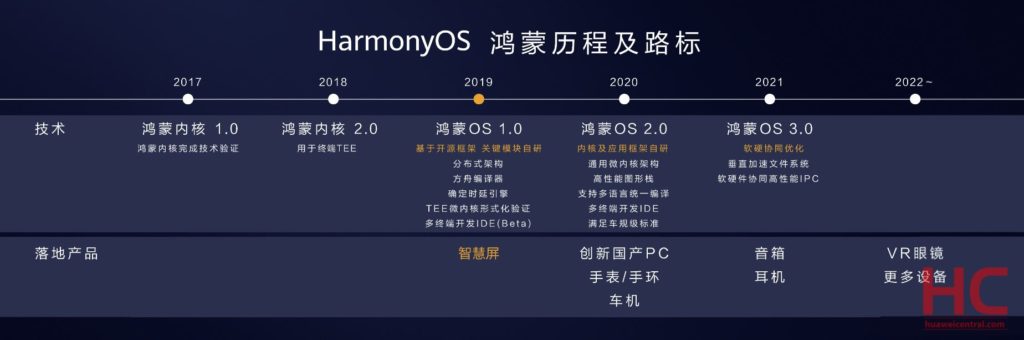
As of now, the Chinese tech giant’s proprietary OS codenamed HongMeng is only found on a few Honor as well as Huawei-branded smart TVs. But with the release of HarmonyOS 2.0, we might see it on PCs.
The tipster alleged these PCs to be powered by Kunpeng processors. He also revealed several Chinese provinces, cities, and regions are cooperating with the homegrown company to build its PC industry supply chain.
Huawei unveiled HarmonyOS at Huawei Developer Conference (HDC) 2019. At the event, the company also shared a roadmap, which mentioned the version 2.0 to be released in 2020 with support for PC, cars, and smart wearables.
So it is all happening as per the plan disclosed by the firm last year. We can expect the announcement of HarmonyOS 2.0 to take place at Huawei Developer Conference 2020 later this year.
Image Source: Huawei Central
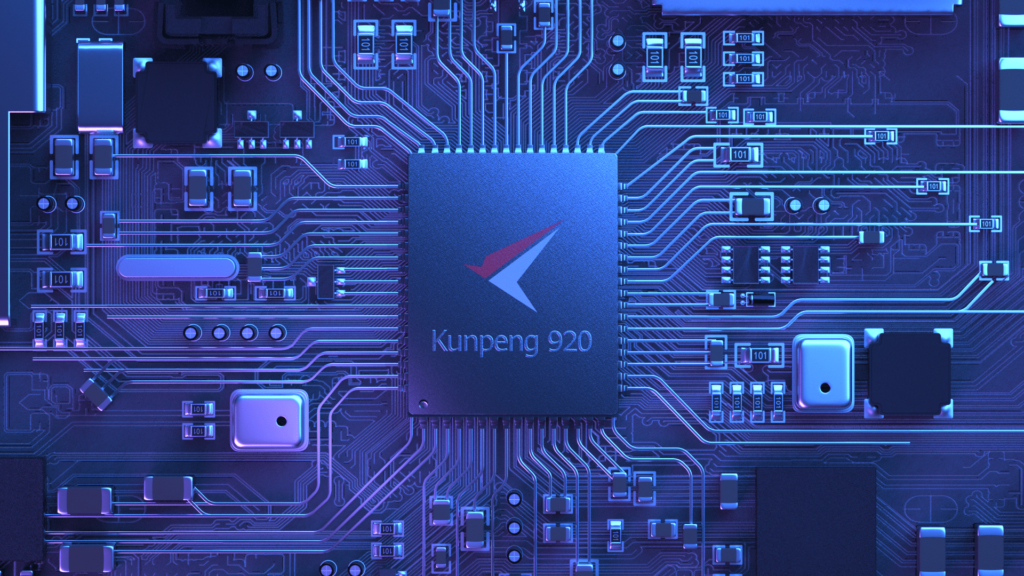
Further, Kunpeng processors are not new as the company is already supplying them to its enterprise customers for computing solutions. In 2019, Huawei also announced its first desktop motherboard based on Kunpeng 920 processor with support for all necessary hardware. However, this motherboard is not available for consumers yet.
The upcoming Huawei PCs will be either powered by this motherboard or the company will announce something new at HDC 2020.
Apple just launched the iPhone SE 2020 last month with iPhone 8-esque design and new chip. And now, we are subjected to a massive leak of the upcoming iPhone 12 series. Apart from key specs, the pricing for the US has also been tipped.
The latest iPhone 12 leak comes from Jon Prosser who is one of the well-known Apple tipsters. According to his source, the American tech giant will launch four new iPhones compared to three devices in the last two years.
The four new iPhone 12 models tipped by the leakster are as listed below.
iPhone 12 (Mini)
iPhone 12 (Plus/Max)
iPhone 12 Pro
iPhone 12 Pro Max
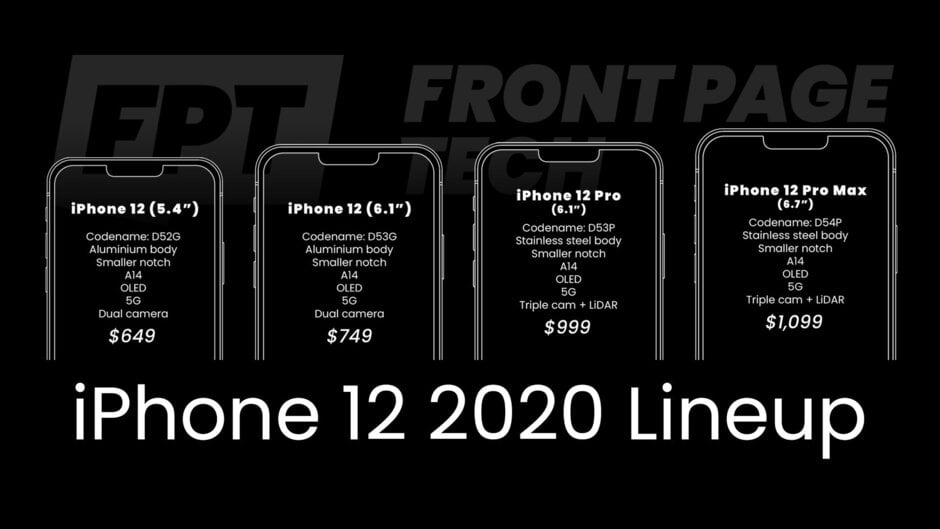
All the above-listed iPhones will feature OLED displays and a smaller notch than the current generation. The first two models will use aluminium frame, whereas the Pro models are expected to come with stainless steel frame like the iPhone 11 Pro.
Also, all four of them will be powered by Apple A14 chipset with support for 5G connectivity, however, only the Pro models will work on mmWave networks.
As for optics, the cheaper models will sport dual-camera setup but the Pro variants will come fitted with triple camera and LiDAR scanner as found on the iPad Pro 2020.
Last but not least, the codenames, screen sizes, and alleged US pricing of the iPhone 12 models are mentioned in the table below.
Model
Codename
Screen Size
US Price
iPhone 12 (Mini)
D52G
5.4-inch
$649
iPhone 12 (Plus/Max)
D53G
6.1-inch
$749
iPhone 12 Pro
D53P
6.1-inch
$999
iPhone 12 Pro Max
D54P
6.7-inch
$1,099
The launch of 2020 iPhones may be delayed due to COVID-19 global pandemic. They are expected to be unveiled in October or November rather than September.
Xiaomi unveiled MIUI 12 earlier this week with an overhauled UI and new features. The company even rolled out closed beta updates to all the eligible devices on the launch day itself. Within a week, the firm managed to seed two more beta builds for almost all the supported handsets. That means some of the phones are currently receiving MIUI 12 Beta 3 builds.
It is very impressive of Xiaomi to roll out a total of three MIUI 12 Beta builds to the eligible smartphones in a week. However, do note that not all the supported device has received new builds after the initial build from the lunch day. Still, it is a remarkable achievement.
Normally, the Chinese smartphone maker releases new MIUI beta builds every Friday. In the case of MIUI 12, Beta 1 was released on 27th May (Monday), followed by Beta 2 on the very next day (Tuesday the 28th). Later, on 30th (Thursday), few of the handsets even received Beta 3.
All the MIUI 12 Closed Beta builds released so far are available as both Recovery ROM and incremental OTAs. Since they are limited to China, interested global users must have a supported phone with unlocked bootloader and TWRP recovery to install them.
Having said that, Xiaomi is yet to announce MIUI 12 for international markets. The list of eligible devices and update timeline shared by the company are only applicable to China.
Meizu has scheduled an event for May 8 to unveil Meizu 17 and Meizu 17 Pro in China. These upcoming smartphones will be the company’s first 5G-enabled handsets. The brand has been teasing the phones’ features on a daily basis. Today, the company revealed them to come with mEngine 3.0 horizontal linear motor.
Most value-flagship smartphones lack good haptics but thankfully, OEMs are now listening to the feedback from users. Almost all so-called flagship killers launched this year feature better vibration motors than their predecessors. Hence, the forthcoming Meizu 17 series will not be an exception according to the latest teaser by the company on Weibo.
Meizu calls its haptic system as mEngine whose version 2.0 debuted on Meizu 15 in 2018. The Meizu 16 series had the same but this year, the Meizu 17 series will be featuring mEngine 3.0 horizontal linear motor. This latest version was introduced in the Meizu 16s series last year.
Unfortunately, the company does not go into details about mEngine 3.0 in the teaser. But assures it to offer peak performance by which we can expect it to offer better haptic feedback than the previous generation and on par with the Meizu 16s series.
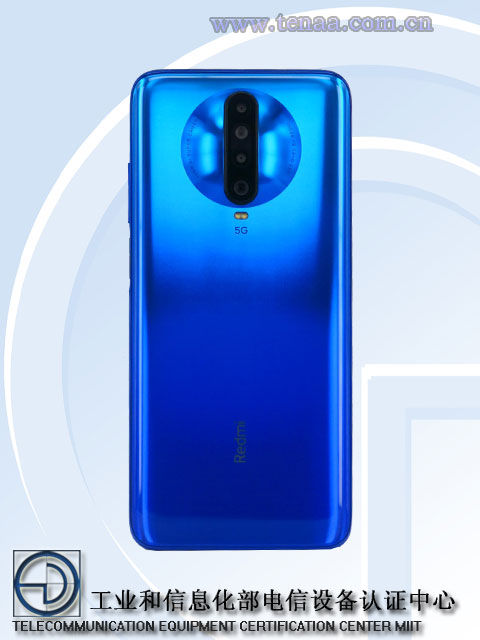
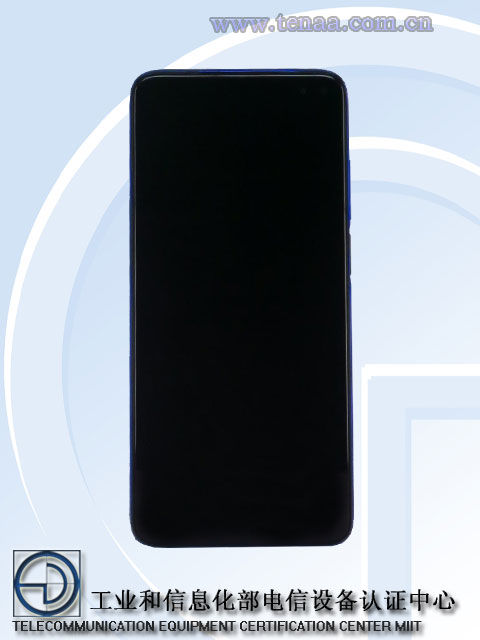
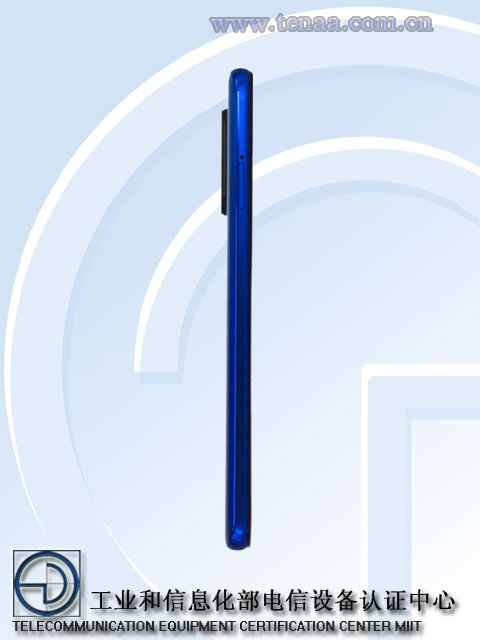
Redmi K30i, a cheaper lite variant of the Redmi K30 5G has been rumoured for a while now. The phone was recently spotted on TENAA confirming most of its specifications. Now, a finding from MIUI Camera further affirms the existence of this handset.
Earlier this month, an internal document leak revealed Xiaomi’s plan to launch more affordable 5G phones than the Redmi K30 5G. The first device mentioned in it was the Redmi K30i 5G with a 48MP primary camera instead of 64MP from the standard variant. This handset was suggested to release in late April with 1799 Yuan ($255) price tag.
The device has been now spotted in MIUI Camera app by an XDA Developers’ member going by the name of kacskrz. A string from the app not only confirms the name of the phone but also its 48MP primary camera.
As you can see from the string, the device is codenamed ‘Picasso’ just like the regular Redmi K30 5G announced back in December 2019. This finding once again confirms the new Redmi K30i to feature identical specs and design except for a different primary camera sensor.
Anyway, the Redmi brand is yet to tease the launch of this upcoming handset and it is already May now. Since it’s just the same phone with a minor change, the company might simply announce it on Weibo anytime soon.
In what could be regarded as a “marriage of strange bedfellows”, a tech journalist has released samples of the upcoming Google Pixel 4a, comparing it with that of the Redmi Note 7. The samples were released by Julio Lusson (@julio_lusson), the same guy who had shared a video review of the Pixel 4a on his YouTube Channel, TechnoLike Plus in March.
Google Pixel 4a samples
Samples shot by the Redmi Note 7 from 2018 was compared with that of the Pixel 4a and obviously, the Google model was steps ahead of the Xiaomi model. But then, the Redmi Note 7 is powered by a Snapdragon 660 chipset while the Pixel 4a is expected to pack a Snapdragon 730 SoC.
Redmi Note 7 sample
The Redmi Note 7 packs a bigger 48MP main sensor which is expected to perform better but the 12MP sensor on the Google model outputs better samples. In terms of details, vivid clarity, dynamic range, colour and noise levels, the Pixel 4a’s samples are obviously better. The Redmi Note 7’s camera received rave reviews when it was launched so we won’t make further comments. We expect the Pixel 4a to be released soon and right then, we can get reviews from expert reviewers before we can conclude the Pixel 4a packs a stunning camera.
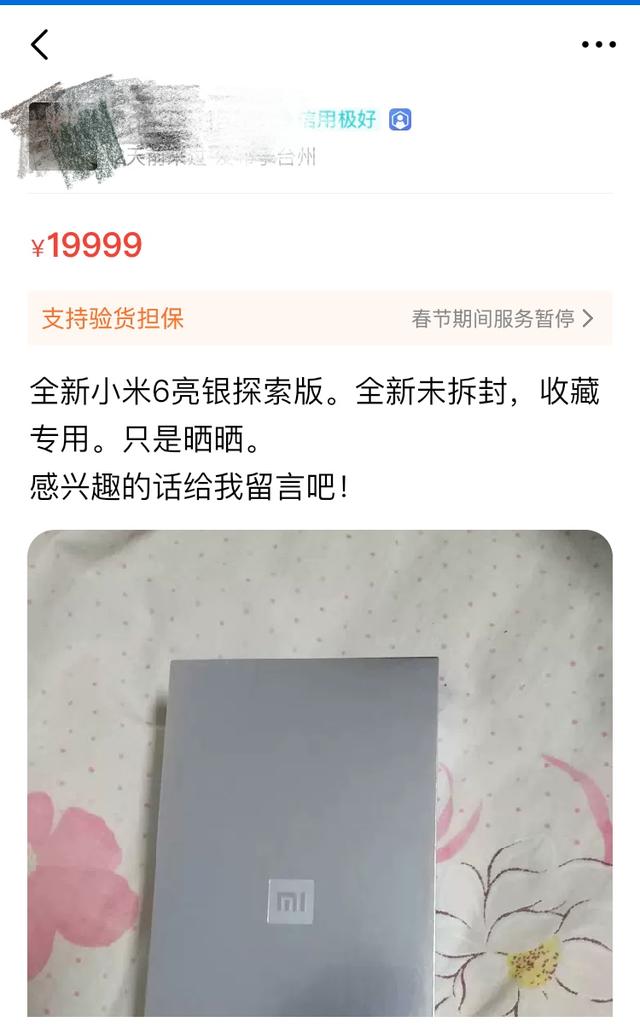
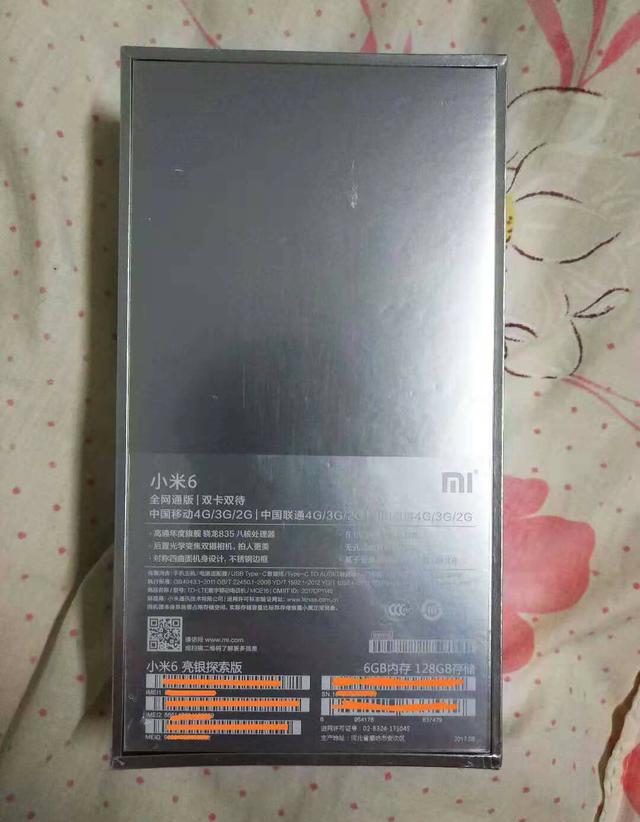
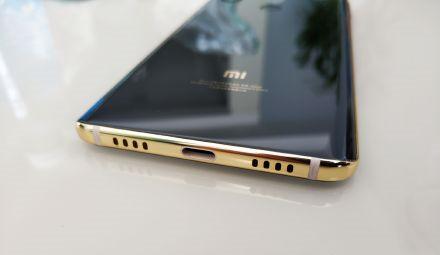
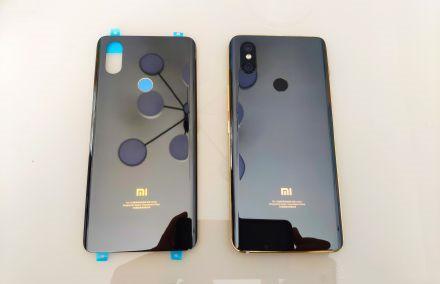
You probably haven’t forgotten about the Mi 6, one of the most popular Mi series flagships till date. The Mi 6 released in 2017 was popular not just because of its sleek design but also for its compact build. Xiaomi added an icing by introducing a limited Silver edition. You may also recall that Xiaomi skipped the Mi 7 moniker, opting for Mi 8 instead. What you probably don’t know is that the Mi 7 Engineering machine indeed existed. Here comes the gist. The Mi 6 Silver Edition and Mi 7 prototype have been put up for sale on two different Chinese e-commerce websites.
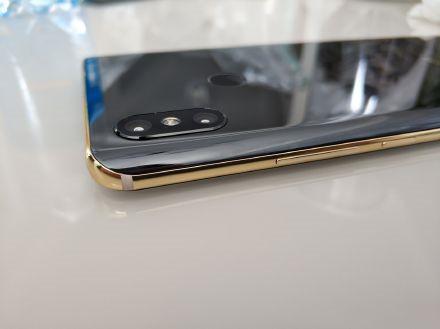
The Mi 6 Silver edition is being offered by a seller for 19,999 yuan (around $2831). The offer is for a brand you model and since the Mi 6 Silver Edition was produced in limited numbers, there are possibly only a few dozens of units available. The Mi 6 Silver Edition comes with a special design which includes a stainless steel frame but the back is covered with a glass panel having a special ultra-reflective mirror finish.
Xiaomi disclosed that the glass is coated using a special electroplating process that was said to take place in a vacuum environment. The process is so sophisticated that it is claimed that just one speck of dust during the process renders the batch useless. That is likely why Xiaomi never attempted a silver variant manufactured using the same process on subsequent flagships.
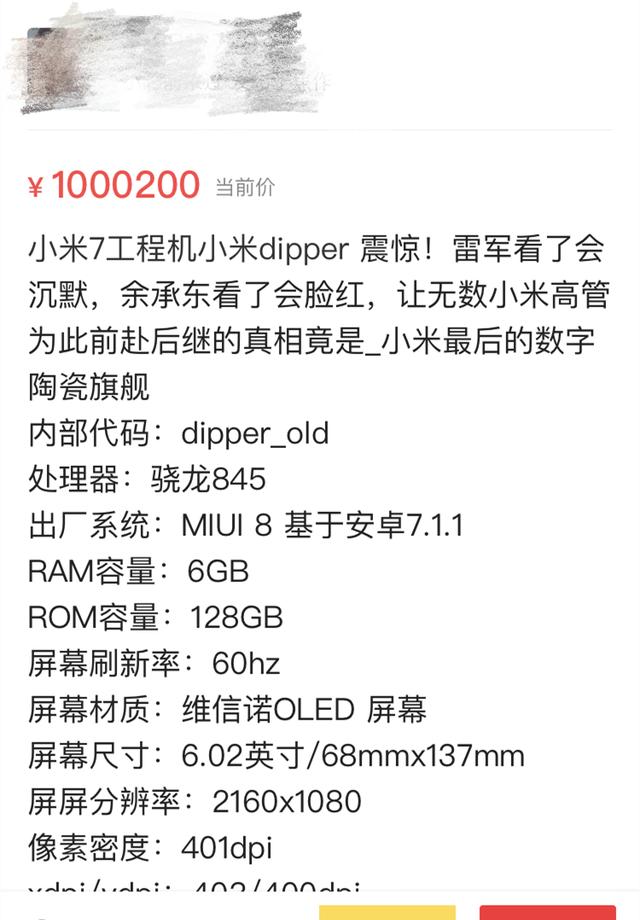
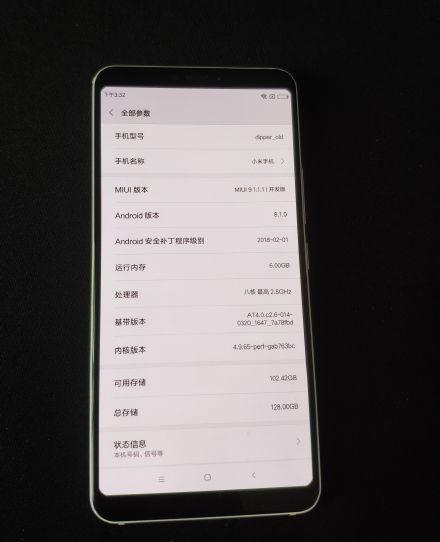
If you think the Mi 6 Silver Edition is high, wait for that of the Mi 7 prototype which was spotted on China’s second-hand platform Xianyu. The prototype is actually on auction and the listed price is 1000,200 yuan (around $141,627). For a device that never made it to the market, this is definitely a collector’s item for anyone who thinks it’s worth such a crazy price.
The phone’s specs page shows the device which goes by the codename dipper_old is powered by a Snapdragon 845 chipset. It features a 6.02-inch OLED display. The rear design is similar to that of the Mi 6 including the curved back panel. Xiaomi perhaps jettisoned the design in favour of the Mi 8’s design due to Apple’s launch of the iPhone X having a notch design. The Mi 8 has the same wide notch and vertical rear camera design as the iPhone X. The prototype shows Xiaomi was working on a notch-less design but with reduced bezels at the chin and upper edge. Meizu 17 has definitely done a better job trimming the bezels than what is seen on this prototype. However, some fans may have found the idea of maintaining the symmetry of the display intriguing if it had made it to the market.
Should Xiaomi launch a phone in the future with trimmed bezels the Meizu style? Tell us what you think in the comments section.
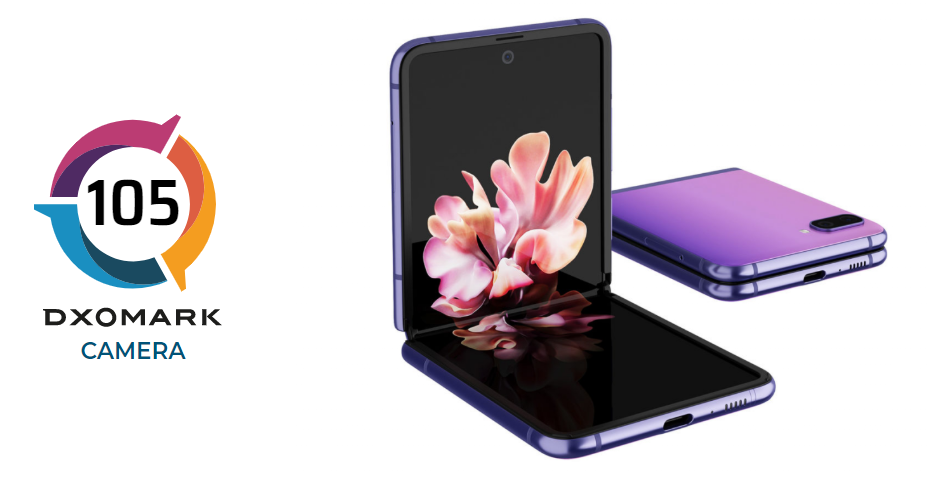
Samsung’s first clamshell foldable smartphone, the Galaxy Z Flip gets tested by the DxOMark Camera team. The handset bags an overall score of 105 points with 109 and 96 points in camera and video performances respectively. The phone ranks 27th in the list between 106 and 104 points of iPhone Xs Max and Zenfone 6.
The Galaxy Z Flip is not a camera beast in terms of hardware but still, it performs well. The higher price tag is for the phone’s unique form factor featuring a folding OLED screen. Hence, it should not be compared with standard smartphones in the first place. Anyway, according to DxOMark, the device nails down the basics with accurate exposures.
The pictures taken from the phone in good lighting have accurate white balance and good dynamic range but with noticeable highlight and shadow clipping in contrasty scenarios. Color rendering is fine, however, the phone tends to sometimes desaturate pictures outdoors.
The handset controls the noise fairly well with good texture. Although the autofocus on the device is accurate and consistent, it is slower than other high-end devices. The images from the phone do have problems with softness and occasional flare, ghosting, and color fringing.
The Samsung Galaxy Flip’s ultra-wide-angle camera performs as good as other best phones in this department. But the bokeh performance is not as good as other flagships.
The phone does well with flash portraits in low-light scenarios. However, the cityscapes at night are not impressive but the detail and noise are similar to the pictures from iPhone 11 Pro Max.
The videos from the Galaxy Flip are vivid with pleasant colors and accurate exposure. The autofocus and stabilization remain consistently effective. But poor dynamic range as well as sharpness with strong luminance and chroma noise in low-light conditions.
Overall, the Galaxy Z Flip is good enough for most people but nothing extraordinary in terms of camera performance.
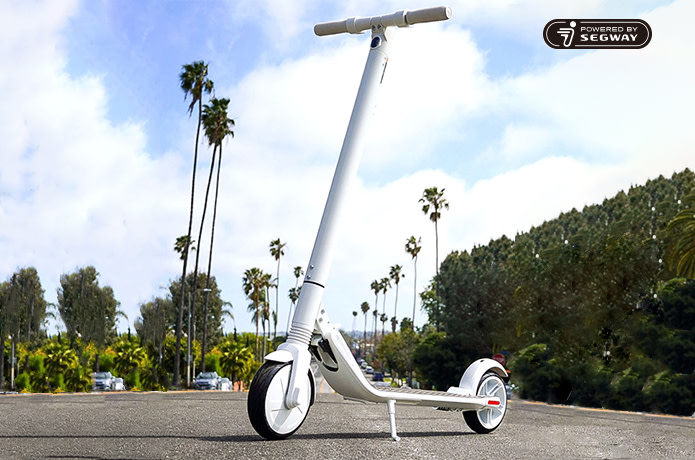
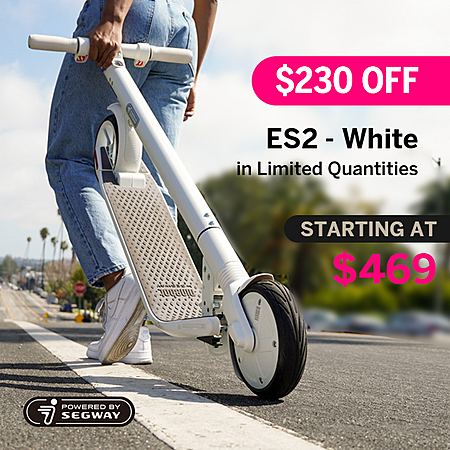
Ninebot Segway, one of Xiaomi’s ecological chain companies, has launched the NineBot KickScooter ES2 for crowdfunding on Indiegogo. The crowdfunding exercise is for the White colour variant of the ES2, an upgraded of the NineBot ES1. The company had earlier launched a Black colour version but due to the yearnings of customers for a white version, it is introducing this model but exclusively for backers.
The Ninebot KickScooter ES2 – White retains the same specifications as the Black version. This includes a body made from a high-strength, lightweight aerospace-graded aluminium alloy. The e-scooter features a folding design and can be folded with just one-click, becoming compact enough to fit into a car’s trunk or to be carried on public transportation.
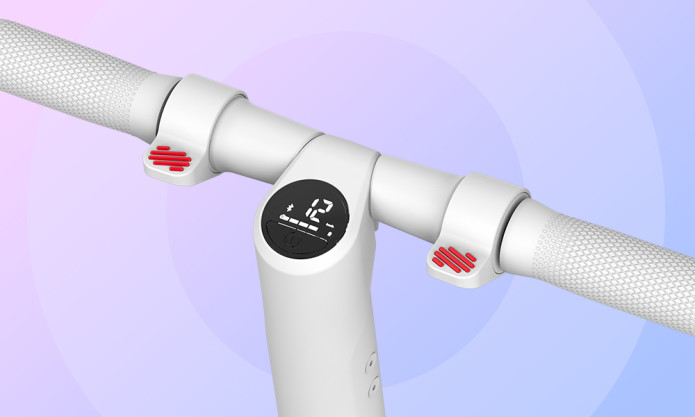
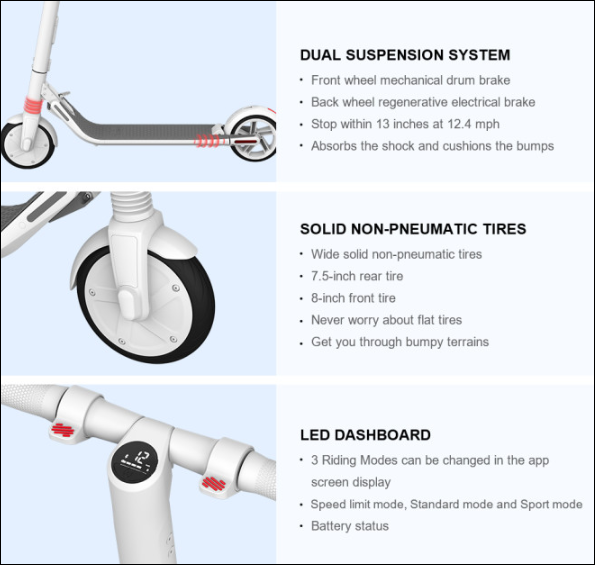
The Ninebot KickScooter by Segway ES2 features a customizable LED display, the white body of the ride makes a minimalistic yet sophisticated statement bringing fashion and technology to the fullest. There is also a high-power lithium battery which gives the bike a maximum speed of 15.5mph (25 km/h). The motor powers up to 700W, and you can travel effortlessly within a maximum range of 15.5 miles (25 km).
The ES2 – White is equipped with a cruise control option for even better rider comfort. There is a second button which is for braking. The design also includes a front-facing LED light with a 1.5w high-brightness to illuminate the path ahead of you and to increase your visibility to others around you.
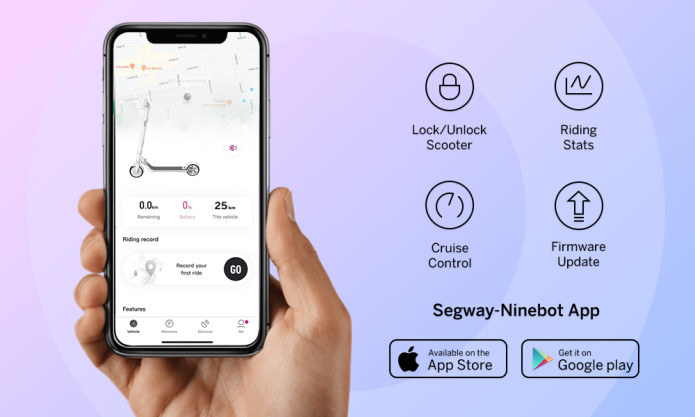
The Ninebot KickScooter ES2 – White connects with Segway-Ninebot App allowing you to manage rides at your fingertips at any time and anywhere. The app connects via Bluetooth and you can access live riding stats and additional functions such as cruise control, security lock, riding mode changes, firmware updates, customize LED ambient light, and more.
The e-scooter is available on Indiegogo with a Super Early Bird offer of $469. Sadly, it ships only to the US and Canada.
We use cookies on our website to give you the most relevant experience by remembering your preferences and repeat visits. By clicking “Accept”, you consent to the use of ALL the cookies.
This website uses cookies to improve your experience while you navigate through the website. Out of these, the cookies that are categorized as necessary are stored on your browser as they are essential for the working of basic functionalities of the website. We also use third-party cookies that help us analyze and understand how you use this website. These cookies will be stored in your browser only with your consent. You also have the option to opt-out of these cookies. But opting out of some of these cookies may affect your browsing experience.
Necessary cookies are absolutely essential for the website to function properly. This category only includes cookies that ensures basic functionalities and security features of the website. These cookies do not store any personal information.
Any cookies that may not be particularly necessary for the website to function and is used specifically to collect user personal data via analytics, ads, other embedded contents are termed as non-necessary cookies. It is mandatory to procure user consent prior to running these cookies on your website.