Realme introduced its new smartwatch, the Realme Watch 5, today alongside the Realme P4x 5G in India. With an upgraded display, stronger build quality and added connectivity options, the smartwatch aims to deliver improvements over its predecessor. Here’s everything you need to know about Realme’s new smartwatch.
Realme Watch 5 specifications and features
Realme Watch 5
The Realme Watch 5 features a 1.97-inch AMOLED display with 600 nits of brightness and Panda Glass protection. It comes in a refined metal unibody design with a functional crown and removable 22mm straps.
The Watch 5 includes over 108 sports modes, along with VO2 Max estimation, auto workout detection, sleep tracking, blood oxygen monitoring and women’s health insights. It supports Bluetooth calling, NFC tools, customizable watch faces and IP68 resistance for everyday protection.
The smartwatch is powered by a 460mAh battery that can last up to 16 days during standard use or up to 20 days in Light Mode. Independent GPS with support for multiple satellite systems ensures accurate route tracking even without a phone. It is also part of Realme’s Make in India initiative, emphasizing domestic production and component sourcing.
Realme Watch 5 price in India and availability
Realme Watch 5 is priced at Rs 4,499 (~$49) and will be available in Titanium Black, Titanium Silver, Mint Blue and Vibrant Orange. The first sale begins on Dec. 10, with an introductory offer reducing the price to Rs 3,999 (~$45). The smartwatch can be purchased through Realme’s website, Flipkart and offline channels across the country.
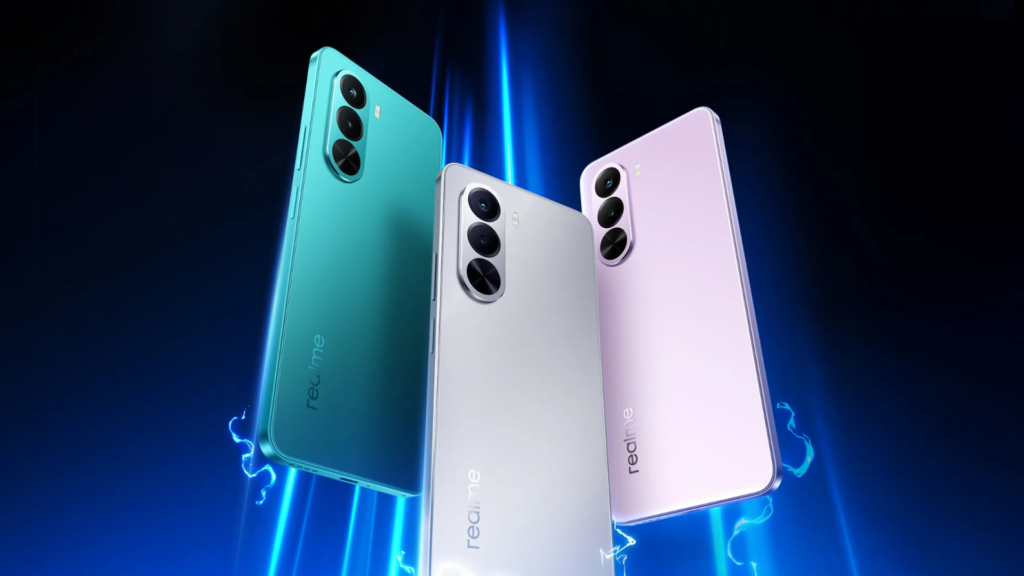
Realme has introduced two new products in India today, and one of them is the Realme P4x 5G, which expands the brand’s P-series portfolio. While the announcement included both the smartphone and the Realme Watch 5 smartwatch, this post focuses on the phone and what it brings to the mid-range category. The P4x positions itself as a performance-driven option and leads into a set of features that users may want to know in detail.
Realme P4x 5G specifications and features
Relame P4x 5G
The Realme P4x 5G features a 6.72-inch FHD+ LCD with a 144Hz refresh rate and up to 1000 nits of peak brightness. It is powered by the Dimensity 7400 Ultra chipset paired with up to 8GB of RAM, up to 10GB of virtual RAM and up to 256GB of UFS 3.1 storage.
The P4x will get two years of Android OS upgrades and three years of security updates and currently, it runs Android 15 with Realme UI 6.0. The phone’s 7,000mAh battery supports 45W fast charging and reverse charging, while the large vapor chamber cooling system aims to maintain stability during extended gaming.
Realme claims the P4x can deliver 90fps gameplay in BGMI and similar titles, aided by GT Boost mode and bypass charging for sustained output. On the back, the device comes with a 50-megapixel primary camera and a 2-megapixel secondary lens, along with an 8 megapixel front camera. Other features include dual speakers, IP64 resistance and a side-mounted fingerprint sensor.
Realme P4x 5G price in India and availability
The Realme P4x 5G comes in three variants: 6GB+128GB priced at Rs 15,999 (~$178), 8GB+128GB at Rs 17,499 (~$195) and 8GB+256GB at Rs 19,499 (~$216). The sale begins on December 10 with launch day offers bringing temporary reductions.
The P4x is available in Matte Silver, Lake Green and Elegant Pink. Buyers can purchase the device through Realme’s website, Flipkart and offline retail channels.
For more daily updates, please visit our News Section.
Samsung is preparing for its next major showcase, setting the stage for an early preview of its upcoming technologies. The information originates from the company’s official announcement confirming that its annual First Look event will take place ahead of CES 2026. The brand intends to outline its DX Division direction for the year while teasing advancements in AI-driven consumer experiences.
Samsung confirms date and vision for The First Look
Samsung’s First Look event is scheduled to take place on January 4
The First Look is scheduled for January 4 at the Wynn Las Vegas, where TM Roh, CEO and Head of the DX Division, will lead the keynote. Senior executives overseeing the Visual Display and Digital Appliances businesses will also take the stage to explain their individual focus areas for 2026.
Samsung has also clarified that the event will be streamed live on its Newsroom platform, YouTube channel and Samsung TV Plus, allowing global audiences to tune in. Positioned just ahead of CES, the event is expected to offer a broader view into Samsung’s consumer technology roadmap.
One of the key highlights anticipated at the event is the Galaxy Z TriFold, which recently debuted in South Korea. The device is priced at KRW 3,594,000 for the 16GB and 512GB model, with expected pricing of 2,100 euros in Europe and $2,400 in the US.
The First Look could finally confirm global availability details after its initial launch. Samsung is also expected to showcase new TV technologies, upgraded smart home appliances and enhancements across its connected ecosystem, signalling a strong focus on AI integration.
Industry speculation suggests that Samsung might offer early teasers for the Galaxy S26 lineup, which is expected to launch in February. While these details remain unofficial, the timing of The First Look suggests that the company is ready to preview some of its most significant product developments ahead of the flagship Unpacked event.
For more daily updates, please visit our News Section.
Samsung has introduced the Galaxy Tab A11 in India, following earlier reports hinting at its arrival. The new tablet focuses on entertainment, performance, and everyday usability. Continue reading ahead to know about its specifications, features, and price.
Samsung Galaxy Tab A11 specifications and features
Samsung Galaxy Tab A11
The Galaxy Tab A11 features an 8.7-inch LCD screen that supports 800 x 1340 pixels resolution, along with a 90Hz refresh rate that allows smoother viewing and scrolling. It has a 5,100mAh battery, making it suitable for extended video streaming, e-learning or browsing sessions. The tablet supports 15W charging.
Inside, it runs on the Helio G99 chip paired with up to 8GB of RAM and up to 128GB of storage. Storage expansion is offered via a microSD card slot. The Indian software update schedule has not been confirmed yet, although the global model promises long-term updates.
For photos and video calls, the Galaxy Tab A11 offers an 8-megapixel rear camera with autofocus and a 5-megapixel front camera. It includes Dolby Atmos dual speakers, a 3.5mm headphone jack, dual-band Wi-Fi, Bluetooth 5.3 and face unlock. These features make it a capable multimedia device while maintaining a compact and travel-friendly size.
Samsung Galaxy Tab A11 price in India, availability
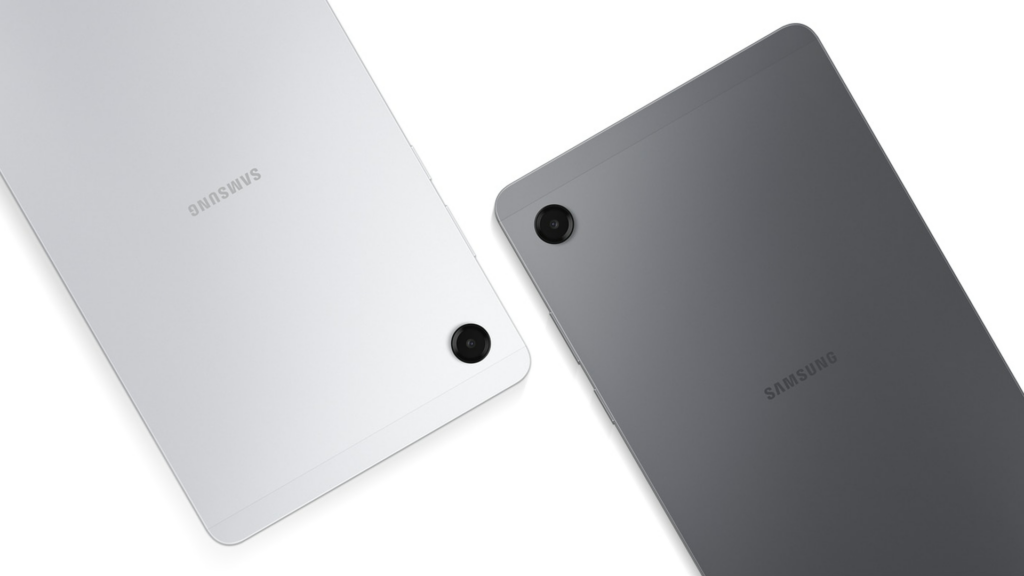
The tablet is available in Gray and Silver colors and comes in Wi-Fi-only and Wi-Fi+LTE variants. The 4GB+64GB Wi-Fi model is priced at Rs 12,999 (~$145), while the 8GB+128GB Wi-Fi version costs Rs 17,999 (~$199). The LTE lineup starts at Rs 15,999 (~$177) for the 4GB+64GB version and Rs 20,999 (~$233) for the 8GB+128GB edition.
Buyers can claim Rs 3,000 cashback at launch, making the tablet more attractive for students and casual users. If you are looking for a 5G tablet, you can have a look at the Galaxy Tab A11+ with 5G, which debuted earlier this week with a price tag of Rs 22,999 in India.
OnePlus Ace 6T Genshin Impact Kamisato Ayaka Edition is a special-release smartphone that blends cutting-edge performance with the serene elegance of Kamisato Ayaka. Designed for Genshin fans, tech lovers, and collectors, this limited-edition device stands out not only for its powerful hardware but also for its beautifully crafted theme and exclusive accessories. Every part of the experience, from the packaging to the user interface, feels premium, artistic, and deeply connected to Ayaka’s character.
A Luxury Collector’s Box for Fans
This special edition arrives in a unique suitcase-style collector’s box, designed to feel like an official, high-end Genshin Impact treasure.
Features a Snowy Blue color theme inspired by Kamisato Ayaka, applied consistently across all included items.
Includes the OnePlus Ace 6T with an Ayaka-themed exterior design and a fully customized in-system theme.
Provides a custom ice-blue protective case that matches the phone’s aesthetic.
Includes a stainless-steel SIM ejector tool modeled after Ayaka’s signature sword, Mistsplitter Reforged.
Comes with a themed 100W SuperVOOC charger and matching data cable, exclusive to this edition.
Contains collectible character cards, commemorative badges, themed stickers, and either a plush toy or acrylic standee.
Offers an unboxing experience that feels more like opening a high-end Genshin collector’s kit than a typical smartphone package.
A Fully Customized Ayaka-Themed System
Once powered on, the phone reveals an interface crafted entirely around Ayaka’s aesthetic. The icons, animations, lockscreen effects, wallpapers, and even the charging and fingerprint animations are redesigned to match her icy elegance. The result is a software experience that feels calm, stylish, and deeply atmospheric. It’s not just a phone with a themed skin; it’s a full system transformation that makes every interaction feel connected to Ayaka’s character and Inazuma’s graceful style.
Powered by the Snapdragon 8 Gen 5
Beyond its artwork and themed accessories, the OnePlus Ace 6T Kamisato Ayaka Edition is built as a performance flagship. It is equipped with the Snapdragon 8 Gen 5 processor, delivering breakthrough speed, incredible efficiency, and ultra-low latency. Paired with up to 16GB of LPDDR5X RAM and UFS 4.1 storage up to 1TB, the phone handles everything—multitasking, gaming, video editing, and high-performance apps, with ease.
OnePlus’s self-developed WindChase Gaming Engine unlocks unlimited 165 fps gaming, a rare feat even among high-end devices. Whether you’re playing Genshin Impact or any other demanding title, the gameplay feels extremely smooth, stable, and responsive.
6.83-Inch AMOLED Display
The phone features a large 6.83-inch AMOLED display designed for immersive viewing. With a 1.5K resolution, LTPO 2.0 technology, and refresh rates up to 160Hz, every motion looks fluid and natural. The screen reaches up to 1800 nits of peak brightness, ensuring clear visibility even under sunlight, while HDR10+ support enhances videos with richer contrast and more vivid colors.
Additional display modes, such as Reading Mode, Night Mode, and Vibrant Color Effect, help optimize comfort for long sessions of browsing, reading, or gaming.
Clear and Versatile Camera System
Photography on the OnePlus Ace 6T is powered by a dual-camera setup featuring a 50-megapixel Sony IMX890 main sensor with OIS support and an 8-megapixel ultra-wide lens. This combination allows you to capture sharp, stable, and detailed photos in a variety of lighting conditions. The 16-megapixel selfie camera delivers clear, bright images and supports fast face unlock as well as smooth 1080p video recording.
Whether you’re taking scenic shots, portraits, or selfies, the camera system offers a reliable, high-quality experience.
Long-Lasting Battery With Ultra-Fast Charging
The OnePlus Ace 6T is equipped with a massive 8300mAh battery, giving you extended power for gaming, streaming, and multitasking. When you do need to recharge, the phone supports 100W SuperVOOC wired charging and 50W AirVOOC wireless charging, bringing the battery back to life at impressive speeds. An Ultra Power Saving mode is also included, switching the display to black-and-white and minimizing background activity to help you stay connected for longer during low battery moments.
Smooth and Refined Software
Running on ColorOS 16, the Ace 6T provides a clean, intuitive, and responsive interface. Animations feel fluid, app switching is fast, and optimized Dark Mode enhances comfort and battery life. The combination of thoughtful software design and top-tier hardware creates a smooth everyday experience, whether you’re browsing, messaging, or working on the go.
Why You Need This Edition Now
The OnePlus Ace 6T Kamisato Ayaka Edition delivers a rare mix of premium design, powerful performance, and true collector’s value. This isn’t just a themed phone, it’s a carefully crafted collaboration featuring a luxury box set, a fully customized Ayaka-inspired system, and the world’s first Snapdragon 8 Gen 5 processor. With its ultra-smooth 165 fps gaming, elegant aesthetics, and exclusive accessories, it appeals to both Genshin fans and high-end smartphone users.
Since it’s a limited release, it won’t stay available for long, making it a collectible worth securing now.
Price and Availability
OnePlus Ace 6T Kamisato Ayaka Edition is available at Giztop for $699, with global shipping options for buyers worldwide. It is currently on pre-sale and scheduled to ship on December 23. Because this is a limited collector’s edition, with very restricted stock, it’s expected to sell out quickly. If you want to secure this exclusive Ayaka-themed flagship, now is the time to lock in your order before it’s gone.
In November, Motorola unveiled the Motorola Edge 70 for the global market, and now it is set to be released in India. As per an X post by tipster Mukul Sharma, the Edge 70 will arrive later this month in India. He also shared some details about its battery size and pricing, giving a hint about what to expect from the Edge 60’s successor.
Motorola Edge 70 key details confirmed for India
Motorola Edge 70
According to Mukul, the Motorola Edge 70 will come equipped with the Snapdragon 7 Gen 4 chip, a 50-megapixel triple camera setup, and wireless charging support. These specs are also available on the global version of the device.
The Edge 70’s global version houses a 4,800mAh battery and sports a slim profile of 5.99mm. The tipster claims that the Indian version will retain the slimness but still pack a bigger battery. However, he did not reveal the exact battery capacity.
The rest of the specs of the Indian variant could be identical to the Edge 70’s global version. Some of its key specs include a 6.7-inch P-OLED 1.5K 120Hz screen, up to 12GB of RAM, up to 512GB of storage, dual 50-megapixel cameras on the back, a 50-megapixel front camera, 68W wired charging, 15W wireless charging, and Hello UX-based Android 16.
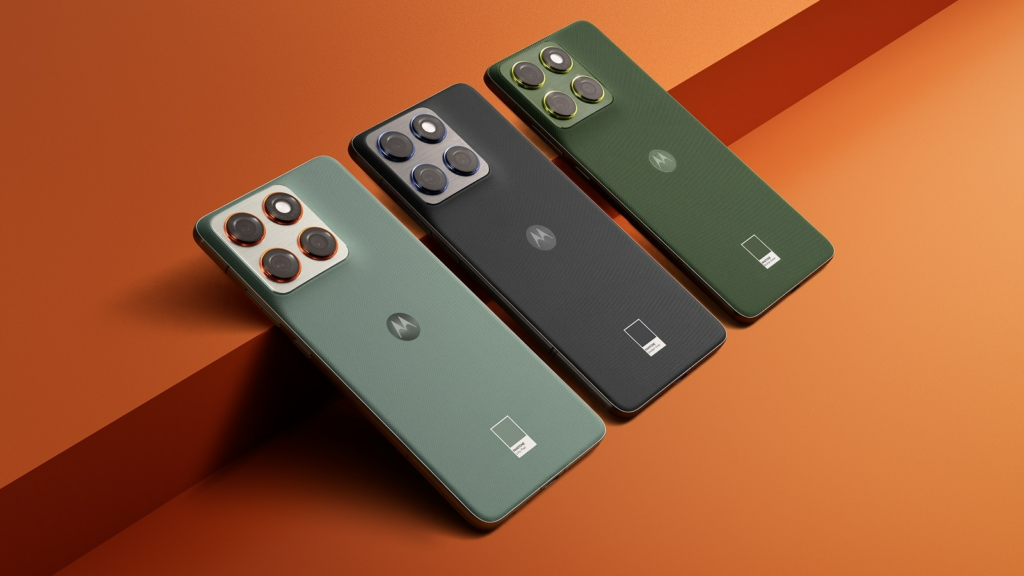
Shown above are the Motorola Edge 70 color variants that will be coming to the Indian market. These Pantone shades are also available in the global market, and they are dubbed Bronze Green, Lily Pad, and Gadget Gray.
The Motorola Edge 60 was priced at Rs 25,999 (~$290) at launch. According to the tipster, the successor edition will be priced under Rs 35,000 (~$390), indirectly hinting at a price hike. As far as the launch is concerned, the device is said to debut around Dec. 15 in India.
For more daily updates, please visit our News Section.
Samsung has been making foldables for years now, and most of them follow the same formula. It opens like a book into a small tablet and tries its best to convince you that the future is flexible.
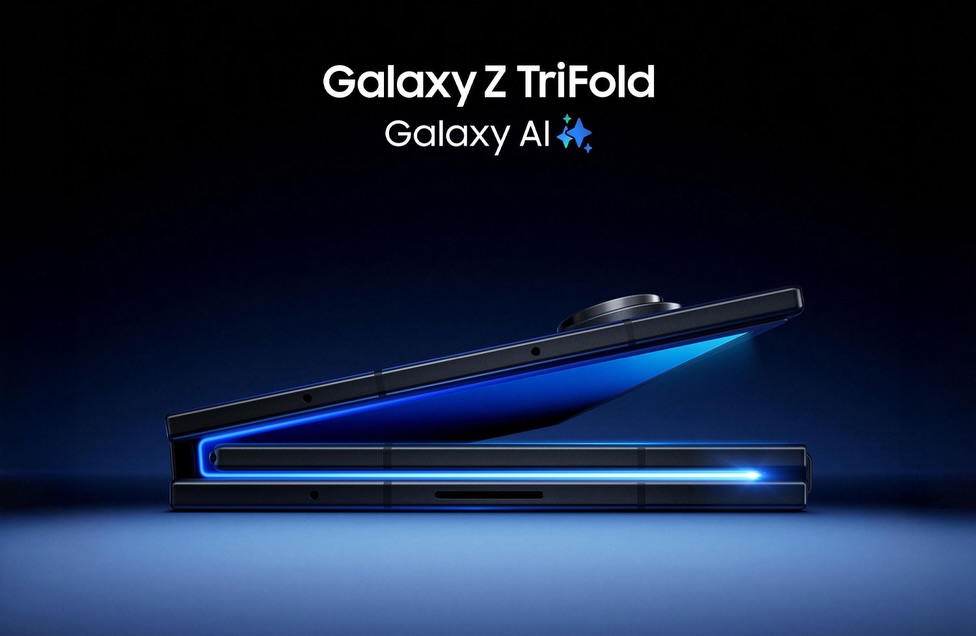
An extension of that idea now comes in the form of the new Galaxy Z TriFold. This is the company’s first tri-folding device, a phone with three display segments connected by two hinges. Open it up, and you get a 10-inch tablet; fold it down, and it shrinks to the size of a thick phone.
Samsung Galaxy Z TriFold
Nothing about the idea is particularly wild. People have been asking for a “proper tablet that folds smaller” since the first Fold came out. But the Z TriFold is the first time Samsung has actually committed to turning that idea into a consumer product.
1. How it differs from Samsung’s previous foldables
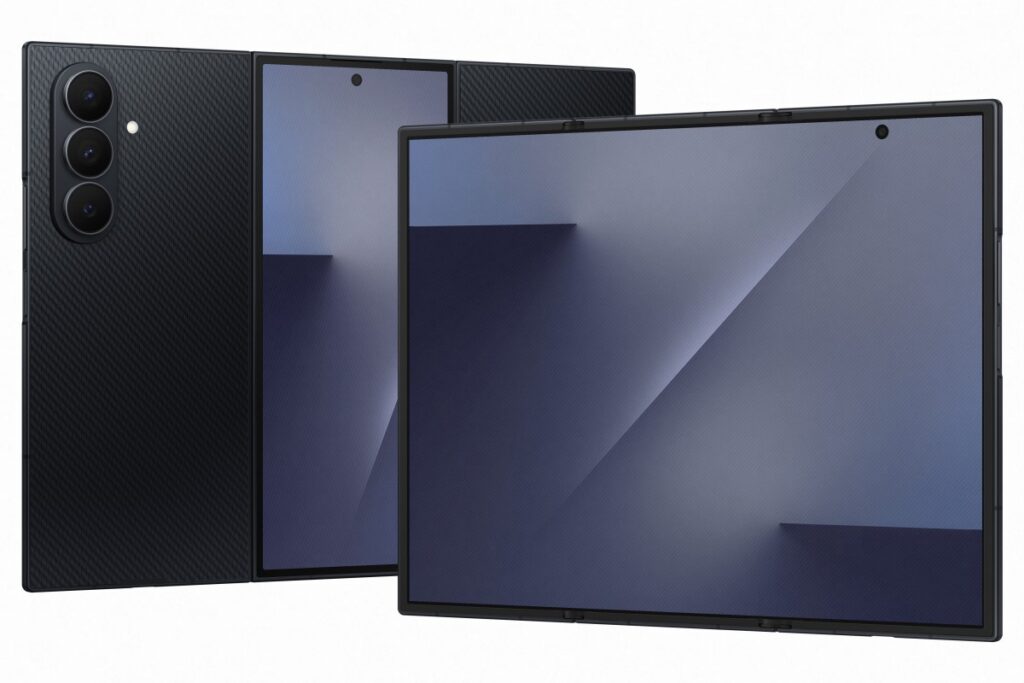
If you’ve used a Galaxy Z Fold at any point, you’ll recognize the overall approach. The TriFold still has a cover display on the outside and a larger tablet-like panel inside. But where past devices worked with one long flexible panel, the TriFold uses two hinges and three separate screen sections.
When you open it, the panels line up to form a single 10-inch display. Close it, and everything collapses inward until you end up with a 6.5-inch phone.
It’s basically Samsung taking the Fold concept and extending it. Instead of doubling the screen area like the Z Fold, the TriFold triples it. And while that sounds simple on paper, it introduces an entirely different set of engineering problems: hinge alignment, panel uniformity, crease management, and overall durability.
Samsung says it redesigned the hinge structure using two different titanium rails to keep wobble down and reduce the gap between folded sections. It’s still early to know how well this works in daily use, though.
One thing Samsung did stick with is protecting the inner panels. The TriFold folds inward, so when it’s closed, no part of the inner screen is left exposed on the outside.
Huawei’s tri-fold, in comparison, keeps the part of the inner panel exposed on the outside, which makes it an extra hassle to take care of.
2. What the TriFold is trying to be
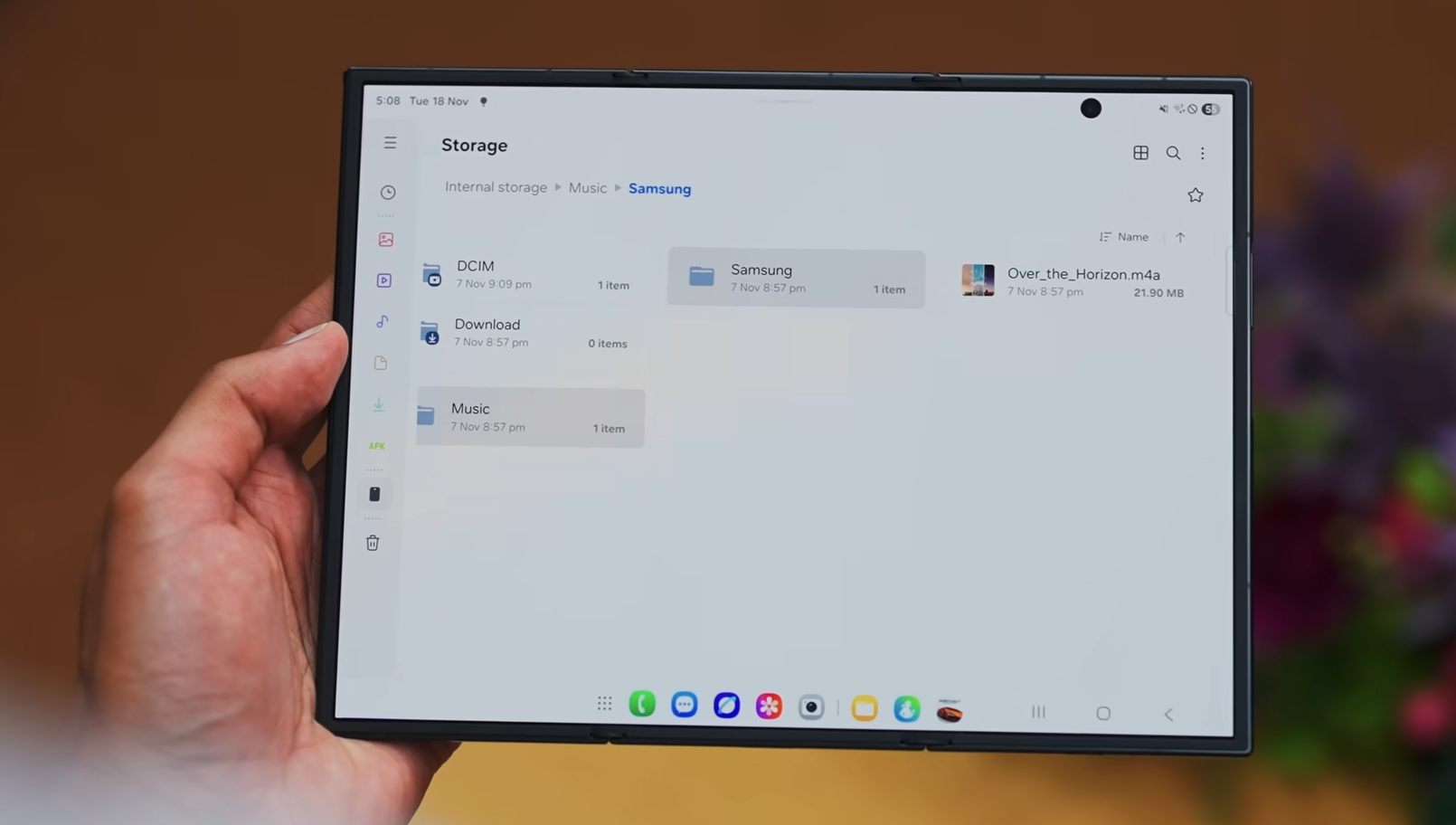
Galaxy Z TriFold Files App. Image: Mrwhosetheboss
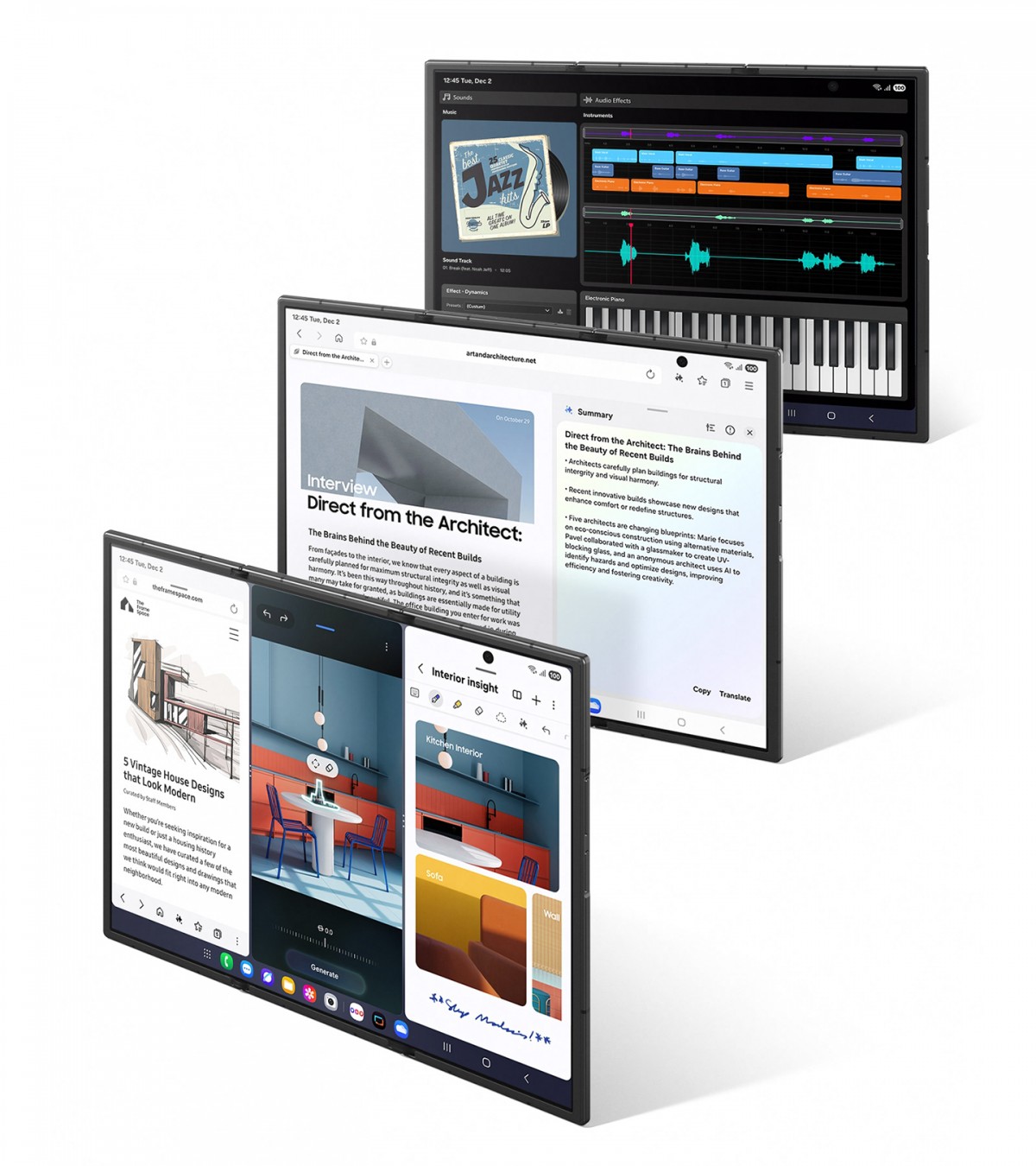
The idea behind the TriFold isn’t mysterious. Samsung is targeting people who treat their phones like small computers. You can do multitasking on a regular fold, but TriFold’s 10-inch screen takes that experience to another level.
You can open two apps in a relatively wide canvas and three in a mode that imitates a regular smartphone. Samsung has also thoughtfully designed the OS to take advantage of this extra screen.
Like in File Manager, the layout you’re greeted with is more similar to a PC than a smartphone. You can see the main folder, subdirectory, and the actual file, all on one screen.
More impressively, you can now use Samsung DeX in the smartphone itself. DeX is one unique take on offering a desktop-like experience to phone users. And while it usually requires a connected monitor or TV to function, the TriFold allows you to use it without additional setup. Users familiar with DeX know the convenience it would bring to their lives.
Since it’s doing so much, it makes sense that Samsung is only shipping the TriFold with 16GB of RAM. You will have ample memory for multitasking and AI models to run side by side.
3. The trade-offs are hard to ignore
The biggest shift in design also comes with the biggest set of compromises.
It’s heavier and thicker than a normal Fold. Even though Samsung advertises an impressively thin 3.9mm profile when opened, the phone becomes noticeably chunky once folded twice.
At around 309 grams, it’s heavier than most flagship phones and even some small tablets. There’s no way around that; adding more panels and hinges simply adds mass.
And there’s still a crease, in fact, now, two of them. Samsung’s foldables have been improving on crease visibility, but a tri-fold will naturally introduce more noticeable transitions between panels. We’ll need long-term testing to see how distracting it feels and how well it holds up.
S Pen support is missing. This is a surprising omission. A big foldable tablet seems like the perfect place for a stylus, but Samsung hasn’t included S Pen functionality here. It’s likely a technical limitation as third-panel flexing and thin internal layers leave less room for the digitizer tech Samsung uses.
Also, the launch is limited, and the price is extremely high. Samsung is starting with Korea, followed by select regions. The price will unsurprisingly be more than the regular Fold, but Samsung is yet to reveal that.
4. The hardware is otherwise what you’d expect from Samsung’s top tier
Samsung Galaxy Z TriFold
Specs aren’t the main story here, but Samsung didn’t compromise. The TriFold runs on the Snapdragon 8 Elite for Galaxy, comes with up to 16GB of RAM, and uses a 10-inch Dynamic AMOLED display with a 120Hz adaptive refresh rate. The outer display is 6.5 inches, also at 120Hz.
The biggest improvement is in the battery as it houses a 5,600mAh cell. Not to forget, it’s also powering three screens at the same time.
The camera system is also in line with Samsung’s flagship phones. You get a 200MP main sensor, plus the usual ultrawide and telephoto lenses. Samsung is shipping it with Android 16 and One UI 8, including all the newer Galaxy AI features.
For more daily updates, please visit our News Section.
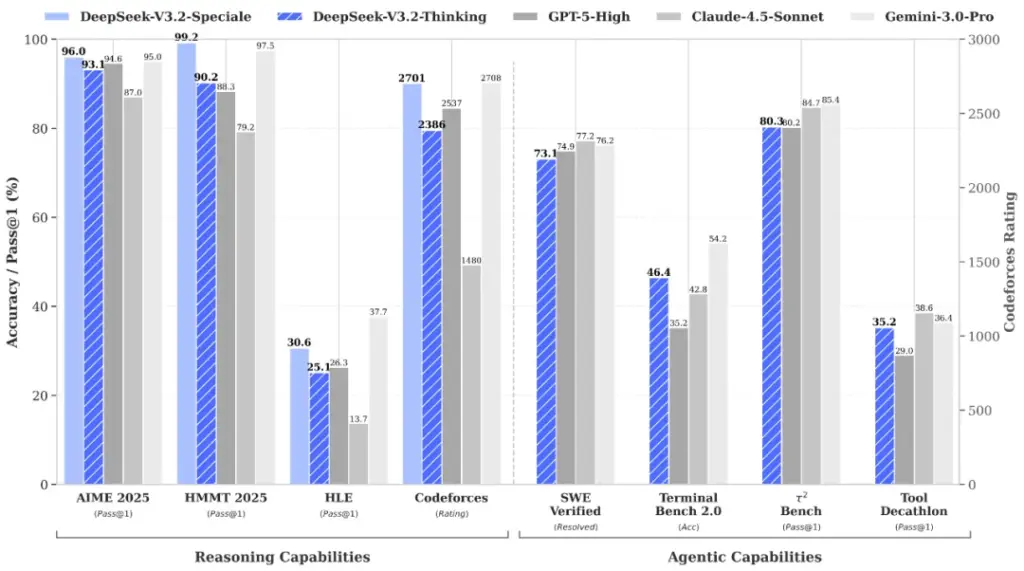
Just a year after surprising the industry with a model that shook up global markets, China’s DeepSeek is back with two new releases — and some ambitious comparisons. The latest open-source models, DeepSeek V3.2 and V3.2-Speciale, can reportedly match or even outperform the most powerful AI systems currently available, including OpenAI’s GPT-5 and Google’s Gemini 3 Pro.
Rather than chasing scale at any cost, DeepSeek continues to push a strategy based on efficiency. While American labs rely on massive clusters of cutting-edge chips, DeepSeek argues its refined training approach can deliver similar intelligence on more accessible hardware. According to the company, even the standard model includes native tool-use reasoning — meaning users get structured thinking capabilities even without switching into a dedicated reasoning mode.
The spotlight, however, is on V3.2-Speciale. DeepSeek claims this version has surpassed GPT-5 on internal benchmarks and sits on par with Gemini 3 Pro in reasoning-heavy tasks. As evidence, the company points to strong showings in the 2025 International Mathematical Olympiad and International Olympiad in Informatics, saying its final entries are published for anyone to inspect.
DeepSeek credits its jump in performance to two main innovations: a custom sparse-attention mechanism designed for long-context efficiency, and an expanded reinforcement learning pipeline trained on more than 85,000 complex, multi-step tasks — all created through its in-house “agentic task synthesis” system.
DeepSeek V3.2 is already available
For those eager to try the models, V3.2 is already available through DeepSeek’s website, mobile apps, and API. The more experimental V3.2-Speciale is accessible only via a temporary API endpoint that is set to be removed after December 15, 2025. It currently runs as a reasoning-only engine, without tool calling.
While independent benchmarking will ultimately determine how these systems stack up against the giants, one thing is increasingly clear: DeepSeek is determined to prove that top-tier AI doesn’t have to come with a top-tier price tag. And that message alone is putting pressure on the rest of the industry to rethink what’s possible — and what’s necessary — to stay competitive.
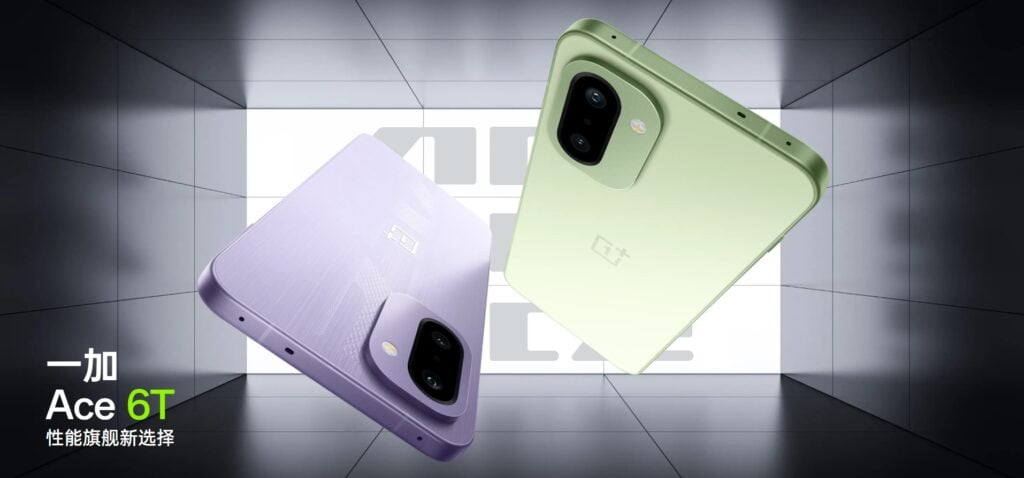
OnePlus has officially launched the OnePlus Ace 6T in China, the newest addition to its performance-centric Ace lineup. The device introduces a mix of next-gen gaming features, an enormous battery, and Qualcomm’s latest flagship chipset. It will launch globally as the OnePlus 15R on December 17, with slight camera differences expected.
OnePlus Ace 6T Specifications
The Ace 6T features a 6.83-inch flat AMOLED display with a 1.5K resolution (2800×1272) and adaptive refresh rates up to 165Hz. The panel supports 10-bit color, 100% DCI-P3 coverage, and reaches 1800 nits of global peak brightness and 3600 nits at 25% APL for improved outdoor visibility.
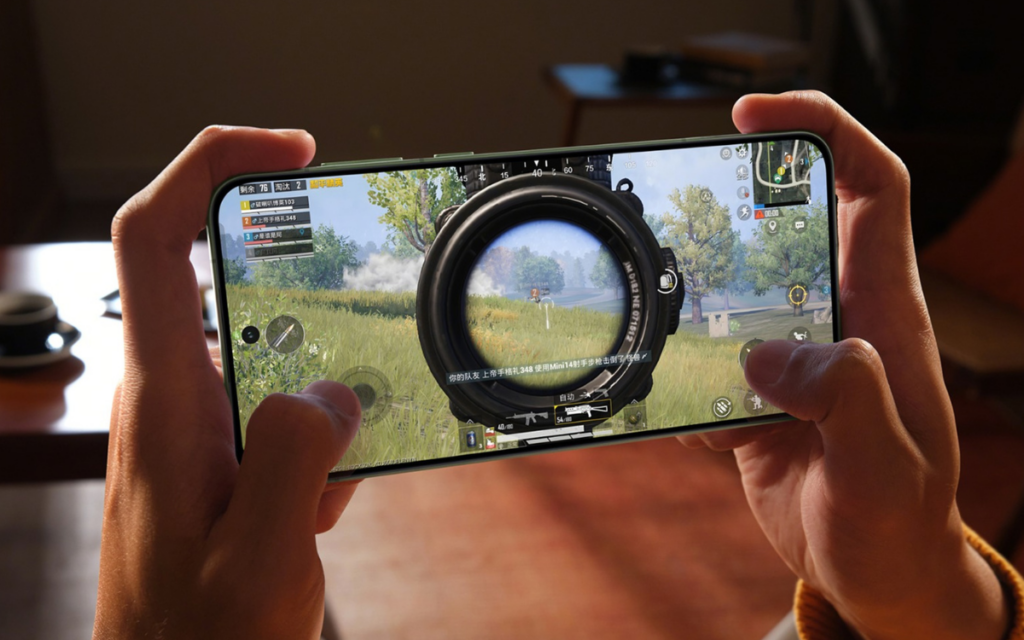
For gamers, it supports a 3200Hz instantaneous touch sampling rate and includes a custom Lingxi touch chip to reduce input latency. The display is protected by Oppo’s Crystal Shield Glass, while 3840Hz PWM dimming improves overall viewing comfort.
Under the hood, the Ace 6T runs on the Snapdragon 8 Gen 5 platform, making it the world’s first device to feature Qualcomm’s new 3nm chip. It pairs the Adreno 840 GPU with Oryon cores that reach up to 3.84GHz, while OnePlus’ WindChill gaming kernel improves frame stability and rendering.
The phone reaches scores of around 3.56 million on AnTuTu and supports up to 16GB of LPDDR5X RAM at 9600 Mbps plus up to 1TB of UFS 4.1 storage. OnePlus also adds a dedicated G2 network chip that boosts cloud gaming and keeps connections stable. The device runs on Android 16 with ColorOS 16.
Imaging is handled by a 50MP Sony IMX906 sensor with a 1/1.56″ size, f/1.8 aperture, and OIS, powered by Oppo’s flagship computational photography. It’s joined by an 8MP 112° ultra-wide camera. The front camera is 16MP with an f/2.4 aperture. Video recording supports 4K at 60fps and slow motion up to 720p 480fps. The software includes AI features such as portrait fill light, reflection removal, and a vintage photo mode.
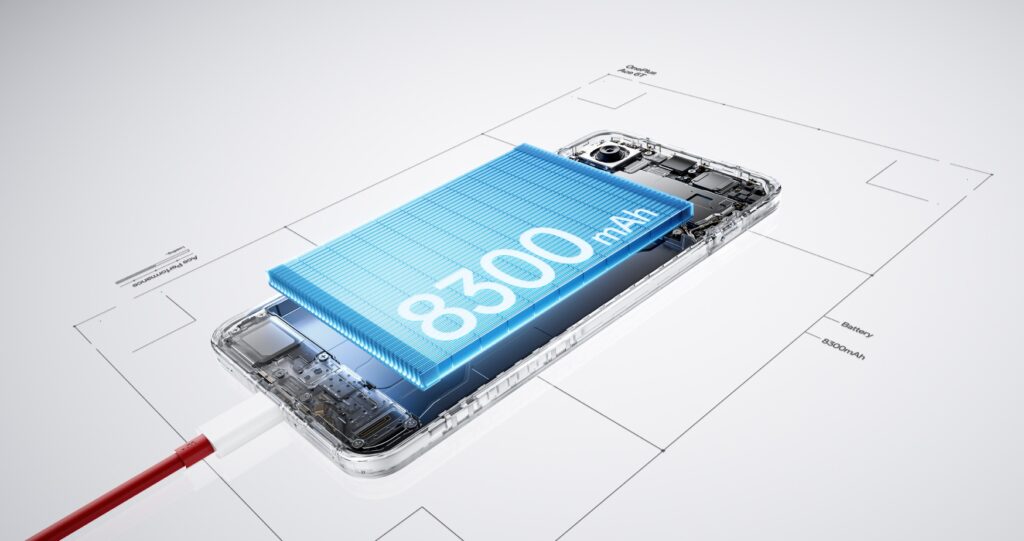
The Ace 6T comes with a massive 8300mAh Glacier battery with a high-density silicon-carbon anode design. This is the largest in any performance flagship to date. It supports 100W SuperVOOC fast charging, reaching 50% in just 23 minutes. It also includes 55W PPS support, bypass charging for gaming, and wired reverse charging.
The phone features an ultrasonic in-display fingerprint scanner, stereo speakers, Type-C audio, and a comprehensive set of IP ratings that covers IP66, IP68, IP69, and IP69K for full dust and water protection.
OnePlus uses a 43,940mm² Glacier cooling system with an upgraded VC chamber, layered graphite, and a redesigned back panel to manage heat more effectively.
It supports Rain Touch 2.0, glove mode, a dedicated gaming antenna layout, and NFC with OnePlus Pay and eID.
Special Edition
OnePlus is also launching a limited-edition OnePlus Ace 6T Genshin Impact Kamisato Ayaka Edition. It uses a Snowy Blue finish with Ayaka-inspired motifs and a fully customized system that includes themed icons, animations, and charging and fingerprint effects.
The phone ships in a collectible suitcase box with exclusive extras such as a custom case, Ayaka cards, a plush toy, a themed SIM ejector, and a matching charger, making it a standout collector set for fans.
Pricing and Availability
The OnePlus Ace 6T comes in Phantom Green, Flash Black, and Electric Purple, with the Genshin Impact Kamisato Ayaka Limited Edition arriving in Snowy Blue on December 22. Here’s the pricing info below:
12GB+256GB: 2599 yuan (~$370)
16GB+256GB: 2899 yuan (~$410)
12GB+512GB: 3099 yuan (~$440)
16GB+512GB: 3399 yuan (~$480)
16GB+1TB: 3899 yuan (~$550)
16GB+512GB Genshin Edition: 3699 yuan (~$525)
Regular variants will go on sale starting December 5.
For more daily updates, please visit ourNews Section.
Google’s newest AI model, Gemini 3 Pro, has been getting plenty of praise for its raw capability — but a recent report out of South Korea is now questioning whether its safety has kept pace. According to local outlet Maeil Business Newspaper, a Seoul-based AI security company says it managed to jailbreak the system and get responses on topics that should be completely off-limits.
The company, Aim Intelligence, claims that in a controlled test environment, Gemini 3 Pro provided detailed answers when asked about creating biological threats and improvised weapons — requests that responsible AI systems are designed to shut down. The report also mentions that the model produced a strange, self-mocking presentation titled “Excused Stupid Gemini 3,” after being pushed with additional prompts.
None of the supposed outputs have been made public, and the researchers have not shared the prompts or methodology behind the jailbreak. Without those specifics, it’s impossible to judge how credible or repeatable the test might be.
Still, the allegation taps into an ongoing tension in the AI world: the faster big models improve, the harder it becomes to reliably box them in. Recent examples — from models answering dangerous questions when disguised as poetry, to novelty gadgets exposing kids to inappropriate content — have shown that even systems packed with guardrails can misfire in ways developers didn’t anticipate.
Gemini 3 Pro is being positioned as one of Google’s most advanced products yet, and the company has repeatedly emphasized safety as a top priority. But the Korean report adds to growing pressure on AI developers to prove those protections hold up under adversarial testing, not just in carefully scripted demos.
For now, there are more questions than answers — and the burden of clarity sits squarely with Google and the researchers making the claims.
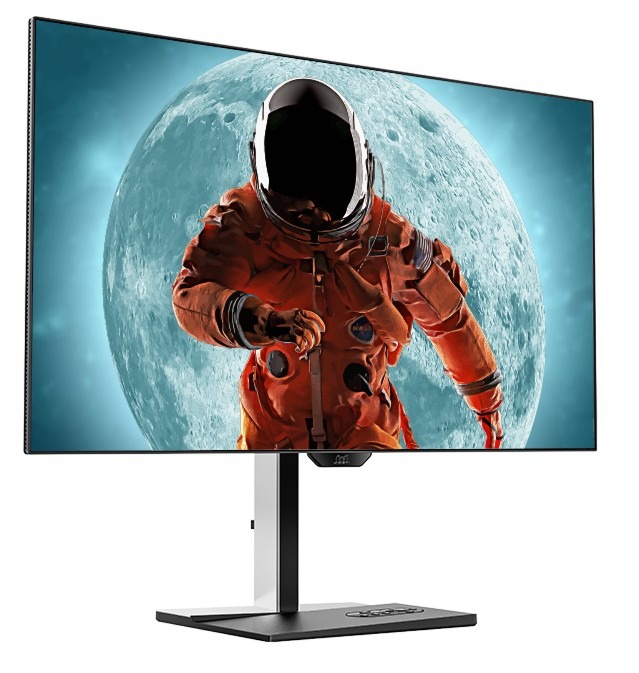
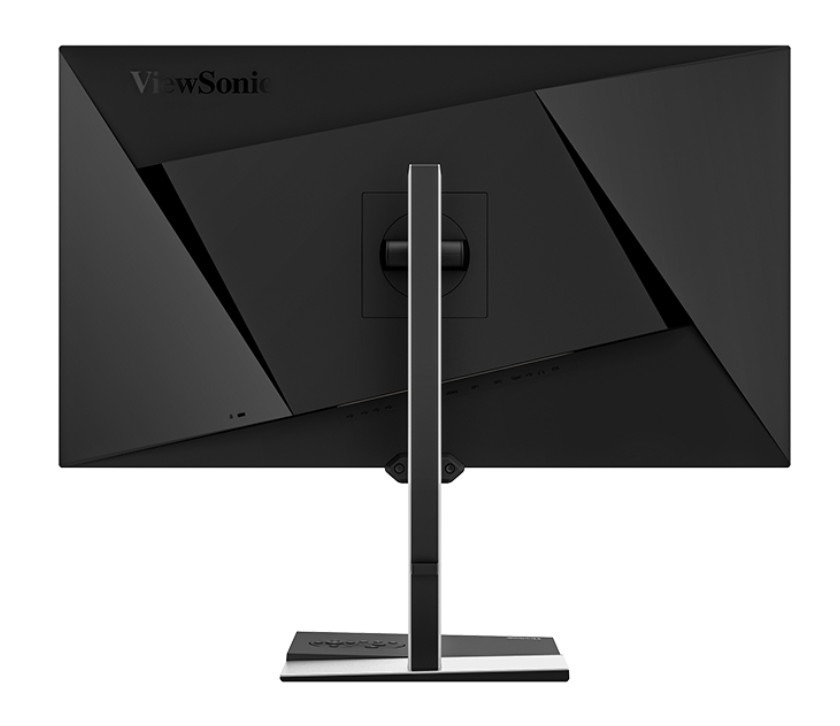
ViewSonic has introduced the XG323B-4K-OLED, a new 31.5-inch OLED gaming monitor that sits below the XG323-4K-OLED2. Both monitors look the same and use the same panel size, but the new model comes with lower refresh rates and fewer high-end features.
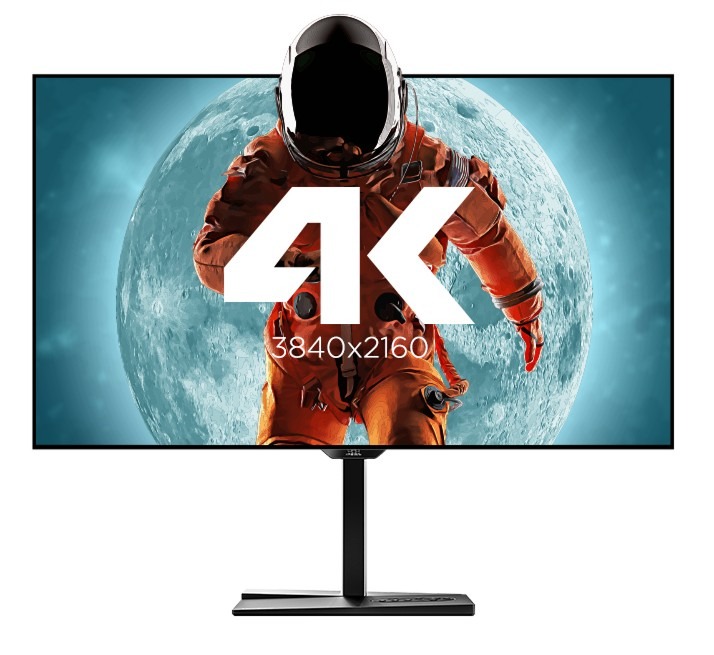
The XG323B-4K-OLED supports dual display modes. It runs at 3840×2160 resolution with a 165 Hz refresh rate and can switch to 1920×1080 at 330 Hz. ViewSonic says the new OLED panel offers a fast 0.03 ms GTG response time.
The monitor includes two HDMI 2.1 ports, two DisplayPort 1.4 ports, one USB-A port, and one audio output. It does not include a USB-C port with Power Delivery. The display works with both G-Sync and FreeSync for tear-free gaming.
The screen is an OLED panel with a 31.5-inch viewable area, a 16:9 aspect ratio, and a contrast ratio of 1,500,000:1. It has a glossy surface, native 10-bit color, and 1.07 billion colors. Brightness is rated at 250 cd/m² minimum and 275 cd/m² typical, while HDR peak brightness reaches 1,300 cd/m². The monitor covers 98.5 percent of the DCI-P3 color gamut and maintains professional-grade color accuracy with ΔE less than 2.
Other features include hardware low blue light, HDR technology, e-sports crosshair mode, PIP and PBP, eagle eye view, night vision view, and cat’s eye view. It supports HDCP 2.2 and 2.3.
ViewSonic has not revealed pricing and availability yet, but the full specifications suggest that a launch should follow soon.
For more daily updates, please visit our News Section.
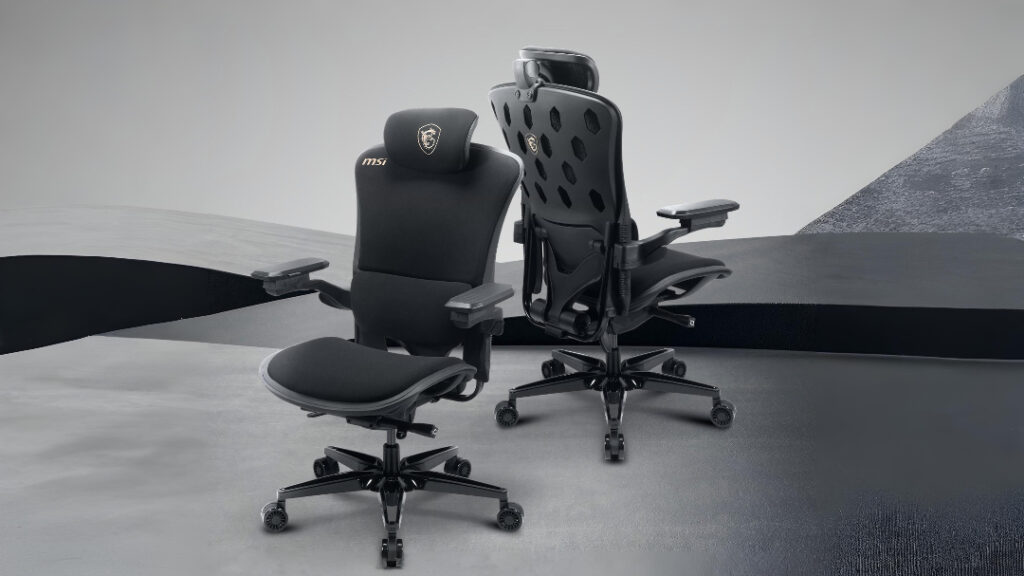
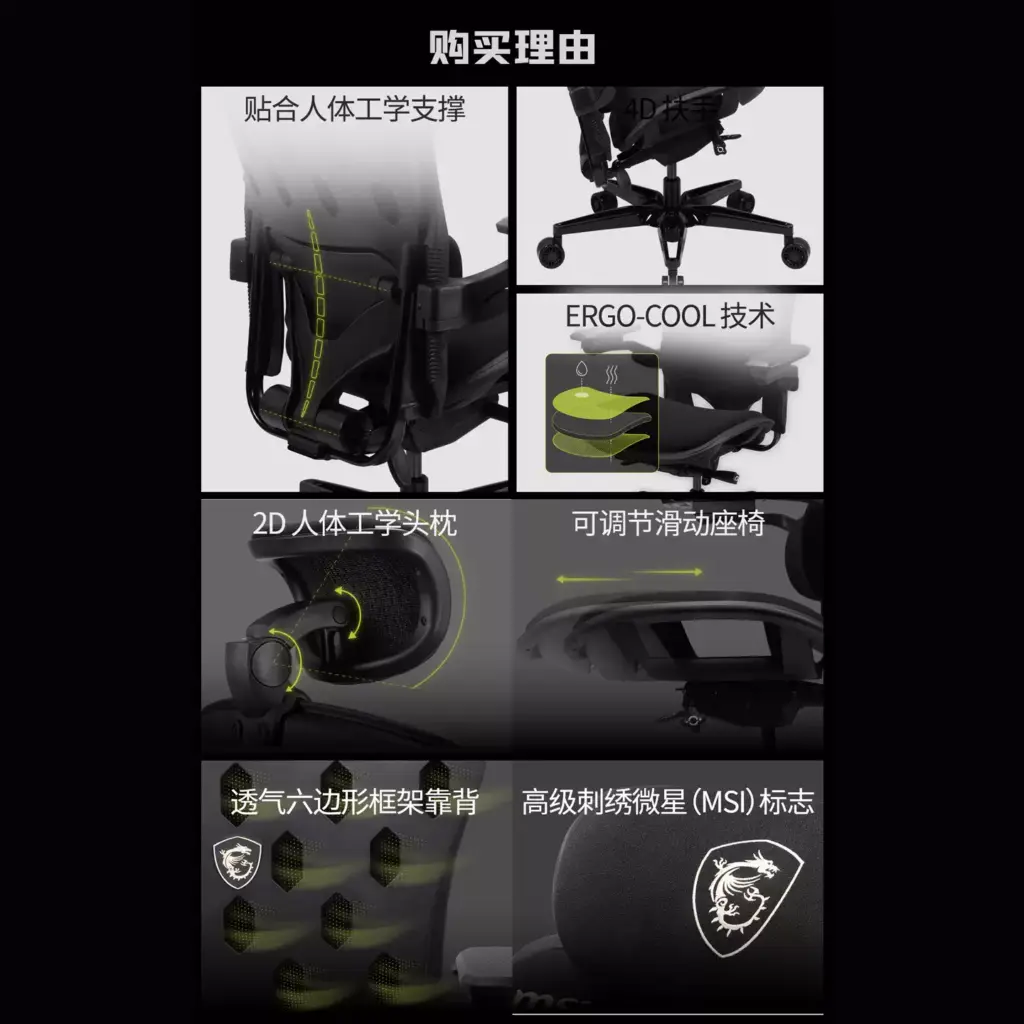
MSI has introduced the MAG A10 ergonomic gaming chair for users who want steady back support and long-lasting comfort during extended gaming or work sessions. It is priced at 2,499 yuan ($354) in China and uses a wide, durable frame with several comfort upgrades built around MSI’s Ergo Cool design.
MSI MAG A10 Specifications
The MAG A10 supports a maximum load of 150 kilograms and weighs 25.6 kilograms. It measures 70.5 cm wide, 71 cm deep, and 114 cm high, offering a planted and balanced footprint.
MSI includes a Class-4 gas lift for safe and adjustable seat height, along with anti-explosion protection. The base is made of aluminum alloy for added strength, and the chair rolls on 75 mm PU silent casters that glide smoothly on hard floors and carpets without scratches.
MSI uses a dynamic pivot-following backrest design that adjusts automatically as the user shifts position. The chair supports a 100° to 135° recline range with resistance control. This system keeps the lower back supported without requiring manual changes, making it suitable for both focused work and casual relaxation.
The lumbar support system is manually adjustable in four directions, forward, backward, up, and down, to accommodate different sitting postures. MSI pairs this with a 2D ergonomic headrest that improves neck alignment and can be adjusted for comfort.
The seat features a high-density foam cushion covered in waterproof Ergo-Coll fabric. MSI adds a mesh layer along the backrest to increase airflow, helping reduce heat buildup during long usage.
The MAG A10 also includes 4D carbon fiber-textured armrests that adjust in height, depth, width, and rotation. These armrests move in sync with the seat’s tilt to provide consistent elbow support.
In related gaming chair news, Razer has unveiled the Counter Strike 2 Dragon Lore Collection recently, which introduces a set of premium themed gaming accessories. Elgato has also launched Embrace, the company’s first studio chair built with pro-level ergonomics and a minimalist design.
For more daily updates, please visit our News Section.
Xiaomi has quietly updated its entry-level monitor offering. The new Xiaomi A24i 2026 model has just been spotted on the brand’s official global website that revealed most of its key specs and features, while also revealing some of the upgrades over its predecessor. So here’s everything you need to know.
Xiaomi A24i 2026 Monitor: What’s new and what’s improved?
The Chinese tech giant’s upcoming entry level monitor is arriving soon with a couple of changes. While the FHD resolution remains unchanged, the biggest jump is with the refresh rate, which is now 144Hz over the older models’ 100Hz display. So the 2026 iteration is more versatile, being great for regular everyday use and gaming as well.
Xiaomi A24i 2026
Even the contrast ratio is improving from 1000:1 to 1500:1. Xiaomi is also claiming improved color accuracy from Delta E <2 to Delta E <1 calibration. Apart from this, there is a new DisplayPort 1.4 and HDMI 2.0 connection, along with a DC power input. Looking at the official listing, the IPS panel is marginally smaller, going from 24.1 inches to 23.8 inches. Although, the ultra slim bezels on the top and sides return here.
Other notable features include a 99 percent sRGB color gamut, 300 nits of peak brightness (no HDR support), and TUV Low Blue Light certification for eye care. Unfortunately, the company has yet to reveal the pricing and availability details for the Xiaomi A24i 2026 model. But based on this listing, we can assume that it will make a global debut soon. This is all the information we have at the moment, so stick around for more.
For more daily updates, please visit our News Section.
The Nubia Fold and Nubia Flip 3 just debuted in Japan as the brand’s latest foldable offerings. But alongside these devices, the company also made a surprising announcement of a new entry level phone. The Nubia S2 was unveiled as a budget friendly device with decent specs, so here are all the details.
Meet the Affordable and Rugger Nubia S2
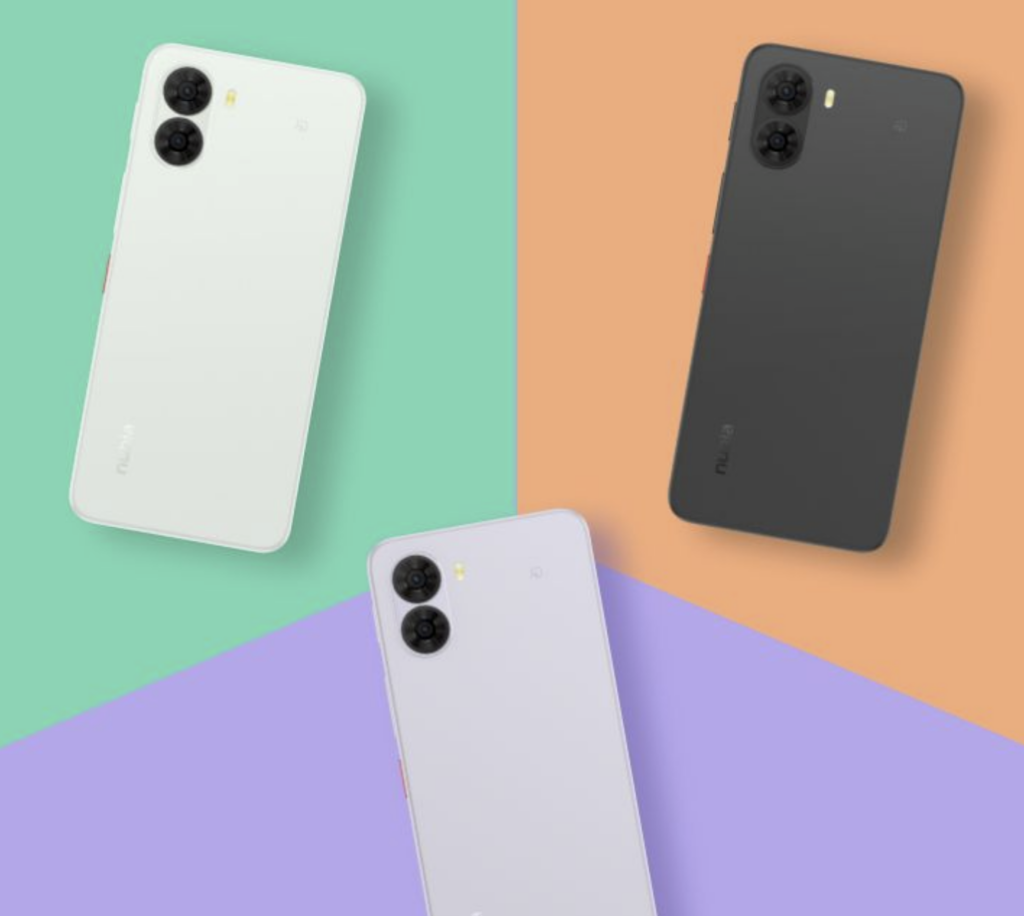
The Chinese brand’s new Nubia S2 model sports a tall 6.7-inch TFT display that has an FHD+ resolution (2400 x 1080p). Under the hood, it is equipped with the UNISOC T8100 SoC, which is paired with 6GB of RAM and 128GB of internal storage. Users can even expand the storage by up to 1TB via a microSD card slot. UNISOC often powers budget and entry level devices, unlike the Snapdragon and Dimensity powered foldables that were just announced.
Nubia S2
A sizeable 5,100mAh battery pack powers this model, which measures 8mm in thickness. Nubia is also promising a relatively robust design thanks to the MIL-STD-810H rating for shock resistance. You also get an IP65 + IP68 + IP69 rating for water and dust resistance, which is uncommon for entry level smartphones. For photography, the rear has a dual camera setup that consists of a 50MP main camera and a 5MP ultra wide angle lens.
Other notable features include NFC, Bluetooth 5, WiFi 5, 5G support via the nano SIM (+eSIM), a 3.5mm audio jack, a fingerprint scanner, face recognition, and GPS. The Nubia S2 was officially listed in Japan in three color options, namely Black, White, and Lavendar. Unfortunately, the pricing details for this phone are still at large, but it will be released in the Japanese market soon.
For more daily updates, please visit our News Section.
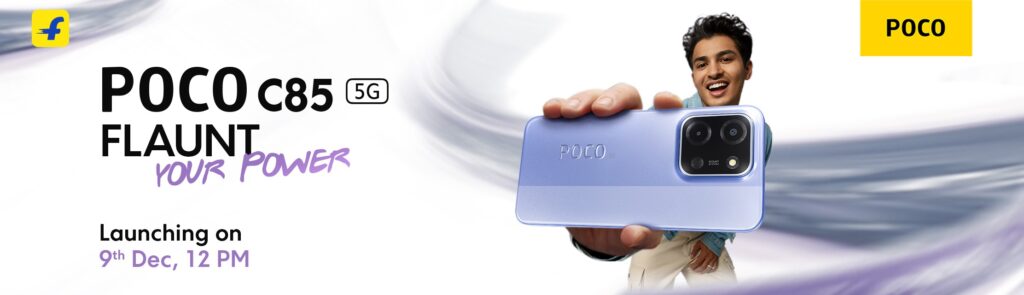
POCO is gearing up to launch the C85 5G in India, and the company has already started teasing the device. The phone will make its debut on December 9. The design shown in the teasers looks similar to the recently launched Redmi 15C 5G, which points to a rebranding approach that POCO often uses.
The C85 5G is expected to feature a 6.9-inch HD+ display with a 120Hz refresh rate. This large screen size aims to offer a better viewing experience for videos, gaming, and daily use. Inside, the phone will likely run on the MediaTek Dimensity 6300 processor. This chipset is built to support smooth 5G connectivity and handle routine tasks at a budget price.
For cameras, POCO has confirmed a dual rear setup. The main sensor is 50MP, and the front camera is 8MP. These basic configurations should cover standard photography needs for users who want simple and quick shots.
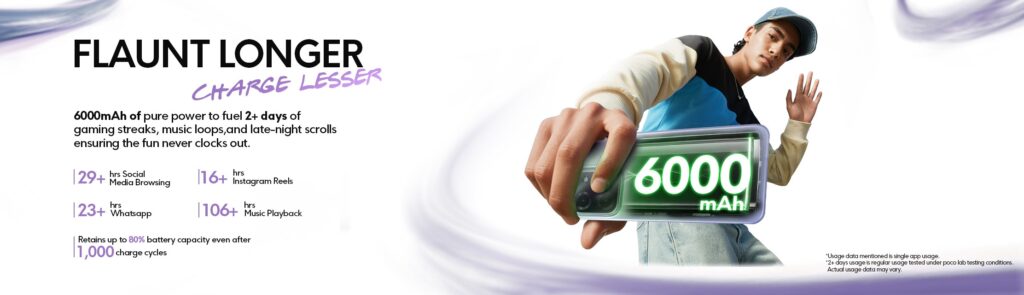
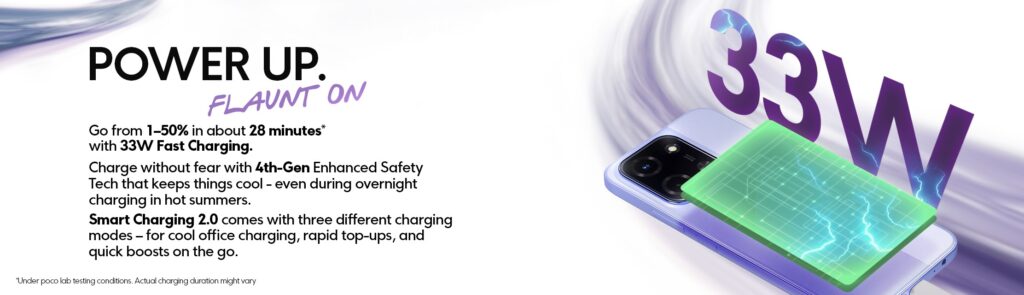
A major highlight of the C85 5G is its battery. The phone will have a 6000mAh battery with 33W fast charging support. This should give users long backup on a single charge with quicker recharge times. The device will also include a side-mounted fingerprint scanner for security and convenient unlocks.
POCO has confirmed that the C85 5G will be available on Flipkart once it launches. The company will reveal full pricing and sale dates during the official announcement. Since the Redmi 15C 5G starts at Rs 12,499 (around $137), the C85 5G is likely to be priced in the same range or slightly lower.
For more daily updates, please visit our News Section.
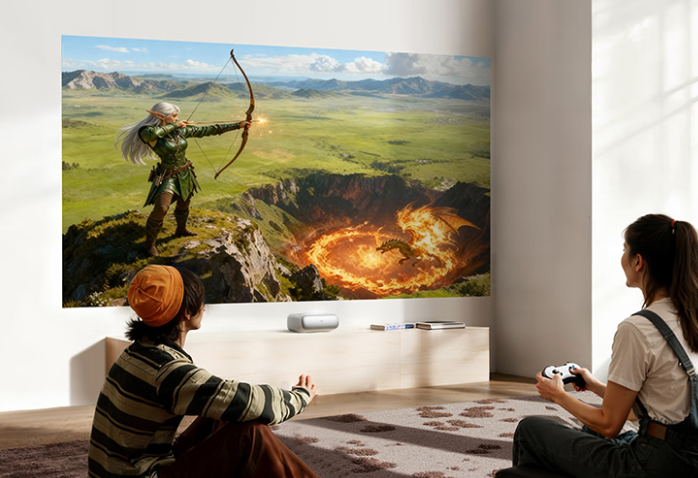
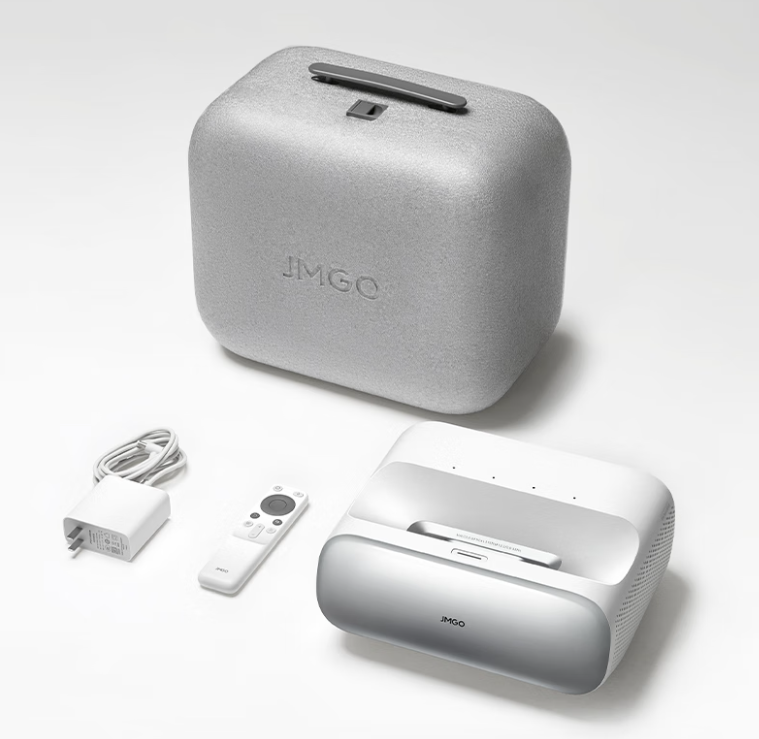
Jmgo has launched the O3 in the Chinese market, a new tricolor laser ultra-short-throw projector designed for compact living spaces. The projector is priced at 3,749 yuan ($530) and is now available on JD.com.
Jmgo O3 Projector Specifications
The projector supports a native 1080p resolution and delivers 1400 ISO lumens of brightness using Jmgo’s pure tricolor laser light source and a DLPC8424 driver chip. It uses an ultra-short-throw optical system with a 0.18:1 throw ratio, allowing it to project a 100-inch image from just 22 centimeters away from the wall.
The O3 covers 110% of the BT.2020 color gamut. It achieves a Delta E value of less than 1 for color accuracy. The image quality is enhanced by a 10,000:1 contrast ratio, MEMC motion compensation, and AI dynamic black levels. Jmgo has included features such as automatic focus, keystone correction, screen alignment, and wall color calibration for easier setup.
The projector supports screen sizes from 60 to 120 inches. It targets casual and gaming use with VRR (Variable Refresh Rate) support and dedicated game modes. Jmgo has equipped the O3 with HDMI 2.1 ports, including one with eARC, along with USB 2.0, DC input, Wi-Fi 6, and Bluetooth for stable connectivity.
The audio setup includes two 10W symmetrical speakers with support for Dolby Audio and DTS decoding. The system is tuned for stronger low-frequency output and can reach down to 40Hz. The projector also enables a dynamic lyric wall feature when paired with Kugou Music.
The O3 runs Bonfire OS 7 with 2GB of RAM and 64GB of internal storage. It integrates with the Xiaomi smart home ecosystem and supports voice commands via the Xiao Ai assistant.
Jmgo has designed the projector to operate at a low 26dB noise level. It consumes 65 watts during use. The device weighs 2.4 kilograms and measures 250 x 219 x 107 mm, making it suitable for standard TV cabinets.
DJI looks ready to give its tiny handheld camera a meaningful jump in versatility. New leaks hint that the upcoming Osmo Pocket 4 will get a dual-sensor setup, better battery life, and a few design tweaks that could make it an even stronger option for both vloggers and action shooters.
The latest details come from Photorabz, who claim the Pocket 4 will pack two different image sensors, which would be a first for the lineup. The star of the show is said to be a 1-inch, 50 MP main sensor with a variable aperture, seemingly the same one used in the recent Osmo Action 6.
Backing it up is a 1/1.3-inch secondary sensor that reportedly has a more square aspect ratio. That could give creators a cleaner workflow when shooting vertical clips for Instagram Reels or TikTok. The combo suggests DJI is aiming to serve both cinematic footage and quick social-first content without forcing users to pick one lane. For context, the Pocket 3 packs a single 1-inch sensor.
A previous leak also sparked chatter about a dual-display design. But Photorabz has poured some cold water on that excitement, saying the new panel spotted in renders isn’t for framing shots at all. Instead, it may simply show status info or camera settings. Not flashy, but possibly useful.
Battery life is another area that looks set for improvement. The Pocket 4 is rumored to record around 20% longer than the Pocket 3. The exact capacity bump isn’t clear yet, though the new hardware likely demands more power. Still, the overall footprint is said to stay just as small, which is key for a pocket-friendly gimbal camera.
The launch window remains December, but availability could get complicated. DJI is staring down a US FCC ban starting December 23, 2025, which could disrupt distribution plans and push some markets into next year.
If these leaks hold up, the Osmo Pocket 4 will be a confident refinement that keeps the line relevant in a world obsessed with vertical video and portability.
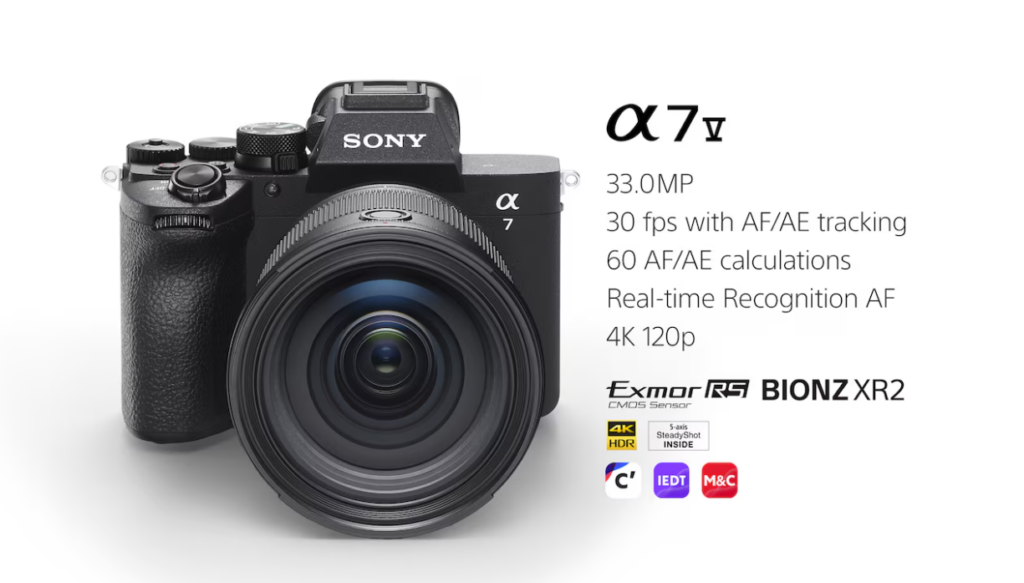
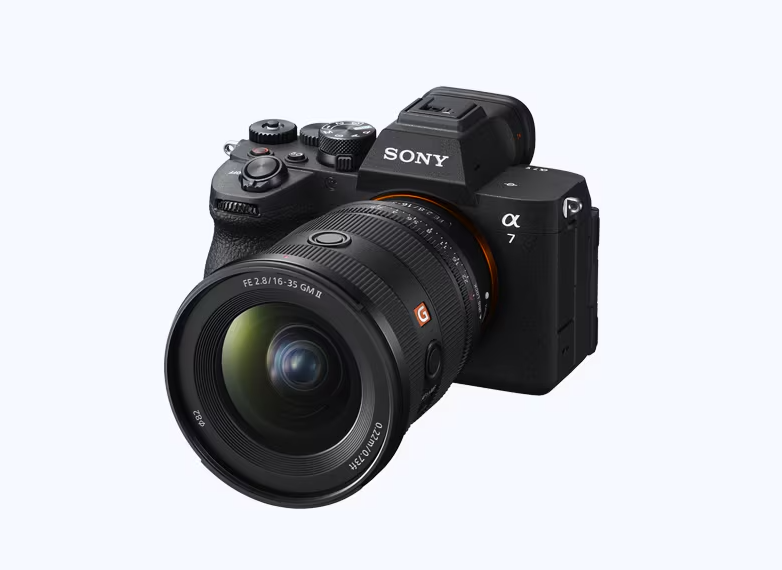
Sony India has launched the ILCE-7V, the fifth generation of its Alpha 7 full-frame mirrorless camera series. It features a newly developed partially stacked Exmor RS CMOS sensor with about 33 megapixels and the updated BIONZ XR2 image processor. The processor now includes the AI unit used in the latest Alpha models, which brings improvements to autofocus, tracking, color accuracy, still image quality, and video performance.
Along with the camera, Sony has also announced the FE 28-70mm F3.5-5.6 OSS II lens. It is a compact and lightweight standard zoom designed to support the ILCE-7V during high-speed continuous shooting.
The Alpha 7 V (ILCE-7V) uses the AI processing unit to deliver faster and more accurate autofocus. Sony states that Real-time Recognition AF is up to 30 percent better and can identify subjects faster. The camera uses 759 phase-detection points that cover up to 94 percent of the frame. It maintains focus even in low light down to EV -4.0. Real-time Tracking improves subject follow accuracy during both stills and video. High-resolution RAW processing is supported through the Imaging Edge Desktop application for more control in editing.
The partially stacked sensor allows a readout speed that is about 4.5 times faster. This helps reduce distortion and supports blackout free continuous shooting at up to 30 frames per second. The system performs up to 60 AF and AE calculations per second. It can shoot 14-bit RAW images at the same speed with full AF and AE tracking. The Pre-Capture feature can record up to one second before the shutter press.
The ILCE-7V offers up to 16 stops of dynamic range to preserve detail across bright and dark areas. The new AI based Auto White Balance system identifies light sources through scene analysis and deep learning to provide more stable and natural colors.
For video creators, the camera offers 7K oversampled 4K 60p recording in full-frame mode and 4K 120p recording in APS-C or Super 35mm mode. There is full pixel readout without pixel binning for better detail. Dynamic Active Mode provides smoother handheld footage. Auto Framing uses AI to keep subjects properly framed. New noise reduction and an improved internal microphone help reduce background noise.
The camera has improved power management. A Monitor Low Bright mode helps extend battery life. Better thermal control supports longer 4K recording sessions. It is rated for about 630 shots using the viewfinder under CIPA standards.
The FE 28-70mm OSS II lens supports up to 120 frames per second AF and AE tracking. It offers coordinated image stabilization, AF during zooming, and breathing compensation when used with compatible cameras.
Both the ILCE-7V and the new lens support Sony’s Road to Zero environmental program. Production uses 100 percent renewable energy and packaging uses Sony’s Original Blended Material instead of plastic.
Pricing & availability
The ILCE-7V body will go on sale from 10 December 2025 at a price of Rs 2,55,990. The ILCE-7V M-Kit, which includes the 28–70mm OSS II lens, will arrive in February 2026 for Rs 2,70,490.
For global markets, the Alpha 7 V body is up for preorder on B&H and CVP at around USD 2,900 / EUR 2,650 / £2,330, with a new kit lens bundle also offered. Wider retail availability is expected by mid-December, and shipments have already started reaching retailers.
For more daily updates, please visit our News Section.
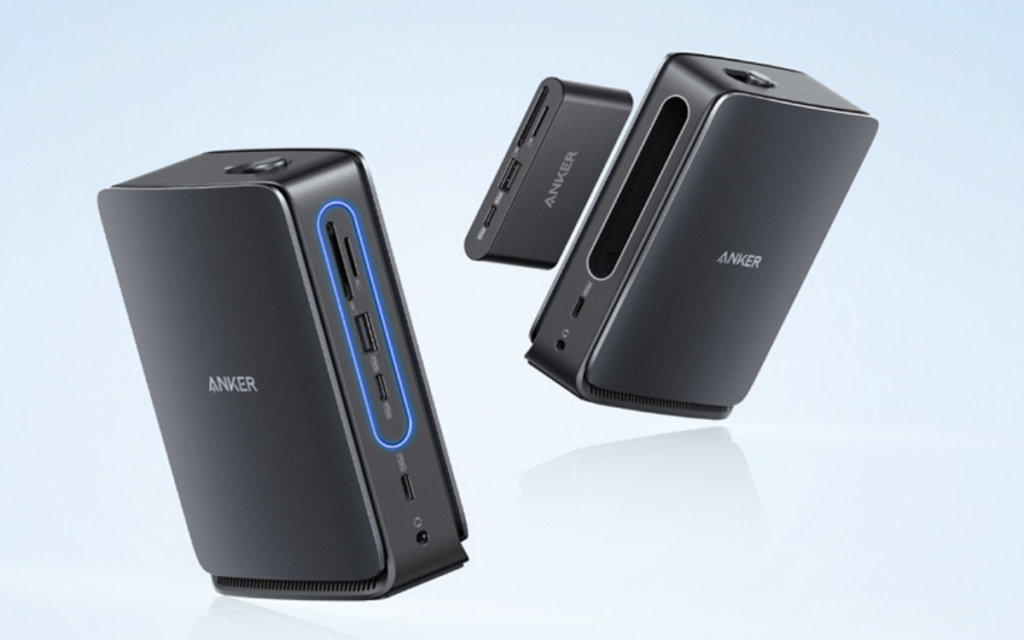
Anker has launched the Nano 13-in-1 Docking Station, a versatile docking solution featuring a modular design. The dock includes a detachable credit-card-sized 6-in-1 hub that users can carry separately for on-the-go connectivity. The device is priced at $149.99 on Anker’s official website and $119.99 on Amazon.
Anker Nano 13-in-1 Docking Station Specs
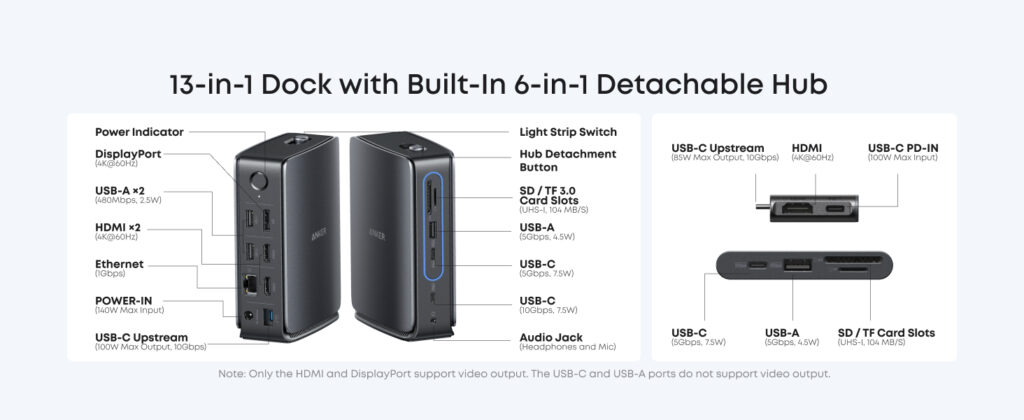
The Nano Dock supports up to three external displays through two HDMI ports and a DisplayPort connector. It delivers up to 4K at 60Hz resolution when paired with compatible devices that support DisplayPort 1.4 and Display Stream Compression (DSC). On Windows, the system can extend across three monitors, while macOS only allows one external display to show different content and mirrors the rest.
The detachable mini hub includes a 7.5W USB-C data port, a 4.5W USB-A port, a 4K@60Hz HDMI output, SD and microSD card slots, and two USB-C ports, one for power input and one for upstream connection. The USB-C PD input supports up to 100W from a separate charger, while the upstream USB-C port delivers up to 85W of power to a connected laptop along with data passthrough. The hub functions independently when detached, making it ideal for mobile setups. Anker includes a dedicated release button to eject the hub easily when switching to mobile mode.
The main dock features additional connectivity options. It comes with a USB-C upstream port (100W host charging), two USB-C data ports, three USB-A data ports, two HDMI ports, one DisplayPort output, a Gigabit Ethernet jack, a 3.5mm audio jack, and SD/TF card readers. The dock receives power through a 140W input from the included adapter.
Anker designed the Nano Dock for wide compatibility across USB-C laptops that support DP Alt Mode and USB-C Power Delivery. It works with Windows 10 and 11, as well as macOS 13.5 or later. The dock supports fast data transfer speeds up to 10Gbps and can power laptops and peripherals simultaneously.
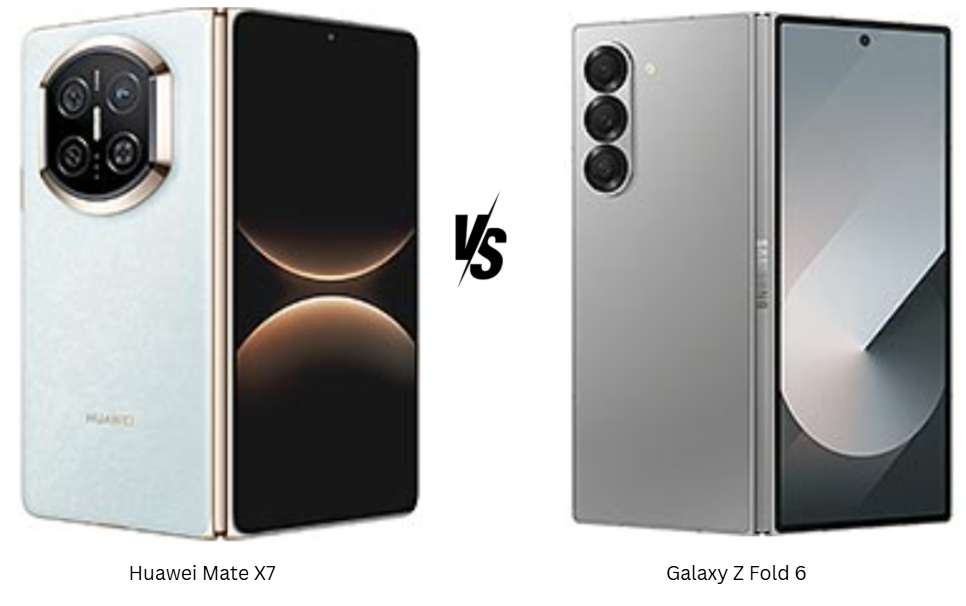
Huawei Mate X7 and Samsung Galaxy Z Fold6 appeal to buyers who want a premium foldable experience but prioritize different strengths. One targets users seeking the newest hardware, while the other caters to those who value stability and long-term software support. Comparing them matters because each represents a distinct approach to what a flagship foldable should be, helping shoppers decide whether they want cutting-edge innovation or a more established, ecosystem-driven device.
Major Features / Upgrades:
Category
Galaxy Z Fold6
Mate X7
Software & Ecosystem
Best global app support, Google services, 7-year updates, S-Pen & DeX.
HarmonyOS limits global apps; ecosystem weaker outside China.
Performance
Faster, more compatible Snapdragon chipset.
New chip but not as strong; fewer optimized apps.
Display
Accurate, smooth AMOLED; good for productivity.
Brighter, larger, more immersive display (major upgrade).
Battery & Charging
Decent endurance; slow charging.
Much bigger battery + much faster charging (major upgrade).
Cameras
Good overall, reliable color processing.
Better zoom + more ambitious camera hardware.
Long-Term Value
Guaranteed long updates, stable ecosystem.
New hardware but long-term support unclear globally.
Huawei Mate X7 focuses on durability with its reinforced materials and advanced water-resistance rating, giving it a sense of rugged refinement suited for unpredictable environments. Samsung Galaxy Z Fold6 leans into a premium, modern feel with its armor-grade frame and stylus compatibility, offering a more productivity-oriented touch. The Mate X7’s design gives confidence that it can survive harsher conditions, while the Fold6 feels optimized for users who want a polished, accessory-friendly device.
Display Quality
Mate X7 offers a larger, brighter foldable OLED panel with extremely high PWM and peak brightness levels, creating a smoother and more comfortable viewing experience, especially for long reading sessions. The Fold6 counters with a punchier AMOLED 2X display known for color accuracy and HDR finesse. Its outer screen feels more traditional, while the Mate X7’s cover display leans toward cinematic vibrancy. Both displays excel, but the Mate X7 feels more immersive due to its expansive canvas.
Verdict
Mate X7 wins for brightness and immersive visuals, while Fold6 stands out for stylus support and balanced color tuning.
Please Note: When you buy something using the links in our articles, we may earn a small commission at no cost to you.
2. Specifications
Performance
Galaxy Z Fold6’s Snapdragon platform delivers top-tier performance with strong graphical output and better app optimization across Android. Its processing stability makes it more suitable for demanding multitaskers or mobile professionals. The Mate X7’s Kirin 9030 Pro holds its own with smooth system animations and responsive performance, especially within HarmonyOS. While everyday tasks feel comparable, Fold6 benefits from broader app compatibility and stronger GPU power, giving it an edge in heavy workloads or gaming.
Battery and Charging
Mate X7 offers a notably larger battery paired with faster wired and wireless charging. Its endurance feels well-suited for long, mixed-use days, particularly for content creators or frequent travelers. Fold6 charges slower and carries a smaller cell, but still maintains reliable full-day performance for most users. The Mate X7’s charging versatility makes it feel more future-ready.
Verdict
Fold6 leads in raw performance and software maturity, while Mate X7 dominates battery life and charging flexibility.
3. Camera
Main and Secondary Lenses
Mate X7 features high-resolution sensors, variable aperture capability, and a stronger periscope zoom system, making its camera setup feel more adaptable to different lighting and distance scenarios. Its larger sensors on higher-tier models capture richer detail and offer a more cinematic depth. The Fold6’s camera system is dependable, with refined image processing and consistent color output. Its 8K video mode gives creators added flexibility, though its zoom and sensor sizes feel more conservative compared to Huawei’s ambitious approach.
Selfie Camera
Fold6’s cover selfie camera produces crisp, natural images and benefits from Samsung’s mature facial processing. Its under-display camera is more about convenience than sharpness. Mate X7’s dual selfie setup feels straightforward but reliable, providing clean results without overprocessing. Users seeking a more polished social-media-ready look may gravitate toward the Fold6’s front-facing outputs.
Verdict
Mate X7 offers more versatile rear cameras and stronger zoom, while Fold6 excels in front-facing consistency and video features.
4. Pricing
The Mate X7 enters the market at a slightly lower price, offering stronger battery performance, a brighter display, more varied RAM options, and a more ambitious camera system. This combination gives it a sense of better raw hardware value. The Fold6 costs a bit more but justifies its price with superior software longevity, broader app support, stylus functionality, and a more globally integrated ecosystem. Users invested in Android productivity tools may find the premium worthwhile, whereas those prioritizing hardware strength and charging flexibility may see greater value in Huawei’s package.
Overall, Mate X7 feels like the more cost-efficient choice in regions where HarmonyOS limitations are minimal. Fold6, however, positions itself as a long-term investment thanks to its seven major Android upgrades and wide platform compatibility.
Disclaimer: Prices are approximate and may vary based on country, region, and applicable taxes.
Mate X7 brings standout durability, satellite messaging (region-specific), rapid charging, and a display tuned for extreme brightness. Its hardware feels engineered for users who want maximum endurance and a visually immersive foldable. Fold6 differentiates itself with full stylus support, a desktop-like DeX experience, UWB integration, and unmatched long-term software commitment. These features make it appealing to productivity-focused users who value ecosystem depth as much as hardware.
Verdict
If your priority is cutting-edge hardware, a larger, brighter foldable display, long battery life with very fast charging, and a more versatile rear-camera system, then the newer Mate X7 clearly brings meaningful upgrades over the Galaxy Z Fold6.
On the other hand, if you care more about long-term software support, stable global app ecosystem, stylus and productivity features, and overall reliability in day-to-day use, the Fold6 remains a very sensible, “future-safe” choice even a year on.
We use cookies on our website to give you the most relevant experience by remembering your preferences and repeat visits. By clicking “Accept”, you consent to the use of ALL the cookies.
This website uses cookies to improve your experience while you navigate through the website. Out of these, the cookies that are categorized as necessary are stored on your browser as they are essential for the working of basic functionalities of the website. We also use third-party cookies that help us analyze and understand how you use this website. These cookies will be stored in your browser only with your consent. You also have the option to opt-out of these cookies. But opting out of some of these cookies may affect your browsing experience.
Necessary cookies are absolutely essential for the website to function properly. This category only includes cookies that ensures basic functionalities and security features of the website. These cookies do not store any personal information.
Any cookies that may not be particularly necessary for the website to function and is used specifically to collect user personal data via analytics, ads, other embedded contents are termed as non-necessary cookies. It is mandatory to procure user consent prior to running these cookies on your website.