Always-on Display, also known as AOD is the most commonly requested feature on OnePlus smartphones for years. The company has been skipping it for all new smartphone launches but now it has confirmed to bring this functionality to the future OxygenOS builds.
OnePlus Community has played a key role in popularising the OnePlus brand since its inception. The company improves its products based on the feedback it receives from its community. Thus, to further enhance the feedback system, the brand announced the OnePlus IDEAS program earlier this month, which allows community users to submit their ideas for new features on OnePlus devices.
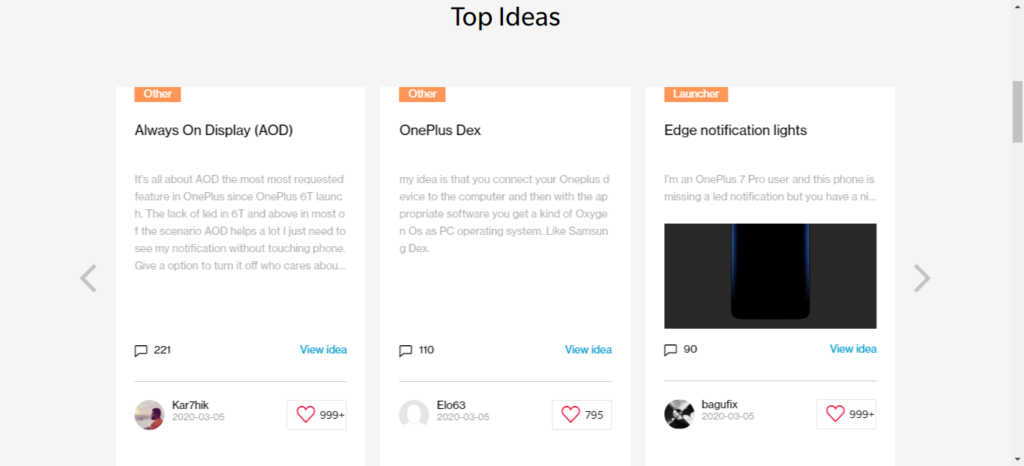
It has not been a month but the program seems to have worked out well for the company and the users. At present, the most liked submissions include AOD, PC Mode (similar to Samsung Dex), Edge notification lights, Developer-friendly for Google Camera ports, and improvement in the alert slider.
Fortunately, OnePlus has confirmed on its official Twitter handle that Always-on Display has been added to the roadmap. But it does not say when it will be released and which devices will get it first. Going by the history of the company, we can expect this feature to debut in beta builds under the OxygenOS Laboratory section and slowly make its way to stable releases.
The top IDEA is Always-On Display. We hear you, and our OS Product team has replied: it's on our roadmap.
OnePlus has been using AMOLED displays on its smartphones consistently since the OnePlus 3 series. But it is uncertain which devices will get the AOD feature as the 3 and 3T has already reached the end of their support. Perhaps, devices from 5T or 6 will be blessed with this feature.
The Redmi 9 is expected to launch as a successor to the Redmi 8. A leak says the phone will launch in the third quarter of the year but that seems like a long time for Redmi to launch a successor for a mid-range or entry-level phone. Today, a leak has revealed key specs of the phone as well as a photo that shows the design of the rear.
The source of the leak is Sudhanshu Ambhore who in turn says he got the info from a Chinese source. According to the tweet, the Redmi 9 will be powered by MediaTek’s Helio G80 chipset. This is the same chipset inside the Realme 6i that was announced over a week ago.
Here's an exclusive live image of Redmi 9 with some key specs from a Chinese source
MediaTek Helio G80 13MP Main + 8MP Wide + 5MP Macro + 2MP Depth Purple & Green color options (atleast 2)#Redmi9pic.twitter.com/X43WMx95VF
The Redmi 9 should come in multiple configurations with the base model having 3GB of RAM and 32GB of expandable storage.
The configuration of the rear cameras was also revealed in the leak. The primary sensor is a 13MP camera and it is accompanied by an 8MP ultrawide angle camera, a 5MP macro camera, and a 2MP depth sensor.
The leaked image shows the Redmi 9’s design is inspired by that of the Redmi K30. Three of the cameras are arranged vertically in a single housing shared with a fingerprint scanner. To the left of this setup is a smaller housing that holds the fourth camera and LED flash. The whole setup is inside a ring but it is flush with the rest of the body, unlike that of the Redmi K30.
Alongside the purple colorway above, there will also be a green variant according to the leak.
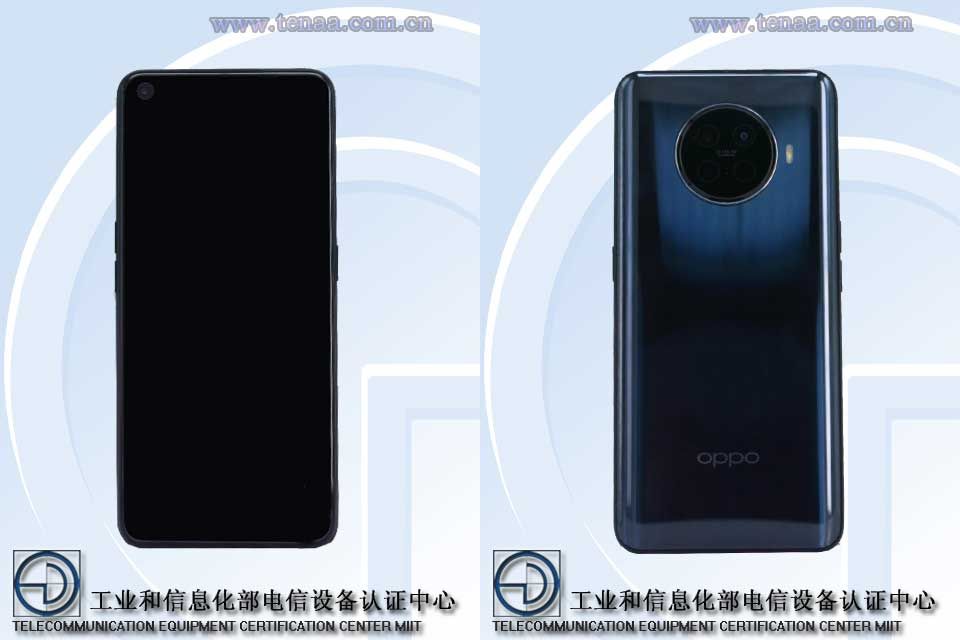
OPPO will be unveiling the OPPO Reno Ace 2 smartphone in April. Unlike the original Reno Ace that debuted in October 2019, the successor model will be coming with support for 5G connectivity. The handset that has a model number of PDHM00 has received approval from the TENAA telecom authority of China. The same model number was previously spotted at 3C and Wi-Fi certification bodies.
The TENAA listing reveals that the OPPO Reno Ace 2 has a 6.5-inch AMOLED display that offers 1080 x 2400 pixels. The 20:9 aspect ratio supporting screen has a round-shaped cutout at the top-left corner. The smartphone features a front-facing camera of 16-megapixel.
The Reno Ace 2 has four cameras housed inside its round-shaped camera setup. An LED flash can be seen on the right side of the handset. It comprises of a 48-megapixel primary lens. It is assisted by an 8-megapixel lens and a pair of 2-megapixel sensors.
The Android 10 OS along with ColorOS 7 is expected to come preloaded on the device. The 2.8GHz octa-core processor that fuels the handset seems to be the Snapdragon 865 mobile platform. The phone may arrive in 8 GB and 12 GB RAM versions. It will be available in 128 GB and 256 GB storage sizes in China. There is no support for external storage on the phone.
The Reno Ace 2 will come equipped with in-screen fingerprint reader. It has a dual-cell battery. However, the TENAA listing reveals that 1955mAh is the rated capacity of its single cell. The listing also states that the phone will arrive in China in black, blue and purple colors.
The 3C certification of the PDHM00 phone had revealed that it could be arriving with a 65W fast charger. The Wi-Fi certification of the phone had revealed that it will carry support for dual-band Wi-Fi. Lastly, an executive from the company had recently confirmed that it will be arriving with a 40W fast wireless charger.
Xiaomi and its related brands, Redmi and POCO are having a pretty interesting year. If you are on the search for a new phone, all three brands have multiple options to choose from. But this is just the first quarter of the year, so several more devices are expected to launch later.
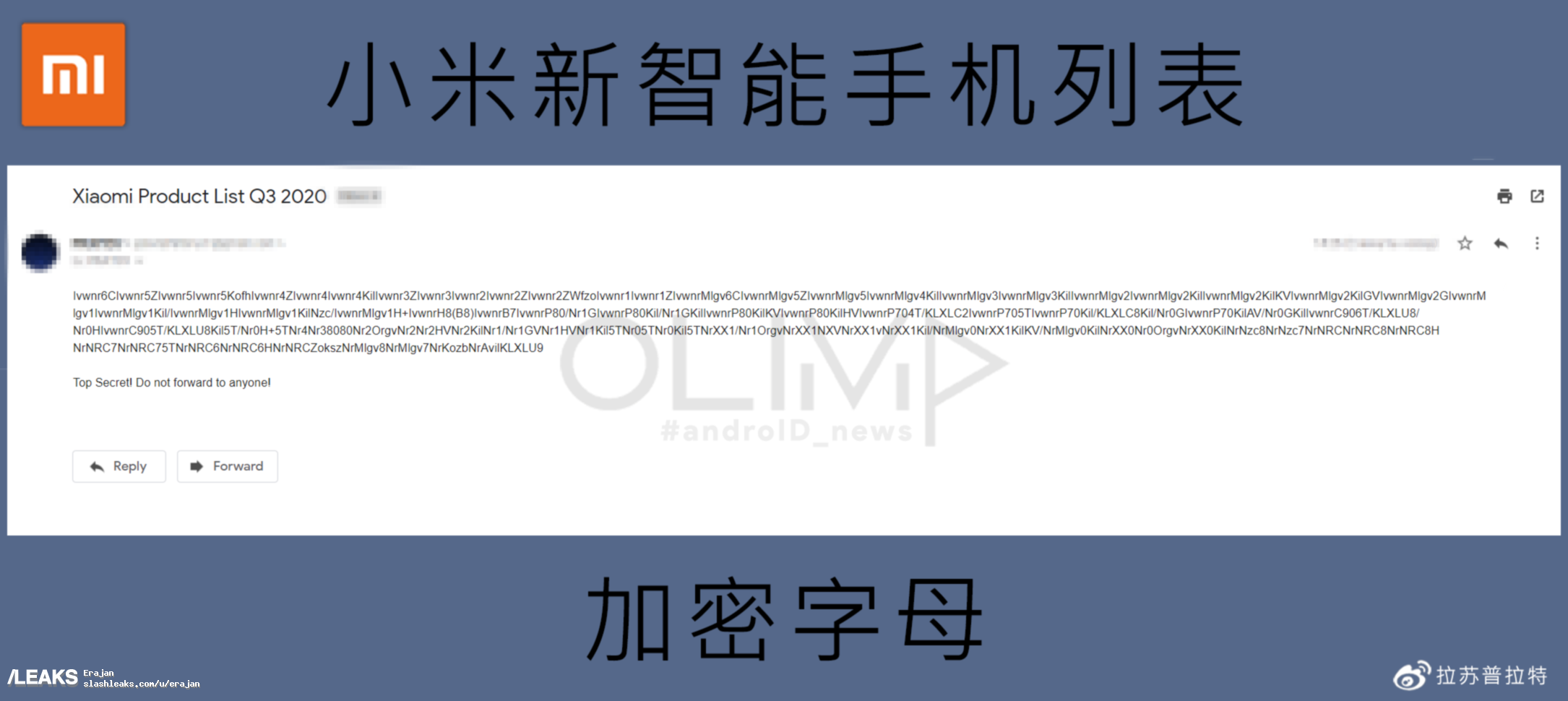
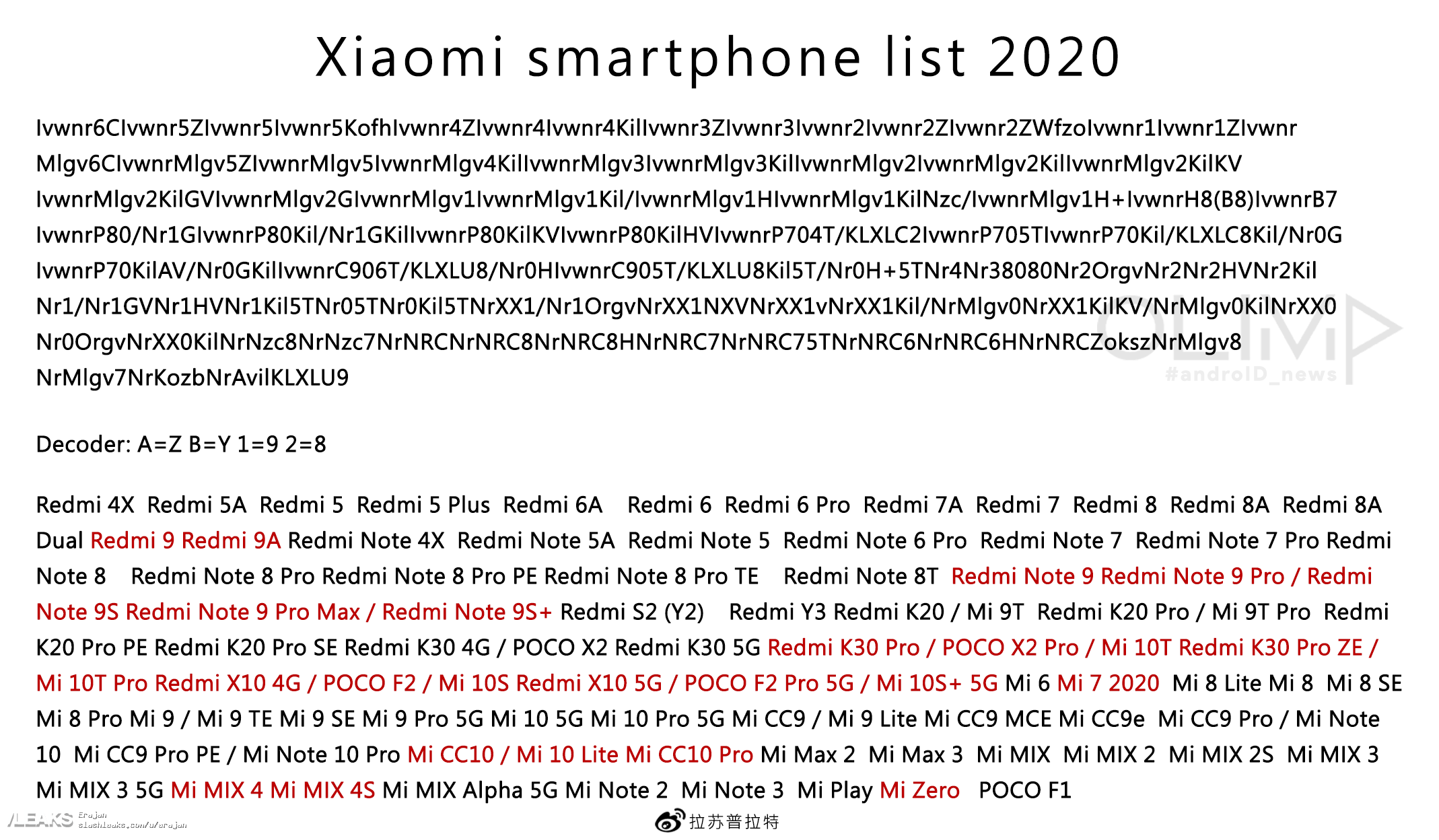
A leak has surfaced on the web that reveals several new devices from Xiaomi, Redmi, and POCO that are reported to be scheduled for release in the third quarter. Some of these devices have familiar names while others are not. According to the source, the list was decoded from an encrypted letter sent to a Xiaomi employee.
1 of 2
Xiaomi Q3 product lineup
Xiaomi Q3 product lineup
There is no evidence that the list is real and even if it is, it is possible for devices to get canceled and launch dates to change. Nevertheless, we advise you to take it with a pinch of salt.
Redmi 9 and Redmi 9A – these are successors to last year’s Redmi 8 and Redmi 8A phones which are Redmi’s entry-level smartphones.
Redmi Note 9 Pro Max will launch as the Redmi Note 9S+
Redmi Note 9S+ – according to the list, the Redmi Note 9S+ will be a rebranded Redmi Note 9 Pro Max. However, Q3 seems like a pretty long time for a rebranded phone to launch in other markets outside of India.
The Redmi K30 Pro will launch as the POCO X2 Pro and Mi 10T
POCO X2 Pro – another interesting device that has appeared on the list is the POCO X2 Pro. The POCO X2 is already sold in India, which itself is a rebranded Redmi K30 4G.
The POCO X2 Pro is said to be the same device as the newly announced Redmi K30 Pro. We had speculated the Redmi flagship will launch as the successor to the POCO F1 but looking at it now, it does make sense since the Redmi K30 is the POCO X2, it is only right that the Redmi K30 Pro launches as the POCO X2 Pro.
Mi 10T – this too is another rebranded Redmi K30 Pro but heading to Europe. If we were to go by last year’s Redmi K20 launching as the Mi 9T in Europe, the Mi 10T should actually be the same device as the Redmi K30 4G.
Xiaomi Redmi K30 Pro Zoom Edition will launch as the Mi 10T Pro
Mi 10T Pro – Xiaomi will follow up the Mi 9T Pro (Redmi K20 Pro) with a successor this year and it will also be a rebranded phone, but this time, of the newly launched Redmi K30 Pro Zoom Edition.
Redmi X10 4G/POCO F2/Mi 10S – even with Redmi and Xiaomi betting big on 5G this year, they are not abandoning 4G. Redmi will launch a phone called the Redmi X10, which should be the first of a new series. This device will then be sold as the POCO F2 and the Mi 10S. Curious as to the specs of this device? Don’t be as the Mi 10S was in the news earlier this month.
The Mi 10S, according to info from a Chinese leaker, is an upcoming phone from Xiaomi with a pretty large display. The source revealed the phone will launch in the second half of the year which goes in line with the Q3 release date state above. The Mi 10S should be a flagship phone with either the Snapdragon 865 chipset or the rumored Snapdragon 865+.
Redmi X10 5G/POCO F2 Pro 5G/Mi 10S+ 5G – There will also be a 5G version of the phone above and it will launch as the POCO F2 Pro 5G and the Mi 10S+ 5G. Other than 5G, it should have other features that make it different from the 4G version.
Mi 6 2020 render created by Weibo user @YJayyy
Mi 7 2020 – there was never a Mi 7 as Xiaomi jumped from Mi 6 to Mi 8 but this leak says we will be getting a Mi 7 2020. Is this the rumored Mi 6 2020 but with a new name? Only time will tell.
Mi CC9 will get a successor this year that will be launched as the Mi 10 Lite outside China
Mi CC10/Mi 10 Lite – Xiaomi will announce a successor to the Mi CC9 which was the first product borne from its partnership with Meitu. Expect it to pack some interesting camera features. The leak says the phone is also the Mi 10 Lite. The phone was launched yesterday in Europe.
Mi MIX 4 and Mi MIX 4S – last year, Xiaomi announced the Mi MIX Alpha, a concept phone with a wrap-around screen. It wasn’t mass-produced as it would have cost a fortune. This year, the company will announce a proper successor to the Mi MIX 3. Actually two successors as there will also be a Mi MIX 4S. This should be Xiaomi’s best flagships of 2020 and we earnestly look forward to them.
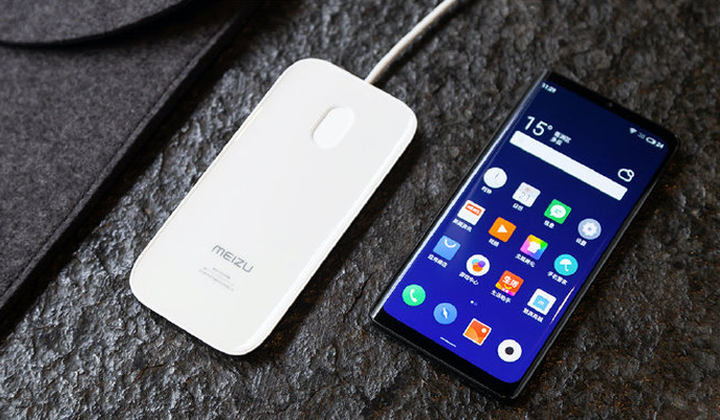
Will the Mi Zero have the same design approach as the Meizu Zero.
Mi Zero – the leaked product lineup also mentions a new phone called the Mi Zero. Is this another concept phone with no “holes” just like the Meizu Zero or will it be the first of a new line of smartphones? Your guess is as good as ours.
Which of these smartphones do you look forward to? Also, do you think Xiaomi is releasing too many phones? Let us know what you think in the comment box below.
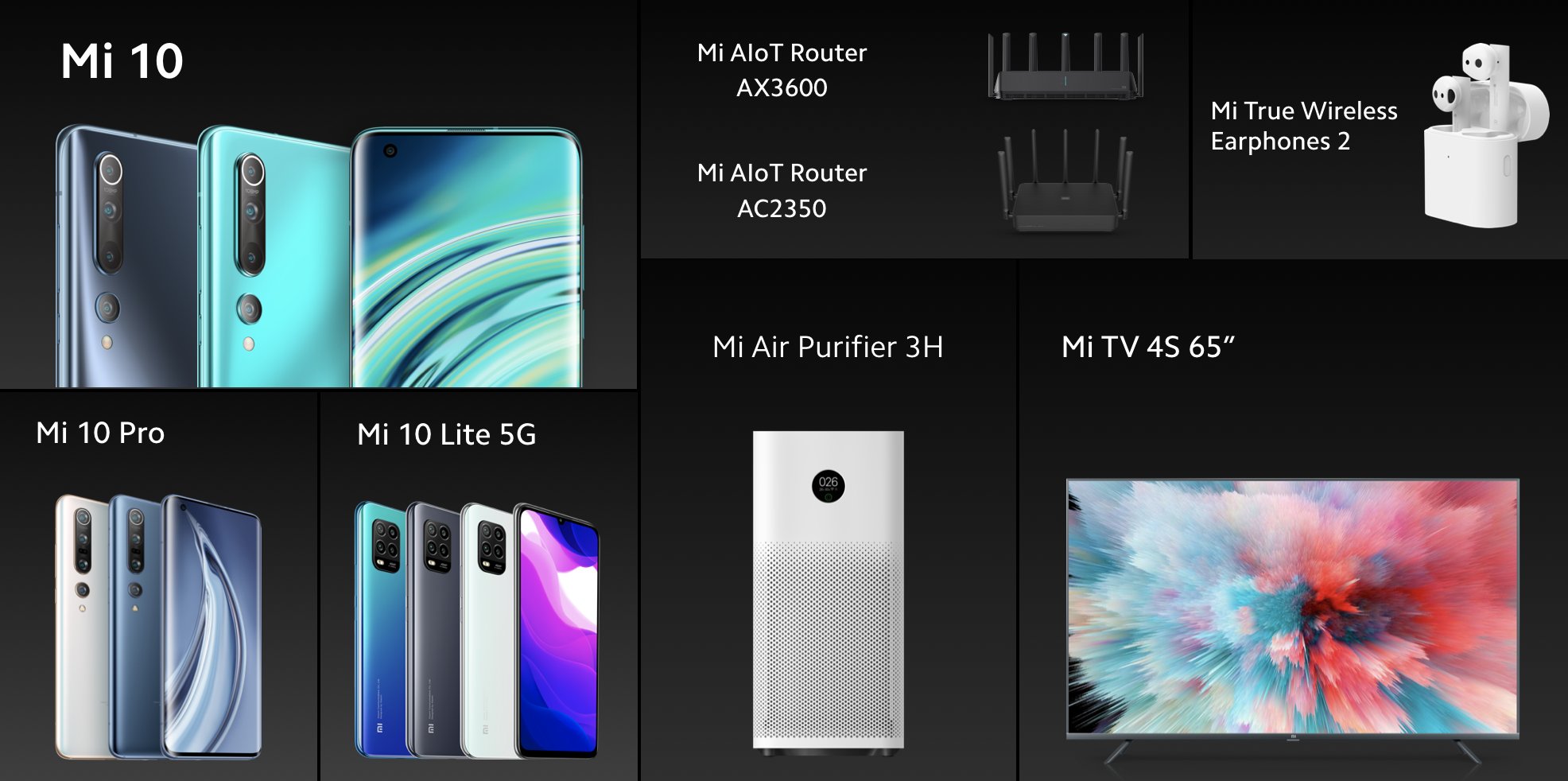
Yesterday, Xiaomi held an online event in Europe where it unveiled a total of eight new products. The star of the night, surprisingly, wasn’t the flagship Mi 10 and Mi 10 Pro models which came in with expensive price tags but a surprised Mi 10 Lite that offers 5G connectivity for just €349. The company also launched the Mi True Wireless Earphones 2 which just a renamed Mi AirDots Pro 2.
Other smart IoT gadgets announced by the Chinese tech giant include the Mi TV 4S 65-inch, Mi AIoT Router AC2350, Mi AIoT Router AX3600 and the Mi Air Purifier 3H.
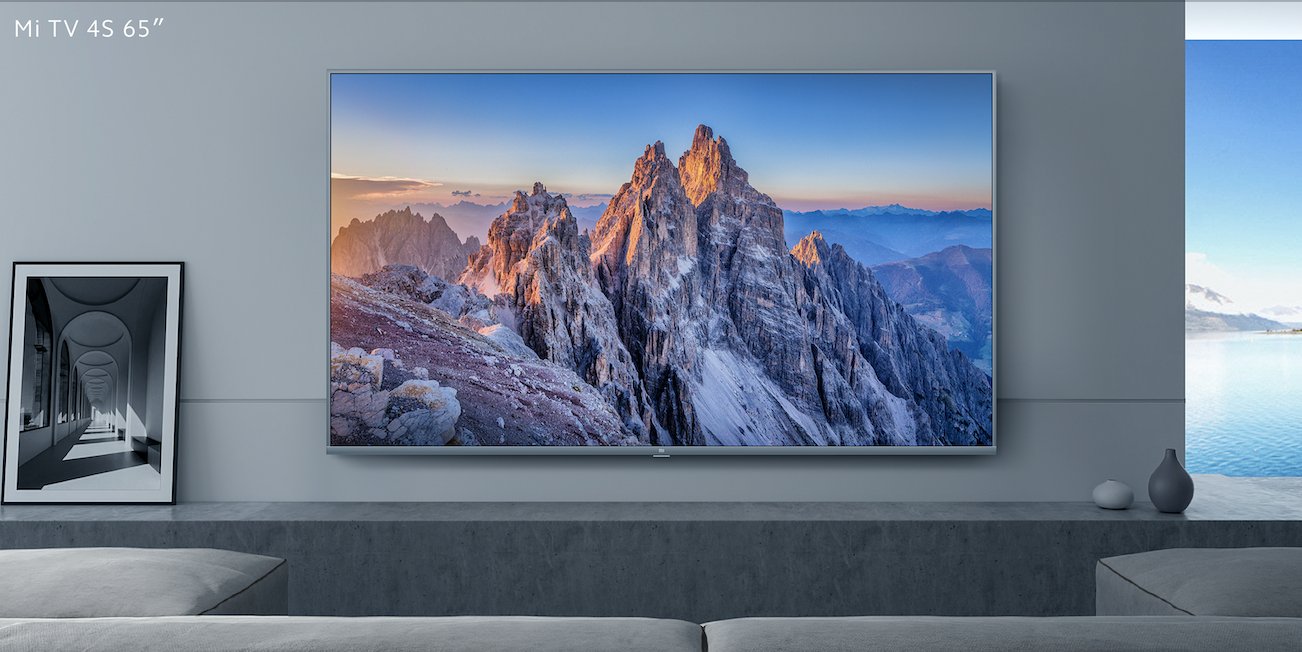
Xiaomi Mi TV 4S 65-inch 4K HDR TV features & Price in Europe
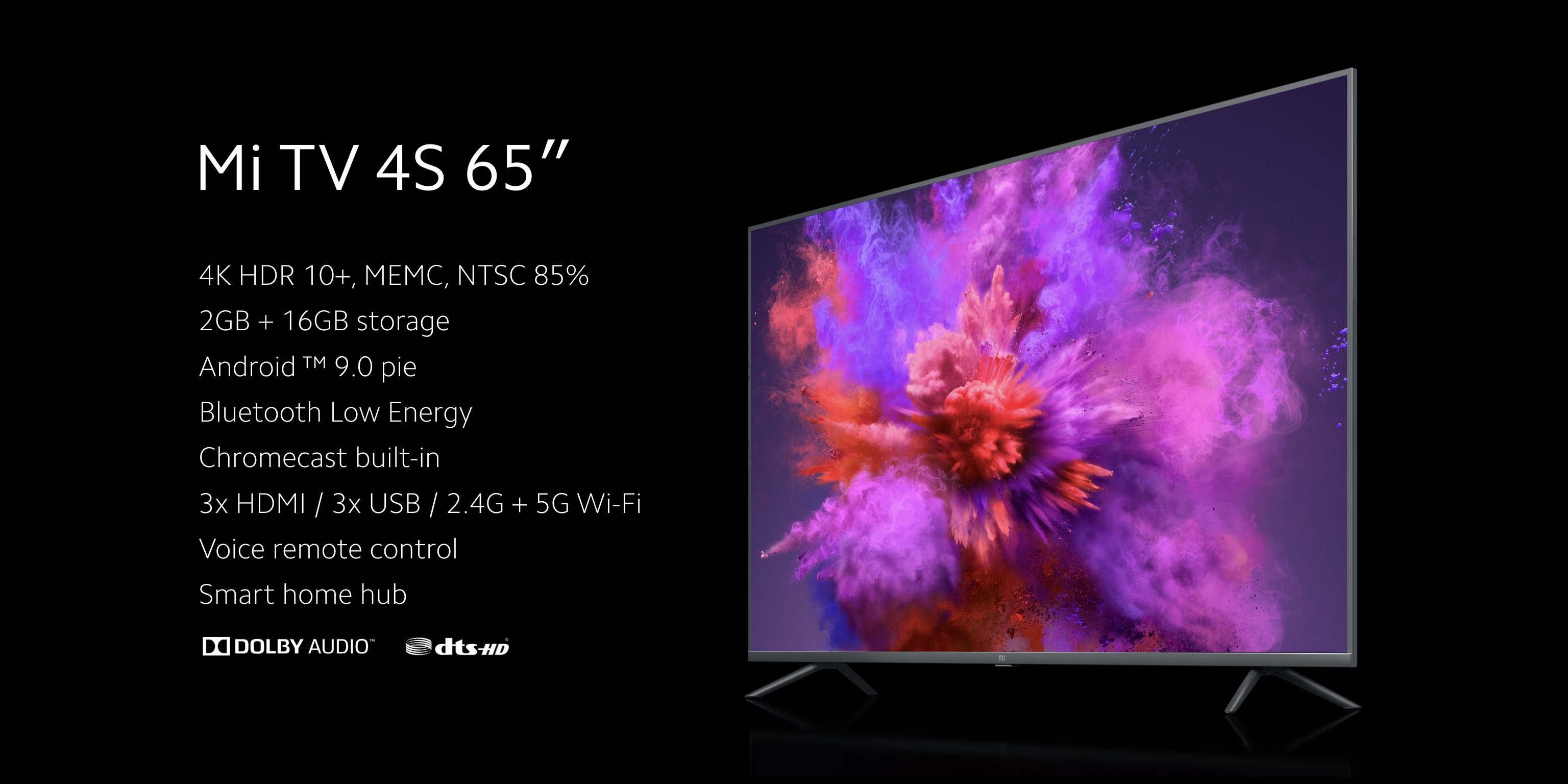
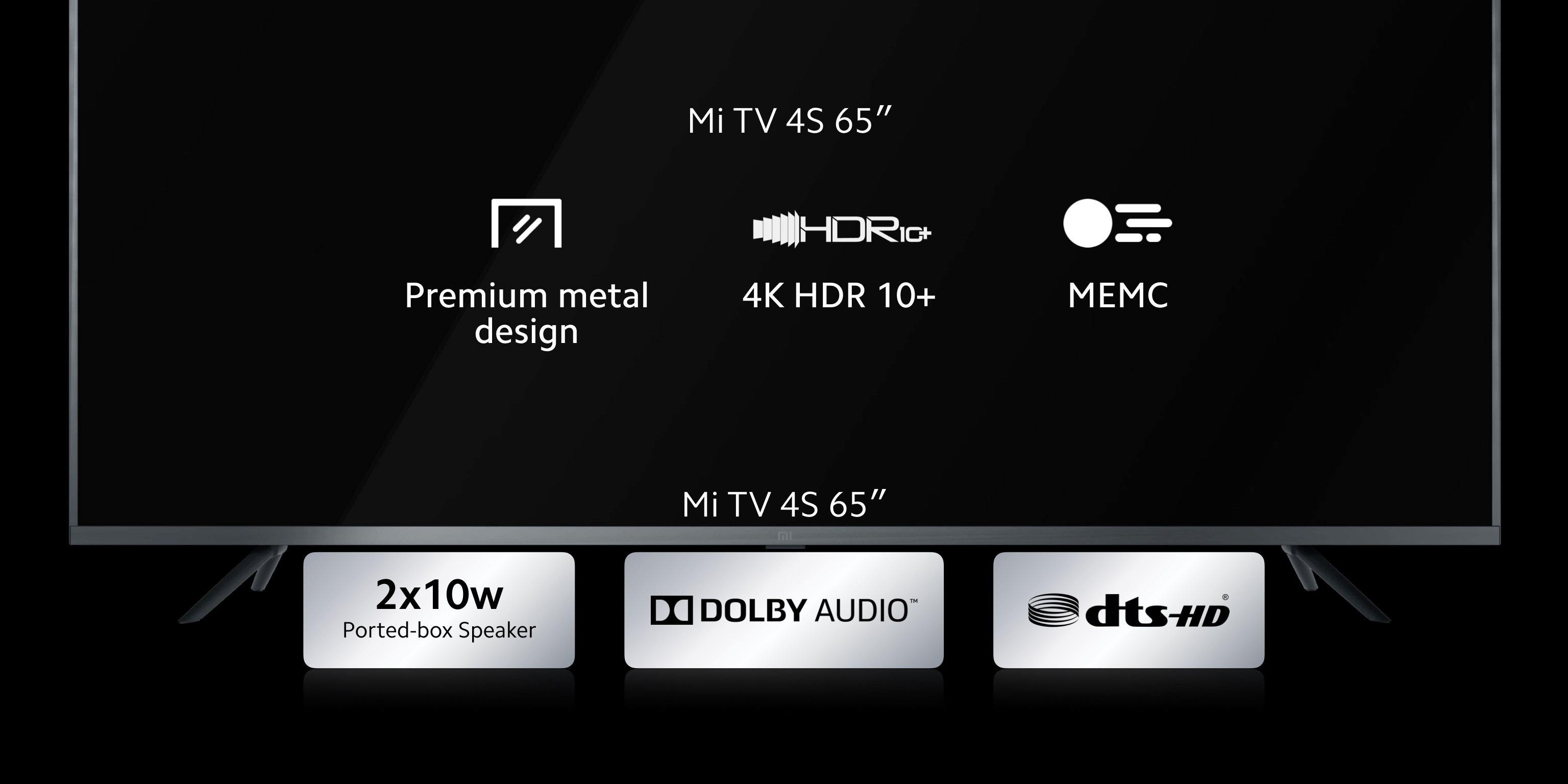
The Mi TV 4S is a 4K (3840 x 2160) HDR TV with MEMC (Motion Estimation, Motion Compensation) technology for motion smoothening. There is a 64-bit MediaTek 6886 quad-core processor with a Mali 470 MP3 GPU inside the TV paired with 2GB of RAM and 8GB of storage.
In terms of the design, the TV has a metal frame, a metal case, and a metal stand. There are three HDMI ports, three USB ports, an ethernet port, and an audio jack. It supports 2.4GHz and 5GHz WiFi in addition to Bluetooth Low Energy for connecting Bluetooth devices such as a keyboard, mouse, or gamepad. The TV has 2 x 10W speakers with bass and also supports dts-HD and Dolby Audio.
It runs Android TV 9 out of the box with up to 700,000 hours of content from Rakuten TV, RTVE, RedBull TV, Netflix, and Prime Video, etc. It also supports DVB-T2, DVB-C, and DVB-S2 live TV. If you want more apps or games, you can download them from the Google Play Store. It equally comes with a remote that supports voice command using Google Assistant. The remote has dedicated Netflix and Amazon Prime Video buttons.
The Mi TV 4S can also serve as the smart home hub for all your other Xiaomi smart home products. Using the remote, you can adjust the speed of the fan, turn off the air purifier, or activate your configured routines such as when going to bed.
As for the price, the Mi TV 4S 65-inch will sell for €549 (~$605) in Europe. It will be on the shelves of authorized Mi Stores in Europe from June.
Xiaomi Mi AIoT Router AC2350 & AX3600 Specs & Prices in Europe
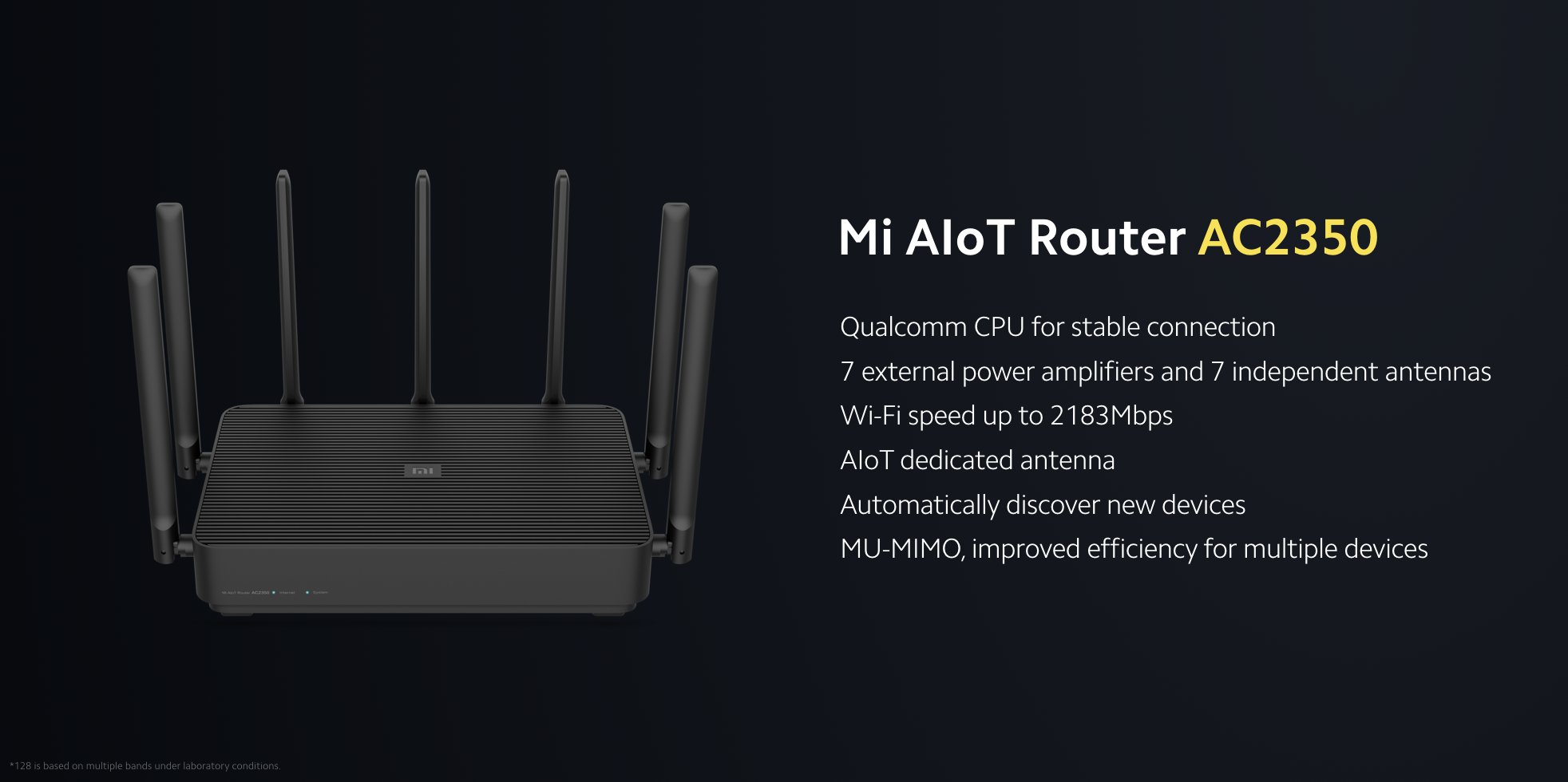
China’s Apple, Xiaomi, also launched a new Mi Router version for the first time. The Mi AIoT Router AC2350 is a lower version of the Mi AIoT Router AC3600 which doesn’t have WiFi 6. The Mi Router AC2350 utilises a Qualcomm CPU, dual-band Wi-Fi with MU-MIMO speeds up to 2183Mbps, 6 external omnidirectional antennas + 1 AIoT antenna that automatically connects to Xiaomi smart devices using app.
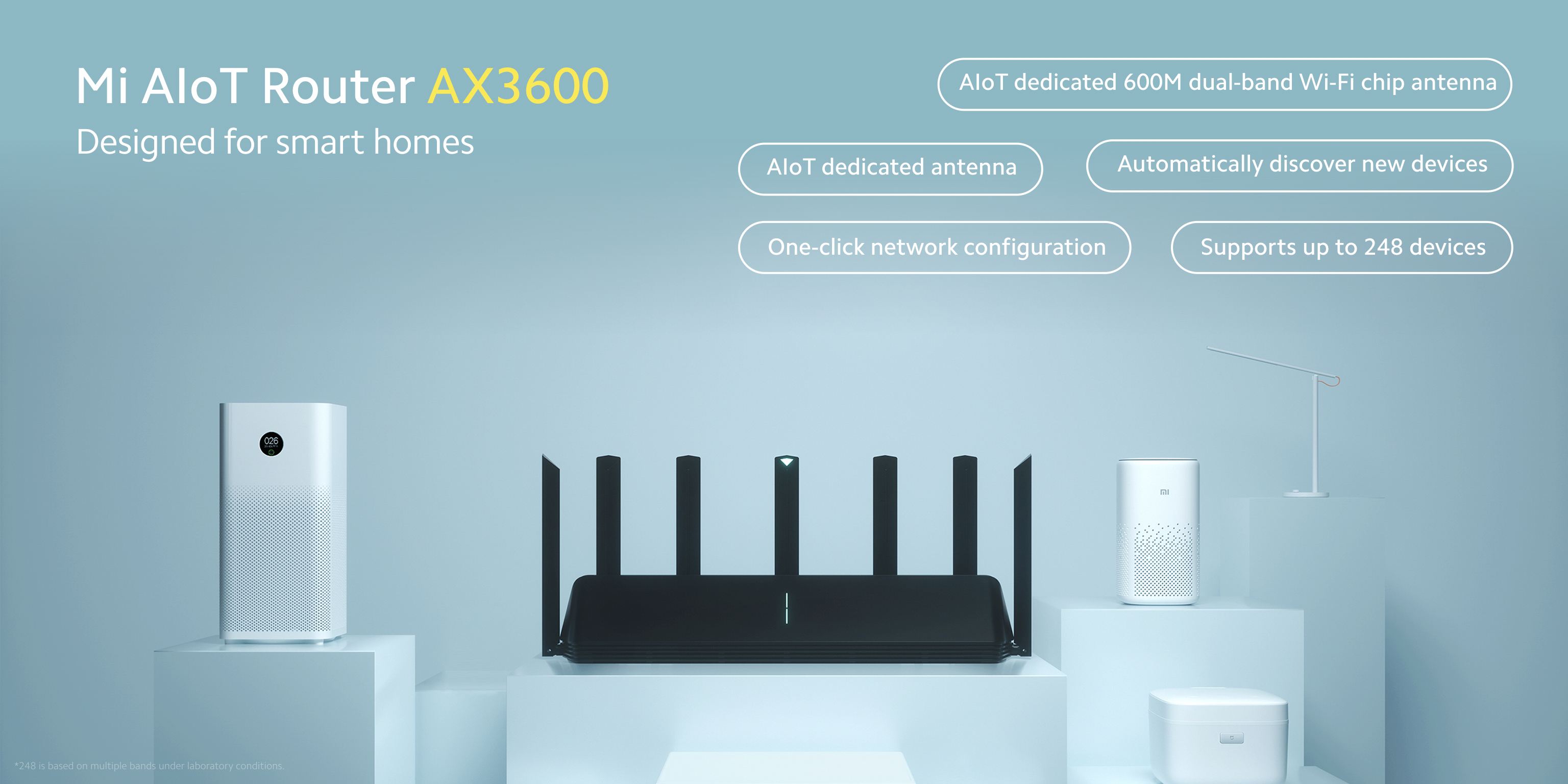
The Mi Router AC3600 also announced for the European market. The high-end router adopts a seven-antenna design. It is powered by Qualcomm’s IPQ8071A chipset, paired with 512MB of RAM and 256MB of storage. Xiaomi’s first Wi-Fi 6 router, the AX3600 promises high-end performance and up to 9.6Gbps speeds. One of the seven antennas on the router is a dedicated AIoT antenna that supports dual-frequency and provides speeds of up to 150Mbps for IoT devices.
The Mi AIoT Router AC2350 comes with a cheaper €49.99 (~$55) price tag. On the other hand, the Mi Router AX3600 costs €119.99 ($132).
Xiaomi Mi Air Purifier 3H
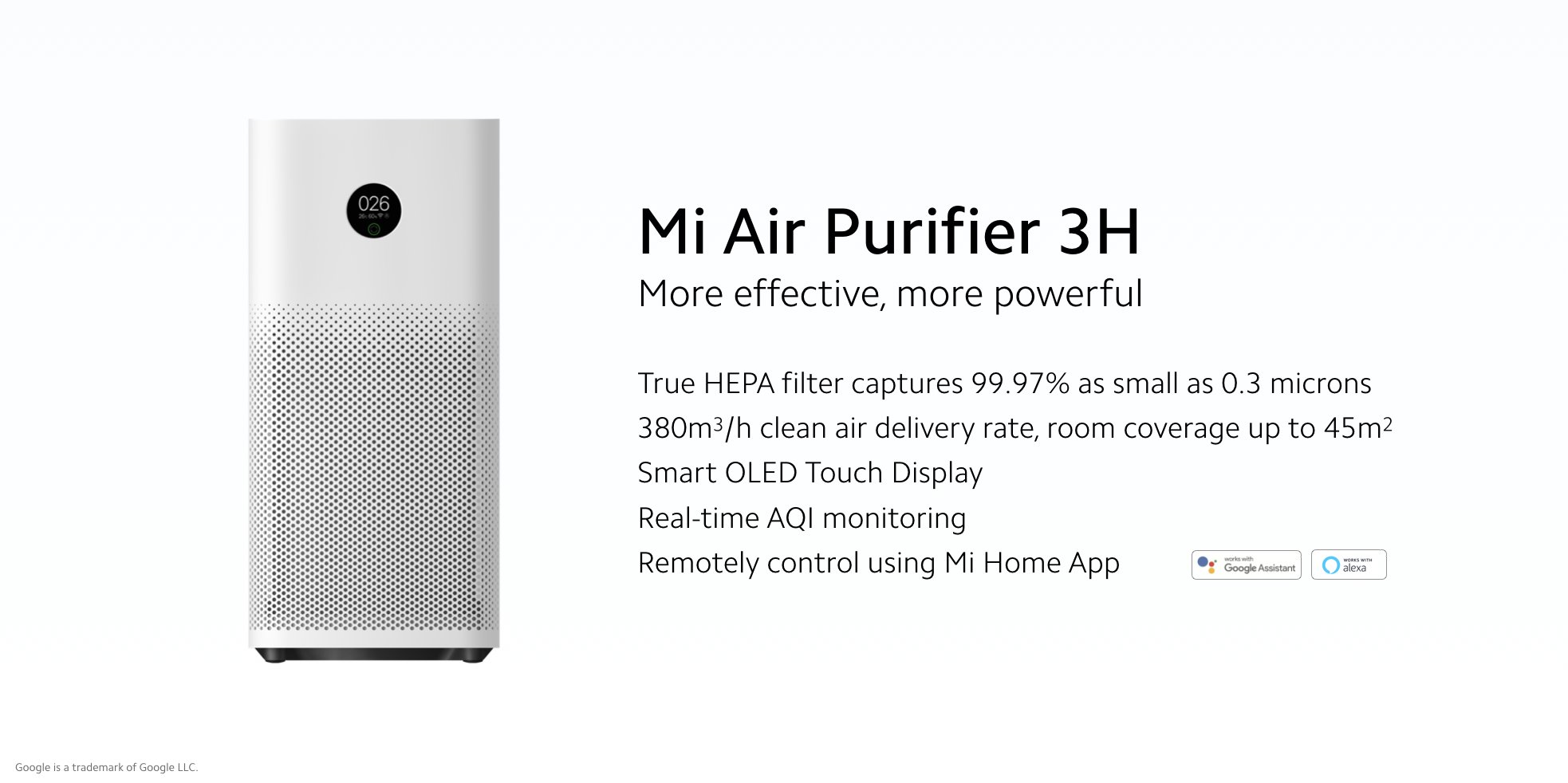
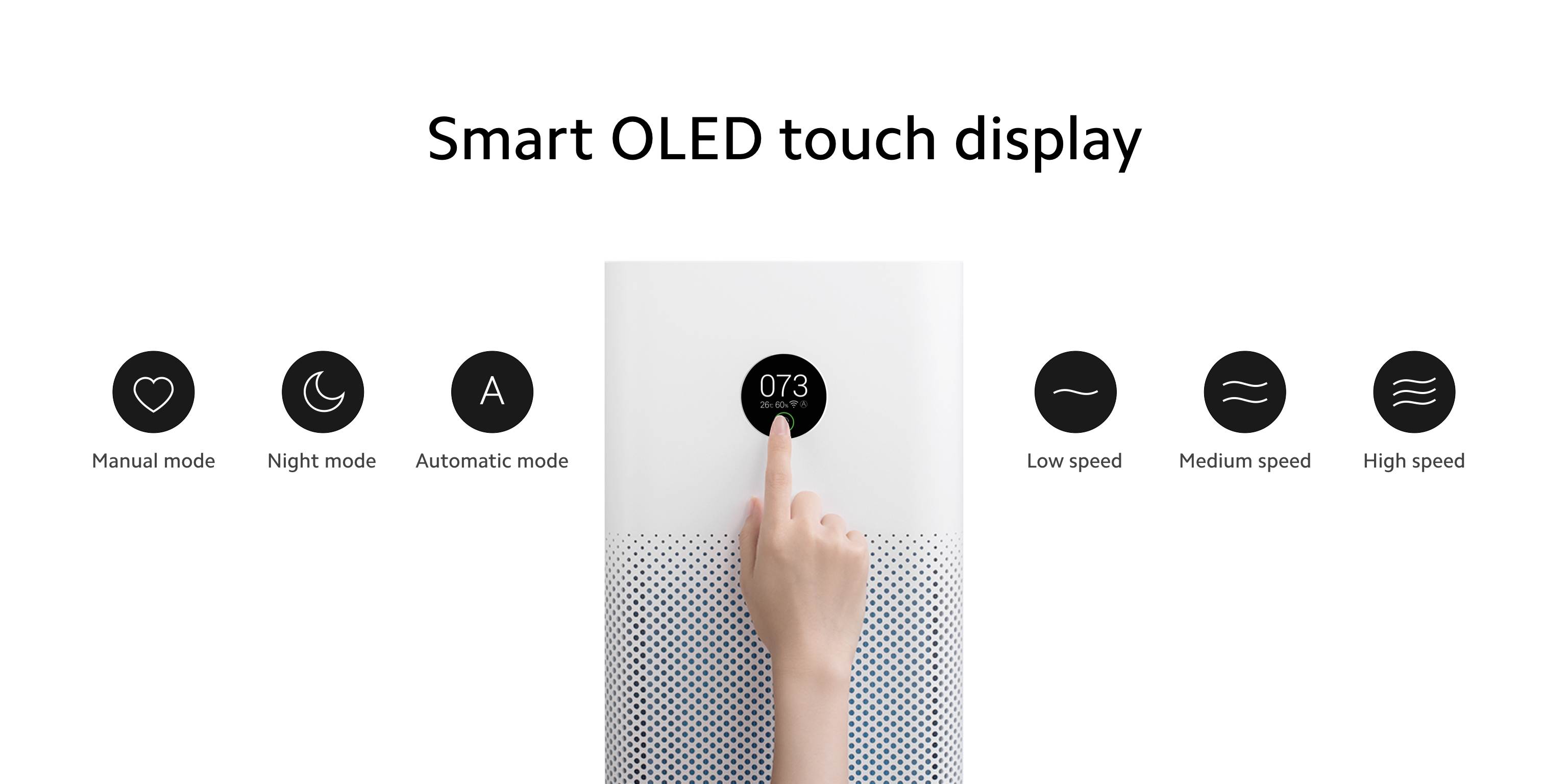
The Mi Air Purifier 3H features a round OLED display similar to that of the previous generation. The display is a touch-enabled one and provides several indoor air data such as temperature, humidity, real-time PM2.5 value, as well as the purifier operating status, network connection status and other information.
The device also supports app control via the MIJIA app.
As for the price, the Mi Air Purifier 3H is priced at €179.99 (~$198). The device will be available soon in Europe.
Huawei MindSpore AI computing framework is similar to what Google’s TensorFlow is all about. But the latter has an advantage as it is an open-source platform. Following its footsteps, Huawei has also made its Mindspore framework open-source. The company announced it on the second day of Huawei Developer Conference Cloud 2020.
The Chinese tech giant Huawei first announced the MindSpore AI computing framework in August 2019. It follows the three core development goals and they are easy development, efficient execution, and adaptable to all scenarios respectively.
As privacy has become a concern in today’s world, MindSpore only deals with gradient and model information, which has already been processed. That means it does not process the data itself and hence private user data remains protected even in cross-scenario environments. Further, it also has a built-in model protection technology for added security.
The MindSpore AI framework can be used in all scenarios, across all devices, edges and cloud environments. It also provides on-demand cooperation between them and its “AI Algorithm As Code” design helps developers to build advanced AI applications seamlessly. Because in a typical neural network for NLP (Natural Language Processing), it has 20% fewer lines of core code than other frameworks in the market and thus increases the efficiency of developers by at least 50%.
Huawei MindSpore AI framework not only supports the company’s own lineup of AI processors such as Ascend 910 but also other CPUs and GPUs available in the market.
Netflix requires certification on devices to play content in the respective format. Every now and then, the video streaming giant updates its list of officially supported devices. The latest change in the list brings back the Pixel 4 series and adds new devices from OnePlus and Oppo.
Even before the Google Pixel 4 series debuted, they were added to the officially supported HDR devices on Netflix’s official website. But they were soon removed as they were yet to go official. However, now as Pixel 4 and Pixel 4 XL available for purchase, Netflix once again adds them to the list after 5 months from their launch.
Further, the official Netflix HDR list also adds a couple of OnePlus devices namely OnePlus 7T and OnePlus 7T Pro, both of which launched around the same time as the Pixel 4 series. Strangely, the OnePlus 7T Pro McLaren Edition is still missing. Hopefully, that gets listed soon as it is the most expensive smartphone launched by OnePlus to date and has all the necessary hardware requirements for HDR playback.
Finally, the newly launched Oppo Find X2 and Find X2 Pro also make it to the list. It is worth noting that only selected models have been listed and they are PDEM10, PEDT10, CPH2023, PDEM30, and CPH2025 respectively.
After stealing the 2019 best-selling Android phone crown from other leading phone makers, Xiaomi’s sub-brand Redmi has unveiled its next-generation budget smartphone dubbed the Note 9S.
Two variants of the latest entrant in Redmi’s well-received Note series, the Note 9S has gone up for sale on Giztop. The popular Chinese e-tailer is offering the 4GB RAM +64GB ROM Redmi Note 9S model for just $219. This model comes in three appealing color options including black, blue and white.
Those willing to shell out an extra $30 can go for the slightly larger model that ships with 6GB of RAM and offers 128GB of internal storage space. Available in black, blue, as well as white color options, the aforesaid model will set you back $249.
The Redmi Note 9S was unveiled on Monday during an online launch event that was live-streamed from Xiaomi’s Beijing headquarters. The phone’s launch event was originally slated to take place in Kuala Lumpur but was canceled due to the coronavirus outbreak.
The Redmi Note 9S sports an extra-large 6.67-inch Punch-hole Dot display with an FHD+ resolution. The Redmi Note series packs Snapdragon’s latest 700 series processor. The Xiaomi Redmi Note 9S is powered by the Qualcomm Snapdragon 720G Octa-core processor and features an Adreno 618 GPU.
In the optics department, the phone houses a quad AI rear camera setup featuring a 48MP, an 8MP, 5MP, and a 2MP camera. Upfront, there’s a 16MP hole-punch selfie camera for capturing self-portraits and video calling.
The biggest talking point, however, is the robust 5,020-mAh battery that has been squeezed under the Redmi Note 9S’ hood. This is the largest battery the Chinese phone maker has ever built into a phone. With 18-watt fast-charging support, Xiaomi claims that the battery can last over two days.
Furthermore, the Xiaomi Redmi Note 9S runs MIUI 11 based on the latest Android 10 OS. Weighing in at 209 grams, the phone is on the heavier end of the weight spectrum. Its dimensions are 166 x 77 x 8.8mm, which is similar to Samsung’s massive Galaxy S20 Ultra’s dimensions of 167 x 76 x 8.8 mm, which means, it might not be a good idea to use it with just one hand.
It features a dedicated 2+1 SIM card slot that allows you to use two SIM cards at the same time. Moreover, you can expand the internal storage capacity of the phone up to 512GB via the microSD slot so that you have ample room for storing your multimedia content such as images, videos, music, documents, etc.
You can head straight to this link to check out more details about the Xiaomi Redmi Note 9S and place your order through Giztop.
The Gizmochina Coupons is a community that finds, reports and evaluates deals and coupons of Chinese products from online shops. Please visit it here to find more coupons to save money on mobiles and smart gadgets.
Motorola Android smartphones have been running near to stock Android ever since Google bought it. The trend followed even when the company was sold to Lenovo. However, the pace of updates weakened over the years. To fix it, the brand joined the Android One program and the first phone in the series, as a result, was Motorola One. But still, this device is receiving its Android 10 stable update six months after Google released it to the public.
The Motorola One was launched in October 2018 with Android 8.1 Oreo on board. It is a rebadged Motorola P30 Play sold in China for the international markets. The handset received the Android 9.0 update after two months from its launch (December 2018). Actually, the brand could have launched the phone with Android Pie out of the box as the latest version of Android at that time was announced two months prior to the phone’s launch (August 2018).
As an Android One device, the Motorola One is supposed to get two system updates and three years of security patches. And thus, the company has finally started seeding out the Android 10 update to this handset but late as usual. As of now, the update is only available in Brazil.
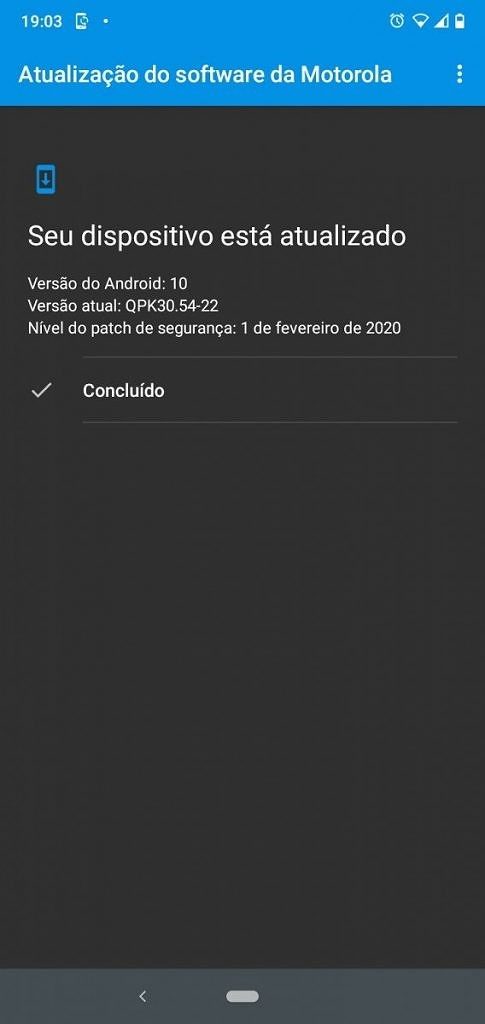
The Android 10 update for Motorola One comes with build number QPK30.54-22 and February 2020 security patch. As the brand is seeding out the last beta build as the stable update to the public, the security patch is older. If you are using the Brazilian model, you can download the official fastboot update file and install it manually from the link provided below. Or else, wait till the OTA notification hits your device to install it automatically.
Chuwi’s premium laptop and tablet fleet are on sale at Aliexpress 10th Anniversary celebration sale from March 27 to March 31. The Chinese electronics maker is offering massive discount coupons and organizing giveaways for the users who are participating in different activities. To mark the Anniversary celebrations, Chuwi in co-operation with AliExpress commend four different including coupons, buy one get one, giveaways and games.
The concerned users can get a $50 off coupon by playing a game on the Chuwi activity page on Aliexpress. Moreover, there’s a 50% off coupon that is also available if you’re able to find the Chuwi brand on the Big Coupons activity page. Buy one gets one activity that brings a free high-quality laptop bag for the top 100 buyers of HeroBook Pro, LapBook Pro and top 50 users of AeroBook. Finally, if you’re looking to own Chuwi HeroBook Pro and Hi10X for free then don’t forget to enter the giveaway.
There are specifical discounts for the new users on the Aliexpress network. Some exclusive activities for Chuwi store followers are also present. Participate and know more about the ongoing AliExpress activity over here.
We have compiled some popular deals from the Chuwi store on Aliexpress. Here they are:
Chuwi Hi10X
Discount price – $196
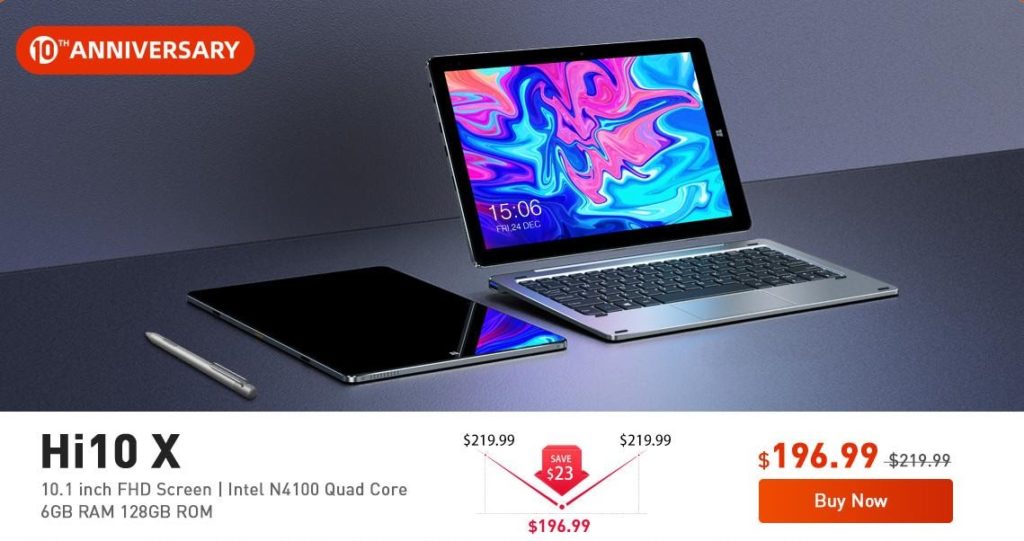
Chuwi Hi10 X is a powerful makeover of a 10.1-inch classic tablet. It packs an upgraded processor, RAM and internal storage along with the support for HiPen Stylus. A docking keyboard can be used to convert the tablet into a fully convertible laptop. Precisely, Chuwi Hi10X features a 10.1-inch FHD display, an Intel N4100 Quad-Core chipset is available with 6GB RAM and 128 GB Internal Storage.
HeroBook Pro
Discount Price – $199
Herobook Pro 14.1-inch laptop is a cost-effective laptop packed with Intel N4000 Processor, 8GB RAM and 256GB SSD. The laptop is efficient for office work and daily use. The premium portable body design makes the device ultra-luxurious. A discount of over $40 is available at AliEpress’s 10th-anniversary sale.
LapBook Pro
Discount Price – $299
It is a high-end laptop featuring Intel N4100 Processor coupled with an 8 GB RAM and 256 GB SSD with a metallic body. The Full HD screen with 9-% screen-to-body ratio offers broader visual experience with clear and narrow bezels. Its powerful processor is steadily enough to tackle every power-intensive tasks. The metallic body doesn’t affect the weight and superior texture.
Ther are several other devices present in the Chuwi’s Aliexpress activity. It is a golden opportunity for the users who want to own a laptop that too at groundbreaking prices. You can refer to the Chuwi official website for more information about the 10th Anniversary sale.
Huawei official took the veil off the much-anticipated P40 series made up of the Huawei P40, P40 Pro and P40 Pro Plus a few days back. The P40 Pro, just like its siblings, features a premium glass body. Just days after the device was announced, the picture of a broken P40 Pro has surfaced online.
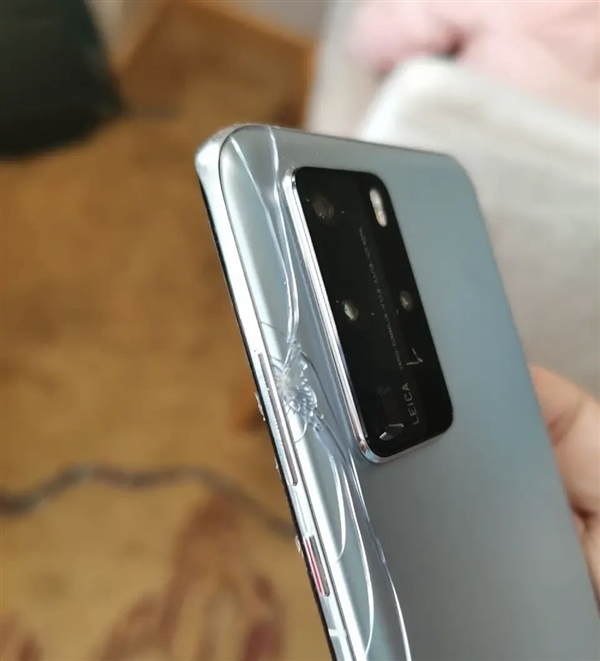
The picture shows a Frosted Silver variant of the P40 Pro with a broken rear glass panel at the top left corner, close to the rear camera. The damage will most likely have resulted from a hard fall. There are no details as to how it happened but this should be expected from a device using an all-glass design. The front panel of the device wasn’t shown. So, we can’t tell if it is broken as well.
Since the Huawei P40 series is yet to go on sale in China and on the global market, the model may likely be a media review unit or a retail store display unit or even an internal prototype. That should explain why the owner did not reveal his identity or the cause of the damage. The P40 Pro is promoted to sport a soft matte glass finish which doesn’t seem to have any Gorilla Glass protection. Thus, see this as a warning that the P40 Pro will be fragile. Perhaps, it will be more fragile than the P40 Pro Plus which features a ceramic body.
The Huawei P40 Pro starts at €999 ($1095) for the 8GB RAM and 256GB storage model. We would have thought Huawei will give it a more durable build. In the absence of that, you’ll have to buy a protective case alongside the flagship to prevent any damage.
The device is expected to be launched in China on April 8.
Xiaomi‘s global launch event today was a harvest of new products. The company unveiled the Mi 10 and Mi 10 Pro flagship models as well as the Mi 10 Lite 5G. Away from smartphones, we saw the Mi TV 4S 65″, Mi Air Purifier 3H, Mi AIoT Router AX3600 and the Mi AirDots Pro 2 launched as Mi True Wireless Earphones 2.
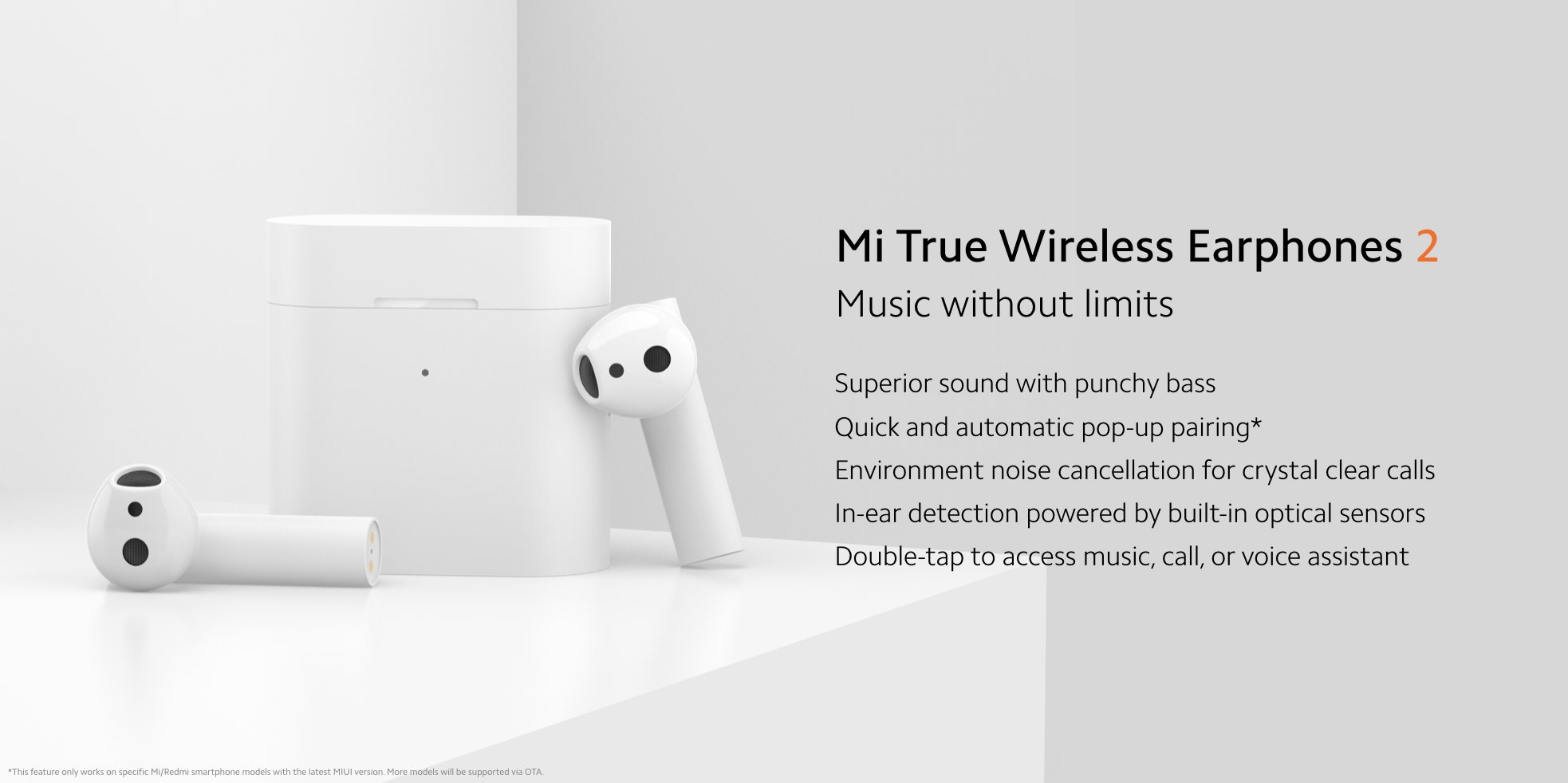
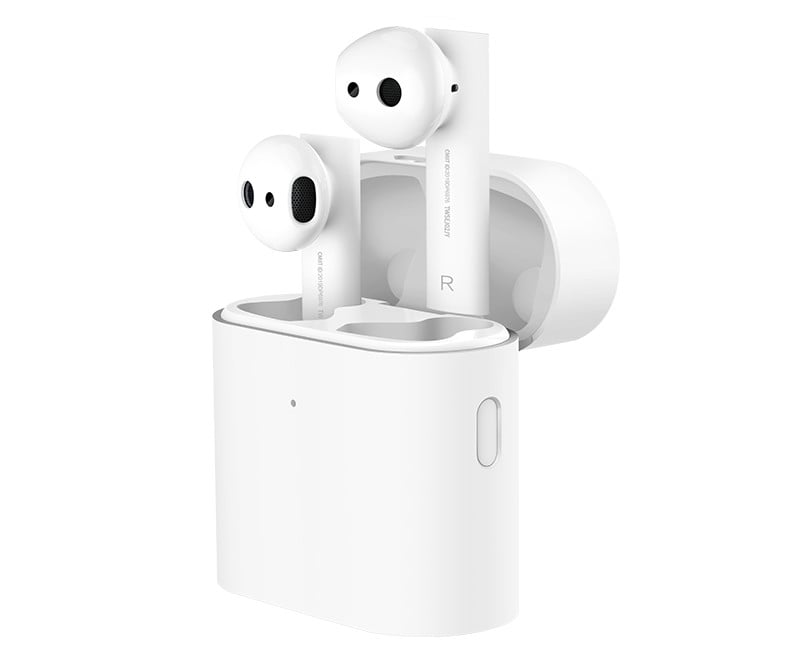
The Mi True Wireless Earphones 2 is the global version of AirDots Pro 2 which the tech giant launched in China back in September 2019. The design and features are practically the same. What should differ is the retail price. The Mi true Wireless Earphones 2 comes in at €79.99 (US$ 87.97) whereas the AirDots Pro 2 is sold in China for 399 yuan (approximately $56).
As per the features, the Mi True Wireless Earphones 2 is equipped with Bluetooth 5.0 and can connect to Android and iOS devices. The earphones come with LDHC Hi-Res audio codec. Other features include smart voice controls, dual microphones for environmental noise cancellation (ENC). It is equally equipped with 14.2mm drivers for better audio output. The earphones are optimised to connect with phones running MIUI when the earphones are removed from the case.
You also get touch controls for volume and track change, as well as voice control. In addition, the Mi True Wireless Earphones come with an infrared sensor for intelligent wear detection so it automatically pauses when you remove them.
The semi-in-ear design makes it fit the ear canal perfectly, giving it a safety net from falling off the ears easily and also bringing comfort to the user. It is also a lightweight product with each earphone weighing just 4.5g while the battery case weighs 50g.
For durability, the Mi TWS earphones 2 provides 4 hours of continuous playback on each earphone. That can be extended up to 14 hours when charging successively with the case. It takes just 1 hour to fully charge the case when the battery is empty.
As stated, the Mi True Wireless Earphones 2 comes with a €79.99 (US$ 87.97) price tag. It only comes in white and Xiaomi says it will be available in Europe soon. The Mi AirDots Pro 2 is even available on Giztop for $79.
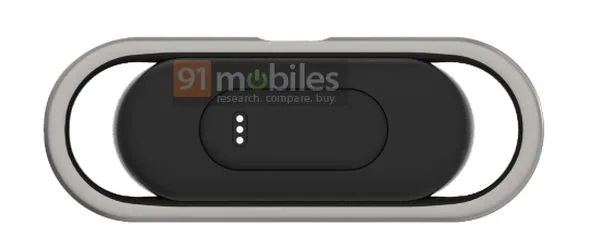
OPPO made a foray into the smartwatch market recently with the launch of the OPPO Watch. The OPPO Watch turned out to be very popular with fans and could give the company the needed opening to break into the smart wearable market. Perhaps, as a way of consolidating the gains made wit the Oppo Watch, the company has reportedly filed a new patent application in China for a wearable device. The patent is specifically for a new smart band.
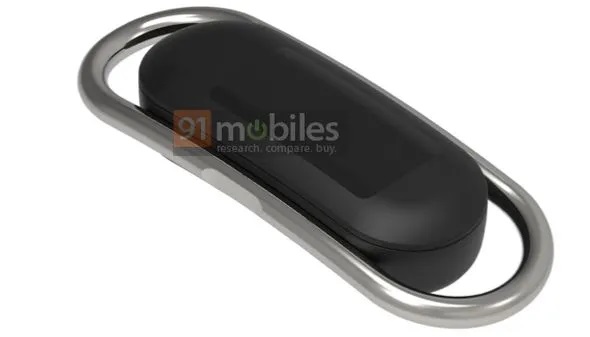
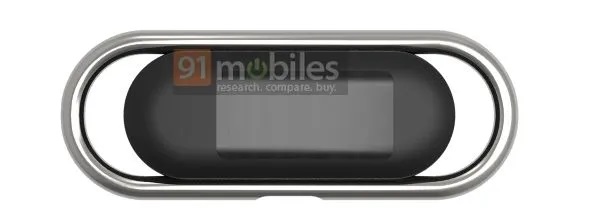
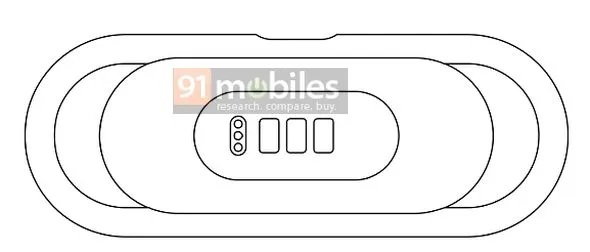
The patent application detailed the smart band to feature a small screen that can display time, and can also display notifications from mobile phones, steps counter, etc. The contacts on the bottom indicate that the wearable device is designed for magnetic charging and is equipped with a heart rate sensor. Like most smart bands on the market, it will also double as a fitness tracker.
The design also reveals a metal ring which surrounds the outside of the pebble-shaped device. Although it makes it look unique, we can’t tell why the company chose to include such a design. There is a groove on one side of the metal ring, which may be a pressure-sensitive button, to wake up the device. There are also opening on either side of the smart band which is likely where the straps will fit.
The patent didn’t reveal any detail as regards the internal hardware and functions of the device. We can’t even tell if OPPO will mass-product the design any time soon but we’ll be on the lookout for more details.
Call of Duty Mobile, which is popularly known as COD Mobile is one of the popular smartphone games in recent years. It competes with PUBG Mobile, which is yet another game much well-known than this game in the same genre of ‘battle royale’. COD Mobile has received multiple updates over the last few months. Now, the developer behind the game has rolled out yet another update, which brings Season 4 as well as other new additions and fixes.
When COD Mobile debuted in October 2019 for everyone, it crossed over 100 million downloads within a week. Later, in two months time, the game garnered over 170 million downloads, which is yet another feat.
COD Mobile is popular among players because it offers a number of game modes such as Free-for-All, Team Deathmatch, Hardpoint, Domination, and Battle Royale, unlikes its closest competitor PUBG Mobile.
Now, the latest update of the game brings three new game modes called Gun Game, 2v2 Showdown, and 20v20 FPP Warfare Mode. Additionally, it also adds a new map named Meltdown, couple of weapons, new scorestreak called ‘Shock RC’, and lots of fixes and improvements apart from bringing Season 4 to the game, which is scheduled to run from 1st April to 1st June. Lastly, this update also removes Zombies Mode.
Here’s the official update changelog shared by the game publisher Activision on Reddit.
New Ranked Season
Season 4 Ranked Mode will run from April 1st until June 1st
New ranked mode seasonal rewards
All new Industrial Revolution themed weapons & equipment coming to Season 4 Ranked Mode, including Epic weapon Man-o-War, and Epic soldier Ruin
Ranked Mode Changes
Improved art and particle effects in Ranked match tab
Improved score earning rules for MP based on player’s performance
Improved matchmaking logic
New Ranked MP Mode map: Temporarily replaced Scrapyard with Meltdown, available for S&D, DOM and TDM
Reduced the penalty for losing a ranked match
Battle Pass
Steel Legion Pass has arrived! New Content
Originally from Call of Duty: Black Ops 2 – Lt. Commander David Mason, Code Name: SECTION, is now available in the Premium Battle Pass
Mason Battle Pass themed weapons are also available now for a limited time
Free Battle Pass Rewards
GKS: New high-powered SMG that has reliable recoil and stability, but can also hit long range targets
New Scorestreak – Shock RC: Detects and disables nearby enemies with an electric shock
Multiplayer
Newly Added Modes:
Gun Game: Team Fight = Gun Game + TDM, Progress your weapons by earning kills or with two assists. First team to reach 60 points or a knife kill on the last level wins.
2v2 Showdown: Two teams of two go head to head using random weapon loadouts that change every 2 rounds. Be the first to eliminate both enemies, or capture the point in overtime to win the match. First team to reach 6 rounds wins. Single round respawn and health regeneration disabled.
New Map
Meltdown
Originally from Call of Duty: Black Ops 2 – Battle in the industrial section of a nuclear power plant
Meltdown is available in the following 7 modes: S&D, DOM, TDM, Snipers Only, Gun Game: Team Fight, Gun Game, and FFA
Optimizations
Limited Time Mode: Prop Hunt
Reduced from 3 rounds to 2 rounds, increased round time
Players can join a match in progress during the first round
Optimized starting score for players who join a match in progress
A new spring themed Prop Hunt is coming Soon!
Practice Vs. AI Mode: This mode will no longer add other human players
Invulnerable timer after respawn changed to 4 seconds
Frontline: Invulnerable timer after respawn changed to 4 seconds
Gun Game: added new weapons to the rotation
Snipers Only: Sniper Rifle optics will be changed to default scopes
Increase flinch when shot by Locus, DL Q33, Arctic .50
Greatly increase ASM10 stability, increased damage range
Reduced LK24 damage range
Increased BK57 damage range
Increased ICR damage range
Increased AK47 and Man-O-War stability
Movement
Optimized sliding and jumping action
Bug Fixes
Fixed a bug in FFA where the Trophy System destroys your own projectiles
Fixed DL Q33 – Holidays sound bug
Fixed voice announcement when a teammate uses a Predator Missile
Fixed a bug where the player earns Hardpoint Kill bonus points when they use a VTOL while sitting within the Hardpoint zone
Fixed voice announcer bug in DOM mode
Battle Royale
New Mode: FPP Warfare
FPP Warfare Mode: 20v20 clash using First Person Perspective only
Stay tuned for more information about this upcoming limited time mode!
Easter Egg Event
During our BR Easter Egg Event there will be some changes to the Circus area, go check it out!
Pay close attention to Eggs laid out on the map, go break them apart!
Lootable Weapons
Added UL736 LMG & HS2126 Shotgun to BR
Bug Fixes & Optimization
Fixed a bug where players are unable to equip the Axe and Baseball Bat
We have changed the melee weapon interface; Players must now select a melee weapon
System
Optimization
Improved lobby UI and visuals for a more user-friendly experience after the Season 4 Ranked Mode ends; Players must update to the latest version to start climbing the ranks in the new season.
Soap and Outrider received a little extra polish
Bug Fixes
Fixed a bug where opening the friend list in the mode lobby will cause the game to freeze
Oppo established an R&D (Research and Development) centre in India a year ago. Now, in an interview with Gadgets Now, Tasleem Arif, the Vice President and Head of this centre shares the achievements they have accomplished so far.
The Oppo R&D centre located in India’s Hyderabad is the company’s largest centre with 350 employees. Also, it is the firm’s only R&D centre outside mainland China. According to Mr Arif, this centre played a key role in many of the new Oppo technologies including VOOC 3.0, globalization of ColorOS 7, and the brand’s F17 smartphone, which was launched in January.
He also revealed that they have filed over 50 patents this year, out of which, 30% are in imaging and 20% are in the network space. Further, he also mentioned some of the areas they have filed a patent for, which include camera and image processing, battery, 5G networks, system performance, payments, AI and gaming.
Additionally, Oppo has announced a $7 billion global investment in R&D over the next three years. This investment will be used to develop core technologies in hardware, software, and systems. The company will also work in 5G, Artificial Intelligence, Augmented Reality, and other similar techs. Plus the company has allocated $143 million in 2020 to support developers across the globe to boost its operating ecosystem.
Lastly, Mr Tasleem Arif expects the Hyderabad Oppo R&D center to be 500 strong by the end of 2020 as they have been hiring skilled people from prestigious Indian institutions like IIT, IIIT, and NIT.
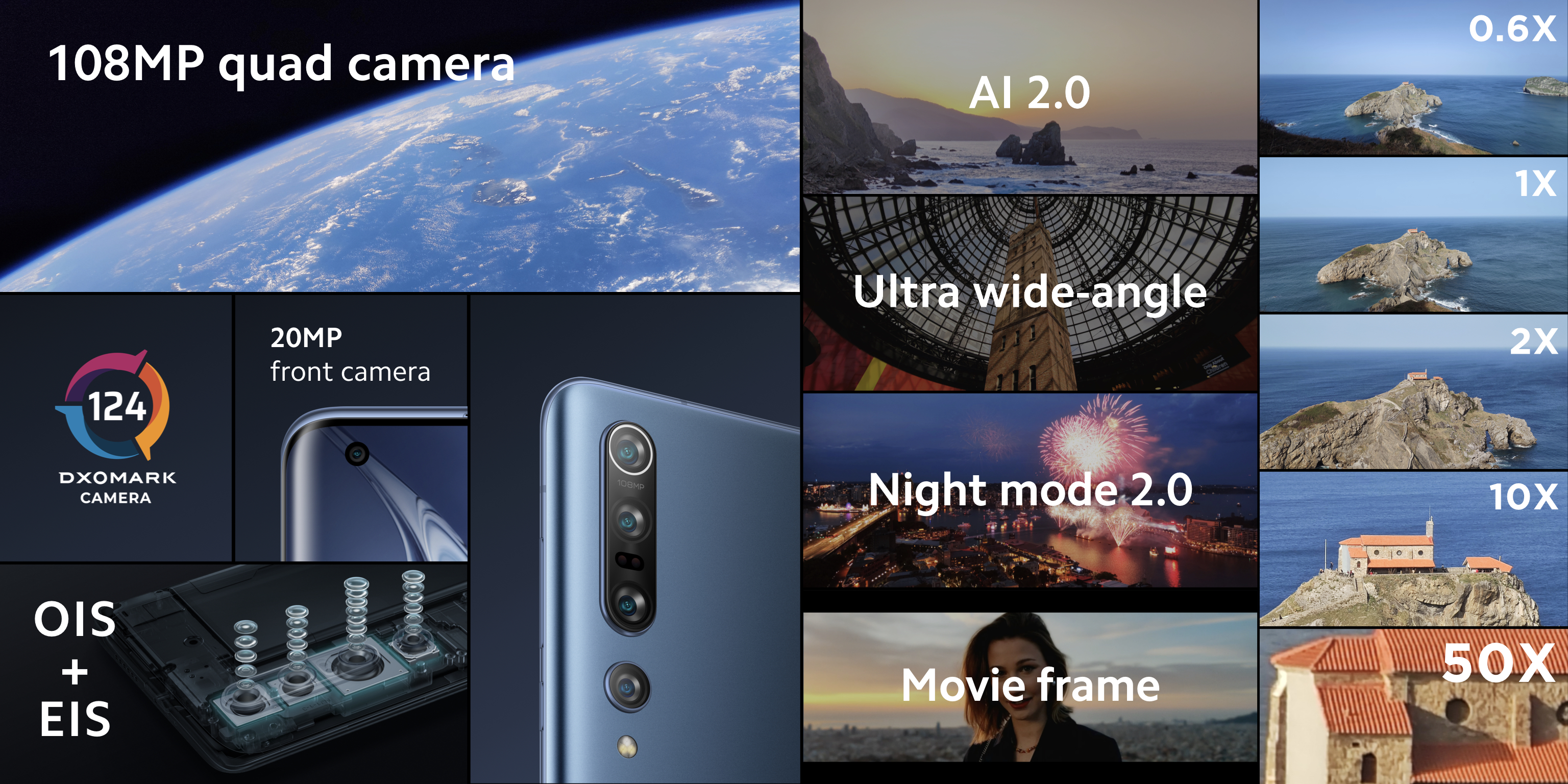
Xiaomi has launched the Mi 10 series, its tenth-anniversary flagship for the global market. The series is comprised of the Mi 10 and the Mi 10 Pro. The company says the series has been highly successful since they were launched in China last month. The major highlight of the device is the camera and the presentation focused a great deal on the camera configuration on both models. Xiaomi equally announced a third model- a more affordable Mi 10 Lite 5G powered by a Snapdragon 765G chipset.
Some of the amazing features that the Mi 10 and Mi 10 Pro cameras boast of includes 8 video shooting which delivers better quality. The Mi 10 series equally offers impressive portrait shots, a ShootSteady mode to aid stability of video shoot. There is also a Pro mode and wider capture which corrects distortion.
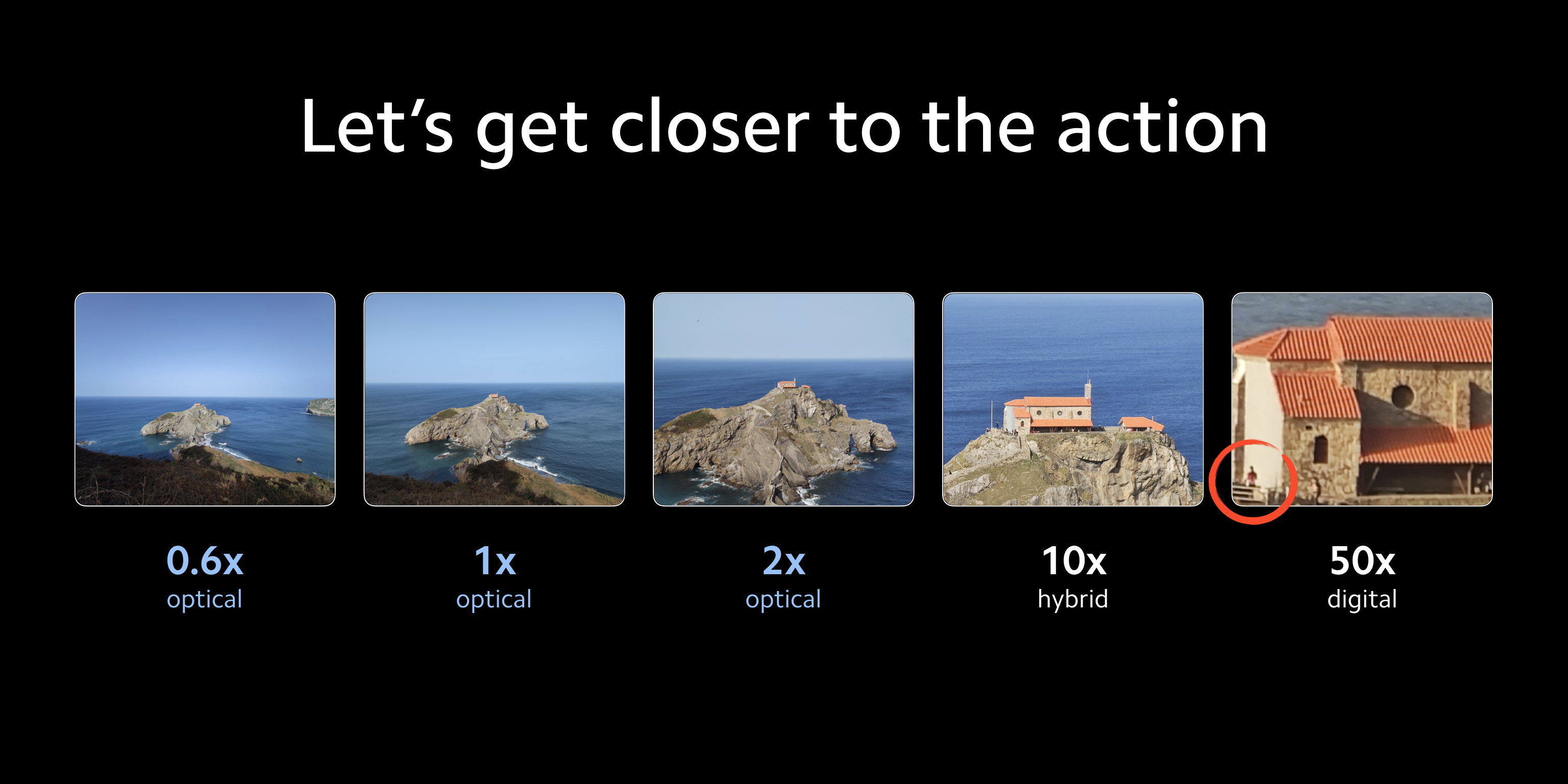
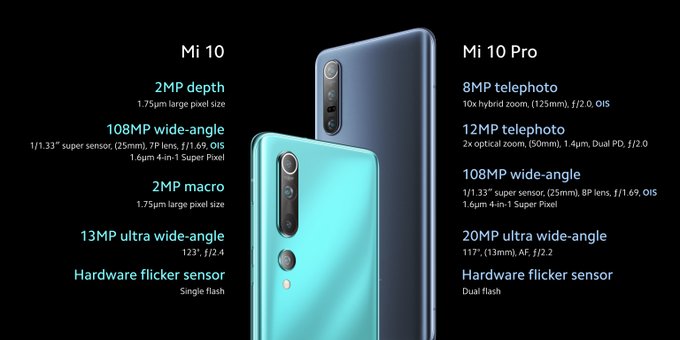
Xiaomi says the major difference between the Mi 10 Pro and Mi 10’s cameras is that the Mi 10 Pro features high-end optical and digital zoom capabilities. The zoom ranges from 10x hybrid zoom to 50x digital zoom. One other feature which Xiaomi unveiled on the Mi 10 series is the hardware flicker sensor. The sensor will make capturing a picture or video from a TV easier and clear. It is difficult to do this presently without some form of distortions because the shutter speed of the camera and refraction rate of the TV doesn’t match. The hardware flicker sensor detects the refraction rate and automatically adjusts the shutter speed in order to deliver a clear shot.
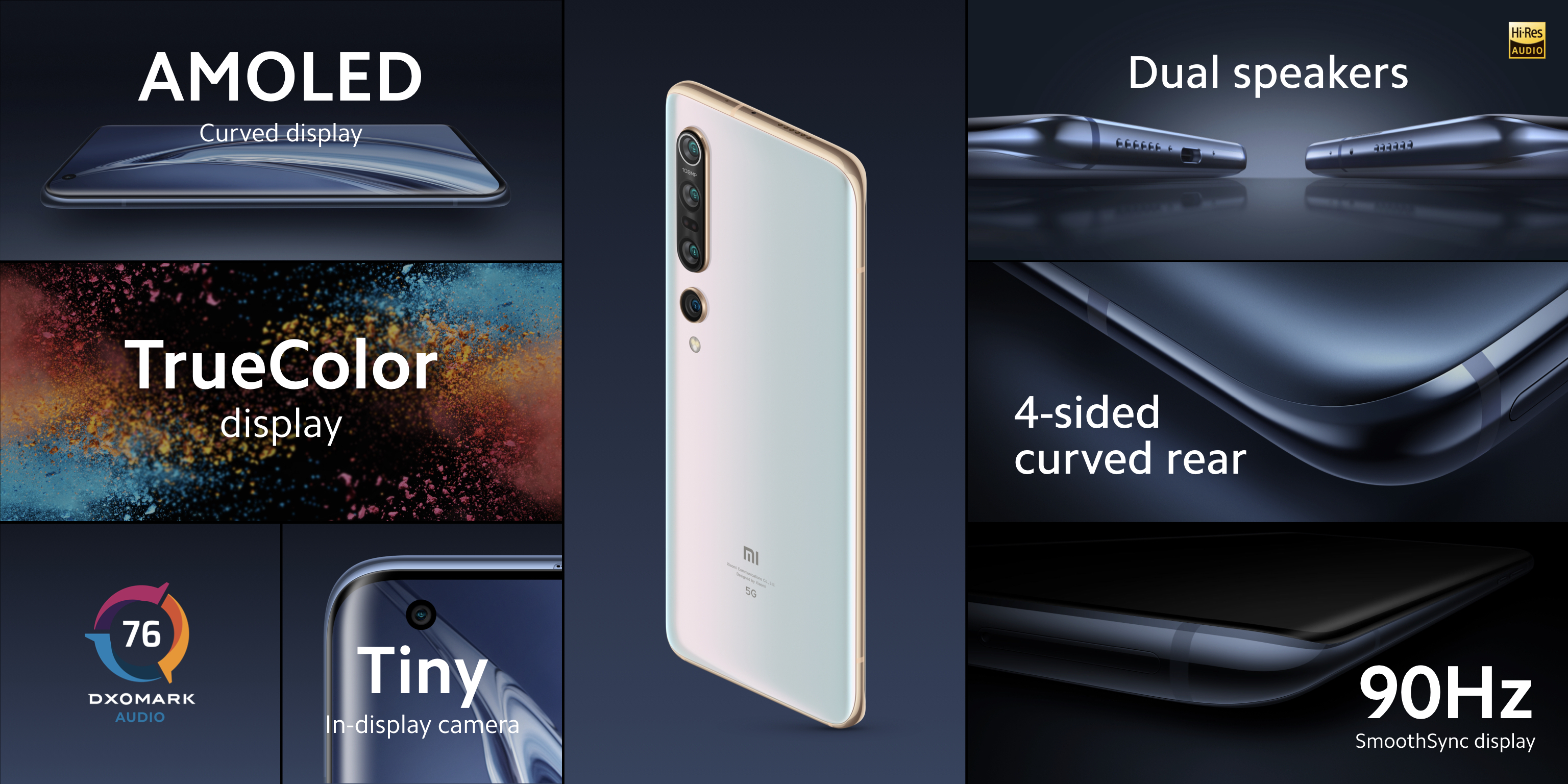
The Mi 10 and Mi 10 Pro designs are also an interesting aspect of the device. Apart from the camera sensors that differ, both the Mi 10 and Pro model have an identical design. This includes a four curved-edge back panel as well as a punch-hole camera located at the top left corner.
Both models pack a 6.67-inch curved AMOLED display with a 90Hz refresh rate and 180Hz touch sampling rate. The Pro model features a JNCD (Just Noticeable Color Difference) of less than 0.55. The peak brightness on both the panels reach 1200 nits with a contrast of 5,000,000:1. The models are equipped with dual front and rear light sensors to improve the automatic brightness adjustment on both the devices in order to ensure that the phone’s brightness is controlled well offering a pleasant viewing experience, indoors as well as outdoors.
As you already know, the Mi 10 and Mi 10 Pro are both powered by a Qualcomm Snapdragon 865 chipset paired with up to 12GB RAM. You can scoop more details about the memory versions and others from our China launch article from here.
Pricing & Availability
The Mi 10 starts at 799 Euros while the Mi 10 Pro comes with a starting price of 999 Euros. The models will be available across Europe starting from April 7 in France, Italy, Germany while it will go on sale in Belgium and the Netherlands on April 15. The models come in four amazing colour options – Alpine White, Solstice Grey, Twilight Grey and Coral Green.
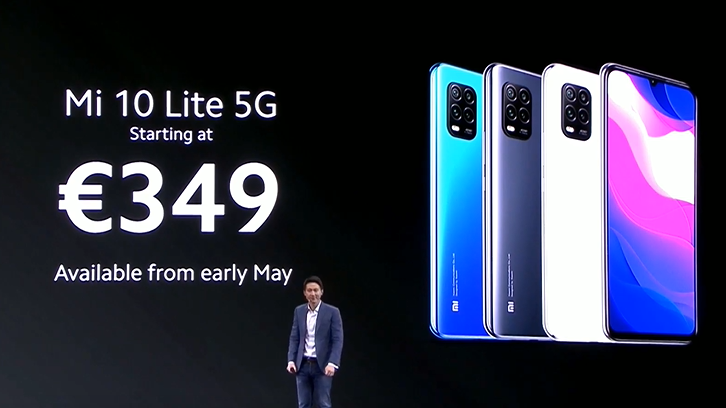
In 2018, Xiaomi announced the Mi 8 Lite – an affordable version of the Mi 8 flagship. The following year, it announced a successor called the Mi 9 Lite, though it was just a rebranded Mi CC9 that is sold in China. Xiaomi has surprised us with the launch of the Mi 10 Lite 5G which was unveiled today in Europe.
Mi 10 Lite 5G’s Design
The Mi 10 Lite 5G is Xiaomi’s first mid-range 5G smartphone for the international market. The design of the phone, albeit familiar in some ways, is unlike any of Xiaomi’ (or even Redmi’s) other phones.
The phone has a waterdrop notch in its AMOLED display unlike the Mi 10 5G and Mi 10 Pro 5G which have a punch hole at the corner of their displays. The back is covered in Gorilla Glass which has become standard in a lot of mid-range devices. However, the camera housing is different from that of other Xiaomi devices. It is rectangular with curved corners but Xiaomi has put it by the left corner of the phone rather than in the middle as you have on the Redmi Note 9 Pro.
Mi 10 Lite 5G’s Specs
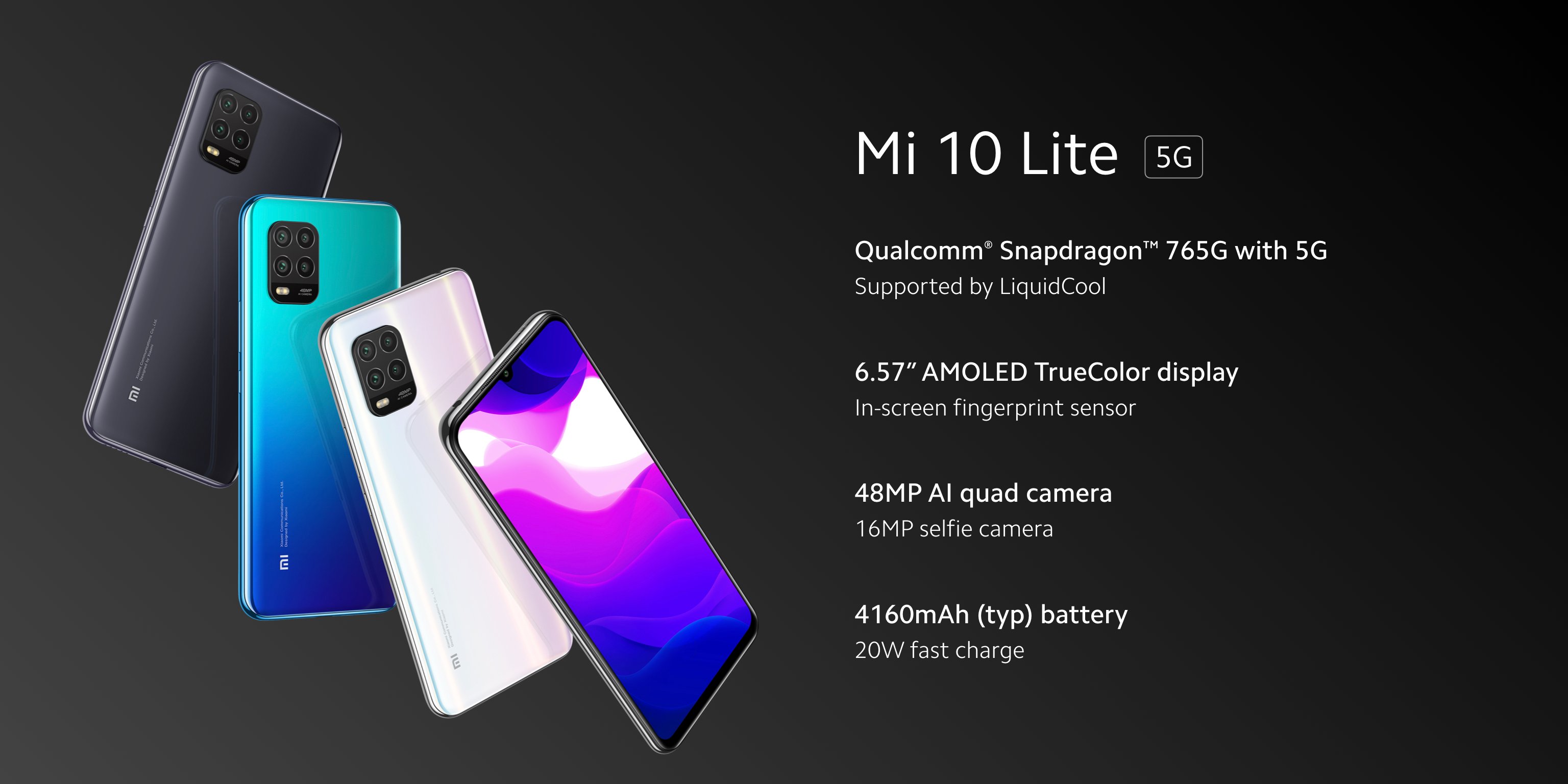
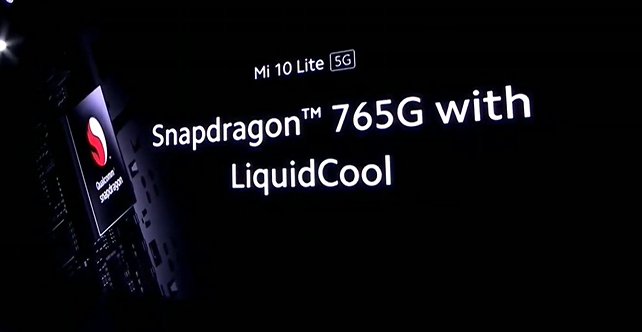
With respect to specs, the Mi 10 Lite 5G has a 6.57-inch AMOLED TrueColor 1080p display. It is powered by Qualcomm’s Snapdragon 765G with LiquidCool with LPDDR4X RAM (not stated) and 64GB or 128GB of UFS 2.1 storage.
The primary rear camera is a 48MP sensor (other sensors not revealed) while the notch is home to a 16MP selfie camera. Xiaomi has packed in a number of camera features such as AI Dynamic Skyscaping, Vlog Mode, Night Mode 2.0, ShowSteady, 120fps slow-motion video recording, and a pro mode, etc.
The phone has an in-display fingerprint scanner and a 4160mAh battery capacity inside with support for 20W fast charge. The Mi 10 Lite weighs just 192 grams and measures 7.98 millimeters in thickness.
Mi 10 Lite 5G’s Price and Availability
Xiaomi’s aim for making the Mi 10 Lite 5G is to make 5G more accessible to more people, so it is no surprise that the phone has a starting price of €349. It will be available in early May in white, gray, and green.
The Galaxy Fold launched last year was the first foldable smartphone by Samsung. It features two displays, one smaller unit on the outside known as ‘cover display’ and another foldable flexible panel inside, which turns the handset into a small-sized tablet. The South Korean tech giant is yet to announce its successor but long before that, rumors-based concept renders of this upcoming foldable have emerged on the internet.
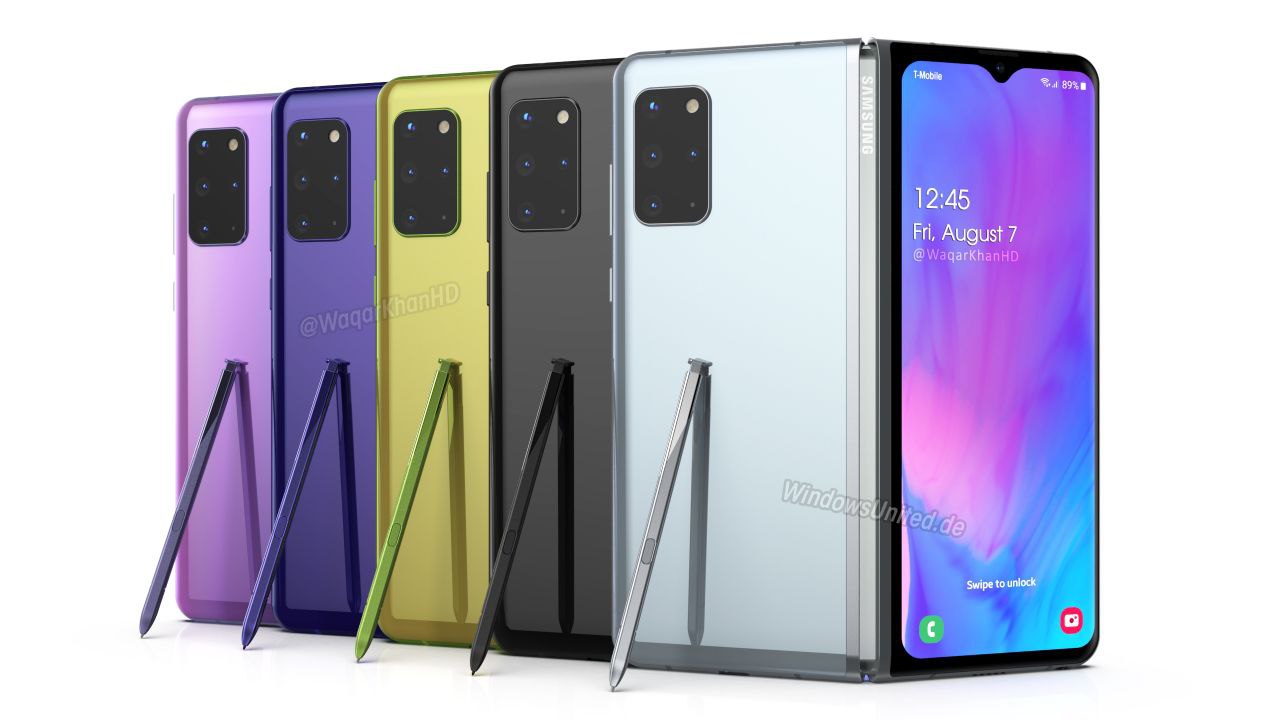
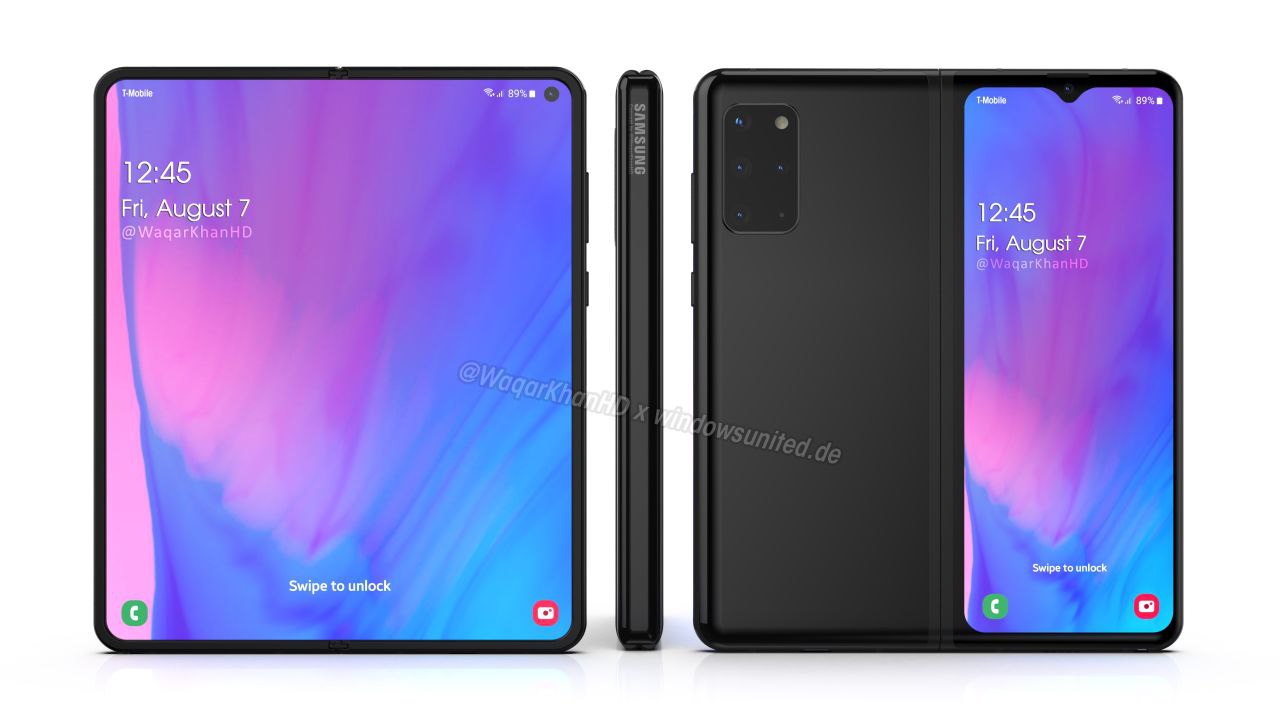
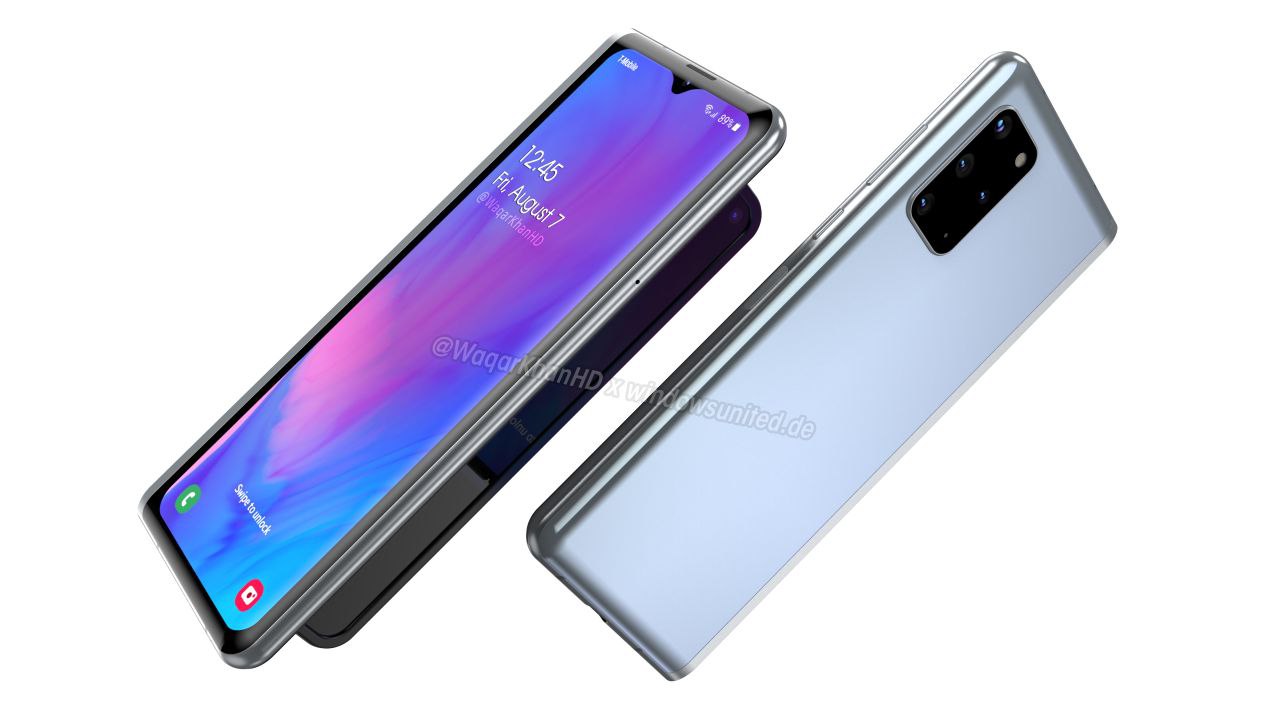
These new rumor-based Samsung Galaxy Fold 2 renders are shared by WindowsUnited, a German website. Before describing the design, we would like to inform you that these are not similar to the near to perfect 3D CAD renders by @OnLeaks. Instead, these renders are merely conceptual as they are created on the basis of what the Galaxy Fold 2 might bring to the table according to the rumors so far.
The website imagines the Galaxy Fold 2 to sport a larger cover display with an ‘Infinity-V notch’. It looks much better than the one present on the original with a larger forehead and chin. The biggest fuss of the current-gen Galaxy Fold is how tiny its outer display is and thus, it will be a welcome change if Samsung nails this design but maybe with a centred punch-hole instead of a notch for the selfie camera.
As for the main inner display, the Galaxy Fold has a big weird cutout at the top. But these unofficial Galaxy Fold 2 concept renders have a clean inner foldable display with a single punch-hole (Infinity-O) at the top left corner for another front-facing camera. Also, this panel is assumed to have support for S-Pen, which could be a game-changer for long-time Galaxy Note users. Lastly, these Galaxy Fold 2 renders feature a Penta-camera setup arranged in a rectangular array similar to the newly launched Samsung Galaxy S20 Series.
Samsung Galaxy Fold 2 Concept Renders
1 of 5
As mentioned earlier, there is little chance of the Galaxy Fold 2 to feature this design. But one thing we can surely expect on the successor to the Galaxy Fold is the new UTG (Ultra Thin Glass), which debuted on the Galaxy Z Flip clamshell foldable smartphone launched this year.
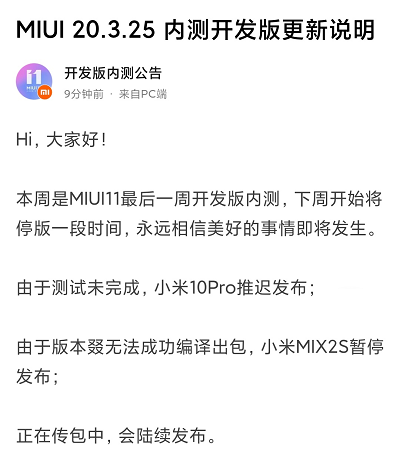
Xiaomi recently hinted that it will be halting MIUI 11 Developer ROM updates by next week. This news began fuelling speculations that the company was planning to commence MIUI 12 development. To this end, the Chinese giant started rolling out the MIUI 11 beta 20.3.25 update which is expected to be the last MIUI 11 beta update ever.
Interestingly, the Mi 10 Pro and Mi MIX 2S models enrolled on the Developer program were absent from the models getting the weekly MIUI beta update. Thus, the two models didn’t get the latest MIUI 11 beta 20.3.25 update.
Xiaomi has now come out to clarify why the update wasn’t pushed to the two flagship models. The Chinese company stated in a Weibo post that the MIUI developers had issues with the compilation of the latest beta package for the duo, hence the suspension of the rollout. It is expected that the update will be pushed in no distant time.
MIUI 12 may not be announced until the second half of 2020, but the MIUI team is expected to start internal testing followed by closed beta and then open beta in the coming weeks. The update is expected to still be based on Android 10 in Xiaomi’s usual pattern while some models released later in the year will run MIUI 12 based on Android 11. Sadly, Xiaomi has not been swift in pushing the latest Android update and that isn’t expected to change any time soon.
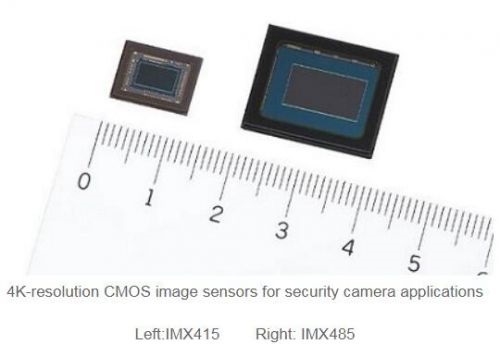
Sony had issued an announcement earlier today (27th March 2020) that mentioned the effects of the recent coronavirus outbreak on its certain businesses. In the official statement, the company said that its proprietary CMOS image sensor’s production is currently not severely affected at the moment. The announcement was made on the company’s official Weibo, a Chinese microbloggin website, account.
According to Sony, the viral pandemic had initially caused the shut down of four different manufacturing plants in China, all of which have already resumed operations last month on 10th February 2020. Similarly, the Japanese tech giant also mentioned that the company’s factories in the United Kingdom and Malaysia have also been affected by the outbreak as well.
However, despite all of the halts in production, Sony said its CMOS (complementary metal-oxide-semiconductor) image sensors production has not been severely impacted. In other words, the material supply has been mostly unscathed, including the raw materials that are processor for the production of its proprietary camera sensors.
For those unaware, Sony is one of the world’s leading figures in imaging technology and camera sensors. Market research and analysis have revealed that the company shares 48 percent of the total image sensor market. On the other hand, Samsung, the South Korean tech giant only has a market share of 21 percent.
We use cookies on our website to give you the most relevant experience by remembering your preferences and repeat visits. By clicking “Accept”, you consent to the use of ALL the cookies.
This website uses cookies to improve your experience while you navigate through the website. Out of these, the cookies that are categorized as necessary are stored on your browser as they are essential for the working of basic functionalities of the website. We also use third-party cookies that help us analyze and understand how you use this website. These cookies will be stored in your browser only with your consent. You also have the option to opt-out of these cookies. But opting out of some of these cookies may affect your browsing experience.
Necessary cookies are absolutely essential for the website to function properly. This category only includes cookies that ensures basic functionalities and security features of the website. These cookies do not store any personal information.
Any cookies that may not be particularly necessary for the website to function and is used specifically to collect user personal data via analytics, ads, other embedded contents are termed as non-necessary cookies. It is mandatory to procure user consent prior to running these cookies on your website.