The ongoing crisis throughout the globe has even affected the smartphone market. Many OEMs have postponed the launch of devices for a few months. Even, Realme has deferred the Realme Narzo series launch amid a 21-day nationwide lockdown across India. Moreover, some concerns about the smartphone warranty have propped up via Twitter. The customers are asking about the warranty period of the devices which are stuck with the lockdown announcement.
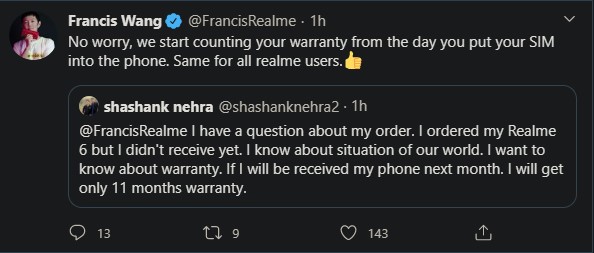
While answering one of such questions over Twitter, the Realme’s Chief Marketing Officer of Realme India, Francis Wang confirmed that the warranty will start from the day you insert SIM. Other details about the revised warranty policy are not yet available, but it is a welcome move from Oppo’s subbrand in such a grave situation.
Most of the global smartphone manufacturers are reeling under the ongoing lockdown across the country. Apart from Realme’s Narzo 10 and Narzo 10A, Vivo also postponed the launch of the upcoming Vivo V19 smartphone.
Additionally, Realme Narzo 10 series is expected to feature a 6.5-inch HD+ resolution display with a 20:9 aspect ratio. Both the devices will come with 5000 mAh batteries supporting 18W fast charging. There will be different storage variants that include 4GB RAM + 128 GB Storage. IN optics, the smartphone is set to feature a 16-megapixel front camera and a 48-megapixel quad-camera module.
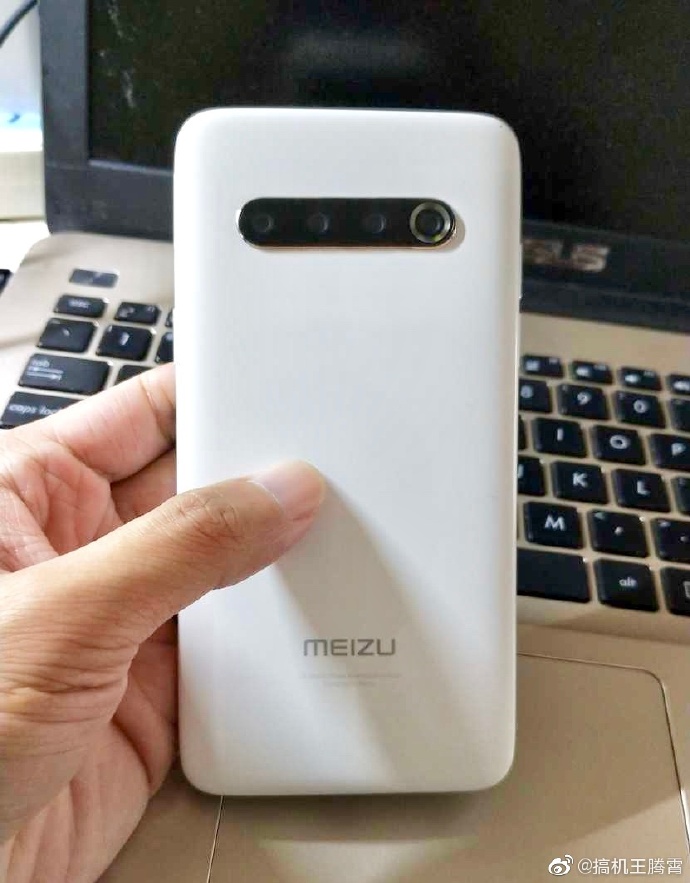
In April,Meizu will be unveiling its Meizu 17 flagship phone. The Snapdragon 865 powered device will be the Chinese manufacturer’s first device to arrive with 5G capabilities. Couple of leaks that have appeared in the recent past have revealed vital information on its specs and features. Today, a tipster from China shared a live shot of the white colored Meizu 17 phone. It showcases the horizontally aligned quad camera system of the device.
The Meizu 17 live shot shows that it has a horizontal camera setup on the upper half of its rear. It has four cameras and the lasts one is decorated with an LED flash ring. A previously leaked render of the phone had showed that it features a horizontal rear camera system and a punch-hole display. The newer reports contradict early rumors that had claimed that the phone will be sporting an Oreo camera setup.
Previous reports have revealed that the Meizu 17 will be arriving with a punch-hole display. It is rumored to house a 6.4-inch or 6.5-inch AMOLED display. The small-sized camera cutout is said to be surrounded a battery indicator LED. The phone is expected to impress with screen space as it features slim bezels. It may offer an aspect ratio of 19.5:9.
The Snapdragon 865 powered phone may feature 8 GB of LPDDR5 RAM and 128 GB of built-in storage (UFS 3.0). The device could be backed by a 4,500mAh battery. It may carry support for 30W fast charging and 30W fast wireless charging.
Huawei is gearing up to unveil the P40 series on March 26, which happens to be tomorrow. Now, just a day ahead of the launch, the company confirms the debut of EMUI 10.1 on these smartphones. This goes in line with a report from last month which suggested the same.
EMUI 10.1 Official Teaser
The EMUI official account on Weibo posted a teaser poster for EMUI 10.1. It mentions the new iteration of Huawei’s Android skin to be announced alongside the P40 series launch tomorrow. Unfortunately, the teaser image does not reveal features of the upcoming new version of UI. Instead, it simply says ‘Wisdom, Wonderful Unlimited’ (translated).
If you look back at the history of EMUI releases, we can clearly get the picture that the new improved x.1 version of the software have been debuting on the Huawei P series for the last two years. For example, EMUI 8.1 debuted on P20 series, followed by EMUI 9.1 on P30 series, and now we will get to see EMUI 10.1 on the upcoming P40 series.
However, we are uncertain of the new features and improvements it will come with. Last year’s EMUI 9.1 brought new notable features like EROFS file system, GPU Turbo 3.0, and ARK compiler. This time around, the company may bring features related to HMS (Huawei Mobile Services) core, which the company depends upon to sell its devices in global markets.
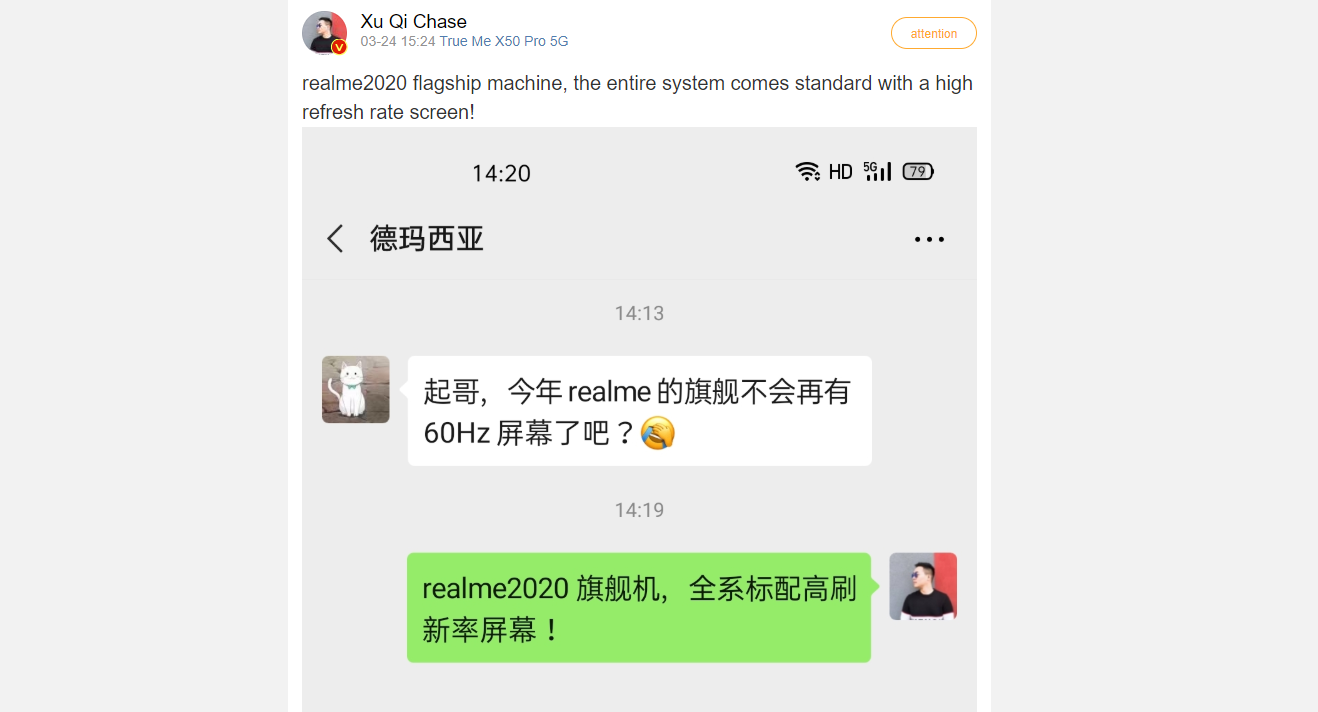
Earlier today (25th March 2020), a senior Realme official had confirmed that every flagship smartphone model being released in 2020, will feature a high refresh rate display panel. The news was shared on Weibo, the Chinese microblogging website.
The announcement arrived from Xu Qi, the Vice President and President of Global Marketing of Realme, and ramps up the anticipation for its 2020 flagships. Previously, the Chinese smartphone manufacturer had launched the Realme X50 Pro on 12th March 2020, which featured a 6.44 inch Super AMOLED display with a 90Hz refresh rate and a screen sampling rate of 180Hz. Being the flagship handset, it even sported Qualcomm’s Snapdragon 865 SoC and other top notch specs.
While a higher refresh rate translates to better user experience in terms of daily usage, media, and gaming, the drawbacks are clear with a faster battery drain. We have already seen such an example with the Redmi K30 Pro, which is the flagship but has a standard 60Hz display unlike the 120Hz found in the base K30 variant. So, we will have to wait and see just how well the implementation actually is and how high Realme’s plans on outputting it display panels.
Realme X50 Pro 5G Rust Red
The likely option is above at least 75Hz. So, a 90Hz display may be the go to option. However, this is just speculation and Realme could possibly also opt for a 120Hz display to trump its competition. Although this is again unconfirmed so take it with a grain of salt. More information should arrive soon as well, stay tuned.
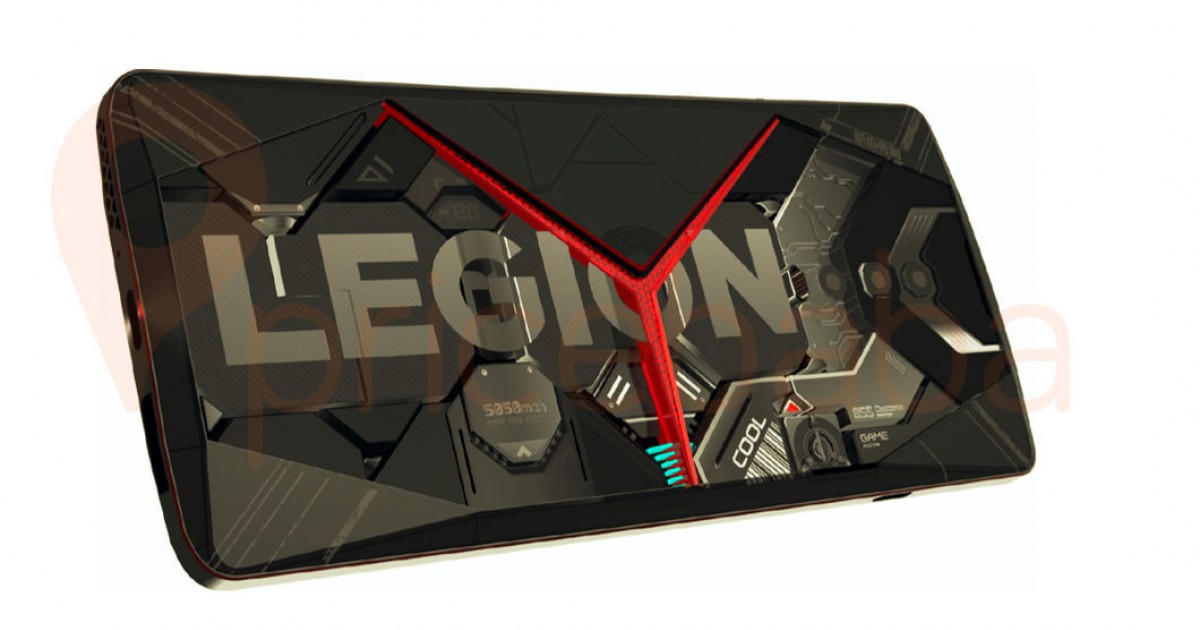
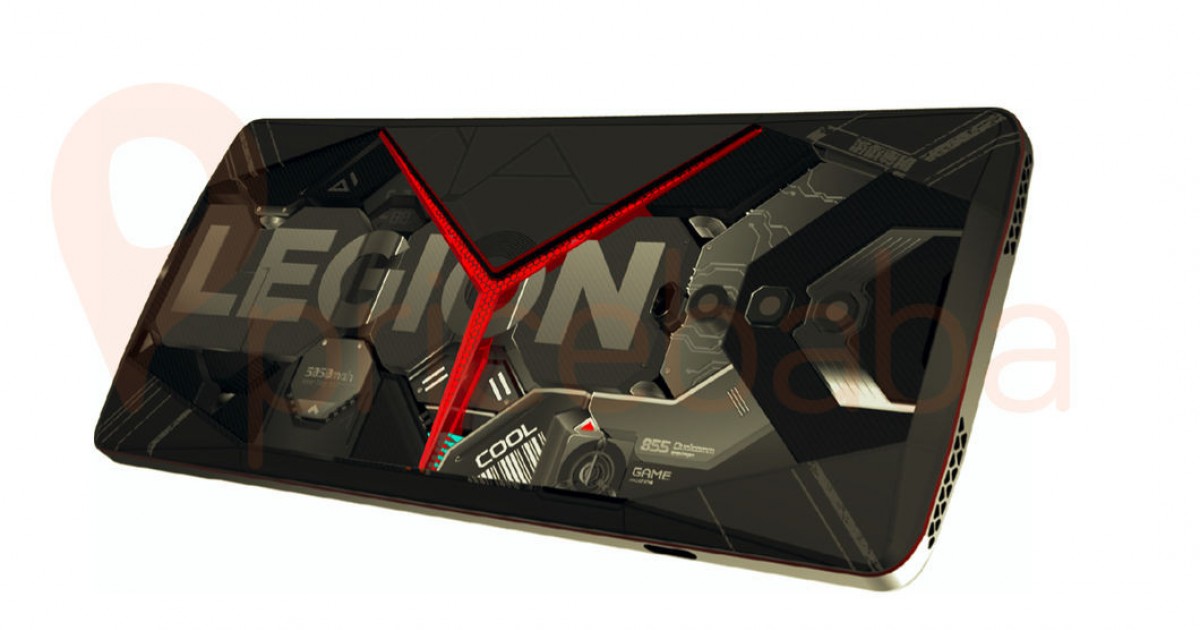
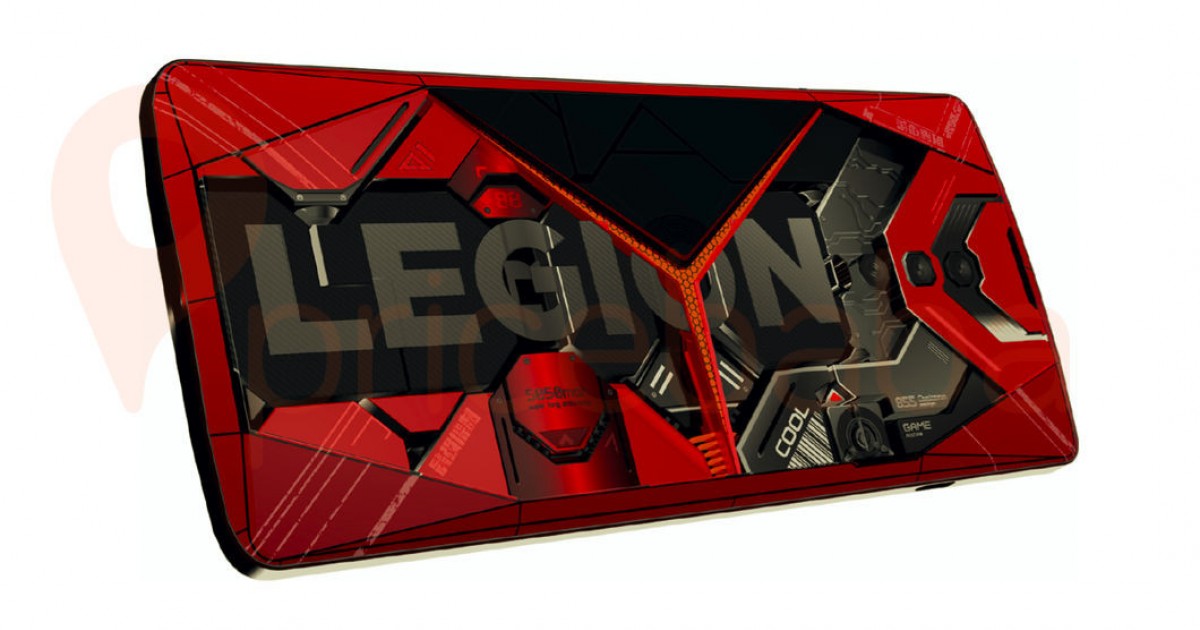
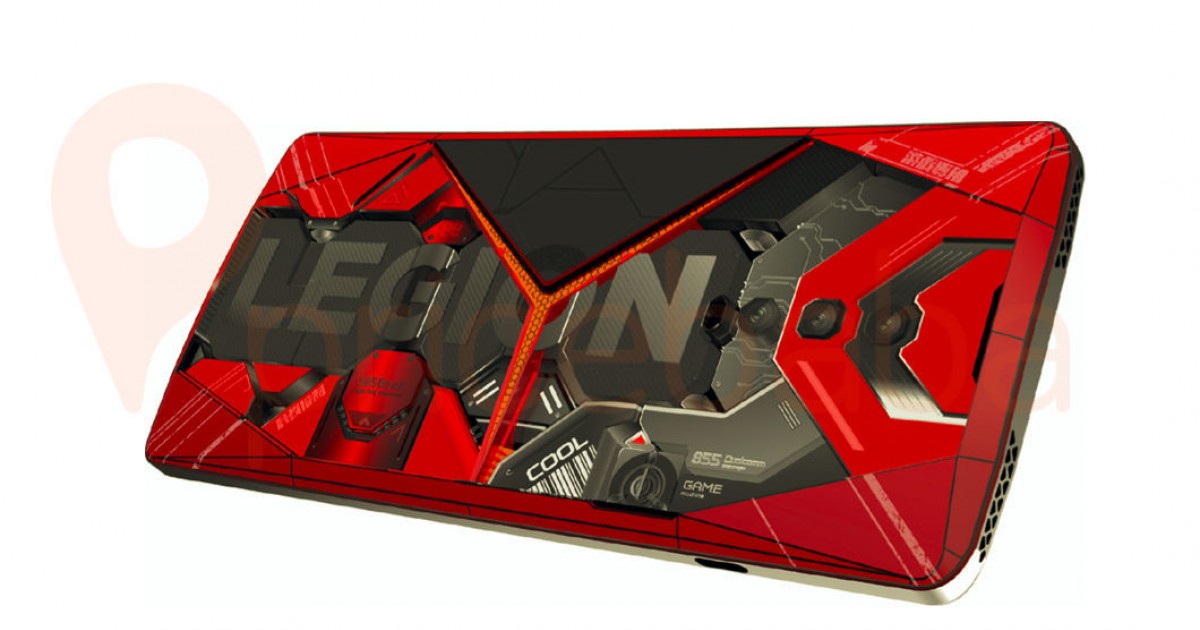
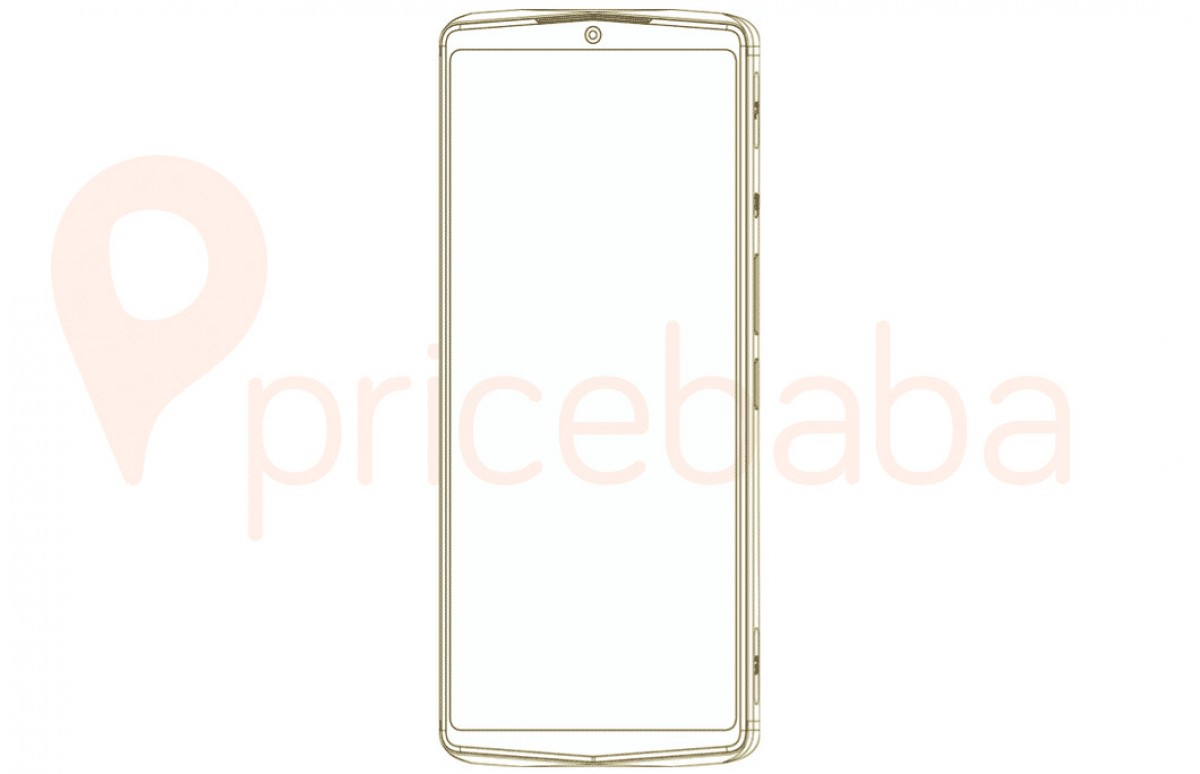
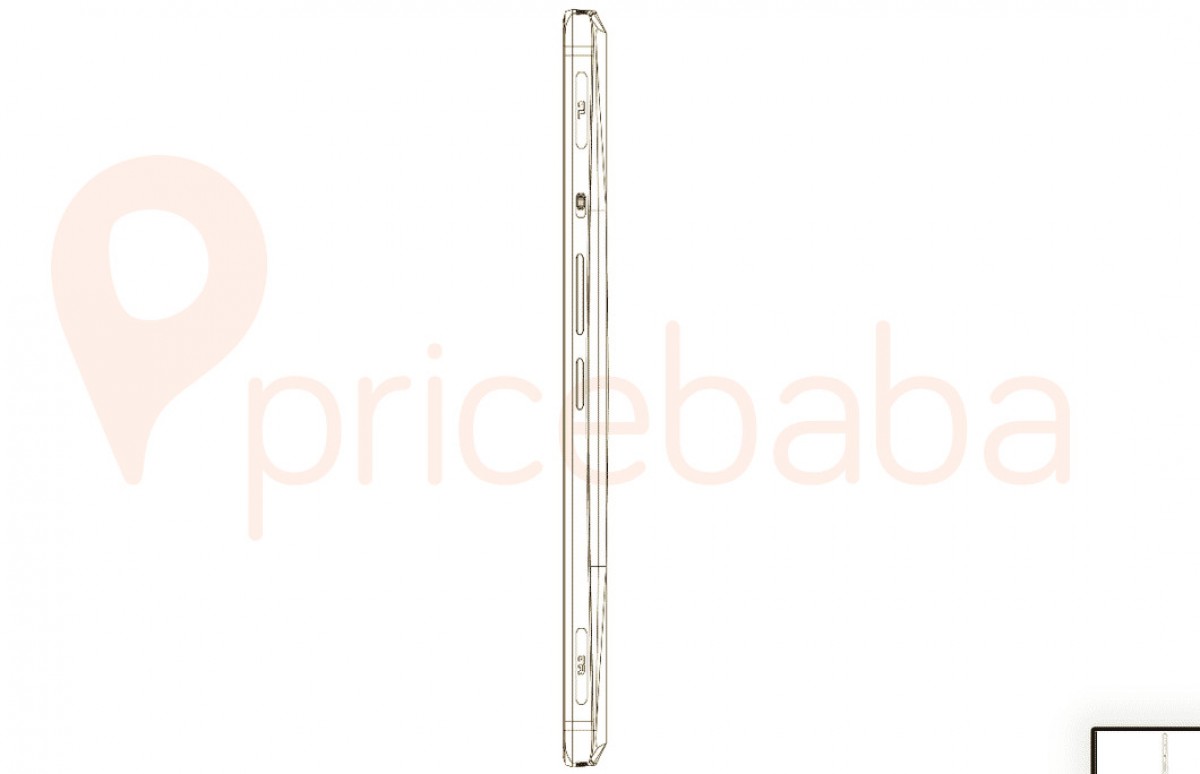
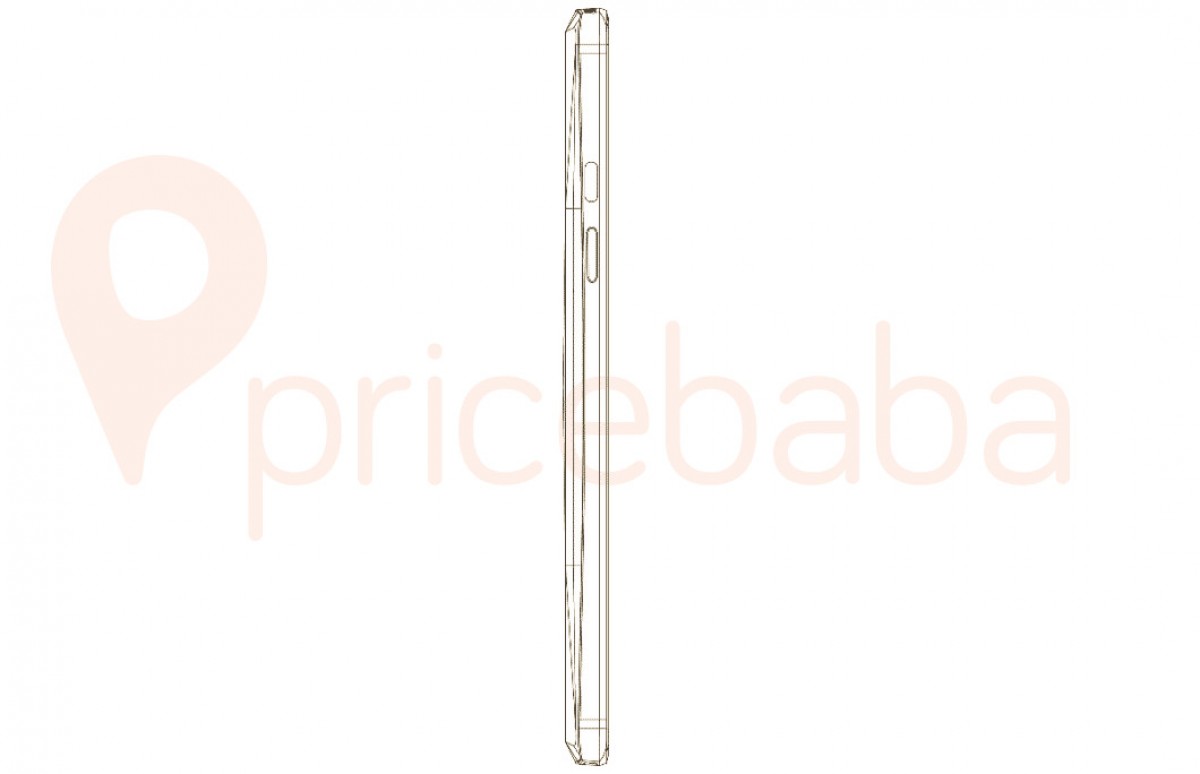
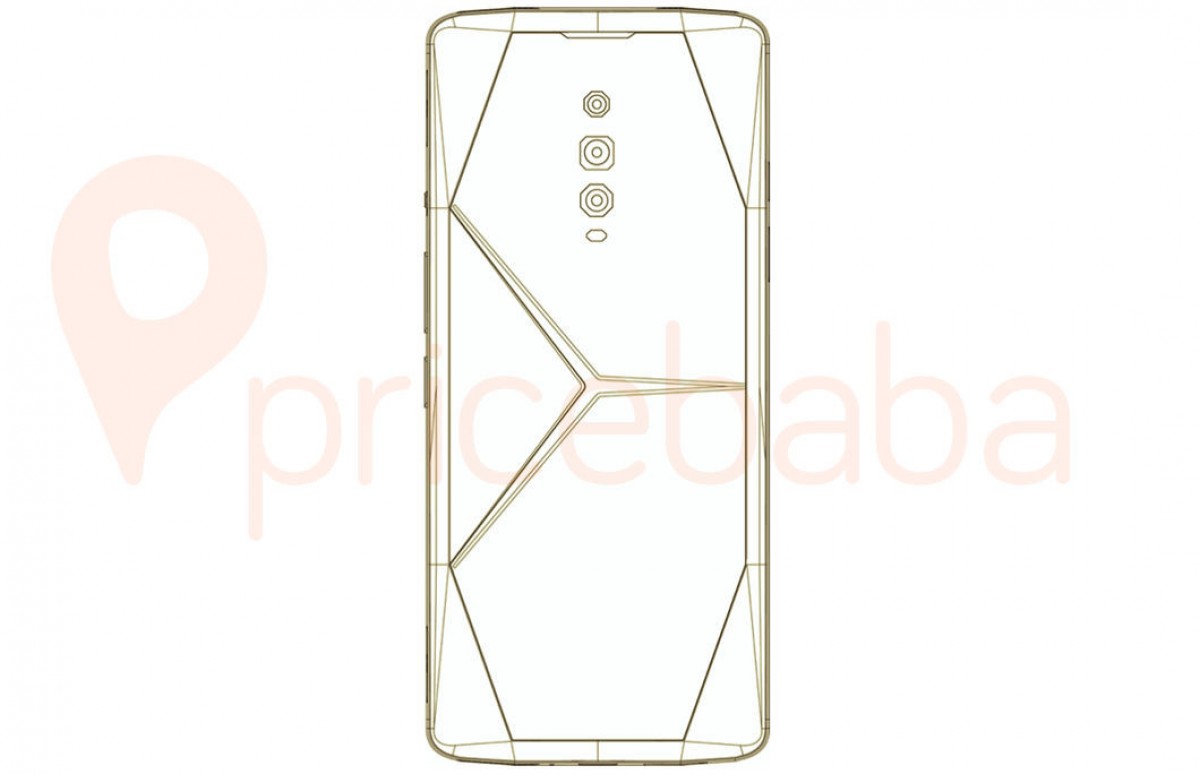
Lenovo is prepping up a new gaming-focused phone called Lenovo Legion Gaming Phone. It is powered by the Snapdragon 865 mobile platform and it is expected to arrive with 55W fast charge technology. Pricebaba has shared the renders of the Lenovo Legion phone that it came across through the CNIPA Chinese patent website. The images seem to showcase the upcoming Lenovo gaming phone from all angles.
The images suggest that the Lenovo Legion gaming phone will be arriving in Red and Grey color editions. The large-sized Legion logo on the backside of the phone seems to be integrated with an LED. The handset appears to be sporting a unibody metal design.
1 of 4
There are three rear-facing cameras on the Lenovo Legion gaming phone. There seems to be a small opening with “cool” text near which suggests that the phone could be equipped with a liquid cooling solution.
The renders seem to belong to an early prototype of the Lenovo Legion phone. This could be the reason why the handset is imprinted with Snapdragon 855. There is a possibility that the final product may come with a modified design.
1 of 4
Around the edges, there is a toggle key probably for high performance gaming and shoulder buttons and a USB-C port for conveniently charging while playing games. There is another USB-C port on the bottom side of the smartphone. The display of the phone has almost equal-sized upper and lower bezels which could assist in comfortably gripping the device. A selfie camera is available on the top bezel. The device is rumored to be backed by a 5,050mAh battery.
Readers are advised to digest the above leak with a grain of salt as the images could belong to an early prototype.
Honor will launch the Honor 30S mid-range 5G smartphone on March 30 in China. Ahead of the release, the brand has been teasing the specs and design of the phone. Now, the Vice President of Honor brand, who is known as ‘Honor Bear’ on Weibo posts a camera sample of the device touting the capabilities of new ISP present in the HiSilicon Kirin 820 5G chipset.
Honor 30S Camera Sample
The VP of Honor posted the above picture online, which he says comes from the upcoming Honor 30S. The picture also has the device’s watermark confirming it to feature a quad-camera setup like any other smartphone these days. According to him, the image shot from the device has vivid colors and finer details that are visible even after zooming in. He also mentions the presence of new ‘ISP 5.0’ and ‘industry-leading BM3D SLR image noise reduction technology’ in Kirin 820 5G SoC to be responsible for extraordinary imaging performance on the Honor 30S.
In case you have missed, the forthcoming Honor 30S will be the debut smartphone for the Kirin 820 5G chipset. According to a recent Geekbench scorecard shared on Weibo, the Kirin 820 5G will be faster than the Kirin 980 flagship SoC from 2018. Also, an AnTuTu benchmark graph revealed it to score better than its closest competitor, the Snapdragon 765G 5G chipset by Qualcomm.
Foldable smartphones have been a trend since early 2019. Although many accredited Samsung for making the innovative step, it was actually Royole that was the first to launch a foldable smartphone. And now, the company has just unveiled the Flexpai 2, the successor to the first smartphone with a flexible display.
Royole Flexpai 2 features the 3rd generation Cicada wing, which is basically a fancier term for the company’s flexible display panel. The latest iteration features various improvements over its predecessor and now has a smaller crease and bend radius. This also allows for an increase in brightness, contrast and offers a better viewing angle.
Under the hood, Royole Flexpai 2 houses Qualcomm’s Snapdragon 865 SoC alongside the X55 5G modem. Its display is a 7.8 inch screen with a 4:3 ration when fully opened. It also features the latest LPDDR5 RAM and UFS 3.0 storage as well. Unfortunately, details regarding its battery capacity are still unknown, but that is to be expected since there is still time for the device officially launches.
In the conference, Royole officials showcased the display, which was the highlighting part of the event. The improvements in technology was boasted, rightly so, and the panel has reportedly withstood 200,000+ bends without sustaining any damage. This new flexible panel features nearly 100 micro nanomaterials that improve the strain recovery and “layer peeling.” In other words, there are less chances of creases and bubbles forming when the device is unfolded.
According to Royole, the Flexpai 2’s new Cicada Wing will feature 1.3x better color gamut and 500x the contrast, thanks to its high quality LCD panel. The handset will also feature a unique custom designed display driver that is integrated in the circuit chip. On the other hand, the display panel can be folded in multiple directions and even rolled on its own, showcasing the advancements in the flexible display field.
Royole Flexpai 2 was showcased in an event in China by CEO Bill Liu, who also announced the company’s partnership with another electronics brand, ZTE. This may be indicative of ZTE using Flexpai’s technology, integrating the display in its own foldable smartphone series. However, that is just speculation. Thus, take it with a grain of salt. The Flexpai 2 is expected to launch in Q2 of 2020, so stay tuned.
Xiaomi launched the Mi 10 series last month in China. The company is yet to debut it in international marketsand even in India, whose launch dates are March 27 and 31 respectively. Also, it has been reported that the Chinese smartphone maker will be only selling the standard Mi 10 5G in global markets, leaving behind the Mi 10 Pro 5G exclusively for China. Now, a new report by TechRadar also reveals the UK pricing of the device.
The Mi series of smartphones by Xiaomi is the company’s premium lineup of smartphones. The smartphone maker has a number of sub-series in this lineup including Mi number series (primary flagships), Mi Note series (premium mid-rangers), and Mi Mix series (concept flagships). The Mi number series, which is currently in its 10th generation, consists of the Mi 10 5G and the Mi 10 Pro 5G in the Chinese market.
Now, as usual, the Mi 10 series will be made available in international markets like Europe and even India after a hiatus of four years since the Mi 5 in 2016. Although we know everything about these phones, their availability and pricing outside have been uncertain. But not anymore, as a report confirms the company will only sell the standard Mi 10 5G in global markets including Europe where the company launched both Mi 9 and Mi 9 Pro last year.
Additionally, the report also reveals the pricing of the Mi 10 5G for the UK. According to the report, the handset will cost £700 and £800 for the 128GB and 256GB storage variants respectively.
Unfortunately, it is not clear whether the 256GB variant will come with 12GB RAM or 8GB RAM as the base variant. Further, although the launch is set for March 27, it is still not clear when the device will be made available for purchase amid the COVID-19 pandemic.
During the online launch event from Redmi, the K30 Pro was finally unveiled. Alongside this a few more products were announced and also some interesting statements were made, in an interview right after the event. According to Lu Weibing, Xiaomi VP and Redmi GM, its phone market wasn’t affected severely by the recent epidemic and that the competition with Huawei is like a long drawn out war.
Redmi K30 Pro
For those unaware, China had recently been hit with the Coronavirus outbreak which had led to various manufacturing sites and production lines being closed in the country. This had affected many businesses and suppliers as well and has also become a global pandemic with confirmed cases of infection in upwards of 170 countries. During this time, various economies and industries are expecting severe dips, but the Chinese tech giant thinks otherwise.
According to the Xiaomi VP, its smartphone market hasn’t been severely affected. Lu Weibing did mention that the offline stores had been shut in various regions and are seeing longer downtimes, but also said that its online portals are still operating and are actually seeing a rise at the time. He even accredited the Chinese government’s logistics as a very powerful supplementing factor during these difficult times; and the users’ that needed to upgrade their handsets.
The Xiaomi senior official briefly talked about its competition with Huawei as well. Lu mentioned that despite their inevitable fight for market share, he still respects Huawei for all its efforts and achievements. Furthermore, Huawei and Xiaomi had shared a lot of similar decisions for the layout of future and the growing AIoT platform, according to the Xiaomi VP. Notably, Lu Weibing even admitted to being a few steps behind Huawei and acknowledged the gap as its stands now, but this is a protracted war and the future may change in the next few years.
The OPPO Reno Ace 2 is the next flagship phone from the company. The company’s Vice President Brian Shen confirmed this morning that the Reno Ace 2 will be debuting in April. A new OPPO phone that has a model number of PDHM00 has been certified by the 3C regulatory body of China. The listing suggest that it could be the upcoming Reno Ace 2 phone.
The PDHM00 was previously spotted at the database of Wi-Fi Alliance. The listing had revealed that it runs on Android 10 OS and it carries support for Wi-Fi 802.11ac.
The same PDHM00 OPPO phone has now appeared on the 3C authority in China. The listing confirms that it is a 5G-enabled device. The VCA7GACH / VCA7JACH charger carries support for up to 65W fast charger. The OPPO Reno Ace that had debut last year in October featured a 65W SuperVOOC 2.0 fast charging technology. Since the PDHM00 phone could be coming with the same charger as the Reno Ace, it could be the Reno Ace 2 smartphone. The handset is expected to be fueled by the Snapdragon 865 mobile platform.
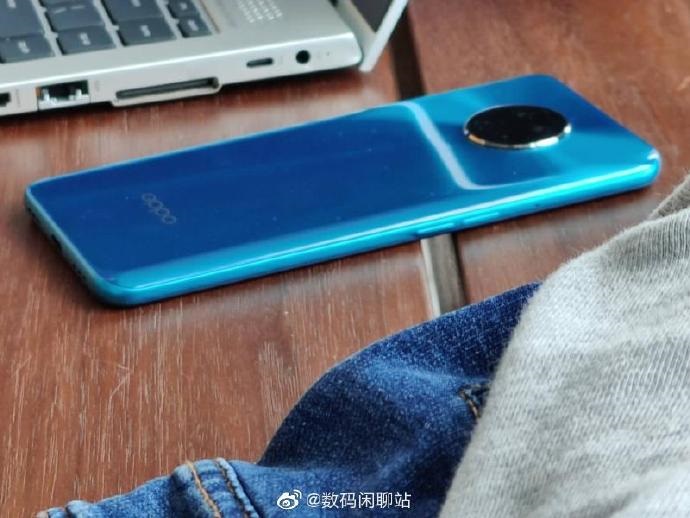
The Reno Ace 2 live image that had surfaced recently had revealed that it will be flaunting a round-shaped camera module. The predecessor phone features a 48-megapixel vertical camera system. The Reno Ace 2 could be coming with improved quad cameras in its circular camera system.
The front design of the phone is still a mystery. The handset has a USB-C port and a pair of external speakers at its bottom. There is no confirmation on whether the phone features a 3.5mm audio jack.
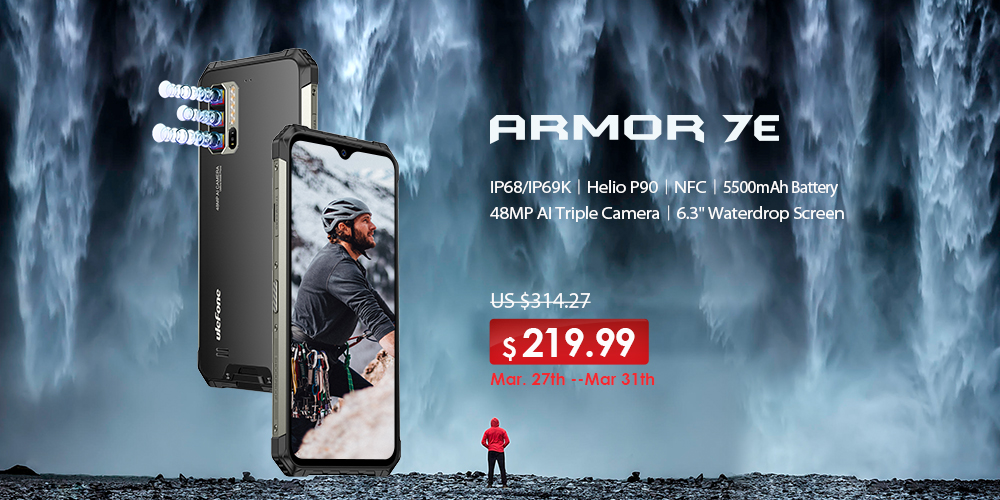
Ulefone is popularly known for its rugged phones, especially the Ulefone Armor series which is well-received across the globe due to the several merits it possesses. In order to further improve its Armor lineup, the company is on the verge to launch a new rugged smartphone Armor 7E. These Armor rugged phones help to remain connected with your loved ones if you’re on some adventure trip.
Ulefone Armor 7E offers enhanced specifications and features including a triple rear camera setup consisting of 48-megapixel primary and other two 2-megapixel sensors. The setup is more than enough to take ultra-clear and detailed photos in super-high resolution with the help of enhanced AI algorithms. A 16MP front shooter is present on the front to capture selfies and do video calling.
It comes powered with the latest Helio P90 processor offering more power efficiency, powerful performance, and enhanced AI processing. The smartphone comes coupled with 4G RAM with 128 GB internal storage. Moreover, the users can expand it up to 2TB via a TF card.
There’s a 6.3-inch waterdrop display offering 1080 x 2340 pixels resolution. A 5500 mAh battery with Qi 10W wireless charging is present on the board to keep the device running for longer periods. On the sensor’s front, the device consists of a heart rate sensor, NFC & Google Pay, and other necessary equipment. In connectivity, there’s a GPS + GLONASS + Beidou + Galileo, dual SIM support and global bands. Ulefone Armor 7E runs on Android 9.0 Pie.
It is an IP68/IP69K certified device and can sustain accidental splashes and rugged environments easily.
Ulefone Armor 7E will come on sale via AliExpress from March 27th for the special discounted price of $219. You can learn more about the device by heading to the official Ulefone website.
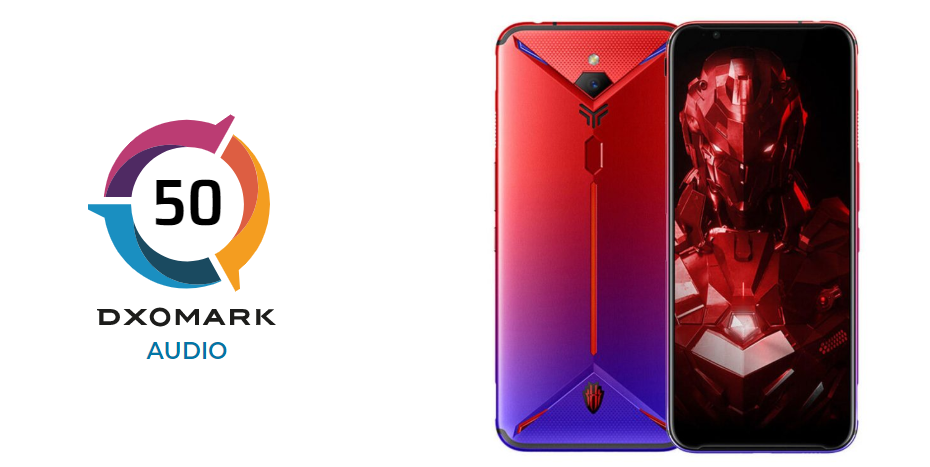
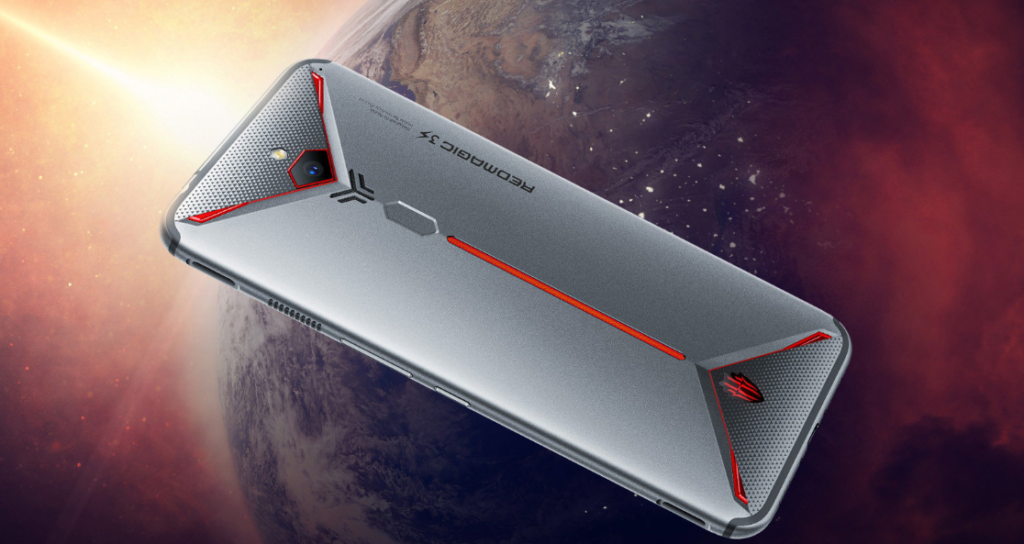
Nubia launched the Red Magic 3S gaming smartphone powered by Qualcomm Snapdragon 855+ in September of 2019. It comes with all the bells and whistles one wishes in a gaming-centric handset including shoulder triggers and active-liquid cooling with a turbo-fan. But unfortunately, the phone seems to have poor audio performance according to the latest review by DxOMark. It scores only 50 points and sits at the third position from the last but with an exceptional Artifacts performance.
DxOMark is well-known for its camera reviews but lately, they have also started testing audio on smartphones. The final score of their audio test is an average determined by the points scored by the phone in both playback and recording tests conducted by them under controlled lab conditions. Just last week, the company posted the audio review of Realme X2 Pro, which according to them has an exceptional playback volume. Now, they are back again with a review of Nubia Red Magic 3S, a gaming smartphone launched in the same month as the X2 Pro.
As per the tests performed by the DxOMark Audio team on Nubia Red Magic 3S, the device did not meet the standards of a gaming smartphone with a final score of 50 points. They found the playback from the speakers to be ‘heavily impaired by the narrowness of its frequency response’. This is because the phone highlights more on hollow midrange frequencies without outputting bass and high-end frequencies. As a result, the overall sound yield from the speakers is suppressed with poor performance in attack (percussion instruments like drums), bass precision, and localizability (location of audio in the overall soundscape).
Nubia Red Magic 3S Silver
Further, the review states that the wideness performance of the phone is only good while playing games. For those who do not know, wideness refers to ‘ability to render where sounds come from in recording’. Also, another major con of the phone’s speakers is the shifting of voice content to the right side rather than being balanced. However, the Nubia Red Magic 3S shines in one department unlike any other phone DxoMark Audio team has ever tested. And that is Artifacts performance with an impressive highest score of 89 points. This means the phone produces extremely clean sound with no audible noise or distortion even at high volume.
As far as recording capabilities are concerned, the Red Magic 3S performs even poorer than its playback performance. The voices recorded through the phone’s microphone sound come out canny as well as hissy. The recordings also have insufficient loudness, almost no spatial elements as the phone can only record in mono, and inferior background rendering due to aggressive noise canceling algorithm. Simply put, this phone has the worst recording capability than any handset DxOMark Audio team has tested so far.
Social media giant Facebook is reportedly in talks with India’s latest entrant in the telecom sector, Reliance Jio, to acquire a multi-billion dollar stake in the company. It has also come to light that Google has also been in talks with Jio for the same.
As per the report from Financial Times citing two people aware of the development, Facebook was close to acquire 10 percent stake in Reliance Jio but the talks haven’t move forward because of the coronavirus outbreak.
If everything would have worked as planned, then the deal was set to be announced by the end of this month. However, with the disruption causes by the coronavirus and India going under lockdown for three weeks, the deal seems to have been stuck.
While Google and Facebook have been in talks with Jio for acquiring stake, Microsoft is already partnered with Reliance Jio as the company had said last year that it would provide cloud-computing services to the Mukesh Ambani-backed company.
As per the report, the deal with Facebook will help Jio’s parent company Reliance Industries Ltd achieve the goal of cutting debt to zero by March 2021. The company is also planning to sell a 20 percent stake in its refining business to Saudi Aramco as part of this exercise.
For Facebook, India is one of the biggest market with 328 million monthly users. The company’s instant messaging app WhatsApp has 400 million users in the country, most compared to any other market.
If the deal goes through, then it will mark the third investment for Facebook in India. In past one year, the company has invested $25 million in social commerce startup Meesho and around $15 million in ed-tech startup Unacademy.
Reliance Jio began its commercial operation in the second half of 2016 and so far, the company has upended the local telecom market by offering bulk of 4G data and free voice calls for six months. The firm’s entry led to price war within the sector to revise data plans and tariffs and several companies consolidated operations.
The Vivo S6 5G smartphone is slated to go official on March 31. The entire specifications of the smartphone have leaked on TENAA along with its images. On Weibo, live shots of the Vivo S6 5G have appeared to reveal its design in real.
Vivo S6 5G live shots
The Vivo S6, the company’s first 5G selfie phone can be sporting a waterdrop notch display. Many smartphone OEMs are providing mid-range phones with the new punch-hole display design. The predecessor Vivo S5 from last year also flaunted a punch-hole screen. However, for the successor Vivo S6 phone, the Chinese firm has decided to use a waterdrop notch screen. The chin of the device is a bit thick while the remaining bezels are slim.
The backside of the Vivo S6 5G seems to feature a curved glass panel. There is a circular camera housing with an LED flash placed below it. The absence of rear-facing fingerprint reader is a good hint that its screen is embedded with the biometric sensor. The volume rocker and power key are available on the right spine of the phone.
The Vivo S6 5G has a 6.44-inch S-AMOLED 20:9 display that delivers 1080 x 2400 pixels. A 2.2GHz octa-core fuels the device with up to 8 GB of RAM. The phone will provide users with up to 256 GB of internal storage and a microSD card slot.
The handset will arrive with FunTouch OS 10 based Android 10 OS preinstalled. It has a 32-megapixel selfie camera and a 48-megapixel + 8-megapixel + 2-megapixel + 2-megapixel quad camera system. It has a minimum rated battery of 4,390mAh capacity. It may arrive with support for 18W fast charging.
OPPO Vice President Brian Shen has taken to Weibo to reveal that the much-awaited OPPO Reno Ace 2 smartphone will be officially launched in April this year. While he has confirmed the April launch, an exact launch date has not been revealed yet.
Further, the company official has stated that the upcoming device has good weight balance and should feel good in hands. He believes that people are anticipating the Reno Ace 2 smartphone given that its predecessor comes with manu advanced features and people are now expecting the same this time as well.
OPPO Reno Ace 2 Live Image Leak
Recently, an alleged photo of the upcoming OPPO Reno Ace 2 smartphone was leaked online, showcasing that the handset features a similar design and colour scheme as the OnePlus 7T with some changes.
From the leaked photo, we can see that the volume rocker keys are placed on the left side while there’s a USB Type-C port and a dual-speaker grille on the bottom. It will come with a quad-camera setup with the “Oreo” design. The company also seems to be using the shiny glass back instead of frosted matte panel.
Given that the Reno Ace comes with a 90Hz refresh rate display, we expect the Ace 2 to feature either 90Hz or 120Hz refresh rate display for enhancing the gaming experience. Under the hood, it should come powered by Qualcomm Snapdragon 865 chipset along with support for dual-more 5G connectivity.
However, these are just speculation from our side and nothing has been confirmed by the company so far. Since OPPO Vice President has confirmed the Reno Ace 2 and its launch timeline, we expect to know more about the upcoming smartphone in the coming days.
Last year, in December, Qualcomm had announced the capability of deliviring GPU driver updates via Google Play Store but added that it will be limited to new chipsets only such as Snapdragon 865 and SD765.
However, the company has now announced that some Snapdragon 855 powered smartphones will be the first devices to get support for this new GPU driver update tool through Google Play Store.
Qualcomm Snapdragon Processor
Currently, the list of supported devices for this GPU driver update tool include Samsung Galaxy S10, Samsung Galaxy Note 10, and Google Pixel 4 series and Qualcomm further says that more devices will get the same feature later, without specifying any timeline.
This announcement is a part of a partnership of Qualcomm with Google for Android GPU Inspector tool for developers that allows to inspect mobile GPU usage (including Qualcomm’s Adreno GPU) in games to figure out where improvements can be made.
It provides detailed information about a game’s render stages and GPU counter that was previously not available. This can be helpful to improve frame rates as well as lower power usage to ensure longer battery life.
The new method of GPU driver update via Play Store is a welcome move as its much easier than the current solution. At this time, the GPU drivers are packaged with system updates and thus it needs carrier approval before releasing.
While this new solution also requires manufacturers to test the GPU driver updates before releasing them to the Play Store, eliminating carrier testing from the process should result in faster deployment.
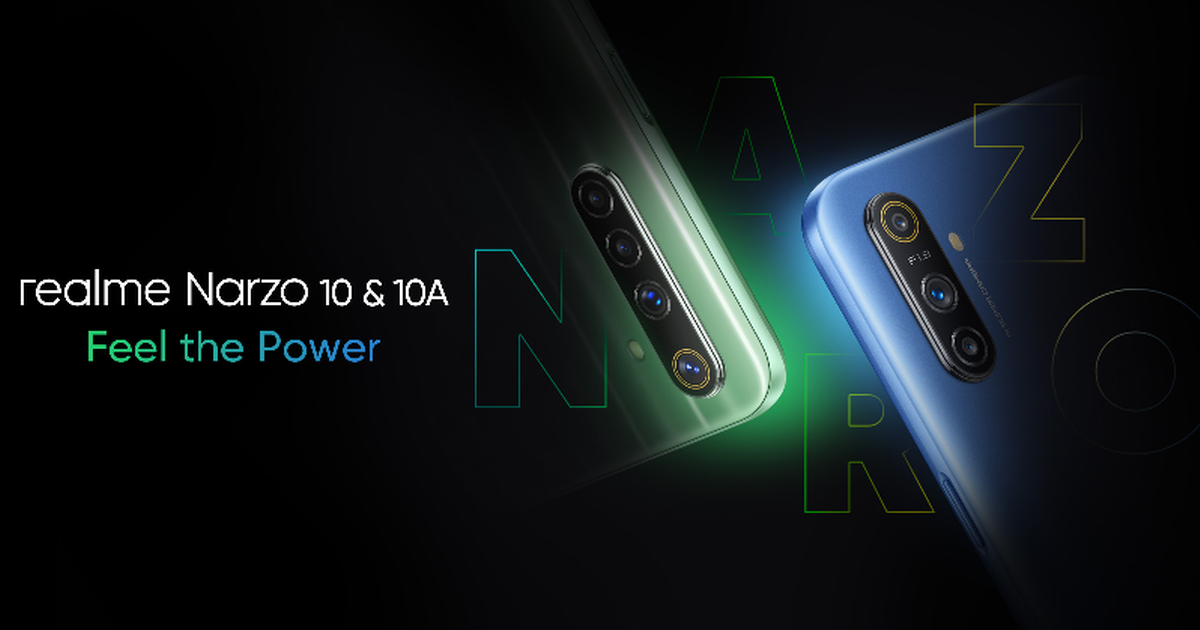
Realme CEO Madhav Sheth announced today that the Realme Narzo series launch has been postponed owing to the nationwide lockdown announced in India starting today.
With respect to the announcement made by our Honourable Prime Minister yesterday, we have decided to suspend all upcoming launches including #realmeNarzo series.
Time for us to focus on our family & ourselves. Stay at home, stay safe & cooperate with local authorities. pic.twitter.com/4FmdanvgHL
Starting from today, India has entered a lockdown period of 21 days to fight the COVID-19 outbreak in the country. Hence, companies that are scheduled to hold launch events or sales of new phones during the period are going to encounter sort of delays. Yesterday, Vivo India confirmed that it postponed the launch of the upcoming Vivo V19 smartphone. Realme India CEO Madhav Sheth took to Twitter to share the initiatives of the company for the coming days in the country.
The new Narzo series will be unveiled on March 26 as scheduled. The launch of the Narzo 10 and Narzo 10A phones will be livestreamed. However, as confirmed by Sheth, the sales of the Narzo series have been postponed. The company has stopped work at its ‘Make in India’ facility until further direction from the govt. It has advised its employees by working from home.
Realme Narzo 10 and Narzo 10A specifications (Rumored)
The Narzo 10 series will feature 6.5-inch HD+ resolution supporting 20:9 displays with waterdrop notch. They will come equipped with 5,000mAh batteries. The Narzo 10 will support 18W fast charging and it will come with other specs like 4 GB of RAM, 128 GB of native storage, 16-megapixel front cameras and 48-megapixel quad cameras. On the other side, the Narzo 10A features Helio G70, 4 GB of RAM, 64 GB of storage, 5-megapixel selfie camera and 12-megapixel triple rear cameras.
Huawei will be announcing the P40 flagships tomorrow. Recent reports have revealed that the Chinese manufacture will be also debuting other products like Huawei Watch GT 2e alongside the Huawei P40 and P40 Pro phones. Ahead of the launch, Winfuture.de carried a detailed report that revealed the entire specifications and pricing of the P40 and P40 Pro smartphones.
Huawei P40 Pro specifications and price (Rumored)
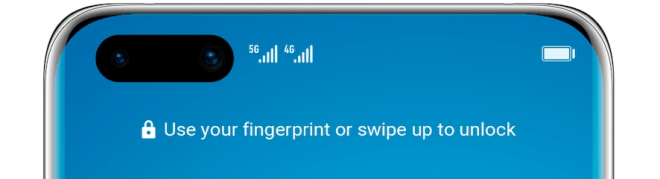
The Huawei P40 Pro has a 6.58-inch OLED display that produces full HD+ resolution of 1080 x 2640 pixels and a refresh rate of 90Hz. The OLED panel that a slightly wide pill-shaped cutout to house three items such as a 32-megapixel selfie camera, a depth sensor and a face unlock 3D sensor.
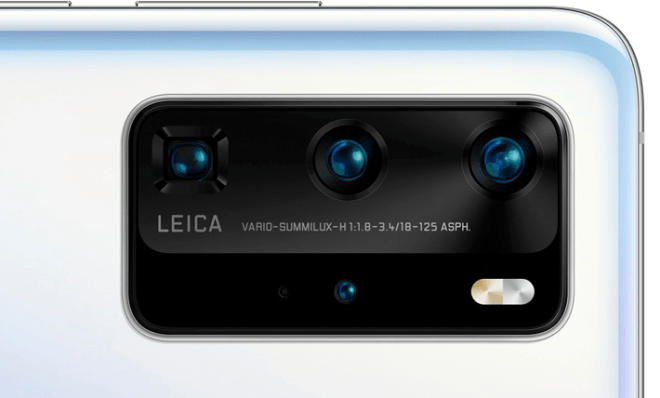
The rear side of the phone features an OIS-assisted 50-megapixel UltraVision camera with f/1.9 aperture mainly for capturing photos. It supports Octa Phase Detection and pixel binning technology. AI kicks in to shoot photos in a 1.7 second period and automatically chooses the best shot. There is a 40-megapixel second lens for mainly recording videos. Next lens in the camera setup is the SuperSensing telephoto shooter of 12-megapixel that supports 50x hybrid zoom. Lastly, the camera system features a macro camera and a depth sensor. The first two lenses in the camera setup are RYYB sensors. The front and rear cameras of the phone can capture 4K videos. With ISO sensitivity of 51200, the P40 Pro can cope well in poor lighting conditions.
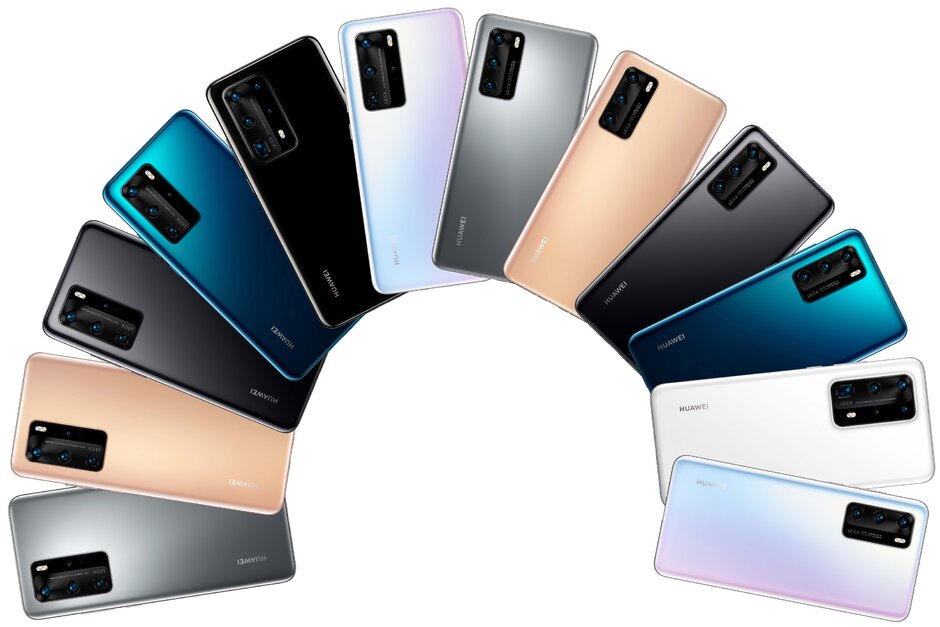
The Huawei P40 Pro’s SoC is coupled with graphene-assisted cooling. It houses a 4,200mh battery that supports 40W SuperCharge. It is an IP68 rated dustproof and water-resistant device. The P40 Pro has 8 GB of RAM and it will come in 128 GB and 256 GB storage editions in the home market. The P40 Pro will start at 999 euros (~$1,079) and it come in silver, gold, white and black colors.
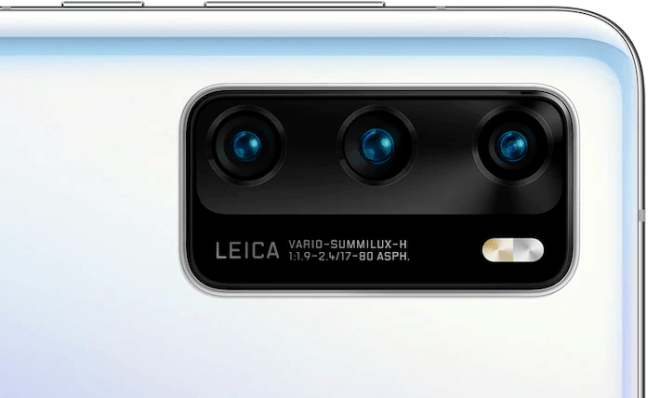
The Huawei P40 has a 6.1-inch OLED panel that offers 1080+ resolution and 60Hz refresh rate. It does not feature a 3D sensor but inherits the P40 Pro’s two frontal shooters. The rear camera system of the phone features a 50-megapixel UltraVision lens with OIS, an 8-megapixel telephoto lens with OIS and a 16-megapixel ultrawide sensor.
The P40 houses a 3,800mAh battery with 22.5W SuperCharge support. The device lacks IP rating and internal cooling system. The P40 will come with 8 GB of RAM and 128 GB of storage in Europe and it will cost 799 euros (~$863). It will have the same color variants as the Pro model.
The Kirin 990 5G is present under the hood of the Huawei P40 and P40 Pro phones. The report also stated that the Huawei P40 duo will come in LTE versions in some regions. Recent reports have also revealed that there is another phone in the series called Huawei P40 Pro PE (Premium Edition). It is expected to arrive as the company’s first phone with penta-lens setup. The German publication did not reveal any details on the P40 Pro PE.
The Huawei P40 series will come with Android 10 and the company’s AppGallery. It won’t have Google Mobile Services (GMS) preinstalled. The P40 and P40 Pro will have a new type of memory card standard called NanoMemory 2. Both phones also have in-display fingerprint scanners.
Less than two days are separating us from the awaited official launch of the Huawei P40 series. One device from the lineup was already launched last month: the Huawei P40 Lite, which is a rebranded version of the Nova 6 SE. But the affordable P40 Lite is a totally different device from the upcoming flagships Huawei P40, P40 Pro and the alleged P40 Pro Plus 5G previously known as the P40 Premium Edition. In this rumor roundup, we collected all the most reliable leaks and the official info surfaced about the Huawei P40 series so that you can have the chance to know everything about the new lineup ahead of the launch. Note that a lot of details are only based on rumors, so you should take a lot of info provided with a pinch of salt.
Huawei P40, P40 Pro and PE Rumor Roundup
Design
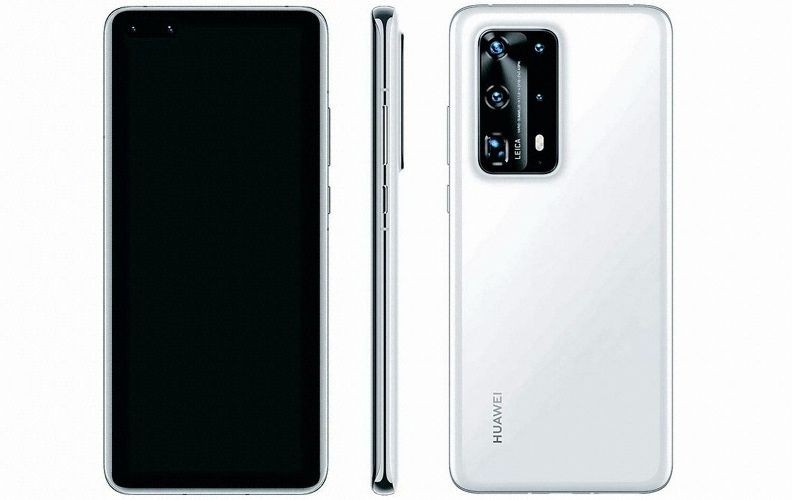
According to renders, the rear side of Huawei P40, P40 Pro and P40 Pro+ 5G will share the same aesthetics. There will be a huge camera module placed on the upper left part of the rear, while the Huawei logo will be placed vertically on the bottom left part. The rest of the back will be completely clean and it will have curved borders. Huawei P40 series will be available in several colors but also in various materials: there will be a classic variant with a glass back, a ceramic version and a vegan leather version just like the Oppo Find X2 Pro. Coming to the front panel, Huawei P40 is expected to have a flat display, while P40 Pro and Pro+ 5G are tipped to sport curved displays. The screen-to-body ratio will be amazingly high and there will be a dual punch-hole cutout for front cameras and sensors. Huawei P40 Pro will weigh 203 grams and it will have a thickness of 8.95 mm. The vanilla version will have a thickness of 8.5 mm and a weight of 175 g. The handset will also be waterproof with the IP68 certification.
The display found on the Huawei P40 will have a 6.1-inch diagonal and it will show images at a Full HD+ resolution with 2340 x 1080 pixels. It will naturally be an OLED panel and it will sport an integrated fingerprint reader. Huawei P40 Pro will boast a bigger 6.58-inch display: still an AMOLED panel, but with a higher resolution and a higher refresh rate. It is supposed to come with a resolution of 2640 x 1200 pixels and a 90 Hz refresh rate. Note that only the display of the Huawei P40 Pro and Pro+ 5G is supposed to be a curved screen, while the vanilla version is expected to come with a flat display.
The Huawei P40 series will be powered by a Kirin 990 chipset. They will support 5G connectivity, but there will also be variants with 4G only. However, the company is supposed to launch only the variants with a 5G modem in the European market. The flagship-class Kirin 990 chipset built at 7 nm will be supported by 8 GB of RAM on the Huawei P40 and P40 Pro. The vanilla version is expected to have 128 GB of internal storage, while the Pro variant will hit the shelves in two configurations with 128 and 256 GB of UFS native storage expandable thanks to a nano memory card slot.
The Kirin 990 5G will have the SuperCool cooling system with an insert made of three-dimensional graphene film in combination with an ultra-thin vapor chamber. It will be able to dissipate a lot of heat even at maximum load. Android 10 will be obviously preinstalled and customized by EMUI, but in the global market, there won’t be Google services out of the box due to the U.S. ban. Instead, users will find Huawei Mobile Services, an alternative suite of apps to Google services. Among the other specs, there will be NFC and Gigabit WLAN.
On the camera side, you will surely get an awesome setup which will make these handset three of the best camera phones ever. The vanilla P40 will sport a triple camera setup including a 50 MP main sensor with RYYB filter and an f/1.9 focal aperture. The secondary sensors will be a 16 MP ultrawide lens with an f/2.2 aperture and an 8 MP telephoto sensor with f/2.4 aperture. Both the main sensor and the telephoto lens are expected to boast OIS. P40 Pro will sport a quad rear camera with two RYYB sensors on board, one for photos and the other for videos, with a 50 MP resolution. The UltraVision camera will support optical stabilization and Octa Phase Detection autofocus, as well as pixel binning and XD Fusion Engine which should enable faster processing of the data and “unmatched clarity at the pixel level”.
The phone will be able to shoot 4K images n 1.7 seconds and to capture multiple photos, then choose the best one with the aid of AI and a dedicated NPU. The phone is also rumored to feature a dual telephoto lens with 40 and 12 MP resolution and up to 3x and 10x optical zoom respectively, as well as 50x SuperSensing zoom without loss of quality. It would be a big deal since there is no smartphone in the market with a 10x optical zoom. Last but not least, there will be a TOF 3D depth sensor. The dual punch-hole will house a 32 MP front camera, a depth sensor, and an IR sensor, while the Huawei P40 will only get a single 32 MP front camera. The P40 Pro+ 5G is tipped to come with a penta-camera including a 52 MP main sensor, two telephoto lens, a 3D TOF sensor, and temperature sensor, and a 40 MP Sony IMX650 ultrawide lens.
The battery capacity of the Huawei P40 will be 3800 mAh and it will support 22.5W fast charging, while P40 Pro will have a 40W fast charging technology and a 4200 mAh battery. We do not know the battery capacity of the Huawei P40 Pro+ 5G, but we expect it to boast an even bigger battery than P40 Pro.
Despite all the issues that came after the U.S. ban and the absence of Google services, Huawei kept launching its smartphones globally and it will be the same with the P40 lineup. The new series will be officially announced on March 26. The vanilla Huawei P40 is expected to hit the global market with prices ranging around €799-899 depending on the configuration. P40 Pro will have a starting price of €999 and it will reach €1,099 in its most expensive configuration, while the so-called Premium Edition will range from €1,199 to €1,299. Prices will vary by €50-100 depending on the country. The phones should be available in China on April 8.
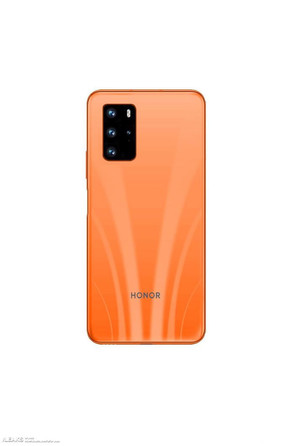
All things being equal, Huawei’s Honor brand will officially launch the Honor 30s on March 30. The device is expected as Honor’s first premium model for the year and is said to pack a Kirin 820 chipset. The company has also released several teasers which confirm the device will have a curved display and a gold-accent on the rear camera. The AnTuTu score of the model is equally in the public domain already. The camera sensor is now the subject of a new leak.
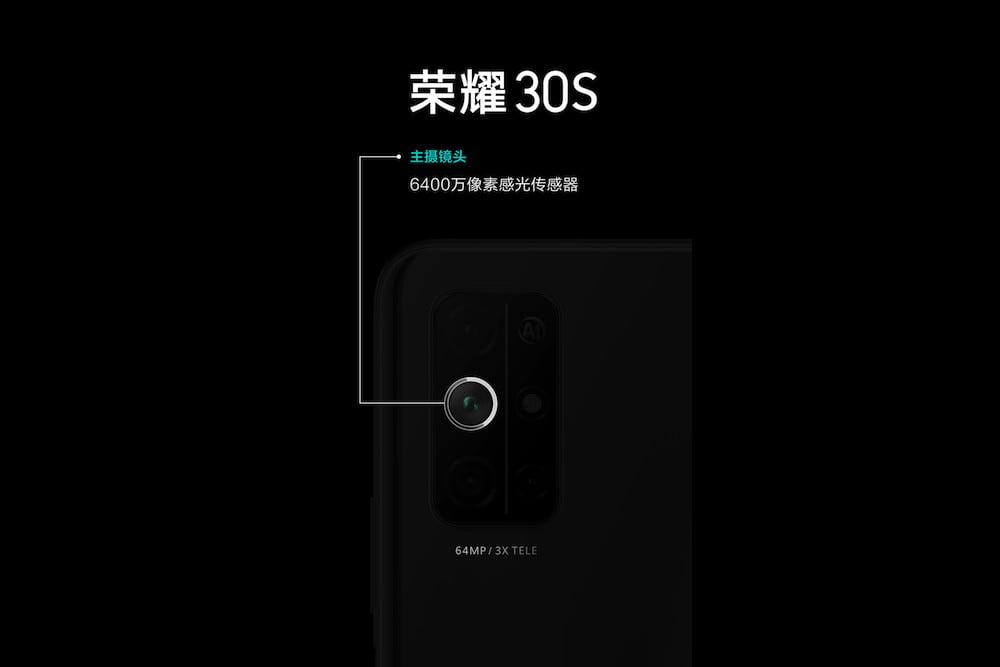
According to DigiTrend, citing a “trusted source”, the Honor 30S will feature a 64MP main camera with 3X optical zoom features. The source equally shared a picture which looks like a local promotional poster for the device. Even though the text is written in Chinese, the picture shows the device will use a rectangular camera module design. The module will house a Quad-camera setup as well as an LED flash as has been seen on leaked renders of the Honor 30S. The camera is also promoted to come with AI features but no information was given concerning the other three sensors.
An earlier leak had revealed that the Honor 30S will feature a large 1/1.3 inch sensor on the main camera with a pixel size of 1.2um. The sensor will be of the Sony IMX range but the exact sensor is yet to be revealed.
We use cookies on our website to give you the most relevant experience by remembering your preferences and repeat visits. By clicking “Accept”, you consent to the use of ALL the cookies.
This website uses cookies to improve your experience while you navigate through the website. Out of these, the cookies that are categorized as necessary are stored on your browser as they are essential for the working of basic functionalities of the website. We also use third-party cookies that help us analyze and understand how you use this website. These cookies will be stored in your browser only with your consent. You also have the option to opt-out of these cookies. But opting out of some of these cookies may affect your browsing experience.
Necessary cookies are absolutely essential for the website to function properly. This category only includes cookies that ensures basic functionalities and security features of the website. These cookies do not store any personal information.
Any cookies that may not be particularly necessary for the website to function and is used specifically to collect user personal data via analytics, ads, other embedded contents are termed as non-necessary cookies. It is mandatory to procure user consent prior to running these cookies on your website.