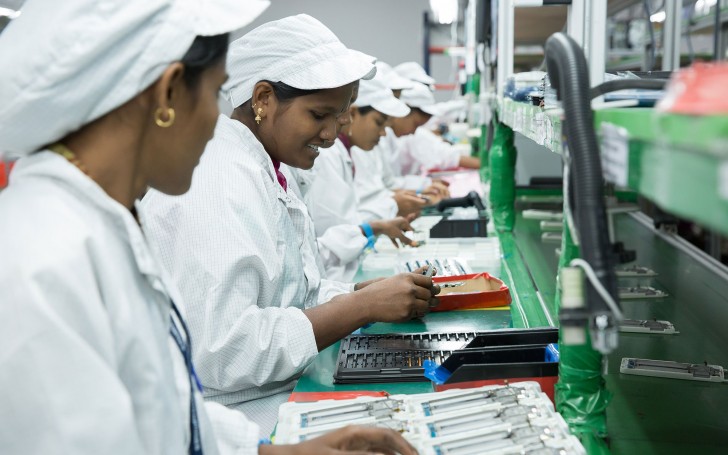
Huami, Friday, released its financial report for the fourth quarter and the entire 2019. The company reported some impressive gains in wearable shipment commanding an estimated shipment of 42.3 million units of both smartwatches and fitness bands for the entire year. This figure represents a Year-on-Year increase of 72.4%. The company generated a total of 2.114 billion yuan ($303.3 million) in the fourth quarter alone. However, the adjusted net profit after deducting cost was put at 213.8 million yuan ($30.7 million).
For the entire 2019, Huami’s overall financial performance was also impressive. The company recorded rapid growth in both revenue and profit. For the revenue, the company’s total revenue for 2019 peaked at 5.823 billion yuan ($ 834.9 million), representing an increase of 59.4% when compared with the revenue for 2018. Huami posted a net profit of 630.3 million yuan ($90.5 million), an increase of 32.8% Year-on-Year.
Most of the shipments were recorded in the fourth quarter where the company saw an estimated 14.7 million units sold. In comparison, Huami shipped 9.2 million units in the fourth quarter of 2018, representing a year-on-year increase of 59.8%. Total shipments for the full year of 2019 reached 42.3 million units, an increase of 53.8% compared to 27.5 million units for the entire 2018.
Huami’s founder and CEO, Huang Wang, stated that 2019 was a great year for the company. The performance makes Huami one of the leading brands in the smart wearable industry. Mr Huang also disclosed that Huami and Timex entered into a partnership for product development. The partnership has had its first product and it has gone on sale in North American market. The product is likely the Timex Ironman R300 which was launched recently as Timex’s first smartwatch. Also, Huami’s partnership with Xiaomi is still on course and the Mi Band 5 manufactured by Huami for Xiaomi is expected to be launched later this year.
Despite the current global economic impact of the Coronavirus epidemic, Huami is still optimistic in its forecast for the first quarter of 2020. The New York Stock Exchange-listed company forecast a net income of between 980 million yuan and 1.01 billion yuan. Compared to the 799.6 million yuan revenue generated in the first quarter of 2019, the company expects a YoY growth estimate of 22.6% to 26.3%.
The global smartphone shipment is expected to experience some decline due to the Coronavirus epidemic that is sweeping through several countries. In the face of this situation, India’s Goods and Services Tax (GST) Council has hiked the Goods and Services Tax payable on mobile phones from 12 percent to 18 percent. The new development was announced by the GST Council during a meeting in New Delhi today. This would likely result in a rise in the prices of smartphones in the world’s third-largest smartphone market.
The council reportedly skipped the proposal to also increase the rates on fertilizers and footwear citing the slumping economy and impact of the COVID-19 pandemic. The tax increase on mobile phones is said to have been necessitated by the fact that the mobile phone industry is one of the sectors that had less impact from the prevailing economic slowdown in the Asian nation.
India’s Cellular and Electronics Association (ICEA) had earlier appealed against increasing the tax on mobile phones. The industry body had argued that the increase in GST would be detrimental for consumer sentiment and would have an effect on the local manufacturing of smartphones. Even the country’s mobile retailers association had also appealed against increasing tax which they say would impact on their already low margin.
The Indian market was among a few markets that experienced slight growth in the face of a global decline in growth. This could be attributed to modest pricing as a result of the government’s “Make in India” initiative. The increased tax could negatively impact on this gain as it could affect domestic patronage.
IDC India’s Navkendar Singh, Research Director, Client Devices & IPDS believed the decision will affect getting more persons coming in the smartphone fold. ”Despite being the fastest-growing smartphone market in the world, India still has a long way to go with an estimated penetration of around 400 million people out of 1.6 billion having access to smartphones in the country.“Considering the current supply and projected demand scenario in the next couple of quarters, brands are not in any position to absorb this hike. They will be forced to pass it onto the consumer, which will further increase the replacement cycle (which has been a major engine of growth in the market for the past couple of years),” says Singh.
The Mi CC9 or Mi 9 Lite as it is known outside China, launched last year as the first of a new series from Xiaomi in partnership with Meitu.
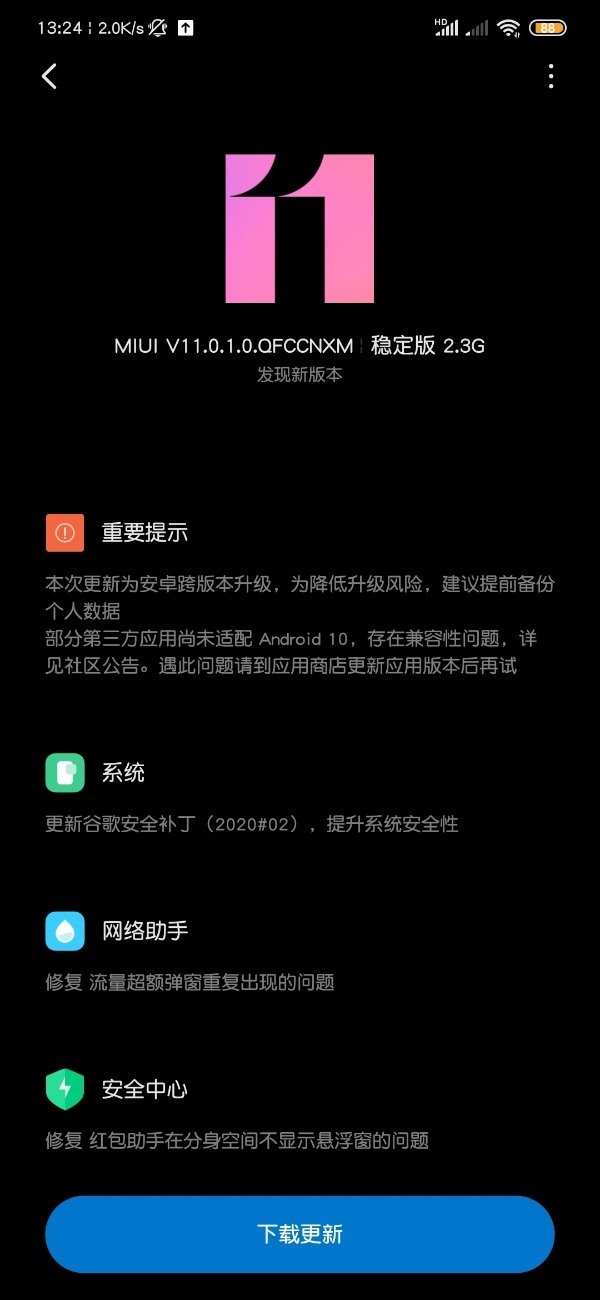
When it launched, the Mi CC9 ran Android 9 Pie out of the box. Now, Xiaomi has begun rolling out a new MIUI 11 update that brings Android 10 to the phone. This is a stable update that is limited to China and it comes with the February 2020 security patch. Hopefully, the update will soon be made available for the Mi 9 Lite.
The update arrives as MIUI V11.0.1.0.QFCCNXM and is 2.3GB in size. The update also fixes some bugs in the device.
The Mi CC9 has a 6.39-inch Super AMOLED display with a waterdrop notch for a 32MP selfie camera. There is a Snapdragon 710 processor powering it along with 6GB or 8GB of RAM and up to 256GB of expandable storage.
On the back are a 48MP primary rear camera, an 8MP ultrawide camera, and a 2MP depth sensor. There is a fingerprint scanner under the display, an infrared blaster at the top, and a USB Type-C port at the bottom. The Mi CC9 also has NFC, Bluetooth 5.0, an audio jack, and FM radio. It packs a 4030mAh battery capacity with support for 18W fast charging.
The OnePlus 8 series is set for launch in a month’s time if the rumors are to be believed. Just like last year’s OnePlus 7 series, there will be two phones – the OnePlus 8 and the OnePlus 8 Pro.
We already have an idea of what the two phones will look like thanks to 3D renders that were leaked last year. More details have surfaced after that including the confirmation that the OnePlus 8 series will be 5G phones.
While we wait for the phone’s launch, GizTop is already selling a TPU Case for the OnePlus 8. The case which has a price tag of $1.99 or $1.29 if you are buying 2 or more units, gives us another look at the design of the phone.
[envira-gallery id=”310302″]
As you can see from the renders, the OnePlus 8 will have triple rear cameras, one more than its predecessor, the OnePlus 7. The cameras are arranged vertically and the camera housing is raised. The design actually reminds us of that of the OnePlus 7 Pro though the first two cameras do not have a ring around them.
The front of the phone is a curved AMOLED panel with a punch hole at the top left corner for the selfie camera. There is a cut-out at the top for the secondary microphone and you also have cut-outs on the right side for the alert slider and power button while the one on the left is for the volume rocker. The two openings at the bottom are for the USB Type-C port and the primary microphone.
The OnePlus 8 will have a Snapdragon 865 processor. It should come with up to 12GB of LPDDR5 RAM and 256GB of UFS storage. The phone is also expected to come with wireless charging, though we won’t be surprised if OnePlus goes ahead to make it exclusive to the Pro model.
Designed to offer a more thorough and easier hand washing experience, the Alfawise AD – 1807 Infrared Sensor Automatic Liquid Foaming Soap Dispenser Pump is now available on Gearbest for a lowered price.
You’d normally end up shelling out $17.44 on the Alfawise AD – 1807 with touch switch, but if you purchase the soap dispenser from Gearbest, you can avail of an 8 percent off. In short, you can get your hands on the Alfawise AD – 1807 for a lowered price of just $15.99.
Alternatively, you can go for the button switch model that usually retails for $15.49 but is currently up for grabs bearing a reduced price tag of just $14.99 via the popular Chinese e-tailer. This is a noteworthy 3 percent reduction in the soap dispenser’s original asking price.
The Alfawise AD – 1807 Infrared Sensing Automatic Foaming Soap Dispenser has been integrated with a near-field infrared sensor that identifies the hand within 5cm and dispenses foam in just 0.2 seconds. Given that the device is as small as a toothpaste cup, you can place it in the kitchen, bathroom or even balcony.
Its touchless infrared sensing features not only offers more convenience but also ensures improved sanitary. Moreover, it allows you to choose from two foaming quantities so that you always get the right amount of hand sanitizer.
Aside from providing the cleaning effect and improving the utilization rate, the Alfawise AD – 1807 Infrared Sensing Automatic Foaming Soap Dispenser saves 30 percent more than regular soap dispensers. It dispenses dense foam with a 1:12 gas-liquid rate, removing over 99.9 percent of bacteria.
The feature-laden soap dispenser is powered by a built-in micromotor that consumes less power and makes a low 40dB working noise. The Alfawise AD – 1807 draws its juices from four AA batteries that last up to six months.
To grab the discount on the Alfawise AD – 1807 Infrared Sensor Automatic Liquid Foaming Soap Dispenser Pump, all you need to do is to follow this link. With more than a hundred pieces sold at the time of writing, this promo is slated to end in just 1 day.
The Gizmochina Coupons is a community that finds, reports and evaluates deals and coupons of Chinese products from online shops. Please visit it here to find more coupons to save money on mobiles and smart gadgets.
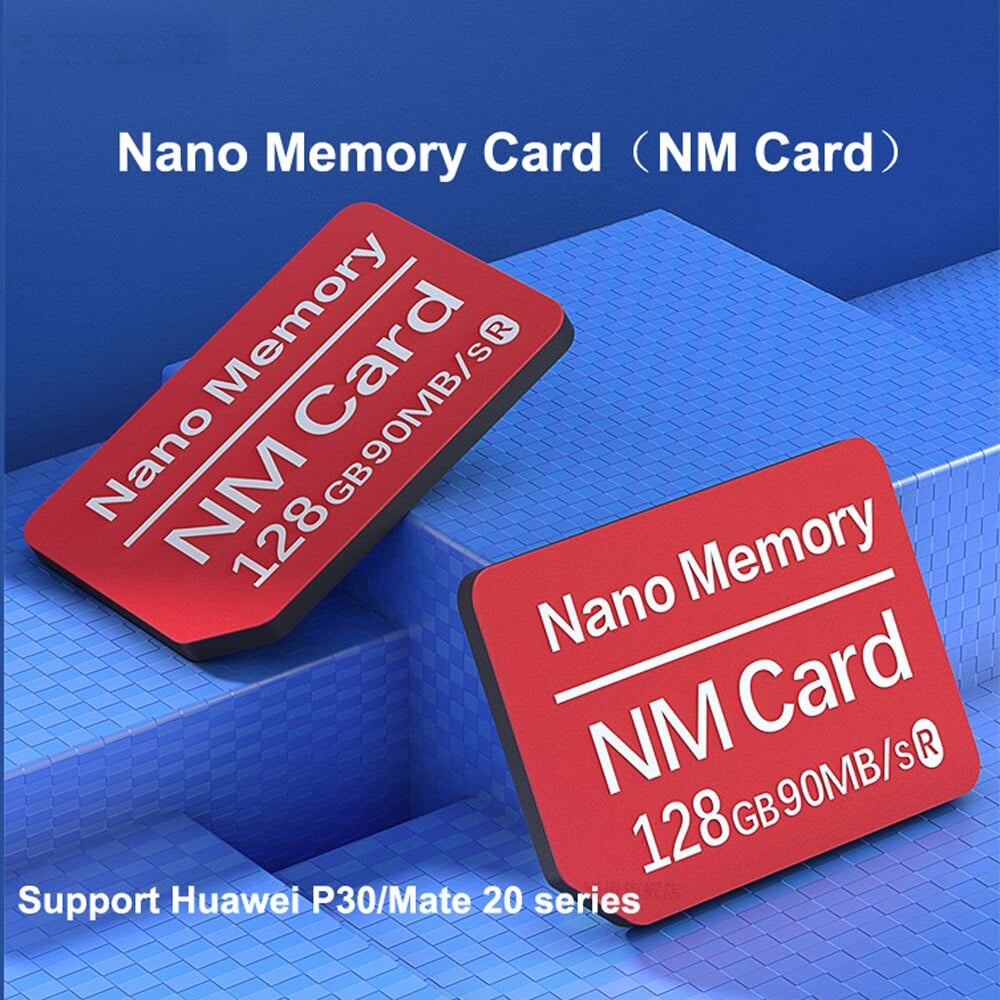
Huawei unveiled newfangled expandable storage dubbed the Nano Memory (NM) card during the Mate 20 series launch event in October 2018. The first benchmarks of a 128GB NM card surfaced online soon after the announcement, showing performance similar to that of a microSD card.
One of the USPs (unique selling propositions) of the NM cards is that it is housed in a 45 percent smaller form factor as compared to microSD cards, which means, it can easily fit in a smartphone’s Nano-SIM slot. The 128GB, as well the 256GB Huawei NM Card variants are now available for lowered prices on Giztop.
The 128GB storage Huawei NM Card would normally set you back $74.99, but you can purchase it for just $63.99 from the popular Chinese e-tailer. Alternatively, you can go for the larger 256GB storage model that usually retails for $119.99, but can now be yours for a lowered price of just $108.99.
Those willing to shell out $15.99 extra, can get a 2-in-1 NM/microSD card reader as well. The Original Huawei NM Card fits the Mate 20 and Mate 20 Pro’s dual-SIM card slot, allowing users the options to install either a second SIM card or an NM card for storage.
In addition to the aforesaid capacities (i.e. 128GB and 256GB), the new NM Card is also available in 64GB storage capacity. Manufactured by Toshiba, the new NM card is designed to fit into the dual nano-SIM hybrid slot of the Mate 20 series phones.
Offering read transfer speeds of 90MB/s, the NM card works specifically on hybrid dual SIM slots. It also works with Mate 20 X, Mate 20 Pro, P30, P30 Pro, Nova5 and the Nova5 Pro smartphones.
You can head straight to this link to check out more details about the Huawei NM Card and avail of the discounts before the promo wraps up.
The Gizmochina Coupons is a community that finds, reports and evaluates deals and coupons of Chinese products from online shops. Please visit it here to find more coupons to save money on mobiles and smart gadgets.
At the end of the previous month, the Huawei P40 and P40 Pro phones that have ANA-AN00 / TN00 and ELS-AN00 / TN00 had received approval from the 3C certification of China. Both phones have also been certified by China’s TENAA authority. However, their specs haven’t appeared yet on TENAA. These phones are slated to go official on March 26. Ahead of the launch, the Huawei P40 Pro has appeared on Geekbench with some key specs.
The Huawei ELS-NX9 smartphone that has been spotted on Geekbench 5 seems to be a different country variant of the Huawei P40 Pro. The handset scored 776 in the single-core test of Geekbench 5. It recorded a scored of 3182 in the multi-core test.
The handset is powered by HiSilicon Kirin chipset that has a base frequency of 1.95GHz. It seems to be the Kirin 990 5G chipset. It is the same SoC that fueled the Huawei Mate 30 Pro 5G smartphone that was made official in the last quarter of 2019.
The Huawei P40 Pro’s Geekbench listing further reveals that it is equipped with 8 GB of RAM. The phone is running on Android 10 OS. The P40 series models may not arrive with Google Mobile Services (GMS). Instead, the Huawei Mobile Services (HMS) could be onboard along with the company’s own AppGallery. Hopefully, the entire specifications of the Huawei P40 series will appear on TENAA in the near future.
Recently, a notable tipster had revealed that the Huawei P40 will be available in Europe for around 799 euros (~$890) and 899 euros (~$1,000). The European markets are speculated to receive the Huawei P40 Pro for around 999 euros (~$1,113) and 1,099 euros (~$1,225). The more advanced Huawei P40 Pro that is rumored to be equipped with a 120Hz refresh rate display and a penta-lens camera setup could be priced between 1,199 euros (~$1,336) and 1,299 euros (~$1,448).
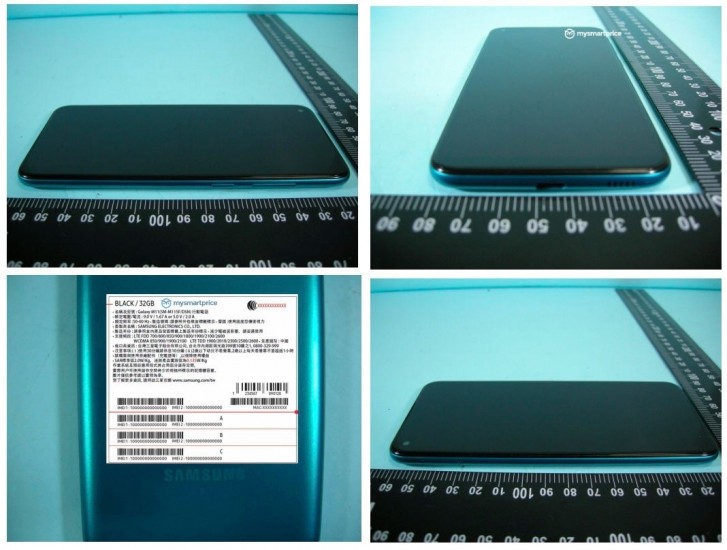
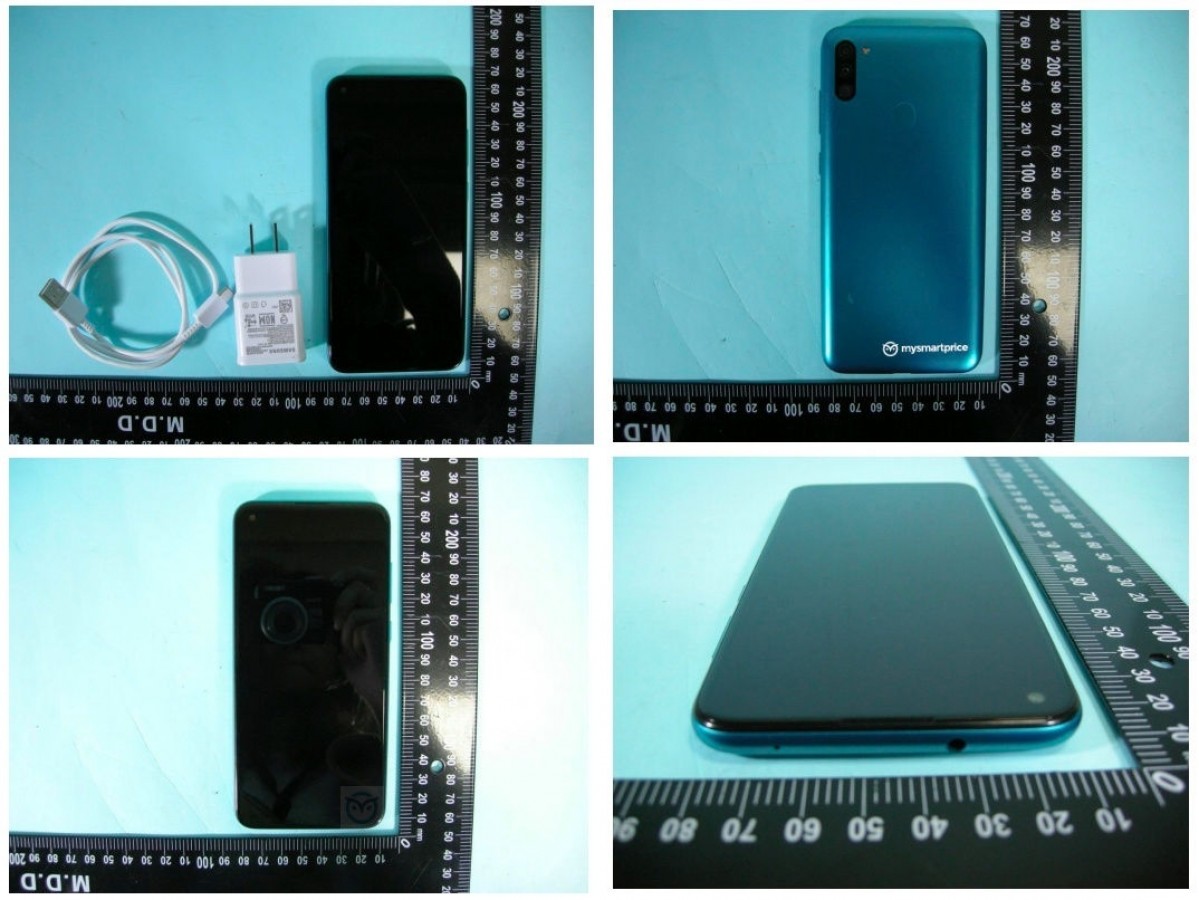
The arrival of the all new Samsung Galaxy M11 appears to be close at hand. Recently, the smartphone was found listed at the database of Google Play Console. The listing had revealed some of its key specifications and an image of its display. The smartphone has bagged approval from the National Communications Commission (NCC) in Taiwan. Several live shots of the phone have appeared through its NCC appearance.
The phone that can be seen in the NCC images is the prototype of the forthcoming Samsung Galaxy M11. As it can be seen, it is equipped with a punch-hole display. There is confirmation on whether it is equipped with an LCD or OLED panel. Earlier today, the South Korean company announced the Galaxy A11 smartphone. It also features a punch-hole display. Its an LCD panel that measures 6.4 inches. Since the Galaxy M11 will also arrive as entry-level phone like the Galaxy A11, it may also feature an LCD display. The presence of a rear-facing fingerprint scanner on the M11 is also a hint that it could be fitted with an LCD screen.
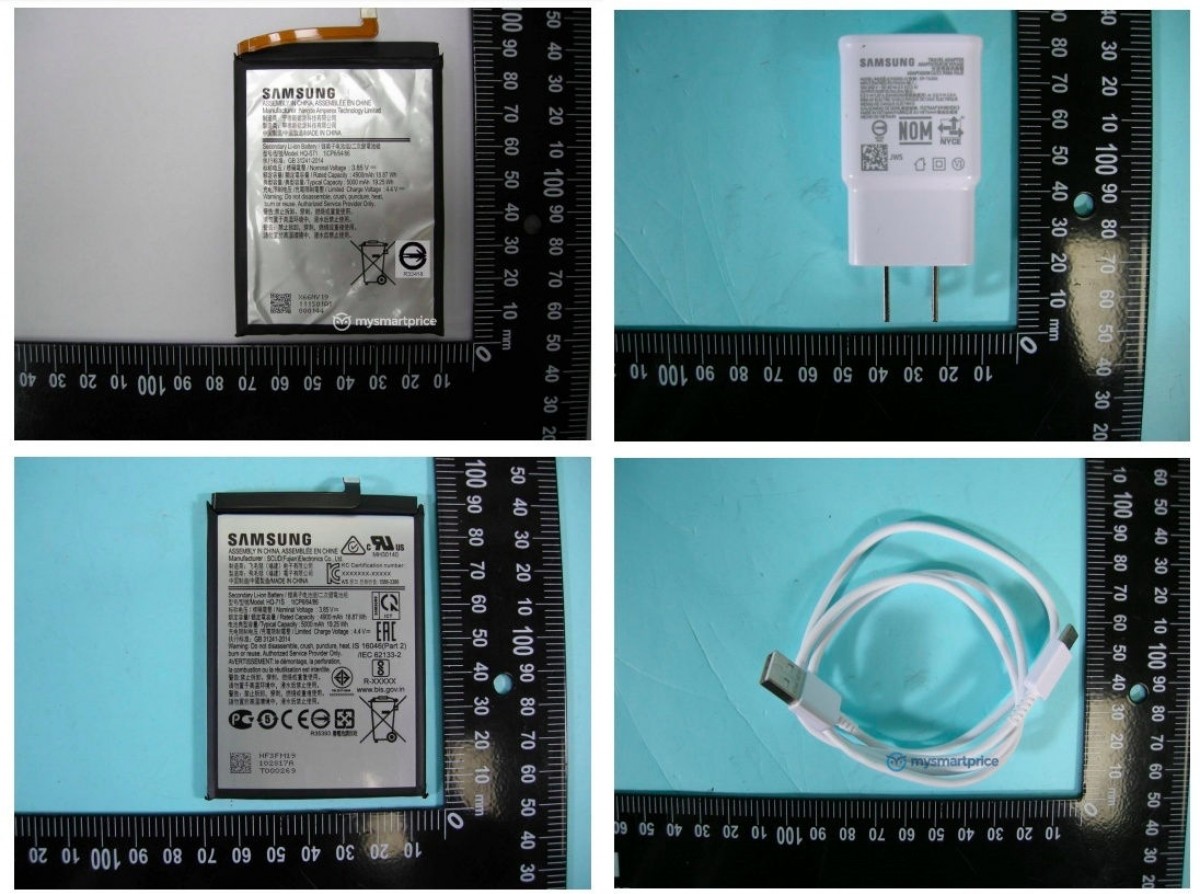
The bottom edge of the phone features a 3.5mm audio jack, a USB-C port and a speaker grille. The device has a massive 5,000mAh battery. It will be accompanied by a 15W charger. The handset features a triple camera setup on its rear.
Unfortunately, apart from revealing the battery details, the NCC certification has no information on the other specifications of the Galaxy M11. The Google Play Console listing of the smartphone had revealed that it supports HD+ resolution of 720 x 1560 pixels. It offers an aspect ratio of 19:9.
It was also found that the phone is powered the modest Snapdragon 450 chipset. The Android 10 OS along with One UI 2.0 will come preloaded on the device. There is no word on the pricing of the smartphone. It is speculated that the Galaxy M11 will go official at some time in this month.
In May last year OnePlus took the covers off the OnePlus 7 series of smartphones comprising the OnePlus 7, its Pro variant along with a 5G-ready OnePlus 7 flagship smartphone. The Chinese company also unveiled an upgraded pair of Bluetooth earphones bearing the OnePlus Bullets Wireless 2 moniker during the launch event.
Aside from updating the name, OnePlus also updated the design of its Bluetooth earphones by getting rid of the fin-shaped earplug and replacing it with a relatively more comfortable in-ear bud design. The OnePlus Bullets Wireless 2 retains the rest of the design elements of the original version.
Available in metallic black and red color schemes, the Official OnePlus Bullets 2 Wireless Earphones have gone up for sale carrying considerably lowered prices on Giztop. While the black-tinted model would normally set you back $99.99, the popular Chinese e-tailer is offering it for just $49.99.
Likewise, the green color option usually retails for $124.99 on both online, as well as offline stores but you can purchase it for just $74.99 from Giztop. The OnePlus Bullets 2 comes with highly comfortable earbuds that are each connected through a tether that has the inline remote and a couple of additional modules for accomodating the battery and wireless connectivity tech.
It sports a basic design but delivers enhanced bass using three 10mm drivers. Moreover, for mids and highs, it includes Knowles balanced armature drivers. There is one dynamic driver that covers the lower frequencies. On top of that, the OnePlus Bullets 2 Wireless Earphones supports Google Assistant straight out-of-the-box. OnePlus upgraded the connectivity by replacing Bluetooth 4.1 with Bluetooth 5.0 that warrants a more stable connection. Furthermore, the company has included aptXHD support, which is a notable upgrade from the aptX-supported originals.
The Official OnePlus Bullets 2 Wireless Earphones delivers up to ten hours of listening time on a single 10-minute charge. When fully charged, the Bluetooth earphones deliver an impressive 14 hours of playback.
You can follow this link to check out more details about the Official OnePlus Bullets 2 Wireless Earphones and place your order via Giztop to avail of the discount before the promo comes to an end.
The Gizmochina Coupons is a community that finds, reports and evaluates deals and coupons of Chinese products from online shops. Please visit it here to find more coupons to save money on mobiles and smart gadgets.
Last week, Oppo unveiled its first smartwatch dubbed as ‘Oppo Watch’ alongside the Find X2 series in China. Starting at 1,999 Yuan (~$285), it features almost everything one needs in a smartwatch. However, the company did not say anything about its international availability at the launch. But now it has been confirmed to debut in Western Europe later this year by none other than the brand’s Vice President Brian Shen on Twitter.
On the China release of OPPO Watch Series, each model is equipped with esim to make calls. For the price I think this is great value for the user.
Users will have to stay tuned for our global launch, there will be a separate launch in western Europe later on this year. 👀 https://t.co/nD9lFYBBAj
Oppo has been making smartphones for years now but the company introduced its first smartwatch last week. Brian Shen, the company’s Vice President and President of Global Marketing has been lately sharing glimpses of the brand’s upcoming devices on his Twitter profile. Following his regular routine, he revealed the Oppo Watch to be launched globally in Western Europe sometime later this year. Unfortunately, he did not provide any further information and merely asked his followers to stay tuned.
Oppo watch is the brand’s most ambitious product in recent times. It comes powered by Qualcomm Snapdragon Wear 2500 platform paired with Apollo 3 co-processor. The wearable runs ColorOS Watch OS, a custom skin based on unspecified Android. The device sports a 1.6-inch (41mm) / 1.91-inch (46mm) curved AMOLED display and even features eSIM functionality. Other specs of the Oppo Watch include water resistance up to 5 ATM, heart rate monitor, ECG, 8GB internal storage, built-in GPS, NFC, Bluetooth 4.2, and a 300 mAh / 430 mAh battery with support for VOOC fast charging.
In December 2019, Samsung announced the Galaxy A51 and Galaxy A71 smartphones in Vietnam. Now the company has discreetly announced the Galaxy A11 with entry-level specifications. The A11 has arrived as one of the most affordable phones with punch-hole screen and its equipped with three cameras on the rear.
Samsung Galaxy A11 specifications
The Samsung Galaxy A11 features a 6.4-inch LCD panel with Infinity-O design. It offers HD+ resolution of 720 x 1560 pixels resolution. The top-left corner positioned punch-hole on the screen is the home for its f/2.0 aperture 8-megapixel selfie camera.
Samsung Galaxy A11
Samsung did not reveal the name of the processor that powers the Galaxy A11. It has only revealed that the smartphone is powered by a 1.8GHz octa-core chipset. The handset comes in two RAM variants such as 2 GB and 3 GB. Both models come with an internal storage of 32 GB. There is a microSD card slot onboard for additional storage.
The rear shell which appears to be made of polycarbonate material is fitted with a triple camera setup at the upper-left corner. Alongside it is an LED flash. The camera setup includes an f/1.8 aperture 13-megapxiel main lens, an f/2.2 aperture 5-megapixel ultrawide sensor and an f/2.4 aperture 2-megapixel depth assist lens.
The Galaxy A11 is backed by a 4,000mAh battery. It carries support for 15W fast charging. The back panel of the phone has a fingerprint reader. The phone also supports face recognition.
The Galaxy A11 has 161.4 x 76.3 x 8.0mm dimensions and it weighs 177 grams. Black, white, blue and red are the four color editions of the smartphone. Samsung is yet to confirm on the pricing and availability of the smartphone. The color variants of the phone may differ depending on the carrier and market.
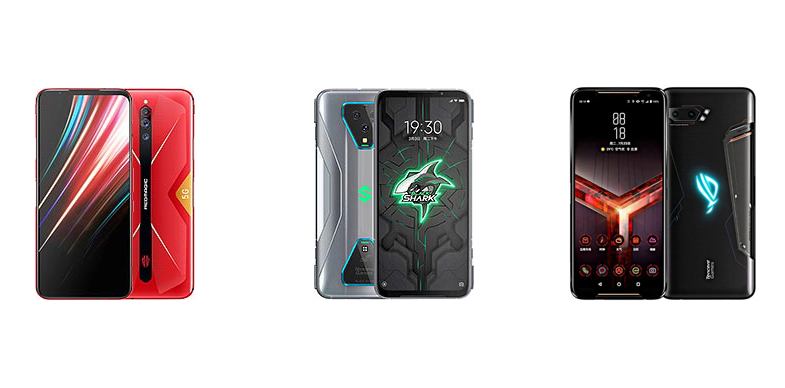
The gaming phone niche has a new player: Nubia Red Magic 5G. And it is a stunning device. But is it the best gaming phone out there? We think there is no better way to have an idea about it than comparing it with the most amazing gaming phones launched by other brands. Besides Nubia, even Xiaomi launched a new flagship gaming phone recently: the Black Shark 3 Pro. And the most advanced gaming-centric handset from 2019 is the Asus ROG Phone II. Excluding the iQOO series, we believe these are the most awesome phones with gaming-centric design and features, that is why we made this specs comparison.
Nubia Red Magic 5G vs Black Shark 3 Pro vs Asus ROG Phone 2
Triple 64 + 13 MP + 5 MP f/1.8 and f/2.3 and f/2.2
20 MP f/2.2 front camera
Dual 48 + 13 MP f/1.8 and f/2.4
24 MP f/2.2 front camera
Triple 64 + 8 + 2 MP, f/1.8
8 MP f/2.0 front camera
BATTERY
5000 mAh
Fast charging 65W
6000 mAh, Fast Charging 30W with Quick Charge 4.0
4500 mAh, fast charging 55W
ADDITIONAL FEATURES
Dual SIM slot, magnetic charging, support for external accessories, 5G
Dual SIM slot, support to external accessories, RGB light
Dual SIM slot, 5G
Design
Given that they are phones meant especially for gamers, these devices all come with an aggressive and original design just like gaming PCs and peripherals. Which one you should prefer is up to your tastes. I personally like the Asus ROG Phone II more because it is the only one to come with a glass back and it has a more elegant look, while Black Shark 3 Pro and Nubia Red Magic 5G have an aluminum body. Further, Asus ROG Phone II offers more compatibility for external accessories, including a desktop dock. On the other hand, Nubia Red Magic 5G has a more beautiful front panel since it features a higher screen-to-body ratio.
Display
Here it is a close fight, but we would pick Black Shark 3 Pro as the winner of the display comparison. Nuba Red Magic 5G offers the highest refresh rate (144 Hz), which is very important for gamers. It supports full DCI-P3 coverage, HDR10, and 240 Hz touch-sampling rate. But Asus ROG Phone II is very close with its 120 Hz refresh rate, 108% DCI-P3 gamut and HDR10. On the other hand, Black Shark 3 Pro has one of the widest panels in the Android world with a 7.1-inch diagonal. Unfortunately, it has a lower refresh rate (90 Hz) but also a higher refresh rate. But it is the only with a high Quad HD+ resolution and HDR10+. We would go for the Black Shark 3 Pro, but if we only consider gaming environments, the higher refresh rate of the Nubia Red Magic 5G is definitely more suitable.
Hardware/Software
On the paper, Nubia Red Magic 5G wins the hardware comparison. Just like the Black Shark 3 Pro, it is equipped with the Snapdragon 865 and 5G connectivity. But unlike Xiaomi’s flagship, it features 16 GB of RAM in the most expensive configuration. So if we consider the highest-end configuration, Nubia Red Magic 5G is superior. Asus ROG Phone II loses the comparison since it has an older and less powerful Snapdragon 855+ chipset. It even lacks 5G connectivity. But Asus ROG Phone II is definitely more interesting on the software side since it allows to switch between a customized user interface and stock Android.
Camera
Unfortunately, we won’t be able to give you a definitive vote about the cameras, even on the paper, until we tested both Black Shark 3 Pro and the new Nubia Red Magic 5G which became official just yesterday. On the paper, Black Shark 3 Pro looks better since its sensors have more potentialities. But we do not want to underestimate any device.
Battery
Asus ROG Phone II is the longest-lasting phone on a single charge with a huge 6000 mAh battery: one of the biggest ones ever seen on a flagship smartphone. It even supports reverse charging, but not wireless charging. Black Shark 3 Pro has the fastest charging technology with a power of 65W, and it even supports magnetic charging thanks to the presence of pins on the back cover. Thanks to magnetic charging, playing games is comfortable even while the smartphone is charging.
Price
Black Shark 3 Pro debuted with a $502/$450 starting price in China, Red Magic 5G begins at $540/€485, and Asus ROG Phone II launched in China last year with a $509/€457 starting price. Despite it is a phone from last year, Asus ROG Phone II still has something to say thanks to its amazing display, the support to more external accessories and a huge battery. But the lack of 5G connectivity and the lower-end chipset would let me go either for the Black Shark 3 Pro or the Nubia Red Magic 5G. The former (which looks slightly more interesting) has a wider display and a bigger battery, while the latter has a higher refresh rate, as well as very reactive capacitive triggers.
OnePlus has been rumoured to announce the OnePlus 8 series earlier than usual. Initial reports suggested it to be announced in mid-March but that isn’t happening, possibly due to coronavirus outbreak. Now, a fresh tip from Max J, a well-known leakster, reveals the launch of next generation of OnePlus smartphones to take place on April 15.
OnePlus is popular for its reasonably priced flagship premium smartphones. Thus, the brand’s handsets are one of the most anticipated product launches in the tech community. Ever since the first-ever CAD render leak of the OnePlus 8 series came into picture, it has been rumoured to debut much earlier than usual. But unfortunately, the coronavirus outbreak seems to have affected the development and manufacturing of the OnePlus 8 smartphones. Nonetheless, the company might announce them on April 15 via an online only event, which is exactly a month later than the previously suggested time period. Additionally, we think this info to be legit as multiple sources have confirmed the same.
However, even if OnePlus announces the OnePlus 8 series next month, the availability of these smartphones will still be a question. A report even suggested the new lite variant to be only made available months after the launch of the standard OnePlus 8 and OnePlus 8 Pro. Further, earlier today, the OnePlus 8 Pro was spotted in the hands of the brand’s ambassador Robert Downey Jr. suggesting an imminent launch in line with the new leak.
Although Xiaomi is short of supplies in China for the Mi 10 series, its smartphone business in India will not be affected due to the coronavirus outbreak, says Muralikrishnan C, the Chief Operating Officer of Xiaomi India. However, the supply chain for its TV lineup has already been disturbed.
The COO of Xiaomi India told IANS that because of the ‘exceptional job’ in managing smartphone supplies by the company’s supply chain team and partners, it hasn’t faced any issue yet. The brand envisions India as a very important market and assures the COVID-19 pandemic will not affect its smartphone business in the country and thus it will continue launching new smartphones. On the other hand, the same cannot be said for the smart TVs sold by the company in the country. That is because the panels used in them are ‘imported from abroad’ and they are currently taking more time to arrive in India.
Just yesterday, Xiaomi announced the Redmi Note 9 series in India powered by the brand-new Qualcomm Snapdragon 720G, which comes with support for NAVIC satellite navigation system. The Pro variant starts at INR 12,999 (~$175), whereas the Pro Max version costs INR 14,999 (~$202) for the base storage option. They will be available to purchase for the first time on March 17 and March 25 respectively from Mi Online Store and Amazon India.
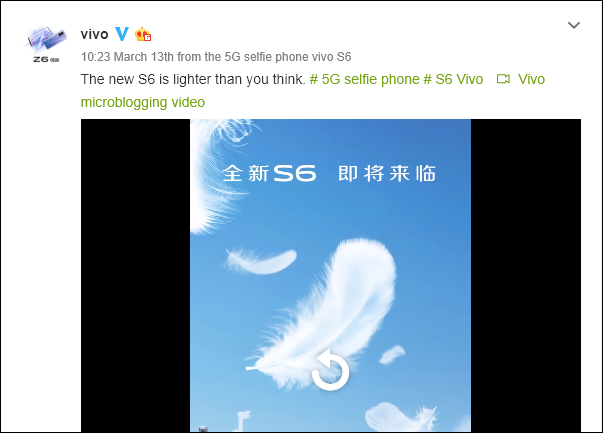
Vivo recently confirmed that it will be launching the 5G Vivo S6 later this month. The company is yet to reveal a specific launch date but has continued to tease some features of the phone. A new teaser video shared on Weibo by the company promotes the flagship model as having an ultra-thin and lightweight build.
This latest teaser video happens to be the third the Chinese tech giant is releasing concerning the Vivo S6. The company first teaser points to the presence of a dual-mode 5G chip onboard the device. A second teaser was shared which promotes a night view selfie feature that would be included on the S6’s selfie camera.
The frequency at which the company has been releasing teasers suggests the Vivo S6 launch is imminent. As per this latest teaser, the company is suggesting the device will be featherweight which would be a good thing. However, in the 5G era, battery capacity and power efficiency are features that buyers look out for. We do hope Vivo isn’t sacrificing the size of the battery for a lighter weighing smartphone. That isn’t likely going to happen. Likely scenario is the use of materials that won’t increase the weight of the device like a glass body instead of metal and such like.
Vivo is yet to release key specs details of the Vivo S6 but the device is likely to be powered by the Qualcomm Snapdragon 765G SoC since it supports 5G. This potentially makes it an upper mid-range model. We expect the device to feature Vivo’s propriety SuperVOOC fast charging technology among other things.
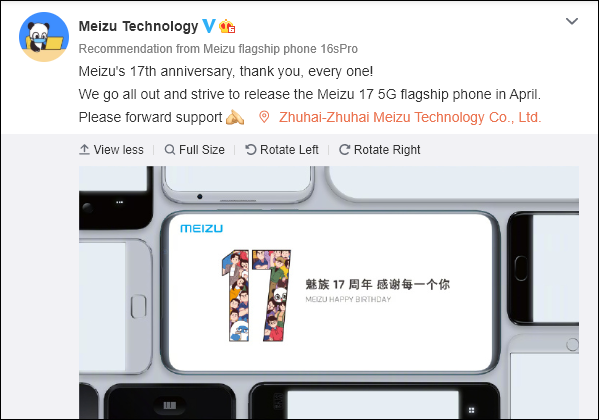
The innovative Chinese tech company, Meizu has hinted that its next flagship model which would be called Meizu 17 will be launched sometime in April. This was revealed via an open letter published on the firm’s official Weibo account. The post didn’t include a specific date but the device is expected to be Meizu’s first 5G phone.
Meizu has stuck to its non-conformist approach of not including any form of notch design on its flagship smartphones right from when the notch began trending until now. Instead, the company has maintained the symmetrical design style and in the process has brought out some amazing smartphones with extremely reduced bezels which received rave reviews. But for the poor distribution network and awful custom ROM which keeps some potential buyer away, Meizu might have climbed into the top 5 global vendors by now.
The Meizu 17 is likely to keep up with the full-screen, notch-less design and several renders, including official ones have popped up online. The display will adopt a near-bezel-less approach with just a strip of bezel holding the screen in place on all four sides.
The Meizu 17 will come as Meozu’s 17th-anniversary flagship and will be powered by Qualcomm’s latest Snapdragon 865 chipset. We equally expect the device to feature an in-display fingerprint scanner, a large battery. It will definitely run Android 10 but then that will be with the company’s FlymeOS skin on top of it.
We expect the company to officially announce the specific launch date in the coming days.
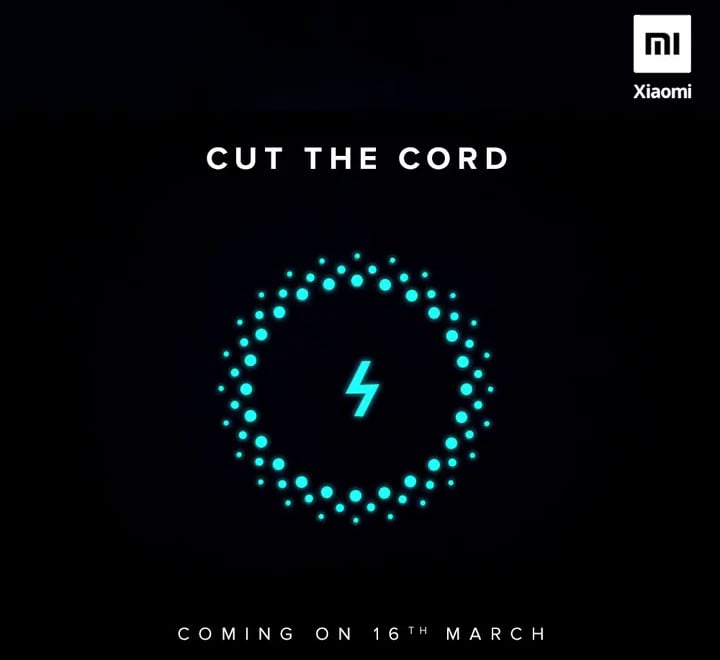
In a bid to cement its place in history as a formidable internet company, Xiaomi doesn’t only focus on its smartphone business but on other IoT products as well as accessories. The company’s next product in India could be a cool accessories that could wireless charge all your gadgets even while on the go, so the teaser says. The company released a teaser which points to the launch of a new product on March 16.
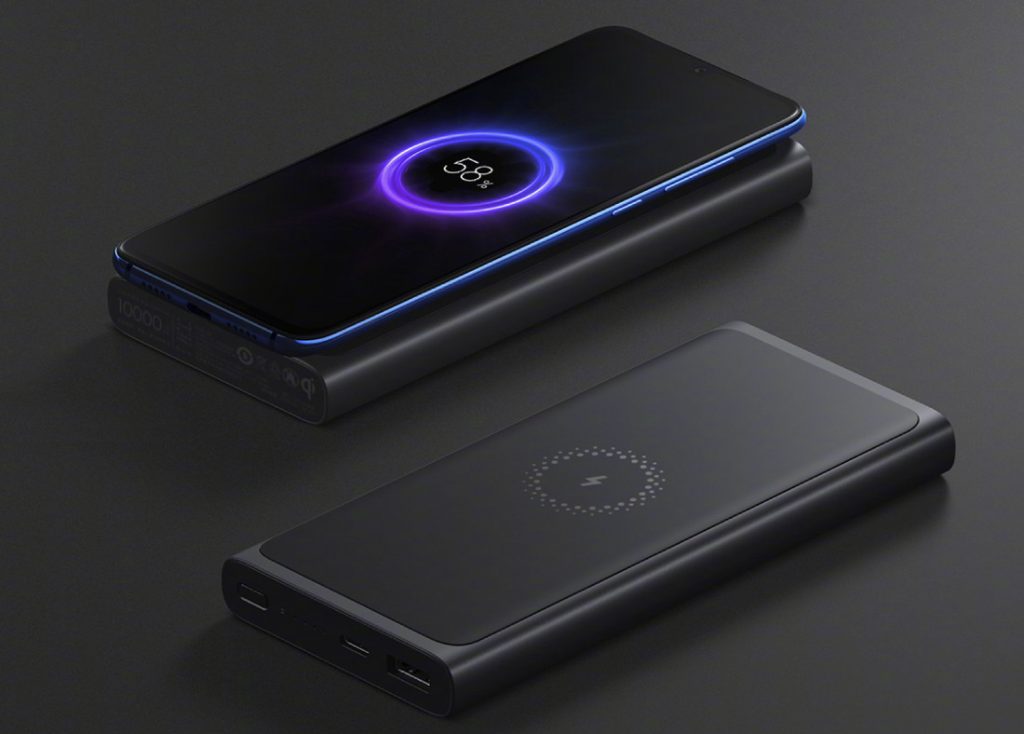
The company did not reveal the name of the product that will be launched on that day but going by details cooped from the teaser video, the product is likely a wireless charging-supporting power bank.
One less wire to deal with.
Mi fans, it's time to #CutTheCord. All the power you need without any hassle.
— Mi India #108MP IS COMING! (@XiaomiIndia) March 13, 2020
The teaser promotes the upcoming product by appealing to our utmost desire to have gadgets that won’t require you to carry so many charging cables around. The text on the display in the reads “One less wire to deal with. Mi fans, it’s time to #CutTheCord. All the power you need without any hassle. Guess what this is.” Also, take note of the hashtag “CutTheCord”. This clearly suggests the product is a wireless charging solution and it could only be a power bank if we are to entirely do away with the cord.
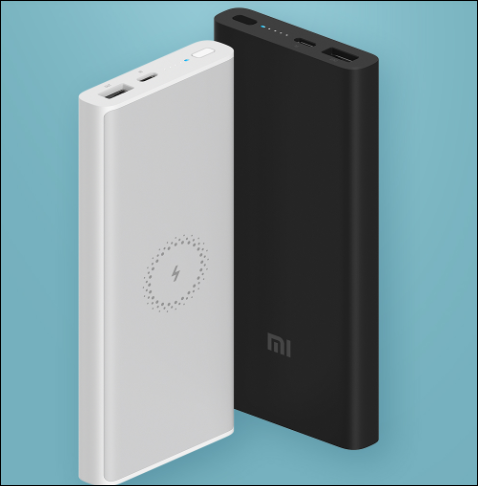
Xiaomi already has a couple of wireless charging power banks to its name one of which is the Mi Wireless Power Bank with 10W wireless charge support. The company also has a trimmed down Mi Wireless Power bank Youth Edition. Both models support 18W fast charging via the USB-A ports and use the Qi charging standard for the wireless charging protocol.
We’ll have to wait until March 16 which is just a couple of days away to find out what the product really is. We’ll keep you updated here on Gizmochina.
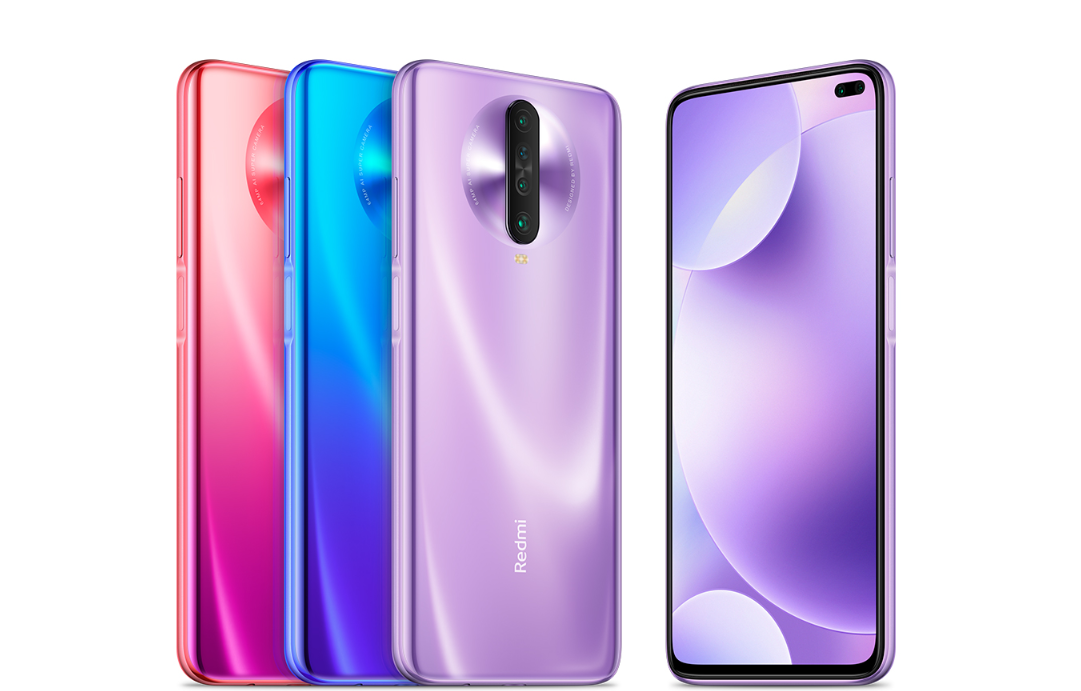
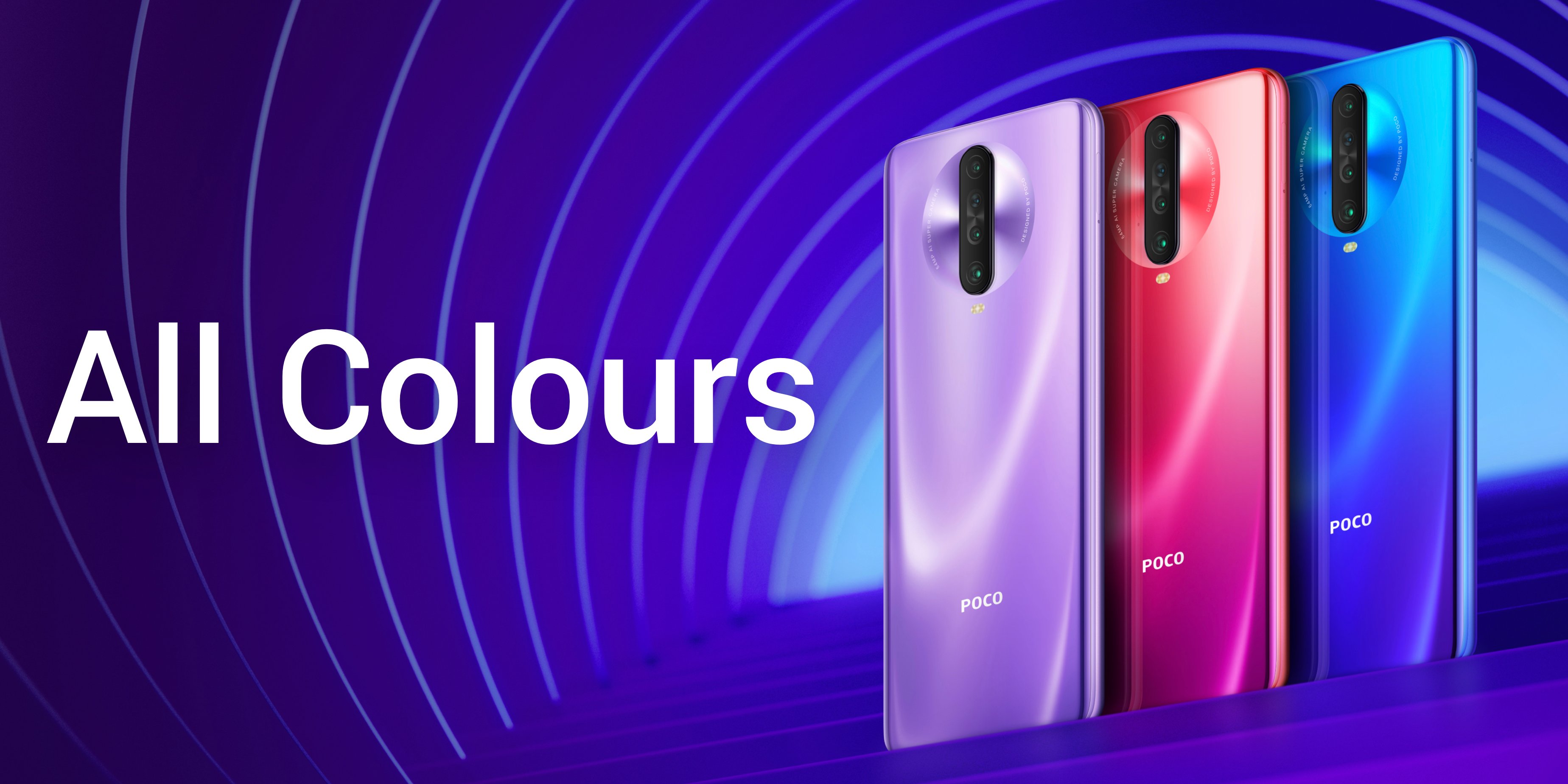
The recent launch of the Redmi Note 9 series may end up being a blessing in disguise for the Poco X2, Poco’s latest smartphone. Recall that the Poco X2 was launched in India last month after a hiatus from the Xiaomi-nurtured OEM following the release of the Poco F1 in 2018. The Poco X2 has been well-received even with a design that is practically the same as the Redmi K30.
Redmi K30 4G has been rebranded as POCO X2 in India
It has now emerged that Poco X2 has been crowned as the highest-rated smartphone on Flipkart. The device scored an average user rating of 4.6 out of 5 to outshine other rival brands that have more than 10,000 user ratings in just a month after it was released. The product page shows that the X2 has received rave reviews and top ratings from over 20,000 users as of March 13, 2020.
As regards the feat which could be considered a milestone, Manmohan Chandolu, General Manager, POCO India had this to say; “We are ecstatic with this achievement and want to thank all our customers who have been a part of this new-yet-fruitful journey. Since POCO X2’s launch last month, we have received an amazing response from across all categories of users and I am confident that it is just the beginning. We intend to continue the momentum and keep up with the gusto.”
POCO X2 packs an impressive 6.67-inch display powered by the RealityFlow 120Hz engine, a first in this category. The display offers a tall 20:9 aspect ratio wrapped around a 3D curved glass body, which enables a large cinematic screen experience. It is worthy of note that the Poco X2 happens to be India’s first smartphone to feature the Sony IMX686 camera sensor.
POCO X2 is available on Flipkart but you’ll have to wait until March 17 when the next flash sale will hold at 12 noon. As for the prices, the 6GB + 64GB comes in at INR 15,999 ($216), the 6GB + 128GB is offered for INR 16,999 (~$230) and the 8GB + 256GB storage variant goes for INR 19,999 (~$270). Flipkart is offering an additional instant discount of INR 1,000 on ICICI credit card and EMI transactions.
Companies patent a number of technologies but not all of them come into fruition as a product. And that seems to be the case with a new patent by Apple, which feeds onlookers with false data when they try to peep at your phone, tablet or laptop screen.
Apple, on March 12, filed a new patent at the US Patent and Trademark Office titled ‘Gaze-dependent Display Encryption’. This tech will work on the basis of tracking user’s gaze while using Apple products such as iPhone, iPad or MacBook. By doing so, the screen will display the original data only in the region where the user stares at. Whereas, the other surrounding region will be encrypted in the form of displaying false data to make the content on the screen illegible to the people in the surrounding. What’s more interesting is the encrypted phony data will look similar to that of original content so that the onlookers don’t find it suspicious.
The Cupertino-based tech giant has always been a forerunner of privacy on its products. This is not the first time we are seeing someone trying a solution to this issue. A few years back, Blackberry-branded Android smartphones had a feature called ‘Privacy Shade’, which would hide the content on the screen completely except for a small movable window to let the user access the content. But, that was software-based and easy to implement. On the other hand, Apple’s patent requires a combination of hardware as well as software and therefore it is also hard to implement as there is literally no place on the front of the gadgets to include additional sensors.
Maybe, we might see this patent in action in some other way in near future or perhaps never at all.
Xiaomi announced the Mi 10 series last month but unfortunately, due to the COVID-19 pandemic, the availability of this handset has been affected severely. So far, the Mi 10 duo (selected variants) went on sale a couple of times post the launch event on February 13. But that might change soon as the Chinese smartphone maker sold all the storage variants of the Mi 10 in a sale today.
The sale scheduled for today was the third sale for Mi 10. The last sale on February 14 was only limited to the 8GB + 256GB variant. But this time around, all the storage configurations of the device were made available, however, with some caveats. Only the 8GB + 128GB and 12GB + 256GB variants priced at 3999 Yuan (~$571) and 4699 Yuan (~$671) respectively were available for purchase, whereas the 8GB + 256GB version retailing for 4299 Yuan (~$614) could only be pre-ordered. Also, the shipping is expected to commence before March 26, which is about two weeks from today.
Going by the situation, we can clearly picture how coronavirus is affecting businesses in China (worldwide too). Xiaomi’s Lei Jun took to Weibo to announce that Mi 10 Pro and the standard Mi 10 will be only made available once a week on Tuesdays and Fridays respectively. He even added that supplies will still take some time to recover suggesting the situation in China to be not yet stable. Hopefully, the condition will turn around soon as the rise of new COVID-19 cases has been falling in China and thus most businesses have already begun lately.
With all that being said, Xiaomi is yet to launch the Mi 10 series globally, which is set for March 27.
We use cookies on our website to give you the most relevant experience by remembering your preferences and repeat visits. By clicking “Accept”, you consent to the use of ALL the cookies.
This website uses cookies to improve your experience while you navigate through the website. Out of these, the cookies that are categorized as necessary are stored on your browser as they are essential for the working of basic functionalities of the website. We also use third-party cookies that help us analyze and understand how you use this website. These cookies will be stored in your browser only with your consent. You also have the option to opt-out of these cookies. But opting out of some of these cookies may affect your browsing experience.
Necessary cookies are absolutely essential for the website to function properly. This category only includes cookies that ensures basic functionalities and security features of the website. These cookies do not store any personal information.
Any cookies that may not be particularly necessary for the website to function and is used specifically to collect user personal data via analytics, ads, other embedded contents are termed as non-necessary cookies. It is mandatory to procure user consent prior to running these cookies on your website.


 Its touchless infrared sensing features not only offers more convenience but also ensures improved sanitary. Moreover, it allows you to choose from two foaming quantities so that you always get the right amount of hand sanitizer.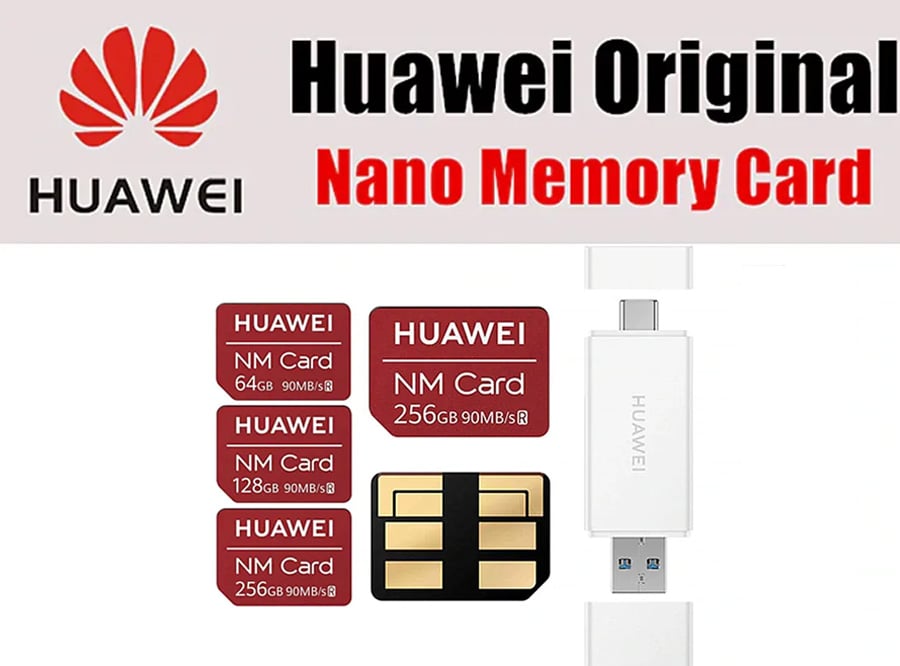
 In addition to the aforesaid capacities (i.e. 128GB and 256GB), the new NM Card is also available in 64GB storage capacity. Manufactured by Toshiba, the new NM card is designed to fit into the dual nano-SIM hybrid slot of the Mate 20 series phones.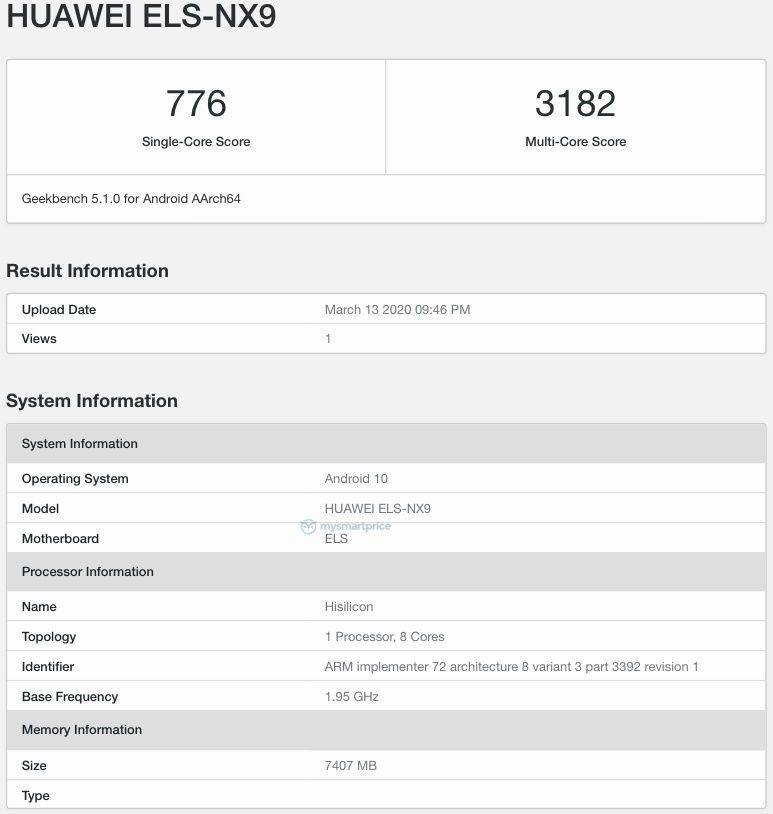


 OnePlus upgraded the connectivity by replacing Bluetooth 4.1 with Bluetooth 5.0 that warrants a more stable connection. Furthermore, the company has included aptXHD support, which is a notable upgrade from the aptX-supported originals.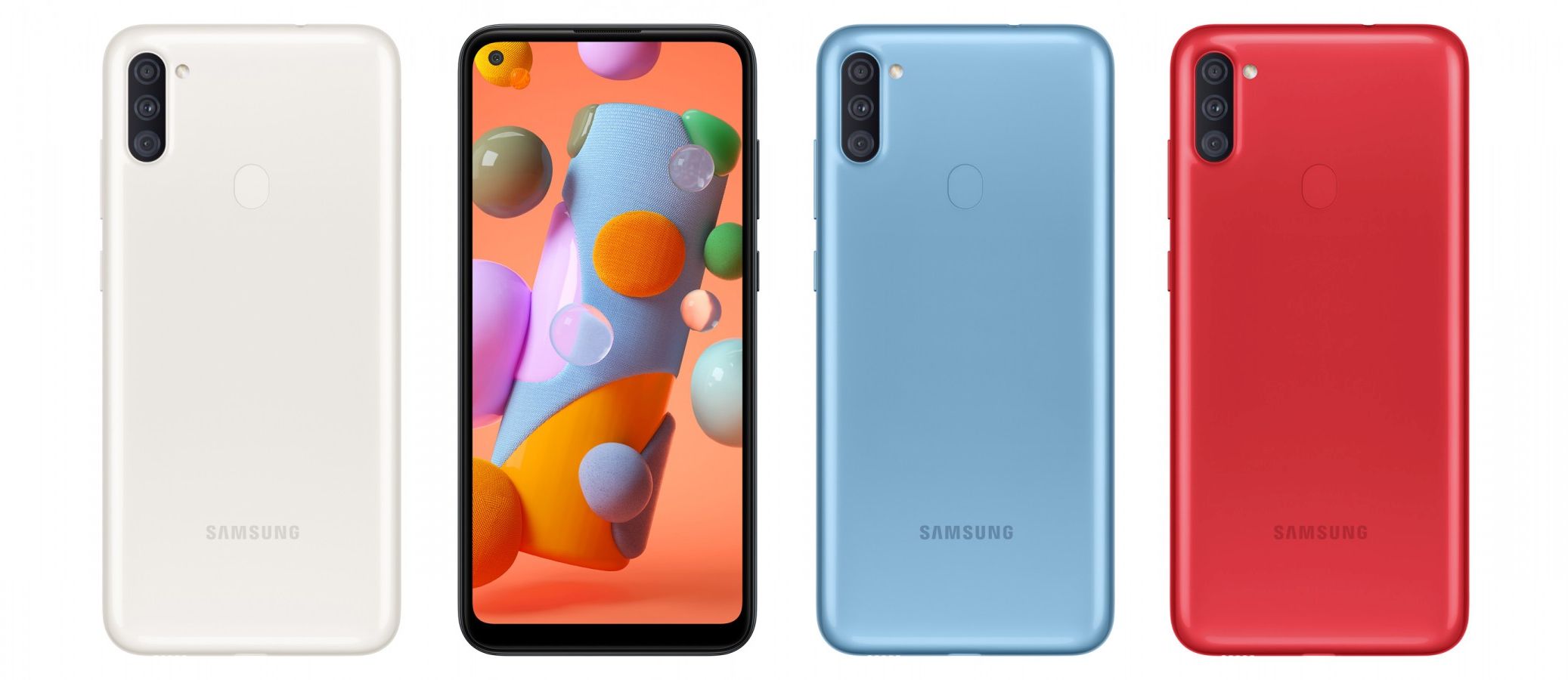







UP NEXT: Samsung working on a new type of display for future smartphone