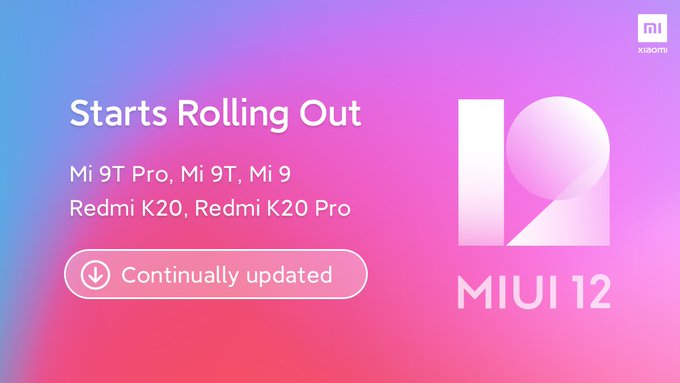
Xiaomi is rolling out the MIUI 12 global stable update to a number of its smartphones. According to a tweet by the official MIUI Twitter account, the update is rolling out to the Mi 9T series, Mi 9, and Redmi K20 series.
The Mi 9T and Mi 9T Pro are the rebadged versions of the Redmi K20 and Redmi K20 Pro respectively for Europe. However, since the list also mentions the Redmi K20 and Redmi K20 Pro, it means the update is rolling out in India too. The Mi 9 which is Xiaomi’s 2019 flagship is also getting the update.
MIUI 12 brings a number of new features such as a new UI, new animations, Dark Mode 2.0, Super Wallpaper, new privacy settings, new themes, floating apps, and health tracking.
The smartphone market is dominated by large screen phones. This is mainly due to market forces as a good number of persons prefer large-screen models to their small display counterpart. However, there are still some persons who would prefer to have a small screen phone that can easily fit into the pocket.
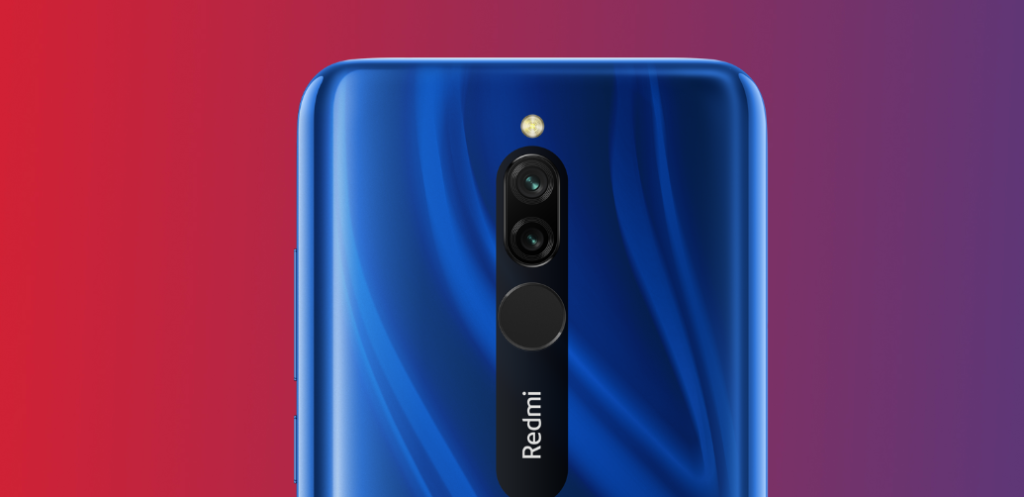
Xiaomi is considering returning to manufacturing small screen smartphones under the Redmi brand. Xiaomi’s Redmi product director, Wang Teng Thomas disclosed this on Weibo recently. He noted that only the iPhone 11 Pro was the notable small screen phone available. He also hinted that the brand is evaluating the demand for small screen phones and of course, no definite decision has been made yet. He further added that if the company was to start producing compact models, a number of features will have to make way due to the compact layout available for internal components.
It is difficult to predict if small screen phones will perform well in sales. But going by the demand for phones with powerful specs that can withstand heavy gaming and video streaming with an immersive viewing experience, such needs may not fit into what a smalls screen phone can provide.
Xiaomi has been recently rolling out Android 10 stable update to the Redmi 7 as well as Redmi Note 7 series in China. As all the handsets in those series have now received the update, the company has turned towards the Redmi 8 series as the regular Redmi 8 has now begun to get Android 10 update in the company’s home country.
The stable Android 10 update for Redmi 8 comes with build number MIUI 11.0.1.0 QCNCNXM in China. Weighing at 2.0GB, the update also bumps up the security patch level to June 2020. We expect the global version to receive this update in the coming weeks.
Xiaomi has been always slow at rolling out Android updates to its devices compared to MIUI. The year 2020 turns out to be the worst update delivery year for Xiaomi.
Redmi 7, Redmi 7A, Redmi Note 7, and Redmi Note 7 Pro were launched in early 2019. However, they have begun to receive Android 10 update only now after more than a year from their debut. Additionally, the company is yet to start delivering the update to all the global versions of these handsets.
Having said that, these devices are also eligible for MIUI 12 but it is not sure when these phones will receive it as more recent phone are still in line to get it before them.
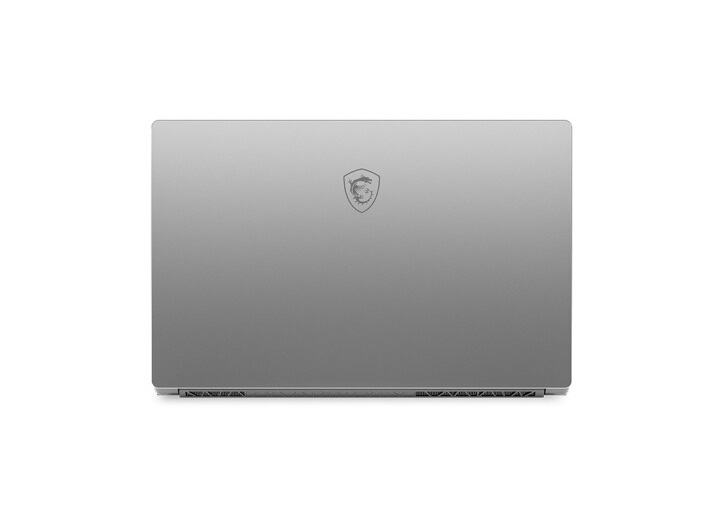
The world’s first laptop with a Mini LED display has launched in China. The MSI Creator 17 arrives with a hefty price tag of 22,999 Yuan (roughly 3,255 US Dollars) and sports the new display technology in a 4K resolution.
As the name suggests, the MSI laptop is geared more towards creators and professionals than gamers. Its highlighting feature is its 4K Mini LED display that offers great color reproduction and better accuracy at varying brightness levels. The laptop was first seen at CES 2020 and has now finally been announced in China, with pre-orders starting from today (1s July 2020).
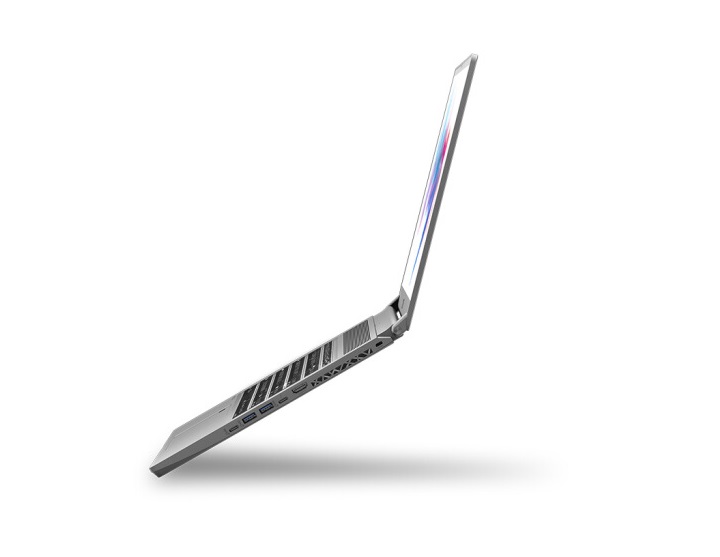
Under the hood, the MSI Creator 17 features Intel’s 10th Gen Core i7-10875H along with 32GB of memory and NVIDIA’s GeForce RTX 2070 Super Max-Q. Its display is a 17.3 inch Mini LED 4K panel with a 100 percent DCI-P3 color gamut and a peak brightness of 1000 nits. It also has 240 local dimming zones, which is great for displaying HDR content.
For storage, 1TB of NVMe SSD is provided and the laptop also supports Wi-Fi 6 standards. It weighs just 2.5 kilograms and the dimensions are 396.1 x 259.4 x 20.25mm. On the front, a 720p webcam is also provided and the MSI Creator 17 also includes a Thunderbolt 3 port, one USC Type C 3.2 port, and 3 USB Type A ports.
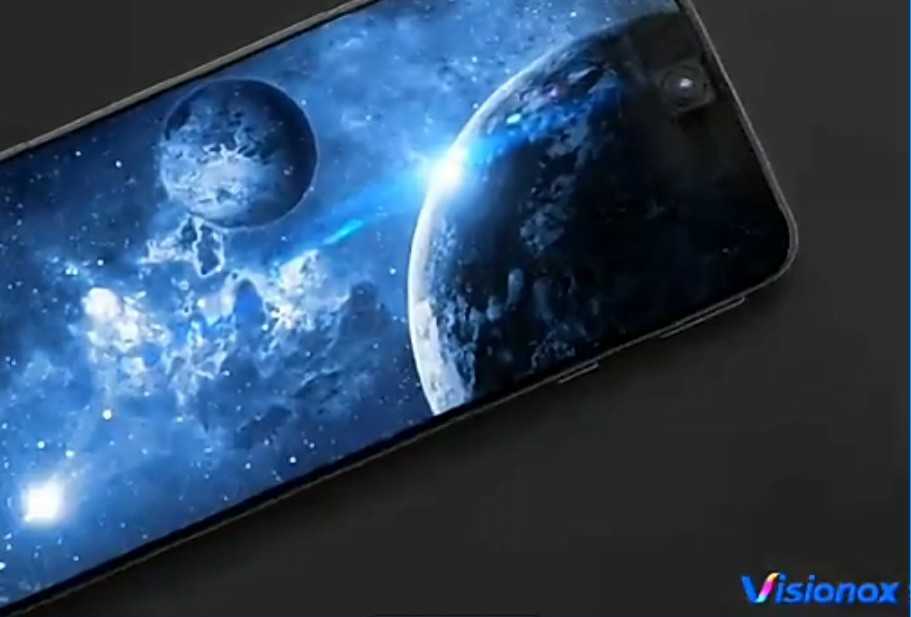
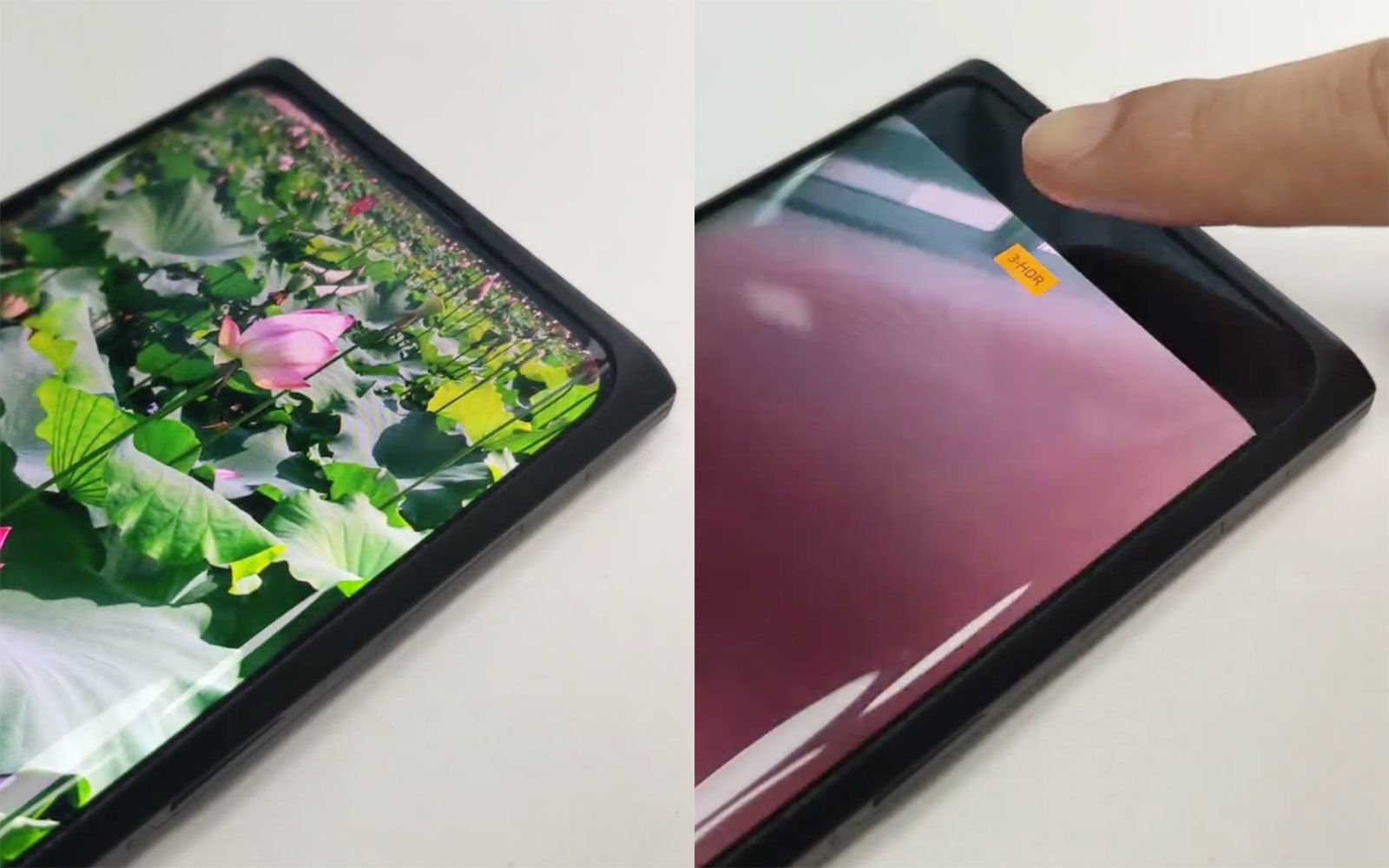
Smartphone manufacturers have been trying for years to achieve a full screen body on the front. Methods to achieve this include punch hole camera, popup mechanism, or even a water drop notch. But recently, the anticipation for an Under Display camera has been growing, and now, Visionox has confirmed that its OLED panel with this technology is ready for mass production.
The company has said that its the under screen camera solution is ready and it has achieved one of the best display results. Visionox has used transparent OLED panel on devices, which has resulted in a balanced offering of display quality and photographic performance. This will allow smartphone OEMs to make full front display bodies on their offerings and is also the world’s first under-screen camera solution to reach mass production.
Oneplus has been hyping its new mid-range smartphone for a while now. The name of the handset was revealed to be OnePlus Nord yesterday. It was even available for pre-order today, albeit limited to 100 customers. Now, the company’s co-founder Carl Pei confirms to TechRadar that the device will be powered by Qualcomm Snapdragon 765G.
The chipset powering the OnePlus Nord (previously OnePlus 8 Lite & OnePlus Z) had already leaked a long time ago. But now, the brand confirms itself ahead of the launch.
The Snapdragon 765G by Qualcomm is a mid-range 5G chip found in a number of smartphones, especially by Chinese companies. Phones powered by this SoC is quite popular in China, given its market share as most mid-tier 5G phones feature it.
Apart from the SoC, the OnePlus executive did not reveal anything else. But he did hint about providing flagship-level camera experience, however, we all know how good OnePlus is in this department.
Anyway, as per previous leaks and rumors, the forthcoming OnePlus Nord will sport a 6.55-inch AMOLED display with dual punch-hole and 90Hz refresh rate. It will come with a 4,300 mAh battery with support for 30W Warp Charge.
Other features of the device include 32MP + 8MP dual selfie camera, 64MP + 16MP + 2MP triple primary camera, up to 12GB RAM, OxygenOS 10 based on Android 10, and could cost as low as ₹24,990 ($330) in India.
After a successful fundraising campaign for the H1 folding bike which ended a few months back, Xiaomi‘s ecological chain partner Himo has launched the Himo Z20 e-bike. The bike is now available on Indiegogo for a decent $699 starting price tag.
Unlike the old run-of-the-mill bike, the HIMO Z20 is a powerful bicycle optimally designed for both electric and manual cycling – and everything in between. Equipped with a casual riding Cool Mode and a quick & sporty Dynamic Mode, HIMO Z20’s dual modes can easily be switched between with the press of a button according to your riding preferences. It’s up to you to decide how much force to exert on HIMO Z20’s pedals and throttle, which determines acceleration and power.
In terms of the design, the HIMO Z20 features a compact design which allows for easy folding, storage, and transportability. The e-bike folds in three places and only takes about 10 seconds to fold and unfold. It can easily be stored in a car trunk, taken in elevators, offices, etc.
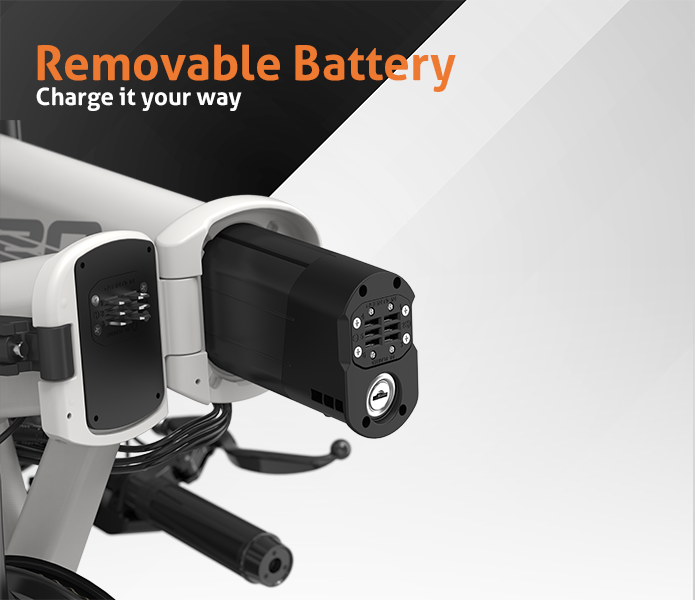
The Z20’s innovative built-in battery box is closely connected to the body for space-efficiency, while its lightweight aluminium frame perfectly matches its inner wirings to create an elegant visage. The Z20 comes with a dedicated key for the battery so you charge it wherever you want.
It also features a meticulously designed intelligence centre. Its interconnected vector control system analyzes vehicle information and provides users with real-time feedback, enabling efficient use and control of the kinetic energy produced while riding. Further, the design includes an integrated in-seat air pump which can easily be deployed whenever there is a flat tire.
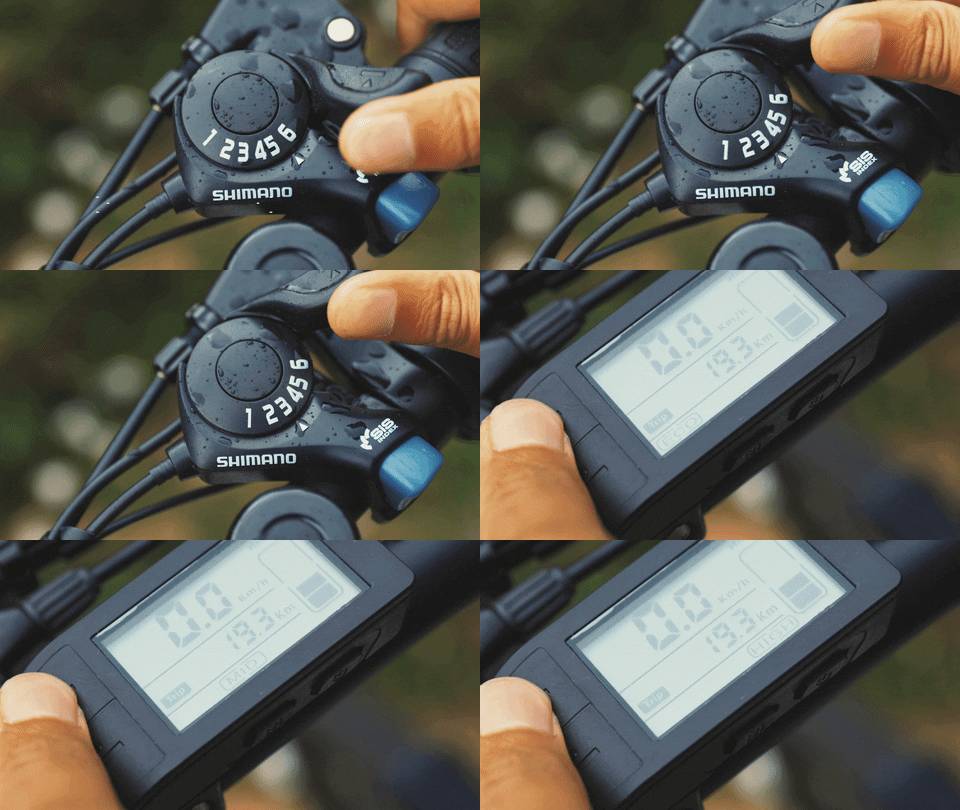
HIMO Z20 is equipped with a Shimano 6-speed Transmission System for fast and reliable gear adjustment. Its advanced High-efficiency DC Brushless Motor is powerful enough to ride completely pedal-free if you so choose, but also dynamic enough to enable a variety of riding options! Each acceleration level is a unique travel experience. The rear-hub motor provides the traction you need no matter the environment. The tires offer good grip and are slick.
The bike gets if power from an efficient 10Ah lithium battery which can last for a distance of 50miles/80km on one charge. Travel freely from the city to the countryside and beyond. The bike has a protective Battery Management System that accurately calculates power and comprehensively monitors important functions such as current, voltage, and temperature. This ensures the bike continues to provide sustained power regardless of environmental conditions.
HIMO Z20 has an HD display at the front of the handlebar which shows parameters and data about the bike such as battery level, speed, etc. The display is readily equipped to handle the harshest of weather conditions as it comes with an IPX7 waterproof rating for outstanding resistance to the elements.
Microsoft has recently rolled out two emergency updates that fix certain security flaws in its Windows 10 and Windows Server operating systems. This update arrives just two weeks earlier than its regular Tuesday Patch cycle.
According to Microsoft, the flaws had not been publicly revealed so its chances of exploitation were low, but regardless, the company hurried to patch the vulnerabilities that affected both platforms rather than waiting for the July 14 update cycle. The security flaws in question have been labeled as CVE-2020-1425 and CVE-2020-1457, which allow exploiters to execute arbitrary code and take control of the affected computer.
Apparently, these flaws existed due to the way Windows Codecs Library handles objects in memory. In other words, a potential attacker could hack into a system by using a crafted image file that would need to launch on the targeted computer. The company also revealed the list of the versions of operating systems that suffered from this issue, which includes:
Windows 10 version 1709
Windows 10 version 1803
Windows 10 version 1809
Windows 10 version 1903
Windows 10 version 1909
Windows 10 version 2004
Windows Server 2019
Windows Server version 1803
Windows Server version 1903
Windows Server version 1909
Windows Server version 2004
The security flaws were first reported to the company by Trend Micro Zero Day Initiative security researcher Abdul-Aziz Hariri. Users can now download the update from the Microsoft Store in the forms of patches that will update the Windows Media Codec. Although, these updates have been sent out automatically as well.
Honor is gearing for its July 2 launch conference. In the event, the Honor 30 Youth Edition will be officially announced, but just prior to its launch, the company revealed one of its camera features, namely the AI Speed Capture.
Earlier today (1st July 2020), the Chinese brand shared image posters that teased the AI Speed Capture camera feature for the Honor 30 Youth Edition. This allows users to click images of subjects that are moving, like running and jumping and get detailed shots due to its quick capture. Honor shared this feature on its official Weibo account, a Chinese microblogging website.
In the post, the company revealed the new AI Speed Capture feature along with an image poster. The post also elaborated on the user being able to capture motion due to what seems to be faster shutter time but we will have to wait for the official launch to know of its actual performance. The Honor 30 Youth Edition is a 5G mid range handset that will sport MediaTek’s Dimensity 800 chipset and will be launched alongside the Honor X10 Max. So stay tuned, as we will be covering the event.
Apple is expected to launch its first 5G smartphones in the form of iPhone 12 series later this year. The American tech giant was previously forecasted to ship 30-40 million units. But now, as per the latest report by DigiTimes, the estimation has been decremented by half to only 15-20 million units for 2020.
The report says the supply chain partners of Apple are less optimistic about mmWave-enabled iPhone 12 series set for launch this year. The competition between the suppliers is also intense given the lower number of units.
Apple has been long relying on Taiwanese manufacturers to assemble its devices. But currently, Chinese manufacturers are on the rise as the company is diversifying its supply chain.
According to the report, Apple has willingly increased the involvement of Chinese companies to assemble iPads, Apple Watches, and even AirPods. This is said to be “growing threats” for Taiwanese companies who had enjoyed their monopoly for years.
As for Apple, it is doing this to “cut costs, diversify production risks and better tap the Chinese market”.
That said, the proper reason for the lower shipments than the previous estimation is vague at the moment. It could be possibly due to the pandemic as the world economy has tanked hard in recent months.
Earlier this week, the Indian government had banned 59 Chinese smartphone applications. This ban included popular social media apps like TikTok and more. Now, Ji Rong, spokesperson of the Chinese Embassy in India, has said in a statement that China “firmly opposed” this decision and it is a “violation of World Trade Organisation rules.”
TikTok and 58 other apps banned by the Indian Government
Back in Monday, India had banned these 59 applications that included WeChat, TikTok, Helo, and others due to alleged threats they pose to the country’s “sovereignty and security.” Popular apps like ShareIT, UC Browser, CamScanner, Shein, and Club Factory were also on this list, with the ban being imposed under Section 69A of the Information Technology Act.
Ji Rong stated that “We expect India acknowledges the mutually beneficial nature of China-India economic and trade cooperation, and urge the Indian side to change its discriminatory practices, maintain the momentum of China-India economic and trade cooperation, treat all investments and service providers equally, and create an open, fair and just business environment while bearing in mind the fundamental interests of both sides and the overall interests of bilateral relations.”
While China’s stance is against this move, the Indian government has claimed that these applications are engaged in activities that are “prejudicial to sovereignty and integrity of India, defence of India, security of state and public order.” In other words, they pose a risk to its citizens, in regard to data security and privacy. Notably, the ban arrives shortly after recent military clashes along the Indo-Chinese borders. Friction has been increasing in the region and recent casualties have stirred anti-Chinese sentiments in the country.
POCO India has officially revealed the name of its next smartphone as POCO M2 Pro on Twitter. This handset has been in the leaks for a while now. The brand even announced its launch date, which happens to by July 7.
For all those who were on the edge of their seat. It's time to #FeelTheSurge with the #POCOM2Pro.
POCO India is promoting the POCO M2 Pro with #FeelTheSurge. Earlier this year, it used #SmoothAF for the POCO X2 launch. That said, both the phones seem to have one thing in common as the upcoming device also seems to be a rebranded handset.
The brand has posted a single video teaser and published a microsite on Flipkart where it will be made available for purchase. The 10-second video showcases the back of the handset which resembles that of Redmi Note 9 Pro European variant.
Also, the model number of the device from certification sites revealed it to be M2003J6CI, which is similar to the Redmi Note 9 series. All of this clearly indicates the POCO M2 Pro to be some sort of rebrand.
On the other hand, the brand claims the handset to be developed specifically for India. Anyway, we will know more about in the coming days as the Flipkart page clearly mentions the arrival of a new teaser tomorrow.
While smartphones with higher refresh rates have existed for a while now, its adoption and optimization for gaming have still been a bit uneven. But now, OnePlus 8 has fully utilized its faster display as the smartphone is the first to run Fortnite at 90fps.
Fortnite is one of the world’s most popular video games at the moment. It is a different and rather cartoonish take on the extremely successful battle royale genre and competes with the likes of PUBG. With games being intensive multiplayer battles, higher refresh rates can give users a slight edge in their fights. For those unaware, a higher refresh rate also translates to lowered input lag, meaning your physical actions are reflected faster on the screen. The difference is in mere milliseconds, but in a first person shooter title, that’s all that matters.
Unfortunately, despite the OnePlus 8 packing Qualcomm’s flagship Snapdragon 865 SoC alongside the Adreno 650 GPU, the game can only run at 90fps when the graphics settings are set to “low.” While you do lose visual fidelity, the improved performance really does make up for that loss in detail. So, if you’re into Fortnite and mobile gaming, the smartphone, and the game title really pair well together.
A new leak has revealed that Apple is reportedly testing an interesting new feature for its iPhone. Apparently, the company is running macOS on an iPhone and plans on bringing a docking feature for a full desktop experience, when connecting the handset to a monitor.
iPhone with MacOS
Apple working on Linda/Dex type of prototypes the software work on it is insane i cant even tell you how excited they are about the whole thing 🤯
The news arrives after Apple recently showcased the A12Z Bionic chip running inside a Mac mini that ran macOS through Rosetta 2. According to MauriQHD, the Cupertino based giant has built a prototype macOS on an iPhone. Reportedly, Apple is even testing a DeX like prototype. For those unaware, DeX is a Samsung made technology that enables its smartphone to be docked to a monitor and bring a full desktop experience.
Unfortunately, these are still unconfirmed reports so take it with a pinch of salt for now. However, the fact that Apple recently announced a shift to its own silicon chips, the seamless switch between interfaces does seem possible. The Mac Mini with A12Z Bionic running full desktop applications with ease also hints that Apple might actually launch the smartphone docking feature as well.
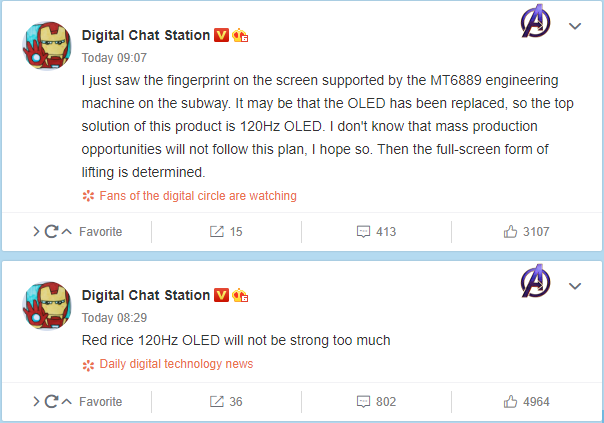
Redmi is expected to launch its first MediaTek Dimensity 1000+ smartphone in July according to popular Chinese leakster Digital Chat Station. Today, he reveals the handset will come with 120Hz OLED display as well as a pop-up camera. A few days back, he said it to feature an LCD panel.
Redmi has so far only launched a couple of 5G smartphones powered by MediaTek chip. They are Redmi 10X and Redmi 10X Pro with Dimensity 820 SoC. But that number is expected to increment with this mystery Dimensity 1000+ handset, which could launch as Redmi K40.
This phone was previously said to feature a 120Hz LCD panel. But now, the same tipster claims it to come with OLED display along with a pop-up camera. Thus, we can expect it to offer a full-screen experience like the Redmi K30 Pro/POCO F2 Pro and Redmi K20/K20 Pro from last year.
Further, he also tipped it to house an in-display fingerprint sensor like most phones with OLED panels these days. As per the same leakster, the handset will also feature a 4,500 mAh battery.
This device is thought to be the one spotted on 3C certification with model number M2006J10C. If that is the case, then we can expect it to ship with Xiaomi MDY-11-EX 33W fast charger just like the Redmi K30 Pro.
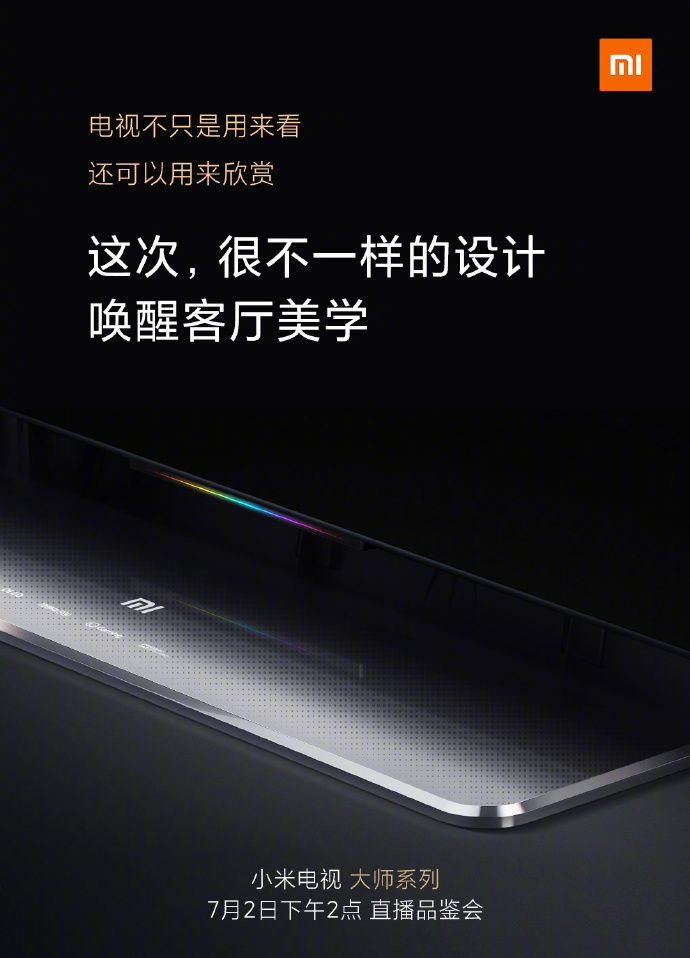
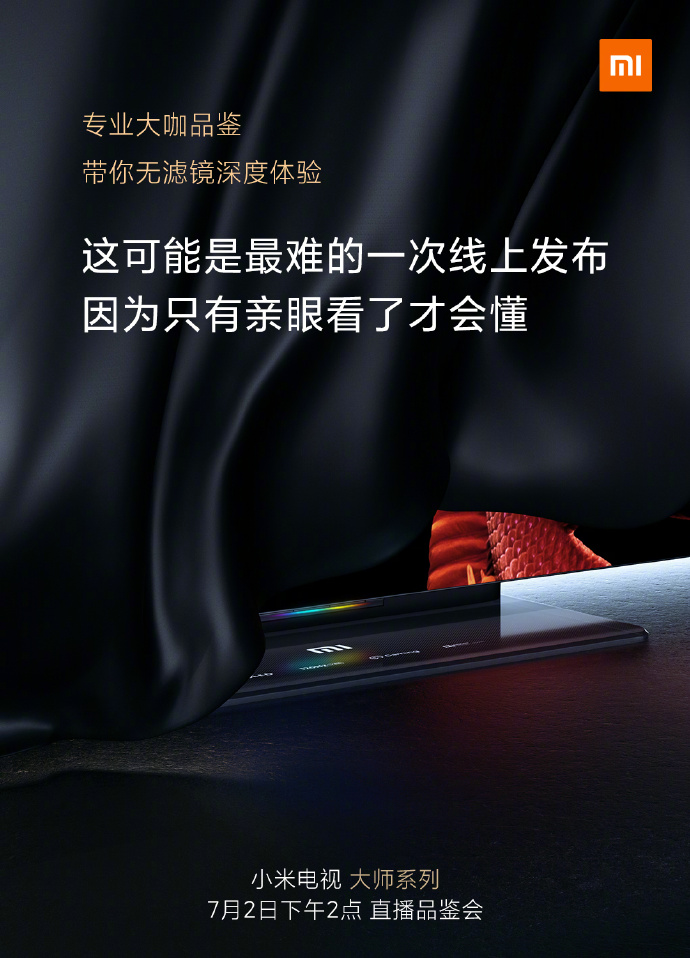
Xiaomi, which is already a big name in the Smart TV market in several regions, has confirmed that the company will be launching a new ultra-high-end TV in its home country China on 2nd July.
The upcoming TV, which will be a part of the Xiaomi TV Master Series, will come with several premium features. It will be featuring an OLED display panel with a 120Hz refresh rate for smoother viewing experience.
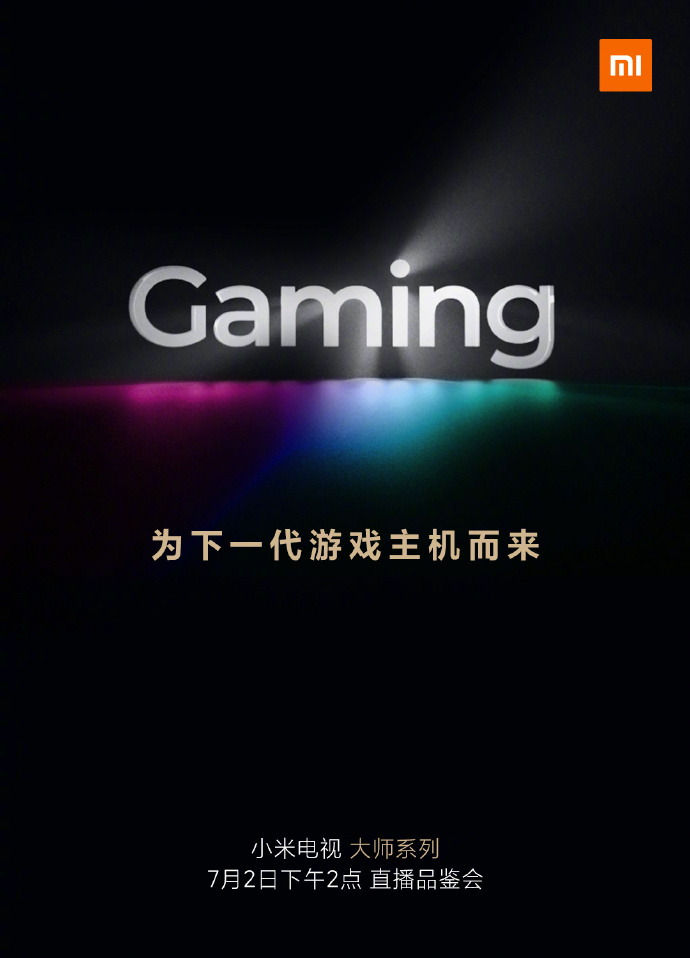
The TV is also said to be targeting gamers with a Game mode compatible with the upcoming next-generation gaming consoles such as Sony PS5 and Microsoft Xbox Series X. It will also come with features like Dolby Atmos audio and more.
Under the hood, the Xiaomi TV Master Series is confirmed to come powered by a MediaTek chipset but the exact processor is not yet known. It is also revealed to have a 3D panoramic sound field allowing users to hear the space and trajectory of the sound and get the depth without any filters.
Recently, Mr. Pan, a Xiaomi Manager, revealed certain other specifications of the upcoming TV, such as HDMI 2.1 support, NFC remote control, Dolby Vision + Dolby Atmos, and VRR (Variable Refresh Rate) + ALLM (Automatic Low Latency).
This will be the first time for the Xiaomi to offer an OLED Smart TV in the market. However, all those premium features will come at an astonishing price. Pan Jiutang, a partner of the Xiaomi Industry Investment Department, has shed some light on the TV’s pricing.
He says that the cost of a 65-inch OLED screen is almost five times when compared with the cost of the LCD panel. So, reports indicate that the upcoming Xiaomi TV Master Series will be higher than 15,999 yuan (~$2,264) and could cost around 19,999 yuan (~$2,829).
ZTE launched a smartphone named Blade A3 Prime a few weeks ago and it seems that the Chinese company is now gearing up to launch yet another budget smartphone, dubbed as ZTE Balde A3v — a variant of the Blade A3.
The smartphone has appeared on the Google Play Console carrying model number Z5157V. The listing reveals that the smartphone features an HD screen with a resolution of 1440 x 720 pixels, offering around 320PPI pixel density.
Under the hood, the device will come powered by a MediaTek Helio A22 chipset clocked at 2.0GHz. It packs 2GB RAM but the internal storage information is not yet known. The smartphone is powered by the Android 10 operating system out-of-the-box.
While the screen size is not yet known, the leaks specs hints that the display could be of 5-inch — same as the ZTE Blade A3 (2019) but smaller than the Blade A3 Prime which has a 5.45-inch screen.
The ZTE Blade A3v was recently certified by both the FCC and the Bluetooth SIG. So, the smartphone should not be far away from getting launched. Since the Blade A3 Prime costs $99, we expect this one to be priced lower than that.
Just for the sake of comparison, the ZTE Blade A3 Prime comes with a 5.45-inch HD+ (1440 x 720 pixels) IPS LCD panel with 295 PPI and 18:9 aspect ratio. It is powered by MediaTek Helio A22 SoC paired with 2GB RAM and 32GB storage.
The device features an 8MP primary camera with dual-LED flash and a 5MP front camera. It has all the basics such as 3.5mm headphone jack, USB Type-C, dual-band WiFi 5, Bluetooth 4.2, and fingerprint sensor. Running on Android 10, the phone is powered by a 2,660mAh battery.
Huawei, the world’s largest smartphone maker after surpassing Samsung, is gearing up to launch its next-generation Mate-series flagship smartphones. As the name nears, new details about the upcoming devices keep surfacing online.
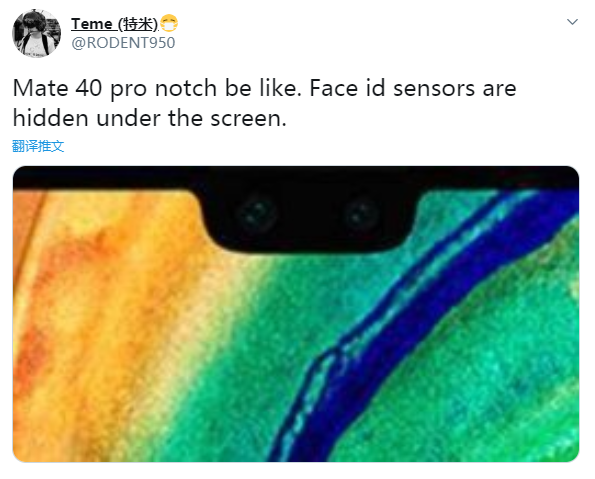
In the latest report, it is being said that the Huawei Mate 40 Pro will come with support for 3D face recognition technology that will be used to authenticate digital payments. The sensors used for this tech will be placed under the punch-hole cutout on the display.
Do note that this is not a new technology but something that Huawei has been offering on its Mate-series flagship smartphones for the past two years. So, the tech is already available on the Mate 20 and Mate 30 series smartphones and the company will keep the technology on Mate 40 series and may have some improvements.
It has also been leaked that the Huawei Mate 40 Pro will come with a 90Hz refresh rate display and a unique screen resolution of 2640 x 1200 pixels. Under the hood, the device will be powered by the next-generation Kirin chipset which could be manufactured using the 5nm process by TSMC.
The highlight of the Mate series smartphones has been the awesome camera features and we expect the same from Huawei for the upcoming Mate 40 series. But to know what exactly the company has up its sleeves for the flagship smartphone, we’ll have to wait for the official launch announcement.
So far, the exact launch date for the Mate 40 series smartphones is not yet known. But it is likely that the company will launch this flagship lineup somewhere around September or October this year.
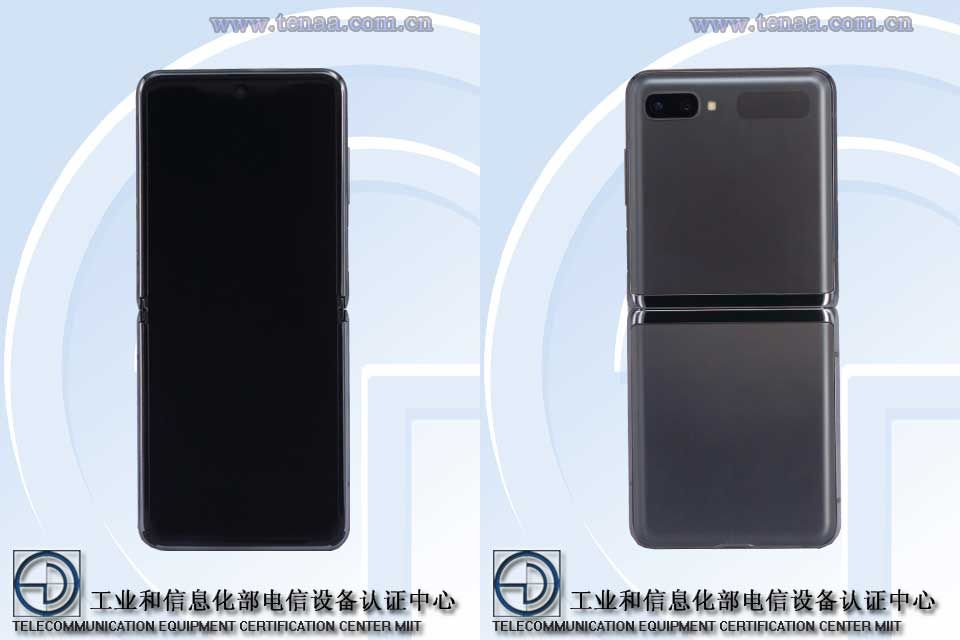
Samsung unveiled the Galaxy Z Flip along with the Galaxy S20 series earlier this year. One of the major attractions of the clamshell device is that it features a foldable display. Rumors are rife that the 5G version the Galaxy Z Flip will be announced alongside the Galaxy Note 20 series on Aug. 5. The handset emerged with all its specs on TENAA’s database last week. However, the listing lacked the images of the device. Now, the TENAA listing of the Galaxy Z Flip 5G has been updated with its images. Moreover, the foldable phone has also bagged approval from the Federal Communications Commission (FCC) in the U.S.
The Samsung Galaxy Z Flip 5G images at TENAA reveals that its appearance is almost identical to its LTE sibling. Opening the device reveals its foldable punch-hole display. The left side of the phone has a SIM slot and it has a volume rocker and a fingerprint reader on its right edge. On the outside, there is a small secondary screen and alongside it is an LED flash assisted dual-camera system.
The Galaxy Z Flip 5G has a 6.7-inch AMOLED screen with a 1080 x 2636 resolution. The outer 1.05-inch AMOLED display supports 112 x 300 pixels. The 3.09GHz SoC that fuels the device could be the Snapdragon 865+ SoC. The flip phone has 8 GB of RAM and 256 GB of built-in storage.
The Galaxy Z Flip 5G has 2,500mAH + 704mAH dual-part battery. It has a front camera of 12-megapixel and it has a 12-megapixel + 10-megapixel dual-camera system on the outside. The FCC listing of the Galaxy Z Flip 5G revealed that it has a dual-part battery, support for 15W fast charging, and support for Wi-Fi 802.11ax.
Now, ahead of the official launch of the OnePlus Nord smartphone, the device is up for pre-orders in Europe. The company will be taking limited pre-orders in thee batches, first of which is today, i.e. on 1st July at 10:00 AM CEST.
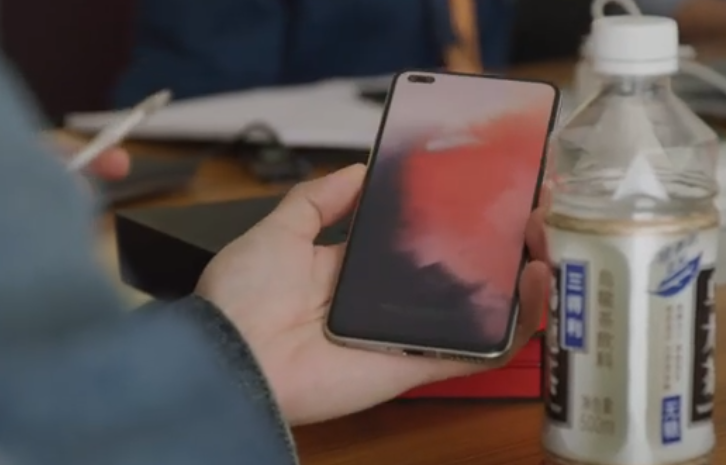
A prototype of the OnePlus Nord
It has also scheduled two more pre-orders on 8th July and 15th July at the same time — 10:00 AM CEST. While the second pre-order is similar to the first one and is for limited models only, the third pre-order will be open for 24 hours.
Do note that those who pre-order the smartphone will have to make a deposit of £20 (~$25). Once the payment is done, the company says that it will start sending “awesome merch right away” which includes a random lifestyle product and sticker packs.
When the OnePlus Nord gets launched, the company will send an invitation code and a £20 voucher to purchase the smartphone. Not just that, the company has also revealed that all those who pre-order the smartphone and purchase the device at the earliest on the release date will be receiving OnePlus Nord in exclusive packaging.
This pre-order promotion for the OnePlus Nord is currently available in Austria, Belgium, Bulgaria, Cyprus, Czech Republic, Germany, Denmark, Estonia, Finland, France, Greece, Croatia, Hungary, Ireland, Italy, Lithuania, Luxembourg, Latvia, Malta, Netherlands, Poland, Portugal, Romania, Slovenia, Slovakia, Spain, Sweden, United Kingdom.
OnePlus Nord smartphone is set to get lunched in India and Europe. While the pre-order promotion is now live for the European market, the company has not announced anything like this for the Indian market. So far, it’s been confirmed that in India, the phone will be sold exclusively through Amazon, the long-time partner of OnePlus.
Although the company has confirmed that the OnePlus Nord smartphone will be launched in July, reports indicate that the launch will take place on 10th July. This is just days after the company is set to launch a budget OnePlus TV lineup in the Indian market.
To pre-order your OnePlus Nord smartphone, click here.
We use cookies on our website to give you the most relevant experience by remembering your preferences and repeat visits. By clicking “Accept”, you consent to the use of ALL the cookies.
This website uses cookies to improve your experience while you navigate through the website. Out of these, the cookies that are categorized as necessary are stored on your browser as they are essential for the working of basic functionalities of the website. We also use third-party cookies that help us analyze and understand how you use this website. These cookies will be stored in your browser only with your consent. You also have the option to opt-out of these cookies. But opting out of some of these cookies may affect your browsing experience.
Necessary cookies are absolutely essential for the website to function properly. This category only includes cookies that ensures basic functionalities and security features of the website. These cookies do not store any personal information.
Any cookies that may not be particularly necessary for the website to function and is used specifically to collect user personal data via analytics, ads, other embedded contents are termed as non-necessary cookies. It is mandatory to procure user consent prior to running these cookies on your website.