The leaker has revealed in a tweet that the earbuds will not arrive next month along with the OnePlus 8. That sure is disappointing news for those looking forward to the earbuds.
There is no info on why the OnePlus TWS Earbuds (official name still unknown) will not launch next month since it is a perfect time for OnePlus to unveil its latest audio product.
However, we can assume it is because of the Coronavirus pandemic which may have affected production. So rather than announcing a product that will not be available for purchase, they are postponing the launch.
We still do not know what the earbuds look like or what features it will pack. We do have a feeling it will support wireless charging, so OnePlus 8 Pro owners can charge it using the reverse wireless charging feature of their phone.
Are you excited about the OnePlus TWS Earbuds? How much are you willing to pay for it when it launches?
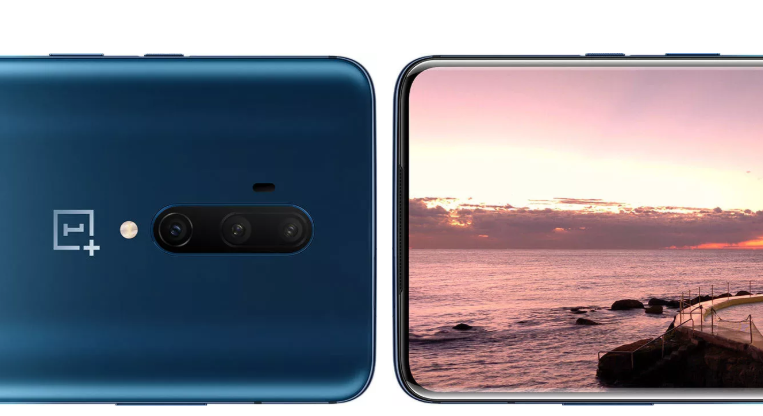
Recently, a few people have noticed that various online platforms like JD.com, Tmall, and even the OnePlus‘ official website have removed the OnePlus 7T Pro from listings. This is a clear indicator of the previous year’s flagship model which will be succeeded by the OnePlus 8 Pro that may be announced soon.
OnePlus 7T Pro
The OnePlus 7T Pro is officially discontinued and is currently out of stock on multiple different platforms. As of right now, only the OnePlus 7T Pro McLaren Edition with 12GB of RAM and 512GB of internal storage is available. Even 3rd party online retailers like JD.com displayed the out of stock message for the smartphone. So, we can expect the flagship from 2019 to probably not make an appearance again.
The Chinese company is expected to launch its OnePlus 8 series in April 2020. According to various reports, the Pro variant, which will be the high end version, will sport a 6.65 inch QHD+ AMOLED display with a refresh rate of 120Hz. It may also be powered by Qualcomm’s Snapdragon 865 SoC with up to 12GB of RAM. For battery, it is said to house a 4,500mAh battery pack that supports 50W fast charging and wireless charging as well.
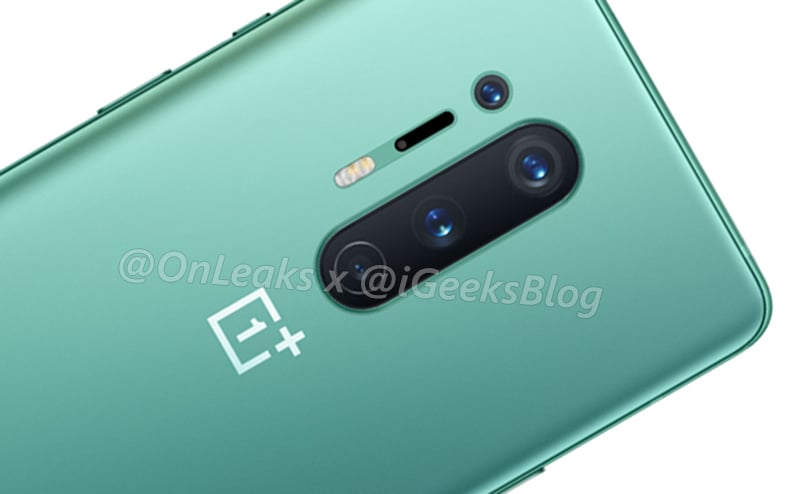
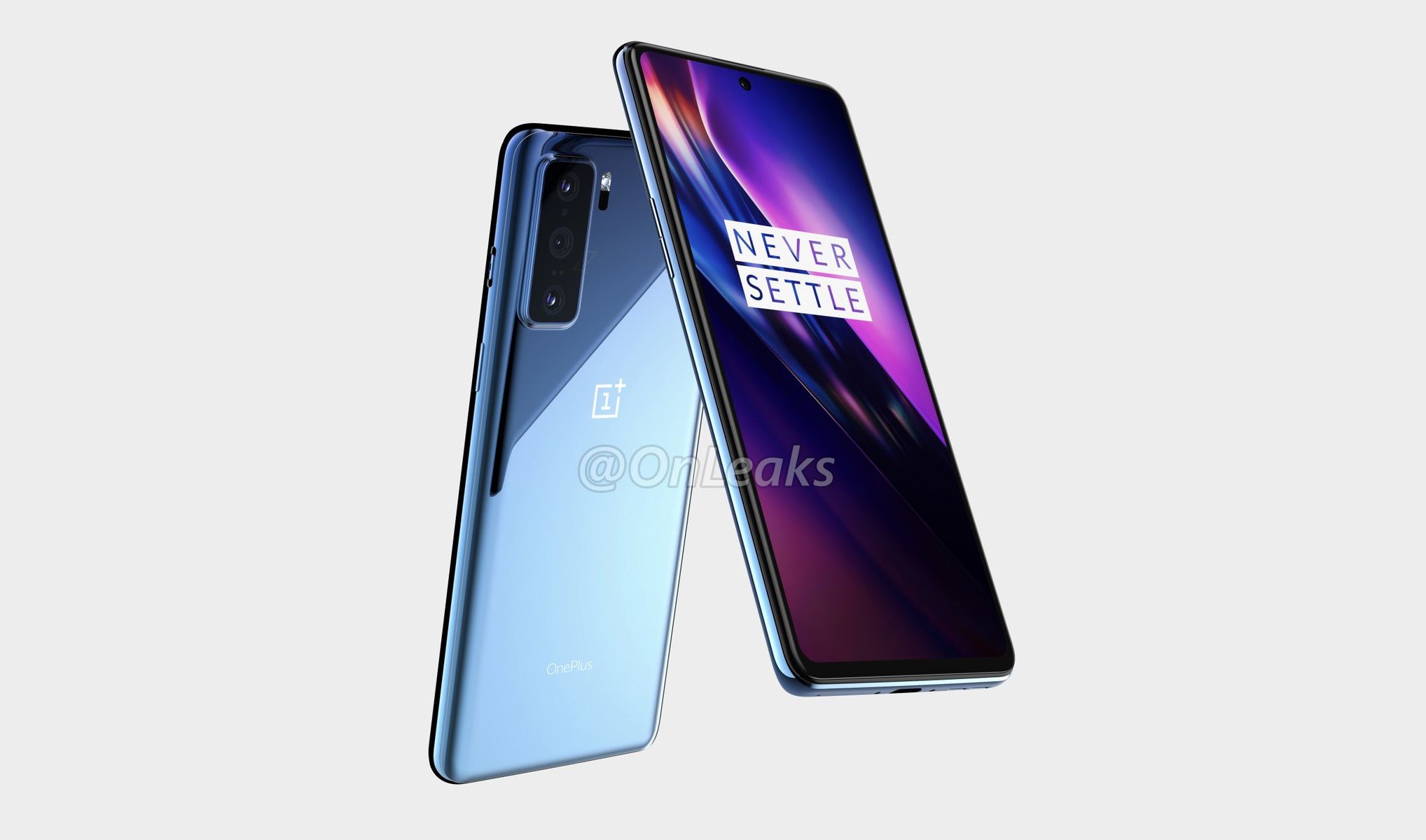
OnePlus 8 Pro (Leaked Image)
Unfortunately, the rumors have yet to be officially confirmed so take this with a grain of salt. Although with the delisting of the company’s 7T Pro, the launch of the next generation has all but confirmed to be arriving soon. So stay tuned for more coverage and the eventual launch of the latest flagship series.
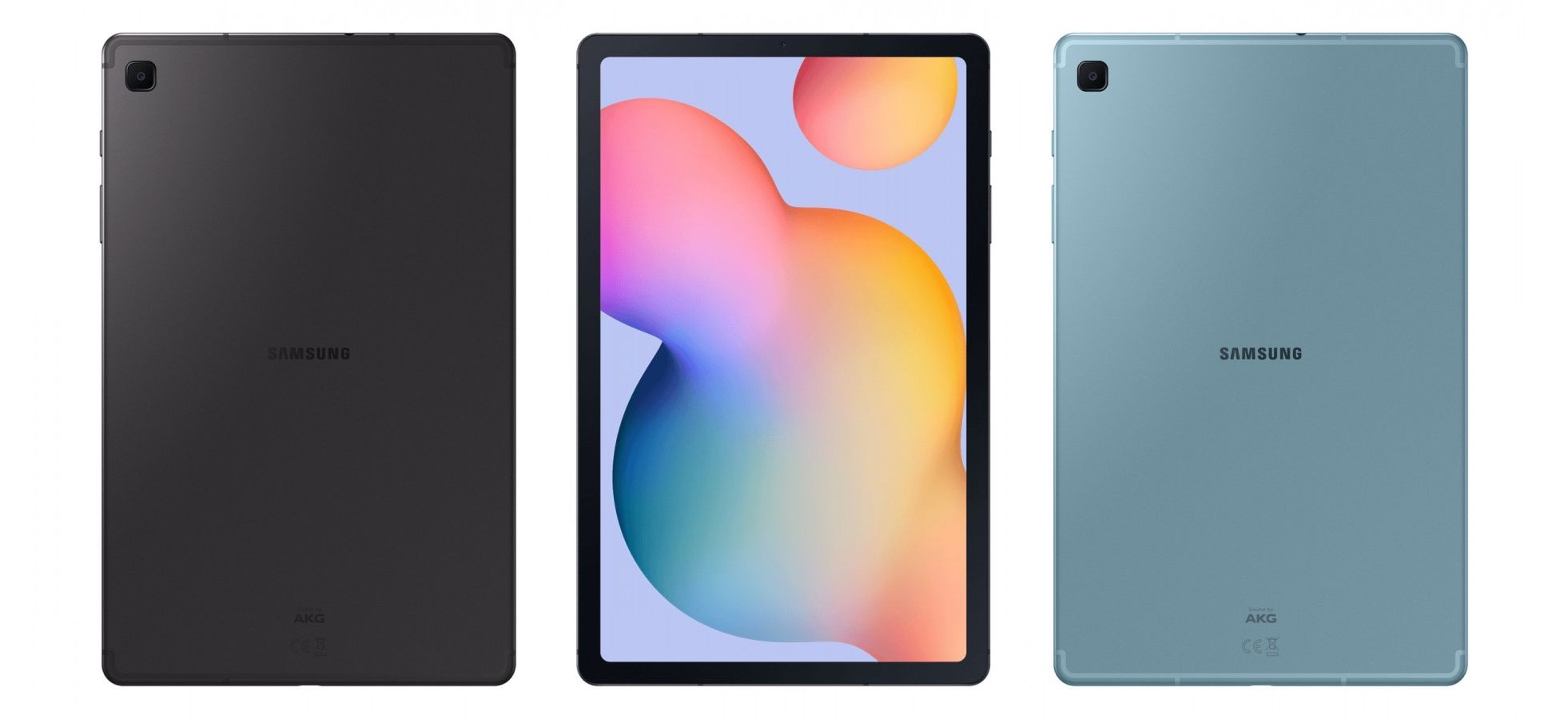
The Samsung Galaxy Tab S6 Lite is now almost official as it has appeared with specifications and pricing on Amazon Germany. The tablet will be arriving as a stripped-down edition of the Galaxy Tab S6 from last year that featured the Snapdragon 855 SoC. The Galaxy Tab S6 Lite that has been found listed on Amazon is expected to release on April 2.
The Galaxy Tab S6 Lite that has appeared on the e-commerce site has revealed some of its key specs. The listing states that the tablet will be arriving with support for S Pen stylus. The dimensions of the device are mentioned as 23.5 x 15.4 x 0.7mm and it weighs 798 grams.
The tablet sports a 10.4-inch display and it runs on Android 10 OS. The chipset of the device is not mentioned in the Amazon listing. However, the SoC is coupled with 4 GB of RAM. The tablet supports LTE and Wi-Fi connectivity. The battery capacity of the device is mentioned as 26.34 watt-hours. The pricing of the device is 428.44 euros (~$475).
A leak from the previous week had revealed that the Galaxy Tab S6 Lite has a 10.4-inch display that offers 1200 x 200 pixels The Exynos 9611 chipset powers the tablet. The tablet is expected to arrive in 64 GB and 128 GB native storage choices. For photography, the tablet is fitted with a rear camera of 8-megapixel and a frontal shooter of 5-megapixel. The device is packed with a 7,040mAh battery. It supports Bluetooth, NFC and USB-C connectivity features. The tablet also comes in black color option.
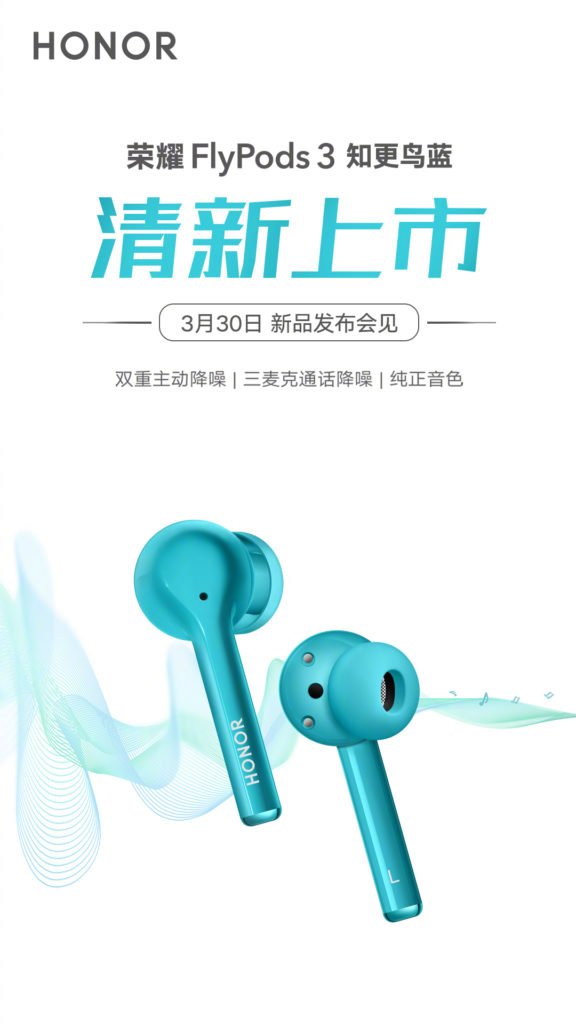
Update: Honor launches the ‘Robin Blue’ colour variant of the FlyPods 3 at the Honor 30S launch event as confirmed earlier today. It will go on sale starting April 7 for a price tag of 799 Yuan ($112).
Honor announced the FlyPods 3 true wireless earphones with noise-cancellation at the Honor V30 series launch in November 2019. However, the availability was delayed and it only went on sale for the first time in early March 2020. Now, the brand has confirmed a new ‘Robin Blue’ colour variant of the FlyPods 3 alongside the Honor 30S in China.
The new variant of FlyPods 3 does not bring anything new to the table aside from the new paint job. Which means it features the same specs and design as the white colour version announced earlier.
The Honor FlyPods 3 sports an in-ear design to offer a snug fit for a better audio experience. The design of the buds mimic those of the original Apple AirPods with stems, however, they come with silicon tips which are absent on the AirPods. Also, the charging case of the FlyPods is totally different than Apple’s with an elongated design.
As for specs, the FlyPods 3 by Honor come with 10mm divers in each bud to offer deep bass and clear listening experience. Further, the buds come with three microphones each, two on the outside for calls and ambient noise cancelling and one inside to pick up in-ear noise to offer dual noise cancellation functionality.
Just like the original White colour, the Honor FlyPods 3 Robin Blue colour also costs the same 799 Yuan, which roughly translates to $112.
Earlier this week, Lei Jun, the Founder, Chairman, and CEO of Xiaomi Group, shared a picture online. The image depicted the senior executive alongside the new Redmi Smart TV MAX 98 inch. This showcased the massive size of the large TV and served as Lei Jun himself stood next to it as a reference of its height.
According to Lei Jun, the Redmi Smart TV MAX 98 inch has been placed in the lobby of the office and due to its large size, it garners attention and looks spectacular at first glance. Thus, he also posed next to the TV to showcase its massive size. Reportedly, the Redmi Smart TV MAX 98 inch has a height of 1255mm (excluding the base). The post was shared on Lei Jun’s official Weibo account, a Chinese microblogging website.
This makes the new Redmi Smart TV MAX 98 inch the largest TV from the Xiaomi subsidiary, and it has been appropriately dubbed as the “theatre screen” with its large screen ratio of 98.8 percent. The TV sports a 4K resolution with 85 percent NTSC wide color gamut, 192 dynamic backlights, HDR support and is equipped with the ninth generation of image quality engine, which enables various improvements in the viewing experience.
Furthermore, the new Redmi Smart TV also features the MEMC motion compensation which solves smearing, jittering, and ghosting effects when watching high speed motion pictures on the giant screen. It even houses a custom 12nm quad core A55 processor along with 4GB RAM and 64GB storage with built in Xiao AI voice assistant as well. Due to its massive scale, it is priced high as well, with a price of 19,999 Yuan or roughly 2819 US Dollars.
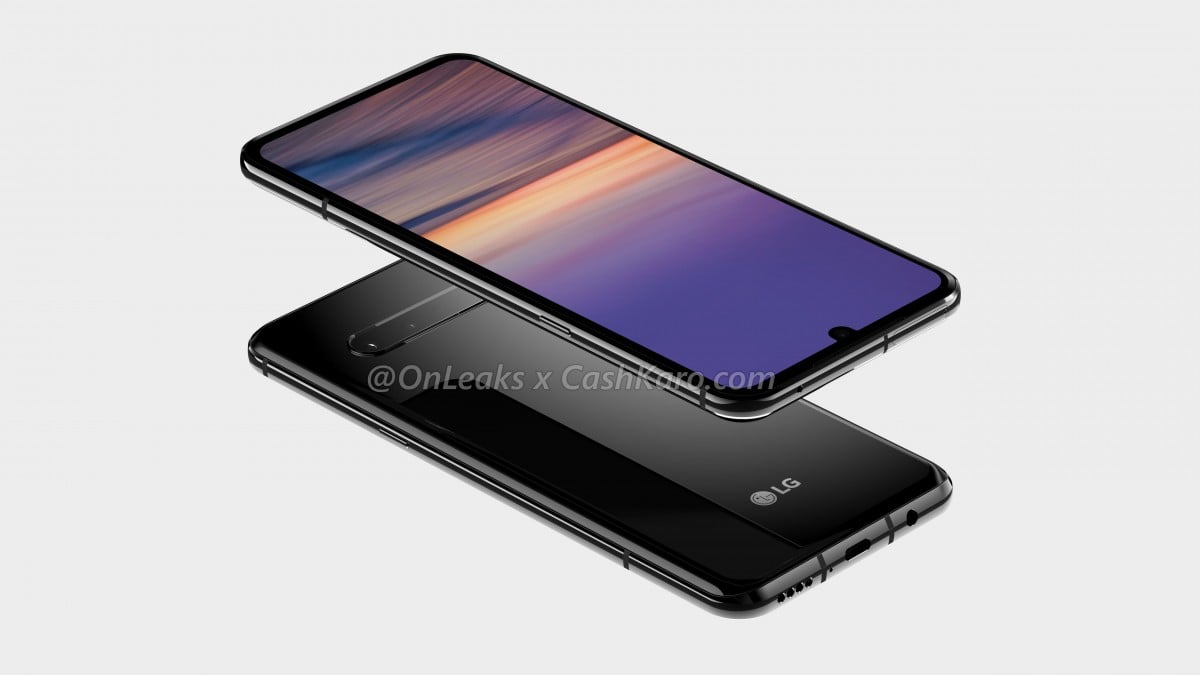
The renders of the LG G9 ThinQ had appeared at the beginning of this year. Some reports had claimed that the South Korean company may kill the G-series and rival Samsung’s Galaxy S lineup flagship phones with its V-series. Last month, LG announce the LG V60 ThinQ. The hopes of G-series resurfaced when South Korean publication Naver reported in the previous week that the LG G9 ThinQ will be arriving as a mid-range phone. A fresh report on the same publication states that the LG G9 is dead.
The South Korean publication reported that the LG has axed its G lineup. Hence, there won’t be LG G9 or G10 phones coming in the future. The report further states that the company is planning to launch a new high-end 5G phone in the first half of the year.
Last week’s report had claimed that the LG G9 ThinQ will be powered by Snapdragon 765G. While the company won’t be launching G-series phones in future, the SD765G phone is said to be the same the high-end 5G device that will break in the next few months.
The upcoming SD765G LG phone will have a 6.7-inch or 6.9-inch display and it will be housing a 48-megapixel quad camera setup. It will be equipped with a 4,000mAh battery and it will be priced lower than 1 million won (~$816). The company also plans to sell a Dual Screen accessory for it.
The South Korean company is also said to be working on a new edition of its ”chocolate cellphone.” It was a slider phone that had debuted as LG VX8500 Chocolate in the U.S. in 2006. There is no word on the specifications of the device. LG is also planning to 5G capable entry-level phones.
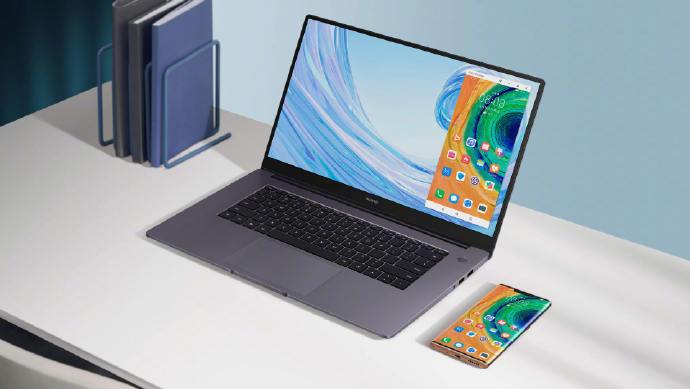
Huawei had launched the latest entry in its MateBook D 15 lineup back in November 2019. The laptop was an ultrabook Windows system and featured Intel‘s i5 processor alongside 8GB of RAM and 256GB of SSD (Solid State Drive) and a regular 1TB of HDD storage.
Now, a couple of months after its original launch, Huawei has now released a new variant of the laptop that features an improved 512GB SSD and Nvidia’s MX250 mobile gaming GPU. For those unaware, MateBook D 15 sports a 15.6 inch IPS anti glare display with a resolution of 1920 x 1080px. Its touchpad was larger than its previous iterations and its configuration brought in numerous improvements to performance.
Huawei’s MateBook D 15 laptops also house Intel’s latest 10th generation Core processors alongside Nvidia mobile GPUs. It is powered by a 65W USB Type C power adapter that weighs just about 160 grams. Interestingly, the Chinese tech giant’s laptop even supported fast charging for certain Huawei smartphones as well. All in all, the laptop was a solid offering, but its viability has been further improved.
Huawei MateBook D 15 & 14
The price of the newest version is 5,199 Yuan which roughly translates to about 732 US Dollars. Notably, the key difference between an SSD and an HDD storage is read and write speeds, with SSDs being faster than its disk variant by a large margin that also makes it more expensive. Hence, the bumped up storage version might be an extremely attractive offering.
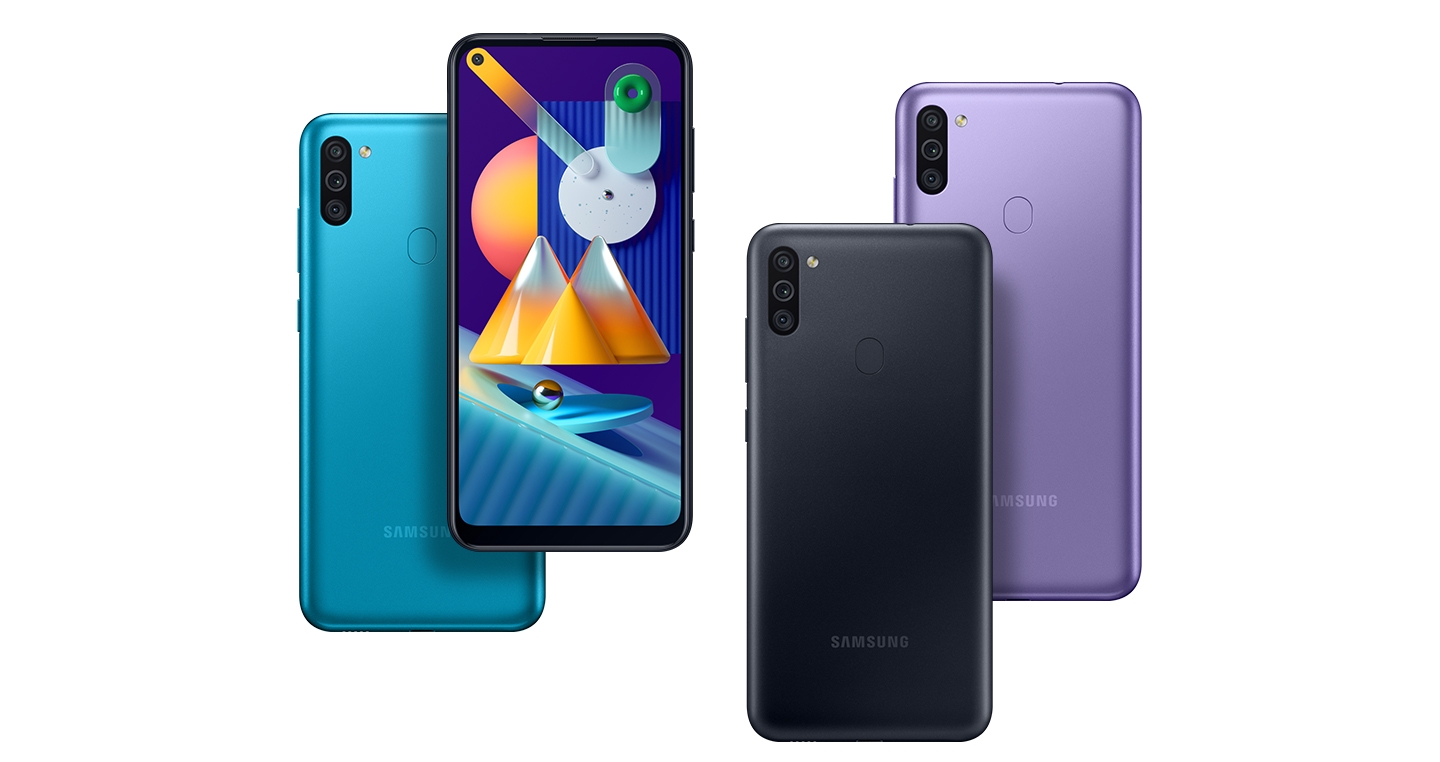
Samsung has finally taken off covers from the Galaxy M-series. The smartphone is now listed on Samsung UAE website, but its pricing and availability are not known yet. After the Galaxy M31 and Galaxy M21, the M11 is the third M-series phone to go official this year.
Samsung Galaxy M11 specifications
The Galaxy M11 features a polycarbonate rear shell. It comes in three colors likes black, violet and blue. The device wears a 6.4-inch Infinity-O LCD display that produces HD+ resolution. The punch-hole present at the upper-left corner of the display houses an f/2.0 aperture 8-megapixel selfie camera.
The rear side of the Galaxy M11 has a triple camera setup. It comprises of an f/18 aperture 13-megapixel primary lens, an f/2.2 aperture 5-megapixel superwide sensor with a field of view of 115 degrees and an f/2.4 aperture depth sensor for portrait shots. The phone offers camera features like Live Focus and 30fps full HD video recording.
The listing of the Galaxy M11 on Samsung UAE does not clearly mention the name of the processor that drives it. It only states that the phone is powered by a 1.8GHz octa-core processor. Previous reports revealed that its fueled by Snapdragon 450 mobile platform.
The listing further mentions that the phone will arriving in 3 GB and 4 GB RAM editions and 32 GB and 64 GB storage choices in the country. The phone draws power from a 5,000mAh battery that supports 15W fast charging.
The Galaxy M11 will probably go on sale in the coming month.
Roborock Technology Co. Ltd., known as Roborock, which is a company backed by Chinese smartphone maker Xiaomi, recently offered its Initial Public Offering (IPO) to raise around 4.5 billion yuan, which is approximately $641 million.
Now, weeks after being a public-traded company, Roborock is now all set to launch its new handheld vacuum cleaner which will be powered by polymer ultralight battery. The product will be launched on 1st April and will be available through crowdfunding.
The product, which seems to have been named Roborock Handheld Vacuum Cleaner H6, will have 150W suction power and 90 minutes of battery life. It is also claimed to weigh just 1.4 kilogram. The company also says that the polymer ultra-light battery has a longer high-rate discharge cycle life, which is 4 times compared to typical lithium batteries.
As said, the company debuted on Shanghai’s STAR Market last month and the shares skyrocketed by 84.5 percent from its IPO price of 271.1 yuan and with that, Roborock’s market cap surged past 33 billion yuan, which is around $4.7 billion.
The listing price of 271.12 yuan per share for Roborock, which is the highest issue price on the A-share market since 2010. The company says that it will use the IPO proceeds to develop next-generation robotic home cleaners and a data analysis platform.
The company was founded in the year 2014 and it designs and sells intelligent home cleaners and other cleaning appliances. Xiaomi owns about 24.7% of Roborock, a robotic cleaning appliances provider, through its associated companies Tianjin Jinmi Investment Partnership and Shunwei Capital.
Oppo India announced on Twitter that it has donated a total sum of INR 1 Core to the Prime Minister’s National Relief Fund and Uttar Pradesh Chief Minister’s Distress Relief Fund as a gratitude towards the medical personnel who are providing services to the people affected by the coronavirus. Additionally, it also launched an ‘Online Repair Service’ as well as canceled its upcoming product launch.
Oppo has been one of the popular smartphone brands in India since its debut in the country in early 2014. The company even has two R&D centers in the country, out of which the Hyderabad center, which is the brand’s largest such center outside mainland China has filed over 50 patents in a year. As you can guess how important the Indian market is to Oppo, the company does not want to miss the chance to give it back to the community.
Now, as the country is facing the coronavirus outbreak, Oppo has come forward to donate a total amount of INR 1 crore to two separate government funds. Apart from this, the company also announced a new ‘Online Repair Service’ to help its customers with basic troubleshooting and software-related issues as part of its after-sales service amidst lockdown. The brand has also extended warranties of its products till May 31.
Lastly, Oppo India also postponed the launch of its Enco M31 wireless neckband earphones in the country and asked the people to stay home to maintain social distancing.

A couple of days ago, we reported that the newly launched next-generation P-40 series flagship smartphones from the Chinese giant — Huawei P40, P40 Pro, and P40 Pro Plus, have been up for pre-orders through the company’s own VMall, Tmall, JD.com, among others in China.
We reported that the the pre-orders for the Huawei P40 Pro in China exceeded the mark of 20,000 units on JD.com, even before the company officially reveals its pricing for the Chinese market on 8th April.
Now we have an update regarding the same. The number of pre-order with paid deposit for the P40 Pro have now surpassed 80,000 units on JD.com. Customers need to make a deposit of 100 yuan to pre-order the phone, so the numbers are not just reservations.
The Huawei P40 Pro features a 6.58-inch 19.8:9 aspect ratio display with 2640 x 1200 pixels screen resolution and 441 PPI and 90Hz refresh rate. There are two punch-hole cameras in its display — a 32MP AF camera and another IR camera for Face Unlock and depth sensing.
Under the hood, the device comes powered by the company’s own Kirin 990 5G processor. The chip features new NPU that offers a 460 percent improvement in performance and a 290 percent improvement in efficiency.
The phone comes with support dual-mode SA/NSA 5G networks and the device also has a 4-layer VC Liquid Super Cooling system to ensure that the smartphone stays cool, even under heavy load and usage.
In the camera department, the P40 Pro features a quad-camera setup on the back which includes a 40 MP f/1.8 Ultra Wide Cine Lens, an upgraded 50MP RYYB f/1.9 sensor with OIS, a 12 MP Periscope Telephoto camera, and a ToF depth sensor.
The smartphone comes with Wi-Fi 6 Plus support with transfer speeds up to 2600Mbps. It runs EMUI 10.1 out of the box with the latest Android 10 operating system. Note that the P40 models don’t have Google services and instead, the phone features Huawei Mobile Services with its own AppGallery App Store.
The Huawei P40 Pro starts at €999 ($1095) for the 8GB RAM and 256GB storage model. However, as said, the Chinese pricing of the smartphone will be revealed when it gets launched in China next month.
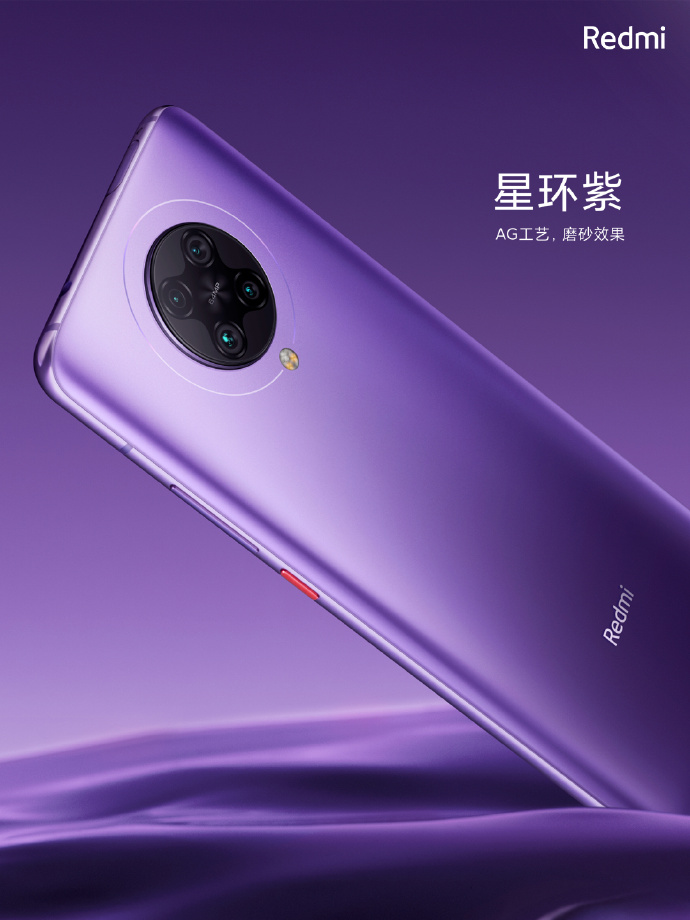
Xiaomi’s Redmi brand recently launched its new flagship smartphone — Redmi K30 Pro. At the time of the promotion period, the company had revealed that the 6GB RAM and 128GB storage version has LPDDR4x RAM.
However, many users have reported that the phone shows LPDDR5 RAM through the software. This has left many users confused about what’s true among them. Well, a Xiaomi executive has now clarified.
Wang Teng, an executive at Xiaomi has now clarified that the software is detection the RAM type wrong on the smartphone. This means that the phone indeed comes with LPDDR4x RAM and not LPDDR5.
The Redmi K30 Pro is currently the cheapest Snapdragon 865 mobile platform powered smartphone as it comes with a price tag of 2,999 Yuan (~$425) for 6GB RAM (LPDDR4X) + 128GB storage base variant.
The smartphone also comes in higher memory configuration options such as 8GB RAM + 128GB storage and 8GB RAM + 256GB storage, both of which are priced at 3,399 Yuan (~$480) and 3,699 Yuan (~$525) respectively.
The device features a 6.67-inch AMOLED FHD+ display, with a fingerprint scanner embedded under the screen. It is powered by the powerful Qualcomm Snapdragon 865 processor, along with Adreno 650 GPU under the hood.
As far as the optics department is concerned, the phone has a quad camera setup on the back that comprises of a 64-megapixel, 13-megapixel, 5-megapixel, and a 2-megapixel camera sensors. Upfront, it features a 20-megapixel camera for selfies and video calling.
It has a VC cooling system with 9 temperature sensors to restrict overheating while carrying out intensive tasks. The handset runs MIUI 11 based on the the latest Android 10 operating system. It draws power from a 4,700mAh battery that comes with support for 33W Fast Flash Charge technology.
The OnePlus 8 and OnePlus 8 Pro smartpones are going to debut next month. The OnePlus 8 series will also include an upper mid-range model. The handset which is being referred to as OnePlus 8 Lite by the rumor mill is unlikely to go official with OnePlus 8 and 8 Pro. Reports claim that it may go official by the end of Q2. Max Weinbach who had leaked plenty of information on the Galaxy S20 series and Galaxy Z Flip before their official announcement. He is back with a vital information on the OnePlus 8 Lite phone. He has claimed that it will be debuting as “OnePlus Z.”
The source referred to it as "OnePlus Z" and said the hardware matched the previous OnePlus 8 Lite render. https://t.co/zB5PN9nQjW
The tipster first claimed that OnePlus is soon going to revamp the older OnePlus X under a new series. He further revealed that his source which revealed this information said that it will be arriving as OnePlus Z and its hardware matched the OnePlus 8 Lite. Now that the OnePlus Z is said to be a part of new series, it is likely that the company may release more upper mid-range Z series in future. At present, there is no information available on the upcoming OnePlus Z smartphone.
Rumors surrounding the OnePlus Z phone suggest that the phone will be sporting a 6.4-inch display that offers full HD+ resolution and 90Hz refresh rate. Like the OnePlus 8, it will be equipped with a flat display with a small round-shaped cutout for the selfie camera.
Rumors have it that it could be fueled by MediaTek Dimensity 1000L or Dimensity 1000 SoC. The rear side of the phone may sport a 48-megapixel + 16-megapixel + 12-megapixel triple camera setup. It may house a 4,000mAh battery that supports 30W Warp Charge 30T fast charging technology.
The OnePlus Z is expected to arrive in two options such as 8 GB RAM + 128 GB storage and 8 GB RAM + 256 GB storage. It may carry a starting price of GBP 400 (~$495).
Smartphone makers in India have requested the government to label phones as an essential commodity. They have also appealed to the authorities to let them deliver phones via e-commerce platforms amid 21 days lockdown to fight the outbreak of coronavirus in the country.
Industry bodies Manufacturers’ Association of Information Technology (MAIT) and India Cellular & Electronics Association (ICEA), which include top smartphone and other electronics manufacturers have drafted letters to the government appealing to remove restrictions on transportation of components for both inland and export businesses.
MAIT, in its letter, proposed the government to list e-commerce companies under essential services so that they could execute deliveries of essential goods under a ‘controlled logistics framework’. On the other hand, the letter written by ICEA raises concerns of miscommunication between the home ministry and state/district authorities, which has led to the stoppage of the electronics goods movement as the local authorities are being overcautious.
Mau Kumar Jain, the managing director of Xiaomi India said that smartphones have become an essential item after food and groceries. He also added that smartphones can help in increasing social distancing but due to unavailability, sales have declined by one crore this month alone. Out of which, 30%-40% purchases are made by first-time smartphone buyers, who are in dire need of them at the moment. Hence, Xiaomi is asking the government to let them carry on their business so they could help the people in need.
Realme India CEO Madhav Sheth also made a similar claim that smartphones are a ‘gateway to other services’, which could be invaluable during these hard times. Apart from asking the government to let them sell their devices, he goes a step ahead and even urges to let the brand open its certain service centers with safety precaution as it has been receiving multiple requests from customers who need after-sales support badly.
The OnePlus 8 series will go official next month. The rumor mill is now actively spilling information on the OnePlus 8 lineup. The leaked press renders of the OnePlus 8 have revealed its color variants. Also, the camera specs of the OnePlus 8 Pro are no secret. Moreover, a report from the past week had carried the key specifications of the OnePlus 8 and OnePlus 8 Pro. Many smartphone companies have been using the subway to tease its upcoming phones. Recently, a person was facemask was found using the OnePlus 8 Pro in subway.
The leaked shot shows the OnePlus 8 Pro handset covered in protective case. However, the rear shot clearly reveals the presence of a vertical camera setup that includes three lenses. The fourth camera and an LED flash unit can be seen on the left of the camera strip.
The OnePlus 8 Pro’s quad camera setup has a 48-megapixel Sony IMX689 lens with f/1.78 aperture. This lens is also available on the OPPO Find X2 Pro’s triple camera system. The main shooter is coupled with an f/2.2 aperture Sony IMX586 48-megapixel ultrawide lens with a field-of-view of 120 degrees. An 8-megapixel telephoto lens with f/2.4 aperture is available as the third lens. It carries support for 3x optical zoom. The fourth camera is a 5-megapixel color filter. The OnePlus 8 Pro will come with photography features like OIS, EIS, Night Portrait Mode and 3-HDR.
The OnePlus 8 Pro has a 6.78-inch quad HD+ display that produces a refresh rate of 120Hz. The screen that curves towards the edges has a punch-hole for the 16-megapixel selfie camera. The Snapdragon 865 mobile platform powers the device.
The handset will come in 8 GB and 12 GB LPDDR5 RAM choices and UFS 3.0 storage versions of 128 GB and 256 GB. It will be backed by a 4,510mAh battery that supports 30W Warp Charge 30T, 30W fast wireless charging and 3W reverse wireless charging. It will be the first IP68 rated OnePlus phone and it will arrive in blue, black and green colorways.
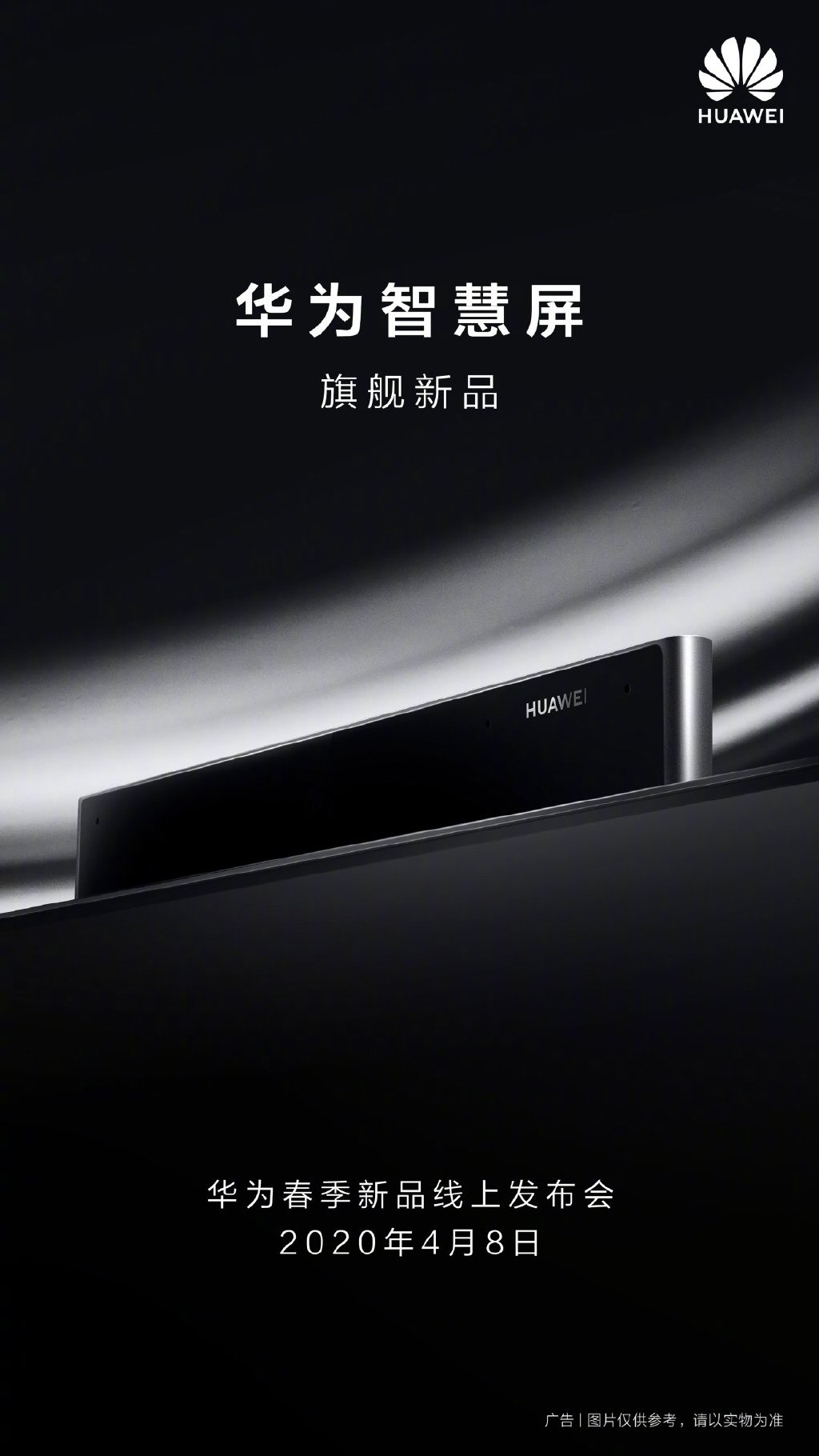
Last week, Huawei unveiled the Huawei P40, P40 Pro and P40 Pro+ flagship phones. These handsets will get a dedicated launch in China on April 8. The upcoming event in China will also see the arrival of some other products. Today, Huawei rolled out a new poster to reveal that it will be unleashing the Huawei Vision Smart TV with built-in pop-up camera alongside the P40 smartphones on April 8.
Unfortunately, nothing else is known about the mysterious Huawei Vision Smart TV. The Chinese firm had introduced its first 75-inch and 65-inch Vision Smart TVs last year in November. Priced at 12,999 Yuan (~$1,832), the 75-inch edition offered users with a Quantum Dot LED display. It produced 4K resolution with a high refresh rate of 120Hz along with HDR boost support. It came loaded with the company’s very own HongMeng OS (also known as HarmonyOS).
The Vision Smart TV was fueled by Honghu 818 quad-core processor.The smart TV was fueled by a 65W speaker unit that comprised of 6 full-range speakers coupled with a pair of tweeters, two passive radiators and a 1 woofer. Just as it is shown in the teaser poster above, the first Vision Smart TVs were equipped with pop-up camera for 1080p (30fps) video calls.
On the connectivity front, the TV came with support for dual-band Wi-Fi, Bluetooth 5., HDMI 2.0, USB 3.0 ports and coaxial. It also featured the Xiaoyi voice-assistant Earlier this month, the Chinese firm unveiled 65-inch Huawei Smart Vision TV Premium Edition that came with 4 GB of RAM and 128 GB of storage.
The Smart Vision TV from Huawei is a part of its “1 + 8 + N” strategy. In the three-layer structured strategy, 1 refers to smartphones, 8 refers to products like TV, PC, tablet, glasses, smartwatches, locomotives and earphones and N signifies a larger number of IoT devices.
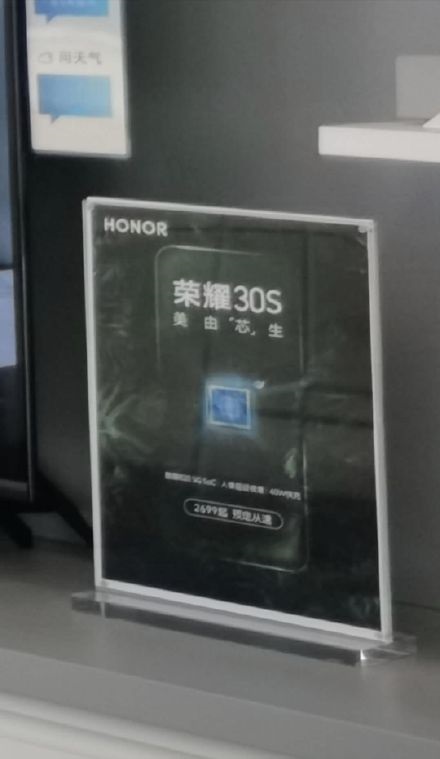
The Honor 30S is one device that has been in the news a lot lately. From leaked press renders to official teasers confirming certain features. A new leak that has appeared on the web just before the launch reveals the price of the phone.
The price was gotten from an image that is reported to have been taken at an official Honor Store. The photo shows a price plaque of the Honor 30S and at the bottom, it has a ¥2699 (~$380) price tag. This is believed to be the starting price of the phone.
The Honor 30S is an upper mid-range 5G phone with a Kirin 820 5G processor inside, 8GB of RAM, and 128GB of storage. It will have four rear cameras with a 64MP primary camera. It is also reported to have 3x optical zoom.
The phone has an FHD+ punch-hole display, a rectangular camera housing, and a side-mounted fingerprint scanner. It will run Android 10 out of the box and have support for 40W wired charging. It will be available in gradient blue-purple and green colorways.
The Honor 30S launches tomorrow alongside the Honor 30 and Honor 30 Pro.
Update: The source of the leak has posted new info that says the phone has four rear cameras and not five. The article has been corrected to reflect the new camera specs.
Xiaomi’s Mi Note 10 launched late last year as a premium mid-range phone with a focus on camera performance. The phone and its Pro version are the first in the world to have a 108MP sensor and the pro-model currently sits at the sixth spot on DXOMark’s list of phones with the best cameras. A new leak has revealed there will be a “Lite” version of the phone.
The specs of the Mi Note 10 Lite were posted on Twitter by Sudhanshu Ambhore last Friday but he wasn’t sure about the name of the device. Yesterday, he confirmed in a quoted tweet that the phone is indeed the Mi Note 10 Lite.
According to the original tweet, the phone has model number M2002F4LG. It will have a 6.47-inch display just like the Mi Note 10 but there is no mention of the type of display (AMOLED or LCD). We also don’t know if it will have a waterdrop notch or a punch-hole.
And there's a 16MP front camera, instead of 32MP found in Mi Note 10
The Mi Note 10 Lite will swap the 108MP primary camera for a 64MP camera. It will also have an 8MP camera, a 5MP camera, and a 2MP camera for a quad-camera setup. The phone also replaces the 32MP selfie camera of the Mi Note 10 with a 16MP sensor.
With respect to the processor, the Mi Note 10 Lite will have Qualcomm’s Snapdragon 730 under the hood. The RAM and storage capacity wasn’t stated but there will be two versions.
The phone will pack a 5260mAh battery just like its siblings with support for 30W wired fast charging and will run Android 10 out of the box.
There is no info about a release date yet but more details should surface next month.
Every time new flagships series get released, everyone looks at the Pro versions and a lot of people do not understand that vanilla versions have a way higher value for money and they can be enough for their needs. That may be the case of Huawei P40, Oppo Find X2 and Xiaomi Mi 10. If you do not need the most impressive camera ever and a few other special features such as a waterproof design and wireless charging, they can let you save a lot of money while still being the perfect devices for you. But which is the best device for your needs from this trio? Through this comparison, we will try to give you the answer to this question.
Huawei P40 vs Oppo Find X2 vs Xiaomi Mi 10
Xiaomi Mi 10
Huawei P40
Oppo Find X2
DIMENSIONS AND WEIGHT
162.6 x 74.8 x 9 mm, 208 g
148.9 x 71.1 x 8.5 mm, 175 g
164.9 x 74.5 x 8 mm, 196 g
DISPLAY
6.67 inches, 1080 x 2340p (Full HD+), Super AMOLED
Triple 50 + 8 + 16 MP, f/1.9 + f/2.4 + f/2.2
32 MP f/2.0 + IR TOF 3D front camera
Triple 48 + 13 + 12 MP, f/1.7 + f/2.4 + f/2.2
32 MP f/2.2 front camera
BATTERY
4780 mAh, fast charging 30W, Fast wireless charging 30W
3800 mAh, fast charging 22.5W
4065 mAh, fast charging 65W
ADDITIONAL FEATURES
Dual SIM slot, reverse wireless charging 10W, 5G
Dual SIM slot, 5G, IP53 splash resistant
Dual SIM slot, 5G, IP54 splash proof
Design
Oppo Find X2 is one step forward when it comes to the aesthetics, at least in its ceramic variant. Besides offering a very high screen-to-body ratio and a camera module comprising all the camera elements, the device has a ceramic back and it is also splash resistant with the IP54 certification. While Oppo Find X2 offers a more premium design, Huawei P40 has a more compact body. With its smaller display, it is much easier for one-handed use and to keep in a pocket. But its huge camera module and its big punch hole are not the best solutions to make a beautiful phone. Xiaomi Mi 10 sits in the middle but unlike the Huawei P40 and the Oppo Find X2 it does not offer any protection against dust and water.
Display
Oppo Find X2 is one of the best smartphones for display quality. It has exactly the same panel as the Oppo Find X2 Pro and it is superior to both Huawei P40 and Xiaomi Mi 10 by a huge margin. It offers a high Quad HD+ resolution, a 120 Hz refresh rate, a 240 Hz touch-sampling rate, up to 800 nits brightness, HDR and complete DCI-P3 gamut. The second place goes to Xiaomi Mi 10 boasting a 90 Hz refresh rate, a 180 Hz touch-sampling rate, and HDR10+. Huawei P40 is disappointing if we compare its display to Xiaomi Mi 10 and Oppo Find X2, but it has a more compact size.
Hardware/Software
With the Oppo Find X2 and Xiaomi Mi 10, you get a better chipset: the Snapdragon 865 paired with a Snapdragon X55 which is an external 5G modem supporting both sub-6 GHz frequencies and mmWave. You even get exactly the same memory configurations, so you should not notice big differences in performance. What differs is the software side, but excellent software in both cases. The ColorOS 7 contains several improvements and new features compared to the sixth version, and the MIUI 11 is amazing as well. Huawei P40 has a less performing chipset and less RAM, and it does not come with Google services out of the box.
Camera
If we talk about the camera we still can not give you a definitive verdict since we still did not test all the cameras. While Xiaomi Mi 10 might offer better capabilities at video recording, Oppo Find X2 and Huawei P40 may actually give you a better overall experience. But specs on the paper are not enough to judge the overall quality of these devices like camera phones.
Battery
Xiaomi Mi 10 is the winner of the battery comparison since it packs a way bigger 4780 mAh battery which should last a lot more on a single charge. It is also the only to support wireless charging and reverse wireless charging. On the other hand, Oppo Find X2 has the fastest wired charging technology with a power of 65W. The phone is able to go from 0 to 100 percent in just 38 minutes.
Price
Huawei P40 and Xiaomi Mi 10 have a starting price of €800 globally, Oppo Find X2 will cost €999 (12/256 GB). There is not a definitive winner of this comparison, but I would not go for the Huawei P40 for that price. Oppo Find X2 is my favorite one due to its amazing display and fastest charging technology, as well as an amazing triple camera. But Xiaomi Mi 10 will offer a longer battery life and wireless charging, so it is still a valid handset.
The OnePlus 8 Pro’s launch draws closer with each passing day, and while we wait for an official confirmation, leaks are pouring in that reveal key details about the upcoming phone.
If you are curious about the camera configuration of the OnePlus 8 Pro, you don’t have to wait till launch day as the teenage leaker, Ishan Agarwal (@ishanagarwal24), has shared the specifications.
According to the leaker who has partnered with the Indian blog, PriceBaba, the OnePlus 8 Pro will have a 48MP primary camera which is a Sony IMX689 sensor with F1.78 aperture size. This is the same sensor used by the OPPO Find X2 Pro.
The phone will also have a second 48MP camera but this is the Sony IMX586 sensor. This second camera is the ultrawide angle camera with an f/2.2 aperture and a 120° field of view. The third camera is an 8MP telephoto camera with an f/2.4 aperture and 3x optical zoom. The OnePlus 8 Pro will also be capable of 30x digital zoom. The fourth camera sensor is a 5MP color filter.
The leaker mentioned some software features coming to the phone such as Night Portrait Mode, improved OIS and EIS, cinematic effects and a feature called “3-HDR”.
The OnePlus 8 Pro will make it to DXOMark’s list and should be among the top 5 devices but it remains to be seen how long it will retain its spot before being pushed out of the top 10 list.
We use cookies on our website to give you the most relevant experience by remembering your preferences and repeat visits. By clicking “Accept”, you consent to the use of ALL the cookies.
This website uses cookies to improve your experience while you navigate through the website. Out of these, the cookies that are categorized as necessary are stored on your browser as they are essential for the working of basic functionalities of the website. We also use third-party cookies that help us analyze and understand how you use this website. These cookies will be stored in your browser only with your consent. You also have the option to opt-out of these cookies. But opting out of some of these cookies may affect your browsing experience.
Necessary cookies are absolutely essential for the website to function properly. This category only includes cookies that ensures basic functionalities and security features of the website. These cookies do not store any personal information.
Any cookies that may not be particularly necessary for the website to function and is used specifically to collect user personal data via analytics, ads, other embedded contents are termed as non-necessary cookies. It is mandatory to procure user consent prior to running these cookies on your website.