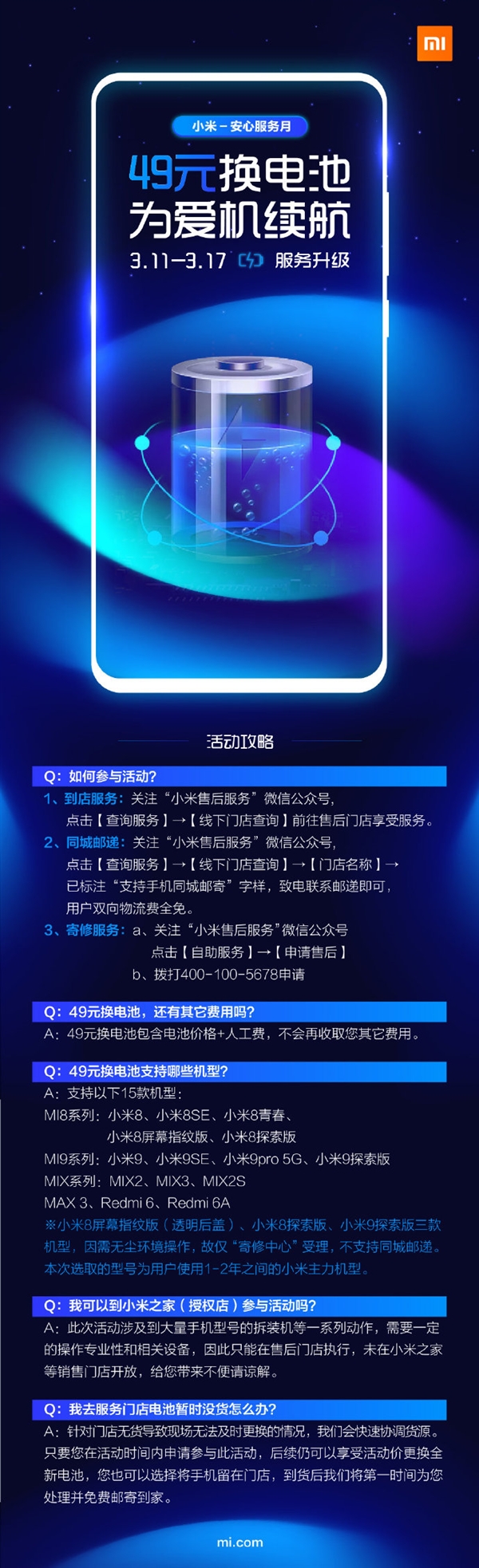
Previously, Xiaomi had announced that it will start a relief service month in March 2020. The aim of this service was to provide services for Xiaomi smartphone and home appliances in its IoT portfolio. This included maintenance, disinfection, cleaning and more. And now, Xiaomi has announced that it will offer battery replacement for select few flagship models for just 49 Yuan (roughly 7 USD) in China.
The service month lasts from 1st to the 31st of March 2020. During this period, one can request for on site cleaning, maintenance and more for various Xiaomi products, including washing machines, ACs or even TVs and more. Although its extremely affordable service plans for smartphones are just as attractive as well.
For those who wish to claim the service, can go to the Xiaomi After Sales Services on WeChat public account to enquire about the services they can avail. One can even mail directly to the after sales service or call via the support number (400-100-5678). Notably, no further charges will be levied and the 49 Yuan includes both labor and actual charges.
Oppo, the known Chinese smartphone manufacturer, is pushing forward with its plan for global expansion. The company is ramping up production of its products even while the Coronavirus fears have gripped the world.
According to Oppo, the brand is working on bringing 11 new global leading telecom operators to be part of its “5G Landing Project.” This is a new initiative from the company and aims to drive cooperation with global network operators. Furthermore, the field of implementation and its services will extend to the newer and faster bandwidth that is 5G networking.
Oppo Find X2 Pro
A few of these new telecom partners include Orange, which is a French telecom brand, Vodafone from the UK, Telcel from Mexico and more. Oppo’s Global marketing president, Wu Qiang, recently stated that the company’s smartphone sales in the global market had finally surpassed its Chinese market in the second half of 2019. This is indicative of its growth in the overseas market.
As of right now, Oppo operates, sells and offers services across 40 different countries in the world. While the recent Coronavirus outbreak might have hampered the company’s operations in early 2020, Oppo is working on resuming production at full capacity to make up for it. Wu even stated that the company’s sales in the month of February 2020 saw a hard hit but has since recovered to about the normal state now.
According to the senior executive, the more people stay at home to avoid infection, the more likely they are to use smartphones. This inadvertently also leads to a higher demand for phones in general. Although the market in China is still recovering at an increasing pace, the conditions are expected to improve further by March end.
Various analytical firms have forecasted a decline in the smartphone industry and markets, especially in China. Some have reported a near 5 percent drop in total shipments of smartphones, while the global market sees a 2 percent fall. Wu Qiand mentioned that in 2019, the smartphone market was relatively “flat” and only saw about 340 to 360 million smartphone units being shipped. This trend is expected to continue in 2020 as well.
Currently, Oppo’s production lines have restored its manufacturing capacity to up to 80 percent, which is number slowly on the rise. Similarly, even the suppliers the brand collaborates with have mostly recovered and started work again as well. Oppo’s domestic factories produce about 45 percent of all smartphones while the rest are manufactured from overseas sites like India, Indonesia, Algeria and Bangladesh.
Vivo’s latest launch conference was held earlier today (10th March 2020). In the event, the main highlighting launch was for the Vivo NEX 3S. However, alongside the new smartphone, the company also unveiled a new minimalistic browser called NEX browser.
Vivo NEX Browser was unveiled in the launch conference alongside the NEX 3S 5G Smartphone
The NEX minimalist browser is based on the chromium kernel and aims to provide a smoother and clutter free experience to users. It features a fairly simple UI which offers a clean visual experience. Vivo’s NEX browser can be used via text search and voice searches as well. But one of its most useful features is the built in adblocker.
Nowadays, advertisements on the internet have become increasingly more aggressive and tend to steal focus away from the main content being viewed. However, the Vivo NEX browser helps in offerings an advertisement free user experience. This is a very convenient feature and could potentially also keep users from harm.
VIvo NEX 3S 5G
For those unaware, certain adware found online or on certain websites may even contain malware that could disrupt the functioning of your phone. In worst case scenarios user’s may mistakenly download ransomware, which would have users pay a required sum of money to attackers to receive the precious data on one’s smartphone.
A new smartphone that has model number of EBG-AN00 and EBG-AN10 has been approved by the 3C authority of China. It is yet to be confirmed whether it is a Huawei or Honor smartphone. Apart from bagging 3C certification, multiple variants of the device were previously spotted at the database of Bluetooth SIG regulatory body few weeks ago.
The EBG-AN00 / AN10 is a 5G phone that has been certified with HW-100400C01 that supports 40W fast charging. It is the same charger that the Chinese firm will be shipping with the Huawei P40 series that is slated to go official on March 26.
Some reports have claimed that the codenames of the Honor 30 phones are based on the universities of the U.K. The model number of last year’s Honor V30 was OXF-AN00. It is said that “OXF” is based on the name of Oxford University.
Yesterday, the alleged Honor 30 phone with model number BMH-AN10 was approved by 3C authority in China. The 5G phone is also expected to arrive with a 40W fast charger. It is speculated that it could be the Honor 30 5G phone and the “BHM” text could be based on the name of Birmingham University. Also, the newly found EBG-AN00 / AN10 could be based on Edinburgh University. It is advisable to wait for further reports to know whether BHM-XXXX and EBG-XXXX will really end up as Honor 30 series phones.
As part of its 7th Anniversary celebration, popular Chinese rugged phone maker Blackview is doling out up to 23% off flash deals that include top-end handsets, huge free gifts including 5ATM waterproof smartwatches, phones, Bluetooth earphones, etc.
Expressing gratitude for 7 years of togetherness, Blackview has launched a grand celebration that featured amazing lucky draw as a warm-up activity. Much to the relief of those who missed it, there is still a chance to join the Flash Deals and get feature-laden smartphones. For your convenience, we have listed some of the best deals below:
Blackview BV9900
If you are in the market for a rugged phone that doesn’t compromise on performance, you might want to give the Blackview BV9900 a test drive. With Helio P90 Octa-Core AI processor under the hood, the BV9900 carries IP68 and IP69K water-and-dust-proof rating.
In the optics department, the phone houses a 48MP, 5MP, 16MP, and a 2MP camera at the back and a 16MP front shooter for selfies. Furthermore, the phone ships with 8GB of LPDDR4X RAM and offers 256GB of UFS 2.1 storage.
The Blackview BV9900 draws its juices from a robust 4380mAh battery that supports 18W Wired and 10W Wireless Charge. Moreover, it runs the Android 9 Pie operating system and supports NFC, as well as Google Pay.
As part of its 7th Anniversary celebration, Blackview is offering the BV9900 for a lowered price of just $429.99. This is a 14 percent reduction in the device’s original asking price of $499.99. You can visit this link to avail of the discount before the promo wraps up.
When first launched, thermal imaging cameras carried steep price tags and required training for use. The Blackview BV9800 Pro houses a thermal imaging camera and allows you to see in dark environments and even measure heat.
You can get your hands on the BV9800 Pro for a considerably lowered price in this Flash Deals. A great companion for serious professionals, the BV9800 Pro serves as a perfect tool whether you are inspecting electrical panels, finding leaking pipes, or looking for HVAC problems. On top of that, the phone features Sony 48MP and 5MP rear-mounted cameras. Upfront, there’s a 16MP selfie shooter that can also be used for video calling. Based on Android 9 Pie OS, the phone is backed by a 6580mAh battery that supports 9V 2A fast charging.
The BV9800 Pro usually retails for $499.99, but thanks to a 16 percent discount, you can now purchase it for just $419.99 by heading straight to this link.
If you have been looking for an inexpensive, yet feature-rich smartphone, the Blackview A60 might just fill the bill. Carrying a reduced price tag, the A60 delivers decent performance and is housed in a sturdy frame.
At the back, the phone features a 13MP dual-camera setup. The phone comes with a big 4080mAh capacity battery and offers a slew of other equally-impressive hardware without burning a hole in your pocket. The A60 normally retails for $76.99, but you can now purchase it for just $59.99 by heading straight to this link.
Aside from giving its loyal users an unmissable chance to get these phones at lowered prices, Blackview has another surprise for its huge consumer base. The company is giving away the recently released Blackview X1 Smart Watch, Blackview A10 phone, Bluetooth earphones daily to 3 lucky buyers who spend the most in the day during the Flash Deals, which is slated to end on March 15th PST.
You can also join the Lucky Draw and stand a chance to win Blackview A80 Pro. A total of ten winners will win 1 unit smartphone A80 Pro.
Xu Qi, the Vice President of Realme, has just announced that the Realme X2 series and the Realme Q will soon receive an update for the RealmeUI. The company has opened the open beta for the latest custom skin, which is based on Android 10, and the stable build should follow in the arriving weeks.
RealmeUI Update roadmap for March 2020
According to the senior executive, Realme plans on updating every smartphone model from the brand to the latest Android 10 OS based RealmeUI. In other words, your Realme smartphone is eligible for a notable major upgrade. The open beta for the Realme X2 started on the 9th of March, while the X2 Pro open beta starts on 11th March 2020.
The Realme Q, on the other hand, will receive the official update on 15th March. Notably, the Realme X series, including the Realme X Youth Edition, has already received the new system update back on 25th February 2020. For those unaware, Realme smartphones have generally launched with the Android based ColorOS custom skin. It is a proprietary UI from Oppo, which Realme was a subsidiary of before becoming independent.
RealmeUI
It was a heavily modified version of Android. But, the RealmeUI, on the other hand, follows a simpler and cleaner aesthetic. The new UI from the Chinese brand is more in line with stock Android, similar to OxygenOS from OnePlus. The new software houses various new features and functions and is based on the latest Android 10.
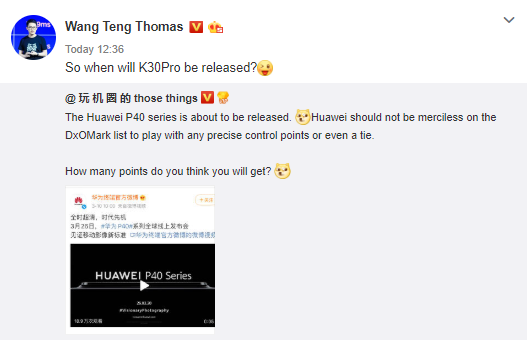
Redmi recently confirmed that it will be launching the Redmi K30 Pro flagship phone in March. Ten days have already passed in this month, and there is no confirmation yet on the launch date of the Redmi K30 Pro. Xiaomi Product Director Wang Teng Thomas hinted today that the arrival of K30 Pro is close at hand. It appears that the smartphone will go official by the end of this month.
On Feb. 22, Redmi General Manger had revealed on Weibo that the release time of the Redmi K30 Pro will be timed between the launch conferences of Huawei P40 and Honor 30 series. On Feb. 25, Redmi confirmed that the Redmi K30 Pro will be unveiled in this month.
The Huawei P40 will be launching on March 26 whereas the Honor 30 series is expected to break cover by April end. Now that the Redmi K30 Pro is slated to break cover in March, it is likely that it may go official by the end of this month and release in the Chinese market in early April before Honor unveils the Honor 30 series.
The Redmi K30 Pro is expected to come with 6.67-inch OLED full HD+ display with in-screen fingerprint. It will feature a pop-up selfie camera and a 64-megapixel Sony IMX686 quad camera system. The Snapdragon 865 driven K30 Pro may come with a 4,700mAh battery with 33W fast charging support. It is speculated that there could be a variant of the phone called Redmi K30 Pro Zoom Edition.
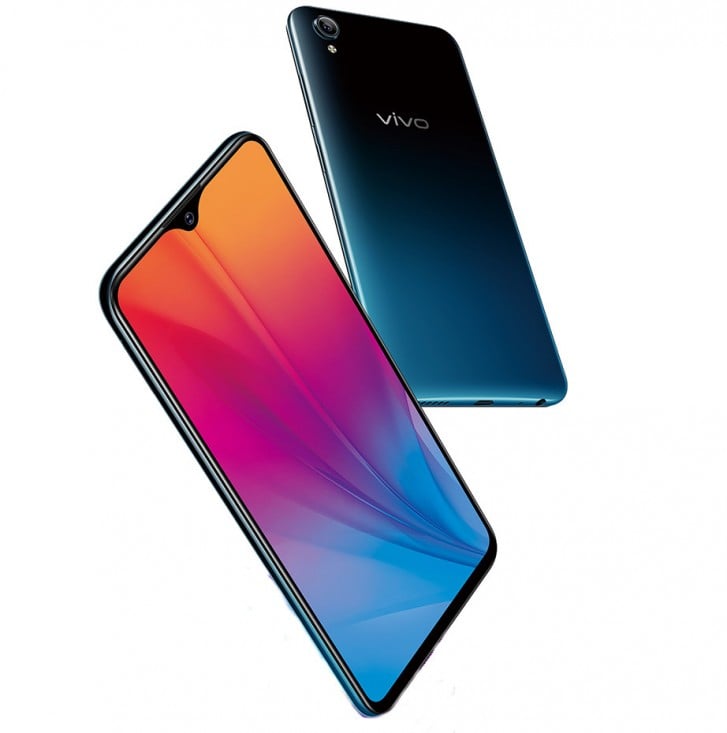
Vivo has just launched the Vivo Y91i in India. The smartphone actually made its debut back in 2019 but its 3GB RAM variant has just now made it to the Indian shores. Originally, only the 2GB RAM variant was available in the country and launched with a price tag of INR 7,990, which is the same as the 3GB RAM variant that has just launched.
Specs and Features
The Vivo Y91i is essentially the same smartphone that launched a year prior. In other words, the RAM offering is the only real difference between the now and 2019 releases. The smartphone sports a 6.22 inch Hao FullView display with an aspect ratio of 19:9 and an HD+ resolution (1,520 × 720px). On the front, a water drop notch can be found while a 2.5D curved glass covers the rear.
Vivo Y91i
The smartphone is powered by MediaTek’s Helio P22 processor alongside IMG PowerVR GE8320 GPU. The Vivo Y91i houses 32GB of internal storage and also supports expansion via a microSD card. It runs the dated Android 8.1 (Oreo) with the custom skin FunTouch OS.
For photography, it sports a single camera on the rear which is a 13 megapixel sensor with a single LED flash while the front features a 8 megapixel shooter. The device is powered by a large 4,030mAh battery and supports 4G networking, alongside Bluetooth 5.0 and weighs 163.5 grams. Unfortunately, it does not feature a fingerprint scanner, so users will have to rely on the face unlock function.
Price and Availability
The Vivo Y91i is currently available for a price of just 7,990 INR which roughly translates to about 107 US Dollars. It will be available in various offline stores and popular e-retails websites online as well.
In September 2019, Vivo had launched the Vivo NEX 3 smartphone with revolutionary waterfall display. It had also debuted as the company’s first 5G smartphone. Today, the company announced the Vivo NEX 3S 5G smartphone as its enhanced version. Since it is powered by the Snapdragon 865 mobile platform, it supports dual-mode 5G which wasn’t available on last year’s model. The phone comes with some other attractive features like UFS 3.1 storage and LPDDR5 RAM.
Vivo NEX 3S 5G specifications
The Vivo NEX 3S 5G borrows many of its features such as waterfall display, front and rear cameras from the original NEX 3 5G phone. The Vivo NEX 3S 5G that features a glass and metal combination chassis has 167.44 x 76.14 x 9.4mm dimensions and it weighs 219.5 grams.
The device houses a massive S-AMOLED display of 6.89 inches. The Waterfall FullView display magnificently curves at nearly 90 degrees at its left and right edges. The notch-less screen offers full HD+ resolution of 1080 x 2256 pixels and a screen-to-body ratio of 99.6 percent. It is an HDR10+ complaint screen which supports 100 percent P3 wide color gamut and sRGB. There are no physical power and volume buttons on the edges of the phone. Like the NEX 3 5G, the NEX 3S 5G come with TouchSense pressure-sensitive buttons for controlling volume and power.
The Vivo NEX 3S 5G is the first Vivo branded flagship phone of the year driven by the Snapdragon 865 mobile platform. The SoC is coupled with up to 12 GB of LPDDR5 RAM. The phone comes in UFS 3.1 storage choices of 128 GB and 256 GB. There is no support for external storage on the smartphone.
The Vivo NEX 3S 5G has a pop-up selfie camera module that includes an LED flash and a 16-megapixel lens with f/2.0 aperture. The Hyper HDR feature onboard enables the phone to increase the accuracy of dynamic range between the face of the user and the brightest spot in the background. The backside of the device features a round-shaped camera module. It includes a 64-megapixel Samsung GW1 main shooter with f/1.8 aperture, a 13-megapixel superwide lens with f/2.2 aperture and a 13-megapixel telephoto lens with f/2.48 aperture. The triple cameras support 2x optical zoom and 20x digital zoom. HDR, Hyper-HDR and super EIS video stabilization, 4K video shooting, and 480fps 1080p slow-motion video recording are some of the camera features of the NEX 3S 5G.
The display of the Vivo NEX 3S 5G is integrated with a fingerprint reader. The phone is loaded with FunTouch OS 10 based Android 10 operating system. There is VPG process daemon technology that can intelligently diagnose abnormalities of third-party apps. The presence of SD865 promises impressive gaming experience on the Vivo NEX 3S 5G. There is X-Axis Haptic onboard for vibration while playing games and typing. The smartphone is equipped with zero-inductive soaking plate that can effectively reduce the surface temperature phone by 3 to 4 degrees. It can also reduce the temperature of the main chip by more than 10 degrees.
The Vivo NEX 3S 5G draws power from a 4,350mAh battery which is slightly smaller than the 4,500mAh capacity battery of the Vivo NEX 3. There is no support for wireless charging on device. While the 3C listing of the phone had hinted that the phone will be arriving with a 55W charger, the final product ships with a 44W rapid charger. The phone supports the latest Wi-Fi 6 and is capable at connecting two Wi-Fi networks simultaneously. The other features that are available on the NEX 3S 5G include dual SIM support, Bluetooth 5.0, GPS and USB-C. It lacks a 3.5mm audio jack.
Vivo NEX 3S 5G price and availability
The Vivo NEX 3S 5G introduced in China comes in two flavors such as 8 GB RAM + 256 GB storage and 12 GB RAM + 256 GB storage. It is priced at 4,998 Yuan (~$619) and 5,298 Yuan (~$763). It can be availed in three colors like black, blue and red. The first sale of the phone will be held on March 14 in China. There is no word on the availability of the NEX 3S 5G outside of the home market.
Earlier today (10th March 2020), Huawei officially announced that its latest flagship entry, P40 series, will launch on 26th March 2020. The announcement was made online and even shared a short video as well. Now, a new poster has been spotted, which details a bunch of new Special Editions that may also launch for the P40 series.
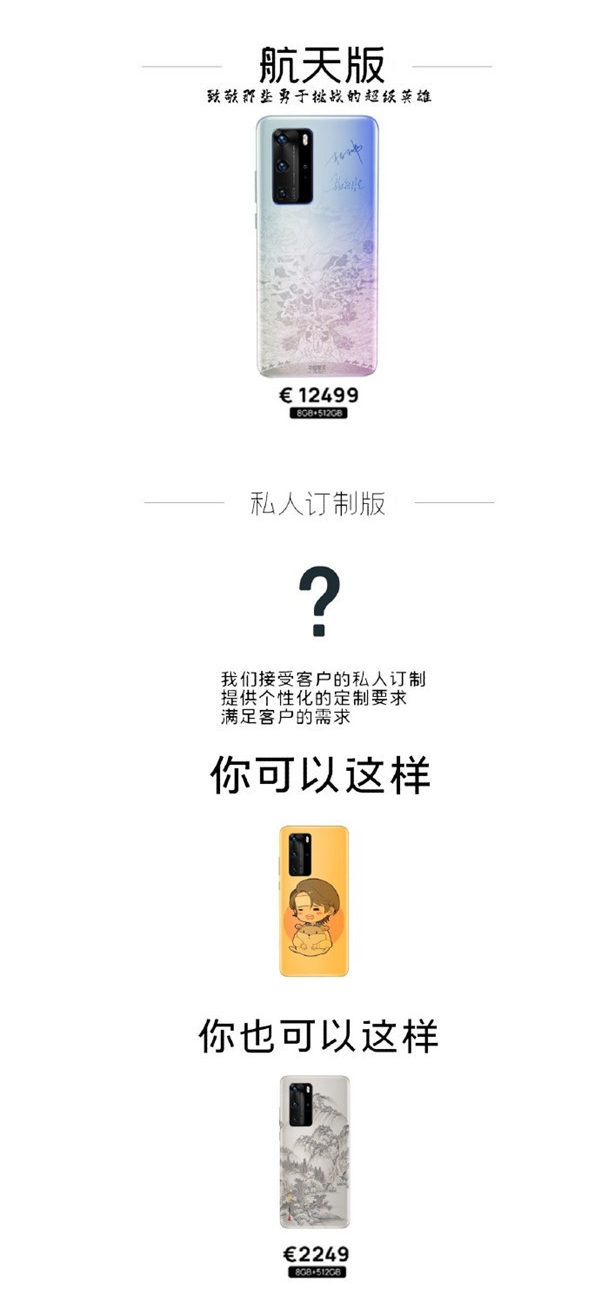
The image poster was shared on Weibo, a Chinese microblogging website, and details various unique styles on the rear. According to the image, these new designs include a P40 Dragon Edition, Gundam Edition (Giant Piloted Robots), Aerospace Edition, and more. Each of these carries a very distinct design, making them unique and recognizable.
Another notable aspect that can be observed in the images is the prices. The Huawei P40 Special Editions start from 999 Euros (roughly 7,887 Yuan or 1,136 USD) for the 8GB RAM + 128GB storage variant while the 8GB RAM + 256GB storage version will be sold for 1,099 Euros (roughly 8,677 Yuan or 1,250 USD). The most premium variant with 8GB RAM + 512GB storage is priced at 1,249 Euros (roughly 9,840 Yuan or 1,417 USD).
Furthermore, an even pricier Huawei P40 models are also seen in the poster. These carry hefty price tags and have been made to “honor those superheroes who have the courage to challenge.” In other words, the P40 Aerospace edition which sells for 12,499 Euros (roughly 98688 Yuan or 14,215 USD) for the single 8GB RAM + 512GB storage variant. Interestingly, with the P40 series, it seems like Huawei is also offering personal customization options to the customers as well, likely over a certain premium.
Unfortunately, the poster image reveals information that is currently unconfirmed. Thus, we will have to wait for an official company announcement or the launch event later this month. So take this with a grain of salt and stay tuned for more leaks or teasers regarding the Huawei P40 series.
Despite only been around for a little over a year, Realme has managed to take on the competition aggressively. Originally a smartphone brand, Realme marked its foray into the audio product segment with the less-than-impressive Realme Buds.
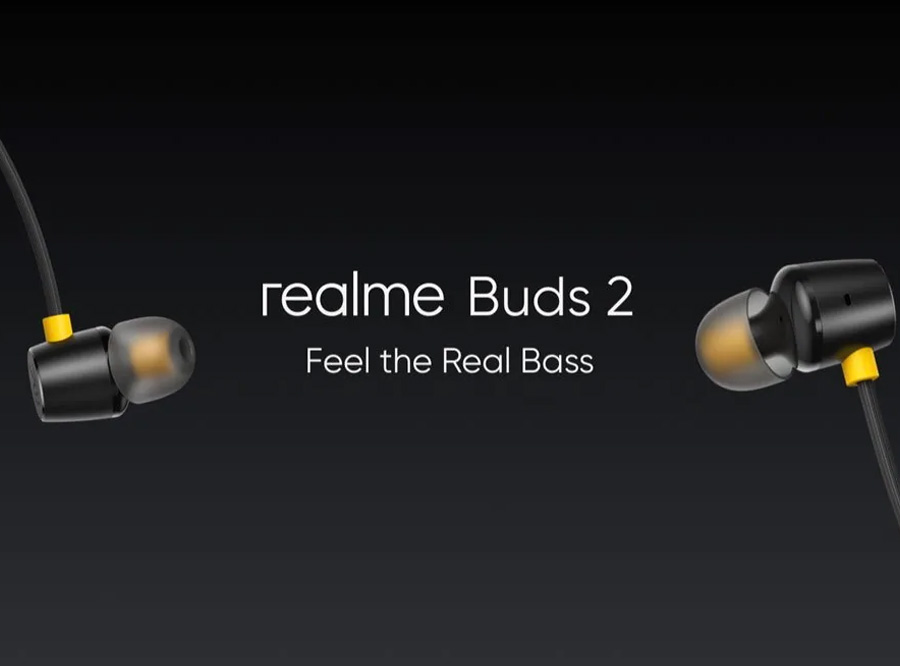
In an attempt to amend its rundown reputation, the Chinese phone maker introduced the Realme Buds 2, which were launched alongside the Realme 5 series of smartphones. Unlike its predecessor that failed to impress consumers with the sound quality, the new pair of earphones promised to deliver an immersive listening experience.
We will talk about the Buds 2’s awe-inspiring features in just a bit, but for now, let’s check out the discount Giztop is offering on this amazing music accessory. The black-tinted Realme Buds 2 usually retails for $13.99, but you can purchase it for just $8.99 through Giztop.The green, as well as the orange color options, on the other hand, are currently up for grabs bearing a reduced price tag of $12.99. This is a significant drop in the device’s original selling price of $17.99.
Made using sturdy wear-resistant ABS and plastic material, the Realme Buds 2 is feather-light and easy-to-carry everywhere you go. It has built-in magnets at the back that ensure they stay together when not in use.
Furthermore, the Buds 2 features an 11.2mm bass boost driver, paired with a multi-layer composite diaphragm. It uses the 11.2mm movable coil for uninterrupted Hi-Fi music.
Its dual tangle-free design with two evenly grooved TPU cables and a premium reinforced braided jacket prevent the wires from tangling easily. The inline remote has a mic and three tactile buttons, allowing you to control music and videos, activate the voice assistant using the earphones and answer/reject incoming calls.
You can follow this link to check out more details and take advantage of the discount Giztop is currently offering on the Official Realme Buds 2. The Gizmochina Coupons is a community that finds, reports and evaluates deals and coupons of Chinese products from online shops. Please visit it here to find more coupons to save money on mobiles and smart gadgets.
A Vivo smartphone with model number Vivo 1933 has appeared on Geekbench. The benchmarking platform has as usual revealed the key specs of the smartphone. The identity of the Vivo 1933 phone is yet to be revealed. The same model has been certified by the Bureau of Indian Standards (BIS) which suggests that the phone will be heading to India.
The Vivo 1933 smartphone is powered by Snapdragon 710 SoC that has a base frequency of 1.71GHz. The chipset is coupled with 8 GB of RAM. The phone is loaded with Android 10 OS. In the single-core test, the Vivo 1933 scored 1947 points while it reached a score of 6138 in multi-core test.
It is advisable to wait for further reports to know the final product name of the Vivo 1933 smartphone. It remains to be seen whether the Vivo 1933 is a new phone since it features Snapdragon 710 chipset that was introduced in 2018. The Vivo Z5x phone that was unveiled last year in China was the last phone from the company that came with SD710 SoC. It is an assumption that the Vivo 1933 could be arriving as Vivo Z5x in India.
Vivo Z5x specifications
The Vivo Z5x features a 6.53-inch IPS LCD punch-hole display that offers full HD+ resolution and 19.5:9 aspect ratio. It was introduced in China in 4 GB, 6 GB and 8 GB RAM variants and storage choices like 64 GB and 128 GB. The rear side of the phone has a 16-megapixel + 8-megapixel + 2-megapixel triple camera setup. The phone is equipped with a 5,000mAh battery that supports 18W charging through microUSB.
The above specs are exact match with the Vivo Z1 Pro that was introduced in India last year. The only major differences between the two phones are that the Vivo Z1 Pro has Snapdragon 712 chipset and 32-megapixel front camera and the Vivo Z5x is equipped with Snapdragon 710 and 16-megapixel selfie camera.
The Vivo Z1 Pro and Vivo Z1X are the two Z-series phones available in India. If the Vivo 1933 is a rebranded Vivo Z5x for India, it may go official as Vivo Z1 or Vivo Z5.
Huawei unveiled the second generation of its well-received Watch GT smartwatch during a launch event that took place in Munich in September last year. Dubbed as the Watch GT 2, the new smart wearable boasts an impressive array of features, that we will talk about in just a bit.
The watch comes in 42mm, as well as 46mm sizes featuring replaceable straps, but there are six variants in total. Before we dive into more details, it is worth mentioning here that you can get your hands on two style color options of the Huawei Watch GT 2 (42mm) smartwatch for lowered prices from Giztop.
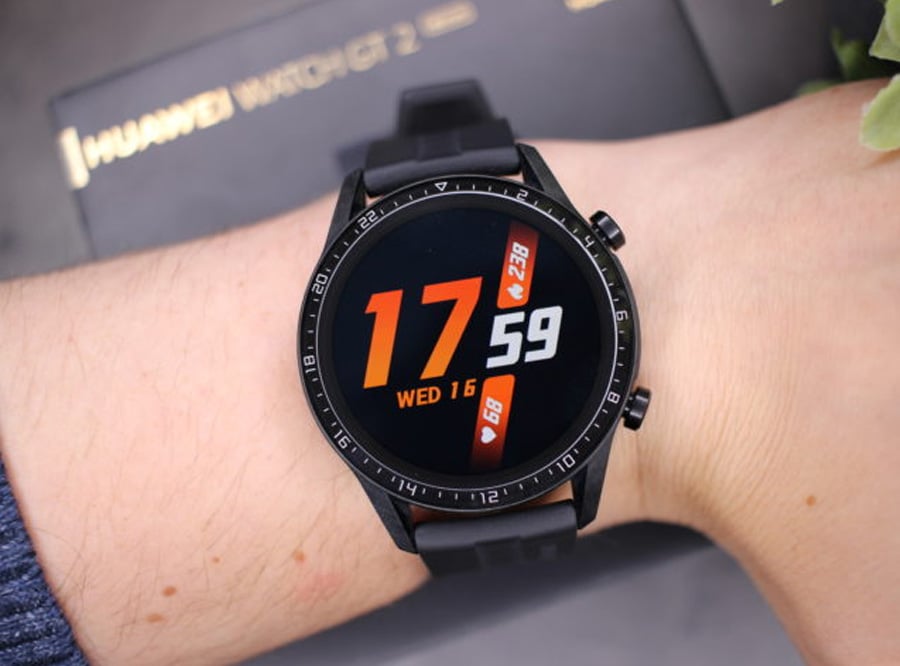
The black-tinted Sports model that usually retails for $249, has gone up for sale carrying a reduced price tag of $229. Likewise, the Sports – Lake Cyan variant is currently up for grabs for just $249 on Giztop. This is a noteworthy reduction in the model’s original asking price of $269. The Huawei Watch GT 2 42mm model is rated 5ATM water resistance, which means, you do not need to worry about accidental splashes. It sports an easy-to-read 1.2-inch AMOLED screen with an HD screen resolution of 390 x 390 pixels.
Sporting a dual-chip design, the Huawei Watch GT 2 42mm is powered by a Kirin A1 chipset and adopts the intelligent power-saving technology that helps the watch run up to 2 weeks without requiring a recharge. It is compatible with Android 4.4 or above, iOS 9.0 or above. A great companion for sports and fitness enthusiasts, the Huawei Watch GT 2 42mm uses precise positioning systems to monitor your works and track your heart rate using the accurate TruSeen 3.5. In short, it is ideal for both indoor, as well as outdoor activities.
Aside from that, the Huawei Watch GT 2 42mm comes with Bluetooth calling2 support, Message Notification, in-device Music3, TruRelax pressure monitoring, TruSleep 2.0 sleep tracking. The watch is backed by a 215mAh battery that delivers 7 days of battery life for typical use.
You can head straight to this link and check out more details about the Huawei Watch GT 2 (42mm) and place your order. The Gizmochina Coupons is a community that finds, reports and evaluates deals and coupons of Chinese products from online shops. Please visit it here to find more coupons to save money on mobiles and smart gadgets.
After teasing the world’s first sonic electric toothbrush, Meizu launched the Sonic Electric Toothbrush that adopts anti-splash technology in October last year.
Meizu’s new oral accessory is designed to ensure toothpaste stays on its head, unlike other offerings such as the Philips 9 series that fail to prevent toothpaste from slipping off the head. We will dive into more details about the Meizu Sonic Electric Toothbrush in just a bit but before that, it is worth mentioning here that the feature-laden oral accessory is now available for a lowered price on Giztop.
The Meizu Sonic Electric Toothbrush would normally set you back $49.99, but you can purchase it for just $42.99 from Giztop, one of China’s most popular e-tailers. In other words, you can get $7 off on this amazing electric toothbrush, provided you place your order via Giztop.
The cylinder-shaped Meizu Sonic electric toothbrush is made using high-quality white plastic. The power button is placed in the front, along with a couple of LED indicators that show the remaining battery and mode. It is backed by an inbuilt battery that can be recharged using the charging dock which comes in the retail box.
According to Meizu, the Sonic Electric Toothbrush comes with a 30 days battery backup, which changes with duration and frequency it is used for. Moreover, the electric toothbrush features replaceable heads that can be changed at periodic intervals.
Furthermore, the Meizu Sonic Electric Toothbrush is powered by a new generation magnetic suspension motor that delivers an amplitude of 5.5mm. On top of that, it comes with an IPX7 waterproof rating, which means, it will continue functioning even when dunked in 1m of water for about 30 minutes. The head bristles are supplied by renowned American conglomerate, DuPont. As mentioned earlier, the Sonic Electric Toothbrush uses a new generation magnetic suspension motor, which serves as a core component for preventing the toothpaste from slipping off its head.
You can head straight to this link to check out more details about the Meizu Sonic Electric Toothbrush and place your order via Giztop.
The Gizmochina Coupons is a community that finds, reports and evaluates deals and coupons of Chinese products from online shops. Please visit it here to find more coupons to save money on mobiles and smart gadgets.
Vivo has launched a new phone named Vivo V19 in Indonesia. While the name of the device is new, the Vivo V19 that has landed in Indonesia is a rebranded version of the Vivo V17 that was made official in India in December 2019. The Vivo V19 comes with some attractive features like punch-hole display, in-screen fingerprint reader, 48-megapixel quad rear cameras, 32-megapixel selfie snapper and a large battery with fast charging support.
Vivo V19 specifications and features
The Vivo V19 comes with Samsung E3 AMOLED display that measures 6.44 inches. There is a punch-hole at the top-right corner of the display. The display offers full HD+ resolution of 1080 x 2400 pixels and 20:9 aspect ratio. The screen of the phone is integrated with a fingerprint scanner. According to Vivo, the phone offers a screen space of 91.38 percent.
Photography is one of the major capabilities of the Vivo V19. The front-facing 32-megapixel while there is a quad camera setup and an LED flash unit placed inside a rectangle-shaped module at the top-left corner of its rear. The quad camera setup consists of a Samsung GM1 48-megapixel main lens, an 8-mgeapixel ultrawide lens with 120-degree field-of-view, a 2-megapixel macro lens with 4cm focal length and a 2-megapixel portrait sensor. Both front and rear cameras of the Vivo V19 supports Super Night Mode.
The Snapdragon 675 mobile platform is the driving force of the Vivo V19 smartphone. The SoC is coupled with 8 GB of RAM. The phone offers an internal storage of 128 GB and a microSD card slot for expanding its storage. The FunTouch OS 9.2 UI based Android 10 OS comes preloaded on the Vivo V19.
The Vivo V19 features a 4,500mAh battery. The phone supports 18W Dual Engine Fast Charging. The other features that are added on Vivo V19 include dual 4G VoLTE, Wi-Fi 802.11ac, Bluetooth 5.0, GPS and 3.5mm headphone slot.
Vivo V19 pricing and availability
The Vivo V19 smartphone has arrived in Indonesia with a pricing of 4,299,000 IDR (~$300) for the 8 GB RAM + 128 GB storage base model. The higher 8 GB RAM + 256 GB storage edition has 4,999,00 IDR (~$349) price tag. The handset come in two color variants such as Blue and White.
Vivo is also planning to launch the Vivo V19 smartphone in India. A new leak has revealed that it will be arriving with a display that features a pill-shaped cutout. The handset is expected to go official at sometime this month.
Xiaomi launched its latest flagship smartphones — Xiaomi Mi 10 and Mi 10 Pro in the Chinese market last year. Both the devices have been on sale in China for a couple of times through the flash sale model, selling hundreds of thousands of units.
Now it looks like the Mi 10 series sales and reservations have reached around 490,000 in China. This figure comes from analyst Pan Juitang. He said that if Apple sold less than 500,000 units of its devices in China in Feb 2020, then it is quite close to what Mi 10 series’ total bookings and sales were in the same period.
This means that the Mi 10 series also sold around 500K units in February. The new Mi 10 models come with a premium build and powerful hardware configuration with innovations in the screen, camera, sound quality, and system performance.
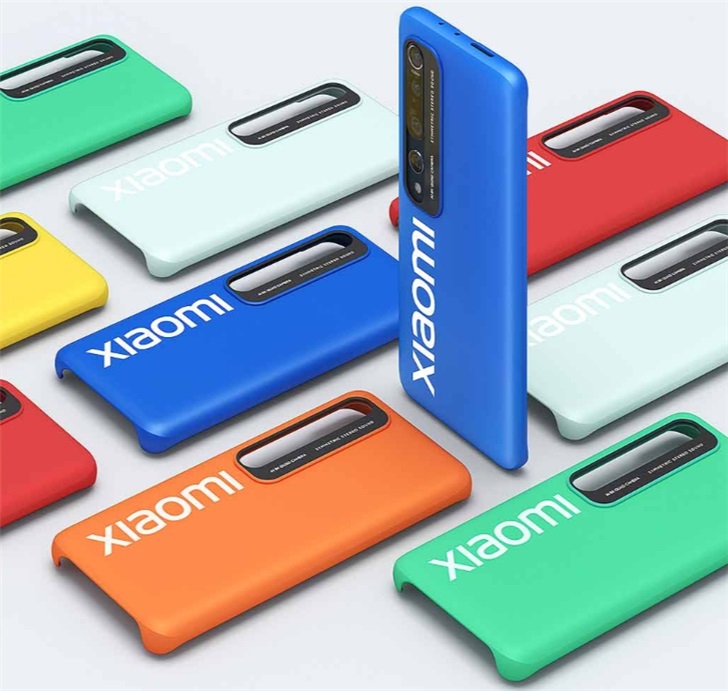
Meanwhile, the company has also launched a new protective case for the Mi 10 series for a price of 49 yuan, which is roughly $7. The thin and light protective case comes in two color options — Black and Blue and went on sale earlier today.
As per a report from CAICT, 6.34 million smartphones were sold in February in China, down 54.7 percent from 14 million around the same time a year ago. This figure is also noted to be the lowest monthly sales level since 2012 when China Academy of Information and Communications Technology (CAICT) began releasing regular sales data.
The report reveals that the shipments of Apple products dropped to 494,000, from 1.27 million in February 2019. In January, the company’s shipments had held consistent at a little more than 2 million.
The sales performance in China seems to be in line with the projections of research firms IDC and Canalys which predicted that the overall phone shipments would drop by about 40 percent in the first quarter due to the Coronavirus outbreak.
Out of the total shipments of 6.34 million units in February 2020 in China, 2G phones accounted for 43,000 units, 4G phones accounted for 3.96 million units while the 5G phones accounted for 2.38 million units.
IKEA, one of the leading furniture brands, has now started selling its products through Alibaba‘s e-commerce platform Tmall in China. This marks the first time the 77-year old company is selling its products through a third party.
The move seems to be aimed by the company to reach a wider set of audience. IKEA says that the its virtual store on Tmall, which is initially a six-month test across the east coast provinces of Jiangsu, Zhejiang and Anhui, and the city of Shanghai, is a complement to its own stores, online store and app.
If the test proves successful, the company aims to roll the Tmall store out to more parts of China. However, it has been clarified that the company currently has no plans to sell through third parties in other markets.
The IKEA store on Tmall will offer around 3,800 of products, along with services available in its own sales channels, such as delivery and assembly. This looks like an attempt by IKEA to adapt rapidly changing shopping patterns, which until a decade ago almost solely relied on its giant out-of-town warehouse stores.
In recent years, the company has invested heavily to expand online and in new sales channels. IKEA currently has around 30 stores in China, around half of which have been closed since January due to the coronavirus outbreak.
Huawei has confirmed that the P40 series will officially launch via a global online press conference on March 26. The company’s camera-centric lineup was earlier slated to release in Paris on the same day. But today’s update confirms that it will be an online event.
Huawei isn’t new to virtual press conferences. The company recently presented an online event in Europe for the new Huawei Mate XS and Matebook laptops. We can expect a similar virtual press conference for the Huawei P40 lineup as well. The teaser video doesn’t reveal much about the upcoming device, except for the raised camera housing. But there are a lot of rumors going around about the new lineup which includes a new PRISM periscope camera setup with up to 10X optical zoom!
Recent rumors suggest that the Huawei P40 Pro will feature a custom 52MP IMX700 (1/1.33-inch) CMOS sensor. It is said to come with 16-pixel binning, essentially churning out 3.25MP 4.48μm superpixel photos, making for excellent low light performance. There are rumors that the Pro variant will be able to zoom between a much wider range of 18mm-240mm instead of P30 Pro’s 24mm-125mm.
With OPPO Find X2 finally taking the top spot on DxOMark’s camera list, all eyes are focused on the Huawei P40 Pro now, to see if it can beat the Mi 10 Pro and the Find X2 Pro, to become to best smartphone camera on the list. You can read more about the Huawei P40 series from our rumor roundup here.
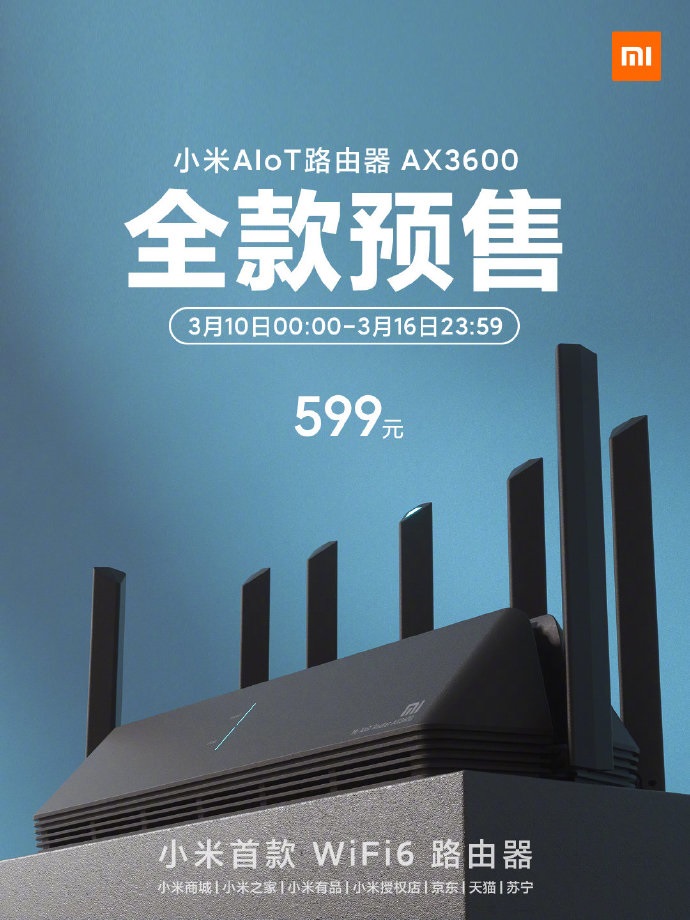
With the next-generation 5G communication technology, a new generation of Wi-Fi technology has also been launched — Wi-Fi 6. Recently, along with the Mi 10 and Mi 10 Pro smartphones, Chinese company Xiaomi launched its first Wi-Fi 6 router in the market, called Mi AIoT Router AX3600.
Now, after almost a month of its announcement, the company has finally started taking pre-orders for the Mi AIoT Router AX3600 in China. The device will be up for pre-order from 10th March till 16th March. It carries a price tag of 599 yuan, which is roughly $86 and comes in just one color — Black.
As for the router, having support for the latest Wi-Fi 6 technology, the Mi AIoT Router AX3600 is a flagship product in its category from Xiaomi. It is powered by Qualcomm’s IPQ8071A chipset that has four Cortex-A53 cores and is clocked at 1.0GHz.
It also has a 1.7GHz dual-core NPU for network acceleration which is why it is marketed as a 6-core chip. The chipset on the device is paired with 512MB of RAM and 256MB of internal storage. As per Xiaomi, up to 248 devices can be connected to the router.
The router comes with 7 high-gain antennas where one of the antennas is an IoT device antenna, two are 2.4GHz antennas and the remaining five are 5GHz antennas. Devices can connect via either 2.4GHz or 5GHz networks.
The router also supports OFDMA technology (Orthogonal Frequency-Division Multiple Access) which allows it to send data to multiple terminal devices using only one transmission. Other routers that don’t support OFDMA have to send data via multiple transmissions, which is less efficient.
The company adds that the AIoT antenna also supports dual-frequency and provide speeds of up to 150Mbps for Internet of Things (IoT) devices. When compared to the Mi Router AC1200, this new router is claimed to be 155 percent faster.
The Mi AIoT Router AX3600 works with the Mijia app and it automatically detects IoT devices from the surroundings, allowing users to set up via one-click configuration. It can also be controlled through a dedicated WiFi App which has now been updated to version 5.0 with new features such as real-time notification when a device connects or disconnects from the network.
After the delay caused by the Coronavirus outbreak, Oppo launched its new lineup of flagship smartphones, and just like the flagship lineup launched in 2020 by Samsung and Xiaomi, it includes more than a phone. The “affordable” variant is the Oppo Find X2. After comparing the Find X2 Pro with the most advanced flagship launched by Samsung and Xiaomi, in this article, we decided to compare their affordable variants. Here is a specs comparison between Oppo Find X2, Samsung Galaxy S20+ and the vanilla Xiaomi Mi 10.
Oppo Find X2 vs Samsung Galaxy S20+ vs Xiaomi Mi 10
Xiaomi Mi 10
Samsung Galaxy S20+
Oppo Find X2
DIMENSIONS AND WEIGHT
162.6 x 74.8 x 9 mm, 208 g
161.9 x 73.7 x 7.8 mm, 188 g
164.9 x 74.5 x 8 mm, 196 g
DISPLAY
6.67 inches, 1080 x 2340p (Full HD+), Super AMOLED
6.7 inches, 1440 x 3200p (Quad HD+), Dynamic AMOLED 2X
Independently from the device, you always get a premium design with a glass back and an aluminum frame. Samsung Galaxy S20+ is more interesting in terms of build quality because, besides providing the Gorilla Glass 6 protection front and back, it is also a waterproof phone with the IP68 certification. In my personal opinion, Oppo Find X2 is definitely more attractive with its smaller camera module and its ceramic body (only in the Ceramic Black color variant), but it is just splash resistant. Xiaomi Mi 10 does not provide any certification against dust and water, but it has a very minimalistic and beautiful design.
Display
Due to the presence of a high 120 Hz refresh rate, a high 240 Hz touch sampling rate, an amazing color accuracy, and a very high resolution, our favorite display panel is the one found on the Oppo Find X2. It is likely one of the best panels ever made and on the paper, it looks more convincing than the still amazing display of the Samsung Galaxy S20+. The Galaxy S20+ takes second place, while Xiaomi Mi 10 loses the comparison again due to a lower resolution and a lower refresh rate.
Hardware/Software
Each of these devices is fueled by the same processor, with the exception of the European version of the Samsung Galaxy S20+ coming with an Exynos 990 chipset. Even the RAM is the same in the top-end configuration, while Samsung Galaxy S20+ doubles the internal storage to 512 GB in its most advanced variant, compared to its rivals. Further, it is the only with expandable internal storage (you can expand the storage through a micro SD slot). In each case, you can find Android 10 out of the box.
Camera
At least until we test each of these devices thoroughly, it will be hard to establish which one provides the best photo quality. Despite the presence of a 108 MP main sensor on the Xiaomi Mi 10, Oppo Find X2 and Samsung Galaxy S20+ look more convincing due to better secondary sensors. On the paper, Samsung Galaxy S20+ is more interesting with a quad camera including a 64 MP telephoto lens with 3x optical zoom and a 12 MP main sensor with OIS. But you should not underestimate the 48 MP triple camera of the Oppo Find X2.
Battery
Xiaomi Mi 10 has a bigger battery and, given that it also comes with a lower display resolution and a lower refresh rate, we believe it will last more on a single charge. Oppo Find X2 features the fastest charging technology, but unlike the Xiaomi Mi 10 and the Samsung Galaxy S20+, it does not support wireless charging and reverse wireless charging.
Price
Xiaomi Mi 10 launched in China with a €530/$606 starting price, Samsung Galaxy S20+ costs €999/$999 globally, and Oppo Find X2 will sell for €999 globally as well. It will surely have a higher value for money, but Xiaomi Mi 10 is an inferior device to Samsung Galaxy S20+ and Oppo Find X2. For some kinds of users, on the paper, the Samsung Galaxy S20+ may look more complete than Oppo Find X2 since it has some special features such as IP68 certification and wireless charging which you do not get on the Oppo Find X2. On the other hand, the Find X2 offers faster charging speeds and an awesome display, so we can not say that it is inferior to the Samsung Galaxy S20+. Which one would you pick?
We use cookies on our website to give you the most relevant experience by remembering your preferences and repeat visits. By clicking “Accept”, you consent to the use of ALL the cookies.
This website uses cookies to improve your experience while you navigate through the website. Out of these, the cookies that are categorized as necessary are stored on your browser as they are essential for the working of basic functionalities of the website. We also use third-party cookies that help us analyze and understand how you use this website. These cookies will be stored in your browser only with your consent. You also have the option to opt-out of these cookies. But opting out of some of these cookies may affect your browsing experience.
Necessary cookies are absolutely essential for the website to function properly. This category only includes cookies that ensures basic functionalities and security features of the website. These cookies do not store any personal information.
Any cookies that may not be particularly necessary for the website to function and is used specifically to collect user personal data via analytics, ads, other embedded contents are termed as non-necessary cookies. It is mandatory to procure user consent prior to running these cookies on your website.






 Expressing gratitude for 7 years of togetherness, Blackview has launched a grand celebration that featured amazing lucky draw as a warm-up activity. Much to the relief of those who missed it, there is still a chance to join the Flash Deals and get feature-laden smartphones. For your convenience, we have listed some of the best deals below:
 On top of that, the phone features Sony 48MP and 5MP rear-mounted cameras. Upfront, there’s a 16MP selfie shooter that can also be used for video calling. Based on Android 9 Pie OS, the phone is backed by a 6580mAh battery that supports 9V 2A fast charging.
 The A60 normally retails for $76.99, but you can now purchase it for just $59.99 by heading straight to





 The green, as well as the orange color options, on the other hand, are currently up for grabs bearing a reduced price tag of $12.99. This is a significant drop in the device’s original selling price of $17.99.
 Its dual tangle-free design with two evenly grooved TPU cables and a premium reinforced braided jacket prevent the wires from tangling easily. The inline remote has a mic and three tactile buttons, allowing you to control music and videos, activate the voice assistant using the earphones and answer/reject incoming calls.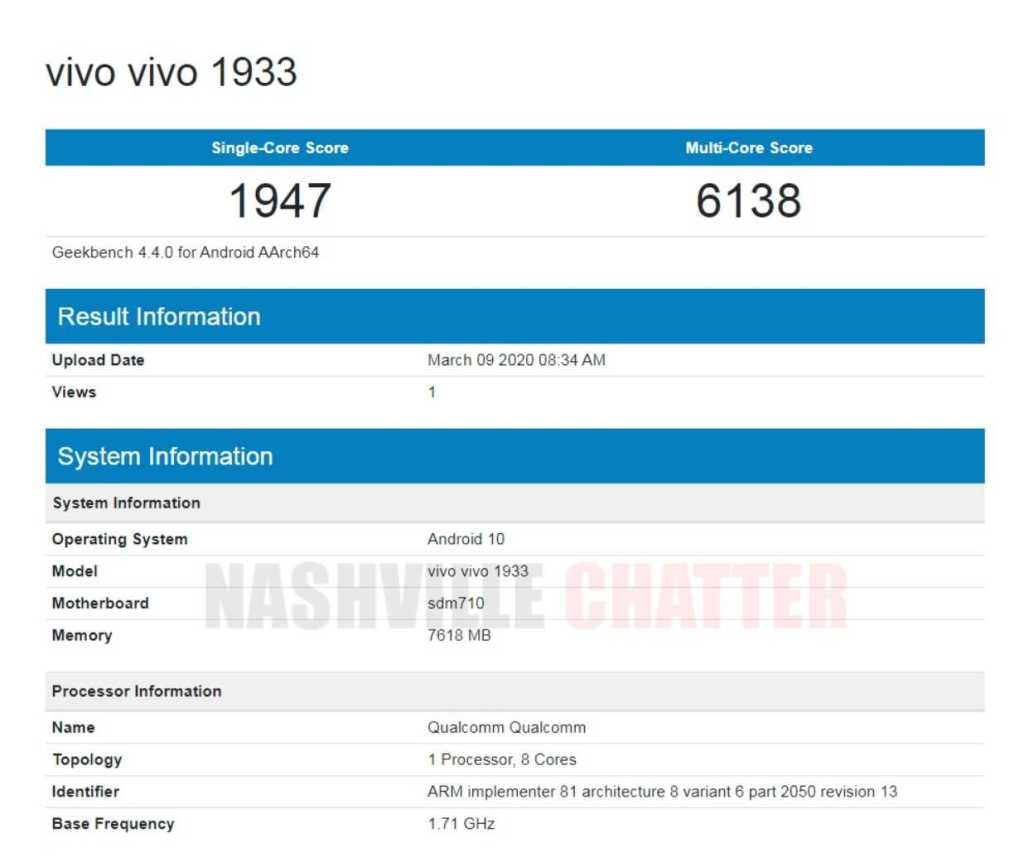
 The Huawei Watch GT 2 42mm model is rated 5ATM water resistance, which means, you do not need to worry about accidental splashes. It sports an easy-to-read 1.2-inch AMOLED screen with an HD screen resolution of 390 x 390 pixels.
 A great companion for sports and fitness enthusiasts, the Huawei Watch GT 2 42mm uses precise positioning systems to monitor your works and track your heart rate using the accurate TruSeen 3.5. In short, it is ideal for both indoor, as well as outdoor activities.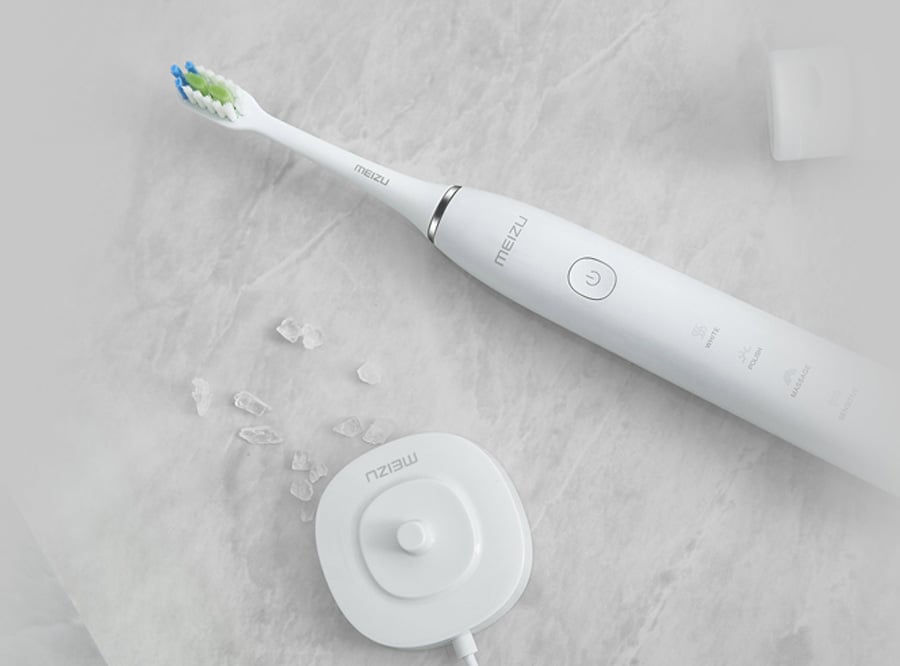
 According to Meizu, the Sonic Electric Toothbrush comes with a 30 days battery backup, which changes with duration and frequency it is used for. Moreover, the electric toothbrush features replaceable heads that can be changed at periodic intervals.
 The head bristles are supplied by renowned American conglomerate, DuPont. As mentioned earlier, the Sonic Electric Toothbrush uses a new generation magnetic suspension motor, which serves as a core component for preventing the toothpaste from slipping off its head.