Last month, Xiaomi launched the Mi CC9 Pro smartphone in its home market China, making it the first commercially available smartphone to feature 108-megapixel primary camera sensor. The smartphone was launched in three variants — 6GB + 128GB, 8GB + 128GB, and 8GB + 256GB Premium Edition, costing 2,799 Yuan (~$399), 3,099 Yuan (~$442), and 3,499 Yuan (~$499) respectively.
Now, Xiaomi has announced a price cut on the Mi CC9 Pro in China, bringing down the cost of the base model with 6GB RAM and 128GB storage to 2,599 Yuan (~$371) while the 8GB RAM and 128GB storage model is now priced at 2,799 Yuan (~$400).
The Mi CC9 Pro Premium Edition smartphone that packs 8GB RAM and 256GB internal storage is now available for purchase in China for 3,199 Yuan (~$457). The smartphone comes in three color options — Magic Green, Ice and Snow Aurora, and Phantom Black.
The smartphone features a waterdrop notch enabled edge-to-edge curved AMOLED display of 6.47 inches. It delivers 1080 x 2340 pixels full HD+ resolution, 19.5:9 aspect ratio with 400000:1 contrast ratio, HDR, 600-nits brightness and DCI-P3 wide color gamut.
Under the hood, it is powered by Qualcomm Snapdragon 730G processor. The smartphone draws power from a humungous 5,260mAh battery and the company has also added support for 30W fast charging, allowing the phone to completely charge in 65 minutes.
It comes with 108-megapixel penta-lens camera system. The first lens in the rear-facing camera system of the phone is a 4-axis OIS assisted 5-megapixel super telephoto lens that supports 5x optical zoom, 10x hybrid zoom and 50x hybrid zoom. Next is a 12-megapixel portrait sensor with a pixel size of 1.4micon. The third sensor is the Samsung-made 108-megapixel main sensor with f/1.7 aperture and 4-axis OIS. The regular edition has 7P lens, but the Premium Edition has 8P lens.
Next comes a 20-megapixel ultrawide lens with 117-degree field-of-view. The fifth one is a 2-megapixel macro lens with a focal length of 1.5cm. Assisting the five cameras are the pair of dual LED flash units (one is hard light and the other one fires soft light). On the front side, the device comes with f/2.0 aperture 32-megapixel selfie camera.
Connectivity options on the device include Dual 4G VoLTE, Wi-Fi 802.11 b/g/n/ac, Bluetooth 5.0, GPS, multi-functional NFC, GPS, IR blaster, USB-C and 3.5mm headphone jack. The Android 9 Pie OS flavored with MIUI 11 skin runs the phone and comes with Game Turbo 2.0 technology onboard for accelerated GPU performance while gaming.
Vivo, which planned to launch its new JoviOS custom user interface for the company’s smartphones dropped the plan and instead launched a new version of its existing FunTouch custom UI, dubbed FunTouch OS 10.
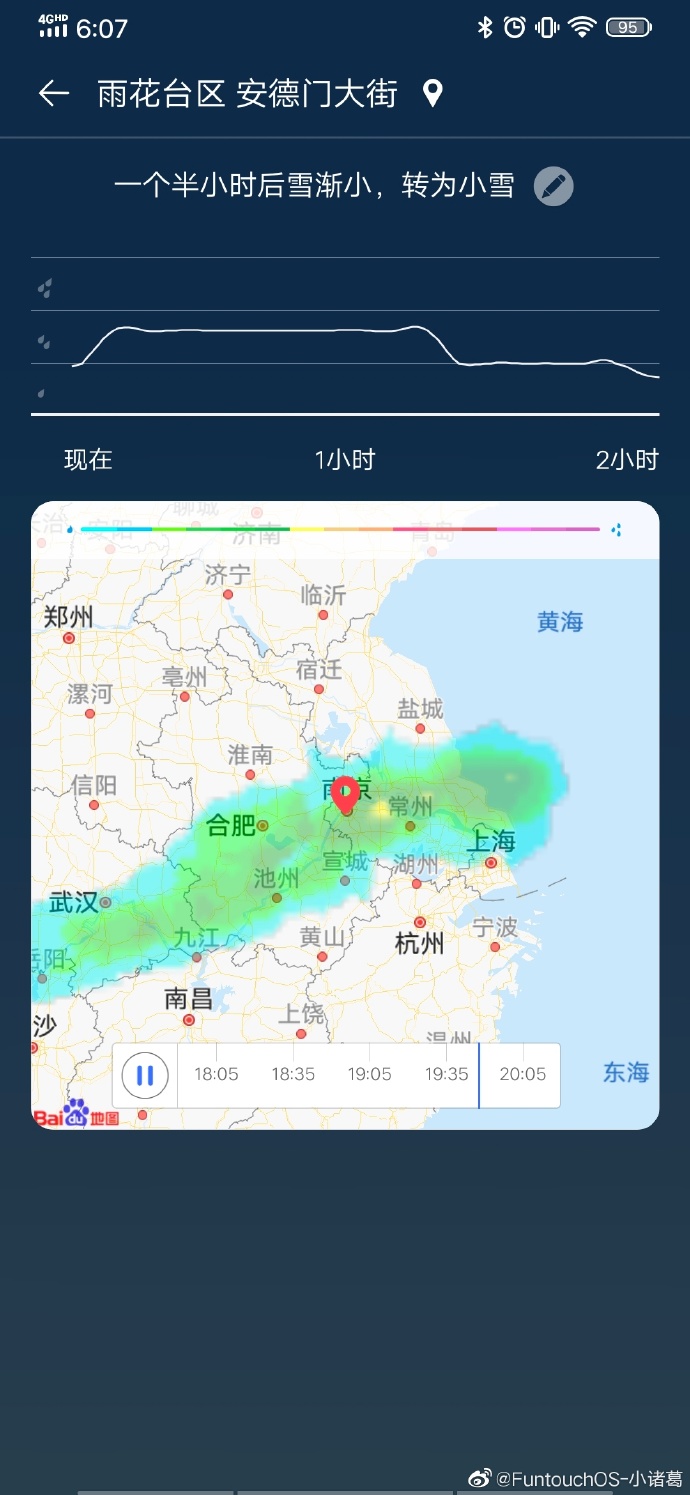
Now, Xiao Zhuge, Project Manager for the Vivo FunTouch OS has revealed that the team is currently working on a new weather-related feature for the custom operating system — Earthquake Warning.
He has also revealed that the feature, which is currently under development, will undergo internal testing at the company in a couple of weeks. This hints that the official rollout of the said feature isn’t very far away and could be rolled out soon if the internal testing gets passed successfully. However, no specific date for the rollout of this ‘Earthquake Warning’ feature has been revealed yet.
Further, he added that the FunTouch OS 10 introduces positioning areas which can provide forecast every minute for the next two hours and with the “distant love” feature, it can display the time and weather of two different places at the same time.
This new feature from Vivo is similar to the Earthquake Warning feature that Xiaomi rolled out with its latest MIUI 11 custom user interface. Xiaomi had said that the smartphones running MIUI 11 and even Mi TVs could be notified “seconds to tens of seconds” before the earthquake hits the place.
The idea is to give users a few seconds of head-start in order to better protect themselves before the actual earthquake. Also, the alert could also provide information about the nearest emergency shelter, emergency contact details, medical contacts, and the rescue information to help in a critical situation.
The latest FunTouch OS 10 from Vivo comes with a minimal user interface and is based on the concept of “Original Design”. Apart from offering minimal UI, the company has also added new desktop icons. There’s a new off-screen clock and Vivo has added new live wallpapers too. It also brings changes to Jovi virtual assistant which can now provide users with a variety of thoughtful services, help users manage their smart devices, and more.
Realme will be announcing the Realme X50 smartphone on Jan. 7 in China. The Realme Buds Air will also get unleashed in the country on the same day. The Chinese firm has started teasing on the specs, features and design of the Realme X50. The company has recently shared some posters to reveal the rear appeal of the phone. The posters shown below showcases the Polar White edition of the Realme X50. The images confirm the presence of quad camera system and a side-facing fingerprint sensor on the device.
In the new images, the Realme X50 5G can be seen sporting a very attractive rear design. The top-left corner of the phone is fitted with a vertical quad camera system. At first the design will appear quite similar to the Realme XT and Realme X2v smartphones. However, a closer look reveals that there is a slight difference as the Realme X50 has the LED flash placed below the text besides the camera module. Also, the text that mentions that megapixel of the main lens that is encircled in yellow is also missing. Some reports have claimed that the Realme X50 has a 64-megapixel Sony IMX686 sensor as the main lens. However, there is no official confirmation on it yet.
All the Realme X-series phones that have launched so far are equipped with in-display fingerprint scanners and they are equipped with OLED displays. However, the right edge of the upcoming Realme X50 5G features a side-mounted fingerprint reader. This indicates that the company may have settled for an IPS LCD panel on the Realme X50. This will probably allow the company to sell the 5G-ready Realme at a cheaper price in the market.
The company has already revealed that the Realme X50 5G has a dual punch-hole display. The size of the screen could be 6.6-inch. While there is no official confirmation on the configurations of the front cameras of the Realme X50 5G, it speculated that the Realme X50 could be featuring a 32-megapixel + 8-megapixel dual selfie camera setup.
The Realme X50 5G appears like a real competitor for the Redmi K30 5G phone that has a price tag of 1,999 Yuan (~$285) in China. The pricing of the Realme X50 5G is currently under the wraps.
Vivo will be announcing the Vivo S1 Pro smartphone in India in January 2020. It will be the company’s second S-series handset after the Vivo S1 that had gone official in August. Vivo is yet to confirm on the arrival of the Vivo S1 Pro phone. A fresh report has revealed the pricing of the smartphone in India.
Vivo S1 Pro Price in India
Citing information from its retail sources, the publication has stated that the Vivo S1 Pro that will come with 8 GB of RAM and 128 GB of storage will carry a pricing of Rs. 19,990 (~$280). The report also claims that the Vivo S1 Pro will be also available in a 6 GB RAM edition. There is no confirmation on the internal storage of the Vivo S1 Pro’s rumored 6 GB RAM variant.
The Vivo S1 Pro is not an entirely new phone since it has already debuted in markets like Indonesia, Malaysia, Philippines and Thailand. The smartphone features a 6.38-inch AMOLED display with waterdrop notch. It supports full HD+ resolution of 1080 x 2340 pixels and 19.5:9 aspect ratio. It is equipped with a front-facing camera of 32-megapixel. The rear side of the phone has a diamond-shaped camera module which includes a 48-megapixel main sensor, an 8-megapixel ultrawide lens, a 2-megapixel macro lens and a 2-megapixel depth sensor.
The Snapdragon 665 mobile platform drives the smartphone’s 6 GB and 8 GB RAM models. The phone receives power to perform from a 4,500mAh battery that carries support for 18W fast charging through USB-C.
Vivo V19 Series is Also Coming
The same publication has claimed that Vivo India will be bringing the Vivo V19 and Vivo V19 Pro smartphones to India in the first quarter of 2020. At present, there is no information on the specs of the Vivo V19 series. Vivo recently confirmed that it will be present at the Mobile World Congress (MWC) 2020 tech trade in February. It is being speculated that it could be announcing a V-series device at the event.
What’s your opinion on the rumored pricing of the Vivo S1 Pro? Share us your thoughts by posting your comments below.
At the beginning of this year, Vivo had launched the Vivo V15 Pro smartphone in India. In October, the company had launched the Vivo V17 Pro phone and it was followed up by the Vivo V17 at the beginning of this month. A fresh report on 91mobiles has revealed that the company is already working on Vivo V19 series for India. It has claimed that the Vivo V19 and Vivo V19 Pro will break cover in Q1 2020.
According to the report, Vivo India will be promoting the Vivo V19 series during the Indian Premier League (IPL) cricket tournament in India that will begin on March 23. Hence, the company is expected to unleash the Vivo V19 and Vivo V19 Pro before the said date. Unfortunately, the report has not revealed any details on the specifications of the Vivo V19 duo.
Recently, Vivo sent out invites for its upcoming event that will be held during the Mobile World Congress (MWC) 2020 tech trade show in Barcelona, Spain. The invite featured the letter ‘V’ in the backdrop which suggested that the company may reveal a V series phone at the MWC 2020. It remains to be seen whether the company will really unveil the Vivo V19 series of smartphones or some other device at the event. It will be the first time to see the company take part in the MWC tech expo.
Vivo V19 and Vivo V19 Pro are not the only smartphones that will be announced by Vivo India in Q1 2020. Recent reports have revealed that the company is also gearing up to launch the Vivo S1 Pro smartphone in the country in January. It is speculated to be the very same Vivo S1 Pro that had recently launched in Southeast Asian markets. It will be the second S-series Vivo phone to debut in India after the Vivo S1 that had launched in August this year.
The Vivo S1 Pro is expected to arrive with a 6.38-inch full HD+ punch-hole display that will be integrated with an in-screen fingerprint sensor. The Snapdragon 665 chipset will be powering the phone along with 8 GB of RAM. It will offer users with an internal storage of 128 GB.
It will be equipped with a 48-megapixel quad camera system on its back. On the front, it will be fitted with a 32-megapixel selfie camera. The phone will be housing a 4,500mAh battery that will carry support for 18W fast charging through USB-C. It could be priced under Rs. 20,000 (~$280) in India.
There were a lot of best-selling smartphone line-ups in the last years, but there were also a lot of flops. When smartphone series has a lot of success or when they do not have enough, often manufacturers decide to ax them. In the first case, we are talking about marketing strategies, while in the second it is a pretty obvious decision. In this post, we collected all the most important smartphone line-ups that were axed in 2019. We included all those line-ups which had at least a phone released in 2018 but they did not have a successor this year.
Smartphones line-ups that were axed in 2019
Asus Zenfone Max Pro
Despite the amazingly high value for money of the Asus Zenfone Max Pro M2 released in December 2018, Asus did not release a new device from the Zenfone Max Pro series this year. This left a lot of people disappointed since the Zenfone Max Pro M2 was one of the best battery phones and also one of the devices with the highest quality price ratio. This year, Asus upgraded the Zenfone Max line-up with two models: Zenfone Max Plus and Zenfone Max Shot, both with Snapdragon SiP processors and not as impressive as the Zenfone Max Pro M2.
Earlier this year, Xiaomi decided to discontinue the Mi Max smartphones line-up. It was the series with the biggest phablets from the company and it included all of its devices with a display diagonal closest to 7 inches. They were unique phones due to their huge display size and you can not currently find a lot of devices with so big screens. Yet the company decided to ax it and started focusing more on Redmi mid-range smartphones. Initially, the company was supposed to ax the Mi Note line-up as well, but then it came up with the Mi Note 10 which is currently one of the best camera phones out there.
Samsung decided to completely discontinue the Galaxy J series and replaced it with the Galaxy M lineup. The Galaxy J series included its most affordable phones and it ranged from entry-level to mid-range smartphones. The reason why it axed the J series was probably the need for increasing the competition with Chinese manufacturers by providing a more unique and advanced series of affordable devices. Even the Galaxy On series was axed: in case you never heard of it, Galaxy On was a successful series of smartphones only present in the Asian market.
BlackBerry
The Chinese giant TCL acquired BlackBerry a few years ago and started producing smartphones under its name. But after releasing the Key2 LE in 2018 with a physical QWERTY keyboard and midrange specifications, the company decided that it is not the case to go ahead. In October, TCL announced that it has no plans to release a 5G BlackBerry smartphone. Further, it did not release a BlackBerry-banded device this year.
Another interesting smartphone released in 2018 was the Lenovo S5 Pro GT: for less than €200, it offered a great Snapdragon 660 chipset, stereo speakers and a 3D facial recognition system, as well as a dual front camera and a telephoto sensor with 2x optical zoom. But in 2019, we did not see any Lenovo S6 Pro. Fortunately, the company released Lenovo Z6 which offers an even higher value for money, but the S series contained even more affordable devices. That is why we hope it will come up again with a new device from this series next year.
Another smartphone missing among the most unique ones this year is a Compact flagship from the Sony Xperia series. In 2019 Sony revolutionized the naming scheme of its smartphones starting from Sony Xperia 1. The new line-up did not include an Xperia 1 Compact, but the company still launched a flagship with modest dimensions: Xperia 5. It offers the Snapdragon 855 chipset and a 6.1-inch display, but it is not the most compact phone out there.
Sadly, Motorola did not release any flagship smartphone this year. Motorola Moto Z3 was the last one and it came in August 2018. This year Moto Z4 debuted, but it is just a midrange phone. Instead, the company decided to release the Motorola Razr 2019: a revival of the iconic Razr feature phone which is also its first foldable phone. However, it is packed with midrange specifications, including a Snapdragon 710 chipset.
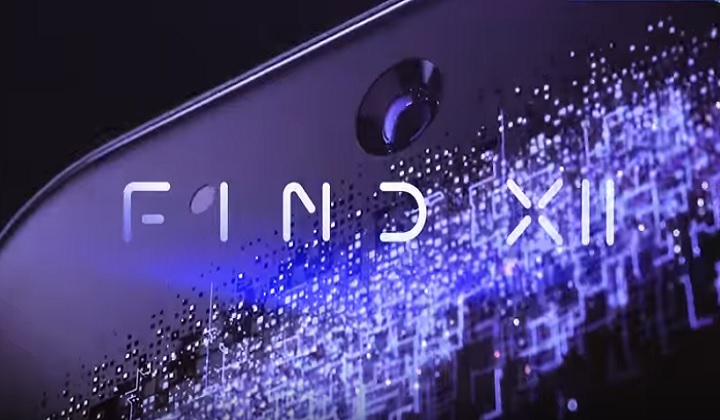
After years of not releasing any flagship, Oppo came up with the Find X in 2018. It packed the most powerful Snapdragon chipset as well as a very revolutionary design including a motorized pop-up slider hiding all the cameras while closed. But in 2019 the Oppo Find X did not have a successor. Instead, the company launched a flagship under the Reno line-up: Reno 10x zoom. But Oppo already confirmed that Oppo Find X2 will debut in the first part of 2020, so stay tuned for more.
HTC is living a strong year over year decline in the smartphone sector, but this year it saw a slight growth. But it was not because of the sales of a flagship phone. Unlike the previous years, in 2019 HTC only released mid-range and entry-level devices. The latest flagship is the HTC U12+ launched in the middle of 2018. And despite it was an amazing flagship, it did not succeed. That is why it is easy to realize why it does not have a successor. We hope the company will try again next year with a 5G flagship.
In 2018 Xiaomi launched a new brand: Poco. It included one single device: the affordable flagship Pocophone F1 offering all the power of the Snapdragon 845 and a big battery for an incredible price. There was no Pocophone F2 this year, but a few days ago the company confirmed that we will hear more about Poco in 2020!
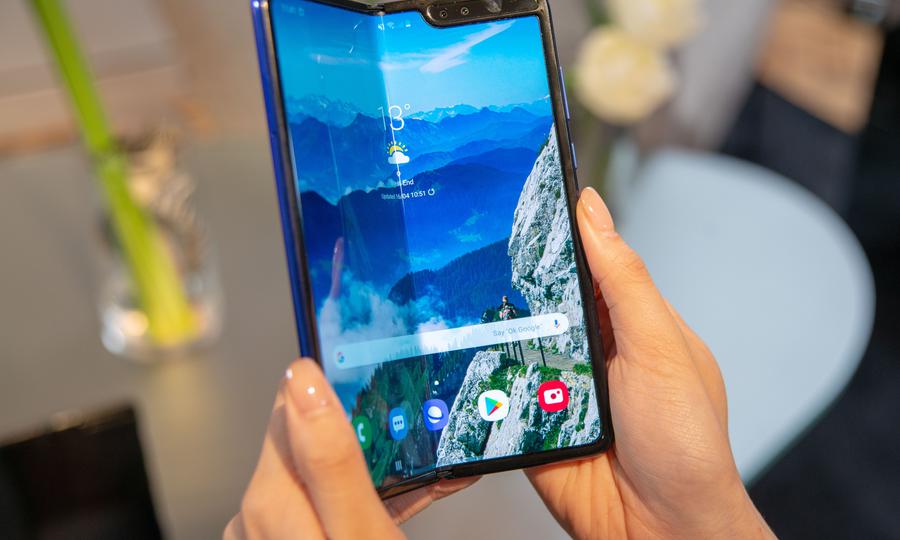
Samsung’s Galaxy Fold is already available in multiple countries across the globe. Just last week we saw the Fold go out pre-order in Indonesia. Now we’re receiving fresh new reports that the Galaxy Fold will be making an appearance in another country soon. The infamous folding device will allegedly launch in Taiwan next, though we only have a vague January 2020 date to go off of.
Until recently, Samsung Galaxy Fold folding screen mobile phones have been listed and sold in mainland China, South Korea, Hong Kong, Singapore, Japan and other regions. While Samsung refuses to give us a solid number, it seems sales have been good enough for Samsung Taiwan to consider the value of launching the folding phone there.
According to Samsung’s official statement, the Galaxy Fold will be available in Taiwanese Samsung Experience Store, Samsung Smart Pavilion and Samsung Taiwan’s official website in January 2020. People who pre-order the device will get a leather case, alongside the goodies in the box. In addition, Samsung officially announced that the Galaxy Fold folding screen phone is priced at NT $ 68,888 ($2,289) in Taiwan.
While this is interesting, it’s worth noting that the next generation of the Galaxy Fold is expected to release in February 2020 at a cheaper price tag. So it remains to be seen if people are ready to shell out thousands of dollars for the current generation model, just a couple of months before its successor launches in the market.
The OPPO Reno3 5G is the first smartphone in the world to be powered by the Dimensity 1000L. While the MediaTek processor is expected to appear in more devices next year, we are more interested in its more powerful sibling, the Dimensity 1000. And now we know which manufacturer will use it first.
MediaTek Dimensity 1000
Digital Chat Station revealed in a Weibo post that OPPO will once again be the first manufacturer to announce a phone powered by the Dimensity 1000 next year. He doesn’t mention a date but it should be in January.
We currently can’t say which OPPO phone will come with the chipset but we believe it will be under the Reno series. The Reno 10x Zoom is expected to get a successor, so it may be the device with the Dimensity 1000 while the Snapdragon 865 will power the Find X2.
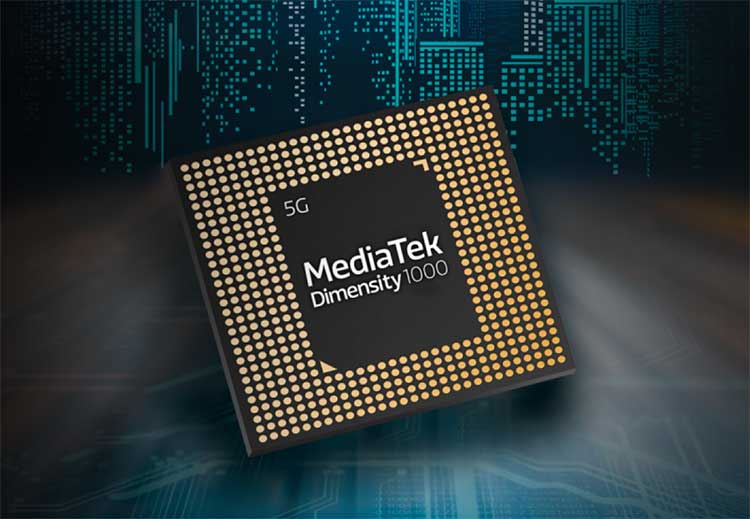
The Dimensity 1000 is an octa-core processor with 4 x Cortex-A77 cores clocked at 2.6GHz and 4 x Cortex-A55 cores clocked at 2.2GHz. It will also have the new Mali-G77 GPU. The chipset, just like the Dimensity 1000L, will support SA and NSA 5G networks and have downlink speeds up to 4.7Gbps. It also brings support for 5G dual-SIM that allows you to use two 5G SIM cards at the same time unlike other SoCs that only support the use of 5G in one SIM slot.
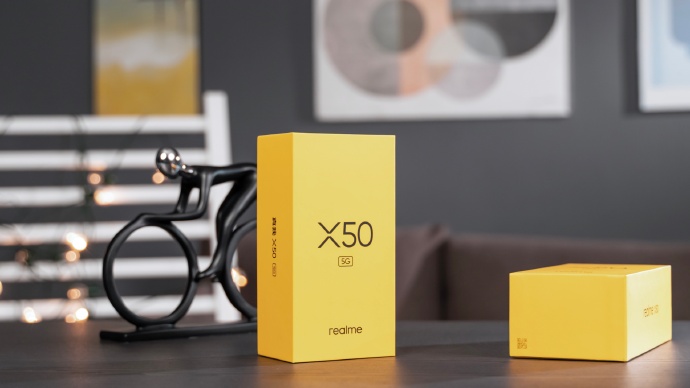
The current hot upcoming device is the Realme X50, and as such we’ve been seeing an unstoppable torrent of leaks about it. Today, CMO has gone straight to Weibo to give us a closer look at the Realme X50‘s box. The box continues Realme’s yellow boxes, with the model name emblazoned on the front. We assume the rest of the details are on the back.
On top of this, we also get a look at another teaser for the device, this time courtesy of China Mobile. This teaser actually reveals that the Realme X50 will in fact come with a pair of dual hole punch front cameras. Considering that the leaks were pretty accurate, it’s also quite likely that it’ll be a 32-megapixel + 8-megapixel dual front facing camera setup.
Other rumors indicate that the phone will be equipped with a 6.44-inch AMOLED display. It could be coming with Sony IMX686 60-megapixel + 8-megapixel + 2-megapixel + 2-megapixel quad rear cameras. The handset may come with up of 12GB of RAM and 256GB of internal storage. We expect Android 10-based custom ColorOS 7 running the smartphone.
Despite all these leaks, nothing is really set in stone regarding the new device. Realme has already confirmed that the launch event for the Realme X50 5G smartphone in China will be hosted on 7th January, which means we won’t have to wait much longer to see it. We’re hoping it lives up to all the hype Realme has been giving it.
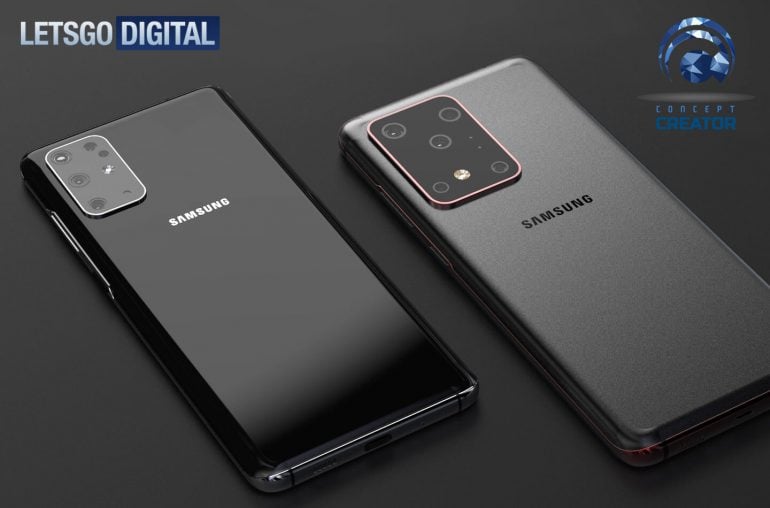
According to a new report, Samsung is apparently looking into an early release of its Samsung Galaxy S11 series. Initially, there were many rumors regarding the release date being around the third week of February or even the 18th of February. However, it seems that 11th February is the date of the launch, according to an Israeli website.
Renders of Samsung’s upcoming flagship, Galaxy S11 (images via LetsGoDigital)
The South Korean tech giant is reportedly planning on holding the launch event in San Francisco, USA. It was also where the last year’s flagship series, the Galaxy S10, was unveiled. Galaxy S11 being launched in early February also allows the company to enjoy the attention to its premium handset before the arrival of MWC 2020; a conference where various OEMs showcase what their latest and upcoming products have to offer.
The extra time could lead to a healthy sales number globally and give the company some time to consider revealing other interesting devices during MWC. Notably, the Samsung Galaxy S11 will not be alone during the Unpacked event. The report has also suggested that the flagship series will share the stage with the Galaxy Fold 2. Again, similar to how the Galaxy S10 arrived with the Galaxy Fold earlier this year.
Reportedly: Samsung Galaxy Fold 2 with clamshell bending display
Unfortunately, these are just speculations and rumors so take them with a pinch of salt. However, if educated guesses can be made after seeing the company’s track records; it is still quite possible that Samsung might have an early flagship launch with the latest Galaxy Fold series.
Earlier this week, the Russian Government announced that it had conducted a series of tests that allowed the country to completely disconnect from the global internet. The test started out last week and went on for a couple of days and involved multiple local internet service providers and telecom companies alongside the Government.
The main objective of the long series of tests was to see if the RuNet system worked properly. It is a Russian internet infrastructure capable of functioning without access to the global DNS system or external internet. In other words, the RuNet from Russia network is the world’s largest intranet system.
Russia’s RuNet
Unfortunately, the Government did not reveal any technical or finer details regarding the tests and how they were carried out. The official spokesperson only mentioned that several disconnection scenarios were tested by the Russian Government. One of the scenarios even included a simulated cyber attack from a foreign country or any hostile entity.
In a press conference today (26th December 2019), Alexei Sokolov, the Deputy head of Ministry of Digital Development, stated that both “authorities and telecom operators are ready to effectively respond to possible risks and threats and ensure the functioning of the Internet and the unified telecommunication network in Russia.” He aso went on to mention that the test results will be presented to President Putin next year.
Russian President Vladimir Putin
The initial testing of the RuNet systems was planned to take place back in April 2019 but had got delayed till now. It was delayed to give the Government time to pass supporting and supplementing laws in the country. This includes the “internet sovereignty” law, which grants the Russian Government power to disconnect the entire country from the rest of the world at will with little reasoning. The grounds on which this drastic measure will be undertaken is apparently for emergencies and “national security.”
OPPO announced the Reno3 and Reno3 5G a few hours ago. Now that some users have gotten their hands on the phones, more details are surfacing. A Weibo user has shared the AnTuTu results of both phones and the results are surprising.
Prior to the release of the phones, Master Lu shared benchmark results of the two phones, pitting the Snapdragon 765G against the Dimensity 1000L. In that comparison, the Snapdragon 765G-powered Reno3 Pro 5G came out on top. For AnTuTu, the reverse is the case.
[envira-gallery id=”297366″]
The Reno3 5G is the winner with a total score of 337,669 points as against the Reno3 Pro 5G’s score of 320,822 points.
A breakdown of the score shows the Dimensity 1000L-powered Reno3 5G recorded a CPU score of 126,692 points while the Reno3 Pro 5G scores 102,230 points.
Just like in the Master Lu benchmark results, the Dimensity 1000L also grabs the higher GPU score for AnTuTu as well. It scored 99,250 points as against the Snapdragon 765G’s 93,977 points. However, the Reno3 Pro 5G is the winner in the memory and UX categories.
Both the Reno3 and Reno3 Pro 5G support dual-mode 5G networks. However, the latter is more expensive, has a curved display, and comes with more camera features.
On 26th December 2019, Oppo unveiled new products which included the Oppo Reno 3 series of smartphones alongside its Oppo Enco Free first truly wireless earbuds. After the launch event, Wu Qiang, the Vice President of Oppo and Global sales President, talked about the current state of smartphone manufacturers and their positions.
According to the senior executive, the top smartphone OEMs are unlikely to die out soon or go out of business but the rankings are expected to change soon. In other words, the current South Korean leader, Samsung, might be dethroned while other companies may also rise higher.
OPPO Reno3 5G
Wu Qiang also mentioned that the rankings and its changes will depend on which smartphone maker makes the least number of mistakes. He believes that the rapid development of 5G smartphones makes 2020 seem unpredictable. Thus, the Vice President stated that no major mobile OEM will die out but the rankings will change, judging from the current momentum.
Currently, Samsung sits at the top with a total market share of 22.9 percent while Huawei follows close behind with 17.7 percent market share, according to data from Q2 of 2019. Apple arrives in third with 10.2 percent market share while Xiaomi and Oppo are in the fourth and fifth positions with 9.7 percent and 8.9 percent respectively.
Wu Qiang, Oppo VP, discusses 5G smartphones and smartphone rankings
Since notable advancements in 5G networking are still limited to a few countries like China, Chinese OEMs like Xiaomi and Oppo may be able to bring a change in the rankings in 2020. According to Wu Qiang, Oppo will have to “return to its duty” and insists on doing “the right thing” that will help it adapt better in the volatile industry. The company is set to launch 5G smartphones next year and is also looking into diversifying to include IoT (internet of things) devices to further its expansion.
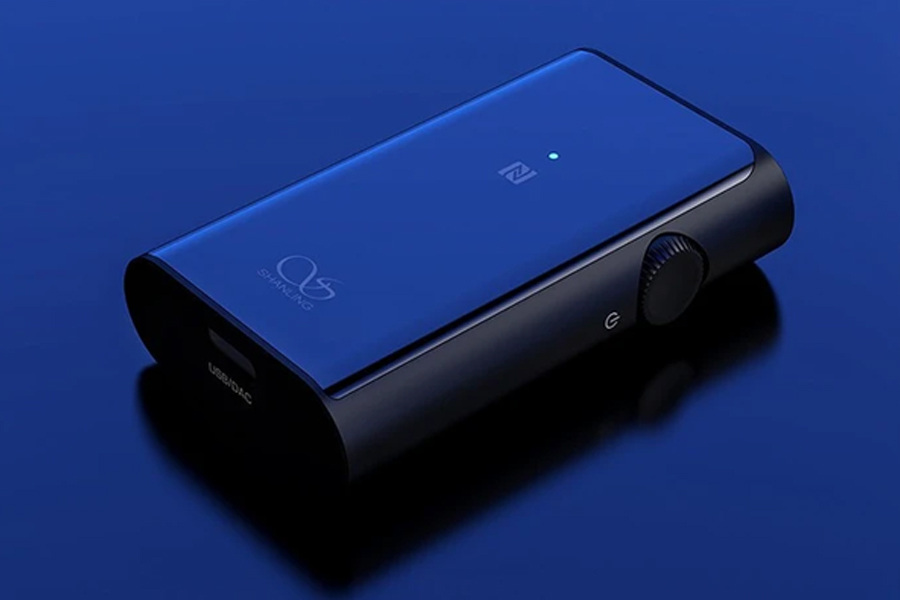
The Shanling UP4 Balanced Hi-Res Portable Bluetooth Amplifier has gone up for sale bearing a price tag of $99.99 through popular online e-tailer HiFiGo, that sells top quality products targeted at audiophiles for unbeatable prices.
Equipped with World’s latest Bluetooth wireless DAC/amplifiers, the Shanling UP4 supports the latest wireless audio codecs including aptX Low Latency, aptX HD, LDAC, LHDC, aptX, AAC, SBC, and HWA such as Hi-Res audio. It features the CSR8675 Bluetooth 5.0 chipsets, which is touted as a premium low-power solution for improved audio applications that supports 24-bit transmission and processing with the help of 120MHz DSP.
The micro-USB has now been replaced by USB-C, which is an important addition, particularly for future-proofing and faster charging from devices such as power banks. Moreover, you can use the USB-C connection for USB-DAC output directly from your PC in a wired configuration.
Furthermore, the Shanling UP4 comes with a 3.5mm single-end and 2.5mm balance end output. It generates 91mW@32Ω (SE) and 160mW+160mW@32Ω power. It has received high resolution certificated for Wire, as well as the wireless mode. Unlike the UP2, the UP4 supports NFC paring upgraded, which is already featured in BTR5, and the BTR3.
You can follow this link to check out more details about the Shanling UP4 Balanced Hi-Res Portable Bluetooth Amplifier and place your order. Note that the sale will come to an end shortly.
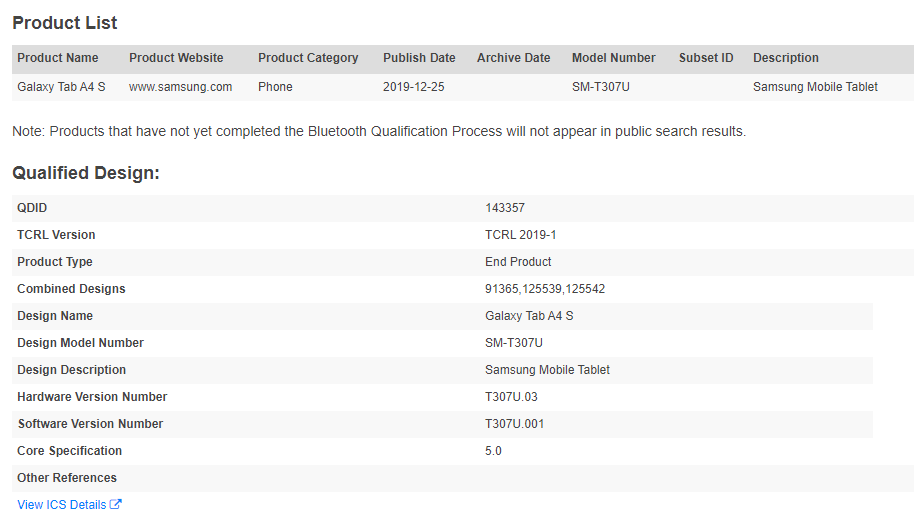
A new Samsung tablet called the Galaxy Tab A4 S was certified yesterday by the Bluetooth SIG. The certificate reveals the tablet’s model number is SM-T307U and which has actually surfaced online before.
About a month ago, Sam Mobile, reported that a Samsung tablet with model number SM-T307U was certified by the Wi-Fi Alliance. The WiFi certificate revealed the tablet runs Android Pie and supports 2.4GHz and 5GHz WiFi networks.
The post also said the tablet has support for cellular connectivity due to the “7” in the model number. And that it has 32GB of internal storage and will be available in just one color variant – brown.
It is unknown if the Galaxy Tab A4 S will be limited to Samsung’s home country or if it will be available in other countries. However, we are pretty sure it will be a mid-range tablet due to its small built-in storage and older version of Android. It most likely will be powered by an Exynos processor too. We just have to wait for a Geekbench result to surface.
DOOGEE is a renowned mobile phone maker that boasts an exciting portfolio of affordable smartphones.
Still riding high on the success of the DOOGEE S90 modular phone, which was launched earlier this year, the Spanish high-performance products manufacturer recently launched the much-awaited Doogee S90 successor dubbed the S95 Pro.
While the DOOGEE S90 boasts a robust 5000mAh power bank, digital walkie-talkie, night vision camera, and various other modules, the DOOGEE S95 Pro offers a slew of awe-inspiring features. Before we dive into details about these features, it might interest you to know that the S95 Pro is now available for a lowered price through Gearbest.
Moreover, the phone comes with a coupon code that can be used to save more money at the time of checking out. The 8GB RAM+128GB ROM S95 Pro variant would normally set you back $499.99, but if you can purchase it for a considerably reduced price of just $369.99 through Gearbest.
On top of that, you can extend this 26 percent discount by applying coupon code M3EEAB64429EB000 before placing your order. The coupon enables you to bring the original selling price of the DOOGEE S95 Pro down to just $299.99, which means, you get an extra $70 off.
Touted as the world’s top-notch rugged smartphone, the S95 Pro sports a 6.3-inches IPS Waterdrop Full-Screen FHD+ display with Corning Gorilla Glass that offers additional protection against accidental scratches and other damages. Furthermore, it is powered by MTK, Helio P90 Octa-Core processor and packs IMG PowerVR GM 9446 GPU under the hood.
The phone offers a 50 percent faster performance than its precursor, the P60/70. The native storage can be expanded up to 256GB using a Micro SD Card (T-Flash Card). On the optics front, the S95 Pro features SONY IMX586 48MP+8MP+8MP with Wide-angle LED Flash, and f/1.8+f/2.4 aperture at the back, and 16MP wide-angle sensor with f/2.0 80 aperture front shooter for selfies.
Moreover, it runs the Android 9.0 Pie operating system and is backed by a 5150mAh battery that offers wireless charging support. In terms of connectivity, the phone comes with Type-C. It also supports GPS, Beidou, Galileo, and Glonass.
For more details about the DOOGEE S95 Pro, you can head straight to this link. With 79 pieces sold at the time of writing, the promo is slated to end in five days. Note that the coupon will expire on December 30th, and it will be valid for the first 100 pieces only.
ByteDance, the parent company behind TikTok, is reportedly looking into options to address the concerns regarding the alleged national security allegations from the US Government.
According to a report, ByteDance selling the majority stake in TikTok could have it rake in about 10 Billion US Dollars. This evaluation was calculated after the app’s valuation surged in 2019 as it gained popularity on a global scale. A few news agencies have also stated that the company is currently one of the world’s most valuable startups. Unfortunately, the tensions between the US and China in the form of trade disputes are threatening its operations and future growth.
If ByteDance were to sell TikTok, the most logical option would be to offer up a majority stake in TikTok to financial investors. Notably, companies like SoftBank, Sequoia Capital, and Susquehanna International are large financial firms that were one of the early investors in the social media app. Thus, a sale of its majority stake could allow the parent company to cash in when the app is extremely popular and avoid any future difficulties.
A meeting where the US Army Chief of Staff visited China
Recently, the US Army has even launched an investigation into the app stating its handling of user data puts military information and practices at risk as well. Additionally, there is an abundance of evidence regarding the app censoring data in accordance with Chinese censorship standards which also point towards its accused allegiance.
With more and more mobile phone makers offering the full-screen 18:9 display on their devices, Asus has decided to follow suit.
Keeping in line with that, the Taiwan-based phone manufacturer has launched the Asus Zenfone Max Plus (M1) smartphone. It can be recalled that Asus had launched the Pegasus 4S smartphone with a full-screen display earlier, but the company restricted its availability to China only.
While mobile phones boasting a full-screen display are usually found carrying steep price tags, that’s not the case with the ASUS Zenfone Max Plus M1 mobile phone, which has gone up for sale for a lowered price through Gearbest. We will not only reveal more details about the discount but also show how you can save more money at checkout.
The 4GB RAM+64GB ROM Zenfone Max Plus M1 variant would normally set you back $144, which is a reasonable price for a full-display device. To extend the phone’s availability to those on a tight budget, Asus is now offering the aforesaid model for a lowered price of only $102.69 via Gearbest.
In addition to getting this 29 percent discount, Gearbest users can grab an extra $89 off by applying coupon code T3F011161CA1D001 at the time of checking out. In short, you can reduce the original asking price of the phone to just $102.99 with the help of the coupon, provided you place your order latest by January 8th.
Available in Navy Blue, as well as Silvery color options, the Zenfone Max Plus M1 sports a 5.7 inches IPS display with 1080 x 2160 pixels resolution and an aspect ratio of 18:9. It packs a powerful MT6750T Octa-Core processor under the hood.
In the photography department, the mobile phone houses a dual-camera setup comprising a 16MP camera and an 8MP camera at the back. Upfront, it accommodates an 8MP selfie camera that can also be used for making video calls.
The dual-SIM smartphone runs Android 7.0 Nougat OS and is backed by a 4130mAh battery that offers up to 26 days of standby and about 26 hours of 3G talk time, along with up to 13 hours of video playback and about 21 hours of Wi-Fi browsing.
You can follow this link to check out more details about the Asus Zenfone Max Plus M1 mobile phone and avail of the discount. Note that the promo is slated to end in five days. Also, the coupon code will expire on January 8th.
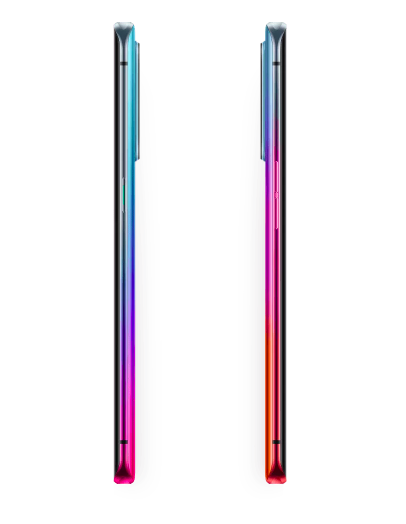
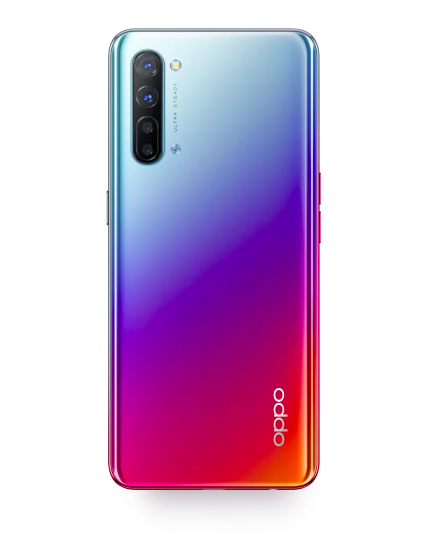
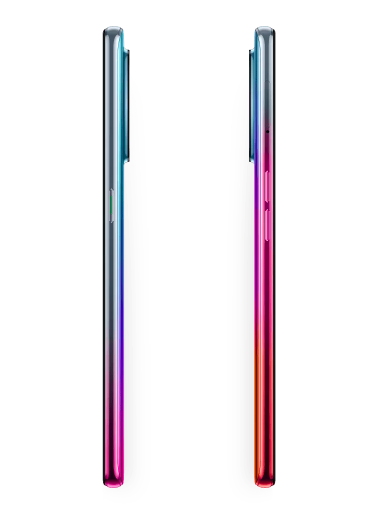
OPPO has officially taken the wraps off its new 5G smartphones: the OPPO Reno3 5G and the Reno3 Pro 5G. Just like I mentioned yesterday, the Reno series officially has one of the shortest product cycles in the market this year, with the new Reno3 models replacing Reno2 models that were announced just a few months back. The third generation Reno3 models come with 5G, a large battery with fast charging, and a quad-camera setup and most of all, a slim and relatively lightweight body.
OPPO seems to have given priority to form factor for the new Reno3 models, which is a big shift from the bulky and heavy Reno 5G and Reno2 models. Both the models are relatively lightweight, weighing only around 180 grams and featuring 8mm bodies. In fact, the Pro version, even with the curved display, is slimmer and lighter than the standard Reno3.
Let’s take a closer look at both the devices in detail.
The OPPO Reno3 Pro 5G is the star product of today’s event, powered by the Snapdragon 765G octa-core processor. It is an important phone, for OPPO as well as Qualcomm, since its the first integrated 5G SoC from the chipmaker. Thanks to the integrated 5G chipset, the phone supports up to 3.7Gbps download speeds and 1.6Gbps upload speeds. The Reno3 Pro comes with Smart 5G that regulates the 5G connectivity to improve battery life by up to 30 percent. The phone features two storage options: 8GB RAM and 128GB storage and 12GB RAM and 256GB storage.
REno3 360-degree antenna design
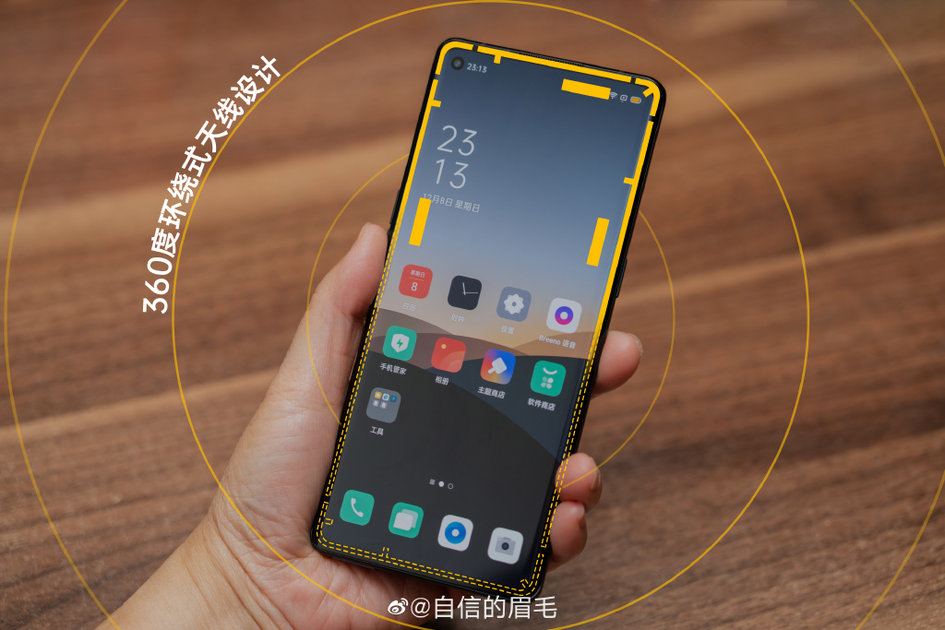
OPPO has employed a unique 360° surround antenna design that ensures the Reno3 models can smartly match different antenna groups to ensure consistent data speeds. So you don’t have to worry about the smartphone death grip that comes in between you and your streaming/ gaming experience. There’s also a special 5G + Wi-Fi 5GHz dual connectivity model that combines the two networks to boost your overall network speeds. OPPO claims this mode can increase download speeds by up to 28 percent!
The display is one of the highlights of the Reno3 Pro 5G. The phone comes with a flexible AMOLED display that’s curved on the two sides, similar to the Galaxy S10. On the top-left corner of the display, you’ll find a small punch-hole camera measuring 3.92mm in diameter, making it smaller than the S10’s punch hole. The 6.5-inch curved display also supports 90Hz refresh rate, joining the likes of the OnePlus 7T Pro with such high refresh rates.
The Reno3 Pro 5G also employs a three-dimensional cooling system with a double layer graphite sheet to ensure effective heat dissipation. The phone comes with an in-screen fingerprint module that measures just 0.26mm in size, which is a significant (nearly 90%) reduction as compared to a traditional 2.6mm module. OPPO adds that the fingerprint recognition area has increased by 5mm to 54mm.
1 of 3
OPPO REno3 Pro 5G
Coming to the camera setup, the OPPO Reno3 Pro 5G features a quad-camera setup that consists of a 48MP Sony IMX586 primary sensor paired with a 13MP telephoto lens that supports 5X hybrid optical zoom, an 8MP wide-angle camera with 116-degree field of view and a 2MP black and white camera sensor. As revealed in the teasers before, the OPPO Reno3 and Reno3 Pro support Ultra Steady cameras that utilize the ultra-wide camera along with ultra-steady algorithms and high-precision gyroscope to stabilize videos.
The OPPO Reno3 Pro 5G features a 4025mAh battery with VOOC 4.0 30W fast charging technology. OPPO claims that the device can charge from 3% to 50% in just 20 minutes, up to 70% in 30 minutes and 100% in 56 minutes. The phone features stereo speakers with Dolby Atmos support. Note that there’s no headphone jack on both the models.
As for software, the Reno3 5G and the Reno3 Pro 5G will come with ColorOS 7 out of the box, making them the first set of devices to feature the new OS.
OPPO Reno3 Pro 5G Pricing
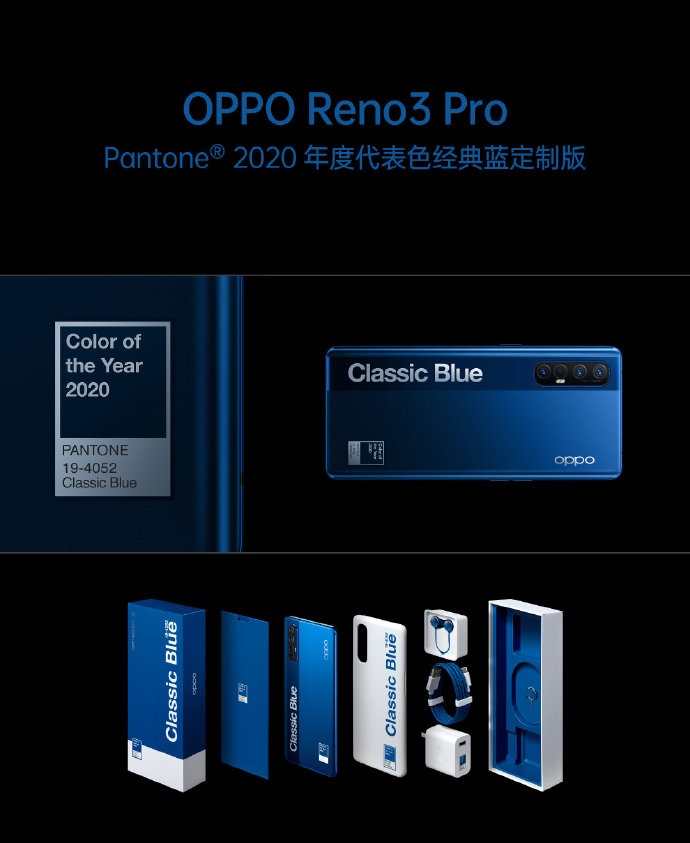
The OPPO Reno3 Pro 5G starts at 3999 yuan ($571) for the 8GB +128GB variant and goes up to 4499 yuan ($643) for the 12GB + 256GB variant. The 8GB RAM model goes on sale on December 31 while the 12GB model goes on sale on January 10, 2020. There’s a special OPPO Reno3 Pro 5G Classic Blue edition (Pantone’s color of the year 2020) as well that costs 4199 yuan ($600) (8GB+128GB) and goes on sale on January 10.
OPPO Reno3 5G will be the cheaper option in the Reno3 series, featuring the new Dimensity 1000L 5G chipset. The phone supports SA/NSA dual-mode 5G networks and comes with a 6.4-inch FHD+ waterdrop display. Note that the Reno3 features a regular flat display instead of the curved one found on the ‘Pro’ model. The phone is slightly heavier than the ‘Pro’ version at 181 gram (vs 171gm) but it’s still relatively lighter than competitors.
The OPPO Reno3 5G comes with a slightly different setup than its more expensive sibling. The phone features a 64MP primary camera with an 8MP wide-angle lens, 2MP macro lens, and a 2MP Black & White sensor. So, you don’t get optical zoom on the Reno3 as it skips the telephoto lens. There’s a 32MP front-facing shooter just like the Pro model.
1 of 3
OPPO REno3 5G
Just like the Reno3 Pro 5G, the Reno3 comes with ColorOS 7 with Android 10 out of the box with features such as Gameboost 2.0, Wi-Fi, NFC, Dolby Atmos speakers, Smart 5G and Bluetooth 5.0.
OPPO Reno3 5G Pricing
The OPPO Reno3 5G starts at 3399 yuan ($486) for the 8GB RAM and 128GB ROM variant and goes up to 3699 yuan ($528) for the 12GB RAM and 128GB variant.
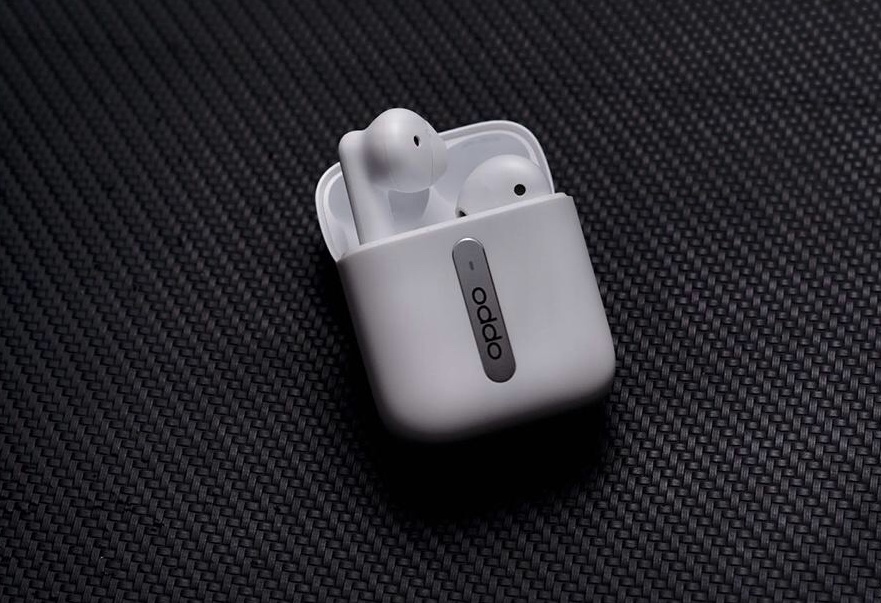
Earlier this month, Oppo had announced on social media that it would be releasing its first truly wireless earbuds. Now, the Oppo Enco Free has finally been unveiled alongside the Oppo Reno 3 series of smartphones in China.
Design
The design and form factor of the new TWS (true wireless) earbuds from Oppo is similar to Apple’s AirPods which also arrives with a charging case. However, the strip on the front carved with radium sets it apart by featuring the smartphone manufacturer’s branding. This strip also features an LED status indicator for the charging case and the case itself is charged via a USB Type-C charging cable.
OPPO Enco Free in white with the charging case
The earbuds arrive in an identical cover to its carrying case and have a matte finish. Furthermore, a noise reduction microphone can be found on the outside which will allow for a better audio experience for users. Similar to the case, the earbuds also feature the iconic grey strip at the rear of its body.
Specs & Features
Oppo Enco Free weighs in at about 4.6 grams and holds the title of being the first true wireless earphones that utilize ultra-dynamic speakers. These speakers are equipped with dual magnetic circuit design and an FPC arm balance system that allows for a superior sound quality output. Notably, the earbuds can be used up to 25 hours in total if used alongside its charging case.
The wireless earbuds are also equipped with “Bluetooth low-latency dual-pass” technology. In other words, both individual earbuds connect to a smartphone via Bluetooth simultaneously. According to official notes, this enables the wearables to achieve better audio-visual synchronization effect and reduce the latency by 76 percent during gaming in comparison to traditional Bluetooth earphones.
OPPO Enco Free (Black variant)
Price & Availability
Oppo Enco Free is available in three colors, namely white, black and pink variants, and offers three different sized silicone tips for better fit adjustments. The earbuds are priced at 699 Yuan or roughly 100 US Dollars. The white and black variants will be available for purchase from the 31st of December 2019 while the pink version will be launched on Valentines next year (14th February 2020).
We use cookies on our website to give you the most relevant experience by remembering your preferences and repeat visits. By clicking “Accept”, you consent to the use of ALL the cookies.
This website uses cookies to improve your experience while you navigate through the website. Out of these, the cookies that are categorized as necessary are stored on your browser as they are essential for the working of basic functionalities of the website. We also use third-party cookies that help us analyze and understand how you use this website. These cookies will be stored in your browser only with your consent. You also have the option to opt-out of these cookies. But opting out of some of these cookies may affect your browsing experience.
Necessary cookies are absolutely essential for the website to function properly. This category only includes cookies that ensures basic functionalities and security features of the website. These cookies do not store any personal information.
Any cookies that may not be particularly necessary for the website to function and is used specifically to collect user personal data via analytics, ads, other embedded contents are termed as non-necessary cookies. It is mandatory to procure user consent prior to running these cookies on your website.