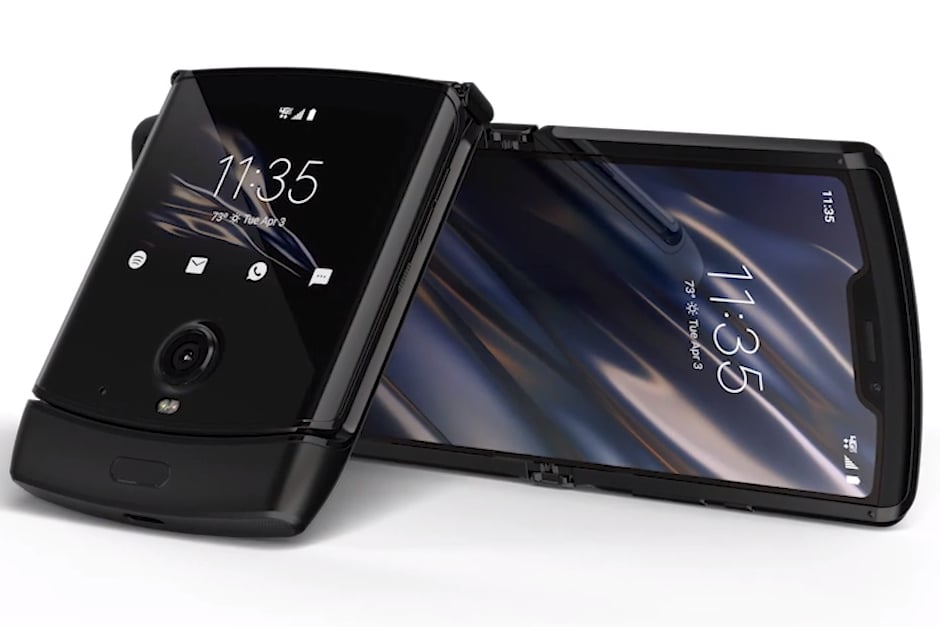
The Motorola Razr launched last month as the first smartphone with a vertically folding display but it is yet to go on sale. The $1499 phone was originally scheduled to be available for preorder on December 26 and begin shipping to users on January 9. Unfortunately, that will not be happening.
Motorola has put out a statement just a few days before the pre-order begins that it is adjusting the presale and launch timing. It cited the high demand for the device as the reason which it said: “has quickly outgrown supply predictions”.
Motorola Razr
No new date has been announced yet but Motorola said in the press statement that they “do not anticipate a significant shift from our original availability timeline”.
While we do not want to doubt the company’s reason for postponing the device, having enough stock so everyone can get a unit when they want to purchase one is important. For a high profile device, we certainly do not expect Motorola to run a flash sale as is the tradition of some manufacturers such as Xiaomi.
The Motorola Razr has a 6.2-inch Flex View P-OLED display with a 21:9 aspect ratio and a notch for a 5MP selfie camera. When folded, there is a smaller 2.69-inch 800 x 600display on the back that displays notifications and caller IDs.
Inside the Razr is a Snapdragon 710 processor with 6GB of RAM and 128GB of storage. Due to its design, the Razr packs a measly 2510mAh battery capacity but has support for 15W TurboPower fast charge. There is a 16MP camera on the back of the phone as well as a fingerprint scanner under the Motorola logo.
The Motorola Razr also has NFC, Bluetooth 5.0, and an eSIM. It runs Android 9 Pie though but we hope an Android 10 update is released shortly after it goes on sale because asking for $1499 for a device that doesn’t run the latest version of Android is a bit outrageous.
When it comes to smartphone design, the current trends are notches, punch holes or “full-screen”. For those who adopt the third type of design, they usually go with a slider design as is the case with the Mi MIX 3; pop-up selfie camera just like the OnePlus 7 Pro, or flip cameras like that of the ASUS Zenfone 6. Other than ASUS, another manufacturer that adopted the flip camera design this year is Samsung with its Galaxy A80, though the phone uses a combination of a slide mechanism and a flip mechanism. A recently published patent has revealed Huawei may also adopt the flip camera design for a future device.
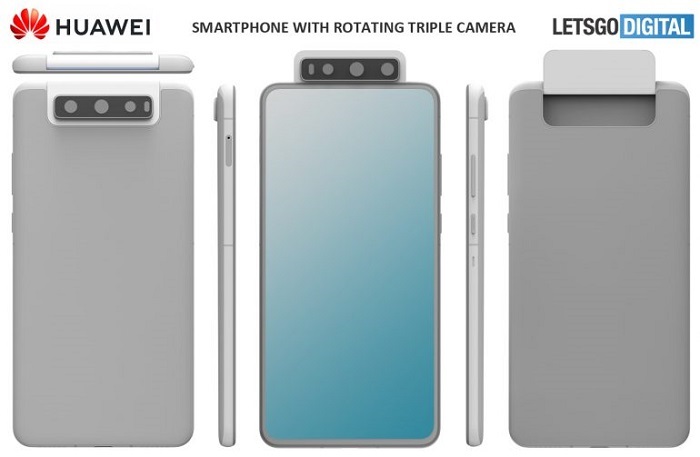
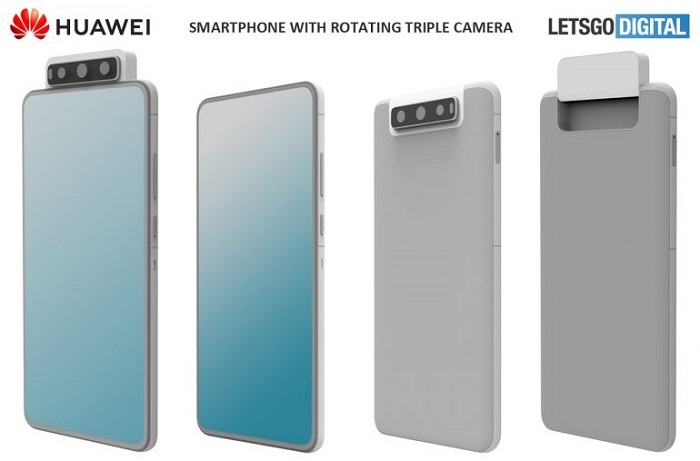
According to a report by LetsGoDigital, Huawei filed a patent for a device with a flip camera design similar to that of the Zenfone 6 on January 9, 2019. The patent was then published by the World Intellectual Property Office on December 17, 2019.
While the design is similar to that of the Zenfone 6′, Huawei’s own has three cameras instead of two. The triple camera setup will be able to flip 180° to double as the front-facing cameras. If the setup includes an ultrawide angle camera, owners will be able to take wide-angle selfies.
Last month, it was reported that Huawei may adopt a flip camera design for the P Smart Z 2020. The P Smart Z that was announced this year has a pop-up selfie camera, so a switch to flip cameras for its successor makes sense.
If the P Smart Z 2020 launches next year with flip cameras, it won’t be Huawei’s first device to adopt the design. That record is held by the 2015 Huawei Shot X which is also known as the Honor 7i.
Samsung announced the Galaxy Buds this year along with the Galaxy S10 series. And those who pre-ordered any of the Galaxy S10 phones got a free pair of Galaxy Buds along with their order. It appears we will be getting a successor next year called the Galaxy Buds+ but it won’t look different from the original.
Images of the Galaxy Buds+ were found in the latest version of the Samsung SmartThings app by the folks at XDA Developers. The version number of the new app is 1.7.41-25 and a breakdown of the app revealed animations for a product called “budsplus”.
The animations show the earbuds in a white case identical to that of the Galaxy Buds, confirming that the design of the Galaxy Buds+ will remain unchanged. Other than the animations, no other info about the buds were revealed. Hopefully, more details will surface when it begins shipping to retailers.
Prior to this discovery, Evan Blass as well as the tech blog, SamMobile have reported there will be a new pair of wireless earbuds from Samsung. The Galaxy Buds+ should launch alongside the Galaxy S11 series next year but we can’t say if Samsung will once again include it as a free gift along with pre-orders.
2019 is coming to an end. It has been a year full of innovation in the whole technology sector, including smartphones. We saw a lot of revolutionary devices and technologies, as well as an impressive growth of very important brands. And we even started to gather information about the upcoming smartphones in 2020. This year leaves us with a lot of rumors and leaks about upcoming devices from the most important brands. That is why we decided to collect the most important pieces of info in a dedicated post. Here you will find the top upcoming smartphones in 2020 with everything we know about them. Obviously, the top only includes devices for which we already got some details. Note that a lot of info is only based on rumors, so take everything with a pinch of salt.
Best upcoming smartphones in 2020
OnePlus Concept One
OnePlus will hold a special event at CES 2020 (Consumer Electronics Show) which will kick off in Las Vegas on January 7 and will last until January 10. CEO Pete Lau revealed that we will see something special at the event. Later on, Pete Lau confirmed that the company will unveil a new concept smartphone at CES 2020. It will be the first OnePlus concept phone, indeed the company called it OnePlus Concept One. Unfortunately, we do not know anything about the new concept phone: the company did not release any detail. Usually, concept phones are very innovative, so expect something revolutionary. According to hypotheses, OnePlus may unveil its first foldable phone. But someone thinks the company will showcase either a midrange smartphone (it does not release one since the OnePlus X) or a pair of true wireless earphones. What is your opinion?
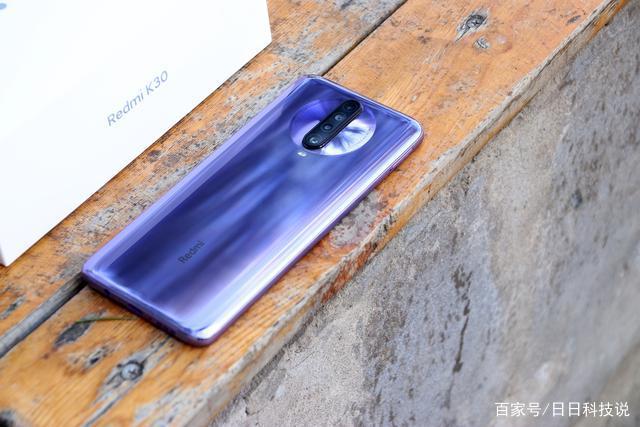
A few days ago Xiaomi officially announced the Redmi K30 and K30 5G. Unlike a lot of people thought, the new line-up did not include a flagship-class variant but only mid-rangers. Even the K30 5G which supports 5G connectivity is a mid-ranger since it is fueled by the Snapdragon 765G chipset (the first Qualcomm’s midrange chipset with 5G). But this does not mean that there will not be any flagship in the Redmi K30 series. According to the latest report by a known leakster, the Redmi K30 Pro will launch in March 2020 and it will be amazing. It will be powered by the newly-announced Snapdragon 865 chipset: Qualcomm’s flagship SoC which will be on a lot of 2020 flagships.
The chipset will offer an integrated 5G modem: Snapdragon X55 with the support of SA and NSA standards. Earlier rumors suggested that Redmi K30 Pro will have a 120 Hz refresh rate just like its vanilla version, as well as a 6.67-inch panel with a Full HD+ resolution and a punch-hole design. The camera department will include a Sony IMX686 sensor with a 64 MP resolution, supported by a 13 MP ultrawide lens, an 8 MP telephoto lens and a 2 MP depth sensor. The front camera housed in the punch hole is said to have a 32 MP sensor and a secondary ToF 3D sensor. Redmi K30 Pro is rumored to sport a 4500 mAh battery with the support to a 30W fast charging technology.
We talked about the possible arrival of the Redmi K30 Pro in March with a Snapdragon 865 chipset. But it looks like the Redmi K30 Pro will not be the first Xiaomi phone equipped with the Snapdragon 865. At the Qualcomm Snapdragon Tech Summit Xiaomi’s co-founder Lin Bin announced that Xiaomi Mi 10 will be one of the first smartphones to be powered by the Snapdragon 865 mobile platform. And we also know that there will be a Xiaomi Mi 10 Pro as Lin Bin officially confirmed it as well. An alleged Xiaomi Mi 10 was recently certified by 3C with 30W fast charging and we know that it will debut with MIUI 11 based on Android 10 out of the box. We also expect it to come with a 108 MP main camera and 5G support. Other than that, nothing is known about the specifications of Xiaomi Mi 10 and 10 Pro.
Not only flagships: we had information even about an upcoming affordable smartphone coming in 2020. According to a report, Redmi 9 will be launched in early 2020 and it will debut initially in China, then it will expand to the Indian market later. The Redmi 9 is said to come with a 6.6-inch display and with a waterdrop notch. It seems it will be powered by the Helio G70 chipset by MediaTek: a toned down version of the Helio G90T found on the Redmi Note 8 Pro, but still providing high graphics performance. The SoC is expected to be paired with 4 GB of RAM and internal storage of 64 GB in the base configuration. Obviously, there will be other variants. Redmi 9 could debut with MIUI 11 and Android 10 out of the box just like the Xiaomi Mi 10.
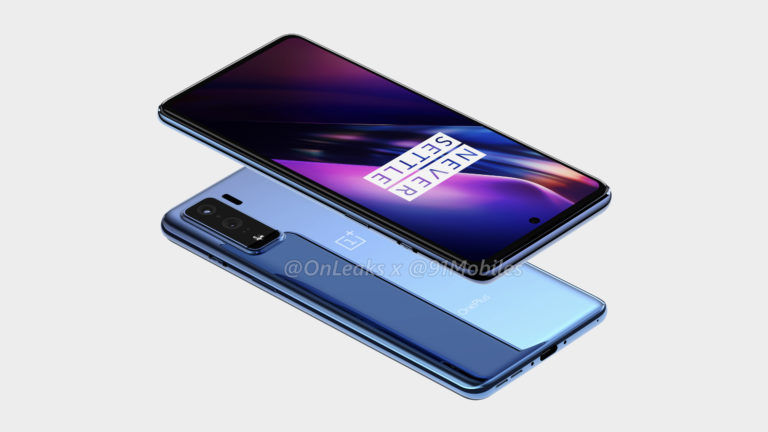
OnePlus will officially launch the new OnePlus 8 series in Q2 2020, but a lot of detail about it already surfaced. For the first time after a year, the upcoming smartphone series will be composed of three models and it will include an affordable variant. Thanks to tipster we even know the rumored specs of the handsets. OnePlus 8 and 8 Pro are said to house 6.4 and 6.7-inch displays respectively, with S-AMOLED E3 technology and curved sides.
They will be dual punch-hole display with a 120 Hz refresh rate, resolutions up to Quad HD+ with 1440 x 3140 pixels, and more. OnePlus 8 Lite is rumored to come with a 6.4-inch S-AMOLED E2 display with a 90 Hz refresh rate and a Full HD+ resolution of 1080 x 2400 pixels. All of them will include an in-display fingerprint scanner. OnePlus 8 and 8 Pro will be fueled by the Snapdragon 865 chipset paired with 8 or 12 GB of LPDDR5 RAM and 128 or 256 GB of UFS 3.0 internal storage depending on the chosen configuration. The OnePlus 8 Lite may pack a Dimensity 1000 SoC by MediaTek, 8 GB of LPDDR4X RAM and 128 or 256 GB of internal storage (UFS 3.0).
OnePlus 8 and 8 Pro may feature a dual front camera with a 32 MP sensor and a 3D TOF sensor, while the OnePlus 8 Lite is said to come with a 16 MP front camera. On the OnePlus 8 Lite, there may also be a triple camera with a 48 MP main sensor, a 16 MP ultrawide sensor and a 12 MP telephoto lens (OIS and EIS included). OnePlus 8 and 8 Pro are said to be even better camera phones with a 64 MP main sensor, a 20 MP ultrawide sensor, a 12 MP telephoto lens with the support to 5x optical zoom and a 3D TOF sensor (OIS and EIS included).
The battery may have a 4000 mAh capacity on the OnePlus 8 and 8 Lite, while OnePlus 8 Pro is said to pack a 4500 mAh battery with 35W fast charging. We should also see stereo speakers and glass backs with Gorilla Glass 5 and 6 protections, as well as a waterproof certification on the OnePlus 8 and 8 Pro. Prices in China are rumored to start from about $528 for the OnePlus 8, $714 for the OnePlus 8 Pro and $428 for the OnePlus 8 Lite.
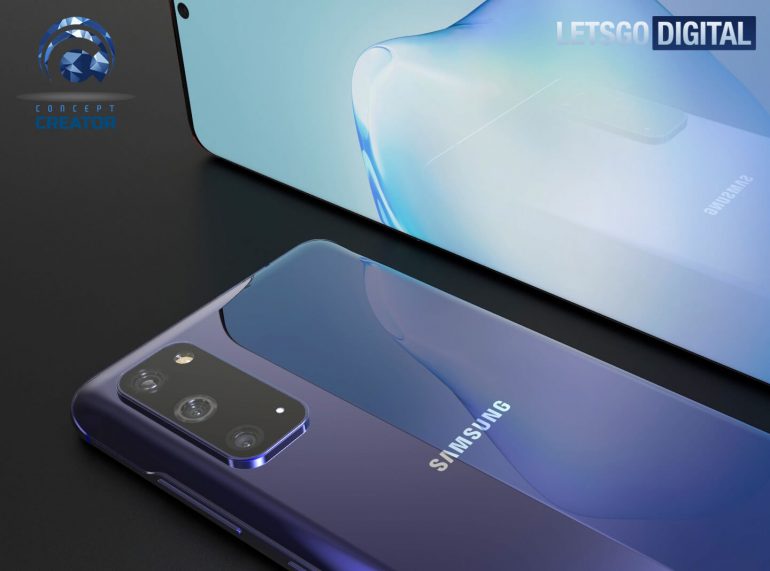
Just like every year, Samsung will unveil its main flagship line-up in Q1 2020, most likely in February. This year we are talking about the Samsung Galaxy S11 which may debut alongside a clamshell version of the Galaxy Fold. Samsung Galaxy S11 is rumored to sport a 108 MP sensor with 5x optical zoom and 9 in 1 pixel binning. We also expect it to come with a Snapdragon 865 chipset in the U.S. market and an Exynos 990 chipset in the European market, both with an integrated 5G modem. Samsung Galaxy S11 may scan up to two fingerprints simultaneously, its Plus version may pack a 5000 mAh battery manufactured by LG, and it should come with a punch hole placed at the center of the panel just like the Galaxy Note 10 series.
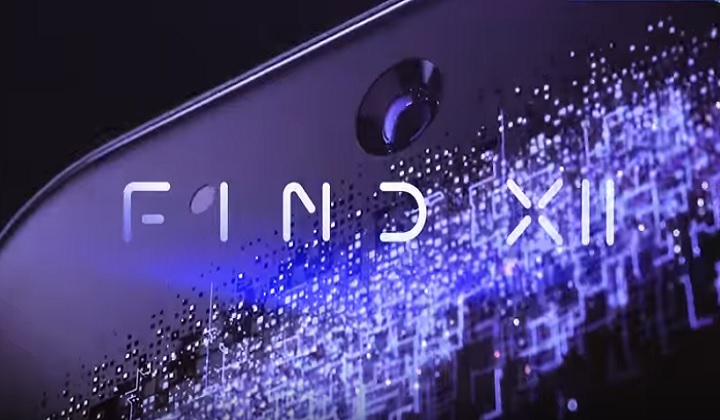
Oppo is planning the launch of a perfect flagship smartphone in 2020. It will be the successor of the Find X and it will be called Find X2. The company already confirmed that it will launch in Q1 2020. Among its main focuses, there will be an amazing display with a higher refresh rate than the previous generation (we expect 120 Hz), as well as a higher resolution (probably Quad HD). Oppo Find X2 will be powered by the Snapdragon 865 chipset and it will obviously support 5G networks thanks to a Snapdragon X55 integrated modem supporting sub-6GHz frequencies (but maybe not mmWave).
It might even come with a new in-display camera technology thanks to which the front camera will be really under the display and not in a punch hole. Oppo Find X2 will be one of the most amazing camera phones as it is tipped to come with Sony’s latest image sensor with all pixel omnidirectional PDAF (Phase Detection Autofocus), as well as the new 2×2 on-chip lens (OCL) solution. The new lens will offer faster and more accurate autofocus for better performance even in low light conditions.
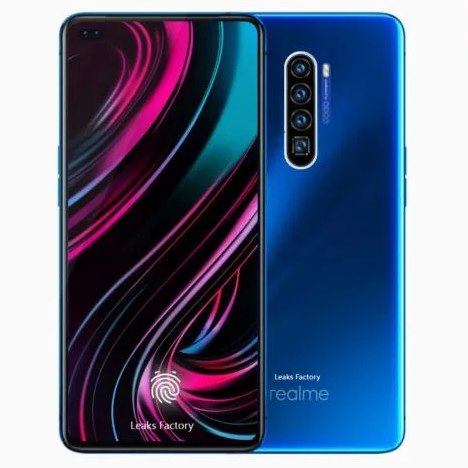
Alongside Xiaomi, even Realme is expected to release a mid-range series of smartphones with 5G support in Q1 2020 (January). The Realme X50 series will debut before the Chinese Spring Festival and it will include the brand’s first 5G smartphone. The device will probably be powered by the Snapdragon 765G chipset with an integrated Snapdragon X52 5G modem carrying the support to both SA and NSA 5G standards. It will be the main rival of the Redmi K30 5G.
According to rumors, Realme X50 will sport a 6.44-inch AMOLED display and a quad rear camera including a Sony IMX686 main sensor with a 64 MP resolution and secondary lens with 8, 2 and 2 MP resolutions. The battery may have a 4500 mAh capacity and support VOOC 4.0 Flash Charge technology. It is said to come with up to 12 GB of RAM and 256 GB of internal storage, as well as ColorOS 7 based on Android 10 out of the box. The Realme X50 will also have a Youth Edition carrying a more affordable price. Obviously it will be a variant with a different chipset. The Realme X50 was supposed to go official this month, but now we know it will debut before January 26.
Despite the issues which came from the U.S. ban, Huawei will unveil the P40 series in Q1 2020 and it will even launch it in Europe. The CEO Richard Yu already confirmed that it will be released in March 2020. The Huawei P40 will come with a “never seen” design and improved camera department. It will not run HarmonyOS, which is the new Huawei’s operating system based on Android. It will be still based on Android and it will run EMUI based on Android 10. But it will land in Europe without Google services. Instead, it will pack Huawei Mobile Services.
Honor‘s MagicBook line of devices seem to be doing well, as the company plans to launch a brand new model on December 22. Just a month after the launch of the well received Honor MagicBook 14 and 15, the company is now touting a brand new Honor MagicBook Pro, and if that weren’t already enough, it’s going to come in a brand new blue option!
Honor announced that earlier today that the Honor MagicBook Pro Charm Starfish Blue is meant to spice up their line of simple silver laptops with a dash of bright blue. If you remember, this colour also made an appearance on this year’s Honor V30 series, and it’s actually the most popular colour. The use of an AG matte process gives it a premium finish.
Alongside the brand new Honor MagicBook Pro in all its blue glory, we’ll also be receiving updated versions of last month’s Honor MagicBook 14 and 15. They’ll be getting variant with more RAM, bringing the device from 8GB to 16GB. On top of that, the older devices will also be receiving the brand new blue finish, so there are more options for those too.
We can probably expect a pretty similar setup in terms of specs too. On the Honor MagicBook 14 and 15 we’ve got AMD‘s Ryzen 7 3700U processor along with Radeon RX Vega 10 graphics card. The device comes equipped with DDR4 dual-channel memory and it uses PCIe NVMe SSD for storage. The MagicBook Pro has 16″ display and will probably feature better specs, but we’ll have to wait for the December 22nd launch to really find out.
XIDU offered many great deals during the Black Friday shopping festival but they aren’t over yet as they are offering more for the Christmas sales until December 31st, with discounts up to 35% on XIDU Store.
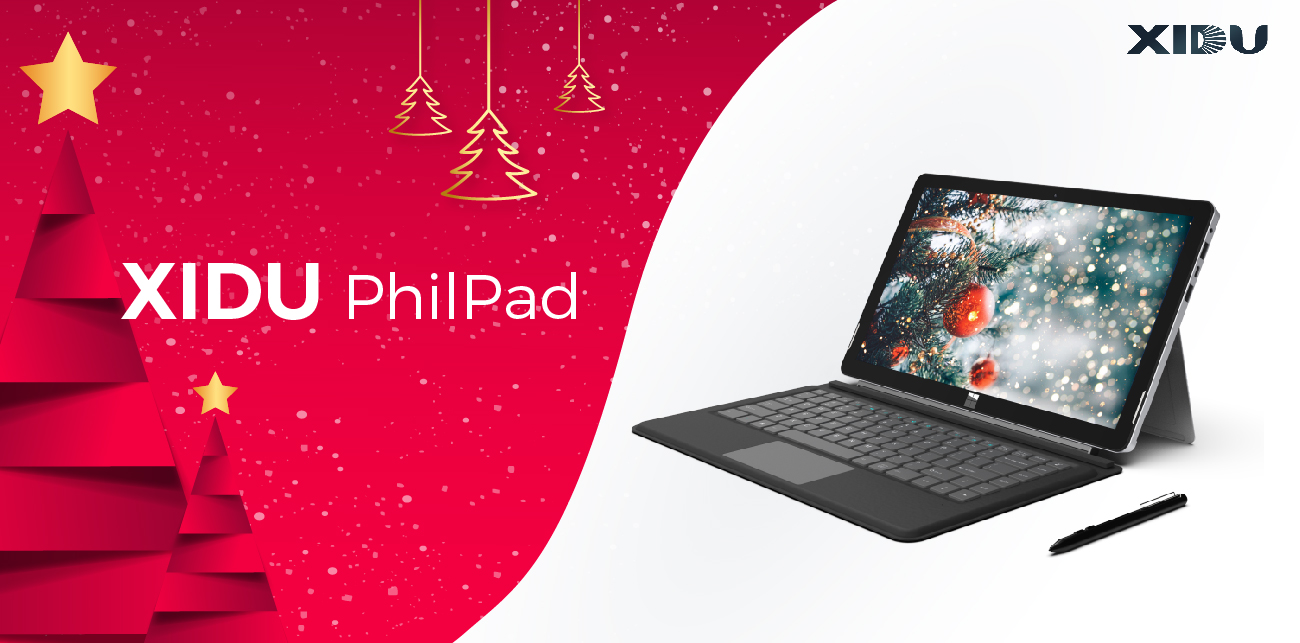
XIDU PhilPad
The PhilPad is a business-class Tablet PC designed for those who need a powerful and mobile tool for daily work, and comes with a 2K (2560×1440) display and is powered by Intel’s Atom x7-E3950 CPU backed by 6GB of RAM and 128GB of storage that can be expanded up to 256GB more. It’s just 0.4″ thick and the rest of the specs include a 5000mAh/7.4V battery, 1 x USB Type-C, 2 x USB 3.0, 1 x Microphone Jack, 1 x MicroSD card slot, and Dual-band 2.4GHz/5.0GHz WiFi. The promotion bundles the detachable keyboard and stylus, a licensed Windows 10 operating system, a powerful power supply for fast charging and a branded protective film on the display. You can get it here.
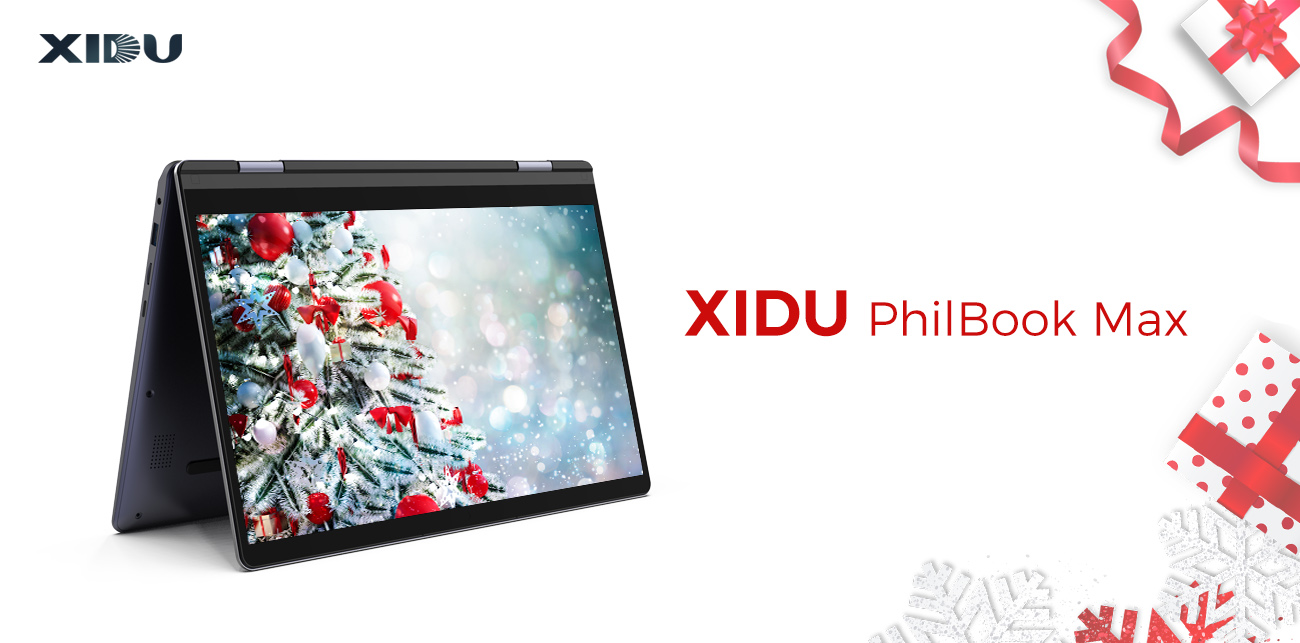
XIDU PhilBook Max
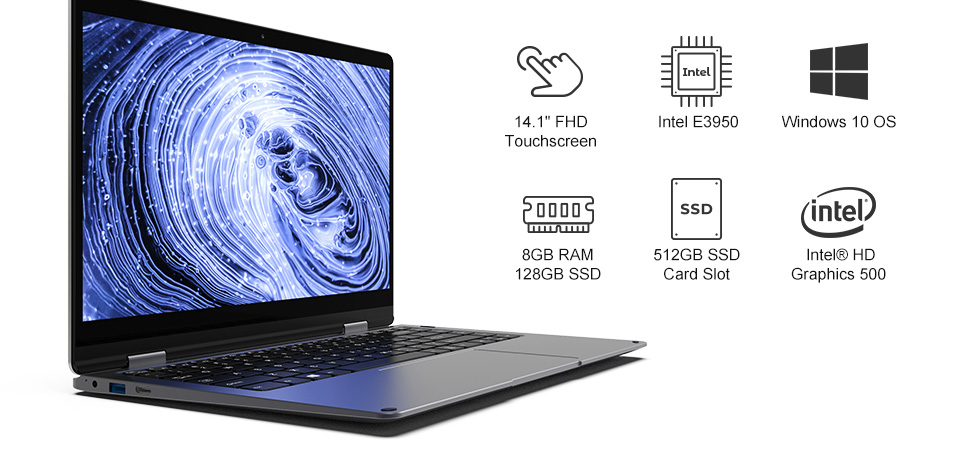
The PhilBook Max features a beautiful and smart design with a 360° flexible hinge that allows you to turn the laptop into a tablet in seconds taking advantage of the touchscreen. It is powered by the Intel E3950 4-core CPU backed by 8GB of RAM and 128GB SSD. It also features a backlit keyboard as well as 1 x Mini HDMI, 2 x USB 3.0, 1 x Microphone Jack, 1 x Bluetooth 4.2, 1 x MicroSD card slot, 802.11 ac/a/b/g/n, and a webcam.
1 of 2
PhilBook Max comes with narrow screen bezels that make the 10-point multitouch 14.1″ look beautiful. The provider of the FHD IPS panel is JDI, the famous display panel manufacturer for many big brands. As for the backlit keyboard, it is ideal for working in low-light conditions. You can find it here.
If you are looking for a portable, versatile and -above all- budget product with professional characteristics, Philpad and Philbook Max should be among your choices. And if you would want to check out more XIDU products, they also offer discounts up to 35% for all laptop models. Offers are also available on Amazon US, UK, FR, ES, and IT stores as well as on Aliexpress.
Xiaomi quietly launched the Xiaomi Wireless Keyboard and Mouse Set earlier today, which requires no driver and is plug-and-play. It’s a simple, affordable set of computer peripherals, with no frills added. These are purely function over form, there are no extras on board this time.
If you couldn’t tell from the straightforward and business-like design, the primary audience of the Xiaomi Wireless Keyboard and Mouse Set are mainstream office users. It adopts a slim and lightweight design, supports 2.4GHz wireless connection, supports power-saving sleep technology, and meets the general needs of most office users.
The keyboard uses a 104 full-size key layout, including full sets of function keys, keypads, and arrow keys. The keyboard is equipped with Fn composite keys, and the combination keys of Fn + F1- ~ F12 support common shortcut key functions such as volume, media, mute, and song cut. There are four indicator lights in the upper right corner of the keyboard for caps lock, number lock and the power indicator.
The arc design of the keycap finger grooves is clear and sharp, and the laser-engraved characters are built to last and won’t wear out easily. The bottom of the keyboard has a 6 ° natural incline design, making it more comfortable for users and less fatigue over longer typing sessions.
The mouse also adopts the simple lightweight design, at only 60 grams. It’s a regular sized mouse in terms of size, with a comfortable grip and an ambidextrous design. The mouse is equipped with the a 1000DPI optical sensor, nothing too crazy. It is powered by a AAA battery, and the receiver is stored on the bottom of the mouse.
Indiegogo, the crowdfunding platform, has helped hundreds of innovative and smart products to enter the market over the years. Sometimes, all it takes is a clever and original idea and the people that participate in crowdfunding platforms will take care of the budget. This is the case with Orsen and the Airfresh snorkel mask that not only ensures clean and unobstructed airflow but also integrates a walkie-talkie so that you can communicate with your diving partner underwater!
For starters, the Airfresh system solves the problem of carbon dioxide concentrating in the mask when you exhale. There is an automatic airflow renewal system the sucks the remaining C2O out of the mask so that the entire mask is filled with clean air. It’s like breathing on land!
1 of 4
In addition, the mask comes with a waterproof walkie-talkie and you can communicate with your diving partner underwater. The glass on the front offers 180° view and there is an action camera mount as well in case you want to record your diving adventures. Lastly, there is an anti-clog mechanism to prevent the airway from clogging, increased anti-leak protection with the mask sitting on your face tight and secure, and a 6-hour long battery. The campaign will start soon, you can go ahead and subscribe on the Indiegogocampaign page now to get 40% when it kicks off.
Earlier today (20th December 2019), Huawei, the smartphone manufacturer, announced that its latest EMUI 10 system update has reached upwards of 10 million users. The number also spans across 33 different smartphone models from the company.
Huawei’s EMUI 10 reaching 10 million active users
The massive number arrives just a couple of weeks after the Chinese tech giant announced that its Android 10 based EMUI 10 custom skin was received by over 1 million users; showcasing the quick pace of the major update’s roll out. Initially, EMUI 10 debuted alongside Huawei Mate 30 series. It supported all the new upgrades and features which were present in most high end smartphone from Huawei and its subsidiary, Honor.
According to the official listing, over 30 smartphone models from the company are set to receive the update. These are also further divided into different batches, based on which group would receive the update first. Currently, the first wave of Huawei handsets to receive the update include the P30, P30 Pro, Mate 20, Mate 20 Pro and Mate 20 X and Mate 20 Porsche Edition.
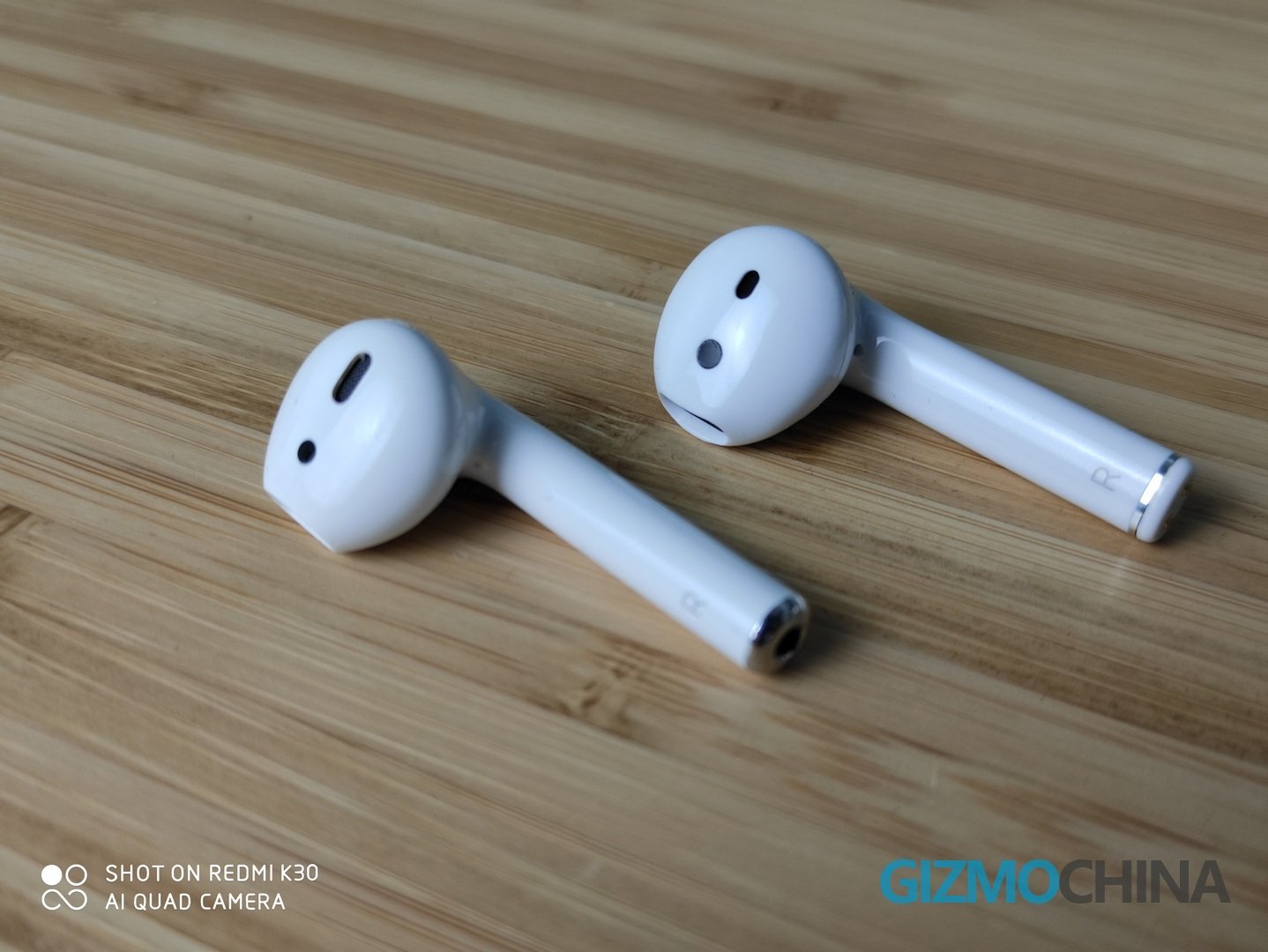
The true wireless earbuds market has grown quite significantly this year. Most smartphone manufacturers have announced at least one TWS earbuds in 2019 and a lot more are coming our way in the next few months. Realme also joined this party a few days back and the company is targeting the affordable segment of the market with its Realme Buds Air, which is priced competitively at Rs. 3999 (~$56). Like a lot of TWS earbuds, the Realme Buds Air takes its inspiration from the best selling Apple AirPods series. Today, we take a quick look at how closely the Buds Air resemble the AirPods 2.
I would like to start this article by saying that the Realme Buds Air is no way an AirPods clone. While it definitely takes its inspiration from the best in the industry, there are a lot of differences to set it apart from the AirPods 2. The earbuds come in three different colors which include white, black, and yellow. We’ve got the white one for review, which is the ideal color for this comparison.
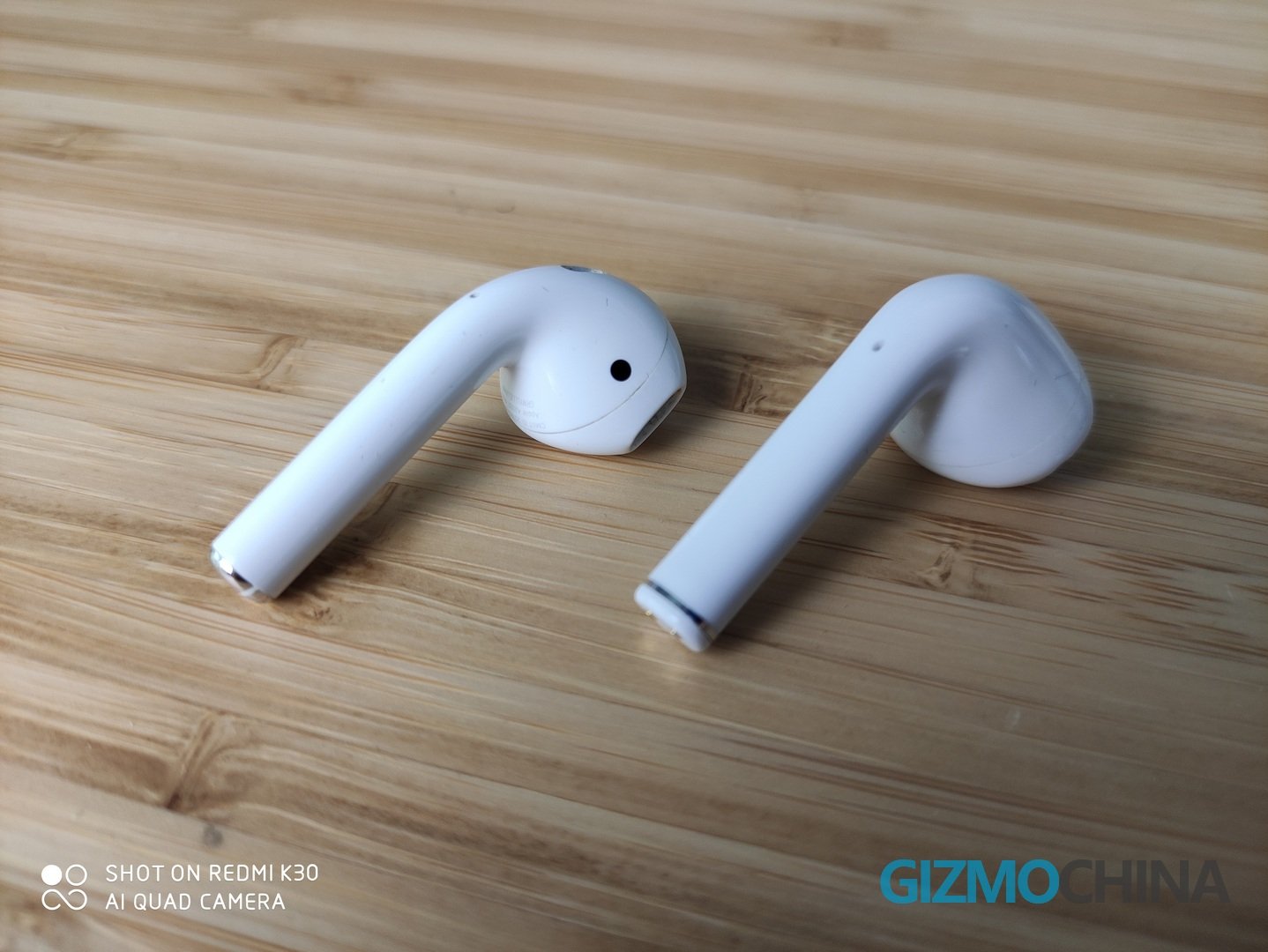
Apple AirPods 2 (L) vs Realme Buds Air (R)
Realme Buds Air vs Apple AirPods 2: Earbuds
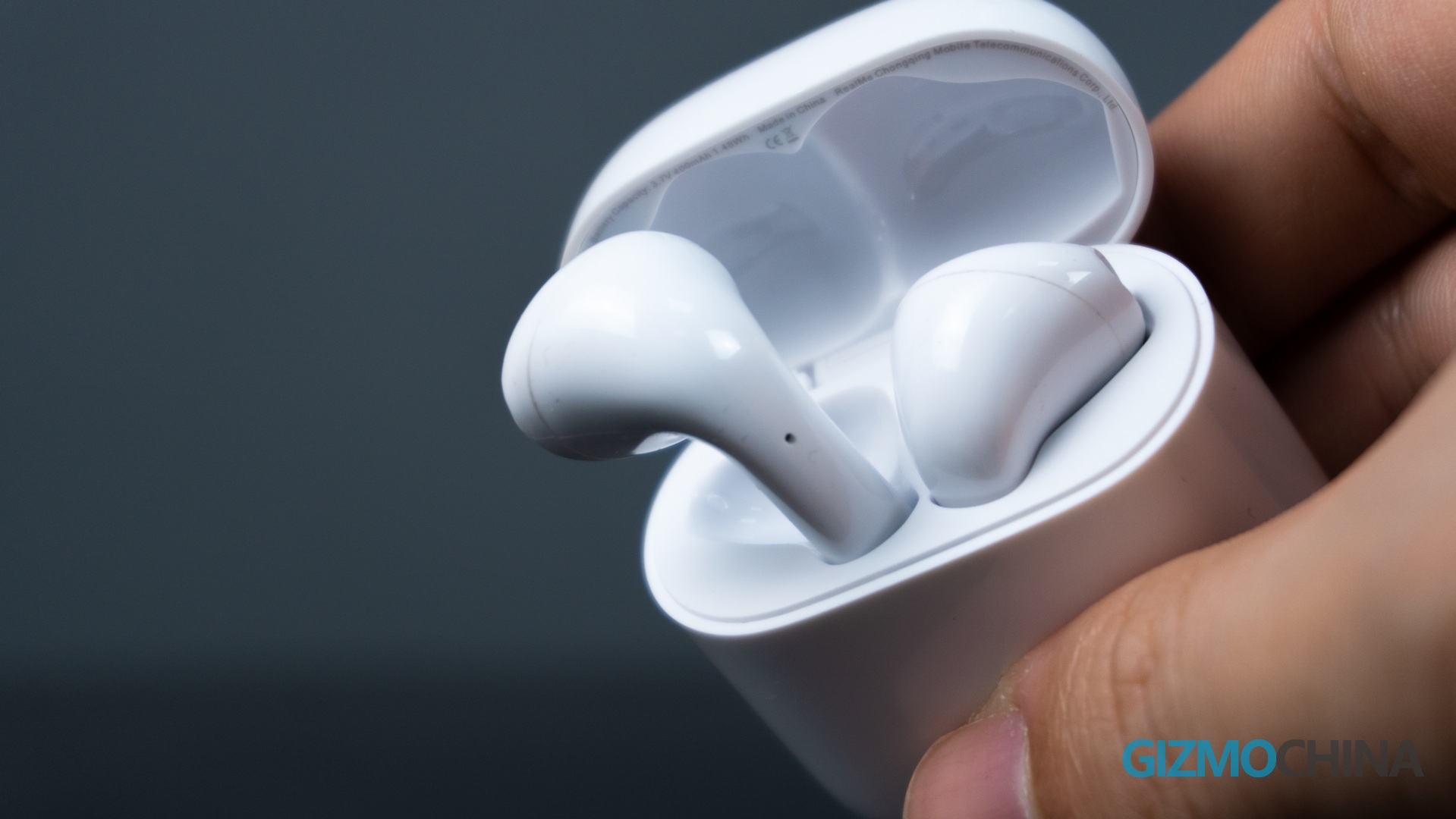
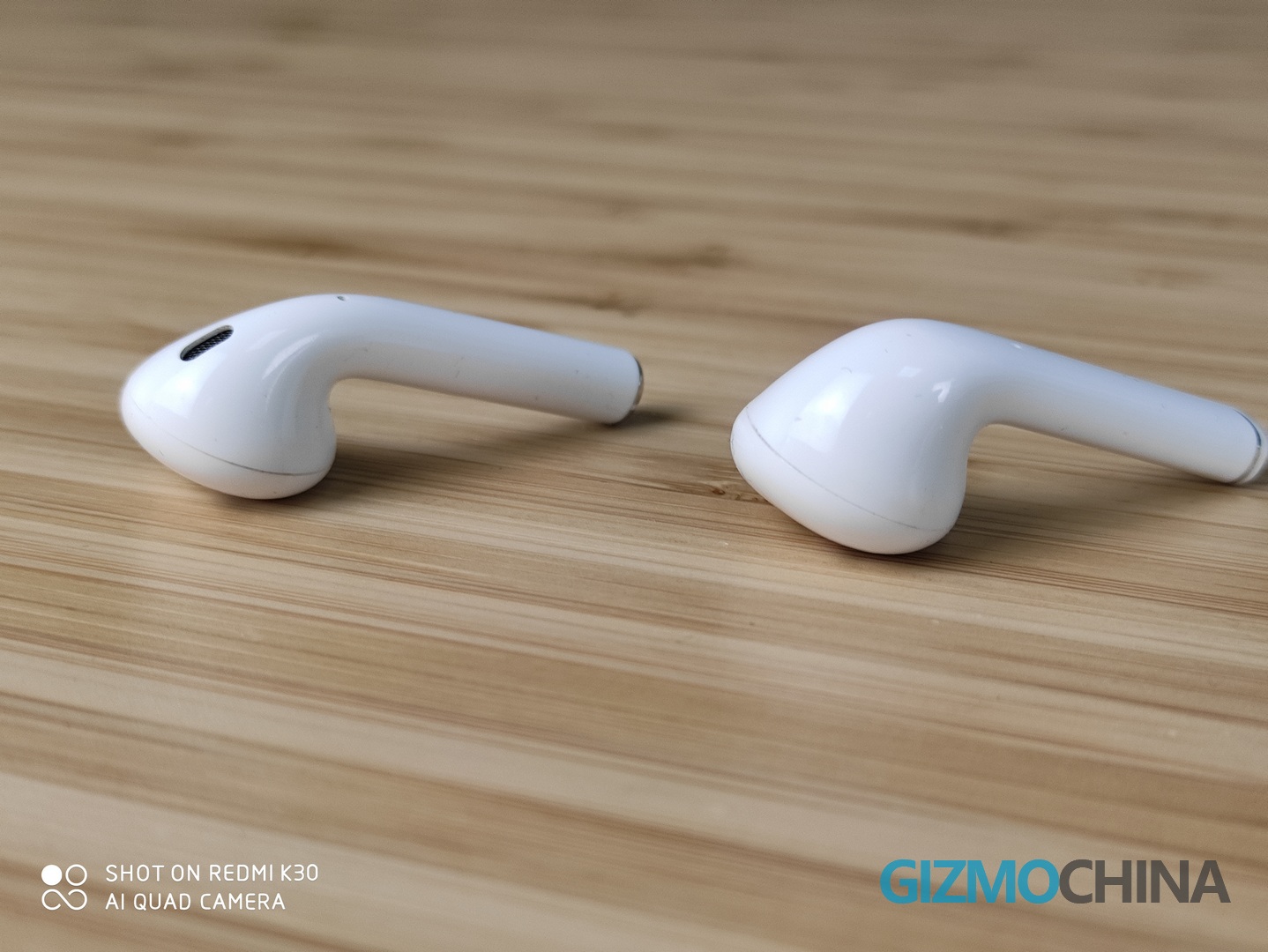
Like every other TWS earbuds in the market, the Realme Buds Air package consists of two parts – the two earbuds (L & R) and the charging case. The earbuds come very close to mimicking the AirPods’ design but it’s not an exact clone.
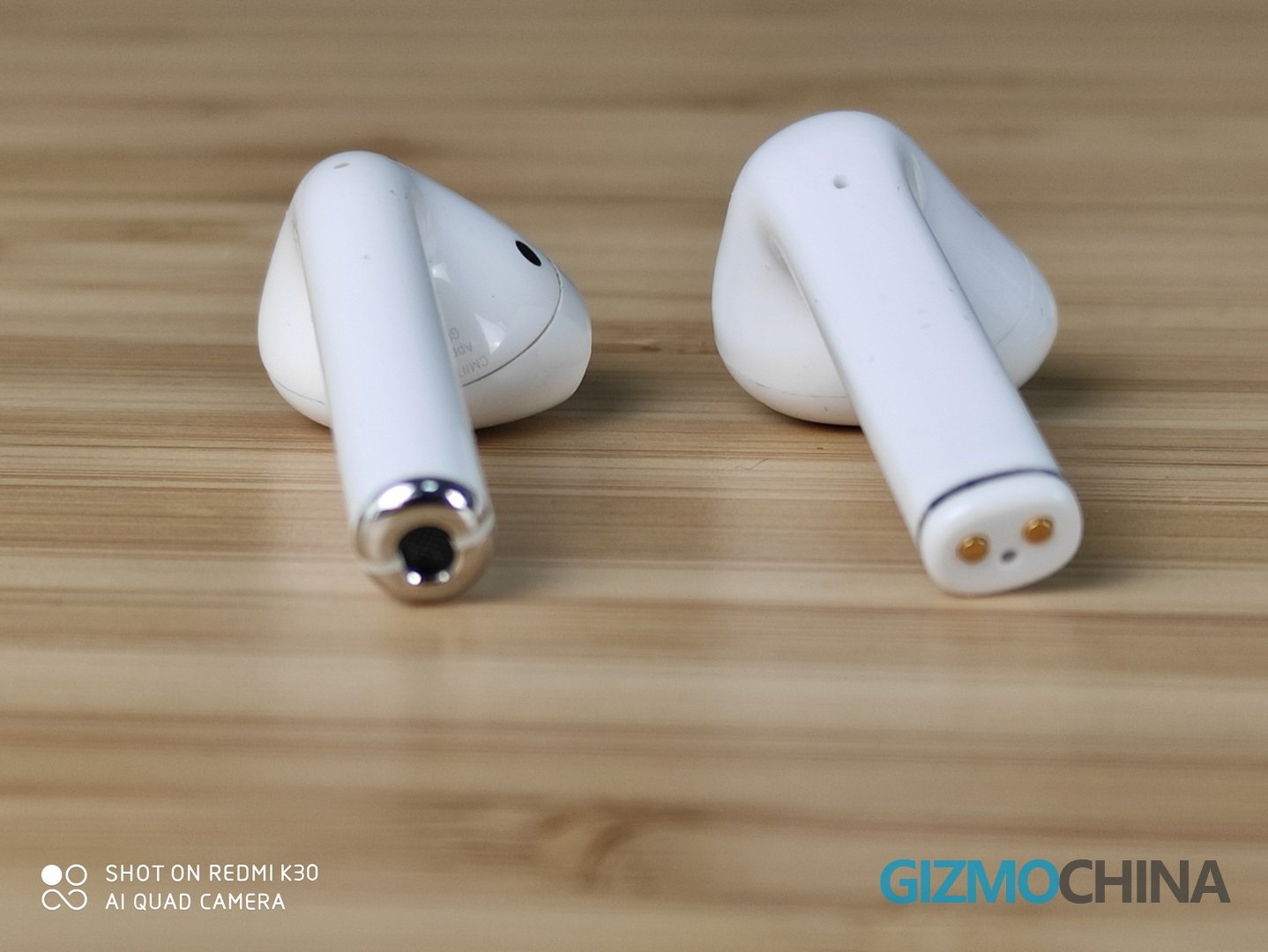
The Realme Buds Air feature relatively round and large heads in comparison to the slightly smaller, oval shape of the AirPods. So despite having a similar sensor layout as the AirPods, it’s very easy to distinguish between the two based on the shapes alone. Another big differentiator for the Buds Air is the absence of the mesh at the back.
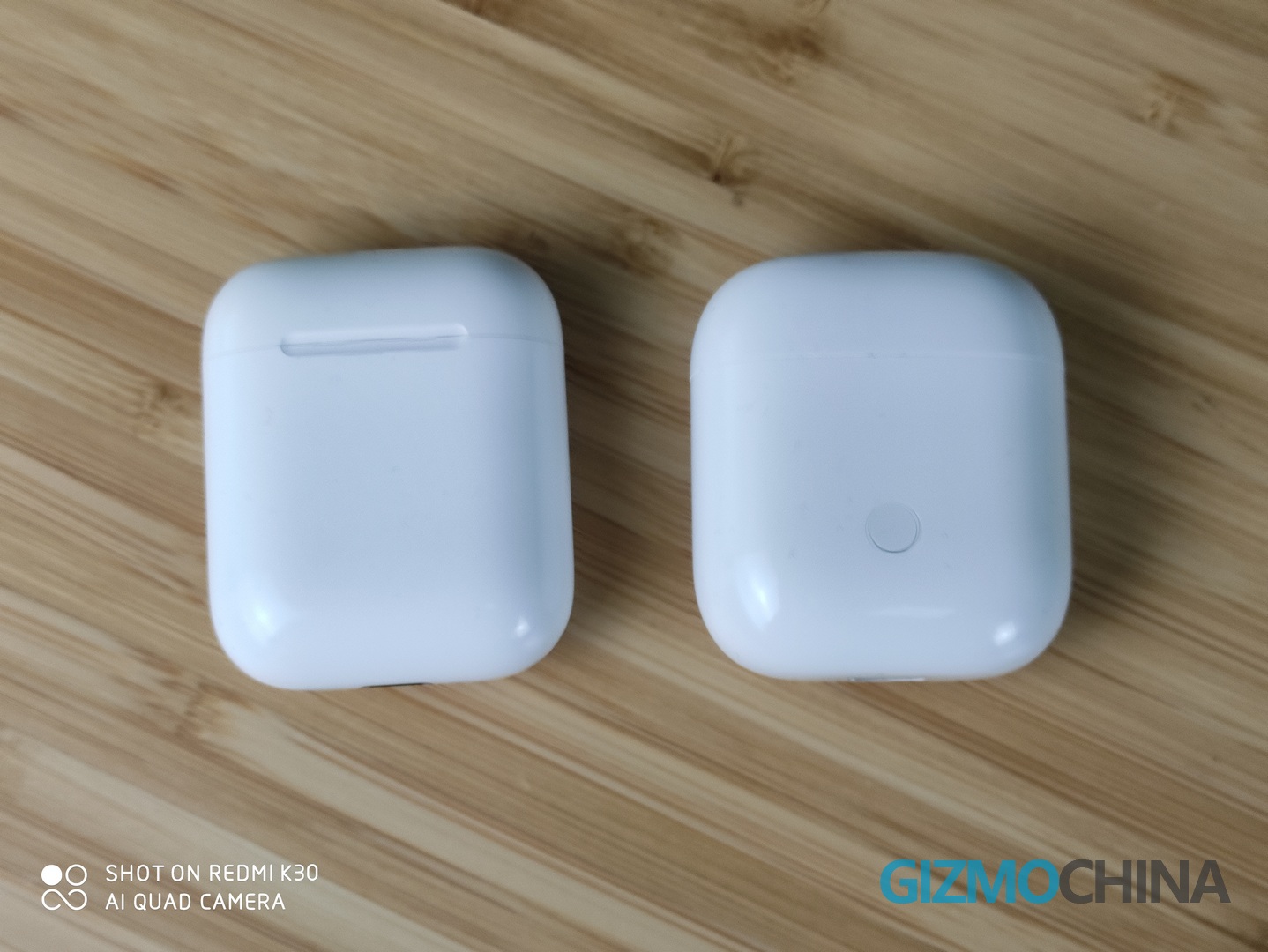
Apple AirPods 2 (L) vs Realme Buds Air (R)
While both the earbuds feature a similarly sized stem, they have significantly different charging connectors. The AirPods feature a metal round connector at the bottom of the earbuds while the Realme Buds Air feature an open design with two connector pins at the bottom. The microphones are located at the back of the stem on both the models.
When it comes to the charging case, the similarities between the two earbuds end. The Realme Buds Air comes with a much more compact and rounder charging case. When you keep the two cases side by side, you can see that the AirPods 2 case is slightly longer and thinner than the Realme one. To be honest, the AirPods case looks a bit more refined than what Realme offers but that’s expected given the huge price difference.
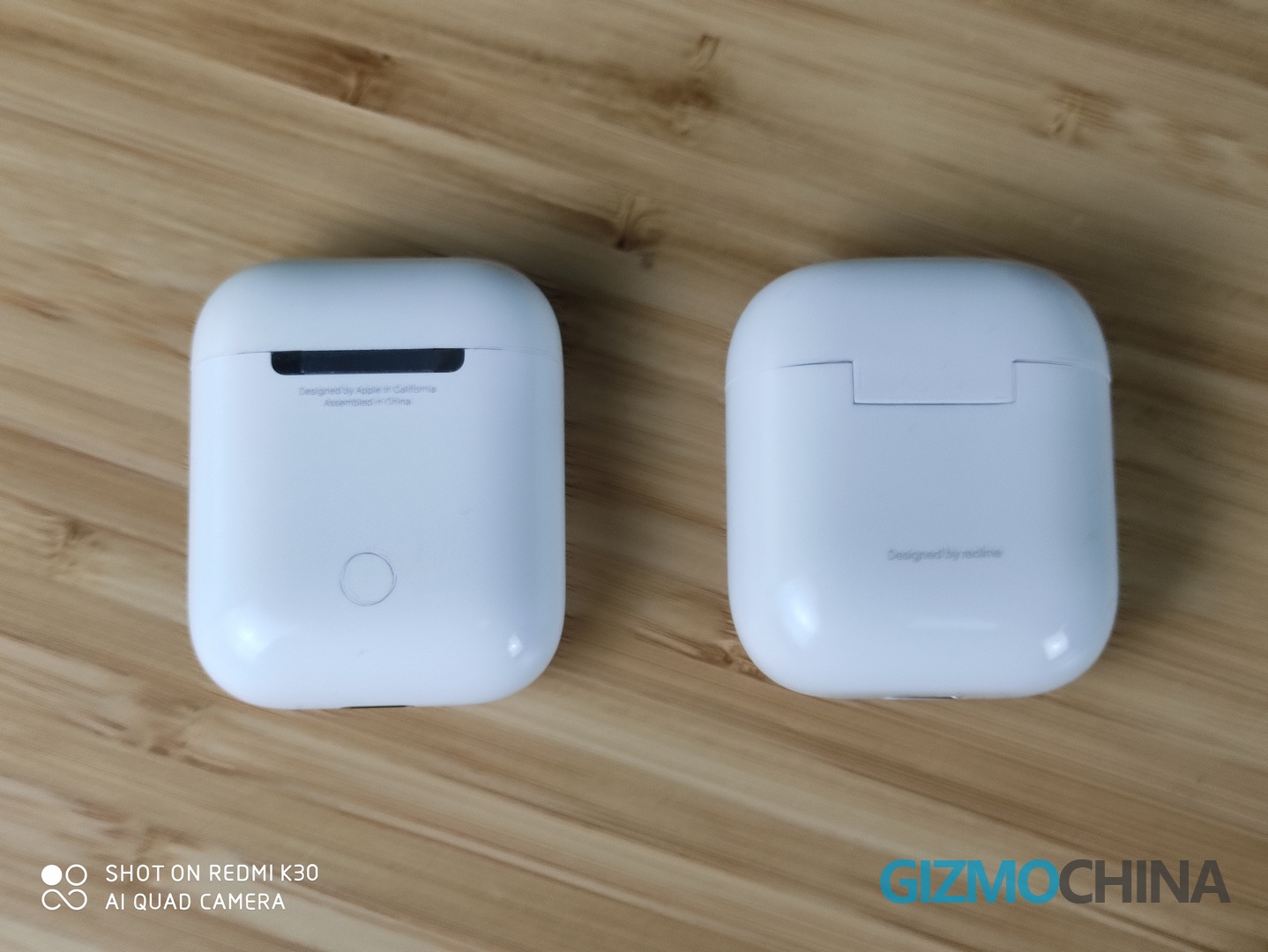
Apple AirPods 2 (L) vs Realme Buds Air (R)
The Realme Buds Air charging case features a pairing button on the front with an LED light. On the other hand, the AirPods 2 case features the button at the back with the text: Designed by Apple California. Similarly, the Realme case features the text: Designed by Realme on its back. But I wish Realme had implemented a better design for opening the case. The back design looks pretty cheap.
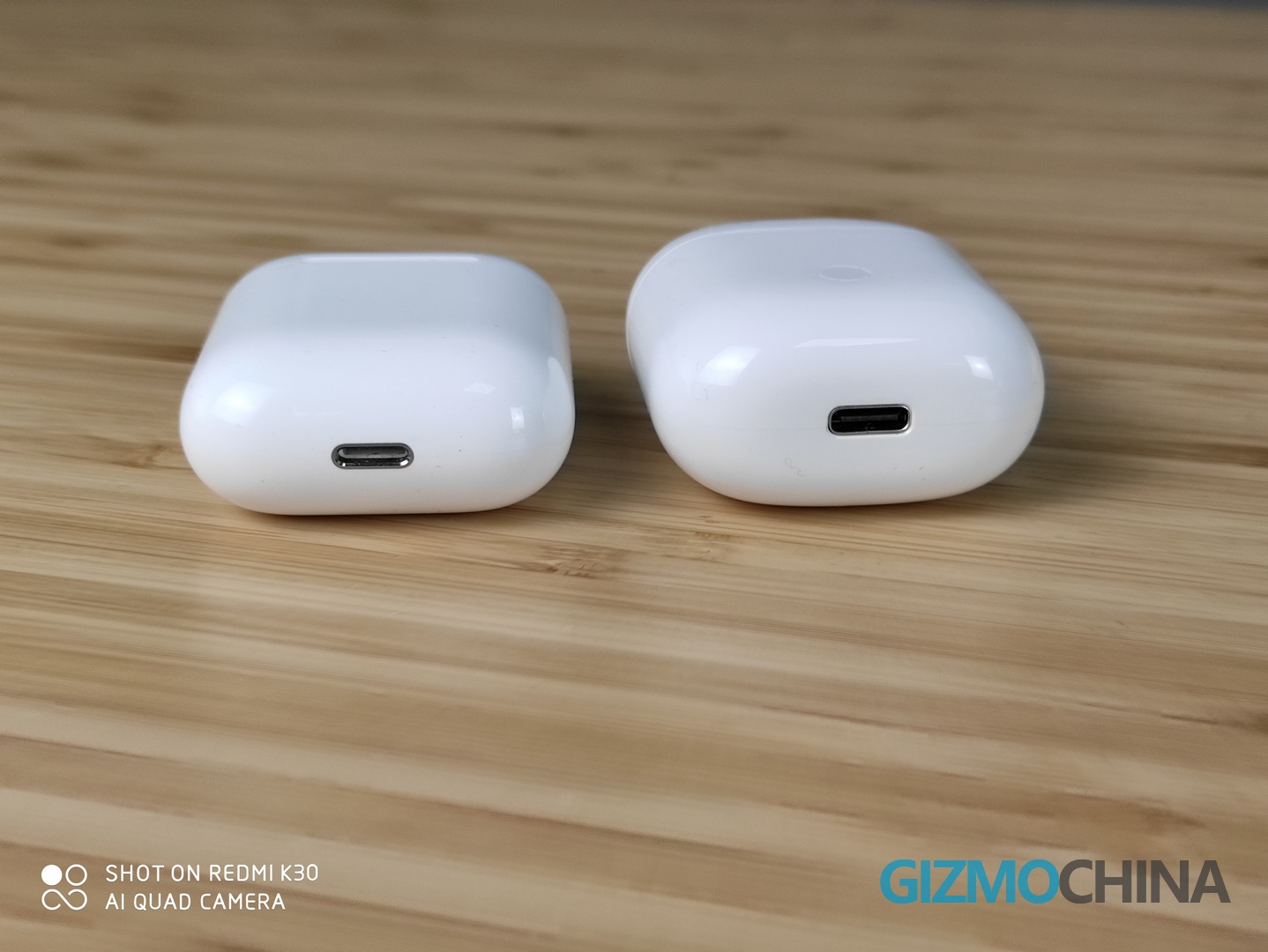
Apple AirPods 2 (L) vs Realme Buds Air (R)
Apple AirPods 2 (L) vs Realme Buds Air (R)
You can charge the Realme case with a USB-C port at the bottom, while the AirPods 2 case takes in a lightning connector.
While there are some similarities between the Realme Buds Air and the AirPods 2, the former can really stand up on its own as competitive TWS earbuds in its price segment (Rs. 3999 on Flipkart). We have been testing them for the past few days and our first impressions have been quite positive. Wait for our full review of the Realme Buds Air in the next couple of days.
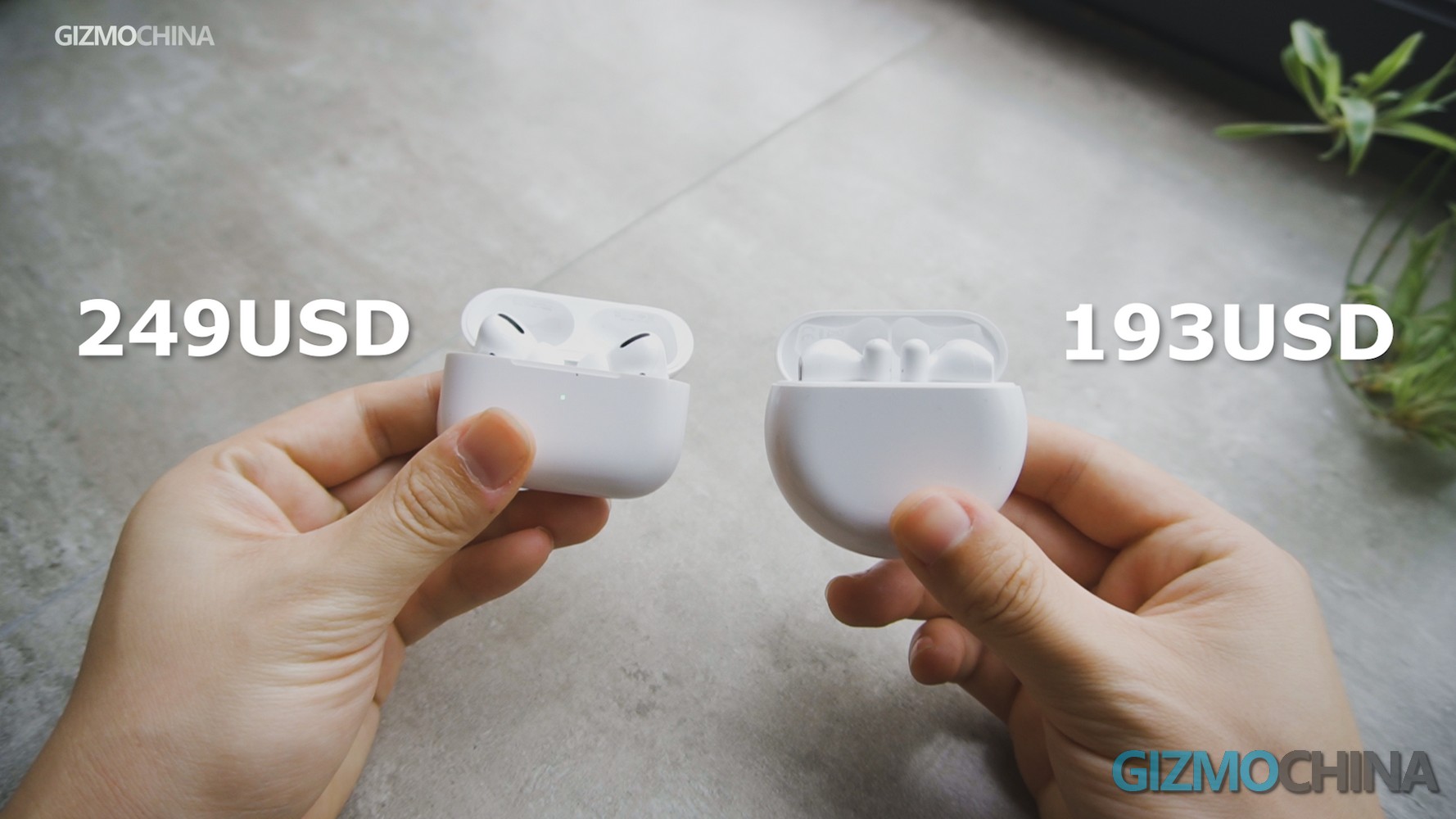
Huawei Freebuds 3 vs Airpods Pro
Till then, you can check out our latest review of the Huawei Freebuds 3 where we pit it against the industry leader: AirPods Pro. We feel the Freebuds 3 with active noise canceling sounds amazing for a wireless headphone and is a competitive alternative to the AirPods Pro that’s way more expensive.
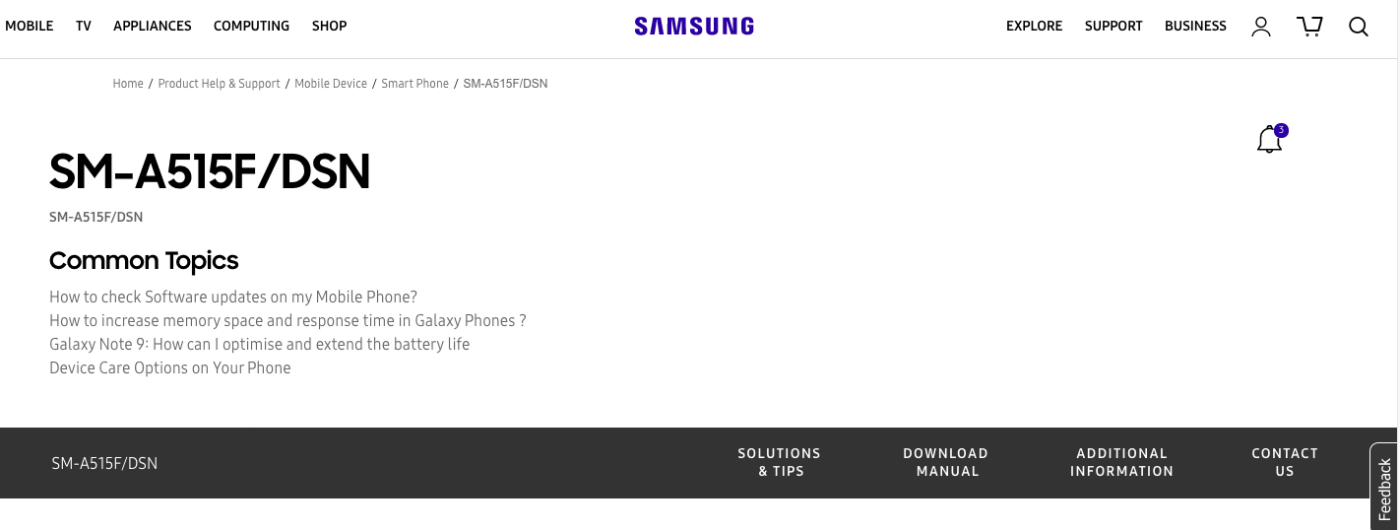
Samsung launched the Galaxy A51 alongside the Galaxy A71 at an event in Vietnam earlier this month. The Galaxy A51 is expected to make its India debut soon as the launch page of the smartphone just went live on Samsung India’s official website. The support page just mentions the model number of the device (SM-A515F/DSN) but does not reveal information about a tentative launch date in India.
Samsung Galaxy A51 Specifications and Features
The Samsung Galaxy A51 flaunts a 6.5-inch full-HD+ display with an Infinity-O panel and a resolution of 2400 x 1080 pixels. It draws power from a 2.3GHz Exynos 9611 SoC with Mali-G72 GPU, along with 6GB of RAM and 128GB of internal storage, which is further expandable up to 512GB with a microSD card.
In terms of camera specifications, the Galaxy A51 flaunts a 48-megapixel primary sensor with a 12-megapixel wide-angle lens and a 5-megapixel depth sensor. The smartphone features a 32-megapixel sensor upfront. The smartphone draws power from a 4,000 mAh battery with 15W fast charge support, and runs on Android 10-based One UI 2.0.
The smartphone features an in-display fingerprint scanner and flaunts Dolby Atmos audio support. Connectivity options include dual SIM 4G VoLTE, Bluetooth v5.0, dual-band Wi-Fi 802.11 ac, USB Type-C, GPS, and GLONASS. The device measures 158.5 x 73.6 x 7.9 mm and weighs 172 grams.
The Galaxy A51 is scheduled to go on sale in Vietnam on Dec. 27 with a price tag of 7,990,000 VND (~$344). It is likely that the smartphone will arrive in India closer to the date. What remains to be seen is whether Samsung discontinues the Galaxy A50 in India, as the A51 is expected to fall within the same price bracket. Also, at present there is no word on the arrival ofGalaxy A71 in India.
Xiaomi has begun rolling out the latest MIUI feature, that being their new Xiao AI curriculum calendar. It’s designed for teachers, students and educators and essentially functions as a timetable and planner. You can list down your courses, classes and even your teacher’s information for any given day. It’s a surprisingly well designed implementation.
On top of these, the Xiao AI curriculum calendar will soon support the sharing function. With a simple press of a button, you can share a pre-planned timetable with entire groups, making things much simpler to plan. On top of that, everyone can import your shared timetable, and the information changes on it will automatically import with the original.
It will also sync with Xiaomi‘s standard MIUI calendar and Negative Screen. Further support and integration with other MIUI apps are coming in the future. In addition to Xiaomi phones, any Xiao Ai students, Xiao Ai teachers, Xiao Ai speakers and even non-Xiaomi phones will eventually get support for the app once it’s released publicly.
It’s essentially a student oriented calendar, where you can jot down notes for any given day. It’s a lot more robust and impressive than your standard calendar app. It has a solid lineup of features, and we’re excited to see how they turn out in day-to-day use. For now, it’s only rolling out in China, we can’t wait to see this feature come to the global devices.
Apple Watch series is arguably the number one smartwatch on sale today but there are several strong contenders hoping to beat Apple in the segment. Apple isn’t resting on its hoars as it strives to maintain its lead in the wearable segment. A recently published Apple patent spotted by Patently Apple has given us a hint of what Apple has got in the works.
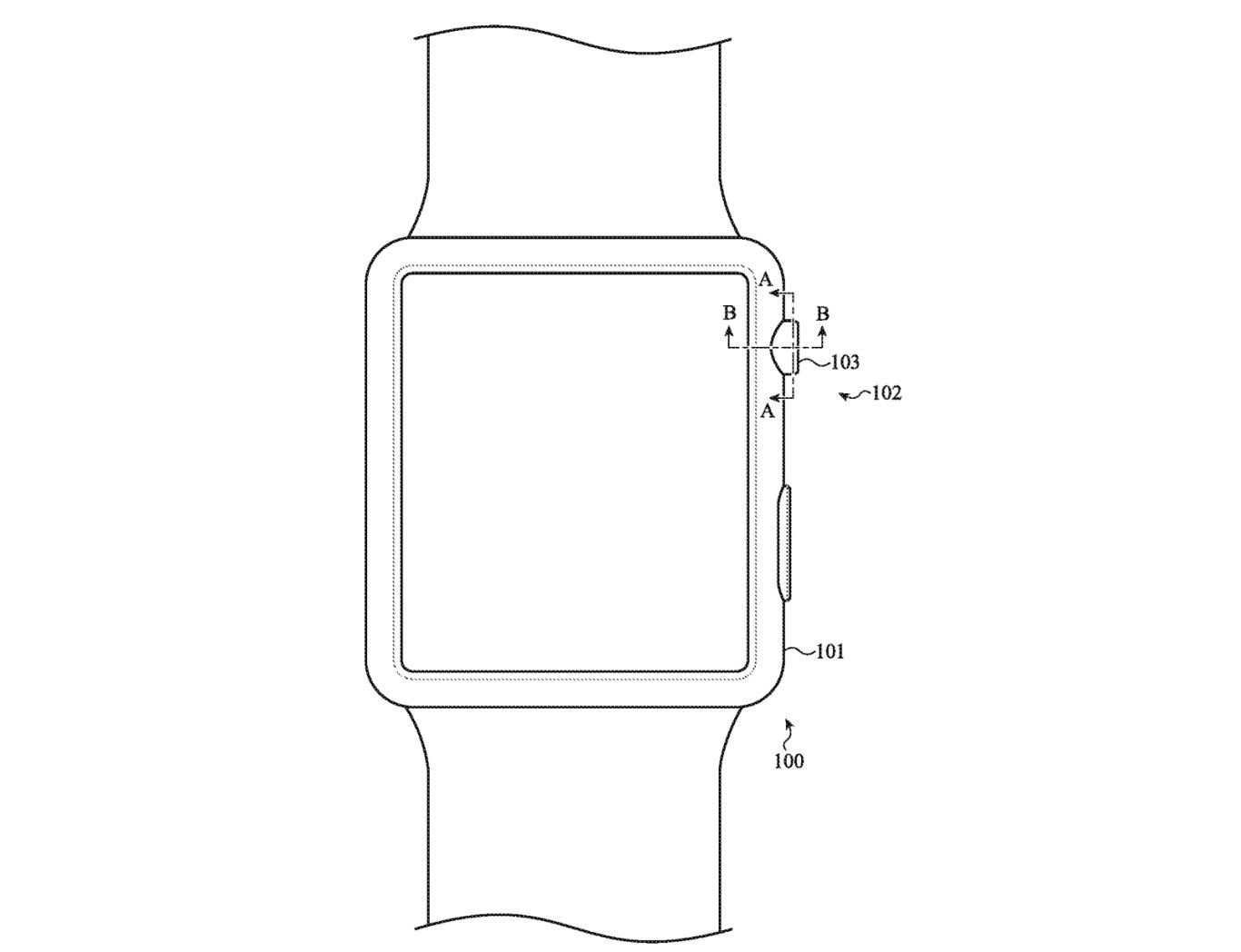
The patents totalling 46 were published in mid-December before the US Patent and Trademark Office. One of the patents details a new type of Digital Crown for a future Apple Watch. It describes a ‘capacitive gap sensor ring for an input device’ which refers to a way in which the Apple Watch’s Digital Crown could be moved like a joystick, as well as being rotated and pushed. The function was first detailed in an Apple patent from 2016, so the joystick idea has been floating around the company’s design studio for a while now. The newly updated patent expands on this, adding that the new crown can “detect inward translation movement of the cap towards the housing”.
Thus, there is a possibility that future versions of Apple Watch could feature a Digital Crown which moves in more directions. It could even debut on the Watch Series 6 which is expected in September 2020.
Another Apple Watch patent spotted by Patently Apple is that of straps containing new sensors and the ability to adjust themselves. The newly published patent describes a system where the strap automatically tightens when running a specific health-monitoring app. This would push the Watch up against the wearer’s skin, ensuring a good contact for taking medical data, like a heart rate or ECG. We wonder if this would also help Apple record more data, not yet captured by current Watches. Glucose monitoring has long been a rumoured future feature of Apple’s wearable.
We must point out that the new patents may not be used on Apple’s phones anytime soon but they give us an idea of where the smartwatch future design will look like.
The Elon Musk owned automobile brand, Tesla, has been unaffected by the recent slump in the Chinese car market. Rather, the company just saw a soar in registration numbers in the month of November.
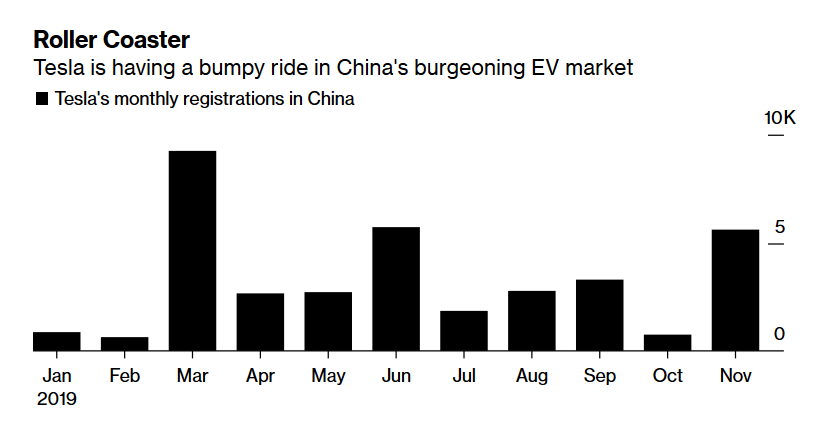
According to a new report, the Tesla Model S maker is seeing notable growth in momentum as its registrations rose 14 folds in China in November 2019. The number of Tesla vehicles registered climbed to a five month high of 5,597 vehicles last month. This compared to 393 in November 2018 shows a significant year on year growth, according to China Automotive Information Net (CAIN).
Tesla Model S
In 2019, Tesla saw a very bumpy ride in the Chinese market. One of the primary reasons for this is undoubtedly the US-China trade disputes. According to data illustrations, we can see the company facing a slow initial start (January and February) which was followed by a large increase in registrations (in March). From then on, the automobile brand went through various ups and downs until the month of November 2019. It is speculated that fears regarding China raising tariffs on US made vehicles in December also heped boost sales a month prior.
Tesla EVs Registrations report for 2019 showing uneven patterns (Via CAIN)
China is currently the largest automobile (cars) market in the world; and through its extension, the leading title for the largest EV (Electric Vehicles) market also belongs to the Southeast Asian country. However, the Chinese electric car market has been on a decline since the past 5 months; thus, it paints an optimistic picture of the market when a brand sees healthy growth.
As of right now, Tesla’s success in the country depends on the company’s new Shanghai plant. This would the first factory set up outside of America, allowing for lower prices and bolster demands of its electric cars in the region. China is a key market for Tesla as the country accounts for nearly half of the world’s electric vehicle sales and is the biggest market for the company after the US. Notably, Tesla is also considering cutting prices of its Chinese built cars in 2020 to better capture the market.
Tesla Logo
In 2018, Tesla and other US based brands were charged with a 25 percent tariff which was rolled back at the start of 2019; after the US and China arrived closer to a trade agreement. Lastly, the year 2020 will be very important for Tesla and the EV industry, which is expected to boom in the arriving years.
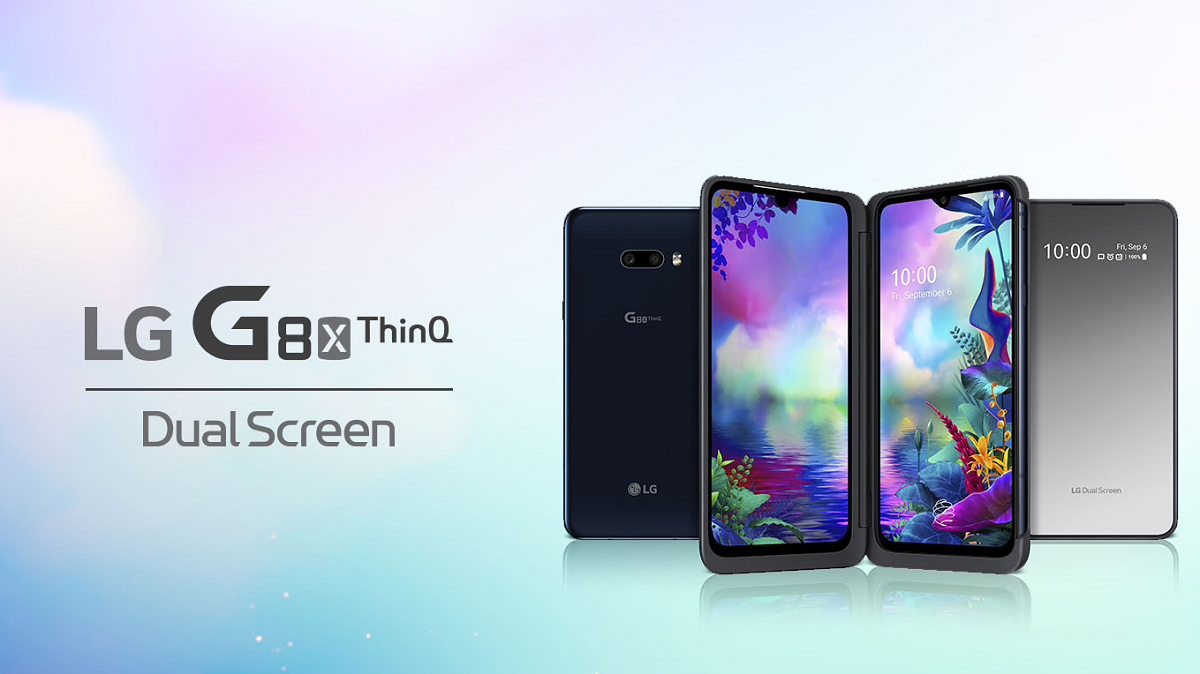
LG finally brought the LG G8X ThinQ in India after launching the smartphone back in September during the IFA event in Berlin. The Snapdragon 855 powered device features powerful hardware, along with improved user interface, cleaner icons, and a revamped design. The highlight of the device is its dual-screen layout that allow users to use two apps simultaneously on two different screens.
LG G8X ThinQ Specifications and Features
The LG G8X ThinQ flaunts a 6.4-inch FullVision OLED HD+ display with a resolution of 2340 x 1080 pixels and an aspect ratio of 19.5:9. LG is offering a dual-screen accessory that can be attached to the G8X ThinQ smartphone. The display on the Dual Screen accessory flaunts an additional 2.1-inch monochrome OLED that allows users to view the date, time, notifications, and battery charge without having to view the primary display. LG’s new dual-screen setup uses a 360-degree Free Hinge that allows any viewing angle between 0 and 180 degrees, much like a laptop.
The smartphone draws power from an octa-core Snapdragon 855 SoC with an Adreno 640 GPU. It is paired with 6GB of LPDDR4X RAM and 128GB of storage, which is expandable up to 2TB with a microSD card.
The primary camera on the LG G8X ThinQ is a 12-megapixel lens with an aperture ratio of f/1.8, paired with a 13-megapixel ultra-wide lens with an aperture ratio of f/2.4. The camera module is complete with an LED flash. On the front, the LG G8X ThinQ sports a 32-megapixel lens with an aperture rating of f/1.9.
It is the LG phone to feature an in-display fingerprint scanner. The smartphone draws power from a 4,000 mAh battery with Quick Charge 3.0 support. The device runs on Android 9.0 Pie and is upgradable to Android 10. The handset features a revamped version of the LG UX design. Additional tabs such as call logs, dial, and contacts have been moved to the bottom of the screen to ease one-hand usage.
Connectivity options include 4G VoLTE, Wi-Fi 802.11 ac, GPS, Bluetooth v5.0, NFC, 3.5mm AUX port, and USB Type-C. The two 1.2W speakers on the ThinQ flaunts 32-bit Hi-Fi Quad DAC-tuned by Meridian Audio. The microphone volume automatically turns up when recording videos, ensuring the most captivating ASMR audio experience. Lastly, the phone comes with MIL-STD 810G and IP68 rated chassis.
LG G8X ThinQ Price and Availability
The LG G8X ThinQ is priced at Rs. 49,999 (~$703). The pricing includes the secondary display. The device will be available at retail stores starting Dec. 21. It currently comes in an Aurora Black color.
Commenting during launch, Advait Vaidya, Business Head of Mobile Division at LG Electronics Private Limited said “We are thrilled to introduce the dual-screen LG G8X ThinQ to our customers. The dual-screen setup allows users to run two apps in parallel, making multitasking an effortless experience. I am sure users will be excited to get their hands on the G8X ThinQ. We continue to expand our horizons in the field of technology and provide our patrons with the best user experience”.
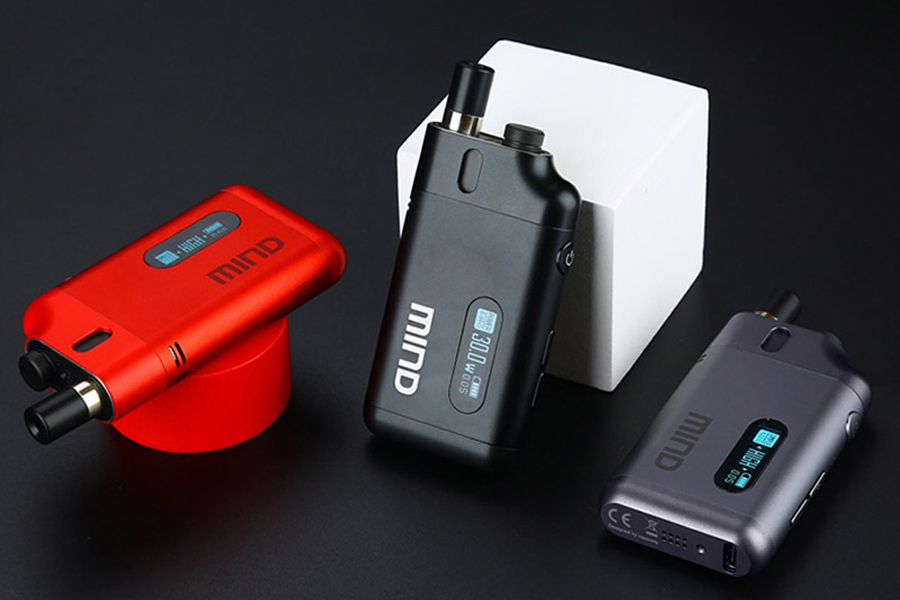
Established in 2013, VapeOnly is an e-cig original brand vendor and manufacturer that have been focusing on e-cigarette products for over three years. The Shenzhen-based electronic cigarette manufacturer has come up with a new product dubbed the Mind Pod Pro Kit!
Still riding high on the success of the vPipe Mini and other e-pipes, VapeOnly has released an All-in-One device that offers three output modes to suit the fancies of both MTL, as well as DL vapers. Before we dive into more details, let us take a gander at what do you get with this kit.
Unboxing the VapeOnly Mind Pro Kit
Encased in plastic packaging, the VapeOnly Mind Pro Kit comprises the following items:
The Mind Mod
Mind Pod (with pre-installed 1.2ohm coil)
Spare Coil (0.6ohm)
Charging cable (Type-C)
User Manual
Warranty Card
VapeOnly Mind Pro Build Quality & Design
The Mind Pod Pro Kit is an extremely measuring just 16mm, and compact with dimensions of 96.6 mm, 46.6 mm, brand-new starter kit. The device comprises a regulated mod backed by a robust 1500mAh built-in battery. The front portion features a small OLED screen.
One side of the device houses the ‘up’ and ‘down’ buttons that enable us to switch between three modes that include simple, power (5-36W) and voltage mode. The Mind Pro mod is capable of reaching of the maximum output power of 36W.
The simplistic 0.91-inches OLED screen shows all the information that you need to see. For instance, it displays the battery life, wattage/voltage, ohm reader and puff timer. Placed at the bottom, the type-C port can fully charge the battery in just 45 minutes.
Made using high-quality zinc alloy, the VapeOnly Mind Pro comes in four plain color options including matt black, space gray, matt red, and knight blue. While the kit adopts quite a simple design, it is very effective.
The Mind Pro Pod
The pod portion offers a juice capacity of 2.7ml and it is refillable from the top. The filling port can be closed with its screwable lid, which is something I personally didn’t like as you can easily lose it. However, I give its uber-cool design a 10/10. A thin proprietary drip tip is placed just next to this lid.
There is a small window on the Mind Pow that allows you to check the liquid level from the outside. This pod is compatible with replaceable coils. According to my knowledge, VapeOnly will be offering three different types of coils for this pod i.e. 0.4, 0.6 and 1.2 ohms, which makes it perfect for MTL and restricted DL vaping.
Thanks to the spring-lock atomizer design it adopts, the installation and removal process is quite easy. The Mind Pro offers adjustable airflow so that users can effortlessly switch between MTL and restricted DL.
First Thoughts
Although very simple, the VapeOnly Mind is an effective starter kit that offers a few customization options as well. Furthermore, the VapeOnly Mind 36W Pod Pro kit is ideal for those starting with an MTL vaping and eventually plan to move to DL experience for more vapor production.
Those not pleased with a simple pod and looking for additional customization options might want to check out the VapeOnly Mind Pro.
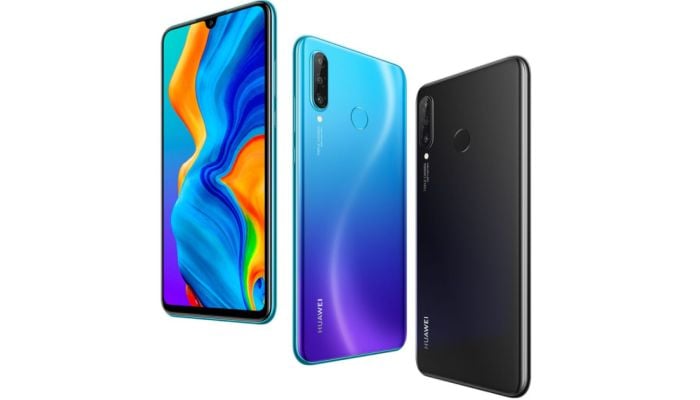
Huawei had launched the Huawei P20, P20 Pro and P20 Lite smartphones at the beginning of the year 2018. In June this year, the Chinese manufacturer unveiled the Huawei P20 Lite (2020) as the successor of the original P20 Lite. Fresh information suggests that the company will be using the same strategy for the P30 series. The Huawei P30, P30 Pro and P30 Lite phones were made official at the beginning of 2019. A new report from MySmartPrice reveals that the Chinese firm will be launching the Huawei P30 Lite (2020) phone in the coming year. The publication has revealed the pricing and color variants of the smartphone.
Huawei P30 Lite (2020) Price (Rumored)
The Huawei P30 Lite (2020) is expected to arrive in the European markets for 349 euros (~$388). The phone may arrive in color edition such as Blue and Breathing Crystal. There is no word on the availability of the smartphone. Probably, it could be one of the first phones from Huawei to debut in 2020.
The Huawei P30 Lite has a waterdrop notch display of 6.15 inches. The IPS LCD display produces full HD+ resolution of 1080 x 2312 pixels. The Kirin 710 SoC is present under the hood of the smartphone along with 4 GB / 6 GB of RAM. The phone offers an internal storage of 128 GB. There is a shared SIM slot on the device for adding a microSD card.
The P30 Lite is available in two variants in different markets. One variant comes with a 24-megapixel selfie camera and a 48-megapixel + 8-megapixel (ultrawide) + 2-megapixel (depth) triple rear cameras. The second variant has a 32-megapixel selfie shooter and it has a 24-megapixel + 8-megapixel (ultrawide) + 2-megapixel (depth) triple rear cameras.
The Huawei P30 Lite has a 3,340mAh battery that offers 18W fast charging. It has a rear-mounted fingerprint scanner. The EMUI 9.1 based Android 9 Pie OS comes preloaded on the device. The phone comes in color edition such as Peacock Blue, Midnight Black and Pearl White.
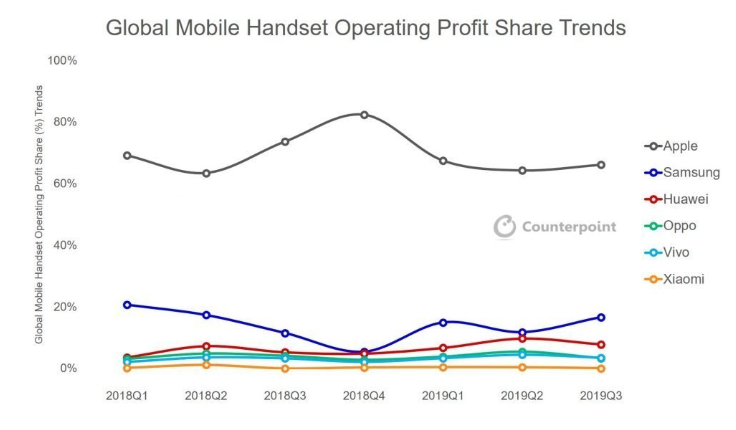
Apple dominated the smartphone market by capturing 66% of industry profits and 32% of total handset revenue in Q3 2019. The latest report from Counterpoint Research comes at a time when overall handset sales declined by 11% YoY to $12 billion due to the entry of numerous mid-range smartphones, and a combination of other factors. Among the major OEMs, Huawei and Samsung were the only ones able to increase their YoY revenue in 2019.
“Apple loyalists in Japan, the EU, and the US ensure that the company still operate at profit levels that other manufacturers only wish for”, revealed Counterpoint research analyst Karn Chauhan. Based on its current form, Apple is likely to maintain a steady lead of revenue inflow in the next few years. “With the holiday season right around the corner, Apple’s profits will only increase as the new iPhone lineup gains traction with the market,” Chauhan added.
A major factor contributing to the general fall in smartphone sales is the increased average life cycle of premium smartphones. Customers are yet to find a reason to upgrade, considering no major hardware changes recently. The situation is likely to improve with the rapid introduction of the 5G bandwidth. Samsung comes in second with a decent 17% share of the revenue, thanks to the Galaxy A-Series and Note 10 sales picking up.
In recent times, Chinese OEMs have introduced budget smartphones with top-end hardware, which are quite popular with customers. Chinese manufacturers have the luxury of operating at slim profit margins, helping them penetrate the global market. A few Chinese OEMs that have been following this strategy for the past couple of years, and developed a strong foothold outside the domestic market, have begun monetizing their user base by introducing financial services, and more.
However, the Chinese firms are finding it difficult to increase the retail price of smartphones due to the average customer holding on to existing devices for a longer duration. The only way out of the sticky situation is the introduction of 5G. Most of the major OEMs have already begun preparations in the wake of 5G commercialization. Perhaps the best demonstration of this strategy is the big four Chinese firms’- Huawei, Xiaomi, Vivo and Oppo– aggressively working on implementing the 5G spectrum to increase the MSRP on upcoming smartphones. However, with rising equipment costs, profit margins might not rise as expected.
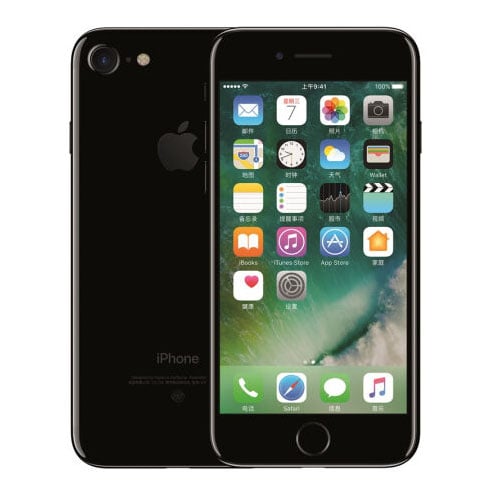
Back in 2016, Apple launched its iPhone 7 series flagship smartphone. While many were excited about the upgrades and new features, one particular function went under most headlines. With iOS 7 the Cupertino-based company shipped smartphones with Activation Lock which made iPhone a lot more secure than before. This small function was a welcomed feature that discouraged thievery against Apple smartphones. Unfortunately, it is also why thousands of iPhones end up in junk and being scrapped for parts.
Apple’s iPhone 7
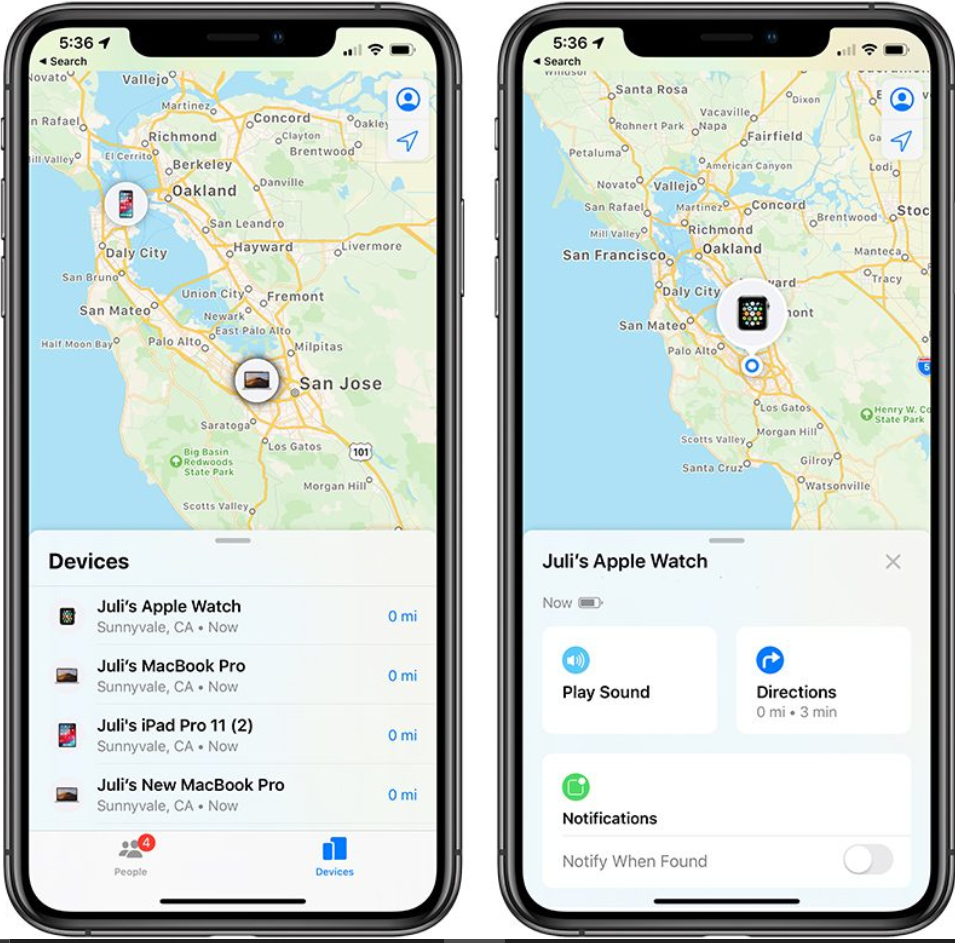
Although the new feature functions as a great way to secure one’s iPhone it is also the primary reason why a lot of iPhones end up being useless and in the junkyard. Ideally, the function works best when owners use the Find My app which immediately locks the iPhone. The lock can only be disabled once the Apple ID and password of the owner has been input; failing this, the device is nothing more than a fancy paperweight.
Apple’s Find My iPhone App
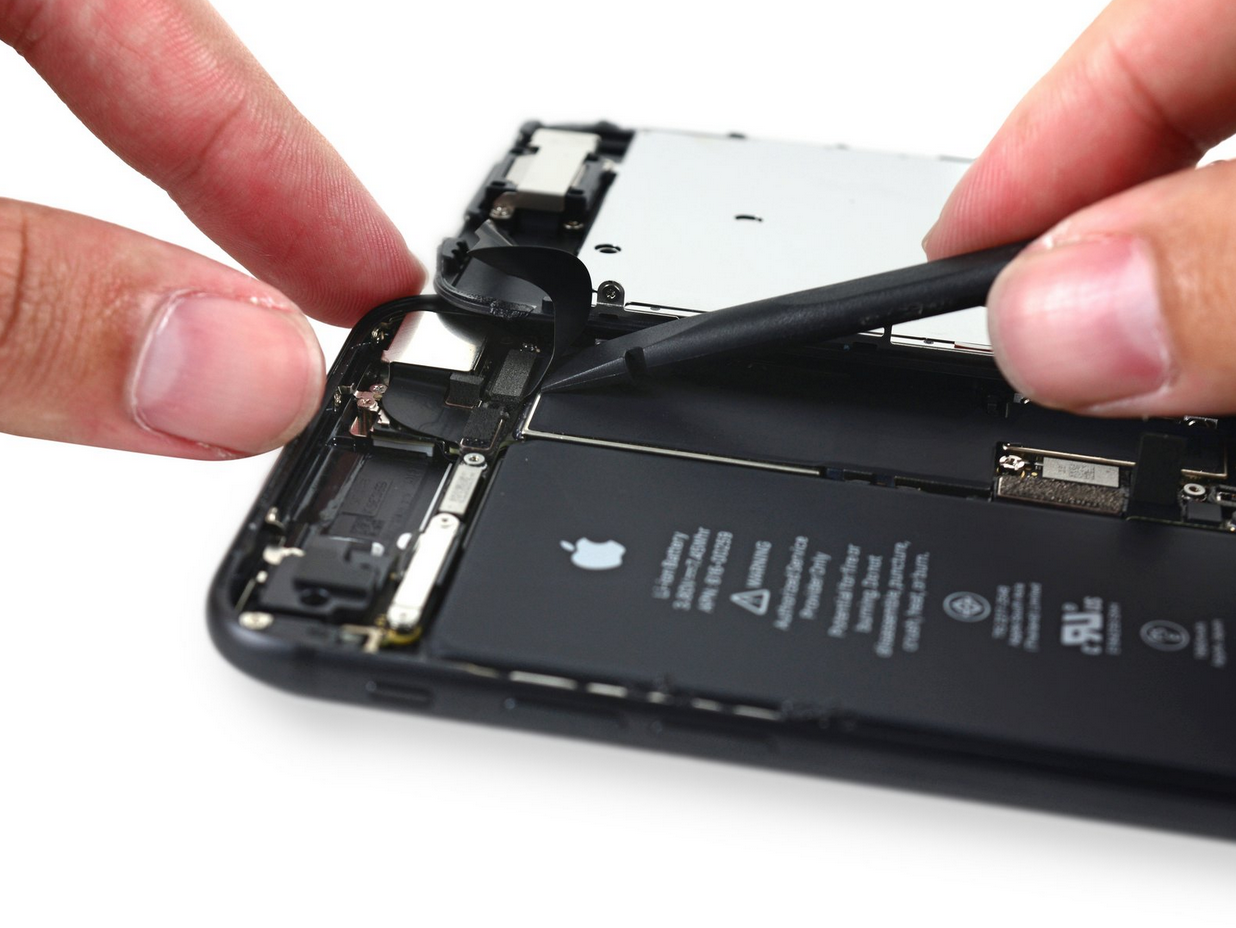
According to the renowned hardware repair specialist iFixit, thousands of perfectly functioning iPhones have to be shredded and scrapped for parts every month instead of being refurbished. Many iPhone users are unaware of disabling the Activation Lock and properly wiping their Find My app details on their handsets. So when they upgrade to a new smartphone or just getting rid of their older iPhone, the device becomes useless as it is inaccessible since Find My app is a permanent lock if the iPhone is not wiped clean and reset.
Peter Schindler, founder and owner of the Wireless Alliance, a Colarado based electronics recycler and refurbisher, stated that he receives anywhere 4000 to 6000 locked iPhones every month. These devices can still be easily refurbished and put back into circulation but “have to get parted out or scrapped” due to the anti-theft feature.
iFixit iPhone 7 Breakdown
Notably, Schindler stated to iFixit that Apple should implement a bypass that “would allow certified recyclers and refurbishers to unlock donated devices if they’re not reported lost or stolen.” This would be great for many reasons, the foremost being environmental impacts since Apple is the third most popular smartphone brand currently in the market.
OnePlus took the covers off its OnePlus 7T series comprising the OnePlus 7T and the OnePlus 7T Pro earlier this year. As expected, both devices were well-received by OnePlus’ huge fanbase.
Taking the popularity into consideration, the Chinese smartphone maker is now offering the OnePlus 7T Pro for a lowered price through Gearbest. The 8GB RAM+256GB ROM 7T Pro variant would normally set you back $1008.40, but you can now get it for a lowered price of only $655.99 from Gearbest.
Moreover, you can extend this 35 percent discount by applying coupon code GBOP7TPRODEC at check out. The coupon enables you to get an extra $12 off by reducing the original asking price of the OnePlus 7T Pro to just $643.99 even before you place your order.
An absolute steal at this price, the OnePlus 7T Pro phablet sports a 6.67 inch AMOLED display with 3120 x 1440 pixels resolution. It is powered by Qualcomm’s Snapdragon 855 Plus processor and packs an Adreno 640 GPU under the hood.
In the photography department, the OnePlus 7T Pro houses a quad-camera setup comprising 48.0MP+8.0MP+16.0MP sensors at the back. Upfront, there’s a 16.0MP selfie shooter. Furthermore, the phablet runs OxygenOS and is backed by a 4085mAh battery.
You can follow this link to check out more details about the OnePlus 7T Pro and grab the discount, which is valid for the blue color option. With over a whopping 1000 pieces sold at the time of writing, the promo is slated to end ten days.
We use cookies on our website to give you the most relevant experience by remembering your preferences and repeat visits. By clicking “Accept”, you consent to the use of ALL the cookies.
This website uses cookies to improve your experience while you navigate through the website. Out of these, the cookies that are categorized as necessary are stored on your browser as they are essential for the working of basic functionalities of the website. We also use third-party cookies that help us analyze and understand how you use this website. These cookies will be stored in your browser only with your consent. You also have the option to opt-out of these cookies. But opting out of some of these cookies may affect your browsing experience.
Necessary cookies are absolutely essential for the website to function properly. This category only includes cookies that ensures basic functionalities and security features of the website. These cookies do not store any personal information.
Any cookies that may not be particularly necessary for the website to function and is used specifically to collect user personal data via analytics, ads, other embedded contents are termed as non-necessary cookies. It is mandatory to procure user consent prior to running these cookies on your website.