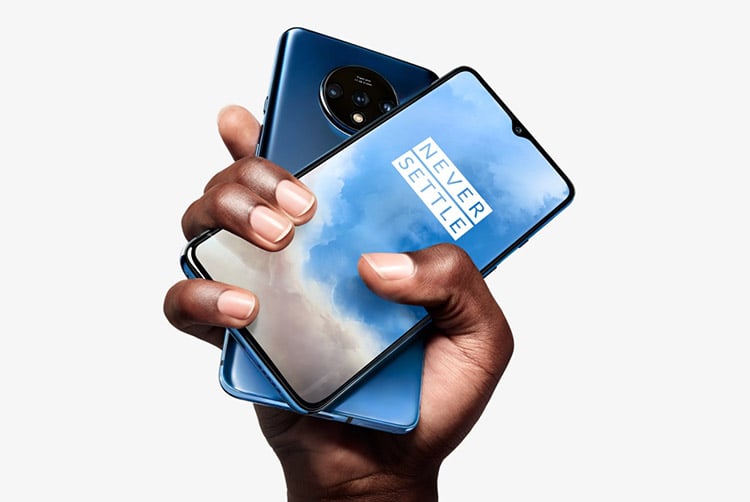
OnePlus is always known for the software stability of its smartphones. The rigorous testing ensures to filter every tinnier flaw in the OxygenOS. Despite such endless efforts, there are always some features that remain un-validated. Similarly, several OnePlus 7T Pro users are complaining about the Adaptive Brightness issue on the community forums.
The users are having an issue with the auto-brightness features of the device. It keeps the display in low brightness mode even while under the direct sunlight. The problem is forcing users to deactivate the feature and return to manual mode for adjusting display brightness.
A user complained about the issue on OnePlus community forums by saying, “I’m not sure if I’m the only one because the adaptive brightness on my brand new One Plus 7T Pro is absolutely abysmal. It goes black when it shouldn’t and is clearly not working as it should. I turned it off and kept the brightness to my liking but I’m really unhappy with how this has been implemented on this phone or is it only my device that’s having this issue?”
Another user feels that he has to adjust the brightness more frequently while using Adaptive brightness mode rather than the manual mode. Here’s the story in his own words, “I have exactly the same issue on 7T. very unpredictable behavior of the adaptive brightness. Unfortunately had to deactivate it as well, as I found that be keeping the brightness to around 30% means I have to tweak it fewer times than when I have it on auto.hipefully this will get fixed at some point.”
There are multiple threads on the community forums about the same issue. On the other side, some units of OnePlus 7T Pro are working fine with the Adaptive Brightness feature. Surprisingly, our OnePlus 7T Pro unit is also behaving normally, both in the full bright and low light environments. However, we expect a quick fix for the units facing this issue via the upcoming updates. There’s no such issue with the OnePlus 7T device as of now.
This year, Samsung deviated from its usual tradition when it comes to its flagships. The Galaxy S series got a new affordable variant with the “e” suffix alongside while the Note series was split into a standard version and a “Plus” version. But Samsung isn’t done yet, the world’s number one phone company is set to introduce a Galaxy S10 Lite and Galaxy Note10 Lite. Both phones have been in the news for weeks now and their launch is closer with two new certifications.
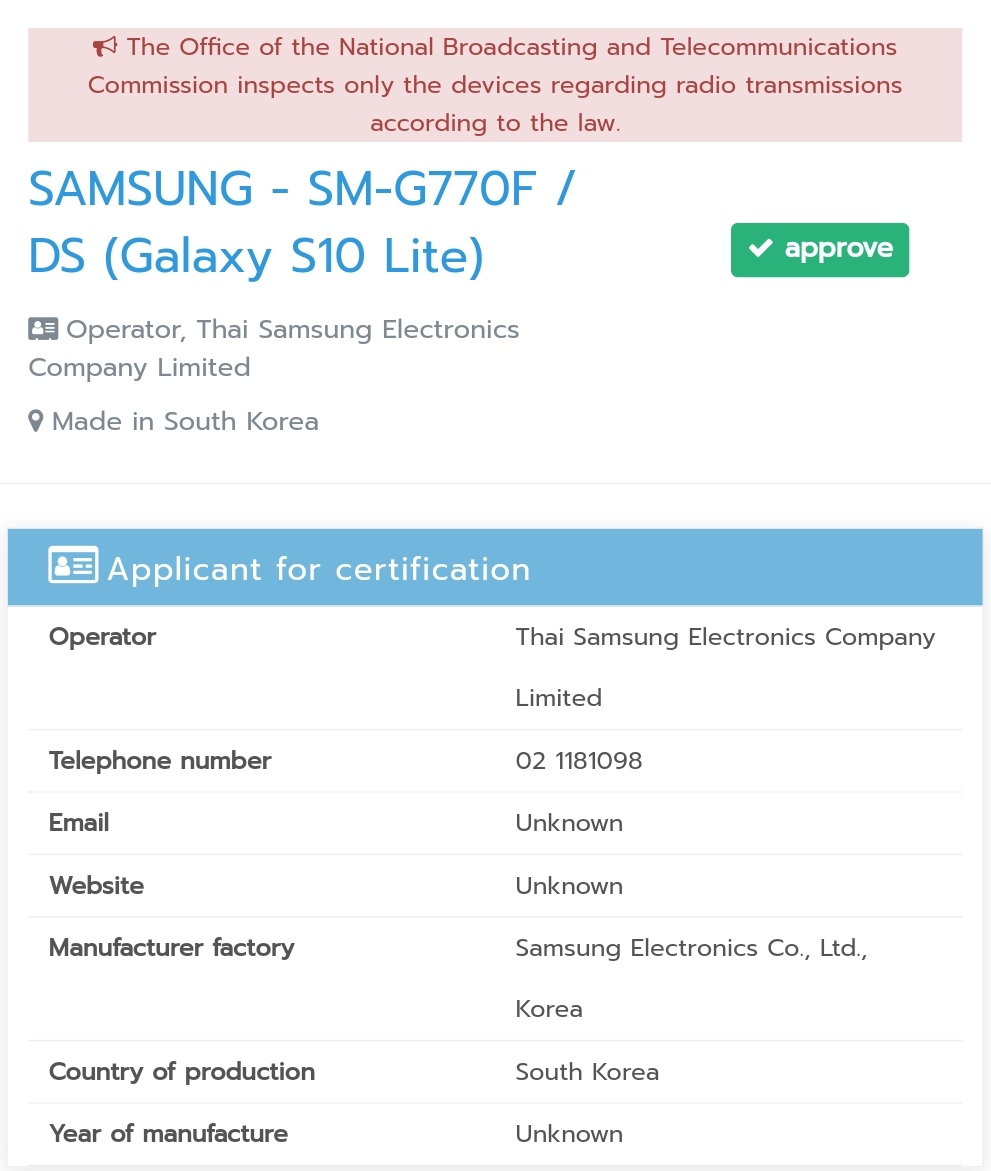
First is the Galaxy S10 Lite which has been certified by Thailand’s NBTC. The certificate confirms the name of the device again and reveals that the SM-G770F model us the Global Dual SIM version.
The Galaxy S10 Lite is expected to launch this month with a Snapdragon 855 processor, 8GB of RAM and 128GB of storage. It will have a punch-hole display just like the Galaxy Note10 and triple rear cameras with a similar design to the recently announced Galaxy A71.
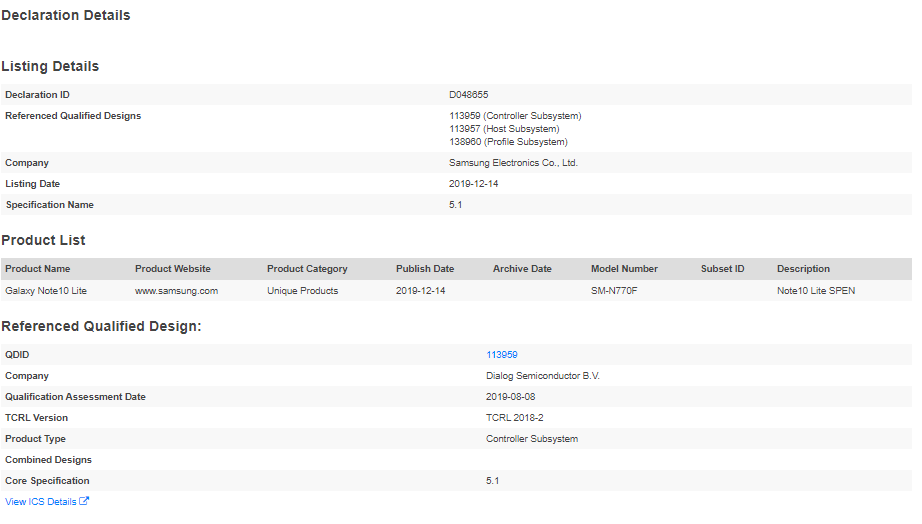
While the Galaxy S10 Lite was getting certified in Thailand, the Galaxy Note10 was certified by the Blue Special Interest Group (SIG). The phone with model number SM-N770F and description name “Note10 Litre SPEN” will come with Bluetooth 5.1.
The Galaxy Note10 Lite appeared on Geekbench last month. The phone will be powered by the Exynos 9810 processor, have 6GB of RAM and run Android 10 out of the box. It will have a punch-hole AMOLED display, an in-display fingerprint scanner, and an S Pen with Bluetooth.
While the S10 Lite is expected to launch this month (also as the Galaxy A91/A81), the Note10 Lite may not arrive until next year.
WhatsApp is one of the most commonly used instant messaging app across the world on different platforms. Since its acquisition by Facebook, the app has received several features improving the overall experience. Recently, the app added support for tasks and reminders in partnership with Any.do. It enables better productivity on WhatsApp, which was never the case. Thus, to utilize this feature, we have come up with this guide on how to add/save reminders and tasks on WhatsApp using Any.do.
Any.do is one of the leading productivity services, and by partnering with them, WhatsApp has made the right decision. However, there is a caveat, as this feature is only available for Any.do premium subscribers, which cost $2.99 / ₹75.82 per month and is billed annually. That being said, the tasks and reminders feature on WhatsApp can be enabled by either visiting whatsapp.any.do or from the integrations section on the Any.do app.
Steps to add/edit reminders and tasks on WhatsApp
Open the Any.do app and navigate to Settings -> Integrations -> WhatsApp.
Add your WhatsApp number and tap on send.
Enter the six-digit OTP received through text to confirm your number.
Now, simply turn on reminders and a new conversation with Any.do bot. It will be added to your WhatsApp account.
Once the WhatsApp integration is set up, you can add/save reminders and tasks by two methods.
Reminders and tasks are added/saved in WhatsApp by directly texting to Any.do bot conversation by typing “Remind me to…” or forwarding a message from a different chat to Any.do bot.
Thus, you will never miss any important things from your family, friends, or colleagues while chatting with them on WhatsApp.
We hope our small guide to add reminders and tasks on WhatsApp would have helped you. If you get any problem while installing or accessing the above services, then do let us know via the comments below.
Huami has had a pretty interesting year. The Chinese manufacturer which makes fitness trackers and smartwatches under the Amazfit brand released no less than 7 watches this year. That is a little short of its 10-watches target but still a lot. Today, the manufacturer announced on Weibo it will be attending CES 2020 and will unveil a new product at the 4-day event.
The teaser poster shared on Weibo shows the figure of a woman running while a text under the image reads “Leap over Limits”. It doesn’t reveal much but a translation of the caption says “…not just smartwatches”. This is a hint that the product isn’t a smartwatch. So if it isn’t a watch (or fitness tracker), what can it be?
We think the new Amazfit product is a pair of running shoes, or to be more specific, a pair of smart running shoes. Amazfit not only makes smartwatches and fitness trackers but also makes sports apparells. In the past, the manufacturer has announced a short-sleeve T-shirt, a sun-proof coat, a pair of athletic shorts, and a pair of running shoes called the Skylark Ultralight Running Shoes.
The upcoming product is most likely a smart version of its running shoes with a step tracker built-in that records your steps. Actually, this product category is not new. Xiaomi has launched a couple of smart running shoes over the past few years and even announced a third-gen version back in August 2019. We believe Amazfit, although late to the party, will announce its first pair at the CES event.
The poster says the launch is on January 7, the first day of CES 2020, and will begin at 16:30 (local time). We hope there will be more details about the new product before the launch day.
Xiaomi is one of the world’s most renowned smartphone makers that continue to live up to the reputation for offering feature-laden mobile devices that fit inside everyone’s budget.
While most of Xiaomi branded phones are reasonably priced as compared to similar offerings from other popular manufacturers, we have listed the top 5 smartphones from the Chinese electronics company that you can buy for under $200. So without wasting more time, let’s dive straight into the details.
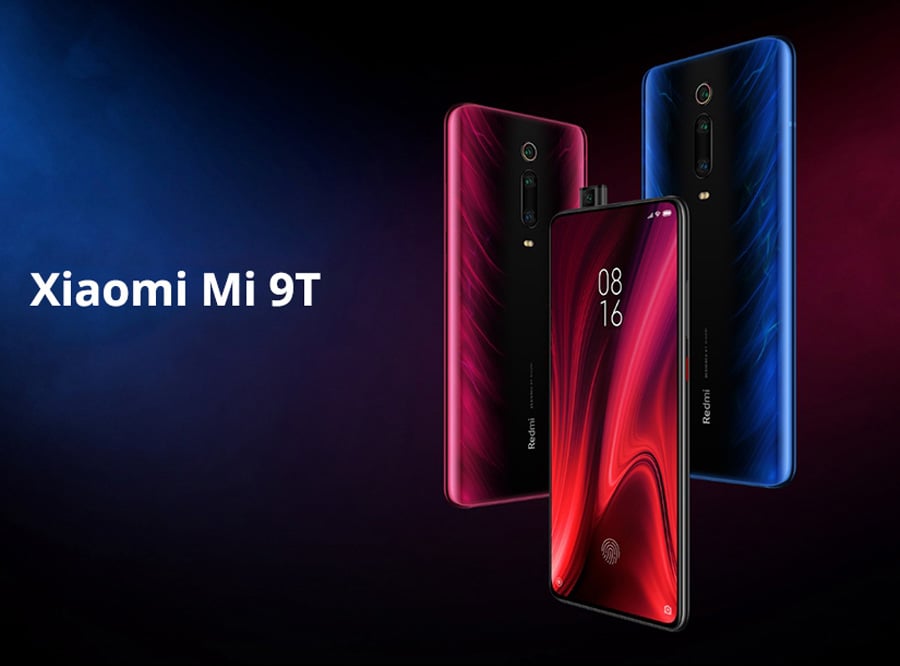
Xiaomi Mi 9T 4G Smartphone – Gearbest
Gearbest is known for offering China’s best electronic items including smartphones at unbeatable prices. The Chinese e-tailer is currently doling out a noteworthy 23 percent off on the global version of the Xiaomi Mi 9T smartphone, which usually retails for $388.65.
Available in black, as well as blue color options, the Mi9T comes with 6GB of RAM and offers 64GB of internal storage space. Thanks to the aforesaid discount, the aforesaid Mi9T variant is currently available for a lowered price of just $299.99 through Gearbest.
An absolute steal at this price, the Xiaomi Mi9T offers the following features:
6.39-inch display with 2340 x 1080 pixels resolution
Snapdragon 730 Octa-Core processor
Adreno 618 GPU
48.0MP + 13.0MP + 8.0MP cameras at the back
20.0MP front camera
Android 9.0
4000mAh battery
You can follow this link to check out the rest of the specifications and place your order before the flash sale comes to an end. As part of the promo, Gearbest had sold out more than 500 pieces at the time of writing. Note that the flash sale will end in three days.
Xiaomi announced the Redmi Note 8T in November this year and as expected, the phone became an instant hit among the company’s huge fanbase. While leading manufacturers attach a steep price tag to their feature-rich mobile devices, Xiaomi is giving its loyal fans a chance to purchase the Redmi Note 8T for an unbeatable price of only $179 through Giztop.
Giztop will be shipping the product from a warehouse based in Europe, which means European consumers will not be able to receive it faster, but will also save a considerable amount of money, they’d normally spend on customs tax. This gray-tinted Note 8T phone comes with 4GB of RAM and 64GB of onboard storage in addition to the following awe-inspiring features.
6.3-inch Dot drop notch screen, FHD+ display
Qualcomm Snapdragon 665 AIE octa-core processor
Adreno 610 GPU
48MP+8MP+2MP+2MP Quad AI rear cameras
13MP front camera
MIUI 10 base on Android 9 OS
4000mAh battery with 18W fast charging through USB-C
You can visit this link to get your hands on the amazing Redmi Note 8T and avail of faster shipping without having to pay customs tax. Note that the phone is a European version, running global software.
The Redmi Note 8 was launched in August this year. The irresistible smartphone boasts an impressive array of features that we will be talking about in just a bit. Before we check out what the Redmi Note 8 has to offer in terms of features, it might interest you to know that the 4GB RAM+64GB ROM global version of the phone has gone up for sale bearing a reduced price on GeekBuying.
You’d normally end up shelling out $259.99 on the above-mentioned Redmi Note 8 model, but the popular Chinese online store is giving you a chance to purchase it for a reduced price of just $172.99, which translates to a significant 33 percent off. Aside from that, GeekBuying is allowing its new users to save more money at check out.
If this is your first order with GeekBuying, you can take advantage of the 2% OFF New User Coupon by applying it during the check out process. This discount is available for the blue color option of the phone for just four days, which means, you need to visit the promotion page and place your order as soon as possible.
Xiaomi Redmi Note 8 is a 4G-ready smartphone that offers a slew of exciting features that we have listed below:
6.3-inch FHD+ screen with 2340 x 1080 pixels resolution
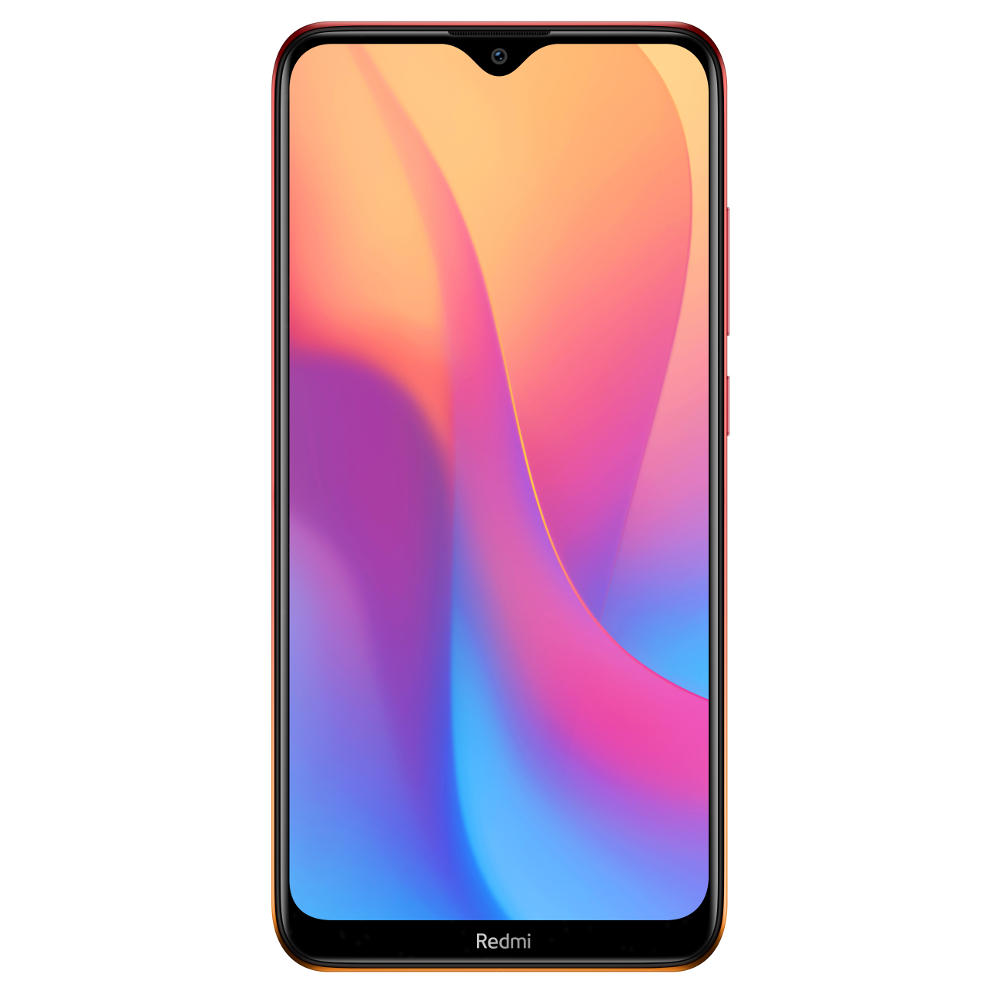
Xiaomi took the covers off the Redmi 8A smartphone earlier this year. Just like the rest of the mobile devices from the Chinese manufacturer, this recently unveiled smartphone is also crammed with top-end specification and exciting features; however, it won’t set you back a pretty penny.
You can buy the global version of the Redmi 8A with 2GB RAM+32GB ROM for just $174.58 from Banggood. Moreover, you can choose between two highly appealing color options including Sunset Red and Ocean Blue.
While the aforesaid model is available in Sunset Red color option, you can go for the Ocean Blue hued variant, which is available for just $174.58 on Banggood. On top of that, the e-tailer known for offering the best bang for your buck is offering free shipping on orders over $19.99. The Xiaomi Redmi 8A offers the following features:
6.22 Inch 19:9 Dot Drop display with 1520 x 720 pixels resolution
Snapdragon 439 Octa-core processor
Adreno 505 GPU
12.0MP camera at the back
8.0MP front camera
MIUI 10 OS
5000mAh battery with 18W fast charge
You can head straight to this link to check out more details about the Xiaomi Redmi 8A smartphone and place your order.
TomTop is doling out a noteworthy 45 percent off on the Redmi 7A, which was launched earlier this year. This discount is valid for the black-tinted, 2GB RAM+32GB ROM model that normally retails for $238.62.
Thanks to the discount, you can now get your hands on the global version of the Redmi 7A for a lowered price of just $132.73. TomTop is offering a 36 percent off on the blue, as well as the red color options as well, bringing their original selling price of $201.99 down to just $130.99.
The Xiaomi Redmi 7A is a well-received mobile phone under $200 that comes with amazing features that we usually associate with steeply-priced handsets.
5.45-inch HD full-screen (720×1440 pixels) with AI Face Unlock
Snapdragon 8-Core processor
5MP front camera
13MP HD camera rear camera
MIUI OS
4000mAh battery
You can follow this link and check out more details about the Xiaomi Redmi 7A mobile phone, which will be available for a lowered price on TomTop for a limited period only. Do let us know what you thought about our list of Xiaomi-branded smartphones that are available for under $200.
OnePlus is rolling out OxygenOS 10.0.7 update on OnePlus 7T packing several new performance tweaks and optimizations. The new incremental upgrade also includes November security patch featuring fixes for several security issues. The update is gradually rolling out to all the OnePlus 7T units.
According to the official changelog, the update improves the speed of app launching and enhances the overall performance. It optimizes the system for more efficient and effective RAM management. OnePlus claims to have optimized the black and white screen issue on some apps via the update. There are certain bug fixes to enhance overall system stability and security.
It is an incremental rollout and will be rolling out in small batches. It may take upto a few days or weeks to reach each OnePlus 7T users. However, the users can manually check for the OxygenOS 10.0.7 update by heading to the Settings > System > System Update > Press Check for Updates. It is recommended to switch to a WiFi network before downloading the update to save additional costs on the carrier network.
OnePlus users can now easily report any bug via the OnePlus Community app or system integrated feedback tool. Moreover, the new update is being received as the OxygenOS 10.3.0 on some OnePlus 7T units. OnePlus is looking into the matter and is working to rectify the issue.
Additionally, OnePlus 7T was launched last month with Snapdragon 855 Plus on the board coupled with 8GB RAM and 128 GB internal storage. It hosts a 6.55-inch Fluid AMOLED display featuring the resolution of 1080 x 2400 pixels and 402 ppi pixel density. There’s a triple camera unit consisting of a 48-megapixel primary camera, 16-megapixel lens and 12-megapixel units. OnePlus 7T is backed with 3800 mAh battery supporting fast Wawrp Charging technology.
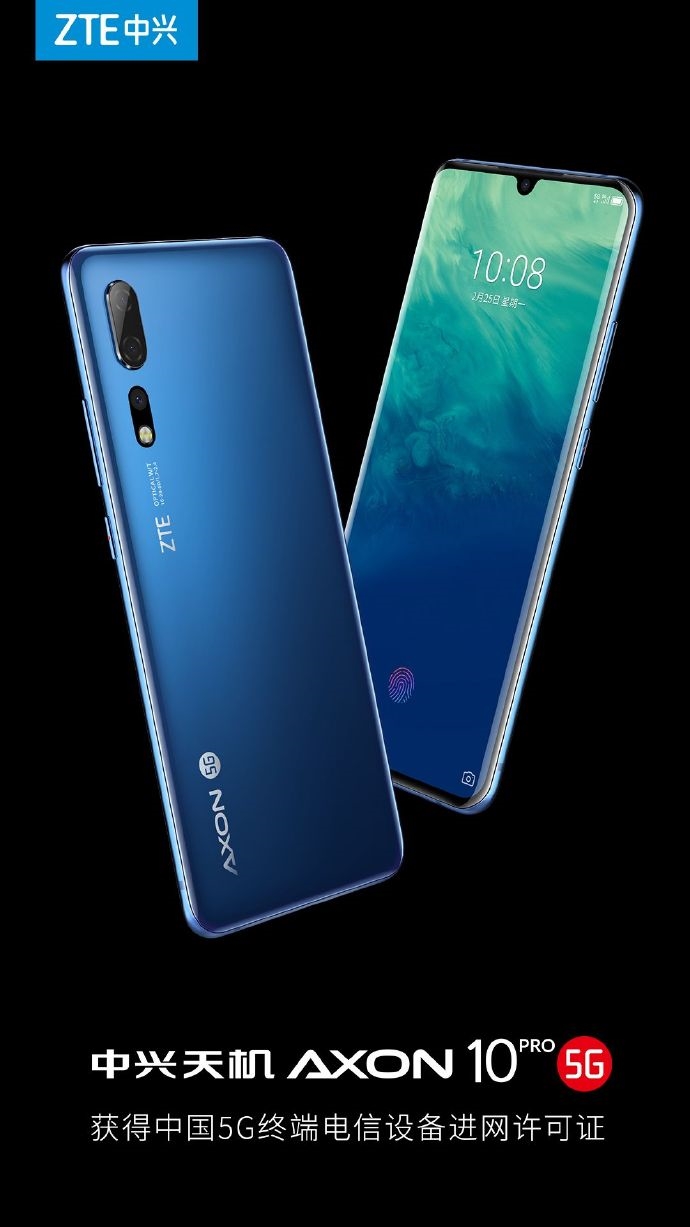
In a recent interview with Xu Feng, the Senior Vice President and head of ZTE’s global business, the executive revealed the name of its next flagship will be Axon 10s Pro. He also revealed some of its features and its launch date.
The Axon 10s Pro will be the successor to this year’s Axon 10 Pro. Unlike the Axon 10 Pro which has a separate 5G version, the Axon 10s Pro will only have a 5G version and that is because it will be powered by the Snapdragon 865 processor which Qualcomm will be shipping with the Snapdragon X55 5G modem to its clients.
The ZTE Axon 10 Pro 5G launched as the first 5G smartphone in China
The phone will come with a feature that allows it to switch seamlessly and intelligently between 4G/5G and dual-band WiFi (including WiFi 6).
Xu Feng says the phone will be announced at Mobile World Congress (MWC) 2020. However, it will not be the only new ZTE product announced at the event. It was also revealed that a new member of the Blade series will be announced as well as a 5G CPE that supports SA and NSA networks.
Mr. Feng also mentioned during the interview that they plan to launch up to 10 5G smartphones in different markets next year. These phones will be priced between ¥2000 (~$287) and ¥3000 (~$430). One of these phones will be launched in the first quarter of 2020 but we do not know if it is the same phone from the Blade series launching at MWC 2020 or a different phone.
The senior executive revealed during the interview that its goal for the 5G era is to return to the top of the mobile industry. It believes its knowledge and investment of 5G can help it achieve this. Mr. Feng said with a new network technology, there will be a reshuffle in the mobile industry. He cited Nokia and Motorola losing their crowns with the advent of 4G as an example and believes a similar thing will happen with 5G.
Alongside the Reno3 smartphone, TENAA also published the specs of another OPPO phone with the model number PDBM00. Based on the spec sheet, the phone is a mid-range device and should be priced at around $200.
The phone has a 6.5-inch 720 x 1600 display with a notch at the top. It is powered by a 2.3GHz processor and has 4GB of RAM and 128GB of storage. Owners will be able to add up to an additional 256GB of storage via a MicroSD card slot.
The OPPO PDBM00 has three cameras on its back. There is a 12MP primary camera and it is paired with an 8MP sensor and a 2MP sensor. We presume the 8MP camera is an ultrawide angle camera while the 2MP sensor is a depth sensor. There is an 8MP camera in front for selfies.
[envira-gallery id=”295184″]
OPPO will ship the phone with Android 9 Pie which is a tad disappointing. It will also include a 4230mAh battery. The OPPO PDBM00 will be available in Black, White, Green, and Red. Its weight is 180 grams and it measures 163.9 x 75.5 x 8.3 millimeters.
TENAA has provided images of the black variant and it shows there is a fingerprint scanner on the back. The phone has its rear cameras sharing the same housing and placed on the left. It also has its power button on the right and volume keys on the left.
We do not know if OPPO will announce this phone on December 26 alongside the Reno3 series or will have a quiet launch for it.
The Reno3 (PDCT00 and PDCM00) was issued its TENAA license on the 11th of December according to the info on the database. The phone has a 6.4-inch AMOLED display with a 2400 x 1080 resolution. We already know it has a waterdrop notch, thanks to press renders.
[envira-gallery id=”295172″]
Under the hood of the Reno3 is the Dimensity 1000L octa-core processor clocked at 2.2GHz and paired with 8GB of RAM and 128GB of non-expandable storage. TENAA says the phone runs Android 10, so it should ship with ColorOS 7.
OPPO is going with a quad-camera setup arranged vertically and placed on the left side of the rear. The primary camera is a 64MP sensor and it is paired with an 8MP ultrawide angle camera, a 2MP macro camera, and a 2MP depth sensor. The selfie camera is a 32MP sensor. The images below show the camera housing has a very noticeable protrusion.
The Reno3 has a fingerprint scanner and it is under the display. It packs a 3935mAh (4025mAh) battery capacity, the same as the Reno3 Pro. It will be interesting to see which phone has better battery life. The dimensions for the phone are 160.3 x 74.3 x 7.96 millimeters and the weight is 181 grams. The Reno3 Pro is thinner at 7.77 millimeters.
[envira-gallery id=”295175″]
The spec sheet says the Reno3 5G supports NSA and SA bands 41, 78, and 79. Of course, there is support for 2G, 3G, and 4G networks too. TENAA says the phone will be available in white, black, silver-red, and silver-blue. However, the images provided are of a pink-blue color gradient.
The Reno3 and Reno3 Pro will be announced on December 26 in China. While Redmi has taken the title of being the first manufacturer to announce a phone powered by the Snapdragon 765G, OPPO will be the first to announce a phone powered by the Dimensity 1000L.
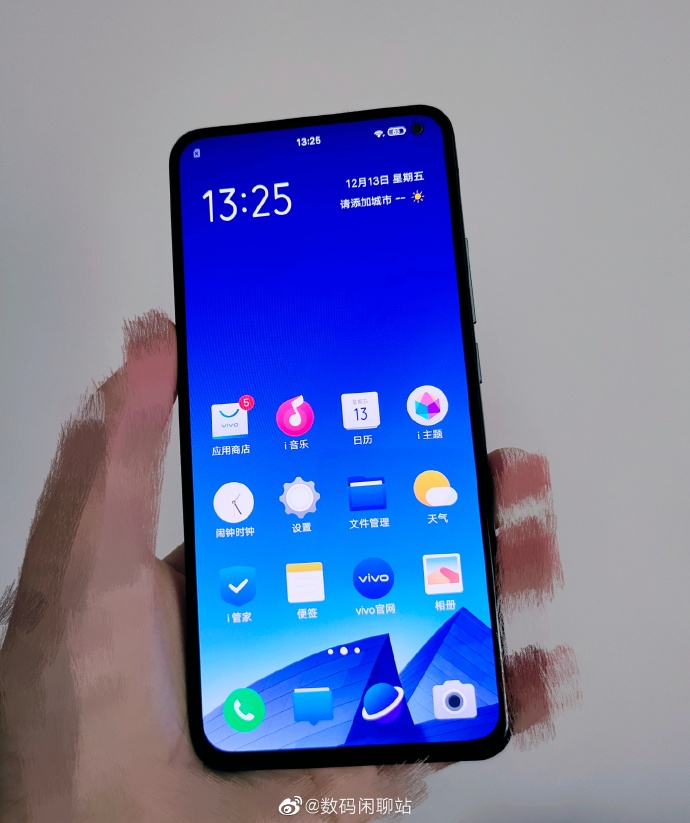
Just like its sibling, Vivo has been blazing the trail in terms of innovation in a bit to outwit the competition. The BBK subsidiaries have in recent times explored designs that are beyond the ordinary as well deployed enhancements in both the software and hardware aspects. Vivo X30 Pro is one of such smartphones that is expected to present with several improvements and the camera aspect is a major rallying point.
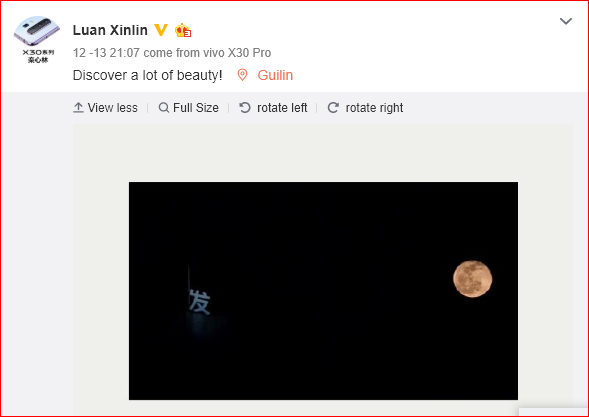
Vivo’s product line manager Luan Xinlin has shared what looks like the night time moon shot captured with the X30 Pro main camera. From the picture, we can see that the camera was able to capture the moon clearly with vivid clarity.
The moon capture is possible by the periscope lens the device features. As a reminder, the Vivo X30 Pro is said to be equipped with a quad-camera setup that will include a primary lens of 64-megapixel, teaming up with a 32-megapixel portrait lens, an 8-megapixel superwide lens and a 13-megapixel periscope lens. The quad-camera system is also expected to feature Optical Image Stabilization (OIS) and Electronic Image Stabilization (EIS) as well as support for 60x digital zoom.
In other aspects, the is said to pack a Samsung Exynos 980 processor and integrated Mali-G76 MP5 GPU with support for SA/NSA dual 5G modes. The device is expected to be launched on December 16 in China.
Huawei has always been optimistic that its shipment would still surge despite the ban by the US government. Before the ban, Huawei has stated its intent to take on Samsung for the top spot in the smartphone market. That projection may have fallen short of expectation but the latest data from Strategy Analytics shows Huawei’s market share inched closer to that of Samsung this year.
The data as shared by Korean Herald shows that Huawei managed to edge closer to Samsung and narrow the market share gap to 3.6 percent this year. The market share gap between Huawei and Samsung last year was 5.9 percent.
We can’t be so sure about the authenticity of the data since we did not scoop it from Strategy Analytic’s website directly. However, the data shows that Samsung shipped 323 million smartphone units in 2019, accounting for a 21.3 percent share. On the other hand, Huawei shipped 251 million units laying claim to an estimated 17.7 percent share of the market this year, up from 14.4 percent in 2018.
The market data also captured Apple’s market share which places it at the third spot. Huawei toppled Apple in 2018 and that lead continued this year. Apple is said to have shipped an estimated 193 million iPhones this year, accounting for a 13.6 percent share. Apple won’t be losing too much sleep about the shipment numbers, though, as its revenue is still higher than Huawei’s.
Samsung announced its new Galaxy A (2020) series and launched two devices from the new line-up: Samsung Galaxy A71 and A51. The former is the higher-end handset and it has upper-midrange specifications. It is very interesting because of its camera quality and overall performance, so we decided to compare it with another newly-announced device. We are talking about the Redmi K30 in its 4G variant, another potential best-seller, given its very affordable price. Last but not least, we decided to add another device that has already been in the Chinese market for a while: the upper-midrange Oppo K5 with a very well-balanced specs sheet.
Quad 64 + 8 + 2 + 2 MP f/1.9, f/2.2, f/2.4 and f/2.4
Dual 20 + 2 MP f/2.2 and f/2.4 front camera
Quad 64 + 12 + 5 + 5 MP f/1.8, f/2.2, f/2.4 and f/2.2
32 MP f/2.2 front camera
Quad 64 + 8 + 2 MP f/1.8, f/2.4, f/2.4 and f/2.4
32 MP f/2.0 front camera
BATTERY
4500 mAh, fast charging 27W
4500 mAh, fast charging 25W
4000 mAh, fast charging 30W
ADDITIONAL FEATURES
Hybrid Dual SIM slot
Dual SIM slot
Dual SIM slot
Design
Most people, including me, prefer to have a punch-hole display instead of a notch. A punch-hole display is less invasive as it is just a small hole in the screen. And that is what Samsung Galaxy A71 offers, so it is my favorite one if we talk about aesthetics. Even Redmi K30 has a punch-hole design, but it has two holes because it sports a dual front camera. Despite its waterdrop notch, someone may prefer the Oppo K5 due to its cleaner rear design since not everyone likes big camera modules such as the one found on the Samsung Galaxy A71 and Redmi K30. What is your preference?
Display
Here it is a hard fight between Oppo K5 and Redmi K30. The former has a great AMOLED display with high brightness and very nice color accuracy, as well as an in-display fingerprint reader. The latter has an IPS panel and IPS panels are is not trending at the moment, but it has the most revolutionary technologies: it supports both HDR10 and a 120 Hz refresh rate making it the most affordable phone with the highest refresh rate ever seen on a phone. But its fingerprint reader is side-mounted. Samsung Galaxy A71 has a classic Super AMOLED panel, not better than Oppo K5 and Redmi K30.
Specs & Software
Both Oppo K5 and Redmi K30 are powered by the amazing Snapdragon 730G midrange chipset, while Samsung Galaxy A71 is fueled by the lower-end Snapdragon 730 which offers inferior graphics performance. Oppo K5 and Redmi K30 come with up to 8 GB of RAM and UFS 2.1 native storage. With exactly the same hardware department, the most important role will be played by software optimization. We still had no chance to test the Redmi K30 thoroughly, so we are waiting to see how much performing it will be. Note that it runs Android 10 out of the box, unlike Oppo K5.
Camera
The most impressive cameras are mounted on the Samsung Galaxy A71: all of these devices come with a 64 MP main sensor with an f/1.8 focal aperture, but Samsung Galaxy A71 has a better secondary sensor (ultrawide, dedicated macro camera and depth sensor). That is why it wins the camera comparison.
Battery
Samsung Galaxy A71 and Redmi K30 are equipped with a bigger 4500 mAh battery, so they will surely last more than Oppo K5. It remains to be seen which of them is the winner of this comparison. Samsung Galaxy A71 might be better due to a more efficient display, but we are just speculating for now.
Price
Redmi K30 launched in China with a €210/$233 starting price, Oppo K5 costs €255/$283 in its base version, while Samsung still did not confirm the pricing of the Galaxy A71. With the actual information, Redmi K30 looks more promising due to its 120 Hz display, better chipset than Galaxy A71, a bigger battery than Oppo K5 and Android 10 out of the box. But Samsung Galaxy A71 has higher camera capabilities.
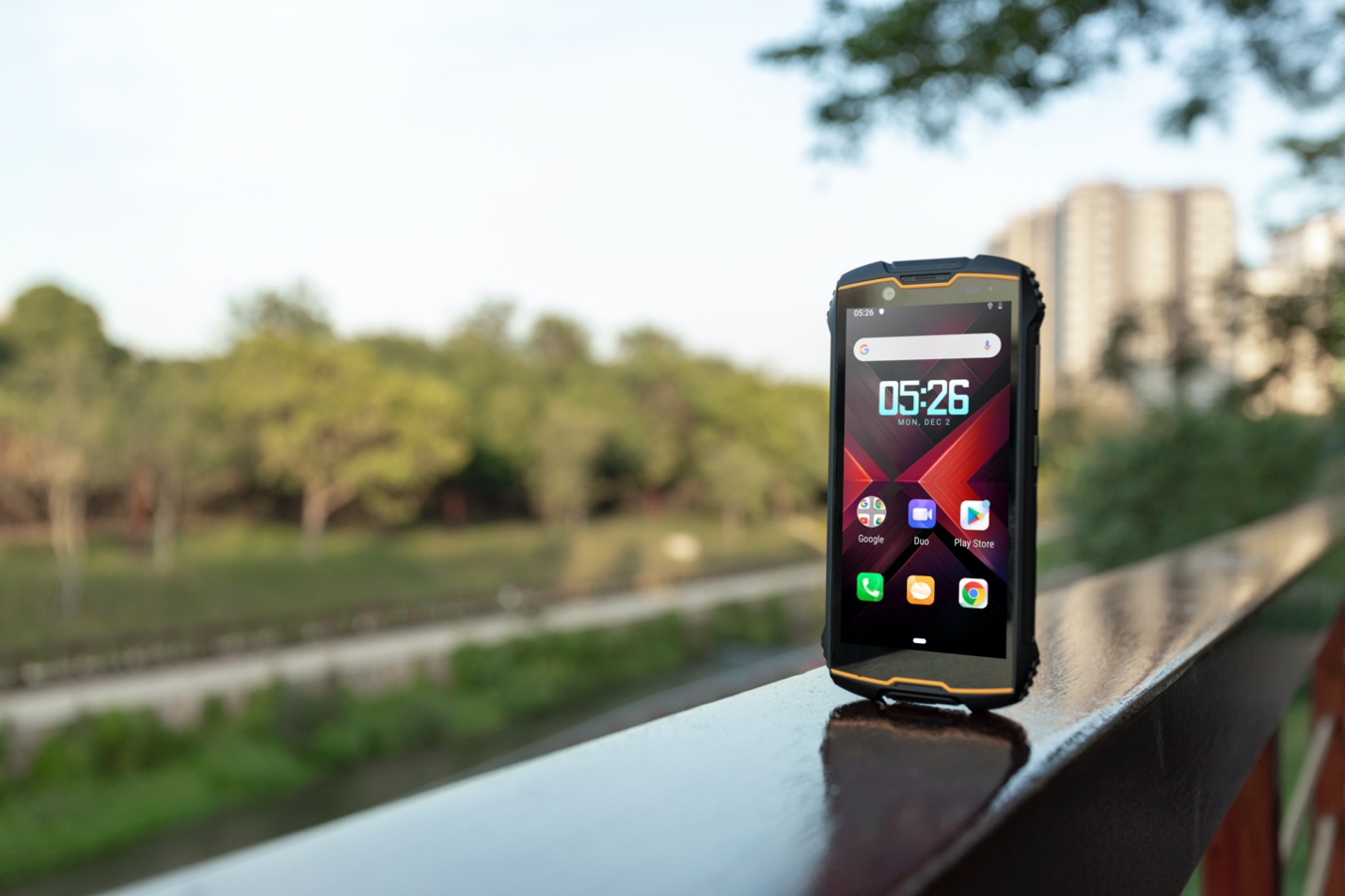
Traveling is an exciting hobby or an exciting job if you are doing it for a living. And nowadays, a traveler’s smartphone is his most vital accessory as it allows contact with your loved ones, send/receive emails, book flights, do currency conversion, find your way, etc. The KingKong Mini that was released by Cubot this year would be a perfect companion on your trips according to the company that lists 5 most important features to convince you of that statement.
Small display
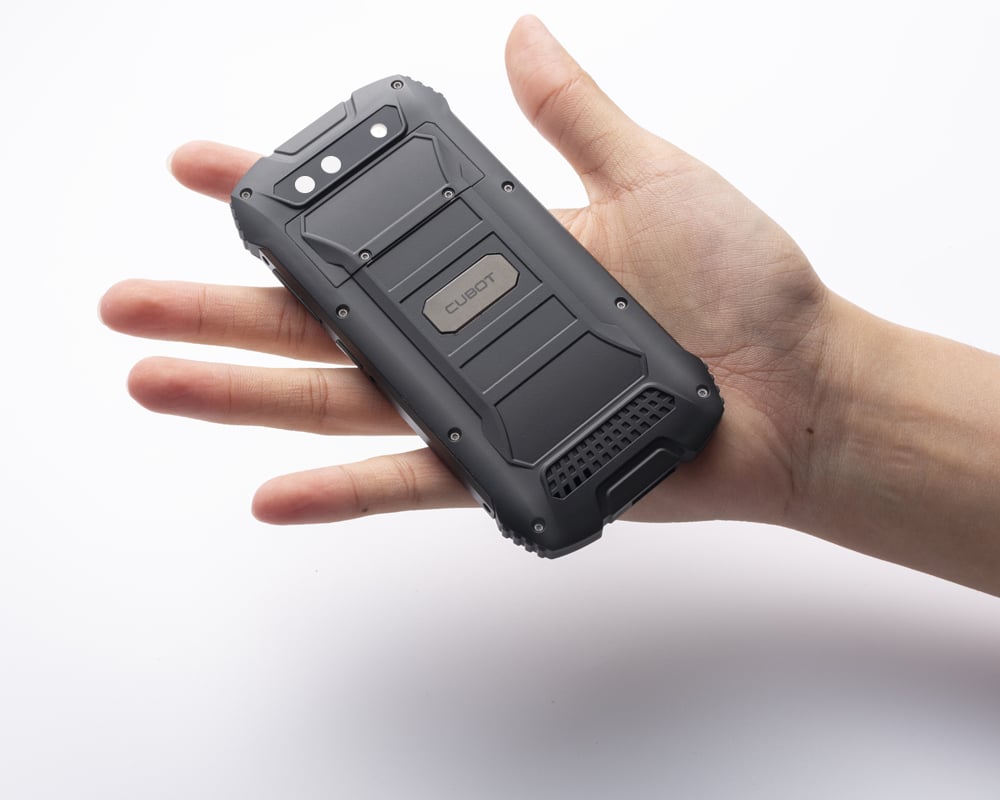
We are in the “big phones” era for many years now and the average screen size keeps increasing, especially now that manufacturers found a way to reduce or eliminate bezels. The KingKong Mini moves towards the opposite direction as it comes with a 4″ display that is easily controlled with one hand and it also fits in every pocket size.
Rugged smartphone
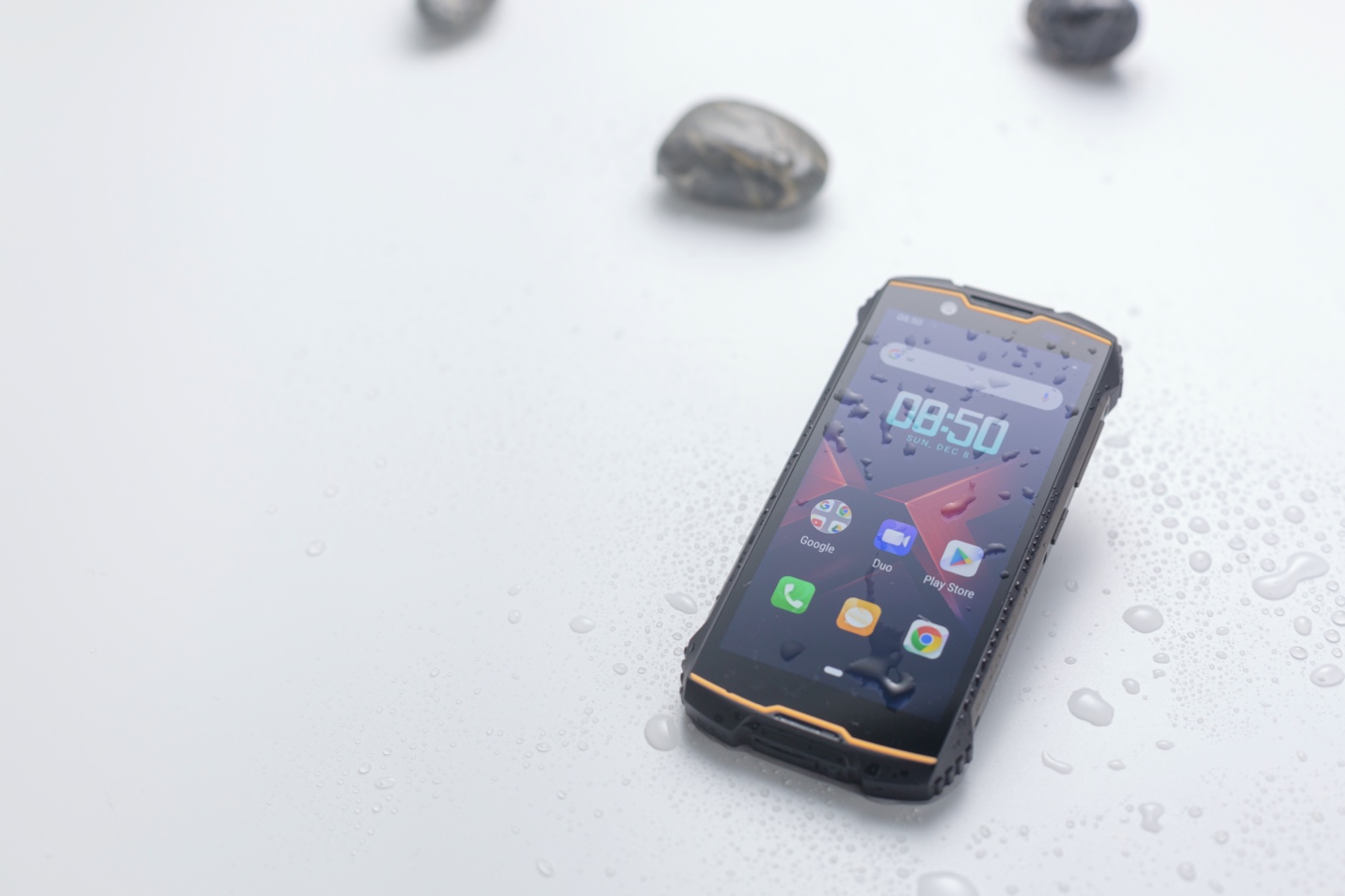
Besides its small size, the phone also comes with rugged characteristics. The rugged body makes it almost indestructible when dropped from a few feet high and it also provides waterproofing. It works almost anywhere and under any conditions.
Lightweight
KingKong Mini’s weight is just 123g and it easily beats almost every other smartphone in the market. The low weight not only makes it easy to carry around but also doesn’t hurt your hand if you use it for many hours continuously.
KingKong Mini specs
Under the rugged case, the KingKong Mini comes with an adequately powerful configuration that includes the MediaTek MT671(A22) SoC backed by 3GB of RAM and 32 GB of storage, enough for smooth multitasking. Of course, it is a 4G/LTE phone with WiFi and Bluetooth support, GPS support as well as NFC support, a feature many well-known Chinese manufacturers neglect.
Sensors
Besides the basic hardware, the device also features some very useful sensors the accelerometer that is used to track your steps, a Gyroscope that will offer you incredible 360-degree image spheres, and a Magnetometer that is used by Google Maps and other compass apps to figure out which way you are facing.
Lastly, it comes with dual SIM slots so that you can use 2 different SIM cards at the same time as well as a microSD slot to expand the storage space of the phone.
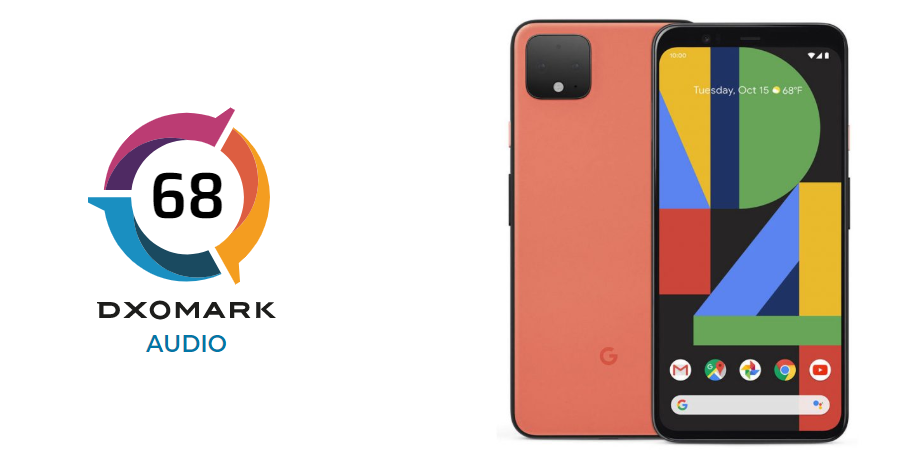
DxOMark has been testing smartphone cameras for a while, putting them through their comprehensive camera tests and scoring them as they go. Now however they’ve begun testing for audio quality, and the latest device to go through their audio test is the mixed bag that is the Google Pixel 4.
The Pixel 4 manages to score a decent 68 rating, placing it in fifth on their audio quality leaderboard. This is puts it behind the Huawei Mate 20X, iPhone XS Max, iPhone 11 Pro Max and Asus ROG Phone II. It is however ahead of the Galaxy S10, Note 10 and OnePlus 7 Pro. It’s also worth taking these results with a pinch of salt, as DxOMark has only reviewed 10 phones in this category so far.
DxOMark concludes that “While there’s still some room for improvement, the Google Pixel 4 delivers a decent performance in our DXOMARK Audio tests, earning itself a place among the three best Android devices and outperforming such heavyweight competitors as the current Samsung flagships and the OnePlus 7 Pro. For music lovers and avid videographers of family and friends, the Pixel 4 should deliver more than satisfying results.”
It’s a surprisingly good score for the device, which makes its battery situation all the worse. We’re hoping more devices get added to the leaderboards soon, especially devices from companies that put an emphasis on audio performance like LG and Meizu. Perhaps we’ll even see some legacy devices like the HTC One M7 or Nexus 6P.
OnePlus has just teased a special event taking place at CES next year. The company has never been a part of CES till now, so it makes this special event their CES debut. CES is one of the biggest technology trade shows in the world, so for them to want to debut something there now must mean they’ve got something interesting to reveal this time.
Now, the teaser doesn’t really have much information on it. There’s the ”OnePlus Special Event” headline, the dates of their CES display (January 7-10) and the name of the venue. Nothing here really hints at any specific product, so it’s unclear what the company has in store. Even the type of event isn’t clear, it might not even be a conference for all we know.
It’s a little too soon for the OnePlus 8 and 8T, as the mainline series is traditionally launched in May or June, while the T series tends to drop in September to November. It also seems far too soon for a refreshed OnePlus TV series though, as its first range launched in September.
One possibility is that we’re looking at the OnePlus 8 Lite, which was leaked earlier this month. The timing of the announcement fits really well, and a new device is something worth hyping. The teaser also features shades of orange, brown, and yellow, which may be a reference to the company’s line of McLaren special edition devices, though we doubt it.
OnePlus does have a history of hyping announcements in bits and pieces. Therefore, it’s likely we’ll hear more from the manufacturer as we inch closer to CES 2020.
Smart displays are gaining popularity due to their ability to help you out in everyday activities. Google Nest Hub and Amazon Echo Show are popular across multiple markets and now Xiaomi wants to join the party with its own 8-inch smart display. The company officially teased its new Xiaomi Smart Display Pro 8 earlier today, giving us a glimpse of its design as well.
The new teaser confirms the speaker with a display-on-top design that we saw on the leaked box earlier today. So you get an 8-inch tablet mounted on top of a speaker unit. We can’t see the back of the device, but it looks like the speaker extends a bit at the back. Considering its name, the smart display is most likely going to be of 8-inches. We can see a front-facing camera too which confirms its ability to make and receive video calls.
According to the leaked box of the device, the Xiaomi Smart Display Pro 8 will come with high watt speakers with built-in bass boosters, DTS professional tuning, and a high-performance audio amplifier from Texas Instruments, providing high efficiency, low distortion, and advanced multi-band dynamic response control algorithm. It should also come with the company’s XiaoAI smart assistant.
The teaser doesn’t reveal any availability or pricing details for the device, but it is being said that the smart display will be sold for around 599 yuan ($86). We can expect more details in the coming days.
Chuwi is continuously improving the level of product quality and after-sales support they offer. In the last couple of years, they’ve released some amazing products that cover the whole spectrum of the mainstream laptop and tablet market. In addition, they offer added value to their products by releasing accessories like the HiPen H6, their latest stylus that supports 4096 pressure levels. Going on with improving the user experience, the company released a driver update for the HiPen H6. As a reminder, the HiPen H6 can offer quite a delicate drawing experience with 4096 pressure levels so even professionals will not be limited by it. It also has intelligent palm rejection for accurate writing including multi-touch mistakes.
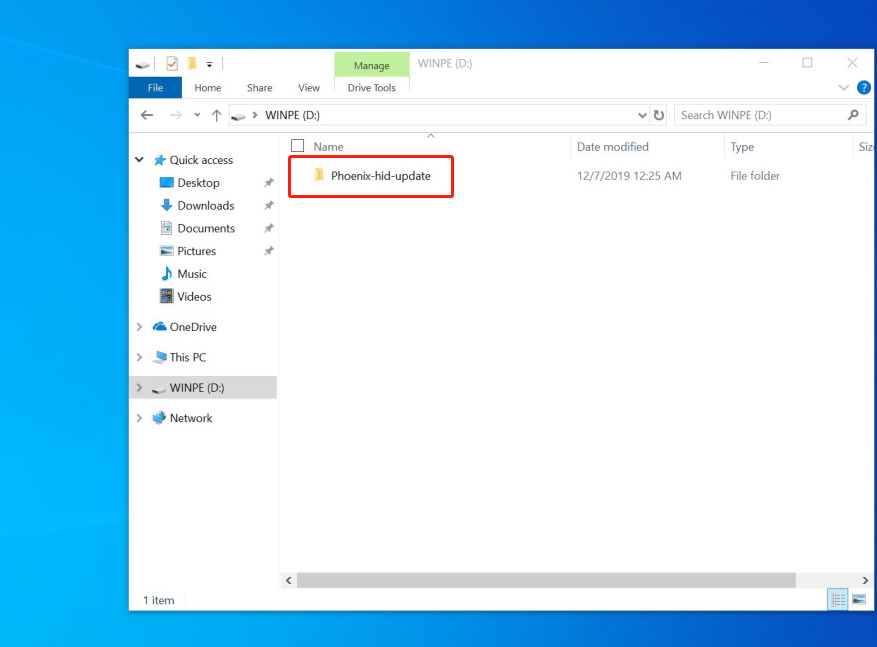
The upgraded version of the driver is 01.03.06 and to install it so that you can get the improved writing experience, just follow the instructions provided by Chuwi:
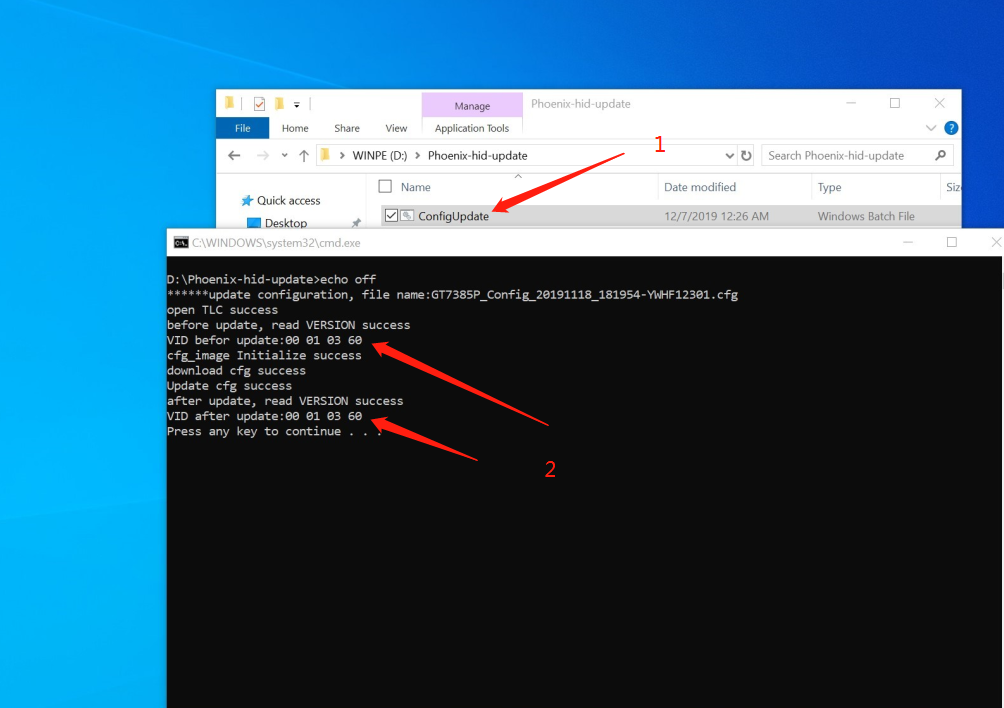
Copy the file “Phoenix-hid-update” to the tablet, open the file, click twice “ConfigUpdate ” to run. (About 5 seconds)
2. Upgrade has completed when the running interface displays version 01.03.60. Just close the Command line app to finish the update.
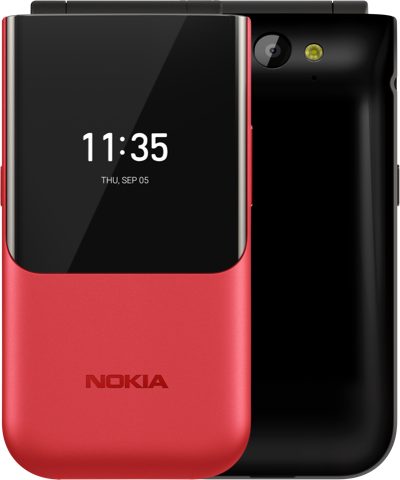
Nokia’s rebirth technically happened in China, after HMD Global released its first Android smartphone, the Nokia 6, first in the Chinese market in 2017. China has got a pretty good Nokia lineup, including models like the Nokia 9 Pureview, Nokia 7 Plus, and the Nokia X7. Even feature phones like Nokia 8110 4G and Nokia 3310 4G have been launched in the Chinese market. Now, the company is launching a couple more feature phones in the region, the Nokia 2720 Flip and the Nokia 800 Tough.
HMD Global has officially teased the arrival of the Nokia 2720 Flip and 800 Tough via its official Weibo page. The company will announce the devices on December 16 at 10 AM in the Chinese market. We have already spotted the product pages for both the devices on the official Nokia website in China but it is yet to be updated with details like pricing and availability.
We knew Nokia 2720 Flip was heading to China after it cleared the TENAA certification a few days back. The phone passed the certification under the model number Nokia TA-1170 and came with the same specs and design as the international version. This included a 2.8-inch 320 x 240-pixel internal display, a 1.3-inch 240 x 240-pixel external display, 512MB RAM, 4GB of ROM, a 2MP camera at the back, and a 1500mAh removable battery. The phone will support 4G LTE and Wi-Fi.
TENAA further reveals that the Nokia 2720 Flip will run on KaiOS 2.5.2, however, you won’t likely have pre-installed apps like Whatsapp or Facebook, unlike the international variant. Both, the 2720 Flip and Nokia 800 Tough were announced at IFA 2019 with KaiOS and Google Assistant on board. The 2720 Flip got a really gorgeous RED color variant a couple of weeks back.
The Nokia 2720 Flip was announced at €89 in Europe while the Nokia 800 Tough retailed at €110. So, expect both these models to be priced below 900 yuan when it launches in China next week.
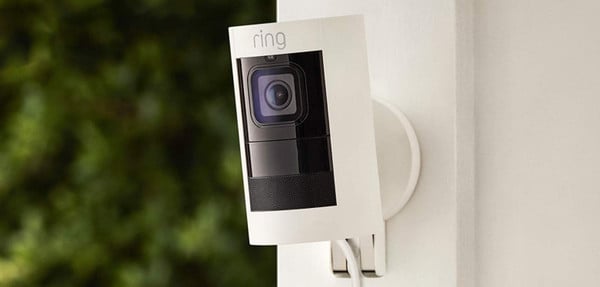
Smart home gadgets are fast becoming a trend in most homes. But with such internet-connected gadgets, security becomes a challenge due to the activities of hackers. That was the experience of a Texas-based US couple who had their home security cameras breached by hackers. The hackers demanded 50 Bitcoin which is estimated to be worth $400,000. But the plain old battery removal came to the rescue.
Tania Amador, a 28-year-old who lives in Grand Prarie just outside Dallas, gave a video to local news which reportedly showed that her Ring security system had been hacked by cryptocurrency hungry scammers who demanded 50 Bitcoin (around $400,000 rounded up).
Amador told WFAA; “I was asleep and our Ring alarm was going off like an intruder had entered our home. Then we heard a voice coming from our camera.” She disclosed the voice said “Ring support! Ring Support! We would like to notify you that your account has been terminated by a hacker.” Apart from demanding a 50 Bitcoin ($400,000) payment, the hacker threatened Amador by saying that she will be terminated herself if she doesn’t oblige. “Pay this 50 Bitcoin ransom or you will get terminated yourself,” they said. The hackers even managed to gain control of her Ring doorbell to make it appear that they were outside her home. Amador and her boyfriend had to take the batteries out of the hijacked cameras, shutting off the hacker.
A Google search shows that this isn’t an isolated case as several persons have reported similar hacking of their Ring cameras. Motherboard report recently found that there is software available specifically designed to hack Ring cameras which cost as little as $6.
Amazon’s Ring has since responded to the incident. The home security company told WFAA and Amador that the hacks were a result of a third-party data breach in which Ring account details were exposed. This was not a result of Ring’s security being breached or compromised, it said.
Whatever the cause is, the breach once again reminds us that our smart home gadgets can be hacked easily. So, it is best you change your password regularly and avoid granting phone access to third-party apps that are not trusted.
OnePlus is always known for its premium yet affordable flagship smartphones and lag-free user interface. The Chinese smartphone company recently launched the OnePlus 7T and OnePlus 7T Pro with Snapdragon 855+ chipset and few more advancements over the OnePlus 7 series. Alike all its smartphones OnePlus is recruiting closed beta testers for the newly launched OnePlus 7T series.
The Closed Beta Program of OnePlus is the group of testers who always remain close to the OnePlus team in building and testing new OxygenOS features for the smartphones. The Closed Beta Program brings multiple monthly updates to the testers. It is even called alpha stage testing or early-stage testing group. It is an elite group of testers getting features and builds weeks or months before the official stable release. Later, the refined build is moved for Open Beta testing that everyone can install.
OnePlus is accepting 250 people in Closed Beta Program of OnePlus 7T series testing. The interested user should fulfil these requirements before applying for the closed beta tester. Sometimes, the users have to clean flash the build resulting in loss of data.
The tester should have a OnePlus 7T series device which are not locked to any network.
He/ She should be an active OnePlus community member.
The tester should provide constant feedback to the OnePlus team on Slack about the bugs, features and updates.
Before entering the closed testing group, the user is required to sign an NDA (Non-Disclosure Agreement) with the company.
It is not advised to participate if the same device is your daily driver. The overall experience will be buggy and may lead to loss of data in several instances. Still, if you’re interested in getting the latest features and want to try your luck, then head over to the Source link below.
We use cookies on our website to give you the most relevant experience by remembering your preferences and repeat visits. By clicking “Accept”, you consent to the use of ALL the cookies.
This website uses cookies to improve your experience while you navigate through the website. Out of these, the cookies that are categorized as necessary are stored on your browser as they are essential for the working of basic functionalities of the website. We also use third-party cookies that help us analyze and understand how you use this website. These cookies will be stored in your browser only with your consent. You also have the option to opt-out of these cookies. But opting out of some of these cookies may affect your browsing experience.
Necessary cookies are absolutely essential for the website to function properly. This category only includes cookies that ensures basic functionalities and security features of the website. These cookies do not store any personal information.
Any cookies that may not be particularly necessary for the website to function and is used specifically to collect user personal data via analytics, ads, other embedded contents are termed as non-necessary cookies. It is mandatory to procure user consent prior to running these cookies on your website.