Soon after OnePlus launched its second flagship smartphone of the year — OnePlus 7T lineup, leaks and rumors about the company’s next year’s flagship smartphone — OnePlus 8 and 8 Pro started surfacing online.
Now, OnePlus founder and CEO Pete Lau revealed during a meeting that the company’s upcoming OnePlus 8 series smartphones getting launched next year will be the “most beautiful flagship of OnePlus.”
As per the reports, the company is all set to launch three smartphones with its upcoming OnePlus 8 series, which will include the standard OnePlus 8, OnePlus 8 Pro as well as a toned OnePlus 8 Lite.
The upcoming flagship phones from the company will come powered by Qualcomm’s flagship Snapdragon 865 chipset. OnePlus has already confirmed that all the devices from the company will now feature a higher refresh rate display. This means that the devices could with either 90Hz or 120Hz refresh rate and not the standard 60Hz.
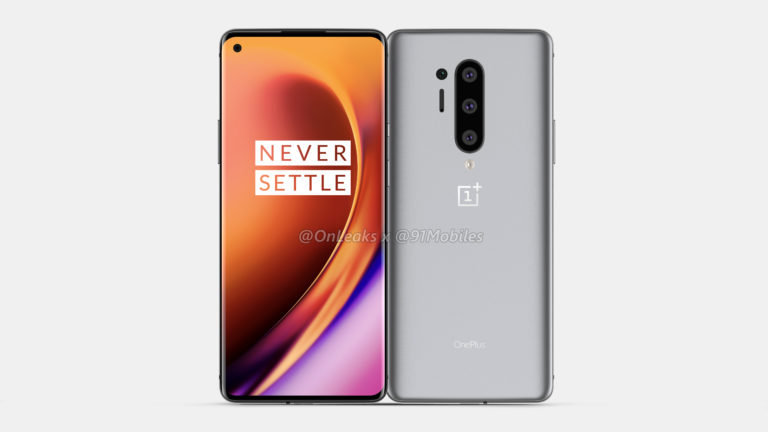
Last month, an alleged product diagram of the OnePlus 8 Pro has been leaked online, which showcases the quad-camera setup on the smartphone’s back panel. It shows camera module that sits at the top-center position, with all the sensors aligned vertically. Along with the triple-camera setup we saw on the OnePlus 7T Pro, the company will be adding a ToF sensor as the fourth one.
On the front side, the company will be ditching the pop-up camera mechanism and will instead opt for the punch-hole design. From the leaked image, it look like OnePlus 8 will have a cut-out in the top-left corner of the display for a single camera sensor while the Pro variant will have two front-facing cameras.
Coming to the specifications, the OnePlus 8 and 8 Pro are rumored to be equipped with 6.4-inch and 6.7-inch S-AMOLED E3 curved dual punch-hole display that supports 120Hz refresh rate. As for the resolution, the 8 Pro is expected to produce quad HD+ resolution of 1440 x 3140 pixels while 8 and 8 Lite will offer full HD+ resolution of 1080 x 2400 pixels. The OnePlus 8 Lite may house a 6.4-inch S-AMOLED E2 display with 90Hz refresh rate. All three phones will sport an in-screen fingerprint reader.
The OnePlus 8 and 8 Pro is powered by Snapdragon 865 mobile platform and X55 5G modem that brings support for 5G connectivity. Both models are expected to come in 8/12 GB LPDDR5 RAM variants and USF 3.0 storage options such as 128/256 GB. On the other side, the OnePlus 8 Lite is expected to feature the Dimensity 1000 SoC, 8GB of LPDDR4x RAM and UFS 3.0 storage of 128/256 GB.
The OnePlus 8 and 8 Pro may feature 32-megapixel (Sony IMX616 Iens) + 3D ToF dual camera system. The OnePlus 8 Lite may feature a front-facing camera of 16-megapixel (Sony IMX471) housed inside a single punch-hole on the screen.
The OnePlus 8 and OnePlus 8 Lite may come with a 4,000mAh batteries that support 30W fast charging while the Pro model may come with a larger 4,500mAh battery with 35W fast charging. The pricing for this series is expected to start at 2,999 yuan (~$428).
In November, Realme had held an unveil in India to launch the Realme X2 Pro flagship smartphone. It had debuted with a starting price of Rs. 29,999 (~$421) for the 8 GB RAM + 128 GB storage variant. Now, the Chinese manufacturer has introduced a new base model for the smartphone in India. It comes with 6 GB of RAM and 64 GB of native storage. The device is priced at Rs. 27,999 (~$393). At the Realme X2 Pro launch event, the company had claimed that the Realme X2 Pro Master Edition will go on in sale in December. Starting from today, Realme fans in India can purchase the specially designed Realme X2 Pro Master Edition.
Realme X2 Pro 6 GB + 64 GB and Master Edition Availability
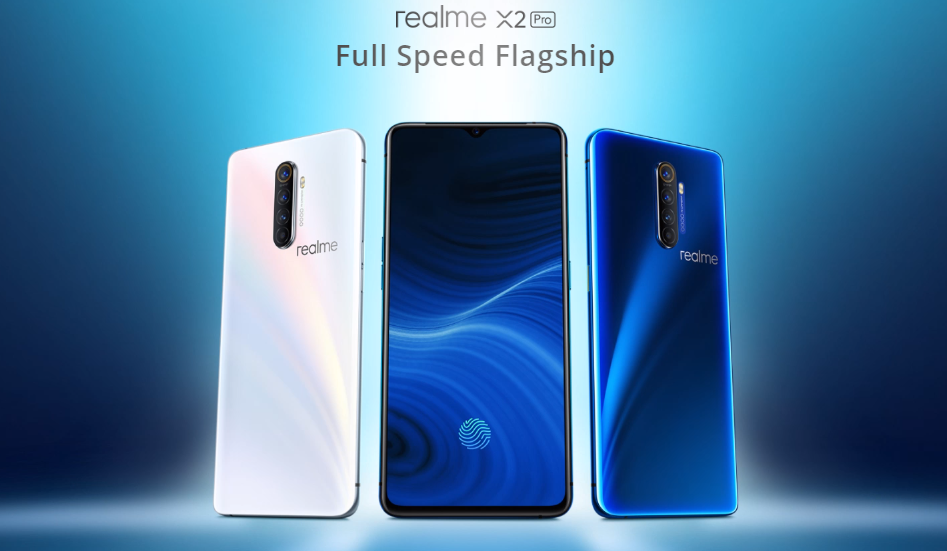
Including the newly introduced base model, the Realme X2 Pro is available in three variants such as 6 GB RAM + 64 GB storage, 8 GB RAM + 128 GB UFS 3.0 storage and 12 GB RAM + 256 GB UFS 3.0 storage. These models are respectively priced at Rs. 27,999 (~$393), Rs. 29,999 (~$421) and Rs. 33,999 (~$473).
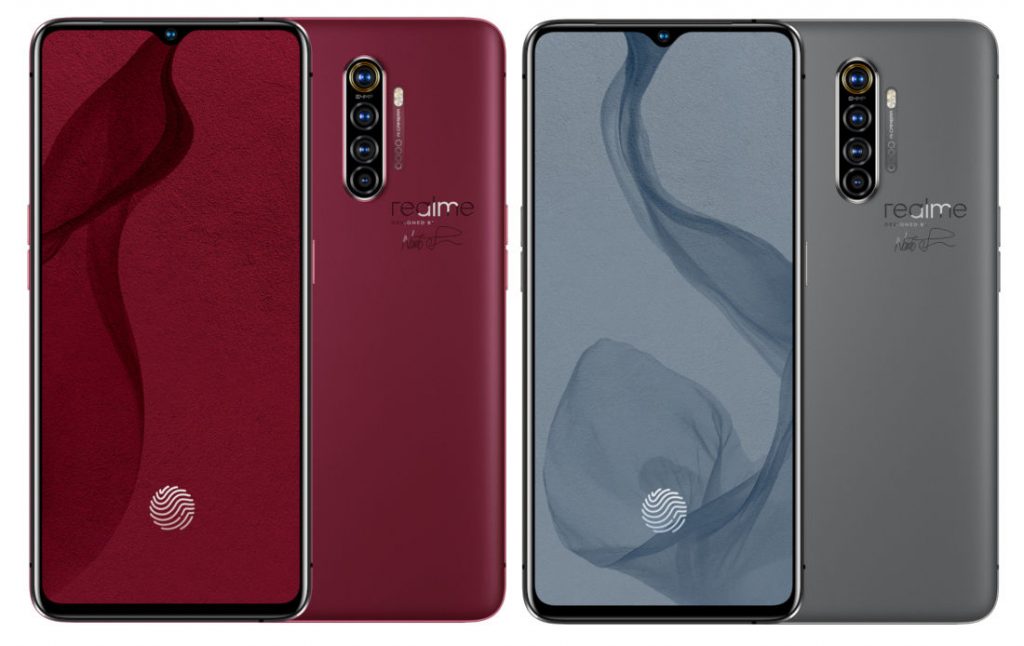
In addition, Realme is also selling Realme X2 Pro Master Edition that is crafted by popular Japanese designer Naoto Fukasawa. His laser-engrave signature is also available on the rear sides of the Red Brick and Concrete colour editions of the Realme X2 Pro Master Edition. The special edition comes with 12 GB of RAM and 256 GB of UFS 3.0 storage. It carries a price tag of Rs. 34,999 (~$491).
Realme X2 Pro Master Edition Red Brick and Concrete Color Editions
The Master Edition will be available for buying at 8:55 PM IST (local time) through Flipkart and Realme India’s official online store. The 6 GB + 64 GB storage Realme X2 Pro can be also availed from the aforementioned platforms. However, it its availability is not confirmed yet.
The glass-bodied Realme X2 Pro has a 6.5-inch S-AMOLED display with waterdrop notch. It supports full HD+ resolution of 1080 x 2400 pixels and 90Hz refresh rate. The display is embedded with in-screen fingerprint reader. The Snapdragon 855+ powers the device and it features a comprehensive heat dissipation system. The 4,000mAh battery can be fueled by 50W SuperVOOC Flash Charge technology.
The Realme X2 Pro has a 64-megapixel (Samsung GW1) + 8-megapixel (ultrawide) + 13-megapixel (telephoto) + 2-megapixel (portrait) quad camera system. The phone features a front-facing camera of 16-megapixel. The ColorOS 6.1 based Android 9 Pie OS. The device offers connectivity features such as dual 4G VoLTE, Wi-Fi 802.11ac, Bluetooth 5.0, dual-band GPS, NFC, USB-C and 3.5mm audio jack. Neptune Blue and Lunar White are the two color editions of the Realme X2 Pro.
Last month, Microsoft announced that it is all set to pull the plug on its Cortana mobile application for both Android and iOS devices in several countries next year. The company confirmed that from January 31, 2020, Microsoft will no longer support the digital assistant app in some of the regions.
At that time, it was revealed that the Cortana mobile app will no longer support UK, Canada, Australia, China, Germany, India, Mexico and Spain. Now, in a recent interview, Andrew Shuman, who is leading the Cortana team, confirmed that the Cortana mobile app (as well as its integration in Microsoft’s Android launcher) was going away in all countries except for the U.S.
Explaining why the app will still be functional in the United Sates, he said that it is used to configure Cortana and update the firmware on Surface Headphones, which debuted only in the United States.
This doesn’t make sense as the headphones are now on sale in other regions as well. After January 30, only Surface Headphones users in the U.S. will be able to keep using Cortana for Android and iOS. All other Surface Headphones owners will now have to use Cortana for Windows.
However, he did gave two more reasons for killing the app. First, Cortana for Android and iOS didn’t receive much traction outside the U.S. He said that “the markets we turned off had much lower usage and engagement.” The second reason is that Cortana for Android and iOS is sticking around in the U.S. because Microsoft wants to keep experimenting.
With the application for smartphones going away in almost all regions, the company previously said that “to make Cortana as helpful as possible, we’re integrating Cortana deeper into your Microsoft 365 productivity apps, and part of this evolution involves ending support for the Cortana mobile app on Android and iOS.” This confirms that Microsoft is refocusing Cortana for the enterprise, and specifically for Windows and Office.
Huawei has now finally launched its Huawei Mobile Service (HMS) in the company’s home market China. Huawei Mobile Service offers a bunch of basic applications for a smartphone which includes the likes of phone, SMS, email, among others.
As per the reports, the company released two public beta applications — Huawei Mobile Services and HMS Core. This version of Huawei Mobile Services come with several bug fixes and new features as well as improved performance experience.
The new features on the app now includes Huawei accounts, applications internal payment system, message notifications, wallet service, among others. The app is now also claimed to provide more stable and high-quality services to users.
Coming to the HMS Core Test application, it is said to be a small application marketplace model that integrates the installation and download of six basic HMS services. It includes Games, Fido & Safety, Purchase, Identity, Scan, Nearby, ML, and other apps.
The launch of these apps and services from Huawei comes as the company remains banned from using Google apps and services given that the United States government has put the company on its “Entity List”, effectively barring it from doing business with any of the U.S. based firms without permission from the government.
To counter the dependency on Google, Huawei launched its own ecological services with HMS or Huawei Mobile Services. As per the data released by the company, as of August 2019, the HMS has grown rapidly and now over one million developers are using it with HMS Core having more than 450,00 apps on the platform.
This seems like a major boost for the company’s own HarmonyOS (aka HongMeng OS) which was launched a couple of months ago. This home-grown operating system from Huawei aims to be a one-stop-solution for all the company’s hardware and will soon be powering Huawei and Honor’s smartphones.
For most manufacturers that started off as online brands, the importance of having an offline presence cannot be overemphasized. So it is no surprise that a certain part of their expenses for the year goes to offline expansion.
OnePlus is one of the phone manufacturers that began as an online-only company but has steadily been creating an offline presence with the establishment of experience stores and partnerships with retail chains. The latest news says they have partnered with SRK Group to expand its offline presence in India.
The partnership with SRK Group will result in the availability of OnePlus products in several stores across Mumbai. SRK Group is known as a major distributor in Mumbai with over 1800 retail outlets across the city.
OnePlus has set a 2020 target of 100 experience stores in 50 cities including Tier-II cities across India as well as presence in more than 2000 offline retail stores. The partnership with SRK Group should get it closer to its goal.
India is a key market for OnePlus and the manufacturer has shown it in more than one way. Its OxygenOS has special features designed for India such as Smart SMS, Cricket Scores, and a smart gallery with free cloud storage service. It has also launched some of its products first in the country before any other market such as the OnePlus TVs and the OnePlus 7T.
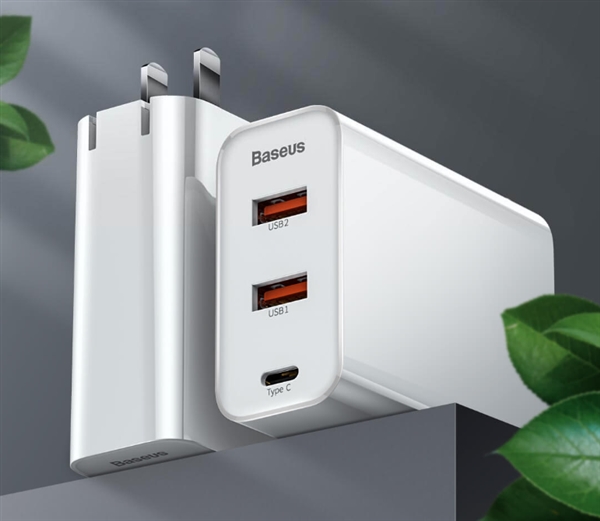
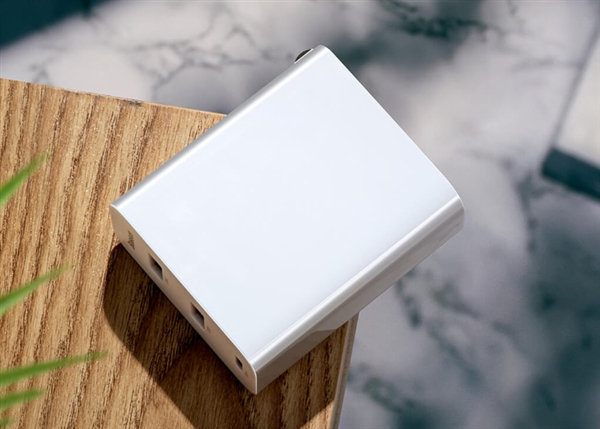
Xiaomi Youpin is presently home to some of the best tech and smart home products manufactured in China. While we wait for Xiaomi to expand the Youpin crowdfunding platform through its partnership with Indiegogo, the brand continues playing host to more amazing gadgets. Xiaomi has just launched the Baseus 3-port 60W fast charger. The product comes with an affordable 149 yuan ($21) price tag.
As the name indicates, the Baseus 3-port 60W fast charger features three output ports, two USB-A ports and a USB-C port. The charger can be used to charge laptops and mobile phones at the same time. Only the USB-C interface has an output of 60W and can be used to charge a MacBook Air (13) in just 90 minutes. The USB-A ports both come with 45W output each.
In order for the fast charger to be compatible with different devices, it comes with support for several charging protocols. The supported protocols include Apple’s PD3.0, QC4.0, QC3.0, FCP, AFC, MTK and other popular fast charge protocols in the market. The charger also comes with smart voltage detection. What this means is that if the three ports are being used at the same time, the device accurately detects the voltage and current required by the device and matches the output to reduce current loss.
The charger also has retractable pins making it suitable to carry about. The body is made of high flame retardant and fire-resistant PC material and has several built-in safety protection circuits such as overvoltage, overcurrent, static electricity, temperature, and short circuit protection.
“It’s the most wonderful time of the year” is part of a Christmas song lyrics and it is a wonderful time indeed. And it’s also a perfect time to get yourself that tablet or laptop you wanted to all year. Chuwi is making some of the most cost-effective products out there and below are their recommendations for 2019. Apart from that, they are also hosting a Christmas Giveaway Event and the prizes include 3 x UBook 2-in-1 tablets that worth $1200.
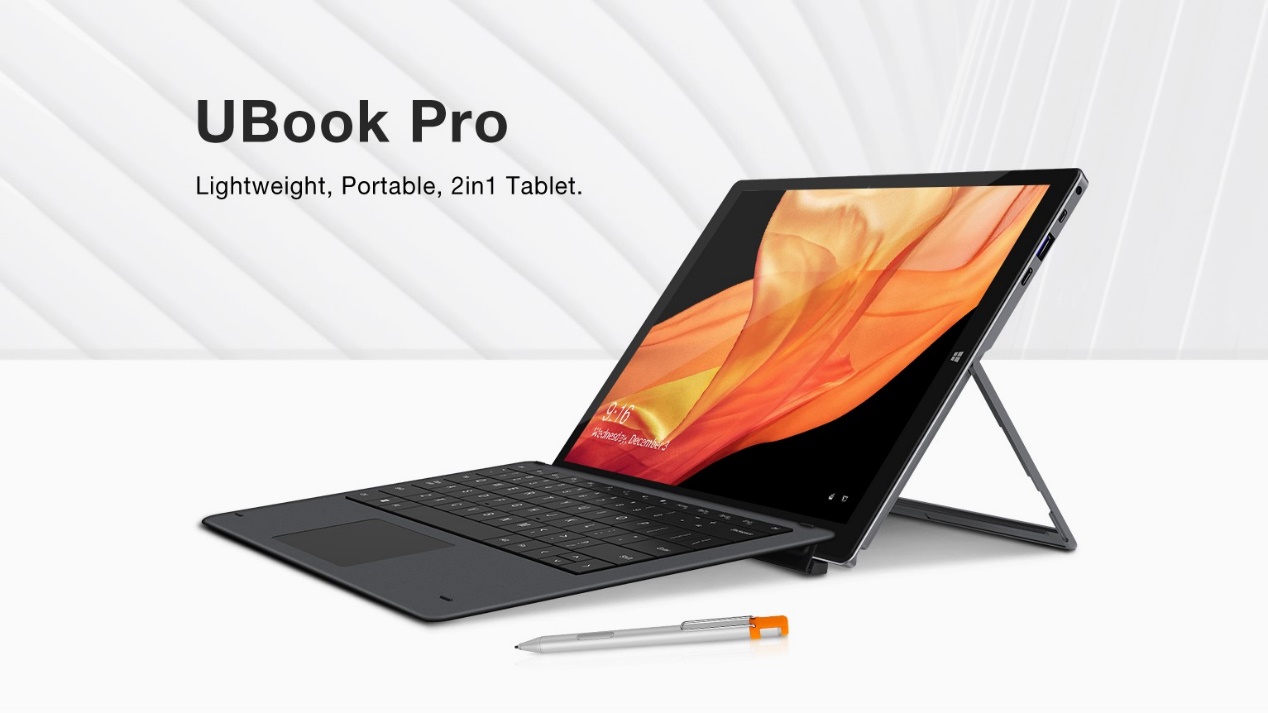
UBook Pro 2-in-1 versatile tablet
The UBook Pro sports a 12.3″ 3:2 IPS display and is powered by the Intel 8100Y/N4100 CPU together with 8GB of RAM and 256GB SSD. Featuring a U-shaped kickstand, the device is a versatile 2-in-1 tablet, which is more suitable for students and office workers. It can be transformed into a laptop in no time thanks to the detachable magnetic keyboard and Stylus.
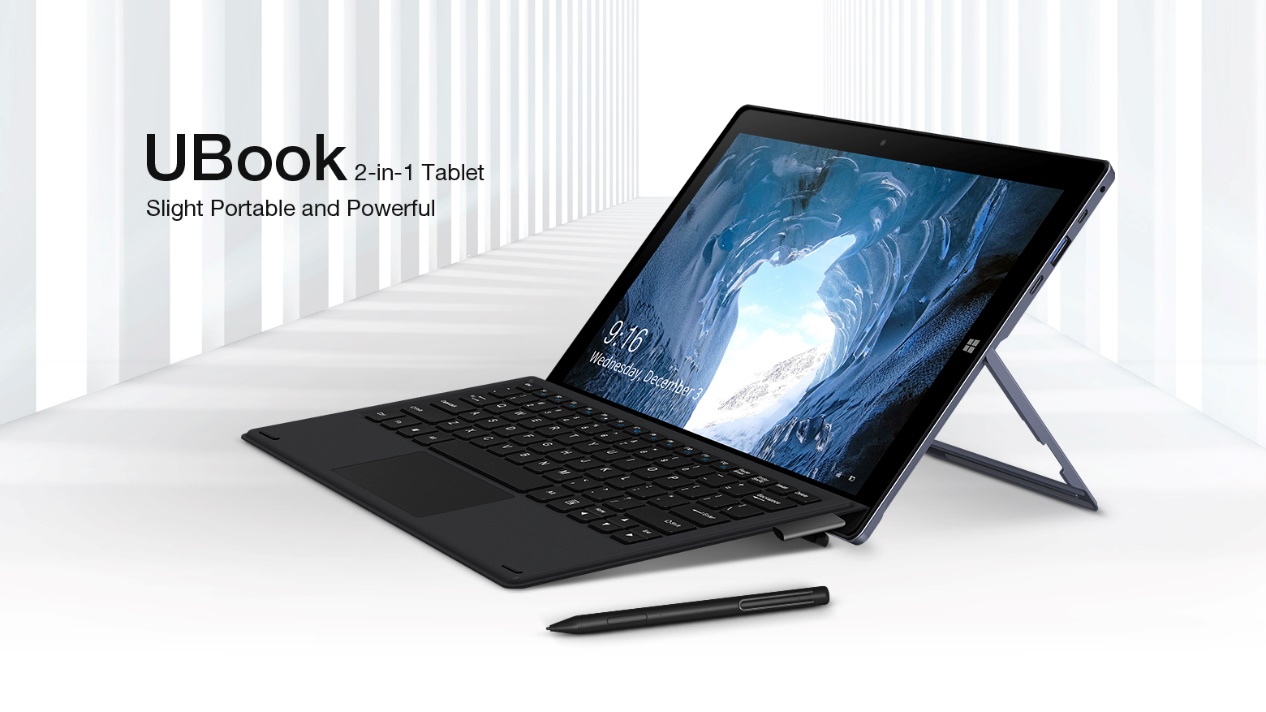
Chuwi UBook cost-effective 2-in-1 tablet
The UBook is a very compact 2in1 tablet thanks to its 11.6″ IPS display that has an aspect ratio of 16:9. Inside lies the Intel N4100 CPU backed by 8GB RAM and 256GB SSD. It preserves the main hardware advantages of the Pro version. Even the U-shaped kickstand is there. Definitely a choice to consider if looking for something well-priced and with a balanced performance.
AeroBook: portable full-screen laptop
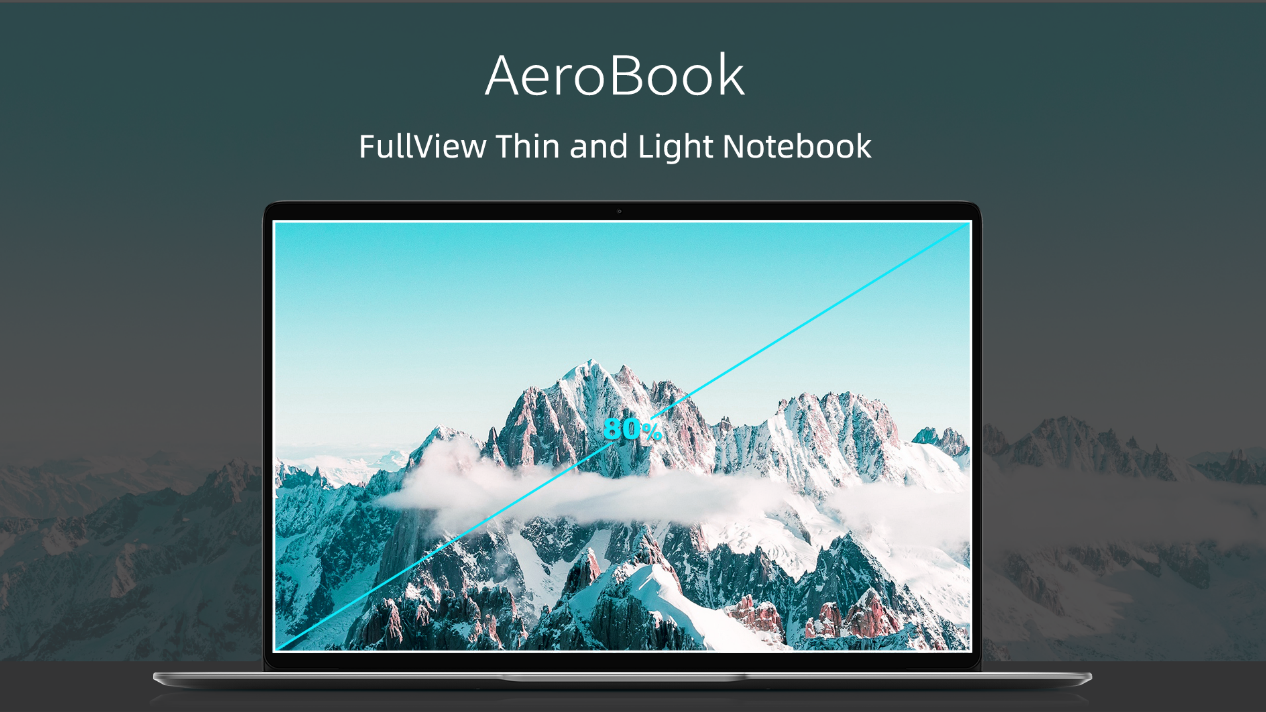
The AeroBook is a 13.3″ laptop with an IPS paned and is even more powerful from the UBook duo as it sports the Intel 6Y30 combined with 8GB of RAM and 256GB SSD. The display’s borders are very narrow at just 7mm and the screen/body ratio reaches 80%. Also, the combination of the fully-laminated display panel with the full-metal body makes it very light as it weighs at only 1.26kg. A perfect all-around machine for office work or media consumption.
Chuwi Hi10 X, the mysterious new product
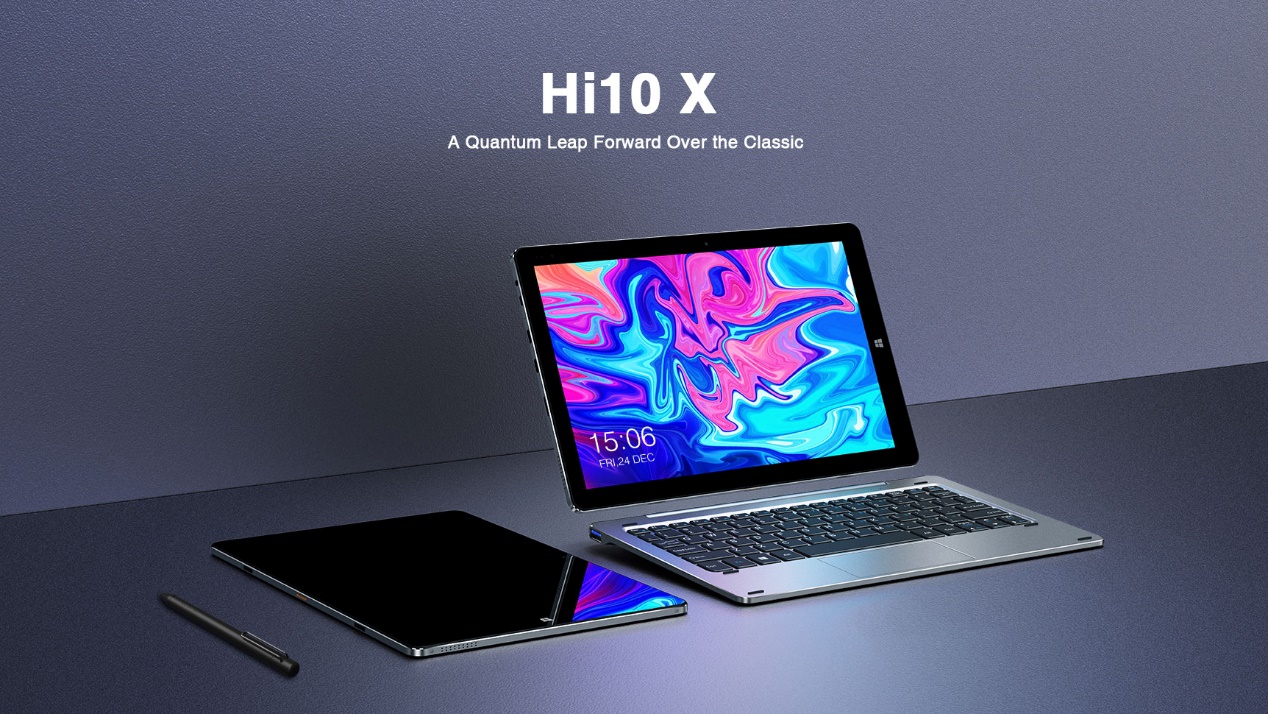
Together with the Christmas recommendations from Chuwi, information for a new device surfaced. It’s allegedly called Chuwi Hi10X and will also be on sale during the Christmas deals. It just appeared on the company’s official website and compared to the Hi10 Air it received a generous performance bump. It comes with Intel N4100 backed by 6GB of RAM and 128GB SSD, double USB Type-C interface, 10.1″ screen, and full-metal body. The Hi10X performs adequately in all situations and it can be turned into a laptop with the help of the metal detachable keyboard.
So, these are the recommendations from Chuwi. Don’t forget to participate in the Giveaway activity! For more information, visit their official website.
The Mi CC9 Pro launched as the Mi Note 10 in Spain early last month, marking the global launch of the device. However, Xiaomi didn’t launch the Mi Note 10 Pro, known as the Mi CC9 Pro Premium Edition in China, in Spain until today.
The Mi Note 10 Pro differs from the standard variant in three ways. First, its 108MP primary rear camera has an 8P lens rather than a 7P lens like the standard variant. It also has more RAM and storage.
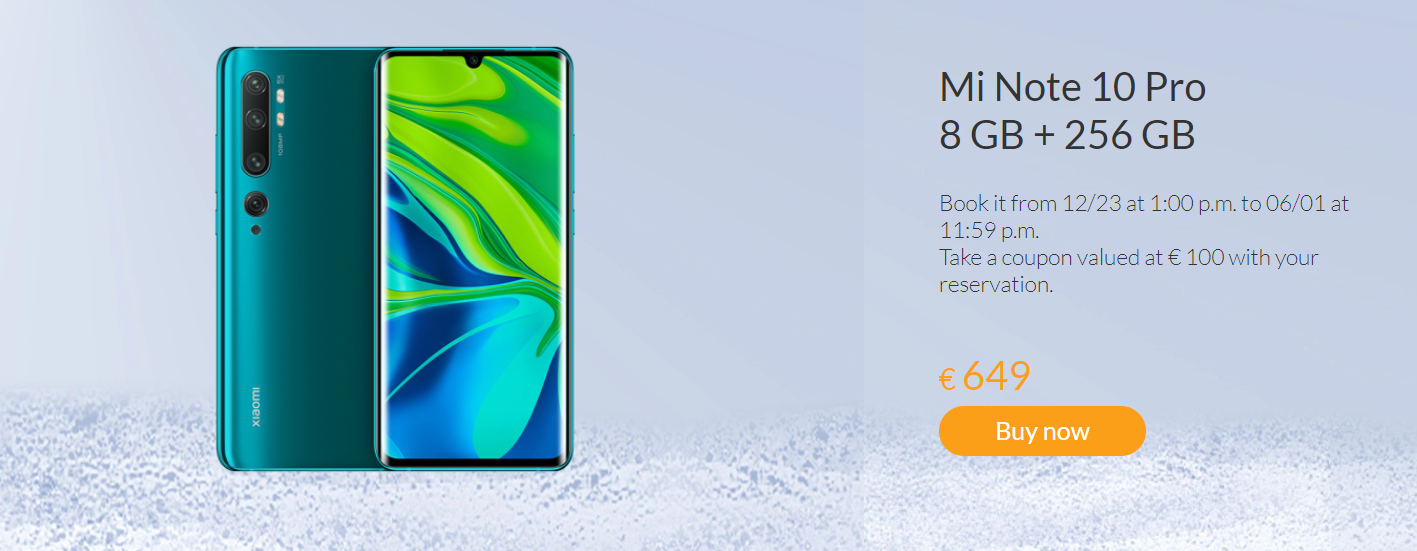
The phone packs 8GB of RAM and 256GB of non-expandable storage and is already available for preorder in Spain for €649. Interested buyers can pick up a unit on Mi.com, Amazon Spain, and FNAC. It is also available in Mi Stores across the country. Buyers will be able to choose between Aurora Green and Midnight Black.
The preorder runs from today, 23rd of December to 6th of January and those who pre-order get a €100 coupon. FNAC, on the other hand, has it listed for €559.99.
The Mi Note 10 Pro has a 6.47-inch FHD+ Super AMOLED display with a waterdrop notch for a 32MP selfie camera. There is a Snapdragon 730G processor inside and it draws power from a massive 5260mAh battery. The phone supports 30W fast charging that allows it to charge from empty to 100% in just 65 minutes.
The Mi Note 10 Pro’s selling point is its cameras. It is the first commercially available phone with a 108MP sensor. The Samsung sensor was co-developed with Xiaomi. It is paired with a 12MP telephoto camera with 2x zoom, another 5MP telephoto camera with 5x optical zoom, a 20MP ultrawide camera, and a 2MP macro camera.
Other features are an in-display fingerprint scanner, an audio jack, NFC, an IR blaster, and Gorilla Glass 5 on both sides of the phone. It runs Android 9 Pie out of the box with MIUI 11 on top.
2019 was a year full of innovation in the smartphone market. We saw a few devices which have definitely written a page of the smartphone’s history and, thanks to new technologies such as 5G, this year laid the roots of important technological innovation that we will see in the next years. In this post, we collected all the most innovative smartphones announced in 2019. We included all the smartphones we consider as the most revolutionary ones and the ones which brought something new and unique.
The most innovative smartphones of 2019
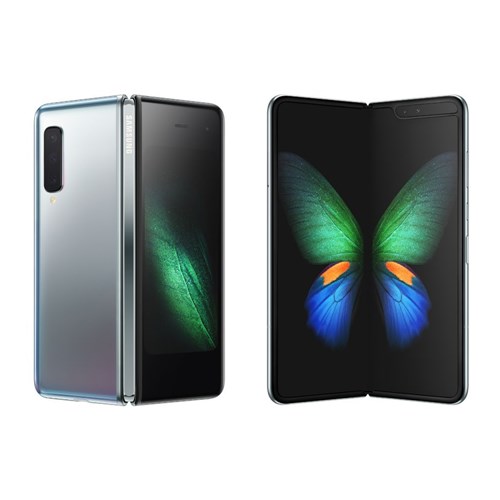
Samsung Galaxy Fold
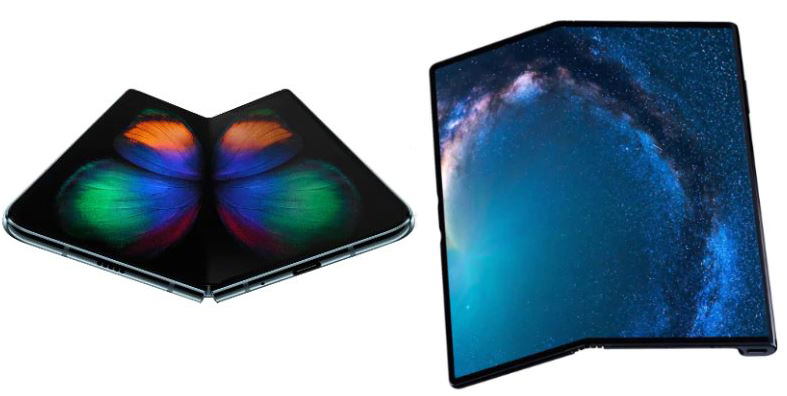
The Galaxy Fold is the long-awaited Samsung’s first foldable smartphone with a foldable display. We have been hearing about it for years and in 2019 it finally went on sale. After several delays and issues, now it is a finished and well-made product which people can buy all around the world. Thanks to an internal foldable OLED panel, Samsung Galaxy Fold is able to transform from a smartphone to a tablet reaching a screen diagonal of 7.3 inches. It uses a special plastic panel and a complex hinge and it also includes a smaller smartphone-like external display making it very compact and still usable while it is folded. It packs a total of six cameras, including a triple camera setup on the back, a dual front camera on the foldable display and a cover camera above the external display. It is powered by a Snapdragon 855 chipset and it even comes in a 5G variant.
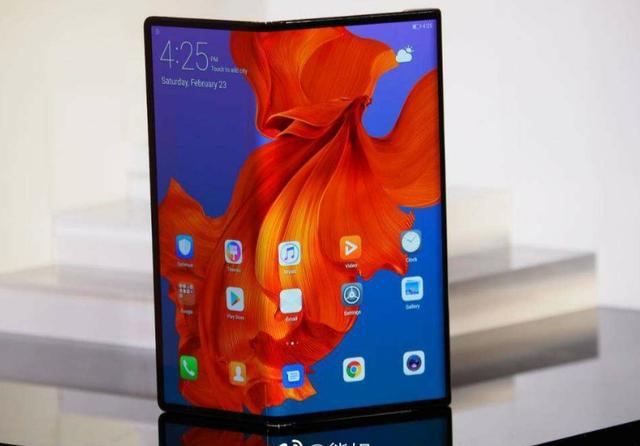
Alongside Samsung, even Huawei announced its first foldable phone: the Huawei Mate X. But unlike the Galaxy Fold, it never hitten the global market and it was only launched in China. It will go global next year in a renewed version. Further, unlike the Samsung Galaxy Fold, it has an external foldable display instead of an internal one. It means that when the smartphone is folded the panel doubles in two different displays. While it is unfolded, the full display has an 8-inch diagonal. The amazing quad camera setup can be used as both rear camera and front camera.
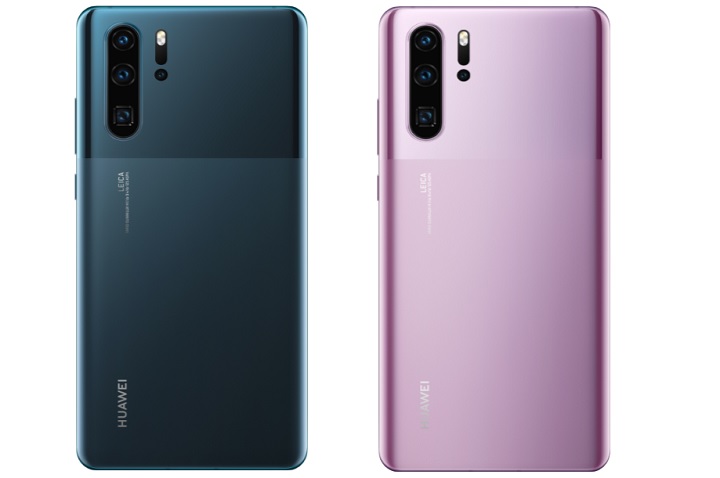
Huawei P30 Pro deserves a spot in the list of the most innovative smartphones of 2019 due to its camera department. In order to ensure awesome camera performance in low light conditions, the company decided to change the RGB paradigma and replaced the green color with yellow: that is how the RYYB paradigma is born. The main RYYB sensor causes yellow tints to appear in photos, but it boosts the camera performance in the dark by an incredible margin. That is why Huawei P30 Pro is one of the best camera phones to shoot with low light. Huawei P30 Pro also brings the first telephoto lens with up to 5x optical zoom and 10x hybrid zoom.
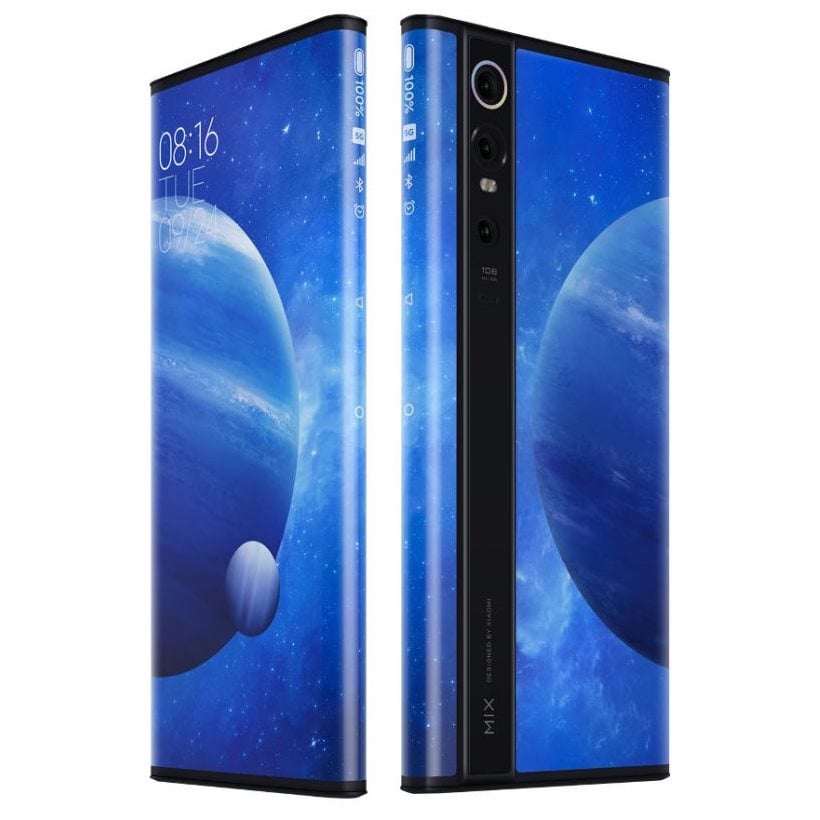
The innovative Mi Mix Alpha is the world’s first smartphone with a wrap-around display. From every angle you look at the phone you can see the display since it covers almost the whole device for a total diagonal of 7.92 inches. Xiaomi Mi Mix Alpha is also the first smartphone to mount an awesome 108 MP camera (included in a triple camera setup). Unfortunately, only a few people will be able to buy it since it has a listing price which roughly translates into about €2500/$2772.
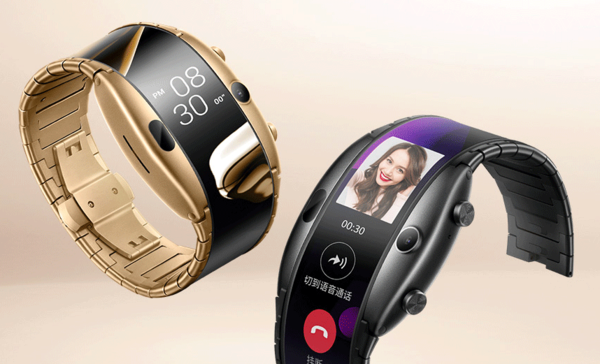
Unveiled at MWC 2019, Nubia Alpha is a smartphone on your wrist. It is the first smartwatch with a foldable display that doubles as a smartphone. It has a long 4-inch flexible OLED screen with a 36:9 aspect ratio and a resolution of 960 x 192 pixels. It is equipped with a camera, it supports eSIM and 4G LTE. The wearable is fueled by the Snapdragon Wear 2100 chipset paired with 1 GB of RAM and 8 GB of internal storage. The innovative smartwatch comes with all the most important connectivity options offered by a smartphone, including Wi-Fi and Bluetooth allowing us to connect to the internet and pair external accessories such as wireless earbuds. There is even a special version plated with 18K gold.
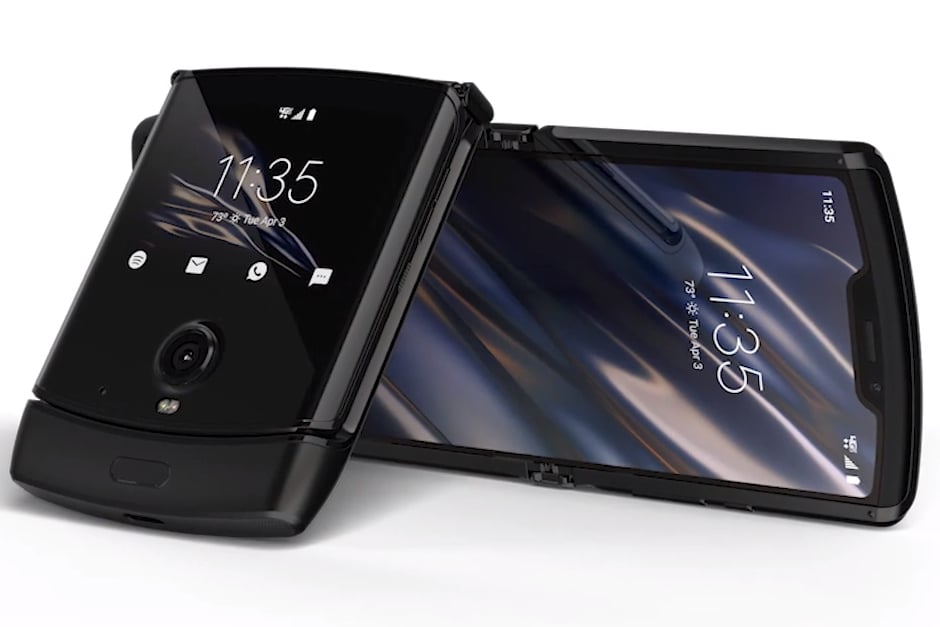
Motorola Razr 2019 is a revival of the iconic Motorola’s Razr phone which was one of the devices with the highest success in the era of feature phones. It has a clamshell design just like the old Razr, but it comes with a foldable display and that is what makes it incredibly innovative. It has a totally different form factor compared to the Galaxy Fold and the Huawei Mate X and it does not transform into a tablet. But thanks to an internal foldable panel with a 6.2-inch diagonal, Motorola Razr 2019 becomes extremely compact. Further, while it is folded, it can still be used for the most important tasks thanks to a smaller external display.
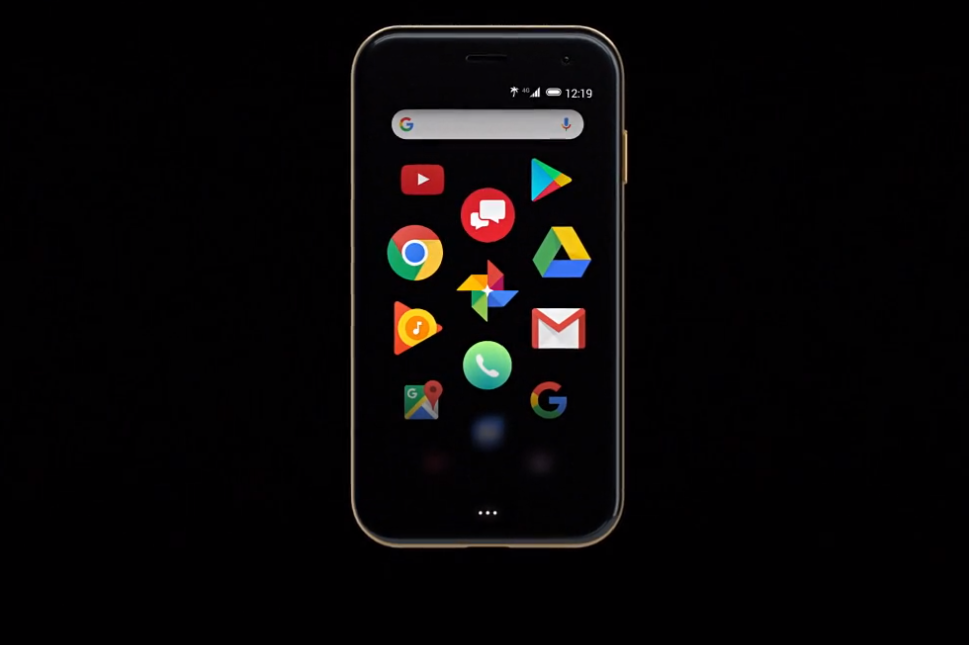
A lot of years ago Palm was among the most important phone manufacturers, but now a lot of people do not even know who Palm is. Well, now the company is back, and it is back with a very innovative device. It reimagined the smartphone by launching a tiny 3.3-inch device that can be considered more as a smartphone companion instead of a standalone device. You can pair the ultra compact Palm phone with your main smartphone, then you can call and text with it. It supports the eSIM technology and LTE. It is even a waterproof device with the IP68 certification.
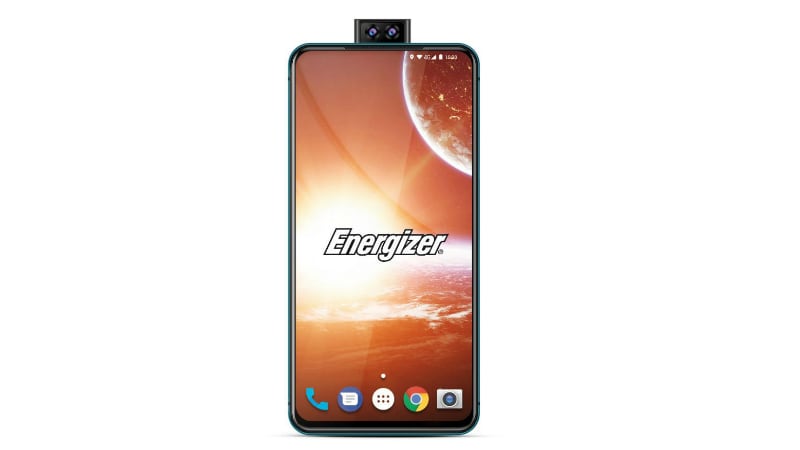
Energizer Power Max P18K Pop looks more like a brick than a phone. It is the smartphone with the biggest battery ever and it is produced by a battery manufacturer and it was announced earlier this year, then crowdfunding. It is equipped with a huge 18,000 mAh battery which can provide up to 50 days of standby, up to 4 days of music playback and up to 2 days or video playback on a single charge. It even comes with a dual pop-up front camera and it can be used as a power bank. But it is 18 mm thick. That is probably what led the crowdfunding campaign to fail with just 11 backers and $15,005 out of $1.2 million gathered.
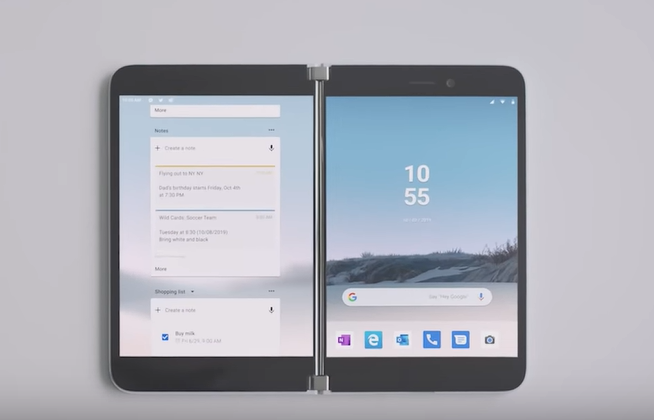
Last but not least, we want to mention the Surface Duo: Microsoft’s comeback in the smartphone market. I did not include it on the list because it will launch in 2020, but the company already announced several details about it. The Surface Duo is a foldable phone with a dual display allowing us to use two apps at the same time, each for every display. It runs Android.
Do you know any other innovative smartphone which should be on the list? Let us know by using the comment box below.
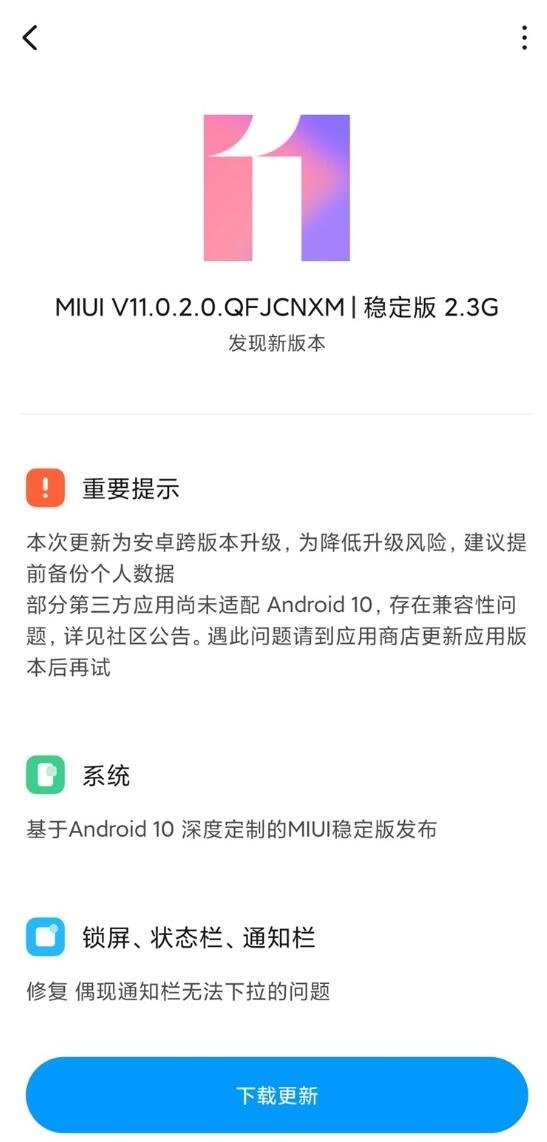
A new MIUI update is rolling out in China to the mid-range phone and the changelog says it brings Android 10. The update arrives as MIUI V11.0.2.0QFJCNXM and is 2.3GB in size.
The update should not bring visual changes since it is buried deep under MIUI. However, features such as smart reply and better control over location data should be available.
Just like the changelog for the Mi 8 MIUI 11 update based on Android 10, Xiaomi warns that some apps may be incompatible with Android 10. You can try to update your apps after the update, to see if the compatibility issues have been fixed.
The Redmi K20 was announced in May 2019. The phone has a 6.39-inch FHD+ Super AMOLED display and a pop-up selfie camera, so there is no need for a notch or punch hole. It is powered by the Snapdragon 730 and comes with up to 8GB of RAM and 256GB of storage. It has 48MP + 13MP + 8MP triple rear cameras and a 20MP selfie camera. It also has a 4000mAh battery, NFC, and an audio jack.
Redmi already released a successor called the Redmi K30. It is available in 4G and 5G versions with the former powered by the Snapdragon 730G and the 5G version powered by the Snapdragon 765G. Both phones run Android 10.
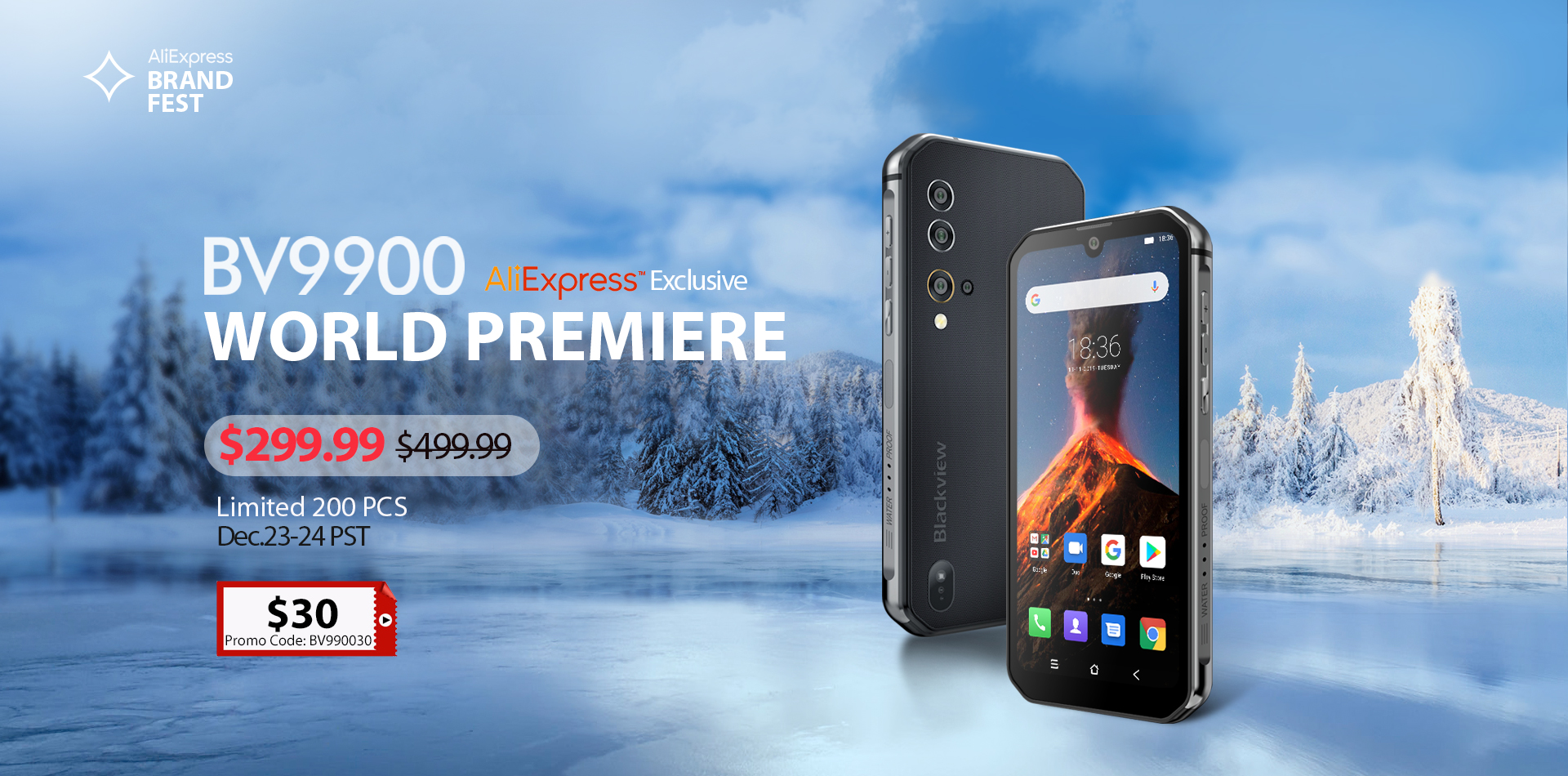
Blackview had promised to launch the BV9900 rugged flagship just on time for Christmas and today it went live with a limited sale that allows the first 200 buyers to get it at just $299.99! To be one of them, just visit the product page on Aliexpress to snap up the limited coupon. If you missed the chance, you can still get it with a 34% discount for just $329.99 until December 24th at midnight.
Blackview BV9900 is the first rugged smartphone to come with the Sony® 48MP in a quad-camera setup as well as operating temperature as low as -30℃. Of course, being a flagship device means high performance and BV9900 delivers thanks to the potent MediaTek Helio P90 octa-core SoC backed by 8GB of RAM and 256GB of internal storage. Below, you can see the unboxing video together with AnTuTu benchmark.
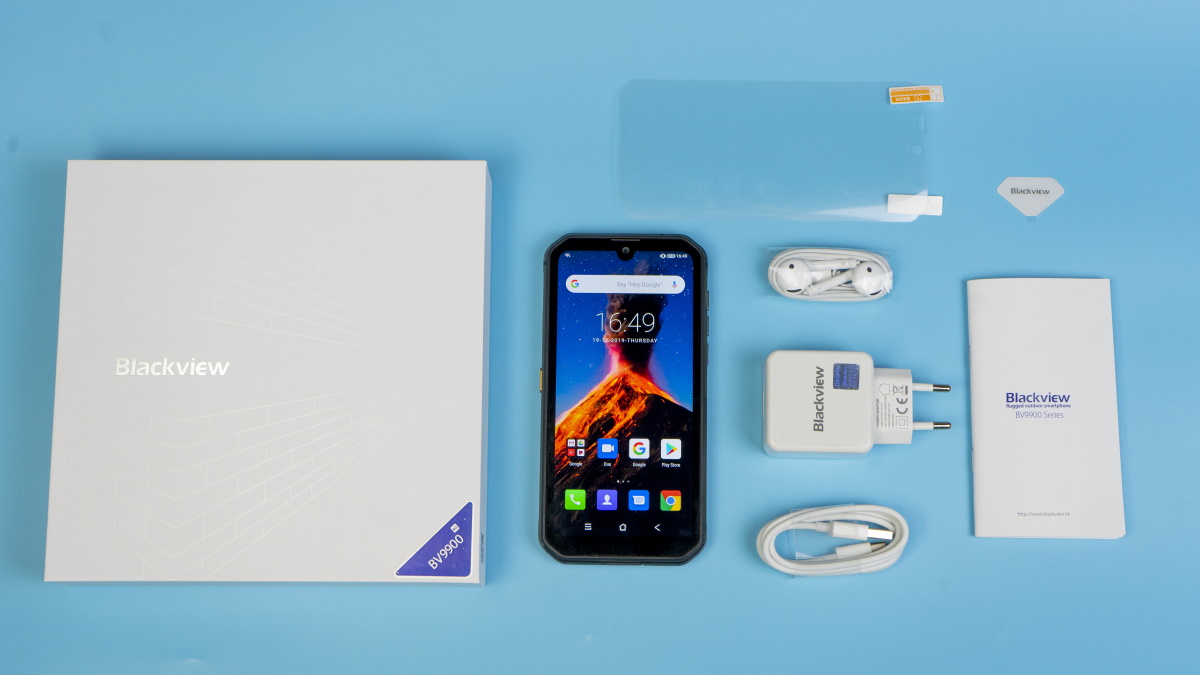
Besides the usual stuff, you also get earphones and a screen protector. Everything looks of high quality. As for its performance, the device scores 222,120 points on Antutu so you can expect fast and fluid performance in operation and games.
As mentioned above, the new flagship can function under extreme temperatures as low as -30℃. The user can still use 4 basic phone functions including Phone, Message, Contacts, Camera. It also features a heart rate sensor, air quality sensor, barometer, hygrometer, UV meter sensor for a more user-friendly experience.
Back to the world premiere sale, Blackview offers another surprise. One of the BV9900 buyers who purchase the device until December 24th, will randomly be chosen by the company and will receive a $1000 non-threshold coupon! So if you’re interested, don’t hesitate to snap up now and you may end up with a $1000 coupon!
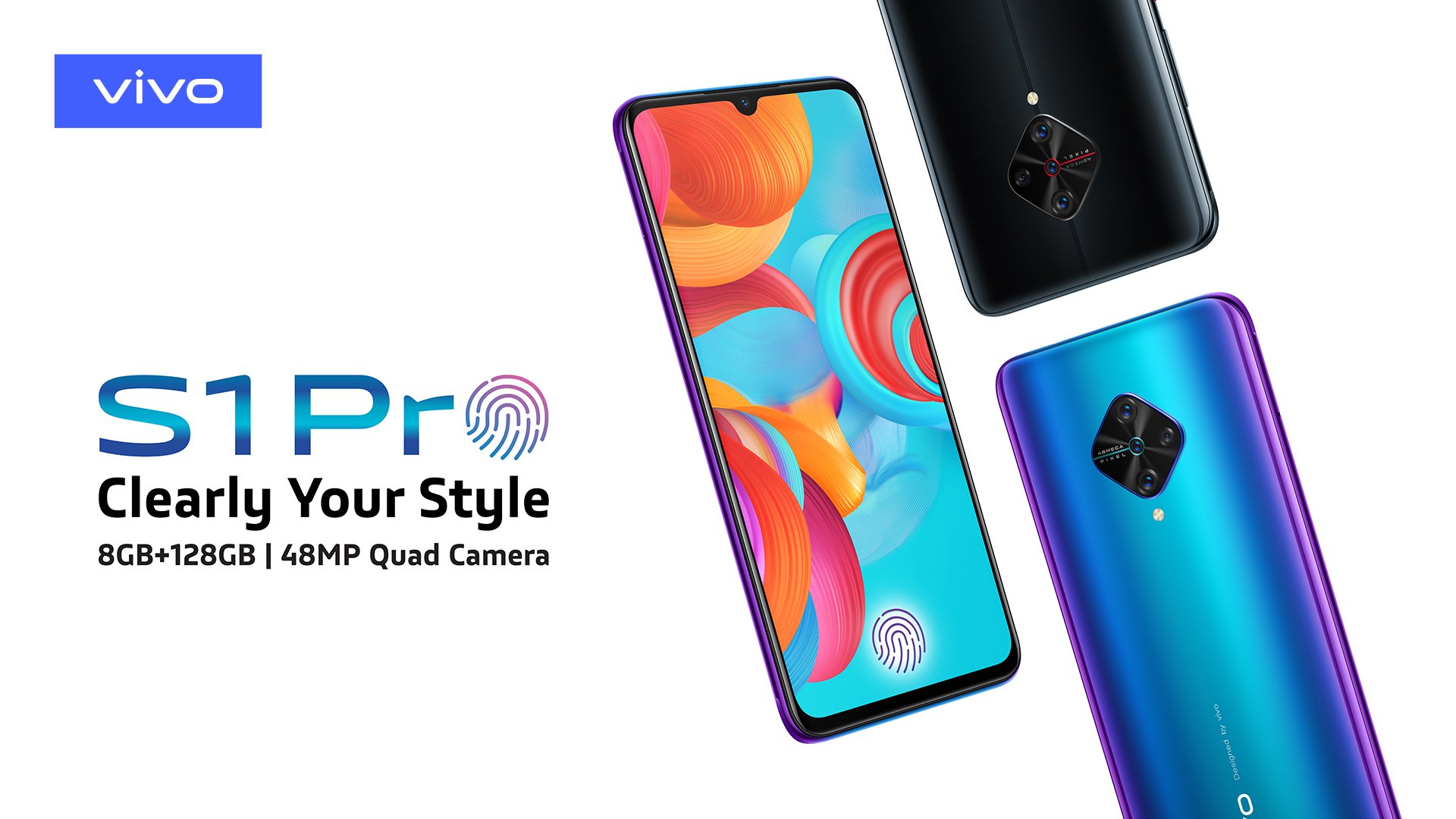
Vivo had launched the Vivo S1 Pro smartphone in China in May. The Chinese firm launch another phone with the same moniker in Southeast Asian markets in November. 91mobiles had recently revealed that India will be receiving Vivo S1 Pro in January. A new report claims that Vivo will be launching the Snapdragon 665 powered Vivo S1 Pro smartphone India. The report has also revealed the expected pricing of the device.
Vivo S1 Pro Specifications and Price for India (Rumored)
According to the publication, the Vivo S1 Pro is fitted with a punch-hole display of 6.38 inches. It will carry support for full HD+ resolution. The phone will be driven by Snapdragon 665 mobile platform and 8 GB of RAM.
The Vivo S1 Pro will be fitted with a diamond-patterned quad camera system on its rear. The setup will include a 48-megapixel main lens, an 8-megapixel lens and a pair of 2-megapixel sensors. The phone will be equipped with a native storage of 128 GB. It will be arriving in color editions such as blue, white and purple.
The report claims that the phone could be priced under Rs. 20,000 (~$280) in India. It is expected to hit the Indian market by mid-January. The publication has not revealed any other details of the Vivo S1 Pro such as battery size and front camera.
The above specs leak suggest that it is the same Vivo S1 Pro phone that is available in Southeast Asian markets like Thailand, Indonesia, Malaysia and Philippines. Hence, the phone is expected to house an OLED display that will be integrated with a fingerprint sensor. The device could be packed with a 4,500mAh battery that carries support for 18W fast charging through USB-C. For shooting selfies, it could be fitted with a 32-megapixel. It could be featuring FunTouch OS 9.2 based Android 9 Pie OS.
The Vivo S1 Pro will be selling alongside the Vivo S1 phone in the country. It has a 6.38-inh full HD+ S-AMOLED display with waterdrop notch. It is powered by Helio P65 SoC. It has a front camera of 32-megapixel and it is fitted with a 16-megapixel = 8-megapixel + 2-megapixel triple camera system. The phone houses a 4,500mAh battery that supports 18W fast charging through microUSB 2.0. The 4 GB RAM + 64 GB storage variant of the phone is priced at Rs. 15,990 (~$224). The higher 6 GB RAM + 128 GB storage model costs Rs. 19,990 (~$280).
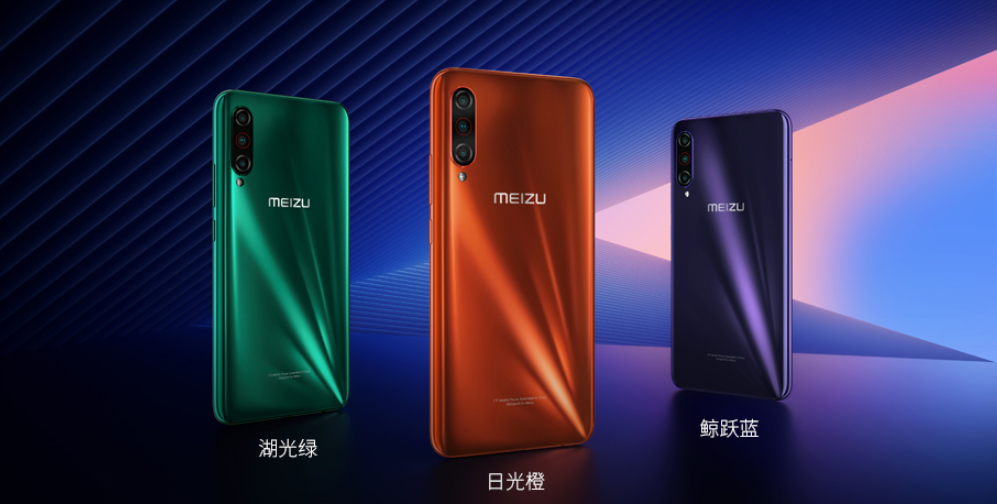
Meizu has not had it smooth in the smartphone industry in the past few years. The company’s market share has continued to decline in the face of stiffer competition and a saturated market. Just like most OEMs bedevilled by the market saturation, Meizu is looking up to 5G for a revival.
The company’s Chief Technology Officer (CTO) Liang Dongming made this known in an interview with the media. Liang is a veteran Meizu engineer who joined the Chinese firm in 2003 and is currently the leader of the technology research and development team, leading the overall mobile phone research and development work. He disclosed that Meizu still hopes to return to the “brand first” strategy.
The Meizu official stated that after experimenting with a different brand strategy in recent times, Meizu is focusing on 5G mobile phones in 2020. The official also seems to have hinted that the company will be releasing phones with designs styled after the prevailing trend. This should be the biggest change in strategy as the company hitherto stuck with a design maintaining the phone’s display symmetry as against the various kinds of display notches that have been utilised in the last few years.
He explained that the reason why Meizu did not launch 5G mobile phones for the first time was mainly to wait for the official commercialization of the Snapdragon 865 flagship 5G chip. Compared to the 5G phone of the X50 solution, Meizu made the decision to choose the more mature Snapdragon X55 solution, because the latter can bring users a one-step 5G network experience.
Liang Dongming
In Liang Dongming’s view, 2019 is the first year of 5G, and most products are still in the test phase. 2020 will be the year of large-scale commercial use of 5G. He believes that Meizu’s 5G phones being among the first batch of Qualcomm Snapdragon 865 flagship 5G processors-powered models, will not lack market competitiveness. ” Our first batch of prototypes have been prepared, and we are jointly debugging with Qualcomm and other instrument manufacturers during this time. The progress is relatively smooth, and mass production can be made directly in the first quarter of next year,” Lian said.
Meizu plans to release at least four flagship 5G mobile phones next year as well as AIoT, AR/VR and other 5G ecological chain products. For details of 5G mobile phones, Liang did not give details of the 5G phones but stated that in addition to 5G, Meizu’s innovations in lens, UI, and screen will become the key to enhancing competitiveness.
We recently spotted a Xiaomi Youpin account on Indiegogo (IGG) which looked like the official account of Xiaomi’s crowdfunding platform. The Indiegogo account had two crowdfunding projects; one for the Oclean X touchscreen toothbrush and another for the WalkingPad R1 Pro mini treadmill. Turns out the Indiegogo account is for real as Xiaomi and IGG have officially announced a strategic partnership.
This was announced during a Xiaomi Youpin media communication conference held in Beijing. The Chinese giant announced that it had reached strategic cooperation with Indiegogo (IGG), one of the largest overseas crowdfunding platforms. The two parties will support product exchange and traffic support as well as market co-construction.
Zhao Xinran, deputy general manager of Xiaomi Youpin, said that by joining forces with Indiegogo, Xiaomi Youpin can bring new foreign technology to Chinese consumers. In the same vein, Xiaomi Youpin can also showcase domestic Chinese brands and outstanding projects from China to the world.
Lian Lin, head of Xiaomi Youpin’s overseas business
Indiegogo was founded in 2008 and is headquartered in San Francisco. It is one of the earliest crowdfunding platforms in the United States. The official website shows that the platform has 10 million monthly active users from 235 countries and regions around the world, and 19,000 crowdfunding projects are launched each month. Since 2016, Indiegogo has started helping Chinese brands go overseas.
Lian Lin, the head of Xiaomi Youpin’s overseas business, said that overseas crowdfunding is the first step for Xiaomi Youpin to choose to cross the border, and it is also a channel to accumulate the first batch of “seed users” overseas. As part of the strategic cooperation, Indiegogo will give Xiaomi Youpin crowdfunding global exclusive resources, such as product definition, product operation, traffic supply, new project creation, etc. Xiaomi Youpin will use the advantages of aggregation to integrate resources, coordinate and lead overseas crowdfunding projects, and provide enterprises with one-stop brand overseas services.
As of December 22, the WalkingPad R1 Pro has had 3,138 supporters and received $9.9 million HKD (USD $1.27 million) in support. On the other hand, the Oclean X IGG crowdfunding has received 5828 backers with over 2.5 million HKD ($325K USD) raised.
About Xiaomi Youpin
Xiaomi Youpin is a boutique lifestyle e-commerce platform owned by Xiaomi. It was formerly an e-commerce portal of the Mijia App. It mainly sells hardware peripheral products to users. It became an independent app in April 2017. Xiaomi Youpin is an important part of Xiaomi’s Internet business. It aims to use the Xiaomi model for consumer goods. At present, the platform already includes 17 categories such as smart home appliances, daily household appliances, food and beverage, and more than 6000 products are on sale. In August this year, Xiaomi Youpin launched the Haigou channel and began to introduce foreign products into the domestic Chinese market.
Xiaomi‘s latest MIUI 11 has started hitting models ranging from flagship to mid-range and budget models. The new update brings onboard several new features including a completely redesigned interface, a new font, Always-On Display, and much more. Seems there are new features in the works for MIUI 11. A recent discovery by XDA Developers shows the Chinese tech giant is testing a new advanced display calibration feature on the custom ROM which will give users more control over how their device’s screen looks.
The new advanced display calibration controls were discovered in the latest MIUI 11 nightly build, within a hidden settings page. With the new controls, you get the option to choose the color gamut from four available options including Enhanced, Original, P3, and sRGB. There are also sliders which can be used to individually control the Red, Green, and Blue color levels in the RGB color space. The hue, saturation, and value in the HSV color space also get control sliders as well as the contrast and gamma controls.
If you make any adjustment to the settings, a live preview window will appear at the top and all the changes are automatically saved unless you click on the Discard changes or Restore defaults buttons at the bottom.
There is no word yet as to when Xiaomi plans to roll out the new display controls to a stable build of MIUI 11 or which devices will get this new feature.
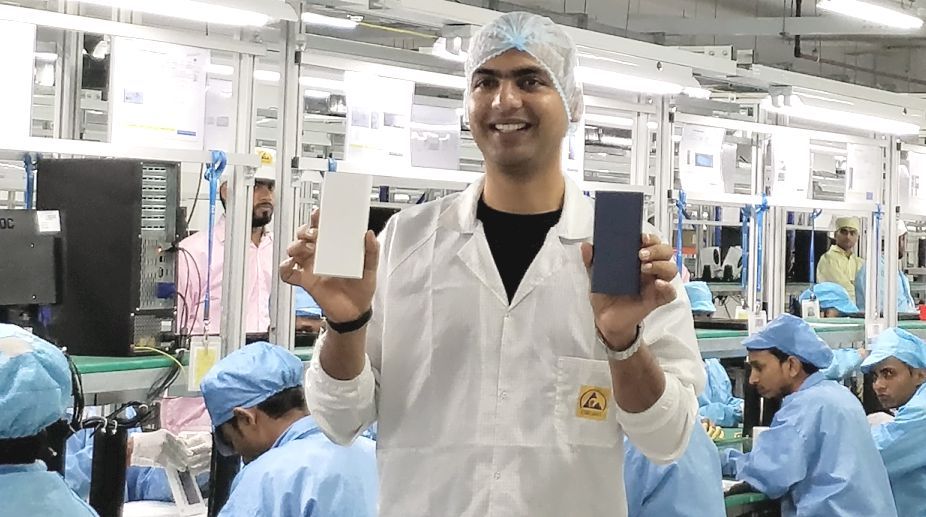
According to Manu Kumar Jain, Xiaomi India’s Vice President, India needs to be more competitive with other manufacturing hubs. Historically, China has been the leader in terms of manufacturing and assembly based sectors; this holds true especially for smartphones. However, in recent times, countries like Vietnam and India have been seeing increasing growth in the same area.
Xiaomi Manufacturing Facility in Noida
Now, the Vice President and Managing Director of Xiaomi India, has stated that India has to take initiatives to be more viable over its other alternatives like Vietnam and China. In an interview, the senior executive stated that the company has requested the Indian Government to make India a “more export-friendly destination.” India’s growth also directly impacts the company which is the leading smartphone brand in the country; that is also the second-largest smartphone market in the world.
He also mentioned a few of the moves the Government can take to favor such an initiative like duty drawback refund for the merchant exporter. Furthermore, Xiaomi is also expected to “invest in laboratories which allow for global standard testing, since BIS is not a globally accepted standard,” according to Manu.
India has great untapped potential in its emergence as a manufacturing hub and Xiaomi will largely benefit from this. The Chinese tech giant has seven smartphone manufacturing plants in India in collaboration with the Taiwanese company, Foxconn and Singapore-based technological manufacturers, Flex.
Xiaomi’s Assembly line in India
Ease in export policies is great for Xiaomi as the company is looking to start a small export pilot to Bangladesh and Nepal for smartphones from India. The company is currently operating at 100 percent capacity with up to three smartphones being made every second which helps the company meet the increasing demand.
Xiaomi continues to churn out products under its crowdfunding platform. The
latest is the MIJIA Instant Water Dispenser C1 which will be up for sale of
Xiaomi Youpin from December 25 for 199 yuan ($28). After the crowdfunding exercise, the gadget will retail for 249 yuan ($35).
Unlike the long waiting process of traditional water dispensers, MIJIA Instant Water Dispenser C1 has a high power of 2200W and supports 3 seconds of rapid heating. This will make it easy to get hot drinking water promptly when needed. The dispenser comes with a 2.5L large-capacity water tank which when filled with water once can meet the daily drinking needs of 2-3 people without any need to repeatedly add water.
The water dispenser uses dual heating technology and a unique spiral water
path is provided between the two layers of heating elements so that the water
is heated quickly and uniformly during the flow. In addition, the heating
elements are protected by independent heat insulation which is safer and more
efficient.
The water dispenser is equipped with four independent buttons, which are
normal temperature, warm, and boiling water, and a child lock to prevent
misoperation.
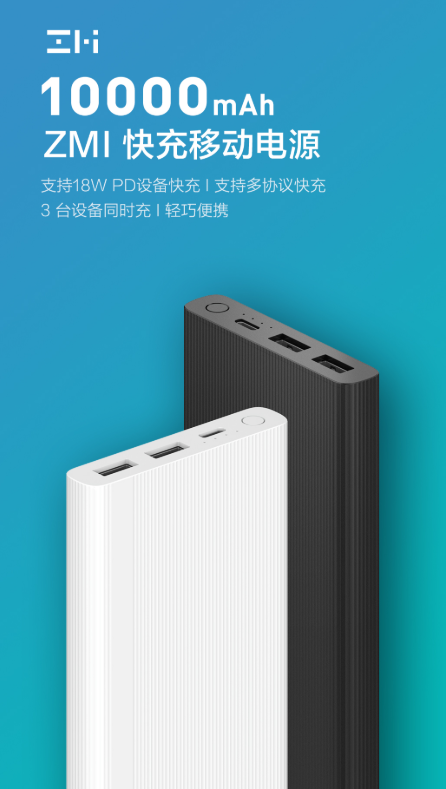
ZMI has a new power bank that is marketed to iPhone 11 owners but will actually work with practically any smartphone. The new power bank has a 10000mAh battery capacity and is exclusive to JD.com.
The ZMI Fast Charge Power Bank supports 18W PD two-way fast charge. It has a lithium-polymer battery that is enclosed in a fire-resistant and flame-resistant polycarbonate case. The power bank comes in white and black colorways with a textured finish to provide a firm grip when held.
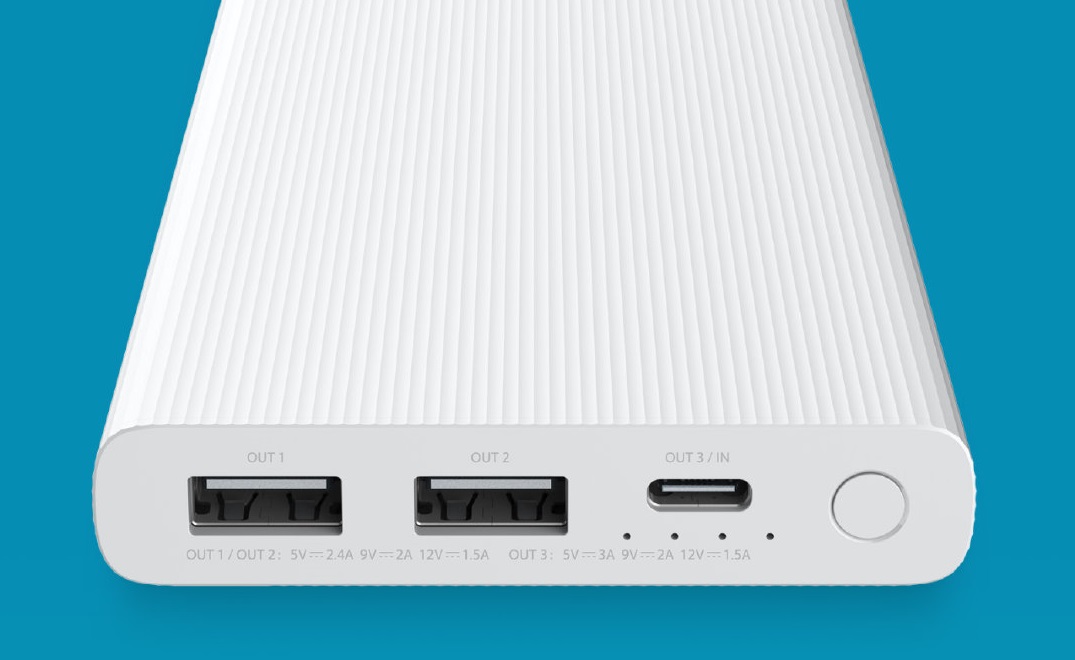
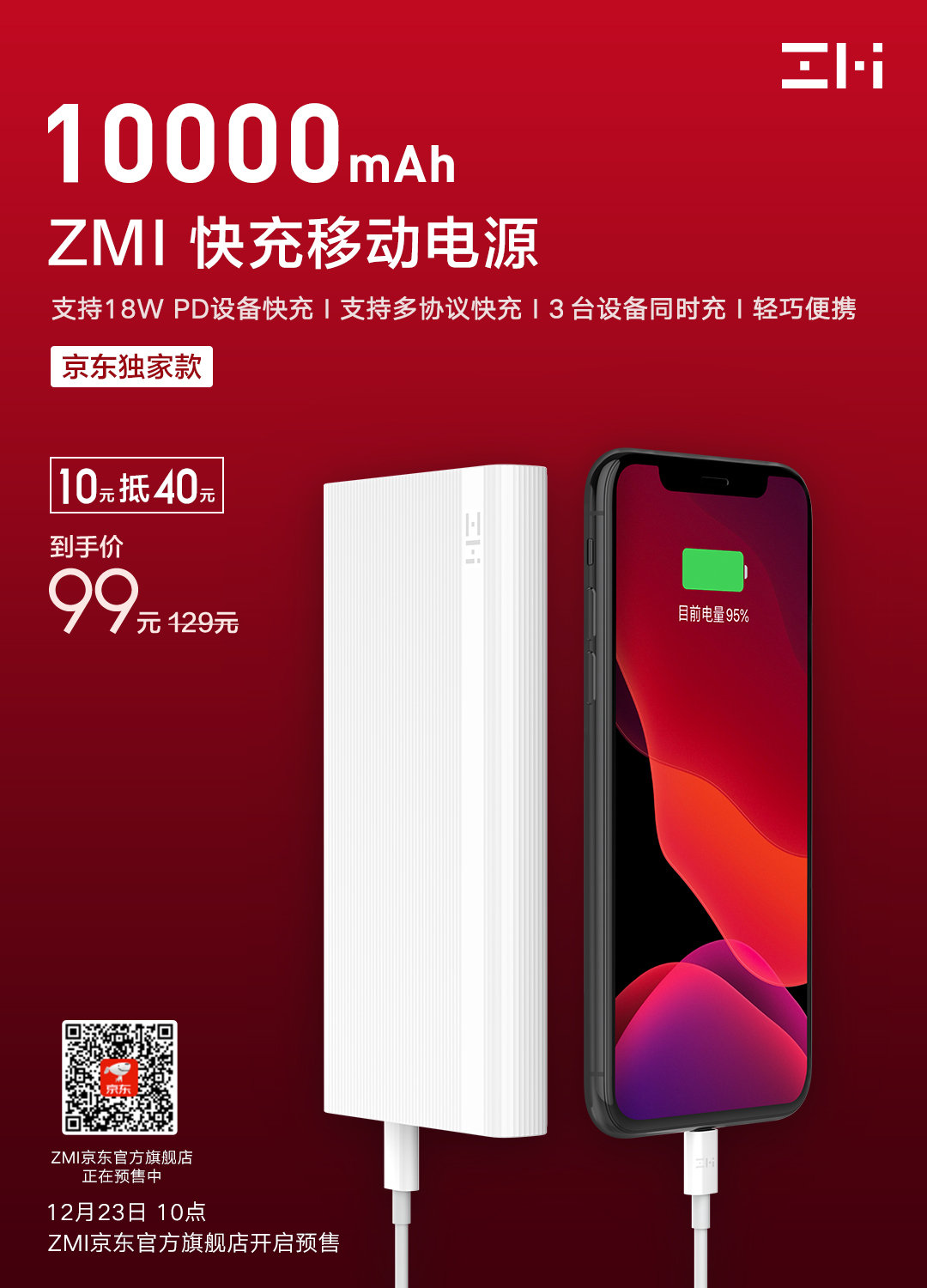
ZMI’s new power bank has three output ports – two full-size USB Type-A port and a USB Type-C port that also doubles as an input port for charging the power bank. ZMI says the power bank can charge the iPhone 11 from empty to 55% in 30 minutes if you use a ZMI USB Type-C to Lightning Cable. This is faster than Apple’s own charger that charges the iPhone 11 to 50% in 30 minutes.
The power bank not only works with Apple’s new iPhones but is also compatible with older models, devices that support Quick Charge 3.0, Huawei’s Fast Charge Protocol, and Samsung’s Adaptive Fast Charge. The USB-C port also supports the Nintendo Switch’s Power Delivery fast-charging protocol (9V 2A).
Below are the supported power ratings for each of the ports:
USB-A Output port: 5V 2.4A, 9V 2A, 12V 1.5A
USB-C port: 5V 3A, 9V 2A, and 12V 1.5A.
ZMI claims that you can get a maximum power output of 15W from each port if you are charging three devices simultaneously. Apart from charging smartphones, tablets, and portable gaming consoles, the power bank can also be used to charge low current gadgets such as Bluetooth headsets and fitness trackers. All you have to do is double press the power button to put the power bank in low-current mode.
The ZMI ZMI Fast Charge Power Bank is already available for pre-order on Jingdong.com for ¥99 (~$14). The pre-order period runs from today up until December 30 when it will go on sale.
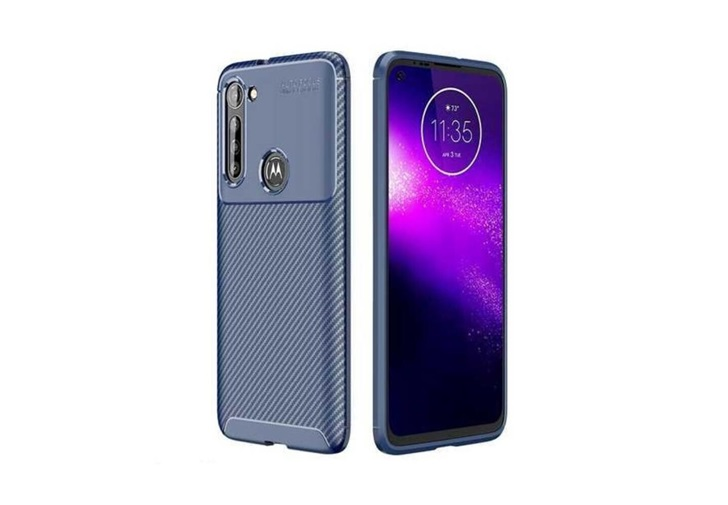
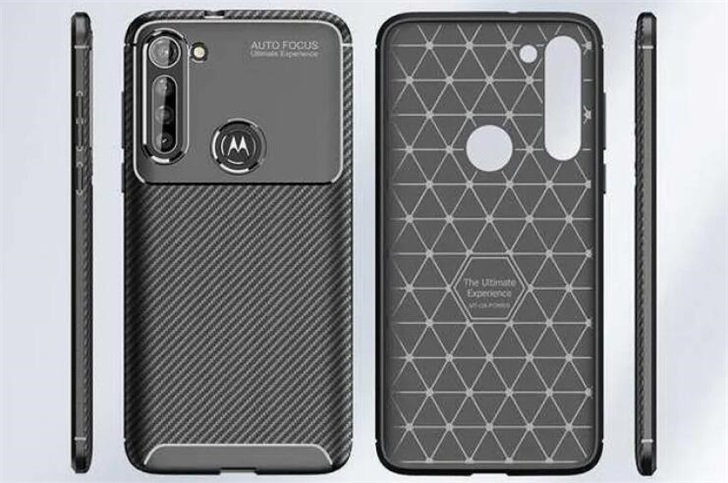
In October, Motorola launched the Moto G8 Plus and Moto G8 Play phones in Brazil. Rumors of the Moto G8 Power have been doing the rounds of the internet soon after the launch of G8 Plus and G8 Play. The elusive Moto G8 Power (codenamed Sofia) recently received the FCC (Federal Communications Commission) certification in the US. Case renders of the Moto G8 Power have appeared on Chinese retailer Alibaba to reveal its design
Motorola G8 Power Design and Specifications
Judging from the images, the Moto G8 Power bears a punch-hole camera on the top left corner of the display. There is no confirmation on whether the G8 Power will really feature a punch-hole screen as some reports have claimed that it will sport a waterdrop notch enabled display. There appears to be a USB (probably microUSB) on the bottom surface alongside the speaker grille, and a 3.5mm headphone port on the top edge.
At the rear, the Moto G8 Power sports a quad-camera setup, complete with an LED flash module. The camera setup is vertically aligned, with the flash alongside the primary lens. There is a cutout for the Motorola logo, which might double us as a fingerprint scanner.
According to the FCC documentation, the highlight of the Moto G8 Power is its 5,000 mAh battery. The device likely flaunts a display measuring between 6.2 and 6.3-inches and is likely to be driven by Snapdragon 665 mobile platform. The device should be equipped with Android 10 out-of-the-box and supports dual-band 5G Wi-Fi. The smartphone measures 157.9 x 75.8 mm.
In related news, Motorola has delayed the market release of Motorola Razr 2019. The clamshell foldable phone was expected to go up for pre-orders from Dec. 26 in North America. It was supposed to be released on Jan. 9. The Lenovo-owned company has claimed that the arrival of the device has been delayed due to high demand and supply issues. It has further stated that they “do not anticipate a significant shift from our original availability timeline.”
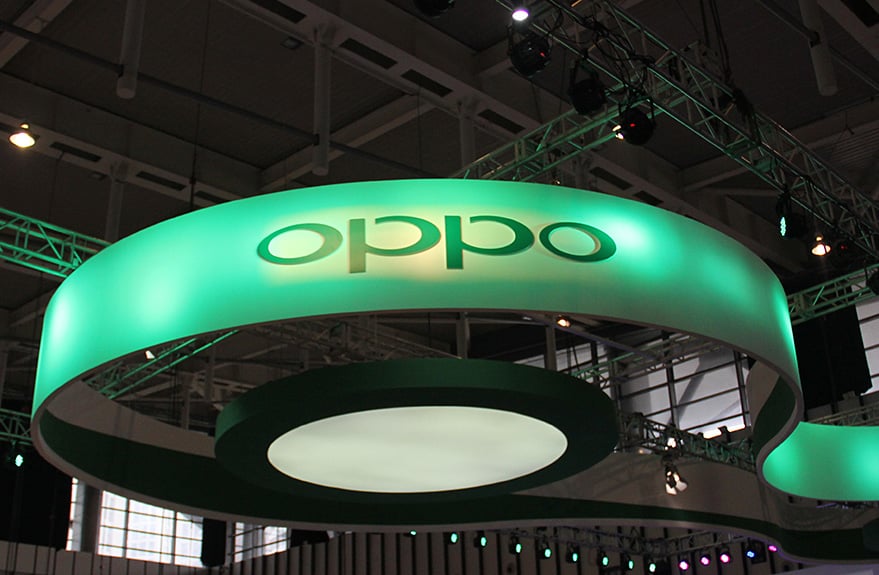
China-based OPPO has been in the smartphone business for close to 11 years. Phones like OPPO N1, OPPO N3, Find 7 and 7a phones have received good reception from users and critics. In the recent years, OPPO has spread its wings into all things technology over the years, including Artificial Intelligence, cloud computing and the Internet of Things (IoT). The company sees internet-driven services as its future, and ColorOS, OPPO’s Android UX plays a major role in achieving that vision.
ColorOS currently has more than 320 million active users across the globe. While the figures might seem pretty low considering the total number of Android users globally, it still forms a formidable volume. Software plays a key role in OPPO’s near future, and this will only get prominent with the advent of 5G, which is deemed as a catalyst for integrating different technologies.
5G Implementation
OPPO is on cloud 9 in terms of 5G implementation, having filed patent requests in over 20+ nations, across 2,500+ domains. Overall, OPPO has applied for over 40,000 patents globally, of which 14,000 have been granted to date. The company stands third in China in terms of the number of patents granted to domestic firms. Apart from 5G, OPPO also has patents related to VOOC, along with 1,000 other core patents. These patents are a result of the company’s constant investments in R&D, the latest include CNY $10 billion announced last year.
OPPO currently owns six research institutes and four research centers, employing over 10,000 people dedicated to R&D. The company further plans to invest RMB $50 billion in the next five years, dedicated to AI, cloud computing, software, and hardware technology. Focusing on 5G, OPPO plans to follow a three-step strategy that involves building a multi-portal ecosystem with smartphones and intelligent devices at its heart. OPPO is also involved with revamping user interfaces and content optimization.
To sum it up, OPPO plans to form an ecosystem of smart devices acting as multiple entry points that coordinate with one another. These points could be parallel, interconnected and capable of interacting with each other, without overlapping or crosstalking at any point.
OPPO will be employing “3 circle” multi-device experience integration strategy in 2020. The first circle in OPPO’s 3-Circle integration is the personal cycle comprising of devices that are closest to the user. It include smartphones, truly wireless earbuds, smartwatches, and other devices that are most frequently used. The smartphone plays a key role here as it possesses the maximum computing ability in the fray. Next in line are smartwatches, as they convey critical user data and act as an alternate point of interaction for the users, enabling high priority conversations. Earbuds form the third entry point, as they allow voice-based AI functionality for navigation and translation.
The second circle or the vertical circle consists of 5G Customer Premises Equipment (CPE). OPPO has plans to introduce a 5G CPE within the first quarter of 2020. The upcoming 5G CPE hub will accept a SIM card, and feature Bluetooth, Zwave, and ZigBee, pairing up to 1,000 devices at the same time.
OPPO’s third circle involves virtual and real integration. This circle comprises of AI/AR glasses. OPPO’s latest AR glasses running on Glass OS will play a key role here. The device was unveiled recently during OPPO Inno Day and features an HD camera, 2 fisheye cameras for a wider field-of-view, and a Time-of-Flight camera capable of 3D reconstruction. OPPO Glass also supports 3D surround sound for an immersive AR experience.
OPPO is headed to move beyond the conventional realms of manufacturing smartphones in 2020. A growing number of smartphone manufacturers are on their way to leverage their foothold in the business to offer clients a more immersive and connected AI lifestyle in the future. OPPO is well on its way to becoming the scout. With a clear roadmap of smartphones, accessories, and 5G-enabled devices, OPPO plans to move beyond the boundaries of smartphone manufacturing in 2020.
We use cookies on our website to give you the most relevant experience by remembering your preferences and repeat visits. By clicking “Accept”, you consent to the use of ALL the cookies.
This website uses cookies to improve your experience while you navigate through the website. Out of these, the cookies that are categorized as necessary are stored on your browser as they are essential for the working of basic functionalities of the website. We also use third-party cookies that help us analyze and understand how you use this website. These cookies will be stored in your browser only with your consent. You also have the option to opt-out of these cookies. But opting out of some of these cookies may affect your browsing experience.
Necessary cookies are absolutely essential for the website to function properly. This category only includes cookies that ensures basic functionalities and security features of the website. These cookies do not store any personal information.
Any cookies that may not be particularly necessary for the website to function and is used specifically to collect user personal data via analytics, ads, other embedded contents are termed as non-necessary cookies. It is mandatory to procure user consent prior to running these cookies on your website.