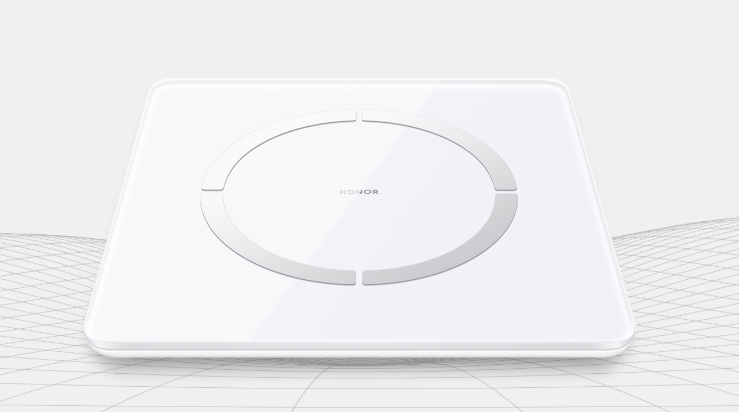
Today’s Honor event was packed with new product launches. Alongside the Honor V30 and Honor V30 Pro, it also announced the Honor Smart Body Scale 2.
Honor Smart Body Scale 2
The Honor Smart Body Scale 2 comes with a slightly refreshed design. It is still covered in tempered glass and is only available in white. There are also anti-slip pads under the scale.
The new smart scale can measure up to 14 different body parameters and can also be used to determine your DEXA value (Dual-energy X-ray absorptiometry/Bone Density) using the fat mass measurement.
The Honor Smart Body Scale 2 can measure body weight, BMI, visceral fat, BMR, muscle mass, bone mass, body water percentage, body fat percentage, body age, body type, fat-free weight, physical score, bone mineral density, and even heart rate. Honor says it can store the data of up to 50 different users.
The scale connects via Bluetooth 4.2 and 2.4GHz WiFi. It has a CSU18M91 chip and is powered by three No.7 Alkaline batteries.
The Honor Smart Body Scale 2 has a price tag of ¥99 (~$14) and is already available for purchase on Vmall.
Redmi will be launching the Redmi K30 5G phone on Dec. 10. Speculations surrounding the K30 series have claimed that it will include three devices such as Redmi K30 (4G), Redmi K30 5G and Redmi K30 Pro 5G. It is speculated that Redmi won’t be announcing the Redmi K30 Pro on Dec. 10. The K30 Pro could be unveiled in early 2020. Hence, there is a possibility that the Dec. 10 launch event will be used to announce 4G and 5G editions of the Redmi K30. A tipster from India has shared the leaked specs of the Redmi K30 4G phone today.
Redmi K30 Specifications (Rumored)
According to the leak, the Redmi K30 will be equipped with a 6.6-inch IPS LCD display with dual punch-hole design. The display of the phone will support 120Hz refresh rate as it was in seen in the leaked shots of the Redmi K30. It will be fueled by Snapdragon 730G processor which is the same SoC that fueled the predecessor Redmi K20 phone.
The pill-shaped punch-hole of the Redmi K30 has a 32-megapixel primary lens that is accompanied by a ToF sensor for 3D face recognition. The rear shell of the phone h a quad camera setup that includes a 60-megapixel Sony IMX686 primary shooter, an 8-megapixel telephoto sensor, a 13-megapixel wide-angle lens and a 2-megapixel sensor.
The Redmi K30 will include a massive 5,000mAh battery that supports 27W fast charging. The MIUI 11 based Android 10 OS will come preloaded on the device. Other features of the phone include 64GB of internal storage for starting variant, 3.5mm audio jack, IR blaster and NFC.
The frame is basically the same, that is, the hole positions are on the upper right and the upper left, which is almost a mirror image. Which one do you think looks better? pic.twitter.com/rxtu7VH6Js
The Redmi K30 could be priced under 2,000 Yuan (~$284) in China. The Redmi K30 5G edition could be featuring the upcoming Snapdragon 735 5G chipset and the device could be priced at around 2,500 Yuan (~$355). The Redmi K30 Pro could be driven by the Dimensity 1000 5G chipset that was announced earlier today, and it may be costing 3,000+ Yuan (~$426). As usual, readers are recommended to digest the leaked information with a grain of salt.
MediaTek announced the Dimensity 1000 5G flagship processor today. This is its first flagship processor since the failure of the 2017 Helio X30. This new chip will slug it out with other flagship processors such as the Kirin 990 5G, Exynos 990 and Snapdragon 865 processors.
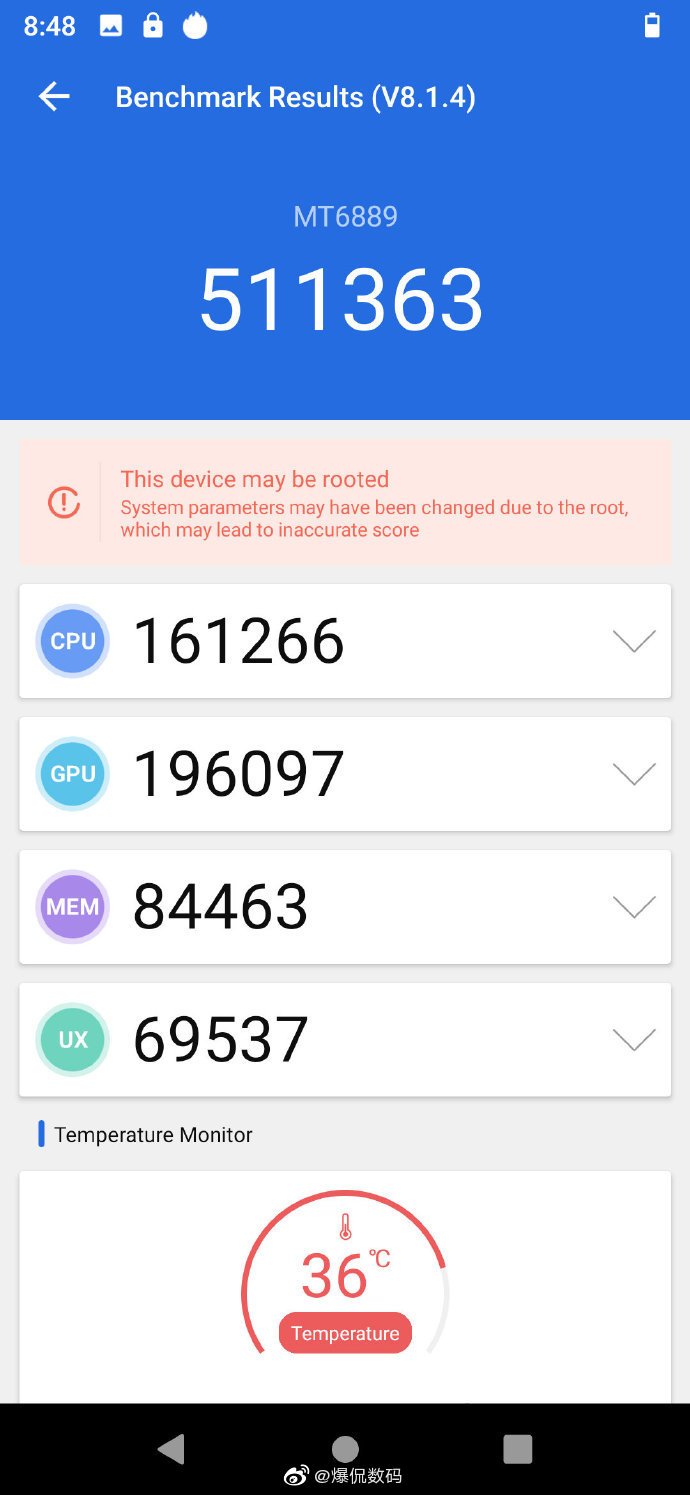
Shortly after the announcement, an AnTuTu benchmark result of the new chipset surfaced on the web and its score blows the competition out of the water. The result was posted on Weibo by a user that goes by the name Hilarious Digital.
The benchmark result shows the unknown device powered by the new MediaTek chip scored a total of 511,683 points on the benchmark app. When compared to AnTuTu’s list of the top-performing devices for October 2019, no phone comes close. The Snapdragon 855 Plus-powered Vivo NEX 3 5G which tops the list has a score of 482,917. The newly announced Honor V30 Pro 5G’s AnTuTu score of 476,480 also doesn’t come close. The Red Magic 3S does come pretty close with its score of 510,496.
The breakdown of the score shows a CPU score of 161266, a GPU score of 196097, and a memory score of 84463.
The test device with the chipset benchmarked is currently unknown but there are speculations it may be the Redmi K30 Pro 5G. No, not the Redmi K30 5G. The K30 5G scheduled for launch next month will have Qualcomm’s Snapdragon 735 5G chipset but the Pro variant which is a flagship phone may be the one to debut with MediaTek’s new processor.
It makes sense this way as Redmi can have a flagship phone available by the beginning of the year rather than waiting for Qualcomm’s Snapdragon 865 processor which likely won’t be available until late February to early March for the early adopters. The Snapdragon 865 will also likely have supply issues since a lot of manufacturers are lined up to use it.
If the Redmi K30 Pro 5G launches in January, buyers not interested in waiting for the Snapdragon 865-powered phones can pick up the Redmi flagship.
Redmi General Manager, Lu Weibing, made a post on Weibo after the processor was announced congratulating MediaTek. The post also mentioned that both companies will work together on 5G phones. The last part of the post says “Redmi 2020, 5G pioneer!”. We want to believe this is a hint that the Redmi phone with the Dimensity 1000 processor arrives next year and it will be the first device powered by it.
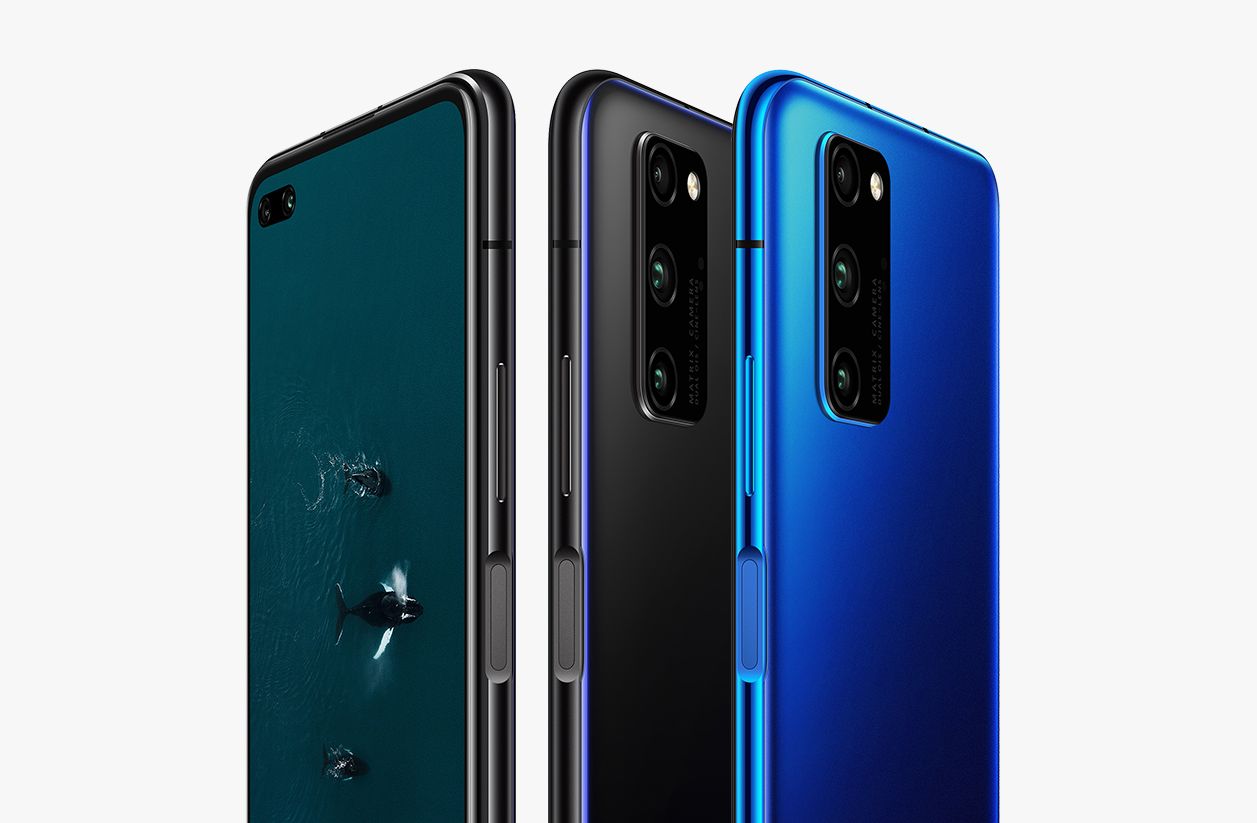
Today, Huawei’s sub-brand Honor held an unveil event in China to announce the Honor V30 (Vera 30) series of flagship phones. At the same event, it also announced the Honor MagicBook 15, Honor Magic Watch 2, Honor Flypods 2 and Honor Hunter Gaming Router. The Honor V30 and Honor V30 Pro are the first phones to arrive with support for 5G connectivity. The smartphone manages to impress with its topnotch features such as dual punch-hole display, Kirin 990 chipset, fast wireless charging support, dual front-facing cameras and 40-megapixel triple rear cameras.
Honor V30 5G and Honor V30 Pro 5G
Honor V30 5G and Honor V30 Pro 5G Specifications
The Honor V30 Pro 5G comes with a 6.57-inch IPS LCD display that offers full HD+ resolution of 1080 x 2400 pixel along with a tall aspect ratio of 20:9. The display has an elliptical cutout at the top-left corner for its dual front-facing cameras. The fingerprint sensor of the phone can be found on the right edge embedded in the power button. The Honor V30 features the same dual punch-hole display and also comes with a side-facing fingerprint reader. Both phones offer 91.46 percent screen-to-body ratio.
The Honor V30 Pro is driven by the 7nm Kirin 990 5G which is integrated with a 5G modem. The SoC brings support for SA (Standalone) and NSA (Non-Standalone) dual-mode 5G. The company claimed that the AI capabilities of the Kirin 990 AI is ahead of Apple A13 chipset. The V30 Pro houses a 4,100mAh battery that supports 40W fast charging. It is the first Honor phone to arrive with wireless charging. The device supports 27W superfast wireless charging and 7.5W reverse wireless charging.
Honor V30 Pro
The Honor V30 has Kirin 990 chipset onboard along with Balong 5000 5G modem for 5G connectivity. It features a slightly larger 4,200mAh battery which also supports 40W rapid charging. It lacks support for wireless charging. The Honor V30 series is designed for high-end gaming. Users can connect single or dual-handed gamepad to the V30 / V30 Pro for immersive gaming experience.
The Honor V30 and V30 Pro feature Matrix Camera technology for systemic imaging technology framework through software and hardware collaboration. The Honor V30 Pro is equipped with a laser autofocus and LED flash enabled triple camera system on its back. It includes the customized Sony IMX600 RYYB 40-megapixel sensor with f/1.8 aperture as main lens, an 8-megapixel telephoto sensor with f/2.4 aperture and a 12-megapixel cine lens with f/2.2 aperture with 109-degree field-of-view. The latter can be used to capture 16:9 aspect ratio videos with vibrant colors through AI HDR+. The V30 Pro supports 5-axis OIS, EIS, 3x optical zoom, 5x hybrid zoom, 30x digital zoom, 4K video shooting at 30fps and 720p video shooting at 960fps.
The triple camera setup of the Honor V30 features a customized Sony IMX600 RYYB 40-megapixel primary lens, an 8-megapixel telephoto lens and an 8-megapixel superwide lens. It comes with support for laser autofocus, LED flash, 4-axis OIS, EIS 3x optical zoom, 5x hybrid zoom, 30x digital zoom, 4K video shooting at 30fps and 720p video shooting at 960fps.
The Honor V30 series feature 32-megapixel + 8-megapixel dual front-facing cameras for capturing 105-degree wider selfie shots. The V30 and V30 Pro supports AI portrait semantic segmentation for shooting optimized selfie shots. Super night scene mode ensures brighter selfies can be captured even in dim-light conditions. The front cameras can shooting full HD videos, but there is no support for image stabilization.
The Honor V30 and V30 Pro are equipped with dual-band GPS and NFC. The usual connectivity features such as Wi-Fi 802.11ac, Bluetooth 5.0 and USB-C are also available on these devices. The new V30 phones can be paired with Honor Smart Screen Pro for video calls. It can be also linked with Honor smartwatches and fitness bands. Lastly, these phones are loaded with Magic UI 3.0 based Android 10 OS. The Honor V30 5G measures 162.7 × 75.8 x 8.9mm and weighs 213 grams. The Honor V30 Pro has 162.7 × 75.8 x 8.8mm and it weighs 206g.
Honor V30 5G and Honor V30 Pro 5G Pricing and Availability
Here is the pricing of the different variants of the Honor V30 and V30 Pro:
The first sale of the Honor V30 will be held on Dec. 5 in China. The Honor V30 Pro 5G will be available for purchase for the first time on Dec. 12. Color variants of the Honor V30 series include options such as Charm Starfish Blue, Dawn Orange, Magic Night Star River and Icelandic Fantasy.
What’s your opinion on the Honor V30 5G and Honor V30 Pro 5G smartphones? Share us your views by posting your comments below.
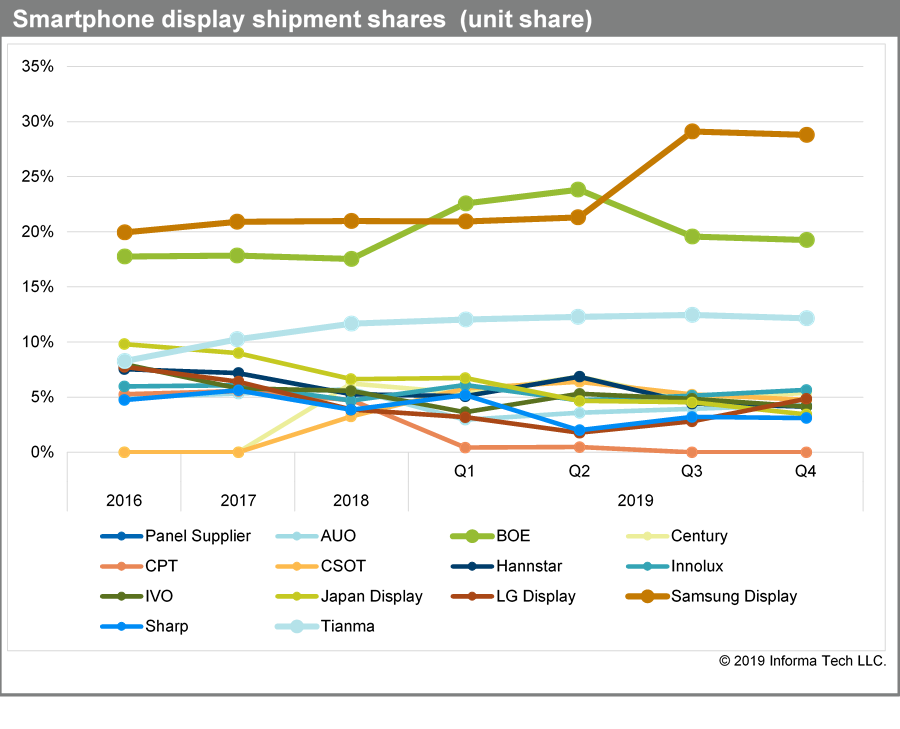
Samsung, the leading smartphone brand in the world, is now also the top manufacturer for smartphone displays. The South Korean tech giant is well known for its AMOLED displays which have helped it reclaim the number one spot in the smartphone display market in Q3 2019.
Stats Via IHS Markit
According to a new report from IHS Markit, Samsung accounted for about 29 percent of total smartphone display shipments in the third quarter of this year. In comparison, in Q2 2019 it only had a 21.3 percent market share. The sizeable jump in sales numbers has propelled Samsung to the top spot again beating out BOE displays for the first time since Q4 of 2018.
Samsung’s active matrix organic light emitting displays (or AMOLED) is becoming increasingly more popular with other smartphone manufacturers. David Hseih, Senior Director from IHS Markit also stated that more and more companies are quickly adopting the AMOLED technology for their mid to even high-end smartphone offerings. Many major brands including Apple, Huawei, Oppo, Vivo, and even Xiaomi have used AMOLED technology in their high-end models in 2019. Being the most seasoned and well-known supplier of AMOLED displays, the company has seen AMOLED shipments totaling 146 million units in Q3, up from 93 million from Q2 2019.
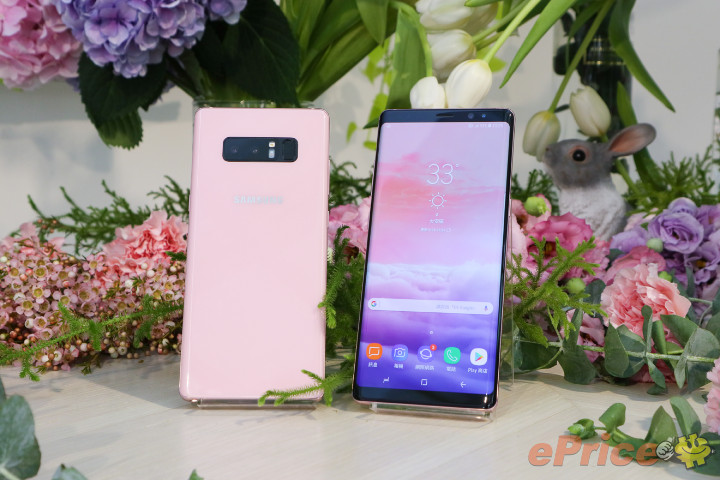
Galaxy Note 8 Featuring A Super AMOLED Display
Notably, this also marked the first time AMOLED shipments had surpassed LTPS TFT LCD shipments (144 million). Hence, it implies the AMOLED demand in the market will only further increase and Samsung will be well utilizing this opportunity. Furthermore, other Chinese companies like BOE, Visionox, ChinaStar, Tianma, and EverDislpay will also seek to gain with their AMOLED offerings but will be nowhere near the South Korean veteran.
The U.S. Ambassador to Germany called comments by officials in Berlin who compared the threat of U.S. and Chinese espionage an “insult” to American troops stationed in the country. This is the latest in a slew of issues that have emerged as the result of Huawei’s involvement in the development of Germay’s 5G networks.
This comes as a result of German Minister Peter Altmaier, one of Germany Chancellor Angela Merkel’s few allies on her 5G approach, comparing concerns over potential spying by the Chinese government to previous phone-tapping by the “unreliable” US government.
Over the weekend, Altmaier commented on concerns that Huawei would be subject to China’s laws that could require the company to hand over data from its communications networks to Chinese intelligence agencies. “The US also requires its companies to provide certain information needed to fight terrorism,” he said.
The volley by U.S. Ambassador Richard Grenell, a Trump loyalist who has stoked trans-Atlantic tensions with pointed comments on German-U.S. divisions, is likely to compound controversy over the participation of China’s Huawei Technologies Co. in Germany’s fifth-generation mobile technology.
Considering Altmaier’s statement, Grenell could now declare a victory of sorts. And yet, Grenell’s meddling could actually achieve the opposite of its desired effect, namely mistrust and opposition. The US is increasingly wielding its market power not only against its opponents, but against its friends as well.
German Chancellor Angela Merkel meeting U.S. Ambassador Richard Grenell
Merkel has been fending off pressure from the United States, her own party and the German parliament to ban Huawei as a candidate to for building Germany’s 5G infrastructure. The German government is concerned that banning Huawei could result in retribution from the Chinese government against the lucrative German car industry.
German Foreign Minister Heiko Maas has cast doubt on whether Chinese telecom equipment vendor Huawei Technologies could participate in the development and construction of the country’s 5G data network.
Maas told reporters in Berlin that Huawei was a company dependent on the Chinese state due to its national security laws, which meant Huawei was obliged to pass on information to the government there. Germany therefore wants to add a test of trustworthiness to the 5G security catalogue that so far had mainly envisaged an evaluation of technical criteria, Maas said.
MediaTek has bet big on 5G and slowly but steadily we are seeing the fruits of its investment in the new generation network technology. Today, MediaTek has announced the Dimensity 1000 5G, its brand new high-end smartphone chipset that will take on the likes of Snapdragon 855 and Kirin 990 5G. In case you are wondering, this is the same MediaTek MT6885Z 5G chipset revealed a few months back. AnTuTu confirms Dimensity 1000 is the MT6889. Today, the Taiwanese chipmaker has revealed its official name and specifications.
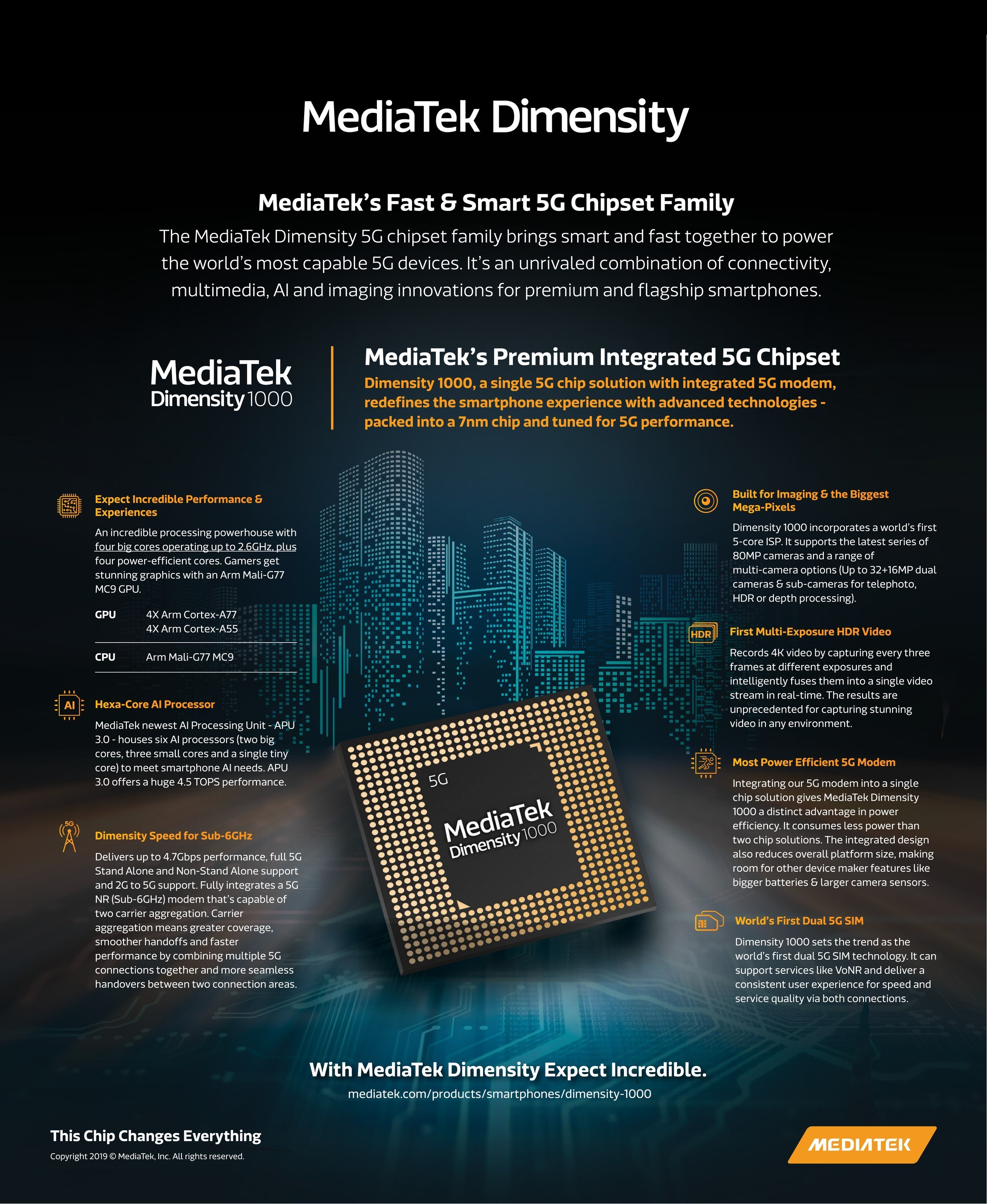
MediaTek has made it clear that they mean business with the Dimensity 1000 5G chipset. The processor features four high-end Cortex-A77 based BIG cores clocked at 2.6GHz and four Cortex-A55 power-efficient cores clocked at 2.0GHz. Interestingly, this is a dual cluster arrangement instead of the tri-cluster arrangements that we’ve been seeing on high-end processors like Kirin 990, Snapdragon 855 and even Exynos 990. The new MediaTek chip comes with the new Mali-G77 MP9 GPU, which is the same one found on the Exynos 990 with a couple of cores less.
5G is one of the biggest highlights of the MediaTek Dimensity 1000 chipset. It comes with an integrated Helio M70 5G modem that saves space and is efficient at the same time. It is the world’s fastest throughput SoC with 4.7Gbps downlink and 2.5Gbps uplink speeds and supports both standalone and non-standalone networks (Sa/NSA). It also comes with multi-mode support so it supports all networks from 5G to 2G. Note that the Dimensity 1000 5G is a sub-6GHz chip and does not support the mmWave 5G networks that are used on a wide scale in countries like the U.S.
The new MediaTek 5G chip is also the world’s first SoC to support dual 5G SIMs. So you can use two 5G SIM cards in a phone powered by this processor. Existing 5G chipsets only support 5G in one SIM card slot.
MediaTek Dimensity 1000 5G is also AI heavy, all thanks to its 5-core APU. This includes two heavy cores, three medium cores, and one light core. MediaTek claims that this design improves the efficiency of AI-related tasks. For example, simple tasks like facial recognition might use just the light core while power-hungry AI apps such as the camera can use the heavy cores. In terms of performance figures, the new chip boasts of 4.5 TOPS (trillion operations per second).
The MediaTek Dimensity 1000 5G chipset summary
MediaTek’s new 5G chip comes with a capable 5-core ISP as well. It supports single cameras up to 80MP and dual camera setups featuring a 32MP and 16MP sensors. Another big highlight of this new chip is its support for HDR video. In fact, the Dimensity 1000 5G is the world’s first SoC to support multi-frame HDR video. It is also the first chip to support Google AV1 format up to 4K resolution at 60fps. The chip supports QHD+ displays with a 90Hz refresh rate and FHD+ displays with up to 120Hz refresh rate. The Dimensity 1000 5G supports Wi-Fi 6, BL 5.1, and Voice over New Radio (VoNR).
The first smartphones with Dimensity 1000 5G chipset will launch in Q1 2020 in markets like China & other Asian countries. US & EU will get the new chip powered devices in the second half of 2020.
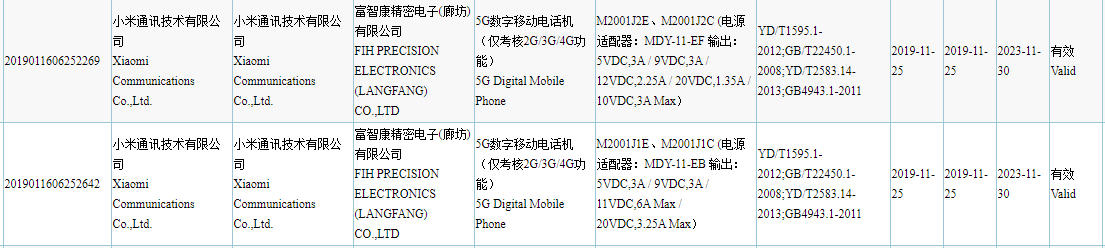
Most of the Xiaomi phones that have released this year have “M19XXXXX” model numbers. New Xiaomi phones with M2001J2E/ M2001J2C and M2001J1E / M2001J1C model numbers have appeared on the database of 3C certification authority of China. It is too early to ascertain whether it is a Xiaomi or Redmi phone, but it can be speculated that these could be phones arriving in early 2020 as they have “M20XXXXX” model numbers.
The 3C certification of the M2001J2E/C Xiaomi phone has revealed that it is a 5G-ready device. The 3C listing reveals that the phone could be shipped with MDY-11-EF charger that carries support for 30W rapid charging. The already available Mi CC9 Pro ships with the same charger and carries support for 30W charging for its massive 5,260mAh battery.
The M2001J1E/C seems to be a higher edition of the M2001J2E/C device. It also supports 5G connectivity. The MDY-11-EB charger that has been spotted in its 3C listing states that it offers 66W fast charging. Hence, it appears that it will be arriving as the fastest charging capabilities seen on a smartphone. The Snapdragon 855+ SoC powered OPPO Reno Ace flagship phone that was made official in October came with 65W SuperVOOC 2.0 Flash Charge technology. The rapid charging tech on the Reno Ace can completely charge its 4,000mAh battery in just 40 minutes. At present, there is information available on the battery capacities and other specs of the M2001J2E/C and M2001J1E/C phones.
It is being speculated that the M2001J2E/C and M2001J1E/C could be Xiaomi Mi 10 series of flagship phones that may include devices like Mi 10 and M10 Pro. Xiaomi was expected to update its Mi MIX series in the second half of 2019. However, instead of launching a new Mi MIX series flagship phone, the company introduced the Mi MIX Alpha concept phone. Hence, there is a possibility that the M2001J2E/C and M2001J1E/C could be Xiaomi MI MIX 4 variants. Probably, the newly spotted M2001J2E/C and M2001J1E/C phones could be fueled by the Snapdragon 865 5G chipset that is expected to go official next week.
Apart from aforementioned devices, the 3C database includes few more unidentified Xiaomi phones. The M2001G7AE 5G phone with 30W charging support could be the Redmi K30 that is scheduled to go official on Dec. 10. The M1912G7BE/C was spotted with a 27W charger. The said device does not support 5G connectivity. The M1911U2E 5G phone had received certification from national Radio Authority (NRA) of China. However, no details on it are available yet.
Earlier this year, Samsung launched the Galaxy Fold. Despite the device not having a steady initial launch, the company has relaunched the device which was one of the first of its kind successfully. Smartphones with folding displays have been a popular trend of 2019 with many companies like Huawei and Motorola also having foldable device offerings. Now, a new report suggests that Samsung is also working on a new Galaxy tab with a foldable display.
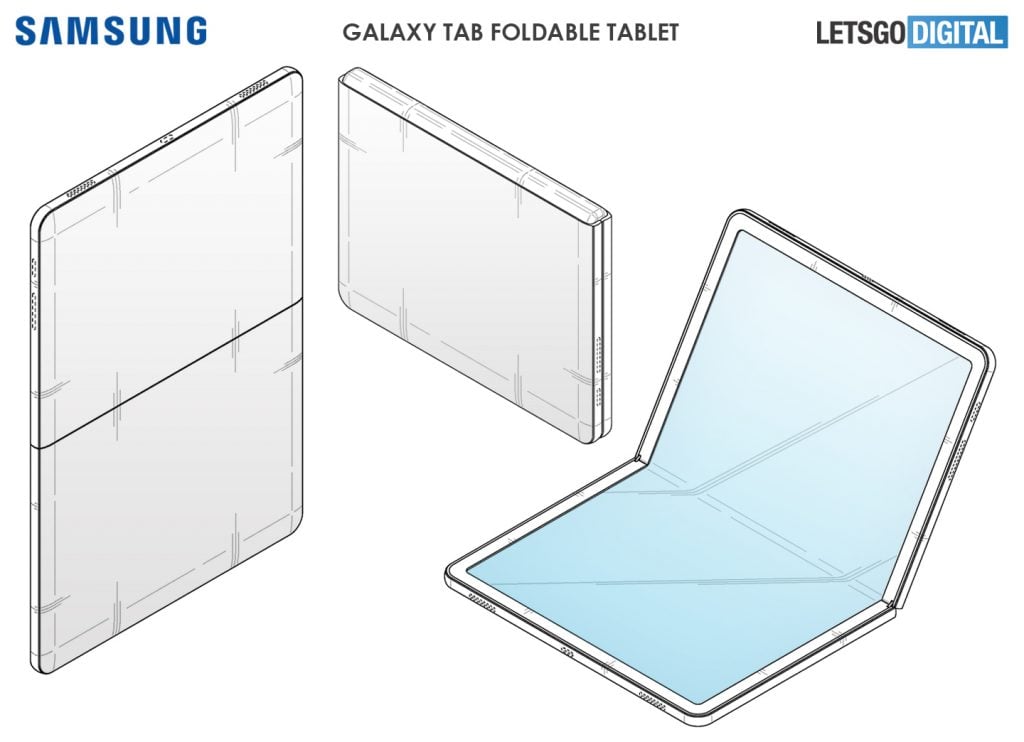
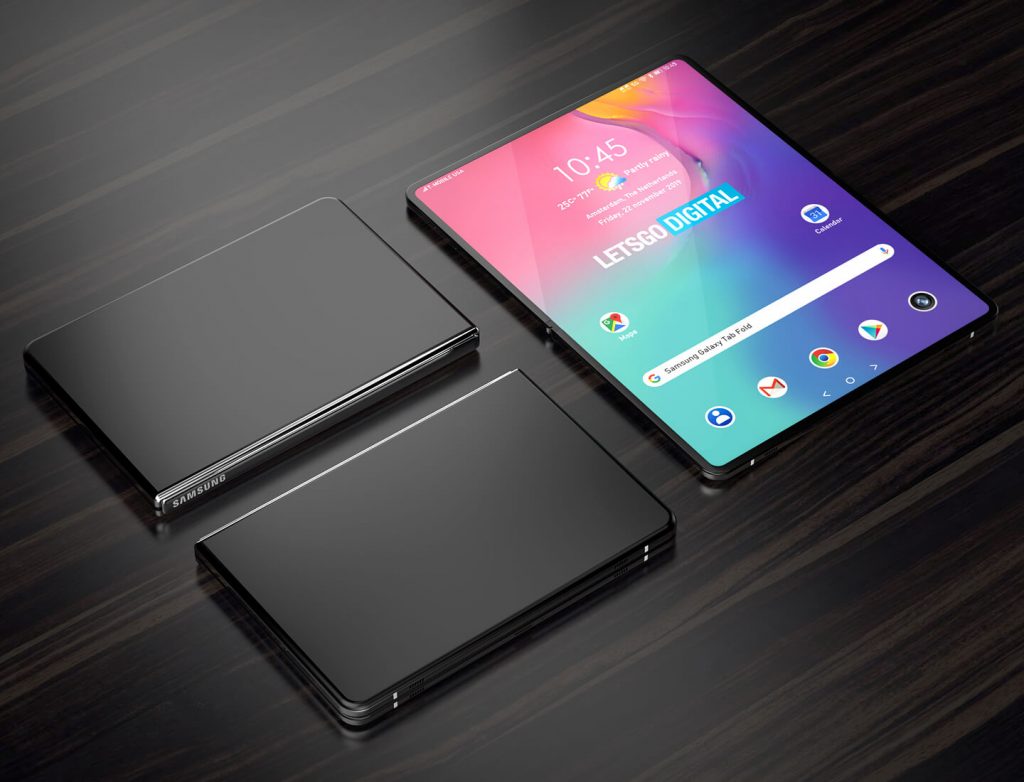
The recent Samsung patents reveal a Samsung Galaxy Tab featuring clamshell based folding display. In other words, the device, unlike the Galaxy Fold, will bend from the top to the bottom (vertically) rather than from either side (horizontally) similar to Motorola Razr 2019. Notably, the patents also reveal a full body screen on the front which may suggest that the Korean tech giant might be implementing an in-display front camera.
The design from the patents and renders also showcase the key functional aspect of the tab. With this device, Samsung may develop a Galaxy Tab with portability in mind as the device after being folded will be easier to carry and might be able to fit in pockets as well. Furthermore, the designs also show that the device could be used in the form of a mini laptop by resting its bottom half on a surface and using the upper portion as the main screen. The folding mechanic might lead to the inclusion of some interesting multitasking mechanics. Since the Galaxy Fold received acclaim for being a phone capable of tablet functionality, the aforementioned capability of turning into a mini laptop might be more appealing to the business-related markets as well.
Renders Via LetsGoDigital
The design patents for the upcoming device were applied for by Samsung Electronics and in the European Union Intellectual Property Office and the World Intellectual Office database. Unfortunately, we don’t know if Samsung plans to bring this design into reality.
Xiaomi‘s latest smartwatch is targeted squarely at children, and it’s a pretty decent option for kids. The Mi Rabbit Children’s Watch 2S is available today, and it’s purchasable from Xiaomi Mall at the price of 199 yuan, or about $29. It’s not a bad price for such a device, especially considering the features available here.
Mi Rabbit Children’s Watch 2S is equipped with a 1.3-inch colour touch dislay with a resolution of 240×240. It has a round and soft appearance designed for children, and it fits comfortably on the hand. It’s also IPX8 waterproof, so you don’t need to worry about spills or water damage in any way.
MiTu Children’s Watch 2S supports AI real-time positioning, and can accurately pinpoint the user’s location, regardless of whether they’re indoors in large shopping malls, at high-speed rail stations or even on airfields. The built-in 600mAh battery paired with the watch’s low power chip means it can achieve up to 7 days of standby on a single charge.
The watch also has a built in AI assistant called a XiaoAI classmate. It features AI question answering, chatting, playing music, encyclopedic questioning, essentially things that most AI assistants can do. It also features the ability to stay silent during classes, which can be enabled through the MiTu app. This leaves it with only time checking and SOS messages. Overall, it’s a relatively solid watch for children, especially with the inexpensive price.
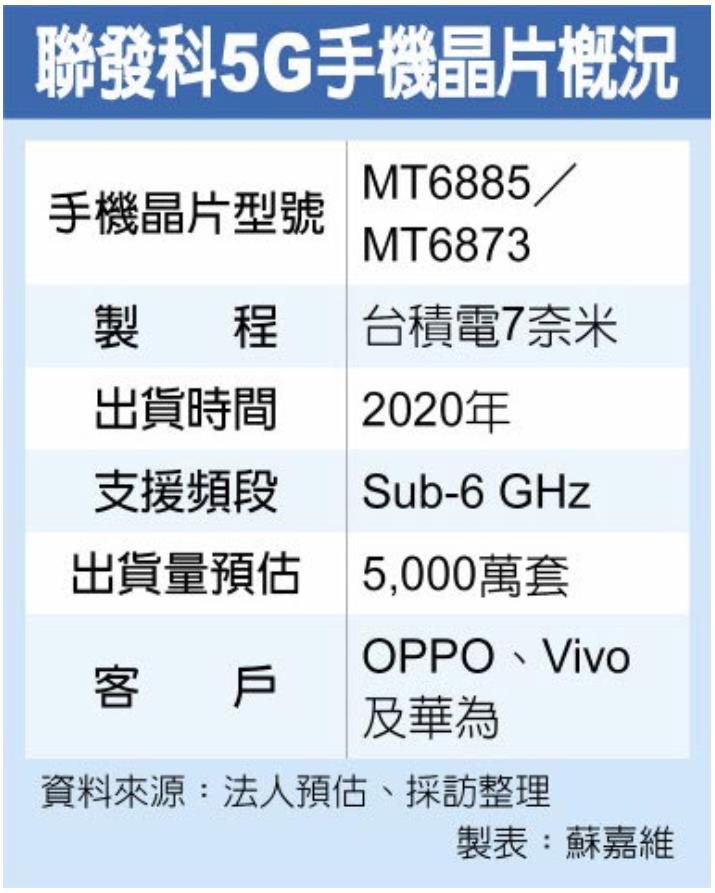
This afternoon, MediaTek will host a 5G solution release and global partner conference in Shenzhen to officially unveil their commercial-grade 5G chip solution. Taiwanese news outlet “Business Times” revealed that while MediaTek’s 5G chips are fully primed to go on sale, prices have risen by 20%. Despite this, it seems companies are still willing to pay the extra premium for these chipsets.
The Industrial and Commercial Times believes that the reason for this compliance is that other companies simply aren’t pumping out enough 5G chips for the market. Qualcomm’s reliance on Samsung’s 7nm process for chipsets means that the yield rate isn’t going to be that high, and that’s a problem when companies are pushing for 5G as soon as possible.
According to the market, the yield of Qualcomm Snapdragon 7250 chipsets built on Samsung’s 7nm process is less than 30%. On top of that, Samsung also sells 5G chips to other companies, like Vivo. The 5G chipset market is heating up, and MediaTek seems all set to be a big player this time around. We’re looking forward to how things will turn out.
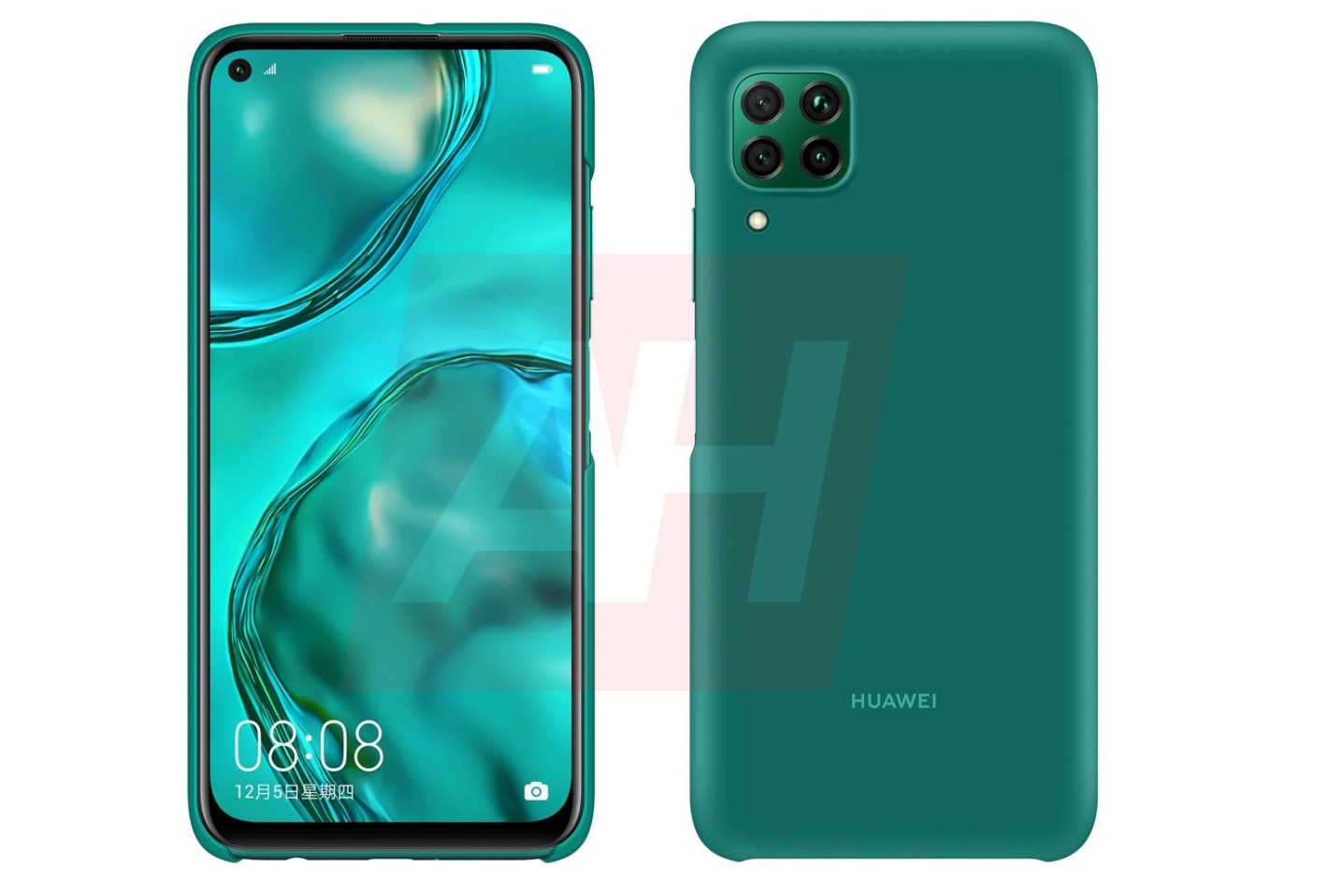
Huawei is scheduled to launch the Huawei Nova 6 at an event in China on Dec. 5. Apart from the 4G and 5G variants of the Nova 6, the company is also expected to unveil the Nova 6 SE. This is not the first time the Nova 6 SE has been mentioned in public. Popular tipster Evan Blass had mentioned about the existence of the device earlier in November. Initial renders of the Nova 6 SE surfaced over the past weekend, revealing quite a few features of the smartphone.
Android Headlines shared a couple of images of the Nova 6 SE yesterday. Although the green filter makes it impossible to identify the actual color variant, a quad-camera setup at the rear is prominent. The Nova 6 SE also gets a punch-hole display, instead of the Nova 6’s dual selfie camera setup. While initial rumors suggested that the rear camera layout would be vertically-aligned, the new images revealed a square layout, with an LED flash housed below the unit.
Huawei Nova 6 SE Specifications and Features (Rumored)
The Huawei Nova 6 SE is expected to flaunt Sony’s new 60-megapixel IMX686 sensor at the rear along with a 16-megapixel sensor and two 2-megapixel sensors. The smartphone could be similar to the Huawei Nova 5z that debuted last month. The Nova 6 SE is likely to draw power from the Kirin 810 SoC that debuted in the Huawei Nova 5 back in June this year.
Powering the smartphone could be a 4,800mAh battery with 40W Huawei Supercharge. The smartphone flaunts a side-mounted fingerprint scanner for additional security along with the volume rocker on the right edge. The Nova 6 SE will likely retain an IPS LCD display considering its mid-range placement. There is no official confirmation on a launch date or price at the moment.
In related news, the Huawei Nova 6 is rumored to flaunt a 6.44-inch display along with the Kirin 990 SoC. The pill-shaped cutout on its screen will be equipped with 32-megapixel dual selfie snappers with 105-degree field-of-view. The rear-facing camera setup of the phone may feature the forthcoming Sony IMX686 lens. The smartphone may draw power from a 4,000mAh battery and may arrive with 40W fast charging charging technology support.
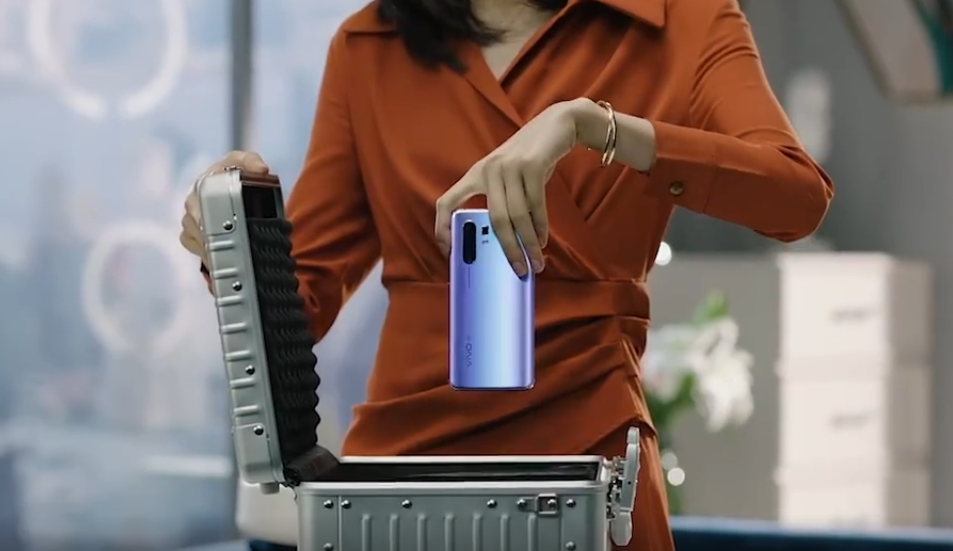
Vivo will be launching the Vivo X30 series of smartphones in December. Yesterday, the Chinese firm had released the first teaser of the Vivo X30 to showcase its design and zooming capabilities. Today, Vivo has shared a new teaser video through its Weibo account. It reveals that the Vivo X30 will arrive with support for 60x super zoom tech.
The new teaser shows that the Vivo X30 will offer 60x zoom to see things that are not easily visible to the naked eye. It appears that the smartphone will be able to capture clear shots even after achieving 60x zoom. The Vivo X30 could be offering 60x digital zoom just like the OPPO Reno 10x Zoom phone that was announced in April this year. Like the OPPO phone, the Vivo X30 could be equipped with a periscope lens. The teasers of the Vivo X30 series that have been released so far state that it will allow users to take advantage of professional photography experience.
Shown below is a new poster that was released few minutes ago. It confirms that the Vivo X30 will be equipped with support with dual-mode 5G. The Chinese firm has previous confirmed that the Vivo X30 series will be driven by the Exynos 980 chipset by Samsung.
It is believed that the Vivo V1938A/T 5G phone that was recently certified by the 3C authority of China could be the Vivo X30 phone. The 3C certification had revealed that the phone may ship with a 33W rapid charger.
The Vivo X30 could be coming with a 6.59-inch AMOLED full HD+ display. The phone may come with 8 GB of RAM, 128 GB / 256 GB storage choices, 4,500mAh battery and 64-megapixel + 8-megapixel + 13-megapixel + 2-megapixel quad cameras. The Vivo X30 Pro may arrive with a 6.89-inch AMOLED full HD+ display. It may offer users with 12 GB of RAM, 256 GB storage, 4,500mAh battery and 0-megapixel + 13-megapixel + 13-megapixel + 12-megapixel quad cameras.
The displays of Vivo X30 and X30 Pro phones are rumored to support 90Hz refresh rate. These devices will include in-display fingerprint scanners and may feature 32-megapixel selfie cameras. The X30 and X30 Pro may arrive with respective starting prices of 3,198 Yuan (~$455) and 3,998 Yuan (~$568) in China.
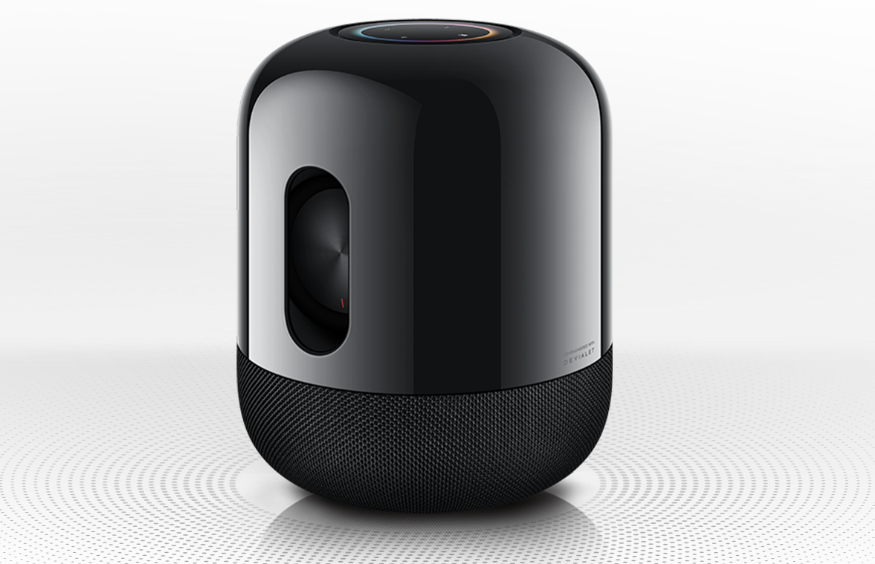
At a launch event in Shanghai, China yesterday, Huawei launched a few products, including Huawei Sound X smart speaker which has been co-developed by Huawei along with Devialet, a French-audio company.
Now, comments from the company’s executive indicates that Huawei is quite confident about the success of this speaker in China. Yu Chengdong, CEO of Huawei Consumer Business has claimed that the sales of Huawei Sound X will “certainly be more than Apple HomePad” in China.
While the Huawei Sound X is priced at 1,999 yuan, the Apple HomePod costs 2,299 yuan in China. The smart speaker from Huawei is currently up for pre-orders in the company’s home market with a deposit of 100 yuan and will start shipping from 5th December.
As for the features, the Sound X comes with two 3.5” subwoofers (60W in total) and uses SAM bass enhancement technology and is claimed to be the first smart speaker with a Hi-Res certification. As per the company, the bass can dive to an ultralow frequency of 40Hz, allowing you to feel the bass effect with your entire body.
It offer sound intensity of 93 decibels and Huawei says that even at such a high volume, sounds are not distorted because the speaker uses Devialet’s Push-Push acoustic design. The Push-Push design has two symmetrical woofers installed in a confined space and cancels out noise generated at a high volume by using the back-wave thrust.
The speaker also comes with six evenly distributed 1.5” 8W mid-range speakers alongside the subwoofers which are tuned using Huawei’s Histen sound algorithm. The Sound X also has spatial awareness, so it adjusts sound output depending on where it is placed.
The company has placed microphones around the speaker that can pick up your voice from up to 5 meters away. The combination of the 1.5GHz MediaTek MT8518 quad-core processor and anti-interference signal processing technology ensures that your commands are picked up even in a noisy environment. It comes with 512MB of RAM and 8GB of storage. It supports dual-band Wi-Fi, Bluetooth 5.0, and has a power rating of 24V 2.7A.
The Huawei Sound X also has NFC support and if your phone too has NFC, all you have to do is touch it against the NFC icon on the speaker. The speaker can also be paired with another unit for a dual-speaker stereo mode. It can be used to control compatible smart home products. Huawei’s HiLink technology works with products from Midea, Gree, TCL, Haier, Skyworth, Bosch, Siemens and more.
Huawei held a launch event in Shanghai, China yesterday where the company launched a few devices, including MatePad Pro, Sound X smart speaker, and a couple of models of MateBook D laptop.
After the launch event, CEO of Huawei Consumer Business, Yu Chengdong said during an interview that the company is planning to launch an over-the-ear headphones which should go official in 2020.
He also said that the company is currently working hard on the upcoming headphones which will be technologically advanced and will be a unique product. However, he has not revealed what the device packs that will make it “unique”.
The company had recently launched its all-new true wireless earphones — Huawei FreeBuds 3, which are powered by the company’s Kirin A1 chipset, touted as the world’s first chipset to come certified for Bluetooth 5.1.
Talking about the FreeBuds 3, Yu Chengdong said that it is doing a good job when it comes to noise reduction and comfort while wearing them. He also goes on to add that they are performing well in terms of sales and the user feedback has also been good.
He says that the company will seize on the goodwill of such good-performing headphones and will continue to offer outstanding products to the users, such as the upcoming Huawei over-the-ear headphones.
While he has confirmed that the Huawei headphones are coming in the year 2020, no specific launch date or the timeline has been revealed. However, since the company is already working on it, the launch should be just weeks or couple of months away.
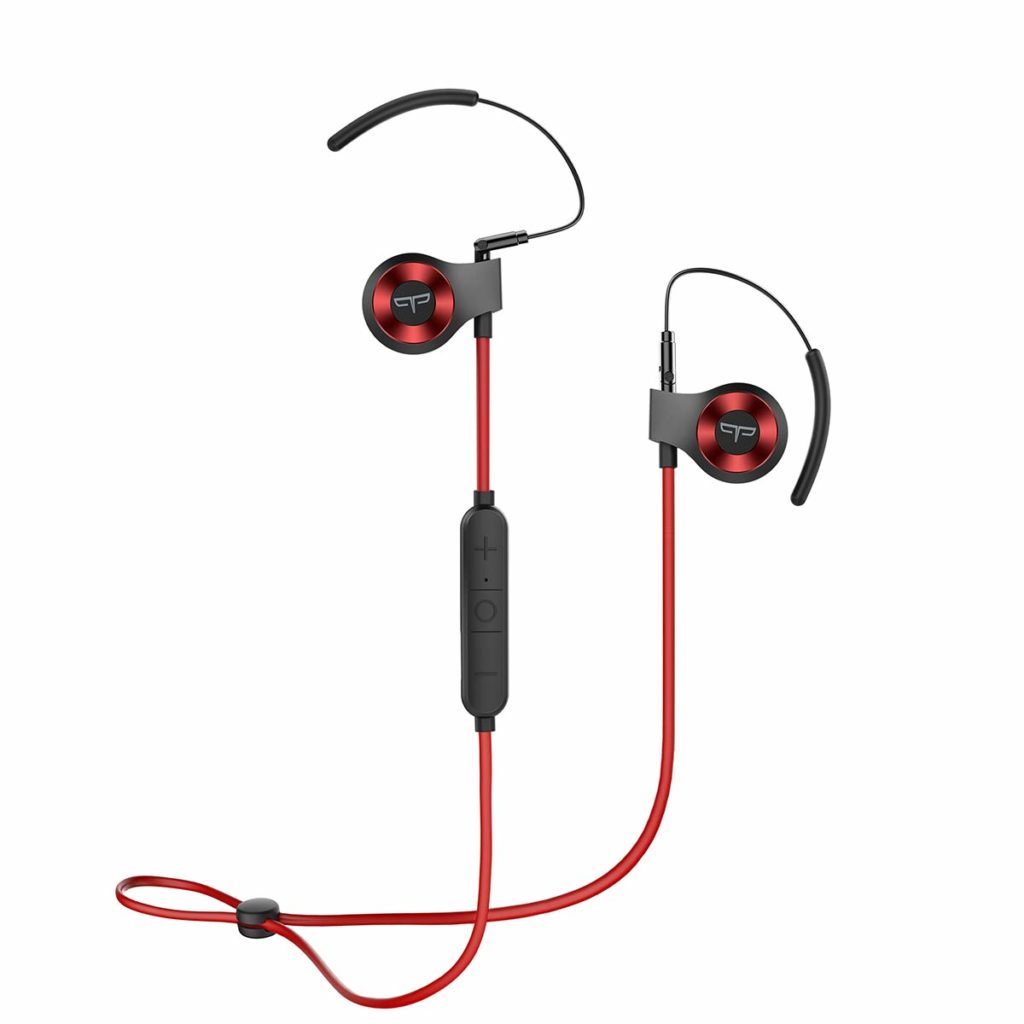
Gizmochina along with Origem is conducting 1 unit Origem HS-3 Bluetooth Headphones as giveaway gift to a lucky reader. Like always, you just have to follow the steps mentioned on the Gleam widget to get a chance to win this amazing gift.
If you want to win the free Origem HS-3 Bluetooth Headphones, the most important thing is to LikeOrigem Facebook page, Visit the Origem official website and Share the giveaway.
Origem HS-3 Bluetooth Headphones ships with powerful 10mm graphene driver and high-end CSR8670 chipset with DSP audio algorithm, which can detect the sound pressure of the listening environment and volume to adjust different modes. The Origem HS-3 Earphones likes a perfect combination of subwoofer, which has incredible mid-range and high–frequency. As the latest smart microphone, the earbuds can recognize user’s commands immediately after speaking, like play/pause music, accept/reject call, previous/next song and activate phone voice assistant. The Origem HS-3 comes with neck hanging design with rotatable earhooks made from nickel-titanium alloy. Conveniently, the Origem HS-3 can also activate your smart assistant with simple words. The Bluetooth headphones supports quick charge for 6 hours battery life.
You can click here to get more information about the Origem HS-3 Bluetooth Headphones.
Share this giveaway contest on Facebook, Twitter and Reddit.
Terms & Conditions:
1. The giveaway is an international giveaway. 2. We are not responsible for lost shipments. 3. We are not responsible for any duties, import taxes that you may incur. 4. We reserve all rights to make any changes to this giveaway. 5. The prize will be shipped in a month when the giveaway end.
Just follow the steps mentioned in the Gleam widget to participate in the giveaway.
Earlier this month, we reported that India’s one of the largest online marketplace Flipkart has partnered with Nokia to launch Nokia-branded Smart TVs in the Indian market. This will be the fifth smartphone maker to enter the smart TVs market after Honor, Motorola, OnePlus, and Huawei.
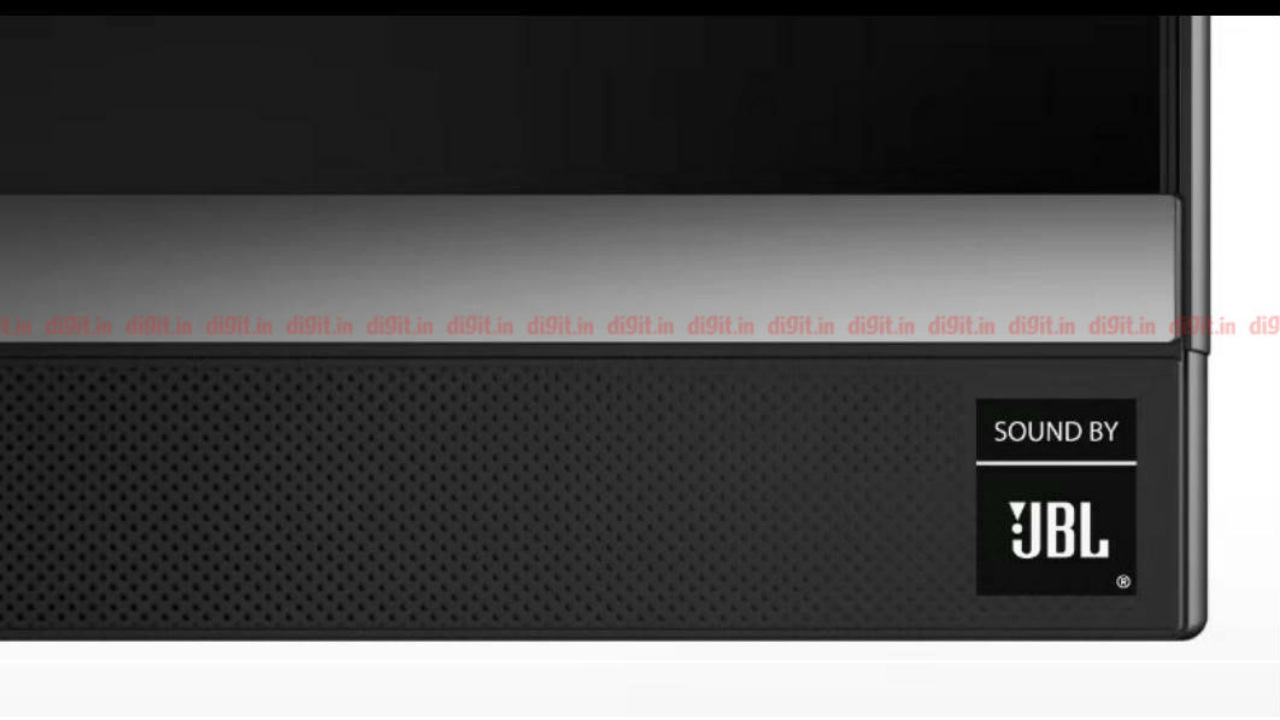
Now, some of the key features about the upcoming Nokia Smart TV have been leaked online. The leaked images, first published by Digit.in, teases corner frame design from two angles. It is clearly visible that the TV has brushed metal finish top left corner and at the bottom top right, there’s “Sound by JBL” branding.
Flipkart has revealed that Nokia’s new offering will come with features like Minimal Harmonic Distortion and Clear Vocal Tones to ensure immersive sound experience. Further, Dolby Audio and DTS TruSurround will enable high-quality audio playback from the TV’s front speakers. The Nokia Smart TV will also be able to decode surround sound with the help of the DTS TruSurround.
Recently, the Nokia smart TV was spotted on the BIS (Bureau of Indian Standards) database which confirmed that there will be a 55-inch panel with 4K Ultra HD resolution. It is reported that the device will run Android 9-based proprietary OS and will come with access to the Google Play Store.
In India, the Nokia Smart TV will compete against the likes of Xiaomi’s Mi TV, OnePlus TV and the recently launched Motorola TV. It’s noteworthy that Motorola TVs are launched in India under a strategic partnership of the Lenovo-owned company with Flipkart, similar to this deal of Flipkart with Nokia.
After Redmi launched its flagship Redmi K20 and K20 Pro smartphones, the brand had confirmed that it has already started working on the Redmi K30 series smartphones. The company has even shared some of the key details about the upcoming device.
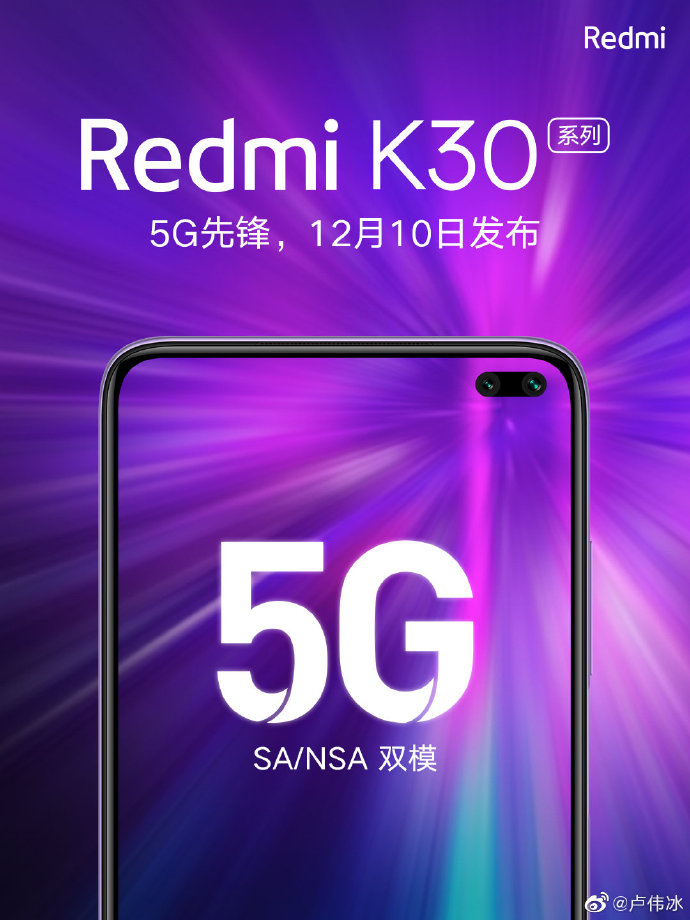
Recently, Xiaomi founder and CEO had revealed that the Redmi K30 smartphone will make its debut by the end of this year. Well, that is turning out to be true as Lu Weibing, General Manager of Redmi brand has officially announced the launch date.
The Redmi K30 smartphone is now confirmed to go official in the company’s home market China on 10th December. However, it is believed that the company will only launched the Redmi K30 smartphone while the K30 Pro will go official next year.
It’s noteworthy that the Redmi K30 will be the company’s first smartphone to come with support for dual-mode 5G which includes SA and NSA modes. So far, it is known that the phone will come with a punch-hole display.
The punch-hole cut-out on top of the display will be housing two front-facing camera sensors. Further, it has been revealed that the smartphone will come with support for 30W fast charging technology.
Apart form these features, nothing has been officially revealed related to the specifications of the upcoming Redmi K30 smartphone. However, leaks indicate that the phone will have a 6.66-inch display with a 1080 x 2400 pixels Full HD+ screen resolution. It is also expected to come with side-mounted fingerprint sensor.
Under the hood, the device could come powered by Qualcomm’s new 7xx-series processor with support for dual-mode 5G, coupled with Adreno 618 graphics processor. This is the same GPU that the company has used in Snapdragon 730 and Snapdragon 730G.
An image of the smartphone that recently got leaked reveals that the phone will have support for 120Hz refresh rate, which is totally unexpected as the company seems to be going a step ahead by adopting 120Hz instead of 90Hz but it could be for the Pro model.
We are expecting the smartphone to run Android 9 Pie operating system out-of-the-box along with the company’s new MIUI 11 custom user interface. To know more about the phone, including full specifications, pricing, and availability details, we’ll have to wait a couple of weeks for the official launch event to take place.
Three days ago, Vivo V17 went official, but it is nothing new. It is nothing more than a rebranded version of the Vivo S1 Pro announced days before. And just like its twin sibling, it has a lot of competition. Among the latest devices released with very similar specs and a very similar price to the Vivo V17, there are Realme X2 and Huawei Nova 5z. In this comparison, we will explain to you all the main differences between these three phones and what you should go for depending on your most common needs. Note that we are talking about mid-rangers focused on quality-price ratio suitable for average users, not about flagships and neither about entry-level devices.
Quad 48 + 8 + 2 + 2 MP f/1.8, f/2.2, f/2.4 and f/2.4
13 MP f/2.0 front camera
Quad 48 + 8 + 2 +2 MP f/1.8, f/2.2, f/2.4 and f/2.4
32 MP f/2.0 front camera
Quad 64 + 8 + 2 + 2 MP f/1.8, f/2.3, f/2.4 and f/2.4
32 MP f/2.0 front camera
BATTERY
4000 mAh, fast charging 18W
4500 mAh, fast charging 18W
4000 mAh, fast charging 30W with VOOC Flash Charge 4.0
ADDITIONAL FEATURES
Dual SIM slot
Dual SIM slot
Dual SIM slot
Design
Given the goodness of actual midrange smartphones, only a few people really need a flagship, even when it comes to the design. All of these devices are equipped with an elegant glass back, but my favorite one is the Huawei Nova 5z for two reasons. First, it has a punch-hole display: instead of a silly notch, it sports a single hole inside the display which integrates a front camera. Second, it is way more compact than both Realme X2 and Vivo S1 Pro. But unfortunately, it has a rear-mounted fingerprint scanner, while Realme X2 and Vivo V17 have an optical in-display fingerprint reader that is more comfortable.
Display
Huawei Nova 5z does not offer a bad image quality, but it has an IPS display and not everyone likes it. Both Vivo S1 Pro and Realme X2 come with a Super AMOLED display, so you may like them a lot more for their more vivid colors. On the Realme X2, you even get the Gorilla Glass 5 protection for the front panel.
Specs & Software
The most performing chipset is on board of the Realme X2 and it is the Snapdragon 730G, which means Realme X2 wins the hardware comparison. You can even find this device in a better memory configuration with up to 8 GB of RAM, up to 256 GB of internal storage and UFS 2.1 storage as well. Unlike Vivo V17 and Huawei Nova 5z, it even sports a dedicated micro SD slot (separated from the dual SIM slot, so that you can use both at the same time). In the second place, we got the Kirin 810 which, despite being made with a better production process (7 nm), does not reach the performance of the Snapdragon 730G. These devices have a customized Android 9 Pie version out of the box with three different user interfaces.
Camera
Realme X2 has the best hardware and it even wins the camera comparison. All feature a quad rear camera, but the Realme X2 is the only with a 64 MP main sensor providing a higher level of detail and better overall quality. When it comes to the front camera, all sport the same 32 MP sensor. Both Vivo V17 and Huawei Nova 5z have a 48 MP quad camera, so you get more or less the same photo quality with marginal differences depending on the software optimization.
Battery
Vivo V17 offers 500 mAh more of battery capacity, that is why it lasts more on a single charge. But Realme X2 charges faster with its 30W VOOC fast charging technology.
Price
Vivo V17 is sold at €290/$319, Realme X2 has a €299/$330 price, and Huawei Nova 5z costs about €227/$250. At the end of the day, Realme X2 looks slightly more convincing due to its better rear camera and higher-end hardware.
After a long tiring day at work, the last thing you want to think of is cleaning your room. While keeping your surroundings clean and tidy all the time is extremely important, it is quite a backbreaking task, especially if you are a working man or woman.
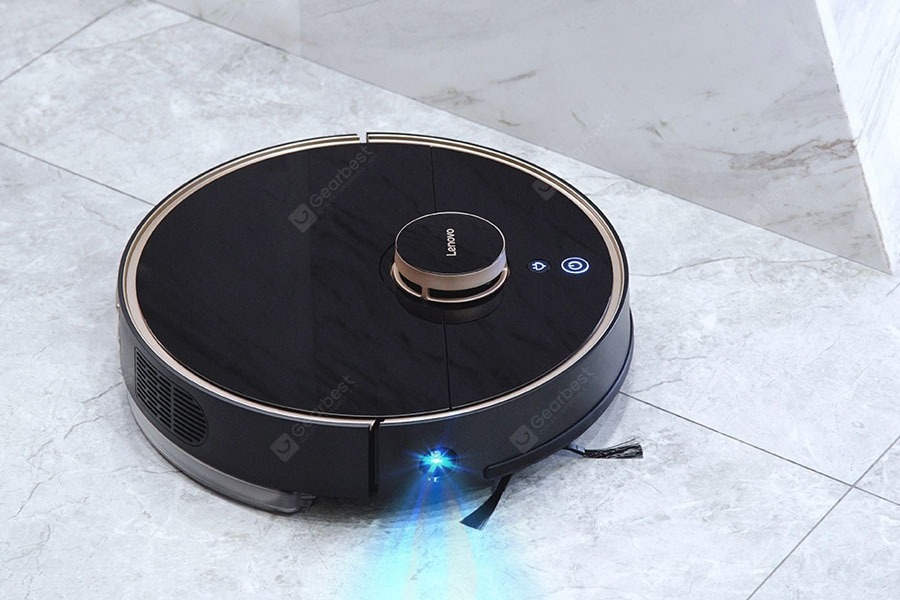
Much to the relief of those who aren’t willing to spend a considerable amount of their day cleaning their homes, Lenovo has come with an amazing robot vacuum cleaner. Dubbed as the Lenovo X1 LDS Lidar, this robot can efficiently clean your kitchen, balcony, bedroom or any other area of the house you want without requiring a lot of your effort.
The X1 uses the LDS Lidar to determine the cleaning route, as well as its superior disentangling ability to ensure it never gets trapped. We will talk more about the feature-laden robot vacuum cleaner in just a bit, but before that, let us check out the Global Launch of the Lenovo X1 LDS Lidar Robot Vacuum Cleaner on Gearbest as it comprises a great discount, as well as gifts.
The Lenovo X1 understandable carries a steep price tag of $648.06 on both offline, as well as online stores. Much to the relief of those who aren’t willing to shell out that kind of money on a robot vacuum cleaner, Gearbest is offering it for a lowered price of just $429.99 as part of the device’s global launch promo.
In addition to getting the aforesaid discount, Gearbest users placing their orders during the activity period i.e. between November 25th to December 8th will be eligible for getting free gifts. The first 400 lucky buyers will receive the Smart AI TWS11B True Wireless Bluetooth 5.0 Earphone Mini Portable Touch Control Binaural Earbuds with Charging Dock worth $21.15 free with their orders.
On top of that, two lucky winners who buy the Lenovo X1 LDS Lidar between November 25th to November 30th will receive free products. The winners will be announced on December 1st on Gearbest’s official YouTube channel.
Made using ABS and other high-quality materials, the Lenovo X1 LDS Lidar is capable of performing several tasks such as mopping, suction, sweeping, sweeping suction, vacuuming, etc. It has three useful modes including sweeping & mopping mode, sweeping only mode, mopping only mode.
Even when the robot gets stuck under a piece of furniture, it can manage to get out without requiring your help. If it gets stuck more than once in the same area, it will instruct the user to set up the specific area as a restricted zone.
Furthermore, the Lenovo X1 is powered by Japan NIDEC brushless motor, which delivers the strongest suction up to 2200Pa, with a 20 percent higher cleaning efficiency. The robot easily solves the long-hair and if you have pets at home, it might interest you to know that Lenovo X1 can clear up cat or dog hair too.
Despite being so powerful, the Lenovo X1 is extremely quiet (55dB adjustable), and offer seven major noise reduction optimization for a quieter and cleaner environment. As if that wasn’t enough, the robot is also compatible with Amazon Alexa voice assistant, which means, you can simply talk to it instead of manually setting up all the controls.
You can check out more details about the Lenovo X1 by heading straight to this link. To make the most of the global launch promotion sale, you must place your order as soon as possible.
We use cookies on our website to give you the most relevant experience by remembering your preferences and repeat visits. By clicking “Accept”, you consent to the use of ALL the cookies.
This website uses cookies to improve your experience while you navigate through the website. Out of these, the cookies that are categorized as necessary are stored on your browser as they are essential for the working of basic functionalities of the website. We also use third-party cookies that help us analyze and understand how you use this website. These cookies will be stored in your browser only with your consent. You also have the option to opt-out of these cookies. But opting out of some of these cookies may affect your browsing experience.
Necessary cookies are absolutely essential for the website to function properly. This category only includes cookies that ensures basic functionalities and security features of the website. These cookies do not store any personal information.
Any cookies that may not be particularly necessary for the website to function and is used specifically to collect user personal data via analytics, ads, other embedded contents are termed as non-necessary cookies. It is mandatory to procure user consent prior to running these cookies on your website.