Advertisement

iQOO Neo SD855+ benchmarked on AnTuTu with 503K+ scores

iQOO is expected to announce the Snapdragon 855+ chipset version of the iQOO Neo SD855 phone soon. The company hasn’t confirmed on its launch date, but its arrival seems to be close at hand as the device that has a model number of V1936AL has appeared with full specs on TENAA. The device has been spotted on the database of 3C and it has also been benchmarked by Master Lu. The handset has also appeared on the database of the Android Enterprise. Now, the V1936AL that is believed to debut as iQOO Neo SD855+ has been benchmarked on AnTuTu through which some of its key specs have been revealed again.

The iQOO Neo SD855+ has recorded a score of 503,734 on AnTuTu benchmarks. It is an average of 143,608 points scored in CPU test, 196,507 points scored in GPU test, 90,100 points recorded in memory test and 73,519 points in the UX test.
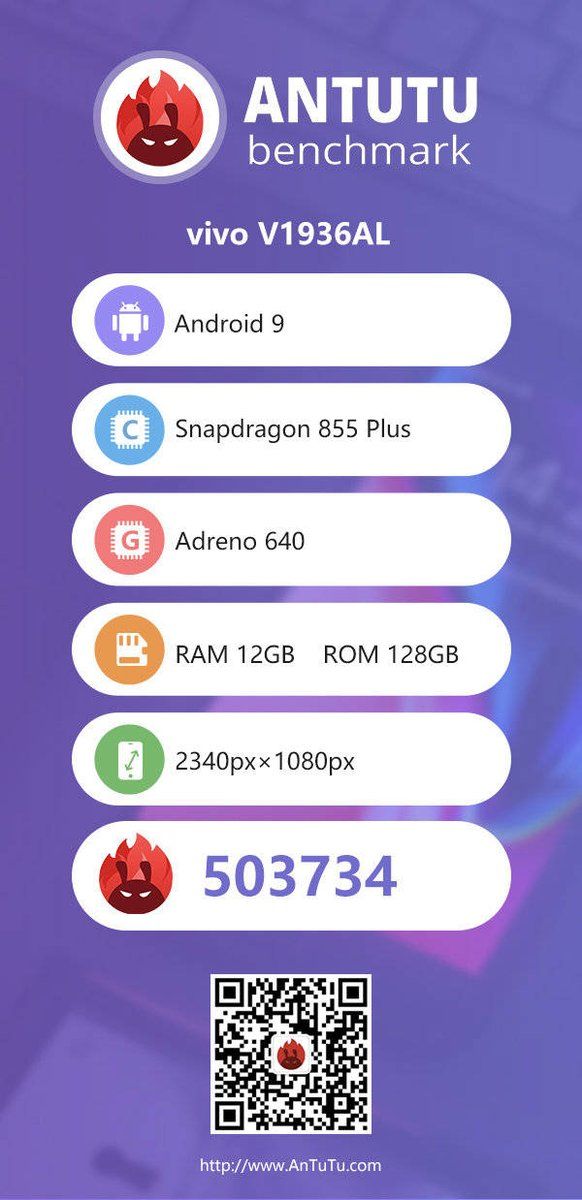
iQOO Neo SD855+ AnTuTu

The AnTuTu benchmarks of the iQOO Neo SD855+ V1936AL phone reveals that is powered by the Snapdragon 855+ mobile platform that includes Adreno 640 graphics. The phone is loaded with Android 9 Pie and it has 128 GB of native storage. The SD855+ SoC is coupled with 12 GB of RAM. The listing has not revealed the exact size of the phone’s display. However, it has confirmed that it will offer full HD+ resolution of 1080 x 2340 pixels. Also, the phone is equipped with UFS 3.0 storage.

iQOO Neo SD855+ Specifications

The TENAA listing of the Vivo V1936AL has its entire specifications along with its images. The listing revealed that the device measures 159.53 x 75.23 x 8.13 and it weighs 198.5 grams. The phone come with a 6.38-inch AMOLED display that includes an in-screen fingerprint reader. The display offers 19.5:9 aspect ratio and full HD+ resolution of 1080 x 2340 pixels. The device houses a 4,500mAh battery. The 3C appearance of the phone revealed that it may ship with a charger that supports up to 33W rapid charging.

The Snapdragon 855+ that includes a 2.96GHz octa-core processor powers the smartphone. The 8 GB and 12 GB RAM variants of the phone may ship with 128 GB of native storage. It may come with a front-facing camera of 16-megapixel. The device could be fitted with a 12-megapixel + 8-megapixel + 2-megapixel triple camera system. There is no external storage slot on the device.


(source)

Lu Weibing confirms Redmi K30 5G has a Qualcomm processor

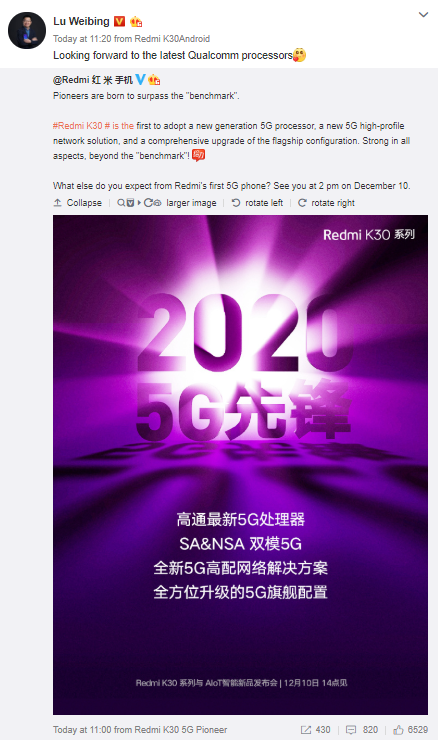
Almost everyone is eager to know the processor that will power the upcoming Redmi K30 5G. There have been speculations it may be a chipset from MediaTek while others say it will be supplied by Qualcomm. This morning, Redmi’s General Manager, Lu Weibing, confirmed that the phone will be powered by a Qualcomm processor.

The company executive had quoted a Weibo post made by the official Redmi account. The original post said the Redmi K30 is the first device to be powered by a new generation 5G processor. This chipset is said to be strong in all areas and not only in achieving a high benchmark score.

Redmi K30 5G Qualcomm Processor

Lu Weibing then quoted the post with a statement that roughly translates into “Looking forward to the latest Qualcomm processors”, confirming that the Redmi K30 will be powered by a Qualcomm chipset.

This chipset is expected to be the SM7250 5G processor with support for SA and NSA networks. Qualcomm is expected to announce the new processor today at the Snapdragon Tech Summit holding in Hawaii. The keynote will begin at 7 PM GMT (12:30 AM IST on Wednesday, December 4).

The Redmi K30 5G will have a 6.6-inch FHD+ display with a punch hole for two cameras. and a 120Hz refresh rate. It will also have quad rear cameras, a side-mounted fingerprint scanner, and NFC. Its battery capacity is rumored to be either 4500mAh or 5000mAh with support for 27W fast charging. The phone should run MIUI 11 out of the box.


Huawei Nova 6 and Nova 6 5G specification sheet leaks

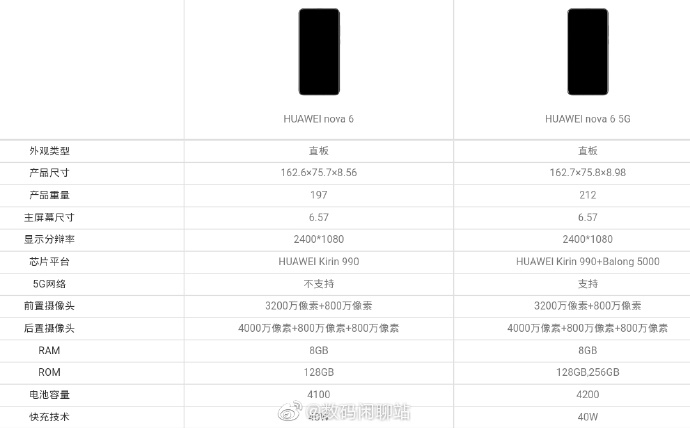
This week, Huawei will announce the Nova 6 series at an event in China. The series includes the Nova 6 and the Nova 6 5G, and the spec sheet for both devices has leaked just a few days to the launch.

Nova 6 5G featured

Nova 6 Specifications

The Huawei Nova 6 will have a 6.57-inch display with a 2400 x 1080 resolution. Inside the device will be the Kirin 990 processor and it will be paired with 8GB of RAM and 128GB of storage.

The Nova 6 will have 32MP + 8MP dual front-facing cameras for ultrawide angle selfies while the rear will house a 40MP primary sensor paired with two 8MP sensors. It will also have a 4100mAh battery with support for 40W SuperCharge wired fast charging.

The spec sheet says the phone weighs 197 grams and measures 162.6 x 75.7 x 8.56 millimeters.

Huawei Nova 6 and Nova 6 5G specs

Nova 6 5G specifications

The Nova 6 5G will have the same 6.57-inch 2400 x 1080 display as the LTE model. It will also have the same camera configuration on both sides. However, the phone will add the Balong 5000 5G modem to the Kirin 990 processor for 5G. Huawei is also shipping it with 8GB of RAM but it will be available in 128GB and 256GB variants.

The Nova 6 5G will have a slightly bigger 4200mAh battery with support for 40W SuperCharge wired fast charging. The phone will weigh 212 grams thanks to the extra antennas and bigger battery and measure 162.7 x 75.8 x 8.98 millimeters.

Although the spec sheet doesn’t say, both phones will run EMUI 10 based on Android 10 out of the box. We also know the Nova 6 5G will be available in Black, Blue, Purple, and Red thanks

Other than the Nova 6 and Nova 6 5G, Huawei is also expected to announce the Nova 6 SE which will have four rear cameras and a single front-facing camera. It will also have a Kirin 810 processor powering it.


(Source)

China now requires smartphone users to provide facial data to the Government

According to a new rule, any Chinese citizen registering for a new SIM card must submit facial recognition scans starting this Sunday. So for those that wish to register their new smartphones with their telecom operators in China, must now send facial scans from their devices to the said operator.

The guidelines were initial issued in September and require telecom companies to check the identities of individuals registering SIM cards through facial recognition and other technical methods. Notably, physical stores of the telecom operators had until 1st December to begin implementing the new standards in China.

kfc facial recognition
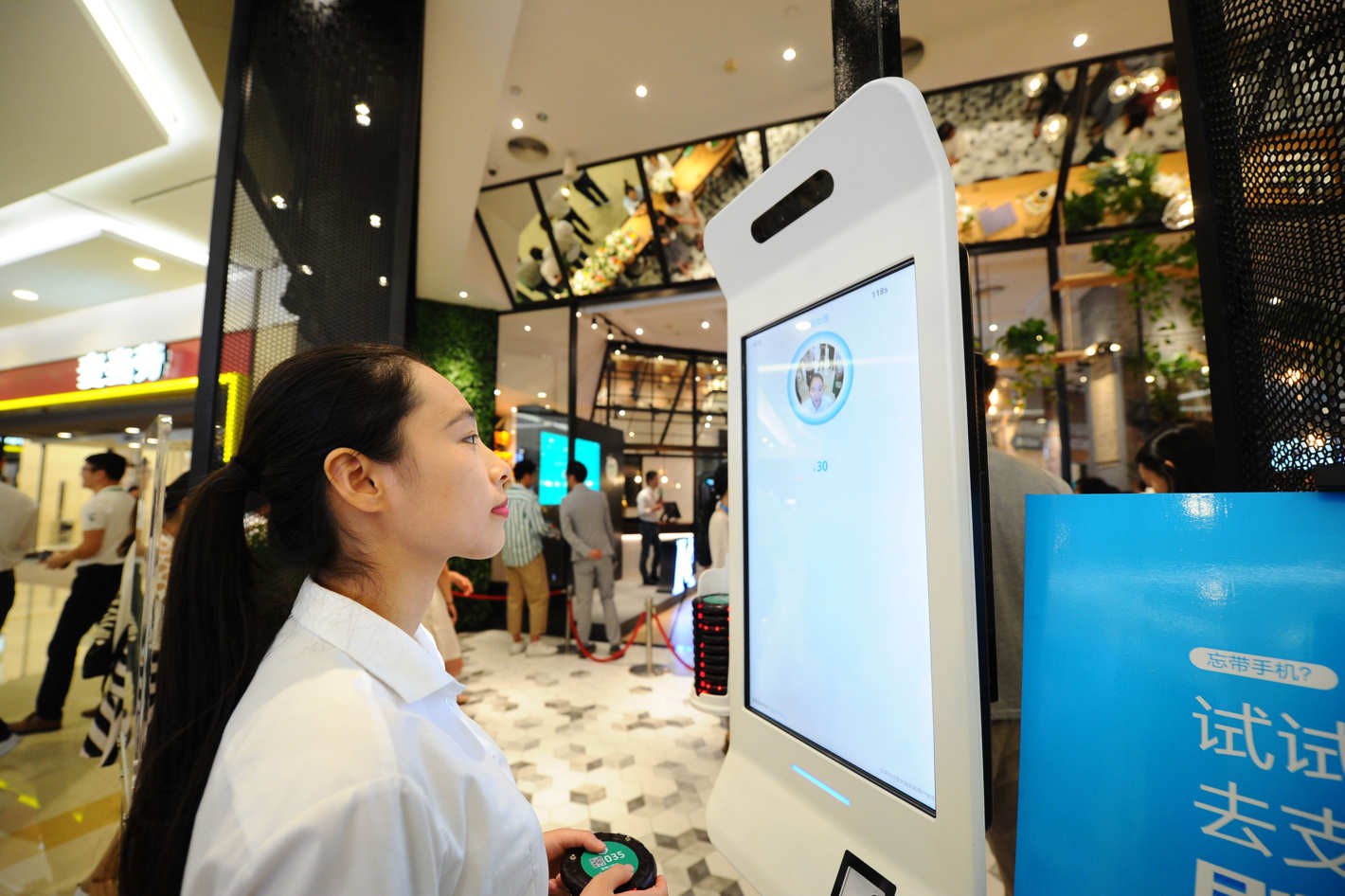
Facial Recognition in Chinese retailers

The ministry of industry and information of China has described the new measures as a means to “protect the legitimate rights and interest of citizens in cyberspace.” But, this also makes the Chinese smartphone and internet users much easier to track and identify. At present, Chinese citizens already need to provide identity cards or passports to register a new SIM card. Furthermore, numerous social media platforms also require users to sign up with their “real-name-identities” via their phone numbers.

The new rule has already started raising security and privacy concerns as it employs in a wide field ranging from middle schools, concert venues to even public transport. Additionally, general unrest has plagued the public in regard to this decision due to the uncertainty of its regulations and standards; with lawsuits against the measure already surfacing.

China Mandates Facial Recognition
Public Monitoring

The ministry has said the rule will protect citizens from phone scams and prevent the reselling of SIM cards as part of cybersecurity and anti-terrorism campaigns in China. However, human rights advocates described the new rule as another step towards a “dystopian surveillance state” where citizens are constantly monitored for dissent or signs of unrest.


(Via)

Huawei faces public outrage after ex-employee detained for eight months over false charges

Huawei has come under fire in its own country as members of the public rallied behind a former employee detained for eight months after demanding severance pay from the company. Weibo users expressed anger at Huawei’s treatment of the former employee, reversing some of the firm’s positive sentiment generated following its US blacklisting.

The case became public on November 30, when Li Hongyuan posted a message on the website of Huawei’s Xinsheng Community, titled “An Open Letter to President Ren”. The event prompted speculations on the Chinese internet over allegations that the employee could have been framed by his former managers, who were unhappy with the amount of compensation he demanded.

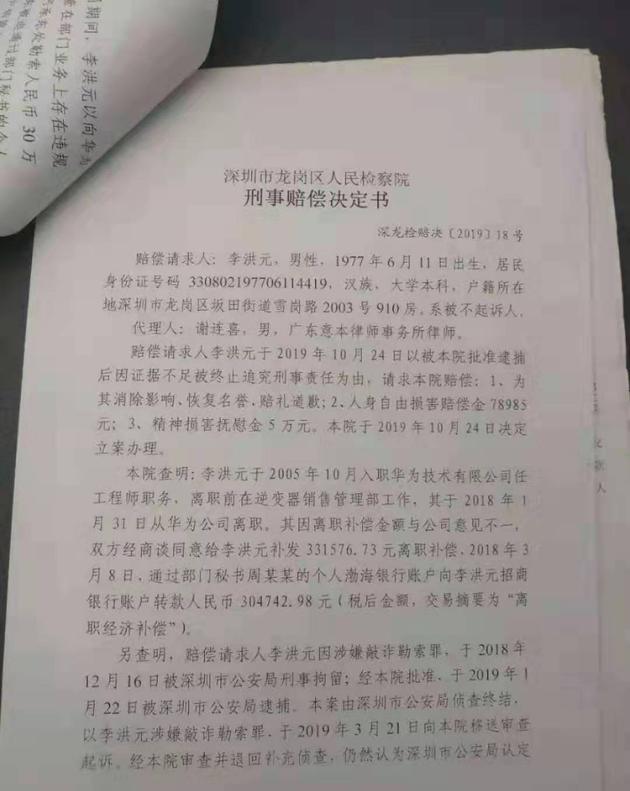
Last January, Li Hongyuan, a Huawei employee of 13 years, was arrested on extortion charges and detained until August, when he was released because of “unclear criminal facts and insufficient evidence”, according to the court documents posted online by Li.

Li Hongyuan joined Huawei in 2005 and worked for its inverter department. When his last employment contract expired on Dec. 31, 2013, Huawei refused to re-sign but offered compensation of CNY380,000 (USD54,000), twice his monthly salary multiplied by the number of years he spent at the company, as a severance payout.

Court documents shared by Li Hongyuan


In March 2018, the secretary of Li’s department transferred 304,742 yuan to him through a private account instead of a corporate one. Li claims that after further inquiry he learned that it was a standard procedure and that at least five of his former colleagues received their compensation in a similar way. However, it seems that the use of a private bank account raised suspicion about the nature of the transfer.

Therefore, Li Hongyuan began to sue Huawei for compensation for the year-end award. During the period, he also held several court trials. He also hoped to expand the influence through the media. As of October 2018, the outcome of the lawsuit was inconclusive and all parties were waiting for a resolution.

This is when things take a surprising turn for Li Hongyuan. On December 16, 2018, Li was detained by the Shenzhen Public Security Bureau on suspicion of extortion and was arrested on January 22, 2019. He was released on August 23, 2019, due to “unclear criminal facts and insufficient evidence”, having spent a total of 251 days in custody.

Huawei said it has the right and an obligation to report to judicial authorities of suspected illegal activities. “We respect the decisions. If Li believes his rights have been harmed, we support his use of legal measures to defend his rights, including suing Huawei. It also shows that all are equal under the law,” Huawei said in a statement on Sunday.

Global Times’ source, on condition of anonymity, revealed that Li is facing huge psychological pressure after he found himself at the epicenter of public attention. “In regards to my detention, my father was shocked and passed away, and my child was scared,” he added. “I hope I can take some of your time for a cup of coffee.” For now, they are unsure as to whether they will pursue legal action or not.

On Nov 25, the Shenzhen Longgang district people’s procuratorate decided to give state compensation to Li, awarding 79,300.94 yuan for personal liberty damage and 27,755 yuan for emotional damage, as well as sent a letter to Huawei and his father’s company to remove any stain to his reputation caused by the detainment.

The case sparked heated debate over the weekend. Some netizens raised concerns about whether there are significant flaws in Huawei’s management system. While some netizens argued that a telecoms empire like Huawei, with more than 100,000 employees, should have a more mature management mechanism.

(Source)

Apple may launch iPhones twice a year strategy from 2021

Apple Inc is likely to change its smartphone launch schedule starting 2021, according to J.P Morgan analysts. The prediction appeared publicly yesterday and is based on Apple’s future supply chains. Apple has been launching a new iPhone every fall, leading to the holiday season, but that could change to twice a year depending on the supply schedule.

According to the report, the new strategy will give Apple additional flexibility to update or change its line-up within a 6-month period, allowing it to compete with other players that launch smartphones throughout the year. Starting from 2011, Apple has been launching new smartphones between September and October every year. Hence making the last quarter of every year quite crucial for the company in terms of sales. With this shift in strategy, Apple’s sales figures could be homogeneous around the year.

Commenting on the topic, Samik Chatterjee, J.P Morgan Analyst said, “Based on the upcoming supply schedule, it is safe to say that Apple’s sales figures will no longer be seasonal. As the company plans to launch two new devices in 1H21, followed by two more in 2H21”. This shift in strategy will help Apple compete with major rivals like Samsung and Huawei that launch two flagship smartphones per year. Since Apple does not have a budget line-up and unveils smartphones once a year, the company’s revenue is heavily dependent on sales during the holiday season.

Apple

J.P Morgan also predicted Apple’s 2020 lineup on Monday, and the report mentions the launch of four new devices in September 2020. That is a major change from Apple’s current three smartphones per year strategy. The analysts suggest Apple plans to launch a low-cost smartphone based on the iPhone 8 in spring 2020. While all four devices will flaunt OLED displays and support 5G, the low-end variants might not feature the extremely high-frequency mmWave technology that promises superior performance.

According to J.P Morgan analysts, the new iPhones will feature three display sizes, measuring 5.4-inch, 6.1-inch, and 6.7-inch. The device with the largest display reportedly features shift sensors that allow better quality images and videos while capturing in motion. The higher-end models also support the world-facing 3D sensor and triple camera setup. None of these reports have been officially confirmed by Apple yet, and are simply based on supply chain checks.

5G aims to usher ultra-fast wireless network speeds, aiding smartphone innovations and technical advancements including self-driving vehicles. Following the launch of the iPhone 11 this year, Apple was heavily criticized for holding off a 5G-capable device till 2020. Apple’s global sales have slumped recently, and the company’s decision to further delay a 5G product did no go down well with the loyalists.

Apple’s recent migration from Qualcomm to Intel’s hardware is reportedly the reason behind the delay in the development of 5G modems. It is interesting to note that major US carriers like AT&T, Verizon, and T-Mobile currently offer limited 5G connectivity in the nation. The service is scheduled to improve by 2021.


(source)

Buy Xiaomi Smart Rubik Cube for Just $24.99 from Giztop

Earlier this year, Xiaomi launched a smart Rubik’s Cube under the Mi Mall crowdfunding platform.

Xiaomi Smart Rubik Cube

Invented back in 1974 by Ernő Rubik, Rubik’s Cube can be described as a 3-D combination puzzle, Licensed by Rubik, the puzzle was originally called the Magic Cube and it was sold by Ideal Toy Corp. As the name suggests, Xiaomi’s Smart Rubik’s Cube offers a slew of smart features and is currently up for grabs for just $24.99 on Giztop.

You can calculate reduction steps within 30 steps with the Xiaomi Smart Rubik Cube App. If you are a beginner, you can use the 3D dynamic graphics teaching, guide for step by step instructions. You will be notified when you make a wrong move.

While this smart Rubik’s cube looks a lot like the regular Rubik’s cube, it has a more concave feel as it uses a magnetic positioning design inside. Its smooth body structure ensures it neither gets stuck nor falls apart.

Xiaomi Smart Rubik Cube

Xiaomi Smart Rubik Cube App intelligently finds a new route and instantly restores the Rubik’s cube. The app offers nine different gaming levels, with each level offering a different level of difficulty.

Furthermore, the Smart Rubik Cube is backed by a built-in replaceable coin cell battery. For longer battery life, it adopts a low power consumption design. The Smart Rubik cube has a six-axis sensing system that enables it to automatically capture every rotation and color change.

To get real-time data synchronization, all you need to do is to connect the device with your smartphone through Bluetooth. You can also pair the Xiaomi Smart Rubik Cube with the MIJIA app and connect it with all your smart home devices via Bluetooth 5.0.

You can control smart home products simply by turning the Xiaomi Smart Rubik Cube. To know more about Xiaomi Smart Rubik Cube and place your pre-order from Giztop, follow this link now.

Realme confirms these phones won’t get ColorOS 7 (Android 10)

Last week Realme released the roadmap for the rollout of ColorOS 7 based on Android 10 for its phones. The rollout has 11 devices in total and is scheduled to end in Q3 2020. However, there are a number of devices missing from the list. A few days ago, Realme confirmed those phones will not be getting the update.

Apparently, there is a petition for Realme to release ColorOS 7 for the Realme 1, Realme 2, Realme C1, and Realme U1 seeing as they are missing from the rollout schedule. In response to a tweet urging the manufacturer to update the devices, the official Twitter account for Realme India Support replied the aforementioned phones will not get the ColorOS 7 update based on Android 10.

That response will surely break the hearts of owners of these devices considering the fact that all four phones were released last year.

In our opinion, we wish Realme adopted Xiaomi‘s style of updating its devices whereby older devices get new features but still stay on their current Android version.

It is no surprise that Realme has left out some devices judging from its large portfolio in about 18 months. This is bound to happen when a manufacturer keeps churning out phones. Realme is not the only manufacturer guilty of this and that isn’t to say there aren’t manufacturers with fewer products who do not abandon devices after they have been released.

Nevertheless, we believe owners of these devices will keep clamoring for an update and may be lucky enough to get Realme to change their stance.


(Source, Via)

Samsung to set up a new Chip Plant in Vietnam?

According to a new report, Samsung might be looking into Vietnam as a potential site for its new chip-making plant. In a private meeting in Seoul, the Prime Minister of Vietnam asked the Vice Chairman of Samsung Electronics to consider building a chip manufacturing facility in the country.

The South Korean tech giant has already set up numerous plants and assembly lines for its mobile phones and IoT devices in the country. Additionally, the offer from the political leader is reported to carry certain benefits and incentives for the company. Samsung will also further benefit from lower labor costs in the Southeast Asian country and its economic growth prospects. Unfortunately, the exact details regarding the incentives being provided are still unknown but the deal may be a winning strategy for both sides.

Korean Herald: Samsung Electronics Vice Chairman Lee Jae-yong (left) and Vietnamese Prime Minister Nguyen Xuan Phuc (right)

However, news of the deal actually going through for a new plant is still uncertain due to the basic requirements of the semiconductor business, according to sources and economic experts. Instead, Samsung has promised to hire 3000 Vietnamese engineers for its Samsung Research and Development center which is currently under construction in Hanoi.

Before setting up a plant, chipmakers require local talent (engineers), clients to work with, and also need to be closer to their target markets. Currently, Samsung has chip plants in Xian, China, and Austin, Texas. Austin, in the US, is home to top-level engineering students while the country is the biggest market for Samsung. Similarly, the reason Samsung still operates in China is not for low labor costs but due to market significance and huge potential for growth.

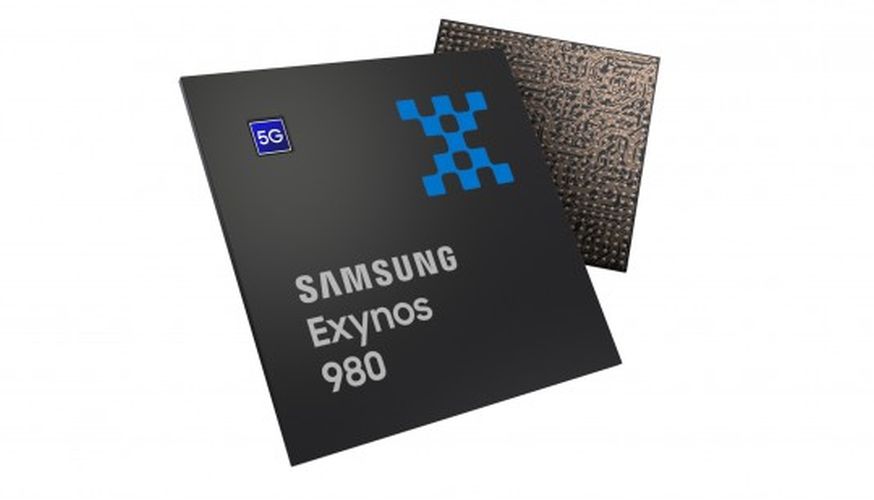
Samsung Exynos 980 5G chipset

Thus, it is unlikely that Samsung takes the Vietnamese Prime Minister’s offer for a new chipmaking plant. The company already has set up advanced smartphones and IT manufacturing facilities (with over 58 percent of Samsung smartphones being sold globally are made in Vietnam). Hence, it might not need another chip plant in a country that is less crucial than either China or the US.


(Source)


Xiaomi Mi 10 Pro moniker confirmed by Xiaomi President

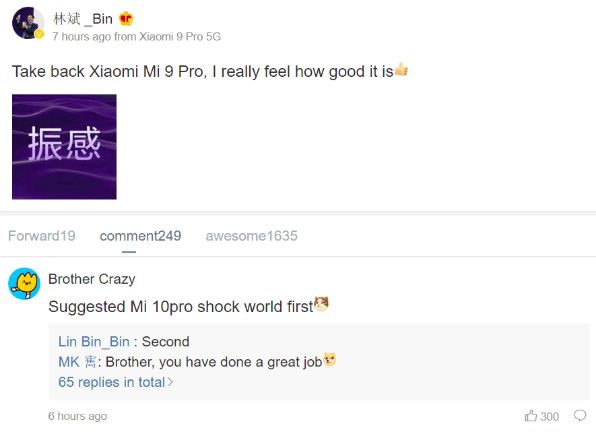
Xiaomi had launched the Xiaomi Mi 9 back in February. The Mi 9 family includes members like Mi 9 SE, Mi 9 Explorer, Mi 9 Lite, Mi 9T, Mi 9T Pro and Mi 9 Pro 5G. Recent rumors have suggested that the company could be working on Xiaomi Mi 10 and it could be planning to debut the Mi 10 series by the first quarter of 2020. On Weibo, Xiaomi President Lei Bin replied to a Mi user’s comment by saying that Mi 10 Pro will be succeeding the Xiaomi Mi 9 Pro.

Bin’s reply is enough to confirm the existence of the Mi 10 Pro smartphone. Hence, it appears that the series will at least include two phones such as Mi 10 and Mi 10 Pro. The arrival of the Mi 10 lineup could be nearing as the company has recently delisted the Xiaomi Mi 9 phone from its product portfolio.

At the end of November, two new 5G-ready devices with model numbers M2001J2E/C and M2001J1E/C were certified by the 3C authority of China. The MJ2001J2E/C phone’s 3C listing had revealed that it could be shipped with MDY-11-EF charger that supports up to 30W charging. It is the same charger that powers the Xiaomi Mi CC9 Pro’s massive 5,260mAh battery with up to 30W charging rates.

On the other side, the M2001J1E/C phone was seen with MDY-11-EB that supports up to 66W fast charging. This 5G phone from Xiaomi may debut as the fastest charging capabilities seen on a smartphone. It remains to be seen whether the MJ2001J2E/C and MJ2001J1E/C arrives in the market with respective names such as Xiaomi Mi 10 and Mi 10 Pro.

At present, there is no information available on the other specs of the Xiaomi Mi 10 Pro. Being a flagship phone, it could be powered by the Snapdragon 865 mobile platform that will made official soon. It is very likely to come preloaded with MIUI 11 based Android 10 OS. Probably, the camera system of the Mi 10 series could be equipped with a 108-megapixel primary lens.

In related news, Xiaomi India is reportedly gearing up to launch the Xiaomi Mi Note 10 phone in India. The world’s first smartphone with 108-megapixel penta-lens camera setup may launch by January 2020.


BOE AMOLED production to rise by 200% reaching 70 million units in 2020

In recent years, AMOLED and OLED displays have seen their popularity increase tremendously. Most high-end smartphones in various brands now feature these types of displays over IPS LCD panels. Now, BOE is planning on increasing its production capacity by 200% which will see the shipments rise to 70 million units to meet the rising demands.

BOE is one of the major suppliers of the AMOLED panels. Currently, there is a booming surge of demand for this type of display. A number of smartphone manufacturers have also started including AMOLED displays in their mid-range handsets offerings as well. Hence, the rise of production capacity from BOE. Additionally, the company will also not be investing LCD displays in the near future.

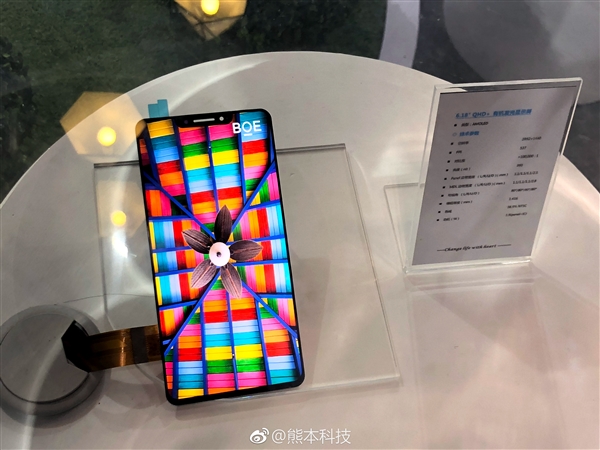
BOE display
BOE Panel

At present, BOE has three 6th generation flexible AMOLED manufacturing plants. One is the Chengdu plant that has mass-produced and shipped since 2017; second is the Mianyang plant that starting shipping this July while the third is the Chongqing plant that started construction last year (commission in 2020).

The Chengdu factory’s AMOLED panels have been used in at least 10 smartphones which include brands like Huawei, Oppo, Vivo and more. BOE is predicting that the demand for flexible AMOLED display panels will increase in 2020 and will also see their production capacity rise to 20 million units.

Samsung & BOE Market Share
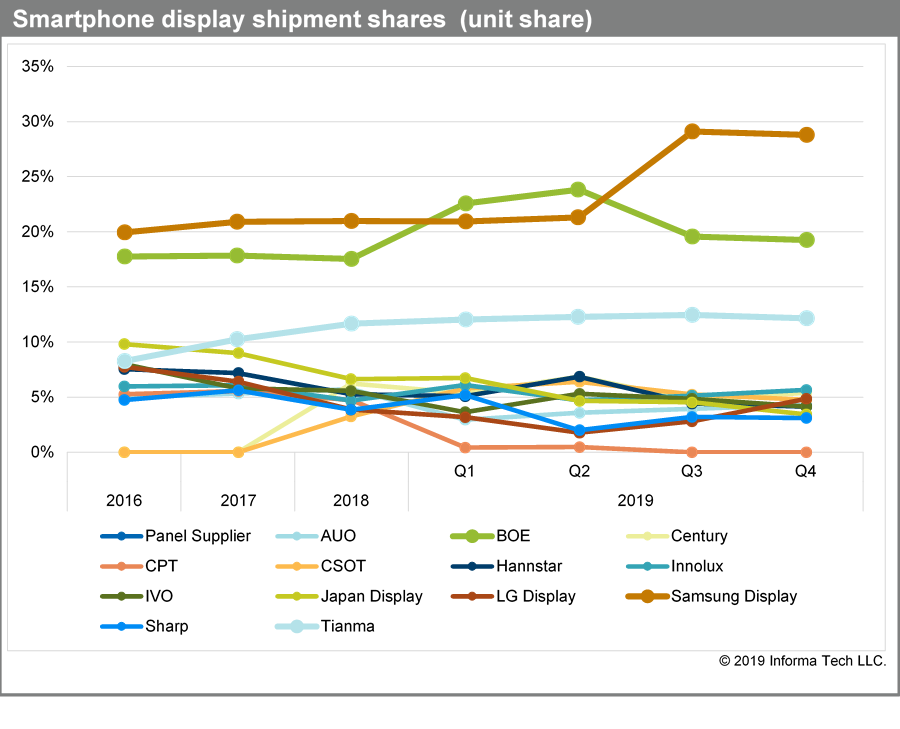
IHR Markit: Smartphone Display Market Share

Notably, Samsung, which is the leading smartphone display supplier in the market, is also the top AMOLED panel manufacturer in the world. The company retaking the lead in the display market also marked the first time OLED displays overtook their LCD counterparts in regards to total shipments. On the other hand, BOE arrivesa a close second to the South Korean tech giant in the same category and technology.


(Via)

Redmi appoints Wang Yibo as the Global Ambassador for the brand

After making major changes to the company’s senior leadership, Xiaomi has now announced a new brand ambassador for its Redmi brand as well as the company’s upcoming flagship series Redmi K30.

The company has today confirmed by sharing a poster that it has appointed Chinese actor Wang Yibo as the brand ambassador. In the poster, he is seen holding the upcoming Redmi K30 smartphone.

For those who are unaware, Wang Yibo is a Chinese actor and singer and he is also a member of South Korean-Chinese boyband UNIQ. Wang has also received recognition for his role as Lan Wangji in the drama The Untamed and is ranked 71st on Forbes China Celebrity 100 list in 2019.

Redmi K30 Brand Ambassador

The Redmi K30 smartphone will come with a punch-hole display which will include a dual front camera inside so that the bezels will be very narrow even though there will not be a notch. Another official teaser shows us the rear camera setup which includes four camera sensors arranged vertically.

The smartphone will come with a 6.6-inch IPS LCD display and will reportedly have 120Hz refresh rate. However, it seems that the 120Hz will be limited to the Pro variant while the standard Redmi K30 will have 60Hz display.

It is expected to have Full HD+ screen resolution of 1080 x 2400 pixels and a 29:9 aspect ratio, while the fingerprint reader will be side-mounted since the display will be LCD. There will also be the Gorilla Glass 5 protection, not the latest Corning’s standard but still sturdy.

The phone will come with support to 5G connectivity, but unlike all the other 5G phones launched until now, the 5G variant will not be powered by a Qualcomm SoC. It will pack the first MediaTek’s 5G chipset with flagship-class specifications —  Dimensity 1000 which includes a 5G modem.

According to rumors, the Redmi K30 will also come in a version with 4G connectivity only packing a less powerful Snapdragon 730G chipset, which is an advanced version of the SoC found on the predecessor Redmi K20.

The quad-camera setup on the back consists Sony IMX686 sensor with a 60-megapixel resolution, a 13-megapixel ultra-wide sensor, an 8-megapixel telephoto lens with optical zoom and a 2-megapixel sensor. On the front side, the device will have a 32-megapixel sensor and an additional ToF sensor for 3D facial recognition.

The device is expected to pack a battery from 4,500mAh battery to 5,000mAh and the company will reportedly offer 27W fast charging technology, not the fastest one but still satisfying. The Redmi K20 smartphone supports 18W fast charging which is even slower.


Samsung leads in global TV sales while Xiaomi holds 5th spot as sales decline

According to data released by TrendForce, global TV shipments reached 54.97 million units in the third quarter of 2019. Samsung once again leads the pack when it comes to shipments. The rest of the list reads more or less as you’d expect it to, but surprisingly Xiaomi only manages to make the list at 5th this time, with a 8.3% drop in sales.

Statistics show that Samsung TV’s total sales reached 10.41 million units in the third quarter, beating out fellow Korean company LG shipments, and 7.24 million units in shipments. In third we have TCL with 4.8 million units, and very close behind we have Hisense with 4.62 million units. All these saw a growth in sales, especially Hisense with a large 48.6% increase from last quarter, which is why Xiaomi’s situation is surprising.

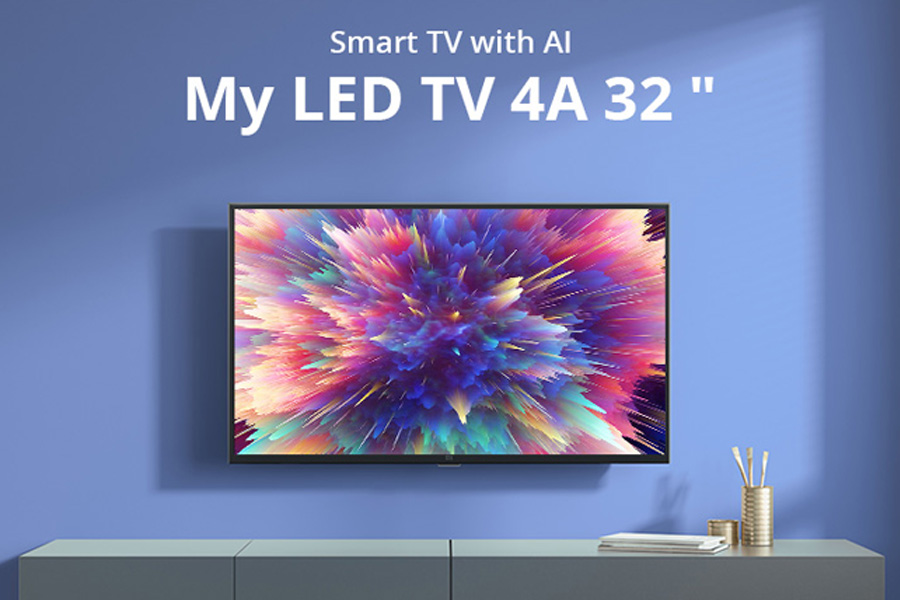
Xiaomi Mi TV

Xiaomi trails much further behind the competition with 2.75 million units. It’s still a respectable number and nothing to scoff at, but it’s still a surprising drop from Q2’s 3 million units. On top of that, Xiaomi is the only company on the list that saw a decline in growth, which isn’t very good for them.

TrendForce estimates that TV shipments in the fourth quarter of 2019 will reach 65.42 million units. Xiaomi had launched a slew of new TVs in Q4 2019, so it’s fully possible we’ll see Xiaomi make a resurgence in sales. For now however, it seems like everyone’s a long ways away from dethroning Samsung’s spot as the number one TV company in sales.

(Source)

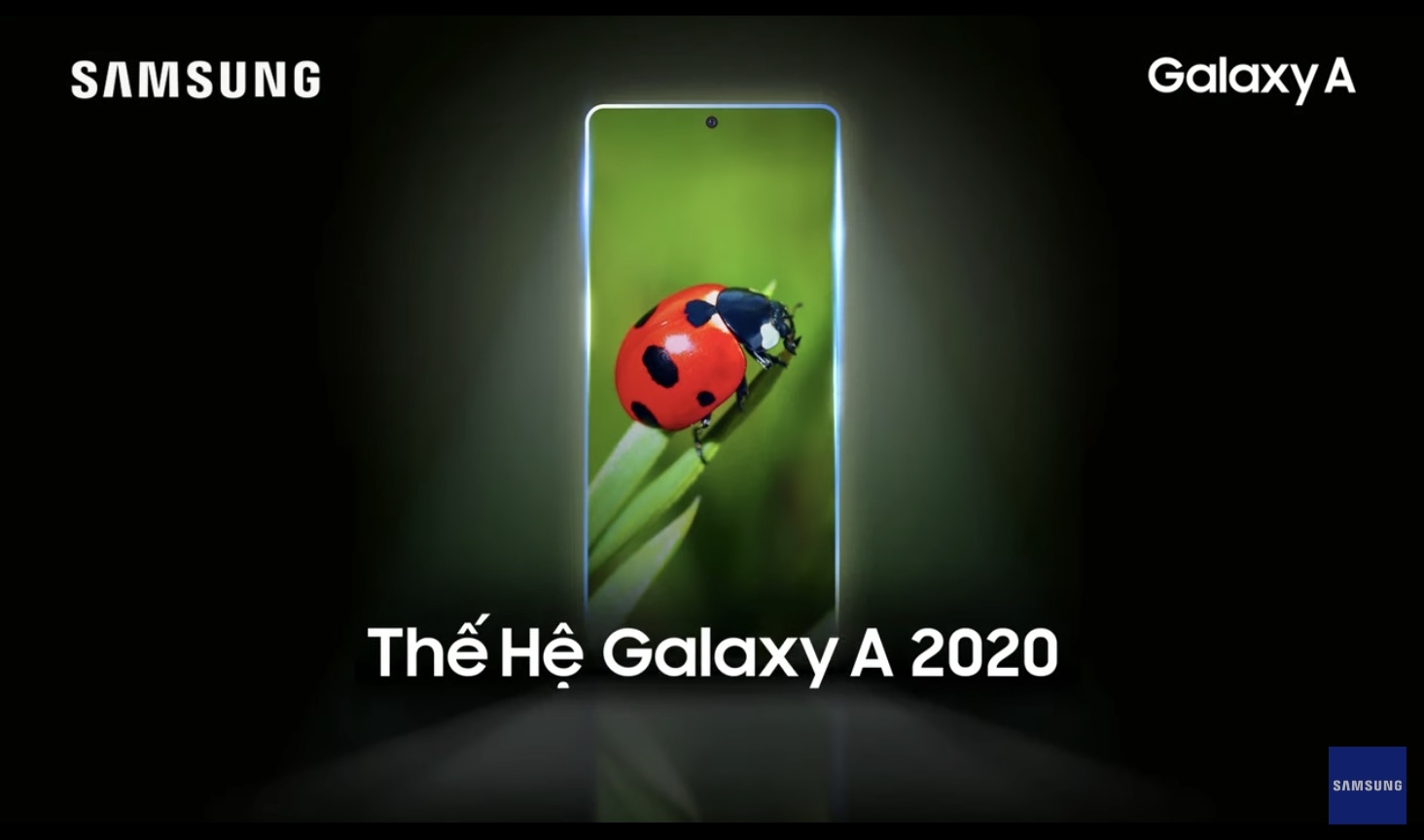
Samsung Vietnam teases Galaxy A51 and A71, coming December 12

Recently, Samsung Vietnam released a brand new teaser video announcing new Galaxy A-series devices will be coming on December 12. While no specific details were given, reports claim that the devices being launched will be the Galaxy A51 and A71, the flag bearers for most of the Galaxy A-series devices.

At the end of the teaser video, we get to see the new design for the Galaxy A-devices, with a hole-punch camera cutout similar to the Galaxy Note 10. It seems like the Note 10 design will probably be carried over to the lower-end models as well. That’s not too bad considering that the Galaxy Note 10 has fairly excellent design.

Galaxy A71

It was previously reported that the Galaxy A51 is equipped with a 6.2-inch screen, a 4000mAh battery, and an Exynos 9611 octa-core processor, which is made up of four 2.3GHz A73 cores and four 1.7GHz A53 cores. There’s a Mali-G72 MP3 GPU and an integrated modem that supports 3CA downlink supports up to 600Mbps bandwidth. RAM options starts at 4GB, and storage is available in 64GB and 128GB.

The Galaxy A71 on the other hand will allegedly come with the Snapdragon 675 chipset instead of the A51’s Exynos 9611. This will be paired up with 8GB of RAM, a 6.7-inch screen, a decently slim chassis that measures in at 163.5 x 76 x 7.9mm, a 4500mAh battery (25W fast charge), and a price of about 400 euros, which is roughly 3113 yuan.

(Source)

Vivo V17 hands-on leaks as launch date draws near

Vivo V17 is set to debut in India on Dec. 9. Previous reports had claimed that it could be the same Vivo V17 phone that was made official in Russia in November. However, a recent report had revealed that it will be sporting a different front and rear design. 91mobiles has shared a leaked hands-on video of the Vivo V17 phone that will be coming to India to reveal its design in real.

The rear appearance of the Vivo V17 for India can be seen few seconds into the video. There is a rectangular camera module at the upper-left corner of its back. It includes four cameras arranged in a L-shaped design along with an LED flash. The Vivo V17 that had debuted in Russia last month featured a diamond-shaped camera module for its 48-megapixel quad cameras.

The Vivo V17 for India has a punch-hole placed for the front camera at the top-right corner of its display. In comparison, the Vivo V17 for Russia features a waterdrop notch. The smartphone is equipped with an in-display fingerprint sensor.

Vivo V17 Specifications (Rumored)

Rumors have that the Vivo V17 for India will be featuring a 6.44-inch S-AMOLED display that offers full HD+ resolution. The marvelous display of the phone will be advertised as “iView Display” by Vivo. A 32-megapixel camera could be present on the front for shooting selfies. The quad camera system on its back may feature a 48-megapixel main lens, an 8-megapixel ultrawide lens, a 2-megapixel macro lens and a 2-megapixel portrait lens along with an LED flash.

Vivo V17 India

The Snapdragon 675 mobile platform will be present under the hood of the Vivo V17 phone. The device may come with 8 GB of RAM. The internal storage of the V17 could be 128 GB of native storage. It may come with a 4,500mAh battery that supports 18W fast charging through USB-C. The FunTouch OS 9 flavored Android 9 Pie will come preinstalled on the device.

The Vivo V17 is expected to land in India with a price tag of around Rs. 20,000. The Chinese manufacturer may sell the phone in offline and online markets across the country. Midnight Ocean and Glacier could be the two color editions of the Vivo V17.


(source)

Samsung working on two different folding phones for 2020

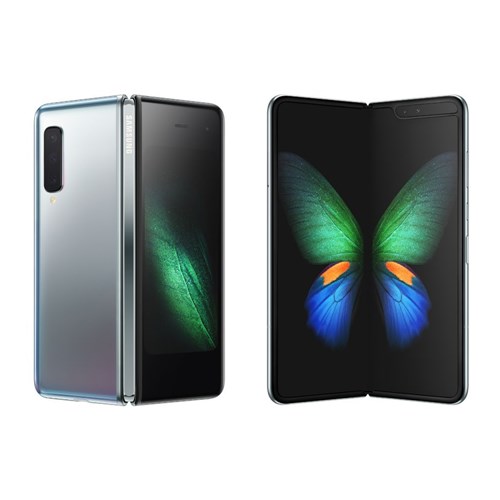
Samsung Galaxy Fold 5G

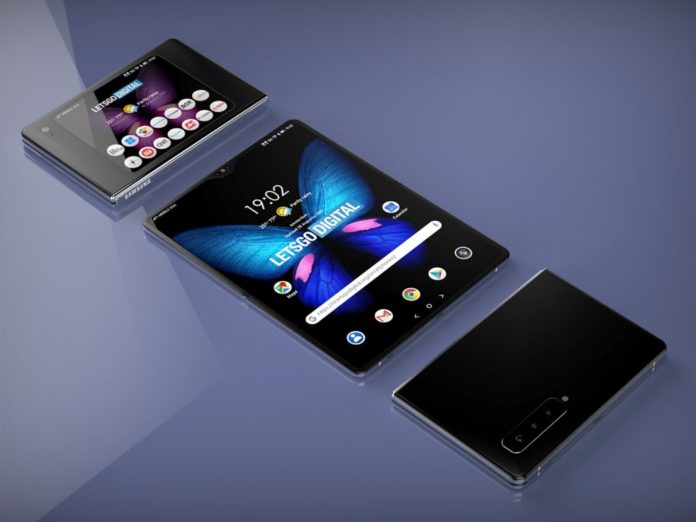
In the Q1 of 2019, Samsung launched its first foldable smartphone, the Galaxy Fold. Even though its commercial availability was delayed a couple of times due to display issues, it is still a remarkable device. Samsung must have taken note of this, as insiders are reporting that the Korean giant plan to reveal two new foldable smartphones next year.

On top of this, other variants of foldable smartphones are expected to hit the market next year, expanding the foldable segment to meet the demand for larger screens in compact form factors. At least two new foldable models are likely to be launched by Samsung next year, while there are rumors that LG Electronics will debut its first foldable phone.


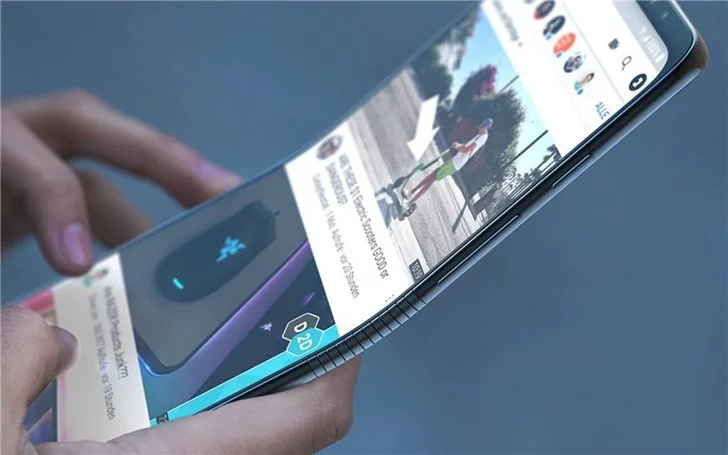
One of these next-generation Galaxy Folds will reportedly come with a clamshell design. As per the report, the cover display will primarily be used by the company just to show notifications along with some other basic information such as battery info while charging. A couple of charging animations seemingly designed for the device have also been found in the OneUI 2.0 beta.

The retail price of the clamshell phone is estimated to be around 1 million won ($845), a price strategy to ramp up sales and make it a mass-market model. It’s expected to launch sometime in February 2020, possibly alongside the Galaxy S11. That is unless the Galaxy S11 itself is the new clamshell device, though it seems rather unlikely.

“Samsung’s plan to expand the foldable product lineup depends on the market response to the clamshell model slated for launch in 2020, but it is clear the firm will increase the lineup,” said Choi Bo-young, an analyst at Kyobo Securities. He also mentions that the proper successor to the Galaxy Fold will likely be announced around August 2020.

Let’sGo Digital, an online IT outlet based in the Netherlands, revealed that the Korean company filed a design patent with the Hague International Design System in May, though it was not officially announced until Nov. 29. The patent sketch shows that the outward-folding foldable design looks like Huawei’s Mate X.

So far, there have been no significant reports about the launch of the device. This is mainly because the company has seen some major restructuring of its smartphone business. “We do have the foldable technology that has been developed, but our official stance is that it’s too early yet,” said a company official.

(Source)
Vivo X30 smartphone teasers show portrait camera matching professional 50mm shots

Vivo is all set to launch the Vivo X30 smartphone in the coming days which will come powered by the Samsung Exynos 980 5G chipset. Although the company has revealed several features of the phone, some still remains under the wrap.

Now, the company has now shared three promotional videos of the Vivo X30 lineup on Chinese microblogging platform Vivo X30 which has revealed more details about the camera configuration of the phone.

Vivo X30 Camera Teaser

The teaser from the company has revealed that the smartphone will come with a dedicated portrait camera along with its 5x periscope zoom camera. Further, the company has also claimed that it will match professional camera shots with a 50mm lens.

Another teaser video posted by the company reminds of the periscope super-telephoto lens. The clip showcases a party in which a girl is spotted and observed from a distance by an unknown male. The company claims that you can clearly say any object, even if it is far from you. There is even a demonstration how the live focus would work and the slogan reads “everything is always in focus with the vivo X30”.

In the third teaser video, Vivo is showcasing something that is already known — 60x Zoom which will allow users to see even farther. The video shows a person going on top of a cliff at the sea and just about when he is going to jump with his clothes, the speedy zoom from 1x to 60x is done by the camera software.

As said earlier, the smartphone will come powered by Samsung Exynos 980 chipset which will enable dual-mode 5G on the device. The phone will come in two variants and both of them will be pre-loaded with JoviOS, replacing the FunTouch user interface.

Recently, the Vivo V1938A/T smartphone was spotted on the database of 3C regulatory body which is believed to be the Vivo X30 or X30 Pro handset. The 3C listing reveled that the phone may ship with a charger that supports 33W fast charging.


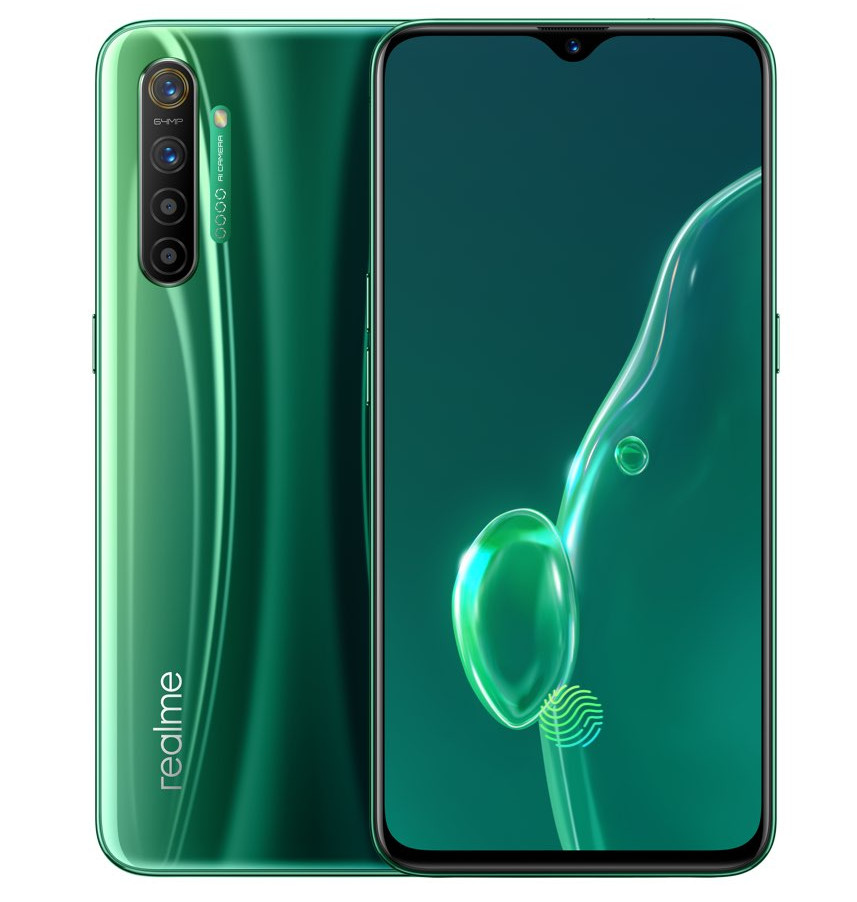
Realme X2 gets a new Avocado Green color variant in China

Before Realme launched the Realme X2 Pro premium flagship smartphone in the Indian market last month, the company had launched the Realme X2 mid-range device in China and Europe back in September.

When launched, the smartphone was introduced in two color options — Pearl White and Pearl Blue. Now, the company has launched a new color variant for the Realme X2 smartphone in China — Avacado Green.

As for the pricing, the 6GB RAM and 64GB storage models cost 1,599 yuan (~$224) while the 8GB RAM + 128GB internal storage variant is priced at 1,899 yuan (~$266).

Realme X2 Avocado Green

To remind you of the specifications, the Realme X2 features a 6.4-inch S-AMOLED display with dewdrop notch and offers 19.5:9 aspect ratio, Full HD+ screen resolution of 1080 x 2340 pixels, and a screen-to-body ratio of 91.9 percent.

Under the hood, the device is powered by Qualcomm Snapdragon 730G octa-core processor which is clocked at 2.2GHz, coupled with 6GB or 8GB of RAM and offers three internal storage options — 64GB, 128GB, and 256GB. It also comes with a microSD card slot allowing users to further expand its storage capacity.

The smartphone comes with a quad-camera setup on the back which consists of a 64-megapixel Samsung GW1 sensor with f/1.8 aperture, an 8-megapixel super-wide lens with 119-degree field-of-view and f/2.25 aperture, a 2-megapixel macro lens with 4cm focal length and a 2-megapixel portrait lens for adding depth effects to images.

On the front side, the device is equipped with a 32-megapixel camera sensor with f/2.0 aperture for taking selfies and video calling. Connectivity features available on the device are dual-SIM support, 4G VoLTE, Wi-Fi 802.11ac, Bluetooth 5.0, GPS, NFC, USB-C and 3.5mm audio jack.

The device is running Android 9 Pie operating system out-of-the-box with the company’s own ColorOS 6.1 custom user interface on top. It also comes with Frame Boost 2.0 and Touch Boost 2.0. For gamers, it comes with Game Space for enhancing the gaming experience, along with features like Game Assistant that offers handy features like screen recording and do not disturb mode.

It also comes with Dolby Atmos support for panoramic sound effects and Hi-Res audio support. The device is packed with 4,000mAh battery which also comes with support for OPPO’s 30W VOOC 4.0 Flash Charge technology.


Buy Xiaomi Mi Band 4 Smart Bracelet for Just $21.99 from Gearbest [Coupon]

As part of the recently launched Cyber Monday Sale, Gearbest is offering the top hundred items at best prices.

Gearbest Cyber Monday 2019

The Chinese online store continues to live up to its reputation for offering the best products at unbeatable prices, and the Cyber Monday Flash Sale is no different. You can get your hands on these amazing hundred products that are currently gracing the promotion page without spending a lot of money.

We would be talking about the noteworthy discount Gearbest is currently offering on Xiaomi’s well-received fitness gadget, the Mi Band 4. Aside from shedding light on the discount, we will show how you can save more money at the time of checking out.

Xiaomi Mi Band 4 Smart Bracelet

The Chinese version of the Mi Band 4 would normally set you back $46.30, but you can buy it for a considerably reduced price of just $26.99 during the activity period. In addition to getting this 42 percent off, consumers who make the payment using PayPal will qualify for EXTRA PayPal Discount, wherein they get $3 off on orders valued at $50.

This PayPal discount will be limited to the first 1500 orders daily. The rest of the consumers can apply coupon code GBXMSH01 for an extra $5 off. In other words, you can bring the already lowered asking price of the smart bracelet further down to just $21.99 even before you place your order.

Xiaomi Mi Band 4 Bluetooth 5.0 5ATM Waterproof Sports Smart Bracelet- Black

The long-awaited Mi Band 3 successor was unveiled in China on June 11th this year. Xiaomi’s latest smart bracelet comes with top-end features and superior hardware.

Compared to its predecessor, the Mi Band 4 features a 39.9% bigger display and uses AMOLED color screen and has 2.5D scratch-resistant tempered glass on top, which offers added protection. Furthermore, it features several easy-to-respond custom dials that help you express your mood.

The Mi Band 4 uses Bluetooth 5.0 BLE technology for stable and faster connectivity speed, as well as enhanced efficiency. The device sports a 0.95 inch AMOLED color display with 120 x 240 pixels resolution and is rated 5ATM water-resistant (up to 50 meters).Xiaomi Mi Band 4 Smart Bracelet

It is backed by a robust 135mAh battery, which offers a battery life of over twenty days on a single charge. It is compatible with Android4.4, iOS9.0 or above and also supports Alipay offline payment.

To know more about the feature-laden Mi Band 4 smartwatch and to place your order, simply follow this link. With more than 2000 pieces sold at the time of writing, the promo will come to an end in 17 days.

Banggood Launches Cyber Monday Sale Featuring Best Sellers from Black Friday Sale

Unlike other sales that require you to wake up in the wee hours of the morning and go shopping, Cyber Monday is an online-only sale. In other words, you can avail of the biggest discounts on top branded products without leaving the comfort of your home.

Banggood Cyber Monday Sale

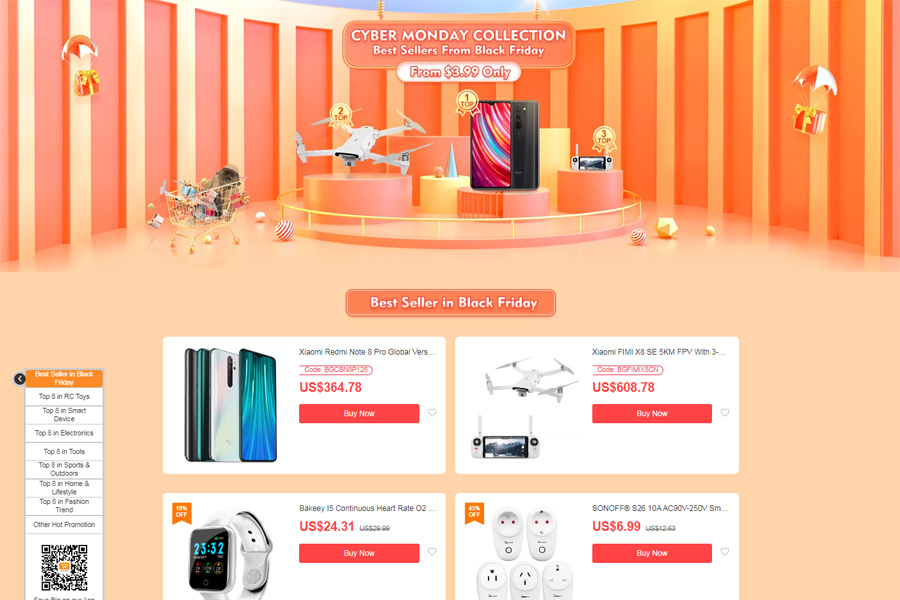
To make sure you can put your feet up and shop without waiting in line, or fighting for parking, Banggood has launched the Cyber Monday Best Sellers List from Black Friday promotion. As the name suggests, the promo features the most popular products during the recently concluded Black Friday Sale.

To simplify and expedite the search process, the products have carefully been added to specific categories, starting with the Best Seller in Black Friday section. You can find everything from a smartwatch to a heating jacket racing coat under this section, but more importantly, you can get them for considerably lowered prices.

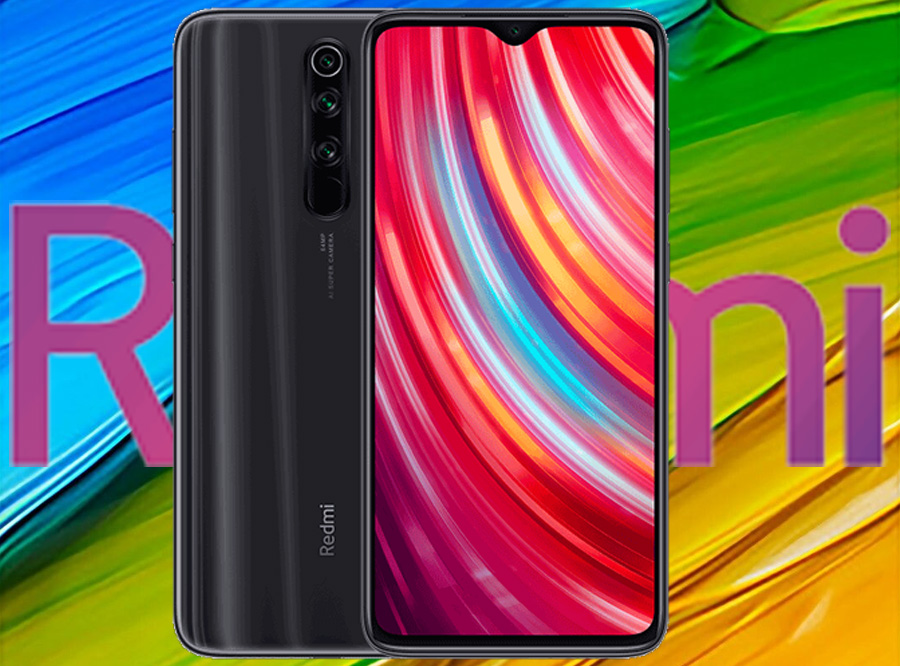
For example, the 6GB RAM+128GB ROM Xiaomi Redmi Note 8 Pro variant would normally set you back $364.78, but you can reduce its retail price by applying coupon code BGCBN8P128 at checkout. Similarly, you can avail of a 19 percent off on the Bakeey I5 smartwatch which usually sells for $29.99 but is currently available for only $24.31.

Xiaomi Redmi Note 8 Pro Global Version

Whether you are a drone expert or a beginner, the next category dubbed Top 8 in RC Toys is likely to cheer you up. You can grab noteworthy discounts on remote-controlled toys and drones during this activity period.

If you have restlessly been waiting to get your hands on your favorite smart device without spending a lot of money, you might want to check out the Top 8 in Smart Device section which features a wide range of products ranging from smart watches, music accessories, notebook and lots more.

Likewise, during the promotion period, Banggood will be offering great discounts on top 8 products across various other categories including electronics, tools, sports and outdoors, home and lifestyle and fashion trends.

All products featured in the Banggood Cyber Monday Collection will bear a starting price of only $0.01. If you make a purchase using PayPal, you would be able to use site-wide coupons that help you save more money.

For example, you can get $3 off on orders exceeding $32, get $5 off on orders over $50 and save $10 off if your cart value exceeds $95. To make the most out of Banggood’s Cyber Monday Sale, simply visit this link without wasting time.