At an event on 10th September, Apple launched iPhone 11 series, a new iPad (2019) and announced a couple of services. While many were expecting the Cupertino-giant to announce a refresh for the AirPods 2, that didn’t happen.
Given that the Apple AirPods 2 were launched in March this year, it makes sense for the company to not launch its successor this early. But, it seems that the company has started working on the AirPods 3 as a prototype of the same has surfaced online.
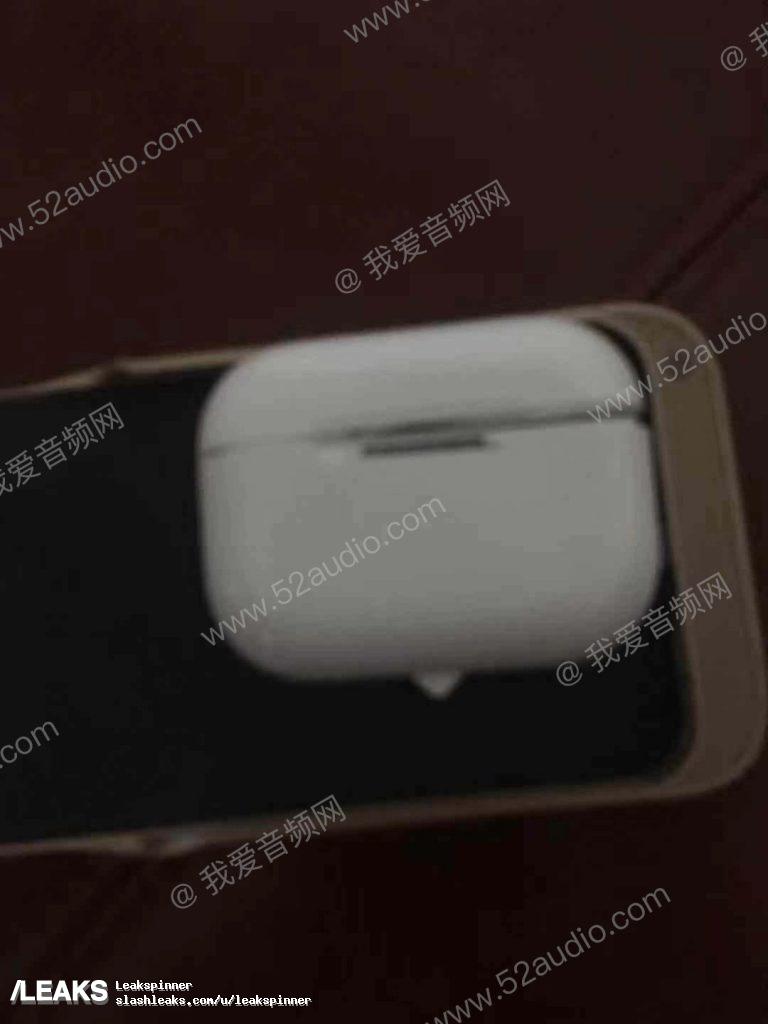
The leaked prototype of the Apple AirPods 3 shows an even smaller charging case for the earphones. However, take this with a pinch of salt as we haven’t independently confirmed that what we see in the picture is actually the prototype of the upcoming AirPods.
There are reports out there which suggests that Apple could launch two variants of the next-generation AirPods. Given that the new AirPods were not announced during the iPhone 11 launch event, they could go official next year. Do note that the company has not confirmed or said anything related to AirPods 3.
Current generation AirPods, i.e. Apple AirPods 2, comes with an updated H1 chip, replacing the Q1 chip to offer improved connectivity. It now connects more quickly to your devices and switching between devices while listening to music is now two times faster.
There’s also hands-free “Hey Siri” functionality, allowing you to control volume and swap songs through voice commands. Thus, you no longer need to tap on the AirPods with a finger to activate Siri.
Apple is also offering an optional Wireless Charging Case that enables Qi-based wireless charging. The Apple AirPods 2 without the charging case is priced at $159, while it costs $199 with the Charging Case.
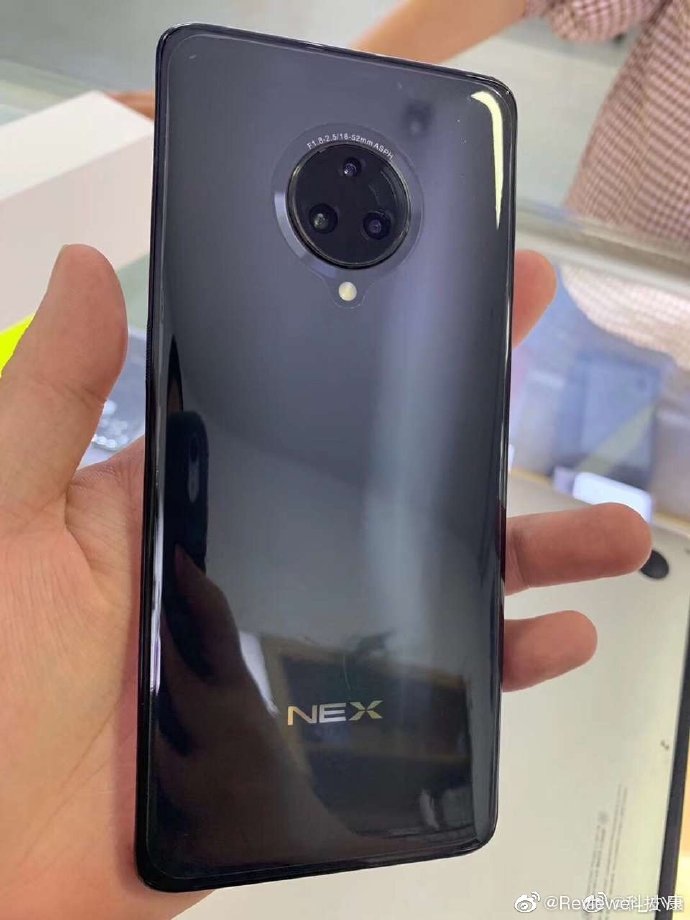
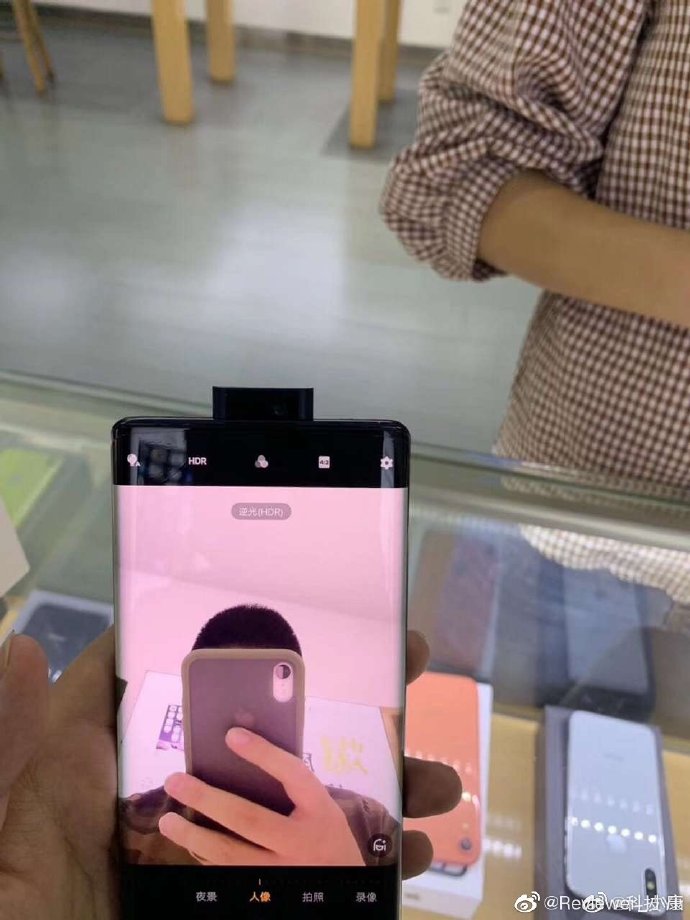
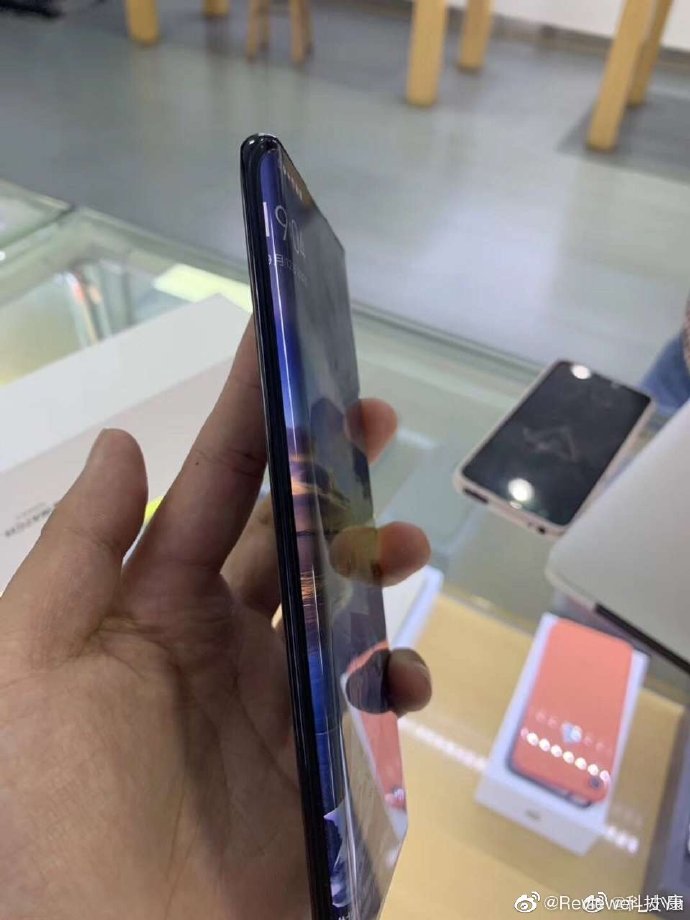
Vivo will be announcing the Vivo NEX 3 flagship phone along with its 5G edition on Sept. 16. The most striking feature of the phone is its marvelously curved notch-less display. Vivo NEX Product Manager Li Xiang has confirmed that the phone will be boasting a pathbreaking screen-to-body ratio of 99.6 percent. Leaked hands-on photos of the phone has surfaced today on Weibo. It showcases the phone form all angles.
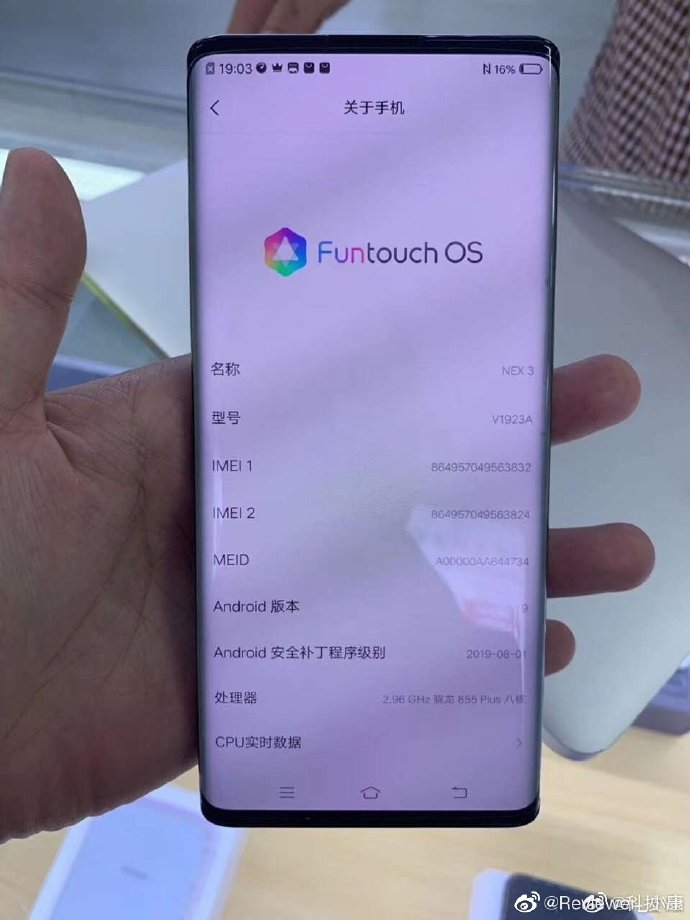
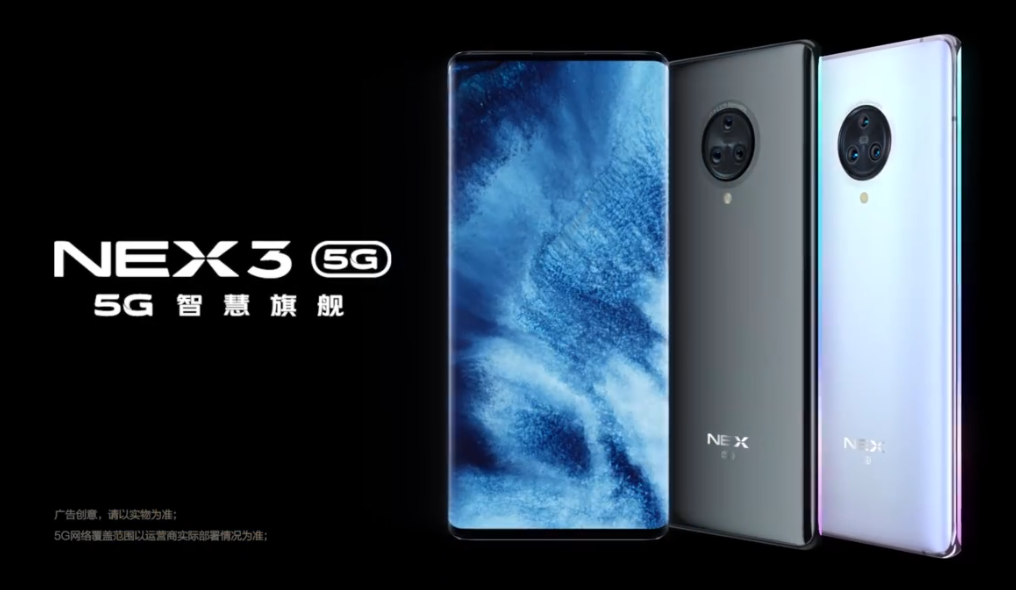
The newly leaked images belong to the 4G-only version of the Vivo NEX 3 that has a model number of V1923A. The front view of the Vivo NEX 3 shows that the upper and below are symmetrical. The black-colored glass rear of the smartphone has a round-shaped camera module with three shooters placed inside it. An LED flash is placed below the camera module.
1 of 6
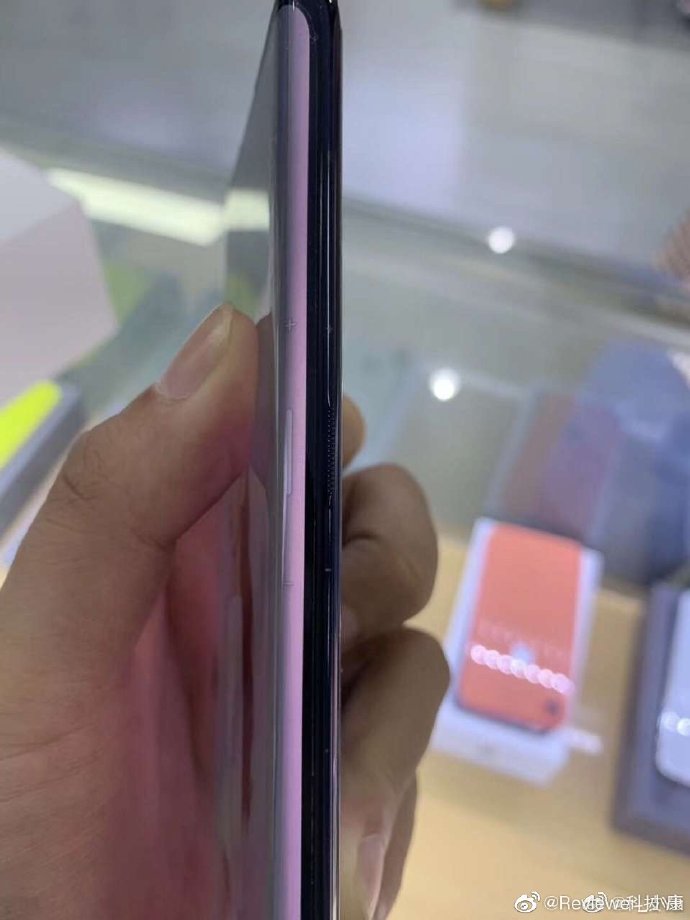
The NEX 3 is equipped with an in-display fingerprint reader. The About Phone page of the device shows that the phone is fueled by 2.96GHz Snapdragon 855+ mobile platform and it is loaded with Android 9 Pie OS. The side view of the phone shows that it does not feature physical buttons. Reports have revealed that it will be offering pressure-sensitive virtual buttons for power and volume. One of the images also shows the dual pop-up camera module of the phone in action. Previous reports have revealed that the Vivo NEX 3 has an additional power button on its top edge and it is also equipped with a 3.5mm audio jack.
Vivo NEX 3 Specifications and Features
The Vivo NEX 3 has a 6.89-inch AMOLED display and it is expected to arrive with 512 GB of native storage. It may release in 8 GB and 12 GB RAM editions. For photography, it will flaunt a 16-megapixel pop-up dual camera system and a 64-megapixel + 13-megapixel + 13-megapixel triple camera system. The 4,500mAh battery of the NEX 3 can be powered with 44W fast charging technology.
The Vivo NEX 3 measures 167.44 x 76.14 x 9.4mm and it weighs 218.5 grams. The handset is expected to release in two color editions as shown in the image above. There is no information available on the pricing of the NEX 3 and NEX 3 5G phones.
Earlier this year, during the launch of the Oppo Reno series, the Chinese smartphone maker confirmed that it is discontinuing its Oppo R lineup for the flagship devices and will now continue with the Oppo Reno and Oppo Find series. The company has also filed a patent for Oppo Find Y, which is rumoured to come with under-display camera.
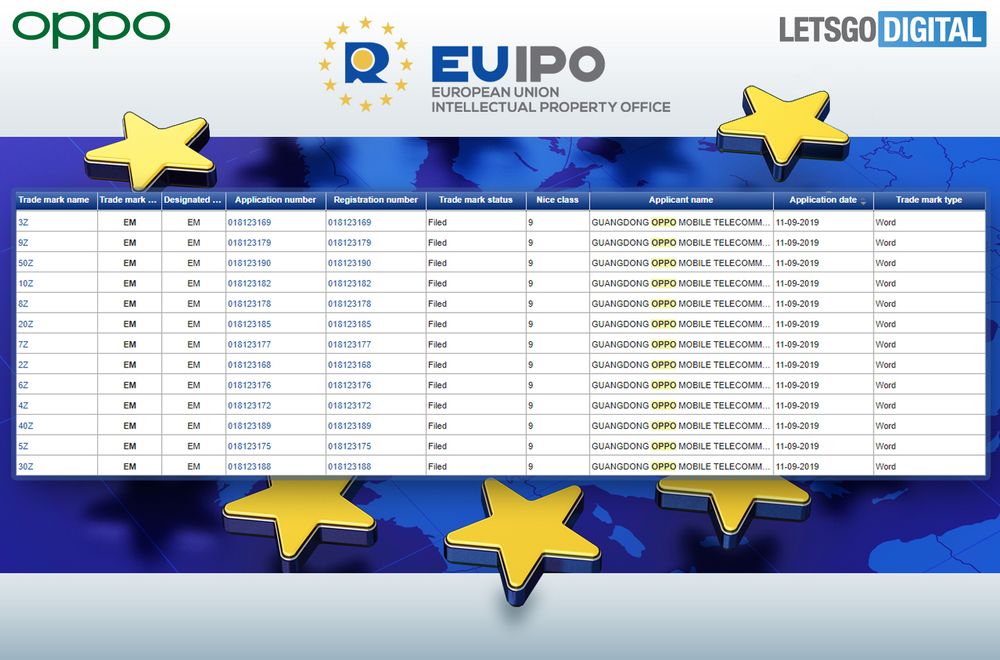
Now, the company seems to be working on the Oppo Z-series and the latest report reveals that Chinese smartphone manufacturer has trademarked 13 new smartphones which will get released under this new Z lineup.
The 13 smartphone names trademarked by Oppo includes 2Z, 3Z, 4Z, 5Z, 6Z, 7Z, 8Z, 9Z, 10Z, 20Z, 30Z, 40Z, and 50Z. All the trademarks are under Category 9, which is described as “mobile phones; smartphones; smartphone software; headsets; battery chargers.”
The company has not yet launched Oppo Z-series smartphones in the market. Although there’s the recently announced Oppo Reno2 Z, it’s a part of Reno lineup and not the new Z-series. It remains to be seen when the company plans to launch this new lineup for smartphone and how it is positioned in the market.
Meanwhile, the company has confirmed that it will be launching the Oppo Reno Ace smartphone in China next month, which will come with 90Hz refresh rate display. Along with that, it’s also confirmed by Oppo Vice President Brian Shen that the device will come with support for 65W Super Flash charging.
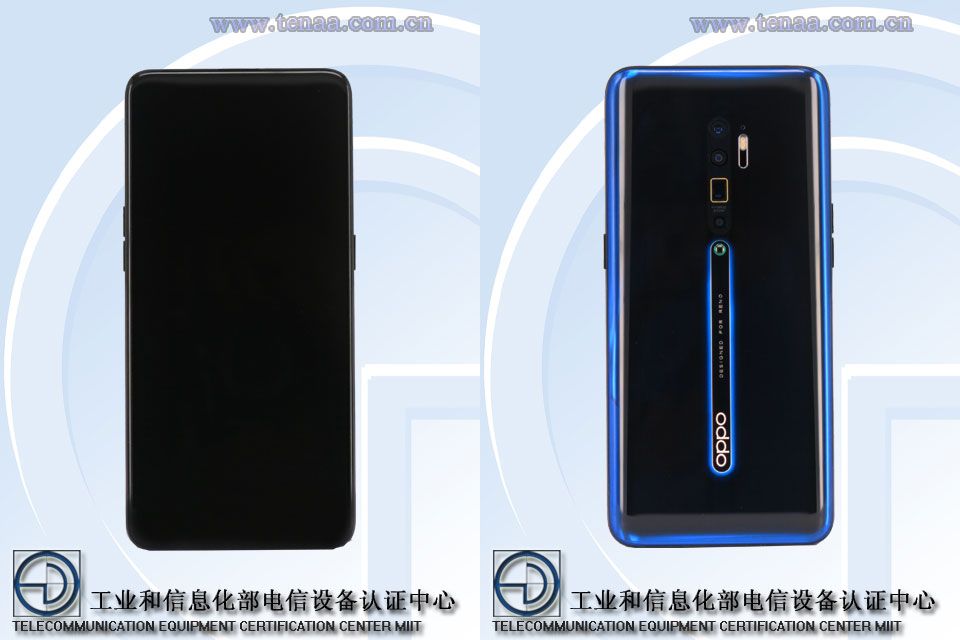
Being a flagship phone, we expect the Oppo Reno Ace to come powered by Qualcomm Snapdragon 855+ mobile platform. Oppo PCKM70 appeared on TENAA which lists 6.6-inch Full HD+ notch-less display, 4,000mAh battery with fast charging support, Snapdragon 855+ processor, 12GB of RAM, 256GB of internal storage.
It is also revealed to come with a 16-megapixel selfie camera and a quad camera setup on the back consisting of a 48-megapixel primary lens. The handset is equipped with support for 5G connectivity. There’s a possibility that this phone could be the Oppo Reno Ace but we’ll have to wait for the official announcement to know for sure.
While unveiling the Huawei P30 and P30 Pro flagship smartphones in China earlier this year, tech giant Huawei had announced its first smart glasses in collaboration with well-known South Korean eyewear firm Gentle Monster.
At that time, the company had only revealed the features of the smart glasses and were expected to be available for purchase in June or July. A bit later than expected, the Gentle Monster Huawei Smart Glasses are now available for purchase in China.
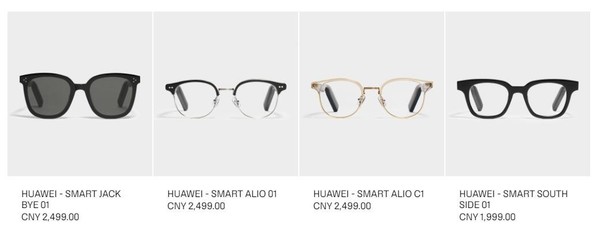
The product comes in five models — Smart East Moon 01, Smart Jack Blue 01, Smart South Side 01, Smart Alio 01, and Smart Alio C1. While the South Side 01 model is priced at 1,999 Yuan, roughly $282, the other four models are priced at 2,499 Yuan which roughly converts to $353.
The company says that the Gentle Monster Huawei Smart Glasses are designed with the concept of minimal design and there are no physical buttons. The antenna, charging module, dual microphone, chipset, speaker and battery are integrated in the temple, and the frame and lens can be replaced by the user.
It features stereo speakers that are positioned above the ears and tapping on the temple activates the voice assistant. To answer a phone call, users need to simply tap on the temple of the eyewear. For improved call quality, the eyewear has built-in AI Bluetooth noise reduction technology.
The smart glasses comes with an IP67 certified dust-proof and water-resistant body. The eyewear can be charged through its USB-C port and can also be charged wirelessly by placing the glasses inside its leather case. With 2,200mAh battery, the company is promising 20 hours of stand-by time.
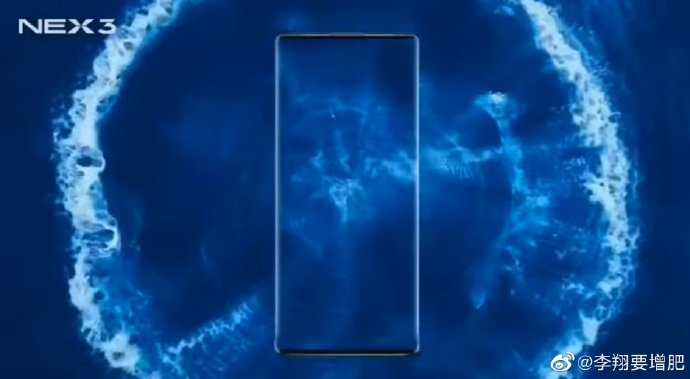
The Vivo NEX 3 is scheduled to break cover on Sept. 16. The Chinese manufacturer has been consistently teasing on the features of the phone. The USP of the smartphone is that it will be coming a display that will be equipped with extremely curved edges. Past reports have claimed that the NEX 3 will offer a screen space of 99.6 percent. Now the official confirmation has come from Vivo NEX product manager Li Xiang. He has confirmed that the NEX 3 will offer a screen-to-body ratio of 99.6 percent.
According to Li Xiang, the 99.6 percent screen-to-body ratio of the Vivo NEX 3 has been determined using the industry standard calculation method. He added the NEX 3 will offer highest screen space even with different methods. Xiang also stated no other phone will be able to offer such a high screen space in the next six months.
The Vivo NEX 3 images have revealed that the left and right edges of its display have extreme curvature. The side bezels of the phone are not visible in the newly shared image of the phone. The upper and lower bezels of the phone are also quite thin. Such a marvelous design allows the NEX 3 to offer huge screen space.
Vivo NEX 3 Specifications and Features
The Vivo NEX 3 will be debuting in 4G-only and 5G-ready models in China. The smartphone has a massive 6.89-inch AMOLED display that produces full HD+ resolution. The screen ins integrated with an in-display fingerprint sensor. The 2.96GHz Snapdragon 855+ mobile platform is present under the hood of the Vivo NEX 3. The smartphone is expected to release in 8 GB RAM and 12 GB RAM versions in China.
The NEX 3 has a 4,500mAh battery that is equipped with 44W rapid charging. The Android 9 Pie OS coupled with the latest version of FunTouch OS will be available on the device. The top edge of the phone houses a 16-megapixel dual pop-up camera system and its rear is fitted with 64-megapixel + 13-megapixel + 13-megapixel triple cameras housed inside a round-shaped module. There is no information available on the pricing of the smartphone. Vivo will be also announcing the TWS earphones alongside the Vivo NEX 3.
Amid the US-China trade war, Huawei is the company that’s caught in the middle. While both the countries and trying out to work a deal, Huawei’s Chief Security Officer recently said that the United States needs to talk to Huawei for the China trade deal.
Now, Zhengfei Ren, CEO and founder of Huawei has offered an olive branch to the Trump administration to resolve the issue between Washington and Huawei. In an interview with New York Times, he said that the company is open to license its 5G technology to American companies. The proposed offer would essentially allow the U.S. to finally get in the race for 5G supremacy.
Zhengfei Ren, founder and CEO of Huawei
Ren said: “Huawei is open to sharing our 5G technologies and techniques with U.S. companies, so that they can build up their own 5G industry. That would create a balanced situation between China, the U.S. and Europe.”
He also added that the U.S. companies would be allowed to modify the software code used to run any of Huawei’s 5G equipment or even change it and use their own as they see fit. With such deal, the American licensees will be able to sell their 5G equipment based on Huawei’s intellectual property anywhere in the world, except in China, said Ren.
The 5G market is currently being dominated by four companies — Huawei and ZTE from China, Ericsson of Sweden, and Nokia from Finland. Currently, the use of Huawei equipment is banned from U.S. networks over concerns that it could be used by the Chinese government as a method to spy or disrupt telecom systems. At present, there’s no American 5G equipment maker.
However, the Chinese government would have to approve the deal to make this happen. It remains to be seen if the Chinese government is on-board to see the most valuable assets of its most valuable tech company land in hands of the United States.
A mysterious Huawei phone with NLE-AL00 model number has been benchmarked on Geekbench. While the benchmarking platform does not mention it clearly, it appears to be fueled by Kirin 990 chipset that was recently announced by Huawei at the IFA 2019 tech trade show.
The Huawei NLE-AL00 is powered by a HiSilicon processor that has a base frequency of 1.96 GHz. At IFA 2019, Huawei had announced Kirin 990 and Kirin 990 5G chipsets. The 5G edition has two Cortex-A76 cores that work at 2.86GHz, two Cortex-A76 cores at 2.36GHz and four Cortex-A55 cores at 1.95GHz. On the other side, the regular version of the Kirin 990 has two Cortex-A76 cores that clock at 2.86GHz, two Cortex-A76 cores at 2.09GHz and four Cortex-A55 cores at 1.86GHz. Hence, it is being speculated that the Huawei NLE-AL00 could be fueled by the non-5G version of the Kirin 990.
The Huawei NLE-AL00 could be an upcoming flagship phone since it is running on the recently announced Android 10 OS. The purported Kirin 990 chipset is assisted by 8 GB of RAM. In the single-core of Geekbench, the NLE-AL00 has scored 3842 points and it has recorded 11644 points in the multi-core test. It is yet to be determined whether the NLE-AL00 is a Huawei or Honor branded smartphone.
A reliable tipster from China has claimed that NLE-AL00 is not the model number of the Mate 30 and Mate 30 Pro smartphones that are scheduled to go official on Sept. 19. Last year, Mate 20 X gaming-centric phone had debuted as one of the first phones with Kirin 980 chipset. So, there is a possibility that the NLE-AL00 could be Mate 30 X or the Honor Vera30 flagship phone. The Honor Vera30 is expected to go official towards the end of the year.
The Kirin 990 is a second generation 7nm chipset and the successor of 7nm Kirin 980 chipset from last year. Built with 7nm+ EUV process, the regular version of the Kirin 990 5G has dual Big Core and a Tiny Core NPU unit whereas the non-5G edition has single Big Core and a Tiny Core NPU unit. Both come with 16-core Mali-G76 GPU, UFS 3.0 and UFS 2.1.
OPPO announced the OPPO Reno2 through a dedicated launch event in China on Monday. The smartphone is now available for purchase in China. At the unveil event of the Reno2, the Chinese manufacturer had confirmed that it will be debuting a flagship phone called OPPO Reno Ace in October. The smartphone is expected to premium flagship features powered with blazing fast charging capabilities. Today, OPPO Vice President Brian Shen confirmed that the Reno Ace will be sporting 65W SuperVOOC fast charging technology.
The latest Weibo post by Shen reads that the company will be mass producing the world’s fastest 65W SuperVOOC fast charging technology for the upcoming OPPO Reno Ace phone in October. This technology is faster than 50W SuperVOOC fast charging technology that was made available on the OPPO R17 Pro smartphone last year. It allowed the phone to gain to 40 percent power by charging for only 10 minutes.
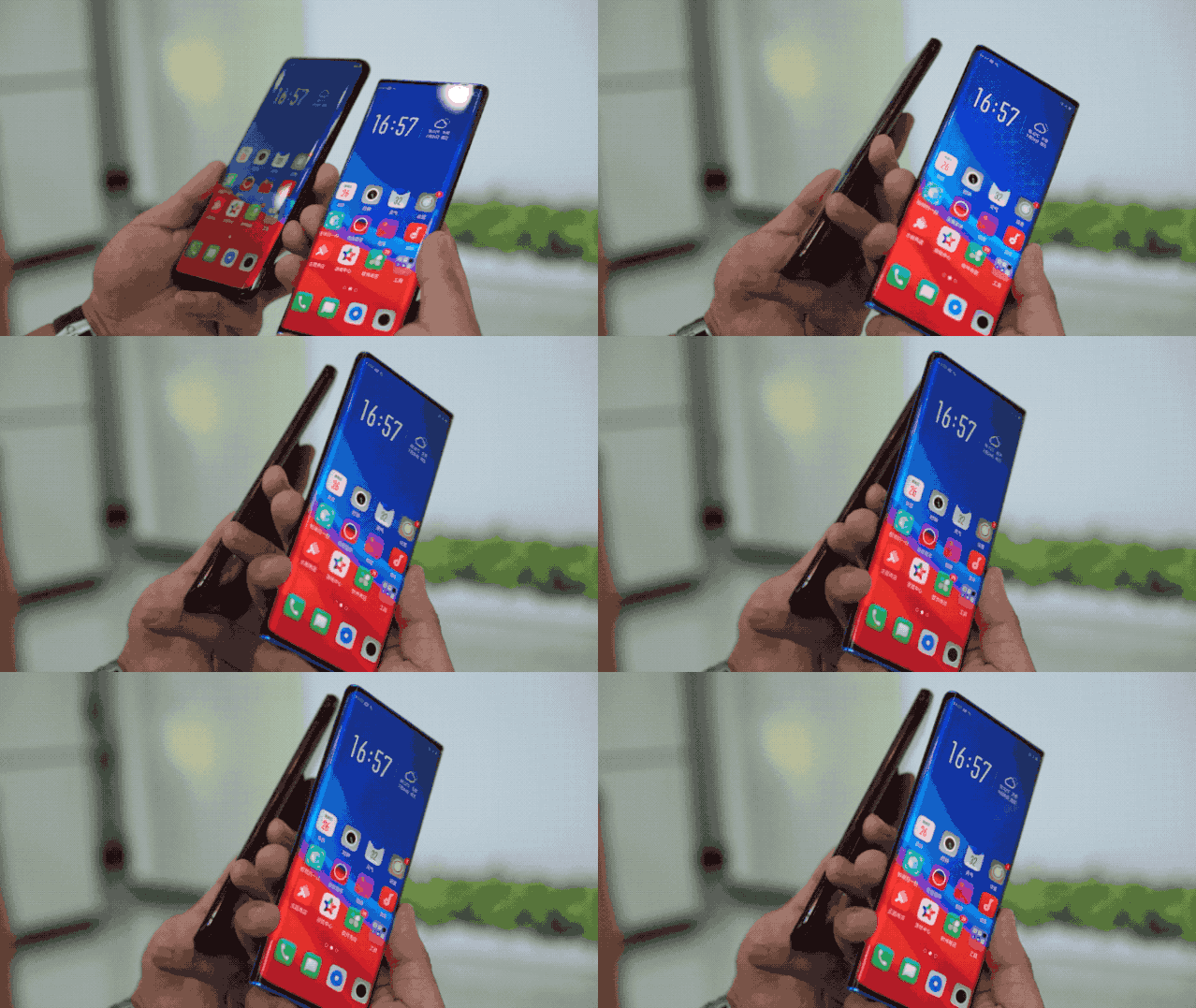
The OPPO Reno Ace smartphone is rumored to be equipped with a 90Hz refresh rate display. Probably, the Reno Ace could be the mysterious phone with extremely curved edges that was teased in July this year.
The images that were shared by Shen at that time had revealed that the phone has ultra slim upper and lower bezels and the sides bezels are almost non-existent. This allows the phone to offer nearly 100 percent screen space. It remains to be seen whether the notch-less display of the phone is coupled with an under-screen camera technology or it will feature a pop-up camera module.
No other details of the OPPO Reno Ace smartphone are available yet. Being a flagship phone, it could be featuring the Snapdragon 855+ mobile platform. Probably, Shen will be spilling more information on the specs of the smartphone in the coming days. The exact launch date of the phone is currently under the wraps.
The TENAA database has OPPO PCKM70 smartphone waiting to go official. It has 6.6-inch full HD+ notch-less display, 3,930mAh minimum capacity battery with fast charging support, Snapdragon 855+ processor, 12 GB of RAM, 256 GB of storage, 16-megapixel selfie camera and a quad camera setup with a 48-megapixel lens, 13-megapixel lens and an 8-megapixel sensor. The handset is equipped with support for 5G connectivity.
On Sept. 6, Vivo India had launched the Vivo Z1X smartphone. The Chinese firm will be carrying out its first sales in the country today at 12 PM. There are couple of offers available for the buyers of the Vivo Z1X smartphone.
Vivo Z1X Price and Launch Offers
Customers will be able to avail the Vivo Z1X in two models such as 6 GB RAM + 64 GB storage for Rs. 16,990 (~$239) and 6 GB RAM + 128 GB storage for Rs. 18,990 (~$267). Fusion Blue and Phantom Purple are the two color variants of the smartphone. The first sale of the phone will begin at 12 PM through Vivo India’s online store and Flipkart today.
Vivo Z1X Phantom Purple
The Vivo Z1X can be availed through no-cost EMI plans for up to 12 months. HDFC bank card users with EMI transactions can get Rs. 1,250 discount. Flipkart Axis Bank credit card and Axis Bank Buzz credit card users can take advantage of 5 percent cashback. Lastly, Jio users can get up to Rs. 6,000 benefits.
Vivo Z1X Specifications and Features
The Vivo Z1X has a 6.38-inch Super AMOLED display with waterdrop notch. It produces full HD+ resolution of 1080 x 2340 pixels. The display of the phone is embedded with a fingerpint sensor. The Snapdragon 712 mobile platform powers the smartphone with 6 GB of RAM. It has up to 128 GB of native storage. The Android 9 Pie OS on the device is skinned with FunTouch OS 9.
The front notch of the Vivo Z1X is the home for its f/2.0 aperture 32-megapixel selfie camera. The rear side of the phone is fitted with a triple camera setup that has a 48-megapixel main lens with f/1.79 aperture, a 120-degree 8-megapixel wide-angle lens and an f/2.4 aperture 2-megapixel portrait sensor. The 4,500mAh battery of the Vivo Z1X supports 22.5W fast charging through USB-C.
Vivo Z1X Fusion Blue
The Vivo Z1X will be selling alongside the other Z-series named Vivo Z1 Pro that was made official in July. The 4 GB RAM + 64 GB storage, 6 GB RAM + 64 GB storage and 6 GB RAM + 128 GB storage of the Z1 Pro are respectively priced at Rs. 14,990 (~$211), Rs. 16,990 (~$239) and Rs. 17,990 (~$253). Mirror Black, Sonic Blue and Sonic Black are the three color options of the Z1 Pro. It features a 6.53-inch IPS LCD full HD+ display, Snapdragon 712 chipset, 32-megapixel selfie camera, 16-megapixel + 8-megapixel + 2-megapixel triple camera and a 5,000mAh battery with 18W dual-engine fast charging.
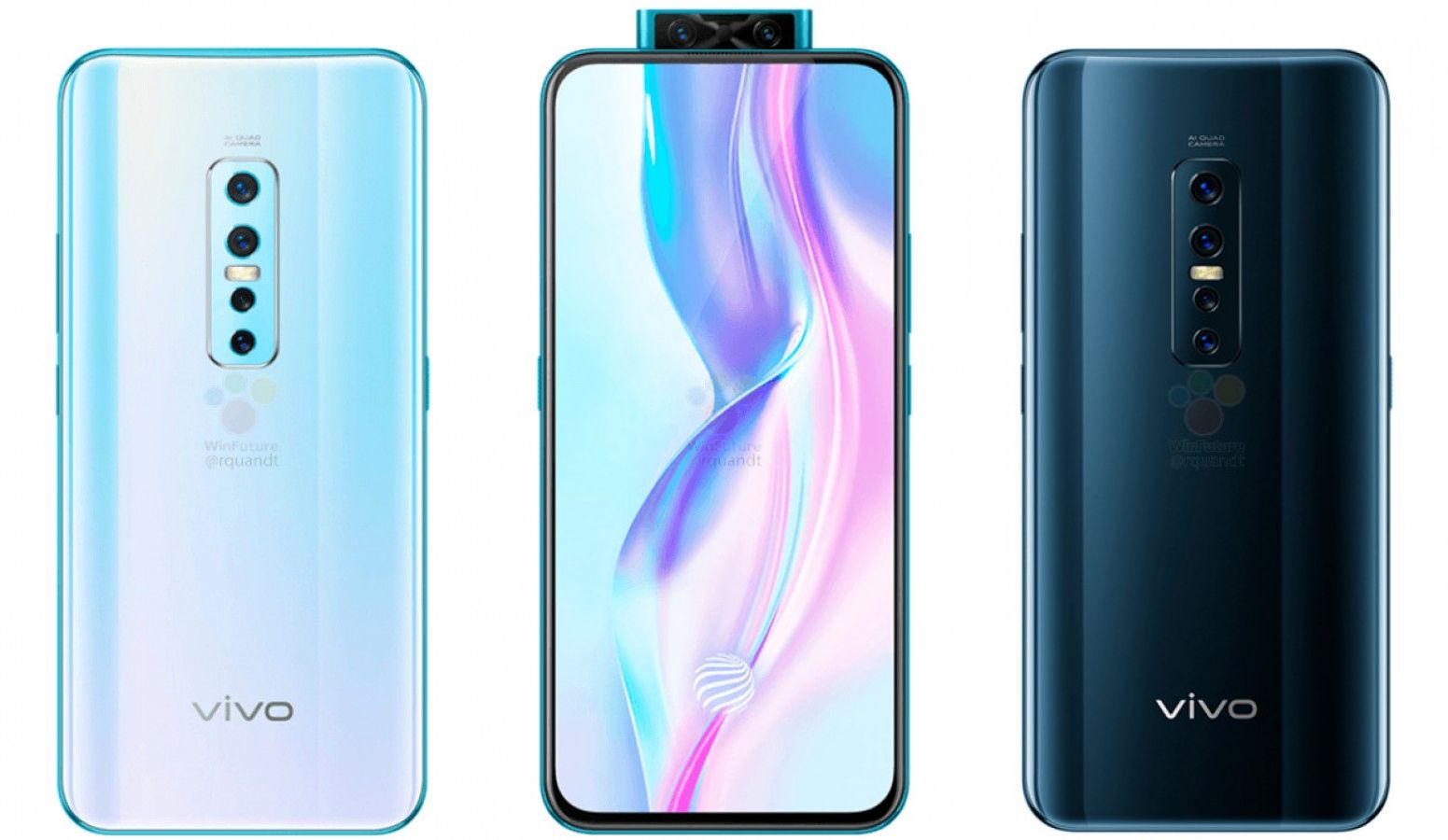
Vivo India has recently confirmed that it will be launching the Vivo V17 Pro smartphone in India on Sept. 20. The smartphone will be debuting as the first phone in India with dual pop-up selfie camera system. The pre-orders of the phone will begin on Sept. 19 followed by a market release on Sept. 28.
In select states of India, Vivo is expected to run Super Day sale on Sept. 27. It will be also carrying out Scratch and Win offer in the country and customers will have to purchase a new Vivo device at the retail outlets to participate in it. Customers will stand a chance to win up to Rs. 5,000 in cashback. The ‘Bumper Offer’ will let winners receive Vivo Y90 or Vivo V17 Pro smartphone.
There is no information on the pricing of the Vivo V17 Pro. However, it is speculated to be priced around Rs. 30,000. The handset is expected to release in two color editions as shown in the below image.
Vivo V17 Pro Specifications and Features
Rumors surrounding the Vivo V17 Pro has revealed that it will be sporting a 6.59-inch notch-less Super AMOLED display that will produce 1080 x 2440 pixels resolution. The FunTouch OS flavored Android 9 Pie OS will run on the device. The dual selfie camera setup of Vivo V17 Pro will include a 32-megapixel primary lens and a 2-megapixel depth sensor. The rear shell of the phone will be fitted with a vertical quad camera system that will comprise of a 48-megapixel main lens, an 8-megapixel ultrawide lens and a pair of 2-megapixel sensors.
The Snapdragon 675 mobile platform is expected to fuel the phone with 6 GB and 8 GB of RAM. The handset will have an internal storage of 128 GB. The smartphone will be backed by a 4,100mAh that will probably come with support for fast charging. It will be also equipped with an in-screen fingerprint reader. Apart from India, the Vivo V17 Pro is also expected to break cover in markets such as Europe, Indonesia and Thailand.
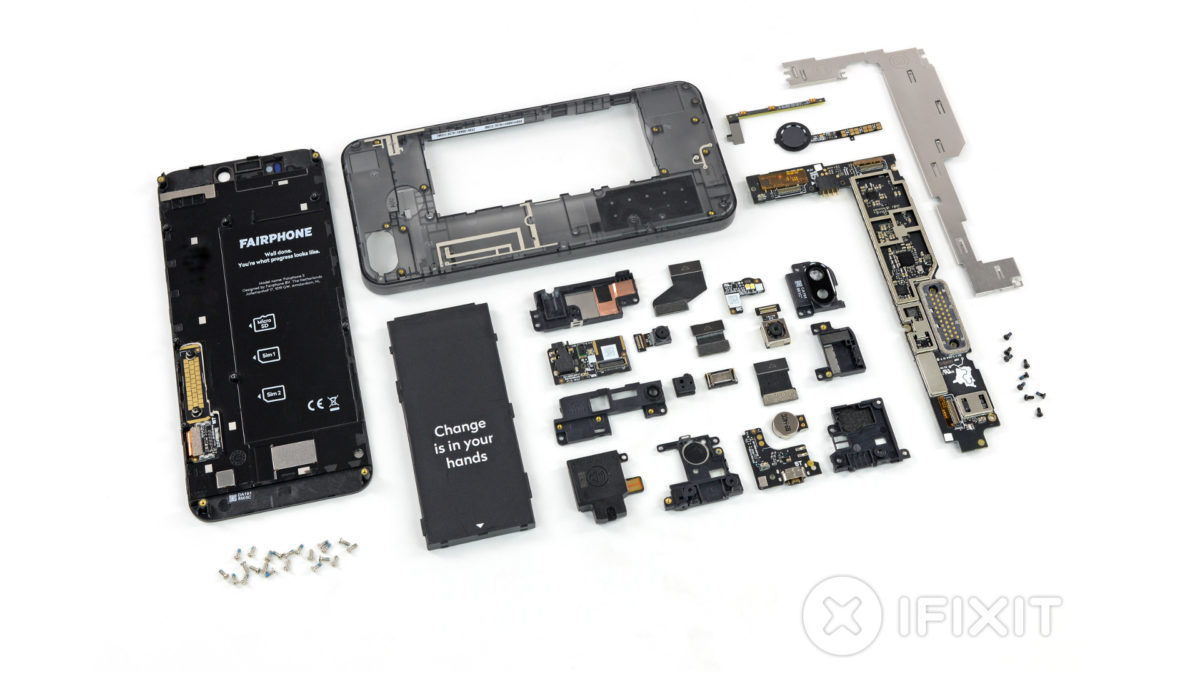
Fairphone 2 was unveiled last year and it became the only smartphone to achieve a 10-out-of-10 score on gadget repair website iFixit. This is as a result of the ease of repairability as a result of the modular design it adopts. The company followed up with the Fairphone 3 which was announced recently. The phone has now been scored by iFixit, bearing the same 10/10 repairability score. This makes it the second phone after the first iteration to get a 10/10 iFixit score.
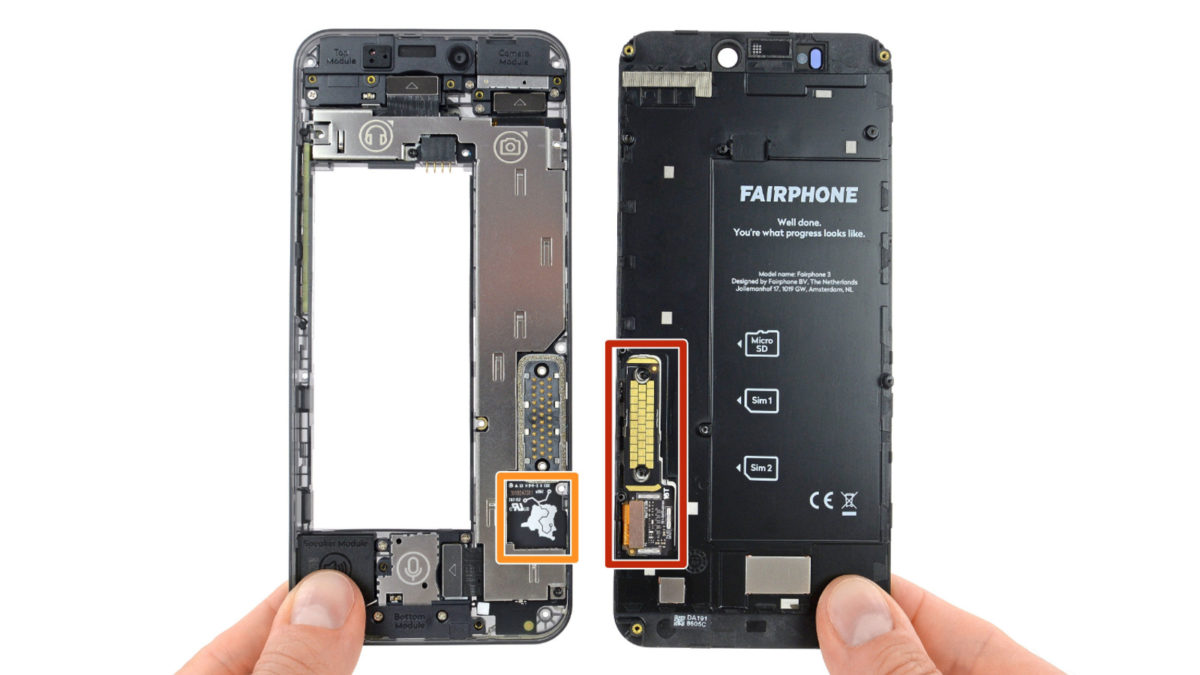
The Fairphone 3 adopts the same modular design as its predecessor, packing several modules that can easily be swapped out. The device also features a removable battery that can be swapped out by the user.
iFixit adduced several reasons for the 10/10 score given to the Fairphone 3. The reasons include that key components like the battery and screen can be accessed either without tools or with a standard Phillips screwdriver or a Torx screwdriver. The parts can then be replaced very easily once there is access. The panel also has pictorial guides to recognise several of the modules and components. However, some of the components are soldered and may not be easy to replace.
In case you are just meeting the phone for the first time, the Fairphone 3 sports a 5.7-inch full HD+ LCD screen. It is powered by a Snapdragon 632 processor paired with 4GB of RAM, and there is 64GB of expandable storage. The phone packs a 12MP rear camera while at the front there is an 8MP selfie camera. It gets its juice from a 3,000mAh battery. The Fairphone 3 adopts a 450 euros retail price which isn’t cheap considering the hardware lineup but then, there may still be a market for it.
Roland Quandt of Winfuture.de has revealed that the more affordable P30 phone will soon be available in Breathing Crystal, one of the original color variants of the Huawei P30 and P30 Pro. He also included renders of the device along with the tweet.
[envira-gallery id=”276065″]
There is no news on the availability of the new color variant yet.
The Huawei P30 Lite was announced in March. It has a 6.15-inch display with a 1020 x 2312 resolution and a waterdrop notch at the top of the screen. It is powered by the Kirin 710 processor with 4GB or 6GB of RAM and 128GB of expandable storage.
It has a 24MP f/1.8 primary rear camera which is paired with an 8MP ultrawide angle camera and a 2MP f/2.4 depth sensor. The selfie camera is a 32MP sensor. There is a fingerprint scanner on the back of the phone and a 3340mAh battery under the hood. It also has support for 18W fast charging.
The P30 Lite has an audio jack, a USB Type-C port, Bluetooth 4.2, and an FM radio and NFC in certain markets. It runs EMUI 9.1 Pie based on Android Pie and is scheduled to get an update to EMUI 10 based on Android 10 in March 2020. When it launched early this year, it was available in Peacock Blue, Midnight Black, and Pearl White.
Early last year, Huawei was all set to make a big announcement at CES. For the first time ever in the U.S., the telecommunications giant was going to launch its smartphone through a carrier. Just when things were looking good for the Chinese smartphone maker, the U.S. carrier that was supposed to launch its phone, backed out. The relationship between Huawei and U.S. companies has deteriorated ever since with the latest blow being the inability to even use Google apps on its new smartphones.
But outside of the U.S., T-Mobile still sells Huawei smartphones. And their relationship is actually pretty old, with the carrier selling Huawei rebranded Android phones as far back as 2009! And when did it all begin? With Huawei’s first Android smartphone!
It was the year 2009, and Huawei was still young in the smartphone market. But the company was determined to make its mark in the industry. It was one of the first smartphone makers to jump on the Android bandwagon. After the world’s first Android smartphone, the HTC Dream aka T-Mobile G1 was released in February 2009, T-Mobile launched another Android model, this time made by Huawei, in October 2009.
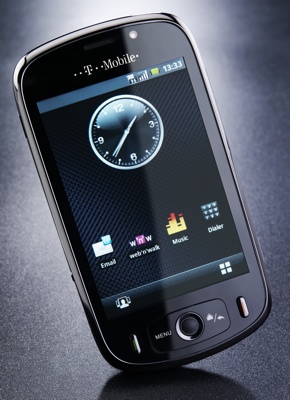
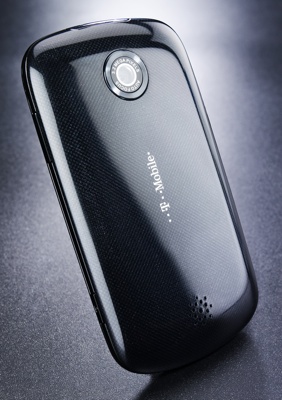
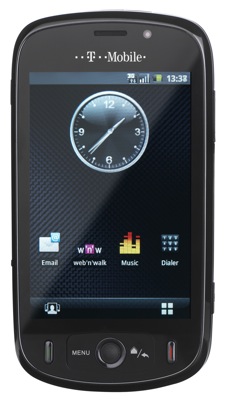
Back when the T-Mobile Pulse (also known as the Huawei U8220) was launched in the market, it was one of the cheapest Android phones available. Another highlight of the phone was its large 3.5-inch display. In comparison, the HTC Dream featured a slightly smaller 3.2-inch panel. And with a responsive touch screen display and HVGA 480 x 320-pixel resolution, the phone offered pretty good features for its starting £185 price in the UK. T-Mobile UK also offered a £19.99 + £10 top up on PAYG (Pay As You Go) plan, making it extremely cheap for first time Android adopters. In case you noticed, the Pulse was launched in the UK and some other markets in Europe, and not in the U.S.
T-Mobile Pulse offered an excellent Android experience at an Affordable Price
The Pulse came with a 3.5-inch HVGA display which was pretty good for its time. The phone, made out of plastic, was slightly curved at the back. There was a unique carbon fiber pattern on the back of the phone which looked cool. What made it even cooler was that the phone’s theme had a similar Carbon fiber pattern.
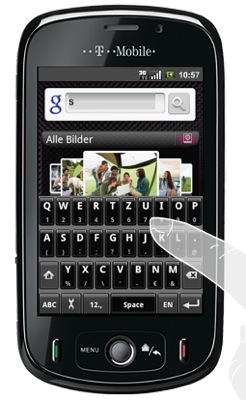
Along with touchscreen input, you could use its trackball and home and back buttons to navigate through the Android OS. It ran Android 1.5 Cupcake with Google Apps installed. You could update it up to Android 2.1 Eclair, with custom ROMs further bringing v2.2 to the device. There were two more buttons on either side of the trackball, a call button on the left and an end button on the right. There were also volume buttons as well as a dedicated camera shutter button. The phone supported MicroSD cards, with a 2GB card coming right inside the box.
Interestingly, Huawei decided to use a 2.5mm headphone jack on the device, instead of the traditional 3.5mm jack. But it was generous enough to provide a 2.5mm to 3.5mm adapter so that you could listen to music with your everyday headphones. There was a decent 1500mAh battery on board, which wasn’t great but did the job of keeping the phone running for a day. The 3.2MP camera was nothing to boast about. There was a low-resolution front camera as well for video calls.
A highlight of the T-Mobile Pulse was its 3G support. For its low price, it brought HSPA speeds along with other connectivity features such as Wi-Fi, Bluetooth, and even A-GPS.
T-Mobile Pulse had a ‘Mini’ Version Too!
The original Pulse seems to have done well to warrant a release of a T-Mobile Pulse ‘Mini’ version. This mini model was released in May 2010 with a tiny 2.5-inch display with lower resolution but still supporting HSPA 3G speeds. The phone came with the Snapdragon S1 processor with a 3.15MP rear camera, a dedicated 3.5mm headphone jack, A-GPS, and Android 2.1 Eclair out of the box. Oh, there was no selfie camera on this model, unlike the larger ‘Pulse’ sibling.
Huawei entered the Android market with these low-end models that many of us don’t even remember. But the company has used the same Android platform to grow into the world’s second-largest smartphone maker, leaving behind big names such as Apple and Nokia.
It is enlightening to see how Huawei started its journey in the Android ecosystem with a carrier partnership from T-Mobile. But now, it might have to drop the very thing that pushed it to the top of the smartphone market. And it took just ten years for this to happen.
Huawei could be forced to switch from Android to its own HarmonyOS in the coming months. And if things get worse, jumping off the Android bandwagon could be its only option.
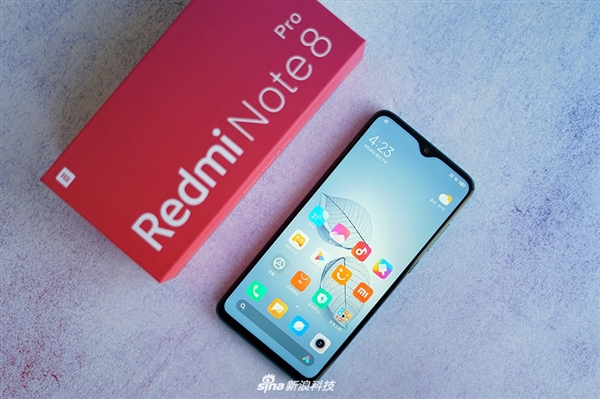
Xiaomi’s recently launched Redmi Note 8 Pro is different than its predecessors in one major department. The company decided to use a MediaTek processor instead of the tried and tested Qualcomm processor. Now, Snapdragon SoCs have historically been preferred over MediaTek SoCs due to a lack of proper kernel sources being released.
Now however, Redmi is looking to change the perspective on MediaTek SoCs, and this latest bit of news is directly aimed at the modding community. Xiaomi has officially released kernel sources for the Android Pie build of the Redmi Note 8 Pro (with the MediaTek Helio G90T SoC inside), effectively remedying a huge part of the problem plaguing MediaTek SoCs in the past.
With the release of these kernel sources, we can expect work to take off on custom kernels and recoveries for the Redmi Note 8 Pro. I personally love the ability to install a custom ROM on my device, so this is a huge advantage for this device. Perhaps more importantly, it will also allow more devices to take advantage of the MediaTek G90T SoC in the future.
There is a problem though. The currently available kernel sources aren’t complete, as they’re missing firmware for the touchscreen. Xiaomi has not officially announced that these kernel sources have been released, so it is possible that they are still in the process of uploading complete sources. Until them, stay tuned on Gizmochina for any updates.
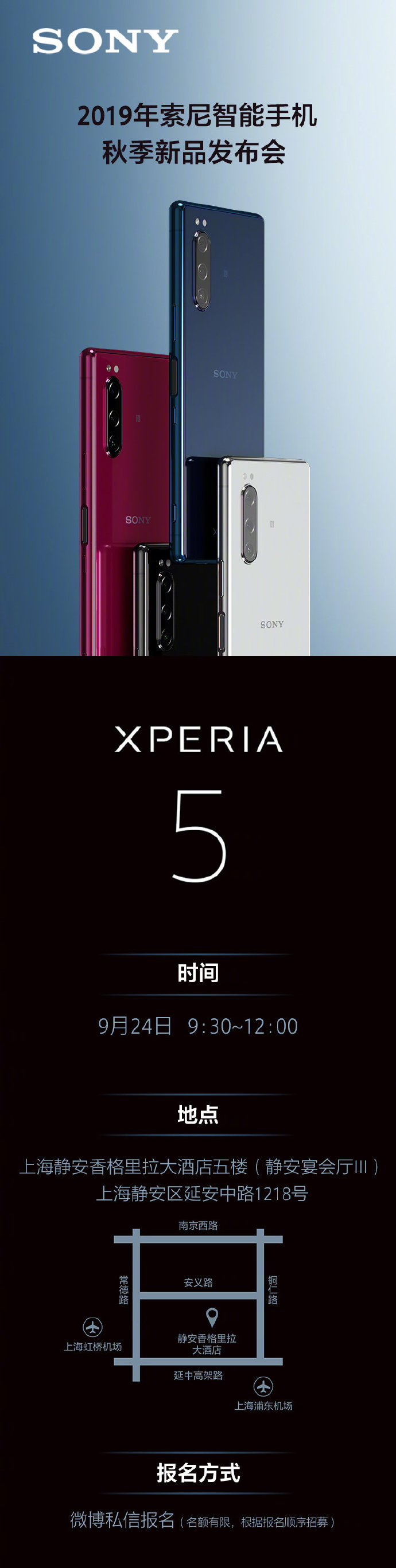
The event is scheduled to begin at 9:30 AM and run till 12 Noon. The poster shows the Xperia 5 in the four colors it will be available in which are blue, Black, Grey, and Red.
The Xperia 5 has a 6.1-inch FHD+ OLED display. It is a 21:9 CinemaWide Display as Sony calls it. There is a Snapdragon 855 processor under the Gorilla Glass 6 covered back as well as 6GB of RAM, 128GB of storage, and a 3140mAh battery.
The phone packs triple rear camera – a 12MP f/1.6 sensor with Hybrid OIS/EIS video stabilization, a 12MP f/2.4 telephoto camera with 2x optical zoom and 5-axis OIS, and a 12MP ultrawide camera with hybrid OIS/EIS. The selfie camera is an 8MP sensor. Sony has pre-loaded the phone with a bunch of professional camera features for video recording and still photos.
The Xperia 5 also has stereo speakers with Dolby Atmos, an IP65/68 rating, NFC, and a side-mounted fingerprint scanner. It supports 18W fast charging and USB Power Delivery 2.0 and runs Android 9 Pie. There is Sony’s PS4 Remote Play and a Game Enhancer too.
Sony didn’t reveal the price of the Xperia 5 at the IFA 2019 launch but we should get a price when it launches in China.
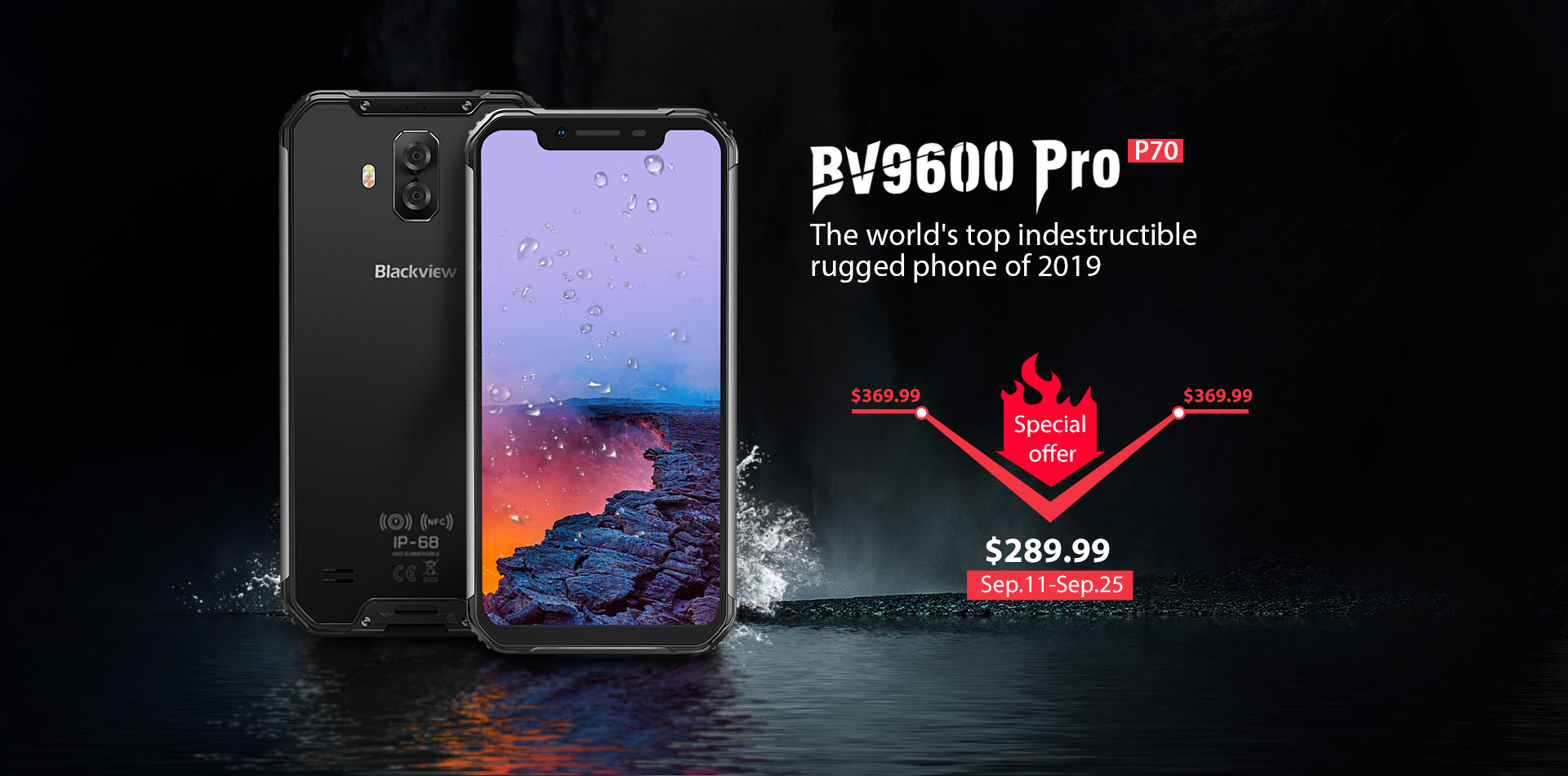
It looks like online shoppers are in for a treat as Blackview is holding a big promotion for the BV9600 Pro right now. For two weeks users have the chance to grab it at just $289.99 so if you are interested, visit the promotion page until September 25th.
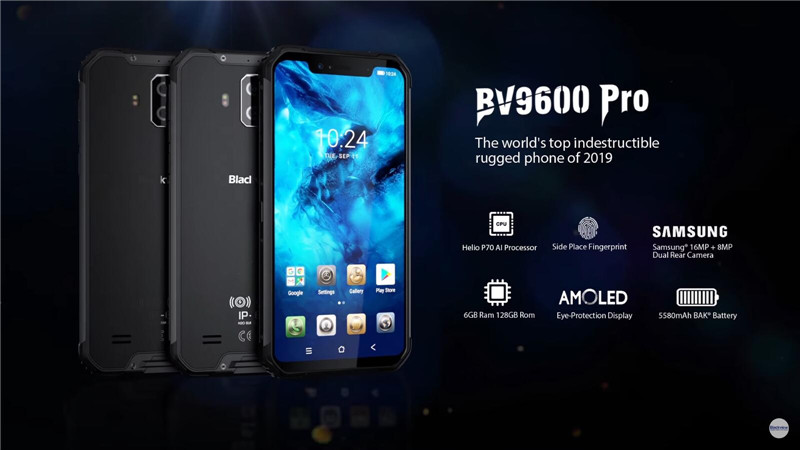
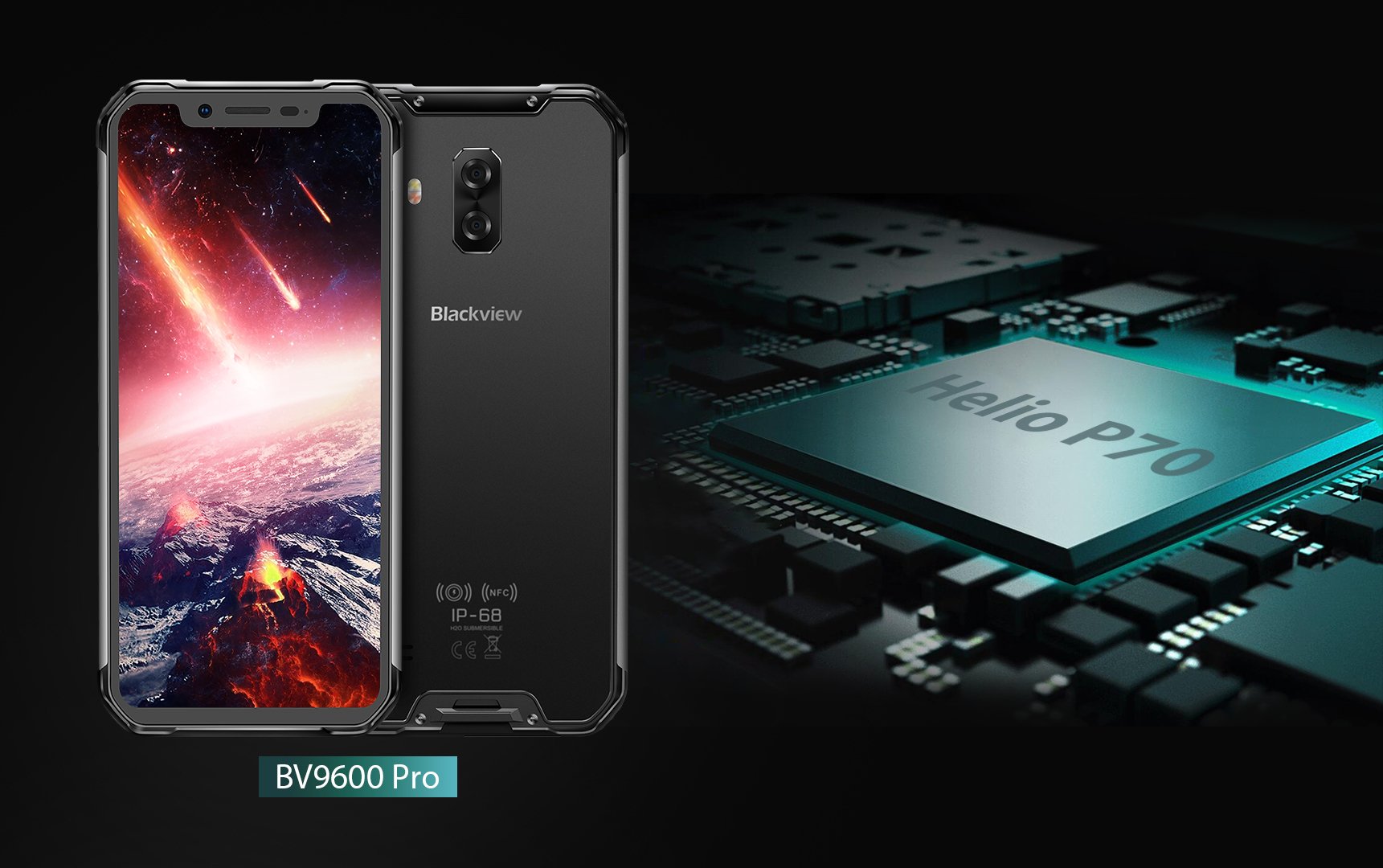
Blackview’s rugged smartphones are very popular among outdoor enthusiasts and starting today, they can get not just another rugged phone but a flagship device. The BV9600 Pro comes with Helio P70 SoC and an AMOLED display, a world’s first for a rugged phone. The render of the device recently appeared online:
As seen in the video, the device sports a rugged body made of a glass sandwich with a metal frame in the middle. Of course, it features IP68/IP69K and MIL-STD-810G certifications meaning that it has gone through a series of 29 tests, including shock tests, vibration tests, and more.
On the processor side, the four big cores, Cortex-A73, now run at 2.1GHz. Meanwhile, the Mali-G72 MP3 GPU is now clocked at 900MHz. It claims to use up to 35% less power in popular games compared to the P60 and comes with Energy-Aware Scheduling+, a thermal management solution that promises to lower operating temperature by up to 4.5°C.
Besides the rugged specs, the BV9600 Pro also comes with a business design and has flagship features not very common among rugged phones like the 6.21″ AMOLED display with 19:9 aspect ratio and narrow bezels.
On the back of the device lies the dual camera with 16MP/8MP configuration and is supported by an AI Bokeh algorithm. The selfie shooter hosts an 8MP sensor and is capable of beautiful selfies. What’s more, the battery comes with a large, 5580mAh capacity and supports wireless charging as well as 12V/2A fast charging that can recharge the battery in 2 hours via the USB Type-C port.
Lastly, the phone sports NFC with Google Pay support and GPS+Glonass satellite positioning systems to effectively improve navigation accuracy even in complex urban environments.
On September 12 before China’s Mid-Autumn Festival, actor Huang Cancan came to the Xiaomi Mi TV office with gifts for the staff. Photos of the visit went up on Weibo, and that would’ve been it, but that’s not the case this time. Eagle-eyed Weibo netizens found that one of the images featured a rather interesting detail. One of the monitors featured an image showing that a new product would have “all around 8K support”.
At present, most models of Xiaomi Mi TVs have 4K resolutions. If a new Mi TV comes with an 8K resolution, then that firmly places it on the high-end of Xiaomi’s TV lineup. The last product to come out of Xiaomi’s TV factory was the Redmi TV, which had solidly mid-range pricing, so a new high-end Mi TV with a matching price-tag wouldn’t be a stretch.
We already know that Xiaomi will be launching a new Mi TV in India on September 17th. While we aren’t sure if a new 8K Mi TV will make an appearance there, we can’t rule out the possibility that it might happen. After all, what better way to announce 8K support than with official Netflix 8K content support?
It seems like the Chinese smart TV market is reaching a boiling point in terms of popularity. OnePlus is preparing to launch its maiden smart TV on September 26th with a premium offering, and Honor has already taken a deep dive with the Honor SmartVision. It would be interesting to see Xiaomi attempt to regain ground by being the first with 8K Mi TVs.
On Gizmochina, smartphones are usually the leading stars during the main tech trade shows such as IFA 2019. But in these trade shows, especially at IFA 2019, a lot of innovative tech products from other categories get unveiled too. And often they do not earn the deserved attention. If just like us, you believe there are many other technology sectors as game-changing as smartphones, you will be glad of discovering the best tech products unveiled at IFA 2019 by reading the selection below. If you believe there are other very innovative tech products we did not mention, let us know in the comment section below the post, while if you want to know all the best smartphones released at the event, head to our dedicated article below.
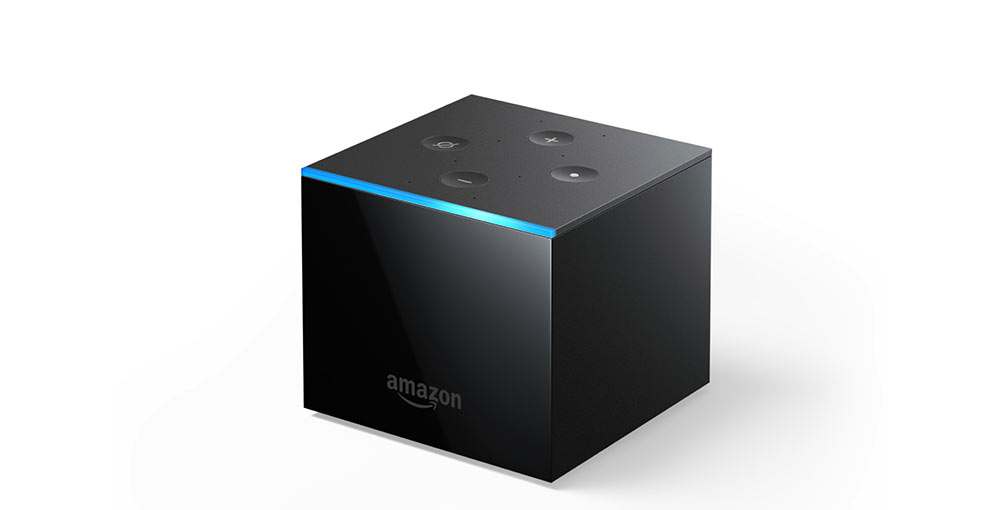
Amazon Fire Stick became a best-selling product all around the world. That is why you should have expected Amazon to launch a more powerful TV Box to make TVs smarter and more versatile. During IFA 2019, Amazon unveiled the second generation of the Fire TV Cube alongside the Fire TV Soundbar. The Cube measures 86.1 x 86.1 x 76.9 mm and integrates an hexa-core processor with a clock frequency of 2.2 GHz paired with 2 GB of RAM and 16 GB of internal storage. A way better hardware than Fire Stick for more demanding activities. It supports 4K UHD reproduction at 60 fps with HDR, HDR10+ technologies and Dolby Vision, as well as Dolby Atmos audio. It even comes with Alexa, so it can be controlled with vocal commands besides the classic remote control. It is actually in pre-order in several countries and it will start selling in Germany on October 10, carrying a price tag of €119.99.
TCL 8K QLED TV
TCL became a leader in the TV industry and it is obvious that it is trying to launch every year more innovative tech products. IFA 2019 spectators saw the debut of new amazing 8K QLED TVs with Mini LED technology. It replaces traditional LEDs and illuminates LCD panels in a brand new way, through tiny LED integrated inside the chips. They sit in the middle between LEDs and MicroLEDs and they can reach a peak brightness with HDR of 1.200 nits. TCL TVs are grouped into two series: X and X10. The former integrates a camera for augmented reality and they also come bundled with a soundbar. The X10 series reaches a 1.500 nits peak brightness and it has 120 Hz Ultra HD displays illuminated by 15.360 LEDs divided into 768 control zones. The new TCL TVs support HDR10, HLG, HDR10+, Dolby Atmos and Dolby Vision standards.
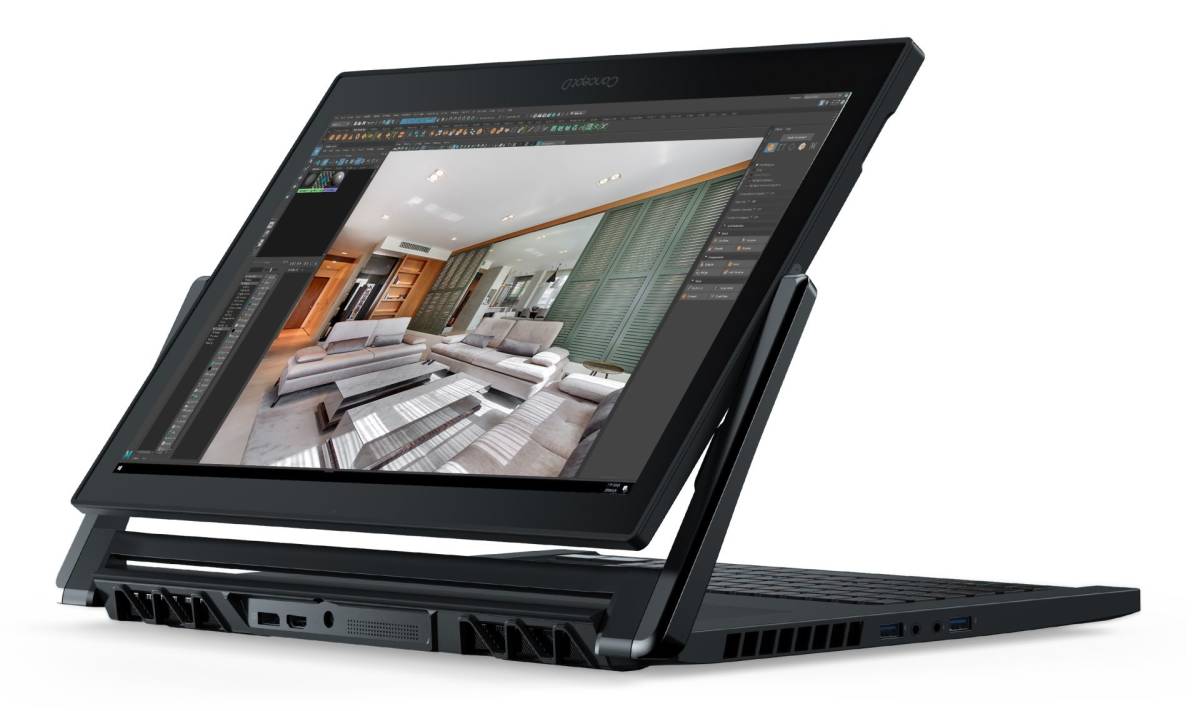
Acer ConceptD Pro
The ConceptD Pro series unveiled by Acer at IFA 2019 is not composed of classic notebooks. It consists of four models: ConceptD 9 Pro, 7 Pro, 5 Pro, and 3 Pro, which are advanced workstations for professionals and graphics. They feature wide 17.3-inch 4K displays mounted on particular hinges which allow the user to regulate the angle and rotate the display to work, draw and write in the best way possible. ConceptD Pro laptops are powered by CPUs up to Intel Core i9 and GPUs up to Nvidia Quadro RTX 5000 which are specifically built for graphics and editing software. Starting prices will range from €1,299 to €5,999 depending on the model and configuration.
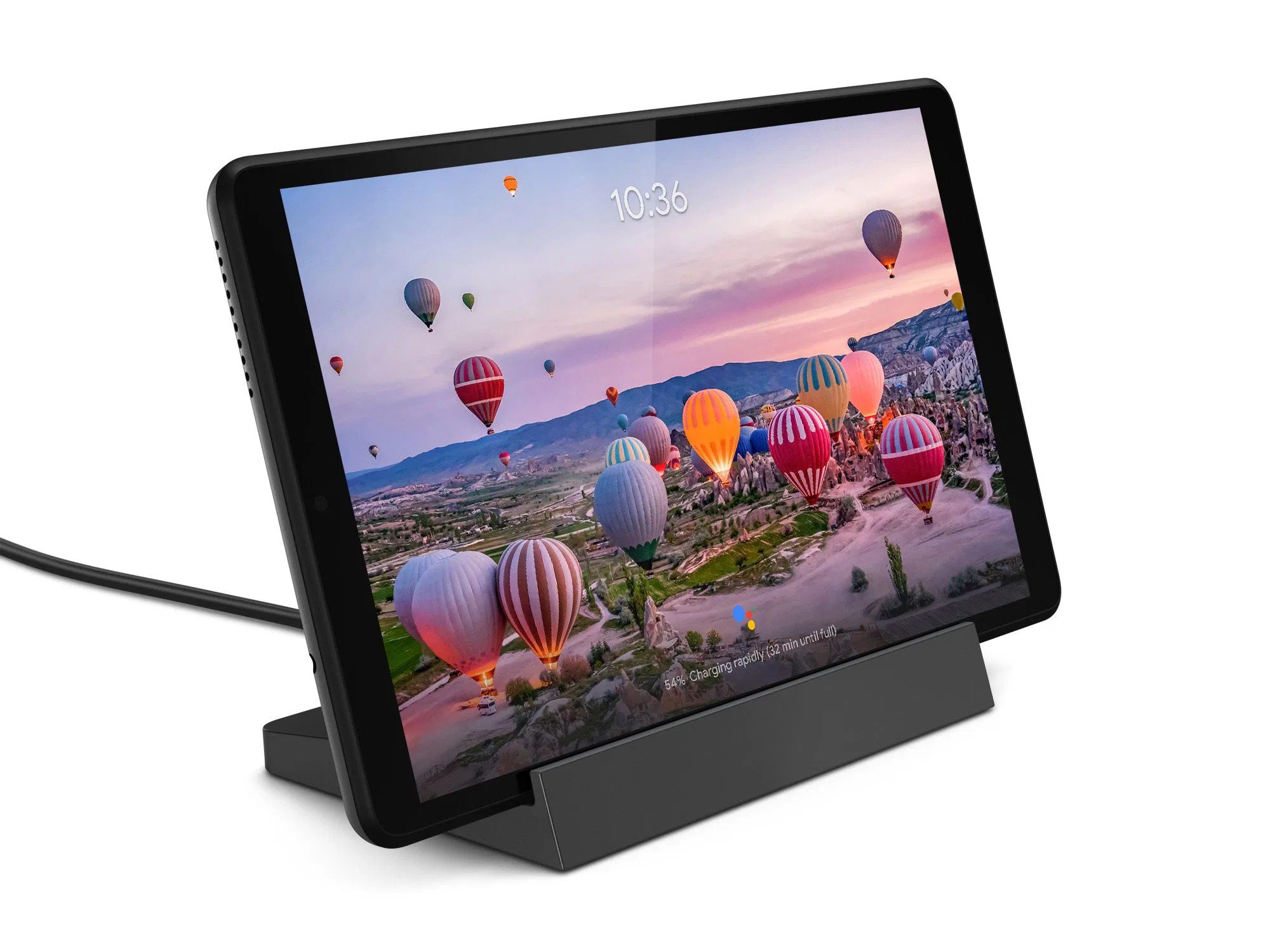
Lenovo Smart Tab and Smart Display
Lenovo is focusing a lot on smart home appliances, especially on hubs. The Chinese giant unveiled two new tablets and a new Smart Display at IFA 2019. The tablets are Yoga Smart Tab and Smart Tab M8 but they are not classic tablets: thanks to a docking station and a kickstand, as well as the support to Google Assistant, they can turn into smart displays and hubs for your smart home appliances. There is not much to say about the new Lenovo Smart Display as there are already several devices of this kind in the market.
Garmin Venu GPS
Garmin announced a lot of smartwatches at IFA 2019, but the Venu GPS is the most interesting one. It sports GPS connectivity, it supports music playback and it has a battery which lasts up to five days on a single charge (six hours if you use both GPS and music reproduction). It is compatible with both Android and iOS devices and it supports Garmin Pay. Thanks to the Body Battery mode it detects the energy of the user in order to suggest when to start training an when to stop. The Garmin Venu GPS is able to track up to 40 activities and its price starts from €349.99.
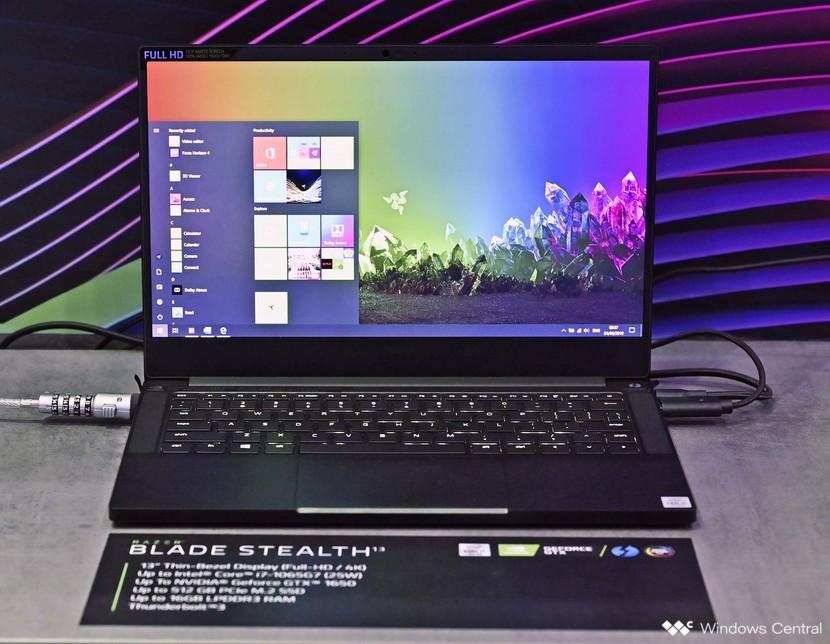
Razer Blade laptops
At IFA 2019, Razer refreshed its line-up of Blade gaming laptops by launching a new Blade Stealth 13 and Blade 15 Base. They are the first Razer laptops to be compliant to the new Intel’s Project Athena, with high performances and low power consumption. They are equipped with Intel Core 10th gen CPUs and the Nvidia GeForce GTX 1650 GPU. You can choose between Full HD and Ultra HD panels with 100% sRGB coverage. The new laptops are also equipped with SSD storage and up to 16 GB of dual channel RAM.
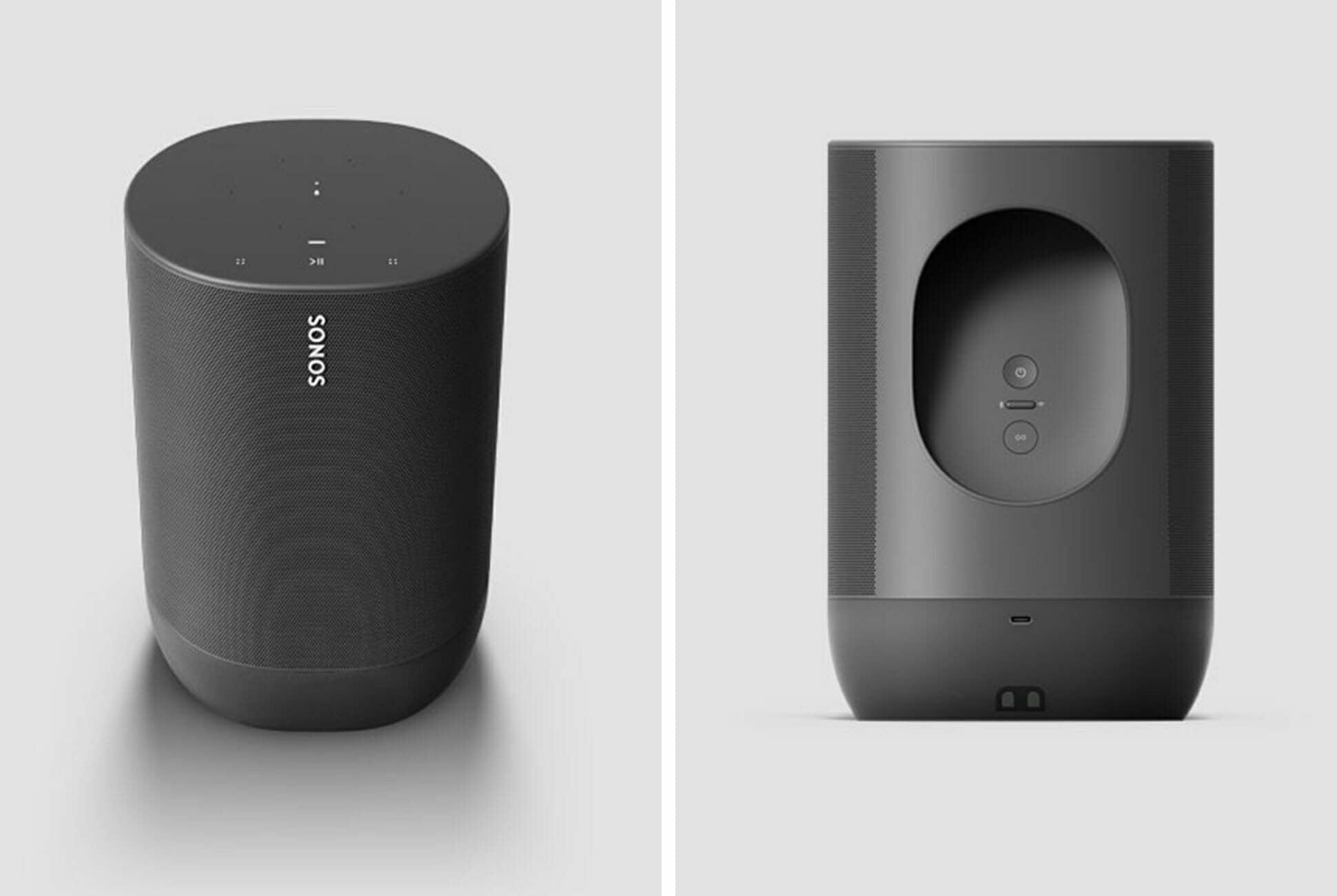
Sonos Move
Usually, smart speakers are not powered by batteries, but they can only be used thanks to an AC cable. Until now. During its IFA 2019 conference, Sonos launched its first portable smart speaker: its name is Sonos Move and, thanks to it, people will be able to bring their personal virtual assistant everywhere. It is powered by a battery which guarantees up to 10 hours of music playback on a single charge, but it can also be connected to your wall socket just like other smart speakers if you need. Sonos Move is waterproof and dust-resistant so that you can really bring it in every place. Thanks to the Trueplay technology the equalization is able to adapt to the environment. Sonos Move supports both Google Assistant and Amazon Alexa, but it won’t be cheap: it will launch on September 24 with a €399 price tag.
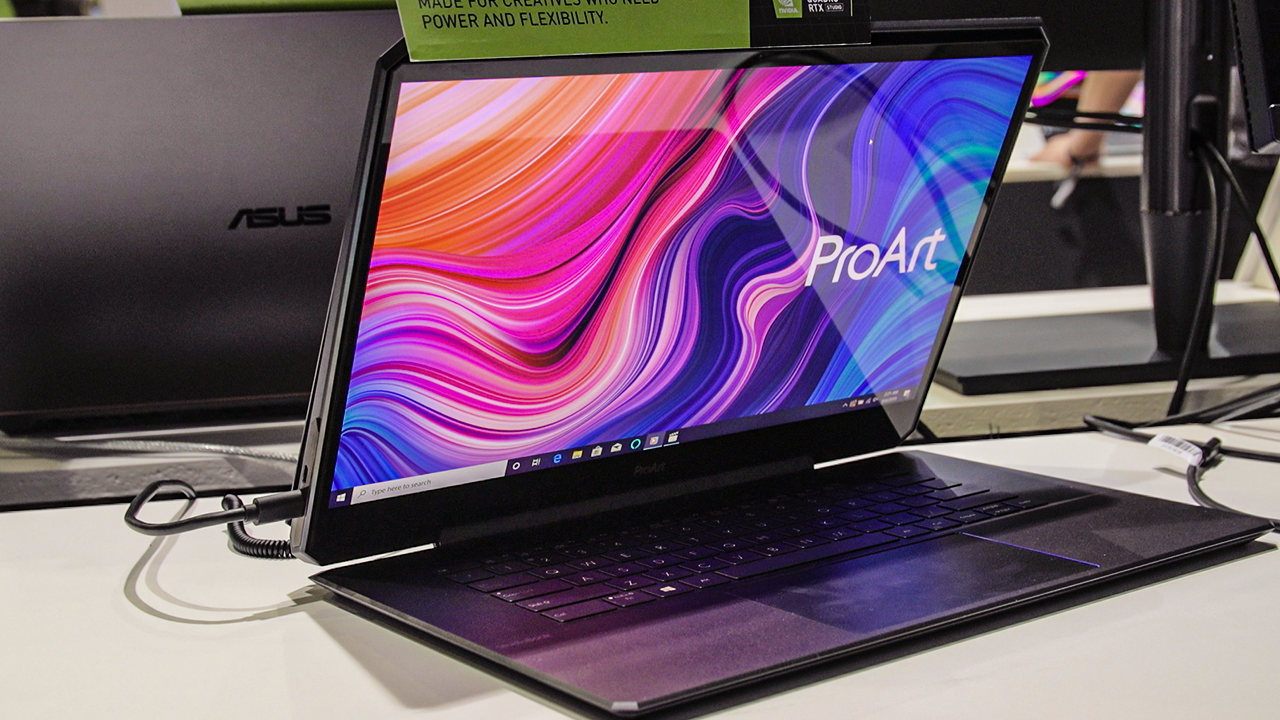
Asus ProArt StudioBook
Just like Acer, even Asus unveiled a new line-up of notebook for professional artists and graphics at IFA 2019. It is the ProArt StudioBook series and it comes with complete support to DCI-P3 coverage, one of the most advanced image qualities and a secondary display called ScreenPad 2.0 included in the touchpad. The line-up consists of 5 different models with Intel Xeon CPUs and Nvidia Quadro RTX 5000 GPU, as well as ECC storage up to 128 GB.
Kirin 990
Kirin 990 can not be considered a “tech product” as it is just a chipset, but we mention it because it is the world’s first SoC with an integrated 5G modem to hit the market, as well as one of the most powerful mobile platforms out there. It will debut in a few weeks on the Huawei Mate 30 series which will be unveiled on September 19. If you want to know everything about the new Huawei’s flagship chipset, head to our dedicated article.
Xiaomi will be announcing the Mi CC9 smartphone outside China next week but when it arrives, it will be under a different name – the Mi 9 Lite.
It has been revealed that the Xiaomi Mi 9 Lite will be announced on Monday, September 16 in Spain. The announcement quells the rumors that the Mi CC9 will launch as the Mi A3 Pro outside China.
Before the announcement of the launch date, the device was already certified by Thailand’s NBTC last week. The certification revealed that the Mi 9 Lite shared a similar model number to the Mi CC9 sold in China.
Prior to that, a list of Google’s certified Android devices was the first to reveal that there is an upcoming device called the Mi 9 Lite and it has the same codename as the Mi CC9.
The Mi 9 Lite will have a 32MP selfie camera and a 48MP triple rear camera configuration. Other features include a 6.39-inch FHD+ Super AMOLED display, a Snapdragon 710 processor, 6GB of RAM and 64GB or 128GB of expandable storage. It will also have an 8MP ultrawide angle camera and a 2MP depth sensor on the back.
The phone will also have an in-display fingerprint scanner, NFC, an audio jack, and an FM radio. The Mi 9 Lite will pack a 4030mAh battery with support for 18W fast charging and will have Gorilla Glass 5 covering its display and its back. It will run Android 9 Pie out of the box
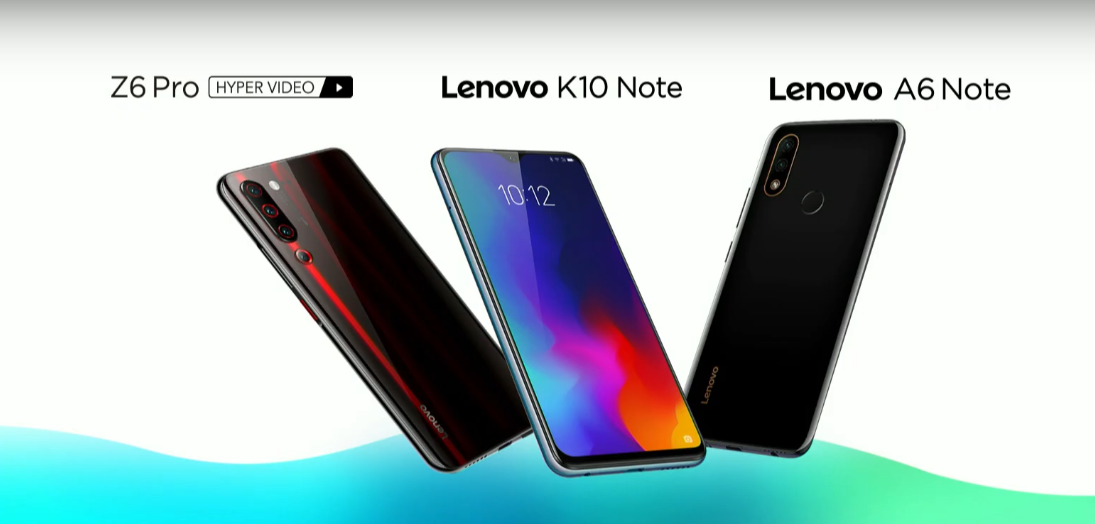
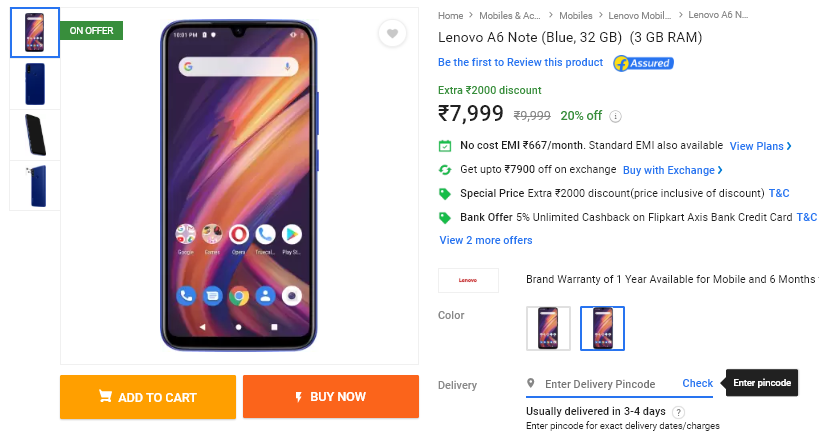
On September 5, Lenovo announced three of its new smartphones, the Lenovo A6 Pro, K10 Note and Z6 Pro in India. Two of the models, the A6 Note and Z6 Pro were scheduled to go on sale on September 11 while the K10 Note will hit store shelves on September 16. Indeed, both smartphones are now available to buy on Flipkart.
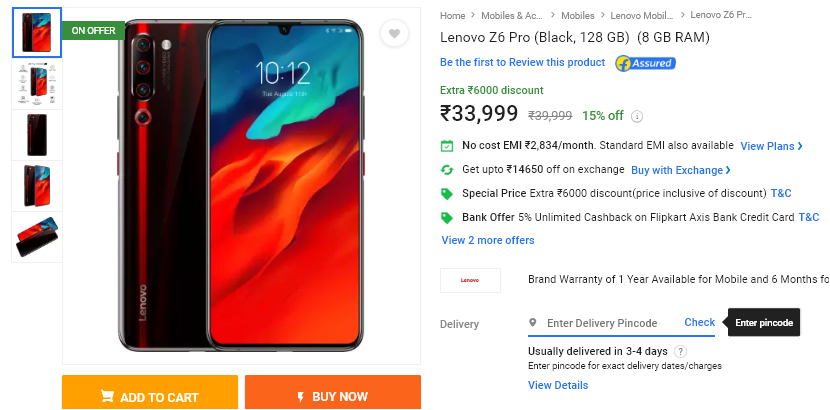
The A6 Pro comes with a price tag of INR7,999 ($110) and is available in 3GB+32GB memory configuration only. While the Z6 Pro hits India priced at INR33,999 ($475) and packing an 8GB RAM and 128GB storage.
Of course, the Lenovo Z6 Pro is on top of the pack with its flagship lineup. The device features a 6.39-inch S-AMOLED display with a waterdrop notch design. It is powered by a Qualcomm Snapdragon 855 chipset and utilises an in-display fingerprint scanner. The Z6 Pro has a 4,000mAh battery with a 27W charger inside the box.
On its part, the Lenovo A6 Note has a polycarbonate body with 6.09-inch IPS LCD HD+ waterdrop notch display. It is powered by the Helio P22 SoC paired up with 3GB of RAM. There is 32GB of expandable storage onboard. The Android 9 Pie OS skinned with ZUI comes preloaded on the device. The device packs a 13MP + 2MP (depth assist) dual-camera setup at the rear. There is a 5MP front-facing camera. The smartphone houses a 4,000mAh battery and it also features a rear-positioned fingerprint scanner.
We use cookies on our website to give you the most relevant experience by remembering your preferences and repeat visits. By clicking “Accept”, you consent to the use of ALL the cookies.
This website uses cookies to improve your experience while you navigate through the website. Out of these, the cookies that are categorized as necessary are stored on your browser as they are essential for the working of basic functionalities of the website. We also use third-party cookies that help us analyze and understand how you use this website. These cookies will be stored in your browser only with your consent. You also have the option to opt-out of these cookies. But opting out of some of these cookies may affect your browsing experience.
Necessary cookies are absolutely essential for the website to function properly. This category only includes cookies that ensures basic functionalities and security features of the website. These cookies do not store any personal information.
Any cookies that may not be particularly necessary for the website to function and is used specifically to collect user personal data via analytics, ads, other embedded contents are termed as non-necessary cookies. It is mandatory to procure user consent prior to running these cookies on your website.