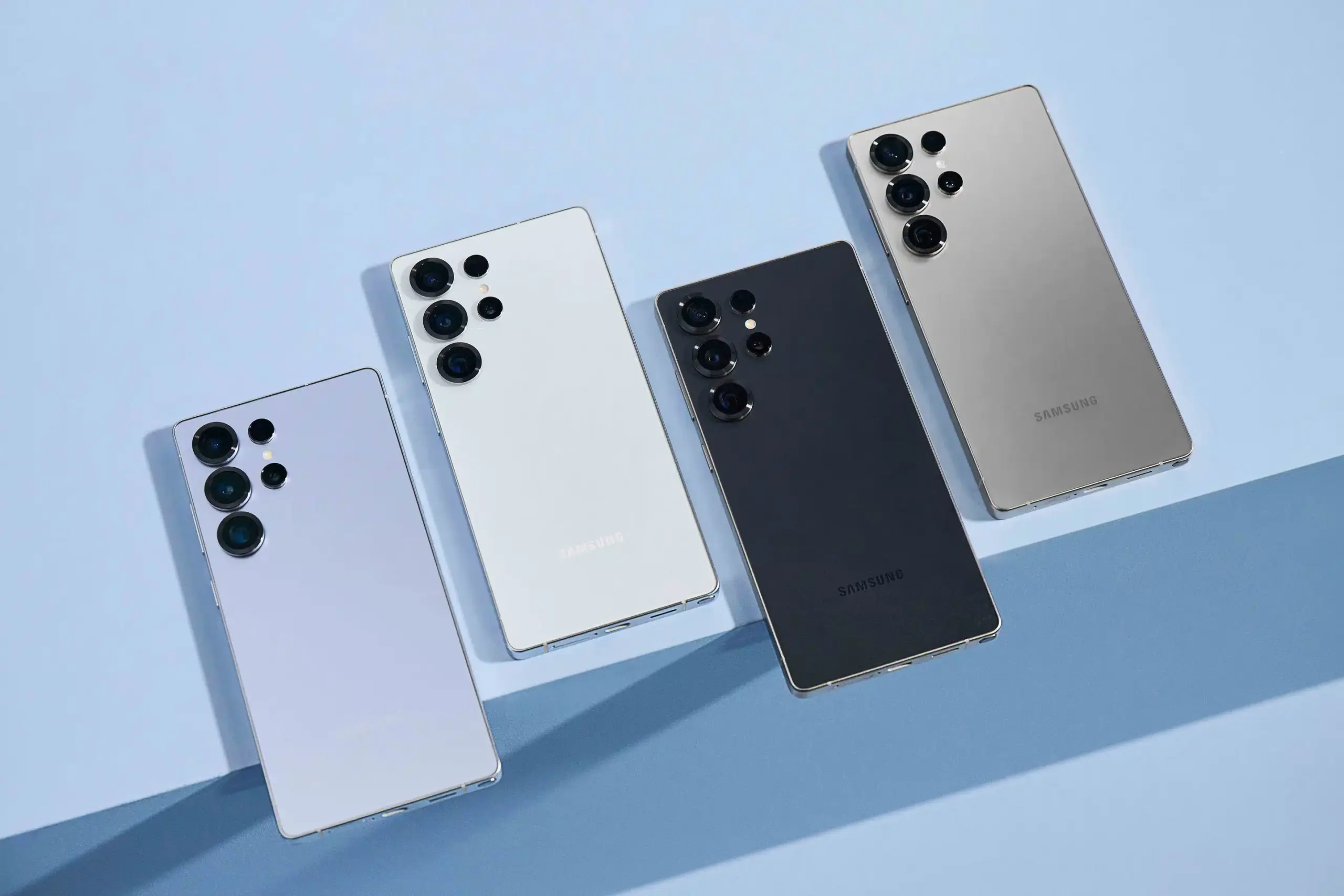
Thieves in the UK have just pulled off a massive heist for Samsung‘s latest flagship Galaxy foldable smartphones. Thousands of Galaxy Z Fold 7 and Galaxy Z Flip 7 have just been stolen in London, so here’s everything you need to know.
12,000 Galaxy Z Fold 7 and Z Flip 7 Units Stolen in London Heist
Known tipster Ice Universe just shared some bad news regarding the South Korean tech giant’s recent foldable shipment in the UK. A truck that was carrying Samsung’s new Galaxy Z Fold 7 and Galaxy Z Flip 7 units was recently stolen near the London Heathrow Airport. Reportedly, the thieves got away with around 12,000 units of the new foldable.
Samsung Galaxy Z Fold 7 and Galaxy Z Flip 7
Due to this big heist, Samsung Electronics is seeing an economic loss of about $10.6 million. To recall, the Galaxy Z Flip 7 carries a £1,049 price tag, while the Galaxy Z Fold 7 typically sells for an even more exorbitant price tag of £1,799. At the moment, there’s no info regarding the location of the truck, so the large number of premium phones from the brand are still at large.
Samsung is likely working with the UK law enforcement to find these missing devices, but we can expect the company to blacklist and lock all of the units. This would basically make them unusable and make them harder to sell in the black market. The massive Samsung heist might also impact the brand’s availability of its flagship Galaxy Z Fold 7 and Galaxy Z Flip 7 models in the region. This is all the information we have at the moment, so stick around for more.
For more daily updates, please visit our News Section.
Samsung could be getting ready to expand its audio lineup in India with the upcoming Galaxy Buds 3 FE, a new pair of budget-friendly TWS earbuds. The upcoming truly wireless earbuds just surfaced on an Indian certification, so here’s what you need to know.
Budget-Friendly Galaxy Buds 3 FE Arriving Soon?
The South Korean tech giant’s new Galaxy Buds 3 FE just surfaced on the Bureau of Indian Standards (BIS) database, carrying the EP-QR420 model number. This basically confirms the availability of this bearable product in the region. To recall, Samsung first unveiled the Galaxy Buds FE model back in 2024, with the Galaxy Buds 2 FE expected to launch this year. However, later sightings hinted that the brand skipped the Buds 2 FE for the Buds 3 FE.
Samsung Galaxy Buds 3 FE Leaked Render
While it is unknown why this is the case, the brand could simply be making the Fan Edition model in line with the current lineup of its premium Galaxy Buds 3 series models. Just last month, the first image of the Galaxy Buds 3 FE surfaced online in a leaked render. A tipster offered us a look at this budget TWS, while also confirming some of its specs and features. Reportedly, the Galaxy Buds 3 FE will support passive noise isolation, along with ANC (Active Noise Cancellation).
Apart from this, you are also getting an Ambient Mode, better battery life, and maybe even the new Galaxy AI tools for features like real time translation. Based on early rumors, the Galaxy Buds 3 FE could go on sale for around 99 to 129 US Dollars. This is all the information we have, so stick around for more as teasers of this gadget should surface soon.
For more daily updates, please visit our News Section.
HUAWEI’s newest 11.5-inch tablet arrives as the 2024 version’s predecessor, with a brighter matte screen, longer battery life. I spent seven days using the PaperMatte edition as my primary tablet for work, note-taking and content consumption to find out whether it is a better option right now.
Design & Build
The body is a single block of aluminium, colored in either Space Grey or the subtler Violet tone. At 6.1 mm and 515 g it is genuinely pocketable in a coat. HUAWEI says the new forging process adds 30% rigidity, so there is no flex when torqued. There is no IP rating and no headphone jack, so gym or poolside use feels risky.
The best thing is the case to go with the tablet, if you have read my other tablet reviews, I always stress that you much buy the official case with the tablet, as it is not only high quality usually, but also very custom fit. So does this case, it feels premium, and connects to the tablet smartly. The smart thing HUAWEI did is that, the tablet and the case is bundled together, which means you are encouraged to buy them together.
Display
The 2456 × 1600 IPS panel is the top line specs, rated at 2.5K. 120 Hz refresh is adaptive, so it changes between 60/90/120Hz, to suit every occasion, and saves power. Peak brightness is 600 nits, outdoors at 11 a.m. under clear sky it is still very bright and I could still read white websites.
The PaperMatte coating is more than a film. Nano-etching diffuses reflections, cutting specular glare to 2% compared with 4.8% on other glossy models. Colour gamut is still 100% sRGB, yet saturation drops slightly, but nothing serious. The TÜV low-blue-light badge is earned through hardware (DC dimming), not software filters, so screen colour temperature doesn’t shift at night, this can be very useful if you dislike Night Mode.
Stylus Experience
The third-generation M-Pencil snaps magnetically to the top edge and charges in roughly 90 minutes. There is almost no latency in HUAWEI Notes, which is still class-leading and can compete head to head with the Apple Pencil 2. This is because the hardware quality is pretty good, and the NearLink tech on board. Tip friction is closer to felt on paper than glass, and I found it is smoother than last gen, which means the manufacturing quality is again better. The gesture controls of the stylus is also very intuitive.
Battery & Charging
The 10100mAh cell delivered about 12 hours of mixed use: 2h Zoom calls, 4h Chrome, 3h Netflix at 50% brightness, and intermittent note-taking. That is an excellent performance. The 40W charger (sold separately in the EU) took the tablet from 2% to 42% in 30 minutes and reached 100% in 1h 18min, respectable for a tablet with such battery. There is no wireless charging.
Performance
There isn’t any information about the chip used in this tablet, it only says 8GB Ram, 128GB or 256GB Rom. Day-to-day use is pretty smooth, as it is the key advantage of HarmonyOS. In fact, this tablet is positioned as a productivity machine, so every feature is designed around this theme. You can fully utilize the Apps to do a lot of stuff.
Software & Multitasking
HarmonyOS 4.3 brings the same floating-window feature as before. You can pin two apps side-by-side and park a third in a resizable bubble. PC-level WPS Office is genuinely useful, spreadsheets open with desktop ribbons and trackpad shortcuts.
And of course, the GoPaint App has updated again, with more tools and canvas. GoPaint has really evolved as the best painting App for either real painters and also regular users. There are many tutorials and tools that allows you to draw better.
Audio & Connectivity
Four speakers at both sides. Volume is very big, the quality of sound is also very good. Wi-Fi 6 throughput averaged 820Mbps on a 1Gbps symmetrical line two rooms from the router, a 25% bump versus last year’s model. Bluetooth 5.2 paired instantly with any headphones or other devices.
Cameras
HUAWEI barely mentions imaging. The 8MP front camera sits along the long edge, ideal for landscape video calls, the quality is adequate under office lighting but noisy in a dim living room. The rear 13MP camera is better, daylight shots are quite competent for document scanning, or videos.
Keyboard & Accessories
The detachable smart keyboard weighs 435g. Key travel is 1.5mm, similar to a low profile keyboard already, the flex feels good. The single-angle kickstand is sturdy on desks, and it connects the keyboard via magnet. The keyboard can also be separated, if you want to create a certain space between the tablet and the keyboard.
Verdict
The HUAWEI MatePad 11.5 PaperMatte edition is a really good productivity tool, even as an entry-level product in HUAWEI’s lineup. The PaperMatte screen is a nice touch for such tablet at this price point. The battery is bigger than before also, it should support a longer use. If you live inside HUAWEI’s ecosystem and value a matte, eye-friendly display, the 2025 refresh is a sensible upgrade.
In a major theft that’s grabbed headlines across the tech world, around 12,000 of Samsung’s latest foldable smartphones were stolen in transit near London’s Heathrow Airport, dealing a blow to the company just weeks after launch.
Samsung Galaxy Z Fold 7
Truck carrying Z Fold 7 and Flip 7 hijacked
According to well-known tipster @UniverseIce, the heist took place late last week, involving a truck carrying a large shipment of Galaxy Z Fold 7 and Z Flip 7 units. The stolen cargo is estimated to be worth around $10.6 million (approximately £7.9 million), making it one of the UK’s largest electronics thefts in recent years.
The phones were reportedly on their way to a warehouse after arriving in the UK when the truck was hijacked. Alongside the foldables, the shipment also reportedly included other newly launched products such as the Galaxy S25 series and Galaxy Watch 8.
With the Z Flip 7 priced at £1,049 and the Z Fold 7 starting at £1,799, the shipment was clearly a high-value target. The incident is likely to impact Samsung’s supply chain in the UK and delay retail availability for customers awaiting pre-orders following the global launch on July 9.
Heathrow’s ongoing security issues
Heathrow has been a frequent target for organized electronics theft, with its position as a key logistics hub making it vulnerable. UK police say up to 75% of stolen smartphones are smuggled out of the country within 72 hours, making recovery difficult.
Earlier this year, 1,000 smartphones were recovered near Heathrow in a separate case, highlighting ongoing security concerns. Devices stolen in such heists often resurface on the grey market with blocked IMEI numbers, rendering them ineligible for official support or warranty, and posing a risk for buyers.
Samsung has yet to release an official statement as of writing, but is expected to work closely with logistics partners and authorities going forward. Customers are advised to be cautious when purchasing devices from unofficial sources and verify IMEI numbers to ensure their phones are not blacklisted.
One UI 8 debuted earlier this month with the 7th-gen Galaxy foldables, Galaxy Z Fold 7, Galaxy Z Flip 7, and Galaxy Z Flip 7 SE. The stable rollout should soon go live for older Galaxy phones and tablets. Samsung hasn’t announced a timeline yet, but the update will likely roll out to Galaxy devices first that are currently under testing for One UI 8.
We’ve prepared a list of Samsung phones and tablets that are currently under One UI 8 testing. If your Galaxy device is on the list, it will likely get One UI 8 sooner than most devices.
One UI 8 is currently under testing for these Galaxy devices
Galaxy S25, S25+, S25 Ultra, S25 Edge
Galaxy S24, S24+, S24 Ultra, S24 FE
Galaxy S23, S23+, S23 Ultra, S23 FE
Galaxy S22, S22+, S22 Ultra
Galaxy Tab S10, S10+, S10 Ultra
Galaxy Tab S9, S9+, S9 Ultra
Galaxy A56, A55, A54, A53
Galaxy A36, A35, A34, A33
Galaxy Z Flip 6, Fold 6
Galaxy Z Fold 5, Flip 5
Galaxy Z Fold 4, Flip 4
Galaxy M36, M35
Galaxy F34
Galaxy F15
While the One UI 8 testing has begun for all these devices, only the Galaxy S25 series has access to the public One UI 8 beta. For the remaining devices, testing is being conducted internally, which is not accessible to the public.
When will Samsung start rolling out the One UI 8 update?
With the One UI 8 debut earlier this month, Samsung became the first non-Google brand to release the Android 16 update. That speedy release is a result of two major changes to Samsung’s software rollout strategy (read more about it here). However, the stable rollout to older Galaxy devices is yet to kick off.
Samsung hasn’t announced an exact date when it will begin the rollout. However, it has already confirmed that the rollout will begin “this summer”. That means the stable rollout is right around the corner. It’ll likely begin later this month.
We’ve compiled all the information about One UI 8 in this post, including eligible devices and new features. Give it a read for more clarity on when it’s coming and what to expect from it. Also, be sure to visit our One UI 8 section regularly for the latest information.
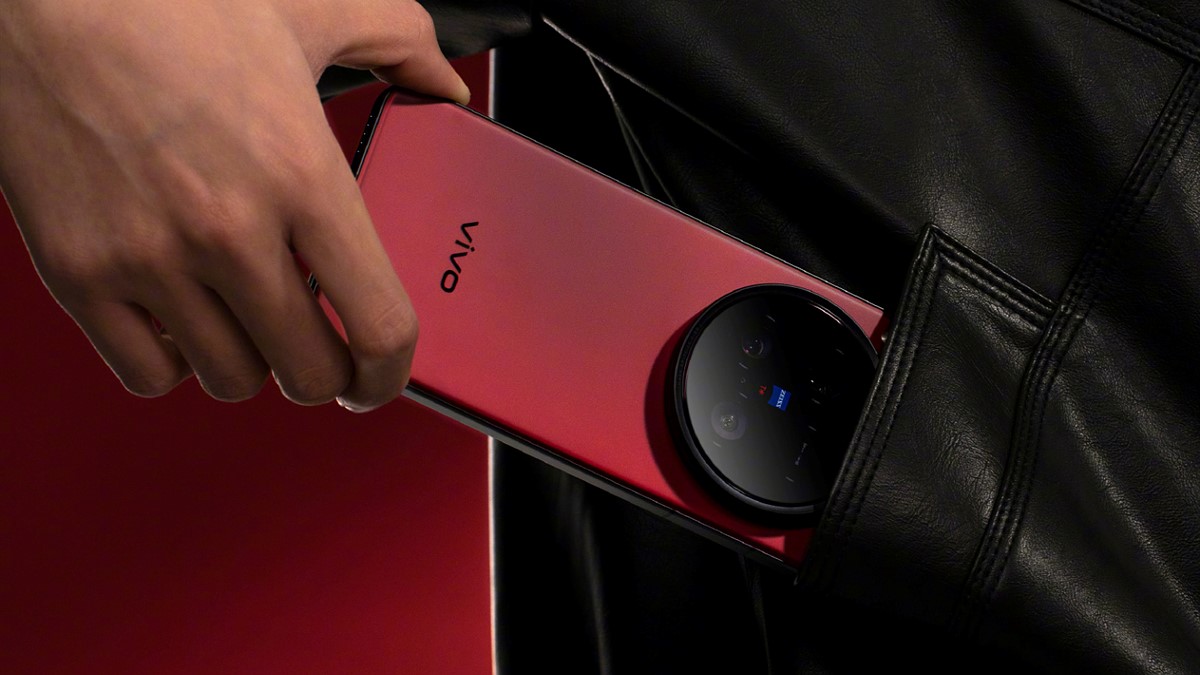
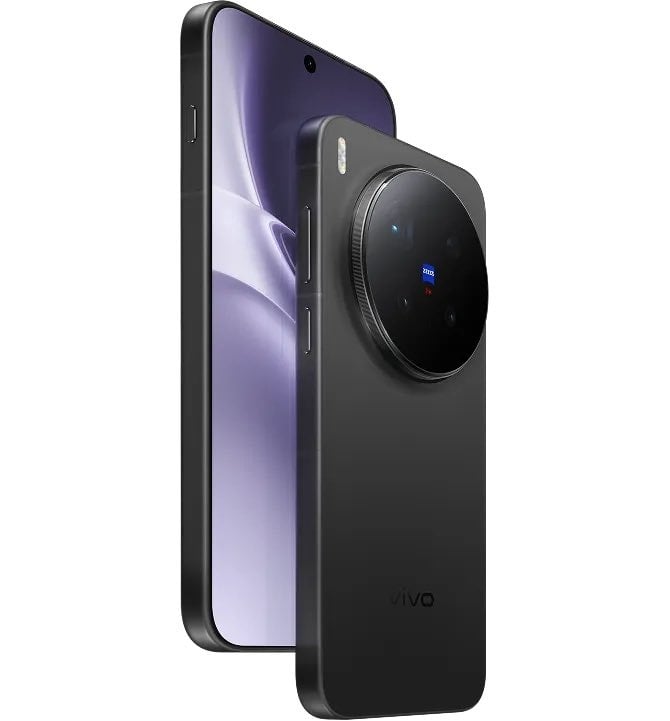
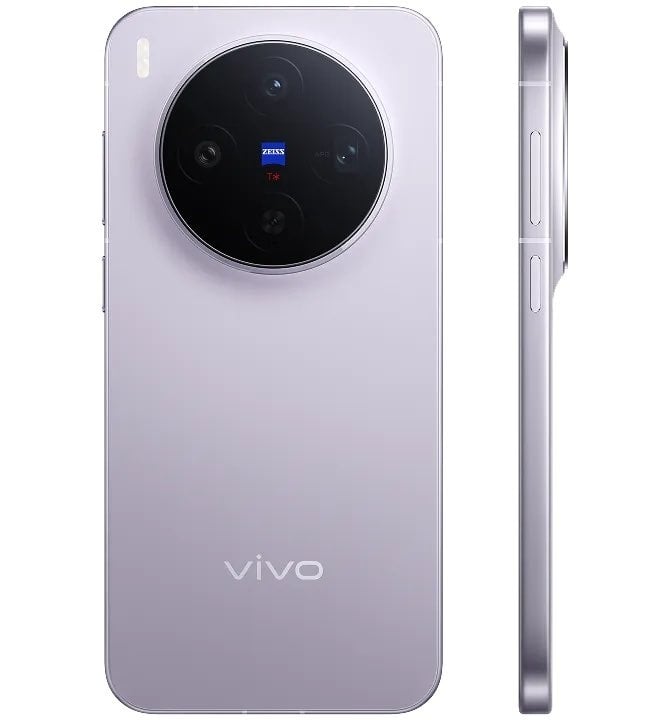
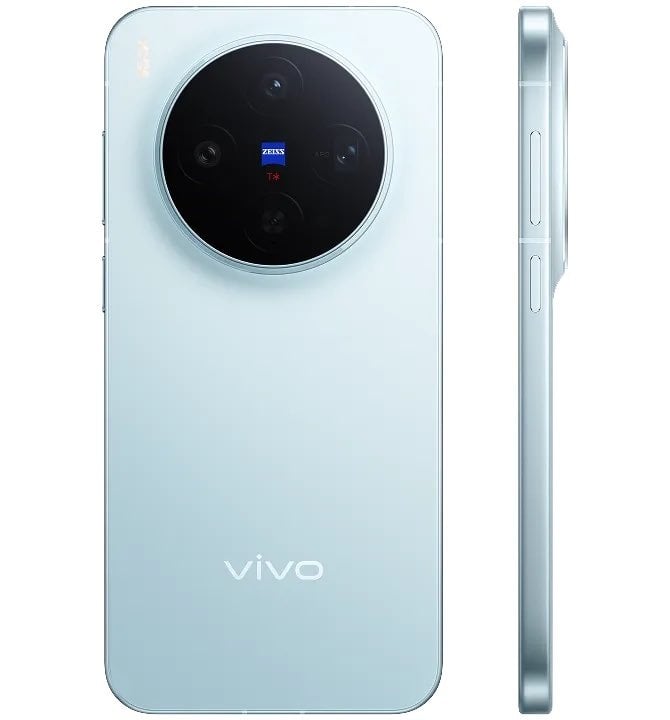
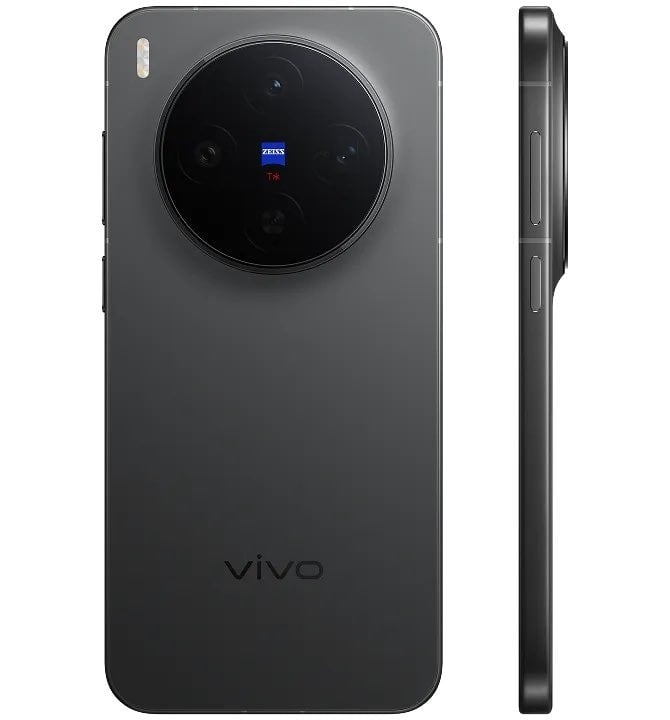
Vivo‘s next standard flagship could be getting a notable upgrade in the camera department. The base Vivo X300 is getting a new camera sensor, which could be sourced from Samsung. So here’s everything you need to know.
Is Vivo X300 Getting a 200MP Telephoto as its Main Camera?
The latest rumor was shared by a tipster on X (formerly Twitter), who goes by @nakajimegame. In the tweet, he claims that the Chinese tech giant plans to launch its next base flagship model with a new Samsung ISOCELL camera. The sensor in question is reportedly called the ISOCELL HBP. This shooter has a 200MP resolution and a 1/1.4-inch sensor size. So it is larger than the Vivo X200‘s Sony IMX921 camera, which had a 50MP resolution and a 1/1.56-inch sensor size.
Vivo X200
In other words, we can expect better low light performance and better details in the next gen model. It is worth noting that the ISOCELL HBP branding is quite similar to the ISOCELL HP9 (200MP, 1/1.4-inch), which is the 200MP periscope telephoto shooter on the Vivo X200 Pro. Meaning, Vivo could be working on a modified telephoto shooter for the main camera of the Vivo X300.
Apart from this, the tipster believes that the Vivo X300’s telephoto shooter could be a 50MP periscope lens with a 1/1.95-inch sensor, which is likely the same Sony IMX882/LYT600 camera that was also found in the last gen model. Lastly, the Zeiss partnership would likely continue in the next flagship lineup. Keep in mind that this is still just an unconfirmed report, so take this news with a pinch of salt for now, and stick around for more.
For more daily updates, please visit our News Section.
A new budget smartphone from Vivo has just made its debut in India. The Vivo Y400 is a 5G smartphone with some notable specs and features, despite its affordable price tag. So here’s everything you need to know about the hardware, pricing, and special launch offers.
Vivo Y400 Launch: What does it offer?
The Vivo Y400 was just announced in the Indian market with a tall 6.67-inch AMOLED display with an FHD+ resolution, a 120Hz refresh rate, and 1800 nits of peak brightness. This panel also gets an Eye Care Display certification, which reduces blue light. Under the hood, the Y400 is equipped with the Snapdragon 4 Gen 2 SoC, which is a 4nm based chip with 5G networking support. This processor is paired with 8GB of RAM and up to 256GB of internal storage along with 8GB of virtual RAM expansion.
Vivo Y400 5G
A massive 6,000mAh battery pack powers this affordable phone, which supports 90W wired fast charging. Keeping this specs cool is a large cooling mechanism with a 40,000mm² coverage size. For optics, the rear has a 50MP main camera with a 2MP secondary shooter, while the front houses a 32MP selfie shooter. Other notable features include IP68 +IP69 rating for water and dust resistance, dual stereo speakers with Hi Res audio, an in-display fingerprint scanner (optical), various AI features (like Circle to Search), dual SIM support, and Android 15 OS based Funtouch OS 15 custom skin out of the box.
Pricing and Offers
The Vivo Y400 was launched in two color options, namely Olive Green and Glam White. It has a starting price tag of Rs 21,999 for the base 8GB + 128GB model, while the 8GB + 256GB variant costs Rs 23,999. The brand is even offering an instant bank discount of Rs 2,000 to HDFC credit card holders. Furthermore, there is a Rs 500 discount, a $500 review voucher, and a complimentary 1 year extended warranty as well.
For more daily updates, please visit our News Section.
Honor might be gearing up to compete with the current generation of flagship flip phones with its own offering soon. But it might make its upcoming Magic V Flip 2/Magic V2 Flip be more practical with a bigger battery and faster charging speeds.
Honor Magic V Flip 2 Leaked with Big Battery and Blazing 80W Charging
The news arrives from Digital Chat Station, who shared the details on Weibo. In his latest post, the known tipster shared some details regarding a bunch of phones, including the Magic V Flip 2. He believes that Honor’s next flip phone will debut with a sizeable 5,500mAh battery pack, which could support 80W wired fast charging. While this isn’t groundbreaking for devices that recently launched in China, it is still notable for a clamshell folding phone.
Honor Magic V Flip 2
In comparison, Samsung’s latest Galaxy Z Flip 7 with a bigger battery than its predecessor. However, the flagship foldable only got a minor bump to 4,300mAh. This model came with support for a humble 25W wired fast charging and 15W wireless charging. So the Magic V Flip 2 packs would be setting a record for such a format. Notably, Digital Chat Station previously made the same claim for the Magic V Flip 2‘s battery pack last month.
Honor might debut this model in the Chinese market in August 2025, although there is still no official word on its release. The device even surfaced on China’s CMIIT and 3C certification recently. Based on what we know so far, the Magic V Flip 2 could sport a tall 6.8-inch flexible LTPO OLED main display with an FHD+ resolution and high refresh rate. Meanwhile, the cover screen is likely a 4-inch panel. Under the hood, this model might be equipped with either a Snapdragon 8s Gen 4 or a Snapdragon 8 Elite. This is all the information we have at the moment, so stick around for more.
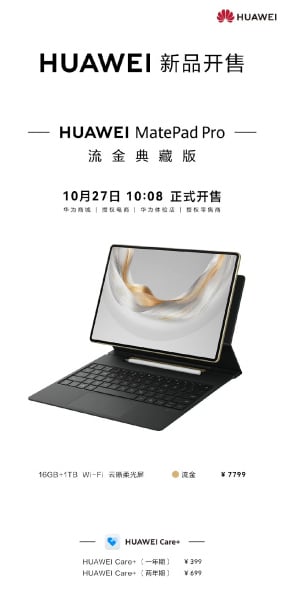
Huawei‘s next top flagship could be its most ambitious tablet yet. A new rumor suggests that the upcoming MatePad Pro (2026) could finally arrive with support for PC applications. This could bring a notable edge to this premium tablet over its competitors.
Next-Gen Huawei MatePad Pro Tipped to Run PC Apps
According to Fixed Focus Digital on Weibo, the Chinese tech giant is planning on bringing a true cross platform experience on its new flagship tablet. The MatePad Pro (2026) might support PC apps with a user interface. We might also get a new version of HarmonyOS, which could make them offer similar functionality to the brand’s MateBook. In other words, the MatePro Pro fully integrates PC apps, allowing for better productivity as well.
Huawei MatePad Pro 12.2 (2025)
This could blur the lines between a PC and tablet, which is something Apple has been doing with its iPad. However, Apple still locks its flagship iPad Pros, so there is still no direct support for desktop grade applications even if the tablet has enough horsepower for said platform. So Huawei’s next top tablets might have a considerable advantage in this regard. Huawei built HarmonyOS with multi platform integration in mind, so this seems like the next step for a more seamless ecosystem.
As of right now, this is still just an unconfirmed report, so take this news with a pinch of salt. But if this is true, we can expect the PC app support to arrive alongside HarmonyOS 6. Huawei sells its MatePad Pro in 13.2-inch and 12.2-inch (Review) variants, but the next generation could sport an even larger 14.2-inch, which is as tall as a laptop in terms of screen real estate. We can also expect a high resolution OLED display to make a return, along with a new Kirin 9000 series processor.
For more daily updates, please visit our News Section.
Looking to go beyond a simple text message to express your feelings? The Frisson Collection by Darry Ring—the world’s first interactive couple rings—offers a new way to stay emotionally connected across any distance.
These rings are not just ornamental; they incorporate advanced technology that enables couples to sense each other’s presence and exchange subtle signals of affection in real time. Whether separated by cities or continents, users can maintain a continuous emotional connection through discreet, meaningful interactions.
Rather than focusing on simulating a heartbeat, the Frisson rings are designed to deliver personalized signals that serve as real-time reminders of a partner’s presence and emotional closeness.
This innovative technology represents a new form of digital intimacy—enhancing modern relationships through tangible, interactive communication that goes beyond words.
A New Kind of Commitment: More Than Just a Ring
Jewelry has long symbolized love and commitment, but the Frisson Collection stands out. It’s not just a ring; it’s a pulse. It’s a pulse that carries the rhythm of your love, sending a heartbeat to your partner, even when you’re miles apart. With each gentle tap, the ring sends a tactile signal to your partner—creating a moment of connection that’s both simple and deeply personal.
For those seeking more than a decorative accessory, the Frisson ring becomes a shared ritual—a real-time expression of emotional engagement that grows with you over time. It’s a smart, interactive way to honor the everyday moments that strengthen a relationship.
For Modern Love, a Modern Approach
Whether you’re managing the demands of a busy career or navigating a long-distance relationship, the Frisson Collection is designed for today’s couples. Each interaction—each touch and vibration—records a shared engagement, creating a digital trace of the attention, care, and emotional investment that partners give to each other.
Biometric Technology Meets Romance
The Frisson rings don’t just look good; they work. Using advanced biometric technology, the rings track your heart rate, body temperature, and pulse, sending those intimate signals directly to your partner’s ring. It’s not a gimmick; it’s an emotional connection you can feel right at your fingertips.
Instead of waiting for a text, imagine sending a heartbeat to say, “I’m thinking of you,” “I miss you,” or “I love you.” This is intimacy taken to the next level, where every beat of your heart speaks volumes, even when words fall short. The ability to feel your partner’s heartbeat wherever you are, at any moment, brings a new sense of closeness that’s hard to replicate in today’s digital world.
How It Works: Staying Connected Is Simple
Wear It Like a Second Skin
The Frisson ring is designed to be a subtle part of your daily life. It’s comfortable, stylish, and unobtrusive, meaning you’ll hardly notice it until you feel your partner’s heartbeat syncing with yours.
Sync With Your Partner
Using the Darry Ring app, couples can easily pair their rings. With a secure connection, every interaction is logged—creating a digital journey of shared emotional moments.
Tap, Send, and Connect
When words aren’t enough, send a heartbeat. A simple tap can carry a world of emotions, a quick “I miss you,” a quiet “I’m here,” or a deep “I love you,” even in silence. This simple interaction becomes a powerful gesture, keeping the emotional thread between you and your partner alive, no matter where you are.
Love That Grows Over Time
What makes the Frisson Collection unique is its ability to reflect the growth of a relationship. Each interaction is recorded in the app, forming a visual timeline of shared effort and connection. Over time, the ring’s glow intensifies—not in response to biometric data, but as a reflection of emotional engagement between partners.
It’s a way to look back on the small gestures that make love resilient. Whether celebrating milestones or simply marking everyday care, the Frisson ring captures what words sometimes can’t: presence, attention, and commitment.
More Than a Ring: A Living Memory
What if love could leave a visible trace—not just in memory, but in data? The Frisson ring transforms each interaction into part of a growing emotional record. And when life gets busy and interactions slow, the dimming glow becomes a gentle reminder to reconnect.
Love, Real and Tangible
The Frisson ring is more than a piece of jewelry—it’s a way to maintain emotional intimacy, wherever life takes you. From anniversaries to ordinary days, long-distance challenges to shared routines, the Frisson Collection helps partners stay close through small but meaningful acts of engagement.
Ready to experience love that evolves with you? The Frisson Collection offers a new way to stay connected—subtle, smart, and emotionally significant. One tap at a time.
MediaTek is reportedly working on the Dimensity 9500 chipset, which will power the next-generation flagship phones arriving later this year. A new leak has shed light on MediaTek’s upcoming Dimensity 9500 chipset. As per a new leak, the next-generation flagship chip could deliver notable performance and efficiency upgrades, with a particular focus on gaming enhancements.
Dimensity 9500: Significant GPU and ray tracing improvements expected
Dimensity 9500 leak
According to reliable tipster Ice Universe, the forthcoming Dimensity 9500 will bring a significant leap in GPU performance, with efficiency improving by more than 40 percent compared to its predecessor. Peak performance is also expected to be notably stronger, while ray tracing capabilities could see a similar 40 percent boost.
Most strikingly, the leak suggests that smartphones powered by this chip may finally push ray-traced graphics beyond 100 frames per second, delivering a much smoother and more immersive gaming experience. According to the tipster, MediaTek appears to have fully unlocked the potential of Arm’s latest Drage GPU architecture, making the Dimensity 9500 a highly anticipated upgrade for mobile gaming.
As per reports, the Dimensity 9500 will be equipped with the all-big-core CPU configuration, including one Cortex-X930 ultra core, three Cortex-X9 series cores, and four A7 series cores, supported by 16MB of L3 cache and 10MB of system-level cache.
Built on TSMC’s third-generation 3nm N3P process, the chip could also introduce updated AI processing, with GPU compute performance reportedly reaching 100 TOPS for enhanced AI-driven tasks. Geekbench 6 scores may exceed 3,900 in single-core and 11,000 in multi-core performance, indicating gains of up to 34.5 percent and 19.6 percent, respectively, over the Dimensity 9400.
The Dimensity 9500 is expected to debut in September. Speculations are rife that the Vivo X300 series will be the first to feature it followed by the Oppo Find X9 lineup.
For more daily updates, please visit our News Section.
Last week, iQOO confirmed that the Z10 Turbo+ will debut on Aug. 7 in China. The brand has already confirmed the chipset and battery that will power the device. The brand has now released a few more teasers to reveal new details about the device. Here’s what to expect from the new model.
iQOO Z10 Turbo+ AnTuTu score
The iQOO Z10 Turbo+ will be powered by the MediaTek Dimensity 9400+. Built on TSMC’s 3nm process, the processor features an eight-core design comprising a 3.73GHz Cortex-X925 prime core, three Cortex-X4 cores, and four Cortex-A720 cores. The CPU is joined by a 12-core Immortalis-G925 GPU, LPDDR5x Ultra RAM (9600Mbps), and UFS 4.1 storage. The company claims that the device is capable of achieving AnTuTu scores crossing 3.26 million points.
Complementing the powerful chip is a large 8,000mAh battery supported by 90W wired fast charging. The handset is equipped with a 7K ultra-large VC liquid cooling system for superior heat dissipation, ensuring peak performance during intense use.
The Z10 Turbo+ will be among the first smartphones to support a 144Hz high-frame-rate mode for Valorant Mobile (known as Valorant: Genesis in China). Riot Games and Tencent’s Photon Studio have optimized the game to balance visual fidelity and mobile hardware capabilities, ensuring smoother gameplay.
For more daily updates, please visit our News Section.
Honor has launched the Play 70 Plus in China. It is a mid-range 5G smartphone featuring a Snapdragon 6s Gen 3 chipset, a massive 7,0000mAh battery, and a rugged build. Here’s a look at its specifications, features, and price.
Honor Play 70 Plus specifications and features
Honor Play 70 Plus
The Honor Play 70 Plus comes with a 6.77-inch LCD display offering HD+ resolution, a 120Hz refresh rate, DC dimming, and multiple eye protection modes, including a natural light option. For security, it features a side-mounted fingerprint sensor. It also includes a dedicated side AI button for quick actions like cleaning memory, adjusting brightness, and checking deliveries.

Powering the device is the Snapdragon 6s Gen 3 chipset, which the brand claims can deliver long-term smooth performance. The phone is equipped with a 7,000mAh battery that supports 45W fast charging and reverse charging.
Honor Play 70 Plus Honor Play 70 Plus
On the camera front, the phone sports a 50-megapixel rear camera with AI features such as object removal, image expansion, and eye correction, along with a single-camera setup. Other highlights include dual stereo speakers with 400% volume, multi-scenario NFC, and Magic OS 9.0-based Android 15.
Honor Play 70 Plus Honor Play 70 Plus
For durability, the Play 70 Plus features a Gold Label five-star drop resistance certification, a redesigned Tai Chi shock absorption structure for improved impact resistance, and reinforced corners to reduce frame deformation risks. The device also carries an IP65 rating for dust and water resistance and supports precise touch response even with wet hands.
Honor Play 70 Plus price and availability
The Honor Play 70 Plus is available in three variants: 8GB+256GB priced at 1,199 Yuan (~$165), 12GB+256GB priced at 1,399 Yuan (~$195), and 12GB+512GB priced at 1,599 Yuan (~$220). It comes in four color options: Blue, Black, Pink, and White, and will go on sale starting Aug. 8 in China.
As per a recent report, Honor is reportedly preparing to launch the Honor 400 Smart and Honor X7d globally. According to XpertPick, both models share the same LOG-NX1 model number, indicating that they could be rebranded versions of the Play 70 Plus for markets outside China.
For more daily updates, please visit our News Section.
Battlegrounds Mobile India’s 3.9 update delivered hoverboards, neon zones, and an eye-catching Transformers crossover, but underneath the flash, core gameplay issues continue to frustrate longtime players.
While Krafton keeps pushing new skins and limited-time events, fundamental problems like lag, matchmaking imbalance, voice chat bugs, and poor optimization still plague the game across devices.
For a title that commands a massive audience in India, these aren’t just minor inconveniences; they’re signs of a game that’s drifting away from what made it playable in the first place.
Let’s start with the obvious. Every time a major update lands, something breaks. In 3.9, it’s a trifecta of issues: frequent game crashes, frame drops, and a mic echo bug that makes in-game squad communication a nightmare.
You’d expect a game with over 100 million downloads to have a more stable update pipeline, especially considering it runs beta builds ahead of public rollouts. But here we are again: players reinstalling the game, clearing cache, or downgrading their graphic packs just to get back to playable conditions.
This isn’t a one-off issue. For years now, BGMI’s biggest bug isn’t in the code. It’s in the update strategy. New content is prioritized, but underlying system stability gets ignored until the community starts screaming on Reddit and YouTube. At that point, patch fixes trickle in weeks later. By then, the damage to user experience and trust is already done.
2. Voice Chat Is Still Broken. Seriously?
For a team-based battle royale, you’d expect voice chat to work. Yet, echo issues and mic glitches have persisted since at least version 3.6. Right now, if you’re not wearing earphones, your squad hears everything twice. It kills immersion and ruins competitive coordination. And there’s still no fix.
Even iPhone users who plug in wired or Bluetooth headphones are not spared. BGMI voice chat can suddenly produce loud static, high-pitched hissing, or what players describe as a “tornado” noise that blasts through teammates’ headsets.
Despite consistent reports from players since early 2023, Krafton has yet to fix the issue. In a game that leans so heavily on communication, this isn’t just an annoyance. It’s a dealbreaker.
3. Stale Maps, Ignored Favorites
Krafton continues to prioritize Erangel for most of its major events, often at the expense of other popular maps. In the 3.9 update, the Transformers-themed Optimus Prime and Megatron characters were added exclusively to Erangel. Meanwhile, Livik, despite having a large and active player base, was excluded from this core part of the event.
Although Livik received hoverboards and neon zones, it didn’t get the full crossover experience. Given how frequently players choose Livik for its fast-paced gameplay and shorter match times, Krafton’s decision to sideline it from the main attraction feels like a missed opportunity.
Karakin, another classic map known for its close-quarters combat, has also gone largely untouched. Many players still enjoy playing on Karakin, but it has not received any meaningful content updates or event integration in recent patches.
Creating a dedicated event or optimizing a mode specifically for Karakin could bring fresh energy to classic matchmaking and help break the routine of Erangel-heavy rotations. Right now, Krafton’s uneven attention toward maps is limiting variety and failing to reflect how players actually engage with the game.
4. Cheating Still Haunts Ranked Lobbies
Despite Krafton’s routine ban lists and their animated “Ban Pan” messages, cheating still exists, especially in higher-tier ranked matches. Speed hacks, radar cheats, and aimbots have evolved, often staying a step ahead of the game’s anti-cheat system. Honest players are understandably frustrated. They grind hard, only to be sniped through walls by someone running third-party tools.
What’s missing is smarter anti-cheat enforcement, faster detection, and more meaningful punishment. Krafton needs to stop playing whack a mole and start building a system that prevents cheating before it happens.
5. Final Thoughts
BGMI still has the potential to be the best battle royale experience tailored for Indian gamers. But that potential is being chipped away update after update. Krafton needs to focus less on cosmetics and more on the basics: voice chat that works, smoother gameplay for mid-range phones, balanced matchmaking, and diverse, supported maps. New features are great, but only when the fundamentals are rock solid.
Otherwise, the only thing BGMI might end up optimizing is player frustration.
For more daily updates, please visit ourNews Section.
The OnePlus Nord CE is one of my favorite smartphone lineups. Having reviewed the last two generations, I was excited to experience the 2025 iteration, the OnePlus Nord CE 5.
After using the phone for an extensive period, I’m ready to share my thoughts. It’s clear that the latest model in the series retains its core principles but also differs from its predecessors in some key aspects.
For those who may not know, the “CE” in the name stands for “Core Edition.” This product line is marketed as a more affordable version of the mainline Nord phone, aiming to deliver the core experience in spirit.
The Nord CE 5 costs around ₹25,000, which is one of the hottest price segments in India. So, how is it overall? Let’s find out.
Disclosure: This review was made possible by a OnePlus Nord CE 5 unit provided by OnePlus India. However, the brand had no editorial input or early access to this article, and the opinions expressed here are solely my own.
The OnePlus Nord CE 5 has a minimalistic design like its more expensive sibling OnePlus Nord 5. Both phones are nearly identical, with only major differences being the camera island and the absence of the ‘Plus’ key on the CE.
In fact, the Nord CE 5 is the simplest-looking smartphone in the lineup since the original model, which was released back in 2021. This plain yet practical design caters to a wider audience.
I have the handset in the Nexus Blue color variant. This hue is stunning and I would recommend it over Black Infinity and Marble Mist if you like to stand out.
Despite the change in design compared to previous generations, the CE 5’s body is still plastic. But the material used is as strong as usual and feels comfortable to hold.
2. Performance: A Huge Leap Forward
The OnePlus Nord CE 5 is the most powerful device in the series to date. It is even faster than many other handsets in its price segment.
The smartphone is powered by a MediaTek Dimensity 8350 chip, paired with LPDDR5x RAM and UFS 3.1 storage. This chipset is as powerful as flagship silicon from a few generations ago.
These powerful internals make the phone more future-proof than its predecessors. There are none of the occasional stuttery animations seen on previous models. The gaming experience is also significantly improved, with performance approaching that of last year’s mainline OnePlus Nord 4.
Furthermore, the product should age well, as it is eligible for four generations of Android updates and six years of security patches. At launch, it ships with OxygenOS 15, based on Android 15.
3. Display, Cameras, and a Marathon Battery
The OnePlus Nord CE 5 is built around a 6.77-inch centered punch-hole OLED display. This panel is different from previous generations, despite having a similar size, resolution (FHD+: 2392 x 1080 pixels), and refresh rate (120Hz).
The newer screen is rated to reach 1300 nits of peak brightness in auto-brightness mode. Under direct sunlight, it is noticeably brighter than the displays on earlier models.
Furthermore, the CE 5 is equipped with the same 50MP Sony LYT-600 primary camera as the CE 4. The ultrawide unit remains 8MP; however, the sensor is now an OmniVision OV08D10 instead of the Sony IMX355. The selfie camera remains a 16MP unit.
The output from these cameras is slightly better than that of the earlier models, despite the hardware being largely the same. This improvement is attributed to the better ISP (Image Signal Processor) in the newer chip and improved software optimization.
The CE 5 also supports video recording up to 4K 60fps from the main camera and 1080p 60fps from the selfie camera. For comparison, its predecessor was limited to 30fps for both.
The optical in-display fingerprint sensor is as snappy as ever. There’s also a useful IR blaster placed between the rear camera modules to control various devices.
Lastly, there’s a massive 7,100mAh battery inside. Despite this battery not being the latest silicon-carbide variety, the product still weighs only around 199g and measures about 8.2mm in thickness. The large battery delivers up to two days of endurance with light usage and can easily last more than a day even with moderate to heavy use.
4. The Compromises: What’s Missing?
The previous Nord CE phones I reviewed were not perfect, but they excelled at the basics. They were neither bad nor exceptional in any single area; rather, they were well-balanced in all aspects.
Unfortunately, I cannot say the same for the OnePlus Nord CE 5. It has significant shortcomings in key areas where its predecessors did not. To accommodate the large battery, OnePlus has sacrificed the dual stereo speaker system and the premium x-axis linear vibration motor. These two omissions significantly hamper the overall user experience.
The bottom-firing mono speaker gets loud, but its audio quality is average at best. The media experience feels incomplete due to the lack of stereo separation, effectively forcing users to rely on earphones.
Similarly, the haptics on earlier Nord CE models were among the best in the segment. The experience on the CE 5 is the complete opposite, much like on the more expensive Nord 5. It’s easy to miss calls when the phone is in vibrate mode, and UI interactions feel lifeless due to the bland haptic feedback.
The 80W charging speed sounds fast on paper, but it isn’t in practice. Since the handset features a single-cell lithium-ion battery, it still takes over an hour to charge fully.
Finally, the India variant of the device continues to lack NFC, just like the CE 4. For context, the first three models in the series included NFC in all regions.
In its pursuit of a larger battery, the brand has sacrificed crucial aspects that define the daily user experience, such as stereo speakers and quality haptics. While the phone is still a great value for its price, these new shortcomings, ones not present in previous models, negatively impact the overall package.
This decision to prioritize battery life at the expense of core features was likely a calculated one, possibly driven by market research. However, for a lineup once praised for its balance, these compromises feel like a step in the wrong direction.
Ultimately, if you can overlook these specific drawbacks and value battery longevity above all else, the OnePlus Nord CE 5 could still be the right choice for you.
AnTuTu has released its Android sub-flagship phone performance rankings for July, and the iQOO Z10 Turbo sits comfortably at the top. The device scored an impressive 1,739,524 points in AnTuTu’s v10 benchmark run.
iQOO Z10 Turbo
At the heart of the Z10 Turbo is MediaTek’s Dimensity 8400 chip, built on TSMC’s 4nm process. iQOO pairs this with iQOO’s in-house gaming chip, the Q1, which helps the phone deliver more consistent frame rates and improved power efficiency. Backing all that performance is a massive 7,620mAh battery, which is one of the largest in the segment.
MediaTek Dimensity 8400 dominates AnTuTu’s sub-flagship phone ranking in July
Coming in second is the Realme Neo7 SE, which scored 1,708,892 on AnTuTu. It runs on a slightly tweaked Dimensity 8400-Max and features a massive 7,700mm² vapor chamber cooling system.
The third spot goes to Redmi’s Turbo 4 with a score of 1,699,698. It also debuts with a customized version of Dimensity 8400, called the Dimensity 8400-Ultra.
AnTuTu’s ranking for sub-flagship phones, July 2025
Surprisingly, both the fourth and fifth phones in the ranking are also powered by MediaTek’s Dimensity 8400 series. The Oppo Reno 14 Pro, equipped with the Dimensity 8450, lands in fourth place with 1,559,095 points. Meanwhile, the Vivo Y300 GT, running the standard Dimensity 8400, follows closely with a score of 1,532,677.

Snapdragon chips make only a brief appearance on the list. The OnePlus Ace 3V, powered by the Snapdragon 7+ Gen 3, ranks sixth with 1,397,322 points. At tenth, the Redmi Note 12 Turbo comes in with a Snapdragon 7+ Gen 2 and a score of 1,134,754.
In total, 8 out of the top 10 sub-flagship phones are running on MediaTek silicon. It’s clear that MediaTek is dominating the sub-flagship performance space for now. Qualcomm still has competitive offerings, but adoption appears limited at this stage.
For more daily updates, please visit our News Section.
iQOO has officially confirmed that its upcoming Z10 Turbo+ will be among the first smartphones to support Valorant Mobile’s 144Hz high frame rate mode. The official launch of the mobile game, titled Valorant: Primal, is set for August 19. iQOO’s announcement arrives just days ahead of the Z10 Turbo+ release, which is scheduled for August 7.
The news was shared during the recent ChinaJoy 2025 event. Alongside iQOO, OnePlus China President Louis Li made an appearance at the OnePlus booth and confirmed that OnePlus devices will also be among the first to enable the 144Hz mode for Valorant Mobile.
Riot Games is working closely with Tencent’s Photon Studio Group to bring Valorant: Primal to mobile. Additionally, Riot says that it has worked extensively with top mobile FPS players who have helped shape the game through multiple rounds of testing.
As a result, Valorant’s mobile version is expected to deliver visuals on par with the PC edition, while also adapting controls and skill mechanics for touchscreens. The game will also have a new skill release guide system meant to lower the entry barrier without dumbing things down.
iQOO Z10 Turbo+ Specs
As for the Z10 Turbo+ itself, the phone is clearly geared towards gaming. It’s being marketed as the only phone in the industry with both a massive 8000mAh battery and MediaTek’s flagship Dimensity 9400+ chip.
The company claims the battery can support up to 20 hours of MOBA gaming or 22.2 hours of short video playback. And charging the phone for 9 minutes will allow users to enjoy MOBA games for around three hours
The phone is built around a flat OLED panel that supports 2000 nits of peak brightness. The design follows the company’s usual minimal rear layout, and it’ll ship in three colors: Cloud White, Desert, and Polar Gray.
For more daily updates, please visit our News Section.
Baseus has launched a new pair of semi in-ear Bluetooth earbuds called the BS1, now available on JD.com for 99 yuan ($14). The earbuds focus on everyday practicality and long battery life, featuring a lightweight design, quad-mic AI noise cancellation, and support for low-latency wireless audio.
Baseus BS1 Earbuds Specifications
The BS1 earbuds weigh 4.1 grams each and use an ergonomic design based on data from over 1,000 ear models. The company has designed a forward-tilted cavity structure that fits more naturally in the ear canal and stays secure during movement. The semi in-ear fit targets users who prefer less pressure on the ear for prolonged use.
The Baseus BS1 features 10mm dynamic drivers with high-elastic PET diaphragms and supports a 20Hz to 20kHz frequency range. It uses a dynamic EQ algorithm that adjusts sound output according to volume levels to maintain consistent audio quality
The earbuds use Bluetooth 6.0 technology to improve wireless performance. Baseus claims a stable connection within a 10-meter range and supports a 60ms low-latency mode for gaming and video playback. Codec support includes both SBC and AAC, making the BS1 compatible with most Bluetooth devices.
The earbuds provide up to 8 hours of playback at 40% volume, with the 600mAh charging case boosting total usage to 50 hours. They support fast charging, delivering up to 2 hours of playback from a 10-minute charge. The case uses a USB Type-C port and takes about 2 hours to fully recharge.


Baseus has included a quad-microphone array with AI-powered environmental noise cancellation. The earbuds also feature a wind-resistant structure to improve call clarity in outdoor conditions. The BS1 is IP55-rated for dust and sweat resistance.
The earbuds support dual-device connectivity, customizable touch controls, and integration with the Baseus app. Through the app, users can adjust EQ settings, enable low-latency mode, and locate misplaced earbuds.
The BS1 earbuds come in a compact form factor, with each earbud measuring 34mm and the charging case measuring 53.2mm by 46.7mm. The earbuds also carry QQ Music audio certification, indicating high-quality audio performance in supported apps.
In related news, Baseus recently introduced the compact PicoGo AN12 45W charger and also launched the BH1 over-ear headphones featuring -45dB active noise cancellation, LDAC support, Bluetooth 6.0, and up to 80 hours of battery life.
For more daily updates, please visit ourNews Section.
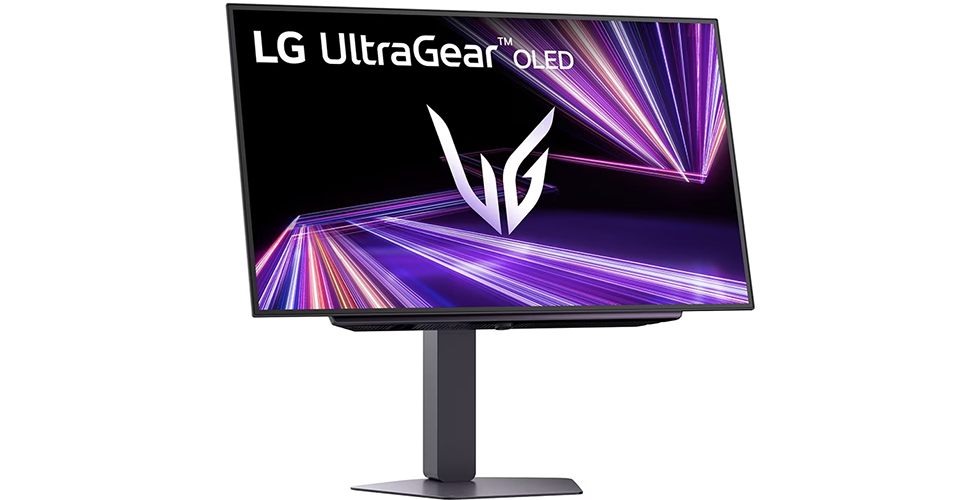
ASUS has launched the VG32VQM5B, a 31.5-inch curved gaming monitor, now available on JD.com for 1,299 yuan (US$180). It features a 1500R curvature and a 1920×1080 resolution VA panel with support for up to 250Hz overclocked refresh rate and 0.5ms GtG response time. The panel delivers a 3000:1 contrast ratio, 330 nits brightness, and covers 120 percent of the sRGB color gamut.
The monitor supports ELMB-Sync, which allows Extreme Low Motion Blur and Adaptive-Sync to run at the same time, reducing motion blur and screen tearing. It also includes variable overdrive that dynamically adjusts based on the frame rate, and is compatible with AMD FreeSync Premium and VESA AdaptiveSync standards for stable and low-latency visuals.
The VG32VQM5B supports DisplayHDR 400 and multiple HDR modes to improve color accuracy and contrast. It includes built-in 2-watt dual speakers and provides ergonomic adjustment options for tilt, swivel, and height. It also supports VESA wall mounting with a 100 by 100 millimeter layout.
For connectivity, the monitor offers two HDMI 2.0 ports, one DisplayPort 1.2, and a 3.5mm audio out. It weighs 6.8 kilograms and comes with a 3-year warranty.
In other news, AGON by AOC has announced the AGON PRO CS24A, a 24.1-inch gaming monitor designed with Counter-Strike 2. It features CS2 branding, a 600Hz refresh rate (610Hz overclocked), and ultra-fast 0.5 ms GtG and 0.3 ms MPRT response times. The CS Mode optimizes visuals for better clarity in matches using MBR+ dual backlight strobing. The monitor offers 99.8% sRGB and 93.6% DCI-P3 color coverage, DisplayHDR 400 certification, Adaptive-Sync, FreeSync Premium, and G-SYNC compatibility.
For more daily updates, please visit ourNews Section.
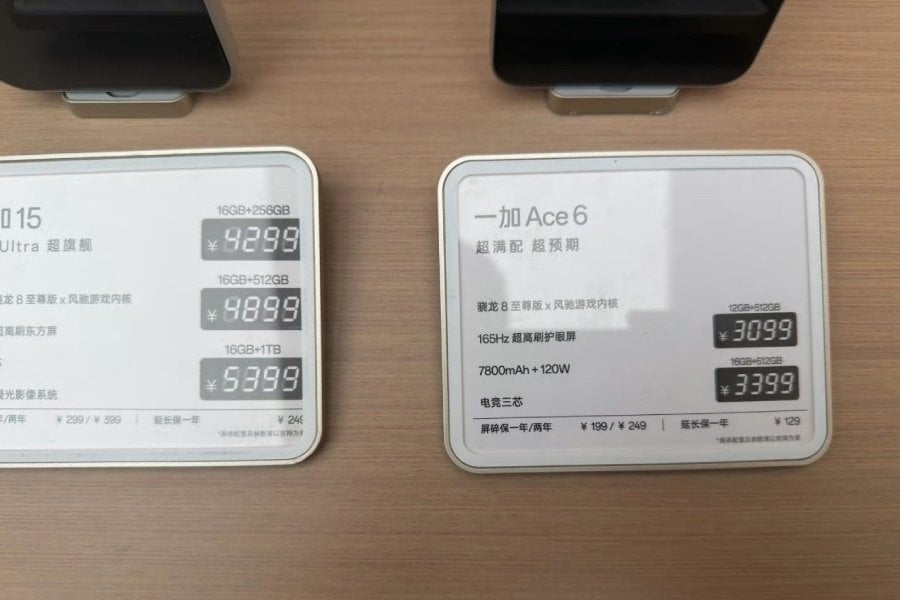
A fresh leak has revealed impressive specs on a next gen budget flagship from OnePlus. The OnePlus 15R could be bringing a series of upgrades over its predecessors, which could make it one of the best phones in its segment. These rumored upgrades includes a faster chip, massive battery, better durability, and more. So let’s check it out.
OnePlus 15R/Ace 6 Leak: Flagship Specs on a Budget?
The news arrives from tipster Gadgetsdata. This tweet claims that the OnePlus 15R, which could debut in China as the Ace 6, will feature notable hardware upgrades. On the front, it may sport a flat OLED display panel with a 1.5K resolution and a 165Hz refresh rate. In other words, the Chinese brand could market it as a gaming smartphone. This is further backed by the process under the hood, rumored to be a Snapdragon 8 Elite. The chip is Qualcomm’s current flagship processor that powers top end Android flagships like the OnePlus 13.
OnePlus 13R
The OnePlus 13R debuted with an impressive 6,000mAh battery pack, but its successor could pack an even larger 7,000mAh cell. We can also expect fast charging support like 80W or higher. For optics, the rear will have a main camera with an ultra wide angle lens and a telephoto shooter similar to its predecessor. Although the camera sensors might get some upgrades as well. Another notable improvement is the ultrasonic fingerprint scanner, which is faster and more accurate than the optical sensor on the 13R.
The tipster claims that the design will retain the metal frame; however, it will get better protection against the elements with an IP68 + IP69 rating. In comparison, the OnePlus 13R only has an IP65 rating. Considering these upgrades, OnePlus will likely hike the price on the new OnePlus 15R, which might be a rebranded OnePlus Ace 6.
For more daily updates, please visit our News Section.
We use cookies on our website to give you the most relevant experience by remembering your preferences and repeat visits. By clicking “Accept”, you consent to the use of ALL the cookies.
This website uses cookies to improve your experience while you navigate through the website. Out of these, the cookies that are categorized as necessary are stored on your browser as they are essential for the working of basic functionalities of the website. We also use third-party cookies that help us analyze and understand how you use this website. These cookies will be stored in your browser only with your consent. You also have the option to opt-out of these cookies. But opting out of some of these cookies may affect your browsing experience.
Necessary cookies are absolutely essential for the website to function properly. This category only includes cookies that ensures basic functionalities and security features of the website. These cookies do not store any personal information.
Any cookies that may not be particularly necessary for the website to function and is used specifically to collect user personal data via analytics, ads, other embedded contents are termed as non-necessary cookies. It is mandatory to procure user consent prior to running these cookies on your website.