Just a few days ago, OnePlus’ CEO, Pete Lau, revealed details about the OnePlus TV in an interview with Business Insider. However, he kept a tight lip on the screen size. Thanks to a teaser by a OnePlus executive, we now know what the screen size of the smart TV is.
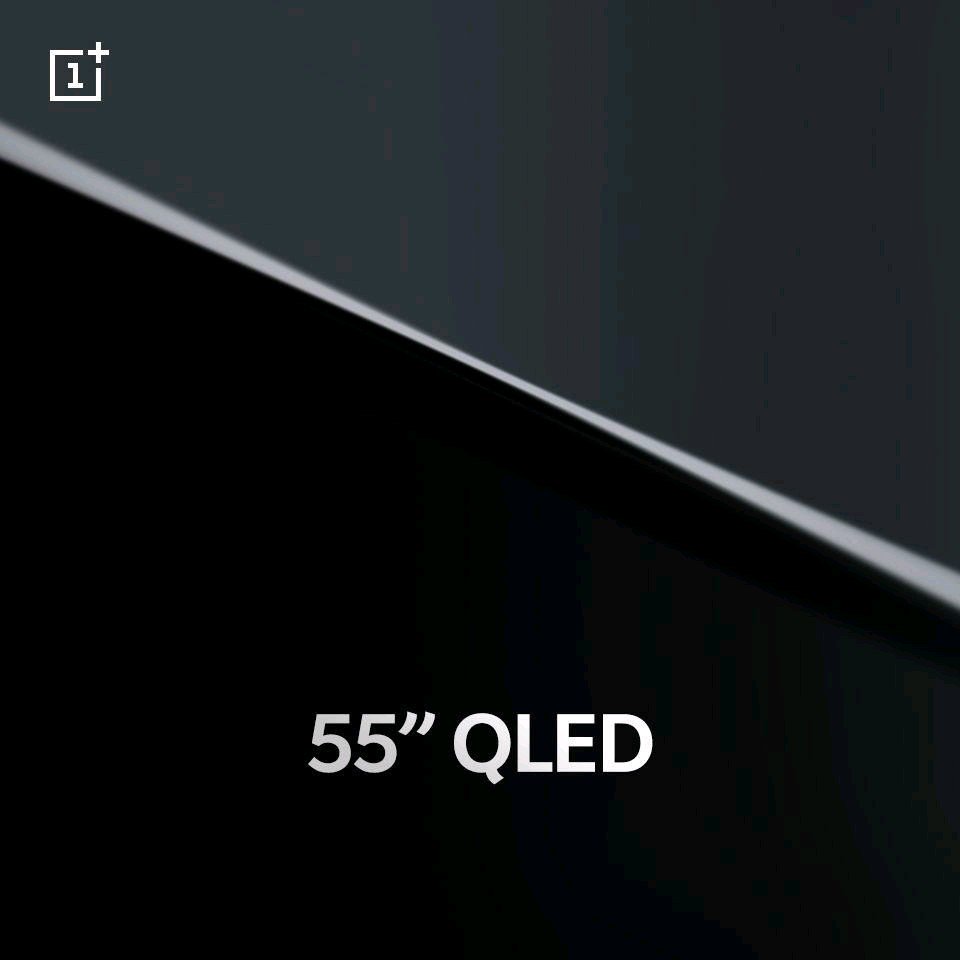
Akis Evangelidis is the vice president of OnePlus France. Yesterday, he shared a photo on his Twitter account that revealed the OnePlus TV will have a 55-inch QLED display.
Pete Lau already revealed that they used Quantum-Dot LED panels instead of OLED as the latter is expensive and the price difference doesn’t match the quality difference.
Now that we know the size of the TV, this should help those who are considering purchasing the TV when it launches further cement their decision or change their minds. More sizes should launch in the future as the Bluetooth SIG listing reveals several models with different screen sizes. There will also be 43-inch, 65-inch, and 75-inch versions. Based on the model numbers, the 75-inch models will not be sold in India but will be available in China and the US.
The OnePlus TV will be powered by a custom version of Android TV that has been optimized for the best user experience. The TV will also integrate seamlessly with the smartphone allowing owners to use the phone for input on the TV.
The OnePlus TV launches in September in India before its announcement in China, Europe, and the US. OnePlus says it won’t be cheap as the TV is a premium product and will have a price tag that shows that.
Before we dive into the release schedule, it is fair to mention that HMD Global has done a good job with respect to updating its devices and we wish several other manufacturers will emulate them.
After being the fastest to upgrade Nokia phones from N to O and O to P, I am super excited to share with you that the Q(ueue) for Nokia phones is moving fast as we get ready to welcome Android 10 on Nokia smartphones – roll out starts in Q4, 2019! #Nokiamobile#android10pic.twitter.com/qXM4ZXAPBo
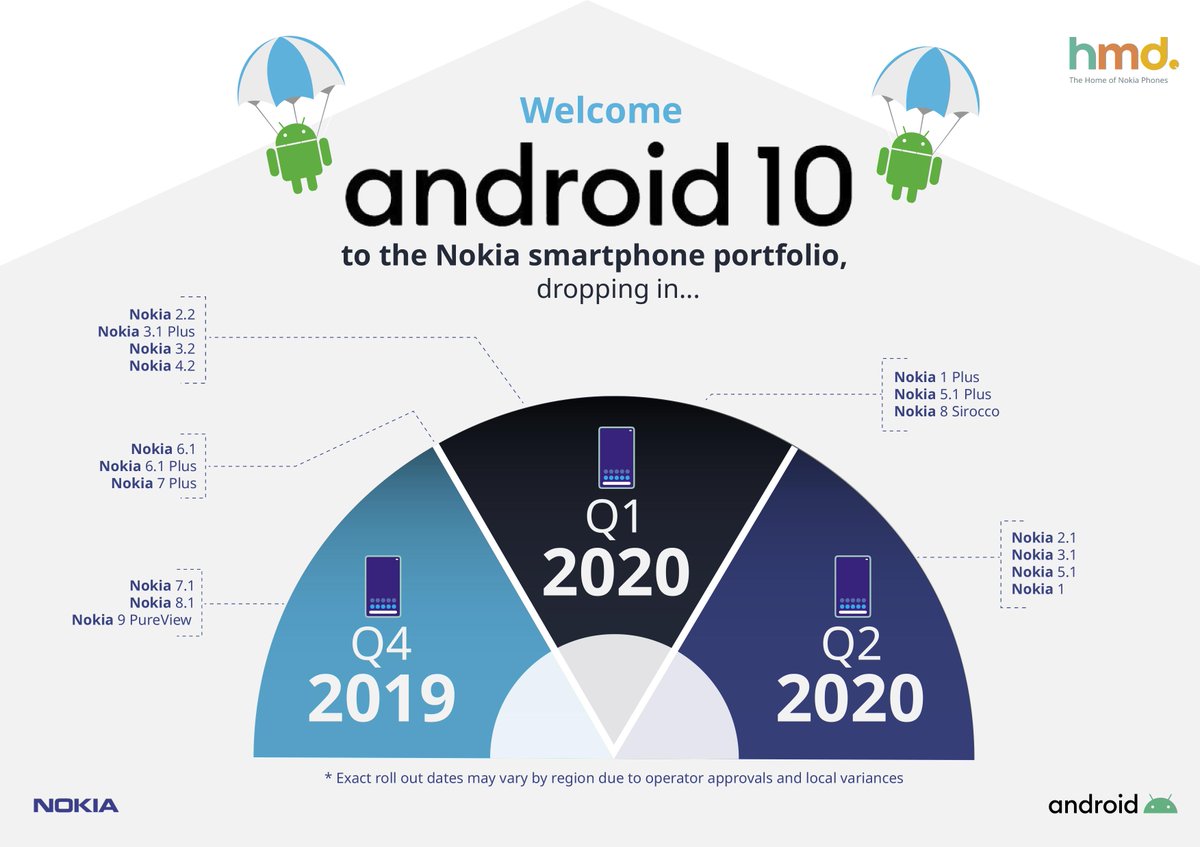
The Finnish manufacturer will begin rolling out Android 10 (Android Q) to its smartphones this year. Beginning next quarter (Q4 2019), the Nokia 7.1, Nokia 8.1, and Nokia 9 PureView will be the first to receive the update to Android 10.
The update train will then move to the Nokia 6.1, Nokia 6.1 Plus, and the Nokia 7 Plus between Q4 2019 and Q1 2020.
In the first quarter of 2020, Android 10 will be made available for the Nokia 2.2, Nokia 3.1 Plus, Nokia 3.2, and Nokia 4.2. Later the same quarter, the Nokia 1 Plus which runs Android 9 Pie Go Edition, the Nokia 5.1 Plus, and the Nokia 8 Sirocco will also receive Android 10.
The last set of phones which includes the Nokia 2.1, the Nokia 3.1, the Nokia 5.1, and the Nokia 1 which launched with Android 8.1 Oreo Go Edition will be updated to Android 10 (Go Edition) in the second quarter of 2020.
None of the first-gen Nokia phones released in 2017 will be getting updated to Android 10 which explains why the flagship Nokia 8 is missing from the list. Nevertheless, it is sad that HMD Global won’t be updating the flagship to Android 10.
Based on this update schedule, future Nokia smartphones launching henceforth should run Android 10 out of the box. We are not sure about the Nokia 7.2 and Nokia 6.2 which both appeared on Geekbench with Android 9 Pie but we believe they may actually launch with Android Q or get the update right after they go on sale.
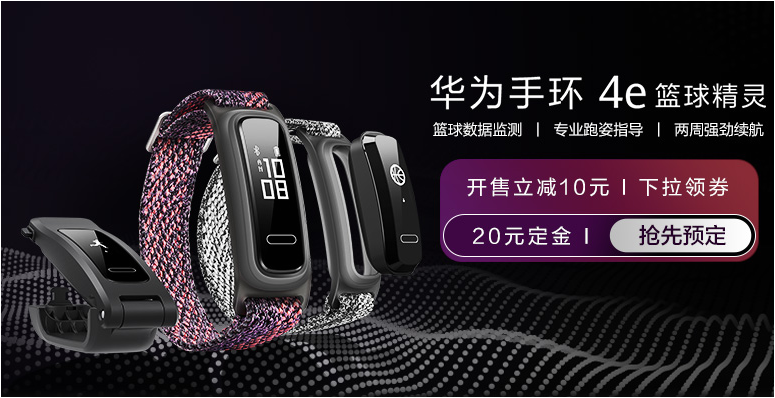
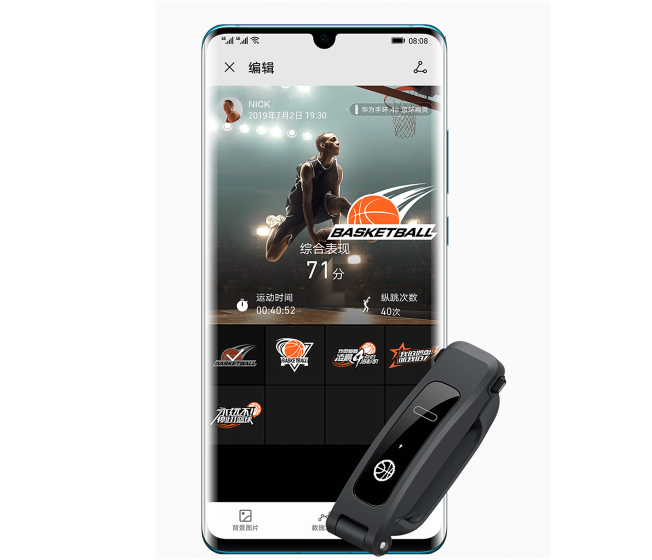
Huawei had announced the Huawei Band 4e Basketball Wizard edition August 10 at the Huawei Developer’s Conference. The new Basketball Wizard edition has as its distinguishing feature, a basketball mode specially designed for basketball and sports enthusiasts. Aside from this new basketball mode and a few tweaks, the Band 4e is similar to the Band 3e that was launched last year.
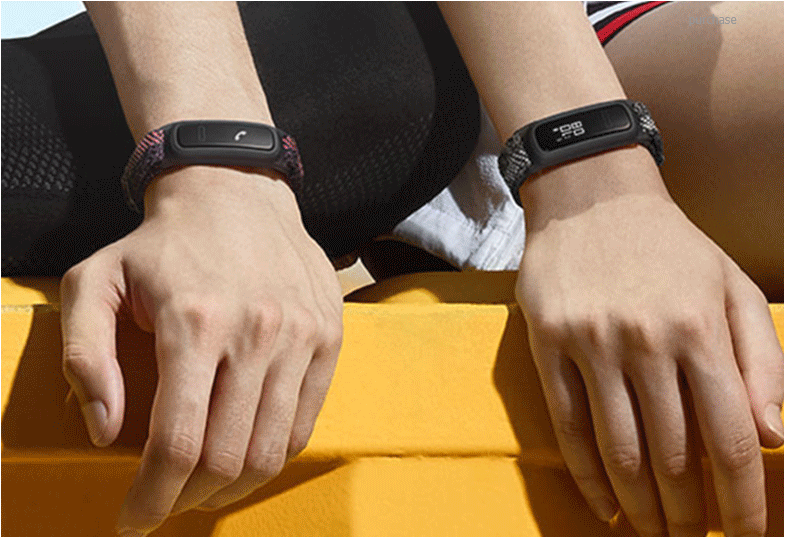
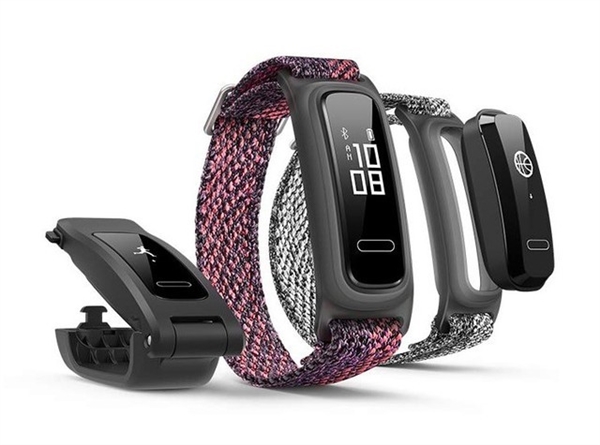
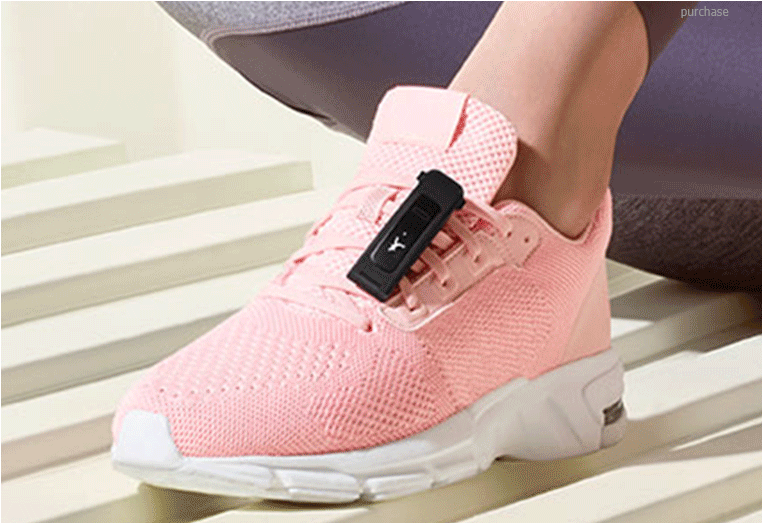
The Huawei Band 4e is focused on sports especially running. The design is similar to the Band 3e and they also share similar features. The band comes with an attractive polyamide color mix strap. There is also a case for attaching the watch to your running shoes for more accurate step tracking. When worn on the wrist, apart from tracking the daily activities and sleep tracking, it also has a variety of reminder functions such as message, incoming call, alarm clock as well as other smart assistant functions including “Find my phone”.
The Band 4e also has 7-data monitoring and analysis features that come to play when strapped to a running shoe. They are ground-contact time, eversion excursion, cadence, step length, swing angle, landing impact, and foot strike placement. All these data are monitored by the fitness tracker and help you to become better at running.
The running position monitoring function and the new “Basketball Data Monitoring” function can be turned on in the shoe mode. The new “Basketball Data Monitoring” function can accurately monitor basketball data, and record data such as vertical jump, flight time, maximum sprint speed, and bounce number, in sync with advanced AI algorithm of Huawei Sports Health app.
The band scientifically and accurately record the individual’s performance on the basketball court, not only allowing the player to set targets during training and improve the indicators of weakness, but also to avoid the risk of strain in high-intensity exercise.
In terms of battery life, Huawei Band 4e Basketball Wizard Edition can be used for 14 days with a single charge. It has a maximum standby time of up to 21 days. The band also comes with 5ATM (50m) waterproof support which means it can be worn in the rain or while swimming.
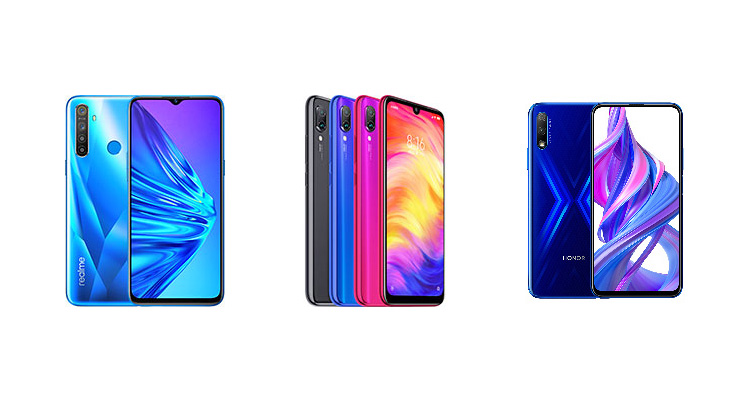
In the last years, there are sub-brands which are selling even more than their mother companies. Just look at Honor which carried Huawei’s sales for years and Redmi which is continuously launching best-sellers every year. Recently, a new best-selling sub-brand is born: it is called Realme and it is an Oppo’s brand. Realme 5 debuted a few days ago with an incredibly high value for money and it seems definitely the best rival for some of the latest Redmi and Honor phones. Here, we compared it with the best-selling Redmi Note 7 and with the new Honor 9X which represent two of the most balanced smartphones under every point of view, among value for money phones. They all represent amazing choices under €200 for most people, and here you will learn which one has more potentialities.
Quad 12 + 8 + 2 + 2 MP f/1.8, f/2.2, f/2.4 and f/2.4
13 MP f/2.0 front camera
Dual 48 + 5 MP f/1.8 and f/2.4
13 MP front camera
Dual 48 + 2 MP f/1.8 and f/2.4
16 MP f/2.2 front camera
BATTERY
5000 mAh, fast charging 10W
4000 mAh, fast charging
4000 mAh, fast charging 10W
ADDITIONAL FEATURES
Dual SIM slot
Hybrid Dual SIM slot
Hybrid Dual SIM slot
Design
The pop-up camera and the notch-less display make the Honor 9X a much more futuristic and attractive smartphone. And if you add the suggestive light effects varying on light reflection, you get an even more amazing design. It even has a side-mounted fingerprint reader so that the rear cover looks cleaner. But there is one thing in which the Honor 9X is inferior when it comes to aesthetics: the build quality. Honor 9X sports a traditional polycarbonate design, unlike the Redmi Note 7 which comes with a glass back. But in this case, the screen-to-body ratio is higher and there is even a waterdrop notch. What do you prefer: a more futuristic design or better materials?
Display
Despite it has a wide 6.5-inch screen, Realme 5 loses this comparison due to a lower display resolution. It has just an HD panel, while its rivals are both Full HD+. If I had to choose between Redmi Note 7 and Honor 9X, I would go for the latter simply because it has a bigger display and it is notch-less. But the quality is very similar, so there is not a real better device here. Both are IPS panels and they come with the same 1080p resolution.
Specs & Software
For the first time, a Kirin chipset by Huawei dominates over Snapdragon 6xx chipsets by Qualcomm. The Kirin 810 found on the Honor 9X is built at 7 nm just like flagship chipsets and it provides blazing speeds and very low energy consumption. Further, the Honor 9X also provides the highest-end memory configuration with up to 6 GB of RAM and up to 128 GB of internal storage which you can furtherly expand with a micro SD. At the second place, you can find the Realme 5 as it is powered by a slightly better chipset than the Redmi Note 7, but note that it does not exist in a configuration with 6 GB of RAM, unlike the Redmi Note 7. In each case, you get a customized Android fork: Color OS, MIUI, and EMUI.
Camera
None of these handsets is a camera phone, but they have more than sufficient camera performances. When it comes to rear sensors, Redmi Note 7 wins the comparison for a low margin, if we only talk about overall photo quality in normal conditions. But Realme 5 has two additional sensors (quad camera) including an ultrawide lens and a dedicated macro camera, so it is way more versatile. And we think it is more important for a mid-ranger.
Battery
The huge 5000 mAh battery and the efficient 6.5-inch display make the Realme 5 the battery king in this trio. It is able to last two days on a single charge even with the most stressed usage pattern.
Price
€180/$200 for Redmi Note 7 and Honor 9X, €125/$138 (in India) for Realme 5. Overall, I would choose the Honor 9X for its wider display, better look, and nice hardware. But Realme 5 is the best for people seeking for the most versatile camera and the longest battery life.
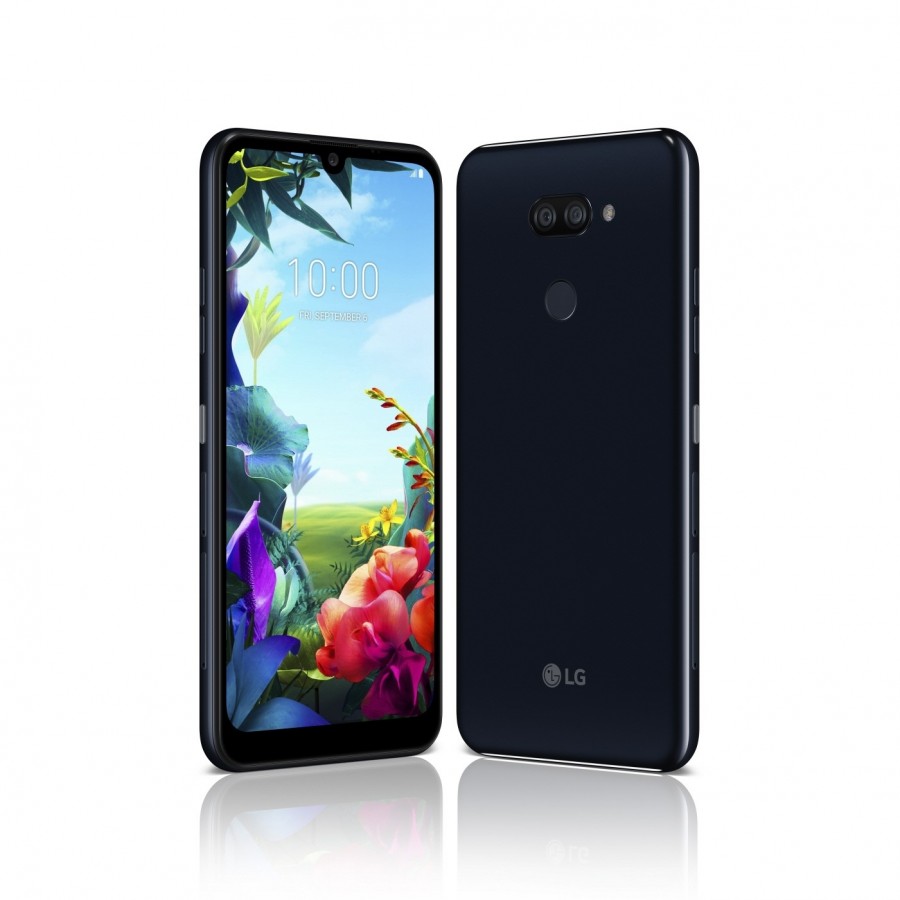
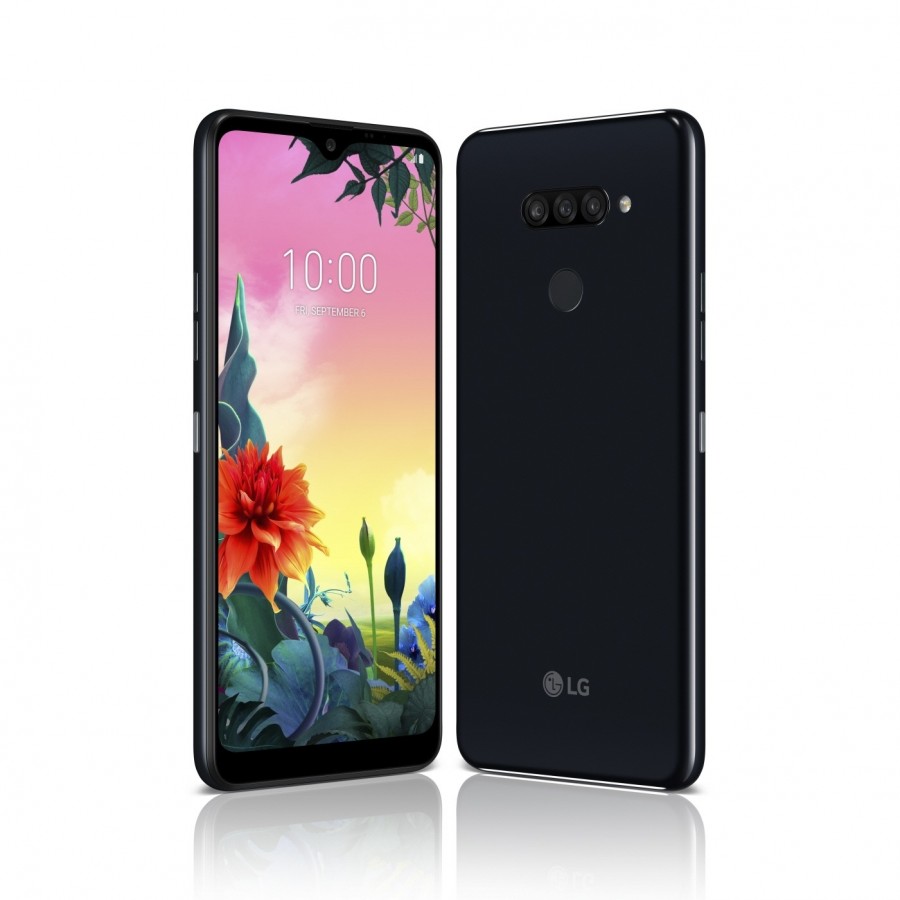
LG is about to reveal the mid-range K40s and the K50s smartphones at the IFA conference in Berlin, Germany this September. The South Korean tech giant recently shared the full specifications of both devices along with a few images ahead of the trade show.
LG K40s Specifications and Features
The LG K40s is equipped with a 6.1-inch FullVision IPS LCD display with a waterdrop notch housing the front camera. The device measures 156.3 x 73.9 x 8.6mm. It is built on an MIL-STD 810 grade frame, which guarantees protection against accidental drops and makes the device resistant to extreme weather conditions.
The smartphone is powered by a 2.0 GHz processor with 2GB and 3GB of RAM and 32GB of internal storage. The device also gets an external storage through a microSD card. The K40s features a dual camera setup at the rear, including a 13-megapixel PDAF-assisted primary sensor, along with a 5-megapixel ultra wide lens. The device draws power from a 3,500 mAh battery.
The LG K50s is a higher-spec relative of the K40s and shares the same MIL-STD 810 grade chassis. The device measures 165.8 x 77.5 x 8.2mm and features a 6.5-inch HD+ IPS LCD FullVision display with an aspect ratio of 19.5:9. The smartphone is powered by a 2.0GHz Octa-Core processor with 3GB of RAM and 32GB of internal storage. It has a triple camera setup at the rear consisting of a 13-megapixel sensor with PDAF, a 5-megapixel ultra wide lens and a 2-megapixel depth sensor. The K50s draws power from a 4,000 mAh battery.
Both the K40s and the K50s run on Android 9.0 Pie. The K-series duo feature a rear-mounted fingerprint scanner, a dedicated Google Assistant button, AI Cam and DTX 3D Surround Sound. Both smartphones also share the same color options, namely Moroccan Blue and New Aurora Black. Although there is no official confirmation on the pricing and launch date, LG confirmed that smartphones will be available in Asia, Europe and Latin America by October 2019.
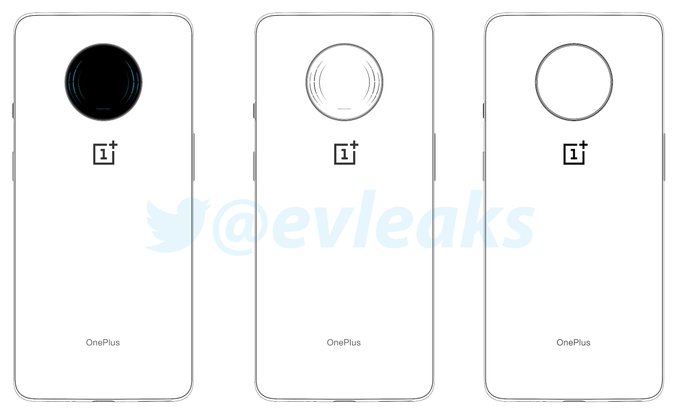
Since the release of the OnePlus 3T in November 2016, OnePlus has in subsequent years released a slightly upgraded variant of its flagship bearing the “T” suffix. From the OnePlus 5T right to the OnePlus 6T, the models have all lived up to expectations and usually reignite sales of the brand’s flagship models. The OnePlus 7 isn’t likely going to be an exception as the renders of what is touted to be the OnePlus 7T has emerged online.
OnePlus 7T renders. Credit: Evan Bass
The renders which were leaked by the renowned tipster Evan Bass, avail us the opportunity to have a look at the rear design. What is interesting about the rear design is the round camera module in the middle. However, there is no indication as to the number of sensors that would be onboard or how they will be arranged. It doesn’t even have any feature that points to it being a camera module except that it is located where the rear camera is supposed to sit. What we can promise you is that the design is going to be a spectacular one, OnePlus style.
Also worthy of note is that the design looks similar to the leaked image of a OnePlus model leaked by teenage tipster Ishan Agarwal back in December 2018. The image showed the device in prototype/designing stage with a similar circular rear camera module. However, there were rumours that the design ever left the prototype stage. But right now, @evleaks tips this to be the design of the OnePlus 7T. We’ll have to wait for more details to emerge. Meanwhile, the OnePlus 7T is rumoured to get an early September 26 launch date. That may not be correct but going by precedence, the device is expected to drop in October or November this year.
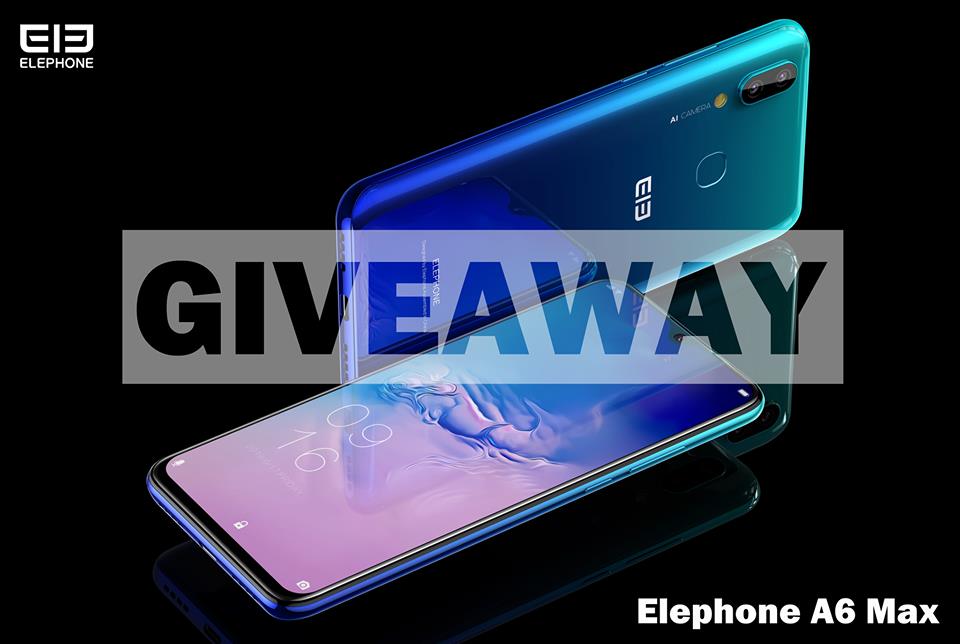
After various successful giveaways in the past, we are here with another Android smartphone giveaway. This time we have partnered with a famous Chinese smartphone manufacturer – Elephone for a single unit Elephone A6 Max giveaway. The interested users can enter the giveaway until August 31st.
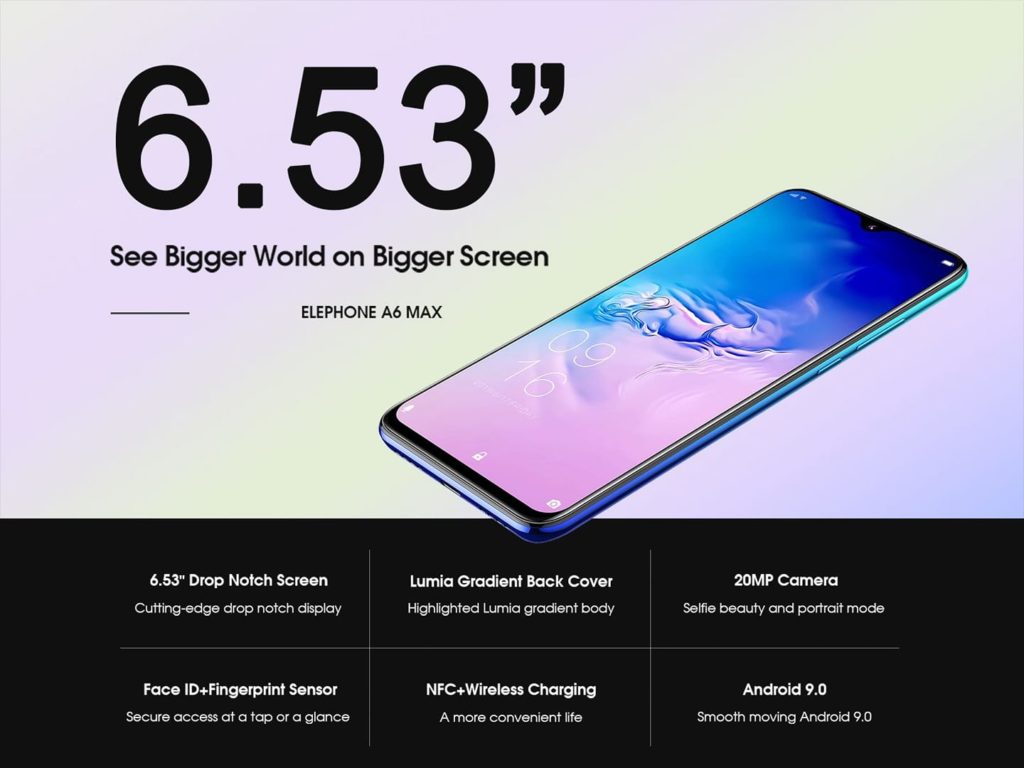
The beautiful Elephone A6 Max hosts a 6.53-inch drop notch display having 19.5:9 aspect ratio and 720×1560 pixels resolution. Its 90.3% screen-to-body ratio provides an immersive viewing experience to watch movies play games. It is powered with an Octa-core processor bundled with 4GB RAM and 64 GB internal storage. Upon need, users can also expand the external storage up to 256 GB via a microSD card.
In the camera section, the Elephone A6 Max carries a dual rear camera module featuring a 20MP primary camera and a 2MP secondary camera. On the front, there’s a 20 MP camera for selfies and video calling. The front camera supports inbuilt AI portrait mode, which can easily differentiate facial characteristics for a better selfie. It also sports an HDR+ mode for better details and ArcSoft AI to beautify the selfie.
The phone bears multifunction NFC for contactless payments and effortless bus cards. To match the ongoing trend and to facilitate the users, the Elephone A6 Max supports wireless charging. Other features such as Face ID and Fingerprint Sensor helps to simplify the authentication process. It runs on smarter, faster, and more secured Android 9.0 Pie. Learn more about the Elephone A6 Max by visiting the official website here.
Enter Elephone A6 Max Giveaway
The Giveaway for Elephone A6 Max is still going on, and to enter it follow the details below.
Enter all the details, including the full name and email address.
Click the “Continue” button and answer a few questions.
Earn more points by sharing and performing other activities. Remember, more the points better are the chances to win.
Terms & Conditions:
1. The giveaway is international. 2. We are not responsible for lost shipments. 3. We are not responsible for any duties, import taxes that you may incur. 4. We reserve all rights to make any changes to this giveaway. 5. The prize will be shipped in a month when the giveaway ends.
Be fair and follow all the instructions carefully to participate in the giveaway.
Back in 2011, Blackberry was a texter’s dream. But when it came to texting on Android, you hardly had any decent options. HTC decided to change that by introducing a very unique device in its time, the HTC ChaCha.
Today, let’s revisit the device that’s nearly a decade old, but still shines because of its beautiful design. Well, at least for a few, the HTC ChaCha was a beautiful phone, which isn’t surprising given HTC’s reputation back in its day!
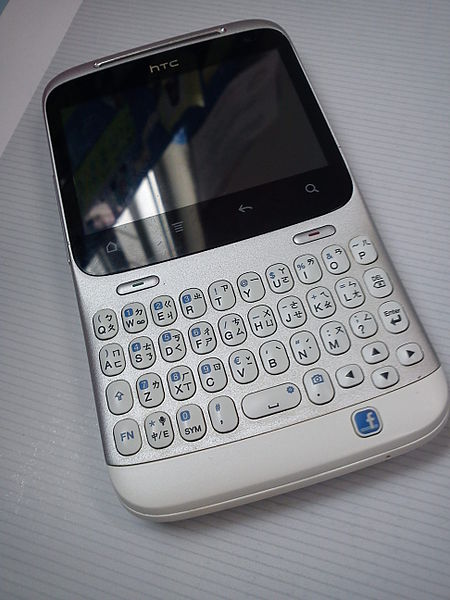
The HTC ChaCha was special not just because of its full-sized QWERTY keyboard or even its silver and white design. It was unique also because it came with a dedicated Facebook button. Basically, HTC decided to go Cha Cha Cha with Facebook in 2011 because the social media platform was booming back then and it was quite popular for all the good reasons, unlike today!
The FB button was more than a gimmick. It worked contextually and it could basically share anything from a recently clicked photo or a song that you were listening to, directly to Facebook. There was even a special FB chat widget integrated inside the Sense UI. In short, it was a Facebook addict’s dream!
source: Wikipedia
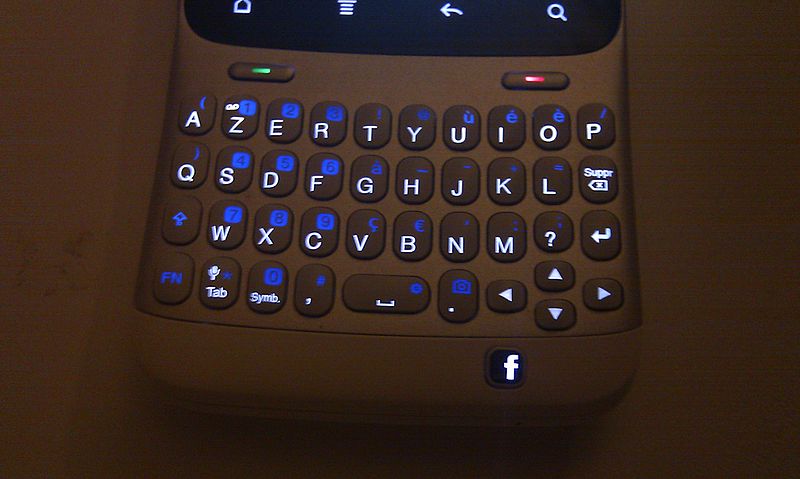
HTC ChaCha’s Facebook integration wasn’t subtle. Even some of the buttons on the keyboard had the iconic FB blue color. But overall, HTC ChaCha’s design stood out, and in a really good way. The phone featured a beautiful aluminum unibody design with a white and silver dual-tone color scheme. Also, it was slightly curved which meant the keyboard leaned towards you, aiding in your typing experience.
The ChaCha brought together a touch screen display and a full-sized QWERTY keyboard. Of course, in order to accommodate the QWERTY keyboard without making the device abnormally long, HTC added a small sized 2.6-inch display in landscape orientation. It looks weird at first but the Taiwanese smartphone maker did tweak its Sense UI to cater to the new orientation. Despite its efforts, which honestly was pretty commendable, the 2.6-inch display was simply too cramped. Traditional Android OS isn’t really built to cater to tiny screens and that fact was highlighted by ChaCha’s screen. There were 4 capacitive buttons on board as well, which ate up more of the space that should have been allocated to the display.
What ChaCha sacrificed in its display experience, it made up with its QWERTY keyboard. The texting experience may not have been as great as a Blackberry, but for Android, it was pretty good. There was the Snapdragon S1 800MHz processor, 512MB RAM, as well as 512MB storage which was expandable. Given HTC ChaCha’s placement as a mid-ranger, these specs were pretty good. Android Gingerbread with Sense UI 2.1 on top ran pretty smoothly.
The HTC ChaCha came with a 5MP camera at the back with a single LED flash. There was a front-facing VGA camera as well, but not quite suited for selfies. It actually existed for video calls.
You got all this for a price tag of $300, which for its time was pretty good!
source: Wikipedia
The HTC ChaCha might not have been a best seller but it forms a unique part of HTC’s journey when it was at its peak. The company seemed to do everything right back then.
How many of you remember the ChaCha? Did you ever manage to get your hands on it?
Check out some of our previous Throwback Tech Thursday articles below!
Unlike traditional wristwatches that merely measured the passage of time, newfangled smartwatches are crammed with awe-inspiring features.
Aside from telling the time, smartwatches offer an impressive array of other functions that help you lead a healthier lifestyle and keep a track of your activities. On the downside, these feature-rich smartwatches aren’t easy on the pocketbook.
If you are in the market for an inexpensive smartwatch that doesn’t compromise on quality, we got your back! Here are the top six best smartwatches that you can buy without burning a hole in your pocket.
Lenovo E1 Smartwatch
Known for offering China’s best electronic items at unbeatable prices, Gearbest recently launched the Lenovo E1 Smartwatch Flash Sale. As part of this recently kicked-off promo, the Chinese online store is not only offering the Lenovo E1 for a reduced price but is also giving you a chance to get a gift.
While the coveted Lenovo E1 would normally set you back $49.99 on both online, as well as offline stores, you can now buy it for a lowered price of just $39.99 from Gearbest. This 20 percent discount is valid for the green, as well as the black color versions. On top of that, first 500 lucky buyers will get a free wristband.
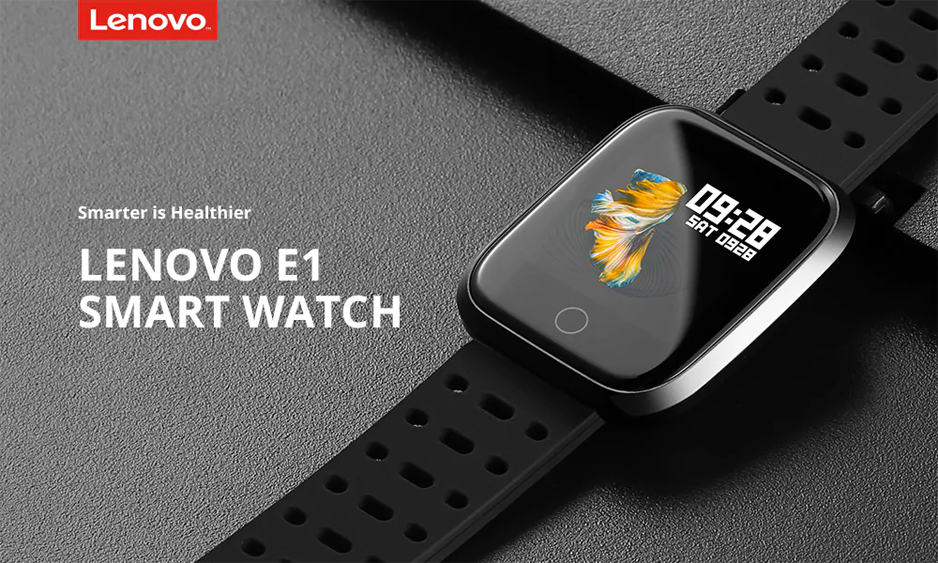
Exclusively designed for sports enthusiasts, the Lenovo E1 adopts a single-hand control design which ensures the watch stays firmly on your wrist even when you are exercising. Its super soft silicone strap offers a comfortable wearing experience for a longer duration.
You can head straight to this link to check out more details about the Lenovo E1 smartwatch and place your order. With over a hundred pieces already sold, the promo is slated to end in twenty-eight days.
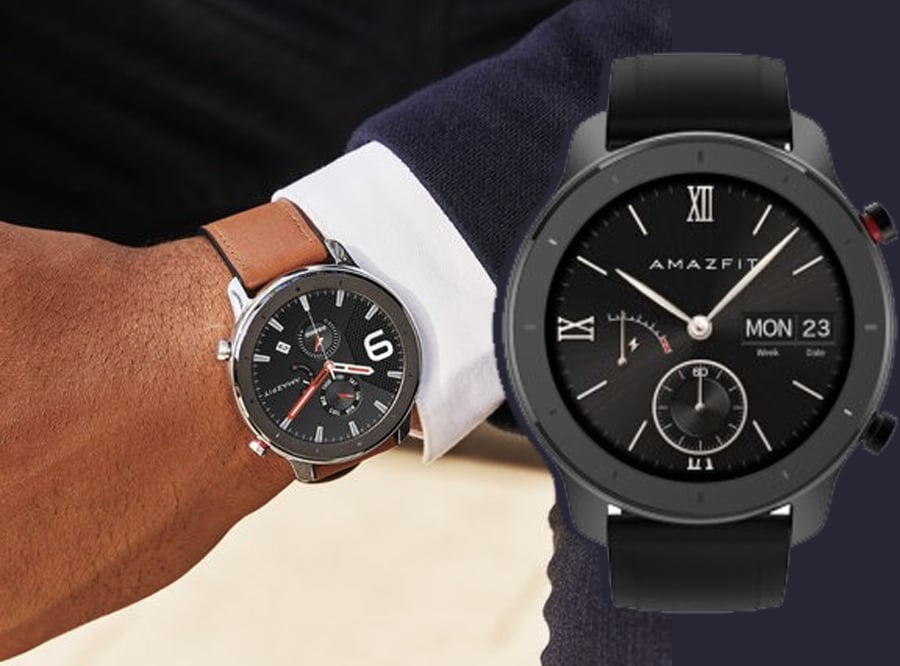
Sporting a classic look of the traditional watch, the AMAZFIT GTR smartwatch is a great choice for sports and business use. It is backed by a robust battery for an ultra-long battery life, which lasts up to 24 days for normal use.
Aside from featuring more than 100 watch faces, the AMAZFIT GTR smartwatch comes with twelve sports modes to monitor your overall health. While these features completely justify the steep $180.67 price tag, the watch normally carries; you can buy it for just $149.99 from Gearbest.
This is a noteworthy 17 percent reduction in the device’s original asking price. With a whopping 12421 pieces already sold at the time of writing, this promo will come to an end in just eight days so follow this link and place your order without wasting time.
The AMAZFIT GTR 42mm smartwatch comes with a wide range of built-in watch faces that suit your fancy. It features a quick-release strap which is made using fluorubber, leather + silicone, making the watch sweat proof and giving it a premium look.
While you’d normally need to shell out $168.85 on the AMAZFIT GTR 42mm Smart Watch, Gearbest is giving its loyal users a chance to buy this feature-laden smartwatch for a reduced price of just $139.99. Moreover, you get an extra $10 if your cart value exceeds $100.
In other words, you can buy the AMAZFIT GTR 42mm Smart Watch for just $129.99. Available in multiple eye-catching color options, the smartwatch will be carrying this heavily-discounted price tag for just nine days. You can visit this link to avail the discount before the promo ends.
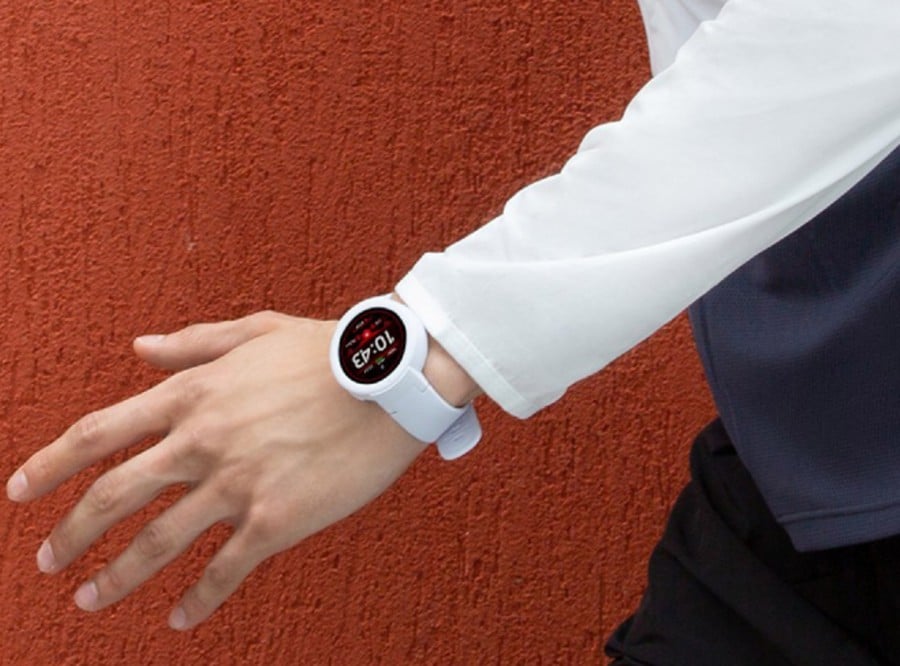
GeekBuying is currently doling out a noteworthy 42 percent off on the AMAZFIT Verge 3 smartwatch, which usually carries a $239.99 price tag. As a result, you can now get your tech greedy hands on the smartwatch for a lowered price of only $139.99.
As if that weren’t enough, you can even extend this discount with the help of coupon code 3LZS6C8R. The coupon helps you save $10 more by reducing the original asking price of the watch to only $129.99 at the time of check out.
An absolute steal at this price, the AMAZFIT Verge 3 smartwatch comes with Amazon Alexa built-in, allowing you to access flash briefings, ask questions, get reminders and get a slew of other notifications right on your wrist.
You can choose between dark gray, blue and white color options. Regrettably, the promo is slated to end soon. You can follow this link to ensure you do not end up missing this great discount.
The Huami Amazfit Verge Lite normally retails for $100.99, but GearVita is offering it for a lowered price of $81.99. This is a significant 19 percent drop in the watch’s original selling price.
You can get an extra $6 off by applying coupon code ROVergeLite during the checkout process. In other words, you can buy the Amazfit Verge Lite smartwatch for a lowered price of just $75.99 by applying the above-mentioned coupon at checkout.
The irresistible smartwatch sports an easy-to-read 1.3-inch screen with a high resolution of 300×300 pixels. It supports Bluetooth 4.0 for stable and faster connectivity and is compatible with phones running on Android 4.4 / iOS 9.0 or above.
You can avail the discount on the Huami Amazfit Verge Lite smartwatch and take advantage of the coupon, which will lapse soon by following this link.
Staying true to its reputation for offering the best bang for your buck, Banggood is offering the BlitzWolf BW-HL1 smartwatch for a lowered price of just $16.99. It is worth mentioning here that the watch usually sells for $49.99.
This noteworthy 66 percent discount will be valid for the first 500 pieces only, while the remaining 1000 pieces will go up for pre-order bearing a $19.99 price tag. The rest of the 1500 pieces will be available for $29.99.
Moreover, those who spend more than $19.99 will qualify for free shipping. Equipped with eight sports modes, the BlitzWolf BW-HL1 can efficiently track your daily activities such as walking, running, cycling, etc.
The watch allows you to check app messages and SMS in multiple languages. Moreover, it reminds you of missed calls and notifications through vibrations on your wrist.
You can visit this link to check out the full specifications of the BlitzWolf BW-HL1 smartwatch and grab the discount, which will be valid only on the black color version of the watch.
Since 2008, Android has seen numerous updates which have incrementally improved the operating system, adding new features and fixing bugs in previous releases. Each major release is named in alphabetical order after a dessert or sugary treat, with the first few Android versions being called “Cupcake”, “Donut”, “Eclair”, and “Froyo”, in that order. In fact, trolling the expected codenames was a surprise but usually interesting past time for tech enthusiasts. But that won’t be happening any more as Google has finally laid to rest the codenaming of its next-gen operating system after desserts. Instead, the upcoming version of the Android OS which had logically been called Android Q will just be known as Android 10.
Android 10 is due to be released this fall and ahead of the official rollout, the company has announced that it will be called Android 10 while next year’s version will be Android 11 and so on. During the announcement of Android KitKat in 2013, Google explained that “Since these devices make our lives so sweet, each Android version is named after a dessert”. However, the company’s vice president of product management for Android and Play, Sameer Samat had earlier this year hinted that the company was super excited about the desserts but at the same time, Q was a hard letter to assign a dessert. Apparently, the company could not find a suitable name and in a bid to avoid such logjam in the future, they have decided to stick with naming subsequent OS versions in numerical order.
In addition to the new name, Google also unveiled an updated logo for Android. Aude Gandon, global brand director for Android describes the new logo as having a “more modern” wordmark. The change is basically in the font of the text but importantly, the logo still includes the little green robot. “The robot is what makes Android special. It makes it human, fun, and approachable,” Gandon says.
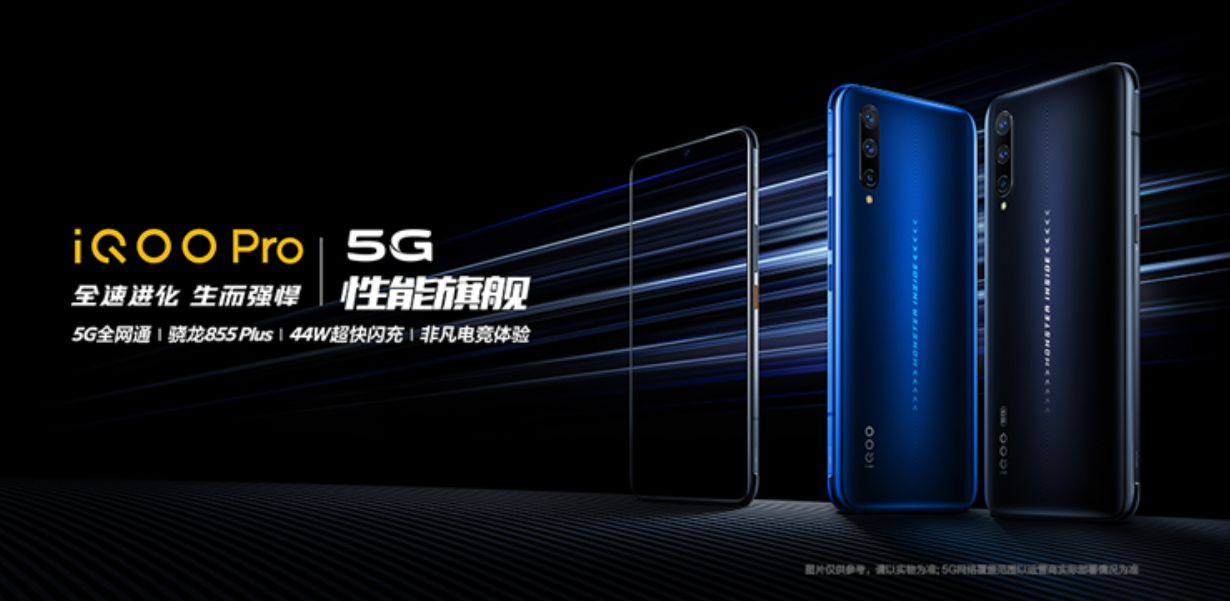
The iQOO Pro is official and rather than one device, Vivo has announced two phones. There is the iQOO Pro with 5G support and there is the iQOO Pro with 4G LTE.
The iQOO Pro has a 6.41-inch Super AMOLED display just like the original Vivo iQOO. There is an in-display fingerprint scanner but with double the scanning area and improved accuracy.
The iQOO Pro is powered by the 7nm Snapdragon 855 Plus clocked at 2.6GHz with up to 12GB of RAM and 256GB of UFS 3.0 storage.
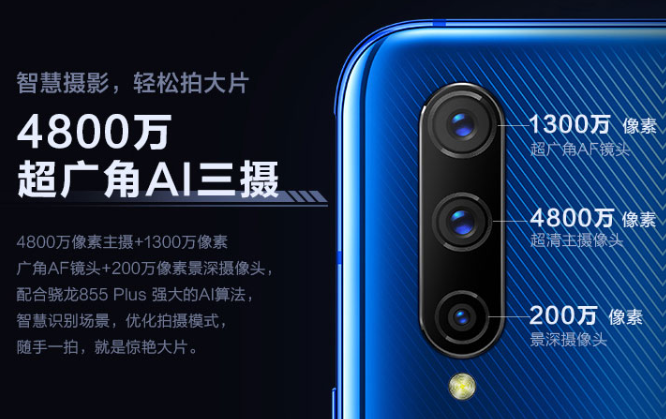
There is a Sony IMX582 48MP primary camera on the back along with a 13MP 120° ultrawide angle camera and a 2.0MP depth sensor. It comes with features like AI Scene 2.0, 2.5CM macro photography and AI Portrait.
Vivo has included a 4500mAh battery with support for Vivo’s 44W Super FlashCharge technology. This allows you to charge the phone up to 50% in 17 minutes, up to 80% in 30 minutes, and up to 100% in 50 minutes.
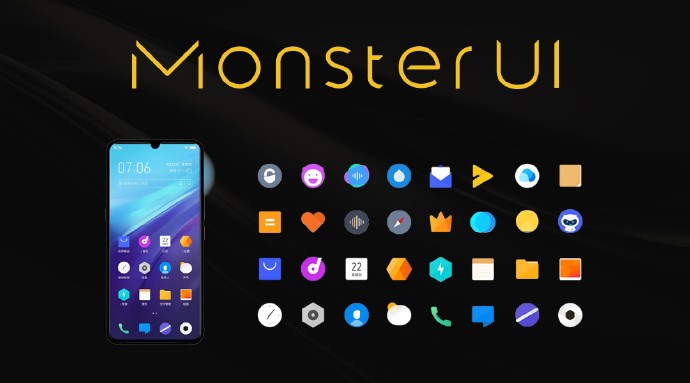
The phone runs Monster UI based on Android 9 out of the box. There is also the Jovi Assistant with IoT on board too, NFC with Vivo Pay, and the new Turbo Network Acceleration technology that allows you to connect to two Wi-FI connections at the same time (2.4GHz + 5GHz). The iQOO Pro also has an audio jack along with a dedicated audio chip for Hi-Res audio.
The 5G version adopts a 6-antenna design which improves the 5G connectivity of the device. Four of the antennas are at the upper part of the device while two are at the bottom.
Price and Availability
The iQOO Pro 4G comes in two configurations – an 8GB RAM + 128GB version priced at ¥3198 (~$452) and a 12GB +128GB version priced at ¥3498 (~$492).
The iQOO Pro 5G comes in three variants – an 8GB RAM + 128GB version priced at ¥3798 (~$536), an 8GB RAM + 256GB version priced at ¥3998 (~$565), and a 12GB RAM + 128GB version priced at ¥4098 (~$579).
Avid mobile phone gamers usually end up spending a lot of money on high-end gaming smartphones. Those on a tight budget, on the other hand, are left with very few choices that include buying an inexpensive mobile phone and compromising on performance.
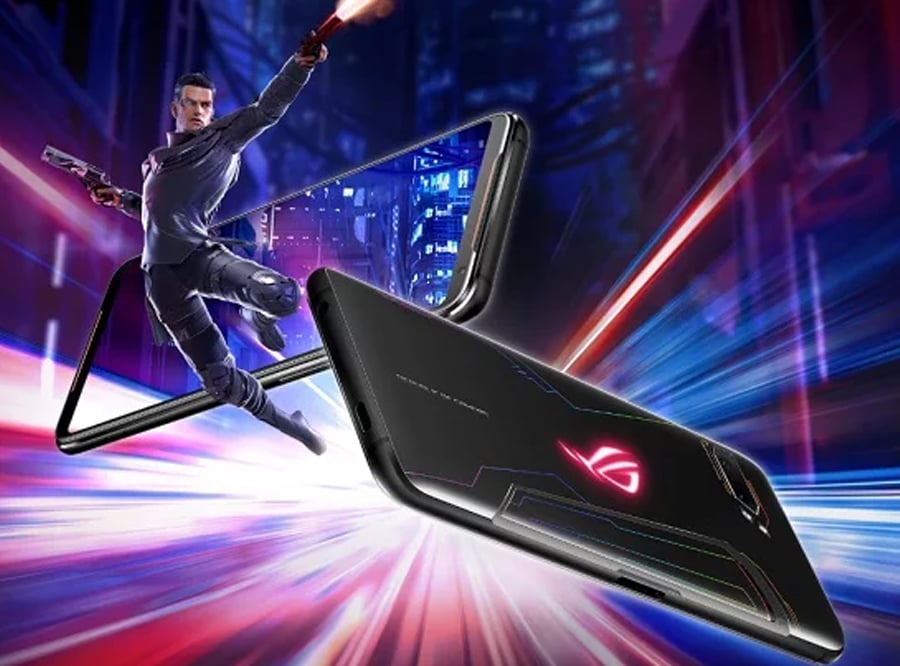
Much to the relief of cost-conscious mobile phone gamers, leading manufacturers like ASUS come up with high-end gaming phones that don’t cost a bomb. Keeping in line with that, the Taiwan-based electronics company recently unveiled its next-generation gaming smartphone dubbed the ASUS ROG Phone 2 (or ASUS ROG 2 Gaming Phone).
The phone was launched in China at an event that took place in China. Without wasting a lot of time, ASUS began taking registrations for the gaming phone immediately after its launch.
The ASUS ROG Phone 2 received over 2.33 million reservations on JD.com, indicating its skyrocketing popularity among mobile phone gamers. Taking the phone’s undying demand into consideration, ASUS is now offering two variants of the Asus ROG Phone 2 at lowered prices through Giztop.
The 8GB RAM+128GB ROM variant of the Asus ROG Phone 2 gaming phone would normally set you back $699, but you can now buy it for a considerably reduced price of just $569 from Giztop. The slightly larger model that ships with 12GB of RAM and offers a hearty 512GB of onboard storage capacity is a great choice for those who fancy having more storage space and power on their gaming phones.
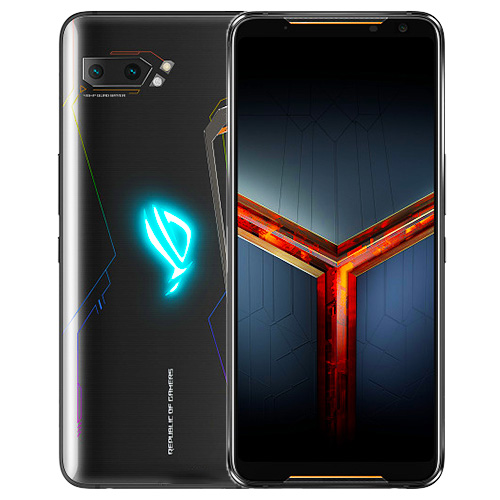
The Asus ROG Phone 2 12GB RAM+512GB ROM model normally carries a steep $1,219 price tag, but you can get your tech greedy hands on it for a reduced price of just $1,089 from Giztop. Note that both the aforesaid models are available in black color options only.It is also worth noting that the 8GB RAM+128GB ROM is in stock, while the 12GB RAM+512GB ROM version will be available starting August 29th. An absolute steal at this price, the Asus ROG Phone 2 boasts an impressive array of features that are mentioned below:
6.59-inch AMOLED FHD+ display with a 120Hz refresh rate
An in-display fingerprint scanner
Qualcomm Snapdragon 855 Plus processor
Adreno 640 GPU
8GB/12GB LPDDR4X RAM
128GB/256GB/512GB UFS2.1 ROM
48MP+13MP dual AI rear camera
24MP front camera
ROG Gaming X mode UI based on Android 9.0 OS
6000mAh battery that supports 30W ROG HyperCharge with Quick Charge 4.0+
You can head straight to this link and check out more details about this amazing Asus ROG Phone 2 gaming phone and place your order without wasting time via Giztop.
The year 2020 is expected to be the year of 5G ahead of foldable smartphones. Research firm, Strategy Analytics have predicted that global sales of 5G phone will hit 160 million units next year but that is dependent on its rollout in China. In other words, China will play a major role in the proliferation of 5G phones.
The report also says Huawei is in the best position to capture the majority of China’s 5G smartphone sales. This strategic position of Huawei could even be used to regain its global smartphone standing which has received severe pummelling from the US government.
Ken Hyers, Director at Strategy Analytics, said, “As China goes, so goes the 5G ambitions of chip-makers Qualcomm, MediaTek, and Unisoc, all of whom have been applauding the rapid rise in the number of 5G models licensed in recent months.”
Ville Petteri-Ukonaho, Associate Director at Strategy Analytics, added, “Significantly, China holds the key to 5G volumes in 2020. The winner in China will have huge leverage for driving down the learning curve of 5G devices.”
David Kerr, Senior Vice President at Strategy Analytics, added, “Samsung is the undisputed global 5G leader, but currently has just a 1% share of the Chinese smartphone market. China is expected to be the largest 5G smartphone market, with 5G phone sales potentially hitting 80 million in 2020. Huawei has recently accelerated and intensified its efforts in its home market to counter international uncertainty. By Q2 2019 it had expanded its smartphone market share there to almost 40%, far outpacing all other competitors. It is well-positioned to leverage that dominant position to take a commanding lead in China’s 5G smartphone market in 2020 and beyond.”
Kerr continued, “If China meets its aggressive targets, Huawei could cut deeply into Samsung’s 5G leadership, positioning it for recovery and growth in Western Europe and other global markets.”
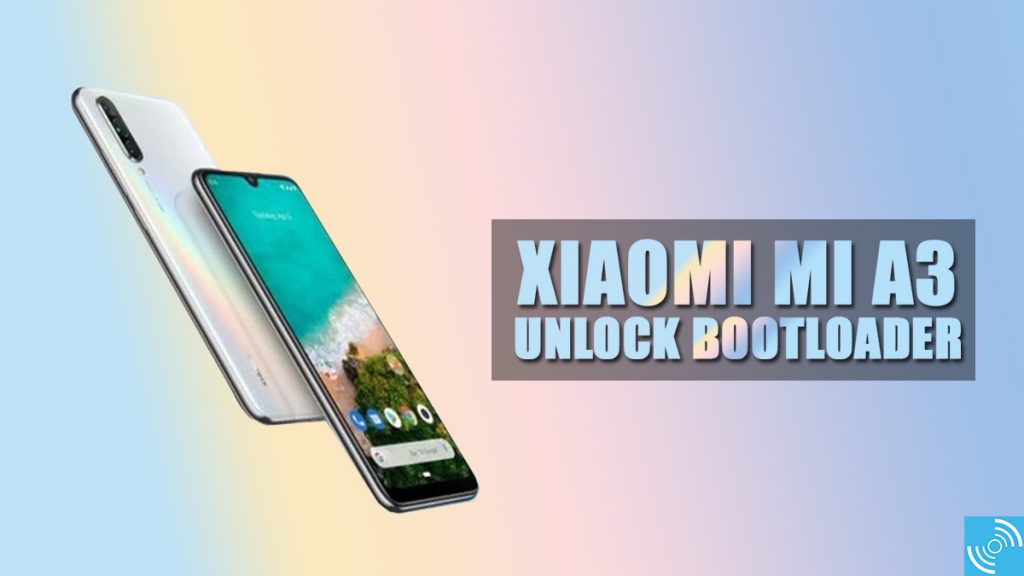
Xiaomi recently unveiled the Mi A3 in India. It is the third consecutive device in the Mi A series which has been launched in India under the Android One program. The Chinese company has added various new advancements to the Mi A2 successor. The device is accompanied by a triple camera sensor, Super AMOLED display, and an in-display fingerprint sensor. In today’s writeup, we will help users to unlock the bootloader of the Xiaomi Mi A3.
Unlocking the bootloader is the first and the foremost thing to do before flashing any MOD or custom ROM. The unlocking opens the door for the users to tweak the system as per their own requirement. They can improve the performance and battery efficiency by removing unnecessary bloatware from the device. The ability to flash third-party recovery comes only after unlocking the bootloader.
Xiaomi Mi A3 Specifications
Xiaomi Mi A3 comes packed with Qualcomm Snapdragon 665 SoC coupled with 4GB RAM + 64GB storage and 6GB RAM + 128 GB Internal storage variants. For imaging responsibilities, the device is empowered with a triple rear camera sensor featuring a 48-megapixel primary sensor, an 8-megapixel secondary sensor, and another 2-megapixel wide-angle lens. On the front, a 32-megapixel selfie sensor is available with the ability to snap beautiful selfies and video calling.
It sports a 6.08-inch HD+ display with an aspect ratio of 19.5:9 and the resolution of 1560×720 pixels. As like its predecessors, the Xiaomi Mi A3 is also a part of Google’s Android One initiative and runs on Android 9.0 Pie out of the box. In Connectivity, the device includes 4G LTE, dual-band Wi-Fi 802.11 a/b/g/n/ac, Miracast, Wi-Fi Direct, Bluetooth 5.0, IR emitter and USB Type-C port. In a recent announcement, the company confirmed that Xiaomi Mi A3 will be the first device to get Android Q.
Note: GizmoChina.com is not responsible for any kind of damage to data or device while performing the unlocking. It will also void the device’s warranty and remove all data on the device. You’re proceeding at your own risk.
Backup important data on any external media as unlocking bootloader will wipe the data from internal storage.
Make sure the device is charged at least up to 60%.
Steps to unlock Xiaomi Mi A3 Bootloader
Follow all the steps carefully, otherwise, your device may brick.
Enable Developer Mode by tapping MIUI version 7 times after heading to the Settings > About Phone.
It is also recommended to enable OEM Unlocking and Mi Unlock Status in the Settings > Additional Settings > Developer Option.
Download and set-up the ADB and Fastboot tools on your PC. (Note: Extract the downloaded tools zip in a folder on desktop)
Now, connect your Xiaomi Mi A3 with the PC via a USB cable.
On the PC, open the ADB and Fastboot Tools folder, and open the CMD or Powershell Window by pressing the Shift + Right Click.
Type the following command to reboot the device into bootloader mode:
adb reboot bootloader
Execute the following command to check whether the device is connected or not.
adb devices
Now, accept the pop-up message to “Always allow from this computer” by pressing OK.
To unlock the bootloader, type the below command:
fastboot flashing unlock
Xiaomi Mi A3 will automatically boot the system, but you need to reboot into the fastboot mode by suing command state in step 6.
After booting into fastboot mode, execute the command to attain full unlock:
fastboot flashing unlock_critical
Xiaomi Mi A3 will reboot into normal mode after successful completion.
That’s it from our side, and you can now install different tweaks, ROMs and root the device. If you get any problem while performing the task, do let us know via comments below.
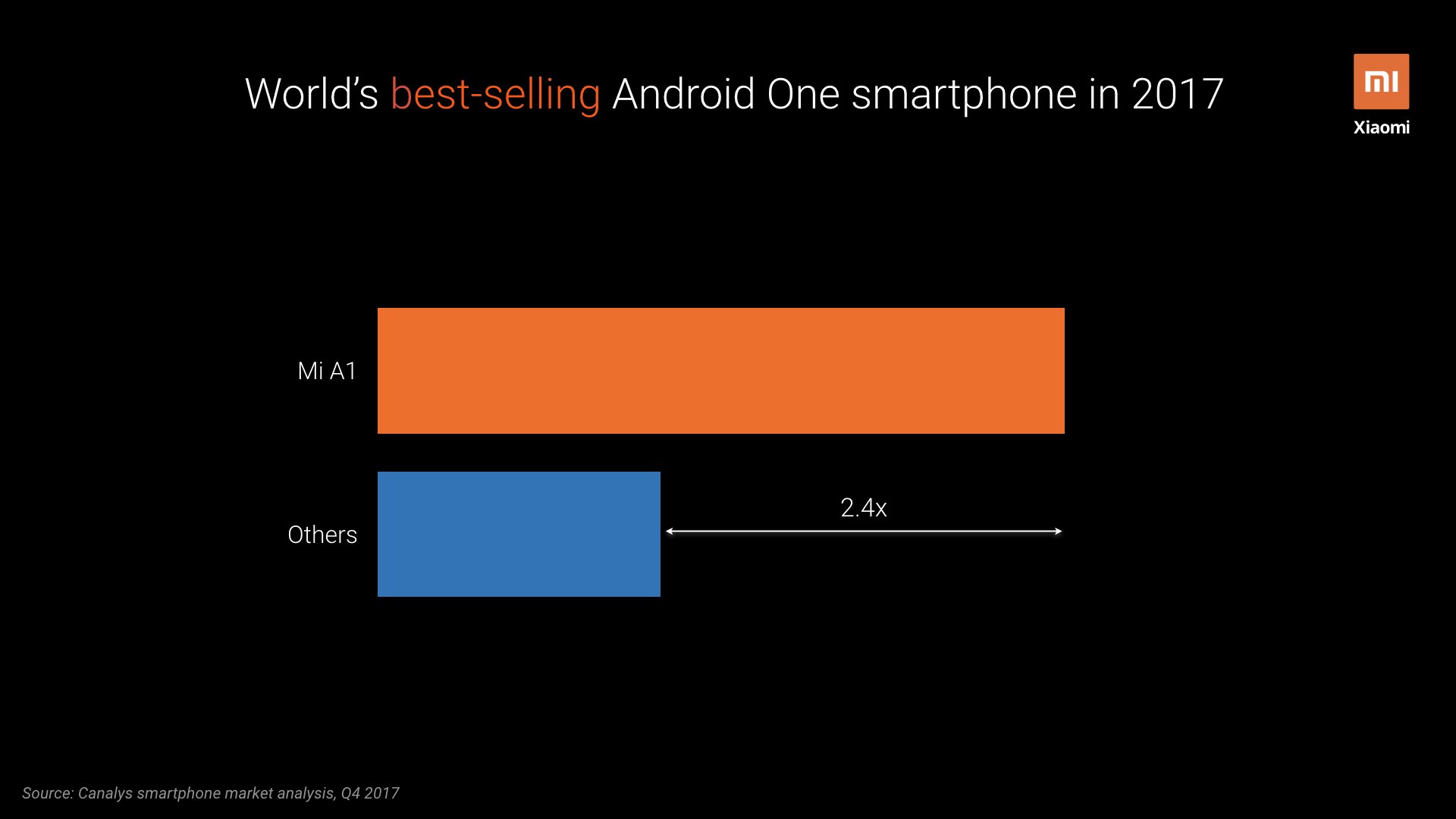
Xiaomi took an important step towards cementing its place in the global market when it launched the Mi A1 in 2017. What made the new A-series stand out was the pure Android operating system that it had onboard. Since then, Xiaomi has gone on to launch the Mi A2 and A3, all under Google’s Android One project. It has now emerged that the Mi branded models are an important part of the Android One project. In two years after its launch, the A series has achieved outstanding results.
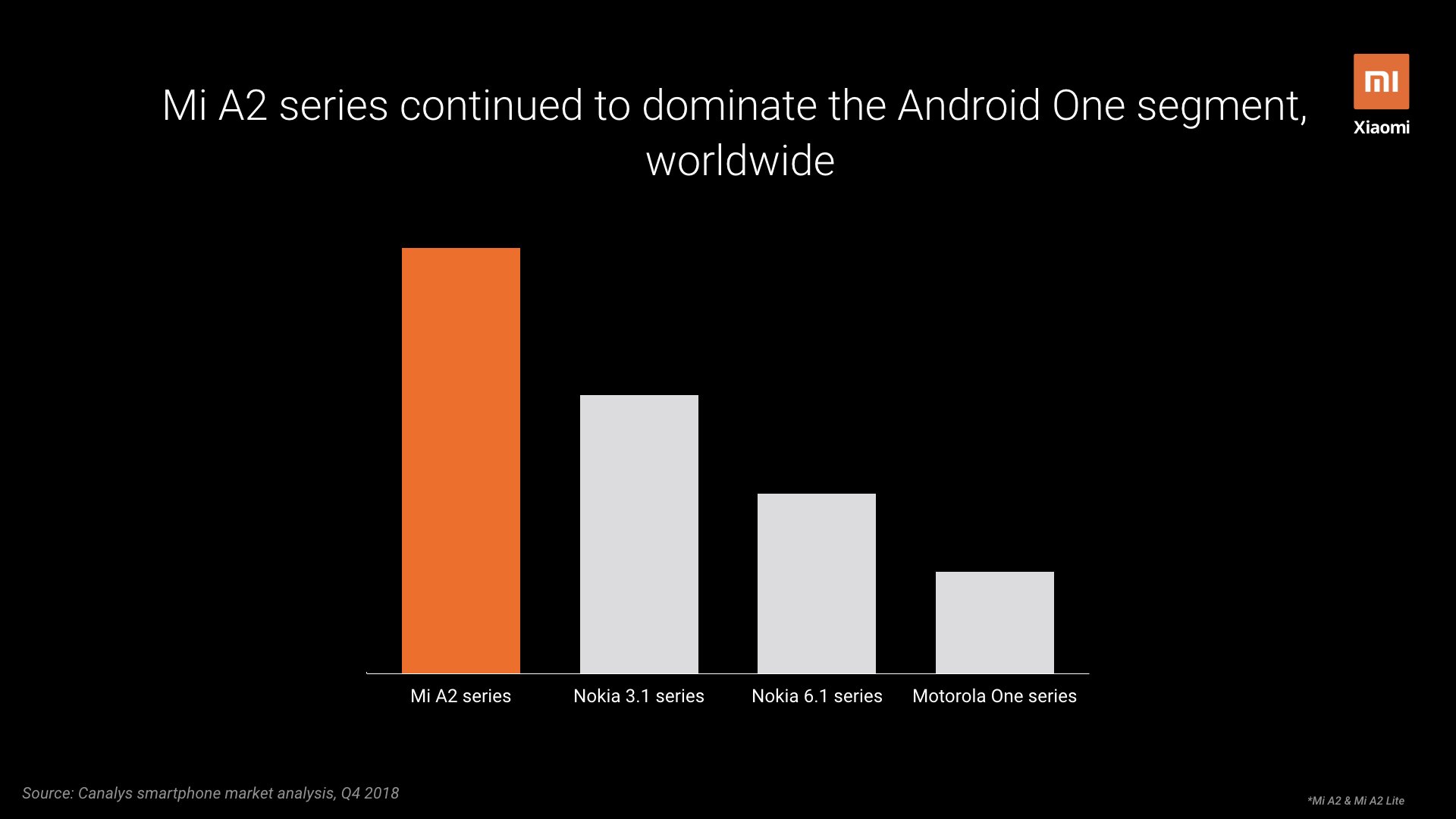
During the Mi A3 launch, the company shared some data on the progress of the A-series. Data by market research firm Canalys shows that the sales volume of the Mi A1 in 2017 was 2.4 times more than those of other Android One handsets. In the same light, the Mi A2 sales when it was launched in 2018 was still far ahead of other Android One phones like the Nokia 3.1, Nokia 6.2 and Motorola One series. On the whole, the company says it has sold over 10 million units of the Mi A series.
We expect the Mi A3 to equally be a successful Android One phone even though it packs a disappointing HD+ display. Apart from delivering a native Android operating system, Googe’s Android One project also brings the latest software update and on time.
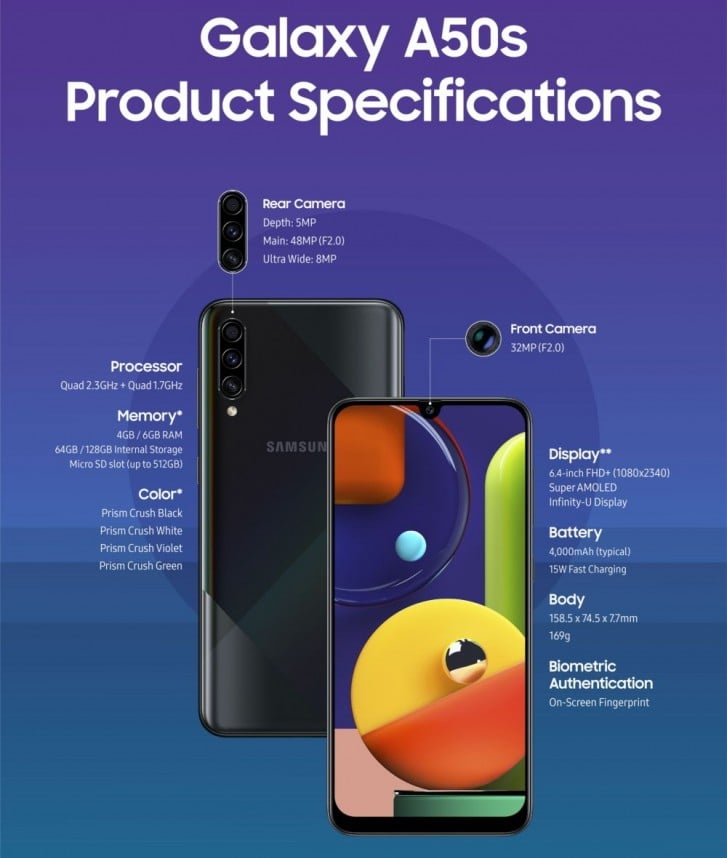
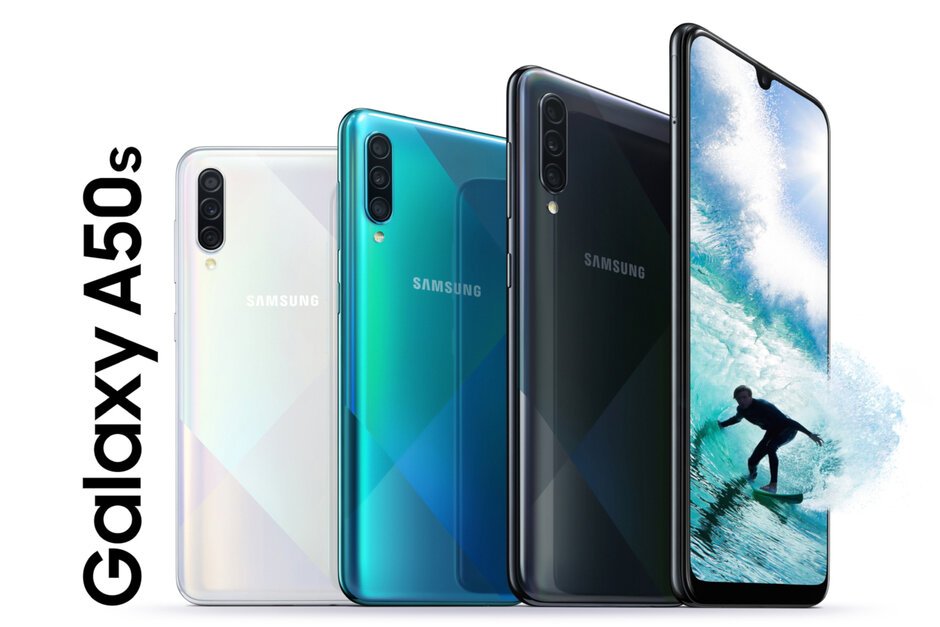
Samsung already launched over 10 Galaxy A-series smartphones this year but it is not done yet. Today, it has announced the Galaxy A50s and Galaxy A30s smartphones, slight upgrades to the Galaxy A50 and Galaxy A30 which were released this year.
Galaxy A50s
The Galaxy A50s keeps the 6.4-inch Infinity-U Super AMOLED display of the Galaxy A50 including the in-display fingerprint scanner. However, the selfie camera has now been upgraded from 25MP to 32MP but still has an f/2.0 aperture.
It also keeps the Exynos 9610 processor along with 4GB of RAM and 64GB of storage. The triple rear cameras is now a 48MP + 8MP ultrawide + 5MP depth combo.
The Galaxy A50s features a redesigned back slightly similar to the diamond-back design of the Realme 1. There is a 4000mAh battery under the hood along with 15W fast charging. The phone’s dimensions are the same as that of the Galaxy A50 but it weighs a little more at 169 grams.
It comes in Prism Crush Black, Prism Crush White, Prism Crush Violet, and Prism Crush Green.
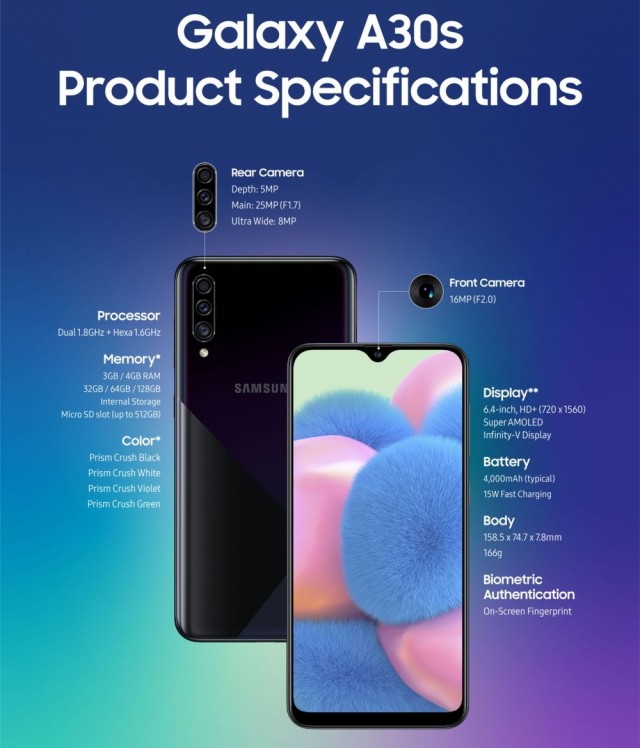
Galaxy A30s
The Galaxy A30s also keeps the 6.4-inch AMOLED display of the Galaxy A30 but the resolution has been reduced from FHD+ to HD+ (1560 x 720) and the display type is Infinity-V and not Infinity-U. While the downgrade in resolution is a bummer, there is now an in-display fingerprint scanner underneath the screen.
There is an Exynos 7904 processor under the hood paired with 3GB or 4GB of RAM and 32GB or 64GB of storage with MicroSD card support.
There is a 16MP f/2.0 selfie camera just like the Galaxy A30 but the back is now home to triple rear cameras – a 25MP f/1.7 primary sensor, an 8MP ultrawide sensor, and a 5MP depth sensor. There is a 4000mAh battery with support for 15W fast charging.
The Galaxy A30s will also be available in Prism Crush Black, Prism Crush White, Prism Crush Violet, and Prism Crush Green. However, just like the A50s, the price and availability of the Galaxy A30s have not yet been revealed.
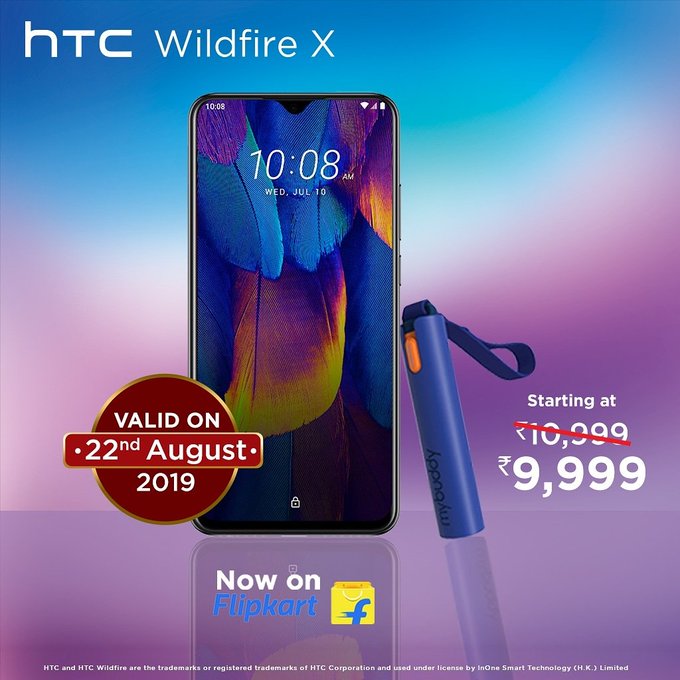
HTC had a couple of months back announced that it was exiting the Indian market but the company made a U-turn with the launch of the HTC Wildfire X last week. The Wildfire X was scheduled to go on sale this week. Indeed, HTC India has now announced the device will go on sale in India today starting at noon local time. The device will be sold exclusively on Flipkart.
HTC Wildfire X is an affordable smartphone powered by the MediaTek Helio P22 SoC. The chipset is paired with 3GB of RAM which also has 32GB of internal storage. There is also a 4GB + 128GB memory variant. The device sports a sleek design that doesn’t even pass for a budget device.
The display is a 6.2-inch HD+ screen with a waterdrop notch at the top. It runs on Android 9.0 Pie out of the box. For optics, there is ana8MP selfie camera at the front, housed inside the notch. At the rear, the device packs a triple camera setup comprising a 12MP main, 8MP telephoto (2x optical zoom), and 5MP depth sensor units. There is a 3300mAh battery under the hood.
As for the pricing, the HTC Wildfire X is priced at INR10,999 ($155) for the 3GB+32GB variant while the 4GB+128GB variant is priced at INR13,999 ($195). The sales will open today with an INR 1000 price cut but the models will revert to their RRP after today. The phone comes in Sapphire Blue color.
The Redmi Note 8 and Redmi Note 8 Pro are shaping up to be really interesting devices. Some features have been confirmed such as the processor which is the new MediaTek Helio G90T. We also know the primary rear camera is a 64MP sensor paired with three other cameras.
Today, Redmi has released some promotional materials that highlight the camera prowess of the phones.
[envira-gallery id=”271605″]
The first poster shows a cross-section of the phones’ rear cameras sensors. While the focus is on only three, we can see there is a fourth sensor to the right of the triple camera setup. This fourth sensor is rumored to be a ToF sensor.
The caption for this poster talks about how the cameras on phones have greatly improved in the last two decades. Back in 1999, phones had a single camera that could only take 0.1MP photos. Twenty years later, phones have four rear cameras and can shoot 64MP photos.
Another poster talks about the ultra-clear image quality of the 64MP sensor. The camera sensor is said to have a very high detail such that you can zoom in up to 25 times and still have a clear image.
The last promo poster mentions the 64MP primary camera’s resolution – 9248 x 6936, which is nearly double 8K resolution, 7.7 times that of 4K UHD, and 25 times the resolution of 1080p FHD.
The Redmi Note 8 and Redmi Note 8 Pro will be announced on August 29 in China alongside the 70-inch Redmi TV.
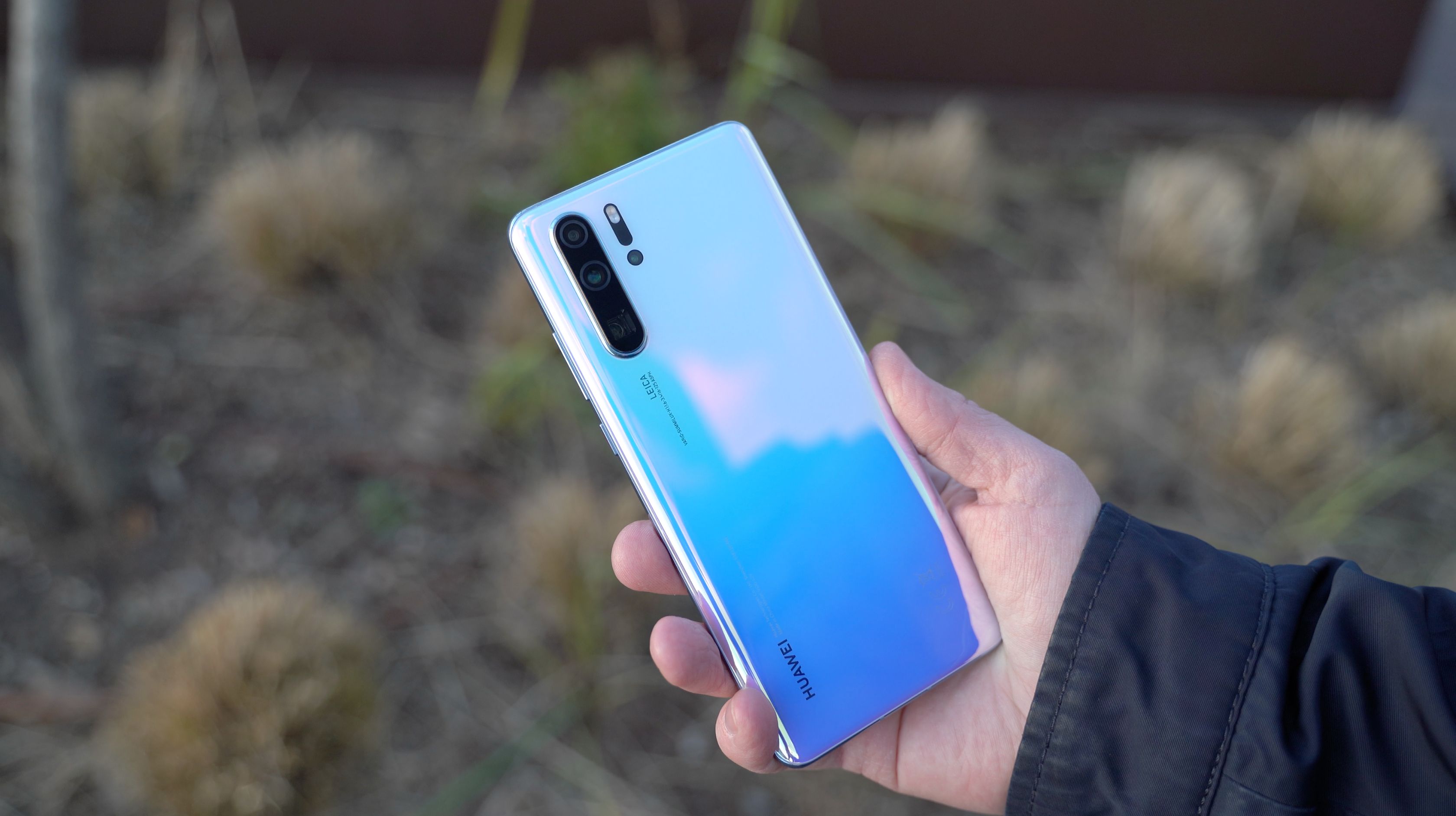
NTT Docomo Inc, Japan’s largest telecom carrier by users, is resuming orders from Huawei Technologies Co Ltd, as the Chinese telecom giant is securing key support from the big three telecom operators in Japan despite US restrictions. The telco has restarted taking orders for Huawei’s high-end P30 Pro smartphone, which will be on sale in September.
This is pretty big news for Huawei in Japan, and it’s a big step towards regaining their position. In May, Japan’s leading carriers SoftBank, KDDI, and NTT Docomo said they were suspending sales of Huawei products without giving further details. The decision came soon after the Chinese giant rolled out its flagship P30 models in the country.
Huawei’s high-end P30 Pro smartphone, which will be on sale in Japan in September.
With the move, the three major telecom operators in Japan, with other two being SoftBank Corp and KDDI Corp, have all restarted sales of Huawei’s products, after they delayed the launch in May. Even Japanese e-commerce behemoth Rakuten Inc.’s mobile unit has been offering the phones from Aug. 5 after delaying the planned launch from May.
The Docomo announcement came after the US Commerce Department gave Huawei another 90-day reprieve allowing suppliers to sell to the company on Monday. Huawei reported sales in the six months through June rose 23.2 percent over a year earlier. Its chairman, Liang Hua, said in July that Huawei was reviewing its core products to make sure they all could be delivered to customers without American components.
5G is the next big revolution in technology and everyone wants a big chunk of its market share. But looks like China is going to take the lead in 2020 as chip maker MediaTek believes that the Chinese market could grab more than 70% of the global 5G smartphone sales next year.
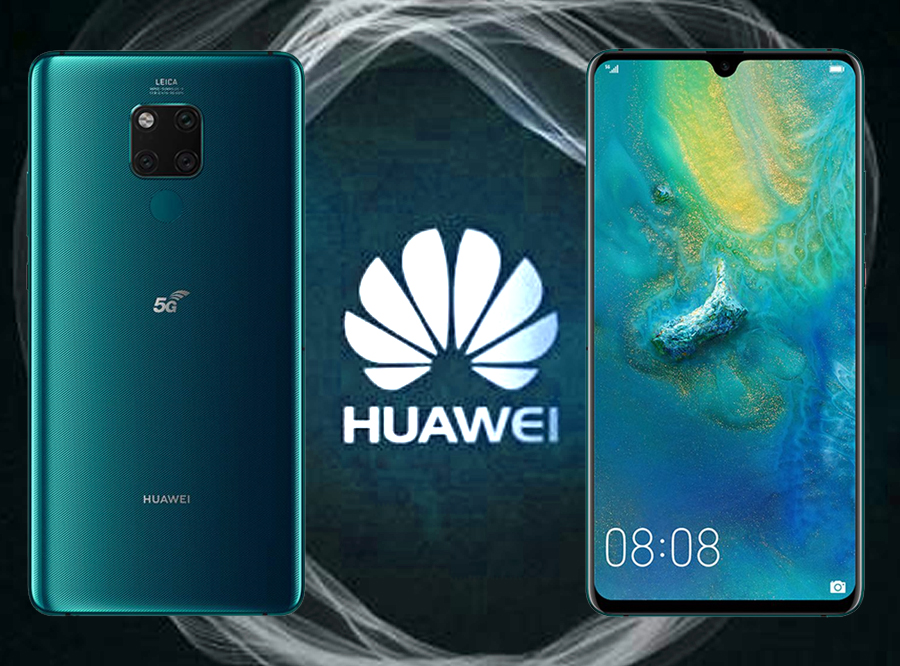
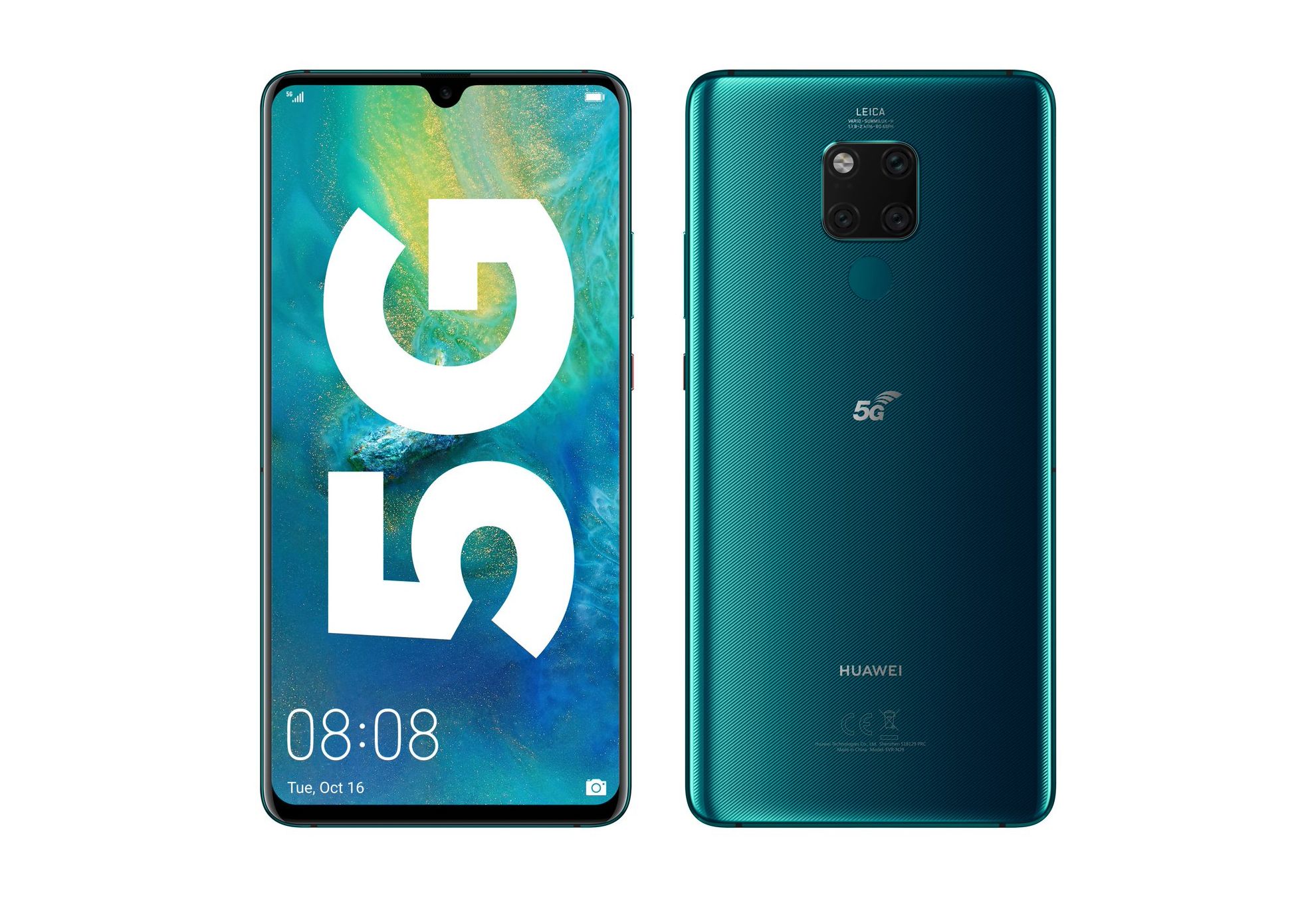
Mate 20 X comes with new-age 5G support
MediaTek’s CEO Rick Tsai said that global 5G sales are expected to be about 140 million in 2020. Out of this, nearly 70% will be sold in the Chinese market, coming close to 100 million units. This is quite an optimistic forecast from MediaTek given that Strategy Analytics’ report predicts smartphone sales in China to hit just 80 million next year. Still, it’s clear that both of them believe that China will be the largest 5G market in 2020.
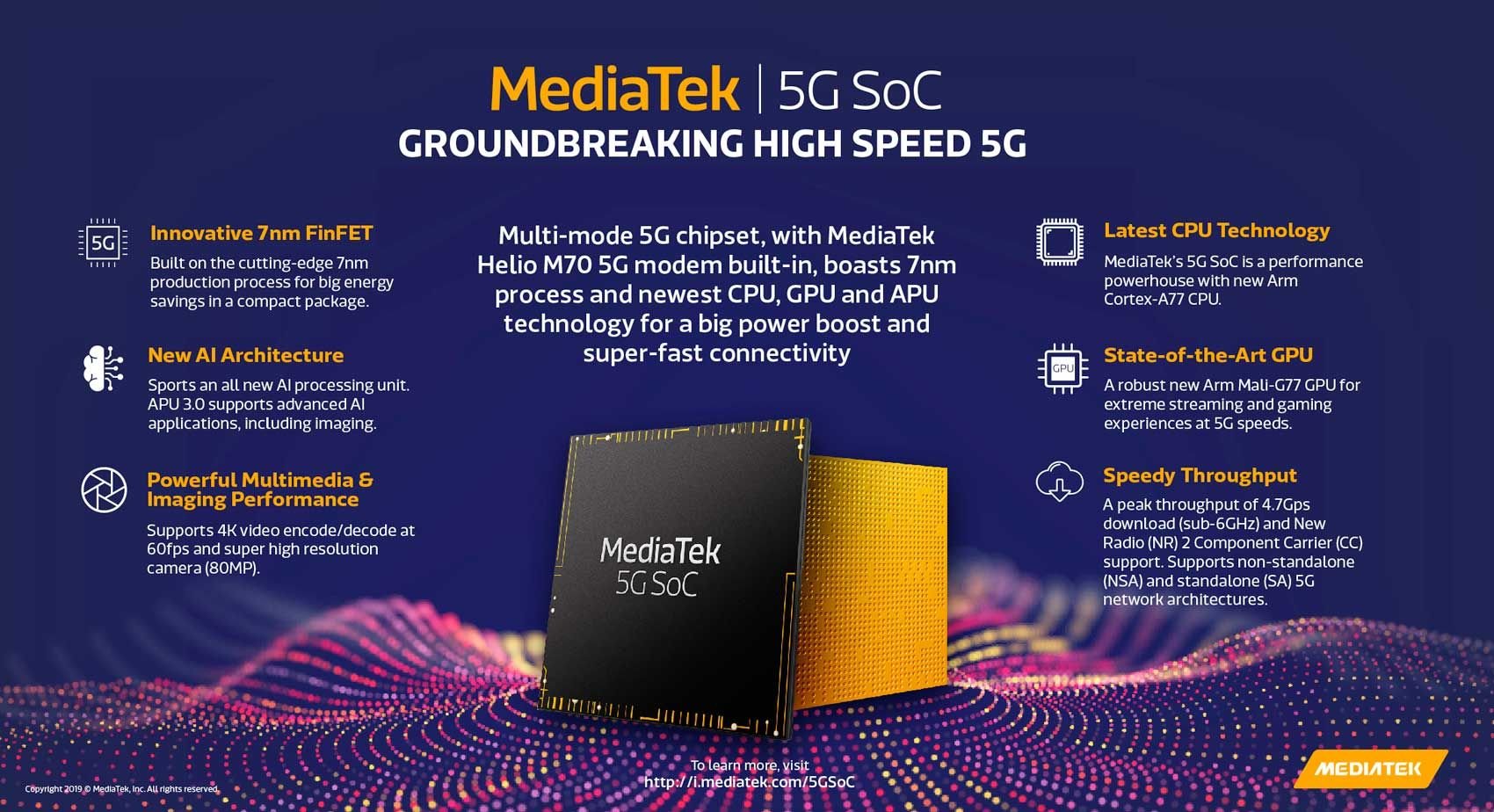
Mediatek 5G SOC
MediaTek is currently expected to mass-produce its new 5G chipset in the second half of the year. The company could benefit from Huawei if it manages to strike a deal with the telecommunications giant. Earlier reports indicate that MediaTek is looking to supply low-end 5G chipsets for Huawei’s less expensive smartphones.
We use cookies on our website to give you the most relevant experience by remembering your preferences and repeat visits. By clicking “Accept”, you consent to the use of ALL the cookies.
This website uses cookies to improve your experience while you navigate through the website. Out of these, the cookies that are categorized as necessary are stored on your browser as they are essential for the working of basic functionalities of the website. We also use third-party cookies that help us analyze and understand how you use this website. These cookies will be stored in your browser only with your consent. You also have the option to opt-out of these cookies. But opting out of some of these cookies may affect your browsing experience.
Necessary cookies are absolutely essential for the website to function properly. This category only includes cookies that ensures basic functionalities and security features of the website. These cookies do not store any personal information.
Any cookies that may not be particularly necessary for the website to function and is used specifically to collect user personal data via analytics, ads, other embedded contents are termed as non-necessary cookies. It is mandatory to procure user consent prior to running these cookies on your website.






![[English Version] Huami AMAZFIT Verge 3 Smart Watch 1.3 Inch AMOLED Screen Heart Rate Monitor 11 Sports Modes IP68 Waterproof - Deep Gray](https://image2.geekbuying.com/content_pic/201811/Huami-AMAZFIT-Verge-3-Smart-Watch-1-3-Inch-AMOLED-Screen-Deep-Gray-20181123134424497.jpg)
![[New Released] BlitzWolf® BW-HL1 1.3' IPS 8 Sports Mode IP68 Multi-language Display HR Blood Pressure O2 15Days Standby Smart Watch - Black](https://www.blitzwolf.com/bg_os/other/upload_temp/products/original/201908/1565321327_26.jpg)

 It is also worth noting that the 8GB RAM+128GB ROM is in stock, while the 12GB RAM+512GB ROM version will be available starting August 29th. An absolute steal at this price, the Asus ROG Phone 2 boasts an impressive array of features that are mentioned below: