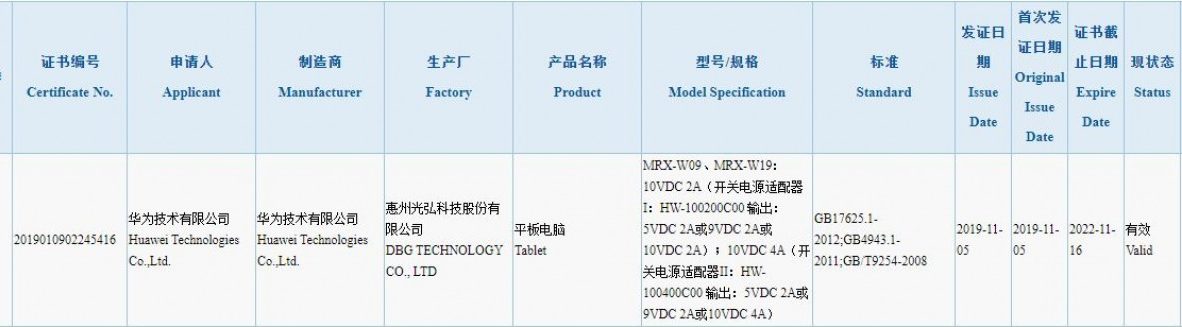
Huawei is expected to soon unleash its flagship tablet called MatePad Pro. Previous reports had claimed that it could be MediaPad M7. Recent reports that have carried the images of the tablet have revealed its design and color variants. A listing of the tablet has been reportedly spotted at the 3C certification agency. It reveals that the device will be equipped with support for up to 40W fast charging.
The above shown screenshot reveals that the MRX-W09 and MRX-W19 are the model numbers of the upcoming MatePad Pro. The ‘MRX’ text in the model number refers to ‘Marx’ codename of the tablet. The two model numbers could belong to the LTE and Wi-Fi editions of the MatePad Pro. The 3C listing reveals that the device could be shipped with HW-100400C00 charger that can support up to 40W Huawei SuperCharge rapid charging like the recently introduced Mate 30 and Mate 30 Pro.
Rumors surrounding the MatePad Pro have revealed that it will be support quad HD resolution of 1440 x 2560 pixels. It will be the first tablet device to arrive with a punch-hole display design. With slim bezels around the display, it is expected to offer a very high screen-to-body ratio.
The Kirin 990 chipset could be powering the device. It may come with up to 8 GB of RAM. The device may have an internal storage of 256 GB. The MatePad Pro could be equipped with an in-display fingerprint scanner. The rear side of the tablet features a dual camera setup. However, there is no word on the configurations of the dual lenses.
The renders of the MatePad Pro have revealed that it will carry support for optional smart keyboard can be connected through magnetic pogo pins. The tablet will also carry support for M-Pen stylus. The slate is expected to release in multiple colors such as black, white, orange and green.
The launch date and pricing of the MatePad Pro is currently under the wraps. Huawei is expected to announce the Huawei Nova 6 series in December. There is a possibility that the MatePad Pro could be made official alongside the Nova 6 series.
Huawei, the Chinese giant is still stuck in-between the US-China trade war and is still on the “Entity List” by the United States which bars the company from doing business with US-based firms.
Now, Huawei’s CEO Ren Zhengfei said that the company can survive without the United States and has dismissed Washington’s campaign against it as ineffective. In an interview, he said: “We can survive very well without the U.S. The China-U.S. trade talks are not something I’m concerned with.”
Ren Zhengfei said Huawei isn’t a factor in the trade war because “we have virtually no business dealings in the U.S.” He also said “there has been no confrontation with the U.S.” and said he would welcome a visit from Donald Trump now or after he has left office.
Huawei, which is the world’s largest maker of networking equipment and the world’s second largest smartphone vendor, has also emerged as a central issue in the trade war, and Beijing has insisted on a reprieve as a condition for any deal.
Last year, the Chinese giant bought $11 billion of technology from American suppliers—including software from Alphabet Inc. and Microsoft Corp. , and chips from an array of manufacturers. Huawei has now moved to find backup sources and at the same time, the company is working on its own chips and software.
Huawei executives say the company is building its entire portfolio of 5G networking products without any American technology, at a clip of 5,000 base stations a month. The company’s CEO adds that “we don’t expect the U.S. to remove Huawei from the entity list. They may as well keep us there forever because we’ll be fine without them.”
However, the company’s executives say Huawei is still buying technology from American companies. Chips made by U.S. companies at factories offshore, for example, generally aren’t subject to the U.S. restrictions. This has allowed several American companies, including chip makers Intel and Qualcomm to resume sales to Huawei. Will Zhang, Huawei’s president of corporate strategy, said that the purchase of U.S. technology is at 70% to 80% of its previous level.
Despite efforts from the U.S., Huawei continues to win 5G contracts around the world, while its smartphone sales are booming, especially in its home country China. The smartphone sales are surging despite uncertainty over its continued access to Google’s Android operating system.
While Ren initially forecast a $30 billion revenue hit from the blacklisting for two years, but the company has said revenue for the first nine months of the year was up 24 percent. The United States is defending its actions against Huawei by citing concerns that Beijing could use its equipment for spying.
It also says Huawei would be legally bound to comply with requests for customer data from Beijing. However, Ren has repeatedly denied spying on customers for any government and has said he would deny any such requests from Beijing and insisted that the company has no access to the data that flows through it networks.
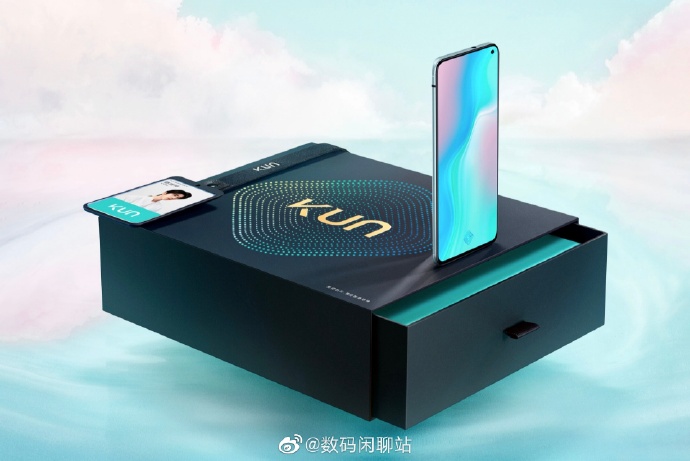
Yesterday, the upcoming Vivo S5 smartphone appeared on TENAA with its full specifications. However, the TENAA listings of the phone are not yet updated with its images. The Chinese manufacturer has today shared a new poster of the Vivo S5. It showcases the front and rear design of the smartphone.
The rear side of the Vivo S5 has a distinctive camera design. There is a diamond-shaped camera module that has three lenses and an LED flash inside it. A fourth lens is also below the camera housing. Based on the TENAA listing of the phone it can be said that the Vivo S5 rear-mounted camera system has a 48-megapixel lens, an 8-megapixel sensor, a 5-megapixel sensor and a 2-megapixel sensor.
On the front is a display that boasts a high screen space thanks to its punch-hole design. The display is equipped with an in-screen fingerprint reader. TENAA has revealed that the phone has a 6.44-inch AMOLED display that offers full HD+ resolution of 1080 x 2400 pixels and an aspect ratio of 20:9.
Interestingly, the Chinese text below the phone’s image reads “S5 series” which indicates that there could be another phone in the lineup. Earlier this year, Vivo had released the Vivo S1 and Vivo S1 Pro smartphones in China. Hence, the company may unleash the Vivo S5 Pro alongside the Vivo S5 on Nov. 14 or it may go official sometime later.
Rumors have it that the Snapdragon 712 mobile platform is at the helm of the Vivo S5. The SoC is assisted by 8 GB of RAM. The device may arrive in 128 GB and 256 GB storage models in China. The Android 9 Pie OS will come preloaded on the device. It could be featuring the latest FunTouch OS 9.2 UI.
For capturing selfies, the Vivo S5 has a front-facing camera of 32-megapixel. The device draws power from a 4,010mAh battery. The 3C listing of the Vivo S5 has revealed that it may arrive with support for up to 22.5W fast charging. As of this writing, there is no information on the pricing of the Vivo S5 phone. The Chinese firm will be also selling Vivo S5 Cai Xukun Custom Gift Box Edition in China. The said device is now up for reservations through the official Vivo China online store.
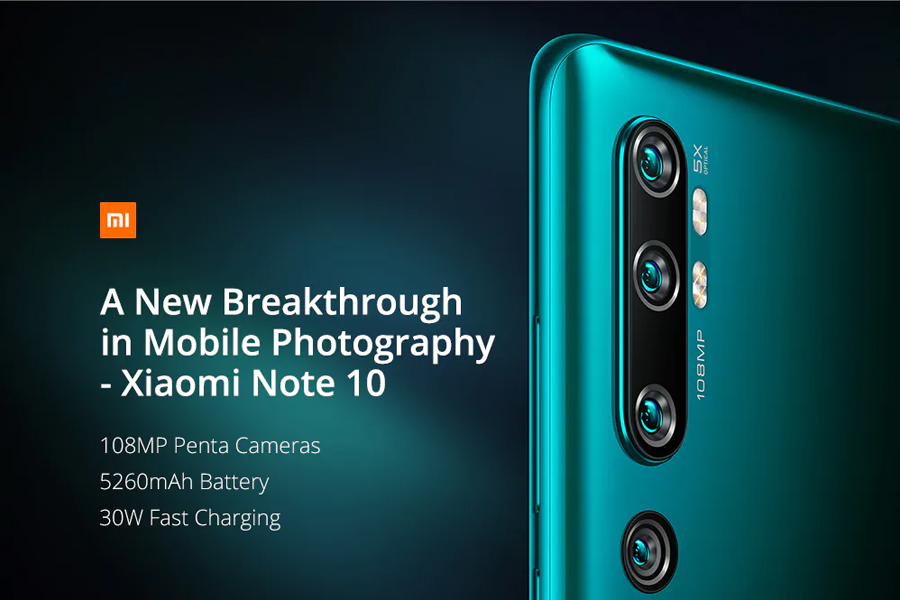
Xiaomi is all set to take the smartphone realm by storm once again with its new smartphone dubbed, Xiaomi Mi Note 10, which hit the store shelves on November 6th.
The recently unveiled Xiaomi phone has been subject to a slew of speculations with some suggesting it will pack the same specs as the Mi CC9 Pro, which was launched in China recently. Much to the delight of Xiaomi’s huge fanbase that has restlessly been waiting to get their hands on the newfangled smartphone, Gearbest exclusively launched the Mi Note 10 on its website on Wednesday at 19.00 UTC +8.
Xiaomi Mi Note 10 108MP Penta Camera Phone Global Launch
The first e-tailer to sell the Mi Note 10 online, Gearbest is offering the Mi Note 10 in three highly appealing color options including Black, Deep Green, and White. Furthermore, the premium mid-range Mi Note 10 is the world’s first smartphone to house a 108MP camera. The rest of the phone features are nothing short of exciting as well.
First off, let’s talk about the USP of the Mi Note 10 – its photography system. The Xiaomi Mi Note 10 captures ultra high-quality images and videos just like a piece of professional photography equipment would deliver, providing everyone an unparalleled professional shooting experience.
It houses a Penta-camera setup with pixels reaching 108MP, which is simply astounding resolution. The Xiaomi Mi Note 10 shows that even phones can accommodate ultra-high-resolution sensors. The phone is powered by a Snapdragon 730G processor and packs a highly competent Adreno 618 GPU.
The Mi Note 10 ships with 8GB of RAM and offers a hearty 128GB of onboard storage capacity for you to save your favorite multimedia content. Furthermore, the phone draws its juices from a robust 5260mAh battery with 30W fast charging support, which saves you from the hassles of frequent charging.
It sports a mammoth 6.47 inch AMOLED hyperboloid screen, which complements the full curved body, offering crystal clear viewing experience at any angle. To make life easier, the Mi Note 10 has been outfitted with NFC and infrared remote control. For added safety, it features a new generation optical fingerprint unlock.
These specifications and features are undeniably awesome! What’s better is that you can buy it right now for $609.99 through Gearbest by following this link. You can check out more details about this awe-inspiring smartphone from Xiaomi on the promotion page.
If you aren’t willing to shell out that kind of money on the smartphone, we got your back! You can bring the original asking price of the Xiaomi Mi Note 10 down to just by applying specific coupon codes at the time of checking out. Let’s check them out:
Coupon $499.99 USD (valid for all colors)
Coupon Code GBMINOTE10: Can be used in addition to Western France
Coupon Code GBMINOTE10DEQ: Can only be used in Germany, Austria & Switzerland
Coupon Code GBMINOTE10IT: Can only be used in Italy
A few weeks ago, we wrote about how some apps had been blacklisted by the Pixel 4. This meant they couldn’t run on the Pixel 4’s 90Hz refresh rate since they would completely drain the battery. When the phone is on a lower brightness, the 90Hz Smooth Display is disabled and switches to 60Hz only. It’s understandable now because it’s all for the best.
Originally the Pixel 4 had identified these four apps not to run at 90Hz: Google Maps, Pokemon GO, Waze, and WeChat. While most of these are graphics or resource intensive apps, WeChat is an outlier in that it’s just a chat client. The reasonthat the refresh rate is throttled down is simply due to the app’s poor performance at 90Hz refresh rate setting.
Months since WeChat was added to the 90Hz blocklist in August, however, Tencent has apparently spent time optimizing the app for the Pixel 4. In a new commit posted late last week to the Android Open Source Project, Google has deemed that WeChat version 7.0.8 fixes all of the “jank” issues the app faced, and subsequently removed the app from the blocklist.
Before you experience the change on your Pixel 4 or 4 XL, however, there are still a couple of hurdles that you have to get past first. WeChat, which is still on version 7.0.5 in the Play Store, needs to be updated and released. And second, Google has to integrate the new blacklist into one of its monthly security patches before sending them out to everyone. Unfortunately, yesterday’s November security patch did not come with the newer list.
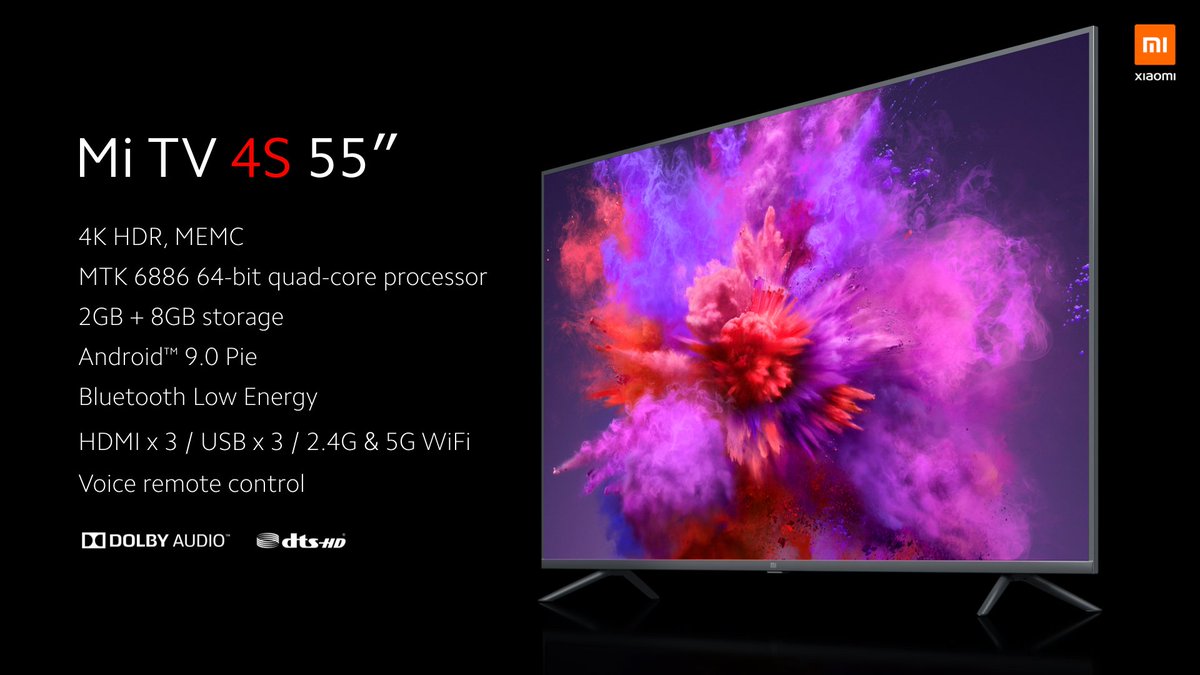
At the Madrid event today, Xiaomi announced three new smart TVs. The TVs are the premium Mi TV 4S which comes in 43” and 55” models and the more affordable Mi TV 4A 32”. Prior to their launch today in Spain, the smart TVs already launched in Russia a few months ago.
Mi TV 4S 43” and Mi TV 4S 55”
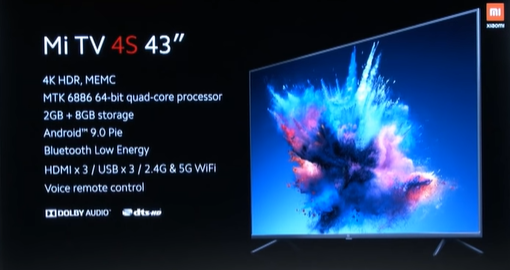
The Mi TV 4S is a 4K (3840 x 2160) HDR TV with MEMC (Motion Estimation, Motion Compensation) technology for motion smoothening. There is a 64-bit MediaTek 6886 quad-core processor with a Mali 470 MP3 GPU inside the TV paired with 2GB of RAM and 8GB of storage.
The Mi TV 4S has a metal frame, a metal case, and a metal stand. There are three HDMI ports, three USB ports, an ethernet port, and an audio jack. It supports 2.4GHz and 5GHz WiFi in addition to Bluetooth Low Energy for connecting Bluetooth devices such as a keyboard, mouse, or gamepad. The TV has 2 x 10W speakers with bass and also supports dts-HD and Dolby Audio.
It runs Android TV 9 out of the box with up to 700,000 hours of content from Rakuten TV, RTVE, RedBull TV, Netflix, and Prime Video, etc. It also supports DVB-T2, DVB-C, and DVB-S2 live TV. If you want more apps or games, you can download them from the Google Play Store.
There is a voice remote with Google Assistant, so you can easily play your favorite show just by giving it a command. The remote has dedicated Netflix and Amazon Prime Video buttons.
The Mi TV 4S can also serve as the smart home hub for all your other Xiaomi smart home products. Using the remote, you can adjust the speed of the fan, turn off the air purifier, or activate your configured routines such as when going to bed.
The Mi TV 4S is priced at €449 for the 55” version while the 43” version is priced at €349. The TVs will be available for pre-order starting on November 25 and the first sale will be on December 2nd. There will be an early bird price for those who pre-order the 55” model, rather than pay €449, they will pay €399.
Mi TV 4A 32”
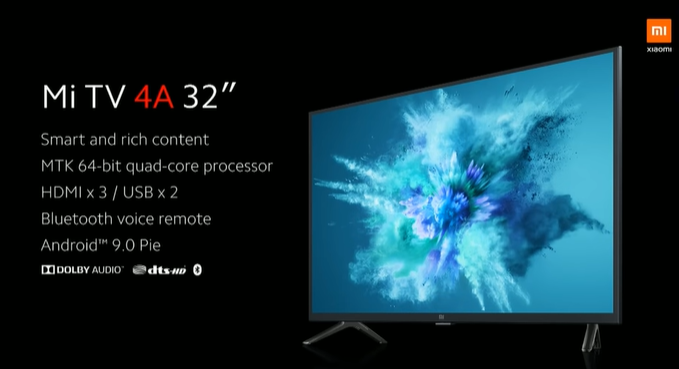
The Mi TV 4A is more affordable with a price tag of €179 but that gets you a TV with a 1366 x 768 display, 2 x 5W speakers, and plastic frame and plastic stand.
The Mi TV 4A also runs Android TV 9 Pie. It is powered by a 64-bit quad-core processor paired with 1GB of RAM and 8GB of storage. It has support for Dolby Audio and dts-HD.
The TV has three HDMI ports, two USB ports, AV input, an ethernet port, an audio jack, and a slot for a CI module just like the Mi TV 4S has. The CI Module slot is for watching digital TV without the need for a decoder.
DJI is known for making commercial unmanned aerial vehicles for amazing aerial photography and videography. The Chinese tech firm recently launched a new promotion dubbed the SG 11.11 Super Sale for its Singapore-based consumers.
As part of the recently kicked-off promo, DJI is doling out noteworthy discounts on its amazing line of products. These heavily discounted items have been placed under the ‘Discount’ section of the company’s official online store.
The Discount section is further divided into three sub-categories including Refurbished Products, Educational Discount, and Corporate Purchase Program. Here are some of the products that you can buy from the DJI official online store without breaking the bank.
Tello, which crafted to perform flying stunts, shoot quick videos using EZ Shots and educate drone enthusiasts about drones through coding education. While this amazing drone with normally set you back $109, you can get it for just $85 during the activity period, and save $24.
The Tello Boost Combo is gracing the DJI online store discount page carrying a dropped price tag as well. While it usually sells for $159, you can now buy it for just $109 and get a noteworthy $50 without breaking a sweat.
Likewise, you can save $110 on the Goggles RE that normally retails for $589 but is currently up for grabs for a lowered price of just $110. The Ronin-S Standard Kit, as well as the Ronin-S Essential Kit, has also gone up sale carrying considerably reduced prices.
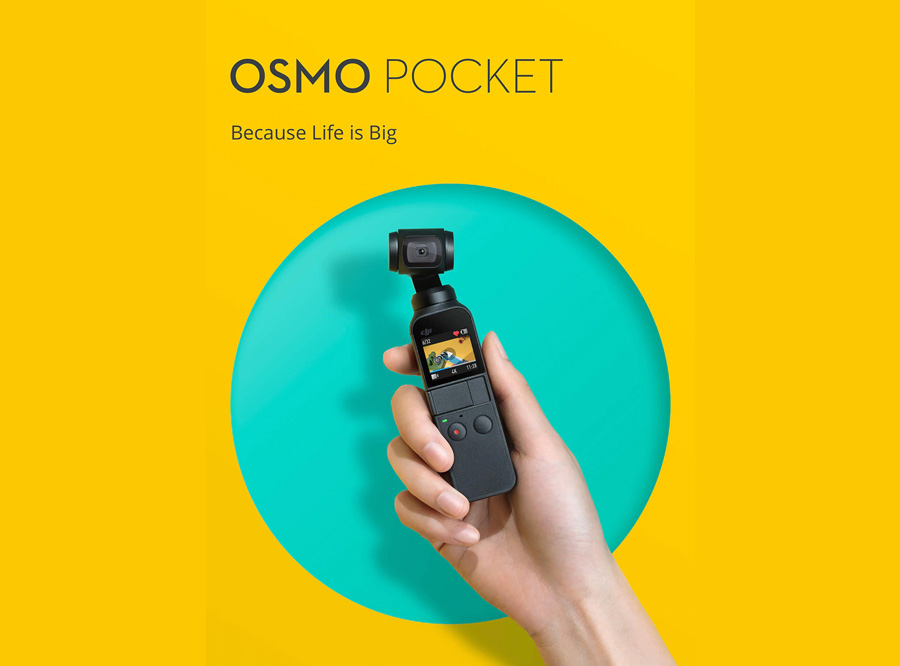
OSMO Pocket, which normally carries a $369 price tag can now be yours for just $329, along with the Extension Rod and you end up saving $115. Similarly, OSMO Action which retailed for $369 will be available for $299 during the promotion sale, giving you a chance to save $70.
Originally carrying a $369 price tag, the OSMO Pocket (with the Extension Rod) will now be available for just $115. You can save $70 on the OSMO Action too as it is now available for just $299. Although it’s original asking price is $369.
Much to the delight of those who have restlessly been waiting to get their hands on the DJI Mavic 2 Pro without spending a lot of money, the Mavic 2 Pro, which normally sells for $1599 is now available for an unbeatable price of just $1439. You save $160.
The Mavic 2 Pro+ is available for a lowered price too. While it usually sells for $2029, you can get it from the DJI official online for just $1829 and save $200. The DJI FPV Air Unit was originally carrying a price sticker of $189, but you can get it for only $159 and get $30 off if you place your order through the DJI official online store before the promo wraps up.
You can visit the DJI official online by following this link. It is worth mentioning here that the activity period will end on November 14th at 23:59 (UTF+8). This is a great opportunity for drone experts as well as novices to get their hands on a high-end DJI-branded drone without emptying their pockets.
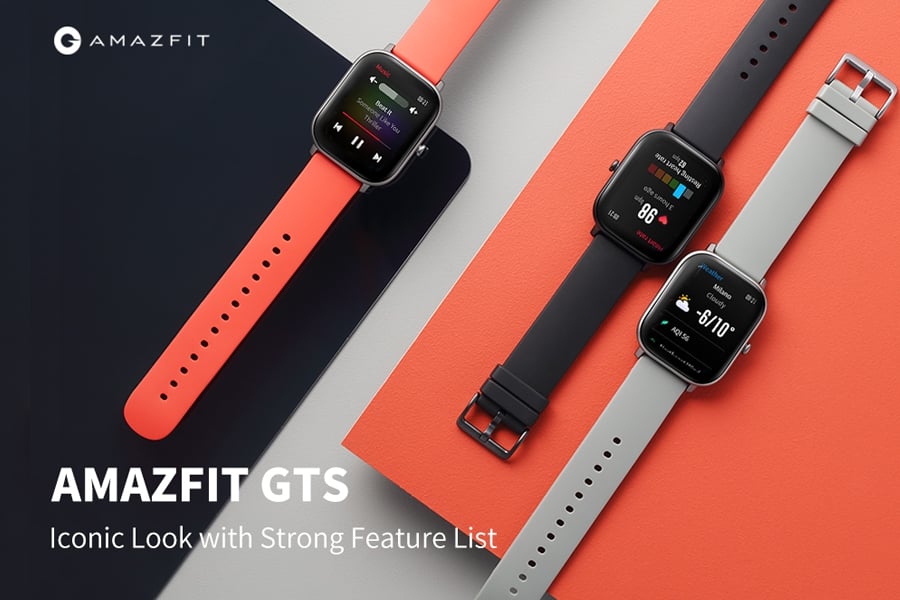
Sporting a square-shaped design, the AMAZFIT GTS smartwatch was finally made available to the public last month. The GTS can be described as a perfect blend of a smartwatch and a fitness band.
You’d normally expect a smartwatch of this caliber to carry a steep price tag, but that’s not the case with the highly competent AMAZFIT GTS smartwatch, which is currently available for a lowered price on Gearbest. Yes! the newfangled smartwatch can now be yours for just $139.99.
This is a noteworthy 25 percent reduction in the smartwatch’s original asking price of $186.99. In other words, you can get $47 off on the AMAZFIT GTS simply by placing your order through Gearbest.
So what makes the AMAZFIT GTS an irresistible smartwatch? First off, it is a Xiaomi ecosystem product. The fashionable smart wearable is crafted to suit multiple occasions and outfits, whether you don it to work or wear it to a casual outing.
The GTS is designed to turn heads. It features a square-shaped 1.65-inch AMOLED display with 348 x 442 pixels resolution and a pixel density of 341 ppi (pixels per inch). With fingerprint-resistant qualities and Corning Gorilla Glass 3 on top, the GTS comes with enhanced safety from accidental drops.
Furthermore, the watch is housed in an aviation-grade aluminum and polymer but still weighs in at just 25 grams. It features a silicone strap that can be swapped out for a 20mm band. The GTS comes up with a slew of useful sensors such as PPG Bio-tracking optical sensor, 3-axis geomagnetic sensor, 6-axis acceleration sensor, ambient light sensor, and air pressure sensor.
It can be paired with smartphones using Low Energy Bluetooth v5.0 and has GPS + GLONASS that guarantees accurate positioning. Moreover, the GTS draws its juices from a 220 mAh Lithium Polymer battery that takes 2 hours to recharge using magnetic or 2-pin POGO connectors and lasts for 14 days in daily use mode.
To know more about the amazing AMAZFIT GTS and to place your order, all you need to do is to follow this link. Gearbest is offering $15 off on orders over $100. With over 500 pieces sold at the time of writing, the promo is slated to end in just eight days.
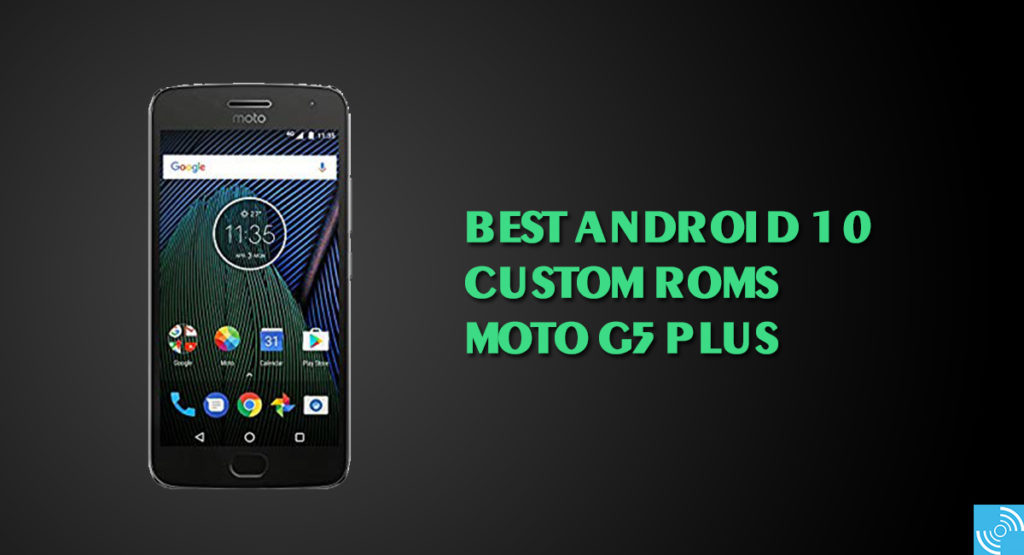
The most popular Moto G series device – Moto G5 Plus has received some love from the third-party development community over at XDA. The device has received Android 10 based Arrow OS and a few other custom ROMs support. As far as the official support is concerned, the Motorola has stopped the development for Moto G5 Plus after rolling out Android 8.1 Oreo. Moreover, its been more than six months since the device has received the latest security patch. After a single significant upgrade, Motorola forgot this mid-range device that received considerable sales in 2017.
After blooming third-party support for Android 9.0 based custom ROMs, now the developers are eagerly participating in Android 10 development for Moto G5 Plus. XDA developers are cooking some ROMs and MODs, especially for the Moto G5 Plus. We have made a list of the best Android 10 based custom ROMs for Moto G5 Plus.
What’s new in Android 10?
The Android 10 brings various new features and advancements that will make Moto G5 Plus beast once again. It features advanced security features, smart reply from notifications, new gesture navigation, and much more. The popular and most awaited Dark Theme is also part of the latest package. The enhanced privacy controls will allow users to choose data to be shared with apps. The support for advanced technologies such as 5G and foldable tech is also onboard for Android devices.
There will be some added customizability features, mods, and tweaks that will become a part of Android 10 custom ROMs.
Moto G5 Plus Specifications
The Motorola’s Moto G5 Plus was launched in February 2017 with competitive hardware in the mid-range market. It packs 5.2-inch IPS LCD Capacitive touchscreen supporting 16M colors and protected with Corning Gorilla Glass 3. The display features a resolution of 1080 x 1920 pixels with 424 pixels per inch density. Moto G5 Plus is powered by Qualcomm Snapdragon 625 chipset featuring an octa-core processor coupled with Adreno 506 GPU.
In the camera department, the smartphone holds a single 12-megapixel camera with dual-LED flash. A 5-megapixel selfie camera is present on the front side for video calling. In Conencctivty, there;s a WiFi, Bluetooth 4.2, GPS, NFC, FM Radio and microUSB 2.0 connector. It featured a fingerprint sensor on the front side along with other sensors like accelerometer, gyro, proximity sensor, and compass. The came in different storage variants of 2GB RAM + 32GB storage, 3GB RAM + 32GB and 4GB RAM + 64GB storage.
It comes with a non-removable Li-ion 3000 mAh battery with support for 15W fast charging. It is available in Lunar Grey and Fine Gold colors. Moto G5 Plus measures 150.2 x 74 x 7.7 mm and weighs 155 grams.
Note: These custom ROMs are in the early stages of development, so there might be few bugs and issues. We advise the users to these ROMs only if the phone is not your daily driver.
List of best Android 10 based custom ROMs
These custom ROMs will carry Android 10 as well as the ROM based custom features also. The users can choose the best ROM based on its features and support.
ArrowOS
It is the first and the foremost Android 10 based custom ROM for Moto G5 Plus. ArrowOS is based on AOSP and CAF projects. The developers aim to provide a neat, clean, and simple experience for the users. There are a lot more inbuilt features that is bundled with the ArrowOS.
Most of the improtant features like Calls, Data, VoLTE, Wifi, and Bluetooth are working without any issues on teh device. However, there’s some glitch with the Selinux Permissive and encryption. The camera is almost workable but needs a little improvement as the flashlight only works with the camera, the standard toggle for a flashlight is not working.
To install the ArrowOS, the user needs to install the latest stock Android 8.1 Oreo-based firmware on the device. It is based on Android 10 and is currently in the beta stage. The interested users can hit the download link below to install the custom ROM. It is advised to follow all the steps carefully. Otherwise, your device may brick.
After LineageOS, the Pixel Experience OS has support for almost every famous device. The Pixel Experience ROM is based on the AOSP code and exports some features from the Pixel devices to non-pixel smartphones. The ROM inbuilt the Pixel launcher, wallpapers, icons, fonts, and boot animations. The developers want to offer stability and security along with all the latest features on Pixel Experience ROM.
Moto G5 Plus users can easily enjoy the Pixel Experience as most of the features such as WiFi, RIL, Mobile data, GPS, NFC, Sound, Fingerprint reader, and Lights are working flawlessly. However, there are specific issues with the Magisk module. Gapps or Google Apps are inclusive in the Pixel Experience ROM, so you need not flash externally.
It is currently in the beta stage and features Android 10 base code with October 2019 security patch. It can be installed via the link below.
Moto G5 Plus users can also install the unofficial Havoc OS 3.0 that is based on the AOSP code. It features a refined Material Design 2 UI that looks pretty clean.
There are specific issues like the navigation bar gets disappeared on the first boot, which needs a reboot or restarts before it starts working regularly. Similarly, there’s glitch around the flashlight. It works fine with the camera, but the flashlight toggle is not working. Other issues are Selinux Permissive, and Encryption is not working. Apart from these issues, all the features, including WiFi, GPS, Fingerprint reader, Bluetooth, Sound, Lights, and Mobile data, are working perfectly fine.
A separate Gapps zip needs to be flashed on the ROM if the users want Google services on the device. HavocOS 3.0 is currently in the beta stage and is based on Android 10. For instructions and download files, follow the download link below.
These are some best custom ROMs that are available for the Moto G5 Plus. These ROMs are not yet stable, but in the next few months, all the bugs and issues will fade way after respective updates. We will update the list, whenever a new update about the custom ROMs for Moto G5 Plus arrives. Until then, stay connected with GizmoChina!
After unveiling the Mi CC9 Pro for the Chinese market, Xiaomi officially announced the Mi Note 10 today. It is the global version of the Mi CC9 Pro and Xiaomi advertised it as the world’s first phone with a 108 MP Penta-camera. Its cameras are indeed its main focus since we are talking about one of the best camera phones ever released, and that is not a usual thing by Xiaomi. But with this device, Xiaomi also decided to set a price tag: is it worth the money asked? We will try you to let you figure it out by comparing it with the most important Chinese flagship available globally at the same price: the vanilla OnePlus 7T.
Xiaomi Mi Note 10 vs OnePlus 7T
Xiaomi Mi Note 10
Oppo Reno Ace
DIMENSIONS AND WEIGHT
157.8 x 74.2 x 9.7 mm,
208 grams
160.9 x 74.4 x 8.1 mm,
190 grams
DISPLAY
6.47 inches, 1080 x 2340p (Full HD+), 398 ppi, 19.5:9 ratio, Super AMOLED
Penta 108 + 12 + 5 + 20 + 2 MP f/1.7 and f/2.0 and f/2.2 and f/2.4
32 MP f/2.0 front camera
Triple 48 + 12 + 16 MP f/1.6, f/2.2 and f/2.2
16 MP f/2.0 front camera
BATTERY
5260 mAh
Fast charging 30W
3800 mAh, Fast Charging 30W with Warp Charge 30T
ADDITIONAL FEATURES
Dual SIM slot
Dual SIM slot
Design
Xiaomi put more effort into the design of the Xiaomi Mi Note 10 than OnePlus with the 7T. The handset comes with a curved display as well as a design with more rounded corners which makes it look more elegant. The OnePlus 7T has a classic flat design with a waterdrop notch and not so narrow bezels around the screen. Further, not everyone may like the big round-shaped camera module on the back. Both Xiaomi Mi Note 10 and OnePlus 7T have an optical in-display fingerprint reader. The former lacks stereo speakers, while the latter lacks a 3.5 mm jack, so you will have to choose. Note 10 is a more compact smartphone, but OnePlus 7T is lighter.
Display
Despite both Xiaomi Mi Note 10 and OnePlus 7T have a high-end display, there is no challenge: OnePlus 7T is superior. It boasts a bigger 6.55-inch screen with the support to HDR10+ standard, a 90 Hz refresh rate which makes the user experience smoother, and full DCI P3 coverage. Xiaomi Mi Note 10 has high brightness, a high DCI P3 coverage, and even HDR10, but it lacks HDR10+ and a 90 Hz refresh rate, so you can not compare it with the OnePlus 7T. Unlike the 7T, Note 10 has curved edges. There are people who love them and people who hate them: what is your opinion? Last but not least, Xiaomi Mi Note 10 has a higher screen-to-body ratio than OnePlus 7T.
Specs & Software
Despite it is a flagship-class camera phone, Xiaomi Mi Note 10 is not a device with flagship-grade hardware. It is fueled by the upper-midrange Snapdragon 730G and this left a lot of people disappointed. On the other hand, OnePlus 7T is a true flagship with an amazing Snapdragon 855+ chipset, it delivers blazing speeds and perfect performance in every scenario. Further, OnePlus 7T runs Android 10 out of the box while Note 10 is still based on Android 9 Pie. However, you should not worry too much about this since Xiaomi phones have a very advanced software thanks to the MIUI Android customization.
Camera
We already told you that Xiaomi Mi Note 10 is one of the best camera phones out there, so you probably already understood that it wins this camera comparison. The 108 MP captures an astonishing level of detail, the phone supports optical zoom up to 5x and OIS. Xiaomi Mi Note 10 has a Pro version with an even better camera which sports a 108 MP main sensor with an 8P lens instead of 7P. Note 10 also wins the front camera comparison thanks to its 32 MP selfie snapper. The OnePlus 7T is still a great camera phone thanks to its 48 MP triple camera and OIS, but it will never be at the same level as the Note 10 just like almost every phone out there.
Despite providing an awesome camera, Xiaomi Mi Note 10 is also equipped with a huge battery. The capacity of 5260 mAh should allow you achieving two days of battery life even with intensive use. OnePlus 7T has just a 3800 mAh battery so there is no way it can compete in any scenarios, but it charges faster because of the smaller capacity.
Price
Both the Xiaomi Mi Note 10 and OnePlus 7T are sold globally with a €599 price tag in their base version (Note 10 costs €549/$607 in many European markets, while OnePlus 7T costs $599 in the US market). Overall, there is not a winner: if you prefer to have a better display and performance, then you should go for the OnePlus 7T. But if you want a much better camera and battery, choose the Mi Note 10.
e-Bikes are among the most popular products on Xiaomi‘s Youpin crowdfunding platform. The company keeps expanding its frontiers with the launch of another electric bike manufactured by a Chinese start-up. The Molink Electric Motorbike hits the platform with its pricing starting at 5499 yuan ($785).
The Molinks electric motorcycle is jointly developed by Qianjiang Motorcycle and Thunder electric car. Qianjiang Motorcycle is a well-known brand in the motorcycle industry.
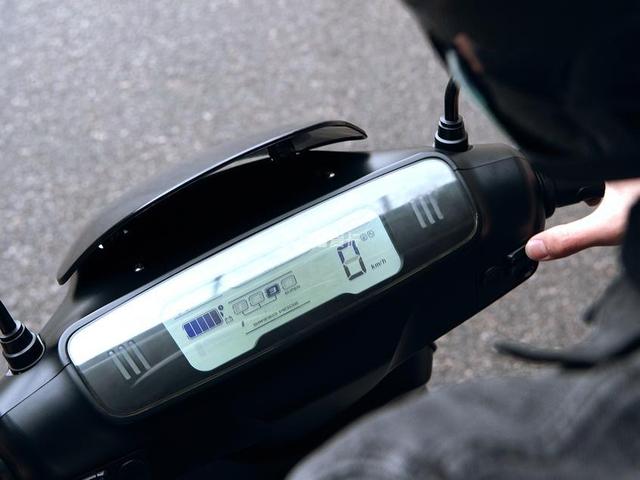
The Molink electric bike has an award-winning and top-notch design which won the German IF Design Award in 2018. The bike can also be customised to suit the taste of the owner. The design isn’t the only outstanding feature of the e-bike as it also powered by two 60V/20AH high-performance lithium batteries. The powerful battery ensures the motorcycle can travel up to a rage of 120 kilometres when cruising at a speed of 35km/h. Awesome, isn’t it? The be also comes with a completely smart control integrated with app support.
The Molink Electric Motorcycle is expected to start shipping on December 19.
A World Air Quality report ranks India has the third most polluted country in the world after Bangladesh and Pakistan. It is therefore important, especially for those living in cities to wear a nose mask and or own an air purifier in their home. Xiaomi has been selling its air purifiers in India for a few years now. Today, it launched the Mi Air Purifier 3 which features improvements in air filtration.
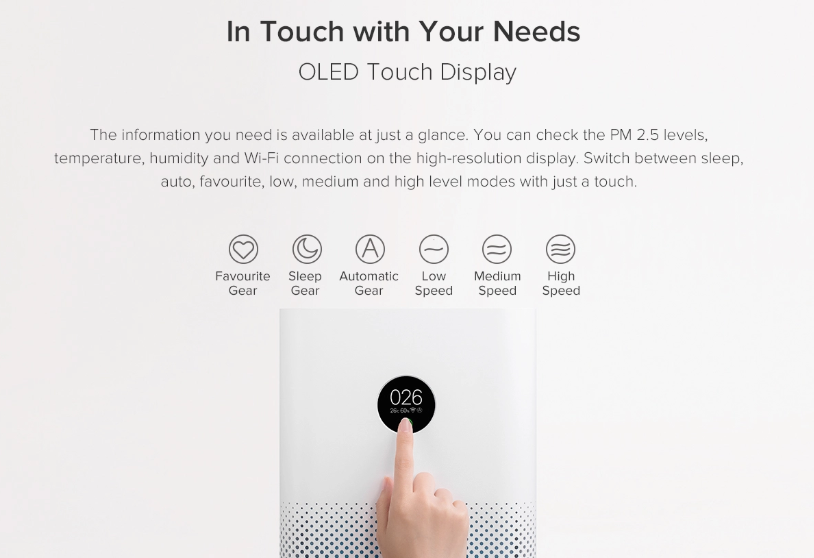
The Mi Air Purifier 3 keeps the tower design of its predecessor, the Mi Air Purifier 2S. However, there are some changes to the design. The circular OLED display now supports touch controls which is easier.
The new air purifier has a higher clean air delivery rate (CADR) of 380m³/h compared to its predecessor’s 310m³/h. The effective area is now larger, an increase of 22% compared to the Mi Air Purifier 2S. It also comes with a new HEPA Class 13 filter which provides 3-layer filtration.
The primary filter removes large airborne particles such as hair and dust and the true HEPA filter removes 99.97% of smoke, household dust, pet dander, mold spores, pollens, and particles up to 0.3 microns in size. The activated carbon filter removes formaldehyde, toxic substances, and foul odors.
Xiaomi has also added a new and more powerful centrifugal fan driven by a custom-made brushless motor. The purifier has a bigger output too and is now quieter. It can be controlled with the Mi Home App and also works with Alexa and the Google Assistant.
It weighs 4.8 kilograms and has a rated power of 38W and will consume 0.9kWh of energy if turned on for 24 hours. The rated voltage is 100V – 240V. The price for the Mi Air Purifier 3 is INR 9,999 (~$) and it is already available for purchase on Mi.com.
In a surprise announcement, Huawei will help develop Hungary’s 5G mobile network, as Prime Minister Viktor Orban defied efforts by President Donald Trump’s administration to quarantine the telecom giant. Speaking at China’s International Import Expo in Shanghai, Hungarian Foreign Minister Peter Szijjarto said that Huawei will cooperate with Britain’s Vodafone and Germany’s Deutsche Telekom in the project.
Szijjarto emphasised that Hungary does not discriminate between companies on the basis of nationality, the only condition it imposes is to comply with the country’s laws and regulations. The United States has tried to persuade allies to shun the Chinese company, which it says can be forced to give the Chinese government backdoor access to data.
During a visit to Budapest in February, U.S. Secretary of State Mike Pompeo cautioned allies against deploying equipment from the Chinese company, saying it would make it more difficult for Washington to “partner alongside them”.
In April, Szijjarto said that Hungary’s good cooperation with Huawei was in the country’s economic and strategic interests. He has called disapproval of Hungary’s openness toward China “hypocritical,” as countries and companies all over the world do business with the country. Not many other countries seem to share this view however.
The company has repeatedly denied criticism that it poses a security risk for countries where it operates. Last week, the head of Germany’s Federal Intelligence Service added his voice to the debate, saying that Huawei “can’t fully be trusted” because of its “high level of dependence” on the Chinese state.
Szijjarto didn’t specify the precise role Huawei would have in building Hungary’s 5G network, though if things proceed as is, we’ll probably find out soon enough.
This year, four big brand names associated with smartphones entered into the smart TV market. The brands are Motorola, OnePlus, Huawei, and Honor. Now they are about to be joined by a fifth company – Nokia.
It has been reported that India’s Flipkart has partnered with Nokia to launch smart TVs that will carry the Nokia brand name. Flipkart is one of India’s biggest online shopping platforms and they will handle manufacturing, distribution, as well as sales of these Nokia-branded TVs. The partnership is expected to create thousands of new jobs.
Flipkart and Nokia are not the only big names associated with the TVs. It has also been reported that the TVs will have JBL-developed audio technology. JBL is owned by Harman International Industries which itself is owned by Samsung Electronics. This partnership is also a first for the audio company in India’s TV market and it should translate into better audio for smart TVs; a feature a lot of consumers complain about according to Flipkart.
We are delighted that Flipkart, the leading e-commerce company in the country, will bring the first-ever Nokia branded Smart TVs to India. Today marks the start of an exciting new chapter for the Nokia brand in a new category. And where better to start than in India, where our brand has been trusted for quality, design and reliability.
There is no info on when we should expect the first Nokia-branded TV neither are there details about features such as screen size(s), screen type, and operating system.
Hi Abhishek. Nokia is working closely with Flipkart to ensure its products will meet the high expectations that consumers in India have for any product carrying the Nokia brand. We do the same with HMD for their phones.
It is important to state that this is a licensing agreement just as Nokia has one with HMD Global. The TVs are not affiliated to HMD Global. However, Nokia itself will be working closely with Flipkart to ensure that consumers get the high quality they associate with the brand.
Flipkart currently sells Xiaomi’s Mi TVs and Motorola-branded TVs on its platform. It probably won’t sell them anymore when it launches its Nokia-branded TVs.
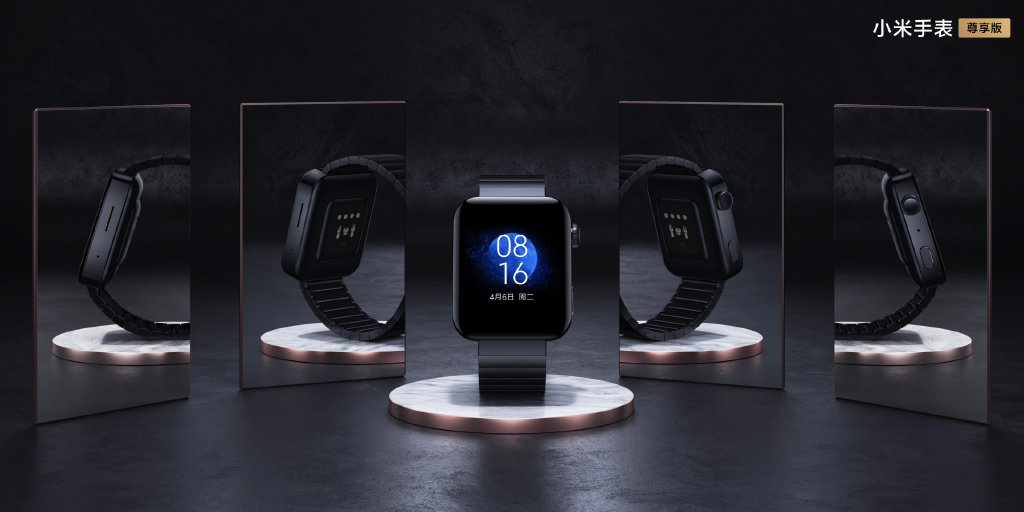
Xiaomi yesterday unveiled the Mi Watch alongside the Mi CC9 Pro and Mi TV 5 in China. As usual, not all details would be disclosed during the event especially as three high-powered products were outed. So, there were many questions about the Mi Watch that was left off by fans. Xiaomi has now come out to answer some of the questions.
The response comes from Xiaoheng, the general manager of Xiaomi Ecological Chain via a Weibo post. One of the areas he talked on was the eSIM feature onboard the MI Watch. A number of fans were curious to know the cities in China where the eSIM feature could work. He disclosed that China Unicom users can use the e-SIM in Shanghai, Shenzhen, Guangzhou, Tianjin, Zhengzhou, Changsha, Wuhan. On the other hand, China Mobile users in Shanghai, Shenzhen, Guangzhou, Tianjin, Hangzhou, Nanjing, and Chengdu can use the e-SIM. Finally, China Telecom users can assess e-SIM service in Shanghai, Guangzhou, Shenzhen, Hangzhou, Nanjing, Chengdu, and Wuhan.
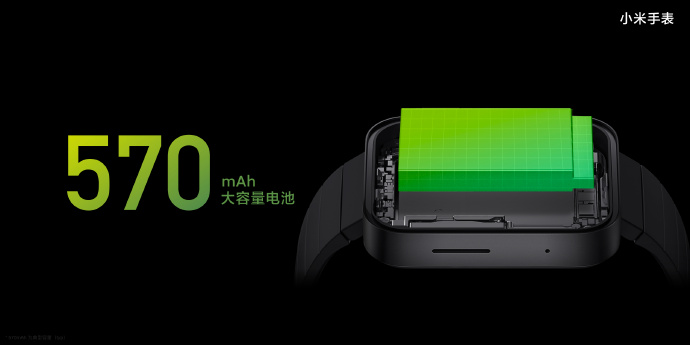
Next, he spoke on the Mi Watch battery life, revealing that the watch can be used for 36 hours under normal usage. Compared to other competing products that use the Wear OS operating system, the Mi Watch battery life is significantly improved.
How about the waterproof level? Xiaoheng disclosed that the Mi Watch can be used in the swimming pool and other shallow waters.
In addition, the smartwatch can be used to control other smart home products as well as order a taxi, set reminders, read the live encyclopedia, listen to songs and listen to more than 100 kinds of smart voice scenes.
He also reiterated that the watch comes with support for several sports modes like outdoor running, outdoor walking, cross-country, mountaineering, indoor running, outdoor cycling, indoor cycling, swimming pool, open water swimming, free sports.
The Xiaomi exec clarified that the Mi Watch strap can be replaced but it has to be with a matching strap of the same size. He advised against using unofficial metal straps or other types of straps, as other features of the watch (communication, GPS, Bluetooth, Wi-Fi) may malfunction due to mismatch.
Finally, on support for iOS, he disclosed that iOS users can temporarily download the WearOS app binding device through the App Store. However, functions such as NFC, which is dependent on Xiaomi’s app, and management of sports health data won’t be available for now. Apparently, they are still working on making all the features work.
You can read our launch article to know more about the Mi Watch.
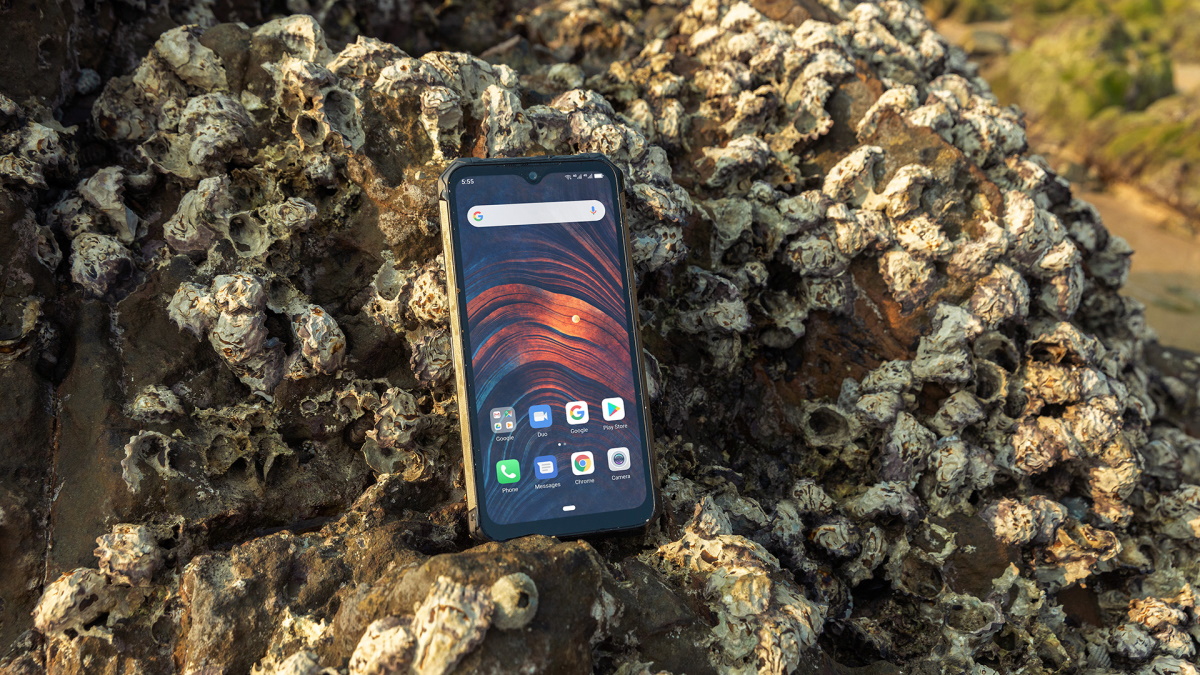
Ulefone Armor 7 is the latest rugged flagship from the Chinese manufacturer and it hit the market recently, becoming the world’s 1st 48MP triple camera with Helio P90 flagship rugged phone. Since it’s too soon for anyone to have received it, Ulefone gives its fans a first glance at the new device as many are curious about its performance.
Design-wise, the device adopts a composition of matte and luster texture materials and as always, it comes with IP68/IP69K/MIL-STD-810G certifications. In the video, you can see only a fraction of its durability.
On the inside lies the flagship MediaTek Helio P90 8-core AI SoC and as seen in the video, watching YouTube, checking posts on Facebook, playing online games, and chatting with friends on Messenger was smooth and fast. Also, it features a heart rate detection feature embedded in the rear camera and it’s practical for sports enthusiasts. Speaking about the rear camera, it consists of 3 sensors: a 48MP main sensor, an 8MP telephoto one, and a 16MP night photography one. Combined with the AI capabilities of the Helio P90, it helps to effortlessly shoot photos that tell great stories. On the front, there is a 16MP selfie shooter for selfies and face unlock.
The rest of the specs include 8GB of RAM and 128GB of internal storage, a 6.3″ FHD+ waterdrop display, 5500mAh battery with Qi 10W wireless charging, face and fingerprint unlock, heart rate sensor, global network bands, NFC with Google Pay, Android 9.0 Pie, etc. You can find it on Banggood for just $369.99 while during the 11.11 shopping festival on Aliexpress, you will have the chance to buy Ulefone phones at super-low prices and participate in the giveaway. You can find all the details here.
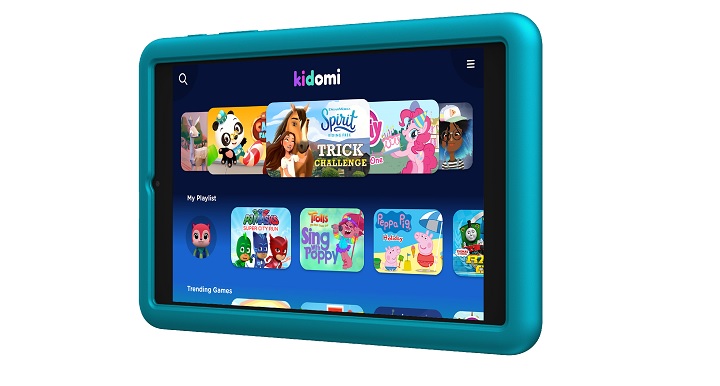
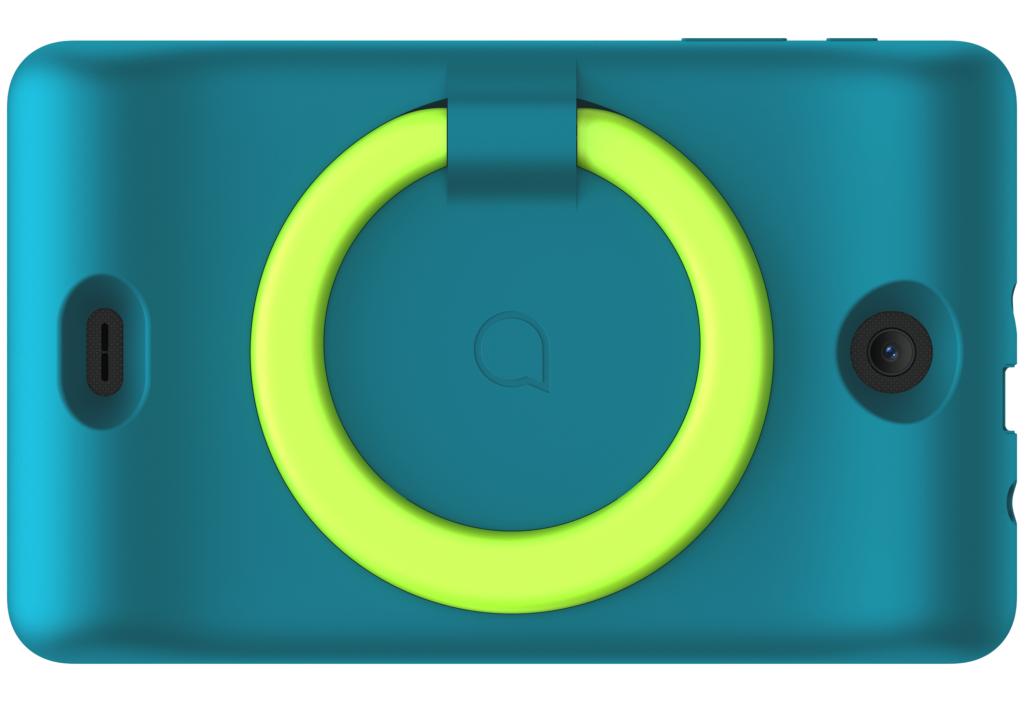
The JOY TAB KIDS has a teal-colored body. It wraps around the screen quite well and should be able to withstand the not-so-gentle handling by kids judging from its thickness. It also has a neon green handle that doubles as a kickstand and that folds neatly on the back.
The tablet has an 8-inch 1280 x 800 screen with thick bezels at the top and bottom. It is powered by MediaTek’s MT8765A 1.5GHz quad-core processor along with 2GB of RAM and 32GB of storage. The JOY TAB KIDS also has a 5MP camera on each side and packs a 4080mAh battery.
TCL ships it with Android 9 Pie out of the box with kids content such as books, videos, and games from Kidomi. There is also a parental control so you can set usage time and customize features.
The Alcatel JOY TAB KIDS will be available on T-Mobile starting Friday, November 15. The price has not yet been revealed but T-Mobile has a tablet with identical specs called the JOY TAB (with LTE) but without the bumper case priced at $168. This should give you an idea of how much the JOY TAB KIDS will cost.
GeekBuying has launched the BMAX Windows 10 N3060 4GB/64GB MINI PC Sale! As part of this recently kicked off sale, the Chinese online retailer is giving its loyal users a chance to save a considerable amount of money on laptops and Mini PCs from BMAX.
BMAX Y11 Convertible Laptop
Let’s talk about the great discount GeekBuying is offering on the BMAX Y11 laptop, and see how you can save more money at the time of checking out. The 8GB RAM+256GB ROM BMAX Y11 variant would normally set you back a pretty penny, but you can now buy it for just $ 328.99 from GeekBuying.
This is a noteworthy 27 percent reduction in the device’s original asking price of $447.99, but that’s not all. If you are a new GeekBuying user, you can take advantage of the 2% OFF New User Coupon for extra discount.
The BMAX Y11 360-degree laptop is an absolute steal at this price. It packs a powerful Intel Gemini Lake N4100, Quad-Core processor, along with the highly competent Intel UHD Graphics 600 GPU under the hood for uninterrupted gaming experience and multitasking. The laptop sports an 11.6-inches display with 1920×1080 pixels resolution.
Furthermore, the Y11 draws its juices from a 7.6V/3500mAh Li-ion polymer battery that lasts an entire day on a single charge. It runs the latest genuine Windows 10 Pro operating system with the latest software updates.
You can follow this link to check out more details about the feature-laden BMAX Y11 laptop and place your order. Note that the promo is slated to end in just four days.
Looking for an inexpensive mini PC that offers exciting features? You might want to check out the BMAX B1, which has gone up for bearing a reduced price tag on GeekBuying. You’d normally end up shelling out $184.99 on the B1 mini PC, but GeekBuying is giving you a chance to buy it for only $99.99.
In addition to getting this 46 percent discount, there are numerous reasons why you might want to get your hands on the BMAX B1 mini PC. Here are some of them.
The B1 is powered by Intel Celeron N3060, which is a 64-but dual-core system on a chip made by Intel. Furthermore, it features Intel’s 8th Gen LP HD Graphics 400 for smoother playback of 4K Ultra HD videos and enables you to connect two display devices simultaneously.
The mini PC comes pre-installed with Windows 10 Home OS, directly giving you access to a slew of advanced functions that come with the Windows operating system. For instance, it has built-in Cortana that can turn the device into a full-fledged work station.
Other features include a smart cooling fan and the ability to connect with several devices such as projectors, televisions, monitors and even printers. In other words, the BMAX B1 can be touted as one gadget that meets all your needs.
If this is your first order with GeekBuying, do not forget to use the 2% OFF New User coupon at the time of checking out. Since the promo will be valid for just five days, follow this link without wasting time and grab the discount.
The highlight of Xiaomi’s Madrid event today was the unveiling of the Mi Note 10 and Mi Note 10 Pro. The phones are the world’s first 108MP penta-camera smartphones. The Mi Note 10 is actually a rebranded Mi CC9 Pro while the Mi Note 10 Pro is just a version with an 8P lens instead of the 7P lens on the standard version.
Design
The Mi Note 10 is covered in 3D glass on both sides, Gorilla Glass 5 to be precise. Xiaomi calls the display Arc AMOLED. There is a waterdrop notch and the bezels are actually quite thin. The phone has rounded corners and the edges are tapered, so it should be more comfortable in your hands.
The Mi Note 10 is available in three colors – Aurora Green, Glacier White and Midnight Black.
Specifications
The Mi Note 10’s Arc AMOLED display is 6.47-inches in size. Just like several of Xiaomi’s phones, the resolution is FHD+. The phone has a 19.5:9 aspect ratio, has a TUV Rheinland low blue light certification, and a 400,000:1 aspect ratio. The phone features an all-new in-display fingerprint scanner that is 88% thinner than previous generations and has a larger scanning area.
There is a Snapdragon 730G processor inside the phone. The Mi Note 10 Pro has the same processor and not a Snapdragon 855/Snapdragon 855+ SoC as expected. The standard version has 6GB of RAM and 128GB os storage while the Mi Note 10 Pro has 8GB of RAM and 256GBof storage.
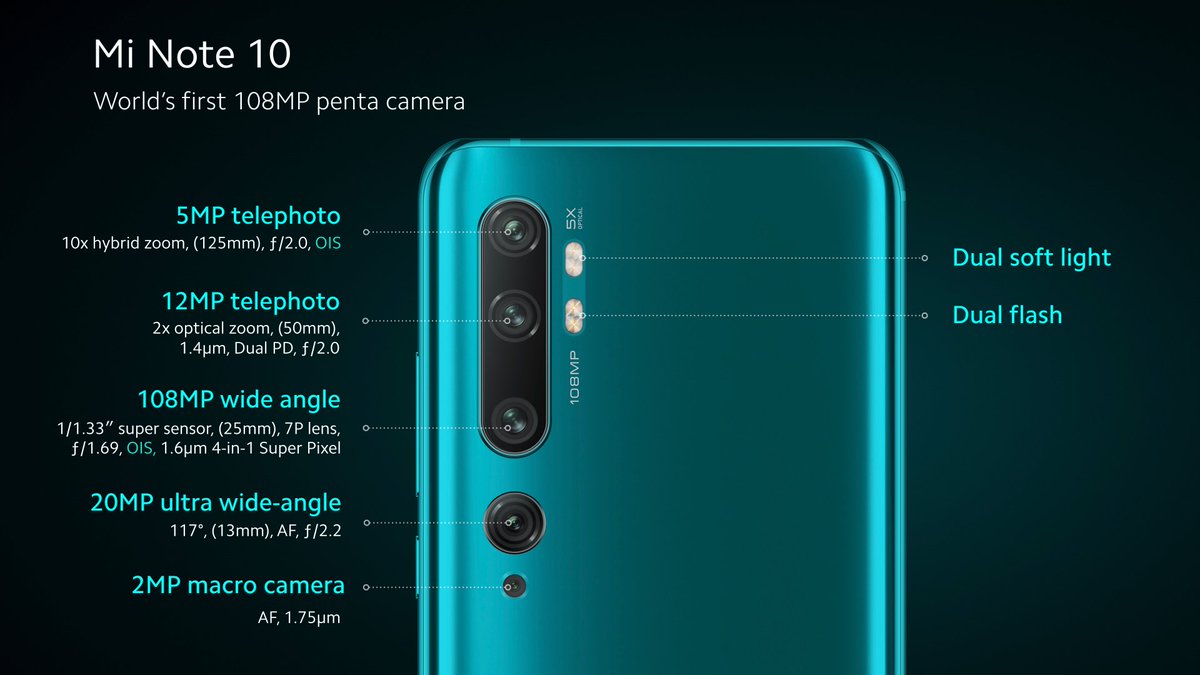
The highlight of the phone is its rear cameras which total five. Arranged vertically, the first camera is a 5MP f/2.0 telephoto camera with 5x optical zoom, 10x hybrid zoom, and up to 50x digital zoom. This sensor also has optical image stabilization. It is followed by a 12MP f/2.0 telephoto camera with 2x optical zoom and Dual PD. The large 108MP f/1.69 sensor comes next with its 1.6um 4-in-1 Super Pixel and optical image stabilization. You also get a 20MP f/2.2 117° ultra-wide-angle camera and a 2MP 1.75um macro camera. The setup is completed with dual flash and dual soft flash.
Xiaomi hasn’t just loaded the phone with sensors. There are lots of interesting features too. For example, the phone comes with Night Mode 2.0 with RAW multi-frame noise reduction. The phone can shoot 27MP low-light photos, portrait photos with a focal length of 50mm, and also macro photos. There is a Vlog Mode with up to 7 different presets including stop motion, travel, and memories. It can also record slow-motion videos at 960fps and 4K ultrawide angle videos.
[envira-gallery id=”288030″]
The Mi Note 10 Pro has a 32MP selfie camera that has features such as panorama selfie, palm shutter, AI beauty, AI scene detection, and face unlock.
The Mi Note 10 has a large 5260mAh battery that offers more than 2 days of battery life. It has support for 30W fast charging (from empty to 100% in 65 minutes) and you get a 30W charger inside the box, so you don’t have to order one separately. There is also an IR blaster, an audio jack, and Hi-Res audio.
The Mi Note 10 and Mi Note 10 Pro runs MIUI 11 out of the box. MIUI 11 brings several useful features such as Dual Clock for frequent travelers, Dark Mode, dynamic clock, an improved notes app to manage your to-do lists, wireless printing, and Mi Share
Price and Availability
The Mi Note 10 is priced at €549 while the Mi Note 10 Pro will sell for €649. That sure is quite expensive and it remains to be seen if the Mi Note 10’s camera features will be able to convince buyers.
The phone will be available in Spain and Italy starting on November 15 and in France on November 18. Pre-order begins in Germany on November 11. It will be available in the UK, the Netherlands, Belgium, and Luxembourg soon.
Japan Softbank Group has announced that it will launch a smart robot vacuum developed by China’s Xiaomi ecological chain startup Roborock Technology Co., Ltd. The product will be the first batch of IoT products that would be launched by Softbank which also unveiled its partnership with two other Chinese startups – Yeelight and Smartmi for IoT products.
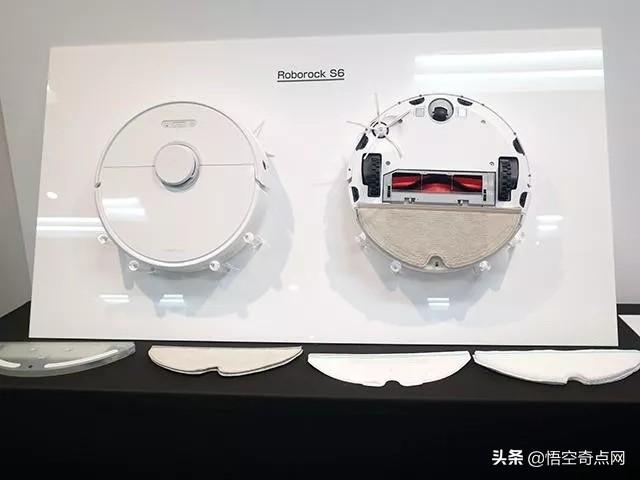
The vacuum cleaner that was launched is the latest Roborock S6 which made its first debut earlier this year. The smart robot vacuum cleaner is the successor of the Roborock S5 which was widely received when it was launched last year. The Roborock S6 is designed to keep the room spotlessly clean as it comes with several innovative and topnotch features. The vacuum cleaner comes with a radically overhauled Roborock AI mapping tech 1.0 which determines the best route in real-time, making it 20 percent more efficient than its predecessor, the Roborock S5. Its advanced mapping enables you to set a schedule for each room with just one click.
Further, the Roborock S6 performs a myriad of functions including mopping, sweeping, and does both simultaneously as well. It comes with a bionic 140ml tank that allows you to adjust the water volume and a powerful motor that delivers 2000pa strong suction for superior cleaning.
Speaking during the announcement of the partnership, SoftBank’s senior vice president of consumer business and new business said that the partnership aims to promote the development of the Japanese Internet of Things (IoT) sector. “Japan has performed poorly in the world of IoT products, and the Internet of Things business has lagged behind the United States for five years,” he said.
We use cookies on our website to give you the most relevant experience by remembering your preferences and repeat visits. By clicking “Accept”, you consent to the use of ALL the cookies.
This website uses cookies to improve your experience while you navigate through the website. Out of these, the cookies that are categorized as necessary are stored on your browser as they are essential for the working of basic functionalities of the website. We also use third-party cookies that help us analyze and understand how you use this website. These cookies will be stored in your browser only with your consent. You also have the option to opt-out of these cookies. But opting out of some of these cookies may affect your browsing experience.
Necessary cookies are absolutely essential for the website to function properly. This category only includes cookies that ensures basic functionalities and security features of the website. These cookies do not store any personal information.
Any cookies that may not be particularly necessary for the website to function and is used specifically to collect user personal data via analytics, ads, other embedded contents are termed as non-necessary cookies. It is mandatory to procure user consent prior to running these cookies on your website.