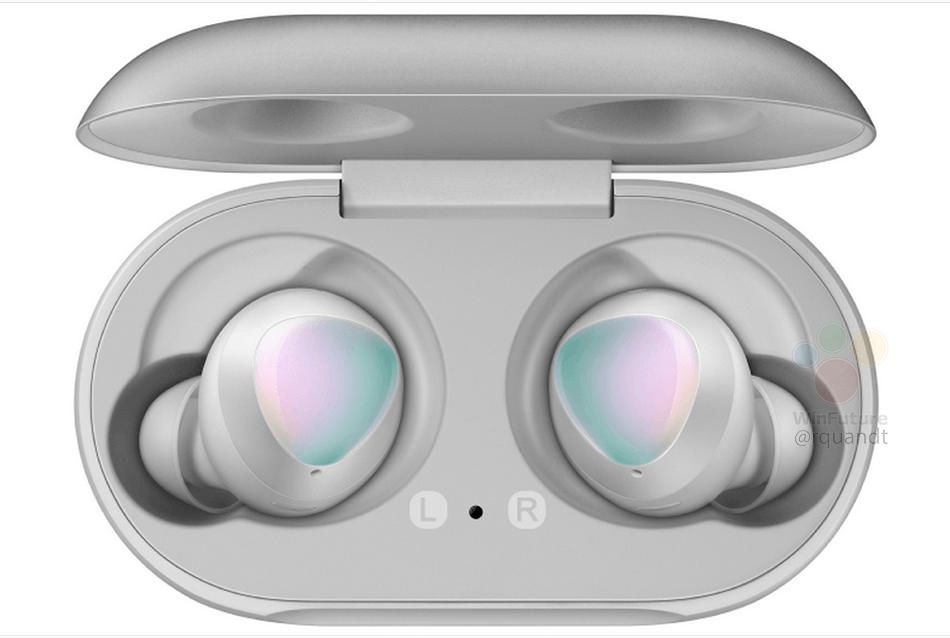
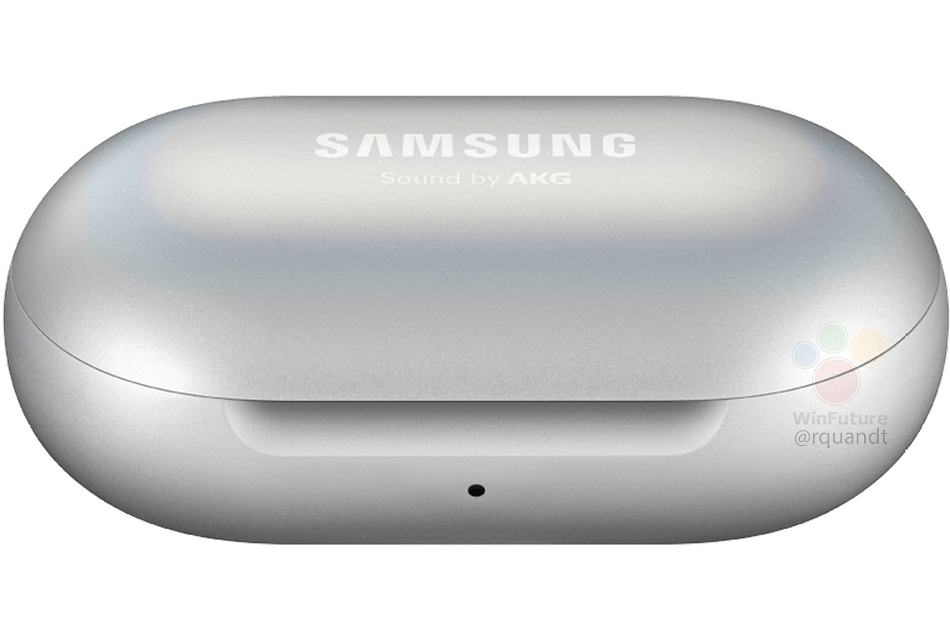
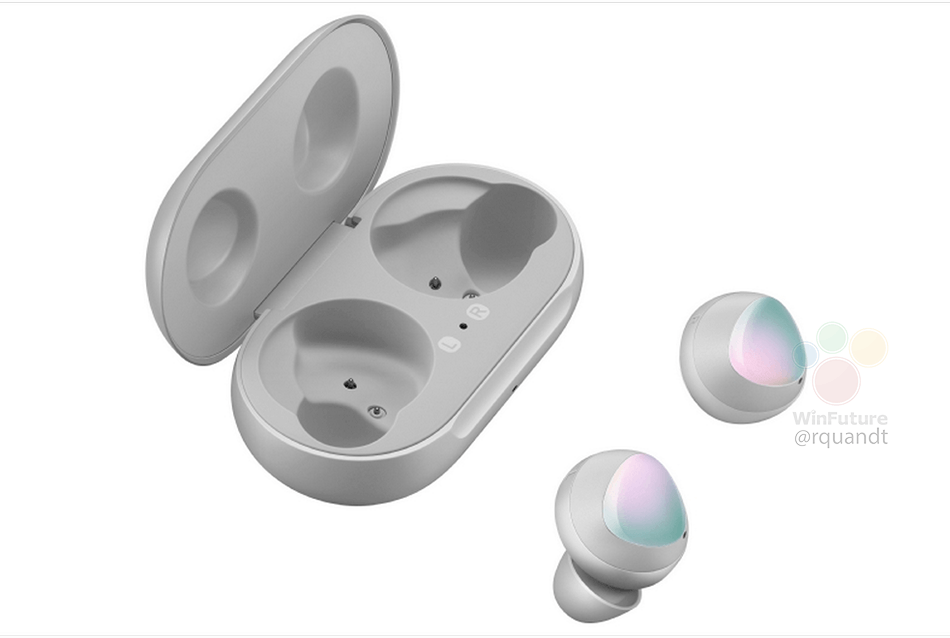
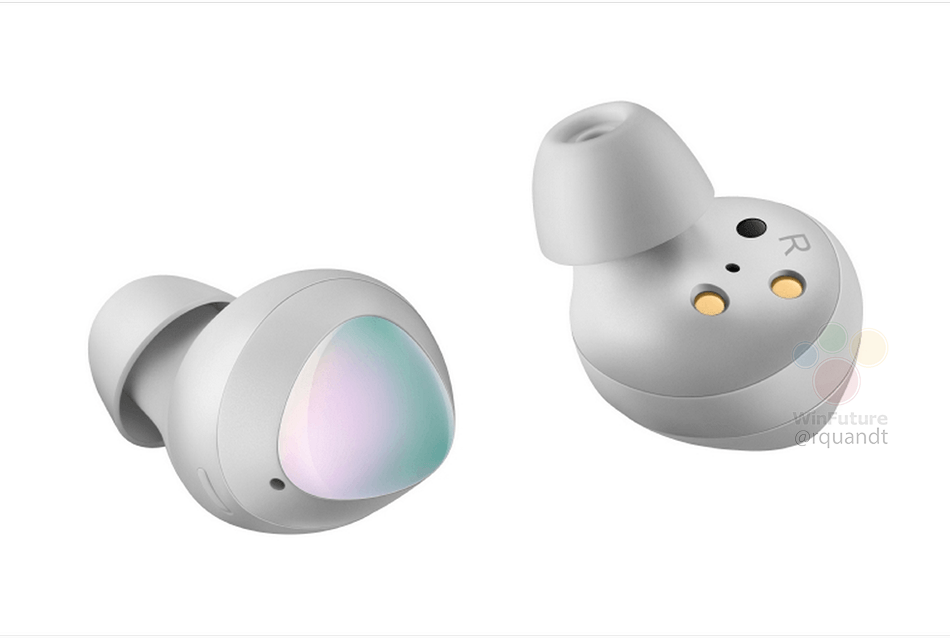
The Samsung Galaxy Buds will be getting a new color variant. Originally available in Black (including a Blackpink edition), White, and Yellow, Samsung will announce a Silver variant that matches the Galaxy Note10 series.
The new color variant has what is called an “Aura Glow” and comes in a silver case. Nothing as changed with respect to its features, and Winfuture.de reports that it will cost €149.90, the same price as the other color variants. A successor will most likely launch next year with the Galaxy S11. We do not know if Samsung will add a free unit of the earbuds with Galaxy Note10 purchases like it did with the Galaxy S10 series.
1 of 3
Galaxy Buds Silver
Galaxy Buds Silver
Galaxy Buds Silver
It has also been reported that Samsung will announce a new pair of USB Type-C wired earphones along with the new Galaxy Note flagships. The new earphones will have Active Noise Cancellation and will have an AKG branding.
HTC is restarting (read rebooting) its budget Wildfire series and we expect they shouldn’t burn a hole in your pocket. Last week, specs of four new models surfaced. First was the Wildfire and Wildfire E1 and then the Wildfire E and Wildfire E Plus. Now specs of a fifth model called the Wildfire X has also surfaced.
The Wildfire X is said to have a display with a 19:9 aspect ratio and a 1520 x 720 resolution. Sadly, there is no mention of the screen size. We just hope it isn’t too big.
Inside the phone will be a MediaTek Helio P22 processor alongside 4GB of RAM. No storage options have been revealed. There are also no details on the camera configuration and battery capacity. The source does mention that it will run Android 9 Pie out of the box. It is not like we were expecting any less.
Just like the other Wildfire phones, we do not know when this will launch.
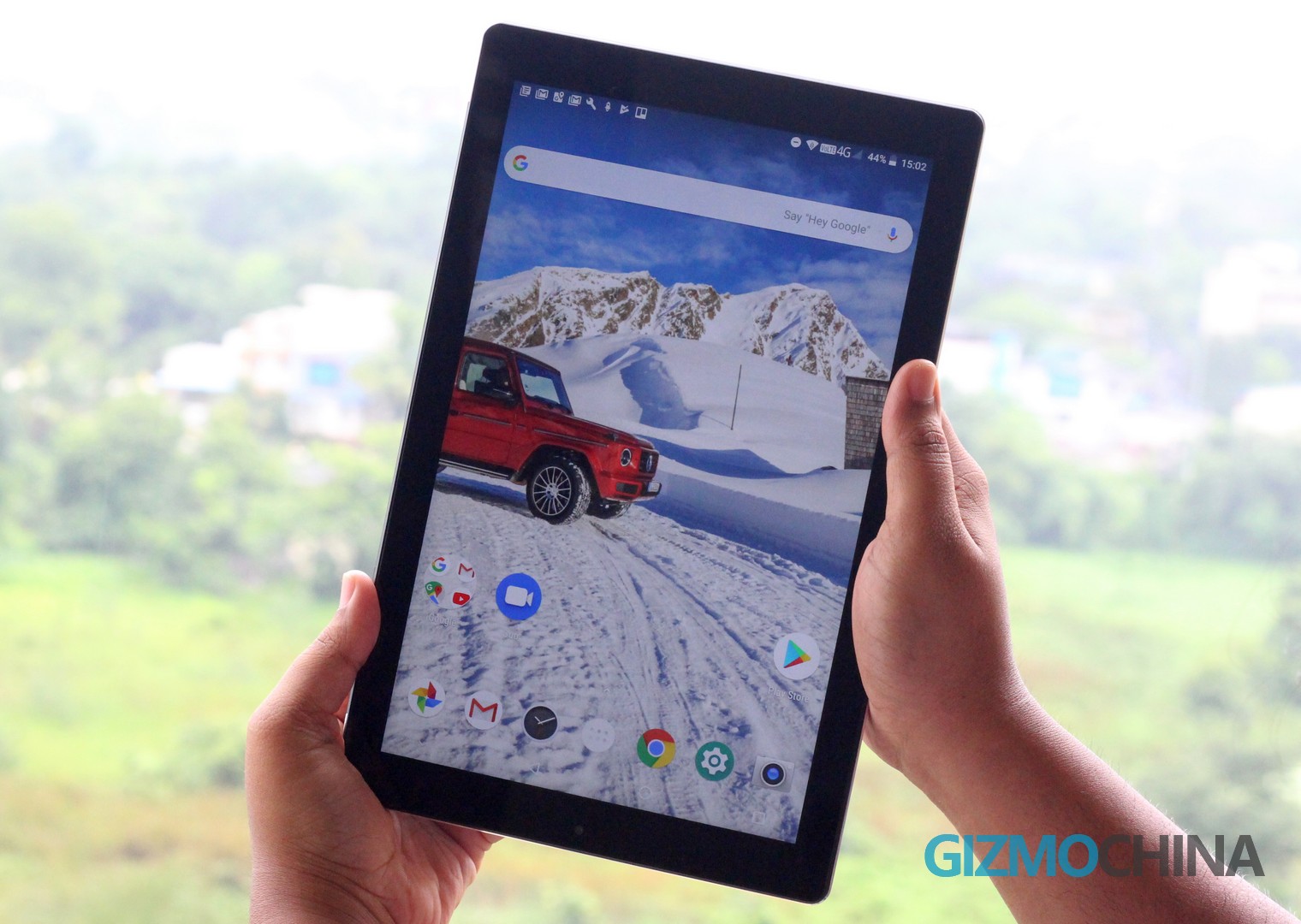
Chuwi is a well-known name in the affordable tablet market. We have seen some really interesting tablets and laptops from the brand in the past few years and today, we have got the Chuwi HiPad LTE in for review, one of the cheapest LTE supported productivity tablets in the market right now. I call it productivity-oriented because it comes with a pretty decent keyboard case to fulfill some of the functions of a laptop. Both the tablet and the keyboard are bundled together for a price under $200, making it an extremely competitive offering in the budget tablet market.
However, slapping a few good specs on a device doesn’t automatically make it good. The device has to be optimized to use the hardware efficiently. Chuwi does have a few years of experience in this device category, so it wasn’t surprising to see the overall experience of the HiPad LTE to be pretty decent. But the tablet isn’t without issues. We’ll talk more about it later in the article.
So, let’s take a deeper dive into the new Chuwi HiPad LTE and see if it lives up to our expectations.
Chuwi HiPad LTE Review: Tablet Design
Over the past few years, we have seen a remarkable shift in the design of Chinese products. They are no longer cheap-looking and plasticky. In fact, we are not just talking about the big names in the Chinese market, even small-time companies like Chuwi and UMIDIGI have upped their game when it comes to designing their products. We can see that shift in the Chuwi HiPad LTE tablet as well.
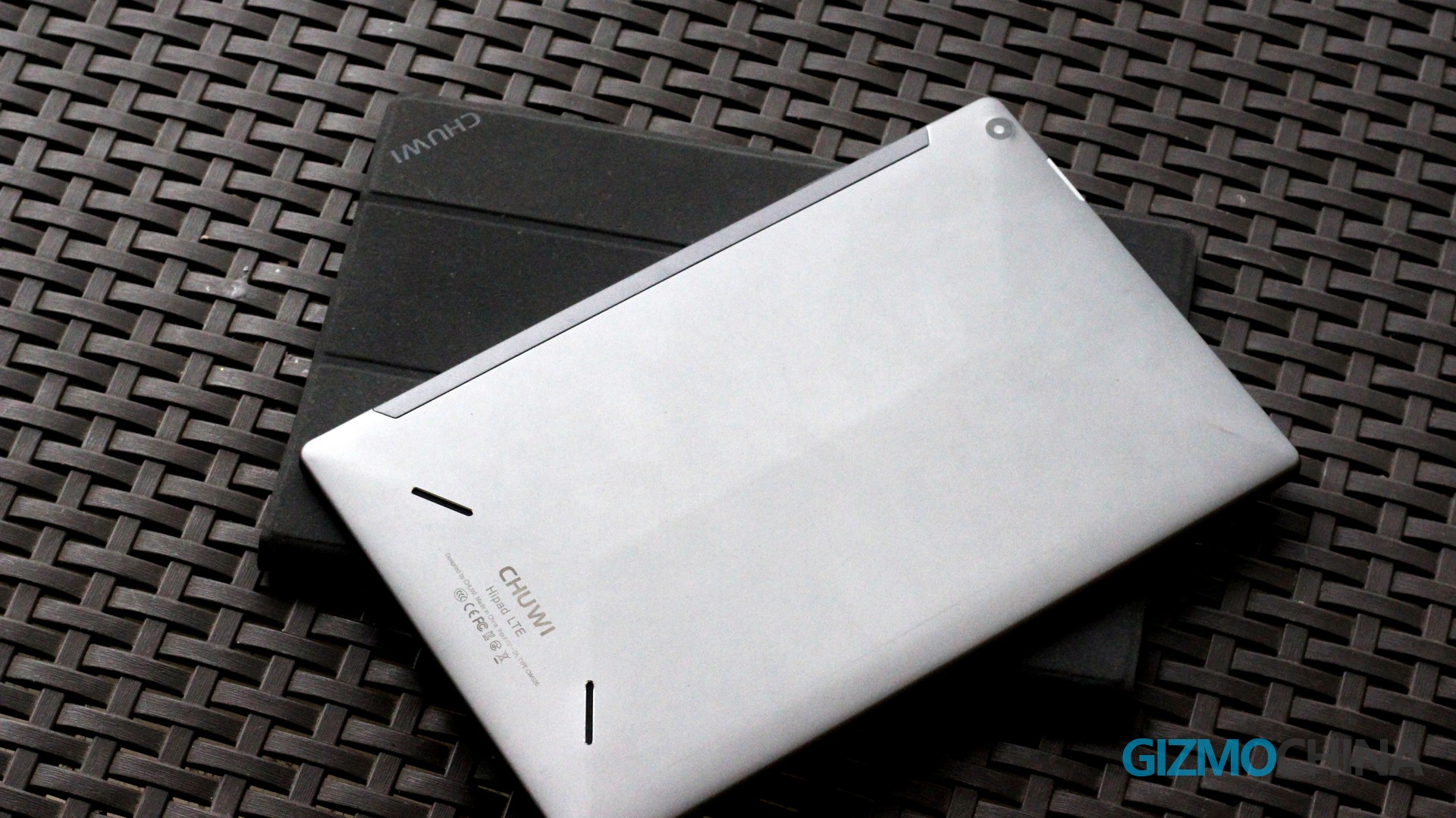
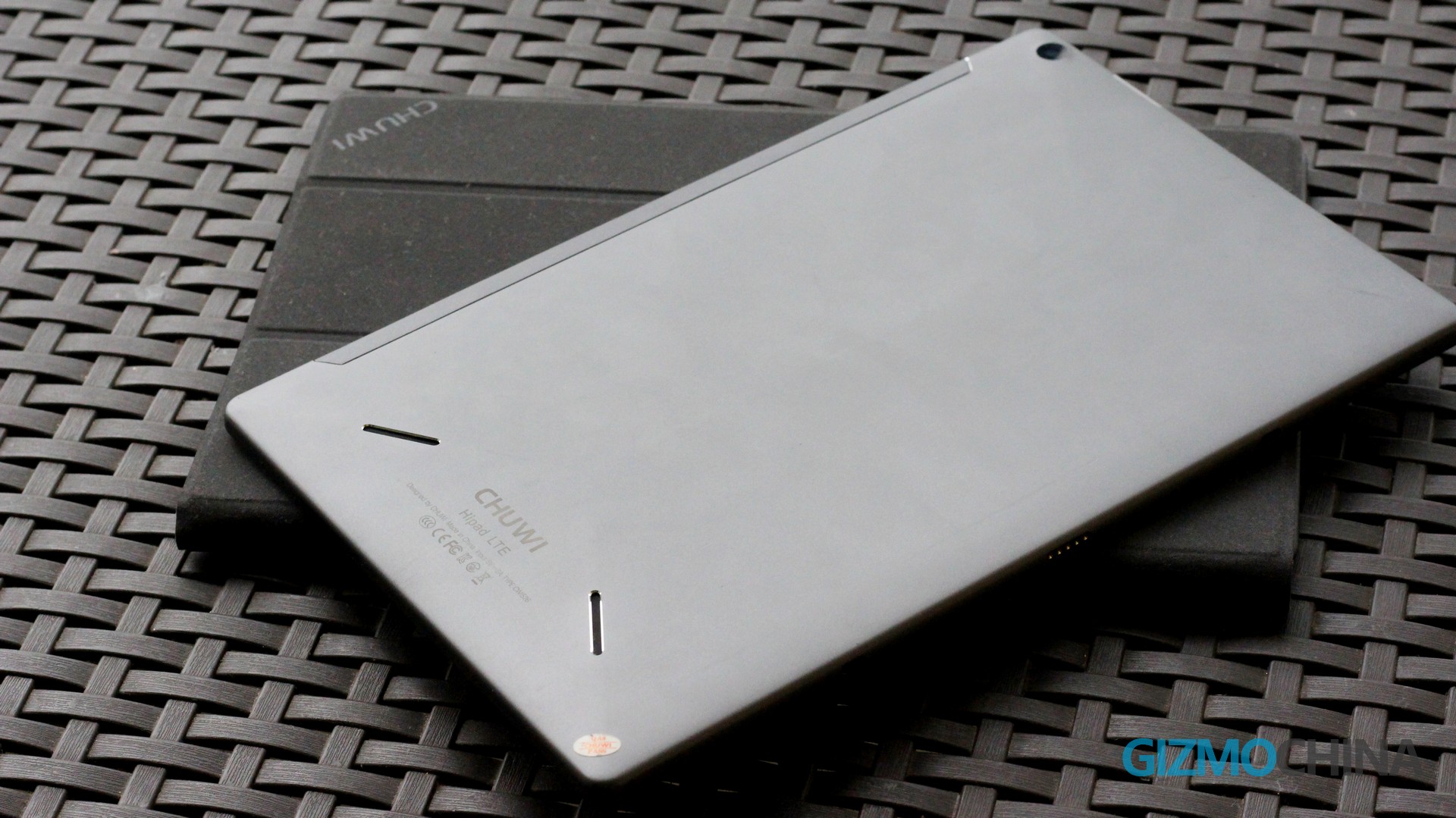
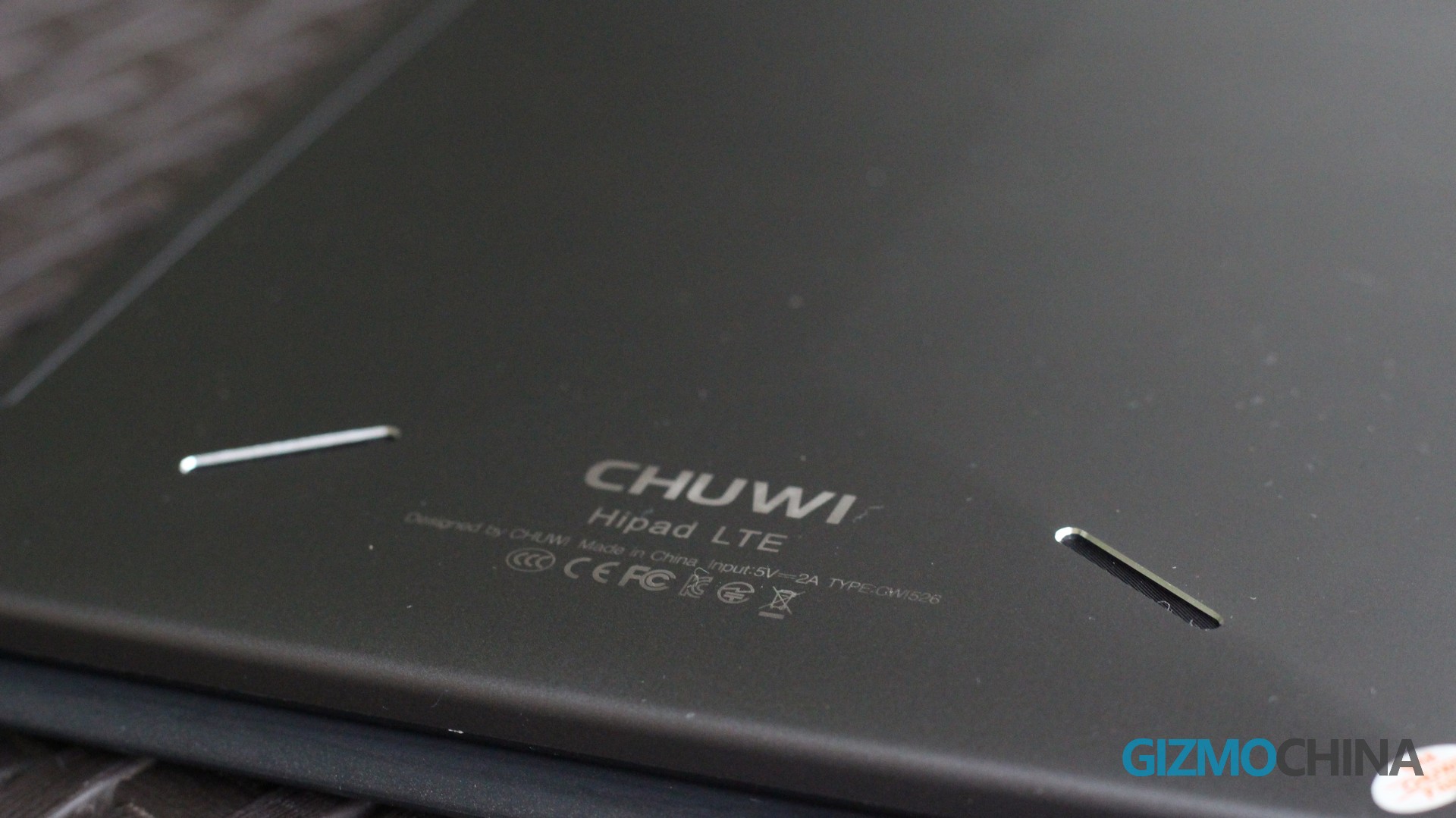
The Chuwi HiPad LTE tablet has an outstanding design for a sub-$200 tablet. When you look at the device, you know the company has put serious efforts into designing it. The tablet adheres to a geometric design with its speaker grill aligning with thin design lines at the back. The edges are rounded off for better comfort.
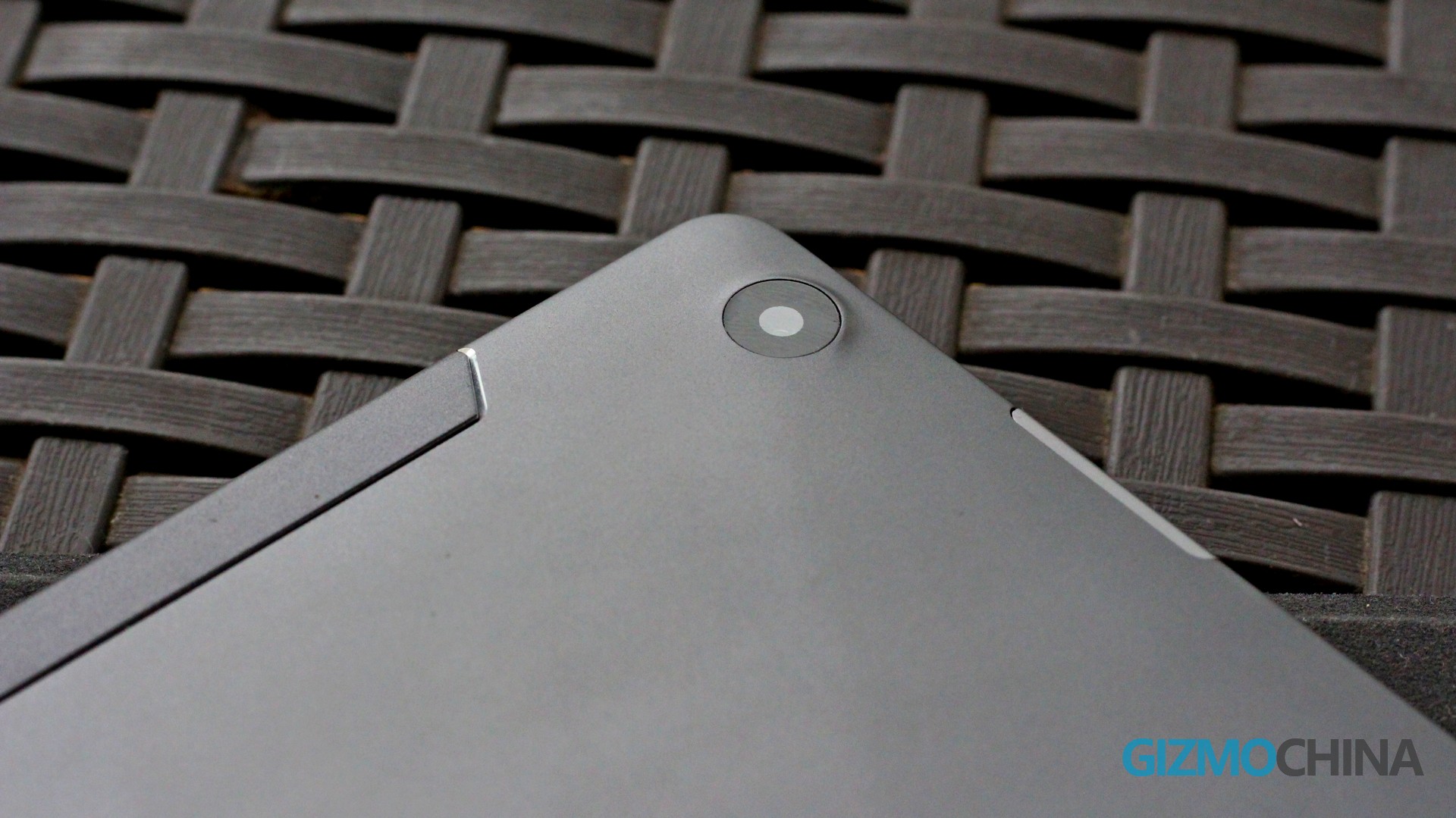
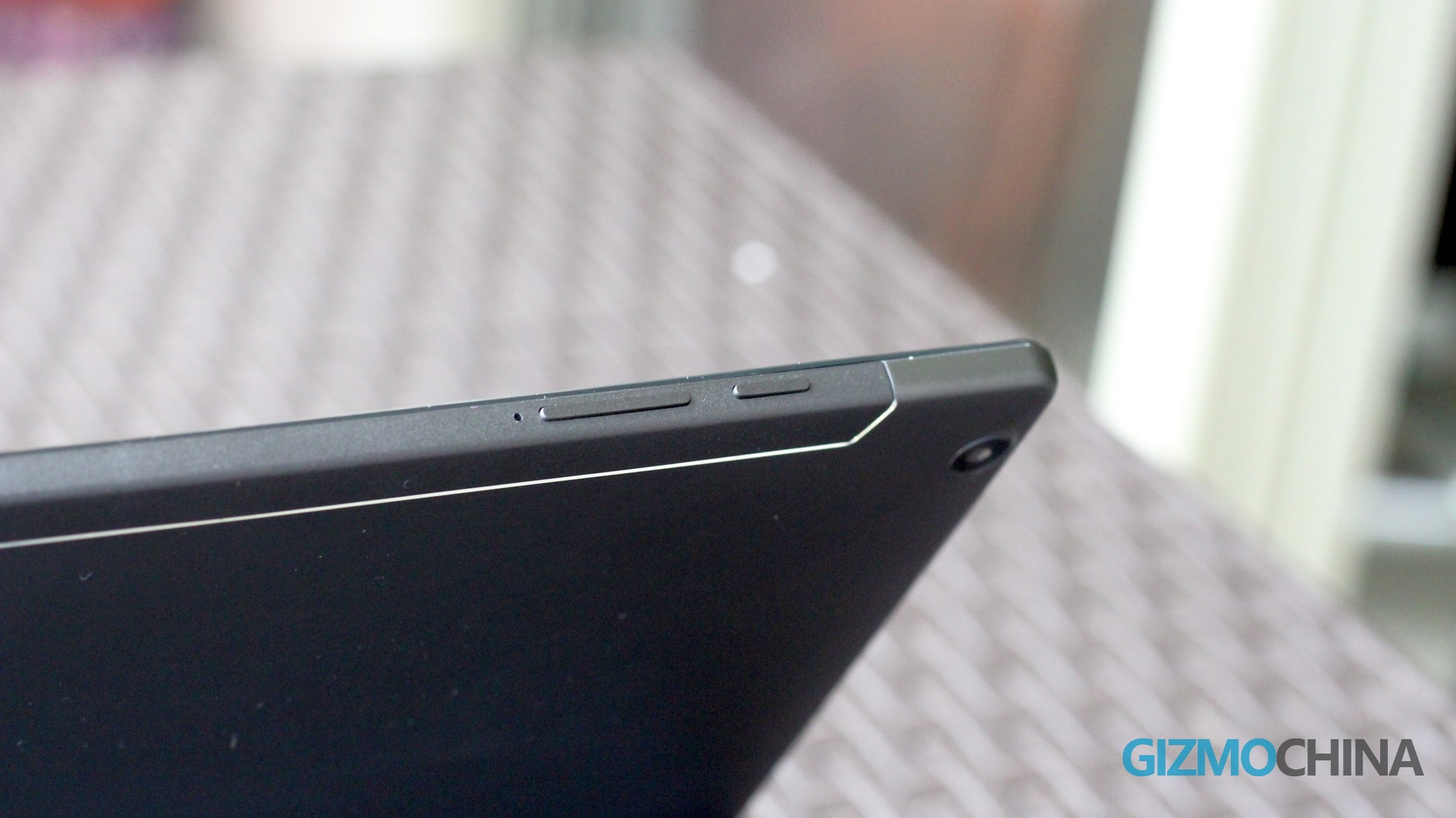
The all-metal design in gray color looks premium hiding its budget identity. The back is smooth to touch and doesn’t scratch very easily. The camera lies flush with the overall body, so there are no protruding parts in the design. The back has an additional design element featuring a small strip on the left side. The strip actually extends to the side which houses the power button and volume keys. It stands out because of its darker shade and adds to the beauty of the device.
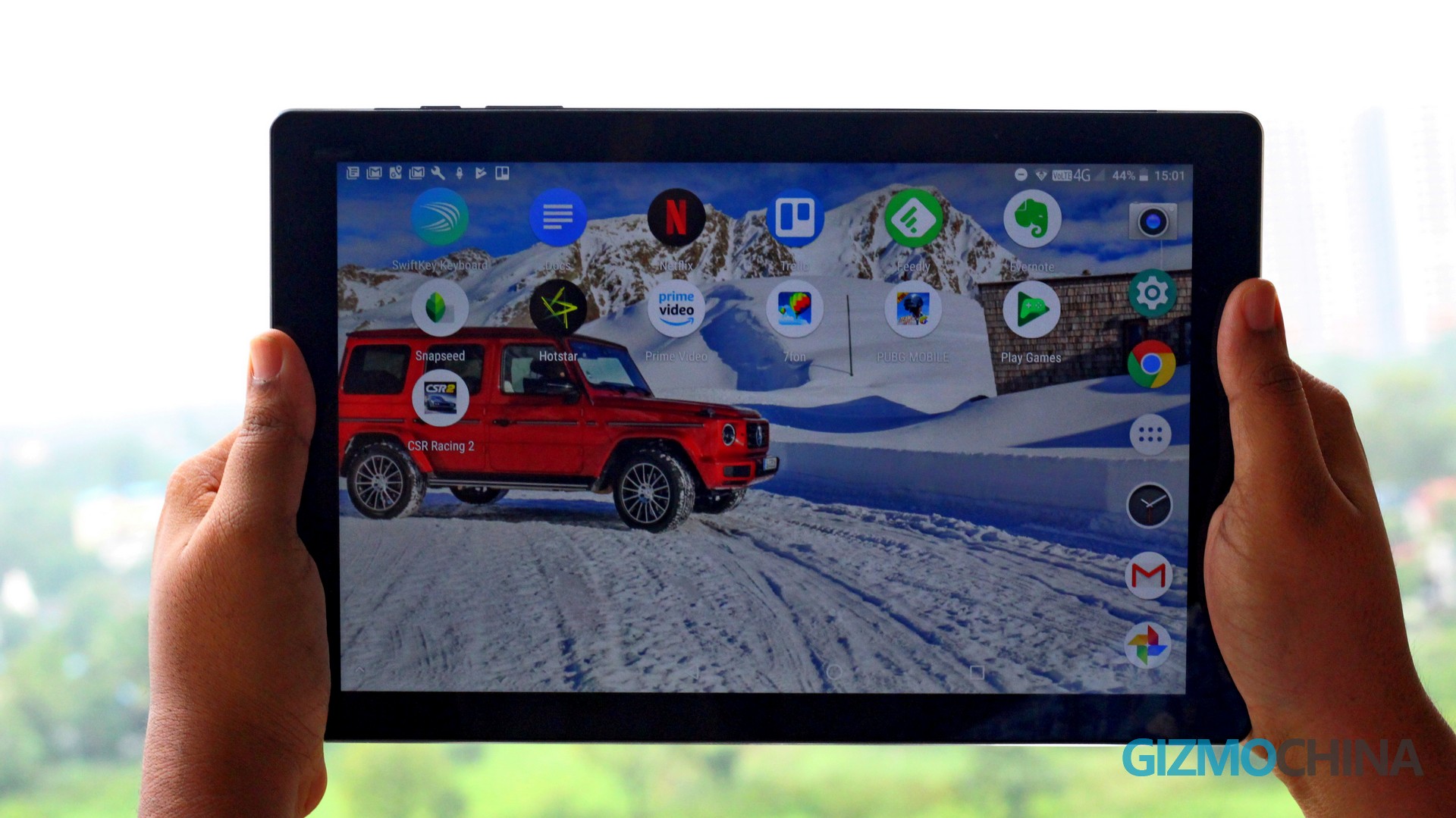
Coming to the front, the Chuwi HiPad LTE features a large 10.1-inch FHD display. The bezels are quite significant on all the four sides but that can be a blessing in disguise as it offers enough space to rest your fingers while operating the tablet. Nevertheless, you do get used to the bezels and it’s not really bothersome, especially because the bezel size is symmetrical on all sides.
Talking about thickness, the tablet is pretty thin measuring just 7.9mm. That’s as thick as a standard smartphone. These are its dimensions: 241.7 x 172 x 7.9mm. The tablet spreads out its 500g weight uniformly, so it’s pretty easy to hold it in your hands. So I have no real complaints in the dimension or weight department, especially after knowing that it features a large 7000mAh battery in this form factor.
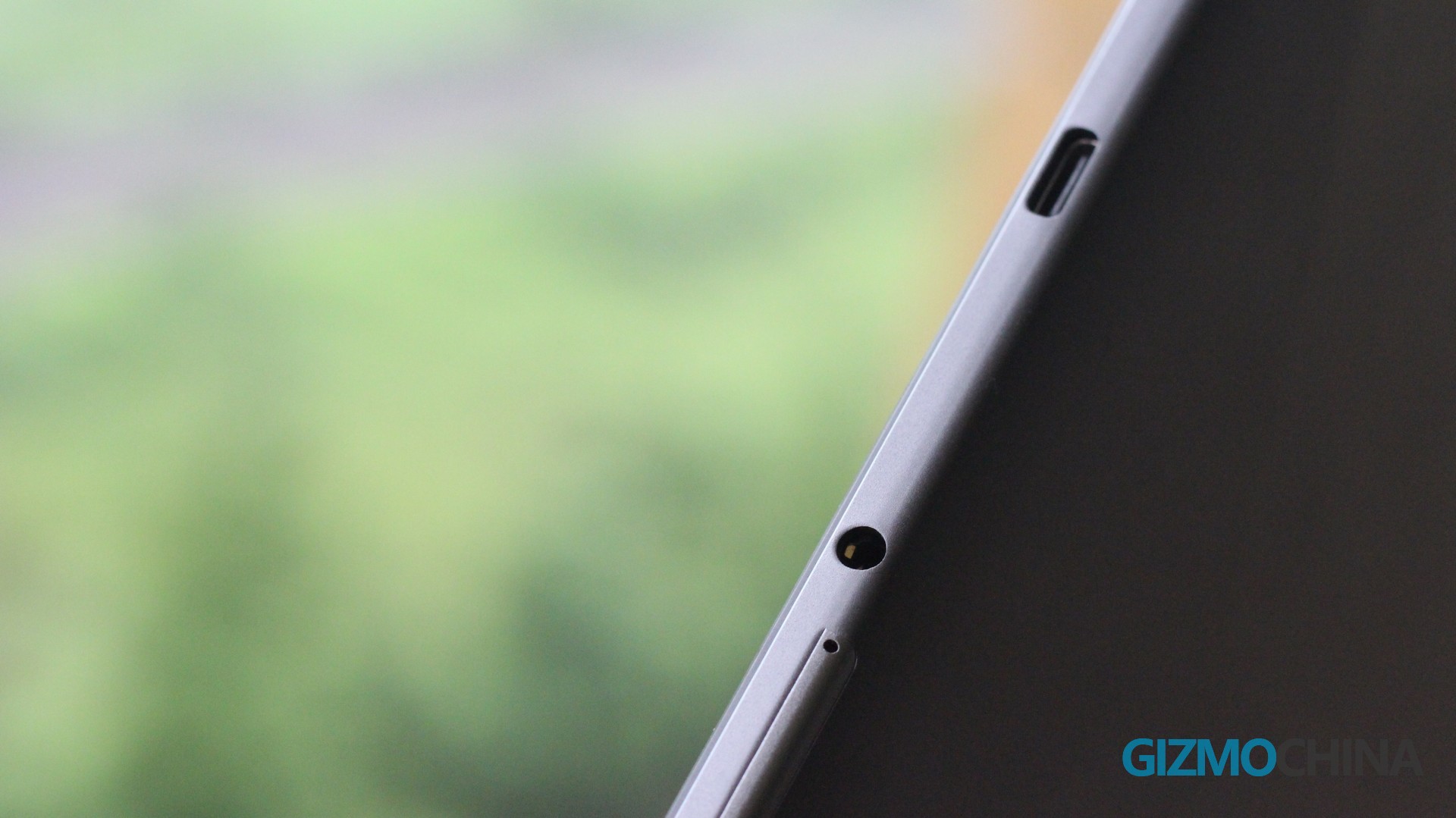
As for the ports, you have one USB Type-C port with a 3.5mm headphone jack. There’s a hybrid dual SIM card slot which has a MicroSD card option as well. The bottom of the tablet is clean while on the left side you have the keyboard dock pins.
Overall, in the design department, the Chuwi HiPad LTE will not disappoint you.
Chuwi HiPad LTE Review: Keyboard Case Design
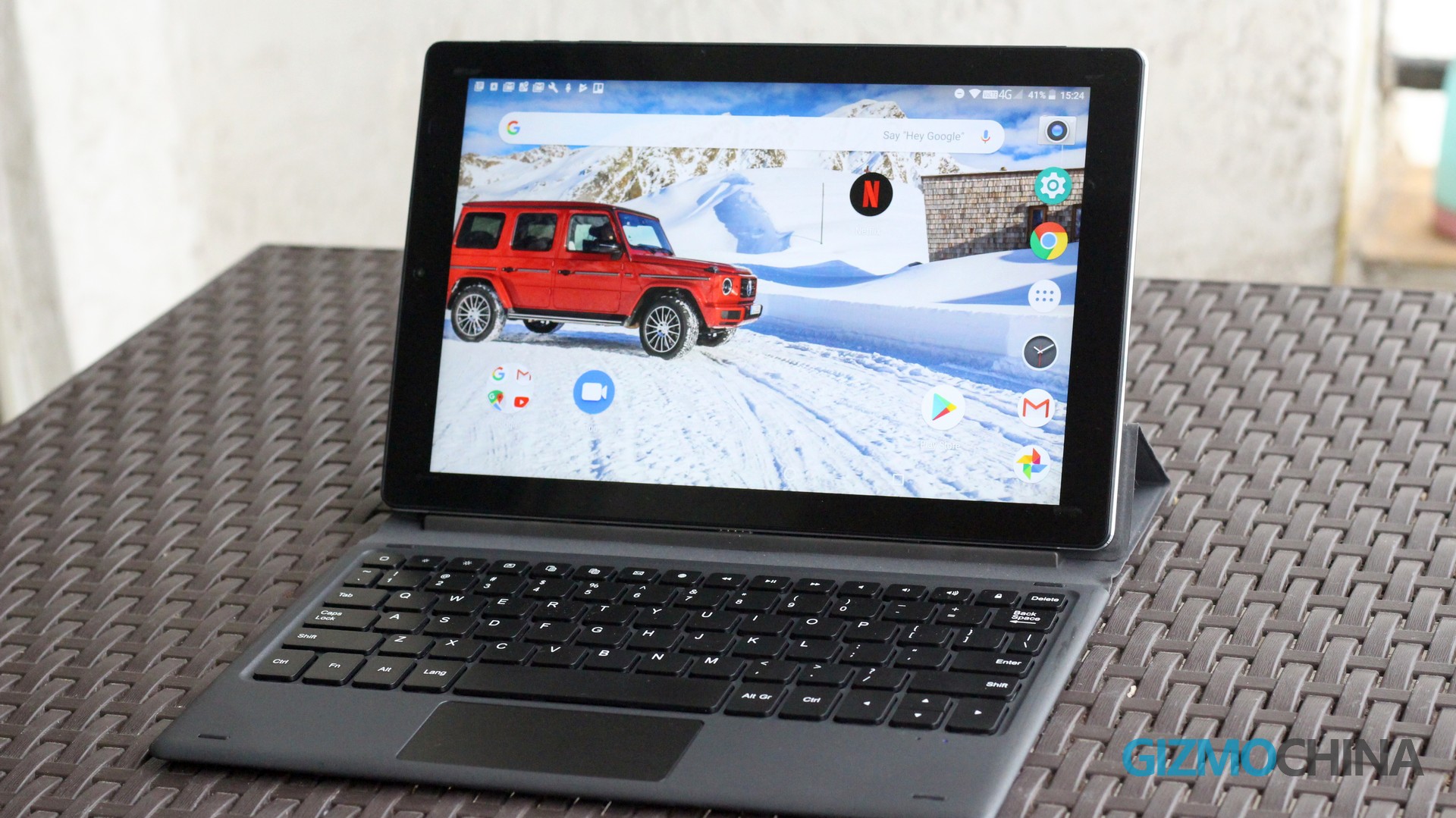
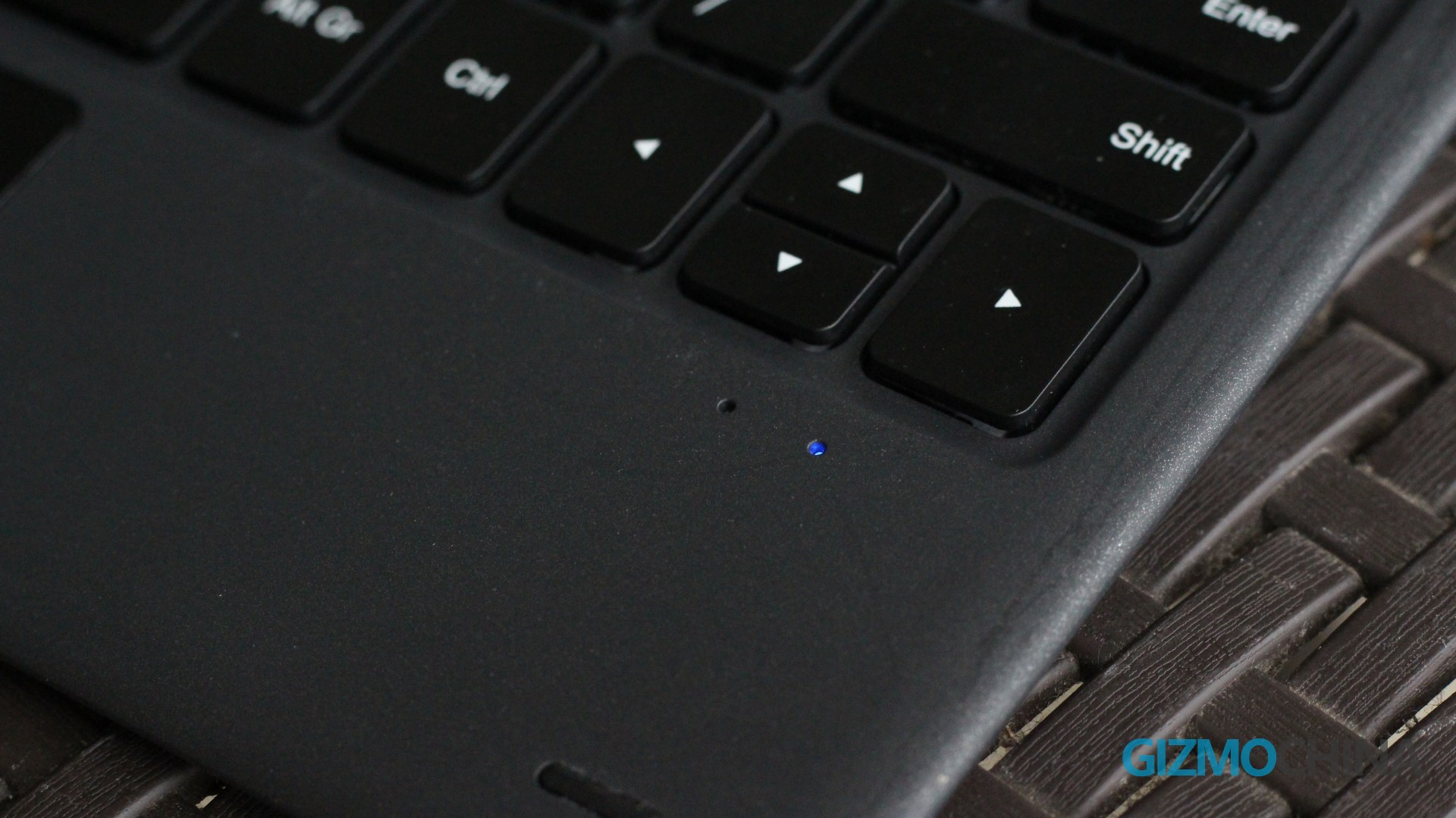
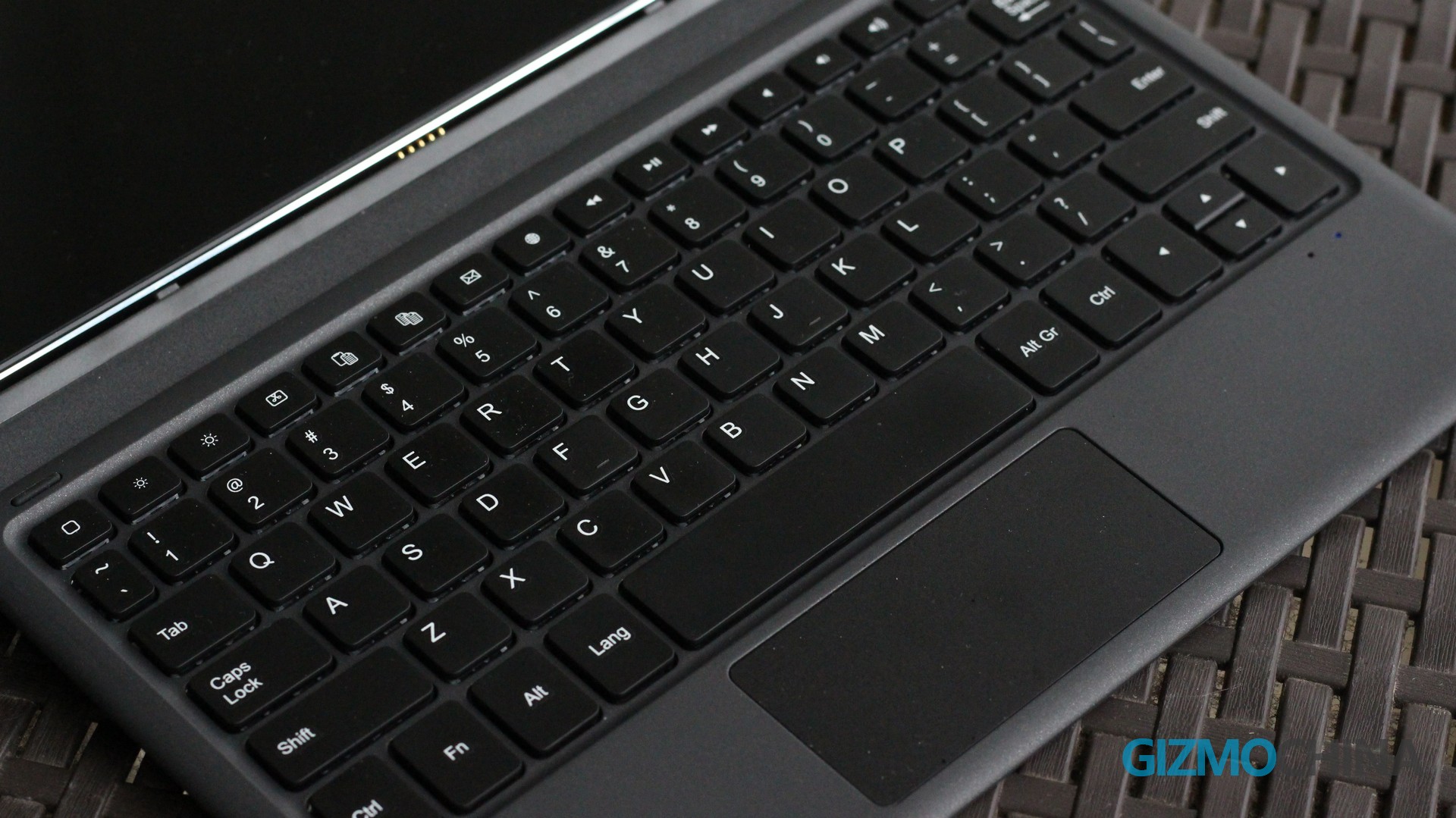
For just $200, you get the keyboard bundle featuring Chuwi HiPad LTE tablet as well as the keyboard case. That’s a steal given that the keyboard is pretty well built. I was skeptical about the keyboard case at first but was pleasantly surprised to see it wasn’t a cheap deal.
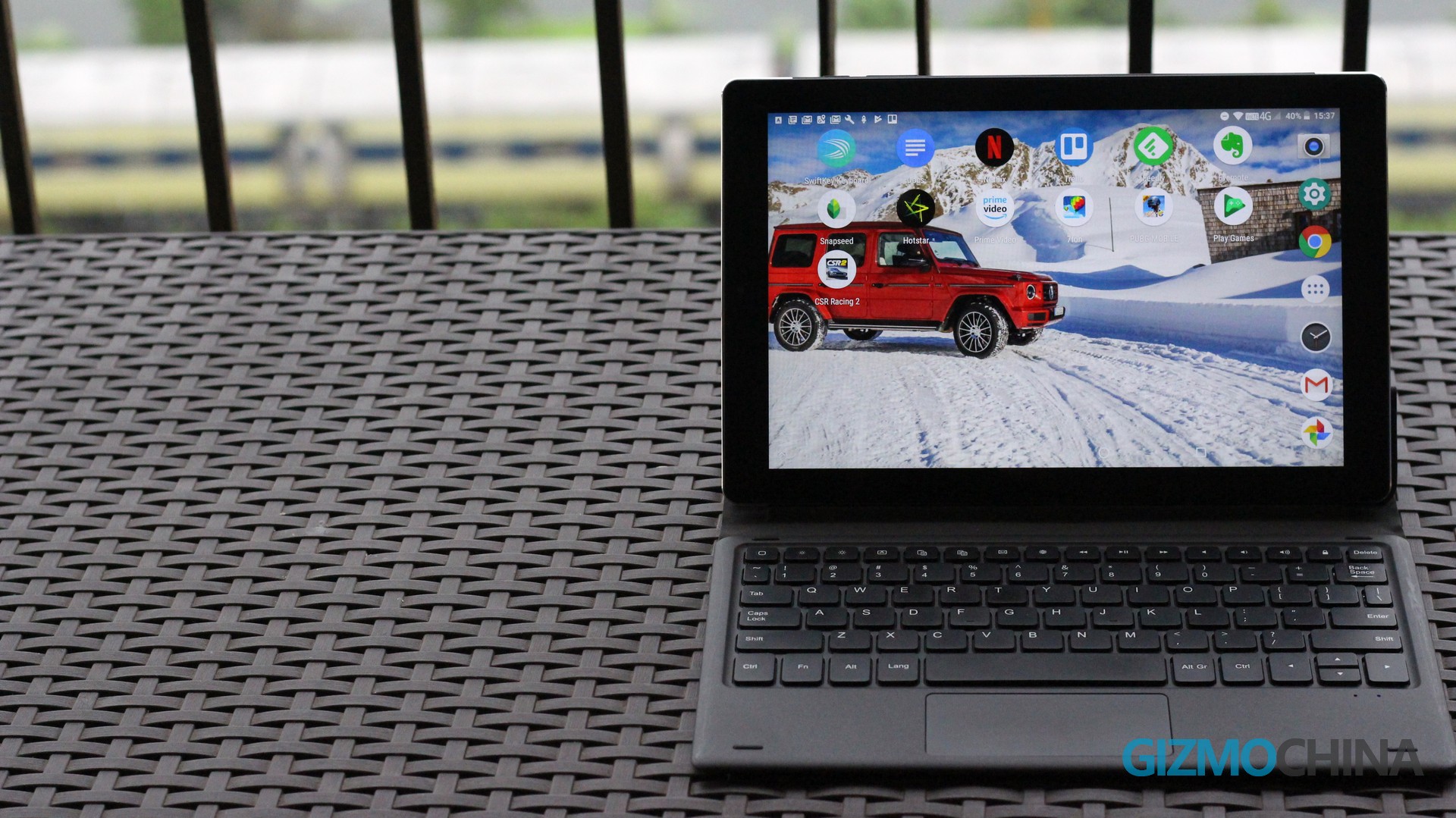
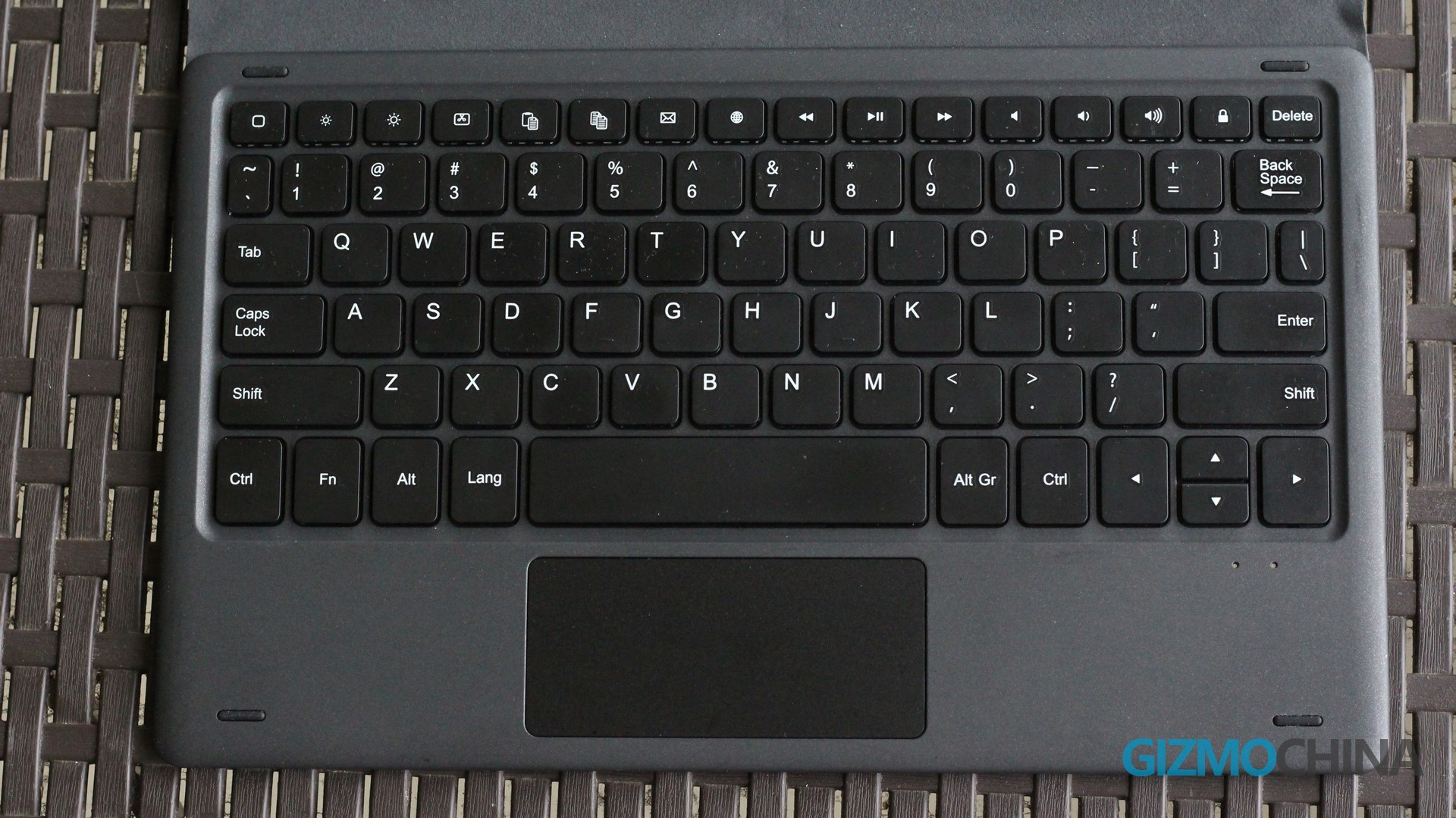
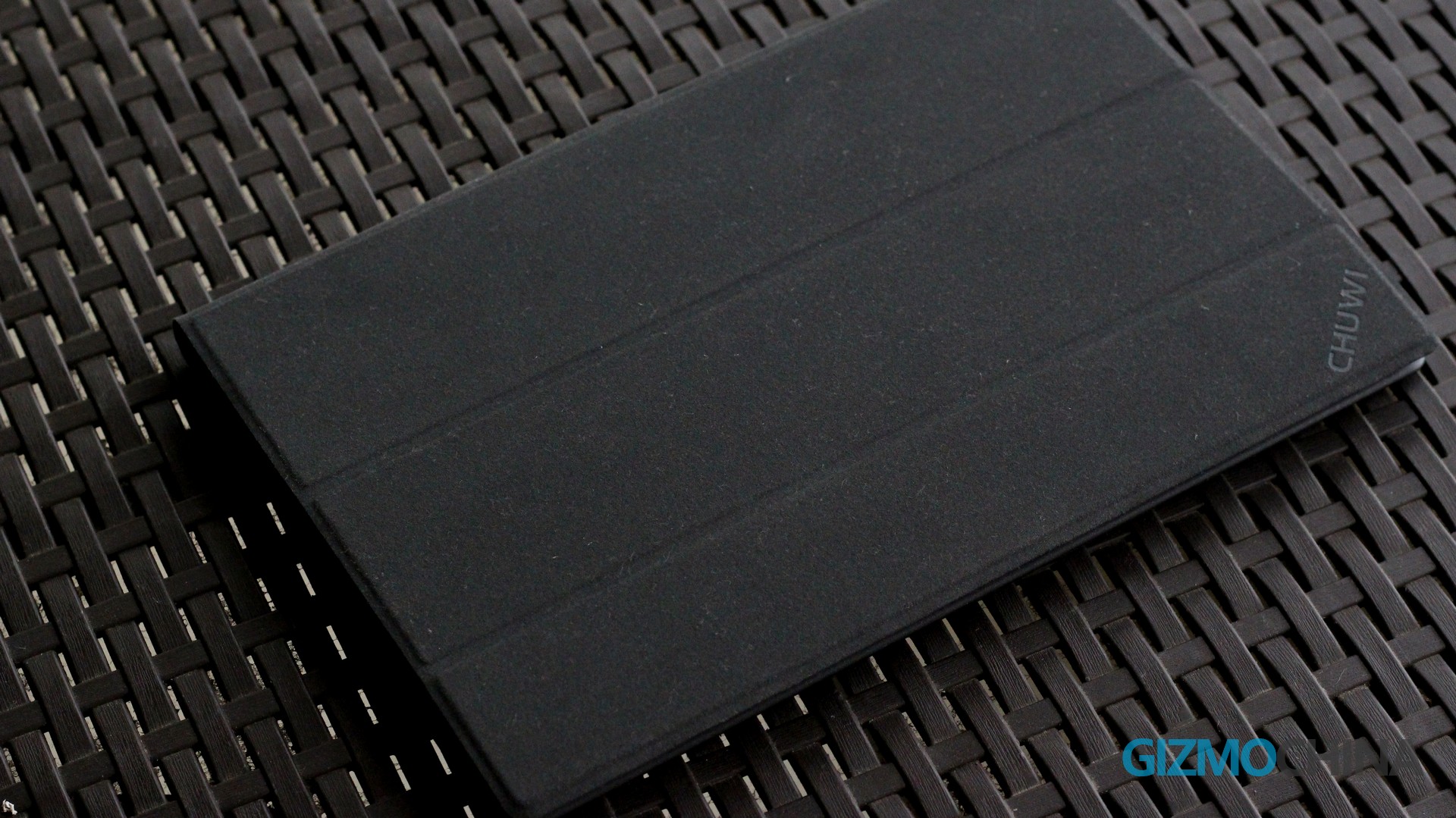
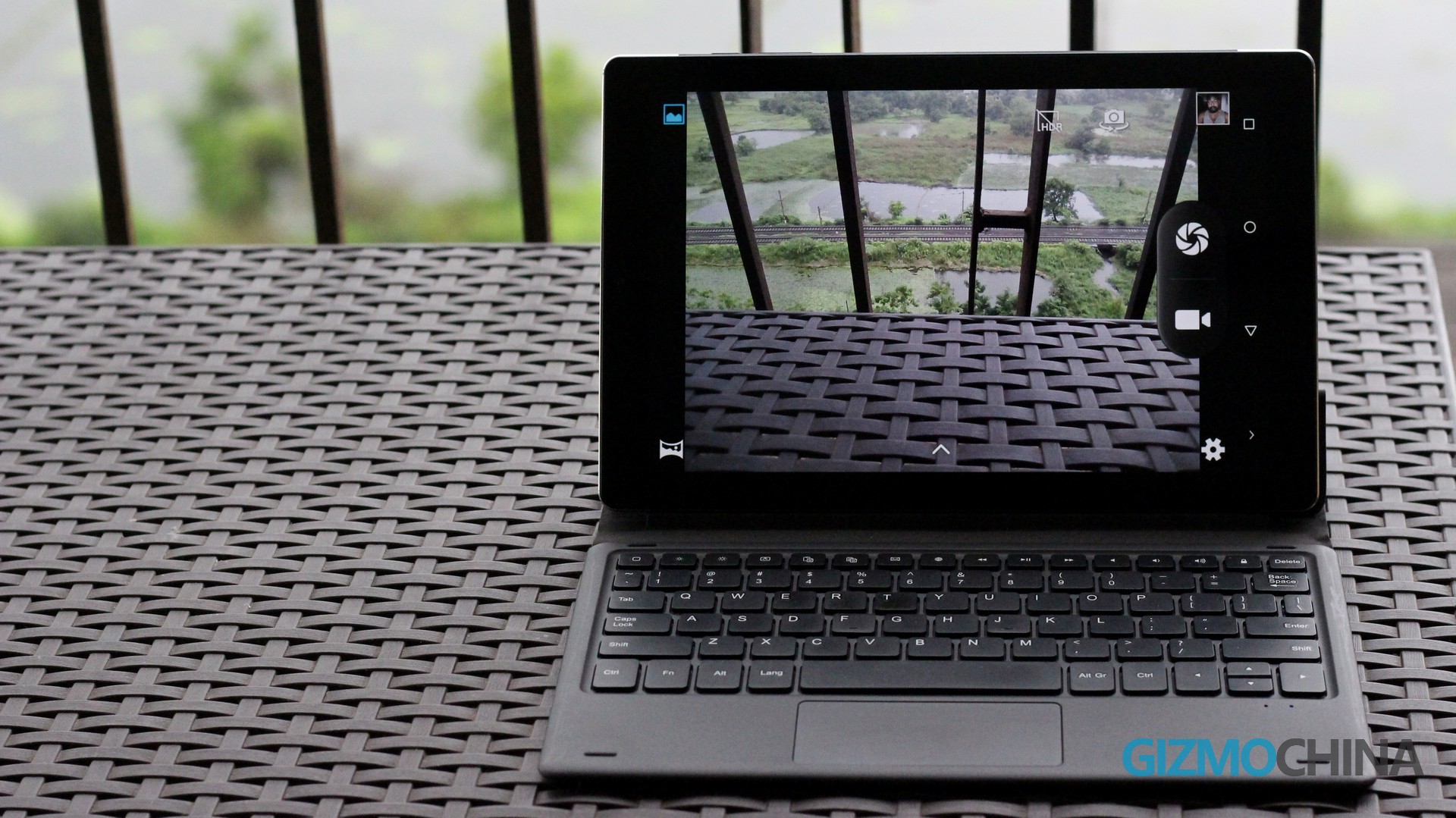
The keyboard case performs the dual job of protecting the 10.1-inch tablet along with increasing its productivity by offering a robust typing experience. I was actually surprised to find that the keyboard keys were well spaced despite its compact form factor to ensure a decent typing experience. It’s not particularly heavy either, so it doesn’t add a lot of weight to the overall bundle. The keyboard itself has a matte finish but the overall case has a velvet finish, making it look premium.
However, the keyboard case does have a couple of issues. For example, I personally had a hard time keeping the tablet in the laptop position while typing. The case uses the two folds that usually covers the back as a stand. However, it isn’t strong enough to keep the tablet upright. Oh, I lost count of the number of times the tablet fell down flat on its back while I was typing on the keyboard. It turned out to be quite embarrassing especially when I was outdoors and the tablet fell flat on the table with a loud thump.
On a positive note, the tablet is still connected to the dock even when it is completely flat on the table. So, if you want, you can continue typing in this position.
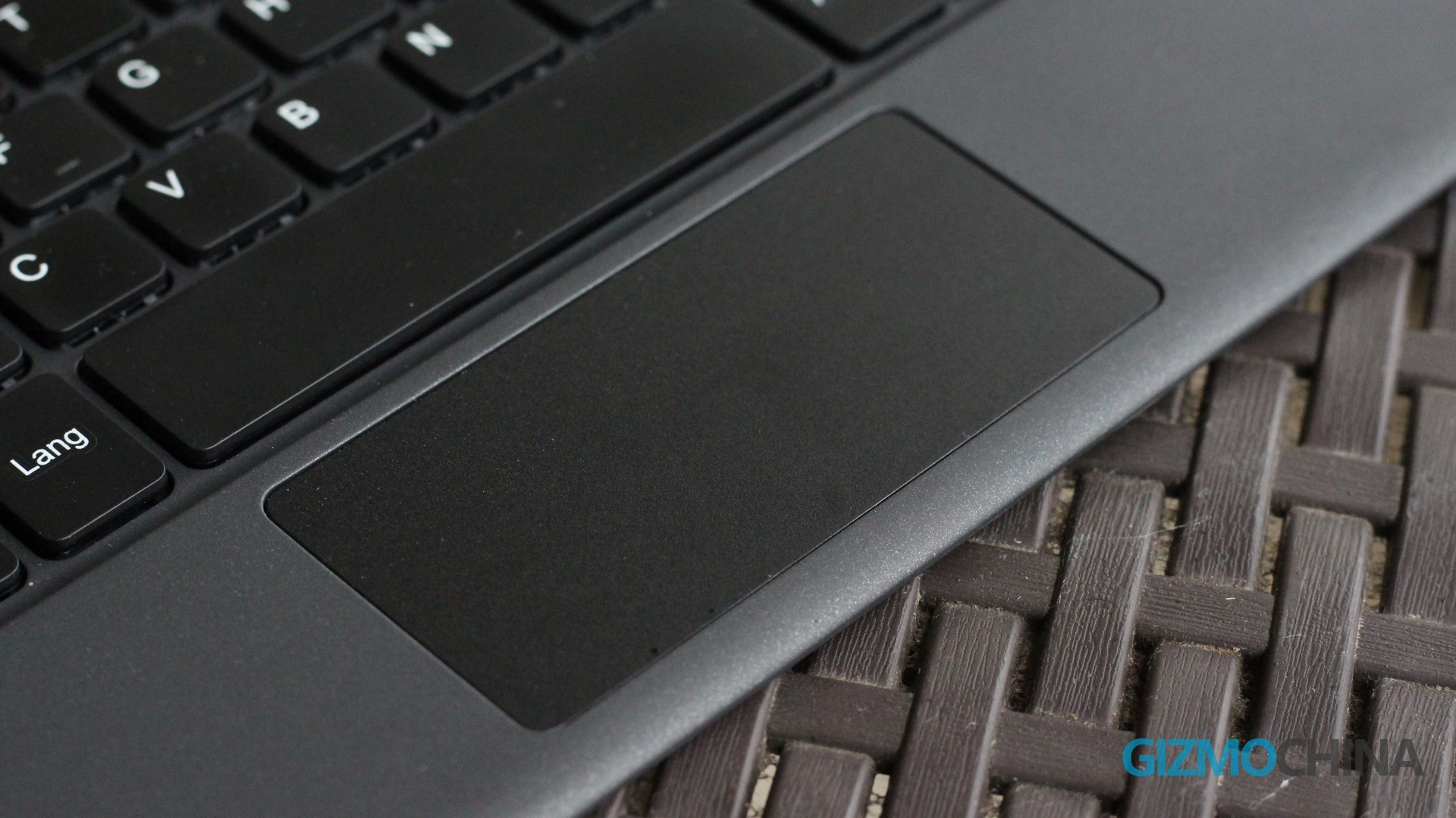
Another drawback of the keyboard was its trackpad. I know trackpads are not really the best feature of low-cost keyboard cases, but I found this one to be quite unpredictable. Tablet’s touch screen support did help on most occasions but I’ve realized that I have stopped using its trackpad completely.
Chuwi HiPad LTE Review: Display
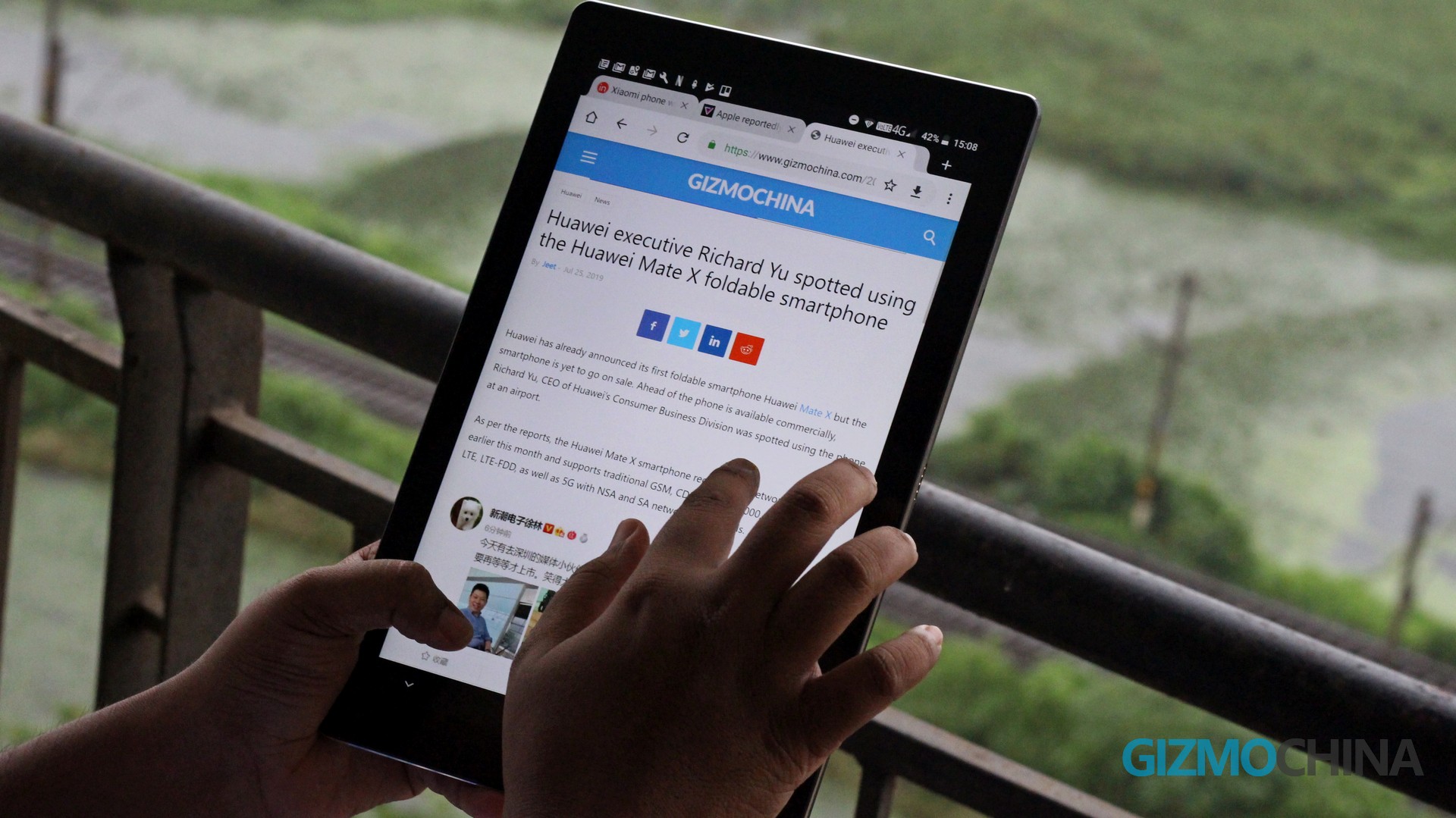
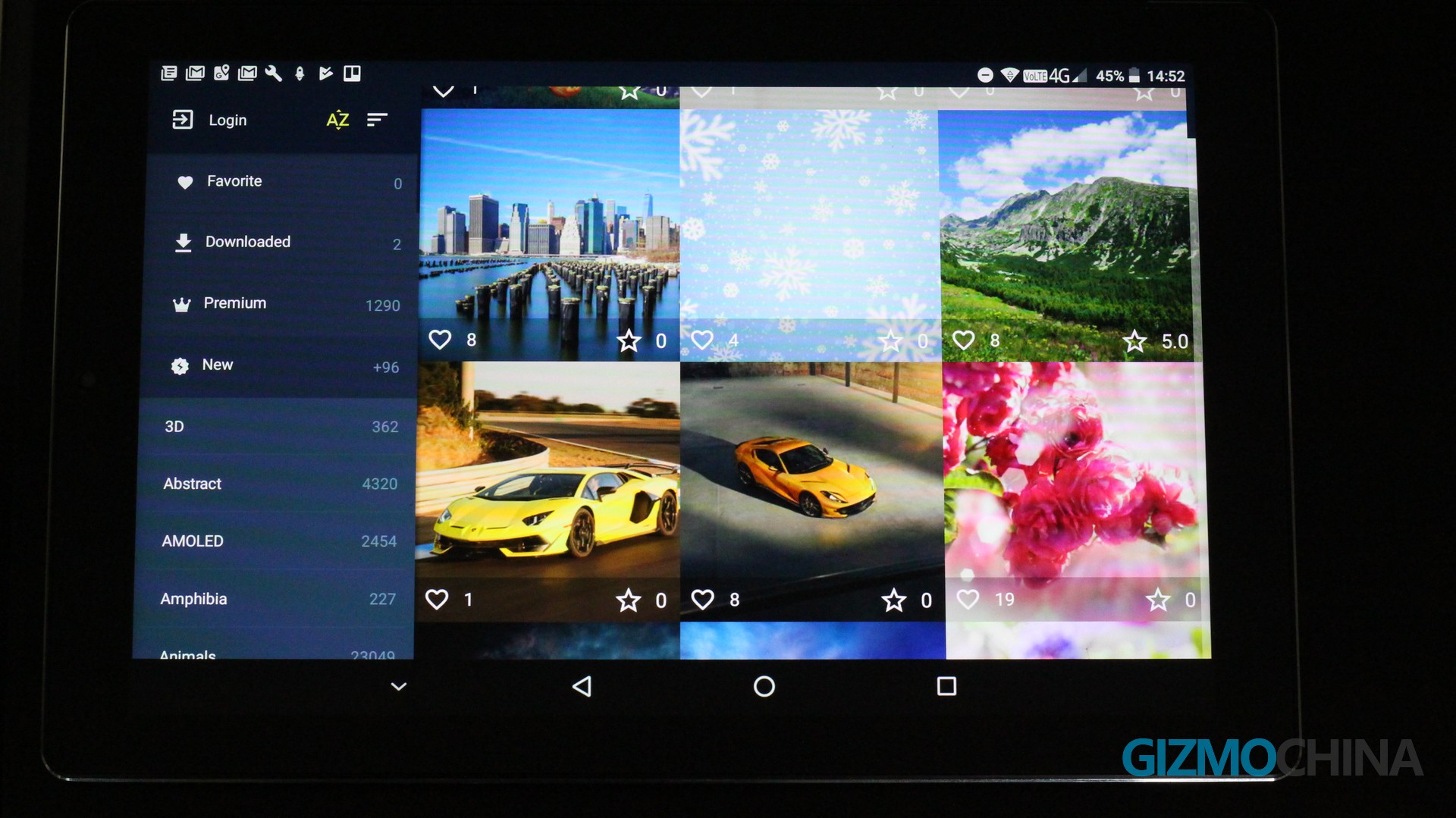
This Chuwi tablet is marketed as an entertainment device. So, it’s no surprise that the company decided to add a 10.1-inch Full HD 1920 x 1200 IPS LCD display on the device. This panel reproduces colors pretty well and works even under direct sunlight if you boost the brightness to maximum. It is a bit reflective, but it’s not something that you cannot manage. So overall, you won’t be disappointed with its display quality.
However, the touch response is another story. I was not really happy with the touch experience of the tablet. It often felt like a resistive touch screen as you had to press the screen hard enough to record your touch movements. For example, initially, I struggled quite a bit with unlocking the tablet with the set pattern. I often couldn’t reach to the last point of the pattern as it wasn’t sensitive enough. Now that I’m used to its touch, things are better, but honestly, you feel the difference in the touch response on this tablet vs other premium devices when you are browsing or swiping through the UI.
That said, once you are used to the touch response, working or watching videos on the tablet is fun. And it might just be worth it because you get a pretty good display at this price.
Chuwi HiPad LTE Review: Hardware & Performance
These are the key specs of the Chuwi HiPad LTE.
MTK6797 Helio X27 Deca Core @ 2.6GHz
3GB RAM
32GB ROM (MicroSD expandable up to 128GB)
10.1-inch 1920 x 1200 IPS LCD display
7000mAh battery
5MP rear camera
5MP front camera
3.5mm headphone jack
USB Type-C
Wi-Fi ac, BL 4.1, dual hybrid SIM LTE
On paper, the Chuwi HiPad LTE has everything you’d need for running smoothly. And 90% of the time, you will have a smooth experience on the tablet. However, there are times I experienced a few glitches while opening up multiple apps, which I suppose is because of its limited 3GB RAM.
There’s a workaround to this issue though. You can activate DuraSpeed feature from the settings which seem to speed up things to a reasonable extent. Overall UI including apps worked better with DuraSpeed turned on. But note that multitasking isn’t recommended in this mode as it tends to limit background processes.
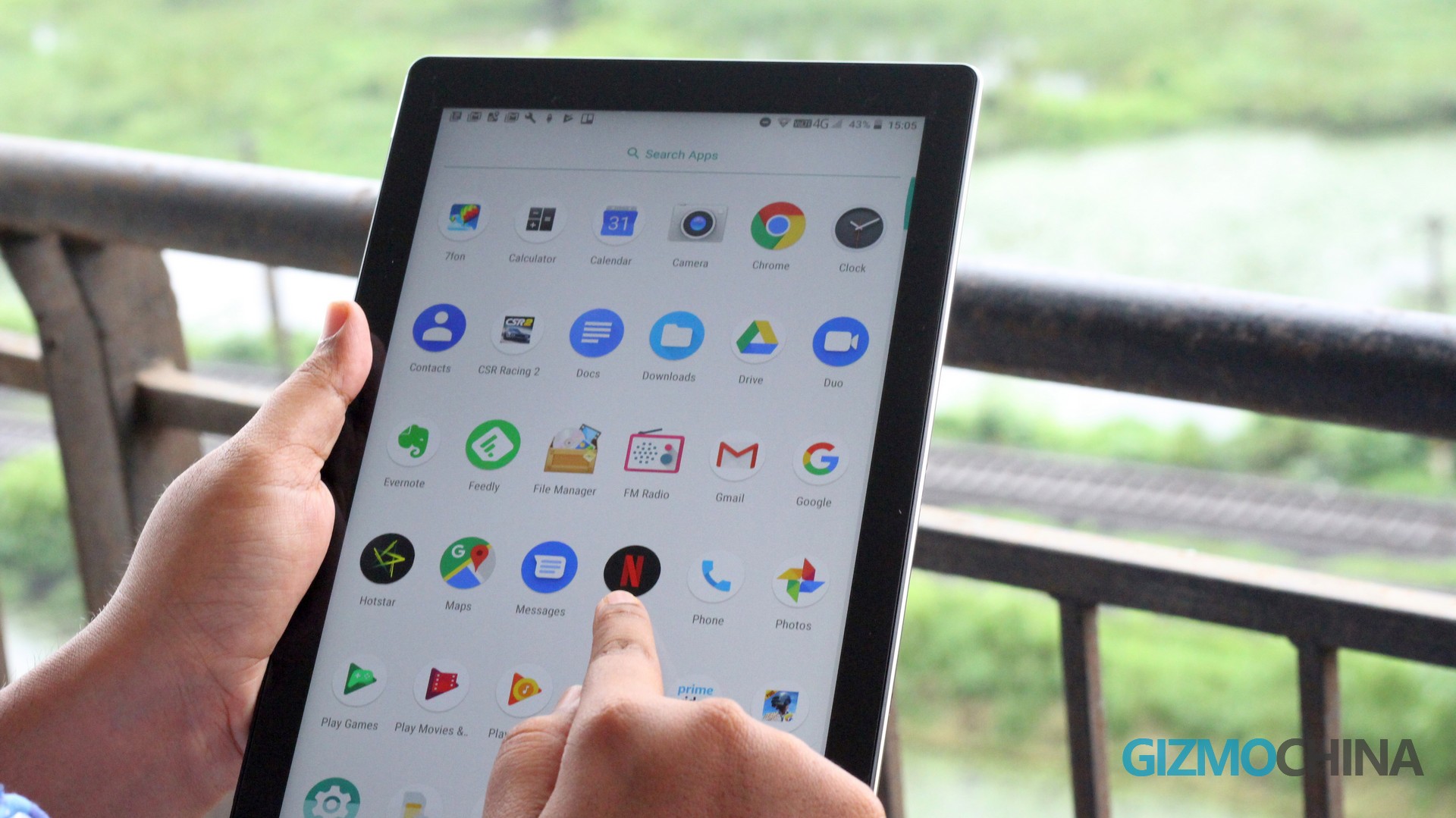
Personally, for productivity, the Chuwi HiPad LTE turned out to be pretty decent. If you use apps like google docs, sheets, Feedly, Evernote, trello, or even snapseed, the tablet handles these tasks well. It won’t be as snappy as some high-end phones in the market today, but it does the job. Basically, it is not meant to handle high-end tasks. If you keep to its limits, you will have a pleasant experience.
Even for entertainment, the tablet can play up to 1080p videos with ease. I’ve tried Netflix, Prime, Hotstar, and YouTube on the app and it handled each and every video without any hiccup. In short, you can use this tablet as your entertainment device.
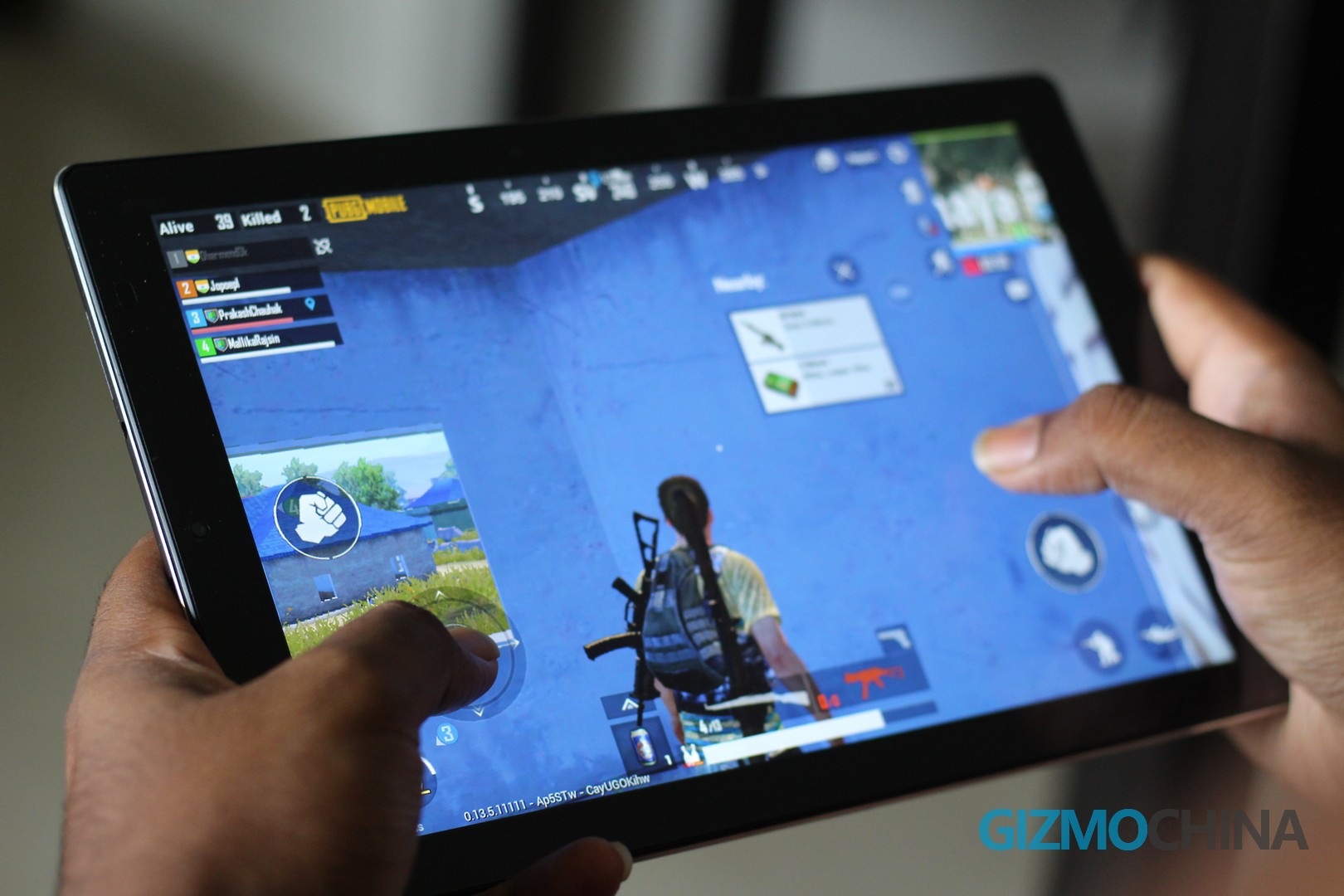
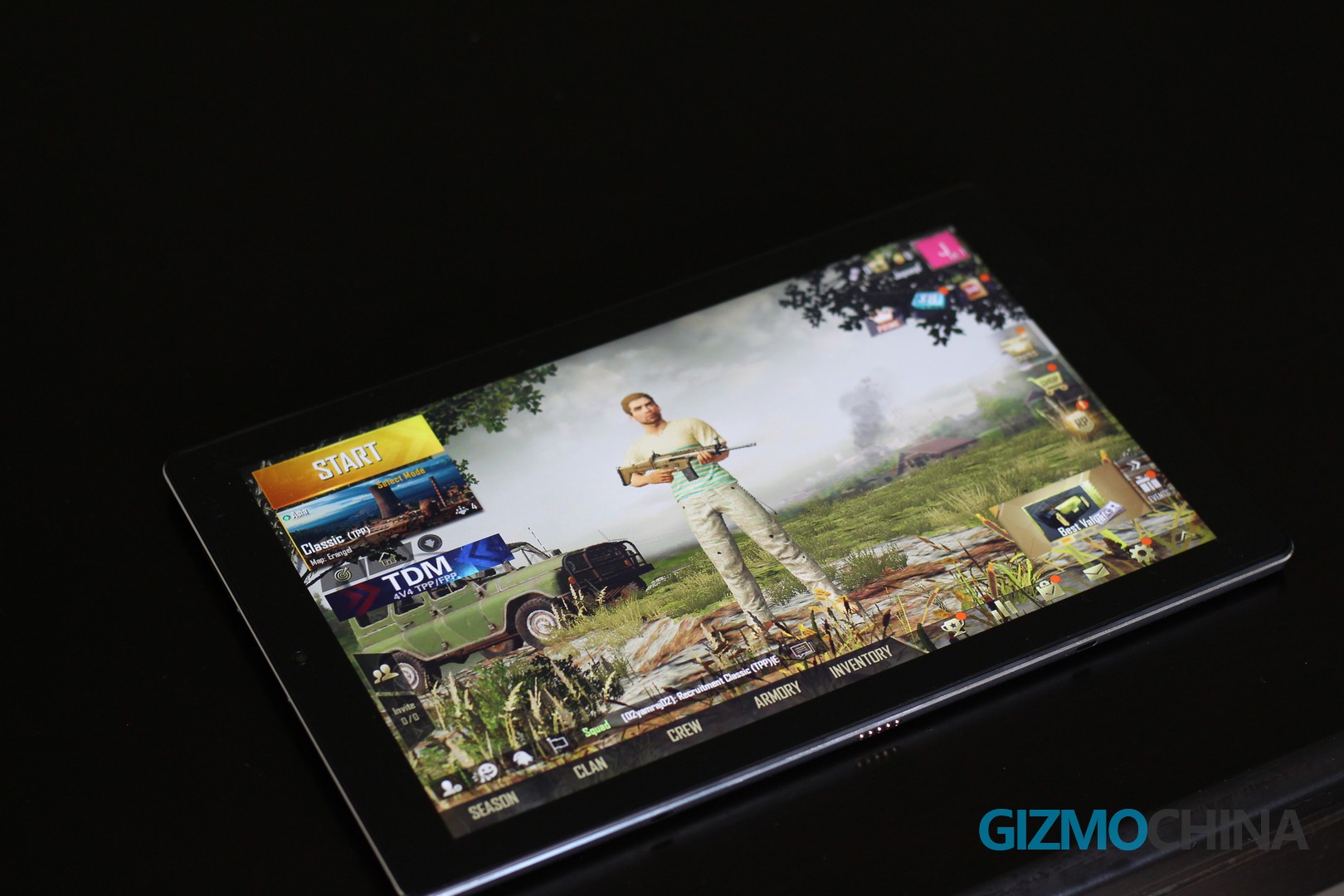
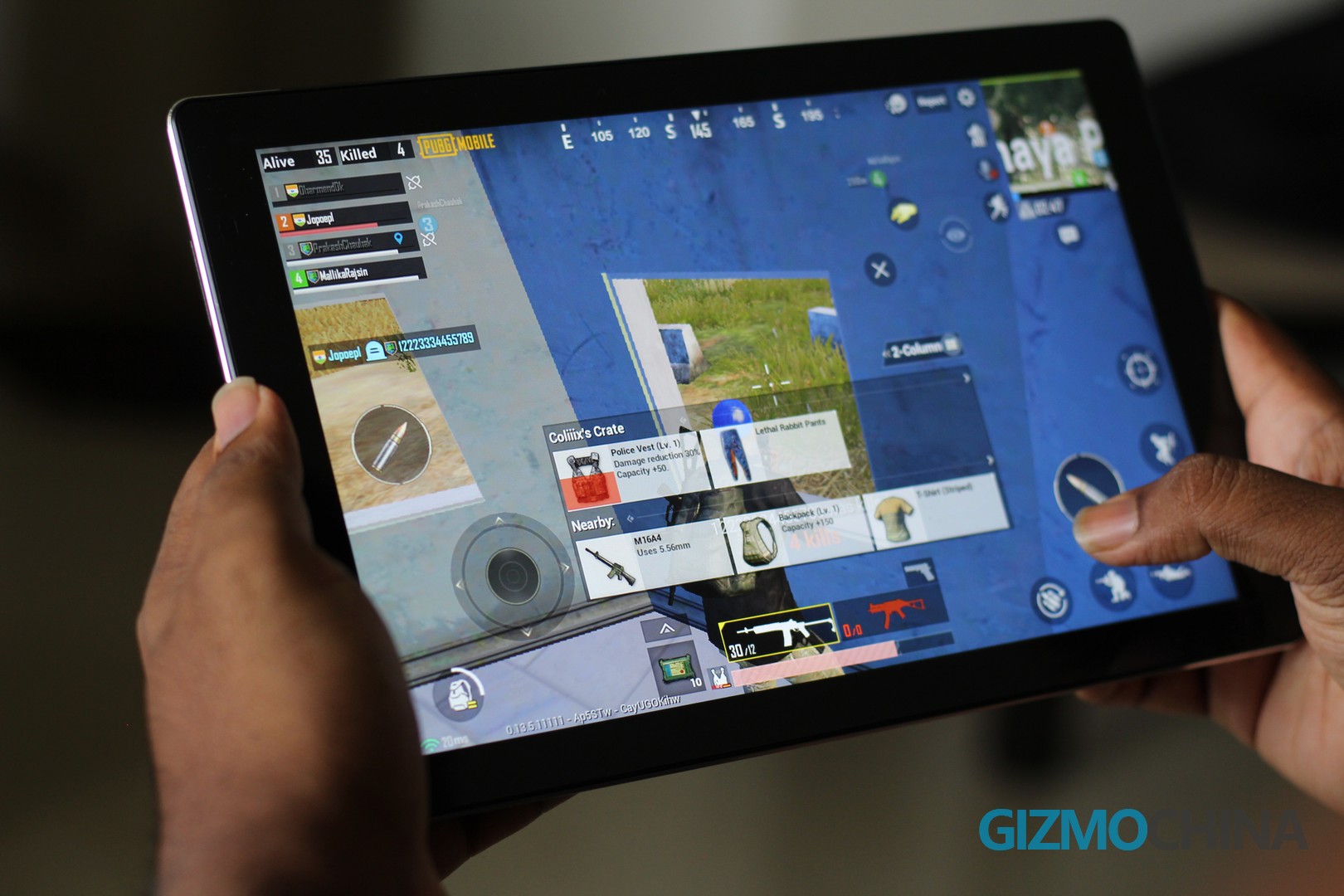
I’m not much of a gamer but the Helio X27 can handle simple games fine. It runs PUBG but the gameplay is going to be sub-par even at the low graphics setting (which it defaults to). So know that this tablet is not really meant for gaming. Stick to less graphic-intensive games and you’ll have some fun.
Chuwi HiPad LTE Review: Camera
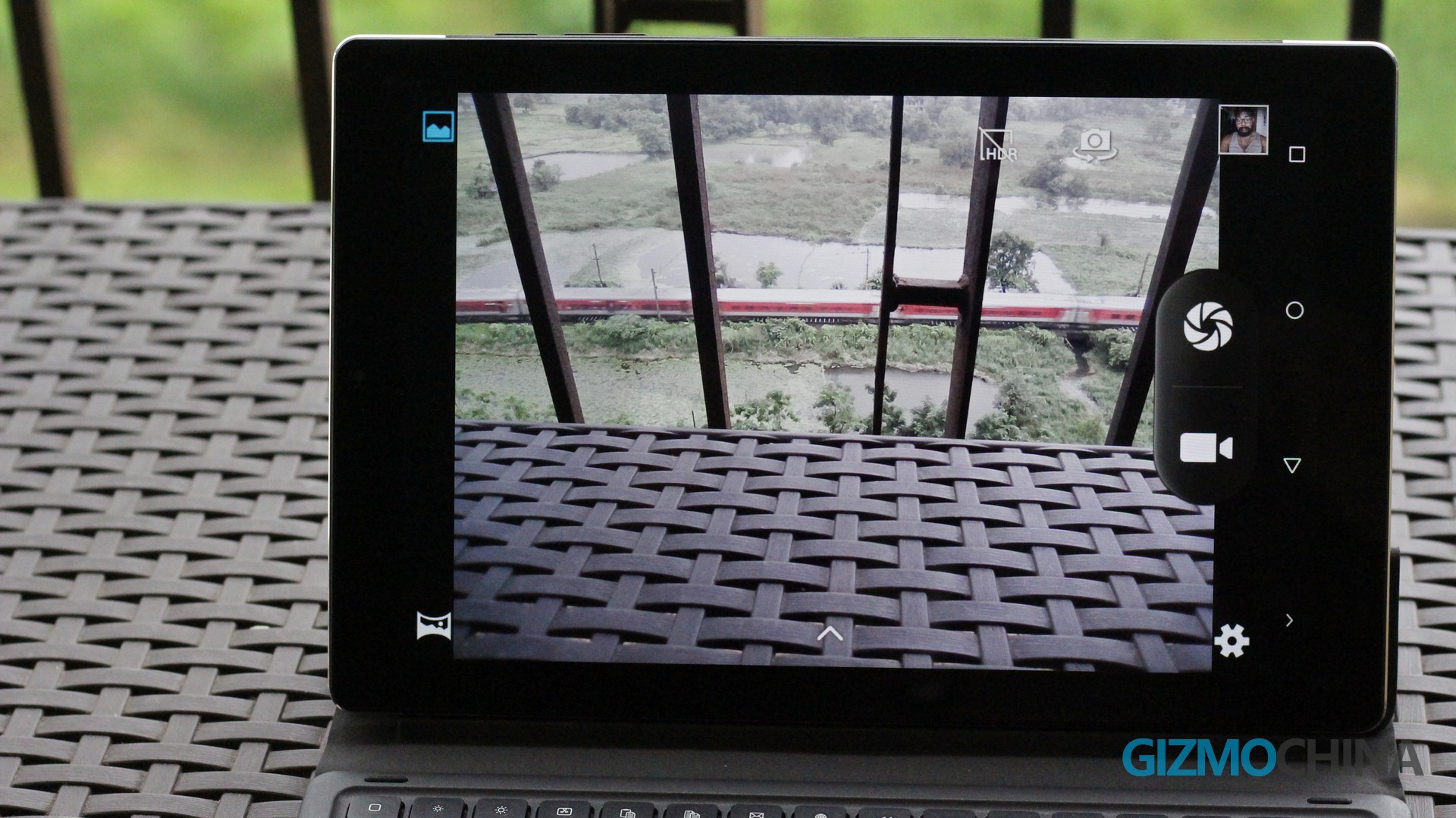
Both the cameras on the Chuwi HiPad LTE are of 5MP. And they are exactly how you might imagine – below average. The rear and front cameras seem to have a similar quality, with images lacking details and colors coming out muted. You may take a couple of decent shots if it’s really important but know that you won’t be impressed.
Check out the camera samples down below and you’ll know what I’m talking about.
1 of 5
Since tablets aren’t really bought for its camera quality, I won’t be talking more about it.
If you are interested in the quality, check out the original samples here and you’ll get a fair idea of what to expect.
Chuwi HiPad LTE Review: Connectivity
In terms of connectivity, the Chuwi HiPad LTE shines. I encountered no real issues in Wi-Fi or Bluetooth connectivity. Personally, I found the Wi-Fi reception to be good. The tablet could load pages even when I was using it a couple of rooms away from the router. Some of my smartphones struggle to find W-Fi signal in that room, so I was happy to see the Chuwi HiPad LTE load pages and stream videos without major hiccups.
Even the Bluetooth reception is good. I am used to Bluetooth headphones since I my Pixel doesn’t have a headphone jack. So, the tablet worked well with my OnePlus Bullets Wireless headphones without any connection lags. The audio streaming was without delay and the quality was also at par with other mid-range smartphones. The solid bluetooth connection helped me to ignore its sub-par speakers. It isn’t loud or clear, so you’d be better off with a pair of headphones to fulfill your entertainment needs.
The LTE connection is also strong. I was able to browse and even stream videos on LTE, so you should be able to leverage your mobile data pretty well on the device.
As for GPS, the signal is good for a tablet. The GPS test app managed to lock into 5-7 satellites pretty quickly. Even the location accuracy on Google maps was fairly good.
The battery is one area where the Chuwi HiPad LTE tablet shouldn’t disappoint. And to a great extent, it manages to uphold its identity as a large 7000mAh battery tablet.
You can watch 4-5 hours of videos, or easily play games on it for a few hours. So, for most cases, the Chuwi HiPad LTE should last you an entire day. However, there are a few caveats.
For one, I found the tablet to have terrible standby times. On some days, the tablet lost up to 30% charge overnight when I didn’t turn off 4G or Wi-Fi. You have a workaround to this problem though. Just turn off the LTE and Wi-Fi connections when not in use.
But personally, losing so much charge overnight even with these connections running in the background is a bit too much. This especially holds true from the fact that charging the tablet back to 100% is an excruciating experience.
It nearly takes 6 hours for the tablet to charge back to 100% using the stock charger. Clearly, charging the tablet should be labeled as an overnight-only experience. Using any other USB-C charger didn’t quite speed up the process, so you’ll have to go through this every alternate day.
That said, for most users, the Chuwi HiPad LTE should give more than a day’s battery life in total. So, you won’t have to plug it every few hours to the socket.
There’s nothing much to talk about software because Chuwi decided to use a stock version of Android 8.0.
However, I have to point out a few issues first.
The tablet has a few optimization issues. For example, when you are asked to draw your pattern to boot up the tablet, it fails to show some of the reference points in landscape mode. You’ll either have to either complete the pattern using guesswork (the reference points aren’t visible but it still works) or shift it to portrait mode to see all the nine reference points.
The Android security patch is outdated and dates back to last year. I know when it comes to cheap tablets you can’t expect much in this regard, but just pointing this out.
Not all Android apps are optimized for tablets. So the layout and touchpoints may end up being weird in some apps.
Now some good parts of the software.
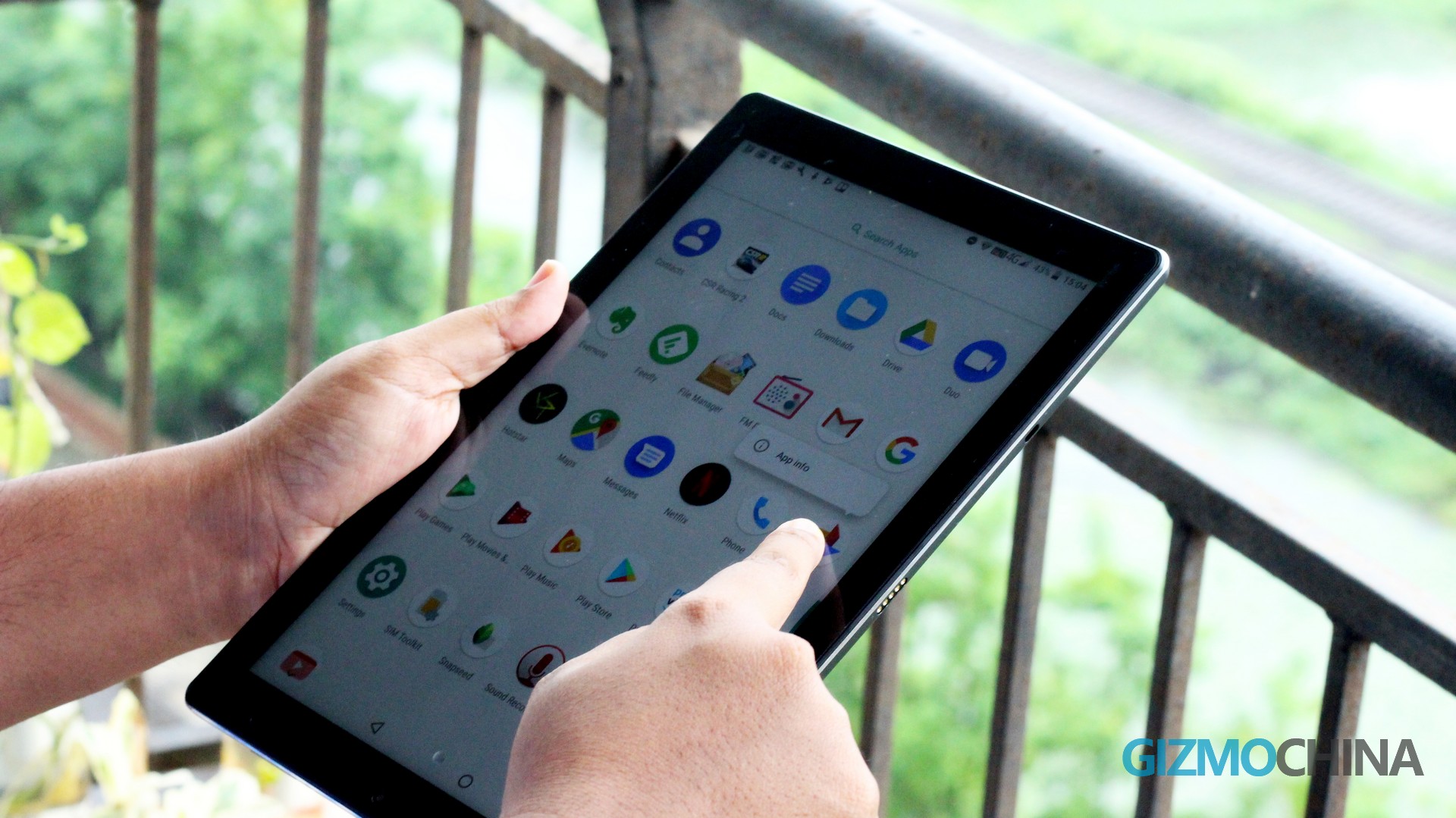
I like that Chuwi decided to keep the UI simple and neat. Android is not really the ideal OS for tablets, but if you are going to use it anyway on a large screen device, it’s better to have a stock experience. Portrait to landscape transitions and vice versa are smooth and quick. Apps open up quickly, but there’s a rare chance of an app crash if you are running a lot of apps in the background.
Once again, I’ll have to point out that the software on the Chuwi HiPad LTE isn’t its strongest point, but most users won’t mind the minor optimization issues, especially given its price.
Chuwi HiPad LTE Review: Final Verdict
PROS
Affordable Price
Excellent FHD display
Good Connectivity
Pleasant Typing Experience
Premium Design
CONS
Touch Experience isn’t perfect
Keyboard case often fails to support the tablet’s weight
Trackpad isn’t useful
Slow Charging
The Chuwi HiPad LTE has its set of issues. The touch screen experience isn’t perfect. The keyboard case has a hard time keeping the tablet in an upright position. The UI experiences occasional lags. The camera is average and charging the battery takes a long time.
However, these are not really deal-breakers for most consumers. Why? Because for $200, you are getting a tablet with good display quality, a tactile keyboard case, premium design, a large battery, and a strong connectivity department include 4G LTE support.
There’s a lot of good points about the Chuwi HiPad LTE that users will love for its $200 asking price. So while it isn’t perfect, for most users it might just be good enough.
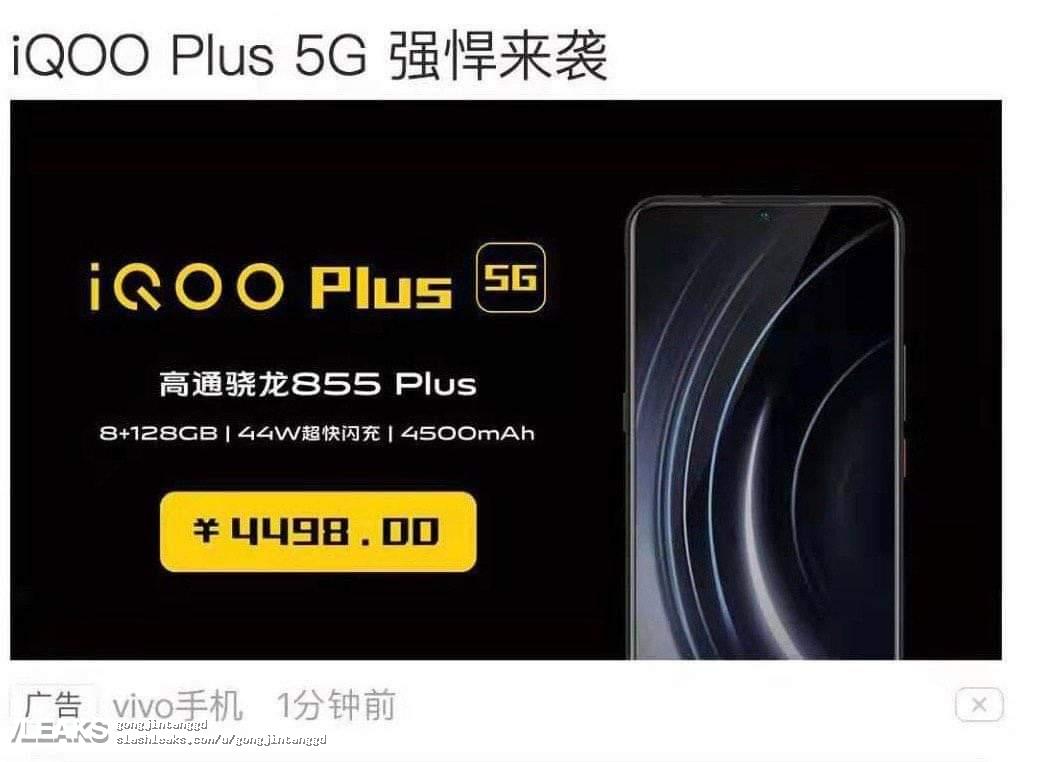
Vivo is set to launch its first 5G smartphone this quarter and we already know it will launch under the iQOO brand. A new leak has surfaced that reveals the official name of the phone as well as some key specs and its price too.
The leak is a promo material that shows the phone, lists some key features and also its recommended retail price. The phone will launch as the iQOO Plus 5G but that’s not the only “Plus” there is. It also has the new Snapdragon 855 Plus processor which is paired with 8GB of RAM and 128GB of storage.
The iQOO Plus 5G will pack a 4500mAh battery just like the iQOO Neo and will support 44W fast charging. The bigger battery capacity is necessary since 5G requires more power; and with 44W fast charging, you should be able to fill it up faster.
With respect to price, the phone will sell for ¥4498 (~$654). This is more expensive than the regular Vivo iQOO with the highest configuration (12GB RAM + 256GB) which is priced at ¥4298 (~$625). However, it is much cheaper than Huawei’s 5G phone, the Mate 20 X 5G, which is ¥6199 (~$901).
With respect to design, the iQOO Plus 5G has a waterdrop notch, a red-coated power button and a dedicated AI button (on the left). We don’t know if the rear will have a different design from the non-5G version. We also do not know if it will have a different camera configuration.
The phone is scheduled to arrive this quarter. Vivo wouldn’t want to play catch up and will most likely announce it early next month.
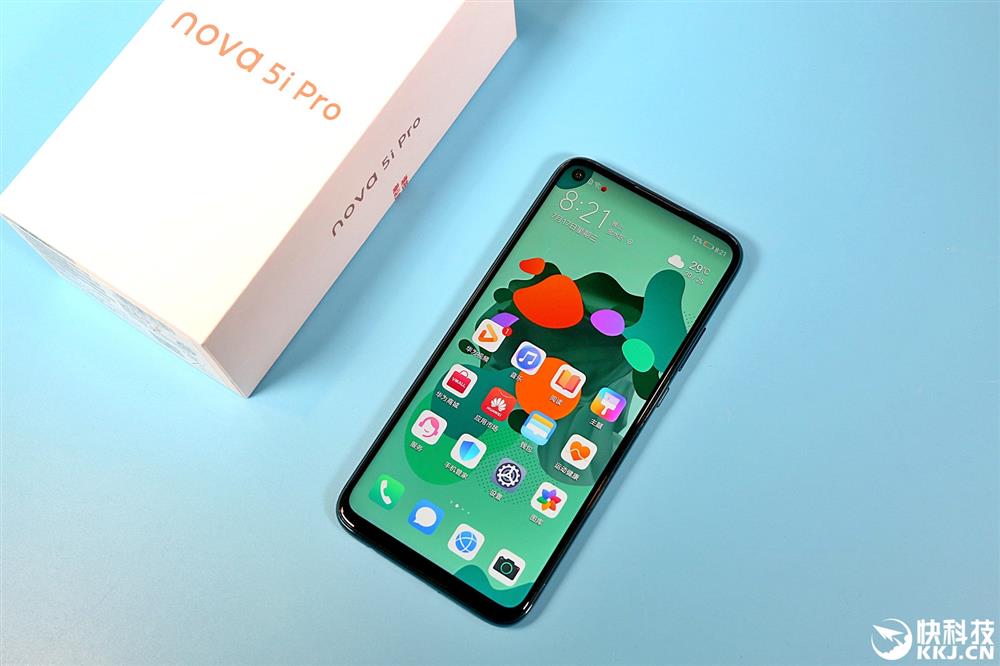
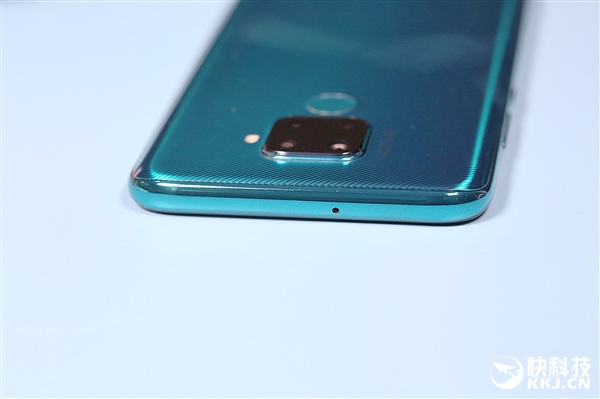
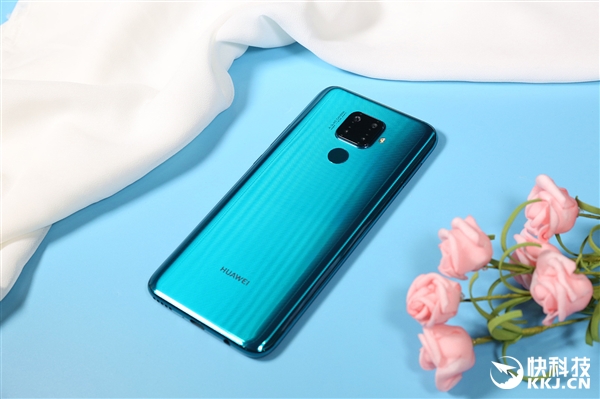
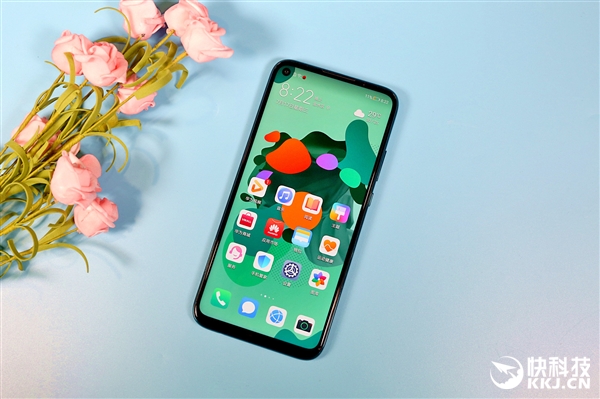
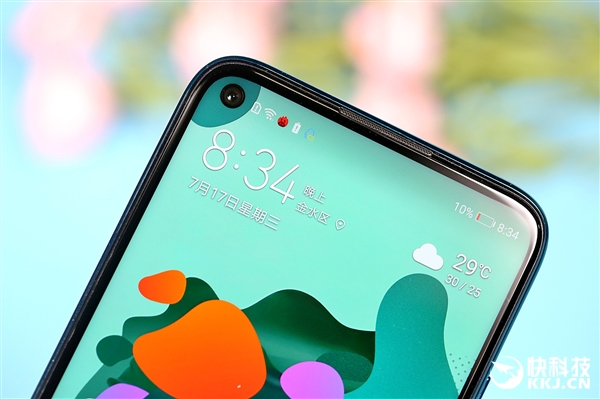
Huawei Friday launched the Nova 5i Pro in China. The device comes as a surprise, considering that Huawei only launched the Nova 5, Nova 5 Pro and Nova 5i about a month ago. The Nova 5i Pro lifts the bar higher for premium midrange models. Here’s a photo tour of the Nova 5i Pro hitting you courtesy of Chinese blog Mydrivers.
The Nova 5i Pro is indeed a beautiful smartphone with a sleek design that has now become Huawei’s trademark. The device utilises glass panels on the front and rear with a metallic frame in between.
The 5i Pro features an expansive 6.26-inch display with a punch-hole selfie camera nested at the top left corner of the display.This is likely an LCD display so Samsung still remains the OEM with the LED punch-hole display. With a Full HD+ resolution of 1080 x 2340 pixels, the display will sure offer vivid clarity while it can be operated with one hand since it uses a 19.5:9 aspect ratio.
At the rear aspect, the Nova 5i Pro features a square shaped camera module similar to the flagship Mate 20X design. But in this case, there are four rear cameras with the LED at the right corner of the module. There is also a fingerprint sensor just under the camera module.
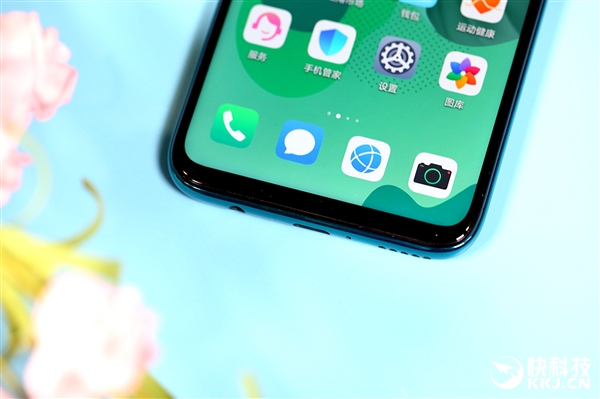
The phone uses a USB-C port and equally has a 3.5mmm audio jack by the side of the charging port at the bottom edge. There is a 4000mAh battery onboard with a 22.5W fast charging technology via the Type C port. The phone comes with two hybrid SIM slots with the SIM module at the left side of the display while the capacitive keys are at the right side.
For a phone that starts at 2,199 Yuan (~$319), the Huawei Nova 5i Pro is indeed a value for money phone. But we cant say if it will wiggle out of the Huawei/US debacle and fly. See more pictures of the sleek device below.
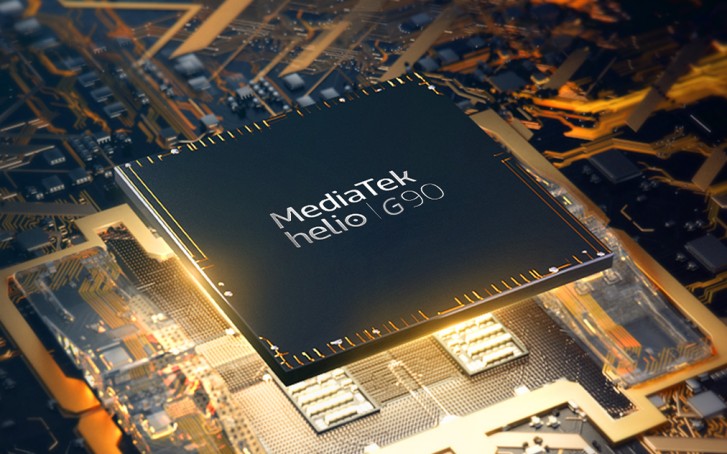
Well, apparently MediaTek had the exact same idea, and are acting pretty quickly. The company is set to release their brand new line of Helio G-series SoCs on July 30. The manufacturer plans to introduce the G90 SoC at an event in Shanghai, and then follow-up from there with more models in the future. It’s a pretty smart move, though we question how well a budget oriented gaming smartphone would work.
On top of that, we’re also not entirely sure what the Helio G90 will actually be like when it launches when it comes to specs. We’ve got a leaked poster for the SoC but it doesn’t reveal much other than the fact that it is targeted at mobile gaming. Going off the name, it wouldn’t be stretch to say that it’ll be based on the Helio P90, but that’s just a simple assumption.
Perhaps more interesting will be seeing how the company deals with making gaming SoCs to begin with. MediaTek SoCs have never been well known for their gaming performance, and their GPUs are often weaker than the competition, though not by too much. Whether they’ll step up and give us something great or just settle for a more conventional package remains to be seen. We’re hoping it leans more towards the former.
Xiaomi‘s ecological chain company Shanghai Runmi technology known by the brand name 90 Points has launched an ultra-light sports shoes designed for optimum comfort. The 90 Points Ultra-light Sports shoes come with a cushioning, anti-twisting sole and have antibacterial properties, perhaps due to the breathable mesh design the sole adopts. The shoe is priced at 229 yuan ($43).
The soles are made of lightweight rubber and lightweight EVA, which is lighter than what you’ll find on cheap sports shoes. The materials also ensure the shoes are soft and give the user a feeling of comfort. The body consumes less energy and the pace is lighter.
The outsole comes with a hollow design with built-in anti-twist TPU protects. This design is said to make running safer. The ankle part of the shoe’s body is made of a mixture of transparent mono yarn, ultra-light yarn and antibacterial yarn. It controls the weight of the shoe body and other properties such as antibacterial and breathable features.
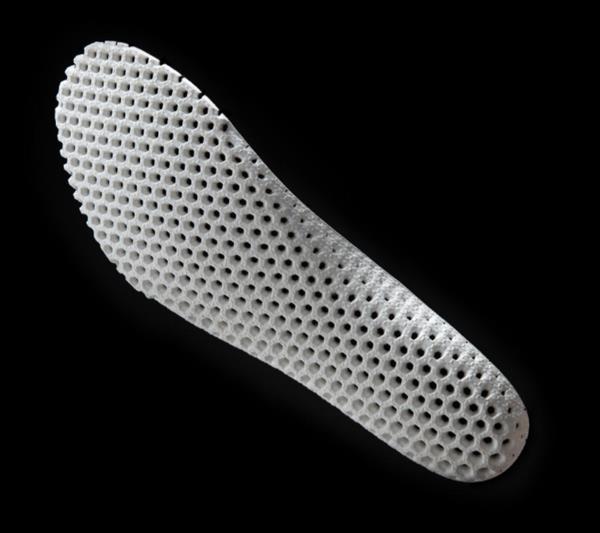
Inspired by the shape of the honeycomb, the insole is designed with a number of small holes to reduce the contact area of gravity and increase the deformation of the insole to achieve cushioning and breathability.
The upper part is integrally braided to enhance the wrapping of the shoes and fit a variety of different foot types. The densely meshed mesh structure helps the air in the shoe cavity to circulate and is more comfortable to wear during exercise. The shoe-socks are elastically wrapped, giving the ankles a sense of fit like a sock.
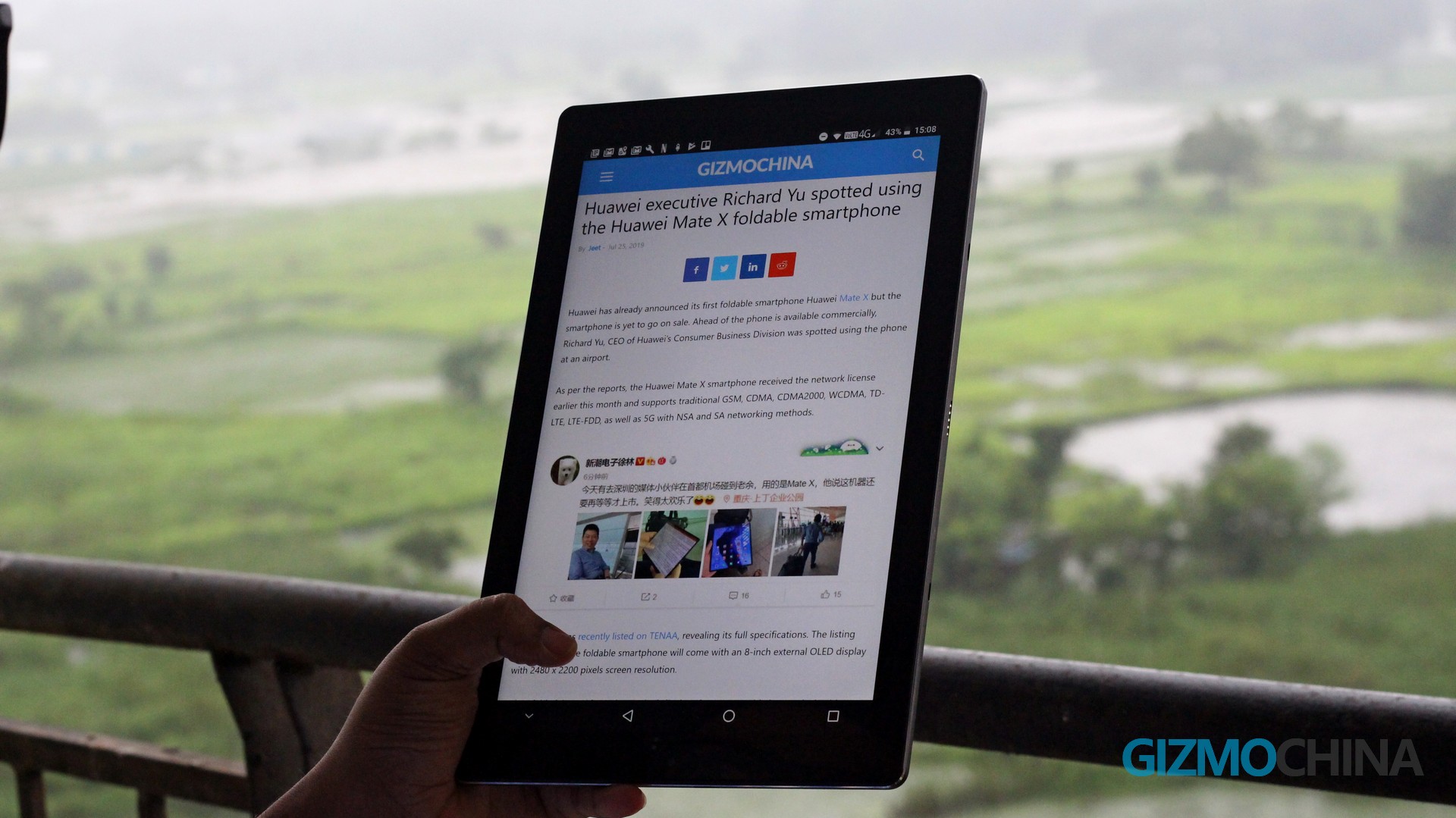
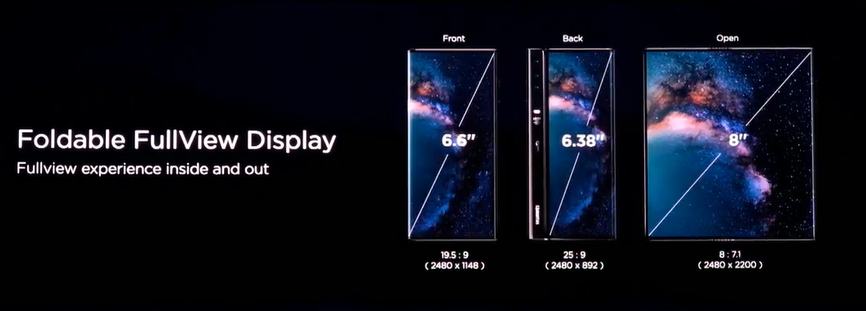
Of the current crop of upcoming folding phones, the Huawei Mate X is perhaps the most enticing and interesting of the bunch. Unlike the Galaxy Fold, the Huawei Mate X simply looks much sleeker, and it’s also more robust looking than the Royole Flexpai. Thus, it makes sense that Huawei wants to ensure that image remains once the device actually launches. To that end, they’ve delayed the release of the Mate X to optimize it further before launch.
According to the company, the Huawei Mate X still needs some time in the oven. It’s highly likely they want to avoid another Samsung Galaxy Fold situation, which makes sense. The last thing the company wants to do is drag down the concept of foldable phones further, especially considering Huawei’s current situation and reputation. Any poor decisions could lead to some really bad results.
He Gang, head of Huawei’s mobile division, tells us that Huawei have invested heavily when it comes to the Huawei Mate X. They aren’t concerned with pushing the device out quickly, instead adopting a “it’s done when it’s done” approach to the issue. The main focus is to make sure the device meets consumer expectations, though that’s a pretty high hurdle to get over.
As of right now, the Huawei Mate X has already passed all required certifications to launch, so we’re mainly just waiting on Huawei to get it right. It’s good to see that Huawei are really taking their time with this device, don’t want to end up with folding phones as a dead concept just yet. It’d be a huge shame to have such an interesting concept go down the drain due to rushed development.
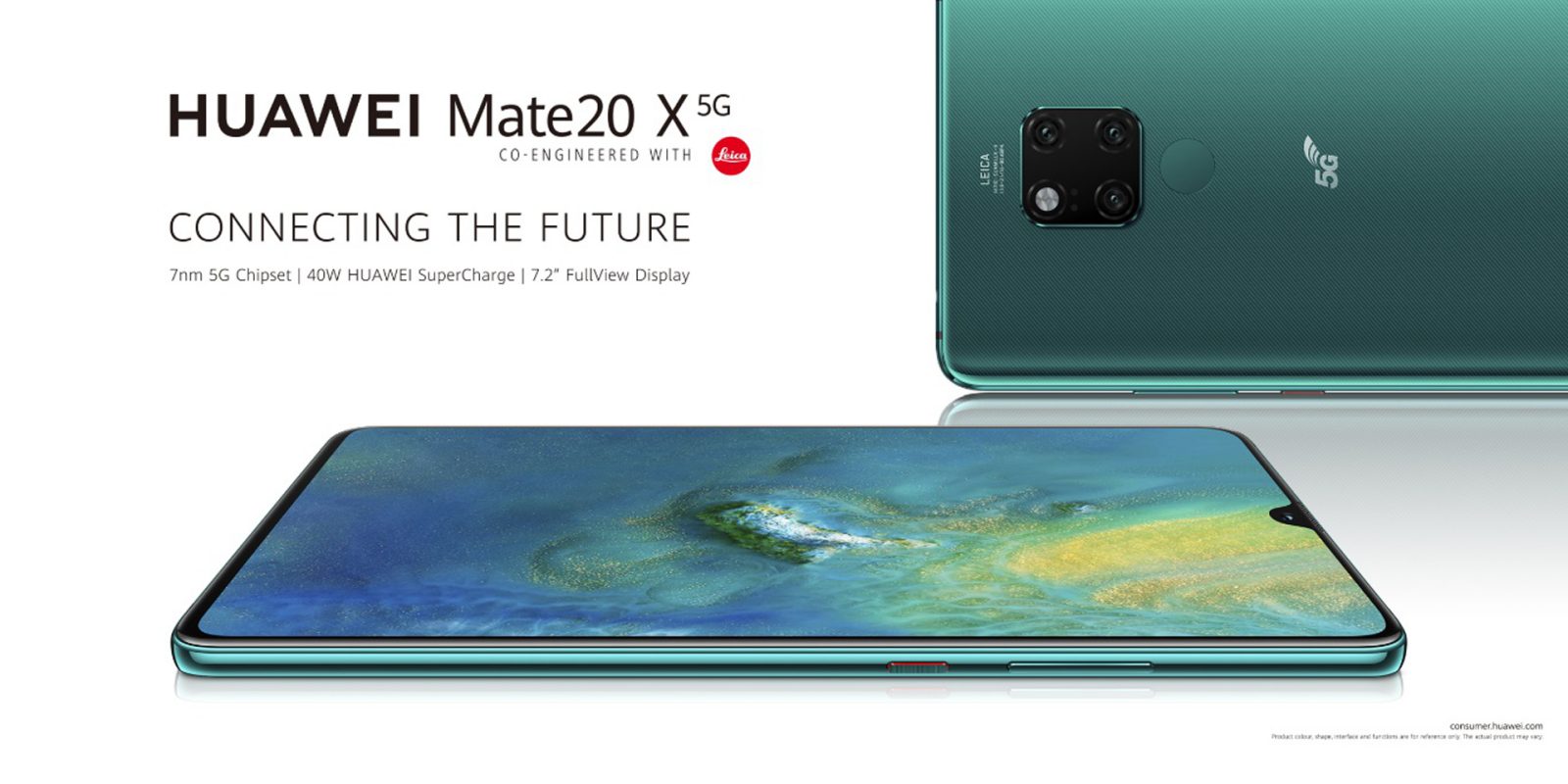
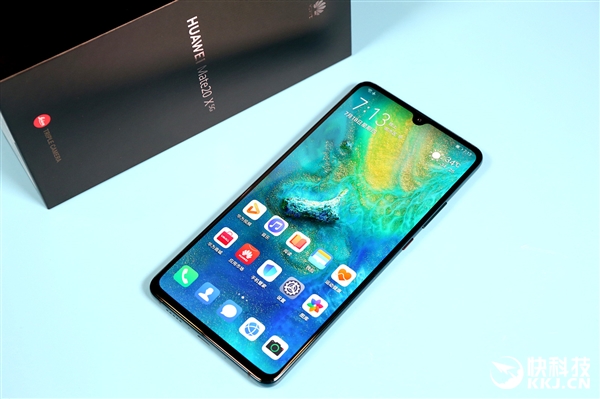
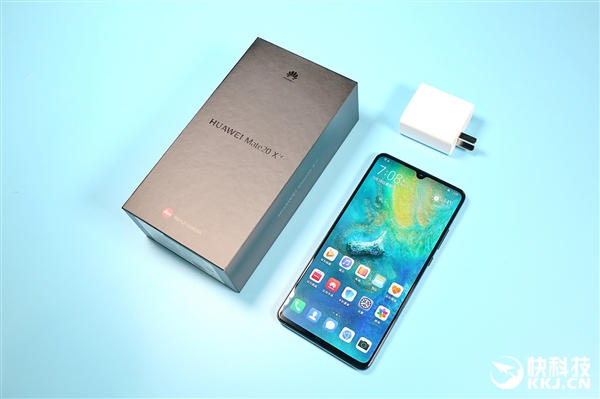
Huawei‘s latest 5G device is the Huawei Mate 20X 5G, and its the company’s first foray into the world of 5G smartphones. Early rumors claimed that the Huawei Mate 20X 5G would be priced of 10,000 yuan, which would’ve made it at least $1,453. That’s a pretty ridiculous price tag, but it’s inline with most other 5G devices. Thankfully however, Huawei’s had some restraint and have decided to price the device at 6199 yuan, which is about $901.
According to He Gang, head of Huawei’s mobile division, claims Huawei has priced its new 5G phone aggressively in order ensure better 5G adoption among consumers. He claims that for first generation 5G smartphones, companies should be focusing less on profits and more towards getting the devices into the hands of actual consumers. The focus should be on promoting faster growth of 5G development and adoption to standardize the technology.
He Gang goes on to say that Huawei has no need to price the devices any higher than they already have. They development of 5G networks is slow, and they want to adopt more aggressive pricing to speed it up. The ultimate goal is to get 5G into the hands of as many consumers as quickly as possible. Only then will 5G networks be optimized faster. Once that is achieved, the user experience will also improve drastically.
It is worth mentioning that Huawei Mate 20X 5G is the first 5G commercial mobile phone that supports both NSA/SA networking modes. He Gang said that the difference between SA and NSA is that in the NSA networking mode, the 5G base station accesses the 4G core network. We’re eager to see whether this approach will work out for Huawei. For any updates regarding Huawei and their 5G development, stay tuned on Gizmochina.com.
Earlier this month, Xiaomi applied for a trademark on the name Xiaomi Express. Based on the classes the the trademark was filed under, we made an assumption that Xiaomi was preparing their own parcel delivery service, with the name Xiaomi Express. Now we’re seeing those trademarks bear fruit, though now it’s just Mi Express, which rolls off the tongue much nicer in my opinion.
With Xiaomi having just launched their Mi Express door to door courier service, they’ll be going head to head with Chinese courier behemoth SF Express for the top spot as China’s number 1 courier service. Unfortunately, things seem to be off to a rough start as Xiaomi’s prices aren’t exactly matching up all to well with their main competition.
In terms of pricing, SF Express seem to have Mi Express handily beaten, especially with their current promotional prices. This is somewhat surprising considering how Xiaomi is usually the price champion, but it also makes sense. SF Express has been an established player in the courier game for a while now, while Xiaomi is just now dipping their toes in the market.
Xiaomi is going to need to take some time if they’re going to properly compete in the parcel delivery market, but we’re optimistic that they’ll figure things out soon enough. It’ll be interesting to see whether the company brings the service to other countries as well. It’s possible we’ll see the service come to India soon, considering it’s their biggest market.
Consumers love discounts as it allows them to get their hands on their favorite products without emptying their pockets.
In a bid to make a wide selection of such popular products available to its users at unbeatable prices, GearVita has launched the Summer Cool Deals promo. As part of this recently kicked-off event, GearVita users will be able to avail super saving on summer essential products.
To facilitate and expedite the search process, these products have carefully been split into multiple categories such as Exclusive Discount, Summer Essentials, RC & Cameras, etc. More importantly, you can grab noteworthy discounts on the aforesaid items for a limited period.
The Exclusive Discount section is further divided into Mobiles, Watches, and Earphones sub-categories. Each sub-category is brimming with top-end devices that usually carry steep price tags, but are now available for lowered prices.
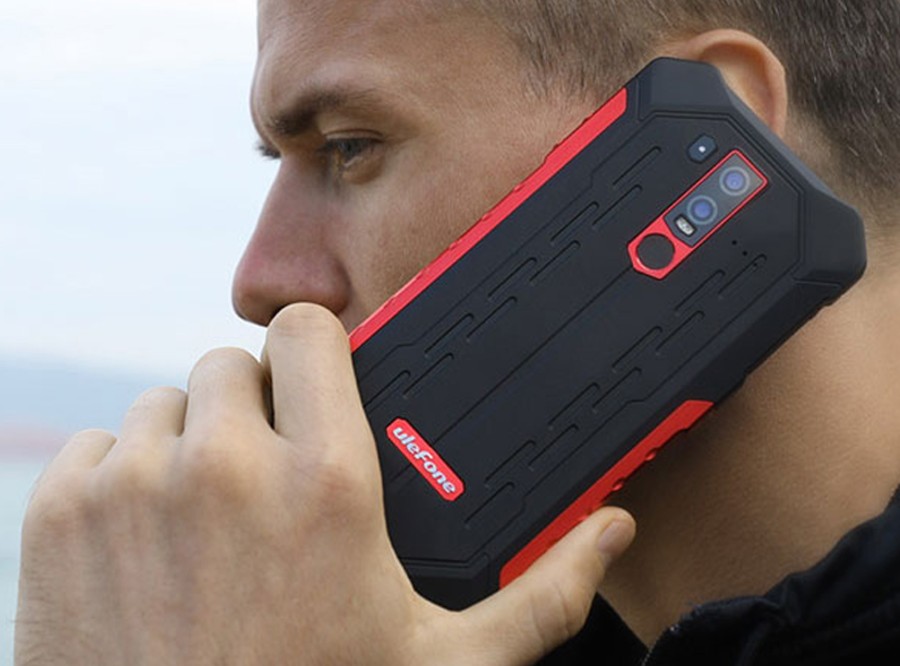
For instance, the Ulefone Armor 6 4G smartphone usually sells for $399.99, but you can now buy it for a lowered price of just $311.99. This is a significant 22 percent drop in the phone’s original asking price. Moreover, you can choose between black and red color options.
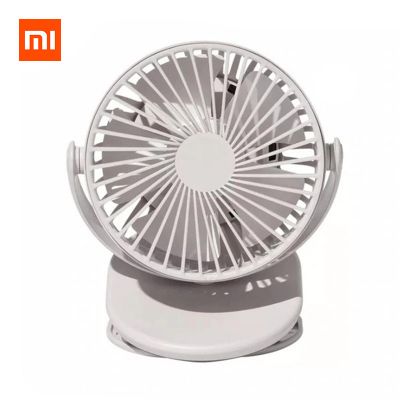
Likewise, you can buy top-end smartwatches and feature-laden earphones from popular brands including Microwear, Zeblaze, Bluedio, and QCY without burning a hole in your pocket, under the Exclusive Discount category. The next section is called Summer Essentials and it is split into Fans, Insect Killer, and Gadgets sections.
Summers can be quite hard sometimes. While you can buy various products like fans, air coolers, etc. to minimize the effect of the sunny season, these products aren’t easy on the pocketbook. In a bid to make these summer essential items available to those living on a tight budget, GearVita is offering top-branded fans and other gadgets at lowered prices.
The RC & Cameras category features a myriad of RC Toys, Action Cameras, and Gimbals that you can buy without breaking the bank. While the aforesaid items would normally set you back a pretty penny, GearVita is doling out great discounts on them as part of its latest promo.
Adventure junkies who seek the most thrills rely on various outdoor gears that don’t come cheap. Much to the delight of thrill-seekers, GearVita is offering a slew of outdoor gears for cycling, camping, and water sports for significantly reduced prices.
The popular online store hasn’t neglected fashion-conscious buyers either. The concluding section called Fashion comprises two sub-categories including Shoes and Bags. All items available under the above-mentioned sub-categories will be up for grabs bearing lowered prices until the promo comes to an end.
You can head straight to the activity page by following this link. It is worth mentioning here that the promo will come to an end on July 31st.
The market is brimming with all sorts of tools and home improvement products that come in handy in day to day life.
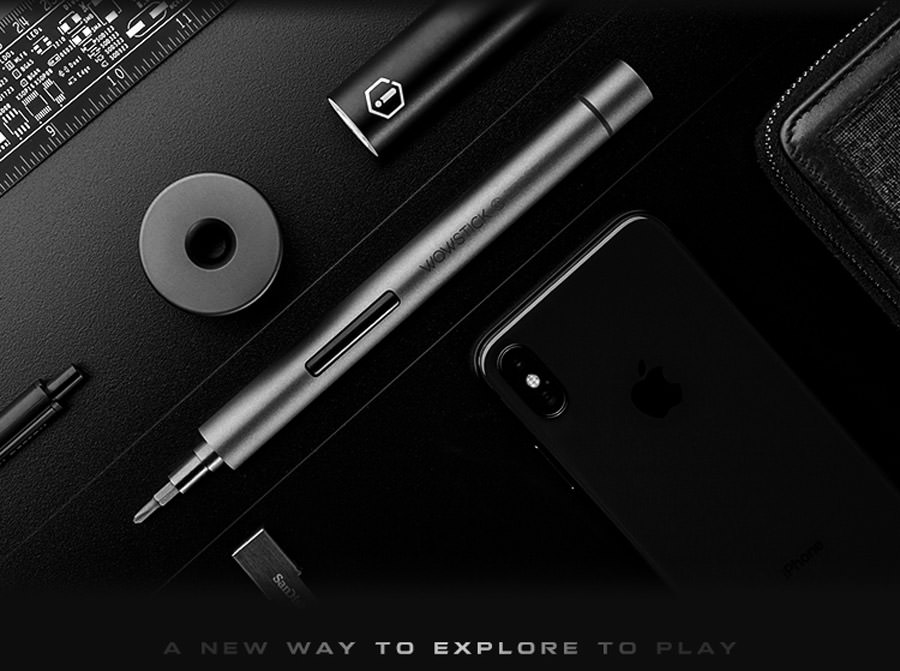
Primarily known for manufacturing top-end mobile phones, Xiaomi also offers a wide selection of highly useful tools at unbeatable prices. Keeping in line with that, the Chinese electronics company is now offering the Xiaomi Wowstick 1F+ 69 In 1 Electric Screwdriver for a modest price on GearVita.
While electric screwdrivers are easily available on both online, as well as offline stores, these tools usually carry steep price tags. The Xiaomi Wowstick 1F+ 69 In 1 Electric Screwdriver, on the other hand, will set you back just $35.99. There’s more for you to cheer about.
Cost-conscious buyers who aren’t willing to spend a lot of money on an electric screwdriver can use coupon code ROM1F69In1 to save $11 before placing their orders. In other words, you can bring the retail price of the Xiaomi Wowstick 1F+ 69 In 1 Electric Screwdriver down to just $24.99 with the help of the aforesaid coupon.
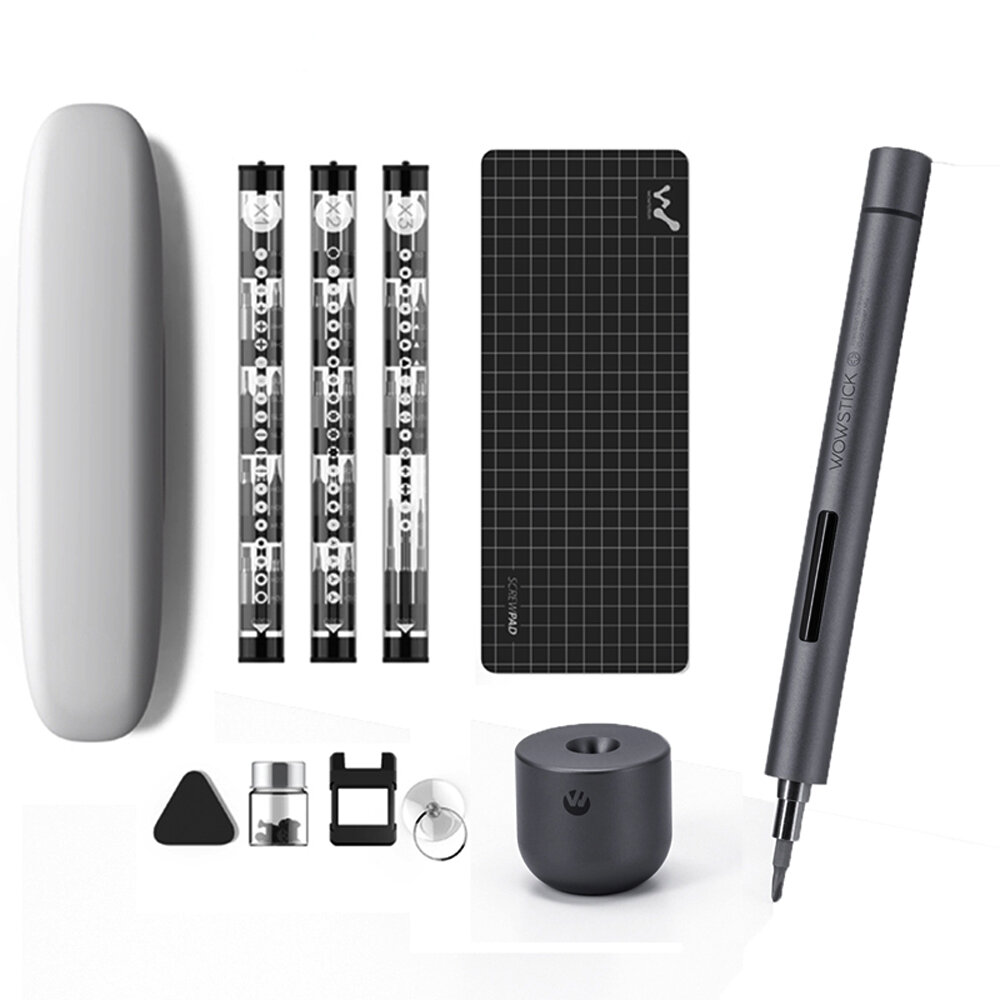
An absolute steal at this price, the Wowstick 1F+ 69 In 1 Electric Screwdriver is housed in a slim aluminum-alloy body that adopts a pen shape design. This 69 IN 1 Screwdriver set is backed by a Lithium-ion battery that delivers a battery life of 8 hours, making it an ideal tool for electronic repairing projects.
Moreover, it comes with Dual Torque 0.15/3N.m working mode and has an auto self-locking ratchet wheel orientation. Aside from that, it has 3 LED Shadowless lights that make working on repairing job more convenient. It has a magnetic board that holds the screws to ensure that you do not end up losing them while repairing.
A great choice for your daily repairing projects, the Wowstick 1F+ 69 In 1 Electric Screwdriver allows you to choose between automatic and manual operation to ensure the high working efficiency. It meets your varied working demands whether you are using it for screwing, drilling or threading.
You can follow this link to check out more details about the Xiaomi Wowstick 1F+ 69 In 1 Electric Screwdriver and take advantage of the coupon before it expires.
Touted as the main input device for a video game console, a gamepad (joypad/controller) usually alludes to a game controller that needs to be held in two hands, where the thumbs and fingers are used to provide input.
Alternatively, you can use one-handed gamepads for providing input on most video game consoles, if you don’t mind spending a bit more. While the market is crammed with one-handed gamepads that enhance your overall gaming experience, these easy-to-use joypads don’t come cheap.
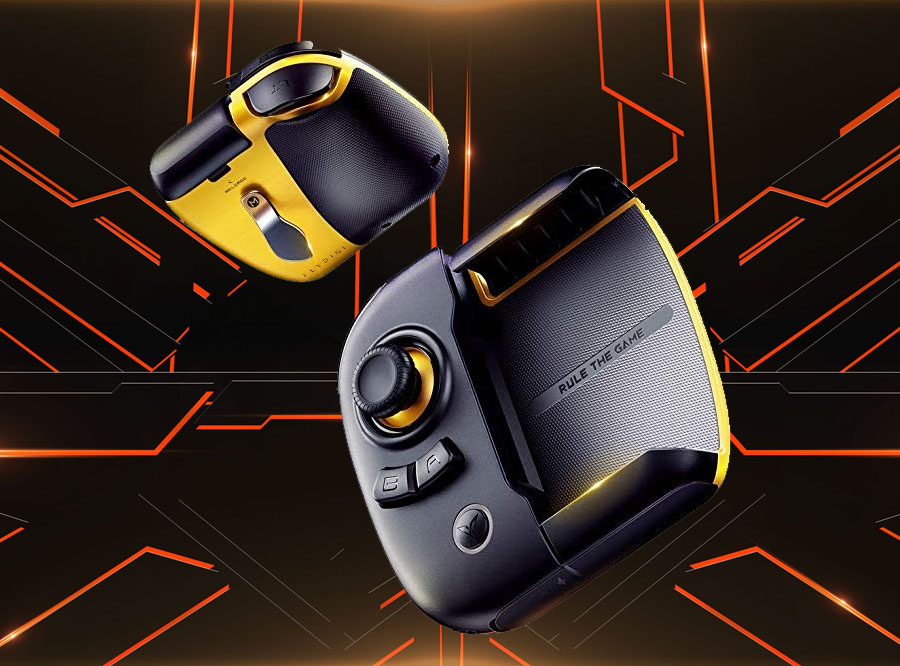
Much to the delight of avid gamers that have restlessly been waiting to get their hands on a one-handed gamepad without spending a lot of money, the feature-laden Flydigi Wasp 2 One-Handed Gamepad has gone up for sale bearing an unbeatable $55.99 price tag on Giztop.
An absolute bargain at this price, the Flydigi Wasp 2 has a removable metal button placed on the back to facilitate the installation and removal process. Moreover, it’s upgraded, bigger ALPS joystick enhances your overall gaming experience.
It features Microswitch triggers. The extended side button is designed to support your fingers. Flydigi Wasp 2 One-Handed Gamepad acts as two alternative Joysticks. It supports both iOS as well as Android-based devices and adopts Bluetooth technology for connectivity.
Made using high-quality ABS material, this one-handed gamepad is compatible with OnePlus 6, OnePlus 6T, and OnePlus 7 smartphones. You can click here to buy the black color version of Flydigi Wasp 2 One-Handed Gamepad from Giztop.
Chinese phone manufacturer and global smartphone brand Huawei today announced the commercial availability of the highly-anticipated Honor 20 Pro. The phone was unveiled for the global market at a media event held in Moscow, Russia. Users in Russia will be able to buy the flagship smartphone in all channels at 34990 RUB from 2nd August. The company also announced that the phone will be available in the United Kingdom, France, Italy, Spain, Germany, Netherlands, Czech Republic, Finland, Poland, Malaysia, Egypt, Saudi Arabia, United Arab Emirates and other markets in no distant time.
The Honor 20 Pro was announced alongside the Honor 20 in China on May 31. Both models pack a 6.26-inch All-View Display with the punch-hole housing a 32MP camera. The models are powered by the Hisilicon Kirin 980 flagship chipset. In China, the Honor 20 and Honor 20 Pro are both available in 8GB+128GB and 8GB+256GB memory options.
The camera aspect is where both models differ. The Honor 20 Pro packs a quad-camera setup comprising a 16MP f/2.2 super-wide-angle camera, a 48MP main Sony IMX586 camera with an f/1.4 aperture. The f/1.4 aperture is the largest on a mobile phone. Finally, there is an 8MP f/2.4 Telephoto camera and a 2MP f/2.4 Macro camera. Both the 48MP primary sensor and 8MP telephoto lens have 4-axis OIS. There is also a laser autofocus module for superfast focusing. The Honor 20 Pro also supports up to 30x digital zoom.
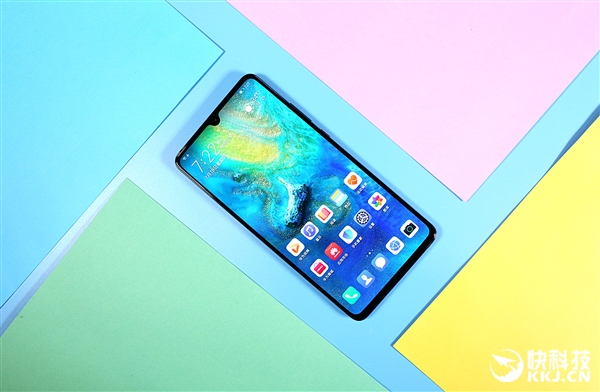
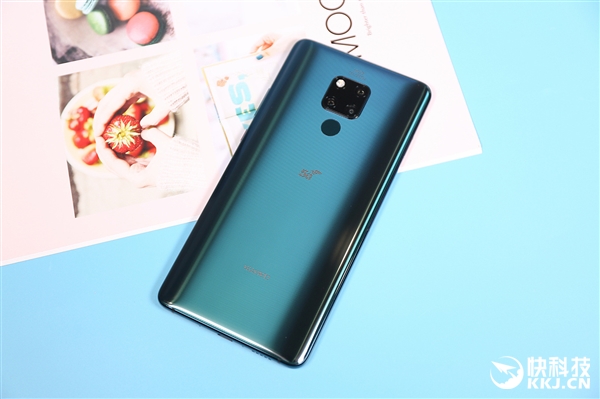
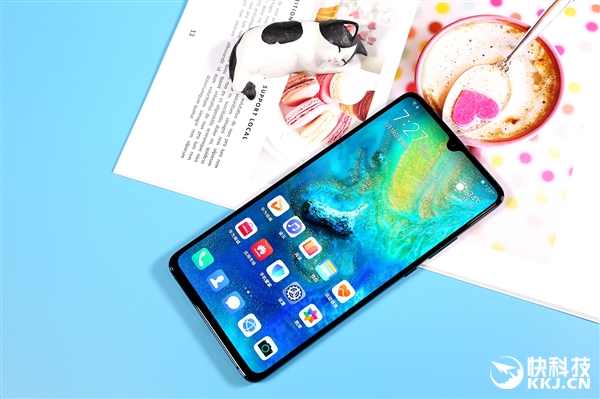
Huawei Mate 20X 5G was launched earlier today in China. The phone is one of the few 5G smartphones that have been announced this year. Already, there have been wild speculations about it is launched. Some carriers, even in the UK have indicated willingness to sell the Mate 20 X 5G despite the Huawei/US government debacle.
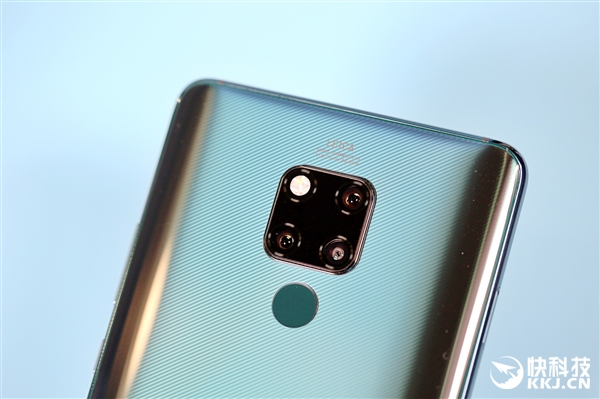
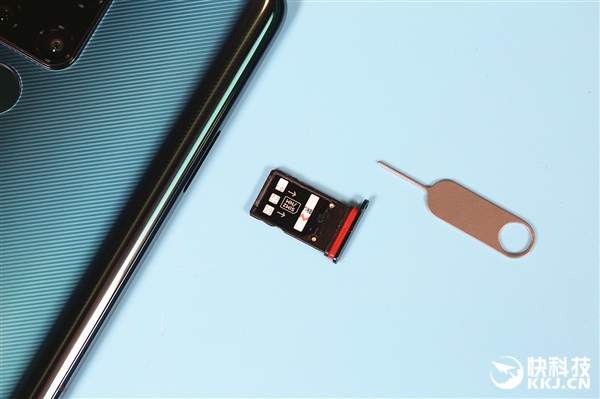
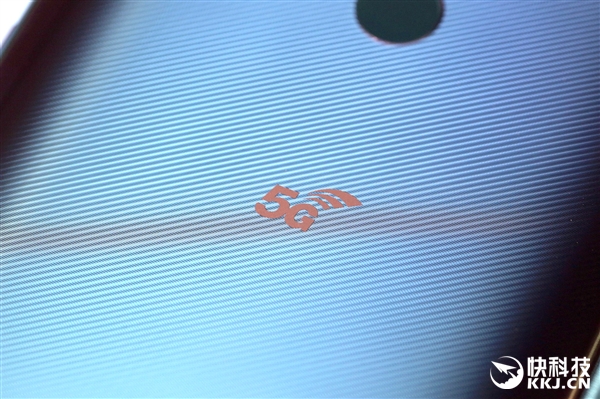
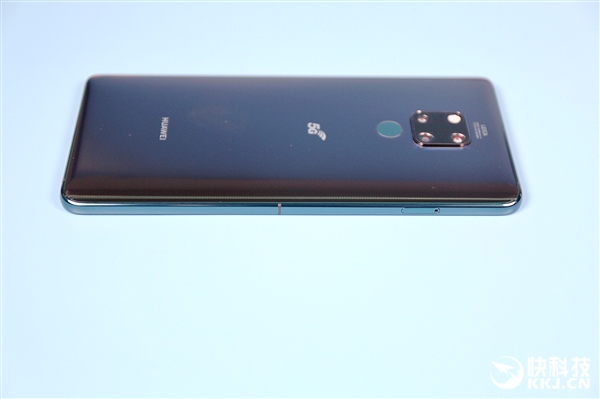
The Mate 20X 5G version comes only in Emerald Green color with a matte finish on the back panel. The back panel also sports a 5G logo. These are the obvious difference between the 5G edition and the regular Mate 20 X announced last year.
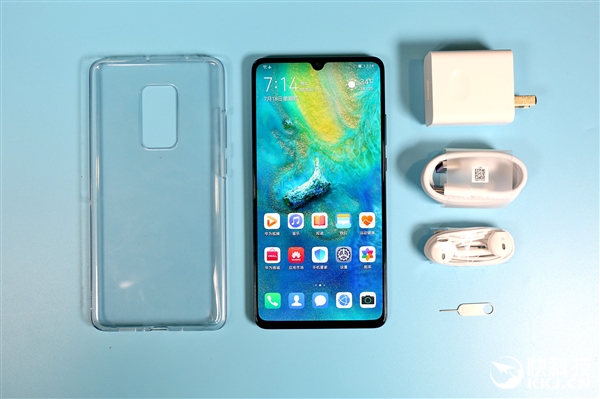
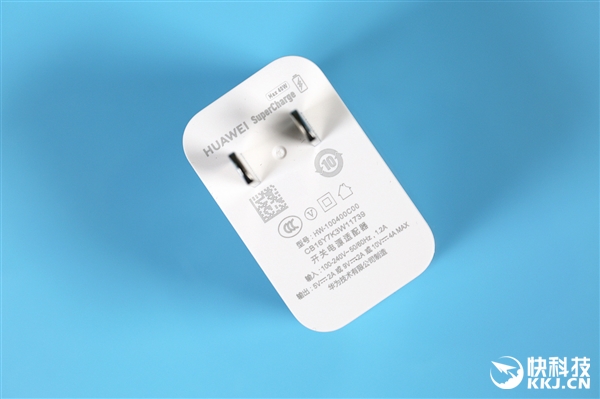
On the internals, it packs a 4200mAh battery which is slightly lower than the 5000mAh cell on the Mate 20 X. The inclusion of 5G antennas is responsible for the reduction in the size of the 5G edition. However, the 5G version comes with a quicker 40W fast charging technology and Huawei did include a 40W charging adapter.
Also, the device comes with a Balong 5000 modem that can achieve peak download speeds of 4.6Gbps in the sub-6Hz low-frequency band. The speed improves by 10X to 6.5Gbps if using millimetre wave or high-frequency band. But the 5G network is only restricted to the first SIM slot. The second SIM is limited to 4G networks only.
he rest of the specifications remain the same with the 4G Mate 20X. That is a massive 7.2-inch OLED display with a waterdrop-style notch. The display offers an aspect ratio of 18.7:9 and full HD+ resolution of 1080 x 2244 pixels. The display also supports DCI-P3 color gamut, DC dimming which protects the eyes of its users from detrimental blue rays released by the screen.
The device is powered by an Hisilicon Kirin 980 chipset, Huawei’s first 7nm SoC. The chipset is mated with 8GB of RAM and there is 256GB of storage onboard. Despite the massive storage, you can still ramp up the storage to an extra 256GB using the hybrid SIM slot. The 5G phone runs EMUI 9.1 based on Android 9.0 but expect the phone to be among the first to get Android Q update whenever it is available. The phone also comes with Game Turbo 3.0.
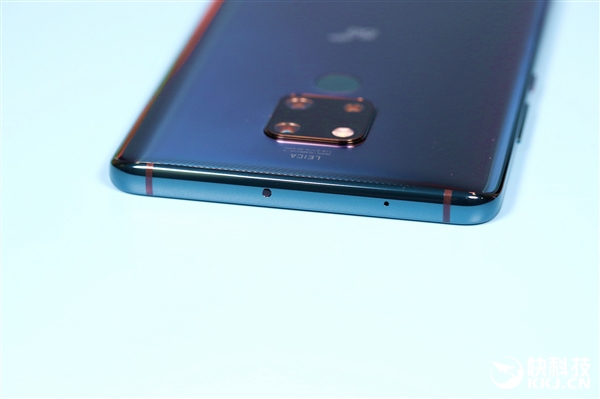
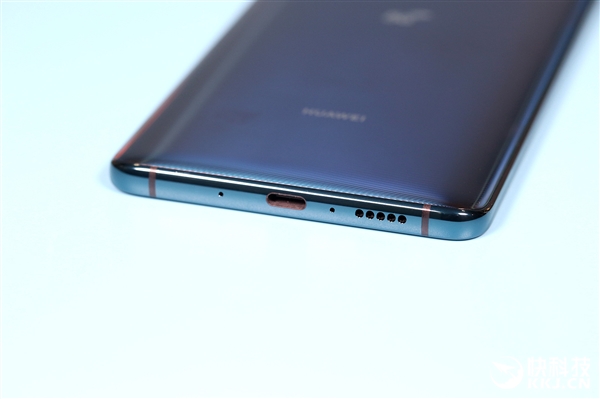
The camera setup is similar to the regular Mate 20X and it includes a 24MP selfie camera up front. At the rear, you get a triple camera setup in a square-shaped camera module. The main camera is a 48MP sensor, teaming up with an 8MP telephoto sensor and a 20MP ultrawide lens. Other features on the Huawei Mate 20X 5G include a rear-mounted fingerprint sensor, Wi-Fi 802.11 b/g/n/ac, Bluetooth 5.0, GPS, NFC, USB-C. But there is no 3.5mm headphone jack.
Check out more pictures of the Huawei Mate 20X 5G from below.
Xposed Framework is a favorite Mod among the users who love to modify their Android smartphones. It provides seamless customization ability on compatible Android devices. The Xposed Framework is easy to install and module based framework. It allows users to extend the functionality of the device by letting install other apps/mods/tweak at the system level.
Xposed Framework not only extends the functionality of the device, but it also improves the performance by tweaking the system-level functionality of the device. The ability of easy installation of modules is unmatchable. Xposed also allows users to flash custom ROMs via Xposed Manager. It fades away the process of flashing via custom recovery. It saves time and effort while installing any module.
The Framework uses the ART (Android Runtime) to let Xposed modules to execute their methods before calling the original methods. It is an advanced version of the Magisk Module with more abilities to modify at the system-level.
Features of Xposed Framework
Ability to run on Stock ROM: Exposed Framework can smoothly run on stock ROM. It won’t affect the working of the current ROM in any way and can easily fit in it. The user needs to install the framework over the top of the OS. It is a boon for users who loves to use the stock ROM but needs some customizability access.
Easier to use: Due to the availability of different modules, Xposed Framework is quite easy to use. The users can easily plug and play with the modules. It is a boon for the users who loves to customize the smartphones.
Cross-Device compatibility: The Xposed modules can run on any device having the Xposed framework installed. Irrespective of the Android version, device manufacturer, and build type, the Xposed Modules run flawlessly on the Framework compatible device.
Save-Time Efforts: Xposed Framework saves the time of the user in customizing the UI. It can quickly improve performance and enhances the overall device’s usability.
The Xposed Framework did not support Android 9.0 Pie officially, but a Reddit user has successfully ported it to the newer Android version. It can be easily installed on all the Android devices running Android 9.0 Pie. Interested users need to install Magisk Manager and then EdXposed mode to successfully start utilizing the Xposed Framework.
Note: It is an unofficial build of the Xposed Framework. It might be risky to install it as it contains various bugs. It is even not open source. However, it is working fine on the Android 9.0, but there’s always a scope for some issues. GizmoChina.com will not be held responsible for any damage to your data and device.
You should have Magisk Manager installed on your device.
The device should be rooted.
Steps to Install Xposed Framework on Android 9.0 Pie
Download and install the Riru Core Magisk Module.
After successful installation of the above module, Install EdXposed Magisk Module.
Now, reboot your Android 9.0 Pie running device.
Need to install Xposed Installer APK by DVDandroid on your phone.
Open Xposed Installer app from the app drawer, and you will see successfully installed notification.
You will see the Xposed on Android 9.0 pie after the device gets booted successfully. Most of the users are giving positive feedback about the installation.
Xposed Framework officially supports Android 8.1 Oreo. The installation is based on Magisk manager, and it won’t affect the device’s SafetyNet. Users can flawlessly use programs like Google Pay, Banking Apps, etc.
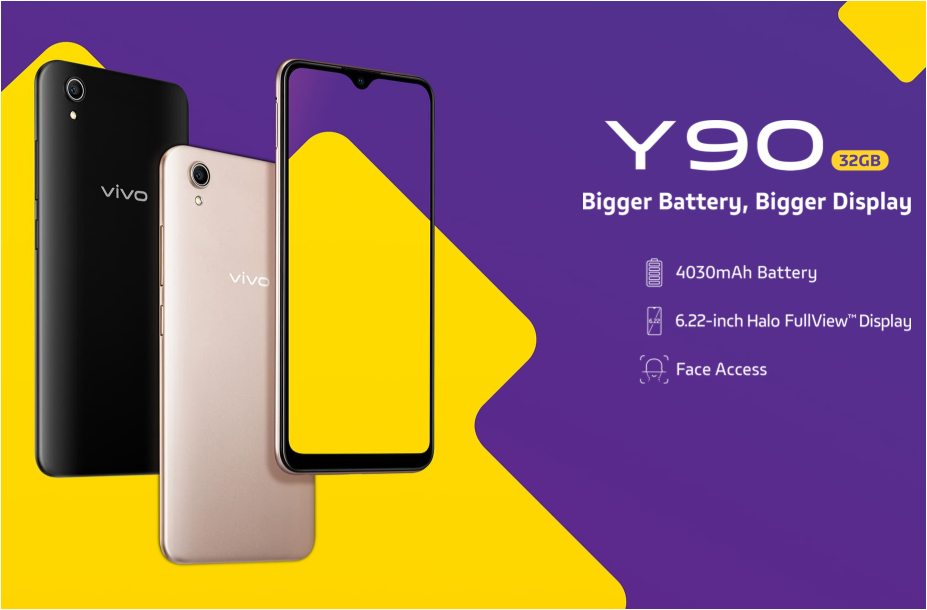
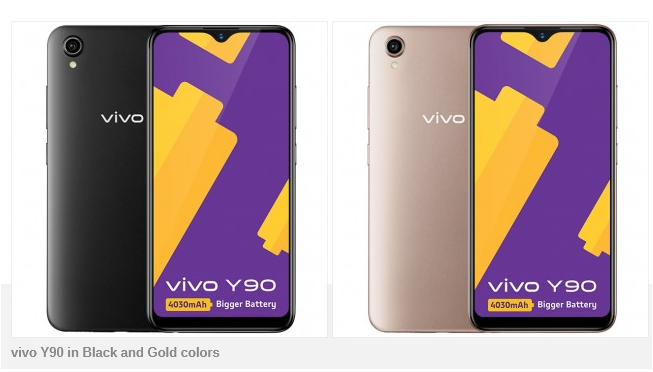
Vivo has launched yet another entry-level smartphone. The phone adopts the moniker Vivo Y90 and is designed for fans who desire a good smartphone but don’t have a deep pocket to buy a premium mid-range model or flagship device. The Y90 comes with a sleek design which looks more like a premium mid-ranger than a budget smartphone. But the pricing won’t bore a hole in your pocket. Here’s a look at the specifications.
Vivo Y90 features a 6.22-inch HD+ FullView display with a notch on top of the display. The notch houses a 5MP selfie camera with f/1.8 aperture. At the rear aspect, the smartphone adopts a curved edge design with a single 8MP camera nested at the top left corner. The camera has an f/2.0 aperture. There is no fingerprint scanner at the back but you get the Face unlock feature using the selfie camera.
On the hardware, the device is powered by an Helio A22 SoC which is paired with a 2GB RAM. The smartphone runs on Android 8.1 Oreo with an overlay of Vivo’s Funtouch OS 4.5. The device equally has 32GB of storage onboard with the option to further expand it up to 256GB via microSD card. Keeping the lights on is a generous 4,030 mAh battery which charges through a microUSB port.
As for the pricing, Vivo Y90 is on offer on Vivo’s official store in Pakistan for PKR18,999 ($120). The phone comes in Blue and Gold colors. It is expected to hit store shelves in India soon but no date has been announced yet.
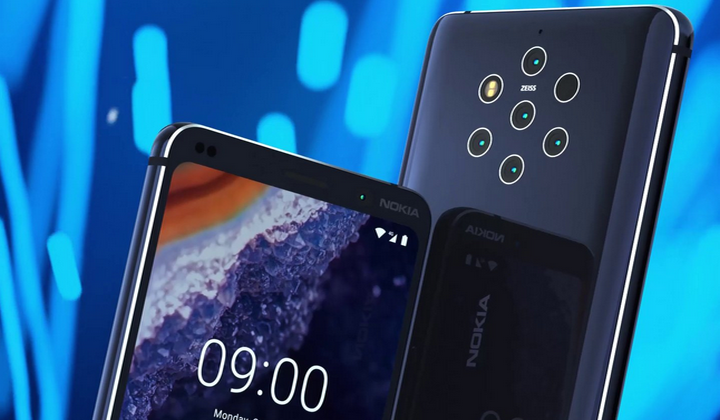
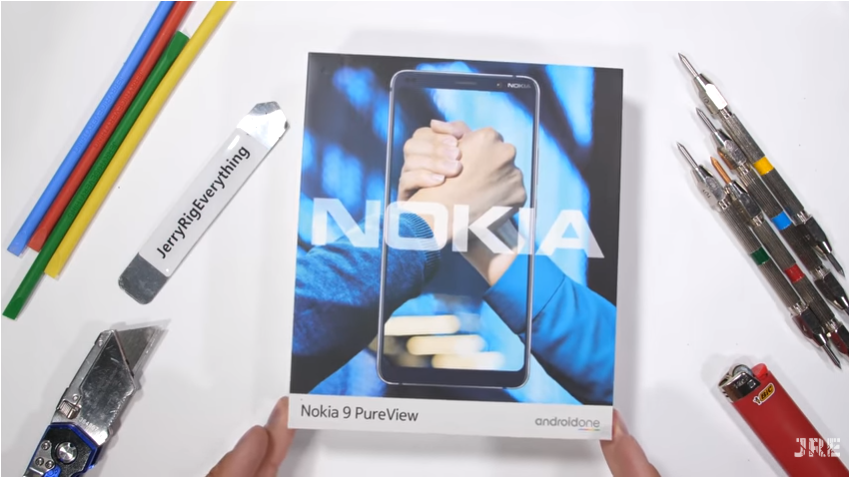
Nokia 9 Pureview holds a record that no other smartphone has ever come close to surpassing since it was launched in February 2019. That is the penta-camera setup with a whopping five cameras at the rear and two cameras for selfies, making a total of seven cameras. The camera samples we’ve seen clearly show this setup isn’t a gimmick. But that isn’t the only spectacular thing about the Nokia flagship. Zack Nelson of JerryRigEverything fame has now subjected the Nokia 9 to his famous durability test and it passed!
Nokia’s towering reputation has its basis on the solid build the company’s mobile phones were known for even before the Android era. The Nokia 9 PureView indeed keeps to that reputation going by the durability test result.
The test begins with the scratch test using the Moh’s hardness scale. The scratch test doesn’t really reveal anything out of the ordinary. Since there is a Gorilla Glass protection over the screen, the device will scratch at similar levels on the Mohs hardness scale. The device was also subjected to the rather pointless flame test which turns the AMOLED pixels white after around thirty seconds, and they never fully recover.
The one that interests us the most is the bend test. The Nokia 9 PureView glass panel holds on solidly when pressure is applied on the back and front. The glass at the back slightly separates from the frame when the pressure is increased, perhaps due to weak adhesive but there is no irreversible damage to the phone. The screen still works fine.
Huawei‘s EMUI 9.1 update has been out for months now, though not every device has seen the update. Huawei’s now come out with a new list of devices that will be receiving the update later on the 25th of August. Among the list, we’ve got the Huawei Nova 4, the Huawei Nova 3i, Huawei Maimang 7 (Honor 20 Lite), Huawei Enjoy 9 Plus and the Honor 8X.
EMUI 9.1’s big draw is that has Huawei’s new EROFS super file system. This can allegedly increase the read speed by an average of 20%. On top of that Huawei also has GPU Turbo 3.0 on board. This update is currently available for the Chinese variants of these devices, though we’re sure it’s fully possible to install them on global units as well.
If you’re device isn’t on the list, then it’s highly possible you’ve already received the update. You should be looking forward to EMUI 10 instead, which will based on Android Q. EMUI 10 is the true successor to EMUI 9, whereas EMUI 9.1 is mainly just an update for EMUI 9 that’s still based on Android Pie. We expect to see a list of devices getting EMUI 10 at HDC 2019.
EMUI 10 will feature a new design philosophy, or at least an updated version of the current design direction. We’ll also allegedly see a lot of improvements when it comes to the camera interface in terms of features, speed and features when it inevitably launches later at HDC 2019. In the meantime, stay tuned on Gizmochina.com for all your Huawei related news.
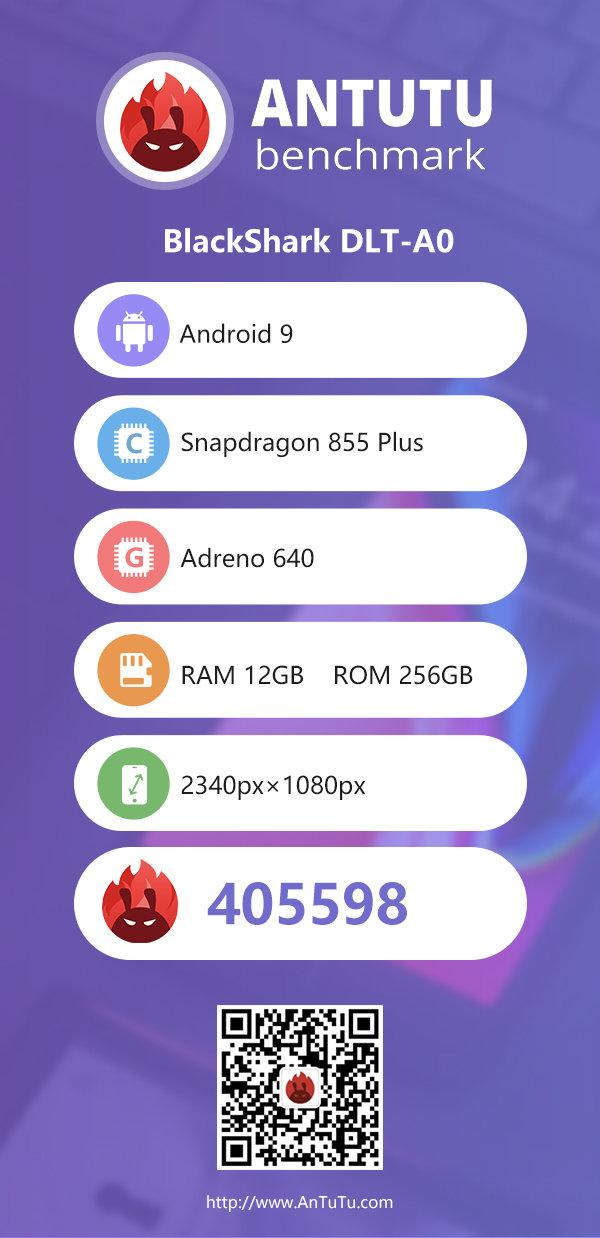
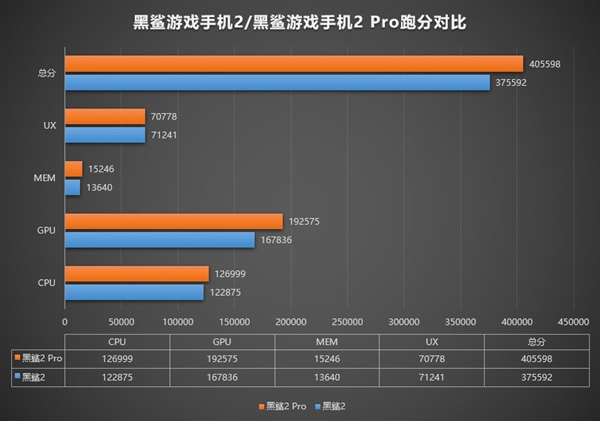
A couple of days ago, Black Shark released a poster revealing that it would launch a Black Shark 2 Pro on July 30. A few days later, we got confirmation that it would come running the latest and greatest Snapdragon 855+ SoC, thanks to a Geekbench listing of the device. Now AnTuTu benchmarks for the device have made an appearance over on Weibo.
The version of the Black Shark 2 Pro running the benchmark is the 12GB + 256GB version, and it’s got some excellent results. The device manages to score an impressive 405598 points, almost 30,000 points higher than the Black Shark 2’s score. The main contributor to this higher score seems to be the GPU performance, which is excellent for a gaming phone.
It seems like Black Shark are really gearing up to compete in the gaming phone market. Thanks to Weibo, we know that the new device will be sporting a redesigned rear panel, and possibly a brand new front as well. What we’d like to know is whether the company’s got a display with a higher refresh rate now, as it’s becoming the norm for gaming phones to have them. Also, will we finally get a headphone jack this time?
Things are certainly heating up in the mobile gaming market. The Black Shark 2 Pro will face tough competition out of the gate from Asus’s ROG Phone 2, which is one of, if not the most well equipped phone we’ve ever seen. If Black Shark wants to stand a chance, they’re going to need something special. Snapdragon 855+ is a start, but we hope to see more soon.
We use cookies on our website to give you the most relevant experience by remembering your preferences and repeat visits. By clicking “Accept”, you consent to the use of ALL the cookies.
This website uses cookies to improve your experience while you navigate through the website. Out of these, the cookies that are categorized as necessary are stored on your browser as they are essential for the working of basic functionalities of the website. We also use third-party cookies that help us analyze and understand how you use this website. These cookies will be stored in your browser only with your consent. You also have the option to opt-out of these cookies. But opting out of some of these cookies may affect your browsing experience.
Necessary cookies are absolutely essential for the website to function properly. This category only includes cookies that ensures basic functionalities and security features of the website. These cookies do not store any personal information.
Any cookies that may not be particularly necessary for the website to function and is used specifically to collect user personal data via analytics, ads, other embedded contents are termed as non-necessary cookies. It is mandatory to procure user consent prior to running these cookies on your website.