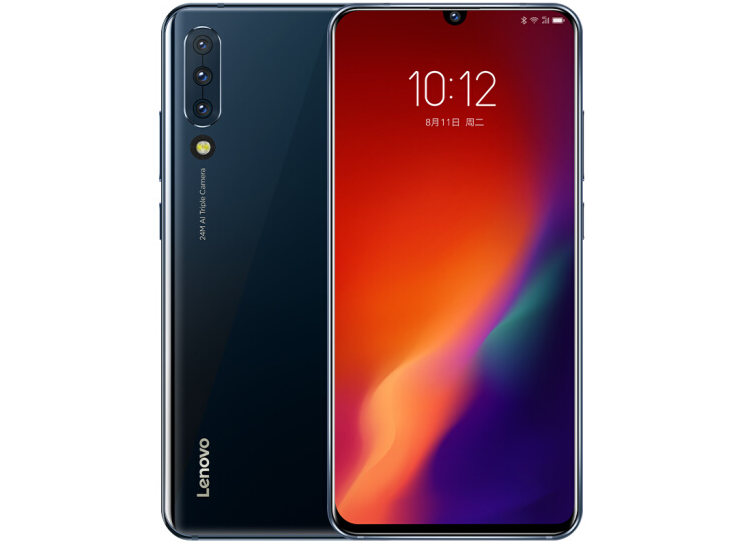
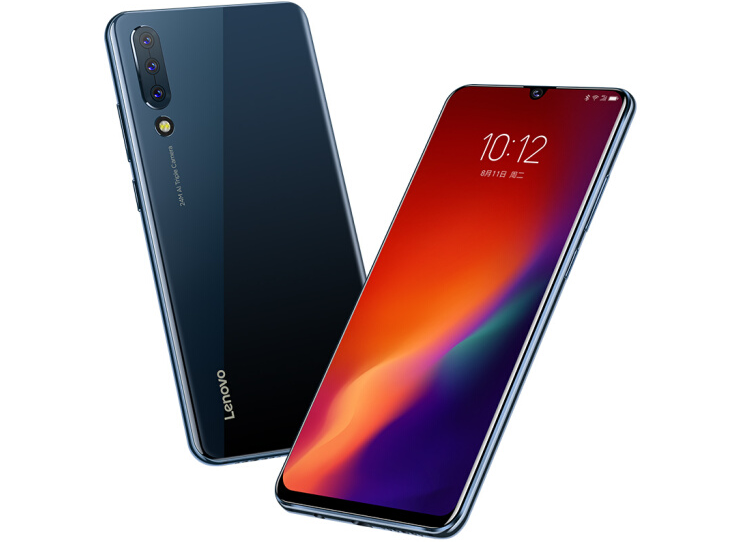
The Motorola P50 is a rebranded version of the Motorola One Vision sold in India, Brazil, Europe, Saudi Arabia, and Thailand. The P50 will be exclusive to China and will run ZUI, unlike the One Vision which runs a near-stock version of Android.
Earlier this week, a top Lenovo executive revealed the specs of the device. Today, the phone’s price has also been made public and the source is none other than Motorola itself. The price was revealed at an FY19 Middle East region sales event.
The phone will come in a single configuration which has 6GB of RAM and 128GB of storage. It will have a price tag of ¥2499 (~$364/€322/₹24934); a bit more than the Motorola One Vision’s €299 European price tag and ₹19,999 Indian price tag. However, unlike the Motorola P50, the Motorola One Vision has 4GB of RAM but the same amount of storage.
The P50 will be available for pre-order on July 15 before going on sale on July 20. It will be available in Sapphire Blue and Bronze on JD.com, Suning, Tmall and other partner stores.
The phone has a 6.34-inch 2520 x 1080 punch hole display with a 21:9 aspect ratio. There is a 25MP camera with HDR support inside the punch hole. On the back are 48MP f/1.7 + 5MP dual cameras and a fingerprint scanner buried under the Motorola logo. The phone has dual-band Wi-Fi, Bluetooth 5.0, USB Type-C port, dual-SIM support, Dolby Audio, and packs a 3500mAh battery.
One of the software features that launched with the OnePlus 7 Pro and OnePlus 7 is Screen Recording. Shortly after both devices launched, the APK was made available to older OnePlus devices thanks to APKMirror. If you own a OnePlus 6 or OnePlus 6T and didn’t sideload the APK then, you shouldn’t worry about doing so as the latest update brings the feature to the phone.
Both the OnePlus 6 and OnePlus 6T are receiving a new update that arrives as OxygenOS version 9.0.7 for the OP6 and version 9.0.15 for the OP6T. The updates bring the screen recorder feature to both devices. It also updates the security patch to that of June 2019, improves the screen rotation, and adds support for VoLTE and VoWiFi for Telia Denmark.
Do note that the screen recorder won’t show in your app drawer but can be accessed from the Quick Settings panel.
The update is rolling out gradually but you can also download and manually install the incremental OTA or flashing the full ROM. Download links are available here.
OnePlus promised that Zen Mode will also be coming to the OnePlus 6/6T but it isn’t bundled with this update. It may probably arrive with July’s security patch. If you can’t wait, you can sideload the APK from APKMirror too.
The iQOO Neo is one of the devices that launched this week. It packs a lot of features and tops it off with a really affordable price tag. That combination of specs and price may have gotten its competitors worried, prompting them to announce price cuts. The Nubia Red Magic Mars is one of such devices.
Yesterday, Nubia announced on Weibo that its Red Magic Mars gaming smartphone has received a price cut of ¥400 (~$58). The base model which has 6GB of RAM and 64GB of storage will now sell for ¥1899 (~$276) while the 8GB RAM + 128GB version will sell for ¥2099 (~$305).
When it launched last year, the Snapdragon 845-powered smartphone had a starting price of ¥2699 (~$392) while the 8GB + 128GB version sold for ¥3199 (~$466). The base model launched in the US at $399.
This isn’t its first price cut but even at the new prices, the Red Magic Mars doesn’t seem like the one to buy when you compare it to the iQOO Neo. The base model is still more expensive than that of the Neo which is ¥1798 (~$260). But that is barely even scratching the surface when it comes to where the iQOO Neo wins.
The Neo has a larger display which is AMOLED as against the Nubia’s smaller LCD screen. The Neo also has a much bigger battery, a faster-charging technology, and more cameras. Though it misses out on the Red Magic Mars’ RGB LED strip, surround sound and wider availability.
Huawei never fails to satisfy its customers when it comes to quality. That is one reason the company is the world’s second largest smartphone vendor in terms of shipment volume.For instance, can your phone survive a fall from the fifth floor of a building and still work? How about an accidental drop from the 21st floor of a building? Huawei’s smartpones have been shown on different scenarios to have experienced such and they still kept working.
A netizen who happens to own an Honor 10 smartphone took to China’s Weibo to share the story of his Honor 10 fell down from the fifth floor of a build and the display got shattered. A year after, he picked up the phone and after charging, it was switched on. Interestingly, the phone still continued working despite the entire touchscreen digitizer panel was shattered. Even the LCD panel was partially damaged at the top half but the owner was still able to make a call with the phone. It is possible that with the split screen feature, some apps that support split screen can still be used seamlessly.
Even the VP of Honor’s business department Xiong Junmin commented that the impact of the fall was more ferocious than the drop experiment of the Honor Lab.
This experience is similar to that of the Huawei P20 which reportedly fell from the 21st floor of a building last year and got shattered but still continued working. According to the owner, some features continued working seamlessly. Features such as Face Unlock, fingerprint sensor, Bluetooth. Apart from physical damage to the fuselage and a broken rear camera, other features and apps such as the internet connection, WeChat etc still worked normally. You could even receive calls with the phone.
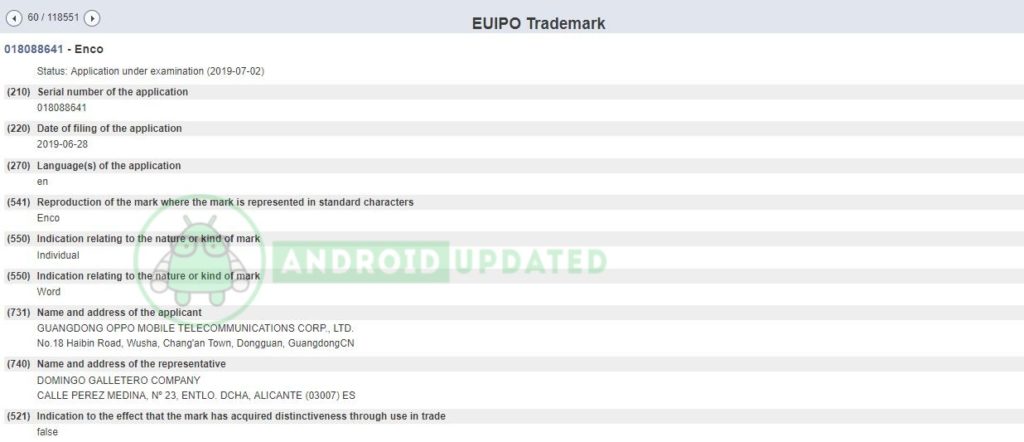
This year, OPPO shut down its R-series line of smartphones, however, it announced a new one called Reno. The Reno line includes the Reno, Reno Z, Reno 10x Zoom, and the OPPO Reno 5G. The Guangdong-based company has applied for a new trademark for the word “Enco”. It has been reported that this may be the name of a new line too.
The trademark application was filed on June 28, 2019, at the European Union Intellectual Property Office (EUIPO). There isn’t much that the trademark application reveals but the rumor about it being a new series of smartphones isn’t actually new.
Last month, OPPO’s VP, Brian Shen, revealed in a Weibo post that a new series of smartphones will launch in the second half of the year. This new series may as well go by the name Enco. It is unknown if the series will cover the three main phone categories (entry, mid-range, and flagships) or if it will be limited to just one or two.
We expect more details will surface soon with respect to the series and even its first phone.
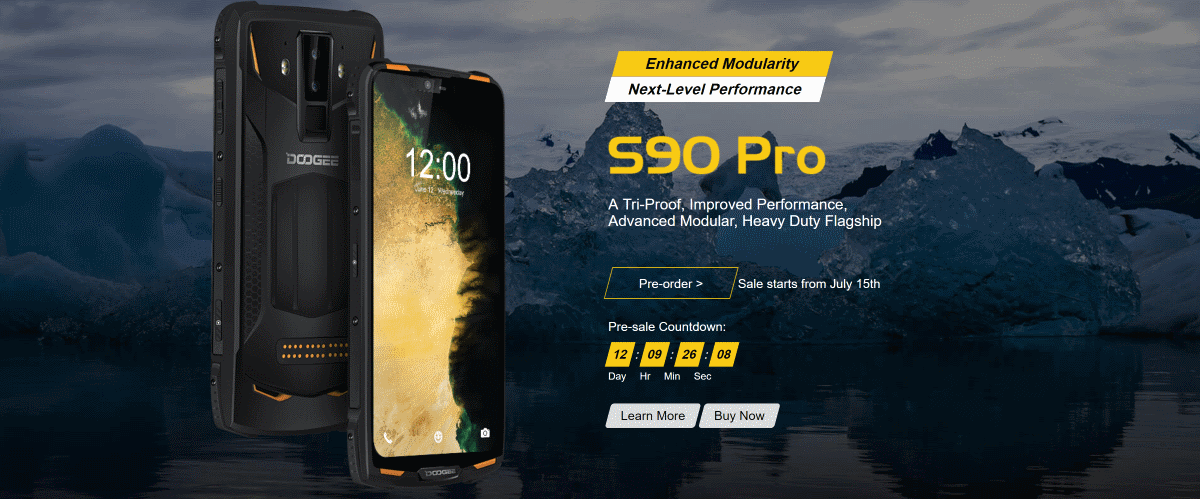
The Doogee S90 is the last rugged phone that the company had released and today, the Chinese manufacturer is ready to release its successor, the all-new Doogee S90 Pro. As an upgraded version, the new model comes with increased performance, better modularity, better battery life, and Android 9 Pie. The S90 Pro is expected to hit the market on July 15th on Doogeemall.
Doogee S90 Pro modular design
Starting with the design, the DOOGEE S90 Pro continues the innovative modular tri-proof design inherited from S90. Of course, as a rugged phone, it sports IP68/IP69K and MIL-STD-810G certifications, and together with the improved rubber design and titanium alloy chassis, the S90 Pro can withstand water (30′, 3 meters deep), dust, and drops from 1.5m high. As for the modular design, the phone supports all current modules like the 5000mAh powerbank, Walkie-Talkie module, Gamepad module, and Sony Ultra-Wide Night vision camera module.
Performance Upgrade
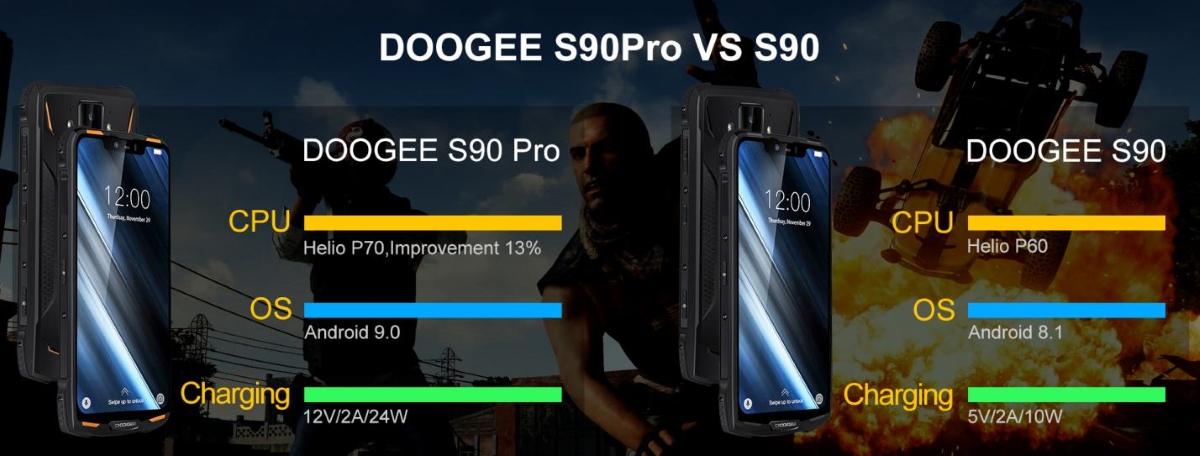
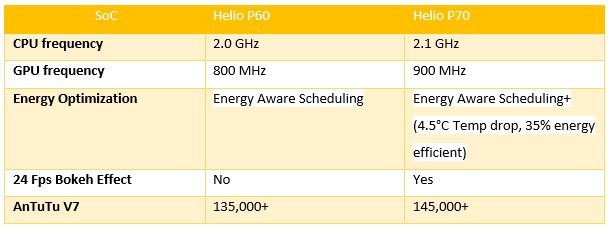
The S90 Pro comes with Helio P70 instead of the P60 found on the previous model and it offers a 35% bump in power efficiency, 10% boost in A.I. performance, 13% increased CPU performance, 3x improvement in camera performance, and 15% longer battery life.
Hosting a 5080mAh battery under the 14.1mm chassis, the S90 Pro is one of the thinnest rugged phones with more than 5000mAh battery. Moreover, the quick charge 10W wireless charging and 10V/2A wired charging are also new features. Thanks to the 35% better efficiency of the new SoC, the battery life of the phone has been improved to 2 days/48 hours (average usage).
Rest of specs
The phone comes with a large 6.18″ U-notch in-cell display with FHD+ resolution that is protected with Gorilla Glass 4. The notch hosts a 16MP Sony wide-angle camera with f/2.0 aperture and A.I. Beauty Camera support. At the same time, the rear camera consists of two Samsung sensors with 16MP/8MP configuration and f/2.0 aperture, PDAF, and Quad-Tone LED flash. There’s also NFC with Google Pay support, Face and fast Fingerprint support, and the already known from the previous model Survival Toolkit for physical measurements. Lastly, the Android 9 Pie in conjunction with Helio P70 and 6GB/128GB memory combo, not only takes care of fluid and smooth performance but also sports the most recent Google security patches and new features.
Now, you can join the Doogee Affiliate Program to win high commission! Find more information here.
Huawei’s sub-brand Honor has already confirmed that the company will be launching the Honor 9X smartphone in China on 23rd July. Ahead of the launch, the company has revealed what chipset will power the phone.
Through a poster shared on Weibo, Honor has confirmed that the upcoming Honor 9X smartphone will be powered by the company’s newly launched HiSilicon Kirin 810 octa-core processor which is manufactured using 7nm process.
The chipset comes equipped with two Cortex-A76 high-performance large cores clocked at 2.27 GHz and six Cortex-A55 energy efficient small cores clocked at 1.88 GHz. It is coupled with Mali-G52 GPU for graphics processing.
It also has a new Huawei DaVinci architecture NPU, which consumes less energy and has artificial intelligence (AI) technology running at over 32,280 points, surpassing the scores of Snapdragon 855 SoC and Snapdragon 730 SoC.
The company also said that the image processing capability of this new smartphone processor is at par with those of the flagship grade SoCs. Huawei has included a powerful night vision algorithm for higher brightness and greater tolerance.
As per the leaks, the Honor 9X will come with a triple rear camera module that will feature a 24MP primary sensor, an 8MP secondary sensor, and a 2MP depth sensor. On the front side, the phone will feature a 20MP snapper.
The smartphone is also expected to come with a fingerprint scanner for added security, a 3.5mm audio jack, and support for storage expansion. The device will be running EMUI 9 based on Android Pie operating system out-of-the-box.
Last month, Huawei launched the Huawei Nova 5 smartphone, which became the first smartphone to be powered by the Kirin 810 SoC. Also, with the launch of Kirin 810, Huawei has become the world’s first smartphone company to have two chipsets that are manufactured using the 7nm node.
Just over a year ago, Broadcom launched a bid for rival chipmaker Qualcomm. The bid was blocked by the US president Donald Trump citing security reasons. In its expansion bid, Broadcom is reportedly set to take another major step forward as it looks to spread its tentacle beyond semiconductors into the software business.
A report carried by Bloomberg quotes people familiar with the potential deal to have revealed that the company is in advanced talks to acquire cybersecurity firm Symantec. Symantec is the world’s largest maker of cybersecurity software and it provides products and services to over 350,000 organizations and 50m people. The deal could be sealed as early as a few weeks but presently, no deal has yet been finalized and the talks could still collapse. This will be Broadcom’s second big software acquisition if it succeeds. The company had completed an $18bn takeover of CA Technologies last year.
The news of a buy bid by Broadcom propelled Symantec’s shares upwards by 22 percent in extended trading. However, neither Broadcom nor Symantec has commented on the news.
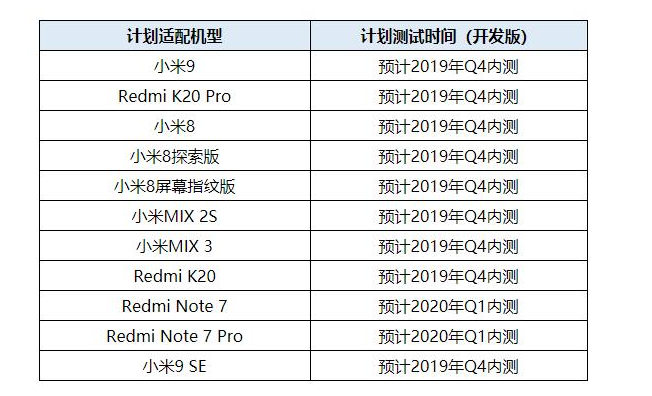
Android Q is already in its fifth beta (leaked already) and this may as well be the final version before the stable release which should probably be next month. While some non-Pixel phones are already able to run a beta version, other models will have to wait until the stable version is out and manufacturers begin their own beta testing. Last month, Xiaomi released the schedule for when some of its phones will get the beta version.
The Mi 9 will be the first device to get the Android Q closed beta and that will be in the fourth quarter of 2019. The Redmi K20 Pro comes next and it will also get it in the same quarter. The list also says the Mi 8, Mi 8 Explorer Edition, Mi 8 UD, Mi MIX 2S, and Mi MIX 3 will also get it a beta version of Android Q in the fourth quarter of the year.
Xiaomi is not focusing on flagships alone as the Snapdragon 730-powered Redmi K20 will also get Android Q beta in the fourth quarter alongside the Mi 9 SE. Owners of the Redmi Note 7 and Redmi Note 7 Pro will have to wait until the first quarter of 2020 to get Android Q beta. The schedule is based on Google’s current Android Q plan. So if that changes, expect Xiaomi’s schedule to also change.
The official MIUI account also announced today that it is beginning to sign up closed beta testers for the Mi 9.
Android Q brings better privacy features, support for foldable devices, a system-wide dark mode, and project mainline which allows developers to update critical parts of Android called modules without requiring a full update from the OEM. Project Mainline will be most useful in getting security updates.
Nokia India has teased the official launch of the Nokia 9 Pureview through a tweet that ends with “Coming Soon”. The Finnish smartphone manufacturer unveiled the flagship device at the Mobile World Congress back in February 2019.
The India launch of the device was long overdue. Earlier rumors suggested that Nokia plans to bring the flagship smartphone to their Indian customers in June. But that turned out to be a bummer. There is no official word on the launch date or pricing as of yet. But a previous report had claimed that the flagship smartphone will be priced around the Rs. 60,000 (~$872) mark.
The Nokia 9 Pureview comes with a 5.99-inch QHD+ pOLED display with 2560 x 1440-pixel 2K resolution. It is protected by Corning Gorilla Glass 5. It is the first Nokia phone to feature an in-display fingerprint scanner.
The smartphone is powered by a Qualcomm Snapdragon 845 processor with 6GB of RAM and 128GB of built-in storage. It runs on the stock Android 9.0 Pie, and draws power from a 3,320 mAh battery that supports Quick Charge 3.0 and Wireless Charging.
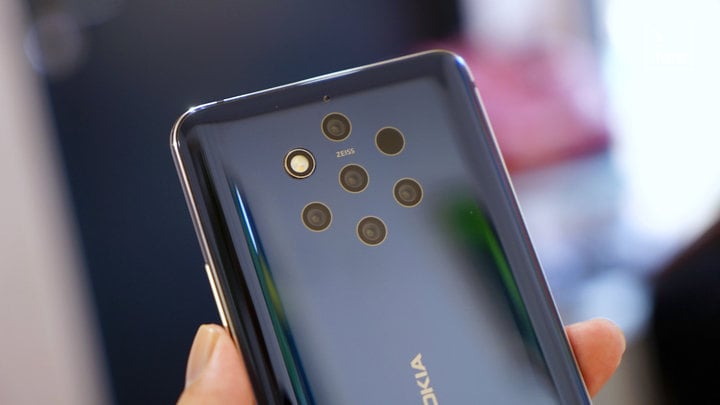
The major highlight of the Nokia 9 PureView is the penta-camera setup at the rear, which are placed in a ring formation with the dual-tone LED flashes and the other sensors. All five cameras have 12-megapixel lenses, and consist of two RGB sensors and three monochrome sensors. It has a front camera of 20-megapixel. Since it is IP67 rated, the handset comes with a dust and water resistant chassis.
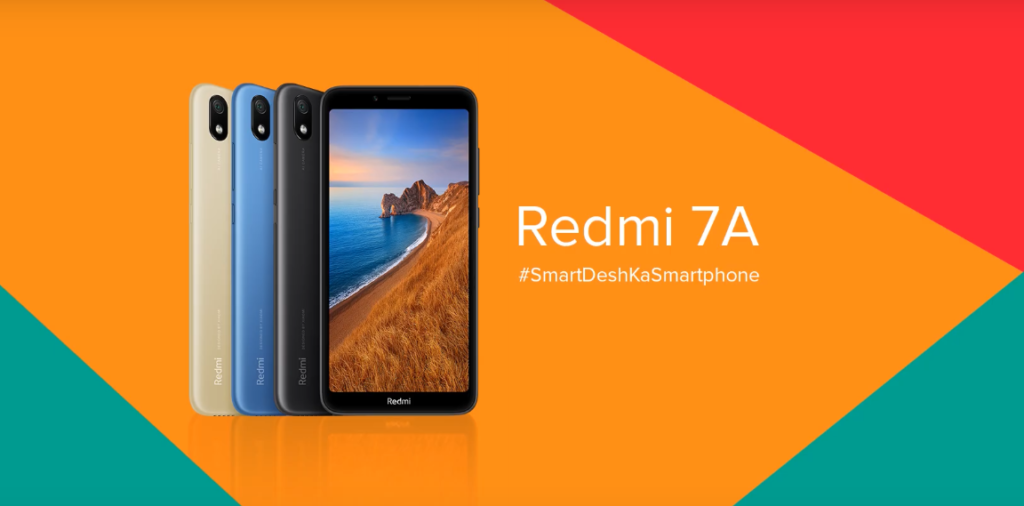
In May, Xiaomi had launched the Redmi 7A smartphone in China with entry-level specs. Today, the Chinese firm has announced the smartphone in India with an attractive starting price of Rs. 5,999. Like the predecessor model, it features an 18:9 aspect ratio display, but it comes with a more powerful octa-core processor. The Indian edition of the Redmi 7A features a better rear-facing camera than its Chinese variant.
Xiaomi Redmi 7A Specifications and Features
The Xiaomi Redmi 7A that comes with a polycarbonate chassis measures 146.3 x 70.4 x 9.63mm and it weighs 165 grams. The rear shell of the phone has p2i nano-coating for splash-resistance. The smartphone features an IPS LCD panel of 5.45 inches that produces HD+ resolution of 720 x 1440 pixels. The upper and lower bezels of the phone are quite thick compared to contemporary smartphone. The “Redmi” brand name can be seen on the chin of the device.
The Snapdragon 439 chipset that features 2.0Ghz octa-core processor and Adreno 505 graphics powers the Redmi 7A. The smartphone has 2 GB of RAM and an internal storage of up to 32 GB. There is a dedicated microSD card slot for more storage. The Redmi 7A boots to MIUI 10 flavored Android 9 Pie OS. The smartphone houses a 4,000mAh battery that promises 30 hours of 4G VoLTE calling and 17 hours of HD video playback. It supports 10W charging.
The Redmi 7A has a front-facing camera of 5-megapixel that is equipped with features like HDR and 1080p video recording. It is the cheapest smartphone to feature Sony IMX486 12-megapixel rear camera. The same lens is available on popular Xiaomi phones like Xiaomi Mi A2 and Redmi Note 7. The rear camera of Redmi 7A comes with features like low-light photography, AI scene detection and full HD video recording.
The Xiaomi Redmi 7A lacks a fingerprint scanner. For unlocking and user authentication, Redmi 7A user will have to rely on its AI face unlock function. The other features that are available on the phone are pyrolite sheet for controlling internal temperature, wireless FM radio, dual 4G VoLTE, Wi-Fi, Bluetooth, GPS, microUSB 2.0 and 3.5mm audio jack.
Xiaomi Redmi 7A Price and Release Date
The 2 GB RAM + 16 GB storage and 2 GB RAM + 32 GB storage of Xiaomi Redmi 7A have arrived with respective price tags of Rs. 5,999 (~$87) and Rs. 6,199 (~$90). The handset can be availed in colors like Matte Blue, Matte Gold and Matte Black. The first sale of the phone will take place on July 11 through Flipkart, Mi.com, Mi Store app.
To celebrate the 5th anniversary of the company, the Redmi 7A will be available with respective discounted prices of Rs. 5,799 (~$84) and Rs. 5,999 (~$87). This offer is available exclusively in this month in India. The smartphone comes with 2-year warranty.
Is the Xiaomi Redmi 7A better than rivaling phones like Galaxy M10, Nokia 2.2 and Realme C2? Share us your views by posting your comments below.
After officially leaking the entire specifications of the Lenovo Z6 smartphone for a month, the company has officially launched it discreetly today. The Lenovo Z6 comes with a tall aspect ratio display and a powerful 8nm chipset. It also features a large-sized battery, impressive triple rear cameras and it comes with an attractive starting price of 1,899 Yuan (~$276).
Lenovo Z6 Specifications and Features
The Lenovo Z6 measures 157 x 74.5 x 7.97 and weighs 159 grams. The smartphone features a 3D glass rear and series-6000 aluminum frame. Like the Snapdragon 855 powered Lenovo Z6 Pro that was announced earlier this year, the newly unveiled Lenovo Z6 has a 6.39-inch OLED display with waterdrop notch with 1080 x 2340 pixels full HD+ resolution and support for 600nits brightness. It delivers a tall aspect ratio of 19.5:9 and screen space of 93.1 percent. The display comes with support HDR10+, DCI-P3 color gamut and 120Hz sampling rate. The screen of the Lenovo Z6 is embedded with 6th generation in-display fingerprint sensor.
The Snapdragon 730 which is currently the next best SoC after the Snapdragon 855 fuels the Lenovo Z6. The smartphone features 6 GB / 8 GB of RAM and 64 GB / 128 GB of built-in storage. A dedicated slot for expanding the storage of the phone through a microSD card is available on the smartphone.
The upper-left corner of the Lenovo Z6’s glass rear is flanked with a vertical triple camera unit and an LED flash. It features a Sony IMX576 24-megapixel main sensor with f/1.8 aperture and 1.8micron pixel size, an 8-megapixel telephoto lens with 2x optical zoom and 8x hybrid zoom and a 5-megapixel lens for adding depth effects. The front notch is the home for the phone’s 16-megapixel selfie snapper.
The Android 9 Pie OS on the Lenovo Z6 is skinned with ZUI11. The 4,000mAh battery of the smartphone supports 15W charging through USB-C. The large battery promises around 26 hours of talk time, 395 hours of standby time, 7.6 hours of online gaming and 26 hours of continuous video playback. The other features of the Lenovo Z6 are Dolby Atmos, dual SIM, 4G VoLTE, Wi-Fi 802.11ac, Bluetooth 5.0 and 3.5mm headphone slot.
Lenovo Z6 Price and Availability
Here are the different variants of the Lenovo Z6 with their pricing:
6 GB RAM + 64 GB storage – 1,899 Yuan (~$276)
6 GB RAM + 128 GB storage – 2,099 Yuan (~$305)
8 GB RAM + 128 GB storage – 2,499 Yuan (~$363)
As it can be seen the Lenovo Z6 is slotted between the Lenovo Z6 Pro’s lowest variant that costs 2,899 Yuan (~$422) and Lenovo Z6 Youth Edition’s highest model that is priced at 1,699 Yuan (~$247). The Lenovo Z6 is now up for reservations in China. It will be available for buying from 10:00 AM on July 9. The handset comes in a single color edition of blue.
Avito, one of the largest classified information portal in Russia, has released the list of the five bestselling smartphones brands in the country for the first half of this year, i.e. H1 2019. As per the list, Huawei has secured the fourth place, moving up two places.
Huawei smartphones in Russia accounted for around 7 percent of the total sales, rising up two places compared to the previous list. On the other hand, HMD Global’s Nokia has been ranked fifth, accounting for around 2.8 percent of sales.
As for the first position, US-based Apple has secured that spot which reportedly accounted for around 43.5 percent of the total sales in the country. The company also reported that purchase through its platform increased by 12.5 percent year-on-year.
Growth of Huawei in Russia is good news for the Chinese brand which is currently struggling to maintain growth after the U.S. government put in on “Entity List”, effectively banning it from doing any kind of business with the US-based companies and technologies without special permission.
However, that is about to change soon if U.S. President Donald Trump’s recent comments during the G20 summit are to be believed. He said that US companies can continue selling components to Huawei as long as it doesn’t threaten United States national security. But we are yet to hear anything official in regards to this development.
Meanwhile, Huawei has lowered down its revenue expectation but is taking steps to reduce its reliance on US-based companies and technologies. For instance, the company has developed its own mobile operating system — HongMeng OS which is based on open source Android and is claimed to be faster than Google’s Android.
Huawei founder and CEO recently said that the company will try to keep using Google’s Android OS for its devices but in case that isn’t possible due to the U.S. government’s ban, the company has alternatives in place. He also said that Google could lose over 700-800 million users if Huawei is forced to ditch the Android operating system.
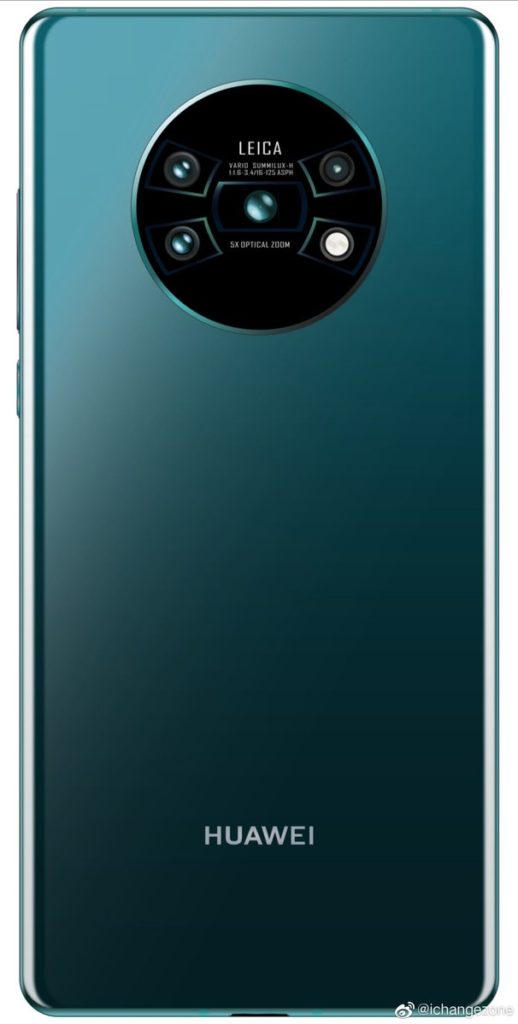
In October, Huawei is expected to launch the Mate 30 series of flagship phones. Reports in the past have claimed that the Mate 30 Pro will be equipped with a rectangular camera module on its rear. However, a leaked render that showcases a round-shaped module with four camera lenses have surfaced today. Also, the display design of the phone has been revealed through another leaked image.
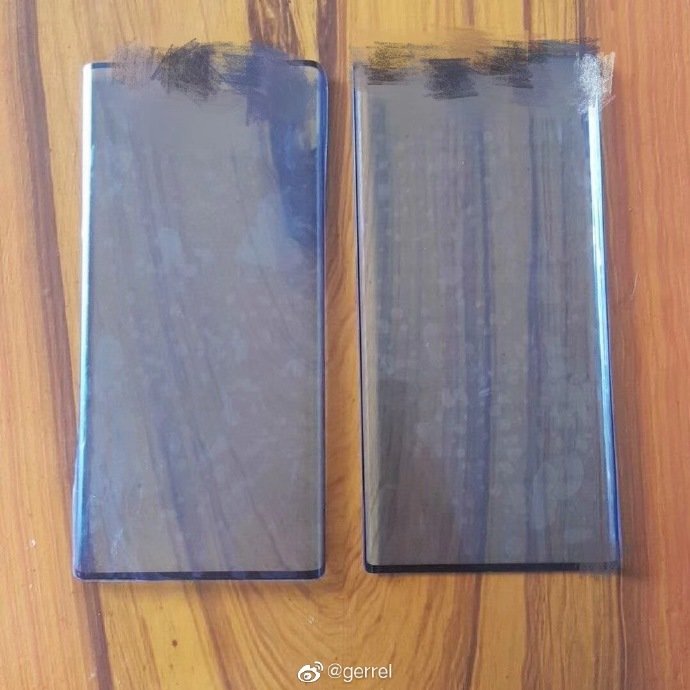
A leaked photo of the glass back panel with a large-sized round cutout had surfaced earlier this week. Today, a leakster from China that is known for sharing vital details on upcoming Huawei phones has released a leaked render of the Mate 30 Pro. The color of the device is similar to the Emerald Green edition of the Huawei Mate 20 series.
The four camera lenses and LED flash are placed in “X” shape. The image reveals that the phone will be equipped with Leica engineered SUMMILUX-H lens and it will offer 5x optical zoom. As of this writing, there is no information on the camera configurations of the Mate 30 Pro. It goes without saying that the camera module of the handset has a very sophisticated appeal.
Also, a leaked image of the front panel of the Mate 30 Pro are now being circulated on Weibo. The top bezel of the phone is blurred in the image because of which it is difficult to determine whether it features a notch or not. The display is curved towards the left and right edges. The bottom bezel of the phone appears really thin compared to the predecessor model. This indicates that the Mate 30 Pro will offer higher screen.
Last year’s Huawei Mate 20 camera with a display with waterdrop notch whereas the Mate 20 Pro featured a larger notch on its display. The wide notch of the Mate 20 Pro housed complex sensors for 3D face recognition. Rumors surrounding the Mate 30 Pro have claimed that it won’t feature 3D face unlock. Hence, it is likely to sport a waterdrop notch or a center positioned punch-hole like the upcoming Samsung Galaxy Note 10 smartphone.
Rumors surrounding the Mate 30 series have claimed that it will be powered by 7nm Kirin 985 chipset. With Balong 5000 5G modem onboard, these phones are expected to carry support for dual-SIM dual-standby 5G connectivity like the upcoming Mate 20 X 5G edition.
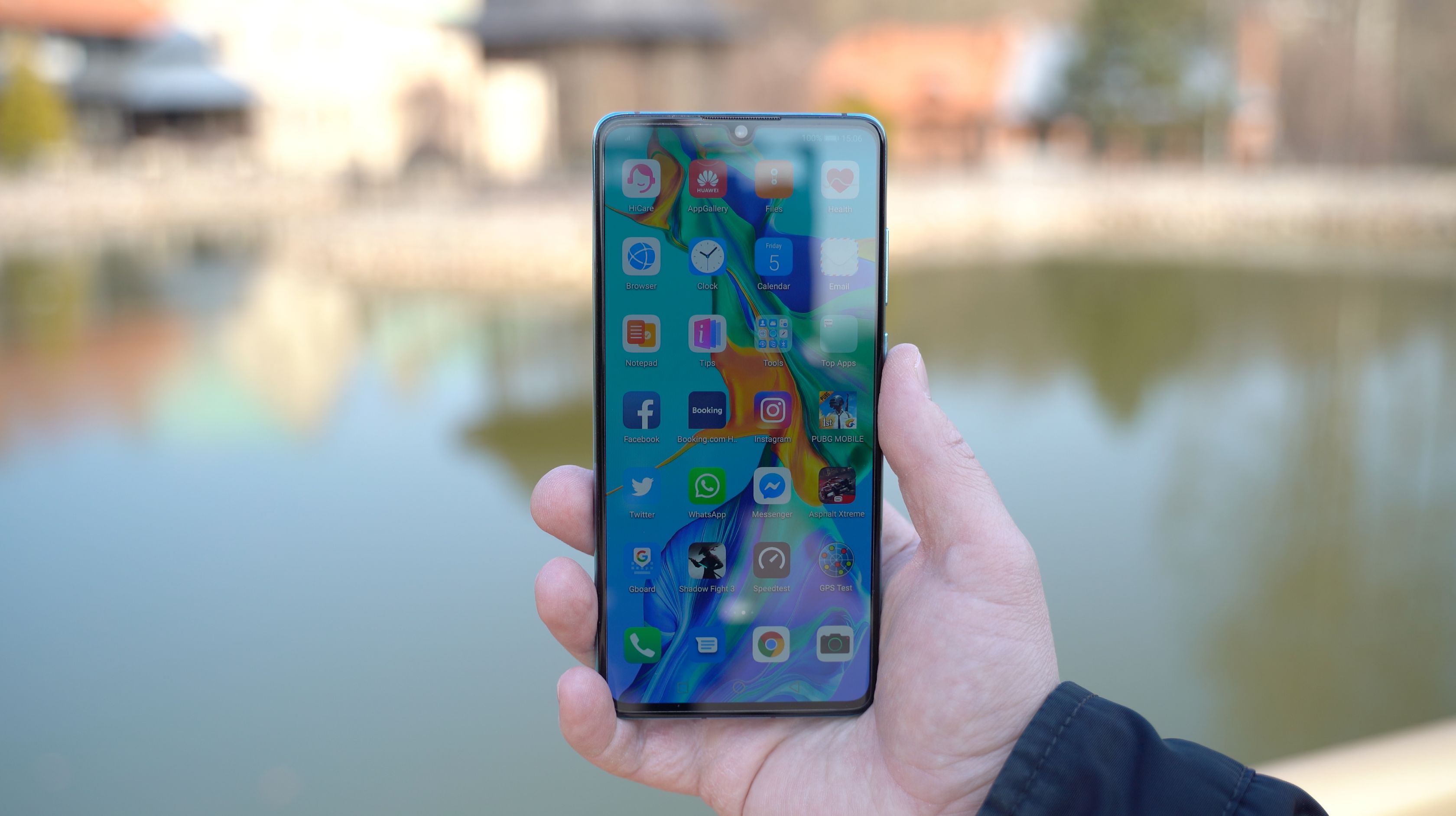
A couple of months ago, Huawei launched its flagship smartphone series — Huawei P30 in the Chinese market. When launched, the Huawei P30 smartphone was made available in three models — 8GB RAM + 64GB storage, 8GB RAM + 128GB storage, and 8GB RAM + 256GB internal storage.
Today, the Chinese giant has announced a new base model of the smartphone in its home market which packs 6GB of RAM and 128GB of internal storage. This variant is priced at 3,998 Yuan (approximately $582) which is the same price as that of the 8GB RAM + 64GB storage variant. This new model is now available for purchase via JD.com.
The Huawei P30 (Details) comes with a 6.1-inch OLED display with support Full HD+ screen resolution and is equipped with the trendy in-display fingerprint reader. Under the hood, it is powered by the company’s own 7nm Kirin 980 chipset.
As for the camera, the phone comes with a SuperSensing 40 MP Leica Triple Camera setup. It features a 40MP wide-angle lens, along with an 8MP telephoto lens and a 16MP ultra-wide lens. On the front side, the smartphone features a 32 MP snapper for taking selfies and video calling.
It runs Android 9 Pie-based EMUI 9.1 custom interface and is powered by a 3,650mAh battery that supports 40W SuperCharge fast charging support. It also offers 15W wireless charging as well as reverse charging support. The phone is IP57 rated, which means that the device is splash proof. It is made available in five color options — Pearl White, Black, Amber Sunrise, Aurora, and Blue Crystal.
A couple of months ago, Xiaomi-backed Redmi launched the Redmi K20 and Redmi K20 Pro flagship smartphones in the Chinese market. Now today, the company has announced a new special edition of the Redmi K20 Pro in partnership with Marvel.
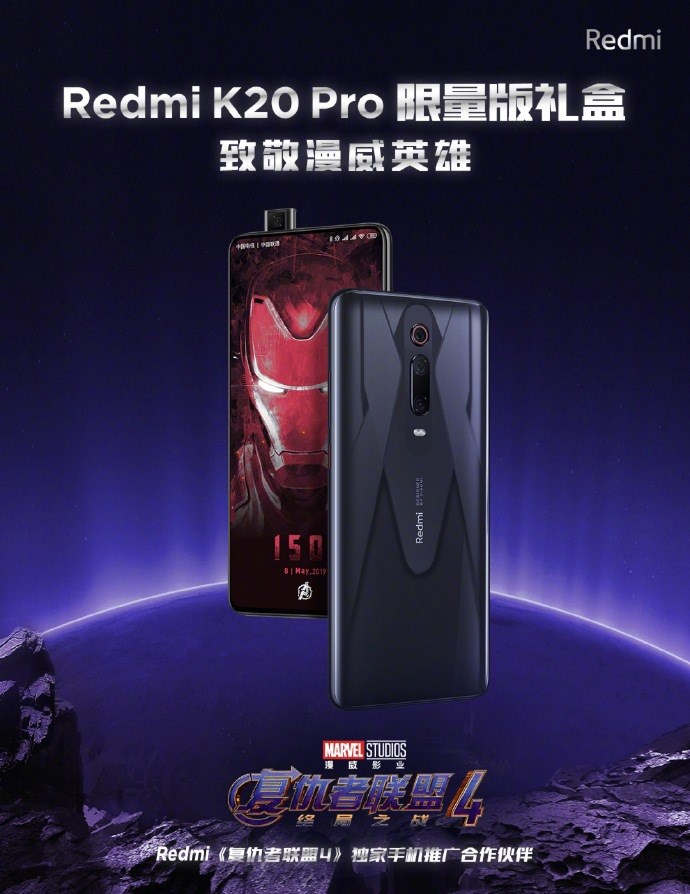
The company has launched the Redmi K20 Pro Marvel Hero Limited Edition smartphone in the Chinese market. As per Xiaomi, this limited edition device is launched in order to pay tribute to Marvel heroes.
The image shared by the company shows that the smartphone comes in Black and Grey color with a customized back panel that mimics Iron Man design/logo. It’s not yet known what comes packed inside the phone’s retail box.
As for the specifications, nothing seems to have changed compared to the standard Redmi K20 Pro. It flaunts a 6.39-inch AMOLED display that offers a tall aspect ratio of 19.5:9 and Full HD+ resolution of 1080 x 2340 pixels. The AMOLED screen is integrated with the latest seventh-generation in-display fingerprint reader and the phone also comes with support for full DC dimming and eye protection mode.
The device is powered by the Qualcomm Snapdragon 855 chipset with up to 8GB of RAM. It comes with an 8-layer of graphite sheet for heat dissipation. It possesses up to 256 GB of inbuilt storage but lacks support for microSD card.
In the camera department, the Redmi K20 Pro comes with a pop-up selfie camera of 20-megapixel with f/2.0 aperture. The rear shell of the phone features a triple camera unit that consists of 48-megapixel Sony IMX586 48-megapixel main sensor with f/1.75 aperture, a 124.8-degree 13-megapixel superwide lens with f/2.4 aperture and an 8-megapixel telephoto lens with f/2.4 aperture and 2x optical zoom capabilities.
The MIUI 10 based Android 9 Pie operating system comes preloaded on the device. For enhanced gaming experience, it carries support for Game Turbo 2.0. There is a 4,000mAh battery inside the phone that is coupled with 27W rapid charging.
Vivo has recently launched three Y-series smartphones such as Vivo Y17, Vivo Y15 and Vivo Y12 in India. Fresh information shared by 91mobiles states Vivo is working on an entry-level Y-series smartphone called Vivo Y90. Some details of the phone have also surfaced along with its rumored price.
According to the publication, the Vivo Y90 will be entry-level smartphone and the company is aiming it towards customers who desire to purchase a smartphone under Rs. 10,000 (~$145). The smartphone is expected to rival with the likes of Xiaomi Redmi 7A, Realme C2 and Samsung Galaxy M10.
The leak has no information on the display, processor and battery of the Vivo Y90. However, it states that the smartphone will be featuring a single camera of 8-megapixel on its rear and a selfie snapper of 5-megapixel. It will have 2 GB of RAM and an internal storage of 16 GB. The Vivo Y90 is expected to carry a price tag of Rs. 6,990 (~$101). The publication has claimed that the phone will be mid-July. Hopefully, more information on the specs of the Vivo Y90 will surface as the rumored launch nears.
Yesterday, Vivo announced the Vivo Z1 Pro smartphone in India. The smartphone is fully loaded with impressive specs like 6.53-inch punch-hole display, 2.3GHz Snapdragon 712 chipset, up to 6 GB of RAM, up to 128 GB of storage and 5,000mAh battery that supports reverse charging and 18W dual-engine fast charging. It has a front camera of 32-megapixel and on its rear is AI driven triple camera setup with a 16-megapixel Sony IMX499 main sensor, an 8-megapixel superwide lens and a 2-megapixel depth sensor. The 4 GB RAM + 64 GB storage, 6 GB RAM + 64 GB storage and 6 GB RAM + 128 GB storage editions of the Vivo Z1 Pro are respectively priced at Rs. 14,990 (~$218), Rs. 16,990 (~$247) and Rs. 17,990 (~$261). The first sale of the smartphone will take place on July 11 in the country.
There aren’t too many companies, aside from Logitech that can claim to be more professional when it comes to gaming. In a bid to stay on top of the game, the Swiss computer and mobile peripherals manufacturer continues to refresh new limits on the keyboard and mouse design specs, and sweep its G-series game devices.
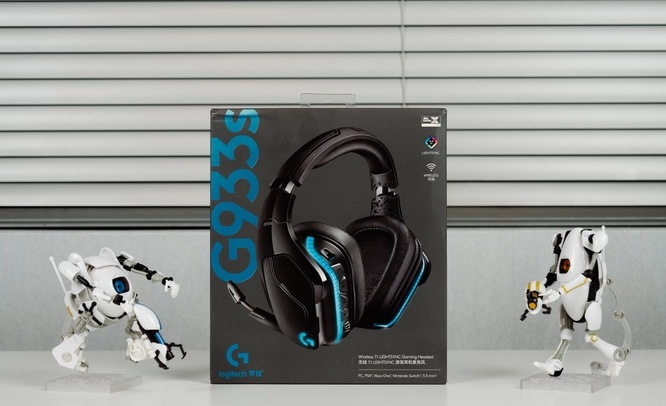
Designed to meet the varied needs of avid gamers, the flagship Logitech G933s gaming headset from the company’s well-received G series headphones doesn’t carry a steep tag. While other similar devices usually retail for about 2,000 yuan and 3,000 yuan, the Logitech G933s carries a more affordable 1,299 yuan price tag. In addition to being economical, the Logitech G933s boasts an impressive array of features and top-end specs that makes it a simply irresistible gaming headset.
Entertainment Overview
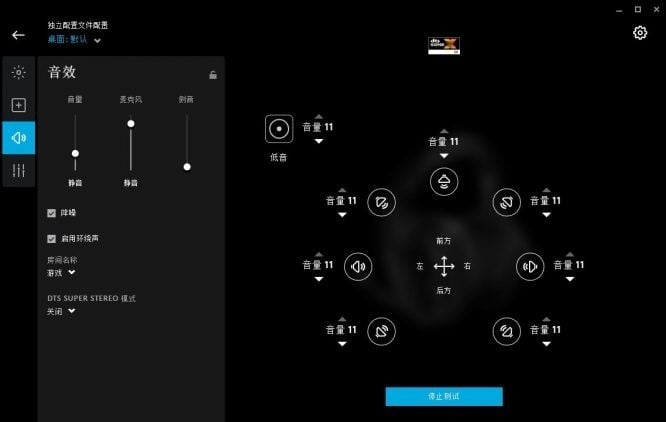
Logitech revamped the sound as part of the transformation from G933 to G933s. First off, the company DTS surround sound V1.0 with DTS Headphones to DTS Headphone: X v2.0. Relative to v1.0, DTS Headphone: X v2.0, emphasizing primarily on accent. Much to the delight of gamers, the Logitech G933s can reproduce seven directions of sound as well as a subwoofer.
Logitech
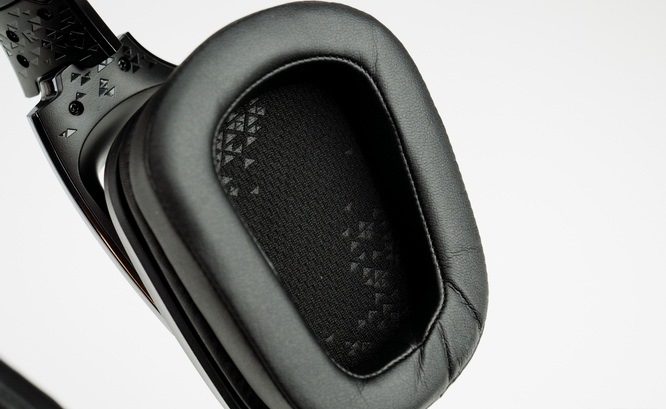
The newfangled audio renderer and head tracking enable the user to sense footsteps from enemies that are still far away. Simultaneously, the Logitech G933s received a headphone drive unit upgrade from the earlier Pro-G 40mm to the Pro-G 50mm. Moreover, the original sports woven mesh ear pad and headband were replaced with an artificial leather design, which facilitates soundproofing and wrapping.
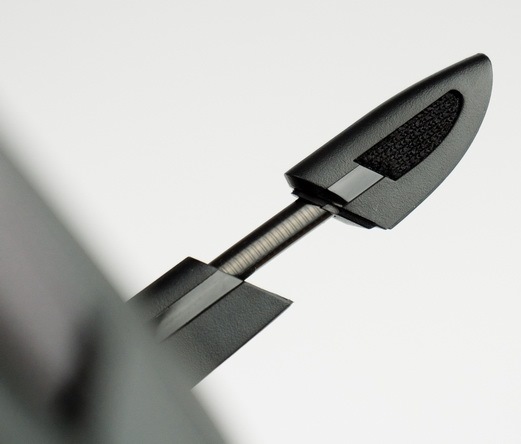
Furthermore, the headset microphone has been improved from the previous 4 mm folding mute microphone to the impressive 6 mm mute microphone.
For instance, when you are playing PUBG the sounds of enemies stepping on the grass or someone climbing the steps are quite clear thanks to the strengthening of the subwoofer. Given that the enemy direction can be easily influenced, it is highly recommended to change the accent effect based on your preference at the time of use.
It is imperative for you to use the G933s properly, especially when you are fighting alone so that you can efficiently judge whether you can play without worrying about an enemy who could be hiding in the next corner.
It is worth noting that select PC headphones that are designed exclusively for gaming and entertainment have been equipped with DTS Headphone: X v2.0. Apart from sweeping avid gamers off their feet, the G933s is highly likely to impress cinephiles who fancy watching their favorite series and other online videos that support DTS multi-channel.
For example, in the DTS DEMO trailer voice of Solomon Ryan seems deeper, while the intense fighting rhythm of the drums, as well as the overall atmosphere, get relatively better than the regular PC headphones. On the downside, the D933 surround sound of G933s can be produced specifically using wireless transceivers that work with PCs. As a cost-effective DTS viewing solution, you might consider using mobile phones and external Blu-ray players.
The Logitech G933s gives users independent adjustment options for each channel of the 7.1, along with the DTS Super Stereo mode, which determines the environment before employing the front, wide, and traditional three sound field simulations. It is an efficient way of dealing with applications such as FPS, TPS, and others that aren’t very demanding on the ambient sound front.
Compatibility
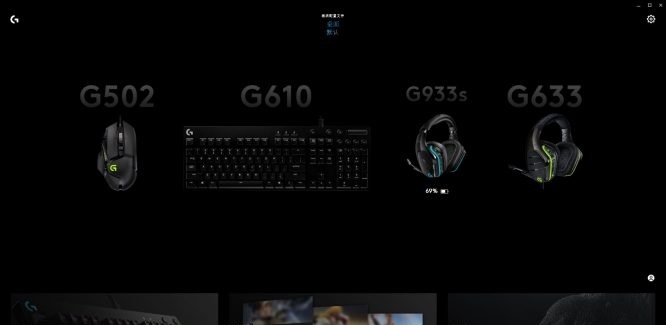
The compatibility of the original Logitech game software with the new Logitech G933s is something worth noting. Yes, the two of the software are no longer compatible with each other. With Logitech G933s, there comes a new Logitech G HUB which has fully upgraded its game interface and made the settings of the pages more intuitive.
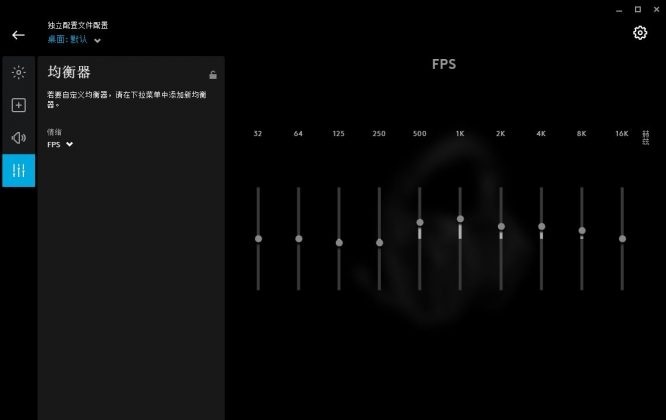
Changing the lighting effects LightSync, custom button assignments, and adjusting sound effects is child’s play. All you need to do is to click on the corresponding device page on the first page of the software.
User Interface
As far as the software UI level is concerned, G HUB has been considerably simplified. For instance, the second directory comprises relatively more complicated as well as usual details. Lighting control and a slew of other configuration files have been split into a single page, which comes in handy while implementing a unified solution for G-series keyboards, mice and headphones. As if that weren’t enough, you can adjust RGB lights, brightness, light effect, etc for a specific game.
On top of that, Logitech G HUB is forward compatible with all previously launched G series devices. It is capable of automatically identifying the downloaded driver and game matching through software. In order to identify all G series devices targeted matching games, all it needs to do is to download the corresponding configuration, and this is highly advantageous.
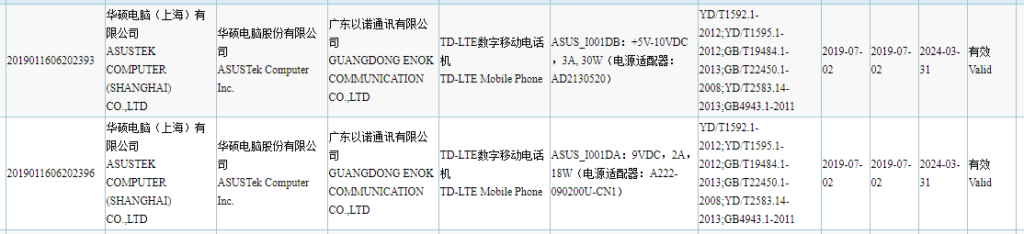
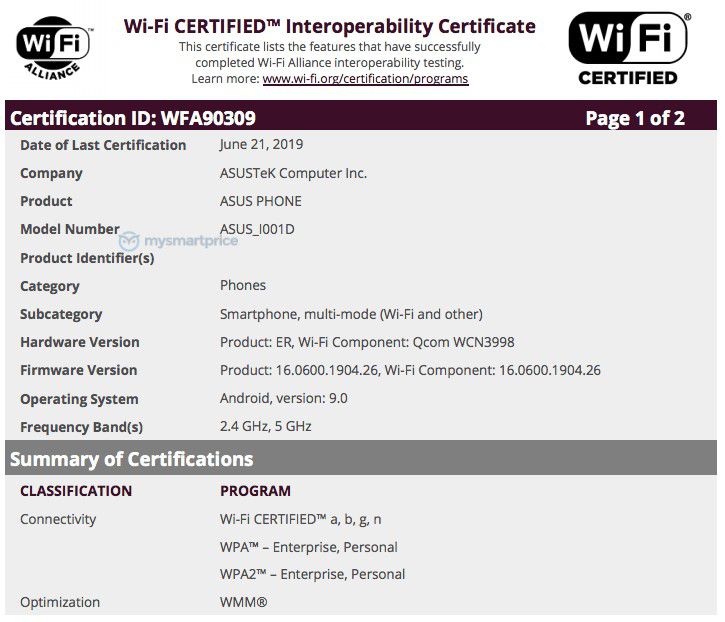
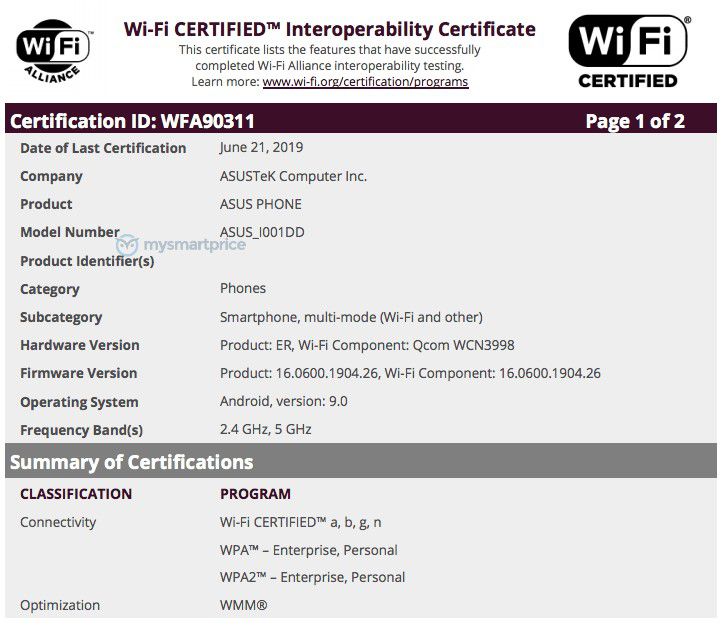
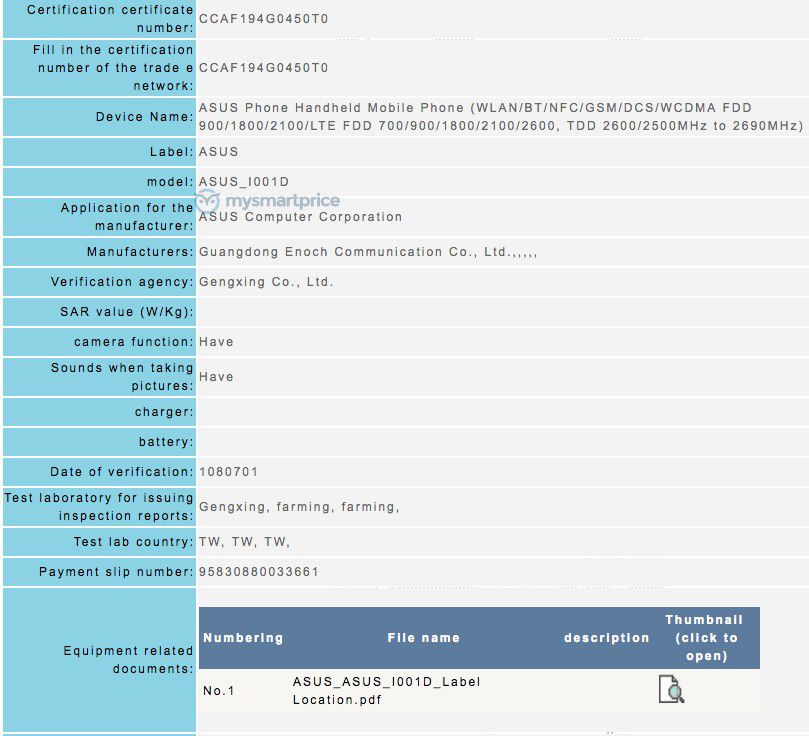
A new ASUS phone that has a model number of ASUS_I001D has been spotted receiving approvals from bodies like China’s 3C, Wi-Fi Alliance and Taiwan’s NCC. The exact identity of the phone is not known yet. However, some reports are claiming that it could be ASUS ROG Phone 2 that is scheduled to go official on July 23.
The database of China’s 3C certification has new listings for ASUS_I001DA and ASUS_I001DB variants for an upcoming ASUS phone. The listings reveal that the ASUS_I001DA handset will be available with a charger that will support for 30W rapid charging whereas the ASUS_I001DB will be arriving with an 18W fast charger. The support for 30W fast charging suggests that it could be the ROG Phone 2. However, the Wi-Fi certifications tell a different thing. The Wi-Fi Alliance listings of ASUS_I001D and ASUS_I001DD have revealed that it runs on Android 9 Pie OS and Wi-Fi 802.11 a/b/g/n which suggests that it could be a mid-range device.
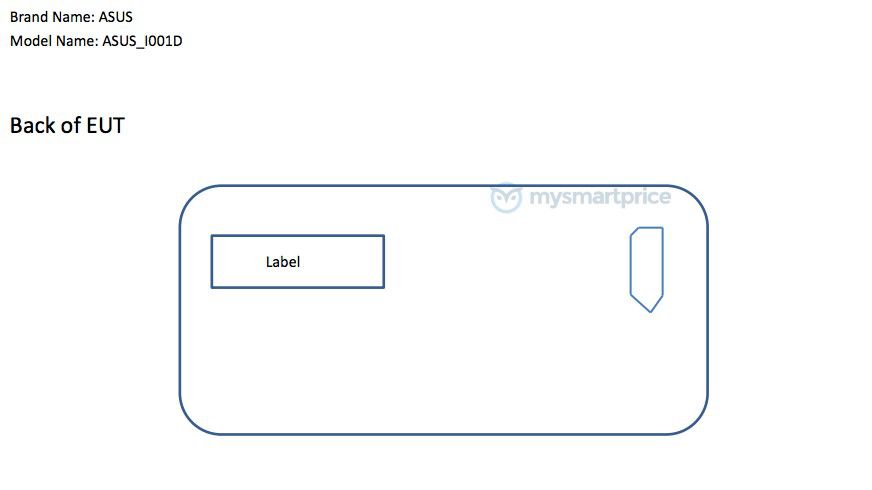
The same model number has been also certified by the National Communications Commission (NCC) in Taiwan. A schematic of the phone is available in the NCC documents, but sadly it reveals nothing on its design. There are no details of the phone’s specifications in NCC filings.
The Taiwanese company has previously confirmed that the upcoming ROG Phone 2 will be coming with a display that carries support for 120Hz refresh rate. The predecessor model had supported 90Hz refresh rate. The Snapdragon 855 mobile platform could be present under the hood of the device and it may feature up to 12 GB of RAM. The handset is rumored to release in two variants and its base model could be priced at 4,399 Yuan (~$635).
The ASUS ROG Phone from last year came with 6-inch AMOLED display with 18:9 aspect ratio, Snapdragon 845 chipset and 8 GB of RAM. It did not feature a microSD card slot but came in bigger internal storage options of 128 GB and 512 GB. The smartphone featured 12-megapixel + 8-megapixel dual camera setup and a selfie camera of 8-megapixel. It houses a 4,000mAh battery that supported 30W fast charging. For heat dissipation, it featured a carbon cooling pad, copper heat spreader and 3D vapor-chamber. It delivered enhanced gaming experience through built-in ultrasonic sensors that were dubbed as Air Triggers.
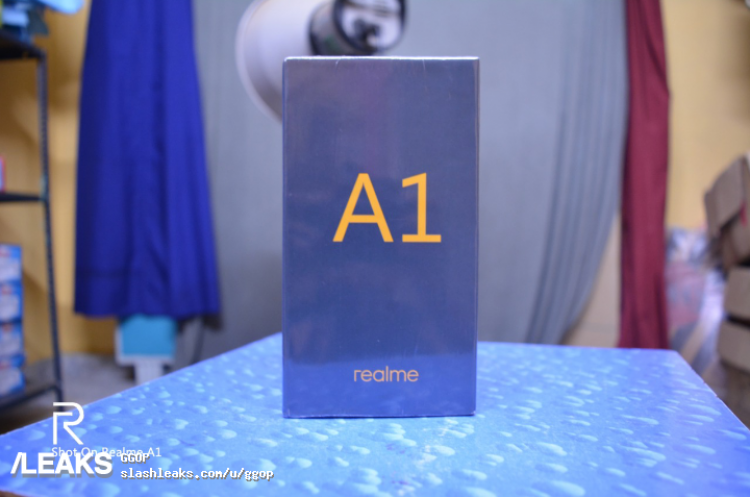
A few days before the end of 2018, news of an entry level Realme phone called the Realme A1 surfaced online. It was reported that it was going to launch soon back then but up until this moment it is yet to launch. Before today, the last time we heard of the Realme A1 was in February when it was reported it would launch alongside the Realme 3 but it didn’t. Now, a photo of the phone’s retail box has surfaced on the web.
The box doesn’t reveal any info about the device but seems to confirm that the product is still in the pipeline. Previous reports said the Realme A1 will be positioned between the Realme U1 and Realme 2. An alleged render of the phone even surfaced back then.
The Realme A1 is rumored to arrive with a waterdrop-notch, dual rear cameras, a 1.8GHz octa-core processor, 2GB/3GB of RAM, 32GB of storage and pack a 4200mAh battery. It should also launch with ColorOS 6 based on Android Pie.
We use cookies on our website to give you the most relevant experience by remembering your preferences and repeat visits. By clicking “Accept”, you consent to the use of ALL the cookies.
This website uses cookies to improve your experience while you navigate through the website. Out of these, the cookies that are categorized as necessary are stored on your browser as they are essential for the working of basic functionalities of the website. We also use third-party cookies that help us analyze and understand how you use this website. These cookies will be stored in your browser only with your consent. You also have the option to opt-out of these cookies. But opting out of some of these cookies may affect your browsing experience.
Necessary cookies are absolutely essential for the website to function properly. This category only includes cookies that ensures basic functionalities and security features of the website. These cookies do not store any personal information.
Any cookies that may not be particularly necessary for the website to function and is used specifically to collect user personal data via analytics, ads, other embedded contents are termed as non-necessary cookies. It is mandatory to procure user consent prior to running these cookies on your website.