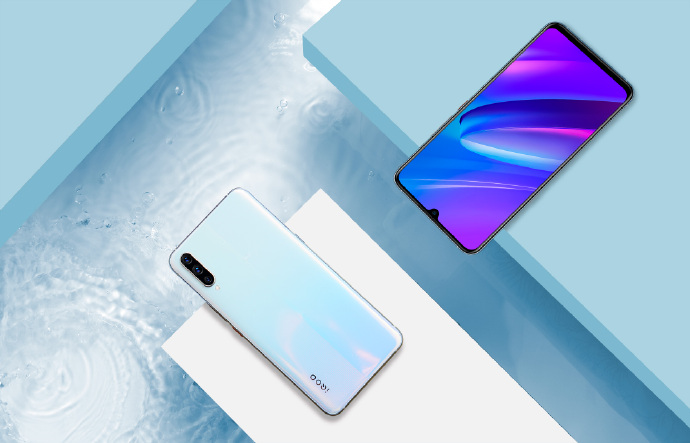
The Vivo iQOO gaming smartphone has been available in multiple color options in China such as Lava Orange, Optic Blue, Samurai Black and Knight Black. At the beginning of this week, iQOO shared some renders of the new Feather White color edition of the smartphone. However, the new color version wasn’t available for buying. The Vivo iQOO Feather White will go on sale starting from today in China.
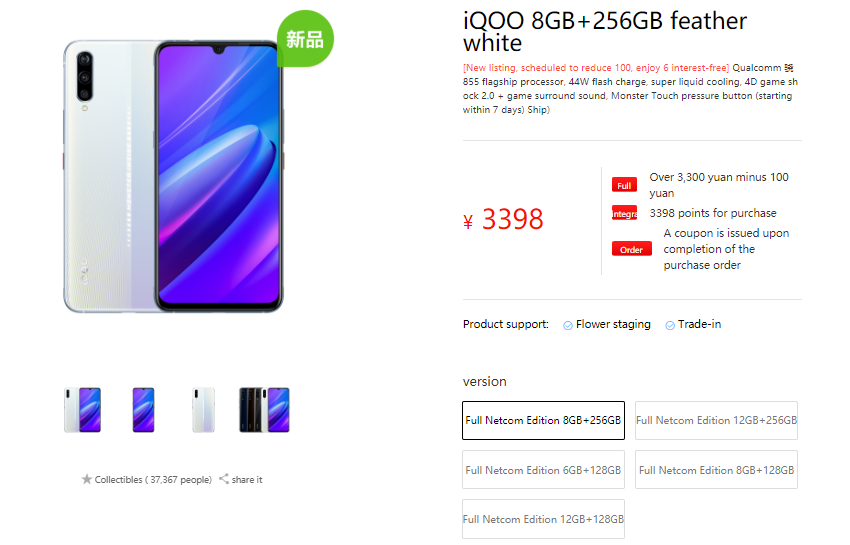
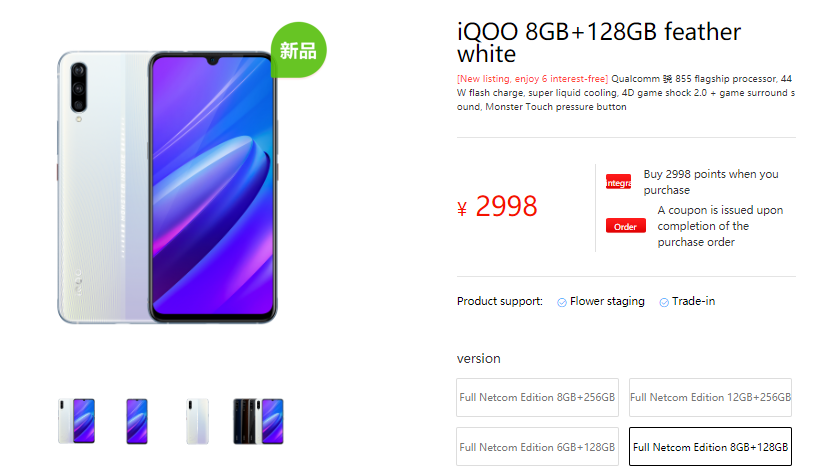
Customers in China who are interested in purchasing the Vivo iQOO Feather White can visit the official store of Vivo China. Also, it is available through other retailers like JD.com, Tmall and Suning. The below shown screenshots show that only the Feather White color option will be only available on two variants of iQOO smartphone such as 8 GB RAM + 128 GB storage and 8 GB RAM + 256 GB storage. They are respectively priced at 2,998 Yuan (~$334) and 3,398 Yuan (~$494).
The Vivo iQOO smartphone houses a 6.41-inch AMOLED display with waterdrop notch. It produces full HD+ resolution and 19.5:9 aspect ratio. The Snapdragon 855 chipset is present under the hood of the device along with up to 12 GB of RAM. It comes with up to 12 GB of RAM. The smartphone is backed by a 4,400mAh battery that is equipped with support for 44W fast charging. On its front is a 12-megapixel selfie camera and it has 12-megapixel + 13-megapixel + 2-megapixel triple camera setup on its rear. It also features an in-screen fingerprint reader.
Vivo iQOO Feather White
In related news, iQOO will be debuting its second smartphone called iQOO Neo on July 2. The iQOO Neo will be arriving with a 6.38-inch AMOLED display with waterdrop notch, in-screen fingerprint sensor and DC dimming. The smartphone will come in two colors like gradient Blue and textured Black. It will be fueled by Snapdragon 845 chipset and 4,500mAh battery. The handset will also come with Liquid Cooling technology and 4D Shock 2.0 in-game vibrations. It will be also equipped with triple rear cameras. The smartphone will also support 22.5W fast charging. The reservations of the smartphone have already started in the home market.
Yesterday, Xiaomi had confirmed through a poster that apart from launching the CC9 and CC9e smartphones, it will be also announcing the CC9 Meitu Custom Edition phone on July 2. The rumor mill has already revealed the entire specs, variants and pricing of the CC9 and CC9e phones ahead of launch. However, nothing much is known about the CC9 Meitu Custom Edition. Today, Xiaomi CEO Lei Jun has shared some key details of the phone.
In November 2018, Xiaomi had entered a strategic partnership with Meitu. Hence, the upcoming CC series of smartphones born out of collaboration between the two companies will be powered with photography algorithm from Meitu. The CC9 and probably the CC9e will be arriving in fascinating colors like White Lovers and Dark Blue Planet. Jun has confirmed today that the CC9 Meitu Custom Edition will be sporting a special color. The CC9 and CC9e phones may feature image optimizations from Xiaomi, but the CC9 Meitu Custom Edition’s photography prowess will be powered by Meitu.
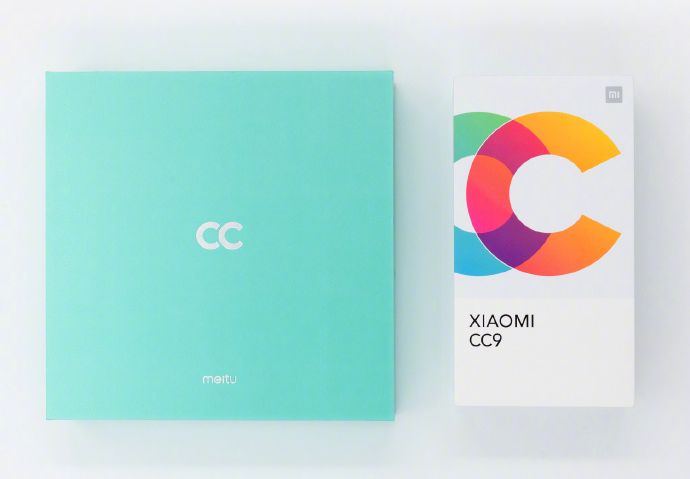
Xiaomi CEO has also confirmed that the CC9 Meitu Custom Edition will be featuring 8 GB of RAM and 256 GB of native storage. He has shared an image to show that the smartphone will be arriving in a completely different blue-colored packaging than the regular CC9 and CC9e phones.
A fresh Weibo post from Meitu reveals that even in total dark conditions, the CC9 Meitu Custom Edition can capture bright and clear AI portrait shots. Nothing else is known on the other specification of the smartphone.
The Mi CC9 is expected to arrive with Snapdragon 730, a waterdrop notch enabled 6.2-inch display, 48-megapixel triple rear cameras, 32-megapixel front-facing camera and 4,000mAh battery. It remains to be seen whether the CC9 Meitu Custom Edition will be arriving identical specs as the CC9 phone. The Mi CC9 with 8 GB RAM + 256 GB storage is rumored to carry a price tag at 3,099 Yuan. Hence, it is like the CC9 Meitu Custom Edition could be priced higher.
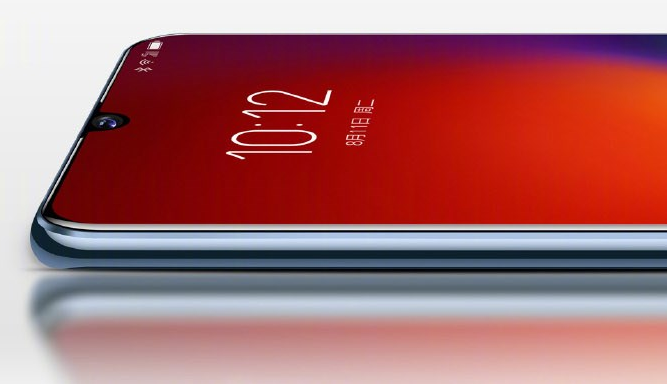
Lenovo Group VP Chang Cheng has been confirming on the specs and features of the upcoming Lenovo Z6 since the past few days. It is already known that the Lenovo Z6 will be arriving with a 6.39-inch display. Today, he has shared a new poster which contains more details on the display of the smartphone.
First of all, the poster confirms that the Lenovo Z6 will be featuring a waterdrop-style notch enabled screen like the Lenovo Z6 Pro and Lenovo Z6 Youth Edition smartphones. The handset is equipped with a 6.39-inch OLED display. With narrow bezels surrounding the display, the smartphone promises 93.1 percent screen-to-body ratio. The display carries support for HDR 10, DCI-P3 color gamut, 600nits of brightness and 120 Hz high sampling rate.
The display of the Lenovo Z6 is equipped with De-Mura screen colorization technology that restores the brightness difference of each pixel on the display to deliver great viewing experience with uniform color and brightness. The OLED screen features sixth-generation in-display fingerprint scanner that can unlock the device in just 0.13 seconds, claims the company. Lastly, the display is protected by Corning Gorilla Glass. However, the company did not confirm on its exact version.
Cheng has recently confirmed that the Lenovo Z6 will be powered by Snapdragon 730. Its Geekbench appearance has confirmed that it will arrive with up to 8 GB of RAM. The smartphone is fitted with a front-facing camera of 16-megapixel. On its rear is a triple camera setup that includes Sony IMX576 24-megapixel primary sensor, a 5-megapixel lens and an 8-megapixel telephoto sensor with support for 2x optical zoom and 8x hybrid zoom. The Lenovo Z6 will be backed by a 4,000mAh battery that will carry support for up to 18W fast charging. However, the handset is expected to be shipped with 15W charger.
The storage variants of the Lenovo Z6 are not known yet. The official images of the phone that were teased at the beginning of the month suggested that the phone could be available in at least blue and brown color editions. There is not information available yet on the pricing of the phone. The Snapdragon 710 powered Lenovo Z6 Youth’s highest version that features 6 GB of RAM and 128 GB of storage is priced at 1,699 Yuan (~$247) whereas the lowest version of the Lenovo Z6 Pro flagship phone with same amount of RAM and storage is priced at 2,899 Yuan (~$422). Hence, the Lenovo Z6 variants could be priced between 1,999 Yuan (~$290) and 2,499 Yuan (~$363).
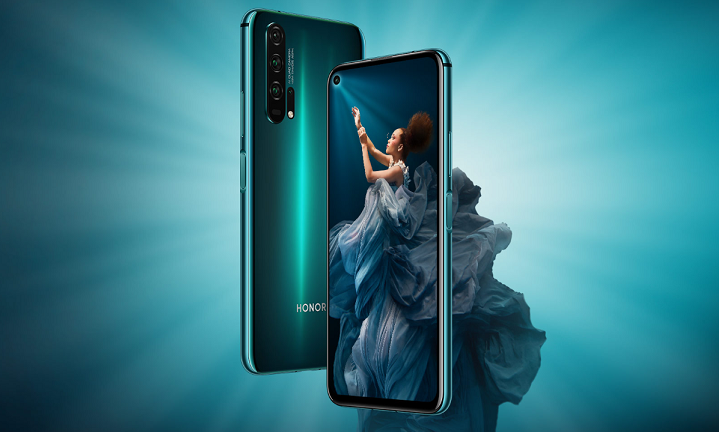
Other than the Honor 20 series, the manufacturer didn’t say anything about its other phones but we expect more details will surface soon.
The Honor 20 and Honor 20 Pro run Magic UI just like the Honor View 20 and Honor Magic 2. The Android Q update should bring a new version just as it is supposed to come with EMUI 10 on Huawei devices getting the update.
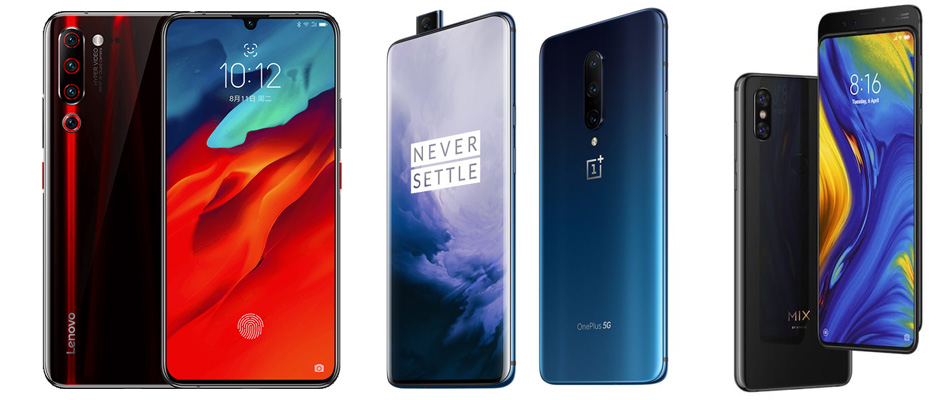
New month, new mainstream smartphone manufacturer shifting to the new 5G connectivity. And it’s been less than three months since the first national 5G network debuted. This month was the turn of Lenovo which officially announced the 5G Edition of its latest flagship: the Z6 Pro. After this exciting announcement, we think it is time to compare it with other Chinese 5G flagships. If we consider the actual diffusion of 5G connectivity and 5G handsets, as well as the potential price range in which Lenovo Z6 Pro 5G Edition should be placed, we believe that the most suitable candidates for such a great comparison are the OnePlus 7 Pro 5G and the Xiaomi Mi Mix 3 5G as both are Chinese flagships sharing a lot in common with the new Lenovo’s beast.
Lenovo Z6 Pro 5G Edition vs OnePlus 7 Pro 5G vs Xiaomi Mi Mix 3 5G
Lenovo Z6 Pro 5G Edition
OnePlus 7 Pro
Xiaomi Mi Mix 3 5G
DIMENSIONS AND WEIGHT
157.5 x 74.6 x 8.7 mm, 185 g
162.6 x 75.9 x 8.8 mm, 206 g
157.9 x 74.7 x 9.4 mm
DISPLAY
6.39 inches, 1080 x 2340p (Full HD+), Super AMOLED
6.67 inches, 1440 x 3120p (Quad HD+), Fluid AMOLED
6.39 inches, 1080 x 2340p (Full HD+), Super AMOLED
Triple 48 + 8 + 16 + 2, f/1.8, f/2.4 and f/2.2
32 MP f/2.0 front camera
Triple 48 + 8 + 16 MP, f/1.6, f/2.4 and f/2.2
16 MP f/2.0 front camera
Dual 12 + 12 MP, f/1.8
Dual 24 + 2 MP front camera
BATTERY
4000 mAh, fast charging 18W
4000 mAh, fast charging 30W with Warp Charge
3800 mAh, fast charging with Quick Charge 4+, wireless charging
ADDITIONAL FEATURES
Hybrid Dual SIM slot, 5G
Dual SIM slot, 5G
Dual SIM slot, 5G, slider design
Design
Which devices is the best when it comes to the aesthetics is only up to your tastes. Lenovo Z6 Pro 5G Edition’s front side is nothing special due to its classic waterdrop display, but the phone sports an amazing transparent back which allows seeing the internal component from the outside. On the other hand, OnePlus 7 Pro is equipped with a selfie pop-up camera and no display interruptions. Further, it comes in an outstanding and very original Nebula Blue color variant. But my favorite one is the Xiaomi Mi Mix 3 5G because it has the best materials: a ceramic back and a 7000 series aluminum frame. It even comes with a slider you can open manually, in order to minimize the bezels around the display. Again, it is just a matter of tastes, the fact I like the Mi Mix 3 5G does not mean it has the best design.
Display
If you are a multimedia/gaming/photography lover and you need the best display, go for the OnePlus 7 Pro without thinking twice. First of all, it features a higher Quad HD+ resolution with 1440 x 3120 pixels. Further, it has a wider diagonal (6.67 inches) as well as a higher refresh ratio (90 Hz). And even its colors are a lot better thanks to the HDR10+ technology and high DCI-P3 coverage. Lenovo Z6 Pro 5G Edition and Xiaomi Mi Mix 3 5G are more or less at the same level when it comes to display quality, but note that Mi Mix 3 5G does not feature an in-display fingerprint reader.
Hardware/Software
The most advanced hardware configuration (on the paper) belongs to the Lenovo Z6 Pro 5G Edition which has a Snapdragon 855 chipset paired with up to 12 GB of RAM and 512 GB of internal storage. But if we dig deeper, despite it has less internal storage (up to 256 GB), OnePlus 7 Pro 5G provides better performances thanks to better software optimization and a faster UFS 3.0 internal storage. Xiaomi Mi Mix 3 5G loses the comparison as it only comes with 6 GB of RAM, while its rivals go up to 12 GB. All run Android 9 Pie, but only OnePlus 7 Pro has a nearly-stock user interface.
Camera
OnePlus 7 Pro wins even when it comes to camera quality. Its amazing main sensor with f/1.6 focal aperture captures a huge quantity of light and it supports OIS and records 4K videos at 60 fps, with an outstanding stabilization. Xiaomi Mi Mix 3 5G is the winner when it comes to front cameras, as it features a dual selfie camera and a front-facing LED flash. Lenovo Z6 Pro 5G Edition looks better than Xiaomi Mi Mix 3 5G if we talk about rear cameras, but worse than OnePlus 7 Pro 5G.
Battery
As these are 5G smartphones, they will have a much higher battery drain than traditional ones. But it should not be a huge issue as they are equipped with big batteries. We still had no chance to test all of them, but we can currently say that OnePlus 7 Pro and Lenovo Z6 Pro 5G Edition will probably last more. OnePlus 7 Pro 5G has a bigger display with a higher resolution, so it may encounter more difficulties at keeping the battery life long, compared to the Lenovo Z6 Pro 5G Edition. But for now, we can only speculate.
Price
OnePlus 7 Pro 5G is actually available only in a single European nation: the UK. It starts from £59 a month for 24 months with £170 upfront cost (mobile plan included), for a total of £1586/€1767/$2000. It is the best phone in this comparison, but it is currently too expensive. Xiaomi Mi Mix 3 5G costs just €600/$682, while price and availability of the Lenovo Z6 Pro 5G Edition are still unknown.
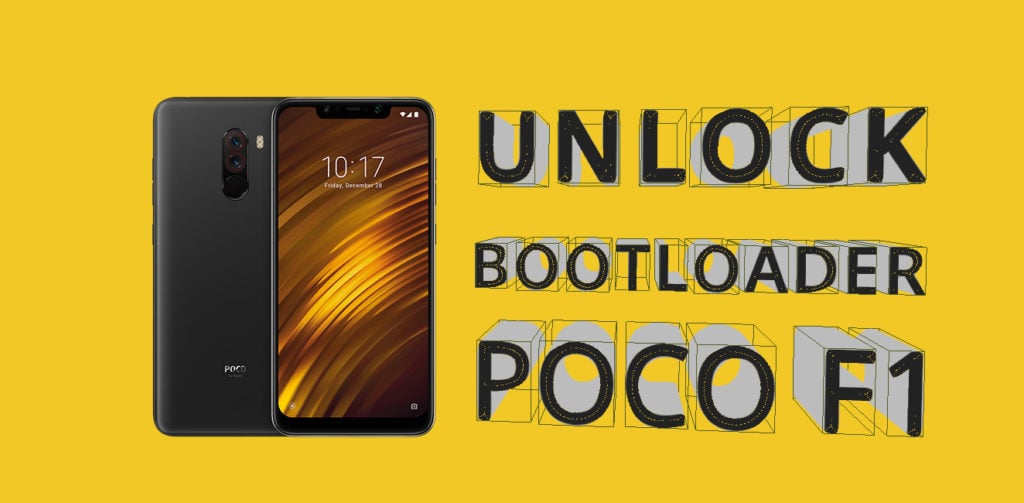
POCO F1 is still Apple of the eyes for many due to its outstanding hardware at a lucrative price. The remarkable software support that Xiaomi has been giving to the Snapdragon 845 powered device elevates its value even further. Nonetheless, there are folks who might want to go extreme with the device by rooting or installing custom ROMs. So, for any Android devices, unlocking the bootloader is the first hurdle to unlock all other possibilities. Here, let’s discuss how to unlock the bootloader of POCO F1.
It’s pertinent to mention here that, the bootloader unlock method for the POCO F1 is the same for both the Android Oreo and the Android Pie. That is you have to first apply for the bootloader unlock request, enabling OEM to unlock from the developer option and then finally unlocking using Mi Flashtool. Didn’t get it? Don’t worry, go through the step by step procedure given below.
Pre-Requisites:
Backup all important data on another device.
Charge its battery upto 70%.
Always recommended to follow every step precisely.
Downloads
You may require following files for the smooth unlocking process. Download and save/install them on your PC before proceeding with the steps given above.
Steps to unlock Bootloader of the Poco F1 Bootloader
Warning: Bootloader unlock wipes the data/internal storage. So, backup your personal and important files before proceeding.
First and foremost, visit the MIUI Unlock website, and fill out the official bootloader unlock request form (requires an MI account). It’d take 2 to 4 days for the Mi team to accept the request and a code will be sent.
When you receive your code, go to Settings > About Phone > tap “MIUI Version” 7 times to unlock Developer Mode.
Go to Additional Settings > Developer Options > enable USB Debugging and OEM Unlocking.
Now download the Mi Flashtool and run it as Administrator on your computer.
Sign into your Mi account in the Mi Flashtool, and make sure you are also signed in on your Poco F1 with the same account (check in Settings > Mi Unlock Status > Add Account & Device).
Power-off the Poco F1, and reboot into Fastboot Mode (hold Volume Down + Power).
Connect your Poco F1 to the PC via USB, and click the ‘Unlock’ button in Mi Flashtool.
Your Poco F1 will be unlocked and factory reset. When the process is finished, you can launch an ADB terminal and check if it was successful by typing:
fastboot oem device-info
If your bootloader was successfully unlocked, the ADB terminal should display “Unlocked”. If not, repeat the procedure once again. It should work unless a serious issue with the device or software itself.
In case of any further assistance, don’t forget to drop in the comments section.
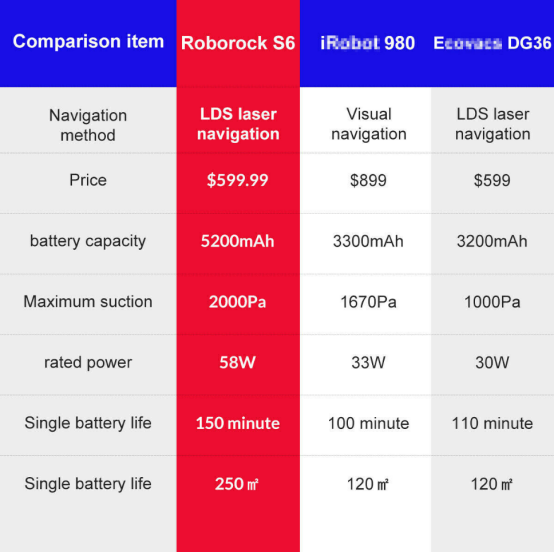
Roborock is an emerging manufacturer that produces intelligent home robots and its Roborock S50 robot vacuum cleaner won the love of many customers for its nice design and excellent quality. This year’s new model is Roborock S6 and it comes to improve and refine what the S50 offered to become even better.
And to reach as many fans as possible, the Roborock Exclusive Authorized Flagship Store collaborates with eBay.com to launch its first sale on June 27th. The price is set at $599.99 with a free gift (2 reusable mop pads). All the packages will be delivered from LA, US local Warehouse without tax and a 1-year warranty with local after-sales service. Definitely a great opportunity to try it out.
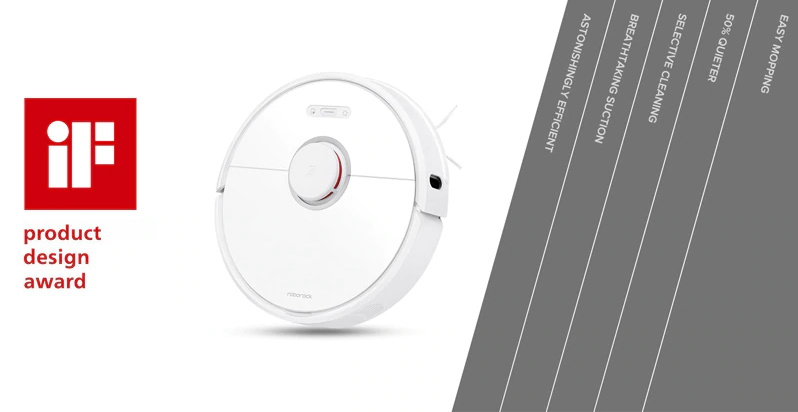
The Roborock S6 has been awarded the 2019 iF Design for its LDS laser-navigated sweeping and mopping model
Let’s take a look at some of Roborock S6’s features
Upgraded Rock Navigation Path Planning –Based on the principle of long edge priority and proximity, meaning cleanup is up to 20% faster.
Selective room cleaning –Room is automatically recognized and saved. You could select and schedule cleans for single and multiple rooms as well as the entire home.
Advanced noise reduction – 50% quieter than the S5
Modular and integrated: Detachable main cleaning brush makes hair removal easier. Microfiber mop with disposable wipes more convenient and clean. Adjustable two water volume of cleaning to meet different wet mopping needs. A cable-tidy built the charging dock keeps excess cable hidden.
Plus, inside, the vacuum comes with top branded components like the Allwinner R16 SoC, a Texas Instruments signal processor, a microprocessor by STMicroelectronics, etc. As you can see, if you are looking for a new robot vacuum cleaner, the Roborock S6 is a very strong contender and the first sale is the lowest price in the market right now in this category. Go ahead and give it a try yourselves.
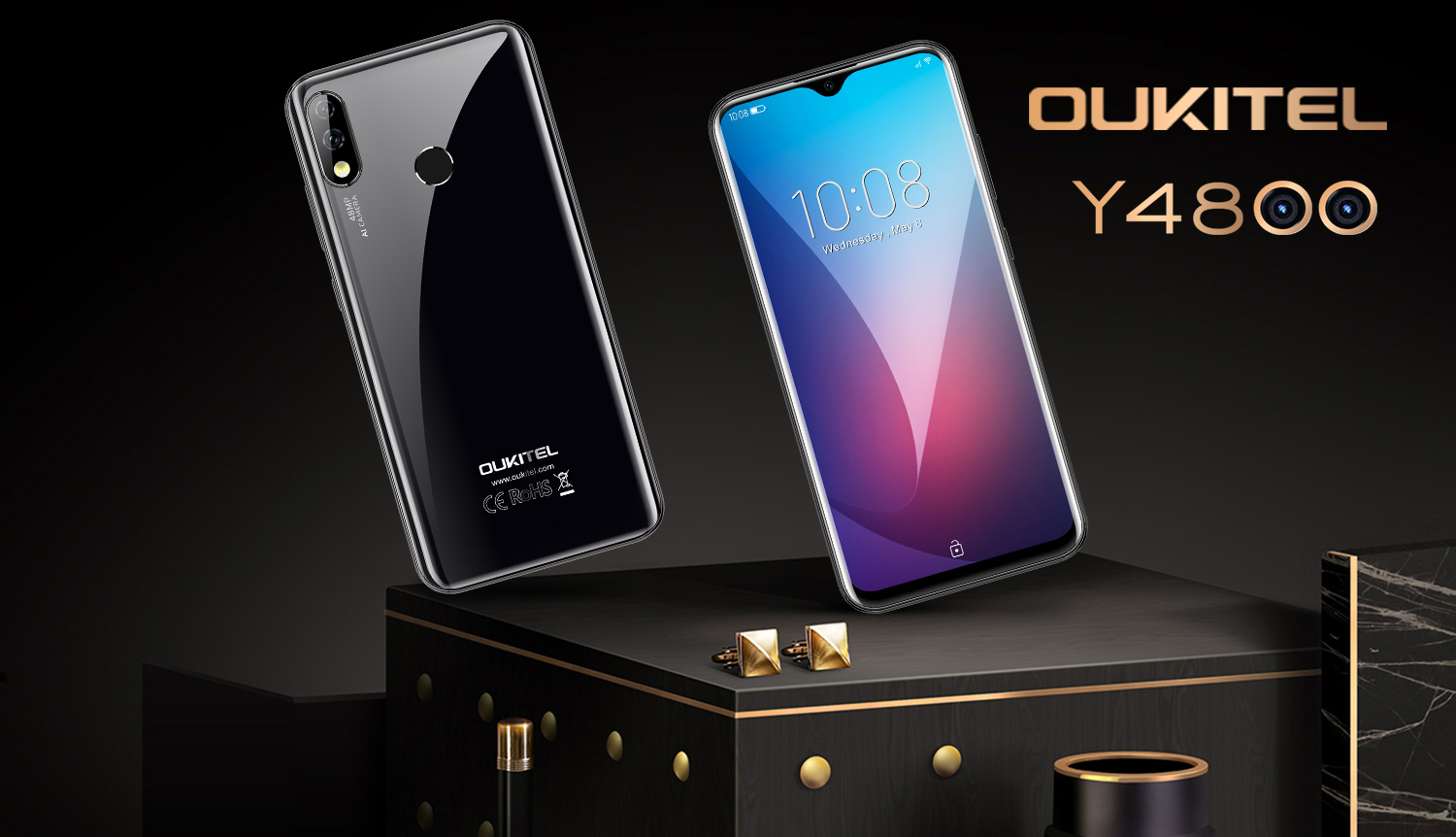
Oukitel Y4800 was announced back in May and is a mid-range flagship killer featuring a 48MP camera, aiming at dethroning the Redmi Note 7. They are pretty similar both in design and specs and today we have a hands-on video to compare the two devices in real life. Keep in mind that the Y4800 presale will kick off on July 22nd with gifts like the Xiaomi finger ring stand and Mi Band 4.
Both the Redmi Note 7 Pro and Oukitel Y4800 come with the same 6.3″ FHD+ display and 1080*2340 resolution. As seen in the video, the colors on Note 7 Pro are a bit washed-out when compared with Y4800. The Y4800 comes with 3 dedicated slots, 2 for SIM cards and 1 for microSD card while the Note 7 Pro comes with a hybrid slot that can host either 2 SIM cards or 1 SIM and 1 microSD card. On the other hand, the Redmi comes with a USB Type-C port while Y4800 features the legacy 5-pin microUSB port. On the camera department, they both feature 48MP/5MP rear camera placed on the top left corner. Both perform pretty well in shooting photos.
As for the pricing, Oukitel Y4800 is the definite winner here as it comes at a lower price while having more RAM and internal storage (6GBRAM128GB) and they both sport a 4000mAh battery. Starting on July 22nd, Oukitel Y4800 is entering the Global First Presale period exclusively on Banggood. Besides the discounted price of $199.99, buyers will also get extra free gifts like a Xiaomi finger ring holder, Xiaomi Mi Band 4 (limited units), and more. Detailed activity and how to get the extra gifts will be announced next week both the company’s official website and on Banggood. In the meantime, you can use the “In Stock Alert” and “Add to Wishlist” services on Banggood to receive a notification for when the presale starts. Also, there’s a Giveaway that you can participate in.
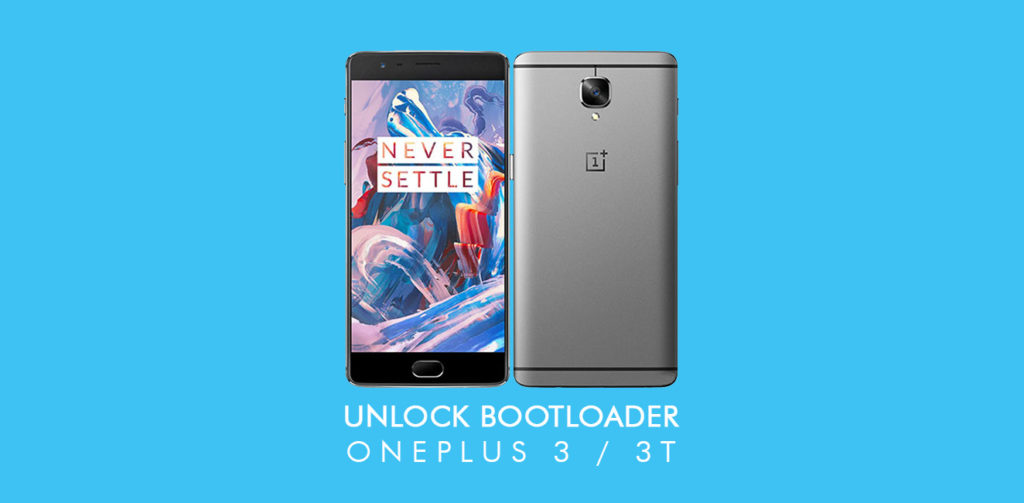
OnePlus is always known for its affordable yet powerful devices. OnePlus 3 and 3T also follows the same regime and carries the flagship Qualcomm chipset of that time. In today’s writeup, we will guide you to unlock the bootloader of OnePlus 3 and 3T devices.
OnePlus 3 is powered with Snapdragon 820 with 6GB RAM and 64GB internal storage. It carries a 5.5 inch HD display with 1080 x 1920 pixels resolution. The device runs on the Android 9.0 Pie and weighs at 158 grams. In optics, there’s a single 16-megapixel camera on the rear side and another 8-megapixel camera on the front for selfies. Whereas, the OnePlus 3T got an upgrade of the dual 16MP camera and a 16MP camera on the front side with a smile capture feature. There’s also an upgrade of Qualcomm Snapdragon 821 chipset.
Rooting Process:
To root the OnePlus 3T and OnePlus 3, users have to unlock the bootloader, and then have to proceed for the installation of custom recovery and SuperSu/Magisk. Root Procedure involves these three steps:
Unlocking Bootloader: It is a lock which is applied by the OEMs to bare users from modifying the firmware or rooting the device. It is the first and foremost step to attain root access on any Android smartphone.
Custom Recovery: There are two types of recoveries – Custom and Stock. The custom recovery is flashed onto the recovery partition of the device to bring a lot of customizability rather than the stock recovery. It allows users to flash new MODs, create full backups, and perform data wipes efficiently.
Rooting: It is the final process to gain root access. The user can flash the SuperSU or Magisk to gain the root access.
This is the procedure to root every Android device. We need to follow the same method to root OnePlus devices after unlocking the bootloader. Let’s proceed with the unlocking bootloader of the OnePlus 3 and 3T.
Note: GizmoChina.com is not responsible for any kind of damage to data or device. You are performing the process at your own risk. It may also void your warranty.
Warning: Bootloader unlock wipes the data/internal storage. So, backup your personal and important files before proceeding.
Backup the crucial data either on cloud or at other physical media.
Keep your phone charged above 70%.
Make sure the device is upgraded to the latest firmware, as there are some issues with TWRP on old firmware.
Minor Tweaks needed:
Enable Developer Option by going to the Settings > About Phone > Tap on Build Number 7 times.
Now, Turn on USB Debugging Mode – Go to Settings > Developer Options > Toggle USB Debugging Mode.
Enable OEM Unlock – You will find the OEM unlock in the Setting > Developer Options.
Also, enable Advanced reboot by going to the Developer Options and enabling the ‘Advanced Reboot’ option.
Steps to Unlock OnePlus 3/3T bootloader
Boot OnePlus 3/3T into fastboot mode either by long pressing the power button and then selection the Bootloader mode, or either pressing volume up + power button after turning off the device.
Now, connect your device to PC via USB cable.
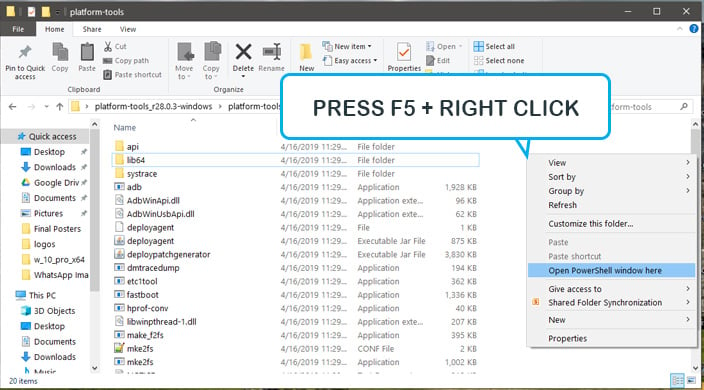
Open the command prompt in the extracted ADB and Fastboot drivers window by pressing Shift + Right Click.
Verify the device’s connection by executing the following command.:
fastboot devices
Now, unlock the bootloader by typing the following command:
fastboot oem unlock
You will get ‘finished’ output in the command prompt and phone will reboot.
If you get any problem while unlocking the bootloader of OnePlus 3 series, then let us know via the comments below.
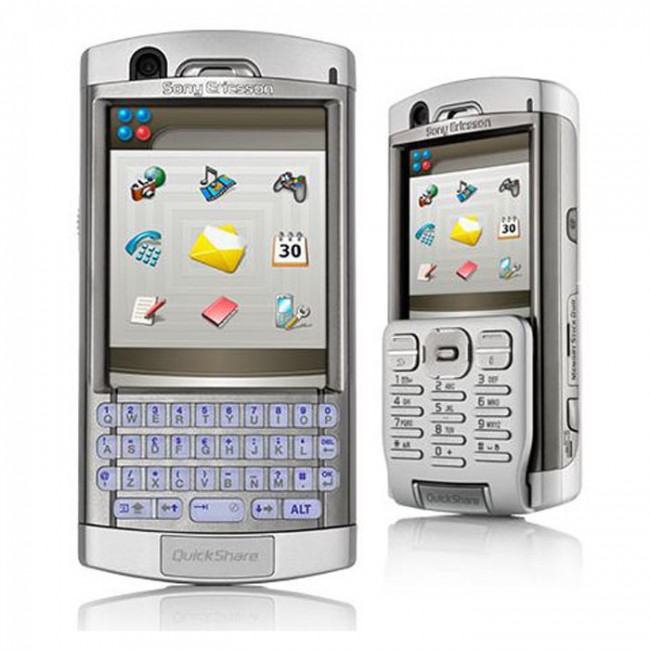
Back in the mid-2000s, Sony Ericsson phones were really popular. In fact, back then, the brand was one of the major players in the market! While things have gone downhill ever since Sony split up with Ericsson back in 2011, the joint venture managed to churn out a lot of interesting phones in the industry. For this week’s edition of Throwback Tech Thursday, we take a look at one such phone – the Sony Ericsson P990i. There are several cool features that make the phone special for its age and we’ll take a look at them down below.
Sony Ericsson P990i
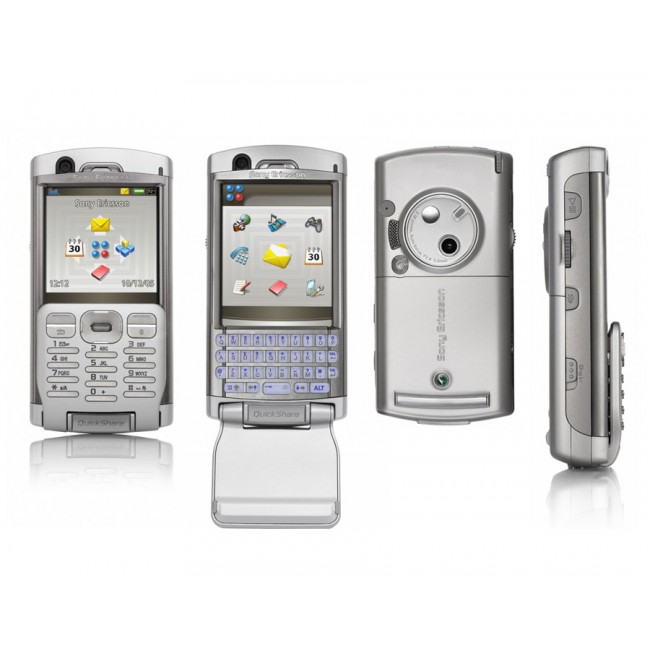
One of the highlights of the Sony Ericsson P990i was its special flap design. The phone was one of the few phones to actually feature both a regular alphanumeric keypad and a QWERTY keyboard. It had a flap with a numerical keypad on top and once you opened the flap, you got a QWERTY keyboard inside. The design did make the phone a bit chunky, but there were hardly any phones in its time which offered both these methods of input.
What’s interesting is that the phone featured a 2.8-inch touchscreen display. So, you could also use a provided stylus (which hid neatly on the side) to browse through the phone. That was pretty cool back then and even now. But there was one more special method of navigation. Apart from the keypad, QWERTY keyboard, and touchscreen display, the phone featured a scroll wheel on the left side. So, Sony Ericsson had really got you covered in the navigation department.
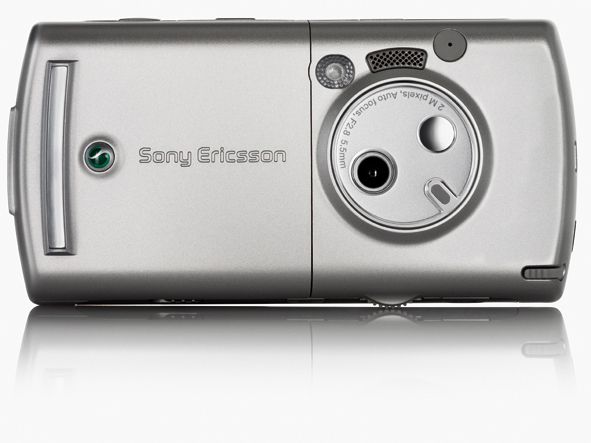
There were several other special physical buttons too. Apart from the power button on the top, the phone featured an internet button, play/pause button, back/clear button, and a screen lock button. There was a camera too – a 2MP shooter with LED flash, which was pretty good for its age. What’s more, the camera housing could slide clockwise / counterclockwise to reveal the sensor. Plus, there was a self-portrait mirror on the camera housing, for the selfie lovers of its age. There was a front camera too, but it was a simple VGA one for video calls.
Sony Ericsson P990
The Sony Ericsson P990i wasn’t a revolutionary device. It didn’t even have a crazy design like the Nokia Lipstick phone. But the phone was feature rich and was way ahead of its time. It clearly isn’t a phone you’d forget easily.
Did you ever use the Sony Ericsson P990i? Did you like it? Tell us the features you miss and which you feel modern smartphones should have.
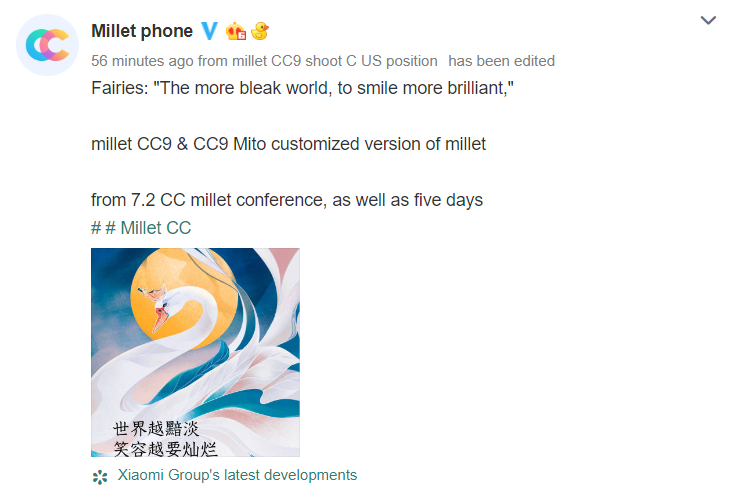
Come July 2, we will be getting not one but two versions of the Xiaomi CC9. A Weibo post by the official Xiaomi account has confirmed that there will be a custom edition of the camera-focused phone.
The Weibo post specifically says the Xiaomi CC9 and Xiaomi CC9 Meitu custom edition will launch on July 2 which is in five days.
This is not the first time we have come across a post mentioning a custom-edition of the CC9. A few days ago Sudhanshu Ambhore tweeted the three new phones Xiaomi will launch next week. There is the CC9e which is a lite version; then the CC9, and then a custom edition. Although his tweet didn’t say the custom-edition is a Meitu one, he did say it will have a different design.
At the moment, we don’t know what the Xiaomi CC9 Meitu custom edition phone looks like but we are optimistic we will get to see it before the launch day.
#Xiaomi Xiaomi CC9e (Lite/Youth), Xiaomi CC9 (Standard) Custom Edition (will have a different design)
The standard CC9 is already familiar thanks to official renders released yesterday and today. The phone will have triple rear cameras, come in two confirmed colors, and sport an AMOLED display with a fingerprint scanner underneath.
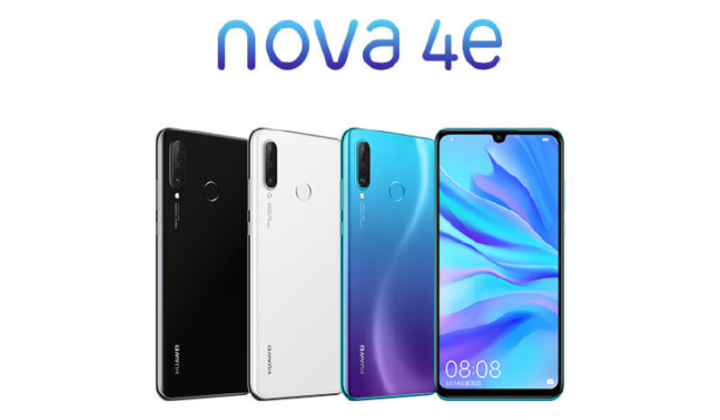
Samsung Electronics is the market leader in the smartphone industry but the company’s market leadership extends beyond smartphones. Samsung has several divisions responsible for the manufacture of display panels, chipsets, semiconductors, camera sensors, batteries etc. Samsung’s Isocell division recently organized a giveaway to promote its products and surprisingly, the gift on offer is a Huawei Nova 4e!
Now, Huawei and Samsung are bitter rivals. Moreso, Samsung is having some rough times in the Chinese market where it faces stiff competition from local OEMs like Huawei, Xiaomi, Vivo etc. So, it was unexpected when the giveaway was announced on the company’s Isocell division’s Weibo page. As expected, a couple of Weibo users have expressed their surprise at the announcement, with some wondering if it was a mistake.
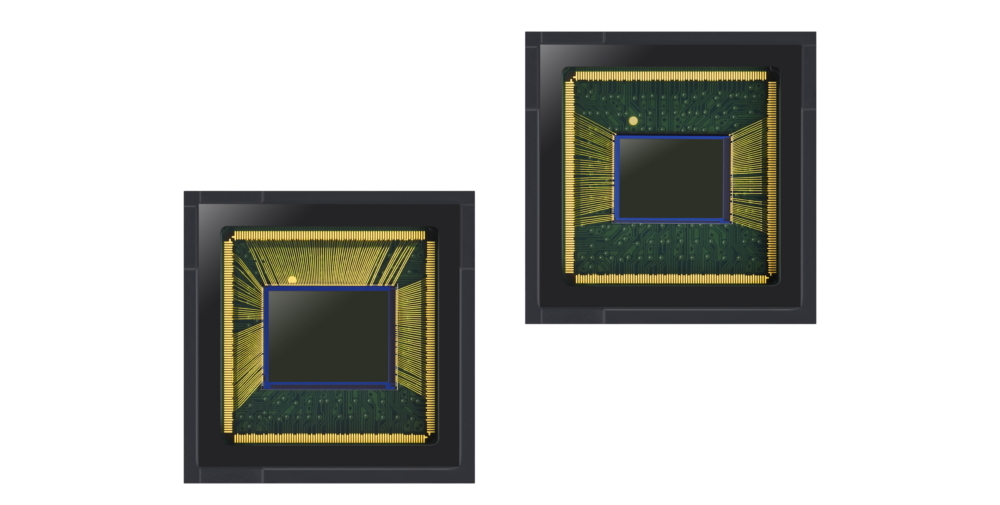
Samsung ISOCELL GW1 and GM2
However, Samsung Isocell division was quick to clarify that it was promoting its ISOCELL image sensors and the Huawei Nova 4e packs the company’s ISOCELL Bright GD1 image sensor in the camera setup. That sort of settles things but we wonder if the company isn’t in that way promoting the Huawei brand. In another light, Samsung could be turning to sales of its semiconductors and ithrr phone parts since the smartphone business is almost comatose in China.
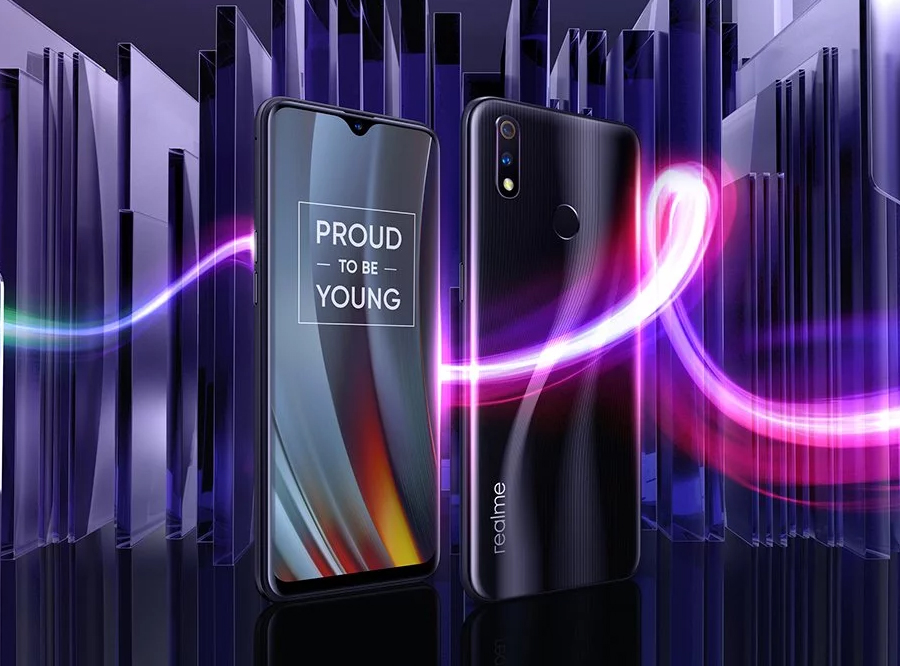
Realme is rolling out a new update to the Realme 3 Pro. The new update brings a bunch of new features to the device as well as the latest security patch.
One of the new features the update brings to the Snapdragon 710-powered smartphone is support for 240fps slow-motion recording. It also brings new apps such as theme store – for downloading new phone themes that include icon packs and wallpapers; App Market – a place to download apps other than the Play Store; and Game Center – another app store but for games. Do note that these apps are only available in some regions.
Some regions will also get a Realme Account feature which should be similar to what you get when you set up a Mi account on Xiaomi devices.
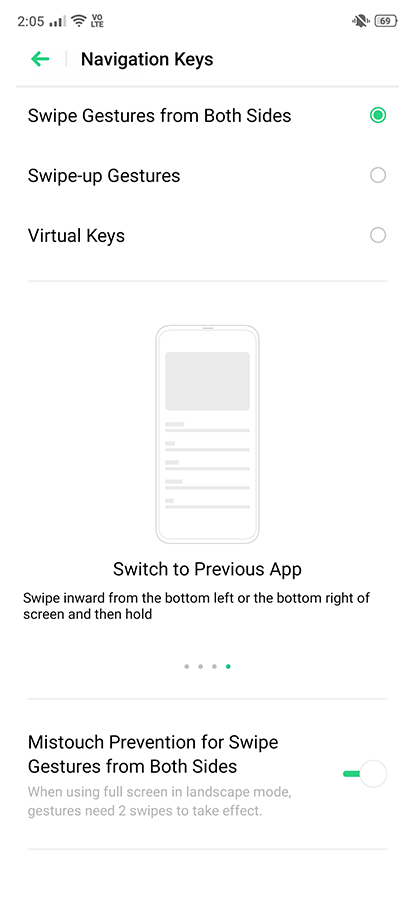
Add swipe gestures from both sides in navigation mode.
Add lock screen magazine function(some regions).
Add realme account function(some regions).
Fix some bugs.
APP
Add app market(some regions)
Add theme store(some regions)
Add game center(some regions)
Camera
Add 240fps slow motion function
Realme has also added a new swipe-based gesture that allows you to navigate the phone when you swipe from the sides. An example is swiping from the bottom left or right of the screen and holding to switch to the previous app. As seen in the image above, this new swipe-based navigation can be turned off in favor of the more familiar on-screen keys or the Android Pie navigation.
The update is rolling out gradually but if you don’t want to wait for the OTA, you can manually download from here and install it. The file size is 2.69GB.
The Realme 3 Pro was released in April. It has a 6.3-inch FHD+ display with a waterdrop notch. Paired with the Snapdragon 710 processor is 4GB/6GB of RAM and 64GB/128GB of storage. It has a 16MP + 5MP dual camera setup on its rear while a 25MP camera is in front for selfies. The phone has a fingerprint scanner, a 4045mAh battery, and support for VOOC 3.0 20W fast charging.
The Realme 3 Pro is sold in China as the Realme X Lite.
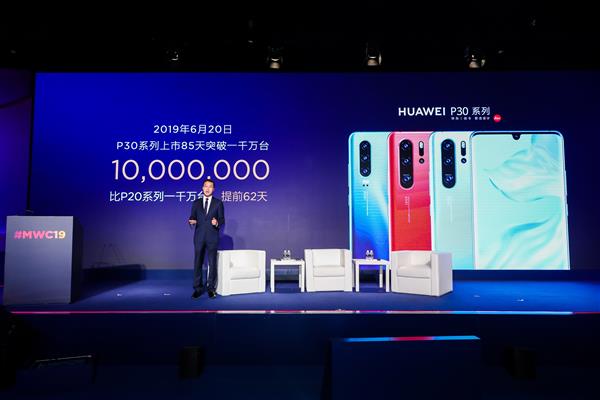
Huawei‘s investment in smartphone research and development had started to pay off massively before the US government came calling. The company’s Android phones are unarguably among the best in the market. The Huawei P30 series which is the company’s latest flagship model falls into this category. The P30 series has turned out to be even more popular than its predecessor, the Huawei P20, going by data shared by Huawei.
At the ongoing MWC Shanghai 2019, He Gang, President of Huawei’s Consumer Business mobile phone product line announced that as at June 20, 2019, the P30 series shipments had exceeded 10 million units in just 85 days. He disclosed that this was 62 days earlier than the period it took the P20 series to exceed 10 million units last year. The record is also faster than the Mate 20 series which took four and half month to hit the 10 million units mark.
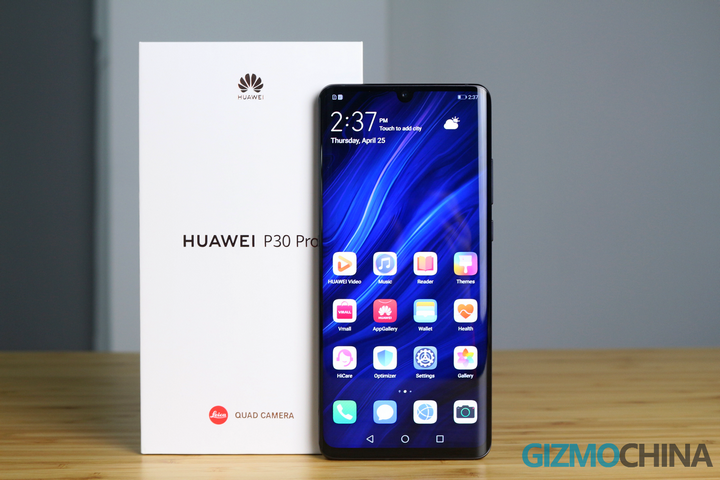
The Huawei P30 series still remains a popular one with a sleek, premium design. The colour variants were yet another aspect where the P series has always excelled since the P8. The models also stood out as a result of the powerful camera setup capable of capturing outstanding photos and video with vivid clarity. The P30 Pro came with a quad camera setup that even attempts to rewrite the rules of photography. The camera is capable of 5x optical zoom, 10x hybrid zoom, and 50x digital zoom. While the P30 supports 3x optical zoom, 5x hybrid zoom, and 30x digital zoom. The P30 series also presents with long battery life and fast charging support, among other standout features.
For owners of a Huawei phone now, the main concern is if their phones will continue to get updates amidst the US-ban placed on the Chinese company preventing it from doing business with American companies including Google.
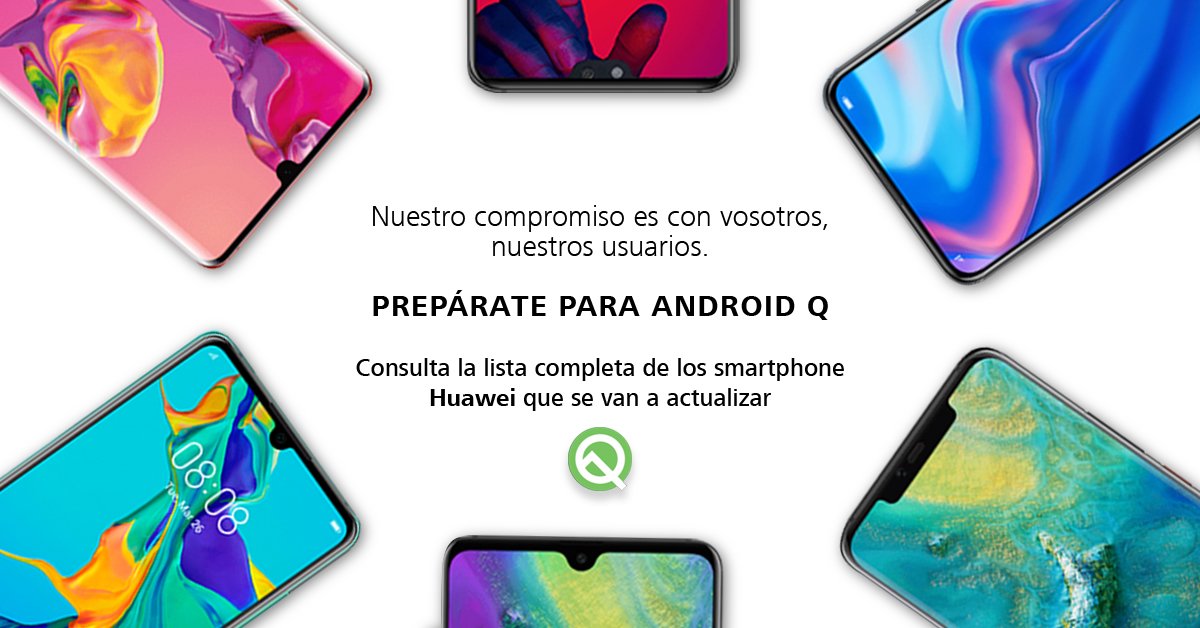
Huawei already released an official statement last week assuring users they will continue to release updates for their devices and security patches too. In light of this, the official Huawei Spain Twitter account has now released a list of devices that will get updated to Android Q. Below is the list of devices:
P30 Pro
P30
P30 lite
Mate 20 X (5G)
Mate 20 Pro
Mate 20
P Smart Z
P Smart + 2019
P Smart 2019
P20 Pro
P20
Mate 10 Pro
PORSCHE DESIGN Mate 10
PORSCHE DESIGN Mate 20 RS
Mate 20 X
Mate 10
Mate 20 lite
That is 17 devices in total including the Mate 10 series from 2017. The update will most definitely take months before arriving on all the aforementioned devices.
Although Huawei doesn’t say, the Android Q update should come with a new version of EMUI too, probably EMUI 10, so it syncs with Android 10/Android Q.
💪🏻 Seguimos trabajando para ofreceros siempre la mejor tecnología.
👉🏻 Todos los dispositivos Huawei que ya se vendieron y está actualmente a la venta se podrán seguir usando con total normalidad.#YoEstoyConHuawei.
— Huawei Mobile España (@HuaweiMobileESP) June 26, 2019
In a separate tweet, Huawei says all devices that have been sold or are currently on sale will continue to work normally in a bid to assure its customers.
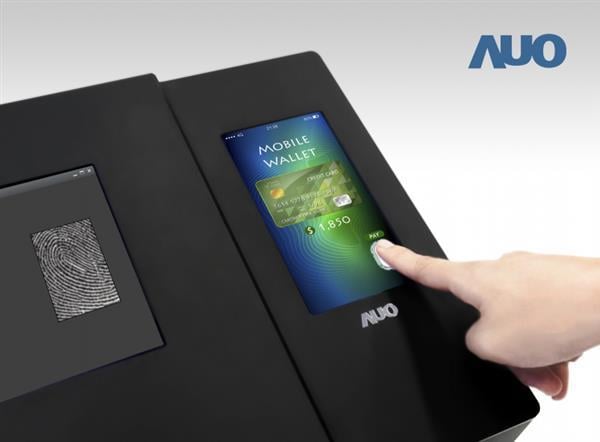
Since the introduction of the on-screen fingerprint recognition technology, it has courted lots of interest from fans who are always on the lookout for that piece of tech on any new flagship phone. The technology can only be used on OLED panels and this has limited the proliferation of the technology a great deal. However, that may soon change as leading Chinese display manufacturer BOE Display Technology has announced that it has successfully developed an optical fingerprint technology-supporting LCD panel and that it plans to start mass producing the panels by the end of this year.
Basically, the current on-screen fingerprint recognition technology in use are either optical or ultrasonic technology and both can only be used on OLED panels. This is because the thickness of OLED panels are not so much as compared to LCD panels. Thus, it is easier for penetration to take place between the finger on the screen and the sensor that has to be under the screen. AMOLED panels are more expensive than LCD, making it difficult to have the fingerprint technology on low-end and mid-range phones. Therefore, this new technology is an important one.
Just last month, Taiwanese display maker AU Optronics had earlier announced a 6-inch full-screen optical embedded fingerprint scanning LTPS display. AUO’s display is the world’s first fingerprint scanning technology that supports optical sensors embedded in LCD screens. The panels come with FHD+ resolution (2304×1080) as well as a sub-pixel resolution of 403PPI.
We may likely start seeing phones with this optical fingerprint supporting display from next year or towards the end of this year. It will be interesting to see how responsive the fingerprint sensors would be.
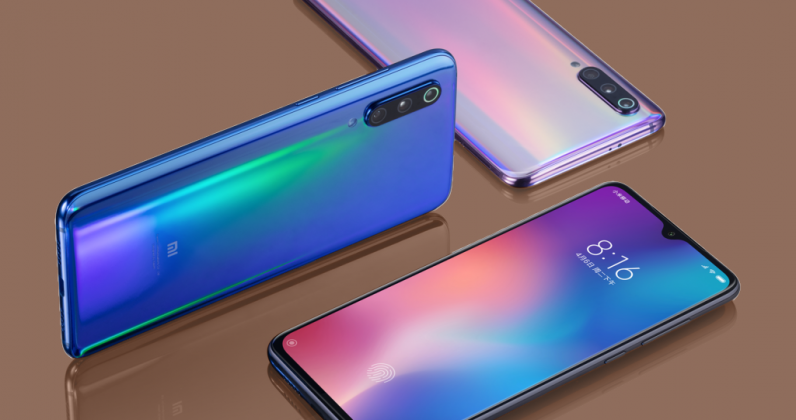
Xiaomi is blessed with an enthusiastic community ever ready to tweak their smartphones to improve its performance. One such mod was recently developed by the official MIUI community member which allows users to overclock the display on the Xiaomi Mi 9 from the standard 60Hz to a much faster 84Hz refresh rate.
Refresh rates are getting a lot of attention in the past couple of years. We’ve seen the 120Hz Razer Phone 2 as well as the OnePlus 7 Pro with a 90Hz display. As for the rest of the lot, most of them come with a 60Hz display, which is the standard among smartphones. However, with the new mod for the Xiaomi Mi 9, users are able to overclock its display to a staggering 84Hz.
In order to overclock your display on the Mi 9, you’ll need to unlock its bootloader and flash an image file to the phone’s dtbo partition. Note that the Mi 9 was built to run on a 60Hz display, so be aware that there are risks associated with flashing such a mod. But initial feedback from users seems to be pretty positive, with no major issues being reported. There are some cases of a slight green tint on the display, but it’s not very significant.
In case you are wondering why these mod features aren’t officially released, Xiaomi’s director of software, Zhang Guoquan, said that the company had to consider a lot of factors like reliability, power consumption, and user experience before releasing such features to everyone. But he added that he was grateful to the community members who work hard to improve Xiaomi phones with such mods.
In case you are interested, you can check out the official MIUI forum thread here for more information. Or just head over to this thread on XDA for a quick guide to flash the mod on your Mi 9.
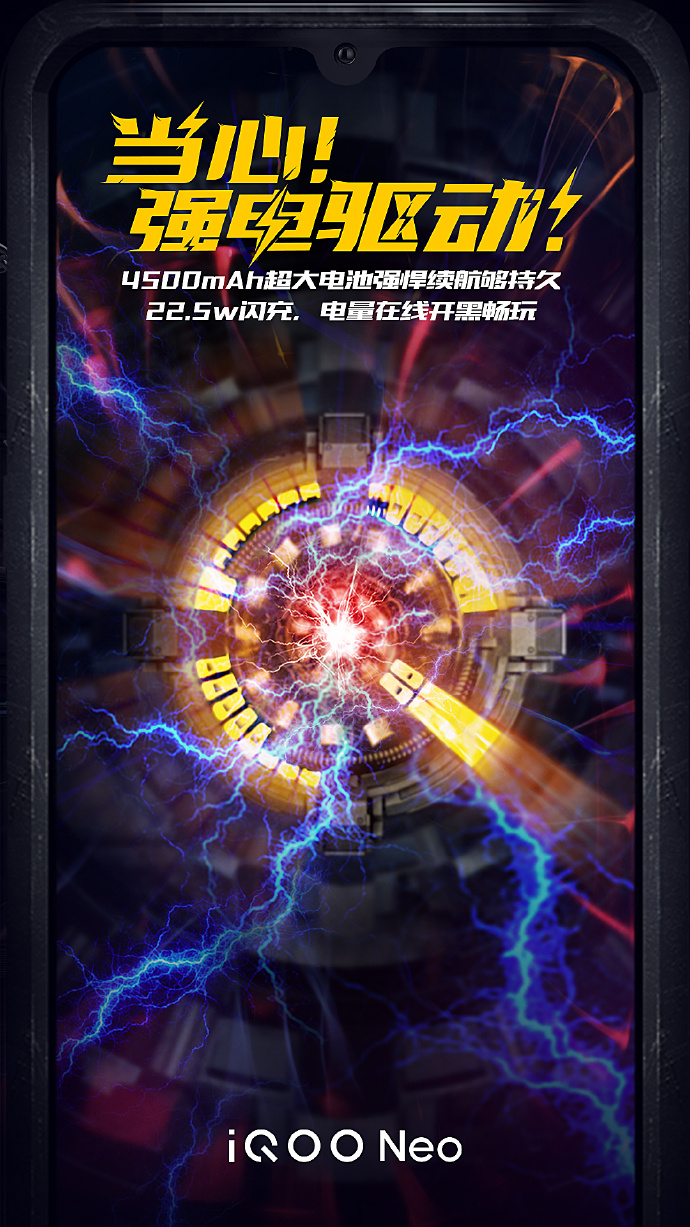
By the time the iQOO Neo is announced on Tuesday, July 2, there will only be a handful of details we do not already know. A new poster from the manufacturer has confirmed the phone’s battery.
The iQOO Neo will come with a 4500mAh battery. This is even bigger than that of the original iQOO phone which has a 4000mAh battery. iQOO also confirmed that the phone will support 22.5W fast charging technology. The base model of the iQOO gaming smartphone has the same fast charging technology. The high-end versions with 8GB and 12GB of RAM support 44W fast charging.
Other confirmed features of the iQOO Neo are a Snapdragon 845 processor, Liquid Cooling, 4D Game Shock 2.0, and touch acceleration. It will also have an AMOLED display with a waterdrop notch and triple rear cameras too. Images of the phone show it has a dedicated button to call up the AI assistant.
The phone is already listed on the official website and reservations are open for interested buyers. The listing reveals the phone will come in purple and black color variants.
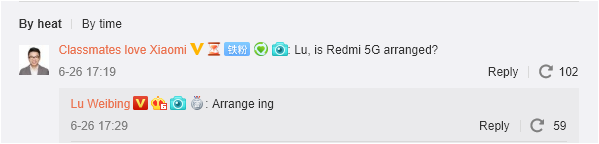
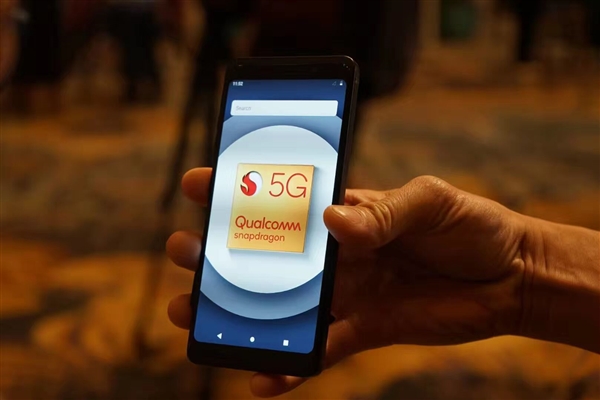
5G is gradually gaining ground in several regions since it started rolling out. We expect the new technology to gain even more grounds by next year. Thus, we also expect a good number of OEMs to release a 5G phone next year. In China, the rollout of 5G phones has been relatively slow, perhaps due to the slow pace of 5G launch by China’s telecom carriers. A number of 5G phones have been announced like the Mate 20X, OPPO Reno, ZTE Axon 10 Pro 5G, Xiaomi Mi Mix 3 5G. Redmi may join this exclusive list soon. Lu Weibing, vice-president of Xiaomi Group and Redmi GM disclosed about the Redmi 5G phone in a recent Weibo post when he was asked if the brand has got one in the works. Sadly, he offered no further detail.
Xiaomi’s Redmi brand is an entirely independent brand with its own product offerings ranging from budget, mid-range to flagship models. The company is also launching other Redmi-branded smart home products. Mr Weibing had earlier extolled 5G which he says will change the society. 5G network speed is blazing fast and is expected to have covered major cities in China by the end of next year. He also predicted that the prices of 5G phones should drop by the second half of next year to below 2000 yuan.
Xiaomi’s first 5G phone, the Mi Mix 3, is expected to be available in China soon. The phone is equipped with Qualcomm Snapdragon 855 flagship SoC with a built-in Qualcomm Snapdragon X50 5G modem. According to the official introduction, Xiaomi Mix 3 5G version supports Unicom 5G network and can muster up to 2Gbps download speed.
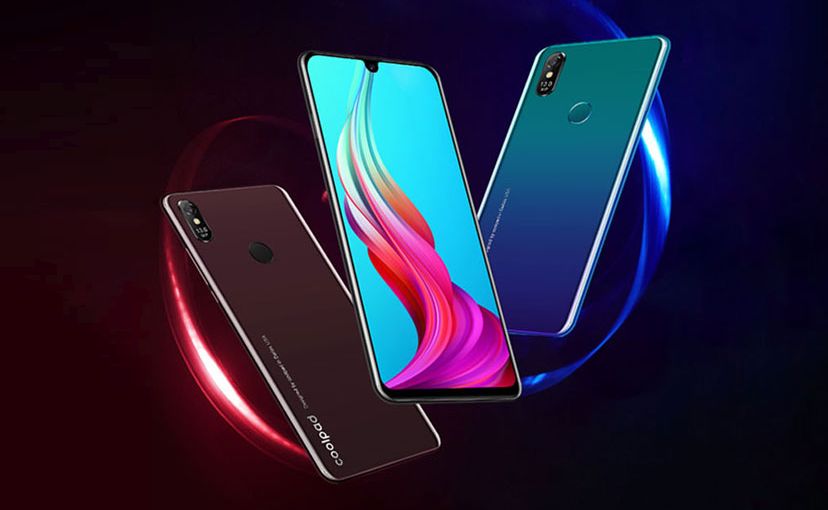
Coolpad just expanded its lineup of devices in India with the Cool 3 Plus smartphone. The Cool 3 Plus features a dewdrop notch and is available with higher RAM and storage options than its predecessor, the Cool 3, which released in India back in February 2019.
It features a 13-megapixel primary camera, a fingerprint sensor, and is aimed at the price-sensitive mass market. The smartphone rivals the Redmi 6A and the Realme C2 with its features and price, while the highlights of the Cool 3 Plus are its design, a bigger battery and dual 4G support.
Coolpad Cool 3 Plus Specifications and Features
The Coolpad Cool 3 Plus has a 5.71-inch IPS LCD display with 720x1520px resolution, 295 PPI pixel density and an aspect ratio of 19:9. The phone features a thin bezel on three sides, and a slim chin. The device supports face unlock and has a conventionally-placed fingerprint sensor at the rear.
It is powered by a quad-core 2.0 GHz MediaTek Helio A22 processor and comes in two configurations – 2GB of RAM + 16GB of built-in storage and 3GB of RAM + 32GB of built-in storage. The smartphone features a massive non-removable 3,000 mAh Li-ion battery.
The device misses out on a dual rear camera setup that was seen on the Cool 3 and features a single 13-megapixel AI-powered primary camera, along with an 8-megapixel front camera, and a single-tone LED flash.
The smartphone features USB OTG support, Bluetooth 5.0, GPS, and light and proximity sensors. It sports dual SIM slots and supports 4G LTE.
Coolpad Cool 3 Plus Price and Release
The Coolpad Cool 3 Plus is priced at Rs. 5,999 (~$87) for the base variant featuring 2GB of RAM, while the advanced variant featuring 3GB of RAM will set you back by Rs. 6,499 (~$94). The device is an Amazon exclusive and goes on sale in India on July 2. Cherry Black and Ocean Blue are the two color variants of the phone.
What’s your opinion on the Coolpad Cool 3 Plus? Will it be able to rival with entry-level phones from Xiaomi and Realme? Share us your views by posting your comments below.
We use cookies on our website to give you the most relevant experience by remembering your preferences and repeat visits. By clicking “Accept”, you consent to the use of ALL the cookies.
This website uses cookies to improve your experience while you navigate through the website. Out of these, the cookies that are categorized as necessary are stored on your browser as they are essential for the working of basic functionalities of the website. We also use third-party cookies that help us analyze and understand how you use this website. These cookies will be stored in your browser only with your consent. You also have the option to opt-out of these cookies. But opting out of some of these cookies may affect your browsing experience.
Necessary cookies are absolutely essential for the website to function properly. This category only includes cookies that ensures basic functionalities and security features of the website. These cookies do not store any personal information.
Any cookies that may not be particularly necessary for the website to function and is used specifically to collect user personal data via analytics, ads, other embedded contents are termed as non-necessary cookies. It is mandatory to procure user consent prior to running these cookies on your website.