According to the report published by the International Data Corporation (IDC), China’s market spending on augmented reality and virtual reality (VR/AR) is forecast to exceed $65.21 billion in 2023. The amount mentioned in the report is far beyond the forecast of spending $6.53 billion dollars of the market spending in the year 2019.
As per the report, between the years 2018 and 2023, the compound annual growth rate (CAGR) of the spending in the VR/AR sector will reach 84.6 percent, which is higher than the 78.3 percent CAGR of the global market.
In terms of commercial applications of AR/VR, the three fields include training, retail showcasing, and industrial maintenance. In terms of consumer spending, VR games, AR games, and VR videos take up the top three spot, with the spending volume scaling up to $9.59 billion by 2023.
It says that China will see the largest AR/VR spending totals throughout the forecast, followed by the United States. The two countries will account for nearly three-quarters of all spending worldwide by 2023. The report also adds that AR software will be the second fastest growing category, enabling it to overtake VR software spending by 2022.
Globally, the AR/VR market is projected to witness stellar growth because of the booming gaming industry as well as the rising need for head-mounted displays. A report from MRFR suggests 73.3% CAGR in the augmented reality and virtual reality (AR/VR) market between 2018 and 2025.
The AR/VR market is projected to gain traction mainly due to a massive wave of demand from multiple sectors. Healthcare, life & sciences, education, gaming, entertainment, e-commerce, and retail are fueling significant demand for this technology.
The verticals of e-commerce and retail are expected to push the AR & VR market substantially due to rising competition among industry giants. E-commerce companies such as Amazon and Flipkart are using AR & VR technology to revolutionize the online shopping landscape by providing a virtual reality shopping experience.
Furthermore, with prompt developments witnessed by the 5G technology, integration of the same in the augmented and virtual reality technology is likely to push the market. Many organizations are adopting augmented reality and virtual reality technology to enhance the consumer experience of their products and services.
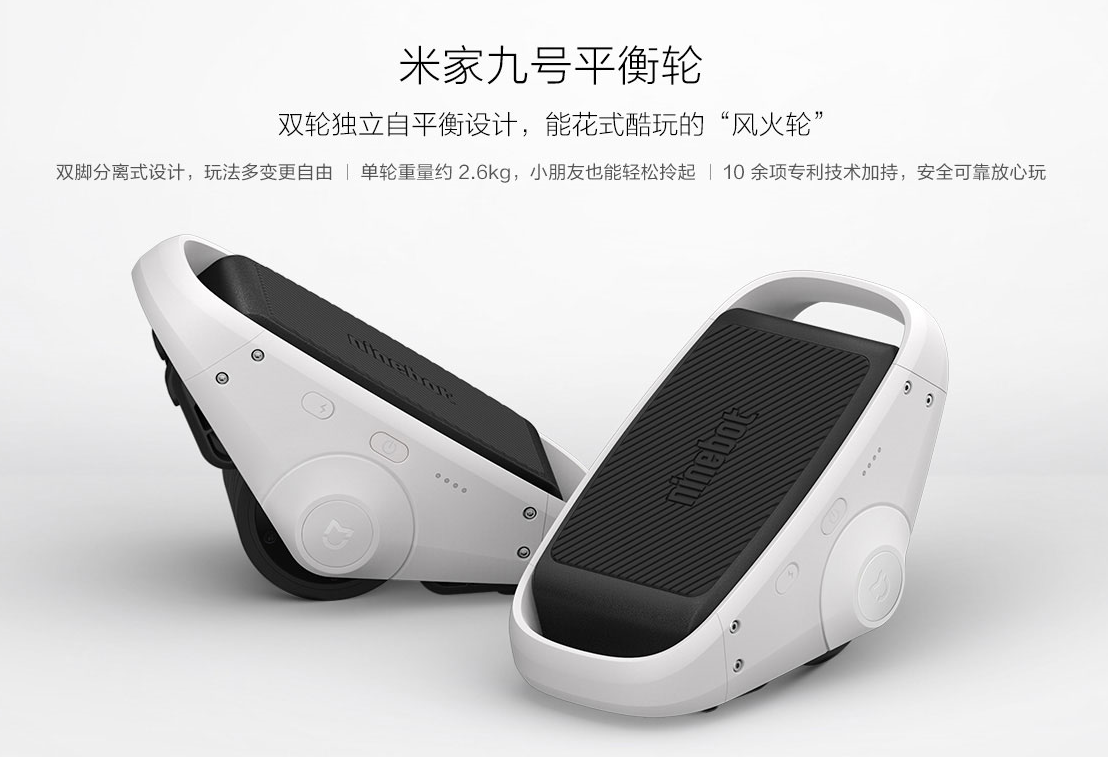
While we’ve all seen skates before, I don’t think anyone’s seen anything like this. Xiaomi has gone and unveiled the latest Ninebot product, the Mijia Self Balancing e-Skates. I don’t think I can understate how awesome this looks, it’s got an almost futuristic feel to it. Ninebot’s mastery of self balancing boards and segways have given us this pretty cool pair of skates. So, let’s take a closer look at the brand new Mijia Self Balancing e-Skates.
First off, let’s take a close look at some of the thing’s specifications. Each balance wheel weighs about 2.6kg, which isn’t too bad. The chassis is a one-piece die-cast magnesium alloy that weighs in at 354g. Xiaomi and Ninebot tout it is being lightweight and very strong, so hopefully it holds up well overtime. Unfortunately, it only supports people of up to 80KGs, so there’s a chance some won’t get to experience it.
Each balance wheel has six high-powered 18,650 batteries and can last up to 80 minutes. There’s an intelligent BMS battery management system on board that helps distributes the load in a low battery state, effectively protecting the battery. Ninebot also says you should only use these on flat and dry ground, if that weren’t already obvious enough.
Ninebot claims that all their 20 years of experience have come together to make the Mijia Self Balancing e-Skates. They’re supposedly just as complex as car, only shrunked down to the size of a shoe. In fact, that’s something they keep bringing up, so it’s clear they’re proud of it. In terms of pricing, the Mijia Self Balancing e-Skates go for 999 yuan and will go one sale on the 18th on June.
Known for coming up with amazing promotions, unmissable deals, and great discounts, GeekBuying is all set to launch its hotly-anticipated 7th Anniversary Sale. The promotion is slated to start at 16:00 (UTC+8) today, June 11.
Much to the delight of cost-conscious buyers, GeekBuying’s latest promo offers great discounts on a wide selection of top-end products. In a bid to simplify and expedite the search process, the promotion has been split into two sections including:
Check In To Win A $100 Coupon
You need to be logged into your GeekBuying account to stand a chance of getting coupons during the promotions. In order to ensure you get more coupons, all you need to do is to check in frequently. You can check-in between June 11-17 (UTC+8).
Those who check-in regularly will be more likely to receive check-in discounts. The aforesaid discounts will be accumulated and can be redeemed to coupon later.
Post & Win
In order to participate, GeekBuying users need to share posts with #Geekbuying7th on Instagram. Instagram posts with the above-mentioned hashtag will be featured on the event page under the ‘Post & Win’ category.
GeekBuying will be choosing five lucky participants who will qualify for free gifts. It is imperative for those interested in getting these gifts to share more posts with #Geekbuying7th on Instagram.
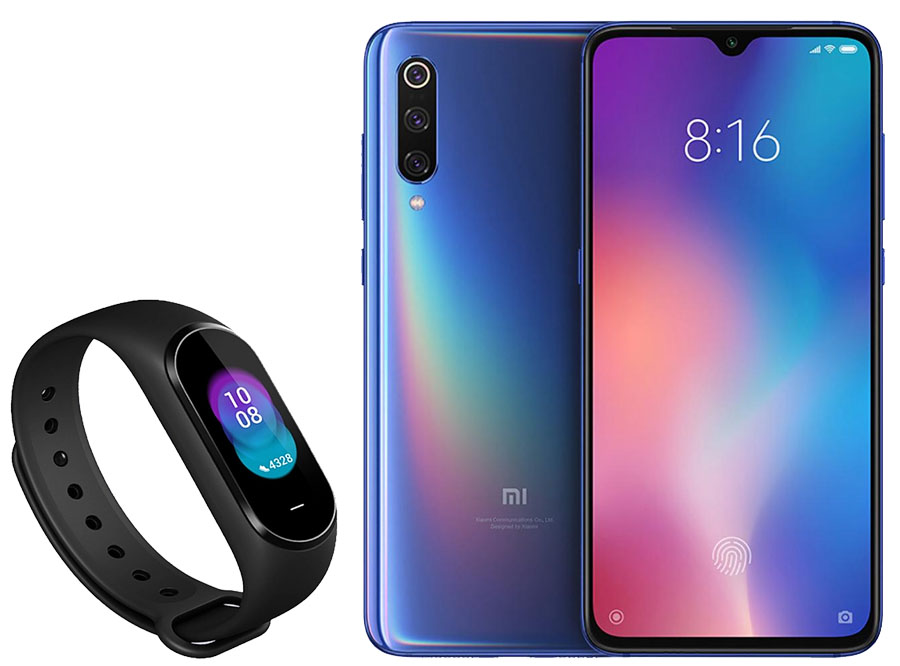
The next section dubbed ‘Flash Deals’ is brimming with all sorts of electronic items that you can now buy at lowered prices. The Xiaomi Hey Plus Smart Bracelet and the Mi 9 smartphone are also gracing the section, bearing heavily discounted price tags.
Xiaomi Hey Plus Smart Bracelet
Sporting a 0.95 Inch OLED display with a high screen resolution, the Xiaomi Hey Plus offers more vivid content for easy readability. Despite its big screen, the bracelet comfortably fits the width of the wrist. It has 5ATM water resistant and comes with an HRM heart rate monitor function.
The Xiaomi Hey Plus smart bracelet would normally set you back $79.99, but you can now buy it for a dropped price of just $32.99, under the ‘Flash Deals’ section on the promotion page. You can click here to avail the discount, which will be available for a limited period of time.
Placed under the ‘Flash Deals’ category on the event page, the Mi 9 smartphone was made available to the public in March this year. The global version of the recently launched phone with 6GB RAM, 128GB ROM usually retails for $691.99, but GeekBuying is offering it for a dropped price of just $418.99.
You can head straight to this link in order to grab the discount, which will be valid for the Ocean Blue color version. Note that the promo is slated to end shortly. The Xiaomi Mi 9 offers the following features:
39-inch FHD+ display with 2340×1080 pixels resolution
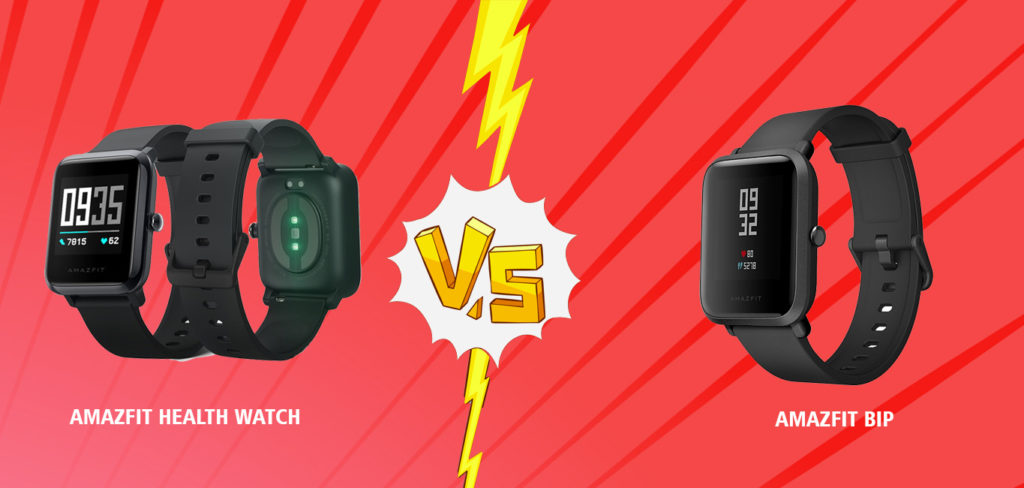
Huami recently unveiled Amazfit Health Watch with the ability to accurately measure ECG and heart rate. The square designed watch carries a 1.28-inch color display and improved battery life. The Amazfit BIP and Health Watch share various similarities in terms of design, specifications, and pricing.
Huawei Amazfit health watch is a cheaper alternative to the Amazfit Verge 2. It hosts a flat dial squarish design as like of the Amazfit BIP. Huami introduced silicone bands for the black and white color variants, while the brown color is available with the leather strap. The new watch features Huangshan No.1 SoC with some exciting features.
Polycarbonate Build, Digital Clock Face, Activity tracker,
Huami Amazfit Health Watch is successor to the Amazfit BIP. It flaunts a new squarish design with a PVD craft metal bezel and beautiful straps. To bring AI support, Huami added Huangshan No.1 SoC. The new watch comes with NB-IOT narrowband network technology allowing it to report multiple emergencies without the Bluetooth connection. There is a considerable improvement in the new Huami Health Watch over its predecessor.
Design and Display
The Amazfit Health Watch follows the fundamental design principle of the Huami BIP smartwatch. It carries the same four-sided design along with the 1.28-inch color display having the 176 x 176 pixels resolution. It is 3ATM water-resistant smartwatch as like its predecessor. Amazfit Health Watch measures 42 x 35 x 12.5mm in dimensions and weighs 45 grams. In design terms, both the smartwatches look identical without any significant change.
Software and Hardware
The new smartwatch majorly involves the ECG sensor and the optical heart rate sensor. It can detect arrhythmia and atrial fibrillation. It is powered by the world’s first NPU enabled Huangshan No.1 processor.
There’s a 6-axis low-power IMU, ECG sensor and PPG heart rate sensor. It comes with a narrowband network technology which doesn’t require Bluetooth connection to report emergency health services. It can send critical data in case the user gets into some serious health condition like low heart rate, fall, etc. The four-sided metal wrap is present around its squarish dial for the stylish look. There are four core AI intelligence engines like cardiac biometrics engine, ECG, ECG Pro, and Hearth Rhythm Abnormality Monitoring Engine.
On the other hand, the Amazfit BIP is limited to four modes like outdoor running, indoor running, cycling, and walking. Also, it does not carry any AI feature to automate some functions. Along with the speed reminder feature, and excessive heart rate reminder, the new watch effectively and efficiently tells about the ECG data derived from the latest AI module.
Battery
The battery of Amazfit Health Watch is uplifted to 200 mAh with a minor increase from 190 mAh in the Amazfit BIP. However, the insignificant increase in the battery size didn’t help it to improve on the standby time. The new watch’s battery life has reduced from 20 days to 7 days due to the presence of varu=ious new features.
Pricing
The Amazfit Health Watch is available for 700 Yuan, which roughly translates to $100. It will be made available in China later this month. Huawei Amazfit BIP currently retails at $65 (449 Yuan) in China. You can pre-order the Amazfit Health Watch now.
According to a new report from The Information, Apple is in talks to buy a portion of Intel’s smartphone modem business. This isn’t the first time Apple has been rumored to have an interest in Intel’s modem business, but today’s report suggests that Apple is still in talks with the company about a potential deal.
The two companies have been in discussions since last year, but The Information warns that the talks could still fall through without a deal. The Information estimates that a deal for Intel’s German modem business could bring “hundreds” of modem engineers to Apple. Intel’s chip production facilities are headquartered in Germany after a 2011 purchase of chip maker Infineon.
The publication notes that a number of former Intel executives, who were assimilated as part of the Infineon deal, now work at Apple. While some were recruited years ago, others, like Stefan Wolff, former manager of Intel’s German modem outfit, came to Cupertino within the past few months. In February, Apple hired former Intel executive Umashankar Thyagarajan, an engineer thought to play a key role in the development of the chipmaker’s XMM 8160 5G modem.
The company had been planning to use Intel’s 5G chips for its 2020 iPhones, but rumors indicated Intel wasn’t able to meet design deadlines, causing the relationship between the two companies to sour. Apple is now planning to use Qualcomm’s 5G modem chips in its 2020 5G iPhones, and is also working on its own modem chip development for later devices.
In the future, Apple is aiming to reduce its dependence on suppliers like Qualcomm by creating its own modem chips, but the company still has a few years to go before the technology is ready. Apple has been telling new modem chip hires in San Diego that it doesn’t expect to release devices with its own modem chips until 2025.
HMD Global, the Finnish company which now makes Nokia branded smartphones, has done a pretty good job of reviving the Nokia brand. This is impressive given that it did so when the smartphone market is overcrowded and is fiercely competitive.
However, there’s one thing that the company failed to foresee is how confusing its smartphone naming scheme could become. As far as the naming of the Nokia smartphones goes, the company doesn’t seem to have a clear system and is creating confusion among the customers.
Now, HMD Global‘s General Manager Pranav Shroff has also admitted about the poor naming scheme for the Nokia smartphones during an interview with Gadgets 360. He said, “We owe it to our consumers — and generally everybody — to make sure [our product portfolio is] clear. If we have not made that clear, and I agree that we haven’t, then that is something we need to work on better.”
For instance, the Nokia 7.1, which is supposed to be a follow-up to the Nokia 7 Plus, isn’t actually a newer, upgraded version of the Nokia 7 Plus. This leads one to wonder what “Plus” even means. Another example if the Nokia 1 Plus, which isn’t a good choice when there’s a popular smartphone brand named OnePlus.
However, it seems that the company is learning from its mistakes and has plans to come up with a solution. Pranav Shroff said that “We have a job to do there if we haven’t done it well enough, which I can see. So yes, the strategy [for the future] is to make sure to bring the simplicity that we always wanted to have.”
He clarified that the company now intends to cut back on the “Plus” models if not get rid of them, and will also bring back the simplicity and clarity to the naming scheme.
During this interview, he also talked about launching the Nokia 9 PureView, the company’s current flagship smartphone with five rear camera sensors, in the Indian market. While the phone’s launch has been teased a few times by the company, the exact launch date is not yet known.
Amid the US-China trade war, Huawei has become a target and is facing various restrictions that essentially aims to stop the company from doing business. While various countries have imposed a ban on Huawei, here comes some good news for the Chinese telecom giant.
Saudi Arabia’s technology minister has said that he sees no problem in using products made by Chinese telecommunications giant Huawei Technologies Co. In an interview with Kyodo News, Abdullah bin Amer al-Swaha said: “we don’t see a problem” when asked whether he has any concerns about using Huawei products.
On the sidelines of a Group of 20 ministerial meetings on trade and digital economy in Tsukuba, eastern Japan, he said, “when it comes to building our digital economy, we have two guiding principles. The first one, we’re an open economy, so we are always pro-partnership, whether it comes from the East, Europe, or from the West. The second guiding principle, as long as those companies and those solution providers comply with our technical, regulatory and cybersecurity requirements, we’re more than happy to work with them.”
He also said that the country is planning the largest commercial rollout of the next-generation 5G mobile network in the Middle East and North Africa and that he hopes a cooperation agreement signed with Japan on Sunday will help make further advances in IT.
While Huawei has been cruising pretty well in these trying times, the ban has clearly taken a toll on them. A senior executive for the company came out during the CES Asia technology show and said that Huawei’s plans to become the top smartphone manufacturer in the world may have to wait. He also claimed that Huawei currently still sells 500,000 to 600,000 smartphones a day in a speech at the CES Asia technology show in Shanghai.
Earlier this year, Huawei, which dominates the Chinese smartphone market, overtook Apple as world number two and said it believed it would overtake Samsung “earliest this year, and next year at the latest.”
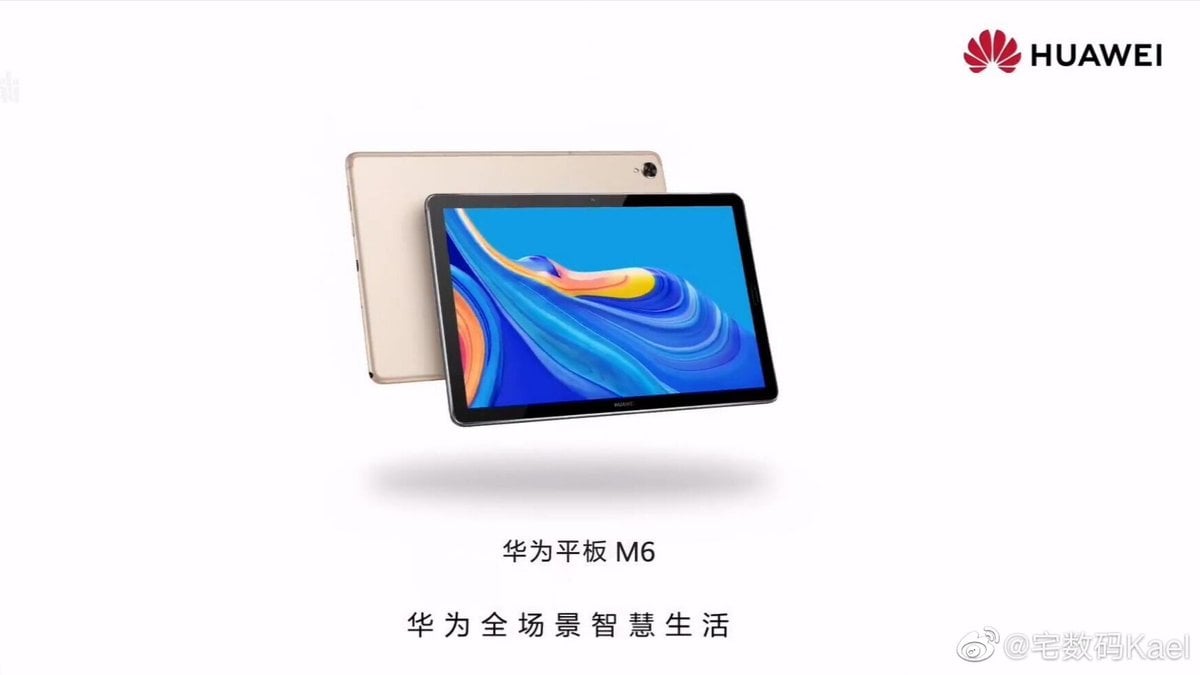
It has been more than a year since Huawei announced the MediaPad M5 series, with the exception of the MediaPad M5 Lite which was announced in September 2018. A new info says that Huawei will announce the MediaPad M6 alongside the Nova 5 on June 21.
The info comes from Slashleaks contributor @Rodent950 who shared a poster of the upcoming tablet on Twitter. The poster was originally uploaded on Weibo by @宅数码Kael (Home Digital Kael) and it shows the upcoming tablet.
Thanks to the poster, we know the device will have even bezels surrounding it. It will also have a single rear camera and a USB Type-C port. Another key info we can make out from the image is a 3.5mm audio jack. This is a big deal since Huawei removed the audio jack o the MediaPad M5.
The MediaPad M6 will come in Champagne Gold as shown in the image but there should be at least one more color variant. We also expect it to come with the Kirin 970 chipset, have quad-speakers and a fingerprint scanner, and run EMUI 9 based on Android Pie.
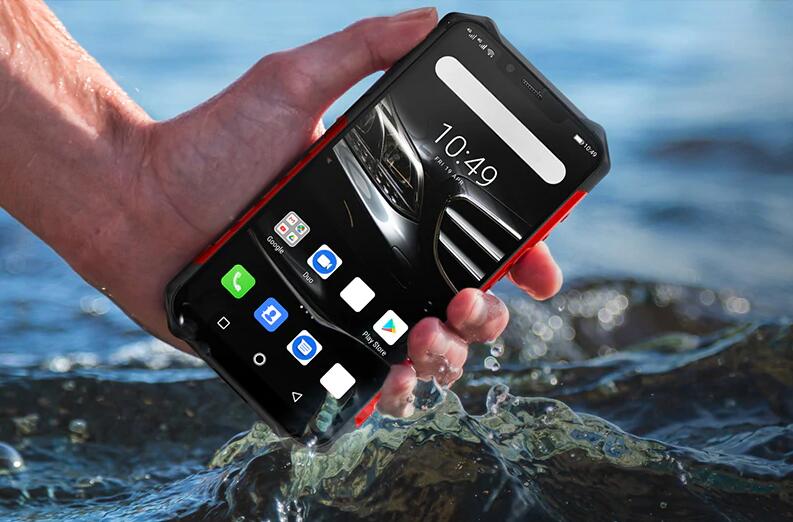
Gizmochina along with GearBest is conducting 1 unit Ulefone Armor 6E Smartphone as giveaway gift to a lucky reader. Like always, you just have to follow the steps mentioned on the Rafflecopter widget to get a chance to win this amazing gift.
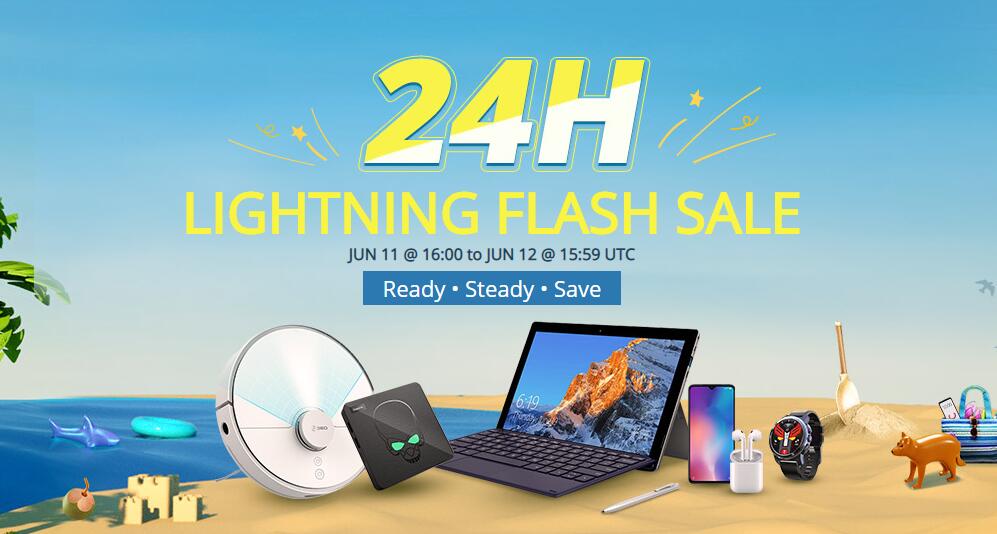
GearBest is holding Mid-Year Mega Sale, which offers great discount for most of brand products, such as Xiaomi, Amazfit, Teclast, Cubot, Alfawise and so on. What’s more, you can get OnePlus 7 Pro(8+256GB) Smartphone, Xiaomi Mi 9(6+64GB) Smartphone, 360 S6 Vacuum Cleaner, CHUWI AreoBook Laptop and other top best sellers with lower price on the 24H Lightning Flash Sale page.
Ulefone Armor 6E comes with 6.2-inch notch screen, having the resolution of 2240 x 1080 pixels. Powered by Helio P70 chipset and ARM Mali-G72 MP3 GPU, Ulefone Armor 6E runs smoothly. In camera department, the handset ships with 16MP+2MP rear camera and 8MP front-facing camera with AI capabilities, which can take beautiful and satisfying photos. Ulefone Armor 6E arrives with 4GB of RAM and 64GB of internal storage, which is enough for daily use. What’s more, the handset is fueled by 5000mAh battery, which can be used for two days with one charge in moderate use.
You can click here to get more information about the Ulefone Armor 6E smartphone.
Share this giveaway contest on Facebook, Twitter and Reddit.
Terms & Conditions:
1. The giveaway is an international giveaway. 2. We are not responsible for lost shipments. 3. We are not responsible for any duties, import taxes that you may incur. 4. We reserve all rights to make any changes to this giveaway. 5. The prize will be shipped in a month when the giveaway end.
Just follow the steps mentioned in the Rafflecopter widget to participate in the giveaway.
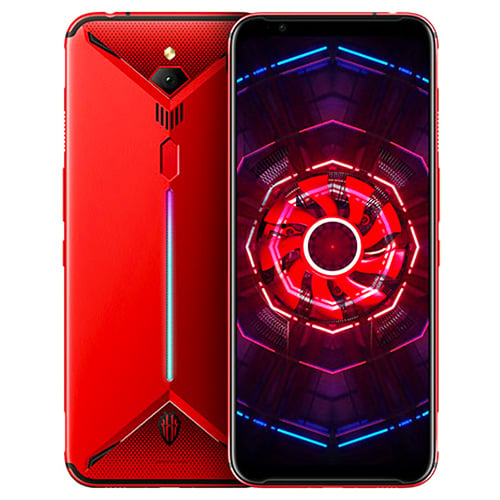
The Nubia Red Magic 3 gaming phone will be debuting in India on June 17. Nubia had launched it first in China in April as the successor to Red Magic Mars smartphone that was unveiled last year. In India, it will be rivaling with the recently launched Black Shark 2 gaming phone from Xiaomi. The Black Shark 2 has been released in India with a starting price of Rs. 39,999 (~$576). Leaked information shared by 91mobiles reveal that the starting variant of the Red Magic 3 could be priced at Rs. 36,999 in India.
According to the report, Nubia wants to aggressively price the Red Magic 3 smartphone in India. Hence, there is a possibility that it could be priced lower than Rs. 36,999 (~$533). In India, the 8 GB RAM edition of the OnePlus 7 is selling for Rs. 37,999 (~$547). Probably, the pricing of the Red Magic 3 could be closer to the starting model of the OnePlus 7 (6 GB RAM + 128 GB storage) that is selling for Rs. 32,999 (~$475) in the country.
In China, the Red Magic 3 was introduced in four variants such as 6 GB RAM + 64 GB storage, 6 GB RAM + 128 GB storage, 8 GB RAM + 128 GB storage and 12 GB RAM + 256 GB storage. They are respectively priced at 2,899 Yuan (~$419; Rs. 29,088), 3,199 Yuan (~$462; ~Rs. 32,098), 3,499 Yuan (~$505; ~Rs. 35,108) and 4,299 Yuan (~$521; ~Rs. 43,185). It remains to be seen whether Nubia will be bringing all the variants of the Red Magic 3 smartphone to India.
Red Magic 3 Specifications
The Red Magic 3 features a 6.65-inch AMOLED display that offers 19.5:9 aspect ratio and full HD+ resolution. The smartphone is fitted with a selfie camera of 16-megapixel. Its rear shell features an RGB-lit strip, a rear camera of 48-megapixel and a fingerprint scanner. The rear camera can shoot 8K videos and 1920 fps super slow-motion videos. The Red Magic 2.0 UI flavored Android 9 Pie OS comes loaded on the device.
The Snapdragon 855 chipset powers the Red Magic 3 smartphone. Its massive 5,000mAh battery supports 27W rapid charging through USB-C. The cooling system of the smartphone includes a cooling fan. It features a 3.5mm audio jack and it lacks support for a microSD card slot.
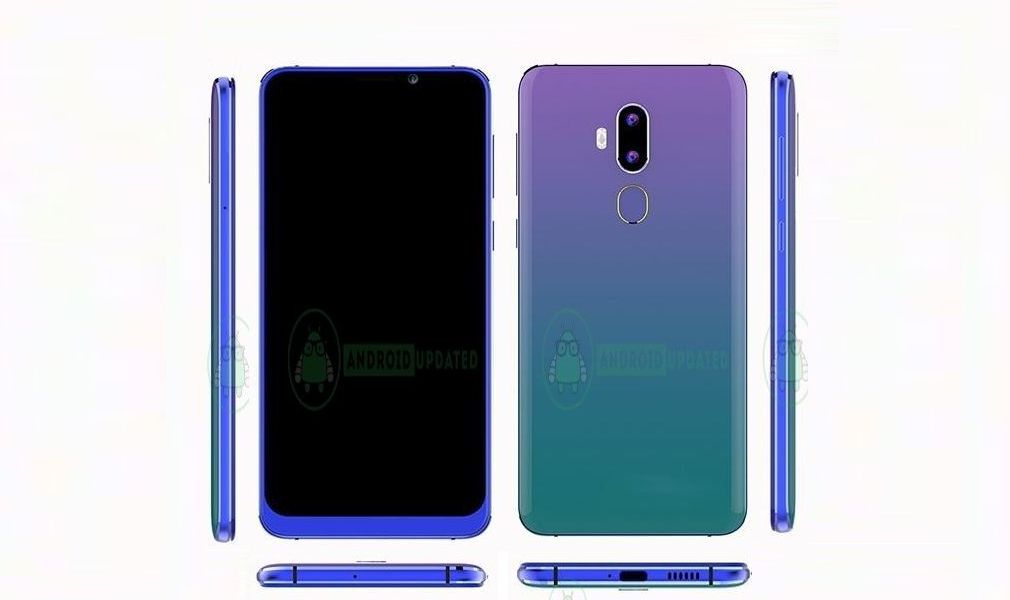
A fresh leak reveals that a X-series Vivo phone called Vivo X15 may go official soon in China. The source that has leaked information on the existence of the Vivo X15 has also shared some renders to reveal its design from all angles. Vivo’s X-series includes high-end phones such as Vivo X27, Vivo X27 Pro and Vivo X23. However, the appearance of the Vivo X15 reveals that it could be an affordable smartphone.
The upper bezel of the display is not clearly visible in the render. However, the source claims that it features a wide notch. The chin of the device is also quite thick. The upper edge of the phone seems to be barren whereas its bottom side is equipped with a USB-C port and an external speaker. The smartphone lacks a 3.5mm audio jack.
A volume rocker and a power key are located on the right side of the Vivo X15. There is a SIM card slot available on the left spine. It is difficult to determine whether the gradient colored rear of the phone is made out of polycarbonate material or glass. It is equipped with a vertical dual camera setup and a dual-tone LED flash. A fingerprint scanner is also available on the rear shell of the device. At present, there is no information on the specifications of the Vivo X15 smartphone.
Vivo has recently launched the Vivo Z5x mid-range smartphone in China. It is the company’s first smartphone to feature a punch-hole display. The handset houses a 6.53-inch display that supports full HD+ resolution. The Snapdragon 710 chipset is present under the hood of the device with up 8 GB of RAM. The highest variant of the phone features 128 GB of native storage.
The Vivo Z5x is equipped with a 16-megapixel + 8-megapixel + 2-megapixel triple camera setup and a frontal shooter of 16-megapixel. The smartphone is packed with a behemoth battery of 5,000mAh capacity that carries support for 18W charging. In China, it comes in four models such as 4 GB RAM + 64 GB storage, 6 GB RAM + 64 GB storage, 6 GB RAM + 128 GB storage and 8 GB RAM + 128 GB storage. They are respectively priced at 1,398 Yuan (~$202), 1,498 Yuan (~$216), 1,698 Yuan (~$245) and 1,998 Yuan (~$289). It is speculated that the Vivo Z5x will be debuting soon in India.
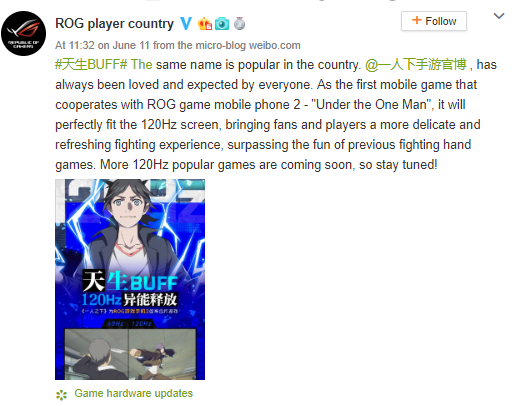
ASUS had announced the ROG Phone gaming smartphone in June 2018. Hence, the arrival of its successor is overdue. The Taiwanese firm has now confirmed that the ROG Phone 2 will be arriving with a display that will offer a refresh rate 120 Hz. Now that the company has started sharing official information on the ROG Phone 2, its arrival could be close at hand.
ASUS has collaborated with “Under the One Man” game from China and has said that its next ROG Phone will offer increased refresh rate. The firm has also promised that upcoming games will be enhanced to deliver 120 Hz experience. The ROG Phone that had released last year supported 90 Hz refresh rate. The ROG Phone 2 will be third phone apart from Razer Phone and Razer Phone 2 to arrive with 120 Hz display.
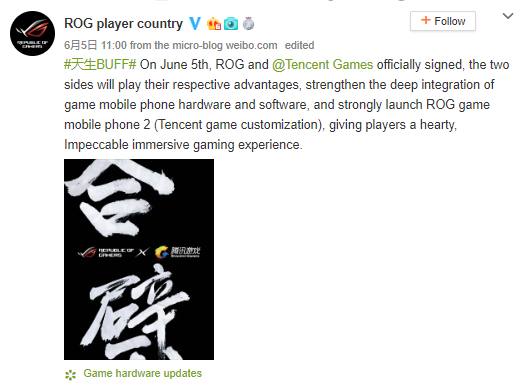
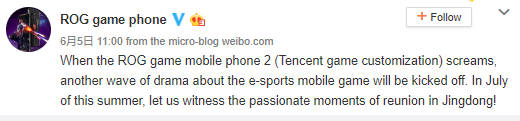
The Taiwanese firm had recently confirmed through Weibo that it will be working with Tencent Games for the ROG Phone 2. The Chinese gaming firm will assist in enhancing the gaming experience on the upcoming ROG phone.
The other specifications of the ROG Phone 2 are currently under the wraps. However, it is being speculating that the Snapdragon 855 chipset will be present under the hood of the ROG Phone 2. Also, its highest configuration model could be equipped with 12 GB of RAM. There is a possibility that the smartphone may come with a robust heat dissipation system and it may sport a better design. ASUS has also mentioned in a Weibo post that the ROG Phone 2 will be launching in July. However, the exact launch date is yet to be disclosed.
The ASUS ROG Phonev from last year came with 6-inch AMOLED display with 18:9 aspect ratio, Snapdragon 845 chipset and 8 GB of RAM. It did not feature a microSD card slot but came in bigger internal storage options of 128 GB and 512 GB. The smartphone featured 12-megapixel + 8-megapixel dual camera setup and a selfie camera of 8-megapixel. It houses a 4,000mAh battery that supported 30W fast charging. For heat dissipation, it featured a carbon cooling pad, copper heat spreader and 3D vapor-chamber. It delivered enhanced gaming experience through built-in ultrasonic sensors that were dubbed as Air Triggers.
Huawei has been cruising pretty well in these trying times, but it’s clear the ban has taken some toll on them. A senior executive for the company came out during the CES Asia technology show and gave us a glimpse into the status of the company. According to him, Huawei’s plans to become the top smartphone manufacturer in the world may have to wait.
We would have become the largest in the fourth quarter (of this year) but now we feel that this process may take longer,” said Shao Yang, chief strategy officer of Huawei Consumer Business Group, without elaborating on reasons. He also claimed that Huawei currently still sells 500,000 to 600,000 smartphones a day in a speech at the CES Asia technology show in Shanghai.
Huawei may be in a pretty bad spot at the moment, but things aren’t all bad. They’ve been pushing for more developers to put their apps on the Huawei AppGallery, and their upcoming OS is also in the works. It’s still nothing great, but it could be much worse for the company right now. As for how long Huawei can keep this up, we’re not sure.
Earlier this year, the beleaguered Chinese manufacturer overtook Apple as world number two and said it believed it would overtake Samsung “earliest this year, and next year at the latest.” This was despite the fact it has effectively been frozen out of the US market on national security grounds.
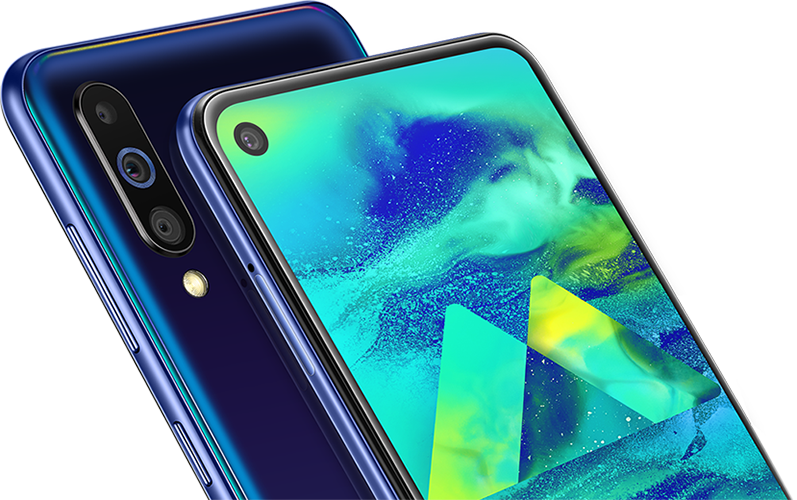
Samsung‘s new smartphone, the Galaxy M40, is now official, and unlike the other M-series smartphone, this is powered by a Snapdragon processor. Not just any Snapdragon processor but the Snapdragon 675. It also brings along some other upper mid-range features and a surprising price tag.
The Galaxy M40 starts at INR 19,990 (~$280). To keep the price low, Samsung has equipped it with a PLS Infinity-O display and not a Super AMOLED type. The screen has a punch hole in the top left corner just like the 2018 Galaxy A8s and is covered with Gorilla Glass. However, it doesn’t come with a speaker at the top for calls but pumps out sounds by vibrating the screen (Screen Sound Technology).
There is 6GB of RAM and 128GB of expandable storage paired with the processor. A MicroSD card slot (hybrid) will let you add up to 512GB of additional storage. Inside the notch is a 16MP f/2.0 camera while the rear is home to vertically stacked triple cameras.
The primary camera is a 32MP f/1.7 sensor and it is paired with a 5MP f/2.2 Live Focus camera and an 8MP 123° ultra-wide angle camera. It can record slow-mo videos at 240fps as well as hyper-lapse videos. The Galaxy M40 has Widevine L1 certification and Dolby Atmos 360° surround sound. Sadly, it doesn’t have an audio jack but Samsung has included a pair of Type-C earphones in the box.
The M40 has a 3500mAh battery with support for 15W fast charging. It has a rear-mounted fingerprint scanner but also supports Face Unlock. The phone runs One UI based on Android Pie out of the box, has NFC, and Bluetooth 5.0.
It comes in two color variants (pictured above) and will go on sale on June 18 at 12 noon.
Do the above specs sound familiar? Yes, they do. These are the exact specifications as the Galaxy A60 which is sold in China.
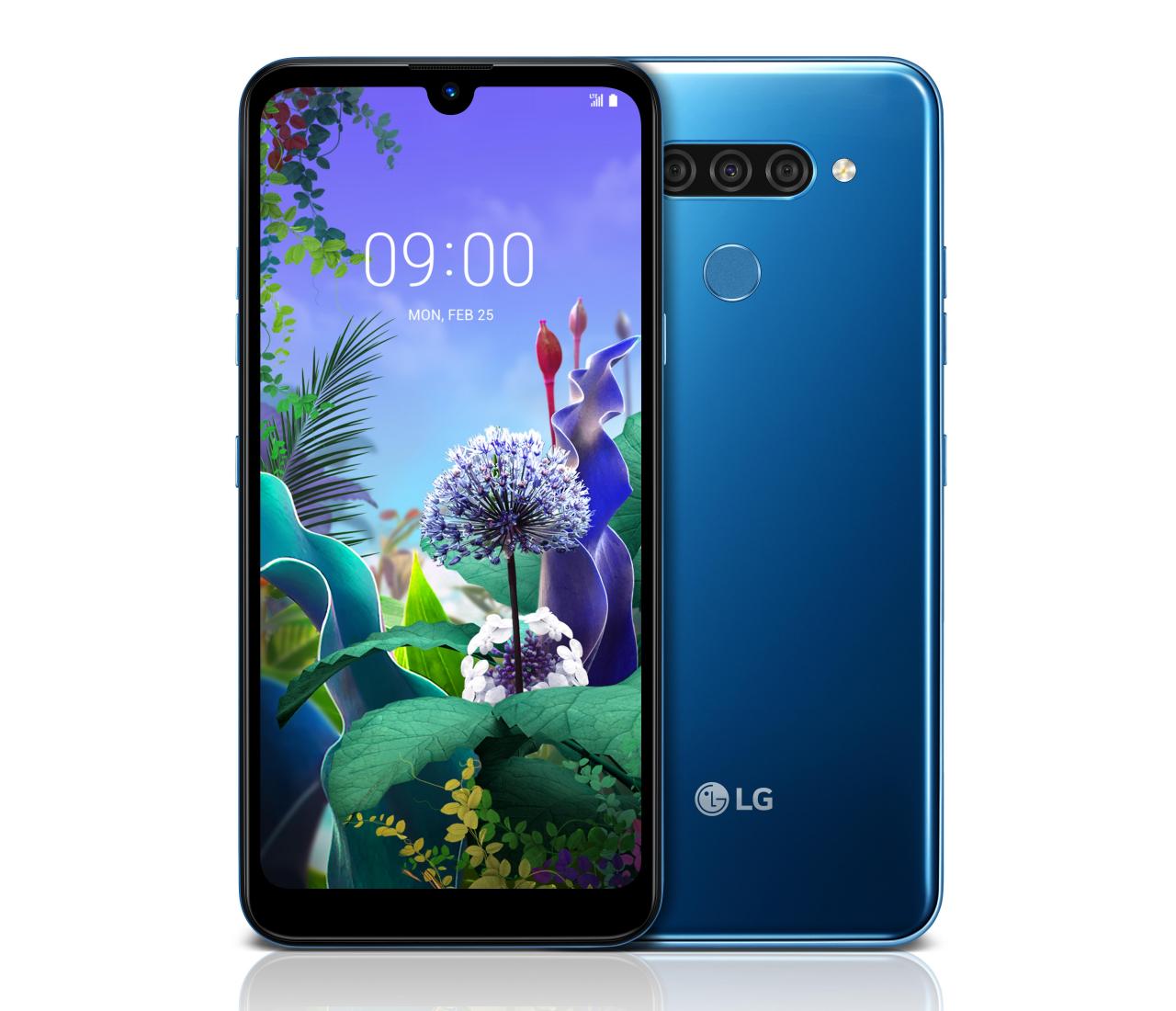
LG has announced a new phone in its home country of South Korea. The phone which is called the LG X6 is actually a rebranded LG Q60. The Q60 was announced back in February at MWC alongside the LG K40 and LG K50.
The LG X6 has a 6.26-inch LCD display with a waterdrop notch at the top and a thick lower bezel. LG’s upcoming W-series smartphone will be its third phone with a waterdrop notch. The X6 is powered by the Helio P22 processor and paired with 3GB of RAM and 64GB of storage.
The phone has a 13MP selfie camera and 16MP + 5MP + 2MP triple rear cameras arranged horizontally just like on the LG G8 ThinQ. The 5Mp camera is a 120° ultra-wide angle camera while the 2MP camera is a depth sensor. Below the cameras is a fingerprint scanner. There is also a dedicated Google Assistant button on the side, DAC, DTS:X audio with 7.1 surround sound. It also has NFC with support for LG Pay and like a bunch of LG phones, this is also MIL-STD 810G compliant.
The LG X6 runs LGUX7 based on Android Pie and packs a 3500mAh battery. It comes in New Moroccan Blue and Aurora Black with a price tag of KRW 349,800 (~$296).
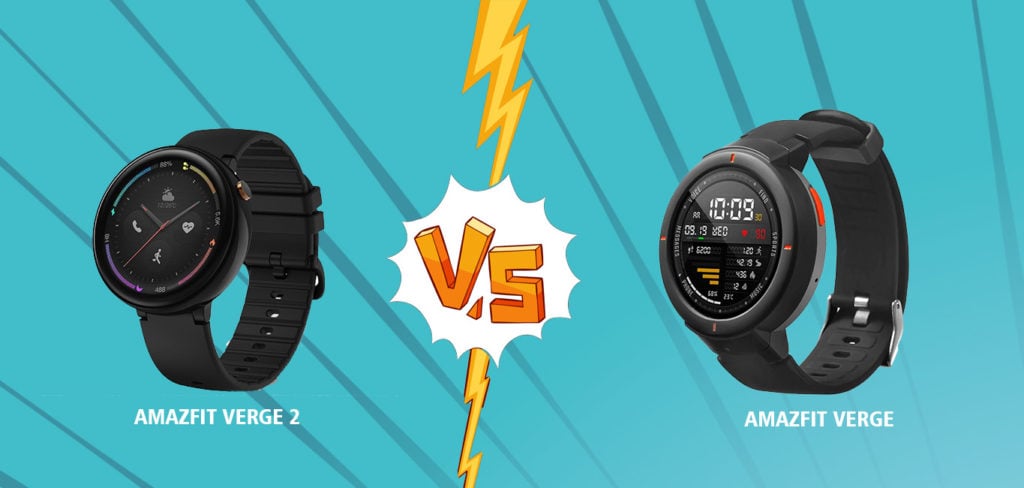
Xiaomi’s smart wearable device arm, Huami unveiled the next generation Amazfit Verge 2 smartwatch in China. The new smartwatch is facilitated with various new advancements, including the latest premium design, improved hardware, and enhanced battery life. Today, we will compare the Huami Amazfit Verge and Amazfit Verge 2 to help you know the actual difference between both the devices.
Huami has always remained the best choice for the users who do not want to spend a lot on buying other premium smartwatches. Due to affordability and Xiaomi’s vast supply chain, Huami controls 12.1 percent of the total smartwatch sales accounting for more than 50 million units.
Huami Amazfit Verge vs. Amazfit Verge 2
Huami Amazfit Verge
Huami Amazfit Verge 2
Weight
46 grams
46 grams
Display
1.3 inches, 360 x 360p, AMOLED
1.39-inch AMOLED, 454 x 454pixels
Processor
dual-core 1.2 GHz
Snapdragon Wear 2500 1.1GHz
Memory
512 MB RAM, 4 GB ROM
512 MB RAM, 4GB ROM
Connectivity
Wi-Fi, Bluetooth 4.0 LE, GPS, GLONASS
NFC, Bluetooth 4.2+BLE, WiFi, GPS, GLONASS,
Additional Sensors
Heart rate sensor, air pressure sensor, geomagnetic sensor
Huami is making fitness bands since the first Xiaomi Mi Band. A couple of years ago, Huami diversified the portfolio by introducing wearables under its Amazfit brand. The Amazfit Verge received excellent response last year from the users, and now here’s the Amazefit Verge 2. It carries features such as real-time ECG monitoring. There are several other progressions in the Amazfit Verge 2. Let’s discuss the major changes in the improved yet new smartwatch.
Design and Build
Huami has always maintained build quality across its wearable portfolio. The newly launched Amazfit Verge 2 also follows the same footsteps. Amazfit Verge 2 comes with a premium designed round dial and skin texture. It is crafted with Microcrystalline zirconium ceramic body with extremely high hardness. It takes 35 days of precision processing and 24 complex methods to build the ceramic body. Amaze Verge 2 weighs 40 grams and measures 22.60 x 4.30 x 1.26 cm. Unlike the polycarbonate chassis build on the predecessor, Amazfit Verge 2 carries premium material making the smartwatch more durable.
Both the watches have an IP68 rating for a splash and dust-proof experience. A silicone strap is available with the Verge 2 smartwatch, whereas the Silicone+ leather hybrid strap is added on the ECG version.
Display
The Verge 2 features a 1.39-inch AMOLED color display with the resolution of 454 x 454 pixels, whereas its predecessor measures at a 1.3-inch display with the resolution of 360 x 360 pixels. The new display flaunts retina-grade pixel density of 326 PPI. There’s a significant change in the display of both the watches.
Software & Hardware
The Amazfit Verge 2 features a Snapdragon Wear 2500 series processor clocked at 1.1 GHz. It comes with a 512 MB RAM and 4GB eMMC storage. The watch combines the inbuilt e-SIM technology compatible with all Chinese carriers for 4G VoLTE services. However, the Amazfit Verge sports a dual-core 1.2 GHz processor with the same RAM and storage configurations. In addition to the heart rate monitoring and multi-sport tracking, the new watch supports PPG & ECG monitoring and built-in Alipay offline payment support using NFC.
In the software department, the watch supports ten different sports activities like running, walking, riding, mountaineering, football, etc. The company has even teamed up with the Tencent to bring various services like music streaming, live translation, and QQ chat features on the watch. It is compatible with any device running Android 4.4+ and iOS 9.0.
Battery
Amazfit Verge 2’s 420 mAh battery can sustain up to 28 hours while using the 4G services. The backup will considerably improve if you turn off the e-SIM services. It can remain on standby for 20 days upon full charge. Surprisingly, its predecessor gives better battery backup due to the absence of heavy features. Amazfit Verge lasts five days with regular usage.
Price
Considering the price of Amazon Verge 2, it is a steal deal with a small increment over the Amazon Verge. The Amazfit Verge 2 standard version is available for 999 Yuan ($144), whereas its predecessor was made available for $116. However, this time, users can also own an Avengers limited edition for 1499 Yuan ($216) and the ECG version for 1299 yuan ($187). Only 5000 units are available for the Avengers limited edition.
Amazfit Verge 2 is already up for pre-orders and is scheduled to go on sale in July.
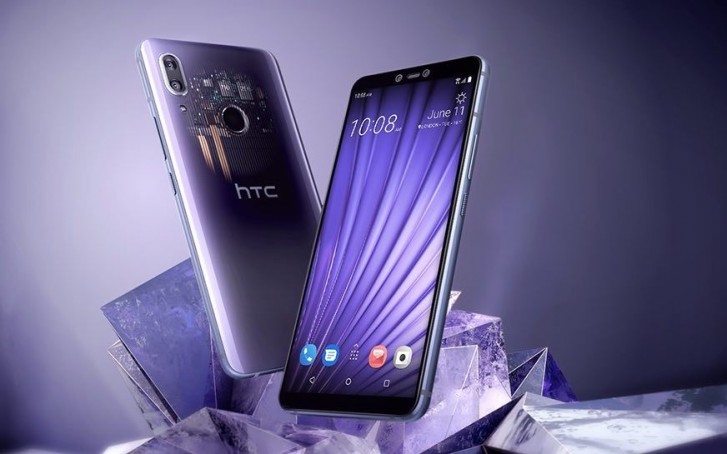
HTC recently announced that it would hold a launch event in Taiwan on June 11. Keeping true to its word, the tech giant has launched two new smartphones. The models are named HTC U19e and Desire 19+ and both fall in the mid-range segment.
HTC U19e
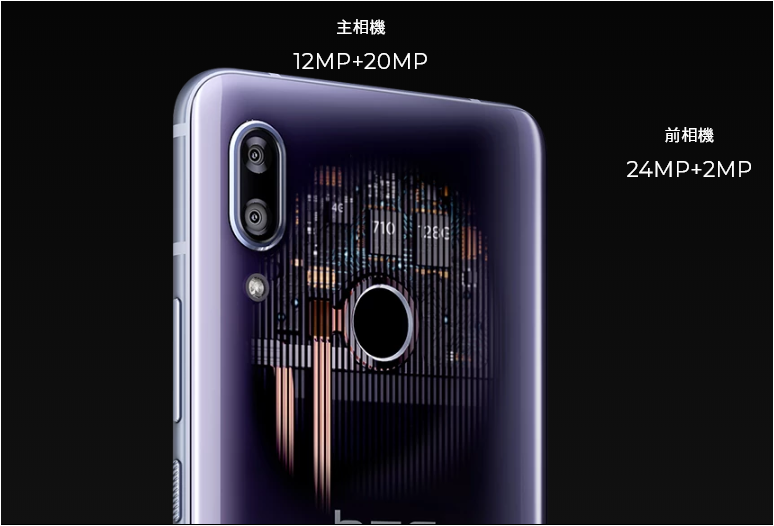
The HTC U19e features a 6.0-inch OLED display with a resolution of 1080×2160 pixels. The display uses the 16:9 aspect ratio with no notch at the top. Thus, the bezels art the top and bottom edges are quite sizable. There are two camera sensors at the top bezel. One is the selfie camera which is a 24MP f/2.0 shooter while the second one is a 2MP Iris scanner for secure unlock.
The HTC U19e is powered by a Qualcomm Snapdragon 710 chipset paired with 6GB of RAM. The phone also comes with 128GB of internal storage and a 3,930mAh battery.
At the rear, the U19e packs a dual camera setup housing a 12MP sensor with f/1.8 aperture, teaming up with a 20MP f/2.6 2x telephoto camera. The rear panel seems to have a transparent design which shows the internals. There is equally a rear-mounted fingerprint sensor.
The U19e comes in two colours: Extraordinary Purple and Modest Green. The device comes with a price tag of TWD 14,900 (~$477).
HTC Desire 19+
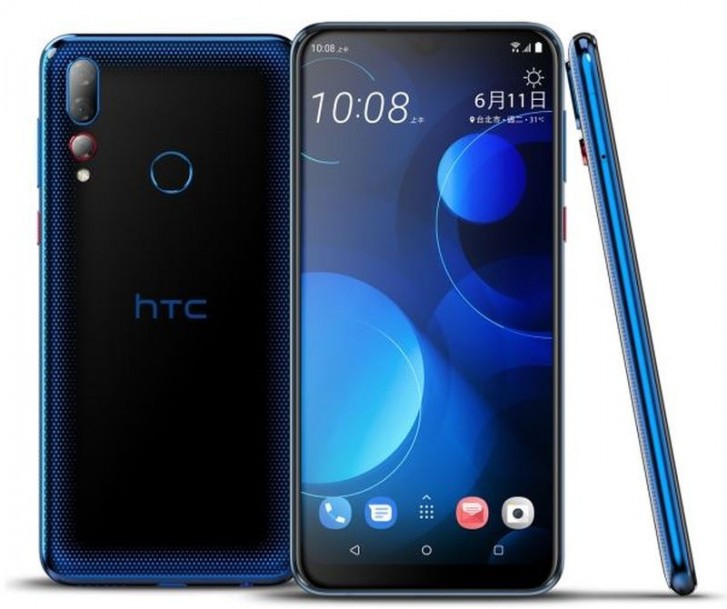
On its part, HTC Desire 19+ packs a 6.2-inch HD+ display with a water-drop notch. The waterdrop notch houses a 16MP selfie camera.
The device is powered by a MediaTek Helio P35 chipset with 4GB or 6GB of RAM. The 4GB RAM version comes with 64GB storage while the 6GB RAM version packs a 128GB storage. Keeping the lights on is a 3,850mAh battery.
The Desire 19+ packs a triple camera sensor at the rear. The three cameras are stacked at the top right corner in a vertical alignment. The rear camera setup is comprised of a 13MP main sensor, 8MP ultrawide angle and a 5MP depth sensor.
The HTC Desire 19+ is expected to go on sale in Taiwan in early July with a price tag of TWD 9,990 (~$318) for the 4GB+64GB model and TWD 10,990 (~$350) for the 6GB+128GB model.
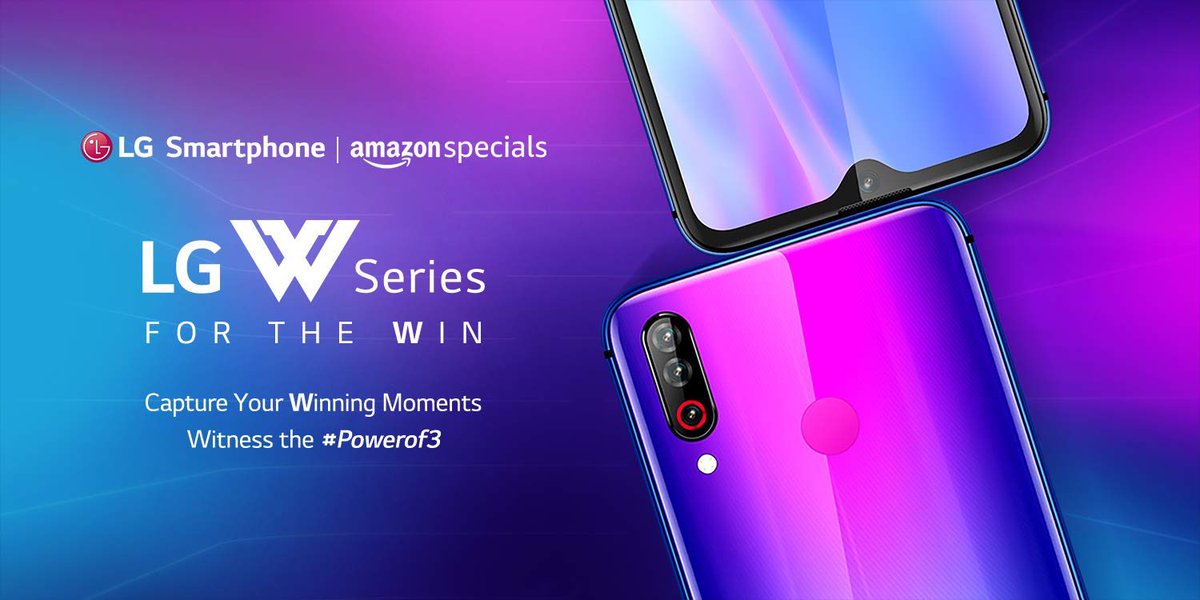
The LG W series is an upcoming line of smartphones destined for India. The new smartphones will be sold online only according to reports and Amazon India seems to be the exclusive partner.
Based on a landing page on Amazon, we already know what one of the phones will look like as well as some of its features. Now, more details have surfaced and they include some key specs.
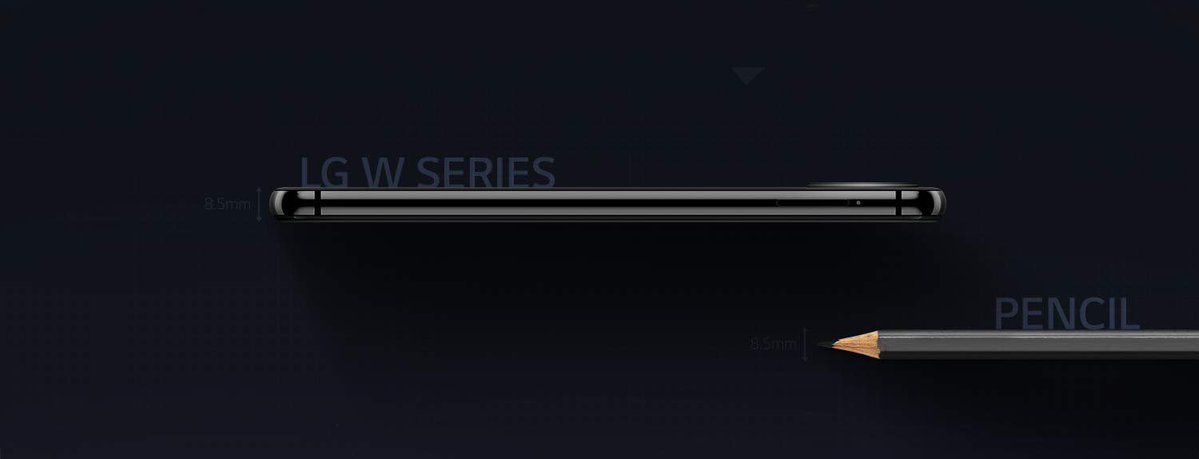
As a refresher, the LG W series smartphone will have a waterdrop notch, triple rear cameras, and a fingerprint scanner on the back. It will also come in three color variants with a gradient finish. The new info says the phone will have a thickness similar to that of a pencil.
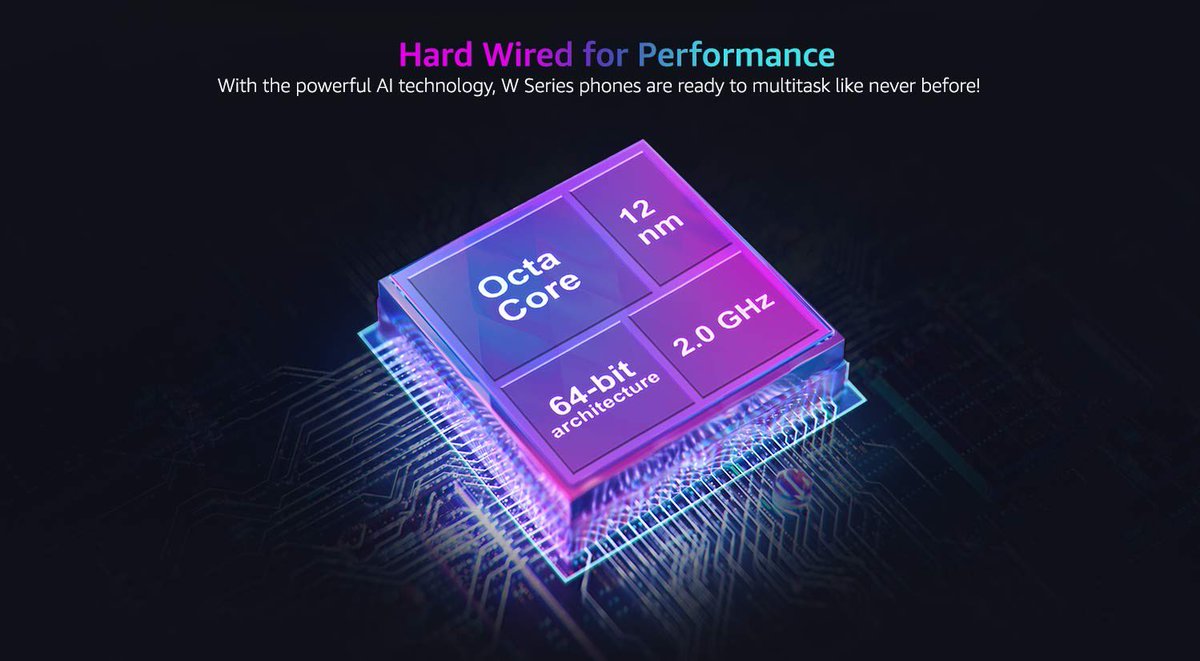
It has also been revealed that the phone will be powered by a 12nm octa-core processor clocked at 2.0GGHz. Now, there are a couple of processors that fall under this category. There are MediaTek’s Helio P22 and Helio P60 processors. There is also Qualcomm’s Snapdragon 439 processor. We are not sure which of these chipsets it is but since it also states there will be a focus on AI, it might just be the Helio P60.
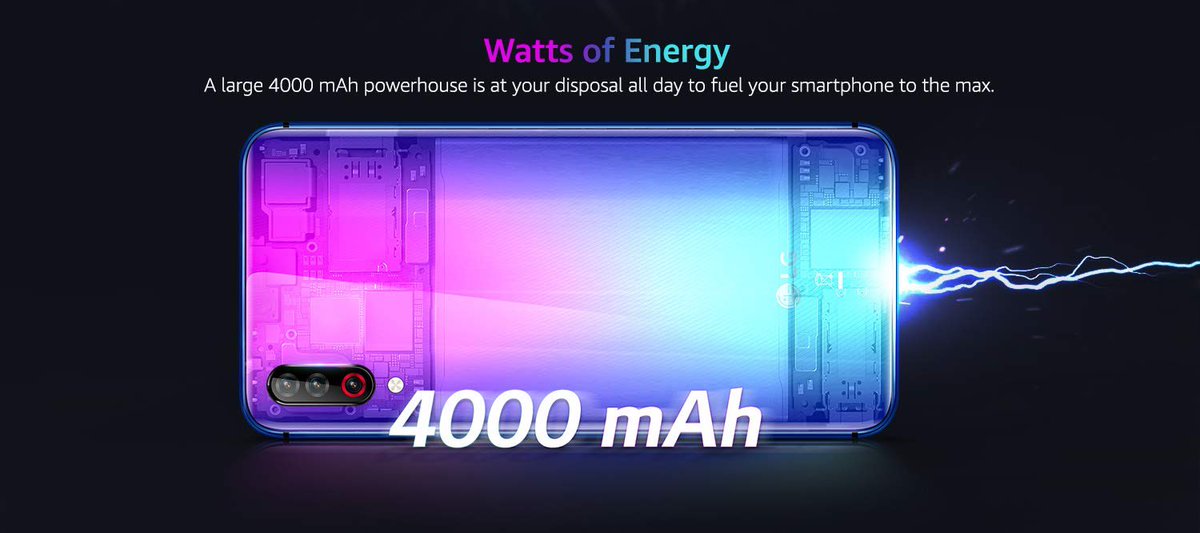
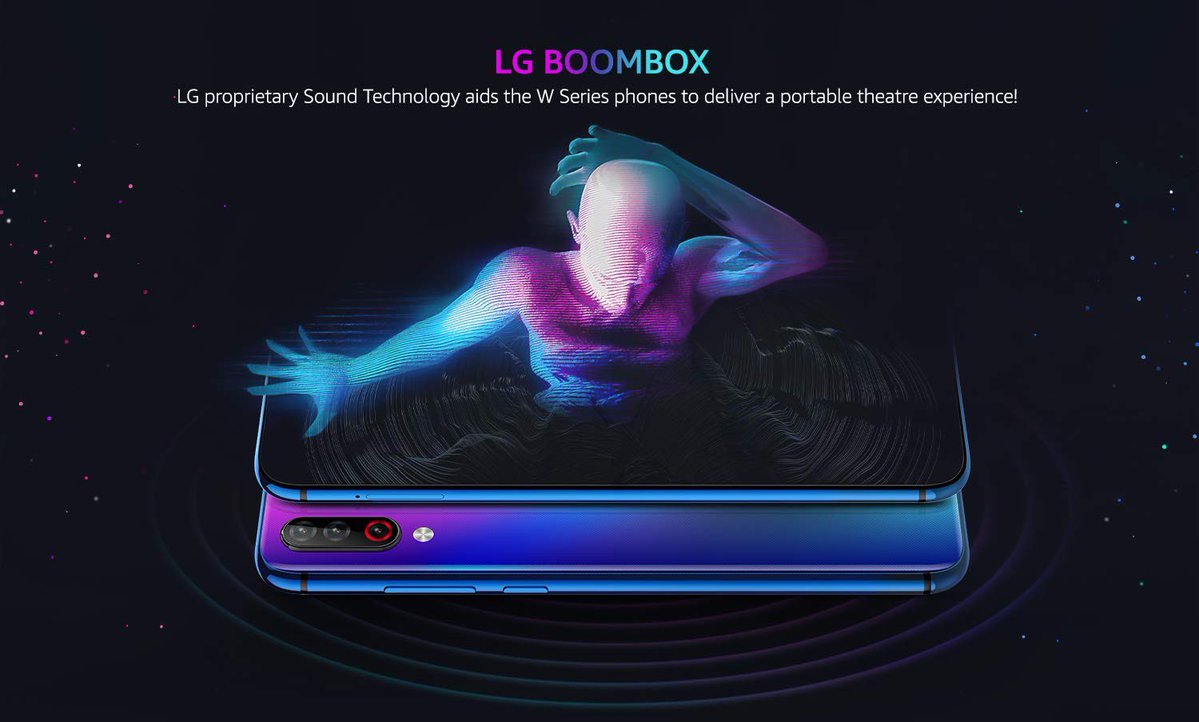
The LG W series smartphone will pair that chipset with a 4000mAh battery that should last a whole day on a single charge. It will also have LG’s Boombox proprietary sound technology.
LG will ship the phone with Android 9 Pie out of the box. However, we hope it will get an update to Android Q when it is official and also receive regular security updates.
There is still no news of when the phone will launch or how much it will cost. The landing page on Amazon does say the phone will have a “pocket-worthy price tag” and “never before prices”, so we are optimistic, it won’t break the bank.
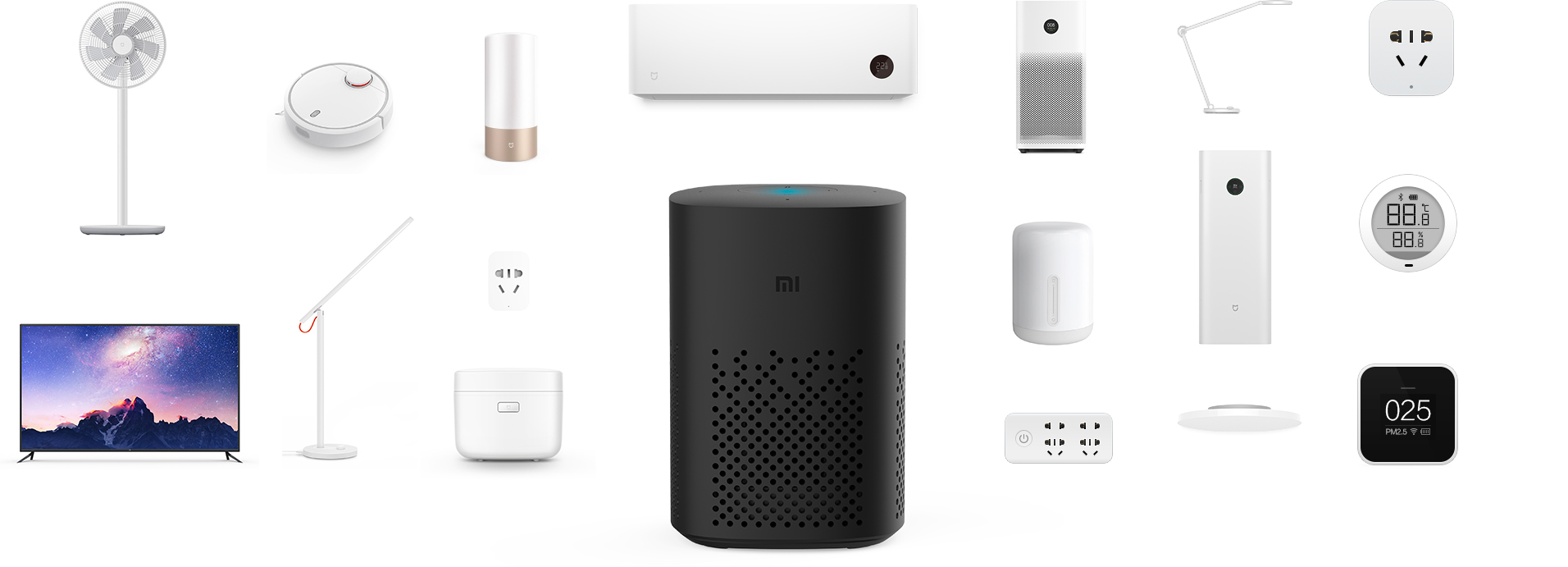
Xiaomi has announced two new smart speakers today. The smart speakers – the Xiao Ai Speaker Universal Remote Edition and Xiao Ai Speaker Play are powered by its Xiao Ai assistant.
Xiao Ai Speaker Universal Remote Edition
The smart speaker comes in black with a rectangular prism design. On the top are the controls which include the play/pause button, volume control buttons and the microphone mute button. It weighs 468 grams and is 140 millimeters tall.
The smart speaker’s main function is its ability to control several smart home products. Xiaomi says it can control up to 5000 different smart home products. It is able to connect to these products either via Wi-Fi, Infrared, and Bluetooth. For example, it can connect to the Mijia Bluetooth Temperature and Humidity sensor and you can ask the speaker what the temperature or humidity is and it will get the readings from the sensor. That way, you don’t have to get up to check the readings on the sensor or open the Mijia app to view the readings.
Xiaomi says the Bluetooth gateway feature will be available via an OTA update in August.
The speaker has a 360° far-field microphone that is able to pick up your voice commands from any corner of the room. it also has 4 built-in infrared sensors that allow it to control appliances as far as 10 meters away.
There are lots of other features for all members of the family. It has access to several internet radio stations, a database of stories and rhymes for kids, and music streaming services.
The speaker connects via 2.4GHz Wi-Fi and Bluetooth 4.1. It charges via a Micro USB port and ships with a 5V/2A charger. It is priced at ¥199 (~$29) and is available for pre-order on the Youpin store and will go on sale tomorrow.
Xiaomi Xiao Ai Speaker Play
This speaker has the same rectangular prism design but comes in white. It can also control several smart products from different brands including Phillips and AUX but connects only via Wi-Fi.
Just like the Universal Remote Edition, the Xiao Ai Speaker Play can stream music, read stories to kids, and stream from several internet radio stations.
It is priced at ¥169 (~$24) and will be available for purchase on June 18 on Mi.com.
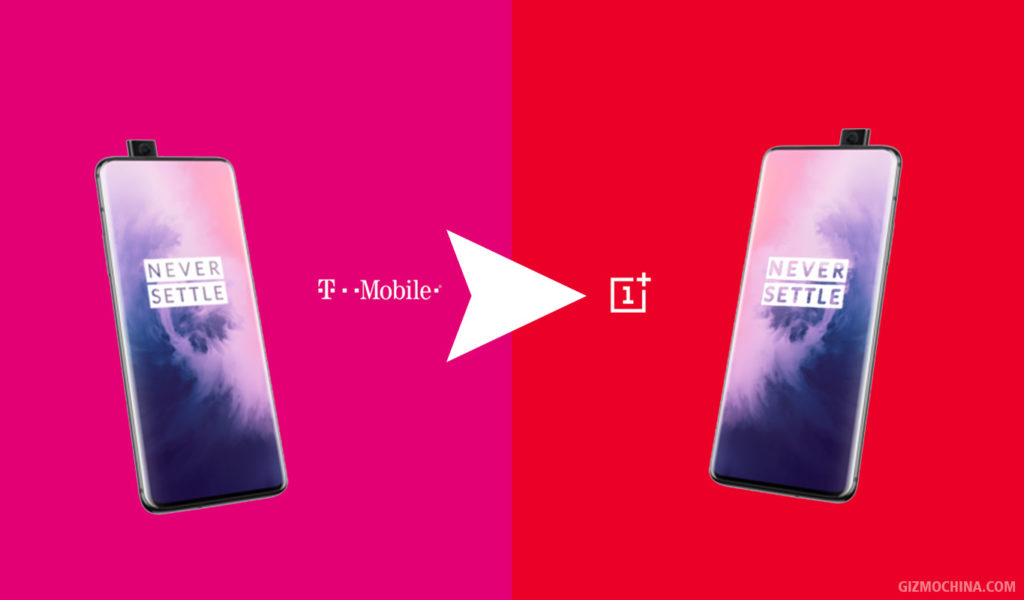
It is always quite tricky to convert a carrier locked device to the International version. It involves various steps that you should follow very carefully. After guiding you to unlock bootloader and Install TWRP recovery on OnePlus 7 Pro device, today we will help you to convert the T-Mobile based OnePlus 7 Pro to the International variant.
OnePlus launched the new flagship smartphone series last month featuring specifications like Qualcomm Snapdragon 855, fast charging, and QHD display. For the first time, OnePlus unveiled two new smartphones – OnePlus 7 and OnePlus 7 Pro to answer the increasing expectations from fans. It features a 6.67-inches Quad HD+ Fluid AMOLED display at 3120×1440 pixels resolution and an aspect ratio of 19.5:9. The device is available in three different variants: 6GB+128GB, 8GB+256GB, 12GB+256GB. The triple rear camera setup sports a 48MP+8MP+16MP sensors, and on the front there’s a 16MP pop-up selfie camera.
The conversion to a global variant facilitates users with global updates. Rather than waiting for the carrier to roll out update after several months, the user can easily enjoy the global updates directly from the OEM. It also allows users to install Magisk modules as these don’t work on the T-Mobile firmware.
Guide to convert T-Mobile OnePlus Pro 7 to International Variant
Then, installTWRP Recovery on OnePlus 7 Pro. Note: don’t reboot the system, the device will boot itself into the TWRP recovery.
Unplug from PC once device auto boots into TWRP.
Now transfer the 9.5.3 OTA zip to USB OTG and attach it to your phone.
In TWRP, select Install > Storage > USB, and then tap the 9.5.3 OTA zip to install it (Installation will take some time). Note:Do not reboot until the process completes. Also, it may have some errors but in the end, everything will be fine.
Now switch slots, if you selected the fastboot –set active=b then now select fastboot –set active=b. Also, flash TWRP again on the new slotusing this guide. Note: Make sure to select a different slot than before flashing TWRP.
Once again back in TWRP, select Install > Storage > USB, and then tap 9.5.3 OTA zip to install it (Installation will take some time).
Now on both slots, now we have OOS 9.5.3.
Reboot your device.
As expected, the phone will loop back to the stock recovery, after replacing the TWRP.
Now, select English > Wipe data and Cache and Erase everything (Music, Files, Pics).
Now Reboot system and you will find Global OxygenOS 9.5.3 running on your system.
We hope you have successfully booted OnePlus 7 Pro with the International firmware version. If you have any problem or issue, let us know via comments below.
We use cookies on our website to give you the most relevant experience by remembering your preferences and repeat visits. By clicking “Accept”, you consent to the use of ALL the cookies.
This website uses cookies to improve your experience while you navigate through the website. Out of these, the cookies that are categorized as necessary are stored on your browser as they are essential for the working of basic functionalities of the website. We also use third-party cookies that help us analyze and understand how you use this website. These cookies will be stored in your browser only with your consent. You also have the option to opt-out of these cookies. But opting out of some of these cookies may affect your browsing experience.
Necessary cookies are absolutely essential for the website to function properly. This category only includes cookies that ensures basic functionalities and security features of the website. These cookies do not store any personal information.
Any cookies that may not be particularly necessary for the website to function and is used specifically to collect user personal data via analytics, ads, other embedded contents are termed as non-necessary cookies. It is mandatory to procure user consent prior to running these cookies on your website.