Advertisement

This is how Samsung may fix the Galaxy Fold foldable smartphone

Samsung’s ambitious and futuristic smartphone — Samsung Galaxy Fold, the company’s first foldable smartphone, was finally unveiled a couple of months ago after being in development for years.

However, just days before the phone’s launch, the company postponed the sales of the Galaxy Fold smartphone based on the feedback received from the early users of the device regarding issues with the display.
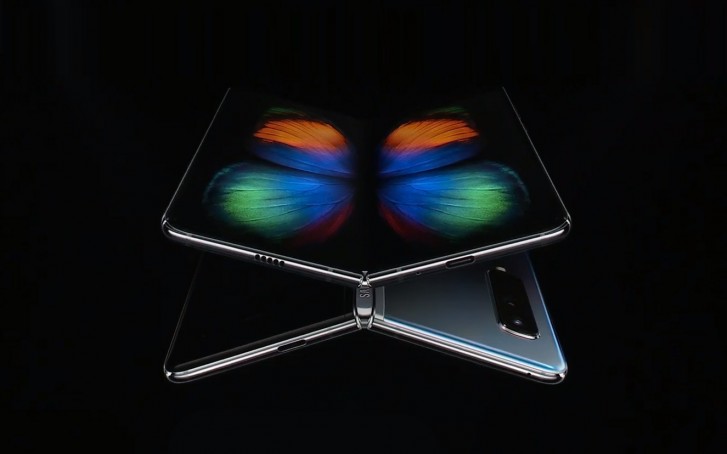
Samsung Galaxy Fold

At that time, the company simply said that the new launch of the Galaxy Fold smartphone will soon be announced it thoroughly checks the device. While the company said that it’ll fix the issues, it didn’t reveal how it plans to do so.

A new report from Yonhap News claims that the company is planning to tuck the protective display layer into the body. This will help prevent users from removing it, which some users did as they considered it to be a screen protector. It further adds that Samsung will also block the gaps at the top and bottom of the hinge to prevent debris from damaging the foldable display of the phone.

The company is reportedly testing the smartphone on Korean networks. The report also adds that Samsung is expected to launch the Galaxy Fold in June but it’s not yet confirmed and the company could change the launch timeline.
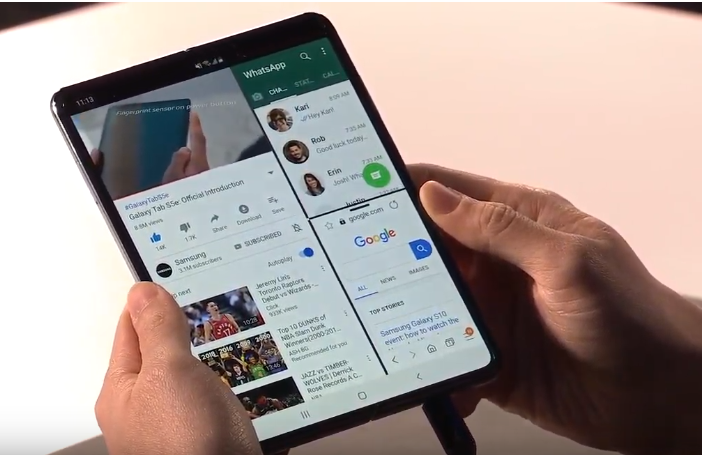
Samsung Galaxy Fold Three-App Multitasking

As for the specifications, the Samsung Galaxy Fold smartphone presents a 7.3-inch Infinity Flex Display with a 1536 x 2152 resolution. In this mode, you can use three apps at the same time which Samsung calls Three-app Multitasking.

When folded into phone mode, it offers a 4.6-inch 840 x 1960 display. It comes with a feature called App Continuity which automatically adjust an app when you switch screens. It is powered by a 7nm processor paired with 12GB of RAM.

Read More: Samsung Galaxy Fold smartphone’s fate will be decided ‘in a couple of days’, says Samsung CEO

The phone comes with a camera module that’s made up of a 16MP ultra-wide camera, a 12MP telephoto camera, and another 12MP wide-angle camera. On the front side, it comes with a 10MP sensor. It runs the latest Samsung One UI with Android 9 Pie operating system out-of-the-box. The phone packs a 4,380mAh battery which is split into two units.

(Source)
Huawei’s HiSilicon is keen to develop modem integrated 5G chipsets

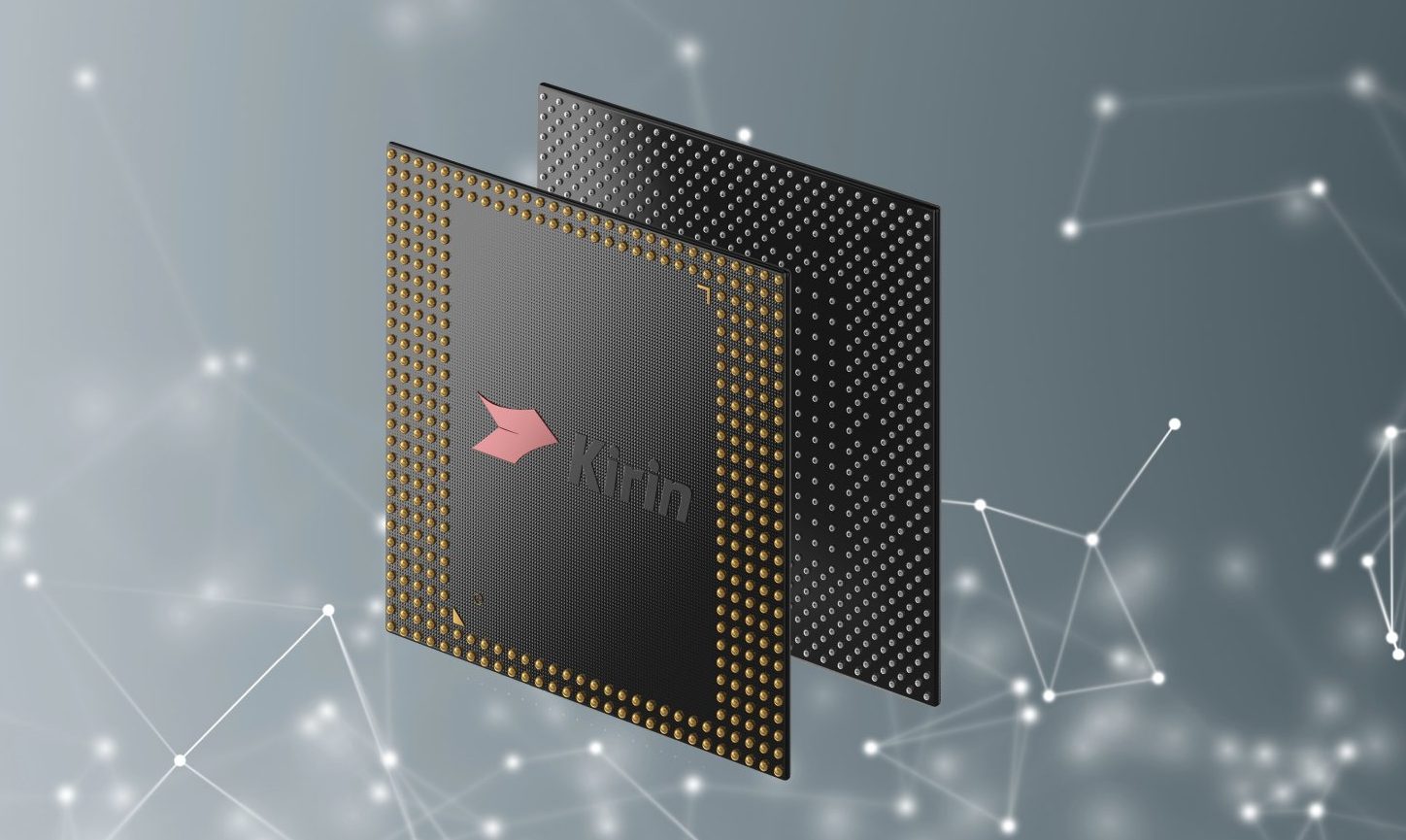
Huawei’s chipmaking arm HiSilicon is reportedly planning to go aggressive for the development of 5G mobile chipsets with an integrated modem. It is also planning to make 5G mmWave solutions for smartphones after releasing a new chipset later this year.

As per the reports, Huawei will be releasing its next chipset called the Kirin 985 in the second half of this year. The chipset will support Huawei’s high-end 4G smartphones, and can also come with add-on Balong 5G modem chips to support 5G sub 6GHz smartphones.

Kirin 970

The same chipset could be used to power the company’s next flagship smartphone — the Huawei Mate 30 series, which is expected to launch in the fourth quarter of this year. The Kirin 985 chipset will be manufactured by TSMC on its 7nm+ node and packaged by ASE Technology Holding and its affiliated Siliconware Precision with FC-PoP technology.

Reports indicate that the company’s new mobile SoC will undergo trial production in the second quarter and based on that, it will go into mass production in the third quarter. Following the footsteps of Qualcomm, the leading company in the mobile chipsets market, Huawei is also going aggressive for the 5G.

It is planning to roll out 5G SoCs integrated with modem chips between late 2019 and early 2020, which are expected to become the mainstream AP solutions for smartphones in the 5G era. The company also plans to tap into the segment of mmWave 5G smartphone AP in early 2020.

To support the transition from 4G to 5G, chipmakers are also rolling out multiple mobile AP versions that can be installed with add-on 4G and 5G modem chips, before launching the chipsets integrating 5G modem chips and mmWave 5G SoCs in 2020.

Read More: Huawei and Samsung settles 8-year long lawsuits over standard-essential patents in China

With such rapid pace development, Qualcomm and Huawei are eyeing to be among the top two suppliers of 5G SoC. On the other hand, Taiwan-based MediaTek is set to release a sub 6GHz 5G chip by the end of this year while Apple is not expected to join the 5G market until 2020.

(Via)

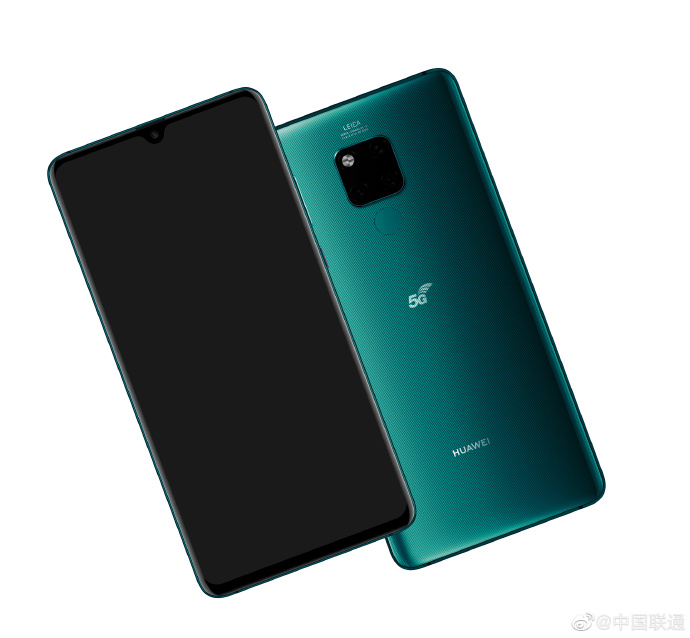
Huawei’s Mate 20 X 5G makes it to the UK with June Availability

Huawei had first announced the Mate 20 X 5G model back in February. The phone made it to Switzerland a couple of weeks ago. It was the first country in the EU to get this Huawei flagship. Now, the company has launched the Mate 20 X 5G in the UK as well, and sales begin in June.

mate-20x-5g-render

The 5G phone will support all the major networks in the UK like EE, O2, Three, and Vodaphone. The Mate 20 X 5G is very similar to its 4G edition, with the only major difference being the battery capacity. The new model features a 4200mAh battery as opposed to the 4G model’s 5000mAh battery. But the charging tech gets upgraded to 40W (instead of 22.5W on the 4G model!). The battery size reduction is probably due to space constraints caused by the addition of the Balong 5000 5G modem inside. Rest of the specifications remain the same as the regular Mate 20 X (you can find its full specs here!).

Interestingly, the Huawei Mate 20 X 5G is going to be a lot more expensive than in Switzerland. In the UK, the phone will start at £999 ($1278), which is way more than its price tag of CHF 997 ($987) in Switzerland.

Even with a battery reduction, the Mate 20 X 5G is a beast in terms of specs. With the Kirin 980 powering the device, the phone can handle everything thrown at it with ease. In the camera department, the phone does well all thanks to its 40MP f/1.8 triple camera setup. But the best feature of the phone is its beautiful 7.2-inch display supporting M-Pen stylus with 4096 levels of pressure sensitivity.

We have reviewed the Mate 20 X 4G model and we loved it! You can check out our review from below.


OnePlus CEO Pete Lau explains why they didn’t consider punch-hole camera design

More and more smartphone manufacturers are now adopting the full-screen display design and in order to achieve the same, the concept of a pop-up front-facing camera, punch-hole design as well as flip mechanism have come up.

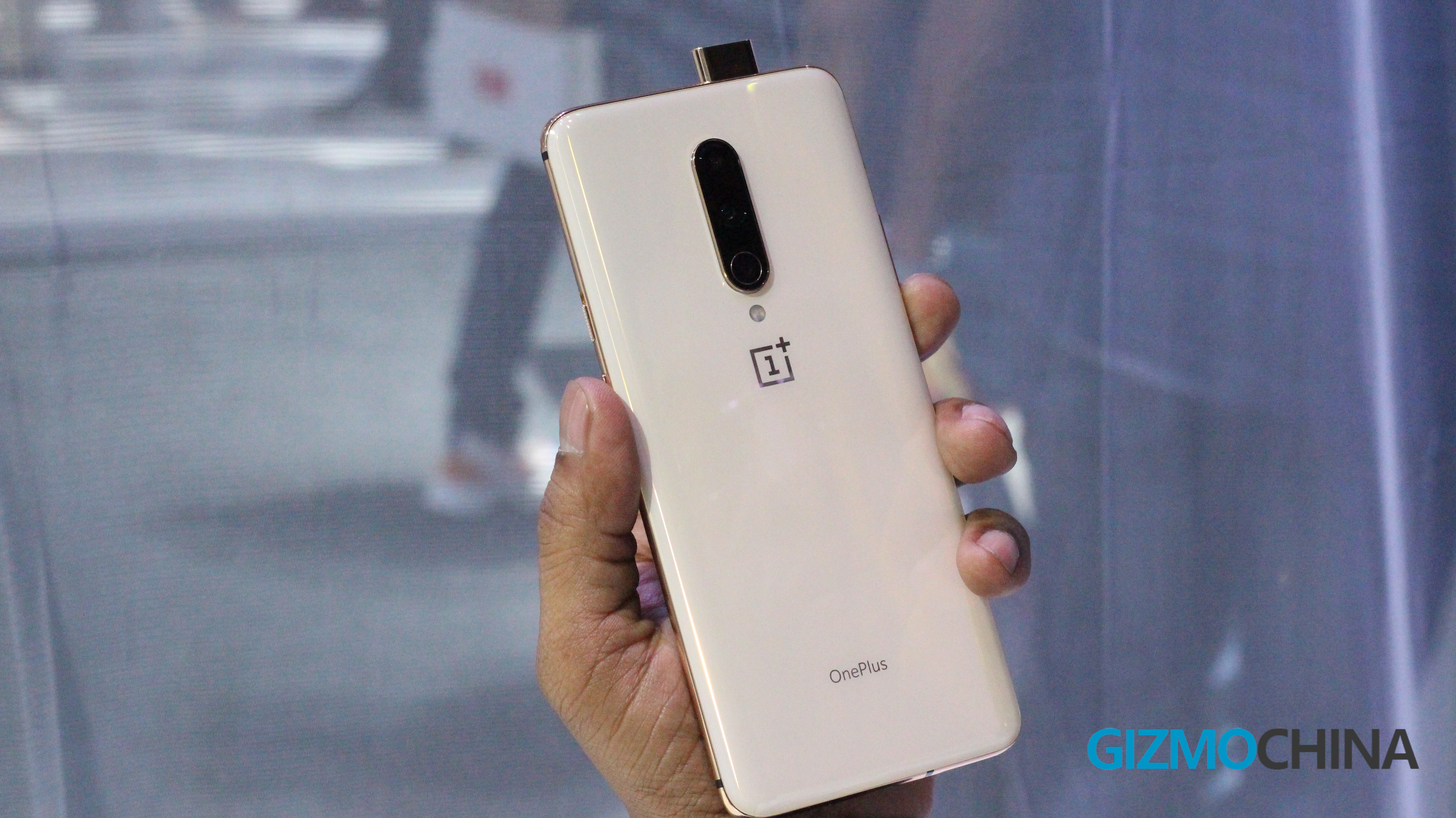
Recently, OnePlus launched its all-new flagship lineup — OnePlus 7 (specs here!) and OnePlus 7 Pro. The Pro model of the device features a pop-up selfie camera mechanism. Unlike Samsung’s flagship smartphones, the phone doesn’t come with a punch-hole design.

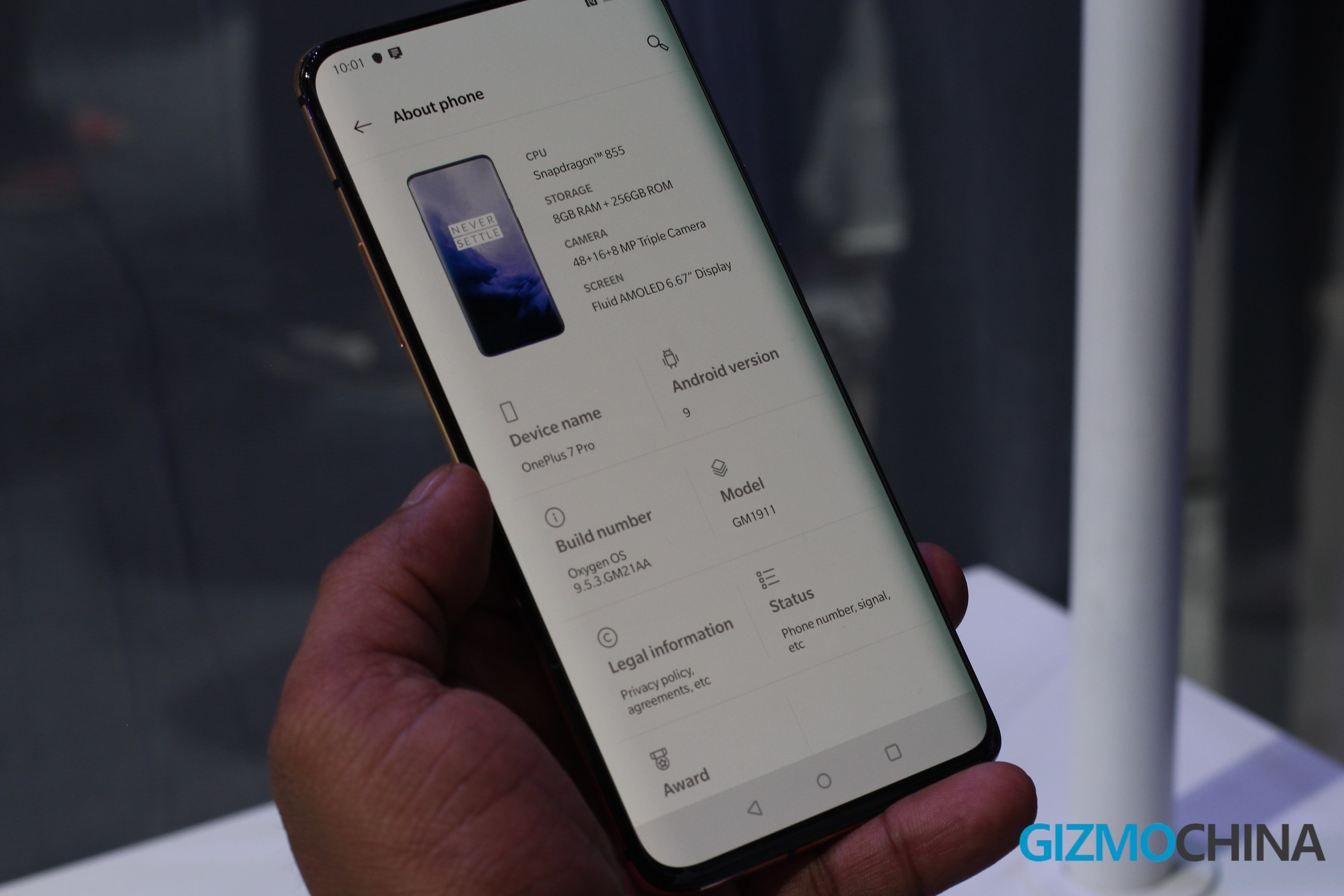
OnePlus 7 Pro hands-on

Now, Pete Lau, co-founder and CEO of OnePlus has explained why the company didn’t opt for the punch-hole design for the front-facing camera sensor. He explains that the major issue was the size of the hole in the display. He also said that if the hole can be made smaller, the company would consider the cut-out display. Huang Zhang, founder, chairman, and CEO of Meizu Group also shares similar views.

The OnePlus 7 Pro (full specs here) comes with 6.67-inch Quad HD+ Fluid AMOLED curved display with a 90Hz refresh rate and HDR10+ support. It also comes with a third generation in-display fingerprint scanner that is faster and unlocks in 0.21 seconds.

The phone is powered by Qualcomm’s Snapdragon 855 octa-core chipset and comes with up to 12GB RAM and up to 256GB storage. For storage, the company is using UFS 3.0 technology which is said to be 79% faster than UFS 2.1 technology.

The OnePlus 7 Pro comes with a 48MP f/1.6 Sony IMX586 camera has OIS and EIS, which is paired with an 8MP telephoto camera with 3x zoom and its own OIS and a 16MP 117° ultra-wide angle camera. On the front side, the smartphone comes with a pop-up front-facing mechanism featuring a 16MP snapper.

Other features on the device include Stereo Speakers with Dolby Atmos sound, Bluetooth 5.0, and support for aptX and aptXHD, LDAC, and AAC. There is NFC, dual-frequency GPS, dual-band Wi-Fi, dual SIM support, and a USB Type-C port.

Read More: OnePlus 7 and OnePlus 7 Pro launched in China, pricing starts at 2,999 Yuan ($436)

It runs Oxygen OS 9.5 based on Android 9 Pie operating system that comes with features like Game Mode, Fnatic Mode for a world-class gaming experience, and Zen Mode to take a break from the phone. The OnePlus 7 Pro is powered by a 4,000mAh battery and comes with support for 30W Warp Charge fast charging technology.

(Via)

Xiaomi and IKEA are teaming up to make a 20W Wireless Charging Table (UPDATED)

UPDATE:

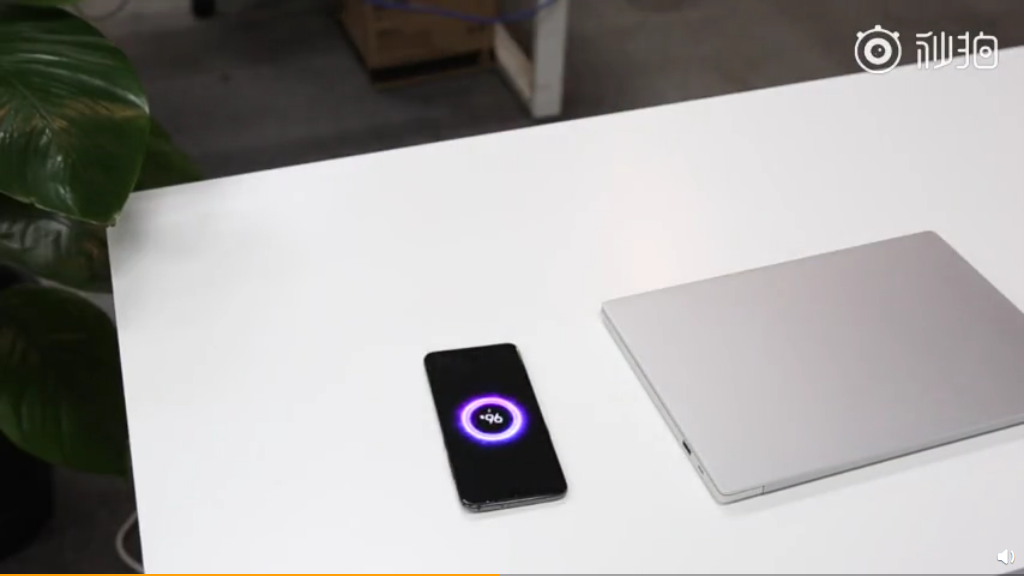
Xiaomi has revealed more details about this hidden 20W wireless charging table. It can technically be a DIY (Do It Yourself) thing, with Xiaomi showing us how it’s made. The IKEA table costs 119 Yuan ($17) while the 20W wireless charging module is priced at 99 Yuan ($15). So, you can make your own 20W Wireless Charging table for around $32 in China.

Well, considering how the entire table doesn’t support wireless charging, it’s definitely less impressive than what we originally thought! Still, that hidden design isn’t bad, especially when you can charge at 20W. Don’t forget where it’s placed though, as your phone would have to be exactly on top of the wireless charger to get some juice.

You can see how it’s done below.

Xiaomi's largest mobile phone accessories ever released: the first hidden 20-watt wireless charging table

Xiaomi's largest mobile phone accessories ever released: the first hidden 20-watt wireless charging table

Xiaomi's largest mobile phone accessories ever released: the first hidden 20-watt wireless charging table

Xiaomi's largest mobile phone accessories ever released: the first hidden 20-watt wireless charging table


Wouldn’t it be cool if you could place your smartphone on the table and it would start charging automatically? No need for any wires or any switches. That’s the dream, right? Well, Xiaomi and IKEA are making it happen. Both brands have come together to make a new table that can wirelessly charge your smartphone quickly at 20W.

Xiaomi and IKEA wireless charging table

You must have seen dedicated wireless charging spots on coffee shops and stores, but here, the entire table is said to support wireless charging. Not to mention, it would be charging pretty quickly, all thanks to Xiaomi’s 20W wireless charging technology. This is definitely the future of charging and not just for smartphones. I personally wouldn’t be surprised to see it in coffee shops, airports, and other public areas in the near future.

Xiaomi has not yet given out any details for this particular partnership (so no word on its pricing either), except for a video which you can watch from here.

Amazon Fire 7 and Fire 7 Kids Edition tablets arrive with super affordable price tags

The tablet market never really attained its full potentials before the arrival of phablet-sized phones stifled its growth. Despite the sharp decline in popularity, Amazon has continued to refresh its affordable Fire tablet brand lineup. The company has launched a refreshed Amazon Fire 7 with an outrageously cheap price tag and a Fire 7 Kids Edition which is basically the same except for a protective pouch with a kickstand. Amazon Fire 7

The new Amazon Fire 7 has the same physical appearance with earlier models. The tablet features a 7-inch display with a resolution of 1024×600 pixels and 171ppi. It comes with 16GB storage which is double that of the earlier version. There is also a 32GB storage variant with a slightly higher price tag. Both storage versions are expandable up to 512GB. The tablet is powered by an unnamed 1.3GHz processor paired with 1GB of RAM. The tablet comes in three new color variants, Plum Red, Sage Green and Twilight Blue.

In addition, the tablet features a 2MP camera at the front and rear aspects but now with HD resolution (720p) which is higher than the 480p camera in the previous generation. The battery seems to have reduced capacity, though, as Amazon rates the battery at seven hours which is 60 minutes less than the previous version. Both the Fire 7 and Fire 7 Kids edition support hands-free Alexa alongside all the usual Amazon Prime services built in.Amazon fire 7 Kids edition

As stated, the Fire 7 Kids Edition has the same upgrades found on the standard Fire 7 but it comes with a rugged kid-proof case with an adjustable kickstand. The tablet comes in black colour only but the case is available in Pink, Blue and Purple. The Kids edition is also available only in 16GB storage which can be bumped up to 512GB via microSD.  Amazon offers a two-year worry-free guarantee promising to replace the tablet if it gets damaged in any way. The kids’ tablet also comes with one-year FreeTime Unlimited with access to over 20,000 apps, games, videos and educational content.Amazon fire 7 Kids edition

Read Also: Amazon Fire HD 10 Kids Edition Launched Alongside An Alexa Dock

As for their prices, the standard Fire 7 is priced at $49.99 for the 16GB storage variant and $69.99 for the 32GB storage variant. While the Kids Edition comes in at $99.99. Both versions are presently on pre-order at Amazon with cool freebies on offer for those who make pre-orders. Official sale is expected to commence on June 6.

(source 1, 2)

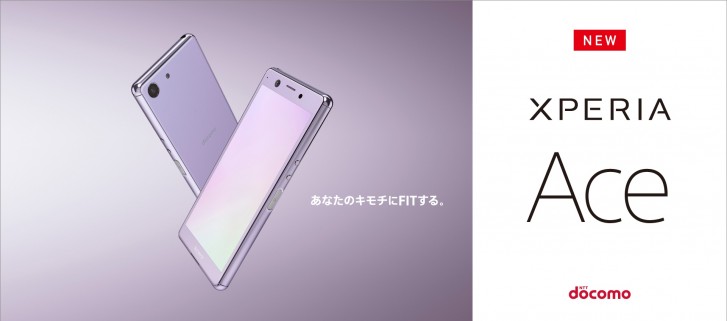
Sony Xperia Ace launched sporting a compact 5-inch screen, water and dust proof body

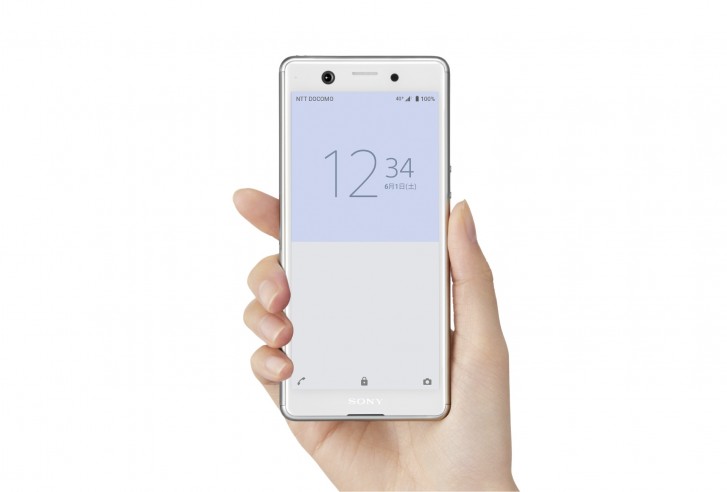
Sony‘s recent Xperia 1 flagship model represents the change from the traditional design style that the Japanese company is well known for a bigger, bezel-less 21:9 cinematic display design. This is in its bid to appeal to more fans and rake in some more revenue from the mobile division. Sony had always stuck with a design having wide bezels at the top and bottom edges of the display on the Xperia series. While that has started changing, the company surprised us with the release of a compact phone with the good old bezels. The new model dubbed Sony Xperia Ace has been launched in Japan exclusively to local telecom carrier Docomo. Son Xperia Ace

Sony never released the much-anticipated Xperia XZ4 Compact but this could be the design we never saw. The new device features a 5-inch LCD screen with FHD+ resolution and 18:9 aspect ratio. It comes powered by a Qualcomm Snapdragon 630 chipset. The processor is backed by 4GB of RAM while there is 64GB of storage which can be expanded using a microSD card.Sony Xperia Ace

On the camera department, the Xperia Ace features an 8MP selfie shooter while at the back, there is a single 12MP shooter as well as an LED flash. The Ace packs a side fingerprint design with the button doubling as the power button. The right-hand side also has the volume rockers just above the fingerprint sensor/power button. For electricity, the device packs a disappointing 2700mAh battery that can be charged by a USB-C port. The phone runs on Android 9.0 Pie with a custom overlay. Another interesting thing, the Xperia Ace is water and dust proof. There is also NFC and a 3.5mm headphone jack.

Read Also: Sony executive hints Xperia’s Compact series may have been cancelled

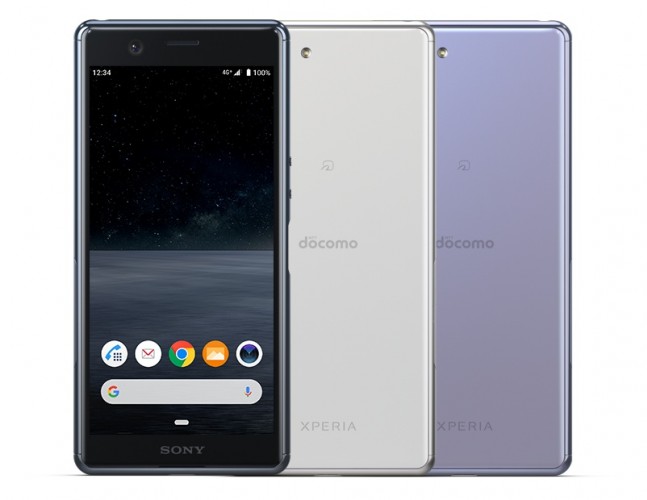
The device comes in Black, White and Purple colors and is priced at JPY 48,600 ($444). The official sale is expected to begin on June but the device is already up for reservation.

(source)
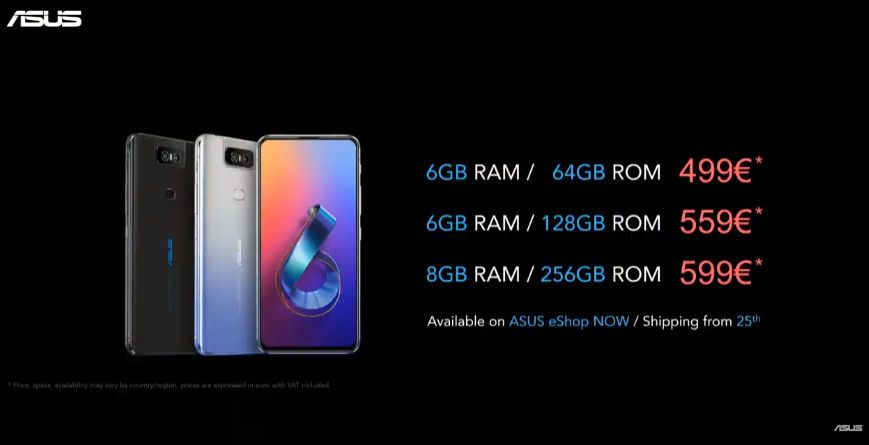
ASUS Zenfone 6 arrives with Flip Camera, 5000mAh battery, and SD855 for €499

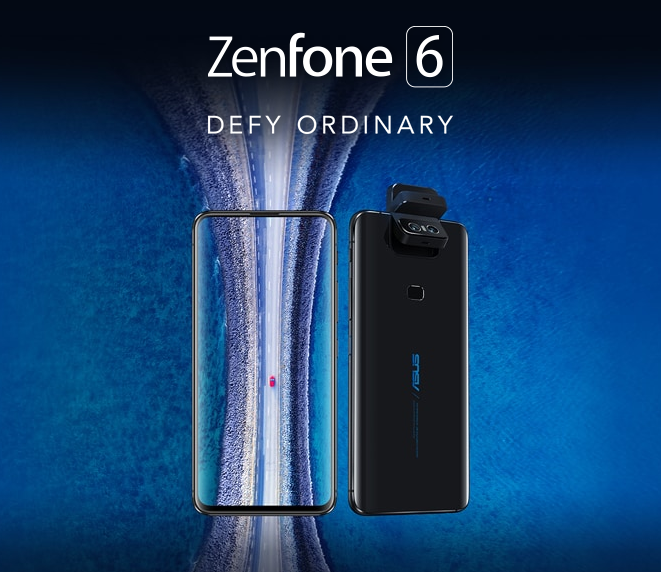
ASUS‘s latest flagship, the Zenfone 6, was announced tonight in Europe. The successor to last year’s Zenfone 5z doesn’t come with any siblings this time around. However, it does pack some really nice features that will put the competition to shame.

Zenfone 6 featured b

Design and Specs

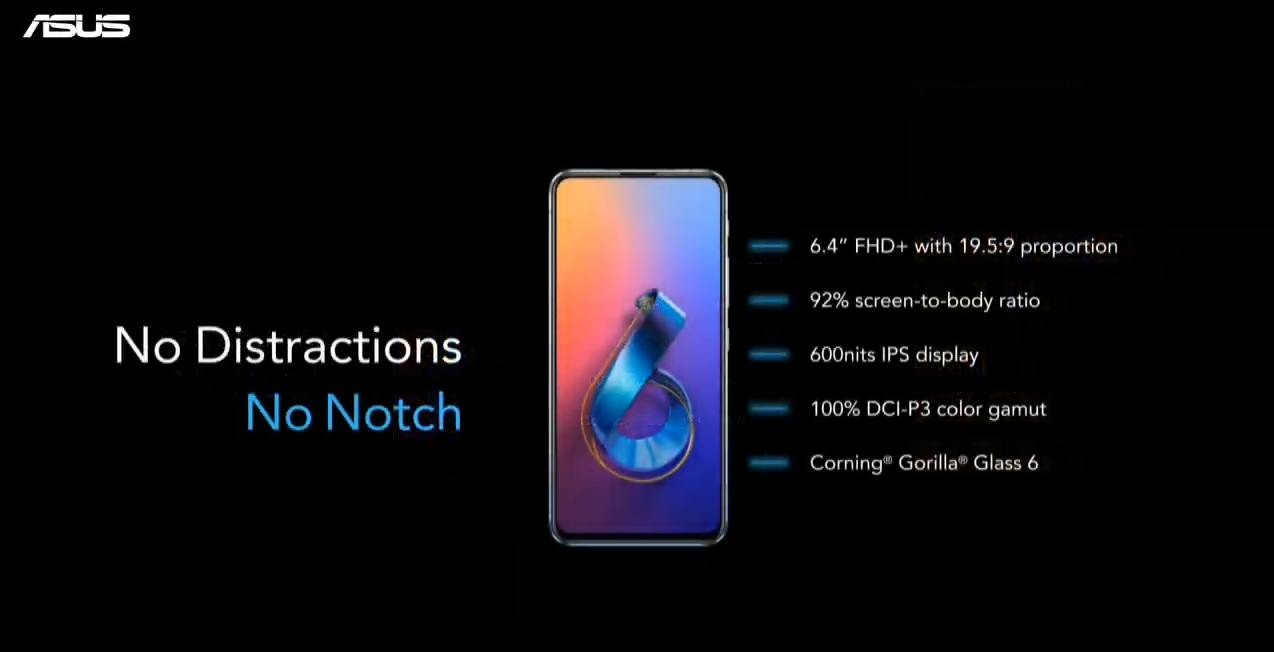
The Zenfone 6 has ditched the notch of its predecessor, not for a smaller one or even a punch hole. Instead, it uses a 6.4-inch Nano Edge IPS LCD with a 92% screen-to-body ratio and a 19.5:9 aspect ratio. The display is covered with Gorilla Glass 6 and there is a slit in the frame above it for the earpiece.

Zenfone 6 display

The phone is powered by Qualcomm’s Snapdragon 855 processor and is paired with 6GB/8GB of RAM with 64GB/128GB/256GB of UFS 2.1 storage. A dedicated MicroSD card slot means you will be able to add extra storage (up to 2TB) without sacrificing a SIM slot.

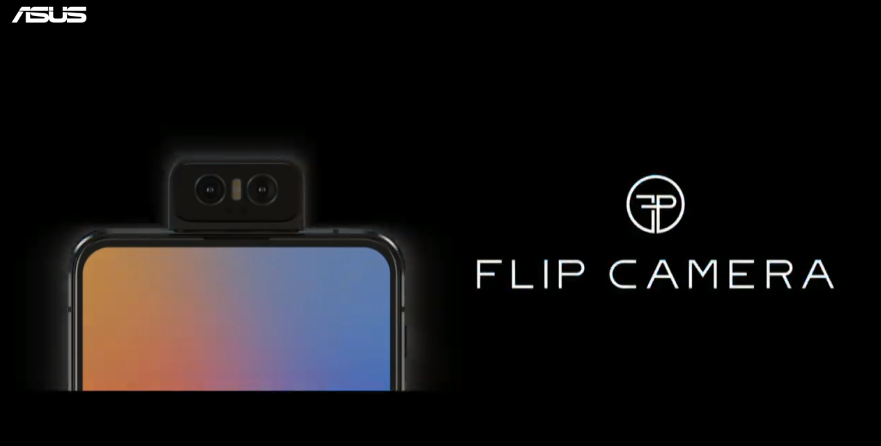
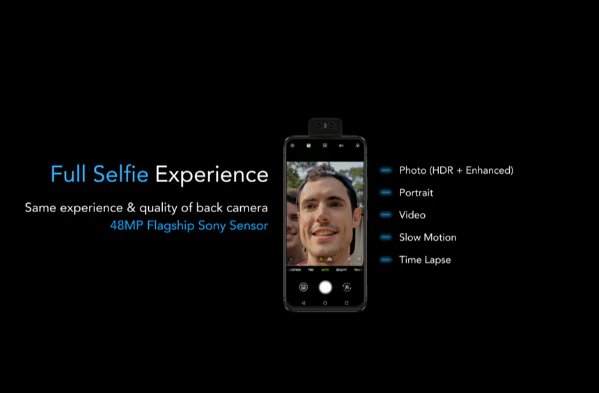
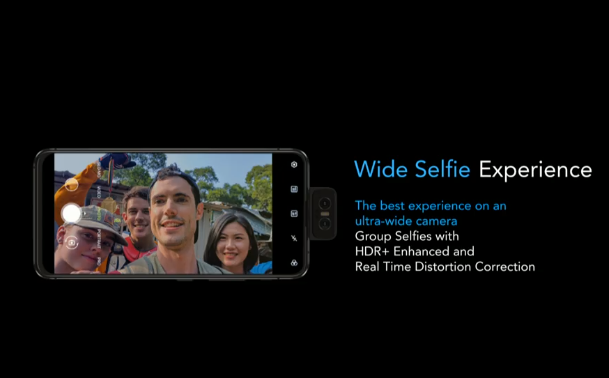
Other than the display, the Zenfone 6′ cameras is another of its selling points. It can actually be called the main one. ASUS has tagged it “Flip Camera” and that is because the dual rear cameras lift up to serve as the front-facing camera. What this means is that you can use the 48MP Sony IMX586 f/1.79 1.6µm primary camera and 13MP 125° ultra-wide angle camera to take selfies.

The camera has 2×1 OCL PDAF, EIS and a ton of filters and camera modes (including a Super Night Mode, RAW support, and AI scene detection). The flip camera houses a gravitational sensor, a gyro sensor, a hall sensor, and an upper speaker. It also uses specially designed cables that pass through a hole 2mm in diameter to connect the cameras and sensors to the motherboard. ASUS says there are 13 gears in the module.

Zenfone 6 Flip Camera

The Zenfone 6’s Flip Camera has some pretty neat tricks. It is the first phone whose “front-facing camera” can record 4K videos at 60fps with EIS. It also has a special 90° angle for taking pictures so you don’t need a tripod and can shoot at new angles. You can also adjust the angle of the cameras as you deem fit by using the volume buttons to set the angle and the Smart Key to take the picture.

The camera housing is made of liquid metal which is lighter but four times stronger than steel. ASUS says it has put the camera module through up to 100,000 flips which is equivalent to 28 selfies per day for 5 years. The cameras will also fold back if the phone falls from your hands.

The Flip Camera is pretty fast too. A demonstration during the launch showed the camera flip open and launch the app using the Google Assistant voice command “Take a Selfie” in roughly a second.

The Smart Key is actually a button to call up the Google Assistant. However, you can customize it to a variety of functions such as launching the camera app or turning on the flashlight.

The Zenfone 6 packs a 5000mAh battery that will easily last you more than a day. There is no wireless charging but you get Quick Charge 4 (18W) and also reverse charging (10W). ASUS says because of the large battery capacity, the phone can maintain the higher current mode for longer, thereby reducing total charging time. ASUS claims battery life is longer this way and there are fewer charge cycles.

Zenfone 6 updates

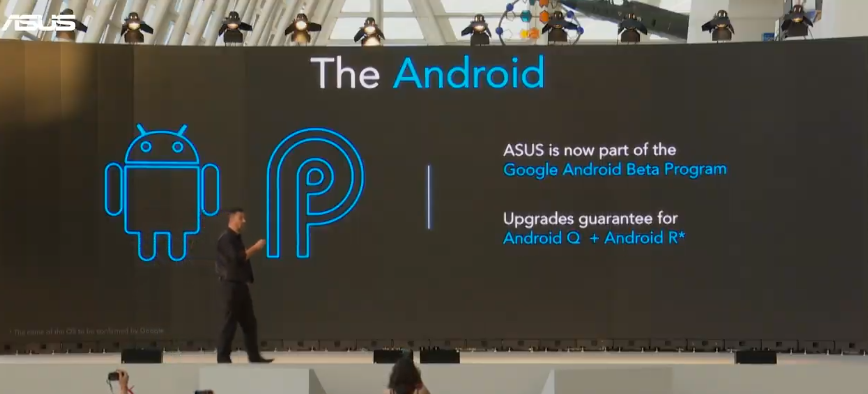
The phone runs ZenUI 6 but it has been designed to look like stock Android Pie. You still get a lot of customization options such as Splendid Color Display Management and a Dark Mode. The Zenfone 6 will also join the Zenfone 5z for the Android Beta program and will get guaranteed updates to Android Q and Android R. It will also get security patches every two months for a minimum of two years. We really hope it fulfills these promises.

The Zenfone 6 comes with stereo speakers, a 3.5mm audio jack, dual-frequency GPS, NFC, Wi-FI a/b/g/n/ac/ax, Bluetooth 5.0, and a fingerprint scanner on its Gorilla Glass protected back. It is 9.2mm thick and weighs just 190 grams, lesser than the OnePlus 7 Pro which has a smaller battery capacity.

ASUS Zenfone 6 price

READ MORE: Asus 2nd generation ROG gaming smartphone tipped for launch in Q3 2019

Realme X India launch to happen soon, confirms CEO Madhav Sheth

On Tuesday, Realme X and Realme X Lite were made official as first Realme phones in China. While the Realme X Lite (aka Realme X Youth Edition) was made official in India in the previous month with Realme 3 Pro moniker, the Realme X is a brand new phone that has only gone official in China. Today, Realme India CEO Madhav Sheth confirmed through a tweet that the Realme X will be soon coming to India.

As it can be seen in the tweet shown below, the Realme X is coming to India but there its launch date is currently under the wraps. So, it remains to be seen whether the company launches the Realme X in India later this month or in the coming month.

Realme X Specifications

The Realme X is flanked with a 6.53-inch AMOLED display that produces full HD+ resolution. The notch-less phone offers a screen-to-body ratio of 91.2 percent. The Snapdragon 710 chipset is present under the hood of the Realme X. The ColorOS 6.0 based Android 9 Pie operating system comes preloaded on the device. The smartphone features up to 8 GB of RAM and an internal storage of 128 GB.

The back panel of the phone has a vertical dual camera system. It includes a Sony IMX586 48-megapixel primary sensor with f/1.7 aperture and a 5-megapixel depth sensor. The spring-loaded 16-megapixel Sony IMX471 pop-up selfie camera with f/2.0 aperture is available on the smartphone for capturing selfie shots. The Realme X is backed by a 3,765mAh battery that carries support for 20W VOOC 3.0 Flash Charge technology. Also, the phone features an in-screen fingerprint sensor.

realme x official

The Realme X comes in color editions such as Steam White and Punk Blue in China. The handset comes in three variants such as 4 GB RAM + 64 GB storage priced at 1,499 Yuan (~$217), 6 GB RAM + 128 GB storage that costs 1,599 Yuan (~$232) and 8 GB RAM + 128 GB storage that carries a price tag of 1,799 Yuan ($261). The company has a special version of the phone called Realme X Master Edition. It includes 8 GB of RAM and 128 GB of internal storage and it can be bought in special Onion and Garlic colors. The Master Edition costs 1,899 Yuan (~$275).

OnePlus 7 vs Xiaomi Mi 9: Specs Comparison

Since OnePlus 7 is finally official, the Xiaomi Mi 9 is not the only 2019 affordable top-tier flagship anymore. And now, as expected, there are a lot of smart people wondering which of these affordable flagships to buy in order to get the best user experience. We heard a lot of questions like that online and, if you are one of these people, we think this comparison may be the perfect article for you. Here, we will try to let you understand which of these flagships mostly fits your needs.

OnePlus 7 vs Xiaomi Mi 9

Google Pixel 3a Xiaomi Mi 9 SE
DIMENSIONS AND WEIGHT 151.3 x 70.1 x 8.2 mm,

147 grams

147.5 x 70.5 x 7.5 mm,

155 grams

DISPLAY 5.6 inches, 1080 x 2220p (Full HD+), 441 ppi, 18.5:9 ratio, OLED 5.97 inches, 1080 x 2340p (Full HD+), 432 ppi, 19.5:9 ratio, Super AMOLED
PROCESSOR Qualcomm Snapdragon 670, octa-core 2 GHz Qualcomm Snapdragon 712, octa-core 2.3 GHz
MEMORY 4 GB RAM, 64 GB 6 GB RAM, 64 GB – 6 GB RAM, 128 GB
SOFTWARE Android 9 Pie Android 9 Pie, MIUI
CONNECTIVITY Wi-Fi 802.11 a/b/g/n/ac, Bluetooth 5.0, GPS Wi-Fi 802.11 a/b/g/n/ac, Bluetooth 5.0, GPS
CAMERA 12.2 MP f/1.8
8 MP f/2.0 front camera
Triple 48 + 13 + 8 MP f/1.8 and f/2.4 and f/2.4
20 MP f/2.0 front camera
BATTERY 3000 mAh
Fast charging 18W
3070 mAh, Fast Charging 18W
ADDITIONAL FEATURES / Dual SIM slot

Design

If we talk about the aesthetics only, we can consider the OnePlus 7 a sort of upgrade of the OnePlus 6T as it comes with a very similar design and just small details changed. The Xiaomi Mi 9 on its own offers a similar form factor as both come with waterdrop notches and pretty narrow bezels around the display, as well as in-display fingerprint readers which make their glass backs cleaner. The Xiaomi Mi 9 comes in more exciting color variants and it even has better builds, besides being very different from its predecessor Mi 8, so it deserves the award for this comparison.


Display

We still had no chance to test the display of the OnePlus 7 as it was announced yesterday and it is still not available, but judging from the specs on the paper, it seems like Xiaomi Mi 9 shows better colors. What makes the difference on the paper is the HDR10 standard. For the rest, we are talking about very similar panels, both are AMOLED displays and they even have the same resolution. OnePlus 7 has a diagonal of 6.41 inches, while Xiaomi Mi 9 comes with a 6.39-inch panel.


Specs & Software

Both OnePlus 7 and Xiaomi Mi 9 debuted with the Snapdragon 85 chipset and up to 8 GB of RAM in their most expensive memory configuration. So, in both cases, you get a device with blazing speeds. But we think OnePlus 7 will outperform its rivals for two reasons. The first is the presence of the new UFS 3.0 technology for the internal storage, while the second is the always amazing software optimization of the Oxygen OS, which is very fast and lightweight as a user interface. Both the phones are obviously based on Android Pie and they will get a beta version of Android Q very soon.


Camera

Unlike the OnePlus 7 Pro, the vanilla OnePlus 7 comes with just two cameras on its rear side. And that left us a bit disappointed: we are not talking just about the number of sensors, but also about the fact that the secondary one is a depth sensor and not an ultrawide one, neither a telephoto lens. The Xiaomi Mi 9 has a very satisfying triple camera department which includes an ultrawide sensor and a telephoto lens, very accurate autofocus and high camera performance in every environment. Unlike the OP7 it lacks optical stabilization, but its camera performance and features are still enough to win this comparison.


Battery

The battery life is one of the biggest differences between OnePlus 7 and Xiaomi Mi 9. OnePlus 7 is equipped with an above-average 3700 mAh unit, while Xiaomi Mi 9 stops at just 3300 mAh. So the OnePlus 7 will undoubtedly last more on a single charge in most of the scenarios, and it wins the battery comparison. But the Xiaomi Mi 9 offers two other advantages that may be very useful for some kind of users: the first is a faster charging technology thanks to a 27W power. The second one is Qi wireless charging, while the OnePlus 7 can only be charged through a USB cable. Note that the Qi wireless charging of the Xiaomi Mi 9 works at the same power as OnePlus 7’s fast charging via USB cable (20W).


Price

Despite this is the first year in which OnePlus launched two flagships at the same time, the OnePlus 7 does not come with a lower price tag than its predecessor. It has exactly the same listing price as the OnePlus 6T, that is €569/$636 in the European market (6/128 GB). The Xiaomi Mi 9 starts from €450/$500 in its base variant with 6 GB of RAM and 64 GB of internal storage, but you can already find it for just €400/$450 thanks to online street prices. With the actual prices, Xiaomi Mi 9 offers a higher value for money thanks to its better cameras, great display, and wireless charging.


OnePlus 7 vs Xiaomi Mi 9: PRO and CONS

OnePlus 7

PRO

  • UFS 3.0 storage
  • Stereo speakers
  • Bigger battery
  • Higher performance

CONS

  • Less impressive cameras


Xiaomi Mi 9 SE

PRO

  • Complete camera department
  • More affordable
  • Great build quality
  • Wireless charging

CONS

  • Smaller battery

Sony Xperia 20 renders leak its design from all angles

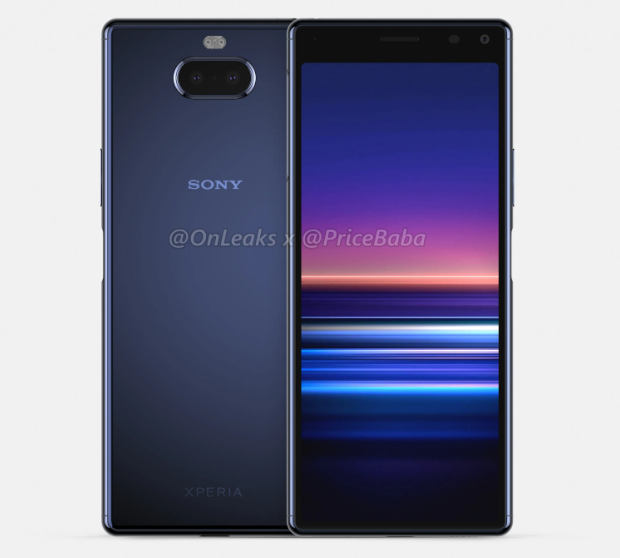
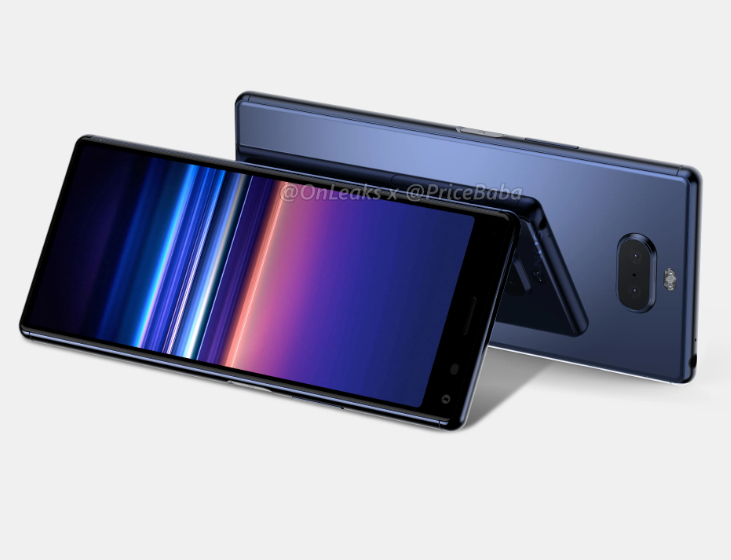
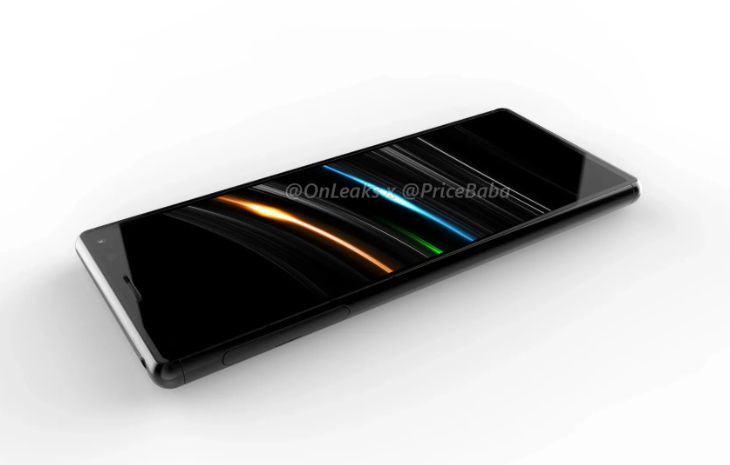
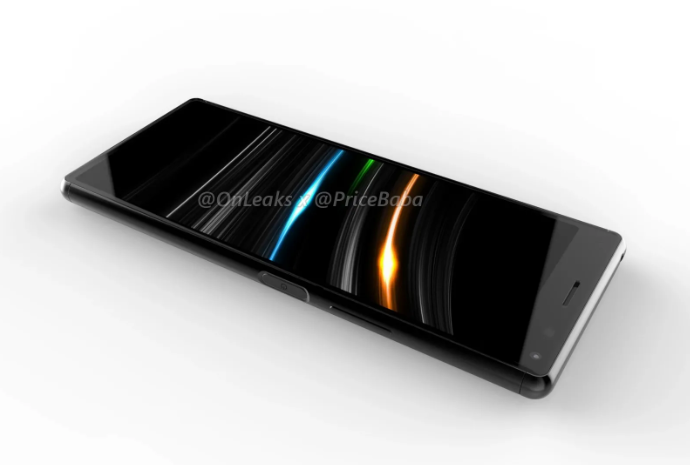
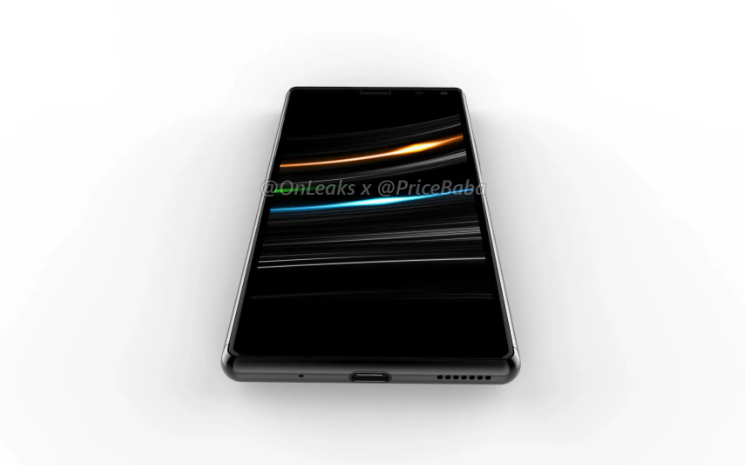
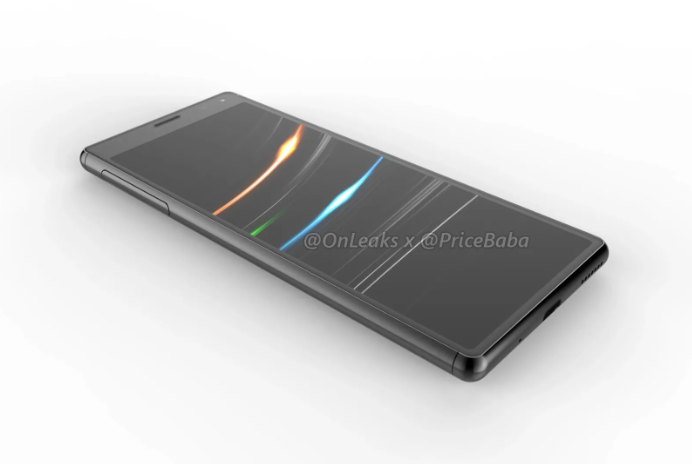
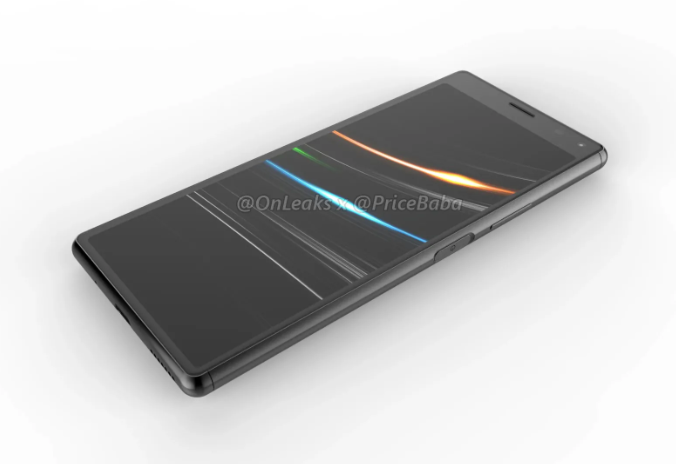
The Xperia 10 and Xperia 10 Plus mid-range phones were made official at the Mobile World Congress (MWC) 2019 tech trade show that was held in February. Fresh information reveals that the Sony is already working on the successor models that are dubbed as Xperia 20 and Xperia 20 Plus. Reliable tipster @OnLeaks has collaborated with PriceBaba to share the renders of the Xperia 20 smartphone to reveal its appearance well ahead of its launch event.

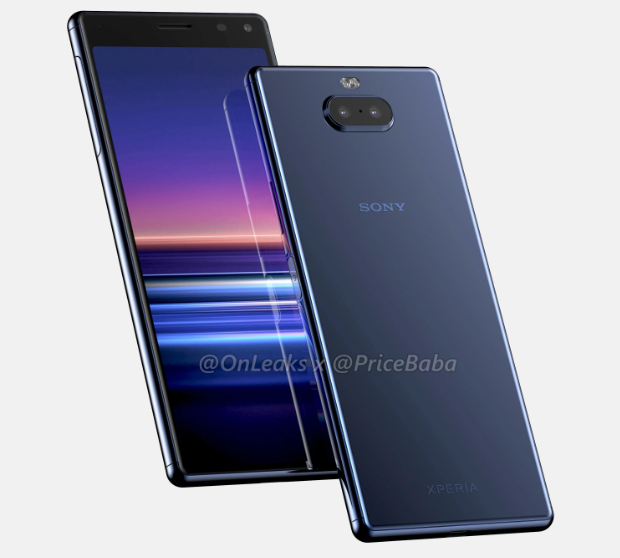
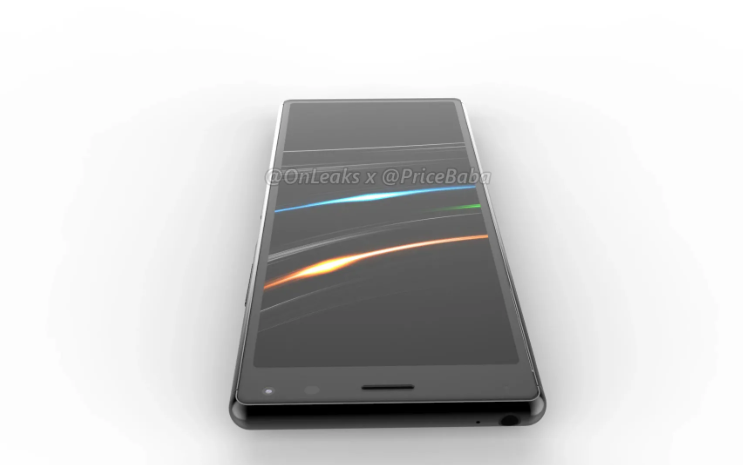
The renders of the Xperia 20 smartphone reveals that it will bear resemblance with the predecessor Xperia 10 smartphone. Like the Xperia 10, its successor is expected to come equipped with a tall aspect ratio display of 21:9. The Xperia 20 renders show that its side bezels are quite thin, but its upper and lower bezels are very thick.

The top bezel of the Xperia 20 includes a front-facing camera, an earpiece and some other sensors. The top portion of the rear shell of the phone features a dual LED flash and a horizontal dual camera setup. The brand name of the company can be also seen on the backside of the Xperia 20.

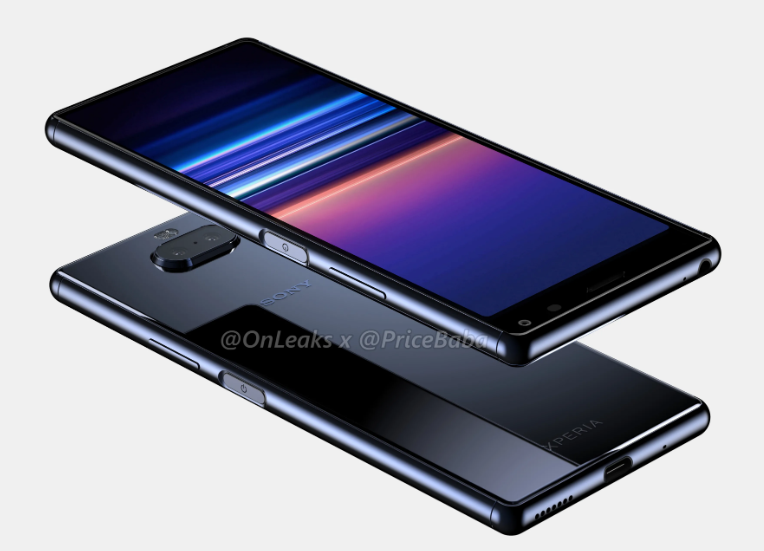
The fingerprint sensor is embedded in the power button which can be found on the right edge of the Xperia 20. On the left edge of the phone has a flap that conceals the SIM and microSD card tray. The bottom edge of the phone is fitted with a microphone, a USB-C port and an external speaker. Another microphone and a 3.5mm audio jack can be found on the edge of the Xperia 20.

The Xperia 10 has a full metallic body, but the Xperia 20 is expected to arrive with a metal frame and a glass or plastic rear. The Xperia 10 has two line of speaker holes on its bottom edge, but the Xperia 20 may come with a single line of speaker grills. The predecessor phone has a dedicated power button, but the same key on the Xperia 20 will be integrated with a fingerprint sensor. These are three design changes that are expected to be available on the Xperia 20.

The tipster has revealed that the Xperia 20 will be featuring a 6-inch screen. It will be measuring 157.8 x 68.9 x 8.14mm. No other details on the specs of the Xperia 20 are available at the moment. Sony is known for announcing its phones at the IFA tech expo that is held at August end annually. Hence, the Xperia 20 may go official with Xperia 20 Plus at the IFA 2019 later this year.

(via)

OnePlus 7′ Zen Mode coming to OnePlus 6/6T but no Nightscape 2.0

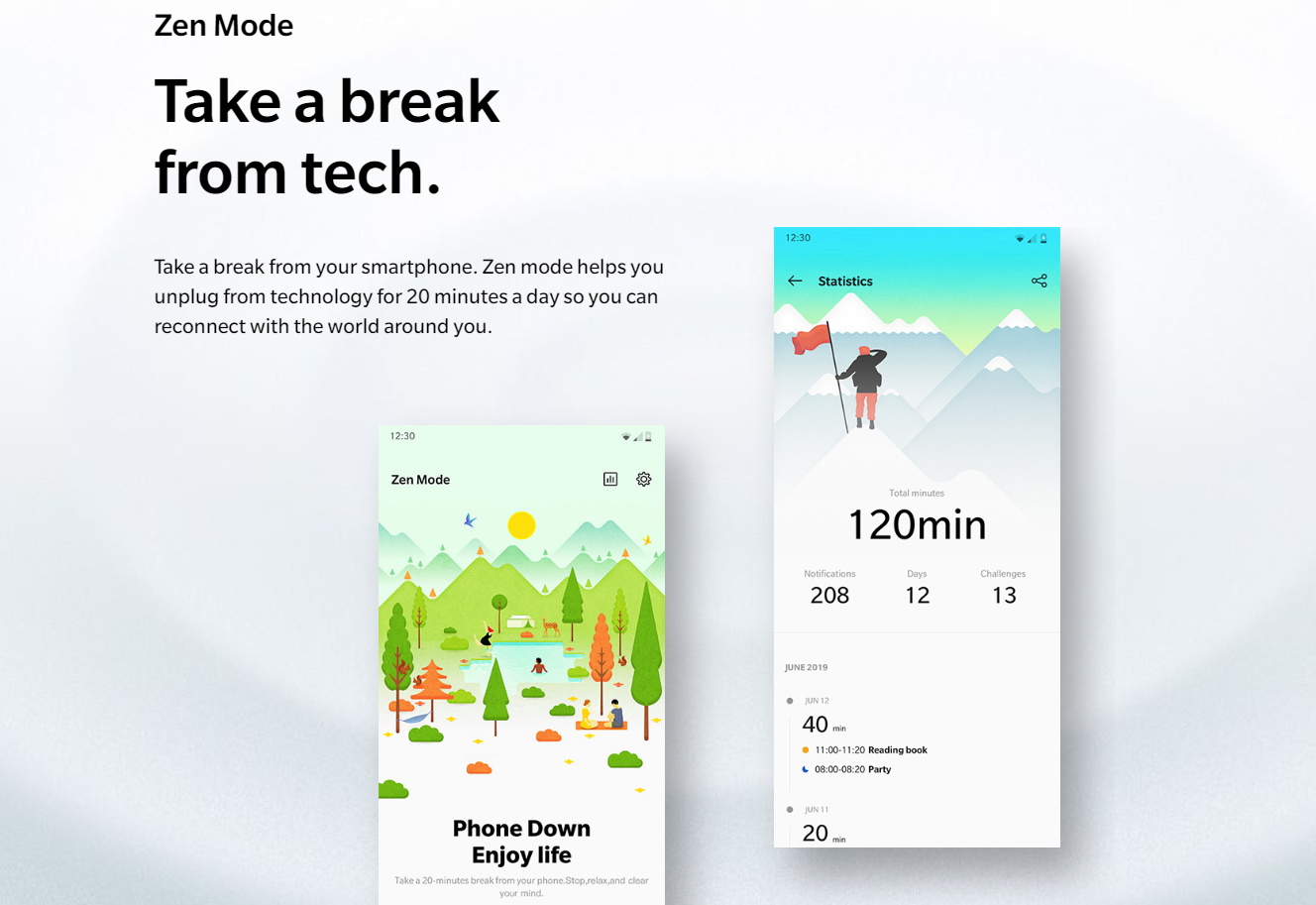
One of the software features the new OnePlus 7 series brings is Zen Mode. This is a feature designed to get you to not use your phone for 20 minutes for anything else other than for calls and taking pictures. When activated, you can’t turn it off until the timer ends.

OnePlus 7 Zen Mode

OnePlus disclosed to Android Authority that the feature will be coming to the OnePlus 6 and OnePlus 6T via an update in the future. That should be exciting news for those who own either of the two devices and have been looking for ways to reduce how long they stare at their phone’s display.

That’s the good news. The bad news is the OnePlus 7 series’ Nightscape 2.0 will not be coming to last year’s flagships. Nightscape 2.0 improves upon the night mode feature which debuted last year. OnePlus says the reason why both phones won’t have the updated version is based on a hardware limitation – (probably the primary rear camera).

There are other software features such as Fnatic Mode (coming to the OnePlus 7 series via an OTA update) and a built-in screen recorder but we haven’t heard anything about these features coming to the older models.

READ MORE: OnePlus TV is our Next Focus For India: Vikas Agarwal

Corning brings Gorilla Glass-like protection for tablets, notebooks and TVs with the Astra Glass

Corning is well known for its Gorilla Glass protection which protects the displays of many smartphones worldwide. The US company is showcasing its latest product for high-performance tablets, notebooks and even televisions at the ongoing Display Week in San Jose, California. The product is named Astra Glass.Corning Gorilla Glass 6

Even though tablets, notebooks and laptops don’t fall down as often as a smartphone due to their large form factors and the fact that we don’t move the smart TV and laptop as often as we carry the smartphone, there are some chances that their display could get damaged. For instance, a child may throw a lawn tennis ball or any other toy on the television screen. Also, you may have your laptop in your bag and then it hits a hard surface with the impact on the display and similar situations. Thus, the Astra Glass designed for devices that are larger than smartphones comes in handy. The glass protector is precisely engineered to retain the higher pixel density of high-performance displays. The design ensures the displays on future tablets, laptops, and 8K TVs remain bright, fast and deliver life-like images.

Read Also: Corning reportedly working on Gorilla Glass for foldable phones

However, we may likely not find the Astra Glass on budget or mid-range devices as Corning is reportedly positioning it as its most-premium protective glass for devices with larger displays. So any tablet, notebook or television with Astra Glass will likely be pretty expensive. Corning’s business director, Han Yim tips that the Astra Glass will provide manufacturers with “low total pitch variation, low total thickness variation, and low sag,” when it comes to high-end displays.

(source)
OnePlus now among top 5 global premium smartphone makers

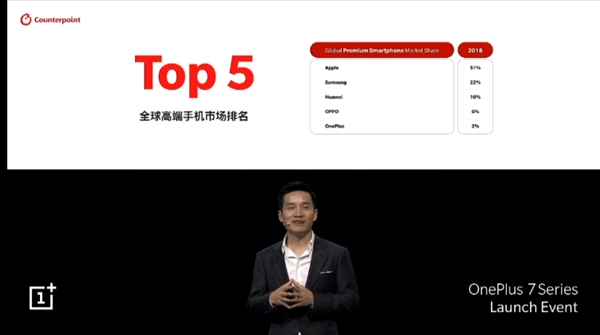
At the OnePlus 7 series launch today in China, OnePlus’ CEO and founder, Pete Lau announced that the company is now one of the top 5 premium smartphone makers in the world.

Liu Zuohu: One plus becomes the global high-end mobile phone market Top 5

The six-year-old phone maker joins Apple, Samsung, Huawei, and OPPO who occupy the first four spots respectively. In its 6-years of existence, OnePlus has released 10 flagship phones.

This year, OnePlus decided to switch things up by releasing a Pro version that offers more features than the standard variant. The phone will be available for purchase in the US via T-Mobile tomorrow and will be available on May 21 in Europe and China.

READ MORE: OnePlus 7 arrives with less fanfare for those on a budget

Motorola P50 to launch in June with punch-hole display

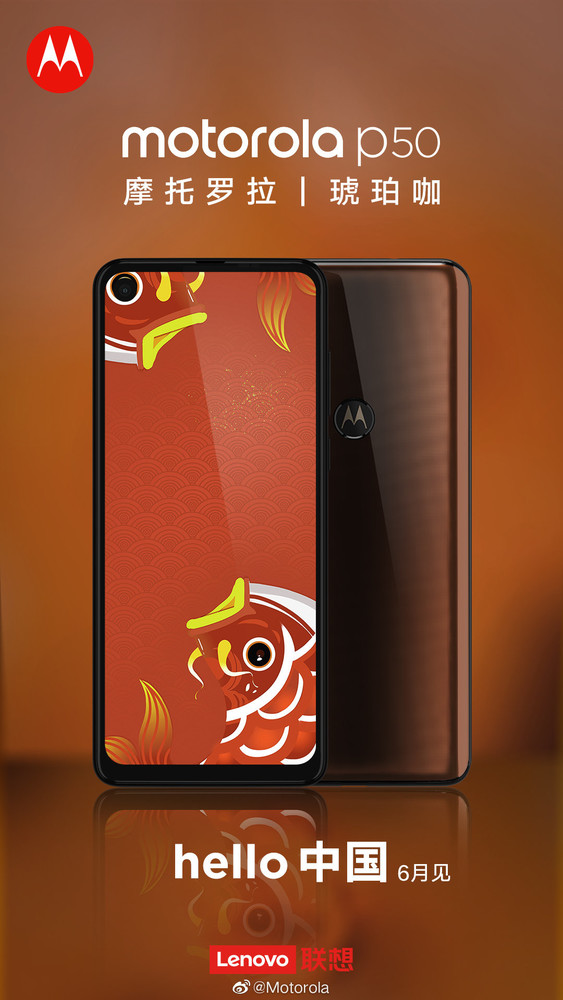
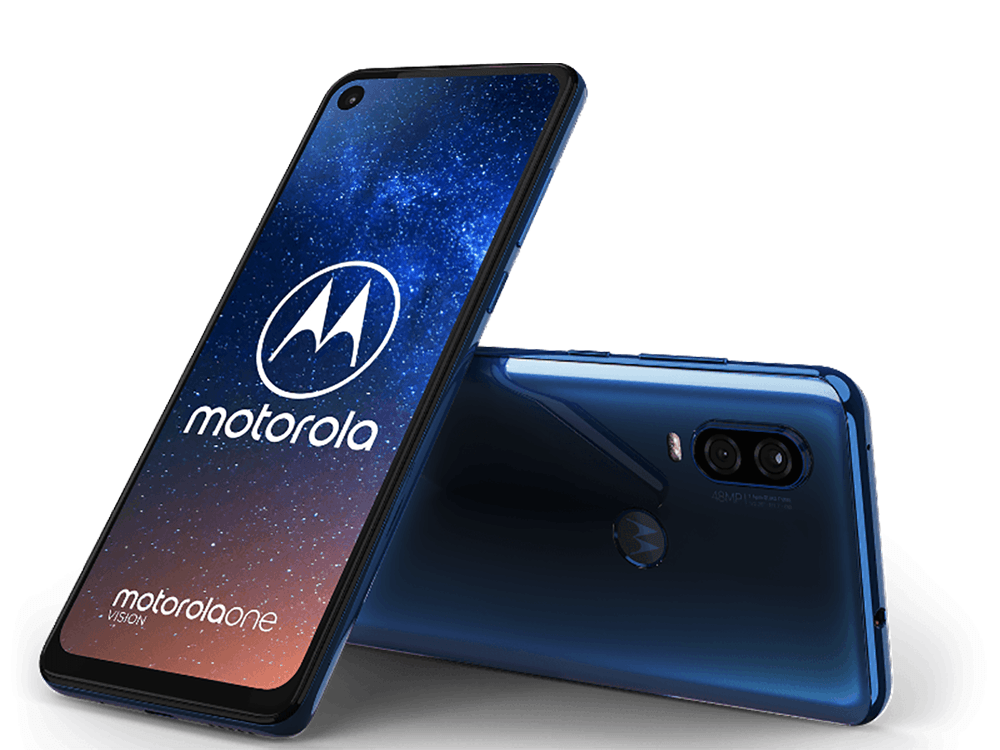
Yesterday, Motorola held a launch event to announce the Motorola One Vision phone. The Chinese wing of the company has taken to Weibo to confirm that it will be launching a new phone called Motorola P50 in China in June. It appears that the Motorola One Vision could be releasing in China as Motorola P50 in June.

Last year, Motorola had released Android One smartphones such as Motorola One Play and One Power. Both phones were made available in China as Motorola P30 Play and P30 Power. Hence, it is very likely that the recently announced One Vision Android One phone could be heading to China as P-series phone. As the teaser image reveals, the company will be launching the next P-series phone as Motorola P50, and not as P40 as recent rumors had claimed.

The Motorola P50 smartphone features a punch-hole display. The rear side of the phone is not entirely visible and only the logo of the company can be seen. However, it could be housing a vertically arranged dual camera setup at its top-left corner. The front and rear design of the phone resembles with the Motorola One Vision. If the One Vision really arrives in China as Motorola P50, it will be loaded with ZUI based Android 9 Pie OS.  The company is expected to confirm on its exact launch date in the coming weeks.

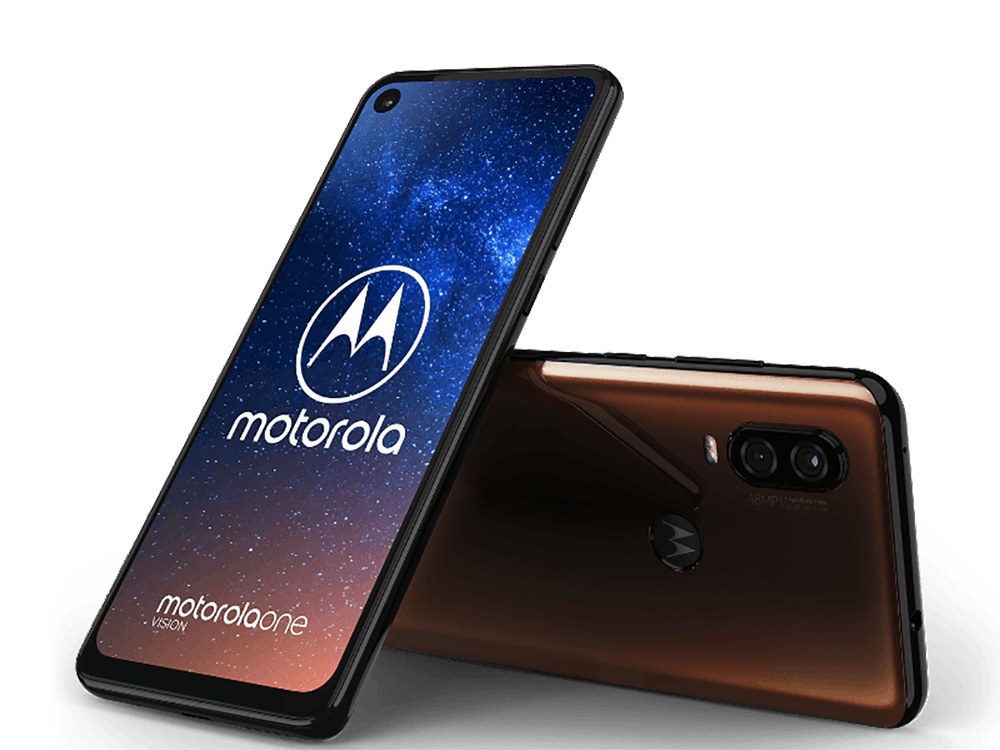
Motorola One Vision

Motorola One Vision Specifications and Price

The Motorola One Vision Android One runs on the stock edition of Android 9 Pie. It features an attractive 21:9 aspect ratio supporting IPS LCD display of 6.3 inches. The smartphone is fueled by Samsung-made Exynos 9609 chipset. The SoC is supported by 4 GB of RAM. It comes with a native storage of 128 GB. There is a hybrid SIM slot for adding a microSD card to the phone.

Motorola One Vision

A dual camera setup featuring a 48-megapixel primary sensor with f/1.7 aperture and a depth sensor of 5-megapixel with f/2.2 aperture is placed on the backside of the phone. It sports a front-facing camera of 25-megapixel. The Motorola batwing logo on the rear side of the phone is integrated with a fingerprint reader. The handset is backed by a 3,500mAh battery that is equipped with support for 15W fast charging. In Europe, it carries a price tag of 299 euros (~$334) and it comes in Blue and Bronze colors.

OPPO K3 confirmed to carry pop-up selfie camera and Snapdragon 710

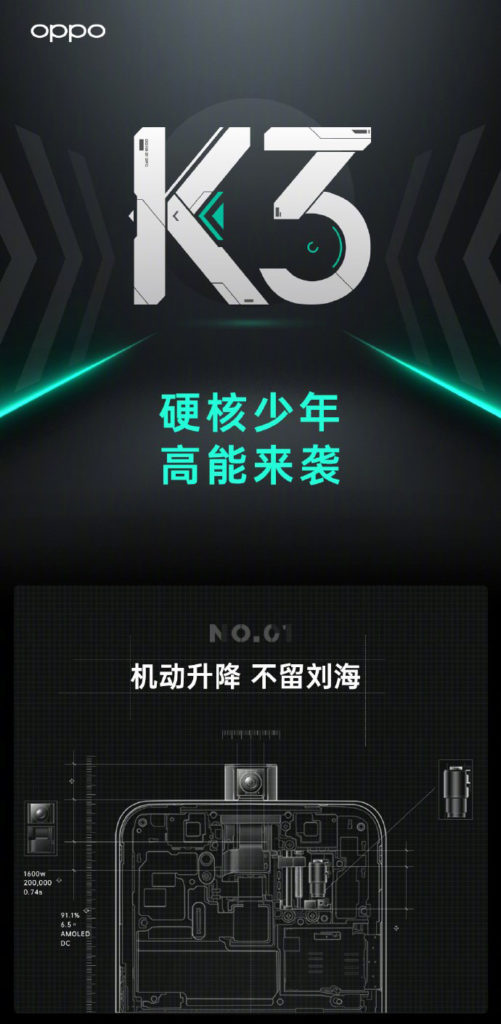
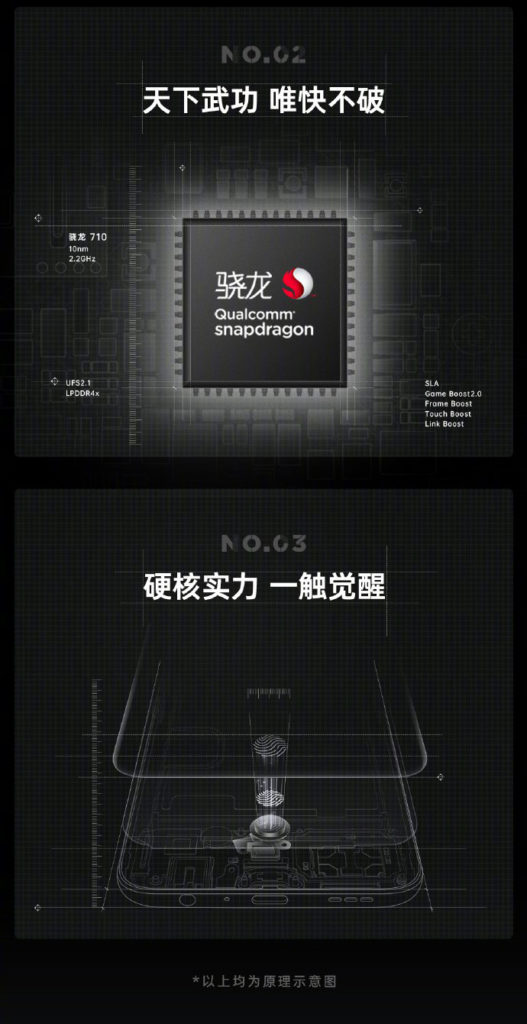
After successfully launching the new Oppo Reno flagship series, the Chinese smartphone maker will launch a new K series smartphone in China on 23 May. The latest teaser from its official Weibo handle confirms some significant details about the smartphone. OPPO K3 will sport Snapdragon 710 SoC and a 16-MP pop-up selfie sensor along with an in-display fingerprint sensor.

oppo k3 pop-up slider

The phone was also was recently spotted on China Unicom’s product library detailing most of the specifications. Carrying the model number PCGM00, it is powered by a Qualcomm Snapdragon 710 SoC, 8GB RAM, and 128GB of internal storage. It features a 6.5-inch display with the resolution of 2340 x 1080 pixels. There’s a dual rear camera module comprising 16MP+2MP sensors and a 16 MP pop-up selfie camera on the front side.

oppo k3 snapdragon 710

It will include Game Boost 2.0 for enhanced gaming performance. It measures 161.2×76.0x9.4 mm and weighs 191 grams.

It is expected to retail at the price of 2199 Yuan which roughly translates to $322 for 8GB RAM + 128 GB internal storage variant. Another edition with 6GB RAM is also likely to launch with an even cheaper price tag. OPPO K3 will come in three different colors: Nebula purple, black, and white. There will be a USB-C type interface with 20W fast charging support.

(source)

Redmi K20 official case confirms key specs; photos of retail box and merchandise released too

The Redmi K20 is yet to get a release date but Redmi keeps dropping more details. The official Weibo account has released images of the phone’s retail box, official case, and merchandise. The case, in particular, confirms some key details.

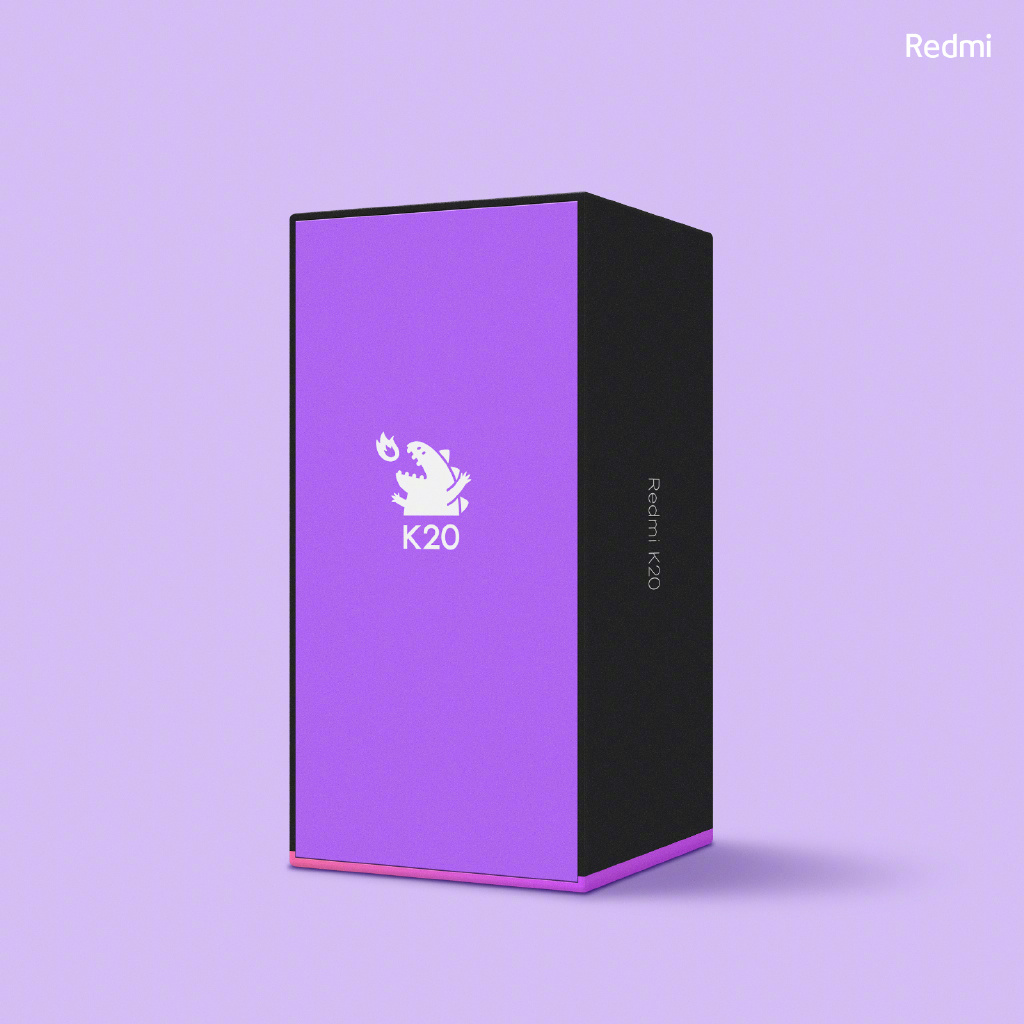
Redmi K20 retail box

The Redmi K20’s retail box will have a dual color design. The lid is black while the main box itself is purple. Underneath the box is an image of the Redmi K20 demon king.

There is also a photo of the phone’s official case. It is purple just like the box and also has an image of the demon king. There is a long cutout in the middle for the cameras. This singular design nullifies all the renders we have seen which show the phone’s cameras are on the left side.

[envira-gallery id=”253677″]

The Redmi K20 is expected to have a triple camera setup. The length of the cutout is just the right length for three cameras and an LED flash which means there is no rear-mounted fingerprint scanner. The case doesn’t have a cut-out for a side-mounted fingerprint scanner, therefore the Redmi K20 has an in-display fingerprint scanner and hence, an OLED display. The case also shows the phone’s power and volume buttons are on the right side of the frame.

Redmi also shared a photo of branded t-shirts which it might give away to lucky fans.

READ MORE: RedmiBook 14 specs leaks, has dedicated graphics card

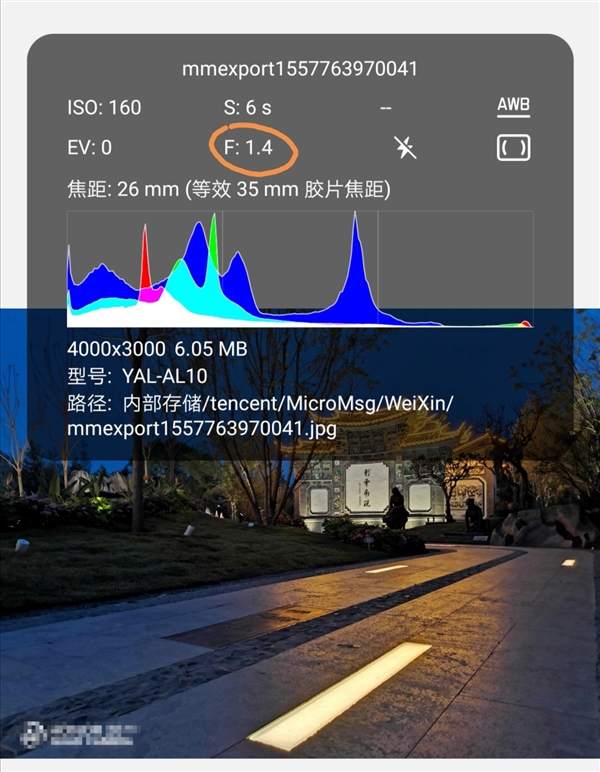
Honor 20 Pro camera samples Confirm f/1.4 Large Aperture for better Night Photography

There’s still a week left before the Honor 20 series official launch. Honor will unveil the new devices at an event in London and China. Already a lot of details have surfaced via multiple rumors and leaks in the past. Zhao Ming, President of Honor smartphone today revealed new sample photos taken from Honor 20 Pro showcasing its ability to capture photos in low-light conditions. Upon extracting EXIF data from photos, it appears the Honor Pro 20 carriers world’s first f/1.4 aperture on a smartphone.

Furthermore, a new teaser is also pushed by Honor’s official Weibo handle confirming the quad camera setup on the upcoming device. As leaked earlier, there will be dual vertical strips on the rear side – one for the triple camera module and the other for ToF depth sensor and an LED flash.

L Shaped Hot Air Ballons depicting the rear camera placement (3+1)
Honor also confirmed the presence of 48 MP AI clarity mode for impressive low-light photography. The large aperture will help the camera to capture more light even though if it is dark. It will help to reduce noise and improve the quality of photos taken in the low-light environment. Zhao Ming revealed the company has already sent Honor 20 Pro to DxOMark for rating, and they are keen to know the scores soon.

honor 20 pro

Honor 20 Pro rumored specifications

Honor 20 Pro will have a 6.26-inch IPS punch-hole display with the resolution of 2340 x 1080 and a pixel density of 412. It will be powered by Kirin 980 SoC coupled with 6GB RAM and 128 GB of internal storage.

Its punch-hole display is reported to have a 32MP sensor on the front for selfies. At the back, there will be a Quad Camera setup with a 48 MP primary sensor paired with 12MP Super Wide Angle camera, a 2MP depth Assist Camera, and another 2MP Macro camera.

It will debut with 3750 mAh battery with 22.5W SuperCharge fast charging. It should be available in Midnight Black and Sapphire Blue colors at launch.

(Via 1, 2)

ASUS Zenfone 6 live photos surfaces hours before launch

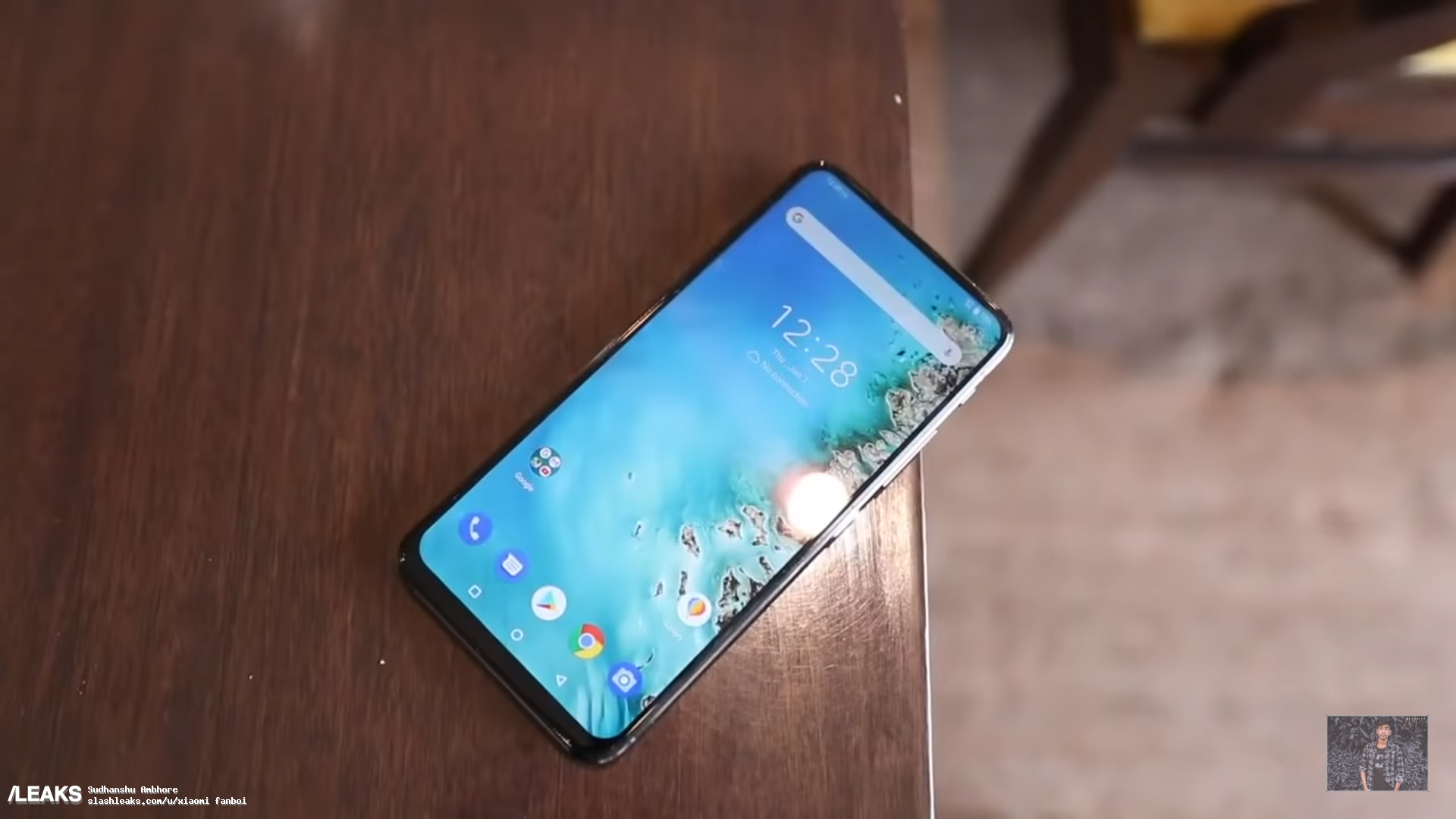
ASUS’ Zenfone 6 will be officially unveiled later today. But just hours before its launch, a review video was posted on the internet. The said video has been taken down now but someone was able to take screenshots of the flagship killer.

ASUS Zenfone 6 live image

Press renders of the phone were leaked yesterday and they showed the Zenfone 6 will have a notch-less and hole-less display. These live images confirm the design. Save for the lower bezel, the side and top bezels are really thin. The display has curved corners but we are not sure if it is LCD or AMOLED.

Based on the icons on the home screen, the Zenfone 6 seems to be running stock Android, although there is ASUS’ Gallery app and not Google Photos. However, it seems there are fewer bloatware apps. The Zenfone 5Z came with Instagram, Messenger, and Facebook pre-installed but we can’t see those on the home screen.

On the back, the ASUS Zenfone 6 has dual rear cameras – a 48MP Sony IMX586 primary camera and a 13MP secondary sensor. There is a dual LED flash between the two cameras. These sensors are motorized and they lift up to double as the front-facing cameras. We bet ASUS will assure us they have tested the module several hundred thousand times so we shouldn’t worry about durability.

[envira-gallery id=”253647″]

There is a fingerprint scanner which seems pretty small is positioned below the cameras. The back of the phone is covered in glass and there is the manufacturer’s branding along with some other text written in blue font in the middle. The Zenfone 6 has a metal frame with antenna lines along the sides.

The images show the Zenfone 6 is not a slim phone. If you have been following news of the device in the past couple of days, then you know that is expected since it packs a massive 5000mAh battery.

READ MORE: ASUS pulls the plug on the Zenpad series as it exits the tablet market

OnePlus 7 and OnePlus 7 Pro launched in China, pricing starts at 2,999 Yuan ($436)

A couple of days ago, OnePlus launched its flagship smartphones — OnePlus 7 and OnePlus 7 Pro. Now, the company has launched both the smartphones in the Chinese market, revealing their pricing details.

In China, the OnePlus 7 Pro comes in three variants — 6GB RAM + 128GB storage, 8GB RAM + 256GB storage, and 12GB RAM + 256GB storage. The 6GB RAM model is priced at 3,999 yuan (~$581) while the 8GB RAM model costs 4,499 yuan (~$654). The top-end model with 12GB RAM is priced at 4,999 yuan which roughly converts to $727.

On the other hand, the OnePlus 7 comes in two variants — 8GB RAM + 256GB internal storage and 12GB RAM + 256GB storage, costing 2,999 yuan (~$436) and 3,499 yuan (~$509) respectively.

OnePlus 7 Pro

Coming to the specifications, the OnePlus 7 comes with a 6.41-inch Optic AMOLED display with an FHD+ resolution while the Pro model features a 6.67-inch QHD+ Fluid AMOLED curved display with a 90Hz refresh rate and HDR10+ support.

The devices come with a third generation in-display fingerprint scanner that is faster and unlocks in 0.21 seconds. Both the smartphones are powered by Qualcomm’s Snapdragon 855 octa-core chipset. For storage, the company is using UFS 3.0 technology which is said to be  79% faster than UFS 2.1 technology.

The OnePlus 7 Pro comes with a 48MP f/1.6 Sony IMX586 camera has OIS and EIS, which is paired with an 8MP telephoto camera with 3x zoom and its own OIS and a 16MP 117° ultra-wide angle camera. On the other hand, the OnePlus 7 has the same 48MP Sony IMX586 sensor but with a slightly smaller f/1.7 aperture and is coupled with a 5MP f/2.4 depth sensor.

The camera modes on both smartphones include Nightscape, Portrait,  Studio Lighting, UltraShot, and Super Resolution. While the OnePlus 7 has a 16MP Sony IMX471 f/2.0 sensor housed inside the notch, the Pro model comes with a pop-up front-facing mechanism featuring a 16MP snapper.

OnePlus 7 featured

Other features on the smartphones include Stereo Speakers with Dolby Atmos sound, Bluetooth 5.0, and support for aptX and aptXHD, LDAC, and AAC. There is NFC, dual-frequency GPS, dual-band Wi-Fi, dual SIM support, and a USB Type-C port.

Both the devices are running Oxygen OS 9.5 based on Android 9 Pie operating system that comes with features like Game Mode, Fnatic Mode for the world-class gaming experience, and Zen Mode to take a break from the phone.

The OnePlus 7 Pro is powered by a 4,000mAh battery while the standard model comes with a 3,700mAh battery. While the Pro model supports 30W Warp Charging technology, the standard model is limited to 20W fast charging.

Read More: OnePlus announces the upgraded Bullets Wireless 2 earphones with Warp Charge support for the price of $99

As for the color options, the OnePlus 7 Pro is offered in three colors in China — Nebula Blue, Mirror Grey, and Almond (Gold). While the Almond color will go on sale from mid-June, the other two color variants will be available for purchase in China from 21st May. The OnePlus, on the other hand, will go on sale in China from 5th June.