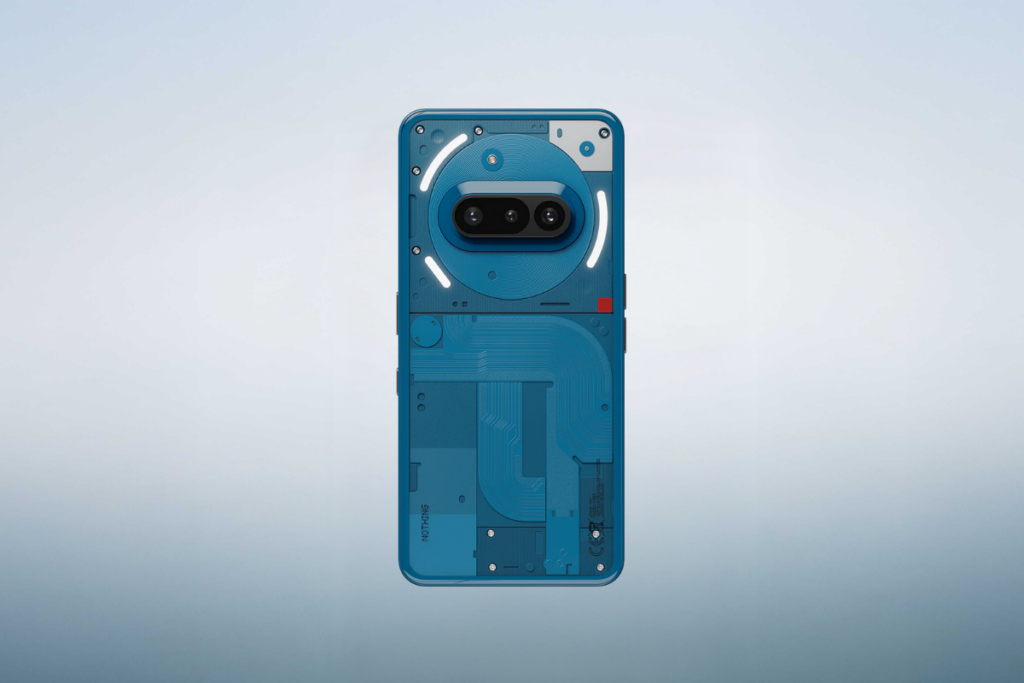
Following its appearance on Geekbench yesterday, the rumored Nothing Phone (3a) Lite has surfaced in another leak, this time revealing its possible price and launch date.
According to French outlet Dealabs, the Phone (3a) Lite is expected to go on sale in Europe on November 4. If true, it is a bit surprising that Nothing has still not begun hyping up the device yet.
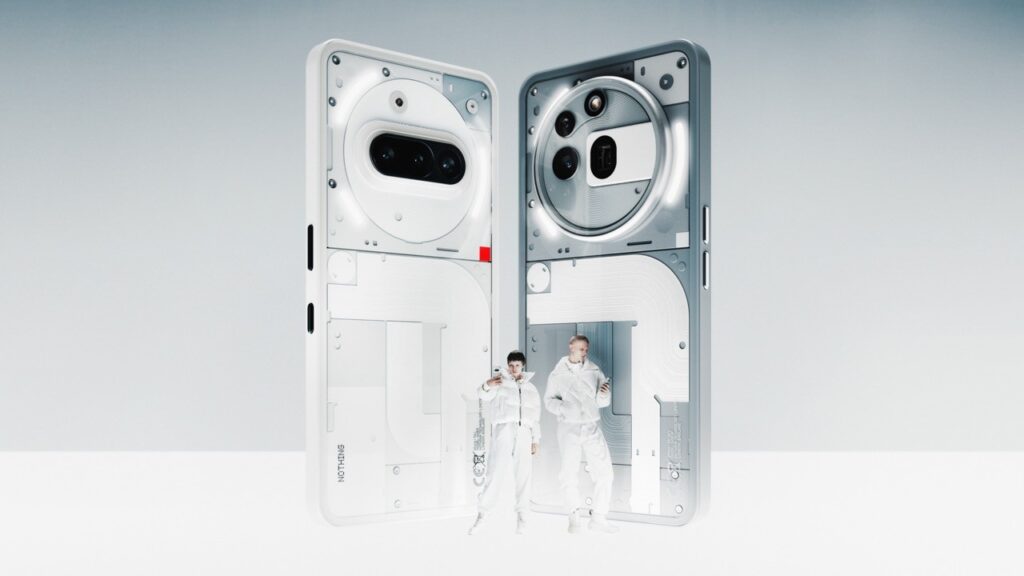
Nothing Phone (3a)
The company typically kicks off its teaser campaigns weeks, if not months, ahead of a product launch, but so far there has been no hint that a “Lite” model is on the way.
Seems like it could be a surprise launch. And with an alleged November 4 release on the calendar, Nothing could announce the device as early as this week.
What can you expect?
The leak also claims that the device will ship in a single configuration with 8GB of RAM and 128GB of storage, and will be available in the classic black and white shades.
As for pricing, the Phone (3a) Lite is said to cost €249.99 (around $290) in France, while some European markets could get it for as low as €239.99. For comparison, the standard Nothing Phone (3a) starts at €349.99 for the same base storage and RAM.
In terms of hardware, the “Lite” model is likely to feature MediaTek’s Dimensity 7300 chipset, as confirmed via Geekbench listing, and could ship with Android 15 out of the box.
The Dimensity 7300 is an octa-core CPU with four Cortex-A78 cores running at 2.5GHz and four Cortex-A55 at 2GHz. Graphics is handled by the ARM Mali-G615 GPU.
There’s not much else to go on for now, though we’ll likely learn more as we get closer to that rumored launch.
For more daily updates, please visit our News Section.
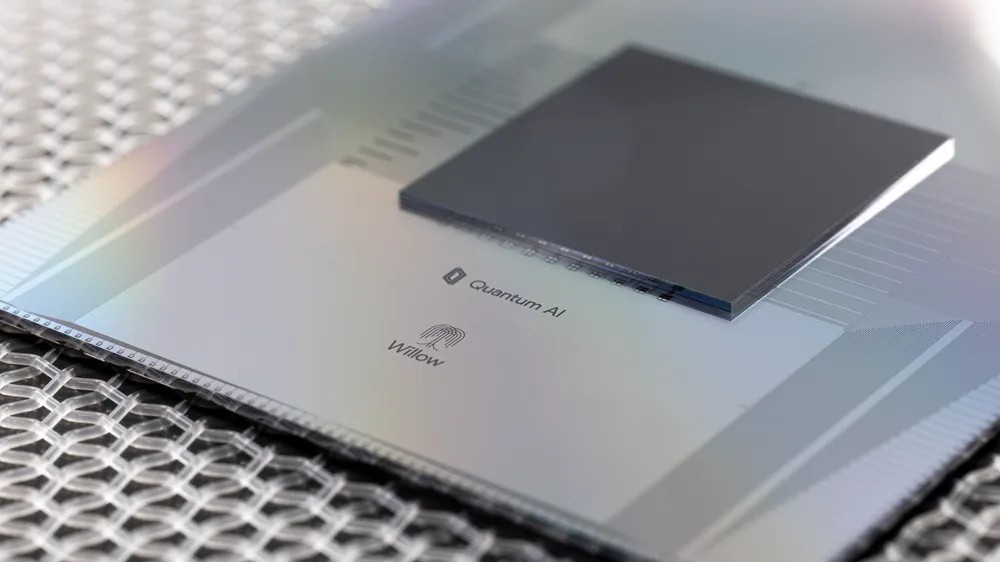
Google’s Quantum AI team has unveiled a major milestone in quantum computing with its new Willow processor — a 105-qubit superconducting chip that reportedly runs certain calculations 13,000 times faster than today’s most powerful supercomputers. The breakthrough, published in Nature, marks one of the clearest demonstrations yet of quantum advantage in a practical, verifiable experiment.
The Willow chip successfully completed the Quantum Echoes algorithm — a test designed to measure quantum chaos. Unlike the company’s 2019 Sycamore experiment, which showed quantum “supremacy” only on a highly specific random-sampling test, Willow’s performance has broader scientific value, simulating molecular structures and electronic behaviors with far greater accuracy.
Michel Devoret, one of the project’s lead physicists, described Willow as evidence that electrical circuits can behave like “artificial atoms,” allowing researchers to explore atomic interactions without relying on traditional approximations.
Each qubit of the chip can exist in multiple states simultaneously and become entangled with others, enabling computations across an enormous range of possibilities at once. Its single-qubit gate fidelity reaches 99.97%, while entangling operations hit 99.88%, both critical for reducing cumulative errors in larger systems.
The performance jump could have practical consequences beyond academic benchmarks. Simulating molecular bonds and chemical reactions could accelerate drug discovery and materials research, while future applications might help design more efficient batteries or superconductors. Quantum methods may even aid AI training by handling complex optimization tasks with less energy consumption.
Still, researchers caution that the field is far from fully realized. Scaling to stable, error-corrected logical qubits remains the hardest problem to solve. But Willow represents a meaningful step forward — not just a flashy demo, but a testbed showing that quantum hardware can now produce results worth verifying and building on.
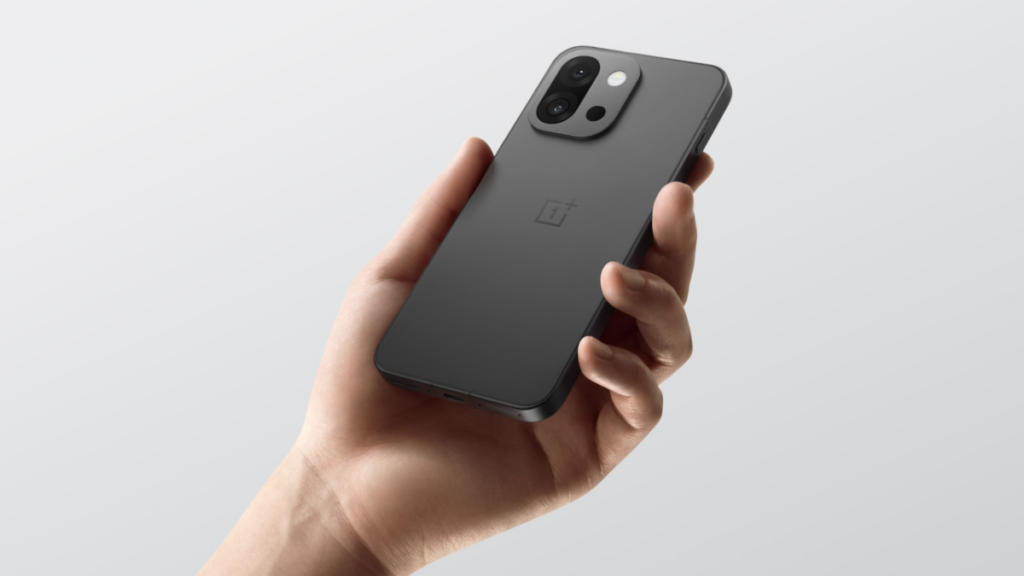
With the OnePlus 15 launch just around the corner, the company is already building hype with a look at its new magnetic cases.
Revealed on October 24 through OnePlus’s official Weibo account, the lineup includes three cases—each with a built-in magnetic ring for use with wireless chargers, wallets, or stands. They’re part of OnePlus’s push into the wider Oppo Mag ecosystem, allowing easy accessory swaps across both brands.
First up is the Sandstone Magnetic Case, a clear throwback to the original OnePlus One. It brings back the grippy matte texture fans loved, offering better hold and resistance to smudges.
The Aramid Fiber Case takes a more premium route, with a lightweight woven finish that feels refined while keeping the phone slim.
Then there’s the Magnetic Hole Case, an option aimed at customization. The perforated back reportedly helps with cooling and also gives users room to add stickers or personal designs.
They’re expected to launch alongside the OnePlus 15 at the October 27 China event, with wider availability likely in December. The pricing of the accessories hasn’t been confirmed yet.
These cases also signal something bigger: OnePlus is moving toward Qi2 magnetic wireless charging, making it easier to use third-party accessories from brands like Anker. The company has also announced a Bonus Drop Bundle for the European market that includes a Sling Bag and a 120W GaN charger.
In other aspects, the OnePlus 15 packs a 165Hz, 1.5K AMOLED display, triple 50MP cameras, and a massive 7,300 mAh battery. The phone can even hit 165fps through frame rate interpolation in supported games.
For now, the new cases seem built to match that mix of power and polish, offering protection without extra bulk.
After weeks of anticipation, Nothing has finally rolled out the Nothing OS 4.0 Open Beta for its Phone (3a) and Phone (3a) Pro, bringing Android 16 features and a handful of design refinements to the brand’s mid-range lineup.
The update arrives as build Asteroids-V3.2-251013-1406, and follows earlier betas released for the Phone (3), Phone (2), and Phone (2a) models. The delay for the 3a series appears to have been deliberate, giving Nothing time to tune performance for the phones’ Snapdragon 7s Gen 3 chip and 6.77-inch display.
Like other Open Betas, this one comes with a few cautions. Nothing advises users to back up data before installing, since early builds can bring the usual mix of bugs, app crashes, and the occasional “glyph glitch.” Enrollment closes on November 7, and sign-ups can be done through Settings → System → Nothing Beta Hub → Join Beta.
What’s New in Nothing OS 4.0
While much of Nothing OS 4.0 builds on the features already seen in earlier betas—like AI-powered dashboards, faster multitasking, and overall performance tweaks—the 3a update also introduces some notable additions.
A refreshed Nothing icon pack gives the interface a lighter, more refined look, still rooted in the brand’s dot-matrix aesthetic. The Camera app gets a creative upgrade too, thanks to a new “Stretch” preset developed in collaboration with filmmaker Jordan Hemingway. The feature enhances contrast and tone for a cinematic, moody look straight out of the sensor—ideal for the 3a’s dual-lens setup.
Another highlight is Lock Glimpse, a customizable lock-screen feed that rotates through curated wallpapers and quick-view widgets like weather or reminders. Nothing says future updates will allow personal photo integration while keeping data encrypted locally—no cloud snooping here.
Beta users should expect some rough edges, but for those willing to trade a bit of stability for early access, the 4.0 beta offers a lively glimpse of Nothing’s next big step in software design.
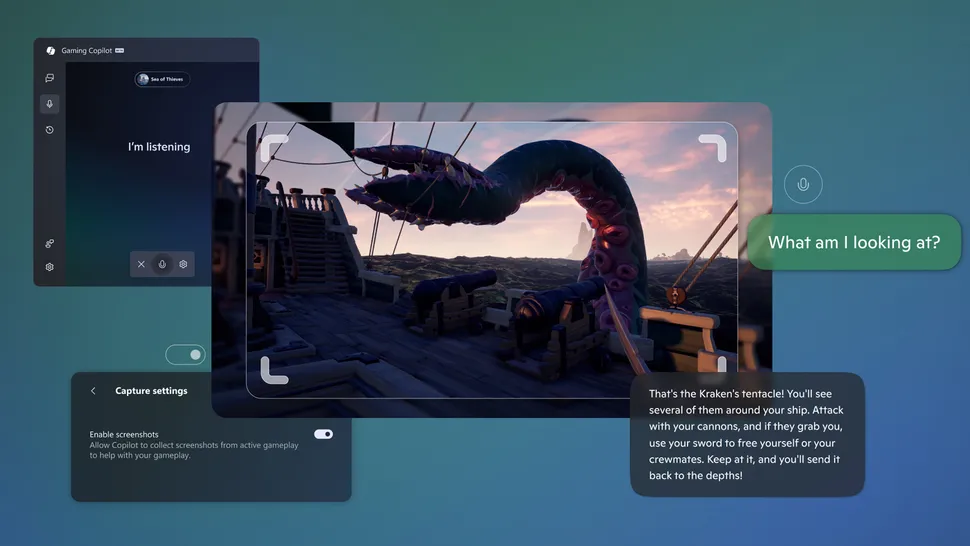
Microsoft’s new Gaming Copilot feature was pitched as a smart assistant for gamers, designed to offer contextual tips and on-the-fly help inside the Xbox Game Bar. But instead of applause, it’s drawing criticism over potential privacy issues and performance drops — raising concerns about whether the AI is more of a hindrance than a helper.
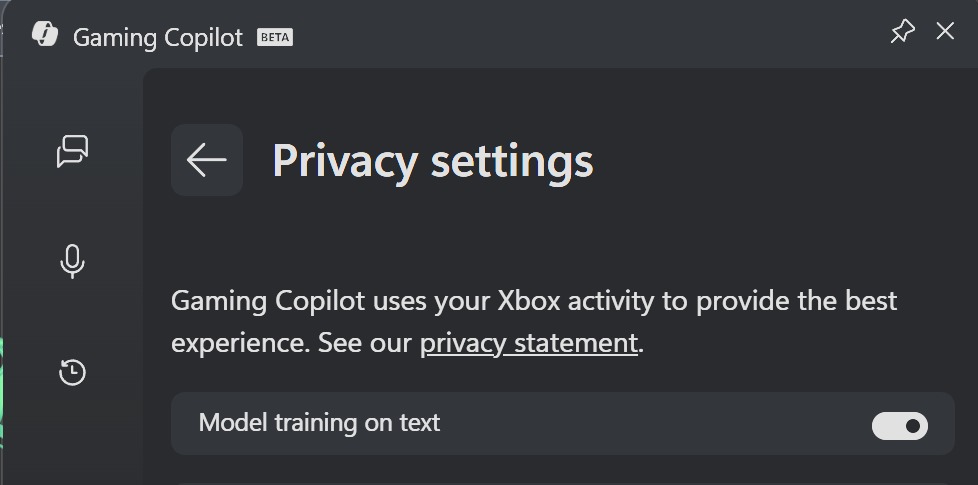
The controversy began on the ResetEra forums, where a user named RedbullCola shared screenshots of unexplained network activity during Gaming Copilot sessions. According to the post, the tool appears to scan gameplay screenshots using OCR (optical character recognition) to identify on-screen text — such as quest objectives or achievement prompts — before sending that data back to Microsoft’s servers for analysis.
The problem? A “Model training on text” option is reportedly enabled by default, suggesting some user data may be used to improve AI models unless manually disabled. That’s raised eyebrows among privacy-conscious players, especially those testing unreleased or NDA-bound titles. Microsoft has since said that users can turn this off in Gaming Copilot’s privacy settings, though it hasn’t clearly detailed how much processing happens locally versus in the cloud.
Adding to the frustration, early testers report noticeable performance hits. Some users reported frame rate dips of around 4–9 FPS in Dead as Dusk when Gaming Copilot was active, partly because the feature relies on Microsoft Edge running in the background. On high-end rigs, it’s tolerable, but on handhelds like the ROG Ally, it compounds Windows 11’s existing bloat and background load.
Critics argue that the system-level integration feels premature. While AI-assisted gameplay tools like Razer’s Game Co-AI are also in testing, Microsoft’s deep OS tie-in means even minor privacy lapses or inefficiencies draw outsized scrutiny. Unless the company clarifies its data practices and optimizes performance, the feature could backfire with its core audience.
For now, cautious users can disable Gaming Copilot through the Game Bar > Settings > Privacy menu. The idea of AI-enhanced gaming isn’t unwelcome — but as one NeoGAF commenter put it, “AI help shouldn’t need my help to stop spying.”
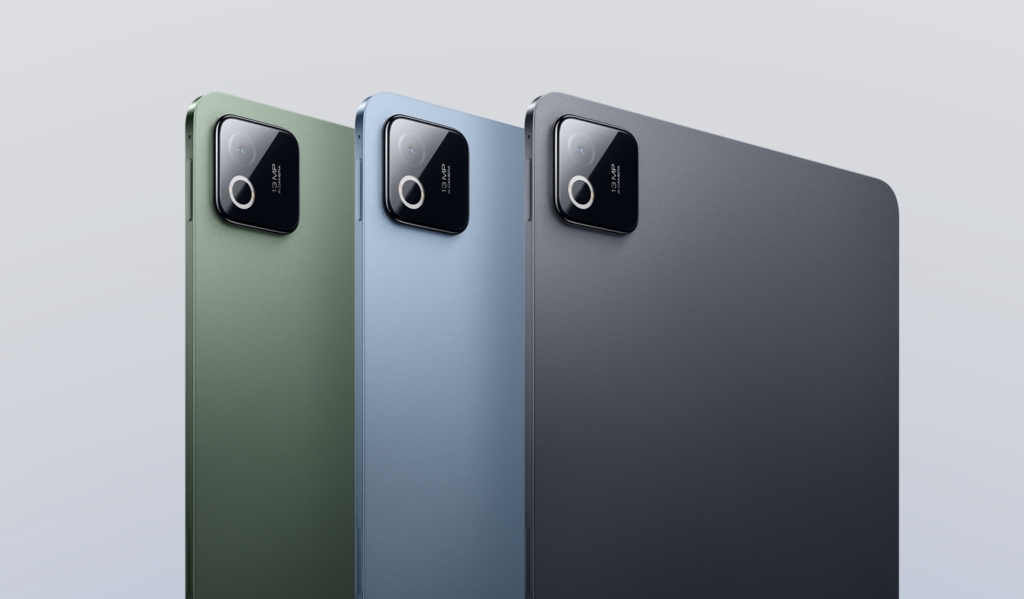
It hasn’t been long since Xiaomi launched the Pad 8 series in China, but the company is already gearing up for what’s next.
A fresh report from XiaomiTime reveals that Xiaomi has already started work on the upcoming Pad 9 lineup. As expected, the series will include the Xiaomi Pad 9 and Pad 9 Pro, and their codenames have now reportedly surfaced through a database listing.
The two tablets are said to carry the codenames “Erhu” and “Guitar,” respectively. This continues Xiaomi’s familiar musical instrument–based naming pattern, which has been used across previous generations.
Xiaomi Pad 9 Pro could miss India launch
According to the leak, the Pad 9 lineup is headed for most global markets except Japan. However, the Pad 9 Pro may skip India, the report claims.
It’s still too early to learn detailed information about the Xiaomi Pad 9 series. After all, the Pad 8 lineup hasn’t even launched in international markets yet. Still, looking at the current-generation Pad 8 models gives us a good sense of what to expect.
The Xiaomi Pad 8 features an 11.2-inch 3.2K LCD screen with a 144Hz refresh rate, Dolby Vision, and TÜV-certified eye protection. It runs on Qualcomm’s Snapdragon 8s Gen 4, paired with a 9,200mAh battery that supports 45W fast charging.
The Pad 8 Pro steps things up with a Snapdragon 8 Elite (3nm) processor, a 50MP main camera, and 67W fast charging for its 9,200mAh battery. It also supports 4K video recording, multi-device connectivity, and offers a matte finish option with anti-glare coating.
We will keep you updated on the Xiaomi Pad 9 series as soon as we hear more about it.
For more daily updates, please visit ourNews Section.
We all expected 2025 to be the year of ultra-slim phones. And in a way, it is. Samsung released its contender as the Galaxy S25 Edge, and Apple followed it with the iPhone Air in September.
But the journey doesn’t seem to be going very far, at least for these two. Both Apple and Samsung reportedly have very low demand for their ultra-slim model in the market. So much so, Samsung is pulling the plug on the Edge lineup entirely, just after one release.
Still, that doesn’t mean the slim-phone experiment is over. According to tipster Digital Chat Station on Weibo, at least two of the top five Chinese manufacturers are now testing ultra-light and ultra-thin designs of their own. And Xiaomi could be one of them.
In a separate leak, tipster Smart Pikachu revealed that Xiaomi might be working on a slim Xiaomi 17 Air.
According to the report, the phone might ship with a 6.6-inch 1.5K display and a 200MP main camera, which even the Xiaomi 17 Pro Max doesn’t offer. The leak also points to full eSIM support, with no physical SIM tray at all. This isn’t surprising for a slim device where every cubic millimeter of space matters.
If Xiaomi really goes down the ultra-slim path, the result might actually be more practical than what we’ve seen from the iPhone Air or Galaxy S25 Edge.
Chinese brands have already embraced silicon-carbon battery tech, which allows for packing larger capacities in smaller spaces. We’re already seeing the payoff.
The Xiaomi 17 Pro Max, for instance, manages to fit a 7,500mAh battery inside an 8mm frame. So if Xiaomi builds a 6mm-class “Air” model, it’s reasonable to expect a battery somewhere just shy of 5,000mAh.
Still, the Xiaomi 17 Air isn’t confirmed yet. We will keep you in the loop if we learn new details.
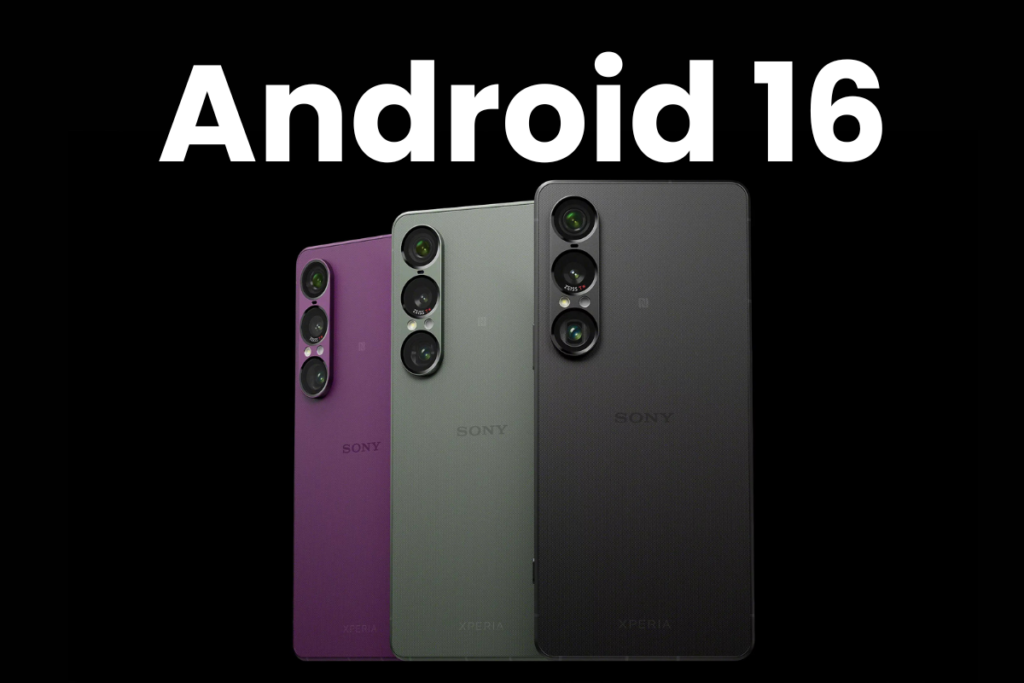
The Xperia 1 VI and Xperia 10 VI are finally getting their Android 16 update. The rollout began in late October 2025 across Europe and the UK. The Xperia 1 VI is receiving build 69.2.A.2.30, which also includes the October 2025 security patch. You can check manually via Settings → System → About Phone → Software Update.
Google’s Pixels got Android 16 in June, and Sony’s own Xperia 1 VII picked it up in mid-September — leaving the VI series behind on Android 15 since launch. Still, the update brings plenty of welcome tweaks.
Notable improvements and new features
Sony’s changelog highlights a few meaningful upgrades beyond Android 16’s general refinements. The Settings menu has been reorganized with renamed items and new sections, including a dedicated “Modes” feature. This lets users create profiles such as Do Not Disturb, Bedtime, and Driving — each capable of muting notifications or adjusting screen behavior to minimize distractions. There’s even an option to build custom modes for different routines.
Display customization also gets smarter. Under Image quality settings, users can now pick a new “Recommended” mode that automatically optimizes visuals for content and usage. White balance controls have been simplified too.
Meanwhile, Side sense — Sony’s gesture shortcut feature — has moved to a new location under Settings → System → Gestures, and now includes helpful multitasking guides for split-screen and pop-up window use. The lock screen menu has also been refreshed with easier access from the Home screen and a renamed “Double-tap to check phone” option.
Lastly, Screen mirroring has been integrated into the Cast function in Quick Settings, making it simpler to project your Xperia display to a compatible TV over Wi-Fi Direct.
This is the second and near-final major OS update for both devices, with only Android 17 left on the roadmap. While performance is smoother and the UI feels more modern, Sony’s three-year update window lags behind competitors offering up to seven years.
Still, for Xperia 1 VI and 10 VI owners, Android 16 delivers useful refinements, stronger stability, and a touch of modern polish — even if it took its time getting here.
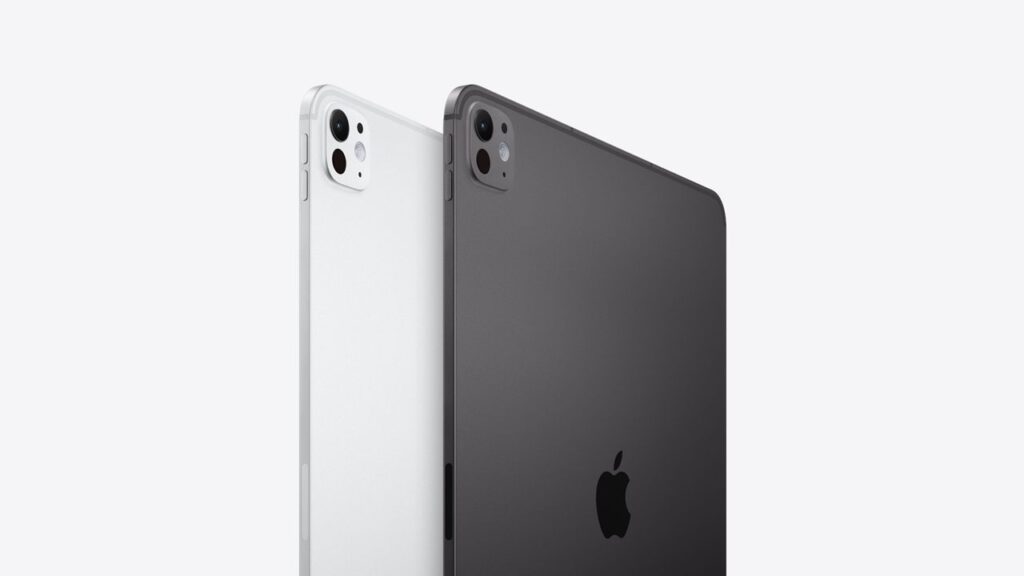
Apple’s M5 iPad Pro has been positioned as the most powerful tablet the company ever made, but how does it actually handle console-grade games? A recent deep-dive from YouTuber MrMacRight offers some insight — and the results show serious gains in performance and thermals, even if some ports still need work.
The 16GB M5 model, featuring a 10-core CPU, was tested head-to-head against the M4 and older M1 versions using demanding AAA titles like Resident Evil 4, Death Stranding, and Assassin’s Creed Mirage. All were run using their native iPad or App Store ports, keeping settings consistent for fairness.
The M5’s biggest win comes from sustained performance. In extended stress tests, it held smooth frame rates and lower temperatures far longer than the M4, thanks to better cooling and efficiency. In Resident Evil 4, frame rates often hovered between 50–60 FPS on balanced settings, while the M4 trailed in the mid-40s and the M1 struggled to hit 20.
Death Stranding impressed even more, running natively at 1080p on very high settings with a steady 30 FPS, or 60 FPS when lowered to balanced mode. The visuals looked sharp, free of upscaling blur, though minor ghosting was visible on the larger display.
The biggest disappointment came from Assassin’s Creed Mirage, which was locked to 30 FPS regardless of settings. Frequent stutters and fixed resolution scaling made the experience rough, suggesting the issue lies in poor optimization rather than hardware limits.
Overall, the M5 iPad Pro proves that Apple’s latest chip can handle serious gaming — and do it without breaking a sweat. But as this test makes clear, hardware isn’t the bottleneck anymore. Until developers fully tune their AAA ports, Apple’s powerhouse tablet will remain a step shy of being a true console replacement.
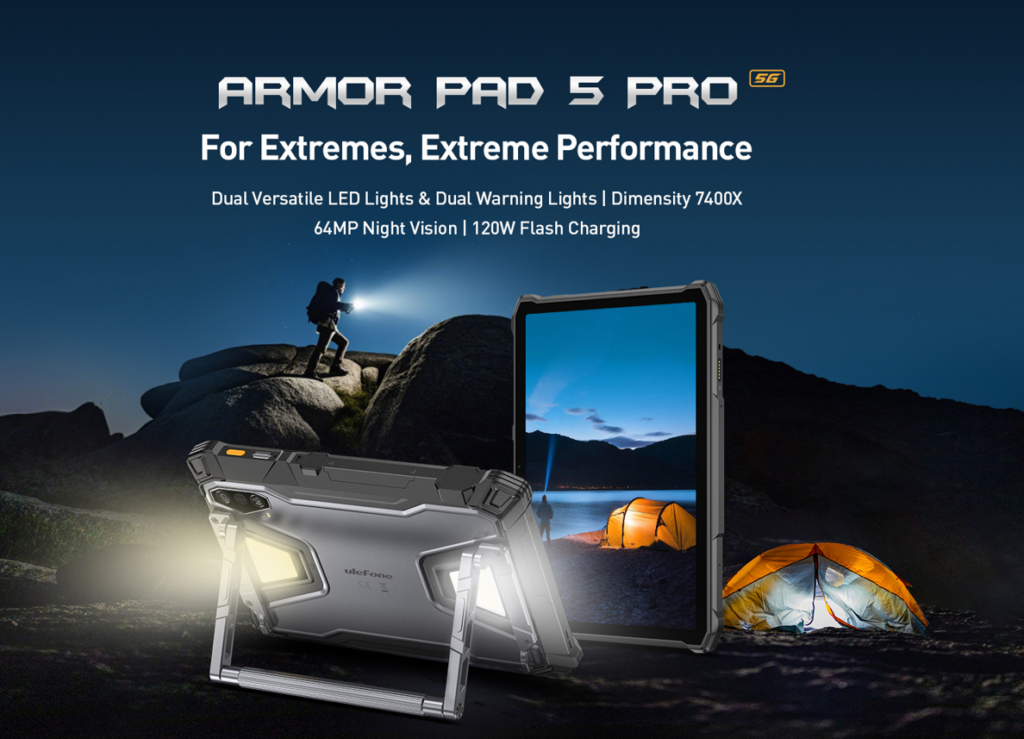
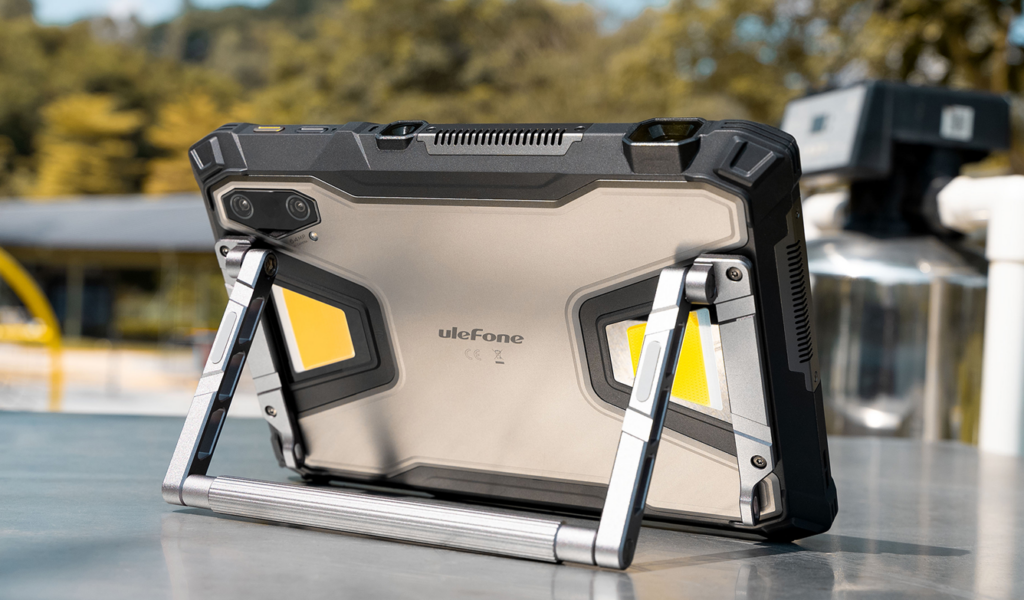
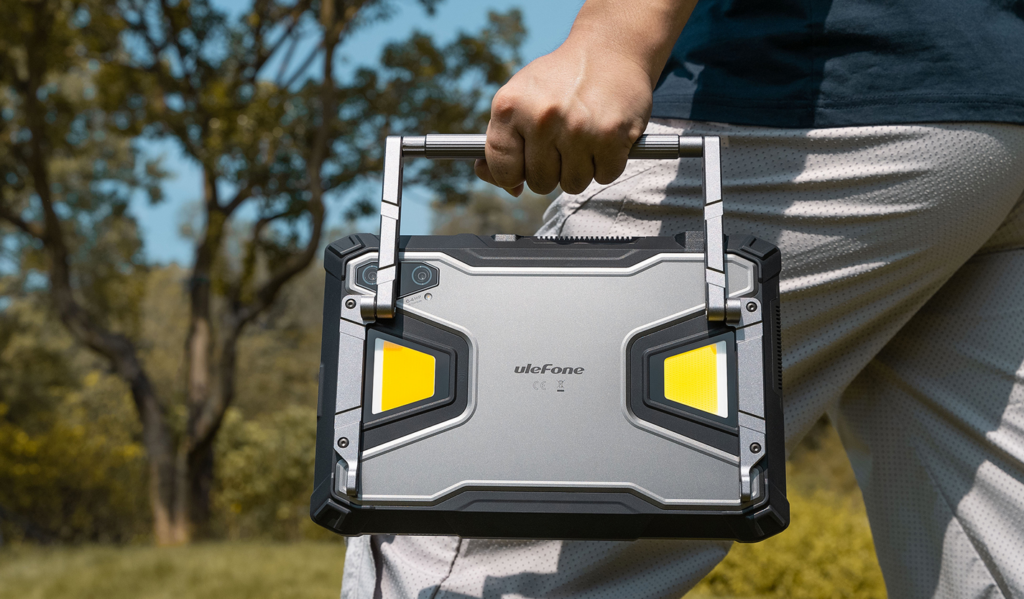
Ulefone, the top player in rugged technology innovations, has officially launched its next-generation tablet lineup, the Armor Pad 5 Series. This new series introduces flagship-level power and durability, featuring the Armor Pad 5 Ultra and Armor Pad 5 Pro. The devices will go on sale during the AliExpress Double 11 event on November 11, 2025.
Flagship Power and Rugged Design
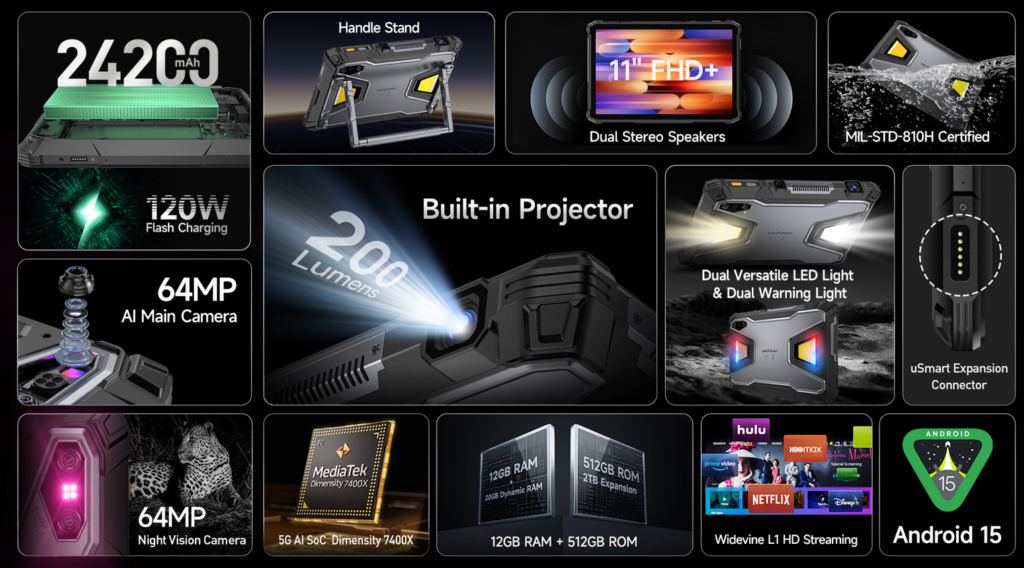
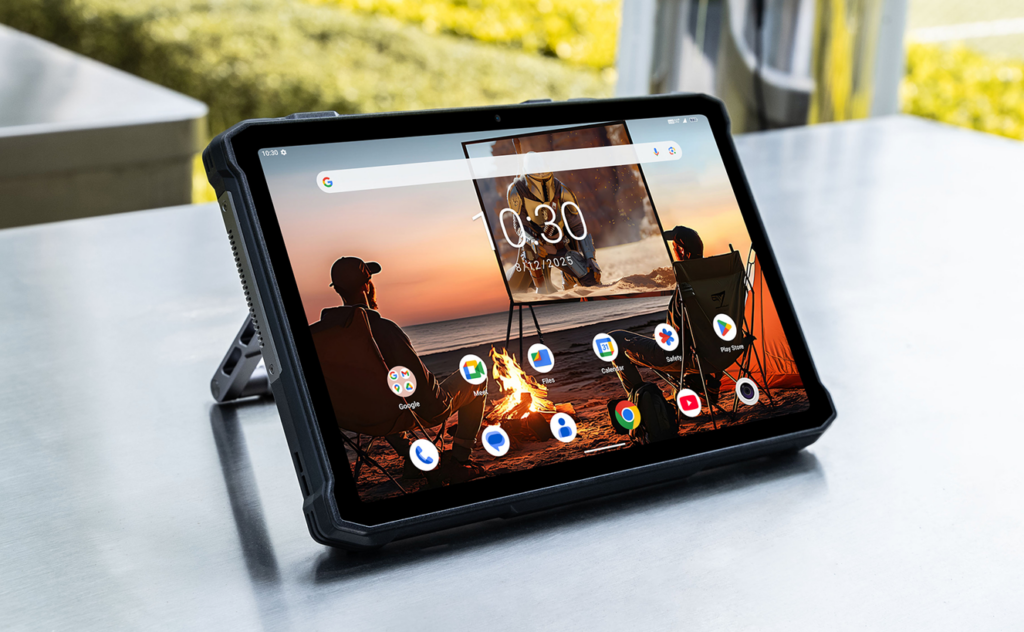
The Armor Pad 5 Series is powered by the MediaTek Dimensity 7400X 5G chipset, making it the fastest and most powerful rugged tablet ever from Ulefone. Running on Android 15, it promises smooth multitasking and performance even in demanding environments. Built for professionals, travelers, and outdoor enthusiasts, the tablet combines strength, performance, and long-lasting utility.
Armor Pad 5 Ultra: The World’s First Rugged Tablet with a Built-in Projector
The highlight of the series is the Armor Pad 5 Ultra, which comes with a 200-lumen built-in projector. It supports a 960 × 540 resolution with both auto and manual focus options. The smart 26° upward throw angle ensures that users can project perfectly even when the tablet lies flat on a surface. A dedicated projector control key and a quick-access widget make operation effortless.
Massive Battery and Ultra-Fast Charging
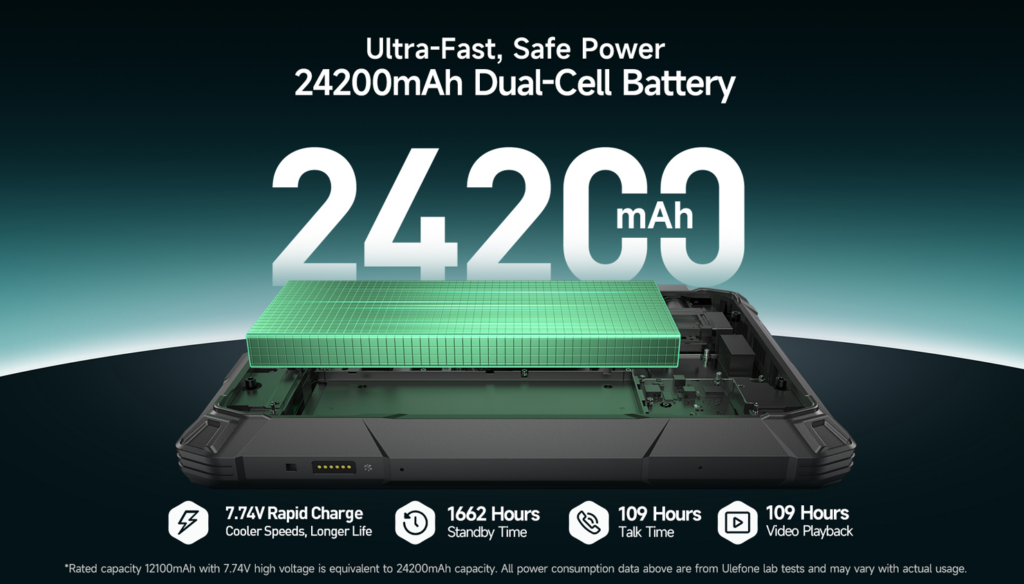
Powering the tablet is a massive 24,200mAh dual-cell battery, the largest in its class. It supports 120W flash charging, allowing users to charge up to 20% in just 10 minutes. The Armor Pad 5 can also function as a power bank with 10W reverse charging, ideal for outdoor use.
Lighting and Utility for Professionals
The tablet features dual versatile LED lights with 754 LEDs, capable of producing up to 1000 lumens of brightness. Users can switch between warm, cold, or mixed light modes using a dedicated lighting key. For emergency or signaling purposes, it also includes dual warning lights with 64 LEDs that support both constant and blinking modes.
Advanced Camera and Storage System
For imaging, the Armor Pad 5 Ultra is equipped with a 64MP main camera, a 64MP infrared night vision camera, and a 32MP front camera for video calls or selfies. Storage capacity is another highlight; it comes with 512GB internal storage, expandable up to 2TB, and 12GB RAM (expandable to 20GB).
Immersive Display and Connectivity
The tablet features an 11-inch FHD+ display with 1920 × 1200 resolution and up to 600 nits brightness, offering great visibility even outdoors. Connectivity options include 5G, WiFi 6E, Bluetooth 5.4, and six-system global navigation, ensuring reliable connectivity wherever you go.
Availability and Models
Ulefone will officially premiere the Armor Pad 5 Ultra and Armor Pad 5 Pro on AliExpress during the Double 11 (November 11) global sale. The Ultra model includes the built-in projector, while the Pro model offers the same high-end specs without the projector.
For more information, visit the official Ulefone website or check out the official introduction video.
RayNeo, the Augmented Reality (XR) brand incubated by TCL, has officially launched its fourth-generation AR glasses, called the RayNeo Air 4. Announced at the company’s autumn product event on October 23, the new glasses are the first in the world to feature an HDR10 display.
RayNeo Air 4 Specifications
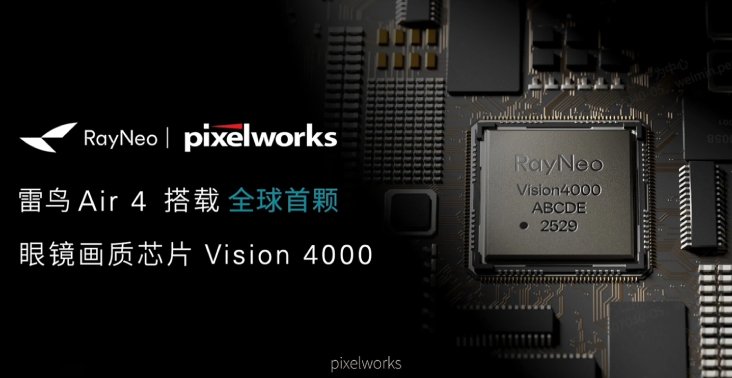
At the heart of the RayNeo Air 4 is the new Vision 4000 image quality chip, co-developed with Pixelworks, a company known for its display processing technology.
This is RayNeo’s first customized AR chip, which unlocks HDR10 support, AI HDR, and AI 3D video capabilities for the first time in a pair of glasses.
With the Vision 4000, the Air 4 delivers up to 1200 nits of brightness and supports 1.07 billion colors. Like TVs, the glasses can also automatically convert standard HDR for more lifelike visuals.
RayNeo is using a 5.5-generation micro-OLED display that covers 145 percent of the sRGB space and 98 percent of DCI-P3, paired with a 120Hz refresh rate. When viewed at full scale, the virtual screen can stretch up to a claimed 135 inches.
It’s not just the visuals, though. RayNeo has teamed up with famous audio brand Bang & Olufsen (B&O) to tune a new four-speaker system powered by independent DAC drivers and ultra-large polymer diaphragms.
RayNeo says its engineers traveled to Denmark to work directly with B&O’s acoustic team, fine-tuning what they call “high sound pressure level dynamic performance.” The result is a cleaner, deeper sound with an optional sound guide fin that directs audio straight to the ear, cutting sound loss by 80%.
The Air 4’s new AI 3D engine also allows users to transform 2D videos into 3D with a single tap. Combined with AI-driven SDR-to-HDR conversion, users get the best picture quality without waiting for official remasters.
As for pricing, the RayNeo Air 4 starts at 1,599 yuan, while the Air 4 Pro comes in at 1,699 yuan.
For more daily updates, please visit our News Section.
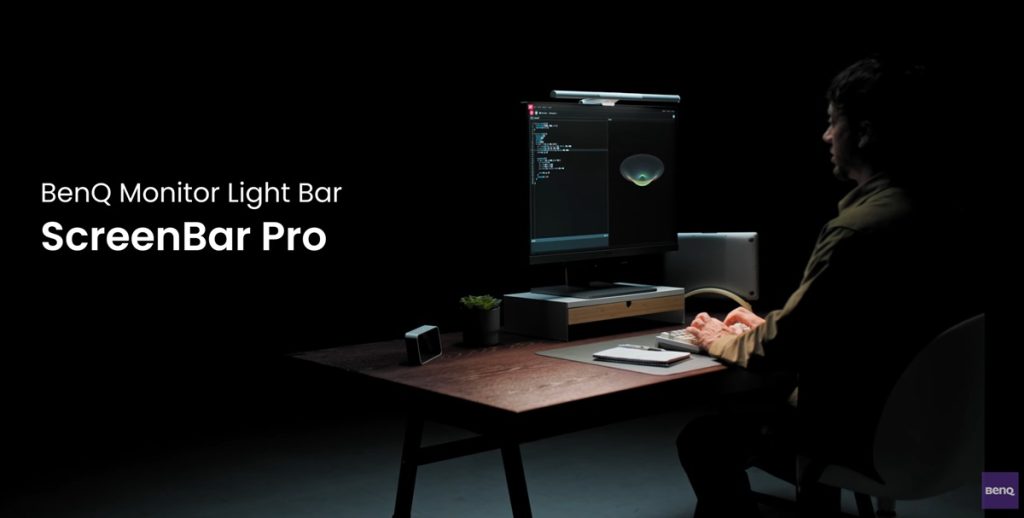
BenQ has expanded its productivity-gear lineup in India with the launch of the ScreenBar Pro, a dedicated monitor light bar built for modern work. The new monitor is built with features to offer a comfortable viewing experience with lesser stress on user’s eyes. So here’s everything you need to know.
BenQ ScreenBar Pro Monitor Light Bar: What Does it Offer?
The company’s latest gadget features a unique design that replaces the traditional monitor with a light bar display technology. It is also better than typical LED desk laps since it promises reduced eye strain and balanced contrast glare for more comfortable visuals. This light bar’s glare free illumination can automatically detect user presence and make adjustments, supports 16 brightness levels, and 8 color temperature settings.
BenQ ScreenBar Pro monitor light bar
BenQ’s ScreenBar Pro Monitor Light Bar can be powered by a USB Type-C port or via the 15W adapter that is included in the box. Other notable features include, 3rd generation ASYM Light technology, a patented counterweight clamp, ultrasonic motion sensors, real time auto dimming, and full spectrum LED chips. The company’s ScreenBar Pro has undergone durability testing, promising a robust design that can handle lamp head rotation, clip stress, extreme temperatures, humidity, and more.
The installation process is quite simple as one just needs to attach the monitor and connect the cable to get it running. BenQ has just been announced in the Indian market for 13,490 INR for the Black model, while the Silver variant costs 13,990 INR. This monitor is currently listed for pre-order on the brand’s official website, with first sales kicking off at the end of this month.
For more daily updates, please visit our News Section.
OnePlus is considered one of the best and reliable Android brands when it comes to software. Its OxygenOS custom skin offers a clean, modern software experience with plenty of features and customizations, and it keeps getting better with future updates.
The brand provides not just a great software experience but also long-term software support, especially for its recent flagship and mid-range phones. It offers up to six years of software updates, so that the device stays protected against new threats for a longer period, while also helping users avoid the need for frequent upgrades.
We’ve prepared a list of OnePlus devices that promise six years of software updates. Review the list below to find out if yours is in for the longest software treat from the brand.
List of OnePlus devices eligible for six years of software updates
OnePlus 13
OnePlus 13R
OnePlus 13s
OnePlus Nord 5
OnePlus Nord 4
OnePlus Nord CE 5
OnePlus Pad 3
If your OnePlus device is on the list above, it will receive software updates for six years from the date it was launched. This doesn’t mean major Android OS updates, but the security patches. Security updates do not include new features or UI changes, but they do include patches for the latest vulnerabilities found in the Android OS and OnePlus devices, helping the device remain safe and secure.
As for the major upgrades, all devices on the list are eligible for four Android OS upgrades, except the OnePlus Pad 3, which is eligible for four OS upgrades.
All the devices on the list are also eligible for Android 16-based OxygenOS 16 upgrade, which is scheduled to begin in November. This is not just another upgrade but a major one that brings many exciting features and plenty of upgrades. You can take a look at the OxygenOS 16 rollout schedule here and the major changes here.
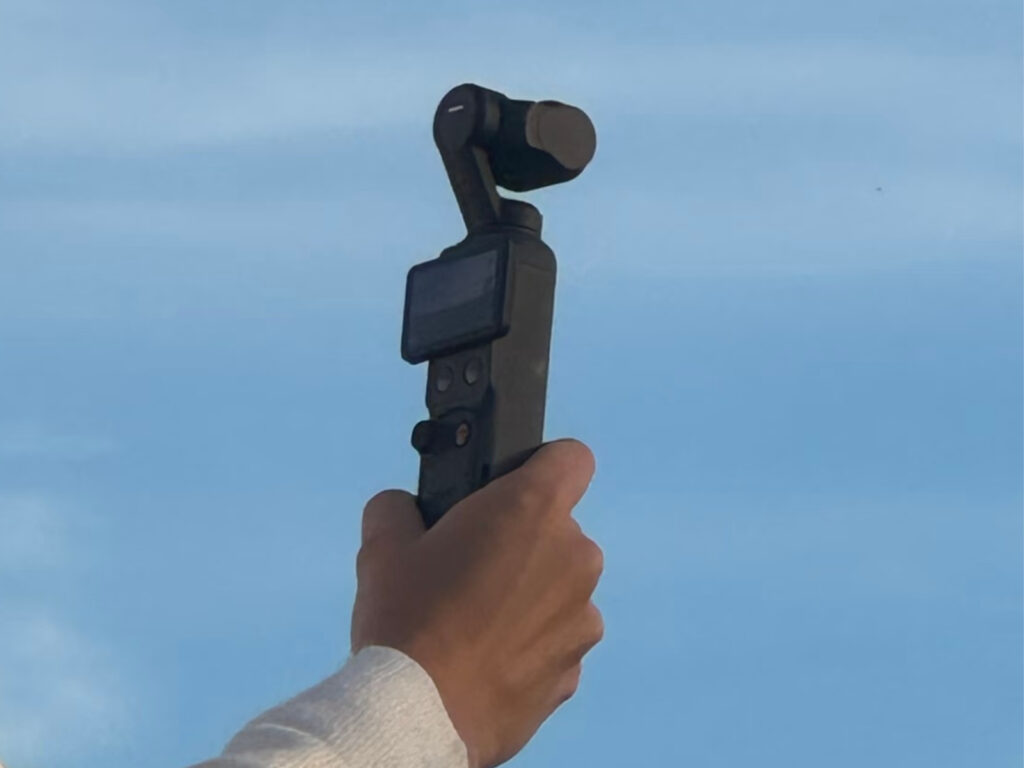
DJI’s pocket-sized vlogging cameras have long been a favorite among creators, and now a fresh leak is giving fans a peek at what could be next. A new image, reportedly showing the DJI Osmo Pocket 4, is making the rounds online — and if it’s legit, this next-gen handheld might bring more than just minor tweaks.
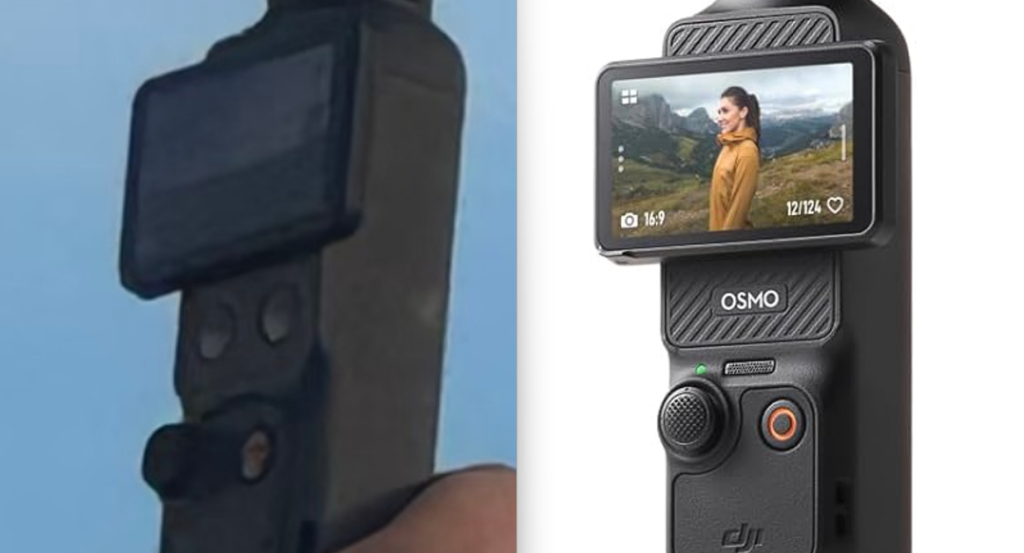
The photo, first spotted on Weibo, appears to have been taken during a promotional shoot in Barcelona, Spain. The design looks familiar — the same slim body with a 3-axis gimbal and a rotatable screen — but there’s one clear change: a new set of buttons below the display.
These buttons replace the “Osmo” branding seen on the Pocket 3, and they seem to tuck neatly out of sight when the screen folds down. Their purpose isn’t confirmed yet, but they could be shortcuts for adjusting focus, switching modes, or controlling the gimbal — features that would make life easier for vloggers and solo shooters on the move.
If the image is genuine, the device shown looks nearly production-ready, hinting that DJI might be gearing up for a reveal soon.
Pocket 4 (left), Pocket 3 (right)
This isn’t the first time the Pocket 4 has leaked, either. Back in August, blurry shots hinted at a dual-camera setup, possibly combining a large 1-inch main sensor with a secondary telephoto or depth sensor. A supposed NDA document also surfaced around that time, suggesting development was already well underway. Some reports even claim that a Pro version is in testing, potentially featuring Hasselblad-tuned color science — a nod to DJI’s growing collaboration with the camera brand.
For reference, the Osmo Pocket 3, launched in October 2023, still sells for around $570 and remains a strong contender in the compact camera space.
DJI’s been busy this year, with leaks around the Osmo Action 6 and Mini 5 Pro drone, but the Pocket 4 has stayed surprisingly quiet until now. The appearance of this new image — reportedly part of a video shoot — suggests we might see an announcement soon, though an early 2026 launch feels more realistic given DJI’s two-year refresh pattern.
Innovative smartphone brand TECNO, in partnership with Amateur Photographer magazine, has officially announced the winners of the 2025 “Shot On CAMON” Global Photography Contest. Now in its second year, the competition has quickly grown into a global celebration of creativity, authenticity, and human connection.
Empowering Global Storytellers Through the Lens
The contest was designed to empower photographers from emerging markets to tell genuine stories through images captured on TECNO smartphones. With the brand’s CAMON series known for its camera innovation, this contest encourages users to explore everyday life, emotion, and culture through their unique perspectives.
The 2025 theme, “Celebrating Life’s Rhythm, Connection, and Motion,” reflects TECNO’s belief that every heartbeat, bond, and movement is worth capturing and sharing.
A Truly Global Celebration of Creativity
The 2025 edition witnessed an impressive 10,000+ submissions from across 56 countries, showcasing how the contest has evolved into a global platform. With a total prize pool of USD 37,000, participants competed across three main categories: Snap Every Pulse, Snap All Fleeting Bonds, and Snap Any Motion.
Each category celebrated a different dimension of life, from energy and emotion to relationships and action. The contest ran from May 1 to September 30, 2025, giving photographers five months to capture and submit their best moments that reflect the pulse of human experience.
Top Honors: The TECNO Photography Master
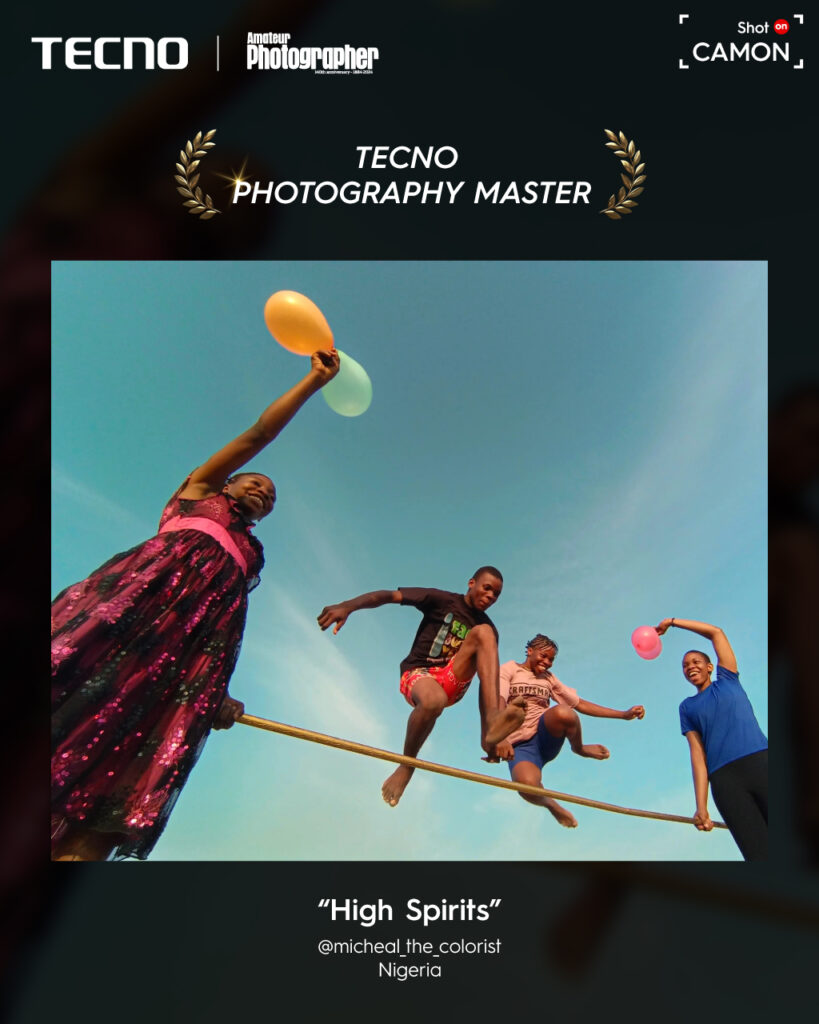
The Grand Prize of USD 10,000 and the title of TECNO Photography Master went to @micheal_the_colorist from Nigeria for his powerful image titled “High Spirits.”
Captured using the TECNO CAMON 40 Pro, the photo features a group of friends leaping mid-air against a vivid blue sky. The image represents youth, freedom, and the vibrancy of life, perfectly embodying this year’s theme. Judges praised the winning photograph for its energy, composition, and emotional depth.
Category Winners: Capturing Bonds, Motion, and Everyday Life
In the Snap Every Pulse category, the Gold Prize went to a heartwarming image of a young Nigerian girl running down a sunlit street in a white dress, a symbol of innocence and vitality. The Silver Prize captured four dogs perched on a wall, reflecting harmony in daily rhythm, while the Bronze Prize portrayed traditional grain processing, showing the heartbeat of communal life and labor.
For the Snap All Fleeting Bonds category, the Gold Prize highlighted children playing joyfully in the mud, expressing pure friendship and unity. The Silver Prize went to a serene shot of kids chasing each other on a Malaysian beach at sunset, and the Bronze Prize captured a boy caring for a young goat, showcasing compassion that transcends species.
In the Snap Any Motion category, the Gold Prize went to an impressive photo of a Sepak takraw player leaping at dusk, reflecting strength and elegance in motion. The Silver Prize showed a cyclist performing a stunt under dynamic clouds, while the Bronze Prize depicted a dancer spinning in red amid modern architecture, symbolizing art and fluidity.
Awards, Prizes, and Global Exposure
The contest’s total prize pool of USD 37,000 rewarded excellence across every level. Beyond the top three prizes, TECNO introduced the TECNO Friend Prize, where ten winners received the CAMON 40 Premier 5G smartphone, recognizing emerging photographers with outstanding creativity.
Winners will also gain international exposure through multiple opportunities. They will take part in the London Photography Tour 2025, an exclusive event that allows creators to explore London’s vibrant culture and capture its pulse. In addition, the winning images will be featured in global exhibitions, showcased in the TECNO Annual Photo Book, and displayed across TECNO’s official online platforms and social media channels.
Industry Voices Praise
Speaking about the competition, Nigel Atherton, Editor of Amateur Photographer, said, “This year’s contest shows growth in scale, confidence, and individuality. TECNO’s effort enables authentic storytelling from emerging creators, helping them share perspectives that often go unseen.”
Laury Bai, CMO of TECNO, emphasized the contest’s human spirit, stating, “Shot On CAMON celebrates not just skill, but the power of perspective, capturing the rhythm, connection, and beauty of everyday life.”
A Platform for Future Visual Storytellers
With its growing scale, strong storytelling themes, and real-world rewards, TECNO’s “Shot On CAMON” Global Photography Contest has become more than just a competition; it’s a movement empowering visual storytellers from across the world.
By merging technology and creativity, TECNO continues to provide opportunities for emerging photographers to share their stories and inspire others through the universal language of images.
RedMagic is back in the headlines — and this time, it’s not for breaking performance records, but about design. Just days after its official debut in China, the gaming brand dropped a short animated clip poking fun at the smartphone industry’s biggest names, starting with Apple.
The video shows a tiny road roller flattening the oversized camera bumps found on today’s flagship phones — a jab aimed squarely at the iPhone 17 Pro’s chunky rear module.
RedMagic’s message is pretty clear: why bulge when you can blend? One of the unique characteristics of the company’s recent flagships is the camera module design, which sits completely flush with the back panel. This isn’t just rare in today’s smartphone market — it also brings a few practical benefits. For one, the phone doesn’t wobble when placed on a flat surface.
And for those wondering about the camera performance, RedMagic shared a few sample shots taken with the 11 Pro+. In summary, the images showed no noticeable noise or grain — issues often seen with smaller sensors — and the colors looked vibrant and well-balanced.
This isn’t the brand’s first playful jab at Apple either. In past campaigns, RedMagic roasted the iPhone for overheating during gaming sessions.
The video’s timing is perfect. With the global launch set for November 3, the viral buzz is doing half the marketing for RedMagic. Whether it’s a lighthearted dig or a calculated bit of guerrilla marketing, one thing’s clear — RedMagic knows exactly how to get people talking.
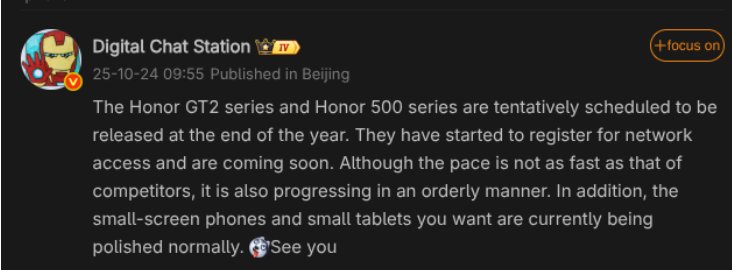
Honor might be closing out 2025 with not one but two major smartphone launches. According to a recent leak, both the Honor GT2 series and the Honor 500 series are tentatively scheduled for release toward the end of the year.
The tipster didn’t share additional details, but here’s everything we know so far from previous reports.
Honor GT2 series
The GT2 lineup is expected to include both a standard and a Pro variant. According to earlier leaks, the GT2 Pro could pack a massive 9,000mAh battery, up from the 7,200mAh cell in its predecessor.
This jump in capacity is made possible by the wider adoption of silicon-carbon battery technology, which offers higher energy density without significantly increasing physical size.
Honor GT
Under the hood, the standard GT2 may ship with Qualcomm’s Snapdragon 8 Gen 5, while the GT2 Pro is rumored to step up to the Snapdragon 8 Elite Gen 5. One leak also claims the GT2 Pro could offer up to 24GB of RAM and 1TB of storage.
Honor 500 series
The Honor 500 lineup is also expected to include a standard and a Pro model, with both continuing the company’s camera-centric approach.
The Honor 500 Pro will reportedly feature a 200-megapixel primary camera paired with a 1/1.4-inch sensor. While the ultra-wide camera details remain unknown, the leak confirms a 64-megapixel OmniVision OV64B periscope telephoto lens with 3x optical zoom.
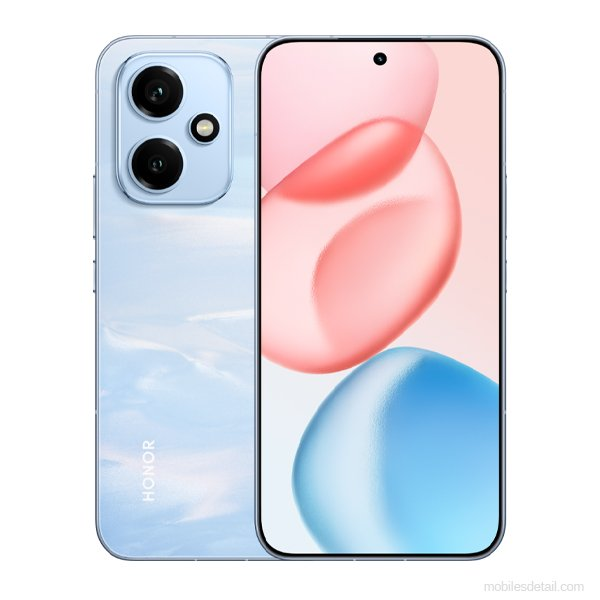
Honor 400 Pro (China)
Powering the device will be Qualcomm’s Snapdragon 8 Elite chipset, and both models are expected to offer a 6.5-inch display with 1.5K resolution.
Although reliable tipster Digital Chat Station suggests that both series could debut by December 2025, the exact launch timeline remains unclear.
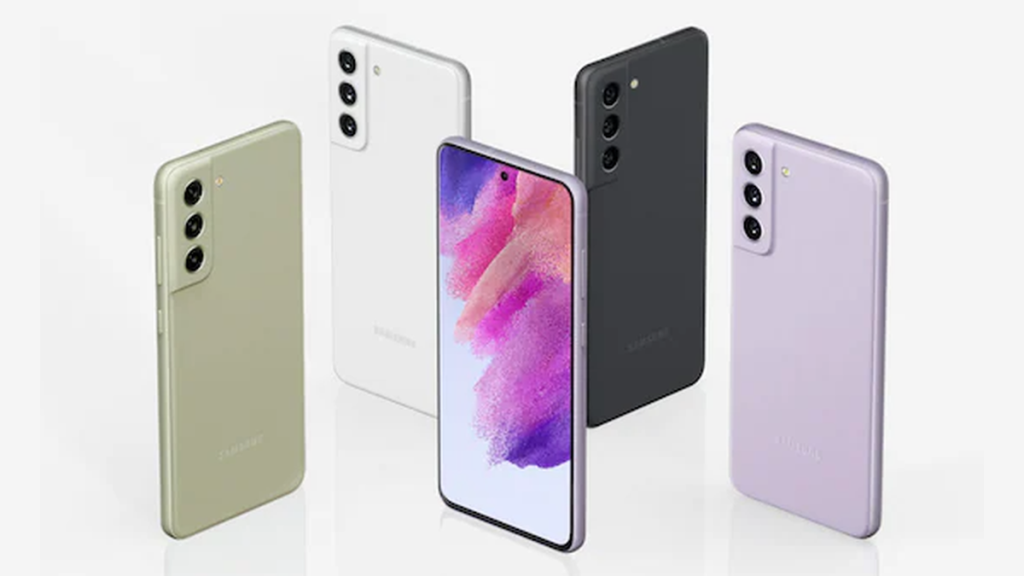
After years of receiving major updates and security patches, the Samsung Galaxy S21 FE has entered the final chapter of its software support. The company has started rolling out the One UI 8 update on its popular 2022 budget flagship phone as the last ever major OS upgrade. So here’s everything you need to know.
The Galaxy S21 FE Receives Its Last Big Upgrade
For owners of this beloved Samsung “Fan Edition,” a fresh user experience is making its way to the Galaxy S21 FE with the One UI 8 update. The South Korean tech giant is bringing various new features and performance optimizations to the device as well. To recall, Samsung first unveiled the Galaxy S21 FE back in 2022, with promises of four major OS upgrades. So now, this model is officially receiving the last One UI update.
Samsung Galaxy S21 FE
The latest One UI 8 custom skin is based on the Android 16 OS. Keep in mind that this final One UI update doesn’t mean the device has reached the end of its software support cycle. While Galaxy S21 FE users won’t receive Android 17 based One UI 9, Samsung will still roll out security patches for these devices. These can range from a monthly to a quarterly update schedule.
Talking about the One UI 8 update, Samsung has offered redesigns for some of its system apps, and added more customization options to the lock screen and Quick Panel. There are also improvements to Samsung DeX and even WQHD output support. The company has skipped a few features, like Best Face and Adaptive lock screen clock. The One UI 8 update for the Galaxy S21 FE in Thailand and Vietnam, carrying the G990EXXUIHYJ2 build version, September 2025 security patch, and a download size of over 2GB.
For more daily updates, please visit our News Section.
As the excitement builds around the upcoming OnePlus 15, the brand has dropped a compelling incentive for European customers with its new OnePlus 15 Bonus Drop bundle. For a negligible sum, OnePlus is allowing you to get your hands on handy accessories along with your new flagship smartphone. So here’s what you need to know.
What’s in the OnePlus 15 Bonus Drop Bundle?
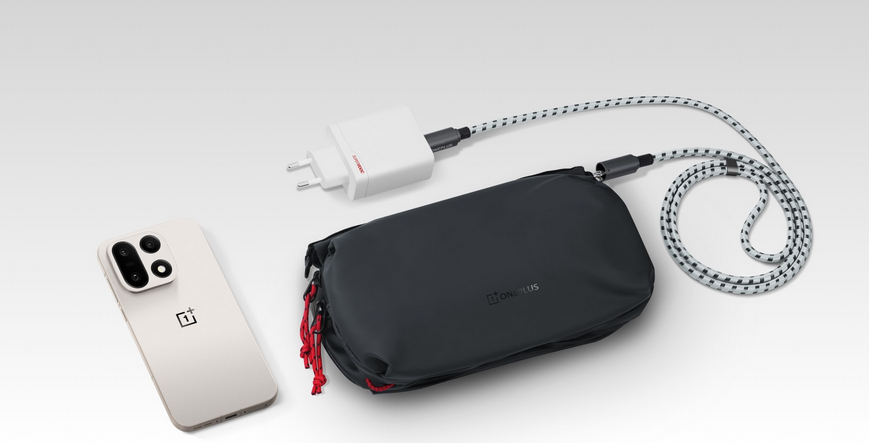
The OnePlus 15 Bonus Drop Bundle was just announced for the European market. This bundle is listed on the brand’s official website with the promo accessories. The first item is an Everyday Sling Bag that is designed to fit your smartphone and daily essentials. OnePlus adds to its utility with a built-in charging cable, making it convenient for users who often charge their devices on the go.
OnePlus 15 Bonus Drop Bundle
Alongside the sling bag, you get the OnePlus SuperVOOC 120W Dual Port GaN Power Adapter Kit. As the name suggests, the adapter houses a USB-C and USB-A port. So one can charge multiple devices, including the new flagship OnePlus 15. The Bonus Drop Bundle is listed for €139.98 with only 2000 units available in stock. For those interested, you can unlock this bundle for just €1.
The company will release the OnePlus 15 Bonus Drop Bundle in two rounds of sales, with each sale offering 1,000 units. First round of sales will kick off on 31st October 2025, while the second round starts on 12th November 2025. This release also arrives just ahead of the OnePlus 15’s global release. That is all the information we have at the moment, so stick around as we will be covering the upcoming OnePlus 15 announcement.
For more daily updates, please visit our News Section.
This year, Sony beat many popular brands, including OnePlus, Xiaomi, Oppo, and Vivo, to become one of the first brands to release Android 16. The Sony Xperia 1 VII was the first from the brand to get the update in September. However, the rollout speed hasn’t been impressive.
After a month-long wait, Sony has recently started rolling out the Android 16 update to Xperia 1 VI and Xperia 10 VI. Here’s a list of Sony phones that are getting the Android 16 update:
Sony Xperia 1 VII
Sony Xperia 1 VI
Sony Xperia 10 VI
The update is usually rolled out in batches. So, it may take a few days to reach your Sony phone, if it hasn’t already. To manually check for the latest update, you can head over to Settings > System > Advanced and tap on Software update to install the latest update.
Android 16 is a major upgrade with a download size of around 1-2GB. Ensure that your device has sufficient storage and that it is connected to a stable Wi-Fi network, as recommended when downloading bulky update packages. Also, make sure the battery is charged at least 30%.
Unfortunately, only four Sony smartphones are eligible for Android 16 upgrade: Xperia 1 VII, Xperia 1 VI, Xperia 10 VI, and Xperia 10 VII. Three of them have already started receiving the Android 16 update, and the last from the list, Xperia 10 VII, should also get it anytime soon.
The Xperia 10 VII will likely receive the update by early November, which would mark the conclusion of the Android 16 rollout for Sony. The company is on track to become one of the first non-Google brands to complete the Android 16 rollout.
All Sony devices here were released in 2024 or after, promising at least three generations of OS updates. Prior to that, the company used to provide only two of them. Thanks to the upgraded update policy, the Xperia 1 VI and Xperia 10 VI will also receive Android 17, while the newer Xperia 1 VII and Xperia 10 VII will get OS updates until Android 19.
You can visit our Android 16 section regularly for the latest updates. Alternatively, you can join our Telegram channel for instant notification about the latest happenings in tech, including device launches, software updates, and latest breakthroughs.
We use cookies on our website to give you the most relevant experience by remembering your preferences and repeat visits. By clicking “Accept”, you consent to the use of ALL the cookies.
This website uses cookies to improve your experience while you navigate through the website. Out of these, the cookies that are categorized as necessary are stored on your browser as they are essential for the working of basic functionalities of the website. We also use third-party cookies that help us analyze and understand how you use this website. These cookies will be stored in your browser only with your consent. You also have the option to opt-out of these cookies. But opting out of some of these cookies may affect your browsing experience.
Necessary cookies are absolutely essential for the website to function properly. This category only includes cookies that ensures basic functionalities and security features of the website. These cookies do not store any personal information.
Any cookies that may not be particularly necessary for the website to function and is used specifically to collect user personal data via analytics, ads, other embedded contents are termed as non-necessary cookies. It is mandatory to procure user consent prior to running these cookies on your website.