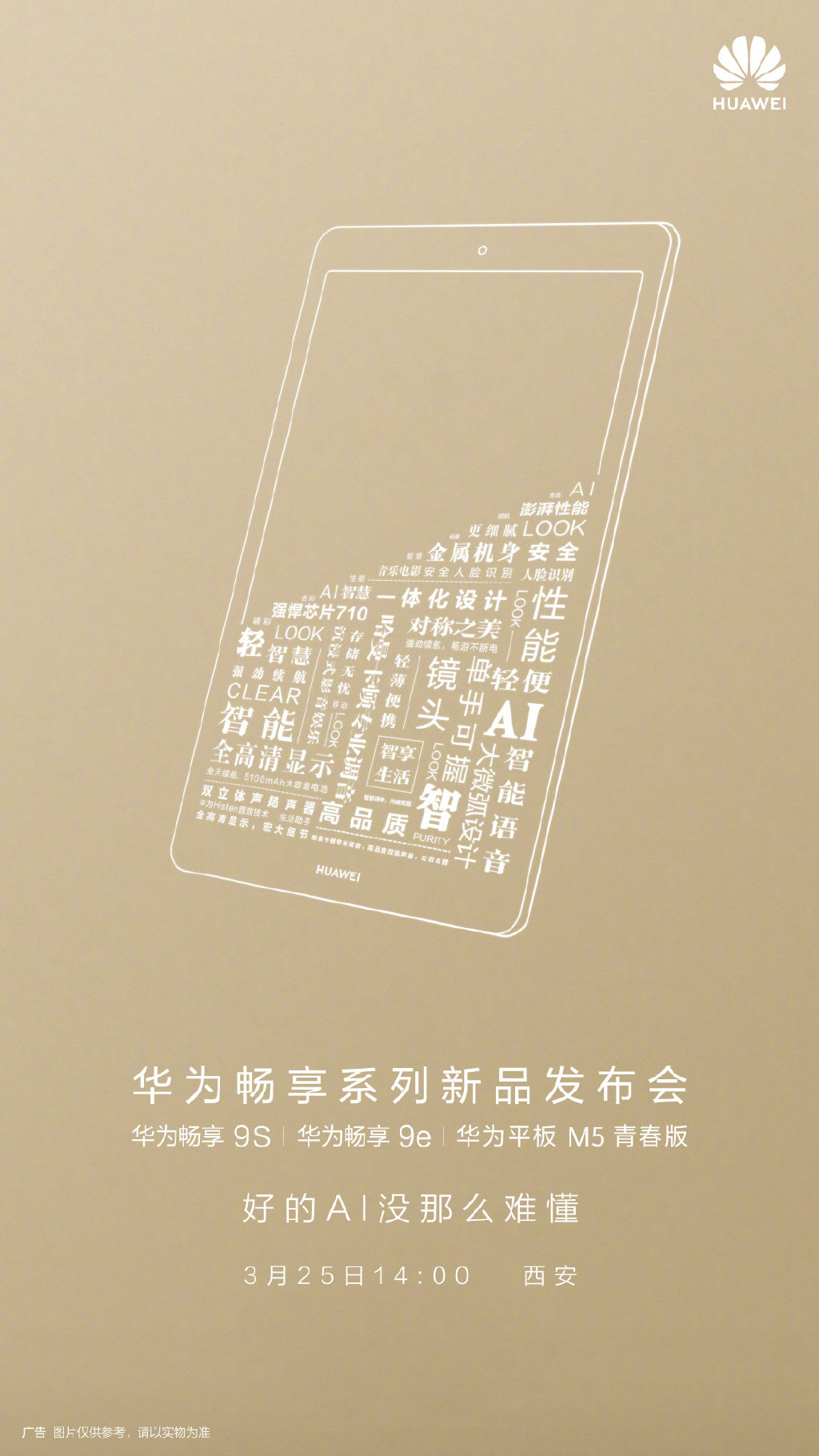
Huawei has revealed it has an event scheduled for March 25. Rather than let us guess what it will be launching, the Chinese giant has released posters which reveal the new products are the the Enjoy 9S, the Enjoy 9e, and a new MediaPad M5 Youth Edition. The posters also reveal some of their key features.
[envira-gallery id=”241993″]
The Enjoy 9S will come with triple rear cameras which include a 24MP primary camera and a 16MP ultra-wide angle camera. The three cameras are arranged vertically on the left of the phone with two of them sharing the same housing. The poster also reveals the Enjoy 9S will have a rear-mounted fingerprint scanner, run EMUI 9.0, have 128GB of storage and AI features.
The Enjoy 9e will also tag along. This is a more affordable model with a single 13MP camera on its back. There is no fingerprint scanner visible but there is a possibility it is on the front of the phone. The poster also reveals the Enjoy 9e will have FM Radio, Huawei SuperSound technology, and 64GB of storage.
Last but not least is the MediaPad M5 Youth Edition or MediaPad M5 Lite. We feel there should be “2019” in the name to distinguish it from the MediaPad M5 Lite which was announced back in October. First, this version is a smaller but more powerful model.
A new Motorola smartphone with a model number XT1980-3 has received certification from the Federal Communications Commission (FCC) in the U.S. The FCC documents of the smartphone contains few information on its specifications and dimensions.
The FCC filings of the Motorola XT1980-3 have revealed that it measures 157 x 75mm. The Moto G7 Plus smartphone that was announced in February also measures 157 x 75mm. Hence, it appears that the XT1980-3 will be equipped with a 6.2-inch full HD+ display like the Moto G7 Plus.
Through FCC it has been known that the XT1980-3 is packed with a 3,600mAh battery that carries support for 18W fast charging. When it comes to connectivity, the handset is equipped with features like Wi-Fi 802.11ac, Bluetooth LE, GPS, GLONASS, NFC and FM radio. There is no information available on the other specs of the phone.
There is no concrete evidence to prove that the XT1980-3 phone is indeed the Moto Z4 Play. Last year, Motorola had launched the Moto Z3 Play in June. Hence, it is likely that that the Lenovo-owned company could be planning to launch its successor around the same time this year. Previous leaks have claimed that the Moto Z4 Play could be equipped with a 3,600mAh battery.
Rumor surrounding the Moto Z4 Play have revealed that it will be equipped with a 6.2-inch S-AMOLED display with waterdrop notch. It is expected to come equipped with in-display fingerprint reader. The Snapdragon 675 chipset is expected to power the smartphone with 6 GB of RAM. It come with an inbuilt storage of 128 GB. The presence of magnetic connector for attaching Moto Mods will set this phone apart from other mid-range phones. The handset will come loaded with Android 9.0 Pie OS that will deliver near stock experience.
The Motorola Moto Z4 Play smartphone is rumored to be fitted with 48-megapixel S5KGM1SP sensor by Q Technology. It is expected to release in models like 4 GB RAM + 64 GB storage and 6 GB RAM + 128 GB storage. There is no word on the pricing of the Z4 Play.
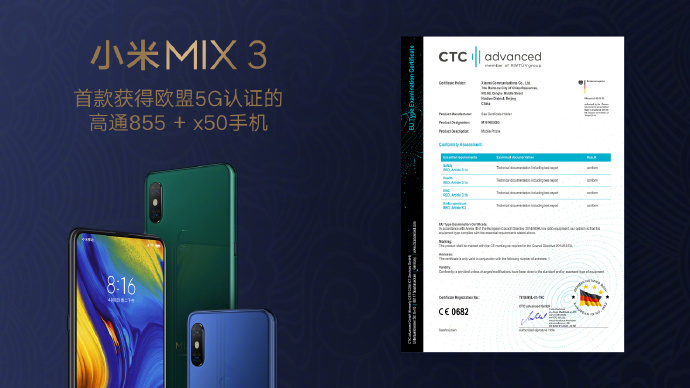
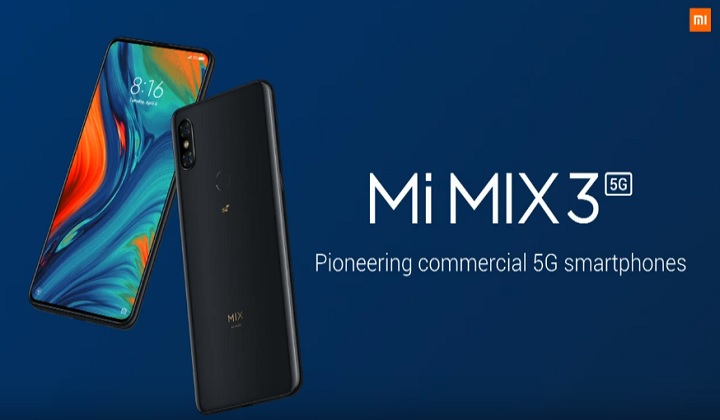
Xiaomi President Lin Bin has confirmed through Weibo that the Xiaomi Mi MIX 3 5G edition has bagged the 5G CE certification. By this it become the first smartphone powered by Snapdragon 855 chipset and X50 5G modem to achieve such a certification.
According to Bin, the Mi MIX 3 5G version has recently passed rigorous inspection tests of Sporton, a professional third-party mobile communication laboratory andCE certification of European Union. During the launch event of the Xiaomi Mi MIX 3 5G, Xiaomi had confirmed that the smartphone will be heading to the European markets in May. It is reported that CE is one of the important quality assessments for the import and sale of products by the European. Hence, the CE approval of the Mi MIX 3 5G is line with its release in the European markets.
In Europe, the Mi MIX 3 5G will be carrying a price tag of 599 euros for the starting variant. It comes with a 6.39-inch Super AMOLED notch-less display with slider design. The slider is equipped with 24-megapixel + 2-megapixel dual front-facing cameras and there a pair of 12-megapixelsensors are available on its backside. The MIUI 10 based Android 9 Pie is loaded on the device. There is no external storage on the phone. The handset features a dedicated hardware button for accessing Google Assistant.
The smartphone features a 3,800mAh battery that is coupled with Quick Charge 4+ and 10W wireless charging technology. The Snapdragon 855 mobile platform present inside the phone is assisted by 6 GB of RAM. The handset comes in two storage choices of 64 GB and 128 GB. It will be available in Onyx Black and Blue Sapphire colors.
The Xiaomi Mi MIX 3 5G edition will be also releasing in China. As of this writing, there is no information available on its release timeframe for the home market.
Xiaomi is planning to introduce more partnerships with offline retailers across India. In a bid to suppress competition from Samsung, the Chinese smartphone maker is keen to invest in India’s offline market. The company’s expansion plans are aimed to boost sales of products beyond smartphones, such as televisions, Bluetooth accessories, smart home products and other accessories.
“Our biggest success story has been our offline journey, including setting up more preferred partners, more Mi Home stores,” said Manu Kumar Jain, Vice President, Xiaomi and Managing Director, Xiaomi India, at an event.
Xiaomi will set up new Mi experience stores, and will also increase offline reach via third-party retailers. Currently, Xiaomi owns 50 Mi Home stores, 500 Mi Stores, and 4000 preferred partners stores across the country. Apart from increasing to 100 Mi Home stores in cities, Xiaomi also plans 5000 small Mi Stores in Rural India, helping the company to reach out to every potential customer. According to Economic Times, the company wants to increase its presence in the multi-brand retail segment also.
“2019 will also witness more ambitious retail expansion of our offline channel to extend support for newer categories such as Mi LED TVs. In smartphones, Xiaomi is the second largest brand in the offline market with nearly 18% market share as of January GFK smartphone tracker,” the spokesperson told ET.
Xiaomi is the largest smartphone manufacturer in India, while Samsung is following it up at the second place. Xiaomi is now looking to dethrone the Korean giant, currently leading the offline market in the country. “For the entire CY 2018, according to IDC numbers, we were almost 30 percent bigger than the second largest brand. In Q4, we were 50 percent bigger than the second biggest brand,” Jain added.
On the other hand, Samsung is now actively working to capture most of the mid-range smartphone market. They have already announced the new mid-range devices under its Galaxy A-series and M-series.
Xiaomi’s online portal Mi.com is India’s third largest e-commerce platform. To further scale up the company’s presence, Xiaomi is launching new products in the next few months. “We’re also launching new categories. Overall, the company is doing exceptionally well in India. From a smartphone business perspective we are now the No. 1 brand for six consecutive quarters by a huge margin.” said Jain.
Xiaomi manufactures every smartphone sold in India within the country. Xiaomi has exceptionally increased its manufacturing capacity to 3 smartphones per second during operating hours. To expand the brand’s overall presence, Xiaomi is further looking for options to invest in India.
Xiaomi hopes to take on Samsung amid increased competition in both online and offline segments.
Xiaomi had launched its flagship smartphone — Mi 9 last month in China. Following that, the phone was launched globally during the Mobile World Congress 2019 in Barcelona, Spain.
While the smartphone has been available for sale in China through the flash sale model, it’s not easy to get hands on the device because the company hasn’t been able to match the demand. The phone went on sale in China on 26th February and its pricing starts at ¥2999 (~$447).
Now, the company has officially released the financial report for the year 2018. Additionally, the company has also revealed regular revenue figures and the report mentions the Xiaomi Mi 9 and its production capacity. It says that the supply of Mi 9 will certainly exceed 1.5 million units by the end of this month.
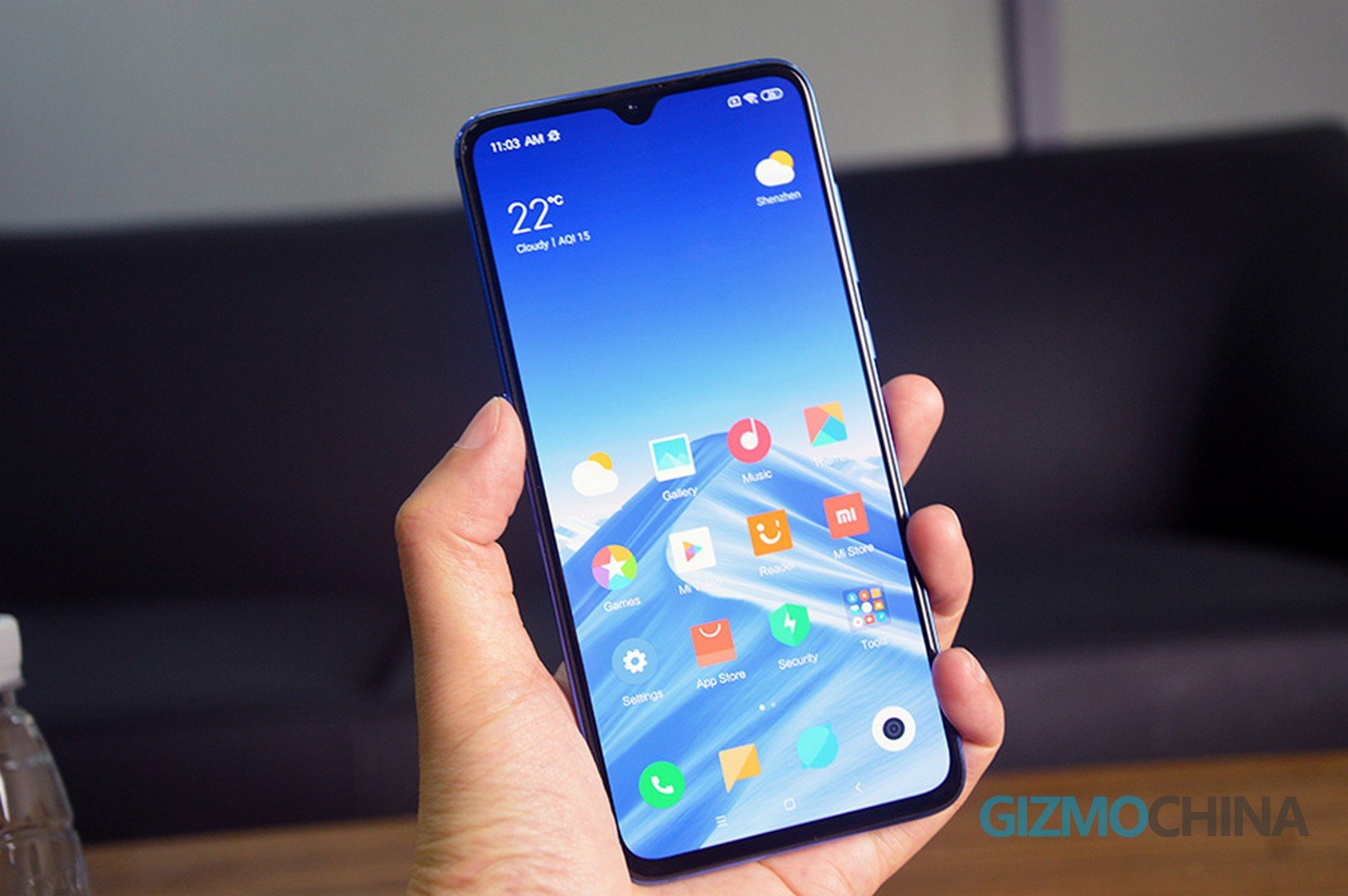
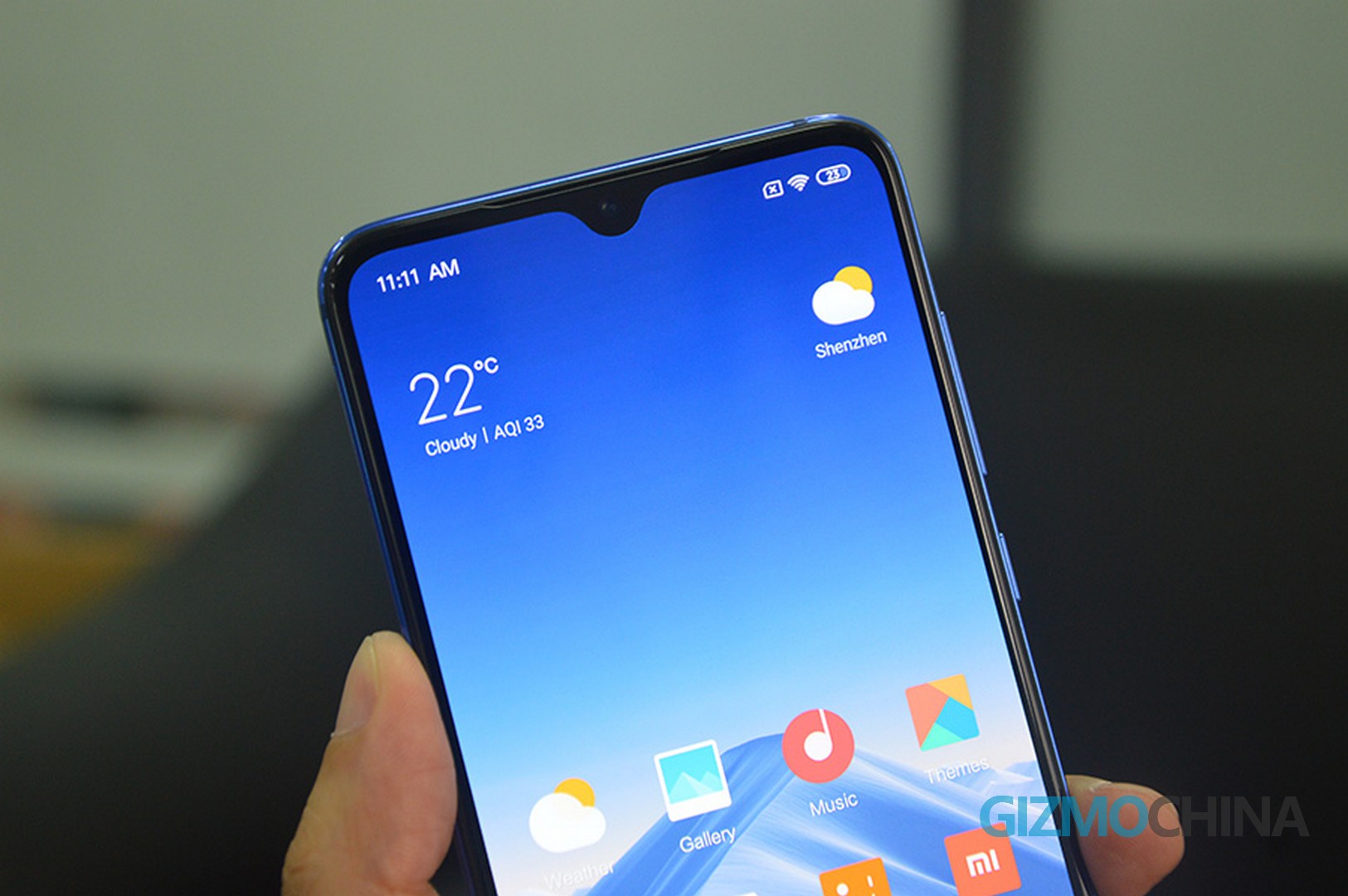
The Mi 9 packs a 6.39-inch 2340 x 1080 AMOLED display with a waterdrop notch that houses the selfie camera. The display panel is supplied by Samsung and is protected by a layer of Gorilla Glass 6. Under the hood, it runs Snapdragon 855 processor and is paired with 6GB of RAM and 128GB of storage.
There is also an 8GB RAM variant with 128GB of storage too. The Mi 9 is Xiaomi’s first triple camera phone. The first camera with the holographic ring around it is actually the telephoto lens – a 12MP Samsung ISOCELL S5K3M5 sensor with an f/2.2 aperture and 2x optical zoom.
The next sensor is the primary camera – a 48MP Sony IMX586 f/1.75 sensor with a 6P lens. There is also a 16MP Sony IMX481 f/2.2 sensor for taking wide-angle photos and macro shots. The selfie camera is a 20MP sensor and comes with a bunch of modes including AR avatars and an integration with TicTok.
It comes with an in-display fingerprint scanner which is 25% faster than the previous generation. It has NFC with NXP’s new SN100T chip for faster transaction speeds, a dedicated AI button, Bluetooth 5.0 dual-frequency GPS for better positioning, an infrared port, and a USB Type-C port.
The phone runs Android 9 Pie-based MIUI 10 out-of-the-box and is powered by a 3,300mAh battery. It comes with support for 27W fast-charging which allows you to charge the phone from empty to 70% in just 30 minutes.
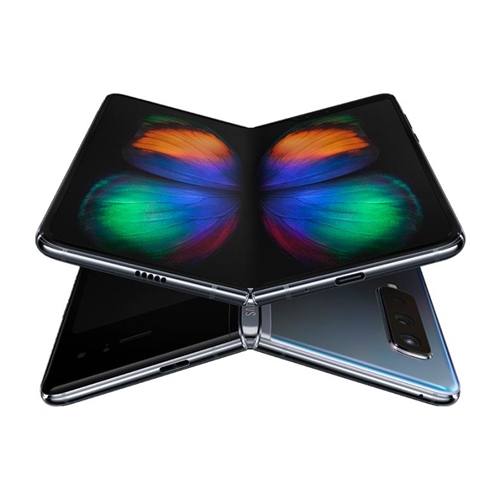
Looks like Samsung fans that have restlessly been waiting to get their tech greedy hands on the South Korean handset’s makers first foldable phone are in for a treat.
While the Galaxy Fold isn’t slated to hit the store shelves anytime soon, the rumor mill hasn’t ceased churning out all sorts of speculations around the hotly-anticipated smartphone. Aside from that, the Galaxy Fold has made several appearances online in the form of leaked renders.
Keeping in line with that, the Galaxy Fold was recently spotted in a new hands-on video that was shared on YouTube. The aforesaid footage was posted on a YouTube channel called phoneoftime, and it gives us a glimpse of an AT&T model of the imminent handset. We even get a chance to check out its display crease.
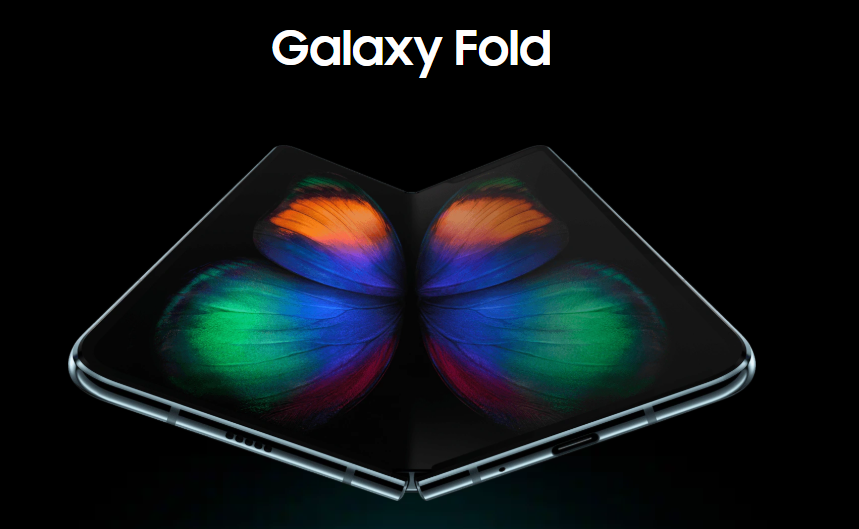
If recently surfaced reports are anything to go by, the video hails from Vietnam, where Samsung’s major production hubs are located. A person booting up the phone and testing its foldable screen can be seen in the video. It seems safe to say that the person handling the phone is promoting their unlocking services. The Galaxy Fold shows awe-inspiring responsiveness; however, the crease along the device’s central folding line is likely to pose an issue for the user. The crease is clearly visible when the phone is unfolded.
The purported Galaxy Fold seen in the video has not been confirmed as a final production unit, and chances are it might be a completely different handset. Despite the convincing footage, the final consumer device may not have any sort of fallibility since the officially unveiled Galaxy Fold did not seem flawless, unlike the handset seen in the video.
If continued use is likely to create a dent in the screen, this will significantly damage a user’s overall experience. Those willing to shell out a whopping $2000 on the Galaxy Fold are likely interested in taking full advantage of the phone’s extra large, inward-facing screen, probably for playing games or watching their favorite videos.
Delving into their favorite activity with a visible incision across the content might leave them feeling cheated. As if that weren’t enough, there’s hearsay that the phone isn’t reliable as far as long-term durability is concerned.
The Galaxy Fold will be made available in the American market on April 26th so we still expect more shreds of information regarding the device to surface online. Stay tuned in here for more news and updates about the Samsung Galaxy Fold.
Much to the delight of Xiaomi, its fourth-quarter net profit has skyrocketed to a whopping CNY 1.85 billion, which roughly converts to about $275.59 million. The Chinese tech behemoth made the revelation on Tuesday.
The aforesaid profit surpasses the average estimate of ten analysts by exceeding CNY 1.7 billion, Refinitiv data revealed. During this period, the revenue upheaved an impressive 27 percent to CNY 44.4 billion.
According to Refinitiv data, this figure is lower than CNY 47.4 billion, which is the amount estimated by thirteen analysts. If the results are anything to go by, Xiaomi is rising above the decelerated Chinese market by leaving no stone unturned in a bid to have a firm grip in the Indian and European markets.
Xiaomi accumulated earnings of CNY 174.9 billion for the entire 2018 calendar year. The company’s net profit came up to CNY 8.6 billion. Since its Initial public offering (IPO) in Hong Kong, this is the third set of financial results for the renowned handset maker.
Xiaomi’s shares have surged about 30 percent after experiencing a dip earlier this year. Regrettably, they still haven’t reached their July listing price.
Xiaomi’s increasing focus in the European market can be attributed to its declining performance in China. Since its debut back in 2018, the company has managed to grab the fourth spot as the largest phone vendor in the continent.
Sales from outside the home market comprised 40 percent of Xiaomi’s earnings in the fourth quarter last year, Xiaomi CFO Shou Zi Chew told reporters while speaking on a call. He also pointed out that the company would be focusing more on global expansion in 2019.
“We will continue to explore the global markets and replicate the success in India in other key markets such as Indonesia and Western Europe,” Shou Zi Chew confirmed. He also revealed that they intend to capture unexplored international markets this year.
In order to boost its profit margins, Xiaomi introduced a slew of steeply-priced devices. Keeping in line with that, Xiaomi fans now have to pay 17 percent more to buy the company’s phone in China. The earnings report also shows that Xiaomi has increased the overseas selling price of their phones by a considerable 10 percent.
During the Mi 9 launch event, Xiaomi’s founder Lei Jun noted that the company will no longer manufacture handsets carrying price tags under CNY 3,000. In the fourth quarter, smartphone sales provided 65.1 percent of the company’s overall revenue. Cash flow from a slew of other hardware generated 25.1 percent and internet services made up 9.1 percent.
Xiaomi played its ace card i.e. the latter segment while pitching to investors in the initiation to its IPO. Dubbed as a “triathlon business model,” the pitch enabled those who purchased smartphones to use revenue-generating apps and services that either supported advertisements or micropayments.
Chinese smartphone maker Huawei is set to announce new flagship devices at an event in Paris on March 26th. According to new information from Huawei official Weibo handle, P30 will be made available for pre-sale at 00:00 on March 27. Alongside the pre-sale announcement, the company once again teased its super zoom capability in a new video.
Both the devices have leaked multiple times in the past via rumours and reports, and now a new teaser revealed its pre-sale date. As like of the previous Huawei P-series smartphones, the Huawei P30 and P30 Pro will also focus on the photography. Carrying high-end specifications, the P30 series is expected to be coming at the starting price of EUR 749 which translates to 5699 Yuan.
Details regarding the availability of both the devices have not yet surfaced. We expect new information to surface in the next few days.
Huawei P30 Pro specifications
Amazon’s Huawei P30 Pro listing pulled off the wraps from its specifications. It will be powered by the Kirin 980 chipset carrying Dual NPU and improved GPU. The device will be equipped with 8GB RAM and 128 GB internal storage along with a 4200 mAh battery. It will be carrying a quad camera setup featuring four Leica cameras – a 40 MP primary camera, a 20MP ultra-wide lens, 8MP telephoto lens, and a ToF sensor. It will be showcasing Huawei’s recently announced 10x hybrid zoom. For selfies, there’s a 32-megapixel front-facing camera.
Some other hardware details were missing from the retailer’s listing. Although the box contains a USB-C headset, charging adapter, a Type-C cable, and microUSB to Type-C adapter. As per some other reports, the device will feature a 6.5-inch OLED display. It will be dust and waterproof which can sustain in 5 feet water.
Huawei P30 Specifications
There are some differences in the specification of P30 pro’s sibling. Its standard version will include a 6.1 inch OLED display featuring a resolution of 1080x 2340 pixels and 19.5:9 aspect ratio. Along with some similarities, the P30 will sport a tri-camera module on the rear side along with 6GB RAM and 128GB internal storage. The device will come with a 3500 mAh battery.
Both the devices of P-series will be the first to feature a dew-drop display. According to a trusted source, Huawei P30 will start retailing at Euro 749 (~5699 yuan/$850), and P30 Pro featuring 8GB/128GB internal storage will debut at Euro 1099/ $1250 / 8373 yuan.
Samsung’s newly launched flagship smartphones — Galaxy S10 series, have been very well-received. The company seems to have managed everything that matters to a regular user in one package — design, camera, performance, and battery life.
In Mainland China, according to the reports, the South Korean giant has managed to ship more than 500,000 units of its Galaxy S10 series smartphones so far. This isn’t surprising given that the company had managed to sell the same number of S10 series devices in 7 days what took 30 days for the S9 series phones.
Recently, the phone was sold out in Hong Kong within two weeks of its launch. Seeing the demand for the newly launched flagship smartphones, the sales forecast for the devices have been increased by 3 percent and Samsung is expected to sell around 40 million to 45 million units this year.
Coming to the pricing, the Galaxy S10e is priced at 4,999 Yuan and costs just 1,999 Yuan if you exchange your old device. The Galaxy S10 is priced at 5,999 Yuan but costs 2,999 Yuan with old-for-new phone offer. On the other hand, the Galaxy S10 Plus costs 6,999 Yuan but is available for 3,999 with the exchange offer.
The Galaxy S10 sports a 5.8-inch “Dynamic” Infinity-O AMOLED while the S10+ comes with a bigger 6.44-inch display. The display supports QHD+ resolutions and 19:9 aspect ratios and is HDR10+ certified. The devices come with an ultrasonic in-display fingerprint sensor which Samsung says is faster than the optical fingerprint sensors.
The new S-series smartphones are powered by Qualcomm’s latest Snapdragon 855 chipset while the international version will be powered by Exynos 9820 chipset. As for the memory configuration, the S10 will be available with 6GB/8GB RAM and 128GB/512GB storage while the Galaxy S10 Plus comes with 6GB/8GB/12GB RAM and 128GB/512GB/1TB of native storage.
The camera configuration includes a regular 77-degree 12MP sensor with an F1.5/F2.4 variable aperture, a 12MP 2x telephoto snapper with a 45-degree viewing angle and a fixed aperture of F/2.4 and an ultra-wide 16MP camera with a 123-degree viewing angle and a fixed F2.2 aperture. The front sensor for the Galaxy S10 is a single 10MP camera while the Galaxy S10 Plus has a dual camera with an 8MP RGB secondary sensor.
Both the smartphones come with stereo speakers, a USB Type-C port, IP68 water-resistance, and a dedicated Bixby button. The S10 is powered by a 3,500mAh battery while the S10 Plus packs a bigger 4,100mAh cell, both supporting wired as well as wireless fast charging.
On the other hand, the Galaxy S10e comes with a 5.8-inch Infinity-O AMOLED display with a resolution of 1440×2960 pixels and is powered by Snapdragon 855 chipset paired with 6GB+128GB and 8GB+256GB combo.
The phone doesn’t have an in-display fingerprint reader but has a traditional fingerprint sensor on the right side of the device. The device packs a dual camera setup on the back, which includes a 12MP dual aperture camera (F/1.8; F/2.4) with optical image stabilization, alongside a 16MP ultra wide angle one. The phone still has a 10MP sensor for selfies just like the others.
The Samsung Galaxy S10e packs a 3100mAh battery while for connectivity, it has Wi-Fi 6 (Wi-Fi 802.11 ax), LTE Cat. 20 with up to 2Gbps download speeds, NFC and Bluetooth 5.0. Just like the Galaxy S10, S10 Plus, this one too runs Android 9 Pie-based One UI custom interface on top.
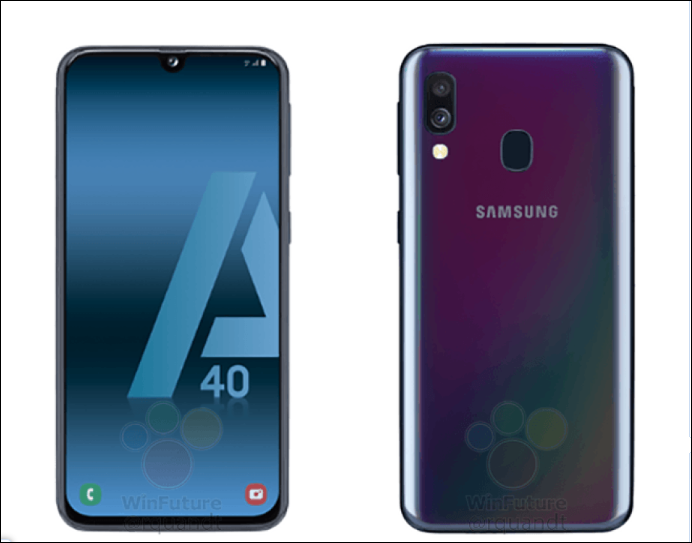
Samsung is definitely not letting off some steam in its bid to recapture the mid-range/budget segment of the phone market where it had lost out to Chinese OEMs. The Korean giant has been on a launch spree with its Galaxy A series. The Galaxy A50, A30, and A10 have already been released. The Galaxy A20 was also recently announced in India. The Galaxy A40 is expected to join the fray in no distant time. Before then, the press renders of the A40 has leaked online, giving us a quick look at the design captured from all angles.
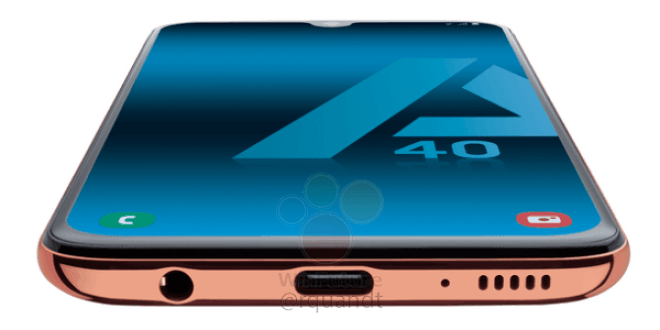
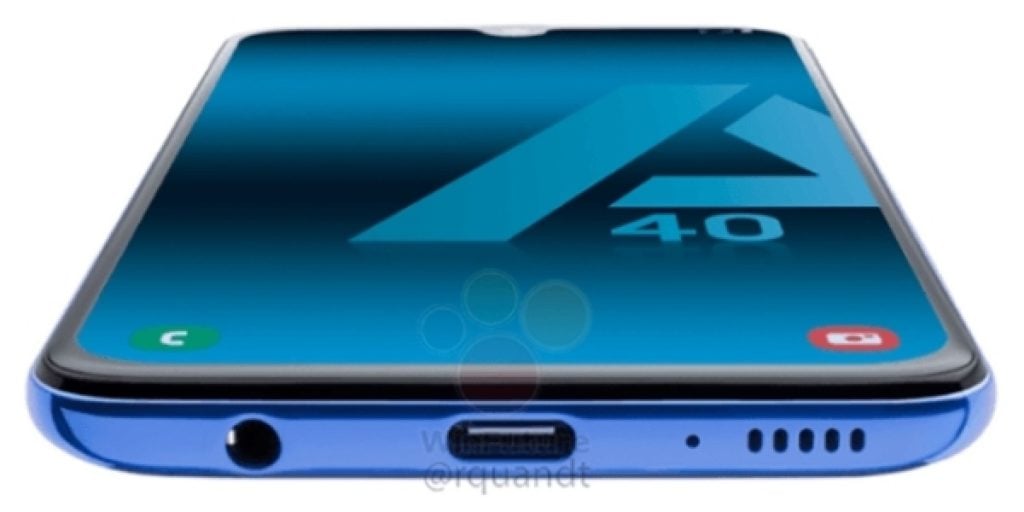
The renders show the Galaxy A40 will have a design that is similar to those of its siblings. At the front, there will be a u-shaped notch on the full-screen display which houses the front camera. At the back, the device packs a fingerprint sensor at the middle. The device equally sports a dual camera setup is at the top left corner arranged vertically with an LED flash at the bottom.
The Samsung Galaxy A40 is expected to feature a 5.7-inch display and its earlier GeekBench appearance showed the device will be powered by an Exynos 7885 chipset paired with 4GB of RAM. The Galaxy A40 also features a USB Type-C port, a speaker grill as well as a 3.5mm audio jack at the bottom edge. The renders show the A40 will be available in Black, Light Blue, and Coral. The device is expected to go official on April 10 alongside the A90 but we won’t forget the empty Galaxy A40 page which appeared on Samsung UK website recently.
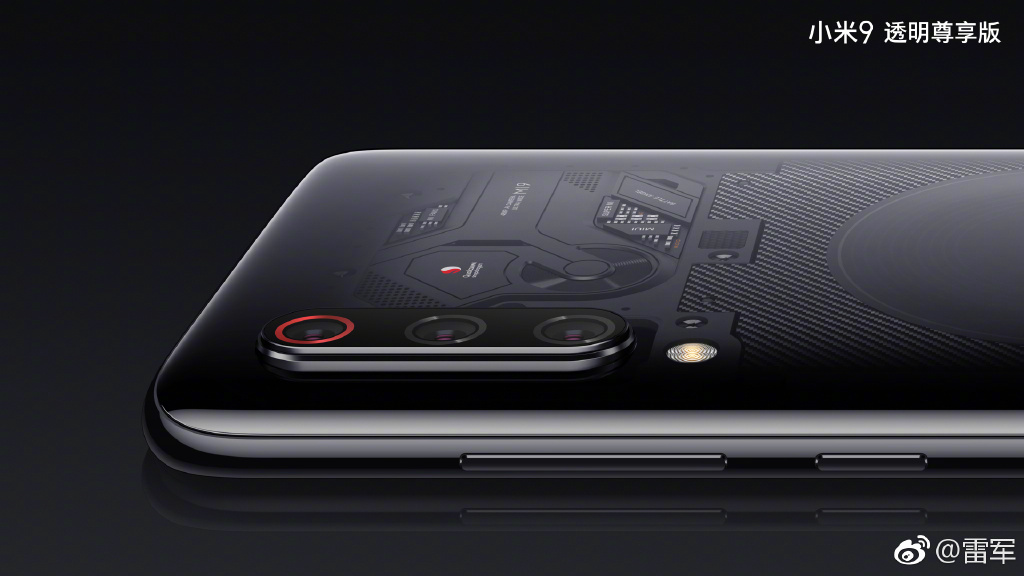
Xiaomi’s Mi 8 transparent edition turned out to be quite popular among fans, all thanks to its unique see-through back design. Naturally, when Xiaomi announced the new Mi 9 lineup earlier this year, we got a new Mi 9 transparent edition as well. However, it looks like the company has finally decided to remove last year’s Mi 8 transparent edition from its official channels.
IThome was first to spot that the old model was no longer available to purchase on the company’s website. A simple search revealed that only its cases were left for purchase. Even on JD.com, it was found that the old model was nowhere to be seen. So it’s quite clear that Xiaomi decided to scrap the old model in favor of the new one.
In case you don’t know, the transparent back on both the Mi 8 and Mi 9 models doesn’t really show the internals of the phone. Unlike the transparent HTC U12+ which did reveal some of its parts, Xiaomi’s take on this design is to fake the internals. This means that what you see on the back is just another design element that’s placed below the glass.
The new Mi 9 transparent model comes with an even fancier design. And, if you don’t mind that it’s a fake design, then it’s definitely something that will stand out of the crowd. Of course, you’ll have to shell out a lot more for the transparent edition, and currently, it retails for nearly $600, that is, if you can get hold of one in a flash sale.
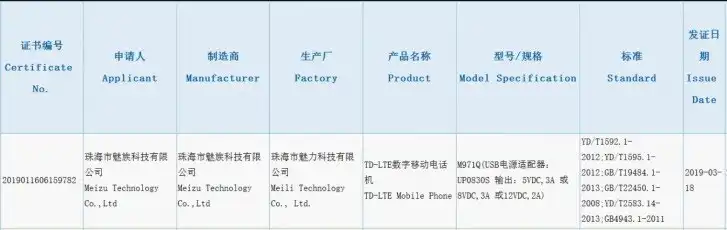
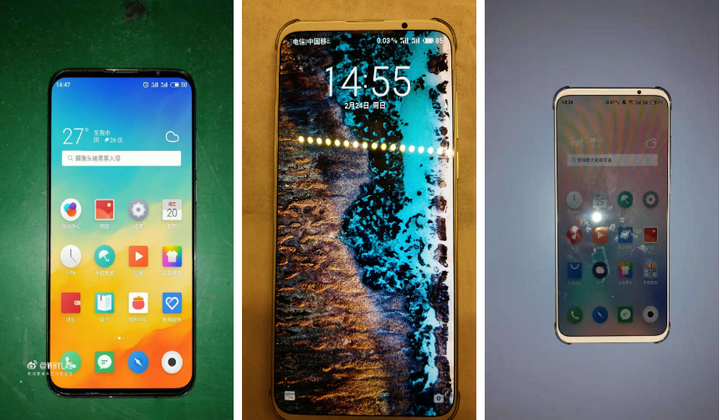
A new Meizu phone with model number M971Q has bagged 3C certification in China. The 3C filing has revealed that the handset will be made available with a charger that supports 24W rapid charging. Hence, it is speculated that the handset could be the upcoming Meizu 16s smartphone.
Meizu CEO Jack Wong has already confirmed some of the key features of the upcoming Meizu 16s smartphone through Weibo. The overall design of the Meizu 16s will be similar to the Meizu 16th that was unveiled in the second half of 2018. The Meizu 16s is expected to sport reduced China nadbrzeels compared to the Meizu 16th. This will allow the phone to deliver higher screen-to-body ratio.
The smartphone is expected to arrive with a 6.2-inch AMOLED display that will carry support for full HD+ resolution. The screen will be shielded by Corning Gorilla Glass 6. The smartphone may sport a thinner profile thane the Meizu 16th. The Snapdragon 855 mobile platform will be fueling the smartphone. The SoC could be coupled with 6 GB of RAM and 128 GB of native storage.
The smartphone will be equipped with OIS enabled Sony IMX586 48-megapixel sensor. It is likely to come with a 3,600mAh battery that will carry support wireless charging apart from 24W fast charging.
The Meizu 16s is expected to make its debut in April. Meizu CEO has hinted that the smartphone would be costing 500 Yuan more than the Meizu 16s that was introduced with a starting price of 2698 Yuan. Hence, the Meizu 16s may come with a starting price of 3,198 Yuan (~$476).
The Meizu 16s is not the only upcoming flagship phone from the company. The Chinese manufacturer will be also launching the Meizu 16s Plus smartphone as well as gaming focused Meizu 16T phone. Even though these phones are powered by SD855, they may not carry support for 5G connectivity.
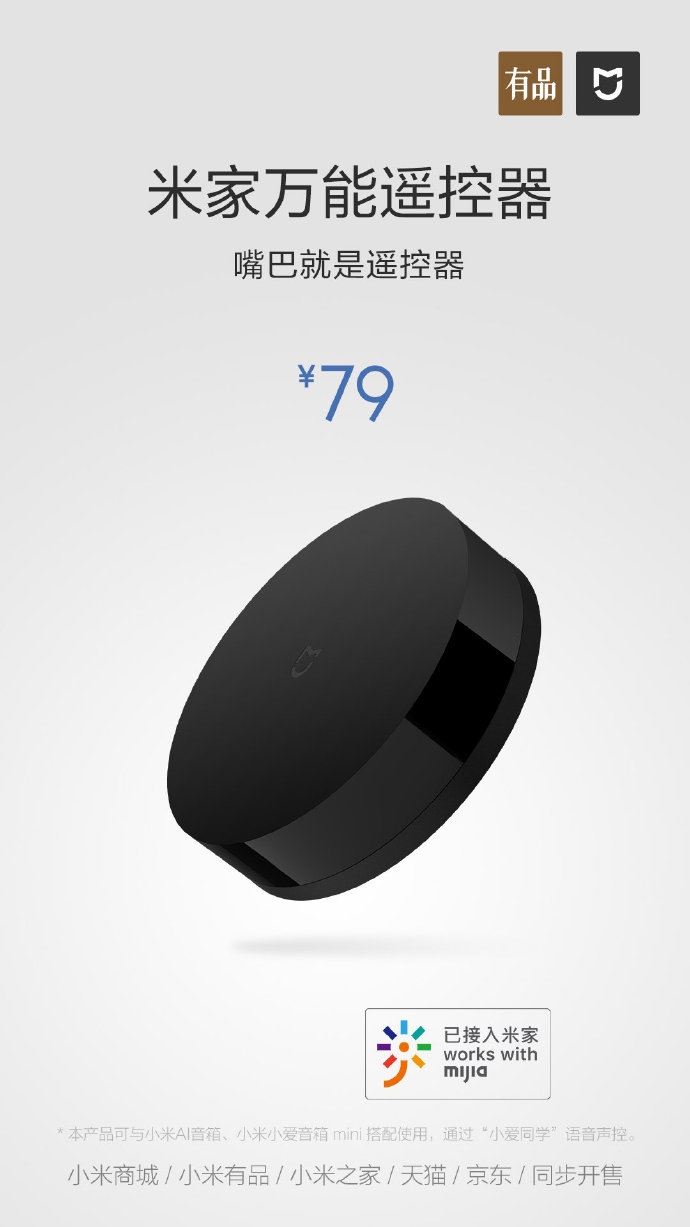
Xiaomi, expanding the portfolio of devices under its smart home system, has today launched a new device — Mi Universal Remote. As the same suggests, the device can be used to control various home appliances. It is now available for purchase in China.
The purpose of the Mi Universal Remote is to operate several home appliances through a single device using the company’s “Mi App”. Along with that, home appliances can also be controlled using voice commands.
The device offers 360-degree omnidirectional infrared emission, ensuring that all the devices can be controlled using the Mi Universal Remote, no matter where you have placed them. The company says that it supports more than 6,000 mainstream appliances.
The company has introduced its own voice control feature, which along with the company’s smart speakers such as Xiaomi AI Speaker, Xiaoai Speaker Mini, controls other IR-based home appliances. You simply have to give a voice command such as “turn the TV volume down” or “set the air conditioner to 23-degree Celsius” and it will do the needful.
With 360-degree omnidirectional infrared emission, it can easily control devices or appliances within 10 meters linear distance, with the support of various code library and thousands of home appliances from several brands.
Xiaomi’s Mi Universal Remote is now officially available for purchase in China for 79 Yuan, which roughly converts to $12. It’s available through six platforms — Xiaomi Mall, Xiaomi Youpin, Tmall, JD.com, Suning, and Xiaomi Stores.
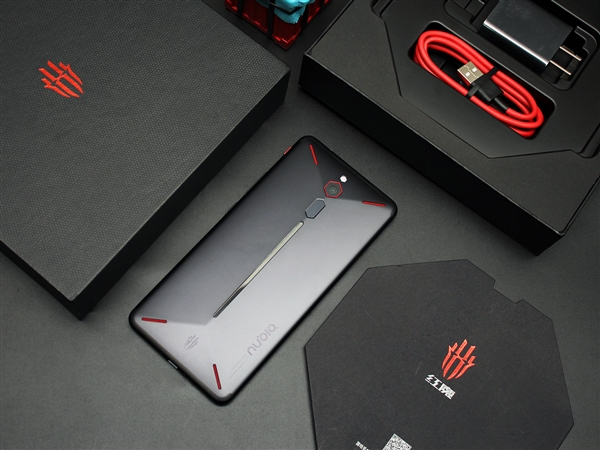
Nubia’s Red Magic gaming phone lineup has been in the market for around a year and a new update is in the works. These phones are quite hot right now and have carved out a good fan following. Recently we saw even Vivo get into this niche segment with its iQOO model.
The company’s GM, Ni Fei, was kind enough to let us know the key features of the phone before launch, but there was one feature we weren’t clear about: battery.
In the earlier post, Ni Fei had revealed that the new Red Magic 3 will upgrade its battery capacity. While this confirmed that the battery capacity will exceed 3800mAh, we wouldn’t have imagined it to be significantly big. But that’s the case here. Ni Fei confirmed earlier today that the Nubia Red Magic 3 will come with a 5000mAh+ battery. This would make it one of the largest battery gaming phones in the market today.
We know that the new phone will come with Snapdragon 855 with 12GB RAM on board. There will be liquid + air cooling to ensure that the phone doesn’t overheat even under extreme stress. What’s even more exciting is that the Nubia Magic 3 is said to be equipped with a screen that boasts of a better refresh rate than ‘most gaming screens’ out there. While we don’t have the specifics, it’s worth noting that the premium Razer Phone came with an astonishing 120Hz screen refresh rate. Anything close to this figure will be amazing. Other expected features include shoulder buttons and 4D vibration motors.
We won’t have to wait too long to meet the Red Magic 3. The phone is said to launch sometime in April.
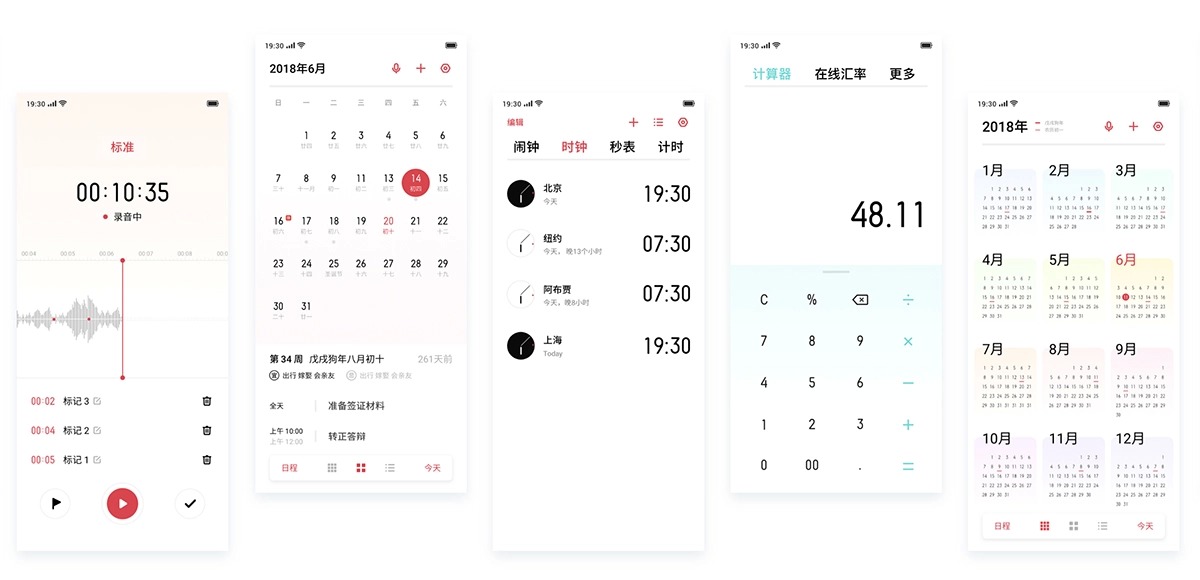
Oppo has now announced its updated custom user interface — ColorOS 6. The newly announced Android skin is now available on the Oppo F11 Pro. It comes with several improvements compared to its predecessor.
In terms of design, the company says that it has opted for a border-less symmetry which is based on invisible lines and grids. With this, the stock applications now offer proper full-screen experience with cleaner borders and other UI elements.
The company has also shifted towards a lighter color-tone which resembles the Google Material Design language with plenty of white. However, the company is offering users the ability to replace the white color with their own color choice through theme engine.
Apart from the design related changes, the new custom skin also brings in several operational changes as well. The navigation panel now includes shortcuts and the app drawer has also been added, which can be accessed through the swipe-up gesture from the home screen.
In order to reduce power consumption, the company has introduced a feature called “AI Cold Storage” which uses artificial intelligence to freeze background apps. It also comes with a “Remote Guard” feature that lets parents monitor their children’s phone usage.
With a feature called “Touch Boost”, the company promises up to 22 percent faster touch response while the “Frame Boost” feature offers up to 40 percent improvement in frame rate stability. Both of these features are the part of Game Boost 2.0 mode on the ColorOS 6.
It also comes with System Boost and App Boost mode, which as the name itself suggests, improves the general performance of the system and app launches. The new ColorOS 6 also comes with improvements for app notifications, night mode for photography, among others.
As for the availability, the ColorOS 6 is available for the Oppo F11 Pro users out-of-the-box. It will also be present in the upcoming Opp Reno smartphone, that is scheduled to launch on 10th April. Next month, the update for this new interface will be rolled out to Oppo R15 and R15 Dream Mirror Edition.
The company has also planned to update the Oppo Find X, Oppo R17, R17 Pro by August and Oppo R11, R11 Plus, R11s, R11s Plus, A7z, and A3 in September. Oppo’s sub-brand Realme will also update all its smartphones to ColorOS 6 by June this year.
As one of the most popular online shopping mall, GearBest is holding a series of sales promotions to celebrate the 5th Anniversary. The 24H Lightning Flash Sale is started at 16:00 UTC on Mar 20, and ended at 15:59 UTC on Mar 21. It is to your profit to pick favorite products in this amazing event.
The shopping mall has posted a list about Top 12 Bestsellers calculated from previous orders. All of the products on this page have great discount with limited units.
Xiaomi Mi Mix 3 smartphone of global version is only sold at $489.99 and limited 100 units, the original cost of it is about $653.03 in GearBest. Xiaomi Mi Mix 3 is powered by Snapdragon 845 processor, coming with 6.39-inch display with FHD screen and having the resolution of 2340 x 1080 pixels. This number one phone on the bestsellers list ships with 24MP+2MP rear camera and dual 12MP front-facing camera. Fueled by 3200mAh built-in battery, the handset has 6GB of RAM and 128GB internal storage.
There are not only the smartphones, but the 3D printer, tablet, vacuum cleaner and other categories are joined in the lowest ever price sales. Let’s check out the promotion and pick what you like.
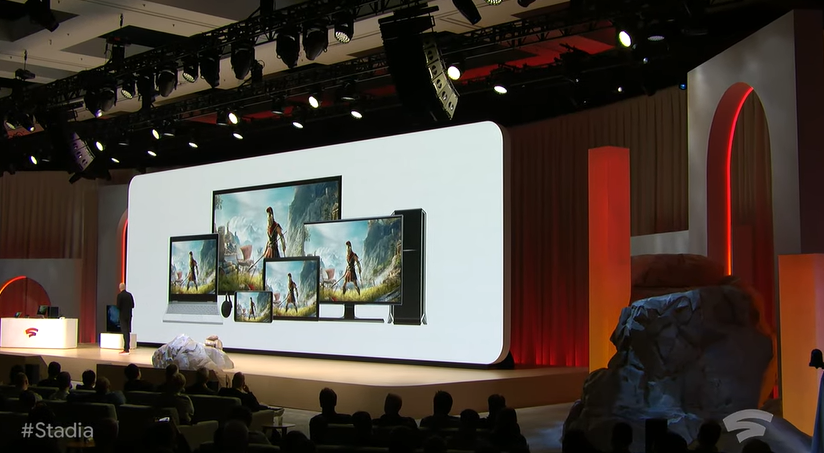
In the weeks leading up to GDC 2019, there were rumors Google would announce a gaming console of some sort that would allow users to stream games online. Today, the tech giant announced Stadia, a cloud gaming service which is not only for gamers but also for those who like to watch others play and also those who build games.
Stadia is a cloud gaming service that doesn’t require you to purchase new hardware. All you need is the hardware you already have such as tablets and phones (Pixel), Chromecast-enabled TV, or the Chrome browser on your PC (laptop or desktop). You also don’t need to download the game you wish to play.
At the event, Google demonstrated how Stadia works using a variety of devices including a desktop PC with basic specs. Not only did the games play seamlessly on all of these devices, but you can also start playing on one device and switch to another.
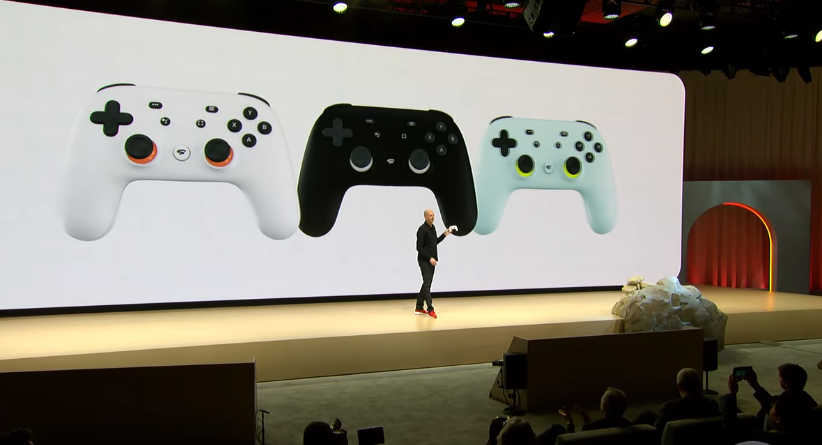
Stadia works with your existing controllers. It will even work with your keyboard or mouse. Or you could just purchase Google’s own Stadia Controller which doesn’t look very different from the controllers you are used to, though it does have some unique features of its own.
The Stadia Controller connects via Wi-Fi which should make switching from one device to the other easier. It has the usual XYAB action buttons, dual joysticks, D-pad, and shoulder buttons. It also has a Google Assistant button and a capture button that allows you live-stream your game to YouTube. The controller will come in three colors but Google didn’t reveal its price.
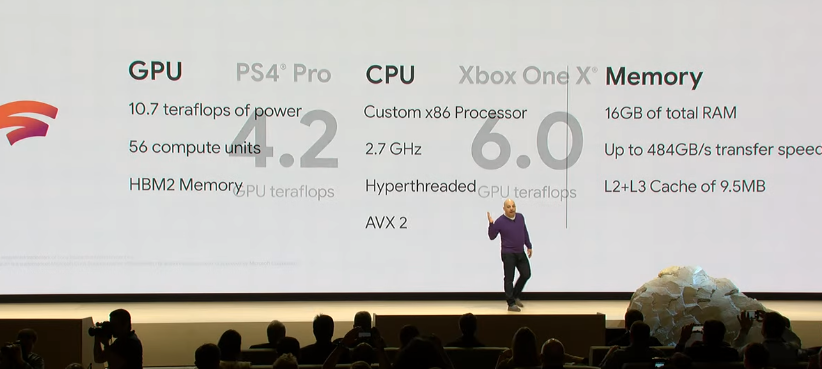
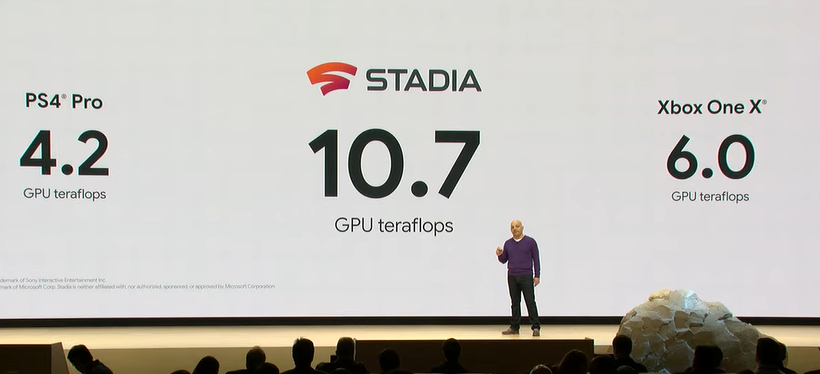
You might be wondering how Stadia will be able to run the games on its platform. All the work is handled by Google’s data centers which pack a lot of power. Google shared the specs of the data centers and the GPU is much more powerful than that of the Xbox One X and the PS4 Pro. Stadia will be able to stream at 1080p and 4K at 60fps when it launches but in the future, it will also support streaming in 8K and at up to 120fps. It will also support cross-platform play.
Stadia isn’t just for gamers but also for game developers. There are tools available for developers that will make it easy for developers to bring their design styles to games made for the platform. All developers have to do is drop an image with the preferred style and a machine learning tool applies the style all through.
There is also State Share for YouTube creators which allows them to share exact links to specifc parts of a game. Players will be able to call up the Google Assistant to get walkthroughs for games other players have completed. There is also a feature called Crowd Play which will let you play multiplayer games against your favorite content creators.
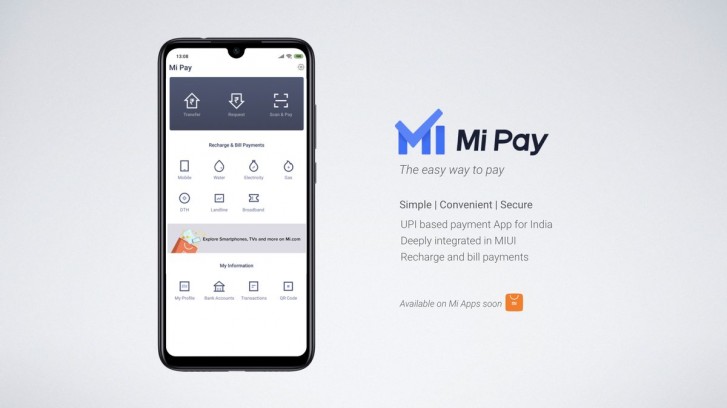
Xiaomi took the wraps off its first Android Go smartphone dubbed Redmi Go on Tuesday in India. The Redmi Go wasn’t the only product unveiled as the Chinese tech giant also officially announced the rollout of its popular payment platform Mi Pay in India. The Mi Pay was first announced in China in 2016 and it is tailored in the same pattern as Samsung’s own payment platform – Samsung Pay, as well as Google Pay, Tencent Pay, AliPay etc.
Mi Pay was first announced for India in December last year and beta testing programme has been ongoing since then. Apparently, the feature is now fully ready to be opened for use by Mi phone users in India. Unfortunately, the Indian version of Mi Pay doesn’t use Near Field Communication (NFC) to process payments but only supports payments through leading credit and debit cards, internet banking. The platform is built on the Unified Payment Interface (UPI) and is in collaboration with National Payments Corporation of India (NPCI) and ICICI Bank and supports over 120 banks.
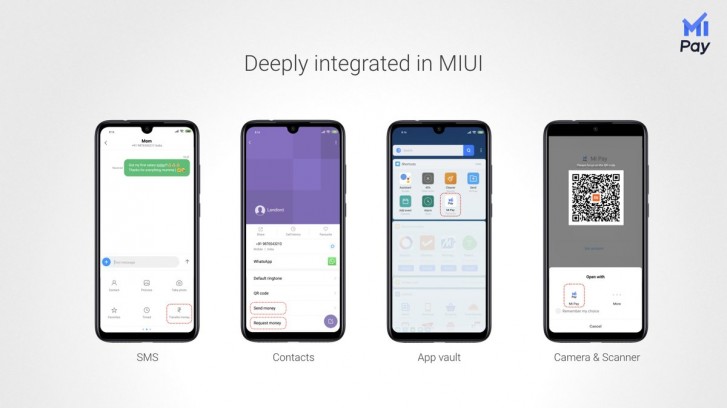
According to Xiaomi, the feature is very much integrated with MIUI and affords users the opportunity to easily pay for stuff from native Xiaomi apps like SMS, contacts and scanner. It also offers rapid peer-to-peer transfers to other Mi Pay users or bank accounts. Xiaomi has devoted more attention to frequently used digital payment scenarios like paying for amenities like gas, water, and electricity as well as airtime top up or paying for cable TV. The payment platform already enjoys the support of popular broadband providers like Nextra Broadband, Asianet and Hathway. Xiaomi also disclosed that Mi Pay support will soon be available on its website soon.
The new Mi Pay payment platform will likely gain some traction in no distant time considering the popularity of Xiaomi devices. The Chinese tech giant didn’t fail to clarify that Mi Pay data is stored only on Indian servers and that it has collaborated with EY and Lucideus to keep user data safe.
Qualcomm announced last week it will have a product launch today, March 19. The chip maker has announced the Qualcomm QCS400 SoC series – a new series of chipsets for smart audio devices.
The QCS400 brings immersive audio combined with on-device artificial intelligence for an improved audio experience around your home. Qualcomm says the new SoC will bring “better audio quality, optimal battery life, and next-gen voice control compared to” previous technology. Below are the three most important features of the new audio chipsets:
Improvements in voice UI with faster response times for voice commands, better sound pickup even in noisy environments and local voice control.
Smarter and more immersive sound quality – support for Dolby Atmos and DTS:X for a cinema-like experience.
Multi-channel connectivity which allows users to connect several speakers together with ample control over playback. This is combined with better performance and improved battery life.
The QCS400 series have a dedicated DSP that offers up to 32 channels of audio post-processing. The SoCs are also designed to support multi-keyword detection and with on-device AI, smart devices powered by them can get better and respond faster to wake-words.
The QCS400 series includes the QCS403 and QCS404 which are designed for smart Assistant and Smart speakers. The former is a dual-core SoC while the latter is a quad-core SoC. Both are clocked at 1.4GHz, support Bluetooth 5.1, and the Zigbee protocol.
HMD Global has updated the last of the devices scheduled to receive Android 9 Pie for the first quarter of 2019. Today, it announced that the update is now rolling out to the Nokia 5.1.
The Nokia 5.1 was released last August with Android Oreo, now Android Pie is rolling out to it with new features. Apart from the new UI, Pie brings a redesigned navigation, adaptive battery, adaptive brightness, and Digital Wellbeing.
A timeless classic has been redefined! Nokia 5.1 now runs the latest Android 9, Pie. Nokia smartphones just keep getting better! #GetSmartpic.twitter.com/OrAAgapOTV
The Nokia 5.1 has a 5.5-inch FHD+ display. It is the only phone powered by the Helio P18 and it is paired with 2GB/3GB of RAM and 16GB/32GB of storage. There is an 8MP sensor in front for selfies and a 16MP camera on the back. It also has a rear-mounted fingerprint scanner, a 2,970mAh battery, and a dedicated MicroSD card slot.
We use cookies on our website to give you the most relevant experience by remembering your preferences and repeat visits. By clicking “Accept”, you consent to the use of ALL the cookies.
This website uses cookies to improve your experience while you navigate through the website. Out of these, the cookies that are categorized as necessary are stored on your browser as they are essential for the working of basic functionalities of the website. We also use third-party cookies that help us analyze and understand how you use this website. These cookies will be stored in your browser only with your consent. You also have the option to opt-out of these cookies. But opting out of some of these cookies may affect your browsing experience.
Necessary cookies are absolutely essential for the website to function properly. This category only includes cookies that ensures basic functionalities and security features of the website. These cookies do not store any personal information.
Any cookies that may not be particularly necessary for the website to function and is used specifically to collect user personal data via analytics, ads, other embedded contents are termed as non-necessary cookies. It is mandatory to procure user consent prior to running these cookies on your website.


 The Galaxy Fold shows awe-inspiring responsiveness; however, the crease along the device’s central folding line is likely to pose an issue for the user. The crease is clearly visible when the phone is unfolded.