Just like smartphones, even chipsets have a specs sheet and it is very important for manufacturers to know all the platforms’ specifications in order to equip their devices with supported components. Several chipsets are adopted by smartphones manufacturers for years, especially Qualcomm’s Snapdragon platforms. Just imagine SoCs such as the Snapdragon 625 released in 2016 (or even Snapdragon 660) that is still widely used on several last-generation phones.
A lot of new display panels and camera sensors with new specifications were released after these chipsets and, even though they often do not meet their specs sheets, they are often paired with these mobile platforms in the same phones. For example, look at the Redmi Note 7 boasting a Snapdragon 660 chipset and a 48 Megapixel camera. Its initial specs sheet says it does not support such high Megapixel count. How is it possible?
Simple, the fact that the specs of certain components do not meet the official requirements does not necessarily mean that it is not compatible with a mobile platform.

In order to make things clearer, Qualcomm just updated the specs sheets of several Snapdragon chipsets with more accurate camera specifications. This will help users, manufacturers, and developers to know immediately which camera sensors are compatible with those chipsets. Folks at XDA Developers discovered that the official pages of Snapdragon 845, 710, 675 and 660 were updated in early February with new camera specifications, such as new info about the frame rates, Megapixel, resolution limitations, codec support, Multi-Frame Noise Reduction, Zero Shutter Lag and more.
[envira-gallery id=”240250″]
In the images above, you can clearly see the differences between the chipsets pages before February and the actual ones which contain more detailed camera specifications. If you dig in the official website, you will probably find even more updated pages for several other chipsets. These specs will also be useful for all those developers who want to create ported camera apps for smartphones with the listed chipsets.
(source)










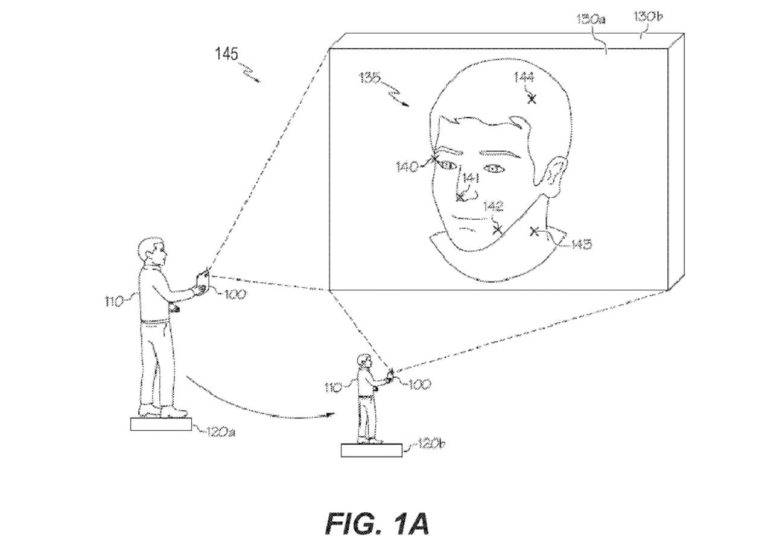 The company’s second filing builds on the earlier presumption by enforcing a series of instructions in the device that houses the
 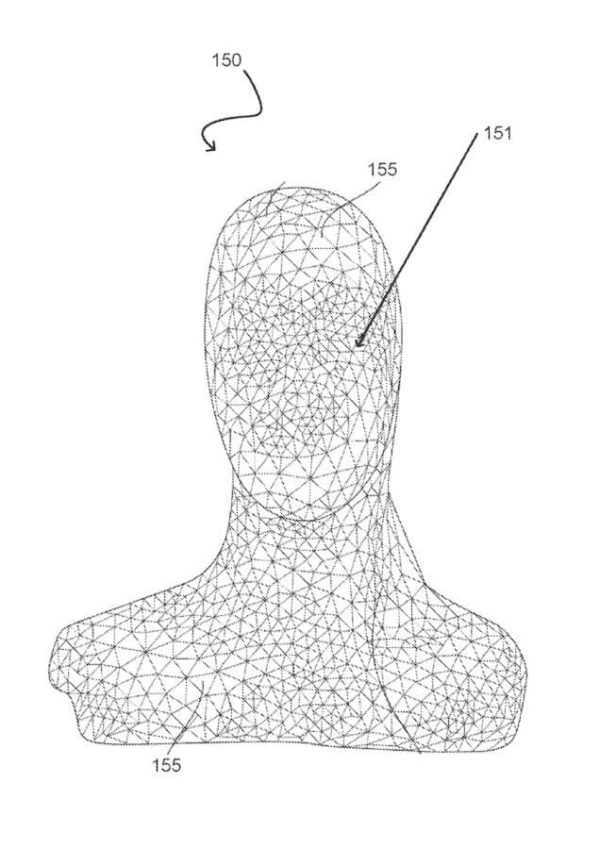 Although the patents may be linked, the question is how they might be used. It looks like the new patents can be efficiently joined in multiple combinations in order to serve various use cases. For instance, the second Sony patent can be effectively used in combination with the environmental checking system as well as the capture system. This carries out a solution that ensures that the user is an ideal environment for 3D modeling.
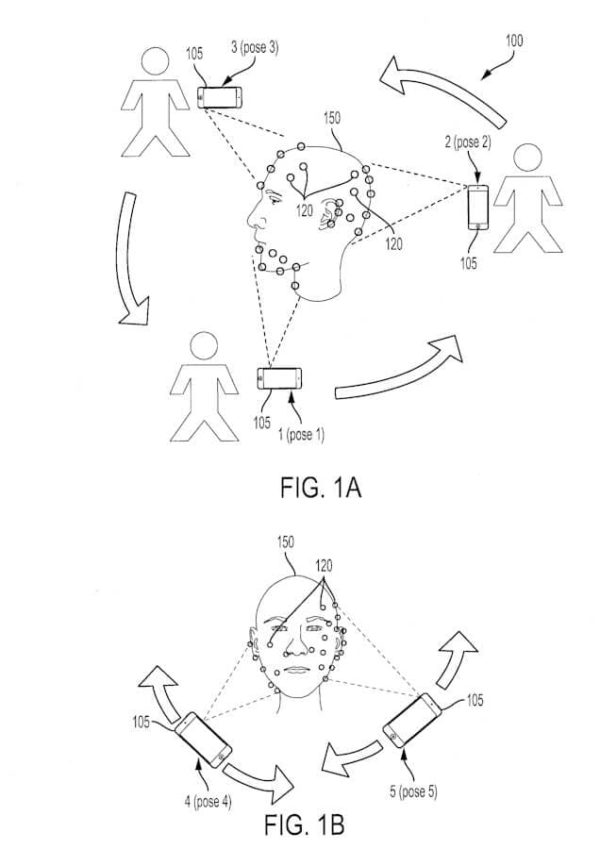 While it may seem that the aforesaid associated patents may not be ready to use in their existing form, Sony recently decided to increase the production of related LIDAR-based time-of-flight sensors, ignoring a decline in overall demand.



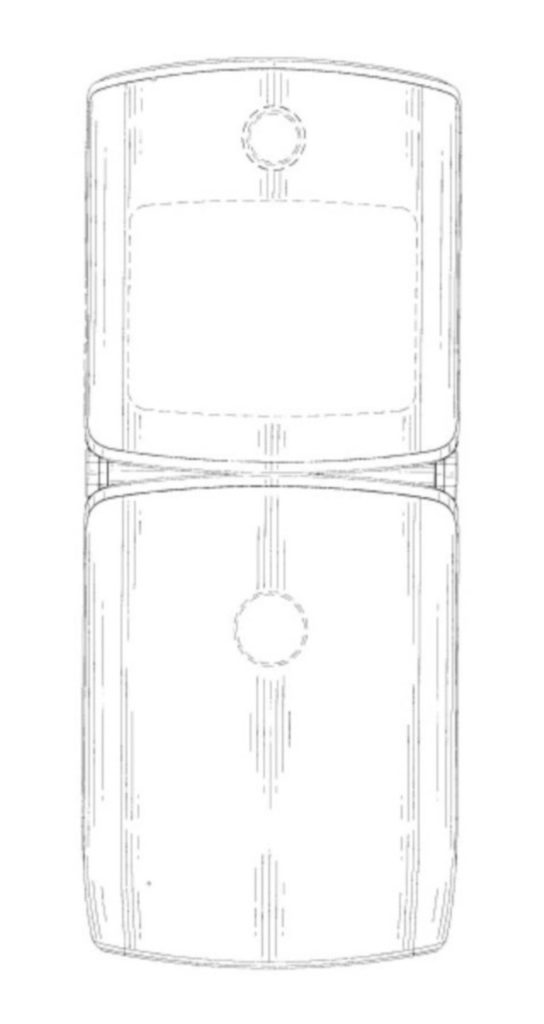 Adding fuel to the fire of rumors about a new foldable RAZR phone, XDA Developers recently confirmed that Motorola is indeed making a smartphone that will feature two displays. Citing its own sources and a slew of disclosed software features, the site claims that the device is Motorola’s revamped RAZR phone.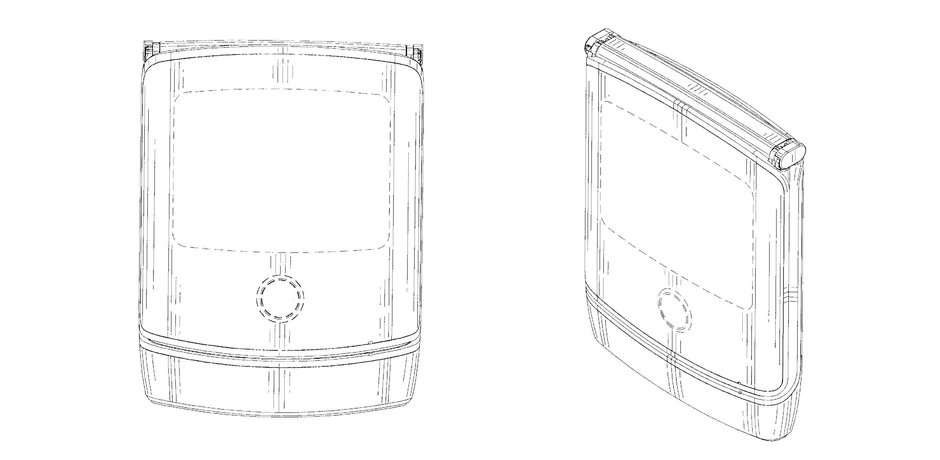


 In a bid to make high-end mobile phone accessories available to those living on a tight budget, Sunsky is now offering a wide selection of mobile phone cases, wireless chargers etc. at considerably lowered prices.