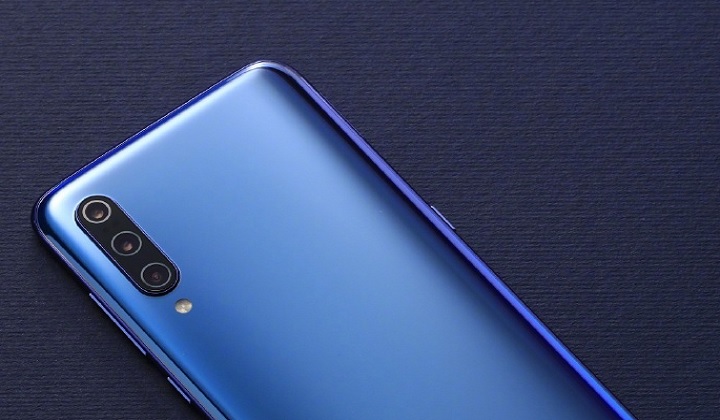
The Xiaomi Mi 9 SE is expected to hit the store shelves next month. The phone is expected to live up to the hype surrounding its imminent launch, given that it boasts an impressive array of features and top-end specifications.
Before we take a gander at what the Mi 9 SE has to offer in terms of specifications, it might interest you to know that several variants of the hotly-anticipated phone have already gone up for pre-order on Giztop.
There are two variants including one that ships with 6GB of RAM, and offer 64GB ROM and the other that comes with the same amount of RAM but offers 128GB of internal storage capacity. Moreover, both variants of the Mi 9 SE can be pre-ordered either in blue, gray or purple color option. It is worth noting that although the phone accepts pre-order now, its estimated delivery starts next month.
The blue, gray and purple color versions of the 6GB RAM, 64GB ROM model would set you back $369. Those willing to shell out $429 can go for the 6GB RAM, 128GB ROM model.
In other words, the larger variant of the Xiaomi Mi 9 SE smartphone will set you back $60 more than the basic model with 6GB RAM and 64GB ROM.
The Mi 9 SE is an irresistible smartphone that sports 5.97-inch Samsung AMOLED display with FHD+ 2340×1080 pixels resolution for an immersive video watching experience.
It is powered by 10nm Qualcomm Snapdragon 712 processor and packs a competent Adreno 616 610MHz GPU, under the hood. The phone features 6GB of LPDDR4x RAM and offers 64GB/128GB of UFS2.1 storage option.
On the photography front, the Mi 9 SE houses a 48MP+13MP+8MP triple camera setup. Up front, there’s a 20MP AI camera for selfies and face-to-face video chatting.
Furthermore, the Mi 9 SE runs MIUI 10 based on Android 9.0 Pie operating system and is backed by a 3070mAh battery that supports 18W Fast Charge.
In addition to featuring a 5th generation In-Display fingerprint scanner, the Xiaomi Mi 9 SE comes with a slew of other useful sensors like accelerometer, gyro, proximity, and compass.
You can head straight to this link to check out the full specification of the Xiaomi Mi 9 SE smartphone and pre-order your favorite color and storage option of the phone.
MWC (Mobile World Congress) is slated to kick off on Monday, February 25th in Barcelona.
Deemed as the world’s largest mobile event, MWC is a red-letter day for participants that primarily comprise leading companies.
Keeping in line with the upcoming exhibition, Banggood launched a new promo called ‘2019 Show the power of MWC’ on February 20th. The promo features unmissable deals starting from $3.99.
A wide selection of heavily discounted items has been split into four different categories including Feature Flash Deal, Focus New Technology, Top Hot Choice and Pick Premium Brand in order to expedite the search process.
The flash deal which began at 1 am (UTC+8) on Wednesday will offer four brand products bearing considerably reduced prices on a daily basis until March 1st.
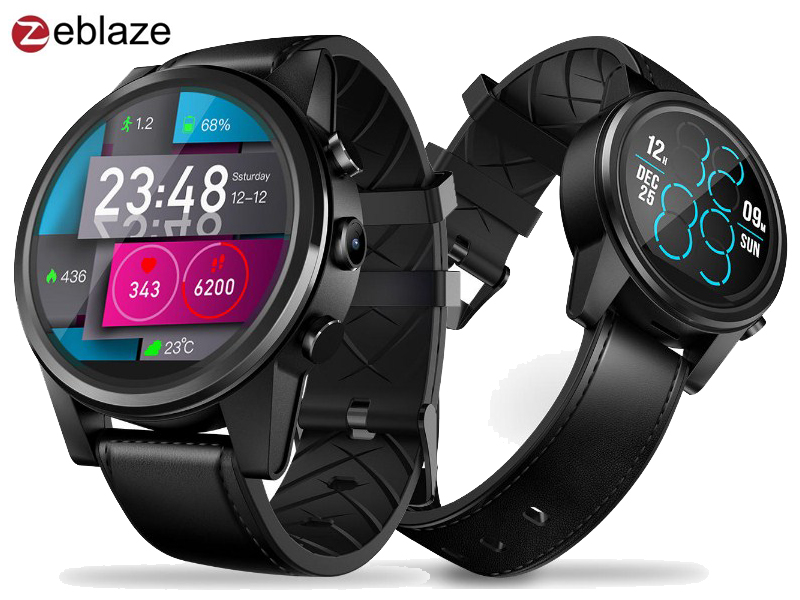
The section dubbed, ‘Focus New Technology’ is brimming with all sorts of electronic items like smartphones, fitness bracelets, and a slew of other accessories that you can buy without breaking the bank. The Lenovo XiaoXin tablet, Xiaomi Redmi Note 7smartphone, and the Zeblaze Thor 4 Pro smartwatch have gone up for sale carrying reduced prices under the ‘Top Hot Choice’ category.
For example, the Zeblaze THOR 4 Pro watch phone usually sells for $169.99 but is currently up for grabs for just $95.99.
This 44 percent discount will be valid for the brown as well as the black color version of the watch phone.
Brand conscious buyers can head straight to the last category called ‘Pick Premium Brand,’ which includes products from Xiaomi, Bakeey, Chuwi, zeblaze and a slew of other popular manufacturers.
In addition to carrying dropped price tags, the items included in the above-mentioned section have been assigned specific coupon that you can use to avail extra discounts.
For instance, the Xiaomi Redmi Note 5 would normally set you back $259.99, but thanks to a 33 percent discount you can now buy it for only $174.98.
You can use coupon code 2BGN5642 to bring the already reduced retail price of the phone further down to just $139.98 at the time of checking out.
You can click here to visit the promotion page and check out the rest of the products. Note that you can avail the great discounts and grab other deals only until February 28th.
GeekBuying has launched the ‘Beelink Mini PC Sale,’ promotion offering the J45 Mini PC and a wide selection of other other items from the Shenzhen-based home entertainment equipment manufacturer at lowered prices.
The recently kicked-off promo has been split into different categories in order to simplify the search process.
Each section including Featured Deals, IT Stock, ES Stock, DE Stock, PL Stock and 5% Off comprises Beelink-branded products that you can now buy without emptying your pockets.
We’ll be taking a gander at the discount you can avail on the Beelink J45 Mini PC and even show how you can get an extra discount before placing your order. So without further ado, let’s check out the details.
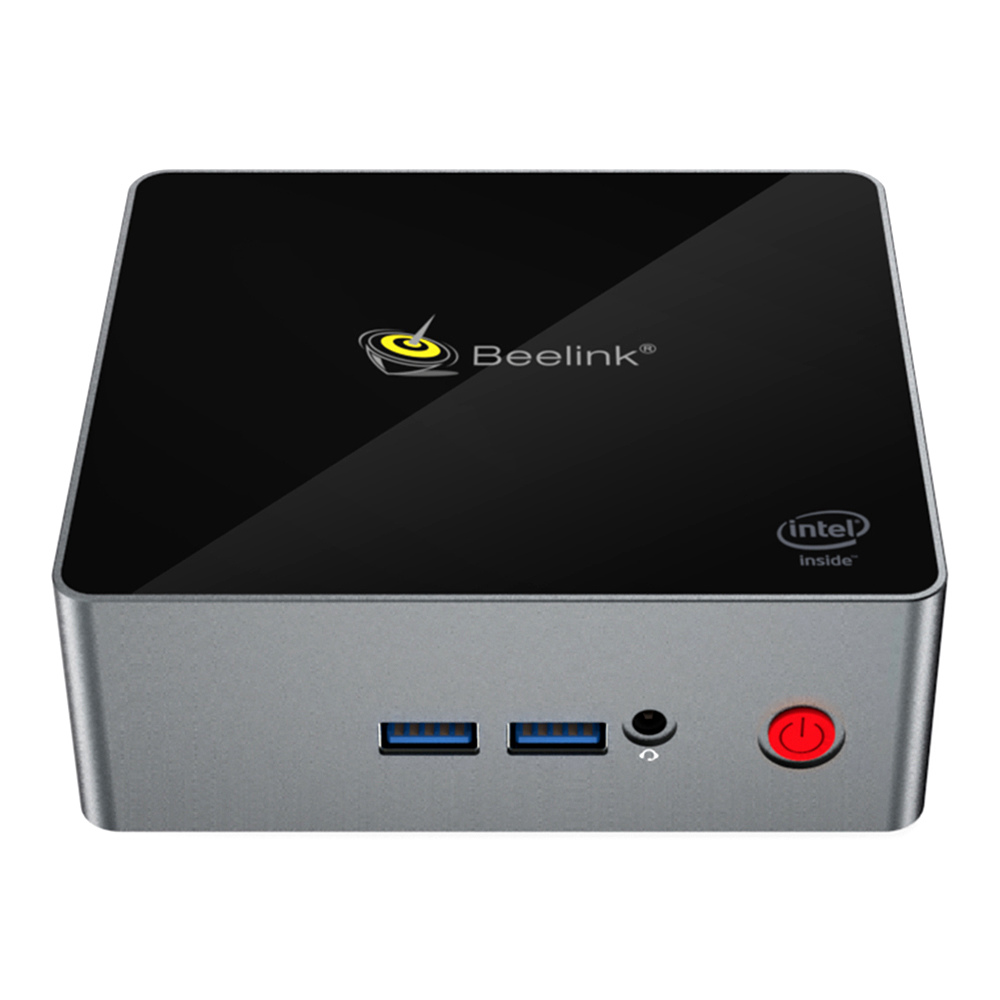
Beelink J45 Mini PC
While you’d normally end up spending a fortune on a mini PC that offers comparable features, the J45 Mini PC can now be yours if you are willing to shell out just $279.99 on GeekBuying.
This is a noteworthy 23 percent reduction in the device’s original asking price of $363.66. Moreover, you can extend the aforesaid discount by using coupon code GIZ_BEEJ45.
The coupon helps you get an extra $69 off by bringing the already reduced retail price of the Mini PC further down to just $249.99 at checkout. An absolute bargain at this price, the J45 Mini PC packs an Intel Apollo Lake Pentium J4205 processor along with Intel’s HD Graphics 505 GPU, under the hood.
The device ships with 8GB of RAM and offers a hearty 256GB of internal storage capacity. It comes with SATA port and TF card slot, offering multiple ways for capacity expansion.
On top of that, the J45 Mini PC sports a heat dissipation design for superior performance operation even in high temperature.
Furthermore, it runs Office, design apps, casual gaming etc without any sort of lag or interruption.
You can visit this link in order to check out more details about the Beelink J45 and take advantage of the discount. Note that the promo is slated to end in just two days.
Samsung has finally taken the wraps off the Galaxy S10 series which has keep the rumour mill agog for several months running. The Galaxy S10 series is comprised of the Galaxy S10, Galaxy S10+ and Galaxy S10E. The models are arguably Samsung’s most electrifying flagships yet considering how they deviate from the predecessor in several aspects.
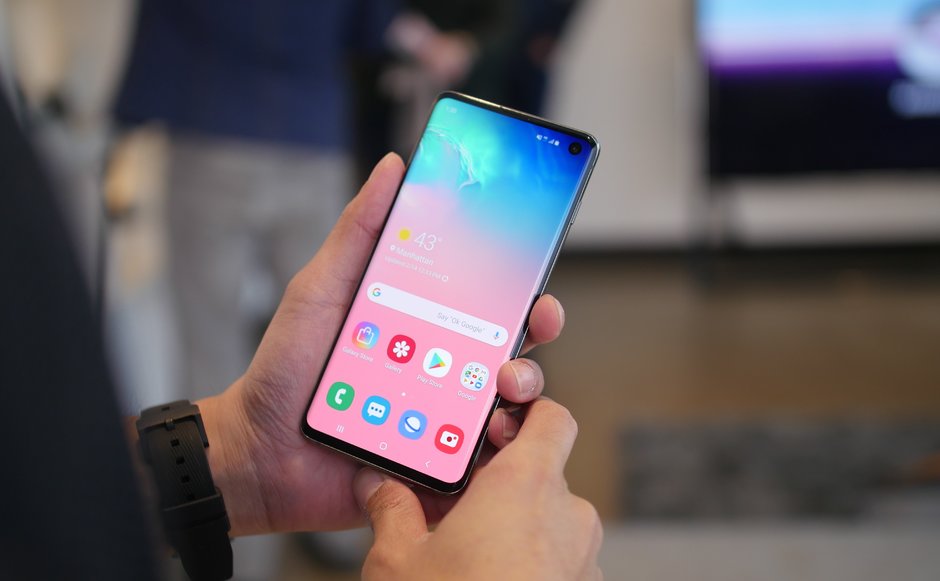
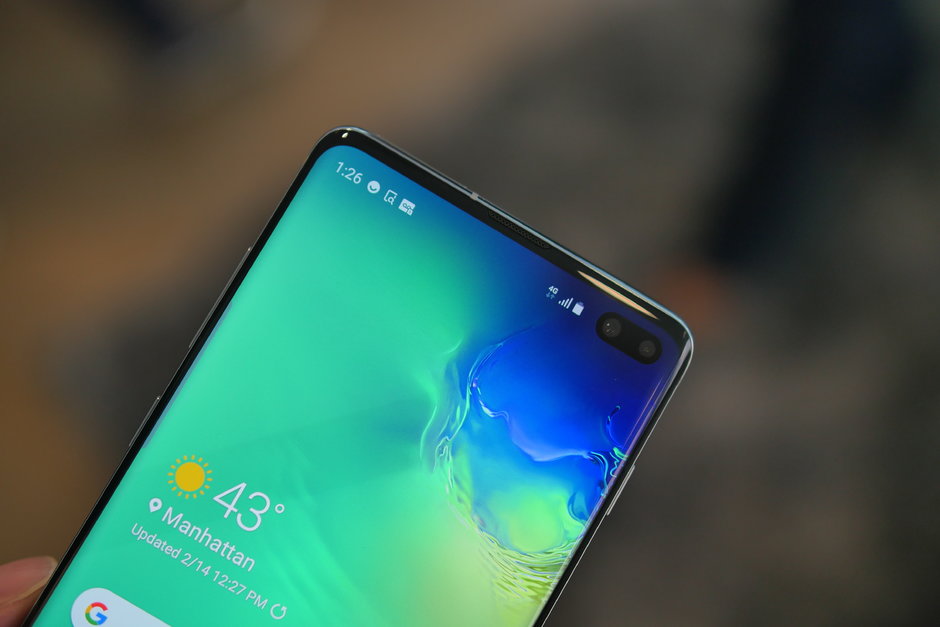
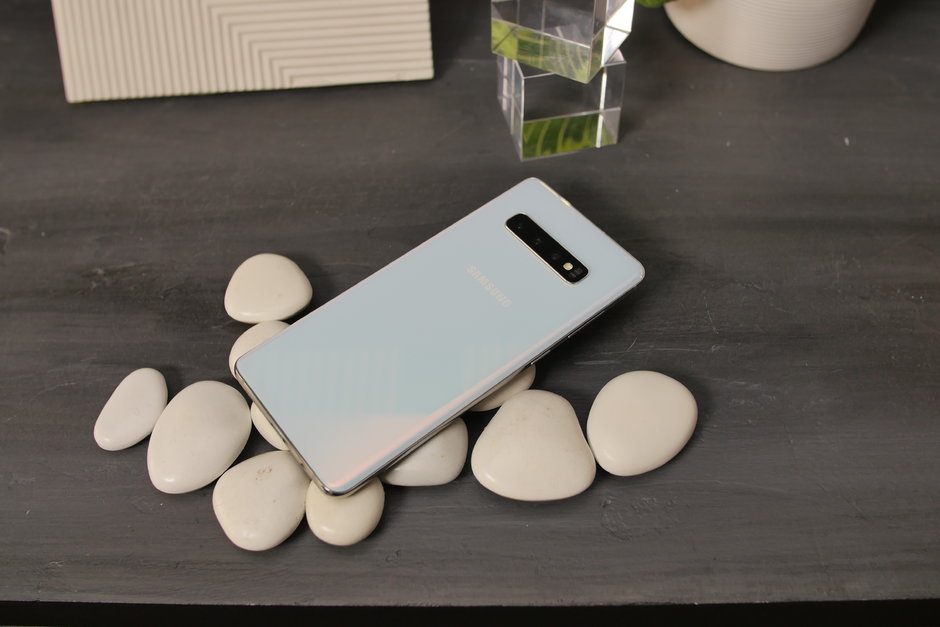
In terms of the design, the Galaxy S10 series looks premium with the body made from glass and aluminium. The design isn’t very much different from the predecessor especially the rear design. The front is starkly different from Samsung’s previous phones, including the notch-bearing models from last year. Just as expected, the Galaxy S10, S10+ and S10E all come with the punch-hole notch, also known as hole-in-display design placed at the top right corner of the display. The Galaxy S10+ has a wider punch hole housing dual cameras while the Galaxy S10 and Galaxy S10E both have a single punch hole opening since they both pack a single selfie camera apiece.
Samsung Galaxy S10 and Galaxy S10+ Features
The Galaxy S10 sports a 5.8-inch “Dynamic” Infinity-O AMOLED while the S10+ comes with a bigger 6.44-inch display.Both dislays have QHD+ resolutions and 19:9 aspect ratios. The displays are also HDR10+ certified and are said to offer marvelous outdoor visibility and unmatched color accuracy. The hole-in-display design gave the Galaxy S10+ up to 93% screen-to-body ratio. Further, the design doesn’t include a physical fingerprint scanner at the rear instead, the device comes with an in-display supersonic fingerprint sensor which Samsung says is faster than the optical fingerprint sensors that made the rounds on the Huawei Mate 20 Pro and the OnePlus 6T.
Samsung wasn’t the first OEM to announce a Snapdragon 855 phone as Xiaomi beat it to that title with the Mi 9 flagship released earlier today. However, the Galaxy S10 models are powered by Qualcomm’s latest Snapdragon 855 chipset while the international version will be powered by Exynos chipset. On the memory aspect, the Samsung Galaxy S10 will be available with 6GB or 8GB of RAM and 128 or 512GB of storage, respectively. On its part, the Galaxy S10+ comes with 6GB, 8GB, or 12GB of RAM and 128GB, 512GB, and 1TB of native storage. All versions come with microSD card slots for further expansion, though we doubt anyone will ever find the need to do so on the one-terabyte version. The models also come with stereo speakers, a USB Type-C port, IP68 water-resistance, and a dedicated Bixby button.
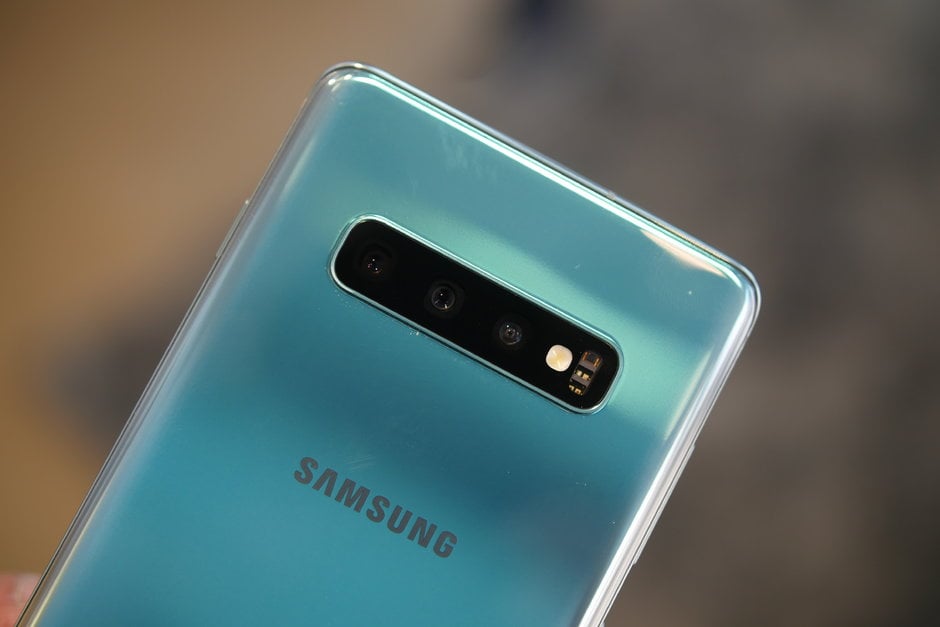
For photography, both the Galaxy S10 and S10+ feature triple rear camera setup. The camera configuration include a regular 77-degree 12MP sensor with an F1.5/F2.4 variable aperture, a 12MP 2x telephoto snapper with a 45-degree viewing angle and a fixed aperture of F/2.4 and an ultra-wide 16MP camera with a 123-degree viewing angle and a fixed F2.2 aperture. The first two sensors ave Optical stabilization (OIS) while the third sensor doesn’t. The front sensor for the Galaxy S10 is a single 10MP camera with OIS and 4K video recording. Now, for a selfie camera, that is awesome!
The Galaxy S10 models all run Android Pie with the new OneUI on top. The new interface is designed with usability in mind and allows for intuitive interaction with almost all stock Samsung apps and menus. Further, Samsung touts both the Galaxy S10 and S10+ of capable of delivering 24+ hours battery life. The Galaxy S10 packs a 3,500mAh battery while the S10+ has a bigger 4,100mAh cell. In terms of connectivity, both the Galaxy S10 and S10+ are LTE-enabled but don’t have 5G functionalities, a feature selling preserved for the Galaxy S10 5G. Both models also come with Wi-Fi 6, also known as Wi-Fi 802.11ax.
The Galaxy S10 models will be available in Prism White, Prism Black, Prism Green, Prism Blue, Canary Yellow and Flamingo Pink. The S10+ will also have a posh Ceramic White and Ceramic Black versions which will boast improved durability and protection against scratches and scuffs.
Samsung Galaxy S10E
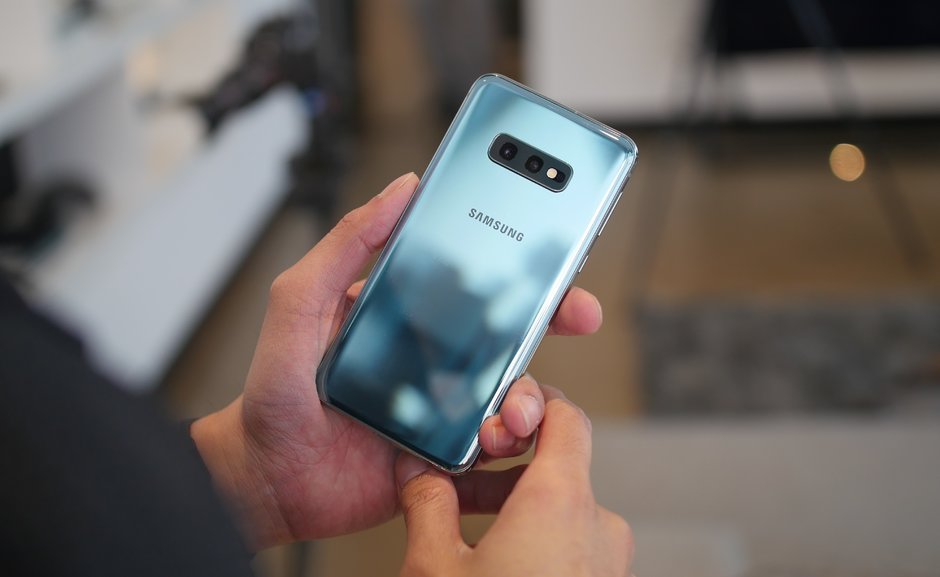
The Galaxy S10E has always been in the rumour mill and indeed, Samsung announced the model alongside the others. It sports a 5.8-inch Infinity-O AMOLED display with a resolution of 1440×2960 pixels. The screen also comes with the latest scratch-resistant Gorilla Glass 6 and, of course, support for HDR. The Galaxy S10E doesn’t feature a curved edge design like the Galaxy S10 and S10+.
Samsung Galaxy S10e
The phone is also powered by the latest Snapdragon 855 chipset paired with 6GB+128GB and 8GB+256GB combo. The phone doesn’t have an in-display fingerprint reader but its own is on the right side of the device. The device packs a dual camera setup at the rear which includes a 12MP dual aperture camera (F/1.8; F/2.4) with optical image stabilization, alongside a 16MP ultra wide angle one. The phone still has a 10MP sensor for selfies just like the others.
Under its hood, the Galaxy S10e packs a 3100mAh battery while for connectivity, it has Wi-Fi 6 (Wi-Fi 802.11 ax), LTE Cat. 20 with up to 2Gbps download speeds, NFC and Bluetooth 5.0.
Samsung Galaxy S10 5G
If you are looking forward to the first 5G phone from Samsung, here it is. The Galaxy S10 5G comes with a 5G modem which is the main thing differentiating it from the regular Galaxy S10. As we are aware, 5G is yet to roll out so, this is Samsung’s own modem that would herald the birth of the 5G era.
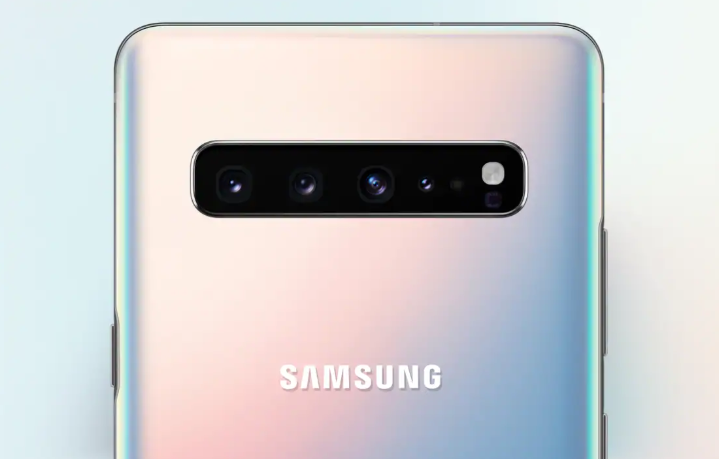
The Galaxy S10 5G comes with a huge 6.7-inch AMOLED display with 19:9 aspect ratio. It packs a mammoth 4500maH which will sure keep the lights on for a long time. This variant is only available 8GB RAM and 256GB of storage. Another distinguishing feature is the four camera lenses it packs. The fourth lens is a TOF camera while the others are the same with the Galaxy S10.
As for their pricing, the Galaxy S10 base variant with 8GB+128GB storage is launching at $900. On the other hand, the base 8GB/128GB version of the Galaxy S10+ is set to launch with a $1000 price tag. The new Galaxy S10e, on the other hand, is priced at $749 for the 6GB/128GB version. Pre-orders for the tree models will commence on February 21.
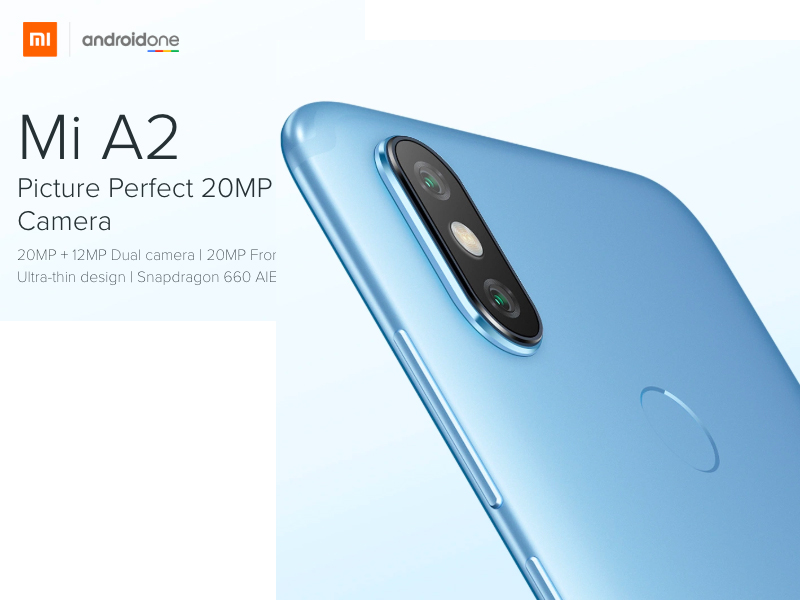
If you have restlessly been waiting to get your hands on a Xiaomi-branded smartphone without spending a lot of money, now’s the time. In collaboration with GeeKmaxi, the Chinese electronics company is now offering the Xiaomi Mi A2 and Xiaomi Mi8 smartphones at considerably lowered prices.
Moreover, we’ll show how you can save extra money on the Mi A2 during the check out process. So without further ado, let’s delve straight into the details.
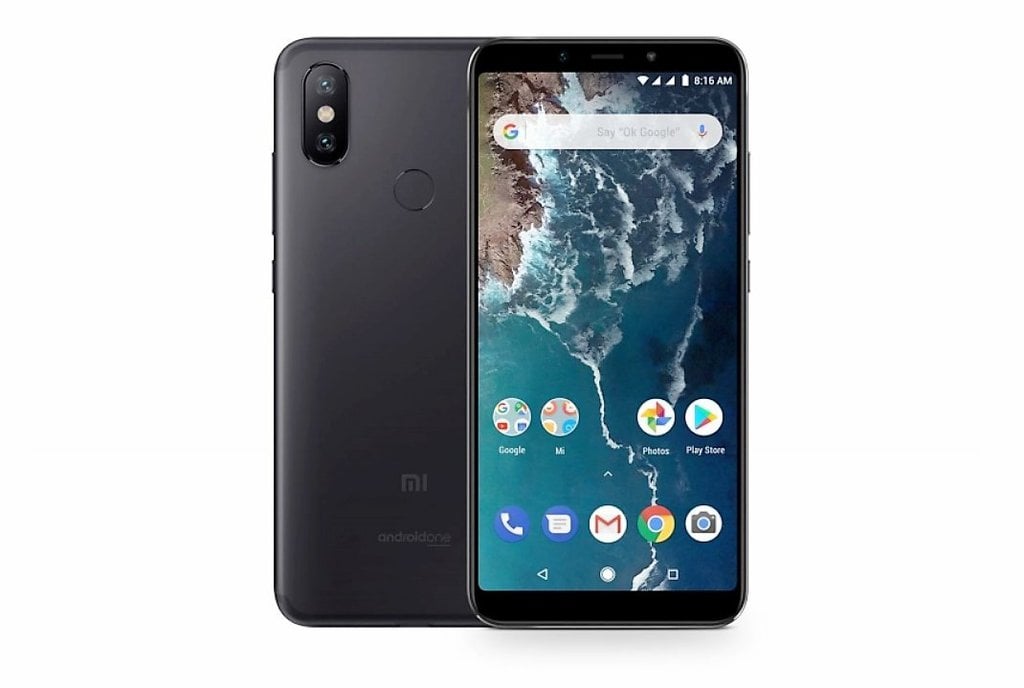
Xiaomi Mi A2
The Mi A2 hasn’t stopped garnering popularity among smartphone lovers after hitting the store shelves in April last year.
The phone comes in black, gold, blue color versions and is available in 4GB RAM+32GB ROM, 4GB RAM+64GB ROM, and 6GB RAM+128GB ROM variants.
The global version of the Xiaomi Mi A2 that ships with 6GB of RAM and offers 128GB of internal storage capacity usually carries a 264,99 € price tag, but you can now buy it for just 234,99 € on GeeKmaxi. Aside from taking advantage of this discount, you can use coupon code 3AI7AD1Y to get an extra 15,00 €.
In other words, you can bring the already reduced retail price of the Mi A2 further down to just 219,99 € simply by applying the aforesaid coupon at checkout.
You can visit this link to avail the discount before the promo ends.
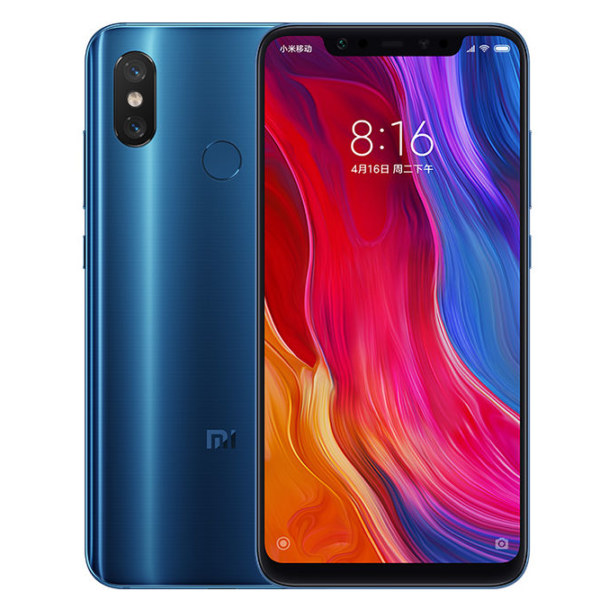
Xiaomi made its long-awaited Mi8 smartphone available to the public in June last year.
While the phone’s top-end specifications made it an instant hit among Xiaomi fans, the steep price tag it carried created hurdles for those living on a tight budget.
In a bid to make the well-received smartphone available to cost-conscious buyers, Xiaomi is now offering the global version of the Mi8 with 6GB RAM, 64GB ROM at a heavily discounted price of just 369,99 € on GeeKmaxi. This is a noteworthy reduction in the device’s original asking price of 409,99 €.
Alternatively, you can get your hands on the slightly larger variant of the Mi8 smartphone that ships with 6GB of RAM and 128GB of onboard storage capacity if you are willing to shell out just 394,99 €.
The above-mentioned variant would normally set you back 434,99 € on both online as well as offline stores.
You can follow this link to grab the discount, which will be valid for a limited period of time.
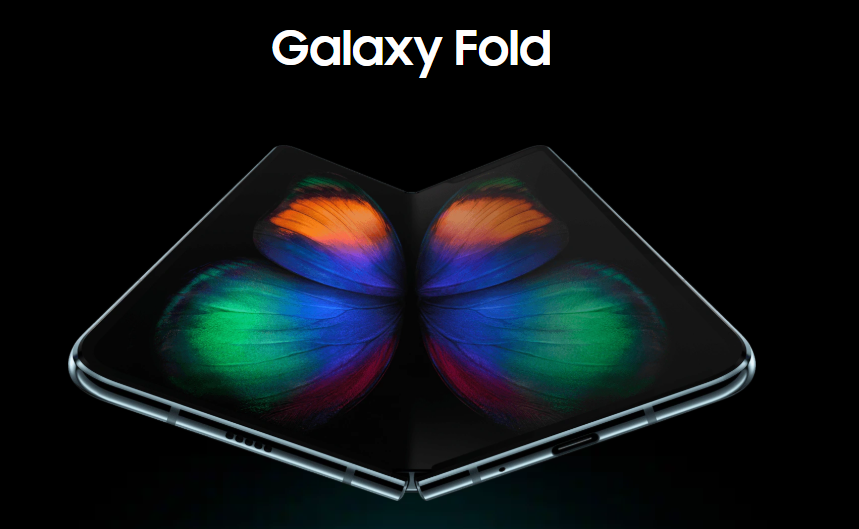
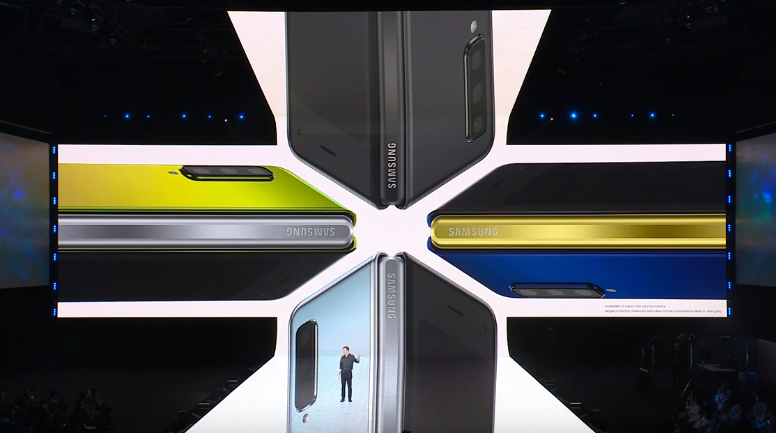
At the Unpacked event tonight, Samsung‘s first unveiling is the Galaxy Fold. Yes! Samsung’s first foldable phone is official and it “defies categories”.
The Samsung Galaxy Fold is a beautiful device with a hidden hinge system with interlocking gears that allows you to fold and unfold the device.
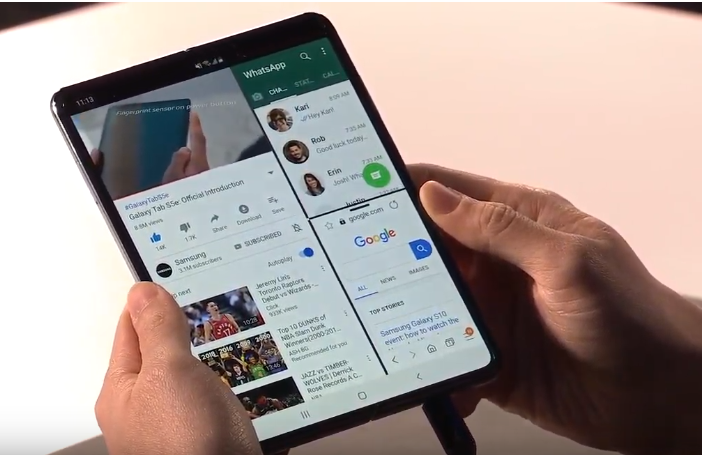
Open the Galaxy Fold and you are greeted by the 7.3-inch Infinity Flex Display with a 1536 x 2152 resolution. In this mode, you can use three apps at the same time which Samsung calls Three-app Multitasking.
When folded into phone mode, you have a 4.6-inch 840 x 1960 display. One neat feature of the Galaxy Fold is what Samsung calls App Continuity. What this does is automatically adjust an app when you switch screens. So if you have the Maps app open in phone mode, it automatically adjusts to fit the 7.3-inch display when you switch to tablet mode.
The Samsung Galaxy Fold is powered by a 7nm processor paired with 12GB of RAM and for the first time in a smartphone, UFS 3.0 storage with a 512GB capacity. Samsung says there are six cameras – three on the back (when folded in phone mode), one in front (also in phone mode), and two inside (in tablet mode).
The three rear cameras are made up of a 16MP ultra-wide camera, a 12MP telephoto camera, and another 12MP wide-angle camera. The selfie camera is a 10MP sensor. There is no info on the other two cameras.
The Galaxy Fold runs One UI with Android Pie. It packs a 4,380mAh battery which is actually split into two.
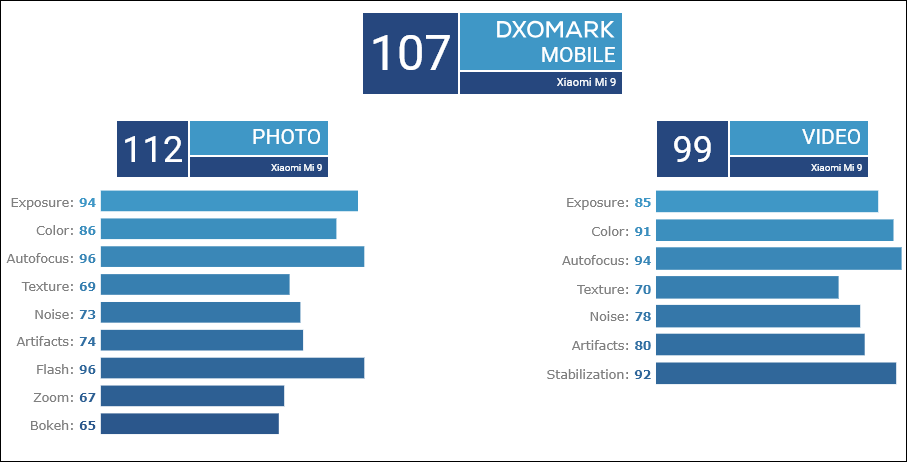
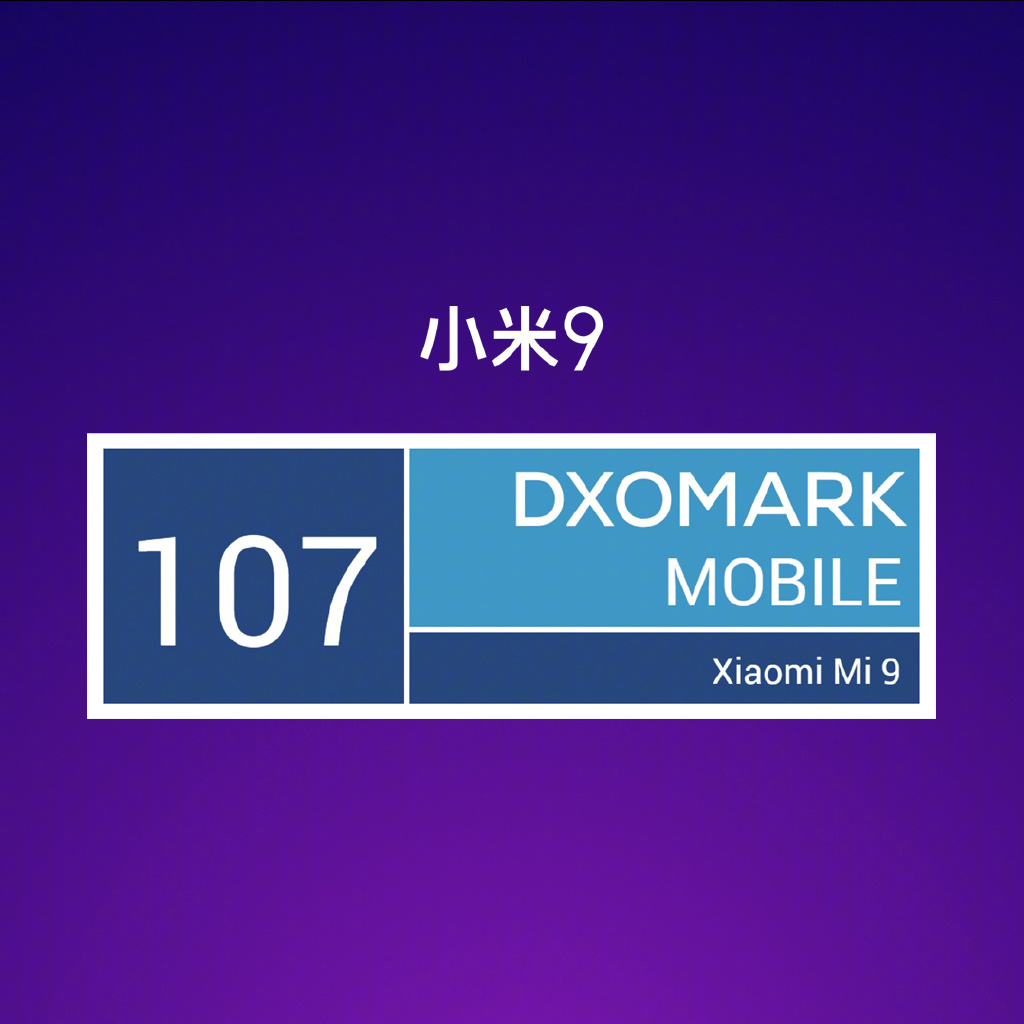
Xiaomi has continued to improve on the camera capability of its smartphones, both the mid-range and flagship phones. But the flagship products have seen tremendous improvements in their camera specs while retaining the affordable pricing for which Xiaomi phones are known. The Mi Mix 2s which was released in March 2018 scored 97 points on DXOMark benchmark test which is the same with the iPhone X’s score. The Mi 8 which was released in May last year saw further improvements in its camera configuration as it polled 98 points on the benchmark test, surpassing the iPhone X. When the Mi Mix 3 was released in October last year, one of the headlines grabbing feature was the powerful camera which ranked among the top 3 best phone cameras with a score of 103 points. The flagship Mi 9 which has just been announced, takes the bar higher as it scored a total point of 107.
The new Mi 9 comes with a triple camera setup just like the Huawei P20 Pro but it ranks just two points below the P20 Pro and Mate 20 Pro which sits on top as the best phone cameras around. Both the Mate 20 Pro and P20 Pro have 109 points on DXOMark’s test. In addition, we must point out that even though DXO started to review selfie cameras, the ranking is just for the rear cameras.
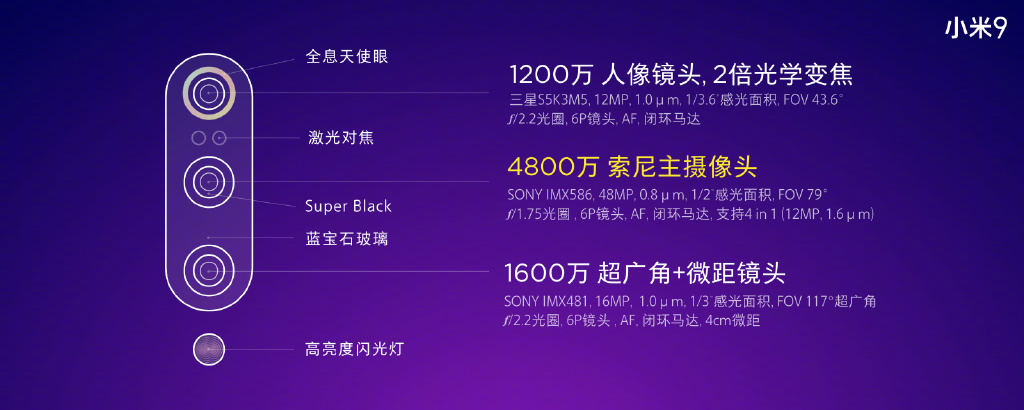
We need not to remind you that the Mi 9 is Xiaomi’s first triple camera phone. The three sensors are arranged vertically at the top left corner and are covered with Sapphire glass. At the top is a 12MP Samsung ISOCELL S5K3M5 telephoto lens with a holographic ring around it. The sensor comes with an f/2.2 aperture and 2x optical zoom. Beneath the sensor is the laser-focus module. The main sensor is at the middle and is a 48MP Sony IMX586 f/1.75 sensor with a 6P lens. There is also a 16MP Sony IMX481 f/2.2 sensor for taking wide-angle photos and macro shots at the bottom. The wide-angle sensor has a 117° viewing angle.
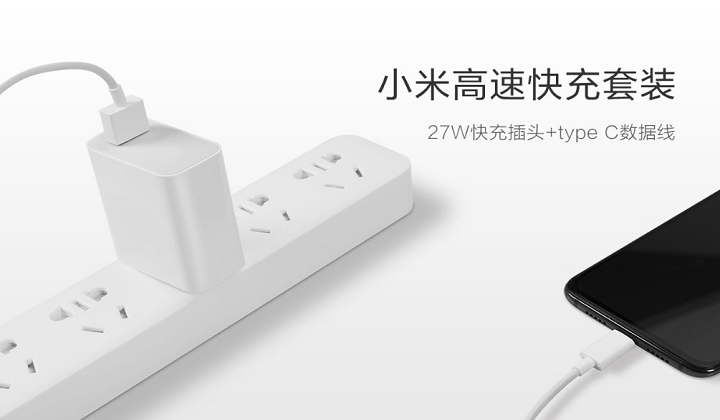
Xiaomi’s Mi 9 flagship brings a new charging technology that charges at 27W. It is faster than Quick Charge 3.0 and even OnePlus’ Dash Charge but a little slower than the new Warp Charge 30. Unfortunately, you won’t find a 27W wall adapter in the box if you buy the Mi 9 (at least the standard variant).
A review of the Mi 9 by Gsmarena revealed the phone comes with an 18W charger instead. You also cannot purchase the adapter separately if you actually want one. So how do you get it?
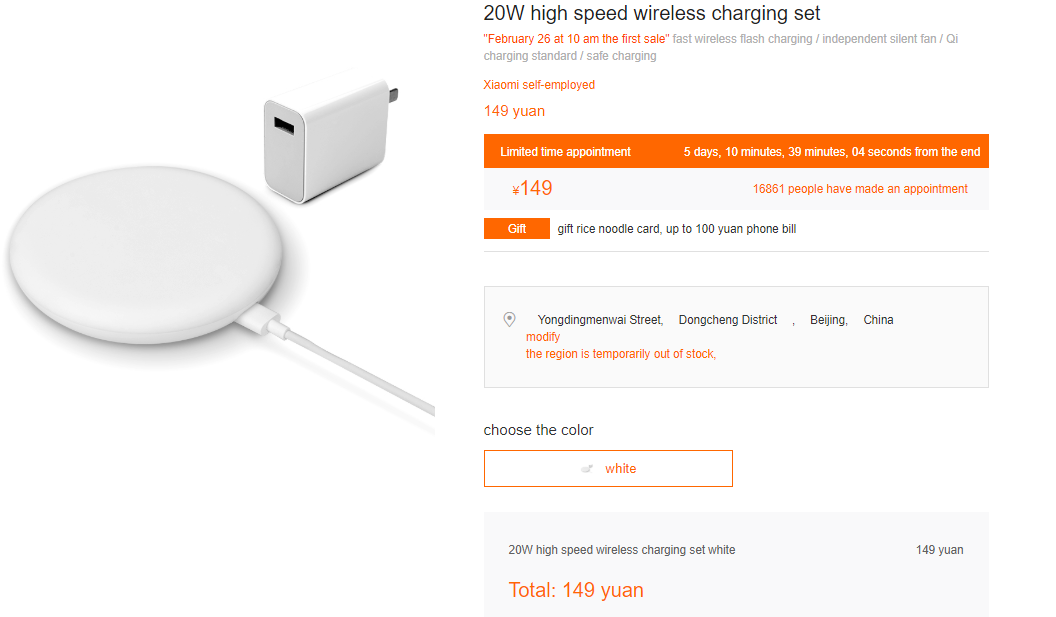
To get the 27W wall adapter, you have to buy the 20W wireless charger bundle. This bundle includes the 20W Mi Wireless Charging Pad and the 27W wall adapter for ¥149 (~$22). It also includes a 1m USB Type-C cord with a USB Type-A end that goes into the adapter. Xiaomi says the cable supports 3A fast charge.
This doesn’t make sense actually and sounds like something Apple would do but with a significantly higher price tag. I guess they don’t call them the “Apple of China” for nothing.
The 27W wall adapter supports the following power inputs: 5V 3A, 9v 2A, 12V 2.25A, and 20V 1.35A. There are also a bunch of safety protections built into it to keep your phone from damage.
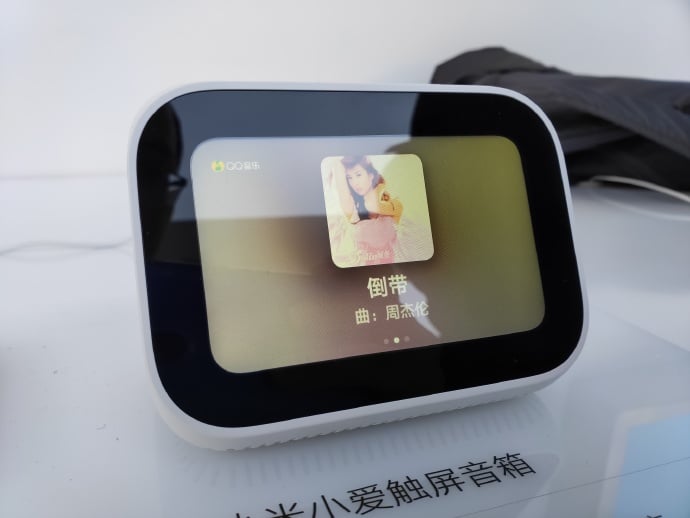
Xiaomi has continued to stick to its plans to integrate all its smart home gadgets to be controlled from a central hub. That plan also includes the deployment of artificial intelligence so as the expand the methods of controlling the gadgets. The central hub for the AIOT strategy is the XiaoAI smart assistant. Xiaomi has launched a number of smart speakers which are integrated with the XiaoAI voice assistant. The XiaoAI-integrated smart speakers sales have been a huge success with over 9 million units sold cumulatively. The Chinese tech giant today unveiled an upgraded smart speaker, the XiaoAI touchscreen speaker which is quite similar to the Google home Hub and Lenovo Smart display.
The XiaoAI touchscreen speaker is very much different from its predecessors in terms of the design as it comes with a touchscreen display. The device features a 4-inch display which has space for a custom digital clock. The display can also be used to select music and watch videos and a variety of apps can be installed on the device. it also comes with an alarm clock. The smart speaker will come with a large number of video resources as well as Tencent’s Q music library. The XiaoAI smart speaker can also be integrated with a host of smart home gadgets such as the smart cameras, smart doorbells and several others.
Xiaomi is yet to disclose details of its pricing and availability. However, the smart speaker will open for beta testing on February 28.
Yesterday, a leakster had shared an image of the alleged OnePlus 7 flagship phone through his Twitter account. The image had revealed that the OnePlus 7 could be a slider phone. Around several hours after releasing the image, the tipster released another image of the phone. The new image shows that the OnePlus 7 will be arriving with a notch-less screen and a pop-up selfie camera.
The new image shown below shows the display of the phone is surrounded by super-slim bezels from all four sides. The upper bezel is very narrow to house a front-facing camera. Hence, there is a possibility that the phone could be equipped with a pop-up selfie camera.
There is an Alert Slider like button towards the upper portion of the right edge of the device. The power key is also located on the same side. The left side of the smartphone is fitted with a volume rocker. The marvelous notch-less front of the phone suggests that it will offer a stunning screen space.
OnePlus is known for borrowing its smartphone designs from sibling brand OPPO. For example, the OnePlus 6 sports a smaller notch like OPPO R15 Plus and also the OnePlus 6T came with a waterdrop-style display design like the OPPO R17 Pro. Rumors have it that the OPPO R19 Pro that is expected to debut by the coming in China will be equipped with a notch-less display and a pop-up selfie camera. Hence, there is a possibility that the OnePlus 7 may also sport the same front design.
OnePlus will be showcasing a prototype of its 5G smartphone at the Mobile World Congress (MWC) 2019 tech extravaganza in the coming week. Probably, the image shown above could be a leaked image of the OnePlus’ 5G prototype. Also, it is speculated that the 5G phone that will be revealed by the company could be an advanced variant of the OnePlus 7 phone.
What’s your opinion on the leaked image of the OnePlus 7? Will the OnePlus 7 smartphone sport a notch-less display along with a pop-up front camera? Share us your thoughts by posting your comments below.
Xiaomi today held the much-anticipated conference where the flagship Mi 9 was launched alongside the Mi 9 Transparent Edition. Xiaomi also took a cue from the success of last year’s model, Mi 8 SE by unveiling the cheaper Mi 9 SE.
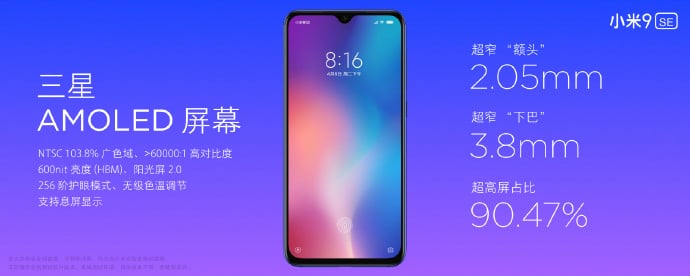
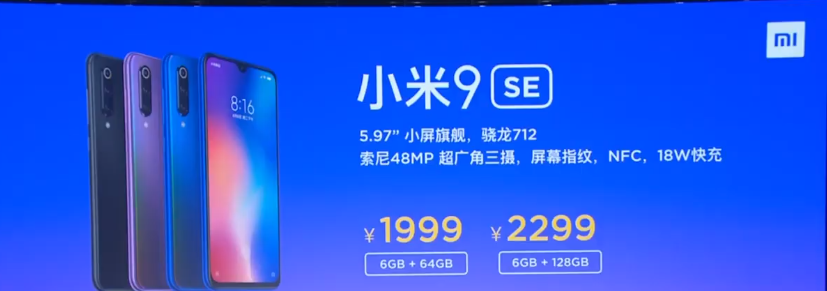
Xiaomi Mi 9 SE comes with a 5.97-inch full-screen AMOLED display with a 2.5D curved glass on top. The display has the water drop notch design at the top which houses the front camera. The water drop notch design ensures the bezels are at their barest, giving the device a 90.47% screen to body ratio. The device is equipped with the fifth-generation screen fingerprint technology. The Mi 9 SE is powered by the latest Qualcomm Snapdragon 712 chipset which has some improvements over the Snapdragon 710 SoC. It must be noted that Xiaomi scores a first with this one, as the Mi 9 SE is the first phone to be powered by the new Snapdragon 712 processor. The new chipset sure looks like a powerful one with an AnTuTu benchmark score of 187,626 points. The phone comes in two memory configurations. There is a 6GB RAM and 64GB storage version as well as a second model with 6GB of RAM and 128GB of internal storage.
The Mi 9 SE comes with a triple camera set up at the rear just like the Mi 9. The configuration is slightly different from that of the Mi 9. The three sensors comprise a 48MP+8MP+13MP. The main camera is a Sony sensor while the front camera is a 20MP sensor with beauty selfie feature. The phone also comes with features such as NFC, GPS, IR blaster and more. For power, the Mi 9 SE packs a 3070mAh battery under its hood with 18W fast charge support.
As for the price, the Mi 9 SE comes with an affordable 1999 Yuan ($297) price tag for the 6GB+64GB variant. On the other hand, the 6GB+128GB storage variant 2,299 Yuan ($342). Now, these are amazing price tags when you look at the specs. Xiaomi also unveiled a protective case for the device priced at just 49 yuan (~$7). Xiaomi is yet to disclose details of its availability but the Mi 9 SE may likely be unveiled for the global market alongside the Mi 9 on February 24 at MWC 2019 in Barcelona.
Xiaomi has just launched the Xiaomi Mi 9, Mi 9 Explorer Edition and Mi 9 SE smartphones in China. Very soon its independent Redmi brand will be also debuting the Redmi Note 7 Pro smartphone in the home market. It appears that the Redmi 7 series will also arrive in quick succession since it has been approved by FCC authority in the U.S.
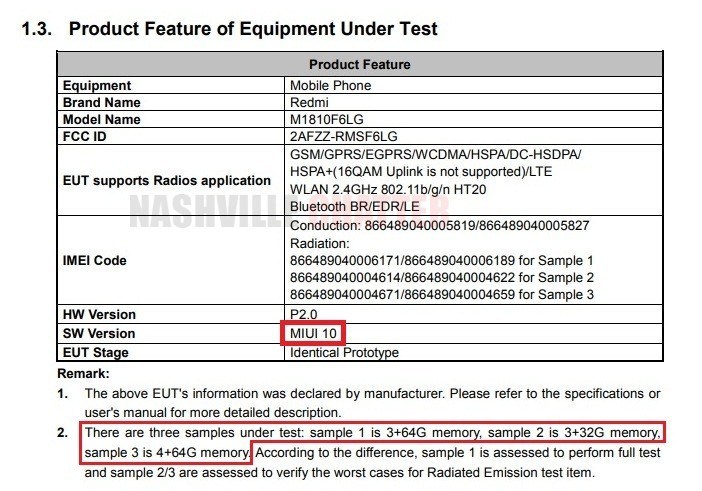
The FCC authority has a Xiaomi phone with model number M180F6LG. None of the FCC documents carry the Redmi 7 moniker. However, when the same model number was approved by IMDA agency of Singapore earlier this month, it was revealed that it will be hitting the market as Redmi 7. Apart from being approved by FCC and IMDA authorities, the Redmi 7 has also received certification from 3C authority of China earlier this month.
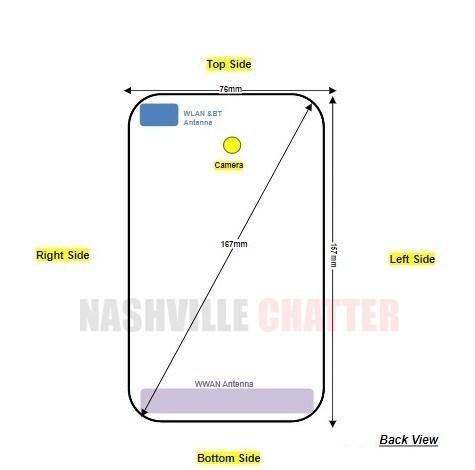
The 3C certification of the Redmi 7 had revealed that it carries support for 10W charging. The 3C body had approved three variants of the phone such as M180F6LE, M180F6LC and M180F6LK. Through the FCC certification, it has been revealed that the phone measures 157 x 76mm. Diagonally, it measures 167mm which suggests that it could be coming with a screen size of around 6.2 inches. The rear image of the phone that has appeared in the FCC documents shows that it features a single camera on its rear. This seems a bit strange since the predecessor Redmi 6 phone had come with dual rear cameras.
The Android 9 Pie OS could be available on the device. FCC reveals that the phone features MIUI 10 user interface. It has been also found that the Redmi 7 will be arriving in three options in the international markets like 3 GB RAM + 32 GB storage, 3 GB RAM + 64 GB storage and 4 GB RAM + 64 GB storage. The other specs of the Redmi 7 are still under the wraps.
Probably, Redmi may announce the Redmi 7 series with phones like Redmi 7A, Redmi 7 and Redmi 7 Pro in March or early in the second quarter of the year. In the previous month, Xiaomi CEO Lei Jun had claimed that the Redmi 7 could be priced between 700 Yuan and 800 Yuan.
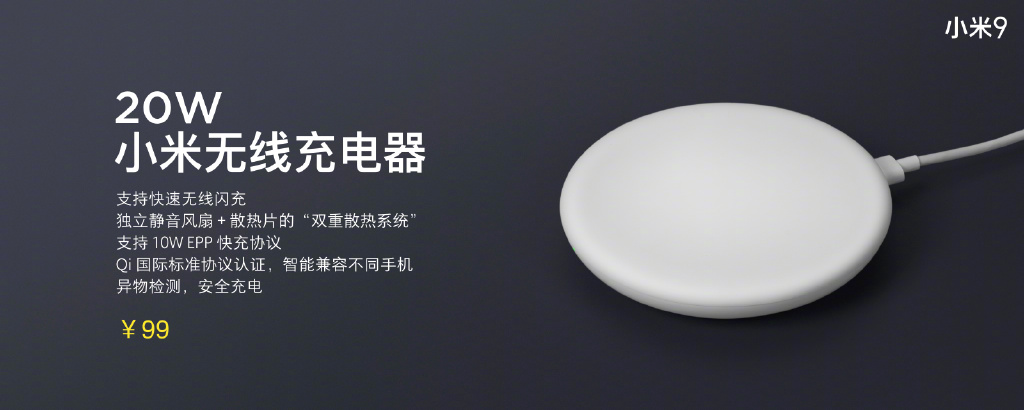
The Mi 9 supports wireless charging and alongside the phone, Xiaomi has announced a trio of wireless charging accessories for it. These wireless charging accessories also work with other devices that support Qi wireless charging.
Xiaomi 20W Mi Wireless Charger
This is an upgraded version of the Mi Wireless Charger that ships with the Mi MIX 3. However, it now supports 27W power input and 20W output which charges your Mi 9 from empty to full in just 60 minutes. It has a silent fan and a heat sink for a dual-cooling system. The charger comes in white and is priced at ¥99 (~$15), the same price as the previous model. It is backward compatible, so if you want to get a new wireless charger, you should wait for this one to go on sale.
Xiaomi 20W Mi Wireless Car Charger
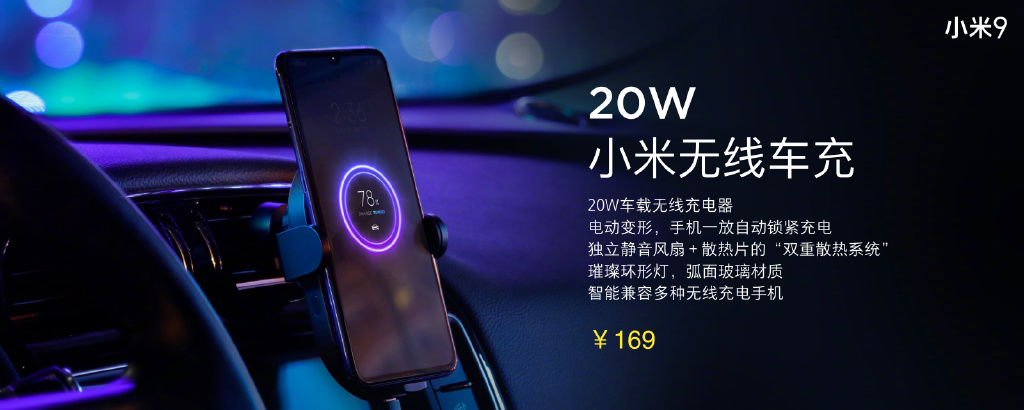
Xiaomi has also announced a wireless car charger that also supports its 20W wireless flash charge technology. The car charger also has a power input of 27W. One pretty neat trick the car charger has is a motorized clamp that opens when it senses you want to mount the phone for charging.
The 20W wireless car charger is priced at ¥169 (~$25).
Xiaomi Mi 10,000mAh Wireless Power Bank
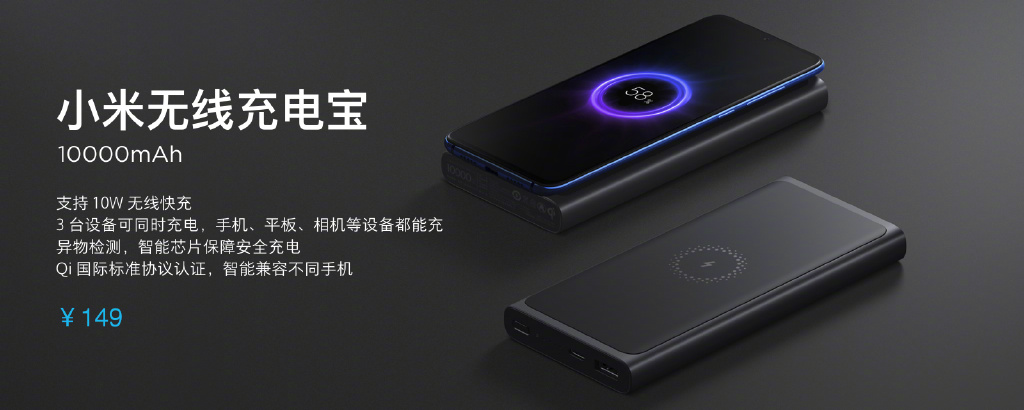
In addition to the desktop and car wireless chargers, there is also the Mi 10000mAh wireless power bank. The power bank comes in black and supports 10W wireless charging. It also has two output ports for charging wired devices.
The wireless power bank will sell for ¥149 (~$22).
We will update the post when Xiaomi announces availability.
Xiaomi had an event today where it announced a bunch of products. At the launch, it unveiled its new flagships – the Mi 9 and the Mi 9 Transparent Edition. Both phones don’t disappoint in terms of specs and even surprise us with their prices.
Mi 9
The Mi 9 packs a 6.39-inch 2340 x 1080 AMOLED display with a waterdrop notch that houses the selfie camera. As Xiaomi revealed a few days ago, the display is supplied by Samsung and is covered with Gorilla Glass 6.
Under the hood of the Mi 9 is Qualcomm’s Snapdragon 855 processor and it is paired with 6GB of RAM and 128GB of storage. There is also an 8GB RAM variant with 128GB of storage too. Sorry, there is no 64GB version this year or rather Xiaomi didn’t announce one today.
The Mi 9 is Xiaomi’s first triple camera phone and it doesn’t disappoint. The first camera with the holographic ring around it (red on the transparent edition) is actually the telephoto lens – a 12MP Samsung ISOCELL S5K3M5 sensor with an f/2.2 aperture and 2x optical zoom. Beneath the sensor is the laser-focus module.
The next sensor is the primary camera – a 48MP Sony IMX586 f/1.75 sensor with a 6P lens. There is also a 16MP Sony IMX481 f/2.2 sensor for taking wide-angle photos and macro shots. It has a 117° viewing angle. All three sensors are covered with sapphire glass. The selfie camera is a 20MP sensor The Mi 9 can record 960fps slow-motion, record videos using the wide-angle camera, has a bunch of modes including AR avatars and an integration with TicTok.
Xiaomi also revealed the phone’s DxOMark score at the event. The Mi 9 scored 99 in video recording, making it the best phone for video recording at the moment. Its overall DxOMark score is 107, putting it behind the Huawei Mate 20 Pro and the Huawei P20 Pro.
The Mi 9 has an in-display fingerprint scanner which is 25% faster than the previous generation. It has NFC with NXP’s new SN100T chip for faster transaction speeds, a dedicated AI button, Bluetooth 5.0 dual-frequency GPS for better positioning, an infrared port for controlling electronics in the home, and a USB Type-C port. It also supports face unlock.
The phone packs a 3,300mAh battery with support for Xiaomi’s 27W fast-charging which allows you to charge the phone from empty to 70% in just 30 minutes. Xiaomi says it also supports Quick Charge 4+. The fast-charging technology is certified as safe by TÜV Rheinland.
The Mi 9 runs Android 9 Pie based on MIUI 10. It has a dark mode and also comes with a Game Turbo Mode.
Mi 9 Transparent Edition
The Mi 9 Transparent Edition comes with 12GB of RAM and 256GB of storage. Its primary 48MP camera also has an aperture size of f/1.47 and has a 7P lens. Unlike the Mi 9, it has a see-through body which is pretty gorgeous.
Pricing and Availability
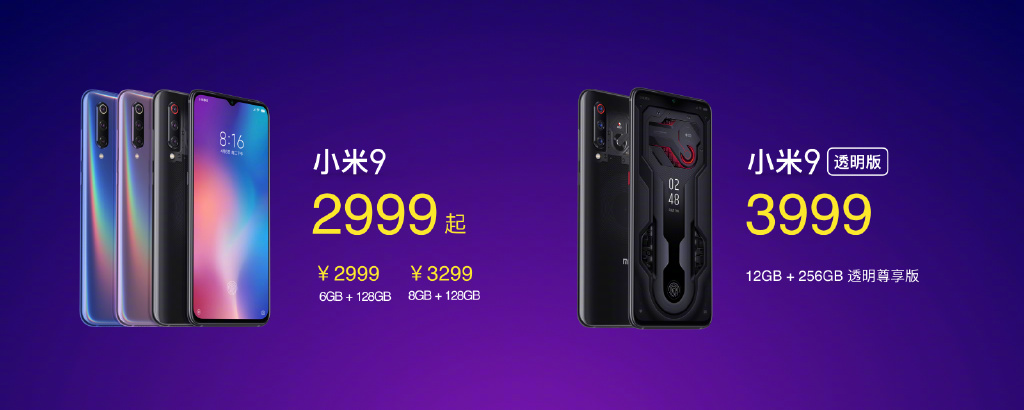
The Xiaomi Mi 9 is priced at ¥2999 (~$447) for the 6GB+ 128GB version while the 8GB RAM version is priced at ¥3299 (~$491). The Mi 9 Transparent Edition with 12GB of RAM and 256GB of storage will sell for ¥3999 (~$595).
The phones will be available for pre-order starting tonight at 6 PM local time. The first sale is scheduled for February 26.
Gizmochina along with BESTEK is conducting 3 unit 8-Outlet Desktop Power Strip as giveaway gift to three lucky readers. You just have to follow the giveaway page on bestekmall to win this amazing gift.
If you want win free 8-Outlet Desktop Power Strip, you need to fill out the form first, and then follow the steps. One prize is limited to one person, 10 winners in total. 3 winners will get 8-Outlet Desktop Power Strip, the left will get $10 amazon gift cards each. The Giveaway is open to all users in US, CA, UK, FR, DE, IT and ES.
BESTEK Desktop Power Strip comes with 8 AC outlets and 6 USB ports, allowing charging multiple devices at the mean time. It is suitable for home theater, TV, computer, stereo, kitchen appliances or tablet, cellphones, iPads. There are 6 USB intelligent charging ports and 6 photosensitive USB LED indicators. It is safely for you to use as it ships with Surge, Overload, Overcurrent, Short Circuit protection and Safety door. Also, the Desktop Power Strip has two individual switches which can control AC outlets to save energy.
You can click here to get more information about the Giveaway and 8-Outlet Desktop Power Strip
Share this giveaway contest on Facebook, Twitter and Reddit;
Terms & Conditions:
1. The giveaway is an international giveaway. 2. We are not responsible for lost shipments. 3. We are not responsible for any duties, import taxes that you may incur. 4. We reserve all rights to make any changes to this giveaway. 5. The prize will be shipped in a month when the giveaway end.
Just follow the steps mentioned in the Gleam widget to participate in the giveaway.
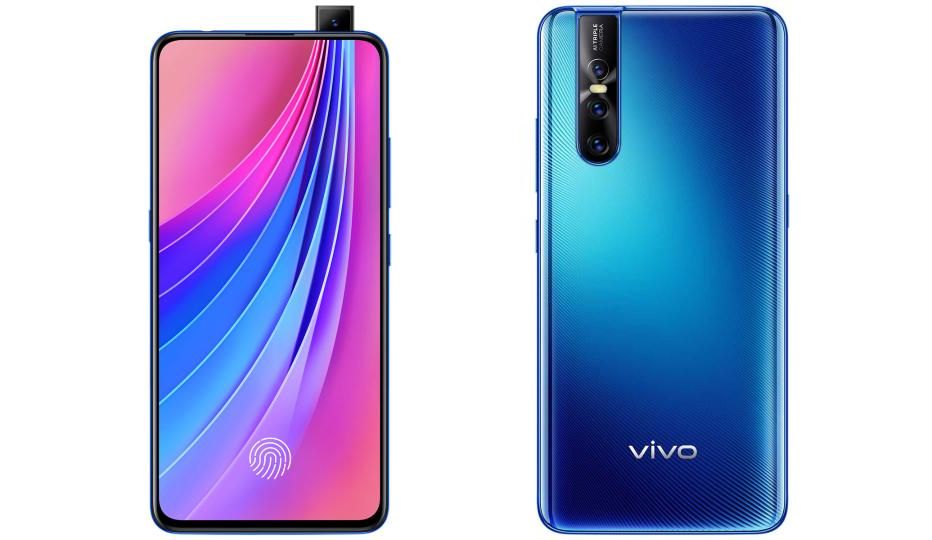
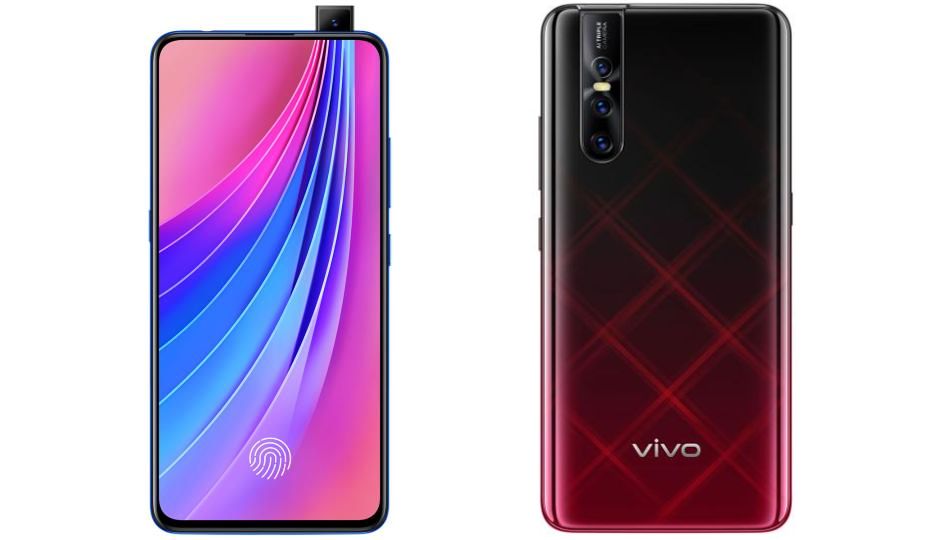
Through an unveil India, Vivo has announced the Vivo V15 Pro smartphone. It is the first smartphone ever to powered by the Snapdragon 675 mobile platform. Moreover, it is blessed with some enticing features such as a notch-less screen with tall aspect ratio, a pop-up selfie camera and a triple camera setup.
Vivo V15 Pro Specifications and Features
The Vivo V15 Pro comes with a 6.39-inch Ultra FullView Display that produces full HD+ resolution of 1080 x 2340 pixels along with an aspect ratio of 19.5:9. The Super AMOLED screen of the Vivo V15 Pro is embedded with an in-screen fingerprint reader. It offers a screen-to-body ratio of 91.64 percent.
Placed inside the top edge of the phone is a pop-up selfie camera of 32-megapixel (Samsung ISOCELL GD1) with f/2.0 aperture. The backside of the phone features an LED enabled triple camera setup that includes a primary Samsung ISOCELL GM1 48-meapixel sensor with f/1.8 aperture, a secondary 8-megapixel sensor with f/2.4 aperture and a third 5-megapixel lens with f/2.4 aperture. The cameras of the Vivo V15 Pro are equipped with features like AI features like AI Face Beauty, AI Selfie Lighting, AI Scene Recognition, AI Portrait Framing, and AI Body Beauty. There is AI Super Night mode on the V15 Pro allows it to capture clearer photos in dark.
The Snapdragon 675 chipset of the phone is coupled with 6 GB of RAM. It has an internal storage of 128 GB. The dual-engine fast charging enabled 3,700mAh battery drives the smartphone. It is loaded with FunTouch OS 5.0 based Android 9 Pie OS. The phone also offers Game Mode 5.0 for optimized performance during gaming. Vivo has also included support for Jovi AI on the device.
The Vivo V15 Pro measures 157.2 x 74.7 x 8.2mm and it weighs 185 grams. The rear shell of the phone is made out of polycarbonate material that sports a gradient finish. The handset is equipped with connectivity features such as dual 4G VoLTE, Wi-Fi 802.11ac, Bluetooth 5.0, microUSB 2.0, GPS, and 3.5mm audio jack. Some regions like Hong Kong, Taiwan and Russia are expected to receive the V15 Pro phone with NFC support.
he Vivo V15 Pro will be exclusively available for purchase through Amazon India and Vivo India’s online store. The handset commands a price tag of Rs. 28,990 (~$407). It can be availed in two colors like Topaz Blue and Ruby Red. The smartphone will be available for purchase through the aforementioned retailer sites starting from March 6. Vivo India is offering launch offers include exchange offer, 5 percent cashback on HDFC Bank credit and debit cards with EMI option, one-time screen replacement for 6 months and no cost EMI.
The smartphone is expected to release in other countries like Thailand, Philippines, Malaysia, Indonesia, Singapore, Hong Kong, Taiwan, Russia and more in the near future.
LG will announce the LG G8 ThinQ and the V50 ThinQ 5G smartphone at MWC 2019 but before then, the Korean electronics giant has unveiled three new mid-range smartphones. They are the LG Q60, K50, and K40.
LG Q60
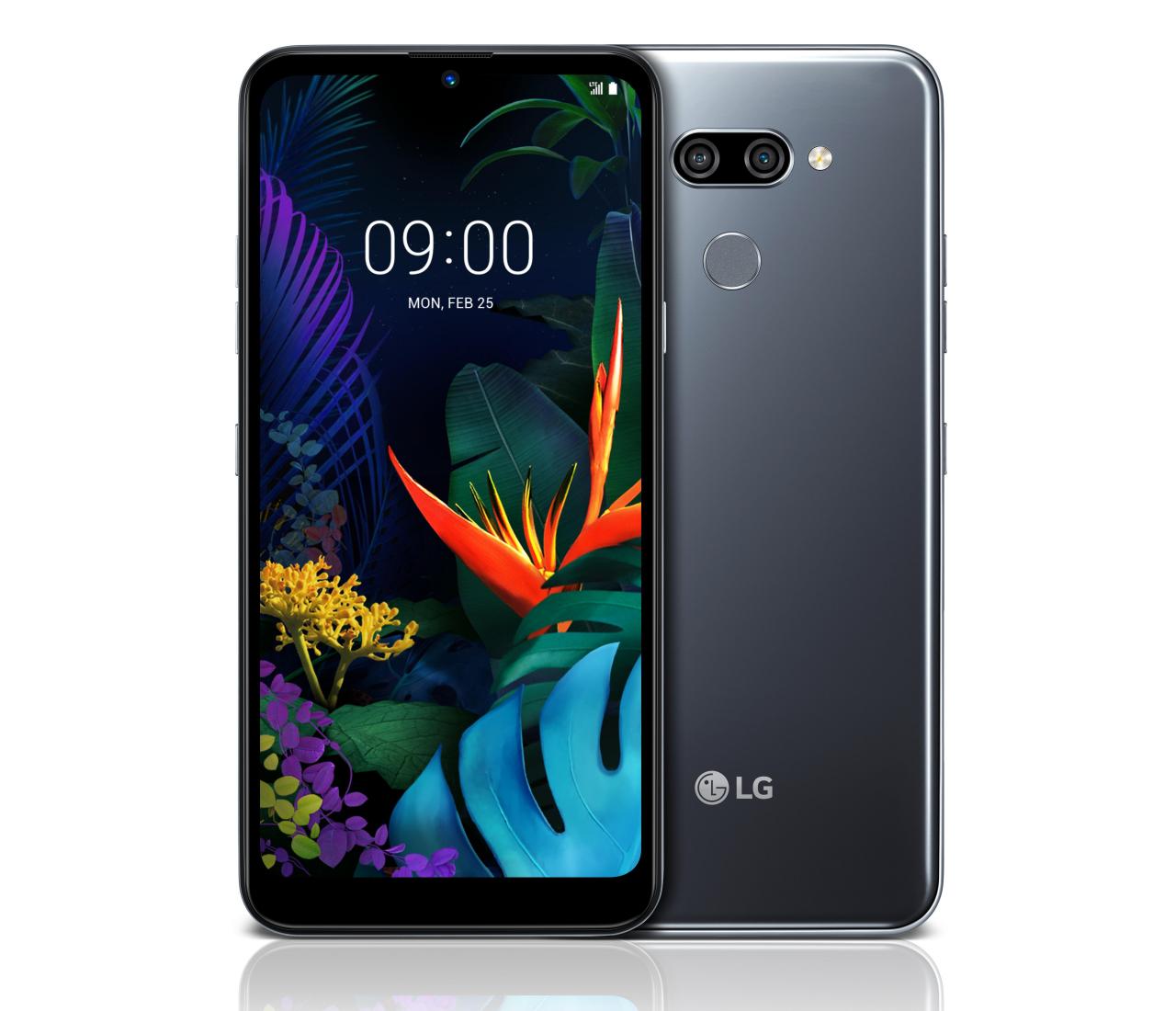
The first thing you notice on the LG Q60 are the cameras. It sports triple rear cameras arranged horizontally. The primary camera is a 16MP sensor and it is paired with a 5MP ultra-wide angle lens and a 2MP sensor for depth of field. No surprises there as this is a mid-range device.
The Q60 has a 6.26-inch 19.5:9 FullVision display with a waterdrop notch, a first for LG. Housed within the notch is a 13MP sensor. The display has an HD+ resolution and there is a lower bezel that is far from thin. It is powered by an unnamed 2.0GHz octa-core processor which is paired with 3GB of RAM and 64GB of expandable storage.
The LG Q60 also has a rear-mounted fingerprint scanner and packs a 3500mAh battery.
LG K50
The LG K50 has the same screen size and display design as the Q60. It is also powered by the same octa-core processor with 3GB of RAM and 32GB of storage. Where it differs is in the number of cameras. LG has put just two on the back – a 13MP sensor and a 2MP depth sensor. A fingerprint scanner sits underneath the sensors.
The front camera is also a 13MP sensor in front for selfies and there is a 3,500mAh battery under the hood.
LG K40
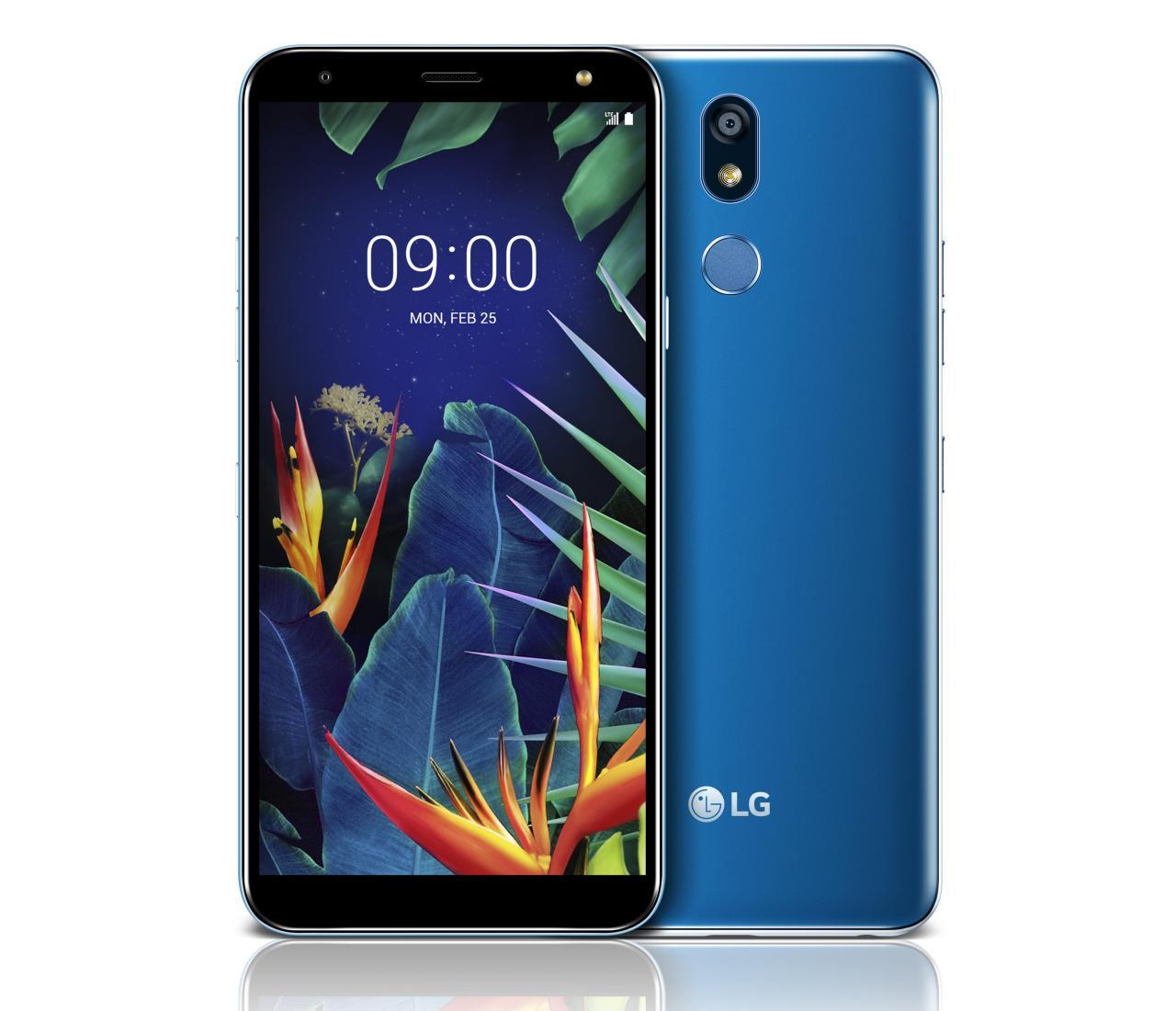
The LG K40 comes last. It sports a smaller 5.7-inch HD+ FullVision display with no notch. The K40 also has a single 16MP rear camera and an 8MP selfie camera with its own LED flash.
There is a 2.0GHz quad-core processor under the hood with 2GB of RAM and 32GB of storage. It also packs a smaller 3,000mah battery and a fingerprint scanner.
It’s just a few hours before Xiaomi officially takes the wraps off its latest flagship smartphone — Xiaomi Mi 9. Just hours before the phone’s official launch, Xiaomi CEO Lei Jun has shared yet another feature related to the smartphone.
He has confirmed that the Mi 9 comes with Corning Gorilla Glass 6 protection on top of the display, which is claimed to have 50 percent better performance compared to the fifth-generation Gorilla Glass. As per the reports from Corning’s lab, the Gorilla Glass 6 can withstand 15 consecutive drops on average from a height of one meter on a rough surface.
Further, it has also been revealed that the registration for the purchase of Xiaomi Mi 9 has already exceeded 200,000. For the pricing, it’s speculated that the 6 GB RAM + 64 GB storage will cost 3,299 Yuan (~$487) price, 8GB RAM + 128GB storage will be priced at 3,499 Yuan (~$516), and the 8GB RAM + 256GB storage will cost 3,699 Yuan (~$546).
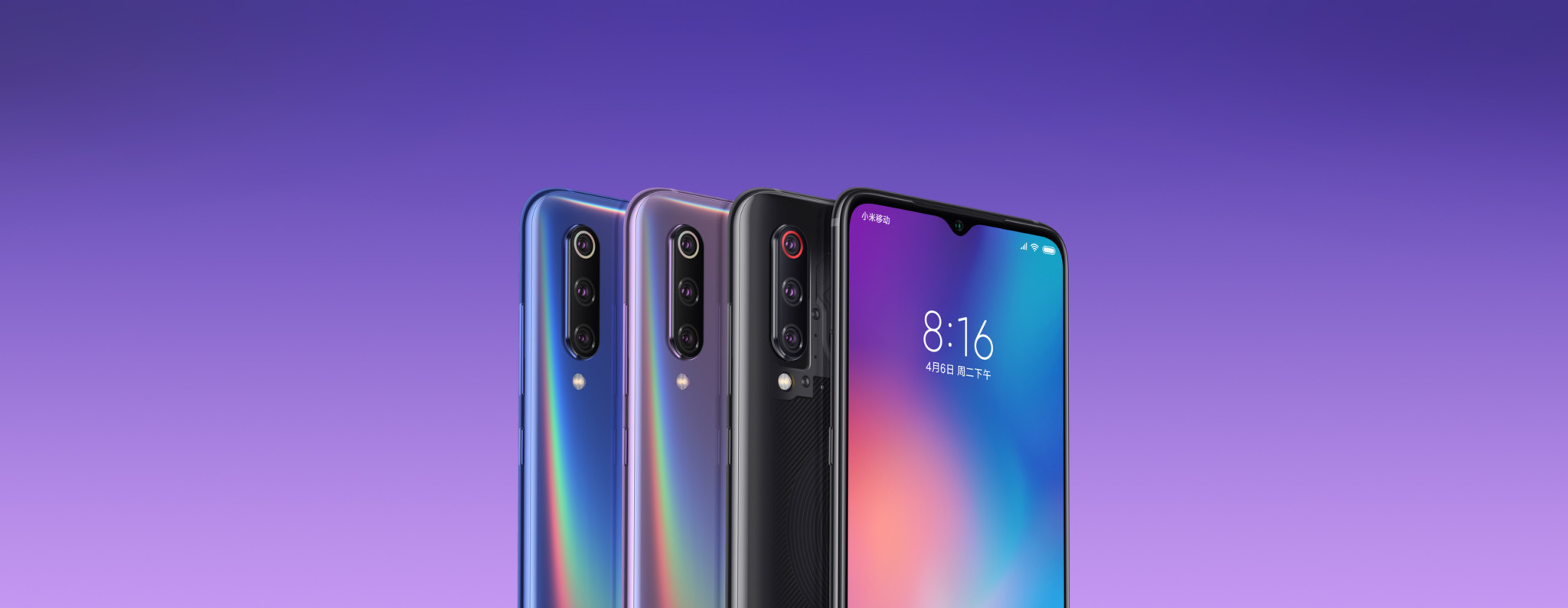
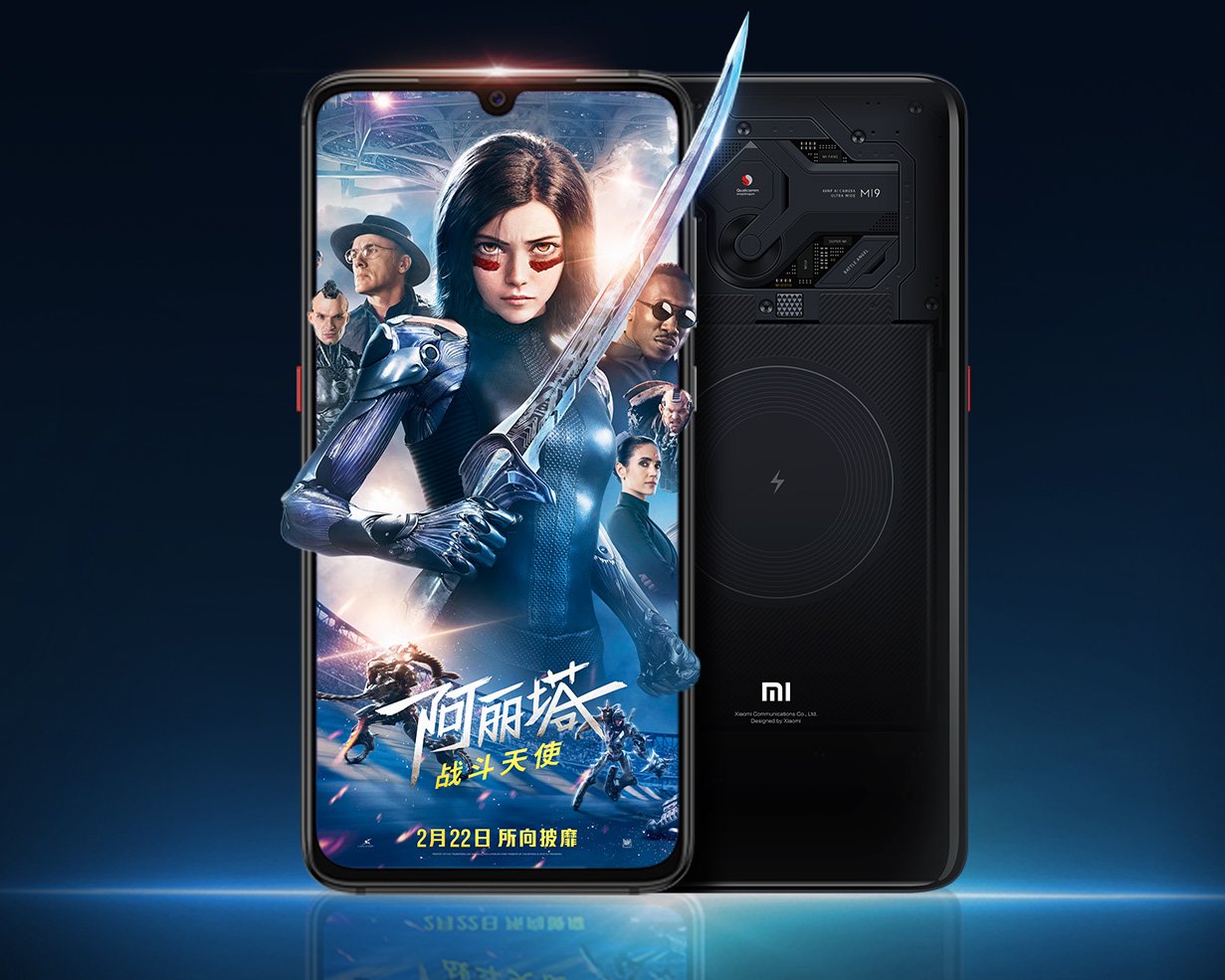
The Mi 9 Explorer Edition with 8GB RAM + 256GB will have 4,999 Yuan (~$737) price tag while the 12GB RAM powered Mi 9 Transparent Edition with Battle Angel branding may cost 5,999 Yuan (~$885). The Mi 9 is expected to release in three color variants — Lavender Violet, Ocean Blue, and Piano Black.
The smartphone will be equipped with a 6.4-inch S-AMOLED display with waterdrop notch. It will support full HD+ resolution, 600-nit brightness, Sunlight mode 2.0, Reading mode 2.0, Always-on Display and 103.8 percent NTSC wide color gamut.
The Qualcomm Snapdragon 855 chipset will be powering the device with up to 12GB of RAM and inbuilt storage of up to 256GB. The device will come with Always On display feature as well as Dual GPS feature for better positioning in crowded cities. The dual GPS feature is powered by a new NFC chip using the L1 and L5 interchangeably. It will also come with automatic smart antenna switching and 4×4 MIMO support.
It will be the first Xiaomi phone to feature a rear-mounted triple camera setup. It is rumored to feature Sony IMX586 48-megapixel primary sensor, a 16-megapixel wide-angle lens and 12-megapixel telephoto lens with 2x optical zoom support. On the front side, the phone is fitted with a 20-megapixel selfie camera.
Rumors have claimed that it may house a 3,300mAh battery. Recent reports have revealed that the Mi 9 will carry support for 27W fast charging and 20W fastest wireless charging. The smartphone will be running on the latest Android 9 Pie OS out-of-the-box with the company’s own custom interface MIUI 10.
The launch event of the Xiaomi Mi 9 will begin at 2 PM (local time) will also be live-streamed online. Here is the link to the live stream for the launch event of Mi 9.
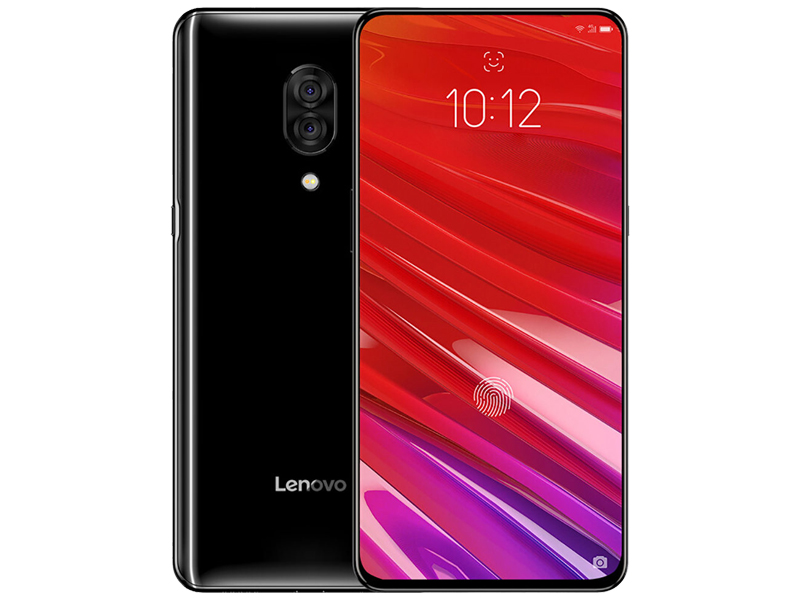
The Mobile World Congress (MWC) 2019 will be held between Feb. 25 and Feb. 28 in Barcelona, Spain. Many smartphone manufacturers will be present at the tech expo to showcase their new devices. Lenovo that had remained inactive in the smartphone business got resurrected in the previous year. Today, Lenovo Group VP Chang Cheng has revealed through a Weibo post that Lenovo will be present at the MWC 2019 to announce the Lenovo Z6 Pro smartphone.
The launch poster of the Lenovo Z6 Pro does not include any details on its specifications. it only states that the phone will be shown at the MWC 2019 tech event. The ripples shown in the poster suggests that the Z6 Pro may arrive with support for in-display fingerprint reader like the predecessor Lenovo Z5 Pro that was made official in November 2018.
The Lenovo Z5 Pro had arrived with a notch-less display and a slider design. It was fueled by the Snapdragon 710 mobile platform. There is a possibility that the Z6 Pro could be equipped with the new Snapdragon 712 SoC. Probably, the Z6 Pro may continue to sport a slider design and a notch-less screen like the predecessor model.
Xiaomi will be launching the Xiaomi Mi 9 today as its first smartphone with Snapdragon 855 mobile platform. Even Samsung will be debuting the Snapdragon 855 powered Galaxy S10+, Galaxy S10 and Galaxy S10e flagship phones today. More phones with the same SoC may go official at the MWC 2019 in the coming week. However, Lenovo is already ahead of the competition in this aspect since it had launched the Lenovo Z5 Pro GT as the world’s first smartphone powered by Snapdragon 855 SoC in December 2018. It is also the first smartphone ever to feature 12 GB of RAM. Since last month, the smartphone is already available for purchase in China.
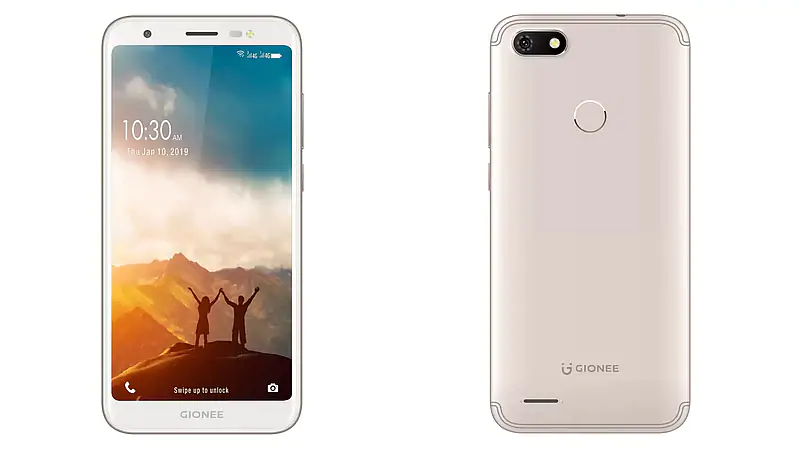
Troubled Chinese smartphone manufacturer Gionee seems to have made a comeback in the Indian market. The company has launched a new smartphone — Gionee F205 Pro, which seems to be an upgraded model of the Gionee F205 launched in India last year.
The smartphone, which is priced at Rs. 6,990 (approximately $98), comes in three color options — Black, Blue, and Champagne Gold. However, Flipkart is currently offering a discount of Rs. 1,100, bringing the phone’s effective pricing to Rs. 5,890 (roughly $83).
The Gionee F205 Pro comes with a 5.45-inch HD+ display with 1440 x 720 pixels screen resolution, 18:9 aspect ratio and a 2.5D curved glass. Under the hood, the device is powered by a 1.5GHz quad-core MediaTek MT6739WW processor, coupled with 2GB of RAM.
It packs 16GB of internal storage, along with a microSD card slot that enables users to further expand the phone’s storage capacity up to 256GB. In the camera department, the handset features a 13-megapixel rear camera with an f/2.0 aperture. Gionee is touting features like Portrait Mode, beautification, HDR, scene detection, and more.
On the front side, the device comes equipped with a 5-megapixel front camera, with an f/2.2 aperture. The phone also supports Face Unlock feature and there’s also a rear-mounted fingerprint sensor for added protection.
Connectivity options include 4G VoLTE, Wi-Fi 802.11 b/g/n, Bluetooth v4.1, GPS, a 3.5mm headphone jack, and a Micro-USB port. Running on Android 8.1 Oreo operating system out-of-the-box with a custom interface on top, the phone is powered by a 3,000mAh battery.
The launch of the Gionee F205 Pro in India takes place a couple of months after the company teased the launch of new devices in India through online marketplace Flipkart. The company is also set to launch another smartphone with 4GB RAM but the launch date is not yet known.
We use cookies on our website to give you the most relevant experience by remembering your preferences and repeat visits. By clicking “Accept”, you consent to the use of ALL the cookies.
This website uses cookies to improve your experience while you navigate through the website. Out of these, the cookies that are categorized as necessary are stored on your browser as they are essential for the working of basic functionalities of the website. We also use third-party cookies that help us analyze and understand how you use this website. These cookies will be stored in your browser only with your consent. You also have the option to opt-out of these cookies. But opting out of some of these cookies may affect your browsing experience.
Necessary cookies are absolutely essential for the website to function properly. This category only includes cookies that ensures basic functionalities and security features of the website. These cookies do not store any personal information.
Any cookies that may not be particularly necessary for the website to function and is used specifically to collect user personal data via analytics, ads, other embedded contents are termed as non-necessary cookies. It is mandatory to procure user consent prior to running these cookies on your website.

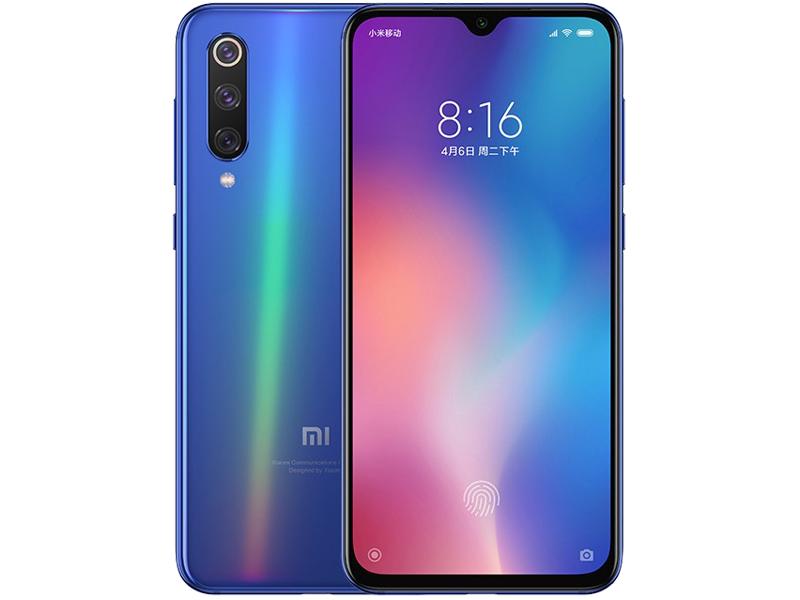 The phone is expected to live up to the hype surrounding its imminent launch, given that it boasts an impressive array of features and top-end specifications.
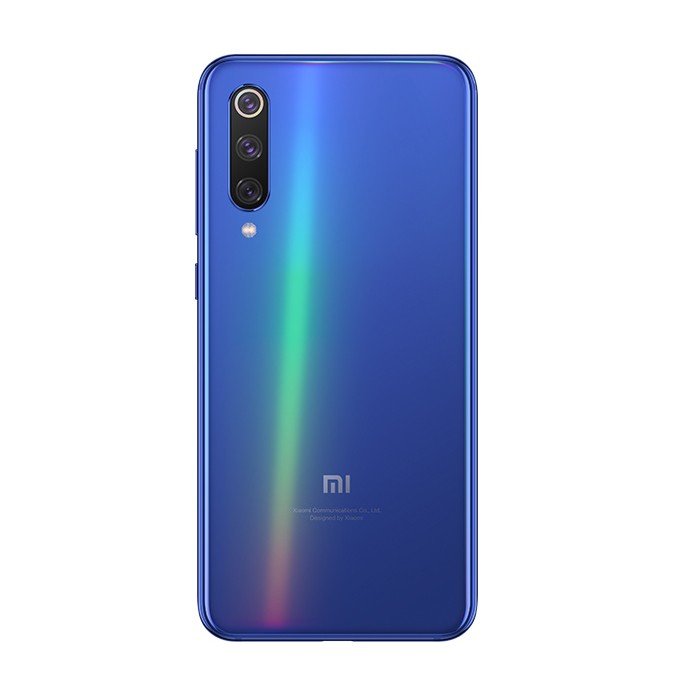 Moreover, both variants of the Mi 9 SE can be pre-ordered either in blue, gray or purple color option. It is worth noting that although the phone accepts pre-order now, its estimated delivery starts next month.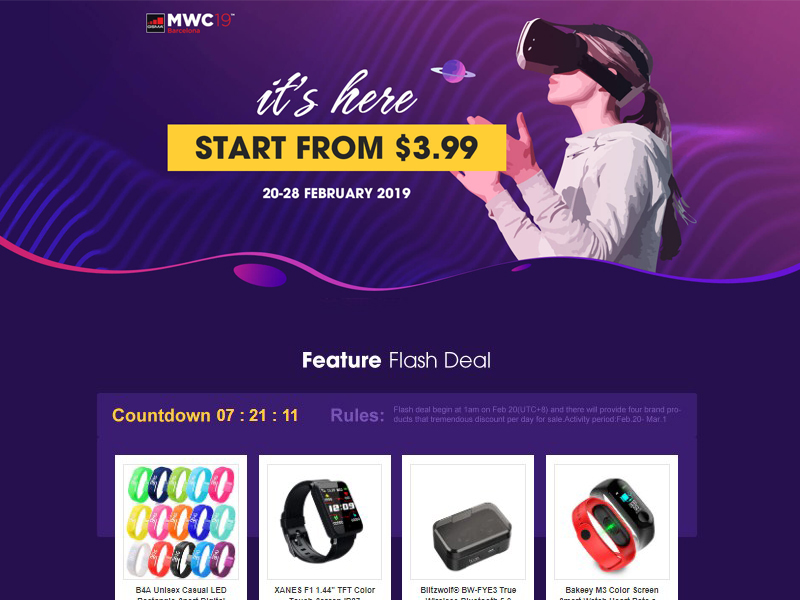
 The Lenovo XiaoXin tablet, Xiaomi Redmi Note 7smartphone, and the Zeblaze Thor 4 Pro smartwatch have gone up for sale carrying reduced prices under the ‘Top Hot Choice’ category.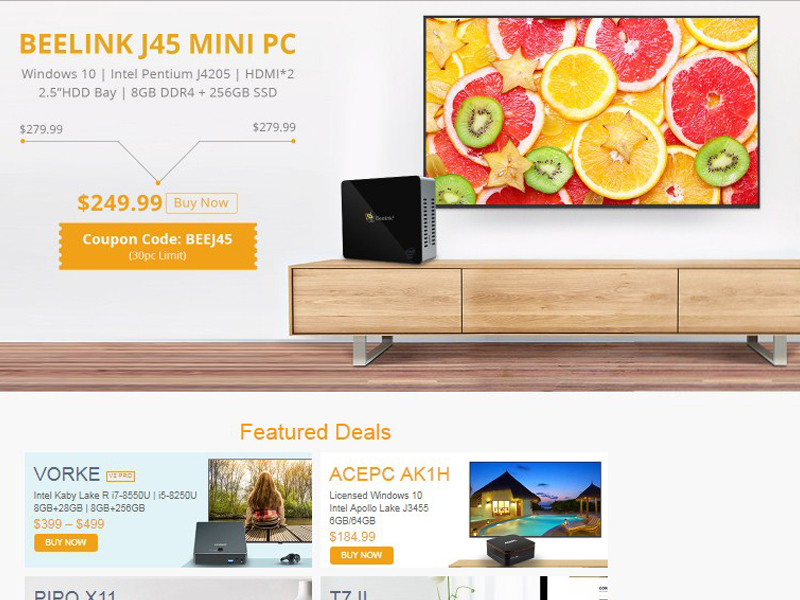
 An absolute bargain at this price, the J45 Mini PC packs an Intel Apollo Lake Pentium J4205 processor along with Intel’s HD Graphics 505 GPU, under the hood.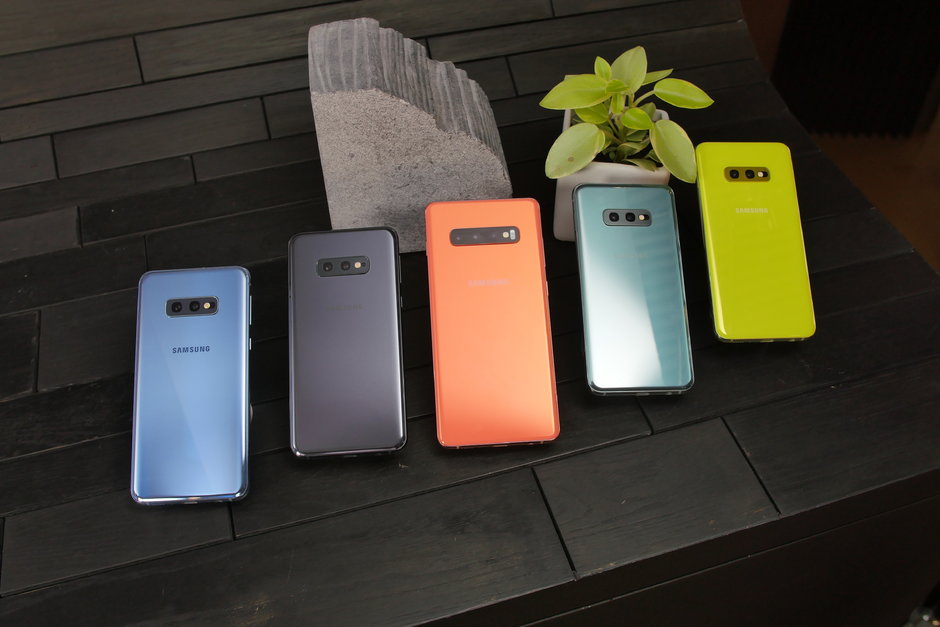
 In collaboration with GeeKmaxi, the Chinese electronics company is now offering the Xiaomi Mi A2 and Xiaomi Mi8 smartphones at considerably lowered prices.
 Aside from taking advantage of this discount, you can use coupon code 3AI7AD1Y to get an extra 15,00 €.
 This is a noteworthy reduction in the device’s original asking price of 409,99 €.