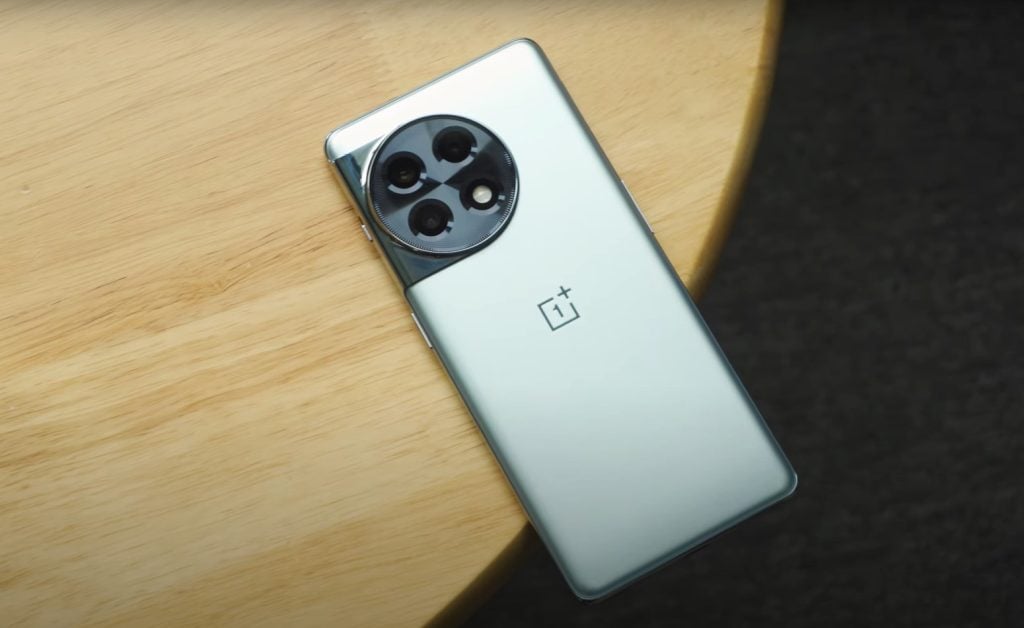
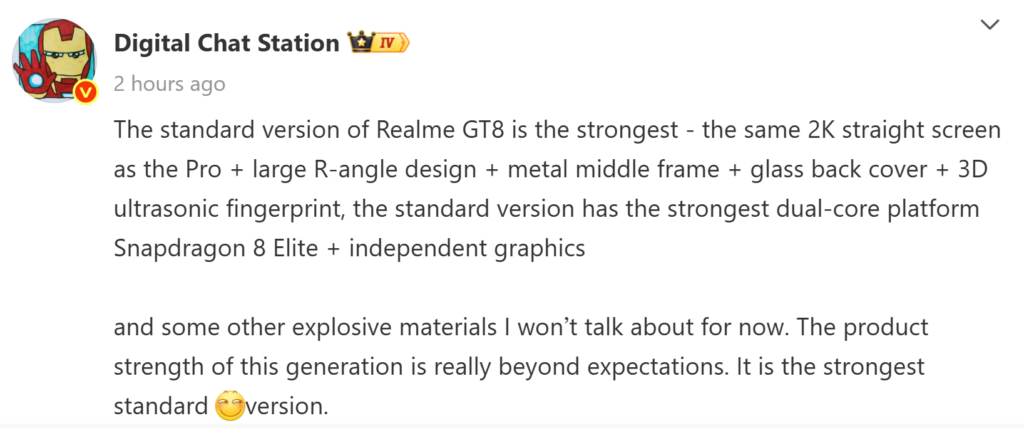
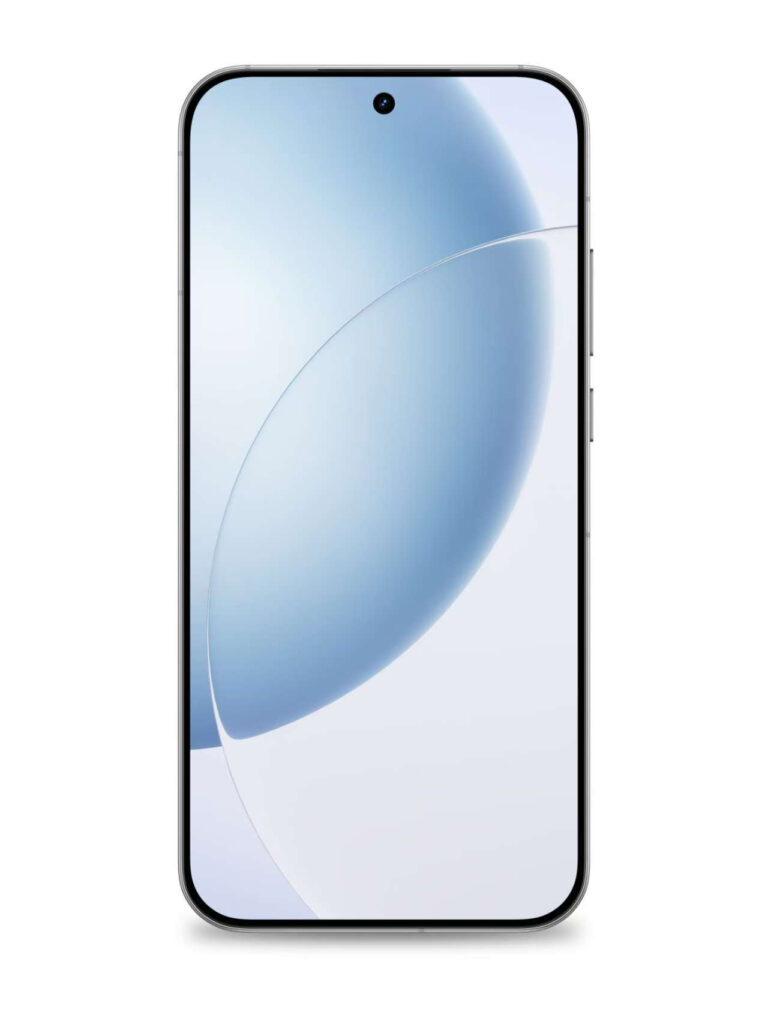
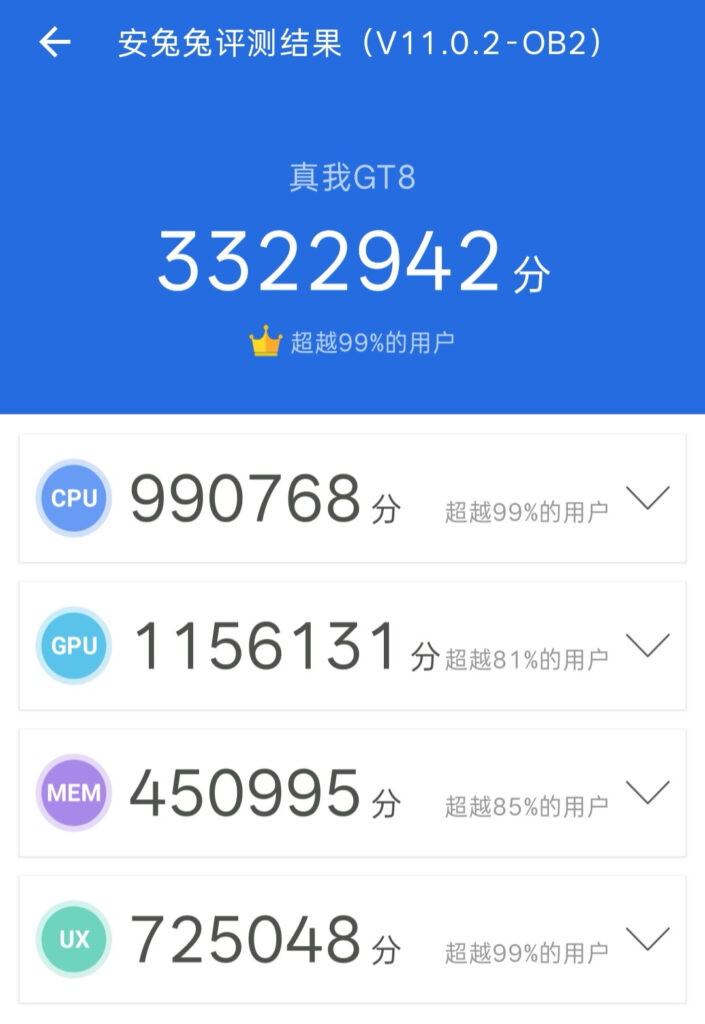
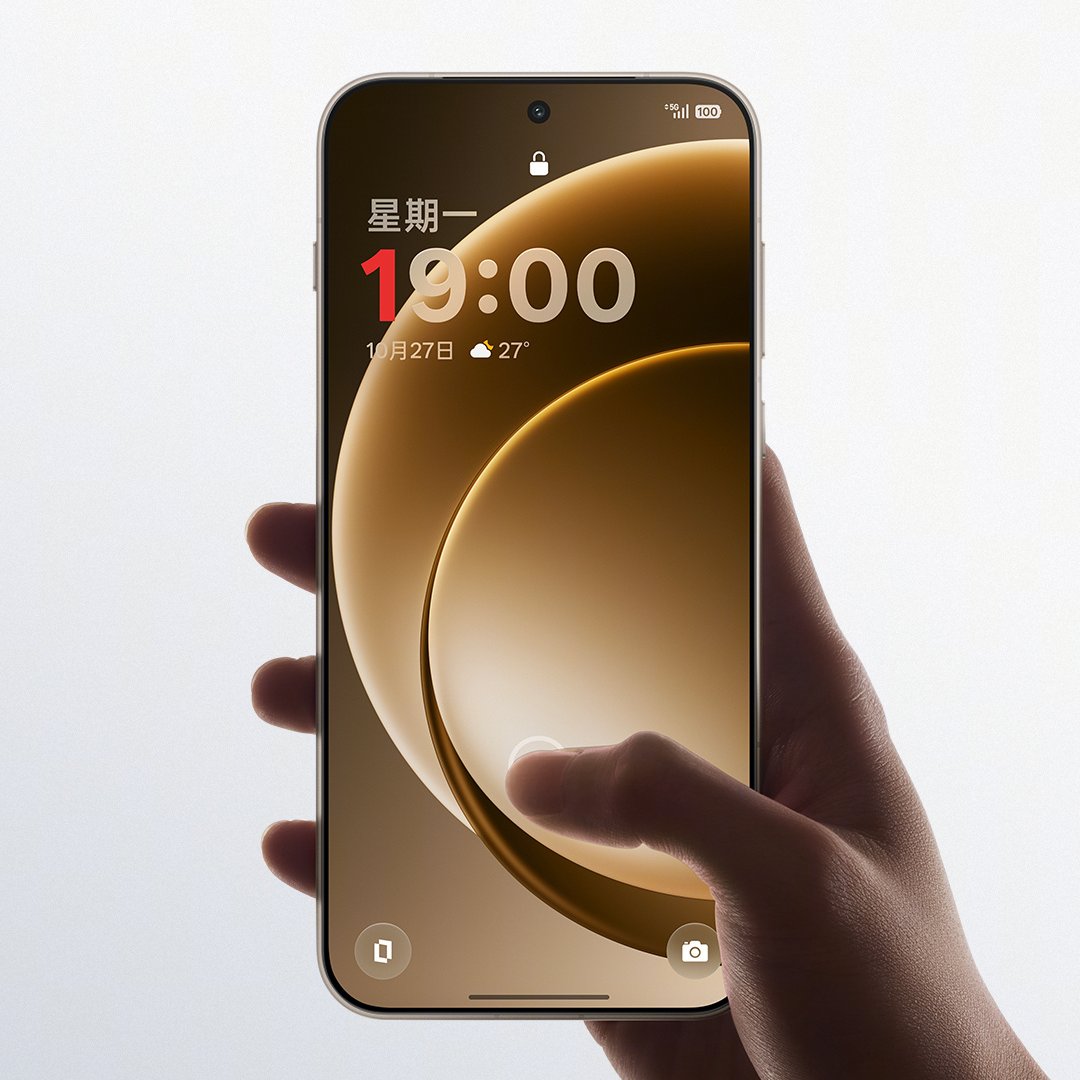
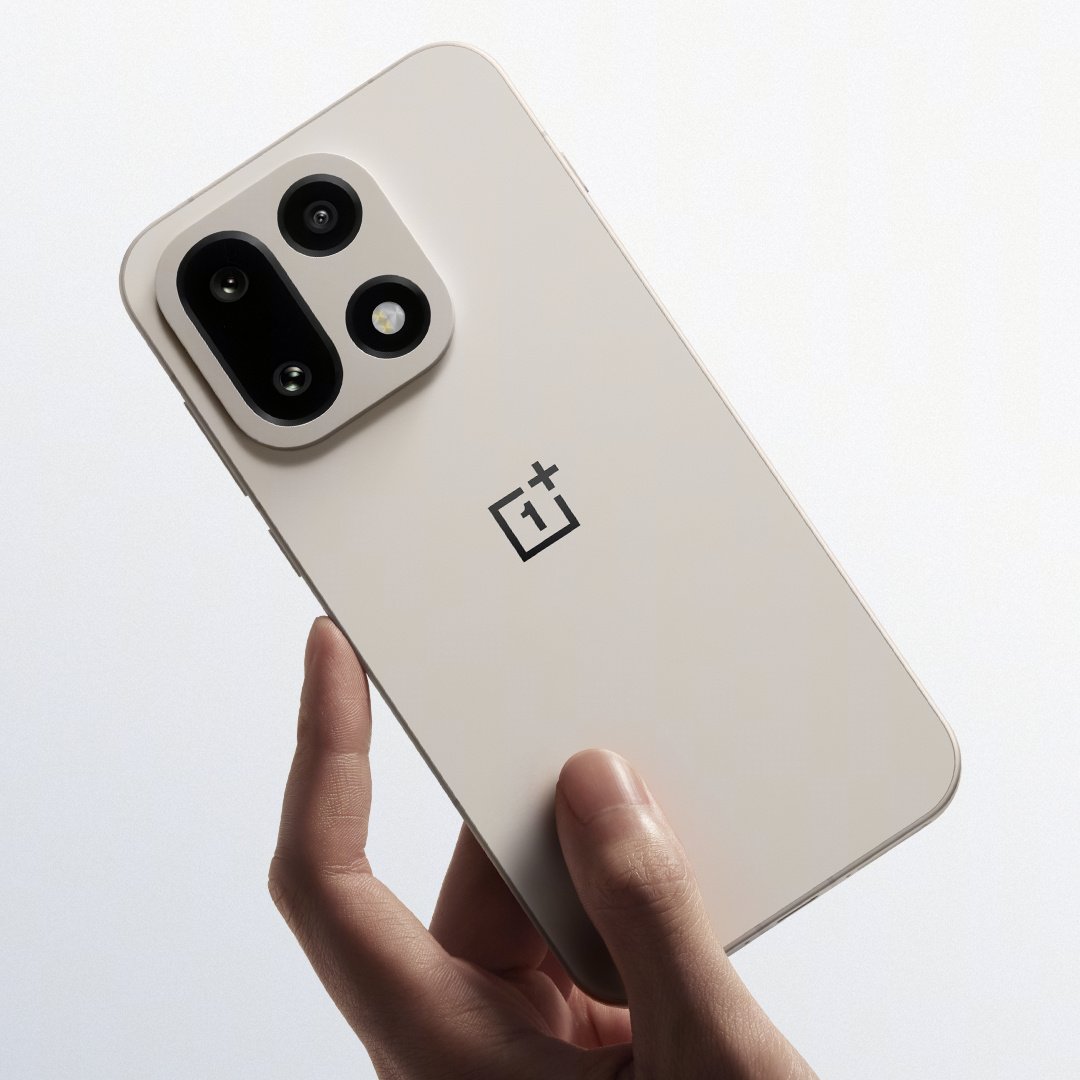
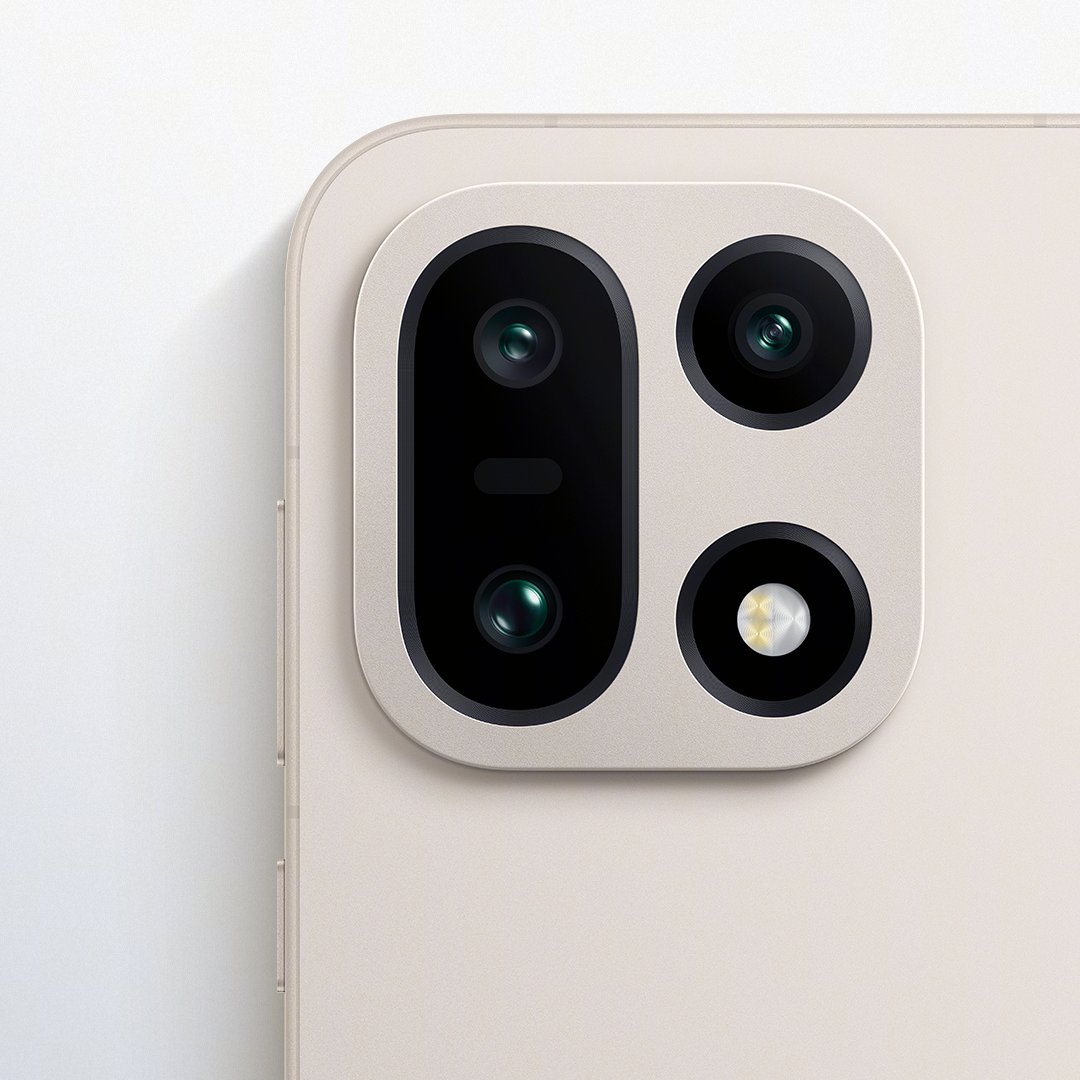
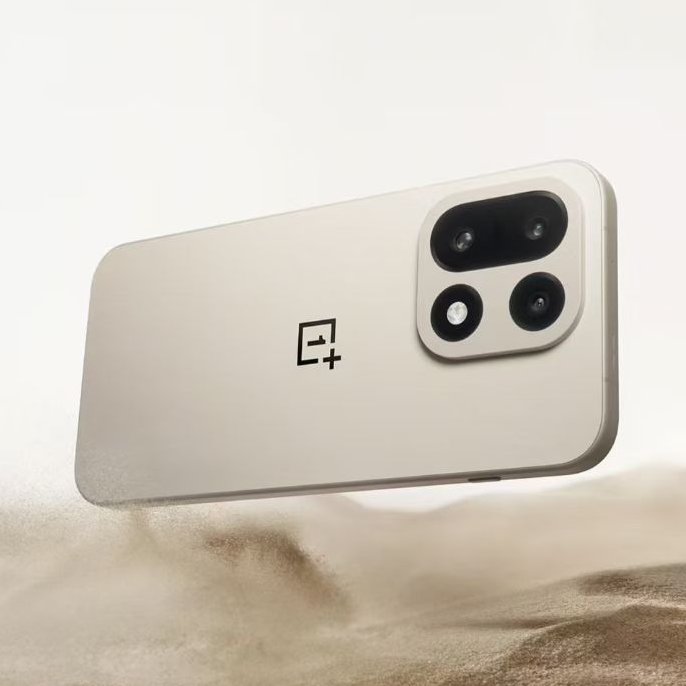
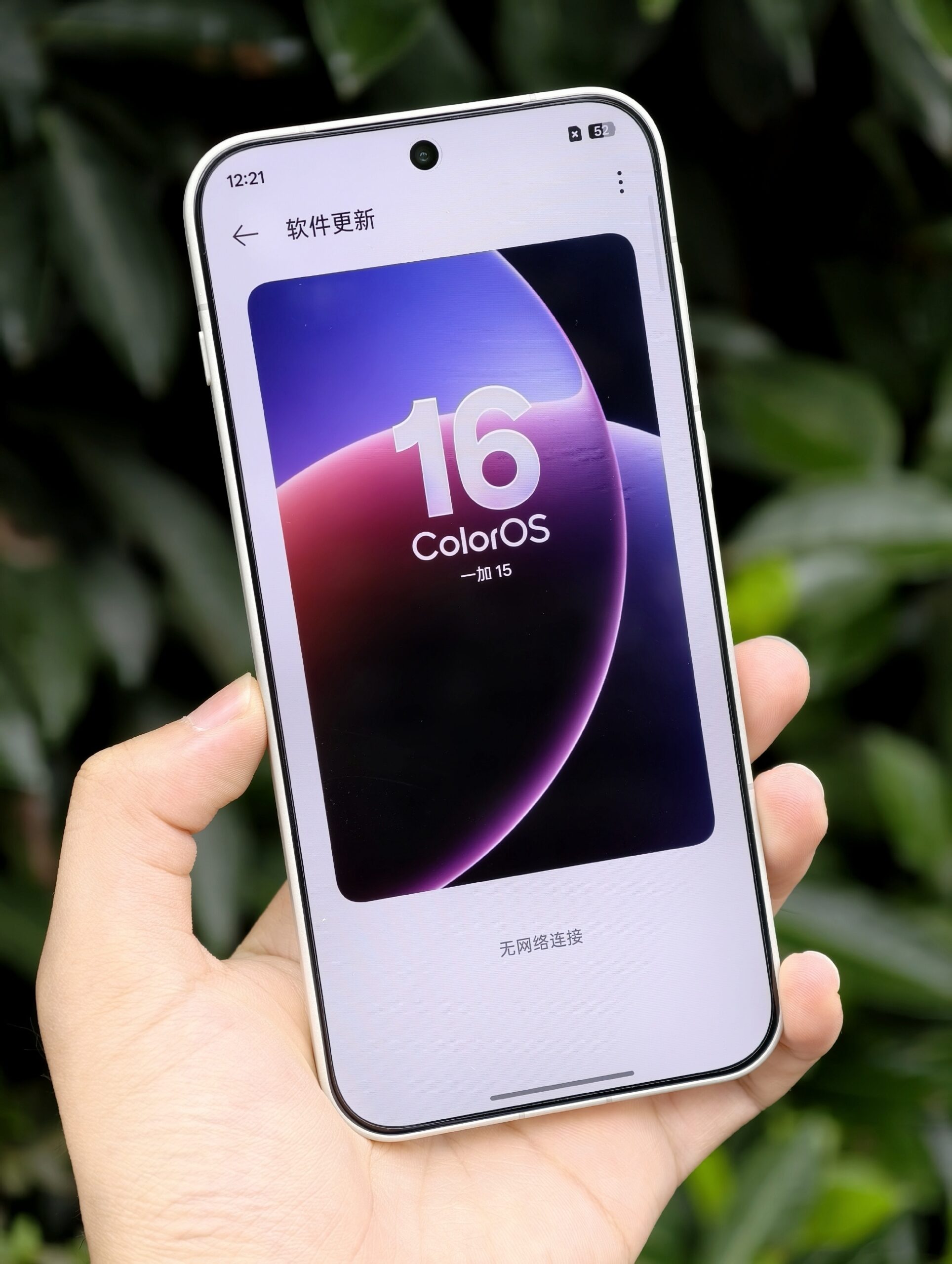
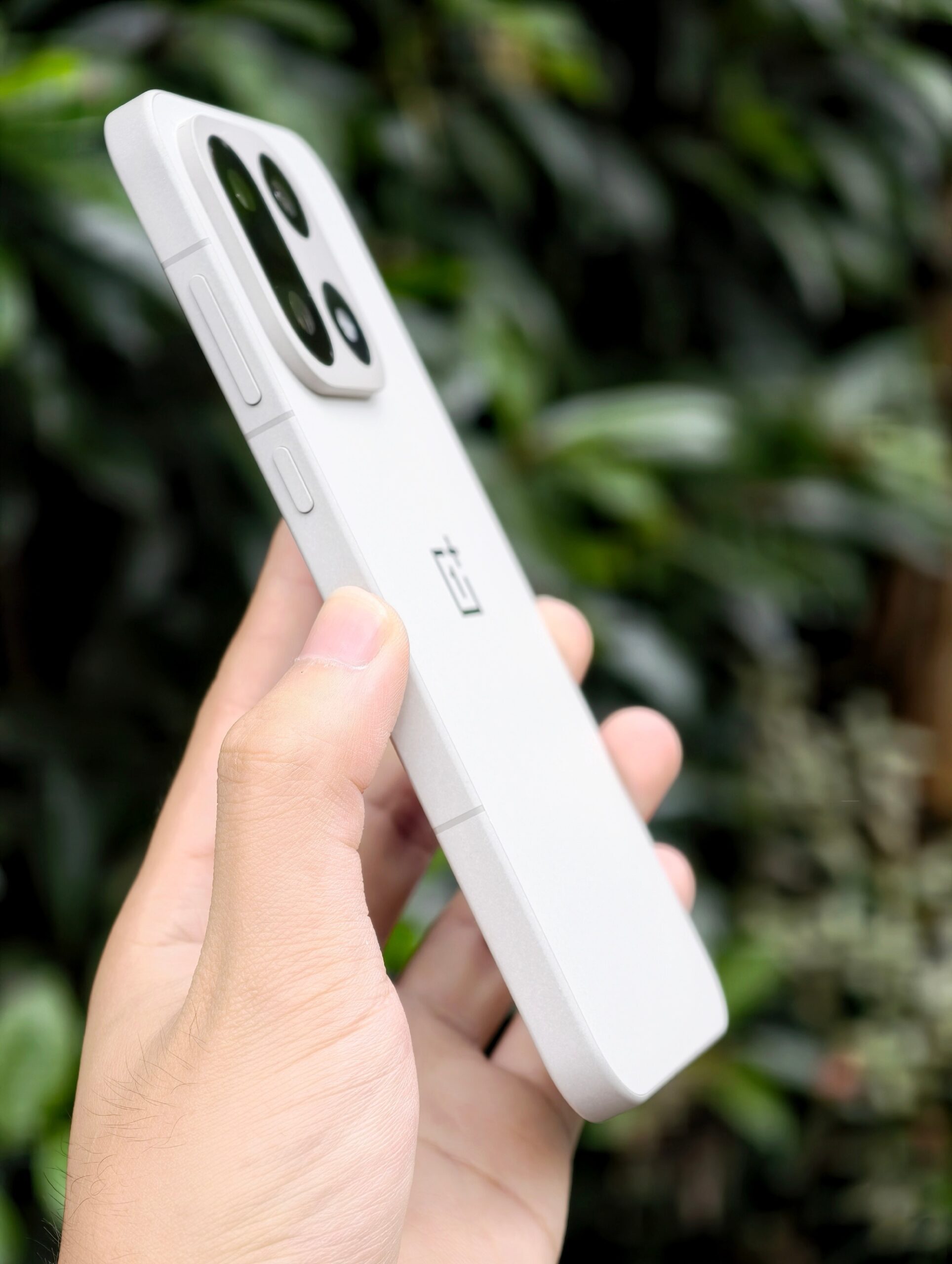
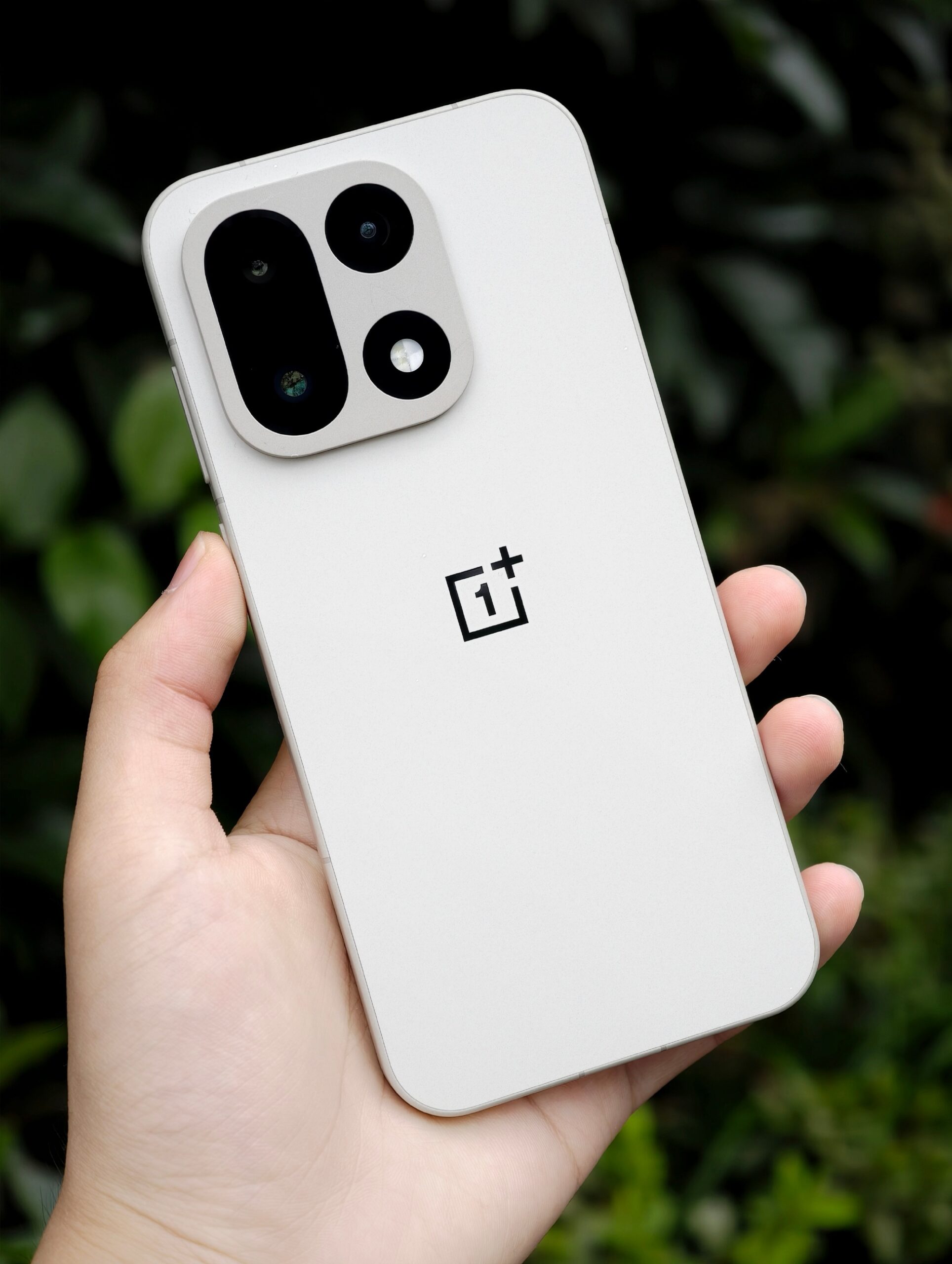
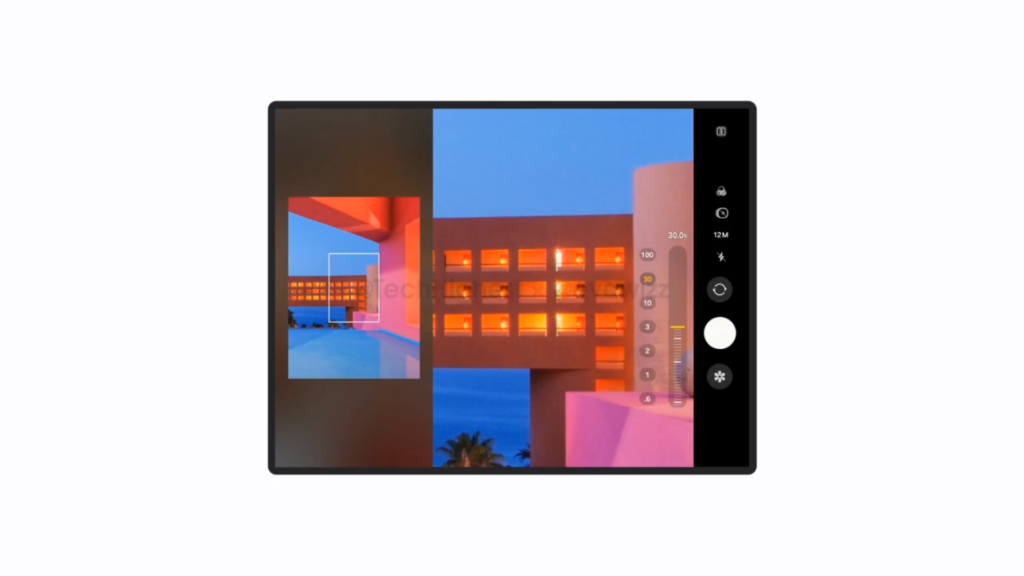
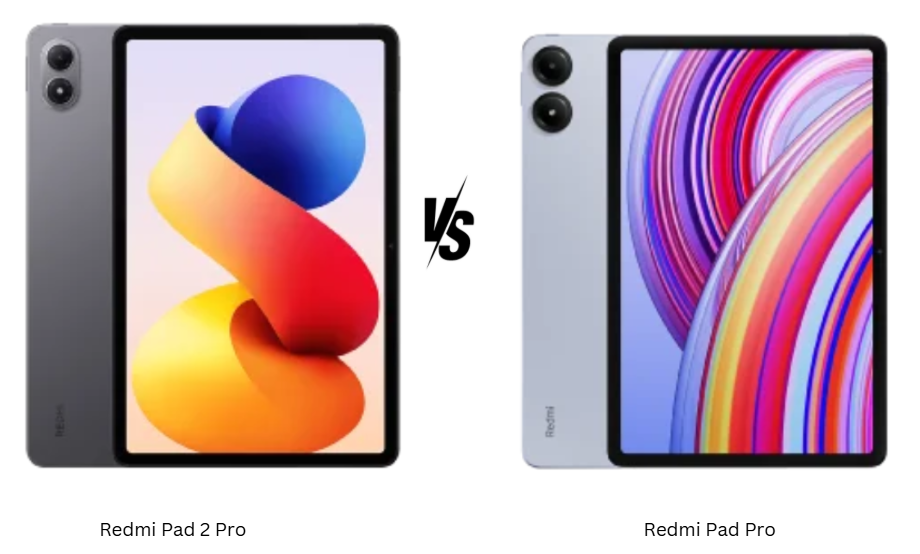
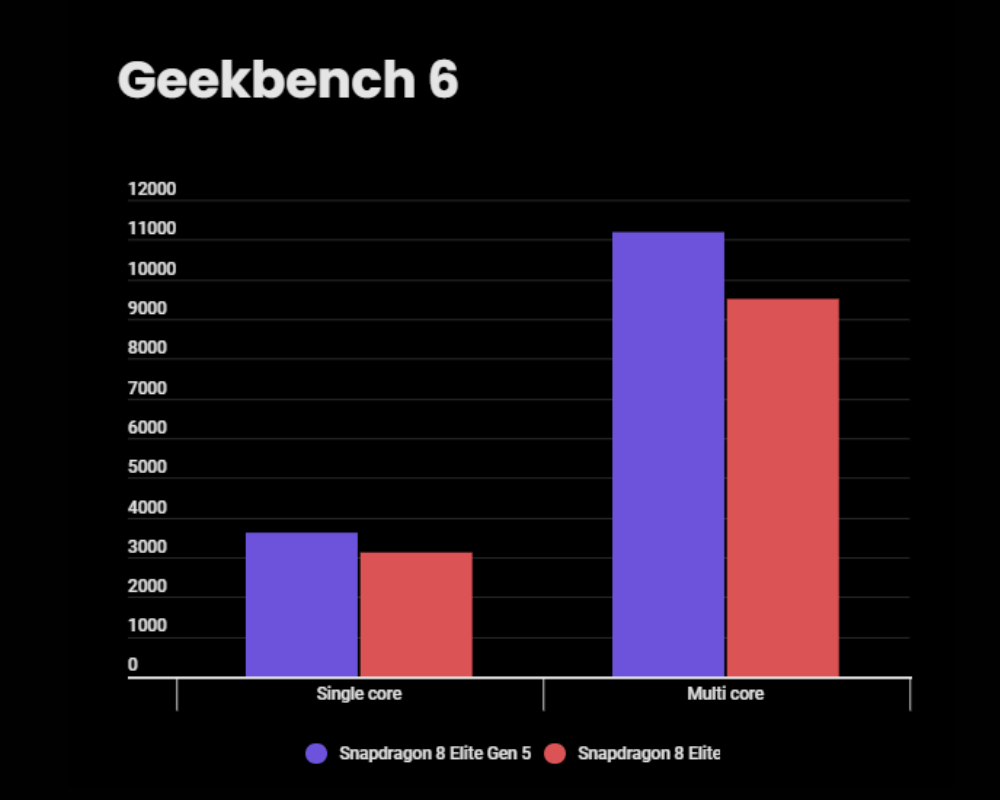
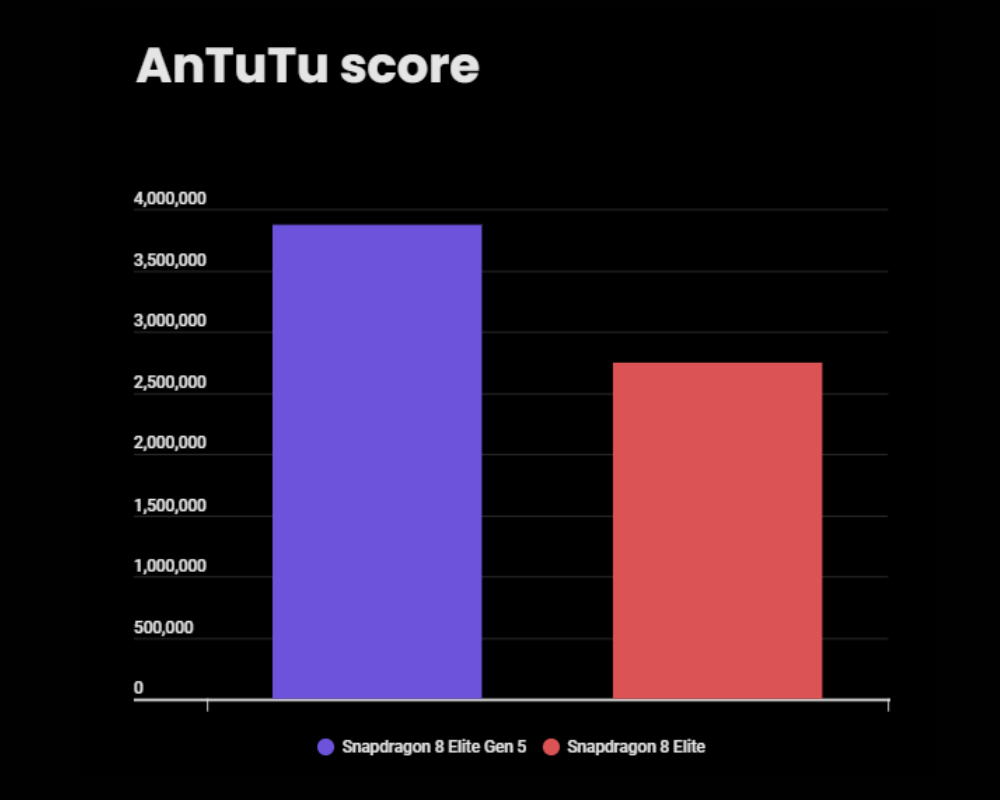
A new leak from Digital Chat Station sheds early light on what to expect from the upcoming OnePlus 15, and unsurprisingly, it looks like the changes won’t be seismic. The tip points to refinements in display and design, but not much else for now.
According to the leak, the OnePlus 15 will feature a 1.5 K resolution 6.78-inch LTPO 2.5D flat display, custom-made by BOE. This is a step down from the OnePlus 13’s 6.82-inch QHD+ LTPO 4.1 display, but the new panel reportedly offers better power efficiency, more consistent color tuning, and improved brightness.
It’s also said to feature what’s described as a “LIPO four narrow edge design.” That is, the device will have ultra-narrow, symmetrical bezels on all four sides, made possible by LIPO technology.
The leak also mentions a focus on reduced power consumption, better color consistency, and improved brightness uniformity. It’s the kind of tuning that’s expected in yearly refresh cycles.
OnePlus 15 might come in a black variant
Aesthetically, the engineering unit of the OnePlus 15 is described as “SuperBlack,” with high light absorption capacity, which DCS says makes it like a “black hole.” That might be a reach, but the claim could be that the OnePlus 15 will be available in a matte black finish that minimizes reflections and smudges.
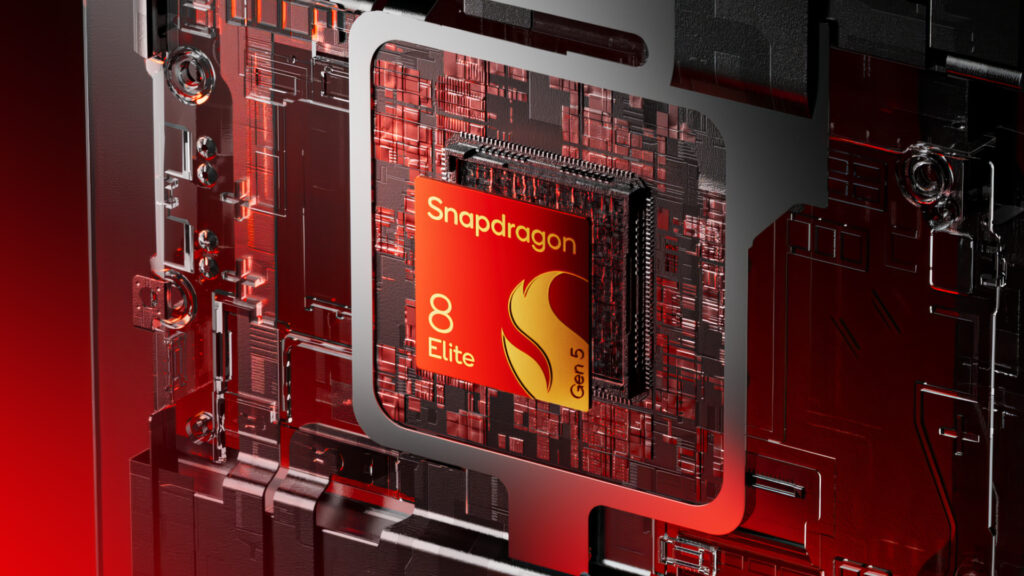
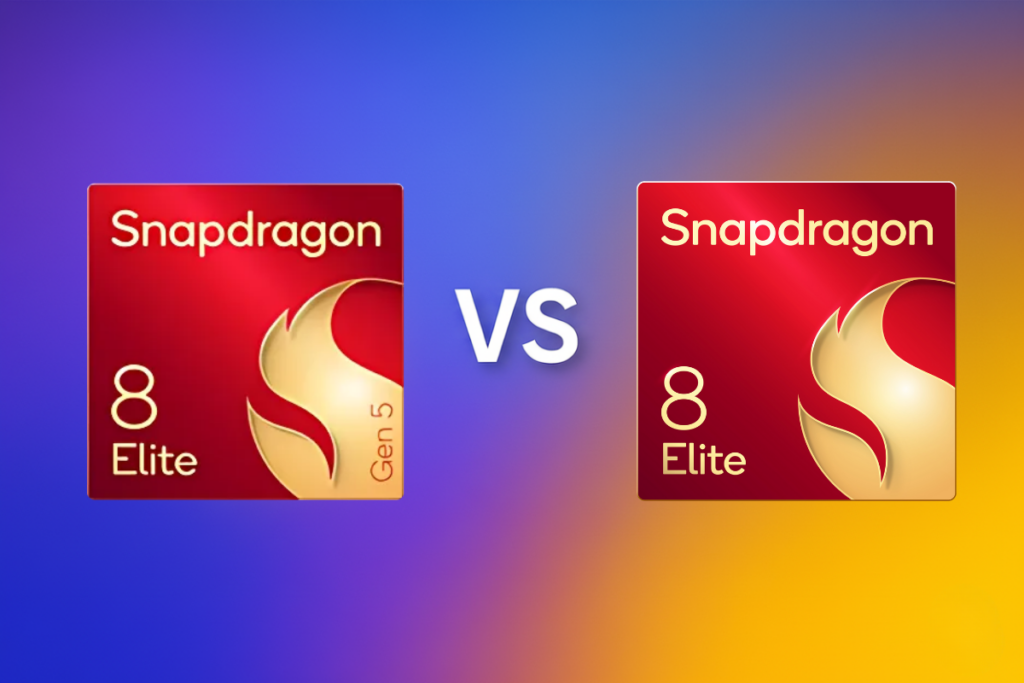
Internally, the OnePlus 15 will likely use Qualcomm’s next flagship chip, the SM8850, expected to be branded Snapdragon 8 Elite 2. And the leak also says the phone has “custom buttons” on the side, though it’s not clear what they’ll do yet.
The leak doesn’t reveal dimensions, camera hardware, and build quality yet, but it’s unlikely we’ll see major changes there. The OnePlus 13 already ships with a 6000mAh battery, a Snapdragon 8 Elite chip, and a triple 50MP camera setup. So expectations for the 15 might be more about polish than upgrades.
For more daily updates, please visit our News Section.
Adobe has launched a new experimental camera app for iPhone called Project Indigo. Built by Adobe’s research team, the app is free to use and gives mobile photographers more control over their shots. It’s designed to improve image quality and deliver a more natural look, similar to what you’d get from a DSLR. This article breaks down what Project Indigo is all about, including its main features, how the photos turn out, editing options, and special tools.
What is Adobe Project Indigo?
Project Indigo is available for iPhones (12 Pro and newer, or 14 and newer for non-Pro models). It gives users full manual control over the camera and uses computational photography to produce high-quality images. It’s meant for users who want better results than default phone cameras offer, without needing separate editing apps or extra equipment.
Key Features
Indigo includes manual settings for focus, shutter speed, ISO, exposure compensation, and white balance (with control over both temperature and tint). It also lets users control how many frames are captured per shot.
A single-image photo taken by an iPhone under 1/10 lux illuminationA photo taken by Indigo, which has captured and merged 32 images o reduce imaging noise
When you press the shutter, Indigo captures up to 32 images in rapid succession. It then aligns and merges them to reduce noise, recover detail in shadows, and preserve highlight information. This approach produces photos with better dynamic range and lower noise, especially in low light.
Indigo supports JPEG and DNG (raw) formats. JPEGs are processed with Indigo’s natural look. DNGs retain the same look as a profile but preserve the original sensor data, offering more flexibility during editing. Both file types benefit from Indigo’s multi-frame image processing.
Indigo handles high dynamic range well. It stores both SDR and HDR versions in each JPEG using a gain map, allowing compatible screens and software to display either one. Night mode uses longer exposures and more frames to deliver cleaner low-light shots. The app detects if the phone is stable and adjusts capture settings to improve quality without needing a tripod.
Long Exposure and Super-Resolution
Long Exposure Sample (Image source: Adobe)
With the Long Exposure setting, Indigo captures multiple frames and adds them together to create effects like motion blur or light trails. This works best with the phone on a tripod and outputs both JPEG and DNG files.
The left photo, taken with the iPhone 16 Pro Max at 10× zoom, shows more noise. The right, shot with Adobe Indigo, is cleaner and sharper, especially in the windows. (Image source: Adobe)
Indigo also improves zoomed-in shots using multi-frame super-resolution. If you zoom past the camera’s optical limit, the app takes several slightly shifted frames and merges them to increase detail. This reduces the usual loss in sharpness that comes with digital zoom.
Natural Look and Less Processing
Indigo avoids the heavily processed style of most phone cameras. It uses minimal tone mapping, moderate contrast and color adjustments, and less aggressive sharpening and smoothing. This keeps images looking more natural, especially when viewed on larger screens. Details like textures and lighting are preserved instead of being flattened.
Editing and Lightroom Integration
Indigo is fully integrated with Adobe Lightroom. After taking a photo, users can send it directly to Lightroom Mobile. If both JPEG and DNG were saved, Indigo opens the DNG by default. Lightroom recognizes Indigo’s embedded profiles and HDR data, giving users full control over editing without losing image quality.
Tech Preview and What’s Ahead
Adobe Project Indigo can use AI to remove reflections from photos. (Image: Adobe)
Project Indigo also includes experimental tools under a Tech Preview section. One such feature is reflection removal, which allows users to take photos through glass and remove glare with one tap. Adobe is also working on adding portrait mode, panorama, video, and advanced features like exposure and focus bracketing.
Project Indigo is available now on the App Store. It’s free to download, requires no Adobe sign-in, and is designed to improve mobile photography for both casual users and hobbyists who want more control and better output from their phone cameras.
Samsung’s next major Android skin, One UI 8 based on Android 16, is reportedly on its way to a wide range of Galaxy devices. According to a new leak, the beta program could begin rolling out later this month, starting with the S24 series and 6th-generation foldables.
While Samsung hasn’t confirmed the rollout yet, it would follow the company’s usual pattern of debuting the beta on its newest devices first. Posts from tipster @tarunvats33 support this timeline and suggest the S24 trio will be the first to get access, followed closely by the latest foldables.
Even Galaxy S22 series and 4th-gen foldables to receive One UI 8 beta by early July
By late June or early July, Samsung is expected to extend beta access to the Galaxy S23 series, along with the Z Fold5 and Z Flip5. The 2022 flagships—S22 series, Z Fold4, and Z Flip4—are also in line for the update, though they may receive it a bit later in early July. As these models near the end of their software support timeline, this will likely be their final or penultimate major Android version.
Galaxy S22 Ultra
One UI 8 is expected to bring smoother animations, more polished transitions, blurred pop-ups, and other subtle UI refinements to these flagships, and the brand is likely to showcase the update officially during the Galaxy Z Fold7 and Flip7 launch event in July.
Meanwhile, Geekbench listings for devices like the Galaxy S22+ and Z Fold5 confirm that Android 16 testing is already underway.
Samsung has yet to make anything official, but based on past trends, beta access will likely roll out via the Samsung Members app in select regions. If you own one of the supported models, keep an eye out—you might be among the first to test Android 16 on your Galaxy device.
A new gaming controller under Xiaomi’s Redmi brand might launch soon. Bao Xiao Li, product manager for Xiaomi’s camera division, released the first video of the controller in action. The brief demo shows the controller paired with an upcoming Redmi K Pad tablet running Black Myth: Wukong via cloud gaming.
The video confirms a few things. First, the controller has its own dedicated settings interface, likely an app, where users can tweak mapping modes, joystick sensitivity, trigger response, vibration levels, lighting effects, and button assignments. There’s also support for firmware updates and a factory reset, along with a section for testing individual buttons.
Modular design, but likely wireless only
Design-wise, the gaming controller operates in both combined and split modes. The left and right sections of the controller appear to be detachable and can display their battery status independently.
There is no visible USB port on the unit shown in the video. Its absence suggests that Bluetooth is likely the sole method of connection, ruling out wired gameplay support for now.
The controller had previously been teased during the “Lu Weibing Live Chatting about Xiaomi New Products” event on June 18. At the time, Xiaomi confirmed a few additional features.
The Redmi gaming controller comes in a white-and-gray color scheme, uses a split design with retractable upper and lower bayonets, and is compatible with both smartphones and tablets. Once assembled into a unified form, it can also connect to Xbox consoles, though details about that compatibility weren’t expanded on.
Xiaomi hasn’t provided a release date or price yet, even for the Redmi K Pad. It’s safe to assume that the controller will be launched alongside the tablet.
For more daily updates, please visit our News Section.
Samsung’s Galaxy Note 20 Ultra—the swan song of the iconic Note series—is back in the spotlight, but not for the reasons fans would hope. A growing number of users are reporting a green (or sometimes pink) line running vertically across the display, a frustrating issue that seems to have resurfaced recently.
The problem isn’t new. Similar vertical line issues have plagued several of Samsung’s AMOLED-equipped flagships over the years, including the Galaxy S20, S21, S22, S23, and even the recently launched S24 series. In fact, Samsung offered a free replacement to some Note 20 Ultra users affected by this issue back in 2023.
But what’s causing this strange display issue? So far, no smartphone brand has clearly addressed the root cause. However, it often seems to appear after a software update. While the Galaxy Note 20 Ultra has already received its final OS upgrade (Android 13), it’s still on a quarterly security update cycle—and it did get one just last month. In fact, a Galaxy S21 FE user recently shared a video of the green line appearing while installing the update, lending weight to claims that the issue may be software-triggered, or at least exacerbated by it.
Many affected users also confirmed their phones had no significant physical damage—no drops, no water exposure—just a screen that suddenly developed a green or pink line out of nowhere.
Despite the growing complaints, Samsung has yet to officially acknowledge the root cause. NotebookCheck speculates that the issue may stem from aging AMOLED sub-pixels or problems with the display driver IC, both of which could be pushed over the edge by a software update.
While Samsung has offered free one-time screen replacements for certain affected devices in the past, the Note 20 Ultra’s age and its position outside of the company’s four-year support policy likely leave it ineligible. To make matters worse, the repair program often comes with strict conditions—such as no physical damage—meaning many users could be left footing the bill for what seems to be a manufacturer-driven fault.
OnePlus Nord CE4 Lite 5G with 128GB storage and 8GB RAM is now retailing at a discount price of Rs 15,997. The price is inclusive of a Rs 2000 ICICI Bank Credit Card discount. The actual price of the smartphone on Amazon India is Rs 17,997 in three color options of Rs Ultra Orange, Mega Blue, and Black.
The 256GB storage and 16GB RAM variant is presently retailing for the price of Rs 20,997. With the ongoing discount, the interested folks can grab it for the discounted price of Rs 18,997. Similarly, all the color options are available for the bigger variant. Apart from the ICICI Bank Card, there are certain discounts on the HDFC Bank Credit Card and others, too.
OnePlus Nord CE4 Lite 5G smartphone bundles some exciting features and hardware improvements in comparison with its predecessor. It bundles a large 5500mAh battery with support for reverse charging and 8W fast wired charging. It bundles a 6.67-inch AMOLED display that offers a 120Hz refresh rate and 2100 nits peak brightness. The smartphone bundles a dual camera configuration with a primary 50MP Sony LYT-600 camera.
The smartphone is bundled with a Snapdragon 695 5G SoC. Further, the smartphone is running the latest Android Operating System with a promise of years of updates. It measures 162.9 x 75.6 x 8.1 mm in size and weighs 191 grams. In connectivity, the smartphone bundles a Wi-Fi 802.11 a/b/g/n/ac, dual-band, Bluetooth 5.1, GPS, NFC, and USB Type-C 2.0.
It is a great deal to grab at the present price, and the bank discount is making it more affordable.
Thanks to a detailed teardown by WekiHome, we’re getting a close look at what Xiaomi’s compact tablet brings to the table. Slim, lightweight, and loaded with high-end hardware, the REDMI K Pad looks like a serious contender in the mini tablet space.
Disassembled ahead of release, the K Pad was shown to pack plenty of premium features in a tidy footprint. It features an 8.8-inch IPS LCD with a sharp 3,008 x 1,880 resolution, 165Hz refresh rate, Dolby Vision support, and a peak brightness of 610 nits in high-brightness mode. The tablet weighs just 336 grams and is only 6.46mm thick, housed in a sandblasted metal unibody for a sleek, sturdy feel.
Under the hood is MediaTek’s Dimensity 9400+ chipset, paired with LPDDR5X RAM and fast UFS 4.1 storage. For cooling, Xiaomi has equipped the tablet with a large 12,050mm² aluminum-alloy vapor chamber—a lighter alternative to copper—alongside a metal midframe to help spread and dissipate heat. The tablet also shines in gaming tests against Legion Y700 (4th Gen), RedMagic Gaming Tablet 3 Pro.
Inside the K Pad, foam padding helps protect key components from damage in case of drops, while the centrally located motherboard aids in balanced heat distribution. On the audio front, the K Pad includes dual Dolby Atmos speakers, and power is handled by a two-cell 7,500mAh battery (3,505mAh + 3,995mAh), supporting 55W fast charging. Xiaomi includes a 67W charger in the box, and a full charge reportedly takes about 61 minutes. The tablet also supports bypass charging, which is great for extended gaming sessions.
Additional hardware includes a USB-C port with USB 3.2 Gen 1 (5Gbps) and DisplayPort support, though there’s no fingerprint scanner. For imaging, you get a 13MP rear camera (OmniVision OV13B) and an 8MP front-facing sensor (OV08F).
Overall, WekiHome’s teardown highlights a tablet designed with performance and portability in mind.
Samsung’s upcoming Galaxy Z Flip7 has been spotted on Geekbench ahead of its expected debut in July, and the listing sheds light on its performance. For the first time, Samsung has opted for a dual-platform strategy for its Z series, and people are already concerned about the performance.
Samsung Galaxy Z Flip 7 Leaked Render
The Z Flip7’s Geekbench listing, spotted by tipster @tarunvats33, reveals key specs of the Exynos 2500 chip. The phone scores 2,356 points in single-core and 8,076 points in multi-core CPU tests. Qualcomm’s Snapdragon 8 Gen 3 from 2023, in comparison, scored 2247 and 6857 in the respective tests on the Z Flip6.
Galaxy Z Flip7 GeekbenchGalaxy Z Flip6 Geekbench
The Exynos 2500 includes a 10-core setup: one Cortex-X925 prime core clocked at 3.3GHz, two Cortex-A725 cores at 2.75GHz, five more A725 cores at 2.36GHz, and two Cortex-A520 efficiency cores at 1.8GHz. It’s paired with 12GB of RAM and a new Xclipse 950 GPU.
The Exynos 2500 doesn’t match the top-end Snapdragon 8 Elite, which powers the large-screen Galaxy Z Fold7 and scores around 3,200 and 10,000 in the Galaxy S25.
The Z Flip7 is expected to offer a 4-inch cover screen, One UI 8 based on Android 16, and even support for satellite connectivity. Still, as with any chipset, real-world use will ultimately determine how the Exynos 2500 handles heat and battery life in the compact, foldable form factor.
Samsung’s switch to Exynos for the Galaxy Z Flip7 is a bold move that could shake up expectations. Whether it can deliver the same efficiency and thermal stability as the Snapdragon 8 Elite in real-world use cases remains to be seen, but we won’t have to wait long to find out.
Xiaomi is once again stepping into the foldable ring with its second-generation clamshell, the Mix Flip 2. Ahead of its official debut next week, the device has already been listed for reservation on Xiaomi Mall, signaling that the launch is just around the corner. Tipster “The panda is very good” recently dropped the latest leak, revealing a beefed-up 5100mAh battery, Snapdragon 8 Elite chipset, and a familiar but vibrant color palette: Cyan, Purple, Gold, and Black.
The Mix Flip 2 isn’t just an incremental upgrade; it’s shaping up to be a statement. Xiaomi Group Partner and President Lu Weibing confirmed the launch in a Weibo post recently, highlighting key improvements that address some of the core weaknesses in compact foldables: battery life, crease visibility, and thermal management. According to Weibing, Xiaomi began developing this generation three years ago, with a clear goal: create a flip phone that doesn’t feel like a compromise.
While Xiaomi hasn’t officially published the full spec sheet yet, multiple leaks paint a detailed picture. The Mix Flip 2 is expected to sport a 6.85-inch LTPO AMOLED inner screen and a 4.01-inch outer display, both tuned for high brightness and responsiveness. The device will reportedly ship with dual 50MP Leica-branded rear cameras, continuing the brand’s photography partnership. And yes, it runs on HyperOS 2.0, layered on top of Android 15.
According to the tipster, charging speeds remain fast, with 67W wired charging returning from the previous model, while wireless charging sees a boost to 50W. The phone is also expected to be IPX8-rated, making it one of the more water-resistant foldables in its class.
The first-generation Mix Flip launched last year with a Snapdragon 8 Gen 3 chip, a 4780mAh battery, and the same 67W wired charging. It started at 5999 yuan (~$835). That model drew attention for its 1.5K outer screen with 1600 nits brightness, elements that are likely refined further in the new version.
If the rumors hold, the Mix Flip 2 could make its debut alongside the Redmi K80 Ultra and Pad 7S Pro. But in typical Xiaomi fashion, the company seems laser-focused on redefining what a flip phone can be, not just pretty, but practical.
For more daily updates, please visit ourNews Section.
OnePlus is hyping up its Nord 5 as a gaming beast, promising to deliver 144fps gameplay for hours. With its launch just days away, a new teaser spills key specs that could make this mid-range flagship a gamer’s dream.
OnePlus is touting the Nord 5, set to debut on July 2, 2025, as the “Fastest Nord Ever”. The brand claims the Nord 5 can maintain 144fps gameplay for up to five hours with maxed-out graphics settings, 75dB audio, and 280 nits brightness. “The OnePlus Nord 5 is built to crush gaming,” states a community post. Features like Adaptive Frame Booster and Pro Gamer Mode in OxygenOS 15.1 enhance this performance, optimizing frame stability and power efficiency.
The Nord 5 sports a 6.74-inch flat 1.5K AMOLED display with a 144Hz refresh rate, slim bezels, and a centered punch-hole. It’s powered by the Snapdragon 8s Gen 3, a slight step behind the newer 8s Gen 4 used in rivals like the Nothing Phone (3), but still delivers robust performance with a Cortex-X3 core at 3.2GHz.
Paired with LPDDR5X RAM and UFS 4.0 storage, and a 6,150mAh battery, it promises to handle those long sessions, though it may lack wireless charging. The “Plus Key” and AI enhancements, like AI Detail Boost for photos, add smart functionality to its 50MP triple-camera setup.
The OnePlus Nord 5’s promise of 144fps gaming for hours, backed by a vibrant display and beefy battery, positions it as a mid-range marvel for gamers. While the Snapdragon 8s Gen 3 isn’t the latest, its gaming chops are undeniable. Will it steal the show at the July 2 launch? We’re pumped to find out.
The upcoming REDMI K Pad is already turning heads in China’s competitive tablet market, even before its official launch in June 2025. In early performance tests, the device goes toe-to-toe with two well-known gaming tablets—the Lenovo Legion Y700 (4th Gen) aka Legion Y700 (2025) and the RedMagic Gaming Tablet 3 Pro—and manages to hold its own, especially when it comes to efficiency and thermal control.
According to gameplay test results shared by Novice Evaluation on Weibo, all three tablets are equipped with top-tier chipsets: the REDMI K Pad runs on the MediaTek Dimensity 9400+, while the other two use Qualcomm’s Snapdragon 8 Elite. When tested on Honor of Kings, all three devices performed nearly identically—RedMagic scored a perfect 120 FPS, while both the Legion Y700 and REDMI K Pad hit 119.9 FPS. However, there were significant differences in power consumption and temperature.
The Legion Y700 drew the most power at 9.8W, followed by the RedMagic at 6.2W. The REDMI K Pad, however, was the most efficient, consuming just 5.7W. It also ran the coolest, with surface temperatures around 42.8°C, compared to 45.3°C on the RedMagic and 45°C on the Legion.
A similar pattern appeared in Genshin Impact tests. All three tablets again managed 119.9 FPS, but the Legion used 8.5W of power, RedMagic 7.5W, and the REDMI K Pad just 6.9W. Thermal readings stayed in line too: 42.9°C for the Legion, 45.2°C for the RedMagic, and 43°C for the REDMI.
The Dimensity 9400+ chip in the REDMI K Pad is largely responsible for its impressive power efficiency. While the Legion Y700 offers an 8.8-inch LCD (900 nits HBM) and the RedMagic tablet features a 9-inch OLED (1600 nits HBM) display, both draw more power and heat than the K Pad, which sports an 8.8-inch 3K+ 165Hz LCD and a 7,500mAh battery. With its launch just around the corner, it’s shaping up to be a serious rival in a growing niche.
Samsung could be planning a big shake-up for one of its most iconic smartphone features. According to a new leak, the Galaxy S27 Ultra, expected to launch in early 2027, may no longer include a built-in S Pen. This move could disappoint long-time fans of the Note legacy.
The claim comes from Chinese leaker Setsuna Digital. The post suggests Samsung is weighing the removal of the integrated stylus slot in favor of other design priorities—possibly larger batteries or improved cooling. If true, the Galaxy S27 Ultra could either drop the stylus entirely or follow the Galaxy S21 Ultra’s route, which supported the S Pen but required an external case for storage.
This isn’t the first sign of Samsung pulling back on its stylus strategy. Reports from tipster @PandaFlashPro also point to internal constraints that might push the company to reallocate space inside the device. In fact, the Galaxy S25 Ultra shipped with a downgraded S Pen that lacks features like Bluetooth Air Actions, while the upcoming Galaxy Z Fold7 is also rumored to drop some S Pen functions to help achieve a slimmer design.
It’s becoming increasingly clear that Samsung is refocusing its S Pen efforts on tablets, rather than smartphones. With the Galaxy S26 Ultra still expected to feature the built-in stylus, the S27 Ultra could mark a turning point if the rumor proves accurate.
While some may welcome the trade-off if it means better battery life or improved performance, others may see it as the end of an era for the once Note-inspired Ultra series. As always, plans could still change before launch—but if Samsung does move forward without the S Pen, it’ll be one of the most notable design shifts in the Galaxy Ultra line’s history.
Huawei Pura 80 Pro and OnePlus 13s represent two distinct flagship philosophies, one built for ultimate versatility with satellite connectivity and advanced zoom, and the other focused on cutting-edge performance and value. This comparison matters because both phones cater to premium buyers but differ significantly in priorities like camera innovation, design durability, and pricing. Choosing the right one depends on whether you seek feature-loaded versatility or raw power at a better price.
Build and Feel: Huawei wraps the Pura 80 Pro in glass and polished aluminum, then pairs that with the company’s famously tough Kunlun Glass 2 and an IP68/IP69 seal that survives both immersion and high-pressure jets. The result is a chassis that feels reassuringly solid, delivering a premium, almost camera-centric heft that signals longevity.
OnePlus opts for a lighter aluminum alloy frame protected by Crystal Shield Glass and an IP65 rating, making the 13s noticeably slimmer in the pocket and easier to wield one-handed during long commutes.
The trade-off is straightforward: Huawei provides superior environmental protection and an unmistakably luxurious density, while OnePlus’s reduction in girth and weight promotes everyday comfort. Consumers who equate mass with durability will favor the Pura 80 Pro, whereas minimalists looking for effortless carry will lean toward the 13s.
Display Quality: Huawei’s 6.8-inch LTPO OLED stretches viewing real estate and hits a blinding 3000-nit peak, so maps and notifications stay visible even under harsh midday sun. Its 1-billion-color depth and gentle 1 440 Hz PWM dimming further enhance eye comfort during extended browsing.
OnePlus counters with a 6.32-inch LTPO AMOLED that deploys Dolby Vision, a faster 2 160 Hz dimming cycle, and exceptional color calibration that makes HDR movies pop with cinematic nuance. Although its peak brightness tops out below Huawei’s, real-world contrast is superb, and the slightly higher pixel density keeps fine text razor-sharp.
Outdoor adventurers and mobile photographers gain more from Huawei’s brighter, broader canvas, while streaming enthusiasts may prefer OnePlus’s Dolby-tuned accuracy.
Verdict: Between tougher build materials, higher ingress protection, and the brightest panel in its class, Huawei edges ahead as the choice for durability-minded users who spend ample time outdoors. OnePlus nevertheless secures crucial wins in portability and HDR fidelity, offering a friendlier grip and arguably richer video playback.
2. Specifications
OnePlus 13s
Performance: OnePlus arms the 13s with Qualcomm’s 3 nm Snapdragon 8 Elite, whose Oryon V2 big cores crest 4.32 GHz and whose Adreno 830 GPU delivers console-level effects with minimal thermal throttling. Backed by UFS 4.0 storage, heavy apps open instantly and multitasking feels desktop-like.
Huawei’s octa-core platform, likely the Kirin 9010, keeps everyday scrolling fluid but trails in raw graphics throughput and AI workloads, so high-frame-rate shooters and on-device editing finish faster on the OnePlus. For users prioritizing maximum horsepower, the 13s offers a sharper edge.
Battery and Charging: Endurance compares closely: OnePlus packs a 5850 mAh cell, about three percent larger, and leverages its more efficient silicon for notably longer screen-on time. Huawei replies with faster energy replenishment: 100 W wired tops the pack in roughly 30 minutes, while 80 W wireless cuts the cable without a huge sacrifice.
OnePlus sticks to 80 W wired but adds broad PPS/PD support for universal chargers; however, its 33 W PPS cap and 5 W reverse wired leave it lagging in cable-free convenience.
Verdict: OnePlus dominates raw performance and extends battery life a little further, making it the go-to for gamers and content producers. Huawei counters with the swiftest wired and wireless charging combination on the market, ensuring even intensive days never outpace a quick coffee-break refill.
Choose OnePlus for speed and longevity; choose Huawei for charging freedom and reduced downtime.
3. Camera
Huawei Pura 80 Pro
Main and Secondary Lenses: Huawei equips a one-inch-type 50 MP sensor with variable aperture for shallow-depth portraits and brighter night scenes, plus a 48 MP periscope delivering crisp 4× optical zoom and a 40 MP ultrawide with autofocus for macro versatility. Real-world shots show cleaner shadow detail and less noise after dark, while the longer reach simplifies wildlife and stage photography.
OnePlus has dual 50 MP sensors, the primary capturing excellent color consistency and the telephoto doubling as a flattering portrait lens at 2×. Its multi-directional PDAF yields fast locks, yet crop-zoom cannot fully match Huawei’s optical magnification.
Serious photographers who need reach and low-light prowess gain more from the Pura 80 Pro.
Selfie Camera: The 13 MP ultrawide on Huawei fits an entire group without an extender, and autofocus keeps faces sharp at arm’s length. OnePlus answers with a 32 MP unit that doubles the resolution and records 4 K video, preserving hair texture and skin tone for solo vloggers.
While Huawei captures more people, OnePlus delivers crisper detail per face, so social media creators will value the 13s’s pixel advantage.
Verdict: Huawei claims the rear camera crown through bigger sensors, superior zoom, and macro agility. OnePlus gains with a selfie system that outperforms in sharpness and vlogging flexibility.
Overall, imaging enthusiasts who depend on rear optics should look to Huawei, while content creators focusing on front-facing footage will feel well served by OnePlus.
4. Pricing
With an approximate launch price of $1000, Huawei positions the Pura 80 Pro among ultra-premium flagships, banking on its satellite messaging, variable-aperture optics, and rapid wireless charging to justify the tag. The OnePlus 13s arrive at roughly $700, undercutting by about 30 percent while still bundling a cutting-edge chipset, HDR-rich display, and ample battery capacity.
Please Note: When you buy something using the links in our articles, we may earn a small commission at no cost to you.
For cost-conscious buyers, OnePlus delivers markedly better value per dollar; Huawei’s higher outlay makes sense only for users who will fully exploit its advanced camera and durability extras.
5. Conclusion
OnePlus 13s
Huawei’s BDS two-way satellite messaging (China), DisplayPort 1.2 monitor output and 80 W wireless charging collectively cater to adventurers and power users who may find themselves off-grid yet still needing high-bandwidth connectivity or swift energy top-ups. OnePlus highlights software niceties such as Circle to Search and broader Bluetooth 6.0 codec support, plus Wi-Fi 7 for ultra-stable home networking, all wrapped in a chassis that feels feather-light despite flagship internals.
Verdict: Buy the Huawei Pura 80 Pro if rugged water resistance, elite optical zoom, lightning-fast wireless charging, and emergency satellite texts rank high on the checklist. Go for the OnePlus 13s when flagship-class speed, lighter ergonomics, a superior selfie experience, and a more approachable price matter more.
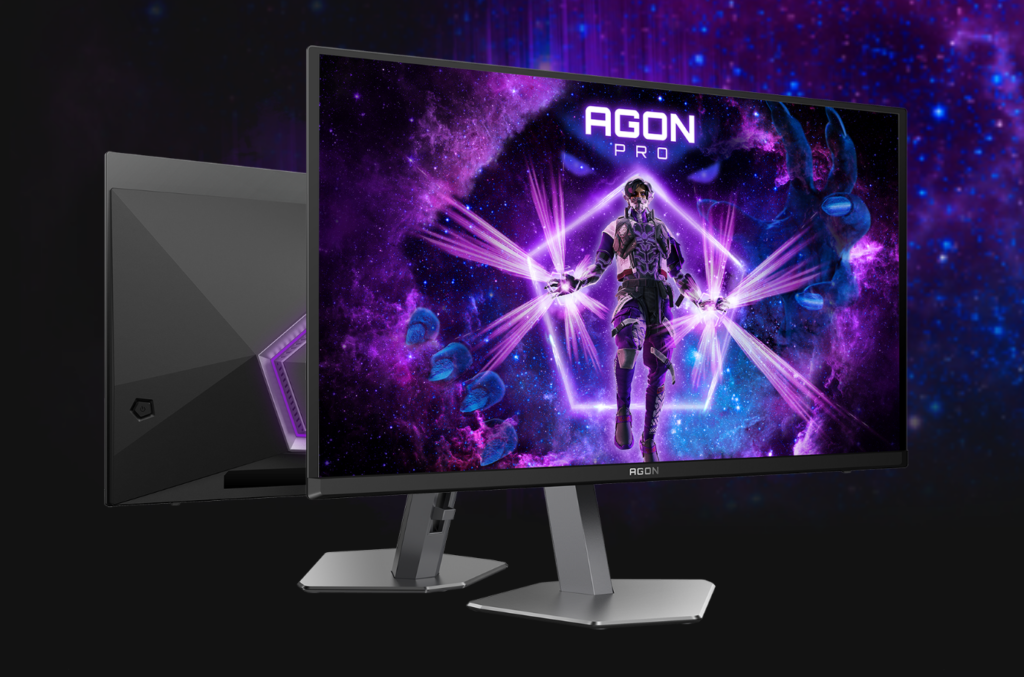
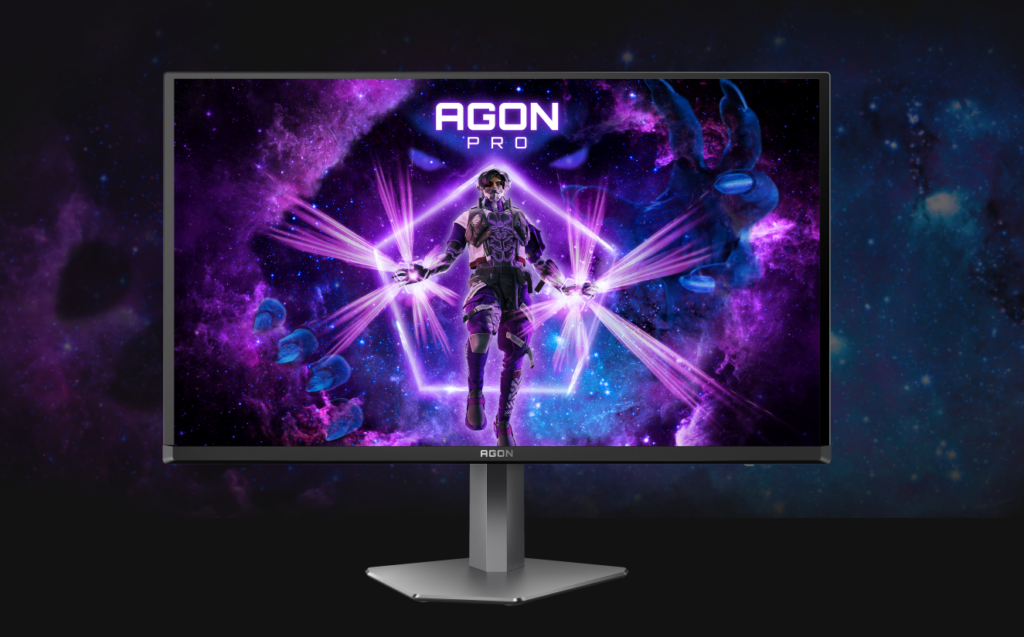
AOC has introduced a new 27-inch monitor, the U27U3XD, designed to serve both professional and gaming needs. The monitor is now listed on the company’s official website. It supports dual-mode output for flexibility across different use cases, though pricing and availability details are yet to be announced.
AOC U27U3XD Monitor Specifications
The AOC U27U3XD is equipped with a 27-inch IPS panel that delivers a native 4K resolution at 144Hz. It also supports a Full HD mode with a higher 288Hz refresh rate. The monitor is compatible with Adaptive-Sync to reduce screen tearing and features a 0.5ms MPRT and 4ms GtG response time, making it suitable for fast-paced gaming.
The monitor delivers strong color performance, covering 100% sRGB, 94% Adobe RGB, and 98% DCI-P3. It is factory calibrated with ΔE<2 accuracy and supports VESA DisplayHDR 400. It also features a 2000:1 static contrast ratio and 450 nits peak brightness for enhanced clarity and contrast across varying lighting conditions.
The U27U3XD features a hardware-level low blue light solution to reduce eye strain during extended use. It also comes with gaming enhancements like Shadow Boost, MBR Sync, Clear Vision, along with Picture-in-Picture and Picture-by-Picture modes. Additionally, it comes with a built-in KVM switch that lets you control multiple connected devices using a single keyboard and mouse.
In terms of connectivity, the monitor includes two HDMI 2.1 ports, one DisplayPort 1.4 with DSC, a USB 3.2 Gen 1 Type-C port supporting 90W power delivery and DP Alt Mode, one USB Type-B upstream port, four USB 3.2 Gen 1 Type-A ports, and a 3.5mm headphone jack.
The stand supports full ergonomic adjustments, including up to 150mm height adjustment, -6.5 to 23 degrees tilt, 30 degrees swivel in both directions, and bi-directional pivot. The monitor has a 1.4mm ultra-narrow bezel and a 5.9mm inner black border. It also holds a Red Dot Design Award for its visual design.
In related news, Lenovo has launched a 34-inch curved ultrawide monitor with a 120Hz refresh rate and USB-C docking support, while Asus has introduced the PG32UCDMR gaming monitor featuring a 4K QD-OLED panel, 240Hz refresh rate, and DisplayPort 2.1a connectivity.
For more daily updates, please visit ourNews Section.
Lenovo has launched two new variants of its Xiaoxin personal business desktop, targeting home and office users who need a compact and capable PC. The new models are powered by AMD’s Ryzen 7 H 255 processor and are available with up to 32GB of RAM and 1TB of SSD storage.
Lenovo Xiaoxin Desktop PC Specifications
The Ryzen 7 H 255 is a mobile-class processor based on the 4nm Zen 4 architecture. It features 8 cores and 16 threads and comes with integrated Radeon 780M graphics based on the RDNA 3 architecture. Lenovo has positioned this desktop for users who want strong CPU and GPU performance without relying on a discrete graphics card.
The top-end configuration includes 32GB of dual-channel DDR5-5200MHz RAM and a 1TB PCIe 4.0 NVMe SSD. Lenovo also sells a 16GB RAM version with the same storage. Both models support future upgrades thanks to two memory slots and dual PCIe 4.0 M.2 SSD slots. The system also includes a reserved bay for adding a 3.5-inch mechanical hard drive.
Lenovo has designed the Xiaoxin desktop with an 8.2-liter chassis that features a matte finish and subtle stripe accents. The design focuses on keeping the footprint small while maintaining efficient thermal performance. The redesigned cooling system uses a hidden grille layout, and Lenovo claims it can operate as quietly as 20.3dB(A) under light use.
The desktop supports Wi-Fi 6 and Bluetooth 5.2 for wireless connectivity. It includes a wide range of ports on both the front and back, such as USB 3.2 Gen 1 (Type-A and Type-C), HDMI, DisplayPort, LAN, and 3.5mm audio jacks. The power supply unit is 80 PLUS certified for better energy efficiency.
Lenovo ships the system with Windows 11 Home and a licensed copy of Microsoft Office Home Edition. The package also contains a wired keyboard and mouse. Buyers get a 3-year limited warranty and 3 years of onsite service.
Coming to the pricing, the 32GB RAM variant is priced at 3699 yuan (approximately $510), while the 16GB model is available for 2999 yuan (around $415).
In related news, Gmktec recently launched the EVO-T1 Mini PC featuring a Core Ultra 9-285H chip, 64GB RAM, and support for quad 4K output. Meanwhile, Geekom has introduced the IT15 Mini PC with desktop-class performance, packing a Core Ultra processor, 64GB RAM, and a massive 4TB SSD.
For more daily updates, please visit ourNews Section.
Huawei Pura 80 Ultra and Pura 80 Pro+ stand at the top of Huawei’s flagship lineup, both offering premium design, powerful internals, and advanced imaging systems. However, the Ultra commands a significantly higher price, raising the question, does it deliver enough over the Pro+ to justify the extra cost? This comparison is essential for buyers choosing between top-tier performance and best value within the same series.
Build and Feel: Both models share an identical design language with premium glass builds and aluminum frames, along with IP68/IP69 water and dust resistance. However, the Pura 80 Ultra feels slightly more substantial due to its weight, giving it a sturdier hand feel, which some users might associate with durability. The Pro+ is lighter and may be easier to handle for prolonged use. The difference isn’t significant in day-to-day usage, but the Ultra gives a marginally more premium in-hand impression.
Display Quality: Display-wise, both phones offer the same 6.8-inch LTPO OLED panels with 120Hz refresh rates, HDR support, 1440Hz PWM dimming, and 3000 nits peak brightness. They’re effectively identical in sharpness, fluidity, and color reproduction. There is no discernible difference in panel quality or brightness, making the display experience equally superb on both.
Verdict: While the displays are equally matched, the Pura 80 Ultra edges out with a slightly more solid in-hand feel that enhances its premium positioning. However, for users preferring a lighter device, the Pro+ is more comfortable.
2. Specifications
Huawei Pura 80 Pro+
Performance: Both phones run on the same Kirin 9020 chipset paired with 16GB RAM and up to 1TB storage. There is no performance distinction in CPU, GPU, or OS experience. Gaming, multitasking, and app launches perform identically across both models. Software-wise, both ship with HarmonyOS 5.1 in China and EMUI internationally. Performance parity means neither phone has an upper hand in real-world usage.
Battery and Charging: Battery capacity is also the same at 5700mAh. Both support 100W wired and 80W wireless charging. However, the Pura 80 Ultra supports an additional 20W reverse wireless charging, compared to the Pro+ which lacks this feature. This makes the Ultra slightly more versatile, especially for users who reverse-charge accessories like earbuds or other phones.
Verdict: Specifications are nearly identical, but the Pura 80 Ultra offers an edge with enhanced reverse wireless charging, which adds functional value without compromising on performance.
3. Camera
Huawei Pura 80 Ultra
Main and Secondary Lenses: The Ultra features a more advanced quad-camera setup with two periscope lenses: a 50MP 3.7x zoom and a 12.5MP 9.4x zoom. This setup enables significantly more flexible telephoto performance. In contrast, the Pro+ has a triple-camera array with a 48MP telephoto lens offering up to 4x zoom. Both share the same main 50MP wide and 40MP ultrawide lenses. The Ultra’s dual-telephoto system makes it more suitable for long-range zoom photography and pro-level detail capture.Selfie Camera: Both phones use a 13MP ultrawide front-facing camera with autofocus, capable of 4K video. Image quality, color accuracy, and video output are identical. There is no meaningful advantage here between the two, making them evenly matched for selfies and vlogging.
Verdict: Huawei Pura 80 Ultra’s dual-telephoto setup clearly provides more zoom flexibility and improved camera versatility, giving it the upper hand in professional or creative photography scenarios.
4. Pricing
Huawei Pura 80 Ultra is priced around $1500, while the Pura 80 Pro+ costs approximately $1100. The $400 difference is substantial and should be weighed against the advantages.
For users needing advanced zoom and reverse wireless charging, the Ultra may justify its price. However, the Pro+ delivers nearly identical performance and display quality for significantly less, offering better value for most mainstream users.
5. Conclusion
Huawei Pura 80 Pro+
Pura 80 Ultra differentiates itself with its dual-telephoto camera system and 20W reverse wireless charging, making it a niche choice for photography enthusiasts and power users who rely on accessory charging. The Pro+, while lacking those extras, maintains near-identical performance, display, and camera quality for most use cases at a more accessible price.
Verdict: Choose the Pura 80 Ultra if long-range zoom, pro-level photography, and advanced wireless charging matter. Go for the Pura 80 Pro+ if you want flagship performance and display quality at a more affordable cost. The Pro+ offers better overall value, while the Ultra caters to a more specialized premium audience.
One UI 8 isn’t a significant upgrade in terms of new features or enhancements, but it’s indeed a big one for several Galaxy A-series phones, as this will mark the end of the road for them. In other words, these devices are going to spend the rest of their lives running Android 16.
If you don’t have a newer Galaxy A-series model, you may want to check if the next major upgrade will be the last one. We’ve prepared the list below, which is based on the existing software update policy.
One UI 8 is the last stop for major updates on these Galaxy A-series phones
Galaxy A33
Galaxy A53
Galaxy A73
These Galaxy smartphones were released with Android 12 out of the box, accompanied by a promise of four major Android updates. This means Android 16 will be the final OS update for them.
While One UI 8 (based on Android 16) will be the last major update for the Galaxy A33, Galaxy A53, and Galaxy A73, they may also receive incremental updates, such as One UI 8.1. Additionally, they will continue to receive security updates for a while.
If you own any of the three Samsung phones listed above, you may need to upgrade next year to continue receiving the latest features and enhancements. Check out Samsung phones that promise six OS updates and seven OS updates to ensure they stay relevant for years to come.
Samsung hasn’t announced a release date for One UI 8. However, it has confirmed that the new version will begin rolling out to eligible devices “this summer.” That means anything between June and September.
While the exact One UI 8 release timeline remains under wraps, Samsung has confirmed that the Galaxy Z Fold 7 and Galaxy Z Flip 7 will be the first phones to run One UI 8, which could be released next month. So, It’s clear that the One UI 8 will arrive much earlier than last year.
The brand typically prioritizes recent premium phones when rolling out major updates. For the Android 16-based One UI 8 update, the rollout will likely start with premium devices, such as the Galaxy S25 series, S24 series, Z Fold 6, and Z Flip 6, and then gradually expand to other premium models and the mid-range Galaxy A-series. If you have an older Galaxy A-series phone, the wait could be longer.
The stable release is at least a month away, but if you have a Galaxy S25 model, you can install the One UI 8 beta right now and gain early access to the software before it becomes available to the public. Read more about the One UI 8 beta program here.
The much-anticipated DJI Mini 5 Pro was just spotted in the real world. This upcoming compact drone is expected to launch soon, but it was seen in the wild without its propeller cage. It could be an early version of the brand’s latest Mini lineup. So let’s have a look.
DJI Mini 5 Pro Discovered in a Park
DJI Mini 5 Pro
In a video shared on X (formerly Twitter), the new DJI Mini 5 Pro was seen sitting in the grass in a park. A rider on his bike passed by the fallen drone and after spotting it, he went to check it out. The short video didn’t showcase the Mini 5 Pro from a close distance but shared a digitally dropped picture. This pixelated image doesn’t reveal finer details except its overall design and the lack of the propeller cage.
In other words, this could be a DJI Mini 5 Pro prototype that was spotted in the wild. Looking at the picture, the latest Mini drone from the company can be seen with LIDA sensors on the front and ventliated motors (via NotebookCheck). While its camera specs are still unknown, recent rumors have pointed at a 1-inch camera sensor for improved picture quality.
DJI Mini 5 Pro spotted in the wild
A tip from a prominent drone leaker has also revealed that the DJI Mini 5 Pro could be arriving sooner than expected. To recall, its predecessor debuted in September 2023, while the DJI Mini 5 Pro might be announced on 7th August 2025. Keep in mind that this is still just an unconfirmed rumor and sighting, so take this news with a pinch of salt for now and stick around for more. This sighting also arrives a month after the company unveiled the DJI Mavic 4 Pro.
For more daily updates, please visit our News Section.
Lenovo has launched the ThinkVision T34WD-40, a new 34-inch ultrawide curved monitor aimed at professionals and multitaskers. It is now available in China for 2799 yuan (approximately $385).
Lenovo ThinkVision T34WD-40 Specifications
The monitor features a WQHD resolution of 3440×1440 pixels, a 21:9 aspect ratio, and a 120Hz refresh rate. The display uses a VA panel with WLED backlighting and supports native 8-bit color. It covers 99% of both the sRGB and BT.709 color gamuts and supports HDR10.
The panel also delivers a 300-nit brightness level, a 3000:1 static contrast ratio, and a 4ms response time. Lenovo has added adaptive sync support, with a variable refresh rate range from 48Hz to 120Hz.
The T34WD-40 has a 1500R curvature, designed to provide a more immersive experience during wide-format workflows. It supports a pixel density of 110 PPI and a pixel pitch of 0.23×0.23mm. Viewing angles are rated at 178° horizontally and vertically.
Lenovo has focused on ergonomics and eye safety. The monitor includes a stand with height adjustment up to 155mm, tilt support between -5° and 23.5°, and swivel capability up to ±45°. It supports 100x100mm VESA wall mounting. The monitor also comes with TÜV Rheinland Eye Comfort certification, Eyesafe 2.0, DC dimming, and a hardware-level low blue light filter.
In terms of connectivity, the T34WD-40 features HDMI 2.1, DisplayPort 1.4, RJ45 Ethernet, and USB-C with 96W power delivery. The USB-C port supports data, video output, and laptop charging. Lenovo has included three USB-A ports and an additional USB-C port, with some positioned on the side and top for easy access to accessories.
The monitor is compatible with Lenovo Display Manager and ThinkColour software for on-screen controls and firmware updates.
In related news, Asus recently introduced the PG32UCDMR gaming monitor featuring a 4K 240Hz QD-OLED panel and DisplayPort 2.1a, while AOC has launched the AG275QSW, a 2K 320Hz gaming monitor with a sleek all-white aesthetic.
For more daily updates, please visit ourNews Section.
Huawei Pura 80 Ultra and Xiaomi 15 Ultra are two of 2025’s most advanced flagship smartphones, each pushing the boundaries of mobile innovation. With both brands offering top-tier cameras, cutting-edge displays, and unique design elements, this comparison is crucial for users deciding between Huawei’s imaging precision and Xiaomi’s performance power. As premium devices from two tech giants, they represent different philosophies, making this matchup one of the most relevant battles in the current smartphone landscape.
Build and Feel: Huawei Pura 80 Ultra features a sleek glass build with an aluminum frame and high ingress protection (IP68/IP69), giving it military-grade durability with resistance to high-pressure water. Xiaomi 15 Ultra also offers IP68 protection, but its use of aerospace-grade glass fiber or silicone polymer gives buyers more options in terms of feel and eco-friendliness. While both phones are premium in hand, Xiaomi’s optional eco-leather back and slightly lighter frame provide a more refined ergonomic experience. Verdict: Xiaomi 15 Ultra edges ahead for offering versatile materials and a more comfortable in-hand feel.
Display Quality: Huawei equips the Pura 80 Ultra with a 6.8-inch LTPO OLED panel supporting 1B colors, 1440Hz PWM dimming, HDR, and 3000 nits peak brightness. Xiaomi counters with a slightly smaller but sharper 6.73-inch LTPO AMOLED with 68B colors, 1920Hz PWM, Dolby Vision, HDR10+, and a peak brightness of 3200 nits. Xiaomi’s Dolby Vision, broader color rendering, and higher peak brightness deliver a more immersive multimedia experience, especially for HDR content.
Verdict: Xiaomi 15 Ultra has a better display with superior color depth and contrast handling.
Verdict: Both devices are built to flagship standards, but Xiaomi 15 Ultra wins on design flexibility and display quality. Its eco-leather back, Dolby Vision support, and brighter screen offer a more polished experience in daily use.
2. Specifications
Xiaomi 15 Ultra
Performance: Huawei’s Kirin 9020 is a 7nm chip with a custom CPU and Maleoon 920 GPU, focused on power efficiency. In contrast, Xiaomi 15 Ultra runs the Snapdragon 8 Elite (3nm) with significantly faster cores and the Adreno 830 GPU. Benchmarks place Snapdragon far ahead in AI performance, gaming, and sustained workloads. Xiaomi also offers UFS 4.1 storage, ensuring quicker app loads and file transfers.
Verdict: Xiaomi 15 Ultra is the superior performer, thanks to its more advanced CPU and GPU architecture.
Battery and Charging: Huawei includes a 5700 mAh battery with 100W wired and 80W wireless charging, plus 20W reverse wireless and 18W reverse wired. Xiaomi’s global variant has a 5410 mAh battery (6000 mAh in China) and supports 90W wired, 80W wireless, and 10W reverse wireless. While Huawei has slightly faster-wired charging and better reverse options, Xiaomi’s larger China-only battery and PD3.0/QC3+ compliance provide better compatibility and longevity.
Verdict: Huawei has a small edge in charging flexibility, but Xiaomi wins in global battery capacity.
Verdict: In overall hardware specs, Xiaomi takes the lead in raw performance and display tech, while Huawei gains ground with more versatile charging. Still, Xiaomi 15 Ultra offers a stronger combination of flagship power and storage speed.
3. Camera
Huawei Pura 80 Ultra
Main and Secondary Lenses: Huawei equips the Pura 80 Ultra with a versatile quad-camera setup: dual periscope telephoto lenses (3.7x and 9.4x), a 1-inch type main sensor with variable aperture, and a high-quality 40 MP ultrawide. Xiaomi’s camera setup includes a 1-inch 50 MP main sensor, a 3x 50 MP telephoto, a 200 MP periscope at 4.3x, a 50 MP ultrawide, and TOF depth sensor. Xiaomi also supports 8K video, Dolby Vision recording, and a Leica-tuned color profile. Huawei’s dual periscope lenses are unique, but Xiaomi’s sensor quality and versatility offer better consistency across focal lengths.
Verdict: Xiaomi 15 Ultra has a more powerful and well-rounded camera system.
Selfie Camera: Huawei uses a 13 MP ultrawide with autofocus and 4K video support, giving flexibility for group selfies and vloggers. Xiaomi includes a 32 MP wide-angle selfie camera with better pixel density, HDR, and 4K@60fps video. Xiaomi’s higher resolution and better dynamic range deliver more detailed selfies under diverse lighting.
Verdict: Xiaomi offers a better front camera for both stills and video.
Verdict: While Huawei has impressive zoom capabilities with its dual telephoto sensors, Xiaomi 15 Ultra outperforms overall with superior sensors, Leica optics, and 8K video support, making it more appealing for photography enthusiasts.
4. Pricing
Huawei Pura 80 Ultra is priced around $1500, while the Xiaomi 15 Ultra starts at approximately $1000 for the base 256GB model. Xiaomi offers multiple configurations at lower prices, including 512GB and 1TB models with 16GB RAM. Despite being more affordable, Xiaomi doesn’t compromise on flagship features it offers more in terms of performance, camera, and display. Huawei’s higher cost is driven by satellite messaging and dual telephoto setup, but the price-to-feature ratio favors Xiaomi.
Verdict: Xiaomi 15 Ultra is significantly better value for money, offering more flagship features at a lower price.
5. Conclusion
Xiaomi 15 Ultra
Huawei’s major standout is its dual periscope camera system, satellite calling and messaging, and ultra-fast 100W charging with dual reverse capabilities. It also boasts IP69 certification, which is rare even among flagships. Xiaomi responds with Leica co-engineered optics, 8K Dolby Vision recording, Snapdragon 8 Elite chip, and optional eco-friendly materials, along with two-way satellite messaging and Hi-Res wireless audio.
Overall, Xiaomi 15 Ultra delivers a more advanced and balanced flagship experience across display, performance, and camera. For users prioritizing camera versatility, satellite features, or reverse charging, Huawei remains a solid choice. But for most users seeking performance, photography, and value, Xiaomi stands out as the more compelling option.
We use cookies on our website to give you the most relevant experience by remembering your preferences and repeat visits. By clicking “Accept”, you consent to the use of ALL the cookies.
This website uses cookies to improve your experience while you navigate through the website. Out of these, the cookies that are categorized as necessary are stored on your browser as they are essential for the working of basic functionalities of the website. We also use third-party cookies that help us analyze and understand how you use this website. These cookies will be stored in your browser only with your consent. You also have the option to opt-out of these cookies. But opting out of some of these cookies may affect your browsing experience.
Necessary cookies are absolutely essential for the website to function properly. This category only includes cookies that ensures basic functionalities and security features of the website. These cookies do not store any personal information.
Any cookies that may not be particularly necessary for the website to function and is used specifically to collect user personal data via analytics, ads, other embedded contents are termed as non-necessary cookies. It is mandatory to procure user consent prior to running these cookies on your website.