Advertisement

Vivo X500 Ultra reportedly on track for March or April launch

Prolific industry insider Digital Chat Station says the Vivo X500 Ultra is going through normal refinement, and the tipster expects Vivo to launch the phone in March or April next year.

Vivo has already hinted at the same launch window. Vice President and Product Vice President Huang Tao previously confirmed that the X500 Ultra is following a normal development cycle and should arrive in March or April.

He also said its imaging capabilities will improve significantly over the Pro Max model, and the phone will target professional creators.

Digital Chat Station social media post discussing the upcoming Vivo X500 Ultra launch window.

Vivo launched the Vivo X500 in China without an Ultra variant, leaving the Vivo X500 Pro Max as the top model in the lineup for now. It runs on MediaTek’s Dimensity 9600 Pro chipset and packs an 8,000mAh battery with 90W charging.

Vivo X500 Ultra leaked specifications

According to reports, the X500 Ultra could have a different hardware setup from the Pro Max, starting with its processor. Vivo is reportedly testing a Snapdragon 8 Elite Extreme Gen 6 chip instead of MediaTek silicon.

The phone is also tipped to feature a 6.85-inch BOE display with 2K+ resolution, a 144Hz refresh rate, and LTPO technology. The panel is said to be flat, with uniform bezels on all four sides and large rounded corners. A 3D ultrasonic fingerprint sensor will reportedly handle biometric unlocking.

Vivo could make the biggest changes to the camera hardware. The front is said to have a standard 50MP selfie camera, while the rear setup reportedly includes three sensors with 50MP, 50MP, and 200MP resolutions. The exact role of each sensor remains unclear.

There have also been conflicting reports about the camera arrangement. Earlier Vivo X500 Ultra leaks mentioned several different 200MP telephoto sensors, so the final configuration is still difficult to pin down.

Vivo has yet to confirm any of these hardware details. The chipset, display, and camera specifications should therefore be treated as leaks for now. With the launch still several months away, the company has plenty of time to make further changes before the X500 Ultra reaches the market.


Bose Ultra Open Gen 2 vs Galaxy Buds On: Is Samsung the Better Buy?

Bose Ultra Open Earbuds (2nd Gen) and Samsung Galaxy Buds On bring two different approaches to open-ear audio. While Bose focuses on its distinctive cuff-style design and immersive sound technology, Samsung offers clip-on comfort, advanced call features and longer battery life. With a noticeable price difference, which open-ear earbuds deliver the better overall package? 

Bose Ultra Open Earbuds Gen 2 vs Galaxy Buds On

1. Major Features:

CategoryBose Ultra Open Earbuds (2nd Gen)Samsung Galaxy Buds OnWinner
Product TypeOpen-Ear Wireless EarbudsOpen-Ear Clip-On Wireless EarbudsSamsung – Clip-on design with flexible bands
DesignCuff-Style Open-EarClip-On Open-EarDepends on fit preference
FitLight Flex GripFlexible Clip-On BandsDepends on fit preference
Joint DesignAdjustable Flex JointFlexible Clip-On StructureBose – Adjustable flex joint
DriverNewly Engineered Driver11.3mm TwinBoost, Dual Dynamic DriversSamsung – Larger specified driver system
Audio TechnologyBose OpenAudioSound Leakage CancellationDepends on audio preference
Spatial AudioTrueSpatial Technology360 AudioTie – Both support spatial audio
Immersive AudioBose Immersive Audio360 AudioBose – Dedicated Immersive Audio modes
Listening ModesStereo, Immersion, Cinema360 AudioBose – More dedicated listening modes
Hi-Fi AudioNot specified24-bit/96kHzSamsung – High-resolution audio support
Sound Leakage ControlOpenAudio TechnologySound Leakage CancellationSamsung – Dedicated leakage cancellation feature
Adaptive VolumeNot specifiedYesSamsung – Adaptive Volume
Active Noise CancellationNoNoTie – Neither supports ANC
Microphones2 Microphones3 MicrophonesSamsung – Additional microphone
Call TechnologyBose SpeechClarityHD Voice, DNN Noise ReductionSamsung – More extensive call processing
Voice Pickup UnitNot specifiedJaw-Sensing VPUSamsung – Dedicated voice pickup hardware
Bluetooth5.46.2Samsung – Newer Bluetooth version
Bluetooth MultipointYesAuto SwitchBose – Supports two simultaneous device connections
LE AudioNot specifiedReadySamsung – LE Audio readiness
AI AssistantsVoice Assistant SupportGemini and BixbySamsung – Integrated AI assistants
Voice CommandsNot specifiedYesSamsung – Voice command support
Head GesturesNot specifiedYesSamsung – Hands-free gesture controls
ControlsPhysical ButtonsTap and Hold, Head Gestures, Voice CommandsSamsung – More control options
Quick Voice MemoNot specifiedYesSamsung – Built-in voice memo feature
Battery Life (Earbuds)Up to 9 HoursUp to 9.5 HoursSamsung – 30 minutes longer
Total Battery LifeUp to 28.5 HoursUp to 38 HoursSamsung – 9.5 hours more
Talk TimeNot specifiedUp to 5.5 HoursSamsung – Specified talk time
Fast Charging10-Minute Charge for 2 Hours PlaybackNot specifiedBose – Specified quick charging
Wireless ChargingYesYesTie – Both support wireless charging
Water ResistanceIPX4IP54Samsung – Higher dust and water protection
Single Earbud UsageYesNot specifiedBose – Independent earbud usage
Companion AppBose AppGalaxy WearableDepends on ecosystem
CompatibilityBluetooth DevicesAndroid 11+, iOS Bluetooth Audio, Windows 10 PCsSamsung – Broader specified compatibility
Earbud WeightApproximately 5.9gNot specifiedBose – Lighter specified weight
PriceApprox. $300 / ₹28,000Approx. $230 / ₹20,000Samsung – Lower price
Disclaimer: Specs are based on available data. Actual performance may vary. Verify details from official sources before buying.

2. Design and Comfort

Build & Fit

The Bose Ultra Open Earbuds (2nd Gen) and Samsung Galaxy Buds On take different approaches to open-ear comfort. Bose uses a cuff-style design with a Light Flex Grip and adjustable flex joint, allowing each earbud to wrap around the ear without entering the ear canal. Its polycarbonate and silicone construction supports this distinctive form factor while maintaining an open-ear listening experience.

Samsung opts for a clip-on design with flexible bands that secure the earbuds around the ears. Rather than using Bose’s adjustable joint, the Galaxy Buds On rely on their flexible clip-on structure. Both designs keep the ear canals unobstructed, making them suitable for listeners who prefer not to use conventional in-ear earbuds.

Controls & Usability

Bose provides physical buttons on each earbud for playback, volume and call controls. Samsung offers a more extensive control system combining touch interactions, voice commands and head gestures. Its automatic left/right detection also removes the need to manually identify which earbud goes on which side.

Verdict

Samsung takes the lead in control flexibility and hands-free interactions, while Bose offers a distinctive adjustable cuff-style fit. The better design ultimately comes down to personal comfort preferences.

3. Sound Quality

Driver Performance, Bass, Mids and Highs

The Bose Ultra Open Earbuds (2nd Gen) feature a newly engineered driver paired with Bose OpenAudio technology. Their sound presentation is designed around an open-ear listening experience, with Bose Immersive Audio adding a more spatial approach to playback. TrueSpatial technology further supports its immersive listening modes, including Stereo, Immersion and Cinema.

Samsung takes a more explicitly specified hardware approach with its Galaxy Buds On. They feature an 11.3mm TwinBoost speaker system with dual dynamic drivers and support 24-bit/96kHz Hi-Fi audio. This gives Samsung a stronger specification sheet for high-resolution audio playback, although actual sound quality also depends on tuning and the source device.

Codec Support & Audio Features

Bose brings Immersive Audio and dedicated Cinema and Immersion modes to the experience. Samsung counters with 360 Audio, Adaptive Volume and Sound Leakage Cancellation, alongside its high-resolution audio support.

Verdict

Samsung has the advantage on driver specifications and high-resolution audio support. Bose, however, offers a more clearly defined immersive listening feature set through TrueSpatial and its dedicated audio modes. Both target listeners who want spatial audio without traditional in-ear designs.

4. ANC and Transparency Modes

Noise Cancellation Quality

Neither the Bose Ultra Open Earbuds (2nd Gen) nor the Samsung Galaxy Buds On offers conventional Active Noise Cancellation. Both use open-ear designs that leave the ear canals unobstructed, prioritising awareness of surrounding sounds rather than isolating listeners from their environment.

However, Samsung introduces Sound Leakage Cancellation and Adaptive Volume. These features address different aspects of open-ear listening: limiting sound leakage and adjusting playback volume. They should not be confused with ANC, which actively reduces external noise reaching the listener.

Bose takes a different approach with its OpenAudio technology, designed around delivering sound through an open-ear format. It does not include an ANC system or a dedicated noise-cancelling mode.

Ambient & Call Performance

Neither model needs a conventional transparency mode because the open-ear construction already allows environmental sounds to remain audible. For calls, Bose uses two microphones alongside SpeechClarity technology. Samsung goes further with three microphones, a jaw-sensing Voice Pickup Unit, personalised beamforming and Deep Neural Network noise reduction. Its Super Wideband Calling also supports 16kHz call audio.

Verdict

Samsung wins on call-related hardware and noise-processing features. Bose keeps things simpler with SpeechClarity and its two-microphone arrangement. Neither is suitable for listeners specifically seeking ANC.

5. Battery and Connectivity

Battery Life & Fast Charging

The Bose Ultra Open Earbuds (2nd Gen) deliver up to 9 hours of playback on a single charge, with the charging case extending total listening time to 28.5 hours. Enabling Immersive Audio or Auto Volume reduces earbud playback to 5 hours, while using both features brings it down to 4 hours. Its 10-minute quick charge provides up to 2 hours of playback, and the case supports wireless charging.

Samsung offers a longer rated battery life, with up to 9.5 hours from the earbuds and up to 38 hours when combined with the charging case. It also supports wireless charging, although a fast-charging figure is not included in the specifications provided.

Bluetooth Stability and Multipoint

Bose uses Bluetooth 5.4 and supports multipoint connectivity, allowing two devices to remain connected simultaneously. Samsung moves ahead with Bluetooth 6.2 and LE Audio readiness. Its Auto Switch feature enables automatic device switching across compatible Galaxy devices, including smartphones, tablets, Galaxy Book PCs and Samsung TVs.

Verdict

Samsung takes the battery advantage with 9.5 hours of earbud playback and 38 hours overall. Bose counters with a specified quick-charging feature and traditional multipoint connectivity. For longer listening between charges, Samsung has the stronger specifications.

6. Pricing

The Bose Ultra Open Earbuds (2nd Gen) are positioned at approximately $300 (₹28,000), placing them firmly in the premium open-ear segment. The Samsung Galaxy Buds On are comparatively more affordable at around $230 (₹20,000).

That creates a noticeable difference of approximately $70 (₹8,000), with Samsung offering the lower entry price while bringing several additional hardware and software features. These include dual dynamic drivers, 24-bit/96kHz audio support, three microphones, a jaw-sensing Voice Pickup Unit, head gestures and a longer rated total battery life.

Bose justifies its higher positioning through its distinctive cuff-style design, Immersive Audio, TrueSpatial technology, Cinema mode and established multipoint support. Its quick-charging capability also adds convenience.

Verdict 

Samsung offers better overall value on paper, particularly with its longer battery life, advanced call features, newer Bluetooth version and lower price. Bose remains an interesting alternative for listeners who specifically prefer its cuff-style design and immersive audio features. Unless those Bose-specific features are a priority, the Galaxy Buds On make a stronger case at their lower asking price.

7. 6. Conclusion

The Bose Ultra Open Earbuds (2nd Gen) stand out with their cuff-style construction, adjustable flex joint, Bose Immersive Audio, TrueSpatial technology and dedicated Cinema mode. They also offer Bluetooth multipoint and quick charging, making them a feature-rich option for listeners who prefer Bose’s approach to open-ear audio.

The Samsung Galaxy Buds On bring a different set of strengths. Their 11.3mm TwinBoost speaker system, dual dynamic drivers, 24-bit/96kHz Hi-Fi support, 360 Audio and Sound Leakage Cancellation create a comprehensive audio feature set. Samsung also adds a jaw-sensing VPU, head gestures, voice commands, Gemini and Bixby integration, and Quick Voice Memo functionality. Its 38-hour total battery rating further strengthens its appeal.

Verdict

The Samsung Galaxy Buds On emerge as the more versatile overall package. They offer longer rated battery life, more advanced call hardware, additional smart controls and a lower price. Bose still has a compelling alternative for listeners who prioritise its distinctive cuff-style design and immersive audio experience.

Ultimately, Samsung is the stronger all-round choice, while Bose is better suited to those specifically drawn to its design and audio ecosystem.

Disclaimer: Prices, specifications, and availability may vary by region and retailer. Recommendations in this article are based on editorial opinion, feature-based value, and market positioning at the time of writing. Readers are advised to do their own research before making a purchase.

Vivo Buds Clip vs CMF Clip Pro: Which Open-Ear Earbuds Offer More for the Price?

The Vivo Buds Clip and CMF Clip Pro bring two different approaches to the growing open-ear clip-on earbuds segment. Both feature lightweight clip-style designs, multipoint connectivity, and up to 10 hours of battery life on a single charge. However, Vivo focuses on spatial audio, smart features, and longer battery endurance, while CMF puts greater emphasis on LDAC support, bass customization, physical controls, and faster charging. Here’s how the two earbuds compare across design, sound, calling, battery life, and overall value.

Vivo Buds Clip vs CMF Clip Pro

1. Design and Comfort

Build & Fit

The Vivo Buds Clip features an ergonomic open-ear design with a Cloud-Fit Connector Bridge made from flexible memory titanium alloy. Its 5.2g construction keeps the earbuds lightweight, while the flexible bridge helps secure them around the outer ear. The CMF Clip Pro takes a different approach with its 3-point clip design, combining a 0.5mm titanium wire connector with soft-touch TPU earbud housing. This construction provides a distinctive fit while maintaining the open-ear listening experience.

Controls & Usability

Vivo relies on gesture controls, supporting double-tap, triple-tap, press-and-hold, and swipe gestures. Wear detection and automatic left-right detection add convenience, while remote camera control and customizable pop-up themes bring additional smart features. CMF offers a more tactile control system with physical buttons on each earbud and a smart dial on the charging case. The dial handles volume adjustment, playback, track changes, and call management, making everyday operation straightforward.

Verdict

Vivo offers a more software-driven experience with intelligent features and gesture customization. CMF counters with practical physical controls and a distinctive charging-case dial. Both designs have their appeal, but CMF’s control system stands out for its convenience and accessibility.

2. Sound Quality

Driver Performance, Bass, Mids, Highs

The Vivo Buds Clip uses a 12mm high-performance driver with dual-parallel voice coils and 0.8mm driver amplitude. Its larger driver is paired with Balanced, Vocal Enhancement, and Leakage Prevention sound modes, along with a 10-band custom equalizer. This gives listeners considerable flexibility when adjusting the sound profile, whether they prefer stronger vocals or a more balanced presentation.

The CMF Clip Pro features a 10.8mm dual-magnet driver with a TPU diaphragm. Its Ultra Bass Technology focuses on enhancing low-frequency output, while three bass customization levels allow users to adjust the intensity. Both earbuds are designed for open-ear listening, where bass response and sound leakage are important considerations. Their driver specifications alone do not establish which delivers better overall sound quality, but their tuning features reveal different priorities.

Codec Support & Audio Features

CMF has an advantage in codec support with LDAC compatibility, alongside Hi-Res Audio. Vivo counters with Hi-Res Wireless Audio and four spatial audio modes: Theater, Concert Hall, Recording Studio, and Live Concert.

Verdict

Vivo offers more extensive sound customization and spatial audio options, while CMF brings LDAC support and dedicated bass adjustments. For feature-rich audio personalization, Vivo has the edge. For listeners interested in LDAC and bass customization, CMF is the more appealing option.

3. ANC and Transparency Modes

Noise Cancellation Quality

Neither the Vivo Buds Clip nor the CMF Clip Pro features conventional Active Noise Cancellation (ANC). Both use open-ear clip-on designs that leave the ear canal unobstructed, allowing users to remain aware of their surroundings while listening to music. This makes them particularly suitable for outdoor activities, commuting, and situations where environmental awareness is important. However, neither is designed to block out surrounding noise like traditional in-ear earbuds with ANC.

Vivo includes a Leakage Prevention mode that uses directional audio technology and algorithms to reduce sound escaping from the earbuds. CMF takes a similar approach with its Private Listening Mode, helping minimize sound leakage for more discreet listening.

Ambient & Call Performance

Neither model requires a dedicated transparency mode because ambient sound naturally reaches the ears. For calls, Vivo combines dual microphones with a VPU and AI noise cancellation to reduce background interference. CMF uses four HD microphones with Clear Voice Technology and voice and environmental noise processing.

Verdict

Neither offers ANC, but both provide useful sound leakage management and call-enhancement features. Vivo’s VPU-assisted calling technology and CMF’s four-microphone setup make them competitive for everyday conversations, although real-world call quality will depend on the environment.

4. Battery and Connectivity

Battery Life & Fast Charging

Battery endurance is a clear advantage for Vivo. The Buds Clip delivers up to 10 hours of playback on a single charge, extending to 42 hours with the charging case. The CMF Clip Pro matches the 10-hour standalone battery life but offers up to 32.5 hours with its case. That gives Vivo an additional 9.5 hours of combined playback, making it the better choice for users who prefer fewer charging interruptions.

CMF fights back with faster charging. A 10-minute charge provides up to four hours of playback, compared to three hours on the Vivo Buds Clip. Vivo also supports Qi wireless charging, although this feature is exclusive to the wireless-charging version.

Bluetooth Stability and Multipoint

Vivo supports tri-device connectivity, allowing users to connect and switch between three devices. CMF supports dual-device connectivity, alongside low-latency and gaming modes for more responsive audio during gameplay.

Verdict

Vivo takes the battery endurance crown with longer total playback and wireless charging. CMF offers quicker top-ups and gaming-focused connectivity. For overall battery convenience, Vivo is the stronger choice, while CMF is better suited to users who frequently need quick charging.

5. Pricing

The Vivo Buds Clip comes in at approximately $90 (₹8,300), making it the more affordable option against the CMF Clip Pro at around $99 (₹9,400). The difference is approximately $9 or ₹1,100, which is relatively small but worth considering when comparing their feature sets.

Vivo delivers more total battery life, wireless charging on the compatible version, tri-device connectivity, four spatial audio modes, and a 10-band custom equalizer. CMF justifies its higher price with LDAC support, four HD microphones, Ultra Bass Technology, physical earbud buttons, and a multifunctional smart dial on the charging case. It also offers faster charging, which is a useful advantage for people who frequently top up their earbuds between listening sessions.

Verdict 

The Vivo Buds Clip offers the stronger overall package at a lower price. Its longer battery life, spatial audio, and extensive customization make it particularly attractive. The CMF Clip Pro remains competitive, especially for users who prioritize LDAC, physical controls, and faster charging. However, Vivo delivers more features for less money, giving it the value advantage.

6. Conclusion

The Vivo Buds Clip and CMF Clip Pro bring distinct strengths to the open-ear earbuds category. Vivo stands out with its Cloud-Fit Connector Bridge, flexible memory titanium alloy construction, four spatial audio modes, 10-band equalizer, adaptive volume, remote camera control, and tri-device connectivity. Its 42-hour combined battery life and optional Qi wireless charging further strengthen its feature set.

CMF counters with a 3-point clip design, 0.5mm titanium wire, LDAC codec support, Ultra Bass Technology, three-level bass customization, and Private Listening Mode. Its four HD microphones, physical earbud buttons, and charging-case smart dial also give it a distinctive identity. Neither model offers conventional ANC, but both provide open-ear listening and dedicated call-enhancement technologies.

Verdict

Overall, the Vivo Buds Clip emerges as the more well-rounded option. It offers longer battery life, more audio customization, spatial audio, and additional smart features at a lower price. The CMF Clip Pro, however, remains a compelling alternative for those who value LDAC support, tactile controls, and faster charging.

Disclaimer: Prices, specifications, and availability may vary by region and retailer. Recommendations in this article are based on editorial opinion, feature-based value, and market positioning at the time of writing. Readers are advised to do their own research before making a purchase.

Read More:

DJI Matrice 5T launches globally with LiDAR, mmWave radar, 176× zoom and 59-min flight time

DJI has launched a new lightweight industrial drone that packs features you usually only find on much bigger machines. The Matrice 5T is being positioned as their all-scenario compact flagship, and it’s foldable, easy to carry, and ready to fly in about 10 seconds.

DJI Matrice 5T

For the first time, DJI has made LiDAR, millimeter-wave radar, and a full-color omnidirectional visual system standard on a lightweight industrial drone. The three work together: LiDAR can spot thin obstacles like power lines from up to 32 meters even in low light, the millimeter-wave radar keeps working in fog, dust, rain or snow, and the low-light fisheye cameras can still position the drone down to 0.5 lux. That’s a big step for smaller platforms that used to struggle in tough conditions.

DJI Matrice 5T camera system

The camera system is no joke either. There’s a native 1K (1280×1024) thermal imager. Alongside that you get multi-focal-length visible cameras (wide, mid-tele and telephoto) that can shoot full color in as low as 0.01 lux on the wide lens, plus 11× optical zoom and hybrid zoom up to 176×. Laser ranging goes out to 3,000 meters, helped by near-infrared illumination and dual-light fusion.

Flight performance is solid too. You’re looking at up to 59 minutes of flight time, an IP55 rating for dust and water resistance, and an operating range from –20°C to 50°C. The motors put out nearly twice the single-axis pulling force of the Matrice 4T, and the new biomimetic propellers keep noise under 80 dB(A). Transmission comes via the new O4 Enterprise system, dual 4G modules, and airborne relay support, so you can get reliable video out to about 40 km.

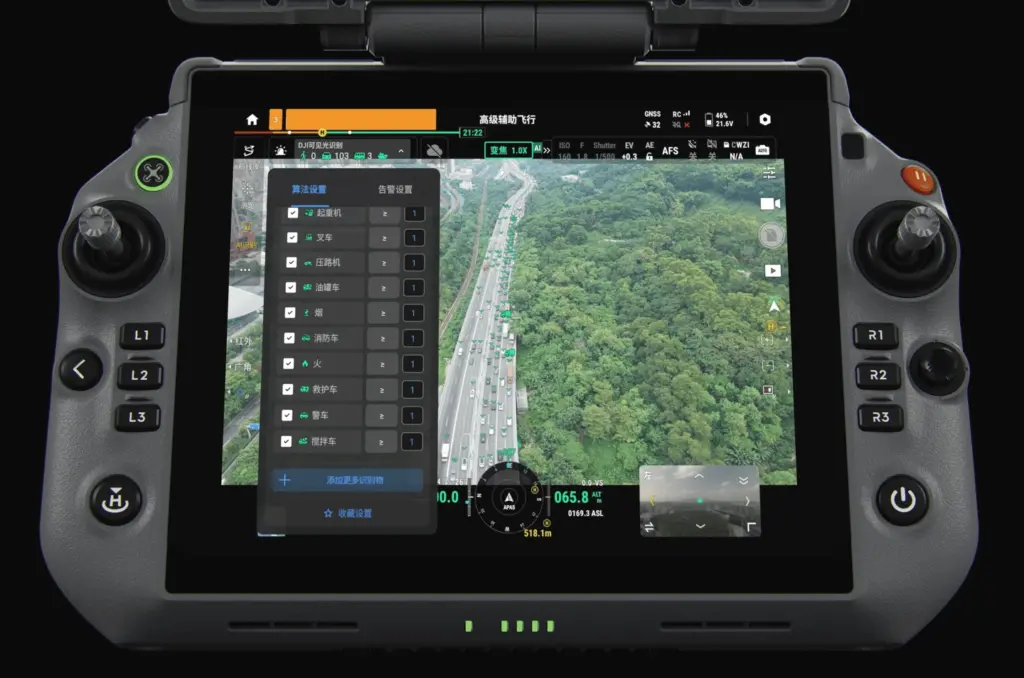
DJI remote controller screen displaying target recognition settings over a live aerial drone feed.

On the smart side, the drone can already recognize more than 20 different target types and run parallel visible/infrared analysis to quickly pick out vehicles, ships or fire points. DJI is clearly aiming this at emergency response, power-line inspection, surveying, public safety and similar jobs.

Price and availability

The Matrice 5T launched on November 5, 2026 and is available now through authorized DJI Enterprise dealers worldwide. In mainland China the official price is 57,488 yuan (~$8,600). Outside China, DJI has not published a single global MSRP. Pricing is set by local authorized dealers and varies by region and package.

Early listings from official partners put it at roughly €8,600. First shipments in some markets are expected later in November.

(Source: DJI)

Huawei Pura 90 Plus vs Pura 90: What’s Actually Upgraded?

Huawei Pura 90 Plus takes the familiar Pura 90 formula and pushes it towards a more premium camera experience, with upgraded optics, improved display protection and faster wireless charging. However, the standard Pura 90 has a few surprises of its own, particularly when it comes to selfie photography and battery capacity. So, what exactly does the Plus model add, and are those upgrades worth the extra price?

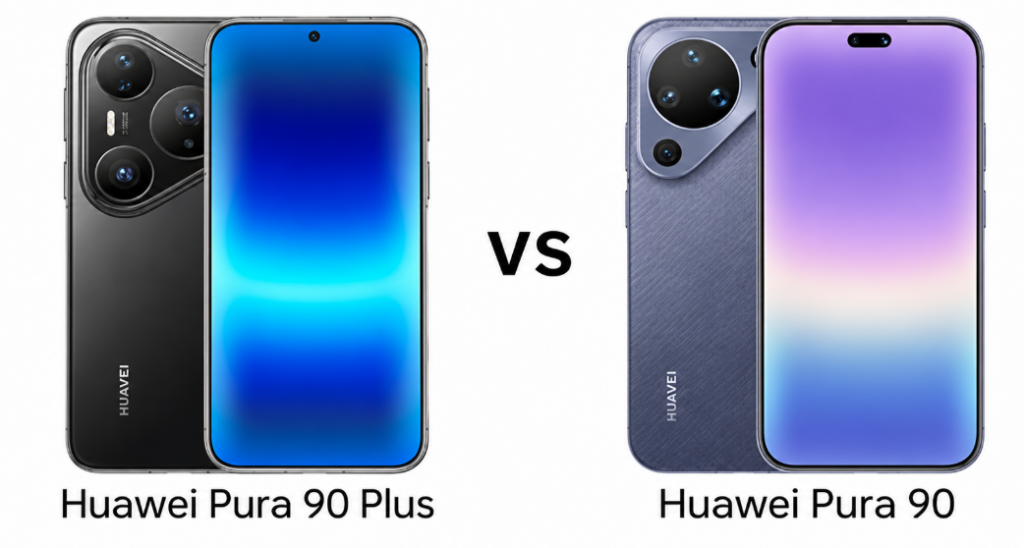
Huawei Pura 90 Plus vs Pura 90

1. Major Features:

CategoryHuawei Pura 90 PlusHuawei Pura 90Upgrades
Dimensions163.1 x 76.1 x 8.3 mm163.1 x 78.1 x 7 mmNo major upgrade; different body proportions
Weight220 g210 gNo upgrade
BuildKunlun Glass 2, aluminum frame, aluminosilicate glass backKunlun Glass, aluminum frameKunlun Glass 2 and upgraded back protection
Water ResistanceIP68/IP69IP68/IP69No upgrade
Display TypeLTPO OLED, 1B colours, 120HzLTPO OLED, 1B colours, 120HzNo upgrade
Display Size6.8 inches6.8 inchesNo upgrade
Resolution1276 x 2848 pixels1320 x 2856 pixelsNo upgrade; lower resolution
PWM Dimming1440Hz PWMPWMSpecified 1440Hz PWM dimming
Screen ProtectionKunlun Glass 2Kunlun GlassUpgraded screen protection
Operating SystemHarmonyOS 7HarmonyOS 6.1Upgraded operating system
ChipsetKirin 9025Kirin 9010sNewer chipset
RAM12GB12GB / 16GBNo upgrade; loses 16GB option
Storage256GB / 512GB / 1TB256GB / 512GBAdds a 1TB storage option
Main Camera50MP, 1-inch sensor, variable f/1.6-f/4.0 aperture, OIS50MP, f/1.8, OIS1-inch sensor and variable aperture
Periscope Telephoto48MP, 4x optical zoom, OIS50MP, 3.7x optical zoom, OISIncreased optical zoom from 3.7x to 4x
Ultrawide Camera40MP, f/2.212.5MP, f/2.2Upgraded from 12.5MP to 40MP
Rear Camera FeaturesLaser AF, colour spectrum sensor, LED flash, HDRLaser AF, colour spectrum sensor, LED flash, HDRNo upgrade
Rear Video4K, 1080p, HDR Vivid, gyro-EIS, OIS4K, 1080p, 480fps interpolated slow motion, HDR Vivid, gyro-EIS, OISNo upgrade; loses specified 480fps interpolated recording
Selfie Camera13MP, autofocus50MP, autofocusNo upgrade; lower resolution
Selfie Video4K, 1080p4K, 1080p, 1080p@120fpsNo upgrade; loses specified 120fps recording
SpeakersStereo speakersStereo speakersNo upgrade
Wi-FiWi-Fi 7Wi-Fi 7No upgrade
Bluetooth6.06.0No upgrade
NFCYesYesNo upgrade
InfraredYesYesNo upgrade
USBUSB Type-C 3.2, DisplayPort 1.2, OTGUSB Type-CUpgraded USB connectivity with DisplayPort 1.2
Fingerprint SensorSide-mountedSide-mountedNo upgrade
Battery5700mAh6500mAhNo upgrade; 800mAh smaller battery
Wired Charging100W100WNo upgrade
Wireless Charging80W50WUpgraded from 50W to 80W
Reverse Wired Charging18W5WUpgraded from 5W to 18W
Reverse Wireless ChargingYesYesNo upgrade
Price$730 / ₹73,500$680 / ₹64,000Approximately $50 / ₹9,500 higher

2. Design and Display

Build and Feel

The Huawei Pura 90 Plus upgrades its construction with Kunlun Glass 2 on the front and an aluminosilicate glass back, giving it a more premium protection package than the standard Pura 90. Both phones retain an aluminum frame, dual Nano-SIM support and IP68/IP69 water and dust resistance. However, the Plus model’s enhanced glass protection is a meaningful refinement for long-term durability.

The standard Pura 90 keeps things simpler with regular Kunlun Glass protection on the front and a glass-and-aluminum construction. Neither phone compromises on water resistance, so everyday protection remains comparable. The Plus feels like the more premium package, particularly for buyers who prioritise tougher screen protection and a more refined build.

Display Quality

Both smartphones feature 6.8-inch LTPO OLED displays with 1 billion colours and 120Hz refresh rates. However, the standard Pura 90 actually offers the higher resolution at 1320 x 2856 pixels, compared to 1276 x 2848 pixels on the Pura 90 Plus. Both deliver approximately 463ppi, meaning everyday sharpness should be remarkably similar.

The Plus model features 1440Hz PWM dimming, while the standard model lists PWM and HDR Vivid support. The standard Pura 90 also has a slightly higher screen-to-body ratio. Consequently, the Plus is not a straightforward display upgrade. Its main advantage is the PWM frequency, while the standard model retains a small resolution advantage.

Verdict

The Pura 90 Plus upgrades front glass protection and offers 1440Hz PWM dimming, but the standard Pura 90 retains higher resolution and HDR Vivid support. Neither delivers a decisive display upgrade.

3. Specifications Including Battery

Performance

The Huawei Pura 90 Plus upgrades the chipset from the Kirin 9010s to the Kirin 9025 and moves from HarmonyOS 6.1 to HarmonyOS 7. This gives the Plus model a newer hardware and software foundation. However, actual performance improvements will depend on optimisation and real-world testing rather than chipset naming alone.

Memory configurations are also different. The Plus offers 256GB, 512GB and 1TB storage options, all paired with 12GB RAM. The standard Pura 90 offers 256GB and 512GB with 12GB RAM, alongside a 512GB option with 16GB RAM. Therefore, the Plus adds a higher 1TB storage tier, but the standard model offers more RAM in its top configuration.

Battery and Charging

Interestingly, the standard Pura 90 actually packs the larger battery at 6500mAh, compared to 5700mAh on the Pura 90 Plus. Both support 100W wired charging, although the standard model charges to full in 45 minutes. This makes the base model surprisingly competitive for buyers prioritising battery capacity.

The Plus model counters with 80W wireless charging instead of 50W, alongside 18W reverse wired charging and reverse wireless charging. The standard model supports reverse wireless charging and 5W reverse wired charging. Therefore, the Plus upgrades wireless charging considerably, but sacrifices 800mAh of battery capacity.

Verdict

The Pura 90 Plus brings a newer chipset, newer software, 1TB storage and faster wireless charging. However, the standard Pura 90 retains a larger battery and a 16GB RAM option.

4. Camera

Main and Secondary Lenses

The Huawei Pura 90 Plus makes its biggest camera upgrade with a 50MP main sensor featuring a 1-inch sensor size, variable f/1.6-f/4.0 aperture and OIS. The standard Pura 90 uses a 50MP main camera with an f/1.8 aperture. The Plus also upgrades the telephoto experience with a 48MP periscope camera offering 4x optical zoom, compared to the standard model’s 50MP periscope camera with 3.7x optical zoom.

Ultrawide photography also receives a substantial upgrade. The Plus features a 40MP ultrawide camera, while the standard model uses a 12.5MP sensor. Both retain laser autofocus, a colour spectrum sensor, LED flash and HDR support. The Plus clearly focuses on improved main-camera hardware, longer optical reach and more detailed ultrawide photography, making its rear camera system the more substantial upgrade.

Selfie Camera

The standard Huawei Pura 90 surprisingly takes the lead in selfie photography with a 50MP front camera featuring autofocus, HDR and panorama support. It also supports 4K recording, 1080p video, 1080p at 120fps and HDR Vivid. This makes the base model particularly appealing for creators who frequently record themselves or capture detailed selfies.

The Pura 90 Plus moves to a 13MP front camera with autofocus and HDR support. It retains 4K and 1080p video recording but loses the standard model’s higher-resolution sensor, panorama and  120fps selfie recording. This is an unexpected downgrade for a Plus model, especially considering the stronger rear camera hardware. Selfie-focused buyers may actually prefer the standard version.

Verdict

The Pura 90 Plus delivers major rear-camera upgrades through its 1-inch main sensor, 4x periscope zoom and 40MP ultrawide. However, the standard Pura 90 wins on selfie specifications.

5. Pricing

The Huawei Pura 90 Plus is priced around $730 / ₹73,500, while the standard Huawei Pura 90 is priced around $680 / ₹64,000. This puts the Plus model approximately $50 or ₹9,500 above the standard version. The difference is relatively modest in dollar terms, but the Indian pricing gap is more noticeable. Both smartphones target the premium segment, although their feature priorities differ considerably.

For the additional price, the Plus brings a newer chipset, a larger main camera sensor, improved telephoto zoom, a higher-resolution ultrawide camera, Kunlun Glass 2 and faster wireless charging. However, buyers also lose battery capacity and some important selfie-camera features. The standard model remains a compelling alternative, particularly for users who value battery endurance and front-camera versatility.

Is the price justified?

The Plus model’s additional cost is reasonably justified by its upgraded rear-camera system, newer chipset and faster wireless charging. However, the standard Pura 90 offers better value for buyers who want a larger battery, higher-resolution selfies and a 16GB RAM option. The upgrade makes more sense for photography enthusiasts than general users.

Verdict

The Pura 90 offers better overall value, while the Pura 90 Plus justifies its premium through meaningful rear-camera and hardware upgrades. The choice depends on which features matter most.

6. Conclusion

The Huawei Pura 90 Plus stands out with its 1-inch main camera sensor, variable aperture, 4x optical zoom, 40MP ultrawide camera, 1440Hz PWM dimming and 80W wireless charging. It also introduces the Kirin 9025 chipset, HarmonyOS 7 and a 1TB storage option. Meanwhile, the standard Pura 90 counters with a 6500mAh battery, 50MP selfie camera, 16GB RAM configuration and higher display resolution. These differences make the two phones surprisingly distinct despite sharing the same 6.8-inch display size and premium positioning.

Verdict

Overall winner: Huawei Pura 90 Plus. Its 1-inch main sensor, upgraded rear cameras, newer chipset, and faster wireless charging make it the more substantial hardware upgrade. However, the standard Pura 90 remains the smarter value purchase for battery life and selfies.

Read More:

Galaxy S26 Ultra at $949.99 is a good buy, $350 under its launch price

Amazon US has the Samsung Galaxy S26 Ultra at $949.99 right now, which is $350 below its $1,299.99 launch price and $450 off the current list price. If you want a big Android phone with an S Pen & long software support, this is the price to buy at. S25 Ultra owners can sit this one out.

Galaxy S26 Ultra

Is this a good price?

Yes, this is a good price. Samsung launched the S26 Ultra in the US on March 11, 2026 at $1,299.99 for 256GB, after announcing it on February 25. At $949.99 you pay $350 less than that.

Samsung then raised US prices on October 1, 2026. The 256GB model went to $1,399.99, the 512GB to $1,599.99 and the 1TB to $1,999.99. Against that new list price, today’s deal is $450 off.

It is the lowest price in the last 90 days, and about 16% below its usual price over that stretch. It also matches the $949.99 Amazon charged during Prime Big Deal Days on October 6 to 8. That drop was brief, so this one may not last either.

Price now$949.99
List price$1,399.99
You save$450 (32%)
Price as of6 Nov 2026, 21:01 IST

Product prices and availability are accurate as of the date/time indicated and are subject to change.

What you get

  • Display: You get a 6.9-inch LTPO AMOLED 2X panel at 1440×3120, 120Hz and up to 2,600 nits. The built-in Privacy Display hides the screen from people beside you, and no add-on film is needed.
  • Chip and memory: The Snapdragon 8 Elite Gen 5 for Galaxy is built on a 3nm process and handles games and heavy apps easily. The base model has 12GB of RAM and 256GB of storage. 16GB of RAM comes only with the 1TB model.
  • Cameras: A 200MP f/1.4 main camera leads the setup, with a 50MP ultrawide, a 50MP 5x telephoto and a 10MP 3x telephoto. That gives you more zoom steps than most phones. The selfie camera is 12MP.
  • S Pen and updates: The S Pen is built in. Android 16 ships with up to seven major OS updates, which matters if you keep a phone for years. It all fits in a 7.9mm, 214g body.

What users like, and what they don’t

Liked:

  • The 6.9-inch screen is one of the best parts of the phone.
  • The Privacy Display is a useful new feature, not a gimmick.
  • Performance and gaming are strong.
  • It is thinner and lighter than the S25 Ultra.
  • Seven years of OS updates make it a safe long-term buy.

Didn’t like:

  • It is only a modest step up from the S25 Ultra, and the camera hardware feels familiar.
  • There are no built-in Qi2 magnets, so magnetic accessories need a case.
  • Battery capacity is still 5,000mAh, and opinions on battery life are split.
  • The 3x camera uses a smaller sensor, and the 5x lens no longer focuses as close.
  • The US launch price was steep, and the iPhone 17 Pro Max was $100 cheaper at launch for 256GB.

How it compares

  • Google Pixel 11 Pro XL ($1,069 on Amazon US): Go for Google’s Pixel 11 Pro XL if you want Google’s own take on a big flagship and don’t need an S Pen. The Samsung is the better fit if you write or sketch on your phone.
  • OnePlus 15 ($1,029 on Amazon US): The OnePlus 15 makes sense if battery matters most. It uses the same Snapdragon 8 Elite Gen 5 chip and has a much larger 7,300mAh cell, but it has no S Pen or Privacy Display.
  • Samsung Galaxy S25 Ultra ($1,157.68 on Amazon US): Last year’s Galaxy S25 Ultra is the previous generation, sold new and unlocked. At this deal price, the newer, thinner and lighter S26 Ultra is the smarter buy.

Rival prices on Amazon US as of 6 Nov 2026. Product prices and availability are accurate as of the date/time indicated and are subject to change.

Should you buy it?

Buy it now if you want a large Android phone with a great screen, an S Pen and years of updates. At $350 under launch, it costs much less than most people paid for it. Skip it if you own an S25 Ultra, need Qi2 magnets built in, or put battery life above everything else.

Where to buy

Read more

iPhone Buying Guide 2026: Which iPhone Should You Buy?

Apple launched three new iPhones on September 9 and raised the price of the iPhone 17e, iPhone 17, and iPhone Air on the same day. The new arrivals are the iPhone 18 Pro, iPhone 18 Pro Max, and iPhone Duo, Apple’s first foldable phone. The price bumps reached the iPhone 17 series worldwide too.

With seven iPhones now available at Apple stores, including a foldable, choosing one is a little more complicated now. It is no longer simply a matter of picking the best iPhone. The bigger question is whether the features you get are worth the price Apple is asking.

A couple of things are worth keeping in mind before looking at the options. All prices below are US starting prices for the base storage variants, so the final cost will depend on the configuration you choose. Also, the standard iPhone 18 has not arrived yet.

According to reports, Apple could launch the iPhone 18, iPhone 18e, and iPhone Air 2 in spring 2027. Some early specifications and pricing leaks have already surfaced, but Apple has yet to confirm anything.

Here is how the lineup looks, from cheapest to most expensive.

Which iPhone should you buy?

1. iPhone 17e: Best for the lowest budget ($699)

iPhone-17e

The iPhone 17e is the cheapest way into Apple’s current lineup, although it is no longer quite as affordable as it was at launch. Apple introduced it in March for $599, but the price has since climbed to $699. The good news is that the base model comes with 256GB of storage.

It runs on the A19, the same chip as the standard iPhone 17. You also get a 48MP rear camera and MagSafe charging. However, Apple has made several cuts elsewhere. The 6.1-inch OLED display has a standard 60Hz refresh rate, and the front still has a notch instead of the Dynamic Island. There’s also a 12MP selfie camera, no Camera Control button, and a battery rated for up to 26 hours of video playback. The iPhone 17, by comparison, is rated for 30 hours.

These compromises were easier to accept when the phone cost $599. At $699, the iPhone 17e is much harder to recommend when the regular iPhone 17 is only $200 more. If you simply want the least expensive new iPhone, the 17e will do the job. But if you can stretch your budget, the standard model gives you considerably more for the extra money.

2. iPhone 17: Best for most people ($899)

Several iPhone 17 models in various colors displayed in a row against white background.

For most buyers, the iPhone 17 is the safer choice. It starts with 256GB of storage and comes with a 6.3-inch display that supports refresh rates of up to 120Hz. Inside, there’s the same A19 chip, but the camera setup is considerably better with two 48MP rear cameras and an 18MP Center Stage selfie camera. The battery also runs a little longer, with Apple quoting up to 30 hours of video playback.

The price is not quite as appealing as it used to be. Apple previously sold the iPhone 17 for $799, but it now starts at $899 following the September price increase. Even so, it remains the most balanced option in the lineup.

Apple still sells the iPhone 16 for $799 with 128GB of storage, but saving $100 means giving up half the storage and the smoother 120Hz display. Unless you have a particular reason to buy the older model, the iPhone 17 makes more sense.

3. iPhone Air: Best for a thin and lightweight phone ($1,099)

iPhone Air

The iPhone Air is quite different from the rest of the lineup. At just 5.6mm thick and 165g, it is Apple’s thinnest and lightest option here. It also has a larger 6.5-inch display with a 120Hz refresh rate and runs on the more powerful A19 Pro chip.

The slim body, however, comes with a few compromises. The rear has just one 48MP camera, so there’s no ultra-wide option. Its battery is also smaller than the one inside the iPhone 17.

Apple originally priced the iPhone Air at $999, but it now costs $1,099. Reports also suggest sales have been disappointing, while early leaks about the iPhone Air 2 point to a second rear camera arriving in spring 2027. If you’re considering the Air mainly for its design, it might be worth seeing what Apple does with the next model.

For now, the iPhone Air makes sense if having a thin, lightweight phone matters more than camera flexibility or battery life. Otherwise, the iPhone 17 costs $200 less and gives you more camera options along with better battery endurance.

4. iPhone 18 Pro: Best for photography and video ($1,199)

Burgundy iPhone 18 Pro shown from the front and back against a black background.

Moving into the Pro range gets you a more substantial camera upgrade. The iPhone 18 Pro is Apple’s new flagship, powered by the A20 Pro chip, which it shares with the larger Pro Max model. Both phones arrived as part of the iPhone 18 Pro and Pro Max launch.

The rear camera system includes three 48MP sensors for the main, ultra-wide, and telephoto cameras. The main camera also gets a variable aperture, allowing it to adjust how much light enters the lens depending on the shooting conditions. The Dynamic Island is smaller than before, while the front camera has been upgraded to 18MP.

Apple also claims the battery lasts up to three hours longer than the one in the iPhone 17 Pro. Buyers can choose between Black, Silver, Glacier, and Burgundy finishes, with storage configurations going up to 2TB.

The iPhone 18 Pro starts at $1,199, which is $100 more than its predecessor. If photography and video recording are high on your list, the iPhone 18 Pro is the model to consider. Its hardware should also make it a reasonable choice if you plan to keep your phone for four or five years.

5. iPhone 18 Pro Max: Best for battery life ($1,299)

Apple iPhone 18 Pro Max

The iPhone 18 Pro Max shares most of its hardware with the smaller Pro model, including the A20 Pro chip and triple 48MP rear camera system. The main reason to spend more is the larger display and longer battery life.

Apple rates the Pro Max for up to 45 hours of video playback, compared with 39 hours on the iPhone 17 Pro Max. That’s the longest battery life rating Apple has given an iPhone so far.

It starts at $1,299, another $100 increase over last year’s model. However, the larger size is something to consider before buying. The Pro Max is not the easiest phone to handle, particularly if you prefer using your phone with one hand.

If you’re deciding between the two Pro models, our iPhone 18 Pro vs iPhone 18 Pro Max comparison looks at whether the larger model justifies its extra $100.

The Pro Max makes more sense if you regularly watch videos, play games for extended periods, or simply want the longest battery life available on an iPhone. Otherwise, the regular iPhone 18 Pro should be enough.

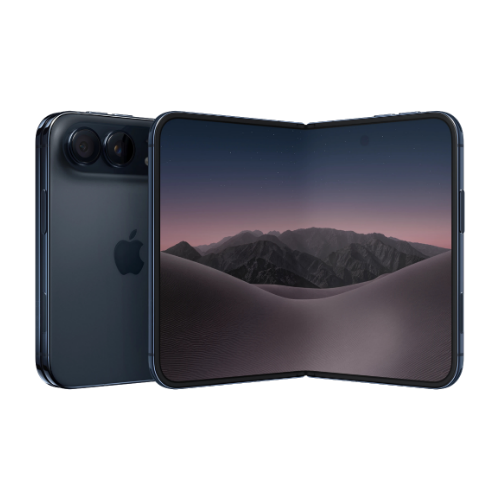
6. iPhone Duo: Best for trying Apple’s first foldable ($1,999)

Apple iPhone Duo

At $1,999, the iPhone Duo sits well above every other model in Apple’s lineup. It is also the company’s first foldable iPhone, which makes it a rather different purchase from the other options.

The phone has a 5.4-inch outer display that opens into a much larger 7.6-inch inner screen. It runs on the A20 Pro chip and supports Apple Pencil. There’s also an IP68 rating and a dual-camera system with two 48MP sensors for the main and ultra-wide cameras. Unlike the other iPhones, it supports dual eSIM only.

As with every foldable, its battery life depends on which screen you’re using. Apple says the Duo can run for up to 44 hours of video playback on the outer display and 31 hours on the larger inner screen.

The base model comes with 256GB of storage and costs $1,999, making it $800 more expensive than the iPhone 18 Pro. Despite the much higher price, its camera setup is actually simpler than the one on Apple’s regular Pro models.

Getting hold of one has also become difficult. Pre-orders opened on October 16, but the iPhone Duo sold out within minutes. Apple’s website now lists January 2027 delivery for new orders. CEO John Ternus has also said the supply shortage is unlikely to end anytime soon.

There have been a few other concerns since its release. Apple has acknowledged an inner display problem affecting some units, although it says only a small number have been returned. A separate report also claims the iPhone Duo is already receiving discounts in parts of China amid software and display issues.

The iPhone Duo is an expensive first-generation product, and the current supply situation doesn’t make it any easier to buy. Unless you particularly want Apple’s foldable experience, waiting for a later batch or a second-generation model seems like the sensible move.

7. Should you wait for spring 2027?

If you’re interested in the standard iPhone 18 or the cheaper iPhone 18e, waiting could be worthwhile. Current reports suggest both phones will use the A20 chip, although the upgrades beyond that are expected to be relatively minor. The iPhone 18e is also rumored to retain a 60Hz display.

Apple hasn’t confirmed the launch date or specifications, so there’s still plenty we don’t know. The iPhone Air 2 is also expected to arrive around the same time.

For anyone who needs a new phone now, though, waiting doesn’t necessarily make sense. Apple typically reduces the price of older models when new ones arrive, but rising memory costs could make that less predictable this time.

One other thing worth checking before buying is your carrier’s trade-in offer. Depending on the deal, you could save a considerable amount compared with paying Apple’s full retail price. You can also check our guide to the best iPhone models to consider in 2026 for a wider look at the available options.

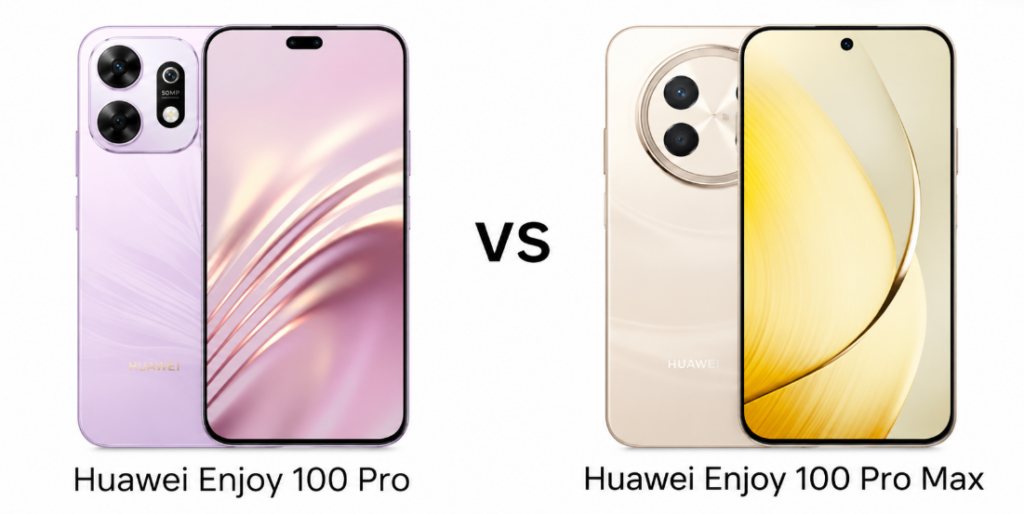
Huawei Enjoy 100 Pro vs 100 Pro Max: Is the Upgrade Worth It?

Huawei Enjoy 100 Pro and Enjoy 100 Pro Max share the same family identity, but they take different approaches to the smartphone experience. While both feature OLED displays, 120Hz refresh rates and the Kirin 8020-series platform, the Pro Max brings several meaningful upgrades, particularly in battery capacity, display resolution, and durability. Interestingly, the standard Pro also retains a few advantages, especially for selfie enthusiasts. The comparison comes down to whether the Max upgrades justify its higher asking price or whether the Pro already delivers the more balanced experience.

Huawei Enjoy 100 Pro vs Huawei Enjoy 100 Pro Max

1. Major Upgrades:

CategoryHuawei Enjoy 100 ProHuawei Enjoy 100 Pro MaxUpgrades
Dimensions161.4 x 74.8 x 7.9 mm163.3 x 78 x 8 mmLarger overall build
Weight192 g228 g—
BuildGlass front, aluminium back, plastic frameGlass front, aluminium back, plastic frameNo change
Water ResistanceIP64IP65Better water resistance
Drop ResistanceNot specifiedUp to 1.8mAdded drop protection
Display TypeOLED, 1B coloursOLED, 1B coloursNo change
Display Size6.7 inches6.84 inches0.14-inch larger display
Refresh Rate120Hz120HzNo change
Resolution1080 x 2412 pixels1272 x 2756 pixelsHigher resolution
Pixel Density~394 ppi~444 ppiSharper display
Brightness1300 nits (HBM)8000 nits (peak, isolated spot)Higher advertised peak brightness
Screen ProtectionAluminosilicate glass (2x tougher)Aluminosilicate glassNo specified upgrade
Operating SystemHarmonyOS 7.0HarmonyOS 7.0No change
ChipsetKirin 8020AKirin 8020A / Kirin 8020Possible chipset variant
RAM6GB8GB2GB more RAM
Storage128GB / 256GB / 512GB128GB / 256GB / 512GBNo change
Card SlotNoNoNo change
Rear Camera50MP, f/1.8, PDAF50MP, f/1.8, PDAFNo change
Rear Camera FeaturesLED flash, HDR, panoramaLED flash, HDR, panoramaNo change
Rear Video4K, 1080p@120fps4K, 1080p, gyro-EISAdds gyro-EIS; Pro retains 120fps
Front Camera32MP, f/2.28MP, f/2.0Lower-resolution selfie camera
Front Video4K, 1080p4K, 1080p, gyro-EISAdds gyro-EIS
LoudspeakerYesYes, stereo speakersStereo speakers added
3.5mm JackNoNoNo change
Wi-FiWi-Fi 7, dual-bandWi-Fi 7, dual-bandNo change
Bluetooth6.06.0No change
PositioningGPS, GLONASS, GALILEO, BDS, QZSSGPS, GLONASS, GALILEO, BDS, QZSS, NavICAdds NavIC
NFCYesYesNo change
Infrared PortYesYesNo change
USBUSB Type-C 2.0, OTGUSB Type-C 2.0, OTGNo change
Fingerprint SensorSide-mountedSide-mountedNo change
Additional SensorsAccelerometer, compassAccelerometer, gyro, compassAdds gyroscope
Satellite Messaging—BDS satellite messaging (China only)Adds satellite messaging
Battery6100mAh8800mAh2700mAh larger battery
Wired Charging40W40WNo change
Reverse Wired Charging5W5WNo change
Price$250 / ₹25,000$280 / ₹28,000$30 / ₹3,000 higher

2. Design and Display

Build and Feel

Both smartphones feature glass fronts, aluminium rear panels and plastic frames, giving them a similar premium design direction. However, the Enjoy 100 Pro Max offers better durability with an IP65 rating compared to the Pro’s IP64 certification. It also carries a claimed 1.8m drop resistance, making it the more reassuring choice for buyers concerned about everyday accidents. The standard Pro, meanwhile, keeps things simpler with splash resistance.

The Pro Max also gets a more substantial build, while both devices retain dual Nano-SIM support. Neither phone includes a headphone jack, so wireless audio or USB-C accessories remain the practical options. The Max’s improved protection makes it a more confidence-inspiring option for rougher everyday use, although the standard Pro still offers respectable protection for typical handling.

Display Quality

The Enjoy 100 Pro features a 6.7-inch OLED panel with Full HD+ resolution, a 120Hz refresh rate and 1300 nits of HBM brightness. The Pro Max upgrades to a larger 6.84-inch OLED display with a sharper 1272 x 2756 resolution and approximately 444ppi pixel density. Both support 1 billion colours and 120Hz refresh rates.

Huawei features 8000-nit peak brightness for the Pro Max, measured at an isolated spot during video playback. This should not be confused with sustained full-screen brightness. The Pro additionally lists 2160Hz PWM dimming.

Verdict

The Pro Max delivers a larger, sharper display and stronger durability. However, the Pro’s PWM dimming advantage makes it worth considering for buyers sensitive to screen flicker.

3. Specifications Including Battery

Performance

Both smartphones run HarmonyOS 7.0 and use the Kirin 8020A platform, although the Pro Max is also listed with a possible Kirin 8020 variant. The standard Pro comes with 6GB RAM, while the Max upgrades to 8GB RAM across its storage configurations. Both offer 128GB, 256GB and 512GB storage options, without microSD expansion.

This gives the Pro Max an advantage in memory capacity, particularly for users who multitask frequently or keep several applications running. However, the shared chipset family means the Max should not automatically be considered a major processing-performance upgrade. Both also offer Wi-Fi 7, Bluetooth 6.0, NFC, infrared and USB-C 2.0 connectivity, keeping their everyday feature sets closely matched.

Battery and Charging

Battery capacity is one of the biggest differences between these smartphones. The Enjoy 100 Pro packs a 6100mAh silicon-carbon battery, while the Pro Max takes a substantial step up with an 8800mAh unit. Both support 40W wired charging and 5W reverse wired charging, so charging speeds remain identical despite the larger battery.

The additional 2700mAh capacity gives the Pro Max considerably more potential endurance, making it particularly appealing to heavy users, travellers and people who prefer fewer charging interruptions. However, its larger battery will naturally require more charging time at the same rated charging speed.

Verdict

The Pro Max is the clear endurance upgrade, while the shared chipset family and charging speeds keep performance and charging differences relatively limited.

4. Camera

Main and Secondary Lenses

Both smartphones feature a 50MP f/1.8 primary camera with PDAF, LED flash, HDR and panorama support. This means the core photography hardware remains consistent across the lineup rather than receiving a significant sensor upgrade on the Max. Both also support 4K video recording, making their primary camera specifications closely matched.

The difference appears in video capabilities. The standard Pro supports 1080p recording at up to 120fps, while the Pro Max lists gyro-EIS for more stable footage. This makes the Max potentially more appealing to users who regularly record handheld videos. However, the Pro’s higher slow-motion recording frame rate gives it a specific advantage for capturing faster action.

Selfie Camera

Interestingly, the standard Enjoy 100 Pro has the stronger selfie camera on paper. It features a 32MP f/2.2 front camera with HDR, panorama and 4K video recording. The Pro Max switches to an 8MP f/2.0 sensor, which is a substantial reduction in resolution despite being the more expensive model.

The Max does retain 4K and 1080p video recording with gyro-EIS, potentially helping with front-camera video stability. However, buyers who prioritise detailed selfies, video calls and front-camera photography may find the standard Pro more appealing. The Max’s front-camera stabilisation is a useful addition, but it does not compensate for its lower-resolution sensor in every situation.

Verdict

The rear cameras are closely matched, but the standard Pro has a clear selfie-resolution advantage. The Pro Max makes more sense for users prioritising stabilised video.

5. Pricing

The Huawei Enjoy 100 Pro is priced around $250 / ₹25,000, while the Enjoy 100 Pro Max is priced around $280 / ₹28,000. This puts the Max at a $30 / ₹3,000 premium, representing approximately a 12% increase over the standard model. Both retain the same 40W charging, 50MP primary camera and storage options, making the additional cost primarily about the additional upgrades.

Verdict

The Pro Max offers more hardware for the additional cost, but the standard Pro delivers better value for buyers who prioritise selfies and everyday essentials.

6. Conclusion

The Huawei Enjoy 100 Pro and Pro Max cater to slightly different priorities despite sharing much of their hardware foundation. The Pro Max stands out with its 8800mAh battery, 8GB RAM, higher-resolution OLED display, IP65 protection, 1.8m drop resistance and gyro-EIS video stabilisation. Its BDS satellite messaging support, exclusive to China, is another notable addition.

The standard Pro, however, has its own advantages. Its 32MP selfie camera is considerably higher in resolution than the Max’s 8MP front sensor, while its 2160Hz PWM dimming adds another distinction. Both offer a 50MP primary camera, 40W wired charging, 5W reverse wired charging and the same broad connectivity features. Ultimately, the choice depends on whether battery endurance and durability matter more than selfie photography and saving money.

Verdict

Overall winner: Huawei Enjoy 100 Pro Max. Its significantly larger battery, sharper display, additional RAM and improved durability make the premium worthwhile. The standard Pro remains the smarter alternative for selfie-focused buyers.

Read More:

Xiaomi HyperOS 4 (Android 17) rollout plan: Here’s when your phone gets the update

Xiaomi HyperOS 4

Xiaomi’s HyperOS 4 is a significant upgrade that’s built on top of Android 17. It brings plenty of upgrades across the system, including Soft Light Glass effect, a more powerful AI assistant, redesigned lock screen, performance gains, and deeper integration with iOS.

The new features were limited to a few models globally as a part of beta program, but not anymore. A wider rollout is already live, and more importantly, Xiaomi has unveiled the complete rollout roadmap. So, you can now find out if your device will get the update and when.

HyperOS 4 global rollout schedule for Xiaomi, Redmi, and POCO devices

The first wave of the rollout begins early November (already live), which includes high-end phones and tablets from Xiaomi as well as numerous Redmi and POCO phones.

The next phase begins the mid of November, delivering the update to more devices, while the remaining eligible devices will receive the update in December 2026.

Starting early November 2026

BrandDevices
XiaomiXiaomi 17 Ultra, Xiaomi 17, Xiaomi 17T Pro, Xiaomi 17
Leica Leitzphone powered by Xiaomi
Xiaomi 15 Ultra, Xiaomi 15
Xiaomi Pad 8 Pro, Xiaomi Pad 8
RedmiRedmi Note 17 Pro Max 5G, Redmi Note 17 Pro 5G, Redmi Note 17 5G, Redmi Note 17
Redmi Note 15 Pro+ 5G, Redmi Note 15 Pro 5G, Redmi Note 15 Pro, Redmi Note 15 5G, Redmi Note 15
Redmi 17 5G, Redmi 17, Redmi 17C 5G
Redmi 15C 5G, Redmi 15C
POCOPOCO F8 Ultra, POCO F8 Pro
POCO X8 Pro Max, POCO X8 Pro, POCO X8 Pro Iron Man Edition, POCO X8
POCO M8 Pro, POCO M8
POCO C95 Pro, POCO C85

Starting mid-November 2026

BrandDevices
XiaomiXiaomi 15T Pro, Xiaomi 15T
Xiaomi Pad 7 Pro, Xiaomi Pad 7
Xiaomi Pad Mini
RedmiRedmi Pad 2 Pro 5G, Redmi Pad 2 Pro
POCOPOCO F9 Ultra, POCO F9 Pro
POCO F7 Ultra, POCO F7 Pro, POCO F7
POCO X7 Pro, POCO X7 Iron Man Edition
POCO Pad X1
POCO Pad M1

Starting December 2026

BrandDevices
XiaomiXiaomi MIX Flip
Xiaomi 14 Ultra, Xiaomi 14
Xiaomi 13 Ultra, Xiaomi 13 Pro, Xiaomi 13
Xiaomi 14T Pro, Xiaomi 14T
Xiaom 13T Pro, Xiaomi 13T
Xiaomi Pad 6S Pro 12.4
RedmiRedmi Note 14 Pro+ 5G, Redmi Note 14 Pro 5G, Redmi Note 14 Pro, Redmi Note 14 5G, Redmi Note 14
Redmi 15 5G, Redmi 15
Redmi Note 14S
Redmi A7 Pro
Redmi Pad 2 9.7, Redmi Pad 2 9.7 4G, Redmi Pad 2, Redmi Pad 2 4G
POCOPOCO F6 Pro, POCO F6
POCO X8s
POCO X7
POCO X6 Pro
POCO M8s 5G
POCO M7
POCO C81 Pro
POCO Pad C1

The overall schedule looks quite promising. In just two months, Xiaomi plans to upgrade a massive list of eligible devices to Android 17-based HyperOS 4.

Still, the timeline lacks exact rollout dates. So, we’ll be closely tracking the rollout and update you with the latest details in our News section.

Realme 17 Pro specs leak: 1.5K AMOLED, 10,000mAh battery, and more

Realme is lining up a return of its numbered series after months of mostly budget launches, and the Pro model in that lineup is already taking shape. Following recent confirmation that the brand will resume those phones soon, and after a Realme 17T 5G unit surfaced in real life, new industry tips point to a Realme 17 Pro as well. Here’s a look at the leaked specs of the device.

Realme 17 Pro leaked specifications

Realme 16 Pro
Realme 16 Pro

As per the report, the Realme 17 Pro will use a 1.5K AMOLED panel with a 120Hz refresh rate. Under the hood, it is expected to run MediaTek’s Dimensity 7300. Under the hood, it will house a huge 10,000mAh battery.

On cameras, the rear setup is tipped as a 50-megapixel main paired with an 8-megapixel ultra-wide. The front camera will support 4K recording at 30fps, though the tip does not yet confirm whether the selfie sensor is 32-megapixel or 50-megapixel.

Other details in the tip include an in-display fingerprint sensor and an IP68/IP69 dust- and water-resistant body. On software, the phone is expected to ship with ColorOS 17 based on Android 17 rather than Realme UI, matching Realme’s recent shift toward Oppo’s skin after the group restructuring.

Separately, earlier reporting on the higher-end sibling sketched a different camera story. A previous Realme 17 Pro+ tip pointed to a 200MP triple-camera setup and a 1.5K flat OLED, so the Pro and Pro+ could land with quite different imaging stacks if both rumors hold. Being a Pro Plus edition, it may pack a more powerful chip as compared the to Pro edition.

(source)

Vivo’s wide-screen phone with a sub 6.5-inch display in works

Vivo is reportedly preparing a wide-screen candybar flagship for 2027, and early work is said to lean toward a compact panel instead of another oversized slab. Tipster Digital Chat Station shared the forward-looking tip on Weibo, and the brand cue in that post is widely read in the community as Vivo. Continue reading ahead to know the first details about this phone.

Vivo’s wide candybar may stay under 6.5 inches

Digital Chat Station Weibo post discussing a future compact wide-screen smartphone release.

According to Digital Chat Station, a wide-screen candybar phone is highly likely to arrive in 2027. Early development is leaning toward a smaller size, most likely under 6.5 inches, which would put the phone in a more pocketable class than many expect from a wide slab.

The Huawei Pura X View that kicked off the non-folding wide candybar trend uses a 6.39-inch 16:9.5 OLED screen. A sub-6.5-inch Vivo take would sit close to that size band while still chasing a broader aspect ratio than today’s tall flagships. Reports have revealed that other brands like Honor, Oppo, and Xiaomi are also working on wide-screen smartphones, which are also expected to break cover in 2027.

Fans have already floated a Vivo X Note sequel name for Vivo’s wide-screen offering. To recall, the original X Note launched in 2022 with a huge 7-inch LTPO AMOLED and Snapdragon 8 Gen 1 hardware, then never received a direct follow-up. A compact wide candybar would be a very different size class from that 7-inch Note, so any X Note 2 talk remains fan speculation for now.

Beyond the 2027 timing and the under-6.5-inch lean, Digital Chat Station has not shared silicon, imaging, or charging details. Treat the brand reading as tipster shorthand rather than a company confirmation, and wait for clearer prototypes or an official roadmap before locking in a final name or lineup slot next to phones such as the Vivo X500.

Would you rather see Vivo ship a compact wide candybar under 6.5 inches, or bring back a larger X Note-style slab? Let us know in the comments below.

OnePlus announces exact Android 17 release dates for more devices

OnePlus 12

OnePlus has been pretty clear with its Android 17 release plans, and the rollout pace has also been impressive so far. Last month, the update went out to a few devices a week ahead of the schedule, and now we’ve the exact rollout dates for all update releases set for this month.

The latest rollout calendar shared by Oppo on X narrows down the original timeline to exact dates for some devices, including the OnePlus 12, OnePlus Pad 3, OnePlus Open, and two Nord phones.

Here’s exactly when OnePlus devices will get the Android 17 update in November

  • November 5: OnePlus 13R
  • November 17: OnePlus 12
  • November 18: OnePlus Pad 3
  • November 24: OnePlus Open
  • November 26: OnePlus Nord 6 and Nord CE 6

Owners of these OnePlus devices finally have a clear answer of when to hit the update button. Once the update is released for your device, go to Settings > System & Updates > Software update to get the update.

Next month, more older OnePlus flagships and affordable phones will receive the ColorOS 17 update, alongside a few tablets. The final phase of devices are set to be upgraded in the first quarter of 2027. You can check the complete rollout schedule on this page.

OnePlus will likely reveal the exact rollout dates for other devices as we get closer to the rollout. We’ll let you know when that happens. Stay tuned with us.

Oppo Find X10 Ultra reportedly shelved despite its recent Dimensity 9600 Pro leak

Oppo’s Find X10 and Find X10 Pro Max flagships are now widely available across multiple markets. The company is expected to shift its attention to the Reno 17 series, which is tipped to debut in China in November before reaching global markets in early 2027. The first half of 2027 was also expected to bring the Find X10 Ultra, but a new post from a prominent tipster suggests that the project may have encountered trouble.

Oppo Find X10 Ultra project reportedly shelved?

A screenshot of a Weibo social media thread discussing smartphone project cancellations.

In a new Weibo post, tipster Digital Chat Station mentioned that another super-sized flagship project has changed, suggesting that the project is currently facing a change in direction or may have been discontinued. Although the post does not explicitly mention Oppo or the Find X10 Ultra, the reference to a super-sized flagship has raised questions about the phone’s development.

In the comments, a user suggested that the next-generation model had been discontinued, to which DCS replied, “This generation.” The exchange adds to speculation that the Find X10 Ultra could be affected, although the exact meaning of the tipster’s post remains unclear.

The development comes after several reports detailed the phone’s ambitious hardware. The Find X10 Ultra was expected to sit above the Find X10 Pro Max in Oppo’s flagship portfolio, offering a more advanced camera system and additional zoom capabilities.

Oppo Find X10 Ultra specifications: What was expected?

According to earlier leaks, the Find X10 Ultra could feature a 200-megapixel primary camera with a large 1/1.12-inch sensor and LOFIC technology, accompanied by a 200-megapixel periscope telephoto camera and a 50-megapixel periscope lens offering 10x optical zoom. A 200-megapixel Samsung HP5 ultra-wide camera and a 100-megapixel square selfie camera were also reportedly under consideration.

Like the Find X9 Ultra, the Find X10 Ultra was initially expected to feature a flagship Snapdragon processor, with the Snapdragon 8 Elite Extreme Gen 6 mentioned in earlier reports. However, more recent leaks suggest that Oppo may have tested the phone with MediaTek’s Dimensity 9600 Pro instead. The Dimensity-powered variant was reportedly being evaluated with chip-level imaging algorithms, while another report pointed to an 8,000mAh-class battery and a 6.89-inch 2K 144Hz display.

Meanwhile, Xiaomi’s next-generation Ultra flagship, the Xiaomi 18 Ultra, has also reportedly been cancelled, with the company expected to focus on its Pro Max model instead. Oppo’s Find X10 Ultra and Vivo’s X500 Ultra have previously been tipped to face changes to their global release plans, although Vivo’s Ultra model was still reportedly in development for a 2027 debut. It remains to be seen whether the Vivo X500 Ultra will continue progressing as planned or face a similar setback.

iQOO Z-series midranger to pack 7-inh display, 10,000mAh battery

A couple of Z-series iQOO phones are reportedly in the works. While the Chinese market is expected to receive the iQOO Z12 Turbo soon, the brand also appears to be developing mid-range models like the iQOO Z12x and iQOO Z12 Lite for the global market. Now, a new leak from tipster Digital Chat Station has revealed details about what appears to be another Z12-series phone.

iQOO Z12S with a 10,000mAh battery could be in the works

Social media post from Digital Chat Station regarding a new smartphone with large battery.

According to the tipster, a mid-range iQOO phone has entered the mould stage, meaning its size and shape are largely locked in. While the tipster did not specify the device’s name, it appears that he could be referring to a Z12-series phone.

Tentatively scheduled to reach the Chinese market by mid-2027, the mysterious Z12-series phone is said to have a battery capacity exceeding 10,000mAh. It is also tipped to feature a huge 7-inch display.

Apart from the iQOO Z11 Turbo, which featured a flagship-grade chipset, the Z11 family includes two phones with large batteries: the iQOO Z11 with a 9,020mAh battery and the iQOO Z11S with a 10,000mAh battery.

IQOO Z11S

Therefore, the iQOO Z12S could be an ideal candidate that fits the details shared in the latest leak by DCS. However, it is advisable to wait for further reports to learn the device’s final marketing name.

Motorola Signature 27 ranks second, over iPhone 18 Pro in DXOMARK camera test

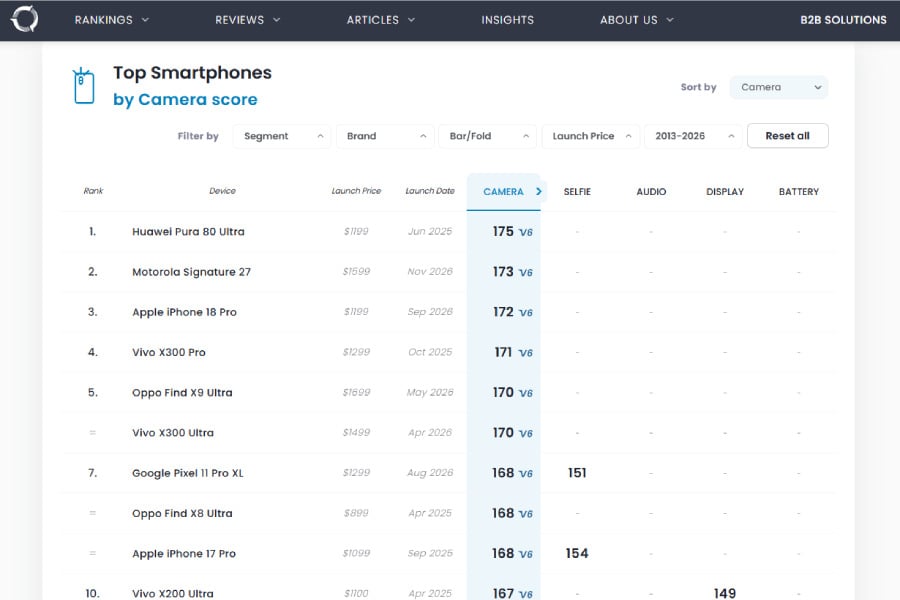
Motorola launched the Motorola Signature 27 yesterday, and its camera has already landed near the top of DXOMARK’s global rankings. The phone scored 173 points in the 6th Edition image benchmark, putting it in second place, ahead of the Apple iPhone 18 Pro, which scored 172 points. Only the Huawei Pura 80 Ultra scored higher, at 175 points.

That’s a nine-point improvement over the original Motorola Signature, which scored 164 points in the same benchmark. DXOMARK previously compared the first Signature with the iPhone 17 Pro and Vivo X300 Pro, but the new model is much closer to the top of the rankings.

Motorola Signature 27 Camera DXOMARK

The review describes the Signature 27 as a well-balanced camera phone, with reliable results in both photos and videos. Portraits are where it does particularly well. According to DXOMARK, faces come out with natural skin tones, accurate exposure, and plenty of detail. Even group shots are handled nicely, as the camera keeps people in focus when they stand at different distances from it.

Its telephoto camera is another strong part of the setup. The 3x optical zoom is said to work well for close-up shots, and image quality remains good up to around 6x.

The same consistency carries over to video recording. DXOMARK says footage generally has accurate exposure and natural-looking colours, while noise remains under control when filming static scenes.

Where the Motorola Signature 27 falls short

Per DXOMARK, there are still a few situations where the cameras struggle. Zooming in on distant subjects can result in a noticeable loss of detail, while extremely dark scenes may produce colour shifts and leave parts of the image looking less detailed. Fast-moving subjects can also appear blurry, so capturing action shots won’t always give you the result you want.

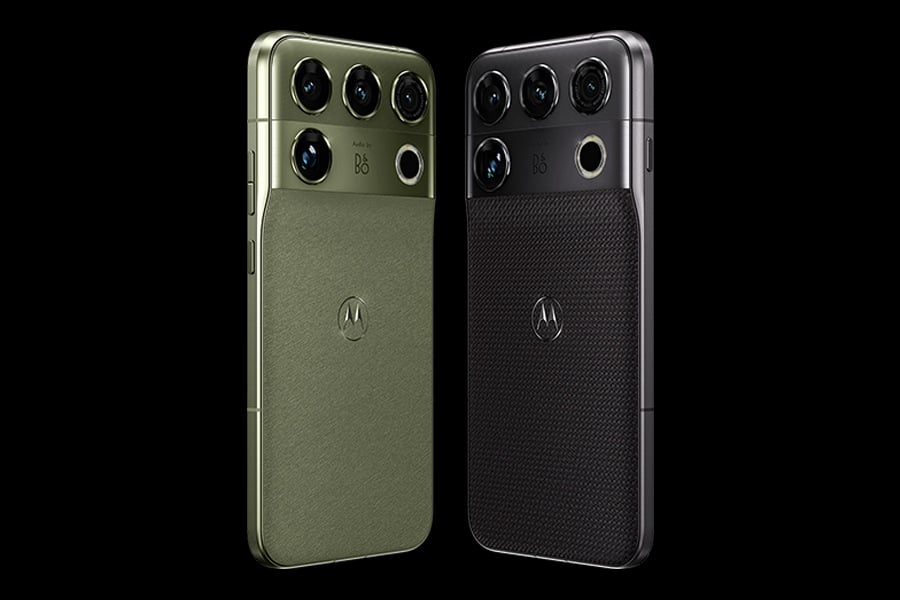
Two Motorola Signature 27 smartphones shown from the back in green and black colors.

These problems extend to video as well. Recording moving subjects or scenes with plenty of activity in very dark conditions can introduce more visible noise. It’s one area where the Signature 27 could use some improvement.

Even with those limitations, a score of 173 puts Motorola’s new flagship just two points behind the Huawei Pura 80 Ultra. It also gives the phone a one-point lead over the iPhone 18 Pro in DXOMARK’s latest camera rankings.

Oppo, Realme ColorOS 17 rollout schedule for November: 25 devices set for major upgrade

Last month, Oppo officially announced ColorOS 17, and the update has already reached a handful of flagship offerings from Oppo and OnePlus. Starting this month, the rollout is set to reach several more smartphones. Here is the complete list of Oppo and Realme devices scheduled to receive the update in November 2026.

Oppo phones getting ColorOS 17 in November 2026

OnePlus ColorOS 17

According to Oppo’s official rollout schedule, several Reno series smartphones, along with its foldable offerings, are scheduled to receive the update. The rollout will begin on November 18 and continue through November 24.

  • November 18: Oppo Reno15 Pro Max 5G, Reno15 Pro 5G, Reno15 Pro Mini 5G and Reno15 5G.
  • November 19: Oppo Reno15c 5G.
  • November 23: Oppo Reno15 F 5G.
  • November 24: Oppo Find N3, Find N3 Flip, Reno14 Pro 5G, Reno14 5G, Reno14 5G Diwali Edition and Reno14 F 5G.

Realme phones getting ColorOS 17 in November 2026

Realme has also shared its November rollout schedule, covering several GT, Number and Narzo series smartphones. The rollout started on November 5 and will continue with additional devices receiving the update on November 18 and 19.

  • November 5: Realme GT 7 and GT 7 Dream Edition.
  • November 18: Realme GT 7T.
  • November 19: Realme 16 5G, Realme 15 Pro 5G, Realme 15 Pro 5G Game of Thrones Limited Edition, Realme 15 5G, Realme 15x 5G, Realme 15T 5G, Realme P4 Pro 5G, Realme P4 5G, Realme Narzo 90 5G and Narzo 90x 5G.

Both brands have clarified in the rollout schedule’s footnotes that the dates are approximate and subject to changes depending on device models, regions and carriers. Updates will be released gradually in batches, so not all eligible users will receive them simultaneously. Some features may also depend on hardware capabilities, while carrier-exclusive models will follow their respective carrier update schedules.

iQOO 16s incoming! Could peck Snapdragon 8 Gen 6 and 10,000mAh battery

The iQOO 16 family for the global market is gradually growing. There are rumours that the iQOO 16 will be announced in India by next month. At the same time, the brand is said to be working on the iQOO 16R, which will be positioned below the more powerful iQOO 16. Now, a new report reveals the existence of the iQOO 16s.

iQOO 16s is a new but familiar phone

iQOO 16s SIRIM
iQOO 16s SIRIM listing

According to a report by AndroidTreasure, an upcoming iQOO phone with the model number I2606 has appeared in the Malaysian SIRIM certification database. The listing confirms that it will be called the iQOO 16s when it arrives in the Malaysian market.

Although it appears to be a new phone, the I2606 has already been spotted on multiple platforms, including the TKDN and EEC certification databases, as well as the IMEI database. The latter revealed that it will carry the iQOO 16R marketing name. Hence, it appears that the I2606 will carry different names depending on the market.
iQOO 16s key specifications

The iQOO 16s SIRIM listing does not reveal any information about its specifications. However, it is likely to carry the same specifications expected on the iQOO 16R, which itself is expected to be a rebranded version of the upcoming China-bound iQOO Z12 Turbo.

Therefore, the iQOO 16s is expected to feature a 6.59-inch OLED panel with 1.5K resolution and a high refresh rate. Under the hood, it could feature the upcoming Snapdragon 8 Gen 6 chipset and a massive 10,000mAh battery.

For photography, it is likely to feature a 32-megapixel front camera and a 50-megapixel dual-camera setup, similar to the previous generation.

Oppo Reno 17 series design officially teased with a cat-like glowing effect

On Nov. 9, Oppo will announce the launch date of its Reno 17 series for China. Ahead of the announcement, the company has released a teaser video offering an early look at the phones, although their complete designs remain concealed. According to reports, the upcoming lineup will comprise two models, the Reno 17 and Reno 17 Pro.

Oppo Reno 17 series design officially teased

Oppo Reno 17 series
Oppo Reno 17 series

The teaser reveals a familiar design language, with the camera module retaining a layout similar to the previous generation. Rather than introducing a complete visual overhaul, Oppo appears to be focusing on smaller refinements. However, one particular detail stands out: a cat-like glowing effect on the rear panel that creates an illuminated appearance under blue lighting. This could be associated with the rumored Encounter Cat Edition, which is expected to be one of the more distinctive finishes in the lineup.

The Reno 17 series is expected to arrive in multiple colour options, including Snow White, Ice Moon White, Cocoa Brown, Starlight Pink and Encounter Cat. These finishes could give buyers more variety, particularly if the illuminated rear treatment is exclusive to the special edition. The previous Reno 16 series also offered distinct colour choices across its models.

Oppo Reno 17 series specifications and launch expectations

According to leaked specifications, the standard Reno 17 could feature a 6.59-inch OLED display with 1.5K resolution, a Snapdragon 7 Gen 4 chipset and an 8,000mAh battery. The Reno 17 Pro is tipped to feature a smaller 6.32-inch 1.5K OLED panel, a Dimensity 8550 Super processor and a 7,200mAh battery. Memory configurations are expected to include 8GB+256GB, 12GB+256GB and 12GB+512GB.

Camera hardware could be another major attraction, with both phones tipped to feature a 200-megapixel primary camera, a 50-megapixel ultra-wide lens and a 50-megapixel periscope telephoto camera. They are also expected to run Android 17-based ColorOS 17.

Oppo is expected to introduce the series in China later this month, with a global release reportedly planned for the first quarter of 2027. The company has already confirmed its November launch plans, while global certifications suggest that international availability is also being prepared. What do you think of the Reno 17’s cat-like glowing rear design? Share your thoughts in the comments.

Honor 700 Pro, 700, 700S officially revealed with rear display ahead of launch

Honor has officially revealed the Honor 700 series in China, confirming the Honor 700, Honor 700 Pro, and Honor 700S with a built-in rear display across the lineup. The company has opened multi-channel pre-orders, and China store deposit listings already show color and memory options for each model. A launch date has not been announced yet.
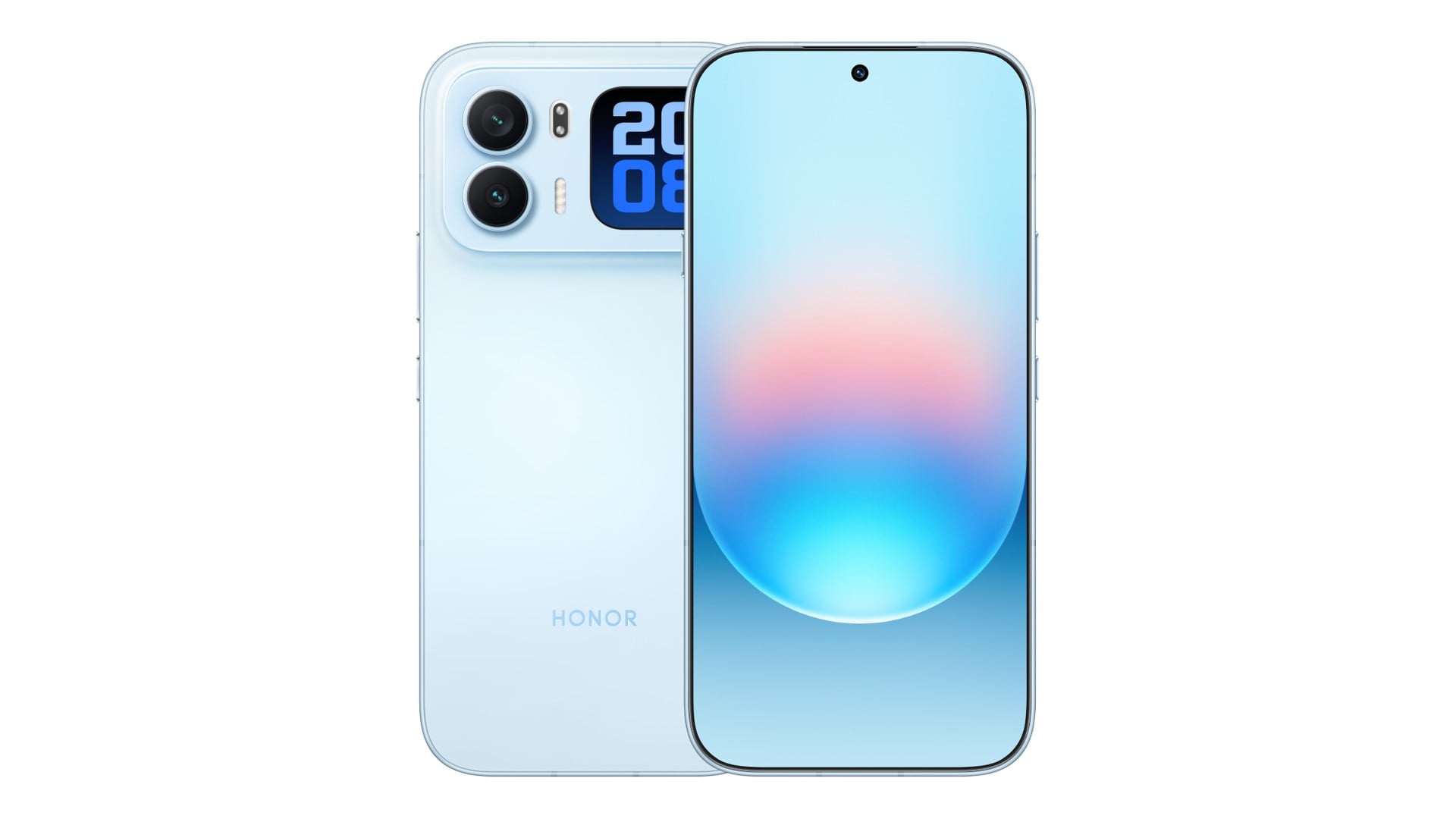
Honor 700 series pre-orders begin

Honor says the series is a full redesign of its Number lineup, with a focus on performance and everyday experience upgrades. Pre-orders are live across official channels in China, including the Honor mall deposit pages for all three phones and early reservation slots on major retailers. Buyers who purchase during the campaign are promised 365-day replace-not-repair coverage, plus one-year front-screen and rear-screen insurance.

Official product pages list the same four colors on every model, while memory configs differ by phone:

  • Colors (all models): Cold White, Clear Sky, Blue Tone, and Pink Mist
  • Honor 700: 12GB+256GB, 12GB+512GB, 16GB+256GB, and 16GB+512GB
  • Honor 700 Pro: 12GB+256GB, 12GB+512GB, and 16GB+512GB
  • Honor 700S: 12GB+256GB and 12GB+512GB

Official renders put a square secondary screen inside the large rear camera island, next to a dual-lens setup. Honor’s reveal posters show the rear panel handling time widgets, playful animations, and a live preview for selfies taken with the main cameras. Final sale prices are still hidden on the deposit pages, though some retailer reservations are running with a 9.9 yuan (~$1.40) early booking fee.

Honor 700 series specifications (rumored)

Full hardware specs are still unofficial. Earlier reporting pointed to a mid-size 6.57-inch 1.5K flat OLED main display with ultra-narrow equal bezels on the Honor 700 and Honor 700 Pro, matching camera and battery leaks that also flagged a built-in rear screen. That secondary panel is tipped to measure about 1.72 inches and sit inside the camera module, covering time, weather, notifications, music controls, and rear-camera selfie framing.

On imaging, the series is rumored to use a 200-megapixel main camera. The Honor 700 Pro is also tipped to add a 50-megapixel periscope telephoto lens, while the Honor 700 and Honor 700 Pro may support a clip-on 200mm telephoto extender, as outlined in our telephoto extender coverage. Battery capacity for the lineup is said to reach around 9,000mAh. All three models cleared 3C certification with adapters rated for up to 80W wired charging, and the Pro is rumored to add 50W wireless charging plus reverse wireless charging.

Chipset rumors place Snapdragon 8s Gen 4 in the standard Honor 700 and Snapdragon 8 Gen 5 in the Honor 700 Pro, matching a recent Snapdragon 8 Gen 5 tip. Detailed silicon and camera specs for the Honor 700S have not been confirmed. Until Honor holds its launch event, treat the figures above as tipster-led rather than final.

Which Honor 700 series model are you waiting for – the Pro, the standard 700, or the 700S? Let us know in the comments below.

For daily updates, please visit our News Section.

Portronics launches Zyron 3-in-1 Qi2 charger that works as both a car mount and desk stand

Portronics has released a new magnetic wireless charger in India called the Zyron. It is a Qi2-certified charger designed to work as both a car mount and a desktop charging stand. The device has an MRP of Rs. 3,499 ($37), but it is currently selling for a promotional price of Rs. 1,549 ($16).

Portronics Zyron

Portronics Zyron Specifications

The Zyron is essentially a compact, black circular charging pad that attaches magnetically to the back of a phone. For use in a car, it comes with an air vent mount. The mounting hardware uses a hook mechanism that latches onto the slats of a standard car AC vent.
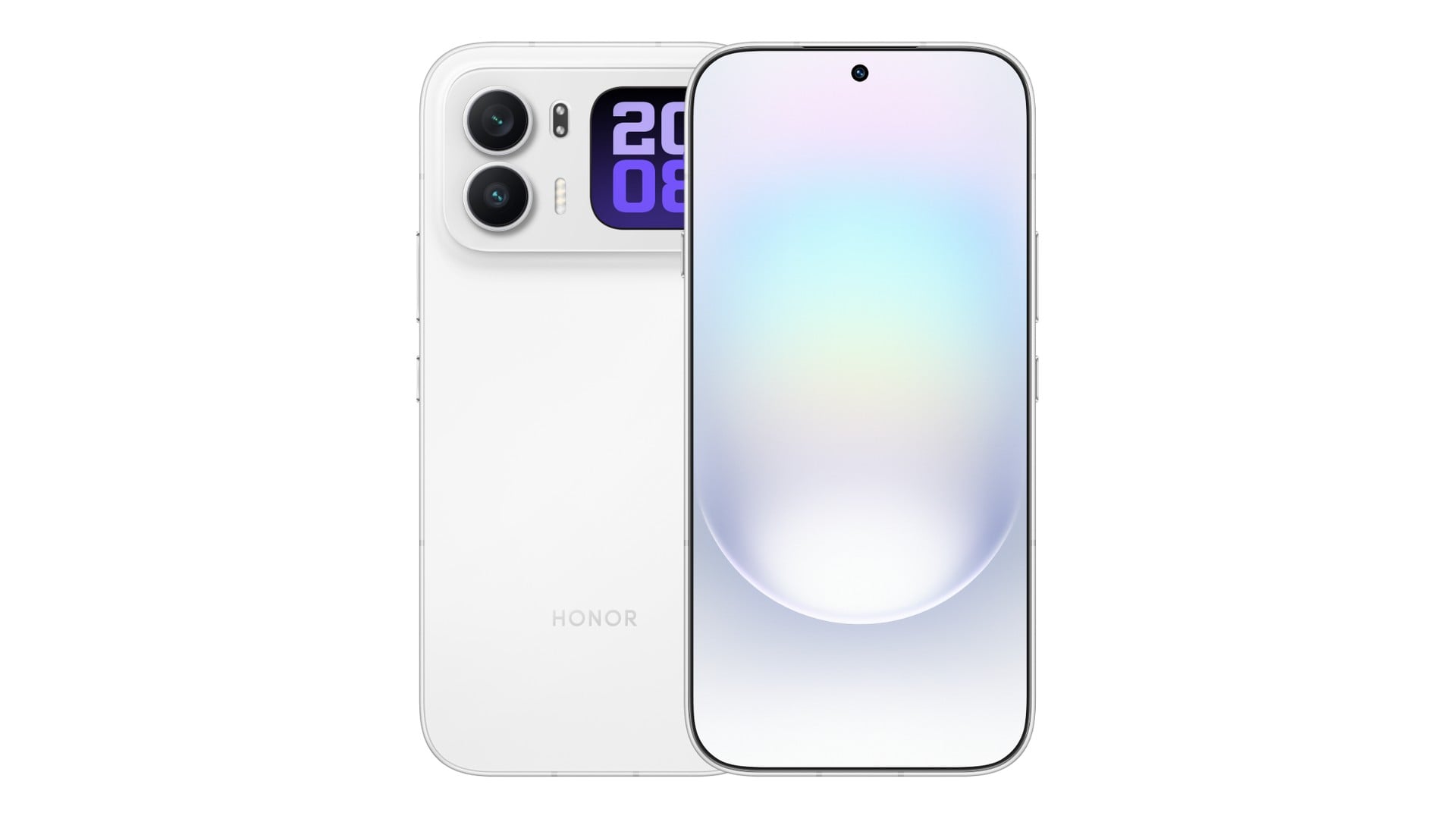
You assemble it by fitting a nut over the vent hook, pushing the charger onto a ball joint, and tightening it to lock the angle in place. This ball joint lets you adjust the phone’s position for GPS navigation or music controls while driving.

Portronics Zyron

Instead of just being a car mount, the Zyron also comes with a separate stand attachment in the box. If you don’t want to leave the charger in the car, you can detach the magnetic pad from the vent mount and slot it into this desk stand. This props the phone up vertically on a desk or table so you can see the screen while it charges at the office or at home.

On the technical side, the charger uses the Qi2 standard and supports up to 25W of wireless power output. However, Portronics specifies that the Zyron is only compatible with Apple devices, specifically the iPhone 12 through the iPhone 17 series. The company explicitly says on the packaging that it is not recommended for other phones that support wireless charging.

Portronics Zyron

To get the maximum charging speed, you need to plug the charger into a 30W or higher USB-C power adapter. Portronics includes a one-meter USB-C to USB-C cable in the box, but you have to provide your own power brick.

Availability

The Portronics Zyron is available now on the company’s website, Amazon India, Flipkart, and in physical retail stores, and it includes a one-year warranty.