Advertisement

Hong Kong Electronics Fair (Autumn Edition) 2026 to Showcase AI, Robotics, and Future Technologies

The 46th Hong Kong Electronics Fair (Autumn Edition) will take place from October 13 to 16, 2026, at the Hong Kong Convention and Exhibition Centre (HKCEC). Organised by the Hong Kong Trade Development Council (HKTDC), the event will showcase developments in artificial intelligence (AI), robotics, smart wellness, entertainment technology and consumer electronics.

The fair will run alongside the 29th electronicAsia, organised by HKTDC and MMI Asia Pte Ltd. Together, the two events are expected to bring more than 3,200 exhibitors from 15 countries and regions to Hong Kong. An online exhibition will also run from October 6 to 23 through the Click2Match platform.

Official banner for the 2026 Hong Kong Electronics Fair Autumn Edition event details.

AI, Robotics and Smart Wellness Take Centre Stage

The Autumn Electronics Fair will focus on three major themes: AI & Robotics, Smart Wellness and NEXTEntertainment. A new Future Industries Zone will also highlight technologies aimed at emerging industries.

The RoboPark area will feature more than 120 robots, covering applications in commercial services, industrial operations, logistics, entertainment, healthcare and rehabilitation. Visitors can also explore humanoid robots and AI-powered wearable robotic systems. Activities will include robot football, robot dance battles, a RoboDog Garden and a station where robots serve coffee and popcorn.

Companies expected to showcase their technology include AgiBot, UBTECH, Booster Robotics, VIGX Technology and Shenzhen Honor Smart Technology Development. UBTECH plans to demonstrate its Walker C1 humanoid robot, while VIGX will present a pocket-sized AI exoskeleton robot. Other participating robotics companies include AI² Robotics, Digit Robotics, EngineAI, DexForce and Deep Robotics.

The Smart Wellness theme will cover digital health, wearable devices, personal care, gerontechnology and healthy living. NEXTEntertainment will focus on extended reality (XR), virtual reality (VR), augmented reality (AR), smart gaming and AI-powered entertainment.

New Future Industries Zone to Feature More Than 100 Exhibitors

Supported by the Innovation, Technology and Industry Bureau of the Hong Kong SAR Government, the Future Industries Zone is being developed jointly by HKTDC and the Hong Kong Electronic Industries Association (HKEIA). It is expected to feature more than 100 exhibitors, including Lenovo, AV Concept and GP Energy Tech.

The zone will cover five areas: Future Computing, Future Manufacturing, Future Marine & Quantum Technologies, Future Microelectronics and Future Wellness.

Planned activities include industry forums, startup pitching sessions, talent development discussions and business-matching opportunities. The programme will also introduce the Top 100 Future Industries Pioneer List, intended to identify innovative products and solutions with commercial potential.

Speakers expected to participate include Jeffrey Lam, Vincent Ma, Clara Chan and Allen Yeung, representing organisations involved in industrial development, innovation and technology, investment and the information technology industry.

A man in a tuxedo dances with a Walker C1 humanoid robot at an exhibition.

Technology Exhibits Extend Beyond Robotics

Other areas of the fair will showcase technologies for businesses and consumers. Tech Hall will feature AI data solutions, the Internet of Things (IoT) and transport monitoring technologies.

The Adventure Hub will include an Immersive Experience Zone featuring brainwave gaming sensors, allowing users to control games through concentration rather than conventional physical controls. Manna Pacific (HK) Limited will demonstrate an AI-powered indoor fitness screen that uses real-time motion tracking to provide visual guidance and support workout posture and coordination.

The wider exhibition will feature more than 20 themed zones. Its Hall of Fame will present more than 560 established brands, while first-time exhibitors will include HiFuture, Aoni and ZENS. RISE Avenue will focus on emerging brands, gaming equipment and home entertainment products.

The Startup Zone is expected to host more than 120 emerging companies and startups. Participating groups will include IOTHK and JimHang Academy, with activities designed to connect technology developers with potential business partners and investors.

Industry Forums to Discuss AI and Business Expansion

The Symposium on Innovation and Technology, organised by HKTDC and the Hong Kong Electronics and Technologies Association, will focus on “AI-Driven Security & The Next-Gen Infrastructure.” Discussions will cover AI, intelligent systems, infrastructure security, operational efficiency and business competitiveness.

Expected speakers include Alexander Gerfer, CTO of the Würth Elektronik Group; Dr Charles Cheung, Adjunct Associate Professor in the Department of Mathematics at Hong Kong Baptist University; and Silvia Lam Ihensekhien, identified in the event announcement as Chief Security Advisor at Microsoft.

The Hong Kong Electronics Forum will examine how AI, sustainability and technological innovation are shaping the electronics industry. Startup-focused activities will include enterprise-investor matching, mentorship and the Hong Kong Value Creation for Technology: Pitching Competition.

A separate GoGlobal Connect Zone will help mainland Chinese companies explore international expansion through Hong Kong. Sessions will address overseas market entry, financing, risk management, smart manufacturing, sustainability, certification and international brand development. Planned discussions will involve representatives from HKECIC, TechNode, Hang Seng Bank and OCBC Bank (Hong Kong), among others.

Three white humanoid service robots stand on display at the Hong Kong Electronics Fair.

electronicAsia to Focus on Electronic Components

Running alongside the Autumn Electronics Fair, electronicAsia will focus on semiconductors, sensors, electronic components and manufacturing technologies. Exhibitors named in the announcement include Easttop Display and Microtech Technology, although specific product launches have not been detailed.

The two exhibitions will use HKTDC’s EXHIBITION+ model, combining the physical events with online business connections through Click2Match until October 23. A complimentary shuttle service between HKCEC and AsiaWorld-Expo will also support visitors attending the wider October exhibition programme.

Hong Kong Electronics Fair 2026: What to Expect

The Autumn Electronics Fair is designed to connect technology companies with buyers, investors, talent and international markets. Its programme combines consumer electronics, robotics demonstrations, emerging technology showcases and business discussions, while the Future Industries and GoGlobal Connect zones place additional emphasis on industrial innovation and overseas expansion.

With AI, robotics, smart wellness and future computing among its central themes, the event will offer visitors an overview of technologies and business opportunities across the electronics sector.

Upcoming Oppo Find X10 Pro “Mini” may sport a widescreen display and dual 200MP cameras

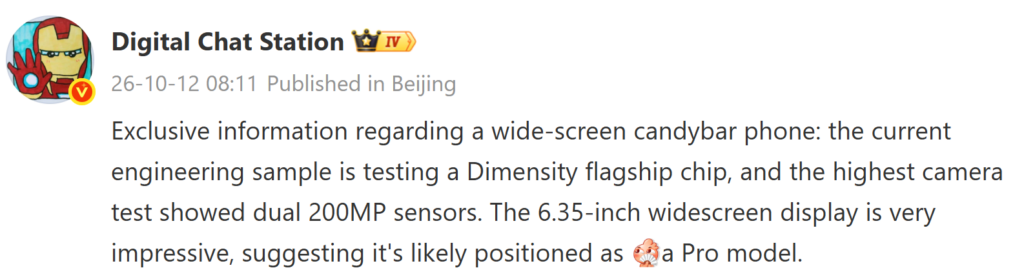
It appears that the next trend to hit the smartphone industry is the launch of widescreen smartphones, as Huawei has done with the Pura View X. While Huawei’s offering is a flagship device, Coolpad plans to launch a widescreen phone priced at around $150 later this month. Oppo and Honor are also rumored to launch such phones in the coming days. A recent Weibo post from reliable tipster Digital Chat Station has revealed a few key specifications of Oppo’s offering.

Oppo’s widescreen phone specs emerge

Digital Chat Station social media post detailing specifications for an upcoming Oppo widescreen smartphone.

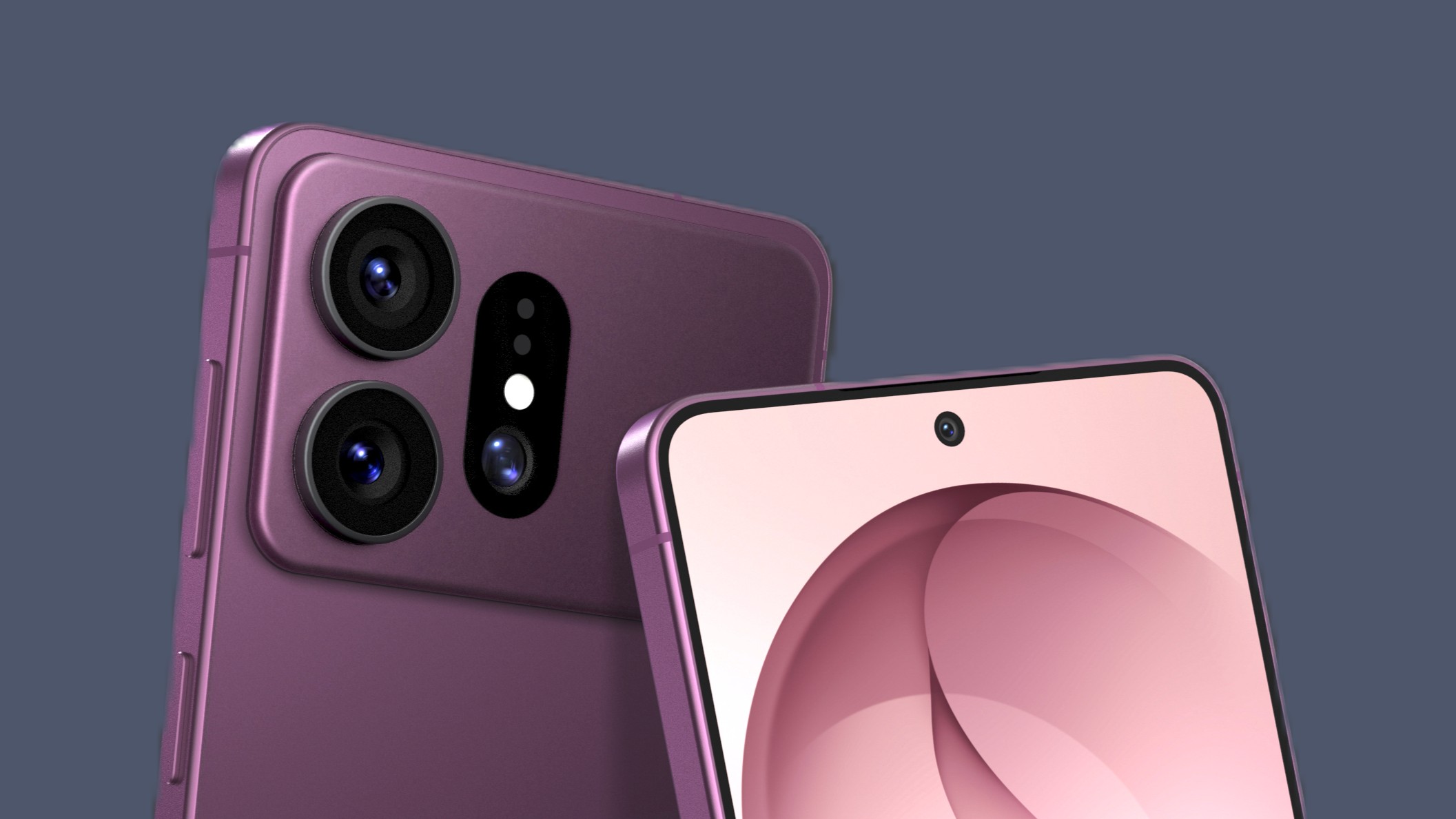
According to DCS, Oppo is working on a widescreen candybar phone. While the name of the device is not yet known, it could be part of the X10 series, which already includes the Find X10E, Find X10, and Find X10 Pro Max.

The current engineering prototype of the device is being tested with a MediaTek flagship chip. At present, MediaTek’s most recent chip is the Dimensity 9600 Pro, which also powers the X10 and X10 Pro Max.

For photography, it will feature a pair of 200-megapixel cameras, which will include a periscope telpehoto camera.. The leak does not provide any information about its battery or charging capabilities.

DCS has also mentioned that there is a high probability that this device could be positioned as a Pro model. Hence, there is a possibility that it may be called the Find X10 Pro when it hits the market. However, this name cannot be confirmed, as the device has a considerably different form factor compared to the existing X10 series models.

As far as the launch is concerned, previous reports suggest that it could launch alongside the Oppo Find N7 foldable phone, which is expected to debut in Q1 2027 in China. Considering its screen size and different form factor, the Find X10 Pro Mini could be a more suitable name, but this is just an assumption. It is advisable to wait for further reports to learn about its missing specifications and final marketing name.

For daily updates, please visit our News Section.

Stay ahead in tech! Join our Telegram community and sign up for our daily newsletter of top stories!

Red Magic 12 Pro+ Roundup: Everything We Know Before Launch

Red Magic is all set to launch its next flagship gaming smartphone, the Red Magic 12 Pro+, in China on October 15. The company has been revealing new details about the device over the past few weeks, giving us a clearer picture of what to expect.

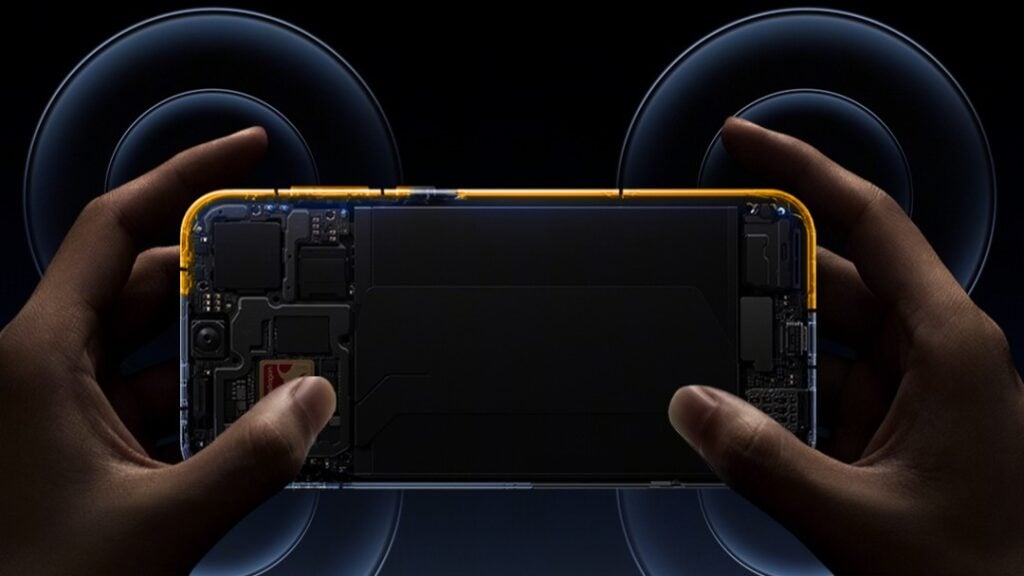
The upcoming phone will bring Qualcomm’s latest flagship chipset, an upgraded cooling system with RGB lighting, and a redesigned body that promises better comfort during long gaming sessions.

Red Magic is also making some interesting changes to the overall design. The new model will be thinner, lighter, and more rounded than its predecessor while retaining features such as an under-display selfie camera, an active cooling fan, and a transparent rear panel.

Several specifications have already been confirmed, while leaks have revealed additional details about the battery and charging capabilities. Here’s everything we know about the Red Magic 12 Pro+ ahead of its official launch.

Red-Magic-12-Pro-Plus

1. Design and Display

Red Magic has officially revealed the design of the 12 Pro+, and the phone continues the brand’s signature gaming-focused aesthetic. It features a transparent rear panel that exposes parts of the cooling system, along with RGB lighting around the fan, liquid-cooling channels, and Red Magic branding.

The company has also made some practical changes. The rear panel is completely flat, with a dual-camera setup that sits flush with the body instead of protruding outward. Red Magic says the new phone is lighter, thinner, narrower, and more rounded than the 11 Pro+, with softer corners and a redesigned 2.5D micro-curved middle frame.

The front features a flat display with extremely thin bezels. Red Magic has reduced the black border surrounding the screen from 1.25mm on the previous generation to just 0.96mm. The phone also retains an under-display selfie camera, providing an uninterrupted viewing area without a punch-hole or notch.

While the company has yet to confirm the screen size and resolution, earlier leaks suggest the display could offer a higher refresh rate than its predecessor.

The Red Magic 12 Pro+ will be available in three colors: Deuterium Transparent Dark Night, Deuterium Transparent Ice Blue, and Deuterium Transparent Silver Wing.

2. Performance

The Red Magic 12 Pro+ will be powered by Qualcomm’s Snapdragon 8 Elite Extreme Gen 6 chipset, making it one of the first gaming smartphones to feature the new flagship processor.

The device has already appeared on Geekbench 7 with the model number NX819J, recording 3,677 points in the single-core test and 12,679 points in the multi-core test. These results put it ahead of the Xiaomi 18 Pro Max, which scored 3,582 and 12,247 points, and the OnePlus 16, which recorded 3,492 and 11,950 points, respectively.
However, the bigger story is the cooling system. Red Magic has confirmed that the 12 Pro+ will feature what it calls the world’s first RGB liquid-cooling system, combining liquid cooling with an active fan and several additional heat-dissipation technologies.

The upgraded system uses a dual-loop liquid-cooling design with separate paths running over the chipset and battery. The coolant then flows back through a new dual-crystal micropump, which delivers 130kPa of pressure compared with 100kPa on the previous generation. The pump reportedly consumes just 20mW of power.

Red Magic is also introducing its Drive Wind 5.0 cooling fan, which can reach speeds of 25,500rpm. The fan uses a labyrinth-style dust-resistant structure, while the phone is claimed to offer IPX8 water resistance.

The cooling system combines composite liquid metal 4.0, aerospace-grade steel graphene, a 4D Ice-Step vapor chamber, server-grade fluorinated coolant, and thermal gel for better heat dissipation. It also features RGB-lit liquid-cooling channels visible through the transparent rear panel.

3. Battery and Charging

Red Magic has not officially confirmed the battery capacity of the 12 Pro+, but previous leaks suggest the phone could pack an 8,400mAh battery.

Shop now →
Where to buy
Red Magic gaming phone
Browse the range on Amazon

The same leak claims the device will support 120W wired fast charging and 80W wireless charging.

However, the company has yet to confirm these details, so the final battery and charging specifications remain uncertain.

4. Software and Other Features

Red Magic is also focusing on improving the overall software experience. According to the brand, the 12 Pro+ will bring a smoother interface, improved system responsiveness, and additional AI features.

The company has emphasized that the phone is designed not only for demanding games but also for regular everyday use. This appears to be part of a broader effort to make the device more practical outside gaming, something that hasn’t always been a priority for performance-focused smartphones.

The under-display front camera will also return with a newer-generation implementation. Earlier leaks suggest Red Magic has refined the technology to improve how seamlessly the camera blends into the screen, although specific camera hardware details remain unavailable.

Red Magic has not yet shared information about the phone’s RAM, storage configurations, or complete camera specifications.

5. Launch Date and Availability

The Red Magic 12 Pro+ will officially launch in China on October 15, 2026, at 2:30 PM local time. Reservations are already open through Red Magic’s official website and JD.com, although retail pricing has not been announced.

In China, customers can pay a 100 yuan reservation deposit to unlock promotional benefits that the company values at up to 4,300 yuan. These include a Red Magic Cooler 8 Pro, gaming benefits, cashback offers, and trade-in incentives.

Red Magic has also started teasing the phone on its global social media accounts, suggesting an international launch could follow the Chinese release. However, the company has not announced a global launch date.

The Chinese Pro+ model could arrive internationally under the Red Magic 12 Pro name, potentially with different charging specifications. Nothing has been confirmed on that front yet.

For more daily updates, please visit our News Section.

Stay ahead in tech! Join our Telegram community and sign up for our daily newsletter of top stories!

OnePlus opens ColorOS 17 beta for OnePlus 13 and 15 series

OnePlus is giving owners of its latest flagship phones an opportunity to try its next major software release before the stable version arrives. The company has opened an early testing program for its Indian users, covering devices from two generations of its flagship lineup. However, interested users have only a limited window to apply.

OnePlus ColorOS 17 beta: eligible phones and application details

OnePlus ColorOS 17 update
OnePlus ColorOS 17 open beta update arrives

The open beta program is available for the OnePlus 13, OnePlus 13R, OnePlus 13s, OnePlus 15, and OnePlus 15R in India. As per the official OnePlus Community forum posts, applications opened on Oct. 9 and will close today (Oct. 12). Participants must run specific OxygenOS 16 builds to qualify, with the required versions varying by model.

To register, users need to open Settings, navigate to About device, tap Up to date, and access the Beta program option from the menu in the top-right corner. They can then follow the on-screen instructions to submit their applications. Approved participants will receive the beta software through an over-the-air update, although admission to the program does not guarantee a fully polished experience.

OnePlus warns that this is an early software build, meaning some features may be unavailable or incomplete. Users could also encounter application crashes, lag, black screens, device heating, and increased battery consumption while the system completes its background optimisation. The company recommends updating installed apps, keeping the battery above 30%, maintaining at least 4GB of free storage, and backing up important files before installing the beta.

The program is currently restricted to Indian devices, and carrier-locked models are not supported. Users who want to return to OxygenOS 16 can follow the local installation rollback procedure, but the process will erase all data stored on the phone. The rollback package for the OnePlus 15 is available, while download links for the other models remain pending in the announcements.

For daily updates, please visit our News Section.

Stay ahead in tech! Join our Telegram community and sign up for our daily newsletter of top stories!

Honor Win 2 variants, color options officially revealed, Win RT 2 and Win Turbo 2 to debut alongside

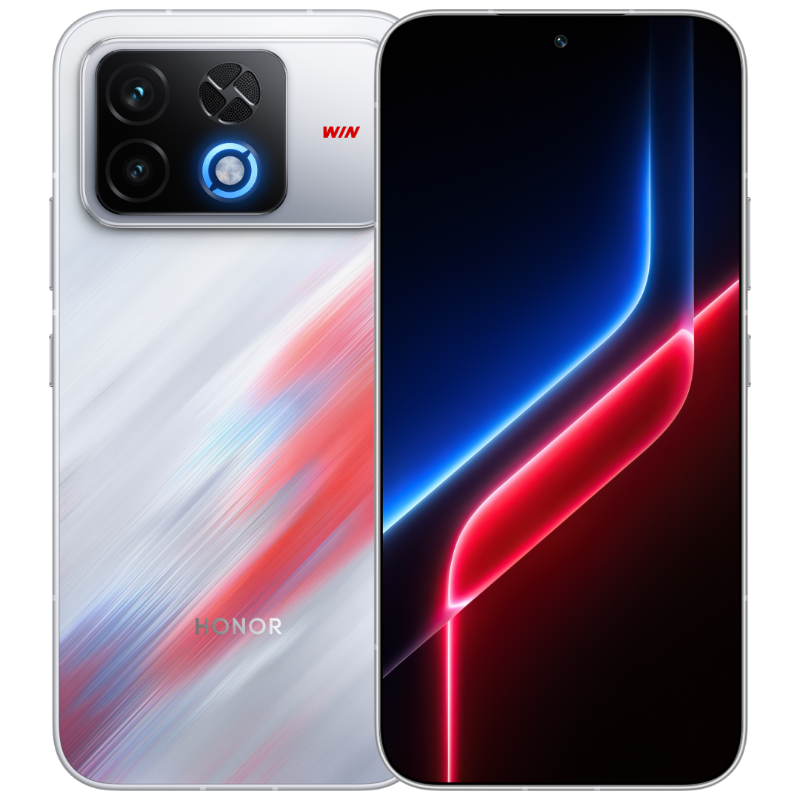
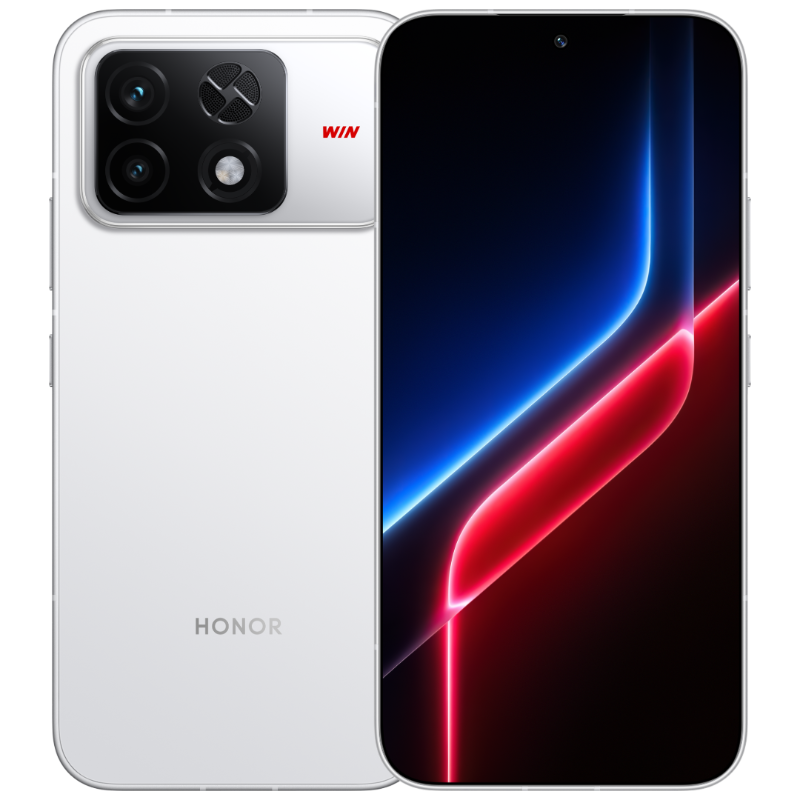
Honor has confirmed that it will unveil the Honor Win 2 on Oct. 21 in China. The launch event will also mark the arrival of the first Win-branded tablet and earbuds. Ahead of the launch, the Win 2 handset has been officially listed on Honor’s online store in China, revealing its official images, color options, and memory variants.

Honor Win 2 series’ configurations revealed

Honor Win 2 smartphone alongside two unreleased devices covered by red fabric cloths.

As can be seen above, the Honor Win 2, Win RT 2, and Win Turbo 2 are listed for pre-order on Honor’s online store. While official images of the Win 2 are available, the brand has yet to reveal the designs of the RT 2 and Turbo 2. These models will likely have a toned-down look compared to the Win 2.

Here are the memory configurations of all three devices:

Honor Win 2

  • Variants: 12GB+256GB | 16GB+256GB | 12GB+512GB | 16GB+512GB | 16GB+1TB
  • Color options: Red-Blue Buff | Quick Black | Guaranteed Win

Honor Win RT 2

  • Variants: 12GB+256GB | 16GB+256GB | 12GB+512GB | 16GB+512GB
  • Color options: Red and Blue Buff | Quickly Star Black | Designated Win

Honor Win Turbo 2

  • Variants: 8GB+256GB | 12GB+256GB | 16GB+256GB | 12GB+512GB | 16GB+512GB
  • Color options: Red and Blue Buff | Quickly Star Black | Designated Win

The detailed specifications of the Honor Win 2 series are not yet known. Reports suggest that the Win 2 will feature the Snapdragon 8 Elite Extreme Gen 6, while the RT 2 variant could feature last year’s Snapdragon 8 Elite Gen 5. The Win 2 is also rumored to feature a built-in cooling fan, a 10,000mAh battery with 100W charging support, and a 6.89-inch OLED panel with 2K resolution and a 185Hz refresh rate.

For daily updates, please visit our News Section.

Stay ahead in tech! Join our Telegram community and sign up for our daily newsletter of top stories!

Honor Win Pad hands-on image confirms 240Hz refresh rate

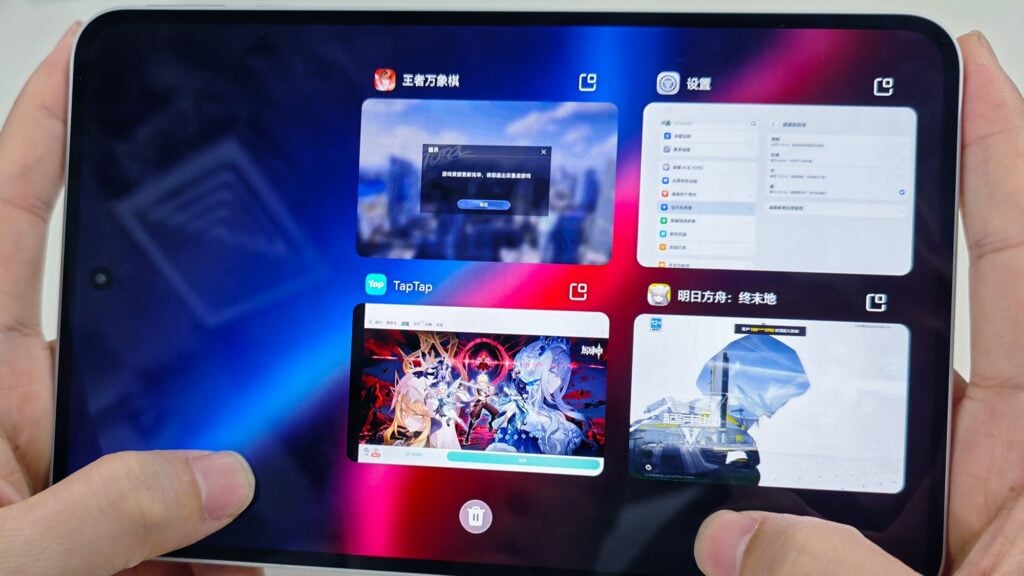
Honor is working on a compact gaming tablet that could carve out a nice little niche for itself. The upcoming Win Pad looks set to pack a high-refresh-rate OLED screen and an active cooling fan, aiming to offer smooth gameplay despite a more portable size.

Hands holding the Honor Win Pad displaying multiple open apps on its screen.

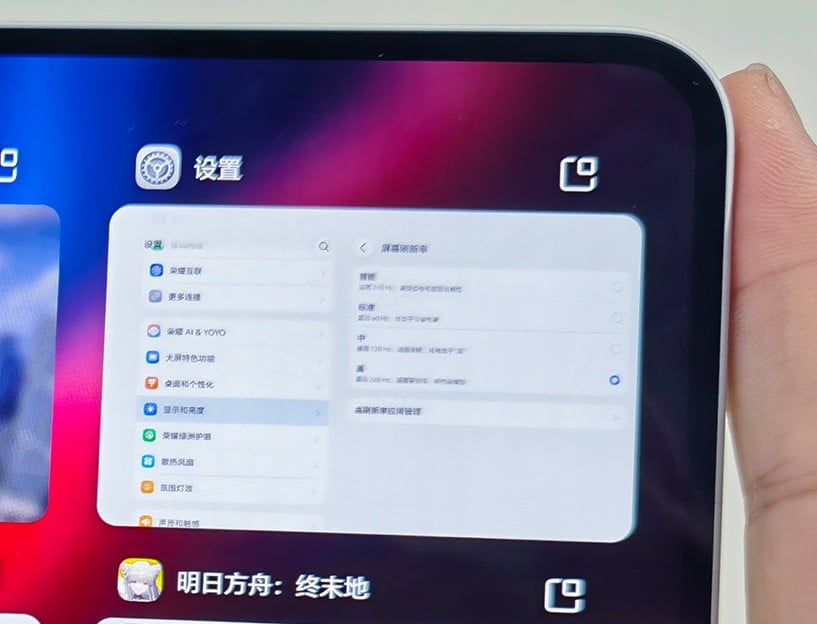
Recent reports and a hands-on image suggest the Win Pad will use an 8.4″ OLED panel running at a full 240 Hz. It was previously tipped to hit over 200 Hz, and now a real hands-on photo of the device shows the Settings app with clear refresh-rate options of 60 Hz, 120 Hz, and 240 Hz, pretty much confirming the earlier leak. The tipster also noted it’ll come in black and silver, and there’s no 5G version planned.

Honor Win Pad settings menu showing refresh rate options of 60Hz, 120Hz, and 240Hz.

Supporting evidence also comes from Honor’s product head, who shared a front-facing photo of the device. The same settings menu in the hands-on image reportedly includes controls for a cooling fan and customizable ambient lighting.

The tablet has already shown up on JD.com with a teaser image, and reservations are set to open on October 16. It’s expected to launch sometime in October. Honor isn’t new to active cooling either. It previously released the Magic 9 Super Edition phone with a fan, and the upcoming Win 2 series phones are also tipped to combine large fans with big vapor chambers.

Close-up of the Honor Win Pad showing its rear camera and cooling fan design.

Compact gaming tablets are still a pretty small category. Lenovo’s Legion Y700 series, for example, has mostly stuck with larger 8.8-inch LCD panels and refresh rates well under 240 Hz. An OLED screen at this high a refresh rate, plus a built-in cooling fan, would give the Win Pad two clear advantages in smoothness and sustained performance.

The smaller 8.4″ size could also appeal to people who want something that feels closer to a handheld gaming device. Honor’s product manager, who shared the tablet’s photo, even told fans to try it in person because “the grip feels amazing.”

If the rest of the rumored specs hold up, the Win Pad could offer a solid mix of high-end visuals, better thermal management, and portability for mobile gamers.

Don’t miss a thing! Join our Telegram community for instant updates and grab our free daily newsletter for the best tech stories!

For more daily updates, please visit our News Section.

OnePlus 16 teased with G3 networking chip: reduces latency during competitive gaming

OnePlus is putting a stronger focus on competitive mobile gaming ahead of the OnePlus 16 launch. The company says the phone will deliver industry-leading low-latency network performance.

Three OnePlus 16 smartphones in black, silver, and copper colors float against a dark background.

OnePlus China President Li Jie highlighted the networking side, claiming the OnePlus 16 posts top-tier gaming latency results. It’s the first phone to feature the company’s self-developed “G3 e-sports network chip,” built specifically for low-latency gaming.

According to the company official, this chip helps cut latency across different gaming scenarios. It works together with a new “anti-interference e-sports antenna” that stays stable even when your hand firmly grips the antenna area. There’s also a 360° surround antenna design aimed at keeping the signal reliable in crowded places like dorms, cafés, and subways. The OnePlus 16 is set to launch today (October 12) at 19:00 China time.

Hands holding a OnePlus 16 smartphone to demonstrate its gaming antenna signal stability.

Leaked specs shared by tipster @DigitalChatStation point to a solid gaming-focused package. Expect a 6.78″ 1.5K BOE X4 flat display that can hit up to 185 Hz (with a 165 Hz system-wide ultra-high refresh rate) and 1.15 mm equal bezels on all four sides. The camera setup includes a 50 MP front sensor and a rear trio of 200 MP HPE main, 50 MP ultra-wide, and 50 MP IMX882 3x periscope telephoto.

Power comes from the Snapdragon 8 Elite Extreme 6, paired with a big 9,000 mAh battery that supports 100 W wired and 50 W wireless charging. Other notable bits include a relatively large X-axis linear motor, master-level symmetrical dual speakers, a 3D ultrasonic fingerprint sensor, full IP66/IP68/IP69/IP69K ratings, and USB 3.2 Gen1.

These networking upgrades continue OnePlus’s broader gaming push, which has already focused on high frame rates and specialized kernels. By tackling the real-world signal issues that often ruin multiplayer matches, the company is trying to give players a more consistent edge.

Don’t miss a thing! Join our Telegram community for instant updates and grab our free daily newsletter for the best tech stories!

For more daily updates, please visit our News Section.

(Source: Li Jie Louis on Weibo)

Samsung Galaxy S27 Pro vs Galaxy S27 Ultra: Who should wait for which phone

Samsung‘s next flagship phones are still months away, but as is usual in the smartphone world, we’ve been hearing about the Galaxy S27 series for a while now. The bigger change next season will be the introduction of Galaxy S27 Pro that sits above the Plus model, making the Galaxy S27 a four model line.

The Pro could bring much of the Ultra’s hardware to a smaller phone, while the Ultra is expected to retain the S Pen and a larger battery. The camera differences are less clear, and they could end up being the deciding factor between the two.

The Galaxy S27 Pro first appeared in the GSMA database in June, giving the rumor more weight after it showed up in the certification listing. All four Galaxy S27 models have since passed China’s 3C certification, earlier than the Galaxy S26 series did. As a result, a January 2027 launch is now a possibility, although Samsung hasn’t confirmed a date yet.

Nonetheless, we are here to compare the Galaxy S27 Pro with Ultra and to find which one might be worth waiting for.

1. What the two phones reportedly share

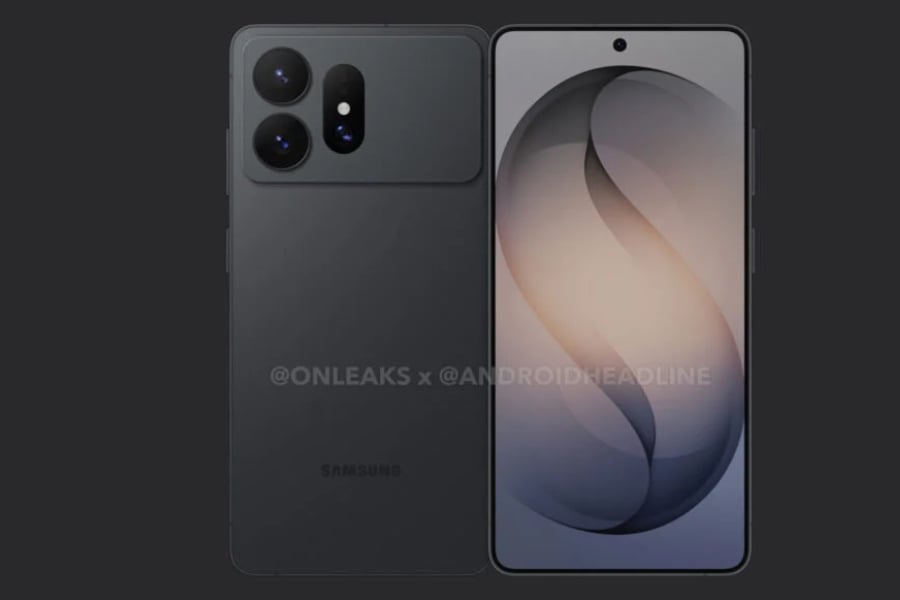
Samsung is likely giving the Galaxy S27 Pro a similar look to the Galaxy S27 Ultra, minus the S Pen. The CAD renders for the two phones show identical design with raised camera plateau on the back. Just that the Pro has a smaller footprint than the Galaxy S27 Ultra.

The two phones could also share much of their camera hardware. Both are tipped to feature Samsung’s new 200MP ISOCELL HP6 main sensor, a 50MP ultrawide camera and a 16MP selfie camera. They are also expected to use the newer M16 OLED panel. Meanwhile, all four Galaxy S27 models are reportedly getting Privacy Display, which is currently exclusive to the Galaxy S26 Ultra.

The two phones may get same charging speed too. China’s 3C certification listings suggest the same 60W wired charging on both the Pro and Ultra. Wireless and reverse wireless charging are also expected across the S27 series, although Samsung is unlikely to include a charger in the box.

2. Where the Galaxy S27 Pro and Galaxy S27 Ultra differ

Size and S Pen

The Galaxy S27 Pro could be the better fit if you want a high-end Samsung phone without the size of an Ultra. According to reports, the device will feature 6.47 inches display, while the Galaxy S27 Ultra is expected to remain close to the Galaxy S26 Ultra’s dimensions. CAD renders suggest it will measure around 163.76 x 78.25 x 7.97mm.

The S Pen is another major difference. Samsung is expected to retain the stylus on the Galaxy S27 Ultra, while the Galaxy S27 Pro reportedly won’t support it. If you regularly use the pen for notes, sketches or other tasks, that alone could make the Ultra the better choice.

Zoom cameras

The biggest uncertainty so far is the telephoto setup, with different reports describing different hardware for both phones.

According to Korean outlet ETNews, the Galaxy S27 Pro will get a 12MP telephoto camera with 3x optical zoom. The Galaxy S27 Ultra, meanwhile, could lose its dedicated 3x camera and rely on cropping from its main sensor for mid-range zoom.

That isn’t the only version of the story. An earlier report suggested the Galaxy S27 Pro could use a 50MP telephoto camera with roughly 3.5x zoom, potentially giving it an advantage over the Ultra at the zoom levels people commonly use.

The Ultra’s long-range camera is still up in the air, too. A more recent leak says Samsung is testing a 50MP 4x telephoto camera with a 1/1.9-inch sensor to replace the current 5x periscope setup. Samsung reportedly has five prototypes under evaluation, and the existing 5x camera could stay if the new hardware doesn’t justify its cost.

For now, it’s too early to say which phone will have the better zoom camera. The final hardware matters more than the megapixel counts or zoom figures in these early reports.

3. Battery, chip and storage

The bigger the size of the S27 Ultra means it will also have a bigger battery. Based on certification listings, the Galaxy S27 Pro will have a 5,200mAh battery while the Ultra could get a 5,700mAh unit. The figures corroborate earlier battery leaks that raised questions about how Samsung would distinguish the two models.

The chipset situation could also matter, depending on where you buy the phone. The Galaxy S27 Ultra is expected to use the Snapdragon 8 Elite Extreme Gen 6 for Galaxy. One report claims the Galaxy S27 Pro will get a Snapdragon chip in select regions and Samsung’s Exynos 2700 in others.

A separate leak suggests the Pro may be available with 1TB of storage but only 12GB of RAM in that configuration. This would leave it behind the Galaxy S27 Ultra’s top configuration, though the final memory options haven’t been confirmed.

4. Price

As for the price, the Galaxy S27 Pro could launch at $1,299 in the US and the Galaxy S27 Ultra at $1,399. The Ultra could cost as much as $1,499 in some markets, reportedly. For comparison though, the Galaxy S26 Ultra currently sits at around $1,300.

5. Wait for the Galaxy S27 Pro if…

The Galaxy S27 Pro makes the most sense if you want the Ultra’s general design, main camera and display in a smaller phone, but don’t need an S Pen. Samsung’s current lineup doesn’t have a model between the Galaxy S26+ and Galaxy S26 Ultra that quite fits that description, so the Pro could fill that gap if the leaks prove accurate.

The reported $100 price difference in the US could be another reason to choose it. The camera hardware may also work in its favor, depending on which leak turns out to be correct. If the Pro gets a dedicated telephoto camera while the Ultra loses its 3x lens, it could be a better option for portraits and mid-range zoom shots.

The trade-offs are a smaller battery and potentially less RAM in the highest storage configuration. You’ll also need to consider the possibility of getting an Exynos chip instead of Snapdragon, depending on your region.

6. Wait for the Galaxy S27 Ultra if…

The Ultra is the safer choice if you use the S Pen, want the largest battery in the lineup or prefer a Snapdragon chip regardless of where you buy the phone. It’s also the model to watch if long-range photography is important to you, although Samsung’s final telephoto setup remains uncertain.

If you rely heavily on zoom between 3x and 5x, it’s worth waiting for confirmed camera specifications before deciding. Samsung could change the Ultra’s telephoto hardware, and that decision may have a bigger effect on your everyday photos than some of the other rumored upgrades.

7. Who shouldn’t wait

If you need a new phone now, there’s little reason to plan around a January launch that Samsung hasn’t confirmed. The early certifications make that timing possible, but they don’t guarantee it.

Galaxy S26 Ultra owners may also have less reason to wait than they initially think. The S27 Ultra’s rumored 60W charging isn’t an upgrade over the current model, and the proposed camera redesign could involve losing a dedicated lens. The new look has already drawn criticism from people who’ve seen the renders.

Based on the current leaks, a faster chip and a larger battery appear to be the clearest potential gains. Whether those changes are enough to justify upgrading will depend on the final specifications and pricing.

For daily updates, please visit our News Section.

Stay ahead in tech! Join our Telegram community and sign up for our daily newsletter of top stories!

Coolpad to soon launch the world’s first wide-screen Android smartphone

Huawei unveiled the Pura X View in September, introducing a wide-screen, slab-style smartphone with a design that offers a broader viewing area without a folding hinge. However, it runs HarmonyOS, which is available on Huawei devices rather than mainstream Android phones. Coolpad is now preparing an affordable alternative that could bring this unusual form factor to a much wider audience.

A wide-screen design for just ~$150

Coolpad wide-screen phone

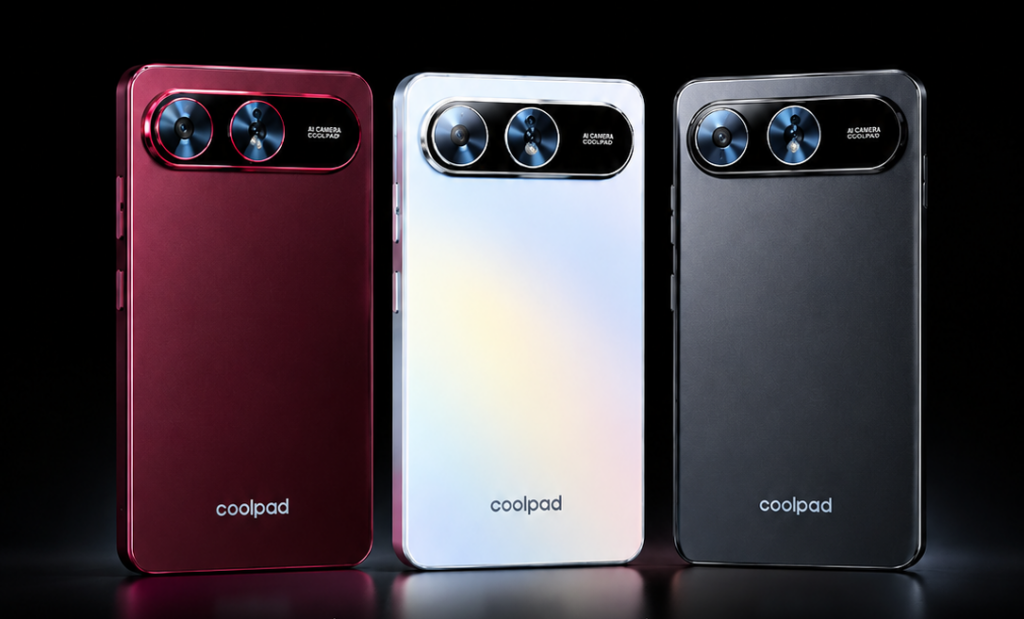
The upcoming Coolpad smartphone is expected to go on sale in China in October for 999 Yuan (~$150). It features a 6.3-inch LCD panel with a 720p resolution and a 16:10 aspect ratio, giving it a noticeably wider appearance than conventional smartphones with elongated displays. Unlike Huawei’s premium offering, the new device has a considerably thicker bottom bezel, suggesting that its design prioritises affordability over a uniform bezel profile.

The handset’s rear design features a horizontal, pill-shaped camera module and a textured back panel with a pattern resembling the finish seen on the Huawei Pura X View. While Coolpad has not disclosed every hardware detail, leaked hands-on footage reportedly identifies the MediaTek Helio G99 as its processor. Built using TSMC’s 6nm manufacturing process, the chipset targets the budget segment rather than high-performance smartphones.

Coolpad wide-screen phone

The device is expected to run DroiClaw Zhuge 3, an AI-native operating system developed with the wider 10:16 display format in mind. Its system-level AI capabilities are intended to provide an interface and interactions better suited to the expanded screen, although the full feature set remains unclear.

Shanghai Droi Technology says the operating system’s core services use Rust, with security measures covering system operations, data and permissions, and communications and access. These claims suggest a focus on protecting AI-related processes, but independent testing will be needed to assess the implementation.

Huawei’s Pura X View starts at 5,999 Yuan (~$900), placing CoolPad’s reported 999-yuan device in a very different price category. The affordable handset could help bring wide-screen Android smartphones to more buyers, provided its software experience and hardware deliver on their promise.

For daily updates, please visit our News Section.

Stay ahead in tech! Join our Telegram community and sign up for our daily newsletter of top stories!

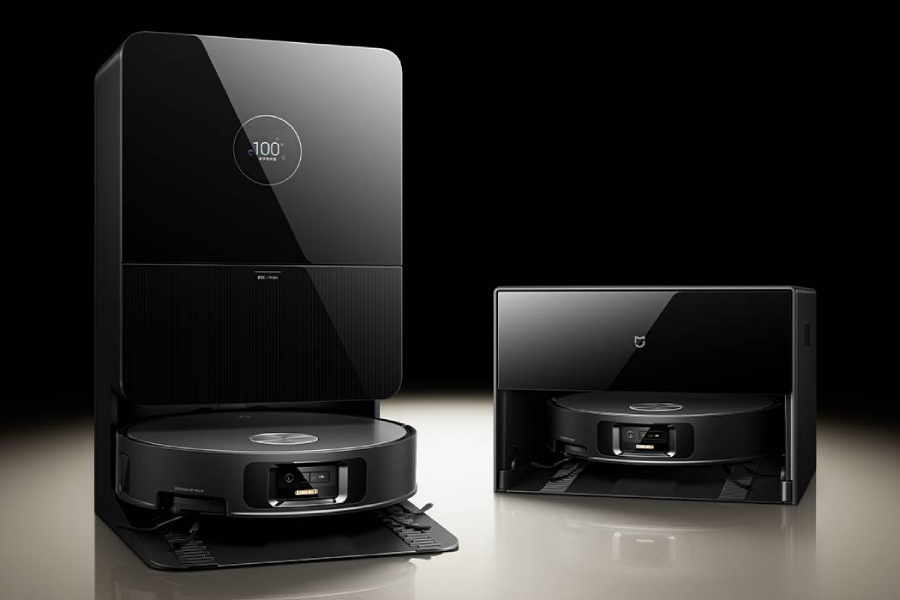
Xiaomi launches new vacuum and mop robot with three edge-cleaning arms

Xiaomi has announced a new robot vacuum plus mop in China, called the Mijia Robot Vacuum and Mop 7 Max. The model succeeds the Robot Vacuum 6 Max Xiaomi announced last year and comes in two versions: a water tank model, and a slim model with top and bottom water supply. 

From what we know, the Mijia Robot Vacuum and Mop 7 Max is one of the expensive robot vacuums in Xiaomi’s Mijia lineup. The 6 Max was the most expensive model, but somehow its successor costs less at launch. 

Mijia Robot Vacuum and Mop 7 Max versions

The water tank version costs 4,999 yuan (~$747.00 USD), and the slim version costs 5,299 yuan (~$791.82 USD). Meanwhile, the 6 Max launched at 6,599 yuan (~$986.08 USD) for the water tank version and 6,999 yuan (~$1,045.85 USD) for the water supply and drainage version. This puts the 7 Max about 1,600 to 1,700 yuan (~$239.09 to ~$254.03 USD) below the official prices of the model it replaces.

Shop now →
Where to buy
Xiaomi robot vacuums
Browse the range on Amazon

Xiaomi Robot Vacuum and Mop 7 Max Specifications 

Even if it costs less at launch, you get more suction this time. It can reach 45,000Pa negative pressure, up from 35,000Pa on the 6 Max. It also sprays water heated to 50℃ and turns that on by itself when it recognizes a kitchen or bathroom. Xiaomi also claims a floor sterilization rate of 99.99%.

Xiaomi Mijia Robot Vacuum and Mop 7 Max launch specs price

The 7 Max recognizes more than 320 objects and types of dirt. The 6 Max recognized 280 object types and 47 dirt types by comparison, and Xiaomi counts the two models differently, so the numbers don’t line up exactly. Xiaomi says the 7 Max is less likely to tangle with cables and can match its cleaning method to the type of mess.

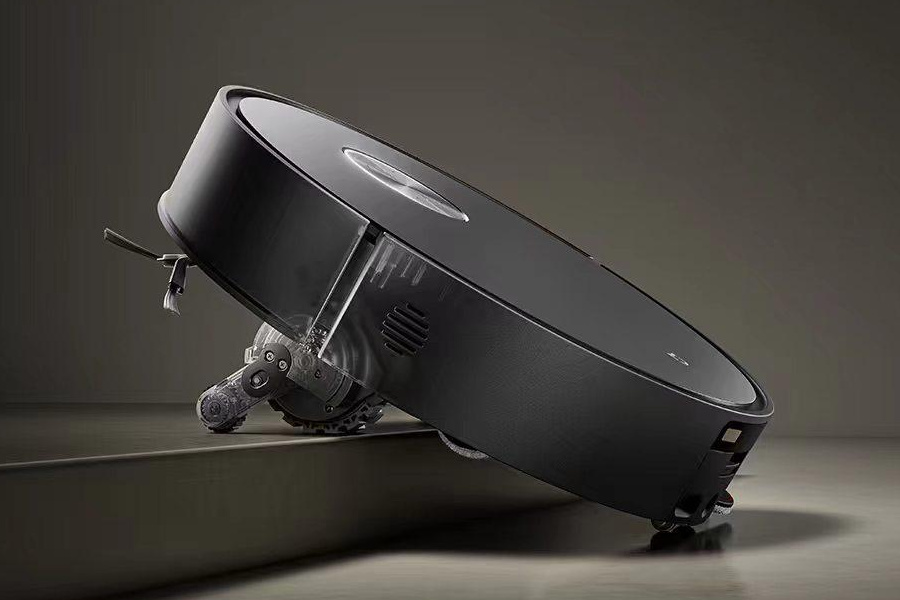
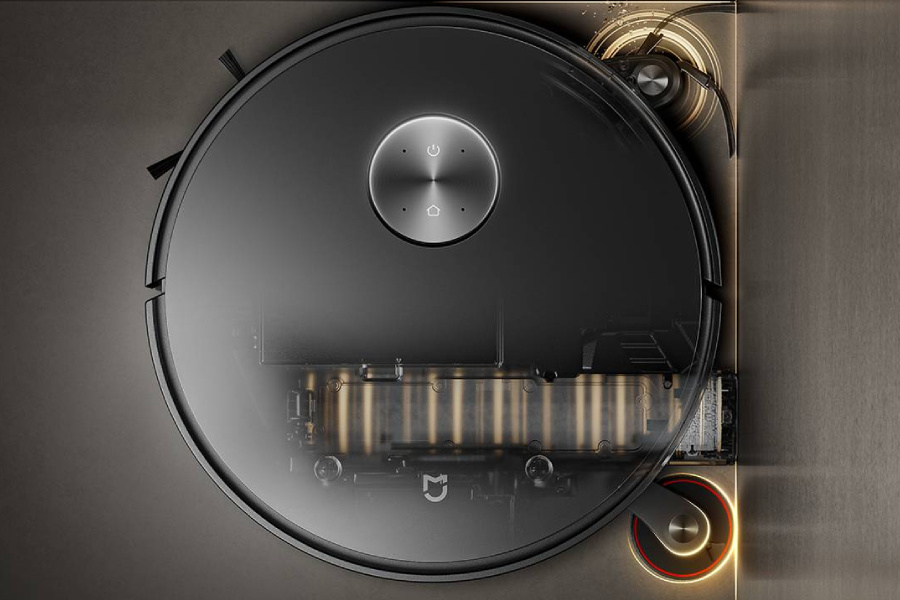
Some things remain the same. The 7 Max keeps the triple robotic arms for edge sweeping and mopping along walls, corners and furniture, and one arm reaches the edges of tables and chairs that the main roller misses. It also crosses obstacles up to 6 cm high, the same figure as the 6 Max, so you can expect it to handle stairs and thresholds the same way.

Mijia Robot Vacuum and Mop 7 Max cleaning

The 7 Max has a slimmer body and a built-in 3D area array radar, which lets it clean under beds and cabinets. Xiaomi hasn’t shared a clearance height, while the 6 Max could enter spaces as low as 9.3 cm. Like the 6 Max, it mops and scrapes at the same time, and it collects the dirty water as it goes so the mop cloth stays clean.

Xiaomi has only announced pricing and pre-sales for China so far, with no word on a global release.

For more daily updates, please visit our News Section.

Stay ahead in tech! Join our Telegram community and sign up for our daily newsletter of top stories!

(Source)

Honor Win 2 and Win Pad launches on October 21 with cooling fan on both devices

Honor has set a date for its next gaming lineup. The company announced today that the Honor Win 2 series phones and the Honor Win Tablet will launch on October 21 at the Honor Win Gaming Universe Carnival.

The Honor Win 2 series will go on sale on the same day as its launch. Honor touts it as the “top-tier gaming device of the year.” The Honor Win Tablet will also debut on October 21, with pre-orders set to begin during the event itself.

Honor Win 2 launch and design reveal

This is the second round for the Win brand. Honor launched the original Honor Win and Win RT in China in December 2025, featuring a 185Hz display, a 10,000mAh battery, and a built-in cooling fan. The Win 2 series builds on that lineup, and Honor has already revealed what the new phones look like.

The official image for Win 2 show a horizontal camera module on the back with two sensors. Next to it is a cooling fan and LED module surrounded by RGB lighting. Honor has also added a cloud-like pattern to the back cover.

Honor hasn’t shared the specifications of the Honor Win 2 series yet. You can follow the latest updates on the Win lineup as more details emerge ahead of the event.

Honor Win Pad Launch and Design Reveal

The Honor Win Tablet also has a built-in cooling fan, bringing active cooling to a tablet in the Win lineup for the first time. According to leaks, the tablet will run on the Snapdragon 8 Elite Gen 5 and features an 8.4-inch OLED screen with a 240Hz refresh rate. Honor hasn’t confirmed these specifications, so treat them as unofficial until the October 21 event.

What to watch on October 21

Honor still needs to confirm the chipsets, battery capacities, prices, and configurations for the Honor Win 2 series and the Honor Win Tablet. The Win products have so far been limited to China, and Honor hasn’t said whether either new product will reach other markets. More details should emerge at the Honor Win Gaming Universe Carnival.

For more daily updates, please visit our News Section.

Stay ahead in tech! Join our Telegram community and sign up for our daily newsletter of top stories!

(Source)

Casio launches Pro Trek PRJB001EX-1 in the US with reversible strap & hidden pocket

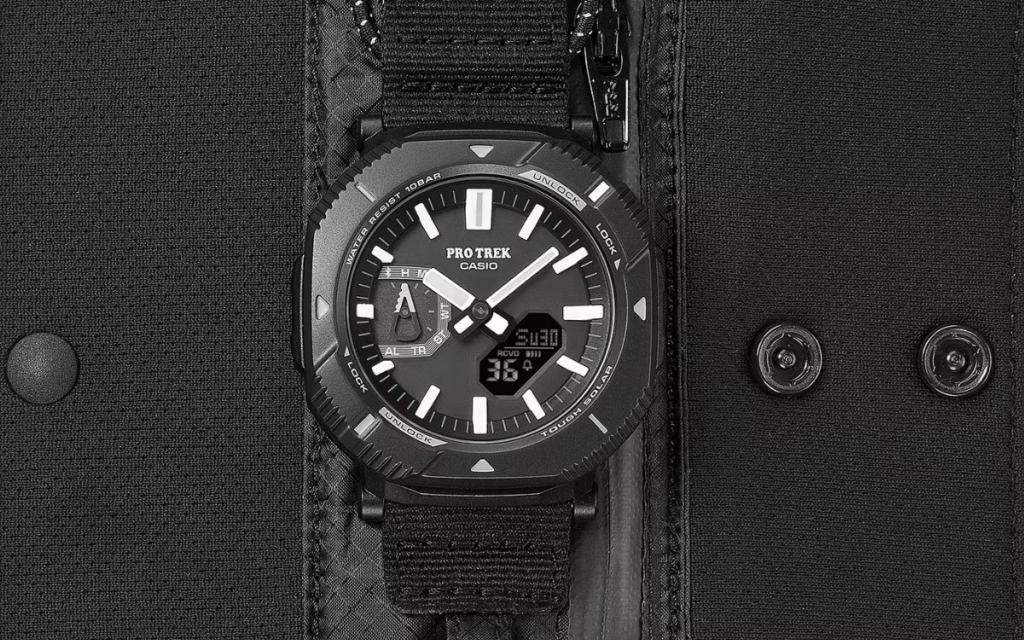
Casio is bringing a new version of its Pro Trek watch to the US market. The PRJB001EX-1, which originally launched in Japan earlier this year, is a digital-analog hybrid watch designed specifically for camping and hiking. It is available to purchase now for $220.

Casio Pro Trek PRJB001EX-1

Design Details

Instead of focusing on advanced smartwatch features or health tracking, this model offers practical features designed for outdoor use. The watch comes with a fabric strap that includes a small built-in pocket for storing items such as a house key or folded cash.

The strap also features a reversible design, allowing users to fold it over the watch face to protect the glass from scratches when not in use. It can also be attached to a carabiner, making it easy to hang the watch from a backpack or inside a tent instead of wearing it on the wrist.

Casio Pro Trek PRJB001EX-1

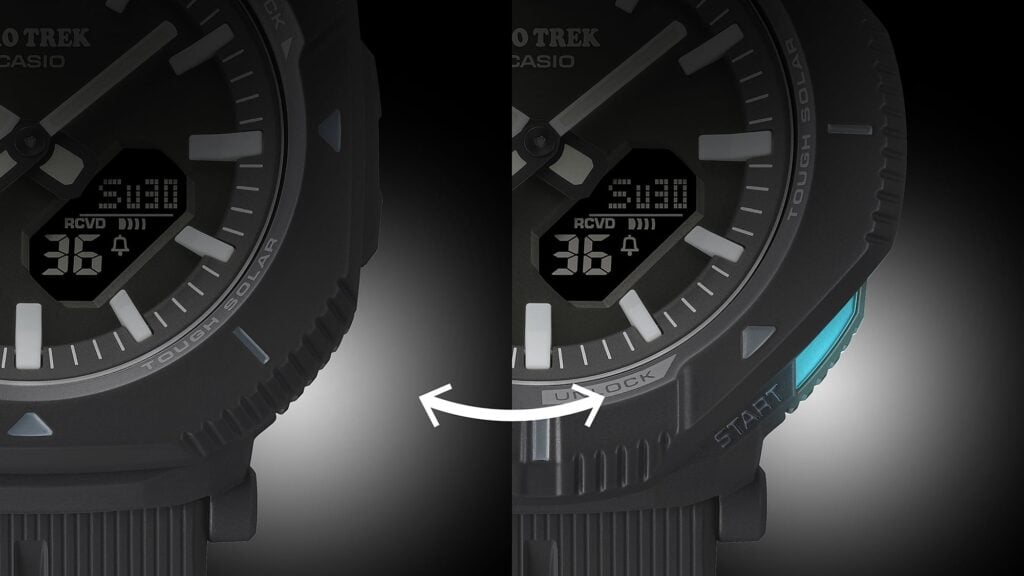
To deal with accidental button presses, a common issue when wearing heavy jackets or carrying gear, the watch has a rotating bezel. You can turn the bezel to physically block the side buttons, and then rotate it back when you actually need to press them.

Check price →
Where to buy
Casio Pro Trek PRJB001EX-1
Latest price on Amazon

The watch case measures 50.3 x 46 x 13.6 mm and weighs 51 grams. Both the case and the bezel are made from a bio-based resin. For durability, it includes 100-meter water resistance and can operate in temperatures down to -10 degrees Celsius.

Casio Pro Trek PRJB001EX-1

It runs on Casio’s Tough Solar charging system, offering up to seven months of battery life on a full charge without additional light exposure. Battery life can extend to 18 months with power-saving mode enabled.

It also has Bluetooth to connect to the Casio Watches phone app. This link provides automatic time syncing across 38 time zones, a phone finder tool, and a Time & Place button that logs your current location and time into the app.

Casio Pro Trek PRJB001EX-1

Additionally, the watch comes with a 1/100-second stopwatch, a 60-minute countdown timer, five daily alarms, and a double LED light for improved visibility in the dark. It also features a hand-shift function that temporarily moves the analog hands out of the way for a clearer view of the digital display.

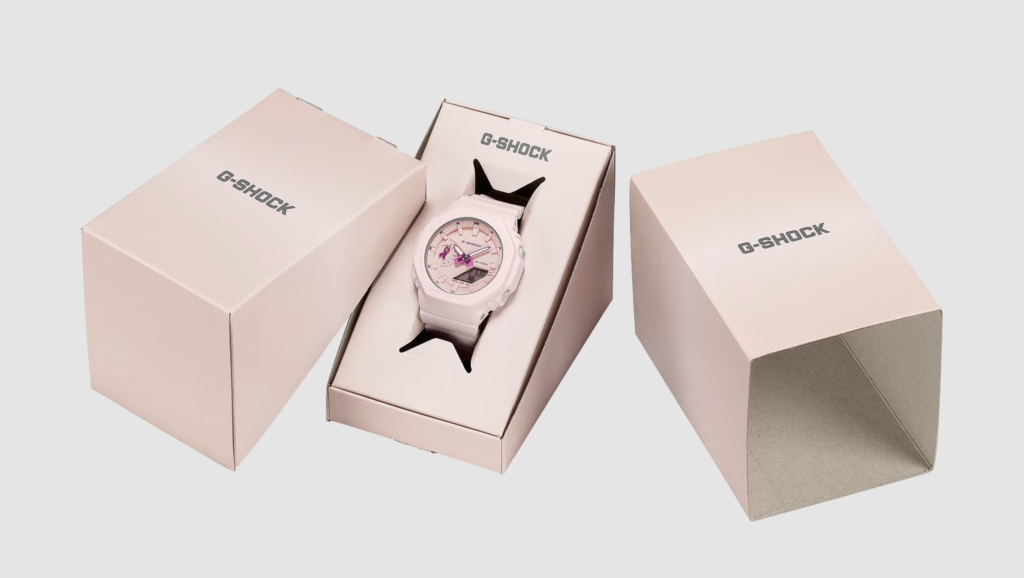
In related news, Casio has recently launched the pastel pink G-Shock GMA-S2100PR-4A in India, alongside the new Baby-G BGD-10KPM-7 Pop Mart watch that doubles as a bag charm.

For more daily updates, please visit our News Section.

Stay ahead in tech! Join our Telegram community and sign up for our daily newsletter of top stories!

(Casio)

Huawei Pura X View sells 449,800 units in China in about a month

Huawei’s unusually wide-screen Pura X View has turned into a bit of a surprise hit in China, but good luck actually getting one. According to digital blogger @RDObservation, who tracks domestic smartphone market share, the phone had sold around 449,800 units by week 39 of 2026 (September 21–27).

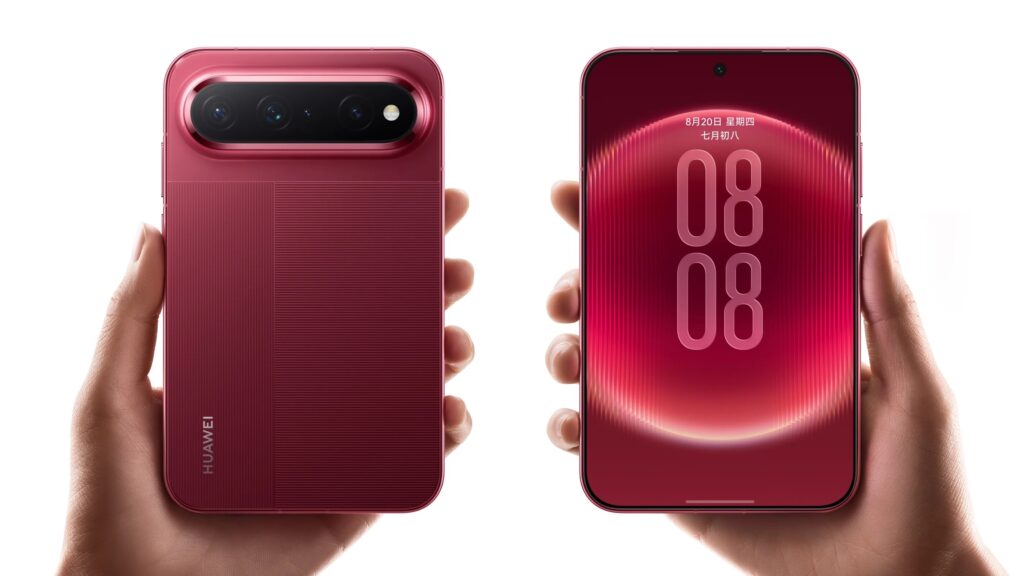
Hands hold the front and back of a red Huawei Pura X View smartphone.

Those numbers look solid, yet the device is still hard to find. People online keep reporting stock shortages, and some third-party sellers are marking it up by 500 to 1,000 yuan over the official price. A few commenters reckon sales would be even higher if Huawei could just keep more units in stock. Right now, the company’s official site estimates delivery before November 19 for new orders, and the Midnight Black color is already listed as out of stock.

What makes the Pura X View stand out is its “wide candybar” design. It has a 6.39″ flat OLED screen with a 2232×1320 resolution and a unique 16:9.5 aspect ratio that gives it a wider feel than typical tall phones. The display features 1.05 mm equal bezels on all four sides (96.1% screen-to-body ratio), a 120 Hz refresh rate, 2160 Hz high-frequency PWM dimming, and a local peak brightness of 6,500 nits, all protected by Kunlun glass.

Under the hood is the Kirin 9030S chip, paired with a 6,400 mm² VC vapor chamber for cooling. Pricing starts at 5,999 yuan (~$896) for the 12 GB + 256 GB model, then jumps to 6,999 yuan (~$1045) for 12 GB + 512 GB and 8,499 yuan (~$1270) for 12 GB + 1 TB.

Close-up view of the rear camera module on a red Huawei Pura X View smartphone.

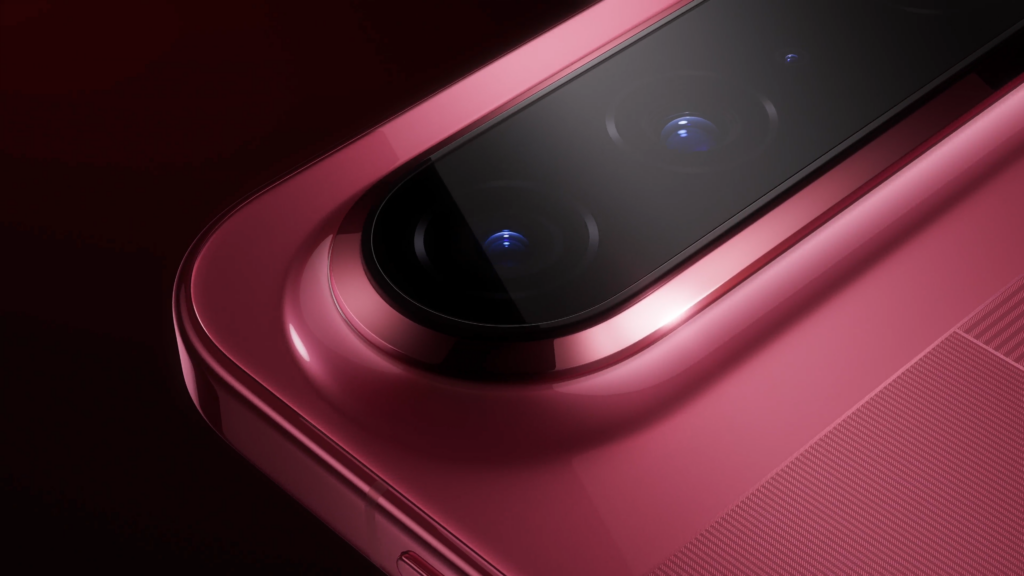
On the back you’ll find a 200 MP RYYB main camera (1/1.28-inch, f/1.8, OIS), a 50 MP periscope telephoto (f/2.6, OIS, 88 mm equivalent), an 8 MP ultra-wide, and a second-generation red maple primary color camera. Up front is a 40 MP selfie camera. Inside sits a 7,000 mAh silicon-anode battery that supports 66 W wired and 50 W wireless charging.

The phone is about 6.68 mm thick, weighs roughly 201 g, and comes with IP68/IP69 dust and water resistance, two-way BeiDou satellite messaging, and eSIM support. Color options are Shadow Red, Linen Gray, Zero White, and Midnight Black.

The mix of a distinctive shape, high-end specs, and limited supply has kept the Pura X View in strong demand even weeks after launch.

Don’t miss a thing! Join our Telegram community for instant updates and grab our free daily newsletter for the best tech stories!

For more daily updates, please visit our News Section.

(Source)

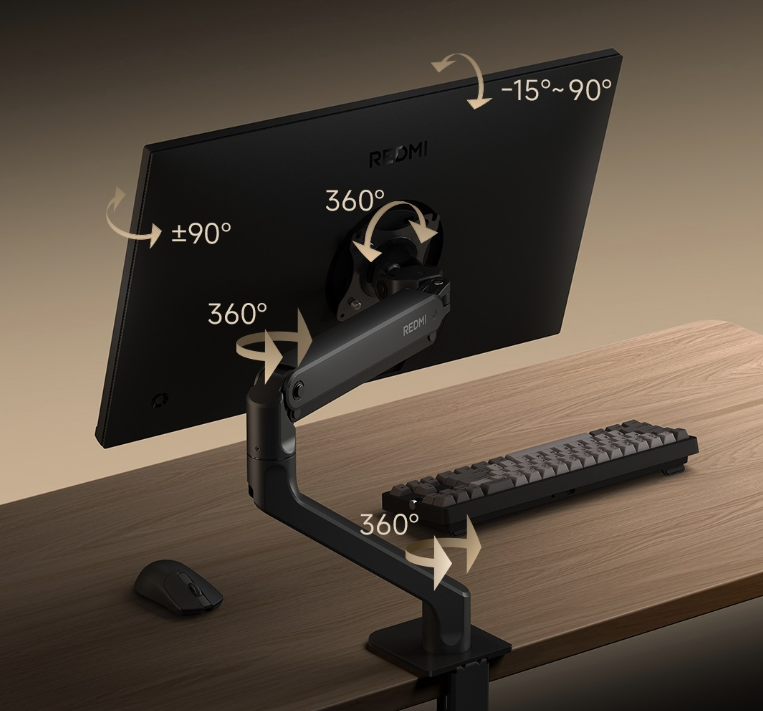
REDMI Monitor Arm launches with five-way adjustment, supports monitors up to 9kg

Xiaomi just added another practical desk accessory under the REDMI brand. The new REDMI Monitor Arm is listed for sale on Xiaomi Youpin. It’s a budget-friendly way to free up desk space and get a better viewing angle without spending much.

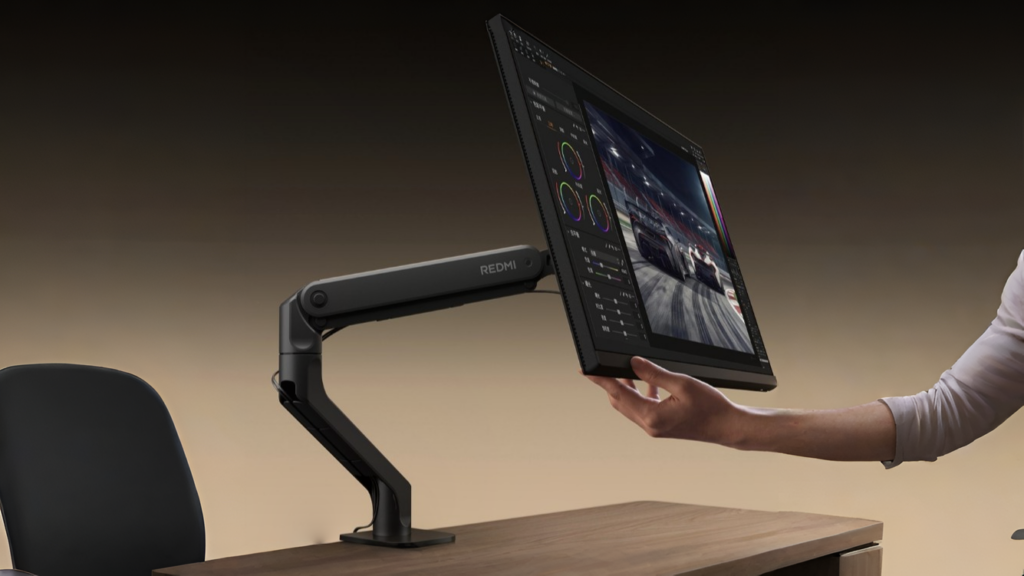
A person adjusts a computer monitor mounted on a flexible black REDMI Monitor Arm.

It is priced at 299 yuan (around $44) and comes with a 5-year replacement warranty. The main body is made from 3mm-thick aluminum alloy (with die-cast and CNC machining) and uses a patented dual-spring design. Xiaomi says this helps distribute force evenly when you adjust the height, and it’s been through more than 30,000 fatigue tests for durability. The arm can handle monitors between 1.9 kg and 9 kg, so it should work fine with most screens up to around 34 inches.

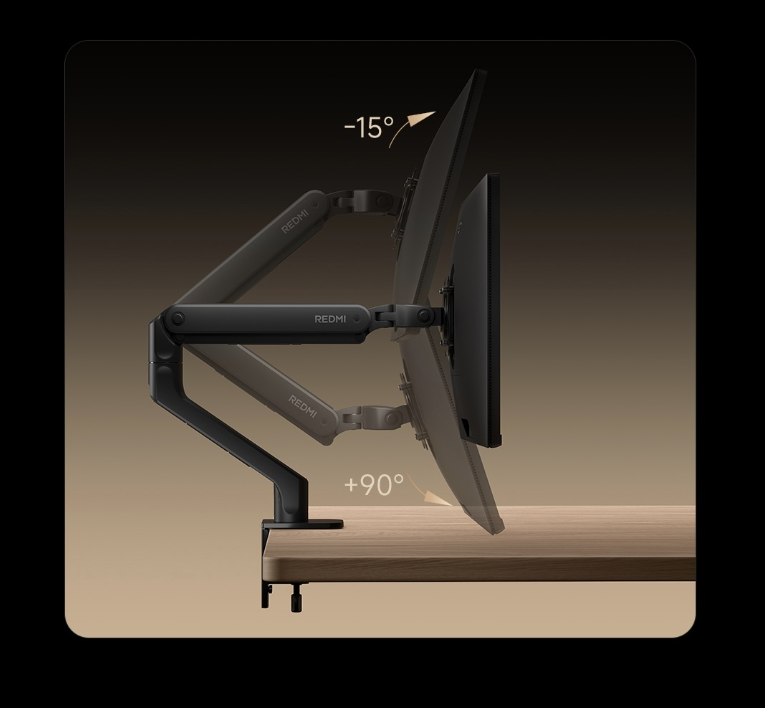
You get full five-way adjustment: height, tilt, rotation, left-right swing, and forward-backward extension. The arm can stretch out up to 43.5 cm and lift the monitor by up to 30 cm. It also supports 180° horizontal rotation and full 360° screen rotation. It works with the two common VESA standards, 75×75 mm and 100×100 mm, and can be mounted on a desk or the wall.

There are a couple of nice practical touches too. Cables can be routed through a hidden channel inside the arm to keep things looking clean. Setup is simple: it comes with hand-tightening screws, so you don’t need extra tools and one person can install it without much hassle.

Overall, the REDMI monitor arm is aimed at people who want a cleaner, more flexible desk setup without dropping a lot of money. Solid materials, smooth multi-axis movement, and built-in cable management at this price make ergonomic monitor mounting a lot more accessible for everyday home or office use.

Don’t miss a thing! Join our Telegram community for instant updates and grab our free daily newsletter for the best tech stories!

For more daily updates, please visit our News Section.

(Source: Xiaomi Youpin)

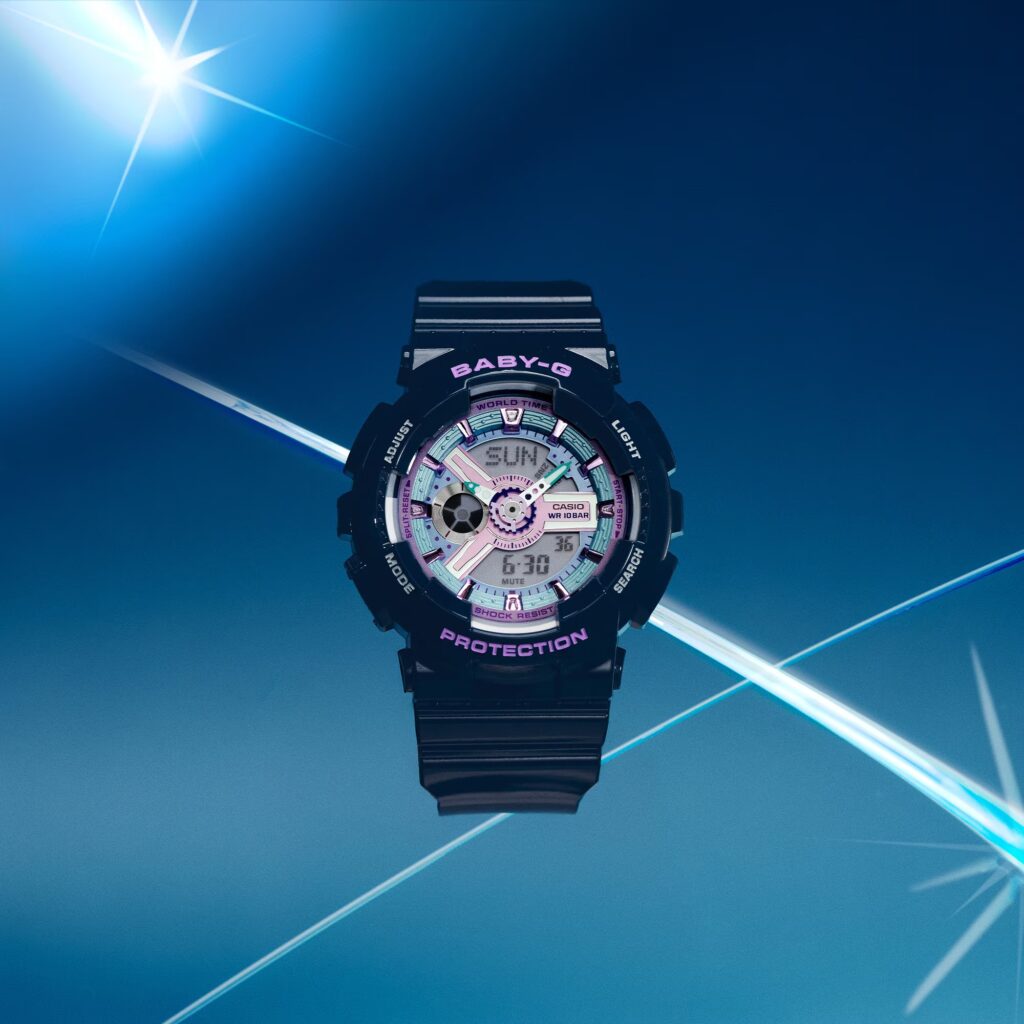
Casio launches Y2K-inspired Baby-G BA110MC watches in the US

Casio has launched three new Baby-G watches in the US under its BA110MC series. The lineup includes the BA-110MC-2A in blue, BA-110MC-6A in purple, and BA-110MC-7A in white. All three models are priced at $145 each and are now available through Casio’s official US website.

The new watches feature glossy finishes and metallic dial accents inspired by early 2000s fashion, while retaining the durability and rugged construction associated with the Baby-G lineup.

Casio Baby-G BA110MC watches

Design Details

The design of the BA110MC series centers around a multi-layered analog-digital hybrid dial. Instead of matte finishes, Casio opted for a glossy resin exterior for the case and band.

The dial features metallic indexes that contrast with the subdued, cool-toned colorways of the watch bodies. It is a familiar layout for anyone who has used the BA-110 series before, providing both traditional watch hands and digital readouts on a single face.

In terms of physical specifications, the watches measure 46.3 x 43.4 millimeters and are 15.8 millimeters thick. Because the case and band are made entirely of resin, the watches remain relatively light at 45 grams. The display is covered by mineral glass.

Like most Baby-G models, the BA110MC series is built with shock-resistant construction to handle drops and impacts. They also feature a 100-meter water resistance rating, making them suitable for swimming and general water exposure, though they are not intended for deep diving.

Shop now →
Where to buy
Casio Baby-G watches
Browse the range on Amazon

The feature set is standard for Casio’s digital watch lineup. The watches include a world time function that covers 29 time zones across 48 cities, complete with a daylight saving time toggle.

For timing, there is a 1/100-second stopwatch with elapsed and split time modes, as well as a 24-hour countdown timer. You can set up to five daily alarms, one of which includes a snooze function, alongside an optional hourly time signal.

The digital displays show the time, month, date, and day of the week, while the analog hands move at 20-second intervals. For better visibility in the dark, the watch comes with an amber LED backlight with an afterglow function.

The analog hands also feature a Neobrite coating for improved readability in low-light conditions. The watch runs on two SR726W batteries, which Casio claims can last approximately two years before requiring replacement.

In related news, Casio has recently launched the pastel pink G-Shock GMA-S2100PR-4A in India, alongside the new Baby-G BGD-10KPM-7 Pop Mart watch that doubles as a bag charm.

For more daily updates, please visit our News Section.

Stay ahead in tech! Join our Telegram community and sign up for our daily newsletter of top stories!

(Casio 1,2,3)

Casio brings its new pastel pink G-Shock GMA-S2100PR-4A watch to India

Casio has released the GMA-S2100PR-4A in India, bringing its latest breast cancer awareness G-Shock to the region after its initial launch in Japan, the US, and Europe. The watch is priced at ₹7,995 and is available now, coinciding with October’s breast cancer awareness month.

Casio G-Shock GMA-S2100PR-4AER

Design Details

This model is a variant of the GMA-S2100, which is the smaller, more compact version of Casio’s octagonal 2100 series. It measures 46.2 x 42.9 x 11.2 mm and weighs 41 grams. These dimensions make it a better fit for smaller wrists compared to standard, bulkier G-Shock models.

The design is entirely pastel pink. The only specific branding for the awareness campaign is a small pink ribbon indicator located on the sub-dial at the 9 o’clock position.

Casio G-Shock GMA-S2100PR-4AER

For the casing and the strap, Casio is using bio-based resin. The internal structure uses Casio’s standard Carbon Core Guard to protect the timekeeping module.

As a standard G-Shock, it comes with the usual durability specifications. It is shock-resistant and water-resistant up to 200 meters. The display is a hybrid analog-digital setup covered by mineral glass.

Check price →
Where to buy
Casio G-Shock GMA-S2100PR-4A
Latest price on Amazon

The analog hands have a Neobrite coating for visibility in the dark, and there is a double white LED system that illuminates both the watch face and the digital screen. You can set the backlight to stay on for either 1.5 or 3 seconds.

Casio G-Shock GMA-S2100PR-4AER

The watch runs on two SR726W batteries, which Casio estimates will last about three years. The digital features are standard for this module: world time for 31 time zones across 48 cities, a 1/100-second stopwatch, a 24-hour countdown timer, a full auto-calendar, and five daily alarms.

It also includes a hand-shift feature, which temporarily moves the analog hands out of the way if they are blocking the digital LCD.

In related news, Casio has recently launched the Baby-G BGD-10KPM-7 in collaboration with Pop Mart, which doubles as a bag charm, alongside a special-edition GM-5600 G-Shock inspired by Japanese rock legend Tomoyasu Hotei.

For more daily updates, please visit our News Section.

Stay ahead in tech! Join our Telegram community and sign up for our daily newsletter of top stories!

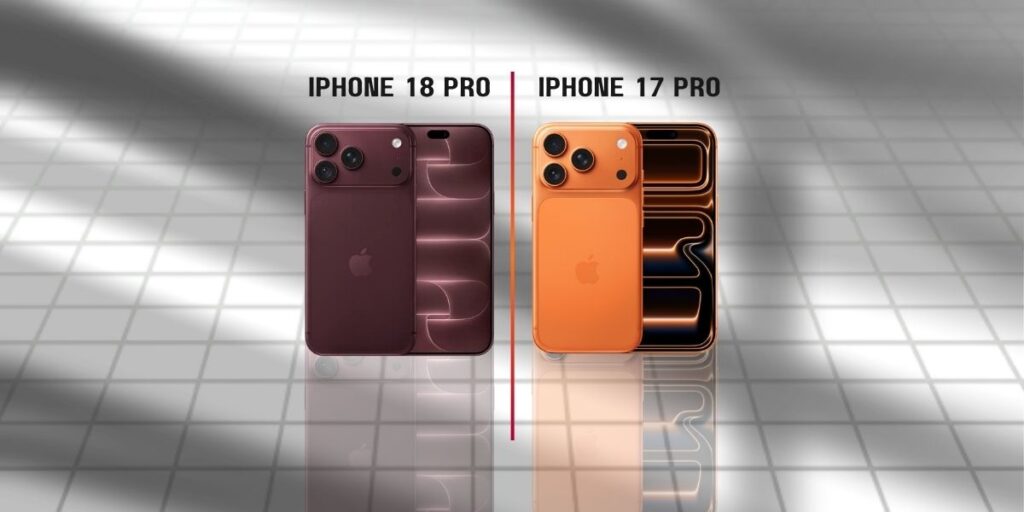
iPhone 18 Pro vs iPhone 17 Pro: Is the Upgrade Worth It?

It’s been almost a month since the iPhone 18 Pro hit the market, and the new burgundy finish is already showing up everywhere. I spotted quite a few of them while traveling last week. But if you’re still holding off on buying one, whether for the new looks or because you think the specs are worth upgrading, you might want to read what’s new one last time. 

At first glance, the iPhone 18 Pro looks almost identical to its predecessor, with the new colors and a smaller Dynamic Island being the most noticeable differences. There are more changes under the hood, though, including the A20 Pro chip and a larger cooling system. The catch here is that these upgrades come with a $100 price increase. iPhone 18 Pro now starts at $1,199 in the US versus $1,099 for its predecessor. 

So is paying more worth it? Here’s how the iPhone 18 Pro compares with the iPhone 17 Pro and whether the upgrades justify the higher price.

iPhone 18 Pro vs iPhone 17 Pro

1. The camera

Let’s start with the hype for the iPhone 18 Pro. Every model from the iPhone 14 Pro through the iPhone 17 Pro used a fixed f/1.78 aperture, meaning the lens opening could not physically change. The iPhone 18 Pro introduces a 48MP Fusion Main camera with a mechanical aperture that adjusts between f/1.48 and f/4 using six laser-cut blades. It is the first iPhone with a physically adjustable aperture. 

You can let the Camera app choose the aperture automatically or select from four settings yourself. Apple has also added manual controls for aperture and shutter speed, along with white balance and a histogram.

The wider f/1.48 aperture lets in about 45% more light than the previous f/1.78 lens, based on the difference in aperture area. This can help in dim environments and produce a shallower depth of field for portraits. At f/4, the smaller opening keeps more of the scene in focus, which can be useful for landscapes, group photos, and shooting in bright daylight. The iPhone 17 Pro relied on software to approximate some of these effects.

Apple has made a few other camera changes on the newer phone:

  • Smart Focus tracks your subject while you shoot.
  • Night mode works faster.
  • Cinematic effects now support up to 60 fps.
  • 4K Dolby Vision HDR time-lapse recording is available.
  • Apple Reference Image saves an untouched original with verification data, allowing a photo to be verified as a real capture rather than an AI-generated image.

Apple didn’t bother to meddle with the ultrawide and front cameras, while the telephoto camera retains the 4x and 8x optical-quality zoom options introduced with the iPhone 17 Pro. Which is to say, the main camera is the sole major camera upgrade on the iPhone 18 Pro. 

2. Performance

The iPhone 18 Pro runs on Apple’s A20 Pro, built on a 2nm process, compared with the 3nm A19 Pro in the iPhone 17 Pro. Both phones have 12GB of RAM, but the newer chip pairs a six-core CPU with a seven-core GPU. Apple says the GPU is up to 40% faster than the previous generation, while memory bandwidth has increased by 50%.

The A20 Pro also has two 16-core Neural Engines, which doubles the AI processing capacity of the previous chip. This extra hardware supports Apple’s next generation of on-device AI features, including the new Siri AI.

Cooling is another important part of the upgrade. The iPhone 17 Pro introduced a vapor chamber, but the iPhone 18 Pro uses a newer version attached directly to the chip, with three times the surface area of the earlier design. Apple says this improves sustained performance by up to 40%.

Benchmark scores back Apple’s claim, and this means better performance on demanding tasks, such as extended gaming sessions, 4K video exports, and intensive AI processing. These workloads can heat a phone and cause its performance to drop over time, so better cooling can help the iPhone 18 Pro maintain its speed for longer.

For everyday use, however, the difference is likely to be smaller. The A19 Pro is already powerful enough to handle current apps and games, so the A20 Pro’s biggest advantage is the extra performance headroom it provides for future software and more demanding tasks. This will be useful if you plan to keep the phone for four or five years.

Check price →
Where to buy
iPhone 18 Pro
Latest price on Amazon

3. Battery and charging

Apple says the iPhone 17 Pro can last for up to 33 hours of video playback, while the eSIM-only iPhone 18 Pro can go up to 36 hours. The newer model also charges faster, reaching 50% in about 15 minutes compared with around 20 minutes for the iPhone 17 Pro using a 40W adapter.

There are two things to keep in mind, though. First, the 36-hour rating applies to the eSIM-only version sold in the US, Canada, Japan, Mexico and eight other markets. Buyers elsewhere should check the specifications of the version available in their region. Second, Apple’s battery figures are estimates rather than independent test results. 

Check price →
Where to buy
iPhone 17 Pro
Latest price on Amazon

The iPhone 18 Pro also includes Apple’s C2 modem, which the company says consumes 15% less energy than the C1X and supports mmWave 5G in the US. Its N1 wireless chip adds Wi-Fi 7, Bluetooth 6, and Thread support. 

4. Design and display

There is little difference between the two phones’ displays. Both have a 6.3-inch OLED panel with 120Hz ProMotion and up to 3,000 nits of peak brightness, along with an aluminum unibody. The iPhone 18 Pro weighs 211 grams versus 206 grams on its predecessor, while the overall dimensions are mostly the same—you can use your iPhone 17 Pro’s case, if you wish to. 

A noticeable hardware change is that the Dynamic Island is smaller on the newer model and can show up to three Live Activities at once, up from two. Also, Apple hid the Face ID camera under the screen and relocated it to the top left, and the rear glass panel now matches the color of the surrounding camera area.

The available colors show a more noticeable visual difference. The iPhone 18 Pro comes in Black, Silver, Glacier, and Burgundy. Black returns after being absent from last year’s lineup, while iPhone 17 Pro’s signature Cosmic Orange is no longer available.

Apple has also added a 2TB storage option, the first for an iPhone. 

5. iOS 27 and Siri AI

The iPhone 18 Pro ships with iOS 27 and the latest generation of Apple Intelligence, including the new Siri AI. But the software alone is not a strong reason to upgrade, since iOS 27 became available as a free update on September 14, four days before the phone went on sale.

The hardware difference is in how much AI processing the phone can handle locally. The A20 Pro’s Neural Engines and higher memory bandwidth give it more capacity for on-device tasks. Apple’s May roundup of expected iPhone 18 Pro upgrades had already pointed to the camera, performance, battery, and AI as the main areas of change.

6. Price: what the extra $100 gets you

The iPhone 17 Pro launched at $1,099 for the 256GB model, while the iPhone 18 Pro starts at $1,199 for the same storage capacity. Apple’s installment plan puts the newer model at $49.95 per month over 24 months. The price increase is smaller than some buyers expected after an IDC forecast in June suggested the price could rise by $200.

For the extra $100, you get the variable-aperture main camera, the A20 Pro chip, improved cooling, a higher battery rating, and faster charging. The display, overall design, and zoom range remain largely the same.

The iPhone 17 Pro is now a generation old, which could make it a better deal as retailers and carriers reduce its price. Check current offers before deciding, since a discount could make the price difference between the two models considerably larger than Apple’s original $100 gap.

7. Who should upgrade?

iPhone 17 Pro owners: Most can stick with their current phone. The display, size, zoom range, and everyday performance remain similar, so the camera is the main reason to upgrade. It may be worth the cost if you regularly shoot in low light or want the new aperture and manual controls. People who play demanding games or edit 4K video on their phones may also benefit from the improved cooling.

iPhone 16 Pro owners: The upgrade makes more sense because you get two generations of changes. The iPhone 17 Pro introduced an aluminum design, a vapor chamber, 48MP resolution across all three rear cameras, and 4x and 8x telephoto zoom. The iPhone 18 Pro adds the new chip, larger cooling system, adjustable main camera, and longer battery rating on top of those changes.

iPhone 15 Pro owners or anyone with an older model: The iPhone 18 Pro brings more substantial improvements in camera capabilities, performance, battery life, and storage. If your current phone is starting to feel dated, moving to the newer model could be more worthwhile than upgrading every year to get one set of changes at a time.

For daily updates, please visit our News Section.

Stay ahead in tech! Join our Telegram community and sign up for our daily newsletter of top stories!

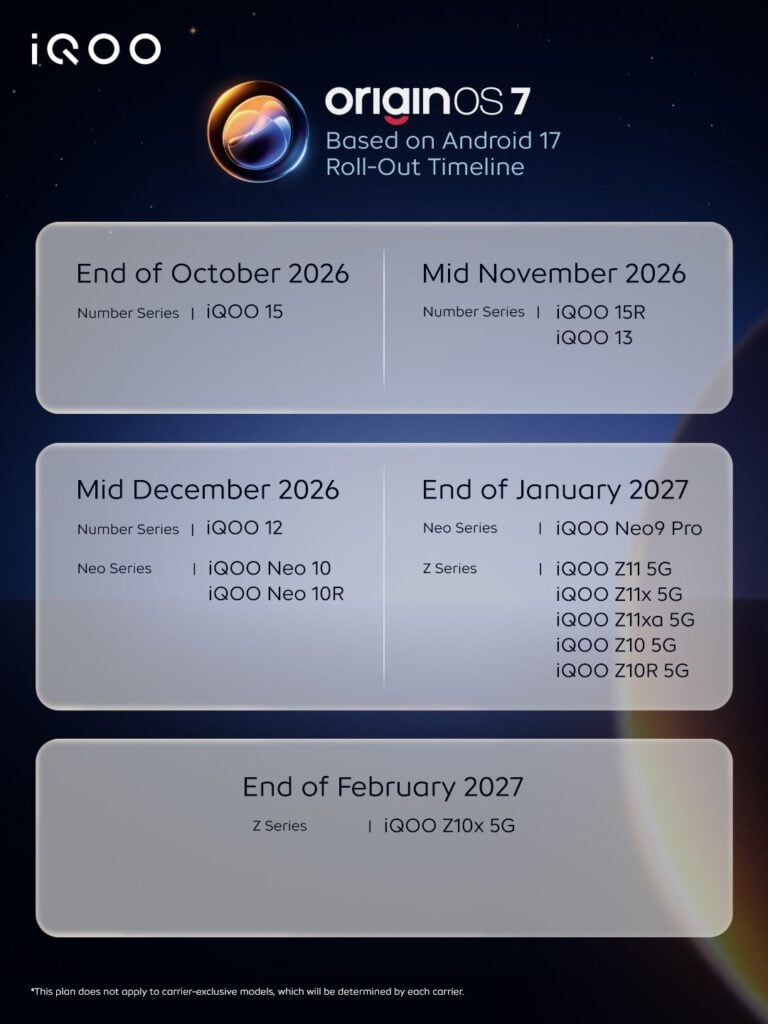
iQOO OriginOS 7 update: Rollout timeline for 13 smartphones confirmed

Vivo recently unveiled the Vivo V80 and Vivo X Fold 6 in India, confirming that both smartphones will ship with OriginOS 7 based on Android 17. More Vivo devices are expected to receive the new software in the coming weeks. Its sub-brand iQOO has now revealed when its eligible smartphones will get the latest operating system.

iQOO OriginOS 7 rollout timeline revealed

iQOO OriginOS 7

iQOO India CEO Nipun Marya has shared the company’s rollout schedule on X, detailing when different smartphone lineups will receive the Android 17-based update. The iQOO 15 is scheduled to receive OriginOS 7 by the end of October 2026. The iQOO 15R and iQOO 13 will follow in mid-November, while the iQOO 12, iQOO Neo 10, and iQOO Neo 10R are scheduled to receive the update in mid-December 2026.

The rollout will continue into 2027, bringing the new software to several devices across the Neo and Z series. The iQOO Neo9 Pro, iQOO Z11 5G, iQOO Z11x 5G, iQOO Z11xa 5G, iQOO Z10 5G, and iQOO Z10R 5G are scheduled for an update by the end of January 2027. The iQOO Z10x 5G is expected to receive OriginOS 7 by the end of February 2027.

Check price →
Where to buy
iQOO 15
Latest price on Amazon

The announced dates reflect iQOO’s planned rollout schedule, and users can check their phones’ system update settings for availability. However, carrier-exclusive models are excluded, with their update timelines to be determined by the respective carriers.

Meanwhile, iQOO has already confirmed that the iQOO 16 will launch in India soon. The upcoming flagship is expected to be the brand’s first smartphone in the Indian market to ship with OriginOS 7 based on Android 17 preinstalled, rather than requiring a subsequent software update. This will give buyers access to the new software straight out of the box.

For daily updates, please visit our News Section.

Stay ahead in tech! Join our Telegram community and sign up for our daily newsletter of top stories!

Global Xiaomi 18 Pro, Xiaomi 18 Pro Max appear on Geekbench as launch nears

Xiaomi unveiled its Xiaomi 18 Pro and Xiaomi 18 Pro Max flagship smartphones in China last month. Soon after their debut, the company confirmed plans to bring the series to global markets. Now, benchmark listings suggest that international testing could already be underway, potentially pointing to an earlier overseas launch.

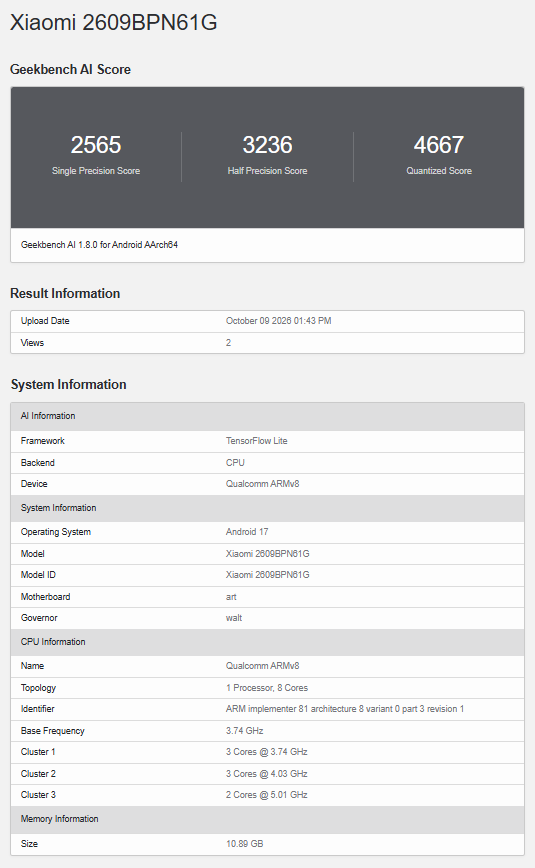
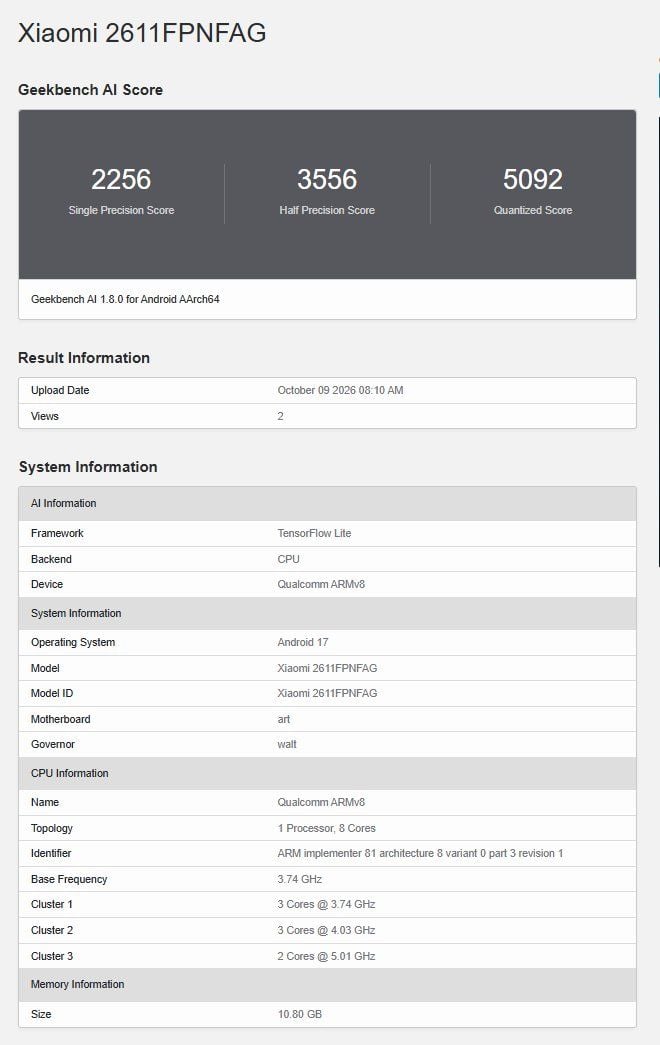
Xiaomi 18 Pro series Geekbench listing

The global Xiaomi 18 Pro, carrying the model number 2609BPN61G, has appeared on Geekbench AI alongside the Xiaomi 18 Pro Max, identified by model number 2611FPNFAG. Both listings reveal Android 17 and approximately 12GB of memory, indicating that the devices are being evaluated with Google’s upcoming Android version. The listings also identify Qualcomm’s ARMv8 platform, although they do not independently confirm the commercial chipset names.

According to the reported hardware configurations, the Xiaomi 18 Pro is expected to feature the Snapdragon 8 Elite Gen 6, while the Pro Max could arrive with the more powerful Snapdragon 8 Elite Extreme Gen 6. Both chips reportedly share the same CPU configuration, comprising three cores clocked at 3.74GHz, three at 4.03GHz, and two at 5.01GHz. The key difference is expected to lie in graphics performance, with the Extreme variant featuring an Adreno 850 GPU compared with the Adreno 845 in the standard version.

The Geekbench AI results offer an early look at their AI processing capabilities. The Xiaomi 18 Pro recorded scores of 2,565 in single precision, 3,236 in half precision, and 4,667 in quantized testing. Meanwhile, the Pro Max achieved 2,256, 3,556, and 5,092 in the respective tests. These results reflect AI benchmark performance rather than conventional CPU or GPU performance.

The potential international debut would mark a notable change from the Xiaomi 17 series. Although the Xiaomi 17, 17 Pro, and 17 Pro Max launched in China in September 2025, only the standard model reached global markets in early 2026, leaving the Pro models exclusive to China. An earlier international launch could help Xiaomi compete more directly with upcoming flagships from Vivo and Oppo. However, Xiaomi has yet to announce a global release date or confirm the final hardware specifications.

For daily updates, please visit our News Section.

Stay ahead in tech! Join our Telegram community and sign up for our daily newsletter of top stories!

Infinix GT 50 Pro with visible liquid cooling is launching on October 27 in India

Infinix unveiled the GT 30 Pro in June last year, followed by the standard GT 50 in August. This year, the company took a different approach, launching the GT 50 Pro globally in April while keeping Indian buyers waiting. After teasing its arrival last week, Infinix has finally confirmed when the gaming smartphone will reach India.

Infinix GT 50 Pro India launch date confirmed

Infinix GT 50 Pro
Infinix GT 50 Pro

The Infinix GT 50 Pro will launch in India on October 27, bringing a supercar-inspired design and dedicated gaming features. Its Cyber Mecha styling features aerodynamic lines, a tapered profile, and a Kevlar-style textured rear panel built on a 2D composite structure. The phone will be available in Black Abyss with green cooling accents and Red Blaze with matching red accents.

One of the major highlights of the GT 50 Pro is its HydroFlow Liquid Cooling system, which Infinix describes as India’s first implementation featuring an Explicit Viewport Design. A dedicated window on the back reveals the liquid-cooling channels, while a specialised printing technique creates a three-dimensional appearance inspired by mechanical pipes. The system combines a proprietary flow-channel design with dual pumps to help dissipate heat during demanding gaming sessions.

The GT 50 Pro also features Mechanical Lighting Waves, comprising four RGB light strips arranged in the brand’s signature GT crosshair pattern. The lighting responds to incoming calls, gaming sessions, and music playback, with 14 effects and eight customisable colour options. These additions give users greater control over the phone’s appearance.

For gaming, GT Trigger 2.0 introduces dual pressure-sensitive shoulder buttons integrated into the phone’s upper edges. Users can assign functions such as aiming, firing, camera zoom, and app launching to these controls, reducing reliance on touchscreen inputs. Together with its visible cooling hardware and distinctive lighting, the GT 50 Pro offers a gaming-focused design that goes beyond conventional smartphone aesthetics.

Infinix has yet to announce Indian pricing and full market-specific details. With its October 27 launch approaching, the company is expected to reveal more information soon.

For daily updates, please visit our News Section.

Stay ahead in tech! Join our Telegram community and sign up for our daily newsletter of top stories!