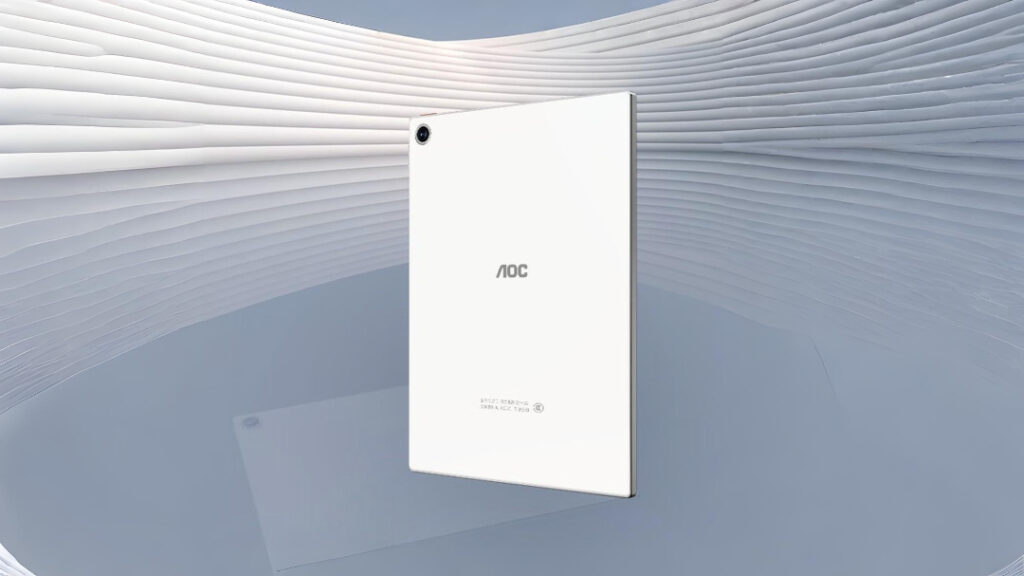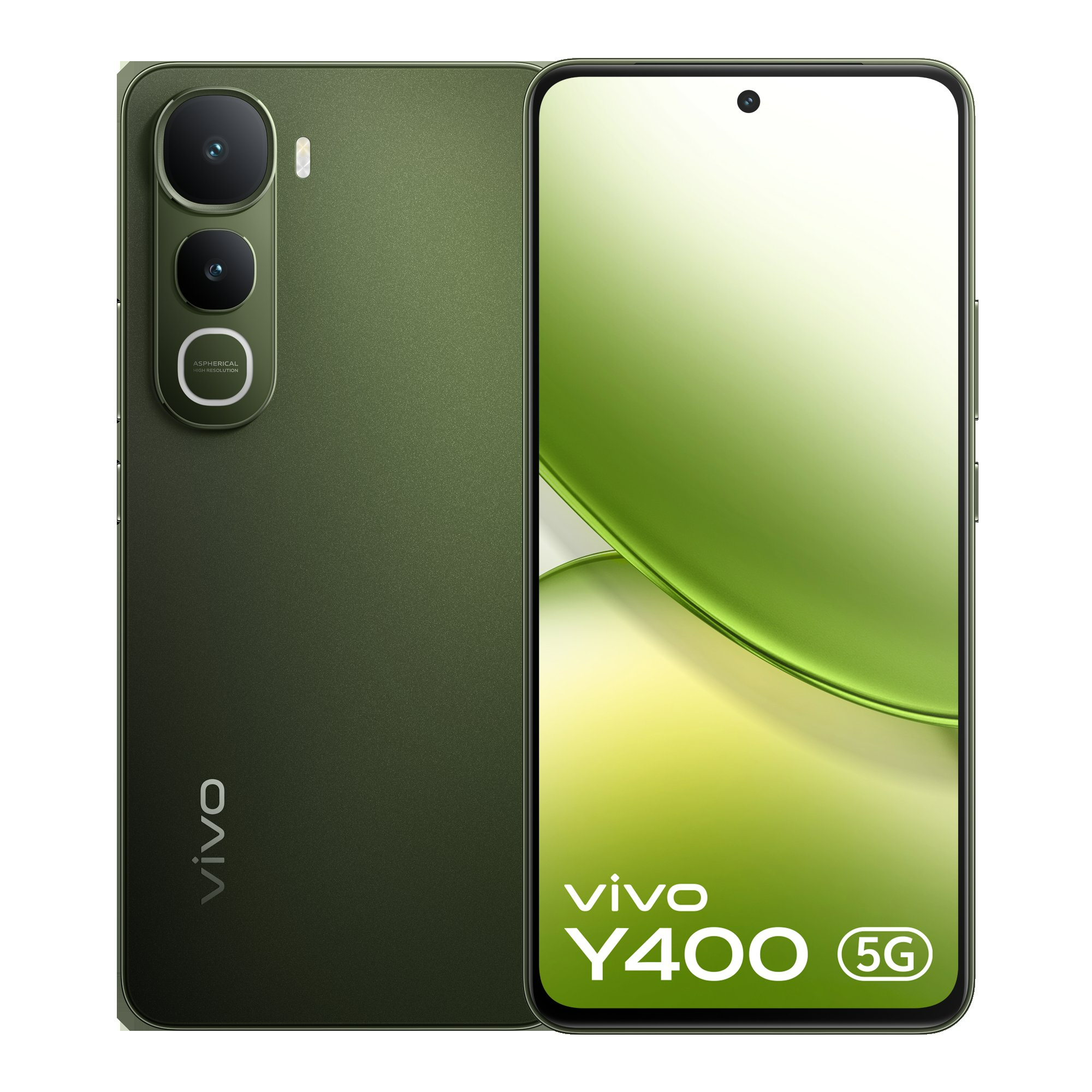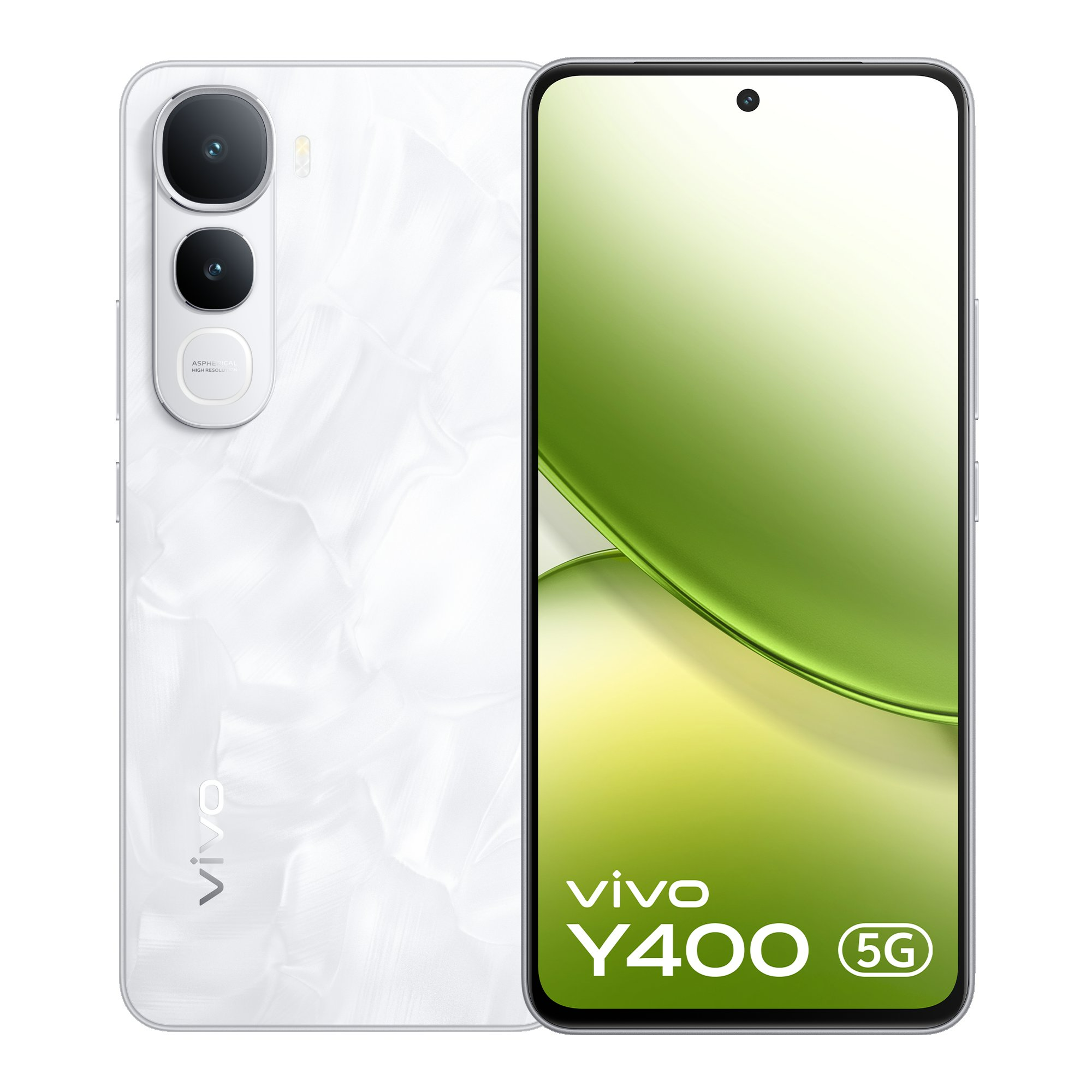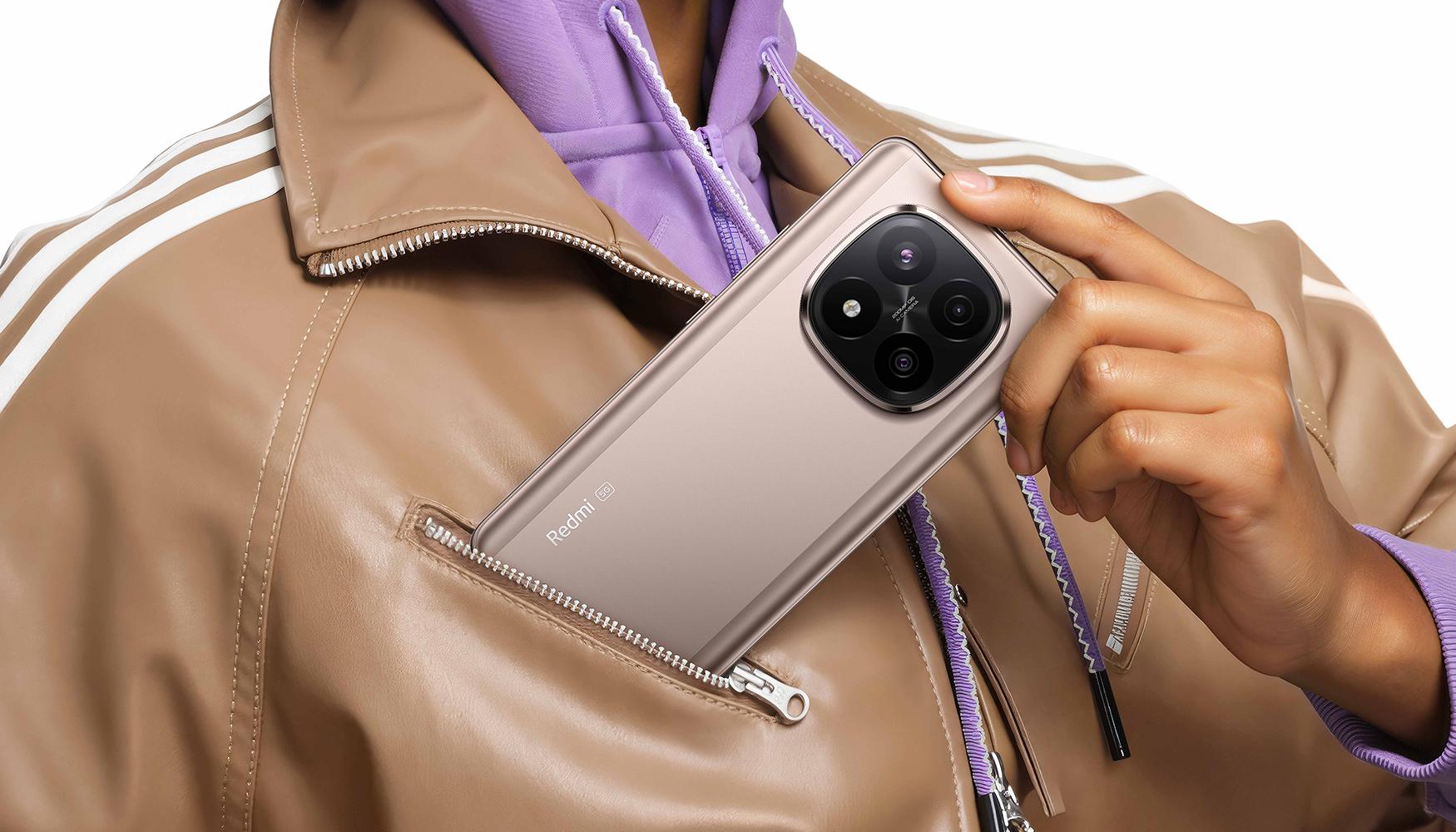
Redmi has just confirmed that the Turbo 4 Pro will launch in China next week. The smartphone, identified by the model number 25053RT47C, has surfaced in China Telecom’s product library, signaling that its debut is imminent. The listing has given away several key details, including the device’s design, full specifications, possible pricing, color variants, and the expected release date.
Redmi Turbo 4 Pro: Launch date, pricing, and color variants revealed
Redmi Turbo 4 Pro images from the China Telecom listing
According to the China Telecom listing, the Redmi Turbo 4 Pro will be released in China on April 24. It is expected to arrive in four variants — 12GB+256GB for 2,099 Yuan (~$290), 16GB+256GB for 2,399 Yuan (~$330), 16GB+512GB at 2,799 Yuan (~$380), and a top-end 16GB+1TB model priced at 2,999 Yuan (~$410).
The device will be offered in three colours: white, black, and green. However, it’s worth noting that these prices might not reflect the final retail figures as the phone is yet to be officially announced.
Redmi Turbo 4 Pro specifications (rumored)
The Turbo 4 Pro is expected to feature a 6.83-inch flat OLED LTPS panel with a 1.5K resolution (2800 x 1280 pixels). The front houses a 20-megapixel camera, while the rear has a dual-camera setup led by a 50-megapixel main sensor paired with an 8-megapixel lens, probably for ultra-wide shots.
It will feature the recently unveiled Snapdragon 8s Gen 4 (SM8735) processor, coupled with up to 16GB of RAM and as much as 1TB of UFS 4.0 storage. The device is backed by a huge 7,550mAh battery. On the software side, the Turbo 4 Pro will ship with Android 15 layered with HyperOS 2.0. For security, it will feature an in-display fingerprint scanner. In terms of dimensions, the phone reportedly measures 163.1 x 77.93 x 7.98mm and weighs 219 grams.
Other leaked features include a 120Hz refresh rate, 90W fast charging, a metal mid-frame, an IR blaster, and water/dust resistance with IP68/IP69 ratings. As per the images revealed via the Telecom listing, the Turbo 4 Pro looks nearly identical to the standard Redmi Turbo 4, which launched earlier this year with the Dimensity 8400 chipset.
To recall, the standard Redmi Turbo 4 has already been launched globally as the Poco X7 Pro. Given this precedent, the Redmi Turbo 4 Pro is widely expected to arrive in international markets as the Poco F7.
For more daily updates, please visit our News Section.
Snapdragon 7+ Gen 3 is a popular mid-range chipset announced in March 2025. It features a high-performance octa-core CPU with up to 2.8GHz clock speed and the Adreno 732 GPU, which provides a lag-free gaming experience. The Snapdragon 7+ Gen 3 is one of the best mid-range chips, even outperforming the flagship Snapdragon 8 Gen 1 on various benchmarks.
The Snapdragon 870, on the other hand, is a relatively older chip, announced back in January 2021. However, it hasn’t bitten the dust yet. It was one of the best smartphone chips when released and still has a decent popularity among smartphone enthusiasts. The chip has a higher peak CPU frequency. However, the cores may not be as strong and efficient as the 7+ Gen 3. We’ll find that out in the benchmark comparison below.
Snapdragon 7+ Gen 3 vs Snapdragon 870: Benchmark comparison
[Note: The tests were conducted on the Realme GT 6T (powered by Snapdragon 7+ Gen 3) and Poco F4 (powered by Snapdragon 870).]
AnTuTu (v10) comparison
The Snapdragon 7+ Gen 3 absolutely crushes the older Snapdragon 870 across every category in the AnTuTu benchmark. It delivers an overall score that’s nearly 82% higher, showcasing a massive leap in performance. The CPU score sees a 55% boost, GPU performance more than doubles with a 120% jump, memory speeds are up by 132%, and even the user experience (UX) score improves by over 30%.
SD 7+ Gen 3
SD 870
AnTuTu score
1,448,293
796,504
CPU
376,122
241,986
GPU
488,799
219,756
Memory
334,990
144,545
UX
248,382
190,218
Geekbench (v10) comparison
The Snapdragon 7+ Gen 3 also dominates the Geekbench results, all thanks to its powerful CPU cores. The chip delivers 44% higher performance in the single-core test and around 33% uplift in the multi-core test. This means you’ll enjoy a noticeably faster and smoother experience on devices powered by the Snapdragon 7+ Gen 3 compared to those using the older Snapdragon 870.
SD 7+ Gen 3
SD 870
Single core
1,834
1,274
Multi core
4,498
3,386
Snapdragon 7+ Gen 3 vs Snapdragon 870: What makes the newer chip so much better?
Here, we’ll discuss key differences in CPU, GPU, connectivity, and other important areas that are absolutely critical for a meaningful comparison.
CPU
Although both are octa-core CPUs, they greatly differ in terms of CPU architectures and manufacturing processes. The Snapdragon 7+ Gen 3, for instance, uses the latest ARMv9.2-A architecture, with a Cortex-X4 prime core, four Cortex-A720 performance cores, and three Cortex-A520 efficiency cores.
On the other hand, the Snapdragon 870 uses the older ARMv8.2-A architecture, with four Cortex-A77 performance cores and four Cortex-A55 efficiency cores. However, the older chip has a higher peak CPU frequency. Despite that, it couldn’t reach near the Snapdragon 7+ Gen 3 in CPU benchmarks because the other chip has powerful and more efficient cores.
The use of TSMC’s 4nm advanced process further improves the power efficiency, whereas the Snapdragon 870 is built using an older TSMC’s 7nm process.
GPU
Snapdragon 7+ Gen 3: Adreno 732
Snapdragon 870: Adreno 650
The Adreno 732 in the Snapdragon 7+ Gen 3 is a substantial upgrade over the Adreno 650 in the Snapdragon 870. It is built on a newer architecture and has significantly higher shading units, total shaders, and FLOPS (floating point operations per second) that deliver smoother and better gaming performance than Adreno 650.
Additionally, the Snapdragon 7+ Gen 3 supports newer graphics APIs, enabling better compatibility with the latest games and graphic features. In gaming benchmarks such as 3DMark, the newer chip achieves over 100% better scores with better stability and higher fps.
Connectivity
The Snapdragon 7+ Gen 3 uses the newer X63 5G modem, with a peak download speed of up to 5Gbps and an upload speed of up to 3.5Gbps. It has the FastConnect 7800 mobile connectivity system with Wi-Fi 7 support and a peak speed of up to 5.8Gbps.
The Snapdragon 870 actually has a higher peak download speed of 7.5Gbps despite using an older X55 5G modem. The upload speed, however, is slightly higher on the newer chip. The Snapdragon 870 also lacks Wi-Fi 7 support, and has a lower peak speed on a Wi-Fi connection. It also has a slighly older Bluetooth standard — v5.2 (vs v5.3 on the 7+ Gen 1).
Snapdragon 7+ Gen 3 vs Snapdragon 870: Conclusion
The Snapdragon 7+ Gen 3 is a major leap forward compared to the Snapdragon 870. It outperforms the older chip in every benchmark category, brings a much more efficient CPU and GPU architecture, and supports the latest connectivity standards like Wi-Fi 7. While the Snapdragon 870 still holds up well for casual use, the 7+ Gen 3 is clearly the better choice for those who want faster performance, smoother gaming, and future-ready features.
SD 7+ Gen 3
SD 870
Announced
March 2024
January 2021
Process node
4nm
7nm
Manufacturer
TSMC
TSMC
CPU
1 x 2.8 GHz — Cortex-X4 4 x 2.6 GHz — Cortex-A720 3 x 1.9 GHz — Cortex-A520
1 x 3.2 GHz — Cortex-A77 3 x 2.42 GHz — Cortex-A77 4 x 1.8 GHz — Cortex-A55
GPU
Adreno 732 GPU
Adreno 650
NPU
Qualcomm Hexagon NPU
Qualcomm Hexagon 698
Memory
LPDDR5, up to 4.2GHz
LPDDR5, 2.7GHz
Camera
Real-time semantic segmentation (max 12 layers) Up to 200MP single camera Up to 108MP single camera with zero shutter lag Up to 64MP+36MP dual camera with zero shutter lag Up to 36MP triple camera with zero shutter lag Up to 4K/60fps video recording
Up to 200MP camera Up to 64MP single camera with zero shutter lag Up to 25MP dual camera with zero shutter lag Up to 8K/30fps video recording
Infinix has officially launched the Note 50s 5G smartphone in India, expanding its Note 50 lineup after introducing the Note 50x last month. The latest addition focuses on performance, display quality, camera tech, and design. According to the company, the Note 50s 5G is India’s slimmest phone, equipped with a curved-edge AMOLED screen measuring only 7.6mm in thickness. Here’s a look at the specifications, features, and price of the device.
Infinix Note 50s 5G specifications and features
Infinxi Note 50s 5G
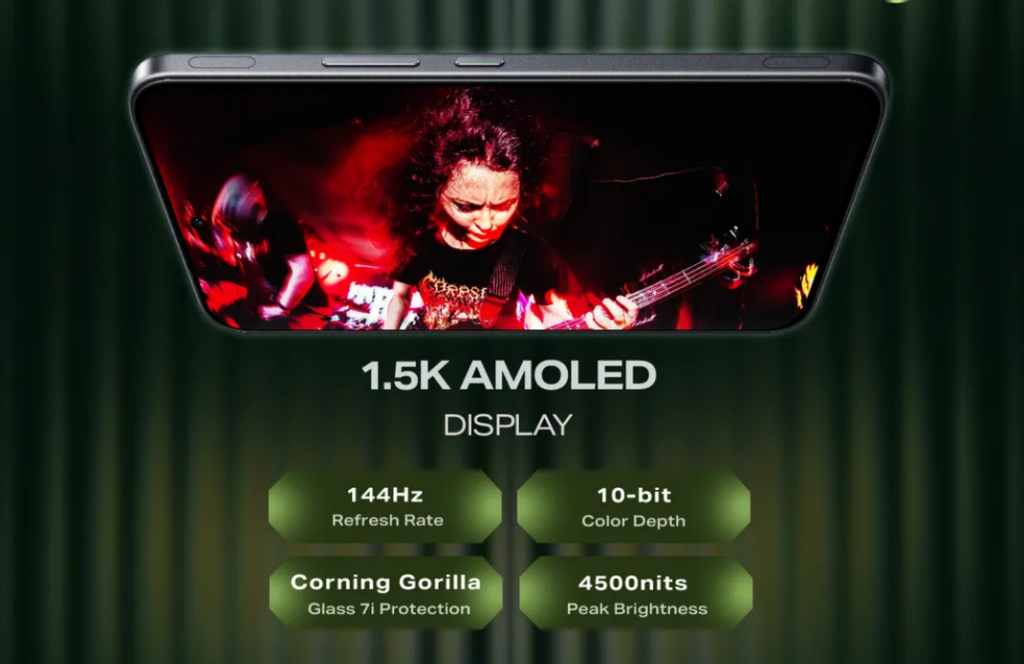
The Infinix Note 50s 5G equipped with a 6.78-inch FHD+ 3D curved AMOLED display that offers a 144Hz refresh rate, 1300nits peak brightness, and Gorilla Glass 5 protection. It supports 10-bit color, 2304Hz PWM dimming, and 100% DCI-P3 coverage. Powered by the 4nm MediaTek Dimensity 7300 Ultimate chipset, the phone supports 90fps gaming and features Mali-G615 MC2 GPU.
The Note 50s 5G comes with 8GB LPDDR5X RAM and either 128GB or 256GB of UFS 2.2 storage. RAM can be virtually extended by up to 8GB. The phone runs XOS 15 based on Android 15 and includes features like Game Mode, Dynamic Bar, Floating Window, and a smart assistant called Folax for hands-free interactions. The phone will be treated with two years of OS upgrades and three years of security updates.
On the camera front, it features a 64-megapixel Sony IMX682 primary sensor with 4K video recording support, a 2-megapixel secondary sensor, and dual LED flash. The front houses a 13-megapixel camera. Additional software tools include AI Eraser and AIGC Mode. It also offers stereo speakers tuned by JBL, an in-display fingerprint sensor, and an IR blaster.
Infinix Note 50s 5G
The phone houses a 5500mAh battery with 45W fast charging, reverse charging, and bypass charging support. Notably, the Marine Drift Blue variant features a vegan leather back infused with microencapsulated fragrance for a unique aromatic experience.
Infinix Note 50s 5G price in India, availability
The Infinix Note 50s 5G is priced at Rs 15,999 for the 8GB+128GB model and Rs 17,999 for the 8GB+256GB variant. With bank and exchange offers, the effective starting price drops to Rs 14,999. It will be available via Flipkart from April 24, in Marine Drift Blue (vegan leather), Titanium Grey (metallic finish), and Burgundy Red (metallic finish).
For more daily updates, please visit our News Section.
OnePlus has officially announced the rear camera setup for its upcoming compact flagship, the OnePlus 13T. The information comes directly from the brand’s Weibo post, which confirms that the phone will offer dual 50-megapixel camera sensors on the back. For those unaware, the compact flagship phone is set to debut on April 24 in China.
OnePlus 13T camera specifications
OnePlus 13T cameras
According to the brand, the OnePlus 13T’s imaging setup features an OIS-enabled 50-megapixel Sony IMX906 camera sensor, promising flagship-grade image performance. This main camera is accompanied by a 50-megapixel telephoto unit offering 2x optical zoom and 4x lossless zoom.
Apart from confirming the camera specifications, the brand also shared a few camera samples captured using the 13T. The brand is yet to reveal the megapixel count of the 13T’s front camera.
OnePlus 13T specifications
Powering the OnePlus 13T is the Snapdragon 8 Elite chip, paired with up to 16GB LPDDR5X RAM and 1TB UFS 4.0 storage. It has scored over 3.03 million points on AnTuTu, a new benchmark record for compact flagships. It is confirmed to feature a 6.31-inch OLED panel that offers a 1.5K resolution and a 120Hz refresh rate.
The phone introduces a new “Glacier Cooling System” for enhanced thermal control and debuts the G1 custom gaming Wi-Fi chip for stable, low-latency connectivity. It also packs a large 6,000mAh+ battery with 90W charging and ships with ColorOS 15. The official images suggest that the 13T will have a new customizable physical shortcut key with multiple use modes. It will be available in Morning Mist Grey, Heart Beating Pink, and Cloud Ink Black.
For more daily updates, please visit our News Section.
Huaweilooks like it’s getting ready to refresh its Enjoy lineup with a new model called the Enjoy 80. The device has just surfaced in a couple of hands-on images, which you can see below.
Design-wise, Huawei is changing things up quite a bit with the Enjoy 80. It sports a completely different aesthetic compared to its predecessor. The back now features two distinct camera cutouts that look a lot cleaner than the Enjoy 70. The camera module is slightly raised and has an LED flash placed next to the lenses.
Huawei Enjoy 80 in Sky Blue and Field GreenHuawei Enjoy 80 in Sky Blue and Sky White
The Enjoy 80 will come in four color options: Sky Blue, Sky White, Golden Black, and Field Green. The latter has a faux leather back with a diamond-patterned stripe, while the rest of the lineup has a glossy finish.
Huawei Enjoy 80 Specifications
On the specs front, a couple of screenshots from the device’s settings page shed some light on what to expect. The Enjoy 80 is powered by Huawei’s Kirin 710 chipset, though reportedly, it lacks 5G support. It will be offered in 128GB, 256GB, and 512GB of storage.
The phone features a 6.67-inch display with a 720 x 1604 resolution. There’s a 50MP main camera around the back, and the front-facing camera sits in a hole-punch cutout. No word yet on its exact specs, though.
Huawei Enjoy 80 Specs
Battery life should also be solid, at least on paper. The Enjoy 80 packs a 6,620mAh cell with support for 40W Turbo charging. Huawei is also including an “X-button” on the side of the phone, which is reportedly meant for quick access to things like payments or shortcut operations.
No word yet on pricing or release dates, but with hands-on images already making the rounds, an official announcement likely isn’t far off.
For more daily updates, please visit our News Section.
Electric bike maker Kingbull unveiled the Kingbull Hunter 2.0 e-bike with 750W motor back in February. The brand is back with two new step-through fat tire models—Verve and Jumper Go—designed for distinctly different riders but built with the same rider-first philosophy. Continue reading ahead to know about their specifications, features, and pricing.
Kingbull Verve, Jumper Go key features
Kingbull Verer & Jumper Go
Both the Verve and Jumper Go are crafted around an all-aluminium step-through frame, offering easy access for riders of all ages. At the heart of these e-bikes is a powerful 750W Bafang motor supported by a 48V/960Wh Samsung battery, integrated into the frame for a clean look. Riders can count on Shimano’s 8-speed drivetrain, Tektro 4-piston hydraulic disc brakes, and KENDA 20”x4.0” puncture-resistant tyres for a confident ride across terrains.
Kingbull Verve
Verve is a compact, foldable model tailored for urban riders who need both portability and practicality. It features front suspension, torque and brake sensors for a smooth ride up to 20mph.
On the other hand, Jumper Go takes performance off the beaten path with air suspension and a higher top speed of 28mph, making it ideal for weekend adventures. Despite their differences, both bikes share ergonomic grips, eco-leather saddles, and folding convenience.
Kingbull Verve, Jumper Go price and availability
Kingbull Jumper Go
To mark the launch, Kingbull is offering limited-time discounts: the Verve starts at $1,799, while the more rugged Jumper Go is priced at $1,899. Both models are now up for pre-orders with sales scheduled to begin on May 15. Those interested can also try out the bikes at Kingbull’s designated test ride locations before buying.
For more daily updates, please visit our News Section.
Apple is reportedly ramping up efforts to develop lightweight augmented reality (AR) glasses, according to Bloomberg’s Mark Gurman. The company appears to be refocusing its long-term strategy away from the ultra-premium Vision Pro headset and toward a more accessible wearable device, in a bid to challenge Meta’s growing dominance in the XR and smart glasses segment.
Apple’s long-term vision goes beyond Vision Pro
Metra Orion AR glasses
The report claims that Apple CEO Tim Cook has made the development of AR glasses his top product priority. A source close to the matter told Bloomberg: “Tim cares about nothing else. It’s the only thing he’s really spending his time on from a product development standpoint.”
Unlike the Vision Pro, which launched at $3,499 and targets a niche audience, Apple’s AR glasses are expected to be more accessible in both form and function. The device is still in early development stages, with significant hurdles including miniaturization, battery efficiency, and keeping the device consumer-friendly in terms of pricing.
When will it launch?
There’s no confirmed timeline for Apple’s AR glasses just yet, but reports suggest the product could still be several years away. Apple is believed to be targeting a release ahead of Meta’s Orion AR glasses, which currently cost around $10,000 per prototype and are expected to be commercialized before 2030.
Meanwhile, Apple may release smart glasses-like devices with AI-enabled features, possibly integrated into future Apple Watch or AirPods models. These would be more akin to Meta’s Ray-Ban Meta smart glasses—successful products that offer photography, music, and voice assistant support but lack true AR capabilities.
For more daily updates, please visit our News Section.
The OPPO Find N5 is designed for users who want power, flexibility, and style in one foldable smartphone. This device combines advanced features with a sleek design, making it a great pick for those who want a tablet-sized screen without carrying two devices. Whether you’re working on the go or enjoying entertainment, the OPPO Find N5 is built to handle every task with ease.
Price Drop – Save $200
OPPO Find N5 is now available with a $200 price drop, making it an even more attractive choice for foldable phone fans. This limited-time offer is currently up for grabs at Giztop, so it’s a great moment to save big on one of OPPO’s premium devices. If you’ve been eyeing the Find N5 for its powerful specs and flexible design, this deal is worth checking out before stock runs out.
Immersive Dual OLED Displays
The OPPO Find N5 stands out with its two impressive OLED displays. The inner screen measures 8.12 inches with a high resolution of 2480 x 2248 pixels. This wide, bright display is great for watching videos, editing documents, or playing games. When folded, the outer 6.62-inch OLED screen offers a sharp 2616 x 1140 resolution, perfect for quick calls, texting, and browsing. Both screens deliver smooth visuals and clear details, offering an enjoyable experience in both folded and unfolded modes.
Smooth Performance and Speed
This smartphone is powered by the Qualcomm Snapdragon 8 Elite processor paired with an Adreno 830 GPU. Whether you’re multitasking, gaming, or using heavy apps, the Find N5 handles everything smoothly. The device comes with two RAM options: 12GB or 16GB LPDDR5x, along with 256GB or 512GB of UFS 4.0 storage. This setup ensures fast app loading, smooth switching, and enough space for photos, apps, and files.
Impressive Camera Setup
The OPPO Find N5 is fitted with a triple rear camera system, including two 50MP sensors and an 8MP sensor, delivering sharp and colorful photos. On the front, dual 8MP cameras help capture bright selfies and make video calls clear and steady. Whether you’re taking pictures in daylight or low light, the cameras are built to offer great results.
Battery and Fast Charging
A 5600mAh battery powers the Find N5, allowing it to last through a full day of work or play. The device supports 80W wired fast charging, so even when the battery runs low, it can recharge quickly and get you back to your tasks without much waiting.
User-Friendly Software
Running on ColorOS 15 based on Android 15, the OPPO Find N5 offers a fresh and simple user experience. This software helps users stay productive and connected, whether they’re using the device for business or entertainment.
Key Specs:
Inner Screen: 8.12-inch OLED, 2480 x 2248 resolution
Outer Screen: 6.62-inch OLED, 2616 x 1140 resolution
Nubia has officially announced the launch of its Z70S Ultra Photographer Edition, scheduled for April 28. Shared via the brand’s Weibo handle, the post reveals a camera-centric design and a completely full-screen display. The device will launch alongside a mystery product at the Nubia AI Dual Flagship New Product Launch.
The Nubia Z70S Ultra Photographer Edition adopts an aesthetic inspired by vintage cameras, complete with a red-ring accent around the camera module and a Neovision-branded stamp to emphasize its imaging credentials.
The rear design separates the main and supporting lenses with a dynamic dividing line, housing a new 35mm large sensor primary camera above and a periscope telephoto with an ultra-wide lens below. The rear panel features leather-textured material reminiscent of calfskin, enhancing both grip and visual appeal.
What truly sets it apart from other flagship phones is its 1.5K true full-screen display, making it the only Ultra-series phone this year to feature an under-display camera. Nubia uses a blue diamond pixel layout with FIAA compression wiring tech for higher screen-to-body ratio. Combined with its dedicated UDC Ultra chip, this screen promises sharp visuals and refined front camera output.
The 35mm main sensor is claimed to rival the size of competing 1-inch sensors, offering superior light intake and better low-light performance. Nubia has also showcased samples demonstrating precise glare control and clear, noise-free detail, reinforcing its claim as the new “Night Vision King.” On the performance front, the device will be powered by the Snapdragon 8 Elite chip.
As a surprise addition, Nubia will also unveil a mysterious new product at the same event—rumored to be the brand’s first tablet.
For more daily updates, please visit our News Section.
There have been reports that Oppo is set to launch a new K-series smartphone in China this month. While earlier leaks suggested it would be called the Oppo K13x, the brand has now officially confirmed that the device will debut as the Oppo K12s. Scheduled to launch on April 22 in China, Oppo has already revealed the phone’s design, available color options, and configuration details.
Oppo K12s configurations, color options
Oppo K12s – Star WhiteOppo K12s – Rose Purple Oppo K12s – Prism Blackx
The Oppo K12s will arrive in China in four options: 8GB+128GB, 8GB+256GB, 12GB+256GB, and 12GB+512GB. In terms of colour options, it will come in choices like Star White, Rose Purple, and Prism Black.
Oppo K12s specifications (rumored)
Oppo K13x frontOppo K13x rear
The Oppo K12s appears to be the PLD110 Oppo phone that was recently approved by China’s 3C and TENAA certification platforms. These certifications have revealed that the K12s features a 6.67-inch AMOLED panel that supports an FHD+ resolution and an in-screen fingerprint sensor. It has a 16-megapixel front camera and a 50-megapixel + 2-megapixel dual-camera setup. It will house a massive 7,000mAh battery with 80W charging.
Oppo K12s spotted on Geekbench
The K12s’ Geekbench listing spotted by XpertPick confirms that it features the Snapdragon 6 Gen 4 chipset and runs on Android 15, which will have a layer of ColorOS on top. Rumours surrounding the device have revealed that it will have other features, such as a 5,700mm² vapor chamber (VC) cooling system, NFC, an IR blaster, dual speakers, and carry an affordable price tag.
Smartphone chipsets have reached a point where even the so-called “sub-flagship” SoCs pack more power than most users need in their day-to-day usage. But when comparing something like MediaTek’s Dimensity 9400 (a proper 2025 flagship) to Snapdragon’s 8s Gen 4, which sits just below the top-tier Snapdragon 8 Gen 4, it becomes more about how much better the flagship actually is, rather than if it’s better.
This isn’t just about specs on paper. It’s a look at how both chips stack up in real-world relevance. From performance and AI to gaming, camera tech, and power efficiency. Here’s what you need to know.
Starting with CPU performance, MediaTek’s Dimensity 9400 clearly flexes its flagship status. It’s running a second-gen all-big-core architecture from ARM. The prime is a Cortex-X925 core clocked at 3.62GHz backed by three Cortex-X4 cores and four Cortex-A720s.
The SoC also has bigger L2 and L3 caches (2x and 1.5x, respectively) and a 15% IPC uplift over the previous generation, which official claims delivers up to 35% better single-core and 28% better multi-core performance compared to its predecessor.
On the other hand, Snapdragon’s 8s Gen 4 keeps things a little more measured. The Cortex-X4 prime core tops at 3.2GHz while the rest are Cortex-A720 cores — three clocked at 3.0GHz, two at 2.80GHz, and the remaining two at 2.0GHz. Qualcomm claims the setup delivers a 31% performance boost over the 8s Gen 3.
Essentially, 8s Gen 4 is meant to offer strong performance where it counts without breaking the power budget.
2. Gaming
Gaming is one area where both chips make big promises.
The Dimensity 9400 uses the Immortalis-G925, a 12-core GPU based on ARM’s 5th-gen architecture. It’s not just about brute force, though. MediaTek has layered in hardware-based ray tracing, up to 44% better power efficiency, and features like opacity micromaps that make scenes feel more complex without actually being so.
There’s also MediaTek’s HyperEngine Gaming Tech 3.0 offering real-time FPS stabilization, upscaling with Frame Rate Converter, and AI-driven resolution scaling.
Qualcomm’s Adreno GPU in the 8s Gen 4 is no slouch either. It uses sliced architecture like the flagship Snapdragon 8 Elite and delivers up to 49% better graphics performance versus its last-gen counterpart.
The chip also has features like Snapdragon Elite Gaming, Adaptive Performance Engine, Game Super Resolution 2.0, and even hardware ray tracing to help it stay competitive in most real-world gaming scenarios.
The 9400 is ahead for gaming purists who care about every frame, lighting effect, and temperature drop. But the 8s Gen 4 doesn’t feel far behind for more mainstream gaming.
3. AI
We can’t miss AI in 2025, of course. And both chips were designed with this in mind.
The Dimensity 9400 uses MediaTek’s 8th-gen NPU and goes all-in on what it calls “Agentic AI.” It’s the first mobile chip to support on-device video generation, LoRA model training, and diffusion transformers.
The performance numbers are also aggressive. The company claims it has double the diffusion generation speed and 80% faster LLM prompt handling compared to the Dimensity 9300. It also supports more complex models like Diffusion Transformers and Mixture of Experts (MoE), which are increasingly central to AI workloads.
Qualcomm’s 8s Gen 4 doesn’t trail far behind. It’s Hexagon NPU supports on-device LLMs and LVMs, and on-device multimodal and multilingual AI assistants. It delivers 44% faster AI performance and has 2x larger memory bandwidth than last-gen.
All in all, it’s no surprise the Dimensity 9400 is ahead in raw AI horsepower and capabilities. But unless you’re really into on-device generation or AI training, the 8s Gen 4’s capabilities will feel just as seamless for regular folks.
4. Cameras
Both chips offer solid camera support with advanced AI-assisted photography. The Dimensity 9400’s Imagiq 1090 ISP is particularly impressive. It enables continuous HDR video capture across zoom ranges, real-time AI segmentation, and generative AI super-resolution up to 100x zoom. Plus, MediaTek promises enough power efficiency to record 4K 60fps video for three hours straight.
The Snapdragon 8s Gen 4 brings Qualcomm’s Spectra AI ISP, with 18-bit capture and support for 320MP sensors. It can handle real-time semantic segmentation and night vision 2.0, capturing 4K 30fps footage in low-light conditions. You’re also getting skin and sky tone correction in real-time, which is useful in everyday shots.
5. Connectivity
The Dimensity 9400 uses a 3GPP Release-17 modem with 7 Gbps peak sub-6 5G speeds and new power-saving tricks like UltraSave 4.0. It also supports Wi-Fi 7 with tri-band concurrency, and MediaTek’s Xtra Range 3.0 for reliable network coverage.
Snapdragon’s 8s Gen 4 maxes out at 4.2 Gbps on 5G, 5.8 Gbps on Wi-Fi 7, and supports Bluetooth 6.0. It also has support for features like Bluetooth Channel Sounding and Snapdragon Seamless to help switch devices fluidly within the ecosystem.
6. Final Thoughts: Flagship or Just Enough?
So, where do we land?
The Dimensity 9400 is very much a flagship chip. Big cores, big cache, top-shelf AI, serious gaming credentials, and advanced camera and connectivity features. The spec sheet says it all!
The Snapdragon 8s Gen 4 is a more affordable chip that brings enough of Snapdragon’s ecosystem to power premium devices at a lower cost. Just that it won’t top benchmark charts.
So if you’re choosing between phones with these chips, think about what kind of user you are. Want the absolute best? Go with Dimensity 9400. Need something that’s “pretty much great” without breaking the bank? 8s Gen 4 will be more than capable for you.
Red Magic 10 Air and Red Magic 10 Pro are two of the most talked-about gaming phones of 2025, both aimed at delivering flagship-level performance but with different priorities. This comparison matters because while both share the same gaming DNA, their design choices, hardware tuning, and price targets set them apart for different types of users, from casual gamers to performance-hungry power users.
Build and Comfort: The Red Magic 10 Air focuses on being lighter and thinner, making it easier to handle for longer periods. The 10 Pro, however, is heavier due to its built-in cooling fan and slightly thicker frame, which gives it a more rugged and gamer-centric design. If you prefer a phone that feels less bulky for everyday use, the Air offers better comfort.
Screen Technology: The Red Magic 10 Pro uses a 144Hz AMOLED panel with a higher 2000 nits peak brightness and sharper resolution, while the Air offers a slightly lower 120Hz refresh rate and 1600 nits.
Verdict: For casual users, the Air’s lightweight frame makes it easier to carry, but the Pro’s brighter, faster, and more durable display makes it the superior choice for gaming and multimedia. The Pro edges ahead for display quality, especially if visuals matter.
2. Specifications
RedMagic 10 Pro
Performance: Red Magic 10 Pro comes with the more advanced Snapdragon 8 Elite chip built on a 3nm process, delivering superior CPU and GPU performance compared to the 10 Air’s Snapdragon 8 Gen 3. This makes the Pro significantly better for power-hungry tasks like high-fps gaming and multitasking.
Battery and Charging: The Pro also wins in battery life, offering a larger 7050mAh battery globally, whereas the Air has a 6000mAh cell. Charging is quicker on the Pro with 100W wired speed, while the Air caps at 80W. This directly benefits users who game for long stretches and need faster recharges.
Verdict: The Red Magic 10 Pro is a clear winner here. Its superior chipset, larger battery, and faster charging make it a more future-proof and performance-friendly device for gamers and heavy users alike.
3. Camera
RedMagic 10 Air
Hardware: Both phones share the same dual 50MP wide and ultrawide cameras, with the Pro adding a 2MP macro sensor for more shooting variety. The under-display 16MP front cameras are identical too, offering the same selfie quality and video capabilities.
Video and Features: In video recording, both offer identical 8K and 4K modes, so the real-world difference is minimal. The Pro’s advantage lies mainly in the extra macro lens, which is more of a minor addition than a game changer.
Verdict: If photography variety matters, the Pro slightly pulls ahead with its macro lens, but overall, both offer nearly identical camera systems. In this case, the difference is minor, not enough to justify an upgrade based on cameras alone.
4. Pricing
RedMagic 10 Pro
Cost-to-Performance Ratio: The Red Magic 10 Air is priced around $500, making it highly competitive for gamers on a budget. On the other hand, the Red Magic 10 Pro is priced at around $700 USD, a clear leap in price, but it backs this with high-end specs like better cooling, a brighter screen, and a bigger battery.
Verdict: For budget-conscious gamers, the 10 Air offers excellent value with minimal compromises. However, the Pro justifies its higher price with meaningful performance and hardware upgrades. If the budget is flexible and gaming is a priority, the Pro is the smarter buy.
Unique Features: The Red Magic 10 Pro has a built-in cooling fan, faster USB Type-C 3.2 with DisplayPort support, and the latest Snapdragon 8 Elite chip. These features make it especially suitable for competitive gaming and accessory compatibility. The 10 Air, however, focuses on lightweight design, IP54 splash resistance, and excellent value without inflating the price.
Verdict: The Red Magic 10 Pro shines for hardcore gamers, offering better thermal management, performance, and connectivity. The 10 Air’s standout feature is its slim, splash-resistant body combined with flagship specs at a lower price, making it ideal for casual gamers or general users.
itel has introduced a new budget 5G smartphone in India, aiming to raise the bar for entry-level devices. As per the official launch announcement, the itel A95 5G blends durability, performance, and intelligent AI features at a sub-Rs 10,000 price point.
itel A95 5G specifications and features
itel A95 5G
The itel A95 5G has a 6.67-inch HD+ IPS punch-hole display that supports a 120Hz refresh rate and 240Hz touch response. When it comes to durability, the phone comes with an IP54 rating for dust and splash resistance and features Panda glass for screen protection.
The itel A95 5G is powered by the MediaTek Dimensity 6300 chipset and runs Android 14. It houses a 5,000mAh battery with 10W charging support. The device offers up to 6GB of RAM, up to 6GB of virtual RAM, and 128GB of internal storage.
itel A95 5G
What sets this phone apart is its built-in Aivana AI assistant and the unique Ask AI tool. From grammar correction to content generation, these AI-driven features enhance productivity on a budget. For security, the phone includes a side-mounted fingerprint scanner and facial recognition.
Photography is handled by a 50-megapixel rear camera with AI enhancements and an 8-megapixel selfie camera. Users also get 2K video recording, Vlog mode, sky effects, and dual video capture. The A95 5G comes with dual-band Wi-Fi and an IR blaster for remote control of appliances.
itel A95 5G price and availability
itel A95 5G
The itel A95 5G will be available in two options: 4GB+128GB at Rs. 9,599 and 6GB+128GB at Rs. 9,999. It also comes with a 100-day free screen replacement policy.
For more daily updates, please visit our News Section.
Both the iQOO Z10 Turbo Pro and Redmi Turbo 4 Pro are expected to launch this month in China, powered by the newly announced Snapdragon 8s Gen 4 chipset. However, the big question remains: which of the two will be the world’s first smartphone to debut with this new processor? Xiaomi’s General Manager for China Marketing and head of the Redmi brand, Wang Teng, recently shared a teaser on Weibo, revealing that the Redmi Turbo 4 Pro is set to launch next week. The device is being positioned as a performance-driven offering aimed at shaking up the competitive mid-premium segment.
Snapdragon 8s Gen 4 makes its debut with Redmi Turbo 4 Pro
Redmi Turbo 4 Pro to debut next week
By debuting next week, the Redmi Turbo 4 Pro is set to become the first smartphone to debut Qualcomm’s newly launched Snapdragon 8s Gen 4 chip. This new chip features a full, large-core CPU design and is paired with the Adreno 825 GPU, which is from the same generation as the flagship-level Adreno 830.
This marks a significant performance leap in the mid-range chipset category, giving the Turbo 4 Pro a clear advantage over rivals in the 2,500 Yuan segment. Wang Teng Thomas also stated that the phone’s capabilities will surpass those of Ace and Neo series devices from competing brands.
Redmi Turbo 4 Pro specifications (rumored)
Redmi Turbo 4
According to reports, the Redmi Turbo 4 Pro is expected to sport a 6.83-inch flat LTPS panel with 1.5K resolution, supporting an in-display optical fingerprint sensor. The camera setup includes an OIS-assisted 50-megapixel primary sensor accompanied by an 8-megapixel secondary camera. Design-wise, the phone is said to be built with a metal mid-frame for enhanced durability.
One of the major highlights of the Turbo 4 Pro will be its massive 7,550mAh battery. It will support 90W wired fast charging. The device is also expected to come with an IP68/69-rated chassis.
This phone will remain confined to the Chinese market. Globally, it is likely to release with the Poco F7 moniker.
For more daily updates, please visit our News Section.
The JBL Flip series has long been the go-to for portable Bluetooth speakers that don’t try to do too much but still end up doing more than you expect. With the arrival of the JBL Flip 7, launched in March, JBL isn’t reinventing the wheel—but it’s definitely tuning the ride. The question now is: should you trade in your older Flip model for this latest iteration?
JBL didn’t mess with the size or form factor. The Flip 7 keeps the familiar cylindrical design, but under the hood, it’s gotten noticeably tougher. It now carries an IP68 rating, meaning it’s waterproof, dustproof, and even drop-resistant—an edge over the Flip 6’s IP67. It’s still a speaker you can take to the beach, but now it can handle getting knocked off the table too.
But the most interesting update might be AI Sound Boost. JBL’s new proprietary tech analyzes audio in real-time and dynamically enhances bass and clarity at higher volumes without muddying things up. It’s not just marketing fluff. Side-by-side, the Flip 7 sounds more confident—richer lows, more defined highs, and less distortion when things get loud. Think of it as smarter muscle.
2. Battery That Goes the Distance
Battery life also gets a minor but meaningful bump. The Flip 7 is rated for 14 hours of playback, and if you flip on the new Playtime Boost mode, you can stretch that to 16 hours—a subtle but welcome change for those long weekends or music marathons.
The tradeoff? Playtime Boost slightly dials down bass response, but it’s a fair exchange if you’re running low at a party and just need a few more hours to keep the vibes alive.
3. Smarter App Experience and Eco-Friendly Moves
Flip 7 also benefits from JBL’s updated companion app, which now includes a 7-band EQ. Compared to the Flip 6’s basic 3-band slider, this opens up much more control over your sound profile. Whether you’re tuning it for podcasts or an outdoor bash, it’s easier to make it yours.
Then there’s the eco-conscious design. The Flip 7 is made from 77% recycled plastic and 100% recycled fabric, and the packaging is FSC-certified. It won’t change your listening experience, but it might make you feel better about your purchase.
4. Connectivity Gets a New Standard
This time around, JBL is ditching PartyBoost in favor of Auracast, the emerging audio broadcasting standard. It allows seamless pairing with other Auracast-enabled JBL speakers, creating a larger synchronized sound network. The only issue? Previous gen Flips and Flip 7 can’t pair together—so if you’re building a multi-speaker setup, that’s something to consider.
And if you’re one of those rare folks who still plugs in your music, you’ll appreciate the addition of USB-C lossless audio playback, which caters to high-resolution audio fans.
5. So, Should You Upgrade?
Here’s the verdict: If you’re using anything older than the Flip 6, the Flip 7 is an easy recommendation. It sounds fuller, lasts longer, and now comes with smarter sound tuning and stronger durability. The upgrade to Auracast also future-proofs your setup a bit.
If you already own a Flip 6, it depends. If you’re satisfied with the current sound and rely on PartyBoost with other JBL speakers, you might want to wait. But if extended battery, better EQ control, and improved sound quality are priorities—and you’re ready to embrace the next generation of connectivity—then Flip 7 is more than just a modest refresh. It’s a portable speaker that genuinely earns the “next-gen” tag.
It may not look drastically different, but it plays louder, lasts longer, and sounds better doing it. And in the world of portable speakers, that’s often all that matters.
We are still months out from the official launch of Qualcomm’s Snapdragon 8 Elite 2 and MediaTek’s next-gen Dimensity 9500. But that hasn’t stopped the leaks from flowing and us from following them.
The latest scoop comes, once again, from China’s ever-reliable tipster Digital Chat Station. This time, it’s an AnTuTu benchmark score for MediaTek’s upcoming chip.
According to the leak, the Dimensity 9500 has hit over 400,000 points in its most recent benchmark run. That puts it roughly 17% ahead of the best score we’ve seen so far from the Snapdragon 8 Elite.
MediaTek Dimensity 9500 scores over 4 million on the AnTuTu benchmark.
Of course, we’re still a ways off from launch, so these numbers will likely change as final optimizations roll in.
DCS also reports that MediaTek will increase the L3 cache on the 9500 from 12MB to 16 MB. This should help reduce memory latency and speed up app switching. It’s a meaningful upgrade that could lead to smoother multitasking across the board.
Beyond this…
Oh, and in case you’re wondering about the silicon future beyond this chip, DCS says the next-gen processors from Apple, Qualcomm, and MediaTek will all be built on TSMC’s 2nm process.
We are talking about the likely Apple A20, Snapdragon 8 Elite 3, and Dimensity 9600, to be clear. The upgrade in fabrication process naturally means gains in power efficiency and performance.
2nm chips incoming
However, it is also costly to make SoCs on the smaller node, and incidentally, DCS indicates that the flagship phones of 2026 may become more expensive.
As for the Dimensity 9500 itself, it’s still expected to be fabbed on TSMC’s 3nm N3E node. The chip will reportedly feature two Cortex-X930 “Travis” cores and six Cortex-A730 “Gelas” cores, with the prime cores reaching speeds up to 4GHz, a 10% boost over the Dimensity 9400.
For more daily updates, please visit our News Section.
The Korean giant surprised with several upgrades on the Galaxy S25 series this year. Apart from the upgrades, the price of the Galaxy S25 starts from as low as $800, with the promise of 7-year security updates and powerful hardware. On top of it, Samsung is offering a $90 additional discount on the Samsung Galaxy S25.
The folks can also grab an additional discount if they grab a locked device from the carrier of their choice. However, the final plan would change on the basis of the carrier, and plan chosen by the buyer. Right now, it is the best deal out there to grab the unlocked Galaxy S25 for the price of $709.
Discounts like these, usually enable the buyers to grab additional discounts from the carriers, if they switch with their own device. Amazon is running a $90 off the Samsung Galaxy S25 which is presently retailing for the price of $710 (inclusive of discount). The price may slightly vary for different color options.
Samsung Galaxy S25 comes with a large 6.2-inch Super AMOLED display with having 120Hz refresh rate and Full HD+ display. It is powered by the Snapdragon 8 Elite SoC, with 12GB of RAM. The smartphone feels comfortable in the hands, measuring 7.2mm in thickness and weighs 162g.
Running OneUI 7, the smartphone seems to offer some exciting AI features with better reliability. It is set to get 7 years of updates, including major updates till 2032. It is worth every dime spent right now, and enjoy the device for several years.
In a silent move, Nothing has announced a pair of budget truly wireless earbuds from its CMF sub-brand. The CMF Buds were teased alongside the CMF Phone 2 Pro in the recent past. But now, it has officially been announced in the global market. So here are its specs, features, pricing, and more.
CMF Buds 2: What specs does it offer?
Similar to its predecessor, the CMF Buds 2 features a customizable dial on its charging case for volume and playback controls. Users can customize this dial via the Nothing X app, which also offers tuning for the earbuds’ ANC (Active Noise Cancellation and other key features. The earbuds house a single PMI (Polymethacrylimide) driver and support SBC and AAC codecs via Bluetooth 5.4. The company offers Ultra Bass Technology 2.0 and Spatial Audio effects as well.
CMF Buds 2
Thanks to its 6-mic setup, the CMF Buds 2 features up to 48 decibels of Hybrid ANC (supporting range of up to 5200Hz) and Clear Voice Technology 3.0 for better calling quality. On a single full charge, these can offer up to 55 hours of audio playback. It also supports quick charge which allows for 7.5 hours of playtime from just 10 minutes of charging. Other notable features include ChatGPT integration, touch controls, Dual Connection, a Low Lag Mode (under 110ms), and IP55 rated buds with an IPX2 rated charging case.
Pricing and Availability
Nothing announced the CMF Buds 2 in three color options, namely Orange, Dark Gray, and Light Green. It is available in the US for 59 US Dollars, while its UK and Europe pricing is set at 39 GBP and 49.95 Euros, respectively.
For more daily updates, please visit our News Section.
Xiaomi‘s Redmi is back with another compact projector that punches above its weight. The new Redmi Projector 3 Lite, now up for grabs on JD.com for 699 yuan (roughly $96), is designed for the streaming-first generation—portable, smart, and tuned for home comfort. It goes on sale April 22 in China.
Redmi Projector 3 Lite Specifications
The Redmi 3 Lite features a fully sealed optical engine paired with a full-glass lens array, enabling side projection up to 20 degrees while maintaining image clarity. It comes with an upgraded cooling system that reduces fan noise by 2dB(A), making it better suited for quiet environments like late-night movie sessions.
For visuals, the projector equips 180 CVIA lumens of brightness, enough for sharp 1080p playback in darker settings. It supports a 1.2:1 throw ratio, allowing users to project screen sizes up to 100 inches from a short distance. It’s also certified by SGS for low blue light, filtering out wavelengths between 415–455nm to help reduce eye fatigue during extended viewing.
Under the hood, it runs on a quad-core Amlogic T950S chip clocked at 1.5GHz, paired with 1GB RAM and 32GB storage. While modest, this configuration handles lightweight streaming apps and Xiaomi’s HyperOS Connect, enabling smart automation features.
The projector sports a ToF laser sensor for automatic focus and keystone correction, offering 20% faster autofocus and 13% quicker image correction than its predecessor. This results in a hassle-free setup: just turn it on, and it auto-adjusts for optimal clarity.
In terms of connectivity, the 3 Lite includes HDMI with ARC, USB 2.0, a 3.5mm headphone jack, and dual-band Wi-Fi for wireless casting. It also ships with a Bluetooth remote that supports voice commands, making navigation even easier.
The projector weighs just 1.2kg and measures 146×113×172.5mm, making it compact enough to move easily between rooms or take along for portable viewing anywhere.
Whether you’re trying to focus in a noisy office, catch some quiet on a long flight, or just escape into your music, active noise cancellation has become a necessity, and JBL has great options to choose from. JBL’s noise-cancelling headphones combine immersive sound with tech that tunes out distractions, so here are a couple of the best JBL headphones with ANC (Active Noise Cancellation).
The first on the list is a premium option that takes music to the next level thanks to a music-sharing feature. The JBL Smart Tx tech allows the JBL Tour One M3 Smart Tx to connect to any audio source wirelessly or even via a USB Type-C port and 3.5mm headphone jack. The extra dongle-like gadget is paired with the headphones to offer intuitive controls via a touchscreen. This lets you get access to quick settings, pick or end calls, set a wallpaper, and much more.
So one doesn’t need to fiddle around with a dedicated app or pull out your phone once the Smart Tx is already connected. Apart from this, it houses an 8-mic true adaptive noise cancellation that allows for superior noise cancellation via real time adjustments. The JBL Tour One M3 Smart Tx packs 40mm dynamic drivers and offers up to 18 hours of battery life on a single full charge. You can purchase this model for $399.95.
We have another Tour model in this list, which is the JBL Tour One M2. It is another premium headphones designed with Adaptive Noise Cancelling technology that helps reduce distractions while also offering superior audio quality. Thanks to its 4 mic system, users also get better ENC for a better calling experience. The company packs this device with JBL Spatial Audio, Smart Ambient, and up to 50 hours of playtime (30 hours with ANC enabled).
Among the various features, users also get Hi-Res certified JBL Pro Sound, Smart Talk function for quick conversations with headphones on, and 40mm audio drivers. The company’s JBL Tour One M2 is available for purchase for $249.95.
Please Note: When you buy something using the links in our articles, we may earn a small commission at no cost to you.
3. JBL Live 770NC
JBL Live 770NC
Similar to the more premium options in this list, the JBL Live 770NC was released with true Adapative Noise Cancellation as well. These headphones offer the powerful JBL Signature Sound from their 40mm audio drivers that also support virtual surround sound. The hearables come with support for Bluetooth 5.3 with LE audio and Smart Ambient support.
On a single full charge, the JBL Live 770NC can offer up to 65 hours of audio playtime (50 hours with Bluetooth and ANC enabled). Other notable features include multi point connection, Google and Amazon Alexa voice assistant support, and more. You can grab this pair of headphones for $159.95.
Please Note: When you buy something using the links in our articles, we may earn a small commission at no cost to you.
4. JBL Tune 770NC
JBL Tune 770NC
Last but not least, there is the JBL Tune 770NC that also brings Adaptive Noise Cancellation and Smart Ambient mode. You also get Bluetooth 5.3 with LE audio support. It houses 40mm dynamic drivers that offer JBL Pure Bass Sound. The headphones can last for up to 70 hours of battery life, with just a quick 5 minute charge offering an additional 3 hours of audio playtime.
Enabling ANC and Bluetooth reduces the battery life to just 44 hours. Other notable features include multi point connection, lightweight, and comfortable design. The JBL Tune 770NC is the most affordable option on this list, which is available for purchase for $109.95.
We use cookies on our website to give you the most relevant experience by remembering your preferences and repeat visits. By clicking “Accept”, you consent to the use of ALL the cookies.
This website uses cookies to improve your experience while you navigate through the website. Out of these, the cookies that are categorized as necessary are stored on your browser as they are essential for the working of basic functionalities of the website. We also use third-party cookies that help us analyze and understand how you use this website. These cookies will be stored in your browser only with your consent. You also have the option to opt-out of these cookies. But opting out of some of these cookies may affect your browsing experience.
Necessary cookies are absolutely essential for the website to function properly. This category only includes cookies that ensures basic functionalities and security features of the website. These cookies do not store any personal information.
Any cookies that may not be particularly necessary for the website to function and is used specifically to collect user personal data via analytics, ads, other embedded contents are termed as non-necessary cookies. It is mandatory to procure user consent prior to running these cookies on your website.