Advertisement

This Xiaomi Rice Cooker Uses Pressure, AI, and a Titanium Pot to Cook the Perfect Grain

Xiaomi is back at it again—this time, with a kitchen upgrade that’s smarter, healthier, and wrapped in titanium. The company has officially unveiled the Mijia 3D Pressure IH Rice Cooker P1 3L, a compact, high-tech cooker that promises to make your daily bowl of rice taste like a pro made it. It’s up for pre-sale on JD.com at 799 yuan (around $110), with the first batch shipping on April 17.

Xiaomi Mijia Rice Cooker P1

Xiaomi Mijia Rice Cooker P1 Specifications

The standout feature? A fluorine-free titanium inner pot—no Teflon, no heavy metals, and built tough using a high-temperature molten process that fuses titanium particles with stainless steel and ultra-hard crystals. It’s designed to be baby-food safe and practically a breeze to clean.

But it’s not just about what’s inside the pot. The Mijia P1 uses 1.2x pressure cooking to push water deeper into each grain of rice, giving it a plump, chewy texture and a natural sweetness boost—up to 48% more, according to Xiaomi. There’s also IH (Induction Heating) 3D surround tech, which evenly heats the pot from all sides, avoiding clumps and giving your rice a glossy, restaurant-style finish.

Powering all this is Xiaomi’s smart “Perfect Cook” algorithm, which taps into a 10-stage cooking curve. This system draws on insights from more than 3,000 optimized cooking programs, adjusting heat and timing in real-time based on the rice type and water ratio. It’s engineered for precision, so you’re not gambling with your dinner.

Xiaomi didn’t skimp on safety either. Instead of using a standard mechanical pressure valve, the P1 relies on a patented electromagnetic pressure release system. It brings six layers of safety protection and helps maintain consistent pressure throughout cooking. The rice cooker also carries a 10A quality certification, which essentially means your rice scores high in all the right categories—moisture, stickiness, sweetness, and plumpness.

As you’d expect from a Mijia product, this rice cooker plugs right into the HyperOS smart ecosystem. You can control it from the Mi Home app, schedule meals up to 24 hours ahead, and pick from over 100 smart recipes. It even supports XiaoAI voice control, so you can literally talk your dinner into existence.

The design is as sleek as the tech inside: a minimalist white body, silver trim, ultra-clear touch panel, and a clean black smart display that gives it a premium, modern feel.

In related news, Xiaomi recently introduced a central air conditioner featuring top-tier energy efficiency, AI-powered controls, and built-in air purification. The company has also launched a budget-friendly compact refrigerator, offering smart cooling without a hefty price tag.

For more daily updates, please visit our News Section.

Stay ahead in tech! Join our Telegram community and sign up for our daily newsletter of top stories! 💡

(JD)

Here’s how to install Android 16 beta on Xiaomi phones

Xiaomi Android 16 update

Xiaomi is one of the first non-Google brands to allow its users to get early access to Android 16 via the Developer Preview program. Initially limited to China, the program is now available globally for Xiaomi devices. So, if you have an eligible Xiaomi device (we’ll tell you in a minute) and can’t wait until June (at least) for the stable release, you can install the Android 16 beta right now and explore what the new OS has to offer.

In this guide, we’ll provide step-by-step instructions for installing Android 16 beta on Xiaomi devices.

Which Xiaomi devices are eligible for Android 16 beta?

Xiaomi is currently allowing two devices to participate in Android 16 beta: Xiaomi 15 and Xiaomi 14T Pro. Both are high-end smartphones launched in the second half of 2024.

If you have any of these two Xiaomi devices, check below for installation steps. Other users can only wait for the brand to expand the beta program to more devices or get a Xiaomi 15 or 14T Pro.

[Note: Beta builds generally have issues. After the upgrade, several functionalities may misbehave or may not work entirely. Review the release notes and issue trackers (1, 2) to know more about existing bugs and issues.

Please remember that these beta builds will wipe off all the data from your device. Hence, take a complete backup of your important data and save it on the cloud or any other device. Also, remember to charge your Xiaomi device to at least 50% to prevent installation failure due to low battery.]

Steps to install Android 16 beta on Xiaomi devices

There are two ways to install Android 16 beta on Xiaomi devices. The first one is the local update method, which is pretty simple and straightforward. The second method requires an unlocked bootloader and flashing the firmware file.

Method 1: Local update

This is the easiest way to flash a firmware file on Xiaomi devices. Before applying the steps, ensure that your device has the required firmware version:

  • Xiaomi 15: OS2.0.109.0.VOCMIXM or higher
  • Xiaomi 14T Pro: OS2.0.103.0.VNNMIXM or higher

Update your Xiaomi phone if it has firmware older than the required version.

Step 1: Back up your important data (if you haven’t already).

Step 2: Download the correct Android 16 Beta build for your Xiaomi device:

Step 3: Copy the update package you downloaded to the internal storage.

Step 4: Open the Settings app and tap About phone.

Step 5: Tap OS version 10 times to enter the developer mode.

Step 6: Go back to the About phone page and tap the three dots icon at the top-right corner.

Step 7: Select the Choose update package option.

Step 8: Choose the correct update package, and your device will begin upgrading.

Since it’s a major update, the installation can take longer. Be patient until the process is completed. The device will reboot itself upon completion.

If you want to switch back to the previous stable firmware for any reason, download the required rollback package and flash it the same way.

Rollback package:

Method 2: Fastboot update (for advanced users)

This is a slightly advanced method that requires your Xiaomi phone to have an unlocked bootloader. If it isn’t unlocked already, follow this official guide for detailed instructions. You’ll also need a Windows PC to use the flashing tool.

Here are the steps to follow:

Step 1: Back up your important data (must!).

Step 2: Turn off your Xiaomi device. Press the volume down button and the power button simultaneously until the device enters the fastboot mode.

Step 3: Connect the Xiaomi phone to a Windows PC via a USB cable.

Step 4: Download the required Android 16 Beta package on your Windows PC:

Step 5: Locate the downloaded ROM file in File Explorer, right-click on it, and choose Extract All.

Step 6: Open the decompressed ROM folder and copy the path.

Step 7: Download the official OS ROM Flashing Tool on your PC.

Step 8: Locate the flashing tool ZIP file in File Explorer, right-click on it, and choose Extract All.

Step 9: Open the extracted folder and double-tap the XiaoMiFlash file to open the flashing tool.

XiaomiFlash installation file

Step 10: Click the refresh button inside the flashing tool. This should detect your device automatically.

Step 11: Now, paste the path (you copied earlier in step 6) and hit the flash button.

Wait until the progress bar turns fully green. When the installation is complete, the result column will show success. Reboot to system and enjoy your early access to Android 16.

XiaomiFlash tool image

Share your Android 16 experience in the comments below! Also, don’t forget to regularly visit out Android 16 section for the news and development.

Also read:
1. Android 16 beta is now available for these devices
2. Here’s when Android 16 will be announced

Vivo confirms X200 Ultra’s chip, battery and display specs

Vivo’s most spec-heavy phone of the year is going official on April 21, and yes — it’s all about the cameras. The X200 Ultra, as expected, is built around photography headlined by a 200MP periscope camera and a detachable 200mm super-telephoto lens.

Vivo X200 Ultra external lens1
Vivo X200 Ultra with detachable lens

The company has already confirmed much of this, but now it’s shedding a bit more light on what to expect.

Vivo confirms Snapdragon 8 Elite for X200 Ultra

As rumored, the X200 Ultra will be powered by Qualcomm’s Snapdragon 8 Elite chip. Vivo is also using its in-house VS1 and V3+ silicons for pre and post-processing of the images and videos captured. 

On the front, you’ll find a 2K Zeiss Master Color display with circular polarized light tech that Vivo says is easier on the eyes. And while the company hasn’t revealed the screen size, it’s rumored to be 6.82 inches. 

This is protected by Armous Glass, and biometric authentication is handled by an ultrasonic 3D fingerprint sensor. 

Vivo X200 Ultra confirmed specs

Fueling the phone is a hefty 6,000mAh battery that supports 90W wired charging and 40W wireless. There is support for bypass charging too. 

The tech routes the power directly to the phone’s internals instead of the battery; it helps to keep thermals in check during long gaming sessions or other intensive tasks. All of that is packed into a body that measures 8.69mm thick. 

The X200 Ultra will be available in red, black, and silver shades. The latter has a stripe design on the back for added grip. Other features will include IP68/69 water resistance and support for China’s Beidou-3 short message service on top-tier configurations.

Vivo will launch X200 Ultra alongside a slew of other products. The list includes an affordable flagship X200s, two tablets, and a smartwatch. Expect more details to trickle out in the coming days — we’ll be keeping an eye on it.

Tech enthusiast? Get the latest news first! Follow our Telegram channel and subscribe to our free newsletter for your daily tech fix!

For more daily updates, please visit our News Section.

OnePlus 13T teases impressive weight distribution despite packing a 6000 mAh battery

OnePlus is continuing to reveal different aspects of the OnePlus 13T, a compact flagship set to launch this April. After teasing the flat display, OnePlus China president Louis Lee now reveals another interesting aspect of the phone: the weight distribution. He shared an image of the OnePlus 13T balanced on a pen, showcasing the 50:50 weight distribution.

This is impressive, especially considering the massive 6000mAh battery, most of which is housed in the lower half of the phone. The OnePlus 13T weighs just 185g—lighter than the 210g OnePlus 13. This light-weight chassis, paired with the proper weight distribution, promises a comfortable in-hand experience.

OnePlus 13T has 50:50 weight distribution

In a Weibo post, Lee showcased the 13T’s 50:50 weight distribution by balancing it on a pen. “We have specially made a ‘real 50:50’ balance weight treatment,” he wrote. “The feel is quite amazing… You should know there is a 6K+ large battery in this 185g body.”

This engineering feat suggests OnePlus has optimized the phone’s internal layout. Such balance could elevate the in-hand experience, a key selling point for this 6.3-inch OLED flagship. While full specs remain under wraps, leaks point to a high-end Snapdragon 8 Elite chipset, which ensures flagship-level performance. The phone is also tipped to support the “Fengchi game kernel” for 120fps gaming, appealing to enthusiasts.

Camera rumors hint at a dual setup with a 50MP primary sensor and a 50MP telephoto lens, promising solid photography. OnePlus 13T will be positioned as a compact flagship with a 6.31″ flat AMOLED display. OnePlus hasn’t confirmed a release date yet, but with teasers ramping up, an announcement is likely imminent.

This blend of a massive battery, lightweight design, and flagship chipset positions the 13T as a contender in the premium compact market. Keep an eye out—as OnePlus will likely reveal more information as we incloser to the official unveiling.

Tech enthusiast? Get the latest news first! Follow our Telegram channel and subscribe to our free newsletter for your daily tech fix!

For more daily updates, please visit our News Section.

(Source)

2nm Exynos could power Galaxy S26 series: yield rate has seen a major improvement

Samsung is poised to make a bold comeback in the mobile processor market with the Galaxy S26 series, potentially debuting its first 2nm Exynos 2600 chip early next year. This move follows a setback with the Exynos 2500, which failed to power the Galaxy S25 series due to disappointing 3nm yield rates.

Exynos 2600

Exynos 2600 confirmed for mass production in November

The Galaxy S26 could mark a significant shift, bringing back Samsung’s in-house Exynos to the market, with the chipset said to be based on an advanced 2nm process, according to a report out of South Korea.

The company’s Foundry division has hit a key milestone, with insider reports indicating that yield rates now exceed 40%—a leap from last year’s 20-30% range and a promising sign over the troubled 3nm process. This progress suggests Samsung is on track to stabilize production, with mass production reportedly set for November this year.

Samsung Galaxy S25 Ultra - S Pen
Samsung Galaxy S25 Ultra – S Pen

The Galaxy S25 series, relying solely on the Snapdragon 8 Elite, highlighted a financial hit for Samsung’s MX Business and DS Division, as Exynos chips are more cost-effective for them.

The Exynos 2600’s success hinges on these improved yields. For those unfamiliar, the yield rate for a chipset refers to the percentage of functional chips produced from a silicon wafer during the manufacturing process.

Samsung’s MX Business division reportedly plans a rigorous review before deploying it in the Galaxy S26 and S26 Plus, aiming to reclaim competitiveness against Qualcomm and MediaTek.

This could bolster Samsung’s foundry credibility, especially if it beats rivals like TSMC to 2nm smartphone chips. However, the 40% yield, while improved, still lags behind the 60-80% needed for mass production, leaving room for caution. If all goes well, the Galaxy S26 series could reintroduce Exynos to the Galaxy S lineup.

Don’t miss a thing! Join our Telegram community for instant updates and grab our free daily newsletter for the best tech stories!

For more daily updates, please visit our News Section.

(Source)

Casio Launches Sleep-Themed G-SHOCK DW-5610UU-3PRM Watch

Casio has launched the DW-5610UU-3PRM in China, a special edition G-SHOCK made in collaboration with lifestyle brand MondaySleepingClub. The watch follows a minimalist style, using a green resin case and a bio-based resin strap. The strap carries the phrase “Sleep Well, Stay Healthy,” and the brand’s logo is engraved on the back of the case. It comes in themed packaging, with the watch placed on a striped pillow to match the sleep-focused concept.

The DW-5610UU-3PRM is based on Casio’s DW-5600 series. It has a shock-resistant build and 200-meter water resistance. The watch measures 48.9 x 43.8 x 13.5 mm and weighs 52 grams. It fits wrists sized between 145 mm and 205 mm. The glass is made of mineral crystal.

G-Shock DW-5610UU-3PRM

It runs on a CR2016 battery with an expected life of 5 years. It has a 1/100-second stopwatch with a maximum range of 24 hours. The timer counts down from 24 hours and supports 1-second, 1-minute, and 1-hour increments, with auto-repeat. There’s a multi-function alarm, hourly time signal, and a flashing alert with beeps for reminders, alarms, and the countdown timer.

The watch includes a high-brightness white LED backlight with a dimmer. It displays the time in hours, minutes, seconds, AM/PM, along with the month, date, and day. It has a full auto calendar set through the year 2099 and is accurate to ±15 seconds per month.

The DW-5610UU-3PRM is priced at 790 yuan (around $108). Casio hasn’t shared any plans to release it outside of China.

In other news, Casio has released the G-Shock Move GMDB300SC series in the US, priced at $120. Available in turquoise, coral orange, and white, these sporty and eco-friendly fitness watches come with a tough octagonal resin case, a step tracker with Bluetooth syncing, 200-meter water resistance, and a battery life of up to two years.

Tech enthusiast? Get the latest news first! Follow our Telegram channel and subscribe to our free newsletter for your daily tech fix!

For more daily updates, please visit our News Section.

(Source, via: Notebookcheck)

Global Sources Hong Kong Shows 2025: What to Expect at Asia’s Premier Sourcing Event

From April 11 to 30, 2025, the Hong Kong AsiaWorld-Expo will host one of the largest sourcing events in Asia, the Global Sources Hong Kong Shows 2025. The event will span nearly three weeks and cover nine major product categories: Gaming, Consumer Electronics, Electronic Components, Mobile Electronics, Smart Home, Security & Home Appliances, Home & Kitchen, Lifestyle, Sports & Outdoor, and Baby & Children’s Products. 

Attendees can expect to meet around 5,000 top Asian suppliers, explore nearly 9,000 booths, and view more than 340,000 innovative products. With over 100,000 professional buyers expected from across the globe, the show is set to be a key destination for global sourcing and trendspotting.

Vision from the Organizers

Mr. John Kao, Vice President of Global Sources, emphasizes the show’s role in helping businesses anticipate market trends and make sourcing decisions that are both strategic and practical. He also highlights how the integration of AI and data-driven tools will improve the platform’s O2O (Online-to-Offline) services. 

The 2025 edition of the show will also mark the 30th anniversary of GlobalSources.com, celebrating its three decades of digital innovation in global trade.

Phase 1 (April 11–14): Consumer Electronics and Gaming Take the Stage

The opening phase will focus on Consumer Electronics, Electronic Components, and the launch of the all-new Gaming Show. This debut segment will feature over 200 exhibitors specializing in esports gear and gaming innovations. A major highlight will be the “KOLs & Buyers’ Favorite Gaming Gear Awards,” judged by international influencers with large esports followings. 

Six key product categories, mice, keyboards, chairs, monitors, controllers, and headsets, will be evaluated based on design, functionality, user experience, build quality, and innovation. Brands such as DAREU, AULA, PXN, VGN, FL·ESPORTS, Morphling, Mchose, and Beiou are scheduled to be featured. Visitors can also look forward to cosplay performances and entertainment, where popular characters will be brought to life to enhance engagement and draw in crowds.

Phase 2 (April 18–21): Innovation in Mobile, Smart Living, and Lifestyle Products

Phase 2 will shift focus to Mobile Electronics, Smart Home, Security & Appliances, Home & Kitchen, and Lifestyle. More than 2,000 cross-border enterprises are set to participate, with many showcasing innovations that move beyond imitation to original trend-setting. The emphasis will be on niche markets, emotional branding, and personalized services designed to appeal to next-gen consumers.

In Mobile Electronics, visitors will encounter modular DIY tech accessories, AI-powered gadgets, and stylish co-branded devices. Yosse plans to reimagine men’s grooming tools as fashion-forward lifestyle items, while DOOGEE will highlight sleek smartphones for style-conscious users. Meanwhile, Creek Wearable will unveil cutting-edge AI wearables featuring DeepSeek and ChatGPT capabilities.

For Smart Home and Appliances, CE-LINK will present a range of daily-use home products that integrate AI with modern “tech aesthetics.” In the Lifestyle section, exhibitors like Petsuper will introduce smart feeders and dispensers for pets, tapping into the booming pet economy. SIWIEY will display a sleek smart LED makeup mirror equipped with light-sensing features and a minimalist design.

Phase 3 (April 27–30): Active Living and Family-Focused Solutions

The final phase of the show will concentrate on Sports & Outdoor products as well as Baby & Children’s Products. The themes for this segment will include product innovation, custom solutions, and niche consumer scenarios. A standout feature will be the “World Cup Fever Zone,” designed to capitalize on the rising excitement ahead of the 2026 FIFA World Cup. Visitors will see a wide array of sports gear, jerseys, and collectible memorabilia. Key exhibitors like Maxstar, known for eco-friendly footballs and branding partnerships with Pepsi and Coca-Cola, and jersey specialists Healy Sportswear and Normzl will showcase their latest offerings.

In the Outdoor Sports section, attendees will find a full lineup of camping equipment, climbing tools, and water sports accessories. To add interactivity and fun, the Sports Carnival will feature hands-on zones for pickleball and soccer, along with an indoor triathlon challenge combining simulated skiing, cycling, and rowing. Closing out the cultural experience, martial arts master Lam Shu Shing is scheduled to perform a demonstration of Leung Sheung Wing Chun, offering a unique blend of tradition and athleticism.
To learn more about the show, explore exhibitors, or register for entry, visit the official site here.

Dimensity 9400 Plus vs Snapdragon 8 Elite: Battle of 3nm Mobile SoCs

MediaTek has officially announced the Dimensity 9400 Plus as a high-bin version of the regular 9400.  Its closest rival is the Snapdragon 8 Elite chip, which was released in October of last year.

Both chips are flagship SoCs built on the same 3nm TSMC process node—specifically the N3E variant—but have very different architectures, design priorities, and implementations.

The Dimensity 9400 Plus runs on ARM Cortex cores, whereas the Snapdragon 8 Elite has its own Oryon cores. Let’s look at the main differences between the two, from raw specifications to on-device impact.

Qualcomm Snapdragon 8 Elite vs Dimensity 9400 Plus

1. CPU Architecture and Performance

Based on Arm’s latest Cortex cores, the Dimensity 9400 Plus is an improved version of the standard 9400. It features one Cortex-X925 core running at up to 3.73GHz, paired with three Cortex-X4 cores and four Cortex-A720 cores.

That’s a typical big.LITTLE structure which leans heavily into high-performance cores.  It has eight CPU cores in total, supported by 10MB of system-level cache (SLC) and 12MB of L3 cache.

The Snapdragon 8 Elite, meanwhile, opts for a full custom Oryon CPU design. It uses eight 2nd-gen Oryon cores including two “Prime” cores clocked up to 4.32GHz, and six performance cores reaching 3.53GHz. The architecture also features a substantial 24MB of L2 cache, double that of the Dimensity 9400 Plus.

Although Qualcomm’s twin Prime core configuration theoretically offers higher raw power, flagships shouldn’t bother about benchmarks. But in real-world use, that difference may not be noticeable for most users.

2. GPU and Gaming Capabilities

On the GPU front, the Dimensity 9400 Plus uses the 12-core Arm Immortalis-G925, a unit MediaTek claims brings “PC-level features” to mobile including hardware-based ray tracing with opacity micromap support. This GPU is said to offer a 40% improvement in power efficiency over the previous generation and double the effective FPS for long gaming sessions.

Qualcomm uses its Adreno 830 solution which is claimed to deliver up to 40% better performance and power efficiency compared to the Adreno 750 used in Snapdragon 8 Gen 3. 

It also supports ray tracing which is reportedly improved by 37%. And there is even support for Unreal Engine 5.3, Nanite rendering, and Qualcomm’s latest graphics optimization frameworks like Game Super Resolution 2.0 and Frame Motion Engine 2.0.

3. AI and NPU Capabilities

The AI story is central to both chips. The Dimensity 9400 Plus includes the MediaTek NPU 890 which supports DeepSeek R1 (a local LLM (large language model). 

It also incorporates support for several key AI features like Mixture of Experts, Multi-Token Prediction, Multi-Head Latent Attention, and FP8 precision. MediaTek says the NPU offers “exceptional edge-AI performance” with reasoning speed and generative model improvements of up to 20% over the original 9400.

Qualcomm’s answer to this is the revamped Hexagon NPU claimed to be 45% faster than its predecessor and more power-efficient. It includes a 6-core vector engine and 8-core scalar engine, designed to support on-device multimodal generative AI.

In practical terms, neither chip’s AI engine has been extensively benchmarked in public yet. Until we see side-by-side comparisons using real-world AI workflows — like camera assistance, speech recognition, or on-device assistants — the differences remain theoretical.

4. Camera and ISP

Both SoCs support camera sensors up to 320MP and can record 8K video at 60fps. MediaTek includes its Imagiq 1090 ISP with support for HDR video across the zoom range, and Smooth Zoom for more fluid transitions in video capture. Qualcomm’s Spectra AI ISP takes a more AI-heavy approach and offers real-time segmentation, ultra-low-light capture, and video tools like semantic relighting and object erasure.

Qualcomm also brings support for Truepic’s cryptographic seal, a privacy-and trust-focused feature that may appeal to journalists and creators needing to verify the authenticity of photos.

5. Connectivity

Both chipsets offer support for Wi-Fi 7 and Bluetooth 6.0, but the Snapdragon 8 Elite has an edge in modem performance. It includes the Snapdragon X80 5G modem which gives download speeds up to 10Gbps and satellite connectivity via Snapdragon Satellite. Qualcomm also touts a more advanced AI-based location engine and dual-SIM capabilities with global 5G multi-SIM support.

MediaTek integrates a BeiDou GNSS system with a 60% speed boost over the 9400, and Bluetooth range extended to 8km for direct phone-to-phone connections. These are niche advantages that may matter for specific regions or use cases, but they don’t fundamentally alter the connectivity equation for most users.

6. Memory, Storage, and Display

Both chips support LPDDR5X RAM and the Dimensity 9400 Plus offers peak memory speeds of 10667 Mbps. Snapdragon 8 Elite doesn’t quote memory speed figures as aggressively, but pairs with the same LPDDR5X spec and UFS 4.0 storage.

In terms of display, the Dimensity chip supports up to WQHD+ at 180Hz and is designed for tri-fold displays via triple-port MIPI support. Snapdragon 8 Elite, by contrast, can drive QHD+ panels at up to 240Hz and supports external 8K displays — a specification more relevant for future hybrid mobile-desktop form factors.

7. Final Thoughts

There’s no single winner here—both chips are highly competent, deeply optimized, and designed to anchor flagship devices well into 2025.

The Snapdragon 8 Elite has a performance edge in CPU benchmarks, a more integrated AI ecosystem for user-aware experiences, and a well-rounded gaming and imaging stack. It’s the safer pick for premium flagships and gaming phones looking for every advantage.

The Dimensity 9400 Plus, while not the chart-topper in raw CPU speeds, brings an incredibly efficient GPU, smart integration with next-gen AI models like DeepSeek R1, and notable innovations in satellite and peer-to-peer communication. It’s also likely to appear in a more diverse set of devices due to MediaTek’s broader OEM partnerships.

For most consumers, the decision won’t likely be about which chip is better on paper. It will come down to the devices that integrate them, the thermal designs, and how well OEMs optimize performance. As always, specs can’t tell the full story. But they’re still worth paying attention to.

8. MediaTek Dimensity 9400 Plus vs Snapdragon 8 Elite

FeatureDimensity 9400 PlusSnapdragon 8 Elite
Process NodeTSMC 3nmTSMC 3nm (N3E)
CPU Architecture– 1x Cortex-X925 @ 3.73GHz
– 3x Cortex-X4
– 4x Cortex-A720
– 2x Oryon Prime @ up to 4.47GHz
– 6x Oryon Performance @ 3.53GHz
CPU Cache2MB L2 (X925), 1MB L2 (X4), 512KB L2 (A720)12MB L3, 10MB SLC12MB L2 (shared across cores)
GPUArm Immortalis-G925 MC12Qualcomm Adreno 830
Ray TracingSupported (with opacity micromap)Supported, 35% improved over Gen 3
AI Engine– MediaTek NPU 890
– Supports DeepSeek R1 (MoE, MHA, MTP, FP8)
– Hexagon NPU (45% faster than Gen 3)
– 6-core vector, 8-core scalar accelerators
Memory SupportLPDDR5X @ 10667 MbpsLPDDR5X @ 5.3 GHz
StorageUFS 4.0 + MCQUFS 4.0
Camera Max Sensor Support320MP320MP
Video Recording8K @ 60fps, 10-bit decode (HEVC/AVC/VP9/AV1)8K @ 30fps, Dolby Vision®, HDR10+, Google Ultra HDR
AI ISP FeaturesImagiq 1090, Smooth Zoom– Spectra AI ISP
– Semantic Segmentation, AI Relighting, Truepic
Display SupportWQHD+ @ 180HzQHD+ @ 240Hz (On-device)8K @ 30Hz (External)
Connectivity– 5G/4G Dual SIM Dual Active
– Wi-Fi 7 @ 7.3 Gbps
– Bluetooth 6.0 (dual engine)
– Snapdragon X80 5G Modem
– Wi-Fi 7 @ 5.8 Gbps
– Bluetooth 6.0
Location/GNSSGPS, BeiDou, Glonass, Galileo, QZSS, NavICSnapdragon Location Suite, Sidewalk-level accuracy
Satellite CommsBeiDou connection (60% faster)Snapdragon Satellite
Bluetooth RangeUp to 8km phone-to-phoneNot specified
AI Model Types SupportedGenerative AI, Agentic AI, On-device LLMsGenerative AI, Multimodal, Real-time semantic segmentation

Stay ahead in tech! Join our Telegram community and sign up for our daily newsletter of top stories!

For more daily updates, please visit our News Section.

CMF Phone 2 Pro will come with a charger brick in India

Nothing’s breaking its own mold with the upcoming CMF Phone 2 Pro, set to launch on April 28 alongside new CMF earbuds. Known for skipping chargers in the box, the company is teasing a change—and it’s a meaningful one. The catch? This perk might be exclusive to India.

Nothing co-founder Akis Evangelidis shared a photo of the retail box on X

The co-founder confirmed that the CMF Phone 2 Pro will ship with a charger in India. His post flaunted the retail box with a slot for a two-pronged charger, a rare sight for Nothing fans used to buying power bricks separately. The wording suggests this change is India-specific, aligning with trends like the OnePlus 13R, which bundles a charger in the U.S. but not in the UK or Europe. For fans elsewhere, it’s a bit unfortunate but not really unexpected in today’s smartphone market.

Specs remain under wraps, though the CMF Phone 1 (currently retails around Rs 14,000 on Amazon) packs a 5,000mAh battery and 33W fast charging. The CMF Phone 2 Pro might match or exceed that, but we’re still guessing until Nothing makes it official.

This move could be a response to India’s competitive market, where bundled chargers still influence buying decisions. Paired with the April 28 event—featuring those mystery earbuds—it’s a bold strategy to strengthen the CMF sub-brand’s presence. A previous teaser showed part of the back with exposed screws, indicating a removable back panel—a defining feature of the CMF Phone 1.

Without full specs, the excitement now centers on the charger inclusion and the possibility of a bigger battery or faster charging. For Indian users, it’s a clear advantage; for others, it’s business as usual. Stay tuned—Nothing might reveal more details before launch!

Stay ahead in tech! Join our Telegram community and sign up for our daily newsletter of top stories!

For more daily updates, please visit our News Section.

(Source)

Xiaomi A27Ui Unveiled Globally: A 27-inch 4K Monitor with 100% sRGB Color Coverage

Xiaomi has introduced the A27Ui, a new 27-inch 4K monitor added to its A27 series, which already includes the A27i and A27Qi models. While there’s no confirmation yet on the regional availability or pricing, the product is now listed on Xiaomi’s global website, indicating it will be sold outside China.

Xiaomi A27Ui 4K monitor

Xiaomi A27Ui 4K Monitor features

The monitor offers a 3840 x 2160 UHD resolution on an IPS panel with a 178° viewing angle. It supports HDR10 and can display up to 1.07 billion colors with 10-bit color depth. The panel covers 100% of the sRGB and 95% of the DCI-P3 color gamuts.

Each unit is factory-calibrated to ensure professional-level color accuracy, with an average ∆E<1. The monitor also supports color matching across different Xiaomi and Redmi devices, helping maintain consistent visuals across screens.

Xiaomi A27Ui 4K monitor

A USB-C port on the monitor enables data and audio/video transfer while offering up to 90W reverse charging when the screen is off. An integrated USB hub adds more ports to connect devices like a mouse or USB drive, reducing cable clutter from the laptop.

The display includes TÜV-certified low blue light filtering and DC dimming to help reduce eye strain and screen flicker. A three-sided narrow bezel design allows for a more seamless multi-monitor setup. The monitor comes with an adjustable stand that supports height adjustment, portrait mode, tilt, rotation, and wall mounting.

In other news, Xiaomi has recently launched the Redmi G27Q 240Hz gaming monitor in China, featuring a 27-inch 1440p Fast IPS panel, 240Hz refresh rate, 1ms GTG response time, AMD FreeSync Premium, and HDR400 with 400 nits brightness. The monitor is expected to arrive in the global market soon.

For more daily updates, please visit our News Section.

Stay ahead in tech! Join our Telegram community and sign up for our daily newsletter of top stories!

(Source, via)

Moto Edge 60 and Edge 60 Pro to launch alongside Razr 60 series on April 24

Motorola’s April 24 event is heating up! Initially announced yesterday for the Razr 60 and Razr 60 Ultra launches, it now looks like the lineup might expand with the Edge 60, Edge 60 Pro, or both joining the event. A quirky email newsletter from Motorola hinted at this, showing an Edge device next to a Razr, with the date splashed across it—oddly mixing languages, but the intent is clear.

motorola IN

Teasers on regional Motorola websites echo this

While the regional sites skip the date, the Indian site focuses on Edge devices. With the Edge 60 Fusion and Edge 60 Stylus already out, adding the regular and the Pro model to the lineup feels like a natural move.

Chinese certification platforms spill some specs: the Edge 60 boasts a 6.67-inch OLED display (1220p) with an embedded fingerprint sensor, a 50 MP main, 50 MP ultrawide, 10 MP 3x telephoto, 50 MP selfie, and a 5,500 mAh battery with 68W charging.

The Edge 60 Pro ups the ante with the same display, a MediaTek Dimensity 8350 (vs Snapdragon 7 Gen 3 on the Edge 50 Pro), up to 16GB RAM, 1TB storage, a 50 MP main, 32 MP selfie (vs 50MP on the predecessor), and a hefty 6,000 mAh battery (vs 4,500 mAh) with 90W charging.

April 24 launch event confirmed

The event’s “AI” hint from earlier teasers could tie into these Edge models, possibly packing more smart features. Given Motorola’s recent pace—Edge 60 Fusion launched, Stylus incoming—it’s plausible that both Edge 60 and Pro will debut in the event alongside the Razr 60 lineup. The mixed-language email and varied teasers make the wait for the official unveiling all the more intriguing. Mark your calendars for April 24—Motorola might just surprise us!

Don’t miss a thing! Join our Telegram community for instant updates and grab our free daily newsletter for the best tech stories!

For more daily updates, please visit our News Section.

Galaxy S25 Ultra gets limited-time $200 discount: no trade-in required

If you’ve been eyeing the Galaxy S25 Ultra but hesitated at the full price, this is the time to upgrade. Samsung is currently offering a limited-time $200 discount on the S25 Ultra on its e-shop, with no trade-in required. Whether you’ve been holding off or are ready to jump in, this deal on the 256GB ($1,099), 512GB ($1,219), or 1TB ($1,459) variants is hard to ignore.

Samsung Galaxy S25 Ultra - S Pen
Samsung Galaxy S25 Ultra – S Pen

The catch? It’s a no-strings-attached offer, but it won’t last forever—Samsung is known for these fleeting discounts. Beyond this $200 saving, there’s some extra benefit as well: sign up for a Samsung Care+ monthly plan, and the first three months are free. Newbies get three months of Peacock Premium, six months of Gemini Advanced, and 2TB of cloud storage—sweet perks to sweeten the deal. Plus, bundle a wearable like the Galaxy Buds 3 (10% off), Buds 3 Pro (41% off), Watch 7 (26% off), or Watch Ultra (48% off) for even more savings. The S25 Ultra comes in seven colors, three exclusive online, and the discount applies across all.

Here’s what the S25 Ultra offers

This beast packs a 6.9-inch Dynamic LTPO AMOLED 2X display (2,600 nits, 120Hz, anti-reflective coating), the Snapdragon 8 Elite, and a stellar camera system: 200MP main, 10MP 3x telephoto, 50MP 5x telephoto, and 50MP ultrawide. Its 5,000mAh battery supports 45W wired, 15W wireless (Qi2), and 4.5W reverse charging, all wrapped in a titanium frame with Gorilla Glass Victus 2 (back) and Armor 2 (front), plus IP68 rating.

On top of that, you get an integrated S Pen, which lacks Bluetooth but still offers productivity benefits and is exclusive to a top-of-the-line Galaxy flagship. According to a recent leak, Samsung could ditch the built-in S Pen starting with future S Ultra flagships, which makes the S25 Ultra a very appealing option for those who value the feature. As for the software, S25 Ultra runs on One UI 7 out of the box and will receive seven generations of Android version upgrades and security patches.

Don’t miss a thing! Join our Telegram community for instant updates and grab our free daily newsletter for the best tech stories!

For more daily updates, please visit our News Section.

(Source)

Android 16 beta is now available for these devices

Android 16 beta devices

While many Android brands are wrapping up their Android 15 rollout, Google is already moving ahead with Android 16. In fact, this will be the earliest Android OS release in recent years.

Android 16 has been in testing since November 2024, when Google released the first Developer Preview. The public beta followed in January 2025. Initially, only Google Pixel devices were eligible for testing, but that has now changed. Brands like Xiaomi and OnePlus have also joined the early access program, allowing select users to try Android 16 ahead of the public rollout.

We’ve curated a list of all devices that are eligible for Android 16 beta testing.

Devices eligible for Android 16 beta testing

Google Pixel:

Pixel 9

Pixel 9 Pro

Pixel 9 Pro XL

Pixel 9 Pro Fold

Pixel 8

Pixel 8 Pro

Pixel 8a

Pixel 7

Pixel 7 Pro

Pixel 7a

Pixel 6

Pixel 6 Pro

Pixel 6a

Xiaomi:

Xiaomi 15

Xiaomi 14T Pro

OnePlus:

OnePlus 13

Honor:

  • HONOR Magic7 Pro

Vivo:

  • Vivo X200 Pro
  • iQOO 13

Oppo:

  • Oppo Find X8

Realme:

  • Realme GT 7 Pro

Lenovo:

  • Lenovo Yoga Tab Plus

These early builds are mainly intended for advanced users and developers. If you’re not familiar with flashing custom ROMs, it’s best to avoid installing them. The process could potentially brick your device.

Moreover, these builds come with a number of known issues, and there may be even more undiscovered bugs. It’s strongly advised not to flash beta builds on your primary phone, at least.

What’s new in Android 16?

One of the standout features in Android 16 is Live Updates. These are prominently displayed on the lock screen and status bar, so that they don’t get lost among other less-timely notifications.This feature is similar to Live Activities on iOS, but Google’s implementation emphasizes high-priority notifications specifically tailored to progress-centric use cases such as navigation, food delivery, or ride-sharing.

The photo picker has been a great privacy addition to Android that restricts apps’ access to the entire media library when uploading images or videos. The app can only access photos and videos you want to upload. This is getting even in Android 16 as it’ll allow users searching from cloud media providers in the Android photo picker.

Google is working on adding support for select health records in Health Connect. This feature is being tested in Developer Preview builds and might make it to the final release. The new OS will also bring Adaptive Refresh Rate (ARR) that will help conserve battery life by dynamically adjusting the screen refresh rate based on activity.

Android 16 will have deeper Gemini AI integration, although specific details are still under wraps. Lock screen widgets are making a comeback for the first time since Android 5.0 Lollipop in 2014. Android 16 also brings plenty of small but useful changes. So, there’s a lot to took forward to in the upcoming OS.

Android 16 has already reached the platform stability milestone, and the stable version is confirmed to launch in Q2 2025, before the end of June. This is earlier than most previous Android OS releases, which typically arrive in August or later.

Stay tuned with us for all the latest updates, and don’t forget to visit our Android 16 section to stay on top of every development.

Best Budget JBL Headphones for Gaming

JBL may be best known for its speakers and Bluetooth audio gear, but it also offers accessories for gamers. The JBL Quantum series are headphones (headsets), which are built for gaming and target various price segments. So if you’re after decent sound, comfort, and compatibility without spending a ton, JBL has a few standout options that hit that sweet spot. So let’s check them out.

JBL Quantum 100

Starting from the entry level model, the JBL Quantum 100 is the most affordable option in this list. It’s a wired headset with 40mm drivers tuned with JBL’s Quantum Sound Signature, which means you’ll still get solid directional audio for casual gaming. The memory foam ear cushions are comfortable enough for longer sessions, and the detachable boom mic does the job for voice chat without fuss.

Best Budget JBL Headphones for Gaming
JBL Quantum 100

This model is compatible with Windows Sonic Spatial Sound on Windows PCs and Xbox One consoles. The JBL Quantum 100 is compatible with PC, PlayStation, Xbox, Nintendo Switch, smartphones, VR, and even Macs via a 3.5mm headphone jack. This model is currently available for purchase for 29.95 US Dollars, making it a great budget offering for just 30 US Dollars.

JBL Quantum 200

Taking things a step forward, we have the JBL Quantum 200 that brings upgrades over the entry level Quantum 100 model. For a few more dollars, the Quantum packs the larger 50mm drivers. These are another pair of wired gaming headsets that add more padding to the headband for better comfort. The Quantum 200 offers better mic quality with passive noise isolation thanks to an echo cancelling boom mic.

Best Budget JBL Headphones for Gaming
JBL Quantum 200

Similar to the Quantum 100, the JBL Quantum 200 brings support for Windows Sonic Spatial Sound on Windows PCs and Xbox One consoles along with compatibility with PC, PlayStation, Xbox, Nintendo Switch, smartphones, VR, and even Macs via a 3.5mm headphone jack.

JBL Quantum 100P

While the Quantum 100 and Quantum 200 arrive as gaming headsets with multiplatform support, the JBL Quantum 100P is a dedicated headphones for gamers on the Sony PlayStation platform. While it is compatible with other platforms like PC, Xbox, Nintendo Switch, and others, one of its primary features is support for PlayStation 5 3D audio.

Best Budget JBL Headphones for Gaming
JBL Quantum 100P

It also features the iconic White and Blue color scheme of the PlayStation 5. This model houses 40mm drivers and a detachable mic. Gamers also get support for JBL Quantum Sound Signature and Foam cups for comfort. The JBL Quantum 100P is another great budget option that carries a 29.95 US Dollar price tag.

JBL Quantum 350 Wireless

Lastly, we have something a bit more premium. As the name suggests, the JBL Quantum 350 Wireless is a gaming headset that can be used via 2.4GHz wireless connectivity. On a single full charge, this model can last for up to 22 hours and connects to your PC via a USB dongle.

Best Budget JBL Headphones for Gaming
JBL Quantum 350 Wireless

It packs 40mm audio drivers, memory foam for long-term comfort while gaming, Quantum Engine support, and optimization across all major platforms like PC, Nintendo Switch, PlayStation, Xbox One series, and others. The JBL Quantum is currently listed for just 69.95 US Dollars, making it a great deal as an affordable wireless headset.

For more daily updates, please visit our News Section.

Tech enthusiast? Get the latest news first! Follow our Telegram channel and subscribe to our free newsletter for your daily tech fix! ⚡

DOOGEE S200 Plus Rugged Phone Launches with World’s First Rear AMOLED Display

The rugged smartphone world gets a bold new contender with the launch of the DOOGEE S200 Plus, available for sale starting this April. Positioned as a premium upgrade to the popular S200, the S200 Plus introduces an evolved mecha-inspired design, a pioneering rear AMOLED display, and an across-the-board performance boost. 

Designed for adventurers, outdoor workers, and tech enthusiasts who demand more from their mobile devices, the S200 Plus blends brute durability with modern convenience and high-tech aesthetics. It’s a flagship-level rugged phone with features typically seen only in mainstream devices, making it a true hybrid of toughness and tech-forward innovation.

Rugged Durability Built to Withstand the Extreme

DOOGEE has never cut corners when it comes to resilience, and the S200 Plus continues that tradition with enhanced ruggedness. The phone boasts IP68, IP69K, and MIL-STD-810H certifications, ensuring it can tackle water, dust, and drop scenarios that would cripple standard smartphones. It can survive submersion in up to 2 meters of water for 24 hours, remain unaffected by dust-heavy environments for 12 hours, and take on drops thanks to its reinforced structural build and shock-absorbing materials.

Whether you’re hiking through a desert, working in a dusty warehouse, or enduring a wet storm, the S200 Plus won’t flinch.

Rear AMOLED Display – A First in the Industry

One of the standout features of the S200 Plus is its 1.32-inch AMOLED rear display, making it an industry first among rugged smartphones. With a crisp 466 × 466 pixel resolution and a 60Hz refresh rate, this mini-screen is more than a gimmick. 

Users can preview and play YouTube videos, access key controls like Wi-Fi, Bluetooth, and battery settings, and even customize it with dynamic signatures or cyberpunk-inspired watch dials. It adds both style and functionality, ideal for those who want quick info at a glance without turning the phone around.

MediaTek Dimensity 7300: Next-Gen Performance

Under the hood, the S200 Plus is powered by the MediaTek Dimensity 7300 chipset, built on a 4nm process. This 5G-enabled octa-core processor ensures blazing-fast performance, energy efficiency, and enhanced support for AI-driven tasks. Whether you’re running AI photo edits or multitasking on outdoor job sites, the device stays fast and responsive. 

With full 5G support, users can enjoy rapid downloads, seamless video calls, and smooth streaming, making the phone equally adept in remote fields or urban jungles.

Storage Options Fit for the Power User

The DOOGEE S200 Plus offers a substantial 512GB of internal storage, more than enough for handling a large volume of apps, HD videos, offline maps, and games. But if you still need more, the phone supports expansion up to 2TB via TF card, providing ultimate flexibility. 

This makes it perfect for users who require massive data storage on the go, like vloggers, field technicians, and outdoor content creators.

A Vivid Viewing Experience with a 120Hz Display

The main display is a spacious 6.72-inch Full HD+ IPS panel with an ultra-smooth 120Hz refresh rate. It’s engineered for immersive entertainment and crystal-clear visual clarity. While IPS may not match AMOLED in contrast, it still delivers bright, accurate colors and great viewing angles, especially in daylight. 

Combined with its large screen size, the experience is ideal for gaming, navigation, media playback, and detailed map reading.

Massive Battery Built to Last Days

Battery life is one of the S200 Plus’s strongest suits. Equipped with a huge 10,100mAh battery, this device can go multiple days on a single charge, even with heavy usage. It supports 33W fast charging for minimal downtime and 18W reverse OTG charging, allowing you to juice up other devices in the field. This is a survivalist’s dream phone, reliable even when you’re far from an outlet.

Triple Camera System with Advanced AI Support

DOOGEE brings advanced photography into rugged territory with a 100MP AI main camera, supported by a 20MP night vision sensor and a 2MP macro lens. The inclusion of the Morpho Imaging Algorithm ensures clear shots even in low-light environments. 

Whether you’re capturing wildlife at dusk or scanning documents in dim warehouses, this camera setup performs reliably. Night vision enhances security and exploration, while macro adds detail-focused versatility.

AI Tools for Smarter, Creative Usage

DOOGEE’s AI suite transforms the S200 Plus into more than just a smartphone. With features like AI Erase (for removing photo distractions), AI Background Replacement, and AI Portrait generation, content creation becomes seamless. 

Even more futuristic is AI Digital Human, which allows users to generate talking avatars, perfect for quick presentations or creative storytelling on the go.

Refined Android 14 Experience

The S200 Plus runs Android 14, offering a modern, clean interface with helpful enhancements. DOOGEE has included app cloning, a dynamic capsule, and a smart control panel for multitasking and customization. Whether you’re using it for professional applications or entertainment, the OS feels fluid, responsive, and intuitively designed.

Deal & Availability:

The DOOGEE S200 Plus is now available for purchase via the official DOOGEE website and Amazon.com. On the DOOGEE site, shipping is calculated at checkout, and you can use coupon code PLUS200 to enjoy an extra 15% off your order. If you are shopping on Amazon, use the exclusive 25% off code YUIGAA4U at checkout to save even more. 

Whether you buy direct or through Amazon, now’s the perfect time to grab this rugged powerhouse at a special launch discount.

Samsung Galaxy M56 arriving in India on April 17 with 50MP triple cameras, AI tools, & ultra slim body

We finally have an official launch date for the Samsung Galaxy M56 for the Indian market. The release date for the new mid range device is set for next week with a slim design, 50MP triple cameras, AI editing tools, and much more. So let’s check it out.

Samsung Galaxy M56 India Launch: What we know so far

The South Korean tech giant is set to unveil the Galaxy M56 in India on 17th April 2025. In the fresh teasers, Samsung showcased various specs and features of the upcoming device and even shared details of its design elements. Samsung’s new Galaxy M56 will feature an ultra slim 7.2mm body. But despite its thin form factor, the device will pack a sizeable 5,000mAh battery pack, which could support 45W wired fast charging.

Samsung Galaxy M56
Samsung Galaxy M56

This body also arrives with a Corning Gorilla Glass Victus+ glass on the front and back for protection. For photography, it packs a triple camera setup with a 50MP main sensor with OIS (Optical Image Stabilization), an 8MP ultra wide angle lens, and a 2MP macro shooter. Samsung also teased the Advanced Nightography picture mode along with advanced AI editing tools like Object Eraser, Edit Suggestions, and Image Clipper.

On the front, this model will sport a Super AMOLED+ display that promises to offer slimmer bezels and a brighter panel. While finer details are still unclear, the Samsung Galaxy M56 was just spotted on GeekBench with the Exynos 1480 SoC and SM-M566B model number. The popular benchmarking platform was listed with 8GB of RAM and Android 15 OS based One UI 7 custom skin out of the box.

For more daily updates, please visit our News Section.

Don’t miss a thing! Join our Telegram community for instant updates and grab our free daily newsletter for the best tech stories!

Redmi A5 India Launch Date Confirmed for April 15: New Xiaomi Budget Phone with a Big Battery

Xiaomi has just confirmed the launch date for an upcoming Redmi budget smartphone. The model in question is the Redmi A5, which is set to debut in the Indian market next week with a big battery, ultra smooth display, and much more. So here’s what we know.

Redmi A5 drops in India on April 15

The Chinese tech giant announced that the Redmi A5 will debut in India on 15th April 2025. To recall, this launch arrives after the company released this budget phone in the global market earlier this month. Looking at the teaser, the company has confirmed that the Redmi A5 sports a tall 6.88-inch LCD screen with an HD+ resolution, 120Hz refresh rate, and an 8MP selfie shooter on the front. Meanwhile, the rear packs a 32MP camera.

Redmi A5
Redmi A5

A sizeable 5,200mAh battery pack powers the Redmi A5, which supports 15W wired fast charging. Under the hood, this model is equipped with the UNISOC T7250 SoC. For security, there is a side mounted fingerprint scanner. While the official pricing is still unclear, the smartphone is expected to launch with a starting price tag of under Rs 10,000. The Redmi A5 is confirmed to launch in three color options as well, which includes Pondicherry Blue, Just Black, and Jaisalmer Gold.

This is all the information we have at the moment, but the global release has confirmed a lot more details. The Redmi A5 is set to run on the Android 15 Go Edition, 4GB of virtual RAM expansion, a dedicated microSD slot, dual SIM support, dual band WiFi, a 3.5mm headphone jack, and Bluetooth 5.2 support. This is all the information we have at the moment, so stick around for more.

For more daily updates, please visit our News Section.

Tech enthusiast? Get the latest news first! Follow our Telegram channel and subscribe to our free newsletter for your daily tech fix! ⚡

OnePlus quietly relaunches the Watch 3 with a 50% price hike following an early typo mishap

The OnePlus Watch 3 is finally available in the United States following a delayed rollout caused by an unexpected error.  The first batch of devices were discovered to have a “Meda in China” typo on the back of the hardware. As a result of this, the company decided to halt all shipments back in February.

After nearly six weeks off the market, the Watch 3 is now back in the official OnePlus US store. But it’s not without controversy. The watch which was priced at $329.99 at launch is now listed at $499.99 on the official site. 

That’s a whopping 50 percent increase from the initial retail price, and so far, OnePlus has not offered any formal explanation for the sharp hike.

OnePlus Watch 3 50% price hike

It’s not hard to guess, though, the reason for the hike. The US government has imposed a steep 145 percent tariff on Chinese imports. And since the watch clearly states that it is manufactured in China, it’s likely these new trade penalties are being passed down to consumers in the form of higher retail prices.

The specs remain the same

The Watch 3 itself remains unchanged from the original announcement. It features a 1.5-inch LTPO AMOLED display with a peak brightness of 2,200 nits, housed in a titanium alloy bezel and stainless steel body. The sapphire glass display, rotating crown, and fluoro rubber strap aim to balance durability and usability.

On the health side, the Watch 3 includes a wrist temperature sensor, an eight-channel heart rate sensor, a 16-channel blood oxygen sensor, and a vascular health test. It supports over 100 workout modes, including GPS-powered tracking, and runs a hybrid WearOS 5 and RTOS system on the Snapdragon W5 chip.

The watch can give up to five days of run time in smart mode and supports fast charging which gives a day’s worth of juice in just 10 minutes. However, whether these features justify the new price tag will likely be up for debate among buyers.

For more daily updates, please visit our News Section.

Stay ahead in tech! Join our Telegram community and sign up for our daily newsletter of top stories!

(Via)

Samsung Galaxy Z Flip 7 might only launch with the Exynos 2500, Mass production starts next month

Samsung is one of the few brands that use its self developed chips for its smartphones. The Exynos lineup has powered every range of Galaxy devices, from budget to flagship. However, the company’s more premium lineup like the Galaxy Z series of foldable phones has typically launched with Qualcomm’s flagship Snapdragon 8 series chips. But it appears that this might not be the case for the Galaxy Z Flip 7.

Samsung Galaxy Z Flip 7 arriving exclusively with Exynos 2500

The latest information arrives from Seoul Economic Daily. The new report claims that the South Korean tech giant is planning on kicking off the mass production of the Galaxy Z Fold 7 and Galaxy Z Flip 7 next month. Although, what really caught our eye was the details regarding the next gen Samsung flip phone. The brand is apparently planning on launching the Galaxy Z Flip 7 in an Exynos 2500 only variant.

Samsung Galaxy Z Flip 7
Samsung Galaxy Z Flip 7 Leaked Render

To recall, the Exynos 2500 is a 3nm chipset which was rumored to launch with the Galaxy S25. In other words, this would mark the first time ever that Samsung’s flip phone won’t pack a Snapdragon chipset. According to industry sources close to the matter, the company will begin mass production of both foldable smartphones next month from manufacturing sites in South Korea and Vietnam.

Based on what we know so far, the Galaxy Z Flip 7 may sport a bigger cover display, while its protective cases were also leaked. The report adds that Samsung plans on producing around 240,000 units of the Galaxy Z Flip 7 and 170,000 units of the Galaxy Z Flip 7 FE in the second quarter of 2025. On the other hand, the Galaxy Z Fold 7 would get an initial batch of 160,000 units.

The Galaxy Z Flip has been quite popular thanks to its more affordable pricing and design. So it’s no surprise that the Galaxy Z Flip 7 is getting more units. However, the Galaxy Z Flip 7 FE is a new entry, but Samsung could be expecting decent demand.

For more daily updates, please visit our News Section.

Don’t miss a thing! Join our Telegram community for instant updates and grab our free daily newsletter for the best tech stories!

iQOO Z10, iQOO Z10x with massive batteries debut in India

iQOO has just announced two new mid range smartphones from its Z series. The iQOO Z10 and iQOO Z10x has finally arrived in the Indian market with massive batteries, tall displays, and much more. So here are its specs, pricing, and more.
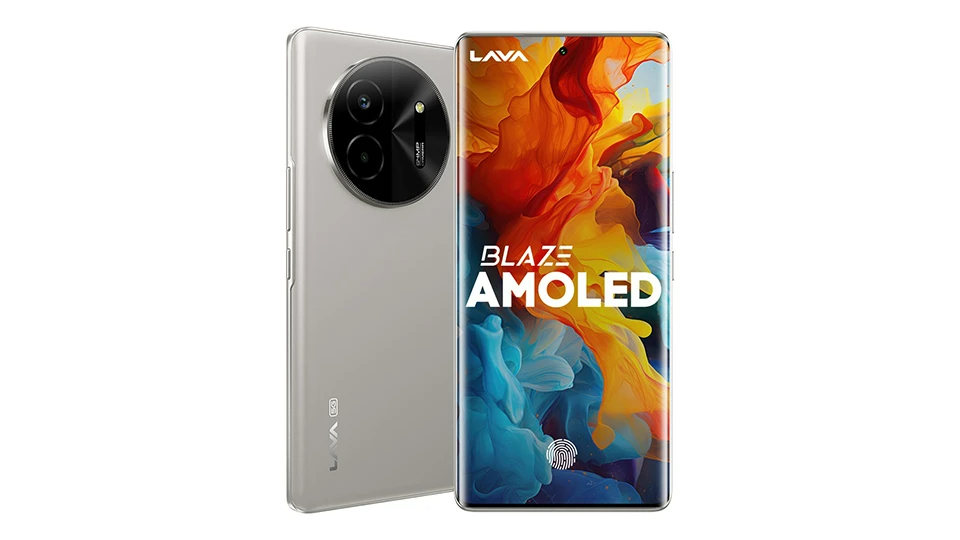
iQOO Z10

The iQOO Z10 was just announced with a tall 6.77-inch quad curved AMOLED display with an FHD+ resolution, a 120Hz refresh rate, and up to 1500 nits of peak brightness. Under the hood, it is equipped with the Qualcomm Snapdragon 7s Gen 3 SoC. This chipset is paired with up to 12GB of LPDDR4X RAM and 256 GB of UFS 2.2 internal storage. This model runs on the Android 15 OS based Funtouch OS 15 custom skin out of the box.

iQOO Z10 - Glacier Silver
iQOO Z10 in Glacier Silver

A huge 7,300mAh battery pack powers this device, which supports 90W wired fast charging. So the iQOO Z10 packs the largest battery cell out of any commercially available smartphone in the Indian market. For photography, the rear has a 50MP main camera with OIS support and a 2MP depth sensor, while the front packs a 32MP selfie shooter. Other notable features include WiFi 5, Bluetooth 5.2, and GPS.

iQOO Z10x

The iQOO Z10x is the more affordable option between the two models. It has a taller 6.72-inch IPS LCD panel with FHD+ resolution, a 120Hz refresh rate, and up to 1050 nits of peak brightness. The Chinese brand equips the budget phone with MediaTek’s Dimensity 7300 SoC along with up to 8GB of LPDDR4X RAM and 256GB of internal storage UFS 3.1.

iQOO Z10x
iQOO Z10x

Out of the box, this model runs on the Android 15 OS based Funtouch OS 15 custom skin. The company houses a large 6,500mAh battery pack, which supports 44W wired fast charging. Users get a 50MP + 2MP dual camera system on the rear, with the front housing an 8MP sensor for selfies and video calls. Other notable features include WiFi 6, Bluetooth 5.4, and GPS.

Pricing and Availability

The iQOO Z10 was launched in two color options, namely Glacier Silver and Stellar Black. Meanwhile, the iQOO Z10x arrives in Ultramarine and Titanium variants. So here are their pricing:

iQOO Z10

  • 8GB + 128GB – Rs 21,999
  • 8GB + 256GB – Rs 23,999
  • 12GB + 256GB – Rs 25,999

iQOO Z10x

  • 6GB + 128GB – Rs 13,499
  • 8GB + 128GB – Rs 14,999
  • 8GB + 256GB – Rs 16,499

The first sale of the iQOO Z10 kicks off on 16th April 2025, while the iQOO Z10x goes on sale in India on April 22. Customers can also avail of an instant bank discount or an exchange bonus of Rs 2,000 for the Z10. On the other hand, the iQOO Z10x is getting an instant Rs 1,000 bank discount.

For more daily updates, please visit our News Section.

Tech enthusiast? Get the latest news first! Follow our Telegram channel and subscribe to our free newsletter for your daily tech fix! ⚡