Google’s gearing up to launch its Pixel 10 series, and like last year, it’s bringing a foldable companion along for the ride. While we already expected the standard Pixel 10 and Pixel 10 Pro, a fresh leak has now detailed nearly everything about the upcoming Pixel 10 Pro Fold.
First off, battery life is getting a massive upgrade. The Pixel 10 Pro Fold is reportedly packing a 5,015mAh cell, making it not just larger than last year’s 4,650mAh Pixel Fold but also comfortably outpacing the Galaxy Z Fold 7’s 4,400mAh battery.
Interestingly, Google is sticking with a lithium-ion battery, unlike the newer silicon-carbon cells used by some Chinese foldables.
Not much of an upgrade in design
In terms of design, the Pixel 10 Fold doesn’t stray far from its predecessor. The outer cover display is now slightly larger at 6.4 inches, while the main inner screen stays at 8 inches. One upgrade for the display is that it is expected to reach a peak brightness of 3,000 nits vs 2,700 nits on the predecessor.
Both the inner and cover displays house 10MP selfie cameras, while the rear camera array includes a 48MP main sensor, a 10.5MP ultrawide, and a 10.8MP telephoto lens with 5x optical zoom.
Google Pixel 10 Pro Fold
Under the hood, Google is expected to debut its first 3nm Tensor chip—the Tensor G5—paired with 16GB of RAM and storage options ranging from 256GB to 1TB.
And perhaps the most impressive upgrade is that the Pixel 10 Pro Fold is tipped to be the first foldable phone with an IP68 rating. That means it’s both dust- and water-resistant. For comparison, the Fold 7 has IP48 protection while the Vivo X Fold 5 is IP58/IP59+ rated.
For more daily updates, please visit our News Section.
Xiaomi is getting ready to bring its Super Slim Magnetic Power Bank5000 to global markets. Originally introduced in China, this ultra-thin 5000mAh power bank supports magnetic wireless charging, making it a great companion for MagSafe-compatible devices like the iPhone. Now, this model was found listed on the global website of the brand. So here’s what we know.
Xiaomi Super Slim Magnetic Power Bank 5000: Specs & Features
As the name suggests, the power bank features a thin aluminum body, measuring just 8.7mm in thickness. Despite its slim design, Xiaomi packs the power bank with a sizeable 5,000mAh cell capacity since it uses a high-density lithium cobalt oxide battery. The brand claims that the battery retains more than 80% of its original capacity even after 300 charge cycles.
Xiaomi Super Slim Magnetic Power Bank 5000
Xiaomi’s Super Slim Magnetic Power Bank 5000 brings both wireless and wired charging, with the USB-C port delivering up to 22.5W wired output. On the other hand, the wireless charging pad supports multiple charging levels, namely 5W, 7.5W, 10W, and 15W. Looking at the image, the thin power bank will be available in four color variants, which include black, gold, purple, and blue.
Other notable features include a dual NTC thermal sensor system that monitors temperature 12,000 times per minute. There are even 17 N52-grade neodymium magnets inside the unit, generating a magnetic force of up to 10N, making it perfect for MagSafe compatible iPhones and other supported devices. In related news, the company just released the Xiaomi 15 Ultra 100 Years of Leica Special Edition earlier today (15th July 2025). You can also click here to check all Xiaomi devices eligible for the Android 16 update.
For more daily updates, please visit our News Section.
Honor has just announced the Honor X70 in China. It is the brand’s latest budget smartphone that takes durability and battery life to the next step with an IP69K rating and a humongous battery pack. So here’s everything you need to know.
Honor X70: What does it offer?
The Chinese brand has packed an impressive set of features on the Honor X70 despite the device measuring just 7.76mm in thickness and weighing 199 grams. The body is also protected by an IP66 + IP68 + IP69K rating for improved water and dust resistance. In essence, it is dustproof and can survive being submerged in water and high-pressure jets as well. On the front, the Honor X70 sports a tall 6.79-inch AMOLED display with a 1.5K resolution, a 120Hz refresh rate, 100 percent DCI-PC color gamut, 3840Hz PWM dimming, and up to 6000 nits of peak brightness.
Honor X70
Under the hood, the latest budget phone is equipped with the Snapdragon 6 Gen 4, which is paired with up to 12GB of RAM and 512GB of storage. Honor has even managed to pack a ginormous 8,300mAh cell in this slim body. There is even support for 80W wired fast charging and 80W wireless fast charging (exclusive to the 512GB model). For optics, the rear has a 50MP (Main, OIS, f/1.88) + 8MP (Ultra Wide, f/2.0), while the front houses an 8MP selfie shooter. Other notable features include an infrared sensor, an in-display fingerprint scanner, stereo speakers, NFC, WiFi 6, and Bluetooth 5.3.
Pricing and Availability
Honor announced the X70 in multiple color options, namely Midnight Black, Bamboo Green, Moon White, and Cinnabar Red. These devices are also available in multiple storage configurations, so here are all the details:
8GB + 128GB – 1399 yuan
8GB + 256GB – 1599 yuan
12GB + 256GB – 1799 yuan
12GB + 512GB – 1999 yuan
First sale of the Honor X70 kicks off in the Chinese market on 18th July 2025.
For more daily updates, please visit our News Section.
Tesla has officially launched the Model Y electric SUV in India, marking the company’s long-anticipated debut in the country. The launch follows a teaser released last week and coincides with the opening of Tesla’s first Experience Centre in Mumbai’s Bandra Kurla Complex.
Tesla will offer two rear-wheel drive variants of the Model Y. Bookings are now open on the official website, and deliveries are scheduled to begin later this year. The base Rear-Wheel Drive variant will start shipping in Q3 2025, while the Long Range Rear-Wheel Drive model will be available from Q4 2025. Initial deliveries will be limited to Mumbai, Delhi, and Gurugram.
The Model Y Rear-Wheel Drive is priced at ₹60,99,690 (on-road), while the Long Range version costs ₹69,07,690. These prices include registration and taxes but may vary depending on state regulations.
The Model Y features a minimal exterior design with updated front and rear lightbars, a panoramic glass roof, and acoustic laminated glass to reduce road noise. Inside the cabin, Tesla has included soft-touch materials, ambient lighting, and aluminum trim. The dashboard features a 15.4-inch central touchscreen and an 8-inch display for rear passengers.
Both variants include heated and ventilated front seats, heated and power-reclining second-row seats, and dual-zone climate control. Tesla claims the standard Model Y offers a WLTP range of 500 km and accelerates from 0 to 100 km/h in 5.9 seconds. The Long Range model increases the range to 622 km and completes the same sprint in 5.6 seconds.
The Model Y supports Tesla’s digital ecosystem, which includes Tesla Theater for streaming, Tesla Arcade for in-car gaming, and app-based remote controls. Standard features also include a 9-speaker sound system, dashcam and Sentry Mode, Bluetooth rear seat controls, and route-aware charging suggestions.
Safety features include Automatic Emergency Braking, Forward Collision Warning, Blind-Spot Collision Warning, and Lane Departure Avoidance. Tesla has included eight external cameras, including a new front-facing unit, to support future software-based driver-assist upgrades.
Customers can opt for additional upgrades such as exterior paint options priced between ₹95,000 and ₹1,95,000, a Black and White interior for ₹95,000, and Full Self-Driving Capability for ₹6,00,000.
Tesla plans to expand its presence across metro cities in India, including New Delhi. The company also aims to build local support infrastructure such as service centers, delivery hubs, and charging stations.
Tesla’s pricing in India remains significantly higher than in the U.S., where the Model Y starts at $44,990. The price increase is largely due to high import duties and luxury taxes. Tesla has not yet confirmed any plans for local manufacturing, which would make the Model Y eligible for lower import duties under India’s new EV policy.
For more daily updates, please visit ourNews Section.
In a surprising twist, Samsung’s Galaxy S25 FE might be faster than the standard Galaxy S25. But we aren’t talking about raw performance, the brand’s upcoming budget flagship will be getting faster charging speeds that matches the top end Galaxy S25 Ultra.
Galaxy S25 FE Charging Upgrade Outpaces Base S25 Model
The news arrives from a TÜV Rheinland certification listing (via SammyGuru). On the database, the Samsung Galaxy S25 FE was seen with support for 10V/4.5A or 15V/3A wired fast charging, which translates to around 45W. This marks a notable upgrade in terms of charging in the popular Fan Edition family. To recall, the Galaxy FE models have been stuck with 25W wired fast charging, even with last year’s Galaxy S24 FE.
Samsung Galaxy S25 FE Render
But the Galaxy S25 FE will finally get a big upgrade with 45W wired fast charging support, which is the same as the flagship Galaxy S25 Ultra. This is just one among the various improvements planned for the Galaxy S25 FE that could make it the best Fan Edition phone to date. Just recently, the renders of this model were leaked, showcasing a familiar design. A sighting on the Wireless Power Consortium (WPC) database also confirmed support for the Qi2 wireless charging standard.
Based on what we know so far, the device is getting slimmer, with a 7.4mm body that almost matches the 7.2mm body of the smaller Galaxy S25. The front sports a 6.7-inch OLED display with an FHD+ resolution and a 120Hz refresh rate. Under the hood, the Galaxy S25 FE was spotted with an Exynos 2400 SoC on GeekBench, which could be paired with 8GB of RAM and Android 16 OS out of the box.
For more daily updates, please visit our News Section.
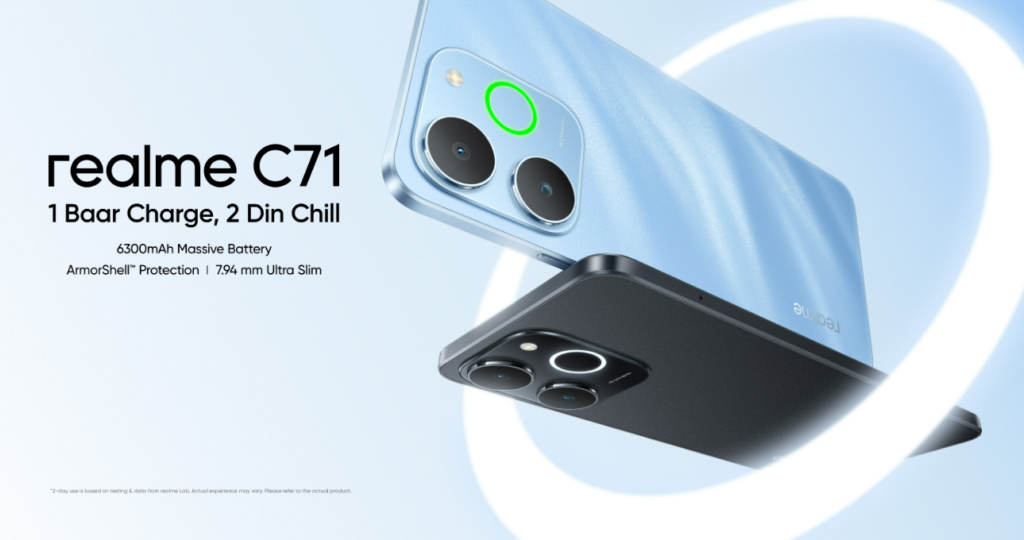
At the beginning of this month, Realme unveiled the Realme C71 4G went official in Vietnam. Today, the brand announced the said device in India without any fanfare. Its launch follows last month’s debut of the Realme C73 5G. Here’s a look at the specifications, features, and price of the device for the Indian market.
Realme C71 specifications and features
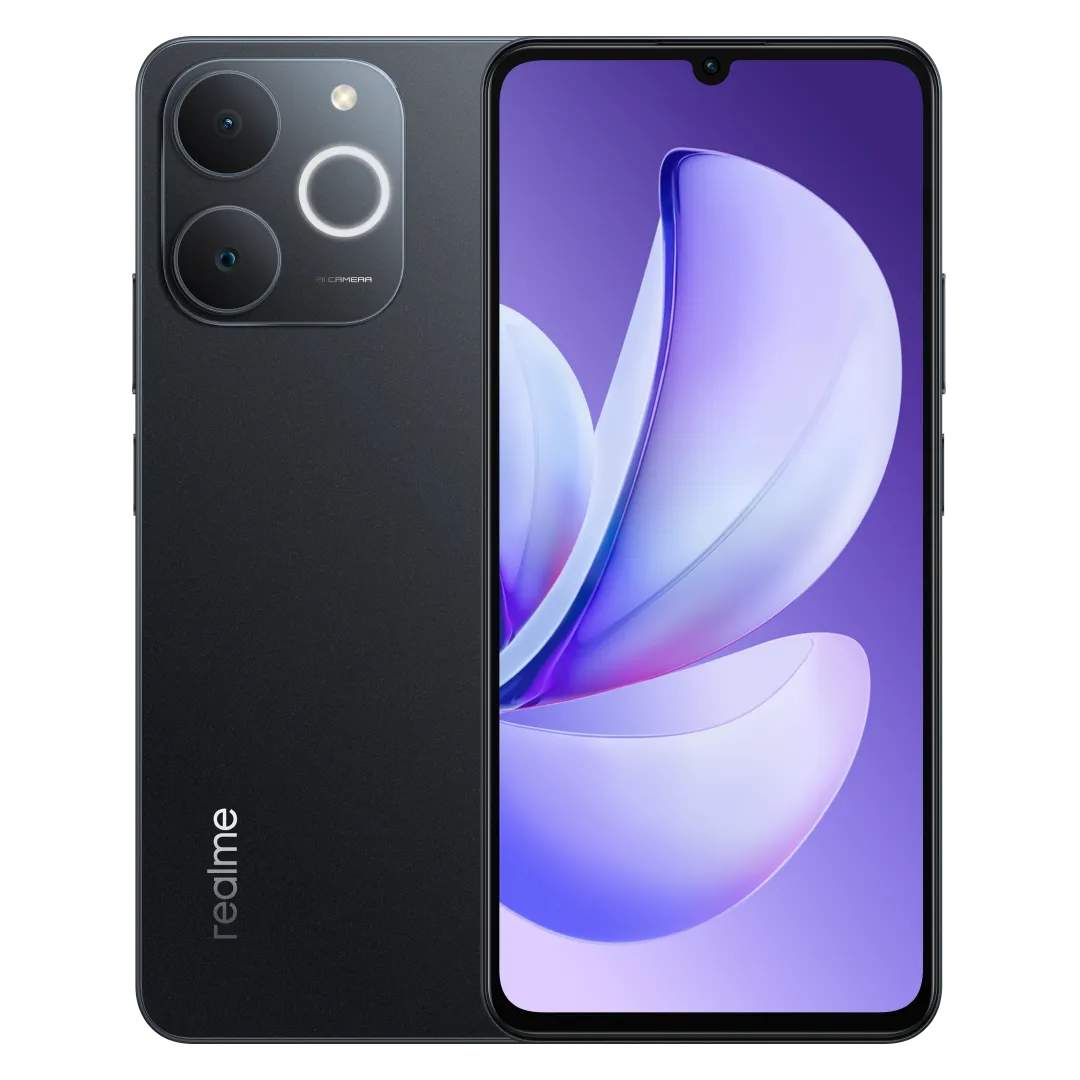
Realme C71
The Realme C71 features a 6.67-inch IPS LCD panel with an HD+ resolution, a 90Hz refresh rate, and peak brightness of up to 563 nits in High Brightness Mode. Despite its sizeable screen and battery, the phone is just 7.94mm thick and weighs 201 grams.
On the software side, the Realme C71 runs Android 15 with Realme UI 6.0. The phone is equipped with a 13-megapixel rear camera featuring an OmniVision OV13B sensor and an LED flash. Around the camera module, Realme has added a Pulse Light design that supports multiple colors and customizable glowing modes. These lights respond in real-time to incoming calls, message notifications, and charging status. A 5-megapixel front-facing camera handles selfies and video calls.
The Realme C71 runs on the Unisoc T7250 chipset, paired with up to 6GB of LPDDR4X RAM and 128GB of internal storage. Virtual RAM support allows up to 12GB total RAM, and storage is expandable via microSD up to 2TB. It houses a 6,300mAh battery with 15W fast charging and 6W reverse charging support.
Realme C71 Realme C71
For security, the C71 has a side-mounted fingerprint scanner. Connectivity options include dual 4G VoLTE, dual-band Wi-Fi, Bluetooth 5.2, GPS, and USB-C. The device comes with IP54 dust and splash resistance and passes MIL-STD-810H military-grade drop and pressure tests.
Realme C71 price in India, availability
The Realme C71 comes in Obsidian Black and Sea Blue colorways. The 4GB + 64GB model is priced at Rs 7,699 (~$90), while the 6GB + 128GB variant is listed at Rs 8,699 (~$100), with a Rs 700 bank offer bringing the effective price down to Rs 7,999. The phone is now available on Flipkart, Realme.com, and mainline retail stores.
For more daily updates, please visit our News Section.
Samsung’s Galaxy Z Fold series has come a long way in redefining the foldable phone experience. With the launch of the Galaxy Z Fold7, Samsung pushes boundaries even further, but how much of an upgrade is it over the Fold5, which was launched in 2023? This comparison matters for users deciding between a discounted Fold5 and the cutting-edge Fold7, weighing future-proof features against value.
Build and Feel: The Galaxy Z Fold7 refines Samsung’s foldable design further by reducing the thickness and weight while introducing stronger materials. The advanced Armor Aluminum frame is now paired with a more durable Gorilla Glass Victus Ceramic 2 and a titanium plate for inner support. It also upgrades the water and dust resistance to IP48, a noticeable leap from Fold5’s IPX8 water-only protection. While both models retain a premium feel, the Fold7 is more durable and compact. The reduced bulk, coupled with higher resistance, makes Fold7 better suited for long-term use in real-world conditions.
Display Quality: The Fold7 steps up the main display to 8.0 inches with a brighter 2600 nits peak LTPO AMOLED 2X panel, compared to Fold5’s 7.6-inch screen. It also brings improvements to the cover display, making it wider and sharper (6.5″ at 1080p vs 6.2″ at 904p). Color accuracy, brightness, and responsiveness are all superior on the Fold7. Additionally, the titanium plate improves structural support, reducing visible creasing.
Verdict: Galaxy Z Fold7 wins with better durability, brighter and wider displays, and meaningful material upgrades, making it the more refined and practical foldable for daily use.
Please Note: When you buy something using the links in our articles, we may earn a small commission at no cost to you.
2. Specifications
Galaxy Z Fold5
Performance: The Fold7 debuts the Snapdragon 8 Elite, a custom-tuned 3nm chip with significantly faster CPU (Oryon V2 Phoenix) and GPU (Adreno 830). It’s built for longevity with 7 years of software updates and One UI 8. Fold5, while capable with its Snapdragon 8 Gen 2, is a step behind in AI processing, sustained performance, and update policy. Fold7 also offers up to 1TB with 16GB RAM, compared to Fold5’s max 12GB RAM.
Battery and Charging: Both devices feature a 4400 mAh battery with identical wired (25W) and wireless (15W) charging speeds. However, the Fold7 includes Qualcomm QC 2.0 support and improved thermal efficiency, allowing more consistent charging rates. Battery optimization on the newer chip also helps extend screen-on time slightly despite the larger display.
Verdict: The Fold7 is the clear leader in performance due to its next-gen chip, longer support lifecycle, and better RAM options. Battery life is nearly identical, but Fold7 edges out with improved efficiency.
3. Camera
Galaxy Z Fold7
Main and Secondary Lenses: Fold7 features a massive leap with a 200MP primary sensor (vs 50MP on Fold5), offering more detail, better dynamic range, and superior low-light capabilities. Telephoto and ultrawide lenses retain similar specs on both phones, but Samsung improved multi-directional PDAF and OIS handling in Fold7. It supports advanced video features like 10-bit HDR and 960fps at 720p. Fold5 delivers solid photography, but Fold7’s pro-level sensor takes a clear lead, especially for enthusiasts and creators.
Selfie Camera: Both have a 10MP cover selfie shooter with similar specs, but Fold7 improves front camera AI processing and clarity in HDR situations. The under-display camera inside Fold5 (4MP) is still underwhelming, and Samsung doesn’t significantly change it in Fold7, but compensates with software upgrades.
Verdict: The Fold7 has a vastly superior rear camera system, particularly in the primary lens. For users prioritizing photography, the Fold7 is the stronger choice. Front camera performance is comparable but benefits from software refinements.
4. Pricing
Galaxy Z Fold5
The Galaxy Z Fold7 launches at approximately $1999, while the Galaxy Z Fold5 now retails around $1800. The $200 difference reflects significant upgrades: a more durable body, a flagship-level 200MP camera, brighter displays, a superior processor, and extended Android support. For users looking for future-proofing, the Fold7 justifies the premium. However, Fold5 remains a solid choice for those wanting foldables at a slightly lower cost.
5. Conclusion
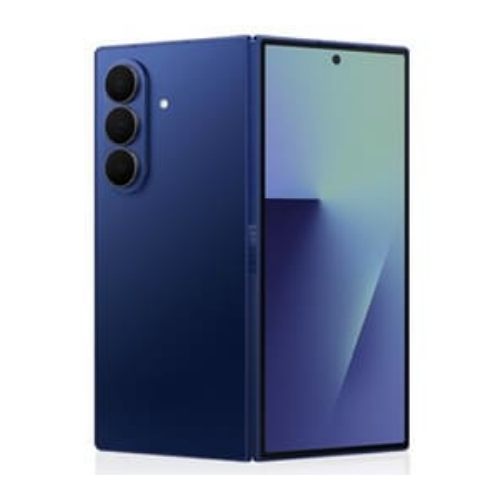
Galaxy Z Fold7
The Fold7 brings Circle to Search, a smarter Galaxy AI interface, Titanium support, IP48 protection, and 7 years of Android updates, all firsts for foldables. It also includes UWB support, improved haptics, and next-gen Wi-Fi 7 for better connectivity. While the Fold5 was a refined step from earlier Folds, the Fold7 redefines the category with meaningful hardware and software improvements across the board.
Verdict: Choose the Galaxy Z Fold7 for the most powerful, future-ready foldable experience. If you’re upgrading from a Fold3 or earlier, it’s a huge leap. The Fold5, though still competent, is best suited for those prioritizing value and don’t need the top-tier camera or chipset.
The Galaxy Z Fold7 marks a true evolution over the Fold5, combining significant upgrades in build quality, camera hardware, AI features, and long-term software support to redefine what a premium foldable can deliver.
Xiaomi is deepening its collaboration with Leica with a new special edition model of its flagship smartphone. The Xiaomi 15 Ultra 100 Years of Leica edition celebrates the camera brand’s long history with its Leica-inspired design and exclusive packaging.
Xiaomi 15 Ultra 100 Years of Leica Edition: What makes it special?
Xiaomi 15 Ultra 100 Years of Leica Edition
To commemorate 100 years of the legendary Leica 1, Xiaomi announced the limited edition Xiaomi 15 Ultra. For those unaware, the Xiaomi 15 Ultra features an impressive camera system that is further enhanced by the Leica partnership. So with this new model, the special Xiaomi 15 Ultra edition arrives in a large gift box, which includes an exclusive Xiaomi x Leica Humanistic Photography Series photobook.
You also get a unique new design that is made to resemble the iconic Leica 1. The Xiaomi 15 Ultra 100 Years of Leica brings a silver back that includes golden accents, most notably across the large camera ring. For a more authentic camera look, the frame also has a chipped gray frame that shows the metal underneath to give the look of a used camera. Apart from the visual differences, the special edition features the same exact internals and camera specs as the regular Xiaomi 15 Ultra.
So you still get the massive 1-inch primary camera on the rear with a large 200MP telephoto shooter with 4.3x optical zoom that also has a 1//1.4-inch sensor size. You also get another 50MP 3x telephoto shooter and a 50MP ultra wide angle lens. Other notable features include a Snapdragon 8 Elite SoC, a 6.73-inch LTPO AMOLED QHD display, and an IP68 rated body. This announcement also arrives weeks after the Xiaomi 15 Ultra got a redesigned camera grip with new colors.
For more daily updates, please visit our News Section.
Samsung has wrapped up the fourth edition of its popular esports event, the #PlayGalaxy Cup, with some of India’s leading gamers taking centre stage. The brand has confirmed the winners and key details of this highly engaging event, which also served as a platform to showcase the capabilities of its latest foldable smartphone, the Galaxy Z Fold7.
PlayGalaxy Cup Season 4: Top gamers clash in national-level showdown
PlayGalaxy Cup Season 4 winners
Held in New Delhi, the latest season of the #PlayGalaxy Cup brought together 48 top gamers and content creators for a four-and-a-half-hour-long competition. The event was streamed live on Samsung India’s YouTube channel and shown at select exclusive stores, reaching over 350 million users.
The team Delhi AI Legends clinched the championship title, featuring well-known personalities like Techno Gamerz, iPreet, Mayur Gaming, and Tahir Feugo FF. The first runners-up were Guwahati Galaxy Guardians, including players such as Soneeta and Desi Chora. Meanwhile, Ahmedabad AI Avengers secured third place with team members like Regaltos and Ashi is Live.
Samsung positioned the Galaxy Z Fold 7 at the heart of this season’s competition. The device’s reduced thickness, lighter weight, and upgraded internals allowed gamers to experience smoother gameplay. Powered by the Snapdragon 8 Elite chipset, the foldable phone handled high-performance gaming sessions with precision and fluidity.
Aditya Babbar, Vice President of Samsung India’s MX Business, highlighted the growing impact of the #PlayGalaxy Cup over the past two years, turning it into a leading esports platform. According to Samsung, the tournament isn’t just about competition—it’s about celebrating gaming talent and pushing hardware to its limits
For more daily updates, please visit our News Section.
Oppo India is back with its 2025 Photography Awards, this time under a new name and vision — Lumo. According to the brand, the contest aims to explore and celebrate the creativity of mobile photographers across India. With entries now open, the company has introduced new categories, notable jury members, and a cultural focus for this year’s edition.
2025 Oppo Photography Awards details confirmed
Oppo Lumo Photography Awards 2025
The 2025 Oppo Photography Awards, now powered by Lumo, replaces last year’s imagine IF initiative. It continues the brand’s focus on mobile imaging while shifting its attention to the creative process behind each photograph. Oppo has partnered with Discovery to introduce a special “Super Culture Moment” category under its broader “Culture in a Shot” campaign, encouraging participants to document India’s diverse traditions and lifestyles using Oppo’s latest camera tech.
This year’s jury includes celebrated photographer Joseph Radhik and Vikram Channa, VP at Warner Bros Discovery and editorial lead for Southeast Asia. They will oversee a two-round process.
In Round 1, Indian citizens aged 18+ can submit images across nine categories with titles and short descriptions (60–150 words). Fifty finalists will then be chosen for the next stage.
Round 2 will task finalists with completing a creative challenge using the Oppo Find X8 Pro. Winners will be selected based on creativity, impact, and storytelling. Prizes include Rs 5,00,000 for the Gold winner, Rs 2,00,000 for Silver, and Rs 1,00,000 for Bronze. Winners across each category will also receive Oppo’s latest flagship device. The submission deadline is September 15, 2025, with final results to be announced in November.
Winners of 2024 Imagine IF awards
As per recent reports, Oppo is expected to use the Lumo branding for its imaging technology on upcoming flagship phones. Likely, it may get introduced on the Find X9 series, which is expected to launch in September in China.
For more daily updates, please visit our News Section.
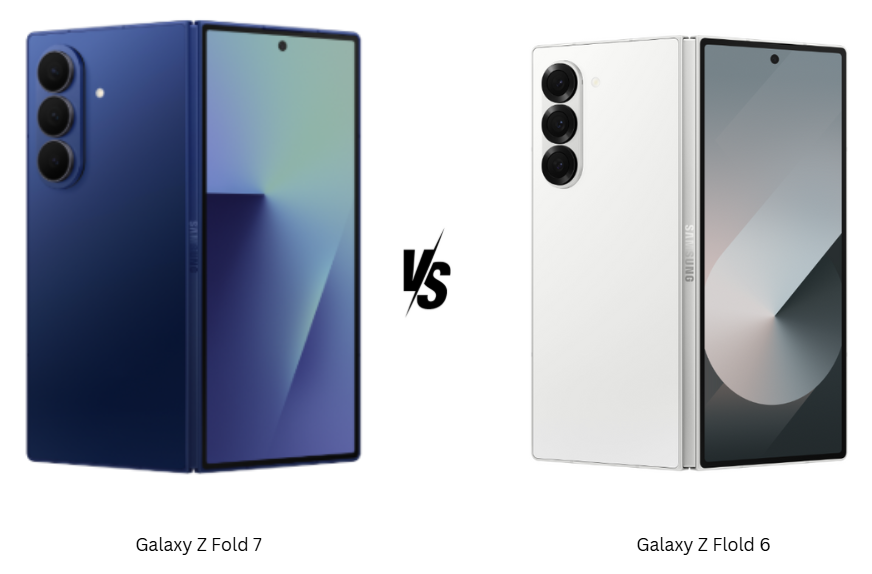
With the launch of the Galaxy Z Fold7, Samsung aims to push foldable innovation even further, building on the solid foundation of the Fold6. This comparison matters because it highlights whether the new features, performance upgrades, and design refinements in the Fold7 truly justify its premium price, or if the Fold6 still holds strong as a better-value flagship foldable.
Build and Feel: The Fold7 upgrades to an Advanced Armor aluminum frame and introduces Gorilla Glass Victus Ceramic 2 on the front and back, enhancing scratch resistance and durability. The titanium plate layer inside also adds structural strength without increasing weight. Fold7 is lighter than Fold6 despite being slightly larger. In contrast, Fold6 retains Gorilla Glass Victus 2 and uses Armor Aluminum. The Fold7 feels more premium and refined, particularly with its lighter chassis. The side-mounted fingerprint sensor is retained on both.
Display Quality: Both models use foldable Dynamic LTPO AMOLED 2X panels with 120Hz refresh rates and a peak brightness of 2600 nits. However, the Fold7 slightly enlarges the inner display to 8.0 inches (vs. 7.6″) and improves the resolution. It also includes a new cover display glass, Gorilla Glass Ceramic 2, offering better protection. The sharper resolution and brighter, more immersive display on the Fold7 offer a visibly better experience for multitasking and media.
Verdict: The Fold7 delivers meaningful upgrades in build and display, including a larger screen, better materials, and lighter weight, making it feel more premium and durable than the Fold6.
Please Note: When you buy something using the links in our articles, we may earn a small commission at no cost to you.
2. Specifications
Galaxy Z Fold6
Performance: The Fold7 runs on the cutting-edge Snapdragon 8 Elite (3nm), with a significantly more powerful octa-core CPU featuring Oryon V2 cores and an upgraded Adreno 830 GPU. This is a major leap over the Fold6’s Snapdragon 8 Gen 3. The Fold7 is built for sustained performance in multitasking and productivity apps, and it supports up to 16GB of RAM, while the Fold6 maxes out at 12GB. For power users, Fold7 handles workloads better and should remain smoother longer into its lifecycle.
Battery and Charging: Both models share the same 4400mAh battery with identical charging specs, 25W wired, 15W wireless, and 4.5W reverse wireless. There’s no change in capacity or charging speed. However, Fold7’s Snapdragon 8 Elite is more efficient due to its 3nm architecture, so real-world endurance may see minor gains. This could translate to a longer screen-on time under productivity usage.
Verdict: Fold7 wins on performance due to its next-gen chipset and higher RAM option. While battery specs remain identical, the more efficient processor may offer slightly better endurance.
3. Camera
Galaxy Z Fold7
Main and Secondary Lenses: The Fold7 significantly upgrades the primary sensor to a 200MP camera with a larger sensor and advanced PDAF and OIS, compared to Fold6’s 50MP sensor. This allows for superior detail, dynamic range, and low-light performance. The telephoto and ultrawide cameras remain close in resolution, but Fold7 offers a broader field of view and improved autofocus. For content creators or advanced photography, the Fold7 is a substantial step up.
Selfie Camera: Fold6 continues using an under-display 4MP camera for the inner screen, which struggles with quality. Fold7 opts for a more practical 10MP regular selfie shooter on the inside, sacrificing invisibility for clarity. The cover selfie cameras are similar in specs, but Fold7 offers better image tuning. Fold7’s approach favors quality over aesthetics, which benefits video calls and selfies.
Verdict: Fold7 is superior in camera hardware, especially with its massive 200MP sensor and practical selfie setup. It better suits users prioritizing photography and video.
4. Pricing
The Galaxy Z Fold7 is priced at approximately $1999, while the Fold6 launched at $1899. The $100 difference is justified by a dramatically improved primary camera, a next-gen processor, more premium materials, and a lighter body. For users upgrading from older foldables or power users, Fold7 offers better long-term value. However, budget-conscious users who don’t need the cutting-edge camera or chip may still find the Fold6 competitive.
5. Conclusion
Galaxy Z Fold7
Fold7 brings several unique upgrades that refine the foldable experience. It’s a titanium layer for internal screen protection, a lighter build with better materials, Circle to Search support, and a vastly improved 200MP main camera. The use of Snapdragon 8 Elite and up to 16GB RAM makes it future-proof for power users. While the Fold6 remains a solid device with excellent performance and display, it lacks the technological leaps that Fold7 introduces.
Verdict: Choose the Galaxy Z Fold7 if you want cutting-edge performance, superior cameras, and the most refined foldable Samsung has made to date. Stick with the Fold6 if you want to save $100 and don’t need the extreme camera or processing upgrades.
Overall, the Galaxy Z Fold7 stands out as the smarter investment, delivering major upgrades in performance, camera, and durability that justify its slightly higher price.
Back in May 2024, HMD unveiled the HMD T21 tablet globally. The tablet has finally made it to Indian soil today with a price tag of Rs 14,499. Here’s a look at the specifications, features, and price of the device.
HMD T21 specifications and features
HMD T21 tablet
The HMD T21 features a 10.36-inch LCD display with a 5:3 aspect ratio, offering a balanced viewing experience for entertainment and productivity. It has a thickness of just 7.5mm and weighs 467 grams.
The tablet is powered by the Unisoc T612 processor, 8GB of RAM, and 128GB of internal storage, expandable up to 512GB via microSD card. The device runs on Android 13 out of the box, with an upgrade to Android 14 available and monthly security updates promised for 3 years.
For imaging, the tablet includes an 8-megapixel rear camera with autofocus and an 8-megapixel front-facing camera for video calls. It supports 4G connectivity with voice calling and SMS, dual-band Wi-Fi, Bluetooth 5.0, and features GPS/AGPS, GLONASS, and GALILEO for location services. The USB Type-C port supports OTG and charging at up to 18W via PD3.0.
The HMD T21 houses an 8,200mAh non-removable battery that promises up to 18 days of standby time and 12 hours of talk time. Audio features include dual speakers, two microphones, a 3.5mm headphone jack, FM radio, and OZO Spatial Audio recording and playback. The hybrid SIM slot supports dual nano SIM cards for cellular connectivity.
HMD T21 price in India, availability
The HMD T21 is priced at Rs 14,499 for the 8GB + 128GB variant. It is available in a single Black Steel color and can be purchased via HMD.com.
For more daily updates, please visit our News Section.
The Nothing Phone (3) has officially gone on sale in India, and while it brings the brand’s signature transparent design and upgraded internals, it’s the price tag that has everyone talking. So here’s everything you need to know about its pricing, offers, and more.
Nothing Phone (3): Price and Offers
Nothing announced its first “true flagship” at the start of this month. The smartphone has finally gone on sale in the Indian market via Flipkart, Viay Sales, Croma, and other offline retail partners. It is available in two color options, namely white and gray. The Nothing Phone (3) has a starting price tag of 79,999 INR for the base 12GB + 256GB variant, while the 16GB + 512GB version is listed for 89,999 INR.
Nothing Phone (3)
Nothing is offering a bank discount of 5,000 INR on select credit cards along with exchange offers, which can bring down the effective price down to around 62,000 INR. That’s not all, the brand also has a promo deal that gives customers one year extended warranty for customers who buy the Phone (3) today. To recall, the Nothing Phone (3) sports a 6.67-inch flexible LTPS AMOLED display with a 30-120Hz variable refresh rate, 1.5K resolution, HDR10+ support, and 4500 nits of peak brightness.
Under the hood, it is equipped with the Snapdragon 8s Gen 4 SoC. A sizeable 5,500mAh battery pack powers this device, which supports 65W wired fast charging and 15W wireless charging. For optics, the rear has three 50MP shooters for the primary, ultra wide, and telephoto shooter. Meanwhile, the front houses a 32MP selfie camera. Other notable features include the brand new Glyph Matrix secondary display that has a dot matrix design.
For more daily updates, please visit our News Section.
With a September 2025 launch on the horizon, Apple’s iPhone 17 series is already making headlines — this time, for its rumored color choices. Leaks suggest that the lineup won’t just bring design tweaks and new features, but also a splash of bold, vibrant finishes.
iPhone 17 Pro hands-on image
The upcoming iPhone 17 lineup — including the iPhone 17, iPhone 17 Air, iPhone 17 Pro, and iPhone 17 Pro Max — will offer some eye-catching color options. The new iPhone 17 Air, which is said to replace the Plus model, could come in a fresh Sky Blue finish inspired by the latest MacBook Air.
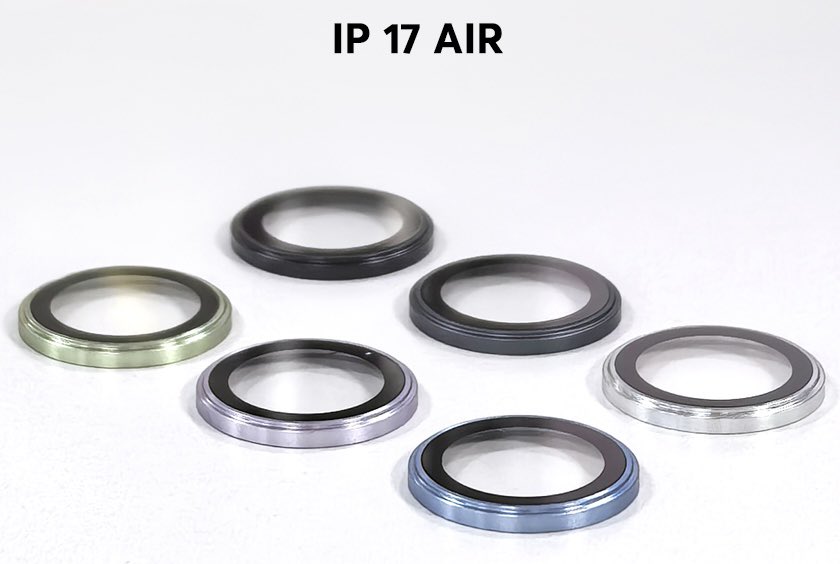
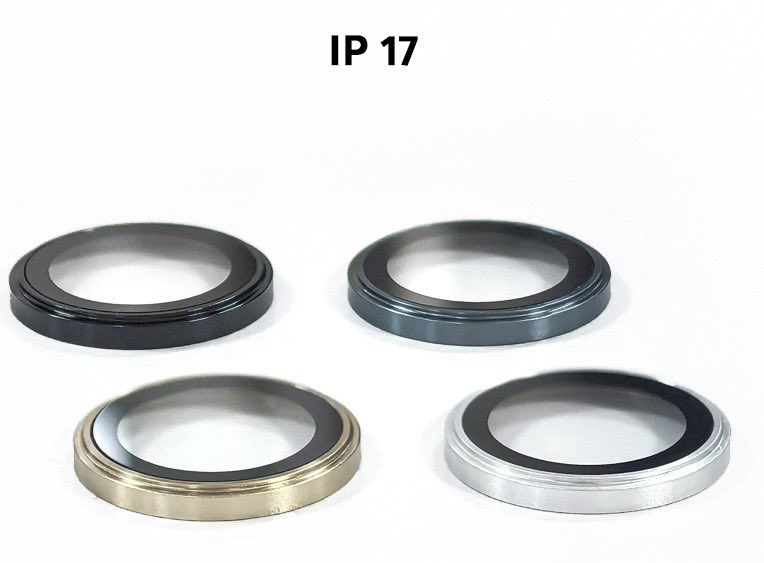
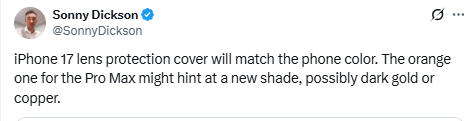
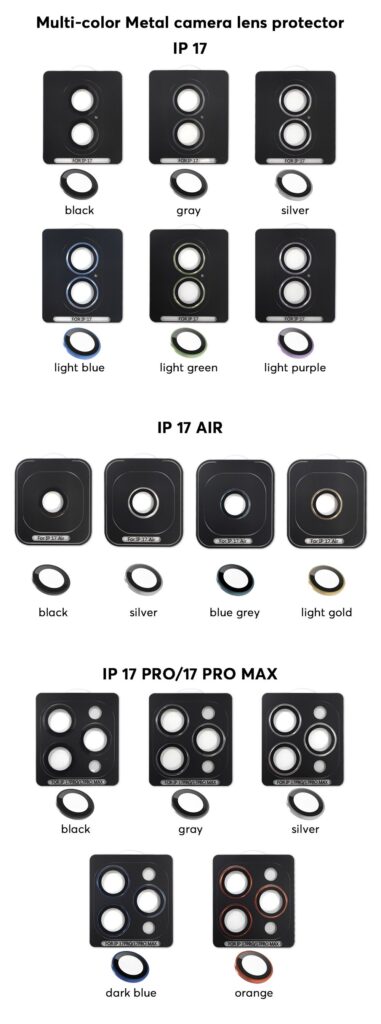
Meanwhile, Korean leaker yeux1122 claims on Naver that accessory makers are already preparing camera ring protectors in five color variants: Black, Silver, Blue, Green, and Purple. That seems to line up with earlier rumors about Apple experimenting with new eco-friendly finishes.
The iPhone 17 series is tipped to launch in the week of September 8, a familiar slot for Apple’s annual event. On the spec sheet, expect upgraded LTPO OLED displays, the A19 chip, and a new camera island design for the Pro models.
Pricing in India is rumored to stick to Apple’s usual strategy. The iPhone 17 Air, in particular, may feature a slim 6mm body and a 48MP single rear camera — pitched as a blend of sleek design and everyday practicality.
With new colors like Sky Blue reportedly in the mix, plus classic shades like Black and Silver, the iPhone 17 series looks set to bring a bit more flair to Apple’s lineup. Will that — along with the rumored spec upgrades — be enough to get buyers excited? We’ll know more as the expected September launch approaches.
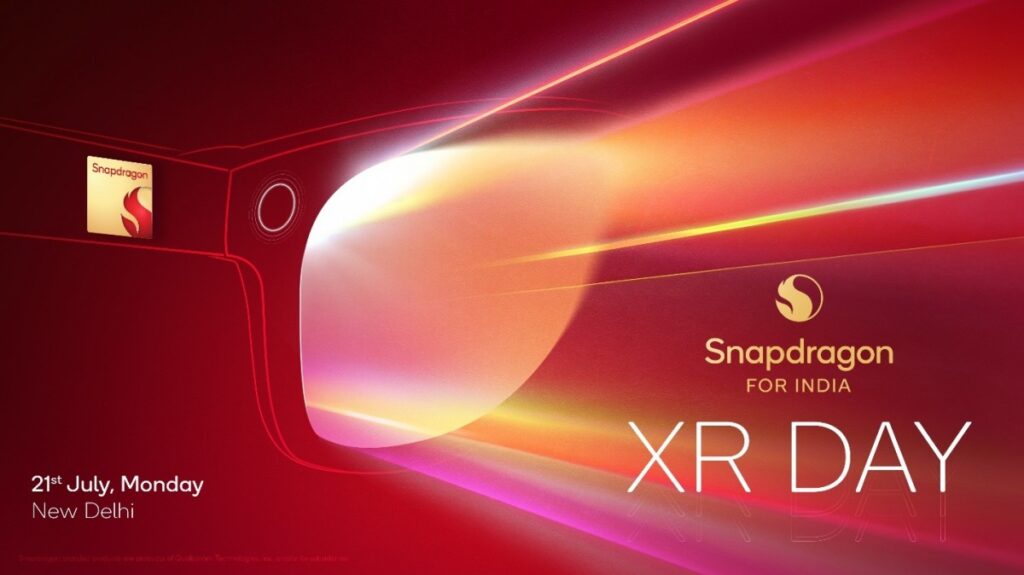
Qualcomm is gearing up for its first-ever Snapdragon XR Day in India, set for July 21, 2025, in New Delhi — and it’s shaping up to be a big showcase for the future of augmented reality (AR), virtual reality (VR), and mixed reality (MR). Part of its new “Snapdragon for India” initiative, the event will spotlight how immersive technologies could shape everything from entertainment to healthcare.
The XR Day is Qualcomm’s way of highlighting its leadership in the extended reality space. Expect demos powered by the company’s flagship chips, including the Snapdragon XR2 Gen 2 and Snapdragon XR2+ Gen 2. The event is expected to feature real-world XR use cases — think AI-powered AR navigation, virtual classrooms, and even XR-driven healthcare and fitness platforms.
But it’s not just a tech demo. Qualcomm wants to bring together developers, hardware makers, and industry partners to explore next-gen devices, from smart glasses to spatial computing gear. With 90% of the global XR chipset market (per Counterpoint Research), Qualcomm seems ready to double down on India’s fast-growing 5G market and rising developer ecosystem.
The event could also hint at fresh hardware announcements. Qualcomm recently introduced its Snapdragon AR1+ Gen 1 chip for smart glasses, and some reports suggest more could be on the way.
XR Day will kick off a broader “Snapdragon for India” campaign, which also includes Snapdragon Auto Day on July 30, focused on connected car tech and mobility solutions tailored for India.
With its XR push, Qualcomm isn’t just showcasing gadgets — it’s staking a claim in India’s tech future. Whether it’ll pay off remains to be seen, but all eyes are on New Delhi come July 21.
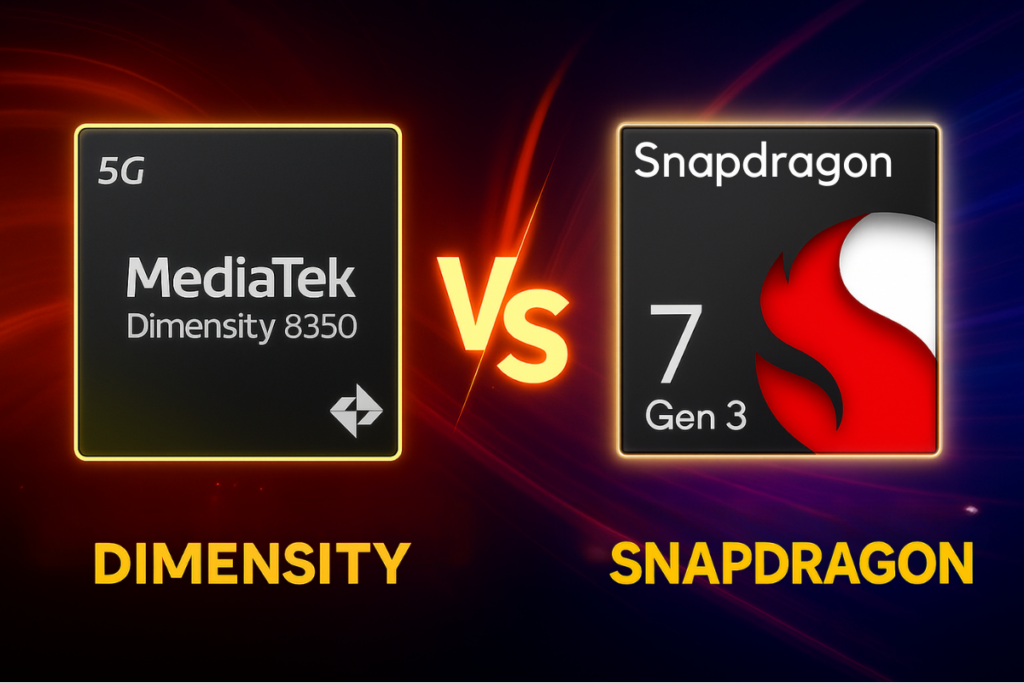
The Dimensity 8350 is a powerful mid-range chipset built on TSMC’s 4nm advanced process. It features an octa-core CPU that runs at up to 3.35GHz speed and a Mali-G615 MP6 GPU, offering a strong balance of performance and efficiency for modern devices. Its direct rival is the Snapdragon 7 Gen 3, a chip that uses the same CPU architecture and leverages Qualcomm’s proven software tuning and gaming solutions. Both chipsets promise excellent performance and efficiency, but which one actually outperforms the other? Let’s dive deep into this battle.
Here’s the spec sheet comparison:
Dimensity 8350
Snapdragon 7 Gen 3
Announced
November 2024
November 2023
Process node
4nm
4nm
Manufacturer
TSMC
TSMC
CPU
1 x 3.35 GHz — Cortex-A715 3 x 3.2 GHz — Cortex-A715 4 x 2.2 GHz — Cortex-A510
1 x 2.63 GHz — Cortex-A715 3 x 2.4 GHz — Cortex-A715 4 x 1.8 GHz — Cortex-A510
MediaTek Imagiq 980 HDR ISP (14-bit) Up to 320MP camera resolution Up to 4K video recording
Qualcomm Spectra Triple ISP (12-bit) Up to 200MP camera resolution Up to 4K video recording
Connectivity
MediaTek 5G modem Download speed: 5.17 Gbps (peak) Wi-Fi 6E Bluetooth 5.4
Snapdragon X63 5G modem Download speed: 5 Gbps (peak) Wi-Fi 6E Bluetooth 5.4
Dimensity 8350 vs Snapdragon 7 Gen 3: Benchmark comparison
Note: The following benchmark tests were conducted on the Oppo Reno 13 (Dimensity 8350) and OnePlus Nord CE 4 5G (Snapdragon 7 Gen 3).
AnTuTu performance
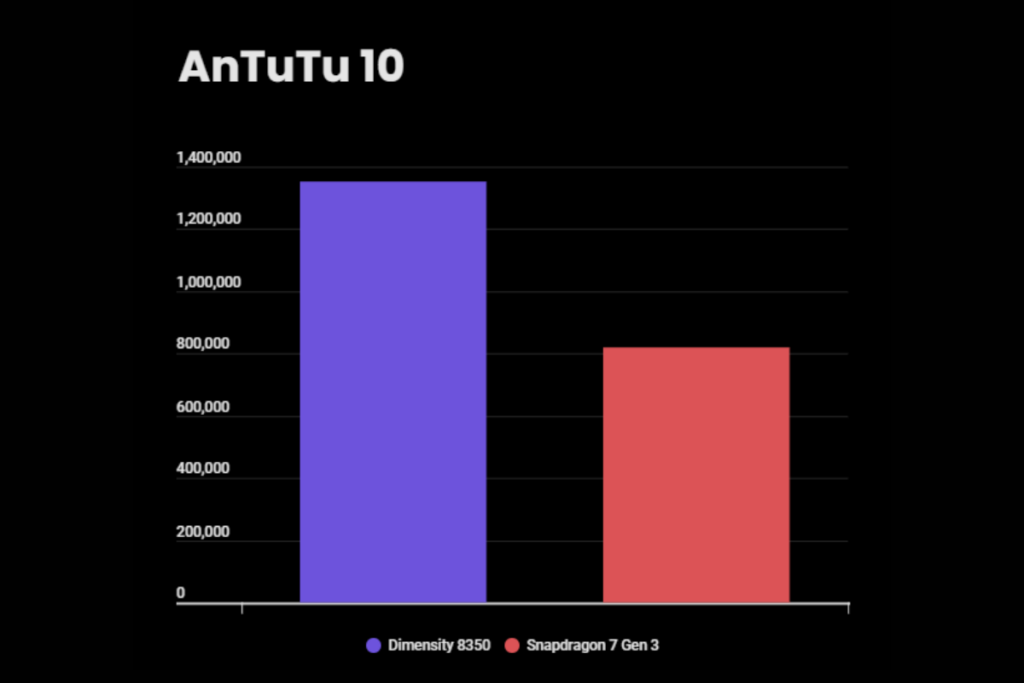
The Dimensity 8350 pulls way ahead of the Snapdragon 7 Gen 3 in AnTuTu (v10) benchmarks, scoring 1,352,732 points compared to the Snapdragon’s 819,655 — that’s a solid 65% lead in the overall score.
The GPU score is where the Dimensity 8350 really flexes, with 513,784 points — nearly double the Snapdragon 7 Gen 3’s 256,584. This suggests a significantly better gaming and graphics experience, especially in titles that demand sustained GPU performance. The CPU performance also favors MediaTek, though the gap is narrower: 289,855 vs. 269,334. The memory and UX scores also favor the Dimensity 8350.
Dimensity 8350
Snapdragon 7 Gen 3
AnTuTu score
1,352,732
819,655
CPU
289,855
269,334
GPU
513,784
256,584
Memory
278,071
129,961
UX
271,022
163,776
Geekbench performance
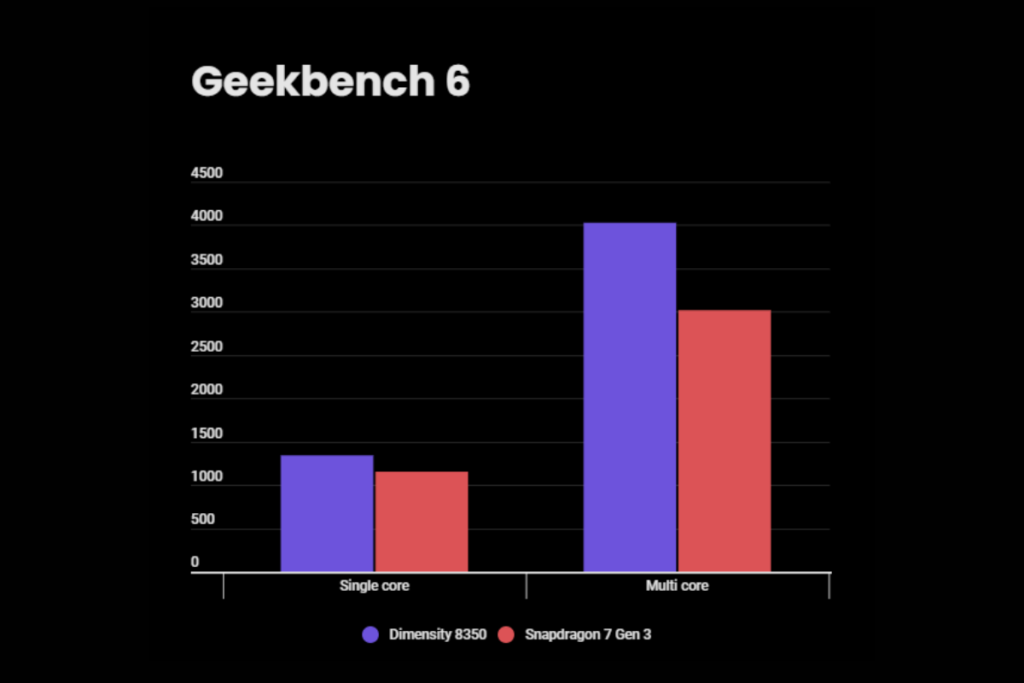
On Geekbench (v6), the Dimensity 8350 once again comes out on top, scoring 1,342 in single-core and 4,028 in multi-core, compared to 1,154 and 3,018 for the Snapdragon 7 Gen 3.
While the single-core difference may not seem huge at first glance — roughly a 16% advantage — it still translates to snappier app launches and better responsiveness in everyday tasks. The gap in multi-core performance is even wider, with the Dimensity 8350 holding a clear 33% lead. That means noticeably better performance in multitasking and apps that leverage multiple threads.
Dimensity 8350
Snapdragon 7 Gen 3
Single core
1,342
1,154
Multi core
4,028
3,018
Dimensity 8350 vs Snapdragon 7 Gen 3 — Key things you should know
Performance
Both chips utilize TSMC’s 4nm manufacturing process and feature the same set of CPU cores (four Cortex-A715 and four Cortex-A510), yet there are several key differences that make a notable difference. For instance, all CPU cores in the Dimensity 8350 have a higher peak frequency than their counterparts in the Snapdragon 7 Gen 3. The chip also benefits from a newer ARMv9-A instruction set (versus ARMv8.6-A), offering better performance and security.
For visual rendering, the Dimensity 8350 features a Mali-G615 GPU, while the Snapdragon 7 Gen 3 features an Adreno 720. The MediaTek chip offers a higher peak frequency (1400 MHz vs 975 MHz) and more pipelines (6 vs 3). It also benefits from higher total shaders and FLOPS. This explains why it was able to outperform the Snapdragon 7 Gen 3 by a significant margin.
Both chips also have NPUs for on-device AI capabilities and optimizations. They are much more powerful than their predecessors and support multiple LLMs.
Camera
The Dimensity 8350 features a 14-bit Imagiq 980 ISP, supporting up to 320MP resolution and true-to-life 4K60 HDR video recording. It comes with a range of camera features, including Video Bokeh, Video EIS, and AI-assisted color adjustment, auto exposure, auto focus, and auto white balance.
On the other hand, the Snapdragon 7 Gen 3 features a 12-bit Spectra triple ISP, supporting up to 200MP camera resolution and 4K video recording. It also brings a set of features, including AI Remosaic, AI Noise Reduction, and AI Video Retouch. Additionally, the Qualcomm chip supports computational 4K HDR video capture and the Google Ultra HDR photo format.
Connectivity
Both chipsets have all the necessary connectivity features, including a 5G modem, Wi-Fi 6E, Bluetooth v5.4, and multiple positioning systems. However, there are a few differences you should be aware of. The Dimensity chip has a slightly higher peak download speed of 5.17 Gbps (versus 5 Gbps). It features MediaTek 5G UltraSave 3.0+ technology, improving power efficiency by up to 15%. The Qualcomm chip is also equipped with a range of features, including Qualcomm AI-Enhanced Signal Boost, Qualcomm Smart Transmit 2.0 technology, and Qualcomm 5G PowerSave 2.0.
Dimensity 8350 vs Snapdragon 7 Gen 3: which one is better?
When it comes to raw performance, the Dimensity 8350 clearly outperforms the Snapdragon 7 Gen 3. Across both AnTuTu and Geekbench, MediaTek’s chip consistently delivers better results — especially in GPU and multi-core performance. This makes it a more suitable choice for users who prioritize gaming, multitasking, and overall system responsiveness.
The Dimensity 8350 benefits from higher clock speeds, a newer instruction set, a more powerful Mali-G615 GPU, and a slightly higher download speed. The Snapdragon 7 Gen 3, meanwhile, still holds its ground with solid optimizations, a capable Adreno 720 GPU, and Qualcomm’s well-rounded feature set — but it’s clearly tuned more for balanced performance rather than pushing the limits.
If performance is your primary concern, the Dimensity 8350 is the option to consider. For everyday tasks like browsing the internet, sending emails, and scrolling through social media feeds, both chips are great.
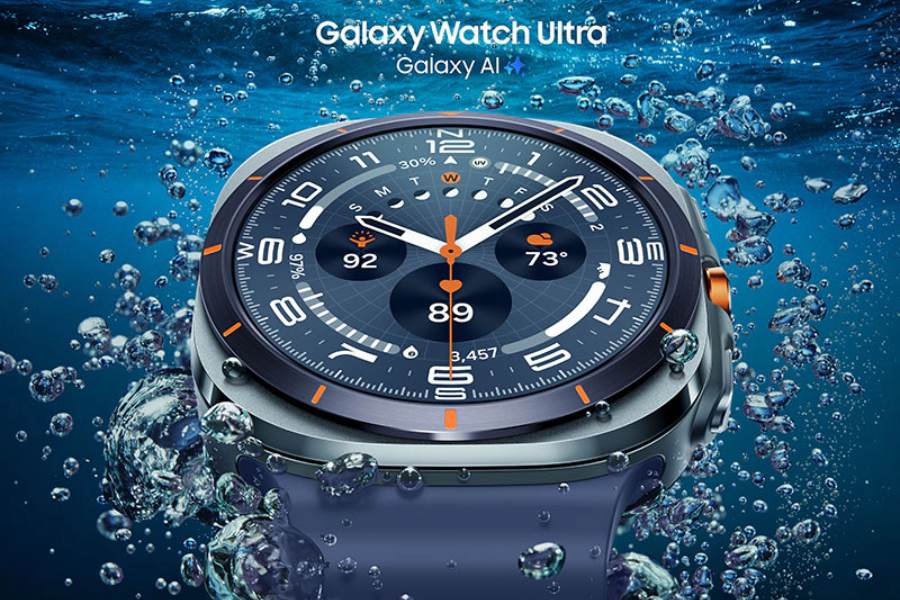
Samsung made a surprise announcement at the recent Galaxy Unpacked with the new Watch Ultra (2025). But don’t just go with the name. It’s not a major upgrade over the first-gen model; that is to be expected of the Watch Ultra 2.
The new Ultra has the same overall design and internals as last year’s model, opting instead for a handful of modest upgrades focused on software, storage, and a slightly refined user experience.
Yes, it still looks like the Apple Watch Ultra’s squared-off cousin, but that’s not necessarily a bad thing. It’s still the most rugged, full-featured smartwatch Samsung sells, and it now comes in a fresh new Titanium Blue colorway. Here’s what’s actually new, and what stays exactly the same.
You’ll need sharp eyes to tell the difference between the new Galaxy Watch Ultra and last year’s model. Both are available on a single 47mm size framed with a titanium squircle chassis and raised circular sapphire glass display.
The only difference is that the new model comes in a Titanium Blue finish. To pair with it, Samsung has introduced a blue strap. Previous color options for the wearable include Titanium Silver, Gray, and White.
Everything else about the case remains identical. You get the familiar three-button layout on the right, a customizable orange-accented “Action” button in the center, speaker grills on the left side, and the same BioActive sensor array underneath.
Both have a 1.5-inch Super AMOLED panel, IP68 water- and dust-resistant, 10ATM waterproofing, and MIL-STD-810H shockproofing.
Please Note: When you buy something using the links in our articles, we may earn a small commission at no cost to you.
2. Twice the Storage, Same Internals
On the inside, there’s at least one clear upgrade. The Galaxy Watch Ultra (2025) doubles internal storage to 64GB from the previous 32GB. That’s helpful if you like to store offline music, maps, or apps directly on your watch for workouts or travel.
But beyond that, things are mostly unchanged. It is powered by the same 3nm Exynos W1000 processor, along with 2GB of RAM. And keeping everything running is a 590mAh cell with expected 10W charging support.
3. New Software and Smarter Features
Aside from some hardware, the Watch Ultra (2025) also brings a refresh on the software side. It comes pre-installed with Wear OS 5, layered with Samsung’s updated One UI Watch 8 skin. Most of the new tricks are in the interface and AI-powered features.
Among them is the Now Bar feature we’ve seen on the Galaxy phones. It’s a context-aware widget that shows controls like timers and media playback on your watch face for quick access. The new skin also better manages notifications, and you can now pin six favorite apps at the top of the app drawer.
But arguably the biggest upgrade is the integration of Google Gemini, giving you a more useful AI assistant directly on your wrist. Ask it to start a 5K run and play your favorite playlist, and it will do both.
4. New Health Metrics
Samsung is also rolling out a few new health features, some of which will come to the original Galaxy Watch Ultra via software update.
Among the new ones is Vascular Load, a stat that tries to estimate how much strain your circulatory system is under while you sleep. It uses sleep tracking, stress levels, and exercise patterns to generate insights and recommendations.
Another is Antioxidant Index, which attempts to estimate the accumulation of antioxidants in your skin using sensor data. While it might sound a little out-there, the goal is to offer another layer of wellness feedback, along with tips on how to improve those numbers.
The Bedtime Guidance feature, powered by Galaxy AI, tries to personalize your sleep schedule based on heart rate variability and past sleep patterns. There’s also a new Running Coach mode that provides motivation and real-time training feedback during runs.
Importantly, all of these features are expected to be available on the original Galaxy Watch Ultra once it gets the One UI Watch 8 update, so don’t feel pressured to upgrade just for the software.
5. Final Thoughts: A Minor Refresh, and That’s Okay
Samsung’s 2025 Galaxy Watch Ultra feels like a textbook incremental update. It keeps everything that worked last year, and lightly refreshes the experience with new software, a more polished UI, and some genuinely useful AI features.
The main thing is that there is no increase in price. The refreshed model costs the same–$649.99–as the original Watch Ultra. So, for those thinking of getting Samsung’s top-of-the-line wearable, the newer Watch Ultra (2025) is now an even better deal.
However, if you already own the original Watch Ultra, there’s no rush to upgrade. You’ll get almost all the new features in a software update, minus the Titanium Blue finish and the extra storage.
Samsung’s latest book-style foldable — the Galaxy Z Fold7 — launched on July 9 for a starting price of $1,999 or ₹174999.00. To recall, the Fold6 and Flip6 started from $1,899. But the Samsung boss recently surprised, saying the brand is taking a hit on profit to keep the prices in check.
At launch, the company highlighted slimmer designs, a 200MP camera upgrade, and expanded Galaxy AI features — all things you’d expect to come with a higher price tag. The Z Fold7 saw a 6% bump in price, which is far below the 10-20% increase some analysts forecasted.
Samsung MX chief TM Roh addressed the decision during a press briefing, saying the company chose to absorb some of the extra costs to help “expand foldable phones and democratize AI experiences”.
It’s a calculated risk. Samsung remains the leader in the foldable segment with a 45% market share, though that’s down from 54% in 2024, based on Canalys data. With competition heating up — particularly from Chinese brands like Huawei and Honor — and with Z Flip6 sales reportedly down 21% compared to its predecessor, a price hike could have hurt Samsung’s competitive edge even further.
The introduction of the Z Flip7 FE at $899 also plays into this strategy. Meanwhile, Samsung’s deep integration of Galaxy AI — built on Google’s Gemini and One UI 8 — continues to focus on smarter productivity and editing features, as the company pushes to make foldables a mainstream choice.
Please Note: When you buy something using the links in our articles, we may earn a small commission at no cost to you.
By holding prices “in check”, Samsung is betting on market expansion and AI adoption over short-term profits. Whether that gamble pays off remains to be seen — but for now, customers are the ones benefiting.
You can pre-orders for the Galaxy Z Fold7 and Z Flip7 now at Samsung’s official website.
After a few rumors, iQOO recently confirmed that the Indian market will receive a new Z10-series phone called the iQOO Z10R. Today, the brand rolled out the following poster to confirm that the Z10R will be unveiled in the country on July 24.
iQOO Z10R: What’s known so far
iQOO Z10R launch date
The official image suggests that the iQOO Z10R’s front and rear cameras will support 4K recording. The image also indicates that the device will have a quad-curved display. On the rear, the device features a dual-camera system housed in a module similar to the Vivo V50 series, enhanced by an Aura light ring designed to boost portrait photography.
As per a recent Geekbench listing, the iQOO Z10R will feature the Dimensity 7400 chipset and 12GB of RAM. The device will run on FunTouch OS 15-based Android 15.
Rumours suggest the handset will feature a 6.77-inch full-HD+ OLED display with a 120Hz refresh rate. On the imaging front, the phone could pack a 50-megapixel dual rear camera setup, alongside a 32-megapixel front-facing camera, both capable of 4K video recording for vlogging. The iQOO Z10R may include a 6,000mAh battery with 90W charging support.
While iQOO hasn’t revealed the pricing just yet, leaks suggest the Z10R could be priced between Rs 15,000 and Rs 20,000, positioning it squarely in the competitive mid-range segment. With the official launch set for July 24, more details, including exact variants and introductory offers are expected soon.
For more daily updates, please visit our News Section.
Oppo is all set to unveil the K13 series of smartphones on July 21. Today, the brand has listed the K13 Turbo and K13 Turbo Pro on Chinese retailer platforms, including the Oppo Shop for pre-orders. The official listings have revealed the design, colour options, and variants of both smartphones.
Oppo K13 Turbo series official images released
Oppo K13 TurboOppo K13 Turbo Pro
For those who don’t know, the Oppo K13 Turbo and K13 Turbo Pro will be powered by the Dimensity 8450 and Snapdragon 8s Gen 4 chipsets, respectively. The official images show that the K13 will be available in black, white, and purple options, whereas the Pro edition will be sold in shades like silver, black, and purple.
Both phones will be available in configurations such as 12GB+256GB, 16GB+256GB, and 12GB+512GB. However, the Pro edition will also come in a higher 16GB+512GB version.
Oppo is yet to share the other specifications of the device. As per reports, both phones will have a 6.8-inch OLED 1.5K 144Hz screen, a 16-megapixel front camera, and a 50-megapixel + 2-megapixel dual-camera setup, and a 7,000mAh battery with 80W charging. The Turbo series also includes an active cooling fan with RGB lighting.
Oppo has also announced a Super Cooling Combo Kit for the K13 Turbo series. This includes a micro-pump liquid cooling magnetic case and a 27W IceWing magnetic air-cooled fan. The case circulates liquid through a built-in loop to passively manage heat, while the external fan actively blows cool air onto the phone using magnetic attachment.
By combining liquid and air cooling technologies, Oppo introduces a hybrid cooling system that offers efficient heat dissipation for demanding tasks like gaming and extended performance usage.
For more daily updates, please visit our News Section.
We use cookies on our website to give you the most relevant experience by remembering your preferences and repeat visits. By clicking “Accept”, you consent to the use of ALL the cookies.
This website uses cookies to improve your experience while you navigate through the website. Out of these, the cookies that are categorized as necessary are stored on your browser as they are essential for the working of basic functionalities of the website. We also use third-party cookies that help us analyze and understand how you use this website. These cookies will be stored in your browser only with your consent. You also have the option to opt-out of these cookies. But opting out of some of these cookies may affect your browsing experience.
Necessary cookies are absolutely essential for the website to function properly. This category only includes cookies that ensures basic functionalities and security features of the website. These cookies do not store any personal information.
Any cookies that may not be particularly necessary for the website to function and is used specifically to collect user personal data via analytics, ads, other embedded contents are termed as non-necessary cookies. It is mandatory to procure user consent prior to running these cookies on your website.