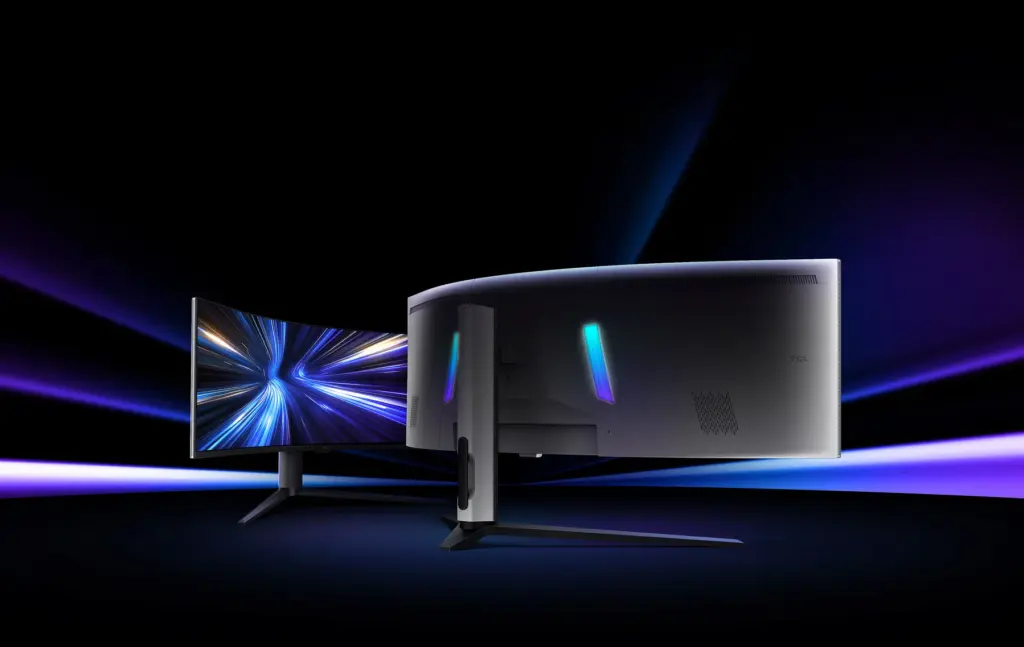
TCL has officially announced the 57R94, a massive 57-inch curved monitor featuring dual 4K resolution and QD-Mini LED technology. The display is now available in France, with global availability expected to follow in the coming months.
TCL 57R94 Monitor Specifications
The 57R94 features an ultra-wide 32:9 aspect ratio with a resolution of 7680×2160, effectively equating to two 4K monitors side by side. TCL uses a 1000R curvature on the panel to enhance immersion, offering a 120-degree field of view that wraps around the user’s peripheral vision. The panel type is Fast HVA, and the monitor supports a refresh rate of 120Hz along with a 1ms response time.
TCL has integrated its QD-Mini LED backlighting system with 2,304 local dimming zones. This allows for deep contrast and improved HDR performance. The monitor achieves a peak brightness of 1200 nits and meets the DisplayHDR 1000 standard. The display supports 98% of the DCI-P3 color gamut, 99% of sRGB, and offers color accuracy rated at Delta E < 1. TCL also confirms Pantone validation and support for 10-bit color depth through 8-bit + FRC.
The monitor includes an adjustable stand that supports tilt (-5° to +20°), swivel (-30° to +30°), and height adjustment up to 110mm. It also supports VESA 100×100 mounting. The total weight with the stand is 18.3kg.
In terms of connectivity, the monitor features two HDMI 2.1 ports, one DisplayPort 1.4, a USB-C port with 90W charging support, four USB-A 3.0 ports, and one USB-B port. It supports KVM switching, Picture-in-Picture, and Picture-by-Picture modes. The setup includes built-in 10W dual speakers for onboard audio.
TCL positions the 57R94 as a versatile display for professionals and gamers. The monitor includes game-specific features such as dark field control, custom crosshairs, a real-time FPS counter, and support for both FreeSync Premium and G-Sync. The monitor is also certified by Rheinland for low blue light performance.
The Dimensity 9300 Plus is a flagship chipset from MediaTek, announced back in May 2024. It features a high-performance octa-core CPU and a strong Mali-G720 MP12 GPU with excellent graphics rendering capabilities. Here, we’ll look at the benchmark scores of this flagship chipset to find out how it stacks up against the competition.
Note: The following benchmark tests were conducted on the Xiaomi 14T Pro (powered by MediaTek Dimensity 9300 Plus)
MediaTek Dimensity 9300 Plus AnTuTu score
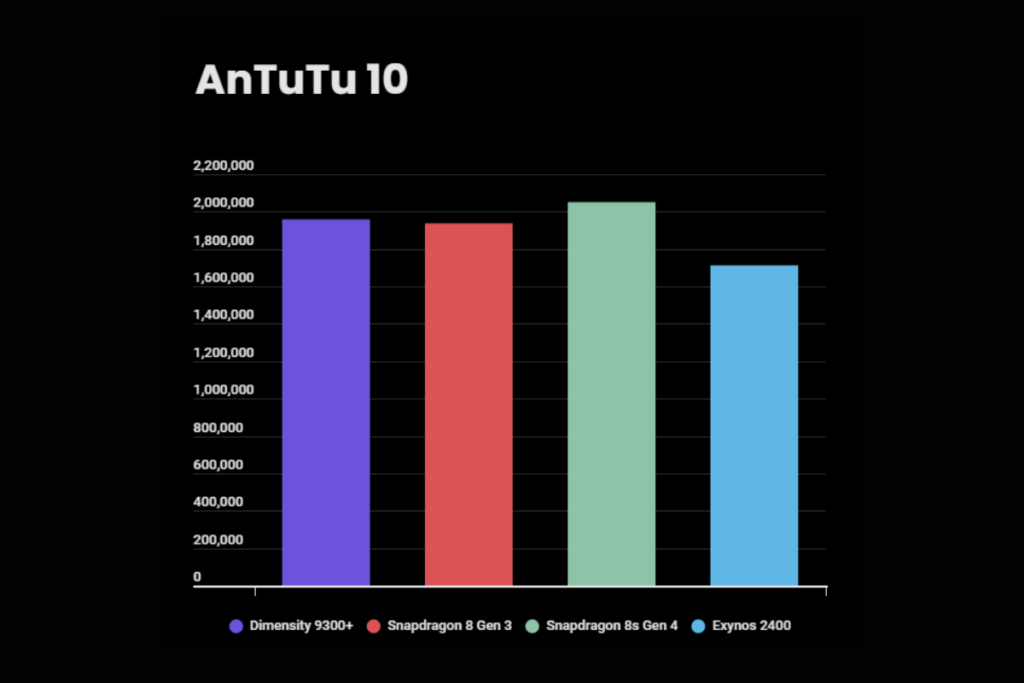
The Dimensity 9300 Plus scored a whopping 1,958,675 points on AnTuTu, which places it firmly in the ultra-premium category. Breaking that down, it notched 454,781 in CPU, 793,456 in GPU, 414,662 in memory, and 295,776 in UX — solid numbers across the board. The standout part here is the GPU score, which demonstrates MediaTek’s focus on further enhancing graphical performance.
The overall AnTuTu score is in the same ballpark as the Snapdragon 8 Gen 3, but it falls slightly behind the newer Snapdragon 8s Gen 4, which pushes past 2 million points. As for Samsung’s Exynos 2400, it doesn’t come close, managing around 1.7 million — showing that MediaTek still has a strong foothold in the high-performance space.
Dimensity 9300 Plus
AnTuTu score
1,958,675
CPU
454,781
GPU
793,456
Memory
414,662
UX
295,776
MediaTek Dimensity 9300 Plus Geekbench score
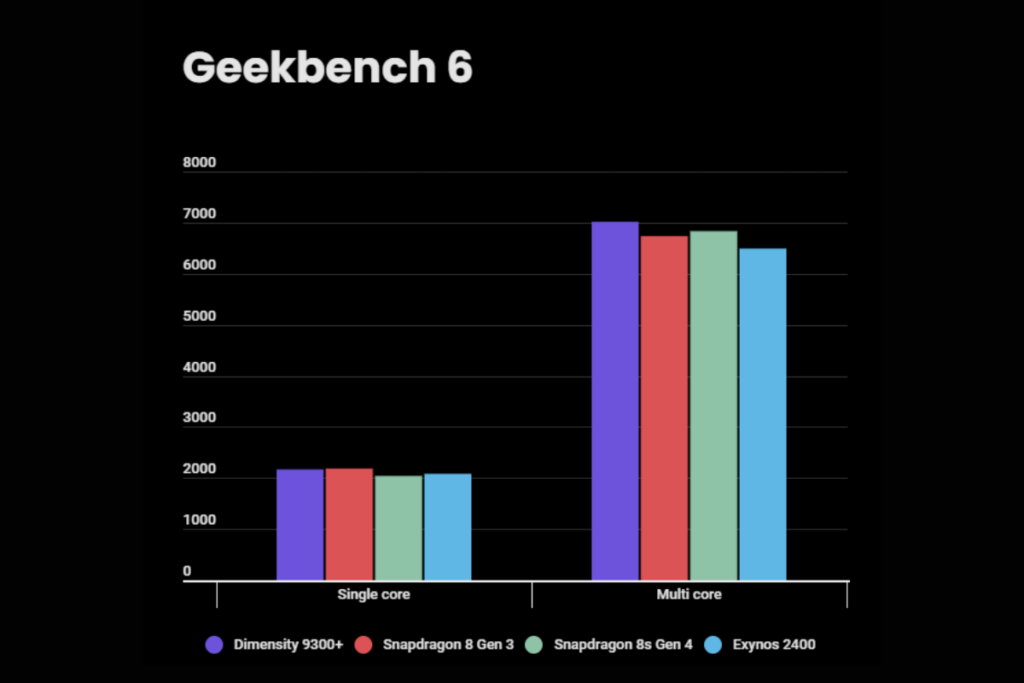
On Geekbench, the Dimensity 9300 Plus delivers impressive performance with a single-core score of 2,168 and a multi-core score of 7,015. These figures show MediaTek’s continued focus on all-big-core architecture, which helps it shine in multi-threaded workloads while still maintaining strong single-core efficiency.
The single-core performance aligns closely with the Snapdragon 8 Gen 3, and the multi-core score actually surpasses that of most current-gen chips. It comfortably edges past the Snapdragon 8s Gen 4 and leaves the Exynos 2400 behind, especially in multi-core performance — highlighting just how powerful this chip really is under sustained workloads.
Dimensity 9300 Plus
Single core
2,168
Multi core
7,015
MediaTek Dimensity 9300 Plus — key details you should know
The Dimensity 9300 Plus is fabricated using TSMC’s advanced and highly efficient 4nm process (third generation). The chipset features an “All Big Core” CPU configuration, meaning it uses only high-performance cores and no efficiency cores. Here’s what the Dimensity 9300 Plus’s CPU layout looks like:
One Cortex-X4 core at up to 3.4GHz
Three Cortex-X4 cores at up to 2.85GHz
Four Cortex-A720 cores at up to 2.0GHz
These high-performance cores provide the Dimensity 9300 Plus with immense CPU capabilities, ensuring smoother multitasking, responsive UI, and smooth gameplay in graphically demanding titles when paired with a capable GPU, such as the Mali-G720 Immortalis MP12. This is the GPU inside the Dimensity 9300 Plus, which does an impressive job at graphics rendering.
The Dimensity 9300 Plus also has a MediaTek NPU 790 generative AI engine, enabling on-device AI capabilities. The NPU brings support for on-device LoRA Fusion, NeuroPilot LoRA Fusion 2.0, and various LLMs, including Google Gemini Nano, Meta Llama 2, Llama 3, Alibaba Cloud Qwen, and Baichuan AI.
Regarding connectivity, the MediaTek chipset features a 3GPP R16 5G modem with a maximum download speed of 7Gbps, while a Wi-Fi 7 connection offers a maximum download speed of 6.5Gbps. The chip supports Bluetooth 5.4 standard and features multiple positioning systems (GPS, BeiDou, Glonass, QZSS, and NavIC). Additionally, there are various software optimizations, including MediaTek Xtra Range 2.0, MediaTek Wi-Fi UltraSave, and MediaTek 5G UltraSave 3.0 for reliable and efficient connectivity.
The Dimensity 9300 Plus is equipped with an Imagiq 990 (18-bit) ISP with support for up to 320MP resolution and up to 8K video recording. There are also several AI-based features, including the AI Semantic Analysis Video Engine with 16 categories of scene segmentation adjustments for enhanced cinematic video capture.
Dimensity 9300+
Release Date
May 2024
Process node
4nm (TSMC)
CPU
1 x Cortex-X4 @ 3.4 GHz 3 x Cortex-X4 @ 2.85 GHz 4 x Cortex-A720 @ 2.0 GHz
With the Nothing Phone (3) release being right around the corner, the hype behind this device is building up. While the official launch is set for 1st July 2025, teasers and leaks have revealed practically every detail we need to know about the upcoming flagship phone from Nothing. So, how does it stack up against its predecessor? What are the upgrades? Read on to find out.
1. Nothing Phone (3) vs Nothing Phone (2): Premium Design & New Glyph Matrix
Nothing Phone (3)
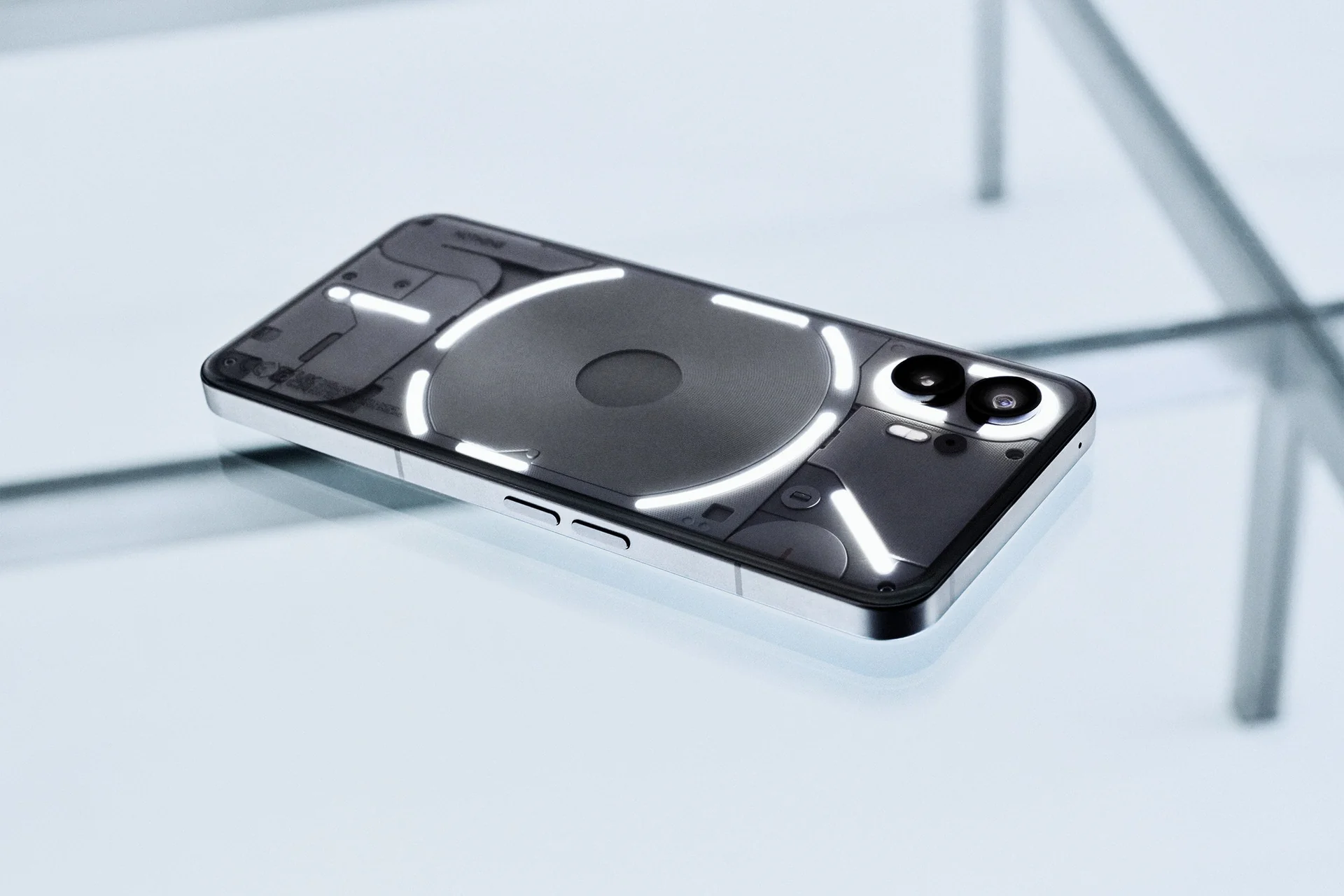
Carl Pei, the co-founder of Nothing, confirmed that the Nothing Phone (3) will be a true flagship and use premium materials to enhance its design. It is unclear whether this refers to a titanium frame, but we can expect a durable glass back and a tough metallic frame on the sides. Using Titanium could make this model lighter and more durable than the Nothing Phone (2).
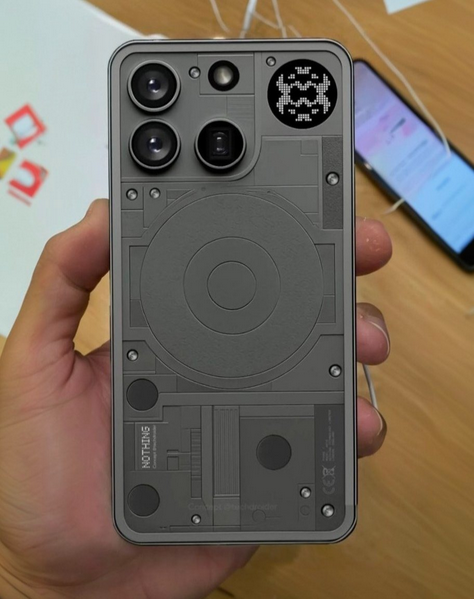
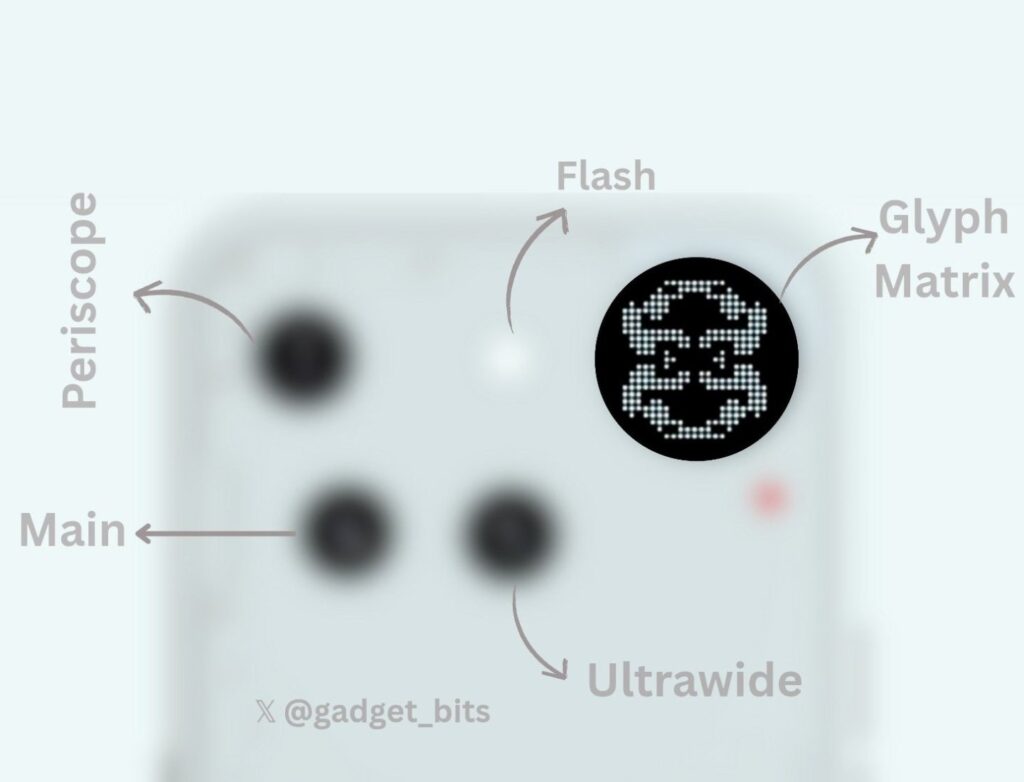
But a big change for the brand is moving away from its iconic Glyph LED interface. Gone is the iconic Glyph light bar; it’s replaced by a sleeker Glyph Matrix LED panel in the upper right corner on the back. So you’re getting a dynamic screen for notifications and other effects, instead of multiple strips of LED.
Please Note: When you buy something using the links in our articles, we may earn a small commission at no cost to you.
2. Flagship grade performance & Longer software support
Nothing Phone (2)
Nothing Phone (2) debuted with the Snapdragon 8+ Gen 1 back in 2023, which was still a high end processor, but it was behind the current gen flagships that featured the Snapdragon 8 Gen 2 at the time. With the Nothing Phone (3), the brand is bringing the Snapdragon 8s Gen 4 chipset, which might imply a similar treatment, but the chipset is still faster than the previous generation.
The Snapdragon 8s Gen 4 is also the latest announcement from Qualcomm, bringing better and longer support overall. Nothing promises its longest software support yet, with 5 years of major Android updates and 7 years of security patches.
3. Faster Charging and Bigger Battery
Nothing phone 3 specs leak
Battery capacity is seeing a slight upgrade from 4,700mAh on the Phone (2) to a larger 5,150mAh cell on the Phone (3). While this isn’t a massive upgrade, the larger battery paired with a more power efficient chipset will definitely offer a longer battery life. The fast charging is also getting an upgrade from 45W to possibly 65W or 100W wired fast charging. Wireless charging will likely make a return once again.
4. More Versatile Cameras
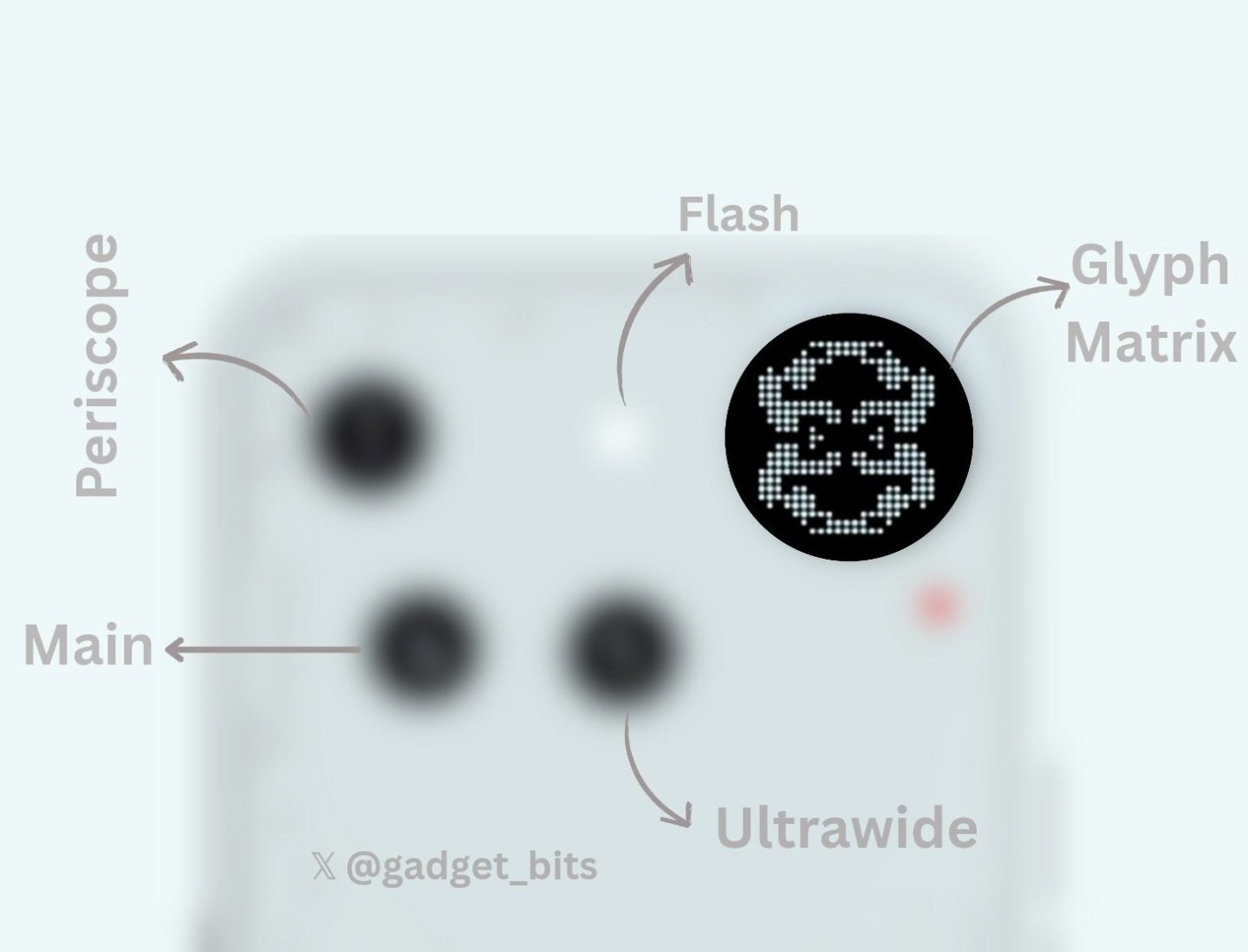
Even for its time, the Nothing Phone (2)’s camera system lacked versatility. The primary and ultra wide angle lens were decent, but the lack of a telephoto shooter hampered the photography experience for many. Nothing learned from this, and packed both the Nothing Phone (3a) and the Nothing Phone (3a) Pro with this sensor. Meanwhile, the upcoming flagship Phone (3) could be getting a similar upgrade as well. This could include a larger sensor for sharper images across the triple camera setup, which includes the new 3x periscopic telephoto shooter.
For more daily updates, please visit our News Section.
Sony has launched its BRAVIA 5 series TVs in India, available in four sizes: 55-inch (K-55XR55A), 65-inch (K-65XR55A), 75-inch (K-75XR55A), and 85-inch (K-85XR55A). These models follow the BRAVIA 8 II series and bring AI-driven enhancements to both picture and sound quality.
All BRAVIA 5 series models come with a 4K UHD resolution (3840 x 2160) LCD panel. They feature Mini LED backlighting with local dimming zones and support a 120Hz refresh rate. Sony’s Cognitive Processor XR powers the display, offering image and motion processing designed to match how humans see and hear.
For picture quality, the TVs include XR Triluminos Pro for a wider range of colors, XR Contrast Booster 10 for deeper blacks and brighter highlights, XR Clear Image to sharpen visuals using AI, XR Motion Clarity to handle fast-moving scenes smoothly, and full HDR support including HDR10, HLG, and Dolby Vision.
The audio system delivers 40W output through four 10W Acoustic Multi-Audio speakers. It supports Dolby Audio, Dolby Atmos, DTS:X, and DTS Digital Surround. Audio enhancements include Acoustic Center Sync, which aligns sound with on-screen action, and Voice Zoom 3, which improves dialogue clarity.
Running on Android TV with the Google TV interface, the BRAVIA 5 series includes a built-in microphone and voice remote. It supports Studio Calibrated Mode for accurate picture settings, access to the Google Play Store, voice search, and content-specific calibration modes such as Netflix Adaptive Calibrated Mode, Sony Pictures Core, and Prime Video Calibrated Mode.
Gaming features are tailored for PlayStation 5 and include Game Menu 2 with Auto HDR Tone Mapping, Auto Genre Picture Mode, Variable Refresh Rate (VRR), and Auto Low Latency Mode (ALLM).
Connectivity options include Wi-Fi 6, Bluetooth 5.3, four HDMI 2.1 ports, two USB ports, Apple AirPlay and HomeKit support, and Chromecast built-in.
Pricing & avaialbility
The 55-inch model is priced at ₹1,37,740. The 65-inch is ₹1,73,840 (availability to be announced). The 75-inch is ₹2,84,990 and the 85-inch is ₹4,17,990. All models come with a one-year warranty and are available at Sony Centers, electronics stores, and online platforms starting today.
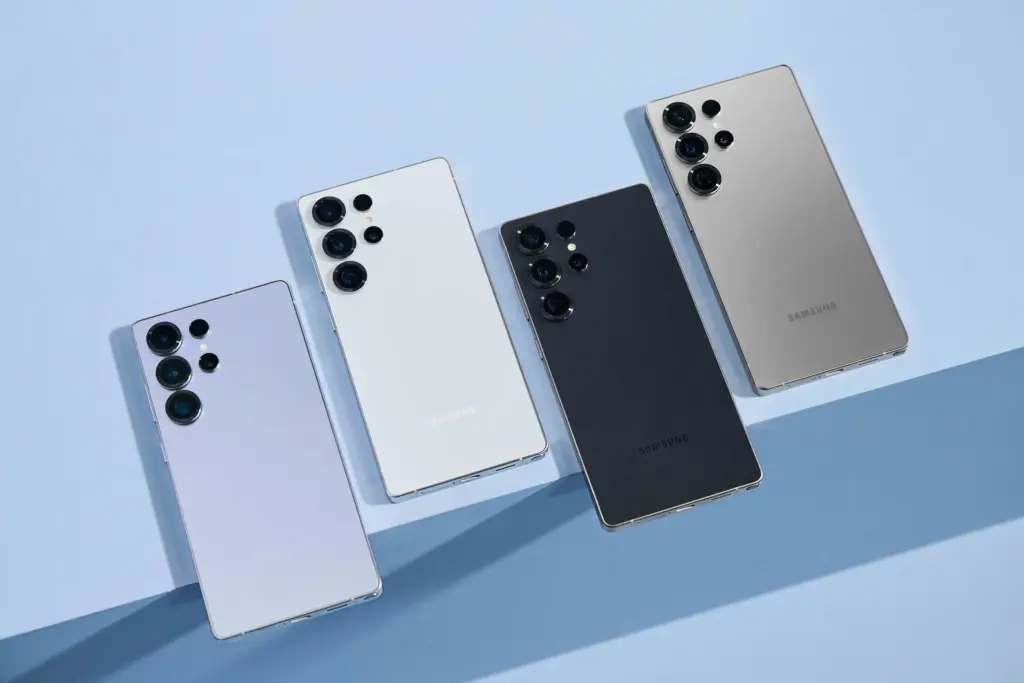
Samsung seems to be sticking with its expanded S-series lineup. The company introduced the Galaxy S25 Edge earlier this year, and now it looks like the Edge variant is here to stay, at least for another generation.
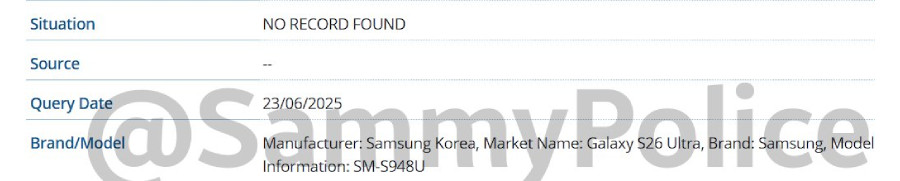
Both the Galaxy S26 Edge and Galaxy S26 Ultra have surfaced in the GSMA IMEI database ahead of their launch next year.
Galaxy S26 Edge might launch alongside the rest of the S26 series
According to the listing, the S26 Edge is registered under model number SM-S947U, while the S26 Ultra carries model numbers SM-S948U and SM-S948N. As usual, the “U” suffix denotes the US variants, while “N” points to the South Korean version.
There’s no sign yet of the standard Galaxy S26 or the S26 Plus in the database. But rest assured, they’ll likely show up in the near future.
What’s most notable here is that the Galaxy S26 Edge appears alongside the Ultra in the IMEI database. This could be a hint that Samsung might launch its thinner model at the same time as the rest of the S26 lineup; unlike the S25 series, where the S25 Edge was announced separately.
Under the hood, the S26 series is expected to mark the return of Samsung’s dual-chip strategy. After the Snapdragon-only S25 lineup (due to reported yield issues with the Exynos 2500), the S26 series will likely split duties between Qualcomm and Samsung silicon.
Galaxy S25 Ultra
A report out of South Korea claims the Exynos 2600 will power the S26, S26+, and S26 Edge in Europe and Asia. Meanwhile, the Snapdragon 8 Elite 2 will fuel the S26 Ultra globally, as well as the entire series in key markets like the US.
In May 2025, the Oppo Reno 14 series officially debuted in China. The Reno 14 finally rolled out in the global market last week, with the Reno 14 Pro model being announced just yesterday (25th June 2025). Teasers and leaks for an Indian release have been making the rounds online, and now, we finally have a confirmed launch date.
Oppo Reno 14 Series Arriving in India Next Month
The Chinese tech giant just shared the Indian launch date via teaser posters. Both the Reno 14 and Reno 14 Pro will be unveiled in the region on 3rd July 2025, which is right after the Nothing Phone (3) release. The company will showcase these devices via a live stream that will kick off at 12PM IST. While the brand has yet to confirm the official pricing, a recent retail box leak carried a 54,999 INR price tag.
Oppo Reno 14 series teaser
In earlier teasers, the Reno 14 lineup was showcased with flagship grade durability along with an IP66, IP68, and IP69 rating for water and dust resistance. Despite their massive 6,000mAh+ battery packs, the Reno 14 measures just 7.42mm in thickness, while the Reno 14 Pro has a 7.5mm thick chassis. Oppo has also confirmed the MediaTek Dimensity 8450 SoC for the Pro model, while the base variant feature the Dimensity 8350 chipset.
The duo will arrive with a 50MP Sony IMX882 primary camera along with a 50MP 3.5x Samsung JN5 telephoto shooter. The Pro variant has a larger 50MP ultra wide angle lens, but the vanilla version packs an 8MP ultra wide camera. Apart from all of this, AI is one of the highlights of the Reno 14 series, with the brand pushing features like the AI Recompose, AI Perfect Shot, and AI Style transfer, among other useful tools.
For more daily updates, please visit our News Section.
Samsung just launched its 2025 Bespoke AI appliance lineup in India. The company says these new products will make daily tasks easier through artificial intelligence and better connectivity.
The new range includes refrigerators, washing machines, air conditioners, and a washer-dryer combo unit. Samsung built these appliances around four main benefits: Easy, Care, Save, and Secure.
New AI Interface Controls Everything
All appliances now come with Samsung’s AI Home screen interface. This touchscreen display lets you control connected devices, check appliance status, watch entertainment, and communicate with family members from one place.
The upgraded Bixby voice assistant can now recognize different users through Voice ID. When you speak, it switches to your Samsung account automatically for personalized settings.
SmartThings connectivity adds Family Care services. The system sends alerts to family members when something unusual happens, like when no activity is detected at expected times. This helps families keep track of elderly relatives.
Bespoke AI Laundry Combo
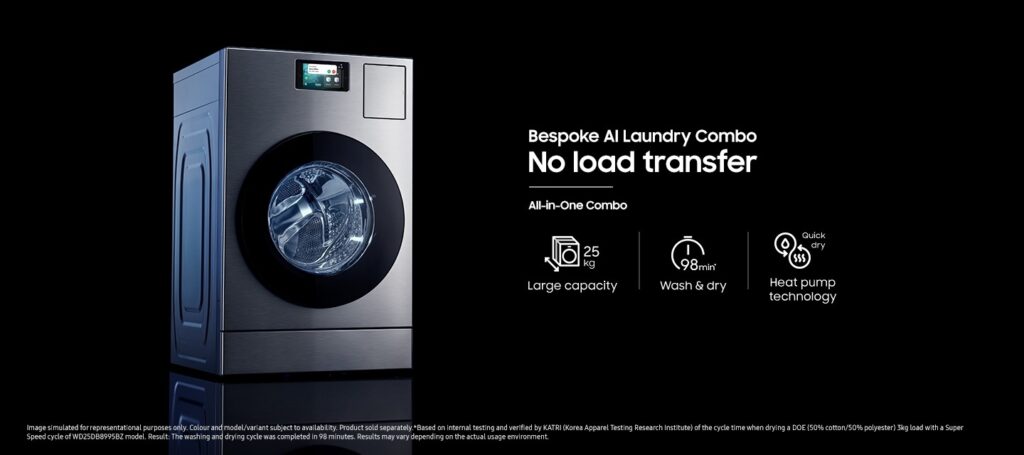
The standout product is the Bespoke AI Laundry Combo, priced at ₹3,19,000. This machine washes and dries clothes in one unit, so you don’t need to move wet clothes between machines.
The AI Wash & Dry feature detects fabric type, soil levels, and load weight. It then adjusts water amount, detergent, wash time, and drying settings automatically for each load.
Heat pump drying technology reduces drying time by 60% and uses 75% less energy than regular dryers. The Super Speed cycle can wash and dry a full load in 98 minutes.
The machine has a 7-inch AI Home display that shows cycle progress, energy usage, and lets you control other home appliances. The Flex Auto Dispense System holds enough detergent for 32 loads. After each cycle, the Auto Open Door releases humid air to prevent bad smells.
Bespoke AI Refrigerator with AI Vision Inside
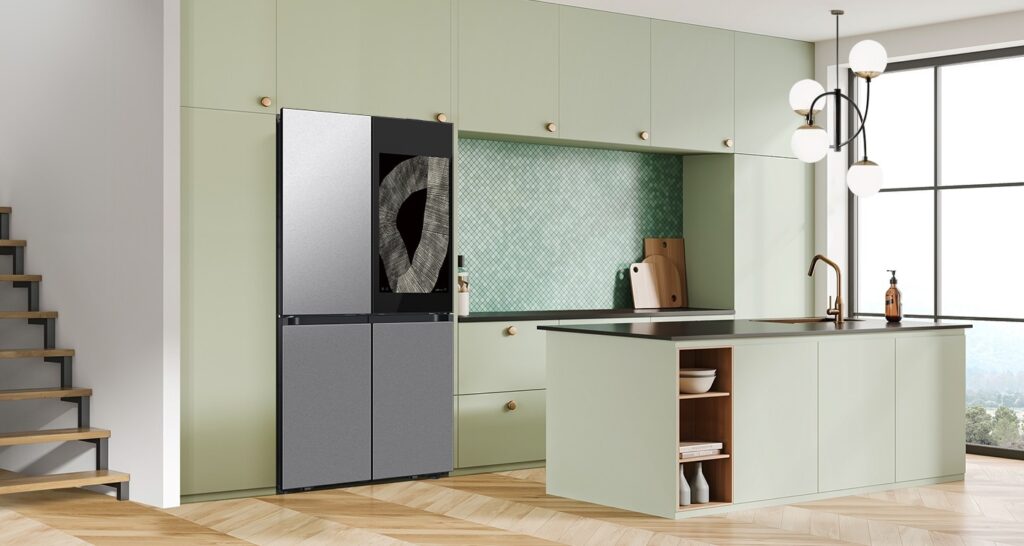
The Bespoke AI Refrigerator uses AI Vision Inside to recognize up to 37 fresh food items and 50 processed foods. You can check what’s inside remotely, track expiry dates, and get recipe suggestions based on available ingredients.
It has a 9-inch AI Home Display that works as a kitchen control center for schedules, entertainment, and appliance management. The Auto Open Door opens hands-free when you approach.
The refrigerator includes Twin Cooling Plus technology, Convertible 5-in-1 modes for flexible storage, and Active Fresh Filter+ that kills 99.99% of harmful bacteria. SmartThings Energy monitoring shows real-time power consumption.
Bespoke AI WindFree Air Conditioner
The Bespoke AI WindFree Air Conditioner starts at ₹36,000. It cools rooms through 23,000 micro-holes instead of direct air blasts, eliminating cold drafts.
AI Energy Mode cuts power consumption by up to 30% by adjusting compressor speed based on room temperature and your usage patterns. The AI system learns your preferences over time to improve efficiency.
Bespoke AI Top Load Washer
The Bespoke AI Top Load Washer starts at ₹24,500 for the 8kg model. AI Wash technology detects fabric type and weight, then recommends optimal settings automatically.
The AI system adjusts water level, agitation intensity, wash time, and rinse duration for each load. This provides 25% better fabric care compared to standard cycles. Other features include Ecobubble, Hygiene Steam, Stain Wash with built-in heater, and AI VRT+ technology.
Availability and Pricing
The 2025 Bespoke AI range is now available through Samsung.com, Samsung Exclusive Stores, and major retail and e-commerce platforms. The Bespoke AI Laundry Combo is priced at ₹3,19,000. The WindFree Air Conditioner starts at ₹36,000. The Double Door Refrigerator is priced from ₹44,000, and the Top Load Washer starts at ₹24,500 for the 8kg model. The French Door Refrigerator with AI Home display will be available starting in July.
For more daily updates, please visit our News Section.
The next-gen Vivo X Fold 5 flagship foldable just debuted in China alongside a number of other gadgets like the Vivo Watch 5, Vivo TWS Air 3 Pro, and more. But apart from these new gadgets, the company also unveiled a new portable power bank with an affordable price tag. So lets’ check it out.
Vivo brings new 10,000mAh portable power bank
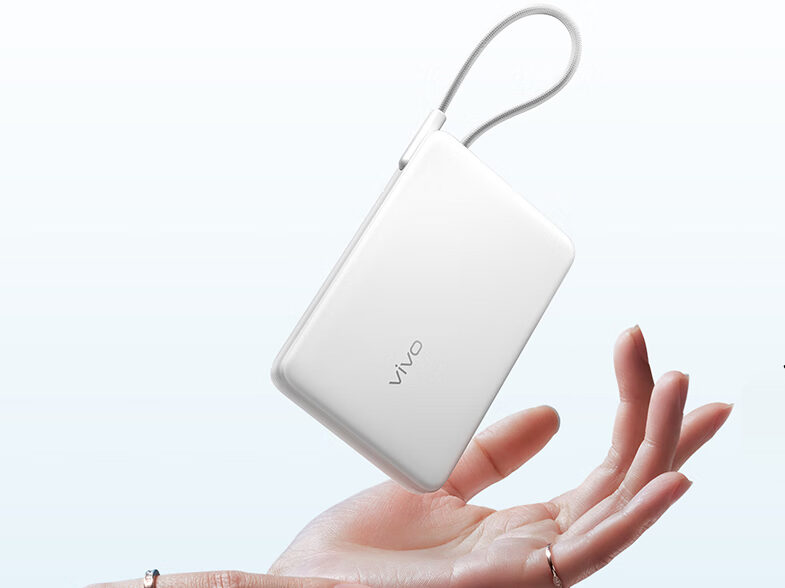
The Chinese brand’s new power bank is a portable charger that can power up your devices on the go. As per official claims, Vivo’s new power bank can charge an iPhone 16 from 0 to 53 percent in just 0 minutes thanks to support for 22.5W charging output. Meanwhile, the Vivo X200S and iQOO 13 can hit 33 percent and 35 percent charge in 30 minutes as well.
It features a portable and light form factor, with the new power bank measuring just 181 grams and 1.5cm in thickness. Despite its slim body, the power bank houses a massive 10,000mAh capacity, which also has various protection features to prevent over charge, over current, and short circuits for a worry free and safe charging. The body also has LED indicators that reveal the remaining charge levels and the power bank supports various charging standards like QC 2.0, PPS, and PD 3.0.
Thanks to its built-in USB Type-C cable, the 22.5W Vivo Power Bank can charge two devices at the same time. This is an affordable charging accessory that buyers in China can pick up for just 99 Yuan or roughly 14 US Dollars. It is unclear if Vivo will release this power bank in the global market, so stick around for more.
For more daily updates, please visit our News Section.
The Pixel 10 is expected to launch on August 28, with Google officially announcing the device on August 20. After recent leaks about the camera specs and the cooling system of the smartphone, AndroidHeadlines has provided more details about the Pixel 10. As per the new report, the phone keeps the same 6.3-inch FHD+ OLED display with a 120Hz refresh rate and Gorilla Glass Victus 2. Brightness sees a jump, with high-brightness mode increasing from 1800 nits to 2000 nits, and peak brightness going from 2700 nits to 3000 nits.
The Pixel 10 runs on the new Tensor G5 chip, made on TSMC’s 3nm process. It comes with 12GB of RAM and either 128GB or 256GB of storage. Google has not added a higher storage option or increased the base storage. The battery is slightly larger at 4970mAh. Wired charging now supports up to 29W, while wireless charging supports up to 15W using Qi2. Older Qi chargers will be limited to 7.5W.
The camera setup has changed. The main sensor is a 48MP unit, likely the same 1/2.0-inch sensor used in the Pixel 9a. The ultrawide camera drops to 12MP from last year’s 48MP. A new 10.8MP 5x telephoto lens has been added, the same one used in the Pixel 9 Pro Fold. While the hardware is a downgrade, Google’s software processing may help balance image quality. The phone does not support Ultra Res Zoom or ultra-stable video recording, which are limited to the Pro models.
Additional display details
All Pixel 10 phones, including the base model and Pro variants, are getting brighter screens compared to the Pixel 9 series. Adaptive refresh rate is still not supported on the base model. Only the Pro and Pro XL versions will have high-speed backlight modulation (PWM) to reduce eye strain.
As previously reported, the Pixel 10 will again skip vapor chamber cooling, which remains limited to Pro models. This may affect thermal performance.
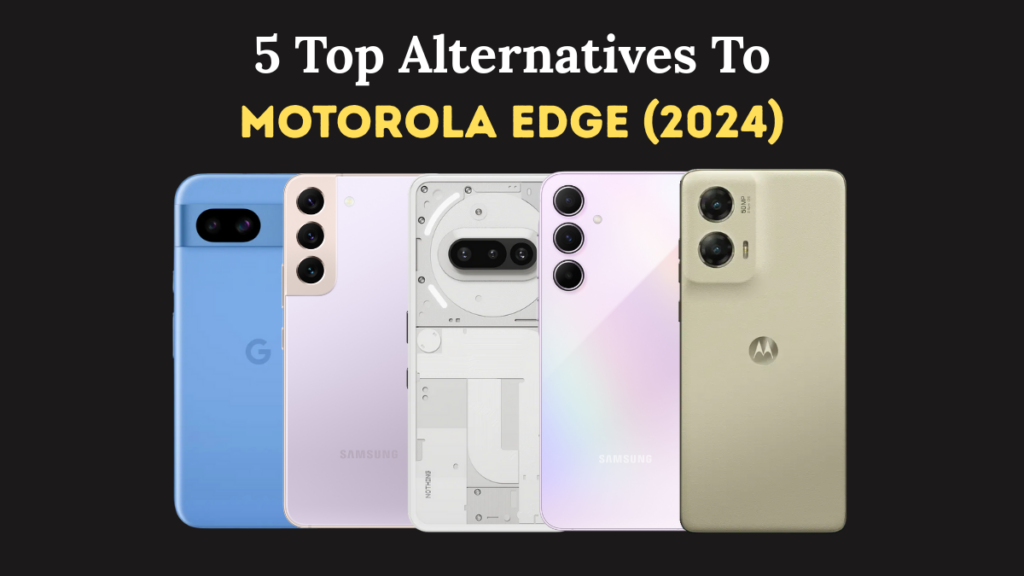
The Motorola Edge (2024) is an excellent mid-range smartphone. It boasts a gorgeous display, a fast Snapdragon chipset, and a large enough battery that lasts throughout the day — all at a sweet $350 price tag. However, it’s far from being the only showstopper, as several great alternatives exist that are better than this in one or more ways.
In this post, I have curated a list of the five best alternatives you could consider instead of the Motorola Edge (2024). Let’s have a look at them.
If you’re eyeing a flagship smartphone without going deep into the pocket, the Pixel 8a might be a good bet. It packs a 6.1-inch OLED screen that refreshes at 120Hz. Its 2000nits brightness ensures the content is visible outdoors without causing eye strain — and there’s Gorilla Glass 3 protecting the front.
The device is powered by an in-house Tensor G3 chipset, which is significantly faster than the Snapdragon 7s Gen 2 in the Motorola Edge (2024) and offers solid AI capabilities on-device. It promises seven years of Android updates, while the Motorola phone will only get two. That’s a significant gap, on top of faster software updates for the Google Pixel.
The Google Pixel 8a also excels in its camera capabilities, featuring a 64MP OIS-enabled primary camera and a 13MP ultrawide camera on the rear. The other side is equipped with a 13MP selfie snapper. Unlike the Motorola phone, the Pixel 8a can record 4K videos from both sides. Plus, it brings a range of AI-powered tools, such as Best Take, Magic Editor, Magic Eraser, Photo Unblur, and more.
The battery comes in at 4,492mAh, which should last for a day on regular usage. The 18W charging might feel a little slow, taking more than 1.5 hours to reach the full capacity. The Pixel 8a also supports 7.5W wireless charging.
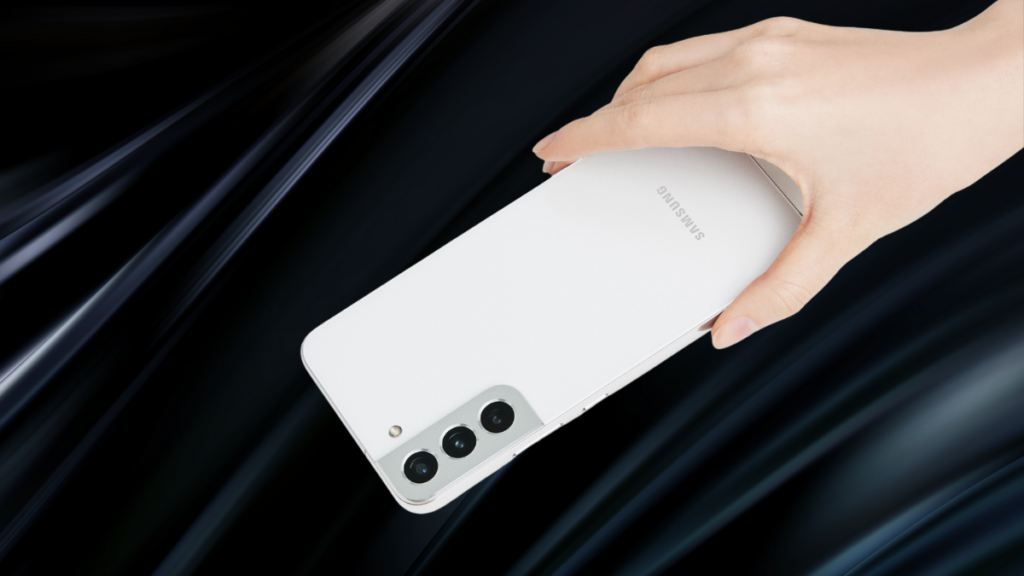
It’s another flagship device on the list, available at half its original price. The Galaxy S22 boasts a premium design, featuring an Armor Aluminum frame and robust Gorilla Glass Victus+ protection on both sides. The screen measures 6.1 inches, featuring an AMOLED panel with HDR10+ and a 120Hz refresh rate.
The processing needs are fulfilled by a Snapdragon 8 Gen 1 chipset, which is faster than the Snapdragon 7s Gen 2 powering the Motorola Edge (2024). Since the Galaxy S22 was released in 2022, it ships with Android 12. However, you’ll receive an upgrade to Android 15 or Android 16 as soon as you set up the device. Since it promises four OS updates, Android 16 will be the end of the road. The latter part is also true for the Edge (2024).
The Galaxy S22 is equipped with a high-end camera setup, featuring a 50MP OIS-enabled primary camera and a 12MP ultrawide camera. There’s also a 10MP telephoto shooter on the rear side with 3x optical zoom, which isn’t present on the Motorola phone. The device can record up to 8K rear videos, while the 10MP selfie camera allows up to 4K video recording.
The battery capacity is a little disappointing at 3,700mAh, paired with 25W okay(ish) wired and 15W wireless charging support. The device also supports 4.5W reverse wireless charging for powering up your accessories. Unlike most smartphones that rely on optical fingerprint scanning, the Galaxy S22 offers an ultrasonic under-display fingerprint scanner, which is more secure, reliable, and faster.
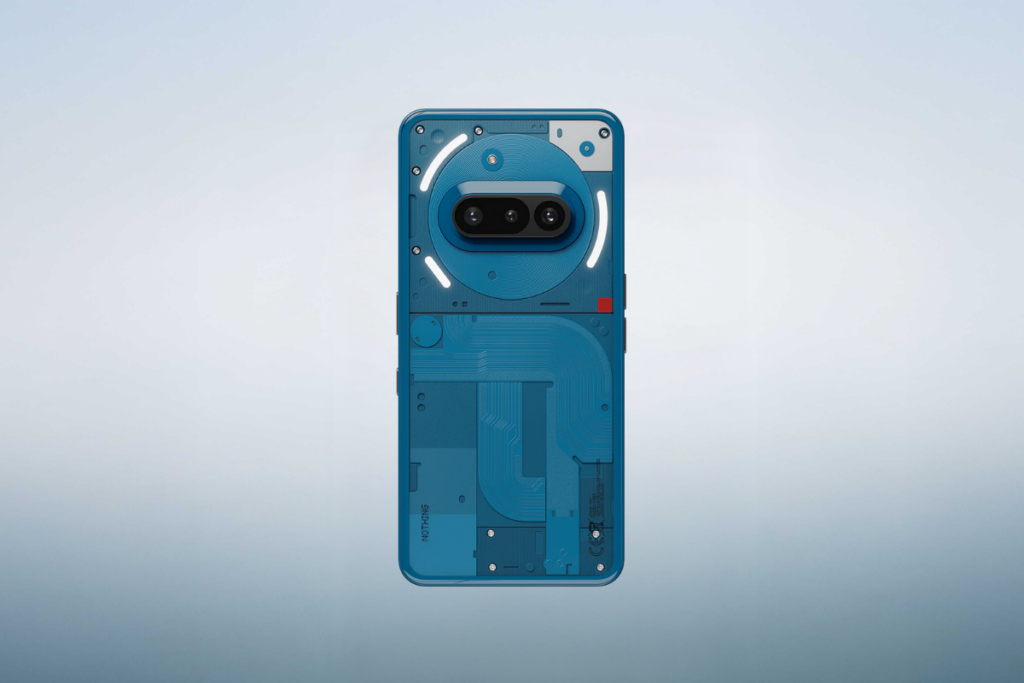
The Noting Phone (3a) is another compelling option in the sub-$400 category. Besides a unique transparent look, there are several other aspects that the device gets right. That includes a slightly larger 6.7-inch AMOLED screen with a significantly higher peak brightness of 3000 nits compared to the Motorola Edge (2024).
Besides its design, Nothing phones are also known for a smooth and clean software experience. The Phone (3a) boots Android 15 and promises three major Android updates. It’s powered by a Snapdragon 7s Gen 3 chipset, which ensures smooth performance, and it’s also faster than Edge (2024).
The Nothing Phone (3a) also surprises with a 50MP telephoto camera (2x optical zoom), which is not often seen on mid-range phones. Besides this, there’s a 50MP OIS-enabled primary camera and an 8MP ultrawide snapper on the rear side. The front side features a 32MP snapper with 1080p video recording, while the rear setup can record up to 4K videos.
The smartphone houses a 5,000mAh battery, which should provide sufficient power for a full day on normal usage. It comes with 50W fast charging support, promising to fully charge the battery in just under an hour. There’s no wireless charging support, though. This would have been a nice addition, but the Nothing Phone (3a) is still a great value-for-money phone.
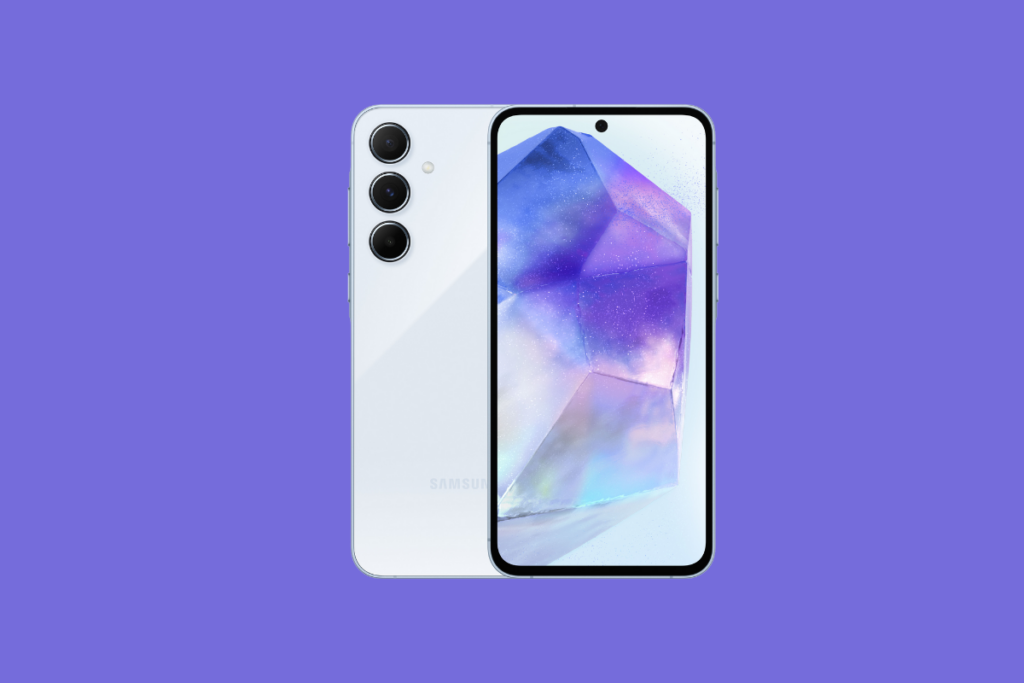
The Galaxy A55‘s design closely mirrors the look and feel of Samsung’s flagship S-series. It has an aluminum frame and Gorilla Glass protection on both sides. The IP67-rating ensures the device can withstand dust and water to some extent.
The Samsung phone features a 6.6-inch Super AMOLED screen with 1080p resolution, 120Hz refresh rate, and HDR10+ support. The brightness peaks at 1000 nits, which isn’t extremely bright when you’re outdoors, but it does the job. The device is powered by an in-house Exynos 1480 chipset, which ensures smooth performance in everyday tasks, such as messaging, browsing, and scrolling through social media apps. By the way, it’s faster than the Snapdragon 7s Gen 2 that powers the Edge (2024).
The Galaxy A55 features a triple rear camera, which includes a 50MP primary shooter with OIS, a 12MP ultrawide camera, and a 5MP depth camera. The front side is equipped with a 32MP selfie snapper. The smartphone allows up to 4K video recording from both sides.
The device has all the necessary connectivity features, including Wi-Fi 6, Bluetooth 5.3, NFC, and multiple positioning systems. To keep it powered on, there’s a 5,000mAh battery, which offers a day of backup on regular usage. It comes with 25W charging support, which takes around an hour and a half to reach its full capacity.
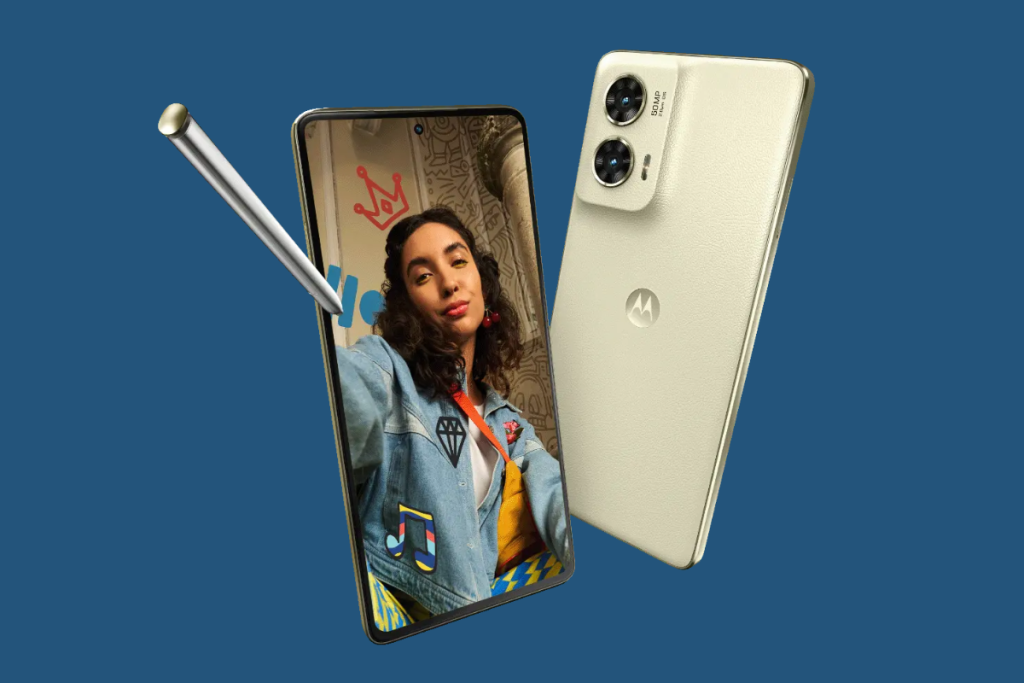
This is the cheapest on the list — even cheaper than the Edge (2024) — and still gets the job done. Additionally, it features a stylus for improved accuracy, accessibility, and enhanced productivity. It closely resembles the Edge (2024) except that it has a flatter display while the other one has a curved one.
The Moto G Stylus 5G (2024) features a slightly larger 6.7-inch AMOLED screen that refreshes at 120Hz. To bring the price down, Motorola had to cut some corners, and one of them comes in the form of screen protection. Overall, it’s a great display with vibrant colors and good viewing angles.
The device is powered by a Snapdragon 6 Gen 1 chipset, which closely matches the Snapdragon 7s Gen 2 performance, the same chip powering the Edge (2024). Both Motorola phones come with Android 14 out of the box. However, the Moto G Stylus (2024) will only get one Android update, while the Edge (2024) will likely get an additional major upgrade.
In terms of optics, the Moto G Stylus 5G (2024) features a dual rear camera setup comprising a 50MP OIS-enabled primary shooter and a 13MP ultrawide camera. The other side houses a 32MP selfie camera. Unfortunately, the device doesn’t support 4K video recording and only allows up to 1080p recording from both sides.
The smartphone ships with a 5,000mAh battery, easily lasting for a day on regular usage. Battery-conscious users might stretch it to more than a day. Moreover, the device supports 30W wired and 15W wireless charging.
Please Note: When you buy something using the links in our articles, we may earn a small commission at no cost to you.
Would you still pick the Motorola Edge (2024) over these value-packed smartphones? Also, let us know which one impressed you the most. Share your thoughts in the comments below.
Oppo has added a new contender to the budget 5G smartphone market with the launch of the Oppo K13x 5G. Priced from Rs 11,999, this device appears geared toward users who want long battery life, practical design, and dependable day-to-day performance without breaking the bank. I spent some early time with the phone, and here’s what we’ve observed so far.
4Final thoughts
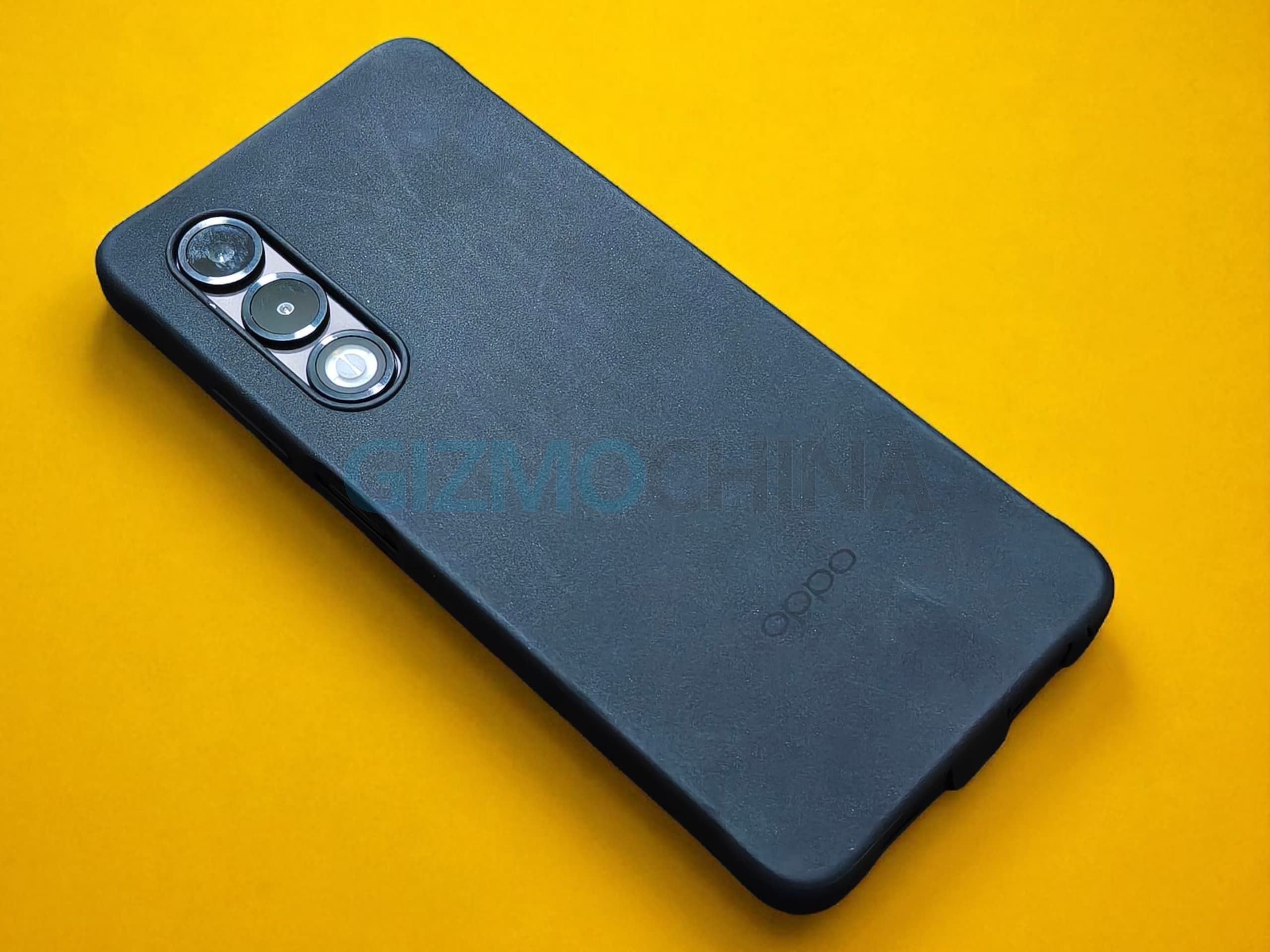
Oppo K13 5G with case
The Oppo K13x 5G manages to strike a careful balance between practical features and value. While the display resolution could have been higher, the presence of a high refresh rate and a responsive interface offset that limitation. Performance is consistent, the UI is clean and fluid, and the battery life is easily among the best in the segment.
With a competitive starting price of Rs 11,999 for the 4GB+128GB variant, this phone ticks the right boxes for users who want reliable connectivity, durable design, and battery longevity. However, I feel that the 4G RAM variant may result in lagging in the long run, ideally, I would suggest opting for 6GB or 8GB RAM variants with 128GB storage priced at Rs 12,999 and Rs 14,999, respectively. If you’re after a no-frills 5G smartphone that does the basics right and holds up through the day — and beyond — the Oppo K13x 5G is an option worth looking at.
Arriving after a three-year gap, the new model brings some upgrades, though nothing extraordinary. However, it costs less at launch than its predecessor—a rarity in the consumer electronics market.
OnePlus sent me a unit for review, and after using the earphones for the past few days, I am ready to share my thoughts on them.
Before I begin, I want to let readers know that OnePlus had no editorial input or early access to this article. The opinions expressed here are mine alone.
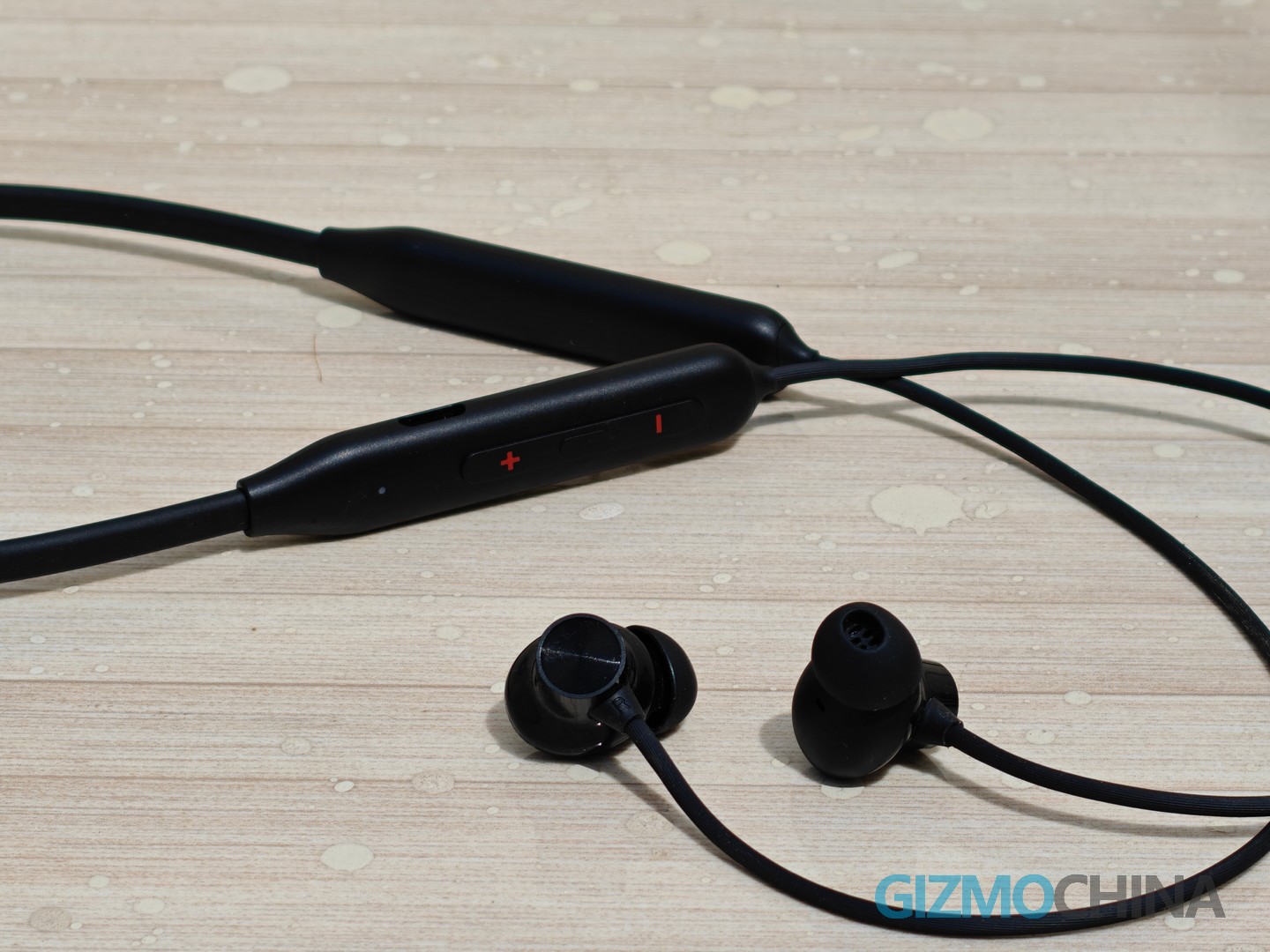
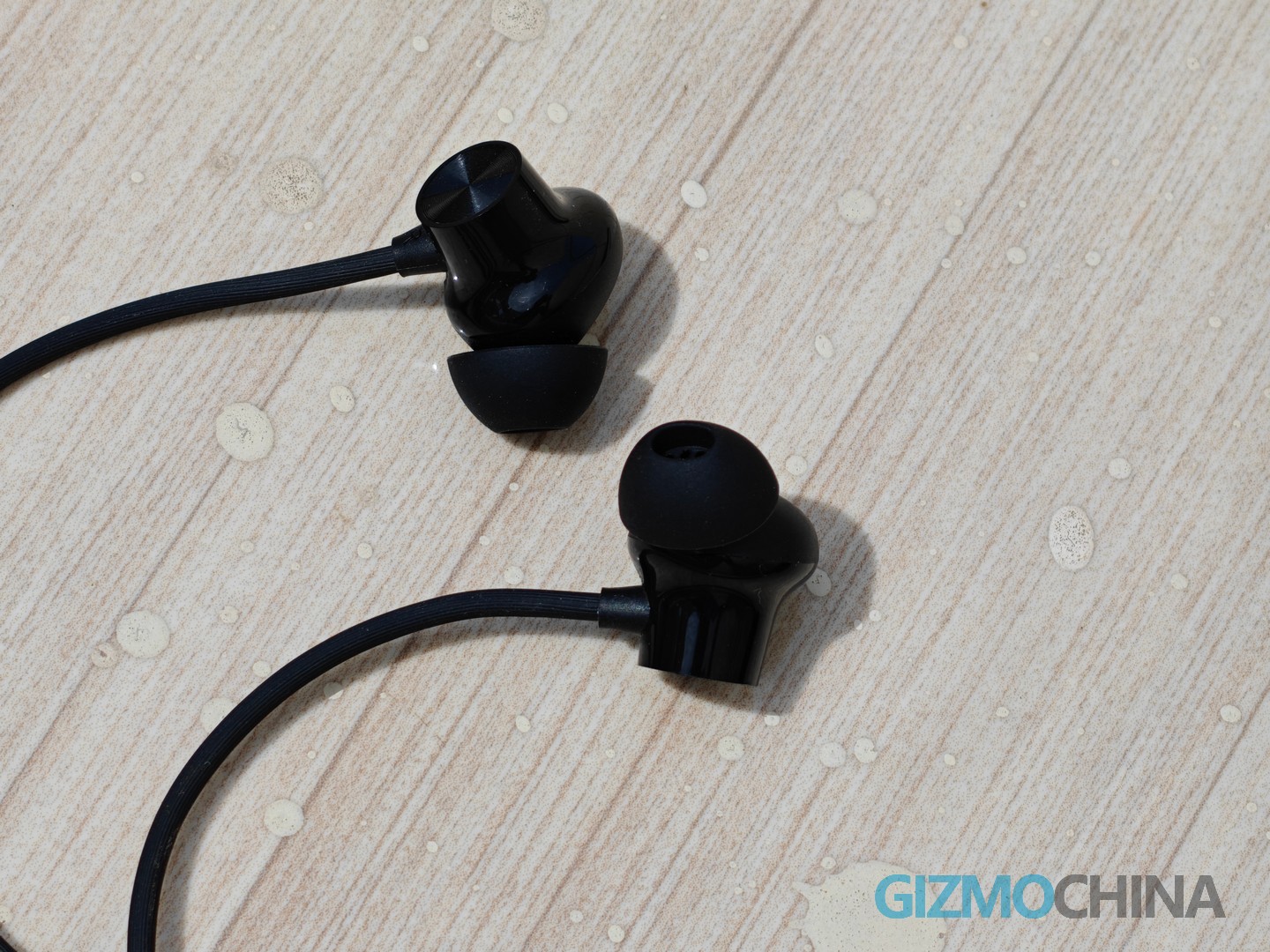
The best thing about the OnePlus Bullets Wireless Z3 is its design. Weighing just 26g, the earphones are so lightweight you barely feel them around your neck. This makes them ideal not only as a fashion accessory but also for professionals like delivery workers who need to make frequent calls throughout the day.
The earphones come in two colors: Mambo Midnight and Samba Sunset. I have the former, which is perfect for those who prefer subtlety. I would personally go with the latter and recommend it if you like your gadgets to be a headturner.
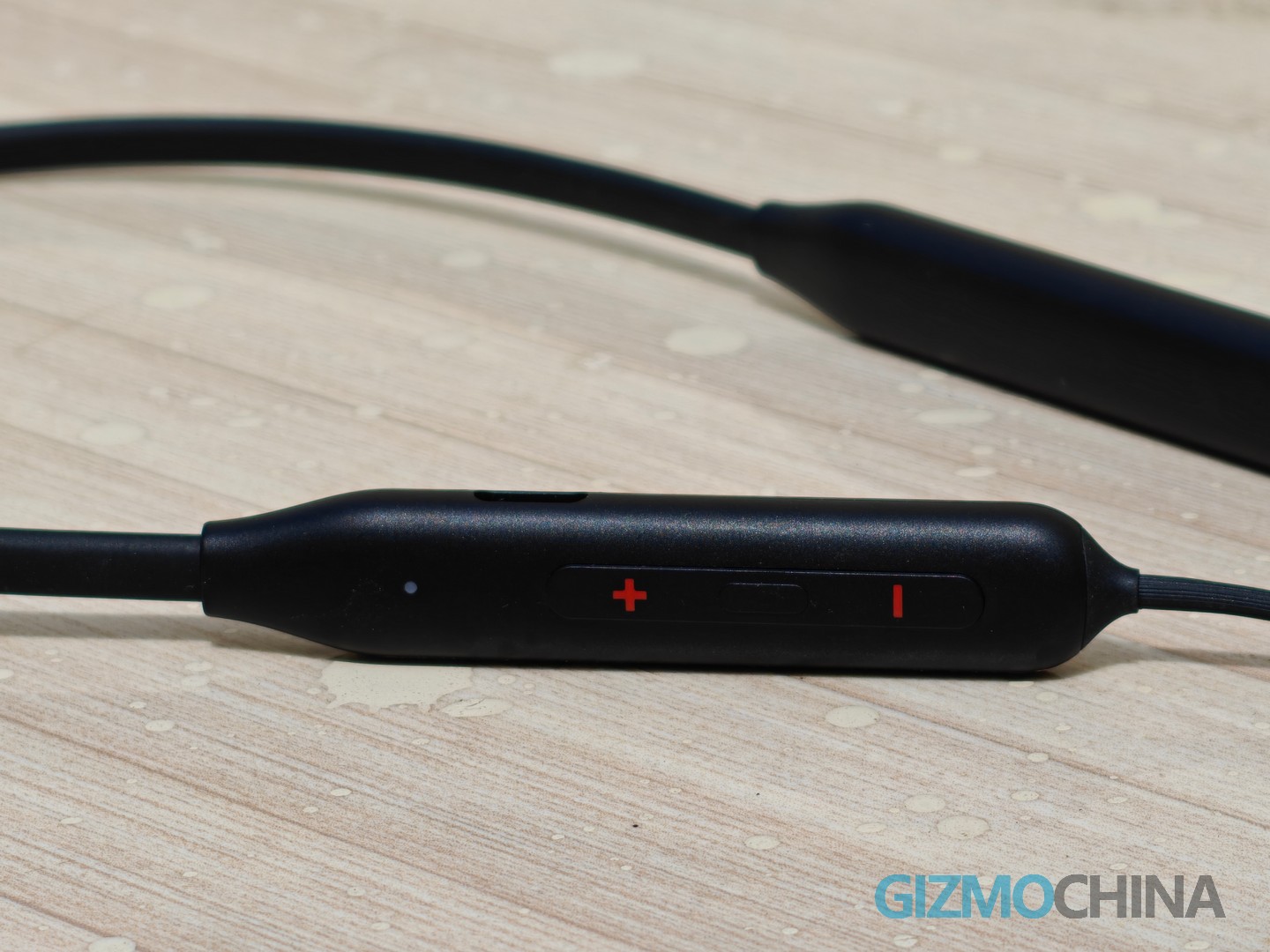
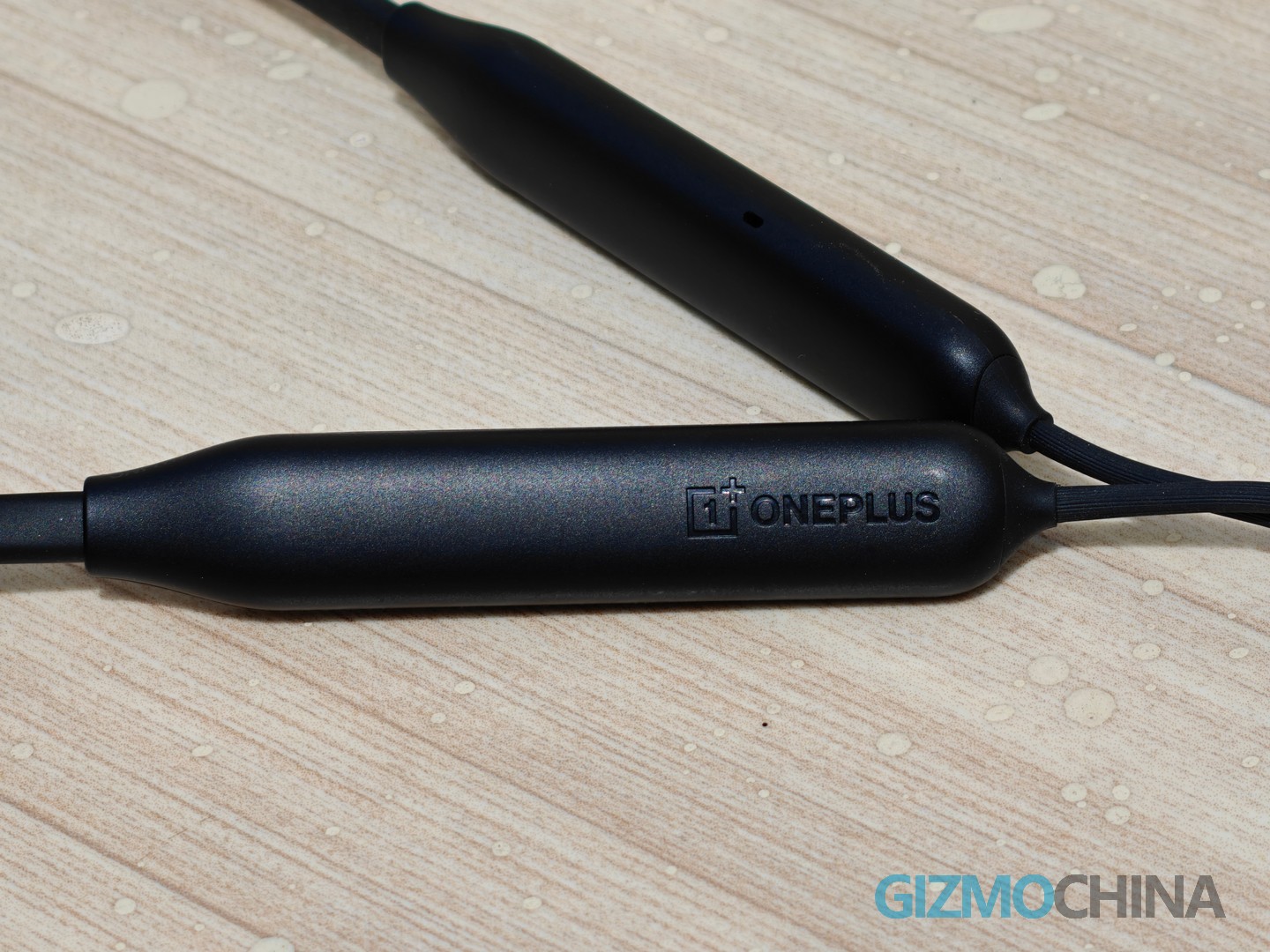
The left side of the neckband houses three buttons, an LED indicator, the microphone, and the USB Type-C charging port. The right side features only the ‘ONEPLUS’ branding and logo.
The product’s body is made entirely of lightweight yet sturdy plastic. The rubberized part that goes around the neck feels comfortable, causing no skin irritation. It also has an IP55 rating for water and sweat resistance.
Please Note: When you buy something using the links in our articles, we may earn a small commission at no cost to you.
2. New Features, Familiar Omissions
The OnePlus Bullets Wireless Z3 features Bluetooth 5.4, a significant leap from the Bluetooth 5.0 found on the previous model. This upgrade enables better power efficiency. As a result, despite having the same 220mAh battery, the brand claims 36 hours of music playback at 50% volume, compared to 30 hours on the predecessor.
The earphones now support Google Fast Pair for seamless pairing with Android devices. They also come with a 3D Spatial Audio feature; however, support for this is not yet widespread across most content.
As for the buttons, they can be used for controlling volume, managing music playback, accepting or declining calls, initiating pairing, and activating AI assistants. Just like previous models, the buds offer the convenient magnetic power on/off feature.
Unfortunately, the earphones still lack multipoint connectivity (dual-device connection). This means you have to disconnect from one device before connecting to another.
Also, the magnetic power-off feature is slow, taking more than two seconds to activate. In contrast, the buds turn on instantly when the magnets are separated.
There’s no ANC (Active Noise Cancellation) either. However, they do include ENC (Electronic Noise Cancellation) for calls, which performs decently.
3. A Sound Profile for the Masses
The OnePlus Bullets Wireless Z3 features the same 12.4mm drivers as its predecessor. It comes with four EQ settings: Balanced (the default), Serenade, Bass, and Bold. There is also an option called BassWave to dynamically boost or lower bass.
Contrary to its name, the default “Balanced” EQ setting is not balanced at all. It provides a bass-heavy output that overpowers the mids, although this is a sound signature most mainstream consumers might prefer.
Thankfully, you can achieve slightly better audio quality by switching to the “Serenade” preset. To do this on smartphones not made by OnePlus or its sister companies, you will need to install the HeyMelody app. For custom EQ settings, you will have to rely on third-party apps.
Additionally, it’s worth noting that while the sound output can be very loud. At the same time, it can be too low for comfortable late-night music sessions. Overall, the audio quality is decent, as it is clearly targeted at the mass market.
4. The Bottom Line
The OnePlus Bullets Wireless Z3 is a product of clear compromises. It absolutely excels in design, comfort, and battery life, making it one of the most comfortable neckbands available for all-day use. The lower launch price is a significant and welcome bonus.
However, these strengths are balanced by notable omissions like multipoint connectivity and ANC, and an audio quality that is decidedly average and tuned for the mass market.
So, should you buy it? If your top priorities are a lightweight, “wear-and-forget” design and a battery that lasts for days, the Z3 is an excellent choice for its price. But if you’re an audiophile or a power user who needs to switch between multiple devices seamlessly, you should look elsewhere. Ultimately, OnePlus has delivered on a specific goal: a comfortable, long-lasting neckband that nails the basics for its target audience.
Samsung has announced its 2025 Bespoke AI appliance series in India, highlighting its expanding AI Home ecosystem. The lineup, confirmed by the company, introduces smart and connected household appliances designed to personalise and simplify daily routines. Central to this announcement is the launch of the Bespoke AI Laundry Combo, which merges washing and drying in one intelligent system.
Samsung’s 2025 Bespoke AI appliances: Smart control with AI, voice features, and enhanced security
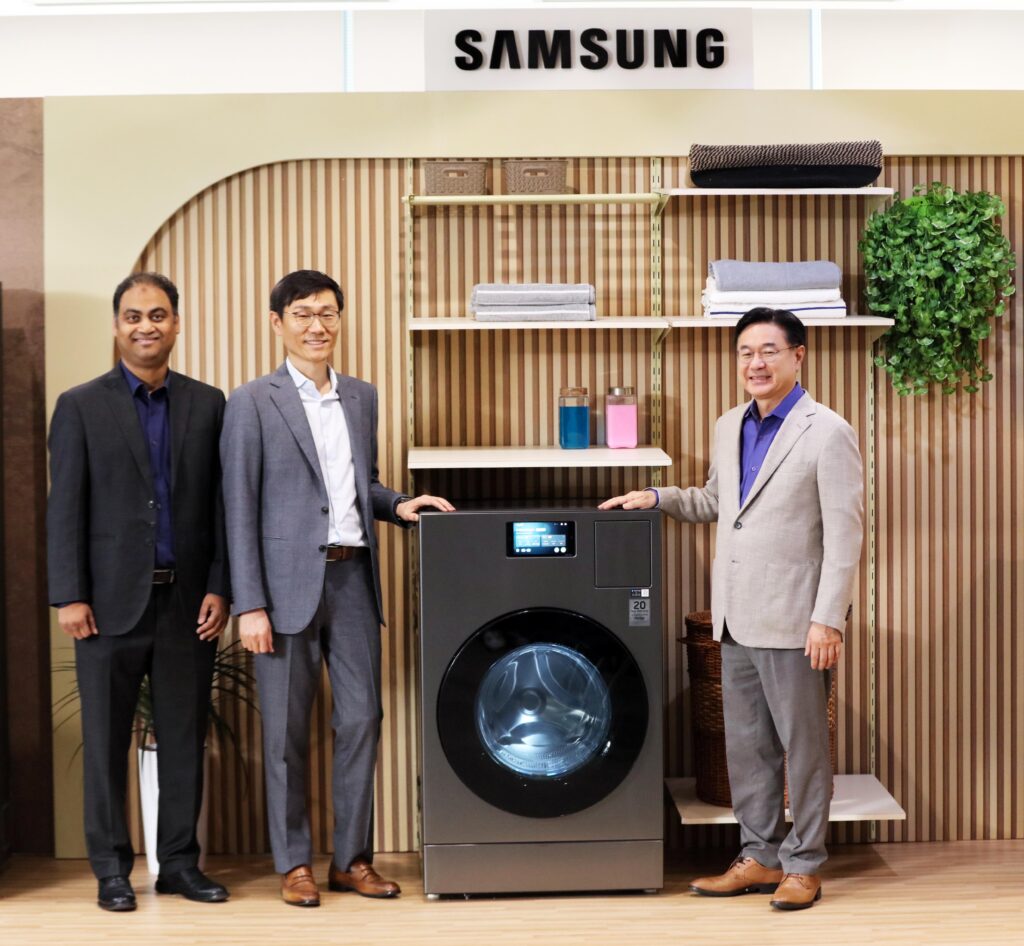
Samsung Technical Seminar_Launch_Ghufran Alam, John S.W. Park, and JB Park
The Bespoke AI series brings a unified interface across a range of appliances, including refrigerators, air conditioners, and washing machines. The AI Home display—integrated into select models like the Laundry Combo and Refrigerator—acts as a control centre, offering access to media, device control, and energy tracking. The upgraded Bixby assistant supports natural language, voice ID-based personalization, and screen readers.
The Laundry Combo introduces AI Wash & Dry, automatically adjusting water, detergent, and settings based on laundry weight, fabric, and dirt levels. With heat pump drying, the machine finishes a full load in 98 minutes, while the 7-inch display offers cycle management and real-time consumption data.
The AI Refrigerator comes with AI Vision Inside to identify up to 87 food items, suggest recipes, and manage expiry tracking. Its 9-inch display doubles as a smart home dashboard. Meanwhile, the WindFree Air Conditioner offers draft-free cooling via 23,000 micro-holes and AI-driven energy control. The Top Load Washer includes advanced AI Wash, fabric care modes, and SmartThings integration.
Samsung Knox protects these devices with multi-layered IoT security, earning Diamond-level certification from UL Solutions. Accessibility features like voice alerts, Auto Open Door, and large font displays also make the lineup inclusive for all users.
Price and availability
The Bespoke AI Laundry Combo is priced at Rs 3,19,000. The WindFree Air Conditioner starts at Rs 36,000, while the Double Door Refrigerator begins at Rs 44,000. The Top Load Washer starts from Rs 24,500 for the 8kg variant. The French Door Refrigerator with AI Home will be available in India from July 2025. These appliances are available through Samsung’s website, exclusive stores, and major retail platforms.
For more daily updates, please visit our News Section.
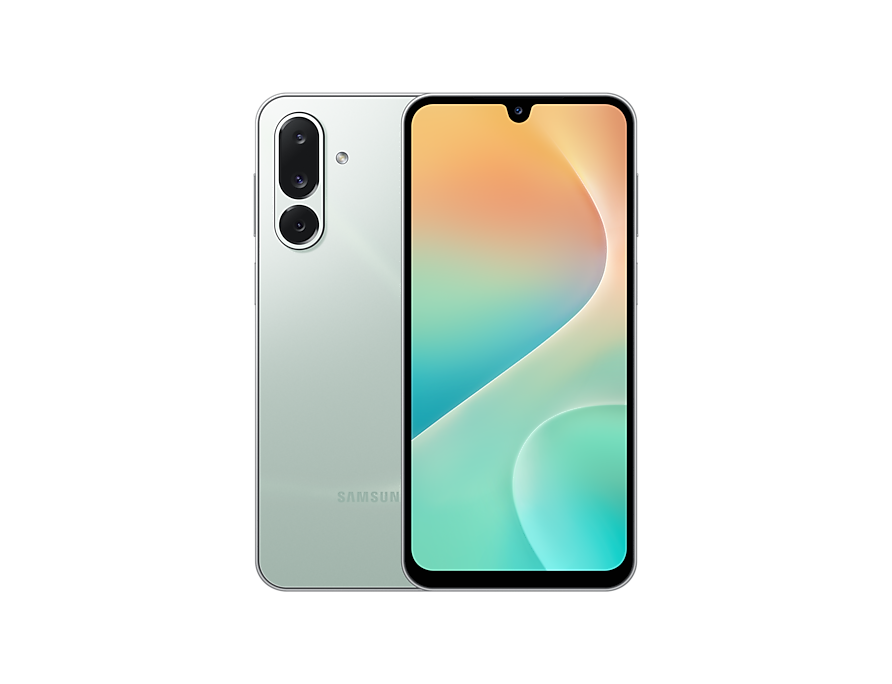
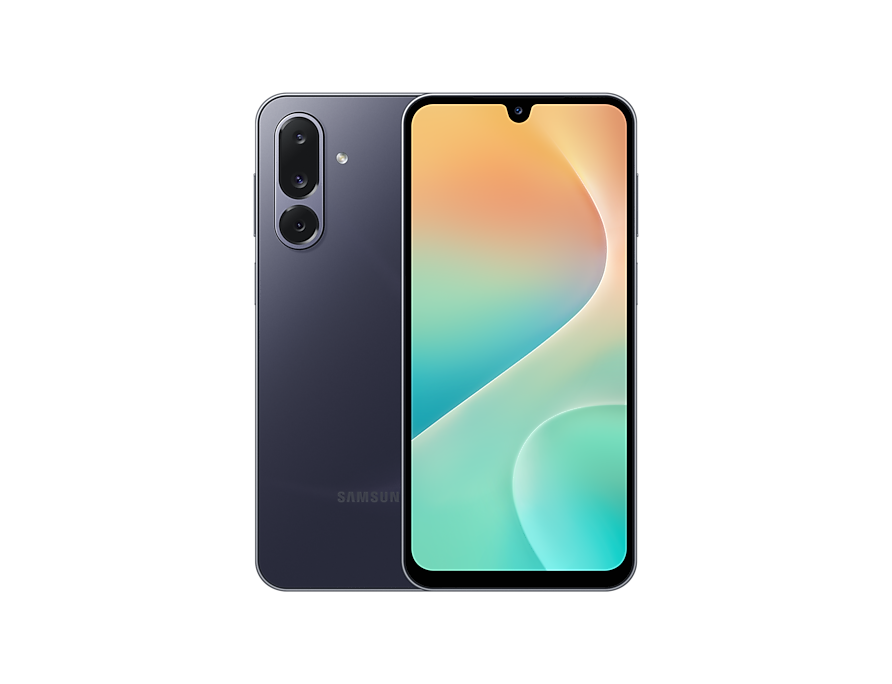
Samsung has officially launched the Galaxy Jump 4 Business edition in South Korea, exclusively for local carrier KT. The device is equipped with a 120Hz AMOLED panel with a waterdrop notch design, an Exynos chip, and a long software support promise. Here’s a detailed look at the Galaxy Jump 4 and what it offers.
Samsung Galaxy Jump 4 specifications and features
Smasung Galaxy Jump 4
The Galaxy Jump 4 features a 6.7-inch Super AMOLED display with a Full HD+ resolution, a 120Hz refresh rate, and a maximum brightness of 1000 nits. For security, it includes a side-mounted fingerprint scanner.
Under the hood, the device is powered by the Exynos 1380 chipset, paired with 6GB of RAM and 128GB of internal storage. Users also get the option to expand storage via a microSD card of up to 2TB. The phone runs on One UI 7-based Android 15 with long-term software support promised until June 2031.
On the camera front, the Galaxy Jump 4 packs a triple rear camera system comprising a 12-megapixel main sensor, an 8-megapixel ultra-wide lens, and a 2-megapixel macro shooter. The front-facing camera includes a 13-megapixel sensor for selfies and video calls. The phone supports 4K video recording at 30fps and slow-motion capture at 480fps and 240fps in HD.
The Galaxy Jump 4 houses a large 5,000mAh battery, which offers up to 17 hours of video playback time. The device supports 25W charging, a single SIM, and has a dedicated microSD card slot. It offers connectivity features, such as 5G, Wi-Fi 6, Bluetooth 5.3, GPS, NFC, and a USB-C port. It measures 7.7mm in thickness and weighs 197 grams.
Samsung Galaxy Jump 4 price and availability
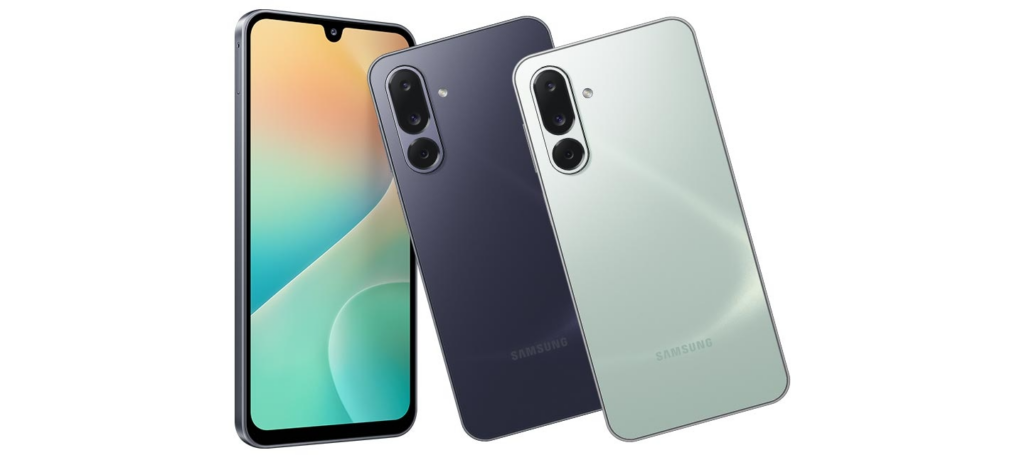
The Galaxy Jump 4 is priced at 449,900 KRW (~$330) and is available in two color options: Black and Light Green. The phone will be released exclusively through KT in South Korea in June 2025. While it remains a local offering, the upcoming Galaxy M36 or Galaxy F36 could be based on this device.
For more daily updates, please visit our News Section.
Nothing has released a lot of earbuds so far. It all started with Ear 1, followed by Ear Stick, Ear 2, and then just Ear, no number. And more recently, we got the Ear (a) and Ear Open. All of these have Nothing’s signature transparent asthetics paired with a unique design that gives them a character of their own.
But even with that crowded lineup of earbuds, there’s been a pretty big gap in Nothing’s audio portfolio. No over-ear headphones. Until now.
Enter: Nothing Headphone (1). The company has officially confirmed it’ll launch its first pair of over-ear headphones on July 1, alongside the debut of the Phone (3). And in classic Nothing fashion, the Headphone (1) appears to be another playfully unconventional product.
1. A design that’s trying really hard to be different
As you might expect from Nothing, the Headphone 1 doesn’t look like most headphones. For one, they’re partially transparent. But the transparency here is subtler and doesn’t reveal much about the internals of the headphone.
What’s even more interesting is that Nothing has decided to make the earcups rectangular. Not oval. Not circular. Just clean rectangles.
Actually, the ear cups are a two-part affair. The bottom half appears to be made out of metal, while the top has an oval module that resembles a cassette tape. It’s all very on-brand for Nothing, a company that tends to flirt with retro nostalgia while trying to keep one foot in the future.
There are three physical buttons visible on it. The two are tucked on the side, and one is parked on the face of the cup. Minimalist, but maybe not minimal enough for the true purists.
Oh, and there seems to be no folding mechanism on the headband. You’re going to be wearing these around your neck or dedicating backpack space if you want to take them anywhere.
2. Sound by KEF
Despite the noise around the design, the Headphone 1 isn’t just about looks. This is also Nothing’s first over-ear venture into more premium audio territory, and they’re not going it alone.
According to early information, the headphones are being co-developed with KEF, a respected name in the hi-fi world.
This has been confirmed as the Headphone (1) has “Sound by KEF” printed on the cups. Branding aside, we hope this sets the bar a little higher for what these cans should be able to deliver. Until now, Nothing’s earbuds have mostly lived in the “pretty good for the price” zone. This collaboration could push them into new territory.
3. Moving up the price ladder
The Nothing Headphone 1 will reportedly be priced at $299, making it the most expensive audio product Nothing has ever released. That puts them well above the company’s earbuds (which generally hover between $99 and $149) and starts nudging into premium territory.
They’re still well under Apple’s AirPods Max ($549) and Sony’s WH-1000XM5 ($399), but this is Nothing testing the waters of a more upmarket tier. That might not seem like a huge leap for a company that’s been pushing design-forward gadgets from the start, but for consumers who’ve mostly seen Nothing as a stylish budget brand, it could take some re-framing.
That price also brings expectations—like active noise cancellation, multi-point connectivity, spatial audio, and decent battery life (Nothing hasn’t shared specs yet, but you’d expect at least 30–40 hours at this price point). Whether Nothing delivers on all of that is another question entirely.
4. Final words
Ultimately, Headphone 1 feels like a bet. Nothing is betting that people want headphones that don’t look like headphones. That transparency, rectangles, and tape-deck nostalgia still have enough cultural weight to draw attention, and that partnering with KEF will translate to more than just a logo on the side.
Whether this lands as a hit or not depends on more than just the look. It’ll come down to comfort, performance, battery life, noise cancellation, and the million other tiny things that define whether a pair of headphones becomes an everyday staple or an expensive curiosity.
But at the very least, it doesn’t look like anything else on the market. And that, for better or worse, is very Nothing.
Motorola has started teasing the arrival of a new smartphone in India. The landing page of the mysterious phone available on Flipkart seemingly gives clues that it could be the Moto G96. It appears that it will not take too long for the G96 to go official in the country
Upcoming Motorola phone teased in India
Upcoming Motorola phone teased in India
The teasers suggest that the upcoming Motorola phone has a curved-edge display, an IP rating that allows the phone to remain undamaged even if submerged in water, a dual-camera system, and a Snapdragon chip. It appears that the phone will come in green, pink, and two different shades of blue. It looks like it could be one of the first phones to debut in July in India.
Moto G96 specifications (rumored)
As per a previous report, the Moto G96 will feature a 6.67-inch P-OLED panel that supports a 1.5K resolution, a 144Hz refresh rate, and 10-bit colours. Under the hood, it will come with the Snapdragon 7s Gen 2 chipset, 12GB of RAM, 256GB of built-in storage, and a 5,500mAh battery.
The G96 will run on Android 15 and will have a 32-megapixel camera for selfies. Its rear camera setup will include a 50-megapixel Sony LYT-700C main camera and an 8-megapixel ultra-wide lens.
The Moto G96 will be available in four Pantone colors: Dresden Blue, Ashleigh Blue, Cattleya Orchid, and Greener Pastures. The leaked renders suggest that the G96 will have a vegan leather finish on the back.
For more daily updates, please visit our News Section.
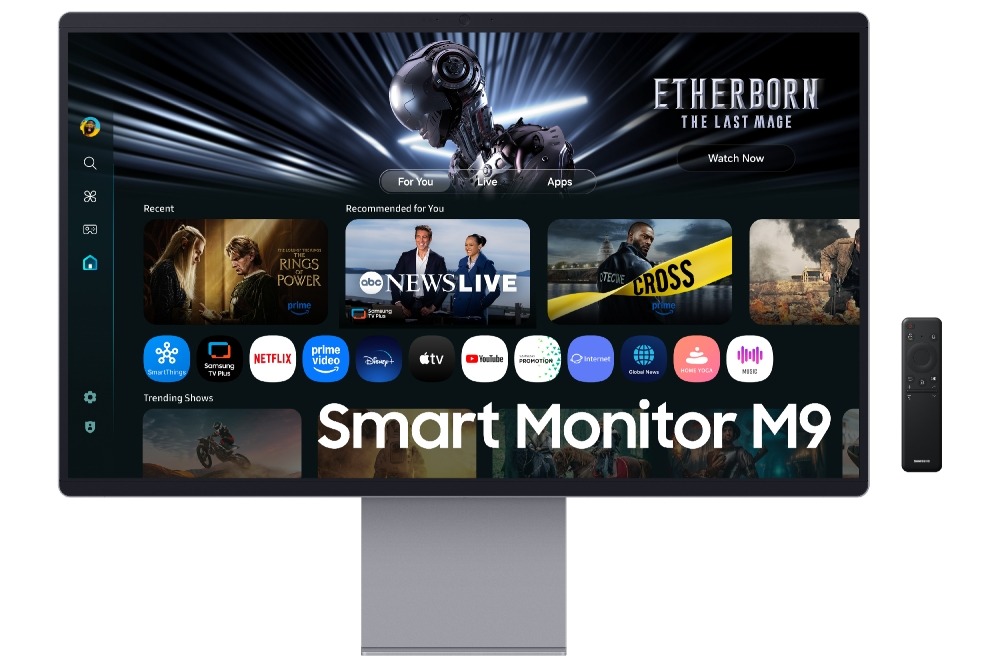
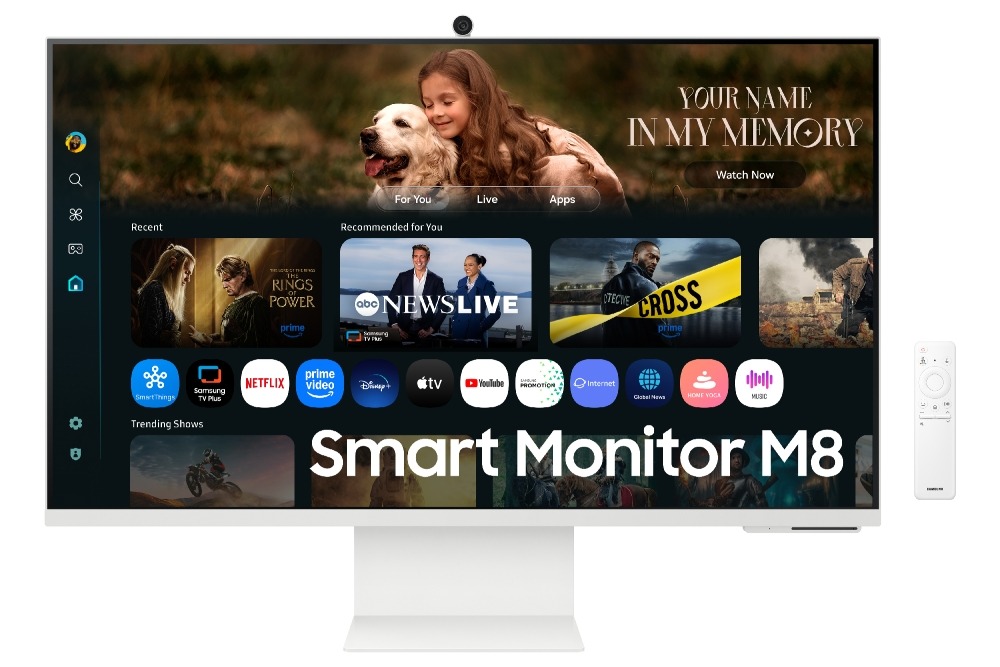
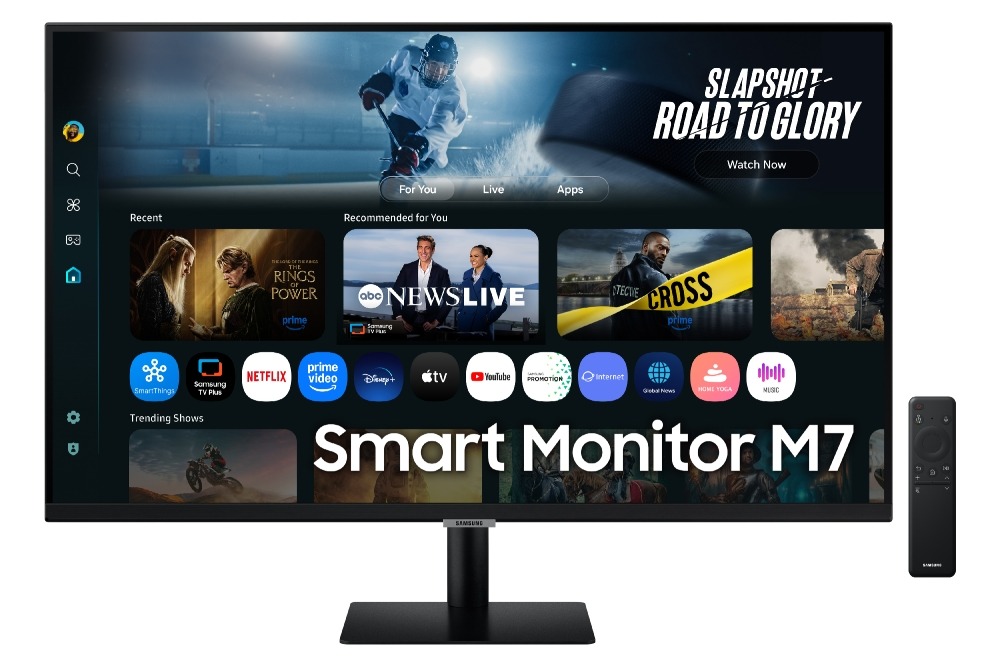
Samsung has released its latest Smart Monitor lineup, featuring the new M9 (M90SF) with an OLED panel, alongside upgraded versions of the M8 (M80F) and M7 (M70F). All three monitors have 32-inch 4K displays, built-in smart features, and are designed for productivity, streaming, and gaming.
Smart Monitor M9 (M90SF)
The M9 is Samsung’s first Smart Monitor with a 32-inch 4K OLED panel. It offers a 165Hz refresh rate, 0.03ms response time, HDR10+, DisplayHDR True Black 400 support, and 99% sRGB color coverage. The display is compatible with NVIDIA G-SYNC and FreeSync Premium Pro for smooth visuals.
Samsung includes OLED Safeguard+ to prevent screen burn-in and a glare-free panel for better visibility in bright rooms. Built-in AI features include 4K AI Upscaling Pro, AI Picture Optimizer, and AVA Pro for audio adjustment. The monitor comes with a 12MP camera with a mic, Adaptive Sound Pro, and runs on Tizen OS. Users can access streaming apps, Samsung TV Plus, Microsoft 365, SmartThings, and Multi View without needing a PC.
Connectivity options include HDMI 2.1, DisplayPort 1.4, a USB-C port with 90W charging, two USB-A ports, Wi-Fi 5, and Bluetooth 5.2. It uses an external 240W adapter and is Pantone Validated and UL Glare Free certified.
The M8 features a 32-inch 4K VA panel with HDR10+, 400 nits brightness, and 99% sRGB color accuracy. It comes in a warm white finish with a pivot stand that tilts from -2° to 15° and rotates from -92° to 92°. It has a built-in camera with a far-field microphone and runs Tizen OS.
Key features include Multi View, Remote Access, Knox Vault, SmartThings integration, Samsung TV Plus, and preloaded streaming apps. Ports include HDMI 2.0, USB-C with 65W charging, two USB-A ports, Wi-Fi 5, and Bluetooth 5.2. The monitor uses a 140W external adapter.
Please Note: When you buy something using the links in our articles, we may earn a small commission at no cost to you.
Smart Monitor M7 (M70F)
The M7 is available in both 32-inch and 43-inch sizes, featuring 4K UHD VA panels with HDR10, 300 nits brightness, and a 60Hz refresh rate. The 32-inch version has a 3,000:1 contrast ratio, while the 43-inch version offers 5,000:1. The 32-inch model includes 10W speakers, while the 43-inch version comes with 20W speakers, both featuring Adaptive Sound+.
It supports the same Tizen OS interface with features like Multi View, Smart Calibration, Tap View, screen mirroring, Game Bar, and Gaming Hub. Connectivity includes two HDMI 2.0 ports, one USB-C port with 65W charging, three USB-A ports, Wi-Fi 5, and Bluetooth 5.2. The M7 includes a simple tilt stand and uses internal power.
The Nothing Phone (3) is shaping up to be the company’s most powerful phone yet, and a new Geekbench listing is adding to the buzz just days before its official debut on July 1. With upgraded performance and a flagship-grade spec sheet, Nothing’s latest may finally put it in the big leagues.
Nothing phone 3 specs leak
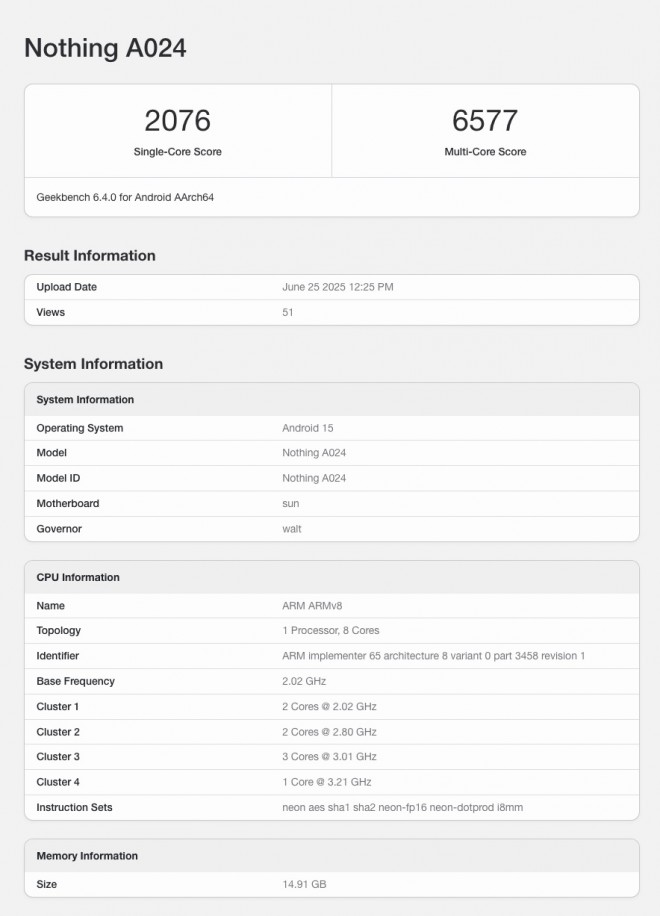
According to a listing, the Phone (3)’s Snapdragon 8s Gen 4 notched 2,076 in the single-core test and 6,577 in multi-core—solid numbers for a near-flagship processor. Compared to the Snapdragon 8+ Gen 1 used in the Phone (2), Nothing CEO Carl Pei says the new chip brings a 36% boost in CPU performance, 88% in GPU, and 60% in NPU, offering snappier overall performance. In fact, the chip’s scores are pretty close to the performance-centric iQOO Neo 10, so users can expect the Phone (3) to feel fast and responsive in everyday use.
Nothing Phone 3
The listing also reveals 16GB of LPDDR5X RAM and, as expected, Android 15—likely running with Nothing OS 3.5 on top. Nothing is also reportedly extending its software support, promising five years of OS updates and seven years of security patches, up from the 3+4 support offered with the previous model.
Leaked specs suggest the Phone (3) will sport a 6.7-inch LTPO AMOLED display with a 120Hz refresh rate, 1920Hz PWM, and 3,000 nits peak brightness. If true, it will be an upgrade over the 1600 nits peak of the predecessor. Under the hood, a 5,150mAh battery is expected to support 100W wired charging.
Camera-wise, the phone may feature a versatile quad 50MP setup— main with OIS, ultrawide, 3x periscope zoom, and a front-facing camera. The signature Glyph Matrix design will add Nothing’s unique visual flair.
With strong performance, a standout display, and a beefed-up camera setup, the Phone (3) looks ready to compete with the OnePlus 13. Whether it can truly live up to the hype remains to be seen, but Nothing’s upcoming launch is one to watch.
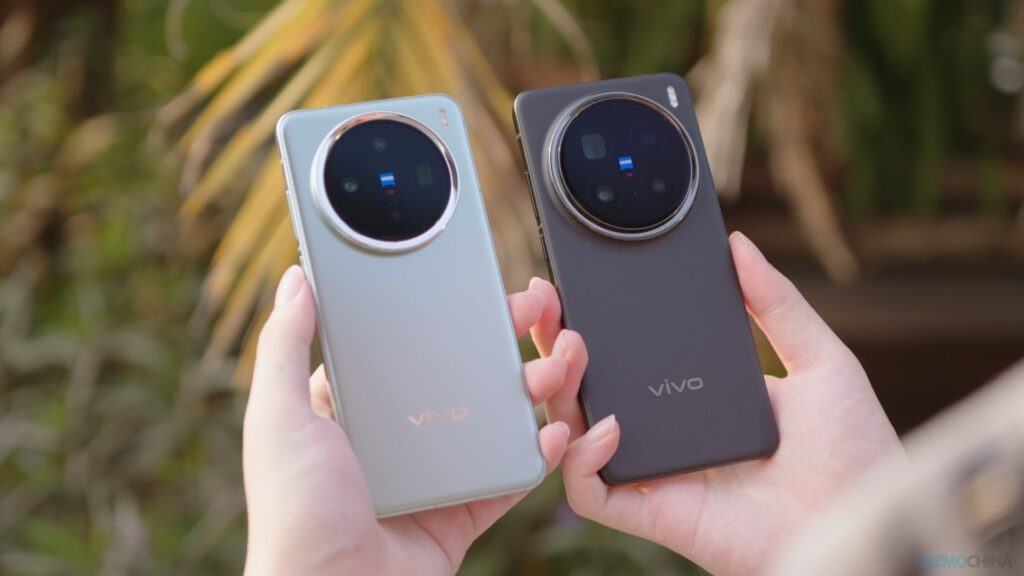
Vivo just wrapped up a major launch event in China, where it introduced the X Fold 5 foldable alongside a handful of other devices. Now, the next big thing from the company is likely the X300 series, reportedly coming in four flavors: the X300, X300 Pro Mini, X300 Pro, and X300 Ultra.
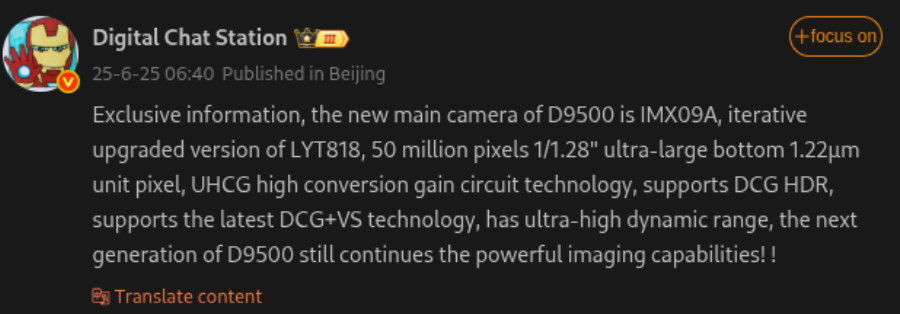
Well, according to a new leak from a known tipster, Digital Chat Station, the X300 Pro will ship with a new Sony IMX09A main camera.
Vivo X200 Pro
Vivo X300 Pro will have a 50MP main camera
Claimed to be an “iterative” upgrade over the Sony LYT-818 used in the X200 Pro and X200 Pro Mini, the IMX09A will be a 50-megapixel sensor with a 1/1.28-inch optical format and 1.22μm pixel size.
The sensor reportedly uses a UHCG (Ultra High Conversion Gain) circuit to improve light sensitivity and signal-to-noise performance.
Whereas, its other improvements are said to include support for DCG HDR (dual conversion gain high dynamic range), and the inclusion of an updated “DCG+VS” tech — likely referring to a hybrid dynamic range processing method that further improves contrast and detail retention in complex lighting.
In addition, DCS reiterates that the phone will be powered by MediaTek’s upcoming Dimensity 9500 chip. The Vivo X300 and X300 Pro mini are also expected to use the same mobile silicon, while the Ultra model will get the Snapdragon 8 Elite 2.
There’s no word yet on the exact launch timing for the X300 Pro or the broader Dimensity 9500 platform it’s expected to be part of. However, leaks suggest Vivo might launch the X300 series in October this year.
For more daily updates, please visit our News Section.
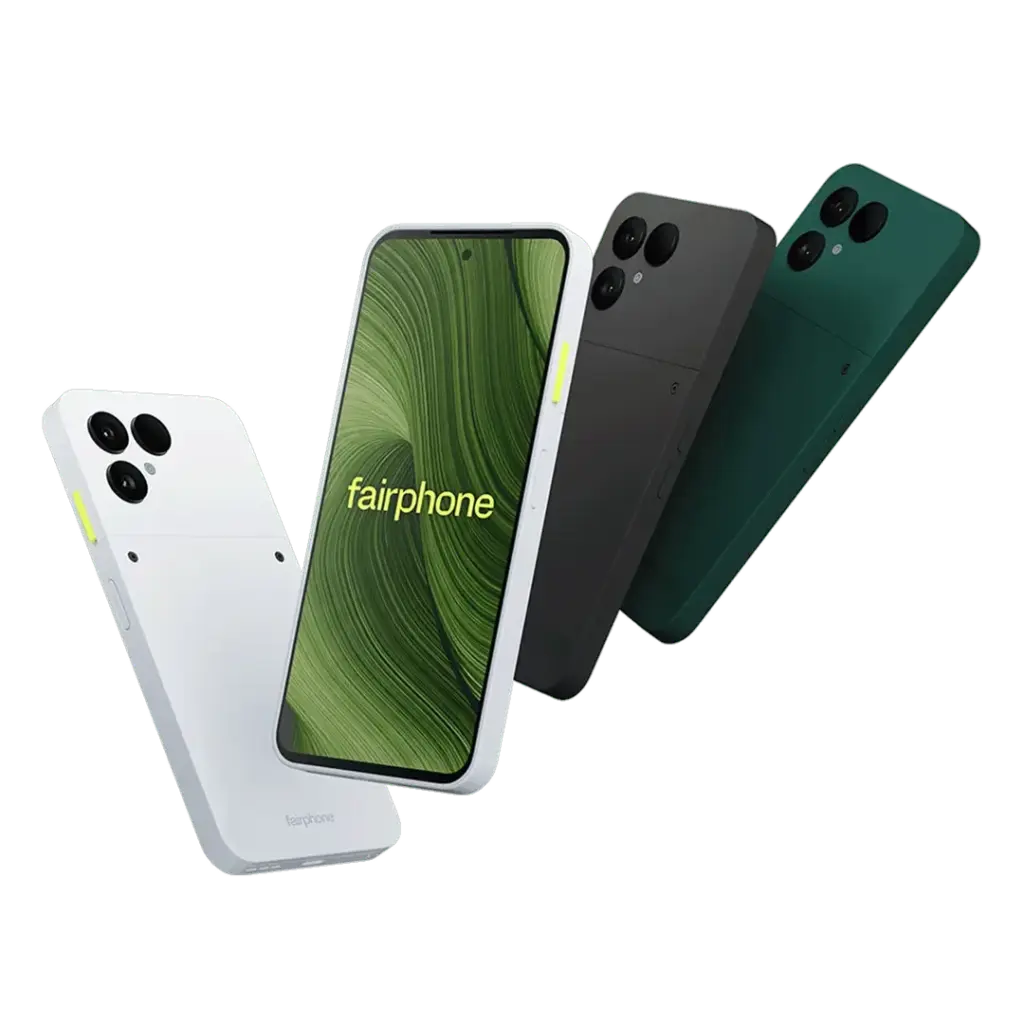
Fairphone has officially unveiled the Fairphone 6, a modular smartphone aimed at sustainability-conscious users who value longevity and repairability. Staying true to its predecessor, the brand is bringing a repairability focused design with a modular body and customizable back panels. But there’s more to this phone than just its design, so here’s what you need to know.
What sets the Fairphone 6 apart from the crowd?
Talking about the most obvious features first, the company built the Fairphone (Gen. 6) with a durable body that uses recycled materials for sustainability. But it’s still durable with a military grade drop rating, Gorilla Glass 7i protection, and an IP55 rating for water and dust resistance. It measures 9.6mm in width and weighs 193 grams. While this makes it one of the thickest smartphones on the market, this space is used for its unique design.
Fairphone 6
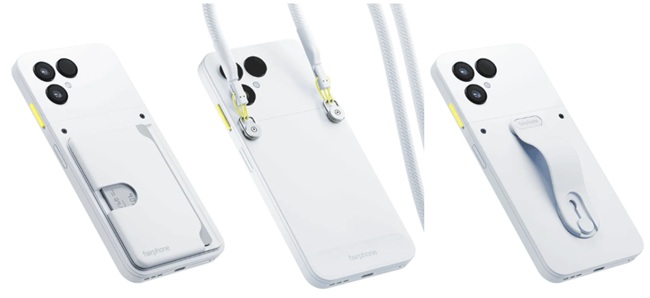
It features a modular design (glue-free) that allows users to replace 12 parts easily. So repairs are quite convenient on the Fairphone 6 as well. You also get a swappable backplate that allows you to customize the rear by replacing the backplate with another one. Official pictures showcase it with a finger loop, a lanyard, a case, and even a cardholder. On the front, it sports a relatively compact 6.3-inch LTPO OLED display with a 120Hz refresh rate, FHD+ resolution, and up to 1400 nits of peak brightness. For eye comfort, there is support for both PWM and DC dimming.
Under the hood, it is equipped with the Snapdragon 7s Gen 3, which is paired wth 8GB of RAM and 256GB of internal storage. Users can even expand storage by up to 2TB via a microSD card slot. A sizeable 4,415mAh battery pack powers this device, which supports 30W wired fast charging. For optics, the rear has a 50MP Sony MYT700C SoC (ToF, OIS) and 13MP ultra wide angle lens (macro, EIS, ToF). Meanwhile, the front houses a 32MP selfie shooter.
Other notable features include WiFi 6E, Bluetooth 5.4 LE, NFC, dual SIM 5G, and a side mounted fingerprint scanner. There is also support for Gemini AI assistant and stereo speakers. It was just announced with a 599 Euros price tag, and it is currently on pre-order in Cloud White, Forest Green, and Horizon Black. Notably, Fairphone is promising an impressive 5 years of warranty and 7 years of major Android updates (launches with Android 15) out of the box. The Fairphone 6 is listed on the brand’s official website.
For more daily updates, please visit our News Section.
We use cookies on our website to give you the most relevant experience by remembering your preferences and repeat visits. By clicking “Accept”, you consent to the use of ALL the cookies.
This website uses cookies to improve your experience while you navigate through the website. Out of these, the cookies that are categorized as necessary are stored on your browser as they are essential for the working of basic functionalities of the website. We also use third-party cookies that help us analyze and understand how you use this website. These cookies will be stored in your browser only with your consent. You also have the option to opt-out of these cookies. But opting out of some of these cookies may affect your browsing experience.
Necessary cookies are absolutely essential for the website to function properly. This category only includes cookies that ensures basic functionalities and security features of the website. These cookies do not store any personal information.
Any cookies that may not be particularly necessary for the website to function and is used specifically to collect user personal data via analytics, ads, other embedded contents are termed as non-necessary cookies. It is mandatory to procure user consent prior to running these cookies on your website.