Advertisement

Xiaomi will launch its home appliances globally, challenging Samsung and LG

Xiaomi is now setting its sights on the global home appliance market. At MWC 2025, the company announced plans to expand the availability of its large home appliances, including air conditioners, refrigerators, washing machines, and dryers, to international markets later this year. This move positions Xiaomi as a direct competitor to established giants like Samsung and LG.

Xiaomi’s global ambitions

While Xiaomi did not specify which countries will be the first, it is likely that the initial rollout will target European and Southeast Asian markets. This expansion marks a significant step in Xiaomi’s strategy to diversify its product portfolio.

Xiaomi is mainly recognized as a brand for affordable, high-quality smartphones and smart home devices. By entering the global home appliance market, the company aims to replicate this success and offer consumers a broader range of products that integrate seamlessly with its existing ecosystem of devices.

Samsung, one of the world’s largest home appliance manufacturers, will face increased competition as Xiaomi brings its competitive pricing and innovative technology to the global stage. Xiaomi’s entry into this market could disrupt the status quo, particularly in regions where consumers are looking for cost-effective alternatives to premium brands.

The global availability of Xiaomi’s home appliances promises to deliver more choices for consumers. It may also increase the competition and motivate other brands to bring down the prices of their products or encourage innovation. With its reputation for combining affordability with advanced features, Xiaomi is expected to become a formidable contender in the home appliance industry.

It is clear that the company is not just challenging Samsung but also reshaping the competitive landscape of the global home appliance market. Consumers worldwide can look forward to more options and better value in the near future.

Don’t miss a thing! Join our Telegram community for instant updates and grab our free daily newsletter for the best tech stories!

For more daily updates, please visit our News Section.

(Via)

Xiaomi launches Buds 5 Pro, Buds 5 Pro (Wi-Fi), Watch S4, Electric Scooter 5 Max & Smart Band 9 Pro globally

Xiaomi has introduced its latest smart devices at MWC 2025, including the Xiaomi Electric Scooter 5 Max, Buds 5 Pro (Wi-Fi version), Watch S4, and Smart Band 9 Pro in Cream White, showcasing innovations in audio, wearables, and smart mobility for the global market.

Xiaomi Electric Scooter 5 Max

Xiaomi Electric Scooter 5 Max

Xiaomi’s latest electric scooter features an upgraded suspension system with front dual hydraulic springs and rear dual springs, delivering a smoother ride even on rough terrain. It equips a powerful 1000W motor, enabling speeds of up to 25km/h, while smart energy recovery and auto-slope parking ensure efficiency and stability. It sports a 60km range and supports rapid 3-hour charging, making it ideal for urban commutes. Additionally, it comes with enhanced traction control and auto light activation, improving safety on the road.
Xiaomi Buds 5 Pro

Xiaomi Buds 5 Pro

The Xiaomi Buds 5 Pro and Buds 5 Pro (Wi-Fi) offer an enhanced audio experience with Snapdragon Sound and Qualcomm aptX Lossless support. The standard model delivers 48kHz/24-bit audio at up to 2.1Mbps, while the Wi-Fi version, featuring Qualcomm XPAN technology, supports 96kHz/24-bit lossless audio at up to 4.2Mbps. Both earbuds use a triple-driver system tuned by the Harman Golden Ear Team for rich, balanced sound.

They feature 55dB hybrid active noise cancellation, dual-device connectivity, and 3D audio, along with a 40-hour battery life and fast charging. Additional features include built-in audio recording, AI translation, and gesture controls. The Wi-Fi model stands out with its sleek Translucent Black design, matching its advanced capabilities.

Xiaomi Watch S4

Xiaomi Watch S4

The Xiaomi Watch S4 features a 1.43-inch AMOLED display with a 466 x 466 resolution, 326 ppi, and 1500 nits brightness for clear visibility. It offers a 15-day battery life with fast charging and includes advanced health-tracking sensors for accurate heart rate, blood oxygen, sleep, and stress monitoring. The watch sports L1+L5 GNSS technology for precise outdoor tracking, while gesture controls allow users to reject calls or manage notifications effortlessly.

Xiaomi Smart Band 9 Pro

Xiaomi Smart Band 9 Pro

Now available in Cream White, the Xiaomi Smart Band 9 Pro features a narrow-edge AMOLED display with a 77% screen-to-body ratio, 1200 nits brightness, and a 336 x 480 resolution. It comes with a 350mAh battery that delivers up to 21 days of usage. It equips built-in GNSS for accurate outdoor tracking, sports 150+ fitness modes, and features a new 3D exercise animation function, making it an excellent companion for fitness enthusiasts.

Pricing and Availability

Xiaomi’s latest devices will be available globally through official channels and retailers, priced as follows:

  • Xiaomi Electric Scooter 5 Max: €599.99 (~$630)
  • Xiaomi Buds 5 Pro: €199.99 (~$210)
  • Xiaomi Buds 5 Pro (Wi-Fi): €219.99 (~$230)
  • Xiaomi Watch S4: €159.99 (~$170)
  • Xiaomi Smart Band 9 Pro (Cream White): €79.99 (~$85)

Check out our full MWC 2025 coverage here.

Stay ahead in tech! Join our Telegram community and sign up for our daily newsletter of top stories! 💡

Lenovo unveils Yoga Solar PC concept: 1 hour video playback from just 20 minutes of sunlight

At MWC 2025, Lenovo showcased an innovative and eco-friendly concept: the Yoga Solar PC Proof of Concept. This groundbreaking laptop features an integrated solar panel, which allows users to charge their devices outdoors without having to rely completely on traditional chargers.

But how much power can it harness? Well, the solar panel can actually add some juice to your battery. According to the company, the solar panel absorbs enough direct sunlight in 20 minutes to power up to one hour of video playback.

This particular setup runs on Intel’s “Lunar Lake” Core Ultra 200 platform. So a future consumer PC with a Snapdragon SoC could potentially run even longer with a similar solar cell.

Alongside the laptop, Lenovo also introduced a Yoga Solar PC kit, a portable solar charging solution compatible with any USB-C device. The panel is remarkably thin at 15 mm, and the entire laptop weighs just 1.5 kg, making it portable and practical for outdoor use.

How it works

The Yoga Solar PC Proof of Concept features a solar panel that can charge the laptop both during use and when idle. The solar panel leverages Back Contact Cell technology, which moves mounting brackets and grid lines to the back of the solar cells, increasing efficiency to 24%—higher than the 19-20% efficiency of most commercially available solar cells. Additionally, the Dynamic Solar Tracking system optimizes energy absorption by adjusting the panel’s settings based on sunlight intensity.

Solar panel backpack accessory adds more juice to the PC

While people generally do not work outdoors in direct sunlight or leave their PC in that situation, this proof of concept will at least allow you to stay connected when the power grid is not active or when you’re outside.

The prototype in the venue was in black, but the company seems to be experimenting with different colors too before commerical release.

Lenovo has not yet announced pricing or availability for the Yoga Solar PC Proof of Concept.

Don’t miss a thing! Join our Telegram community for instant updates and grab our free daily newsletter for the best tech stories!

For more daily updates, please visit our News Section.

Infinix Smart 9 HD Hands-on: A budget-friendly smartphone with balanced features

The Infinix Smart 9 HD is an entry-level smartphone designed to offer a well-rounded experience at an affordable price. Priced under Rs 7,000, the phone features a large display, a capable MediaTek chipset, and a big battery. It also includes dual speakers, a side-mounted fingerprint sensor, and an IP54 rating for added durability. I used the phone for a couple of days to see how it performs in real-world usage.

1. Design and Build

Infinix Smart 9 HD
Infinix Smart 9 HD

According to the brand, the Infinix Smart 9 HD has undergone more than 200 quality and durability tests and over 2,50,000 drop tests. The phone has passed the six-sided drop protection test, making it capable of handling the challenges of daily use. With its reinforced glass front and plastic back, it maintains a sleek yet durable design. Additionally, the IP54 rating ensures protection against dust and minor splashes.

The Smart 9 HD measures 165.7 x 77.1 x 8.35mm and weighs just 188g, making it lightweight and comfortable to hold. It is available in four colour options—Metallic Black, Neo Titanium, Mint Green, and Coral Gold. A side-mounted fingerprint sensor enhances security and ease of access.

2. Display and Audio

Infinix Smart 9 HD
Infinix Smart 9 HD

The Smart 9 HD offers users a massive 6.7-inch IPS LCD panel with a resolution of 720 x 1600 pixels. While it’s not Full HD+, the display offers a decent viewing experience with a peak brightness of 500 nits, making it usable in outdoor conditions. It also supports a refresh rate of 60/90Hz and a touch sampling rate of up to 240Hz, ensuring smooth scrolling and responsiveness. It is good to see the brand offer a punch-hole screen instead of a waterdrop-notch screen, which are still available on phones on costlier models under the Rs 10,000 segment.

The phone includes dual speakers with DTS audio enhancement, delivering satisfactory sound quality for an entry-level device. A 3.5mm headphone jack is also present for those who prefer wired audio options.

3. Performance and Software

Infinix Smart 9 HD
Infinix Smart 9 HD

Under the hood, the Infinix Smart 9 HD is powered by the MediaTek Helio G50 processor, making it suitable for light gaming and daily tasks. The phone offers 3GB of RAM, which can be virtually expanded to 6GB, and 64GB of internal storage, expandable up to 1TB via a microSD card.

Running on the latest version of Infinix’s custom UI based on Android, the software experience is clean and relatively smooth, though heavy multitasking might slow it down. The device features an Interactive Dynamic Bar that provides functionalities such as Face Unlock, Background Call, Charging Animation, Charge Completion Reminder, and Low Battery Reminder, adding to the user experience.

4. Cameras and Other Features

Infinix Smart 9 HD
Infinix Smart 9 HD

The camera setup on the Infinix Smart 9 HD includes a 13-megapixel dual rear camera with Zoom Flash, which helps capture sharp and vibrant photos. The camera is designed to recognize scenes and conditions to provide the best possible results. Several modes, including Portrait Mode, AR Mode, and Time-Lapse, offer versatility for different photography needs. The front camera is an 8-megapixel sensor with an LED flash, ensuring clear selfies even in low-light conditions. Here are some camera samples captured using the Smart 9 HD.

5. Final Thoughts

Infinix Smart 9 HD
Infinix Smart 9 HD

Priced at Rs 6,699, the Infinix Smart 9 HD is an affordable choice for first-time users or those needing a reliable secondary phone. With a large display, long battery life, dual speakers, and essential features like a fingerprint scanner and IP54 rating, it handles everyday tasks well. Ideal for budget-conscious buyers, students, seniors, and rural users, it offers solid value without overspending.

MediaTek Dimensity 9400 AnTuTu, Geekbench score

MediaTek Dimensity 9400

The Dimensity 9400 is MediaTek’s most powerful smartphone chipset, featuring all big CPU cores. The chipmaker claims a big performance boost over its predecessor, Dimensity 9300, but how good are those claims? We’ll test the Dimensity 9400 on popular benchmark platforms to find out.

The Dimensity chip in question has eight CPU cores, with a peak clock speed of 3.63GHz. For graphics rendering, it comes with a Mali-G925 Immortalis MP12 GPU, which is capable of running resource-intensive games flawlessly. The Dimensity 9400 chip is fabricated using TSMC’s 3nm advanced process for excellent power efficiency. Let’s now look at the AnTuTu, Geekbench, and other benchmark scores.

[Note: The following benchmark tests have been conducted on the Oppo Find X8 Pro, powered by MediaTek Dimensity 9400.]

MediaTek Dimensity 9400 AnTuTu score

AnTuTu is a widely used benchmarking tool that measures a device’s CPU, GPU, memory, and user experience (UX) performance through a series of tests. It evaluates processing power, graphics rendering, multitasking efficiency, and overall system responsiveness. The final AnTuTu score represents the overall performance of a device.

On AnTuTu (v10), the Dimensity 9400-powered Oppo Find X8 Pro scored over 2.7 million AnTuTu points. As for the breakdown, the CPU gets 622149 points, the GPU gets 1220751 points, the memory gets 489110 points, and the UX gets 422815 points.

For comparison, the Snapdragon 8 Elite has around 2.9 million AnTuTu score, while Apple’s best A18 Pro has only 1.7 million.

AnTuTu score2,754,825
CPU622,149
GPU1,220,751
Memory489,110
UX422,815

MediaTek Dimensity 9400 Geekbench score

Geekbench evaluates CPU performance by running a series of tasks and outputs single-core and multi-core scores. The single-core score reflects the performance of a single CPU core, while the multi-core score measures the performance when all cores work together.

On Geekbench (v6), the Find X8 Pro, powered by Dimensity 9400, scored 2,904 single-core points and 8,812 multi-core points. Similar to AnTuTu, the Geekbench score is also slightly lower than the Snapdragon 8 Elite but higher than the Apple A18 Pro.

Geekbench 6
Single core2,904
Multi core8,812

MediaTek Dimensity 9400 3DMark score

3DMark WildLife Extreme Stress test

3DMark is a popular gaming benchmarking tool that evaluates the graphics capabilities of devices by rendering a demanding game-like scene.

3DMark WildLife Extreme Stress Test
Best loop score6,329
Lowest loop score3,687
Stability58.3%

MediaTek Dimensity 9400 spec sheet

Dimensity 9400
AnnouncedOctober 2024
Model numberMT6991
Process node3nm
ManufacturerTSMC
CPU1 x Cortex-X925 — 3.63GHz
3 x Cortex-X4 — 3.3GHz
4 x Cortex-A720 — 2.4GHz
GPUArm Immortalis-G925 MC12
MediaTek Adaptive Gaming Technology 3.0
Global illumination
MediaTek Frame Rate Converter
HyperEngine’s Super Resolution
Ray tracing support
NPUMediaTek NPU 890
CameraMediaTek Imagiq 1090 ISP
Up to 320MP single camera
Up to 8K/60fp video recording
Gen-AI Super Resolution
Gen-AI Super Zoom
MemoryLPDDR5X at 10667Mbps
Up to 24GB RAM
StorageUFS 4.0 + MCQ
Connectivity
Downlink: 7.3Gbps
Wi-Fi 7
Bluetooth 5.4 standard

Popular Dimensity 9400 phones

Popular chip battles:
1. Snapdragon 8 Elite vs Dimensity 9400 vs Apple A18 Pro
2. Dimensity 9400 vs Snapdragon 8 Gen 3
3. MediaTek Dimensity 9400 vs Dimensity 9300

Xiaomi 15 Ultra Photography Kit: Precision, Protection, and Performance for $199

The Xiaomi 15 Ultra Photography Kit is designed for those who love mobile photography and want to take it to the next level. This accessory pack includes a camera grip, a 67mm adapter ring, a wireless camera handle, and more. Each component enhances the user experience, making smartphone photography more versatile and professional.

The Xiaomi 15 Ultra Photography Kit is available at Giztop for $199 and comes in black and grey color options.


A Camera Grip with Dual Functionality

The Xiaomi 15 Ultra Photography Kit features a high-quality camera grip that doubles as a protective case. The grip is covered with a nano skin texture, providing a comfortable hold and ensuring full protection for the Xiaomi 15 Ultra. This grip offers better stability when taking photos, reducing hand shake and improving the overall photography experience. Additionally, the protective case acts as a docking station, adding more convenience for users who want to attach or detach accessories quickly.

67mm Adapter Ring for Enhanced Creativity

The kit also includes a 67mm adapter ring, allowing users to attach external filters and lenses over the Xiaomi 15 Ultra’s camera module. This feature opens up more creative possibilities, enabling photographers to experiment with different effects and lens types. To protect the camera lenses from scratches, the package also includes a lens cover that fits securely over the adapter ring.

Wireless Camera Handle for Easy Control

For those who prefer a more DSLR-like experience, the wireless camera handle in the Xiaomi 15 Ultra Photography Kit is a game-changer. It comes with a two-stage shutter button, allowing users to half-press to focus and fully press to capture the image, just like a professional camera. Additionally, the handle features a zoom button, making it easier to adjust the focal length without touching the screen. This wireless control enhances ease of use and makes shooting more intuitive.

Key Specs:

  • Camera Grip: Doubles as a protective case with nano-skin texture for a secure grip
  • 67mm Adapter Ring: Supports external filters and lenses for more creative options
  • Wireless Camera Handle: Features a two-stage shutter button and a zoom button
  • Lens Cover: Protects the camera lens from scratches
  • Protective Case: Acts as a docking station for easy accessory attachment

With the Xiaomi 15 Ultra Photography Kit, mobile photography becomes more professional, versatile, and enjoyable.


Xiaomi’s New Smartphone Lens Snaps on Like MagSafe, Shoots Like a DSLR

Xiaomi has officially unveiled its innovative modular optical system at MWC 2025, introducing a custom version of the Xiaomi 15 that sports a detachable 35mm lens. This groundbreaking approach to mobile photography equips the smartphone with DSLR-like flexibility while maintaining its portability.

Xiaomi modular optical lens

The modular optical system features a modified Xiaomi 15 with a magnetic attachment mechanism, allowing users to snap on a high-performance camera module effortlessly. Unlike traditional clip-on lenses, Xiaomi’s design integrates directly with the phone’s hardware, ensuring a seamless experience akin to a built-in camera. The system utilizes Xiaomi’s proprietary LaserLink technology, which enables near-instantaneous data transfer, eliminating lag when capturing high-resolution images.

Xiaomi modular optical lens

At its core, the system packs a 100MP Micro Four Thirds (M4/3) sensor, significantly larger than standard smartphone sensors, delivering superior image quality and enhanced dynamic range. It comes paired with a 35mm all-aspherical glass lens that features a large aperture, promising exceptional low-light performance and precise depth of field control. The lens also includes a built-in autofocus motor for tap-to-focus functionality and a physical focus ring for manual adjustments.

Much like Apple’s MagSafe accessories, the Xiaomi modular lens system attaches magnetically to the back of the device. Once connected, users can switch between standard and modular camera modes within the Xiaomi Camera app. The system supports RAW image capture, catering to professional photographers looking for extensive post-processing flexibility.

Xiaomi isn’t the only brand experimenting with modular optics. At MWC 2025, Realme introduced its Interchangeable-Lens Concept, which equips a 1-inch customized Sony sensor and a proprietary lens mount. Demonstrated with 73mm portrait and 234mm telephoto lenses, the system aims to push mobile imaging boundaries, though it remains a prototype for now.

At the event, Xiaomi has also unveiled the Xiaomi 15 Ultra Photography Kit Legend Edition for €199, offering DSLR-style controls. It features a USB-C camera grip with a detachable shutter button, dials for exposure, ISO, and white balance, a zoom lever, and a 2,000mAh battery for extended use.

For more daily updates, please visit our News Section.

Stay ahead in tech! Join our Telegram community and sign up for our daily newsletter of top stories! 💡

(Source)

Xiaomi 15 Ultra Unboxing & Hands-on: Form follows Function, The Monster With Design Compromises

Look back at Xiaomi 14 Ultra released last year: it’s not much fun, and technically, it’s not that different from the 13 Ultra. But the latest Xiaomi 15 Ultra is truly upgraded. The camera system has been updated dramatically, and the Snapdragon 8 Elite in this phone is further powerful than its predecessor. Every aspect from the look to internal upgrades makes me genuinely excited. Before it officially goes on sale, let’s get to know this beast, starting with the unboxing and hands-on experience.

WHERE TO BUY
Buy Xiaomi 15 Ultra on GeekWills from $1099

Unboxing

The front side of the box is no different than before. But on the back, there is a brand-new Ultra logo, in the same font as the SU7 Ultra supercar.

When you open the box, the accessories inside are still the same: card pin, manual, and a transparent-PC case. In the botton, there is the USB A to C cable and the 90W charger. That’s all the accessories.

Design

Without a doubt, for the design alone, especially the camera island, the Xiaomi 15 Ultra deserves a thumbs-down. The erratic camera layout looks like something my second-grade nephew would draw.

I’m sure someone will tell me in the comments section: This arrangement is inevitable, to cram those large sensors in it. In architectural speak, it’s called: “Form follows function”. I totally understand all these points, but it is undeniable that it is not following aesthetic rules at all. When we spend close to a thousand dollars on a phone like this, it’s reasonable to expect more, at least on the look.

I won’t feel any sympathy for Xiaomi’s designers who confirmed the sensors’ location at that moment, just as my friend won’t sympathize with the fact that I can spend so much money to put up with such a disorganization.

Strangely though, after spending just a few hours with it, I found it growing on me. I guess that’s the power of “habit”. It could also be the result of the designers realizing this: they seem to be working harder to show ‘the power of design’ in the details of the back except for the camera island. So we can see similar elegant mirrorless-camera-like colors and material splits here, moreover, with a well-designed ‘Ultra’ logo to call back with their latest super EV – SU7 Ultra sold start from $72,700.

So aside from the camera layout, I kind of like other aspects of it. Like the standard version, the 15 Ultra frame extends to the back panel as well. It’s still very comfortable to not feel the seams on your fingers. Though I’ve always been critical of vegan leather materials, I must admit I’m genuinely fond of the two vegan leather editions this time around. They look like some old cameras, old school, but premium, and I’ll probably pick one of them for our review.

The white and black versions each have their own features as well. The white has curved stripes (Granite-like texture) on the back cover, while the black has a red ring around the island. All the colors look great, which is rare in the history of Xiaomi phones.

The weight has also been optimized and balanced by Xiaomi, so the top part is not overly heavy. While not as ergonomic as standard or Pro models, it’s surprisingly comfortable for an Ultra-class device.

Camera specs

But what camera specs can justify this visual chaos? Well, a One-inch main camera sensor. And, the telephoto camera sensor is a 200 MP S5KHP9 from Samsung. And it’s still the 70mm lens. The lenses are also coated with all sorts of new technology that reduces all sorts of glares. Each camera is capable of recording 8K video. This really makes it the most powerful camera system available.

But there are three downgrades you need to be aware of here: One, the variable aperture of the main camera has been removed. Two, the ultra-wide-angle camera sensor has gotten weaker. Third, the 100mm telephoto doesn’t support macro photography. How do these compromises affect real-world performance? Stay tuned for our full review, and I promise you, you won’t need to wait long.

Others

The Xiaomi 15 Ultra rightfully uses a Snapdragon 8 Elite processor, with a couple of chips in there for signal boosting and satellite communications. The display is the same as the 15 Pro, a 2K 120Hz quad-curved screen that’s nothing special. The battery is 6,000mAh, which isn’t particularly large, but it’s a significant increase over the previous gen. It’s the charging that hasn’t changed at all, so those hoping for faster charging may be disappointed.

Photography kit

The new photography kit has a major update this time as well. Two color options, a metal thumb grip, a replaceable shutter button, a bigger built-in battery, and IP54 waterproofing are all very appealing for photography enthusiasts. To make the Xiaomi 15 Ultra complete, we have of course pre-ordered this new photography kit. Remember to subscribe to our YouTube channel and I’ll let you know if it’s worth buying or not in the full review.

Price

Since the hardware has been upgraded, surely the price will be as well, right? But surprisingly, the Xiaomi 15 Ultra starts at about $892 in China, which is the same as the 14 Ultra. Still pricey, but now packed with more value.

(12+256GB: $892, 16+512GB: $961, 16+1TB: $1071, 16+1TB Dual satellite version: $1098)

WHERE TO BUY
Buy Xiaomi 15 Ultra on GeekWills from $1099

Xiaomi 15 Ultra Photography Kit Legend Edition offers DSLR-style controls & a 2,000mAh battery for €199

Xiaomi unveiled its new Xiaomi 15 Ultra flagship at Mobile World Congress, along with a special Photography Kit Legend Edition designed to give smartphone photographers more control. The kit costs €199 and is sold separately from the phone, offering both hardware and software perks.

Xiaomi 15 Ultra Photography Kit Legend Edition

At the heart of the kit is a camera grip that connects via USB-C. It comes with a detachable shutter button (in red or black) that works just like a professional camera: half-press to lock focus, press fully to capture a shot, and hold it down for burst mode. The grip also has convenient dials to manually tweak exposure (EV), shutter speed, ISO, and white balance. A dedicated lever lets you switch zoom levels and focal lengths on the fly, and there’s a separate button for starting video recording. Inside, a 2,000mAh battery keeps the setup running through long photo sessions.

Xiaomi 15 Ultra Photography Kit Legend Edition

You’ll also find a vegan leather back cover inspired by Leica’s red-and-black style, featuring a round cutout that can hold either a decorative ring or a 67mm filter adapter ring for attaching professional lens filters. A detachable thumb support is included to make horizontal shooting more comfortable.

On the software side, Fastshot mode simplifies street photography by letting you preset exposure, focus, and shutter controls for quick adjustments. It all aims to give you a DSLR-like experience right on your phone, with tactile controls and a modular design. Xiaomi says more regional availability details will be shared later.

Tech enthusiast? Get the latest news first! Follow our Telegram channel and subscribe to our free newsletter for your daily tech fix!

For more daily updates, please visit our News Section.

(Source)

Samsung Galaxy A56 5G: How is it different from previous models?

The Samsung Galaxy A series has consistently aimed to deliver solid features at a competitive price point. With the upcoming Galaxy A56 5G, Samsung is continuing this tradition while introducing some notable improvements and refinements compared to its predecessors. Let’s explore how the A56 5G differentiates itself.

Samsung Galaxy A56 5G vs Previous Generations

1. Build and Durability

The Galaxy A56 5G showcases a significant upgrade in build quality, featuring a full-glass construction with Gorilla Glass Victus+ on both the front and back, paired with an aluminum frame. This represents a clear step up from previous models, offering enhanced durability and a more premium feel. While IP67 dust/water resistance has been a staple in recent A-series phones, maintaining it in the A56 5G reinforces Samsung’s commitment to durability. The A56 is the slimmest A5x-series phone from the brand so far. The Galaxy A55 measured 8.2mm in thickness, but the A56 has been significantly slimmed down to 7.4mm without any reduction in battery size.

2. Enhanced display and visual experience

The A56 5G features a larger 6.7-inch Super AMOLED display with improved peak brightness, reaching 1,900 nits. This translates to better visibility in outdoor environments. The 120Hz refresh rate and HDR10+ support, carried over from previous models, ensure a smooth and immersive viewing experience.

3. Performance and Software

The A56 5G is expected to be powered by the Exynos 1580 chipset, a newer generation processor that should offer improved performance and efficiency compared to the Exynos 1480 in the Galaxy A55 and the Exynos 1380 in the Galaxy A54.  

A significant highlight is the promise of up to six major Android upgrades and One UI 7, providing long-term software support and access to the latest features. This is a considerable improvement, ensuring the device remains up-to-date for years to come. The phone comes preloaded with the latest One UI 7-based Android 15, like the Galaxy S25 series.

4. Camera Enhancements

While the Galaxy A56 5G retains the same triple-camera setup as the A55 and A54 (50-megapixel main, 12-megapixel ultrawide, and 5-megapixel macro), improvements in image processing and software optimization are likely to enhance the overall photography experience. The A56 also supports 10-bit HDR video recording on the front camera, a feature not available on the A55 or A54.

5. Battery and Other Features

The Galaxy A56 5G retains the 5,000mAh battery capacity, a reliable feature for all-day usage. A major upgrade is the 45W wired charging, a significant improvement over the 25W charging found in previous models. The A56 5G continues to offer features like an under-display fingerprint sensor, stereo speakers, and NFC, maintaining the core functionalities expected from a modern smartphone.

Final Thoughts

The Galaxy A56 5G builds on the strengths of its predecessors while introducing meaningful upgrades in design, display, performance, and charging. While it may not revolutionize the mid-range smartphone market, it offers a more polished and future-proof experience compared to the A55, A54, and earlier models. For those looking for a reliable and feature-packed mid-range device, the Galaxy A56 5G is a solid choice that bridges the gap between affordability and premium features.

Oppo Find X8 Ultra, X8 Ultra Satellite Communication Version bag 3C certification, flat display officially teased

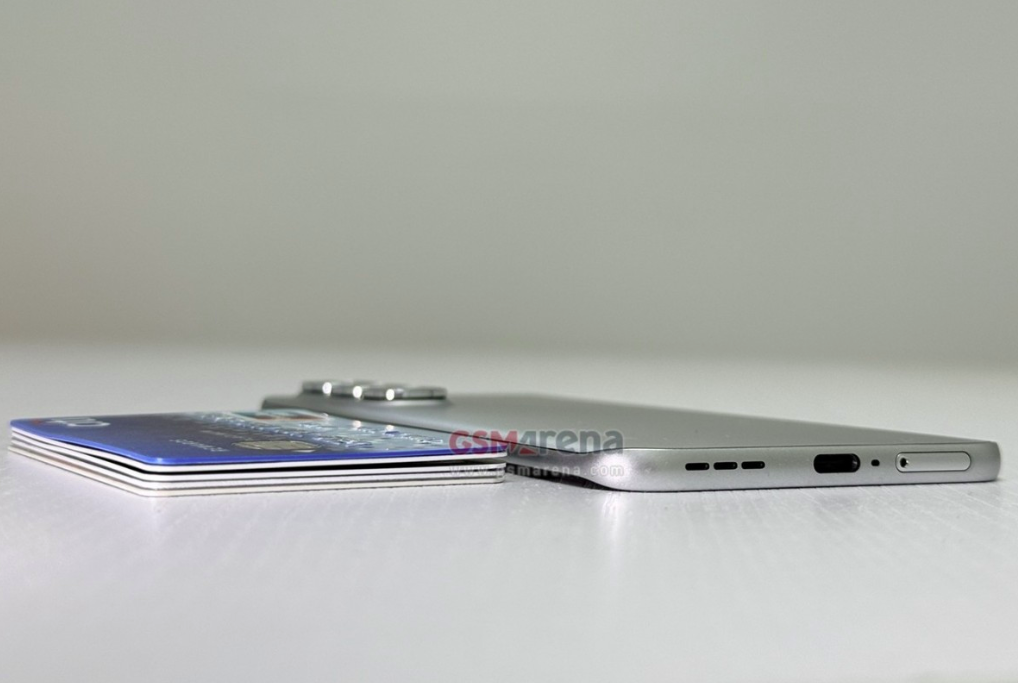
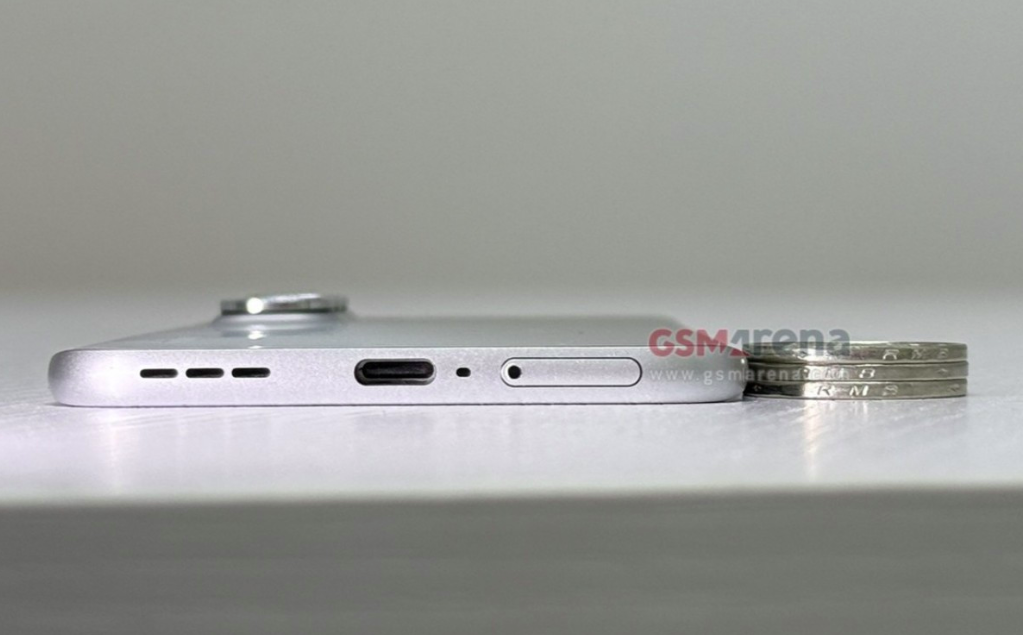
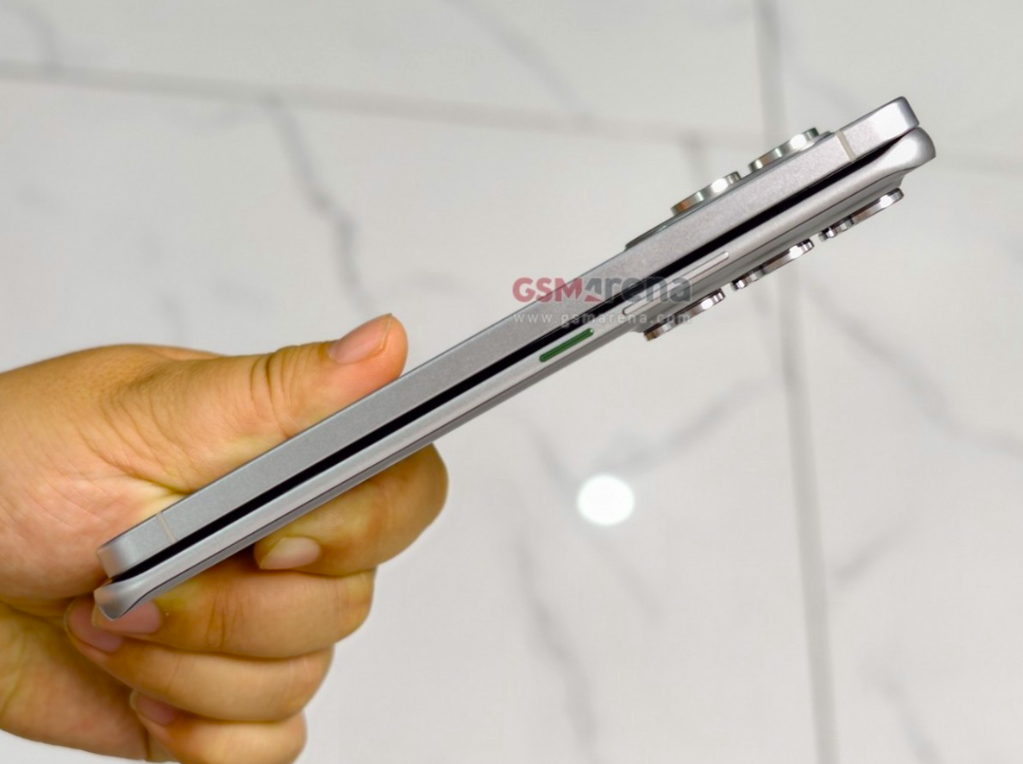
Oppo Find X8 Ultra variants have reportedly received 3C certification in China, confirming their readiness for launch. At the same time, the standard model has also received approval from the MIIT authority of the country, indicating that the phone is all set to debut in April. Additionally, a leaked image has given a glimpse of the device, revealing an interesting design choice.

Oppo Find X8 Ultra series bags 3C certification

The Oppo Find X8 Ultra and Find X8 Ultra Satellite Communication Version, bearing respective model numbers PKJ110 and PKU110, have been spotted in China’s 3C certification platform database. The certification reveals that both devices may ship with a VCBAOBCH charger that supports up to 100W wired charging.

Both models are also expected to support 50W wireless charging. Another screenshot shows that the standard version has received MIIT certification. This indicates that the device may soon appear with all its key specs in TENAA’s database in the next few days.

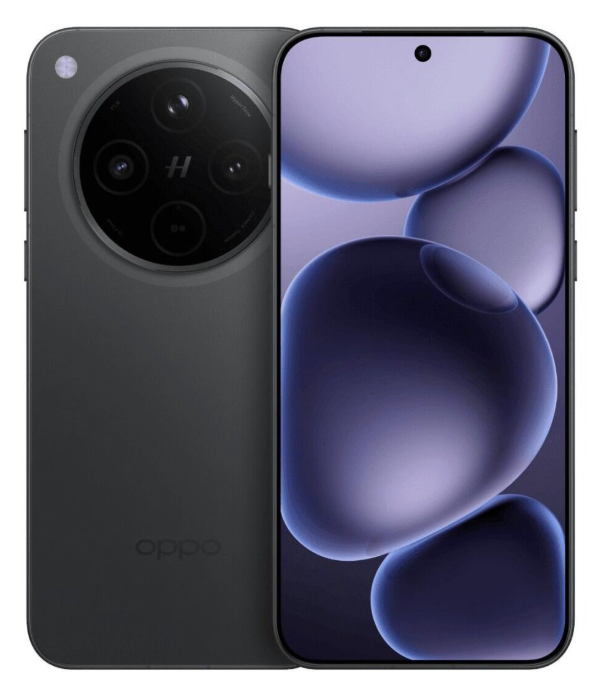
One of the most striking aspects of the Find X8 Ultra is its flat display, a rarity in Ultra-tier smartphones from Chinese brands. The image (shown below) shared by Oppo Find Product Manager Zhou Yibao gives a first look at the flat display of the X8 Ultra.

Oppo Find X8 Ultra flat display teaser

According to reports, the Find X8 Ultra’s quad-camera setup will comprise a 50-megapixel Sony LYT900 sensor with a 1-inch size. Accompanying it is a 50-megapixel Sony IMX882 periscope telephoto lens with 6x optical zoom, a 50-megapixel Sony IMX906 periscope lens with 3x zoom, and a 50-megapixel ultra-wide camera. For selfies, it will feature a 32-megapixel front camera. Under the hood, the device will feature the Snapdragon 8 Elite chipset and a 6,000mAh battery.

The Oppo Find X8 Ultra is confirmed to launch in April in China. It is speculated that the brand may also unveil the Find X8 Mini (unofficial name) and the Find X8S smartphones alongside it.

For more daily updates, please visit our News Section.

Stay ahead in tech! Join our Telegram community and sign up for our daily newsletter of top stories! 

Poco M7 5G launched at Rs 9,999, Offers massive 6.88-inch 120Hz screen, Snapdragon 4 Gen 2, 50MP camera

Poco India has officially introduced the Poco M7 5G, a feature-packed smartphone aimed at budget-conscious users. With a focus on performance, display quality, and camera capabilities, the device sets a new benchmark in its price segment. Priced at Rs 9,999, it is one of the most affordable 5G phones in India.

Poco M7 5G specifications and features

The Poco M7 5G features a 6.88-inch IPS LCD screen, making it the largest in its segment. It supports an HD+ resolution and a 120Hz adaptive refresh rate. The display is further enhanced by TÜV Rheinland certification for eye protection and Gorilla Glass protection.

At its core, the device is powered by the Snapdragon 4 Gen 2 chipset, paired with up to 8GB of LPDDR4x RAM and 6GB of virtual RAM, ensuring effortless multitasking and lag-free gaming. Users also get up to 128GB of UFS 2.2 storage, expandable via microSD. A 5,160mAh battery with 18W fast charging (33W charger included) keeps the phone running all day.

Photography enthusiasts will appreciate the 50-megapixel primary camera with an AI lens, designed for clear, detailed shots even in low-light conditions. An 8-megapixel front camera handles selfies and video calls. The Poco M7 5G runs Android 14 with HyperOS and guarantees two major Android updates along with four years of security patches. Additional features include a side-mounted fingerprint scanner, IP52-rated splash resistance, USB-C, and a 3.5mm headphone jack.

Poco M7 5G price in India, availability

For those looking to grab the best deal, the first-day sale offers the 6GB+128GB variant at Rs 9,999 and the 8GB+128GB model at Rs 10,999. Poco is offering the phone in Satin Black, Mint Green, and Ocean Blue. The device will go on sale via Flipkart starting March 7.

For more daily updates, please visit our News Section.

Stay ahead in tech! Join our Telegram community and sign up for our daily newsletter of top stories! 

Vivo X200 Ultra x ZEISS x Fujifilm partnership aims to take smartphone photography to the next level

Vivo is set to elevate its flagship photography game with the upcoming X200 Ultra, which will feature camera technology co-developed with Fujifilm. While the X-series has long been known for its collaboration with ZEISS optics, this new partnership with Fujifilm aims to deliver a more professional imaging experience, particularly in image quality and color reproduction. The X200 Ultra is expected to launch in April 2025, though it will remain exclusive to the Chinese market, just like its predecessor.

A new era of imaging excellence

The collaboration with Fujifilm is expected to mark a significant shift for the Vivo X200 Ultra and future Vivo flagships. Notably, Vivo retains its collaboration with ZEISS for the X200 Ultra.

It will now incorporate Fujifilm’s expertise in color science and image processing alongside what it already has. This partnership is expected to result in more natural and vibrant colors, which would appeal to both casual users and photography enthusiasts.

Advanced camera features expected

Under the hood, the X200 Ultra will be powered by an A1 chip with improved intelligent processing capabilities, ensuring faster and more efficient image and video processing. The device will support 4K@120fps HDR video recording, offering stunning video quality with smooth motion and high dynamic range.

Additionally, the phone will introduce a new Live Photo feature and 5-axis stabilization, making it easier to capture sharp, blur-free images and videos in challenging conditions. A dedicated camera mode for photography enthusiasts is also in the works.

Like its predecessor, the X200 Ultra will be available only in China, limiting its global reach but maintaining its status as a premium, region-specific offering. Nonetheless, enthusiasts will likely be able to import the device, thanks to platforms like Geekwills, where the predecessor, the X100 Ultra, is currently available for $899.00 only.

For those unfamiliar, the X200 Ultra is based on the Snapdragon 8 Elite, a significant improvement in both performance and power efficiency as compared to the Snapdragon 8 Gen 3 of the predecessor.

According to a previous leak from Weibo tipster Digital Chat Station, the phone is expected to pack a 6.8″ (up from 6.78″) 2K 8T LTPO display protected inside a micro quad-curved glass. On the back, there will be a circular camera island equipped with a 50-megapixel main camera (1/1.28″), a 50-megapixel ultra-wide lens (1/1.28″), and a 200-megapixel periscope telephoto camera. The current 200MP periscope telephoto modules are actually huge, which you can check out in this Xiaomi 15 Ultra teardown.

  1. Stay ahead in tech! Join our Telegram community and sign up for our daily newsletter of top stories!

For more daily updates, please visit our News Section.

(Source)

Here’s when Galaxy S25 Edge may go on sale, color options leaked

A recent report by a South Korean publication, Seoul Economic Daily, has revealed key details about the upcoming Samsung Galaxy S25 Edge. The report, which cites information obtained from industry sources, claims that the device is set to launch in April 2025, with sales beginning in May. The report also highlights the phone’s color options and initial production numbers, sparking excitement among Samsung enthusiasts.

Samsung Galaxy S25 Edge launch and sale dates, color options leaked

Samsung Galaxy S25 Edge

As per the report, the Galaxy S25 Edge is expected to debut on April 16. Due to time zone differences, some regions may see the launch on April 15. The device will reportedly go on sale in May, with initial production limited to 40,000 units. It will be available in Light Blue, Black, and Silver color variants. Samsung plans to assess the initial rollout before expanding availability to more countries.

Samsung Galaxy S25 Edge specifications (rumored)

The Galaxy S25 Edge is rumored to feature a 6.6-inch AMOLED display with a 120Hz refresh rate and a peak brightness of 1,600 nits. Under the hood, it will likely be powered by the Snapdragon 8 Elite for Galaxy chipset, paired with 12GB of RAM and up to 512 GB of storage. The device is expected to run Android 15 out of the box, layered with Samsung’s One UI 7 for a seamless user experience.

On the camera front, the phone is said to house a dual-camera setup, featuring a 200-megapixel primary sensor and a 12-megapixel ultra-wide lens, offering exceptional photography capabilities. For selfies, it may pack a 12-megapixel front-facing camera. The device is expected to sport a ceramic back with a slim profile of 5.84mm and weigh around 162 grams. The device is expected to pack a 3,900mAh battery with 25W fast charging support and wireless charging support.

For more daily updates, please visit our News Section.

Stay ahead in tech! Join our Telegram community and sign up for our daily newsletter of top stories! 

(source)

Samsung unveils new OLED display with 5,000 nits peak brightness

Samsung has announced a groundbreaking new OLED panel, capable of reaching an astonishing 5,000 nits of peak brightness. It has the potential to redefine the display standards for mobile devices such as smartphones, smartwatches, and laptops. The company is showcasing this cutting-edge panel at the MWC 2025 expo in Barcelona, Spain.

A significant leap in brightness and power efficiency

The new OLED panel utilizes something called an On-Cell Film (OCF) technology, a Samsung innovation that eliminates the need for a polarizer. Polarizers, traditionally used to block ambient light, reportedly reduce OLED brightness by up to 50%. By removing the polarizer, Samsung has achieved a display that is not only brighter but also more energy-efficient.

The OCF II OLED panel can deliver 5,000 nits of peak brightness in a 10% window (10% of the screen area), a significant improvement over competitors’ claims, which is often measured at a much smaller window size (1% or 5%) to achieve similar brightness levels.

For everyday use, such as watching movies, the panel can reach up to 3,000 nits, which is still pretty good, and is higher than what the Galaxy S25 Ultra can achieve in the same situation.

But it’s not all about brightness. In fact, improving the power efficiency is more important than improving the peak brightness, as most of the devices using these displays run on batteries. Samsung claims that these brightness levels are achieved with 1.5x higher efficiency compared to previous panels, meaning the same brightness can be maintained with just 63% of the power consumption. This results in longer battery life, reduced heat generation, and an extended display lifespan.

Slimmer design and broader applications

The removal of the polarizer also allows Samsung to make its OLED panels 20% slimmer than conventional designs. This technology was first introduced in the Galaxy Z Fold 3 and is now being extended to bar-shaped smartphones and even rollable laptops.

While it may seem just another iterative improvement in brightness and efficiency, it’s more than that. Samsung isn’t the single key player in the display industry. Chinese display makers like BOE have made significant improvements and achieved a significant improvement in both brightness and efficiency in the last couple of years. This development from Samsung Display is expected to increase the competition and motivate its competitors to focus more on innovation, which, in turn, will benefit end users.

According to Joohyung Lee, Head of Mobile Display Business at Samsung Display, the company aims to maintain its leadership in the display industry through continuous innovation.

Tech enthusiast? Get the latest news first! Follow our Telegram channel and subscribe to our free newsletter for your daily tech fix!

For more daily updates, please visit our News Section.

(Via)

Alleged iQOO 15 Pro tipped to feature a massive 6.85-inch 2K LTPO OLED display

Well-known tipster Digital Chat Station has shared a fresh leak that hints at the display specifications of an upcoming iQOO 15 series device. While the tipster has not explicitly mentioned whether it pertains to the standard iQOO 15 or the Pro variant, the size of the panel suggests it could be the latter. The leak offers insight into the screen technology and potential enhancements over previous models.

iQOO 15 Pro display specifications (rumored)

iQOO 15 Pro display specifications

Several Chinese tech bloggers have recently claimed that flagship phones launching by the end of this year will incorporate displays manufactured by Samsung. The latest leak indicates that the iQOO 15 Pro may feature a flat 6.85-inch 2K LTPO OLED display, likely sourced from Samsung Display. The panel is also expected to incorporate LIPO (Low-Temperature Polycrystalline Oxide) technology, which could improve power efficiency and overall display performance.

This aligns with an earlier claim by tipster Smart Pikachu, who had suggested that the Pro model would come with a flat OLED panel offering 2K resolution, eye protection features, and an ultrasonic in-display fingerprint scanner.

Apart from display advancements, the previous leak also hinted at a 7,000mAh battery, which would be one of the largest in an iQOO flagship. Additionally, the device is expected to include a periscope telephoto camera, though specific details about its optical zoom capabilities remain unknown. The series is likely to be powered by the Snapdragon 8 Elite 2, which is set to debut in October 2025.

iQOO 15 series to feature two models

The iQOO 15 series is expected to consist of two models— a standard iQOO 15 and the iQOO 15 Pro. This marks a shift from the previous generation, where only one model was released. Reports also suggest that iQOO may skip the “iQOO 14” moniker due to cultural superstitions around the number 4 in some Asian markets.

For more daily updates, please visit our News Section.

Stay ahead in tech! Join our Telegram community and sign up for our daily newsletter of top stories! 

Alleged Honor 400 Pro could pack 7,800mAh battery, Snapdragon 7 Gen 4

In a previous leak, reliable tipster Digital Chat Station revealed the display specifications of the alleged Honor 400 and 400 Pro smartphones. Today, the tipster is back with a new leak about an Honor phone. While he has not specified the name of the device, it could be referring to the Honor 400 Pro.

Purported Honor 400 Pro’s chipset, battery size tipped

DCS’ previous leak about the Honor 400 series

DCS’ previous leak suggested that the Honor 400 series will have two models. One of them will feature a 6.5-inch flat OLED panel with a 1.5K resolution, whereas the larger model may arrive with a 6.78-inch quad-curved screen with ultra-thin bezels on all four sides. The leak also claimed that both phones would be powered by the upcoming Snapdragon 7 Gen 4 (SM7550) chipset and pack a battery with around 7,000mAh capacity.

The latest leak (shown above) states that an Honor phone featuring the Snapdragon 7 Gen 4 chip will come with a 1.5K resolution LTPS panel. He added that the current engineering prototype of the device packs a 7,800mAh battery.

He further mentioned in the comments section of the same Weibo post that this leak is not about the Honor 400, as it is a compact, lightweight phone with a flat display—indirectly hinting that the above-mentioned phone has a larger display with a curved design.

While other details of the Honor 400 series are under wraps, it is expected to go official in China by May of this year. It is speculated that the 400 lineup will face competition from the Oppo Reno 14 series and the Vivo S21 series, which are expected to launch around the same time in China.

For more daily updates, please visit our News Section.

Stay ahead in tech! Join our Telegram community and sign up for our daily newsletter of top stories! 

Samsung Galaxy Tab S10 FE, Tab S10 FE+ full specifications revealed, launch imminent

Samsung is preparing to launch its Galaxy Tab S10 FE series, and a fresh leak has provided a detailed look at the upcoming tablets. The leak, courtesy of WinFuture, reveals official renders and key specifications, highlighting features such as large displays, Exynos 1580 chipset, and 5G connectivity. The tablets are expected to launch in multiple markets soon.

Samsung Galaxy Tab S10 FE, S10 FE+ specifications (rumored)

Galaxy-Tab-S10-FE
Samsung Galaxy Tab S10 FE CAD render

The Galaxy Tab S10 FE series will include two models – the standard Galaxy Tab S10 FE and the Galaxy Tab S10 FE+. The base model will feature a 10.9-inch LCD screen with a 2304 × 1440 resolution and up to 800 nits brightness. Meanwhile, the Galaxy Tab S10 FE+ will sport a massive 13.1-inch display with a 2880 × 1800 resolution, making it the largest screen on any Samsung Android tablet.

For photography, the tablets will feature a 12-megapixel front camera and a 13-megapixel rear camera with an LED flash. Other features include Wi-Fi 6E, NFC, Bluetooth 5.3, and a fingerprint scanner. The Tab S10 FE will house an 8,000mAh battery, while the Tab S10 FE+ will pack a larger 10,090mAh unit, both supporting 45W fast charging via USB-C.

Powering the devices is Samsung’s in-house Exynos 1580 processor. The tablets will come with 8 GB of RAM and 128 GB of storage in the base variant, while the higher-end versions will offer 12 GB of RAM and 256 GB of storage. Both models will be available in Wi-Fi-only and 5G variants.

Both models will support the Samsung S Pen for writing and drawing. In terms of design, Samsung has opted for a metal chassis with an IP68 rating, making the tablets both durable and water-resistant. While Samsung has yet to officially announce pricing and availability, the tablets are expected to launch in the coming weeks in Germany and other markets in blue, grey, and silver colour options.

Both devices have bagged several certifications in recent weeks, indicating that it may launch later this month in different markets.

For more daily updates, please visit our News Section.

Stay ahead in tech! Join our Telegram community and sign up for our daily newsletter of top stories! 

(source)

Lenovo Yoga Pro 9i Aura Edition announced at MWC 2025: 3.2K tandem OLED, GeForce RTX 5070

Lenovo has unveiled the upgraded Yoga Pro 9i Aura Edition at MWC 2025, which boasts significant improvements in display technology, performance, and AI capabilities. With its new 3.2K PureSight Pro tandem OLED display, Intel Core Ultra 9 285H Arrow Lake-H CPU, and Nvidia GeForce RTX 5070 Laptop GPU, the Yoga Pro 9i Aura Edition is a powerhouse that also happens to leverage AI for enhanced productivity and creativity.

A stunning display for consumers, paired with strong performance

The Yoga Pro 9i Aura Edition features a 16-inch 3.2K PureSight Pro tandem OLED display with a resolution of 3,200 x 2,000 pixels. The screen boasts a peak brightness of 1,600 nits and is certified for Dolby Vision HDR and VESA DisplayHDR True Black 1000.

It covers 100% of the sRGB, Display P3, and Adobe RGB color spaces, which also makes it ideal for creative professionals. A touchscreen variant is also available for those who prefer hands-on interaction.

Image: Lenovo

As a Copilot+ PC, the Yoga Pro 9i Aura Edition integrates AI into various applications. It can use AI to enhance audio, video, and photo editing workflows. Nonetheless, it’s up to the manufacturer to build on these AI capabilities.

Lenovo has already included some of its own AI tools, such as Lenovo Creator Zone and Lenovo X Power, which optimize performance and cooling. The laptop achieves a combined 130W TDP from its CPU and GPU, ensuring smooth multitasking and gaming experiences.

Under the hood, the device is powered by the Intel Core Ultra 9 285H Arrow Lake-H CPU, paired with up to 64GB of LPDDR5X-7467 RAM and 1TB of PCIe NVMe storage. Graphics are handled by the Nvidia GeForce RTX 5070 Laptop GPU with 8GB of GDDR7 VRAM, which makes it capable of handling demanding creative and gaming tasks with ease.

The Yoga Pro 9i Aura Edition includes a 5MP webcam for high-quality video calls and a six-speaker Dolby Atmos system (2x 2W tweeters and 4x 2W woofers) for immersive audio.

Ports, pricing, and availability

Connectivity options are robust, featuring Wi-Fi 7, Bluetooth 5.4, 2x USB4 Type-C ports, 1x HDMI 2.1, 2x USB 3.2 Gen1 Type-A ports, an SD card reader, and a 3.5mm combo audio jack. The laptop also houses an 84WHr battery to keep you powered throughout the day.

This beast will reportedly be available in Tidal Teal and Luna Grey color options starting June 2025, with prices beginning at €1,699. This premium laptop is a compelling choice for those seeking a blend of performance, design, and AI-driven innovation.

Stay ahead in tech! Join our Telegram community and sign up for our daily newsletter of top stories!

For more daily updates, please visit our News Section.

(Source)

Our Xiaomi 15 Ultra unboxing & hands-on video is up: first look at the ultimate camera phone

The Xiaomi 15 Ultra has finally been unboxed and put through its paces in a hands-on video. This highly anticipated device promises significant upgrades over its predecessor, the Xiaomi 14 Ultra, particularly in its camera system and performance.

Unboxing the Xiaomi 15 Ultra

The unboxing experience of the Xiaomi 15 Ultra feels familiar yet refined. The box features a new “Ultra” logo on the side, which is inspired by the font used for Xiaomi’s SU7 Ultra supercar. Inside, you’ll find the usual accessories: a SIM ejector tool, user manual, transparent PC case, USB-A to USB-C cable, and a 90W fast charger.

Design and specification changes:

The Xiaomi 15 Ultra’s design is polarizing. The camera module, with its unconventional layout, feels like “something a second-grader would draw.” While some may argue that the design is a necessary compromise to accommodate the large sensors, others might find it visually unappealing. However, after spending some time with the device, the design grows on you, thanks to its premium build quality and ergonomic feel.

The frame extends seamlessly to the back panel, eliminating any noticeable seams and providing a comfortable grip. Xiaomi has also introduced two vegan leather editions (white and black), which exude a retro, camera-like aesthetic. The white version features curved strips on the back, while the black model sports a red ring around the camera module. Overall, the design choices are bold and distinctive.

The Xiaomi 15 Ultra’s camera system is its standout feature. It boasts a 1-inch main sensor, a 200MP telephoto camera (using Samsung’s ISOCELL HP9 sensor), and a suite of lenses coated with advanced flare-reduction technology. This 100mm telephoto lens is a game-changer for long-range zoom.

However, there are some compromises too. The variable aperture on the main camera has been removed, the ultra-wide-angle sensor has been downgraded, and the 100mm telephoto lens doesn’t support macro photography. How these changes impact real-world performance remains to be seen.

Under the hood, the phone is powered by the Snapdragon 8 Elite chip, which, paired with a large heat sink, ensures top-notch performance. The device has already been taken apart by WekiHome, and you can check it out from the inside here.

The battery has been upgraded to 6,000 mAh, a significant improvement over the previous generation. However, the charging speed remains unchanged at 90W.

The phone starts at around $889 in China, the same price as its predecessor. For those eager to get their hands on it, pre-orders are already live, and the device can be shipped globally.

Don’t miss a thing! Join our Telegram community for instant updates and grab our free daily newsletter for the best tech stories!

For more daily updates, please visit our News Section.