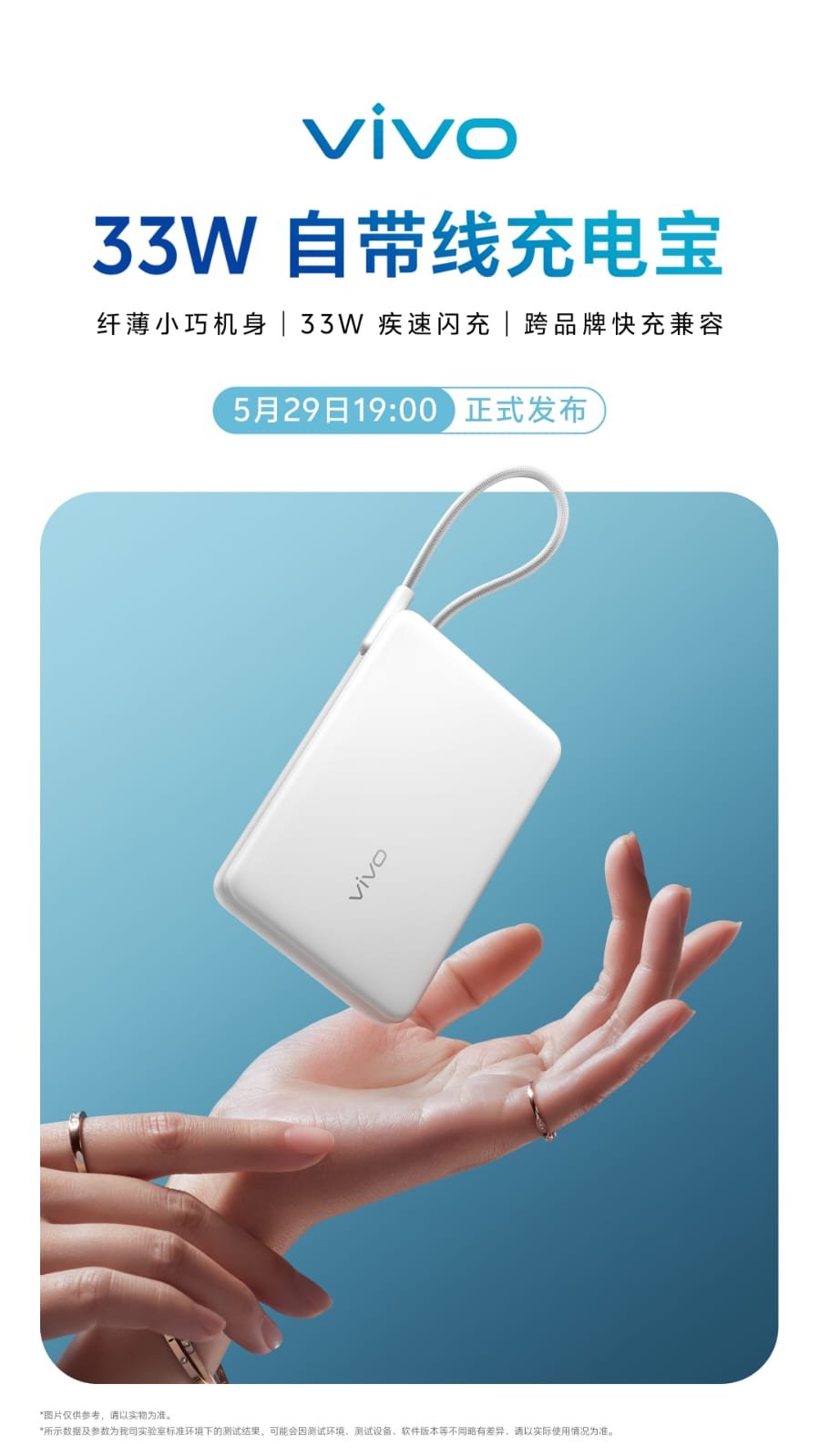
Vivo has announced a major launch event scheduled for May 29 in China, where multiple new products will be introduced. As per official teasers and product posters, the event will not only mark the debut of the Vivo S30 smartphone series but will also include the unveiling of the Vivo Pad 5 tablet, Vivo TWS Air 3 earbuds, and a 33W fast-charging power bank.
Vivo Pad 5, TWS Air 3, and 33W power bank revealed
The Vivo Pad 5 is confirmed to feature the MediaTek Dimensity 9300+ chip, a 12.1-inch high-brightness LCD screen with eye protection, and support for PC-level productivity tools like WPS and CAJViewer. It is expected to come in three shades such as grey, blue, and pink.
The new TWS Air 3 earbuds are designed for lightweight comfort and immersive audio, weighing just 3.6 grams per earbud. They offer up to 45 hours of battery life and support 3D surround sound. Vivo will offer it in dark blue, white, and pink colors.
The 33W power bank will feature a built-in charging cable and a slim form factor. It will have support fast charging on devices from other brands.
Vivo S30 and S30 Pro Mini color, specs detailed
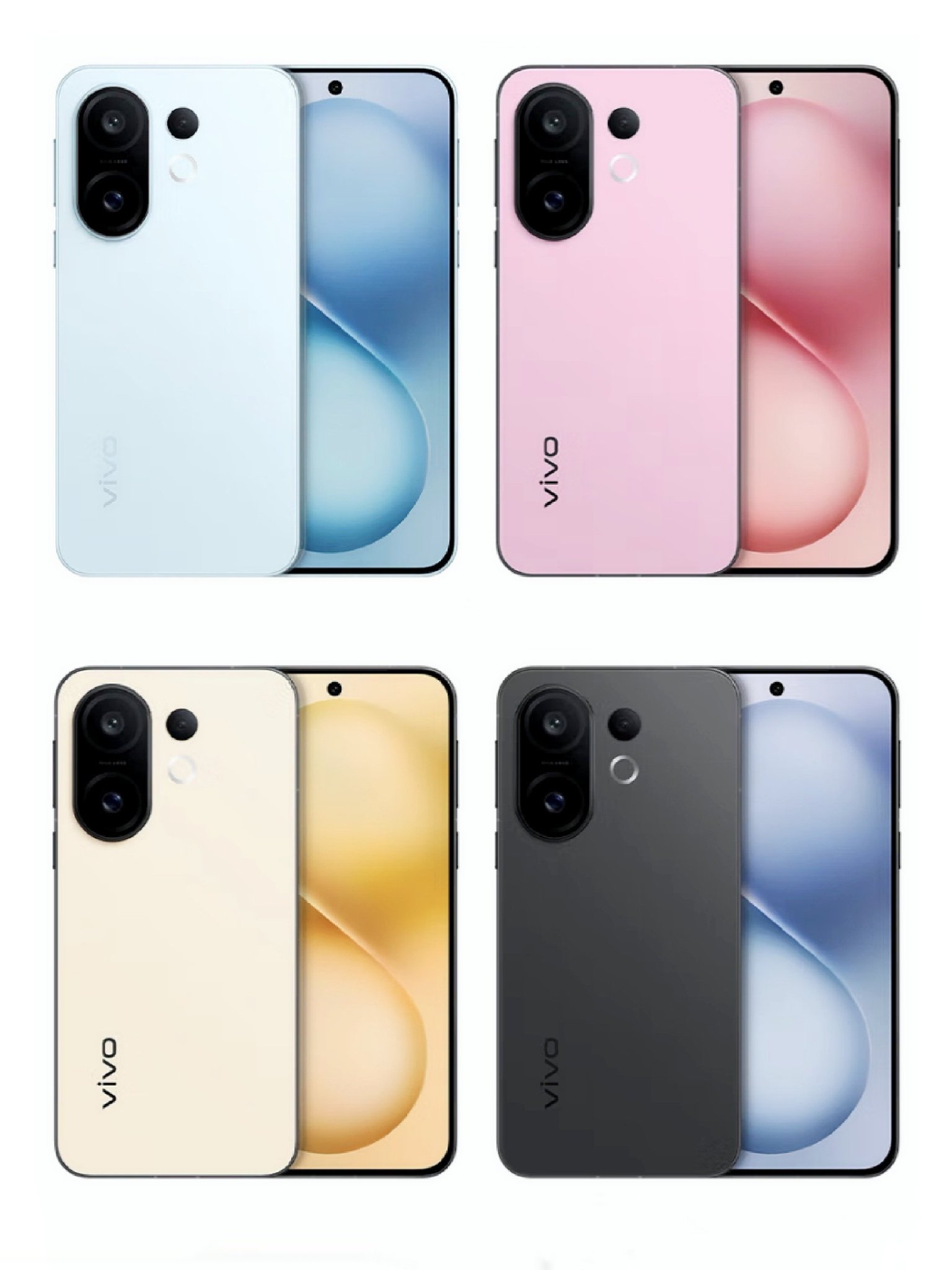
Vivo S30 Pro Mini color optionsVivo S30 colors options
According to reports, the Vivo S30 Pro Mini is expected to sport a 6.31-inch flat LTPO OLED screen with 1.5K resolution and 2.5D glass. On the other hand, the standard S30 could offer a slightly larger 6.67-inch LTPS OLED screen with a 1.5K resolution. The S30 Pro Mini and S30 could be powered by the Dimensity 9400e and Snapdragon 7 Gen 4 chipsets, respectively.
The Vivo S30 series may feature a 50-megapixel triple camera system, including a Sony IMX882 periscope sensor. Both models are said to include a 6,500mAh battery with 90W fast charging and run on Android 15 with FunTouch OS 15 on top. While the Pro Mini has a metal frame, the S30 comes with a plastic middle frame
The Vivo S30 Pro Mini and S30 will come in multiple configurations, such as 12GB+256GB, 12GB+512GB, and 16GB+512GB. Both phones will come in shades like Mint Green, Peach Pink, Lemon Yellow, and Cocoa Black.
For more daily updates, please visit our News Section.
Xiaomi has officially announced its 15th anniversary launch event scheduled for May 22 at 7PM (local time). Shared through multiple official channels including company founder Lei Jun, the event promises a lineup of high-impact products. Here’s a look at what to expect from the upcoming launch event.
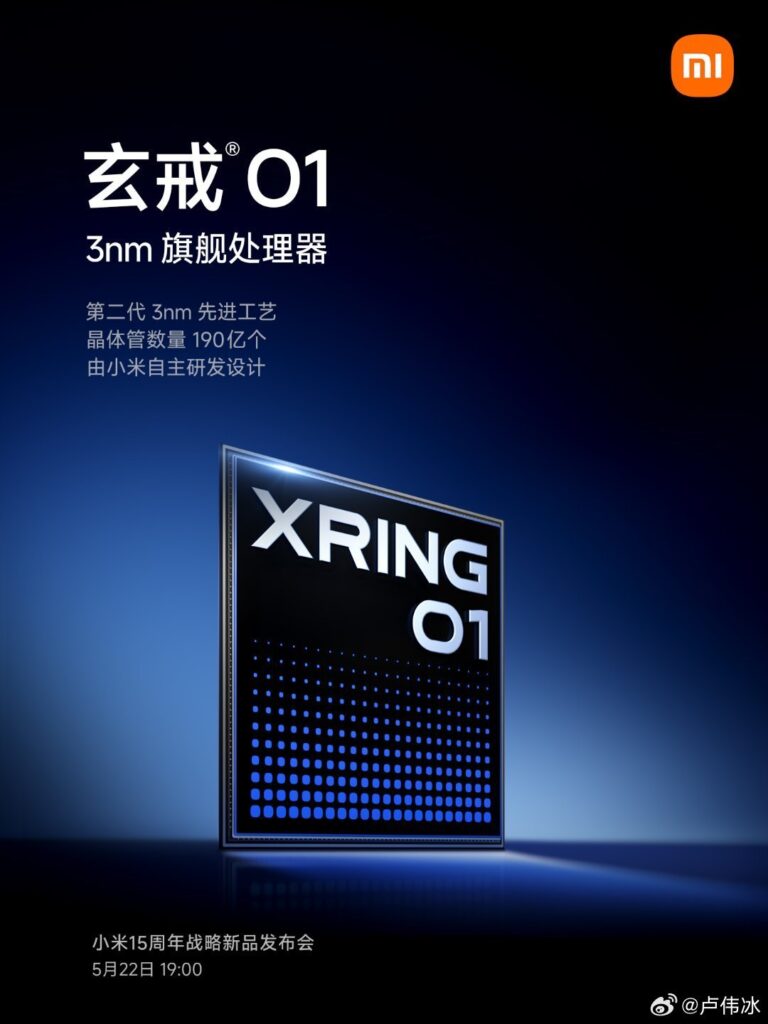
The event will see the arrival of Xiaomi’s self-developed mobile chip, the Xring 01, a milestone product that signals the company’s re-entry into the mobile SoC space. The chip will debut inside the new Xiaomi 15S Pro, a performance-focused flagship phone.
Benchmark figures show the chip runs on a 10-core CPU layout (2 x 3.9GHz + 4 x 3.4GHz + 2 x 1.89GHz + 2 x 1.8GHz) and uses the Immortalis-G925 GPU. It scores 3,119 in single-core and 9,673 in multi-core Geekbench tests, placing it alongside Dimensity 9400 and Snapdragon 8 Elite.
Also launching is the Xiaomi Pad 7 Ultra, a 14-inch premium tablet with up to 120W wired charging. It supports a 3.2K resolution display with LTPO tech and advanced multi-window features aimed at professionals. The device could be equipped with the Snapdragon 8s Gen 4 chipset.
Xiaomi will also unveil Xiaomi YU7, the company’s first SUV. It is expected to feature a Saturn-ring style tail-light and dimensions of 4999mm x 1996mm x 1600mm. It includes high-speed performance and dual-motor options with peak output up to 390 horsepower.
Xring 01 is built with 3nm process
The main focus of the launch is undoubtedly the Xring 01 chip and the Xiaomi 15S Pro, the first phone powered by it. According to Xiaomi, this chip represents the company’s renewed ambition in the mobile chip market. Designed specifically for flagship-level smartphones, the development of the Xring 01 began after Xiaomi revived its SoC efforts in 2021.
The chip is part of a larger 10-year strategy, backed by an investment of at least 50 billion Yuan (approximately $6.9 billion). As of April 2025, Xiaomi has already invested over 13.5 billion Yuan (roughly $1.9 billion) into chip research and development. This significant financial commitment highlights Xiaomi’s long-term vision to become a serious player in semiconductor innovation.
For more daily updates, please visit our News Section.
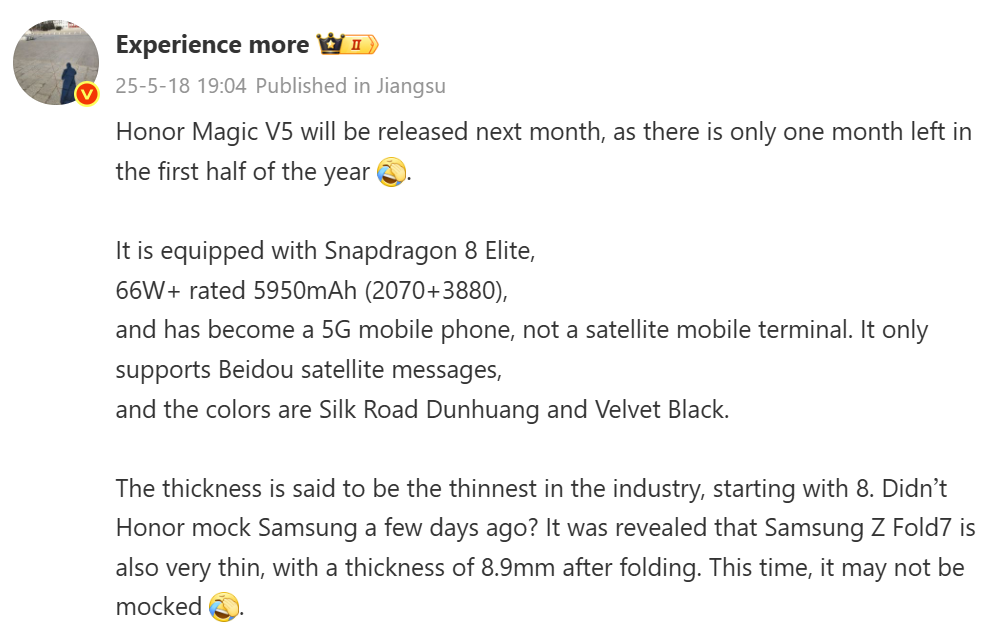
Honor will unveil the Honor 400 series of smartphones on May 28 in China. After the 400 series, the brand is expected to shift its focus to launching next-generation foldable phones, such as the Honor Magic V Flip 2 and Honor Magic V5. In a new development, Flagship Mobile Phone Product Manager at Honor, Li Kun, has hinted at the launch timeframe of the device. In addition, tipster Experience More has shared some key details about the Magic V5.
Honor Magic V5 launch timeframe
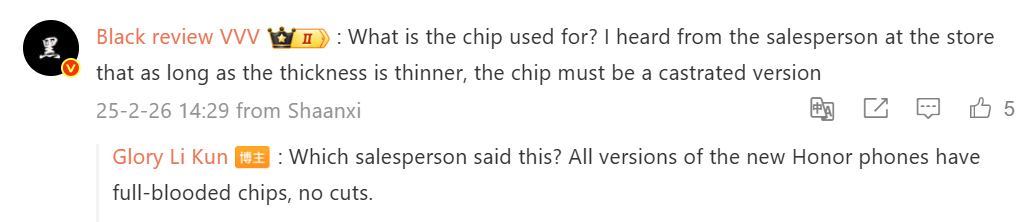
As seen in the above screenshot, Li Kun stated that many Honor fans have been asking when the next-generation Honor large foldable will be released. He simply revealed that it will launch in the first half of this year, and when it comes to being light and thin, Honor must be the industry leader. While he did not reveal the name of the device, it is evident that the Honor Magic V5 will be announced next month (June) in China.
Reports have revealed that the Magic V5 is the only other Snapdragon 8 Elite-powered foldable phone from the Chinese brand this year after the Oppo Find N5. To recall, the Oppo Find N5 has a 7-core version of the Snapdragon 8 Elite onboard. However, Li Kun has hinted it will be powered by the regular version of the Snapdragon 8 Elite.
The 3C and CMIIT certifications of the device have revealed that the Magic V5 may pack a 6,000+mAh battery with 66W charging support. According to tipster Experience, the Magic V5 will lack support for satellite calling, but it will still support Beidou satellite messaging. It will be available in two shades: Silk Road Dunhuang and Velvet Black.
He added that Magic V5’s thickness is said to be the thinnest in the industry, starting with the number 8mm. In comparison, the upcoming Samsung Galaxy Z Fold 7 is expected to measure 8.9mm and 3.9mm in the folded and unfolded state, respectively. However, the Z Fold 7 is likely to pack a considerably smaller battery than the Magic V5.
According to other reports, Honor Magic V5 is likely to sport a 6.45-inch LTPO OLED cover display with a 120Hz refresh rate, along with an 8-inch foldable inner screen that also offers a 2K resolution and 120Hz refresh rate. On the back, the phone may come equipped with a 50-megapixel primary camera featuring OIS, accompanied by an ultra-wide sensor and a 200-megapixel periscope telephoto lens. It is expected to arrive with other features, such as wireless charging support, satellite message functionality, IPX8 water resistance, and a side-facing fingerprint scanner.
For more daily updates, please visit our News Section.
DOOGEE has officially launched the V Max S for global pre-sale, designed for professionals, outdoor explorers, and survivalists who demand more than just a typical smartphone. With unmatched durability, battery capacity, and performance, this device is built to endure the harshest conditions. Whether you’re trekking through icy mountains, working in dusty construction zones, or venturing into remote landscapes, the V Max S is engineered to be your most reliable partner.
Exclusive Launch Deal: Save Big on the DOOGEE V Max S
Enjoy exclusive savings during the official global pre-sale of the DOOGEE V Max S. Order now from the official store and use coupon code VMAXS50 to get $50 off your purchase. If you prefer shopping on Amazon, then, apply the code 2NDR4F4K at checkout to enjoy a 20% discount on Amazon. Don’t miss this limited-time offer.
22,000mAh Battery and -10°C Cold Resistance for True Longevity
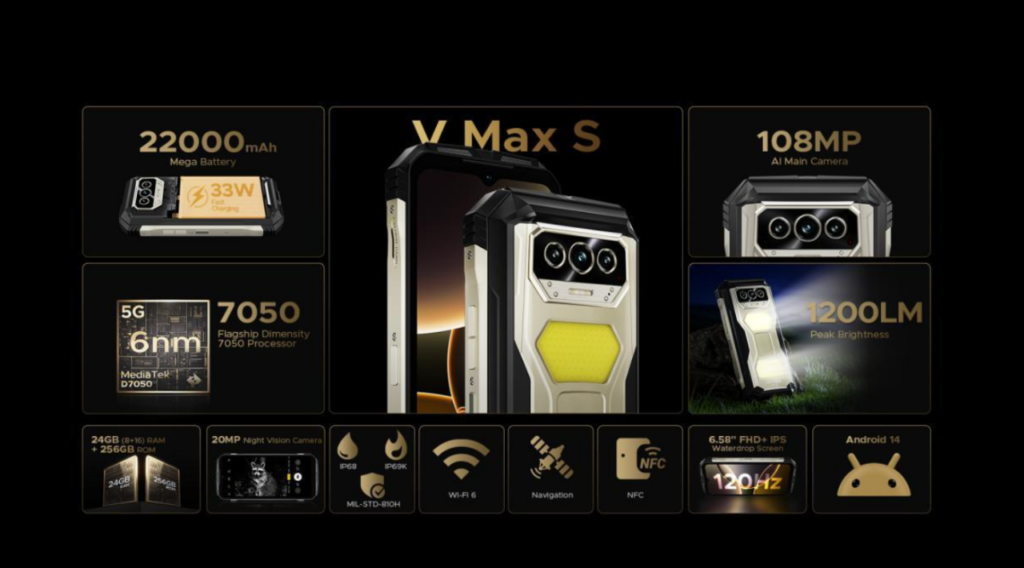
The V Max S stands out with a colossal 22,000mAh battery that delivers days of uninterrupted use. Ideal for long journeys or intensive work shifts, it ensures week-long endurance under light use and can stream video continuously for 28 hours even in freezing conditions as low as -10°C. With 5W reverse charging, the phone can also power other devices in emergencies, transforming it into a survival tool. This makes it a top choice for users who need absolute battery reliability in off-grid scenarios.
Dual 1200LM Camping Lights and IP68/IP69K Protection
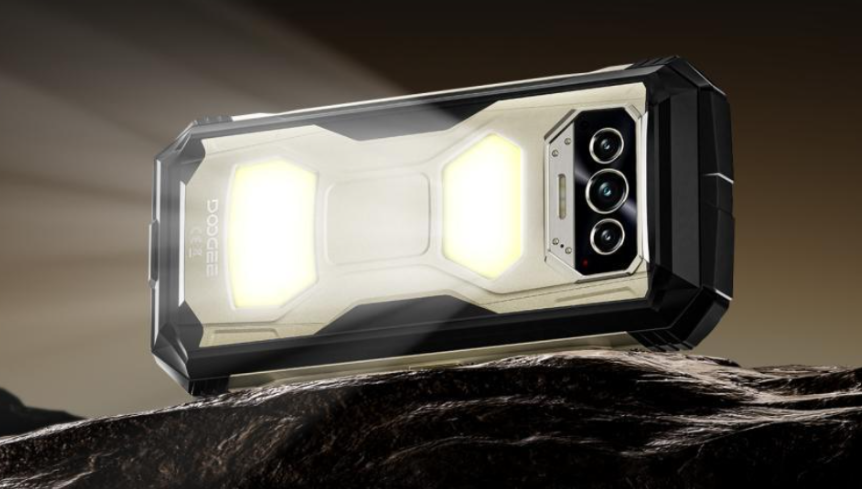
Built to handle real-world abuse, the V Max S is IP68/IP69K and MIL-STD-810H certified, meaning it resists dust, water, drops, and extreme temperatures. Its shockproof body and toughened screen are ideal for use with gloves and in dirty or wet environments. The integrated dual 1200LM camping lights offer powerful illumination with an SOS mode, removing the need for a separate flashlight. These lights are perfect for nighttime work, exploration, or emergencies.
108MP AI Camera and 20MP Night Vision for All Conditions
Photography and documentation are handled by a 108MP AI main camera, capable of capturing high-detail images of landscapes, inspection sites, or geological features. The 20MP night vision sensor excels in total darkness, while the 2MP macro lens captures close-up details like cracks or textures. AI anti-shake ensures steady shots even in rough environments, making the camera system ideal for professionals and adventurers alike.
Dimensity 7050, 24GB RAM, and 2TB Storage Support
The V Max S delivers serious performance with its MediaTek Dimensity 7050 5G processor and 24GB of RAM, allowing smooth multitasking even with demanding apps like 3D mapping or remote site monitoring. Up to 2TB of expandable storage means you can carry massive data sets, blueprints, or videos without compromise. Wi-Fi 6 and 5G support ensure strong connectivity, even in remote or rugged locations.
Built-In Tools: Glove Mode, Compass, and AI Utility Features
More than just hardware, the V Max S includes smart tools that boost functionality. Glove mode ensures screen responsiveness in cold weather or on job sites, while the built-in compass and inclinometer assist in navigation and alignment tasks. Features like AI Erase allow quick photo cleanup—perfect for removing distractions in field photos.
Rugged Power Meets Intelligent Utility
DOOGEE V Max S is more than a rugged smartphone, it’s a complete toolset for those working and living in extreme environments. With unparalleled battery life, powerful lighting, high-end cameras, and pro-level performance, it’s the ideal solution for anyone who refuses to compromise on durability or functionality. Now available for global pre-sale, the V Max S is ready to power your next adventure or mission.
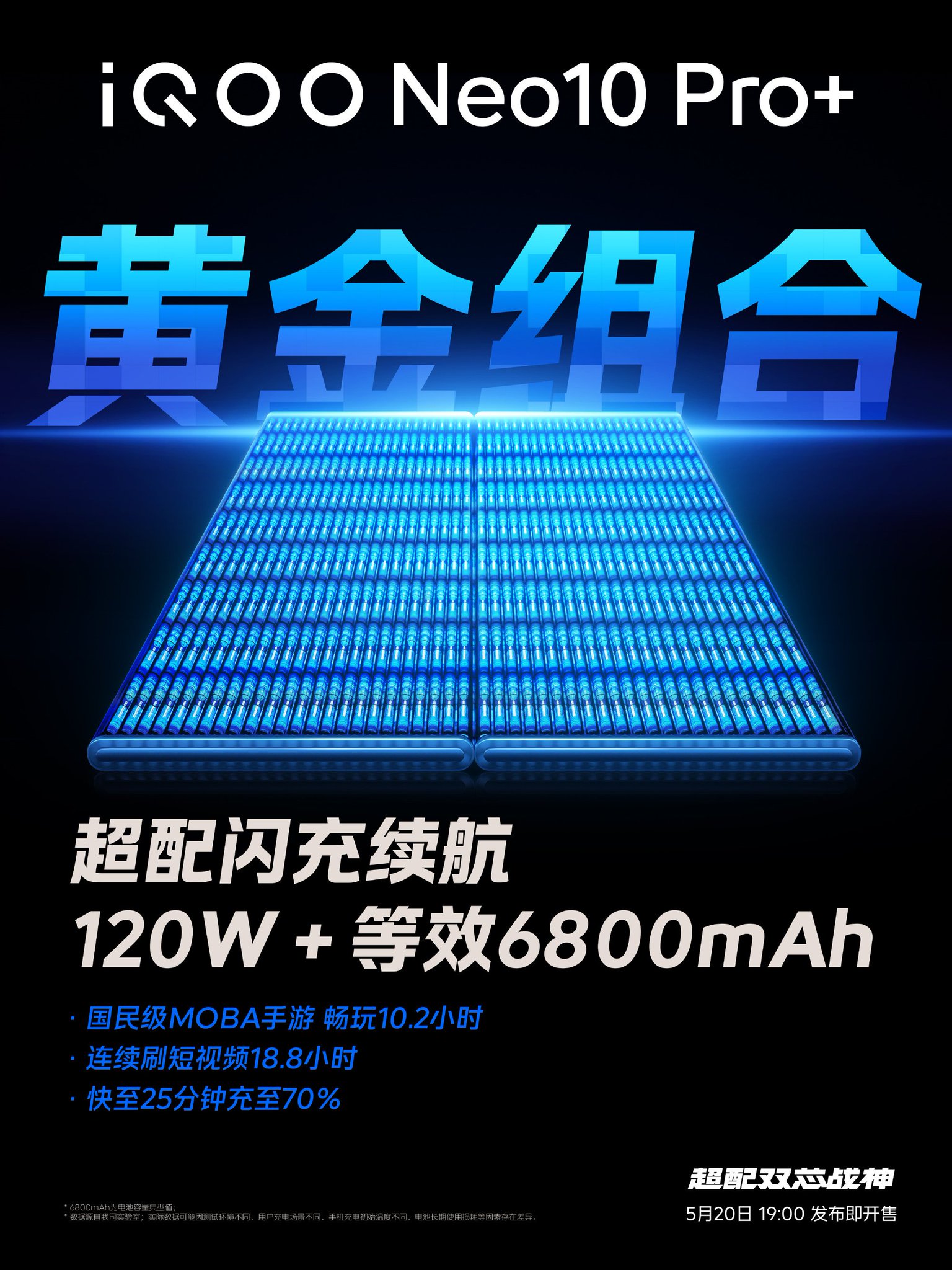
iQOO will hold a launch event tomorrow (May 20) in China to unveil multiple products, including the iQOO Neo 10 Pro+, iQOO Pad 5 series, and iQOO Watch 5. Ahead of the announcement, the brand has been steadily unveiling key features of the upcoming devices. In its latest teaser posters, iQOO has revealed the battery capacity and charging details of the Neo 10 Pro+.
iQOO Neo 10 Pro+ battery and charging details
The iQOO Neo 10 Pro+ is confirmed to feature a 120W fast charging system paired with a massive 6,800mAh battery. The company claims it can reach 70% charge in just 25 minutes. On a full charge, the phone can run mobile MOBA games for up to 10.2 hours or play short videos continuously for 18.8 hours.
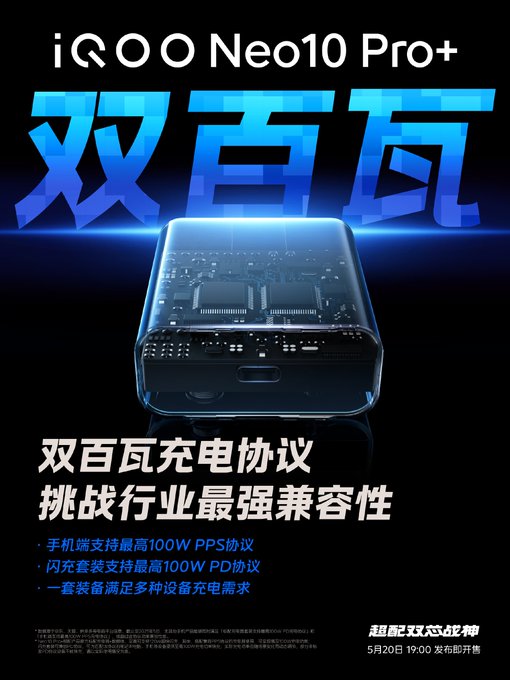
The 120W charger supports up to 100W PPS protocol charging on mobile, while the included charging kit supports up to 100W PD protocol, enabling the same power brick to power multiple devices efficiently. The Neo 10 Pro+ also supports bypass charging to reduce heating during gaming or video playback.
iQOO Neo 10 Pro+ specifications (rumored)
iQOO Neo 10 Pro+
The Neo 10 Pro+ is reportedly the first in the Neo lineup to feature a 2K resolution panel, using BOE’s Q10 LTPO screen with a 6.82-inch size. The display supports a dynamic 1Hz–144Hz refresh rate, 2592Hz PWM dimming, and reaches 4,500 nits peak brightness. It is equipped with a new circular polarized eye-care layer to minimize eye strain.
For gaming, the phone will be powered by the Snapdragon 8 Elite chip and will come with the custom Q2 chip for 2K 144fps frame interpolation. Additional specs include LPDDR5X RAM, UFS 4.1 storage, and an ultrasonic in-screen fingerprint scanner, all contributing to its AnTuTu score of 3,311,557. The device will be available in Black, White, and Super Pixel color options.
For more daily updates, please visit our News Section.
Vivo has officially confirmed that the Vivo S30 series is all set to launch on May 29 in China. Ahead of the launch, the S30 and S30 Pro Mini are available for pre-orders through Vivo China’s website, Jingdong Mall, and other online retailer platforms. The official listings have revealed the configurations, color options, and design of the S30 duo.
Vivo S30 series configurations, color options
Vivo S30 color options
Both the Vivo S30 and S30 Pro Mini will be available in three memory and storage variants: 12GB + 256GB, 12GB + 512GB, and 16GB + 512GB. Buyers can choose from four color finishes—Mint Green, Peach Pink, Lemon Yellow, and Cocoa Black.
Vivo S30, S30 Pro Mini specifications (rumored)
Vivo S30 Pro Mini color options
The Vivo S30 Pro Mini is expected to feature a 6.31-inch 1.5K resolution LTPO OLED flat display with 2.5D glass. It could be powered by the Dimensity 9400e chipset and pack a 6,500mAh battery with 90W charging. The rear camera setup may include a 50-megapixel triple camera with a Sony IMX882 periscope sensor.
In comparison, the Vivo S30 may sport a larger 6.67-inch 1.5K LTPS OLED screen and run on the Snapdragon 7 Gen 4 chip. It is also tipped to include a 6,500mAh battery with the same 90W fast charging support and a 50-megapixel triple rear camera system featuring the Sony IMX882 periscope sensor.
The S30 series will ship with the FunTouch OS 15-based Android 15. The S30 Pro Mini features a metal frame, whereas the standard S30 has a plastic middle frame.
As per reports, the Vivo S30 Pro Mini could be rebranded as the Vivo X200 FE in markets outside of China, possibly launching by July. It is still unclear whether the Vivo S30 will be introduced globally, but there’s speculation it may arrive later under the Vivo V60 branding.
For more daily updates, please visit our News Section.
Xiaomi has launched the Mijia 20L Energy-Saving Microwave in China. The new model is now up for sale on JD.com and other online platforms. It is priced at 349 yuan ($48). Let’s check out its key specs.
Xiaomi Mijia 20L Microwave Specifications
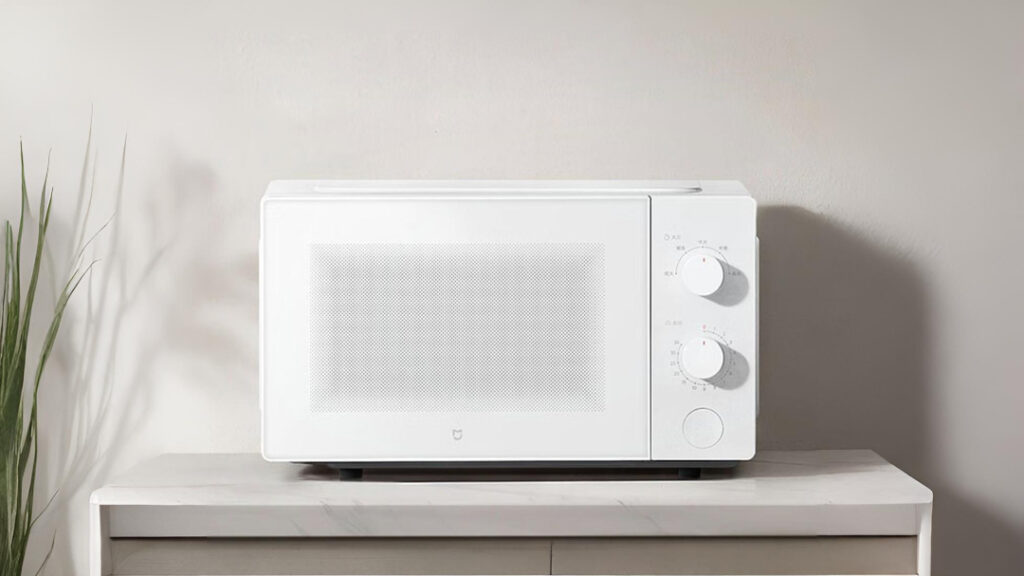
The microwave features a minimalist all-white design with a seamless front panel and a press-to-open door. Xiaomi has removed the traditional handle to give the appliance a cleaner look. It uses two rotary knobs to adjust time and power levels, allowing users to operate it quickly with one hand.
The microwave delivers 700W of heating power using new-generation magnetron technology. Xiaomi claims it can heat a cup of milk or a sandwich in about one minute when set to the highest power level. The maximum timer can be set to 35 minutes, which supports a variety of dishes such as baked potatoes, steamed vegetables, and desserts.
The internal capacity is rated at 20 liters. The microwave includes a removable glass turntable and uses a 3D reflective heating system. The 360-degree heating design ensures more even cooking by reducing cold spots. The inner cavity has a nano-coated surface, which helps resist stains and makes it easier to clean.
Xiaomi equips the device with five adjustable power levels. Users can choose from low power for tasks like softening butter or high power for cooking seafood. There is also a dedicated defrost mode with its own dial, designed to thaw frozen food while retaining moisture and nutrients.
The microwave is rated with Level 2 energy efficiency under China’s GB 24849-2017 standard. It’s not the highest tier, but it still indicates a well-balanced performance-to-energy consumption ratio. As utility bills rise and sustainability becomes more top-of-mind, even minor upgrades in energy efficiency can make a noticeable difference over time.
In related news, Xiaomi recently launched the Mijia M40S robot vacuum-mop with 23,000Pa suction, liftable LiDAR, and HyperOS integration. The company has also introduced the Mijia Wireless Floor Scrubber 4 Max, featuring a patented edge-cleaning arm and the same 23,000Pa suction power.
For more daily updates, please visit ourNews Section.
Acer showed off two new thin and light laptops at COMPUTEX 2025: the Swift Edge 14 AI and the Swift Go AI series. Both use Intel’s latest Core Ultra 200V Series processors and have built-in AI features, targeting users who need good performance, long battery life, and advanced media tools.
Acer Swift Edge 14 AI
The Swift Edge 14 AI (SFE14-51/T) is made to be portable and handle AI tasks well. It weighs just 0.99 kg and has a 14-inch 3K OLED screen (2880 x 1800) with a 16:10 aspect ratio, edge-to-edge glass, full DCI-P3 color, and DisplayHDR True Black 600 certification. It’s the first laptop with Corning Gorilla Matte Pro, which cuts down screen reflections by up to 95% and makes it easier to see outdoors.
This laptop can have up to an Intel Core Ultra 9 processor 288V with integrated Intel Arc graphics and a built-in NPU that delivers up to 48 TOPS for AI tasks. It supports up to 32 GB LPDDR5X RAM and a 1 TB PCIe Gen 4 SSD. The 65Wh battery is rated for up to 21 hours of video playback.
Other features include a fingerprint reader that lights up, a touchpad with an AI activity light, and a soft-touch keyboard with a UV coating to prevent wear. The body is made of magnesium-aluminum alloy and passes MIL-STD 810H durability tests. It has two Thunderbolt 4 USB-C ports, two USB-A ports, HDMI 2.1, and a 3.5 mm audio jack. It connects with Wi-Fi 7 and Bluetooth 5.4. It also has a 1080p IR webcam, dual speakers with DTS:X Ultra audio, and a backlit keyboard.
Acer Swift Go AI Series
Acer Swift Go 14
The Swift Go AI series has two models: a 16-inch (SFG16-74) and a 14-inch (SFG14-75). Both use up to Intel Core Ultra 7 processors with Intel Arc graphics and have a built-in NPU for AI functions. The 16-inch model can have up to 2 TB of PCIe Gen 4 SSD storage, while the 14-inch model goes up to 1 TB. Both can be configured with up to 32 GB LPDDR5X RAM.
Acer Swift Go 14 AI
The Swift Go 16 has a 16-inch OLED WUXGA+ screen (2048 x 1280) with a 120Hz refresh rate, 16:10 aspect ratio, full DCI-P3 color, and DisplayHDR True Black 500 certification. The Swift Go 14 has a 14-inch OLED WUXGA screen (1920 x 1200) with the same color and HDR specs. Both screens are Eyesafe 2.0 certified.
Acer Swift Go 16 AI
These laptops have a 1080p IR webcam, three microphones, and Acer User Sensing for automatic screen lock and wake. They also have Acer’s Multi-Control Touchpad for media and conferencing shortcuts, and MyKey, which lets you open groups of apps with one click. Audio comes from DTS:X Ultra and dual speakers.
Both models have Wi-Fi 7, Bluetooth 5.4, two Thunderbolt 4 USB-C ports, two USB-A ports, HDMI, and a MicroSD card slot. The Swift Go 16 weighs 1.6 kg and is 15.99 mm thick, with a Titanium Gray aluminum body. The Swift Go 14 weighs 1.39 kg, is up to 15.95 mm thick, and comes in Steam Blue. Battery life for both is rated at up to 16 hours of web browsing.
Pricing and Availability
Swift Edge 14 AI: Starts at EUR 1,599 in EMEA (June), AUD 3,999 in Australia (Q2)
Swift Go 16 AI: Starts at EUR 1,299 in EMEA (August), AUD 1,999 in Australia (Q3)
Swift Go 14 AI: Starts at EUR 1,199 in EMEA (July), AUD 1,799 in Australia (Q3)
Keep in mind that availability and final specs might be different depending on where you are.
Huawei is set to unveil its first foldable-screen laptop on May 19—that’s this Monday. Likely named the MateBook Fold Ultimate Design, the device marks Huawei’s entry into the niche, but steadily growing, category of foldable PCs.
Huawei has been in the foldable game since the early days of foldable smartphones, and it’s now bringing that expertise to a larger canvas. The company clearly sees foldable laptops as the next frontier — and it’s using years of R&D from its phone lineup to try and get a head start.
The MateBook Fold will go head-to-head with foldable devices from Lenovo and Asus. The two brands have been exploring unconventional laptop designs like foldables for a few years now.
According to early reports, Huawei’s foldable laptop will feature a foldable OLED display, run on the company’s own HarmonyOS, and be powered by the in-house Kirin X90 processor. It’s also rumored to ship with 32GB of RAM and a massive 2TB of storage.
Ahead of the launch, let’s take a quick look at some of the most interesting foldable PCs on the market right now.
The 2024 Zenbook Duo is Asus’s most recent experiment in dual-screen productivity. It comes equipped with two 14-inch 3K OLED touch displays, a detachable Bluetooth keyboard, and enough flexibility to turn the laptop into a portable workstation when laid flat.
Combined, the two screens offer a nearly 20-inch workspace, allowing for extended vertical or side-by-side multitasking. It’s powered by Intel’s Core Ultra 9 processor and 32GB of LPDDR5x memory, placing it in high-performance territory on paper.
The laptop is fueled by a sizeable 75Wh 4-cell Li-ion battery with 65W charging support. Talking of the I/O options, this premium laptop consists of a USB 3.2 Gen 1 Type-A port, 2x Thunderbolt 4 ports, an HDMI 2.1 TMDS port, and a 3.5mm headphone jack. Wireless connectivity includes WiFi 6E and Bluetooth 5.3.
2. Lenovo Yoga Book 9i (2024)
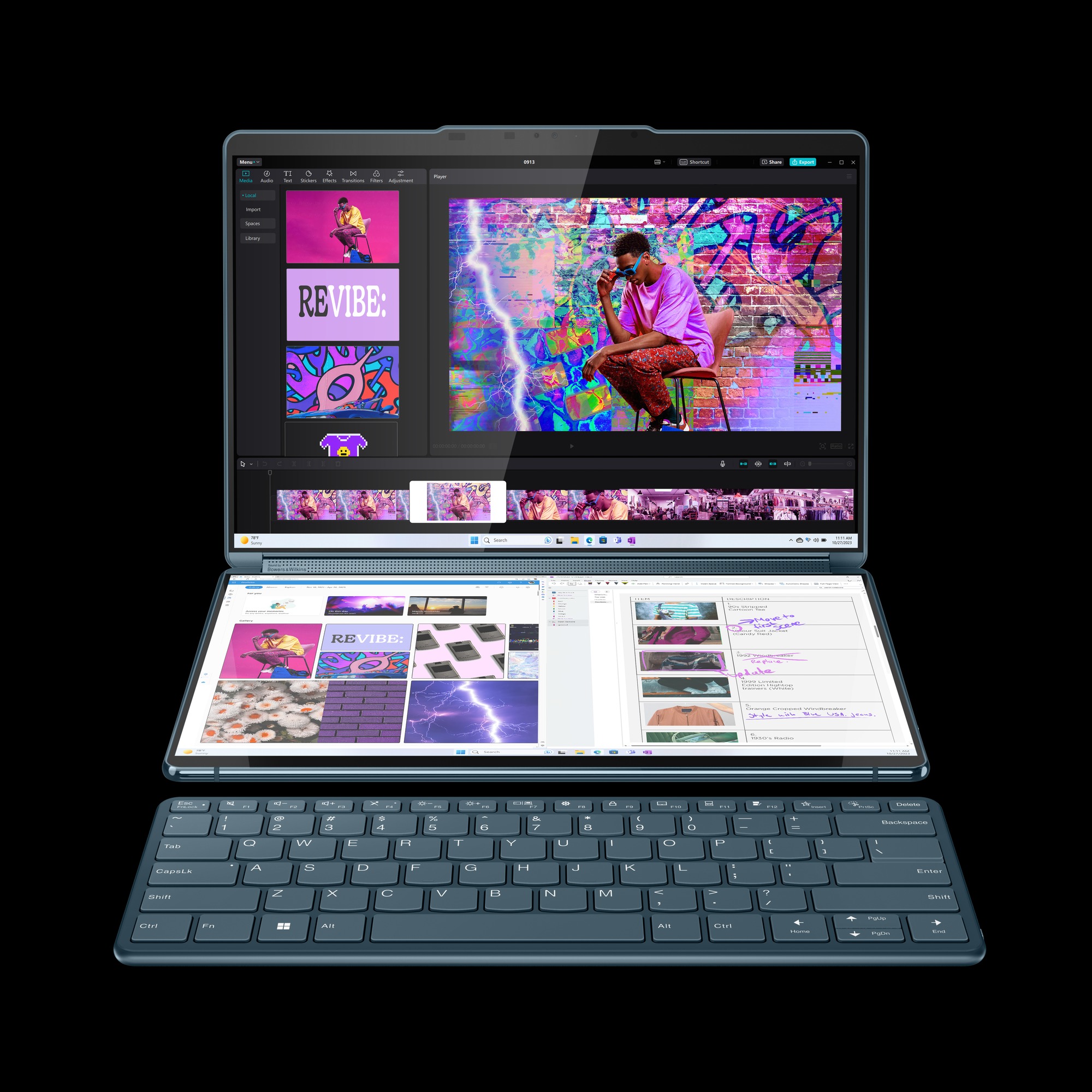
Lenovo’s Yoga Book 9i (2024) debuted around the same time as the ZenBook Duo. However, it features slightly smaller dual 13.3-inch OLED screens with a 3.2K resolution (3200 × 2000), a 165Hz refresh rate, and a 16:10 aspect ratio.
The device comes with a folio stand and magnetic keyboard, allowing it to switch between laptop, book, tent, and vertical dual-screen modes. It runs on Intel’s Meteor Lake Core Ultra chips (up to Ultra 9 H), and configurations can include an NVIDIA RTX 4070 GPU with 8GB of GDDR6X VRAM.
The Lenovo Yoga Pro 9i 16 (Gen 9) now packs a larger 84Wh battery, which is a 12% increase over the 75Wh unit in the Gen 8 model. Paired with the more efficient Meteor Lake chips, this should deliver comparatively better battery life.
In terms of connectivity, you get Wi-Fi 6E and Bluetooth 5.1 on the wireless side. Physical ports include two USB 3.2 Type-A ports, a single Thunderbolt 4 port, HDMI 2.0, a 3.5mm audio jack, and a full-sized SD card reader. The laptop also comes with Lenovo’s ‘Creator Zone’ application, which hosts features like AI image generator.
3. GPD Duo
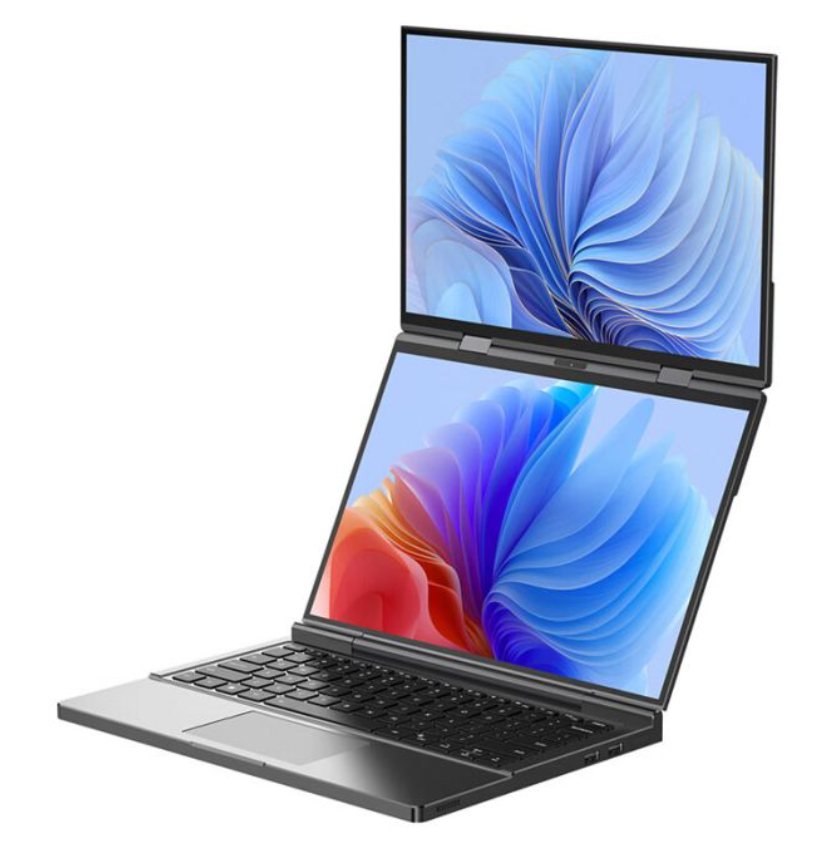
The GPD Duo is a different kind of multi-screen device, designed with gaming in mind. It’s less polished, more experimental, and targeted at an audience willing to embrace eccentricity.
It has a tri-fold form factor and dual hinges that reveal an 18-inch vertical display setup when fully extended. It’s a niche proposition, to be sure; more of a tool for coders, content editors, or mobile workstation users than general consumers.
At the heart of the GPD Duo is a choice between two impressive AMD Ryzen processors: the Ryzen 7 8840U and the Ryzen AI 9 HX 370.
The device is fueled by an 80Wh cell and comes with a USB 4.0 Type-C, HDMI 2.1, and USB 3.2 Gen 2, ensuring compatibility with external displays and accessories.
4. Challenges in the Foldable Laptop Market
While these innovative designs offer new ways to work and create, they also come with trade-offs. Battery life often suffers due to the power demands of multiple high-resolution displays. Durability is another concern, as foldable and dual-screen devices introduce more points of potential failure. It’s also difficult to optimize software for foldable screens, as this is such a niche market.
Huawei’s entry into this space with the MateBook Fold Ultimate Design could help grow the category. And the company is leveraging its own hardware and software ecosystem to do so. However, the success of this device will ultimately depend on real-world performance and user adoption.
At the recently held COMPUTEX 2025 event, Acer unveiled several new devices, including gaming laptops, gaming monitors, and more. The brand has also introduced a new lineup of monitors built for creative professionals and portable use. The ProCreator Series focuses on high-resolution displays with strong color accuracy, while the new portable monitors offer lightweight, practical options for on-the-go productivity.
Acer ProCreator PE320QXT
The PE320QXT is a 31.5-inch IPS monitor with a 6K resolution of 6016 x 3384. It supports 99% of both AdobeRGB and DCI-P3 color gamuts and delivers Delta E<1 color accuracy. The monitor uses 8bit+FRC for 10-bit color and reaches up to 600 nits peak brightness with HDR600 certification. Response time is 4ms (GTG), and the viewing angle is 178 degrees both horizontally and vertically. It includes two HDMI 2.1 ports, DisplayPort 1.4, Type-C (90W), audio out, two USB 3.2 ports, and an 8MP webcam with a built-in mic. The monitor also comes with dual 5W speakers and an adjustable ErgoStand.
Acer ProCreator PE270XT
The PE270XT is a 27-inch IPS monitor with a 5K resolution of 5120 x 2880. It has the same color support and brightness levels as the PE320QXT, with Delta E<1 accuracy, 99% AdobeRGB/DCI-P3 coverage, and 400 nits native brightness. The response time is also 4ms. It includes two HDMI 2.1 ports, DisplayPort 1.4, Type-C (90W), USB 3.2, an 8MP webcam, a mic array, and 5W speakers. The stand supports tilt, swivel, and height adjustments.
Acer ProCreator PE320QK X
The PE320QK X is a 31.5-inch QD-OLED monitor with a 4K UHD resolution of 3840 x 2160. It supports up to 240Hz refresh rate and delivers true 10-bit color. Color coverage includes 99% of both DCI-P3 and sRGB gamuts. It has a high contrast ratio of 1,500,000:1 and response times of 0.01ms (PRT) and 0.1ms (GTG). Brightness peaks at 400 nits with HDR True Black 400 certification. It includes two HDMI 2.1 ports, DisplayPort 2.1, Type-C (90W), USB ports, audio out, and dual 5W speakers. The stand allows tilt, swivel, and height adjustments. It also supports AMD FreeSync Premium Pro and NVIDIA G-SYNC Compatible.
Acer ProCreator PE160WU
The PE160WU is a portable 16-inch OLED monitor with a resolution of 2880 x 1800 and a refresh rate of 120Hz. It supports 100% of the DCI-P3 color gamut with Delta E<2 accuracy and uses 8-bit+FRC for 10-bit color. It has a 1ms response time, 400 nits brightness, and AdaptiveSync support. Input options include HDMI 2.0 and two Type-C ports. It includes 1W dual speakers and supports VESA 75×75 mm wall mounting.
Acer PD243Y E
The PD243Y E is a 23.8-inch IPS portable monitor with a Full HD resolution of 1920 x 1080 and a 100Hz refresh rate. It has 4ms GTG response time, 250 nits brightness, and covers 72% of the NTSC color space. It includes HDMI 1.4, two Type-C ports, audio out, 2W dual speakers, and can tilt up to 315 degrees. It supports 100×100 mm VESA mounting.
Acer PD163QT
The PD163QT is a 15.6-inch IPS portable monitor with 1920 x 1080 resolution and a 60Hz refresh rate. It supports touch input, has an 8ms response time, 250 nits brightness, and 72% NTSC color coverage. It includes HDMI 1.4 and two Type-C ports, 2W dual speakers, and supports a 75×75 mm VESA mount. The tilt angle can go up to 315 degrees.
Acer PM191Q E
The PM191Q E is an 18.5-inch IPS monitor with Full HD resolution and a 100Hz overclocked refresh rate. It has a 7ms response time, AdaptiveSync, 250 nits brightness, and covers 72% of the NTSC color gamut. Inputs include HDMI 1.4 and two Type-C ports. It has 1W dual speakers and a 75×75 mm VESA mount with tilt up to 90 degrees.
Pricing and Availability
ProCreator PE320QXT: EUR 1,199 in EMEA, RMB 6,999 in China (Q3)
ProCreator PE270XT: EUR 899 in EMEA, RMB 5,999 in China (Q3)
ProCreator PE320QK X: EUR 1,399 in EMEA, RMB 8,999 in China (Q3)
ProCreator PE160WU: EUR 599 in EMEA
PD243Y E: EUR 499 in EMEA (Q3)
PD163QT: EUR 399 in EMEA (Q3)
PM191Q E: EUR 149 in EMEA, AUD 347 in Australia (Q3)
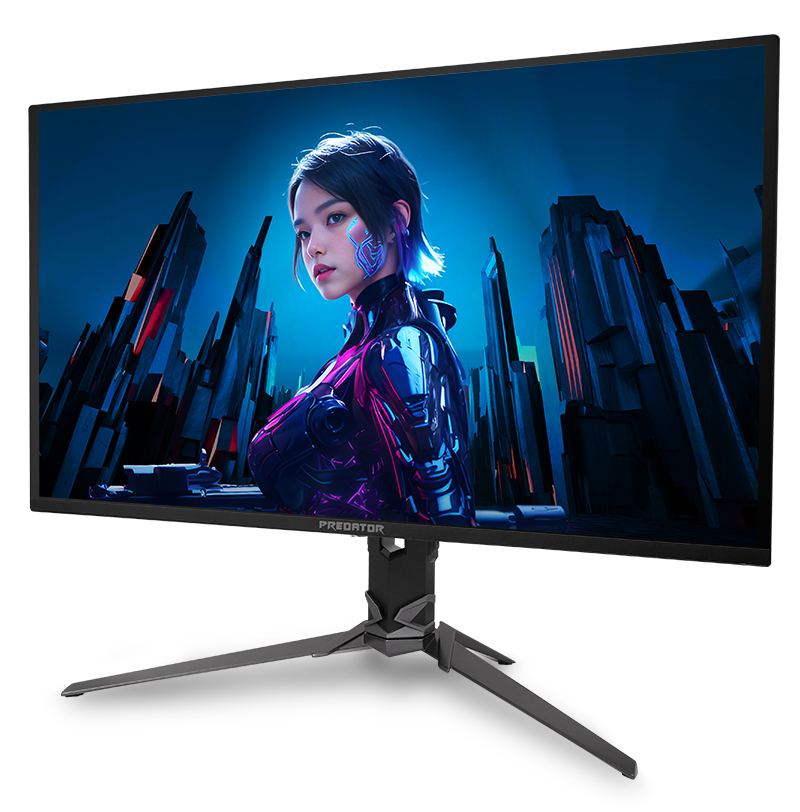
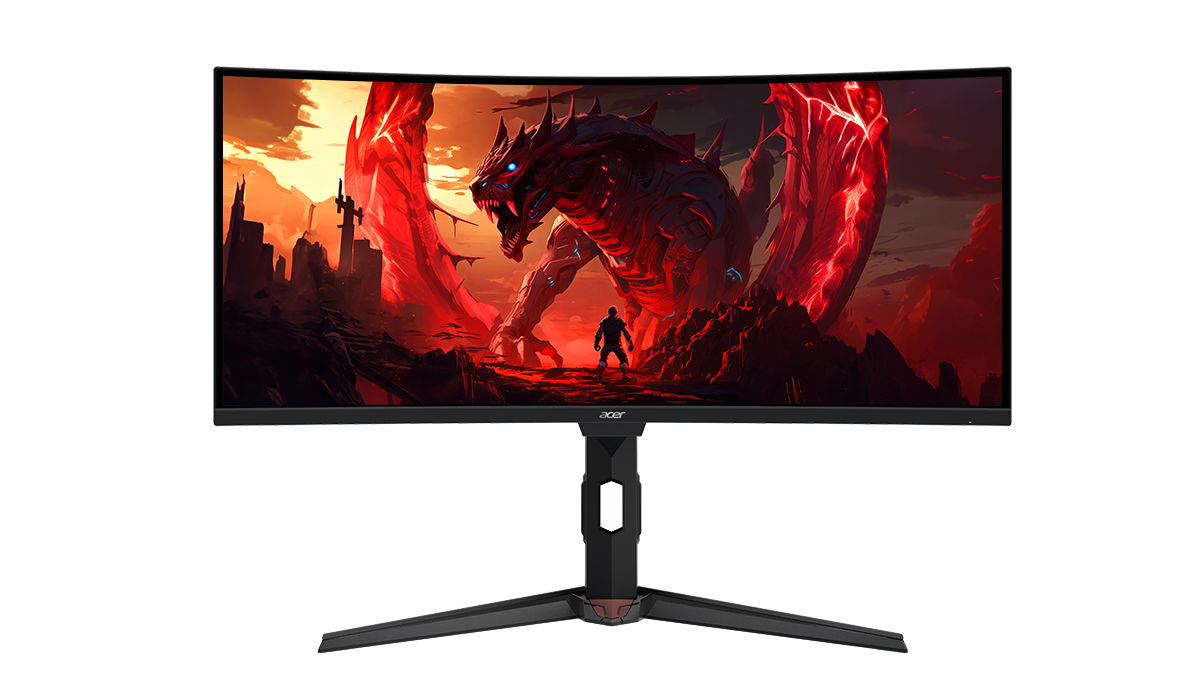
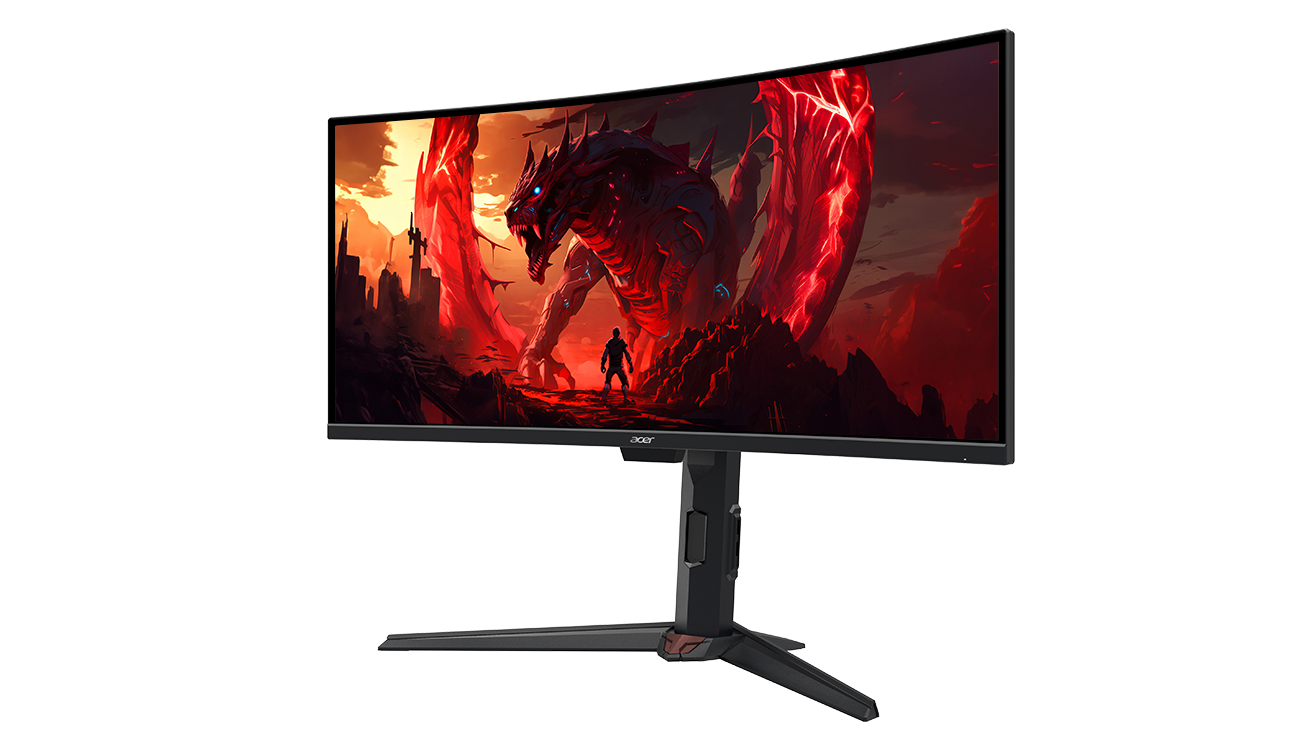
At COMPUTEX 2025, Acer has announced five new monitors aimed at different types of users, from competitive gamers to casual streamers and professionals. The lineup includes two high-end Predator QD-OLED models, two Nitro Google TV monitors for entertainment and gaming, and one portable 4K display for users who need mobility.
Predator X27U F5 – 500 Hz for Competitive Gaming
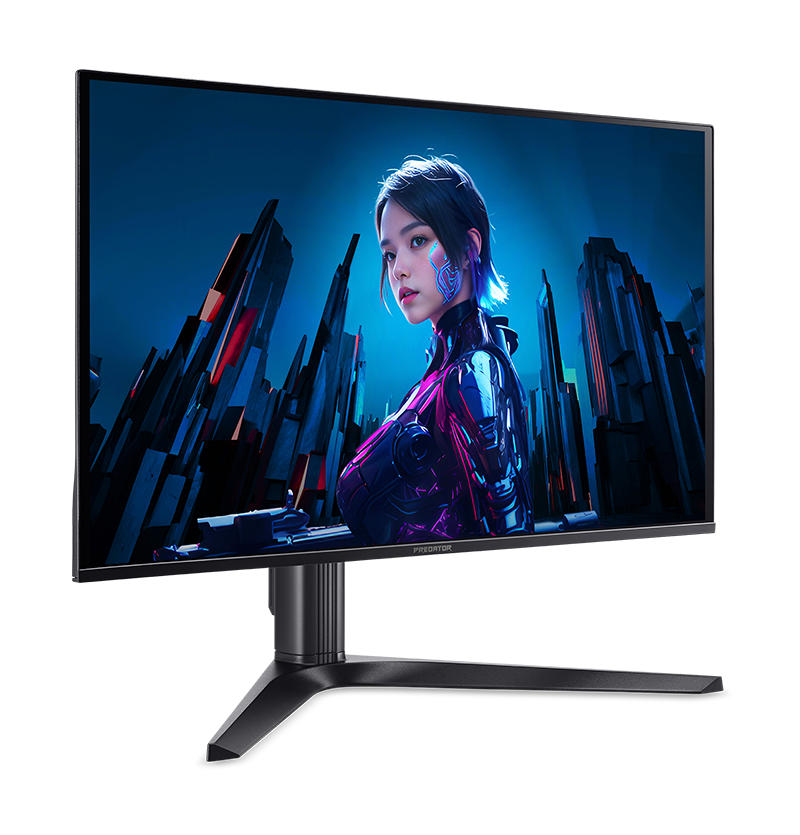
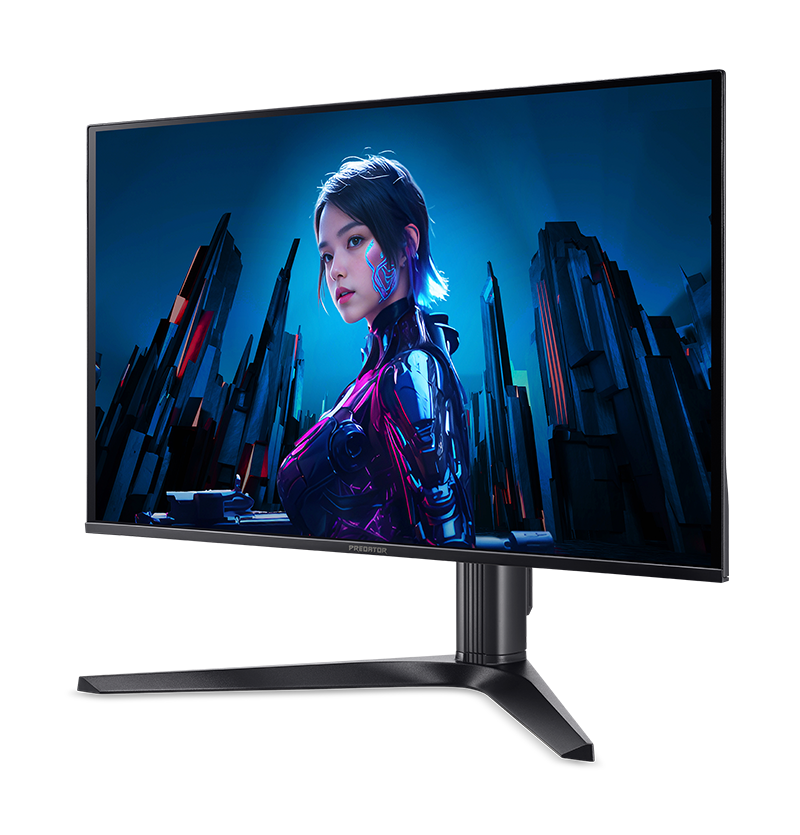
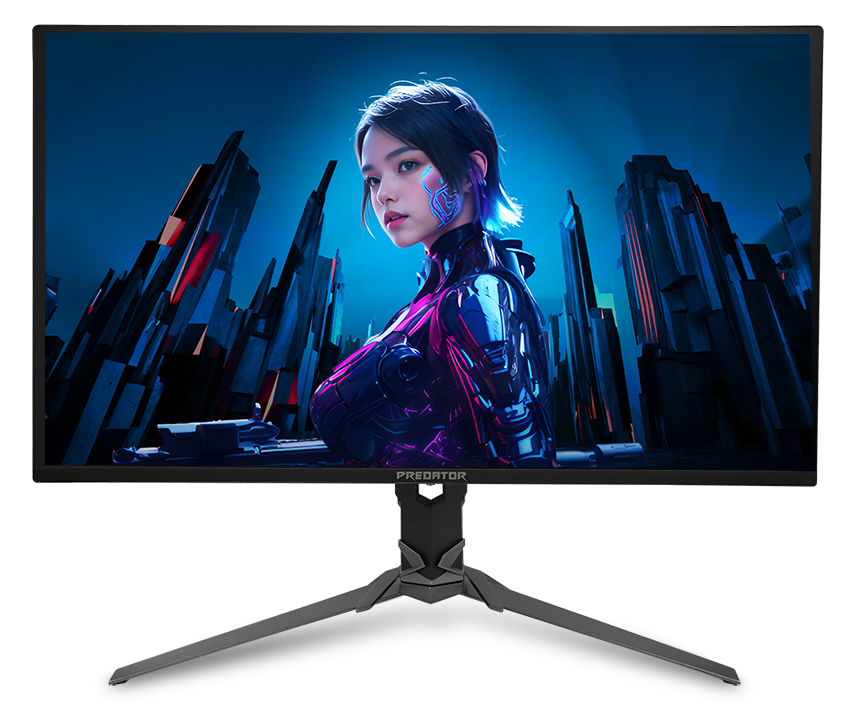
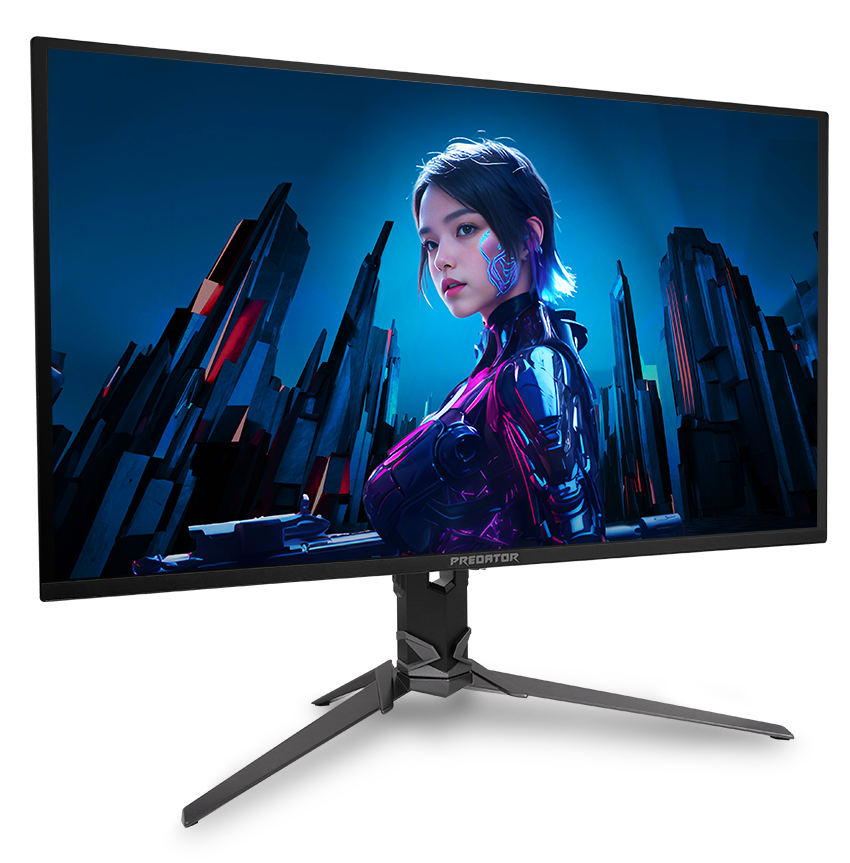
The Predator X27U F5 is a 26.5-inch QD-OLED monitor with a resolution of 2560×1440 (WQHD) and a 500 Hz refresh rate. It has a 0.03 ms response time (GTG) and supports AMD FreeSync Premium Pro to reduce screen tearing. It’s VESA DisplayHDR TrueBlack 500 certified and has a 1,500,000:1 contrast ratio, with peak brightness of 1000 nits in HDR mode.
The display supports 99% of the DCI-P3 color gamut and is factory-calibrated to Delta E<2 color accuracy. It features two HDMI 2.1 ports, two DisplayPort 1.4 ports, a USB-C port with 65W charging, two USB 3.2 ports, and audio out. The monitor includes two 5W built-in speakers and supports tilt (-5° to 20°), swivel (±20°), pivot (±90°), and height adjustment up to 120 mm.
Predator X27 X – 4K at 240 Hz
The Predator X27 X is also a 26.5-inch QD-OLED display but offers a higher 3840×2160 (4K UHD) resolution and a 240 Hz refresh rate. It has the same 0.03 ms GTG response time and AMD FreeSync Premium Pro support. The monitor is VESA DisplayHDR TrueBlack 400 certified with a 1,500,000:1 contrast ratio and up to 1000 nits peak brightness.
It delivers 99% DCI-P3 color gamut and Delta E<2 accuracy. It includes two HDMI 2.1 ports, one DisplayPort 1.4, audio out, and two 2W speakers. Ergonomics include tilt (-5° to 25°), swivel (±20°), pivot (±90°), and 150 mm height adjustment.
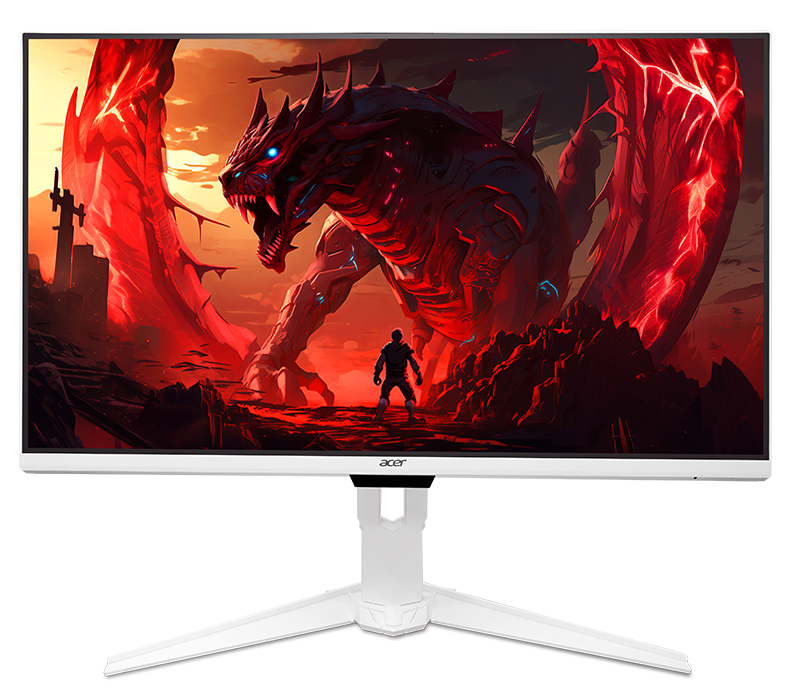
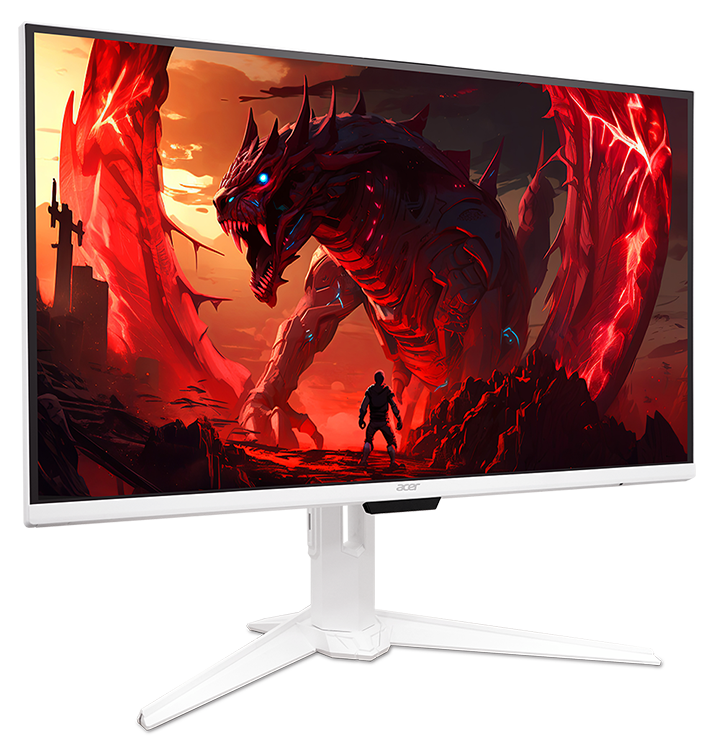
Nitro GA321QK P – 31.5-Inch 4K with Smart Features
The Nitro GA321QK P is a 31.5-inch 4K UHD VA monitor with a 3840×2160 resolution and a 165 Hz refresh rate. It offers a 1 ms response time, or 0.5 ms minimum (GTG), and has a native contrast ratio of 3,000:1. It supports sRGB 99% color gamut.
This model includes Google TV built-in and supports Wi-Fi, Bluetooth, and Google Cast. Ports include two HDMI 2.1, one DisplayPort 1.4, one USB-C (90W charging), and two USB 2.0 ports. It has two 5W speakers, tilt (-5° to 25°), swivel (±20°), pivot (±90°), and height adjustment up to 150 mm.
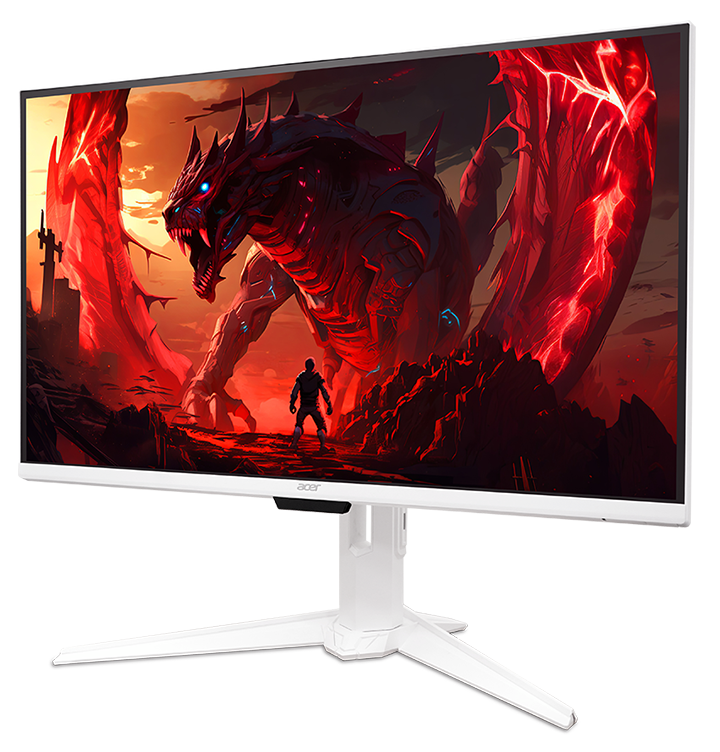
Nitro GA341CUR W0 – Ultra-Wide Entertainment Monitor
The Nitro GA341CUR W0 is a 34-inch curved VA panel with a 3440×1440 resolution and a 240 Hz refresh rate. It has a 1 ms VRB response time, 4,000:1 contrast ratio, and covers 99% of the sRGB color gamut. The monitor supports AMD FreeSync Premium.
It also includes Google TV, wireless connectivity, and Google Cast. Ports include two HDMI 2.1, one DisplayPort 1.4, one USB-C (90W charging), and two USB 2.0 ports. It has two 5W speakers, tilt (-5° to 25°), and 100 mm height adjustment.
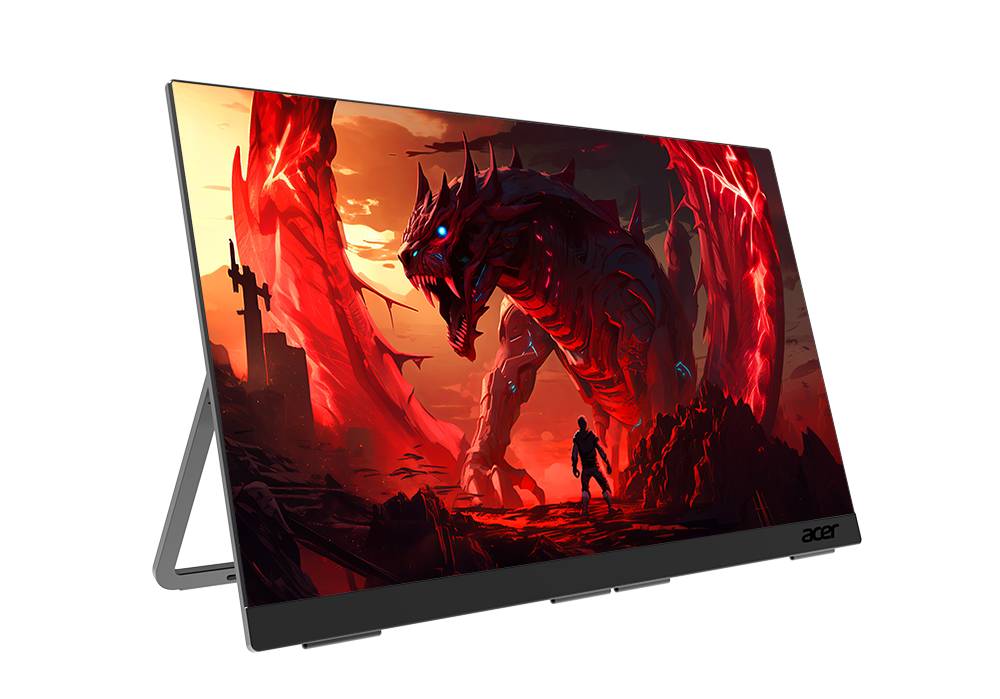
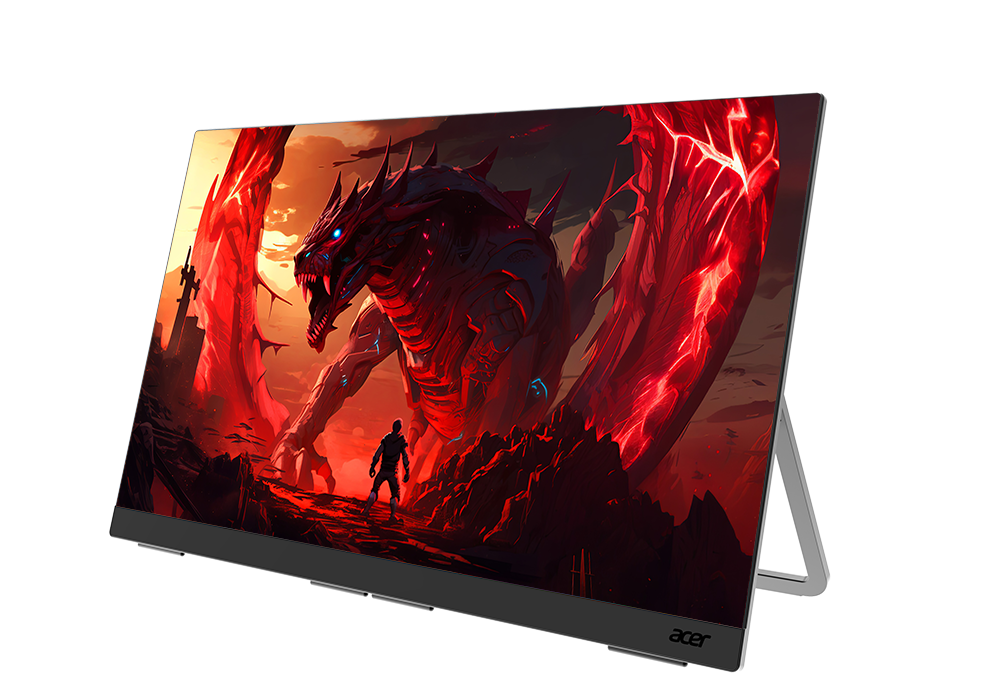
Nitro PG271K – Portable 4K Display
The Nitro PG271K is a 27-inch IPS portable monitor with a 3840×2160 resolution at 72 Hz. It also supports Full HD 1920×1080 at 144 Hz using Dynamic Frequency and Resolution switching. It has a 0.5 ms minimum response time (GTG) and 95% DCI-P3 color coverage.
It includes one HDMI 2.0 port, two USB-C ports, two 1W speakers, and a 100×100 mm VESA mount. It comes with an adjustable kickstand and supports tilt from 0° to 180°.
Availability and Pricing:
Predator X27U F5: Available in EMEA Q3 2025 from EUR 899
Predator X27 X: Available in EMEA Q3 2025 from EUR 1,099
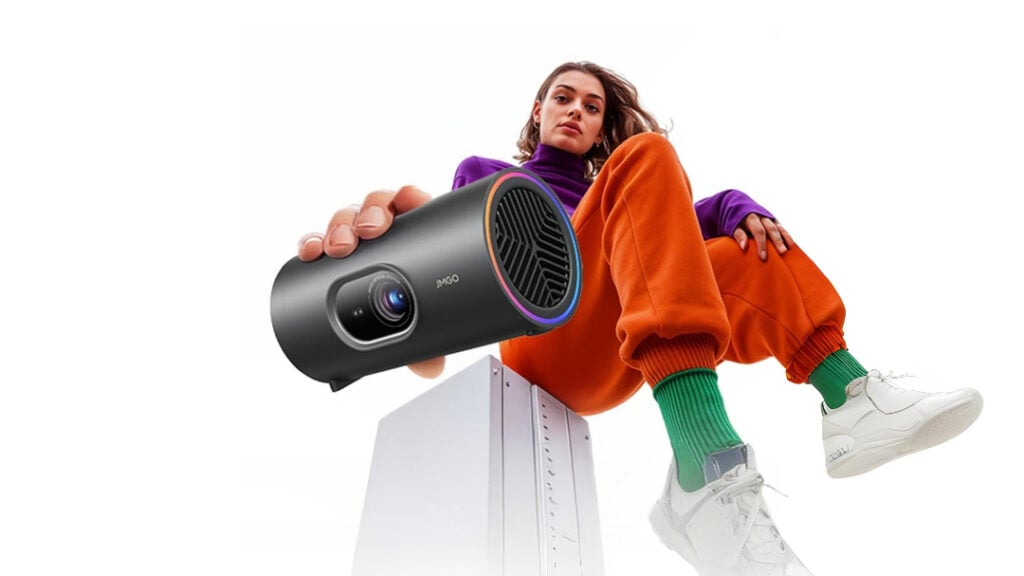
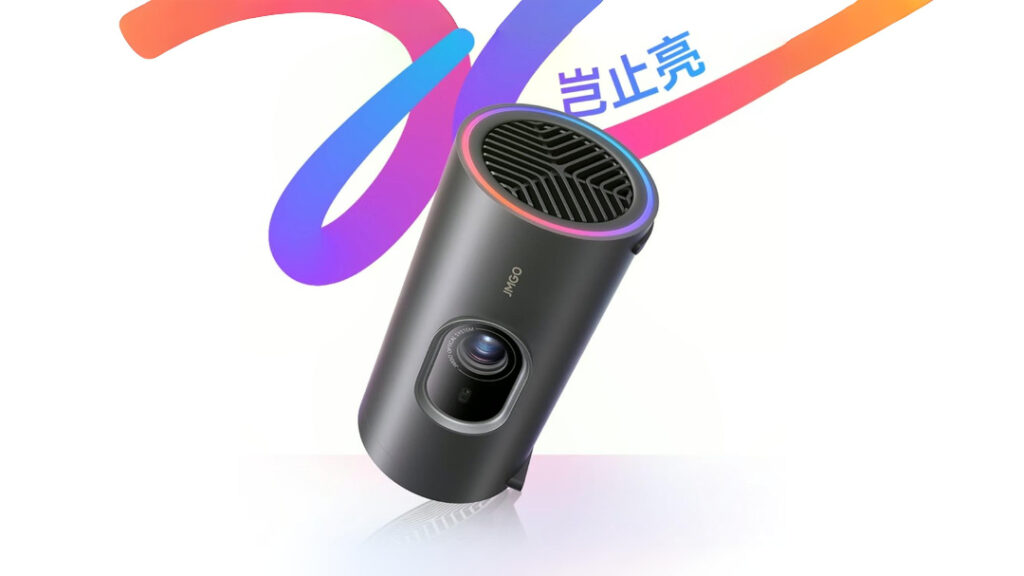
Jmgo has launched a new portable projector called the P5X in China. The projector weighs just 0.73 kilograms and features a compact design roughly the size of a smartphone. It supports a native 1080P resolution and delivers 300 CVIA lumens brightness, making it suitable for casual viewing in indoor and semi-lit environments. The official retail price is 1,646 yuan ($228), with the projector now available for purchase through major e-commerce platforms.
Jmgo P5X Projector Specifications
The P5X uses DLP projection technology, which Jmgo claims offers up to six times the lifespan of traditional LCD-based projectors. The device covers 124% of the Rec.709 color gamut and supports HDR10 decoding for enhanced contrast and detail. Jmgo has also integrated MEMC motion compensation to reduce blur during fast-moving content.
The design includes a built-in carrying strap and a hidden gimbal system that supports flexible projection angles without needing a tripod. The projector ships with autofocus and real-time keystone correction for quick setup. Jmgo also markets the P5X as a multi-functional device with a 1260-color ambient lighting system and seven dynamic themes. These lighting effects can sync with audio playback and are set to receive additional features via a software update.
For audio, the P5X houses an 8W speaker system with DTS decoding and support for 360-degree surround sound. The speaker uses JMGO’s Master Sound algorithm and can function independently as a Bluetooth speaker.
Inside, the projector runs on a MediaTek MT9 series chipset with 2GB RAM and 32GB of internal storage. It operates on Bonfire OS 7 and supports Wi-Fi 6 and Bluetooth connectivity. Physical ports include HDMI 2.1 (with eARC support) and USB 2.0.
The P5X also integrates seamlessly with Xiaomi’s HyperOS-based smart home platform. This allows users to control smart lighting, curtains, and other connected devices through XiaoAI voice commands or automated scenes in the Mi Home app. JMGO also includes a quiet cooling system that operates at noise levels below 26dB, ensuring distraction-free viewing.
There’s also a separately sold 3-in-1 dock that combines a stand, 65W GaN charger, and 20,000mAh power bank. With it, the P5X can run for up to 7 hours without being tethered to an outlet. It’s a small touch, but one that rounds out a product clearly designed with mobility in mind.
In related news, Hisense recently launched the Vidda C3 Pro projector featuring 2800 CVIA lumens brightness, a tri-color laser engine, and Harman speakers. Epson has also introduced the EF-51 projector with native 4K resolution, 700 lumens brightness, ambient lighting features, and Dolby Audio support.
For more daily updates, please visit our News Section.
OnePlus is expected to unveil the OnePlus Ace 5 Ultra and Ace 5 Racing Edition smartphones this month in China. While the Ultra edition will feature the Dimensity 9400 Plus, the Racing Edition will debut as the world’s first Dimensity 9400ev smartphone. Ahead of the launch, a live shot of the two smartphones has emerged on a Chinese social media platform. The image reveals that the two phones will sport a completely different camera module design compared to the Ace 5 and Ace 5 Pro, which debuted in December 2024.
OnePlus Ace 5 Ultra, Racing Edition design revealed
OnePlus Ace 5 Ultra, Ace 5 Racing Edition live shot
The existing OnePlus Ace 5 and Ace 5 Pro are equipped with a round camera module. However, the live shot of the upcoming Ace 5 series reveals that it will sport a completely different camera island. It appears that the device shown on the left is the OnePlus Ace 5 Ultra. It features a vertical dual-camera setup with an LED flash inside. The Racing Edition, which seems to be the one placed on the right, has a vertical dual-camera setup with an LED flash placed on its right.
Speculations are rife that the OnePlus Ace 5 Racing Edition has a 6.77-inch LTPS OLED 1.5K 144Hz panel and a 7,000mAh battery with 80W charging. On the other hand, the Ace 5 Ultra could be equipped with a slightly bigger 6.83-inch LTPS OLED 1.5K 144Hz screen and a 7,000mAh battery with 100W charging. Both smartphones are said to feature a 50-megapixel primary camera.
According to reports, the OnePlus Ace 5 Ultra may remain exclusive to the Chinese market. On the other hand, the upcoming OnePlus Nord 5 for the global market could be a rebranded or tweaked version of the Ace 5 Racing Edition.
For more daily updates, please visit our News Section.
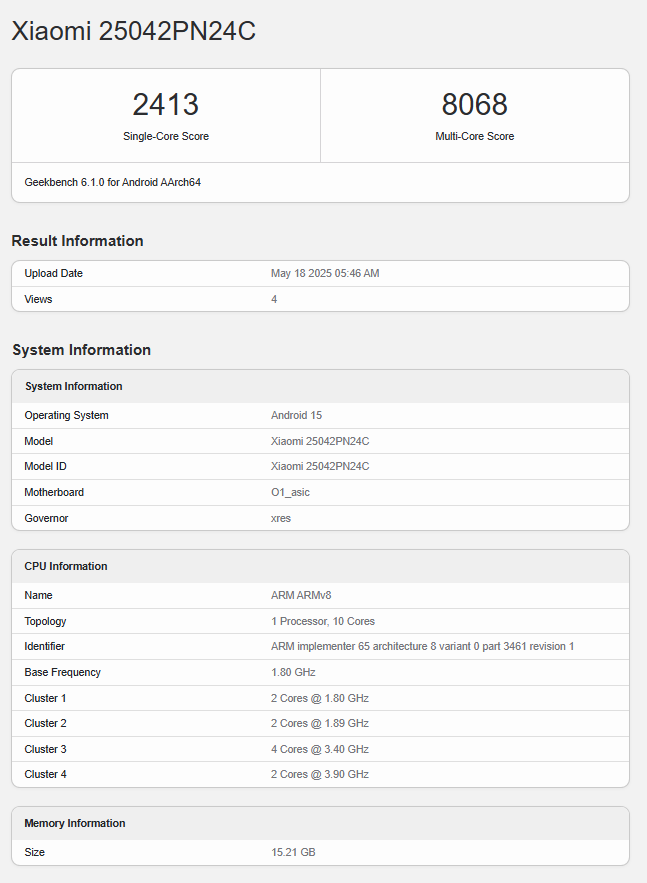
Xiaomi recently confirmed that it will officially unveil its self-developed Xring O1 chipset later this month. While the company has not yet shared the full specifications of the chip, a new Geekbench listing of the alleged Xiaomi 15s Pro reveals some key details. The device could be the first smartphone to feature the new in-house chip.
Xiaomi 15s Pro Geekbench listing reveals key specs
The Xiaomi 15s Pro, carrying the model number 25042PN24C, was earlier spotted on China’s 3C certification website. Now, it has appeared on the Geekbench database, indicating that the phone is powered by the Xring O1 chipset.
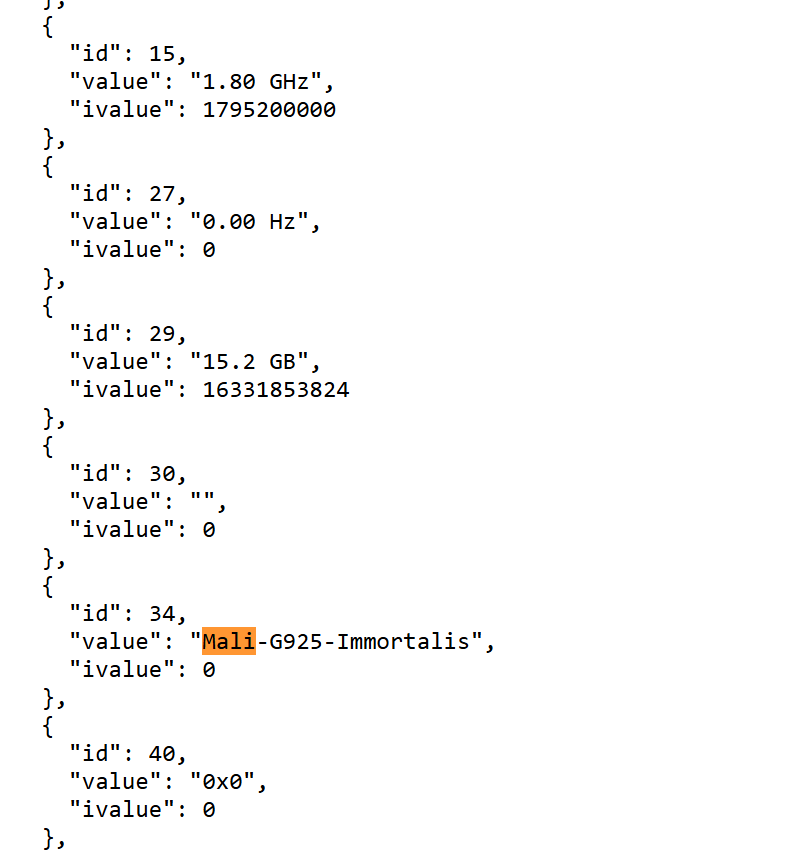
According to the listing, the Xring O1 is a deca-core processor with the following core configuration:
2x high-performance cores at 3.90GHz
4x performance cores at 3.40GHz
2x efficiency cores at 1.89GHz
2x additional efficiency cores at 1.80GHz
GPU: Mali-G925 Immortalis.
The listing also confirms the device will pack 16GB of RAM and run Android 15 out of the box. The benchmark results are quite impressive:
Single-core score: 2413
Multi-core score: 8068
Xiaomi Xring 01
The benchmark scores are quite impressive, coming close to what the Snapdragon 8 Elite delivers on Geekbench. Since the 15s Pro is part of Xiaomi’s flagship 15 series, it is expected to offer performance on par with Qualcomm’s top-tier silicon.
Will the Xring O1 power future Xiaomi 16 series phones?
According to earlier reports, the Xiaomi 16 and 16 Pro are expected to launch in China in September 2025 as the first smartphones with the Snapdragon 8 Elite 2. Meanwhile, the Xiaomi 16 Ultra and 16s Pro are likely to follow in the first half of 2026. While it’s currently unknown if the Xiaomi 16 Ultra will use Qualcomm’s chip or the Xring O1, speculation suggests that the Xiaomi 16s Pro could adopt Xiaomi’s self-developed chipset — much like the 15s Pro.
For more daily updates, please visit our News Section.
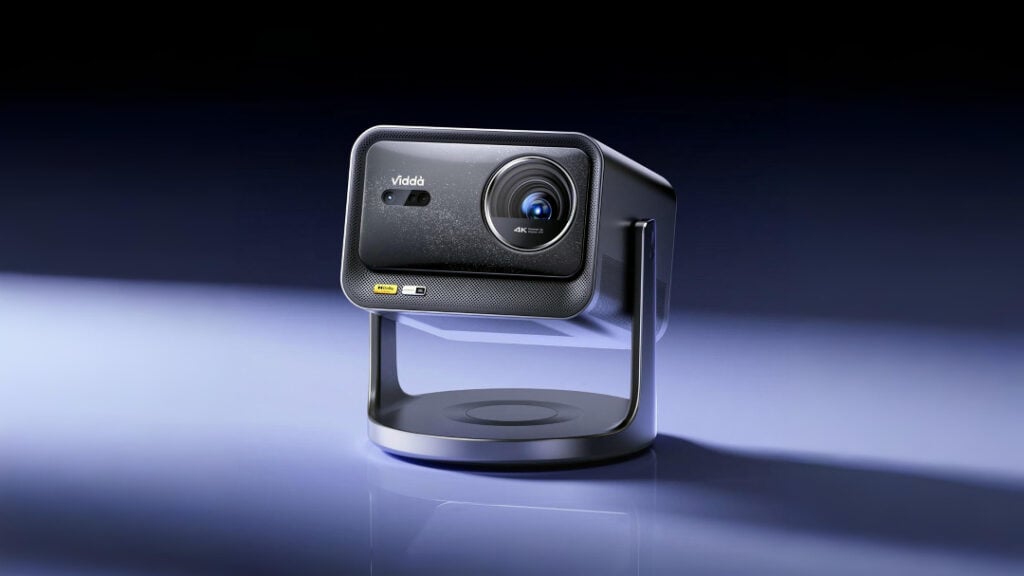
Hisense has officially launched the Vidda C3 Pro, a new high-end laser projector aimed at home theater users. The device went on sale in China with a starting price of 9499 yuan (approximately $1,318). It features the newly developed MCL39 tri-color laser light source and delivers a true brightness of 2800 CVIA lumens.
Hisense Vidda C3 Pro Specifications
The Vidda C3 Pro supports multiple industry standards, including Dolby Vision, HDR10+, IMAX Enhanced, and Filmmaker Mode. It offers a dynamic contrast ratio of 14,000:1, which enhances detail in both bright and dark scenes.
The Vidda C3 Pro delivers a rated brightness of 2800 CVIA lumens. Hisense claims the brightness is true to what users will see on screen, avoiding inflated marketing figures. The C3 Pro also supports Dolby Vision, HDR10+, IMAX Enhanced, and Filmmaker Mode. It offers a high dynamic contrast ratio of 14,000:1, aiming to deliver more depth and color precision in both bright and dark scenes.
Hisense has equipped the C3 Pro with a 0.9–1.5:1 ultra-wide optical zoom lens with 1.67x lossless zoom, allowing users to achieve a 100-inch projection from just 2 meters away. The lens uses a 12+1+2 element structure with aspherical optics and multi-point focus, which helps maintain clarity across the image without distortion.
The projector runs on the MediaTek MT9681 chipset. Hisense claims a 30% improvement in CPU performance and a 31% improvement in GPU performance compared to the previous generation. The C3 Pro includes 4GB of RAM and 128GB of internal storage. It supports 4K at 60Hz and 1080p at 240Hz output via HDMI 2.1. Connectivity options include Wi-Fi 7, Bluetooth 5.4, Gigabit Ethernet, USB 3.0, and optical audio output.
For audio, Hisense has partnered with Harman JBL. The projector includes dual 10W speakers with Hi-Res Audio certification and supports Dolby Audio and DTS decoding. It also comes with a 3D AI spatial sound engine for a more immersive listening experience.
The projector features automatic keystone correction through Hisense’s Jingwei Intelligent Calibration 4.0 system. It uses a combination of ToF and CMOS sensors for hands-free alignment. The system helps adjust the image in real time based on placement and angle.
The Vidda C3 Pro includes a range of smart features. It runs on a 4K UI interface and comes with DeepSeek AI, a system that includes 18 intelligent assistants. These assistants can help with content discovery, language translation, and voice interactions. The projector also supports voice control, 3D content playback, and TÜV-certified low blue light protection. Each unit comes bundled with an EPP carrying case and a GaN fast charger.
In related news, Epson recently launched the EF-51 projector featuring native 4K resolution, 700 lumens brightness, ambient lighting, and Dolby Audio. Meanwhile, BenQ has introduced the W5850 and W4100i 4K projectors in India, equipped with laser and LED light sources and running Android TV.
For more daily updates, please visit ourNews Section.
Samsung’s slimmest phone in years, the Galaxy S25 Edge, comes with a 3,900mAh battery. That might not sound like much, especially in 2025 when even mid-range phones are starting to ship with 6,000mAh cells.
But if that number didn’t impress you, the latest leak about Apple’s iPhone 17 Air might make things even more disappointing.
iPhone 17 Air will not even have a 3000mAh cell
A new report on Naver, citing sources within Apple’s supply chain, claims the iPhone 17 Air will be just 5.5mm thick. That’s incredibly slim, and it lives up to the rumored “Air” branding. The catch, however, is that it could come with only a 2,800mAh battery.
For a 2025 smartphone, that is tiny. Even the original Galaxy Z Flip from five years ago had a 3,300mAh battery, and it was a foldable. Meanwhile, Samsung has managed to fit a decent 3,900mAh cell into the ultra-slim Galaxy S25 Edge.
Apple iPhone 17 Air
There is a bit of good news. The leak suggests Apple might use high-density battery technology that could increase capacity by 15 to 20 percent. That might help, but we will have to see how it holds up in the real world.
The iPhone 17 Air is also expected to weigh just 145 grams, which makes it one of the lightest smartphones in its class.
In other aspects, the iPhone 17 Air will feature a 6.6-inch display with Dynamic Island and a Camera Control button. Apple is also expected to make a 120Hz refresh rate standard on all iPhone 17s. It is likely to be powered by an A19 chip, WiFi 7, and a more durable display glass.
The Air’s pricing is expected to be lower than the iPhone 17 Pro, which starts at $999. The iPhone 17 series, including the Air, 17 Pro, and 17 Pro Max, is anticipated for release in September or October 2025.
For more daily updates, please visit ourNews Section.
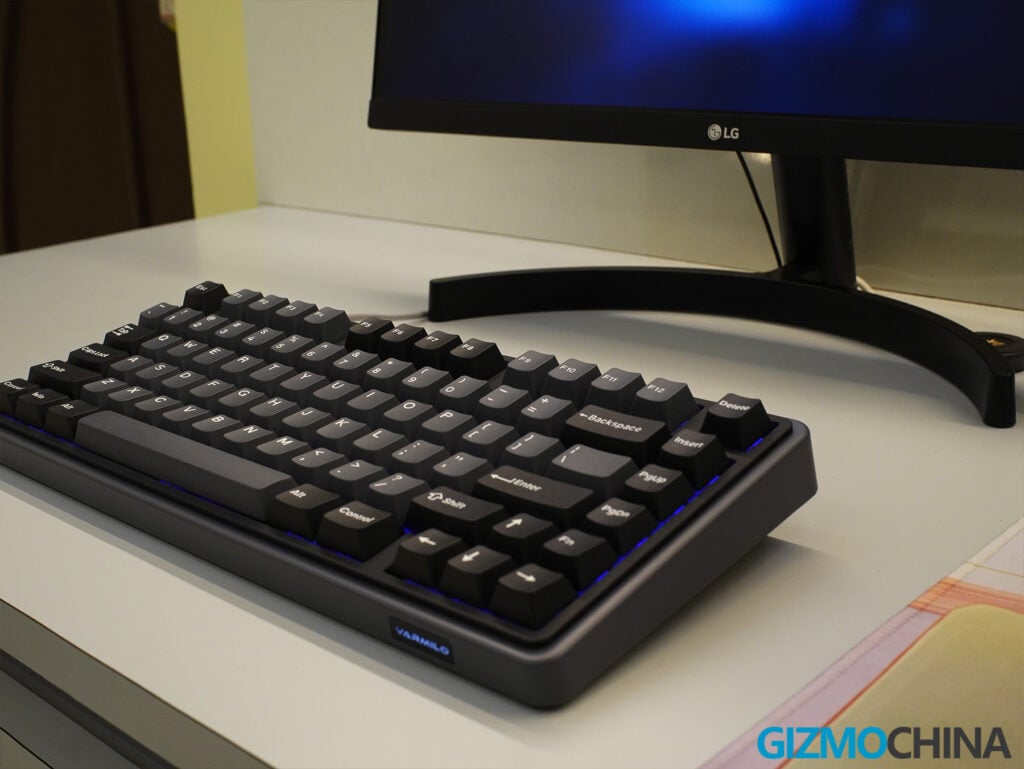
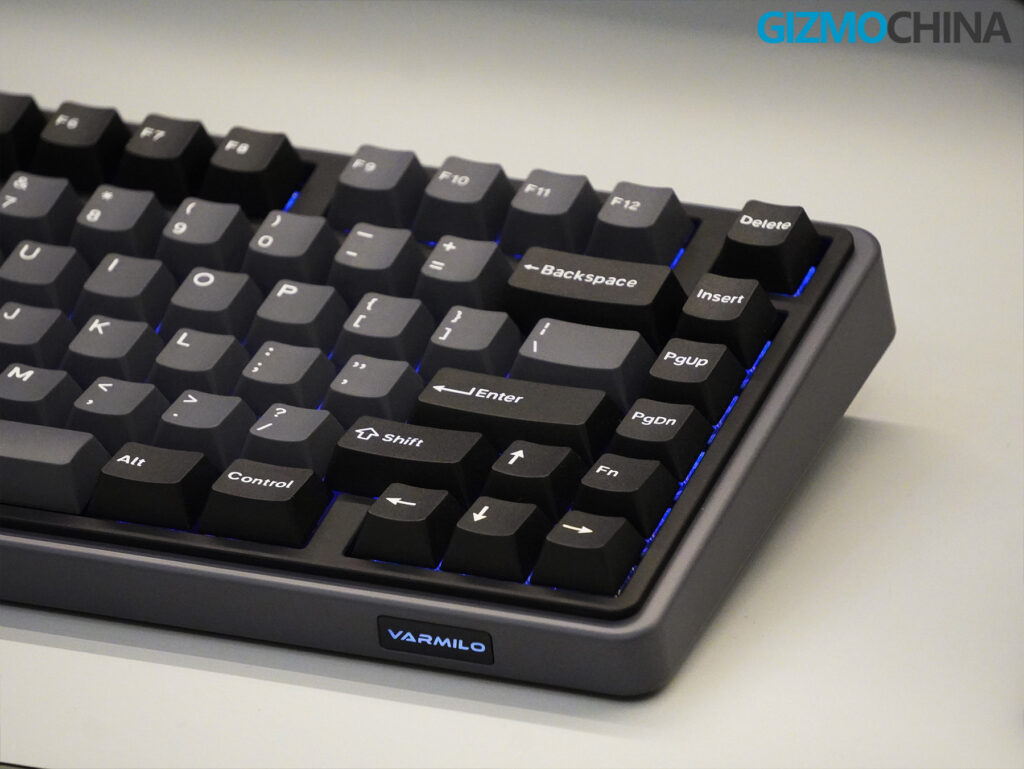
I’ve used a wide range of mechanical keyboards over the years, from entry-level gaming boards to heavily modded customs with soft gasket mounts and exotic switch lubes. The Varmilo Minilo 75 HE doesn’t aim to be part of either extreme. Instead, it tries to balance performance and utility in a clean 75% form factor using magnetic Hall effect switches. After using it daily for work and gaming over the past few weeks, I’ve found it capable in most areas, though not without its quirks.
What’s in the Box?
The Minilo 75 HE ships with most of what you’d expect: a USB-A to USB-C braided cable, a switch puller cum keycap puller, and extra keycaps for Mac layouts. There’s also a dust cover included. It’s a well-rounded set that doesn’t feel overly generous or too sparse.
Design and Build Quality
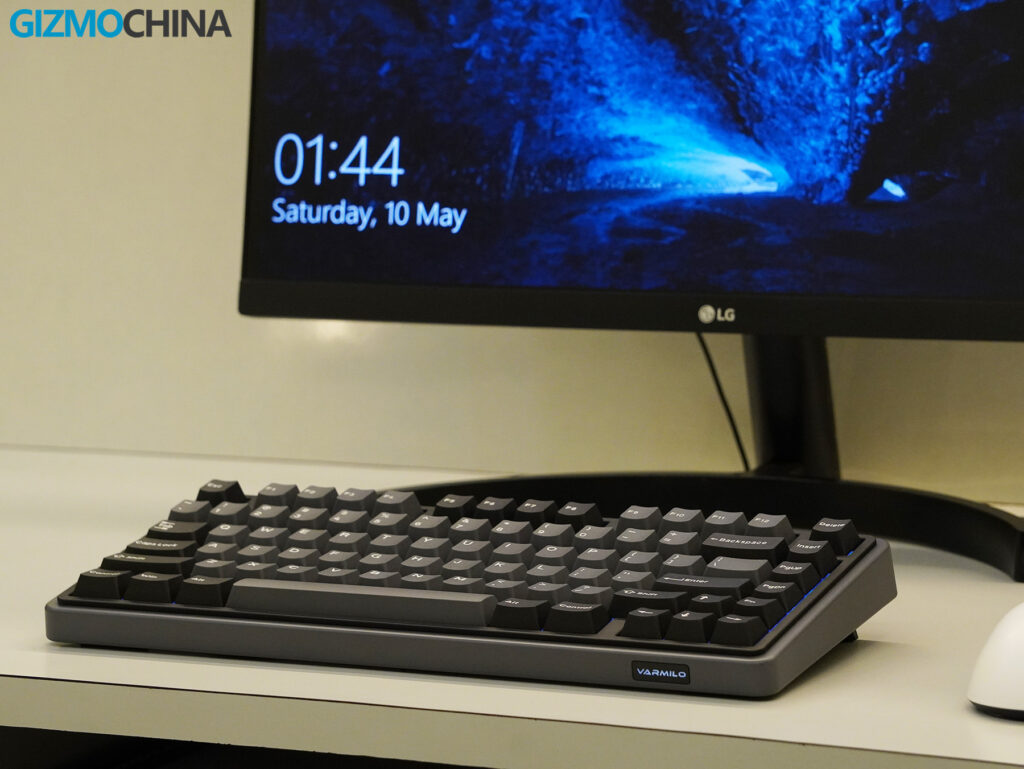
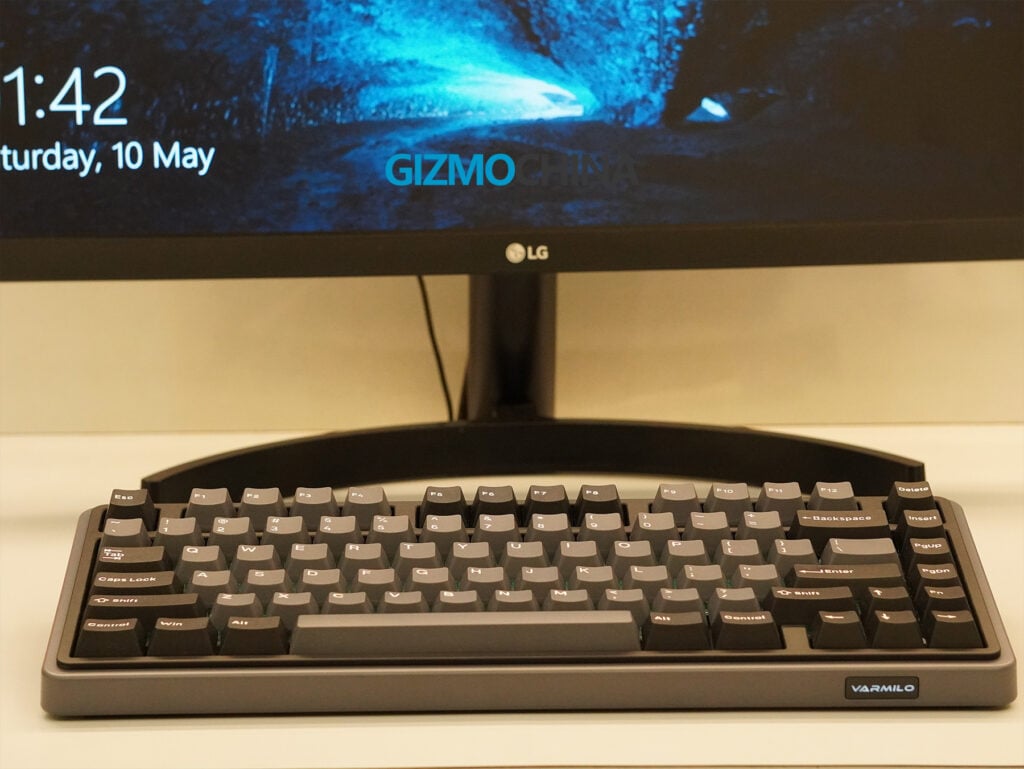
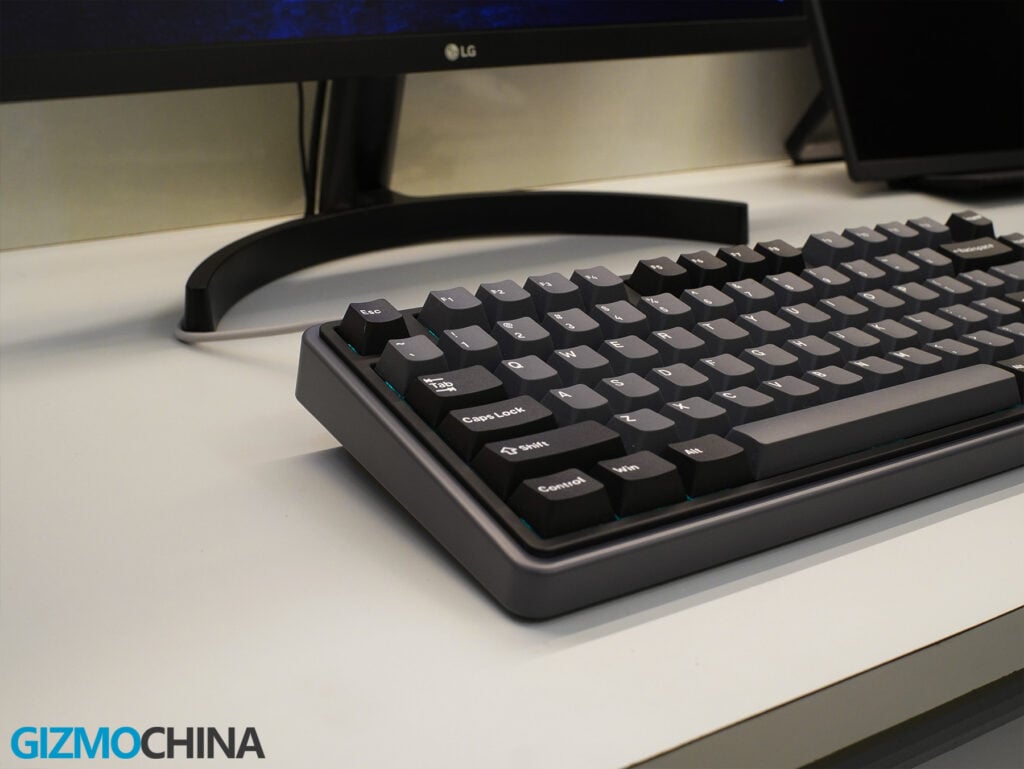
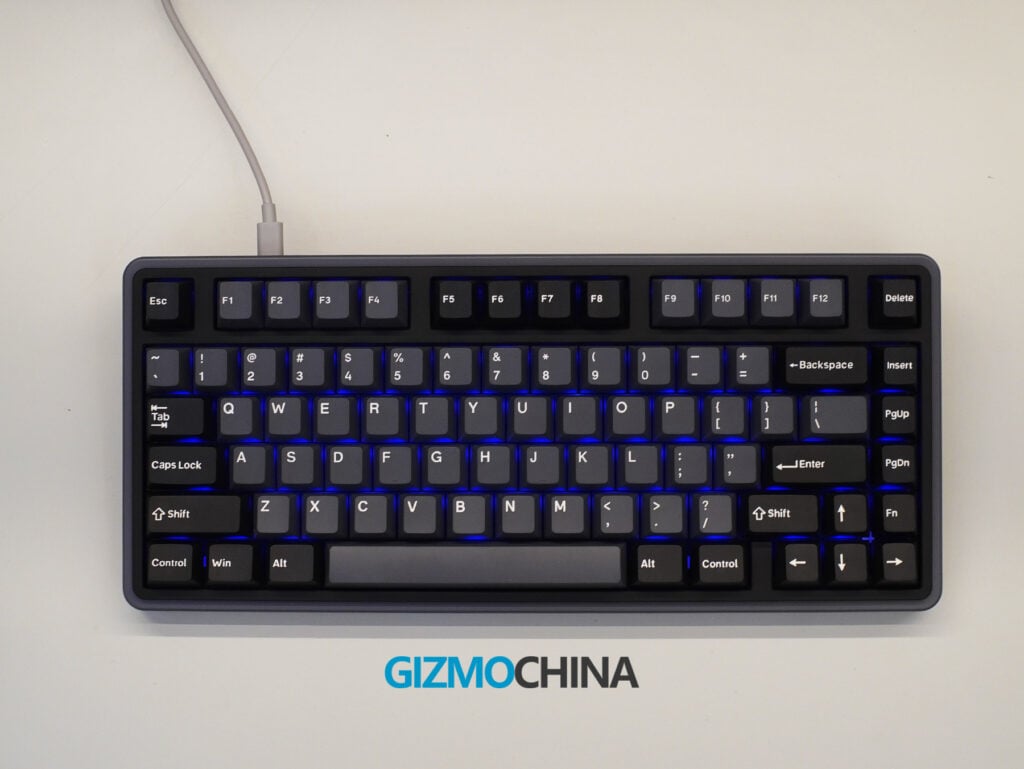
The first thing I noticed when unboxing the Minilo 75 HE was its size. It’s compact, but not cramped. The 75% layout manages to retain all the necessary keys without feeling too dense or too spread out. I’ve used other 75% boards that try to save space by aggressively shrinking the gap between clusters, but here, the spacing feels balanced. My fingers landed where I expected them to, even without looking.
I went with the Black version, which combines a dark plastic top shell with a subtle gunmetal grey inlay that frames the keyboard. It’s a simple visual, but it doesn’t feel cheap. The plastic has a smooth matte finish that resists fingerprints reasonably well, though the edges may pick up oil over time. There’s a soft Varmilo logo up front that glows with white backlight. Thankfully, it’s dim enough not to be distracting. I would’ve preferred no branding at all, but at least it doesn’t clash with the rest of the design.
The keyboard uses a tray mount structure with an aluminum plate inside, and that choice clearly influences both the feel and the acoustics. There’s no flex in the middle when typing, even under heavier presses. When I pick it up and try to twist the case, there’s a tiny bit of creaking from the plastic shell, but I noticed nothing during normal use.
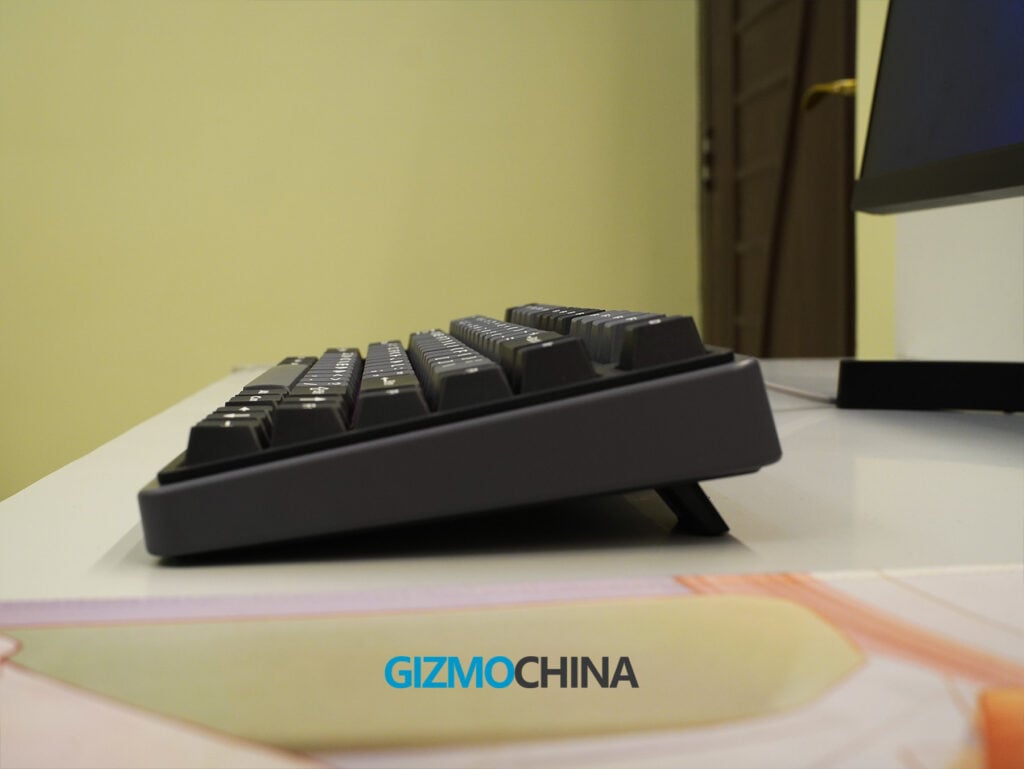
The typing angle is preset but comfortable. The case has a gentle slope, sitting 37mm tall at the back and tapering down smoothly toward the front. There’s enough front height to give your wrists a natural drop, even without a wrist rest. While it includes two-stage adjustable feet, I did end up using them for a slightly steeper angle, though the default position was already quite usable.
Underneath, the rubber feet are wide and provide a decent grip on my desk. I didn’t experience any wobble, even during intense typing or gaming sessions. The overall weight of 0.85kg (about 1.87 pounds) is light enough to move around with one hand but heavy enough to keep it planted.
This isn’t the kind of keyboard you show off for flashy aesthetics or exotic case materials. But if you’re someone who values structure, consistency, and acoustic clarity without excessive modding, the build quality here feels intentional in a way that’s easy to appreciate over time.
Connectivity
The Minilo 75 HE is wired-only, which might be a dealbreaker for some. I usually prefer wireless or Bluetooth options for a cleaner desk and multi-device workflow, but this board is clearly focused on performance. The 8000Hz polling rate and 0.2ms latency wouldn’t be feasible wirelessly.
The USB-C port is on the top-left, slightly recessed. The keyboard worked out of the box on both Windows and macOS, and the included Mac keycaps were handy. I frequently switch between platforms, and it was nice not having to remap or tweak too much.
Switches and Features
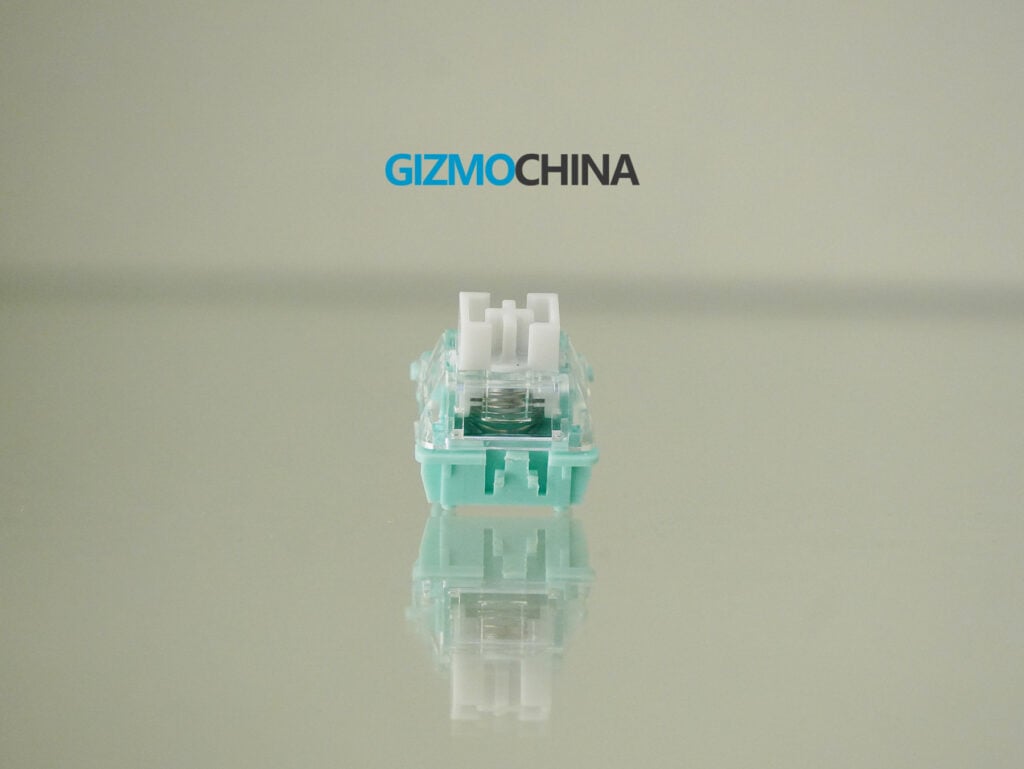
I chose the Magnetic White switch variant for my Minilo 75 HE. It’s positioned as the more cost-effective option in Varmilo’s lineup of Hall effect linear switches.
Unlike traditional mechanical switches that rely on metal leaf contacts, these switches use magnetic fields and Hall sensors to detect movement. That means there’s no physical actuation point in the usual sense. Instead, the switch responds to the magnet’s proximity to the sensor. This design allows for adjustable actuation points and unlocks features like Rapid Trigger and Dynamic Keystroke (DKS), which I’ll get into in a moment.
The Magnetic White switches themselves are linear and smooth out of the box. They require around 40 grams of force to actuate and top out at 60 grams at the bottom. The actuation range is wide, from 0.3mm all the way to 3.8mm. I spent some time fine-tuning mine to register slightly earlier than average, around 1.2mm. It made typing feel snappier without being overly sensitive. There’s no scratchiness in travel, and I didn’t notice any wobble on the stem either.
Varmilo also offers other switch choices like the Gateron Magnetic Jade Pro and TTC King of Magnetic RGB, which offer even better actuation points and appear better suited for users who prioritize sound and feel. The White switches I’ve been using have held up well so far, and with a rated lifespan of 100 million keystrokes, durability hasn’t been a concern.
The keyboard offers some regular features commonly found on Hall Effect boards, like full N-key rollover and anti-ghosting. I never had issues with missed inputs, even during fast-paced gameplay.
Rapid Trigger was more noticeable. It resets the key as soon as I lift my finger, which made movement in games feel snappier. It’s subtle but effective, especially for fast games.
Dynamic Keystroke is more niche. I mapped different actions based on press depth, walk on a light press, run on a full one and even set up a few macros. It worked, but I didn’t stick with it for long.
SOCD cleaning is also built in, useful for fighting games with opposing directional inputs. I didn’t test it much, but it’s good to have.
Performance
Once I tuned the actuation and enabled Rapid Trigger on WASD and a few action keys, the board came alive. I’m not a pro gamer, but I play a lot of FPS and other games, and this board felt faster and more precise than anything I’d used recently.
That speed is likely thanks to the polling rate and low latency. I couldn’t measure exact figures, but the feel was undeniable, no input lag, no delays, just fast, accurate response.
The software includes preconfigured gaming presets like Valorant, so you can jump in without needing to fine-tune settings right away. In Valorant, I had better strafing control. In sports games like FIFA or NBA 2K, keystrokes felt responsive and predictable, especially during rapid directional shifts or fast-paced gameplay. For typing, the consistency made long writing sessions comfortable. No fatigue, no surprises.
What helped the most was how confidently the board handled under pressure. Even during intense gameplay, it stayed silent, tight, and predictable. The typing feel was solid. It didn’t have the soft bounce of a gasket mount, but it didn’t need to. It felt grounded and stable.
Software
Varmilo’s HE Driver software strikes a good balance. Installation was easy, and it recognized the board instantly. The dashboard shows a live layout and real-time actuation depths.
Tuning actuation is simple, click a key, slide a marker, and you’re done. The settings are saved onboard, so they persist even when switching devices.
The downside? The software is Windows-only. macOS users can’t make live changes without a PC. RGB controls are available but basic, and the LEDs aren’t very bright, which is typical for most Hall Effect keyboards.
You can also remap keys and set macros. Real-time feedback makes experimenting feel low-risk. I never worried about bricking the board.
Final Thoughts
The Varmilo Minilo 75 HE is a specialized keyboard that tries to blend performance-focused features with solid day-to-day usability. It handles gaming well, thanks to its magnetic Hall effect switches, adjustable actuation, and consistently low latency. It also holds up as a daily typing keyboard, with neutral acoustics, stable construction, and a layout that feels natural right away.
That said, this isn’t a keyboard that’s built for everyone. If you’re looking for wireless flexibility, Bluetooth support, or a broader range of compatible switch types, this HE model isn’t going to tick those boxes. RGB lighting is present, but it’s subtle and not a central feature.
However, if what you need is a high-performance, low-latency keyboard that prioritizes responsiveness and customization, especially for competitive gaming, the Minilo 75 HE makes a strong case. It’s not flashy, and it doesn’t try to be everything at once, but what it does, it does well.
For those who want a more well-rounded option with wireless and Bluetooth support, the standard Minilo 75 (non-HE version) is still available. That model trades out some of the extreme responsiveness of magnetic switches for broader usability across devices. But this HE variant? It’s clearly geared toward serious gamers or performance-focused users who are ready to take full advantage of software-based tuning and ultra-fast inputs.
Alcatel, the French mobile brand managed by TCL Communication, is making a return to the Indian smartphone market. The company has officially announced the launch date of its upcoming V3 series in India. The information was confirmed via Alcatel’s official channels and further supported by teasers and updates from Realme’s former executive Madhav Sheth. Here’s a look at what to expect from the new Alcatel V3 lineup.
Alcatel V3 series to include three smartphones
Mark your calendars! The big launch is happening on 27th May at 12 PM – and you don’t want to miss it!
But wait… that’s not all! The #GuessTheFeature contest is now LIVE
— Alcatel India Official (@IndiaAlcatel) May 16, 2025
The Alcatel V3 series will be unveiled in India on May 27 at 12 PM IST. The company has confirmed that the launch will feature the Alcatel V3 Ultra, with reports suggesting that V3 Pro and V3 Classic will be announced alongside. Alcatel has partnered with Flipkart for online sales and will also offer the devices through Flipkart Minutes, the platform’s quick-commerce arm. The V3 series is being locally manufactured in collaboration with Padget Electronics, a subsidiary of Dixon Technologies, under the Make in India initiative.
The Alcatel V3 Ultra will feature a flat display with a centrally placed punch-hole cutout and support for a stylus. Teasers also highlight a triple rear camera setup arranged in a circular module and an LED flash. Alcatel is promoting the use of dedicated screen modes tailored for reading, scrolling, content creation, and watching videos. These phones will ship with TCL’s NXTPAPER display technology, aimed at reducing eye strain while maintaining clarity.
While full details are awaited, leaks suggest that the Alcatel V3 Ultra could come with a 6.8-inch 120Hz display, MediaTek Dimensity 6300 chipset, 108-megapixel main camera, 32-megapixel selfie camera, and a 5,010mAh battery with 33W fast charging. The device is likely to launch in India under Rs 30,000, positioning it in the competitive upper mid-range segment. All models are expected to run on the NxtQuantum OS layered on Android.
For more daily updates, please visit our News Section.
Realme recently confirmed that it will unveil the Realme Neo 7 Turbo smartphone later this month in China. Positioned above the Dimensity 9300+ powered Neo 7, which launched in December 2024, the Neo 7 Turbo is set to become the most powerful device in the brand’s Neo series. Ahead of its official debut, the smartphone has appeared on China’s 3C certification site, confirming its rapid charging capabilities.
Realme Neo 7 Turbo 3C certified
Realme Neo 7 Turbo 3C certified
The above image reveals that an upcoming Realme smartphone bearing the model number RMX5062 has been spotted with a 100W fast charger at China’s 3C certification. This phone is believed to be the Realme Neo 7 Turbo.
Realme hasn’t revealed the Neo 7 Turbo’s specifications. However, a recent Weibo post by Chase Xu, Vice President of Realme, President of Global Marketing, and President of China, suggests that the Neo 7 Turbo may have a transparent edition.
Realme Neo 7 Turbo-
Speculations are rife that the Realme Neo 7 Turbo, which will remain exclusive to the Chinese market, will be a rebranded version of the Realme GT 7’s global edition. In China, the Neo 7 Turbo will rival the iQOO Z10 Turbo Pro and the Redmi Turbo 4 Pro.
As per official teasers, the Realme GT 7 will come equipped with the Dimensity 9400e chipset and a massive 7,000mAh battery with 120W fast charging support. It will feature a flat OLED panel that offers up to 6,000nits of peak brightness. The device is also said to be equipped with a 50-megapixel triple camera unit.
For more daily updates, please visit our News Section.
Last month, Qualcomm unveiled the Snapdragon 8s Gen 4 chipset. Already, the Chinese market has received two Snapdragon 8s Gen 4-powered smartphones, such as the iQOO Z10 Turbo Pro and the Redmi Turbo 4 Pro. The Xiaomi Civi 5 Pro, which is scheduled to launch this month in China, is also equipped with the said chipset. A new development reveals that Oppo also plans to launch a K-series phone with Snapdragon 8s Gen 4 next month in China.
Oppo K13 Turbo launch timeframe
Oppo K13 Turbo launch timeframe for China
To recall, Oppo recently unveiled the Oppo K12s as the last K12-series phone in China. There have been rumours that the brand is prepping a Snapdragon 8s Gen 4-powered, performance-focused smartphone dubbed the Oppo K13 Turbo for the home market. The said device is expected to rival the likes of the iQOO Z10 Turbo and Redmi Turbo 4 Pro.
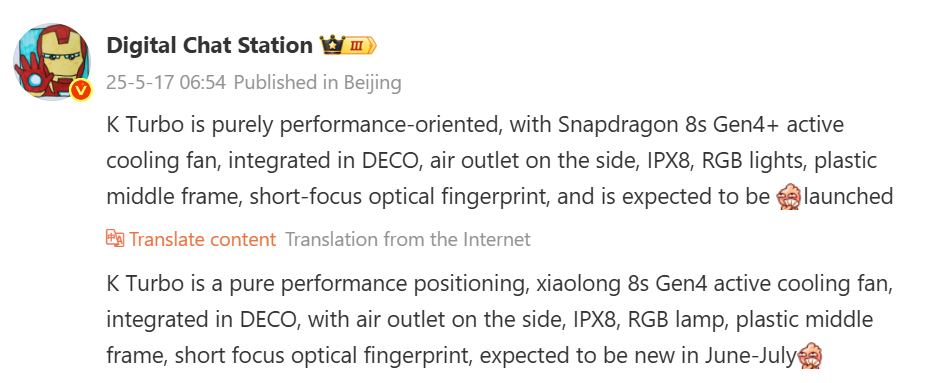
As can be seen above, tipster Digital Chat Station has claimed that the K-series Turbo phone, which appears to be the Oppo K13 Turbo, is expected to launch in June or July in China. The above Weibo post reiterates the leaked specs of the K13 Turbo.
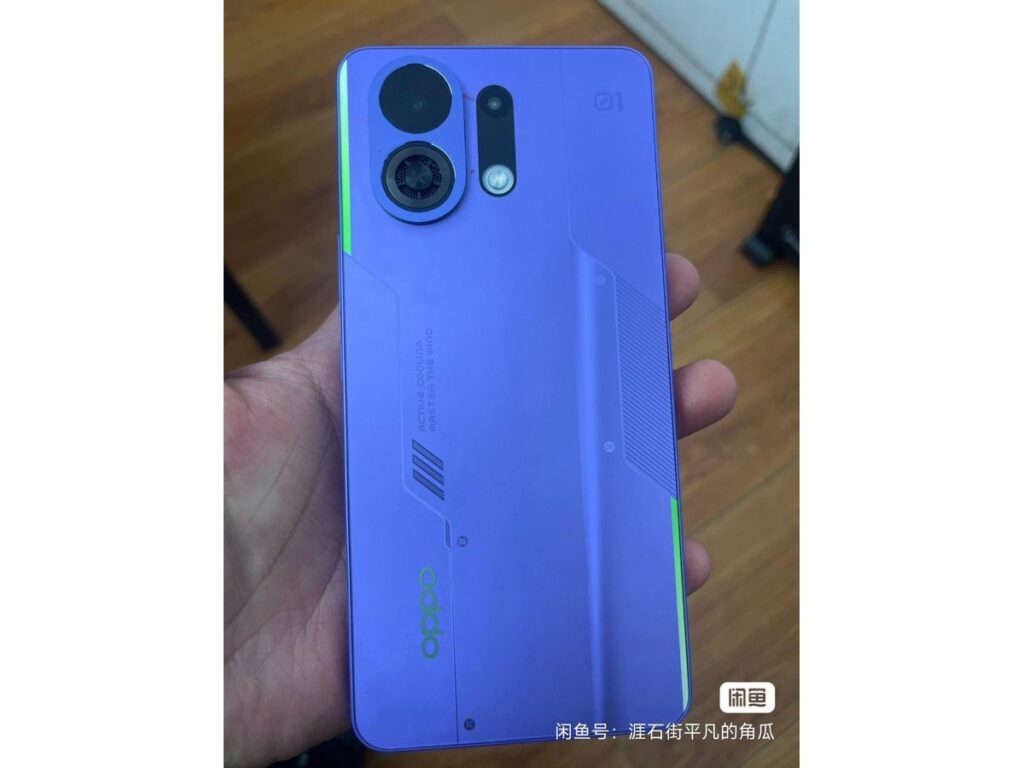
The Oppo K13 Turbo will feature an active cooling fan, which will be integrated into the camera module as shown in a leaked photo that emerged in April. The device is also said to have an IPX8 rating for water resistance, adding to its durability. For visual appeal, it includes RGB lighting and comes with a plastic mid-frame. For security, it will feature a short-focus optical fingerprint scanner.
The remaining specifications of the Oppo K13 Turbo are still under wraps. There’s also a possibility that the device could launch in global markets. However, there is currently no clarity on what name it will carry for its global release.
For more daily updates, please visit our News Section.
We use cookies on our website to give you the most relevant experience by remembering your preferences and repeat visits. By clicking “Accept”, you consent to the use of ALL the cookies.
This website uses cookies to improve your experience while you navigate through the website. Out of these, the cookies that are categorized as necessary are stored on your browser as they are essential for the working of basic functionalities of the website. We also use third-party cookies that help us analyze and understand how you use this website. These cookies will be stored in your browser only with your consent. You also have the option to opt-out of these cookies. But opting out of some of these cookies may affect your browsing experience.
Necessary cookies are absolutely essential for the website to function properly. This category only includes cookies that ensures basic functionalities and security features of the website. These cookies do not store any personal information.
Any cookies that may not be particularly necessary for the website to function and is used specifically to collect user personal data via analytics, ads, other embedded contents are termed as non-necessary cookies. It is mandatory to procure user consent prior to running these cookies on your website.